> ## Agent Instructions > leetcode-py is a Python LeetCode practice environment generator with one CLI: lcpy. It is not a service or platform. > Each problem is a directory under leetcode/ with README.md, solution.py, test_solution.py, helpers.py, and playground.ipynb. lcpy gen creates them from JSON templates bundled with the package. > Examples are backed by tests; copy them verbatim. # AlgoMaster 75 in Python with Tested Solutions Source: https://leetcode-py.wisl.dev/catalog/algo-master-75 All 75 problems in the AlgoMaster 75 list: each generates a tested Python practice environment with a pytest suite and reference solutions. AlgoMaster 75 holds 75 problems (7 Easy, 53 Medium, 15 Hard). AlgoMaster 75 is this repository's own curated 75, built for algorithmic mastery across the core interview patterns. Every problem generates a Python practice environment with a parametrized pytest suite and a tested reference solution. Generate the whole collection into the current directory: ```bash theme={"theme":{"light":"github-light","dark":"github-dark"}} lcpy gen -t algo-master-75 ```
| # | Problem | Difficulty | Solution | | ---- | ---------------------------------------------------------------------------------------------------------------------------- | ---------- | --------------------------------------------------------------------------------------------------------------------------------------------- | | 2 | [Add Two Numbers](/problems/add-two-numbers) | Medium | [solution.py](https://github.com/wislertt/leetcode-py/blob/main/leetcode/add_two_numbers/solution.py) | | 3 | [Longest Substring Without Repeating Characters](/problems/longest-substring-without-repeating-characters) | Medium | [solution.py](https://github.com/wislertt/leetcode-py/blob/main/leetcode/longest_substring_without_repeating_characters/solution.py) | | 4 | [Median of Two Sorted Arrays](/problems/median-of-two-sorted-arrays) | Hard | [solution.py](https://github.com/wislertt/leetcode-py/blob/main/leetcode/median_of_two_sorted_arrays/solution.py) | | 7 | [Reverse Integer](/problems/reverse-integer) | Medium | [solution.py](https://github.com/wislertt/leetcode-py/blob/main/leetcode/reverse_integer/solution.py) | | 11 | [Container With Most Water](/problems/container-with-most-water) | Medium | [solution.py](https://github.com/wislertt/leetcode-py/blob/main/leetcode/container_with_most_water/solution.py) | | 15 | [3Sum](/problems/three-sum) | Medium | [solution.py](https://github.com/wislertt/leetcode-py/blob/main/leetcode/three_sum/solution.py) | | 19 | [Remove Nth Node From End of List](/problems/remove-nth-node-from-end-of-list) | Medium | [solution.py](https://github.com/wislertt/leetcode-py/blob/main/leetcode/remove_nth_node_from_end_of_list/solution.py) | | 20 | [Valid Parentheses](/problems/valid-parentheses) | Easy | [solution.py](https://github.com/wislertt/leetcode-py/blob/main/leetcode/valid_parentheses/solution.py) | | 23 | [Merge k Sorted Lists](/problems/merge-k-sorted-lists) | Hard | [solution.py](https://github.com/wislertt/leetcode-py/blob/main/leetcode/merge_k_sorted_lists/solution.py) | | 24 | [Swap Nodes in Pairs](/problems/swap-nodes-in-pairs) | Medium | [solution.py](https://github.com/wislertt/leetcode-py/blob/main/leetcode/swap_nodes_in_pairs/solution.py) | | 25 | [Reverse Nodes in k-Group](/problems/reverse-nodes-in-k-group) | Hard | [solution.py](https://github.com/wislertt/leetcode-py/blob/main/leetcode/reverse_nodes_in_k_group/solution.py) | | 33 | [Search in Rotated Sorted Array](/problems/search-in-rotated-sorted-array) | Medium | [solution.py](https://github.com/wislertt/leetcode-py/blob/main/leetcode/search_in_rotated_sorted_array/solution.py) | | 34 | [Find First and Last Position of Element in Sorted Array](/problems/find-first-and-last-position-of-element-in-sorted-array) | Medium | [solution.py](https://github.com/wislertt/leetcode-py/blob/main/leetcode/find_first_and_last_position_of_element_in_sorted_array/solution.py) | | 41 | [First Missing Positive](/problems/first-missing-positive) | Hard | [solution.py](https://github.com/wislertt/leetcode-py/blob/main/leetcode/first_missing_positive/solution.py) | | 42 | [Trapping Rain Water](/problems/trapping-rain-water) | Hard | [solution.py](https://github.com/wislertt/leetcode-py/blob/main/leetcode/trapping_rain_water/solution.py) | | 45 | [Jump Game II](/problems/jump-game-ii) | Medium | [solution.py](https://github.com/wislertt/leetcode-py/blob/main/leetcode/jump_game_ii/solution.py) | | 46 | [Permutations](/problems/permutations) | Medium | [solution.py](https://github.com/wislertt/leetcode-py/blob/main/leetcode/permutations/solution.py) | | 48 | [Rotate Image](/problems/rotate-image) | Medium | [solution.py](https://github.com/wislertt/leetcode-py/blob/main/leetcode/rotate_image/solution.py) | | 49 | [Group Anagrams](/problems/group-anagrams) | Medium | [solution.py](https://github.com/wislertt/leetcode-py/blob/main/leetcode/group_anagrams/solution.py) | | 53 | [Maximum Subarray](/problems/maximum-subarray) | Medium | [solution.py](https://github.com/wislertt/leetcode-py/blob/main/leetcode/maximum_subarray/solution.py) | | 54 | [Spiral Matrix](/problems/spiral-matrix) | Medium | [solution.py](https://github.com/wislertt/leetcode-py/blob/main/leetcode/spiral_matrix/solution.py) | | 56 | [Merge Intervals](/problems/merge-intervals) | Medium | [solution.py](https://github.com/wislertt/leetcode-py/blob/main/leetcode/merge_intervals/solution.py) | | 64 | [Minimum Path Sum](/problems/minimum-path-sum) | Medium | [solution.py](https://github.com/wislertt/leetcode-py/blob/main/leetcode/minimum_path_sum/solution.py) | | 75 | [Sort Colors](/problems/sort-colors) | Medium | [solution.py](https://github.com/wislertt/leetcode-py/blob/main/leetcode/sort_colors/solution.py) | | 76 | [Minimum Window Substring](/problems/minimum-window-substring) | Hard | [solution.py](https://github.com/wislertt/leetcode-py/blob/main/leetcode/minimum_window_substring/solution.py) | | 78 | [Subsets](/problems/subsets) | Medium | [solution.py](https://github.com/wislertt/leetcode-py/blob/main/leetcode/subsets/solution.py) | | 84 | [Largest Rectangle in Histogram](/problems/largest-rectangle-in-histogram) | Hard | [solution.py](https://github.com/wislertt/leetcode-py/blob/main/leetcode/largest_rectangle_in_histogram/solution.py) | | 94 | [Binary Tree Inorder Traversal](/problems/binary-tree-inorder-traversal) | Easy | [solution.py](https://github.com/wislertt/leetcode-py/blob/main/leetcode/binary_tree_inorder_traversal/solution.py) | | 98 | [Validate Binary Search Tree](/problems/validate-binary-search-tree) | Medium | [solution.py](https://github.com/wislertt/leetcode-py/blob/main/leetcode/validate_binary_search_tree/solution.py) | | 102 | [Binary Tree Level Order Traversal](/problems/binary-tree-level-order-traversal) | Medium | [solution.py](https://github.com/wislertt/leetcode-py/blob/main/leetcode/binary_tree_level_order_traversal/solution.py) | | 124 | [Binary Tree Maximum Path Sum](/problems/binary-tree-maximum-path-sum) | Hard | [solution.py](https://github.com/wislertt/leetcode-py/blob/main/leetcode/binary_tree_maximum_path_sum/solution.py) | | 127 | [Word Ladder](/problems/word-ladder) | Hard | [solution.py](https://github.com/wislertt/leetcode-py/blob/main/leetcode/word_ladder/solution.py) | | 128 | [Longest Consecutive Sequence](/problems/longest-consecutive-sequence) | Medium | [solution.py](https://github.com/wislertt/leetcode-py/blob/main/leetcode/longest_consecutive_sequence/solution.py) | | 133 | [Clone Graph](/problems/clone-graph) | Medium | [solution.py](https://github.com/wislertt/leetcode-py/blob/main/leetcode/clone_graph/solution.py) | | 139 | [Word Break](/problems/word-break) | Medium | [solution.py](https://github.com/wislertt/leetcode-py/blob/main/leetcode/word_break/solution.py) | | 142 | [Linked List Cycle II](/problems/linked-list-cycle-ii) | Medium | [solution.py](https://github.com/wislertt/leetcode-py/blob/main/leetcode/linked_list_cycle_ii/solution.py) | | 144 | [Binary Tree Preorder Traversal](/problems/binary-tree-preorder-traversal) | Easy | [solution.py](https://github.com/wislertt/leetcode-py/blob/main/leetcode/binary_tree_preorder_traversal/solution.py) | | 145 | [Binary Tree Postorder Traversal](/problems/binary-tree-postorder-traversal) | Easy | [solution.py](https://github.com/wislertt/leetcode-py/blob/main/leetcode/binary_tree_postorder_traversal/solution.py) | | 146 | [LRU Cache](/problems/lru-cache) | Medium | [solution.py](https://github.com/wislertt/leetcode-py/blob/main/leetcode/lru_cache/solution.py) | | 149 | [Max Points on a Line](/problems/max-points-on-a-line) | Hard | [solution.py](https://github.com/wislertt/leetcode-py/blob/main/leetcode/max_points_on_a_line/solution.py) | | 151 | [Reverse Words in a String](/problems/reverse-words-in-a-string) | Medium | [solution.py](https://github.com/wislertt/leetcode-py/blob/main/leetcode/reverse_words_in_a_string/solution.py) | | 155 | [Min Stack](/problems/min-stack) | Medium | [solution.py](https://github.com/wislertt/leetcode-py/blob/main/leetcode/min_stack/solution.py) | | 169 | [Majority Element](/problems/majority-element) | Easy | [solution.py](https://github.com/wislertt/leetcode-py/blob/main/leetcode/majority_element/solution.py) | | 199 | [Binary Tree Right Side View](/problems/binary-tree-right-side-view) | Medium | [solution.py](https://github.com/wislertt/leetcode-py/blob/main/leetcode/binary_tree_right_side_view/solution.py) | | 200 | [Number of Islands](/problems/number-of-islands) | Medium | [solution.py](https://github.com/wislertt/leetcode-py/blob/main/leetcode/number_of_islands/solution.py) | | 208 | [Implement Trie (Prefix Tree)](/problems/implement-trie-prefix-tree) | Medium | [solution.py](https://github.com/wislertt/leetcode-py/blob/main/leetcode/implement_trie_prefix_tree/solution.py) | | 210 | [Course Schedule II](/problems/course-schedule-ii) | Medium | [solution.py](https://github.com/wislertt/leetcode-py/blob/main/leetcode/course_schedule_ii/solution.py) | | 212 | [Word Search II](/problems/word-search-ii) | Hard | [solution.py](https://github.com/wislertt/leetcode-py/blob/main/leetcode/word_search_ii/solution.py) | | 213 | [House Robber II](/problems/house-robber-ii) | Medium | [solution.py](https://github.com/wislertt/leetcode-py/blob/main/leetcode/house_robber_ii/solution.py) | | 230 | [Kth Smallest Element in a BST](/problems/kth-smallest-element-in-a-bst) | Medium | [solution.py](https://github.com/wislertt/leetcode-py/blob/main/leetcode/kth_smallest_element_in_a_bst/solution.py) | | 236 | [Lowest Common Ancestor of a Binary Tree](/problems/lowest-common-ancestor-of-a-binary-tree) | Medium | [solution.py](https://github.com/wislertt/leetcode-py/blob/main/leetcode/lowest_common_ancestor_of_a_binary_tree/solution.py) | | 238 | [Product of Array Except Self](/problems/product-of-array-except-self) | Medium | [solution.py](https://github.com/wislertt/leetcode-py/blob/main/leetcode/product_of_array_except_self/solution.py) | | 239 | [Sliding Window Maximum](/problems/sliding-window-maximum) | Hard | [solution.py](https://github.com/wislertt/leetcode-py/blob/main/leetcode/sliding_window_maximum/solution.py) | | 260 | [Single Number III](/problems/single-number-iii) | Medium | [solution.py](https://github.com/wislertt/leetcode-py/blob/main/leetcode/single_number_iii/solution.py) | | 295 | [Find Median from Data Stream](/problems/find-median-from-data-stream) | Hard | [solution.py](https://github.com/wislertt/leetcode-py/blob/main/leetcode/find_median_from_data_stream/solution.py) | | 297 | [Serialize and Deserialize Binary Tree](/problems/serialize-and-deserialize-binary-tree) | Hard | [solution.py](https://github.com/wislertt/leetcode-py/blob/main/leetcode/serialize_and_deserialize_binary_tree/solution.py) | | 300 | [Longest Increasing Subsequence](/problems/longest-increasing-subsequence) | Medium | [solution.py](https://github.com/wislertt/leetcode-py/blob/main/leetcode/longest_increasing_subsequence/solution.py) | | 322 | [Coin Change](/problems/coin-change) | Medium | [solution.py](https://github.com/wislertt/leetcode-py/blob/main/leetcode/coin_change/solution.py) | | 329 | [Longest Increasing Path in a Matrix](/problems/longest-increasing-path-in-a-matrix) | Hard | [solution.py](https://github.com/wislertt/leetcode-py/blob/main/leetcode/longest_increasing_path_in_a_matrix/solution.py) | | 338 | [Counting Bits](/problems/counting-bits) | Easy | [solution.py](https://github.com/wislertt/leetcode-py/blob/main/leetcode/counting_bits/solution.py) | | 347 | [Top K Frequent Elements](/problems/top-k-frequent-elements) | Medium | [solution.py](https://github.com/wislertt/leetcode-py/blob/main/leetcode/top_k_frequent_elements/solution.py) | | 392 | [Is Subsequence](/problems/is-subsequence) | Easy | [solution.py](https://github.com/wislertt/leetcode-py/blob/main/leetcode/is_subsequence/solution.py) | | 416 | [Partition Equal Subset Sum](/problems/partition-equal-subset-sum) | Medium | [solution.py](https://github.com/wislertt/leetcode-py/blob/main/leetcode/partition_equal_subset_sum/solution.py) | | 435 | [Non-overlapping Intervals](/problems/non-overlapping-intervals) | Medium | [solution.py](https://github.com/wislertt/leetcode-py/blob/main/leetcode/non_overlapping_intervals/solution.py) | | 437 | [Path Sum III](/problems/path-sum-iii) | Medium | [solution.py](https://github.com/wislertt/leetcode-py/blob/main/leetcode/path_sum_iii/solution.py) | | 438 | [Find All Anagrams in a String](/problems/find-all-anagrams-in-a-string) | Medium | [solution.py](https://github.com/wislertt/leetcode-py/blob/main/leetcode/find_all_anagrams_in_a_string/solution.py) | | 547 | [Number of Provinces](/problems/number-of-provinces) | Medium | [solution.py](https://github.com/wislertt/leetcode-py/blob/main/leetcode/number_of_provinces/solution.py) | | 560 | [Subarray Sum Equals K](/problems/subarray-sum-equals-k) | Medium | [solution.py](https://github.com/wislertt/leetcode-py/blob/main/leetcode/subarray_sum_equals_k/solution.py) | | 567 | [Permutation in String](/problems/permutation-in-string) | Medium | [solution.py](https://github.com/wislertt/leetcode-py/blob/main/leetcode/permutation_in_string/solution.py) | | 729 | [My Calendar I](/problems/my-calendar-i) | Medium | [solution.py](https://github.com/wislertt/leetcode-py/blob/main/leetcode/my_calendar_i/solution.py) | | 785 | [Is Graph Bipartite?](/problems/is-graph-bipartite) | Medium | [solution.py](https://github.com/wislertt/leetcode-py/blob/main/leetcode/is_graph_bipartite/solution.py) | | 787 | [Cheapest Flights Within K Stops](/problems/cheapest-flights-within-k-stops) | Medium | [solution.py](https://github.com/wislertt/leetcode-py/blob/main/leetcode/cheapest_flights_within_k_stops/solution.py) | | 994 | [Rotting Oranges](/problems/rotting-oranges) | Medium | [solution.py](https://github.com/wislertt/leetcode-py/blob/main/leetcode/rotting_oranges/solution.py) | | 1143 | [Longest Common Subsequence](/problems/longest-common-subsequence) | Medium | [solution.py](https://github.com/wislertt/leetcode-py/blob/main/leetcode/longest_common_subsequence/solution.py) | | 1584 | [Min Cost to Connect All Points](/problems/min-cost-to-connect-all-points) | Medium | [solution.py](https://github.com/wislertt/leetcode-py/blob/main/leetcode/min_cost_to_connect_all_points/solution.py) |
# All LeetCode Problems in Python with Tests Source: https://leetcode-py.wisl.dev/catalog/all Every LeetCode problem in the catalog with difficulty, collections, and tested Python solutions. Part 1 of 8: problems 1-200. Every problem shipped in this repository: 1404 problems (309 Easy, 819 Medium, 276 Hard). Generate every problem directory into the current directory: ```bash theme={"theme":{"light":"github-light","dark":"github-dark"}} lcpy gen --all ``` Browse by difficulty: [Easy](/catalog/easy), [Medium](/catalog/medium), [Hard](/catalog/hard).
| # | Problem | Difficulty | Solution | | --- | ---------------------------------------------------------------------------------------------------------------------------------- | ---------- | ------------------------------------------------------------------------------------------------------------------------------------------------ | | 1 | [Two Sum](/problems/two-sum) | Easy | [solution.py](https://github.com/wislertt/leetcode-py/blob/main/leetcode/two_sum/solution.py) | | 2 | [Add Two Numbers](/problems/add-two-numbers) | Medium | [solution.py](https://github.com/wislertt/leetcode-py/blob/main/leetcode/add_two_numbers/solution.py) | | 3 | [Longest Substring Without Repeating Characters](/problems/longest-substring-without-repeating-characters) | Medium | [solution.py](https://github.com/wislertt/leetcode-py/blob/main/leetcode/longest_substring_without_repeating_characters/solution.py) | | 4 | [Median of Two Sorted Arrays](/problems/median-of-two-sorted-arrays) | Hard | [solution.py](https://github.com/wislertt/leetcode-py/blob/main/leetcode/median_of_two_sorted_arrays/solution.py) | | 5 | [Longest Palindromic Substring](/problems/longest-palindromic-substring) | Medium | [solution.py](https://github.com/wislertt/leetcode-py/blob/main/leetcode/longest_palindromic_substring/solution.py) | | 6 | [Zigzag Conversion](/problems/zigzag-conversion) | Medium | [solution.py](https://github.com/wislertt/leetcode-py/blob/main/leetcode/zigzag_conversion/solution.py) | | 7 | [Reverse Integer](/problems/reverse-integer) | Medium | [solution.py](https://github.com/wislertt/leetcode-py/blob/main/leetcode/reverse_integer/solution.py) | | 8 | [String to Integer (atoi)](/problems/string-to-integer-atoi) | Medium | [solution.py](https://github.com/wislertt/leetcode-py/blob/main/leetcode/string_to_integer_atoi/solution.py) | | 9 | [Palindrome Number](/problems/palindrome-number) | Easy | [solution.py](https://github.com/wislertt/leetcode-py/blob/main/leetcode/palindrome_number/solution.py) | | 10 | [Regular Expression Matching](/problems/regular-expression-matching) | Hard | [solution.py](https://github.com/wislertt/leetcode-py/blob/main/leetcode/regular_expression_matching/solution.py) | | 11 | [Container With Most Water](/problems/container-with-most-water) | Medium | [solution.py](https://github.com/wislertt/leetcode-py/blob/main/leetcode/container_with_most_water/solution.py) | | 12 | [Integer to Roman](/problems/integer-to-roman) | Medium | [solution.py](https://github.com/wislertt/leetcode-py/blob/main/leetcode/integer_to_roman/solution.py) | | 13 | [Roman to Integer](/problems/roman-to-integer) | Easy | [solution.py](https://github.com/wislertt/leetcode-py/blob/main/leetcode/roman_to_integer/solution.py) | | 14 | [Longest Common Prefix](/problems/longest-common-prefix) | Easy | [solution.py](https://github.com/wislertt/leetcode-py/blob/main/leetcode/longest_common_prefix/solution.py) | | 15 | [3Sum](/problems/three-sum) | Medium | [solution.py](https://github.com/wislertt/leetcode-py/blob/main/leetcode/three_sum/solution.py) | | 16 | [3Sum Closest](/problems/three-sum-closest) | Medium | [solution.py](https://github.com/wislertt/leetcode-py/blob/main/leetcode/three_sum_closest/solution.py) | | 17 | [Letter Combinations of a Phone Number](/problems/letter-combinations-of-a-phone-number) | Medium | [solution.py](https://github.com/wislertt/leetcode-py/blob/main/leetcode/letter_combinations_of_a_phone_number/solution.py) | | 18 | [4Sum](/problems/four-sum) | Medium | [solution.py](https://github.com/wislertt/leetcode-py/blob/main/leetcode/four_sum/solution.py) | | 19 | [Remove Nth Node From End of List](/problems/remove-nth-node-from-end-of-list) | Medium | [solution.py](https://github.com/wislertt/leetcode-py/blob/main/leetcode/remove_nth_node_from_end_of_list/solution.py) | | 20 | [Valid Parentheses](/problems/valid-parentheses) | Easy | [solution.py](https://github.com/wislertt/leetcode-py/blob/main/leetcode/valid_parentheses/solution.py) | | 21 | [Merge Two Sorted Lists](/problems/merge-two-sorted-lists) | Easy | [solution.py](https://github.com/wislertt/leetcode-py/blob/main/leetcode/merge_two_sorted_lists/solution.py) | | 22 | [Generate Parentheses](/problems/generate-parentheses) | Medium | [solution.py](https://github.com/wislertt/leetcode-py/blob/main/leetcode/generate_parentheses/solution.py) | | 23 | [Merge k Sorted Lists](/problems/merge-k-sorted-lists) | Hard | [solution.py](https://github.com/wislertt/leetcode-py/blob/main/leetcode/merge_k_sorted_lists/solution.py) | | 24 | [Swap Nodes in Pairs](/problems/swap-nodes-in-pairs) | Medium | [solution.py](https://github.com/wislertt/leetcode-py/blob/main/leetcode/swap_nodes_in_pairs/solution.py) | | 25 | [Reverse Nodes in k-Group](/problems/reverse-nodes-in-k-group) | Hard | [solution.py](https://github.com/wislertt/leetcode-py/blob/main/leetcode/reverse_nodes_in_k_group/solution.py) | | 26 | [Remove Duplicates From Sorted Array](/problems/remove-duplicates-from-sorted-array) | Easy | [solution.py](https://github.com/wislertt/leetcode-py/blob/main/leetcode/remove_duplicates_from_sorted_array/solution.py) | | 27 | [Remove Element](/problems/remove-element) | Easy | [solution.py](https://github.com/wislertt/leetcode-py/blob/main/leetcode/remove_element/solution.py) | | 28 | [Find the Index of the First Occurrence in a String](/problems/find-the-index-of-the-first-occurrence-in-a-string) | Easy | [solution.py](https://github.com/wislertt/leetcode-py/blob/main/leetcode/find_the_index_of_the_first_occurrence_in_a_string/solution.py) | | 29 | [Divide Two Integers](/problems/divide-two-integers) | Medium | [solution.py](https://github.com/wislertt/leetcode-py/blob/main/leetcode/divide_two_integers/solution.py) | | 30 | [Substring with Concatenation of All Words](/problems/substring-with-concatenation-of-all-words) | Hard | [solution.py](https://github.com/wislertt/leetcode-py/blob/main/leetcode/substring_with_concatenation_of_all_words/solution.py) | | 31 | [Next Permutation](/problems/next-permutation) | Medium | [solution.py](https://github.com/wislertt/leetcode-py/blob/main/leetcode/next_permutation/solution.py) | | 32 | [Longest Valid Parentheses](/problems/longest-valid-parentheses) | Hard | [solution.py](https://github.com/wislertt/leetcode-py/blob/main/leetcode/longest_valid_parentheses/solution.py) | | 33 | [Search in Rotated Sorted Array](/problems/search-in-rotated-sorted-array) | Medium | [solution.py](https://github.com/wislertt/leetcode-py/blob/main/leetcode/search_in_rotated_sorted_array/solution.py) | | 34 | [Find First and Last Position of Element in Sorted Array](/problems/find-first-and-last-position-of-element-in-sorted-array) | Medium | [solution.py](https://github.com/wislertt/leetcode-py/blob/main/leetcode/find_first_and_last_position_of_element_in_sorted_array/solution.py) | | 35 | [Search Insert Position](/problems/search-insert-position) | Easy | [solution.py](https://github.com/wislertt/leetcode-py/blob/main/leetcode/search_insert_position/solution.py) | | 36 | [Valid Sudoku](/problems/valid-sudoku) | Medium | [solution.py](https://github.com/wislertt/leetcode-py/blob/main/leetcode/valid_sudoku/solution.py) | | 37 | [Sudoku Solver](/problems/sudoku-solver) | Hard | [solution.py](https://github.com/wislertt/leetcode-py/blob/main/leetcode/sudoku_solver/solution.py) | | 38 | [Count and Say](/problems/count-and-say) | Medium | [solution.py](https://github.com/wislertt/leetcode-py/blob/main/leetcode/count_and_say/solution.py) | | 39 | [Combination Sum](/problems/combination-sum) | Medium | [solution.py](https://github.com/wislertt/leetcode-py/blob/main/leetcode/combination_sum/solution.py) | | 40 | [Combination Sum II](/problems/combination-sum-ii) | Medium | [solution.py](https://github.com/wislertt/leetcode-py/blob/main/leetcode/combination_sum_ii/solution.py) | | 41 | [First Missing Positive](/problems/first-missing-positive) | Hard | [solution.py](https://github.com/wislertt/leetcode-py/blob/main/leetcode/first_missing_positive/solution.py) | | 42 | [Trapping Rain Water](/problems/trapping-rain-water) | Hard | [solution.py](https://github.com/wislertt/leetcode-py/blob/main/leetcode/trapping_rain_water/solution.py) | | 43 | [Multiply Strings](/problems/multiply-strings) | Medium | [solution.py](https://github.com/wislertt/leetcode-py/blob/main/leetcode/multiply_strings/solution.py) | | 44 | [Wildcard Matching](/problems/wildcard-matching) | Hard | [solution.py](https://github.com/wislertt/leetcode-py/blob/main/leetcode/wildcard_matching/solution.py) | | 45 | [Jump Game II](/problems/jump-game-ii) | Medium | [solution.py](https://github.com/wislertt/leetcode-py/blob/main/leetcode/jump_game_ii/solution.py) | | 46 | [Permutations](/problems/permutations) | Medium | [solution.py](https://github.com/wislertt/leetcode-py/blob/main/leetcode/permutations/solution.py) | | 47 | [Permutations II](/problems/permutations-ii) | Medium | [solution.py](https://github.com/wislertt/leetcode-py/blob/main/leetcode/permutations_ii/solution.py) | | 48 | [Rotate Image](/problems/rotate-image) | Medium | [solution.py](https://github.com/wislertt/leetcode-py/blob/main/leetcode/rotate_image/solution.py) | | 49 | [Group Anagrams](/problems/group-anagrams) | Medium | [solution.py](https://github.com/wislertt/leetcode-py/blob/main/leetcode/group_anagrams/solution.py) | | 50 | [Pow(x, n)](/problems/powx-n) | Medium | [solution.py](https://github.com/wislertt/leetcode-py/blob/main/leetcode/powx_n/solution.py) | | 51 | [N-Queens](/problems/n-queens) | Hard | [solution.py](https://github.com/wislertt/leetcode-py/blob/main/leetcode/n_queens/solution.py) | | 52 | [N-Queens II](/problems/n-queens-ii) | Hard | [solution.py](https://github.com/wislertt/leetcode-py/blob/main/leetcode/n_queens_ii/solution.py) | | 53 | [Maximum Subarray](/problems/maximum-subarray) | Medium | [solution.py](https://github.com/wislertt/leetcode-py/blob/main/leetcode/maximum_subarray/solution.py) | | 54 | [Spiral Matrix](/problems/spiral-matrix) | Medium | [solution.py](https://github.com/wislertt/leetcode-py/blob/main/leetcode/spiral_matrix/solution.py) | | 55 | [Jump Game](/problems/jump-game) | Medium | [solution.py](https://github.com/wislertt/leetcode-py/blob/main/leetcode/jump_game/solution.py) | | 56 | [Merge Intervals](/problems/merge-intervals) | Medium | [solution.py](https://github.com/wislertt/leetcode-py/blob/main/leetcode/merge_intervals/solution.py) | | 57 | [Insert Interval](/problems/insert-interval) | Medium | [solution.py](https://github.com/wislertt/leetcode-py/blob/main/leetcode/insert_interval/solution.py) | | 58 | [Length of Last Word](/problems/length-of-last-word) | Easy | [solution.py](https://github.com/wislertt/leetcode-py/blob/main/leetcode/length_of_last_word/solution.py) | | 59 | [Spiral Matrix II](/problems/spiral-matrix-ii) | Medium | [solution.py](https://github.com/wislertt/leetcode-py/blob/main/leetcode/spiral_matrix_ii/solution.py) | | 60 | [Permutation Sequence](/problems/permutation-sequence) | Hard | [solution.py](https://github.com/wislertt/leetcode-py/blob/main/leetcode/permutation_sequence/solution.py) | | 61 | [Rotate List](/problems/rotate-list) | Medium | [solution.py](https://github.com/wislertt/leetcode-py/blob/main/leetcode/rotate_list/solution.py) | | 62 | [Unique Paths](/problems/unique-paths) | Medium | [solution.py](https://github.com/wislertt/leetcode-py/blob/main/leetcode/unique_paths/solution.py) | | 63 | [Unique Paths II](/problems/unique-paths-ii) | Medium | [solution.py](https://github.com/wislertt/leetcode-py/blob/main/leetcode/unique_paths_ii/solution.py) | | 64 | [Minimum Path Sum](/problems/minimum-path-sum) | Medium | [solution.py](https://github.com/wislertt/leetcode-py/blob/main/leetcode/minimum_path_sum/solution.py) | | 65 | [Valid Number](/problems/valid-number) | Hard | [solution.py](https://github.com/wislertt/leetcode-py/blob/main/leetcode/valid_number/solution.py) | | 66 | [Plus One](/problems/plus-one) | Easy | [solution.py](https://github.com/wislertt/leetcode-py/blob/main/leetcode/plus_one/solution.py) | | 67 | [Add Binary](/problems/add-binary) | Easy | [solution.py](https://github.com/wislertt/leetcode-py/blob/main/leetcode/add_binary/solution.py) | | 68 | [Text Justification](/problems/text-justification) | Hard | [solution.py](https://github.com/wislertt/leetcode-py/blob/main/leetcode/text_justification/solution.py) | | 69 | [Sqrt(x)](/problems/sqrtx) | Easy | [solution.py](https://github.com/wislertt/leetcode-py/blob/main/leetcode/sqrtx/solution.py) | | 70 | [Climbing Stairs](/problems/climbing-stairs) | Easy | [solution.py](https://github.com/wislertt/leetcode-py/blob/main/leetcode/climbing_stairs/solution.py) | | 71 | [Simplify Path](/problems/simplify-path) | Medium | [solution.py](https://github.com/wislertt/leetcode-py/blob/main/leetcode/simplify_path/solution.py) | | 72 | [Edit Distance](/problems/edit-distance) | Hard | [solution.py](https://github.com/wislertt/leetcode-py/blob/main/leetcode/edit_distance/solution.py) | | 73 | [Set Matrix Zeroes](/problems/set-matrix-zeroes) | Medium | [solution.py](https://github.com/wislertt/leetcode-py/blob/main/leetcode/set_matrix_zeroes/solution.py) | | 74 | [Search a 2D Matrix](/problems/search-a-2d-matrix) | Medium | [solution.py](https://github.com/wislertt/leetcode-py/blob/main/leetcode/search_a_2d_matrix/solution.py) | | 75 | [Sort Colors](/problems/sort-colors) | Medium | [solution.py](https://github.com/wislertt/leetcode-py/blob/main/leetcode/sort_colors/solution.py) | | 76 | [Minimum Window Substring](/problems/minimum-window-substring) | Hard | [solution.py](https://github.com/wislertt/leetcode-py/blob/main/leetcode/minimum_window_substring/solution.py) | | 77 | [Combinations](/problems/combinations) | Medium | [solution.py](https://github.com/wislertt/leetcode-py/blob/main/leetcode/combinations/solution.py) | | 78 | [Subsets](/problems/subsets) | Medium | [solution.py](https://github.com/wislertt/leetcode-py/blob/main/leetcode/subsets/solution.py) | | 79 | [Word Search](/problems/word-search) | Medium | [solution.py](https://github.com/wislertt/leetcode-py/blob/main/leetcode/word_search/solution.py) | | 80 | [Remove Duplicates from Sorted Array II](/problems/remove-duplicates-from-sorted-array-ii) | Medium | [solution.py](https://github.com/wislertt/leetcode-py/blob/main/leetcode/remove_duplicates_from_sorted_array_ii/solution.py) | | 81 | [Search in Rotated Sorted Array II](/problems/search-in-rotated-sorted-array-ii) | Medium | [solution.py](https://github.com/wislertt/leetcode-py/blob/main/leetcode/search_in_rotated_sorted_array_ii/solution.py) | | 82 | [Remove Duplicates from Sorted List II](/problems/remove-duplicates-from-sorted-list-ii) | Medium | [solution.py](https://github.com/wislertt/leetcode-py/blob/main/leetcode/remove_duplicates_from_sorted_list_ii/solution.py) | | 83 | [Remove Duplicates from Sorted List](/problems/remove-duplicates-from-sorted-list) | Easy | [solution.py](https://github.com/wislertt/leetcode-py/blob/main/leetcode/remove_duplicates_from_sorted_list/solution.py) | | 84 | [Largest Rectangle in Histogram](/problems/largest-rectangle-in-histogram) | Hard | [solution.py](https://github.com/wislertt/leetcode-py/blob/main/leetcode/largest_rectangle_in_histogram/solution.py) | | 85 | [Maximal Rectangle](/problems/maximal-rectangle) | Hard | [solution.py](https://github.com/wislertt/leetcode-py/blob/main/leetcode/maximal_rectangle/solution.py) | | 86 | [Partition List](/problems/partition-list) | Medium | [solution.py](https://github.com/wislertt/leetcode-py/blob/main/leetcode/partition_list/solution.py) | | 87 | [Scramble String](/problems/scramble-string) | Hard | [solution.py](https://github.com/wislertt/leetcode-py/blob/main/leetcode/scramble_string/solution.py) | | 88 | [Merge Sorted Array](/problems/merge-sorted-array) | Easy | [solution.py](https://github.com/wislertt/leetcode-py/blob/main/leetcode/merge_sorted_array/solution.py) | | 89 | [Gray Code](/problems/gray-code) | Medium | [solution.py](https://github.com/wislertt/leetcode-py/blob/main/leetcode/gray_code/solution.py) | | 90 | [Subsets II](/problems/subsets-ii) | Medium | [solution.py](https://github.com/wislertt/leetcode-py/blob/main/leetcode/subsets_ii/solution.py) | | 91 | [Decode Ways](/problems/decode-ways) | Medium | [solution.py](https://github.com/wislertt/leetcode-py/blob/main/leetcode/decode_ways/solution.py) | | 92 | [Reverse Linked List II](/problems/reverse-linked-list-ii) | Medium | [solution.py](https://github.com/wislertt/leetcode-py/blob/main/leetcode/reverse_linked_list_ii/solution.py) | | 93 | [Restore IP Addresses](/problems/restore-ip-addresses) | Medium | [solution.py](https://github.com/wislertt/leetcode-py/blob/main/leetcode/restore_ip_addresses/solution.py) | | 94 | [Binary Tree Inorder Traversal](/problems/binary-tree-inorder-traversal) | Easy | [solution.py](https://github.com/wislertt/leetcode-py/blob/main/leetcode/binary_tree_inorder_traversal/solution.py) | | 95 | [Unique Binary Search Trees II](/problems/unique-binary-search-trees-ii) | Medium | [solution.py](https://github.com/wislertt/leetcode-py/blob/main/leetcode/unique_binary_search_trees_ii/solution.py) | | 96 | [Unique Binary Search Trees](/problems/unique-binary-search-trees) | Medium | [solution.py](https://github.com/wislertt/leetcode-py/blob/main/leetcode/unique_binary_search_trees/solution.py) | | 97 | [Interleaving String](/problems/interleaving-string) | Medium | [solution.py](https://github.com/wislertt/leetcode-py/blob/main/leetcode/interleaving_string/solution.py) | | 98 | [Validate Binary Search Tree](/problems/validate-binary-search-tree) | Medium | [solution.py](https://github.com/wislertt/leetcode-py/blob/main/leetcode/validate_binary_search_tree/solution.py) | | 99 | [Recover Binary Search Tree](/problems/recover-binary-search-tree) | Medium | [solution.py](https://github.com/wislertt/leetcode-py/blob/main/leetcode/recover_binary_search_tree/solution.py) | | 100 | [Same Tree](/problems/same-tree) | Easy | [solution.py](https://github.com/wislertt/leetcode-py/blob/main/leetcode/same_tree/solution.py) | | 101 | [Symmetric Tree](/problems/symmetric-tree) | Easy | [solution.py](https://github.com/wislertt/leetcode-py/blob/main/leetcode/symmetric_tree/solution.py) | | 102 | [Binary Tree Level Order Traversal](/problems/binary-tree-level-order-traversal) | Medium | [solution.py](https://github.com/wislertt/leetcode-py/blob/main/leetcode/binary_tree_level_order_traversal/solution.py) | | 103 | [Binary Tree Zigzag Level Order Traversal](/problems/binary-tree-zigzag-level-order-traversal) | Medium | [solution.py](https://github.com/wislertt/leetcode-py/blob/main/leetcode/binary_tree_zigzag_level_order_traversal/solution.py) | | 104 | [Maximum Depth of Binary Tree](/problems/maximum-depth-of-binary-tree) | Easy | [solution.py](https://github.com/wislertt/leetcode-py/blob/main/leetcode/maximum_depth_of_binary_tree/solution.py) | | 105 | [Construct Binary Tree from Preorder and Inorder Traversal](/problems/construct-binary-tree-from-preorder-and-inorder-traversal) | Medium | [solution.py](https://github.com/wislertt/leetcode-py/blob/main/leetcode/construct_binary_tree_from_preorder_and_inorder_traversal/solution.py) | | 106 | [Construct Binary Tree from Inorder and Postorder Traversal](/problems/construct-binary-tree-from-inorder-and-postorder-traversal) | Medium | [solution.py](https://github.com/wislertt/leetcode-py/blob/main/leetcode/construct_binary_tree_from_inorder_and_postorder_traversal/solution.py) | | 107 | [Binary Tree Level Order Traversal II](/problems/binary-tree-level-order-traversal-ii) | Medium | [solution.py](https://github.com/wislertt/leetcode-py/blob/main/leetcode/binary_tree_level_order_traversal_ii/solution.py) | | 108 | [Convert Sorted Array to Binary Search Tree](/problems/convert-sorted-array-to-binary-search-tree) | Easy | [solution.py](https://github.com/wislertt/leetcode-py/blob/main/leetcode/convert_sorted_array_to_binary_search_tree/solution.py) | | 109 | [Convert Sorted List to Binary Search Tree](/problems/convert-sorted-list-to-binary-search-tree) | Medium | [solution.py](https://github.com/wislertt/leetcode-py/blob/main/leetcode/convert_sorted_list_to_binary_search_tree/solution.py) | | 110 | [Balanced Binary Tree](/problems/balanced-binary-tree) | Easy | [solution.py](https://github.com/wislertt/leetcode-py/blob/main/leetcode/balanced_binary_tree/solution.py) | | 111 | [Minimum Depth of Binary Tree](/problems/minimum-depth-of-binary-tree) | Easy | [solution.py](https://github.com/wislertt/leetcode-py/blob/main/leetcode/minimum_depth_of_binary_tree/solution.py) | | 112 | [Path Sum](/problems/path-sum) | Easy | [solution.py](https://github.com/wislertt/leetcode-py/blob/main/leetcode/path_sum/solution.py) | | 113 | [Path Sum II](/problems/path-sum-ii) | Medium | [solution.py](https://github.com/wislertt/leetcode-py/blob/main/leetcode/path_sum_ii/solution.py) | | 114 | [Flatten Binary Tree to Linked List](/problems/flatten-binary-tree-to-linked-list) | Medium | [solution.py](https://github.com/wislertt/leetcode-py/blob/main/leetcode/flatten_binary_tree_to_linked_list/solution.py) | | 115 | [Distinct Subsequences](/problems/distinct-subsequences) | Hard | [solution.py](https://github.com/wislertt/leetcode-py/blob/main/leetcode/distinct_subsequences/solution.py) | | 116 | [Populating Next Right Pointers In Each Node](/problems/populating-next-right-pointers-in-each-node) | Medium | [solution.py](https://github.com/wislertt/leetcode-py/blob/main/leetcode/populating_next_right_pointers_in_each_node/solution.py) | | 117 | [Populating Next Right Pointers in Each Node II](/problems/populating-next-right-pointers-in-each-node-ii) | Medium | [solution.py](https://github.com/wislertt/leetcode-py/blob/main/leetcode/populating_next_right_pointers_in_each_node_ii/solution.py) | | 118 | [Pascal's Triangle](/problems/pascals-triangle) | Easy | [solution.py](https://github.com/wislertt/leetcode-py/blob/main/leetcode/pascals_triangle/solution.py) | | 119 | [Pascal's Triangle II](/problems/pascals-triangle-ii) | Easy | [solution.py](https://github.com/wislertt/leetcode-py/blob/main/leetcode/pascals_triangle_ii/solution.py) | | 120 | [Triangle](/problems/triangle) | Medium | [solution.py](https://github.com/wislertt/leetcode-py/blob/main/leetcode/triangle/solution.py) | | 121 | [Best Time to Buy and Sell Stock](/problems/best-time-to-buy-and-sell-stock) | Easy | [solution.py](https://github.com/wislertt/leetcode-py/blob/main/leetcode/best_time_to_buy_and_sell_stock/solution.py) | | 122 | [Best Time to Buy and Sell Stock II](/problems/best-time-to-buy-and-sell-stock-ii) | Medium | [solution.py](https://github.com/wislertt/leetcode-py/blob/main/leetcode/best_time_to_buy_and_sell_stock_ii/solution.py) | | 123 | [Best Time to Buy and Sell Stock III](/problems/best-time-to-buy-and-sell-stock-iii) | Hard | [solution.py](https://github.com/wislertt/leetcode-py/blob/main/leetcode/best_time_to_buy_and_sell_stock_iii/solution.py) | | 124 | [Binary Tree Maximum Path Sum](/problems/binary-tree-maximum-path-sum) | Hard | [solution.py](https://github.com/wislertt/leetcode-py/blob/main/leetcode/binary_tree_maximum_path_sum/solution.py) | | 125 | [Valid Palindrome](/problems/valid-palindrome) | Easy | [solution.py](https://github.com/wislertt/leetcode-py/blob/main/leetcode/valid_palindrome/solution.py) | | 126 | [Word Ladder II](/problems/word-ladder-ii) | Hard | [solution.py](https://github.com/wislertt/leetcode-py/blob/main/leetcode/word_ladder_ii/solution.py) | | 127 | [Word Ladder](/problems/word-ladder) | Hard | [solution.py](https://github.com/wislertt/leetcode-py/blob/main/leetcode/word_ladder/solution.py) | | 128 | [Longest Consecutive Sequence](/problems/longest-consecutive-sequence) | Medium | [solution.py](https://github.com/wislertt/leetcode-py/blob/main/leetcode/longest_consecutive_sequence/solution.py) | | 129 | [Sum Root to Leaf Numbers](/problems/sum-root-to-leaf-numbers) | Medium | [solution.py](https://github.com/wislertt/leetcode-py/blob/main/leetcode/sum_root_to_leaf_numbers/solution.py) | | 130 | [Surrounded Regions](/problems/surrounded-regions) | Medium | [solution.py](https://github.com/wislertt/leetcode-py/blob/main/leetcode/surrounded_regions/solution.py) | | 131 | [Palindrome Partitioning](/problems/palindrome-partitioning) | Medium | [solution.py](https://github.com/wislertt/leetcode-py/blob/main/leetcode/palindrome_partitioning/solution.py) | | 132 | [Palindrome Partitioning II](/problems/palindrome-partitioning-ii) | Hard | [solution.py](https://github.com/wislertt/leetcode-py/blob/main/leetcode/palindrome_partitioning_ii/solution.py) | | 133 | [Clone Graph](/problems/clone-graph) | Medium | [solution.py](https://github.com/wislertt/leetcode-py/blob/main/leetcode/clone_graph/solution.py) | | 134 | [Gas Station](/problems/gas-station) | Medium | [solution.py](https://github.com/wislertt/leetcode-py/blob/main/leetcode/gas_station/solution.py) | | 135 | [Candy](/problems/candy) | Hard | [solution.py](https://github.com/wislertt/leetcode-py/blob/main/leetcode/candy/solution.py) | | 136 | [Single Number](/problems/single-number) | Easy | [solution.py](https://github.com/wislertt/leetcode-py/blob/main/leetcode/single_number/solution.py) | | 137 | [Single Number II](/problems/single-number-ii) | Medium | [solution.py](https://github.com/wislertt/leetcode-py/blob/main/leetcode/single_number_ii/solution.py) | | 138 | [Copy List with Random Pointer](/problems/copy-list-with-random-pointer) | Medium | [solution.py](https://github.com/wislertt/leetcode-py/blob/main/leetcode/copy_list_with_random_pointer/solution.py) | | 139 | [Word Break](/problems/word-break) | Medium | [solution.py](https://github.com/wislertt/leetcode-py/blob/main/leetcode/word_break/solution.py) | | 140 | [Word Break II](/problems/word-break-ii) | Hard | [solution.py](https://github.com/wislertt/leetcode-py/blob/main/leetcode/word_break_ii/solution.py) | | 141 | [Linked List Cycle](/problems/linked-list-cycle) | Easy | [solution.py](https://github.com/wislertt/leetcode-py/blob/main/leetcode/linked_list_cycle/solution.py) | | 142 | [Linked List Cycle II](/problems/linked-list-cycle-ii) | Medium | [solution.py](https://github.com/wislertt/leetcode-py/blob/main/leetcode/linked_list_cycle_ii/solution.py) | | 143 | [Reorder List](/problems/reorder-list) | Medium | [solution.py](https://github.com/wislertt/leetcode-py/blob/main/leetcode/reorder_list/solution.py) | | 144 | [Binary Tree Preorder Traversal](/problems/binary-tree-preorder-traversal) | Easy | [solution.py](https://github.com/wislertt/leetcode-py/blob/main/leetcode/binary_tree_preorder_traversal/solution.py) | | 145 | [Binary Tree Postorder Traversal](/problems/binary-tree-postorder-traversal) | Easy | [solution.py](https://github.com/wislertt/leetcode-py/blob/main/leetcode/binary_tree_postorder_traversal/solution.py) | | 146 | [LRU Cache](/problems/lru-cache) | Medium | [solution.py](https://github.com/wislertt/leetcode-py/blob/main/leetcode/lru_cache/solution.py) | | 147 | [Insertion Sort List](/problems/insertion-sort-list) | Medium | [solution.py](https://github.com/wislertt/leetcode-py/blob/main/leetcode/insertion_sort_list/solution.py) | | 148 | [Sort List](/problems/sort-list) | Medium | [solution.py](https://github.com/wislertt/leetcode-py/blob/main/leetcode/sort_list/solution.py) | | 149 | [Max Points on a Line](/problems/max-points-on-a-line) | Hard | [solution.py](https://github.com/wislertt/leetcode-py/blob/main/leetcode/max_points_on_a_line/solution.py) | | 150 | [Evaluate Reverse Polish Notation](/problems/evaluate-reverse-polish-notation) | Medium | [solution.py](https://github.com/wislertt/leetcode-py/blob/main/leetcode/evaluate_reverse_polish_notation/solution.py) | | 151 | [Reverse Words in a String](/problems/reverse-words-in-a-string) | Medium | [solution.py](https://github.com/wislertt/leetcode-py/blob/main/leetcode/reverse_words_in_a_string/solution.py) | | 152 | [Maximum Product Subarray](/problems/maximum-product-subarray) | Medium | [solution.py](https://github.com/wislertt/leetcode-py/blob/main/leetcode/maximum_product_subarray/solution.py) | | 153 | [Find Minimum in Rotated Sorted Array](/problems/find-minimum-in-rotated-sorted-array) | Medium | [solution.py](https://github.com/wislertt/leetcode-py/blob/main/leetcode/find_minimum_in_rotated_sorted_array/solution.py) | | 154 | [Find Minimum in Rotated Sorted Array II](/problems/find-minimum-in-rotated-sorted-array-ii) | Hard | [solution.py](https://github.com/wislertt/leetcode-py/blob/main/leetcode/find_minimum_in_rotated_sorted_array_ii/solution.py) | | 155 | [Min Stack](/problems/min-stack) | Medium | [solution.py](https://github.com/wislertt/leetcode-py/blob/main/leetcode/min_stack/solution.py) | | 156 | [Binary Tree Upside Down](/problems/binary-tree-upside-down) | Medium | [solution.py](https://github.com/wislertt/leetcode-py/blob/main/leetcode/binary_tree_upside_down/solution.py) | | 157 | [Read N Characters Given Read4](/problems/read-n-characters-given-read4) | Easy | [solution.py](https://github.com/wislertt/leetcode-py/blob/main/leetcode/read_n_characters_given_read4/solution.py) | | 158 | [Read N Characters Given read4 II - Call Multiple Times](/problems/read-n-characters-given-read4-ii) | Hard | [solution.py](https://github.com/wislertt/leetcode-py/blob/main/leetcode/read_n_characters_given_read4_ii/solution.py) | | 159 | [Longest Substring with At Most Two Distinct Characters](/problems/longest-substring-with-at-most-two-distinct-characters) | Medium | [solution.py](https://github.com/wislertt/leetcode-py/blob/main/leetcode/longest_substring_with_at_most_two_distinct_characters/solution.py) | | 160 | [Intersection of Two Linked Lists](/problems/intersection-of-two-linked-lists) | Easy | [solution.py](https://github.com/wislertt/leetcode-py/blob/main/leetcode/intersection_of_two_linked_lists/solution.py) | | 161 | [One Edit Distance](/problems/one-edit-distance) | Medium | [solution.py](https://github.com/wislertt/leetcode-py/blob/main/leetcode/one_edit_distance/solution.py) | | 162 | [Find Peak Element](/problems/find-peak-element) | Medium | [solution.py](https://github.com/wislertt/leetcode-py/blob/main/leetcode/find_peak_element/solution.py) | | 163 | [Missing Ranges](/problems/missing-ranges) | Easy | [solution.py](https://github.com/wislertt/leetcode-py/blob/main/leetcode/missing_ranges/solution.py) | | 164 | [Maximum Gap](/problems/maximum-gap) | Medium | [solution.py](https://github.com/wislertt/leetcode-py/blob/main/leetcode/maximum_gap/solution.py) | | 165 | [Compare Version Numbers](/problems/compare-version-numbers) | Medium | [solution.py](https://github.com/wislertt/leetcode-py/blob/main/leetcode/compare_version_numbers/solution.py) | | 166 | [Fraction to Recurring Decimal](/problems/fraction-to-recurring-decimal) | Medium | [solution.py](https://github.com/wislertt/leetcode-py/blob/main/leetcode/fraction_to_recurring_decimal/solution.py) | | 167 | [Two Sum II - Input Array Is Sorted](/problems/two-sum-ii-input-array-is-sorted) | Medium | [solution.py](https://github.com/wislertt/leetcode-py/blob/main/leetcode/two_sum_ii_input_array_is_sorted/solution.py) | | 168 | [Excel Sheet Column Title](/problems/excel-sheet-column-title) | Easy | [solution.py](https://github.com/wislertt/leetcode-py/blob/main/leetcode/excel_sheet_column_title/solution.py) | | 169 | [Majority Element](/problems/majority-element) | Easy | [solution.py](https://github.com/wislertt/leetcode-py/blob/main/leetcode/majority_element/solution.py) | | 170 | [Two Sum III - Data structure design](/problems/two-sum-iii-data-structure-design) | Easy | [solution.py](https://github.com/wislertt/leetcode-py/blob/main/leetcode/two_sum_iii_data_structure_design/solution.py) | | 171 | [Excel Sheet Column Number](/problems/excel-sheet-column-number) | Easy | [solution.py](https://github.com/wislertt/leetcode-py/blob/main/leetcode/excel_sheet_column_number/solution.py) | | 172 | [Factorial Trailing Zeroes](/problems/factorial-trailing-zeroes) | Medium | [solution.py](https://github.com/wislertt/leetcode-py/blob/main/leetcode/factorial_trailing_zeroes/solution.py) | | 173 | [Binary Search Tree Iterator](/problems/binary-search-tree-iterator) | Medium | [solution.py](https://github.com/wislertt/leetcode-py/blob/main/leetcode/binary_search_tree_iterator/solution.py) | | 174 | [Dungeon Game](/problems/dungeon-game) | Hard | [solution.py](https://github.com/wislertt/leetcode-py/blob/main/leetcode/dungeon_game/solution.py) | | 179 | [Largest Number](/problems/largest-number) | Medium | [solution.py](https://github.com/wislertt/leetcode-py/blob/main/leetcode/largest_number/solution.py) | | 186 | [Reverse Words in a String II](/problems/reverse-words-in-a-string-ii) | Medium | [solution.py](https://github.com/wislertt/leetcode-py/blob/main/leetcode/reverse_words_in_a_string_ii/solution.py) | | 187 | [Repeated DNA Sequences](/problems/repeated-dna-sequences) | Medium | [solution.py](https://github.com/wislertt/leetcode-py/blob/main/leetcode/repeated_dna_sequences/solution.py) | | 188 | [Best Time to Buy and Sell Stock IV](/problems/best-time-to-buy-and-sell-stock-iv) | Hard | [solution.py](https://github.com/wislertt/leetcode-py/blob/main/leetcode/best_time_to_buy_and_sell_stock_iv/solution.py) | | 189 | [Rotate Array](/problems/rotate-array) | Medium | [solution.py](https://github.com/wislertt/leetcode-py/blob/main/leetcode/rotate_array/solution.py) | | 190 | [Reverse Bits](/problems/reverse-bits) | Easy | [solution.py](https://github.com/wislertt/leetcode-py/blob/main/leetcode/reverse_bits/solution.py) | | 191 | [Number of 1 Bits](/problems/number-of-1-bits) | Easy | [solution.py](https://github.com/wislertt/leetcode-py/blob/main/leetcode/number_of_1_bits/solution.py) | | 198 | [House Robber](/problems/house-robber) | Medium | [solution.py](https://github.com/wislertt/leetcode-py/blob/main/leetcode/house_robber/solution.py) | | 199 | [Binary Tree Right Side View](/problems/binary-tree-right-side-view) | Medium | [solution.py](https://github.com/wislertt/leetcode-py/blob/main/leetcode/binary_tree_right_side_view/solution.py) | | 200 | [Number of Islands](/problems/number-of-islands) | Medium | [solution.py](https://github.com/wislertt/leetcode-py/blob/main/leetcode/number_of_islands/solution.py) | | 201 | [Bitwise AND of Numbers Range](/problems/bitwise-and-of-numbers-range) | Medium | [solution.py](https://github.com/wislertt/leetcode-py/blob/main/leetcode/bitwise_and_of_numbers_range/solution.py) | | 202 | [Happy Number](/problems/happy-number) | Easy | [solution.py](https://github.com/wislertt/leetcode-py/blob/main/leetcode/happy_number/solution.py) | | 203 | [Remove Linked List Elements](/problems/remove-linked-list-elements) | Easy | [solution.py](https://github.com/wislertt/leetcode-py/blob/main/leetcode/remove_linked_list_elements/solution.py) | | 204 | [Count Primes](/problems/count-primes) | Medium | [solution.py](https://github.com/wislertt/leetcode-py/blob/main/leetcode/count_primes/solution.py) | | 205 | [Isomorphic Strings](/problems/isomorphic-strings) | Easy | [solution.py](https://github.com/wislertt/leetcode-py/blob/main/leetcode/isomorphic_strings/solution.py) | | 206 | [Reverse Linked List](/problems/reverse-linked-list) | Easy | [solution.py](https://github.com/wislertt/leetcode-py/blob/main/leetcode/reverse_linked_list/solution.py) | | 207 | [Course Schedule](/problems/course-schedule) | Medium | [solution.py](https://github.com/wislertt/leetcode-py/blob/main/leetcode/course_schedule/solution.py) | | 208 | [Implement Trie (Prefix Tree)](/problems/implement-trie-prefix-tree) | Medium | [solution.py](https://github.com/wislertt/leetcode-py/blob/main/leetcode/implement_trie_prefix_tree/solution.py) | | 209 | [Minimum Size Subarray Sum](/problems/minimum-size-subarray-sum) | Medium | [solution.py](https://github.com/wislertt/leetcode-py/blob/main/leetcode/minimum_size_subarray_sum/solution.py) | | 210 | [Course Schedule II](/problems/course-schedule-ii) | Medium | [solution.py](https://github.com/wislertt/leetcode-py/blob/main/leetcode/course_schedule_ii/solution.py) | | 211 | [Design Add and Search Words Data Structure](/problems/design-add-and-search-words-data-structure) | Medium | [solution.py](https://github.com/wislertt/leetcode-py/blob/main/leetcode/design_add_and_search_words_data_structure/solution.py) | | 212 | [Word Search II](/problems/word-search-ii) | Hard | [solution.py](https://github.com/wislertt/leetcode-py/blob/main/leetcode/word_search_ii/solution.py) | | 213 | [House Robber II](/problems/house-robber-ii) | Medium | [solution.py](https://github.com/wislertt/leetcode-py/blob/main/leetcode/house_robber_ii/solution.py) | | 214 | [Shortest Palindrome](/problems/shortest-palindrome) | Hard | [solution.py](https://github.com/wislertt/leetcode-py/blob/main/leetcode/shortest_palindrome/solution.py) | | 215 | [Kth Largest Element in an Array](/problems/kth-largest-element-in-an-array) | Medium | [solution.py](https://github.com/wislertt/leetcode-py/blob/main/leetcode/kth_largest_element_in_an_array/solution.py) | | 216 | [Combination Sum III](/problems/combination-sum-iii) | Medium | [solution.py](https://github.com/wislertt/leetcode-py/blob/main/leetcode/combination_sum_iii/solution.py) |
Pages: 1, [2](/catalog/all-2), [3](/catalog/all-3), [4](/catalog/all-4), [5](/catalog/all-5), [6](/catalog/all-6), [7](/catalog/all-7), [8](/catalog/all-8) # All LeetCode Problems in Python, Part 2 Source: https://leetcode-py.wisl.dev/catalog/all-2 Every LeetCode problem in the catalog with difficulty, collections, and tested Python solutions. Part 2 of 8: problems 201-400. Every problem shipped in this repository: 1404 problems (309 Easy, 819 Medium, 276 Hard).
| # | Problem | Difficulty | Solution | | --- | -------------------------------------------------------------------------------------------------------------------------- | ---------- | -------------------------------------------------------------------------------------------------------------------------------------------- | | 217 | [Contains Duplicate](/problems/contains-duplicate) | Easy | [solution.py](https://github.com/wislertt/leetcode-py/blob/main/leetcode/contains_duplicate/solution.py) | | 218 | [The Skyline Problem](/problems/the-skyline-problem) | Hard | [solution.py](https://github.com/wislertt/leetcode-py/blob/main/leetcode/the_skyline_problem/solution.py) | | 219 | [Contains Duplicate II](/problems/contains-duplicate-ii) | Easy | [solution.py](https://github.com/wislertt/leetcode-py/blob/main/leetcode/contains_duplicate_ii/solution.py) | | 220 | [Contains Duplicate III](/problems/contains-duplicate-iii) | Hard | [solution.py](https://github.com/wislertt/leetcode-py/blob/main/leetcode/contains_duplicate_iii/solution.py) | | 221 | [Maximal Square](/problems/maximal-square) | Medium | [solution.py](https://github.com/wislertt/leetcode-py/blob/main/leetcode/maximal_square/solution.py) | | 222 | [Count Complete Tree Nodes](/problems/count-complete-tree-nodes) | Medium | [solution.py](https://github.com/wislertt/leetcode-py/blob/main/leetcode/count_complete_tree_nodes/solution.py) | | 223 | [Rectangle Area](/problems/rectangle-area) | Medium | [solution.py](https://github.com/wislertt/leetcode-py/blob/main/leetcode/rectangle_area/solution.py) | | 224 | [Basic Calculator](/problems/basic-calculator) | Hard | [solution.py](https://github.com/wislertt/leetcode-py/blob/main/leetcode/basic_calculator/solution.py) | | 225 | [Implement Stack using Queues](/problems/implement-stack-using-queues) | Easy | [solution.py](https://github.com/wislertt/leetcode-py/blob/main/leetcode/implement_stack_using_queues/solution.py) | | 226 | [Invert Binary Tree](/problems/invert-binary-tree) | Easy | [solution.py](https://github.com/wislertt/leetcode-py/blob/main/leetcode/invert_binary_tree/solution.py) | | 227 | [Basic Calculator II](/problems/basic-calculator-ii) | Medium | [solution.py](https://github.com/wislertt/leetcode-py/blob/main/leetcode/basic_calculator_ii/solution.py) | | 228 | [Summary Ranges](/problems/summary-ranges) | Easy | [solution.py](https://github.com/wislertt/leetcode-py/blob/main/leetcode/summary_ranges/solution.py) | | 229 | [Majority Element II](/problems/majority-element-ii) | Medium | [solution.py](https://github.com/wislertt/leetcode-py/blob/main/leetcode/majority_element_ii/solution.py) | | 230 | [Kth Smallest Element in a BST](/problems/kth-smallest-element-in-a-bst) | Medium | [solution.py](https://github.com/wislertt/leetcode-py/blob/main/leetcode/kth_smallest_element_in_a_bst/solution.py) | | 231 | [Power of Two](/problems/power-of-two) | Easy | [solution.py](https://github.com/wislertt/leetcode-py/blob/main/leetcode/power_of_two/solution.py) | | 232 | [Implement Queue using Stacks](/problems/implement-queue-using-stacks) | Easy | [solution.py](https://github.com/wislertt/leetcode-py/blob/main/leetcode/implement_queue_using_stacks/solution.py) | | 233 | [Number of Digit One](/problems/number-of-digit-one) | Hard | [solution.py](https://github.com/wislertt/leetcode-py/blob/main/leetcode/number_of_digit_one/solution.py) | | 234 | [Palindrome Linked List](/problems/palindrome-linked-list) | Easy | [solution.py](https://github.com/wislertt/leetcode-py/blob/main/leetcode/palindrome_linked_list/solution.py) | | 235 | [Lowest Common Ancestor of a Binary Search Tree](/problems/lowest-common-ancestor-of-a-binary-search-tree) | Medium | [solution.py](https://github.com/wislertt/leetcode-py/blob/main/leetcode/lowest_common_ancestor_of_a_binary_search_tree/solution.py) | | 236 | [Lowest Common Ancestor of a Binary Tree](/problems/lowest-common-ancestor-of-a-binary-tree) | Medium | [solution.py](https://github.com/wislertt/leetcode-py/blob/main/leetcode/lowest_common_ancestor_of_a_binary_tree/solution.py) | | 237 | [Delete Node in a Linked List](/problems/delete-node-in-a-linked-list) | Medium | [solution.py](https://github.com/wislertt/leetcode-py/blob/main/leetcode/delete_node_in_a_linked_list/solution.py) | | 238 | [Product of Array Except Self](/problems/product-of-array-except-self) | Medium | [solution.py](https://github.com/wislertt/leetcode-py/blob/main/leetcode/product_of_array_except_self/solution.py) | | 239 | [Sliding Window Maximum](/problems/sliding-window-maximum) | Hard | [solution.py](https://github.com/wislertt/leetcode-py/blob/main/leetcode/sliding_window_maximum/solution.py) | | 240 | [Search a 2D Matrix II](/problems/search-a-2d-matrix-ii) | Medium | [solution.py](https://github.com/wislertt/leetcode-py/blob/main/leetcode/search_a_2d_matrix_ii/solution.py) | | 241 | [Different Ways to Add Parentheses](/problems/different-ways-to-add-parentheses) | Medium | [solution.py](https://github.com/wislertt/leetcode-py/blob/main/leetcode/different_ways_to_add_parentheses/solution.py) | | 242 | [Valid Anagram](/problems/valid-anagram) | Easy | [solution.py](https://github.com/wislertt/leetcode-py/blob/main/leetcode/valid_anagram/solution.py) | | 243 | [Shortest Word Distance](/problems/shortest-word-distance) | Easy | [solution.py](https://github.com/wislertt/leetcode-py/blob/main/leetcode/shortest_word_distance/solution.py) | | 244 | [Shortest Word Distance II](/problems/shortest-word-distance-ii) | Medium | [solution.py](https://github.com/wislertt/leetcode-py/blob/main/leetcode/shortest_word_distance_ii/solution.py) | | 245 | [Shortest Word Distance III](/problems/shortest-word-distance-iii) | Medium | [solution.py](https://github.com/wislertt/leetcode-py/blob/main/leetcode/shortest_word_distance_iii/solution.py) | | 246 | [Strobogrammatic Number](/problems/strobogrammatic-number) | Easy | [solution.py](https://github.com/wislertt/leetcode-py/blob/main/leetcode/strobogrammatic_number/solution.py) | | 247 | [Strobogrammatic Number II](/problems/strobogrammatic-number-ii) | Medium | [solution.py](https://github.com/wislertt/leetcode-py/blob/main/leetcode/strobogrammatic_number_ii/solution.py) | | 248 | [Strobogrammatic Number III](/problems/strobogrammatic-number-iii) | Hard | [solution.py](https://github.com/wislertt/leetcode-py/blob/main/leetcode/strobogrammatic_number_iii/solution.py) | | 249 | [Group Shifted Strings](/problems/group-shifted-strings) | Medium | [solution.py](https://github.com/wislertt/leetcode-py/blob/main/leetcode/group_shifted_strings/solution.py) | | 250 | [Count Univalue Subtrees](/problems/count-univalue-subtrees) | Medium | [solution.py](https://github.com/wislertt/leetcode-py/blob/main/leetcode/count_univalue_subtrees/solution.py) | | 251 | [Flatten 2D Vector](/problems/flatten-2d-vector) | Medium | [solution.py](https://github.com/wislertt/leetcode-py/blob/main/leetcode/flatten_2d_vector/solution.py) | | 252 | [Meeting Rooms](/problems/meeting-rooms) | Easy | [solution.py](https://github.com/wislertt/leetcode-py/blob/main/leetcode/meeting_rooms/solution.py) | | 253 | [Meeting Rooms II](/problems/meeting-rooms-ii) | Medium | [solution.py](https://github.com/wislertt/leetcode-py/blob/main/leetcode/meeting_rooms_ii/solution.py) | | 254 | [Factor Combinations](/problems/factor-combinations) | Medium | [solution.py](https://github.com/wislertt/leetcode-py/blob/main/leetcode/factor_combinations/solution.py) | | 255 | [Verify Preorder Sequence in Binary Search Tree](/problems/verify-preorder-sequence-in-binary-search-tree) | Medium | [solution.py](https://github.com/wislertt/leetcode-py/blob/main/leetcode/verify_preorder_sequence_in_binary_search_tree/solution.py) | | 256 | [Paint House](/problems/paint-house) | Medium | [solution.py](https://github.com/wislertt/leetcode-py/blob/main/leetcode/paint_house/solution.py) | | 257 | [Binary Tree Paths](/problems/binary-tree-paths) | Easy | [solution.py](https://github.com/wislertt/leetcode-py/blob/main/leetcode/binary_tree_paths/solution.py) | | 258 | [Add Digits](/problems/add-digits) | Easy | [solution.py](https://github.com/wislertt/leetcode-py/blob/main/leetcode/add_digits/solution.py) | | 259 | [3Sum Smaller](/problems/three-sum-smaller) | Medium | [solution.py](https://github.com/wislertt/leetcode-py/blob/main/leetcode/three_sum_smaller/solution.py) | | 260 | [Single Number III](/problems/single-number-iii) | Medium | [solution.py](https://github.com/wislertt/leetcode-py/blob/main/leetcode/single_number_iii/solution.py) | | 261 | [Graph Valid Tree](/problems/graph-valid-tree) | Medium | [solution.py](https://github.com/wislertt/leetcode-py/blob/main/leetcode/graph_valid_tree/solution.py) | | 263 | [Ugly Number](/problems/ugly-number) | Easy | [solution.py](https://github.com/wislertt/leetcode-py/blob/main/leetcode/ugly_number/solution.py) | | 264 | [Ugly Number II](/problems/ugly-number-ii) | Medium | [solution.py](https://github.com/wislertt/leetcode-py/blob/main/leetcode/ugly_number_ii/solution.py) | | 265 | [Paint House II](/problems/paint-house-ii) | Hard | [solution.py](https://github.com/wislertt/leetcode-py/blob/main/leetcode/paint_house_ii/solution.py) | | 266 | [Palindrome Permutation](/problems/palindrome-permutation) | Easy | [solution.py](https://github.com/wislertt/leetcode-py/blob/main/leetcode/palindrome_permutation/solution.py) | | 267 | [Palindrome Permutation II](/problems/palindrome-permutation-ii) | Medium | [solution.py](https://github.com/wislertt/leetcode-py/blob/main/leetcode/palindrome_permutation_ii/solution.py) | | 268 | [Missing Number](/problems/missing-number) | Easy | [solution.py](https://github.com/wislertt/leetcode-py/blob/main/leetcode/missing_number/solution.py) | | 269 | [Alien Dictionary](/problems/alien-dictionary) | Hard | [solution.py](https://github.com/wislertt/leetcode-py/blob/main/leetcode/alien_dictionary/solution.py) | | 270 | [Closest Binary Search Tree Value](/problems/closest-bst-value) | Easy | [solution.py](https://github.com/wislertt/leetcode-py/blob/main/leetcode/closest_bst_value/solution.py) | | 271 | [Encode and Decode Strings](/problems/encode-and-decode-strings) | Medium | [solution.py](https://github.com/wislertt/leetcode-py/blob/main/leetcode/encode_and_decode_strings/solution.py) | | 272 | [Closest Binary Search Tree Value II](/problems/closest-bst-value-ii) | Hard | [solution.py](https://github.com/wislertt/leetcode-py/blob/main/leetcode/closest_bst_value_ii/solution.py) | | 273 | [Integer to English Words](/problems/integer-to-english-words) | Hard | [solution.py](https://github.com/wislertt/leetcode-py/blob/main/leetcode/integer_to_english_words/solution.py) | | 274 | [H-Index](/problems/h-index) | Medium | [solution.py](https://github.com/wislertt/leetcode-py/blob/main/leetcode/h_index/solution.py) | | 275 | [H-Index II](/problems/h-index-ii) | Medium | [solution.py](https://github.com/wislertt/leetcode-py/blob/main/leetcode/h_index_ii/solution.py) | | 276 | [Paint Fence](/problems/paint-fence) | Medium | [solution.py](https://github.com/wislertt/leetcode-py/blob/main/leetcode/paint_fence/solution.py) | | 277 | [Find the Celebrity](/problems/find-the-celebrity) | Medium | [solution.py](https://github.com/wislertt/leetcode-py/blob/main/leetcode/find_the_celebrity/solution.py) | | 278 | [First Bad Version](/problems/first-bad-version) | Easy | [solution.py](https://github.com/wislertt/leetcode-py/blob/main/leetcode/first_bad_version/solution.py) | | 279 | [Perfect Squares](/problems/perfect-squares) | Medium | [solution.py](https://github.com/wislertt/leetcode-py/blob/main/leetcode/perfect_squares/solution.py) | | 280 | [Wiggle Sort](/problems/wiggle-sort) | Medium | [solution.py](https://github.com/wislertt/leetcode-py/blob/main/leetcode/wiggle_sort/solution.py) | | 281 | [Zigzag Iterator](/problems/zigzag-iterator) | Medium | [solution.py](https://github.com/wislertt/leetcode-py/blob/main/leetcode/zigzag_iterator/solution.py) | | 282 | [Expression Add Operators](/problems/expression-add-operators) | Hard | [solution.py](https://github.com/wislertt/leetcode-py/blob/main/leetcode/expression_add_operators/solution.py) | | 283 | [Move Zeroes](/problems/move-zeroes) | Easy | [solution.py](https://github.com/wislertt/leetcode-py/blob/main/leetcode/move_zeroes/solution.py) | | 284 | [Peeking Iterator](/problems/peeking-iterator) | Medium | [solution.py](https://github.com/wislertt/leetcode-py/blob/main/leetcode/peeking_iterator/solution.py) | | 285 | [Inorder Successor in BST](/problems/inorder-successor-in-bst) | Medium | [solution.py](https://github.com/wislertt/leetcode-py/blob/main/leetcode/inorder_successor_in_bst/solution.py) | | 286 | [Walls And Gates](/problems/walls-and-gates) | Medium | [solution.py](https://github.com/wislertt/leetcode-py/blob/main/leetcode/walls_and_gates/solution.py) | | 287 | [Find the Duplicate Number](/problems/find-the-duplicate-number) | Medium | [solution.py](https://github.com/wislertt/leetcode-py/blob/main/leetcode/find_the_duplicate_number/solution.py) | | 288 | [Unique Word Abbreviation](/problems/unique-word-abbreviation) | Medium | [solution.py](https://github.com/wislertt/leetcode-py/blob/main/leetcode/unique_word_abbreviation/solution.py) | | 289 | [Game of Life](/problems/game-of-life) | Medium | [solution.py](https://github.com/wislertt/leetcode-py/blob/main/leetcode/game_of_life/solution.py) | | 290 | [Word Pattern](/problems/word-pattern) | Easy | [solution.py](https://github.com/wislertt/leetcode-py/blob/main/leetcode/word_pattern/solution.py) | | 291 | [Word Pattern II](/problems/word-pattern-ii) | Medium | [solution.py](https://github.com/wislertt/leetcode-py/blob/main/leetcode/word_pattern_ii/solution.py) | | 292 | [Nim Game](/problems/nim-game) | Easy | [solution.py](https://github.com/wislertt/leetcode-py/blob/main/leetcode/nim_game/solution.py) | | 293 | [Flip Game](/problems/flip-game) | Easy | [solution.py](https://github.com/wislertt/leetcode-py/blob/main/leetcode/flip_game/solution.py) | | 294 | [Flip Game II](/problems/flip-game-ii) | Medium | [solution.py](https://github.com/wislertt/leetcode-py/blob/main/leetcode/flip_game_ii/solution.py) | | 295 | [Find Median from Data Stream](/problems/find-median-from-data-stream) | Hard | [solution.py](https://github.com/wislertt/leetcode-py/blob/main/leetcode/find_median_from_data_stream/solution.py) | | 296 | [Best Meeting Point](/problems/best-meeting-point) | Hard | [solution.py](https://github.com/wislertt/leetcode-py/blob/main/leetcode/best_meeting_point/solution.py) | | 297 | [Serialize and Deserialize Binary Tree](/problems/serialize-and-deserialize-binary-tree) | Hard | [solution.py](https://github.com/wislertt/leetcode-py/blob/main/leetcode/serialize_and_deserialize_binary_tree/solution.py) | | 298 | [Binary Tree Longest Consecutive Sequence](/problems/binary-tree-longest-consecutive-sequence) | Medium | [solution.py](https://github.com/wislertt/leetcode-py/blob/main/leetcode/binary_tree_longest_consecutive_sequence/solution.py) | | 299 | [Bulls and Cows](/problems/bulls-and-cows) | Medium | [solution.py](https://github.com/wislertt/leetcode-py/blob/main/leetcode/bulls_and_cows/solution.py) | | 300 | [Longest Increasing Subsequence](/problems/longest-increasing-subsequence) | Medium | [solution.py](https://github.com/wislertt/leetcode-py/blob/main/leetcode/longest_increasing_subsequence/solution.py) | | 301 | [Remove Invalid Parentheses](/problems/remove-invalid-parentheses) | Hard | [solution.py](https://github.com/wislertt/leetcode-py/blob/main/leetcode/remove_invalid_parentheses/solution.py) | | 302 | [Smallest Rectangle Enclosing Black Pixels](/problems/smallest-rectangle-enclosing-black-pixels) | Hard | [solution.py](https://github.com/wislertt/leetcode-py/blob/main/leetcode/smallest_rectangle_enclosing_black_pixels/solution.py) | | 303 | [Range Sum Query - Immutable](/problems/range-sum-query-immutable) | Easy | [solution.py](https://github.com/wislertt/leetcode-py/blob/main/leetcode/range_sum_query_immutable/solution.py) | | 304 | [Range Sum Query 2D - Immutable](/problems/range-sum-query-2d-immutable) | Medium | [solution.py](https://github.com/wislertt/leetcode-py/blob/main/leetcode/range_sum_query_2d_immutable/solution.py) | | 305 | [Number of Islands II](/problems/number-of-islands-ii) | Hard | [solution.py](https://github.com/wislertt/leetcode-py/blob/main/leetcode/number_of_islands_ii/solution.py) | | 306 | [Additive Number](/problems/additive-number) | Medium | [solution.py](https://github.com/wislertt/leetcode-py/blob/main/leetcode/additive_number/solution.py) | | 307 | [Range Sum Query - Mutable](/problems/range-sum-query-mutable) | Medium | [solution.py](https://github.com/wislertt/leetcode-py/blob/main/leetcode/range_sum_query_mutable/solution.py) | | 308 | [Range Sum Query 2D - Mutable](/problems/range-sum-query-2d-mutable) | Medium | [solution.py](https://github.com/wislertt/leetcode-py/blob/main/leetcode/range_sum_query_2d_mutable/solution.py) | | 309 | [Best Time to Buy and Sell Stock with Cooldown](/problems/best-time-to-buy-and-sell-stock-with-cooldown) | Medium | [solution.py](https://github.com/wislertt/leetcode-py/blob/main/leetcode/best_time_to_buy_and_sell_stock_with_cooldown/solution.py) | | 310 | [Minimum Height Trees](/problems/minimum-height-trees) | Medium | [solution.py](https://github.com/wislertt/leetcode-py/blob/main/leetcode/minimum_height_trees/solution.py) | | 311 | [Sparse Matrix Multiplication](/problems/sparse-matrix-multiplication) | Medium | [solution.py](https://github.com/wislertt/leetcode-py/blob/main/leetcode/sparse_matrix_multiplication/solution.py) | | 312 | [Burst Balloons](/problems/burst-balloons) | Hard | [solution.py](https://github.com/wislertt/leetcode-py/blob/main/leetcode/burst_balloons/solution.py) | | 313 | [Super Ugly Number](/problems/super-ugly-number) | Medium | [solution.py](https://github.com/wislertt/leetcode-py/blob/main/leetcode/super_ugly_number/solution.py) | | 314 | [Binary Tree Vertical Order Traversal](/problems/binary-tree-vertical-order-traversal) | Medium | [solution.py](https://github.com/wislertt/leetcode-py/blob/main/leetcode/binary_tree_vertical_order_traversal/solution.py) | | 315 | [Count of Smaller Numbers After Self](/problems/count-smaller-numbers-after-self) | Hard | [solution.py](https://github.com/wislertt/leetcode-py/blob/main/leetcode/count_smaller_numbers_after_self/solution.py) | | 316 | [Remove Duplicate Letters](/problems/remove-duplicate-letters) | Medium | [solution.py](https://github.com/wislertt/leetcode-py/blob/main/leetcode/remove_duplicate_letters/solution.py) | | 317 | [Shortest Distance from All Buildings](/problems/shortest-distance-from-all-buildings) | Hard | [solution.py](https://github.com/wislertt/leetcode-py/blob/main/leetcode/shortest_distance_from_all_buildings/solution.py) | | 318 | [Maximum Product of Word Lengths](/problems/maximum-product-of-word-lengths) | Medium | [solution.py](https://github.com/wislertt/leetcode-py/blob/main/leetcode/maximum_product_of_word_lengths/solution.py) | | 319 | [Bulb Switcher](/problems/bulb-switcher) | Medium | [solution.py](https://github.com/wislertt/leetcode-py/blob/main/leetcode/bulb_switcher/solution.py) | | 320 | [Generalized Abbreviation](/problems/generalized-abbreviation) | Medium | [solution.py](https://github.com/wislertt/leetcode-py/blob/main/leetcode/generalized_abbreviation/solution.py) | | 321 | [Create Maximum Number](/problems/create-maximum-number) | Hard | [solution.py](https://github.com/wislertt/leetcode-py/blob/main/leetcode/create_maximum_number/solution.py) | | 322 | [Coin Change](/problems/coin-change) | Medium | [solution.py](https://github.com/wislertt/leetcode-py/blob/main/leetcode/coin_change/solution.py) | | 323 | [Number of Connected Components in an Undirected Graph](/problems/number-of-connected-components-in-an-undirected-graph) | Medium | [solution.py](https://github.com/wislertt/leetcode-py/blob/main/leetcode/number_of_connected_components_in_an_undirected_graph/solution.py) | | 324 | [Wiggle Sort II](/problems/wiggle-sort-ii) | Medium | [solution.py](https://github.com/wislertt/leetcode-py/blob/main/leetcode/wiggle_sort_ii/solution.py) | | 325 | [Maximum Size Subarray Sum Equals k](/problems/maximum-size-subarray-sum-equals-k) | Medium | [solution.py](https://github.com/wislertt/leetcode-py/blob/main/leetcode/maximum_size_subarray_sum_equals_k/solution.py) | | 326 | [Power of Three](/problems/power-of-three) | Easy | [solution.py](https://github.com/wislertt/leetcode-py/blob/main/leetcode/power_of_three/solution.py) | | 327 | [Count of Range Sum](/problems/count-of-range-sum) | Hard | [solution.py](https://github.com/wislertt/leetcode-py/blob/main/leetcode/count_of_range_sum/solution.py) | | 328 | [Odd Even Linked List](/problems/odd-even-linked-list) | Medium | [solution.py](https://github.com/wislertt/leetcode-py/blob/main/leetcode/odd_even_linked_list/solution.py) | | 329 | [Longest Increasing Path in a Matrix](/problems/longest-increasing-path-in-a-matrix) | Hard | [solution.py](https://github.com/wislertt/leetcode-py/blob/main/leetcode/longest_increasing_path_in_a_matrix/solution.py) | | 330 | [Patching Array](/problems/patching-array) | Hard | [solution.py](https://github.com/wislertt/leetcode-py/blob/main/leetcode/patching_array/solution.py) | | 331 | [Verify Preorder Serialization of a Binary Tree](/problems/verify-preorder-serialization-of-a-binary-tree) | Medium | [solution.py](https://github.com/wislertt/leetcode-py/blob/main/leetcode/verify_preorder_serialization_of_a_binary_tree/solution.py) | | 332 | [Reconstruct Itinerary](/problems/reconstruct-itinerary) | Hard | [solution.py](https://github.com/wislertt/leetcode-py/blob/main/leetcode/reconstruct_itinerary/solution.py) | | 333 | [Largest BST Subtree](/problems/largest-bst-subtree) | Medium | [solution.py](https://github.com/wislertt/leetcode-py/blob/main/leetcode/largest_bst_subtree/solution.py) | | 334 | [Increasing Triplet Subsequence](/problems/increasing-triplet-subsequence) | Medium | [solution.py](https://github.com/wislertt/leetcode-py/blob/main/leetcode/increasing_triplet_subsequence/solution.py) | | 335 | [Self Crossing](/problems/self-crossing) | Hard | [solution.py](https://github.com/wislertt/leetcode-py/blob/main/leetcode/self_crossing/solution.py) | | 336 | [Palindrome Pairs](/problems/palindrome-pairs) | Hard | [solution.py](https://github.com/wislertt/leetcode-py/blob/main/leetcode/palindrome_pairs/solution.py) | | 337 | [House Robber III](/problems/house-robber-iii) | Medium | [solution.py](https://github.com/wislertt/leetcode-py/blob/main/leetcode/house_robber_iii/solution.py) | | 338 | [Counting Bits](/problems/counting-bits) | Easy | [solution.py](https://github.com/wislertt/leetcode-py/blob/main/leetcode/counting_bits/solution.py) | | 339 | [Nested List Weight Sum](/problems/nested-list-weight-sum) | Medium | [solution.py](https://github.com/wislertt/leetcode-py/blob/main/leetcode/nested_list_weight_sum/solution.py) | | 340 | [Longest Substring with At Most K Distinct Characters](/problems/longest-substring-with-at-most-k-distinct-characters) | Medium | [solution.py](https://github.com/wislertt/leetcode-py/blob/main/leetcode/longest_substring_with_at_most_k_distinct_characters/solution.py) | | 341 | [Flatten Nested List Iterator](/problems/flatten-nested-list-iterator) | Medium | [solution.py](https://github.com/wislertt/leetcode-py/blob/main/leetcode/flatten_nested_list_iterator/solution.py) | | 342 | [Power of Four](/problems/power-of-four) | Easy | [solution.py](https://github.com/wislertt/leetcode-py/blob/main/leetcode/power_of_four/solution.py) | | 343 | [Integer Break](/problems/integer-break) | Medium | [solution.py](https://github.com/wislertt/leetcode-py/blob/main/leetcode/integer_break/solution.py) | | 344 | [Reverse String](/problems/reverse-string) | Easy | [solution.py](https://github.com/wislertt/leetcode-py/blob/main/leetcode/reverse_string/solution.py) | | 345 | [Reverse Vowels of a String](/problems/reverse-vowels-of-a-string) | Easy | [solution.py](https://github.com/wislertt/leetcode-py/blob/main/leetcode/reverse_vowels_of_a_string/solution.py) | | 346 | [Moving Average from Data Stream](/problems/moving-average-from-data-stream) | Easy | [solution.py](https://github.com/wislertt/leetcode-py/blob/main/leetcode/moving_average_from_data_stream/solution.py) | | 347 | [Top K Frequent Elements](/problems/top-k-frequent-elements) | Medium | [solution.py](https://github.com/wislertt/leetcode-py/blob/main/leetcode/top_k_frequent_elements/solution.py) | | 348 | [Design Tic-Tac-Toe](/problems/design-tic-tac-toe) | Medium | [solution.py](https://github.com/wislertt/leetcode-py/blob/main/leetcode/design_tic_tac_toe/solution.py) | | 349 | [Intersection of Two Arrays](/problems/intersection-of-two-arrays) | Easy | [solution.py](https://github.com/wislertt/leetcode-py/blob/main/leetcode/intersection_of_two_arrays/solution.py) | | 350 | [Intersection of Two Arrays II](/problems/intersection-of-two-arrays-ii) | Easy | [solution.py](https://github.com/wislertt/leetcode-py/blob/main/leetcode/intersection_of_two_arrays_ii/solution.py) | | 351 | [Android Unlock Patterns](/problems/android-unlock-patterns) | Medium | [solution.py](https://github.com/wislertt/leetcode-py/blob/main/leetcode/android_unlock_patterns/solution.py) | | 352 | [Data Stream as Disjoint Intervals](/problems/data-stream-as-disjoint-intervals) | Hard | [solution.py](https://github.com/wislertt/leetcode-py/blob/main/leetcode/data_stream_as_disjoint_intervals/solution.py) | | 353 | [Design Snake Game](/problems/design-snake-game) | Medium | [solution.py](https://github.com/wislertt/leetcode-py/blob/main/leetcode/design_snake_game/solution.py) | | 354 | [Russian Doll Envelopes](/problems/russian-doll-envelopes) | Hard | [solution.py](https://github.com/wislertt/leetcode-py/blob/main/leetcode/russian_doll_envelopes/solution.py) | | 355 | [Design Twitter](/problems/design-twitter) | Medium | [solution.py](https://github.com/wislertt/leetcode-py/blob/main/leetcode/design_twitter/solution.py) | | 356 | [Line Reflection](/problems/line-reflection) | Medium | [solution.py](https://github.com/wislertt/leetcode-py/blob/main/leetcode/line_reflection/solution.py) | | 357 | [Count Numbers with Unique Digits](/problems/count-numbers-with-unique-digits) | Medium | [solution.py](https://github.com/wislertt/leetcode-py/blob/main/leetcode/count_numbers_with_unique_digits/solution.py) | | 358 | [Rearrange String k Distance Apart](/problems/rearrange-string-k-distance-apart) | Hard | [solution.py](https://github.com/wislertt/leetcode-py/blob/main/leetcode/rearrange_string_k_distance_apart/solution.py) | | 359 | [Logger Rate Limiter](/problems/logger-rate-limiter) | Easy | [solution.py](https://github.com/wislertt/leetcode-py/blob/main/leetcode/logger_rate_limiter/solution.py) | | 360 | [Sort Transformed Array](/problems/sort-transformed-array) | Medium | [solution.py](https://github.com/wislertt/leetcode-py/blob/main/leetcode/sort_transformed_array/solution.py) | | 361 | [Bomb Enemy](/problems/bomb-enemy) | Medium | [solution.py](https://github.com/wislertt/leetcode-py/blob/main/leetcode/bomb_enemy/solution.py) | | 362 | [Design Hit Counter](/problems/design-hit-counter) | Medium | [solution.py](https://github.com/wislertt/leetcode-py/blob/main/leetcode/design_hit_counter/solution.py) | | 363 | [Max Sum of Rectangle No Larger Than K](/problems/max-sum-of-rectangle-no-larger-than-k) | Hard | [solution.py](https://github.com/wislertt/leetcode-py/blob/main/leetcode/max_sum_of_rectangle_no_larger_than_k/solution.py) | | 364 | [Nested List Weight Sum II](/problems/nested-list-weight-sum-ii) | Medium | [solution.py](https://github.com/wislertt/leetcode-py/blob/main/leetcode/nested_list_weight_sum_ii/solution.py) | | 365 | [Water and Jug Problem](/problems/water-and-jug-problem) | Medium | [solution.py](https://github.com/wislertt/leetcode-py/blob/main/leetcode/water_and_jug_problem/solution.py) | | 366 | [Find Leaves of Binary Tree](/problems/find-leaves-of-binary-tree) | Medium | [solution.py](https://github.com/wislertt/leetcode-py/blob/main/leetcode/find_leaves_of_binary_tree/solution.py) | | 367 | [Valid Perfect Square](/problems/valid-perfect-square) | Easy | [solution.py](https://github.com/wislertt/leetcode-py/blob/main/leetcode/valid_perfect_square/solution.py) | | 368 | [Largest Divisible Subset](/problems/largest-divisible-subset) | Medium | [solution.py](https://github.com/wislertt/leetcode-py/blob/main/leetcode/largest_divisible_subset/solution.py) | | 369 | [Plus One Linked List](/problems/plus-one-linked-list) | Medium | [solution.py](https://github.com/wislertt/leetcode-py/blob/main/leetcode/plus_one_linked_list/solution.py) | | 370 | [Range Addition](/problems/range-addition) | Medium | [solution.py](https://github.com/wislertt/leetcode-py/blob/main/leetcode/range_addition/solution.py) | | 371 | [Sum of Two Integers](/problems/sum-of-two-integers) | Medium | [solution.py](https://github.com/wislertt/leetcode-py/blob/main/leetcode/sum_of_two_integers/solution.py) | | 372 | [Super Pow](/problems/super-pow) | Medium | [solution.py](https://github.com/wislertt/leetcode-py/blob/main/leetcode/super_pow/solution.py) | | 373 | [Find K Pairs with Smallest Sums](/problems/find-k-pairs-with-smallest-sums) | Medium | [solution.py](https://github.com/wislertt/leetcode-py/blob/main/leetcode/find_k_pairs_with_smallest_sums/solution.py) | | 374 | [Guess Number Higher or Lower](/problems/guess-number-higher-or-lower) | Easy | [solution.py](https://github.com/wislertt/leetcode-py/blob/main/leetcode/guess_number_higher_or_lower/solution.py) | | 375 | [Guess Number Higher or Lower II](/problems/guess-number-higher-or-lower-ii) | Medium | [solution.py](https://github.com/wislertt/leetcode-py/blob/main/leetcode/guess_number_higher_or_lower_ii/solution.py) | | 376 | [Wiggle Subsequence](/problems/wiggle-subsequence) | Medium | [solution.py](https://github.com/wislertt/leetcode-py/blob/main/leetcode/wiggle_subsequence/solution.py) | | 377 | [Combination Sum IV](/problems/combination-sum-iv) | Medium | [solution.py](https://github.com/wislertt/leetcode-py/blob/main/leetcode/combination_sum_iv/solution.py) | | 378 | [Kth Smallest Element in a Sorted Matrix](/problems/kth-smallest-element-in-a-sorted-matrix) | Medium | [solution.py](https://github.com/wislertt/leetcode-py/blob/main/leetcode/kth_smallest_element_in_a_sorted_matrix/solution.py) | | 379 | [Design Phone Directory](/problems/design-phone-directory) | Medium | [solution.py](https://github.com/wislertt/leetcode-py/blob/main/leetcode/design_phone_directory/solution.py) | | 380 | [Insert Delete GetRandom O(1)](/problems/insert-delete-getrandom-o1) | Medium | [solution.py](https://github.com/wislertt/leetcode-py/blob/main/leetcode/insert_delete_getrandom_o1/solution.py) | | 381 | [Insert Delete GetRandom O(1) - Duplicates allowed](/problems/insert-delete-getrandom-o1-duplicates-allowed) | Hard | [solution.py](https://github.com/wislertt/leetcode-py/blob/main/leetcode/insert_delete_getrandom_o1_duplicates_allowed/solution.py) | | 382 | [Linked List Random Node](/problems/linked-list-random-node) | Medium | [solution.py](https://github.com/wislertt/leetcode-py/blob/main/leetcode/linked_list_random_node/solution.py) | | 383 | [Ransom Note](/problems/ransom-note) | Easy | [solution.py](https://github.com/wislertt/leetcode-py/blob/main/leetcode/ransom_note/solution.py) | | 384 | [Shuffle an Array](/problems/shuffle-an-array) | Medium | [solution.py](https://github.com/wislertt/leetcode-py/blob/main/leetcode/shuffle_an_array/solution.py) | | 385 | [Mini Parser](/problems/mini-parser) | Medium | [solution.py](https://github.com/wislertt/leetcode-py/blob/main/leetcode/mini_parser/solution.py) | | 386 | [Lexicographical Numbers](/problems/lexicographical-numbers) | Medium | [solution.py](https://github.com/wislertt/leetcode-py/blob/main/leetcode/lexicographical_numbers/solution.py) | | 387 | [First Unique Character in a String](/problems/first-unique-character-in-a-string) | Easy | [solution.py](https://github.com/wislertt/leetcode-py/blob/main/leetcode/first_unique_character_in_a_string/solution.py) | | 388 | [Longest Absolute File Path](/problems/longest-absolute-file-path) | Medium | [solution.py](https://github.com/wislertt/leetcode-py/blob/main/leetcode/longest_absolute_file_path/solution.py) | | 389 | [Find the Difference](/problems/find-the-difference) | Easy | [solution.py](https://github.com/wislertt/leetcode-py/blob/main/leetcode/find_the_difference/solution.py) | | 390 | [Elimination Game](/problems/elimination-game) | Medium | [solution.py](https://github.com/wislertt/leetcode-py/blob/main/leetcode/elimination_game/solution.py) | | 391 | [Perfect Rectangle](/problems/perfect-rectangle) | Hard | [solution.py](https://github.com/wislertt/leetcode-py/blob/main/leetcode/perfect_rectangle/solution.py) | | 392 | [Is Subsequence](/problems/is-subsequence) | Easy | [solution.py](https://github.com/wislertt/leetcode-py/blob/main/leetcode/is_subsequence/solution.py) | | 393 | [UTF-8 Validation](/problems/utf-8-validation) | Medium | [solution.py](https://github.com/wislertt/leetcode-py/blob/main/leetcode/utf_8_validation/solution.py) | | 394 | [Decode String](/problems/decode-string) | Medium | [solution.py](https://github.com/wislertt/leetcode-py/blob/main/leetcode/decode_string/solution.py) | | 395 | [Longest Substring with At Least K Repeating Characters](/problems/longest-substring-with-at-least-k-repeating-characters) | Medium | [solution.py](https://github.com/wislertt/leetcode-py/blob/main/leetcode/longest_substring_with_at_least_k_repeating_characters/solution.py) | | 396 | [Rotate Function](/problems/rotate-function) | Medium | [solution.py](https://github.com/wislertt/leetcode-py/blob/main/leetcode/rotate_function/solution.py) | | 397 | [Integer Replacement](/problems/integer-replacement) | Medium | [solution.py](https://github.com/wislertt/leetcode-py/blob/main/leetcode/integer_replacement/solution.py) | | 398 | [Random Pick Index](/problems/random-pick-index) | Medium | [solution.py](https://github.com/wislertt/leetcode-py/blob/main/leetcode/random_pick_index/solution.py) | | 399 | [Evaluate Division](/problems/evaluate-division) | Medium | [solution.py](https://github.com/wislertt/leetcode-py/blob/main/leetcode/evaluate_division/solution.py) | | 400 | [Nth Digit](/problems/nth-digit) | Medium | [solution.py](https://github.com/wislertt/leetcode-py/blob/main/leetcode/nth_digit/solution.py) | | 401 | [Binary Watch](/problems/binary-watch) | Easy | [solution.py](https://github.com/wislertt/leetcode-py/blob/main/leetcode/binary_watch/solution.py) | | 402 | [Remove K Digits](/problems/remove-k-digits) | Medium | [solution.py](https://github.com/wislertt/leetcode-py/blob/main/leetcode/remove_k_digits/solution.py) | | 403 | [Frog Jump](/problems/frog-jump) | Hard | [solution.py](https://github.com/wislertt/leetcode-py/blob/main/leetcode/frog_jump/solution.py) | | 404 | [Sum of Left Leaves](/problems/sum-of-left-leaves) | Easy | [solution.py](https://github.com/wislertt/leetcode-py/blob/main/leetcode/sum_of_left_leaves/solution.py) | | 405 | [Convert a Number to Hexadecimal](/problems/convert-a-number-to-hexadecimal) | Easy | [solution.py](https://github.com/wislertt/leetcode-py/blob/main/leetcode/convert_a_number_to_hexadecimal/solution.py) | | 406 | [Queue Reconstruction by Height](/problems/queue-reconstruction-by-height) | Medium | [solution.py](https://github.com/wislertt/leetcode-py/blob/main/leetcode/queue_reconstruction_by_height/solution.py) | | 407 | [Trapping Rain Water II](/problems/trapping-rain-water-ii) | Hard | [solution.py](https://github.com/wislertt/leetcode-py/blob/main/leetcode/trapping_rain_water_ii/solution.py) | | 408 | [Valid Word Abbreviation](/problems/valid-word-abbreviation) | Easy | [solution.py](https://github.com/wislertt/leetcode-py/blob/main/leetcode/valid_word_abbreviation/solution.py) | | 409 | [Longest Palindrome](/problems/longest-palindrome) | Easy | [solution.py](https://github.com/wislertt/leetcode-py/blob/main/leetcode/longest_palindrome/solution.py) | | 410 | [Split Array Largest Sum](/problems/split-array-largest-sum) | Hard | [solution.py](https://github.com/wislertt/leetcode-py/blob/main/leetcode/split_array_largest_sum/solution.py) | | 411 | [Minimum Unique Word Abbreviation](/problems/minimum-unique-word-abbreviation) | Hard | [solution.py](https://github.com/wislertt/leetcode-py/blob/main/leetcode/minimum_unique_word_abbreviation/solution.py) | | 412 | [Fizz Buzz](/problems/fizz-buzz) | Easy | [solution.py](https://github.com/wislertt/leetcode-py/blob/main/leetcode/fizz_buzz/solution.py) | | 413 | [Arithmetic Slices](/problems/arithmetic-slices) | Medium | [solution.py](https://github.com/wislertt/leetcode-py/blob/main/leetcode/arithmetic_slices/solution.py) | | 414 | [Third Maximum Number](/problems/third-maximum-number) | Easy | [solution.py](https://github.com/wislertt/leetcode-py/blob/main/leetcode/third_maximum_number/solution.py) | | 415 | [Add Strings](/problems/add-strings) | Easy | [solution.py](https://github.com/wislertt/leetcode-py/blob/main/leetcode/add_strings/solution.py) | | 416 | [Partition Equal Subset Sum](/problems/partition-equal-subset-sum) | Medium | [solution.py](https://github.com/wislertt/leetcode-py/blob/main/leetcode/partition_equal_subset_sum/solution.py) | | 417 | [Pacific Atlantic Water Flow](/problems/pacific-atlantic-water-flow) | Medium | [solution.py](https://github.com/wislertt/leetcode-py/blob/main/leetcode/pacific_atlantic_water_flow/solution.py) |
Pages: [1](/catalog/all), 2, [3](/catalog/all-3), [4](/catalog/all-4), [5](/catalog/all-5), [6](/catalog/all-6), [7](/catalog/all-7), [8](/catalog/all-8) # All LeetCode Problems in Python, Part 3 Source: https://leetcode-py.wisl.dev/catalog/all-3 Every LeetCode problem in the catalog with difficulty, collections, and tested Python solutions. Part 3 of 8: problems 401-600. Every problem shipped in this repository: 1404 problems (309 Easy, 819 Medium, 276 Hard).
| # | Problem | Difficulty | Solution | | --- | ------------------------------------------------------------------------------------------------------------------------------ | ---------- | ---------------------------------------------------------------------------------------------------------------------------------------------- | | 418 | [Sentence Screen Fitting](/problems/sentence-screen-fitting) | Medium | [solution.py](https://github.com/wislertt/leetcode-py/blob/main/leetcode/sentence_screen_fitting/solution.py) | | 419 | [Battleships in a Board](/problems/battleships-in-a-board) | Medium | [solution.py](https://github.com/wislertt/leetcode-py/blob/main/leetcode/battleships_in_a_board/solution.py) | | 420 | [Strong Password Checker](/problems/strong-password-checker) | Hard | [solution.py](https://github.com/wislertt/leetcode-py/blob/main/leetcode/strong_password_checker/solution.py) | | 421 | [Maximum XOR of Two Numbers in an Array](/problems/maximum-xor-of-two-numbers-in-an-array) | Medium | [solution.py](https://github.com/wislertt/leetcode-py/blob/main/leetcode/maximum_xor_of_two_numbers_in_an_array/solution.py) | | 422 | [Valid Word Square](/problems/valid-word-square) | Easy | [solution.py](https://github.com/wislertt/leetcode-py/blob/main/leetcode/valid_word_square/solution.py) | | 423 | [Reconstruct Original Digits from English](/problems/reconstruct-original-digits-from-english) | Medium | [solution.py](https://github.com/wislertt/leetcode-py/blob/main/leetcode/reconstruct_original_digits_from_english/solution.py) | | 424 | [Longest Repeating Character Replacement](/problems/longest-repeating-character-replacement) | Medium | [solution.py](https://github.com/wislertt/leetcode-py/blob/main/leetcode/longest_repeating_character_replacement/solution.py) | | 425 | [Word Squares](/problems/word-squares) | Hard | [solution.py](https://github.com/wislertt/leetcode-py/blob/main/leetcode/word_squares/solution.py) | | 426 | [Convert Binary Search Tree to Sorted Doubly Linked List](/problems/convert-binary-search-tree-to-sorted-doubly-linked-list) | Medium | [solution.py](https://github.com/wislertt/leetcode-py/blob/main/leetcode/convert_binary_search_tree_to_sorted_doubly_linked_list/solution.py) | | 427 | [Construct Quad Tree](/problems/construct-quad-tree) | Medium | [solution.py](https://github.com/wislertt/leetcode-py/blob/main/leetcode/construct_quad_tree/solution.py) | | 428 | [Serialize and Deserialize N-ary Tree](/problems/serialize-and-deserialize-n-ary-tree) | Hard | [solution.py](https://github.com/wislertt/leetcode-py/blob/main/leetcode/serialize_and_deserialize_n_ary_tree/solution.py) | | 429 | [N-ary Tree Level Order Traversal](/problems/n-ary-tree-level-order-traversal) | Medium | [solution.py](https://github.com/wislertt/leetcode-py/blob/main/leetcode/n_ary_tree_level_order_traversal/solution.py) | | 430 | [Flatten a Multilevel Doubly Linked List](/problems/flatten-a-multilevel-doubly-linked-list) | Medium | [solution.py](https://github.com/wislertt/leetcode-py/blob/main/leetcode/flatten_a_multilevel_doubly_linked_list/solution.py) | | 431 | [Encode N-ary Tree to Binary Tree](/problems/encode-n-ary-tree-to-binary-tree) | Hard | [solution.py](https://github.com/wislertt/leetcode-py/blob/main/leetcode/encode_n_ary_tree_to_binary_tree/solution.py) | | 432 | [All O\`one Data Structure](/problems/all-oone-data-structure) | Hard | [solution.py](https://github.com/wislertt/leetcode-py/blob/main/leetcode/all_oone_data_structure/solution.py) | | 433 | [Minimum Genetic Mutation](/problems/minimum-genetic-mutation) | Medium | [solution.py](https://github.com/wislertt/leetcode-py/blob/main/leetcode/minimum_genetic_mutation/solution.py) | | 434 | [Number of Segments in a String](/problems/number-of-segments-in-a-string) | Easy | [solution.py](https://github.com/wislertt/leetcode-py/blob/main/leetcode/number_of_segments_in_a_string/solution.py) | | 435 | [Non-overlapping Intervals](/problems/non-overlapping-intervals) | Medium | [solution.py](https://github.com/wislertt/leetcode-py/blob/main/leetcode/non_overlapping_intervals/solution.py) | | 436 | [Find Right Interval](/problems/find-right-interval) | Medium | [solution.py](https://github.com/wislertt/leetcode-py/blob/main/leetcode/find_right_interval/solution.py) | | 437 | [Path Sum III](/problems/path-sum-iii) | Medium | [solution.py](https://github.com/wislertt/leetcode-py/blob/main/leetcode/path_sum_iii/solution.py) | | 438 | [Find All Anagrams in a String](/problems/find-all-anagrams-in-a-string) | Medium | [solution.py](https://github.com/wislertt/leetcode-py/blob/main/leetcode/find_all_anagrams_in_a_string/solution.py) | | 439 | [Ternary Expression Parser](/problems/ternary-expression-parser) | Medium | [solution.py](https://github.com/wislertt/leetcode-py/blob/main/leetcode/ternary_expression_parser/solution.py) | | 440 | [K-th Smallest in Lexicographical Order](/problems/k-th-smallest-in-lexicographical-order) | Hard | [solution.py](https://github.com/wislertt/leetcode-py/blob/main/leetcode/k_th_smallest_in_lexicographical_order/solution.py) | | 441 | [Arranging Coins](/problems/arranging-coins) | Easy | [solution.py](https://github.com/wislertt/leetcode-py/blob/main/leetcode/arranging_coins/solution.py) | | 442 | [Find All Duplicates in an Array](/problems/find-all-duplicates-in-an-array) | Medium | [solution.py](https://github.com/wislertt/leetcode-py/blob/main/leetcode/find_all_duplicates_in_an_array/solution.py) | | 443 | [String Compression](/problems/string-compression) | Medium | [solution.py](https://github.com/wislertt/leetcode-py/blob/main/leetcode/string_compression/solution.py) | | 444 | [Sequence Reconstruction](/problems/sequence-reconstruction) | Medium | [solution.py](https://github.com/wislertt/leetcode-py/blob/main/leetcode/sequence_reconstruction/solution.py) | | 445 | [Add Two Numbers II](/problems/add-two-numbers-ii) | Medium | [solution.py](https://github.com/wislertt/leetcode-py/blob/main/leetcode/add_two_numbers_ii/solution.py) | | 446 | [Arithmetic Slices II - Subsequence](/problems/arithmetic-slices-ii-subsequence) | Hard | [solution.py](https://github.com/wislertt/leetcode-py/blob/main/leetcode/arithmetic_slices_ii_subsequence/solution.py) | | 447 | [Number of Boomerangs](/problems/number-of-boomerangs) | Medium | [solution.py](https://github.com/wislertt/leetcode-py/blob/main/leetcode/number_of_boomerangs/solution.py) | | 448 | [Find All Numbers Disappeared in an Array](/problems/find-all-numbers-disappeared-in-an-array) | Easy | [solution.py](https://github.com/wislertt/leetcode-py/blob/main/leetcode/find_all_numbers_disappeared_in_an_array/solution.py) | | 449 | [Serialize and Deserialize BST](/problems/serialize-and-deserialize-bst) | Medium | [solution.py](https://github.com/wislertt/leetcode-py/blob/main/leetcode/serialize_and_deserialize_bst/solution.py) | | 450 | [Delete Node in a BST](/problems/delete-node-in-a-bst) | Medium | [solution.py](https://github.com/wislertt/leetcode-py/blob/main/leetcode/delete_node_in_a_bst/solution.py) | | 451 | [Sort Characters By Frequency](/problems/sort-characters-by-frequency) | Medium | [solution.py](https://github.com/wislertt/leetcode-py/blob/main/leetcode/sort_characters_by_frequency/solution.py) | | 452 | [Minimum Number of Arrows to Burst Balloons](/problems/minimum-number-of-arrows-to-burst-balloons) | Medium | [solution.py](https://github.com/wislertt/leetcode-py/blob/main/leetcode/minimum_number_of_arrows_to_burst_balloons/solution.py) | | 453 | [Minimum Moves to Equal Array Elements](/problems/minimum-moves-to-equal-array-elements) | Medium | [solution.py](https://github.com/wislertt/leetcode-py/blob/main/leetcode/minimum_moves_to_equal_array_elements/solution.py) | | 454 | [4Sum II](/problems/four-sum-ii) | Medium | [solution.py](https://github.com/wislertt/leetcode-py/blob/main/leetcode/four_sum_ii/solution.py) | | 455 | [Assign Cookies](/problems/assign-cookies) | Easy | [solution.py](https://github.com/wislertt/leetcode-py/blob/main/leetcode/assign_cookies/solution.py) | | 456 | [132 Pattern](/problems/pattern-132) | Medium | [solution.py](https://github.com/wislertt/leetcode-py/blob/main/leetcode/pattern_132/solution.py) | | 457 | [Circular Array Loop](/problems/circular-array-loop) | Medium | [solution.py](https://github.com/wislertt/leetcode-py/blob/main/leetcode/circular_array_loop/solution.py) | | 458 | [Poor Pigs](/problems/poor-pigs) | Hard | [solution.py](https://github.com/wislertt/leetcode-py/blob/main/leetcode/poor_pigs/solution.py) | | 459 | [Repeated Substring Pattern](/problems/repeated-substring-pattern) | Easy | [solution.py](https://github.com/wislertt/leetcode-py/blob/main/leetcode/repeated_substring_pattern/solution.py) | | 460 | [LFU Cache](/problems/lfu-cache) | Hard | [solution.py](https://github.com/wislertt/leetcode-py/blob/main/leetcode/lfu_cache/solution.py) | | 461 | [Hamming Distance](/problems/hamming-distance) | Easy | [solution.py](https://github.com/wislertt/leetcode-py/blob/main/leetcode/hamming_distance/solution.py) | | 462 | [Minimum Moves to Equal Array Elements II](/problems/minimum-moves-to-equal-array-elements-ii) | Medium | [solution.py](https://github.com/wislertt/leetcode-py/blob/main/leetcode/minimum_moves_to_equal_array_elements_ii/solution.py) | | 463 | [Island Perimeter](/problems/island-perimeter) | Easy | [solution.py](https://github.com/wislertt/leetcode-py/blob/main/leetcode/island_perimeter/solution.py) | | 464 | [Can I Win](/problems/can-i-win) | Medium | [solution.py](https://github.com/wislertt/leetcode-py/blob/main/leetcode/can_i_win/solution.py) | | 465 | [Optimal Account Balancing](/problems/optimal-account-balancing) | Hard | [solution.py](https://github.com/wislertt/leetcode-py/blob/main/leetcode/optimal_account_balancing/solution.py) | | 466 | [Count The Repetitions](/problems/count-the-repetitions) | Hard | [solution.py](https://github.com/wislertt/leetcode-py/blob/main/leetcode/count_the_repetitions/solution.py) | | 467 | [Unique Substrings in Wraparound String](/problems/unique-substrings-in-wraparound-string) | Medium | [solution.py](https://github.com/wislertt/leetcode-py/blob/main/leetcode/unique_substrings_in_wraparound_string/solution.py) | | 468 | [Validate IP Address](/problems/validate-ip-address) | Medium | [solution.py](https://github.com/wislertt/leetcode-py/blob/main/leetcode/validate_ip_address/solution.py) | | 469 | [Convex Polygon](/problems/convex-polygon) | Medium | [solution.py](https://github.com/wislertt/leetcode-py/blob/main/leetcode/convex_polygon/solution.py) | | 470 | [Implement Rand10() Using Rand7()](/problems/implement-rand10-using-rand7) | Medium | [solution.py](https://github.com/wislertt/leetcode-py/blob/main/leetcode/implement_rand10_using_rand7/solution.py) | | 471 | [Encode String with Shortest Length](/problems/encode-string-with-shortest-length) | Hard | [solution.py](https://github.com/wislertt/leetcode-py/blob/main/leetcode/encode_string_with_shortest_length/solution.py) | | 472 | [Concatenated Words](/problems/concatenated-words) | Hard | [solution.py](https://github.com/wislertt/leetcode-py/blob/main/leetcode/concatenated_words/solution.py) | | 473 | [Matchsticks to Square](/problems/matchsticks-to-square) | Medium | [solution.py](https://github.com/wislertt/leetcode-py/blob/main/leetcode/matchsticks_to_square/solution.py) | | 474 | [Ones and Zeroes](/problems/ones-and-zeroes) | Medium | [solution.py](https://github.com/wislertt/leetcode-py/blob/main/leetcode/ones_and_zeroes/solution.py) | | 475 | [Heaters](/problems/heaters) | Medium | [solution.py](https://github.com/wislertt/leetcode-py/blob/main/leetcode/heaters/solution.py) | | 476 | [Number Complement](/problems/number-complement) | Easy | [solution.py](https://github.com/wislertt/leetcode-py/blob/main/leetcode/number_complement/solution.py) | | 477 | [Total Hamming Distance](/problems/total-hamming-distance) | Medium | [solution.py](https://github.com/wislertt/leetcode-py/blob/main/leetcode/total_hamming_distance/solution.py) | | 478 | [Generate Random Point in a Circle](/problems/generate-random-point-in-a-circle) | Medium | [solution.py](https://github.com/wislertt/leetcode-py/blob/main/leetcode/generate_random_point_in_a_circle/solution.py) | | 479 | [Largest Palindrome Product](/problems/largest-palindrome-product) | Hard | [solution.py](https://github.com/wislertt/leetcode-py/blob/main/leetcode/largest_palindrome_product/solution.py) | | 480 | [Sliding Window Median](/problems/sliding-window-median) | Hard | [solution.py](https://github.com/wislertt/leetcode-py/blob/main/leetcode/sliding_window_median/solution.py) | | 481 | [Magical String](/problems/magical-string) | Medium | [solution.py](https://github.com/wislertt/leetcode-py/blob/main/leetcode/magical_string/solution.py) | | 482 | [License Key Formatting](/problems/license-key-formatting) | Easy | [solution.py](https://github.com/wislertt/leetcode-py/blob/main/leetcode/license_key_formatting/solution.py) | | 483 | [Smallest Good Base](/problems/smallest-good-base) | Hard | [solution.py](https://github.com/wislertt/leetcode-py/blob/main/leetcode/smallest_good_base/solution.py) | | 484 | [Find Permutation](/problems/find-permutation) | Medium | [solution.py](https://github.com/wislertt/leetcode-py/blob/main/leetcode/find_permutation/solution.py) | | 485 | [Max Consecutive Ones](/problems/max-consecutive-ones) | Easy | [solution.py](https://github.com/wislertt/leetcode-py/blob/main/leetcode/max_consecutive_ones/solution.py) | | 486 | [Predict the Winner](/problems/predict-the-winner) | Medium | [solution.py](https://github.com/wislertt/leetcode-py/blob/main/leetcode/predict_the_winner/solution.py) | | 487 | [Max Consecutive Ones II](/problems/max-consecutive-ones-ii) | Medium | [solution.py](https://github.com/wislertt/leetcode-py/blob/main/leetcode/max_consecutive_ones_ii/solution.py) | | 488 | [Zuma Game](/problems/zuma-game) | Hard | [solution.py](https://github.com/wislertt/leetcode-py/blob/main/leetcode/zuma_game/solution.py) | | 489 | [Robot Room Cleaner](/problems/robot-room-cleaner) | Hard | [solution.py](https://github.com/wislertt/leetcode-py/blob/main/leetcode/robot_room_cleaner/solution.py) | | 490 | [The Maze](/problems/the-maze) | Medium | [solution.py](https://github.com/wislertt/leetcode-py/blob/main/leetcode/the_maze/solution.py) | | 491 | [Non-decreasing Subsequences](/problems/non-decreasing-subsequences) | Medium | [solution.py](https://github.com/wislertt/leetcode-py/blob/main/leetcode/non_decreasing_subsequences/solution.py) | | 492 | [Construct the Rectangle](/problems/construct-the-rectangle) | Easy | [solution.py](https://github.com/wislertt/leetcode-py/blob/main/leetcode/construct_the_rectangle/solution.py) | | 493 | [Reverse Pairs](/problems/reverse-pairs) | Hard | [solution.py](https://github.com/wislertt/leetcode-py/blob/main/leetcode/reverse_pairs/solution.py) | | 494 | [Target Sum](/problems/target-sum) | Medium | [solution.py](https://github.com/wislertt/leetcode-py/blob/main/leetcode/target_sum/solution.py) | | 495 | [Teemo Attacking](/problems/teemo-attacking) | Easy | [solution.py](https://github.com/wislertt/leetcode-py/blob/main/leetcode/teemo_attacking/solution.py) | | 496 | [Next Greater Element I](/problems/next-greater-element-i) | Easy | [solution.py](https://github.com/wislertt/leetcode-py/blob/main/leetcode/next_greater_element_i/solution.py) | | 497 | [Random Point in Non-overlapping Rectangles](/problems/random-point-in-non-overlapping-rectangles) | Medium | [solution.py](https://github.com/wislertt/leetcode-py/blob/main/leetcode/random_point_in_non_overlapping_rectangles/solution.py) | | 498 | [Diagonal Traverse](/problems/diagonal-traverse) | Medium | [solution.py](https://github.com/wislertt/leetcode-py/blob/main/leetcode/diagonal_traverse/solution.py) | | 499 | [The Maze III](/problems/the-maze-iii) | Hard | [solution.py](https://github.com/wislertt/leetcode-py/blob/main/leetcode/the_maze_iii/solution.py) | | 500 | [Keyboard Row](/problems/keyboard-row) | Easy | [solution.py](https://github.com/wislertt/leetcode-py/blob/main/leetcode/keyboard_row/solution.py) | | 501 | [Find Mode in Binary Search Tree](/problems/find-mode-in-binary-search-tree) | Easy | [solution.py](https://github.com/wislertt/leetcode-py/blob/main/leetcode/find_mode_in_binary_search_tree/solution.py) | | 502 | [IPO](/problems/ipo) | Hard | [solution.py](https://github.com/wislertt/leetcode-py/blob/main/leetcode/ipo/solution.py) | | 503 | [Next Greater Element II](/problems/next-greater-element-ii) | Medium | [solution.py](https://github.com/wislertt/leetcode-py/blob/main/leetcode/next_greater_element_ii/solution.py) | | 504 | [Base 7](/problems/base-7) | Easy | [solution.py](https://github.com/wislertt/leetcode-py/blob/main/leetcode/base_7/solution.py) | | 505 | [The Maze II](/problems/the-maze-ii) | Medium | [solution.py](https://github.com/wislertt/leetcode-py/blob/main/leetcode/the_maze_ii/solution.py) | | 506 | [Relative Ranks](/problems/relative-ranks) | Easy | [solution.py](https://github.com/wislertt/leetcode-py/blob/main/leetcode/relative_ranks/solution.py) | | 507 | [Perfect Number](/problems/perfect-number) | Easy | [solution.py](https://github.com/wislertt/leetcode-py/blob/main/leetcode/perfect_number/solution.py) | | 508 | [Most Frequent Subtree Sum](/problems/most-frequent-subtree-sum) | Medium | [solution.py](https://github.com/wislertt/leetcode-py/blob/main/leetcode/most_frequent_subtree_sum/solution.py) | | 509 | [Fibonacci Number](/problems/fibonacci-number) | Easy | [solution.py](https://github.com/wislertt/leetcode-py/blob/main/leetcode/fibonacci_number/solution.py) | | 510 | [Inorder Successor in BST II](/problems/inorder-successor-in-bst-ii) | Medium | [solution.py](https://github.com/wislertt/leetcode-py/blob/main/leetcode/inorder_successor_in_bst_ii/solution.py) | | 513 | [Find Bottom Left Tree Value](/problems/find-bottom-left-tree-value) | Medium | [solution.py](https://github.com/wislertt/leetcode-py/blob/main/leetcode/find_bottom_left_tree_value/solution.py) | | 514 | [Freedom Trail](/problems/freedom-trail) | Hard | [solution.py](https://github.com/wislertt/leetcode-py/blob/main/leetcode/freedom_trail/solution.py) | | 515 | [Find Largest Value in Each Tree Row](/problems/find-largest-value-in-each-tree-row) | Medium | [solution.py](https://github.com/wislertt/leetcode-py/blob/main/leetcode/find_largest_value_in_each_tree_row/solution.py) | | 516 | [Longest Palindromic Subsequence](/problems/longest-palindromic-subsequence) | Medium | [solution.py](https://github.com/wislertt/leetcode-py/blob/main/leetcode/longest_palindromic_subsequence/solution.py) | | 517 | [Super Washing Machines](/problems/super-washing-machines) | Hard | [solution.py](https://github.com/wislertt/leetcode-py/blob/main/leetcode/super_washing_machines/solution.py) | | 518 | [Coin Change II](/problems/coin-change-ii) | Medium | [solution.py](https://github.com/wislertt/leetcode-py/blob/main/leetcode/coin_change_ii/solution.py) | | 519 | [Random Flip Matrix](/problems/random-flip-matrix) | Medium | [solution.py](https://github.com/wislertt/leetcode-py/blob/main/leetcode/random_flip_matrix/solution.py) | | 520 | [Detect Capital](/problems/detect-capital) | Easy | [solution.py](https://github.com/wislertt/leetcode-py/blob/main/leetcode/detect_capital/solution.py) | | 521 | [Longest Uncommon Subsequence I](/problems/longest-uncommon-subsequence-i) | Easy | [solution.py](https://github.com/wislertt/leetcode-py/blob/main/leetcode/longest_uncommon_subsequence_i/solution.py) | | 522 | [Longest Uncommon Subsequence II](/problems/longest-uncommon-subsequence-ii) | Medium | [solution.py](https://github.com/wislertt/leetcode-py/blob/main/leetcode/longest_uncommon_subsequence_ii/solution.py) | | 523 | [Continuous Subarray Sum](/problems/continuous-subarray-sum) | Medium | [solution.py](https://github.com/wislertt/leetcode-py/blob/main/leetcode/continuous_subarray_sum/solution.py) | | 524 | [Longest Word in Dictionary through Deleting](/problems/longest-word-in-dictionary-through-deleting) | Medium | [solution.py](https://github.com/wislertt/leetcode-py/blob/main/leetcode/longest_word_in_dictionary_through_deleting/solution.py) | | 525 | [Contiguous Array](/problems/contiguous-array) | Medium | [solution.py](https://github.com/wislertt/leetcode-py/blob/main/leetcode/contiguous_array/solution.py) | | 526 | [Beautiful Arrangement](/problems/beautiful-arrangement) | Medium | [solution.py](https://github.com/wislertt/leetcode-py/blob/main/leetcode/beautiful_arrangement/solution.py) | | 527 | [Word Abbreviation](/problems/word-abbreviation) | Hard | [solution.py](https://github.com/wislertt/leetcode-py/blob/main/leetcode/word_abbreviation/solution.py) | | 528 | [Random Pick with Weight](/problems/random-pick-with-weight) | Medium | [solution.py](https://github.com/wislertt/leetcode-py/blob/main/leetcode/random_pick_with_weight/solution.py) | | 529 | [Minesweeper](/problems/minesweeper) | Medium | [solution.py](https://github.com/wislertt/leetcode-py/blob/main/leetcode/minesweeper/solution.py) | | 530 | [Minimum Absolute Difference in BST](/problems/minimum-absolute-difference-in-bst) | Easy | [solution.py](https://github.com/wislertt/leetcode-py/blob/main/leetcode/minimum_absolute_difference_in_bst/solution.py) | | 531 | [Lonely Pixel I](/problems/lonely-pixel-i) | Medium | [solution.py](https://github.com/wislertt/leetcode-py/blob/main/leetcode/lonely_pixel_i/solution.py) | | 532 | [K-diff Pairs in an Array](/problems/k-diff-pairs-in-an-array) | Medium | [solution.py](https://github.com/wislertt/leetcode-py/blob/main/leetcode/k_diff_pairs_in_an_array/solution.py) | | 533 | [Lonely Pixel II](/problems/lonely-pixel-ii) | Medium | [solution.py](https://github.com/wislertt/leetcode-py/blob/main/leetcode/lonely_pixel_ii/solution.py) | | 535 | [Encode and Decode TinyURL](/problems/encode-and-decode-tinyurl) | Medium | [solution.py](https://github.com/wislertt/leetcode-py/blob/main/leetcode/encode_and_decode_tinyurl/solution.py) | | 536 | [Construct Binary Tree from String](/problems/construct-binary-tree-from-string) | Medium | [solution.py](https://github.com/wislertt/leetcode-py/blob/main/leetcode/construct_binary_tree_from_string/solution.py) | | 537 | [Complex Number Multiplication](/problems/complex-number-multiply) | Medium | [solution.py](https://github.com/wislertt/leetcode-py/blob/main/leetcode/complex_number_multiply/solution.py) | | 538 | [Convert BST to Greater Tree](/problems/convert-bst-to-greater-tree) | Medium | [solution.py](https://github.com/wislertt/leetcode-py/blob/main/leetcode/convert_bst_to_greater_tree/solution.py) | | 539 | [Minimum Time Difference](/problems/minimum-time-difference) | Medium | [solution.py](https://github.com/wislertt/leetcode-py/blob/main/leetcode/minimum_time_difference/solution.py) | | 540 | [Single Element in a Sorted Array](/problems/single-element-in-a-sorted-array) | Medium | [solution.py](https://github.com/wislertt/leetcode-py/blob/main/leetcode/single_element_in_a_sorted_array/solution.py) | | 541 | [Reverse String II](/problems/reverse-string-ii) | Easy | [solution.py](https://github.com/wislertt/leetcode-py/blob/main/leetcode/reverse_string_ii/solution.py) | | 542 | [01 Matrix](/problems/zero-one-matrix) | Medium | [solution.py](https://github.com/wislertt/leetcode-py/blob/main/leetcode/zero_one_matrix/solution.py) | | 543 | [Diameter of Binary Tree](/problems/diameter-of-binary-tree) | Easy | [solution.py](https://github.com/wislertt/leetcode-py/blob/main/leetcode/diameter_of_binary_tree/solution.py) | | 544 | [Output Contest Matches](/problems/output-contest-matches) | Medium | [solution.py](https://github.com/wislertt/leetcode-py/blob/main/leetcode/output_contest_matches/solution.py) | | 545 | [Boundary of Binary Tree](/problems/boundary-of-binary-tree) | Medium | [solution.py](https://github.com/wislertt/leetcode-py/blob/main/leetcode/boundary_of_binary_tree/solution.py) | | 546 | [Remove Boxes](/problems/remove-boxes) | Hard | [solution.py](https://github.com/wislertt/leetcode-py/blob/main/leetcode/remove_boxes/solution.py) | | 547 | [Number of Provinces](/problems/number-of-provinces) | Medium | [solution.py](https://github.com/wislertt/leetcode-py/blob/main/leetcode/number_of_provinces/solution.py) | | 548 | [Split Array with Equal Sum](/problems/split-array-with-equal-sum) | Hard | [solution.py](https://github.com/wislertt/leetcode-py/blob/main/leetcode/split_array_with_equal_sum/solution.py) | | 549 | [Binary Tree Longest Consecutive Sequence II](/problems/binary-tree-longest-consecutive-sequence-ii) | Medium | [solution.py](https://github.com/wislertt/leetcode-py/blob/main/leetcode/binary_tree_longest_consecutive_sequence_ii/solution.py) | | 551 | [Student Attendance Record I](/problems/student-attendance-record-i) | Easy | [solution.py](https://github.com/wislertt/leetcode-py/blob/main/leetcode/student_attendance_record_i/solution.py) | | 552 | [Student Attendance Record II](/problems/student-attendance-record-ii) | Hard | [solution.py](https://github.com/wislertt/leetcode-py/blob/main/leetcode/student_attendance_record_ii/solution.py) | | 553 | [Optimal Division](/problems/optimal-division) | Medium | [solution.py](https://github.com/wislertt/leetcode-py/blob/main/leetcode/optimal_division/solution.py) | | 554 | [Brick Wall](/problems/brick-wall) | Medium | [solution.py](https://github.com/wislertt/leetcode-py/blob/main/leetcode/brick_wall/solution.py) | | 555 | [Split Concatenated Strings](/problems/split-concatenated-strings) | Medium | [solution.py](https://github.com/wislertt/leetcode-py/blob/main/leetcode/split_concatenated_strings/solution.py) | | 556 | [Next Greater Element III](/problems/next-greater-element-iii) | Medium | [solution.py](https://github.com/wislertt/leetcode-py/blob/main/leetcode/next_greater_element_iii/solution.py) | | 557 | [Reverse Words in a String III](/problems/reverse-words-in-a-string-iii) | Easy | [solution.py](https://github.com/wislertt/leetcode-py/blob/main/leetcode/reverse_words_in_a_string_iii/solution.py) | | 558 | [Logical OR of Two Binary Grids Represented as Quad-Trees](/problems/logical-or-of-two-binary-grids-represented-as-quad-trees) | Medium | [solution.py](https://github.com/wislertt/leetcode-py/blob/main/leetcode/logical_or_of_two_binary_grids_represented_as_quad_trees/solution.py) | | 559 | [Maximum Depth of N-ary Tree](/problems/maximum-depth-of-n-ary-tree) | Easy | [solution.py](https://github.com/wislertt/leetcode-py/blob/main/leetcode/maximum_depth_of_n_ary_tree/solution.py) | | 560 | [Subarray Sum Equals K](/problems/subarray-sum-equals-k) | Medium | [solution.py](https://github.com/wislertt/leetcode-py/blob/main/leetcode/subarray_sum_equals_k/solution.py) | | 561 | [Array Partition](/problems/array-partition) | Easy | [solution.py](https://github.com/wislertt/leetcode-py/blob/main/leetcode/array_partition/solution.py) | | 562 | [Longest Line of Consecutive One in Matrix](/problems/longest-line-of-consecutive-one-in-matrix) | Medium | [solution.py](https://github.com/wislertt/leetcode-py/blob/main/leetcode/longest_line_of_consecutive_one_in_matrix/solution.py) | | 563 | [Binary Tree Tilt](/problems/binary-tree-tilt) | Easy | [solution.py](https://github.com/wislertt/leetcode-py/blob/main/leetcode/binary_tree_tilt/solution.py) | | 564 | [Find the Closest Palindrome](/problems/find-the-closest-palindrome) | Hard | [solution.py](https://github.com/wislertt/leetcode-py/blob/main/leetcode/find_the_closest_palindrome/solution.py) | | 565 | [Array Nesting](/problems/array-nesting) | Medium | [solution.py](https://github.com/wislertt/leetcode-py/blob/main/leetcode/array_nesting/solution.py) | | 566 | [Reshape the Matrix](/problems/reshape-the-matrix) | Easy | [solution.py](https://github.com/wislertt/leetcode-py/blob/main/leetcode/reshape_the_matrix/solution.py) | | 567 | [Permutation in String](/problems/permutation-in-string) | Medium | [solution.py](https://github.com/wislertt/leetcode-py/blob/main/leetcode/permutation_in_string/solution.py) | | 568 | [Maximum Vacation Days](/problems/maximum-vacation-days) | Hard | [solution.py](https://github.com/wislertt/leetcode-py/blob/main/leetcode/maximum_vacation_days/solution.py) | | 572 | [Subtree of Another Tree](/problems/subtree-of-another-tree) | Easy | [solution.py](https://github.com/wislertt/leetcode-py/blob/main/leetcode/subtree_of_another_tree/solution.py) | | 573 | [Squirrel Simulation](/problems/squirrel-simulation) | Medium | [solution.py](https://github.com/wislertt/leetcode-py/blob/main/leetcode/squirrel_simulation/solution.py) | | 575 | [Distribute Candies](/problems/distribute-candies) | Easy | [solution.py](https://github.com/wislertt/leetcode-py/blob/main/leetcode/distribute_candies/solution.py) | | 576 | [Out of Boundary Paths](/problems/out-of-boundary-paths) | Medium | [solution.py](https://github.com/wislertt/leetcode-py/blob/main/leetcode/out_of_boundary_paths/solution.py) | | 581 | [Shortest Unsorted Continuous Subarray](/problems/shortest-unsorted-continuous-subarray) | Medium | [solution.py](https://github.com/wislertt/leetcode-py/blob/main/leetcode/shortest_unsorted_continuous_subarray/solution.py) | | 582 | [Kill Process](/problems/kill-process) | Medium | [solution.py](https://github.com/wislertt/leetcode-py/blob/main/leetcode/kill_process/solution.py) | | 583 | [Delete Operation for Two Strings](/problems/delete-operation-for-two-strings) | Medium | [solution.py](https://github.com/wislertt/leetcode-py/blob/main/leetcode/delete_operation_for_two_strings/solution.py) | | 587 | [Erect the Fence](/problems/erect-the-fence) | Hard | [solution.py](https://github.com/wislertt/leetcode-py/blob/main/leetcode/erect_the_fence/solution.py) | | 588 | [Design In-Memory File System](/problems/design-in-memory-file-system) | Hard | [solution.py](https://github.com/wislertt/leetcode-py/blob/main/leetcode/design_in_memory_file_system/solution.py) | | 589 | [N-ary Tree Preorder Traversal](/problems/n-ary-tree-preorder-traversal) | Easy | [solution.py](https://github.com/wislertt/leetcode-py/blob/main/leetcode/n_ary_tree_preorder_traversal/solution.py) | | 590 | [N-ary Tree Postorder Traversal](/problems/n-ary-tree-postorder-traversal) | Easy | [solution.py](https://github.com/wislertt/leetcode-py/blob/main/leetcode/n_ary_tree_postorder_traversal/solution.py) | | 591 | [Tag Validator](/problems/tag-validator) | Hard | [solution.py](https://github.com/wislertt/leetcode-py/blob/main/leetcode/tag_validator/solution.py) | | 592 | [Fraction Addition and Subtraction](/problems/fraction-addition-and-subtraction) | Medium | [solution.py](https://github.com/wislertt/leetcode-py/blob/main/leetcode/fraction_addition_and_subtraction/solution.py) | | 593 | [Valid Square](/problems/valid-square) | Medium | [solution.py](https://github.com/wislertt/leetcode-py/blob/main/leetcode/valid_square/solution.py) | | 594 | [Longest Harmonious Subsequence](/problems/longest-harmonious-subsequence) | Easy | [solution.py](https://github.com/wislertt/leetcode-py/blob/main/leetcode/longest_harmonious_subsequence/solution.py) | | 598 | [Range Addition II](/problems/range-addition-ii) | Easy | [solution.py](https://github.com/wislertt/leetcode-py/blob/main/leetcode/range_addition_ii/solution.py) | | 599 | [Minimum Index Sum of Two Lists](/problems/minimum-index-sum-of-two-lists) | Easy | [solution.py](https://github.com/wislertt/leetcode-py/blob/main/leetcode/minimum_index_sum_of_two_lists/solution.py) | | 600 | [Non-negative Integers without Consecutive Ones](/problems/non-negative-integers-without-consecutive-ones) | Hard | [solution.py](https://github.com/wislertt/leetcode-py/blob/main/leetcode/non_negative_integers_without_consecutive_ones/solution.py) | | 604 | [Design Compressed String Iterator](/problems/design-compressed-string-iterator) | Easy | [solution.py](https://github.com/wislertt/leetcode-py/blob/main/leetcode/design_compressed_string_iterator/solution.py) | | 605 | [Can Place Flowers](/problems/can-place-flowers) | Easy | [solution.py](https://github.com/wislertt/leetcode-py/blob/main/leetcode/can_place_flowers/solution.py) | | 606 | [Construct String from Binary Tree](/problems/construct-string-from-binary-tree) | Medium | [solution.py](https://github.com/wislertt/leetcode-py/blob/main/leetcode/construct_string_from_binary_tree/solution.py) | | 609 | [Find Duplicate File in System](/problems/find-duplicate-file-in-system) | Medium | [solution.py](https://github.com/wislertt/leetcode-py/blob/main/leetcode/find_duplicate_file_in_system/solution.py) | | 611 | [Valid Triangle Number](/problems/valid-triangle-number) | Medium | [solution.py](https://github.com/wislertt/leetcode-py/blob/main/leetcode/valid_triangle_number/solution.py) | | 616 | [Add Bold Tag in String](/problems/add-bold-tag-in-string) | Medium | [solution.py](https://github.com/wislertt/leetcode-py/blob/main/leetcode/add_bold_tag_in_string/solution.py) | | 617 | [Merge Two Binary Trees](/problems/merge-two-binary-trees) | Easy | [solution.py](https://github.com/wislertt/leetcode-py/blob/main/leetcode/merge_two_binary_trees/solution.py) | | 621 | [Task Scheduler](/problems/task-scheduler) | Medium | [solution.py](https://github.com/wislertt/leetcode-py/blob/main/leetcode/task_scheduler/solution.py) | | 622 | [Design Circular Queue](/problems/design-circular-queue) | Medium | [solution.py](https://github.com/wislertt/leetcode-py/blob/main/leetcode/design_circular_queue/solution.py) | | 623 | [Add One Row to Tree](/problems/add-one-row-to-tree) | Medium | [solution.py](https://github.com/wislertt/leetcode-py/blob/main/leetcode/add_one_row_to_tree/solution.py) | | 624 | [Maximum Distance in Arrays](/problems/maximum-distance-in-arrays) | Medium | [solution.py](https://github.com/wislertt/leetcode-py/blob/main/leetcode/maximum_distance_in_arrays/solution.py) | | 625 | [Minimum Factorization](/problems/minimum-factorization) | Medium | [solution.py](https://github.com/wislertt/leetcode-py/blob/main/leetcode/minimum_factorization/solution.py) | | 628 | [Maximum Product of Three Numbers](/problems/maximum-product-of-three-numbers) | Easy | [solution.py](https://github.com/wislertt/leetcode-py/blob/main/leetcode/maximum_product_of_three_numbers/solution.py) | | 629 | [K Inverse Pairs Array](/problems/k-inverse-pairs-array) | Hard | [solution.py](https://github.com/wislertt/leetcode-py/blob/main/leetcode/k_inverse_pairs_array/solution.py) | | 630 | [Course Schedule III](/problems/course-schedule-iii) | Hard | [solution.py](https://github.com/wislertt/leetcode-py/blob/main/leetcode/course_schedule_iii/solution.py) | | 631 | [Design Excel Sum Formula](/problems/design-excel-sum-formula) | Hard | [solution.py](https://github.com/wislertt/leetcode-py/blob/main/leetcode/design_excel_sum_formula/solution.py) | | 632 | [Smallest Range Covering Elements from K Lists](/problems/smallest-range-covering-elements-from-k-lists) | Hard | [solution.py](https://github.com/wislertt/leetcode-py/blob/main/leetcode/smallest_range_covering_elements_from_k_lists/solution.py) | | 633 | [Sum of Square Numbers](/problems/sum-of-square-numbers) | Medium | [solution.py](https://github.com/wislertt/leetcode-py/blob/main/leetcode/sum_of_square_numbers/solution.py) | | 634 | [Find the Derangement of An Array](/problems/find-the-derangement-of-an-array) | Medium | [solution.py](https://github.com/wislertt/leetcode-py/blob/main/leetcode/find_the_derangement_of_an_array/solution.py) | | 635 | [Design Log Storage System](/problems/design-log-storage-system) | Medium | [solution.py](https://github.com/wislertt/leetcode-py/blob/main/leetcode/design_log_storage_system/solution.py) | | 636 | [Exclusive Time of Functions](/problems/exclusive-time-of-functions) | Medium | [solution.py](https://github.com/wislertt/leetcode-py/blob/main/leetcode/exclusive_time_of_functions/solution.py) | | 637 | [Average of Levels in Binary Tree](/problems/average-of-levels-in-binary-tree) | Easy | [solution.py](https://github.com/wislertt/leetcode-py/blob/main/leetcode/average_of_levels_in_binary_tree/solution.py) | | 638 | [Shopping Offers](/problems/shopping-offers) | Medium | [solution.py](https://github.com/wislertt/leetcode-py/blob/main/leetcode/shopping_offers/solution.py) | | 639 | [Decode Ways II](/problems/decode-ways-ii) | Hard | [solution.py](https://github.com/wislertt/leetcode-py/blob/main/leetcode/decode_ways_ii/solution.py) | | 640 | [Solve the Equation](/problems/solve-the-equation) | Medium | [solution.py](https://github.com/wislertt/leetcode-py/blob/main/leetcode/solve_the_equation/solution.py) | | 641 | [Design Circular Deque](/problems/design-circular-deque) | Medium | [solution.py](https://github.com/wislertt/leetcode-py/blob/main/leetcode/design_circular_deque/solution.py) | | 642 | [Design Search Autocomplete System](/problems/design-search-autocomplete-system) | Hard | [solution.py](https://github.com/wislertt/leetcode-py/blob/main/leetcode/design_search_autocomplete_system/solution.py) | | 643 | [Maximum Average Subarray I](/problems/maximum-average-subarray-i) | Easy | [solution.py](https://github.com/wislertt/leetcode-py/blob/main/leetcode/maximum_average_subarray_i/solution.py) | | 644 | [Maximum Average Subarray II](/problems/maximum-average-subarray-ii) | Hard | [solution.py](https://github.com/wislertt/leetcode-py/blob/main/leetcode/maximum_average_subarray_ii/solution.py) | | 645 | [Set Mismatch](/problems/set-mismatch) | Easy | [solution.py](https://github.com/wislertt/leetcode-py/blob/main/leetcode/set_mismatch/solution.py) | | 646 | [Maximum Length of Pair Chain](/problems/maximum-length-of-pair-chain) | Medium | [solution.py](https://github.com/wislertt/leetcode-py/blob/main/leetcode/maximum_length_of_pair_chain/solution.py) | | 647 | [Palindromic Substrings](/problems/palindromic-substrings) | Medium | [solution.py](https://github.com/wislertt/leetcode-py/blob/main/leetcode/palindromic_substrings/solution.py) | | 648 | [Replace Words](/problems/replace-words) | Medium | [solution.py](https://github.com/wislertt/leetcode-py/blob/main/leetcode/replace_words/solution.py) | | 649 | [Dota2 Senate](/problems/dota2-senate) | Medium | [solution.py](https://github.com/wislertt/leetcode-py/blob/main/leetcode/dota2_senate/solution.py) | | 650 | [2 Keys Keyboard](/problems/two-keys-keyboard) | Medium | [solution.py](https://github.com/wislertt/leetcode-py/blob/main/leetcode/two_keys_keyboard/solution.py) |
Pages: [1](/catalog/all), [2](/catalog/all-2), 3, [4](/catalog/all-4), [5](/catalog/all-5), [6](/catalog/all-6), [7](/catalog/all-7), [8](/catalog/all-8) # All LeetCode Problems in Python, Part 4 Source: https://leetcode-py.wisl.dev/catalog/all-4 Every LeetCode problem in the catalog with difficulty, collections, and tested Python solutions. Part 4 of 8: problems 601-800. Every problem shipped in this repository: 1404 problems (309 Easy, 819 Medium, 276 Hard).
| # | Problem | Difficulty | Solution | | --- | ------------------------------------------------------------------------------------------------------------------------------------ | ---------- | ------------------------------------------------------------------------------------------------------------------------------------------------- | | 651 | [4 Keys Keyboard](/problems/four-keys-keyboard) | Medium | [solution.py](https://github.com/wislertt/leetcode-py/blob/main/leetcode/four_keys_keyboard/solution.py) | | 652 | [Find Duplicate Subtrees](/problems/find-duplicate-subtrees) | Medium | [solution.py](https://github.com/wislertt/leetcode-py/blob/main/leetcode/find_duplicate_subtrees/solution.py) | | 653 | [Two Sum IV - Input is a BST](/problems/two-sum-iv-input-is-a-bst) | Easy | [solution.py](https://github.com/wislertt/leetcode-py/blob/main/leetcode/two_sum_iv_input_is_a_bst/solution.py) | | 654 | [Maximum Binary Tree](/problems/maximum-binary-tree) | Medium | [solution.py](https://github.com/wislertt/leetcode-py/blob/main/leetcode/maximum_binary_tree/solution.py) | | 655 | [Print Binary Tree](/problems/print-binary-tree) | Medium | [solution.py](https://github.com/wislertt/leetcode-py/blob/main/leetcode/print_binary_tree/solution.py) | | 656 | [Coin Path](/problems/coin-path) | Hard | [solution.py](https://github.com/wislertt/leetcode-py/blob/main/leetcode/coin_path/solution.py) | | 657 | [Robot Return to Origin](/problems/robot-return-to-origin) | Easy | [solution.py](https://github.com/wislertt/leetcode-py/blob/main/leetcode/robot_return_to_origin/solution.py) | | 658 | [Find K Closest Elements](/problems/find-k-closest-elements) | Medium | [solution.py](https://github.com/wislertt/leetcode-py/blob/main/leetcode/find_k_closest_elements/solution.py) | | 659 | [Split Array into Consecutive Subsequences](/problems/split-array-into-consecutive-subsequences) | Medium | [solution.py](https://github.com/wislertt/leetcode-py/blob/main/leetcode/split_array_into_consecutive_subsequences/solution.py) | | 660 | [Remove 9](/problems/remove-9) | Hard | [solution.py](https://github.com/wislertt/leetcode-py/blob/main/leetcode/remove_9/solution.py) | | 661 | [Image Smoother](/problems/image-smoother) | Easy | [solution.py](https://github.com/wislertt/leetcode-py/blob/main/leetcode/image_smoother/solution.py) | | 662 | [Maximum Width of Binary Tree](/problems/maximum-width-of-binary-tree) | Medium | [solution.py](https://github.com/wislertt/leetcode-py/blob/main/leetcode/maximum_width_of_binary_tree/solution.py) | | 663 | [Equal Tree Partition](/problems/equal-tree-partition) | Medium | [solution.py](https://github.com/wislertt/leetcode-py/blob/main/leetcode/equal_tree_partition/solution.py) | | 664 | [Strange Printer](/problems/strange-printer) | Hard | [solution.py](https://github.com/wislertt/leetcode-py/blob/main/leetcode/strange_printer/solution.py) | | 665 | [Non-decreasing Array](/problems/non-decreasing-array) | Medium | [solution.py](https://github.com/wislertt/leetcode-py/blob/main/leetcode/non_decreasing_array/solution.py) | | 666 | [Path Sum IV](/problems/path-sum-iv) | Medium | [solution.py](https://github.com/wislertt/leetcode-py/blob/main/leetcode/path_sum_iv/solution.py) | | 667 | [Beautiful Arrangement II](/problems/beautiful-arrangement-ii) | Medium | [solution.py](https://github.com/wislertt/leetcode-py/blob/main/leetcode/beautiful_arrangement_ii/solution.py) | | 668 | [Kth Smallest Number in Multiplication Table](/problems/kth-smallest-number-in-multiplication-table) | Hard | [solution.py](https://github.com/wislertt/leetcode-py/blob/main/leetcode/kth_smallest_number_in_multiplication_table/solution.py) | | 669 | [Trim a Binary Search Tree](/problems/trim-a-binary-search-tree) | Medium | [solution.py](https://github.com/wislertt/leetcode-py/blob/main/leetcode/trim_a_binary_search_tree/solution.py) | | 670 | [Maximum Swap](/problems/maximum-swap) | Medium | [solution.py](https://github.com/wislertt/leetcode-py/blob/main/leetcode/maximum_swap/solution.py) | | 671 | [Second Minimum Node In a Binary Tree](/problems/second-minimum-node-in-a-binary-tree) | Easy | [solution.py](https://github.com/wislertt/leetcode-py/blob/main/leetcode/second_minimum_node_in_a_binary_tree/solution.py) | | 672 | [Bulb Switcher II](/problems/bulb-switcher-ii) | Medium | [solution.py](https://github.com/wislertt/leetcode-py/blob/main/leetcode/bulb_switcher_ii/solution.py) | | 673 | [Number of Longest Increasing Subsequence](/problems/number-of-longest-increasing-subsequence) | Medium | [solution.py](https://github.com/wislertt/leetcode-py/blob/main/leetcode/number_of_longest_increasing_subsequence/solution.py) | | 674 | [Longest Continuous Increasing Subsequence](/problems/longest-continuous-increasing-subsequence) | Easy | [solution.py](https://github.com/wislertt/leetcode-py/blob/main/leetcode/longest_continuous_increasing_subsequence/solution.py) | | 675 | [Cut Off Trees for Golf Event](/problems/cut-off-trees-for-golf-event) | Hard | [solution.py](https://github.com/wislertt/leetcode-py/blob/main/leetcode/cut_off_trees_for_golf_event/solution.py) | | 676 | [Implement Magic Dictionary](/problems/implement-magic-dictionary) | Medium | [solution.py](https://github.com/wislertt/leetcode-py/blob/main/leetcode/implement_magic_dictionary/solution.py) | | 677 | [Map Sum Pairs](/problems/map-sum-pairs) | Medium | [solution.py](https://github.com/wislertt/leetcode-py/blob/main/leetcode/map_sum_pairs/solution.py) | | 678 | [Valid Parenthesis String](/problems/valid-parenthesis-string) | Medium | [solution.py](https://github.com/wislertt/leetcode-py/blob/main/leetcode/valid_parenthesis_string/solution.py) | | 679 | [24 Game](/problems/game-24) | Hard | [solution.py](https://github.com/wislertt/leetcode-py/blob/main/leetcode/game_24/solution.py) | | 680 | [Valid Palindrome II](/problems/valid-palindrome-ii) | Easy | [solution.py](https://github.com/wislertt/leetcode-py/blob/main/leetcode/valid_palindrome_ii/solution.py) | | 681 | [Next Closest Time](/problems/next-closest-time) | Medium | [solution.py](https://github.com/wislertt/leetcode-py/blob/main/leetcode/next_closest_time/solution.py) | | 682 | [Baseball Game](/problems/baseball-game) | Easy | [solution.py](https://github.com/wislertt/leetcode-py/blob/main/leetcode/baseball_game/solution.py) | | 683 | [K Empty Slots](/problems/k-empty-slots) | Hard | [solution.py](https://github.com/wislertt/leetcode-py/blob/main/leetcode/k_empty_slots/solution.py) | | 684 | [Redundant Connection](/problems/redundant-connection) | Medium | [solution.py](https://github.com/wislertt/leetcode-py/blob/main/leetcode/redundant_connection/solution.py) | | 685 | [Redundant Connection II](/problems/redundant-connection-ii) | Hard | [solution.py](https://github.com/wislertt/leetcode-py/blob/main/leetcode/redundant_connection_ii/solution.py) | | 686 | [Repeated String Match](/problems/repeated-string-match) | Medium | [solution.py](https://github.com/wislertt/leetcode-py/blob/main/leetcode/repeated_string_match/solution.py) | | 687 | [Longest Univalue Path](/problems/longest-univalue-path) | Medium | [solution.py](https://github.com/wislertt/leetcode-py/blob/main/leetcode/longest_univalue_path/solution.py) | | 688 | [Knight Probability in Chessboard](/problems/knight-probability-in-chessboard) | Medium | [solution.py](https://github.com/wislertt/leetcode-py/blob/main/leetcode/knight_probability_in_chessboard/solution.py) | | 689 | [Maximum Sum of 3 Non-Overlapping Subarrays](/problems/maximum-sum-of-3-non-overlapping-subarrays) | Hard | [solution.py](https://github.com/wislertt/leetcode-py/blob/main/leetcode/maximum_sum_of_3_non_overlapping_subarrays/solution.py) | | 690 | [Employee Importance](/problems/employee-importance) | Medium | [solution.py](https://github.com/wislertt/leetcode-py/blob/main/leetcode/employee_importance/solution.py) | | 691 | [Stickers to Spell Word](/problems/stickers-to-spell-word) | Hard | [solution.py](https://github.com/wislertt/leetcode-py/blob/main/leetcode/stickers_to_spell_word/solution.py) | | 692 | [Top K Frequent Words](/problems/top-k-frequent-words) | Medium | [solution.py](https://github.com/wislertt/leetcode-py/blob/main/leetcode/top_k_frequent_words/solution.py) | | 693 | [Binary Number with Alternating Bits](/problems/binary-number-with-alternating-bits) | Easy | [solution.py](https://github.com/wislertt/leetcode-py/blob/main/leetcode/binary_number_with_alternating_bits/solution.py) | | 694 | [Number of Distinct Islands](/problems/number-of-distinct-islands) | Medium | [solution.py](https://github.com/wislertt/leetcode-py/blob/main/leetcode/number_of_distinct_islands/solution.py) | | 695 | [Max Area of Island](/problems/max-area-of-island) | Medium | [solution.py](https://github.com/wislertt/leetcode-py/blob/main/leetcode/max_area_of_island/solution.py) | | 696 | [Count Binary Substrings](/problems/count-binary-substrings) | Easy | [solution.py](https://github.com/wislertt/leetcode-py/blob/main/leetcode/count_binary_substrings/solution.py) | | 697 | [Degree of an Array](/problems/degree-of-an-array) | Easy | [solution.py](https://github.com/wislertt/leetcode-py/blob/main/leetcode/degree_of_an_array/solution.py) | | 698 | [Partition to K Equal Sum Subsets](/problems/partition-to-k-equal-sum-subsets) | Medium | [solution.py](https://github.com/wislertt/leetcode-py/blob/main/leetcode/partition_to_k_equal_sum_subsets/solution.py) | | 699 | [Falling Squares](/problems/falling-squares) | Hard | [solution.py](https://github.com/wislertt/leetcode-py/blob/main/leetcode/falling_squares/solution.py) | | 700 | [Search in a Binary Search Tree](/problems/search-in-a-binary-search-tree) | Easy | [solution.py](https://github.com/wislertt/leetcode-py/blob/main/leetcode/search_in_a_binary_search_tree/solution.py) | | 701 | [Insert into a Binary Search Tree](/problems/insert-into-a-binary-search-tree) | Medium | [solution.py](https://github.com/wislertt/leetcode-py/blob/main/leetcode/insert_into_a_binary_search_tree/solution.py) | | 702 | [Search in a Sorted Array of Unknown Size](/problems/search-in-a-sorted-array-of-unknown-size) | Medium | [solution.py](https://github.com/wislertt/leetcode-py/blob/main/leetcode/search_in_a_sorted_array_of_unknown_size/solution.py) | | 703 | [Kth Largest Element in a Stream](/problems/kth-largest-element-in-a-stream) | Easy | [solution.py](https://github.com/wislertt/leetcode-py/blob/main/leetcode/kth_largest_element_in_a_stream/solution.py) | | 704 | [Binary Search](/problems/binary-search) | Easy | [solution.py](https://github.com/wislertt/leetcode-py/blob/main/leetcode/binary_search/solution.py) | | 705 | [Design HashSet](/problems/design-hash-set) | Easy | [solution.py](https://github.com/wislertt/leetcode-py/blob/main/leetcode/design_hash_set/solution.py) | | 706 | [Design HashMap](/problems/design-hash-map) | Easy | [solution.py](https://github.com/wislertt/leetcode-py/blob/main/leetcode/design_hash_map/solution.py) | | 707 | [Design Linked List](/problems/design-linked-list) | Medium | [solution.py](https://github.com/wislertt/leetcode-py/blob/main/leetcode/design_linked_list/solution.py) | | 708 | [Insert into a Sorted Circular Linked List](/problems/insert-into-a-sorted-circular-linked-list) | Medium | [solution.py](https://github.com/wislertt/leetcode-py/blob/main/leetcode/insert_into_a_sorted_circular_linked_list/solution.py) | | 709 | [To Lower Case](/problems/to-lower-case) | Easy | [solution.py](https://github.com/wislertt/leetcode-py/blob/main/leetcode/to_lower_case/solution.py) | | 710 | [Random Pick with Blacklist](/problems/random-pick-with-blacklist) | Hard | [solution.py](https://github.com/wislertt/leetcode-py/blob/main/leetcode/random_pick_with_blacklist/solution.py) | | 711 | [Number of Distinct Islands II](/problems/number-of-distinct-islands-ii) | Hard | [solution.py](https://github.com/wislertt/leetcode-py/blob/main/leetcode/number_of_distinct_islands_ii/solution.py) | | 712 | [Minimum ASCII Delete Sum for Two Strings](/problems/minimum-ascii-delete-sum-for-two-strings) | Medium | [solution.py](https://github.com/wislertt/leetcode-py/blob/main/leetcode/minimum_ascii_delete_sum_for_two_strings/solution.py) | | 713 | [Subarray Product Less Than K](/problems/subarray-product-less-than-k) | Medium | [solution.py](https://github.com/wislertt/leetcode-py/blob/main/leetcode/subarray_product_less_than_k/solution.py) | | 714 | [Best Time to Buy and Sell Stock with Transaction Fee](/problems/best-time-to-buy-and-sell-stock-with-transaction-fee) | Medium | [solution.py](https://github.com/wislertt/leetcode-py/blob/main/leetcode/best_time_to_buy_and_sell_stock_with_transaction_fee/solution.py) | | 715 | [Range Module](/problems/range-module) | Hard | [solution.py](https://github.com/wislertt/leetcode-py/blob/main/leetcode/range_module/solution.py) | | 716 | [Max Stack](/problems/max-stack) | Hard | [solution.py](https://github.com/wislertt/leetcode-py/blob/main/leetcode/max_stack/solution.py) | | 717 | [1-bit and 2-bit Characters](/problems/one-bit-and-two-bit-characters) | Easy | [solution.py](https://github.com/wislertt/leetcode-py/blob/main/leetcode/one_bit_and_two_bit_characters/solution.py) | | 718 | [Maximum Length of Repeated Subarray](/problems/maximum-length-of-repeated-subarray) | Medium | [solution.py](https://github.com/wislertt/leetcode-py/blob/main/leetcode/maximum_length_of_repeated_subarray/solution.py) | | 719 | [Find K-th Smallest Pair Distance](/problems/find-k-th-smallest-pair-distance) | Hard | [solution.py](https://github.com/wislertt/leetcode-py/blob/main/leetcode/find_k_th_smallest_pair_distance/solution.py) | | 720 | [Longest Word in Dictionary](/problems/longest-word-in-dictionary) | Medium | [solution.py](https://github.com/wislertt/leetcode-py/blob/main/leetcode/longest_word_in_dictionary/solution.py) | | 721 | [Accounts Merge](/problems/accounts-merge) | Medium | [solution.py](https://github.com/wislertt/leetcode-py/blob/main/leetcode/accounts_merge/solution.py) | | 722 | [Remove Comments](/problems/remove-comments) | Medium | [solution.py](https://github.com/wislertt/leetcode-py/blob/main/leetcode/remove_comments/solution.py) | | 723 | [Candy Crush](/problems/candy-crush) | Medium | [solution.py](https://github.com/wislertt/leetcode-py/blob/main/leetcode/candy_crush/solution.py) | | 724 | [Find Pivot Index](/problems/find-pivot-index) | Easy | [solution.py](https://github.com/wislertt/leetcode-py/blob/main/leetcode/find_pivot_index/solution.py) | | 725 | [Split Linked List in Parts](/problems/split-linked-list-in-parts) | Medium | [solution.py](https://github.com/wislertt/leetcode-py/blob/main/leetcode/split_linked_list_in_parts/solution.py) | | 726 | [Number of Atoms](/problems/number-of-atoms) | Hard | [solution.py](https://github.com/wislertt/leetcode-py/blob/main/leetcode/number_of_atoms/solution.py) | | 727 | [Minimum Window Subsequence](/problems/minimum-window-subsequence) | Hard | [solution.py](https://github.com/wislertt/leetcode-py/blob/main/leetcode/minimum_window_subsequence/solution.py) | | 728 | [Self Dividing Numbers](/problems/self-dividing-numbers) | Easy | [solution.py](https://github.com/wislertt/leetcode-py/blob/main/leetcode/self_dividing_numbers/solution.py) | | 729 | [My Calendar I](/problems/my-calendar-i) | Medium | [solution.py](https://github.com/wislertt/leetcode-py/blob/main/leetcode/my_calendar_i/solution.py) | | 730 | [Count Different Palindromic Subsequences](/problems/count-palindromic-subsequences) | Hard | [solution.py](https://github.com/wislertt/leetcode-py/blob/main/leetcode/count_palindromic_subsequences/solution.py) | | 731 | [My Calendar II](/problems/my-calendar-ii) | Medium | [solution.py](https://github.com/wislertt/leetcode-py/blob/main/leetcode/my_calendar_ii/solution.py) | | 732 | [My Calendar III](/problems/my-calendar-iii) | Hard | [solution.py](https://github.com/wislertt/leetcode-py/blob/main/leetcode/my_calendar_iii/solution.py) | | 733 | [Flood Fill](/problems/flood-fill) | Easy | [solution.py](https://github.com/wislertt/leetcode-py/blob/main/leetcode/flood_fill/solution.py) | | 734 | [Sentence Similarity](/problems/sentence-similarity) | Easy | [solution.py](https://github.com/wislertt/leetcode-py/blob/main/leetcode/sentence_similarity/solution.py) | | 735 | [Asteroid Collision](/problems/asteroid-collision) | Medium | [solution.py](https://github.com/wislertt/leetcode-py/blob/main/leetcode/asteroid_collision/solution.py) | | 736 | [Parse Lisp Expression](/problems/parse-lisp-expression) | Hard | [solution.py](https://github.com/wislertt/leetcode-py/blob/main/leetcode/parse_lisp_expression/solution.py) | | 737 | [Sentence Similarity II](/problems/sentence-similarity-ii) | Medium | [solution.py](https://github.com/wislertt/leetcode-py/blob/main/leetcode/sentence_similarity_ii/solution.py) | | 738 | [Monotone Increasing Digits](/problems/monotone-increasing-digits) | Medium | [solution.py](https://github.com/wislertt/leetcode-py/blob/main/leetcode/monotone_increasing_digits/solution.py) | | 739 | [Daily Temperatures](/problems/daily-temperatures) | Medium | [solution.py](https://github.com/wislertt/leetcode-py/blob/main/leetcode/daily_temperatures/solution.py) | | 740 | [Delete and Earn](/problems/delete-and-earn) | Medium | [solution.py](https://github.com/wislertt/leetcode-py/blob/main/leetcode/delete_and_earn/solution.py) | | 741 | [Cherry Pickup](/problems/cherry-pickup) | Hard | [solution.py](https://github.com/wislertt/leetcode-py/blob/main/leetcode/cherry_pickup/solution.py) | | 742 | [Closest Leaf in a Binary Tree](/problems/closest-leaf-in-a-binary-tree) | Medium | [solution.py](https://github.com/wislertt/leetcode-py/blob/main/leetcode/closest_leaf_in_a_binary_tree/solution.py) | | 743 | [Network Delay Time](/problems/network-delay-time) | Medium | [solution.py](https://github.com/wislertt/leetcode-py/blob/main/leetcode/network_delay_time/solution.py) | | 744 | [Find Smallest Letter Greater Than Target](/problems/find-smallest-letter-greater-than-target) | Easy | [solution.py](https://github.com/wislertt/leetcode-py/blob/main/leetcode/find_smallest_letter_greater_than_target/solution.py) | | 745 | [Prefix and Suffix Search](/problems/prefix-and-suffix-search) | Hard | [solution.py](https://github.com/wislertt/leetcode-py/blob/main/leetcode/prefix_and_suffix_search/solution.py) | | 746 | [Min Cost Climbing Stairs](/problems/min-cost-climbing-stairs) | Easy | [solution.py](https://github.com/wislertt/leetcode-py/blob/main/leetcode/min_cost_climbing_stairs/solution.py) | | 747 | [Largest Number At Least Twice of Others](/problems/largest-number-at-least-twice-of-others) | Easy | [solution.py](https://github.com/wislertt/leetcode-py/blob/main/leetcode/largest_number_at_least_twice_of_others/solution.py) | | 748 | [Shortest Completing Word](/problems/shortest-completing-word) | Easy | [solution.py](https://github.com/wislertt/leetcode-py/blob/main/leetcode/shortest_completing_word/solution.py) | | 749 | [Contain Virus](/problems/contain-virus) | Hard | [solution.py](https://github.com/wislertt/leetcode-py/blob/main/leetcode/contain_virus/solution.py) | | 750 | [Number Of Corner Rectangles](/problems/number-of-corner-rectangles) | Medium | [solution.py](https://github.com/wislertt/leetcode-py/blob/main/leetcode/number_of_corner_rectangles/solution.py) | | 751 | [IP to CIDR](/problems/ip-to-cidr) | Medium | [solution.py](https://github.com/wislertt/leetcode-py/blob/main/leetcode/ip_to_cidr/solution.py) | | 752 | [Open the Lock](/problems/open-the-lock) | Medium | [solution.py](https://github.com/wislertt/leetcode-py/blob/main/leetcode/open_the_lock/solution.py) | | 753 | [Cracking the Safe](/problems/cracking-the-safe) | Hard | [solution.py](https://github.com/wislertt/leetcode-py/blob/main/leetcode/cracking_the_safe/solution.py) | | 754 | [Reach a Number](/problems/reach-a-number) | Medium | [solution.py](https://github.com/wislertt/leetcode-py/blob/main/leetcode/reach_a_number/solution.py) | | 755 | [Pour Water](/problems/pour-water) | Medium | [solution.py](https://github.com/wislertt/leetcode-py/blob/main/leetcode/pour_water/solution.py) | | 756 | [Pyramid Transition Matrix](/problems/pyramid-transition) | Medium | [solution.py](https://github.com/wislertt/leetcode-py/blob/main/leetcode/pyramid_transition/solution.py) | | 757 | [Set Intersection Size At Least Two](/problems/set-intersection-size-at-least-two) | Hard | [solution.py](https://github.com/wislertt/leetcode-py/blob/main/leetcode/set_intersection_size_at_least_two/solution.py) | | 758 | [Bold Words in String](/problems/bold-words-in-string) | Medium | [solution.py](https://github.com/wislertt/leetcode-py/blob/main/leetcode/bold_words_in_string/solution.py) | | 759 | [Employee Free Time](/problems/employee-free-time) | Hard | [solution.py](https://github.com/wislertt/leetcode-py/blob/main/leetcode/employee_free_time/solution.py) | | 760 | [Find Anagram Mappings](/problems/find-anagram-mappings) | Easy | [solution.py](https://github.com/wislertt/leetcode-py/blob/main/leetcode/find_anagram_mappings/solution.py) | | 761 | [Special Binary String](/problems/special-binary-string) | Hard | [solution.py](https://github.com/wislertt/leetcode-py/blob/main/leetcode/special_binary_string/solution.py) | | 762 | [Prime Number of Set Bits in Binary Representation](/problems/prime-number-of-set-bits-in-binary-representation) | Easy | [solution.py](https://github.com/wislertt/leetcode-py/blob/main/leetcode/prime_number_of_set_bits_in_binary_representation/solution.py) | | 763 | [Partition Labels](/problems/partition-labels) | Medium | [solution.py](https://github.com/wislertt/leetcode-py/blob/main/leetcode/partition_labels/solution.py) | | 764 | [Largest Plus Sign](/problems/largest-plus-sign) | Medium | [solution.py](https://github.com/wislertt/leetcode-py/blob/main/leetcode/largest_plus_sign/solution.py) | | 765 | [Couples Holding Hands](/problems/couples-holding-hands) | Hard | [solution.py](https://github.com/wislertt/leetcode-py/blob/main/leetcode/couples_holding_hands/solution.py) | | 766 | [Toeplitz Matrix](/problems/toeplitz-matrix) | Easy | [solution.py](https://github.com/wislertt/leetcode-py/blob/main/leetcode/toeplitz_matrix/solution.py) | | 767 | [Reorganize String](/problems/reorganize-string) | Medium | [solution.py](https://github.com/wislertt/leetcode-py/blob/main/leetcode/reorganize_string/solution.py) | | 768 | [Max Chunks To Make Sorted II](/problems/max-chunks-to-make-sorted-ii) | Hard | [solution.py](https://github.com/wislertt/leetcode-py/blob/main/leetcode/max_chunks_to_make_sorted_ii/solution.py) | | 769 | [Max Chunks To Make Sorted](/problems/max-chunks-to-make-sorted) | Medium | [solution.py](https://github.com/wislertt/leetcode-py/blob/main/leetcode/max_chunks_to_make_sorted/solution.py) | | 770 | [Basic Calculator IV](/problems/basic-calculator-iv) | Hard | [solution.py](https://github.com/wislertt/leetcode-py/blob/main/leetcode/basic_calculator_iv/solution.py) | | 771 | [Jewels and Stones](/problems/jewels-and-stones) | Easy | [solution.py](https://github.com/wislertt/leetcode-py/blob/main/leetcode/jewels_and_stones/solution.py) | | 772 | [Basic Calculator III](/problems/basic-calculator-iii) | Hard | [solution.py](https://github.com/wislertt/leetcode-py/blob/main/leetcode/basic_calculator_iii/solution.py) | | 773 | [Sliding Puzzle](/problems/sliding-puzzle) | Hard | [solution.py](https://github.com/wislertt/leetcode-py/blob/main/leetcode/sliding_puzzle/solution.py) | | 774 | [Minimize Max Distance to Gas Station](/problems/minimize-max-distance-to-gas-station) | Hard | [solution.py](https://github.com/wislertt/leetcode-py/blob/main/leetcode/minimize_max_distance_to_gas_station/solution.py) | | 775 | [Global and Local Inversions](/problems/global-and-local-inversions) | Medium | [solution.py](https://github.com/wislertt/leetcode-py/blob/main/leetcode/global_and_local_inversions/solution.py) | | 776 | [Split BST](/problems/split-bst) | Medium | [solution.py](https://github.com/wislertt/leetcode-py/blob/main/leetcode/split_bst/solution.py) | | 777 | [Swap Adjacent in LR String](/problems/swap-adjacent-in-lr-string) | Medium | [solution.py](https://github.com/wislertt/leetcode-py/blob/main/leetcode/swap_adjacent_in_lr_string/solution.py) | | 778 | [Swim in Rising Water](/problems/swim-in-rising-water) | Hard | [solution.py](https://github.com/wislertt/leetcode-py/blob/main/leetcode/swim_in_rising_water/solution.py) | | 779 | [K-th Symbol in Grammar](/problems/kth-symbol-in-grammar) | Medium | [solution.py](https://github.com/wislertt/leetcode-py/blob/main/leetcode/kth_symbol_in_grammar/solution.py) | | 780 | [Reaching Points](/problems/reaching-points) | Hard | [solution.py](https://github.com/wislertt/leetcode-py/blob/main/leetcode/reaching_points/solution.py) | | 781 | [Rabbits in Forest](/problems/rabbits-in-forest) | Medium | [solution.py](https://github.com/wislertt/leetcode-py/blob/main/leetcode/rabbits_in_forest/solution.py) | | 782 | [Transform to Chessboard](/problems/transform-to-chessboard) | Hard | [solution.py](https://github.com/wislertt/leetcode-py/blob/main/leetcode/transform_to_chessboard/solution.py) | | 783 | [Minimum Distance Between BST Nodes](/problems/min-distance-in-bst) | Easy | [solution.py](https://github.com/wislertt/leetcode-py/blob/main/leetcode/min_distance_in_bst/solution.py) | | 784 | [Letter Case Permutation](/problems/letter-case-permutation) | Medium | [solution.py](https://github.com/wislertt/leetcode-py/blob/main/leetcode/letter_case_permutation/solution.py) | | 785 | [Is Graph Bipartite?](/problems/is-graph-bipartite) | Medium | [solution.py](https://github.com/wislertt/leetcode-py/blob/main/leetcode/is_graph_bipartite/solution.py) | | 786 | [K-th Smallest Prime Fraction](/problems/k-th-smallest-prime-fraction) | Medium | [solution.py](https://github.com/wislertt/leetcode-py/blob/main/leetcode/k_th_smallest_prime_fraction/solution.py) | | 787 | [Cheapest Flights Within K Stops](/problems/cheapest-flights-within-k-stops) | Medium | [solution.py](https://github.com/wislertt/leetcode-py/blob/main/leetcode/cheapest_flights_within_k_stops/solution.py) | | 788 | [Rotated Digits](/problems/rotated-digits) | Medium | [solution.py](https://github.com/wislertt/leetcode-py/blob/main/leetcode/rotated_digits/solution.py) | | 789 | [Escape The Ghosts](/problems/escape-the-ghosts) | Medium | [solution.py](https://github.com/wislertt/leetcode-py/blob/main/leetcode/escape_the_ghosts/solution.py) | | 790 | [Domino and Tromino Tiling](/problems/domino-and-tromino-tiling) | Medium | [solution.py](https://github.com/wislertt/leetcode-py/blob/main/leetcode/domino_and_tromino_tiling/solution.py) | | 791 | [Custom Sort String](/problems/custom-sort-string) | Medium | [solution.py](https://github.com/wislertt/leetcode-py/blob/main/leetcode/custom_sort_string/solution.py) | | 792 | [Number of Matching Subsequences](/problems/number-of-matching-subsequences) | Medium | [solution.py](https://github.com/wislertt/leetcode-py/blob/main/leetcode/number_of_matching_subsequences/solution.py) | | 793 | [Preimage Size of Factorial Zeroes Function](/problems/preimage-size-of-factorial-zeroes-function) | Hard | [solution.py](https://github.com/wislertt/leetcode-py/blob/main/leetcode/preimage_size_of_factorial_zeroes_function/solution.py) | | 794 | [Valid Tic-Tac-Toe State](/problems/valid-tic-tac-toe-state) | Medium | [solution.py](https://github.com/wislertt/leetcode-py/blob/main/leetcode/valid_tic_tac_toe_state/solution.py) | | 795 | [Number of Subarrays with Bounded Maximum](/problems/number-of-subarrays-with-bounded-maximum) | Medium | [solution.py](https://github.com/wislertt/leetcode-py/blob/main/leetcode/number_of_subarrays_with_bounded_maximum/solution.py) | | 796 | [Rotate String](/problems/rotate-string) | Easy | [solution.py](https://github.com/wislertt/leetcode-py/blob/main/leetcode/rotate_string/solution.py) | | 797 | [All Paths From Source to Target](/problems/all-paths-source-target) | Medium | [solution.py](https://github.com/wislertt/leetcode-py/blob/main/leetcode/all_paths_source_target/solution.py) | | 798 | [Smallest Rotation with Highest Score](/problems/smallest-rotation-with-highest-score) | Hard | [solution.py](https://github.com/wislertt/leetcode-py/blob/main/leetcode/smallest_rotation_with_highest_score/solution.py) | | 799 | [Champagne Tower](/problems/champagne-tower) | Medium | [solution.py](https://github.com/wislertt/leetcode-py/blob/main/leetcode/champagne_tower/solution.py) | | 800 | [Similar RGB Color](/problems/similar-rgb-color) | Easy | [solution.py](https://github.com/wislertt/leetcode-py/blob/main/leetcode/similar_rgb_color/solution.py) | | 801 | [Minimum Swaps To Make Sequences Increasing](/problems/minimum-swaps-to-make-sequences-increasing) | Hard | [solution.py](https://github.com/wislertt/leetcode-py/blob/main/leetcode/minimum_swaps_to_make_sequences_increasing/solution.py) | | 802 | [Find Eventual Safe States](/problems/find-eventual-safe-states) | Medium | [solution.py](https://github.com/wislertt/leetcode-py/blob/main/leetcode/find_eventual_safe_states/solution.py) | | 803 | [Bricks Falling When Hit](/problems/bricks-falling-when-hit) | Hard | [solution.py](https://github.com/wislertt/leetcode-py/blob/main/leetcode/bricks_falling_when_hit/solution.py) | | 804 | [Unique Morse Code Words](/problems/unique-morse-code-words) | Easy | [solution.py](https://github.com/wislertt/leetcode-py/blob/main/leetcode/unique_morse_code_words/solution.py) | | 805 | [Split Array With Same Average](/problems/split-array-with-same-average) | Hard | [solution.py](https://github.com/wislertt/leetcode-py/blob/main/leetcode/split_array_with_same_average/solution.py) | | 806 | [Number of Lines To Write String](/problems/number-of-lines-to-write-string) | Easy | [solution.py](https://github.com/wislertt/leetcode-py/blob/main/leetcode/number_of_lines_to_write_string/solution.py) | | 807 | [Max Increase to Keep City Skyline](/problems/max-increase-to-keep-city-skyline) | Medium | [solution.py](https://github.com/wislertt/leetcode-py/blob/main/leetcode/max_increase_to_keep_city_skyline/solution.py) | | 808 | [Soup Servings](/problems/soup-servings) | Medium | [solution.py](https://github.com/wislertt/leetcode-py/blob/main/leetcode/soup_servings/solution.py) | | 809 | [Expressive Words](/problems/expressive-words) | Medium | [solution.py](https://github.com/wislertt/leetcode-py/blob/main/leetcode/expressive_words/solution.py) | | 810 | [Chalkboard XOR Game](/problems/chalkboard-xor-game) | Hard | [solution.py](https://github.com/wislertt/leetcode-py/blob/main/leetcode/chalkboard_xor_game/solution.py) | | 811 | [Subdomain Visit Count](/problems/subdomain-visit-count) | Medium | [solution.py](https://github.com/wislertt/leetcode-py/blob/main/leetcode/subdomain_visit_count/solution.py) | | 812 | [Largest Triangle Area](/problems/largest-triangle-area) | Easy | [solution.py](https://github.com/wislertt/leetcode-py/blob/main/leetcode/largest_triangle_area/solution.py) | | 813 | [Largest Sum of Averages](/problems/largest-sum-of-averages) | Medium | [solution.py](https://github.com/wislertt/leetcode-py/blob/main/leetcode/largest_sum_of_averages/solution.py) | | 814 | [Binary Tree Pruning](/problems/binary-tree-pruning) | Medium | [solution.py](https://github.com/wislertt/leetcode-py/blob/main/leetcode/binary_tree_pruning/solution.py) | | 815 | [Bus Routes](/problems/bus-routes) | Hard | [solution.py](https://github.com/wislertt/leetcode-py/blob/main/leetcode/bus_routes/solution.py) | | 816 | [Ambiguous Coordinates](/problems/ambiguous-coordinates) | Medium | [solution.py](https://github.com/wislertt/leetcode-py/blob/main/leetcode/ambiguous_coordinates/solution.py) | | 817 | [Linked List Components](/problems/linked-list-components) | Medium | [solution.py](https://github.com/wislertt/leetcode-py/blob/main/leetcode/linked_list_components/solution.py) | | 818 | [Race Car](/problems/race-car) | Hard | [solution.py](https://github.com/wislertt/leetcode-py/blob/main/leetcode/race_car/solution.py) | | 819 | [Most Common Word](/problems/most-common-word) | Easy | [solution.py](https://github.com/wislertt/leetcode-py/blob/main/leetcode/most_common_word/solution.py) | | 820 | [Short Encoding of Words](/problems/short-encoding-of-words) | Medium | [solution.py](https://github.com/wislertt/leetcode-py/blob/main/leetcode/short_encoding_of_words/solution.py) | | 821 | [Shortest Distance to a Character](/problems/shortest-distance-to-a-character) | Easy | [solution.py](https://github.com/wislertt/leetcode-py/blob/main/leetcode/shortest_distance_to_a_character/solution.py) | | 822 | [Card Flipping Game](/problems/card-flipping-game) | Medium | [solution.py](https://github.com/wislertt/leetcode-py/blob/main/leetcode/card_flipping_game/solution.py) | | 823 | [Binary Trees With Factors](/problems/binary-trees-with-factors) | Medium | [solution.py](https://github.com/wislertt/leetcode-py/blob/main/leetcode/binary_trees_with_factors/solution.py) | | 824 | [Goat Latin](/problems/goat-latin) | Easy | [solution.py](https://github.com/wislertt/leetcode-py/blob/main/leetcode/goat_latin/solution.py) | | 825 | [Friends Of Appropriate Ages](/problems/friends-of-appropriate-ages) | Medium | [solution.py](https://github.com/wislertt/leetcode-py/blob/main/leetcode/friends_of_appropriate_ages/solution.py) | | 826 | [Most Profit Assigning Work](/problems/most-profit-assigning-work) | Medium | [solution.py](https://github.com/wislertt/leetcode-py/blob/main/leetcode/most_profit_assigning_work/solution.py) | | 827 | [Making A Large Island](/problems/making-a-large-island) | Hard | [solution.py](https://github.com/wislertt/leetcode-py/blob/main/leetcode/making_a_large_island/solution.py) | | 828 | [Count Unique Characters of All Substrings of a Given String](/problems/count-unique-characters-of-all-substrings-of-a-given-string) | Hard | [solution.py](https://github.com/wislertt/leetcode-py/blob/main/leetcode/count_unique_characters_of_all_substrings_of_a_given_string/solution.py) | | 829 | [Consecutive Numbers Sum](/problems/consecutive-numbers-sum) | Hard | [solution.py](https://github.com/wislertt/leetcode-py/blob/main/leetcode/consecutive_numbers_sum/solution.py) | | 830 | [Positions of Large Groups](/problems/positions-of-large-groups) | Easy | [solution.py](https://github.com/wislertt/leetcode-py/blob/main/leetcode/positions_of_large_groups/solution.py) | | 831 | [Masking Personal Information](/problems/masking-personal-information) | Medium | [solution.py](https://github.com/wislertt/leetcode-py/blob/main/leetcode/masking_personal_information/solution.py) | | 832 | [Flipping an Image](/problems/flipping-an-image) | Easy | [solution.py](https://github.com/wislertt/leetcode-py/blob/main/leetcode/flipping_an_image/solution.py) | | 833 | [Find And Replace in String](/problems/find-and-replace-in-string) | Medium | [solution.py](https://github.com/wislertt/leetcode-py/blob/main/leetcode/find_and_replace_in_string/solution.py) | | 834 | [Sum of Distances in Tree](/problems/sum-of-distances-in-tree) | Hard | [solution.py](https://github.com/wislertt/leetcode-py/blob/main/leetcode/sum_of_distances_in_tree/solution.py) | | 835 | [Image Overlap](/problems/image-overlap) | Medium | [solution.py](https://github.com/wislertt/leetcode-py/blob/main/leetcode/image_overlap/solution.py) | | 836 | [Rectangle Overlap](/problems/rectangle-overlap) | Easy | [solution.py](https://github.com/wislertt/leetcode-py/blob/main/leetcode/rectangle_overlap/solution.py) | | 837 | [New 21 Game](/problems/new-21-game) | Medium | [solution.py](https://github.com/wislertt/leetcode-py/blob/main/leetcode/new_21_game/solution.py) | | 838 | [Push Dominoes](/problems/push-dominoes) | Medium | [solution.py](https://github.com/wislertt/leetcode-py/blob/main/leetcode/push_dominoes/solution.py) | | 839 | [Similar String Groups](/problems/similar-string-groups) | Hard | [solution.py](https://github.com/wislertt/leetcode-py/blob/main/leetcode/similar_string_groups/solution.py) | | 840 | [Magic Squares In Grid](/problems/magic-squares-in-grid) | Medium | [solution.py](https://github.com/wislertt/leetcode-py/blob/main/leetcode/magic_squares_in_grid/solution.py) | | 841 | [Keys and Rooms](/problems/keys-and-rooms) | Medium | [solution.py](https://github.com/wislertt/leetcode-py/blob/main/leetcode/keys_and_rooms/solution.py) | | 842 | [Split Array into Fibonacci Sequence](/problems/split-into-fibonacci-sequence) | Medium | [solution.py](https://github.com/wislertt/leetcode-py/blob/main/leetcode/split_into_fibonacci_sequence/solution.py) | | 843 | [Guess the Word](/problems/guess-the-word) | Hard | [solution.py](https://github.com/wislertt/leetcode-py/blob/main/leetcode/guess_the_word/solution.py) | | 844 | [Backspace String Compare](/problems/backspace-string-compare) | Easy | [solution.py](https://github.com/wislertt/leetcode-py/blob/main/leetcode/backspace_string_compare/solution.py) | | 845 | [Longest Mountain in Array](/problems/longest-mountain-in-array) | Medium | [solution.py](https://github.com/wislertt/leetcode-py/blob/main/leetcode/longest_mountain_in_array/solution.py) | | 846 | [Hand of Straights](/problems/hand-of-straights) | Medium | [solution.py](https://github.com/wislertt/leetcode-py/blob/main/leetcode/hand_of_straights/solution.py) | | 847 | [Shortest Path Visiting All Nodes](/problems/shortest-path-visiting-all-nodes) | Hard | [solution.py](https://github.com/wislertt/leetcode-py/blob/main/leetcode/shortest_path_visiting_all_nodes/solution.py) | | 848 | [Shifting Letters](/problems/shifting-letters) | Medium | [solution.py](https://github.com/wislertt/leetcode-py/blob/main/leetcode/shifting_letters/solution.py) | | 849 | [Maximize Distance to Closest Person](/problems/maximize-distance-to-closest-person) | Medium | [solution.py](https://github.com/wislertt/leetcode-py/blob/main/leetcode/maximize_distance_to_closest_person/solution.py) | | 850 | [Rectangle Area II](/problems/rectangle-area-ii) | Hard | [solution.py](https://github.com/wislertt/leetcode-py/blob/main/leetcode/rectangle_area_ii/solution.py) |
Pages: [1](/catalog/all), [2](/catalog/all-2), [3](/catalog/all-3), 4, [5](/catalog/all-5), [6](/catalog/all-6), [7](/catalog/all-7), [8](/catalog/all-8) # All LeetCode Problems in Python, Part 5 Source: https://leetcode-py.wisl.dev/catalog/all-5 Every LeetCode problem in the catalog with difficulty, collections, and tested Python solutions. Part 5 of 8: problems 801-1000. Every problem shipped in this repository: 1404 problems (309 Easy, 819 Medium, 276 Hard).
| # | Problem | Difficulty | Solution | | ---- | ------------------------------------------------------------------------------------------------------------------------------------ | ---------- | ------------------------------------------------------------------------------------------------------------------------------------------------- | | 851 | [Loud and Rich](/problems/loud-and-rich) | Medium | [solution.py](https://github.com/wislertt/leetcode-py/blob/main/leetcode/loud_and_rich/solution.py) | | 852 | [Peak Index in a Mountain Array](/problems/peak-index-in-a-mountain-array) | Medium | [solution.py](https://github.com/wislertt/leetcode-py/blob/main/leetcode/peak_index_in_a_mountain_array/solution.py) | | 853 | [Car Fleet](/problems/car-fleet) | Medium | [solution.py](https://github.com/wislertt/leetcode-py/blob/main/leetcode/car_fleet/solution.py) | | 854 | [K-Similar Strings](/problems/k-similarity) | Hard | [solution.py](https://github.com/wislertt/leetcode-py/blob/main/leetcode/k_similarity/solution.py) | | 855 | [Exam Room](/problems/exam-room) | Medium | [solution.py](https://github.com/wislertt/leetcode-py/blob/main/leetcode/exam_room/solution.py) | | 856 | [Score of Parentheses](/problems/score-of-parentheses) | Medium | [solution.py](https://github.com/wislertt/leetcode-py/blob/main/leetcode/score_of_parentheses/solution.py) | | 857 | [Minimum Cost to Hire K Workers](/problems/minimum-cost-to-hire-k-workers) | Hard | [solution.py](https://github.com/wislertt/leetcode-py/blob/main/leetcode/minimum_cost_to_hire_k_workers/solution.py) | | 858 | [Mirror Reflection](/problems/mirror-reflection) | Medium | [solution.py](https://github.com/wislertt/leetcode-py/blob/main/leetcode/mirror_reflection/solution.py) | | 859 | [Buddy Strings](/problems/buddy-strings) | Easy | [solution.py](https://github.com/wislertt/leetcode-py/blob/main/leetcode/buddy_strings/solution.py) | | 860 | [Lemonade Change](/problems/lemonade-change) | Easy | [solution.py](https://github.com/wislertt/leetcode-py/blob/main/leetcode/lemonade_change/solution.py) | | 861 | [Score After Flipping Matrix](/problems/score-after-flipping-matrix) | Medium | [solution.py](https://github.com/wislertt/leetcode-py/blob/main/leetcode/score_after_flipping_matrix/solution.py) | | 862 | [Shortest Subarray with Sum at Least K](/problems/shortest-subarray-with-sum-at-least-k) | Hard | [solution.py](https://github.com/wislertt/leetcode-py/blob/main/leetcode/shortest_subarray_with_sum_at_least_k/solution.py) | | 863 | [All Nodes Distance K in Binary Tree](/problems/all-nodes-distance-k-in-binary-tree) | Medium | [solution.py](https://github.com/wislertt/leetcode-py/blob/main/leetcode/all_nodes_distance_k_in_binary_tree/solution.py) | | 864 | [Shortest Path to Get All Keys](/problems/shortest-path-to-get-all-keys) | Hard | [solution.py](https://github.com/wislertt/leetcode-py/blob/main/leetcode/shortest_path_to_get_all_keys/solution.py) | | 865 | [Smallest Subtree with all the Deepest Nodes](/problems/smallest-subtree-with-all-the-deepest-nodes) | Medium | [solution.py](https://github.com/wislertt/leetcode-py/blob/main/leetcode/smallest_subtree_with_all_the_deepest_nodes/solution.py) | | 866 | [Prime Palindrome](/problems/prime-palindrome) | Medium | [solution.py](https://github.com/wislertt/leetcode-py/blob/main/leetcode/prime_palindrome/solution.py) | | 867 | [Transpose Matrix](/problems/transpose-matrix) | Easy | [solution.py](https://github.com/wislertt/leetcode-py/blob/main/leetcode/transpose_matrix/solution.py) | | 868 | [Binary Gap](/problems/binary-gap) | Easy | [solution.py](https://github.com/wislertt/leetcode-py/blob/main/leetcode/binary_gap/solution.py) | | 869 | [Reordered Power of 2](/problems/reordered-power-of-2) | Medium | [solution.py](https://github.com/wislertt/leetcode-py/blob/main/leetcode/reordered_power_of_2/solution.py) | | 870 | [Advantage Shuffle](/problems/advantage-shuffle) | Medium | [solution.py](https://github.com/wislertt/leetcode-py/blob/main/leetcode/advantage_shuffle/solution.py) | | 871 | [Minimum Number of Refueling Stops](/problems/minimum-number-of-refueling-stops) | Hard | [solution.py](https://github.com/wislertt/leetcode-py/blob/main/leetcode/minimum_number_of_refueling_stops/solution.py) | | 872 | [Leaf-Similar Trees](/problems/leaf-similar-trees) | Easy | [solution.py](https://github.com/wislertt/leetcode-py/blob/main/leetcode/leaf_similar_trees/solution.py) | | 873 | [Length of Longest Fibonacci Subsequence](/problems/length-of-longest-fibonacci-subsequence) | Medium | [solution.py](https://github.com/wislertt/leetcode-py/blob/main/leetcode/length_of_longest_fibonacci_subsequence/solution.py) | | 874 | [Walking Robot Simulation](/problems/walking-robot-simulation) | Medium | [solution.py](https://github.com/wislertt/leetcode-py/blob/main/leetcode/walking_robot_simulation/solution.py) | | 875 | [Koko Eating Bananas](/problems/koko-eating-bananas) | Medium | [solution.py](https://github.com/wislertt/leetcode-py/blob/main/leetcode/koko_eating_bananas/solution.py) | | 876 | [Middle of the Linked List](/problems/middle-of-the-linked-list) | Easy | [solution.py](https://github.com/wislertt/leetcode-py/blob/main/leetcode/middle_of_the_linked_list/solution.py) | | 877 | [Stone Game](/problems/stone-game) | Medium | [solution.py](https://github.com/wislertt/leetcode-py/blob/main/leetcode/stone_game/solution.py) | | 878 | [Nth Magical Number](/problems/nth-magical-number) | Hard | [solution.py](https://github.com/wislertt/leetcode-py/blob/main/leetcode/nth_magical_number/solution.py) | | 879 | [Profitable Schemes](/problems/profitable-schemes) | Hard | [solution.py](https://github.com/wislertt/leetcode-py/blob/main/leetcode/profitable_schemes/solution.py) | | 880 | [Decoded String at Index](/problems/decoded-string-at-index) | Medium | [solution.py](https://github.com/wislertt/leetcode-py/blob/main/leetcode/decoded_string_at_index/solution.py) | | 881 | [Boats to Save People](/problems/boats-to-save-people) | Medium | [solution.py](https://github.com/wislertt/leetcode-py/blob/main/leetcode/boats_to_save_people/solution.py) | | 882 | [Reachable Nodes In Subdivided Graph](/problems/reachable-nodes-in-subdivided-graph) | Hard | [solution.py](https://github.com/wislertt/leetcode-py/blob/main/leetcode/reachable_nodes_in_subdivided_graph/solution.py) | | 883 | [Projection Area of 3D Shapes](/problems/projection-area-of-3d-shapes) | Easy | [solution.py](https://github.com/wislertt/leetcode-py/blob/main/leetcode/projection_area_of_3d_shapes/solution.py) | | 884 | [Uncommon Words from Two Sentences](/problems/uncommon-words-from-two-sentences) | Easy | [solution.py](https://github.com/wislertt/leetcode-py/blob/main/leetcode/uncommon_words_from_two_sentences/solution.py) | | 885 | [Spiral Matrix III](/problems/spiral-matrix-iii) | Medium | [solution.py](https://github.com/wislertt/leetcode-py/blob/main/leetcode/spiral_matrix_iii/solution.py) | | 886 | [Possible Bipartition](/problems/possible-bipartition) | Medium | [solution.py](https://github.com/wislertt/leetcode-py/blob/main/leetcode/possible_bipartition/solution.py) | | 887 | [Super Egg Drop](/problems/super-egg-drop) | Hard | [solution.py](https://github.com/wislertt/leetcode-py/blob/main/leetcode/super_egg_drop/solution.py) | | 888 | [Fair Candy Swap](/problems/fair-candy-swap) | Easy | [solution.py](https://github.com/wislertt/leetcode-py/blob/main/leetcode/fair_candy_swap/solution.py) | | 889 | [Construct Binary Tree from Preorder and Postorder Traversal](/problems/construct-binary-tree-from-preorder-and-postorder-traversal) | Medium | [solution.py](https://github.com/wislertt/leetcode-py/blob/main/leetcode/construct_binary_tree_from_preorder_and_postorder_traversal/solution.py) | | 890 | [Find and Replace Pattern](/problems/find-and-replace-pattern) | Medium | [solution.py](https://github.com/wislertt/leetcode-py/blob/main/leetcode/find_and_replace_pattern/solution.py) | | 891 | [Sum of Subsequence Widths](/problems/sum-of-subseq-widths) | Hard | [solution.py](https://github.com/wislertt/leetcode-py/blob/main/leetcode/sum_of_subseq_widths/solution.py) | | 892 | [Surface Area of 3D Shapes](/problems/surface-area-of-3d-shapes) | Easy | [solution.py](https://github.com/wislertt/leetcode-py/blob/main/leetcode/surface_area_of_3d_shapes/solution.py) | | 893 | [Groups of Special-Equivalent Strings](/problems/groups-of-special-equivalent-strings) | Medium | [solution.py](https://github.com/wislertt/leetcode-py/blob/main/leetcode/groups_of_special_equivalent_strings/solution.py) | | 894 | [All Possible Full Binary Trees](/problems/all-possible-full-binary-trees) | Medium | [solution.py](https://github.com/wislertt/leetcode-py/blob/main/leetcode/all_possible_full_binary_trees/solution.py) | | 895 | [Maximum Frequency Stack](/problems/maximum-frequency-stack) | Hard | [solution.py](https://github.com/wislertt/leetcode-py/blob/main/leetcode/maximum_frequency_stack/solution.py) | | 896 | [Monotonic Array](/problems/monotonic-array) | Easy | [solution.py](https://github.com/wislertt/leetcode-py/blob/main/leetcode/monotonic_array/solution.py) | | 897 | [Increasing Order Search Tree](/problems/increasing-order-search-tree) | Easy | [solution.py](https://github.com/wislertt/leetcode-py/blob/main/leetcode/increasing_order_search_tree/solution.py) | | 898 | [Bitwise ORs of Subarrays](/problems/bitwise-ors-of-subarrays) | Medium | [solution.py](https://github.com/wislertt/leetcode-py/blob/main/leetcode/bitwise_ors_of_subarrays/solution.py) | | 899 | [Orderly Queue](/problems/orderly-queue) | Hard | [solution.py](https://github.com/wislertt/leetcode-py/blob/main/leetcode/orderly_queue/solution.py) | | 900 | [RLE Iterator](/problems/rle-iterator) | Medium | [solution.py](https://github.com/wislertt/leetcode-py/blob/main/leetcode/rle_iterator/solution.py) | | 901 | [Online Stock Span](/problems/online-stock-span) | Medium | [solution.py](https://github.com/wislertt/leetcode-py/blob/main/leetcode/online_stock_span/solution.py) | | 902 | [Numbers At Most N Given Digit Set](/problems/numbers-at-most-n-given-digit-set) | Hard | [solution.py](https://github.com/wislertt/leetcode-py/blob/main/leetcode/numbers_at_most_n_given_digit_set/solution.py) | | 903 | [Valid Permutations for DI Sequence](/problems/valid-permutations-for-di-sequence) | Hard | [solution.py](https://github.com/wislertt/leetcode-py/blob/main/leetcode/valid_permutations_for_di_sequence/solution.py) | | 904 | [Fruit Into Baskets](/problems/fruit-into-basket) | Medium | [solution.py](https://github.com/wislertt/leetcode-py/blob/main/leetcode/fruit_into_basket/solution.py) | | 905 | [Sort Array By Parity](/problems/sort-array-by-parity) | Easy | [solution.py](https://github.com/wislertt/leetcode-py/blob/main/leetcode/sort_array_by_parity/solution.py) | | 906 | [Super Palindromes](/problems/super-palindromes) | Hard | [solution.py](https://github.com/wislertt/leetcode-py/blob/main/leetcode/super_palindromes/solution.py) | | 907 | [Sum of Subarray Minimums](/problems/sum-of-subarray-minimums) | Medium | [solution.py](https://github.com/wislertt/leetcode-py/blob/main/leetcode/sum_of_subarray_minimums/solution.py) | | 908 | [Smallest Range I](/problems/smallest-range-i) | Easy | [solution.py](https://github.com/wislertt/leetcode-py/blob/main/leetcode/smallest_range_i/solution.py) | | 909 | [Snakes and Ladders](/problems/snakes-and-ladders) | Medium | [solution.py](https://github.com/wislertt/leetcode-py/blob/main/leetcode/snakes_and_ladders/solution.py) | | 910 | [Smallest Range II](/problems/smallest-range-ii) | Medium | [solution.py](https://github.com/wislertt/leetcode-py/blob/main/leetcode/smallest_range_ii/solution.py) | | 911 | [Online Election](/problems/online-election) | Medium | [solution.py](https://github.com/wislertt/leetcode-py/blob/main/leetcode/online_election/solution.py) | | 912 | [Sort an Array](/problems/sort-an-array) | Medium | [solution.py](https://github.com/wislertt/leetcode-py/blob/main/leetcode/sort_an_array/solution.py) | | 913 | [Cat and Mouse](/problems/cat-and-mouse) | Hard | [solution.py](https://github.com/wislertt/leetcode-py/blob/main/leetcode/cat_and_mouse/solution.py) | | 914 | [X of a Kind in a Deck of Cards](/problems/x-of-a-kind-in-a-deck-of-cards) | Easy | [solution.py](https://github.com/wislertt/leetcode-py/blob/main/leetcode/x_of_a_kind_in_a_deck_of_cards/solution.py) | | 915 | [Partition Array into Disjoint Intervals](/problems/partition-array-into-disjoint-intervals) | Medium | [solution.py](https://github.com/wislertt/leetcode-py/blob/main/leetcode/partition_array_into_disjoint_intervals/solution.py) | | 916 | [Word Subsets](/problems/word-subsets) | Medium | [solution.py](https://github.com/wislertt/leetcode-py/blob/main/leetcode/word_subsets/solution.py) | | 917 | [Reverse Only Letters](/problems/reverse-only-letters) | Easy | [solution.py](https://github.com/wislertt/leetcode-py/blob/main/leetcode/reverse_only_letters/solution.py) | | 918 | [Maximum Sum Circular Subarray](/problems/maximum-sum-circular-subarray) | Medium | [solution.py](https://github.com/wislertt/leetcode-py/blob/main/leetcode/maximum_sum_circular_subarray/solution.py) | | 919 | [Complete Binary Tree Inserter](/problems/complete-binary-tree-inserter) | Medium | [solution.py](https://github.com/wislertt/leetcode-py/blob/main/leetcode/complete_binary_tree_inserter/solution.py) | | 920 | [Number of Music Playlists](/problems/number-of-music-playlists) | Hard | [solution.py](https://github.com/wislertt/leetcode-py/blob/main/leetcode/number_of_music_playlists/solution.py) | | 921 | [Minimum Add to Make Parentheses Valid](/problems/minimum-add-to-make-parentheses-valid) | Medium | [solution.py](https://github.com/wislertt/leetcode-py/blob/main/leetcode/minimum_add_to_make_parentheses_valid/solution.py) | | 922 | [Sort Array By Parity II](/problems/sort-array-by-parity-ii) | Easy | [solution.py](https://github.com/wislertt/leetcode-py/blob/main/leetcode/sort_array_by_parity_ii/solution.py) | | 923 | [3Sum With Multiplicity](/problems/three-sum-multiplicity) | Medium | [solution.py](https://github.com/wislertt/leetcode-py/blob/main/leetcode/three_sum_multiplicity/solution.py) | | 924 | [Minimize Malware Spread](/problems/minimize-malware-spread) | Hard | [solution.py](https://github.com/wislertt/leetcode-py/blob/main/leetcode/minimize_malware_spread/solution.py) | | 925 | [Long Pressed Name](/problems/long-pressed-name) | Easy | [solution.py](https://github.com/wislertt/leetcode-py/blob/main/leetcode/long_pressed_name/solution.py) | | 926 | [Flip String to Monotone Increasing](/problems/flip-string-to-monotone-increasing) | Medium | [solution.py](https://github.com/wislertt/leetcode-py/blob/main/leetcode/flip_string_to_monotone_increasing/solution.py) | | 927 | [Three Equal Parts](/problems/three-equal-parts) | Hard | [solution.py](https://github.com/wislertt/leetcode-py/blob/main/leetcode/three_equal_parts/solution.py) | | 928 | [Minimize Malware Spread II](/problems/minimize-malware-spread-ii) | Hard | [solution.py](https://github.com/wislertt/leetcode-py/blob/main/leetcode/minimize_malware_spread_ii/solution.py) | | 929 | [Unique Email Addresses](/problems/unique-email-addresses) | Easy | [solution.py](https://github.com/wislertt/leetcode-py/blob/main/leetcode/unique_email_addresses/solution.py) | | 930 | [Binary Subarrays With Sum](/problems/binary-subarrays-with-sum) | Medium | [solution.py](https://github.com/wislertt/leetcode-py/blob/main/leetcode/binary_subarrays_with_sum/solution.py) | | 931 | [Minimum Falling Path Sum](/problems/minimum-falling-path-sum) | Medium | [solution.py](https://github.com/wislertt/leetcode-py/blob/main/leetcode/minimum_falling_path_sum/solution.py) | | 932 | [Beautiful Array](/problems/beautiful-array) | Medium | [solution.py](https://github.com/wislertt/leetcode-py/blob/main/leetcode/beautiful_array/solution.py) | | 933 | [Number of Recent Calls](/problems/number-of-recent-calls) | Easy | [solution.py](https://github.com/wislertt/leetcode-py/blob/main/leetcode/number_of_recent_calls/solution.py) | | 934 | [Shortest Bridge](/problems/shortest-bridge) | Medium | [solution.py](https://github.com/wislertt/leetcode-py/blob/main/leetcode/shortest_bridge/solution.py) | | 935 | [Knight Dialer](/problems/knight-dialer) | Medium | [solution.py](https://github.com/wislertt/leetcode-py/blob/main/leetcode/knight_dialer/solution.py) | | 936 | [Stamping The Sequence](/problems/stamping-the-sequence) | Hard | [solution.py](https://github.com/wislertt/leetcode-py/blob/main/leetcode/stamping_the_sequence/solution.py) | | 937 | [Reorder Data in Log Files](/problems/reorder-log-files) | Medium | [solution.py](https://github.com/wislertt/leetcode-py/blob/main/leetcode/reorder_log_files/solution.py) | | 938 | [Range Sum of BST](/problems/range-sum-of-bst) | Easy | [solution.py](https://github.com/wislertt/leetcode-py/blob/main/leetcode/range_sum_of_bst/solution.py) | | 939 | [Minimum Area Rectangle](/problems/minimum-area-rectangle) | Medium | [solution.py](https://github.com/wislertt/leetcode-py/blob/main/leetcode/minimum_area_rectangle/solution.py) | | 940 | [Distinct Subsequences II](/problems/distinct-subsequences-ii) | Hard | [solution.py](https://github.com/wislertt/leetcode-py/blob/main/leetcode/distinct_subsequences_ii/solution.py) | | 941 | [Valid Mountain Array](/problems/valid-mountain-array) | Easy | [solution.py](https://github.com/wislertt/leetcode-py/blob/main/leetcode/valid_mountain_array/solution.py) | | 942 | [DI String Match](/problems/di-string-match) | Easy | [solution.py](https://github.com/wislertt/leetcode-py/blob/main/leetcode/di_string_match/solution.py) | | 943 | [Find the Shortest Superstring](/problems/find-the-shortest-superstring) | Hard | [solution.py](https://github.com/wislertt/leetcode-py/blob/main/leetcode/find_the_shortest_superstring/solution.py) | | 944 | [Delete Columns to Make Sorted](/problems/delete-columns-to-make-sorted) | Easy | [solution.py](https://github.com/wislertt/leetcode-py/blob/main/leetcode/delete_columns_to_make_sorted/solution.py) | | 945 | [Minimum Increment to Make Array Unique](/problems/minimum-increment-to-make-array-unique) | Medium | [solution.py](https://github.com/wislertt/leetcode-py/blob/main/leetcode/minimum_increment_to_make_array_unique/solution.py) | | 946 | [Validate Stack Sequences](/problems/validate-stack-sequences) | Medium | [solution.py](https://github.com/wislertt/leetcode-py/blob/main/leetcode/validate_stack_sequences/solution.py) | | 947 | [Most Stones Removed with Same Row or Column](/problems/most-stones-removed-with-same-row-or-column) | Medium | [solution.py](https://github.com/wislertt/leetcode-py/blob/main/leetcode/most_stones_removed_with_same_row_or_column/solution.py) | | 948 | [Bag of Tokens](/problems/bag-of-tokens) | Medium | [solution.py](https://github.com/wislertt/leetcode-py/blob/main/leetcode/bag_of_tokens/solution.py) | | 949 | [Largest Time for Given Digits](/problems/largest-time-for-given-digits) | Medium | [solution.py](https://github.com/wislertt/leetcode-py/blob/main/leetcode/largest_time_for_given_digits/solution.py) | | 950 | [Reveal Cards In Increasing Order](/problems/reveal-cards-in-increasing-order) | Medium | [solution.py](https://github.com/wislertt/leetcode-py/blob/main/leetcode/reveal_cards_in_increasing_order/solution.py) | | 951 | [Flip Equivalent Binary Trees](/problems/flip-equivalent-binary-trees) | Medium | [solution.py](https://github.com/wislertt/leetcode-py/blob/main/leetcode/flip_equivalent_binary_trees/solution.py) | | 952 | [Largest Component Size by Common Factor](/problems/largest-component-size-by-common-factor) | Hard | [solution.py](https://github.com/wislertt/leetcode-py/blob/main/leetcode/largest_component_size_by_common_factor/solution.py) | | 953 | [Verifying an Alien Dictionary](/problems/verifying-an-alien-dictionary) | Easy | [solution.py](https://github.com/wislertt/leetcode-py/blob/main/leetcode/verifying_an_alien_dictionary/solution.py) | | 954 | [Array of Doubled Pairs](/problems/array-of-doubled-pairs) | Medium | [solution.py](https://github.com/wislertt/leetcode-py/blob/main/leetcode/array_of_doubled_pairs/solution.py) | | 955 | [Delete Columns to Make Sorted II](/problems/delete-columns-to-make-sorted-ii) | Medium | [solution.py](https://github.com/wislertt/leetcode-py/blob/main/leetcode/delete_columns_to_make_sorted_ii/solution.py) | | 956 | [Tallest Billboard](/problems/tallest-billboard) | Hard | [solution.py](https://github.com/wislertt/leetcode-py/blob/main/leetcode/tallest_billboard/solution.py) | | 957 | [Prison Cells After N Days](/problems/prison-cells-after-n-days) | Medium | [solution.py](https://github.com/wislertt/leetcode-py/blob/main/leetcode/prison_cells_after_n_days/solution.py) | | 958 | [Check Completeness of a Binary Tree](/problems/check-completeness-of-a-binary-tree) | Medium | [solution.py](https://github.com/wislertt/leetcode-py/blob/main/leetcode/check_completeness_of_a_binary_tree/solution.py) | | 959 | [Regions Cut By Slashes](/problems/regions-cut-by-slashes) | Medium | [solution.py](https://github.com/wislertt/leetcode-py/blob/main/leetcode/regions_cut_by_slashes/solution.py) | | 960 | [Delete Columns to Make Sorted III](/problems/delete-columns-to-make-sorted-iii) | Hard | [solution.py](https://github.com/wislertt/leetcode-py/blob/main/leetcode/delete_columns_to_make_sorted_iii/solution.py) | | 961 | [N-Repeated Element in Size 2N Array](/problems/n-repeated-element-in-size-2n-array) | Easy | [solution.py](https://github.com/wislertt/leetcode-py/blob/main/leetcode/n_repeated_element_in_size_2n_array/solution.py) | | 962 | [Maximum Width Ramp](/problems/maximum-width-ramp) | Medium | [solution.py](https://github.com/wislertt/leetcode-py/blob/main/leetcode/maximum_width_ramp/solution.py) | | 963 | [Minimum Area Rectangle II](/problems/minimum-area-rectangle-ii) | Medium | [solution.py](https://github.com/wislertt/leetcode-py/blob/main/leetcode/minimum_area_rectangle_ii/solution.py) | | 964 | [Least Operators to Express Number](/problems/least-operators-to-express-number) | Hard | [solution.py](https://github.com/wislertt/leetcode-py/blob/main/leetcode/least_operators_to_express_number/solution.py) | | 965 | [Univalued Binary Tree](/problems/univalued-binary-tree) | Easy | [solution.py](https://github.com/wislertt/leetcode-py/blob/main/leetcode/univalued_binary_tree/solution.py) | | 966 | [Vowel Spellchecker](/problems/vowel-spellchecker) | Medium | [solution.py](https://github.com/wislertt/leetcode-py/blob/main/leetcode/vowel_spellchecker/solution.py) | | 967 | [Numbers With Same Consecutive Differences](/problems/numbers-with-same-consecutive-differences) | Medium | [solution.py](https://github.com/wislertt/leetcode-py/blob/main/leetcode/numbers_with_same_consecutive_differences/solution.py) | | 968 | [Binary Tree Cameras](/problems/binary-tree-cameras) | Hard | [solution.py](https://github.com/wislertt/leetcode-py/blob/main/leetcode/binary_tree_cameras/solution.py) | | 969 | [Pancake Sorting](/problems/pancake-sorting) | Medium | [solution.py](https://github.com/wislertt/leetcode-py/blob/main/leetcode/pancake_sorting/solution.py) | | 970 | [Powerful Integers](/problems/powerful-integers) | Medium | [solution.py](https://github.com/wislertt/leetcode-py/blob/main/leetcode/powerful_integers/solution.py) | | 971 | [Flip Binary Tree To Match Preorder Traversal](/problems/flip-binary-tree-to-match-preorder-traversal) | Medium | [solution.py](https://github.com/wislertt/leetcode-py/blob/main/leetcode/flip_binary_tree_to_match_preorder_traversal/solution.py) | | 972 | [Equal Rational Numbers](/problems/equal-rational-numbers) | Hard | [solution.py](https://github.com/wislertt/leetcode-py/blob/main/leetcode/equal_rational_numbers/solution.py) | | 973 | [K Closest Points to Origin](/problems/k-closest-points-to-origin) | Medium | [solution.py](https://github.com/wislertt/leetcode-py/blob/main/leetcode/k_closest_points_to_origin/solution.py) | | 974 | [Subarray Sums Divisible by K](/problems/subarray-sums-divisible-by-k) | Medium | [solution.py](https://github.com/wislertt/leetcode-py/blob/main/leetcode/subarray_sums_divisible_by_k/solution.py) | | 975 | [Odd Even Jump](/problems/odd-even-jumps) | Hard | [solution.py](https://github.com/wislertt/leetcode-py/blob/main/leetcode/odd_even_jumps/solution.py) | | 976 | [Largest Perimeter Triangle](/problems/largest-perimeter-triangle) | Easy | [solution.py](https://github.com/wislertt/leetcode-py/blob/main/leetcode/largest_perimeter_triangle/solution.py) | | 977 | [Squares of a Sorted Array](/problems/squares-of-a-sorted-array) | Easy | [solution.py](https://github.com/wislertt/leetcode-py/blob/main/leetcode/squares_of_a_sorted_array/solution.py) | | 978 | [Longest Turbulent Subarray](/problems/longest-turbulent-subarray) | Medium | [solution.py](https://github.com/wislertt/leetcode-py/blob/main/leetcode/longest_turbulent_subarray/solution.py) | | 979 | [Distribute Coins in Binary Tree](/problems/distribute-coins-in-binary-tree) | Medium | [solution.py](https://github.com/wislertt/leetcode-py/blob/main/leetcode/distribute_coins_in_binary_tree/solution.py) | | 980 | [Unique Paths III](/problems/unique-paths-iii) | Hard | [solution.py](https://github.com/wislertt/leetcode-py/blob/main/leetcode/unique_paths_iii/solution.py) | | 981 | [Time Based Key-Value Store](/problems/time-based-key-value-store) | Medium | [solution.py](https://github.com/wislertt/leetcode-py/blob/main/leetcode/time_based_key_value_store/solution.py) | | 982 | [Triples with Bitwise AND Equal To Zero](/problems/triples-with-bitwise-and-equal-to-zero) | Hard | [solution.py](https://github.com/wislertt/leetcode-py/blob/main/leetcode/triples_with_bitwise_and_equal_to_zero/solution.py) | | 983 | [Minimum Cost For Tickets](/problems/minimum-cost-for-tickets) | Medium | [solution.py](https://github.com/wislertt/leetcode-py/blob/main/leetcode/minimum_cost_for_tickets/solution.py) | | 984 | [String Without AAA or BBB](/problems/string-without-aaa-or-bbb) | Medium | [solution.py](https://github.com/wislertt/leetcode-py/blob/main/leetcode/string_without_aaa_or_bbb/solution.py) | | 985 | [Sum of Even Numbers After Queries](/problems/sum-even-after-queries) | Medium | [solution.py](https://github.com/wislertt/leetcode-py/blob/main/leetcode/sum_even_after_queries/solution.py) | | 986 | [Interval List Intersections](/problems/interval-list-intersections) | Medium | [solution.py](https://github.com/wislertt/leetcode-py/blob/main/leetcode/interval_list_intersections/solution.py) | | 987 | [Vertical Order Traversal of a Binary Tree](/problems/vertical-order-traversal-of-a-binary-tree) | Hard | [solution.py](https://github.com/wislertt/leetcode-py/blob/main/leetcode/vertical_order_traversal_of_a_binary_tree/solution.py) | | 988 | [Smallest String Starting From Leaf](/problems/smallest-string-starting-from-leaf) | Medium | [solution.py](https://github.com/wislertt/leetcode-py/blob/main/leetcode/smallest_string_starting_from_leaf/solution.py) | | 989 | [Add to Array-Form of Integer](/problems/add-to-array-form-of-integer) | Easy | [solution.py](https://github.com/wislertt/leetcode-py/blob/main/leetcode/add_to_array_form_of_integer/solution.py) | | 990 | [Satisfiability of Equality Equations](/problems/satisfiability-of-equality-equations) | Medium | [solution.py](https://github.com/wislertt/leetcode-py/blob/main/leetcode/satisfiability_of_equality_equations/solution.py) | | 991 | [Broken Calculator](/problems/broken-calculator) | Medium | [solution.py](https://github.com/wislertt/leetcode-py/blob/main/leetcode/broken_calculator/solution.py) | | 992 | [Subarrays with K Different Integers](/problems/subarrays-with-k-different-integers) | Hard | [solution.py](https://github.com/wislertt/leetcode-py/blob/main/leetcode/subarrays_with_k_different_integers/solution.py) | | 993 | [Cousins in Binary Tree](/problems/cousins-in-binary-tree) | Easy | [solution.py](https://github.com/wislertt/leetcode-py/blob/main/leetcode/cousins_in_binary_tree/solution.py) | | 994 | [Rotting Oranges](/problems/rotting-oranges) | Medium | [solution.py](https://github.com/wislertt/leetcode-py/blob/main/leetcode/rotting_oranges/solution.py) | | 995 | [Minimum Number of K Consecutive Bit Flips](/problems/minimum-number-of-k-consecutive-bit-flips) | Hard | [solution.py](https://github.com/wislertt/leetcode-py/blob/main/leetcode/minimum_number_of_k_consecutive_bit_flips/solution.py) | | 996 | [Number of Squareful Arrays](/problems/number-of-squareful-arrays) | Hard | [solution.py](https://github.com/wislertt/leetcode-py/blob/main/leetcode/number_of_squareful_arrays/solution.py) | | 997 | [Find the Town Judge](/problems/find-the-town-judge) | Easy | [solution.py](https://github.com/wislertt/leetcode-py/blob/main/leetcode/find_the_town_judge/solution.py) | | 998 | [Maximum Binary Tree II](/problems/maximum-binary-tree-ii) | Medium | [solution.py](https://github.com/wislertt/leetcode-py/blob/main/leetcode/maximum_binary_tree_ii/solution.py) | | 999 | [Available Captures for Rook](/problems/available-captures-for-rook) | Easy | [solution.py](https://github.com/wislertt/leetcode-py/blob/main/leetcode/available_captures_for_rook/solution.py) | | 1000 | [Minimum Cost to Merge Stones](/problems/minimum-cost-to-merge-stones) | Hard | [solution.py](https://github.com/wislertt/leetcode-py/blob/main/leetcode/minimum_cost_to_merge_stones/solution.py) | | 1001 | [Grid Illumination](/problems/grid-illumination) | Hard | [solution.py](https://github.com/wislertt/leetcode-py/blob/main/leetcode/grid_illumination/solution.py) | | 1002 | [Find Common Characters](/problems/find-common-characters) | Easy | [solution.py](https://github.com/wislertt/leetcode-py/blob/main/leetcode/find_common_characters/solution.py) | | 1004 | [Max Consecutive Ones III](/problems/max-consecutive-ones-iii) | Medium | [solution.py](https://github.com/wislertt/leetcode-py/blob/main/leetcode/max_consecutive_ones_iii/solution.py) | | 1011 | [Capacity To Ship Packages Within D Days](/problems/capacity-to-ship-packages-within-d-days) | Medium | [solution.py](https://github.com/wislertt/leetcode-py/blob/main/leetcode/capacity_to_ship_packages_within_d_days/solution.py) | | 1014 | [Best Sightseeing Pair](/problems/best-sightseeing-pair) | Medium | [solution.py](https://github.com/wislertt/leetcode-py/blob/main/leetcode/best_sightseeing_pair/solution.py) | | 1020 | [Number of Enclaves](/problems/number-of-enclaves) | Medium | [solution.py](https://github.com/wislertt/leetcode-py/blob/main/leetcode/number_of_enclaves/solution.py) | | 1028 | [Recover a Tree From Preorder Traversal](/problems/recover-a-tree-from-preorder-traversal) | Hard | [solution.py](https://github.com/wislertt/leetcode-py/blob/main/leetcode/recover_a_tree_from_preorder_traversal/solution.py) | | 1029 | [Two City Scheduling](/problems/two-city-scheduling) | Medium | [solution.py](https://github.com/wislertt/leetcode-py/blob/main/leetcode/two_city_scheduling/solution.py) | | 1035 | [Uncrossed Lines](/problems/uncrossed-lines) | Medium | [solution.py](https://github.com/wislertt/leetcode-py/blob/main/leetcode/uncrossed_lines/solution.py) | | 1041 | [Robot Bounded In Circle](/problems/robot-bounded-in-circle) | Medium | [solution.py](https://github.com/wislertt/leetcode-py/blob/main/leetcode/robot_bounded_in_circle/solution.py) | | 1043 | [Partition Array for Maximum Sum](/problems/partition-array-for-maximum-sum) | Medium | [solution.py](https://github.com/wislertt/leetcode-py/blob/main/leetcode/partition_array_for_maximum_sum/solution.py) | | 1046 | [Last Stone Weight](/problems/last-stone-weight) | Easy | [solution.py](https://github.com/wislertt/leetcode-py/blob/main/leetcode/last_stone_weight/solution.py) | | 1048 | [Longest String Chain](/problems/longest-string-chain) | Medium | [solution.py](https://github.com/wislertt/leetcode-py/blob/main/leetcode/longest_string_chain/solution.py) | | 1049 | [Last Stone Weight II](/problems/last-stone-weight-ii) | Medium | [solution.py](https://github.com/wislertt/leetcode-py/blob/main/leetcode/last_stone_weight_ii/solution.py) | | 1051 | [Height Checker](/problems/height-checker) | Easy | [solution.py](https://github.com/wislertt/leetcode-py/blob/main/leetcode/height_checker/solution.py) | | 1052 | [Grumpy Bookstore Owner](/problems/grumpy-bookstore-owner) | Medium | [solution.py](https://github.com/wislertt/leetcode-py/blob/main/leetcode/grumpy_bookstore_owner/solution.py) | | 1055 | [Shortest Way to Form String](/problems/shortest-way-to-form-string) | Medium | [solution.py](https://github.com/wislertt/leetcode-py/blob/main/leetcode/shortest_way_to_form_string/solution.py) | | 1056 | [Confusing Number](/problems/confusing-number) | Easy | [solution.py](https://github.com/wislertt/leetcode-py/blob/main/leetcode/confusing_number/solution.py) | | 1057 | [Campus Bikes](/problems/campus-bikes) | Medium | [solution.py](https://github.com/wislertt/leetcode-py/blob/main/leetcode/campus_bikes/solution.py) | | 1058 | [Minimize Rounding Error to Meet Target](/problems/minimize-rounding-error-to-meet-target) | Medium | [solution.py](https://github.com/wislertt/leetcode-py/blob/main/leetcode/minimize_rounding_error_to_meet_target/solution.py) | | 1059 | [All Paths from Source Lead to Destination](/problems/all-paths-from-source-lead-to-destination) | Medium | [solution.py](https://github.com/wislertt/leetcode-py/blob/main/leetcode/all_paths_from_source_lead_to_destination/solution.py) | | 1060 | [Missing Element in Sorted Array](/problems/missing-element-in-sorted-array) | Medium | [solution.py](https://github.com/wislertt/leetcode-py/blob/main/leetcode/missing_element_in_sorted_array/solution.py) | | 1071 | [Greatest Common Divisor of Strings](/problems/gcd-of-strings) | Easy | [solution.py](https://github.com/wislertt/leetcode-py/blob/main/leetcode/gcd_of_strings/solution.py) | | 1072 | [Flip Columns For Maximum Number of Equal Rows](/problems/flip-columns-for-maximum-number-of-equal-rows) | Medium | [solution.py](https://github.com/wislertt/leetcode-py/blob/main/leetcode/flip_columns_for_maximum_number_of_equal_rows/solution.py) | | 1074 | [Number of Submatrices That Sum to Target](/problems/number-of-submatrices-that-sum-to-target) | Hard | [solution.py](https://github.com/wislertt/leetcode-py/blob/main/leetcode/number_of_submatrices_that_sum_to_target/solution.py) | | 1079 | [Letter Tile Possibilities](/problems/letter-tile-possibilities) | Medium | [solution.py](https://github.com/wislertt/leetcode-py/blob/main/leetcode/letter_tile_possibilities/solution.py) | | 1086 | [High Five](/problems/high-five) | Easy | [solution.py](https://github.com/wislertt/leetcode-py/blob/main/leetcode/high_five/solution.py) | | 1087 | [Brace Expansion](/problems/brace-expansion) | Medium | [solution.py](https://github.com/wislertt/leetcode-py/blob/main/leetcode/brace_expansion/solution.py) | | 1088 | [Confusing Number II](/problems/confusing-number-ii) | Hard | [solution.py](https://github.com/wislertt/leetcode-py/blob/main/leetcode/confusing_number_ii/solution.py) | | 1091 | [Shortest Path in Binary Matrix](/problems/shortest-path-in-binary-matrix) | Medium | [solution.py](https://github.com/wislertt/leetcode-py/blob/main/leetcode/shortest_path_in_binary_matrix/solution.py) | | 1092 | [Shortest Common Supersequence](/problems/shortest-common-supersequence) | Hard | [solution.py](https://github.com/wislertt/leetcode-py/blob/main/leetcode/shortest_common_supersequence/solution.py) | | 1094 | [Car Pooling](/problems/car-pooling) | Medium | [solution.py](https://github.com/wislertt/leetcode-py/blob/main/leetcode/car_pooling/solution.py) | | 1095 | [Find in Mountain Array](/problems/find-in-mountain-array) | Hard | [solution.py](https://github.com/wislertt/leetcode-py/blob/main/leetcode/find_in_mountain_array/solution.py) | | 1099 | [Two Sum Less Than K](/problems/two-sum-less-than-k) | Easy | [solution.py](https://github.com/wislertt/leetcode-py/blob/main/leetcode/two_sum_less_than_k/solution.py) | | 1100 | [Find K-Length Substrings With No Repeated Characters](/problems/find-k-length-substrings-with-no-repeated-characters) | Medium | [solution.py](https://github.com/wislertt/leetcode-py/blob/main/leetcode/find_k_length_substrings_with_no_repeated_characters/solution.py) | | 1101 | [The Earliest Moment When Everyone Become Friends](/problems/the-earliest-moment-when-everyone-become-friends) | Medium | [solution.py](https://github.com/wislertt/leetcode-py/blob/main/leetcode/the_earliest_moment_when_everyone_become_friends/solution.py) | | 1102 | [Path With Maximum Minimum Value](/problems/path-with-maximum-minimum-value) | Medium | [solution.py](https://github.com/wislertt/leetcode-py/blob/main/leetcode/path_with_maximum_minimum_value/solution.py) | | 1105 | [Filling Bookcase Shelves](/problems/filling-bookcase-shelves) | Medium | [solution.py](https://github.com/wislertt/leetcode-py/blob/main/leetcode/filling_bookcase_shelves/solution.py) | | 1106 | [Parsing A Boolean Expression](/problems/parsing-a-boolean-expression) | Hard | [solution.py](https://github.com/wislertt/leetcode-py/blob/main/leetcode/parsing_a_boolean_expression/solution.py) | | 1110 | [Delete Nodes And Return Forest](/problems/delete-nodes-and-return-forest) | Medium | [solution.py](https://github.com/wislertt/leetcode-py/blob/main/leetcode/delete_nodes_and_return_forest/solution.py) | | 1120 | [Maximum Average Subtree](/problems/maximum-average-subtree) | Medium | [solution.py](https://github.com/wislertt/leetcode-py/blob/main/leetcode/maximum_average_subtree/solution.py) | | 1121 | [Divide Array Into Increasing Sequences](/problems/divide-array-into-increasing-sequences) | Hard | [solution.py](https://github.com/wislertt/leetcode-py/blob/main/leetcode/divide_array_into_increasing_sequences/solution.py) | | 1122 | [Relative Sort Array](/problems/relative-sort-array) | Easy | [solution.py](https://github.com/wislertt/leetcode-py/blob/main/leetcode/relative_sort_array/solution.py) | | 1129 | [Shortest Path with Alternating Colors](/problems/shortest-path-with-alternating-colors) | Medium | [solution.py](https://github.com/wislertt/leetcode-py/blob/main/leetcode/shortest_path_with_alternating_colors/solution.py) | | 1133 | [Largest Unique Number](/problems/largest-unique-number) | Easy | [solution.py](https://github.com/wislertt/leetcode-py/blob/main/leetcode/largest_unique_number/solution.py) | | 1134 | [Armstrong Number](/problems/armstrong-number) | Easy | [solution.py](https://github.com/wislertt/leetcode-py/blob/main/leetcode/armstrong_number/solution.py) | | 1135 | [Connecting Cities With Minimum Cost](/problems/connecting-cities-with-minimum-cost) | Medium | [solution.py](https://github.com/wislertt/leetcode-py/blob/main/leetcode/connecting_cities_with_minimum_cost/solution.py) | | 1136 | [Parallel Courses](/problems/parallel-courses) | Medium | [solution.py](https://github.com/wislertt/leetcode-py/blob/main/leetcode/parallel_courses/solution.py) | | 1137 | [N-th Tribonacci Number](/problems/n-th-tribonacci-number) | Easy | [solution.py](https://github.com/wislertt/leetcode-py/blob/main/leetcode/n_th_tribonacci_number/solution.py) | | 1140 | [Stone Game II](/problems/stone-game-ii) | Medium | [solution.py](https://github.com/wislertt/leetcode-py/blob/main/leetcode/stone_game_ii/solution.py) |
Pages: [1](/catalog/all), [2](/catalog/all-2), [3](/catalog/all-3), [4](/catalog/all-4), 5, [6](/catalog/all-6), [7](/catalog/all-7), [8](/catalog/all-8) # All LeetCode Problems in Python, Part 6 Source: https://leetcode-py.wisl.dev/catalog/all-6 Every LeetCode problem in the catalog with difficulty, collections, and tested Python solutions. Part 6 of 8: problems 1001-1200. Every problem shipped in this repository: 1404 problems (309 Easy, 819 Medium, 276 Hard).
| # | Problem | Difficulty | Solution | | ---- | ------------------------------------------------------------------------------------------------------------------------------------------------------------------------ | ---------- | ------------------------------------------------------------------------------------------------------------------------------------------------------------------- | | 1143 | [Longest Common Subsequence](/problems/longest-common-subsequence) | Medium | [solution.py](https://github.com/wislertt/leetcode-py/blob/main/leetcode/longest_common_subsequence/solution.py) | | 1150 | [Check If a Number Is Majority Element in a Sorted Array](/problems/check-if-a-number-is-majority-element-in-a-sorted-array) | Easy | [solution.py](https://github.com/wislertt/leetcode-py/blob/main/leetcode/check_if_a_number_is_majority_element_in_a_sorted_array/solution.py) | | 1152 | [Analyze User Website Visit Pattern](/problems/analyze-user-website-visit-pattern) | Medium | [solution.py](https://github.com/wislertt/leetcode-py/blob/main/leetcode/analyze_user_website_visit_pattern/solution.py) | | 1155 | [Number of Dice Rolls With Target Sum](/problems/number-of-dice-rolls-with-target-sum) | Medium | [solution.py](https://github.com/wislertt/leetcode-py/blob/main/leetcode/number_of_dice_rolls_with_target_sum/solution.py) | | 1160 | [Find Words That Can Be Formed by Characters](/problems/find-words-that-can-be-formed-by-characters) | Easy | [solution.py](https://github.com/wislertt/leetcode-py/blob/main/leetcode/find_words_that_can_be_formed_by_characters/solution.py) | | 1162 | [As Far from Land as Possible](/problems/as-far-from-land-as-possible) | Medium | [solution.py](https://github.com/wislertt/leetcode-py/blob/main/leetcode/as_far_from_land_as_possible/solution.py) | | 1165 | [Single-Row Keyboard](/problems/single-row-keyboard) | Easy | [solution.py](https://github.com/wislertt/leetcode-py/blob/main/leetcode/single_row_keyboard/solution.py) | | 1166 | [Design File System](/problems/design-file-system) | Medium | [solution.py](https://github.com/wislertt/leetcode-py/blob/main/leetcode/design_file_system/solution.py) | | 1167 | [Minimum Cost to Connect Sticks](/problems/minimum-cost-to-connect-sticks) | Easy | [solution.py](https://github.com/wislertt/leetcode-py/blob/main/leetcode/minimum_cost_to_connect_sticks/solution.py) | | 1168 | [Optimize Water Distribution in a Village](/problems/optimize-water-distribution-in-a-village) | Hard | [solution.py](https://github.com/wislertt/leetcode-py/blob/main/leetcode/optimize_water_distribution_in_a_village/solution.py) | | 1180 | [Count Substrings with Only One Distinct Letter](/problems/count-substrings-with-only-one-distinct-letter) | Easy | [solution.py](https://github.com/wislertt/leetcode-py/blob/main/leetcode/count_substrings_with_only_one_distinct_letter/solution.py) | | 1183 | [Maximum Number of Ones](/problems/maximum-number-of-ones) | Hard | [solution.py](https://github.com/wislertt/leetcode-py/blob/main/leetcode/maximum_number_of_ones/solution.py) | | 1189 | [Maximum Number of Balloons](/problems/maximum-number-of-balloons) | Easy | [solution.py](https://github.com/wislertt/leetcode-py/blob/main/leetcode/maximum_number_of_balloons/solution.py) | | 1190 | [Reverse Substrings Between Each Pair of Parentheses](/problems/reverse-substrings-between-each-pair-of-parentheses) | Medium | [solution.py](https://github.com/wislertt/leetcode-py/blob/main/leetcode/reverse_substrings_between_each_pair_of_parentheses/solution.py) | | 1196 | [How Many Apples Can You Put into the Basket](/problems/how-many-apples-can-you-put-into-the-basket) | Easy | [solution.py](https://github.com/wislertt/leetcode-py/blob/main/leetcode/how_many_apples_can_you_put_into_the_basket/solution.py) | | 1197 | [Minimum Knight Moves](/problems/minimum-knight-moves) | Medium | [solution.py](https://github.com/wislertt/leetcode-py/blob/main/leetcode/minimum_knight_moves/solution.py) | | 1198 | [Find Smallest Common Element in All Rows](/problems/find-smallest-common-element-in-all-rows) | Medium | [solution.py](https://github.com/wislertt/leetcode-py/blob/main/leetcode/find_smallest_common_element_in_all_rows/solution.py) | | 1208 | [Get Equal Substrings Within Budget](/problems/get-equal-substrings-within-budget) | Medium | [solution.py](https://github.com/wislertt/leetcode-py/blob/main/leetcode/get_equal_substrings_within_budget/solution.py) | | 1209 | [Remove All Adjacent Duplicates in String II](/problems/remove-all-adjacent-duplicates-in-string-ii) | Medium | [solution.py](https://github.com/wislertt/leetcode-py/blob/main/leetcode/remove_all_adjacent_duplicates_in_string_ii/solution.py) | | 1214 | [Two Sum BSTs](/problems/two-sum-bsts) | Medium | [solution.py](https://github.com/wislertt/leetcode-py/blob/main/leetcode/two_sum_bsts/solution.py) | | 1215 | [Stepping Numbers](/problems/stepping-numbers) | Medium | [solution.py](https://github.com/wislertt/leetcode-py/blob/main/leetcode/stepping_numbers/solution.py) | | 1216 | [Valid Palindrome III](/problems/valid-palindrome-iii) | Hard | [solution.py](https://github.com/wislertt/leetcode-py/blob/main/leetcode/valid_palindrome_iii/solution.py) | | 1219 | [Path with Maximum Gold](/problems/path-with-maximum-gold) | Medium | [solution.py](https://github.com/wislertt/leetcode-py/blob/main/leetcode/path_with_maximum_gold/solution.py) | | 1220 | [Count Vowels Permutation](/problems/count-vowels-permutation) | Hard | [solution.py](https://github.com/wislertt/leetcode-py/blob/main/leetcode/count_vowels_permutation/solution.py) | | 1228 | [Missing Number In Arithmetic Progression](/problems/missing-number-in-arithmetic-progression) | Easy | [solution.py](https://github.com/wislertt/leetcode-py/blob/main/leetcode/missing_number_in_arithmetic_progression/solution.py) | | 1229 | [Meeting Scheduler](/problems/meeting-scheduler) | Medium | [solution.py](https://github.com/wislertt/leetcode-py/blob/main/leetcode/meeting_scheduler/solution.py) | | 1230 | [Toss Strange Coins](/problems/toss-strange-coins) | Medium | [solution.py](https://github.com/wislertt/leetcode-py/blob/main/leetcode/toss_strange_coins/solution.py) | | 1231 | [Divide Chocolate](/problems/divide-chocolate) | Hard | [solution.py](https://github.com/wislertt/leetcode-py/blob/main/leetcode/divide_chocolate/solution.py) | | 1233 | [Remove Sub-Folders from the Filesystem](/problems/remove-sub-folders-from-the-filesystem) | Medium | [solution.py](https://github.com/wislertt/leetcode-py/blob/main/leetcode/remove_sub_folders_from_the_filesystem/solution.py) | | 1235 | [Maximum Profit in Job Scheduling](/problems/maximum-profit-in-job-scheduling) | Hard | [solution.py](https://github.com/wislertt/leetcode-py/blob/main/leetcode/maximum_profit_in_job_scheduling/solution.py) | | 1236 | [Web Crawler](/problems/web-crawler) | Medium | [solution.py](https://github.com/wislertt/leetcode-py/blob/main/leetcode/web_crawler/solution.py) | | 1239 | [Maximum Length of a Concatenated String with Unique Characters](/problems/maximum-length-of-a-concatenated-string-with-unique-characters) | Medium | [solution.py](https://github.com/wislertt/leetcode-py/blob/main/leetcode/maximum_length_of_a_concatenated_string_with_unique_characters/solution.py) | | 1243 | [Array Transformation](/problems/array-transformation) | Easy | [solution.py](https://github.com/wislertt/leetcode-py/blob/main/leetcode/array_transformation/solution.py) | | 1244 | [Design A Leaderboard](/problems/design-a-leaderboard) | Medium | [solution.py](https://github.com/wislertt/leetcode-py/blob/main/leetcode/design_a_leaderboard/solution.py) | | 1245 | [Tree Diameter](/problems/tree-diameter) | Medium | [solution.py](https://github.com/wislertt/leetcode-py/blob/main/leetcode/tree_diameter/solution.py) | | 1246 | [Palindrome Removal](/problems/palindrome-removal) | Hard | [solution.py](https://github.com/wislertt/leetcode-py/blob/main/leetcode/palindrome_removal/solution.py) | | 1248 | [Count Number of Nice Subarrays](/problems/count-number-of-nice-subarrays) | Medium | [solution.py](https://github.com/wislertt/leetcode-py/blob/main/leetcode/count_number_of_nice_subarrays/solution.py) | | 1249 | [Minimum Remove to Make Valid Parentheses](/problems/minimum-remove-to-make-valid-parentheses) | Medium | [solution.py](https://github.com/wislertt/leetcode-py/blob/main/leetcode/minimum_remove_to_make_valid_parentheses/solution.py) | | 1254 | [Number of Closed Islands](/problems/number-of-closed-islands) | Medium | [solution.py](https://github.com/wislertt/leetcode-py/blob/main/leetcode/number_of_closed_islands/solution.py) | | 1255 | [Maximum Score Words Formed by Letters](/problems/maximum-score-words-formed-by-letters) | Hard | [solution.py](https://github.com/wislertt/leetcode-py/blob/main/leetcode/maximum_score_words_formed_by_letters/solution.py) | | 1258 | [Synonymous Sentences](/problems/synonymous-sentences) | Medium | [solution.py](https://github.com/wislertt/leetcode-py/blob/main/leetcode/synonymous_sentences/solution.py) | | 1259 | [Handshakes That Don't Cross](/problems/handshakes-that-dont-cross) | Hard | [solution.py](https://github.com/wislertt/leetcode-py/blob/main/leetcode/handshakes_that_dont_cross/solution.py) | | 1260 | [Shift 2D Grid](/problems/shift-2d-grid) | Easy | [solution.py](https://github.com/wislertt/leetcode-py/blob/main/leetcode/shift_2d_grid/solution.py) | | 1265 | [Print Immutable Linked List in Reverse](/problems/print-immutable-linked-list-in-reverse) | Medium | [solution.py](https://github.com/wislertt/leetcode-py/blob/main/leetcode/print_immutable_linked_list_in_reverse/solution.py) | | 1267 | [Count Servers that Communicate](/problems/count-servers-that-communicate) | Medium | [solution.py](https://github.com/wislertt/leetcode-py/blob/main/leetcode/count_servers_that_communicate/solution.py) | | 1268 | [Search Suggestions System](/problems/search-suggestions-system) | Medium | [solution.py](https://github.com/wislertt/leetcode-py/blob/main/leetcode/search_suggestions_system/solution.py) | | 1269 | [Number of Ways to Stay in the Same Place After Some Steps](/problems/number-of-ways-to-stay-in-the-same-place-after-some-steps) | Hard | [solution.py](https://github.com/wislertt/leetcode-py/blob/main/leetcode/number_of_ways_to_stay_in_the_same_place_after_some_steps/solution.py) | | 1272 | [Remove Interval](/problems/remove-interval) | Medium | [solution.py](https://github.com/wislertt/leetcode-py/blob/main/leetcode/remove_interval/solution.py) | | 1273 | [Delete Tree Nodes](/problems/delete-tree-nodes) | Medium | [solution.py](https://github.com/wislertt/leetcode-py/blob/main/leetcode/delete_tree_nodes/solution.py) | | 1274 | [Number of Ships in a Rectangle](/problems/number-of-ships-in-a-rectangle) | Hard | [solution.py](https://github.com/wislertt/leetcode-py/blob/main/leetcode/number_of_ships_in_a_rectangle/solution.py) | | 1277 | [Count Square Submatrices with All Ones](/problems/count-square-submatrices-with-all-ones) | Medium | [solution.py](https://github.com/wislertt/leetcode-py/blob/main/leetcode/count_square_submatrices_with_all_ones/solution.py) | | 1279 | [Traffic Light Controlled Intersection](/problems/traffic-light-controlled-intersection) | Easy | [solution.py](https://github.com/wislertt/leetcode-py/blob/main/leetcode/traffic_light_controlled_intersection/solution.py) | | 1288 | [Remove Covered Intervals](/problems/remove-covered-intervals) | Medium | [solution.py](https://github.com/wislertt/leetcode-py/blob/main/leetcode/remove_covered_intervals/solution.py) | | 1289 | [Minimum Falling Path Sum II](/problems/minimum-falling-path-sum-ii) | Hard | [solution.py](https://github.com/wislertt/leetcode-py/blob/main/leetcode/minimum_falling_path_sum_ii/solution.py) | | 1291 | [Sequential Digits](/problems/sequential-digits) | Medium | [solution.py](https://github.com/wislertt/leetcode-py/blob/main/leetcode/sequential_digits/solution.py) | | 1299 | [Replace Elements with Greatest Element on Right Side](/problems/replace-elements-with-greatest-element-on-right-side) | Easy | [solution.py](https://github.com/wislertt/leetcode-py/blob/main/leetcode/replace_elements_with_greatest_element_on_right_side/solution.py) | | 1310 | [XOR Queries of a Subarray](/problems/xor-queries-of-a-subarray) | Medium | [solution.py](https://github.com/wislertt/leetcode-py/blob/main/leetcode/xor_queries_of_a_subarray/solution.py) | | 1325 | [Delete Leaves With a Given Value](/problems/delete-leaves-with-a-given-value) | Medium | [solution.py](https://github.com/wislertt/leetcode-py/blob/main/leetcode/delete_leaves_with_a_given_value/solution.py) | | 1334 | [Find the City With the Smallest Number of Neighbors at a Threshold Distance](/problems/find-the-city-with-the-smallest-number-of-neighbors-at-a-threshold-distance) | Medium | [solution.py](https://github.com/wislertt/leetcode-py/blob/main/leetcode/find_the_city_with_the_smallest_number_of_neighbors_at_a_threshold_distance/solution.py) | | 1335 | [Minimum Difficulty of a Job Schedule](/problems/minimum-difficulty-of-a-job-schedule) | Hard | [solution.py](https://github.com/wislertt/leetcode-py/blob/main/leetcode/minimum_difficulty_of_a_job_schedule/solution.py) | | 1343 | [Number of Sub-arrays of Size K and Average Greater than or Equal to Threshold](/problems/number-of-sub-arrays-of-size-k-and-average-greater-than-or-equal-to-threshold) | Medium | [solution.py](https://github.com/wislertt/leetcode-py/blob/main/leetcode/number_of_sub_arrays_of_size_k_and_average_greater_than_or_equal_to_threshold/solution.py) | | 1358 | [Number of Substrings Containing All Three Characters](/problems/number-of-substrings-containing-all-three-characters) | Medium | [solution.py](https://github.com/wislertt/leetcode-py/blob/main/leetcode/number_of_substrings_containing_all_three_characters/solution.py) | | 1359 | [Count All Valid Pickup and Delivery Options](/problems/count-all-valid-pickup-and-delivery-options) | Hard | [solution.py](https://github.com/wislertt/leetcode-py/blob/main/leetcode/count_all_valid_pickup_and_delivery_options/solution.py) | | 1361 | [Validate Binary Tree Nodes](/problems/validate-binary-tree-nodes) | Medium | [solution.py](https://github.com/wislertt/leetcode-py/blob/main/leetcode/validate_binary_tree_nodes/solution.py) | | 1367 | [Linked List in Binary Tree](/problems/linked-list-in-binary-tree) | Medium | [solution.py](https://github.com/wislertt/leetcode-py/blob/main/leetcode/linked_list_in_binary_tree/solution.py) | | 1368 | [Minimum Cost to Make at Least One Valid Path in a Grid](/problems/minimum-cost-to-make-at-least-one-valid-path-in-a-grid) | Medium | [solution.py](https://github.com/wislertt/leetcode-py/blob/main/leetcode/minimum_cost_to_make_at_least_one_valid_path_in_a_grid/solution.py) | | 1371 | [Find the Longest Substring Containing Vowels in Even Counts](/problems/find-the-longest-substring-containing-vowels-in-even-counts) | Medium | [solution.py](https://github.com/wislertt/leetcode-py/blob/main/leetcode/find_the_longest_substring_containing_vowels_in_even_counts/solution.py) | | 1376 | [Time Needed to Inform All Employees](/problems/time-needed-to-inform-all-employees) | Medium | [solution.py](https://github.com/wislertt/leetcode-py/blob/main/leetcode/time_needed_to_inform_all_employees/solution.py) | | 1380 | [Lucky Numbers in a Matrix](/problems/lucky-numbers-in-a-matrix) | Easy | [solution.py](https://github.com/wislertt/leetcode-py/blob/main/leetcode/lucky_numbers_in_a_matrix/solution.py) | | 1383 | [Maximum Performance of a Team](/problems/maximum-performance-of-a-team) | Hard | [solution.py](https://github.com/wislertt/leetcode-py/blob/main/leetcode/maximum_performance_of_a_team/solution.py) | | 1394 | [Find Lucky Integer in an Array](/problems/find-lucky-integer-in-an-array) | Easy | [solution.py](https://github.com/wislertt/leetcode-py/blob/main/leetcode/find_lucky_integer_in_an_array/solution.py) | | 1395 | [Count Number of Teams](/problems/count-number-of-teams) | Medium | [solution.py](https://github.com/wislertt/leetcode-py/blob/main/leetcode/count_number_of_teams/solution.py) | | 1396 | [Design Underground System](/problems/design-underground-system) | Medium | [solution.py](https://github.com/wislertt/leetcode-py/blob/main/leetcode/design_underground_system/solution.py) | | 1400 | [Construct K Palindrome Strings](/problems/construct-k-palindrome-strings) | Medium | [solution.py](https://github.com/wislertt/leetcode-py/blob/main/leetcode/construct_k_palindrome_strings/solution.py) | | 1405 | [Longest Happy String](/problems/longest-happy-string) | Medium | [solution.py](https://github.com/wislertt/leetcode-py/blob/main/leetcode/longest_happy_string/solution.py) | | 1406 | [Stone Game III](/problems/stone-game-iii) | Hard | [solution.py](https://github.com/wislertt/leetcode-py/blob/main/leetcode/stone_game_iii/solution.py) | | 1408 | [String Matching in an Array](/problems/string-matching-in-an-array) | Easy | [solution.py](https://github.com/wislertt/leetcode-py/blob/main/leetcode/string_matching_in_an_array/solution.py) | | 1415 | [The k-th Lexicographical String of All Happy Strings of Length n](/problems/k-th-lexicographical-string-of-all-happy-strings-of-length-n) | Medium | [solution.py](https://github.com/wislertt/leetcode-py/blob/main/leetcode/k_th_lexicographical_string_of_all_happy_strings_of_length_n/solution.py) | | 1422 | [Maximum Score After Splitting a String](/problems/maximum-score-after-splitting-a-string) | Easy | [solution.py](https://github.com/wislertt/leetcode-py/blob/main/leetcode/maximum_score_after_splitting_a_string/solution.py) | | 1423 | [Maximum Points You Can Obtain from Cards](/problems/maximum-points-you-can-obtain-from-cards) | Medium | [solution.py](https://github.com/wislertt/leetcode-py/blob/main/leetcode/maximum_points_you_can_obtain_from_cards/solution.py) | | 1425 | [Constrained Subsequence Sum](/problems/constrained-subsequence-sum) | Hard | [solution.py](https://github.com/wislertt/leetcode-py/blob/main/leetcode/constrained_subsequence_sum/solution.py) | | 1426 | [Counting Elements](/problems/counting-elements) | Easy | [solution.py](https://github.com/wislertt/leetcode-py/blob/main/leetcode/counting_elements/solution.py) | | 1427 | [Perform String Shifts](/problems/perform-string-shifts) | Easy | [solution.py](https://github.com/wislertt/leetcode-py/blob/main/leetcode/perform_string_shifts/solution.py) | | 1428 | [Leftmost Column with at Least a One](/problems/leftmost-column-with-one) | Medium | [solution.py](https://github.com/wislertt/leetcode-py/blob/main/leetcode/leftmost_column_with_one/solution.py) | | 1429 | [First Unique Number](/problems/first-unique-number) | Medium | [solution.py](https://github.com/wislertt/leetcode-py/blob/main/leetcode/first_unique_number/solution.py) | | 1436 | [Destination City](/problems/destination-city) | Easy | [solution.py](https://github.com/wislertt/leetcode-py/blob/main/leetcode/destination_city/solution.py) | | 1438 | [Longest Continuous Subarray With Absolute Diff Less Than or Equal to Limit](/problems/longest-continuous-subarray-with-absolute-diff-less-than-or-equal-to-limit) | Medium | [solution.py](https://github.com/wislertt/leetcode-py/blob/main/leetcode/longest_continuous_subarray_with_absolute_diff_less_than_or_equal_to_limit/solution.py) | | 1442 | [Count Triplets That Can Form Two Arrays of Equal XOR](/problems/count-triplets-that-can-form-two-arrays-of-equal-xor) | Medium | [solution.py](https://github.com/wislertt/leetcode-py/blob/main/leetcode/count_triplets_that_can_form_two_arrays_of_equal_xor/solution.py) | | 1443 | [Minimum Time to Collect All Apples in a Tree](/problems/minimum-time-to-collect-all-apples-in-a-tree) | Medium | [solution.py](https://github.com/wislertt/leetcode-py/blob/main/leetcode/minimum_time_to_collect_all_apples_in_a_tree/solution.py) | | 1448 | [Count Good Nodes in Binary Tree](/problems/count-good-nodes-in-binary-tree) | Medium | [solution.py](https://github.com/wislertt/leetcode-py/blob/main/leetcode/count_good_nodes_in_binary_tree/solution.py) | | 1456 | [Maximum Number of Vowels in a Substring of Given Length](/problems/maximum-number-of-vowels-in-a-substring-of-given-length) | Medium | [solution.py](https://github.com/wislertt/leetcode-py/blob/main/leetcode/maximum_number_of_vowels_in_a_substring_of_given_length/solution.py) | | 1457 | [Pseudo-Palindromic Paths in a Binary Tree](/problems/pseudo-palindromic-paths-in-a-binary-tree) | Medium | [solution.py](https://github.com/wislertt/leetcode-py/blob/main/leetcode/pseudo_palindromic_paths_in_a_binary_tree/solution.py) | | 1460 | [Make Two Arrays Equal by Reversing Subarrays](/problems/make-two-arrays-equal-by-reversing-subarrays) | Easy | [solution.py](https://github.com/wislertt/leetcode-py/blob/main/leetcode/make_two_arrays_equal_by_reversing_subarrays/solution.py) | | 1461 | [Check If a String Contains All Binary Codes of Size K](/problems/check-if-a-string-contains-all-binary-codes-of-size-k) | Medium | [solution.py](https://github.com/wislertt/leetcode-py/blob/main/leetcode/check_if_a_string_contains_all_binary_codes_of_size_k/solution.py) | | 1462 | [Course Schedule IV](/problems/course-schedule-iv) | Medium | [solution.py](https://github.com/wislertt/leetcode-py/blob/main/leetcode/course_schedule_iv/solution.py) | | 1463 | [Cherry Pickup II](/problems/cherry-pickup-ii) | Hard | [solution.py](https://github.com/wislertt/leetcode-py/blob/main/leetcode/cherry_pickup_ii/solution.py) | | 1466 | [Reorder Routes to Make All Paths Lead to the City Zero](/problems/reorder-routes-to-make-all-paths-lead-to-the-city-zero) | Medium | [solution.py](https://github.com/wislertt/leetcode-py/blob/main/leetcode/reorder_routes_to_make_all_paths_lead_to_the_city_zero/solution.py) | | 1470 | [Shuffle the Array](/problems/shuffle-the-array) | Easy | [solution.py](https://github.com/wislertt/leetcode-py/blob/main/leetcode/shuffle_the_array/solution.py) | | 1472 | [Design Browser History](/problems/design-browser-history) | Medium | [solution.py](https://github.com/wislertt/leetcode-py/blob/main/leetcode/design_browser_history/solution.py) | | 1474 | [Delete N Nodes After M Nodes of a Linked List](/problems/delete-n-nodes-after-m-nodes-of-a-linked-list) | Easy | [solution.py](https://github.com/wislertt/leetcode-py/blob/main/leetcode/delete_n_nodes_after_m_nodes_of_a_linked_list/solution.py) | | 1475 | [Final Prices With a Special Discount in a Shop](/problems/final-prices-with-a-special-discount-in-a-shop) | Easy | [solution.py](https://github.com/wislertt/leetcode-py/blob/main/leetcode/final_prices_with_a_special_discount_in_a_shop/solution.py) | | 1481 | [Least Number of Unique Integers after K Removals](/problems/least-number-of-unique-integers-after-k-removals) | Medium | [solution.py](https://github.com/wislertt/leetcode-py/blob/main/leetcode/least_number_of_unique_integers_after_k_removals/solution.py) | | 1489 | [Find Critical and Pseudo-Critical Edges in Minimum Spanning Tree](/problems/find-critical-and-pseudo-critical-edges-in-minimum-spanning-tree) | Hard | [solution.py](https://github.com/wislertt/leetcode-py/blob/main/leetcode/find_critical_and_pseudo_critical_edges_in_minimum_spanning_tree/solution.py) | | 1490 | [Clone N-ary Tree](/problems/clone-n-ary-tree) | Medium | [solution.py](https://github.com/wislertt/leetcode-py/blob/main/leetcode/clone_n_ary_tree/solution.py) | | 1496 | [Path Crossing](/problems/path-crossing) | Easy | [solution.py](https://github.com/wislertt/leetcode-py/blob/main/leetcode/path_crossing/solution.py) | | 1498 | [Number of Subsequences That Satisfy the Given Sum Condition](/problems/number-of-subsequences-that-satisfy-the-given-sum-condition) | Medium | [solution.py](https://github.com/wislertt/leetcode-py/blob/main/leetcode/number_of_subsequences_that_satisfy_the_given_sum_condition/solution.py) | | 1506 | [Find Root of N-Ary Tree](/problems/find-root-of-n-ary-tree) | Medium | [solution.py](https://github.com/wislertt/leetcode-py/blob/main/leetcode/find_root_of_n_ary_tree/solution.py) | | 1508 | [Range Sum of Sorted Subarray Sums](/problems/range-sum-of-sorted-subarray-sums) | Medium | [solution.py](https://github.com/wislertt/leetcode-py/blob/main/leetcode/range_sum_of_sorted_subarray_sums/solution.py) | | 1509 | [Minimum Difference Between Largest and Smallest Value in Three Moves](/problems/minimum-difference-between-largest-and-smallest-value-in-three-moves) | Medium | [solution.py](https://github.com/wislertt/leetcode-py/blob/main/leetcode/minimum_difference_between_largest_and_smallest_value_in_three_moves/solution.py) | | 1512 | [Number of Good Pairs](/problems/number-of-good-pairs) | Easy | [solution.py](https://github.com/wislertt/leetcode-py/blob/main/leetcode/number_of_good_pairs/solution.py) | | 1514 | [Path with Maximum Probability](/problems/path-with-maximum-probability) | Medium | [solution.py](https://github.com/wislertt/leetcode-py/blob/main/leetcode/path_with_maximum_probability/solution.py) | | 1518 | [Water Bottles](/problems/water-bottles) | Easy | [solution.py](https://github.com/wislertt/leetcode-py/blob/main/leetcode/water_bottles/solution.py) | | 1522 | [Diameter of N-Ary Tree](/problems/diameter-of-n-ary-tree) | Medium | [solution.py](https://github.com/wislertt/leetcode-py/blob/main/leetcode/diameter_of_n_ary_tree/solution.py) | | 1523 | [Count Odd Numbers in an Interval Range](/problems/count-odd-numbers-in-an-interval-range) | Easy | [solution.py](https://github.com/wislertt/leetcode-py/blob/main/leetcode/count_odd_numbers_in_an_interval_range/solution.py) | | 1524 | [Number of Sub-arrays With Odd Sum](/problems/number-of-subarrays-with-odd-sum) | Medium | [solution.py](https://github.com/wislertt/leetcode-py/blob/main/leetcode/number_of_subarrays_with_odd_sum/solution.py) | | 1526 | [Minimum Number of Increments on Subarrays to Form a Target Array](/problems/minimum-number-of-increments-on-subarrays-to-form-a-target-array) | Hard | [solution.py](https://github.com/wislertt/leetcode-py/blob/main/leetcode/minimum_number_of_increments_on_subarrays_to_form_a_target_array/solution.py) | | 1530 | [Number of Good Leaf Nodes Pairs](/problems/number-of-good-leaf-nodes-pairs) | Medium | [solution.py](https://github.com/wislertt/leetcode-py/blob/main/leetcode/number_of_good_leaf_nodes_pairs/solution.py) | | 1531 | [String Compression II](/problems/string-compression-ii) | Hard | [solution.py](https://github.com/wislertt/leetcode-py/blob/main/leetcode/string_compression_ii/solution.py) | | 1533 | [Find the Index of the Large Integer](/problems/find-the-index-of-the-large-integer) | Medium | [solution.py](https://github.com/wislertt/leetcode-py/blob/main/leetcode/find_the_index_of_the_large_integer/solution.py) | | 1538 | [Guess the Majority in a Hidden Array](/problems/guess-the-majority-in-a-hidden-array) | Medium | [solution.py](https://github.com/wislertt/leetcode-py/blob/main/leetcode/guess_the_majority_in_a_hidden_array/solution.py) | | 1544 | [Make The String Great](/problems/make-the-string-great) | Easy | [solution.py](https://github.com/wislertt/leetcode-py/blob/main/leetcode/make_the_string_great/solution.py) | | 1545 | [Find Kth Bit in Nth Binary String](/problems/find-kth-bit-in-nth-binary-string) | Medium | [solution.py](https://github.com/wislertt/leetcode-py/blob/main/leetcode/find_kth_bit_in_nth_binary_string/solution.py) | | 1547 | [Minimum Cost to Cut a Stick](/problems/minimum-cost-to-cut-a-stick) | Hard | [solution.py](https://github.com/wislertt/leetcode-py/blob/main/leetcode/minimum_cost_to_cut_a_stick/solution.py) | | 1553 | [Minimum Number of Days to Eat N Oranges](/problems/minimum-number-of-days-to-eat-n-oranges) | Hard | [solution.py](https://github.com/wislertt/leetcode-py/blob/main/leetcode/minimum_number_of_days_to_eat_n_oranges/solution.py) | | 1557 | [Minimum Number of Vertices to Reach All Nodes](/problems/minimum-number-of-vertices-to-reach-all-nodes) | Medium | [solution.py](https://github.com/wislertt/leetcode-py/blob/main/leetcode/minimum_number_of_vertices_to_reach_all_nodes/solution.py) | | 1564 | [Put Boxes Into the Warehouse I](/problems/put-boxes-into-the-warehouse-i) | Medium | [solution.py](https://github.com/wislertt/leetcode-py/blob/main/leetcode/put_boxes_into_the_warehouse_i/solution.py) | | 1568 | [Minimum Number of Days to Disconnect Island](/problems/minimum-number-of-days-to-disconnect-island) | Hard | [solution.py](https://github.com/wislertt/leetcode-py/blob/main/leetcode/minimum_number_of_days_to_disconnect_island/solution.py) | | 1570 | [Dot Product of Two Sparse Vectors](/problems/dot-product-of-two-sparse-vectors) | Medium | [solution.py](https://github.com/wislertt/leetcode-py/blob/main/leetcode/dot_product_of_two_sparse_vectors/solution.py) | | 1572 | [Matrix Diagonal Sum](/problems/matrix-diagonal-sum) | Easy | [solution.py](https://github.com/wislertt/leetcode-py/blob/main/leetcode/matrix_diagonal_sum/solution.py) | | 1574 | [Shortest Subarray to be Removed to Make Array Sorted](/problems/shortest-subarray-to-be-removed-to-make-array-sorted) | Medium | [solution.py](https://github.com/wislertt/leetcode-py/blob/main/leetcode/shortest_subarray_to_be_removed_to_make_array_sorted/solution.py) | | 1578 | [Minimum Time to Make Rope Colorful](/problems/minimum-time-to-make-rope-colorful) | Medium | [solution.py](https://github.com/wislertt/leetcode-py/blob/main/leetcode/minimum_time_to_make_rope_colorful/solution.py) | | 1579 | [Remove Max Number of Edges to Keep Graph Fully Traversable](/problems/remove-max-number-of-edges-to-keep-graph-fully-traversable) | Hard | [solution.py](https://github.com/wislertt/leetcode-py/blob/main/leetcode/remove_max_number_of_edges_to_keep_graph_fully_traversable/solution.py) | | 1584 | [Min Cost to Connect All Points](/problems/min-cost-to-connect-all-points) | Medium | [solution.py](https://github.com/wislertt/leetcode-py/blob/main/leetcode/min_cost_to_connect_all_points/solution.py) | | 1590 | [Make Sum Divisible by P](/problems/make-sum-divisible-by-p) | Medium | [solution.py](https://github.com/wislertt/leetcode-py/blob/main/leetcode/make_sum_divisible_by_p/solution.py) | | 1593 | [Split a String Into the Max Number of Unique Substrings](/problems/split-a-string-into-the-max-number-of-unique-substrings) | Medium | [solution.py](https://github.com/wislertt/leetcode-py/blob/main/leetcode/split_a_string_into_the_max_number_of_unique_substrings/solution.py) | | 1598 | [Crawler Log Folder](/problems/crawler-log-folder) | Easy | [solution.py](https://github.com/wislertt/leetcode-py/blob/main/leetcode/crawler_log_folder/solution.py) | | 1603 | [Design Parking System](/problems/design-parking-system) | Easy | [solution.py](https://github.com/wislertt/leetcode-py/blob/main/leetcode/design_parking_system/solution.py) | | 1605 | [Find Valid Matrix Given Row and Column Sums](/problems/find-valid-matrix-given-row-and-column-sums) | Medium | [solution.py](https://github.com/wislertt/leetcode-py/blob/main/leetcode/find_valid_matrix_given_row_and_column_sums/solution.py) | | 1608 | [Special Array With X Elements Greater Than or Equal X](/problems/special-array-with-x-elements-greater-than-or-equal-x) | Easy | [solution.py](https://github.com/wislertt/leetcode-py/blob/main/leetcode/special_array_with_x_elements_greater_than_or_equal_x/solution.py) | | 1609 | [Even Odd Tree](/problems/even-odd-tree) | Medium | [solution.py](https://github.com/wislertt/leetcode-py/blob/main/leetcode/even_odd_tree/solution.py) | | 1611 | [Minimum One Bit Operations to Make Integers Zero](/problems/minimum-one-bit-operations-to-make-integers-zero) | Hard | [solution.py](https://github.com/wislertt/leetcode-py/blob/main/leetcode/minimum_one_bit_operations_to_make_integers_zero/solution.py) | | 1614 | [Maximum Nesting Depth of the Parentheses](/problems/maximum-nesting-depth-of-the-parentheses) | Easy | [solution.py](https://github.com/wislertt/leetcode-py/blob/main/leetcode/maximum_nesting_depth_of_the_parentheses/solution.py) | | 1624 | [Largest Substring Between Two Equal Characters](/problems/largest-substring-between-two-equal-characters) | Easy | [solution.py](https://github.com/wislertt/leetcode-py/blob/main/leetcode/largest_substring_between_two_equal_characters/solution.py) | | 1626 | [Best Team With No Conflicts](/problems/best-team-with-no-conflicts) | Medium | [solution.py](https://github.com/wislertt/leetcode-py/blob/main/leetcode/best_team_with_no_conflicts/solution.py) | | 1631 | [Path With Minimum Effort](/problems/path-with-minimum-effort) | Medium | [solution.py](https://github.com/wislertt/leetcode-py/blob/main/leetcode/path_with_minimum_effort/solution.py) | | 1636 | [Sort Array by Increasing Frequency](/problems/sort-array-by-increasing-frequency) | Easy | [solution.py](https://github.com/wislertt/leetcode-py/blob/main/leetcode/sort_array_by_increasing_frequency/solution.py) | | 1637 | [Widest Vertical Area Between Two Points Containing No Points](/problems/widest-vertical-area-between-two-points-containing-no-points) | Easy | [solution.py](https://github.com/wislertt/leetcode-py/blob/main/leetcode/widest_vertical_area_between_two_points_containing_no_points/solution.py) | | 1639 | [Number of Ways to Form a Target String Given a Dictionary](/problems/number-of-ways-to-form-a-target-string-given-a-dictionary) | Hard | [solution.py](https://github.com/wislertt/leetcode-py/blob/main/leetcode/number_of_ways_to_form_a_target_string_given_a_dictionary/solution.py) | | 1642 | [Furthest Building You Can Reach](/problems/furthest-building-you-can-reach) | Medium | [solution.py](https://github.com/wislertt/leetcode-py/blob/main/leetcode/furthest_building_you_can_reach/solution.py) | | 1647 | [Minimum Deletions to Make Character Frequencies Unique](/problems/minimum-deletions-to-make-character-frequencies-unique) | Medium | [solution.py](https://github.com/wislertt/leetcode-py/blob/main/leetcode/minimum_deletions_to_make_character_frequencies_unique/solution.py) | | 1650 | [Lowest Common Ancestor of a Binary Tree III](/problems/lowest-common-ancestor-of-a-binary-tree-iii) | Medium | [solution.py](https://github.com/wislertt/leetcode-py/blob/main/leetcode/lowest_common_ancestor_of_a_binary_tree_iii/solution.py) | | 1652 | [Defuse the Bomb](/problems/defuse-the-bomb) | Easy | [solution.py](https://github.com/wislertt/leetcode-py/blob/main/leetcode/defuse_the_bomb/solution.py) | | 1653 | [Minimum Deletions to Make String Balanced](/problems/minimum-deletions-to-make-string-balanced) | Medium | [solution.py](https://github.com/wislertt/leetcode-py/blob/main/leetcode/minimum_deletions_to_make_string_balanced/solution.py) | | 1658 | [Minimum Operations to Reduce X to Zero](/problems/minimum-operations-to-reduce-x-to-zero) | Medium | [solution.py](https://github.com/wislertt/leetcode-py/blob/main/leetcode/minimum_operations_to_reduce_x_to_zero/solution.py) | | 1662 | [Check If Two String Arrays are Equivalent](/problems/array-strings-are-equal) | Easy | [solution.py](https://github.com/wislertt/leetcode-py/blob/main/leetcode/array_strings_are_equal/solution.py) | | 1669 | [Merge In Between Linked Lists](/problems/merge-in-between-linked-lists) | Medium | [solution.py](https://github.com/wislertt/leetcode-py/blob/main/leetcode/merge_in_between_linked_lists/solution.py) | | 1671 | [Minimum Number of Removals to Make Mountain Array](/problems/minimum-number-of-removals-to-make-mountain-array) | Hard | [solution.py](https://github.com/wislertt/leetcode-py/blob/main/leetcode/minimum_number_of_removals_to_make_mountain_array/solution.py) | | 1675 | [Minimize Deviation in Array](/problems/minimize-deviation-in-array) | Hard | [solution.py](https://github.com/wislertt/leetcode-py/blob/main/leetcode/minimize_deviation_in_array/solution.py) | | 1684 | [Count the Number of Consistent Strings](/problems/count-the-number-of-consistent-strings) | Easy | [solution.py](https://github.com/wislertt/leetcode-py/blob/main/leetcode/count_the_number_of_consistent_strings/solution.py) | | 1685 | [Sum of Absolute Differences in a Sorted Array](/problems/sum-of-absolute-differences-in-a-sorted-array) | Medium | [solution.py](https://github.com/wislertt/leetcode-py/blob/main/leetcode/sum_of_absolute_differences_in_a_sorted_array/solution.py) | | 1688 | [Count of Matches in Tournament](/problems/count-of-matches-in-tournament) | Easy | [solution.py](https://github.com/wislertt/leetcode-py/blob/main/leetcode/count_of_matches_in_tournament/solution.py) | | 1700 | [Number of Students Unable to Eat Lunch](/problems/number-of-students-unable-to-eat-lunch) | Easy | [solution.py](https://github.com/wislertt/leetcode-py/blob/main/leetcode/number_of_students_unable_to_eat_lunch/solution.py) | | 1701 | [Average Waiting Time](/problems/average-waiting-time) | Medium | [solution.py](https://github.com/wislertt/leetcode-py/blob/main/leetcode/average_waiting_time/solution.py) | | 1716 | [Calculate Money in Leetcode Bank](/problems/calculate-money-in-leetcode-bank) | Easy | [solution.py](https://github.com/wislertt/leetcode-py/blob/main/leetcode/calculate_money_in_leetcode_bank/solution.py) | | 1717 | [Maximum Score From Removing Substrings](/problems/maximum-score-from-removing-substrings) | Medium | [solution.py](https://github.com/wislertt/leetcode-py/blob/main/leetcode/maximum_score_from_removing_substrings/solution.py) | | 1718 | [Construct the Lexicographically Largest Valid Sequence](/problems/construct-the-lexicographically-largest-valid-sequence) | Medium | [solution.py](https://github.com/wislertt/leetcode-py/blob/main/leetcode/construct_the_lexicographically_largest_valid_sequence/solution.py) | | 1721 | [Swapping Nodes in a Linked List](/problems/swapping-nodes-in-a-linked-list) | Medium | [solution.py](https://github.com/wislertt/leetcode-py/blob/main/leetcode/swapping_nodes_in_a_linked_list/solution.py) | | 1726 | [Tuple with Same Product](/problems/tuple-with-same-product) | Medium | [solution.py](https://github.com/wislertt/leetcode-py/blob/main/leetcode/tuple_with_same_product/solution.py) | | 1727 | [Largest Submatrix With Rearrangements](/problems/largest-submatrix-with-rearrangements) | Medium | [solution.py](https://github.com/wislertt/leetcode-py/blob/main/leetcode/largest_submatrix_with_rearrangements/solution.py) | | 1730 | [Shortest Path to Get Food](/problems/shortest-path-to-get-food) | Medium | [solution.py](https://github.com/wislertt/leetcode-py/blob/main/leetcode/shortest_path_to_get_food/solution.py) | | 1749 | [Maximum Absolute Sum of Any Subarray](/problems/maximum-absolute-sum-of-any-subarray) | Medium | [solution.py](https://github.com/wislertt/leetcode-py/blob/main/leetcode/maximum_absolute_sum_of_any_subarray/solution.py) | | 1750 | [Minimum Length of String After Deleting Similar Ends](/problems/minimum-length-of-string-after-deleting-similar-ends) | Medium | [solution.py](https://github.com/wislertt/leetcode-py/blob/main/leetcode/minimum_length_of_string_after_deleting_similar_ends/solution.py) | | 1752 | [Check if Array Is Sorted and Rotated](/problems/check-if-array-is-sorted-and-rotated) | Easy | [solution.py](https://github.com/wislertt/leetcode-py/blob/main/leetcode/check_if_array_is_sorted_and_rotated/solution.py) | | 1758 | [Minimum Changes To Make Alternating Binary String](/problems/minimum-changes-to-make-alternating-binary-string) | Easy | [solution.py](https://github.com/wislertt/leetcode-py/blob/main/leetcode/minimum_changes_to_make_alternating_binary_string/solution.py) | | 1760 | [Minimum Limit of Balls in a Bag](/problems/minimum-limit-of-balls-in-a-bag) | Medium | [solution.py](https://github.com/wislertt/leetcode-py/blob/main/leetcode/minimum_limit_of_balls_in_a_bag/solution.py) | | 1762 | [Buildings With an Ocean View](/problems/buildings-with-an-ocean-view) | Medium | [solution.py](https://github.com/wislertt/leetcode-py/blob/main/leetcode/buildings_with_an_ocean_view/solution.py) | | 1768 | [Merge Strings Alternately](/problems/merge-strings-alternately) | Easy | [solution.py](https://github.com/wislertt/leetcode-py/blob/main/leetcode/merge_strings_alternately/solution.py) | | 1769 | [Minimum Number of Operations to Move All Balls to Each Box](/problems/minimum-number-of-operations-to-move-all-balls-to-each-box) | Medium | [solution.py](https://github.com/wislertt/leetcode-py/blob/main/leetcode/minimum_number_of_operations_to_move_all_balls_to_each_box/solution.py) | | 1780 | [Check if Number is a Sum of Powers of Three](/problems/check-if-number-is-a-sum-of-powers-of-three) | Medium | [solution.py](https://github.com/wislertt/leetcode-py/blob/main/leetcode/check_if_number_is_a_sum_of_powers_of_three/solution.py) | | 1790 | [Check if One String Swap Can Make Strings Equal](/problems/check-if-one-string-swap-can-make-strings-equal) | Easy | [solution.py](https://github.com/wislertt/leetcode-py/blob/main/leetcode/check_if_one_string_swap_can_make_strings_equal/solution.py) | | 1793 | [Maximum Score of a Good Subarray](/problems/maximum-score-of-a-good-subarray) | Hard | [solution.py](https://github.com/wislertt/leetcode-py/blob/main/leetcode/maximum_score_of_a_good_subarray/solution.py) | | 1799 | [Maximize Score After N Operations](/problems/maximize-score-after-n-operations) | Hard | [solution.py](https://github.com/wislertt/leetcode-py/blob/main/leetcode/maximize_score_after_n_operations/solution.py) | | 1800 | [Maximum Ascending Subarray Sum](/problems/maximum-ascending-subarray-sum) | Easy | [solution.py](https://github.com/wislertt/leetcode-py/blob/main/leetcode/maximum_ascending_subarray_sum/solution.py) | | 1813 | [Sentence Similarity III](/problems/sentence-similarity-iii) | Medium | [solution.py](https://github.com/wislertt/leetcode-py/blob/main/leetcode/sentence_similarity_iii/solution.py) | | 1822 | [Sign of the Product of an Array](/problems/sign-of-the-product-of-an-array) | Easy | [solution.py](https://github.com/wislertt/leetcode-py/blob/main/leetcode/sign_of_the_product_of_an_array/solution.py) | | 1823 | [Find the Winner of the Circular Game](/problems/find-the-winner-of-the-circular-game) | Medium | [solution.py](https://github.com/wislertt/leetcode-py/blob/main/leetcode/find_the_winner_of_the_circular_game/solution.py) | | 1829 | [Maximum XOR for Each Query](/problems/maximum-xor-for-each-query) | Medium | [solution.py](https://github.com/wislertt/leetcode-py/blob/main/leetcode/maximum_xor_for_each_query/solution.py) | | 1834 | [Single-Threaded CPU](/problems/single-threaded-cpu) | Medium | [solution.py](https://github.com/wislertt/leetcode-py/blob/main/leetcode/single_threaded_cpu/solution.py) | | 1836 | [Remove Duplicates From an Unsorted Linked List](/problems/remove-duplicates-from-an-unsorted-linked-list) | Medium | [solution.py](https://github.com/wislertt/leetcode-py/blob/main/leetcode/remove_duplicates_from_an_unsorted_linked_list/solution.py) | | 1838 | [Frequency of the Most Frequent Element](/problems/frequency-of-the-most-frequent-element) | Medium | [solution.py](https://github.com/wislertt/leetcode-py/blob/main/leetcode/frequency_of_the_most_frequent_element/solution.py) | | 1845 | [Seat Reservation Manager](/problems/seat-reservation-manager) | Medium | [solution.py](https://github.com/wislertt/leetcode-py/blob/main/leetcode/seat_reservation_manager/solution.py) | | 1846 | [Maximum Element After Decreasing and Rearranging](/problems/maximum-element-after-decreasing-and-rearranging) | Medium | [solution.py](https://github.com/wislertt/leetcode-py/blob/main/leetcode/maximum_element_after_decreasing_and_rearranging/solution.py) | | 1849 | [Splitting a String Into Descending Consecutive Values](/problems/splitting-a-string-into-descending-consecutive-values) | Medium | [solution.py](https://github.com/wislertt/leetcode-py/blob/main/leetcode/splitting_a_string_into_descending_consecutive_values/solution.py) | | 1851 | [Minimum Interval to Include Each Query](/problems/minimum-interval-to-include-each-query) | Hard | [solution.py](https://github.com/wislertt/leetcode-py/blob/main/leetcode/minimum_interval_to_include_each_query/solution.py) | | 1856 | [Maximum Subarray Min-Product](/problems/maximum-subarray-min-product) | Medium | [solution.py](https://github.com/wislertt/leetcode-py/blob/main/leetcode/maximum_subarray_min_product/solution.py) | | 1857 | [Largest Color Value in a Directed Graph](/problems/largest-color-value-in-a-directed-graph) | Hard | [solution.py](https://github.com/wislertt/leetcode-py/blob/main/leetcode/largest_color_value_in_a_directed_graph/solution.py) | | 1861 | [Rotating the Box](/problems/rotating-the-box) | Medium | [solution.py](https://github.com/wislertt/leetcode-py/blob/main/leetcode/rotating_the_box/solution.py) | | 1863 | [Sum of All Subset XOR Totals](/problems/sum-of-all-subset-xor-totals) | Easy | [solution.py](https://github.com/wislertt/leetcode-py/blob/main/leetcode/sum_of_all_subset_xor_totals/solution.py) | | 1866 | [Number of Ways to Rearrange Sticks With K Sticks Visible](/problems/rearrange-sticks) | Hard | [solution.py](https://github.com/wislertt/leetcode-py/blob/main/leetcode/rearrange_sticks/solution.py) | | 1868 | [Product of Two Run-Length Encoded Arrays](/problems/product-of-two-run-length-encoded-arrays) | Medium | [solution.py](https://github.com/wislertt/leetcode-py/blob/main/leetcode/product_of_two_run_length_encoded_arrays/solution.py) |
Pages: [1](/catalog/all), [2](/catalog/all-2), [3](/catalog/all-3), [4](/catalog/all-4), [5](/catalog/all-5), 6, [7](/catalog/all-7), [8](/catalog/all-8) # All LeetCode Problems in Python, Part 7 Source: https://leetcode-py.wisl.dev/catalog/all-7 Every LeetCode problem in the catalog with difficulty, collections, and tested Python solutions. Part 7 of 8: problems 1201-1400. Every problem shipped in this repository: 1404 problems (309 Easy, 819 Medium, 276 Hard).
| # | Problem | Difficulty | Solution | | ---- | ------------------------------------------------------------------------------------------------------------------------------------------------------ | ---------- | ---------------------------------------------------------------------------------------------------------------------------------------------------------- | | 1871 | [Jump Game VII](/problems/jump-game-vii) | Medium | [solution.py](https://github.com/wislertt/leetcode-py/blob/main/leetcode/jump_game_vii/solution.py) | | 1882 | [Process Tasks Using Servers](/problems/process-tasks-using-servers) | Medium | [solution.py](https://github.com/wislertt/leetcode-py/blob/main/leetcode/process_tasks_using_servers/solution.py) | | 1888 | [Minimum Number of Flips to Make the Binary String Alternating](/problems/minimum-number-of-flips-to-make-the-binary-string-alternating) | Medium | [solution.py](https://github.com/wislertt/leetcode-py/blob/main/leetcode/minimum_number_of_flips_to_make_the_binary_string_alternating/solution.py) | | 1891 | [Cutting Ribbons](/problems/cutting-ribbons) | Medium | [solution.py](https://github.com/wislertt/leetcode-py/blob/main/leetcode/cutting_ribbons/solution.py) | | 1897 | [Redistribute Characters to Make All Strings Equal](/problems/redistribute-characters-to-make-all-strings-equal) | Easy | [solution.py](https://github.com/wislertt/leetcode-py/blob/main/leetcode/redistribute_characters_to_make_all_strings_equal/solution.py) | | 1898 | [Maximum Number of Removable Characters](/problems/maximum-number-of-removable-characters) | Medium | [solution.py](https://github.com/wislertt/leetcode-py/blob/main/leetcode/maximum_number_of_removable_characters/solution.py) | | 1899 | [Merge Triplets to Form Target Triplet](/problems/merge-triplets-to-form-target-triplet) | Medium | [solution.py](https://github.com/wislertt/leetcode-py/blob/main/leetcode/merge_triplets_to_form_target_triplet/solution.py) | | 1903 | [Largest Odd Number in String](/problems/largest-odd-number-in-string) | Easy | [solution.py](https://github.com/wislertt/leetcode-py/blob/main/leetcode/largest_odd_number_in_string/solution.py) | | 1905 | [Count Sub Islands](/problems/count-sub-islands) | Medium | [solution.py](https://github.com/wislertt/leetcode-py/blob/main/leetcode/count_sub_islands/solution.py) | | 1911 | [Maximum Alternating Subsequence Sum](/problems/maximum-alternating-subsequence-sum) | Medium | [solution.py](https://github.com/wislertt/leetcode-py/blob/main/leetcode/maximum_alternating_subsequence_sum/solution.py) | | 1913 | [Maximum Product Difference Between Two Pairs](/problems/maximum-product-difference-between-two-pairs) | Easy | [solution.py](https://github.com/wislertt/leetcode-py/blob/main/leetcode/maximum_product_difference_between_two_pairs/solution.py) | | 1921 | [Eliminate Maximum Number of Monsters](/problems/eliminate-maximum-number-of-monsters) | Medium | [solution.py](https://github.com/wislertt/leetcode-py/blob/main/leetcode/eliminate_maximum_number_of_monsters/solution.py) | | 1929 | [Concatenation of Array](/problems/concatenation-of-array) | Easy | [solution.py](https://github.com/wislertt/leetcode-py/blob/main/leetcode/concatenation_of_array/solution.py) | | 1930 | [Unique Length-3 Palindromic Subsequences](/problems/unique-length-3-palindromic-subsequences) | Medium | [solution.py](https://github.com/wislertt/leetcode-py/blob/main/leetcode/unique_length_3_palindromic_subsequences/solution.py) | | 1937 | [Maximum Number of Points with Cost](/problems/maximum-number-of-points-with-cost) | Medium | [solution.py](https://github.com/wislertt/leetcode-py/blob/main/leetcode/maximum_number_of_points_with_cost/solution.py) | | 1942 | [The Number of the Smallest Unoccupied Chair](/problems/smallest-unoccupied-chair) | Medium | [solution.py](https://github.com/wislertt/leetcode-py/blob/main/leetcode/smallest_unoccupied_chair/solution.py) | | 1944 | [Number of Visible People in a Queue](/problems/number-of-visible-people-in-a-queue) | Hard | [solution.py](https://github.com/wislertt/leetcode-py/blob/main/leetcode/number_of_visible_people_in_a_queue/solution.py) | | 1958 | [Check if Move is Legal](/problems/check-if-move-is-legal) | Medium | [solution.py](https://github.com/wislertt/leetcode-py/blob/main/leetcode/check_if_move_is_legal/solution.py) | | 1963 | [Minimum Number of Swaps to Make the String Balanced](/problems/minimum-number-of-swaps-to-make-the-string-balanced) | Medium | [solution.py](https://github.com/wislertt/leetcode-py/blob/main/leetcode/minimum_number_of_swaps_to_make_the_string_balanced/solution.py) | | 1964 | [Find the Longest Valid Obstacle Course at Each Position](/problems/find-the-longest-valid-obstacle-course-at-each-position) | Hard | [solution.py](https://github.com/wislertt/leetcode-py/blob/main/leetcode/find_the_longest_valid_obstacle_course_at_each_position/solution.py) | | 1966 | [Binary Searchable Numbers in an Unsorted Array](/problems/binary-searchable-numbers-in-an-unsorted-array) | Medium | [solution.py](https://github.com/wislertt/leetcode-py/blob/main/leetcode/binary_searchable_numbers_in_an_unsorted_array/solution.py) | | 1968 | [Array With Elements Not Equal to Average of Neighbors](/problems/array-with-elements-not-equal-to-average-of-neighbors) | Medium | [solution.py](https://github.com/wislertt/leetcode-py/blob/main/leetcode/array_with_elements_not_equal_to_average_of_neighbors/solution.py) | | 1975 | [Maximum Matrix Sum](/problems/maximum-matrix-sum) | Medium | [solution.py](https://github.com/wislertt/leetcode-py/blob/main/leetcode/maximum_matrix_sum/solution.py) | | 1976 | [Number of Ways to Arrive at Destination](/problems/number-of-ways-to-arrive-at-destination) | Medium | [solution.py](https://github.com/wislertt/leetcode-py/blob/main/leetcode/number_of_ways_to_arrive_at_destination/solution.py) | | 1980 | [Find Unique Binary String](/problems/find-unique-binary-string) | Medium | [solution.py](https://github.com/wislertt/leetcode-py/blob/main/leetcode/find_unique_binary_string/solution.py) | | 1984 | [Minimum Difference Between Highest and Lowest of K Scores](/problems/minimum-difference-between-highest-and-lowest-of-k-scores) | Easy | [solution.py](https://github.com/wislertt/leetcode-py/blob/main/leetcode/minimum_difference_between_highest_and_lowest_of_k_scores/solution.py) | | 1985 | [Find the Kth Largest Integer in the Array](/problems/kth-largest-number-in-array) | Medium | [solution.py](https://github.com/wislertt/leetcode-py/blob/main/leetcode/kth_largest_number_in_array/solution.py) | | 1993 | [Operations on Tree](/problems/operations-on-tree) | Medium | [solution.py](https://github.com/wislertt/leetcode-py/blob/main/leetcode/operations_on_tree/solution.py) | | 2001 | [Number of Pairs of Interchangeable Rectangles](/problems/number-of-pairs-of-interchangeable-rectangles) | Medium | [solution.py](https://github.com/wislertt/leetcode-py/blob/main/leetcode/number_of_pairs_of_interchangeable_rectangles/solution.py) | | 2002 | [Maximum Product of the Length of Two Palindromic Subsequences](/problems/maximum-product-of-the-length-of-two-palindromic-subsequences) | Medium | [solution.py](https://github.com/wislertt/leetcode-py/blob/main/leetcode/maximum_product_of_the_length_of_two_palindromic_subsequences/solution.py) | | 2009 | [Minimum Number of Operations to Make Array Continuous](/problems/minimum-number-of-operations-to-make-array-continuous) | Hard | [solution.py](https://github.com/wislertt/leetcode-py/blob/main/leetcode/minimum_number_of_operations_to_make_array_continuous/solution.py) | | 2013 | [Detect Squares](/problems/detect-squares) | Medium | [solution.py](https://github.com/wislertt/leetcode-py/blob/main/leetcode/detect_squares/solution.py) | | 2017 | [Grid Game](/problems/grid-game) | Medium | [solution.py](https://github.com/wislertt/leetcode-py/blob/main/leetcode/grid_game/solution.py) | | 2021 | [Brightest Position on Street](/problems/brightest-position-on-street) | Medium | [solution.py](https://github.com/wislertt/leetcode-py/blob/main/leetcode/brightest_position_on_street/solution.py) | | 2022 | [Convert 1D Array Into 2D Array](/problems/convert-1d-array-into-2d-array) | Easy | [solution.py](https://github.com/wislertt/leetcode-py/blob/main/leetcode/convert_1d_array_into_2d_array/solution.py) | | 2028 | [Find Missing Observations](/problems/find-missing-observations) | Medium | [solution.py](https://github.com/wislertt/leetcode-py/blob/main/leetcode/find_missing_observations/solution.py) | | 2033 | [Minimum Operations to Make a Uni-Value Grid](/problems/minimum-operations-to-make-a-uni-value-grid) | Medium | [solution.py](https://github.com/wislertt/leetcode-py/blob/main/leetcode/minimum_operations_to_make_a_uni_value_grid/solution.py) | | 2037 | [Minimum Number of Moves to Seat Everyone](/problems/minimum-number-of-moves-to-seat-everyone) | Easy | [solution.py](https://github.com/wislertt/leetcode-py/blob/main/leetcode/minimum_number_of_moves_to_seat_everyone/solution.py) | | 2038 | [Remove Colored Pieces if Both Neighbors are the Same Color](/problems/remove-colored-pieces-if-both-neighbors-are-the-same-color) | Medium | [solution.py](https://github.com/wislertt/leetcode-py/blob/main/leetcode/remove_colored_pieces_if_both_neighbors_are_the_same_color/solution.py) | | 2040 | [Kth Smallest Product of Two Sorted Arrays](/problems/kth-smallest-product-of-two-sorted-arrays) | Hard | [solution.py](https://github.com/wislertt/leetcode-py/blob/main/leetcode/kth_smallest_product_of_two_sorted_arrays/solution.py) | | 2044 | [Count Number of Maximum Bitwise-OR Subsets](/problems/count-number-of-maximum-bitwise-or-subsets) | Medium | [solution.py](https://github.com/wislertt/leetcode-py/blob/main/leetcode/count_number_of_maximum_bitwise_or_subsets/solution.py) | | 2045 | [Second Minimum Time to Reach Destination](/problems/second-minimum-time-to-reach-destination) | Hard | [solution.py](https://github.com/wislertt/leetcode-py/blob/main/leetcode/second_minimum_time_to_reach_destination/solution.py) | | 2050 | [Parallel Courses III](/problems/parallel-courses-iii) | Hard | [solution.py](https://github.com/wislertt/leetcode-py/blob/main/leetcode/parallel_courses_iii/solution.py) | | 2053 | [Kth Distinct String in an Array](/problems/kth-distinct-string-in-an-array) | Easy | [solution.py](https://github.com/wislertt/leetcode-py/blob/main/leetcode/kth_distinct_string_in_an_array/solution.py) | | 2058 | [Find the Minimum and Maximum Number of Nodes Between Critical Points](/problems/find-the-minimum-and-maximum-number-of-nodes-between-critical-points) | Medium | [solution.py](https://github.com/wislertt/leetcode-py/blob/main/leetcode/find_the_minimum_and_maximum_number_of_nodes_between_critical_points/solution.py) | | 2064 | [Minimized Maximum of Products Distributed to Any Store](/problems/minimized-maximum-of-products-distributed-to-any-store) | Medium | [solution.py](https://github.com/wislertt/leetcode-py/blob/main/leetcode/minimized_maximum_of_products_distributed_to_any_store/solution.py) | | 2070 | [Most Beautiful Item for Each Query](/problems/most-beautiful-item-for-each-query) | Medium | [solution.py](https://github.com/wislertt/leetcode-py/blob/main/leetcode/most_beautiful_item_for_each_query/solution.py) | | 2073 | [Time Needed to Buy Tickets](/problems/time-needed-to-buy-tickets) | Easy | [solution.py](https://github.com/wislertt/leetcode-py/blob/main/leetcode/time_needed_to_buy_tickets/solution.py) | | 2092 | [Find All People With Secret](/problems/find-all-people-with-secret) | Hard | [solution.py](https://github.com/wislertt/leetcode-py/blob/main/leetcode/find_all_people_with_secret/solution.py) | | 2096 | [Step-By-Step Directions From a Binary Tree Node to Another](/problems/step-by-step-directions-from-a-binary-tree-node-to-another) | Medium | [solution.py](https://github.com/wislertt/leetcode-py/blob/main/leetcode/step_by_step_directions_from_a_binary_tree_node_to_another/solution.py) | | 2101 | [Detonate the Maximum Bombs](/problems/detonate-the-maximum-bombs) | Medium | [solution.py](https://github.com/wislertt/leetcode-py/blob/main/leetcode/detonate_the_maximum_bombs/solution.py) | | 2108 | [Find First Palindromic String in the Array](/problems/find-first-palindromic-string-in-the-array) | Easy | [solution.py](https://github.com/wislertt/leetcode-py/blob/main/leetcode/find_first_palindromic_string_in_the_array/solution.py) | | 2109 | [Adding Spaces to a String](/problems/adding-spaces-to-a-string) | Medium | [solution.py](https://github.com/wislertt/leetcode-py/blob/main/leetcode/adding_spaces_to_a_string/solution.py) | | 2115 | [Find All Possible Recipes from Given Supplies](/problems/find-all-possible-recipes-from-given-supplies) | Medium | [solution.py](https://github.com/wislertt/leetcode-py/blob/main/leetcode/find_all_possible_recipes_from_given_supplies/solution.py) | | 2116 | [Check if a Parentheses String Can Be Valid](/problems/check-if-a-parentheses-string-can-be-valid) | Medium | [solution.py](https://github.com/wislertt/leetcode-py/blob/main/leetcode/check_if_a_parentheses_string_can_be_valid/solution.py) | | 2125 | [Number of Laser Beams in a Bank](/problems/number-of-laser-beams-in-a-bank) | Medium | [solution.py](https://github.com/wislertt/leetcode-py/blob/main/leetcode/number_of_laser_beams_in_a_bank/solution.py) | | 2127 | [Maximum Employees to Be Invited to a Meeting](/problems/maximum-employees-to-be-invited-to-a-meeting) | Hard | [solution.py](https://github.com/wislertt/leetcode-py/blob/main/leetcode/maximum_employees_to_be_invited_to_a_meeting/solution.py) | | 2130 | [Maximum Twin Sum of a Linked List](/problems/maximum-twin-sum-of-a-linked-list) | Medium | [solution.py](https://github.com/wislertt/leetcode-py/blob/main/leetcode/maximum_twin_sum_of_a_linked_list/solution.py) | | 2134 | [Minimum Swaps to Group All 1's Together II](/problems/minimum-swaps-to-group-all-1s-together-ii) | Medium | [solution.py](https://github.com/wislertt/leetcode-py/blob/main/leetcode/minimum_swaps_to_group_all_1s_together_ii/solution.py) | | 2140 | [Solving Questions With Brainpower](/problems/solving-questions-with-brainpower) | Medium | [solution.py](https://github.com/wislertt/leetcode-py/blob/main/leetcode/solving_questions_with_brainpower/solution.py) | | 2147 | [Number of Ways to Divide a Long Corridor](/problems/number-of-ways-to-divide-a-long-corridor) | Hard | [solution.py](https://github.com/wislertt/leetcode-py/blob/main/leetcode/number_of_ways_to_divide_a_long_corridor/solution.py) | | 2149 | [Rearrange Array Elements by Sign](/problems/rearrange-array-elements-by-sign) | Medium | [solution.py](https://github.com/wislertt/leetcode-py/blob/main/leetcode/rearrange_array_elements_by_sign/solution.py) | | 2161 | [Partition Array According to Given Pivot](/problems/partition-array-according-to-given-pivot) | Medium | [solution.py](https://github.com/wislertt/leetcode-py/blob/main/leetcode/partition_array_according_to_given_pivot/solution.py) | | 2181 | [Merge Nodes in Between Zeros](/problems/merge-nodes-in-between-zeros) | Medium | [solution.py](https://github.com/wislertt/leetcode-py/blob/main/leetcode/merge_nodes_in_between_zeros/solution.py) | | 2182 | [Construct String With Repeat Limit](/problems/construct-string-with-repeat-limit) | Medium | [solution.py](https://github.com/wislertt/leetcode-py/blob/main/leetcode/construct_string_with_repeat_limit/solution.py) | | 2185 | [Counting Words With a Given Prefix](/problems/counting-words-with-a-given-prefix) | Easy | [solution.py](https://github.com/wislertt/leetcode-py/blob/main/leetcode/counting_words_with_a_given_prefix/solution.py) | | 2191 | [Sort the Jumbled Numbers](/problems/sort-the-jumbled-numbers) | Medium | [solution.py](https://github.com/wislertt/leetcode-py/blob/main/leetcode/sort_the_jumbled_numbers/solution.py) | | 2196 | [Create Binary Tree From Descriptions](/problems/create-binary-tree-from-descriptions) | Medium | [solution.py](https://github.com/wislertt/leetcode-py/blob/main/leetcode/create_binary_tree_from_descriptions/solution.py) | | 2206 | [Divide Array Into Equal Pairs](/problems/divide-array-into-equal-pairs) | Easy | [solution.py](https://github.com/wislertt/leetcode-py/blob/main/leetcode/divide_array_into_equal_pairs/solution.py) | | 2215 | [Find the Difference of Two Arrays](/problems/find-the-difference-of-two-arrays) | Easy | [solution.py](https://github.com/wislertt/leetcode-py/blob/main/leetcode/find_the_difference_of_two_arrays/solution.py) | | 2218 | [Maximum Value of K Coins From Piles](/problems/maximum-value-of-k-coins-from-piles) | Hard | [solution.py](https://github.com/wislertt/leetcode-py/blob/main/leetcode/maximum_value_of_k_coins_from_piles/solution.py) | | 2220 | [Minimum Bit Flips to Convert Number](/problems/minimum-bit-flips-to-convert-number) | Easy | [solution.py](https://github.com/wislertt/leetcode-py/blob/main/leetcode/minimum_bit_flips_to_convert_number/solution.py) | | 2226 | [Maximum Candies Allocated to K Children](/problems/maximum-candies-allocated-to-k-children) | Medium | [solution.py](https://github.com/wislertt/leetcode-py/blob/main/leetcode/maximum_candies_allocated_to_k_children/solution.py) | | 2251 | [Number of Flowers in Full Bloom](/problems/number-of-flowers-in-full-bloom) | Hard | [solution.py](https://github.com/wislertt/leetcode-py/blob/main/leetcode/number_of_flowers_in_full_bloom/solution.py) | | 2257 | [Count Unguarded Cells in the Grid](/problems/count-unguarded-cells-in-the-grid) | Medium | [solution.py](https://github.com/wislertt/leetcode-py/blob/main/leetcode/count_unguarded_cells_in_the_grid/solution.py) | | 2264 | [Largest 3-Same-Digit Number in String](/problems/largest-3-same-digit-number-in-string) | Easy | [solution.py](https://github.com/wislertt/leetcode-py/blob/main/leetcode/largest_3_same_digit_number_in_string/solution.py) | | 2270 | [Number of Ways to Split Array](/problems/number-of-ways-to-split-array) | Medium | [solution.py](https://github.com/wislertt/leetcode-py/blob/main/leetcode/number_of_ways_to_split_array/solution.py) | | 2275 | [Largest Combination With Bitwise AND Greater Than Zero](/problems/largest-combination-with-bitwise-and-greater-than-zero) | Medium | [solution.py](https://github.com/wislertt/leetcode-py/blob/main/leetcode/largest_combination_with_bitwise_and_greater_than_zero/solution.py) | | 2285 | [Maximum Total Importance of Roads](/problems/maximum-total-importance-of-roads) | Medium | [solution.py](https://github.com/wislertt/leetcode-py/blob/main/leetcode/maximum_total_importance_of_roads/solution.py) | | 2290 | [Minimum Obstacle Removal to Reach Corner](/problems/minimum-obstacle-removal-to-reach-corner) | Hard | [solution.py](https://github.com/wislertt/leetcode-py/blob/main/leetcode/minimum_obstacle_removal_to_reach_corner/solution.py) | | 2300 | [Successful Pairs of Spells and Potions](/problems/successful-pairs-of-spells-and-potions) | Medium | [solution.py](https://github.com/wislertt/leetcode-py/blob/main/leetcode/successful_pairs_of_spells_and_potions/solution.py) | | 2306 | [Naming a Company](/problems/naming-a-company) | Hard | [solution.py](https://github.com/wislertt/leetcode-py/blob/main/leetcode/naming_a_company/solution.py) | | 2326 | [Spiral Matrix IV](/problems/spiral-matrix-iv) | Medium | [solution.py](https://github.com/wislertt/leetcode-py/blob/main/leetcode/spiral_matrix_iv/solution.py) | | 2331 | [Evaluate Boolean Binary Tree](/problems/evaluate-boolean-binary-tree) | Easy | [solution.py](https://github.com/wislertt/leetcode-py/blob/main/leetcode/evaluate_boolean_binary_tree/solution.py) | | 2348 | [Number of Zero-Filled Subarrays](/problems/number-of-zero-filled-subarrays) | Medium | [solution.py](https://github.com/wislertt/leetcode-py/blob/main/leetcode/number_of_zero_filled_subarrays/solution.py) | | 2353 | [Design a Food Rating System](/problems/design-a-food-rating-system) | Medium | [solution.py](https://github.com/wislertt/leetcode-py/blob/main/leetcode/design_a_food_rating_system/solution.py) | | 2359 | [Find Closest Node to Given Two Nodes](/problems/find-closest-node-to-given-two-nodes) | Medium | [solution.py](https://github.com/wislertt/leetcode-py/blob/main/leetcode/find_closest_node_to_given_two_nodes/solution.py) | | 2364 | [Count Number of Bad Pairs](/problems/count-number-of-bad-pairs) | Medium | [solution.py](https://github.com/wislertt/leetcode-py/blob/main/leetcode/count_number_of_bad_pairs/solution.py) | | 2369 | [Check if There is a Valid Partition For The Array](/problems/check-if-there-is-a-valid-partition-for-the-array) | Medium | [solution.py](https://github.com/wislertt/leetcode-py/blob/main/leetcode/check_if_there_is_a_valid_partition_for_the_array/solution.py) | | 2370 | [Longest Ideal Subsequence](/problems/longest-ideal-subsequence) | Medium | [solution.py](https://github.com/wislertt/leetcode-py/blob/main/leetcode/longest_ideal_subsequence/solution.py) | | 2373 | [Largest Local Values in a Matrix](/problems/largest-local-values-in-a-matrix) | Easy | [solution.py](https://github.com/wislertt/leetcode-py/blob/main/leetcode/largest_local_values_in_a_matrix/solution.py) | | 2375 | [Construct Smallest Number From DI String](/problems/construct-smallest-number-from-di-string) | Medium | [solution.py](https://github.com/wislertt/leetcode-py/blob/main/leetcode/construct_smallest_number_from_di_string/solution.py) | | 2379 | [Minimum Recolors to Get K Consecutive Black Blocks](/problems/minimum-recolors-to-get-k-consecutive-black-blocks) | Easy | [solution.py](https://github.com/wislertt/leetcode-py/blob/main/leetcode/minimum_recolors_to_get_k_consecutive_black_blocks/solution.py) | | 2381 | [Shifting Letters II](/problems/shifting-letters-ii) | Medium | [solution.py](https://github.com/wislertt/leetcode-py/blob/main/leetcode/shifting_letters_ii/solution.py) | | 2390 | [Removing Stars From a String](/problems/removing-stars-from-a-string) | Medium | [solution.py](https://github.com/wislertt/leetcode-py/blob/main/leetcode/removing_stars_from_a_string/solution.py) | | 2392 | [Build a Matrix With Conditions](/problems/build-a-matrix-with-conditions) | Hard | [solution.py](https://github.com/wislertt/leetcode-py/blob/main/leetcode/build_a_matrix_with_conditions/solution.py) | | 2393 | [Count Strictly Increasing Subarrays](/problems/count-strictly-increasing-subarrays) | Medium | [solution.py](https://github.com/wislertt/leetcode-py/blob/main/leetcode/count_strictly_increasing_subarrays/solution.py) | | 2401 | [Longest Nice Subarray](/problems/longest-nice-subarray) | Medium | [solution.py](https://github.com/wislertt/leetcode-py/blob/main/leetcode/longest_nice_subarray/solution.py) | | 2402 | [Meeting Rooms III](/problems/meeting-rooms-iii) | Hard | [solution.py](https://github.com/wislertt/leetcode-py/blob/main/leetcode/meeting_rooms_iii/solution.py) | | 2405 | [Optimal Partition of String](/problems/optimal-partition-of-string) | Medium | [solution.py](https://github.com/wislertt/leetcode-py/blob/main/leetcode/optimal_partition_of_string/solution.py) | | 2406 | [Divide Intervals Into Minimum Number of Groups](/problems/divide-intervals-into-minimum-number-of-groups) | Medium | [solution.py](https://github.com/wislertt/leetcode-py/blob/main/leetcode/divide_intervals_into_minimum_number_of_groups/solution.py) | | 2415 | [Reverse Odd Levels of Binary Tree](/problems/reverse-odd-levels-of-binary-tree) | Medium | [solution.py](https://github.com/wislertt/leetcode-py/blob/main/leetcode/reverse_odd_levels_of_binary_tree/solution.py) | | 2416 | [Sum of Prefix Scores of Strings](/problems/sum-of-prefix-scores-of-strings) | Hard | [solution.py](https://github.com/wislertt/leetcode-py/blob/main/leetcode/sum_of_prefix_scores_of_strings/solution.py) | | 2418 | [Sort the People](/problems/sort-the-people) | Easy | [solution.py](https://github.com/wislertt/leetcode-py/blob/main/leetcode/sort_the_people/solution.py) | | 2419 | [Longest Subarray With Maximum Bitwise AND](/problems/longest-subarray-with-maximum-bitwise-and) | Medium | [solution.py](https://github.com/wislertt/leetcode-py/blob/main/leetcode/longest_subarray_with_maximum_bitwise_and/solution.py) | | 2421 | [Number of Good Paths](/problems/number-of-good-paths) | Hard | [solution.py](https://github.com/wislertt/leetcode-py/blob/main/leetcode/number_of_good_paths/solution.py) | | 2425 | [Bitwise XOR of All Pairings](/problems/bitwise-xor-of-all-pairings) | Medium | [solution.py](https://github.com/wislertt/leetcode-py/blob/main/leetcode/bitwise_xor_of_all_pairings/solution.py) | | 2429 | [Minimize XOR](/problems/minimize-xor) | Medium | [solution.py](https://github.com/wislertt/leetcode-py/blob/main/leetcode/minimize_xor/solution.py) | | 2439 | [Minimize Maximum of Array](/problems/minimize-maximum-of-array) | Medium | [solution.py](https://github.com/wislertt/leetcode-py/blob/main/leetcode/minimize_maximum_of_array/solution.py) | | 2460 | [Apply Operations to an Array](/problems/apply-operations-to-an-array) | Easy | [solution.py](https://github.com/wislertt/leetcode-py/blob/main/leetcode/apply_operations_to_an_array/solution.py) | | 2461 | [Maximum Sum of Distinct Subarrays With Length K](/problems/maximum-sum-of-distinct-subarrays-with-length-k) | Medium | [solution.py](https://github.com/wislertt/leetcode-py/blob/main/leetcode/maximum_sum_of_distinct_subarrays_with_length_k/solution.py) | | 2466 | [Count Ways To Build Good Strings](/problems/count-ways-to-build-good-strings) | Medium | [solution.py](https://github.com/wislertt/leetcode-py/blob/main/leetcode/count_ways_to_build_good_strings/solution.py) | | 2467 | [Most Profitable Path in a Tree](/problems/most-profitable-path-in-a-tree) | Medium | [solution.py](https://github.com/wislertt/leetcode-py/blob/main/leetcode/most_profitable_path_in_a_tree/solution.py) | | 2471 | [Minimum Number of Operations to Sort a Binary Tree by Level](/problems/minimum-operations-to-sort-a-binary-tree-by-level) | Medium | [solution.py](https://github.com/wislertt/leetcode-py/blob/main/leetcode/minimum_operations_to_sort_a_binary_tree_by_level/solution.py) | | 2477 | [Minimum Fuel Cost to Report to the Capital](/problems/minimum-fuel-cost-to-report-to-the-capital) | Medium | [solution.py](https://github.com/wislertt/leetcode-py/blob/main/leetcode/minimum_fuel_cost_to_report_to_the_capital/solution.py) | | 2483 | [Minimum Penalty for a Shop](/problems/minimum-penalty-for-a-shop) | Medium | [solution.py](https://github.com/wislertt/leetcode-py/blob/main/leetcode/minimum_penalty_for_a_shop/solution.py) | | 2486 | [Append Characters to String to Make Subsequence](/problems/append-characters-to-string-to-make-subsequence) | Medium | [solution.py](https://github.com/wislertt/leetcode-py/blob/main/leetcode/append_characters_to_string_to_make_subsequence/solution.py) | | 2487 | [Remove Nodes From Linked List](/problems/remove-nodes-from-linked-list) | Medium | [solution.py](https://github.com/wislertt/leetcode-py/blob/main/leetcode/remove_nodes_from_linked_list/solution.py) | | 2490 | [Circular Sentence](/problems/circular-sentence) | Easy | [solution.py](https://github.com/wislertt/leetcode-py/blob/main/leetcode/circular_sentence/solution.py) | | 2491 | [Divide Players Into Teams of Equal Skill](/problems/divide-players-into-teams-of-equal-skill) | Medium | [solution.py](https://github.com/wislertt/leetcode-py/blob/main/leetcode/divide_players_into_teams_of_equal_skill/solution.py) | | 2492 | [Minimum Score of a Path Between Two Cities](/problems/minimum-score-of-a-path-between-two-cities) | Medium | [solution.py](https://github.com/wislertt/leetcode-py/blob/main/leetcode/minimum_score_of_a_path_between_two_cities/solution.py) | | 2493 | [Divide Nodes Into the Maximum Number of Groups](/problems/divide-nodes-into-the-maximum-number-of-groups) | Hard | [solution.py](https://github.com/wislertt/leetcode-py/blob/main/leetcode/divide_nodes_into_the_maximum_number_of_groups/solution.py) | | 2503 | [Maximum Number of Points From Grid Queries](/problems/maximum-number-of-points-from-grid-queries) | Hard | [solution.py](https://github.com/wislertt/leetcode-py/blob/main/leetcode/maximum_number_of_points_from_grid_queries/solution.py) | | 2516 | [Take K of Each Character From Left and Right](/problems/take-k-of-each-character-from-left-and-right) | Medium | [solution.py](https://github.com/wislertt/leetcode-py/blob/main/leetcode/take_k_of_each_character_from_left_and_right/solution.py) | | 2523 | [Closest Prime Numbers in Range](/problems/closest-prime-numbers-in-range) | Medium | [solution.py](https://github.com/wislertt/leetcode-py/blob/main/leetcode/closest_prime_numbers_in_range/solution.py) | | 2530 | [Maximal Score After Applying K Operations](/problems/maximal-score-after-applying-k-operations) | Medium | [solution.py](https://github.com/wislertt/leetcode-py/blob/main/leetcode/maximal_score_after_applying_k_operations/solution.py) | | 2534 | [Time Taken to Cross the Door](/problems/time-taken-to-cross-the-door) | Hard | [solution.py](https://github.com/wislertt/leetcode-py/blob/main/leetcode/time_taken_to_cross_the_door/solution.py) | | 2542 | [Maximum Subsequence Score](/problems/maximum-subsequence-score) | Medium | [solution.py](https://github.com/wislertt/leetcode-py/blob/main/leetcode/maximum_subsequence_score/solution.py) | | 2551 | [Put Marbles in Bags](/problems/put-marbles-in-bags) | Hard | [solution.py](https://github.com/wislertt/leetcode-py/blob/main/leetcode/put_marbles_in_bags/solution.py) | | 2558 | [Take Gifts From the Richest Pile](/problems/take-gifts-from-the-richest-pile) | Easy | [solution.py](https://github.com/wislertt/leetcode-py/blob/main/leetcode/take_gifts_from_the_richest_pile/solution.py) | | 2559 | [Count Vowel Strings in Ranges](/problems/count-vowel-strings-in-ranges) | Medium | [solution.py](https://github.com/wislertt/leetcode-py/blob/main/leetcode/count_vowel_strings_in_ranges/solution.py) | | 2560 | [House Robber IV](/problems/house-robber-iv) | Medium | [solution.py](https://github.com/wislertt/leetcode-py/blob/main/leetcode/house_robber_iv/solution.py) | | 2563 | [Count the Number of Fair Pairs](/problems/count-the-number-of-fair-pairs) | Medium | [solution.py](https://github.com/wislertt/leetcode-py/blob/main/leetcode/count_the_number_of_fair_pairs/solution.py) | | 2570 | [Merge Two 2D Arrays by Summing Values](/problems/merge-two-2d-arrays-by-summing-values) | Easy | [solution.py](https://github.com/wislertt/leetcode-py/blob/main/leetcode/merge_two_2d_arrays_by_summing_values/solution.py) | | 2577 | [Minimum Time to Visit a Cell In a Grid](/problems/minimum-time-to-visit-a-cell-in-a-grid) | Hard | [solution.py](https://github.com/wislertt/leetcode-py/blob/main/leetcode/minimum_time_to_visit_a_cell_in_a_grid/solution.py) | | 2579 | [Count Total Number of Colored Cells](/problems/count-total-number-of-colored-cells) | Medium | [solution.py](https://github.com/wislertt/leetcode-py/blob/main/leetcode/count_total_number_of_colored_cells/solution.py) | | 2583 | [Kth Largest Sum in a Binary Tree](/problems/kth-largest-sum-in-a-binary-tree) | Medium | [solution.py](https://github.com/wislertt/leetcode-py/blob/main/leetcode/kth_largest_sum_in_a_binary_tree/solution.py) | | 2594 | [Minimum Time to Repair Cars](/problems/minimum-time-to-repair-cars) | Medium | [solution.py](https://github.com/wislertt/leetcode-py/blob/main/leetcode/minimum_time_to_repair_cars/solution.py) | | 2597 | [The Number of Beautiful Subsets](/problems/the-number-of-beautiful-subsets) | Medium | [solution.py](https://github.com/wislertt/leetcode-py/blob/main/leetcode/the_number_of_beautiful_subsets/solution.py) | | 2601 | [Prime Subtraction Operation](/problems/prime-subtraction-operation) | Medium | [solution.py](https://github.com/wislertt/leetcode-py/blob/main/leetcode/prime_subtraction_operation/solution.py) | | 2610 | [Convert an Array Into a 2D Array With Conditions](/problems/convert-an-array-into-a-2d-array-with-conditions) | Medium | [solution.py](https://github.com/wislertt/leetcode-py/blob/main/leetcode/convert_an_array_into_a_2d_array_with_conditions/solution.py) | | 2616 | [Minimize the Maximum Difference of Pairs](/problems/minimize-the-maximum-difference-of-pairs) | Medium | [solution.py](https://github.com/wislertt/leetcode-py/blob/main/leetcode/minimize_the_maximum_difference_of_pairs/solution.py) | | 2641 | [Cousins in Binary Tree II](/problems/cousins-in-binary-tree-ii) | Medium | [solution.py](https://github.com/wislertt/leetcode-py/blob/main/leetcode/cousins_in_binary_tree_ii/solution.py) | | 2658 | [Maximum Number of Fish in a Grid](/problems/maximum-number-of-fish-in-a-grid) | Medium | [solution.py](https://github.com/wislertt/leetcode-py/blob/main/leetcode/maximum_number_of_fish_in_a_grid/solution.py) | | 2678 | [Number of Senior Citizens](/problems/number-of-senior-citizens) | Easy | [solution.py](https://github.com/wislertt/leetcode-py/blob/main/leetcode/number_of_senior_citizens/solution.py) | | 2683 | [Neighboring Bitwise XOR](/problems/neighboring-bitwise-xor) | Medium | [solution.py](https://github.com/wislertt/leetcode-py/blob/main/leetcode/neighboring_bitwise_xor/solution.py) | | 2685 | [Count the Number of Complete Components](/problems/count-complete-components) | Medium | [solution.py](https://github.com/wislertt/leetcode-py/blob/main/leetcode/count_complete_components/solution.py) | | 2696 | [Minimum String Length After Removing Substrings](/problems/minimum-string-length-after-removing-substrings) | Easy | [solution.py](https://github.com/wislertt/leetcode-py/blob/main/leetcode/minimum_string_length_after_removing_substrings/solution.py) | | 2698 | [Find the Punishment Number of an Integer](/problems/find-the-punishment-number-of-an-integer) | Medium | [solution.py](https://github.com/wislertt/leetcode-py/blob/main/leetcode/find_the_punishment_number_of_an_integer/solution.py) | | 2706 | [Buy Two Chocolates](/problems/buy-two-chocolates) | Easy | [solution.py](https://github.com/wislertt/leetcode-py/blob/main/leetcode/buy_two_chocolates/solution.py) | | 2707 | [Extra Characters in a String](/problems/extra-characters-in-a-string) | Medium | [solution.py](https://github.com/wislertt/leetcode-py/blob/main/leetcode/extra_characters_in_a_string/solution.py) | | 2709 | [Greatest Common Divisor Traversal](/problems/greatest-common-divisor-traversal) | Hard | [solution.py](https://github.com/wislertt/leetcode-py/blob/main/leetcode/greatest_common_divisor_traversal/solution.py) | | 2742 | [Painting the Walls](/problems/painting-the-walls) | Hard | [solution.py](https://github.com/wislertt/leetcode-py/blob/main/leetcode/painting_the_walls/solution.py) | | 2751 | [Robot Collisions](/problems/robot-collisions) | Hard | [solution.py](https://github.com/wislertt/leetcode-py/blob/main/leetcode/robot_collisions/solution.py) | | 2779 | [Maximum Beauty of an Array After Applying Operation](/problems/maximum-beauty-of-an-array-after-applying-operation) | Medium | [solution.py](https://github.com/wislertt/leetcode-py/blob/main/leetcode/maximum_beauty_of_an_array_after_applying_operation/solution.py) | | 2780 | [Minimum Index of a Valid Split](/problems/minimum-index-of-a-valid-split) | Medium | [solution.py](https://github.com/wislertt/leetcode-py/blob/main/leetcode/minimum_index_of_a_valid_split/solution.py) | | 2807 | [Insert Greatest Common Divisors in Linked List](/problems/insert-greatest-common-divisors-in-linked-list) | Medium | [solution.py](https://github.com/wislertt/leetcode-py/blob/main/leetcode/insert_greatest_common_divisors_in_linked_list/solution.py) | | 2812 | [Find the Safest Path in a Grid](/problems/find-the-safest-path-in-a-grid) | Medium | [solution.py](https://github.com/wislertt/leetcode-py/blob/main/leetcode/find_the_safest_path_in_a_grid/solution.py) | | 2818 | [Apply Operations to Maximize Score](/problems/apply-operations-to-maximize-score) | Hard | [solution.py](https://github.com/wislertt/leetcode-py/blob/main/leetcode/apply_operations_to_maximize_score/solution.py) | | 2864 | [Maximum Odd Binary Number](/problems/maximum-odd-binary-number) | Easy | [solution.py](https://github.com/wislertt/leetcode-py/blob/main/leetcode/maximum_odd_binary_number/solution.py) | | 2870 | [Minimum Number of Operations to Make Array Empty](/problems/minimum-number-of-operations-to-make-array-empty) | Medium | [solution.py](https://github.com/wislertt/leetcode-py/blob/main/leetcode/minimum_number_of_operations_to_make_array_empty/solution.py) | | 2872 | [Maximum Number of K-Divisible Components](/problems/maximum-number-of-k-divisible-components) | Hard | [solution.py](https://github.com/wislertt/leetcode-py/blob/main/leetcode/maximum_number_of_k_divisible_components/solution.py) | | 2914 | [Minimum Number of Changes to Make Binary String Beautiful](/problems/minimum-number-of-changes-to-make-binary-string-beautiful) | Medium | [solution.py](https://github.com/wislertt/leetcode-py/blob/main/leetcode/minimum_number_of_changes_to_make_binary_string_beautiful/solution.py) | | 2924 | [Find Champion II](/problems/find-champion-ii) | Medium | [solution.py](https://github.com/wislertt/leetcode-py/blob/main/leetcode/find_champion_ii/solution.py) | | 2929 | [Distribute Candies Among Children II](/problems/distribute-candies-among-children-ii) | Medium | [solution.py](https://github.com/wislertt/leetcode-py/blob/main/leetcode/distribute_candies_among_children_ii/solution.py) | | 2938 | [Separate Black and White Balls](/problems/separate-black-and-white-balls) | Medium | [solution.py](https://github.com/wislertt/leetcode-py/blob/main/leetcode/separate_black_and_white_balls/solution.py) | | 2940 | [Find Building Where Alice and Bob Can Meet](/problems/find-building-where-alice-and-bob-can-meet) | Hard | [solution.py](https://github.com/wislertt/leetcode-py/blob/main/leetcode/find_building_where_alice_and_bob_can_meet/solution.py) | | 2948 | [Make Lexicographically Smallest Array by Swapping Elements](/problems/make-lexicographically-smallest-array-by-swapping-elements) | Medium | [solution.py](https://github.com/wislertt/leetcode-py/blob/main/leetcode/make_lexicographically_smallest_array_by_swapping_elements/solution.py) | | 2958 | [Length of Longest Subarray With at Most K Frequency](/problems/length-of-longest-subarray-with-at-most-k-frequency) | Medium | [solution.py](https://github.com/wislertt/leetcode-py/blob/main/leetcode/length_of_longest_subarray_with_at_most_k_frequency/solution.py) | | 2962 | [Count Subarrays Where Max Element Appears at Least K Times](/problems/count-subarrays-where-max-element-appears-at-least-k-times) | Medium | [solution.py](https://github.com/wislertt/leetcode-py/blob/main/leetcode/count_subarrays_where_max_element_appears_at_least_k_times/solution.py) | | 2965 | [Find Missing and Repeated Values](/problems/find-missing-and-repeated-values) | Easy | [solution.py](https://github.com/wislertt/leetcode-py/blob/main/leetcode/find_missing_and_repeated_values/solution.py) | | 2966 | [Divide Array Into Arrays With Max Difference](/problems/divide-array-into-arrays-with-max-difference) | Medium | [solution.py](https://github.com/wislertt/leetcode-py/blob/main/leetcode/divide_array_into_arrays_with_max_difference/solution.py) | | 2971 | [Find Polygon With the Largest Perimeter](/problems/find-polygon-with-the-largest-perimeter) | Medium | [solution.py](https://github.com/wislertt/leetcode-py/blob/main/leetcode/find_polygon_with_the_largest_perimeter/solution.py) | | 2976 | [Minimum Cost to Convert String I](/problems/minimum-cost-to-convert-string-i) | Medium | [solution.py](https://github.com/wislertt/leetcode-py/blob/main/leetcode/minimum_cost_to_convert_string_i/solution.py) | | 3011 | [Find if Array Can Be Sorted](/problems/find-if-array-can-be-sorted) | Medium | [solution.py](https://github.com/wislertt/leetcode-py/blob/main/leetcode/find_if_array_can_be_sorted/solution.py) | | 3016 | [Minimum Number of Pushes to Type Word II](/problems/minimum-number-of-pushes-to-type-word-ii) | Medium | [solution.py](https://github.com/wislertt/leetcode-py/blob/main/leetcode/minimum_number_of_pushes_to_type_word_ii/solution.py) | | 3042 | [Count Prefix and Suffix Pairs I](/problems/count-prefix-and-suffix-pairs-i) | Easy | [solution.py](https://github.com/wislertt/leetcode-py/blob/main/leetcode/count_prefix_and_suffix_pairs_i/solution.py) | | 3043 | [Find the Length of the Longest Common Prefix](/problems/find-the-length-of-the-longest-common-prefix) | Medium | [solution.py](https://github.com/wislertt/leetcode-py/blob/main/leetcode/find_the_length_of_the_longest_common_prefix/solution.py) | | 3045 | [Count Prefix and Suffix Pairs II](/problems/count-prefix-and-suffix-pairs-ii) | Hard | [solution.py](https://github.com/wislertt/leetcode-py/blob/main/leetcode/count_prefix_and_suffix_pairs_ii/solution.py) | | 3068 | [Find the Maximum Sum of Node Values](/problems/find-the-maximum-sum-of-node-values) | Hard | [solution.py](https://github.com/wislertt/leetcode-py/blob/main/leetcode/find_the_maximum_sum_of_node_values/solution.py) | | 3097 | [Shortest Subarray With OR at Least K II](/problems/shortest-subarray-with-or-at-least-k-ii) | Medium | [solution.py](https://github.com/wislertt/leetcode-py/blob/main/leetcode/shortest_subarray_with_or_at_least_k_ii/solution.py) | | 3105 | [Longest Strictly Increasing or Strictly Decreasing Subarray](/problems/longest-monotonic-subarray) | Easy | [solution.py](https://github.com/wislertt/leetcode-py/blob/main/leetcode/longest_monotonic_subarray/solution.py) | | 3108 | [Minimum Cost Walk in Weighted Graph](/problems/minimum-cost-walk-in-weighted-graph) | Hard | [solution.py](https://github.com/wislertt/leetcode-py/blob/main/leetcode/minimum_cost_walk_in_weighted_graph/solution.py) | | 3110 | [Score of a String](/problems/score-of-a-string) | Easy | [solution.py](https://github.com/wislertt/leetcode-py/blob/main/leetcode/score_of_a_string/solution.py) | | 3133 | [Minimum Array End](/problems/minimum-array-end) | Medium | [solution.py](https://github.com/wislertt/leetcode-py/blob/main/leetcode/minimum_array_end/solution.py) | | 3151 | [Special Array I](/problems/special-array-i) | Easy | [solution.py](https://github.com/wislertt/leetcode-py/blob/main/leetcode/special_array_i/solution.py) | | 3169 | [Count Days Without Meetings](/problems/count-days-without-meetings) | Medium | [solution.py](https://github.com/wislertt/leetcode-py/blob/main/leetcode/count_days_without_meetings/solution.py) | | 3174 | [Clear Digits](/problems/clear-digits) | Easy | [solution.py](https://github.com/wislertt/leetcode-py/blob/main/leetcode/clear_digits/solution.py) | | 3191 | [Minimum Operations to Make Binary Array Elements Equal to One I](/problems/minimum-operations-to-make-binary-array-elements-equal-to-one-i) | Medium | [solution.py](https://github.com/wislertt/leetcode-py/blob/main/leetcode/minimum_operations_to_make_binary_array_elements_equal_to_one_i/solution.py) | | 3199 | [Count Triplets with Even XOR Set Bits I](/problems/count-triplets-with-even-xor-set-bits-i) | Easy | [solution.py](https://github.com/wislertt/leetcode-py/blob/main/leetcode/count_triplets_with_even_xor_set_bits_i/solution.py) | | 3203 | [Find Minimum Diameter After Merging Two Trees](/problems/find-minimum-diameter-after-merging-two-trees) | Hard | [solution.py](https://github.com/wislertt/leetcode-py/blob/main/leetcode/find_minimum_diameter_after_merging_two_trees/solution.py) | | 3208 | [Alternating Groups II](/problems/alternating-groups-ii) | Medium | [solution.py](https://github.com/wislertt/leetcode-py/blob/main/leetcode/alternating_groups_ii/solution.py) | | 3217 | [Delete Nodes From Linked List Present in Array](/problems/delete-nodes-from-linked-list-present-in-array) | Medium | [solution.py](https://github.com/wislertt/leetcode-py/blob/main/leetcode/delete_nodes_from_linked_list_present_in_array/solution.py) | | 3223 | [Minimum Length of String After Operations](/problems/minimum-length-of-string-after-operations) | Medium | [solution.py](https://github.com/wislertt/leetcode-py/blob/main/leetcode/minimum_length_of_string_after_operations/solution.py) | | 3243 | [Shortest Distance After Road Addition Queries I](/problems/shortest-distance-after-queries-i) | Medium | [solution.py](https://github.com/wislertt/leetcode-py/blob/main/leetcode/shortest_distance_after_queries_i/solution.py) | | 3254 | [Find the Power of K-Size Subarrays I](/problems/find-the-power-of-k-size-subarrays-i) | Medium | [solution.py](https://github.com/wislertt/leetcode-py/blob/main/leetcode/find_the_power_of_k_size_subarrays_i/solution.py) | | 3264 | [Final Array State After K Multiplication Operations I](/problems/final-array-state-after-k-multiplication-operations-i) | Easy | [solution.py](https://github.com/wislertt/leetcode-py/blob/main/leetcode/final_array_state_after_k_multiplication_operations_i/solution.py) | | 3306 | [Count of Substrings Containing Every Vowel and K Consonants II](/problems/count-of-substrings-containing-every-vowel-and-k-consonants-ii) | Medium | [solution.py](https://github.com/wislertt/leetcode-py/blob/main/leetcode/count_of_substrings_containing_every_vowel_and_k_consonants_ii/solution.py) | | 3394 | [Check if Grid can be Cut into Sections](/problems/check-if-grid-can-be-cut-into-sections) | Medium | [solution.py](https://github.com/wislertt/leetcode-py/blob/main/leetcode/check_if_grid_can_be_cut_into_sections/solution.py) | | 3434 | [Maximum Frequency After Subarray Operation](/problems/maximum-frequency-after-subarray-operation) | Medium | [solution.py](https://github.com/wislertt/leetcode-py/blob/main/leetcode/maximum_frequency_after_subarray_operation/solution.py) |
Pages: [1](/catalog/all), [2](/catalog/all-2), [3](/catalog/all-3), [4](/catalog/all-4), [5](/catalog/all-5), [6](/catalog/all-6), 7, [8](/catalog/all-8) # All LeetCode Problems in Python, Part 8 Source: https://leetcode-py.wisl.dev/catalog/all-8 Every LeetCode problem in the catalog with difficulty, collections, and tested Python solutions. Part 8 of 8: problems 1401-1404. Every problem shipped in this repository: 1404 problems (309 Easy, 819 Medium, 276 Hard).
| # | Problem | Difficulty | Solution | | ---- | ---------------------------------------------------------------------------------------------------------------------------- | ---------- | -------------------------------------------------------------------------------------------------------------------------------------------- | | 3442 | [Maximum Difference Between Even and Odd Frequency I](/problems/maximum-difference-between-even-and-odd-frequency-i) | Easy | [solution.py](https://github.com/wislertt/leetcode-py/blob/main/leetcode/maximum_difference_between_even_and_odd_frequency_i/solution.py) | | 3481 | [Apply Substitutions](/problems/apply-substitutions) | Medium | [solution.py](https://github.com/wislertt/leetcode-py/blob/main/leetcode/apply_substitutions/solution.py) | | 3572 | [Maximize Y-Sum by Picking a Triplet of Distinct X-Values](/problems/maximize-ysum-by-picking-a-triplet-of-distinct-xvalues) | Medium | [solution.py](https://github.com/wislertt/leetcode-py/blob/main/leetcode/maximize_ysum_by_picking_a_triplet_of_distinct_xvalues/solution.py) | | 3711 | [Maximum Transactions Without Negative Balance](/problems/maximum-transactions-without-negative-balance) | Medium | [solution.py](https://github.com/wislertt/leetcode-py/blob/main/leetcode/maximum_transactions_without_negative_balance/solution.py) |
Pages: [1](/catalog/all), [2](/catalog/all-2), [3](/catalog/all-3), [4](/catalog/all-4), [5](/catalog/all-5), [6](/catalog/all-6), [7](/catalog/all-7), 8 # Blind 75 in Python with Tested Solutions Source: https://leetcode-py.wisl.dev/catalog/blind-75 All 75 problems in the Blind 75 list: each generates a tested Python practice environment with a pytest suite and reference solutions. Blind 75 holds 75 problems (19 Easy, 49 Medium, 7 Hard). Blind 75 is the classic curated list that started pattern-based prep, covering everything from arrays and hashing to dynamic programming. Every problem generates a Python practice environment with a parametrized pytest suite and a tested reference solution. Generate the whole collection into the current directory: ```bash theme={"theme":{"light":"github-light","dark":"github-dark"}} lcpy gen -t blind-75 ```
| # | Problem | Difficulty | Solution | | ---- | -------------------------------------------------------------------------------------------------------------------------------- | ---------- | ----------------------------------------------------------------------------------------------------------------------------------------------- | | 1 | [Two Sum](/problems/two-sum) | Easy | [solution.py](https://github.com/wislertt/leetcode-py/blob/main/leetcode/two_sum/solution.py) | | 3 | [Longest Substring Without Repeating Characters](/problems/longest-substring-without-repeating-characters) | Medium | [solution.py](https://github.com/wislertt/leetcode-py/blob/main/leetcode/longest_substring_without_repeating_characters/solution.py) | | 5 | [Longest Palindromic Substring](/problems/longest-palindromic-substring) | Medium | [solution.py](https://github.com/wislertt/leetcode-py/blob/main/leetcode/longest_palindromic_substring/solution.py) | | 11 | [Container With Most Water](/problems/container-with-most-water) | Medium | [solution.py](https://github.com/wislertt/leetcode-py/blob/main/leetcode/container_with_most_water/solution.py) | | 15 | [3Sum](/problems/three-sum) | Medium | [solution.py](https://github.com/wislertt/leetcode-py/blob/main/leetcode/three_sum/solution.py) | | 19 | [Remove Nth Node From End of List](/problems/remove-nth-node-from-end-of-list) | Medium | [solution.py](https://github.com/wislertt/leetcode-py/blob/main/leetcode/remove_nth_node_from_end_of_list/solution.py) | | 20 | [Valid Parentheses](/problems/valid-parentheses) | Easy | [solution.py](https://github.com/wislertt/leetcode-py/blob/main/leetcode/valid_parentheses/solution.py) | | 21 | [Merge Two Sorted Lists](/problems/merge-two-sorted-lists) | Easy | [solution.py](https://github.com/wislertt/leetcode-py/blob/main/leetcode/merge_two_sorted_lists/solution.py) | | 23 | [Merge k Sorted Lists](/problems/merge-k-sorted-lists) | Hard | [solution.py](https://github.com/wislertt/leetcode-py/blob/main/leetcode/merge_k_sorted_lists/solution.py) | | 33 | [Search in Rotated Sorted Array](/problems/search-in-rotated-sorted-array) | Medium | [solution.py](https://github.com/wislertt/leetcode-py/blob/main/leetcode/search_in_rotated_sorted_array/solution.py) | | 39 | [Combination Sum](/problems/combination-sum) | Medium | [solution.py](https://github.com/wislertt/leetcode-py/blob/main/leetcode/combination_sum/solution.py) | | 48 | [Rotate Image](/problems/rotate-image) | Medium | [solution.py](https://github.com/wislertt/leetcode-py/blob/main/leetcode/rotate_image/solution.py) | | 49 | [Group Anagrams](/problems/group-anagrams) | Medium | [solution.py](https://github.com/wislertt/leetcode-py/blob/main/leetcode/group_anagrams/solution.py) | | 53 | [Maximum Subarray](/problems/maximum-subarray) | Medium | [solution.py](https://github.com/wislertt/leetcode-py/blob/main/leetcode/maximum_subarray/solution.py) | | 54 | [Spiral Matrix](/problems/spiral-matrix) | Medium | [solution.py](https://github.com/wislertt/leetcode-py/blob/main/leetcode/spiral_matrix/solution.py) | | 55 | [Jump Game](/problems/jump-game) | Medium | [solution.py](https://github.com/wislertt/leetcode-py/blob/main/leetcode/jump_game/solution.py) | | 56 | [Merge Intervals](/problems/merge-intervals) | Medium | [solution.py](https://github.com/wislertt/leetcode-py/blob/main/leetcode/merge_intervals/solution.py) | | 57 | [Insert Interval](/problems/insert-interval) | Medium | [solution.py](https://github.com/wislertt/leetcode-py/blob/main/leetcode/insert_interval/solution.py) | | 62 | [Unique Paths](/problems/unique-paths) | Medium | [solution.py](https://github.com/wislertt/leetcode-py/blob/main/leetcode/unique_paths/solution.py) | | 70 | [Climbing Stairs](/problems/climbing-stairs) | Easy | [solution.py](https://github.com/wislertt/leetcode-py/blob/main/leetcode/climbing_stairs/solution.py) | | 73 | [Set Matrix Zeroes](/problems/set-matrix-zeroes) | Medium | [solution.py](https://github.com/wislertt/leetcode-py/blob/main/leetcode/set_matrix_zeroes/solution.py) | | 76 | [Minimum Window Substring](/problems/minimum-window-substring) | Hard | [solution.py](https://github.com/wislertt/leetcode-py/blob/main/leetcode/minimum_window_substring/solution.py) | | 79 | [Word Search](/problems/word-search) | Medium | [solution.py](https://github.com/wislertt/leetcode-py/blob/main/leetcode/word_search/solution.py) | | 91 | [Decode Ways](/problems/decode-ways) | Medium | [solution.py](https://github.com/wislertt/leetcode-py/blob/main/leetcode/decode_ways/solution.py) | | 98 | [Validate Binary Search Tree](/problems/validate-binary-search-tree) | Medium | [solution.py](https://github.com/wislertt/leetcode-py/blob/main/leetcode/validate_binary_search_tree/solution.py) | | 100 | [Same Tree](/problems/same-tree) | Easy | [solution.py](https://github.com/wislertt/leetcode-py/blob/main/leetcode/same_tree/solution.py) | | 102 | [Binary Tree Level Order Traversal](/problems/binary-tree-level-order-traversal) | Medium | [solution.py](https://github.com/wislertt/leetcode-py/blob/main/leetcode/binary_tree_level_order_traversal/solution.py) | | 104 | [Maximum Depth of Binary Tree](/problems/maximum-depth-of-binary-tree) | Easy | [solution.py](https://github.com/wislertt/leetcode-py/blob/main/leetcode/maximum_depth_of_binary_tree/solution.py) | | 105 | [Construct Binary Tree from Preorder and Inorder Traversal](/problems/construct-binary-tree-from-preorder-and-inorder-traversal) | Medium | [solution.py](https://github.com/wislertt/leetcode-py/blob/main/leetcode/construct_binary_tree_from_preorder_and_inorder_traversal/solution.py) | | 121 | [Best Time to Buy and Sell Stock](/problems/best-time-to-buy-and-sell-stock) | Easy | [solution.py](https://github.com/wislertt/leetcode-py/blob/main/leetcode/best_time_to_buy_and_sell_stock/solution.py) | | 124 | [Binary Tree Maximum Path Sum](/problems/binary-tree-maximum-path-sum) | Hard | [solution.py](https://github.com/wislertt/leetcode-py/blob/main/leetcode/binary_tree_maximum_path_sum/solution.py) | | 125 | [Valid Palindrome](/problems/valid-palindrome) | Easy | [solution.py](https://github.com/wislertt/leetcode-py/blob/main/leetcode/valid_palindrome/solution.py) | | 128 | [Longest Consecutive Sequence](/problems/longest-consecutive-sequence) | Medium | [solution.py](https://github.com/wislertt/leetcode-py/blob/main/leetcode/longest_consecutive_sequence/solution.py) | | 133 | [Clone Graph](/problems/clone-graph) | Medium | [solution.py](https://github.com/wislertt/leetcode-py/blob/main/leetcode/clone_graph/solution.py) | | 139 | [Word Break](/problems/word-break) | Medium | [solution.py](https://github.com/wislertt/leetcode-py/blob/main/leetcode/word_break/solution.py) | | 141 | [Linked List Cycle](/problems/linked-list-cycle) | Easy | [solution.py](https://github.com/wislertt/leetcode-py/blob/main/leetcode/linked_list_cycle/solution.py) | | 143 | [Reorder List](/problems/reorder-list) | Medium | [solution.py](https://github.com/wislertt/leetcode-py/blob/main/leetcode/reorder_list/solution.py) | | 152 | [Maximum Product Subarray](/problems/maximum-product-subarray) | Medium | [solution.py](https://github.com/wislertt/leetcode-py/blob/main/leetcode/maximum_product_subarray/solution.py) | | 153 | [Find Minimum in Rotated Sorted Array](/problems/find-minimum-in-rotated-sorted-array) | Medium | [solution.py](https://github.com/wislertt/leetcode-py/blob/main/leetcode/find_minimum_in_rotated_sorted_array/solution.py) | | 190 | [Reverse Bits](/problems/reverse-bits) | Easy | [solution.py](https://github.com/wislertt/leetcode-py/blob/main/leetcode/reverse_bits/solution.py) | | 191 | [Number of 1 Bits](/problems/number-of-1-bits) | Easy | [solution.py](https://github.com/wislertt/leetcode-py/blob/main/leetcode/number_of_1_bits/solution.py) | | 198 | [House Robber](/problems/house-robber) | Medium | [solution.py](https://github.com/wislertt/leetcode-py/blob/main/leetcode/house_robber/solution.py) | | 200 | [Number of Islands](/problems/number-of-islands) | Medium | [solution.py](https://github.com/wislertt/leetcode-py/blob/main/leetcode/number_of_islands/solution.py) | | 206 | [Reverse Linked List](/problems/reverse-linked-list) | Easy | [solution.py](https://github.com/wislertt/leetcode-py/blob/main/leetcode/reverse_linked_list/solution.py) | | 207 | [Course Schedule](/problems/course-schedule) | Medium | [solution.py](https://github.com/wislertt/leetcode-py/blob/main/leetcode/course_schedule/solution.py) | | 208 | [Implement Trie (Prefix Tree)](/problems/implement-trie-prefix-tree) | Medium | [solution.py](https://github.com/wislertt/leetcode-py/blob/main/leetcode/implement_trie_prefix_tree/solution.py) | | 211 | [Design Add and Search Words Data Structure](/problems/design-add-and-search-words-data-structure) | Medium | [solution.py](https://github.com/wislertt/leetcode-py/blob/main/leetcode/design_add_and_search_words_data_structure/solution.py) | | 212 | [Word Search II](/problems/word-search-ii) | Hard | [solution.py](https://github.com/wislertt/leetcode-py/blob/main/leetcode/word_search_ii/solution.py) | | 213 | [House Robber II](/problems/house-robber-ii) | Medium | [solution.py](https://github.com/wislertt/leetcode-py/blob/main/leetcode/house_robber_ii/solution.py) | | 217 | [Contains Duplicate](/problems/contains-duplicate) | Easy | [solution.py](https://github.com/wislertt/leetcode-py/blob/main/leetcode/contains_duplicate/solution.py) | | 226 | [Invert Binary Tree](/problems/invert-binary-tree) | Easy | [solution.py](https://github.com/wislertt/leetcode-py/blob/main/leetcode/invert_binary_tree/solution.py) | | 230 | [Kth Smallest Element in a BST](/problems/kth-smallest-element-in-a-bst) | Medium | [solution.py](https://github.com/wislertt/leetcode-py/blob/main/leetcode/kth_smallest_element_in_a_bst/solution.py) | | 235 | [Lowest Common Ancestor of a Binary Search Tree](/problems/lowest-common-ancestor-of-a-binary-search-tree) | Medium | [solution.py](https://github.com/wislertt/leetcode-py/blob/main/leetcode/lowest_common_ancestor_of_a_binary_search_tree/solution.py) | | 238 | [Product of Array Except Self](/problems/product-of-array-except-self) | Medium | [solution.py](https://github.com/wislertt/leetcode-py/blob/main/leetcode/product_of_array_except_self/solution.py) | | 242 | [Valid Anagram](/problems/valid-anagram) | Easy | [solution.py](https://github.com/wislertt/leetcode-py/blob/main/leetcode/valid_anagram/solution.py) | | 252 | [Meeting Rooms](/problems/meeting-rooms) | Easy | [solution.py](https://github.com/wislertt/leetcode-py/blob/main/leetcode/meeting_rooms/solution.py) | | 253 | [Meeting Rooms II](/problems/meeting-rooms-ii) | Medium | [solution.py](https://github.com/wislertt/leetcode-py/blob/main/leetcode/meeting_rooms_ii/solution.py) | | 261 | [Graph Valid Tree](/problems/graph-valid-tree) | Medium | [solution.py](https://github.com/wislertt/leetcode-py/blob/main/leetcode/graph_valid_tree/solution.py) | | 268 | [Missing Number](/problems/missing-number) | Easy | [solution.py](https://github.com/wislertt/leetcode-py/blob/main/leetcode/missing_number/solution.py) | | 269 | [Alien Dictionary](/problems/alien-dictionary) | Hard | [solution.py](https://github.com/wislertt/leetcode-py/blob/main/leetcode/alien_dictionary/solution.py) | | 271 | [Encode and Decode Strings](/problems/encode-and-decode-strings) | Medium | [solution.py](https://github.com/wislertt/leetcode-py/blob/main/leetcode/encode_and_decode_strings/solution.py) | | 295 | [Find Median from Data Stream](/problems/find-median-from-data-stream) | Hard | [solution.py](https://github.com/wislertt/leetcode-py/blob/main/leetcode/find_median_from_data_stream/solution.py) | | 297 | [Serialize and Deserialize Binary Tree](/problems/serialize-and-deserialize-binary-tree) | Hard | [solution.py](https://github.com/wislertt/leetcode-py/blob/main/leetcode/serialize_and_deserialize_binary_tree/solution.py) | | 300 | [Longest Increasing Subsequence](/problems/longest-increasing-subsequence) | Medium | [solution.py](https://github.com/wislertt/leetcode-py/blob/main/leetcode/longest_increasing_subsequence/solution.py) | | 322 | [Coin Change](/problems/coin-change) | Medium | [solution.py](https://github.com/wislertt/leetcode-py/blob/main/leetcode/coin_change/solution.py) | | 323 | [Number of Connected Components in an Undirected Graph](/problems/number-of-connected-components-in-an-undirected-graph) | Medium | [solution.py](https://github.com/wislertt/leetcode-py/blob/main/leetcode/number_of_connected_components_in_an_undirected_graph/solution.py) | | 338 | [Counting Bits](/problems/counting-bits) | Easy | [solution.py](https://github.com/wislertt/leetcode-py/blob/main/leetcode/counting_bits/solution.py) | | 347 | [Top K Frequent Elements](/problems/top-k-frequent-elements) | Medium | [solution.py](https://github.com/wislertt/leetcode-py/blob/main/leetcode/top_k_frequent_elements/solution.py) | | 371 | [Sum of Two Integers](/problems/sum-of-two-integers) | Medium | [solution.py](https://github.com/wislertt/leetcode-py/blob/main/leetcode/sum_of_two_integers/solution.py) | | 417 | [Pacific Atlantic Water Flow](/problems/pacific-atlantic-water-flow) | Medium | [solution.py](https://github.com/wislertt/leetcode-py/blob/main/leetcode/pacific_atlantic_water_flow/solution.py) | | 424 | [Longest Repeating Character Replacement](/problems/longest-repeating-character-replacement) | Medium | [solution.py](https://github.com/wislertt/leetcode-py/blob/main/leetcode/longest_repeating_character_replacement/solution.py) | | 435 | [Non-overlapping Intervals](/problems/non-overlapping-intervals) | Medium | [solution.py](https://github.com/wislertt/leetcode-py/blob/main/leetcode/non_overlapping_intervals/solution.py) | | 572 | [Subtree of Another Tree](/problems/subtree-of-another-tree) | Easy | [solution.py](https://github.com/wislertt/leetcode-py/blob/main/leetcode/subtree_of_another_tree/solution.py) | | 647 | [Palindromic Substrings](/problems/palindromic-substrings) | Medium | [solution.py](https://github.com/wislertt/leetcode-py/blob/main/leetcode/palindromic_substrings/solution.py) | | 1143 | [Longest Common Subsequence](/problems/longest-common-subsequence) | Medium | [solution.py](https://github.com/wislertt/leetcode-py/blob/main/leetcode/longest_common_subsequence/solution.py) |
# Easy LeetCode Problems in Python with Tests Source: https://leetcode-py.wisl.dev/catalog/easy All 309 Easy LeetCode problems with tested Python solutions. Part 1 of 2: problems 1-200. Easy holds 309 problems.
| # | Problem | Difficulty | Solution | | --- | ------------------------------------------------------------------------------------------------------------------ | ---------- | ---------------------------------------------------------------------------------------------------------------------------------------- | | 1 | [Two Sum](/problems/two-sum) | Easy | [solution.py](https://github.com/wislertt/leetcode-py/blob/main/leetcode/two_sum/solution.py) | | 9 | [Palindrome Number](/problems/palindrome-number) | Easy | [solution.py](https://github.com/wislertt/leetcode-py/blob/main/leetcode/palindrome_number/solution.py) | | 13 | [Roman to Integer](/problems/roman-to-integer) | Easy | [solution.py](https://github.com/wislertt/leetcode-py/blob/main/leetcode/roman_to_integer/solution.py) | | 14 | [Longest Common Prefix](/problems/longest-common-prefix) | Easy | [solution.py](https://github.com/wislertt/leetcode-py/blob/main/leetcode/longest_common_prefix/solution.py) | | 20 | [Valid Parentheses](/problems/valid-parentheses) | Easy | [solution.py](https://github.com/wislertt/leetcode-py/blob/main/leetcode/valid_parentheses/solution.py) | | 21 | [Merge Two Sorted Lists](/problems/merge-two-sorted-lists) | Easy | [solution.py](https://github.com/wislertt/leetcode-py/blob/main/leetcode/merge_two_sorted_lists/solution.py) | | 26 | [Remove Duplicates From Sorted Array](/problems/remove-duplicates-from-sorted-array) | Easy | [solution.py](https://github.com/wislertt/leetcode-py/blob/main/leetcode/remove_duplicates_from_sorted_array/solution.py) | | 27 | [Remove Element](/problems/remove-element) | Easy | [solution.py](https://github.com/wislertt/leetcode-py/blob/main/leetcode/remove_element/solution.py) | | 28 | [Find the Index of the First Occurrence in a String](/problems/find-the-index-of-the-first-occurrence-in-a-string) | Easy | [solution.py](https://github.com/wislertt/leetcode-py/blob/main/leetcode/find_the_index_of_the_first_occurrence_in_a_string/solution.py) | | 35 | [Search Insert Position](/problems/search-insert-position) | Easy | [solution.py](https://github.com/wislertt/leetcode-py/blob/main/leetcode/search_insert_position/solution.py) | | 58 | [Length of Last Word](/problems/length-of-last-word) | Easy | [solution.py](https://github.com/wislertt/leetcode-py/blob/main/leetcode/length_of_last_word/solution.py) | | 66 | [Plus One](/problems/plus-one) | Easy | [solution.py](https://github.com/wislertt/leetcode-py/blob/main/leetcode/plus_one/solution.py) | | 67 | [Add Binary](/problems/add-binary) | Easy | [solution.py](https://github.com/wislertt/leetcode-py/blob/main/leetcode/add_binary/solution.py) | | 69 | [Sqrt(x)](/problems/sqrtx) | Easy | [solution.py](https://github.com/wislertt/leetcode-py/blob/main/leetcode/sqrtx/solution.py) | | 70 | [Climbing Stairs](/problems/climbing-stairs) | Easy | [solution.py](https://github.com/wislertt/leetcode-py/blob/main/leetcode/climbing_stairs/solution.py) | | 83 | [Remove Duplicates from Sorted List](/problems/remove-duplicates-from-sorted-list) | Easy | [solution.py](https://github.com/wislertt/leetcode-py/blob/main/leetcode/remove_duplicates_from_sorted_list/solution.py) | | 88 | [Merge Sorted Array](/problems/merge-sorted-array) | Easy | [solution.py](https://github.com/wislertt/leetcode-py/blob/main/leetcode/merge_sorted_array/solution.py) | | 94 | [Binary Tree Inorder Traversal](/problems/binary-tree-inorder-traversal) | Easy | [solution.py](https://github.com/wislertt/leetcode-py/blob/main/leetcode/binary_tree_inorder_traversal/solution.py) | | 100 | [Same Tree](/problems/same-tree) | Easy | [solution.py](https://github.com/wislertt/leetcode-py/blob/main/leetcode/same_tree/solution.py) | | 101 | [Symmetric Tree](/problems/symmetric-tree) | Easy | [solution.py](https://github.com/wislertt/leetcode-py/blob/main/leetcode/symmetric_tree/solution.py) | | 104 | [Maximum Depth of Binary Tree](/problems/maximum-depth-of-binary-tree) | Easy | [solution.py](https://github.com/wislertt/leetcode-py/blob/main/leetcode/maximum_depth_of_binary_tree/solution.py) | | 108 | [Convert Sorted Array to Binary Search Tree](/problems/convert-sorted-array-to-binary-search-tree) | Easy | [solution.py](https://github.com/wislertt/leetcode-py/blob/main/leetcode/convert_sorted_array_to_binary_search_tree/solution.py) | | 110 | [Balanced Binary Tree](/problems/balanced-binary-tree) | Easy | [solution.py](https://github.com/wislertt/leetcode-py/blob/main/leetcode/balanced_binary_tree/solution.py) | | 111 | [Minimum Depth of Binary Tree](/problems/minimum-depth-of-binary-tree) | Easy | [solution.py](https://github.com/wislertt/leetcode-py/blob/main/leetcode/minimum_depth_of_binary_tree/solution.py) | | 112 | [Path Sum](/problems/path-sum) | Easy | [solution.py](https://github.com/wislertt/leetcode-py/blob/main/leetcode/path_sum/solution.py) | | 118 | [Pascal's Triangle](/problems/pascals-triangle) | Easy | [solution.py](https://github.com/wislertt/leetcode-py/blob/main/leetcode/pascals_triangle/solution.py) | | 119 | [Pascal's Triangle II](/problems/pascals-triangle-ii) | Easy | [solution.py](https://github.com/wislertt/leetcode-py/blob/main/leetcode/pascals_triangle_ii/solution.py) | | 121 | [Best Time to Buy and Sell Stock](/problems/best-time-to-buy-and-sell-stock) | Easy | [solution.py](https://github.com/wislertt/leetcode-py/blob/main/leetcode/best_time_to_buy_and_sell_stock/solution.py) | | 125 | [Valid Palindrome](/problems/valid-palindrome) | Easy | [solution.py](https://github.com/wislertt/leetcode-py/blob/main/leetcode/valid_palindrome/solution.py) | | 136 | [Single Number](/problems/single-number) | Easy | [solution.py](https://github.com/wislertt/leetcode-py/blob/main/leetcode/single_number/solution.py) | | 141 | [Linked List Cycle](/problems/linked-list-cycle) | Easy | [solution.py](https://github.com/wislertt/leetcode-py/blob/main/leetcode/linked_list_cycle/solution.py) | | 144 | [Binary Tree Preorder Traversal](/problems/binary-tree-preorder-traversal) | Easy | [solution.py](https://github.com/wislertt/leetcode-py/blob/main/leetcode/binary_tree_preorder_traversal/solution.py) | | 145 | [Binary Tree Postorder Traversal](/problems/binary-tree-postorder-traversal) | Easy | [solution.py](https://github.com/wislertt/leetcode-py/blob/main/leetcode/binary_tree_postorder_traversal/solution.py) | | 157 | [Read N Characters Given Read4](/problems/read-n-characters-given-read4) | Easy | [solution.py](https://github.com/wislertt/leetcode-py/blob/main/leetcode/read_n_characters_given_read4/solution.py) | | 160 | [Intersection of Two Linked Lists](/problems/intersection-of-two-linked-lists) | Easy | [solution.py](https://github.com/wislertt/leetcode-py/blob/main/leetcode/intersection_of_two_linked_lists/solution.py) | | 163 | [Missing Ranges](/problems/missing-ranges) | Easy | [solution.py](https://github.com/wislertt/leetcode-py/blob/main/leetcode/missing_ranges/solution.py) | | 168 | [Excel Sheet Column Title](/problems/excel-sheet-column-title) | Easy | [solution.py](https://github.com/wislertt/leetcode-py/blob/main/leetcode/excel_sheet_column_title/solution.py) | | 169 | [Majority Element](/problems/majority-element) | Easy | [solution.py](https://github.com/wislertt/leetcode-py/blob/main/leetcode/majority_element/solution.py) | | 170 | [Two Sum III - Data structure design](/problems/two-sum-iii-data-structure-design) | Easy | [solution.py](https://github.com/wislertt/leetcode-py/blob/main/leetcode/two_sum_iii_data_structure_design/solution.py) | | 171 | [Excel Sheet Column Number](/problems/excel-sheet-column-number) | Easy | [solution.py](https://github.com/wislertt/leetcode-py/blob/main/leetcode/excel_sheet_column_number/solution.py) | | 190 | [Reverse Bits](/problems/reverse-bits) | Easy | [solution.py](https://github.com/wislertt/leetcode-py/blob/main/leetcode/reverse_bits/solution.py) | | 191 | [Number of 1 Bits](/problems/number-of-1-bits) | Easy | [solution.py](https://github.com/wislertt/leetcode-py/blob/main/leetcode/number_of_1_bits/solution.py) | | 202 | [Happy Number](/problems/happy-number) | Easy | [solution.py](https://github.com/wislertt/leetcode-py/blob/main/leetcode/happy_number/solution.py) | | 203 | [Remove Linked List Elements](/problems/remove-linked-list-elements) | Easy | [solution.py](https://github.com/wislertt/leetcode-py/blob/main/leetcode/remove_linked_list_elements/solution.py) | | 205 | [Isomorphic Strings](/problems/isomorphic-strings) | Easy | [solution.py](https://github.com/wislertt/leetcode-py/blob/main/leetcode/isomorphic_strings/solution.py) | | 206 | [Reverse Linked List](/problems/reverse-linked-list) | Easy | [solution.py](https://github.com/wislertt/leetcode-py/blob/main/leetcode/reverse_linked_list/solution.py) | | 217 | [Contains Duplicate](/problems/contains-duplicate) | Easy | [solution.py](https://github.com/wislertt/leetcode-py/blob/main/leetcode/contains_duplicate/solution.py) | | 219 | [Contains Duplicate II](/problems/contains-duplicate-ii) | Easy | [solution.py](https://github.com/wislertt/leetcode-py/blob/main/leetcode/contains_duplicate_ii/solution.py) | | 225 | [Implement Stack using Queues](/problems/implement-stack-using-queues) | Easy | [solution.py](https://github.com/wislertt/leetcode-py/blob/main/leetcode/implement_stack_using_queues/solution.py) | | 226 | [Invert Binary Tree](/problems/invert-binary-tree) | Easy | [solution.py](https://github.com/wislertt/leetcode-py/blob/main/leetcode/invert_binary_tree/solution.py) | | 228 | [Summary Ranges](/problems/summary-ranges) | Easy | [solution.py](https://github.com/wislertt/leetcode-py/blob/main/leetcode/summary_ranges/solution.py) | | 231 | [Power of Two](/problems/power-of-two) | Easy | [solution.py](https://github.com/wislertt/leetcode-py/blob/main/leetcode/power_of_two/solution.py) | | 232 | [Implement Queue using Stacks](/problems/implement-queue-using-stacks) | Easy | [solution.py](https://github.com/wislertt/leetcode-py/blob/main/leetcode/implement_queue_using_stacks/solution.py) | | 234 | [Palindrome Linked List](/problems/palindrome-linked-list) | Easy | [solution.py](https://github.com/wislertt/leetcode-py/blob/main/leetcode/palindrome_linked_list/solution.py) | | 242 | [Valid Anagram](/problems/valid-anagram) | Easy | [solution.py](https://github.com/wislertt/leetcode-py/blob/main/leetcode/valid_anagram/solution.py) | | 243 | [Shortest Word Distance](/problems/shortest-word-distance) | Easy | [solution.py](https://github.com/wislertt/leetcode-py/blob/main/leetcode/shortest_word_distance/solution.py) | | 246 | [Strobogrammatic Number](/problems/strobogrammatic-number) | Easy | [solution.py](https://github.com/wislertt/leetcode-py/blob/main/leetcode/strobogrammatic_number/solution.py) | | 252 | [Meeting Rooms](/problems/meeting-rooms) | Easy | [solution.py](https://github.com/wislertt/leetcode-py/blob/main/leetcode/meeting_rooms/solution.py) | | 257 | [Binary Tree Paths](/problems/binary-tree-paths) | Easy | [solution.py](https://github.com/wislertt/leetcode-py/blob/main/leetcode/binary_tree_paths/solution.py) | | 258 | [Add Digits](/problems/add-digits) | Easy | [solution.py](https://github.com/wislertt/leetcode-py/blob/main/leetcode/add_digits/solution.py) | | 263 | [Ugly Number](/problems/ugly-number) | Easy | [solution.py](https://github.com/wislertt/leetcode-py/blob/main/leetcode/ugly_number/solution.py) | | 266 | [Palindrome Permutation](/problems/palindrome-permutation) | Easy | [solution.py](https://github.com/wislertt/leetcode-py/blob/main/leetcode/palindrome_permutation/solution.py) | | 268 | [Missing Number](/problems/missing-number) | Easy | [solution.py](https://github.com/wislertt/leetcode-py/blob/main/leetcode/missing_number/solution.py) | | 270 | [Closest Binary Search Tree Value](/problems/closest-bst-value) | Easy | [solution.py](https://github.com/wislertt/leetcode-py/blob/main/leetcode/closest_bst_value/solution.py) | | 278 | [First Bad Version](/problems/first-bad-version) | Easy | [solution.py](https://github.com/wislertt/leetcode-py/blob/main/leetcode/first_bad_version/solution.py) | | 283 | [Move Zeroes](/problems/move-zeroes) | Easy | [solution.py](https://github.com/wislertt/leetcode-py/blob/main/leetcode/move_zeroes/solution.py) | | 290 | [Word Pattern](/problems/word-pattern) | Easy | [solution.py](https://github.com/wislertt/leetcode-py/blob/main/leetcode/word_pattern/solution.py) | | 292 | [Nim Game](/problems/nim-game) | Easy | [solution.py](https://github.com/wislertt/leetcode-py/blob/main/leetcode/nim_game/solution.py) | | 293 | [Flip Game](/problems/flip-game) | Easy | [solution.py](https://github.com/wislertt/leetcode-py/blob/main/leetcode/flip_game/solution.py) | | 303 | [Range Sum Query - Immutable](/problems/range-sum-query-immutable) | Easy | [solution.py](https://github.com/wislertt/leetcode-py/blob/main/leetcode/range_sum_query_immutable/solution.py) | | 326 | [Power of Three](/problems/power-of-three) | Easy | [solution.py](https://github.com/wislertt/leetcode-py/blob/main/leetcode/power_of_three/solution.py) | | 338 | [Counting Bits](/problems/counting-bits) | Easy | [solution.py](https://github.com/wislertt/leetcode-py/blob/main/leetcode/counting_bits/solution.py) | | 342 | [Power of Four](/problems/power-of-four) | Easy | [solution.py](https://github.com/wislertt/leetcode-py/blob/main/leetcode/power_of_four/solution.py) | | 344 | [Reverse String](/problems/reverse-string) | Easy | [solution.py](https://github.com/wislertt/leetcode-py/blob/main/leetcode/reverse_string/solution.py) | | 345 | [Reverse Vowels of a String](/problems/reverse-vowels-of-a-string) | Easy | [solution.py](https://github.com/wislertt/leetcode-py/blob/main/leetcode/reverse_vowels_of_a_string/solution.py) | | 346 | [Moving Average from Data Stream](/problems/moving-average-from-data-stream) | Easy | [solution.py](https://github.com/wislertt/leetcode-py/blob/main/leetcode/moving_average_from_data_stream/solution.py) | | 349 | [Intersection of Two Arrays](/problems/intersection-of-two-arrays) | Easy | [solution.py](https://github.com/wislertt/leetcode-py/blob/main/leetcode/intersection_of_two_arrays/solution.py) | | 350 | [Intersection of Two Arrays II](/problems/intersection-of-two-arrays-ii) | Easy | [solution.py](https://github.com/wislertt/leetcode-py/blob/main/leetcode/intersection_of_two_arrays_ii/solution.py) | | 359 | [Logger Rate Limiter](/problems/logger-rate-limiter) | Easy | [solution.py](https://github.com/wislertt/leetcode-py/blob/main/leetcode/logger_rate_limiter/solution.py) | | 367 | [Valid Perfect Square](/problems/valid-perfect-square) | Easy | [solution.py](https://github.com/wislertt/leetcode-py/blob/main/leetcode/valid_perfect_square/solution.py) | | 374 | [Guess Number Higher or Lower](/problems/guess-number-higher-or-lower) | Easy | [solution.py](https://github.com/wislertt/leetcode-py/blob/main/leetcode/guess_number_higher_or_lower/solution.py) | | 383 | [Ransom Note](/problems/ransom-note) | Easy | [solution.py](https://github.com/wislertt/leetcode-py/blob/main/leetcode/ransom_note/solution.py) | | 387 | [First Unique Character in a String](/problems/first-unique-character-in-a-string) | Easy | [solution.py](https://github.com/wislertt/leetcode-py/blob/main/leetcode/first_unique_character_in_a_string/solution.py) | | 389 | [Find the Difference](/problems/find-the-difference) | Easy | [solution.py](https://github.com/wislertt/leetcode-py/blob/main/leetcode/find_the_difference/solution.py) | | 392 | [Is Subsequence](/problems/is-subsequence) | Easy | [solution.py](https://github.com/wislertt/leetcode-py/blob/main/leetcode/is_subsequence/solution.py) | | 401 | [Binary Watch](/problems/binary-watch) | Easy | [solution.py](https://github.com/wislertt/leetcode-py/blob/main/leetcode/binary_watch/solution.py) | | 404 | [Sum of Left Leaves](/problems/sum-of-left-leaves) | Easy | [solution.py](https://github.com/wislertt/leetcode-py/blob/main/leetcode/sum_of_left_leaves/solution.py) | | 405 | [Convert a Number to Hexadecimal](/problems/convert-a-number-to-hexadecimal) | Easy | [solution.py](https://github.com/wislertt/leetcode-py/blob/main/leetcode/convert_a_number_to_hexadecimal/solution.py) | | 408 | [Valid Word Abbreviation](/problems/valid-word-abbreviation) | Easy | [solution.py](https://github.com/wislertt/leetcode-py/blob/main/leetcode/valid_word_abbreviation/solution.py) | | 409 | [Longest Palindrome](/problems/longest-palindrome) | Easy | [solution.py](https://github.com/wislertt/leetcode-py/blob/main/leetcode/longest_palindrome/solution.py) | | 412 | [Fizz Buzz](/problems/fizz-buzz) | Easy | [solution.py](https://github.com/wislertt/leetcode-py/blob/main/leetcode/fizz_buzz/solution.py) | | 414 | [Third Maximum Number](/problems/third-maximum-number) | Easy | [solution.py](https://github.com/wislertt/leetcode-py/blob/main/leetcode/third_maximum_number/solution.py) | | 415 | [Add Strings](/problems/add-strings) | Easy | [solution.py](https://github.com/wislertt/leetcode-py/blob/main/leetcode/add_strings/solution.py) | | 422 | [Valid Word Square](/problems/valid-word-square) | Easy | [solution.py](https://github.com/wislertt/leetcode-py/blob/main/leetcode/valid_word_square/solution.py) | | 434 | [Number of Segments in a String](/problems/number-of-segments-in-a-string) | Easy | [solution.py](https://github.com/wislertt/leetcode-py/blob/main/leetcode/number_of_segments_in_a_string/solution.py) | | 441 | [Arranging Coins](/problems/arranging-coins) | Easy | [solution.py](https://github.com/wislertt/leetcode-py/blob/main/leetcode/arranging_coins/solution.py) | | 448 | [Find All Numbers Disappeared in an Array](/problems/find-all-numbers-disappeared-in-an-array) | Easy | [solution.py](https://github.com/wislertt/leetcode-py/blob/main/leetcode/find_all_numbers_disappeared_in_an_array/solution.py) | | 455 | [Assign Cookies](/problems/assign-cookies) | Easy | [solution.py](https://github.com/wislertt/leetcode-py/blob/main/leetcode/assign_cookies/solution.py) | | 459 | [Repeated Substring Pattern](/problems/repeated-substring-pattern) | Easy | [solution.py](https://github.com/wislertt/leetcode-py/blob/main/leetcode/repeated_substring_pattern/solution.py) | | 461 | [Hamming Distance](/problems/hamming-distance) | Easy | [solution.py](https://github.com/wislertt/leetcode-py/blob/main/leetcode/hamming_distance/solution.py) | | 463 | [Island Perimeter](/problems/island-perimeter) | Easy | [solution.py](https://github.com/wislertt/leetcode-py/blob/main/leetcode/island_perimeter/solution.py) | | 476 | [Number Complement](/problems/number-complement) | Easy | [solution.py](https://github.com/wislertt/leetcode-py/blob/main/leetcode/number_complement/solution.py) | | 482 | [License Key Formatting](/problems/license-key-formatting) | Easy | [solution.py](https://github.com/wislertt/leetcode-py/blob/main/leetcode/license_key_formatting/solution.py) | | 485 | [Max Consecutive Ones](/problems/max-consecutive-ones) | Easy | [solution.py](https://github.com/wislertt/leetcode-py/blob/main/leetcode/max_consecutive_ones/solution.py) | | 492 | [Construct the Rectangle](/problems/construct-the-rectangle) | Easy | [solution.py](https://github.com/wislertt/leetcode-py/blob/main/leetcode/construct_the_rectangle/solution.py) | | 495 | [Teemo Attacking](/problems/teemo-attacking) | Easy | [solution.py](https://github.com/wislertt/leetcode-py/blob/main/leetcode/teemo_attacking/solution.py) | | 496 | [Next Greater Element I](/problems/next-greater-element-i) | Easy | [solution.py](https://github.com/wislertt/leetcode-py/blob/main/leetcode/next_greater_element_i/solution.py) | | 500 | [Keyboard Row](/problems/keyboard-row) | Easy | [solution.py](https://github.com/wislertt/leetcode-py/blob/main/leetcode/keyboard_row/solution.py) | | 501 | [Find Mode in Binary Search Tree](/problems/find-mode-in-binary-search-tree) | Easy | [solution.py](https://github.com/wislertt/leetcode-py/blob/main/leetcode/find_mode_in_binary_search_tree/solution.py) | | 504 | [Base 7](/problems/base-7) | Easy | [solution.py](https://github.com/wislertt/leetcode-py/blob/main/leetcode/base_7/solution.py) | | 506 | [Relative Ranks](/problems/relative-ranks) | Easy | [solution.py](https://github.com/wislertt/leetcode-py/blob/main/leetcode/relative_ranks/solution.py) | | 507 | [Perfect Number](/problems/perfect-number) | Easy | [solution.py](https://github.com/wislertt/leetcode-py/blob/main/leetcode/perfect_number/solution.py) | | 509 | [Fibonacci Number](/problems/fibonacci-number) | Easy | [solution.py](https://github.com/wislertt/leetcode-py/blob/main/leetcode/fibonacci_number/solution.py) | | 520 | [Detect Capital](/problems/detect-capital) | Easy | [solution.py](https://github.com/wislertt/leetcode-py/blob/main/leetcode/detect_capital/solution.py) | | 521 | [Longest Uncommon Subsequence I](/problems/longest-uncommon-subsequence-i) | Easy | [solution.py](https://github.com/wislertt/leetcode-py/blob/main/leetcode/longest_uncommon_subsequence_i/solution.py) | | 530 | [Minimum Absolute Difference in BST](/problems/minimum-absolute-difference-in-bst) | Easy | [solution.py](https://github.com/wislertt/leetcode-py/blob/main/leetcode/minimum_absolute_difference_in_bst/solution.py) | | 541 | [Reverse String II](/problems/reverse-string-ii) | Easy | [solution.py](https://github.com/wislertt/leetcode-py/blob/main/leetcode/reverse_string_ii/solution.py) | | 543 | [Diameter of Binary Tree](/problems/diameter-of-binary-tree) | Easy | [solution.py](https://github.com/wislertt/leetcode-py/blob/main/leetcode/diameter_of_binary_tree/solution.py) | | 551 | [Student Attendance Record I](/problems/student-attendance-record-i) | Easy | [solution.py](https://github.com/wislertt/leetcode-py/blob/main/leetcode/student_attendance_record_i/solution.py) | | 557 | [Reverse Words in a String III](/problems/reverse-words-in-a-string-iii) | Easy | [solution.py](https://github.com/wislertt/leetcode-py/blob/main/leetcode/reverse_words_in_a_string_iii/solution.py) | | 559 | [Maximum Depth of N-ary Tree](/problems/maximum-depth-of-n-ary-tree) | Easy | [solution.py](https://github.com/wislertt/leetcode-py/blob/main/leetcode/maximum_depth_of_n_ary_tree/solution.py) | | 561 | [Array Partition](/problems/array-partition) | Easy | [solution.py](https://github.com/wislertt/leetcode-py/blob/main/leetcode/array_partition/solution.py) | | 563 | [Binary Tree Tilt](/problems/binary-tree-tilt) | Easy | [solution.py](https://github.com/wislertt/leetcode-py/blob/main/leetcode/binary_tree_tilt/solution.py) | | 566 | [Reshape the Matrix](/problems/reshape-the-matrix) | Easy | [solution.py](https://github.com/wislertt/leetcode-py/blob/main/leetcode/reshape_the_matrix/solution.py) | | 572 | [Subtree of Another Tree](/problems/subtree-of-another-tree) | Easy | [solution.py](https://github.com/wislertt/leetcode-py/blob/main/leetcode/subtree_of_another_tree/solution.py) | | 575 | [Distribute Candies](/problems/distribute-candies) | Easy | [solution.py](https://github.com/wislertt/leetcode-py/blob/main/leetcode/distribute_candies/solution.py) | | 589 | [N-ary Tree Preorder Traversal](/problems/n-ary-tree-preorder-traversal) | Easy | [solution.py](https://github.com/wislertt/leetcode-py/blob/main/leetcode/n_ary_tree_preorder_traversal/solution.py) | | 590 | [N-ary Tree Postorder Traversal](/problems/n-ary-tree-postorder-traversal) | Easy | [solution.py](https://github.com/wislertt/leetcode-py/blob/main/leetcode/n_ary_tree_postorder_traversal/solution.py) | | 594 | [Longest Harmonious Subsequence](/problems/longest-harmonious-subsequence) | Easy | [solution.py](https://github.com/wislertt/leetcode-py/blob/main/leetcode/longest_harmonious_subsequence/solution.py) | | 598 | [Range Addition II](/problems/range-addition-ii) | Easy | [solution.py](https://github.com/wislertt/leetcode-py/blob/main/leetcode/range_addition_ii/solution.py) | | 599 | [Minimum Index Sum of Two Lists](/problems/minimum-index-sum-of-two-lists) | Easy | [solution.py](https://github.com/wislertt/leetcode-py/blob/main/leetcode/minimum_index_sum_of_two_lists/solution.py) | | 604 | [Design Compressed String Iterator](/problems/design-compressed-string-iterator) | Easy | [solution.py](https://github.com/wislertt/leetcode-py/blob/main/leetcode/design_compressed_string_iterator/solution.py) | | 605 | [Can Place Flowers](/problems/can-place-flowers) | Easy | [solution.py](https://github.com/wislertt/leetcode-py/blob/main/leetcode/can_place_flowers/solution.py) | | 617 | [Merge Two Binary Trees](/problems/merge-two-binary-trees) | Easy | [solution.py](https://github.com/wislertt/leetcode-py/blob/main/leetcode/merge_two_binary_trees/solution.py) | | 628 | [Maximum Product of Three Numbers](/problems/maximum-product-of-three-numbers) | Easy | [solution.py](https://github.com/wislertt/leetcode-py/blob/main/leetcode/maximum_product_of_three_numbers/solution.py) | | 637 | [Average of Levels in Binary Tree](/problems/average-of-levels-in-binary-tree) | Easy | [solution.py](https://github.com/wislertt/leetcode-py/blob/main/leetcode/average_of_levels_in_binary_tree/solution.py) | | 643 | [Maximum Average Subarray I](/problems/maximum-average-subarray-i) | Easy | [solution.py](https://github.com/wislertt/leetcode-py/blob/main/leetcode/maximum_average_subarray_i/solution.py) | | 645 | [Set Mismatch](/problems/set-mismatch) | Easy | [solution.py](https://github.com/wislertt/leetcode-py/blob/main/leetcode/set_mismatch/solution.py) | | 653 | [Two Sum IV - Input is a BST](/problems/two-sum-iv-input-is-a-bst) | Easy | [solution.py](https://github.com/wislertt/leetcode-py/blob/main/leetcode/two_sum_iv_input_is_a_bst/solution.py) | | 657 | [Robot Return to Origin](/problems/robot-return-to-origin) | Easy | [solution.py](https://github.com/wislertt/leetcode-py/blob/main/leetcode/robot_return_to_origin/solution.py) | | 661 | [Image Smoother](/problems/image-smoother) | Easy | [solution.py](https://github.com/wislertt/leetcode-py/blob/main/leetcode/image_smoother/solution.py) | | 671 | [Second Minimum Node In a Binary Tree](/problems/second-minimum-node-in-a-binary-tree) | Easy | [solution.py](https://github.com/wislertt/leetcode-py/blob/main/leetcode/second_minimum_node_in_a_binary_tree/solution.py) | | 674 | [Longest Continuous Increasing Subsequence](/problems/longest-continuous-increasing-subsequence) | Easy | [solution.py](https://github.com/wislertt/leetcode-py/blob/main/leetcode/longest_continuous_increasing_subsequence/solution.py) | | 680 | [Valid Palindrome II](/problems/valid-palindrome-ii) | Easy | [solution.py](https://github.com/wislertt/leetcode-py/blob/main/leetcode/valid_palindrome_ii/solution.py) | | 682 | [Baseball Game](/problems/baseball-game) | Easy | [solution.py](https://github.com/wislertt/leetcode-py/blob/main/leetcode/baseball_game/solution.py) | | 693 | [Binary Number with Alternating Bits](/problems/binary-number-with-alternating-bits) | Easy | [solution.py](https://github.com/wislertt/leetcode-py/blob/main/leetcode/binary_number_with_alternating_bits/solution.py) | | 696 | [Count Binary Substrings](/problems/count-binary-substrings) | Easy | [solution.py](https://github.com/wislertt/leetcode-py/blob/main/leetcode/count_binary_substrings/solution.py) | | 697 | [Degree of an Array](/problems/degree-of-an-array) | Easy | [solution.py](https://github.com/wislertt/leetcode-py/blob/main/leetcode/degree_of_an_array/solution.py) | | 700 | [Search in a Binary Search Tree](/problems/search-in-a-binary-search-tree) | Easy | [solution.py](https://github.com/wislertt/leetcode-py/blob/main/leetcode/search_in_a_binary_search_tree/solution.py) | | 703 | [Kth Largest Element in a Stream](/problems/kth-largest-element-in-a-stream) | Easy | [solution.py](https://github.com/wislertt/leetcode-py/blob/main/leetcode/kth_largest_element_in_a_stream/solution.py) | | 704 | [Binary Search](/problems/binary-search) | Easy | [solution.py](https://github.com/wislertt/leetcode-py/blob/main/leetcode/binary_search/solution.py) | | 705 | [Design HashSet](/problems/design-hash-set) | Easy | [solution.py](https://github.com/wislertt/leetcode-py/blob/main/leetcode/design_hash_set/solution.py) | | 706 | [Design HashMap](/problems/design-hash-map) | Easy | [solution.py](https://github.com/wislertt/leetcode-py/blob/main/leetcode/design_hash_map/solution.py) | | 709 | [To Lower Case](/problems/to-lower-case) | Easy | [solution.py](https://github.com/wislertt/leetcode-py/blob/main/leetcode/to_lower_case/solution.py) | | 717 | [1-bit and 2-bit Characters](/problems/one-bit-and-two-bit-characters) | Easy | [solution.py](https://github.com/wislertt/leetcode-py/blob/main/leetcode/one_bit_and_two_bit_characters/solution.py) | | 724 | [Find Pivot Index](/problems/find-pivot-index) | Easy | [solution.py](https://github.com/wislertt/leetcode-py/blob/main/leetcode/find_pivot_index/solution.py) | | 728 | [Self Dividing Numbers](/problems/self-dividing-numbers) | Easy | [solution.py](https://github.com/wislertt/leetcode-py/blob/main/leetcode/self_dividing_numbers/solution.py) | | 733 | [Flood Fill](/problems/flood-fill) | Easy | [solution.py](https://github.com/wislertt/leetcode-py/blob/main/leetcode/flood_fill/solution.py) | | 734 | [Sentence Similarity](/problems/sentence-similarity) | Easy | [solution.py](https://github.com/wislertt/leetcode-py/blob/main/leetcode/sentence_similarity/solution.py) | | 744 | [Find Smallest Letter Greater Than Target](/problems/find-smallest-letter-greater-than-target) | Easy | [solution.py](https://github.com/wislertt/leetcode-py/blob/main/leetcode/find_smallest_letter_greater_than_target/solution.py) | | 746 | [Min Cost Climbing Stairs](/problems/min-cost-climbing-stairs) | Easy | [solution.py](https://github.com/wislertt/leetcode-py/blob/main/leetcode/min_cost_climbing_stairs/solution.py) | | 747 | [Largest Number At Least Twice of Others](/problems/largest-number-at-least-twice-of-others) | Easy | [solution.py](https://github.com/wislertt/leetcode-py/blob/main/leetcode/largest_number_at_least_twice_of_others/solution.py) | | 748 | [Shortest Completing Word](/problems/shortest-completing-word) | Easy | [solution.py](https://github.com/wislertt/leetcode-py/blob/main/leetcode/shortest_completing_word/solution.py) | | 760 | [Find Anagram Mappings](/problems/find-anagram-mappings) | Easy | [solution.py](https://github.com/wislertt/leetcode-py/blob/main/leetcode/find_anagram_mappings/solution.py) | | 762 | [Prime Number of Set Bits in Binary Representation](/problems/prime-number-of-set-bits-in-binary-representation) | Easy | [solution.py](https://github.com/wislertt/leetcode-py/blob/main/leetcode/prime_number_of_set_bits_in_binary_representation/solution.py) | | 766 | [Toeplitz Matrix](/problems/toeplitz-matrix) | Easy | [solution.py](https://github.com/wislertt/leetcode-py/blob/main/leetcode/toeplitz_matrix/solution.py) | | 771 | [Jewels and Stones](/problems/jewels-and-stones) | Easy | [solution.py](https://github.com/wislertt/leetcode-py/blob/main/leetcode/jewels_and_stones/solution.py) | | 783 | [Minimum Distance Between BST Nodes](/problems/min-distance-in-bst) | Easy | [solution.py](https://github.com/wislertt/leetcode-py/blob/main/leetcode/min_distance_in_bst/solution.py) | | 796 | [Rotate String](/problems/rotate-string) | Easy | [solution.py](https://github.com/wislertt/leetcode-py/blob/main/leetcode/rotate_string/solution.py) | | 800 | [Similar RGB Color](/problems/similar-rgb-color) | Easy | [solution.py](https://github.com/wislertt/leetcode-py/blob/main/leetcode/similar_rgb_color/solution.py) | | 804 | [Unique Morse Code Words](/problems/unique-morse-code-words) | Easy | [solution.py](https://github.com/wislertt/leetcode-py/blob/main/leetcode/unique_morse_code_words/solution.py) | | 806 | [Number of Lines To Write String](/problems/number-of-lines-to-write-string) | Easy | [solution.py](https://github.com/wislertt/leetcode-py/blob/main/leetcode/number_of_lines_to_write_string/solution.py) | | 812 | [Largest Triangle Area](/problems/largest-triangle-area) | Easy | [solution.py](https://github.com/wislertt/leetcode-py/blob/main/leetcode/largest_triangle_area/solution.py) | | 819 | [Most Common Word](/problems/most-common-word) | Easy | [solution.py](https://github.com/wislertt/leetcode-py/blob/main/leetcode/most_common_word/solution.py) | | 821 | [Shortest Distance to a Character](/problems/shortest-distance-to-a-character) | Easy | [solution.py](https://github.com/wislertt/leetcode-py/blob/main/leetcode/shortest_distance_to_a_character/solution.py) | | 824 | [Goat Latin](/problems/goat-latin) | Easy | [solution.py](https://github.com/wislertt/leetcode-py/blob/main/leetcode/goat_latin/solution.py) | | 830 | [Positions of Large Groups](/problems/positions-of-large-groups) | Easy | [solution.py](https://github.com/wislertt/leetcode-py/blob/main/leetcode/positions_of_large_groups/solution.py) | | 832 | [Flipping an Image](/problems/flipping-an-image) | Easy | [solution.py](https://github.com/wislertt/leetcode-py/blob/main/leetcode/flipping_an_image/solution.py) | | 836 | [Rectangle Overlap](/problems/rectangle-overlap) | Easy | [solution.py](https://github.com/wislertt/leetcode-py/blob/main/leetcode/rectangle_overlap/solution.py) | | 844 | [Backspace String Compare](/problems/backspace-string-compare) | Easy | [solution.py](https://github.com/wislertt/leetcode-py/blob/main/leetcode/backspace_string_compare/solution.py) | | 859 | [Buddy Strings](/problems/buddy-strings) | Easy | [solution.py](https://github.com/wislertt/leetcode-py/blob/main/leetcode/buddy_strings/solution.py) | | 860 | [Lemonade Change](/problems/lemonade-change) | Easy | [solution.py](https://github.com/wislertt/leetcode-py/blob/main/leetcode/lemonade_change/solution.py) | | 867 | [Transpose Matrix](/problems/transpose-matrix) | Easy | [solution.py](https://github.com/wislertt/leetcode-py/blob/main/leetcode/transpose_matrix/solution.py) | | 868 | [Binary Gap](/problems/binary-gap) | Easy | [solution.py](https://github.com/wislertt/leetcode-py/blob/main/leetcode/binary_gap/solution.py) | | 872 | [Leaf-Similar Trees](/problems/leaf-similar-trees) | Easy | [solution.py](https://github.com/wislertt/leetcode-py/blob/main/leetcode/leaf_similar_trees/solution.py) | | 876 | [Middle of the Linked List](/problems/middle-of-the-linked-list) | Easy | [solution.py](https://github.com/wislertt/leetcode-py/blob/main/leetcode/middle_of_the_linked_list/solution.py) | | 883 | [Projection Area of 3D Shapes](/problems/projection-area-of-3d-shapes) | Easy | [solution.py](https://github.com/wislertt/leetcode-py/blob/main/leetcode/projection_area_of_3d_shapes/solution.py) | | 884 | [Uncommon Words from Two Sentences](/problems/uncommon-words-from-two-sentences) | Easy | [solution.py](https://github.com/wislertt/leetcode-py/blob/main/leetcode/uncommon_words_from_two_sentences/solution.py) | | 888 | [Fair Candy Swap](/problems/fair-candy-swap) | Easy | [solution.py](https://github.com/wislertt/leetcode-py/blob/main/leetcode/fair_candy_swap/solution.py) | | 892 | [Surface Area of 3D Shapes](/problems/surface-area-of-3d-shapes) | Easy | [solution.py](https://github.com/wislertt/leetcode-py/blob/main/leetcode/surface_area_of_3d_shapes/solution.py) | | 896 | [Monotonic Array](/problems/monotonic-array) | Easy | [solution.py](https://github.com/wislertt/leetcode-py/blob/main/leetcode/monotonic_array/solution.py) | | 897 | [Increasing Order Search Tree](/problems/increasing-order-search-tree) | Easy | [solution.py](https://github.com/wislertt/leetcode-py/blob/main/leetcode/increasing_order_search_tree/solution.py) | | 905 | [Sort Array By Parity](/problems/sort-array-by-parity) | Easy | [solution.py](https://github.com/wislertt/leetcode-py/blob/main/leetcode/sort_array_by_parity/solution.py) | | 908 | [Smallest Range I](/problems/smallest-range-i) | Easy | [solution.py](https://github.com/wislertt/leetcode-py/blob/main/leetcode/smallest_range_i/solution.py) | | 914 | [X of a Kind in a Deck of Cards](/problems/x-of-a-kind-in-a-deck-of-cards) | Easy | [solution.py](https://github.com/wislertt/leetcode-py/blob/main/leetcode/x_of_a_kind_in_a_deck_of_cards/solution.py) | | 917 | [Reverse Only Letters](/problems/reverse-only-letters) | Easy | [solution.py](https://github.com/wislertt/leetcode-py/blob/main/leetcode/reverse_only_letters/solution.py) | | 922 | [Sort Array By Parity II](/problems/sort-array-by-parity-ii) | Easy | [solution.py](https://github.com/wislertt/leetcode-py/blob/main/leetcode/sort_array_by_parity_ii/solution.py) | | 925 | [Long Pressed Name](/problems/long-pressed-name) | Easy | [solution.py](https://github.com/wislertt/leetcode-py/blob/main/leetcode/long_pressed_name/solution.py) | | 929 | [Unique Email Addresses](/problems/unique-email-addresses) | Easy | [solution.py](https://github.com/wislertt/leetcode-py/blob/main/leetcode/unique_email_addresses/solution.py) | | 933 | [Number of Recent Calls](/problems/number-of-recent-calls) | Easy | [solution.py](https://github.com/wislertt/leetcode-py/blob/main/leetcode/number_of_recent_calls/solution.py) |
Pages: 1, [2](/catalog/easy-2) # Easy LeetCode Problems in Python, Part 2 Source: https://leetcode-py.wisl.dev/catalog/easy-2 All 309 Easy LeetCode problems with tested Python solutions. Part 2 of 2: problems 201-309. Easy holds 309 problems.
| # | Problem | Difficulty | Solution | | ---- | -------------------------------------------------------------------------------------------------------------------------------------- | ---------- | -------------------------------------------------------------------------------------------------------------------------------------------------- | | 938 | [Range Sum of BST](/problems/range-sum-of-bst) | Easy | [solution.py](https://github.com/wislertt/leetcode-py/blob/main/leetcode/range_sum_of_bst/solution.py) | | 941 | [Valid Mountain Array](/problems/valid-mountain-array) | Easy | [solution.py](https://github.com/wislertt/leetcode-py/blob/main/leetcode/valid_mountain_array/solution.py) | | 942 | [DI String Match](/problems/di-string-match) | Easy | [solution.py](https://github.com/wislertt/leetcode-py/blob/main/leetcode/di_string_match/solution.py) | | 944 | [Delete Columns to Make Sorted](/problems/delete-columns-to-make-sorted) | Easy | [solution.py](https://github.com/wislertt/leetcode-py/blob/main/leetcode/delete_columns_to_make_sorted/solution.py) | | 953 | [Verifying an Alien Dictionary](/problems/verifying-an-alien-dictionary) | Easy | [solution.py](https://github.com/wislertt/leetcode-py/blob/main/leetcode/verifying_an_alien_dictionary/solution.py) | | 961 | [N-Repeated Element in Size 2N Array](/problems/n-repeated-element-in-size-2n-array) | Easy | [solution.py](https://github.com/wislertt/leetcode-py/blob/main/leetcode/n_repeated_element_in_size_2n_array/solution.py) | | 965 | [Univalued Binary Tree](/problems/univalued-binary-tree) | Easy | [solution.py](https://github.com/wislertt/leetcode-py/blob/main/leetcode/univalued_binary_tree/solution.py) | | 976 | [Largest Perimeter Triangle](/problems/largest-perimeter-triangle) | Easy | [solution.py](https://github.com/wislertt/leetcode-py/blob/main/leetcode/largest_perimeter_triangle/solution.py) | | 977 | [Squares of a Sorted Array](/problems/squares-of-a-sorted-array) | Easy | [solution.py](https://github.com/wislertt/leetcode-py/blob/main/leetcode/squares_of_a_sorted_array/solution.py) | | 989 | [Add to Array-Form of Integer](/problems/add-to-array-form-of-integer) | Easy | [solution.py](https://github.com/wislertt/leetcode-py/blob/main/leetcode/add_to_array_form_of_integer/solution.py) | | 993 | [Cousins in Binary Tree](/problems/cousins-in-binary-tree) | Easy | [solution.py](https://github.com/wislertt/leetcode-py/blob/main/leetcode/cousins_in_binary_tree/solution.py) | | 997 | [Find the Town Judge](/problems/find-the-town-judge) | Easy | [solution.py](https://github.com/wislertt/leetcode-py/blob/main/leetcode/find_the_town_judge/solution.py) | | 999 | [Available Captures for Rook](/problems/available-captures-for-rook) | Easy | [solution.py](https://github.com/wislertt/leetcode-py/blob/main/leetcode/available_captures_for_rook/solution.py) | | 1002 | [Find Common Characters](/problems/find-common-characters) | Easy | [solution.py](https://github.com/wislertt/leetcode-py/blob/main/leetcode/find_common_characters/solution.py) | | 1046 | [Last Stone Weight](/problems/last-stone-weight) | Easy | [solution.py](https://github.com/wislertt/leetcode-py/blob/main/leetcode/last_stone_weight/solution.py) | | 1051 | [Height Checker](/problems/height-checker) | Easy | [solution.py](https://github.com/wislertt/leetcode-py/blob/main/leetcode/height_checker/solution.py) | | 1056 | [Confusing Number](/problems/confusing-number) | Easy | [solution.py](https://github.com/wislertt/leetcode-py/blob/main/leetcode/confusing_number/solution.py) | | 1071 | [Greatest Common Divisor of Strings](/problems/gcd-of-strings) | Easy | [solution.py](https://github.com/wislertt/leetcode-py/blob/main/leetcode/gcd_of_strings/solution.py) | | 1086 | [High Five](/problems/high-five) | Easy | [solution.py](https://github.com/wislertt/leetcode-py/blob/main/leetcode/high_five/solution.py) | | 1099 | [Two Sum Less Than K](/problems/two-sum-less-than-k) | Easy | [solution.py](https://github.com/wislertt/leetcode-py/blob/main/leetcode/two_sum_less_than_k/solution.py) | | 1122 | [Relative Sort Array](/problems/relative-sort-array) | Easy | [solution.py](https://github.com/wislertt/leetcode-py/blob/main/leetcode/relative_sort_array/solution.py) | | 1133 | [Largest Unique Number](/problems/largest-unique-number) | Easy | [solution.py](https://github.com/wislertt/leetcode-py/blob/main/leetcode/largest_unique_number/solution.py) | | 1134 | [Armstrong Number](/problems/armstrong-number) | Easy | [solution.py](https://github.com/wislertt/leetcode-py/blob/main/leetcode/armstrong_number/solution.py) | | 1137 | [N-th Tribonacci Number](/problems/n-th-tribonacci-number) | Easy | [solution.py](https://github.com/wislertt/leetcode-py/blob/main/leetcode/n_th_tribonacci_number/solution.py) | | 1150 | [Check If a Number Is Majority Element in a Sorted Array](/problems/check-if-a-number-is-majority-element-in-a-sorted-array) | Easy | [solution.py](https://github.com/wislertt/leetcode-py/blob/main/leetcode/check_if_a_number_is_majority_element_in_a_sorted_array/solution.py) | | 1160 | [Find Words That Can Be Formed by Characters](/problems/find-words-that-can-be-formed-by-characters) | Easy | [solution.py](https://github.com/wislertt/leetcode-py/blob/main/leetcode/find_words_that_can_be_formed_by_characters/solution.py) | | 1165 | [Single-Row Keyboard](/problems/single-row-keyboard) | Easy | [solution.py](https://github.com/wislertt/leetcode-py/blob/main/leetcode/single_row_keyboard/solution.py) | | 1167 | [Minimum Cost to Connect Sticks](/problems/minimum-cost-to-connect-sticks) | Easy | [solution.py](https://github.com/wislertt/leetcode-py/blob/main/leetcode/minimum_cost_to_connect_sticks/solution.py) | | 1180 | [Count Substrings with Only One Distinct Letter](/problems/count-substrings-with-only-one-distinct-letter) | Easy | [solution.py](https://github.com/wislertt/leetcode-py/blob/main/leetcode/count_substrings_with_only_one_distinct_letter/solution.py) | | 1189 | [Maximum Number of Balloons](/problems/maximum-number-of-balloons) | Easy | [solution.py](https://github.com/wislertt/leetcode-py/blob/main/leetcode/maximum_number_of_balloons/solution.py) | | 1196 | [How Many Apples Can You Put into the Basket](/problems/how-many-apples-can-you-put-into-the-basket) | Easy | [solution.py](https://github.com/wislertt/leetcode-py/blob/main/leetcode/how_many_apples_can_you_put_into_the_basket/solution.py) | | 1228 | [Missing Number In Arithmetic Progression](/problems/missing-number-in-arithmetic-progression) | Easy | [solution.py](https://github.com/wislertt/leetcode-py/blob/main/leetcode/missing_number_in_arithmetic_progression/solution.py) | | 1243 | [Array Transformation](/problems/array-transformation) | Easy | [solution.py](https://github.com/wislertt/leetcode-py/blob/main/leetcode/array_transformation/solution.py) | | 1260 | [Shift 2D Grid](/problems/shift-2d-grid) | Easy | [solution.py](https://github.com/wislertt/leetcode-py/blob/main/leetcode/shift_2d_grid/solution.py) | | 1279 | [Traffic Light Controlled Intersection](/problems/traffic-light-controlled-intersection) | Easy | [solution.py](https://github.com/wislertt/leetcode-py/blob/main/leetcode/traffic_light_controlled_intersection/solution.py) | | 1299 | [Replace Elements with Greatest Element on Right Side](/problems/replace-elements-with-greatest-element-on-right-side) | Easy | [solution.py](https://github.com/wislertt/leetcode-py/blob/main/leetcode/replace_elements_with_greatest_element_on_right_side/solution.py) | | 1380 | [Lucky Numbers in a Matrix](/problems/lucky-numbers-in-a-matrix) | Easy | [solution.py](https://github.com/wislertt/leetcode-py/blob/main/leetcode/lucky_numbers_in_a_matrix/solution.py) | | 1394 | [Find Lucky Integer in an Array](/problems/find-lucky-integer-in-an-array) | Easy | [solution.py](https://github.com/wislertt/leetcode-py/blob/main/leetcode/find_lucky_integer_in_an_array/solution.py) | | 1408 | [String Matching in an Array](/problems/string-matching-in-an-array) | Easy | [solution.py](https://github.com/wislertt/leetcode-py/blob/main/leetcode/string_matching_in_an_array/solution.py) | | 1422 | [Maximum Score After Splitting a String](/problems/maximum-score-after-splitting-a-string) | Easy | [solution.py](https://github.com/wislertt/leetcode-py/blob/main/leetcode/maximum_score_after_splitting_a_string/solution.py) | | 1426 | [Counting Elements](/problems/counting-elements) | Easy | [solution.py](https://github.com/wislertt/leetcode-py/blob/main/leetcode/counting_elements/solution.py) | | 1427 | [Perform String Shifts](/problems/perform-string-shifts) | Easy | [solution.py](https://github.com/wislertt/leetcode-py/blob/main/leetcode/perform_string_shifts/solution.py) | | 1436 | [Destination City](/problems/destination-city) | Easy | [solution.py](https://github.com/wislertt/leetcode-py/blob/main/leetcode/destination_city/solution.py) | | 1460 | [Make Two Arrays Equal by Reversing Subarrays](/problems/make-two-arrays-equal-by-reversing-subarrays) | Easy | [solution.py](https://github.com/wislertt/leetcode-py/blob/main/leetcode/make_two_arrays_equal_by_reversing_subarrays/solution.py) | | 1470 | [Shuffle the Array](/problems/shuffle-the-array) | Easy | [solution.py](https://github.com/wislertt/leetcode-py/blob/main/leetcode/shuffle_the_array/solution.py) | | 1474 | [Delete N Nodes After M Nodes of a Linked List](/problems/delete-n-nodes-after-m-nodes-of-a-linked-list) | Easy | [solution.py](https://github.com/wislertt/leetcode-py/blob/main/leetcode/delete_n_nodes_after_m_nodes_of_a_linked_list/solution.py) | | 1475 | [Final Prices With a Special Discount in a Shop](/problems/final-prices-with-a-special-discount-in-a-shop) | Easy | [solution.py](https://github.com/wislertt/leetcode-py/blob/main/leetcode/final_prices_with_a_special_discount_in_a_shop/solution.py) | | 1496 | [Path Crossing](/problems/path-crossing) | Easy | [solution.py](https://github.com/wislertt/leetcode-py/blob/main/leetcode/path_crossing/solution.py) | | 1512 | [Number of Good Pairs](/problems/number-of-good-pairs) | Easy | [solution.py](https://github.com/wislertt/leetcode-py/blob/main/leetcode/number_of_good_pairs/solution.py) | | 1518 | [Water Bottles](/problems/water-bottles) | Easy | [solution.py](https://github.com/wislertt/leetcode-py/blob/main/leetcode/water_bottles/solution.py) | | 1523 | [Count Odd Numbers in an Interval Range](/problems/count-odd-numbers-in-an-interval-range) | Easy | [solution.py](https://github.com/wislertt/leetcode-py/blob/main/leetcode/count_odd_numbers_in_an_interval_range/solution.py) | | 1544 | [Make The String Great](/problems/make-the-string-great) | Easy | [solution.py](https://github.com/wislertt/leetcode-py/blob/main/leetcode/make_the_string_great/solution.py) | | 1572 | [Matrix Diagonal Sum](/problems/matrix-diagonal-sum) | Easy | [solution.py](https://github.com/wislertt/leetcode-py/blob/main/leetcode/matrix_diagonal_sum/solution.py) | | 1598 | [Crawler Log Folder](/problems/crawler-log-folder) | Easy | [solution.py](https://github.com/wislertt/leetcode-py/blob/main/leetcode/crawler_log_folder/solution.py) | | 1603 | [Design Parking System](/problems/design-parking-system) | Easy | [solution.py](https://github.com/wislertt/leetcode-py/blob/main/leetcode/design_parking_system/solution.py) | | 1608 | [Special Array With X Elements Greater Than or Equal X](/problems/special-array-with-x-elements-greater-than-or-equal-x) | Easy | [solution.py](https://github.com/wislertt/leetcode-py/blob/main/leetcode/special_array_with_x_elements_greater_than_or_equal_x/solution.py) | | 1614 | [Maximum Nesting Depth of the Parentheses](/problems/maximum-nesting-depth-of-the-parentheses) | Easy | [solution.py](https://github.com/wislertt/leetcode-py/blob/main/leetcode/maximum_nesting_depth_of_the_parentheses/solution.py) | | 1624 | [Largest Substring Between Two Equal Characters](/problems/largest-substring-between-two-equal-characters) | Easy | [solution.py](https://github.com/wislertt/leetcode-py/blob/main/leetcode/largest_substring_between_two_equal_characters/solution.py) | | 1636 | [Sort Array by Increasing Frequency](/problems/sort-array-by-increasing-frequency) | Easy | [solution.py](https://github.com/wislertt/leetcode-py/blob/main/leetcode/sort_array_by_increasing_frequency/solution.py) | | 1637 | [Widest Vertical Area Between Two Points Containing No Points](/problems/widest-vertical-area-between-two-points-containing-no-points) | Easy | [solution.py](https://github.com/wislertt/leetcode-py/blob/main/leetcode/widest_vertical_area_between_two_points_containing_no_points/solution.py) | | 1652 | [Defuse the Bomb](/problems/defuse-the-bomb) | Easy | [solution.py](https://github.com/wislertt/leetcode-py/blob/main/leetcode/defuse_the_bomb/solution.py) | | 1662 | [Check If Two String Arrays are Equivalent](/problems/array-strings-are-equal) | Easy | [solution.py](https://github.com/wislertt/leetcode-py/blob/main/leetcode/array_strings_are_equal/solution.py) | | 1684 | [Count the Number of Consistent Strings](/problems/count-the-number-of-consistent-strings) | Easy | [solution.py](https://github.com/wislertt/leetcode-py/blob/main/leetcode/count_the_number_of_consistent_strings/solution.py) | | 1688 | [Count of Matches in Tournament](/problems/count-of-matches-in-tournament) | Easy | [solution.py](https://github.com/wislertt/leetcode-py/blob/main/leetcode/count_of_matches_in_tournament/solution.py) | | 1700 | [Number of Students Unable to Eat Lunch](/problems/number-of-students-unable-to-eat-lunch) | Easy | [solution.py](https://github.com/wislertt/leetcode-py/blob/main/leetcode/number_of_students_unable_to_eat_lunch/solution.py) | | 1716 | [Calculate Money in Leetcode Bank](/problems/calculate-money-in-leetcode-bank) | Easy | [solution.py](https://github.com/wislertt/leetcode-py/blob/main/leetcode/calculate_money_in_leetcode_bank/solution.py) | | 1752 | [Check if Array Is Sorted and Rotated](/problems/check-if-array-is-sorted-and-rotated) | Easy | [solution.py](https://github.com/wislertt/leetcode-py/blob/main/leetcode/check_if_array_is_sorted_and_rotated/solution.py) | | 1758 | [Minimum Changes To Make Alternating Binary String](/problems/minimum-changes-to-make-alternating-binary-string) | Easy | [solution.py](https://github.com/wislertt/leetcode-py/blob/main/leetcode/minimum_changes_to_make_alternating_binary_string/solution.py) | | 1768 | [Merge Strings Alternately](/problems/merge-strings-alternately) | Easy | [solution.py](https://github.com/wislertt/leetcode-py/blob/main/leetcode/merge_strings_alternately/solution.py) | | 1790 | [Check if One String Swap Can Make Strings Equal](/problems/check-if-one-string-swap-can-make-strings-equal) | Easy | [solution.py](https://github.com/wislertt/leetcode-py/blob/main/leetcode/check_if_one_string_swap_can_make_strings_equal/solution.py) | | 1800 | [Maximum Ascending Subarray Sum](/problems/maximum-ascending-subarray-sum) | Easy | [solution.py](https://github.com/wislertt/leetcode-py/blob/main/leetcode/maximum_ascending_subarray_sum/solution.py) | | 1822 | [Sign of the Product of an Array](/problems/sign-of-the-product-of-an-array) | Easy | [solution.py](https://github.com/wislertt/leetcode-py/blob/main/leetcode/sign_of_the_product_of_an_array/solution.py) | | 1863 | [Sum of All Subset XOR Totals](/problems/sum-of-all-subset-xor-totals) | Easy | [solution.py](https://github.com/wislertt/leetcode-py/blob/main/leetcode/sum_of_all_subset_xor_totals/solution.py) | | 1897 | [Redistribute Characters to Make All Strings Equal](/problems/redistribute-characters-to-make-all-strings-equal) | Easy | [solution.py](https://github.com/wislertt/leetcode-py/blob/main/leetcode/redistribute_characters_to_make_all_strings_equal/solution.py) | | 1903 | [Largest Odd Number in String](/problems/largest-odd-number-in-string) | Easy | [solution.py](https://github.com/wislertt/leetcode-py/blob/main/leetcode/largest_odd_number_in_string/solution.py) | | 1913 | [Maximum Product Difference Between Two Pairs](/problems/maximum-product-difference-between-two-pairs) | Easy | [solution.py](https://github.com/wislertt/leetcode-py/blob/main/leetcode/maximum_product_difference_between_two_pairs/solution.py) | | 1929 | [Concatenation of Array](/problems/concatenation-of-array) | Easy | [solution.py](https://github.com/wislertt/leetcode-py/blob/main/leetcode/concatenation_of_array/solution.py) | | 1984 | [Minimum Difference Between Highest and Lowest of K Scores](/problems/minimum-difference-between-highest-and-lowest-of-k-scores) | Easy | [solution.py](https://github.com/wislertt/leetcode-py/blob/main/leetcode/minimum_difference_between_highest_and_lowest_of_k_scores/solution.py) | | 2022 | [Convert 1D Array Into 2D Array](/problems/convert-1d-array-into-2d-array) | Easy | [solution.py](https://github.com/wislertt/leetcode-py/blob/main/leetcode/convert_1d_array_into_2d_array/solution.py) | | 2037 | [Minimum Number of Moves to Seat Everyone](/problems/minimum-number-of-moves-to-seat-everyone) | Easy | [solution.py](https://github.com/wislertt/leetcode-py/blob/main/leetcode/minimum_number_of_moves_to_seat_everyone/solution.py) | | 2053 | [Kth Distinct String in an Array](/problems/kth-distinct-string-in-an-array) | Easy | [solution.py](https://github.com/wislertt/leetcode-py/blob/main/leetcode/kth_distinct_string_in_an_array/solution.py) | | 2073 | [Time Needed to Buy Tickets](/problems/time-needed-to-buy-tickets) | Easy | [solution.py](https://github.com/wislertt/leetcode-py/blob/main/leetcode/time_needed_to_buy_tickets/solution.py) | | 2108 | [Find First Palindromic String in the Array](/problems/find-first-palindromic-string-in-the-array) | Easy | [solution.py](https://github.com/wislertt/leetcode-py/blob/main/leetcode/find_first_palindromic_string_in_the_array/solution.py) | | 2185 | [Counting Words With a Given Prefix](/problems/counting-words-with-a-given-prefix) | Easy | [solution.py](https://github.com/wislertt/leetcode-py/blob/main/leetcode/counting_words_with_a_given_prefix/solution.py) | | 2206 | [Divide Array Into Equal Pairs](/problems/divide-array-into-equal-pairs) | Easy | [solution.py](https://github.com/wislertt/leetcode-py/blob/main/leetcode/divide_array_into_equal_pairs/solution.py) | | 2215 | [Find the Difference of Two Arrays](/problems/find-the-difference-of-two-arrays) | Easy | [solution.py](https://github.com/wislertt/leetcode-py/blob/main/leetcode/find_the_difference_of_two_arrays/solution.py) | | 2220 | [Minimum Bit Flips to Convert Number](/problems/minimum-bit-flips-to-convert-number) | Easy | [solution.py](https://github.com/wislertt/leetcode-py/blob/main/leetcode/minimum_bit_flips_to_convert_number/solution.py) | | 2264 | [Largest 3-Same-Digit Number in String](/problems/largest-3-same-digit-number-in-string) | Easy | [solution.py](https://github.com/wislertt/leetcode-py/blob/main/leetcode/largest_3_same_digit_number_in_string/solution.py) | | 2331 | [Evaluate Boolean Binary Tree](/problems/evaluate-boolean-binary-tree) | Easy | [solution.py](https://github.com/wislertt/leetcode-py/blob/main/leetcode/evaluate_boolean_binary_tree/solution.py) | | 2373 | [Largest Local Values in a Matrix](/problems/largest-local-values-in-a-matrix) | Easy | [solution.py](https://github.com/wislertt/leetcode-py/blob/main/leetcode/largest_local_values_in_a_matrix/solution.py) | | 2379 | [Minimum Recolors to Get K Consecutive Black Blocks](/problems/minimum-recolors-to-get-k-consecutive-black-blocks) | Easy | [solution.py](https://github.com/wislertt/leetcode-py/blob/main/leetcode/minimum_recolors_to_get_k_consecutive_black_blocks/solution.py) | | 2418 | [Sort the People](/problems/sort-the-people) | Easy | [solution.py](https://github.com/wislertt/leetcode-py/blob/main/leetcode/sort_the_people/solution.py) | | 2460 | [Apply Operations to an Array](/problems/apply-operations-to-an-array) | Easy | [solution.py](https://github.com/wislertt/leetcode-py/blob/main/leetcode/apply_operations_to_an_array/solution.py) | | 2490 | [Circular Sentence](/problems/circular-sentence) | Easy | [solution.py](https://github.com/wislertt/leetcode-py/blob/main/leetcode/circular_sentence/solution.py) | | 2558 | [Take Gifts From the Richest Pile](/problems/take-gifts-from-the-richest-pile) | Easy | [solution.py](https://github.com/wislertt/leetcode-py/blob/main/leetcode/take_gifts_from_the_richest_pile/solution.py) | | 2570 | [Merge Two 2D Arrays by Summing Values](/problems/merge-two-2d-arrays-by-summing-values) | Easy | [solution.py](https://github.com/wislertt/leetcode-py/blob/main/leetcode/merge_two_2d_arrays_by_summing_values/solution.py) | | 2678 | [Number of Senior Citizens](/problems/number-of-senior-citizens) | Easy | [solution.py](https://github.com/wislertt/leetcode-py/blob/main/leetcode/number_of_senior_citizens/solution.py) | | 2696 | [Minimum String Length After Removing Substrings](/problems/minimum-string-length-after-removing-substrings) | Easy | [solution.py](https://github.com/wislertt/leetcode-py/blob/main/leetcode/minimum_string_length_after_removing_substrings/solution.py) | | 2706 | [Buy Two Chocolates](/problems/buy-two-chocolates) | Easy | [solution.py](https://github.com/wislertt/leetcode-py/blob/main/leetcode/buy_two_chocolates/solution.py) | | 2864 | [Maximum Odd Binary Number](/problems/maximum-odd-binary-number) | Easy | [solution.py](https://github.com/wislertt/leetcode-py/blob/main/leetcode/maximum_odd_binary_number/solution.py) | | 2965 | [Find Missing and Repeated Values](/problems/find-missing-and-repeated-values) | Easy | [solution.py](https://github.com/wislertt/leetcode-py/blob/main/leetcode/find_missing_and_repeated_values/solution.py) | | 3042 | [Count Prefix and Suffix Pairs I](/problems/count-prefix-and-suffix-pairs-i) | Easy | [solution.py](https://github.com/wislertt/leetcode-py/blob/main/leetcode/count_prefix_and_suffix_pairs_i/solution.py) | | 3105 | [Longest Strictly Increasing or Strictly Decreasing Subarray](/problems/longest-monotonic-subarray) | Easy | [solution.py](https://github.com/wislertt/leetcode-py/blob/main/leetcode/longest_monotonic_subarray/solution.py) | | 3110 | [Score of a String](/problems/score-of-a-string) | Easy | [solution.py](https://github.com/wislertt/leetcode-py/blob/main/leetcode/score_of_a_string/solution.py) | | 3151 | [Special Array I](/problems/special-array-i) | Easy | [solution.py](https://github.com/wislertt/leetcode-py/blob/main/leetcode/special_array_i/solution.py) | | 3174 | [Clear Digits](/problems/clear-digits) | Easy | [solution.py](https://github.com/wislertt/leetcode-py/blob/main/leetcode/clear_digits/solution.py) | | 3199 | [Count Triplets with Even XOR Set Bits I](/problems/count-triplets-with-even-xor-set-bits-i) | Easy | [solution.py](https://github.com/wislertt/leetcode-py/blob/main/leetcode/count_triplets_with_even_xor_set_bits_i/solution.py) | | 3264 | [Final Array State After K Multiplication Operations I](/problems/final-array-state-after-k-multiplication-operations-i) | Easy | [solution.py](https://github.com/wislertt/leetcode-py/blob/main/leetcode/final_array_state_after_k_multiplication_operations_i/solution.py) | | 3442 | [Maximum Difference Between Even and Odd Frequency I](/problems/maximum-difference-between-even-and-odd-frequency-i) | Easy | [solution.py](https://github.com/wislertt/leetcode-py/blob/main/leetcode/maximum_difference_between_even_and_odd_frequency_i/solution.py) |
Pages: [1](/catalog/easy), 2 # Grind Collection in Python: Tested Solutions Source: https://leetcode-py.wisl.dev/catalog/grind All 169 problems in the Grind list: each generates a tested Python practice environment with a pytest suite and reference solutions. Grind holds 169 problems (40 Easy, 103 Medium, 26 Hard). The extended Grind collection is a superset of Grind 75 for longer prep timelines, with broader coverage of the same interview patterns. Every problem generates a Python practice environment with a parametrized pytest suite and a tested reference solution. This collection includes every problem in [Grind 75](/catalog/grind-75). Generate the whole collection into the current directory: ```bash theme={"theme":{"light":"github-light","dark":"github-dark"}} lcpy gen -t grind ```
| # | Problem | Difficulty | Solution | | ---- | -------------------------------------------------------------------------------------------------------------------------------- | ---------- | ----------------------------------------------------------------------------------------------------------------------------------------------- | | 1 | [Two Sum](/problems/two-sum) | Easy | [solution.py](https://github.com/wislertt/leetcode-py/blob/main/leetcode/two_sum/solution.py) | | 2 | [Add Two Numbers](/problems/add-two-numbers) | Medium | [solution.py](https://github.com/wislertt/leetcode-py/blob/main/leetcode/add_two_numbers/solution.py) | | 3 | [Longest Substring Without Repeating Characters](/problems/longest-substring-without-repeating-characters) | Medium | [solution.py](https://github.com/wislertt/leetcode-py/blob/main/leetcode/longest_substring_without_repeating_characters/solution.py) | | 4 | [Median of Two Sorted Arrays](/problems/median-of-two-sorted-arrays) | Hard | [solution.py](https://github.com/wislertt/leetcode-py/blob/main/leetcode/median_of_two_sorted_arrays/solution.py) | | 5 | [Longest Palindromic Substring](/problems/longest-palindromic-substring) | Medium | [solution.py](https://github.com/wislertt/leetcode-py/blob/main/leetcode/longest_palindromic_substring/solution.py) | | 7 | [Reverse Integer](/problems/reverse-integer) | Medium | [solution.py](https://github.com/wislertt/leetcode-py/blob/main/leetcode/reverse_integer/solution.py) | | 8 | [String to Integer (atoi)](/problems/string-to-integer-atoi) | Medium | [solution.py](https://github.com/wislertt/leetcode-py/blob/main/leetcode/string_to_integer_atoi/solution.py) | | 9 | [Palindrome Number](/problems/palindrome-number) | Easy | [solution.py](https://github.com/wislertt/leetcode-py/blob/main/leetcode/palindrome_number/solution.py) | | 11 | [Container With Most Water](/problems/container-with-most-water) | Medium | [solution.py](https://github.com/wislertt/leetcode-py/blob/main/leetcode/container_with_most_water/solution.py) | | 13 | [Roman to Integer](/problems/roman-to-integer) | Easy | [solution.py](https://github.com/wislertt/leetcode-py/blob/main/leetcode/roman_to_integer/solution.py) | | 14 | [Longest Common Prefix](/problems/longest-common-prefix) | Easy | [solution.py](https://github.com/wislertt/leetcode-py/blob/main/leetcode/longest_common_prefix/solution.py) | | 15 | [3Sum](/problems/three-sum) | Medium | [solution.py](https://github.com/wislertt/leetcode-py/blob/main/leetcode/three_sum/solution.py) | | 16 | [3Sum Closest](/problems/three-sum-closest) | Medium | [solution.py](https://github.com/wislertt/leetcode-py/blob/main/leetcode/three_sum_closest/solution.py) | | 17 | [Letter Combinations of a Phone Number](/problems/letter-combinations-of-a-phone-number) | Medium | [solution.py](https://github.com/wislertt/leetcode-py/blob/main/leetcode/letter_combinations_of_a_phone_number/solution.py) | | 19 | [Remove Nth Node From End of List](/problems/remove-nth-node-from-end-of-list) | Medium | [solution.py](https://github.com/wislertt/leetcode-py/blob/main/leetcode/remove_nth_node_from_end_of_list/solution.py) | | 20 | [Valid Parentheses](/problems/valid-parentheses) | Easy | [solution.py](https://github.com/wislertt/leetcode-py/blob/main/leetcode/valid_parentheses/solution.py) | | 21 | [Merge Two Sorted Lists](/problems/merge-two-sorted-lists) | Easy | [solution.py](https://github.com/wislertt/leetcode-py/blob/main/leetcode/merge_two_sorted_lists/solution.py) | | 22 | [Generate Parentheses](/problems/generate-parentheses) | Medium | [solution.py](https://github.com/wislertt/leetcode-py/blob/main/leetcode/generate_parentheses/solution.py) | | 23 | [Merge k Sorted Lists](/problems/merge-k-sorted-lists) | Hard | [solution.py](https://github.com/wislertt/leetcode-py/blob/main/leetcode/merge_k_sorted_lists/solution.py) | | 24 | [Swap Nodes in Pairs](/problems/swap-nodes-in-pairs) | Medium | [solution.py](https://github.com/wislertt/leetcode-py/blob/main/leetcode/swap_nodes_in_pairs/solution.py) | | 25 | [Reverse Nodes in k-Group](/problems/reverse-nodes-in-k-group) | Hard | [solution.py](https://github.com/wislertt/leetcode-py/blob/main/leetcode/reverse_nodes_in_k_group/solution.py) | | 31 | [Next Permutation](/problems/next-permutation) | Medium | [solution.py](https://github.com/wislertt/leetcode-py/blob/main/leetcode/next_permutation/solution.py) | | 32 | [Longest Valid Parentheses](/problems/longest-valid-parentheses) | Hard | [solution.py](https://github.com/wislertt/leetcode-py/blob/main/leetcode/longest_valid_parentheses/solution.py) | | 33 | [Search in Rotated Sorted Array](/problems/search-in-rotated-sorted-array) | Medium | [solution.py](https://github.com/wislertt/leetcode-py/blob/main/leetcode/search_in_rotated_sorted_array/solution.py) | | 36 | [Valid Sudoku](/problems/valid-sudoku) | Medium | [solution.py](https://github.com/wislertt/leetcode-py/blob/main/leetcode/valid_sudoku/solution.py) | | 37 | [Sudoku Solver](/problems/sudoku-solver) | Hard | [solution.py](https://github.com/wislertt/leetcode-py/blob/main/leetcode/sudoku_solver/solution.py) | | 39 | [Combination Sum](/problems/combination-sum) | Medium | [solution.py](https://github.com/wislertt/leetcode-py/blob/main/leetcode/combination_sum/solution.py) | | 41 | [First Missing Positive](/problems/first-missing-positive) | Hard | [solution.py](https://github.com/wislertt/leetcode-py/blob/main/leetcode/first_missing_positive/solution.py) | | 42 | [Trapping Rain Water](/problems/trapping-rain-water) | Hard | [solution.py](https://github.com/wislertt/leetcode-py/blob/main/leetcode/trapping_rain_water/solution.py) | | 46 | [Permutations](/problems/permutations) | Medium | [solution.py](https://github.com/wislertt/leetcode-py/blob/main/leetcode/permutations/solution.py) | | 48 | [Rotate Image](/problems/rotate-image) | Medium | [solution.py](https://github.com/wislertt/leetcode-py/blob/main/leetcode/rotate_image/solution.py) | | 49 | [Group Anagrams](/problems/group-anagrams) | Medium | [solution.py](https://github.com/wislertt/leetcode-py/blob/main/leetcode/group_anagrams/solution.py) | | 50 | [Pow(x, n)](/problems/powx-n) | Medium | [solution.py](https://github.com/wislertt/leetcode-py/blob/main/leetcode/powx_n/solution.py) | | 51 | [N-Queens](/problems/n-queens) | Hard | [solution.py](https://github.com/wislertt/leetcode-py/blob/main/leetcode/n_queens/solution.py) | | 53 | [Maximum Subarray](/problems/maximum-subarray) | Medium | [solution.py](https://github.com/wislertt/leetcode-py/blob/main/leetcode/maximum_subarray/solution.py) | | 54 | [Spiral Matrix](/problems/spiral-matrix) | Medium | [solution.py](https://github.com/wislertt/leetcode-py/blob/main/leetcode/spiral_matrix/solution.py) | | 55 | [Jump Game](/problems/jump-game) | Medium | [solution.py](https://github.com/wislertt/leetcode-py/blob/main/leetcode/jump_game/solution.py) | | 56 | [Merge Intervals](/problems/merge-intervals) | Medium | [solution.py](https://github.com/wislertt/leetcode-py/blob/main/leetcode/merge_intervals/solution.py) | | 57 | [Insert Interval](/problems/insert-interval) | Medium | [solution.py](https://github.com/wislertt/leetcode-py/blob/main/leetcode/insert_interval/solution.py) | | 61 | [Rotate List](/problems/rotate-list) | Medium | [solution.py](https://github.com/wislertt/leetcode-py/blob/main/leetcode/rotate_list/solution.py) | | 62 | [Unique Paths](/problems/unique-paths) | Medium | [solution.py](https://github.com/wislertt/leetcode-py/blob/main/leetcode/unique_paths/solution.py) | | 67 | [Add Binary](/problems/add-binary) | Easy | [solution.py](https://github.com/wislertt/leetcode-py/blob/main/leetcode/add_binary/solution.py) | | 70 | [Climbing Stairs](/problems/climbing-stairs) | Easy | [solution.py](https://github.com/wislertt/leetcode-py/blob/main/leetcode/climbing_stairs/solution.py) | | 73 | [Set Matrix Zeroes](/problems/set-matrix-zeroes) | Medium | [solution.py](https://github.com/wislertt/leetcode-py/blob/main/leetcode/set_matrix_zeroes/solution.py) | | 74 | [Search a 2D Matrix](/problems/search-a-2d-matrix) | Medium | [solution.py](https://github.com/wislertt/leetcode-py/blob/main/leetcode/search_a_2d_matrix/solution.py) | | 75 | [Sort Colors](/problems/sort-colors) | Medium | [solution.py](https://github.com/wislertt/leetcode-py/blob/main/leetcode/sort_colors/solution.py) | | 76 | [Minimum Window Substring](/problems/minimum-window-substring) | Hard | [solution.py](https://github.com/wislertt/leetcode-py/blob/main/leetcode/minimum_window_substring/solution.py) | | 78 | [Subsets](/problems/subsets) | Medium | [solution.py](https://github.com/wislertt/leetcode-py/blob/main/leetcode/subsets/solution.py) | | 79 | [Word Search](/problems/word-search) | Medium | [solution.py](https://github.com/wislertt/leetcode-py/blob/main/leetcode/word_search/solution.py) | | 84 | [Largest Rectangle in Histogram](/problems/largest-rectangle-in-histogram) | Hard | [solution.py](https://github.com/wislertt/leetcode-py/blob/main/leetcode/largest_rectangle_in_histogram/solution.py) | | 91 | [Decode Ways](/problems/decode-ways) | Medium | [solution.py](https://github.com/wislertt/leetcode-py/blob/main/leetcode/decode_ways/solution.py) | | 98 | [Validate Binary Search Tree](/problems/validate-binary-search-tree) | Medium | [solution.py](https://github.com/wislertt/leetcode-py/blob/main/leetcode/validate_binary_search_tree/solution.py) | | 100 | [Same Tree](/problems/same-tree) | Easy | [solution.py](https://github.com/wislertt/leetcode-py/blob/main/leetcode/same_tree/solution.py) | | 101 | [Symmetric Tree](/problems/symmetric-tree) | Easy | [solution.py](https://github.com/wislertt/leetcode-py/blob/main/leetcode/symmetric_tree/solution.py) | | 102 | [Binary Tree Level Order Traversal](/problems/binary-tree-level-order-traversal) | Medium | [solution.py](https://github.com/wislertt/leetcode-py/blob/main/leetcode/binary_tree_level_order_traversal/solution.py) | | 103 | [Binary Tree Zigzag Level Order Traversal](/problems/binary-tree-zigzag-level-order-traversal) | Medium | [solution.py](https://github.com/wislertt/leetcode-py/blob/main/leetcode/binary_tree_zigzag_level_order_traversal/solution.py) | | 104 | [Maximum Depth of Binary Tree](/problems/maximum-depth-of-binary-tree) | Easy | [solution.py](https://github.com/wislertt/leetcode-py/blob/main/leetcode/maximum_depth_of_binary_tree/solution.py) | | 105 | [Construct Binary Tree from Preorder and Inorder Traversal](/problems/construct-binary-tree-from-preorder-and-inorder-traversal) | Medium | [solution.py](https://github.com/wislertt/leetcode-py/blob/main/leetcode/construct_binary_tree_from_preorder_and_inorder_traversal/solution.py) | | 108 | [Convert Sorted Array to Binary Search Tree](/problems/convert-sorted-array-to-binary-search-tree) | Easy | [solution.py](https://github.com/wislertt/leetcode-py/blob/main/leetcode/convert_sorted_array_to_binary_search_tree/solution.py) | | 110 | [Balanced Binary Tree](/problems/balanced-binary-tree) | Easy | [solution.py](https://github.com/wislertt/leetcode-py/blob/main/leetcode/balanced_binary_tree/solution.py) | | 113 | [Path Sum II](/problems/path-sum-ii) | Medium | [solution.py](https://github.com/wislertt/leetcode-py/blob/main/leetcode/path_sum_ii/solution.py) | | 121 | [Best Time to Buy and Sell Stock](/problems/best-time-to-buy-and-sell-stock) | Easy | [solution.py](https://github.com/wislertt/leetcode-py/blob/main/leetcode/best_time_to_buy_and_sell_stock/solution.py) | | 124 | [Binary Tree Maximum Path Sum](/problems/binary-tree-maximum-path-sum) | Hard | [solution.py](https://github.com/wislertt/leetcode-py/blob/main/leetcode/binary_tree_maximum_path_sum/solution.py) | | 125 | [Valid Palindrome](/problems/valid-palindrome) | Easy | [solution.py](https://github.com/wislertt/leetcode-py/blob/main/leetcode/valid_palindrome/solution.py) | | 127 | [Word Ladder](/problems/word-ladder) | Hard | [solution.py](https://github.com/wislertt/leetcode-py/blob/main/leetcode/word_ladder/solution.py) | | 128 | [Longest Consecutive Sequence](/problems/longest-consecutive-sequence) | Medium | [solution.py](https://github.com/wislertt/leetcode-py/blob/main/leetcode/longest_consecutive_sequence/solution.py) | | 133 | [Clone Graph](/problems/clone-graph) | Medium | [solution.py](https://github.com/wislertt/leetcode-py/blob/main/leetcode/clone_graph/solution.py) | | 134 | [Gas Station](/problems/gas-station) | Medium | [solution.py](https://github.com/wislertt/leetcode-py/blob/main/leetcode/gas_station/solution.py) | | 136 | [Single Number](/problems/single-number) | Easy | [solution.py](https://github.com/wislertt/leetcode-py/blob/main/leetcode/single_number/solution.py) | | 139 | [Word Break](/problems/word-break) | Medium | [solution.py](https://github.com/wislertt/leetcode-py/blob/main/leetcode/word_break/solution.py) | | 141 | [Linked List Cycle](/problems/linked-list-cycle) | Easy | [solution.py](https://github.com/wislertt/leetcode-py/blob/main/leetcode/linked_list_cycle/solution.py) | | 143 | [Reorder List](/problems/reorder-list) | Medium | [solution.py](https://github.com/wislertt/leetcode-py/blob/main/leetcode/reorder_list/solution.py) | | 146 | [LRU Cache](/problems/lru-cache) | Medium | [solution.py](https://github.com/wislertt/leetcode-py/blob/main/leetcode/lru_cache/solution.py) | | 148 | [Sort List](/problems/sort-list) | Medium | [solution.py](https://github.com/wislertt/leetcode-py/blob/main/leetcode/sort_list/solution.py) | | 150 | [Evaluate Reverse Polish Notation](/problems/evaluate-reverse-polish-notation) | Medium | [solution.py](https://github.com/wislertt/leetcode-py/blob/main/leetcode/evaluate_reverse_polish_notation/solution.py) | | 152 | [Maximum Product Subarray](/problems/maximum-product-subarray) | Medium | [solution.py](https://github.com/wislertt/leetcode-py/blob/main/leetcode/maximum_product_subarray/solution.py) | | 153 | [Find Minimum in Rotated Sorted Array](/problems/find-minimum-in-rotated-sorted-array) | Medium | [solution.py](https://github.com/wislertt/leetcode-py/blob/main/leetcode/find_minimum_in_rotated_sorted_array/solution.py) | | 155 | [Min Stack](/problems/min-stack) | Medium | [solution.py](https://github.com/wislertt/leetcode-py/blob/main/leetcode/min_stack/solution.py) | | 169 | [Majority Element](/problems/majority-element) | Easy | [solution.py](https://github.com/wislertt/leetcode-py/blob/main/leetcode/majority_element/solution.py) | | 179 | [Largest Number](/problems/largest-number) | Medium | [solution.py](https://github.com/wislertt/leetcode-py/blob/main/leetcode/largest_number/solution.py) | | 189 | [Rotate Array](/problems/rotate-array) | Medium | [solution.py](https://github.com/wislertt/leetcode-py/blob/main/leetcode/rotate_array/solution.py) | | 190 | [Reverse Bits](/problems/reverse-bits) | Easy | [solution.py](https://github.com/wislertt/leetcode-py/blob/main/leetcode/reverse_bits/solution.py) | | 191 | [Number of 1 Bits](/problems/number-of-1-bits) | Easy | [solution.py](https://github.com/wislertt/leetcode-py/blob/main/leetcode/number_of_1_bits/solution.py) | | 198 | [House Robber](/problems/house-robber) | Medium | [solution.py](https://github.com/wislertt/leetcode-py/blob/main/leetcode/house_robber/solution.py) | | 199 | [Binary Tree Right Side View](/problems/binary-tree-right-side-view) | Medium | [solution.py](https://github.com/wislertt/leetcode-py/blob/main/leetcode/binary_tree_right_side_view/solution.py) | | 200 | [Number of Islands](/problems/number-of-islands) | Medium | [solution.py](https://github.com/wislertt/leetcode-py/blob/main/leetcode/number_of_islands/solution.py) | | 206 | [Reverse Linked List](/problems/reverse-linked-list) | Easy | [solution.py](https://github.com/wislertt/leetcode-py/blob/main/leetcode/reverse_linked_list/solution.py) | | 207 | [Course Schedule](/problems/course-schedule) | Medium | [solution.py](https://github.com/wislertt/leetcode-py/blob/main/leetcode/course_schedule/solution.py) | | 208 | [Implement Trie (Prefix Tree)](/problems/implement-trie-prefix-tree) | Medium | [solution.py](https://github.com/wislertt/leetcode-py/blob/main/leetcode/implement_trie_prefix_tree/solution.py) | | 210 | [Course Schedule II](/problems/course-schedule-ii) | Medium | [solution.py](https://github.com/wislertt/leetcode-py/blob/main/leetcode/course_schedule_ii/solution.py) | | 211 | [Design Add and Search Words Data Structure](/problems/design-add-and-search-words-data-structure) | Medium | [solution.py](https://github.com/wislertt/leetcode-py/blob/main/leetcode/design_add_and_search_words_data_structure/solution.py) | | 212 | [Word Search II](/problems/word-search-ii) | Hard | [solution.py](https://github.com/wislertt/leetcode-py/blob/main/leetcode/word_search_ii/solution.py) | | 215 | [Kth Largest Element in an Array](/problems/kth-largest-element-in-an-array) | Medium | [solution.py](https://github.com/wislertt/leetcode-py/blob/main/leetcode/kth_largest_element_in_an_array/solution.py) | | 217 | [Contains Duplicate](/problems/contains-duplicate) | Easy | [solution.py](https://github.com/wislertt/leetcode-py/blob/main/leetcode/contains_duplicate/solution.py) | | 221 | [Maximal Square](/problems/maximal-square) | Medium | [solution.py](https://github.com/wislertt/leetcode-py/blob/main/leetcode/maximal_square/solution.py) | | 224 | [Basic Calculator](/problems/basic-calculator) | Hard | [solution.py](https://github.com/wislertt/leetcode-py/blob/main/leetcode/basic_calculator/solution.py) | | 226 | [Invert Binary Tree](/problems/invert-binary-tree) | Easy | [solution.py](https://github.com/wislertt/leetcode-py/blob/main/leetcode/invert_binary_tree/solution.py) | | 227 | [Basic Calculator II](/problems/basic-calculator-ii) | Medium | [solution.py](https://github.com/wislertt/leetcode-py/blob/main/leetcode/basic_calculator_ii/solution.py) | | 230 | [Kth Smallest Element in a BST](/problems/kth-smallest-element-in-a-bst) | Medium | [solution.py](https://github.com/wislertt/leetcode-py/blob/main/leetcode/kth_smallest_element_in_a_bst/solution.py) | | 232 | [Implement Queue using Stacks](/problems/implement-queue-using-stacks) | Easy | [solution.py](https://github.com/wislertt/leetcode-py/blob/main/leetcode/implement_queue_using_stacks/solution.py) | | 234 | [Palindrome Linked List](/problems/palindrome-linked-list) | Easy | [solution.py](https://github.com/wislertt/leetcode-py/blob/main/leetcode/palindrome_linked_list/solution.py) | | 235 | [Lowest Common Ancestor of a Binary Search Tree](/problems/lowest-common-ancestor-of-a-binary-search-tree) | Medium | [solution.py](https://github.com/wislertt/leetcode-py/blob/main/leetcode/lowest_common_ancestor_of_a_binary_search_tree/solution.py) | | 236 | [Lowest Common Ancestor of a Binary Tree](/problems/lowest-common-ancestor-of-a-binary-tree) | Medium | [solution.py](https://github.com/wislertt/leetcode-py/blob/main/leetcode/lowest_common_ancestor_of_a_binary_tree/solution.py) | | 238 | [Product of Array Except Self](/problems/product-of-array-except-self) | Medium | [solution.py](https://github.com/wislertt/leetcode-py/blob/main/leetcode/product_of_array_except_self/solution.py) | | 239 | [Sliding Window Maximum](/problems/sliding-window-maximum) | Hard | [solution.py](https://github.com/wislertt/leetcode-py/blob/main/leetcode/sliding_window_maximum/solution.py) | | 242 | [Valid Anagram](/problems/valid-anagram) | Easy | [solution.py](https://github.com/wislertt/leetcode-py/blob/main/leetcode/valid_anagram/solution.py) | | 252 | [Meeting Rooms](/problems/meeting-rooms) | Easy | [solution.py](https://github.com/wislertt/leetcode-py/blob/main/leetcode/meeting_rooms/solution.py) | | 253 | [Meeting Rooms II](/problems/meeting-rooms-ii) | Medium | [solution.py](https://github.com/wislertt/leetcode-py/blob/main/leetcode/meeting_rooms_ii/solution.py) | | 261 | [Graph Valid Tree](/problems/graph-valid-tree) | Medium | [solution.py](https://github.com/wislertt/leetcode-py/blob/main/leetcode/graph_valid_tree/solution.py) | | 268 | [Missing Number](/problems/missing-number) | Easy | [solution.py](https://github.com/wislertt/leetcode-py/blob/main/leetcode/missing_number/solution.py) | | 269 | [Alien Dictionary](/problems/alien-dictionary) | Hard | [solution.py](https://github.com/wislertt/leetcode-py/blob/main/leetcode/alien_dictionary/solution.py) | | 271 | [Encode and Decode Strings](/problems/encode-and-decode-strings) | Medium | [solution.py](https://github.com/wislertt/leetcode-py/blob/main/leetcode/encode_and_decode_strings/solution.py) | | 278 | [First Bad Version](/problems/first-bad-version) | Easy | [solution.py](https://github.com/wislertt/leetcode-py/blob/main/leetcode/first_bad_version/solution.py) | | 283 | [Move Zeroes](/problems/move-zeroes) | Easy | [solution.py](https://github.com/wislertt/leetcode-py/blob/main/leetcode/move_zeroes/solution.py) | | 285 | [Inorder Successor in BST](/problems/inorder-successor-in-bst) | Medium | [solution.py](https://github.com/wislertt/leetcode-py/blob/main/leetcode/inorder_successor_in_bst/solution.py) | | 287 | [Find the Duplicate Number](/problems/find-the-duplicate-number) | Medium | [solution.py](https://github.com/wislertt/leetcode-py/blob/main/leetcode/find_the_duplicate_number/solution.py) | | 295 | [Find Median from Data Stream](/problems/find-median-from-data-stream) | Hard | [solution.py](https://github.com/wislertt/leetcode-py/blob/main/leetcode/find_median_from_data_stream/solution.py) | | 297 | [Serialize and Deserialize Binary Tree](/problems/serialize-and-deserialize-binary-tree) | Hard | [solution.py](https://github.com/wislertt/leetcode-py/blob/main/leetcode/serialize_and_deserialize_binary_tree/solution.py) | | 300 | [Longest Increasing Subsequence](/problems/longest-increasing-subsequence) | Medium | [solution.py](https://github.com/wislertt/leetcode-py/blob/main/leetcode/longest_increasing_subsequence/solution.py) | | 310 | [Minimum Height Trees](/problems/minimum-height-trees) | Medium | [solution.py](https://github.com/wislertt/leetcode-py/blob/main/leetcode/minimum_height_trees/solution.py) | | 322 | [Coin Change](/problems/coin-change) | Medium | [solution.py](https://github.com/wislertt/leetcode-py/blob/main/leetcode/coin_change/solution.py) | | 323 | [Number of Connected Components in an Undirected Graph](/problems/number-of-connected-components-in-an-undirected-graph) | Medium | [solution.py](https://github.com/wislertt/leetcode-py/blob/main/leetcode/number_of_connected_components_in_an_undirected_graph/solution.py) | | 328 | [Odd Even Linked List](/problems/odd-even-linked-list) | Medium | [solution.py](https://github.com/wislertt/leetcode-py/blob/main/leetcode/odd_even_linked_list/solution.py) | | 329 | [Longest Increasing Path in a Matrix](/problems/longest-increasing-path-in-a-matrix) | Hard | [solution.py](https://github.com/wislertt/leetcode-py/blob/main/leetcode/longest_increasing_path_in_a_matrix/solution.py) | | 336 | [Palindrome Pairs](/problems/palindrome-pairs) | Hard | [solution.py](https://github.com/wislertt/leetcode-py/blob/main/leetcode/palindrome_pairs/solution.py) | | 338 | [Counting Bits](/problems/counting-bits) | Easy | [solution.py](https://github.com/wislertt/leetcode-py/blob/main/leetcode/counting_bits/solution.py) | | 362 | [Design Hit Counter](/problems/design-hit-counter) | Medium | [solution.py](https://github.com/wislertt/leetcode-py/blob/main/leetcode/design_hit_counter/solution.py) | | 377 | [Combination Sum IV](/problems/combination-sum-iv) | Medium | [solution.py](https://github.com/wislertt/leetcode-py/blob/main/leetcode/combination_sum_iv/solution.py) | | 380 | [Insert Delete GetRandom O(1)](/problems/insert-delete-getrandom-o1) | Medium | [solution.py](https://github.com/wislertt/leetcode-py/blob/main/leetcode/insert_delete_getrandom_o1/solution.py) | | 383 | [Ransom Note](/problems/ransom-note) | Easy | [solution.py](https://github.com/wislertt/leetcode-py/blob/main/leetcode/ransom_note/solution.py) | | 394 | [Decode String](/problems/decode-string) | Medium | [solution.py](https://github.com/wislertt/leetcode-py/blob/main/leetcode/decode_string/solution.py) | | 409 | [Longest Palindrome](/problems/longest-palindrome) | Easy | [solution.py](https://github.com/wislertt/leetcode-py/blob/main/leetcode/longest_palindrome/solution.py) | | 416 | [Partition Equal Subset Sum](/problems/partition-equal-subset-sum) | Medium | [solution.py](https://github.com/wislertt/leetcode-py/blob/main/leetcode/partition_equal_subset_sum/solution.py) | | 417 | [Pacific Atlantic Water Flow](/problems/pacific-atlantic-water-flow) | Medium | [solution.py](https://github.com/wislertt/leetcode-py/blob/main/leetcode/pacific_atlantic_water_flow/solution.py) | | 424 | [Longest Repeating Character Replacement](/problems/longest-repeating-character-replacement) | Medium | [solution.py](https://github.com/wislertt/leetcode-py/blob/main/leetcode/longest_repeating_character_replacement/solution.py) | | 435 | [Non-overlapping Intervals](/problems/non-overlapping-intervals) | Medium | [solution.py](https://github.com/wislertt/leetcode-py/blob/main/leetcode/non_overlapping_intervals/solution.py) | | 437 | [Path Sum III](/problems/path-sum-iii) | Medium | [solution.py](https://github.com/wislertt/leetcode-py/blob/main/leetcode/path_sum_iii/solution.py) | | 438 | [Find All Anagrams in a String](/problems/find-all-anagrams-in-a-string) | Medium | [solution.py](https://github.com/wislertt/leetcode-py/blob/main/leetcode/find_all_anagrams_in_a_string/solution.py) | | 525 | [Contiguous Array](/problems/contiguous-array) | Medium | [solution.py](https://github.com/wislertt/leetcode-py/blob/main/leetcode/contiguous_array/solution.py) | | 528 | [Random Pick with Weight](/problems/random-pick-with-weight) | Medium | [solution.py](https://github.com/wislertt/leetcode-py/blob/main/leetcode/random_pick_with_weight/solution.py) | | 542 | [01 Matrix](/problems/zero-one-matrix) | Medium | [solution.py](https://github.com/wislertt/leetcode-py/blob/main/leetcode/zero_one_matrix/solution.py) | | 543 | [Diameter of Binary Tree](/problems/diameter-of-binary-tree) | Easy | [solution.py](https://github.com/wislertt/leetcode-py/blob/main/leetcode/diameter_of_binary_tree/solution.py) | | 560 | [Subarray Sum Equals K](/problems/subarray-sum-equals-k) | Medium | [solution.py](https://github.com/wislertt/leetcode-py/blob/main/leetcode/subarray_sum_equals_k/solution.py) | | 572 | [Subtree of Another Tree](/problems/subtree-of-another-tree) | Easy | [solution.py](https://github.com/wislertt/leetcode-py/blob/main/leetcode/subtree_of_another_tree/solution.py) | | 588 | [Design In-Memory File System](/problems/design-in-memory-file-system) | Hard | [solution.py](https://github.com/wislertt/leetcode-py/blob/main/leetcode/design_in_memory_file_system/solution.py) | | 621 | [Task Scheduler](/problems/task-scheduler) | Medium | [solution.py](https://github.com/wislertt/leetcode-py/blob/main/leetcode/task_scheduler/solution.py) | | 632 | [Smallest Range Covering Elements from K Lists](/problems/smallest-range-covering-elements-from-k-lists) | Hard | [solution.py](https://github.com/wislertt/leetcode-py/blob/main/leetcode/smallest_range_covering_elements_from_k_lists/solution.py) | | 658 | [Find K Closest Elements](/problems/find-k-closest-elements) | Medium | [solution.py](https://github.com/wislertt/leetcode-py/blob/main/leetcode/find_k_closest_elements/solution.py) | | 662 | [Maximum Width of Binary Tree](/problems/maximum-width-of-binary-tree) | Medium | [solution.py](https://github.com/wislertt/leetcode-py/blob/main/leetcode/maximum_width_of_binary_tree/solution.py) | | 692 | [Top K Frequent Words](/problems/top-k-frequent-words) | Medium | [solution.py](https://github.com/wislertt/leetcode-py/blob/main/leetcode/top_k_frequent_words/solution.py) | | 704 | [Binary Search](/problems/binary-search) | Easy | [solution.py](https://github.com/wislertt/leetcode-py/blob/main/leetcode/binary_search/solution.py) | | 721 | [Accounts Merge](/problems/accounts-merge) | Medium | [solution.py](https://github.com/wislertt/leetcode-py/blob/main/leetcode/accounts_merge/solution.py) | | 733 | [Flood Fill](/problems/flood-fill) | Easy | [solution.py](https://github.com/wislertt/leetcode-py/blob/main/leetcode/flood_fill/solution.py) | | 735 | [Asteroid Collision](/problems/asteroid-collision) | Medium | [solution.py](https://github.com/wislertt/leetcode-py/blob/main/leetcode/asteroid_collision/solution.py) | | 739 | [Daily Temperatures](/problems/daily-temperatures) | Medium | [solution.py](https://github.com/wislertt/leetcode-py/blob/main/leetcode/daily_temperatures/solution.py) | | 759 | [Employee Free Time](/problems/employee-free-time) | Hard | [solution.py](https://github.com/wislertt/leetcode-py/blob/main/leetcode/employee_free_time/solution.py) | | 787 | [Cheapest Flights Within K Stops](/problems/cheapest-flights-within-k-stops) | Medium | [solution.py](https://github.com/wislertt/leetcode-py/blob/main/leetcode/cheapest_flights_within_k_stops/solution.py) | | 815 | [Bus Routes](/problems/bus-routes) | Hard | [solution.py](https://github.com/wislertt/leetcode-py/blob/main/leetcode/bus_routes/solution.py) | | 844 | [Backspace String Compare](/problems/backspace-string-compare) | Easy | [solution.py](https://github.com/wislertt/leetcode-py/blob/main/leetcode/backspace_string_compare/solution.py) | | 863 | [All Nodes Distance K in Binary Tree](/problems/all-nodes-distance-k-in-binary-tree) | Medium | [solution.py](https://github.com/wislertt/leetcode-py/blob/main/leetcode/all_nodes_distance_k_in_binary_tree/solution.py) | | 876 | [Middle of the Linked List](/problems/middle-of-the-linked-list) | Easy | [solution.py](https://github.com/wislertt/leetcode-py/blob/main/leetcode/middle_of_the_linked_list/solution.py) | | 895 | [Maximum Frequency Stack](/problems/maximum-frequency-stack) | Hard | [solution.py](https://github.com/wislertt/leetcode-py/blob/main/leetcode/maximum_frequency_stack/solution.py) | | 973 | [K Closest Points to Origin](/problems/k-closest-points-to-origin) | Medium | [solution.py](https://github.com/wislertt/leetcode-py/blob/main/leetcode/k_closest_points_to_origin/solution.py) | | 977 | [Squares of a Sorted Array](/problems/squares-of-a-sorted-array) | Easy | [solution.py](https://github.com/wislertt/leetcode-py/blob/main/leetcode/squares_of_a_sorted_array/solution.py) | | 981 | [Time Based Key-Value Store](/problems/time-based-key-value-store) | Medium | [solution.py](https://github.com/wislertt/leetcode-py/blob/main/leetcode/time_based_key_value_store/solution.py) | | 994 | [Rotting Oranges](/problems/rotting-oranges) | Medium | [solution.py](https://github.com/wislertt/leetcode-py/blob/main/leetcode/rotting_oranges/solution.py) | | 1197 | [Minimum Knight Moves](/problems/minimum-knight-moves) | Medium | [solution.py](https://github.com/wislertt/leetcode-py/blob/main/leetcode/minimum_knight_moves/solution.py) | | 1235 | [Maximum Profit in Job Scheduling](/problems/maximum-profit-in-job-scheduling) | Hard | [solution.py](https://github.com/wislertt/leetcode-py/blob/main/leetcode/maximum_profit_in_job_scheduling/solution.py) | | 1730 | [Shortest Path to Get Food](/problems/shortest-path-to-get-food) | Medium | [solution.py](https://github.com/wislertt/leetcode-py/blob/main/leetcode/shortest_path_to_get_food/solution.py) |
# Grind 75 in Python with Tested Solutions Source: https://leetcode-py.wisl.dev/catalog/grind-75 All 75 problems in the Grind 75 list: each generates a tested Python practice environment with a pytest suite and reference solutions. Grind 75 holds 75 problems (23 Easy, 43 Medium, 9 Hard). Grind 75 is the essential-75 list from Tech Interview Handbook, ordered by a week-by-week study plan built around pattern coverage and time budget. Every problem generates a Python practice environment with a parametrized pytest suite and a tested reference solution. Generate the whole collection into the current directory: ```bash theme={"theme":{"light":"github-light","dark":"github-dark"}} lcpy gen -t grind-75 ```
| # | Problem | Difficulty | Solution | | ---- | -------------------------------------------------------------------------------------------------------------------------------- | ---------- | ----------------------------------------------------------------------------------------------------------------------------------------------- | | 1 | [Two Sum](/problems/two-sum) | Easy | [solution.py](https://github.com/wislertt/leetcode-py/blob/main/leetcode/two_sum/solution.py) | | 3 | [Longest Substring Without Repeating Characters](/problems/longest-substring-without-repeating-characters) | Medium | [solution.py](https://github.com/wislertt/leetcode-py/blob/main/leetcode/longest_substring_without_repeating_characters/solution.py) | | 5 | [Longest Palindromic Substring](/problems/longest-palindromic-substring) | Medium | [solution.py](https://github.com/wislertt/leetcode-py/blob/main/leetcode/longest_palindromic_substring/solution.py) | | 8 | [String to Integer (atoi)](/problems/string-to-integer-atoi) | Medium | [solution.py](https://github.com/wislertt/leetcode-py/blob/main/leetcode/string_to_integer_atoi/solution.py) | | 11 | [Container With Most Water](/problems/container-with-most-water) | Medium | [solution.py](https://github.com/wislertt/leetcode-py/blob/main/leetcode/container_with_most_water/solution.py) | | 15 | [3Sum](/problems/three-sum) | Medium | [solution.py](https://github.com/wislertt/leetcode-py/blob/main/leetcode/three_sum/solution.py) | | 17 | [Letter Combinations of a Phone Number](/problems/letter-combinations-of-a-phone-number) | Medium | [solution.py](https://github.com/wislertt/leetcode-py/blob/main/leetcode/letter_combinations_of_a_phone_number/solution.py) | | 20 | [Valid Parentheses](/problems/valid-parentheses) | Easy | [solution.py](https://github.com/wislertt/leetcode-py/blob/main/leetcode/valid_parentheses/solution.py) | | 21 | [Merge Two Sorted Lists](/problems/merge-two-sorted-lists) | Easy | [solution.py](https://github.com/wislertt/leetcode-py/blob/main/leetcode/merge_two_sorted_lists/solution.py) | | 23 | [Merge k Sorted Lists](/problems/merge-k-sorted-lists) | Hard | [solution.py](https://github.com/wislertt/leetcode-py/blob/main/leetcode/merge_k_sorted_lists/solution.py) | | 33 | [Search in Rotated Sorted Array](/problems/search-in-rotated-sorted-array) | Medium | [solution.py](https://github.com/wislertt/leetcode-py/blob/main/leetcode/search_in_rotated_sorted_array/solution.py) | | 39 | [Combination Sum](/problems/combination-sum) | Medium | [solution.py](https://github.com/wislertt/leetcode-py/blob/main/leetcode/combination_sum/solution.py) | | 42 | [Trapping Rain Water](/problems/trapping-rain-water) | Hard | [solution.py](https://github.com/wislertt/leetcode-py/blob/main/leetcode/trapping_rain_water/solution.py) | | 46 | [Permutations](/problems/permutations) | Medium | [solution.py](https://github.com/wislertt/leetcode-py/blob/main/leetcode/permutations/solution.py) | | 53 | [Maximum Subarray](/problems/maximum-subarray) | Medium | [solution.py](https://github.com/wislertt/leetcode-py/blob/main/leetcode/maximum_subarray/solution.py) | | 54 | [Spiral Matrix](/problems/spiral-matrix) | Medium | [solution.py](https://github.com/wislertt/leetcode-py/blob/main/leetcode/spiral_matrix/solution.py) | | 56 | [Merge Intervals](/problems/merge-intervals) | Medium | [solution.py](https://github.com/wislertt/leetcode-py/blob/main/leetcode/merge_intervals/solution.py) | | 57 | [Insert Interval](/problems/insert-interval) | Medium | [solution.py](https://github.com/wislertt/leetcode-py/blob/main/leetcode/insert_interval/solution.py) | | 62 | [Unique Paths](/problems/unique-paths) | Medium | [solution.py](https://github.com/wislertt/leetcode-py/blob/main/leetcode/unique_paths/solution.py) | | 67 | [Add Binary](/problems/add-binary) | Easy | [solution.py](https://github.com/wislertt/leetcode-py/blob/main/leetcode/add_binary/solution.py) | | 70 | [Climbing Stairs](/problems/climbing-stairs) | Easy | [solution.py](https://github.com/wislertt/leetcode-py/blob/main/leetcode/climbing_stairs/solution.py) | | 75 | [Sort Colors](/problems/sort-colors) | Medium | [solution.py](https://github.com/wislertt/leetcode-py/blob/main/leetcode/sort_colors/solution.py) | | 76 | [Minimum Window Substring](/problems/minimum-window-substring) | Hard | [solution.py](https://github.com/wislertt/leetcode-py/blob/main/leetcode/minimum_window_substring/solution.py) | | 78 | [Subsets](/problems/subsets) | Medium | [solution.py](https://github.com/wislertt/leetcode-py/blob/main/leetcode/subsets/solution.py) | | 79 | [Word Search](/problems/word-search) | Medium | [solution.py](https://github.com/wislertt/leetcode-py/blob/main/leetcode/word_search/solution.py) | | 84 | [Largest Rectangle in Histogram](/problems/largest-rectangle-in-histogram) | Hard | [solution.py](https://github.com/wislertt/leetcode-py/blob/main/leetcode/largest_rectangle_in_histogram/solution.py) | | 98 | [Validate Binary Search Tree](/problems/validate-binary-search-tree) | Medium | [solution.py](https://github.com/wislertt/leetcode-py/blob/main/leetcode/validate_binary_search_tree/solution.py) | | 102 | [Binary Tree Level Order Traversal](/problems/binary-tree-level-order-traversal) | Medium | [solution.py](https://github.com/wislertt/leetcode-py/blob/main/leetcode/binary_tree_level_order_traversal/solution.py) | | 104 | [Maximum Depth of Binary Tree](/problems/maximum-depth-of-binary-tree) | Easy | [solution.py](https://github.com/wislertt/leetcode-py/blob/main/leetcode/maximum_depth_of_binary_tree/solution.py) | | 105 | [Construct Binary Tree from Preorder and Inorder Traversal](/problems/construct-binary-tree-from-preorder-and-inorder-traversal) | Medium | [solution.py](https://github.com/wislertt/leetcode-py/blob/main/leetcode/construct_binary_tree_from_preorder_and_inorder_traversal/solution.py) | | 110 | [Balanced Binary Tree](/problems/balanced-binary-tree) | Easy | [solution.py](https://github.com/wislertt/leetcode-py/blob/main/leetcode/balanced_binary_tree/solution.py) | | 121 | [Best Time to Buy and Sell Stock](/problems/best-time-to-buy-and-sell-stock) | Easy | [solution.py](https://github.com/wislertt/leetcode-py/blob/main/leetcode/best_time_to_buy_and_sell_stock/solution.py) | | 125 | [Valid Palindrome](/problems/valid-palindrome) | Easy | [solution.py](https://github.com/wislertt/leetcode-py/blob/main/leetcode/valid_palindrome/solution.py) | | 127 | [Word Ladder](/problems/word-ladder) | Hard | [solution.py](https://github.com/wislertt/leetcode-py/blob/main/leetcode/word_ladder/solution.py) | | 133 | [Clone Graph](/problems/clone-graph) | Medium | [solution.py](https://github.com/wislertt/leetcode-py/blob/main/leetcode/clone_graph/solution.py) | | 139 | [Word Break](/problems/word-break) | Medium | [solution.py](https://github.com/wislertt/leetcode-py/blob/main/leetcode/word_break/solution.py) | | 141 | [Linked List Cycle](/problems/linked-list-cycle) | Easy | [solution.py](https://github.com/wislertt/leetcode-py/blob/main/leetcode/linked_list_cycle/solution.py) | | 146 | [LRU Cache](/problems/lru-cache) | Medium | [solution.py](https://github.com/wislertt/leetcode-py/blob/main/leetcode/lru_cache/solution.py) | | 150 | [Evaluate Reverse Polish Notation](/problems/evaluate-reverse-polish-notation) | Medium | [solution.py](https://github.com/wislertt/leetcode-py/blob/main/leetcode/evaluate_reverse_polish_notation/solution.py) | | 155 | [Min Stack](/problems/min-stack) | Medium | [solution.py](https://github.com/wislertt/leetcode-py/blob/main/leetcode/min_stack/solution.py) | | 169 | [Majority Element](/problems/majority-element) | Easy | [solution.py](https://github.com/wislertt/leetcode-py/blob/main/leetcode/majority_element/solution.py) | | 199 | [Binary Tree Right Side View](/problems/binary-tree-right-side-view) | Medium | [solution.py](https://github.com/wislertt/leetcode-py/blob/main/leetcode/binary_tree_right_side_view/solution.py) | | 200 | [Number of Islands](/problems/number-of-islands) | Medium | [solution.py](https://github.com/wislertt/leetcode-py/blob/main/leetcode/number_of_islands/solution.py) | | 206 | [Reverse Linked List](/problems/reverse-linked-list) | Easy | [solution.py](https://github.com/wislertt/leetcode-py/blob/main/leetcode/reverse_linked_list/solution.py) | | 207 | [Course Schedule](/problems/course-schedule) | Medium | [solution.py](https://github.com/wislertt/leetcode-py/blob/main/leetcode/course_schedule/solution.py) | | 208 | [Implement Trie (Prefix Tree)](/problems/implement-trie-prefix-tree) | Medium | [solution.py](https://github.com/wislertt/leetcode-py/blob/main/leetcode/implement_trie_prefix_tree/solution.py) | | 217 | [Contains Duplicate](/problems/contains-duplicate) | Easy | [solution.py](https://github.com/wislertt/leetcode-py/blob/main/leetcode/contains_duplicate/solution.py) | | 224 | [Basic Calculator](/problems/basic-calculator) | Hard | [solution.py](https://github.com/wislertt/leetcode-py/blob/main/leetcode/basic_calculator/solution.py) | | 226 | [Invert Binary Tree](/problems/invert-binary-tree) | Easy | [solution.py](https://github.com/wislertt/leetcode-py/blob/main/leetcode/invert_binary_tree/solution.py) | | 230 | [Kth Smallest Element in a BST](/problems/kth-smallest-element-in-a-bst) | Medium | [solution.py](https://github.com/wislertt/leetcode-py/blob/main/leetcode/kth_smallest_element_in_a_bst/solution.py) | | 232 | [Implement Queue using Stacks](/problems/implement-queue-using-stacks) | Easy | [solution.py](https://github.com/wislertt/leetcode-py/blob/main/leetcode/implement_queue_using_stacks/solution.py) | | 235 | [Lowest Common Ancestor of a Binary Search Tree](/problems/lowest-common-ancestor-of-a-binary-search-tree) | Medium | [solution.py](https://github.com/wislertt/leetcode-py/blob/main/leetcode/lowest_common_ancestor_of_a_binary_search_tree/solution.py) | | 236 | [Lowest Common Ancestor of a Binary Tree](/problems/lowest-common-ancestor-of-a-binary-tree) | Medium | [solution.py](https://github.com/wislertt/leetcode-py/blob/main/leetcode/lowest_common_ancestor_of_a_binary_tree/solution.py) | | 238 | [Product of Array Except Self](/problems/product-of-array-except-self) | Medium | [solution.py](https://github.com/wislertt/leetcode-py/blob/main/leetcode/product_of_array_except_self/solution.py) | | 242 | [Valid Anagram](/problems/valid-anagram) | Easy | [solution.py](https://github.com/wislertt/leetcode-py/blob/main/leetcode/valid_anagram/solution.py) | | 278 | [First Bad Version](/problems/first-bad-version) | Easy | [solution.py](https://github.com/wislertt/leetcode-py/blob/main/leetcode/first_bad_version/solution.py) | | 295 | [Find Median from Data Stream](/problems/find-median-from-data-stream) | Hard | [solution.py](https://github.com/wislertt/leetcode-py/blob/main/leetcode/find_median_from_data_stream/solution.py) | | 297 | [Serialize and Deserialize Binary Tree](/problems/serialize-and-deserialize-binary-tree) | Hard | [solution.py](https://github.com/wislertt/leetcode-py/blob/main/leetcode/serialize_and_deserialize_binary_tree/solution.py) | | 310 | [Minimum Height Trees](/problems/minimum-height-trees) | Medium | [solution.py](https://github.com/wislertt/leetcode-py/blob/main/leetcode/minimum_height_trees/solution.py) | | 322 | [Coin Change](/problems/coin-change) | Medium | [solution.py](https://github.com/wislertt/leetcode-py/blob/main/leetcode/coin_change/solution.py) | | 383 | [Ransom Note](/problems/ransom-note) | Easy | [solution.py](https://github.com/wislertt/leetcode-py/blob/main/leetcode/ransom_note/solution.py) | | 409 | [Longest Palindrome](/problems/longest-palindrome) | Easy | [solution.py](https://github.com/wislertt/leetcode-py/blob/main/leetcode/longest_palindrome/solution.py) | | 416 | [Partition Equal Subset Sum](/problems/partition-equal-subset-sum) | Medium | [solution.py](https://github.com/wislertt/leetcode-py/blob/main/leetcode/partition_equal_subset_sum/solution.py) | | 438 | [Find All Anagrams in a String](/problems/find-all-anagrams-in-a-string) | Medium | [solution.py](https://github.com/wislertt/leetcode-py/blob/main/leetcode/find_all_anagrams_in_a_string/solution.py) | | 542 | [01 Matrix](/problems/zero-one-matrix) | Medium | [solution.py](https://github.com/wislertt/leetcode-py/blob/main/leetcode/zero_one_matrix/solution.py) | | 543 | [Diameter of Binary Tree](/problems/diameter-of-binary-tree) | Easy | [solution.py](https://github.com/wislertt/leetcode-py/blob/main/leetcode/diameter_of_binary_tree/solution.py) | | 621 | [Task Scheduler](/problems/task-scheduler) | Medium | [solution.py](https://github.com/wislertt/leetcode-py/blob/main/leetcode/task_scheduler/solution.py) | | 704 | [Binary Search](/problems/binary-search) | Easy | [solution.py](https://github.com/wislertt/leetcode-py/blob/main/leetcode/binary_search/solution.py) | | 721 | [Accounts Merge](/problems/accounts-merge) | Medium | [solution.py](https://github.com/wislertt/leetcode-py/blob/main/leetcode/accounts_merge/solution.py) | | 733 | [Flood Fill](/problems/flood-fill) | Easy | [solution.py](https://github.com/wislertt/leetcode-py/blob/main/leetcode/flood_fill/solution.py) | | 876 | [Middle of the Linked List](/problems/middle-of-the-linked-list) | Easy | [solution.py](https://github.com/wislertt/leetcode-py/blob/main/leetcode/middle_of_the_linked_list/solution.py) | | 973 | [K Closest Points to Origin](/problems/k-closest-points-to-origin) | Medium | [solution.py](https://github.com/wislertt/leetcode-py/blob/main/leetcode/k_closest_points_to_origin/solution.py) | | 981 | [Time Based Key-Value Store](/problems/time-based-key-value-store) | Medium | [solution.py](https://github.com/wislertt/leetcode-py/blob/main/leetcode/time_based_key_value_store/solution.py) | | 994 | [Rotting Oranges](/problems/rotting-oranges) | Medium | [solution.py](https://github.com/wislertt/leetcode-py/blob/main/leetcode/rotting_oranges/solution.py) | | 1235 | [Maximum Profit in Job Scheduling](/problems/maximum-profit-in-job-scheduling) | Hard | [solution.py](https://github.com/wislertt/leetcode-py/blob/main/leetcode/maximum_profit_in_job_scheduling/solution.py) |
# Hard LeetCode Problems in Python with Tests Source: https://leetcode-py.wisl.dev/catalog/hard All 276 Hard LeetCode problems with tested Python solutions. Part 1 of 2: problems 1-200. Hard holds 276 problems.
| # | Problem | Difficulty | Solution | | --- | ------------------------------------------------------------------------------------------------------------------------------------ | ---------- | ------------------------------------------------------------------------------------------------------------------------------------------------- | | 4 | [Median of Two Sorted Arrays](/problems/median-of-two-sorted-arrays) | Hard | [solution.py](https://github.com/wislertt/leetcode-py/blob/main/leetcode/median_of_two_sorted_arrays/solution.py) | | 10 | [Regular Expression Matching](/problems/regular-expression-matching) | Hard | [solution.py](https://github.com/wislertt/leetcode-py/blob/main/leetcode/regular_expression_matching/solution.py) | | 23 | [Merge k Sorted Lists](/problems/merge-k-sorted-lists) | Hard | [solution.py](https://github.com/wislertt/leetcode-py/blob/main/leetcode/merge_k_sorted_lists/solution.py) | | 25 | [Reverse Nodes in k-Group](/problems/reverse-nodes-in-k-group) | Hard | [solution.py](https://github.com/wislertt/leetcode-py/blob/main/leetcode/reverse_nodes_in_k_group/solution.py) | | 30 | [Substring with Concatenation of All Words](/problems/substring-with-concatenation-of-all-words) | Hard | [solution.py](https://github.com/wislertt/leetcode-py/blob/main/leetcode/substring_with_concatenation_of_all_words/solution.py) | | 32 | [Longest Valid Parentheses](/problems/longest-valid-parentheses) | Hard | [solution.py](https://github.com/wislertt/leetcode-py/blob/main/leetcode/longest_valid_parentheses/solution.py) | | 37 | [Sudoku Solver](/problems/sudoku-solver) | Hard | [solution.py](https://github.com/wislertt/leetcode-py/blob/main/leetcode/sudoku_solver/solution.py) | | 41 | [First Missing Positive](/problems/first-missing-positive) | Hard | [solution.py](https://github.com/wislertt/leetcode-py/blob/main/leetcode/first_missing_positive/solution.py) | | 42 | [Trapping Rain Water](/problems/trapping-rain-water) | Hard | [solution.py](https://github.com/wislertt/leetcode-py/blob/main/leetcode/trapping_rain_water/solution.py) | | 44 | [Wildcard Matching](/problems/wildcard-matching) | Hard | [solution.py](https://github.com/wislertt/leetcode-py/blob/main/leetcode/wildcard_matching/solution.py) | | 51 | [N-Queens](/problems/n-queens) | Hard | [solution.py](https://github.com/wislertt/leetcode-py/blob/main/leetcode/n_queens/solution.py) | | 52 | [N-Queens II](/problems/n-queens-ii) | Hard | [solution.py](https://github.com/wislertt/leetcode-py/blob/main/leetcode/n_queens_ii/solution.py) | | 60 | [Permutation Sequence](/problems/permutation-sequence) | Hard | [solution.py](https://github.com/wislertt/leetcode-py/blob/main/leetcode/permutation_sequence/solution.py) | | 65 | [Valid Number](/problems/valid-number) | Hard | [solution.py](https://github.com/wislertt/leetcode-py/blob/main/leetcode/valid_number/solution.py) | | 68 | [Text Justification](/problems/text-justification) | Hard | [solution.py](https://github.com/wislertt/leetcode-py/blob/main/leetcode/text_justification/solution.py) | | 72 | [Edit Distance](/problems/edit-distance) | Hard | [solution.py](https://github.com/wislertt/leetcode-py/blob/main/leetcode/edit_distance/solution.py) | | 76 | [Minimum Window Substring](/problems/minimum-window-substring) | Hard | [solution.py](https://github.com/wislertt/leetcode-py/blob/main/leetcode/minimum_window_substring/solution.py) | | 84 | [Largest Rectangle in Histogram](/problems/largest-rectangle-in-histogram) | Hard | [solution.py](https://github.com/wislertt/leetcode-py/blob/main/leetcode/largest_rectangle_in_histogram/solution.py) | | 85 | [Maximal Rectangle](/problems/maximal-rectangle) | Hard | [solution.py](https://github.com/wislertt/leetcode-py/blob/main/leetcode/maximal_rectangle/solution.py) | | 87 | [Scramble String](/problems/scramble-string) | Hard | [solution.py](https://github.com/wislertt/leetcode-py/blob/main/leetcode/scramble_string/solution.py) | | 115 | [Distinct Subsequences](/problems/distinct-subsequences) | Hard | [solution.py](https://github.com/wislertt/leetcode-py/blob/main/leetcode/distinct_subsequences/solution.py) | | 123 | [Best Time to Buy and Sell Stock III](/problems/best-time-to-buy-and-sell-stock-iii) | Hard | [solution.py](https://github.com/wislertt/leetcode-py/blob/main/leetcode/best_time_to_buy_and_sell_stock_iii/solution.py) | | 124 | [Binary Tree Maximum Path Sum](/problems/binary-tree-maximum-path-sum) | Hard | [solution.py](https://github.com/wislertt/leetcode-py/blob/main/leetcode/binary_tree_maximum_path_sum/solution.py) | | 126 | [Word Ladder II](/problems/word-ladder-ii) | Hard | [solution.py](https://github.com/wislertt/leetcode-py/blob/main/leetcode/word_ladder_ii/solution.py) | | 127 | [Word Ladder](/problems/word-ladder) | Hard | [solution.py](https://github.com/wislertt/leetcode-py/blob/main/leetcode/word_ladder/solution.py) | | 132 | [Palindrome Partitioning II](/problems/palindrome-partitioning-ii) | Hard | [solution.py](https://github.com/wislertt/leetcode-py/blob/main/leetcode/palindrome_partitioning_ii/solution.py) | | 135 | [Candy](/problems/candy) | Hard | [solution.py](https://github.com/wislertt/leetcode-py/blob/main/leetcode/candy/solution.py) | | 140 | [Word Break II](/problems/word-break-ii) | Hard | [solution.py](https://github.com/wislertt/leetcode-py/blob/main/leetcode/word_break_ii/solution.py) | | 149 | [Max Points on a Line](/problems/max-points-on-a-line) | Hard | [solution.py](https://github.com/wislertt/leetcode-py/blob/main/leetcode/max_points_on_a_line/solution.py) | | 154 | [Find Minimum in Rotated Sorted Array II](/problems/find-minimum-in-rotated-sorted-array-ii) | Hard | [solution.py](https://github.com/wislertt/leetcode-py/blob/main/leetcode/find_minimum_in_rotated_sorted_array_ii/solution.py) | | 158 | [Read N Characters Given read4 II - Call Multiple Times](/problems/read-n-characters-given-read4-ii) | Hard | [solution.py](https://github.com/wislertt/leetcode-py/blob/main/leetcode/read_n_characters_given_read4_ii/solution.py) | | 174 | [Dungeon Game](/problems/dungeon-game) | Hard | [solution.py](https://github.com/wislertt/leetcode-py/blob/main/leetcode/dungeon_game/solution.py) | | 188 | [Best Time to Buy and Sell Stock IV](/problems/best-time-to-buy-and-sell-stock-iv) | Hard | [solution.py](https://github.com/wislertt/leetcode-py/blob/main/leetcode/best_time_to_buy_and_sell_stock_iv/solution.py) | | 212 | [Word Search II](/problems/word-search-ii) | Hard | [solution.py](https://github.com/wislertt/leetcode-py/blob/main/leetcode/word_search_ii/solution.py) | | 214 | [Shortest Palindrome](/problems/shortest-palindrome) | Hard | [solution.py](https://github.com/wislertt/leetcode-py/blob/main/leetcode/shortest_palindrome/solution.py) | | 218 | [The Skyline Problem](/problems/the-skyline-problem) | Hard | [solution.py](https://github.com/wislertt/leetcode-py/blob/main/leetcode/the_skyline_problem/solution.py) | | 220 | [Contains Duplicate III](/problems/contains-duplicate-iii) | Hard | [solution.py](https://github.com/wislertt/leetcode-py/blob/main/leetcode/contains_duplicate_iii/solution.py) | | 224 | [Basic Calculator](/problems/basic-calculator) | Hard | [solution.py](https://github.com/wislertt/leetcode-py/blob/main/leetcode/basic_calculator/solution.py) | | 233 | [Number of Digit One](/problems/number-of-digit-one) | Hard | [solution.py](https://github.com/wislertt/leetcode-py/blob/main/leetcode/number_of_digit_one/solution.py) | | 239 | [Sliding Window Maximum](/problems/sliding-window-maximum) | Hard | [solution.py](https://github.com/wislertt/leetcode-py/blob/main/leetcode/sliding_window_maximum/solution.py) | | 248 | [Strobogrammatic Number III](/problems/strobogrammatic-number-iii) | Hard | [solution.py](https://github.com/wislertt/leetcode-py/blob/main/leetcode/strobogrammatic_number_iii/solution.py) | | 265 | [Paint House II](/problems/paint-house-ii) | Hard | [solution.py](https://github.com/wislertt/leetcode-py/blob/main/leetcode/paint_house_ii/solution.py) | | 269 | [Alien Dictionary](/problems/alien-dictionary) | Hard | [solution.py](https://github.com/wislertt/leetcode-py/blob/main/leetcode/alien_dictionary/solution.py) | | 272 | [Closest Binary Search Tree Value II](/problems/closest-bst-value-ii) | Hard | [solution.py](https://github.com/wislertt/leetcode-py/blob/main/leetcode/closest_bst_value_ii/solution.py) | | 273 | [Integer to English Words](/problems/integer-to-english-words) | Hard | [solution.py](https://github.com/wislertt/leetcode-py/blob/main/leetcode/integer_to_english_words/solution.py) | | 282 | [Expression Add Operators](/problems/expression-add-operators) | Hard | [solution.py](https://github.com/wislertt/leetcode-py/blob/main/leetcode/expression_add_operators/solution.py) | | 295 | [Find Median from Data Stream](/problems/find-median-from-data-stream) | Hard | [solution.py](https://github.com/wislertt/leetcode-py/blob/main/leetcode/find_median_from_data_stream/solution.py) | | 296 | [Best Meeting Point](/problems/best-meeting-point) | Hard | [solution.py](https://github.com/wislertt/leetcode-py/blob/main/leetcode/best_meeting_point/solution.py) | | 297 | [Serialize and Deserialize Binary Tree](/problems/serialize-and-deserialize-binary-tree) | Hard | [solution.py](https://github.com/wislertt/leetcode-py/blob/main/leetcode/serialize_and_deserialize_binary_tree/solution.py) | | 301 | [Remove Invalid Parentheses](/problems/remove-invalid-parentheses) | Hard | [solution.py](https://github.com/wislertt/leetcode-py/blob/main/leetcode/remove_invalid_parentheses/solution.py) | | 302 | [Smallest Rectangle Enclosing Black Pixels](/problems/smallest-rectangle-enclosing-black-pixels) | Hard | [solution.py](https://github.com/wislertt/leetcode-py/blob/main/leetcode/smallest_rectangle_enclosing_black_pixels/solution.py) | | 305 | [Number of Islands II](/problems/number-of-islands-ii) | Hard | [solution.py](https://github.com/wislertt/leetcode-py/blob/main/leetcode/number_of_islands_ii/solution.py) | | 312 | [Burst Balloons](/problems/burst-balloons) | Hard | [solution.py](https://github.com/wislertt/leetcode-py/blob/main/leetcode/burst_balloons/solution.py) | | 315 | [Count of Smaller Numbers After Self](/problems/count-smaller-numbers-after-self) | Hard | [solution.py](https://github.com/wislertt/leetcode-py/blob/main/leetcode/count_smaller_numbers_after_self/solution.py) | | 317 | [Shortest Distance from All Buildings](/problems/shortest-distance-from-all-buildings) | Hard | [solution.py](https://github.com/wislertt/leetcode-py/blob/main/leetcode/shortest_distance_from_all_buildings/solution.py) | | 321 | [Create Maximum Number](/problems/create-maximum-number) | Hard | [solution.py](https://github.com/wislertt/leetcode-py/blob/main/leetcode/create_maximum_number/solution.py) | | 327 | [Count of Range Sum](/problems/count-of-range-sum) | Hard | [solution.py](https://github.com/wislertt/leetcode-py/blob/main/leetcode/count_of_range_sum/solution.py) | | 329 | [Longest Increasing Path in a Matrix](/problems/longest-increasing-path-in-a-matrix) | Hard | [solution.py](https://github.com/wislertt/leetcode-py/blob/main/leetcode/longest_increasing_path_in_a_matrix/solution.py) | | 330 | [Patching Array](/problems/patching-array) | Hard | [solution.py](https://github.com/wislertt/leetcode-py/blob/main/leetcode/patching_array/solution.py) | | 332 | [Reconstruct Itinerary](/problems/reconstruct-itinerary) | Hard | [solution.py](https://github.com/wislertt/leetcode-py/blob/main/leetcode/reconstruct_itinerary/solution.py) | | 335 | [Self Crossing](/problems/self-crossing) | Hard | [solution.py](https://github.com/wislertt/leetcode-py/blob/main/leetcode/self_crossing/solution.py) | | 336 | [Palindrome Pairs](/problems/palindrome-pairs) | Hard | [solution.py](https://github.com/wislertt/leetcode-py/blob/main/leetcode/palindrome_pairs/solution.py) | | 352 | [Data Stream as Disjoint Intervals](/problems/data-stream-as-disjoint-intervals) | Hard | [solution.py](https://github.com/wislertt/leetcode-py/blob/main/leetcode/data_stream_as_disjoint_intervals/solution.py) | | 354 | [Russian Doll Envelopes](/problems/russian-doll-envelopes) | Hard | [solution.py](https://github.com/wislertt/leetcode-py/blob/main/leetcode/russian_doll_envelopes/solution.py) | | 358 | [Rearrange String k Distance Apart](/problems/rearrange-string-k-distance-apart) | Hard | [solution.py](https://github.com/wislertt/leetcode-py/blob/main/leetcode/rearrange_string_k_distance_apart/solution.py) | | 363 | [Max Sum of Rectangle No Larger Than K](/problems/max-sum-of-rectangle-no-larger-than-k) | Hard | [solution.py](https://github.com/wislertt/leetcode-py/blob/main/leetcode/max_sum_of_rectangle_no_larger_than_k/solution.py) | | 381 | [Insert Delete GetRandom O(1) - Duplicates allowed](/problems/insert-delete-getrandom-o1-duplicates-allowed) | Hard | [solution.py](https://github.com/wislertt/leetcode-py/blob/main/leetcode/insert_delete_getrandom_o1_duplicates_allowed/solution.py) | | 391 | [Perfect Rectangle](/problems/perfect-rectangle) | Hard | [solution.py](https://github.com/wislertt/leetcode-py/blob/main/leetcode/perfect_rectangle/solution.py) | | 403 | [Frog Jump](/problems/frog-jump) | Hard | [solution.py](https://github.com/wislertt/leetcode-py/blob/main/leetcode/frog_jump/solution.py) | | 407 | [Trapping Rain Water II](/problems/trapping-rain-water-ii) | Hard | [solution.py](https://github.com/wislertt/leetcode-py/blob/main/leetcode/trapping_rain_water_ii/solution.py) | | 410 | [Split Array Largest Sum](/problems/split-array-largest-sum) | Hard | [solution.py](https://github.com/wislertt/leetcode-py/blob/main/leetcode/split_array_largest_sum/solution.py) | | 411 | [Minimum Unique Word Abbreviation](/problems/minimum-unique-word-abbreviation) | Hard | [solution.py](https://github.com/wislertt/leetcode-py/blob/main/leetcode/minimum_unique_word_abbreviation/solution.py) | | 420 | [Strong Password Checker](/problems/strong-password-checker) | Hard | [solution.py](https://github.com/wislertt/leetcode-py/blob/main/leetcode/strong_password_checker/solution.py) | | 425 | [Word Squares](/problems/word-squares) | Hard | [solution.py](https://github.com/wislertt/leetcode-py/blob/main/leetcode/word_squares/solution.py) | | 428 | [Serialize and Deserialize N-ary Tree](/problems/serialize-and-deserialize-n-ary-tree) | Hard | [solution.py](https://github.com/wislertt/leetcode-py/blob/main/leetcode/serialize_and_deserialize_n_ary_tree/solution.py) | | 431 | [Encode N-ary Tree to Binary Tree](/problems/encode-n-ary-tree-to-binary-tree) | Hard | [solution.py](https://github.com/wislertt/leetcode-py/blob/main/leetcode/encode_n_ary_tree_to_binary_tree/solution.py) | | 432 | [All O\`one Data Structure](/problems/all-oone-data-structure) | Hard | [solution.py](https://github.com/wislertt/leetcode-py/blob/main/leetcode/all_oone_data_structure/solution.py) | | 440 | [K-th Smallest in Lexicographical Order](/problems/k-th-smallest-in-lexicographical-order) | Hard | [solution.py](https://github.com/wislertt/leetcode-py/blob/main/leetcode/k_th_smallest_in_lexicographical_order/solution.py) | | 446 | [Arithmetic Slices II - Subsequence](/problems/arithmetic-slices-ii-subsequence) | Hard | [solution.py](https://github.com/wislertt/leetcode-py/blob/main/leetcode/arithmetic_slices_ii_subsequence/solution.py) | | 458 | [Poor Pigs](/problems/poor-pigs) | Hard | [solution.py](https://github.com/wislertt/leetcode-py/blob/main/leetcode/poor_pigs/solution.py) | | 460 | [LFU Cache](/problems/lfu-cache) | Hard | [solution.py](https://github.com/wislertt/leetcode-py/blob/main/leetcode/lfu_cache/solution.py) | | 465 | [Optimal Account Balancing](/problems/optimal-account-balancing) | Hard | [solution.py](https://github.com/wislertt/leetcode-py/blob/main/leetcode/optimal_account_balancing/solution.py) | | 466 | [Count The Repetitions](/problems/count-the-repetitions) | Hard | [solution.py](https://github.com/wislertt/leetcode-py/blob/main/leetcode/count_the_repetitions/solution.py) | | 471 | [Encode String with Shortest Length](/problems/encode-string-with-shortest-length) | Hard | [solution.py](https://github.com/wislertt/leetcode-py/blob/main/leetcode/encode_string_with_shortest_length/solution.py) | | 472 | [Concatenated Words](/problems/concatenated-words) | Hard | [solution.py](https://github.com/wislertt/leetcode-py/blob/main/leetcode/concatenated_words/solution.py) | | 479 | [Largest Palindrome Product](/problems/largest-palindrome-product) | Hard | [solution.py](https://github.com/wislertt/leetcode-py/blob/main/leetcode/largest_palindrome_product/solution.py) | | 480 | [Sliding Window Median](/problems/sliding-window-median) | Hard | [solution.py](https://github.com/wislertt/leetcode-py/blob/main/leetcode/sliding_window_median/solution.py) | | 483 | [Smallest Good Base](/problems/smallest-good-base) | Hard | [solution.py](https://github.com/wislertt/leetcode-py/blob/main/leetcode/smallest_good_base/solution.py) | | 488 | [Zuma Game](/problems/zuma-game) | Hard | [solution.py](https://github.com/wislertt/leetcode-py/blob/main/leetcode/zuma_game/solution.py) | | 489 | [Robot Room Cleaner](/problems/robot-room-cleaner) | Hard | [solution.py](https://github.com/wislertt/leetcode-py/blob/main/leetcode/robot_room_cleaner/solution.py) | | 493 | [Reverse Pairs](/problems/reverse-pairs) | Hard | [solution.py](https://github.com/wislertt/leetcode-py/blob/main/leetcode/reverse_pairs/solution.py) | | 499 | [The Maze III](/problems/the-maze-iii) | Hard | [solution.py](https://github.com/wislertt/leetcode-py/blob/main/leetcode/the_maze_iii/solution.py) | | 502 | [IPO](/problems/ipo) | Hard | [solution.py](https://github.com/wislertt/leetcode-py/blob/main/leetcode/ipo/solution.py) | | 514 | [Freedom Trail](/problems/freedom-trail) | Hard | [solution.py](https://github.com/wislertt/leetcode-py/blob/main/leetcode/freedom_trail/solution.py) | | 517 | [Super Washing Machines](/problems/super-washing-machines) | Hard | [solution.py](https://github.com/wislertt/leetcode-py/blob/main/leetcode/super_washing_machines/solution.py) | | 527 | [Word Abbreviation](/problems/word-abbreviation) | Hard | [solution.py](https://github.com/wislertt/leetcode-py/blob/main/leetcode/word_abbreviation/solution.py) | | 546 | [Remove Boxes](/problems/remove-boxes) | Hard | [solution.py](https://github.com/wislertt/leetcode-py/blob/main/leetcode/remove_boxes/solution.py) | | 548 | [Split Array with Equal Sum](/problems/split-array-with-equal-sum) | Hard | [solution.py](https://github.com/wislertt/leetcode-py/blob/main/leetcode/split_array_with_equal_sum/solution.py) | | 552 | [Student Attendance Record II](/problems/student-attendance-record-ii) | Hard | [solution.py](https://github.com/wislertt/leetcode-py/blob/main/leetcode/student_attendance_record_ii/solution.py) | | 564 | [Find the Closest Palindrome](/problems/find-the-closest-palindrome) | Hard | [solution.py](https://github.com/wislertt/leetcode-py/blob/main/leetcode/find_the_closest_palindrome/solution.py) | | 568 | [Maximum Vacation Days](/problems/maximum-vacation-days) | Hard | [solution.py](https://github.com/wislertt/leetcode-py/blob/main/leetcode/maximum_vacation_days/solution.py) | | 587 | [Erect the Fence](/problems/erect-the-fence) | Hard | [solution.py](https://github.com/wislertt/leetcode-py/blob/main/leetcode/erect_the_fence/solution.py) | | 588 | [Design In-Memory File System](/problems/design-in-memory-file-system) | Hard | [solution.py](https://github.com/wislertt/leetcode-py/blob/main/leetcode/design_in_memory_file_system/solution.py) | | 591 | [Tag Validator](/problems/tag-validator) | Hard | [solution.py](https://github.com/wislertt/leetcode-py/blob/main/leetcode/tag_validator/solution.py) | | 600 | [Non-negative Integers without Consecutive Ones](/problems/non-negative-integers-without-consecutive-ones) | Hard | [solution.py](https://github.com/wislertt/leetcode-py/blob/main/leetcode/non_negative_integers_without_consecutive_ones/solution.py) | | 629 | [K Inverse Pairs Array](/problems/k-inverse-pairs-array) | Hard | [solution.py](https://github.com/wislertt/leetcode-py/blob/main/leetcode/k_inverse_pairs_array/solution.py) | | 630 | [Course Schedule III](/problems/course-schedule-iii) | Hard | [solution.py](https://github.com/wislertt/leetcode-py/blob/main/leetcode/course_schedule_iii/solution.py) | | 631 | [Design Excel Sum Formula](/problems/design-excel-sum-formula) | Hard | [solution.py](https://github.com/wislertt/leetcode-py/blob/main/leetcode/design_excel_sum_formula/solution.py) | | 632 | [Smallest Range Covering Elements from K Lists](/problems/smallest-range-covering-elements-from-k-lists) | Hard | [solution.py](https://github.com/wislertt/leetcode-py/blob/main/leetcode/smallest_range_covering_elements_from_k_lists/solution.py) | | 639 | [Decode Ways II](/problems/decode-ways-ii) | Hard | [solution.py](https://github.com/wislertt/leetcode-py/blob/main/leetcode/decode_ways_ii/solution.py) | | 642 | [Design Search Autocomplete System](/problems/design-search-autocomplete-system) | Hard | [solution.py](https://github.com/wislertt/leetcode-py/blob/main/leetcode/design_search_autocomplete_system/solution.py) | | 644 | [Maximum Average Subarray II](/problems/maximum-average-subarray-ii) | Hard | [solution.py](https://github.com/wislertt/leetcode-py/blob/main/leetcode/maximum_average_subarray_ii/solution.py) | | 656 | [Coin Path](/problems/coin-path) | Hard | [solution.py](https://github.com/wislertt/leetcode-py/blob/main/leetcode/coin_path/solution.py) | | 660 | [Remove 9](/problems/remove-9) | Hard | [solution.py](https://github.com/wislertt/leetcode-py/blob/main/leetcode/remove_9/solution.py) | | 664 | [Strange Printer](/problems/strange-printer) | Hard | [solution.py](https://github.com/wislertt/leetcode-py/blob/main/leetcode/strange_printer/solution.py) | | 668 | [Kth Smallest Number in Multiplication Table](/problems/kth-smallest-number-in-multiplication-table) | Hard | [solution.py](https://github.com/wislertt/leetcode-py/blob/main/leetcode/kth_smallest_number_in_multiplication_table/solution.py) | | 675 | [Cut Off Trees for Golf Event](/problems/cut-off-trees-for-golf-event) | Hard | [solution.py](https://github.com/wislertt/leetcode-py/blob/main/leetcode/cut_off_trees_for_golf_event/solution.py) | | 679 | [24 Game](/problems/game-24) | Hard | [solution.py](https://github.com/wislertt/leetcode-py/blob/main/leetcode/game_24/solution.py) | | 683 | [K Empty Slots](/problems/k-empty-slots) | Hard | [solution.py](https://github.com/wislertt/leetcode-py/blob/main/leetcode/k_empty_slots/solution.py) | | 685 | [Redundant Connection II](/problems/redundant-connection-ii) | Hard | [solution.py](https://github.com/wislertt/leetcode-py/blob/main/leetcode/redundant_connection_ii/solution.py) | | 689 | [Maximum Sum of 3 Non-Overlapping Subarrays](/problems/maximum-sum-of-3-non-overlapping-subarrays) | Hard | [solution.py](https://github.com/wislertt/leetcode-py/blob/main/leetcode/maximum_sum_of_3_non_overlapping_subarrays/solution.py) | | 691 | [Stickers to Spell Word](/problems/stickers-to-spell-word) | Hard | [solution.py](https://github.com/wislertt/leetcode-py/blob/main/leetcode/stickers_to_spell_word/solution.py) | | 699 | [Falling Squares](/problems/falling-squares) | Hard | [solution.py](https://github.com/wislertt/leetcode-py/blob/main/leetcode/falling_squares/solution.py) | | 710 | [Random Pick with Blacklist](/problems/random-pick-with-blacklist) | Hard | [solution.py](https://github.com/wislertt/leetcode-py/blob/main/leetcode/random_pick_with_blacklist/solution.py) | | 711 | [Number of Distinct Islands II](/problems/number-of-distinct-islands-ii) | Hard | [solution.py](https://github.com/wislertt/leetcode-py/blob/main/leetcode/number_of_distinct_islands_ii/solution.py) | | 715 | [Range Module](/problems/range-module) | Hard | [solution.py](https://github.com/wislertt/leetcode-py/blob/main/leetcode/range_module/solution.py) | | 716 | [Max Stack](/problems/max-stack) | Hard | [solution.py](https://github.com/wislertt/leetcode-py/blob/main/leetcode/max_stack/solution.py) | | 719 | [Find K-th Smallest Pair Distance](/problems/find-k-th-smallest-pair-distance) | Hard | [solution.py](https://github.com/wislertt/leetcode-py/blob/main/leetcode/find_k_th_smallest_pair_distance/solution.py) | | 726 | [Number of Atoms](/problems/number-of-atoms) | Hard | [solution.py](https://github.com/wislertt/leetcode-py/blob/main/leetcode/number_of_atoms/solution.py) | | 727 | [Minimum Window Subsequence](/problems/minimum-window-subsequence) | Hard | [solution.py](https://github.com/wislertt/leetcode-py/blob/main/leetcode/minimum_window_subsequence/solution.py) | | 730 | [Count Different Palindromic Subsequences](/problems/count-palindromic-subsequences) | Hard | [solution.py](https://github.com/wislertt/leetcode-py/blob/main/leetcode/count_palindromic_subsequences/solution.py) | | 732 | [My Calendar III](/problems/my-calendar-iii) | Hard | [solution.py](https://github.com/wislertt/leetcode-py/blob/main/leetcode/my_calendar_iii/solution.py) | | 736 | [Parse Lisp Expression](/problems/parse-lisp-expression) | Hard | [solution.py](https://github.com/wislertt/leetcode-py/blob/main/leetcode/parse_lisp_expression/solution.py) | | 741 | [Cherry Pickup](/problems/cherry-pickup) | Hard | [solution.py](https://github.com/wislertt/leetcode-py/blob/main/leetcode/cherry_pickup/solution.py) | | 745 | [Prefix and Suffix Search](/problems/prefix-and-suffix-search) | Hard | [solution.py](https://github.com/wislertt/leetcode-py/blob/main/leetcode/prefix_and_suffix_search/solution.py) | | 749 | [Contain Virus](/problems/contain-virus) | Hard | [solution.py](https://github.com/wislertt/leetcode-py/blob/main/leetcode/contain_virus/solution.py) | | 753 | [Cracking the Safe](/problems/cracking-the-safe) | Hard | [solution.py](https://github.com/wislertt/leetcode-py/blob/main/leetcode/cracking_the_safe/solution.py) | | 757 | [Set Intersection Size At Least Two](/problems/set-intersection-size-at-least-two) | Hard | [solution.py](https://github.com/wislertt/leetcode-py/blob/main/leetcode/set_intersection_size_at_least_two/solution.py) | | 759 | [Employee Free Time](/problems/employee-free-time) | Hard | [solution.py](https://github.com/wislertt/leetcode-py/blob/main/leetcode/employee_free_time/solution.py) | | 761 | [Special Binary String](/problems/special-binary-string) | Hard | [solution.py](https://github.com/wislertt/leetcode-py/blob/main/leetcode/special_binary_string/solution.py) | | 765 | [Couples Holding Hands](/problems/couples-holding-hands) | Hard | [solution.py](https://github.com/wislertt/leetcode-py/blob/main/leetcode/couples_holding_hands/solution.py) | | 768 | [Max Chunks To Make Sorted II](/problems/max-chunks-to-make-sorted-ii) | Hard | [solution.py](https://github.com/wislertt/leetcode-py/blob/main/leetcode/max_chunks_to_make_sorted_ii/solution.py) | | 770 | [Basic Calculator IV](/problems/basic-calculator-iv) | Hard | [solution.py](https://github.com/wislertt/leetcode-py/blob/main/leetcode/basic_calculator_iv/solution.py) | | 772 | [Basic Calculator III](/problems/basic-calculator-iii) | Hard | [solution.py](https://github.com/wislertt/leetcode-py/blob/main/leetcode/basic_calculator_iii/solution.py) | | 773 | [Sliding Puzzle](/problems/sliding-puzzle) | Hard | [solution.py](https://github.com/wislertt/leetcode-py/blob/main/leetcode/sliding_puzzle/solution.py) | | 774 | [Minimize Max Distance to Gas Station](/problems/minimize-max-distance-to-gas-station) | Hard | [solution.py](https://github.com/wislertt/leetcode-py/blob/main/leetcode/minimize_max_distance_to_gas_station/solution.py) | | 778 | [Swim in Rising Water](/problems/swim-in-rising-water) | Hard | [solution.py](https://github.com/wislertt/leetcode-py/blob/main/leetcode/swim_in_rising_water/solution.py) | | 780 | [Reaching Points](/problems/reaching-points) | Hard | [solution.py](https://github.com/wislertt/leetcode-py/blob/main/leetcode/reaching_points/solution.py) | | 782 | [Transform to Chessboard](/problems/transform-to-chessboard) | Hard | [solution.py](https://github.com/wislertt/leetcode-py/blob/main/leetcode/transform_to_chessboard/solution.py) | | 793 | [Preimage Size of Factorial Zeroes Function](/problems/preimage-size-of-factorial-zeroes-function) | Hard | [solution.py](https://github.com/wislertt/leetcode-py/blob/main/leetcode/preimage_size_of_factorial_zeroes_function/solution.py) | | 798 | [Smallest Rotation with Highest Score](/problems/smallest-rotation-with-highest-score) | Hard | [solution.py](https://github.com/wislertt/leetcode-py/blob/main/leetcode/smallest_rotation_with_highest_score/solution.py) | | 801 | [Minimum Swaps To Make Sequences Increasing](/problems/minimum-swaps-to-make-sequences-increasing) | Hard | [solution.py](https://github.com/wislertt/leetcode-py/blob/main/leetcode/minimum_swaps_to_make_sequences_increasing/solution.py) | | 803 | [Bricks Falling When Hit](/problems/bricks-falling-when-hit) | Hard | [solution.py](https://github.com/wislertt/leetcode-py/blob/main/leetcode/bricks_falling_when_hit/solution.py) | | 805 | [Split Array With Same Average](/problems/split-array-with-same-average) | Hard | [solution.py](https://github.com/wislertt/leetcode-py/blob/main/leetcode/split_array_with_same_average/solution.py) | | 810 | [Chalkboard XOR Game](/problems/chalkboard-xor-game) | Hard | [solution.py](https://github.com/wislertt/leetcode-py/blob/main/leetcode/chalkboard_xor_game/solution.py) | | 815 | [Bus Routes](/problems/bus-routes) | Hard | [solution.py](https://github.com/wislertt/leetcode-py/blob/main/leetcode/bus_routes/solution.py) | | 818 | [Race Car](/problems/race-car) | Hard | [solution.py](https://github.com/wislertt/leetcode-py/blob/main/leetcode/race_car/solution.py) | | 827 | [Making A Large Island](/problems/making-a-large-island) | Hard | [solution.py](https://github.com/wislertt/leetcode-py/blob/main/leetcode/making_a_large_island/solution.py) | | 828 | [Count Unique Characters of All Substrings of a Given String](/problems/count-unique-characters-of-all-substrings-of-a-given-string) | Hard | [solution.py](https://github.com/wislertt/leetcode-py/blob/main/leetcode/count_unique_characters_of_all_substrings_of_a_given_string/solution.py) | | 829 | [Consecutive Numbers Sum](/problems/consecutive-numbers-sum) | Hard | [solution.py](https://github.com/wislertt/leetcode-py/blob/main/leetcode/consecutive_numbers_sum/solution.py) | | 834 | [Sum of Distances in Tree](/problems/sum-of-distances-in-tree) | Hard | [solution.py](https://github.com/wislertt/leetcode-py/blob/main/leetcode/sum_of_distances_in_tree/solution.py) | | 839 | [Similar String Groups](/problems/similar-string-groups) | Hard | [solution.py](https://github.com/wislertt/leetcode-py/blob/main/leetcode/similar_string_groups/solution.py) | | 843 | [Guess the Word](/problems/guess-the-word) | Hard | [solution.py](https://github.com/wislertt/leetcode-py/blob/main/leetcode/guess_the_word/solution.py) | | 847 | [Shortest Path Visiting All Nodes](/problems/shortest-path-visiting-all-nodes) | Hard | [solution.py](https://github.com/wislertt/leetcode-py/blob/main/leetcode/shortest_path_visiting_all_nodes/solution.py) | | 850 | [Rectangle Area II](/problems/rectangle-area-ii) | Hard | [solution.py](https://github.com/wislertt/leetcode-py/blob/main/leetcode/rectangle_area_ii/solution.py) | | 854 | [K-Similar Strings](/problems/k-similarity) | Hard | [solution.py](https://github.com/wislertt/leetcode-py/blob/main/leetcode/k_similarity/solution.py) | | 857 | [Minimum Cost to Hire K Workers](/problems/minimum-cost-to-hire-k-workers) | Hard | [solution.py](https://github.com/wislertt/leetcode-py/blob/main/leetcode/minimum_cost_to_hire_k_workers/solution.py) | | 862 | [Shortest Subarray with Sum at Least K](/problems/shortest-subarray-with-sum-at-least-k) | Hard | [solution.py](https://github.com/wislertt/leetcode-py/blob/main/leetcode/shortest_subarray_with_sum_at_least_k/solution.py) | | 864 | [Shortest Path to Get All Keys](/problems/shortest-path-to-get-all-keys) | Hard | [solution.py](https://github.com/wislertt/leetcode-py/blob/main/leetcode/shortest_path_to_get_all_keys/solution.py) | | 871 | [Minimum Number of Refueling Stops](/problems/minimum-number-of-refueling-stops) | Hard | [solution.py](https://github.com/wislertt/leetcode-py/blob/main/leetcode/minimum_number_of_refueling_stops/solution.py) | | 878 | [Nth Magical Number](/problems/nth-magical-number) | Hard | [solution.py](https://github.com/wislertt/leetcode-py/blob/main/leetcode/nth_magical_number/solution.py) | | 879 | [Profitable Schemes](/problems/profitable-schemes) | Hard | [solution.py](https://github.com/wislertt/leetcode-py/blob/main/leetcode/profitable_schemes/solution.py) | | 882 | [Reachable Nodes In Subdivided Graph](/problems/reachable-nodes-in-subdivided-graph) | Hard | [solution.py](https://github.com/wislertt/leetcode-py/blob/main/leetcode/reachable_nodes_in_subdivided_graph/solution.py) | | 887 | [Super Egg Drop](/problems/super-egg-drop) | Hard | [solution.py](https://github.com/wislertt/leetcode-py/blob/main/leetcode/super_egg_drop/solution.py) | | 891 | [Sum of Subsequence Widths](/problems/sum-of-subseq-widths) | Hard | [solution.py](https://github.com/wislertt/leetcode-py/blob/main/leetcode/sum_of_subseq_widths/solution.py) | | 895 | [Maximum Frequency Stack](/problems/maximum-frequency-stack) | Hard | [solution.py](https://github.com/wislertt/leetcode-py/blob/main/leetcode/maximum_frequency_stack/solution.py) | | 899 | [Orderly Queue](/problems/orderly-queue) | Hard | [solution.py](https://github.com/wislertt/leetcode-py/blob/main/leetcode/orderly_queue/solution.py) | | 902 | [Numbers At Most N Given Digit Set](/problems/numbers-at-most-n-given-digit-set) | Hard | [solution.py](https://github.com/wislertt/leetcode-py/blob/main/leetcode/numbers_at_most_n_given_digit_set/solution.py) | | 903 | [Valid Permutations for DI Sequence](/problems/valid-permutations-for-di-sequence) | Hard | [solution.py](https://github.com/wislertt/leetcode-py/blob/main/leetcode/valid_permutations_for_di_sequence/solution.py) | | 906 | [Super Palindromes](/problems/super-palindromes) | Hard | [solution.py](https://github.com/wislertt/leetcode-py/blob/main/leetcode/super_palindromes/solution.py) | | 913 | [Cat and Mouse](/problems/cat-and-mouse) | Hard | [solution.py](https://github.com/wislertt/leetcode-py/blob/main/leetcode/cat_and_mouse/solution.py) | | 920 | [Number of Music Playlists](/problems/number-of-music-playlists) | Hard | [solution.py](https://github.com/wislertt/leetcode-py/blob/main/leetcode/number_of_music_playlists/solution.py) | | 924 | [Minimize Malware Spread](/problems/minimize-malware-spread) | Hard | [solution.py](https://github.com/wislertt/leetcode-py/blob/main/leetcode/minimize_malware_spread/solution.py) | | 927 | [Three Equal Parts](/problems/three-equal-parts) | Hard | [solution.py](https://github.com/wislertt/leetcode-py/blob/main/leetcode/three_equal_parts/solution.py) | | 928 | [Minimize Malware Spread II](/problems/minimize-malware-spread-ii) | Hard | [solution.py](https://github.com/wislertt/leetcode-py/blob/main/leetcode/minimize_malware_spread_ii/solution.py) | | 936 | [Stamping The Sequence](/problems/stamping-the-sequence) | Hard | [solution.py](https://github.com/wislertt/leetcode-py/blob/main/leetcode/stamping_the_sequence/solution.py) | | 940 | [Distinct Subsequences II](/problems/distinct-subsequences-ii) | Hard | [solution.py](https://github.com/wislertt/leetcode-py/blob/main/leetcode/distinct_subsequences_ii/solution.py) | | 943 | [Find the Shortest Superstring](/problems/find-the-shortest-superstring) | Hard | [solution.py](https://github.com/wislertt/leetcode-py/blob/main/leetcode/find_the_shortest_superstring/solution.py) | | 952 | [Largest Component Size by Common Factor](/problems/largest-component-size-by-common-factor) | Hard | [solution.py](https://github.com/wislertt/leetcode-py/blob/main/leetcode/largest_component_size_by_common_factor/solution.py) | | 956 | [Tallest Billboard](/problems/tallest-billboard) | Hard | [solution.py](https://github.com/wislertt/leetcode-py/blob/main/leetcode/tallest_billboard/solution.py) | | 960 | [Delete Columns to Make Sorted III](/problems/delete-columns-to-make-sorted-iii) | Hard | [solution.py](https://github.com/wislertt/leetcode-py/blob/main/leetcode/delete_columns_to_make_sorted_iii/solution.py) | | 964 | [Least Operators to Express Number](/problems/least-operators-to-express-number) | Hard | [solution.py](https://github.com/wislertt/leetcode-py/blob/main/leetcode/least_operators_to_express_number/solution.py) | | 968 | [Binary Tree Cameras](/problems/binary-tree-cameras) | Hard | [solution.py](https://github.com/wislertt/leetcode-py/blob/main/leetcode/binary_tree_cameras/solution.py) | | 972 | [Equal Rational Numbers](/problems/equal-rational-numbers) | Hard | [solution.py](https://github.com/wislertt/leetcode-py/blob/main/leetcode/equal_rational_numbers/solution.py) | | 975 | [Odd Even Jump](/problems/odd-even-jumps) | Hard | [solution.py](https://github.com/wislertt/leetcode-py/blob/main/leetcode/odd_even_jumps/solution.py) | | 980 | [Unique Paths III](/problems/unique-paths-iii) | Hard | [solution.py](https://github.com/wislertt/leetcode-py/blob/main/leetcode/unique_paths_iii/solution.py) | | 982 | [Triples with Bitwise AND Equal To Zero](/problems/triples-with-bitwise-and-equal-to-zero) | Hard | [solution.py](https://github.com/wislertt/leetcode-py/blob/main/leetcode/triples_with_bitwise_and_equal_to_zero/solution.py) | | 987 | [Vertical Order Traversal of a Binary Tree](/problems/vertical-order-traversal-of-a-binary-tree) | Hard | [solution.py](https://github.com/wislertt/leetcode-py/blob/main/leetcode/vertical_order_traversal_of_a_binary_tree/solution.py) | | 992 | [Subarrays with K Different Integers](/problems/subarrays-with-k-different-integers) | Hard | [solution.py](https://github.com/wislertt/leetcode-py/blob/main/leetcode/subarrays_with_k_different_integers/solution.py) | | 995 | [Minimum Number of K Consecutive Bit Flips](/problems/minimum-number-of-k-consecutive-bit-flips) | Hard | [solution.py](https://github.com/wislertt/leetcode-py/blob/main/leetcode/minimum_number_of_k_consecutive_bit_flips/solution.py) |
Pages: 1, [2](/catalog/hard-2) # Hard LeetCode Problems in Python, Part 2 Source: https://leetcode-py.wisl.dev/catalog/hard-2 All 276 Hard LeetCode problems with tested Python solutions. Part 2 of 2: problems 201-276. Hard holds 276 problems.
| # | Problem | Difficulty | Solution | | ---- | ---------------------------------------------------------------------------------------------------------------------------------------------- | ---------- | ------------------------------------------------------------------------------------------------------------------------------------------------------ | | 996 | [Number of Squareful Arrays](/problems/number-of-squareful-arrays) | Hard | [solution.py](https://github.com/wislertt/leetcode-py/blob/main/leetcode/number_of_squareful_arrays/solution.py) | | 1000 | [Minimum Cost to Merge Stones](/problems/minimum-cost-to-merge-stones) | Hard | [solution.py](https://github.com/wislertt/leetcode-py/blob/main/leetcode/minimum_cost_to_merge_stones/solution.py) | | 1001 | [Grid Illumination](/problems/grid-illumination) | Hard | [solution.py](https://github.com/wislertt/leetcode-py/blob/main/leetcode/grid_illumination/solution.py) | | 1028 | [Recover a Tree From Preorder Traversal](/problems/recover-a-tree-from-preorder-traversal) | Hard | [solution.py](https://github.com/wislertt/leetcode-py/blob/main/leetcode/recover_a_tree_from_preorder_traversal/solution.py) | | 1074 | [Number of Submatrices That Sum to Target](/problems/number-of-submatrices-that-sum-to-target) | Hard | [solution.py](https://github.com/wislertt/leetcode-py/blob/main/leetcode/number_of_submatrices_that_sum_to_target/solution.py) | | 1088 | [Confusing Number II](/problems/confusing-number-ii) | Hard | [solution.py](https://github.com/wislertt/leetcode-py/blob/main/leetcode/confusing_number_ii/solution.py) | | 1092 | [Shortest Common Supersequence](/problems/shortest-common-supersequence) | Hard | [solution.py](https://github.com/wislertt/leetcode-py/blob/main/leetcode/shortest_common_supersequence/solution.py) | | 1095 | [Find in Mountain Array](/problems/find-in-mountain-array) | Hard | [solution.py](https://github.com/wislertt/leetcode-py/blob/main/leetcode/find_in_mountain_array/solution.py) | | 1106 | [Parsing A Boolean Expression](/problems/parsing-a-boolean-expression) | Hard | [solution.py](https://github.com/wislertt/leetcode-py/blob/main/leetcode/parsing_a_boolean_expression/solution.py) | | 1121 | [Divide Array Into Increasing Sequences](/problems/divide-array-into-increasing-sequences) | Hard | [solution.py](https://github.com/wislertt/leetcode-py/blob/main/leetcode/divide_array_into_increasing_sequences/solution.py) | | 1168 | [Optimize Water Distribution in a Village](/problems/optimize-water-distribution-in-a-village) | Hard | [solution.py](https://github.com/wislertt/leetcode-py/blob/main/leetcode/optimize_water_distribution_in_a_village/solution.py) | | 1183 | [Maximum Number of Ones](/problems/maximum-number-of-ones) | Hard | [solution.py](https://github.com/wislertt/leetcode-py/blob/main/leetcode/maximum_number_of_ones/solution.py) | | 1216 | [Valid Palindrome III](/problems/valid-palindrome-iii) | Hard | [solution.py](https://github.com/wislertt/leetcode-py/blob/main/leetcode/valid_palindrome_iii/solution.py) | | 1220 | [Count Vowels Permutation](/problems/count-vowels-permutation) | Hard | [solution.py](https://github.com/wislertt/leetcode-py/blob/main/leetcode/count_vowels_permutation/solution.py) | | 1231 | [Divide Chocolate](/problems/divide-chocolate) | Hard | [solution.py](https://github.com/wislertt/leetcode-py/blob/main/leetcode/divide_chocolate/solution.py) | | 1235 | [Maximum Profit in Job Scheduling](/problems/maximum-profit-in-job-scheduling) | Hard | [solution.py](https://github.com/wislertt/leetcode-py/blob/main/leetcode/maximum_profit_in_job_scheduling/solution.py) | | 1246 | [Palindrome Removal](/problems/palindrome-removal) | Hard | [solution.py](https://github.com/wislertt/leetcode-py/blob/main/leetcode/palindrome_removal/solution.py) | | 1255 | [Maximum Score Words Formed by Letters](/problems/maximum-score-words-formed-by-letters) | Hard | [solution.py](https://github.com/wislertt/leetcode-py/blob/main/leetcode/maximum_score_words_formed_by_letters/solution.py) | | 1259 | [Handshakes That Don't Cross](/problems/handshakes-that-dont-cross) | Hard | [solution.py](https://github.com/wislertt/leetcode-py/blob/main/leetcode/handshakes_that_dont_cross/solution.py) | | 1269 | [Number of Ways to Stay in the Same Place After Some Steps](/problems/number-of-ways-to-stay-in-the-same-place-after-some-steps) | Hard | [solution.py](https://github.com/wislertt/leetcode-py/blob/main/leetcode/number_of_ways_to_stay_in_the_same_place_after_some_steps/solution.py) | | 1274 | [Number of Ships in a Rectangle](/problems/number-of-ships-in-a-rectangle) | Hard | [solution.py](https://github.com/wislertt/leetcode-py/blob/main/leetcode/number_of_ships_in_a_rectangle/solution.py) | | 1289 | [Minimum Falling Path Sum II](/problems/minimum-falling-path-sum-ii) | Hard | [solution.py](https://github.com/wislertt/leetcode-py/blob/main/leetcode/minimum_falling_path_sum_ii/solution.py) | | 1335 | [Minimum Difficulty of a Job Schedule](/problems/minimum-difficulty-of-a-job-schedule) | Hard | [solution.py](https://github.com/wislertt/leetcode-py/blob/main/leetcode/minimum_difficulty_of_a_job_schedule/solution.py) | | 1359 | [Count All Valid Pickup and Delivery Options](/problems/count-all-valid-pickup-and-delivery-options) | Hard | [solution.py](https://github.com/wislertt/leetcode-py/blob/main/leetcode/count_all_valid_pickup_and_delivery_options/solution.py) | | 1383 | [Maximum Performance of a Team](/problems/maximum-performance-of-a-team) | Hard | [solution.py](https://github.com/wislertt/leetcode-py/blob/main/leetcode/maximum_performance_of_a_team/solution.py) | | 1406 | [Stone Game III](/problems/stone-game-iii) | Hard | [solution.py](https://github.com/wislertt/leetcode-py/blob/main/leetcode/stone_game_iii/solution.py) | | 1425 | [Constrained Subsequence Sum](/problems/constrained-subsequence-sum) | Hard | [solution.py](https://github.com/wislertt/leetcode-py/blob/main/leetcode/constrained_subsequence_sum/solution.py) | | 1463 | [Cherry Pickup II](/problems/cherry-pickup-ii) | Hard | [solution.py](https://github.com/wislertt/leetcode-py/blob/main/leetcode/cherry_pickup_ii/solution.py) | | 1489 | [Find Critical and Pseudo-Critical Edges in Minimum Spanning Tree](/problems/find-critical-and-pseudo-critical-edges-in-minimum-spanning-tree) | Hard | [solution.py](https://github.com/wislertt/leetcode-py/blob/main/leetcode/find_critical_and_pseudo_critical_edges_in_minimum_spanning_tree/solution.py) | | 1526 | [Minimum Number of Increments on Subarrays to Form a Target Array](/problems/minimum-number-of-increments-on-subarrays-to-form-a-target-array) | Hard | [solution.py](https://github.com/wislertt/leetcode-py/blob/main/leetcode/minimum_number_of_increments_on_subarrays_to_form_a_target_array/solution.py) | | 1531 | [String Compression II](/problems/string-compression-ii) | Hard | [solution.py](https://github.com/wislertt/leetcode-py/blob/main/leetcode/string_compression_ii/solution.py) | | 1547 | [Minimum Cost to Cut a Stick](/problems/minimum-cost-to-cut-a-stick) | Hard | [solution.py](https://github.com/wislertt/leetcode-py/blob/main/leetcode/minimum_cost_to_cut_a_stick/solution.py) | | 1553 | [Minimum Number of Days to Eat N Oranges](/problems/minimum-number-of-days-to-eat-n-oranges) | Hard | [solution.py](https://github.com/wislertt/leetcode-py/blob/main/leetcode/minimum_number_of_days_to_eat_n_oranges/solution.py) | | 1568 | [Minimum Number of Days to Disconnect Island](/problems/minimum-number-of-days-to-disconnect-island) | Hard | [solution.py](https://github.com/wislertt/leetcode-py/blob/main/leetcode/minimum_number_of_days_to_disconnect_island/solution.py) | | 1579 | [Remove Max Number of Edges to Keep Graph Fully Traversable](/problems/remove-max-number-of-edges-to-keep-graph-fully-traversable) | Hard | [solution.py](https://github.com/wislertt/leetcode-py/blob/main/leetcode/remove_max_number_of_edges_to_keep_graph_fully_traversable/solution.py) | | 1611 | [Minimum One Bit Operations to Make Integers Zero](/problems/minimum-one-bit-operations-to-make-integers-zero) | Hard | [solution.py](https://github.com/wislertt/leetcode-py/blob/main/leetcode/minimum_one_bit_operations_to_make_integers_zero/solution.py) | | 1639 | [Number of Ways to Form a Target String Given a Dictionary](/problems/number-of-ways-to-form-a-target-string-given-a-dictionary) | Hard | [solution.py](https://github.com/wislertt/leetcode-py/blob/main/leetcode/number_of_ways_to_form_a_target_string_given_a_dictionary/solution.py) | | 1671 | [Minimum Number of Removals to Make Mountain Array](/problems/minimum-number-of-removals-to-make-mountain-array) | Hard | [solution.py](https://github.com/wislertt/leetcode-py/blob/main/leetcode/minimum_number_of_removals_to_make_mountain_array/solution.py) | | 1675 | [Minimize Deviation in Array](/problems/minimize-deviation-in-array) | Hard | [solution.py](https://github.com/wislertt/leetcode-py/blob/main/leetcode/minimize_deviation_in_array/solution.py) | | 1793 | [Maximum Score of a Good Subarray](/problems/maximum-score-of-a-good-subarray) | Hard | [solution.py](https://github.com/wislertt/leetcode-py/blob/main/leetcode/maximum_score_of_a_good_subarray/solution.py) | | 1799 | [Maximize Score After N Operations](/problems/maximize-score-after-n-operations) | Hard | [solution.py](https://github.com/wislertt/leetcode-py/blob/main/leetcode/maximize_score_after_n_operations/solution.py) | | 1851 | [Minimum Interval to Include Each Query](/problems/minimum-interval-to-include-each-query) | Hard | [solution.py](https://github.com/wislertt/leetcode-py/blob/main/leetcode/minimum_interval_to_include_each_query/solution.py) | | 1857 | [Largest Color Value in a Directed Graph](/problems/largest-color-value-in-a-directed-graph) | Hard | [solution.py](https://github.com/wislertt/leetcode-py/blob/main/leetcode/largest_color_value_in_a_directed_graph/solution.py) | | 1866 | [Number of Ways to Rearrange Sticks With K Sticks Visible](/problems/rearrange-sticks) | Hard | [solution.py](https://github.com/wislertt/leetcode-py/blob/main/leetcode/rearrange_sticks/solution.py) | | 1944 | [Number of Visible People in a Queue](/problems/number-of-visible-people-in-a-queue) | Hard | [solution.py](https://github.com/wislertt/leetcode-py/blob/main/leetcode/number_of_visible_people_in_a_queue/solution.py) | | 1964 | [Find the Longest Valid Obstacle Course at Each Position](/problems/find-the-longest-valid-obstacle-course-at-each-position) | Hard | [solution.py](https://github.com/wislertt/leetcode-py/blob/main/leetcode/find_the_longest_valid_obstacle_course_at_each_position/solution.py) | | 2009 | [Minimum Number of Operations to Make Array Continuous](/problems/minimum-number-of-operations-to-make-array-continuous) | Hard | [solution.py](https://github.com/wislertt/leetcode-py/blob/main/leetcode/minimum_number_of_operations_to_make_array_continuous/solution.py) | | 2040 | [Kth Smallest Product of Two Sorted Arrays](/problems/kth-smallest-product-of-two-sorted-arrays) | Hard | [solution.py](https://github.com/wislertt/leetcode-py/blob/main/leetcode/kth_smallest_product_of_two_sorted_arrays/solution.py) | | 2045 | [Second Minimum Time to Reach Destination](/problems/second-minimum-time-to-reach-destination) | Hard | [solution.py](https://github.com/wislertt/leetcode-py/blob/main/leetcode/second_minimum_time_to_reach_destination/solution.py) | | 2050 | [Parallel Courses III](/problems/parallel-courses-iii) | Hard | [solution.py](https://github.com/wislertt/leetcode-py/blob/main/leetcode/parallel_courses_iii/solution.py) | | 2092 | [Find All People With Secret](/problems/find-all-people-with-secret) | Hard | [solution.py](https://github.com/wislertt/leetcode-py/blob/main/leetcode/find_all_people_with_secret/solution.py) | | 2127 | [Maximum Employees to Be Invited to a Meeting](/problems/maximum-employees-to-be-invited-to-a-meeting) | Hard | [solution.py](https://github.com/wislertt/leetcode-py/blob/main/leetcode/maximum_employees_to_be_invited_to_a_meeting/solution.py) | | 2147 | [Number of Ways to Divide a Long Corridor](/problems/number-of-ways-to-divide-a-long-corridor) | Hard | [solution.py](https://github.com/wislertt/leetcode-py/blob/main/leetcode/number_of_ways_to_divide_a_long_corridor/solution.py) | | 2218 | [Maximum Value of K Coins From Piles](/problems/maximum-value-of-k-coins-from-piles) | Hard | [solution.py](https://github.com/wislertt/leetcode-py/blob/main/leetcode/maximum_value_of_k_coins_from_piles/solution.py) | | 2251 | [Number of Flowers in Full Bloom](/problems/number-of-flowers-in-full-bloom) | Hard | [solution.py](https://github.com/wislertt/leetcode-py/blob/main/leetcode/number_of_flowers_in_full_bloom/solution.py) | | 2290 | [Minimum Obstacle Removal to Reach Corner](/problems/minimum-obstacle-removal-to-reach-corner) | Hard | [solution.py](https://github.com/wislertt/leetcode-py/blob/main/leetcode/minimum_obstacle_removal_to_reach_corner/solution.py) | | 2306 | [Naming a Company](/problems/naming-a-company) | Hard | [solution.py](https://github.com/wislertt/leetcode-py/blob/main/leetcode/naming_a_company/solution.py) | | 2392 | [Build a Matrix With Conditions](/problems/build-a-matrix-with-conditions) | Hard | [solution.py](https://github.com/wislertt/leetcode-py/blob/main/leetcode/build_a_matrix_with_conditions/solution.py) | | 2402 | [Meeting Rooms III](/problems/meeting-rooms-iii) | Hard | [solution.py](https://github.com/wislertt/leetcode-py/blob/main/leetcode/meeting_rooms_iii/solution.py) | | 2416 | [Sum of Prefix Scores of Strings](/problems/sum-of-prefix-scores-of-strings) | Hard | [solution.py](https://github.com/wislertt/leetcode-py/blob/main/leetcode/sum_of_prefix_scores_of_strings/solution.py) | | 2421 | [Number of Good Paths](/problems/number-of-good-paths) | Hard | [solution.py](https://github.com/wislertt/leetcode-py/blob/main/leetcode/number_of_good_paths/solution.py) | | 2493 | [Divide Nodes Into the Maximum Number of Groups](/problems/divide-nodes-into-the-maximum-number-of-groups) | Hard | [solution.py](https://github.com/wislertt/leetcode-py/blob/main/leetcode/divide_nodes_into_the_maximum_number_of_groups/solution.py) | | 2503 | [Maximum Number of Points From Grid Queries](/problems/maximum-number-of-points-from-grid-queries) | Hard | [solution.py](https://github.com/wislertt/leetcode-py/blob/main/leetcode/maximum_number_of_points_from_grid_queries/solution.py) | | 2534 | [Time Taken to Cross the Door](/problems/time-taken-to-cross-the-door) | Hard | [solution.py](https://github.com/wislertt/leetcode-py/blob/main/leetcode/time_taken_to_cross_the_door/solution.py) | | 2551 | [Put Marbles in Bags](/problems/put-marbles-in-bags) | Hard | [solution.py](https://github.com/wislertt/leetcode-py/blob/main/leetcode/put_marbles_in_bags/solution.py) | | 2577 | [Minimum Time to Visit a Cell In a Grid](/problems/minimum-time-to-visit-a-cell-in-a-grid) | Hard | [solution.py](https://github.com/wislertt/leetcode-py/blob/main/leetcode/minimum_time_to_visit_a_cell_in_a_grid/solution.py) | | 2709 | [Greatest Common Divisor Traversal](/problems/greatest-common-divisor-traversal) | Hard | [solution.py](https://github.com/wislertt/leetcode-py/blob/main/leetcode/greatest_common_divisor_traversal/solution.py) | | 2742 | [Painting the Walls](/problems/painting-the-walls) | Hard | [solution.py](https://github.com/wislertt/leetcode-py/blob/main/leetcode/painting_the_walls/solution.py) | | 2751 | [Robot Collisions](/problems/robot-collisions) | Hard | [solution.py](https://github.com/wislertt/leetcode-py/blob/main/leetcode/robot_collisions/solution.py) | | 2818 | [Apply Operations to Maximize Score](/problems/apply-operations-to-maximize-score) | Hard | [solution.py](https://github.com/wislertt/leetcode-py/blob/main/leetcode/apply_operations_to_maximize_score/solution.py) | | 2872 | [Maximum Number of K-Divisible Components](/problems/maximum-number-of-k-divisible-components) | Hard | [solution.py](https://github.com/wislertt/leetcode-py/blob/main/leetcode/maximum_number_of_k_divisible_components/solution.py) | | 2940 | [Find Building Where Alice and Bob Can Meet](/problems/find-building-where-alice-and-bob-can-meet) | Hard | [solution.py](https://github.com/wislertt/leetcode-py/blob/main/leetcode/find_building_where_alice_and_bob_can_meet/solution.py) | | 3045 | [Count Prefix and Suffix Pairs II](/problems/count-prefix-and-suffix-pairs-ii) | Hard | [solution.py](https://github.com/wislertt/leetcode-py/blob/main/leetcode/count_prefix_and_suffix_pairs_ii/solution.py) | | 3068 | [Find the Maximum Sum of Node Values](/problems/find-the-maximum-sum-of-node-values) | Hard | [solution.py](https://github.com/wislertt/leetcode-py/blob/main/leetcode/find_the_maximum_sum_of_node_values/solution.py) | | 3108 | [Minimum Cost Walk in Weighted Graph](/problems/minimum-cost-walk-in-weighted-graph) | Hard | [solution.py](https://github.com/wislertt/leetcode-py/blob/main/leetcode/minimum_cost_walk_in_weighted_graph/solution.py) | | 3203 | [Find Minimum Diameter After Merging Two Trees](/problems/find-minimum-diameter-after-merging-two-trees) | Hard | [solution.py](https://github.com/wislertt/leetcode-py/blob/main/leetcode/find_minimum_diameter_after_merging_two_trees/solution.py) |
Pages: [1](/catalog/hard), 2 # LeetCode Problem Catalog: All Collections Source: https://leetcode-py.wisl.dev/catalog/index Every problem in every collection, generated from the JSON templates so counts never go stale. All 1404 problems across 7 collections, generated straight from the templates so counts never go stale. See [Collections](/cli/collections) for what each list is. Browse by difficulty: [Easy](/catalog/easy), [Medium](/catalog/medium), [Hard](/catalog/hard). Browse by topic: [Topics](/catalog/topics).
| Collection | Problems | Easy | Medium | Hard | | ---------------------------------------- | -------- | ---- | ------ | ---- | | [All Problems](/catalog/all) | 1404 | 309 | 819 | 276 | | [Grind 75](/catalog/grind-75) | 75 | 23 | 43 | 9 | | [Grind](/catalog/grind) | 169 | 40 | 103 | 26 | | [Blind 75](/catalog/blind-75) | 75 | 19 | 49 | 7 | | [NeetCode 150](/catalog/neetcode-150) | 150 | 28 | 100 | 22 | | [NeetCode 250](/catalog/neetcode-250) | 250 | 60 | 154 | 36 | | [NeetCode All](/catalog/neetcode) | 943 | 211 | 583 | 149 | | [AlgoMaster 75](/catalog/algo-master-75) | 75 | 7 | 53 | 15 |
Every problem directory ships the same [six files](/practice/problem-anatomy). # Medium LeetCode Problems in Python with Tests Source: https://leetcode-py.wisl.dev/catalog/medium All 819 Medium LeetCode problems with tested Python solutions. Part 1 of 5: problems 1-200. Medium holds 819 problems.
| # | Problem | Difficulty | Solution | | --- | ---------------------------------------------------------------------------------------------------------------------------------- | ---------- | ------------------------------------------------------------------------------------------------------------------------------------------------ | | 2 | [Add Two Numbers](/problems/add-two-numbers) | Medium | [solution.py](https://github.com/wislertt/leetcode-py/blob/main/leetcode/add_two_numbers/solution.py) | | 3 | [Longest Substring Without Repeating Characters](/problems/longest-substring-without-repeating-characters) | Medium | [solution.py](https://github.com/wislertt/leetcode-py/blob/main/leetcode/longest_substring_without_repeating_characters/solution.py) | | 5 | [Longest Palindromic Substring](/problems/longest-palindromic-substring) | Medium | [solution.py](https://github.com/wislertt/leetcode-py/blob/main/leetcode/longest_palindromic_substring/solution.py) | | 6 | [Zigzag Conversion](/problems/zigzag-conversion) | Medium | [solution.py](https://github.com/wislertt/leetcode-py/blob/main/leetcode/zigzag_conversion/solution.py) | | 7 | [Reverse Integer](/problems/reverse-integer) | Medium | [solution.py](https://github.com/wislertt/leetcode-py/blob/main/leetcode/reverse_integer/solution.py) | | 8 | [String to Integer (atoi)](/problems/string-to-integer-atoi) | Medium | [solution.py](https://github.com/wislertt/leetcode-py/blob/main/leetcode/string_to_integer_atoi/solution.py) | | 11 | [Container With Most Water](/problems/container-with-most-water) | Medium | [solution.py](https://github.com/wislertt/leetcode-py/blob/main/leetcode/container_with_most_water/solution.py) | | 12 | [Integer to Roman](/problems/integer-to-roman) | Medium | [solution.py](https://github.com/wislertt/leetcode-py/blob/main/leetcode/integer_to_roman/solution.py) | | 15 | [3Sum](/problems/three-sum) | Medium | [solution.py](https://github.com/wislertt/leetcode-py/blob/main/leetcode/three_sum/solution.py) | | 16 | [3Sum Closest](/problems/three-sum-closest) | Medium | [solution.py](https://github.com/wislertt/leetcode-py/blob/main/leetcode/three_sum_closest/solution.py) | | 17 | [Letter Combinations of a Phone Number](/problems/letter-combinations-of-a-phone-number) | Medium | [solution.py](https://github.com/wislertt/leetcode-py/blob/main/leetcode/letter_combinations_of_a_phone_number/solution.py) | | 18 | [4Sum](/problems/four-sum) | Medium | [solution.py](https://github.com/wislertt/leetcode-py/blob/main/leetcode/four_sum/solution.py) | | 19 | [Remove Nth Node From End of List](/problems/remove-nth-node-from-end-of-list) | Medium | [solution.py](https://github.com/wislertt/leetcode-py/blob/main/leetcode/remove_nth_node_from_end_of_list/solution.py) | | 22 | [Generate Parentheses](/problems/generate-parentheses) | Medium | [solution.py](https://github.com/wislertt/leetcode-py/blob/main/leetcode/generate_parentheses/solution.py) | | 24 | [Swap Nodes in Pairs](/problems/swap-nodes-in-pairs) | Medium | [solution.py](https://github.com/wislertt/leetcode-py/blob/main/leetcode/swap_nodes_in_pairs/solution.py) | | 29 | [Divide Two Integers](/problems/divide-two-integers) | Medium | [solution.py](https://github.com/wislertt/leetcode-py/blob/main/leetcode/divide_two_integers/solution.py) | | 31 | [Next Permutation](/problems/next-permutation) | Medium | [solution.py](https://github.com/wislertt/leetcode-py/blob/main/leetcode/next_permutation/solution.py) | | 33 | [Search in Rotated Sorted Array](/problems/search-in-rotated-sorted-array) | Medium | [solution.py](https://github.com/wislertt/leetcode-py/blob/main/leetcode/search_in_rotated_sorted_array/solution.py) | | 34 | [Find First and Last Position of Element in Sorted Array](/problems/find-first-and-last-position-of-element-in-sorted-array) | Medium | [solution.py](https://github.com/wislertt/leetcode-py/blob/main/leetcode/find_first_and_last_position_of_element_in_sorted_array/solution.py) | | 36 | [Valid Sudoku](/problems/valid-sudoku) | Medium | [solution.py](https://github.com/wislertt/leetcode-py/blob/main/leetcode/valid_sudoku/solution.py) | | 38 | [Count and Say](/problems/count-and-say) | Medium | [solution.py](https://github.com/wislertt/leetcode-py/blob/main/leetcode/count_and_say/solution.py) | | 39 | [Combination Sum](/problems/combination-sum) | Medium | [solution.py](https://github.com/wislertt/leetcode-py/blob/main/leetcode/combination_sum/solution.py) | | 40 | [Combination Sum II](/problems/combination-sum-ii) | Medium | [solution.py](https://github.com/wislertt/leetcode-py/blob/main/leetcode/combination_sum_ii/solution.py) | | 43 | [Multiply Strings](/problems/multiply-strings) | Medium | [solution.py](https://github.com/wislertt/leetcode-py/blob/main/leetcode/multiply_strings/solution.py) | | 45 | [Jump Game II](/problems/jump-game-ii) | Medium | [solution.py](https://github.com/wislertt/leetcode-py/blob/main/leetcode/jump_game_ii/solution.py) | | 46 | [Permutations](/problems/permutations) | Medium | [solution.py](https://github.com/wislertt/leetcode-py/blob/main/leetcode/permutations/solution.py) | | 47 | [Permutations II](/problems/permutations-ii) | Medium | [solution.py](https://github.com/wislertt/leetcode-py/blob/main/leetcode/permutations_ii/solution.py) | | 48 | [Rotate Image](/problems/rotate-image) | Medium | [solution.py](https://github.com/wislertt/leetcode-py/blob/main/leetcode/rotate_image/solution.py) | | 49 | [Group Anagrams](/problems/group-anagrams) | Medium | [solution.py](https://github.com/wislertt/leetcode-py/blob/main/leetcode/group_anagrams/solution.py) | | 50 | [Pow(x, n)](/problems/powx-n) | Medium | [solution.py](https://github.com/wislertt/leetcode-py/blob/main/leetcode/powx_n/solution.py) | | 53 | [Maximum Subarray](/problems/maximum-subarray) | Medium | [solution.py](https://github.com/wislertt/leetcode-py/blob/main/leetcode/maximum_subarray/solution.py) | | 54 | [Spiral Matrix](/problems/spiral-matrix) | Medium | [solution.py](https://github.com/wislertt/leetcode-py/blob/main/leetcode/spiral_matrix/solution.py) | | 55 | [Jump Game](/problems/jump-game) | Medium | [solution.py](https://github.com/wislertt/leetcode-py/blob/main/leetcode/jump_game/solution.py) | | 56 | [Merge Intervals](/problems/merge-intervals) | Medium | [solution.py](https://github.com/wislertt/leetcode-py/blob/main/leetcode/merge_intervals/solution.py) | | 57 | [Insert Interval](/problems/insert-interval) | Medium | [solution.py](https://github.com/wislertt/leetcode-py/blob/main/leetcode/insert_interval/solution.py) | | 59 | [Spiral Matrix II](/problems/spiral-matrix-ii) | Medium | [solution.py](https://github.com/wislertt/leetcode-py/blob/main/leetcode/spiral_matrix_ii/solution.py) | | 61 | [Rotate List](/problems/rotate-list) | Medium | [solution.py](https://github.com/wislertt/leetcode-py/blob/main/leetcode/rotate_list/solution.py) | | 62 | [Unique Paths](/problems/unique-paths) | Medium | [solution.py](https://github.com/wislertt/leetcode-py/blob/main/leetcode/unique_paths/solution.py) | | 63 | [Unique Paths II](/problems/unique-paths-ii) | Medium | [solution.py](https://github.com/wislertt/leetcode-py/blob/main/leetcode/unique_paths_ii/solution.py) | | 64 | [Minimum Path Sum](/problems/minimum-path-sum) | Medium | [solution.py](https://github.com/wislertt/leetcode-py/blob/main/leetcode/minimum_path_sum/solution.py) | | 71 | [Simplify Path](/problems/simplify-path) | Medium | [solution.py](https://github.com/wislertt/leetcode-py/blob/main/leetcode/simplify_path/solution.py) | | 73 | [Set Matrix Zeroes](/problems/set-matrix-zeroes) | Medium | [solution.py](https://github.com/wislertt/leetcode-py/blob/main/leetcode/set_matrix_zeroes/solution.py) | | 74 | [Search a 2D Matrix](/problems/search-a-2d-matrix) | Medium | [solution.py](https://github.com/wislertt/leetcode-py/blob/main/leetcode/search_a_2d_matrix/solution.py) | | 75 | [Sort Colors](/problems/sort-colors) | Medium | [solution.py](https://github.com/wislertt/leetcode-py/blob/main/leetcode/sort_colors/solution.py) | | 77 | [Combinations](/problems/combinations) | Medium | [solution.py](https://github.com/wislertt/leetcode-py/blob/main/leetcode/combinations/solution.py) | | 78 | [Subsets](/problems/subsets) | Medium | [solution.py](https://github.com/wislertt/leetcode-py/blob/main/leetcode/subsets/solution.py) | | 79 | [Word Search](/problems/word-search) | Medium | [solution.py](https://github.com/wislertt/leetcode-py/blob/main/leetcode/word_search/solution.py) | | 80 | [Remove Duplicates from Sorted Array II](/problems/remove-duplicates-from-sorted-array-ii) | Medium | [solution.py](https://github.com/wislertt/leetcode-py/blob/main/leetcode/remove_duplicates_from_sorted_array_ii/solution.py) | | 81 | [Search in Rotated Sorted Array II](/problems/search-in-rotated-sorted-array-ii) | Medium | [solution.py](https://github.com/wislertt/leetcode-py/blob/main/leetcode/search_in_rotated_sorted_array_ii/solution.py) | | 82 | [Remove Duplicates from Sorted List II](/problems/remove-duplicates-from-sorted-list-ii) | Medium | [solution.py](https://github.com/wislertt/leetcode-py/blob/main/leetcode/remove_duplicates_from_sorted_list_ii/solution.py) | | 86 | [Partition List](/problems/partition-list) | Medium | [solution.py](https://github.com/wislertt/leetcode-py/blob/main/leetcode/partition_list/solution.py) | | 89 | [Gray Code](/problems/gray-code) | Medium | [solution.py](https://github.com/wislertt/leetcode-py/blob/main/leetcode/gray_code/solution.py) | | 90 | [Subsets II](/problems/subsets-ii) | Medium | [solution.py](https://github.com/wislertt/leetcode-py/blob/main/leetcode/subsets_ii/solution.py) | | 91 | [Decode Ways](/problems/decode-ways) | Medium | [solution.py](https://github.com/wislertt/leetcode-py/blob/main/leetcode/decode_ways/solution.py) | | 92 | [Reverse Linked List II](/problems/reverse-linked-list-ii) | Medium | [solution.py](https://github.com/wislertt/leetcode-py/blob/main/leetcode/reverse_linked_list_ii/solution.py) | | 93 | [Restore IP Addresses](/problems/restore-ip-addresses) | Medium | [solution.py](https://github.com/wislertt/leetcode-py/blob/main/leetcode/restore_ip_addresses/solution.py) | | 95 | [Unique Binary Search Trees II](/problems/unique-binary-search-trees-ii) | Medium | [solution.py](https://github.com/wislertt/leetcode-py/blob/main/leetcode/unique_binary_search_trees_ii/solution.py) | | 96 | [Unique Binary Search Trees](/problems/unique-binary-search-trees) | Medium | [solution.py](https://github.com/wislertt/leetcode-py/blob/main/leetcode/unique_binary_search_trees/solution.py) | | 97 | [Interleaving String](/problems/interleaving-string) | Medium | [solution.py](https://github.com/wislertt/leetcode-py/blob/main/leetcode/interleaving_string/solution.py) | | 98 | [Validate Binary Search Tree](/problems/validate-binary-search-tree) | Medium | [solution.py](https://github.com/wislertt/leetcode-py/blob/main/leetcode/validate_binary_search_tree/solution.py) | | 99 | [Recover Binary Search Tree](/problems/recover-binary-search-tree) | Medium | [solution.py](https://github.com/wislertt/leetcode-py/blob/main/leetcode/recover_binary_search_tree/solution.py) | | 102 | [Binary Tree Level Order Traversal](/problems/binary-tree-level-order-traversal) | Medium | [solution.py](https://github.com/wislertt/leetcode-py/blob/main/leetcode/binary_tree_level_order_traversal/solution.py) | | 103 | [Binary Tree Zigzag Level Order Traversal](/problems/binary-tree-zigzag-level-order-traversal) | Medium | [solution.py](https://github.com/wislertt/leetcode-py/blob/main/leetcode/binary_tree_zigzag_level_order_traversal/solution.py) | | 105 | [Construct Binary Tree from Preorder and Inorder Traversal](/problems/construct-binary-tree-from-preorder-and-inorder-traversal) | Medium | [solution.py](https://github.com/wislertt/leetcode-py/blob/main/leetcode/construct_binary_tree_from_preorder_and_inorder_traversal/solution.py) | | 106 | [Construct Binary Tree from Inorder and Postorder Traversal](/problems/construct-binary-tree-from-inorder-and-postorder-traversal) | Medium | [solution.py](https://github.com/wislertt/leetcode-py/blob/main/leetcode/construct_binary_tree_from_inorder_and_postorder_traversal/solution.py) | | 107 | [Binary Tree Level Order Traversal II](/problems/binary-tree-level-order-traversal-ii) | Medium | [solution.py](https://github.com/wislertt/leetcode-py/blob/main/leetcode/binary_tree_level_order_traversal_ii/solution.py) | | 109 | [Convert Sorted List to Binary Search Tree](/problems/convert-sorted-list-to-binary-search-tree) | Medium | [solution.py](https://github.com/wislertt/leetcode-py/blob/main/leetcode/convert_sorted_list_to_binary_search_tree/solution.py) | | 113 | [Path Sum II](/problems/path-sum-ii) | Medium | [solution.py](https://github.com/wislertt/leetcode-py/blob/main/leetcode/path_sum_ii/solution.py) | | 114 | [Flatten Binary Tree to Linked List](/problems/flatten-binary-tree-to-linked-list) | Medium | [solution.py](https://github.com/wislertt/leetcode-py/blob/main/leetcode/flatten_binary_tree_to_linked_list/solution.py) | | 116 | [Populating Next Right Pointers In Each Node](/problems/populating-next-right-pointers-in-each-node) | Medium | [solution.py](https://github.com/wislertt/leetcode-py/blob/main/leetcode/populating_next_right_pointers_in_each_node/solution.py) | | 117 | [Populating Next Right Pointers in Each Node II](/problems/populating-next-right-pointers-in-each-node-ii) | Medium | [solution.py](https://github.com/wislertt/leetcode-py/blob/main/leetcode/populating_next_right_pointers_in_each_node_ii/solution.py) | | 120 | [Triangle](/problems/triangle) | Medium | [solution.py](https://github.com/wislertt/leetcode-py/blob/main/leetcode/triangle/solution.py) | | 122 | [Best Time to Buy and Sell Stock II](/problems/best-time-to-buy-and-sell-stock-ii) | Medium | [solution.py](https://github.com/wislertt/leetcode-py/blob/main/leetcode/best_time_to_buy_and_sell_stock_ii/solution.py) | | 128 | [Longest Consecutive Sequence](/problems/longest-consecutive-sequence) | Medium | [solution.py](https://github.com/wislertt/leetcode-py/blob/main/leetcode/longest_consecutive_sequence/solution.py) | | 129 | [Sum Root to Leaf Numbers](/problems/sum-root-to-leaf-numbers) | Medium | [solution.py](https://github.com/wislertt/leetcode-py/blob/main/leetcode/sum_root_to_leaf_numbers/solution.py) | | 130 | [Surrounded Regions](/problems/surrounded-regions) | Medium | [solution.py](https://github.com/wislertt/leetcode-py/blob/main/leetcode/surrounded_regions/solution.py) | | 131 | [Palindrome Partitioning](/problems/palindrome-partitioning) | Medium | [solution.py](https://github.com/wislertt/leetcode-py/blob/main/leetcode/palindrome_partitioning/solution.py) | | 133 | [Clone Graph](/problems/clone-graph) | Medium | [solution.py](https://github.com/wislertt/leetcode-py/blob/main/leetcode/clone_graph/solution.py) | | 134 | [Gas Station](/problems/gas-station) | Medium | [solution.py](https://github.com/wislertt/leetcode-py/blob/main/leetcode/gas_station/solution.py) | | 137 | [Single Number II](/problems/single-number-ii) | Medium | [solution.py](https://github.com/wislertt/leetcode-py/blob/main/leetcode/single_number_ii/solution.py) | | 138 | [Copy List with Random Pointer](/problems/copy-list-with-random-pointer) | Medium | [solution.py](https://github.com/wislertt/leetcode-py/blob/main/leetcode/copy_list_with_random_pointer/solution.py) | | 139 | [Word Break](/problems/word-break) | Medium | [solution.py](https://github.com/wislertt/leetcode-py/blob/main/leetcode/word_break/solution.py) | | 142 | [Linked List Cycle II](/problems/linked-list-cycle-ii) | Medium | [solution.py](https://github.com/wislertt/leetcode-py/blob/main/leetcode/linked_list_cycle_ii/solution.py) | | 143 | [Reorder List](/problems/reorder-list) | Medium | [solution.py](https://github.com/wislertt/leetcode-py/blob/main/leetcode/reorder_list/solution.py) | | 146 | [LRU Cache](/problems/lru-cache) | Medium | [solution.py](https://github.com/wislertt/leetcode-py/blob/main/leetcode/lru_cache/solution.py) | | 147 | [Insertion Sort List](/problems/insertion-sort-list) | Medium | [solution.py](https://github.com/wislertt/leetcode-py/blob/main/leetcode/insertion_sort_list/solution.py) | | 148 | [Sort List](/problems/sort-list) | Medium | [solution.py](https://github.com/wislertt/leetcode-py/blob/main/leetcode/sort_list/solution.py) | | 150 | [Evaluate Reverse Polish Notation](/problems/evaluate-reverse-polish-notation) | Medium | [solution.py](https://github.com/wislertt/leetcode-py/blob/main/leetcode/evaluate_reverse_polish_notation/solution.py) | | 151 | [Reverse Words in a String](/problems/reverse-words-in-a-string) | Medium | [solution.py](https://github.com/wislertt/leetcode-py/blob/main/leetcode/reverse_words_in_a_string/solution.py) | | 152 | [Maximum Product Subarray](/problems/maximum-product-subarray) | Medium | [solution.py](https://github.com/wislertt/leetcode-py/blob/main/leetcode/maximum_product_subarray/solution.py) | | 153 | [Find Minimum in Rotated Sorted Array](/problems/find-minimum-in-rotated-sorted-array) | Medium | [solution.py](https://github.com/wislertt/leetcode-py/blob/main/leetcode/find_minimum_in_rotated_sorted_array/solution.py) | | 155 | [Min Stack](/problems/min-stack) | Medium | [solution.py](https://github.com/wislertt/leetcode-py/blob/main/leetcode/min_stack/solution.py) | | 156 | [Binary Tree Upside Down](/problems/binary-tree-upside-down) | Medium | [solution.py](https://github.com/wislertt/leetcode-py/blob/main/leetcode/binary_tree_upside_down/solution.py) | | 159 | [Longest Substring with At Most Two Distinct Characters](/problems/longest-substring-with-at-most-two-distinct-characters) | Medium | [solution.py](https://github.com/wislertt/leetcode-py/blob/main/leetcode/longest_substring_with_at_most_two_distinct_characters/solution.py) | | 161 | [One Edit Distance](/problems/one-edit-distance) | Medium | [solution.py](https://github.com/wislertt/leetcode-py/blob/main/leetcode/one_edit_distance/solution.py) | | 162 | [Find Peak Element](/problems/find-peak-element) | Medium | [solution.py](https://github.com/wislertt/leetcode-py/blob/main/leetcode/find_peak_element/solution.py) | | 164 | [Maximum Gap](/problems/maximum-gap) | Medium | [solution.py](https://github.com/wislertt/leetcode-py/blob/main/leetcode/maximum_gap/solution.py) | | 165 | [Compare Version Numbers](/problems/compare-version-numbers) | Medium | [solution.py](https://github.com/wislertt/leetcode-py/blob/main/leetcode/compare_version_numbers/solution.py) | | 166 | [Fraction to Recurring Decimal](/problems/fraction-to-recurring-decimal) | Medium | [solution.py](https://github.com/wislertt/leetcode-py/blob/main/leetcode/fraction_to_recurring_decimal/solution.py) | | 167 | [Two Sum II - Input Array Is Sorted](/problems/two-sum-ii-input-array-is-sorted) | Medium | [solution.py](https://github.com/wislertt/leetcode-py/blob/main/leetcode/two_sum_ii_input_array_is_sorted/solution.py) | | 172 | [Factorial Trailing Zeroes](/problems/factorial-trailing-zeroes) | Medium | [solution.py](https://github.com/wislertt/leetcode-py/blob/main/leetcode/factorial_trailing_zeroes/solution.py) | | 173 | [Binary Search Tree Iterator](/problems/binary-search-tree-iterator) | Medium | [solution.py](https://github.com/wislertt/leetcode-py/blob/main/leetcode/binary_search_tree_iterator/solution.py) | | 179 | [Largest Number](/problems/largest-number) | Medium | [solution.py](https://github.com/wislertt/leetcode-py/blob/main/leetcode/largest_number/solution.py) | | 186 | [Reverse Words in a String II](/problems/reverse-words-in-a-string-ii) | Medium | [solution.py](https://github.com/wislertt/leetcode-py/blob/main/leetcode/reverse_words_in_a_string_ii/solution.py) | | 187 | [Repeated DNA Sequences](/problems/repeated-dna-sequences) | Medium | [solution.py](https://github.com/wislertt/leetcode-py/blob/main/leetcode/repeated_dna_sequences/solution.py) | | 189 | [Rotate Array](/problems/rotate-array) | Medium | [solution.py](https://github.com/wislertt/leetcode-py/blob/main/leetcode/rotate_array/solution.py) | | 198 | [House Robber](/problems/house-robber) | Medium | [solution.py](https://github.com/wislertt/leetcode-py/blob/main/leetcode/house_robber/solution.py) | | 199 | [Binary Tree Right Side View](/problems/binary-tree-right-side-view) | Medium | [solution.py](https://github.com/wislertt/leetcode-py/blob/main/leetcode/binary_tree_right_side_view/solution.py) | | 200 | [Number of Islands](/problems/number-of-islands) | Medium | [solution.py](https://github.com/wislertt/leetcode-py/blob/main/leetcode/number_of_islands/solution.py) | | 201 | [Bitwise AND of Numbers Range](/problems/bitwise-and-of-numbers-range) | Medium | [solution.py](https://github.com/wislertt/leetcode-py/blob/main/leetcode/bitwise_and_of_numbers_range/solution.py) | | 204 | [Count Primes](/problems/count-primes) | Medium | [solution.py](https://github.com/wislertt/leetcode-py/blob/main/leetcode/count_primes/solution.py) | | 207 | [Course Schedule](/problems/course-schedule) | Medium | [solution.py](https://github.com/wislertt/leetcode-py/blob/main/leetcode/course_schedule/solution.py) | | 208 | [Implement Trie (Prefix Tree)](/problems/implement-trie-prefix-tree) | Medium | [solution.py](https://github.com/wislertt/leetcode-py/blob/main/leetcode/implement_trie_prefix_tree/solution.py) | | 209 | [Minimum Size Subarray Sum](/problems/minimum-size-subarray-sum) | Medium | [solution.py](https://github.com/wislertt/leetcode-py/blob/main/leetcode/minimum_size_subarray_sum/solution.py) | | 210 | [Course Schedule II](/problems/course-schedule-ii) | Medium | [solution.py](https://github.com/wislertt/leetcode-py/blob/main/leetcode/course_schedule_ii/solution.py) | | 211 | [Design Add and Search Words Data Structure](/problems/design-add-and-search-words-data-structure) | Medium | [solution.py](https://github.com/wislertt/leetcode-py/blob/main/leetcode/design_add_and_search_words_data_structure/solution.py) | | 213 | [House Robber II](/problems/house-robber-ii) | Medium | [solution.py](https://github.com/wislertt/leetcode-py/blob/main/leetcode/house_robber_ii/solution.py) | | 215 | [Kth Largest Element in an Array](/problems/kth-largest-element-in-an-array) | Medium | [solution.py](https://github.com/wislertt/leetcode-py/blob/main/leetcode/kth_largest_element_in_an_array/solution.py) | | 216 | [Combination Sum III](/problems/combination-sum-iii) | Medium | [solution.py](https://github.com/wislertt/leetcode-py/blob/main/leetcode/combination_sum_iii/solution.py) | | 221 | [Maximal Square](/problems/maximal-square) | Medium | [solution.py](https://github.com/wislertt/leetcode-py/blob/main/leetcode/maximal_square/solution.py) | | 222 | [Count Complete Tree Nodes](/problems/count-complete-tree-nodes) | Medium | [solution.py](https://github.com/wislertt/leetcode-py/blob/main/leetcode/count_complete_tree_nodes/solution.py) | | 223 | [Rectangle Area](/problems/rectangle-area) | Medium | [solution.py](https://github.com/wislertt/leetcode-py/blob/main/leetcode/rectangle_area/solution.py) | | 227 | [Basic Calculator II](/problems/basic-calculator-ii) | Medium | [solution.py](https://github.com/wislertt/leetcode-py/blob/main/leetcode/basic_calculator_ii/solution.py) | | 229 | [Majority Element II](/problems/majority-element-ii) | Medium | [solution.py](https://github.com/wislertt/leetcode-py/blob/main/leetcode/majority_element_ii/solution.py) | | 230 | [Kth Smallest Element in a BST](/problems/kth-smallest-element-in-a-bst) | Medium | [solution.py](https://github.com/wislertt/leetcode-py/blob/main/leetcode/kth_smallest_element_in_a_bst/solution.py) | | 235 | [Lowest Common Ancestor of a Binary Search Tree](/problems/lowest-common-ancestor-of-a-binary-search-tree) | Medium | [solution.py](https://github.com/wislertt/leetcode-py/blob/main/leetcode/lowest_common_ancestor_of_a_binary_search_tree/solution.py) | | 236 | [Lowest Common Ancestor of a Binary Tree](/problems/lowest-common-ancestor-of-a-binary-tree) | Medium | [solution.py](https://github.com/wislertt/leetcode-py/blob/main/leetcode/lowest_common_ancestor_of_a_binary_tree/solution.py) | | 237 | [Delete Node in a Linked List](/problems/delete-node-in-a-linked-list) | Medium | [solution.py](https://github.com/wislertt/leetcode-py/blob/main/leetcode/delete_node_in_a_linked_list/solution.py) | | 238 | [Product of Array Except Self](/problems/product-of-array-except-self) | Medium | [solution.py](https://github.com/wislertt/leetcode-py/blob/main/leetcode/product_of_array_except_self/solution.py) | | 240 | [Search a 2D Matrix II](/problems/search-a-2d-matrix-ii) | Medium | [solution.py](https://github.com/wislertt/leetcode-py/blob/main/leetcode/search_a_2d_matrix_ii/solution.py) | | 241 | [Different Ways to Add Parentheses](/problems/different-ways-to-add-parentheses) | Medium | [solution.py](https://github.com/wislertt/leetcode-py/blob/main/leetcode/different_ways_to_add_parentheses/solution.py) | | 244 | [Shortest Word Distance II](/problems/shortest-word-distance-ii) | Medium | [solution.py](https://github.com/wislertt/leetcode-py/blob/main/leetcode/shortest_word_distance_ii/solution.py) | | 245 | [Shortest Word Distance III](/problems/shortest-word-distance-iii) | Medium | [solution.py](https://github.com/wislertt/leetcode-py/blob/main/leetcode/shortest_word_distance_iii/solution.py) | | 247 | [Strobogrammatic Number II](/problems/strobogrammatic-number-ii) | Medium | [solution.py](https://github.com/wislertt/leetcode-py/blob/main/leetcode/strobogrammatic_number_ii/solution.py) | | 249 | [Group Shifted Strings](/problems/group-shifted-strings) | Medium | [solution.py](https://github.com/wislertt/leetcode-py/blob/main/leetcode/group_shifted_strings/solution.py) | | 250 | [Count Univalue Subtrees](/problems/count-univalue-subtrees) | Medium | [solution.py](https://github.com/wislertt/leetcode-py/blob/main/leetcode/count_univalue_subtrees/solution.py) | | 251 | [Flatten 2D Vector](/problems/flatten-2d-vector) | Medium | [solution.py](https://github.com/wislertt/leetcode-py/blob/main/leetcode/flatten_2d_vector/solution.py) | | 253 | [Meeting Rooms II](/problems/meeting-rooms-ii) | Medium | [solution.py](https://github.com/wislertt/leetcode-py/blob/main/leetcode/meeting_rooms_ii/solution.py) | | 254 | [Factor Combinations](/problems/factor-combinations) | Medium | [solution.py](https://github.com/wislertt/leetcode-py/blob/main/leetcode/factor_combinations/solution.py) | | 255 | [Verify Preorder Sequence in Binary Search Tree](/problems/verify-preorder-sequence-in-binary-search-tree) | Medium | [solution.py](https://github.com/wislertt/leetcode-py/blob/main/leetcode/verify_preorder_sequence_in_binary_search_tree/solution.py) | | 256 | [Paint House](/problems/paint-house) | Medium | [solution.py](https://github.com/wislertt/leetcode-py/blob/main/leetcode/paint_house/solution.py) | | 259 | [3Sum Smaller](/problems/three-sum-smaller) | Medium | [solution.py](https://github.com/wislertt/leetcode-py/blob/main/leetcode/three_sum_smaller/solution.py) | | 260 | [Single Number III](/problems/single-number-iii) | Medium | [solution.py](https://github.com/wislertt/leetcode-py/blob/main/leetcode/single_number_iii/solution.py) | | 261 | [Graph Valid Tree](/problems/graph-valid-tree) | Medium | [solution.py](https://github.com/wislertt/leetcode-py/blob/main/leetcode/graph_valid_tree/solution.py) | | 264 | [Ugly Number II](/problems/ugly-number-ii) | Medium | [solution.py](https://github.com/wislertt/leetcode-py/blob/main/leetcode/ugly_number_ii/solution.py) | | 267 | [Palindrome Permutation II](/problems/palindrome-permutation-ii) | Medium | [solution.py](https://github.com/wislertt/leetcode-py/blob/main/leetcode/palindrome_permutation_ii/solution.py) | | 271 | [Encode and Decode Strings](/problems/encode-and-decode-strings) | Medium | [solution.py](https://github.com/wislertt/leetcode-py/blob/main/leetcode/encode_and_decode_strings/solution.py) | | 274 | [H-Index](/problems/h-index) | Medium | [solution.py](https://github.com/wislertt/leetcode-py/blob/main/leetcode/h_index/solution.py) | | 275 | [H-Index II](/problems/h-index-ii) | Medium | [solution.py](https://github.com/wislertt/leetcode-py/blob/main/leetcode/h_index_ii/solution.py) | | 276 | [Paint Fence](/problems/paint-fence) | Medium | [solution.py](https://github.com/wislertt/leetcode-py/blob/main/leetcode/paint_fence/solution.py) | | 277 | [Find the Celebrity](/problems/find-the-celebrity) | Medium | [solution.py](https://github.com/wislertt/leetcode-py/blob/main/leetcode/find_the_celebrity/solution.py) | | 279 | [Perfect Squares](/problems/perfect-squares) | Medium | [solution.py](https://github.com/wislertt/leetcode-py/blob/main/leetcode/perfect_squares/solution.py) | | 280 | [Wiggle Sort](/problems/wiggle-sort) | Medium | [solution.py](https://github.com/wislertt/leetcode-py/blob/main/leetcode/wiggle_sort/solution.py) | | 281 | [Zigzag Iterator](/problems/zigzag-iterator) | Medium | [solution.py](https://github.com/wislertt/leetcode-py/blob/main/leetcode/zigzag_iterator/solution.py) | | 284 | [Peeking Iterator](/problems/peeking-iterator) | Medium | [solution.py](https://github.com/wislertt/leetcode-py/blob/main/leetcode/peeking_iterator/solution.py) | | 285 | [Inorder Successor in BST](/problems/inorder-successor-in-bst) | Medium | [solution.py](https://github.com/wislertt/leetcode-py/blob/main/leetcode/inorder_successor_in_bst/solution.py) | | 286 | [Walls And Gates](/problems/walls-and-gates) | Medium | [solution.py](https://github.com/wislertt/leetcode-py/blob/main/leetcode/walls_and_gates/solution.py) | | 287 | [Find the Duplicate Number](/problems/find-the-duplicate-number) | Medium | [solution.py](https://github.com/wislertt/leetcode-py/blob/main/leetcode/find_the_duplicate_number/solution.py) | | 288 | [Unique Word Abbreviation](/problems/unique-word-abbreviation) | Medium | [solution.py](https://github.com/wislertt/leetcode-py/blob/main/leetcode/unique_word_abbreviation/solution.py) | | 289 | [Game of Life](/problems/game-of-life) | Medium | [solution.py](https://github.com/wislertt/leetcode-py/blob/main/leetcode/game_of_life/solution.py) | | 291 | [Word Pattern II](/problems/word-pattern-ii) | Medium | [solution.py](https://github.com/wislertt/leetcode-py/blob/main/leetcode/word_pattern_ii/solution.py) | | 294 | [Flip Game II](/problems/flip-game-ii) | Medium | [solution.py](https://github.com/wislertt/leetcode-py/blob/main/leetcode/flip_game_ii/solution.py) | | 298 | [Binary Tree Longest Consecutive Sequence](/problems/binary-tree-longest-consecutive-sequence) | Medium | [solution.py](https://github.com/wislertt/leetcode-py/blob/main/leetcode/binary_tree_longest_consecutive_sequence/solution.py) | | 299 | [Bulls and Cows](/problems/bulls-and-cows) | Medium | [solution.py](https://github.com/wislertt/leetcode-py/blob/main/leetcode/bulls_and_cows/solution.py) | | 300 | [Longest Increasing Subsequence](/problems/longest-increasing-subsequence) | Medium | [solution.py](https://github.com/wislertt/leetcode-py/blob/main/leetcode/longest_increasing_subsequence/solution.py) | | 304 | [Range Sum Query 2D - Immutable](/problems/range-sum-query-2d-immutable) | Medium | [solution.py](https://github.com/wislertt/leetcode-py/blob/main/leetcode/range_sum_query_2d_immutable/solution.py) | | 306 | [Additive Number](/problems/additive-number) | Medium | [solution.py](https://github.com/wislertt/leetcode-py/blob/main/leetcode/additive_number/solution.py) | | 307 | [Range Sum Query - Mutable](/problems/range-sum-query-mutable) | Medium | [solution.py](https://github.com/wislertt/leetcode-py/blob/main/leetcode/range_sum_query_mutable/solution.py) | | 308 | [Range Sum Query 2D - Mutable](/problems/range-sum-query-2d-mutable) | Medium | [solution.py](https://github.com/wislertt/leetcode-py/blob/main/leetcode/range_sum_query_2d_mutable/solution.py) | | 309 | [Best Time to Buy and Sell Stock with Cooldown](/problems/best-time-to-buy-and-sell-stock-with-cooldown) | Medium | [solution.py](https://github.com/wislertt/leetcode-py/blob/main/leetcode/best_time_to_buy_and_sell_stock_with_cooldown/solution.py) | | 310 | [Minimum Height Trees](/problems/minimum-height-trees) | Medium | [solution.py](https://github.com/wislertt/leetcode-py/blob/main/leetcode/minimum_height_trees/solution.py) | | 311 | [Sparse Matrix Multiplication](/problems/sparse-matrix-multiplication) | Medium | [solution.py](https://github.com/wislertt/leetcode-py/blob/main/leetcode/sparse_matrix_multiplication/solution.py) | | 313 | [Super Ugly Number](/problems/super-ugly-number) | Medium | [solution.py](https://github.com/wislertt/leetcode-py/blob/main/leetcode/super_ugly_number/solution.py) | | 314 | [Binary Tree Vertical Order Traversal](/problems/binary-tree-vertical-order-traversal) | Medium | [solution.py](https://github.com/wislertt/leetcode-py/blob/main/leetcode/binary_tree_vertical_order_traversal/solution.py) | | 316 | [Remove Duplicate Letters](/problems/remove-duplicate-letters) | Medium | [solution.py](https://github.com/wislertt/leetcode-py/blob/main/leetcode/remove_duplicate_letters/solution.py) | | 318 | [Maximum Product of Word Lengths](/problems/maximum-product-of-word-lengths) | Medium | [solution.py](https://github.com/wislertt/leetcode-py/blob/main/leetcode/maximum_product_of_word_lengths/solution.py) | | 319 | [Bulb Switcher](/problems/bulb-switcher) | Medium | [solution.py](https://github.com/wislertt/leetcode-py/blob/main/leetcode/bulb_switcher/solution.py) | | 320 | [Generalized Abbreviation](/problems/generalized-abbreviation) | Medium | [solution.py](https://github.com/wislertt/leetcode-py/blob/main/leetcode/generalized_abbreviation/solution.py) | | 322 | [Coin Change](/problems/coin-change) | Medium | [solution.py](https://github.com/wislertt/leetcode-py/blob/main/leetcode/coin_change/solution.py) | | 323 | [Number of Connected Components in an Undirected Graph](/problems/number-of-connected-components-in-an-undirected-graph) | Medium | [solution.py](https://github.com/wislertt/leetcode-py/blob/main/leetcode/number_of_connected_components_in_an_undirected_graph/solution.py) | | 324 | [Wiggle Sort II](/problems/wiggle-sort-ii) | Medium | [solution.py](https://github.com/wislertt/leetcode-py/blob/main/leetcode/wiggle_sort_ii/solution.py) | | 325 | [Maximum Size Subarray Sum Equals k](/problems/maximum-size-subarray-sum-equals-k) | Medium | [solution.py](https://github.com/wislertt/leetcode-py/blob/main/leetcode/maximum_size_subarray_sum_equals_k/solution.py) | | 328 | [Odd Even Linked List](/problems/odd-even-linked-list) | Medium | [solution.py](https://github.com/wislertt/leetcode-py/blob/main/leetcode/odd_even_linked_list/solution.py) | | 331 | [Verify Preorder Serialization of a Binary Tree](/problems/verify-preorder-serialization-of-a-binary-tree) | Medium | [solution.py](https://github.com/wislertt/leetcode-py/blob/main/leetcode/verify_preorder_serialization_of_a_binary_tree/solution.py) | | 333 | [Largest BST Subtree](/problems/largest-bst-subtree) | Medium | [solution.py](https://github.com/wislertt/leetcode-py/blob/main/leetcode/largest_bst_subtree/solution.py) | | 334 | [Increasing Triplet Subsequence](/problems/increasing-triplet-subsequence) | Medium | [solution.py](https://github.com/wislertt/leetcode-py/blob/main/leetcode/increasing_triplet_subsequence/solution.py) | | 337 | [House Robber III](/problems/house-robber-iii) | Medium | [solution.py](https://github.com/wislertt/leetcode-py/blob/main/leetcode/house_robber_iii/solution.py) | | 339 | [Nested List Weight Sum](/problems/nested-list-weight-sum) | Medium | [solution.py](https://github.com/wislertt/leetcode-py/blob/main/leetcode/nested_list_weight_sum/solution.py) | | 340 | [Longest Substring with At Most K Distinct Characters](/problems/longest-substring-with-at-most-k-distinct-characters) | Medium | [solution.py](https://github.com/wislertt/leetcode-py/blob/main/leetcode/longest_substring_with_at_most_k_distinct_characters/solution.py) | | 341 | [Flatten Nested List Iterator](/problems/flatten-nested-list-iterator) | Medium | [solution.py](https://github.com/wislertt/leetcode-py/blob/main/leetcode/flatten_nested_list_iterator/solution.py) | | 343 | [Integer Break](/problems/integer-break) | Medium | [solution.py](https://github.com/wislertt/leetcode-py/blob/main/leetcode/integer_break/solution.py) | | 347 | [Top K Frequent Elements](/problems/top-k-frequent-elements) | Medium | [solution.py](https://github.com/wislertt/leetcode-py/blob/main/leetcode/top_k_frequent_elements/solution.py) | | 348 | [Design Tic-Tac-Toe](/problems/design-tic-tac-toe) | Medium | [solution.py](https://github.com/wislertt/leetcode-py/blob/main/leetcode/design_tic_tac_toe/solution.py) | | 351 | [Android Unlock Patterns](/problems/android-unlock-patterns) | Medium | [solution.py](https://github.com/wislertt/leetcode-py/blob/main/leetcode/android_unlock_patterns/solution.py) | | 353 | [Design Snake Game](/problems/design-snake-game) | Medium | [solution.py](https://github.com/wislertt/leetcode-py/blob/main/leetcode/design_snake_game/solution.py) | | 355 | [Design Twitter](/problems/design-twitter) | Medium | [solution.py](https://github.com/wislertt/leetcode-py/blob/main/leetcode/design_twitter/solution.py) | | 356 | [Line Reflection](/problems/line-reflection) | Medium | [solution.py](https://github.com/wislertt/leetcode-py/blob/main/leetcode/line_reflection/solution.py) | | 357 | [Count Numbers with Unique Digits](/problems/count-numbers-with-unique-digits) | Medium | [solution.py](https://github.com/wislertt/leetcode-py/blob/main/leetcode/count_numbers_with_unique_digits/solution.py) | | 360 | [Sort Transformed Array](/problems/sort-transformed-array) | Medium | [solution.py](https://github.com/wislertt/leetcode-py/blob/main/leetcode/sort_transformed_array/solution.py) | | 361 | [Bomb Enemy](/problems/bomb-enemy) | Medium | [solution.py](https://github.com/wislertt/leetcode-py/blob/main/leetcode/bomb_enemy/solution.py) |
Pages: 1, [2](/catalog/medium-2), [3](/catalog/medium-3), [4](/catalog/medium-4), [5](/catalog/medium-5) # Medium LeetCode Problems in Python, Part 2 Source: https://leetcode-py.wisl.dev/catalog/medium-2 All 819 Medium LeetCode problems with tested Python solutions. Part 2 of 5: problems 201-400. Medium holds 819 problems.
| # | Problem | Difficulty | Solution | | --- | ------------------------------------------------------------------------------------------------------------------------------ | ---------- | ---------------------------------------------------------------------------------------------------------------------------------------------- | | 362 | [Design Hit Counter](/problems/design-hit-counter) | Medium | [solution.py](https://github.com/wislertt/leetcode-py/blob/main/leetcode/design_hit_counter/solution.py) | | 364 | [Nested List Weight Sum II](/problems/nested-list-weight-sum-ii) | Medium | [solution.py](https://github.com/wislertt/leetcode-py/blob/main/leetcode/nested_list_weight_sum_ii/solution.py) | | 365 | [Water and Jug Problem](/problems/water-and-jug-problem) | Medium | [solution.py](https://github.com/wislertt/leetcode-py/blob/main/leetcode/water_and_jug_problem/solution.py) | | 366 | [Find Leaves of Binary Tree](/problems/find-leaves-of-binary-tree) | Medium | [solution.py](https://github.com/wislertt/leetcode-py/blob/main/leetcode/find_leaves_of_binary_tree/solution.py) | | 368 | [Largest Divisible Subset](/problems/largest-divisible-subset) | Medium | [solution.py](https://github.com/wislertt/leetcode-py/blob/main/leetcode/largest_divisible_subset/solution.py) | | 369 | [Plus One Linked List](/problems/plus-one-linked-list) | Medium | [solution.py](https://github.com/wislertt/leetcode-py/blob/main/leetcode/plus_one_linked_list/solution.py) | | 370 | [Range Addition](/problems/range-addition) | Medium | [solution.py](https://github.com/wislertt/leetcode-py/blob/main/leetcode/range_addition/solution.py) | | 371 | [Sum of Two Integers](/problems/sum-of-two-integers) | Medium | [solution.py](https://github.com/wislertt/leetcode-py/blob/main/leetcode/sum_of_two_integers/solution.py) | | 372 | [Super Pow](/problems/super-pow) | Medium | [solution.py](https://github.com/wislertt/leetcode-py/blob/main/leetcode/super_pow/solution.py) | | 373 | [Find K Pairs with Smallest Sums](/problems/find-k-pairs-with-smallest-sums) | Medium | [solution.py](https://github.com/wislertt/leetcode-py/blob/main/leetcode/find_k_pairs_with_smallest_sums/solution.py) | | 375 | [Guess Number Higher or Lower II](/problems/guess-number-higher-or-lower-ii) | Medium | [solution.py](https://github.com/wislertt/leetcode-py/blob/main/leetcode/guess_number_higher_or_lower_ii/solution.py) | | 376 | [Wiggle Subsequence](/problems/wiggle-subsequence) | Medium | [solution.py](https://github.com/wislertt/leetcode-py/blob/main/leetcode/wiggle_subsequence/solution.py) | | 377 | [Combination Sum IV](/problems/combination-sum-iv) | Medium | [solution.py](https://github.com/wislertt/leetcode-py/blob/main/leetcode/combination_sum_iv/solution.py) | | 378 | [Kth Smallest Element in a Sorted Matrix](/problems/kth-smallest-element-in-a-sorted-matrix) | Medium | [solution.py](https://github.com/wislertt/leetcode-py/blob/main/leetcode/kth_smallest_element_in_a_sorted_matrix/solution.py) | | 379 | [Design Phone Directory](/problems/design-phone-directory) | Medium | [solution.py](https://github.com/wislertt/leetcode-py/blob/main/leetcode/design_phone_directory/solution.py) | | 380 | [Insert Delete GetRandom O(1)](/problems/insert-delete-getrandom-o1) | Medium | [solution.py](https://github.com/wislertt/leetcode-py/blob/main/leetcode/insert_delete_getrandom_o1/solution.py) | | 382 | [Linked List Random Node](/problems/linked-list-random-node) | Medium | [solution.py](https://github.com/wislertt/leetcode-py/blob/main/leetcode/linked_list_random_node/solution.py) | | 384 | [Shuffle an Array](/problems/shuffle-an-array) | Medium | [solution.py](https://github.com/wislertt/leetcode-py/blob/main/leetcode/shuffle_an_array/solution.py) | | 385 | [Mini Parser](/problems/mini-parser) | Medium | [solution.py](https://github.com/wislertt/leetcode-py/blob/main/leetcode/mini_parser/solution.py) | | 386 | [Lexicographical Numbers](/problems/lexicographical-numbers) | Medium | [solution.py](https://github.com/wislertt/leetcode-py/blob/main/leetcode/lexicographical_numbers/solution.py) | | 388 | [Longest Absolute File Path](/problems/longest-absolute-file-path) | Medium | [solution.py](https://github.com/wislertt/leetcode-py/blob/main/leetcode/longest_absolute_file_path/solution.py) | | 390 | [Elimination Game](/problems/elimination-game) | Medium | [solution.py](https://github.com/wislertt/leetcode-py/blob/main/leetcode/elimination_game/solution.py) | | 393 | [UTF-8 Validation](/problems/utf-8-validation) | Medium | [solution.py](https://github.com/wislertt/leetcode-py/blob/main/leetcode/utf_8_validation/solution.py) | | 394 | [Decode String](/problems/decode-string) | Medium | [solution.py](https://github.com/wislertt/leetcode-py/blob/main/leetcode/decode_string/solution.py) | | 395 | [Longest Substring with At Least K Repeating Characters](/problems/longest-substring-with-at-least-k-repeating-characters) | Medium | [solution.py](https://github.com/wislertt/leetcode-py/blob/main/leetcode/longest_substring_with_at_least_k_repeating_characters/solution.py) | | 396 | [Rotate Function](/problems/rotate-function) | Medium | [solution.py](https://github.com/wislertt/leetcode-py/blob/main/leetcode/rotate_function/solution.py) | | 397 | [Integer Replacement](/problems/integer-replacement) | Medium | [solution.py](https://github.com/wislertt/leetcode-py/blob/main/leetcode/integer_replacement/solution.py) | | 398 | [Random Pick Index](/problems/random-pick-index) | Medium | [solution.py](https://github.com/wislertt/leetcode-py/blob/main/leetcode/random_pick_index/solution.py) | | 399 | [Evaluate Division](/problems/evaluate-division) | Medium | [solution.py](https://github.com/wislertt/leetcode-py/blob/main/leetcode/evaluate_division/solution.py) | | 400 | [Nth Digit](/problems/nth-digit) | Medium | [solution.py](https://github.com/wislertt/leetcode-py/blob/main/leetcode/nth_digit/solution.py) | | 402 | [Remove K Digits](/problems/remove-k-digits) | Medium | [solution.py](https://github.com/wislertt/leetcode-py/blob/main/leetcode/remove_k_digits/solution.py) | | 406 | [Queue Reconstruction by Height](/problems/queue-reconstruction-by-height) | Medium | [solution.py](https://github.com/wislertt/leetcode-py/blob/main/leetcode/queue_reconstruction_by_height/solution.py) | | 413 | [Arithmetic Slices](/problems/arithmetic-slices) | Medium | [solution.py](https://github.com/wislertt/leetcode-py/blob/main/leetcode/arithmetic_slices/solution.py) | | 416 | [Partition Equal Subset Sum](/problems/partition-equal-subset-sum) | Medium | [solution.py](https://github.com/wislertt/leetcode-py/blob/main/leetcode/partition_equal_subset_sum/solution.py) | | 417 | [Pacific Atlantic Water Flow](/problems/pacific-atlantic-water-flow) | Medium | [solution.py](https://github.com/wislertt/leetcode-py/blob/main/leetcode/pacific_atlantic_water_flow/solution.py) | | 418 | [Sentence Screen Fitting](/problems/sentence-screen-fitting) | Medium | [solution.py](https://github.com/wislertt/leetcode-py/blob/main/leetcode/sentence_screen_fitting/solution.py) | | 419 | [Battleships in a Board](/problems/battleships-in-a-board) | Medium | [solution.py](https://github.com/wislertt/leetcode-py/blob/main/leetcode/battleships_in_a_board/solution.py) | | 421 | [Maximum XOR of Two Numbers in an Array](/problems/maximum-xor-of-two-numbers-in-an-array) | Medium | [solution.py](https://github.com/wislertt/leetcode-py/blob/main/leetcode/maximum_xor_of_two_numbers_in_an_array/solution.py) | | 423 | [Reconstruct Original Digits from English](/problems/reconstruct-original-digits-from-english) | Medium | [solution.py](https://github.com/wislertt/leetcode-py/blob/main/leetcode/reconstruct_original_digits_from_english/solution.py) | | 424 | [Longest Repeating Character Replacement](/problems/longest-repeating-character-replacement) | Medium | [solution.py](https://github.com/wislertt/leetcode-py/blob/main/leetcode/longest_repeating_character_replacement/solution.py) | | 426 | [Convert Binary Search Tree to Sorted Doubly Linked List](/problems/convert-binary-search-tree-to-sorted-doubly-linked-list) | Medium | [solution.py](https://github.com/wislertt/leetcode-py/blob/main/leetcode/convert_binary_search_tree_to_sorted_doubly_linked_list/solution.py) | | 427 | [Construct Quad Tree](/problems/construct-quad-tree) | Medium | [solution.py](https://github.com/wislertt/leetcode-py/blob/main/leetcode/construct_quad_tree/solution.py) | | 429 | [N-ary Tree Level Order Traversal](/problems/n-ary-tree-level-order-traversal) | Medium | [solution.py](https://github.com/wislertt/leetcode-py/blob/main/leetcode/n_ary_tree_level_order_traversal/solution.py) | | 430 | [Flatten a Multilevel Doubly Linked List](/problems/flatten-a-multilevel-doubly-linked-list) | Medium | [solution.py](https://github.com/wislertt/leetcode-py/blob/main/leetcode/flatten_a_multilevel_doubly_linked_list/solution.py) | | 433 | [Minimum Genetic Mutation](/problems/minimum-genetic-mutation) | Medium | [solution.py](https://github.com/wislertt/leetcode-py/blob/main/leetcode/minimum_genetic_mutation/solution.py) | | 435 | [Non-overlapping Intervals](/problems/non-overlapping-intervals) | Medium | [solution.py](https://github.com/wislertt/leetcode-py/blob/main/leetcode/non_overlapping_intervals/solution.py) | | 436 | [Find Right Interval](/problems/find-right-interval) | Medium | [solution.py](https://github.com/wislertt/leetcode-py/blob/main/leetcode/find_right_interval/solution.py) | | 437 | [Path Sum III](/problems/path-sum-iii) | Medium | [solution.py](https://github.com/wislertt/leetcode-py/blob/main/leetcode/path_sum_iii/solution.py) | | 438 | [Find All Anagrams in a String](/problems/find-all-anagrams-in-a-string) | Medium | [solution.py](https://github.com/wislertt/leetcode-py/blob/main/leetcode/find_all_anagrams_in_a_string/solution.py) | | 439 | [Ternary Expression Parser](/problems/ternary-expression-parser) | Medium | [solution.py](https://github.com/wislertt/leetcode-py/blob/main/leetcode/ternary_expression_parser/solution.py) | | 442 | [Find All Duplicates in an Array](/problems/find-all-duplicates-in-an-array) | Medium | [solution.py](https://github.com/wislertt/leetcode-py/blob/main/leetcode/find_all_duplicates_in_an_array/solution.py) | | 443 | [String Compression](/problems/string-compression) | Medium | [solution.py](https://github.com/wislertt/leetcode-py/blob/main/leetcode/string_compression/solution.py) | | 444 | [Sequence Reconstruction](/problems/sequence-reconstruction) | Medium | [solution.py](https://github.com/wislertt/leetcode-py/blob/main/leetcode/sequence_reconstruction/solution.py) | | 445 | [Add Two Numbers II](/problems/add-two-numbers-ii) | Medium | [solution.py](https://github.com/wislertt/leetcode-py/blob/main/leetcode/add_two_numbers_ii/solution.py) | | 447 | [Number of Boomerangs](/problems/number-of-boomerangs) | Medium | [solution.py](https://github.com/wislertt/leetcode-py/blob/main/leetcode/number_of_boomerangs/solution.py) | | 449 | [Serialize and Deserialize BST](/problems/serialize-and-deserialize-bst) | Medium | [solution.py](https://github.com/wislertt/leetcode-py/blob/main/leetcode/serialize_and_deserialize_bst/solution.py) | | 450 | [Delete Node in a BST](/problems/delete-node-in-a-bst) | Medium | [solution.py](https://github.com/wislertt/leetcode-py/blob/main/leetcode/delete_node_in_a_bst/solution.py) | | 451 | [Sort Characters By Frequency](/problems/sort-characters-by-frequency) | Medium | [solution.py](https://github.com/wislertt/leetcode-py/blob/main/leetcode/sort_characters_by_frequency/solution.py) | | 452 | [Minimum Number of Arrows to Burst Balloons](/problems/minimum-number-of-arrows-to-burst-balloons) | Medium | [solution.py](https://github.com/wislertt/leetcode-py/blob/main/leetcode/minimum_number_of_arrows_to_burst_balloons/solution.py) | | 453 | [Minimum Moves to Equal Array Elements](/problems/minimum-moves-to-equal-array-elements) | Medium | [solution.py](https://github.com/wislertt/leetcode-py/blob/main/leetcode/minimum_moves_to_equal_array_elements/solution.py) | | 454 | [4Sum II](/problems/four-sum-ii) | Medium | [solution.py](https://github.com/wislertt/leetcode-py/blob/main/leetcode/four_sum_ii/solution.py) | | 456 | [132 Pattern](/problems/pattern-132) | Medium | [solution.py](https://github.com/wislertt/leetcode-py/blob/main/leetcode/pattern_132/solution.py) | | 457 | [Circular Array Loop](/problems/circular-array-loop) | Medium | [solution.py](https://github.com/wislertt/leetcode-py/blob/main/leetcode/circular_array_loop/solution.py) | | 462 | [Minimum Moves to Equal Array Elements II](/problems/minimum-moves-to-equal-array-elements-ii) | Medium | [solution.py](https://github.com/wislertt/leetcode-py/blob/main/leetcode/minimum_moves_to_equal_array_elements_ii/solution.py) | | 464 | [Can I Win](/problems/can-i-win) | Medium | [solution.py](https://github.com/wislertt/leetcode-py/blob/main/leetcode/can_i_win/solution.py) | | 467 | [Unique Substrings in Wraparound String](/problems/unique-substrings-in-wraparound-string) | Medium | [solution.py](https://github.com/wislertt/leetcode-py/blob/main/leetcode/unique_substrings_in_wraparound_string/solution.py) | | 468 | [Validate IP Address](/problems/validate-ip-address) | Medium | [solution.py](https://github.com/wislertt/leetcode-py/blob/main/leetcode/validate_ip_address/solution.py) | | 469 | [Convex Polygon](/problems/convex-polygon) | Medium | [solution.py](https://github.com/wislertt/leetcode-py/blob/main/leetcode/convex_polygon/solution.py) | | 470 | [Implement Rand10() Using Rand7()](/problems/implement-rand10-using-rand7) | Medium | [solution.py](https://github.com/wislertt/leetcode-py/blob/main/leetcode/implement_rand10_using_rand7/solution.py) | | 473 | [Matchsticks to Square](/problems/matchsticks-to-square) | Medium | [solution.py](https://github.com/wislertt/leetcode-py/blob/main/leetcode/matchsticks_to_square/solution.py) | | 474 | [Ones and Zeroes](/problems/ones-and-zeroes) | Medium | [solution.py](https://github.com/wislertt/leetcode-py/blob/main/leetcode/ones_and_zeroes/solution.py) | | 475 | [Heaters](/problems/heaters) | Medium | [solution.py](https://github.com/wislertt/leetcode-py/blob/main/leetcode/heaters/solution.py) | | 477 | [Total Hamming Distance](/problems/total-hamming-distance) | Medium | [solution.py](https://github.com/wislertt/leetcode-py/blob/main/leetcode/total_hamming_distance/solution.py) | | 478 | [Generate Random Point in a Circle](/problems/generate-random-point-in-a-circle) | Medium | [solution.py](https://github.com/wislertt/leetcode-py/blob/main/leetcode/generate_random_point_in_a_circle/solution.py) | | 481 | [Magical String](/problems/magical-string) | Medium | [solution.py](https://github.com/wislertt/leetcode-py/blob/main/leetcode/magical_string/solution.py) | | 484 | [Find Permutation](/problems/find-permutation) | Medium | [solution.py](https://github.com/wislertt/leetcode-py/blob/main/leetcode/find_permutation/solution.py) | | 486 | [Predict the Winner](/problems/predict-the-winner) | Medium | [solution.py](https://github.com/wislertt/leetcode-py/blob/main/leetcode/predict_the_winner/solution.py) | | 487 | [Max Consecutive Ones II](/problems/max-consecutive-ones-ii) | Medium | [solution.py](https://github.com/wislertt/leetcode-py/blob/main/leetcode/max_consecutive_ones_ii/solution.py) | | 490 | [The Maze](/problems/the-maze) | Medium | [solution.py](https://github.com/wislertt/leetcode-py/blob/main/leetcode/the_maze/solution.py) | | 491 | [Non-decreasing Subsequences](/problems/non-decreasing-subsequences) | Medium | [solution.py](https://github.com/wislertt/leetcode-py/blob/main/leetcode/non_decreasing_subsequences/solution.py) | | 494 | [Target Sum](/problems/target-sum) | Medium | [solution.py](https://github.com/wislertt/leetcode-py/blob/main/leetcode/target_sum/solution.py) | | 497 | [Random Point in Non-overlapping Rectangles](/problems/random-point-in-non-overlapping-rectangles) | Medium | [solution.py](https://github.com/wislertt/leetcode-py/blob/main/leetcode/random_point_in_non_overlapping_rectangles/solution.py) | | 498 | [Diagonal Traverse](/problems/diagonal-traverse) | Medium | [solution.py](https://github.com/wislertt/leetcode-py/blob/main/leetcode/diagonal_traverse/solution.py) | | 503 | [Next Greater Element II](/problems/next-greater-element-ii) | Medium | [solution.py](https://github.com/wislertt/leetcode-py/blob/main/leetcode/next_greater_element_ii/solution.py) | | 505 | [The Maze II](/problems/the-maze-ii) | Medium | [solution.py](https://github.com/wislertt/leetcode-py/blob/main/leetcode/the_maze_ii/solution.py) | | 508 | [Most Frequent Subtree Sum](/problems/most-frequent-subtree-sum) | Medium | [solution.py](https://github.com/wislertt/leetcode-py/blob/main/leetcode/most_frequent_subtree_sum/solution.py) | | 510 | [Inorder Successor in BST II](/problems/inorder-successor-in-bst-ii) | Medium | [solution.py](https://github.com/wislertt/leetcode-py/blob/main/leetcode/inorder_successor_in_bst_ii/solution.py) | | 513 | [Find Bottom Left Tree Value](/problems/find-bottom-left-tree-value) | Medium | [solution.py](https://github.com/wislertt/leetcode-py/blob/main/leetcode/find_bottom_left_tree_value/solution.py) | | 515 | [Find Largest Value in Each Tree Row](/problems/find-largest-value-in-each-tree-row) | Medium | [solution.py](https://github.com/wislertt/leetcode-py/blob/main/leetcode/find_largest_value_in_each_tree_row/solution.py) | | 516 | [Longest Palindromic Subsequence](/problems/longest-palindromic-subsequence) | Medium | [solution.py](https://github.com/wislertt/leetcode-py/blob/main/leetcode/longest_palindromic_subsequence/solution.py) | | 518 | [Coin Change II](/problems/coin-change-ii) | Medium | [solution.py](https://github.com/wislertt/leetcode-py/blob/main/leetcode/coin_change_ii/solution.py) | | 519 | [Random Flip Matrix](/problems/random-flip-matrix) | Medium | [solution.py](https://github.com/wislertt/leetcode-py/blob/main/leetcode/random_flip_matrix/solution.py) | | 522 | [Longest Uncommon Subsequence II](/problems/longest-uncommon-subsequence-ii) | Medium | [solution.py](https://github.com/wislertt/leetcode-py/blob/main/leetcode/longest_uncommon_subsequence_ii/solution.py) | | 523 | [Continuous Subarray Sum](/problems/continuous-subarray-sum) | Medium | [solution.py](https://github.com/wislertt/leetcode-py/blob/main/leetcode/continuous_subarray_sum/solution.py) | | 524 | [Longest Word in Dictionary through Deleting](/problems/longest-word-in-dictionary-through-deleting) | Medium | [solution.py](https://github.com/wislertt/leetcode-py/blob/main/leetcode/longest_word_in_dictionary_through_deleting/solution.py) | | 525 | [Contiguous Array](/problems/contiguous-array) | Medium | [solution.py](https://github.com/wislertt/leetcode-py/blob/main/leetcode/contiguous_array/solution.py) | | 526 | [Beautiful Arrangement](/problems/beautiful-arrangement) | Medium | [solution.py](https://github.com/wislertt/leetcode-py/blob/main/leetcode/beautiful_arrangement/solution.py) | | 528 | [Random Pick with Weight](/problems/random-pick-with-weight) | Medium | [solution.py](https://github.com/wislertt/leetcode-py/blob/main/leetcode/random_pick_with_weight/solution.py) | | 529 | [Minesweeper](/problems/minesweeper) | Medium | [solution.py](https://github.com/wislertt/leetcode-py/blob/main/leetcode/minesweeper/solution.py) | | 531 | [Lonely Pixel I](/problems/lonely-pixel-i) | Medium | [solution.py](https://github.com/wislertt/leetcode-py/blob/main/leetcode/lonely_pixel_i/solution.py) | | 532 | [K-diff Pairs in an Array](/problems/k-diff-pairs-in-an-array) | Medium | [solution.py](https://github.com/wislertt/leetcode-py/blob/main/leetcode/k_diff_pairs_in_an_array/solution.py) | | 533 | [Lonely Pixel II](/problems/lonely-pixel-ii) | Medium | [solution.py](https://github.com/wislertt/leetcode-py/blob/main/leetcode/lonely_pixel_ii/solution.py) | | 535 | [Encode and Decode TinyURL](/problems/encode-and-decode-tinyurl) | Medium | [solution.py](https://github.com/wislertt/leetcode-py/blob/main/leetcode/encode_and_decode_tinyurl/solution.py) | | 536 | [Construct Binary Tree from String](/problems/construct-binary-tree-from-string) | Medium | [solution.py](https://github.com/wislertt/leetcode-py/blob/main/leetcode/construct_binary_tree_from_string/solution.py) | | 537 | [Complex Number Multiplication](/problems/complex-number-multiply) | Medium | [solution.py](https://github.com/wislertt/leetcode-py/blob/main/leetcode/complex_number_multiply/solution.py) | | 538 | [Convert BST to Greater Tree](/problems/convert-bst-to-greater-tree) | Medium | [solution.py](https://github.com/wislertt/leetcode-py/blob/main/leetcode/convert_bst_to_greater_tree/solution.py) | | 539 | [Minimum Time Difference](/problems/minimum-time-difference) | Medium | [solution.py](https://github.com/wislertt/leetcode-py/blob/main/leetcode/minimum_time_difference/solution.py) | | 540 | [Single Element in a Sorted Array](/problems/single-element-in-a-sorted-array) | Medium | [solution.py](https://github.com/wislertt/leetcode-py/blob/main/leetcode/single_element_in_a_sorted_array/solution.py) | | 542 | [01 Matrix](/problems/zero-one-matrix) | Medium | [solution.py](https://github.com/wislertt/leetcode-py/blob/main/leetcode/zero_one_matrix/solution.py) | | 544 | [Output Contest Matches](/problems/output-contest-matches) | Medium | [solution.py](https://github.com/wislertt/leetcode-py/blob/main/leetcode/output_contest_matches/solution.py) | | 545 | [Boundary of Binary Tree](/problems/boundary-of-binary-tree) | Medium | [solution.py](https://github.com/wislertt/leetcode-py/blob/main/leetcode/boundary_of_binary_tree/solution.py) | | 547 | [Number of Provinces](/problems/number-of-provinces) | Medium | [solution.py](https://github.com/wislertt/leetcode-py/blob/main/leetcode/number_of_provinces/solution.py) | | 549 | [Binary Tree Longest Consecutive Sequence II](/problems/binary-tree-longest-consecutive-sequence-ii) | Medium | [solution.py](https://github.com/wislertt/leetcode-py/blob/main/leetcode/binary_tree_longest_consecutive_sequence_ii/solution.py) | | 553 | [Optimal Division](/problems/optimal-division) | Medium | [solution.py](https://github.com/wislertt/leetcode-py/blob/main/leetcode/optimal_division/solution.py) | | 554 | [Brick Wall](/problems/brick-wall) | Medium | [solution.py](https://github.com/wislertt/leetcode-py/blob/main/leetcode/brick_wall/solution.py) | | 555 | [Split Concatenated Strings](/problems/split-concatenated-strings) | Medium | [solution.py](https://github.com/wislertt/leetcode-py/blob/main/leetcode/split_concatenated_strings/solution.py) | | 556 | [Next Greater Element III](/problems/next-greater-element-iii) | Medium | [solution.py](https://github.com/wislertt/leetcode-py/blob/main/leetcode/next_greater_element_iii/solution.py) | | 558 | [Logical OR of Two Binary Grids Represented as Quad-Trees](/problems/logical-or-of-two-binary-grids-represented-as-quad-trees) | Medium | [solution.py](https://github.com/wislertt/leetcode-py/blob/main/leetcode/logical_or_of_two_binary_grids_represented_as_quad_trees/solution.py) | | 560 | [Subarray Sum Equals K](/problems/subarray-sum-equals-k) | Medium | [solution.py](https://github.com/wislertt/leetcode-py/blob/main/leetcode/subarray_sum_equals_k/solution.py) | | 562 | [Longest Line of Consecutive One in Matrix](/problems/longest-line-of-consecutive-one-in-matrix) | Medium | [solution.py](https://github.com/wislertt/leetcode-py/blob/main/leetcode/longest_line_of_consecutive_one_in_matrix/solution.py) | | 565 | [Array Nesting](/problems/array-nesting) | Medium | [solution.py](https://github.com/wislertt/leetcode-py/blob/main/leetcode/array_nesting/solution.py) | | 567 | [Permutation in String](/problems/permutation-in-string) | Medium | [solution.py](https://github.com/wislertt/leetcode-py/blob/main/leetcode/permutation_in_string/solution.py) | | 573 | [Squirrel Simulation](/problems/squirrel-simulation) | Medium | [solution.py](https://github.com/wislertt/leetcode-py/blob/main/leetcode/squirrel_simulation/solution.py) | | 576 | [Out of Boundary Paths](/problems/out-of-boundary-paths) | Medium | [solution.py](https://github.com/wislertt/leetcode-py/blob/main/leetcode/out_of_boundary_paths/solution.py) | | 581 | [Shortest Unsorted Continuous Subarray](/problems/shortest-unsorted-continuous-subarray) | Medium | [solution.py](https://github.com/wislertt/leetcode-py/blob/main/leetcode/shortest_unsorted_continuous_subarray/solution.py) | | 582 | [Kill Process](/problems/kill-process) | Medium | [solution.py](https://github.com/wislertt/leetcode-py/blob/main/leetcode/kill_process/solution.py) | | 583 | [Delete Operation for Two Strings](/problems/delete-operation-for-two-strings) | Medium | [solution.py](https://github.com/wislertt/leetcode-py/blob/main/leetcode/delete_operation_for_two_strings/solution.py) | | 592 | [Fraction Addition and Subtraction](/problems/fraction-addition-and-subtraction) | Medium | [solution.py](https://github.com/wislertt/leetcode-py/blob/main/leetcode/fraction_addition_and_subtraction/solution.py) | | 593 | [Valid Square](/problems/valid-square) | Medium | [solution.py](https://github.com/wislertt/leetcode-py/blob/main/leetcode/valid_square/solution.py) | | 606 | [Construct String from Binary Tree](/problems/construct-string-from-binary-tree) | Medium | [solution.py](https://github.com/wislertt/leetcode-py/blob/main/leetcode/construct_string_from_binary_tree/solution.py) | | 609 | [Find Duplicate File in System](/problems/find-duplicate-file-in-system) | Medium | [solution.py](https://github.com/wislertt/leetcode-py/blob/main/leetcode/find_duplicate_file_in_system/solution.py) | | 611 | [Valid Triangle Number](/problems/valid-triangle-number) | Medium | [solution.py](https://github.com/wislertt/leetcode-py/blob/main/leetcode/valid_triangle_number/solution.py) | | 616 | [Add Bold Tag in String](/problems/add-bold-tag-in-string) | Medium | [solution.py](https://github.com/wislertt/leetcode-py/blob/main/leetcode/add_bold_tag_in_string/solution.py) | | 621 | [Task Scheduler](/problems/task-scheduler) | Medium | [solution.py](https://github.com/wislertt/leetcode-py/blob/main/leetcode/task_scheduler/solution.py) | | 622 | [Design Circular Queue](/problems/design-circular-queue) | Medium | [solution.py](https://github.com/wislertt/leetcode-py/blob/main/leetcode/design_circular_queue/solution.py) | | 623 | [Add One Row to Tree](/problems/add-one-row-to-tree) | Medium | [solution.py](https://github.com/wislertt/leetcode-py/blob/main/leetcode/add_one_row_to_tree/solution.py) | | 624 | [Maximum Distance in Arrays](/problems/maximum-distance-in-arrays) | Medium | [solution.py](https://github.com/wislertt/leetcode-py/blob/main/leetcode/maximum_distance_in_arrays/solution.py) | | 625 | [Minimum Factorization](/problems/minimum-factorization) | Medium | [solution.py](https://github.com/wislertt/leetcode-py/blob/main/leetcode/minimum_factorization/solution.py) | | 633 | [Sum of Square Numbers](/problems/sum-of-square-numbers) | Medium | [solution.py](https://github.com/wislertt/leetcode-py/blob/main/leetcode/sum_of_square_numbers/solution.py) | | 634 | [Find the Derangement of An Array](/problems/find-the-derangement-of-an-array) | Medium | [solution.py](https://github.com/wislertt/leetcode-py/blob/main/leetcode/find_the_derangement_of_an_array/solution.py) | | 635 | [Design Log Storage System](/problems/design-log-storage-system) | Medium | [solution.py](https://github.com/wislertt/leetcode-py/blob/main/leetcode/design_log_storage_system/solution.py) | | 636 | [Exclusive Time of Functions](/problems/exclusive-time-of-functions) | Medium | [solution.py](https://github.com/wislertt/leetcode-py/blob/main/leetcode/exclusive_time_of_functions/solution.py) | | 638 | [Shopping Offers](/problems/shopping-offers) | Medium | [solution.py](https://github.com/wislertt/leetcode-py/blob/main/leetcode/shopping_offers/solution.py) | | 640 | [Solve the Equation](/problems/solve-the-equation) | Medium | [solution.py](https://github.com/wislertt/leetcode-py/blob/main/leetcode/solve_the_equation/solution.py) | | 641 | [Design Circular Deque](/problems/design-circular-deque) | Medium | [solution.py](https://github.com/wislertt/leetcode-py/blob/main/leetcode/design_circular_deque/solution.py) | | 646 | [Maximum Length of Pair Chain](/problems/maximum-length-of-pair-chain) | Medium | [solution.py](https://github.com/wislertt/leetcode-py/blob/main/leetcode/maximum_length_of_pair_chain/solution.py) | | 647 | [Palindromic Substrings](/problems/palindromic-substrings) | Medium | [solution.py](https://github.com/wislertt/leetcode-py/blob/main/leetcode/palindromic_substrings/solution.py) | | 648 | [Replace Words](/problems/replace-words) | Medium | [solution.py](https://github.com/wislertt/leetcode-py/blob/main/leetcode/replace_words/solution.py) | | 649 | [Dota2 Senate](/problems/dota2-senate) | Medium | [solution.py](https://github.com/wislertt/leetcode-py/blob/main/leetcode/dota2_senate/solution.py) | | 650 | [2 Keys Keyboard](/problems/two-keys-keyboard) | Medium | [solution.py](https://github.com/wislertt/leetcode-py/blob/main/leetcode/two_keys_keyboard/solution.py) | | 651 | [4 Keys Keyboard](/problems/four-keys-keyboard) | Medium | [solution.py](https://github.com/wislertt/leetcode-py/blob/main/leetcode/four_keys_keyboard/solution.py) | | 652 | [Find Duplicate Subtrees](/problems/find-duplicate-subtrees) | Medium | [solution.py](https://github.com/wislertt/leetcode-py/blob/main/leetcode/find_duplicate_subtrees/solution.py) | | 654 | [Maximum Binary Tree](/problems/maximum-binary-tree) | Medium | [solution.py](https://github.com/wislertt/leetcode-py/blob/main/leetcode/maximum_binary_tree/solution.py) | | 655 | [Print Binary Tree](/problems/print-binary-tree) | Medium | [solution.py](https://github.com/wislertt/leetcode-py/blob/main/leetcode/print_binary_tree/solution.py) | | 658 | [Find K Closest Elements](/problems/find-k-closest-elements) | Medium | [solution.py](https://github.com/wislertt/leetcode-py/blob/main/leetcode/find_k_closest_elements/solution.py) | | 659 | [Split Array into Consecutive Subsequences](/problems/split-array-into-consecutive-subsequences) | Medium | [solution.py](https://github.com/wislertt/leetcode-py/blob/main/leetcode/split_array_into_consecutive_subsequences/solution.py) | | 662 | [Maximum Width of Binary Tree](/problems/maximum-width-of-binary-tree) | Medium | [solution.py](https://github.com/wislertt/leetcode-py/blob/main/leetcode/maximum_width_of_binary_tree/solution.py) | | 663 | [Equal Tree Partition](/problems/equal-tree-partition) | Medium | [solution.py](https://github.com/wislertt/leetcode-py/blob/main/leetcode/equal_tree_partition/solution.py) | | 665 | [Non-decreasing Array](/problems/non-decreasing-array) | Medium | [solution.py](https://github.com/wislertt/leetcode-py/blob/main/leetcode/non_decreasing_array/solution.py) | | 666 | [Path Sum IV](/problems/path-sum-iv) | Medium | [solution.py](https://github.com/wislertt/leetcode-py/blob/main/leetcode/path_sum_iv/solution.py) | | 667 | [Beautiful Arrangement II](/problems/beautiful-arrangement-ii) | Medium | [solution.py](https://github.com/wislertt/leetcode-py/blob/main/leetcode/beautiful_arrangement_ii/solution.py) | | 669 | [Trim a Binary Search Tree](/problems/trim-a-binary-search-tree) | Medium | [solution.py](https://github.com/wislertt/leetcode-py/blob/main/leetcode/trim_a_binary_search_tree/solution.py) | | 670 | [Maximum Swap](/problems/maximum-swap) | Medium | [solution.py](https://github.com/wislertt/leetcode-py/blob/main/leetcode/maximum_swap/solution.py) | | 672 | [Bulb Switcher II](/problems/bulb-switcher-ii) | Medium | [solution.py](https://github.com/wislertt/leetcode-py/blob/main/leetcode/bulb_switcher_ii/solution.py) | | 673 | [Number of Longest Increasing Subsequence](/problems/number-of-longest-increasing-subsequence) | Medium | [solution.py](https://github.com/wislertt/leetcode-py/blob/main/leetcode/number_of_longest_increasing_subsequence/solution.py) | | 676 | [Implement Magic Dictionary](/problems/implement-magic-dictionary) | Medium | [solution.py](https://github.com/wislertt/leetcode-py/blob/main/leetcode/implement_magic_dictionary/solution.py) | | 677 | [Map Sum Pairs](/problems/map-sum-pairs) | Medium | [solution.py](https://github.com/wislertt/leetcode-py/blob/main/leetcode/map_sum_pairs/solution.py) | | 678 | [Valid Parenthesis String](/problems/valid-parenthesis-string) | Medium | [solution.py](https://github.com/wislertt/leetcode-py/blob/main/leetcode/valid_parenthesis_string/solution.py) | | 681 | [Next Closest Time](/problems/next-closest-time) | Medium | [solution.py](https://github.com/wislertt/leetcode-py/blob/main/leetcode/next_closest_time/solution.py) | | 684 | [Redundant Connection](/problems/redundant-connection) | Medium | [solution.py](https://github.com/wislertt/leetcode-py/blob/main/leetcode/redundant_connection/solution.py) | | 686 | [Repeated String Match](/problems/repeated-string-match) | Medium | [solution.py](https://github.com/wislertt/leetcode-py/blob/main/leetcode/repeated_string_match/solution.py) | | 687 | [Longest Univalue Path](/problems/longest-univalue-path) | Medium | [solution.py](https://github.com/wislertt/leetcode-py/blob/main/leetcode/longest_univalue_path/solution.py) | | 688 | [Knight Probability in Chessboard](/problems/knight-probability-in-chessboard) | Medium | [solution.py](https://github.com/wislertt/leetcode-py/blob/main/leetcode/knight_probability_in_chessboard/solution.py) | | 690 | [Employee Importance](/problems/employee-importance) | Medium | [solution.py](https://github.com/wislertt/leetcode-py/blob/main/leetcode/employee_importance/solution.py) | | 692 | [Top K Frequent Words](/problems/top-k-frequent-words) | Medium | [solution.py](https://github.com/wislertt/leetcode-py/blob/main/leetcode/top_k_frequent_words/solution.py) | | 694 | [Number of Distinct Islands](/problems/number-of-distinct-islands) | Medium | [solution.py](https://github.com/wislertt/leetcode-py/blob/main/leetcode/number_of_distinct_islands/solution.py) | | 695 | [Max Area of Island](/problems/max-area-of-island) | Medium | [solution.py](https://github.com/wislertt/leetcode-py/blob/main/leetcode/max_area_of_island/solution.py) | | 698 | [Partition to K Equal Sum Subsets](/problems/partition-to-k-equal-sum-subsets) | Medium | [solution.py](https://github.com/wislertt/leetcode-py/blob/main/leetcode/partition_to_k_equal_sum_subsets/solution.py) | | 701 | [Insert into a Binary Search Tree](/problems/insert-into-a-binary-search-tree) | Medium | [solution.py](https://github.com/wislertt/leetcode-py/blob/main/leetcode/insert_into_a_binary_search_tree/solution.py) | | 702 | [Search in a Sorted Array of Unknown Size](/problems/search-in-a-sorted-array-of-unknown-size) | Medium | [solution.py](https://github.com/wislertt/leetcode-py/blob/main/leetcode/search_in_a_sorted_array_of_unknown_size/solution.py) | | 707 | [Design Linked List](/problems/design-linked-list) | Medium | [solution.py](https://github.com/wislertt/leetcode-py/blob/main/leetcode/design_linked_list/solution.py) | | 708 | [Insert into a Sorted Circular Linked List](/problems/insert-into-a-sorted-circular-linked-list) | Medium | [solution.py](https://github.com/wislertt/leetcode-py/blob/main/leetcode/insert_into_a_sorted_circular_linked_list/solution.py) | | 712 | [Minimum ASCII Delete Sum for Two Strings](/problems/minimum-ascii-delete-sum-for-two-strings) | Medium | [solution.py](https://github.com/wislertt/leetcode-py/blob/main/leetcode/minimum_ascii_delete_sum_for_two_strings/solution.py) | | 713 | [Subarray Product Less Than K](/problems/subarray-product-less-than-k) | Medium | [solution.py](https://github.com/wislertt/leetcode-py/blob/main/leetcode/subarray_product_less_than_k/solution.py) | | 714 | [Best Time to Buy and Sell Stock with Transaction Fee](/problems/best-time-to-buy-and-sell-stock-with-transaction-fee) | Medium | [solution.py](https://github.com/wislertt/leetcode-py/blob/main/leetcode/best_time_to_buy_and_sell_stock_with_transaction_fee/solution.py) | | 718 | [Maximum Length of Repeated Subarray](/problems/maximum-length-of-repeated-subarray) | Medium | [solution.py](https://github.com/wislertt/leetcode-py/blob/main/leetcode/maximum_length_of_repeated_subarray/solution.py) | | 720 | [Longest Word in Dictionary](/problems/longest-word-in-dictionary) | Medium | [solution.py](https://github.com/wislertt/leetcode-py/blob/main/leetcode/longest_word_in_dictionary/solution.py) | | 721 | [Accounts Merge](/problems/accounts-merge) | Medium | [solution.py](https://github.com/wislertt/leetcode-py/blob/main/leetcode/accounts_merge/solution.py) | | 722 | [Remove Comments](/problems/remove-comments) | Medium | [solution.py](https://github.com/wislertt/leetcode-py/blob/main/leetcode/remove_comments/solution.py) | | 723 | [Candy Crush](/problems/candy-crush) | Medium | [solution.py](https://github.com/wislertt/leetcode-py/blob/main/leetcode/candy_crush/solution.py) | | 725 | [Split Linked List in Parts](/problems/split-linked-list-in-parts) | Medium | [solution.py](https://github.com/wislertt/leetcode-py/blob/main/leetcode/split_linked_list_in_parts/solution.py) | | 729 | [My Calendar I](/problems/my-calendar-i) | Medium | [solution.py](https://github.com/wislertt/leetcode-py/blob/main/leetcode/my_calendar_i/solution.py) | | 731 | [My Calendar II](/problems/my-calendar-ii) | Medium | [solution.py](https://github.com/wislertt/leetcode-py/blob/main/leetcode/my_calendar_ii/solution.py) | | 735 | [Asteroid Collision](/problems/asteroid-collision) | Medium | [solution.py](https://github.com/wislertt/leetcode-py/blob/main/leetcode/asteroid_collision/solution.py) | | 737 | [Sentence Similarity II](/problems/sentence-similarity-ii) | Medium | [solution.py](https://github.com/wislertt/leetcode-py/blob/main/leetcode/sentence_similarity_ii/solution.py) | | 738 | [Monotone Increasing Digits](/problems/monotone-increasing-digits) | Medium | [solution.py](https://github.com/wislertt/leetcode-py/blob/main/leetcode/monotone_increasing_digits/solution.py) | | 739 | [Daily Temperatures](/problems/daily-temperatures) | Medium | [solution.py](https://github.com/wislertt/leetcode-py/blob/main/leetcode/daily_temperatures/solution.py) | | 740 | [Delete and Earn](/problems/delete-and-earn) | Medium | [solution.py](https://github.com/wislertt/leetcode-py/blob/main/leetcode/delete_and_earn/solution.py) | | 742 | [Closest Leaf in a Binary Tree](/problems/closest-leaf-in-a-binary-tree) | Medium | [solution.py](https://github.com/wislertt/leetcode-py/blob/main/leetcode/closest_leaf_in_a_binary_tree/solution.py) | | 743 | [Network Delay Time](/problems/network-delay-time) | Medium | [solution.py](https://github.com/wislertt/leetcode-py/blob/main/leetcode/network_delay_time/solution.py) |
Pages: [1](/catalog/medium), 2, [3](/catalog/medium-3), [4](/catalog/medium-4), [5](/catalog/medium-5) # Medium LeetCode Problems in Python, Part 3 Source: https://leetcode-py.wisl.dev/catalog/medium-3 All 819 Medium LeetCode problems with tested Python solutions. Part 3 of 5: problems 401-600. Medium holds 819 problems.
| # | Problem | Difficulty | Solution | | ---- | ------------------------------------------------------------------------------------------------------------------------------------------ | ---------- | ---------------------------------------------------------------------------------------------------------------------------------------------------- | | 750 | [Number Of Corner Rectangles](/problems/number-of-corner-rectangles) | Medium | [solution.py](https://github.com/wislertt/leetcode-py/blob/main/leetcode/number_of_corner_rectangles/solution.py) | | 751 | [IP to CIDR](/problems/ip-to-cidr) | Medium | [solution.py](https://github.com/wislertt/leetcode-py/blob/main/leetcode/ip_to_cidr/solution.py) | | 752 | [Open the Lock](/problems/open-the-lock) | Medium | [solution.py](https://github.com/wislertt/leetcode-py/blob/main/leetcode/open_the_lock/solution.py) | | 754 | [Reach a Number](/problems/reach-a-number) | Medium | [solution.py](https://github.com/wislertt/leetcode-py/blob/main/leetcode/reach_a_number/solution.py) | | 755 | [Pour Water](/problems/pour-water) | Medium | [solution.py](https://github.com/wislertt/leetcode-py/blob/main/leetcode/pour_water/solution.py) | | 756 | [Pyramid Transition Matrix](/problems/pyramid-transition) | Medium | [solution.py](https://github.com/wislertt/leetcode-py/blob/main/leetcode/pyramid_transition/solution.py) | | 758 | [Bold Words in String](/problems/bold-words-in-string) | Medium | [solution.py](https://github.com/wislertt/leetcode-py/blob/main/leetcode/bold_words_in_string/solution.py) | | 763 | [Partition Labels](/problems/partition-labels) | Medium | [solution.py](https://github.com/wislertt/leetcode-py/blob/main/leetcode/partition_labels/solution.py) | | 764 | [Largest Plus Sign](/problems/largest-plus-sign) | Medium | [solution.py](https://github.com/wislertt/leetcode-py/blob/main/leetcode/largest_plus_sign/solution.py) | | 767 | [Reorganize String](/problems/reorganize-string) | Medium | [solution.py](https://github.com/wislertt/leetcode-py/blob/main/leetcode/reorganize_string/solution.py) | | 769 | [Max Chunks To Make Sorted](/problems/max-chunks-to-make-sorted) | Medium | [solution.py](https://github.com/wislertt/leetcode-py/blob/main/leetcode/max_chunks_to_make_sorted/solution.py) | | 775 | [Global and Local Inversions](/problems/global-and-local-inversions) | Medium | [solution.py](https://github.com/wislertt/leetcode-py/blob/main/leetcode/global_and_local_inversions/solution.py) | | 776 | [Split BST](/problems/split-bst) | Medium | [solution.py](https://github.com/wislertt/leetcode-py/blob/main/leetcode/split_bst/solution.py) | | 777 | [Swap Adjacent in LR String](/problems/swap-adjacent-in-lr-string) | Medium | [solution.py](https://github.com/wislertt/leetcode-py/blob/main/leetcode/swap_adjacent_in_lr_string/solution.py) | | 779 | [K-th Symbol in Grammar](/problems/kth-symbol-in-grammar) | Medium | [solution.py](https://github.com/wislertt/leetcode-py/blob/main/leetcode/kth_symbol_in_grammar/solution.py) | | 781 | [Rabbits in Forest](/problems/rabbits-in-forest) | Medium | [solution.py](https://github.com/wislertt/leetcode-py/blob/main/leetcode/rabbits_in_forest/solution.py) | | 784 | [Letter Case Permutation](/problems/letter-case-permutation) | Medium | [solution.py](https://github.com/wislertt/leetcode-py/blob/main/leetcode/letter_case_permutation/solution.py) | | 785 | [Is Graph Bipartite?](/problems/is-graph-bipartite) | Medium | [solution.py](https://github.com/wislertt/leetcode-py/blob/main/leetcode/is_graph_bipartite/solution.py) | | 786 | [K-th Smallest Prime Fraction](/problems/k-th-smallest-prime-fraction) | Medium | [solution.py](https://github.com/wislertt/leetcode-py/blob/main/leetcode/k_th_smallest_prime_fraction/solution.py) | | 787 | [Cheapest Flights Within K Stops](/problems/cheapest-flights-within-k-stops) | Medium | [solution.py](https://github.com/wislertt/leetcode-py/blob/main/leetcode/cheapest_flights_within_k_stops/solution.py) | | 788 | [Rotated Digits](/problems/rotated-digits) | Medium | [solution.py](https://github.com/wislertt/leetcode-py/blob/main/leetcode/rotated_digits/solution.py) | | 789 | [Escape The Ghosts](/problems/escape-the-ghosts) | Medium | [solution.py](https://github.com/wislertt/leetcode-py/blob/main/leetcode/escape_the_ghosts/solution.py) | | 790 | [Domino and Tromino Tiling](/problems/domino-and-tromino-tiling) | Medium | [solution.py](https://github.com/wislertt/leetcode-py/blob/main/leetcode/domino_and_tromino_tiling/solution.py) | | 791 | [Custom Sort String](/problems/custom-sort-string) | Medium | [solution.py](https://github.com/wislertt/leetcode-py/blob/main/leetcode/custom_sort_string/solution.py) | | 792 | [Number of Matching Subsequences](/problems/number-of-matching-subsequences) | Medium | [solution.py](https://github.com/wislertt/leetcode-py/blob/main/leetcode/number_of_matching_subsequences/solution.py) | | 794 | [Valid Tic-Tac-Toe State](/problems/valid-tic-tac-toe-state) | Medium | [solution.py](https://github.com/wislertt/leetcode-py/blob/main/leetcode/valid_tic_tac_toe_state/solution.py) | | 795 | [Number of Subarrays with Bounded Maximum](/problems/number-of-subarrays-with-bounded-maximum) | Medium | [solution.py](https://github.com/wislertt/leetcode-py/blob/main/leetcode/number_of_subarrays_with_bounded_maximum/solution.py) | | 797 | [All Paths From Source to Target](/problems/all-paths-source-target) | Medium | [solution.py](https://github.com/wislertt/leetcode-py/blob/main/leetcode/all_paths_source_target/solution.py) | | 799 | [Champagne Tower](/problems/champagne-tower) | Medium | [solution.py](https://github.com/wislertt/leetcode-py/blob/main/leetcode/champagne_tower/solution.py) | | 802 | [Find Eventual Safe States](/problems/find-eventual-safe-states) | Medium | [solution.py](https://github.com/wislertt/leetcode-py/blob/main/leetcode/find_eventual_safe_states/solution.py) | | 807 | [Max Increase to Keep City Skyline](/problems/max-increase-to-keep-city-skyline) | Medium | [solution.py](https://github.com/wislertt/leetcode-py/blob/main/leetcode/max_increase_to_keep_city_skyline/solution.py) | | 808 | [Soup Servings](/problems/soup-servings) | Medium | [solution.py](https://github.com/wislertt/leetcode-py/blob/main/leetcode/soup_servings/solution.py) | | 809 | [Expressive Words](/problems/expressive-words) | Medium | [solution.py](https://github.com/wislertt/leetcode-py/blob/main/leetcode/expressive_words/solution.py) | | 811 | [Subdomain Visit Count](/problems/subdomain-visit-count) | Medium | [solution.py](https://github.com/wislertt/leetcode-py/blob/main/leetcode/subdomain_visit_count/solution.py) | | 813 | [Largest Sum of Averages](/problems/largest-sum-of-averages) | Medium | [solution.py](https://github.com/wislertt/leetcode-py/blob/main/leetcode/largest_sum_of_averages/solution.py) | | 814 | [Binary Tree Pruning](/problems/binary-tree-pruning) | Medium | [solution.py](https://github.com/wislertt/leetcode-py/blob/main/leetcode/binary_tree_pruning/solution.py) | | 816 | [Ambiguous Coordinates](/problems/ambiguous-coordinates) | Medium | [solution.py](https://github.com/wislertt/leetcode-py/blob/main/leetcode/ambiguous_coordinates/solution.py) | | 817 | [Linked List Components](/problems/linked-list-components) | Medium | [solution.py](https://github.com/wislertt/leetcode-py/blob/main/leetcode/linked_list_components/solution.py) | | 820 | [Short Encoding of Words](/problems/short-encoding-of-words) | Medium | [solution.py](https://github.com/wislertt/leetcode-py/blob/main/leetcode/short_encoding_of_words/solution.py) | | 822 | [Card Flipping Game](/problems/card-flipping-game) | Medium | [solution.py](https://github.com/wislertt/leetcode-py/blob/main/leetcode/card_flipping_game/solution.py) | | 823 | [Binary Trees With Factors](/problems/binary-trees-with-factors) | Medium | [solution.py](https://github.com/wislertt/leetcode-py/blob/main/leetcode/binary_trees_with_factors/solution.py) | | 825 | [Friends Of Appropriate Ages](/problems/friends-of-appropriate-ages) | Medium | [solution.py](https://github.com/wislertt/leetcode-py/blob/main/leetcode/friends_of_appropriate_ages/solution.py) | | 826 | [Most Profit Assigning Work](/problems/most-profit-assigning-work) | Medium | [solution.py](https://github.com/wislertt/leetcode-py/blob/main/leetcode/most_profit_assigning_work/solution.py) | | 831 | [Masking Personal Information](/problems/masking-personal-information) | Medium | [solution.py](https://github.com/wislertt/leetcode-py/blob/main/leetcode/masking_personal_information/solution.py) | | 833 | [Find And Replace in String](/problems/find-and-replace-in-string) | Medium | [solution.py](https://github.com/wislertt/leetcode-py/blob/main/leetcode/find_and_replace_in_string/solution.py) | | 835 | [Image Overlap](/problems/image-overlap) | Medium | [solution.py](https://github.com/wislertt/leetcode-py/blob/main/leetcode/image_overlap/solution.py) | | 837 | [New 21 Game](/problems/new-21-game) | Medium | [solution.py](https://github.com/wislertt/leetcode-py/blob/main/leetcode/new_21_game/solution.py) | | 838 | [Push Dominoes](/problems/push-dominoes) | Medium | [solution.py](https://github.com/wislertt/leetcode-py/blob/main/leetcode/push_dominoes/solution.py) | | 840 | [Magic Squares In Grid](/problems/magic-squares-in-grid) | Medium | [solution.py](https://github.com/wislertt/leetcode-py/blob/main/leetcode/magic_squares_in_grid/solution.py) | | 841 | [Keys and Rooms](/problems/keys-and-rooms) | Medium | [solution.py](https://github.com/wislertt/leetcode-py/blob/main/leetcode/keys_and_rooms/solution.py) | | 842 | [Split Array into Fibonacci Sequence](/problems/split-into-fibonacci-sequence) | Medium | [solution.py](https://github.com/wislertt/leetcode-py/blob/main/leetcode/split_into_fibonacci_sequence/solution.py) | | 845 | [Longest Mountain in Array](/problems/longest-mountain-in-array) | Medium | [solution.py](https://github.com/wislertt/leetcode-py/blob/main/leetcode/longest_mountain_in_array/solution.py) | | 846 | [Hand of Straights](/problems/hand-of-straights) | Medium | [solution.py](https://github.com/wislertt/leetcode-py/blob/main/leetcode/hand_of_straights/solution.py) | | 848 | [Shifting Letters](/problems/shifting-letters) | Medium | [solution.py](https://github.com/wislertt/leetcode-py/blob/main/leetcode/shifting_letters/solution.py) | | 849 | [Maximize Distance to Closest Person](/problems/maximize-distance-to-closest-person) | Medium | [solution.py](https://github.com/wislertt/leetcode-py/blob/main/leetcode/maximize_distance_to_closest_person/solution.py) | | 851 | [Loud and Rich](/problems/loud-and-rich) | Medium | [solution.py](https://github.com/wislertt/leetcode-py/blob/main/leetcode/loud_and_rich/solution.py) | | 852 | [Peak Index in a Mountain Array](/problems/peak-index-in-a-mountain-array) | Medium | [solution.py](https://github.com/wislertt/leetcode-py/blob/main/leetcode/peak_index_in_a_mountain_array/solution.py) | | 853 | [Car Fleet](/problems/car-fleet) | Medium | [solution.py](https://github.com/wislertt/leetcode-py/blob/main/leetcode/car_fleet/solution.py) | | 855 | [Exam Room](/problems/exam-room) | Medium | [solution.py](https://github.com/wislertt/leetcode-py/blob/main/leetcode/exam_room/solution.py) | | 856 | [Score of Parentheses](/problems/score-of-parentheses) | Medium | [solution.py](https://github.com/wislertt/leetcode-py/blob/main/leetcode/score_of_parentheses/solution.py) | | 858 | [Mirror Reflection](/problems/mirror-reflection) | Medium | [solution.py](https://github.com/wislertt/leetcode-py/blob/main/leetcode/mirror_reflection/solution.py) | | 861 | [Score After Flipping Matrix](/problems/score-after-flipping-matrix) | Medium | [solution.py](https://github.com/wislertt/leetcode-py/blob/main/leetcode/score_after_flipping_matrix/solution.py) | | 863 | [All Nodes Distance K in Binary Tree](/problems/all-nodes-distance-k-in-binary-tree) | Medium | [solution.py](https://github.com/wislertt/leetcode-py/blob/main/leetcode/all_nodes_distance_k_in_binary_tree/solution.py) | | 865 | [Smallest Subtree with all the Deepest Nodes](/problems/smallest-subtree-with-all-the-deepest-nodes) | Medium | [solution.py](https://github.com/wislertt/leetcode-py/blob/main/leetcode/smallest_subtree_with_all_the_deepest_nodes/solution.py) | | 866 | [Prime Palindrome](/problems/prime-palindrome) | Medium | [solution.py](https://github.com/wislertt/leetcode-py/blob/main/leetcode/prime_palindrome/solution.py) | | 869 | [Reordered Power of 2](/problems/reordered-power-of-2) | Medium | [solution.py](https://github.com/wislertt/leetcode-py/blob/main/leetcode/reordered_power_of_2/solution.py) | | 870 | [Advantage Shuffle](/problems/advantage-shuffle) | Medium | [solution.py](https://github.com/wislertt/leetcode-py/blob/main/leetcode/advantage_shuffle/solution.py) | | 873 | [Length of Longest Fibonacci Subsequence](/problems/length-of-longest-fibonacci-subsequence) | Medium | [solution.py](https://github.com/wislertt/leetcode-py/blob/main/leetcode/length_of_longest_fibonacci_subsequence/solution.py) | | 874 | [Walking Robot Simulation](/problems/walking-robot-simulation) | Medium | [solution.py](https://github.com/wislertt/leetcode-py/blob/main/leetcode/walking_robot_simulation/solution.py) | | 875 | [Koko Eating Bananas](/problems/koko-eating-bananas) | Medium | [solution.py](https://github.com/wislertt/leetcode-py/blob/main/leetcode/koko_eating_bananas/solution.py) | | 877 | [Stone Game](/problems/stone-game) | Medium | [solution.py](https://github.com/wislertt/leetcode-py/blob/main/leetcode/stone_game/solution.py) | | 880 | [Decoded String at Index](/problems/decoded-string-at-index) | Medium | [solution.py](https://github.com/wislertt/leetcode-py/blob/main/leetcode/decoded_string_at_index/solution.py) | | 881 | [Boats to Save People](/problems/boats-to-save-people) | Medium | [solution.py](https://github.com/wislertt/leetcode-py/blob/main/leetcode/boats_to_save_people/solution.py) | | 885 | [Spiral Matrix III](/problems/spiral-matrix-iii) | Medium | [solution.py](https://github.com/wislertt/leetcode-py/blob/main/leetcode/spiral_matrix_iii/solution.py) | | 886 | [Possible Bipartition](/problems/possible-bipartition) | Medium | [solution.py](https://github.com/wislertt/leetcode-py/blob/main/leetcode/possible_bipartition/solution.py) | | 889 | [Construct Binary Tree from Preorder and Postorder Traversal](/problems/construct-binary-tree-from-preorder-and-postorder-traversal) | Medium | [solution.py](https://github.com/wislertt/leetcode-py/blob/main/leetcode/construct_binary_tree_from_preorder_and_postorder_traversal/solution.py) | | 890 | [Find and Replace Pattern](/problems/find-and-replace-pattern) | Medium | [solution.py](https://github.com/wislertt/leetcode-py/blob/main/leetcode/find_and_replace_pattern/solution.py) | | 893 | [Groups of Special-Equivalent Strings](/problems/groups-of-special-equivalent-strings) | Medium | [solution.py](https://github.com/wislertt/leetcode-py/blob/main/leetcode/groups_of_special_equivalent_strings/solution.py) | | 894 | [All Possible Full Binary Trees](/problems/all-possible-full-binary-trees) | Medium | [solution.py](https://github.com/wislertt/leetcode-py/blob/main/leetcode/all_possible_full_binary_trees/solution.py) | | 898 | [Bitwise ORs of Subarrays](/problems/bitwise-ors-of-subarrays) | Medium | [solution.py](https://github.com/wislertt/leetcode-py/blob/main/leetcode/bitwise_ors_of_subarrays/solution.py) | | 900 | [RLE Iterator](/problems/rle-iterator) | Medium | [solution.py](https://github.com/wislertt/leetcode-py/blob/main/leetcode/rle_iterator/solution.py) | | 901 | [Online Stock Span](/problems/online-stock-span) | Medium | [solution.py](https://github.com/wislertt/leetcode-py/blob/main/leetcode/online_stock_span/solution.py) | | 904 | [Fruit Into Baskets](/problems/fruit-into-basket) | Medium | [solution.py](https://github.com/wislertt/leetcode-py/blob/main/leetcode/fruit_into_basket/solution.py) | | 907 | [Sum of Subarray Minimums](/problems/sum-of-subarray-minimums) | Medium | [solution.py](https://github.com/wislertt/leetcode-py/blob/main/leetcode/sum_of_subarray_minimums/solution.py) | | 909 | [Snakes and Ladders](/problems/snakes-and-ladders) | Medium | [solution.py](https://github.com/wislertt/leetcode-py/blob/main/leetcode/snakes_and_ladders/solution.py) | | 910 | [Smallest Range II](/problems/smallest-range-ii) | Medium | [solution.py](https://github.com/wislertt/leetcode-py/blob/main/leetcode/smallest_range_ii/solution.py) | | 911 | [Online Election](/problems/online-election) | Medium | [solution.py](https://github.com/wislertt/leetcode-py/blob/main/leetcode/online_election/solution.py) | | 912 | [Sort an Array](/problems/sort-an-array) | Medium | [solution.py](https://github.com/wislertt/leetcode-py/blob/main/leetcode/sort_an_array/solution.py) | | 915 | [Partition Array into Disjoint Intervals](/problems/partition-array-into-disjoint-intervals) | Medium | [solution.py](https://github.com/wislertt/leetcode-py/blob/main/leetcode/partition_array_into_disjoint_intervals/solution.py) | | 916 | [Word Subsets](/problems/word-subsets) | Medium | [solution.py](https://github.com/wislertt/leetcode-py/blob/main/leetcode/word_subsets/solution.py) | | 918 | [Maximum Sum Circular Subarray](/problems/maximum-sum-circular-subarray) | Medium | [solution.py](https://github.com/wislertt/leetcode-py/blob/main/leetcode/maximum_sum_circular_subarray/solution.py) | | 919 | [Complete Binary Tree Inserter](/problems/complete-binary-tree-inserter) | Medium | [solution.py](https://github.com/wislertt/leetcode-py/blob/main/leetcode/complete_binary_tree_inserter/solution.py) | | 921 | [Minimum Add to Make Parentheses Valid](/problems/minimum-add-to-make-parentheses-valid) | Medium | [solution.py](https://github.com/wislertt/leetcode-py/blob/main/leetcode/minimum_add_to_make_parentheses_valid/solution.py) | | 923 | [3Sum With Multiplicity](/problems/three-sum-multiplicity) | Medium | [solution.py](https://github.com/wislertt/leetcode-py/blob/main/leetcode/three_sum_multiplicity/solution.py) | | 926 | [Flip String to Monotone Increasing](/problems/flip-string-to-monotone-increasing) | Medium | [solution.py](https://github.com/wislertt/leetcode-py/blob/main/leetcode/flip_string_to_monotone_increasing/solution.py) | | 930 | [Binary Subarrays With Sum](/problems/binary-subarrays-with-sum) | Medium | [solution.py](https://github.com/wislertt/leetcode-py/blob/main/leetcode/binary_subarrays_with_sum/solution.py) | | 931 | [Minimum Falling Path Sum](/problems/minimum-falling-path-sum) | Medium | [solution.py](https://github.com/wislertt/leetcode-py/blob/main/leetcode/minimum_falling_path_sum/solution.py) | | 932 | [Beautiful Array](/problems/beautiful-array) | Medium | [solution.py](https://github.com/wislertt/leetcode-py/blob/main/leetcode/beautiful_array/solution.py) | | 934 | [Shortest Bridge](/problems/shortest-bridge) | Medium | [solution.py](https://github.com/wislertt/leetcode-py/blob/main/leetcode/shortest_bridge/solution.py) | | 935 | [Knight Dialer](/problems/knight-dialer) | Medium | [solution.py](https://github.com/wislertt/leetcode-py/blob/main/leetcode/knight_dialer/solution.py) | | 937 | [Reorder Data in Log Files](/problems/reorder-log-files) | Medium | [solution.py](https://github.com/wislertt/leetcode-py/blob/main/leetcode/reorder_log_files/solution.py) | | 939 | [Minimum Area Rectangle](/problems/minimum-area-rectangle) | Medium | [solution.py](https://github.com/wislertt/leetcode-py/blob/main/leetcode/minimum_area_rectangle/solution.py) | | 945 | [Minimum Increment to Make Array Unique](/problems/minimum-increment-to-make-array-unique) | Medium | [solution.py](https://github.com/wislertt/leetcode-py/blob/main/leetcode/minimum_increment_to_make_array_unique/solution.py) | | 946 | [Validate Stack Sequences](/problems/validate-stack-sequences) | Medium | [solution.py](https://github.com/wislertt/leetcode-py/blob/main/leetcode/validate_stack_sequences/solution.py) | | 947 | [Most Stones Removed with Same Row or Column](/problems/most-stones-removed-with-same-row-or-column) | Medium | [solution.py](https://github.com/wislertt/leetcode-py/blob/main/leetcode/most_stones_removed_with_same_row_or_column/solution.py) | | 948 | [Bag of Tokens](/problems/bag-of-tokens) | Medium | [solution.py](https://github.com/wislertt/leetcode-py/blob/main/leetcode/bag_of_tokens/solution.py) | | 949 | [Largest Time for Given Digits](/problems/largest-time-for-given-digits) | Medium | [solution.py](https://github.com/wislertt/leetcode-py/blob/main/leetcode/largest_time_for_given_digits/solution.py) | | 950 | [Reveal Cards In Increasing Order](/problems/reveal-cards-in-increasing-order) | Medium | [solution.py](https://github.com/wislertt/leetcode-py/blob/main/leetcode/reveal_cards_in_increasing_order/solution.py) | | 951 | [Flip Equivalent Binary Trees](/problems/flip-equivalent-binary-trees) | Medium | [solution.py](https://github.com/wislertt/leetcode-py/blob/main/leetcode/flip_equivalent_binary_trees/solution.py) | | 954 | [Array of Doubled Pairs](/problems/array-of-doubled-pairs) | Medium | [solution.py](https://github.com/wislertt/leetcode-py/blob/main/leetcode/array_of_doubled_pairs/solution.py) | | 955 | [Delete Columns to Make Sorted II](/problems/delete-columns-to-make-sorted-ii) | Medium | [solution.py](https://github.com/wislertt/leetcode-py/blob/main/leetcode/delete_columns_to_make_sorted_ii/solution.py) | | 957 | [Prison Cells After N Days](/problems/prison-cells-after-n-days) | Medium | [solution.py](https://github.com/wislertt/leetcode-py/blob/main/leetcode/prison_cells_after_n_days/solution.py) | | 958 | [Check Completeness of a Binary Tree](/problems/check-completeness-of-a-binary-tree) | Medium | [solution.py](https://github.com/wislertt/leetcode-py/blob/main/leetcode/check_completeness_of_a_binary_tree/solution.py) | | 959 | [Regions Cut By Slashes](/problems/regions-cut-by-slashes) | Medium | [solution.py](https://github.com/wislertt/leetcode-py/blob/main/leetcode/regions_cut_by_slashes/solution.py) | | 962 | [Maximum Width Ramp](/problems/maximum-width-ramp) | Medium | [solution.py](https://github.com/wislertt/leetcode-py/blob/main/leetcode/maximum_width_ramp/solution.py) | | 963 | [Minimum Area Rectangle II](/problems/minimum-area-rectangle-ii) | Medium | [solution.py](https://github.com/wislertt/leetcode-py/blob/main/leetcode/minimum_area_rectangle_ii/solution.py) | | 966 | [Vowel Spellchecker](/problems/vowel-spellchecker) | Medium | [solution.py](https://github.com/wislertt/leetcode-py/blob/main/leetcode/vowel_spellchecker/solution.py) | | 967 | [Numbers With Same Consecutive Differences](/problems/numbers-with-same-consecutive-differences) | Medium | [solution.py](https://github.com/wislertt/leetcode-py/blob/main/leetcode/numbers_with_same_consecutive_differences/solution.py) | | 969 | [Pancake Sorting](/problems/pancake-sorting) | Medium | [solution.py](https://github.com/wislertt/leetcode-py/blob/main/leetcode/pancake_sorting/solution.py) | | 970 | [Powerful Integers](/problems/powerful-integers) | Medium | [solution.py](https://github.com/wislertt/leetcode-py/blob/main/leetcode/powerful_integers/solution.py) | | 971 | [Flip Binary Tree To Match Preorder Traversal](/problems/flip-binary-tree-to-match-preorder-traversal) | Medium | [solution.py](https://github.com/wislertt/leetcode-py/blob/main/leetcode/flip_binary_tree_to_match_preorder_traversal/solution.py) | | 973 | [K Closest Points to Origin](/problems/k-closest-points-to-origin) | Medium | [solution.py](https://github.com/wislertt/leetcode-py/blob/main/leetcode/k_closest_points_to_origin/solution.py) | | 974 | [Subarray Sums Divisible by K](/problems/subarray-sums-divisible-by-k) | Medium | [solution.py](https://github.com/wislertt/leetcode-py/blob/main/leetcode/subarray_sums_divisible_by_k/solution.py) | | 978 | [Longest Turbulent Subarray](/problems/longest-turbulent-subarray) | Medium | [solution.py](https://github.com/wislertt/leetcode-py/blob/main/leetcode/longest_turbulent_subarray/solution.py) | | 979 | [Distribute Coins in Binary Tree](/problems/distribute-coins-in-binary-tree) | Medium | [solution.py](https://github.com/wislertt/leetcode-py/blob/main/leetcode/distribute_coins_in_binary_tree/solution.py) | | 981 | [Time Based Key-Value Store](/problems/time-based-key-value-store) | Medium | [solution.py](https://github.com/wislertt/leetcode-py/blob/main/leetcode/time_based_key_value_store/solution.py) | | 983 | [Minimum Cost For Tickets](/problems/minimum-cost-for-tickets) | Medium | [solution.py](https://github.com/wislertt/leetcode-py/blob/main/leetcode/minimum_cost_for_tickets/solution.py) | | 984 | [String Without AAA or BBB](/problems/string-without-aaa-or-bbb) | Medium | [solution.py](https://github.com/wislertt/leetcode-py/blob/main/leetcode/string_without_aaa_or_bbb/solution.py) | | 985 | [Sum of Even Numbers After Queries](/problems/sum-even-after-queries) | Medium | [solution.py](https://github.com/wislertt/leetcode-py/blob/main/leetcode/sum_even_after_queries/solution.py) | | 986 | [Interval List Intersections](/problems/interval-list-intersections) | Medium | [solution.py](https://github.com/wislertt/leetcode-py/blob/main/leetcode/interval_list_intersections/solution.py) | | 988 | [Smallest String Starting From Leaf](/problems/smallest-string-starting-from-leaf) | Medium | [solution.py](https://github.com/wislertt/leetcode-py/blob/main/leetcode/smallest_string_starting_from_leaf/solution.py) | | 990 | [Satisfiability of Equality Equations](/problems/satisfiability-of-equality-equations) | Medium | [solution.py](https://github.com/wislertt/leetcode-py/blob/main/leetcode/satisfiability_of_equality_equations/solution.py) | | 991 | [Broken Calculator](/problems/broken-calculator) | Medium | [solution.py](https://github.com/wislertt/leetcode-py/blob/main/leetcode/broken_calculator/solution.py) | | 994 | [Rotting Oranges](/problems/rotting-oranges) | Medium | [solution.py](https://github.com/wislertt/leetcode-py/blob/main/leetcode/rotting_oranges/solution.py) | | 998 | [Maximum Binary Tree II](/problems/maximum-binary-tree-ii) | Medium | [solution.py](https://github.com/wislertt/leetcode-py/blob/main/leetcode/maximum_binary_tree_ii/solution.py) | | 1004 | [Max Consecutive Ones III](/problems/max-consecutive-ones-iii) | Medium | [solution.py](https://github.com/wislertt/leetcode-py/blob/main/leetcode/max_consecutive_ones_iii/solution.py) | | 1011 | [Capacity To Ship Packages Within D Days](/problems/capacity-to-ship-packages-within-d-days) | Medium | [solution.py](https://github.com/wislertt/leetcode-py/blob/main/leetcode/capacity_to_ship_packages_within_d_days/solution.py) | | 1014 | [Best Sightseeing Pair](/problems/best-sightseeing-pair) | Medium | [solution.py](https://github.com/wislertt/leetcode-py/blob/main/leetcode/best_sightseeing_pair/solution.py) | | 1020 | [Number of Enclaves](/problems/number-of-enclaves) | Medium | [solution.py](https://github.com/wislertt/leetcode-py/blob/main/leetcode/number_of_enclaves/solution.py) | | 1029 | [Two City Scheduling](/problems/two-city-scheduling) | Medium | [solution.py](https://github.com/wislertt/leetcode-py/blob/main/leetcode/two_city_scheduling/solution.py) | | 1035 | [Uncrossed Lines](/problems/uncrossed-lines) | Medium | [solution.py](https://github.com/wislertt/leetcode-py/blob/main/leetcode/uncrossed_lines/solution.py) | | 1041 | [Robot Bounded In Circle](/problems/robot-bounded-in-circle) | Medium | [solution.py](https://github.com/wislertt/leetcode-py/blob/main/leetcode/robot_bounded_in_circle/solution.py) | | 1043 | [Partition Array for Maximum Sum](/problems/partition-array-for-maximum-sum) | Medium | [solution.py](https://github.com/wislertt/leetcode-py/blob/main/leetcode/partition_array_for_maximum_sum/solution.py) | | 1048 | [Longest String Chain](/problems/longest-string-chain) | Medium | [solution.py](https://github.com/wislertt/leetcode-py/blob/main/leetcode/longest_string_chain/solution.py) | | 1049 | [Last Stone Weight II](/problems/last-stone-weight-ii) | Medium | [solution.py](https://github.com/wislertt/leetcode-py/blob/main/leetcode/last_stone_weight_ii/solution.py) | | 1052 | [Grumpy Bookstore Owner](/problems/grumpy-bookstore-owner) | Medium | [solution.py](https://github.com/wislertt/leetcode-py/blob/main/leetcode/grumpy_bookstore_owner/solution.py) | | 1055 | [Shortest Way to Form String](/problems/shortest-way-to-form-string) | Medium | [solution.py](https://github.com/wislertt/leetcode-py/blob/main/leetcode/shortest_way_to_form_string/solution.py) | | 1057 | [Campus Bikes](/problems/campus-bikes) | Medium | [solution.py](https://github.com/wislertt/leetcode-py/blob/main/leetcode/campus_bikes/solution.py) | | 1058 | [Minimize Rounding Error to Meet Target](/problems/minimize-rounding-error-to-meet-target) | Medium | [solution.py](https://github.com/wislertt/leetcode-py/blob/main/leetcode/minimize_rounding_error_to_meet_target/solution.py) | | 1059 | [All Paths from Source Lead to Destination](/problems/all-paths-from-source-lead-to-destination) | Medium | [solution.py](https://github.com/wislertt/leetcode-py/blob/main/leetcode/all_paths_from_source_lead_to_destination/solution.py) | | 1060 | [Missing Element in Sorted Array](/problems/missing-element-in-sorted-array) | Medium | [solution.py](https://github.com/wislertt/leetcode-py/blob/main/leetcode/missing_element_in_sorted_array/solution.py) | | 1072 | [Flip Columns For Maximum Number of Equal Rows](/problems/flip-columns-for-maximum-number-of-equal-rows) | Medium | [solution.py](https://github.com/wislertt/leetcode-py/blob/main/leetcode/flip_columns_for_maximum_number_of_equal_rows/solution.py) | | 1079 | [Letter Tile Possibilities](/problems/letter-tile-possibilities) | Medium | [solution.py](https://github.com/wislertt/leetcode-py/blob/main/leetcode/letter_tile_possibilities/solution.py) | | 1087 | [Brace Expansion](/problems/brace-expansion) | Medium | [solution.py](https://github.com/wislertt/leetcode-py/blob/main/leetcode/brace_expansion/solution.py) | | 1091 | [Shortest Path in Binary Matrix](/problems/shortest-path-in-binary-matrix) | Medium | [solution.py](https://github.com/wislertt/leetcode-py/blob/main/leetcode/shortest_path_in_binary_matrix/solution.py) | | 1094 | [Car Pooling](/problems/car-pooling) | Medium | [solution.py](https://github.com/wislertt/leetcode-py/blob/main/leetcode/car_pooling/solution.py) | | 1100 | [Find K-Length Substrings With No Repeated Characters](/problems/find-k-length-substrings-with-no-repeated-characters) | Medium | [solution.py](https://github.com/wislertt/leetcode-py/blob/main/leetcode/find_k_length_substrings_with_no_repeated_characters/solution.py) | | 1101 | [The Earliest Moment When Everyone Become Friends](/problems/the-earliest-moment-when-everyone-become-friends) | Medium | [solution.py](https://github.com/wislertt/leetcode-py/blob/main/leetcode/the_earliest_moment_when_everyone_become_friends/solution.py) | | 1102 | [Path With Maximum Minimum Value](/problems/path-with-maximum-minimum-value) | Medium | [solution.py](https://github.com/wislertt/leetcode-py/blob/main/leetcode/path_with_maximum_minimum_value/solution.py) | | 1105 | [Filling Bookcase Shelves](/problems/filling-bookcase-shelves) | Medium | [solution.py](https://github.com/wislertt/leetcode-py/blob/main/leetcode/filling_bookcase_shelves/solution.py) | | 1110 | [Delete Nodes And Return Forest](/problems/delete-nodes-and-return-forest) | Medium | [solution.py](https://github.com/wislertt/leetcode-py/blob/main/leetcode/delete_nodes_and_return_forest/solution.py) | | 1120 | [Maximum Average Subtree](/problems/maximum-average-subtree) | Medium | [solution.py](https://github.com/wislertt/leetcode-py/blob/main/leetcode/maximum_average_subtree/solution.py) | | 1129 | [Shortest Path with Alternating Colors](/problems/shortest-path-with-alternating-colors) | Medium | [solution.py](https://github.com/wislertt/leetcode-py/blob/main/leetcode/shortest_path_with_alternating_colors/solution.py) | | 1135 | [Connecting Cities With Minimum Cost](/problems/connecting-cities-with-minimum-cost) | Medium | [solution.py](https://github.com/wislertt/leetcode-py/blob/main/leetcode/connecting_cities_with_minimum_cost/solution.py) | | 1136 | [Parallel Courses](/problems/parallel-courses) | Medium | [solution.py](https://github.com/wislertt/leetcode-py/blob/main/leetcode/parallel_courses/solution.py) | | 1140 | [Stone Game II](/problems/stone-game-ii) | Medium | [solution.py](https://github.com/wislertt/leetcode-py/blob/main/leetcode/stone_game_ii/solution.py) | | 1143 | [Longest Common Subsequence](/problems/longest-common-subsequence) | Medium | [solution.py](https://github.com/wislertt/leetcode-py/blob/main/leetcode/longest_common_subsequence/solution.py) | | 1152 | [Analyze User Website Visit Pattern](/problems/analyze-user-website-visit-pattern) | Medium | [solution.py](https://github.com/wislertt/leetcode-py/blob/main/leetcode/analyze_user_website_visit_pattern/solution.py) | | 1155 | [Number of Dice Rolls With Target Sum](/problems/number-of-dice-rolls-with-target-sum) | Medium | [solution.py](https://github.com/wislertt/leetcode-py/blob/main/leetcode/number_of_dice_rolls_with_target_sum/solution.py) | | 1162 | [As Far from Land as Possible](/problems/as-far-from-land-as-possible) | Medium | [solution.py](https://github.com/wislertt/leetcode-py/blob/main/leetcode/as_far_from_land_as_possible/solution.py) | | 1166 | [Design File System](/problems/design-file-system) | Medium | [solution.py](https://github.com/wislertt/leetcode-py/blob/main/leetcode/design_file_system/solution.py) | | 1190 | [Reverse Substrings Between Each Pair of Parentheses](/problems/reverse-substrings-between-each-pair-of-parentheses) | Medium | [solution.py](https://github.com/wislertt/leetcode-py/blob/main/leetcode/reverse_substrings_between_each_pair_of_parentheses/solution.py) | | 1197 | [Minimum Knight Moves](/problems/minimum-knight-moves) | Medium | [solution.py](https://github.com/wislertt/leetcode-py/blob/main/leetcode/minimum_knight_moves/solution.py) | | 1198 | [Find Smallest Common Element in All Rows](/problems/find-smallest-common-element-in-all-rows) | Medium | [solution.py](https://github.com/wislertt/leetcode-py/blob/main/leetcode/find_smallest_common_element_in_all_rows/solution.py) | | 1208 | [Get Equal Substrings Within Budget](/problems/get-equal-substrings-within-budget) | Medium | [solution.py](https://github.com/wislertt/leetcode-py/blob/main/leetcode/get_equal_substrings_within_budget/solution.py) | | 1209 | [Remove All Adjacent Duplicates in String II](/problems/remove-all-adjacent-duplicates-in-string-ii) | Medium | [solution.py](https://github.com/wislertt/leetcode-py/blob/main/leetcode/remove_all_adjacent_duplicates_in_string_ii/solution.py) | | 1214 | [Two Sum BSTs](/problems/two-sum-bsts) | Medium | [solution.py](https://github.com/wislertt/leetcode-py/blob/main/leetcode/two_sum_bsts/solution.py) | | 1215 | [Stepping Numbers](/problems/stepping-numbers) | Medium | [solution.py](https://github.com/wislertt/leetcode-py/blob/main/leetcode/stepping_numbers/solution.py) | | 1219 | [Path with Maximum Gold](/problems/path-with-maximum-gold) | Medium | [solution.py](https://github.com/wislertt/leetcode-py/blob/main/leetcode/path_with_maximum_gold/solution.py) | | 1229 | [Meeting Scheduler](/problems/meeting-scheduler) | Medium | [solution.py](https://github.com/wislertt/leetcode-py/blob/main/leetcode/meeting_scheduler/solution.py) | | 1230 | [Toss Strange Coins](/problems/toss-strange-coins) | Medium | [solution.py](https://github.com/wislertt/leetcode-py/blob/main/leetcode/toss_strange_coins/solution.py) | | 1233 | [Remove Sub-Folders from the Filesystem](/problems/remove-sub-folders-from-the-filesystem) | Medium | [solution.py](https://github.com/wislertt/leetcode-py/blob/main/leetcode/remove_sub_folders_from_the_filesystem/solution.py) | | 1236 | [Web Crawler](/problems/web-crawler) | Medium | [solution.py](https://github.com/wislertt/leetcode-py/blob/main/leetcode/web_crawler/solution.py) | | 1239 | [Maximum Length of a Concatenated String with Unique Characters](/problems/maximum-length-of-a-concatenated-string-with-unique-characters) | Medium | [solution.py](https://github.com/wislertt/leetcode-py/blob/main/leetcode/maximum_length_of_a_concatenated_string_with_unique_characters/solution.py) | | 1244 | [Design A Leaderboard](/problems/design-a-leaderboard) | Medium | [solution.py](https://github.com/wislertt/leetcode-py/blob/main/leetcode/design_a_leaderboard/solution.py) | | 1245 | [Tree Diameter](/problems/tree-diameter) | Medium | [solution.py](https://github.com/wislertt/leetcode-py/blob/main/leetcode/tree_diameter/solution.py) | | 1248 | [Count Number of Nice Subarrays](/problems/count-number-of-nice-subarrays) | Medium | [solution.py](https://github.com/wislertt/leetcode-py/blob/main/leetcode/count_number_of_nice_subarrays/solution.py) | | 1249 | [Minimum Remove to Make Valid Parentheses](/problems/minimum-remove-to-make-valid-parentheses) | Medium | [solution.py](https://github.com/wislertt/leetcode-py/blob/main/leetcode/minimum_remove_to_make_valid_parentheses/solution.py) | | 1254 | [Number of Closed Islands](/problems/number-of-closed-islands) | Medium | [solution.py](https://github.com/wislertt/leetcode-py/blob/main/leetcode/number_of_closed_islands/solution.py) | | 1258 | [Synonymous Sentences](/problems/synonymous-sentences) | Medium | [solution.py](https://github.com/wislertt/leetcode-py/blob/main/leetcode/synonymous_sentences/solution.py) | | 1265 | [Print Immutable Linked List in Reverse](/problems/print-immutable-linked-list-in-reverse) | Medium | [solution.py](https://github.com/wislertt/leetcode-py/blob/main/leetcode/print_immutable_linked_list_in_reverse/solution.py) | | 1267 | [Count Servers that Communicate](/problems/count-servers-that-communicate) | Medium | [solution.py](https://github.com/wislertt/leetcode-py/blob/main/leetcode/count_servers_that_communicate/solution.py) | | 1268 | [Search Suggestions System](/problems/search-suggestions-system) | Medium | [solution.py](https://github.com/wislertt/leetcode-py/blob/main/leetcode/search_suggestions_system/solution.py) | | 1272 | [Remove Interval](/problems/remove-interval) | Medium | [solution.py](https://github.com/wislertt/leetcode-py/blob/main/leetcode/remove_interval/solution.py) | | 1273 | [Delete Tree Nodes](/problems/delete-tree-nodes) | Medium | [solution.py](https://github.com/wislertt/leetcode-py/blob/main/leetcode/delete_tree_nodes/solution.py) | | 1277 | [Count Square Submatrices with All Ones](/problems/count-square-submatrices-with-all-ones) | Medium | [solution.py](https://github.com/wislertt/leetcode-py/blob/main/leetcode/count_square_submatrices_with_all_ones/solution.py) | | 1288 | [Remove Covered Intervals](/problems/remove-covered-intervals) | Medium | [solution.py](https://github.com/wislertt/leetcode-py/blob/main/leetcode/remove_covered_intervals/solution.py) | | 1291 | [Sequential Digits](/problems/sequential-digits) | Medium | [solution.py](https://github.com/wislertt/leetcode-py/blob/main/leetcode/sequential_digits/solution.py) | | 1310 | [XOR Queries of a Subarray](/problems/xor-queries-of-a-subarray) | Medium | [solution.py](https://github.com/wislertt/leetcode-py/blob/main/leetcode/xor_queries_of_a_subarray/solution.py) | | 1325 | [Delete Leaves With a Given Value](/problems/delete-leaves-with-a-given-value) | Medium | [solution.py](https://github.com/wislertt/leetcode-py/blob/main/leetcode/delete_leaves_with_a_given_value/solution.py) |
Pages: [1](/catalog/medium), [2](/catalog/medium-2), 3, [4](/catalog/medium-4), [5](/catalog/medium-5) # Medium LeetCode Problems in Python, Part 4 Source: https://leetcode-py.wisl.dev/catalog/medium-4 All 819 Medium LeetCode problems with tested Python solutions. Part 4 of 5: problems 601-800. Medium holds 819 problems.
| # | Problem | Difficulty | Solution | | ---- | ------------------------------------------------------------------------------------------------------------------------------------------------------------------------ | ---------- | ------------------------------------------------------------------------------------------------------------------------------------------------------------------- | | 1334 | [Find the City With the Smallest Number of Neighbors at a Threshold Distance](/problems/find-the-city-with-the-smallest-number-of-neighbors-at-a-threshold-distance) | Medium | [solution.py](https://github.com/wislertt/leetcode-py/blob/main/leetcode/find_the_city_with_the_smallest_number_of_neighbors_at_a_threshold_distance/solution.py) | | 1343 | [Number of Sub-arrays of Size K and Average Greater than or Equal to Threshold](/problems/number-of-sub-arrays-of-size-k-and-average-greater-than-or-equal-to-threshold) | Medium | [solution.py](https://github.com/wislertt/leetcode-py/blob/main/leetcode/number_of_sub_arrays_of_size_k_and_average_greater_than_or_equal_to_threshold/solution.py) | | 1358 | [Number of Substrings Containing All Three Characters](/problems/number-of-substrings-containing-all-three-characters) | Medium | [solution.py](https://github.com/wislertt/leetcode-py/blob/main/leetcode/number_of_substrings_containing_all_three_characters/solution.py) | | 1361 | [Validate Binary Tree Nodes](/problems/validate-binary-tree-nodes) | Medium | [solution.py](https://github.com/wislertt/leetcode-py/blob/main/leetcode/validate_binary_tree_nodes/solution.py) | | 1367 | [Linked List in Binary Tree](/problems/linked-list-in-binary-tree) | Medium | [solution.py](https://github.com/wislertt/leetcode-py/blob/main/leetcode/linked_list_in_binary_tree/solution.py) | | 1368 | [Minimum Cost to Make at Least One Valid Path in a Grid](/problems/minimum-cost-to-make-at-least-one-valid-path-in-a-grid) | Medium | [solution.py](https://github.com/wislertt/leetcode-py/blob/main/leetcode/minimum_cost_to_make_at_least_one_valid_path_in_a_grid/solution.py) | | 1371 | [Find the Longest Substring Containing Vowels in Even Counts](/problems/find-the-longest-substring-containing-vowels-in-even-counts) | Medium | [solution.py](https://github.com/wislertt/leetcode-py/blob/main/leetcode/find_the_longest_substring_containing_vowels_in_even_counts/solution.py) | | 1376 | [Time Needed to Inform All Employees](/problems/time-needed-to-inform-all-employees) | Medium | [solution.py](https://github.com/wislertt/leetcode-py/blob/main/leetcode/time_needed_to_inform_all_employees/solution.py) | | 1395 | [Count Number of Teams](/problems/count-number-of-teams) | Medium | [solution.py](https://github.com/wislertt/leetcode-py/blob/main/leetcode/count_number_of_teams/solution.py) | | 1396 | [Design Underground System](/problems/design-underground-system) | Medium | [solution.py](https://github.com/wislertt/leetcode-py/blob/main/leetcode/design_underground_system/solution.py) | | 1400 | [Construct K Palindrome Strings](/problems/construct-k-palindrome-strings) | Medium | [solution.py](https://github.com/wislertt/leetcode-py/blob/main/leetcode/construct_k_palindrome_strings/solution.py) | | 1405 | [Longest Happy String](/problems/longest-happy-string) | Medium | [solution.py](https://github.com/wislertt/leetcode-py/blob/main/leetcode/longest_happy_string/solution.py) | | 1415 | [The k-th Lexicographical String of All Happy Strings of Length n](/problems/k-th-lexicographical-string-of-all-happy-strings-of-length-n) | Medium | [solution.py](https://github.com/wislertt/leetcode-py/blob/main/leetcode/k_th_lexicographical_string_of_all_happy_strings_of_length_n/solution.py) | | 1423 | [Maximum Points You Can Obtain from Cards](/problems/maximum-points-you-can-obtain-from-cards) | Medium | [solution.py](https://github.com/wislertt/leetcode-py/blob/main/leetcode/maximum_points_you_can_obtain_from_cards/solution.py) | | 1428 | [Leftmost Column with at Least a One](/problems/leftmost-column-with-one) | Medium | [solution.py](https://github.com/wislertt/leetcode-py/blob/main/leetcode/leftmost_column_with_one/solution.py) | | 1429 | [First Unique Number](/problems/first-unique-number) | Medium | [solution.py](https://github.com/wislertt/leetcode-py/blob/main/leetcode/first_unique_number/solution.py) | | 1438 | [Longest Continuous Subarray With Absolute Diff Less Than or Equal to Limit](/problems/longest-continuous-subarray-with-absolute-diff-less-than-or-equal-to-limit) | Medium | [solution.py](https://github.com/wislertt/leetcode-py/blob/main/leetcode/longest_continuous_subarray_with_absolute_diff_less_than_or_equal_to_limit/solution.py) | | 1442 | [Count Triplets That Can Form Two Arrays of Equal XOR](/problems/count-triplets-that-can-form-two-arrays-of-equal-xor) | Medium | [solution.py](https://github.com/wislertt/leetcode-py/blob/main/leetcode/count_triplets_that_can_form_two_arrays_of_equal_xor/solution.py) | | 1443 | [Minimum Time to Collect All Apples in a Tree](/problems/minimum-time-to-collect-all-apples-in-a-tree) | Medium | [solution.py](https://github.com/wislertt/leetcode-py/blob/main/leetcode/minimum_time_to_collect_all_apples_in_a_tree/solution.py) | | 1448 | [Count Good Nodes in Binary Tree](/problems/count-good-nodes-in-binary-tree) | Medium | [solution.py](https://github.com/wislertt/leetcode-py/blob/main/leetcode/count_good_nodes_in_binary_tree/solution.py) | | 1456 | [Maximum Number of Vowels in a Substring of Given Length](/problems/maximum-number-of-vowels-in-a-substring-of-given-length) | Medium | [solution.py](https://github.com/wislertt/leetcode-py/blob/main/leetcode/maximum_number_of_vowels_in_a_substring_of_given_length/solution.py) | | 1457 | [Pseudo-Palindromic Paths in a Binary Tree](/problems/pseudo-palindromic-paths-in-a-binary-tree) | Medium | [solution.py](https://github.com/wislertt/leetcode-py/blob/main/leetcode/pseudo_palindromic_paths_in_a_binary_tree/solution.py) | | 1461 | [Check If a String Contains All Binary Codes of Size K](/problems/check-if-a-string-contains-all-binary-codes-of-size-k) | Medium | [solution.py](https://github.com/wislertt/leetcode-py/blob/main/leetcode/check_if_a_string_contains_all_binary_codes_of_size_k/solution.py) | | 1462 | [Course Schedule IV](/problems/course-schedule-iv) | Medium | [solution.py](https://github.com/wislertt/leetcode-py/blob/main/leetcode/course_schedule_iv/solution.py) | | 1466 | [Reorder Routes to Make All Paths Lead to the City Zero](/problems/reorder-routes-to-make-all-paths-lead-to-the-city-zero) | Medium | [solution.py](https://github.com/wislertt/leetcode-py/blob/main/leetcode/reorder_routes_to_make_all_paths_lead_to_the_city_zero/solution.py) | | 1472 | [Design Browser History](/problems/design-browser-history) | Medium | [solution.py](https://github.com/wislertt/leetcode-py/blob/main/leetcode/design_browser_history/solution.py) | | 1481 | [Least Number of Unique Integers after K Removals](/problems/least-number-of-unique-integers-after-k-removals) | Medium | [solution.py](https://github.com/wislertt/leetcode-py/blob/main/leetcode/least_number_of_unique_integers_after_k_removals/solution.py) | | 1490 | [Clone N-ary Tree](/problems/clone-n-ary-tree) | Medium | [solution.py](https://github.com/wislertt/leetcode-py/blob/main/leetcode/clone_n_ary_tree/solution.py) | | 1498 | [Number of Subsequences That Satisfy the Given Sum Condition](/problems/number-of-subsequences-that-satisfy-the-given-sum-condition) | Medium | [solution.py](https://github.com/wislertt/leetcode-py/blob/main/leetcode/number_of_subsequences_that_satisfy_the_given_sum_condition/solution.py) | | 1506 | [Find Root of N-Ary Tree](/problems/find-root-of-n-ary-tree) | Medium | [solution.py](https://github.com/wislertt/leetcode-py/blob/main/leetcode/find_root_of_n_ary_tree/solution.py) | | 1508 | [Range Sum of Sorted Subarray Sums](/problems/range-sum-of-sorted-subarray-sums) | Medium | [solution.py](https://github.com/wislertt/leetcode-py/blob/main/leetcode/range_sum_of_sorted_subarray_sums/solution.py) | | 1509 | [Minimum Difference Between Largest and Smallest Value in Three Moves](/problems/minimum-difference-between-largest-and-smallest-value-in-three-moves) | Medium | [solution.py](https://github.com/wislertt/leetcode-py/blob/main/leetcode/minimum_difference_between_largest_and_smallest_value_in_three_moves/solution.py) | | 1514 | [Path with Maximum Probability](/problems/path-with-maximum-probability) | Medium | [solution.py](https://github.com/wislertt/leetcode-py/blob/main/leetcode/path_with_maximum_probability/solution.py) | | 1522 | [Diameter of N-Ary Tree](/problems/diameter-of-n-ary-tree) | Medium | [solution.py](https://github.com/wislertt/leetcode-py/blob/main/leetcode/diameter_of_n_ary_tree/solution.py) | | 1524 | [Number of Sub-arrays With Odd Sum](/problems/number-of-subarrays-with-odd-sum) | Medium | [solution.py](https://github.com/wislertt/leetcode-py/blob/main/leetcode/number_of_subarrays_with_odd_sum/solution.py) | | 1530 | [Number of Good Leaf Nodes Pairs](/problems/number-of-good-leaf-nodes-pairs) | Medium | [solution.py](https://github.com/wislertt/leetcode-py/blob/main/leetcode/number_of_good_leaf_nodes_pairs/solution.py) | | 1533 | [Find the Index of the Large Integer](/problems/find-the-index-of-the-large-integer) | Medium | [solution.py](https://github.com/wislertt/leetcode-py/blob/main/leetcode/find_the_index_of_the_large_integer/solution.py) | | 1538 | [Guess the Majority in a Hidden Array](/problems/guess-the-majority-in-a-hidden-array) | Medium | [solution.py](https://github.com/wislertt/leetcode-py/blob/main/leetcode/guess_the_majority_in_a_hidden_array/solution.py) | | 1545 | [Find Kth Bit in Nth Binary String](/problems/find-kth-bit-in-nth-binary-string) | Medium | [solution.py](https://github.com/wislertt/leetcode-py/blob/main/leetcode/find_kth_bit_in_nth_binary_string/solution.py) | | 1557 | [Minimum Number of Vertices to Reach All Nodes](/problems/minimum-number-of-vertices-to-reach-all-nodes) | Medium | [solution.py](https://github.com/wislertt/leetcode-py/blob/main/leetcode/minimum_number_of_vertices_to_reach_all_nodes/solution.py) | | 1564 | [Put Boxes Into the Warehouse I](/problems/put-boxes-into-the-warehouse-i) | Medium | [solution.py](https://github.com/wislertt/leetcode-py/blob/main/leetcode/put_boxes_into_the_warehouse_i/solution.py) | | 1570 | [Dot Product of Two Sparse Vectors](/problems/dot-product-of-two-sparse-vectors) | Medium | [solution.py](https://github.com/wislertt/leetcode-py/blob/main/leetcode/dot_product_of_two_sparse_vectors/solution.py) | | 1574 | [Shortest Subarray to be Removed to Make Array Sorted](/problems/shortest-subarray-to-be-removed-to-make-array-sorted) | Medium | [solution.py](https://github.com/wislertt/leetcode-py/blob/main/leetcode/shortest_subarray_to_be_removed_to_make_array_sorted/solution.py) | | 1578 | [Minimum Time to Make Rope Colorful](/problems/minimum-time-to-make-rope-colorful) | Medium | [solution.py](https://github.com/wislertt/leetcode-py/blob/main/leetcode/minimum_time_to_make_rope_colorful/solution.py) | | 1584 | [Min Cost to Connect All Points](/problems/min-cost-to-connect-all-points) | Medium | [solution.py](https://github.com/wislertt/leetcode-py/blob/main/leetcode/min_cost_to_connect_all_points/solution.py) | | 1590 | [Make Sum Divisible by P](/problems/make-sum-divisible-by-p) | Medium | [solution.py](https://github.com/wislertt/leetcode-py/blob/main/leetcode/make_sum_divisible_by_p/solution.py) | | 1593 | [Split a String Into the Max Number of Unique Substrings](/problems/split-a-string-into-the-max-number-of-unique-substrings) | Medium | [solution.py](https://github.com/wislertt/leetcode-py/blob/main/leetcode/split_a_string_into_the_max_number_of_unique_substrings/solution.py) | | 1605 | [Find Valid Matrix Given Row and Column Sums](/problems/find-valid-matrix-given-row-and-column-sums) | Medium | [solution.py](https://github.com/wislertt/leetcode-py/blob/main/leetcode/find_valid_matrix_given_row_and_column_sums/solution.py) | | 1609 | [Even Odd Tree](/problems/even-odd-tree) | Medium | [solution.py](https://github.com/wislertt/leetcode-py/blob/main/leetcode/even_odd_tree/solution.py) | | 1626 | [Best Team With No Conflicts](/problems/best-team-with-no-conflicts) | Medium | [solution.py](https://github.com/wislertt/leetcode-py/blob/main/leetcode/best_team_with_no_conflicts/solution.py) | | 1631 | [Path With Minimum Effort](/problems/path-with-minimum-effort) | Medium | [solution.py](https://github.com/wislertt/leetcode-py/blob/main/leetcode/path_with_minimum_effort/solution.py) | | 1642 | [Furthest Building You Can Reach](/problems/furthest-building-you-can-reach) | Medium | [solution.py](https://github.com/wislertt/leetcode-py/blob/main/leetcode/furthest_building_you_can_reach/solution.py) | | 1647 | [Minimum Deletions to Make Character Frequencies Unique](/problems/minimum-deletions-to-make-character-frequencies-unique) | Medium | [solution.py](https://github.com/wislertt/leetcode-py/blob/main/leetcode/minimum_deletions_to_make_character_frequencies_unique/solution.py) | | 1650 | [Lowest Common Ancestor of a Binary Tree III](/problems/lowest-common-ancestor-of-a-binary-tree-iii) | Medium | [solution.py](https://github.com/wislertt/leetcode-py/blob/main/leetcode/lowest_common_ancestor_of_a_binary_tree_iii/solution.py) | | 1653 | [Minimum Deletions to Make String Balanced](/problems/minimum-deletions-to-make-string-balanced) | Medium | [solution.py](https://github.com/wislertt/leetcode-py/blob/main/leetcode/minimum_deletions_to_make_string_balanced/solution.py) | | 1658 | [Minimum Operations to Reduce X to Zero](/problems/minimum-operations-to-reduce-x-to-zero) | Medium | [solution.py](https://github.com/wislertt/leetcode-py/blob/main/leetcode/minimum_operations_to_reduce_x_to_zero/solution.py) | | 1669 | [Merge In Between Linked Lists](/problems/merge-in-between-linked-lists) | Medium | [solution.py](https://github.com/wislertt/leetcode-py/blob/main/leetcode/merge_in_between_linked_lists/solution.py) | | 1685 | [Sum of Absolute Differences in a Sorted Array](/problems/sum-of-absolute-differences-in-a-sorted-array) | Medium | [solution.py](https://github.com/wislertt/leetcode-py/blob/main/leetcode/sum_of_absolute_differences_in_a_sorted_array/solution.py) | | 1701 | [Average Waiting Time](/problems/average-waiting-time) | Medium | [solution.py](https://github.com/wislertt/leetcode-py/blob/main/leetcode/average_waiting_time/solution.py) | | 1717 | [Maximum Score From Removing Substrings](/problems/maximum-score-from-removing-substrings) | Medium | [solution.py](https://github.com/wislertt/leetcode-py/blob/main/leetcode/maximum_score_from_removing_substrings/solution.py) | | 1718 | [Construct the Lexicographically Largest Valid Sequence](/problems/construct-the-lexicographically-largest-valid-sequence) | Medium | [solution.py](https://github.com/wislertt/leetcode-py/blob/main/leetcode/construct_the_lexicographically_largest_valid_sequence/solution.py) | | 1721 | [Swapping Nodes in a Linked List](/problems/swapping-nodes-in-a-linked-list) | Medium | [solution.py](https://github.com/wislertt/leetcode-py/blob/main/leetcode/swapping_nodes_in_a_linked_list/solution.py) | | 1726 | [Tuple with Same Product](/problems/tuple-with-same-product) | Medium | [solution.py](https://github.com/wislertt/leetcode-py/blob/main/leetcode/tuple_with_same_product/solution.py) | | 1727 | [Largest Submatrix With Rearrangements](/problems/largest-submatrix-with-rearrangements) | Medium | [solution.py](https://github.com/wislertt/leetcode-py/blob/main/leetcode/largest_submatrix_with_rearrangements/solution.py) | | 1730 | [Shortest Path to Get Food](/problems/shortest-path-to-get-food) | Medium | [solution.py](https://github.com/wislertt/leetcode-py/blob/main/leetcode/shortest_path_to_get_food/solution.py) | | 1749 | [Maximum Absolute Sum of Any Subarray](/problems/maximum-absolute-sum-of-any-subarray) | Medium | [solution.py](https://github.com/wislertt/leetcode-py/blob/main/leetcode/maximum_absolute_sum_of_any_subarray/solution.py) | | 1750 | [Minimum Length of String After Deleting Similar Ends](/problems/minimum-length-of-string-after-deleting-similar-ends) | Medium | [solution.py](https://github.com/wislertt/leetcode-py/blob/main/leetcode/minimum_length_of_string_after_deleting_similar_ends/solution.py) | | 1760 | [Minimum Limit of Balls in a Bag](/problems/minimum-limit-of-balls-in-a-bag) | Medium | [solution.py](https://github.com/wislertt/leetcode-py/blob/main/leetcode/minimum_limit_of_balls_in_a_bag/solution.py) | | 1762 | [Buildings With an Ocean View](/problems/buildings-with-an-ocean-view) | Medium | [solution.py](https://github.com/wislertt/leetcode-py/blob/main/leetcode/buildings_with_an_ocean_view/solution.py) | | 1769 | [Minimum Number of Operations to Move All Balls to Each Box](/problems/minimum-number-of-operations-to-move-all-balls-to-each-box) | Medium | [solution.py](https://github.com/wislertt/leetcode-py/blob/main/leetcode/minimum_number_of_operations_to_move_all_balls_to_each_box/solution.py) | | 1780 | [Check if Number is a Sum of Powers of Three](/problems/check-if-number-is-a-sum-of-powers-of-three) | Medium | [solution.py](https://github.com/wislertt/leetcode-py/blob/main/leetcode/check_if_number_is_a_sum_of_powers_of_three/solution.py) | | 1813 | [Sentence Similarity III](/problems/sentence-similarity-iii) | Medium | [solution.py](https://github.com/wislertt/leetcode-py/blob/main/leetcode/sentence_similarity_iii/solution.py) | | 1823 | [Find the Winner of the Circular Game](/problems/find-the-winner-of-the-circular-game) | Medium | [solution.py](https://github.com/wislertt/leetcode-py/blob/main/leetcode/find_the_winner_of_the_circular_game/solution.py) | | 1829 | [Maximum XOR for Each Query](/problems/maximum-xor-for-each-query) | Medium | [solution.py](https://github.com/wislertt/leetcode-py/blob/main/leetcode/maximum_xor_for_each_query/solution.py) | | 1834 | [Single-Threaded CPU](/problems/single-threaded-cpu) | Medium | [solution.py](https://github.com/wislertt/leetcode-py/blob/main/leetcode/single_threaded_cpu/solution.py) | | 1836 | [Remove Duplicates From an Unsorted Linked List](/problems/remove-duplicates-from-an-unsorted-linked-list) | Medium | [solution.py](https://github.com/wislertt/leetcode-py/blob/main/leetcode/remove_duplicates_from_an_unsorted_linked_list/solution.py) | | 1838 | [Frequency of the Most Frequent Element](/problems/frequency-of-the-most-frequent-element) | Medium | [solution.py](https://github.com/wislertt/leetcode-py/blob/main/leetcode/frequency_of_the_most_frequent_element/solution.py) | | 1845 | [Seat Reservation Manager](/problems/seat-reservation-manager) | Medium | [solution.py](https://github.com/wislertt/leetcode-py/blob/main/leetcode/seat_reservation_manager/solution.py) | | 1846 | [Maximum Element After Decreasing and Rearranging](/problems/maximum-element-after-decreasing-and-rearranging) | Medium | [solution.py](https://github.com/wislertt/leetcode-py/blob/main/leetcode/maximum_element_after_decreasing_and_rearranging/solution.py) | | 1849 | [Splitting a String Into Descending Consecutive Values](/problems/splitting-a-string-into-descending-consecutive-values) | Medium | [solution.py](https://github.com/wislertt/leetcode-py/blob/main/leetcode/splitting_a_string_into_descending_consecutive_values/solution.py) | | 1856 | [Maximum Subarray Min-Product](/problems/maximum-subarray-min-product) | Medium | [solution.py](https://github.com/wislertt/leetcode-py/blob/main/leetcode/maximum_subarray_min_product/solution.py) | | 1861 | [Rotating the Box](/problems/rotating-the-box) | Medium | [solution.py](https://github.com/wislertt/leetcode-py/blob/main/leetcode/rotating_the_box/solution.py) | | 1868 | [Product of Two Run-Length Encoded Arrays](/problems/product-of-two-run-length-encoded-arrays) | Medium | [solution.py](https://github.com/wislertt/leetcode-py/blob/main/leetcode/product_of_two_run_length_encoded_arrays/solution.py) | | 1871 | [Jump Game VII](/problems/jump-game-vii) | Medium | [solution.py](https://github.com/wislertt/leetcode-py/blob/main/leetcode/jump_game_vii/solution.py) | | 1882 | [Process Tasks Using Servers](/problems/process-tasks-using-servers) | Medium | [solution.py](https://github.com/wislertt/leetcode-py/blob/main/leetcode/process_tasks_using_servers/solution.py) | | 1888 | [Minimum Number of Flips to Make the Binary String Alternating](/problems/minimum-number-of-flips-to-make-the-binary-string-alternating) | Medium | [solution.py](https://github.com/wislertt/leetcode-py/blob/main/leetcode/minimum_number_of_flips_to_make_the_binary_string_alternating/solution.py) | | 1891 | [Cutting Ribbons](/problems/cutting-ribbons) | Medium | [solution.py](https://github.com/wislertt/leetcode-py/blob/main/leetcode/cutting_ribbons/solution.py) | | 1898 | [Maximum Number of Removable Characters](/problems/maximum-number-of-removable-characters) | Medium | [solution.py](https://github.com/wislertt/leetcode-py/blob/main/leetcode/maximum_number_of_removable_characters/solution.py) | | 1899 | [Merge Triplets to Form Target Triplet](/problems/merge-triplets-to-form-target-triplet) | Medium | [solution.py](https://github.com/wislertt/leetcode-py/blob/main/leetcode/merge_triplets_to_form_target_triplet/solution.py) | | 1905 | [Count Sub Islands](/problems/count-sub-islands) | Medium | [solution.py](https://github.com/wislertt/leetcode-py/blob/main/leetcode/count_sub_islands/solution.py) | | 1911 | [Maximum Alternating Subsequence Sum](/problems/maximum-alternating-subsequence-sum) | Medium | [solution.py](https://github.com/wislertt/leetcode-py/blob/main/leetcode/maximum_alternating_subsequence_sum/solution.py) | | 1921 | [Eliminate Maximum Number of Monsters](/problems/eliminate-maximum-number-of-monsters) | Medium | [solution.py](https://github.com/wislertt/leetcode-py/blob/main/leetcode/eliminate_maximum_number_of_monsters/solution.py) | | 1930 | [Unique Length-3 Palindromic Subsequences](/problems/unique-length-3-palindromic-subsequences) | Medium | [solution.py](https://github.com/wislertt/leetcode-py/blob/main/leetcode/unique_length_3_palindromic_subsequences/solution.py) | | 1937 | [Maximum Number of Points with Cost](/problems/maximum-number-of-points-with-cost) | Medium | [solution.py](https://github.com/wislertt/leetcode-py/blob/main/leetcode/maximum_number_of_points_with_cost/solution.py) | | 1942 | [The Number of the Smallest Unoccupied Chair](/problems/smallest-unoccupied-chair) | Medium | [solution.py](https://github.com/wislertt/leetcode-py/blob/main/leetcode/smallest_unoccupied_chair/solution.py) | | 1958 | [Check if Move is Legal](/problems/check-if-move-is-legal) | Medium | [solution.py](https://github.com/wislertt/leetcode-py/blob/main/leetcode/check_if_move_is_legal/solution.py) | | 1963 | [Minimum Number of Swaps to Make the String Balanced](/problems/minimum-number-of-swaps-to-make-the-string-balanced) | Medium | [solution.py](https://github.com/wislertt/leetcode-py/blob/main/leetcode/minimum_number_of_swaps_to_make_the_string_balanced/solution.py) | | 1966 | [Binary Searchable Numbers in an Unsorted Array](/problems/binary-searchable-numbers-in-an-unsorted-array) | Medium | [solution.py](https://github.com/wislertt/leetcode-py/blob/main/leetcode/binary_searchable_numbers_in_an_unsorted_array/solution.py) | | 1968 | [Array With Elements Not Equal to Average of Neighbors](/problems/array-with-elements-not-equal-to-average-of-neighbors) | Medium | [solution.py](https://github.com/wislertt/leetcode-py/blob/main/leetcode/array_with_elements_not_equal_to_average_of_neighbors/solution.py) | | 1975 | [Maximum Matrix Sum](/problems/maximum-matrix-sum) | Medium | [solution.py](https://github.com/wislertt/leetcode-py/blob/main/leetcode/maximum_matrix_sum/solution.py) | | 1976 | [Number of Ways to Arrive at Destination](/problems/number-of-ways-to-arrive-at-destination) | Medium | [solution.py](https://github.com/wislertt/leetcode-py/blob/main/leetcode/number_of_ways_to_arrive_at_destination/solution.py) | | 1980 | [Find Unique Binary String](/problems/find-unique-binary-string) | Medium | [solution.py](https://github.com/wislertt/leetcode-py/blob/main/leetcode/find_unique_binary_string/solution.py) | | 1985 | [Find the Kth Largest Integer in the Array](/problems/kth-largest-number-in-array) | Medium | [solution.py](https://github.com/wislertt/leetcode-py/blob/main/leetcode/kth_largest_number_in_array/solution.py) | | 1993 | [Operations on Tree](/problems/operations-on-tree) | Medium | [solution.py](https://github.com/wislertt/leetcode-py/blob/main/leetcode/operations_on_tree/solution.py) | | 2001 | [Number of Pairs of Interchangeable Rectangles](/problems/number-of-pairs-of-interchangeable-rectangles) | Medium | [solution.py](https://github.com/wislertt/leetcode-py/blob/main/leetcode/number_of_pairs_of_interchangeable_rectangles/solution.py) | | 2002 | [Maximum Product of the Length of Two Palindromic Subsequences](/problems/maximum-product-of-the-length-of-two-palindromic-subsequences) | Medium | [solution.py](https://github.com/wislertt/leetcode-py/blob/main/leetcode/maximum_product_of_the_length_of_two_palindromic_subsequences/solution.py) | | 2013 | [Detect Squares](/problems/detect-squares) | Medium | [solution.py](https://github.com/wislertt/leetcode-py/blob/main/leetcode/detect_squares/solution.py) | | 2017 | [Grid Game](/problems/grid-game) | Medium | [solution.py](https://github.com/wislertt/leetcode-py/blob/main/leetcode/grid_game/solution.py) | | 2021 | [Brightest Position on Street](/problems/brightest-position-on-street) | Medium | [solution.py](https://github.com/wislertt/leetcode-py/blob/main/leetcode/brightest_position_on_street/solution.py) | | 2028 | [Find Missing Observations](/problems/find-missing-observations) | Medium | [solution.py](https://github.com/wislertt/leetcode-py/blob/main/leetcode/find_missing_observations/solution.py) | | 2033 | [Minimum Operations to Make a Uni-Value Grid](/problems/minimum-operations-to-make-a-uni-value-grid) | Medium | [solution.py](https://github.com/wislertt/leetcode-py/blob/main/leetcode/minimum_operations_to_make_a_uni_value_grid/solution.py) | | 2038 | [Remove Colored Pieces if Both Neighbors are the Same Color](/problems/remove-colored-pieces-if-both-neighbors-are-the-same-color) | Medium | [solution.py](https://github.com/wislertt/leetcode-py/blob/main/leetcode/remove_colored_pieces_if_both_neighbors_are_the_same_color/solution.py) | | 2044 | [Count Number of Maximum Bitwise-OR Subsets](/problems/count-number-of-maximum-bitwise-or-subsets) | Medium | [solution.py](https://github.com/wislertt/leetcode-py/blob/main/leetcode/count_number_of_maximum_bitwise_or_subsets/solution.py) | | 2058 | [Find the Minimum and Maximum Number of Nodes Between Critical Points](/problems/find-the-minimum-and-maximum-number-of-nodes-between-critical-points) | Medium | [solution.py](https://github.com/wislertt/leetcode-py/blob/main/leetcode/find_the_minimum_and_maximum_number_of_nodes_between_critical_points/solution.py) | | 2064 | [Minimized Maximum of Products Distributed to Any Store](/problems/minimized-maximum-of-products-distributed-to-any-store) | Medium | [solution.py](https://github.com/wislertt/leetcode-py/blob/main/leetcode/minimized_maximum_of_products_distributed_to_any_store/solution.py) | | 2070 | [Most Beautiful Item for Each Query](/problems/most-beautiful-item-for-each-query) | Medium | [solution.py](https://github.com/wislertt/leetcode-py/blob/main/leetcode/most_beautiful_item_for_each_query/solution.py) | | 2096 | [Step-By-Step Directions From a Binary Tree Node to Another](/problems/step-by-step-directions-from-a-binary-tree-node-to-another) | Medium | [solution.py](https://github.com/wislertt/leetcode-py/blob/main/leetcode/step_by_step_directions_from_a_binary_tree_node_to_another/solution.py) | | 2101 | [Detonate the Maximum Bombs](/problems/detonate-the-maximum-bombs) | Medium | [solution.py](https://github.com/wislertt/leetcode-py/blob/main/leetcode/detonate_the_maximum_bombs/solution.py) | | 2109 | [Adding Spaces to a String](/problems/adding-spaces-to-a-string) | Medium | [solution.py](https://github.com/wislertt/leetcode-py/blob/main/leetcode/adding_spaces_to_a_string/solution.py) | | 2115 | [Find All Possible Recipes from Given Supplies](/problems/find-all-possible-recipes-from-given-supplies) | Medium | [solution.py](https://github.com/wislertt/leetcode-py/blob/main/leetcode/find_all_possible_recipes_from_given_supplies/solution.py) | | 2116 | [Check if a Parentheses String Can Be Valid](/problems/check-if-a-parentheses-string-can-be-valid) | Medium | [solution.py](https://github.com/wislertt/leetcode-py/blob/main/leetcode/check_if_a_parentheses_string_can_be_valid/solution.py) | | 2125 | [Number of Laser Beams in a Bank](/problems/number-of-laser-beams-in-a-bank) | Medium | [solution.py](https://github.com/wislertt/leetcode-py/blob/main/leetcode/number_of_laser_beams_in_a_bank/solution.py) | | 2130 | [Maximum Twin Sum of a Linked List](/problems/maximum-twin-sum-of-a-linked-list) | Medium | [solution.py](https://github.com/wislertt/leetcode-py/blob/main/leetcode/maximum_twin_sum_of_a_linked_list/solution.py) | | 2134 | [Minimum Swaps to Group All 1's Together II](/problems/minimum-swaps-to-group-all-1s-together-ii) | Medium | [solution.py](https://github.com/wislertt/leetcode-py/blob/main/leetcode/minimum_swaps_to_group_all_1s_together_ii/solution.py) | | 2140 | [Solving Questions With Brainpower](/problems/solving-questions-with-brainpower) | Medium | [solution.py](https://github.com/wislertt/leetcode-py/blob/main/leetcode/solving_questions_with_brainpower/solution.py) | | 2149 | [Rearrange Array Elements by Sign](/problems/rearrange-array-elements-by-sign) | Medium | [solution.py](https://github.com/wislertt/leetcode-py/blob/main/leetcode/rearrange_array_elements_by_sign/solution.py) | | 2161 | [Partition Array According to Given Pivot](/problems/partition-array-according-to-given-pivot) | Medium | [solution.py](https://github.com/wislertt/leetcode-py/blob/main/leetcode/partition_array_according_to_given_pivot/solution.py) | | 2181 | [Merge Nodes in Between Zeros](/problems/merge-nodes-in-between-zeros) | Medium | [solution.py](https://github.com/wislertt/leetcode-py/blob/main/leetcode/merge_nodes_in_between_zeros/solution.py) | | 2182 | [Construct String With Repeat Limit](/problems/construct-string-with-repeat-limit) | Medium | [solution.py](https://github.com/wislertt/leetcode-py/blob/main/leetcode/construct_string_with_repeat_limit/solution.py) | | 2191 | [Sort the Jumbled Numbers](/problems/sort-the-jumbled-numbers) | Medium | [solution.py](https://github.com/wislertt/leetcode-py/blob/main/leetcode/sort_the_jumbled_numbers/solution.py) | | 2196 | [Create Binary Tree From Descriptions](/problems/create-binary-tree-from-descriptions) | Medium | [solution.py](https://github.com/wislertt/leetcode-py/blob/main/leetcode/create_binary_tree_from_descriptions/solution.py) | | 2226 | [Maximum Candies Allocated to K Children](/problems/maximum-candies-allocated-to-k-children) | Medium | [solution.py](https://github.com/wislertt/leetcode-py/blob/main/leetcode/maximum_candies_allocated_to_k_children/solution.py) | | 2257 | [Count Unguarded Cells in the Grid](/problems/count-unguarded-cells-in-the-grid) | Medium | [solution.py](https://github.com/wislertt/leetcode-py/blob/main/leetcode/count_unguarded_cells_in_the_grid/solution.py) | | 2270 | [Number of Ways to Split Array](/problems/number-of-ways-to-split-array) | Medium | [solution.py](https://github.com/wislertt/leetcode-py/blob/main/leetcode/number_of_ways_to_split_array/solution.py) | | 2275 | [Largest Combination With Bitwise AND Greater Than Zero](/problems/largest-combination-with-bitwise-and-greater-than-zero) | Medium | [solution.py](https://github.com/wislertt/leetcode-py/blob/main/leetcode/largest_combination_with_bitwise_and_greater_than_zero/solution.py) | | 2285 | [Maximum Total Importance of Roads](/problems/maximum-total-importance-of-roads) | Medium | [solution.py](https://github.com/wislertt/leetcode-py/blob/main/leetcode/maximum_total_importance_of_roads/solution.py) | | 2300 | [Successful Pairs of Spells and Potions](/problems/successful-pairs-of-spells-and-potions) | Medium | [solution.py](https://github.com/wislertt/leetcode-py/blob/main/leetcode/successful_pairs_of_spells_and_potions/solution.py) | | 2326 | [Spiral Matrix IV](/problems/spiral-matrix-iv) | Medium | [solution.py](https://github.com/wislertt/leetcode-py/blob/main/leetcode/spiral_matrix_iv/solution.py) | | 2348 | [Number of Zero-Filled Subarrays](/problems/number-of-zero-filled-subarrays) | Medium | [solution.py](https://github.com/wislertt/leetcode-py/blob/main/leetcode/number_of_zero_filled_subarrays/solution.py) | | 2353 | [Design a Food Rating System](/problems/design-a-food-rating-system) | Medium | [solution.py](https://github.com/wislertt/leetcode-py/blob/main/leetcode/design_a_food_rating_system/solution.py) | | 2359 | [Find Closest Node to Given Two Nodes](/problems/find-closest-node-to-given-two-nodes) | Medium | [solution.py](https://github.com/wislertt/leetcode-py/blob/main/leetcode/find_closest_node_to_given_two_nodes/solution.py) | | 2364 | [Count Number of Bad Pairs](/problems/count-number-of-bad-pairs) | Medium | [solution.py](https://github.com/wislertt/leetcode-py/blob/main/leetcode/count_number_of_bad_pairs/solution.py) | | 2369 | [Check if There is a Valid Partition For The Array](/problems/check-if-there-is-a-valid-partition-for-the-array) | Medium | [solution.py](https://github.com/wislertt/leetcode-py/blob/main/leetcode/check_if_there_is_a_valid_partition_for_the_array/solution.py) | | 2370 | [Longest Ideal Subsequence](/problems/longest-ideal-subsequence) | Medium | [solution.py](https://github.com/wislertt/leetcode-py/blob/main/leetcode/longest_ideal_subsequence/solution.py) | | 2375 | [Construct Smallest Number From DI String](/problems/construct-smallest-number-from-di-string) | Medium | [solution.py](https://github.com/wislertt/leetcode-py/blob/main/leetcode/construct_smallest_number_from_di_string/solution.py) | | 2381 | [Shifting Letters II](/problems/shifting-letters-ii) | Medium | [solution.py](https://github.com/wislertt/leetcode-py/blob/main/leetcode/shifting_letters_ii/solution.py) | | 2390 | [Removing Stars From a String](/problems/removing-stars-from-a-string) | Medium | [solution.py](https://github.com/wislertt/leetcode-py/blob/main/leetcode/removing_stars_from_a_string/solution.py) | | 2393 | [Count Strictly Increasing Subarrays](/problems/count-strictly-increasing-subarrays) | Medium | [solution.py](https://github.com/wislertt/leetcode-py/blob/main/leetcode/count_strictly_increasing_subarrays/solution.py) | | 2401 | [Longest Nice Subarray](/problems/longest-nice-subarray) | Medium | [solution.py](https://github.com/wislertt/leetcode-py/blob/main/leetcode/longest_nice_subarray/solution.py) | | 2405 | [Optimal Partition of String](/problems/optimal-partition-of-string) | Medium | [solution.py](https://github.com/wislertt/leetcode-py/blob/main/leetcode/optimal_partition_of_string/solution.py) | | 2406 | [Divide Intervals Into Minimum Number of Groups](/problems/divide-intervals-into-minimum-number-of-groups) | Medium | [solution.py](https://github.com/wislertt/leetcode-py/blob/main/leetcode/divide_intervals_into_minimum_number_of_groups/solution.py) | | 2415 | [Reverse Odd Levels of Binary Tree](/problems/reverse-odd-levels-of-binary-tree) | Medium | [solution.py](https://github.com/wislertt/leetcode-py/blob/main/leetcode/reverse_odd_levels_of_binary_tree/solution.py) | | 2419 | [Longest Subarray With Maximum Bitwise AND](/problems/longest-subarray-with-maximum-bitwise-and) | Medium | [solution.py](https://github.com/wislertt/leetcode-py/blob/main/leetcode/longest_subarray_with_maximum_bitwise_and/solution.py) | | 2425 | [Bitwise XOR of All Pairings](/problems/bitwise-xor-of-all-pairings) | Medium | [solution.py](https://github.com/wislertt/leetcode-py/blob/main/leetcode/bitwise_xor_of_all_pairings/solution.py) | | 2429 | [Minimize XOR](/problems/minimize-xor) | Medium | [solution.py](https://github.com/wislertt/leetcode-py/blob/main/leetcode/minimize_xor/solution.py) | | 2439 | [Minimize Maximum of Array](/problems/minimize-maximum-of-array) | Medium | [solution.py](https://github.com/wislertt/leetcode-py/blob/main/leetcode/minimize_maximum_of_array/solution.py) | | 2461 | [Maximum Sum of Distinct Subarrays With Length K](/problems/maximum-sum-of-distinct-subarrays-with-length-k) | Medium | [solution.py](https://github.com/wislertt/leetcode-py/blob/main/leetcode/maximum_sum_of_distinct_subarrays_with_length_k/solution.py) | | 2466 | [Count Ways To Build Good Strings](/problems/count-ways-to-build-good-strings) | Medium | [solution.py](https://github.com/wislertt/leetcode-py/blob/main/leetcode/count_ways_to_build_good_strings/solution.py) | | 2467 | [Most Profitable Path in a Tree](/problems/most-profitable-path-in-a-tree) | Medium | [solution.py](https://github.com/wislertt/leetcode-py/blob/main/leetcode/most_profitable_path_in_a_tree/solution.py) | | 2471 | [Minimum Number of Operations to Sort a Binary Tree by Level](/problems/minimum-operations-to-sort-a-binary-tree-by-level) | Medium | [solution.py](https://github.com/wislertt/leetcode-py/blob/main/leetcode/minimum_operations_to_sort_a_binary_tree_by_level/solution.py) | | 2477 | [Minimum Fuel Cost to Report to the Capital](/problems/minimum-fuel-cost-to-report-to-the-capital) | Medium | [solution.py](https://github.com/wislertt/leetcode-py/blob/main/leetcode/minimum_fuel_cost_to_report_to_the_capital/solution.py) | | 2483 | [Minimum Penalty for a Shop](/problems/minimum-penalty-for-a-shop) | Medium | [solution.py](https://github.com/wislertt/leetcode-py/blob/main/leetcode/minimum_penalty_for_a_shop/solution.py) | | 2486 | [Append Characters to String to Make Subsequence](/problems/append-characters-to-string-to-make-subsequence) | Medium | [solution.py](https://github.com/wislertt/leetcode-py/blob/main/leetcode/append_characters_to_string_to_make_subsequence/solution.py) | | 2487 | [Remove Nodes From Linked List](/problems/remove-nodes-from-linked-list) | Medium | [solution.py](https://github.com/wislertt/leetcode-py/blob/main/leetcode/remove_nodes_from_linked_list/solution.py) | | 2491 | [Divide Players Into Teams of Equal Skill](/problems/divide-players-into-teams-of-equal-skill) | Medium | [solution.py](https://github.com/wislertt/leetcode-py/blob/main/leetcode/divide_players_into_teams_of_equal_skill/solution.py) | | 2492 | [Minimum Score of a Path Between Two Cities](/problems/minimum-score-of-a-path-between-two-cities) | Medium | [solution.py](https://github.com/wislertt/leetcode-py/blob/main/leetcode/minimum_score_of_a_path_between_two_cities/solution.py) | | 2516 | [Take K of Each Character From Left and Right](/problems/take-k-of-each-character-from-left-and-right) | Medium | [solution.py](https://github.com/wislertt/leetcode-py/blob/main/leetcode/take_k_of_each_character_from_left_and_right/solution.py) | | 2523 | [Closest Prime Numbers in Range](/problems/closest-prime-numbers-in-range) | Medium | [solution.py](https://github.com/wislertt/leetcode-py/blob/main/leetcode/closest_prime_numbers_in_range/solution.py) | | 2530 | [Maximal Score After Applying K Operations](/problems/maximal-score-after-applying-k-operations) | Medium | [solution.py](https://github.com/wislertt/leetcode-py/blob/main/leetcode/maximal_score_after_applying_k_operations/solution.py) | | 2542 | [Maximum Subsequence Score](/problems/maximum-subsequence-score) | Medium | [solution.py](https://github.com/wislertt/leetcode-py/blob/main/leetcode/maximum_subsequence_score/solution.py) | | 2559 | [Count Vowel Strings in Ranges](/problems/count-vowel-strings-in-ranges) | Medium | [solution.py](https://github.com/wislertt/leetcode-py/blob/main/leetcode/count_vowel_strings_in_ranges/solution.py) | | 2560 | [House Robber IV](/problems/house-robber-iv) | Medium | [solution.py](https://github.com/wislertt/leetcode-py/blob/main/leetcode/house_robber_iv/solution.py) | | 2563 | [Count the Number of Fair Pairs](/problems/count-the-number-of-fair-pairs) | Medium | [solution.py](https://github.com/wislertt/leetcode-py/blob/main/leetcode/count_the_number_of_fair_pairs/solution.py) | | 2579 | [Count Total Number of Colored Cells](/problems/count-total-number-of-colored-cells) | Medium | [solution.py](https://github.com/wislertt/leetcode-py/blob/main/leetcode/count_total_number_of_colored_cells/solution.py) | | 2583 | [Kth Largest Sum in a Binary Tree](/problems/kth-largest-sum-in-a-binary-tree) | Medium | [solution.py](https://github.com/wislertt/leetcode-py/blob/main/leetcode/kth_largest_sum_in_a_binary_tree/solution.py) | | 2594 | [Minimum Time to Repair Cars](/problems/minimum-time-to-repair-cars) | Medium | [solution.py](https://github.com/wislertt/leetcode-py/blob/main/leetcode/minimum_time_to_repair_cars/solution.py) | | 2597 | [The Number of Beautiful Subsets](/problems/the-number-of-beautiful-subsets) | Medium | [solution.py](https://github.com/wislertt/leetcode-py/blob/main/leetcode/the_number_of_beautiful_subsets/solution.py) | | 2601 | [Prime Subtraction Operation](/problems/prime-subtraction-operation) | Medium | [solution.py](https://github.com/wislertt/leetcode-py/blob/main/leetcode/prime_subtraction_operation/solution.py) | | 2610 | [Convert an Array Into a 2D Array With Conditions](/problems/convert-an-array-into-a-2d-array-with-conditions) | Medium | [solution.py](https://github.com/wislertt/leetcode-py/blob/main/leetcode/convert_an_array_into_a_2d_array_with_conditions/solution.py) | | 2616 | [Minimize the Maximum Difference of Pairs](/problems/minimize-the-maximum-difference-of-pairs) | Medium | [solution.py](https://github.com/wislertt/leetcode-py/blob/main/leetcode/minimize_the_maximum_difference_of_pairs/solution.py) | | 2641 | [Cousins in Binary Tree II](/problems/cousins-in-binary-tree-ii) | Medium | [solution.py](https://github.com/wislertt/leetcode-py/blob/main/leetcode/cousins_in_binary_tree_ii/solution.py) | | 2658 | [Maximum Number of Fish in a Grid](/problems/maximum-number-of-fish-in-a-grid) | Medium | [solution.py](https://github.com/wislertt/leetcode-py/blob/main/leetcode/maximum_number_of_fish_in_a_grid/solution.py) | | 2683 | [Neighboring Bitwise XOR](/problems/neighboring-bitwise-xor) | Medium | [solution.py](https://github.com/wislertt/leetcode-py/blob/main/leetcode/neighboring_bitwise_xor/solution.py) | | 2685 | [Count the Number of Complete Components](/problems/count-complete-components) | Medium | [solution.py](https://github.com/wislertt/leetcode-py/blob/main/leetcode/count_complete_components/solution.py) | | 2698 | [Find the Punishment Number of an Integer](/problems/find-the-punishment-number-of-an-integer) | Medium | [solution.py](https://github.com/wislertt/leetcode-py/blob/main/leetcode/find_the_punishment_number_of_an_integer/solution.py) | | 2707 | [Extra Characters in a String](/problems/extra-characters-in-a-string) | Medium | [solution.py](https://github.com/wislertt/leetcode-py/blob/main/leetcode/extra_characters_in_a_string/solution.py) | | 2779 | [Maximum Beauty of an Array After Applying Operation](/problems/maximum-beauty-of-an-array-after-applying-operation) | Medium | [solution.py](https://github.com/wislertt/leetcode-py/blob/main/leetcode/maximum_beauty_of_an_array_after_applying_operation/solution.py) | | 2780 | [Minimum Index of a Valid Split](/problems/minimum-index-of-a-valid-split) | Medium | [solution.py](https://github.com/wislertt/leetcode-py/blob/main/leetcode/minimum_index_of_a_valid_split/solution.py) | | 2807 | [Insert Greatest Common Divisors in Linked List](/problems/insert-greatest-common-divisors-in-linked-list) | Medium | [solution.py](https://github.com/wislertt/leetcode-py/blob/main/leetcode/insert_greatest_common_divisors_in_linked_list/solution.py) | | 2812 | [Find the Safest Path in a Grid](/problems/find-the-safest-path-in-a-grid) | Medium | [solution.py](https://github.com/wislertt/leetcode-py/blob/main/leetcode/find_the_safest_path_in_a_grid/solution.py) | | 2870 | [Minimum Number of Operations to Make Array Empty](/problems/minimum-number-of-operations-to-make-array-empty) | Medium | [solution.py](https://github.com/wislertt/leetcode-py/blob/main/leetcode/minimum_number_of_operations_to_make_array_empty/solution.py) | | 2914 | [Minimum Number of Changes to Make Binary String Beautiful](/problems/minimum-number-of-changes-to-make-binary-string-beautiful) | Medium | [solution.py](https://github.com/wislertt/leetcode-py/blob/main/leetcode/minimum_number_of_changes_to_make_binary_string_beautiful/solution.py) | | 2924 | [Find Champion II](/problems/find-champion-ii) | Medium | [solution.py](https://github.com/wislertt/leetcode-py/blob/main/leetcode/find_champion_ii/solution.py) | | 2929 | [Distribute Candies Among Children II](/problems/distribute-candies-among-children-ii) | Medium | [solution.py](https://github.com/wislertt/leetcode-py/blob/main/leetcode/distribute_candies_among_children_ii/solution.py) | | 2938 | [Separate Black and White Balls](/problems/separate-black-and-white-balls) | Medium | [solution.py](https://github.com/wislertt/leetcode-py/blob/main/leetcode/separate_black_and_white_balls/solution.py) | | 2948 | [Make Lexicographically Smallest Array by Swapping Elements](/problems/make-lexicographically-smallest-array-by-swapping-elements) | Medium | [solution.py](https://github.com/wislertt/leetcode-py/blob/main/leetcode/make_lexicographically_smallest_array_by_swapping_elements/solution.py) | | 2958 | [Length of Longest Subarray With at Most K Frequency](/problems/length-of-longest-subarray-with-at-most-k-frequency) | Medium | [solution.py](https://github.com/wislertt/leetcode-py/blob/main/leetcode/length_of_longest_subarray_with_at_most_k_frequency/solution.py) | | 2962 | [Count Subarrays Where Max Element Appears at Least K Times](/problems/count-subarrays-where-max-element-appears-at-least-k-times) | Medium | [solution.py](https://github.com/wislertt/leetcode-py/blob/main/leetcode/count_subarrays_where_max_element_appears_at_least_k_times/solution.py) | | 2966 | [Divide Array Into Arrays With Max Difference](/problems/divide-array-into-arrays-with-max-difference) | Medium | [solution.py](https://github.com/wislertt/leetcode-py/blob/main/leetcode/divide_array_into_arrays_with_max_difference/solution.py) | | 2971 | [Find Polygon With the Largest Perimeter](/problems/find-polygon-with-the-largest-perimeter) | Medium | [solution.py](https://github.com/wislertt/leetcode-py/blob/main/leetcode/find_polygon_with_the_largest_perimeter/solution.py) |
Pages: [1](/catalog/medium), [2](/catalog/medium-2), [3](/catalog/medium-3), 4, [5](/catalog/medium-5) # Medium LeetCode Problems in Python, Part 5 Source: https://leetcode-py.wisl.dev/catalog/medium-5 All 819 Medium LeetCode problems with tested Python solutions. Part 5 of 5: problems 801-819. Medium holds 819 problems.
| # | Problem | Difficulty | Solution | | ---- | -------------------------------------------------------------------------------------------------------------------------------------------- | ---------- | ----------------------------------------------------------------------------------------------------------------------------------------------------- | | 2976 | [Minimum Cost to Convert String I](/problems/minimum-cost-to-convert-string-i) | Medium | [solution.py](https://github.com/wislertt/leetcode-py/blob/main/leetcode/minimum_cost_to_convert_string_i/solution.py) | | 3011 | [Find if Array Can Be Sorted](/problems/find-if-array-can-be-sorted) | Medium | [solution.py](https://github.com/wislertt/leetcode-py/blob/main/leetcode/find_if_array_can_be_sorted/solution.py) | | 3016 | [Minimum Number of Pushes to Type Word II](/problems/minimum-number-of-pushes-to-type-word-ii) | Medium | [solution.py](https://github.com/wislertt/leetcode-py/blob/main/leetcode/minimum_number_of_pushes_to_type_word_ii/solution.py) | | 3043 | [Find the Length of the Longest Common Prefix](/problems/find-the-length-of-the-longest-common-prefix) | Medium | [solution.py](https://github.com/wislertt/leetcode-py/blob/main/leetcode/find_the_length_of_the_longest_common_prefix/solution.py) | | 3097 | [Shortest Subarray With OR at Least K II](/problems/shortest-subarray-with-or-at-least-k-ii) | Medium | [solution.py](https://github.com/wislertt/leetcode-py/blob/main/leetcode/shortest_subarray_with_or_at_least_k_ii/solution.py) | | 3133 | [Minimum Array End](/problems/minimum-array-end) | Medium | [solution.py](https://github.com/wislertt/leetcode-py/blob/main/leetcode/minimum_array_end/solution.py) | | 3169 | [Count Days Without Meetings](/problems/count-days-without-meetings) | Medium | [solution.py](https://github.com/wislertt/leetcode-py/blob/main/leetcode/count_days_without_meetings/solution.py) | | 3191 | [Minimum Operations to Make Binary Array Elements Equal to One I](/problems/minimum-operations-to-make-binary-array-elements-equal-to-one-i) | Medium | [solution.py](https://github.com/wislertt/leetcode-py/blob/main/leetcode/minimum_operations_to_make_binary_array_elements_equal_to_one_i/solution.py) | | 3208 | [Alternating Groups II](/problems/alternating-groups-ii) | Medium | [solution.py](https://github.com/wislertt/leetcode-py/blob/main/leetcode/alternating_groups_ii/solution.py) | | 3217 | [Delete Nodes From Linked List Present in Array](/problems/delete-nodes-from-linked-list-present-in-array) | Medium | [solution.py](https://github.com/wislertt/leetcode-py/blob/main/leetcode/delete_nodes_from_linked_list_present_in_array/solution.py) | | 3223 | [Minimum Length of String After Operations](/problems/minimum-length-of-string-after-operations) | Medium | [solution.py](https://github.com/wislertt/leetcode-py/blob/main/leetcode/minimum_length_of_string_after_operations/solution.py) | | 3243 | [Shortest Distance After Road Addition Queries I](/problems/shortest-distance-after-queries-i) | Medium | [solution.py](https://github.com/wislertt/leetcode-py/blob/main/leetcode/shortest_distance_after_queries_i/solution.py) | | 3254 | [Find the Power of K-Size Subarrays I](/problems/find-the-power-of-k-size-subarrays-i) | Medium | [solution.py](https://github.com/wislertt/leetcode-py/blob/main/leetcode/find_the_power_of_k_size_subarrays_i/solution.py) | | 3306 | [Count of Substrings Containing Every Vowel and K Consonants II](/problems/count-of-substrings-containing-every-vowel-and-k-consonants-ii) | Medium | [solution.py](https://github.com/wislertt/leetcode-py/blob/main/leetcode/count_of_substrings_containing_every_vowel_and_k_consonants_ii/solution.py) | | 3394 | [Check if Grid can be Cut into Sections](/problems/check-if-grid-can-be-cut-into-sections) | Medium | [solution.py](https://github.com/wislertt/leetcode-py/blob/main/leetcode/check_if_grid_can_be_cut_into_sections/solution.py) | | 3434 | [Maximum Frequency After Subarray Operation](/problems/maximum-frequency-after-subarray-operation) | Medium | [solution.py](https://github.com/wislertt/leetcode-py/blob/main/leetcode/maximum_frequency_after_subarray_operation/solution.py) | | 3481 | [Apply Substitutions](/problems/apply-substitutions) | Medium | [solution.py](https://github.com/wislertt/leetcode-py/blob/main/leetcode/apply_substitutions/solution.py) | | 3572 | [Maximize Y-Sum by Picking a Triplet of Distinct X-Values](/problems/maximize-ysum-by-picking-a-triplet-of-distinct-xvalues) | Medium | [solution.py](https://github.com/wislertt/leetcode-py/blob/main/leetcode/maximize_ysum_by_picking_a_triplet_of_distinct_xvalues/solution.py) | | 3711 | [Maximum Transactions Without Negative Balance](/problems/maximum-transactions-without-negative-balance) | Medium | [solution.py](https://github.com/wislertt/leetcode-py/blob/main/leetcode/maximum_transactions_without_negative_balance/solution.py) |
Pages: [1](/catalog/medium), [2](/catalog/medium-2), [3](/catalog/medium-3), [4](/catalog/medium-4), 5 # NeetCode All in Python with Tested Solutions Source: https://leetcode-py.wisl.dev/catalog/neetcode All 943 problems in the NeetCode All list: each generates a tested Python practice environment with a pytest suite and reference solutions. Part 1 of 5: problems 1-200. NeetCode All holds 943 problems (211 Easy, 583 Medium, 149 Hard). Every NeetCode problem in this catalog: all of NeetCode 150 plus everything added so far from the full roadmap. Generate all of it as tested Python practice environments with one command. This collection includes every problem in [NeetCode 250](/catalog/neetcode-250). Generate the whole collection into the current directory: ```bash theme={"theme":{"light":"github-light","dark":"github-dark"}} lcpy gen -t neetcode ```
| # | Problem | Difficulty | Solution | | --- | ---------------------------------------------------------------------------------------------------------------------------------- | ---------- | ------------------------------------------------------------------------------------------------------------------------------------------------ | | 1 | [Two Sum](/problems/two-sum) | Easy | [solution.py](https://github.com/wislertt/leetcode-py/blob/main/leetcode/two_sum/solution.py) | | 2 | [Add Two Numbers](/problems/add-two-numbers) | Medium | [solution.py](https://github.com/wislertt/leetcode-py/blob/main/leetcode/add_two_numbers/solution.py) | | 3 | [Longest Substring Without Repeating Characters](/problems/longest-substring-without-repeating-characters) | Medium | [solution.py](https://github.com/wislertt/leetcode-py/blob/main/leetcode/longest_substring_without_repeating_characters/solution.py) | | 4 | [Median of Two Sorted Arrays](/problems/median-of-two-sorted-arrays) | Hard | [solution.py](https://github.com/wislertt/leetcode-py/blob/main/leetcode/median_of_two_sorted_arrays/solution.py) | | 5 | [Longest Palindromic Substring](/problems/longest-palindromic-substring) | Medium | [solution.py](https://github.com/wislertt/leetcode-py/blob/main/leetcode/longest_palindromic_substring/solution.py) | | 6 | [Zigzag Conversion](/problems/zigzag-conversion) | Medium | [solution.py](https://github.com/wislertt/leetcode-py/blob/main/leetcode/zigzag_conversion/solution.py) | | 7 | [Reverse Integer](/problems/reverse-integer) | Medium | [solution.py](https://github.com/wislertt/leetcode-py/blob/main/leetcode/reverse_integer/solution.py) | | 9 | [Palindrome Number](/problems/palindrome-number) | Easy | [solution.py](https://github.com/wislertt/leetcode-py/blob/main/leetcode/palindrome_number/solution.py) | | 10 | [Regular Expression Matching](/problems/regular-expression-matching) | Hard | [solution.py](https://github.com/wislertt/leetcode-py/blob/main/leetcode/regular_expression_matching/solution.py) | | 11 | [Container With Most Water](/problems/container-with-most-water) | Medium | [solution.py](https://github.com/wislertt/leetcode-py/blob/main/leetcode/container_with_most_water/solution.py) | | 12 | [Integer to Roman](/problems/integer-to-roman) | Medium | [solution.py](https://github.com/wislertt/leetcode-py/blob/main/leetcode/integer_to_roman/solution.py) | | 13 | [Roman to Integer](/problems/roman-to-integer) | Easy | [solution.py](https://github.com/wislertt/leetcode-py/blob/main/leetcode/roman_to_integer/solution.py) | | 14 | [Longest Common Prefix](/problems/longest-common-prefix) | Easy | [solution.py](https://github.com/wislertt/leetcode-py/blob/main/leetcode/longest_common_prefix/solution.py) | | 15 | [3Sum](/problems/three-sum) | Medium | [solution.py](https://github.com/wislertt/leetcode-py/blob/main/leetcode/three_sum/solution.py) | | 17 | [Letter Combinations of a Phone Number](/problems/letter-combinations-of-a-phone-number) | Medium | [solution.py](https://github.com/wislertt/leetcode-py/blob/main/leetcode/letter_combinations_of_a_phone_number/solution.py) | | 18 | [4Sum](/problems/four-sum) | Medium | [solution.py](https://github.com/wislertt/leetcode-py/blob/main/leetcode/four_sum/solution.py) | | 19 | [Remove Nth Node From End of List](/problems/remove-nth-node-from-end-of-list) | Medium | [solution.py](https://github.com/wislertt/leetcode-py/blob/main/leetcode/remove_nth_node_from_end_of_list/solution.py) | | 20 | [Valid Parentheses](/problems/valid-parentheses) | Easy | [solution.py](https://github.com/wislertt/leetcode-py/blob/main/leetcode/valid_parentheses/solution.py) | | 21 | [Merge Two Sorted Lists](/problems/merge-two-sorted-lists) | Easy | [solution.py](https://github.com/wislertt/leetcode-py/blob/main/leetcode/merge_two_sorted_lists/solution.py) | | 22 | [Generate Parentheses](/problems/generate-parentheses) | Medium | [solution.py](https://github.com/wislertt/leetcode-py/blob/main/leetcode/generate_parentheses/solution.py) | | 23 | [Merge k Sorted Lists](/problems/merge-k-sorted-lists) | Hard | [solution.py](https://github.com/wislertt/leetcode-py/blob/main/leetcode/merge_k_sorted_lists/solution.py) | | 24 | [Swap Nodes in Pairs](/problems/swap-nodes-in-pairs) | Medium | [solution.py](https://github.com/wislertt/leetcode-py/blob/main/leetcode/swap_nodes_in_pairs/solution.py) | | 25 | [Reverse Nodes in k-Group](/problems/reverse-nodes-in-k-group) | Hard | [solution.py](https://github.com/wislertt/leetcode-py/blob/main/leetcode/reverse_nodes_in_k_group/solution.py) | | 26 | [Remove Duplicates From Sorted Array](/problems/remove-duplicates-from-sorted-array) | Easy | [solution.py](https://github.com/wislertt/leetcode-py/blob/main/leetcode/remove_duplicates_from_sorted_array/solution.py) | | 27 | [Remove Element](/problems/remove-element) | Easy | [solution.py](https://github.com/wislertt/leetcode-py/blob/main/leetcode/remove_element/solution.py) | | 28 | [Find the Index of the First Occurrence in a String](/problems/find-the-index-of-the-first-occurrence-in-a-string) | Easy | [solution.py](https://github.com/wislertt/leetcode-py/blob/main/leetcode/find_the_index_of_the_first_occurrence_in_a_string/solution.py) | | 31 | [Next Permutation](/problems/next-permutation) | Medium | [solution.py](https://github.com/wislertt/leetcode-py/blob/main/leetcode/next_permutation/solution.py) | | 33 | [Search in Rotated Sorted Array](/problems/search-in-rotated-sorted-array) | Medium | [solution.py](https://github.com/wislertt/leetcode-py/blob/main/leetcode/search_in_rotated_sorted_array/solution.py) | | 34 | [Find First and Last Position of Element in Sorted Array](/problems/find-first-and-last-position-of-element-in-sorted-array) | Medium | [solution.py](https://github.com/wislertt/leetcode-py/blob/main/leetcode/find_first_and_last_position_of_element_in_sorted_array/solution.py) | | 35 | [Search Insert Position](/problems/search-insert-position) | Easy | [solution.py](https://github.com/wislertt/leetcode-py/blob/main/leetcode/search_insert_position/solution.py) | | 36 | [Valid Sudoku](/problems/valid-sudoku) | Medium | [solution.py](https://github.com/wislertt/leetcode-py/blob/main/leetcode/valid_sudoku/solution.py) | | 39 | [Combination Sum](/problems/combination-sum) | Medium | [solution.py](https://github.com/wislertt/leetcode-py/blob/main/leetcode/combination_sum/solution.py) | | 40 | [Combination Sum II](/problems/combination-sum-ii) | Medium | [solution.py](https://github.com/wislertt/leetcode-py/blob/main/leetcode/combination_sum_ii/solution.py) | | 41 | [First Missing Positive](/problems/first-missing-positive) | Hard | [solution.py](https://github.com/wislertt/leetcode-py/blob/main/leetcode/first_missing_positive/solution.py) | | 42 | [Trapping Rain Water](/problems/trapping-rain-water) | Hard | [solution.py](https://github.com/wislertt/leetcode-py/blob/main/leetcode/trapping_rain_water/solution.py) | | 43 | [Multiply Strings](/problems/multiply-strings) | Medium | [solution.py](https://github.com/wislertt/leetcode-py/blob/main/leetcode/multiply_strings/solution.py) | | 45 | [Jump Game II](/problems/jump-game-ii) | Medium | [solution.py](https://github.com/wislertt/leetcode-py/blob/main/leetcode/jump_game_ii/solution.py) | | 46 | [Permutations](/problems/permutations) | Medium | [solution.py](https://github.com/wislertt/leetcode-py/blob/main/leetcode/permutations/solution.py) | | 47 | [Permutations II](/problems/permutations-ii) | Medium | [solution.py](https://github.com/wislertt/leetcode-py/blob/main/leetcode/permutations_ii/solution.py) | | 48 | [Rotate Image](/problems/rotate-image) | Medium | [solution.py](https://github.com/wislertt/leetcode-py/blob/main/leetcode/rotate_image/solution.py) | | 49 | [Group Anagrams](/problems/group-anagrams) | Medium | [solution.py](https://github.com/wislertt/leetcode-py/blob/main/leetcode/group_anagrams/solution.py) | | 50 | [Pow(x, n)](/problems/powx-n) | Medium | [solution.py](https://github.com/wislertt/leetcode-py/blob/main/leetcode/powx_n/solution.py) | | 51 | [N-Queens](/problems/n-queens) | Hard | [solution.py](https://github.com/wislertt/leetcode-py/blob/main/leetcode/n_queens/solution.py) | | 52 | [N-Queens II](/problems/n-queens-ii) | Hard | [solution.py](https://github.com/wislertt/leetcode-py/blob/main/leetcode/n_queens_ii/solution.py) | | 53 | [Maximum Subarray](/problems/maximum-subarray) | Medium | [solution.py](https://github.com/wislertt/leetcode-py/blob/main/leetcode/maximum_subarray/solution.py) | | 54 | [Spiral Matrix](/problems/spiral-matrix) | Medium | [solution.py](https://github.com/wislertt/leetcode-py/blob/main/leetcode/spiral_matrix/solution.py) | | 55 | [Jump Game](/problems/jump-game) | Medium | [solution.py](https://github.com/wislertt/leetcode-py/blob/main/leetcode/jump_game/solution.py) | | 56 | [Merge Intervals](/problems/merge-intervals) | Medium | [solution.py](https://github.com/wislertt/leetcode-py/blob/main/leetcode/merge_intervals/solution.py) | | 57 | [Insert Interval](/problems/insert-interval) | Medium | [solution.py](https://github.com/wislertt/leetcode-py/blob/main/leetcode/insert_interval/solution.py) | | 58 | [Length of Last Word](/problems/length-of-last-word) | Easy | [solution.py](https://github.com/wislertt/leetcode-py/blob/main/leetcode/length_of_last_word/solution.py) | | 59 | [Spiral Matrix II](/problems/spiral-matrix-ii) | Medium | [solution.py](https://github.com/wislertt/leetcode-py/blob/main/leetcode/spiral_matrix_ii/solution.py) | | 61 | [Rotate List](/problems/rotate-list) | Medium | [solution.py](https://github.com/wislertt/leetcode-py/blob/main/leetcode/rotate_list/solution.py) | | 62 | [Unique Paths](/problems/unique-paths) | Medium | [solution.py](https://github.com/wislertt/leetcode-py/blob/main/leetcode/unique_paths/solution.py) | | 63 | [Unique Paths II](/problems/unique-paths-ii) | Medium | [solution.py](https://github.com/wislertt/leetcode-py/blob/main/leetcode/unique_paths_ii/solution.py) | | 64 | [Minimum Path Sum](/problems/minimum-path-sum) | Medium | [solution.py](https://github.com/wislertt/leetcode-py/blob/main/leetcode/minimum_path_sum/solution.py) | | 66 | [Plus One](/problems/plus-one) | Easy | [solution.py](https://github.com/wislertt/leetcode-py/blob/main/leetcode/plus_one/solution.py) | | 67 | [Add Binary](/problems/add-binary) | Easy | [solution.py](https://github.com/wislertt/leetcode-py/blob/main/leetcode/add_binary/solution.py) | | 68 | [Text Justification](/problems/text-justification) | Hard | [solution.py](https://github.com/wislertt/leetcode-py/blob/main/leetcode/text_justification/solution.py) | | 69 | [Sqrt(x)](/problems/sqrtx) | Easy | [solution.py](https://github.com/wislertt/leetcode-py/blob/main/leetcode/sqrtx/solution.py) | | 70 | [Climbing Stairs](/problems/climbing-stairs) | Easy | [solution.py](https://github.com/wislertt/leetcode-py/blob/main/leetcode/climbing_stairs/solution.py) | | 71 | [Simplify Path](/problems/simplify-path) | Medium | [solution.py](https://github.com/wislertt/leetcode-py/blob/main/leetcode/simplify_path/solution.py) | | 72 | [Edit Distance](/problems/edit-distance) | Hard | [solution.py](https://github.com/wislertt/leetcode-py/blob/main/leetcode/edit_distance/solution.py) | | 73 | [Set Matrix Zeroes](/problems/set-matrix-zeroes) | Medium | [solution.py](https://github.com/wislertt/leetcode-py/blob/main/leetcode/set_matrix_zeroes/solution.py) | | 74 | [Search a 2D Matrix](/problems/search-a-2d-matrix) | Medium | [solution.py](https://github.com/wislertt/leetcode-py/blob/main/leetcode/search_a_2d_matrix/solution.py) | | 75 | [Sort Colors](/problems/sort-colors) | Medium | [solution.py](https://github.com/wislertt/leetcode-py/blob/main/leetcode/sort_colors/solution.py) | | 76 | [Minimum Window Substring](/problems/minimum-window-substring) | Hard | [solution.py](https://github.com/wislertt/leetcode-py/blob/main/leetcode/minimum_window_substring/solution.py) | | 77 | [Combinations](/problems/combinations) | Medium | [solution.py](https://github.com/wislertt/leetcode-py/blob/main/leetcode/combinations/solution.py) | | 78 | [Subsets](/problems/subsets) | Medium | [solution.py](https://github.com/wislertt/leetcode-py/blob/main/leetcode/subsets/solution.py) | | 79 | [Word Search](/problems/word-search) | Medium | [solution.py](https://github.com/wislertt/leetcode-py/blob/main/leetcode/word_search/solution.py) | | 80 | [Remove Duplicates from Sorted Array II](/problems/remove-duplicates-from-sorted-array-ii) | Medium | [solution.py](https://github.com/wislertt/leetcode-py/blob/main/leetcode/remove_duplicates_from_sorted_array_ii/solution.py) | | 81 | [Search in Rotated Sorted Array II](/problems/search-in-rotated-sorted-array-ii) | Medium | [solution.py](https://github.com/wislertt/leetcode-py/blob/main/leetcode/search_in_rotated_sorted_array_ii/solution.py) | | 83 | [Remove Duplicates from Sorted List](/problems/remove-duplicates-from-sorted-list) | Easy | [solution.py](https://github.com/wislertt/leetcode-py/blob/main/leetcode/remove_duplicates_from_sorted_list/solution.py) | | 84 | [Largest Rectangle in Histogram](/problems/largest-rectangle-in-histogram) | Hard | [solution.py](https://github.com/wislertt/leetcode-py/blob/main/leetcode/largest_rectangle_in_histogram/solution.py) | | 86 | [Partition List](/problems/partition-list) | Medium | [solution.py](https://github.com/wislertt/leetcode-py/blob/main/leetcode/partition_list/solution.py) | | 88 | [Merge Sorted Array](/problems/merge-sorted-array) | Easy | [solution.py](https://github.com/wislertt/leetcode-py/blob/main/leetcode/merge_sorted_array/solution.py) | | 90 | [Subsets II](/problems/subsets-ii) | Medium | [solution.py](https://github.com/wislertt/leetcode-py/blob/main/leetcode/subsets_ii/solution.py) | | 91 | [Decode Ways](/problems/decode-ways) | Medium | [solution.py](https://github.com/wislertt/leetcode-py/blob/main/leetcode/decode_ways/solution.py) | | 92 | [Reverse Linked List II](/problems/reverse-linked-list-ii) | Medium | [solution.py](https://github.com/wislertt/leetcode-py/blob/main/leetcode/reverse_linked_list_ii/solution.py) | | 93 | [Restore IP Addresses](/problems/restore-ip-addresses) | Medium | [solution.py](https://github.com/wislertt/leetcode-py/blob/main/leetcode/restore_ip_addresses/solution.py) | | 94 | [Binary Tree Inorder Traversal](/problems/binary-tree-inorder-traversal) | Easy | [solution.py](https://github.com/wislertt/leetcode-py/blob/main/leetcode/binary_tree_inorder_traversal/solution.py) | | 95 | [Unique Binary Search Trees II](/problems/unique-binary-search-trees-ii) | Medium | [solution.py](https://github.com/wislertt/leetcode-py/blob/main/leetcode/unique_binary_search_trees_ii/solution.py) | | 96 | [Unique Binary Search Trees](/problems/unique-binary-search-trees) | Medium | [solution.py](https://github.com/wislertt/leetcode-py/blob/main/leetcode/unique_binary_search_trees/solution.py) | | 97 | [Interleaving String](/problems/interleaving-string) | Medium | [solution.py](https://github.com/wislertt/leetcode-py/blob/main/leetcode/interleaving_string/solution.py) | | 98 | [Validate Binary Search Tree](/problems/validate-binary-search-tree) | Medium | [solution.py](https://github.com/wislertt/leetcode-py/blob/main/leetcode/validate_binary_search_tree/solution.py) | | 99 | [Recover Binary Search Tree](/problems/recover-binary-search-tree) | Medium | [solution.py](https://github.com/wislertt/leetcode-py/blob/main/leetcode/recover_binary_search_tree/solution.py) | | 100 | [Same Tree](/problems/same-tree) | Easy | [solution.py](https://github.com/wislertt/leetcode-py/blob/main/leetcode/same_tree/solution.py) | | 101 | [Symmetric Tree](/problems/symmetric-tree) | Easy | [solution.py](https://github.com/wislertt/leetcode-py/blob/main/leetcode/symmetric_tree/solution.py) | | 102 | [Binary Tree Level Order Traversal](/problems/binary-tree-level-order-traversal) | Medium | [solution.py](https://github.com/wislertt/leetcode-py/blob/main/leetcode/binary_tree_level_order_traversal/solution.py) | | 103 | [Binary Tree Zigzag Level Order Traversal](/problems/binary-tree-zigzag-level-order-traversal) | Medium | [solution.py](https://github.com/wislertt/leetcode-py/blob/main/leetcode/binary_tree_zigzag_level_order_traversal/solution.py) | | 104 | [Maximum Depth of Binary Tree](/problems/maximum-depth-of-binary-tree) | Easy | [solution.py](https://github.com/wislertt/leetcode-py/blob/main/leetcode/maximum_depth_of_binary_tree/solution.py) | | 105 | [Construct Binary Tree from Preorder and Inorder Traversal](/problems/construct-binary-tree-from-preorder-and-inorder-traversal) | Medium | [solution.py](https://github.com/wislertt/leetcode-py/blob/main/leetcode/construct_binary_tree_from_preorder_and_inorder_traversal/solution.py) | | 106 | [Construct Binary Tree from Inorder and Postorder Traversal](/problems/construct-binary-tree-from-inorder-and-postorder-traversal) | Medium | [solution.py](https://github.com/wislertt/leetcode-py/blob/main/leetcode/construct_binary_tree_from_inorder_and_postorder_traversal/solution.py) | | 108 | [Convert Sorted Array to Binary Search Tree](/problems/convert-sorted-array-to-binary-search-tree) | Easy | [solution.py](https://github.com/wislertt/leetcode-py/blob/main/leetcode/convert_sorted_array_to_binary_search_tree/solution.py) | | 110 | [Balanced Binary Tree](/problems/balanced-binary-tree) | Easy | [solution.py](https://github.com/wislertt/leetcode-py/blob/main/leetcode/balanced_binary_tree/solution.py) | | 112 | [Path Sum](/problems/path-sum) | Easy | [solution.py](https://github.com/wislertt/leetcode-py/blob/main/leetcode/path_sum/solution.py) | | 115 | [Distinct Subsequences](/problems/distinct-subsequences) | Hard | [solution.py](https://github.com/wislertt/leetcode-py/blob/main/leetcode/distinct_subsequences/solution.py) | | 116 | [Populating Next Right Pointers In Each Node](/problems/populating-next-right-pointers-in-each-node) | Medium | [solution.py](https://github.com/wislertt/leetcode-py/blob/main/leetcode/populating_next_right_pointers_in_each_node/solution.py) | | 118 | [Pascal's Triangle](/problems/pascals-triangle) | Easy | [solution.py](https://github.com/wislertt/leetcode-py/blob/main/leetcode/pascals_triangle/solution.py) | | 119 | [Pascal's Triangle II](/problems/pascals-triangle-ii) | Easy | [solution.py](https://github.com/wislertt/leetcode-py/blob/main/leetcode/pascals_triangle_ii/solution.py) | | 120 | [Triangle](/problems/triangle) | Medium | [solution.py](https://github.com/wislertt/leetcode-py/blob/main/leetcode/triangle/solution.py) | | 121 | [Best Time to Buy and Sell Stock](/problems/best-time-to-buy-and-sell-stock) | Easy | [solution.py](https://github.com/wislertt/leetcode-py/blob/main/leetcode/best_time_to_buy_and_sell_stock/solution.py) | | 122 | [Best Time to Buy and Sell Stock II](/problems/best-time-to-buy-and-sell-stock-ii) | Medium | [solution.py](https://github.com/wislertt/leetcode-py/blob/main/leetcode/best_time_to_buy_and_sell_stock_ii/solution.py) | | 124 | [Binary Tree Maximum Path Sum](/problems/binary-tree-maximum-path-sum) | Hard | [solution.py](https://github.com/wislertt/leetcode-py/blob/main/leetcode/binary_tree_maximum_path_sum/solution.py) | | 125 | [Valid Palindrome](/problems/valid-palindrome) | Easy | [solution.py](https://github.com/wislertt/leetcode-py/blob/main/leetcode/valid_palindrome/solution.py) | | 127 | [Word Ladder](/problems/word-ladder) | Hard | [solution.py](https://github.com/wislertt/leetcode-py/blob/main/leetcode/word_ladder/solution.py) | | 128 | [Longest Consecutive Sequence](/problems/longest-consecutive-sequence) | Medium | [solution.py](https://github.com/wislertt/leetcode-py/blob/main/leetcode/longest_consecutive_sequence/solution.py) | | 129 | [Sum Root to Leaf Numbers](/problems/sum-root-to-leaf-numbers) | Medium | [solution.py](https://github.com/wislertt/leetcode-py/blob/main/leetcode/sum_root_to_leaf_numbers/solution.py) | | 130 | [Surrounded Regions](/problems/surrounded-regions) | Medium | [solution.py](https://github.com/wislertt/leetcode-py/blob/main/leetcode/surrounded_regions/solution.py) | | 131 | [Palindrome Partitioning](/problems/palindrome-partitioning) | Medium | [solution.py](https://github.com/wislertt/leetcode-py/blob/main/leetcode/palindrome_partitioning/solution.py) | | 133 | [Clone Graph](/problems/clone-graph) | Medium | [solution.py](https://github.com/wislertt/leetcode-py/blob/main/leetcode/clone_graph/solution.py) | | 134 | [Gas Station](/problems/gas-station) | Medium | [solution.py](https://github.com/wislertt/leetcode-py/blob/main/leetcode/gas_station/solution.py) | | 135 | [Candy](/problems/candy) | Hard | [solution.py](https://github.com/wislertt/leetcode-py/blob/main/leetcode/candy/solution.py) | | 136 | [Single Number](/problems/single-number) | Easy | [solution.py](https://github.com/wislertt/leetcode-py/blob/main/leetcode/single_number/solution.py) | | 138 | [Copy List with Random Pointer](/problems/copy-list-with-random-pointer) | Medium | [solution.py](https://github.com/wislertt/leetcode-py/blob/main/leetcode/copy_list_with_random_pointer/solution.py) | | 139 | [Word Break](/problems/word-break) | Medium | [solution.py](https://github.com/wislertt/leetcode-py/blob/main/leetcode/word_break/solution.py) | | 140 | [Word Break II](/problems/word-break-ii) | Hard | [solution.py](https://github.com/wislertt/leetcode-py/blob/main/leetcode/word_break_ii/solution.py) | | 141 | [Linked List Cycle](/problems/linked-list-cycle) | Easy | [solution.py](https://github.com/wislertt/leetcode-py/blob/main/leetcode/linked_list_cycle/solution.py) | | 143 | [Reorder List](/problems/reorder-list) | Medium | [solution.py](https://github.com/wislertt/leetcode-py/blob/main/leetcode/reorder_list/solution.py) | | 144 | [Binary Tree Preorder Traversal](/problems/binary-tree-preorder-traversal) | Easy | [solution.py](https://github.com/wislertt/leetcode-py/blob/main/leetcode/binary_tree_preorder_traversal/solution.py) | | 145 | [Binary Tree Postorder Traversal](/problems/binary-tree-postorder-traversal) | Easy | [solution.py](https://github.com/wislertt/leetcode-py/blob/main/leetcode/binary_tree_postorder_traversal/solution.py) | | 146 | [LRU Cache](/problems/lru-cache) | Medium | [solution.py](https://github.com/wislertt/leetcode-py/blob/main/leetcode/lru_cache/solution.py) | | 147 | [Insertion Sort List](/problems/insertion-sort-list) | Medium | [solution.py](https://github.com/wislertt/leetcode-py/blob/main/leetcode/insertion_sort_list/solution.py) | | 148 | [Sort List](/problems/sort-list) | Medium | [solution.py](https://github.com/wislertt/leetcode-py/blob/main/leetcode/sort_list/solution.py) | | 149 | [Max Points on a Line](/problems/max-points-on-a-line) | Hard | [solution.py](https://github.com/wislertt/leetcode-py/blob/main/leetcode/max_points_on_a_line/solution.py) | | 150 | [Evaluate Reverse Polish Notation](/problems/evaluate-reverse-polish-notation) | Medium | [solution.py](https://github.com/wislertt/leetcode-py/blob/main/leetcode/evaluate_reverse_polish_notation/solution.py) | | 152 | [Maximum Product Subarray](/problems/maximum-product-subarray) | Medium | [solution.py](https://github.com/wislertt/leetcode-py/blob/main/leetcode/maximum_product_subarray/solution.py) | | 153 | [Find Minimum in Rotated Sorted Array](/problems/find-minimum-in-rotated-sorted-array) | Medium | [solution.py](https://github.com/wislertt/leetcode-py/blob/main/leetcode/find_minimum_in_rotated_sorted_array/solution.py) | | 155 | [Min Stack](/problems/min-stack) | Medium | [solution.py](https://github.com/wislertt/leetcode-py/blob/main/leetcode/min_stack/solution.py) | | 156 | [Binary Tree Upside Down](/problems/binary-tree-upside-down) | Medium | [solution.py](https://github.com/wislertt/leetcode-py/blob/main/leetcode/binary_tree_upside_down/solution.py) | | 159 | [Longest Substring with At Most Two Distinct Characters](/problems/longest-substring-with-at-most-two-distinct-characters) | Medium | [solution.py](https://github.com/wislertt/leetcode-py/blob/main/leetcode/longest_substring_with_at_most_two_distinct_characters/solution.py) | | 160 | [Intersection of Two Linked Lists](/problems/intersection-of-two-linked-lists) | Easy | [solution.py](https://github.com/wislertt/leetcode-py/blob/main/leetcode/intersection_of_two_linked_lists/solution.py) | | 161 | [One Edit Distance](/problems/one-edit-distance) | Medium | [solution.py](https://github.com/wislertt/leetcode-py/blob/main/leetcode/one_edit_distance/solution.py) | | 162 | [Find Peak Element](/problems/find-peak-element) | Medium | [solution.py](https://github.com/wislertt/leetcode-py/blob/main/leetcode/find_peak_element/solution.py) | | 163 | [Missing Ranges](/problems/missing-ranges) | Easy | [solution.py](https://github.com/wislertt/leetcode-py/blob/main/leetcode/missing_ranges/solution.py) | | 167 | [Two Sum II - Input Array Is Sorted](/problems/two-sum-ii-input-array-is-sorted) | Medium | [solution.py](https://github.com/wislertt/leetcode-py/blob/main/leetcode/two_sum_ii_input_array_is_sorted/solution.py) | | 168 | [Excel Sheet Column Title](/problems/excel-sheet-column-title) | Easy | [solution.py](https://github.com/wislertt/leetcode-py/blob/main/leetcode/excel_sheet_column_title/solution.py) | | 169 | [Majority Element](/problems/majority-element) | Easy | [solution.py](https://github.com/wislertt/leetcode-py/blob/main/leetcode/majority_element/solution.py) | | 173 | [Binary Search Tree Iterator](/problems/binary-search-tree-iterator) | Medium | [solution.py](https://github.com/wislertt/leetcode-py/blob/main/leetcode/binary_search_tree_iterator/solution.py) | | 179 | [Largest Number](/problems/largest-number) | Medium | [solution.py](https://github.com/wislertt/leetcode-py/blob/main/leetcode/largest_number/solution.py) | | 186 | [Reverse Words in a String II](/problems/reverse-words-in-a-string-ii) | Medium | [solution.py](https://github.com/wislertt/leetcode-py/blob/main/leetcode/reverse_words_in_a_string_ii/solution.py) | | 187 | [Repeated DNA Sequences](/problems/repeated-dna-sequences) | Medium | [solution.py](https://github.com/wislertt/leetcode-py/blob/main/leetcode/repeated_dna_sequences/solution.py) | | 189 | [Rotate Array](/problems/rotate-array) | Medium | [solution.py](https://github.com/wislertt/leetcode-py/blob/main/leetcode/rotate_array/solution.py) | | 190 | [Reverse Bits](/problems/reverse-bits) | Easy | [solution.py](https://github.com/wislertt/leetcode-py/blob/main/leetcode/reverse_bits/solution.py) | | 191 | [Number of 1 Bits](/problems/number-of-1-bits) | Easy | [solution.py](https://github.com/wislertt/leetcode-py/blob/main/leetcode/number_of_1_bits/solution.py) | | 198 | [House Robber](/problems/house-robber) | Medium | [solution.py](https://github.com/wislertt/leetcode-py/blob/main/leetcode/house_robber/solution.py) | | 199 | [Binary Tree Right Side View](/problems/binary-tree-right-side-view) | Medium | [solution.py](https://github.com/wislertt/leetcode-py/blob/main/leetcode/binary_tree_right_side_view/solution.py) | | 200 | [Number of Islands](/problems/number-of-islands) | Medium | [solution.py](https://github.com/wislertt/leetcode-py/blob/main/leetcode/number_of_islands/solution.py) | | 201 | [Bitwise AND of Numbers Range](/problems/bitwise-and-of-numbers-range) | Medium | [solution.py](https://github.com/wislertt/leetcode-py/blob/main/leetcode/bitwise_and_of_numbers_range/solution.py) | | 202 | [Happy Number](/problems/happy-number) | Easy | [solution.py](https://github.com/wislertt/leetcode-py/blob/main/leetcode/happy_number/solution.py) | | 203 | [Remove Linked List Elements](/problems/remove-linked-list-elements) | Easy | [solution.py](https://github.com/wislertt/leetcode-py/blob/main/leetcode/remove_linked_list_elements/solution.py) | | 204 | [Count Primes](/problems/count-primes) | Medium | [solution.py](https://github.com/wislertt/leetcode-py/blob/main/leetcode/count_primes/solution.py) | | 205 | [Isomorphic Strings](/problems/isomorphic-strings) | Easy | [solution.py](https://github.com/wislertt/leetcode-py/blob/main/leetcode/isomorphic_strings/solution.py) | | 206 | [Reverse Linked List](/problems/reverse-linked-list) | Easy | [solution.py](https://github.com/wislertt/leetcode-py/blob/main/leetcode/reverse_linked_list/solution.py) | | 207 | [Course Schedule](/problems/course-schedule) | Medium | [solution.py](https://github.com/wislertt/leetcode-py/blob/main/leetcode/course_schedule/solution.py) | | 208 | [Implement Trie (Prefix Tree)](/problems/implement-trie-prefix-tree) | Medium | [solution.py](https://github.com/wislertt/leetcode-py/blob/main/leetcode/implement_trie_prefix_tree/solution.py) | | 209 | [Minimum Size Subarray Sum](/problems/minimum-size-subarray-sum) | Medium | [solution.py](https://github.com/wislertt/leetcode-py/blob/main/leetcode/minimum_size_subarray_sum/solution.py) | | 210 | [Course Schedule II](/problems/course-schedule-ii) | Medium | [solution.py](https://github.com/wislertt/leetcode-py/blob/main/leetcode/course_schedule_ii/solution.py) | | 211 | [Design Add and Search Words Data Structure](/problems/design-add-and-search-words-data-structure) | Medium | [solution.py](https://github.com/wislertt/leetcode-py/blob/main/leetcode/design_add_and_search_words_data_structure/solution.py) | | 212 | [Word Search II](/problems/word-search-ii) | Hard | [solution.py](https://github.com/wislertt/leetcode-py/blob/main/leetcode/word_search_ii/solution.py) | | 213 | [House Robber II](/problems/house-robber-ii) | Medium | [solution.py](https://github.com/wislertt/leetcode-py/blob/main/leetcode/house_robber_ii/solution.py) | | 214 | [Shortest Palindrome](/problems/shortest-palindrome) | Hard | [solution.py](https://github.com/wislertt/leetcode-py/blob/main/leetcode/shortest_palindrome/solution.py) | | 215 | [Kth Largest Element in an Array](/problems/kth-largest-element-in-an-array) | Medium | [solution.py](https://github.com/wislertt/leetcode-py/blob/main/leetcode/kth_largest_element_in_an_array/solution.py) | | 217 | [Contains Duplicate](/problems/contains-duplicate) | Easy | [solution.py](https://github.com/wislertt/leetcode-py/blob/main/leetcode/contains_duplicate/solution.py) | | 219 | [Contains Duplicate II](/problems/contains-duplicate-ii) | Easy | [solution.py](https://github.com/wislertt/leetcode-py/blob/main/leetcode/contains_duplicate_ii/solution.py) | | 221 | [Maximal Square](/problems/maximal-square) | Medium | [solution.py](https://github.com/wislertt/leetcode-py/blob/main/leetcode/maximal_square/solution.py) | | 225 | [Implement Stack using Queues](/problems/implement-stack-using-queues) | Easy | [solution.py](https://github.com/wislertt/leetcode-py/blob/main/leetcode/implement_stack_using_queues/solution.py) | | 226 | [Invert Binary Tree](/problems/invert-binary-tree) | Easy | [solution.py](https://github.com/wislertt/leetcode-py/blob/main/leetcode/invert_binary_tree/solution.py) | | 227 | [Basic Calculator II](/problems/basic-calculator-ii) | Medium | [solution.py](https://github.com/wislertt/leetcode-py/blob/main/leetcode/basic_calculator_ii/solution.py) | | 229 | [Majority Element II](/problems/majority-element-ii) | Medium | [solution.py](https://github.com/wislertt/leetcode-py/blob/main/leetcode/majority_element_ii/solution.py) | | 230 | [Kth Smallest Element in a BST](/problems/kth-smallest-element-in-a-bst) | Medium | [solution.py](https://github.com/wislertt/leetcode-py/blob/main/leetcode/kth_smallest_element_in_a_bst/solution.py) | | 231 | [Power of Two](/problems/power-of-two) | Easy | [solution.py](https://github.com/wislertt/leetcode-py/blob/main/leetcode/power_of_two/solution.py) | | 232 | [Implement Queue using Stacks](/problems/implement-queue-using-stacks) | Easy | [solution.py](https://github.com/wislertt/leetcode-py/blob/main/leetcode/implement_queue_using_stacks/solution.py) | | 234 | [Palindrome Linked List](/problems/palindrome-linked-list) | Easy | [solution.py](https://github.com/wislertt/leetcode-py/blob/main/leetcode/palindrome_linked_list/solution.py) | | 235 | [Lowest Common Ancestor of a Binary Search Tree](/problems/lowest-common-ancestor-of-a-binary-search-tree) | Medium | [solution.py](https://github.com/wislertt/leetcode-py/blob/main/leetcode/lowest_common_ancestor_of_a_binary_search_tree/solution.py) | | 236 | [Lowest Common Ancestor of a Binary Tree](/problems/lowest-common-ancestor-of-a-binary-tree) | Medium | [solution.py](https://github.com/wislertt/leetcode-py/blob/main/leetcode/lowest_common_ancestor_of_a_binary_tree/solution.py) | | 238 | [Product of Array Except Self](/problems/product-of-array-except-self) | Medium | [solution.py](https://github.com/wislertt/leetcode-py/blob/main/leetcode/product_of_array_except_self/solution.py) | | 239 | [Sliding Window Maximum](/problems/sliding-window-maximum) | Hard | [solution.py](https://github.com/wislertt/leetcode-py/blob/main/leetcode/sliding_window_maximum/solution.py) | | 241 | [Different Ways to Add Parentheses](/problems/different-ways-to-add-parentheses) | Medium | [solution.py](https://github.com/wislertt/leetcode-py/blob/main/leetcode/different_ways_to_add_parentheses/solution.py) | | 242 | [Valid Anagram](/problems/valid-anagram) | Easy | [solution.py](https://github.com/wislertt/leetcode-py/blob/main/leetcode/valid_anagram/solution.py) | | 243 | [Shortest Word Distance](/problems/shortest-word-distance) | Easy | [solution.py](https://github.com/wislertt/leetcode-py/blob/main/leetcode/shortest_word_distance/solution.py) | | 244 | [Shortest Word Distance II](/problems/shortest-word-distance-ii) | Medium | [solution.py](https://github.com/wislertt/leetcode-py/blob/main/leetcode/shortest_word_distance_ii/solution.py) | | 246 | [Strobogrammatic Number](/problems/strobogrammatic-number) | Easy | [solution.py](https://github.com/wislertt/leetcode-py/blob/main/leetcode/strobogrammatic_number/solution.py) | | 247 | [Strobogrammatic Number II](/problems/strobogrammatic-number-ii) | Medium | [solution.py](https://github.com/wislertt/leetcode-py/blob/main/leetcode/strobogrammatic_number_ii/solution.py) | | 249 | [Group Shifted Strings](/problems/group-shifted-strings) | Medium | [solution.py](https://github.com/wislertt/leetcode-py/blob/main/leetcode/group_shifted_strings/solution.py) | | 250 | [Count Univalue Subtrees](/problems/count-univalue-subtrees) | Medium | [solution.py](https://github.com/wislertt/leetcode-py/blob/main/leetcode/count_univalue_subtrees/solution.py) | | 252 | [Meeting Rooms](/problems/meeting-rooms) | Easy | [solution.py](https://github.com/wislertt/leetcode-py/blob/main/leetcode/meeting_rooms/solution.py) | | 253 | [Meeting Rooms II](/problems/meeting-rooms-ii) | Medium | [solution.py](https://github.com/wislertt/leetcode-py/blob/main/leetcode/meeting_rooms_ii/solution.py) | | 254 | [Factor Combinations](/problems/factor-combinations) | Medium | [solution.py](https://github.com/wislertt/leetcode-py/blob/main/leetcode/factor_combinations/solution.py) | | 255 | [Verify Preorder Sequence in Binary Search Tree](/problems/verify-preorder-sequence-in-binary-search-tree) | Medium | [solution.py](https://github.com/wislertt/leetcode-py/blob/main/leetcode/verify_preorder_sequence_in_binary_search_tree/solution.py) | | 256 | [Paint House](/problems/paint-house) | Medium | [solution.py](https://github.com/wislertt/leetcode-py/blob/main/leetcode/paint_house/solution.py) | | 259 | [3Sum Smaller](/problems/three-sum-smaller) | Medium | [solution.py](https://github.com/wislertt/leetcode-py/blob/main/leetcode/three_sum_smaller/solution.py) | | 260 | [Single Number III](/problems/single-number-iii) | Medium | [solution.py](https://github.com/wislertt/leetcode-py/blob/main/leetcode/single_number_iii/solution.py) | | 261 | [Graph Valid Tree](/problems/graph-valid-tree) | Medium | [solution.py](https://github.com/wislertt/leetcode-py/blob/main/leetcode/graph_valid_tree/solution.py) | | 263 | [Ugly Number](/problems/ugly-number) | Easy | [solution.py](https://github.com/wislertt/leetcode-py/blob/main/leetcode/ugly_number/solution.py) | | 264 | [Ugly Number II](/problems/ugly-number-ii) | Medium | [solution.py](https://github.com/wislertt/leetcode-py/blob/main/leetcode/ugly_number_ii/solution.py) | | 265 | [Paint House II](/problems/paint-house-ii) | Hard | [solution.py](https://github.com/wislertt/leetcode-py/blob/main/leetcode/paint_house_ii/solution.py) | | 266 | [Palindrome Permutation](/problems/palindrome-permutation) | Easy | [solution.py](https://github.com/wislertt/leetcode-py/blob/main/leetcode/palindrome_permutation/solution.py) | | 268 | [Missing Number](/problems/missing-number) | Easy | [solution.py](https://github.com/wislertt/leetcode-py/blob/main/leetcode/missing_number/solution.py) | | 269 | [Alien Dictionary](/problems/alien-dictionary) | Hard | [solution.py](https://github.com/wislertt/leetcode-py/blob/main/leetcode/alien_dictionary/solution.py) | | 270 | [Closest Binary Search Tree Value](/problems/closest-bst-value) | Easy | [solution.py](https://github.com/wislertt/leetcode-py/blob/main/leetcode/closest_bst_value/solution.py) |
Pages: 1, [2](/catalog/neetcode-2), [3](/catalog/neetcode-3), [4](/catalog/neetcode-4), [5](/catalog/neetcode-5) # NeetCode 150 in Python with Tested Solutions Source: https://leetcode-py.wisl.dev/catalog/neetcode-150 All 150 problems in the NeetCode 150 list: each generates a tested Python practice environment with a pytest suite and reference solutions. NeetCode 150 holds 150 problems (28 Easy, 100 Medium, 22 Hard). NeetCode 150 is a topic-by-topic roadmap from arrays and hashing through advanced graphs, built to pair with the NeetCode video explanations. Every problem generates a Python practice environment with a parametrized pytest suite and a tested reference solution. Generate the whole collection into the current directory: ```bash theme={"theme":{"light":"github-light","dark":"github-dark"}} lcpy gen -t neetcode-150 ```
| # | Problem | Difficulty | Solution | | ---- | -------------------------------------------------------------------------------------------------------------------------------- | ---------- | ----------------------------------------------------------------------------------------------------------------------------------------------- | | 1 | [Two Sum](/problems/two-sum) | Easy | [solution.py](https://github.com/wislertt/leetcode-py/blob/main/leetcode/two_sum/solution.py) | | 2 | [Add Two Numbers](/problems/add-two-numbers) | Medium | [solution.py](https://github.com/wislertt/leetcode-py/blob/main/leetcode/add_two_numbers/solution.py) | | 3 | [Longest Substring Without Repeating Characters](/problems/longest-substring-without-repeating-characters) | Medium | [solution.py](https://github.com/wislertt/leetcode-py/blob/main/leetcode/longest_substring_without_repeating_characters/solution.py) | | 4 | [Median of Two Sorted Arrays](/problems/median-of-two-sorted-arrays) | Hard | [solution.py](https://github.com/wislertt/leetcode-py/blob/main/leetcode/median_of_two_sorted_arrays/solution.py) | | 5 | [Longest Palindromic Substring](/problems/longest-palindromic-substring) | Medium | [solution.py](https://github.com/wislertt/leetcode-py/blob/main/leetcode/longest_palindromic_substring/solution.py) | | 7 | [Reverse Integer](/problems/reverse-integer) | Medium | [solution.py](https://github.com/wislertt/leetcode-py/blob/main/leetcode/reverse_integer/solution.py) | | 10 | [Regular Expression Matching](/problems/regular-expression-matching) | Hard | [solution.py](https://github.com/wislertt/leetcode-py/blob/main/leetcode/regular_expression_matching/solution.py) | | 11 | [Container With Most Water](/problems/container-with-most-water) | Medium | [solution.py](https://github.com/wislertt/leetcode-py/blob/main/leetcode/container_with_most_water/solution.py) | | 15 | [3Sum](/problems/three-sum) | Medium | [solution.py](https://github.com/wislertt/leetcode-py/blob/main/leetcode/three_sum/solution.py) | | 17 | [Letter Combinations of a Phone Number](/problems/letter-combinations-of-a-phone-number) | Medium | [solution.py](https://github.com/wislertt/leetcode-py/blob/main/leetcode/letter_combinations_of_a_phone_number/solution.py) | | 19 | [Remove Nth Node From End of List](/problems/remove-nth-node-from-end-of-list) | Medium | [solution.py](https://github.com/wislertt/leetcode-py/blob/main/leetcode/remove_nth_node_from_end_of_list/solution.py) | | 20 | [Valid Parentheses](/problems/valid-parentheses) | Easy | [solution.py](https://github.com/wislertt/leetcode-py/blob/main/leetcode/valid_parentheses/solution.py) | | 21 | [Merge Two Sorted Lists](/problems/merge-two-sorted-lists) | Easy | [solution.py](https://github.com/wislertt/leetcode-py/blob/main/leetcode/merge_two_sorted_lists/solution.py) | | 22 | [Generate Parentheses](/problems/generate-parentheses) | Medium | [solution.py](https://github.com/wislertt/leetcode-py/blob/main/leetcode/generate_parentheses/solution.py) | | 23 | [Merge k Sorted Lists](/problems/merge-k-sorted-lists) | Hard | [solution.py](https://github.com/wislertt/leetcode-py/blob/main/leetcode/merge_k_sorted_lists/solution.py) | | 25 | [Reverse Nodes in k-Group](/problems/reverse-nodes-in-k-group) | Hard | [solution.py](https://github.com/wislertt/leetcode-py/blob/main/leetcode/reverse_nodes_in_k_group/solution.py) | | 33 | [Search in Rotated Sorted Array](/problems/search-in-rotated-sorted-array) | Medium | [solution.py](https://github.com/wislertt/leetcode-py/blob/main/leetcode/search_in_rotated_sorted_array/solution.py) | | 36 | [Valid Sudoku](/problems/valid-sudoku) | Medium | [solution.py](https://github.com/wislertt/leetcode-py/blob/main/leetcode/valid_sudoku/solution.py) | | 39 | [Combination Sum](/problems/combination-sum) | Medium | [solution.py](https://github.com/wislertt/leetcode-py/blob/main/leetcode/combination_sum/solution.py) | | 40 | [Combination Sum II](/problems/combination-sum-ii) | Medium | [solution.py](https://github.com/wislertt/leetcode-py/blob/main/leetcode/combination_sum_ii/solution.py) | | 42 | [Trapping Rain Water](/problems/trapping-rain-water) | Hard | [solution.py](https://github.com/wislertt/leetcode-py/blob/main/leetcode/trapping_rain_water/solution.py) | | 43 | [Multiply Strings](/problems/multiply-strings) | Medium | [solution.py](https://github.com/wislertt/leetcode-py/blob/main/leetcode/multiply_strings/solution.py) | | 45 | [Jump Game II](/problems/jump-game-ii) | Medium | [solution.py](https://github.com/wislertt/leetcode-py/blob/main/leetcode/jump_game_ii/solution.py) | | 46 | [Permutations](/problems/permutations) | Medium | [solution.py](https://github.com/wislertt/leetcode-py/blob/main/leetcode/permutations/solution.py) | | 48 | [Rotate Image](/problems/rotate-image) | Medium | [solution.py](https://github.com/wislertt/leetcode-py/blob/main/leetcode/rotate_image/solution.py) | | 49 | [Group Anagrams](/problems/group-anagrams) | Medium | [solution.py](https://github.com/wislertt/leetcode-py/blob/main/leetcode/group_anagrams/solution.py) | | 50 | [Pow(x, n)](/problems/powx-n) | Medium | [solution.py](https://github.com/wislertt/leetcode-py/blob/main/leetcode/powx_n/solution.py) | | 51 | [N-Queens](/problems/n-queens) | Hard | [solution.py](https://github.com/wislertt/leetcode-py/blob/main/leetcode/n_queens/solution.py) | | 53 | [Maximum Subarray](/problems/maximum-subarray) | Medium | [solution.py](https://github.com/wislertt/leetcode-py/blob/main/leetcode/maximum_subarray/solution.py) | | 54 | [Spiral Matrix](/problems/spiral-matrix) | Medium | [solution.py](https://github.com/wislertt/leetcode-py/blob/main/leetcode/spiral_matrix/solution.py) | | 55 | [Jump Game](/problems/jump-game) | Medium | [solution.py](https://github.com/wislertt/leetcode-py/blob/main/leetcode/jump_game/solution.py) | | 56 | [Merge Intervals](/problems/merge-intervals) | Medium | [solution.py](https://github.com/wislertt/leetcode-py/blob/main/leetcode/merge_intervals/solution.py) | | 57 | [Insert Interval](/problems/insert-interval) | Medium | [solution.py](https://github.com/wislertt/leetcode-py/blob/main/leetcode/insert_interval/solution.py) | | 62 | [Unique Paths](/problems/unique-paths) | Medium | [solution.py](https://github.com/wislertt/leetcode-py/blob/main/leetcode/unique_paths/solution.py) | | 66 | [Plus One](/problems/plus-one) | Easy | [solution.py](https://github.com/wislertt/leetcode-py/blob/main/leetcode/plus_one/solution.py) | | 70 | [Climbing Stairs](/problems/climbing-stairs) | Easy | [solution.py](https://github.com/wislertt/leetcode-py/blob/main/leetcode/climbing_stairs/solution.py) | | 72 | [Edit Distance](/problems/edit-distance) | Hard | [solution.py](https://github.com/wislertt/leetcode-py/blob/main/leetcode/edit_distance/solution.py) | | 73 | [Set Matrix Zeroes](/problems/set-matrix-zeroes) | Medium | [solution.py](https://github.com/wislertt/leetcode-py/blob/main/leetcode/set_matrix_zeroes/solution.py) | | 74 | [Search a 2D Matrix](/problems/search-a-2d-matrix) | Medium | [solution.py](https://github.com/wislertt/leetcode-py/blob/main/leetcode/search_a_2d_matrix/solution.py) | | 76 | [Minimum Window Substring](/problems/minimum-window-substring) | Hard | [solution.py](https://github.com/wislertt/leetcode-py/blob/main/leetcode/minimum_window_substring/solution.py) | | 78 | [Subsets](/problems/subsets) | Medium | [solution.py](https://github.com/wislertt/leetcode-py/blob/main/leetcode/subsets/solution.py) | | 79 | [Word Search](/problems/word-search) | Medium | [solution.py](https://github.com/wislertt/leetcode-py/blob/main/leetcode/word_search/solution.py) | | 84 | [Largest Rectangle in Histogram](/problems/largest-rectangle-in-histogram) | Hard | [solution.py](https://github.com/wislertt/leetcode-py/blob/main/leetcode/largest_rectangle_in_histogram/solution.py) | | 90 | [Subsets II](/problems/subsets-ii) | Medium | [solution.py](https://github.com/wislertt/leetcode-py/blob/main/leetcode/subsets_ii/solution.py) | | 91 | [Decode Ways](/problems/decode-ways) | Medium | [solution.py](https://github.com/wislertt/leetcode-py/blob/main/leetcode/decode_ways/solution.py) | | 97 | [Interleaving String](/problems/interleaving-string) | Medium | [solution.py](https://github.com/wislertt/leetcode-py/blob/main/leetcode/interleaving_string/solution.py) | | 98 | [Validate Binary Search Tree](/problems/validate-binary-search-tree) | Medium | [solution.py](https://github.com/wislertt/leetcode-py/blob/main/leetcode/validate_binary_search_tree/solution.py) | | 100 | [Same Tree](/problems/same-tree) | Easy | [solution.py](https://github.com/wislertt/leetcode-py/blob/main/leetcode/same_tree/solution.py) | | 102 | [Binary Tree Level Order Traversal](/problems/binary-tree-level-order-traversal) | Medium | [solution.py](https://github.com/wislertt/leetcode-py/blob/main/leetcode/binary_tree_level_order_traversal/solution.py) | | 104 | [Maximum Depth of Binary Tree](/problems/maximum-depth-of-binary-tree) | Easy | [solution.py](https://github.com/wislertt/leetcode-py/blob/main/leetcode/maximum_depth_of_binary_tree/solution.py) | | 105 | [Construct Binary Tree from Preorder and Inorder Traversal](/problems/construct-binary-tree-from-preorder-and-inorder-traversal) | Medium | [solution.py](https://github.com/wislertt/leetcode-py/blob/main/leetcode/construct_binary_tree_from_preorder_and_inorder_traversal/solution.py) | | 110 | [Balanced Binary Tree](/problems/balanced-binary-tree) | Easy | [solution.py](https://github.com/wislertt/leetcode-py/blob/main/leetcode/balanced_binary_tree/solution.py) | | 115 | [Distinct Subsequences](/problems/distinct-subsequences) | Hard | [solution.py](https://github.com/wislertt/leetcode-py/blob/main/leetcode/distinct_subsequences/solution.py) | | 121 | [Best Time to Buy and Sell Stock](/problems/best-time-to-buy-and-sell-stock) | Easy | [solution.py](https://github.com/wislertt/leetcode-py/blob/main/leetcode/best_time_to_buy_and_sell_stock/solution.py) | | 124 | [Binary Tree Maximum Path Sum](/problems/binary-tree-maximum-path-sum) | Hard | [solution.py](https://github.com/wislertt/leetcode-py/blob/main/leetcode/binary_tree_maximum_path_sum/solution.py) | | 125 | [Valid Palindrome](/problems/valid-palindrome) | Easy | [solution.py](https://github.com/wislertt/leetcode-py/blob/main/leetcode/valid_palindrome/solution.py) | | 127 | [Word Ladder](/problems/word-ladder) | Hard | [solution.py](https://github.com/wislertt/leetcode-py/blob/main/leetcode/word_ladder/solution.py) | | 128 | [Longest Consecutive Sequence](/problems/longest-consecutive-sequence) | Medium | [solution.py](https://github.com/wislertt/leetcode-py/blob/main/leetcode/longest_consecutive_sequence/solution.py) | | 130 | [Surrounded Regions](/problems/surrounded-regions) | Medium | [solution.py](https://github.com/wislertt/leetcode-py/blob/main/leetcode/surrounded_regions/solution.py) | | 131 | [Palindrome Partitioning](/problems/palindrome-partitioning) | Medium | [solution.py](https://github.com/wislertt/leetcode-py/blob/main/leetcode/palindrome_partitioning/solution.py) | | 133 | [Clone Graph](/problems/clone-graph) | Medium | [solution.py](https://github.com/wislertt/leetcode-py/blob/main/leetcode/clone_graph/solution.py) | | 134 | [Gas Station](/problems/gas-station) | Medium | [solution.py](https://github.com/wislertt/leetcode-py/blob/main/leetcode/gas_station/solution.py) | | 136 | [Single Number](/problems/single-number) | Easy | [solution.py](https://github.com/wislertt/leetcode-py/blob/main/leetcode/single_number/solution.py) | | 138 | [Copy List with Random Pointer](/problems/copy-list-with-random-pointer) | Medium | [solution.py](https://github.com/wislertt/leetcode-py/blob/main/leetcode/copy_list_with_random_pointer/solution.py) | | 139 | [Word Break](/problems/word-break) | Medium | [solution.py](https://github.com/wislertt/leetcode-py/blob/main/leetcode/word_break/solution.py) | | 141 | [Linked List Cycle](/problems/linked-list-cycle) | Easy | [solution.py](https://github.com/wislertt/leetcode-py/blob/main/leetcode/linked_list_cycle/solution.py) | | 143 | [Reorder List](/problems/reorder-list) | Medium | [solution.py](https://github.com/wislertt/leetcode-py/blob/main/leetcode/reorder_list/solution.py) | | 146 | [LRU Cache](/problems/lru-cache) | Medium | [solution.py](https://github.com/wislertt/leetcode-py/blob/main/leetcode/lru_cache/solution.py) | | 150 | [Evaluate Reverse Polish Notation](/problems/evaluate-reverse-polish-notation) | Medium | [solution.py](https://github.com/wislertt/leetcode-py/blob/main/leetcode/evaluate_reverse_polish_notation/solution.py) | | 152 | [Maximum Product Subarray](/problems/maximum-product-subarray) | Medium | [solution.py](https://github.com/wislertt/leetcode-py/blob/main/leetcode/maximum_product_subarray/solution.py) | | 153 | [Find Minimum in Rotated Sorted Array](/problems/find-minimum-in-rotated-sorted-array) | Medium | [solution.py](https://github.com/wislertt/leetcode-py/blob/main/leetcode/find_minimum_in_rotated_sorted_array/solution.py) | | 155 | [Min Stack](/problems/min-stack) | Medium | [solution.py](https://github.com/wislertt/leetcode-py/blob/main/leetcode/min_stack/solution.py) | | 167 | [Two Sum II - Input Array Is Sorted](/problems/two-sum-ii-input-array-is-sorted) | Medium | [solution.py](https://github.com/wislertt/leetcode-py/blob/main/leetcode/two_sum_ii_input_array_is_sorted/solution.py) | | 190 | [Reverse Bits](/problems/reverse-bits) | Easy | [solution.py](https://github.com/wislertt/leetcode-py/blob/main/leetcode/reverse_bits/solution.py) | | 191 | [Number of 1 Bits](/problems/number-of-1-bits) | Easy | [solution.py](https://github.com/wislertt/leetcode-py/blob/main/leetcode/number_of_1_bits/solution.py) | | 198 | [House Robber](/problems/house-robber) | Medium | [solution.py](https://github.com/wislertt/leetcode-py/blob/main/leetcode/house_robber/solution.py) | | 199 | [Binary Tree Right Side View](/problems/binary-tree-right-side-view) | Medium | [solution.py](https://github.com/wislertt/leetcode-py/blob/main/leetcode/binary_tree_right_side_view/solution.py) | | 200 | [Number of Islands](/problems/number-of-islands) | Medium | [solution.py](https://github.com/wislertt/leetcode-py/blob/main/leetcode/number_of_islands/solution.py) | | 202 | [Happy Number](/problems/happy-number) | Easy | [solution.py](https://github.com/wislertt/leetcode-py/blob/main/leetcode/happy_number/solution.py) | | 206 | [Reverse Linked List](/problems/reverse-linked-list) | Easy | [solution.py](https://github.com/wislertt/leetcode-py/blob/main/leetcode/reverse_linked_list/solution.py) | | 207 | [Course Schedule](/problems/course-schedule) | Medium | [solution.py](https://github.com/wislertt/leetcode-py/blob/main/leetcode/course_schedule/solution.py) | | 208 | [Implement Trie (Prefix Tree)](/problems/implement-trie-prefix-tree) | Medium | [solution.py](https://github.com/wislertt/leetcode-py/blob/main/leetcode/implement_trie_prefix_tree/solution.py) | | 210 | [Course Schedule II](/problems/course-schedule-ii) | Medium | [solution.py](https://github.com/wislertt/leetcode-py/blob/main/leetcode/course_schedule_ii/solution.py) | | 211 | [Design Add and Search Words Data Structure](/problems/design-add-and-search-words-data-structure) | Medium | [solution.py](https://github.com/wislertt/leetcode-py/blob/main/leetcode/design_add_and_search_words_data_structure/solution.py) | | 212 | [Word Search II](/problems/word-search-ii) | Hard | [solution.py](https://github.com/wislertt/leetcode-py/blob/main/leetcode/word_search_ii/solution.py) | | 213 | [House Robber II](/problems/house-robber-ii) | Medium | [solution.py](https://github.com/wislertt/leetcode-py/blob/main/leetcode/house_robber_ii/solution.py) | | 215 | [Kth Largest Element in an Array](/problems/kth-largest-element-in-an-array) | Medium | [solution.py](https://github.com/wislertt/leetcode-py/blob/main/leetcode/kth_largest_element_in_an_array/solution.py) | | 217 | [Contains Duplicate](/problems/contains-duplicate) | Easy | [solution.py](https://github.com/wislertt/leetcode-py/blob/main/leetcode/contains_duplicate/solution.py) | | 226 | [Invert Binary Tree](/problems/invert-binary-tree) | Easy | [solution.py](https://github.com/wislertt/leetcode-py/blob/main/leetcode/invert_binary_tree/solution.py) | | 230 | [Kth Smallest Element in a BST](/problems/kth-smallest-element-in-a-bst) | Medium | [solution.py](https://github.com/wislertt/leetcode-py/blob/main/leetcode/kth_smallest_element_in_a_bst/solution.py) | | 235 | [Lowest Common Ancestor of a Binary Search Tree](/problems/lowest-common-ancestor-of-a-binary-search-tree) | Medium | [solution.py](https://github.com/wislertt/leetcode-py/blob/main/leetcode/lowest_common_ancestor_of_a_binary_search_tree/solution.py) | | 238 | [Product of Array Except Self](/problems/product-of-array-except-self) | Medium | [solution.py](https://github.com/wislertt/leetcode-py/blob/main/leetcode/product_of_array_except_self/solution.py) | | 239 | [Sliding Window Maximum](/problems/sliding-window-maximum) | Hard | [solution.py](https://github.com/wislertt/leetcode-py/blob/main/leetcode/sliding_window_maximum/solution.py) | | 242 | [Valid Anagram](/problems/valid-anagram) | Easy | [solution.py](https://github.com/wislertt/leetcode-py/blob/main/leetcode/valid_anagram/solution.py) | | 252 | [Meeting Rooms](/problems/meeting-rooms) | Easy | [solution.py](https://github.com/wislertt/leetcode-py/blob/main/leetcode/meeting_rooms/solution.py) | | 253 | [Meeting Rooms II](/problems/meeting-rooms-ii) | Medium | [solution.py](https://github.com/wislertt/leetcode-py/blob/main/leetcode/meeting_rooms_ii/solution.py) | | 261 | [Graph Valid Tree](/problems/graph-valid-tree) | Medium | [solution.py](https://github.com/wislertt/leetcode-py/blob/main/leetcode/graph_valid_tree/solution.py) | | 268 | [Missing Number](/problems/missing-number) | Easy | [solution.py](https://github.com/wislertt/leetcode-py/blob/main/leetcode/missing_number/solution.py) | | 269 | [Alien Dictionary](/problems/alien-dictionary) | Hard | [solution.py](https://github.com/wislertt/leetcode-py/blob/main/leetcode/alien_dictionary/solution.py) | | 271 | [Encode and Decode Strings](/problems/encode-and-decode-strings) | Medium | [solution.py](https://github.com/wislertt/leetcode-py/blob/main/leetcode/encode_and_decode_strings/solution.py) | | 286 | [Walls And Gates](/problems/walls-and-gates) | Medium | [solution.py](https://github.com/wislertt/leetcode-py/blob/main/leetcode/walls_and_gates/solution.py) | | 287 | [Find the Duplicate Number](/problems/find-the-duplicate-number) | Medium | [solution.py](https://github.com/wislertt/leetcode-py/blob/main/leetcode/find_the_duplicate_number/solution.py) | | 295 | [Find Median from Data Stream](/problems/find-median-from-data-stream) | Hard | [solution.py](https://github.com/wislertt/leetcode-py/blob/main/leetcode/find_median_from_data_stream/solution.py) | | 297 | [Serialize and Deserialize Binary Tree](/problems/serialize-and-deserialize-binary-tree) | Hard | [solution.py](https://github.com/wislertt/leetcode-py/blob/main/leetcode/serialize_and_deserialize_binary_tree/solution.py) | | 300 | [Longest Increasing Subsequence](/problems/longest-increasing-subsequence) | Medium | [solution.py](https://github.com/wislertt/leetcode-py/blob/main/leetcode/longest_increasing_subsequence/solution.py) | | 309 | [Best Time to Buy and Sell Stock with Cooldown](/problems/best-time-to-buy-and-sell-stock-with-cooldown) | Medium | [solution.py](https://github.com/wislertt/leetcode-py/blob/main/leetcode/best_time_to_buy_and_sell_stock_with_cooldown/solution.py) | | 312 | [Burst Balloons](/problems/burst-balloons) | Hard | [solution.py](https://github.com/wislertt/leetcode-py/blob/main/leetcode/burst_balloons/solution.py) | | 322 | [Coin Change](/problems/coin-change) | Medium | [solution.py](https://github.com/wislertt/leetcode-py/blob/main/leetcode/coin_change/solution.py) | | 323 | [Number of Connected Components in an Undirected Graph](/problems/number-of-connected-components-in-an-undirected-graph) | Medium | [solution.py](https://github.com/wislertt/leetcode-py/blob/main/leetcode/number_of_connected_components_in_an_undirected_graph/solution.py) | | 329 | [Longest Increasing Path in a Matrix](/problems/longest-increasing-path-in-a-matrix) | Hard | [solution.py](https://github.com/wislertt/leetcode-py/blob/main/leetcode/longest_increasing_path_in_a_matrix/solution.py) | | 332 | [Reconstruct Itinerary](/problems/reconstruct-itinerary) | Hard | [solution.py](https://github.com/wislertt/leetcode-py/blob/main/leetcode/reconstruct_itinerary/solution.py) | | 338 | [Counting Bits](/problems/counting-bits) | Easy | [solution.py](https://github.com/wislertt/leetcode-py/blob/main/leetcode/counting_bits/solution.py) | | 347 | [Top K Frequent Elements](/problems/top-k-frequent-elements) | Medium | [solution.py](https://github.com/wislertt/leetcode-py/blob/main/leetcode/top_k_frequent_elements/solution.py) | | 355 | [Design Twitter](/problems/design-twitter) | Medium | [solution.py](https://github.com/wislertt/leetcode-py/blob/main/leetcode/design_twitter/solution.py) | | 371 | [Sum of Two Integers](/problems/sum-of-two-integers) | Medium | [solution.py](https://github.com/wislertt/leetcode-py/blob/main/leetcode/sum_of_two_integers/solution.py) | | 416 | [Partition Equal Subset Sum](/problems/partition-equal-subset-sum) | Medium | [solution.py](https://github.com/wislertt/leetcode-py/blob/main/leetcode/partition_equal_subset_sum/solution.py) | | 417 | [Pacific Atlantic Water Flow](/problems/pacific-atlantic-water-flow) | Medium | [solution.py](https://github.com/wislertt/leetcode-py/blob/main/leetcode/pacific_atlantic_water_flow/solution.py) | | 424 | [Longest Repeating Character Replacement](/problems/longest-repeating-character-replacement) | Medium | [solution.py](https://github.com/wislertt/leetcode-py/blob/main/leetcode/longest_repeating_character_replacement/solution.py) | | 435 | [Non-overlapping Intervals](/problems/non-overlapping-intervals) | Medium | [solution.py](https://github.com/wislertt/leetcode-py/blob/main/leetcode/non_overlapping_intervals/solution.py) | | 494 | [Target Sum](/problems/target-sum) | Medium | [solution.py](https://github.com/wislertt/leetcode-py/blob/main/leetcode/target_sum/solution.py) | | 518 | [Coin Change II](/problems/coin-change-ii) | Medium | [solution.py](https://github.com/wislertt/leetcode-py/blob/main/leetcode/coin_change_ii/solution.py) | | 543 | [Diameter of Binary Tree](/problems/diameter-of-binary-tree) | Easy | [solution.py](https://github.com/wislertt/leetcode-py/blob/main/leetcode/diameter_of_binary_tree/solution.py) | | 567 | [Permutation in String](/problems/permutation-in-string) | Medium | [solution.py](https://github.com/wislertt/leetcode-py/blob/main/leetcode/permutation_in_string/solution.py) | | 572 | [Subtree of Another Tree](/problems/subtree-of-another-tree) | Easy | [solution.py](https://github.com/wislertt/leetcode-py/blob/main/leetcode/subtree_of_another_tree/solution.py) | | 621 | [Task Scheduler](/problems/task-scheduler) | Medium | [solution.py](https://github.com/wislertt/leetcode-py/blob/main/leetcode/task_scheduler/solution.py) | | 647 | [Palindromic Substrings](/problems/palindromic-substrings) | Medium | [solution.py](https://github.com/wislertt/leetcode-py/blob/main/leetcode/palindromic_substrings/solution.py) | | 678 | [Valid Parenthesis String](/problems/valid-parenthesis-string) | Medium | [solution.py](https://github.com/wislertt/leetcode-py/blob/main/leetcode/valid_parenthesis_string/solution.py) | | 684 | [Redundant Connection](/problems/redundant-connection) | Medium | [solution.py](https://github.com/wislertt/leetcode-py/blob/main/leetcode/redundant_connection/solution.py) | | 695 | [Max Area of Island](/problems/max-area-of-island) | Medium | [solution.py](https://github.com/wislertt/leetcode-py/blob/main/leetcode/max_area_of_island/solution.py) | | 703 | [Kth Largest Element in a Stream](/problems/kth-largest-element-in-a-stream) | Easy | [solution.py](https://github.com/wislertt/leetcode-py/blob/main/leetcode/kth_largest_element_in_a_stream/solution.py) | | 704 | [Binary Search](/problems/binary-search) | Easy | [solution.py](https://github.com/wislertt/leetcode-py/blob/main/leetcode/binary_search/solution.py) | | 739 | [Daily Temperatures](/problems/daily-temperatures) | Medium | [solution.py](https://github.com/wislertt/leetcode-py/blob/main/leetcode/daily_temperatures/solution.py) | | 743 | [Network Delay Time](/problems/network-delay-time) | Medium | [solution.py](https://github.com/wislertt/leetcode-py/blob/main/leetcode/network_delay_time/solution.py) | | 746 | [Min Cost Climbing Stairs](/problems/min-cost-climbing-stairs) | Easy | [solution.py](https://github.com/wislertt/leetcode-py/blob/main/leetcode/min_cost_climbing_stairs/solution.py) | | 763 | [Partition Labels](/problems/partition-labels) | Medium | [solution.py](https://github.com/wislertt/leetcode-py/blob/main/leetcode/partition_labels/solution.py) | | 778 | [Swim in Rising Water](/problems/swim-in-rising-water) | Hard | [solution.py](https://github.com/wislertt/leetcode-py/blob/main/leetcode/swim_in_rising_water/solution.py) | | 787 | [Cheapest Flights Within K Stops](/problems/cheapest-flights-within-k-stops) | Medium | [solution.py](https://github.com/wislertt/leetcode-py/blob/main/leetcode/cheapest_flights_within_k_stops/solution.py) | | 846 | [Hand of Straights](/problems/hand-of-straights) | Medium | [solution.py](https://github.com/wislertt/leetcode-py/blob/main/leetcode/hand_of_straights/solution.py) | | 853 | [Car Fleet](/problems/car-fleet) | Medium | [solution.py](https://github.com/wislertt/leetcode-py/blob/main/leetcode/car_fleet/solution.py) | | 875 | [Koko Eating Bananas](/problems/koko-eating-bananas) | Medium | [solution.py](https://github.com/wislertt/leetcode-py/blob/main/leetcode/koko_eating_bananas/solution.py) | | 973 | [K Closest Points to Origin](/problems/k-closest-points-to-origin) | Medium | [solution.py](https://github.com/wislertt/leetcode-py/blob/main/leetcode/k_closest_points_to_origin/solution.py) | | 981 | [Time Based Key-Value Store](/problems/time-based-key-value-store) | Medium | [solution.py](https://github.com/wislertt/leetcode-py/blob/main/leetcode/time_based_key_value_store/solution.py) | | 994 | [Rotting Oranges](/problems/rotting-oranges) | Medium | [solution.py](https://github.com/wislertt/leetcode-py/blob/main/leetcode/rotting_oranges/solution.py) | | 1046 | [Last Stone Weight](/problems/last-stone-weight) | Easy | [solution.py](https://github.com/wislertt/leetcode-py/blob/main/leetcode/last_stone_weight/solution.py) | | 1143 | [Longest Common Subsequence](/problems/longest-common-subsequence) | Medium | [solution.py](https://github.com/wislertt/leetcode-py/blob/main/leetcode/longest_common_subsequence/solution.py) | | 1448 | [Count Good Nodes in Binary Tree](/problems/count-good-nodes-in-binary-tree) | Medium | [solution.py](https://github.com/wislertt/leetcode-py/blob/main/leetcode/count_good_nodes_in_binary_tree/solution.py) | | 1584 | [Min Cost to Connect All Points](/problems/min-cost-to-connect-all-points) | Medium | [solution.py](https://github.com/wislertt/leetcode-py/blob/main/leetcode/min_cost_to_connect_all_points/solution.py) | | 1851 | [Minimum Interval to Include Each Query](/problems/minimum-interval-to-include-each-query) | Hard | [solution.py](https://github.com/wislertt/leetcode-py/blob/main/leetcode/minimum_interval_to_include_each_query/solution.py) | | 1899 | [Merge Triplets to Form Target Triplet](/problems/merge-triplets-to-form-target-triplet) | Medium | [solution.py](https://github.com/wislertt/leetcode-py/blob/main/leetcode/merge_triplets_to_form_target_triplet/solution.py) | | 2013 | [Detect Squares](/problems/detect-squares) | Medium | [solution.py](https://github.com/wislertt/leetcode-py/blob/main/leetcode/detect_squares/solution.py) |
# NeetCode All in Python, Part 2 Source: https://leetcode-py.wisl.dev/catalog/neetcode-2 All 943 problems in the NeetCode All list: each generates a tested Python practice environment with a pytest suite and reference solutions. Part 2 of 5: problems 201-400. NeetCode All holds 943 problems (211 Easy, 583 Medium, 149 Hard). Every NeetCode problem in this catalog: all of NeetCode 150 plus everything added so far from the full roadmap. Generate all of it as tested Python practice environments with one command. This collection includes every problem in [NeetCode 250](/catalog/neetcode-250). Generate the whole collection into the current directory: ```bash theme={"theme":{"light":"github-light","dark":"github-dark"}} lcpy gen -t neetcode ```
| # | Problem | Difficulty | Solution | | --- | ---------------------------------------------------------------------------------------------------------------------------- | ---------- | --------------------------------------------------------------------------------------------------------------------------------------------- | | 271 | [Encode and Decode Strings](/problems/encode-and-decode-strings) | Medium | [solution.py](https://github.com/wislertt/leetcode-py/blob/main/leetcode/encode_and_decode_strings/solution.py) | | 272 | [Closest Binary Search Tree Value II](/problems/closest-bst-value-ii) | Hard | [solution.py](https://github.com/wislertt/leetcode-py/blob/main/leetcode/closest_bst_value_ii/solution.py) | | 273 | [Integer to English Words](/problems/integer-to-english-words) | Hard | [solution.py](https://github.com/wislertt/leetcode-py/blob/main/leetcode/integer_to_english_words/solution.py) | | 276 | [Paint Fence](/problems/paint-fence) | Medium | [solution.py](https://github.com/wislertt/leetcode-py/blob/main/leetcode/paint_fence/solution.py) | | 277 | [Find the Celebrity](/problems/find-the-celebrity) | Medium | [solution.py](https://github.com/wislertt/leetcode-py/blob/main/leetcode/find_the_celebrity/solution.py) | | 279 | [Perfect Squares](/problems/perfect-squares) | Medium | [solution.py](https://github.com/wislertt/leetcode-py/blob/main/leetcode/perfect_squares/solution.py) | | 280 | [Wiggle Sort](/problems/wiggle-sort) | Medium | [solution.py](https://github.com/wislertt/leetcode-py/blob/main/leetcode/wiggle_sort/solution.py) | | 281 | [Zigzag Iterator](/problems/zigzag-iterator) | Medium | [solution.py](https://github.com/wislertt/leetcode-py/blob/main/leetcode/zigzag_iterator/solution.py) | | 283 | [Move Zeroes](/problems/move-zeroes) | Easy | [solution.py](https://github.com/wislertt/leetcode-py/blob/main/leetcode/move_zeroes/solution.py) | | 286 | [Walls And Gates](/problems/walls-and-gates) | Medium | [solution.py](https://github.com/wislertt/leetcode-py/blob/main/leetcode/walls_and_gates/solution.py) | | 287 | [Find the Duplicate Number](/problems/find-the-duplicate-number) | Medium | [solution.py](https://github.com/wislertt/leetcode-py/blob/main/leetcode/find_the_duplicate_number/solution.py) | | 290 | [Word Pattern](/problems/word-pattern) | Easy | [solution.py](https://github.com/wislertt/leetcode-py/blob/main/leetcode/word_pattern/solution.py) | | 291 | [Word Pattern II](/problems/word-pattern-ii) | Medium | [solution.py](https://github.com/wislertt/leetcode-py/blob/main/leetcode/word_pattern_ii/solution.py) | | 295 | [Find Median from Data Stream](/problems/find-median-from-data-stream) | Hard | [solution.py](https://github.com/wislertt/leetcode-py/blob/main/leetcode/find_median_from_data_stream/solution.py) | | 296 | [Best Meeting Point](/problems/best-meeting-point) | Hard | [solution.py](https://github.com/wislertt/leetcode-py/blob/main/leetcode/best_meeting_point/solution.py) | | 297 | [Serialize and Deserialize Binary Tree](/problems/serialize-and-deserialize-binary-tree) | Hard | [solution.py](https://github.com/wislertt/leetcode-py/blob/main/leetcode/serialize_and_deserialize_binary_tree/solution.py) | | 298 | [Binary Tree Longest Consecutive Sequence](/problems/binary-tree-longest-consecutive-sequence) | Medium | [solution.py](https://github.com/wislertt/leetcode-py/blob/main/leetcode/binary_tree_longest_consecutive_sequence/solution.py) | | 300 | [Longest Increasing Subsequence](/problems/longest-increasing-subsequence) | Medium | [solution.py](https://github.com/wislertt/leetcode-py/blob/main/leetcode/longest_increasing_subsequence/solution.py) | | 303 | [Range Sum Query - Immutable](/problems/range-sum-query-immutable) | Easy | [solution.py](https://github.com/wislertt/leetcode-py/blob/main/leetcode/range_sum_query_immutable/solution.py) | | 304 | [Range Sum Query 2D - Immutable](/problems/range-sum-query-2d-immutable) | Medium | [solution.py](https://github.com/wislertt/leetcode-py/blob/main/leetcode/range_sum_query_2d_immutable/solution.py) | | 305 | [Number of Islands II](/problems/number-of-islands-ii) | Hard | [solution.py](https://github.com/wislertt/leetcode-py/blob/main/leetcode/number_of_islands_ii/solution.py) | | 308 | [Range Sum Query 2D - Mutable](/problems/range-sum-query-2d-mutable) | Medium | [solution.py](https://github.com/wislertt/leetcode-py/blob/main/leetcode/range_sum_query_2d_mutable/solution.py) | | 309 | [Best Time to Buy and Sell Stock with Cooldown](/problems/best-time-to-buy-and-sell-stock-with-cooldown) | Medium | [solution.py](https://github.com/wislertt/leetcode-py/blob/main/leetcode/best_time_to_buy_and_sell_stock_with_cooldown/solution.py) | | 310 | [Minimum Height Trees](/problems/minimum-height-trees) | Medium | [solution.py](https://github.com/wislertt/leetcode-py/blob/main/leetcode/minimum_height_trees/solution.py) | | 311 | [Sparse Matrix Multiplication](/problems/sparse-matrix-multiplication) | Medium | [solution.py](https://github.com/wislertt/leetcode-py/blob/main/leetcode/sparse_matrix_multiplication/solution.py) | | 312 | [Burst Balloons](/problems/burst-balloons) | Hard | [solution.py](https://github.com/wislertt/leetcode-py/blob/main/leetcode/burst_balloons/solution.py) | | 314 | [Binary Tree Vertical Order Traversal](/problems/binary-tree-vertical-order-traversal) | Medium | [solution.py](https://github.com/wislertt/leetcode-py/blob/main/leetcode/binary_tree_vertical_order_traversal/solution.py) | | 317 | [Shortest Distance from All Buildings](/problems/shortest-distance-from-all-buildings) | Hard | [solution.py](https://github.com/wislertt/leetcode-py/blob/main/leetcode/shortest_distance_from_all_buildings/solution.py) | | 322 | [Coin Change](/problems/coin-change) | Medium | [solution.py](https://github.com/wislertt/leetcode-py/blob/main/leetcode/coin_change/solution.py) | | 323 | [Number of Connected Components in an Undirected Graph](/problems/number-of-connected-components-in-an-undirected-graph) | Medium | [solution.py](https://github.com/wislertt/leetcode-py/blob/main/leetcode/number_of_connected_components_in_an_undirected_graph/solution.py) | | 329 | [Longest Increasing Path in a Matrix](/problems/longest-increasing-path-in-a-matrix) | Hard | [solution.py](https://github.com/wislertt/leetcode-py/blob/main/leetcode/longest_increasing_path_in_a_matrix/solution.py) | | 332 | [Reconstruct Itinerary](/problems/reconstruct-itinerary) | Hard | [solution.py](https://github.com/wislertt/leetcode-py/blob/main/leetcode/reconstruct_itinerary/solution.py) | | 333 | [Largest BST Subtree](/problems/largest-bst-subtree) | Medium | [solution.py](https://github.com/wislertt/leetcode-py/blob/main/leetcode/largest_bst_subtree/solution.py) | | 337 | [House Robber III](/problems/house-robber-iii) | Medium | [solution.py](https://github.com/wislertt/leetcode-py/blob/main/leetcode/house_robber_iii/solution.py) | | 338 | [Counting Bits](/problems/counting-bits) | Easy | [solution.py](https://github.com/wislertt/leetcode-py/blob/main/leetcode/counting_bits/solution.py) | | 339 | [Nested List Weight Sum](/problems/nested-list-weight-sum) | Medium | [solution.py](https://github.com/wislertt/leetcode-py/blob/main/leetcode/nested_list_weight_sum/solution.py) | | 340 | [Longest Substring with At Most K Distinct Characters](/problems/longest-substring-with-at-most-k-distinct-characters) | Medium | [solution.py](https://github.com/wislertt/leetcode-py/blob/main/leetcode/longest_substring_with_at_most_k_distinct_characters/solution.py) | | 341 | [Flatten Nested List Iterator](/problems/flatten-nested-list-iterator) | Medium | [solution.py](https://github.com/wislertt/leetcode-py/blob/main/leetcode/flatten_nested_list_iterator/solution.py) | | 342 | [Power of Four](/problems/power-of-four) | Easy | [solution.py](https://github.com/wislertt/leetcode-py/blob/main/leetcode/power_of_four/solution.py) | | 343 | [Integer Break](/problems/integer-break) | Medium | [solution.py](https://github.com/wislertt/leetcode-py/blob/main/leetcode/integer_break/solution.py) | | 344 | [Reverse String](/problems/reverse-string) | Easy | [solution.py](https://github.com/wislertt/leetcode-py/blob/main/leetcode/reverse_string/solution.py) | | 346 | [Moving Average from Data Stream](/problems/moving-average-from-data-stream) | Easy | [solution.py](https://github.com/wislertt/leetcode-py/blob/main/leetcode/moving_average_from_data_stream/solution.py) | | 347 | [Top K Frequent Elements](/problems/top-k-frequent-elements) | Medium | [solution.py](https://github.com/wislertt/leetcode-py/blob/main/leetcode/top_k_frequent_elements/solution.py) | | 348 | [Design Tic-Tac-Toe](/problems/design-tic-tac-toe) | Medium | [solution.py](https://github.com/wislertt/leetcode-py/blob/main/leetcode/design_tic_tac_toe/solution.py) | | 349 | [Intersection of Two Arrays](/problems/intersection-of-two-arrays) | Easy | [solution.py](https://github.com/wislertt/leetcode-py/blob/main/leetcode/intersection_of_two_arrays/solution.py) | | 351 | [Android Unlock Patterns](/problems/android-unlock-patterns) | Medium | [solution.py](https://github.com/wislertt/leetcode-py/blob/main/leetcode/android_unlock_patterns/solution.py) | | 352 | [Data Stream as Disjoint Intervals](/problems/data-stream-as-disjoint-intervals) | Hard | [solution.py](https://github.com/wislertt/leetcode-py/blob/main/leetcode/data_stream_as_disjoint_intervals/solution.py) | | 353 | [Design Snake Game](/problems/design-snake-game) | Medium | [solution.py](https://github.com/wislertt/leetcode-py/blob/main/leetcode/design_snake_game/solution.py) | | 354 | [Russian Doll Envelopes](/problems/russian-doll-envelopes) | Hard | [solution.py](https://github.com/wislertt/leetcode-py/blob/main/leetcode/russian_doll_envelopes/solution.py) | | 355 | [Design Twitter](/problems/design-twitter) | Medium | [solution.py](https://github.com/wislertt/leetcode-py/blob/main/leetcode/design_twitter/solution.py) | | 356 | [Line Reflection](/problems/line-reflection) | Medium | [solution.py](https://github.com/wislertt/leetcode-py/blob/main/leetcode/line_reflection/solution.py) | | 358 | [Rearrange String k Distance Apart](/problems/rearrange-string-k-distance-apart) | Hard | [solution.py](https://github.com/wislertt/leetcode-py/blob/main/leetcode/rearrange_string_k_distance_apart/solution.py) | | 359 | [Logger Rate Limiter](/problems/logger-rate-limiter) | Easy | [solution.py](https://github.com/wislertt/leetcode-py/blob/main/leetcode/logger_rate_limiter/solution.py) | | 360 | [Sort Transformed Array](/problems/sort-transformed-array) | Medium | [solution.py](https://github.com/wislertt/leetcode-py/blob/main/leetcode/sort_transformed_array/solution.py) | | 362 | [Design Hit Counter](/problems/design-hit-counter) | Medium | [solution.py](https://github.com/wislertt/leetcode-py/blob/main/leetcode/design_hit_counter/solution.py) | | 364 | [Nested List Weight Sum II](/problems/nested-list-weight-sum-ii) | Medium | [solution.py](https://github.com/wislertt/leetcode-py/blob/main/leetcode/nested_list_weight_sum_ii/solution.py) | | 366 | [Find Leaves of Binary Tree](/problems/find-leaves-of-binary-tree) | Medium | [solution.py](https://github.com/wislertt/leetcode-py/blob/main/leetcode/find_leaves_of_binary_tree/solution.py) | | 367 | [Valid Perfect Square](/problems/valid-perfect-square) | Easy | [solution.py](https://github.com/wislertt/leetcode-py/blob/main/leetcode/valid_perfect_square/solution.py) | | 368 | [Largest Divisible Subset](/problems/largest-divisible-subset) | Medium | [solution.py](https://github.com/wislertt/leetcode-py/blob/main/leetcode/largest_divisible_subset/solution.py) | | 369 | [Plus One Linked List](/problems/plus-one-linked-list) | Medium | [solution.py](https://github.com/wislertt/leetcode-py/blob/main/leetcode/plus_one_linked_list/solution.py) | | 371 | [Sum of Two Integers](/problems/sum-of-two-integers) | Medium | [solution.py](https://github.com/wislertt/leetcode-py/blob/main/leetcode/sum_of_two_integers/solution.py) | | 374 | [Guess Number Higher or Lower](/problems/guess-number-higher-or-lower) | Easy | [solution.py](https://github.com/wislertt/leetcode-py/blob/main/leetcode/guess_number_higher_or_lower/solution.py) | | 377 | [Combination Sum IV](/problems/combination-sum-iv) | Medium | [solution.py](https://github.com/wislertt/leetcode-py/blob/main/leetcode/combination_sum_iv/solution.py) | | 379 | [Design Phone Directory](/problems/design-phone-directory) | Medium | [solution.py](https://github.com/wislertt/leetcode-py/blob/main/leetcode/design_phone_directory/solution.py) | | 380 | [Insert Delete GetRandom O(1)](/problems/insert-delete-getrandom-o1) | Medium | [solution.py](https://github.com/wislertt/leetcode-py/blob/main/leetcode/insert_delete_getrandom_o1/solution.py) | | 383 | [Ransom Note](/problems/ransom-note) | Easy | [solution.py](https://github.com/wislertt/leetcode-py/blob/main/leetcode/ransom_note/solution.py) | | 386 | [Lexicographical Numbers](/problems/lexicographical-numbers) | Medium | [solution.py](https://github.com/wislertt/leetcode-py/blob/main/leetcode/lexicographical_numbers/solution.py) | | 387 | [First Unique Character in a String](/problems/first-unique-character-in-a-string) | Easy | [solution.py](https://github.com/wislertt/leetcode-py/blob/main/leetcode/first_unique_character_in_a_string/solution.py) | | 389 | [Find the Difference](/problems/find-the-difference) | Easy | [solution.py](https://github.com/wislertt/leetcode-py/blob/main/leetcode/find_the_difference/solution.py) | | 392 | [Is Subsequence](/problems/is-subsequence) | Easy | [solution.py](https://github.com/wislertt/leetcode-py/blob/main/leetcode/is_subsequence/solution.py) | | 394 | [Decode String](/problems/decode-string) | Medium | [solution.py](https://github.com/wislertt/leetcode-py/blob/main/leetcode/decode_string/solution.py) | | 399 | [Evaluate Division](/problems/evaluate-division) | Medium | [solution.py](https://github.com/wislertt/leetcode-py/blob/main/leetcode/evaluate_division/solution.py) | | 402 | [Remove K Digits](/problems/remove-k-digits) | Medium | [solution.py](https://github.com/wislertt/leetcode-py/blob/main/leetcode/remove_k_digits/solution.py) | | 407 | [Trapping Rain Water II](/problems/trapping-rain-water-ii) | Hard | [solution.py](https://github.com/wislertt/leetcode-py/blob/main/leetcode/trapping_rain_water_ii/solution.py) | | 408 | [Valid Word Abbreviation](/problems/valid-word-abbreviation) | Easy | [solution.py](https://github.com/wislertt/leetcode-py/blob/main/leetcode/valid_word_abbreviation/solution.py) | | 409 | [Longest Palindrome](/problems/longest-palindrome) | Easy | [solution.py](https://github.com/wislertt/leetcode-py/blob/main/leetcode/longest_palindrome/solution.py) | | 410 | [Split Array Largest Sum](/problems/split-array-largest-sum) | Hard | [solution.py](https://github.com/wislertt/leetcode-py/blob/main/leetcode/split_array_largest_sum/solution.py) | | 416 | [Partition Equal Subset Sum](/problems/partition-equal-subset-sum) | Medium | [solution.py](https://github.com/wislertt/leetcode-py/blob/main/leetcode/partition_equal_subset_sum/solution.py) | | 417 | [Pacific Atlantic Water Flow](/problems/pacific-atlantic-water-flow) | Medium | [solution.py](https://github.com/wislertt/leetcode-py/blob/main/leetcode/pacific_atlantic_water_flow/solution.py) | | 418 | [Sentence Screen Fitting](/problems/sentence-screen-fitting) | Medium | [solution.py](https://github.com/wislertt/leetcode-py/blob/main/leetcode/sentence_screen_fitting/solution.py) | | 422 | [Valid Word Square](/problems/valid-word-square) | Easy | [solution.py](https://github.com/wislertt/leetcode-py/blob/main/leetcode/valid_word_square/solution.py) | | 424 | [Longest Repeating Character Replacement](/problems/longest-repeating-character-replacement) | Medium | [solution.py](https://github.com/wislertt/leetcode-py/blob/main/leetcode/longest_repeating_character_replacement/solution.py) | | 426 | [Convert Binary Search Tree to Sorted Doubly Linked List](/problems/convert-binary-search-tree-to-sorted-doubly-linked-list) | Medium | [solution.py](https://github.com/wislertt/leetcode-py/blob/main/leetcode/convert_binary_search_tree_to_sorted_doubly_linked_list/solution.py) | | 427 | [Construct Quad Tree](/problems/construct-quad-tree) | Medium | [solution.py](https://github.com/wislertt/leetcode-py/blob/main/leetcode/construct_quad_tree/solution.py) | | 428 | [Serialize and Deserialize N-ary Tree](/problems/serialize-and-deserialize-n-ary-tree) | Hard | [solution.py](https://github.com/wislertt/leetcode-py/blob/main/leetcode/serialize_and_deserialize_n_ary_tree/solution.py) | | 431 | [Encode N-ary Tree to Binary Tree](/problems/encode-n-ary-tree-to-binary-tree) | Hard | [solution.py](https://github.com/wislertt/leetcode-py/blob/main/leetcode/encode_n_ary_tree_to_binary_tree/solution.py) | | 435 | [Non-overlapping Intervals](/problems/non-overlapping-intervals) | Medium | [solution.py](https://github.com/wislertt/leetcode-py/blob/main/leetcode/non_overlapping_intervals/solution.py) | | 438 | [Find All Anagrams in a String](/problems/find-all-anagrams-in-a-string) | Medium | [solution.py](https://github.com/wislertt/leetcode-py/blob/main/leetcode/find_all_anagrams_in_a_string/solution.py) | | 439 | [Ternary Expression Parser](/problems/ternary-expression-parser) | Medium | [solution.py](https://github.com/wislertt/leetcode-py/blob/main/leetcode/ternary_expression_parser/solution.py) | | 440 | [K-th Smallest in Lexicographical Order](/problems/k-th-smallest-in-lexicographical-order) | Hard | [solution.py](https://github.com/wislertt/leetcode-py/blob/main/leetcode/k_th_smallest_in_lexicographical_order/solution.py) | | 441 | [Arranging Coins](/problems/arranging-coins) | Easy | [solution.py](https://github.com/wislertt/leetcode-py/blob/main/leetcode/arranging_coins/solution.py) | | 442 | [Find All Duplicates in an Array](/problems/find-all-duplicates-in-an-array) | Medium | [solution.py](https://github.com/wislertt/leetcode-py/blob/main/leetcode/find_all_duplicates_in_an_array/solution.py) | | 443 | [String Compression](/problems/string-compression) | Medium | [solution.py](https://github.com/wislertt/leetcode-py/blob/main/leetcode/string_compression/solution.py) | | 444 | [Sequence Reconstruction](/problems/sequence-reconstruction) | Medium | [solution.py](https://github.com/wislertt/leetcode-py/blob/main/leetcode/sequence_reconstruction/solution.py) | | 445 | [Add Two Numbers II](/problems/add-two-numbers-ii) | Medium | [solution.py](https://github.com/wislertt/leetcode-py/blob/main/leetcode/add_two_numbers_ii/solution.py) | | 446 | [Arithmetic Slices II - Subsequence](/problems/arithmetic-slices-ii-subsequence) | Hard | [solution.py](https://github.com/wislertt/leetcode-py/blob/main/leetcode/arithmetic_slices_ii_subsequence/solution.py) | | 448 | [Find All Numbers Disappeared in an Array](/problems/find-all-numbers-disappeared-in-an-array) | Easy | [solution.py](https://github.com/wislertt/leetcode-py/blob/main/leetcode/find_all_numbers_disappeared_in_an_array/solution.py) | | 450 | [Delete Node in a BST](/problems/delete-node-in-a-bst) | Medium | [solution.py](https://github.com/wislertt/leetcode-py/blob/main/leetcode/delete_node_in_a_bst/solution.py) | | 451 | [Sort Characters By Frequency](/problems/sort-characters-by-frequency) | Medium | [solution.py](https://github.com/wislertt/leetcode-py/blob/main/leetcode/sort_characters_by_frequency/solution.py) | | 452 | [Minimum Number of Arrows to Burst Balloons](/problems/minimum-number-of-arrows-to-burst-balloons) | Medium | [solution.py](https://github.com/wislertt/leetcode-py/blob/main/leetcode/minimum_number_of_arrows_to_burst_balloons/solution.py) | | 455 | [Assign Cookies](/problems/assign-cookies) | Easy | [solution.py](https://github.com/wislertt/leetcode-py/blob/main/leetcode/assign_cookies/solution.py) | | 456 | [132 Pattern](/problems/pattern-132) | Medium | [solution.py](https://github.com/wislertt/leetcode-py/blob/main/leetcode/pattern_132/solution.py) | | 460 | [LFU Cache](/problems/lfu-cache) | Hard | [solution.py](https://github.com/wislertt/leetcode-py/blob/main/leetcode/lfu_cache/solution.py) | | 463 | [Island Perimeter](/problems/island-perimeter) | Easy | [solution.py](https://github.com/wislertt/leetcode-py/blob/main/leetcode/island_perimeter/solution.py) | | 465 | [Optimal Account Balancing](/problems/optimal-account-balancing) | Hard | [solution.py](https://github.com/wislertt/leetcode-py/blob/main/leetcode/optimal_account_balancing/solution.py) | | 471 | [Encode String with Shortest Length](/problems/encode-string-with-shortest-length) | Hard | [solution.py](https://github.com/wislertt/leetcode-py/blob/main/leetcode/encode_string_with_shortest_length/solution.py) | | 472 | [Concatenated Words](/problems/concatenated-words) | Hard | [solution.py](https://github.com/wislertt/leetcode-py/blob/main/leetcode/concatenated_words/solution.py) | | 473 | [Matchsticks to Square](/problems/matchsticks-to-square) | Medium | [solution.py](https://github.com/wislertt/leetcode-py/blob/main/leetcode/matchsticks_to_square/solution.py) | | 474 | [Ones and Zeroes](/problems/ones-and-zeroes) | Medium | [solution.py](https://github.com/wislertt/leetcode-py/blob/main/leetcode/ones_and_zeroes/solution.py) | | 484 | [Find Permutation](/problems/find-permutation) | Medium | [solution.py](https://github.com/wislertt/leetcode-py/blob/main/leetcode/find_permutation/solution.py) | | 485 | [Max Consecutive Ones](/problems/max-consecutive-ones) | Easy | [solution.py](https://github.com/wislertt/leetcode-py/blob/main/leetcode/max_consecutive_ones/solution.py) | | 487 | [Max Consecutive Ones II](/problems/max-consecutive-ones-ii) | Medium | [solution.py](https://github.com/wislertt/leetcode-py/blob/main/leetcode/max_consecutive_ones_ii/solution.py) | | 489 | [Robot Room Cleaner](/problems/robot-room-cleaner) | Hard | [solution.py](https://github.com/wislertt/leetcode-py/blob/main/leetcode/robot_room_cleaner/solution.py) | | 490 | [The Maze](/problems/the-maze) | Medium | [solution.py](https://github.com/wislertt/leetcode-py/blob/main/leetcode/the_maze/solution.py) | | 494 | [Target Sum](/problems/target-sum) | Medium | [solution.py](https://github.com/wislertt/leetcode-py/blob/main/leetcode/target_sum/solution.py) | | 496 | [Next Greater Element I](/problems/next-greater-element-i) | Easy | [solution.py](https://github.com/wislertt/leetcode-py/blob/main/leetcode/next_greater_element_i/solution.py) | | 499 | [The Maze III](/problems/the-maze-iii) | Hard | [solution.py](https://github.com/wislertt/leetcode-py/blob/main/leetcode/the_maze_iii/solution.py) | | 502 | [IPO](/problems/ipo) | Hard | [solution.py](https://github.com/wislertt/leetcode-py/blob/main/leetcode/ipo/solution.py) | | 505 | [The Maze II](/problems/the-maze-ii) | Medium | [solution.py](https://github.com/wislertt/leetcode-py/blob/main/leetcode/the_maze_ii/solution.py) | | 510 | [Inorder Successor in BST II](/problems/inorder-successor-in-bst-ii) | Medium | [solution.py](https://github.com/wislertt/leetcode-py/blob/main/leetcode/inorder_successor_in_bst_ii/solution.py) | | 513 | [Find Bottom Left Tree Value](/problems/find-bottom-left-tree-value) | Medium | [solution.py](https://github.com/wislertt/leetcode-py/blob/main/leetcode/find_bottom_left_tree_value/solution.py) | | 514 | [Freedom Trail](/problems/freedom-trail) | Hard | [solution.py](https://github.com/wislertt/leetcode-py/blob/main/leetcode/freedom_trail/solution.py) | | 515 | [Find Largest Value in Each Tree Row](/problems/find-largest-value-in-each-tree-row) | Medium | [solution.py](https://github.com/wislertt/leetcode-py/blob/main/leetcode/find_largest_value_in_each_tree_row/solution.py) | | 516 | [Longest Palindromic Subsequence](/problems/longest-palindromic-subsequence) | Medium | [solution.py](https://github.com/wislertt/leetcode-py/blob/main/leetcode/longest_palindromic_subsequence/solution.py) | | 518 | [Coin Change II](/problems/coin-change-ii) | Medium | [solution.py](https://github.com/wislertt/leetcode-py/blob/main/leetcode/coin_change_ii/solution.py) | | 523 | [Continuous Subarray Sum](/problems/continuous-subarray-sum) | Medium | [solution.py](https://github.com/wislertt/leetcode-py/blob/main/leetcode/continuous_subarray_sum/solution.py) | | 525 | [Contiguous Array](/problems/contiguous-array) | Medium | [solution.py](https://github.com/wislertt/leetcode-py/blob/main/leetcode/contiguous_array/solution.py) | | 528 | [Random Pick with Weight](/problems/random-pick-with-weight) | Medium | [solution.py](https://github.com/wislertt/leetcode-py/blob/main/leetcode/random_pick_with_weight/solution.py) | | 531 | [Lonely Pixel I](/problems/lonely-pixel-i) | Medium | [solution.py](https://github.com/wislertt/leetcode-py/blob/main/leetcode/lonely_pixel_i/solution.py) | | 535 | [Encode and Decode TinyURL](/problems/encode-and-decode-tinyurl) | Medium | [solution.py](https://github.com/wislertt/leetcode-py/blob/main/leetcode/encode_and_decode_tinyurl/solution.py) | | 538 | [Convert BST to Greater Tree](/problems/convert-bst-to-greater-tree) | Medium | [solution.py](https://github.com/wislertt/leetcode-py/blob/main/leetcode/convert_bst_to_greater_tree/solution.py) | | 539 | [Minimum Time Difference](/problems/minimum-time-difference) | Medium | [solution.py](https://github.com/wislertt/leetcode-py/blob/main/leetcode/minimum_time_difference/solution.py) | | 540 | [Single Element in a Sorted Array](/problems/single-element-in-a-sorted-array) | Medium | [solution.py](https://github.com/wislertt/leetcode-py/blob/main/leetcode/single_element_in_a_sorted_array/solution.py) | | 543 | [Diameter of Binary Tree](/problems/diameter-of-binary-tree) | Easy | [solution.py](https://github.com/wislertt/leetcode-py/blob/main/leetcode/diameter_of_binary_tree/solution.py) | | 545 | [Boundary of Binary Tree](/problems/boundary-of-binary-tree) | Medium | [solution.py](https://github.com/wislertt/leetcode-py/blob/main/leetcode/boundary_of_binary_tree/solution.py) | | 547 | [Number of Provinces](/problems/number-of-provinces) | Medium | [solution.py](https://github.com/wislertt/leetcode-py/blob/main/leetcode/number_of_provinces/solution.py) | | 549 | [Binary Tree Longest Consecutive Sequence II](/problems/binary-tree-longest-consecutive-sequence-ii) | Medium | [solution.py](https://github.com/wislertt/leetcode-py/blob/main/leetcode/binary_tree_longest_consecutive_sequence_ii/solution.py) | | 552 | [Student Attendance Record II](/problems/student-attendance-record-ii) | Hard | [solution.py](https://github.com/wislertt/leetcode-py/blob/main/leetcode/student_attendance_record_ii/solution.py) | | 554 | [Brick Wall](/problems/brick-wall) | Medium | [solution.py](https://github.com/wislertt/leetcode-py/blob/main/leetcode/brick_wall/solution.py) | | 555 | [Split Concatenated Strings](/problems/split-concatenated-strings) | Medium | [solution.py](https://github.com/wislertt/leetcode-py/blob/main/leetcode/split_concatenated_strings/solution.py) | | 557 | [Reverse Words in a String III](/problems/reverse-words-in-a-string-iii) | Easy | [solution.py](https://github.com/wislertt/leetcode-py/blob/main/leetcode/reverse_words_in_a_string_iii/solution.py) | | 560 | [Subarray Sum Equals K](/problems/subarray-sum-equals-k) | Medium | [solution.py](https://github.com/wislertt/leetcode-py/blob/main/leetcode/subarray_sum_equals_k/solution.py) | | 567 | [Permutation in String](/problems/permutation-in-string) | Medium | [solution.py](https://github.com/wislertt/leetcode-py/blob/main/leetcode/permutation_in_string/solution.py) | | 572 | [Subtree of Another Tree](/problems/subtree-of-another-tree) | Easy | [solution.py](https://github.com/wislertt/leetcode-py/blob/main/leetcode/subtree_of_another_tree/solution.py) | | 576 | [Out of Boundary Paths](/problems/out-of-boundary-paths) | Medium | [solution.py](https://github.com/wislertt/leetcode-py/blob/main/leetcode/out_of_boundary_paths/solution.py) | | 582 | [Kill Process](/problems/kill-process) | Medium | [solution.py](https://github.com/wislertt/leetcode-py/blob/main/leetcode/kill_process/solution.py) | | 588 | [Design In-Memory File System](/problems/design-in-memory-file-system) | Hard | [solution.py](https://github.com/wislertt/leetcode-py/blob/main/leetcode/design_in_memory_file_system/solution.py) | | 590 | [N-ary Tree Postorder Traversal](/problems/n-ary-tree-postorder-traversal) | Easy | [solution.py](https://github.com/wislertt/leetcode-py/blob/main/leetcode/n_ary_tree_postorder_traversal/solution.py) | | 604 | [Design Compressed String Iterator](/problems/design-compressed-string-iterator) | Easy | [solution.py](https://github.com/wislertt/leetcode-py/blob/main/leetcode/design_compressed_string_iterator/solution.py) | | 605 | [Can Place Flowers](/problems/can-place-flowers) | Easy | [solution.py](https://github.com/wislertt/leetcode-py/blob/main/leetcode/can_place_flowers/solution.py) | | 606 | [Construct String from Binary Tree](/problems/construct-string-from-binary-tree) | Medium | [solution.py](https://github.com/wislertt/leetcode-py/blob/main/leetcode/construct_string_from_binary_tree/solution.py) | | 616 | [Add Bold Tag in String](/problems/add-bold-tag-in-string) | Medium | [solution.py](https://github.com/wislertt/leetcode-py/blob/main/leetcode/add_bold_tag_in_string/solution.py) | | 617 | [Merge Two Binary Trees](/problems/merge-two-binary-trees) | Easy | [solution.py](https://github.com/wislertt/leetcode-py/blob/main/leetcode/merge_two_binary_trees/solution.py) | | 621 | [Task Scheduler](/problems/task-scheduler) | Medium | [solution.py](https://github.com/wislertt/leetcode-py/blob/main/leetcode/task_scheduler/solution.py) | | 622 | [Design Circular Queue](/problems/design-circular-queue) | Medium | [solution.py](https://github.com/wislertt/leetcode-py/blob/main/leetcode/design_circular_queue/solution.py) | | 624 | [Maximum Distance in Arrays](/problems/maximum-distance-in-arrays) | Medium | [solution.py](https://github.com/wislertt/leetcode-py/blob/main/leetcode/maximum_distance_in_arrays/solution.py) | | 625 | [Minimum Factorization](/problems/minimum-factorization) | Medium | [solution.py](https://github.com/wislertt/leetcode-py/blob/main/leetcode/minimum_factorization/solution.py) | | 629 | [K Inverse Pairs Array](/problems/k-inverse-pairs-array) | Hard | [solution.py](https://github.com/wislertt/leetcode-py/blob/main/leetcode/k_inverse_pairs_array/solution.py) | | 631 | [Design Excel Sum Formula](/problems/design-excel-sum-formula) | Hard | [solution.py](https://github.com/wislertt/leetcode-py/blob/main/leetcode/design_excel_sum_formula/solution.py) | | 632 | [Smallest Range Covering Elements from K Lists](/problems/smallest-range-covering-elements-from-k-lists) | Hard | [solution.py](https://github.com/wislertt/leetcode-py/blob/main/leetcode/smallest_range_covering_elements_from_k_lists/solution.py) | | 633 | [Sum of Square Numbers](/problems/sum-of-square-numbers) | Medium | [solution.py](https://github.com/wislertt/leetcode-py/blob/main/leetcode/sum_of_square_numbers/solution.py) | | 635 | [Design Log Storage System](/problems/design-log-storage-system) | Medium | [solution.py](https://github.com/wislertt/leetcode-py/blob/main/leetcode/design_log_storage_system/solution.py) | | 642 | [Design Search Autocomplete System](/problems/design-search-autocomplete-system) | Hard | [solution.py](https://github.com/wislertt/leetcode-py/blob/main/leetcode/design_search_autocomplete_system/solution.py) | | 644 | [Maximum Average Subarray II](/problems/maximum-average-subarray-ii) | Hard | [solution.py](https://github.com/wislertt/leetcode-py/blob/main/leetcode/maximum_average_subarray_ii/solution.py) | | 645 | [Set Mismatch](/problems/set-mismatch) | Easy | [solution.py](https://github.com/wislertt/leetcode-py/blob/main/leetcode/set_mismatch/solution.py) | | 646 | [Maximum Length of Pair Chain](/problems/maximum-length-of-pair-chain) | Medium | [solution.py](https://github.com/wislertt/leetcode-py/blob/main/leetcode/maximum_length_of_pair_chain/solution.py) | | 647 | [Palindromic Substrings](/problems/palindromic-substrings) | Medium | [solution.py](https://github.com/wislertt/leetcode-py/blob/main/leetcode/palindromic_substrings/solution.py) | | 649 | [Dota2 Senate](/problems/dota2-senate) | Medium | [solution.py](https://github.com/wislertt/leetcode-py/blob/main/leetcode/dota2_senate/solution.py) | | 650 | [2 Keys Keyboard](/problems/two-keys-keyboard) | Medium | [solution.py](https://github.com/wislertt/leetcode-py/blob/main/leetcode/two_keys_keyboard/solution.py) | | 651 | [4 Keys Keyboard](/problems/four-keys-keyboard) | Medium | [solution.py](https://github.com/wislertt/leetcode-py/blob/main/leetcode/four_keys_keyboard/solution.py) | | 652 | [Find Duplicate Subtrees](/problems/find-duplicate-subtrees) | Medium | [solution.py](https://github.com/wislertt/leetcode-py/blob/main/leetcode/find_duplicate_subtrees/solution.py) | | 656 | [Coin Path](/problems/coin-path) | Hard | [solution.py](https://github.com/wislertt/leetcode-py/blob/main/leetcode/coin_path/solution.py) | | 658 | [Find K Closest Elements](/problems/find-k-closest-elements) | Medium | [solution.py](https://github.com/wislertt/leetcode-py/blob/main/leetcode/find_k_closest_elements/solution.py) | | 661 | [Image Smoother](/problems/image-smoother) | Easy | [solution.py](https://github.com/wislertt/leetcode-py/blob/main/leetcode/image_smoother/solution.py) | | 662 | [Maximum Width of Binary Tree](/problems/maximum-width-of-binary-tree) | Medium | [solution.py](https://github.com/wislertt/leetcode-py/blob/main/leetcode/maximum_width_of_binary_tree/solution.py) | | 665 | [Non-decreasing Array](/problems/non-decreasing-array) | Medium | [solution.py](https://github.com/wislertt/leetcode-py/blob/main/leetcode/non_decreasing_array/solution.py) | | 669 | [Trim a Binary Search Tree](/problems/trim-a-binary-search-tree) | Medium | [solution.py](https://github.com/wislertt/leetcode-py/blob/main/leetcode/trim_a_binary_search_tree/solution.py) | | 670 | [Maximum Swap](/problems/maximum-swap) | Medium | [solution.py](https://github.com/wislertt/leetcode-py/blob/main/leetcode/maximum_swap/solution.py) | | 673 | [Number of Longest Increasing Subsequence](/problems/number-of-longest-increasing-subsequence) | Medium | [solution.py](https://github.com/wislertt/leetcode-py/blob/main/leetcode/number_of_longest_increasing_subsequence/solution.py) | | 678 | [Valid Parenthesis String](/problems/valid-parenthesis-string) | Medium | [solution.py](https://github.com/wislertt/leetcode-py/blob/main/leetcode/valid_parenthesis_string/solution.py) | | 680 | [Valid Palindrome II](/problems/valid-palindrome-ii) | Easy | [solution.py](https://github.com/wislertt/leetcode-py/blob/main/leetcode/valid_palindrome_ii/solution.py) | | 682 | [Baseball Game](/problems/baseball-game) | Easy | [solution.py](https://github.com/wislertt/leetcode-py/blob/main/leetcode/baseball_game/solution.py) | | 684 | [Redundant Connection](/problems/redundant-connection) | Medium | [solution.py](https://github.com/wislertt/leetcode-py/blob/main/leetcode/redundant_connection/solution.py) | | 689 | [Maximum Sum of 3 Non-Overlapping Subarrays](/problems/maximum-sum-of-3-non-overlapping-subarrays) | Hard | [solution.py](https://github.com/wislertt/leetcode-py/blob/main/leetcode/maximum_sum_of_3_non_overlapping_subarrays/solution.py) | | 691 | [Stickers to Spell Word](/problems/stickers-to-spell-word) | Hard | [solution.py](https://github.com/wislertt/leetcode-py/blob/main/leetcode/stickers_to_spell_word/solution.py) | | 694 | [Number of Distinct Islands](/problems/number-of-distinct-islands) | Medium | [solution.py](https://github.com/wislertt/leetcode-py/blob/main/leetcode/number_of_distinct_islands/solution.py) | | 695 | [Max Area of Island](/problems/max-area-of-island) | Medium | [solution.py](https://github.com/wislertt/leetcode-py/blob/main/leetcode/max_area_of_island/solution.py) | | 698 | [Partition to K Equal Sum Subsets](/problems/partition-to-k-equal-sum-subsets) | Medium | [solution.py](https://github.com/wislertt/leetcode-py/blob/main/leetcode/partition_to_k_equal_sum_subsets/solution.py) | | 701 | [Insert into a Binary Search Tree](/problems/insert-into-a-binary-search-tree) | Medium | [solution.py](https://github.com/wislertt/leetcode-py/blob/main/leetcode/insert_into_a_binary_search_tree/solution.py) | | 703 | [Kth Largest Element in a Stream](/problems/kth-largest-element-in-a-stream) | Easy | [solution.py](https://github.com/wislertt/leetcode-py/blob/main/leetcode/kth_largest_element_in_a_stream/solution.py) | | 704 | [Binary Search](/problems/binary-search) | Easy | [solution.py](https://github.com/wislertt/leetcode-py/blob/main/leetcode/binary_search/solution.py) | | 705 | [Design HashSet](/problems/design-hash-set) | Easy | [solution.py](https://github.com/wislertt/leetcode-py/blob/main/leetcode/design_hash_set/solution.py) | | 706 | [Design HashMap](/problems/design-hash-map) | Easy | [solution.py](https://github.com/wislertt/leetcode-py/blob/main/leetcode/design_hash_map/solution.py) | | 707 | [Design Linked List](/problems/design-linked-list) | Medium | [solution.py](https://github.com/wislertt/leetcode-py/blob/main/leetcode/design_linked_list/solution.py) | | 708 | [Insert into a Sorted Circular Linked List](/problems/insert-into-a-sorted-circular-linked-list) | Medium | [solution.py](https://github.com/wislertt/leetcode-py/blob/main/leetcode/insert_into_a_sorted_circular_linked_list/solution.py) | | 711 | [Number of Distinct Islands II](/problems/number-of-distinct-islands-ii) | Hard | [solution.py](https://github.com/wislertt/leetcode-py/blob/main/leetcode/number_of_distinct_islands_ii/solution.py) | | 713 | [Subarray Product Less Than K](/problems/subarray-product-less-than-k) | Medium | [solution.py](https://github.com/wislertt/leetcode-py/blob/main/leetcode/subarray_product_less_than_k/solution.py) | | 716 | [Max Stack](/problems/max-stack) | Hard | [solution.py](https://github.com/wislertt/leetcode-py/blob/main/leetcode/max_stack/solution.py) | | 719 | [Find K-th Smallest Pair Distance](/problems/find-k-th-smallest-pair-distance) | Hard | [solution.py](https://github.com/wislertt/leetcode-py/blob/main/leetcode/find_k_th_smallest_pair_distance/solution.py) | | 721 | [Accounts Merge](/problems/accounts-merge) | Medium | [solution.py](https://github.com/wislertt/leetcode-py/blob/main/leetcode/accounts_merge/solution.py) |
Pages: [1](/catalog/neetcode), 2, [3](/catalog/neetcode-3), [4](/catalog/neetcode-4), [5](/catalog/neetcode-5) # NeetCode 250 in Python with Tested Solutions Source: https://leetcode-py.wisl.dev/catalog/neetcode-250 All 250 problems in the NeetCode 250 list: each generates a tested Python practice environment with a pytest suite and reference solutions. Part 1 of 2: problems 1-200. NeetCode 250 holds 250 problems (60 Easy, 154 Medium, 36 Hard). NeetCode 250 is the full NeetCode roadmap, the broadest list in this catalog, and coverage here is still growing. Every problem below generates a Python practice environment with a parametrized pytest suite and a tested reference solution. This collection includes every problem in [NeetCode 150](/catalog/neetcode-150). Generate the whole collection into the current directory: ```bash theme={"theme":{"light":"github-light","dark":"github-dark"}} lcpy gen -t neetcode-250 ```
| # | Problem | Difficulty | Solution | | --- | -------------------------------------------------------------------------------------------------------------------------------- | ---------- | ----------------------------------------------------------------------------------------------------------------------------------------------- | | 1 | [Two Sum](/problems/two-sum) | Easy | [solution.py](https://github.com/wislertt/leetcode-py/blob/main/leetcode/two_sum/solution.py) | | 2 | [Add Two Numbers](/problems/add-two-numbers) | Medium | [solution.py](https://github.com/wislertt/leetcode-py/blob/main/leetcode/add_two_numbers/solution.py) | | 3 | [Longest Substring Without Repeating Characters](/problems/longest-substring-without-repeating-characters) | Medium | [solution.py](https://github.com/wislertt/leetcode-py/blob/main/leetcode/longest_substring_without_repeating_characters/solution.py) | | 4 | [Median of Two Sorted Arrays](/problems/median-of-two-sorted-arrays) | Hard | [solution.py](https://github.com/wislertt/leetcode-py/blob/main/leetcode/median_of_two_sorted_arrays/solution.py) | | 5 | [Longest Palindromic Substring](/problems/longest-palindromic-substring) | Medium | [solution.py](https://github.com/wislertt/leetcode-py/blob/main/leetcode/longest_palindromic_substring/solution.py) | | 7 | [Reverse Integer](/problems/reverse-integer) | Medium | [solution.py](https://github.com/wislertt/leetcode-py/blob/main/leetcode/reverse_integer/solution.py) | | 10 | [Regular Expression Matching](/problems/regular-expression-matching) | Hard | [solution.py](https://github.com/wislertt/leetcode-py/blob/main/leetcode/regular_expression_matching/solution.py) | | 11 | [Container With Most Water](/problems/container-with-most-water) | Medium | [solution.py](https://github.com/wislertt/leetcode-py/blob/main/leetcode/container_with_most_water/solution.py) | | 13 | [Roman to Integer](/problems/roman-to-integer) | Easy | [solution.py](https://github.com/wislertt/leetcode-py/blob/main/leetcode/roman_to_integer/solution.py) | | 14 | [Longest Common Prefix](/problems/longest-common-prefix) | Easy | [solution.py](https://github.com/wislertt/leetcode-py/blob/main/leetcode/longest_common_prefix/solution.py) | | 15 | [3Sum](/problems/three-sum) | Medium | [solution.py](https://github.com/wislertt/leetcode-py/blob/main/leetcode/three_sum/solution.py) | | 17 | [Letter Combinations of a Phone Number](/problems/letter-combinations-of-a-phone-number) | Medium | [solution.py](https://github.com/wislertt/leetcode-py/blob/main/leetcode/letter_combinations_of_a_phone_number/solution.py) | | 18 | [4Sum](/problems/four-sum) | Medium | [solution.py](https://github.com/wislertt/leetcode-py/blob/main/leetcode/four_sum/solution.py) | | 19 | [Remove Nth Node From End of List](/problems/remove-nth-node-from-end-of-list) | Medium | [solution.py](https://github.com/wislertt/leetcode-py/blob/main/leetcode/remove_nth_node_from_end_of_list/solution.py) | | 20 | [Valid Parentheses](/problems/valid-parentheses) | Easy | [solution.py](https://github.com/wislertt/leetcode-py/blob/main/leetcode/valid_parentheses/solution.py) | | 21 | [Merge Two Sorted Lists](/problems/merge-two-sorted-lists) | Easy | [solution.py](https://github.com/wislertt/leetcode-py/blob/main/leetcode/merge_two_sorted_lists/solution.py) | | 22 | [Generate Parentheses](/problems/generate-parentheses) | Medium | [solution.py](https://github.com/wislertt/leetcode-py/blob/main/leetcode/generate_parentheses/solution.py) | | 23 | [Merge k Sorted Lists](/problems/merge-k-sorted-lists) | Hard | [solution.py](https://github.com/wislertt/leetcode-py/blob/main/leetcode/merge_k_sorted_lists/solution.py) | | 25 | [Reverse Nodes in k-Group](/problems/reverse-nodes-in-k-group) | Hard | [solution.py](https://github.com/wislertt/leetcode-py/blob/main/leetcode/reverse_nodes_in_k_group/solution.py) | | 26 | [Remove Duplicates From Sorted Array](/problems/remove-duplicates-from-sorted-array) | Easy | [solution.py](https://github.com/wislertt/leetcode-py/blob/main/leetcode/remove_duplicates_from_sorted_array/solution.py) | | 27 | [Remove Element](/problems/remove-element) | Easy | [solution.py](https://github.com/wislertt/leetcode-py/blob/main/leetcode/remove_element/solution.py) | | 33 | [Search in Rotated Sorted Array](/problems/search-in-rotated-sorted-array) | Medium | [solution.py](https://github.com/wislertt/leetcode-py/blob/main/leetcode/search_in_rotated_sorted_array/solution.py) | | 35 | [Search Insert Position](/problems/search-insert-position) | Easy | [solution.py](https://github.com/wislertt/leetcode-py/blob/main/leetcode/search_insert_position/solution.py) | | 36 | [Valid Sudoku](/problems/valid-sudoku) | Medium | [solution.py](https://github.com/wislertt/leetcode-py/blob/main/leetcode/valid_sudoku/solution.py) | | 39 | [Combination Sum](/problems/combination-sum) | Medium | [solution.py](https://github.com/wislertt/leetcode-py/blob/main/leetcode/combination_sum/solution.py) | | 40 | [Combination Sum II](/problems/combination-sum-ii) | Medium | [solution.py](https://github.com/wislertt/leetcode-py/blob/main/leetcode/combination_sum_ii/solution.py) | | 41 | [First Missing Positive](/problems/first-missing-positive) | Hard | [solution.py](https://github.com/wislertt/leetcode-py/blob/main/leetcode/first_missing_positive/solution.py) | | 42 | [Trapping Rain Water](/problems/trapping-rain-water) | Hard | [solution.py](https://github.com/wislertt/leetcode-py/blob/main/leetcode/trapping_rain_water/solution.py) | | 43 | [Multiply Strings](/problems/multiply-strings) | Medium | [solution.py](https://github.com/wislertt/leetcode-py/blob/main/leetcode/multiply_strings/solution.py) | | 45 | [Jump Game II](/problems/jump-game-ii) | Medium | [solution.py](https://github.com/wislertt/leetcode-py/blob/main/leetcode/jump_game_ii/solution.py) | | 46 | [Permutations](/problems/permutations) | Medium | [solution.py](https://github.com/wislertt/leetcode-py/blob/main/leetcode/permutations/solution.py) | | 47 | [Permutations II](/problems/permutations-ii) | Medium | [solution.py](https://github.com/wislertt/leetcode-py/blob/main/leetcode/permutations_ii/solution.py) | | 48 | [Rotate Image](/problems/rotate-image) | Medium | [solution.py](https://github.com/wislertt/leetcode-py/blob/main/leetcode/rotate_image/solution.py) | | 49 | [Group Anagrams](/problems/group-anagrams) | Medium | [solution.py](https://github.com/wislertt/leetcode-py/blob/main/leetcode/group_anagrams/solution.py) | | 50 | [Pow(x, n)](/problems/powx-n) | Medium | [solution.py](https://github.com/wislertt/leetcode-py/blob/main/leetcode/powx_n/solution.py) | | 51 | [N-Queens](/problems/n-queens) | Hard | [solution.py](https://github.com/wislertt/leetcode-py/blob/main/leetcode/n_queens/solution.py) | | 52 | [N-Queens II](/problems/n-queens-ii) | Hard | [solution.py](https://github.com/wislertt/leetcode-py/blob/main/leetcode/n_queens_ii/solution.py) | | 53 | [Maximum Subarray](/problems/maximum-subarray) | Medium | [solution.py](https://github.com/wislertt/leetcode-py/blob/main/leetcode/maximum_subarray/solution.py) | | 54 | [Spiral Matrix](/problems/spiral-matrix) | Medium | [solution.py](https://github.com/wislertt/leetcode-py/blob/main/leetcode/spiral_matrix/solution.py) | | 55 | [Jump Game](/problems/jump-game) | Medium | [solution.py](https://github.com/wislertt/leetcode-py/blob/main/leetcode/jump_game/solution.py) | | 56 | [Merge Intervals](/problems/merge-intervals) | Medium | [solution.py](https://github.com/wislertt/leetcode-py/blob/main/leetcode/merge_intervals/solution.py) | | 57 | [Insert Interval](/problems/insert-interval) | Medium | [solution.py](https://github.com/wislertt/leetcode-py/blob/main/leetcode/insert_interval/solution.py) | | 62 | [Unique Paths](/problems/unique-paths) | Medium | [solution.py](https://github.com/wislertt/leetcode-py/blob/main/leetcode/unique_paths/solution.py) | | 63 | [Unique Paths II](/problems/unique-paths-ii) | Medium | [solution.py](https://github.com/wislertt/leetcode-py/blob/main/leetcode/unique_paths_ii/solution.py) | | 64 | [Minimum Path Sum](/problems/minimum-path-sum) | Medium | [solution.py](https://github.com/wislertt/leetcode-py/blob/main/leetcode/minimum_path_sum/solution.py) | | 66 | [Plus One](/problems/plus-one) | Easy | [solution.py](https://github.com/wislertt/leetcode-py/blob/main/leetcode/plus_one/solution.py) | | 67 | [Add Binary](/problems/add-binary) | Easy | [solution.py](https://github.com/wislertt/leetcode-py/blob/main/leetcode/add_binary/solution.py) | | 69 | [Sqrt(x)](/problems/sqrtx) | Easy | [solution.py](https://github.com/wislertt/leetcode-py/blob/main/leetcode/sqrtx/solution.py) | | 70 | [Climbing Stairs](/problems/climbing-stairs) | Easy | [solution.py](https://github.com/wislertt/leetcode-py/blob/main/leetcode/climbing_stairs/solution.py) | | 71 | [Simplify Path](/problems/simplify-path) | Medium | [solution.py](https://github.com/wislertt/leetcode-py/blob/main/leetcode/simplify_path/solution.py) | | 72 | [Edit Distance](/problems/edit-distance) | Hard | [solution.py](https://github.com/wislertt/leetcode-py/blob/main/leetcode/edit_distance/solution.py) | | 73 | [Set Matrix Zeroes](/problems/set-matrix-zeroes) | Medium | [solution.py](https://github.com/wislertt/leetcode-py/blob/main/leetcode/set_matrix_zeroes/solution.py) | | 74 | [Search a 2D Matrix](/problems/search-a-2d-matrix) | Medium | [solution.py](https://github.com/wislertt/leetcode-py/blob/main/leetcode/search_a_2d_matrix/solution.py) | | 75 | [Sort Colors](/problems/sort-colors) | Medium | [solution.py](https://github.com/wislertt/leetcode-py/blob/main/leetcode/sort_colors/solution.py) | | 76 | [Minimum Window Substring](/problems/minimum-window-substring) | Hard | [solution.py](https://github.com/wislertt/leetcode-py/blob/main/leetcode/minimum_window_substring/solution.py) | | 77 | [Combinations](/problems/combinations) | Medium | [solution.py](https://github.com/wislertt/leetcode-py/blob/main/leetcode/combinations/solution.py) | | 78 | [Subsets](/problems/subsets) | Medium | [solution.py](https://github.com/wislertt/leetcode-py/blob/main/leetcode/subsets/solution.py) | | 79 | [Word Search](/problems/word-search) | Medium | [solution.py](https://github.com/wislertt/leetcode-py/blob/main/leetcode/word_search/solution.py) | | 81 | [Search in Rotated Sorted Array II](/problems/search-in-rotated-sorted-array-ii) | Medium | [solution.py](https://github.com/wislertt/leetcode-py/blob/main/leetcode/search_in_rotated_sorted_array_ii/solution.py) | | 84 | [Largest Rectangle in Histogram](/problems/largest-rectangle-in-histogram) | Hard | [solution.py](https://github.com/wislertt/leetcode-py/blob/main/leetcode/largest_rectangle_in_histogram/solution.py) | | 88 | [Merge Sorted Array](/problems/merge-sorted-array) | Easy | [solution.py](https://github.com/wislertt/leetcode-py/blob/main/leetcode/merge_sorted_array/solution.py) | | 90 | [Subsets II](/problems/subsets-ii) | Medium | [solution.py](https://github.com/wislertt/leetcode-py/blob/main/leetcode/subsets_ii/solution.py) | | 91 | [Decode Ways](/problems/decode-ways) | Medium | [solution.py](https://github.com/wislertt/leetcode-py/blob/main/leetcode/decode_ways/solution.py) | | 92 | [Reverse Linked List II](/problems/reverse-linked-list-ii) | Medium | [solution.py](https://github.com/wislertt/leetcode-py/blob/main/leetcode/reverse_linked_list_ii/solution.py) | | 94 | [Binary Tree Inorder Traversal](/problems/binary-tree-inorder-traversal) | Easy | [solution.py](https://github.com/wislertt/leetcode-py/blob/main/leetcode/binary_tree_inorder_traversal/solution.py) | | 97 | [Interleaving String](/problems/interleaving-string) | Medium | [solution.py](https://github.com/wislertt/leetcode-py/blob/main/leetcode/interleaving_string/solution.py) | | 98 | [Validate Binary Search Tree](/problems/validate-binary-search-tree) | Medium | [solution.py](https://github.com/wislertt/leetcode-py/blob/main/leetcode/validate_binary_search_tree/solution.py) | | 100 | [Same Tree](/problems/same-tree) | Easy | [solution.py](https://github.com/wislertt/leetcode-py/blob/main/leetcode/same_tree/solution.py) | | 102 | [Binary Tree Level Order Traversal](/problems/binary-tree-level-order-traversal) | Medium | [solution.py](https://github.com/wislertt/leetcode-py/blob/main/leetcode/binary_tree_level_order_traversal/solution.py) | | 104 | [Maximum Depth of Binary Tree](/problems/maximum-depth-of-binary-tree) | Easy | [solution.py](https://github.com/wislertt/leetcode-py/blob/main/leetcode/maximum_depth_of_binary_tree/solution.py) | | 105 | [Construct Binary Tree from Preorder and Inorder Traversal](/problems/construct-binary-tree-from-preorder-and-inorder-traversal) | Medium | [solution.py](https://github.com/wislertt/leetcode-py/blob/main/leetcode/construct_binary_tree_from_preorder_and_inorder_traversal/solution.py) | | 110 | [Balanced Binary Tree](/problems/balanced-binary-tree) | Easy | [solution.py](https://github.com/wislertt/leetcode-py/blob/main/leetcode/balanced_binary_tree/solution.py) | | 115 | [Distinct Subsequences](/problems/distinct-subsequences) | Hard | [solution.py](https://github.com/wislertt/leetcode-py/blob/main/leetcode/distinct_subsequences/solution.py) | | 121 | [Best Time to Buy and Sell Stock](/problems/best-time-to-buy-and-sell-stock) | Easy | [solution.py](https://github.com/wislertt/leetcode-py/blob/main/leetcode/best_time_to_buy_and_sell_stock/solution.py) | | 122 | [Best Time to Buy and Sell Stock II](/problems/best-time-to-buy-and-sell-stock-ii) | Medium | [solution.py](https://github.com/wislertt/leetcode-py/blob/main/leetcode/best_time_to_buy_and_sell_stock_ii/solution.py) | | 124 | [Binary Tree Maximum Path Sum](/problems/binary-tree-maximum-path-sum) | Hard | [solution.py](https://github.com/wislertt/leetcode-py/blob/main/leetcode/binary_tree_maximum_path_sum/solution.py) | | 125 | [Valid Palindrome](/problems/valid-palindrome) | Easy | [solution.py](https://github.com/wislertt/leetcode-py/blob/main/leetcode/valid_palindrome/solution.py) | | 127 | [Word Ladder](/problems/word-ladder) | Hard | [solution.py](https://github.com/wislertt/leetcode-py/blob/main/leetcode/word_ladder/solution.py) | | 128 | [Longest Consecutive Sequence](/problems/longest-consecutive-sequence) | Medium | [solution.py](https://github.com/wislertt/leetcode-py/blob/main/leetcode/longest_consecutive_sequence/solution.py) | | 130 | [Surrounded Regions](/problems/surrounded-regions) | Medium | [solution.py](https://github.com/wislertt/leetcode-py/blob/main/leetcode/surrounded_regions/solution.py) | | 131 | [Palindrome Partitioning](/problems/palindrome-partitioning) | Medium | [solution.py](https://github.com/wislertt/leetcode-py/blob/main/leetcode/palindrome_partitioning/solution.py) | | 133 | [Clone Graph](/problems/clone-graph) | Medium | [solution.py](https://github.com/wislertt/leetcode-py/blob/main/leetcode/clone_graph/solution.py) | | 134 | [Gas Station](/problems/gas-station) | Medium | [solution.py](https://github.com/wislertt/leetcode-py/blob/main/leetcode/gas_station/solution.py) | | 135 | [Candy](/problems/candy) | Hard | [solution.py](https://github.com/wislertt/leetcode-py/blob/main/leetcode/candy/solution.py) | | 136 | [Single Number](/problems/single-number) | Easy | [solution.py](https://github.com/wislertt/leetcode-py/blob/main/leetcode/single_number/solution.py) | | 138 | [Copy List with Random Pointer](/problems/copy-list-with-random-pointer) | Medium | [solution.py](https://github.com/wislertt/leetcode-py/blob/main/leetcode/copy_list_with_random_pointer/solution.py) | | 139 | [Word Break](/problems/word-break) | Medium | [solution.py](https://github.com/wislertt/leetcode-py/blob/main/leetcode/word_break/solution.py) | | 140 | [Word Break II](/problems/word-break-ii) | Hard | [solution.py](https://github.com/wislertt/leetcode-py/blob/main/leetcode/word_break_ii/solution.py) | | 141 | [Linked List Cycle](/problems/linked-list-cycle) | Easy | [solution.py](https://github.com/wislertt/leetcode-py/blob/main/leetcode/linked_list_cycle/solution.py) | | 143 | [Reorder List](/problems/reorder-list) | Medium | [solution.py](https://github.com/wislertt/leetcode-py/blob/main/leetcode/reorder_list/solution.py) | | 144 | [Binary Tree Preorder Traversal](/problems/binary-tree-preorder-traversal) | Easy | [solution.py](https://github.com/wislertt/leetcode-py/blob/main/leetcode/binary_tree_preorder_traversal/solution.py) | | 145 | [Binary Tree Postorder Traversal](/problems/binary-tree-postorder-traversal) | Easy | [solution.py](https://github.com/wislertt/leetcode-py/blob/main/leetcode/binary_tree_postorder_traversal/solution.py) | | 146 | [LRU Cache](/problems/lru-cache) | Medium | [solution.py](https://github.com/wislertt/leetcode-py/blob/main/leetcode/lru_cache/solution.py) | | 150 | [Evaluate Reverse Polish Notation](/problems/evaluate-reverse-polish-notation) | Medium | [solution.py](https://github.com/wislertt/leetcode-py/blob/main/leetcode/evaluate_reverse_polish_notation/solution.py) | | 152 | [Maximum Product Subarray](/problems/maximum-product-subarray) | Medium | [solution.py](https://github.com/wislertt/leetcode-py/blob/main/leetcode/maximum_product_subarray/solution.py) | | 153 | [Find Minimum in Rotated Sorted Array](/problems/find-minimum-in-rotated-sorted-array) | Medium | [solution.py](https://github.com/wislertt/leetcode-py/blob/main/leetcode/find_minimum_in_rotated_sorted_array/solution.py) | | 155 | [Min Stack](/problems/min-stack) | Medium | [solution.py](https://github.com/wislertt/leetcode-py/blob/main/leetcode/min_stack/solution.py) | | 167 | [Two Sum II - Input Array Is Sorted](/problems/two-sum-ii-input-array-is-sorted) | Medium | [solution.py](https://github.com/wislertt/leetcode-py/blob/main/leetcode/two_sum_ii_input_array_is_sorted/solution.py) | | 168 | [Excel Sheet Column Title](/problems/excel-sheet-column-title) | Easy | [solution.py](https://github.com/wislertt/leetcode-py/blob/main/leetcode/excel_sheet_column_title/solution.py) | | 169 | [Majority Element](/problems/majority-element) | Easy | [solution.py](https://github.com/wislertt/leetcode-py/blob/main/leetcode/majority_element/solution.py) | | 189 | [Rotate Array](/problems/rotate-array) | Medium | [solution.py](https://github.com/wislertt/leetcode-py/blob/main/leetcode/rotate_array/solution.py) | | 190 | [Reverse Bits](/problems/reverse-bits) | Easy | [solution.py](https://github.com/wislertt/leetcode-py/blob/main/leetcode/reverse_bits/solution.py) | | 191 | [Number of 1 Bits](/problems/number-of-1-bits) | Easy | [solution.py](https://github.com/wislertt/leetcode-py/blob/main/leetcode/number_of_1_bits/solution.py) | | 198 | [House Robber](/problems/house-robber) | Medium | [solution.py](https://github.com/wislertt/leetcode-py/blob/main/leetcode/house_robber/solution.py) | | 199 | [Binary Tree Right Side View](/problems/binary-tree-right-side-view) | Medium | [solution.py](https://github.com/wislertt/leetcode-py/blob/main/leetcode/binary_tree_right_side_view/solution.py) | | 200 | [Number of Islands](/problems/number-of-islands) | Medium | [solution.py](https://github.com/wislertt/leetcode-py/blob/main/leetcode/number_of_islands/solution.py) | | 201 | [Bitwise AND of Numbers Range](/problems/bitwise-and-of-numbers-range) | Medium | [solution.py](https://github.com/wislertt/leetcode-py/blob/main/leetcode/bitwise_and_of_numbers_range/solution.py) | | 202 | [Happy Number](/problems/happy-number) | Easy | [solution.py](https://github.com/wislertt/leetcode-py/blob/main/leetcode/happy_number/solution.py) | | 206 | [Reverse Linked List](/problems/reverse-linked-list) | Easy | [solution.py](https://github.com/wislertt/leetcode-py/blob/main/leetcode/reverse_linked_list/solution.py) | | 207 | [Course Schedule](/problems/course-schedule) | Medium | [solution.py](https://github.com/wislertt/leetcode-py/blob/main/leetcode/course_schedule/solution.py) | | 208 | [Implement Trie (Prefix Tree)](/problems/implement-trie-prefix-tree) | Medium | [solution.py](https://github.com/wislertt/leetcode-py/blob/main/leetcode/implement_trie_prefix_tree/solution.py) | | 209 | [Minimum Size Subarray Sum](/problems/minimum-size-subarray-sum) | Medium | [solution.py](https://github.com/wislertt/leetcode-py/blob/main/leetcode/minimum_size_subarray_sum/solution.py) | | 210 | [Course Schedule II](/problems/course-schedule-ii) | Medium | [solution.py](https://github.com/wislertt/leetcode-py/blob/main/leetcode/course_schedule_ii/solution.py) | | 211 | [Design Add and Search Words Data Structure](/problems/design-add-and-search-words-data-structure) | Medium | [solution.py](https://github.com/wislertt/leetcode-py/blob/main/leetcode/design_add_and_search_words_data_structure/solution.py) | | 212 | [Word Search II](/problems/word-search-ii) | Hard | [solution.py](https://github.com/wislertt/leetcode-py/blob/main/leetcode/word_search_ii/solution.py) | | 213 | [House Robber II](/problems/house-robber-ii) | Medium | [solution.py](https://github.com/wislertt/leetcode-py/blob/main/leetcode/house_robber_ii/solution.py) | | 215 | [Kth Largest Element in an Array](/problems/kth-largest-element-in-an-array) | Medium | [solution.py](https://github.com/wislertt/leetcode-py/blob/main/leetcode/kth_largest_element_in_an_array/solution.py) | | 217 | [Contains Duplicate](/problems/contains-duplicate) | Easy | [solution.py](https://github.com/wislertt/leetcode-py/blob/main/leetcode/contains_duplicate/solution.py) | | 219 | [Contains Duplicate II](/problems/contains-duplicate-ii) | Easy | [solution.py](https://github.com/wislertt/leetcode-py/blob/main/leetcode/contains_duplicate_ii/solution.py) | | 225 | [Implement Stack using Queues](/problems/implement-stack-using-queues) | Easy | [solution.py](https://github.com/wislertt/leetcode-py/blob/main/leetcode/implement_stack_using_queues/solution.py) | | 226 | [Invert Binary Tree](/problems/invert-binary-tree) | Easy | [solution.py](https://github.com/wislertt/leetcode-py/blob/main/leetcode/invert_binary_tree/solution.py) | | 229 | [Majority Element II](/problems/majority-element-ii) | Medium | [solution.py](https://github.com/wislertt/leetcode-py/blob/main/leetcode/majority_element_ii/solution.py) | | 230 | [Kth Smallest Element in a BST](/problems/kth-smallest-element-in-a-bst) | Medium | [solution.py](https://github.com/wislertt/leetcode-py/blob/main/leetcode/kth_smallest_element_in_a_bst/solution.py) | | 232 | [Implement Queue using Stacks](/problems/implement-queue-using-stacks) | Easy | [solution.py](https://github.com/wislertt/leetcode-py/blob/main/leetcode/implement_queue_using_stacks/solution.py) | | 235 | [Lowest Common Ancestor of a Binary Search Tree](/problems/lowest-common-ancestor-of-a-binary-search-tree) | Medium | [solution.py](https://github.com/wislertt/leetcode-py/blob/main/leetcode/lowest_common_ancestor_of_a_binary_search_tree/solution.py) | | 238 | [Product of Array Except Self](/problems/product-of-array-except-self) | Medium | [solution.py](https://github.com/wislertt/leetcode-py/blob/main/leetcode/product_of_array_except_self/solution.py) | | 239 | [Sliding Window Maximum](/problems/sliding-window-maximum) | Hard | [solution.py](https://github.com/wislertt/leetcode-py/blob/main/leetcode/sliding_window_maximum/solution.py) | | 242 | [Valid Anagram](/problems/valid-anagram) | Easy | [solution.py](https://github.com/wislertt/leetcode-py/blob/main/leetcode/valid_anagram/solution.py) | | 252 | [Meeting Rooms](/problems/meeting-rooms) | Easy | [solution.py](https://github.com/wislertt/leetcode-py/blob/main/leetcode/meeting_rooms/solution.py) | | 253 | [Meeting Rooms II](/problems/meeting-rooms-ii) | Medium | [solution.py](https://github.com/wislertt/leetcode-py/blob/main/leetcode/meeting_rooms_ii/solution.py) | | 261 | [Graph Valid Tree](/problems/graph-valid-tree) | Medium | [solution.py](https://github.com/wislertt/leetcode-py/blob/main/leetcode/graph_valid_tree/solution.py) | | 268 | [Missing Number](/problems/missing-number) | Easy | [solution.py](https://github.com/wislertt/leetcode-py/blob/main/leetcode/missing_number/solution.py) | | 269 | [Alien Dictionary](/problems/alien-dictionary) | Hard | [solution.py](https://github.com/wislertt/leetcode-py/blob/main/leetcode/alien_dictionary/solution.py) | | 271 | [Encode and Decode Strings](/problems/encode-and-decode-strings) | Medium | [solution.py](https://github.com/wislertt/leetcode-py/blob/main/leetcode/encode_and_decode_strings/solution.py) | | 279 | [Perfect Squares](/problems/perfect-squares) | Medium | [solution.py](https://github.com/wislertt/leetcode-py/blob/main/leetcode/perfect_squares/solution.py) | | 286 | [Walls And Gates](/problems/walls-and-gates) | Medium | [solution.py](https://github.com/wislertt/leetcode-py/blob/main/leetcode/walls_and_gates/solution.py) | | 287 | [Find the Duplicate Number](/problems/find-the-duplicate-number) | Medium | [solution.py](https://github.com/wislertt/leetcode-py/blob/main/leetcode/find_the_duplicate_number/solution.py) | | 295 | [Find Median from Data Stream](/problems/find-median-from-data-stream) | Hard | [solution.py](https://github.com/wislertt/leetcode-py/blob/main/leetcode/find_median_from_data_stream/solution.py) | | 297 | [Serialize and Deserialize Binary Tree](/problems/serialize-and-deserialize-binary-tree) | Hard | [solution.py](https://github.com/wislertt/leetcode-py/blob/main/leetcode/serialize_and_deserialize_binary_tree/solution.py) | | 300 | [Longest Increasing Subsequence](/problems/longest-increasing-subsequence) | Medium | [solution.py](https://github.com/wislertt/leetcode-py/blob/main/leetcode/longest_increasing_subsequence/solution.py) | | 304 | [Range Sum Query 2D - Immutable](/problems/range-sum-query-2d-immutable) | Medium | [solution.py](https://github.com/wislertt/leetcode-py/blob/main/leetcode/range_sum_query_2d_immutable/solution.py) | | 309 | [Best Time to Buy and Sell Stock with Cooldown](/problems/best-time-to-buy-and-sell-stock-with-cooldown) | Medium | [solution.py](https://github.com/wislertt/leetcode-py/blob/main/leetcode/best_time_to_buy_and_sell_stock_with_cooldown/solution.py) | | 310 | [Minimum Height Trees](/problems/minimum-height-trees) | Medium | [solution.py](https://github.com/wislertt/leetcode-py/blob/main/leetcode/minimum_height_trees/solution.py) | | 312 | [Burst Balloons](/problems/burst-balloons) | Hard | [solution.py](https://github.com/wislertt/leetcode-py/blob/main/leetcode/burst_balloons/solution.py) | | 322 | [Coin Change](/problems/coin-change) | Medium | [solution.py](https://github.com/wislertt/leetcode-py/blob/main/leetcode/coin_change/solution.py) | | 323 | [Number of Connected Components in an Undirected Graph](/problems/number-of-connected-components-in-an-undirected-graph) | Medium | [solution.py](https://github.com/wislertt/leetcode-py/blob/main/leetcode/number_of_connected_components_in_an_undirected_graph/solution.py) | | 329 | [Longest Increasing Path in a Matrix](/problems/longest-increasing-path-in-a-matrix) | Hard | [solution.py](https://github.com/wislertt/leetcode-py/blob/main/leetcode/longest_increasing_path_in_a_matrix/solution.py) | | 332 | [Reconstruct Itinerary](/problems/reconstruct-itinerary) | Hard | [solution.py](https://github.com/wislertt/leetcode-py/blob/main/leetcode/reconstruct_itinerary/solution.py) | | 337 | [House Robber III](/problems/house-robber-iii) | Medium | [solution.py](https://github.com/wislertt/leetcode-py/blob/main/leetcode/house_robber_iii/solution.py) | | 338 | [Counting Bits](/problems/counting-bits) | Easy | [solution.py](https://github.com/wislertt/leetcode-py/blob/main/leetcode/counting_bits/solution.py) | | 343 | [Integer Break](/problems/integer-break) | Medium | [solution.py](https://github.com/wislertt/leetcode-py/blob/main/leetcode/integer_break/solution.py) | | 344 | [Reverse String](/problems/reverse-string) | Easy | [solution.py](https://github.com/wislertt/leetcode-py/blob/main/leetcode/reverse_string/solution.py) | | 347 | [Top K Frequent Elements](/problems/top-k-frequent-elements) | Medium | [solution.py](https://github.com/wislertt/leetcode-py/blob/main/leetcode/top_k_frequent_elements/solution.py) | | 355 | [Design Twitter](/problems/design-twitter) | Medium | [solution.py](https://github.com/wislertt/leetcode-py/blob/main/leetcode/design_twitter/solution.py) | | 371 | [Sum of Two Integers](/problems/sum-of-two-integers) | Medium | [solution.py](https://github.com/wislertt/leetcode-py/blob/main/leetcode/sum_of_two_integers/solution.py) | | 374 | [Guess Number Higher or Lower](/problems/guess-number-higher-or-lower) | Easy | [solution.py](https://github.com/wislertt/leetcode-py/blob/main/leetcode/guess_number_higher_or_lower/solution.py) | | 377 | [Combination Sum IV](/problems/combination-sum-iv) | Medium | [solution.py](https://github.com/wislertt/leetcode-py/blob/main/leetcode/combination_sum_iv/solution.py) | | 394 | [Decode String](/problems/decode-string) | Medium | [solution.py](https://github.com/wislertt/leetcode-py/blob/main/leetcode/decode_string/solution.py) | | 399 | [Evaluate Division](/problems/evaluate-division) | Medium | [solution.py](https://github.com/wislertt/leetcode-py/blob/main/leetcode/evaluate_division/solution.py) | | 410 | [Split Array Largest Sum](/problems/split-array-largest-sum) | Hard | [solution.py](https://github.com/wislertt/leetcode-py/blob/main/leetcode/split_array_largest_sum/solution.py) | | 416 | [Partition Equal Subset Sum](/problems/partition-equal-subset-sum) | Medium | [solution.py](https://github.com/wislertt/leetcode-py/blob/main/leetcode/partition_equal_subset_sum/solution.py) | | 417 | [Pacific Atlantic Water Flow](/problems/pacific-atlantic-water-flow) | Medium | [solution.py](https://github.com/wislertt/leetcode-py/blob/main/leetcode/pacific_atlantic_water_flow/solution.py) | | 424 | [Longest Repeating Character Replacement](/problems/longest-repeating-character-replacement) | Medium | [solution.py](https://github.com/wislertt/leetcode-py/blob/main/leetcode/longest_repeating_character_replacement/solution.py) | | 427 | [Construct Quad Tree](/problems/construct-quad-tree) | Medium | [solution.py](https://github.com/wislertt/leetcode-py/blob/main/leetcode/construct_quad_tree/solution.py) | | 435 | [Non-overlapping Intervals](/problems/non-overlapping-intervals) | Medium | [solution.py](https://github.com/wislertt/leetcode-py/blob/main/leetcode/non_overlapping_intervals/solution.py) | | 450 | [Delete Node in a BST](/problems/delete-node-in-a-bst) | Medium | [solution.py](https://github.com/wislertt/leetcode-py/blob/main/leetcode/delete_node_in_a_bst/solution.py) | | 460 | [LFU Cache](/problems/lfu-cache) | Hard | [solution.py](https://github.com/wislertt/leetcode-py/blob/main/leetcode/lfu_cache/solution.py) | | 463 | [Island Perimeter](/problems/island-perimeter) | Easy | [solution.py](https://github.com/wislertt/leetcode-py/blob/main/leetcode/island_perimeter/solution.py) | | 473 | [Matchsticks to Square](/problems/matchsticks-to-square) | Medium | [solution.py](https://github.com/wislertt/leetcode-py/blob/main/leetcode/matchsticks_to_square/solution.py) | | 494 | [Target Sum](/problems/target-sum) | Medium | [solution.py](https://github.com/wislertt/leetcode-py/blob/main/leetcode/target_sum/solution.py) | | 502 | [IPO](/problems/ipo) | Hard | [solution.py](https://github.com/wislertt/leetcode-py/blob/main/leetcode/ipo/solution.py) | | 518 | [Coin Change II](/problems/coin-change-ii) | Medium | [solution.py](https://github.com/wislertt/leetcode-py/blob/main/leetcode/coin_change_ii/solution.py) | | 543 | [Diameter of Binary Tree](/problems/diameter-of-binary-tree) | Easy | [solution.py](https://github.com/wislertt/leetcode-py/blob/main/leetcode/diameter_of_binary_tree/solution.py) | | 560 | [Subarray Sum Equals K](/problems/subarray-sum-equals-k) | Medium | [solution.py](https://github.com/wislertt/leetcode-py/blob/main/leetcode/subarray_sum_equals_k/solution.py) | | 567 | [Permutation in String](/problems/permutation-in-string) | Medium | [solution.py](https://github.com/wislertt/leetcode-py/blob/main/leetcode/permutation_in_string/solution.py) | | 572 | [Subtree of Another Tree](/problems/subtree-of-another-tree) | Easy | [solution.py](https://github.com/wislertt/leetcode-py/blob/main/leetcode/subtree_of_another_tree/solution.py) | | 621 | [Task Scheduler](/problems/task-scheduler) | Medium | [solution.py](https://github.com/wislertt/leetcode-py/blob/main/leetcode/task_scheduler/solution.py) | | 622 | [Design Circular Queue](/problems/design-circular-queue) | Medium | [solution.py](https://github.com/wislertt/leetcode-py/blob/main/leetcode/design_circular_queue/solution.py) | | 647 | [Palindromic Substrings](/problems/palindromic-substrings) | Medium | [solution.py](https://github.com/wislertt/leetcode-py/blob/main/leetcode/palindromic_substrings/solution.py) | | 649 | [Dota2 Senate](/problems/dota2-senate) | Medium | [solution.py](https://github.com/wislertt/leetcode-py/blob/main/leetcode/dota2_senate/solution.py) | | 658 | [Find K Closest Elements](/problems/find-k-closest-elements) | Medium | [solution.py](https://github.com/wislertt/leetcode-py/blob/main/leetcode/find_k_closest_elements/solution.py) | | 678 | [Valid Parenthesis String](/problems/valid-parenthesis-string) | Medium | [solution.py](https://github.com/wislertt/leetcode-py/blob/main/leetcode/valid_parenthesis_string/solution.py) | | 680 | [Valid Palindrome II](/problems/valid-palindrome-ii) | Easy | [solution.py](https://github.com/wislertt/leetcode-py/blob/main/leetcode/valid_palindrome_ii/solution.py) | | 682 | [Baseball Game](/problems/baseball-game) | Easy | [solution.py](https://github.com/wislertt/leetcode-py/blob/main/leetcode/baseball_game/solution.py) | | 684 | [Redundant Connection](/problems/redundant-connection) | Medium | [solution.py](https://github.com/wislertt/leetcode-py/blob/main/leetcode/redundant_connection/solution.py) | | 695 | [Max Area of Island](/problems/max-area-of-island) | Medium | [solution.py](https://github.com/wislertt/leetcode-py/blob/main/leetcode/max_area_of_island/solution.py) | | 698 | [Partition to K Equal Sum Subsets](/problems/partition-to-k-equal-sum-subsets) | Medium | [solution.py](https://github.com/wislertt/leetcode-py/blob/main/leetcode/partition_to_k_equal_sum_subsets/solution.py) | | 701 | [Insert into a Binary Search Tree](/problems/insert-into-a-binary-search-tree) | Medium | [solution.py](https://github.com/wislertt/leetcode-py/blob/main/leetcode/insert_into_a_binary_search_tree/solution.py) | | 703 | [Kth Largest Element in a Stream](/problems/kth-largest-element-in-a-stream) | Easy | [solution.py](https://github.com/wislertt/leetcode-py/blob/main/leetcode/kth_largest_element_in_a_stream/solution.py) | | 704 | [Binary Search](/problems/binary-search) | Easy | [solution.py](https://github.com/wislertt/leetcode-py/blob/main/leetcode/binary_search/solution.py) | | 705 | [Design HashSet](/problems/design-hash-set) | Easy | [solution.py](https://github.com/wislertt/leetcode-py/blob/main/leetcode/design_hash_set/solution.py) | | 706 | [Design HashMap](/problems/design-hash-map) | Easy | [solution.py](https://github.com/wislertt/leetcode-py/blob/main/leetcode/design_hash_map/solution.py) | | 721 | [Accounts Merge](/problems/accounts-merge) | Medium | [solution.py](https://github.com/wislertt/leetcode-py/blob/main/leetcode/accounts_merge/solution.py) | | 735 | [Asteroid Collision](/problems/asteroid-collision) | Medium | [solution.py](https://github.com/wislertt/leetcode-py/blob/main/leetcode/asteroid_collision/solution.py) | | 739 | [Daily Temperatures](/problems/daily-temperatures) | Medium | [solution.py](https://github.com/wislertt/leetcode-py/blob/main/leetcode/daily_temperatures/solution.py) | | 743 | [Network Delay Time](/problems/network-delay-time) | Medium | [solution.py](https://github.com/wislertt/leetcode-py/blob/main/leetcode/network_delay_time/solution.py) | | 746 | [Min Cost Climbing Stairs](/problems/min-cost-climbing-stairs) | Easy | [solution.py](https://github.com/wislertt/leetcode-py/blob/main/leetcode/min_cost_climbing_stairs/solution.py) | | 752 | [Open the Lock](/problems/open-the-lock) | Medium | [solution.py](https://github.com/wislertt/leetcode-py/blob/main/leetcode/open_the_lock/solution.py) | | 763 | [Partition Labels](/problems/partition-labels) | Medium | [solution.py](https://github.com/wislertt/leetcode-py/blob/main/leetcode/partition_labels/solution.py) | | 767 | [Reorganize String](/problems/reorganize-string) | Medium | [solution.py](https://github.com/wislertt/leetcode-py/blob/main/leetcode/reorganize_string/solution.py) |
Pages: 1, [2](/catalog/neetcode-250-2) # NeetCode 250 in Python, Part 2 Source: https://leetcode-py.wisl.dev/catalog/neetcode-250-2 All 250 problems in the NeetCode 250 list: each generates a tested Python practice environment with a pytest suite and reference solutions. Part 2 of 2: problems 201-250. NeetCode 250 holds 250 problems (60 Easy, 154 Medium, 36 Hard). NeetCode 250 is the full NeetCode roadmap, the broadest list in this catalog, and coverage here is still growing. Every problem below generates a Python practice environment with a parametrized pytest suite and a tested reference solution. This collection includes every problem in [NeetCode 150](/catalog/neetcode-150). Generate the whole collection into the current directory: ```bash theme={"theme":{"light":"github-light","dark":"github-dark"}} lcpy gen -t neetcode-250 ```
| # | Problem | Difficulty | Solution | | ---- | ---------------------------------------------------------------------------------------------------------------------------------------------- | ---------- | ------------------------------------------------------------------------------------------------------------------------------------------------------ | | 778 | [Swim in Rising Water](/problems/swim-in-rising-water) | Hard | [solution.py](https://github.com/wislertt/leetcode-py/blob/main/leetcode/swim_in_rising_water/solution.py) | | 787 | [Cheapest Flights Within K Stops](/problems/cheapest-flights-within-k-stops) | Medium | [solution.py](https://github.com/wislertt/leetcode-py/blob/main/leetcode/cheapest_flights_within_k_stops/solution.py) | | 846 | [Hand of Straights](/problems/hand-of-straights) | Medium | [solution.py](https://github.com/wislertt/leetcode-py/blob/main/leetcode/hand_of_straights/solution.py) | | 853 | [Car Fleet](/problems/car-fleet) | Medium | [solution.py](https://github.com/wislertt/leetcode-py/blob/main/leetcode/car_fleet/solution.py) | | 860 | [Lemonade Change](/problems/lemonade-change) | Easy | [solution.py](https://github.com/wislertt/leetcode-py/blob/main/leetcode/lemonade_change/solution.py) | | 867 | [Transpose Matrix](/problems/transpose-matrix) | Easy | [solution.py](https://github.com/wislertt/leetcode-py/blob/main/leetcode/transpose_matrix/solution.py) | | 875 | [Koko Eating Bananas](/problems/koko-eating-bananas) | Medium | [solution.py](https://github.com/wislertt/leetcode-py/blob/main/leetcode/koko_eating_bananas/solution.py) | | 877 | [Stone Game](/problems/stone-game) | Medium | [solution.py](https://github.com/wislertt/leetcode-py/blob/main/leetcode/stone_game/solution.py) | | 881 | [Boats to Save People](/problems/boats-to-save-people) | Medium | [solution.py](https://github.com/wislertt/leetcode-py/blob/main/leetcode/boats_to_save_people/solution.py) | | 895 | [Maximum Frequency Stack](/problems/maximum-frequency-stack) | Hard | [solution.py](https://github.com/wislertt/leetcode-py/blob/main/leetcode/maximum_frequency_stack/solution.py) | | 901 | [Online Stock Span](/problems/online-stock-span) | Medium | [solution.py](https://github.com/wislertt/leetcode-py/blob/main/leetcode/online_stock_span/solution.py) | | 912 | [Sort an Array](/problems/sort-an-array) | Medium | [solution.py](https://github.com/wislertt/leetcode-py/blob/main/leetcode/sort_an_array/solution.py) | | 918 | [Maximum Sum Circular Subarray](/problems/maximum-sum-circular-subarray) | Medium | [solution.py](https://github.com/wislertt/leetcode-py/blob/main/leetcode/maximum_sum_circular_subarray/solution.py) | | 953 | [Verifying an Alien Dictionary](/problems/verifying-an-alien-dictionary) | Easy | [solution.py](https://github.com/wislertt/leetcode-py/blob/main/leetcode/verifying_an_alien_dictionary/solution.py) | | 973 | [K Closest Points to Origin](/problems/k-closest-points-to-origin) | Medium | [solution.py](https://github.com/wislertt/leetcode-py/blob/main/leetcode/k_closest_points_to_origin/solution.py) | | 978 | [Longest Turbulent Subarray](/problems/longest-turbulent-subarray) | Medium | [solution.py](https://github.com/wislertt/leetcode-py/blob/main/leetcode/longest_turbulent_subarray/solution.py) | | 981 | [Time Based Key-Value Store](/problems/time-based-key-value-store) | Medium | [solution.py](https://github.com/wislertt/leetcode-py/blob/main/leetcode/time_based_key_value_store/solution.py) | | 994 | [Rotting Oranges](/problems/rotting-oranges) | Medium | [solution.py](https://github.com/wislertt/leetcode-py/blob/main/leetcode/rotting_oranges/solution.py) | | 997 | [Find the Town Judge](/problems/find-the-town-judge) | Easy | [solution.py](https://github.com/wislertt/leetcode-py/blob/main/leetcode/find_the_town_judge/solution.py) | | 1011 | [Capacity To Ship Packages Within D Days](/problems/capacity-to-ship-packages-within-d-days) | Medium | [solution.py](https://github.com/wislertt/leetcode-py/blob/main/leetcode/capacity_to_ship_packages_within_d_days/solution.py) | | 1046 | [Last Stone Weight](/problems/last-stone-weight) | Easy | [solution.py](https://github.com/wislertt/leetcode-py/blob/main/leetcode/last_stone_weight/solution.py) | | 1049 | [Last Stone Weight II](/problems/last-stone-weight-ii) | Medium | [solution.py](https://github.com/wislertt/leetcode-py/blob/main/leetcode/last_stone_weight_ii/solution.py) | | 1071 | [Greatest Common Divisor of Strings](/problems/gcd-of-strings) | Easy | [solution.py](https://github.com/wislertt/leetcode-py/blob/main/leetcode/gcd_of_strings/solution.py) | | 1094 | [Car Pooling](/problems/car-pooling) | Medium | [solution.py](https://github.com/wislertt/leetcode-py/blob/main/leetcode/car_pooling/solution.py) | | 1095 | [Find in Mountain Array](/problems/find-in-mountain-array) | Hard | [solution.py](https://github.com/wislertt/leetcode-py/blob/main/leetcode/find_in_mountain_array/solution.py) | | 1137 | [N-th Tribonacci Number](/problems/n-th-tribonacci-number) | Easy | [solution.py](https://github.com/wislertt/leetcode-py/blob/main/leetcode/n_th_tribonacci_number/solution.py) | | 1140 | [Stone Game II](/problems/stone-game-ii) | Medium | [solution.py](https://github.com/wislertt/leetcode-py/blob/main/leetcode/stone_game_ii/solution.py) | | 1143 | [Longest Common Subsequence](/problems/longest-common-subsequence) | Medium | [solution.py](https://github.com/wislertt/leetcode-py/blob/main/leetcode/longest_common_subsequence/solution.py) | | 1325 | [Delete Leaves With a Given Value](/problems/delete-leaves-with-a-given-value) | Medium | [solution.py](https://github.com/wislertt/leetcode-py/blob/main/leetcode/delete_leaves_with_a_given_value/solution.py) | | 1405 | [Longest Happy String](/problems/longest-happy-string) | Medium | [solution.py](https://github.com/wislertt/leetcode-py/blob/main/leetcode/longest_happy_string/solution.py) | | 1406 | [Stone Game III](/problems/stone-game-iii) | Hard | [solution.py](https://github.com/wislertt/leetcode-py/blob/main/leetcode/stone_game_iii/solution.py) | | 1448 | [Count Good Nodes in Binary Tree](/problems/count-good-nodes-in-binary-tree) | Medium | [solution.py](https://github.com/wislertt/leetcode-py/blob/main/leetcode/count_good_nodes_in_binary_tree/solution.py) | | 1462 | [Course Schedule IV](/problems/course-schedule-iv) | Medium | [solution.py](https://github.com/wislertt/leetcode-py/blob/main/leetcode/course_schedule_iv/solution.py) | | 1489 | [Find Critical and Pseudo-Critical Edges in Minimum Spanning Tree](/problems/find-critical-and-pseudo-critical-edges-in-minimum-spanning-tree) | Hard | [solution.py](https://github.com/wislertt/leetcode-py/blob/main/leetcode/find_critical_and_pseudo_critical_edges_in_minimum_spanning_tree/solution.py) | | 1584 | [Min Cost to Connect All Points](/problems/min-cost-to-connect-all-points) | Medium | [solution.py](https://github.com/wislertt/leetcode-py/blob/main/leetcode/min_cost_to_connect_all_points/solution.py) | | 1631 | [Path With Minimum Effort](/problems/path-with-minimum-effort) | Medium | [solution.py](https://github.com/wislertt/leetcode-py/blob/main/leetcode/path_with_minimum_effort/solution.py) | | 1768 | [Merge Strings Alternately](/problems/merge-strings-alternately) | Easy | [solution.py](https://github.com/wislertt/leetcode-py/blob/main/leetcode/merge_strings_alternately/solution.py) | | 1834 | [Single-Threaded CPU](/problems/single-threaded-cpu) | Medium | [solution.py](https://github.com/wislertt/leetcode-py/blob/main/leetcode/single_threaded_cpu/solution.py) | | 1851 | [Minimum Interval to Include Each Query](/problems/minimum-interval-to-include-each-query) | Hard | [solution.py](https://github.com/wislertt/leetcode-py/blob/main/leetcode/minimum_interval_to_include_each_query/solution.py) | | 1863 | [Sum of All Subset XOR Totals](/problems/sum-of-all-subset-xor-totals) | Easy | [solution.py](https://github.com/wislertt/leetcode-py/blob/main/leetcode/sum_of_all_subset_xor_totals/solution.py) | | 1871 | [Jump Game VII](/problems/jump-game-vii) | Medium | [solution.py](https://github.com/wislertt/leetcode-py/blob/main/leetcode/jump_game_vii/solution.py) | | 1899 | [Merge Triplets to Form Target Triplet](/problems/merge-triplets-to-form-target-triplet) | Medium | [solution.py](https://github.com/wislertt/leetcode-py/blob/main/leetcode/merge_triplets_to_form_target_triplet/solution.py) | | 1929 | [Concatenation of Array](/problems/concatenation-of-array) | Easy | [solution.py](https://github.com/wislertt/leetcode-py/blob/main/leetcode/concatenation_of_array/solution.py) | | 2013 | [Detect Squares](/problems/detect-squares) | Medium | [solution.py](https://github.com/wislertt/leetcode-py/blob/main/leetcode/detect_squares/solution.py) | | 2392 | [Build a Matrix With Conditions](/problems/build-a-matrix-with-conditions) | Hard | [solution.py](https://github.com/wislertt/leetcode-py/blob/main/leetcode/build_a_matrix_with_conditions/solution.py) | | 2402 | [Meeting Rooms III](/problems/meeting-rooms-iii) | Hard | [solution.py](https://github.com/wislertt/leetcode-py/blob/main/leetcode/meeting_rooms_iii/solution.py) | | 2707 | [Extra Characters in a String](/problems/extra-characters-in-a-string) | Medium | [solution.py](https://github.com/wislertt/leetcode-py/blob/main/leetcode/extra_characters_in_a_string/solution.py) | | 2709 | [Greatest Common Divisor Traversal](/problems/greatest-common-divisor-traversal) | Hard | [solution.py](https://github.com/wislertt/leetcode-py/blob/main/leetcode/greatest_common_divisor_traversal/solution.py) | | 2807 | [Insert Greatest Common Divisors in Linked List](/problems/insert-greatest-common-divisors-in-linked-list) | Medium | [solution.py](https://github.com/wislertt/leetcode-py/blob/main/leetcode/insert_greatest_common_divisors_in_linked_list/solution.py) | | 3133 | [Minimum Array End](/problems/minimum-array-end) | Medium | [solution.py](https://github.com/wislertt/leetcode-py/blob/main/leetcode/minimum_array_end/solution.py) |
Pages: [1](/catalog/neetcode-250), 2 # NeetCode All in Python, Part 3 Source: https://leetcode-py.wisl.dev/catalog/neetcode-3 All 943 problems in the NeetCode All list: each generates a tested Python practice environment with a pytest suite and reference solutions. Part 3 of 5: problems 401-600. NeetCode All holds 943 problems (211 Easy, 583 Medium, 149 Hard). Every NeetCode problem in this catalog: all of NeetCode 150 plus everything added so far from the full roadmap. Generate all of it as tested Python practice environments with one command. This collection includes every problem in [NeetCode 250](/catalog/neetcode-250). Generate the whole collection into the current directory: ```bash theme={"theme":{"light":"github-light","dark":"github-dark"}} lcpy gen -t neetcode ```
| # | Problem | Difficulty | Solution | | ---- | -------------------------------------------------------------------------------------------------------------------------------------------------------------------- | ---------- | ----------------------------------------------------------------------------------------------------------------------------------------------------------------- | | 723 | [Candy Crush](/problems/candy-crush) | Medium | [solution.py](https://github.com/wislertt/leetcode-py/blob/main/leetcode/candy_crush/solution.py) | | 724 | [Find Pivot Index](/problems/find-pivot-index) | Easy | [solution.py](https://github.com/wislertt/leetcode-py/blob/main/leetcode/find_pivot_index/solution.py) | | 725 | [Split Linked List in Parts](/problems/split-linked-list-in-parts) | Medium | [solution.py](https://github.com/wislertt/leetcode-py/blob/main/leetcode/split_linked_list_in_parts/solution.py) | | 726 | [Number of Atoms](/problems/number-of-atoms) | Hard | [solution.py](https://github.com/wislertt/leetcode-py/blob/main/leetcode/number_of_atoms/solution.py) | | 729 | [My Calendar I](/problems/my-calendar-i) | Medium | [solution.py](https://github.com/wislertt/leetcode-py/blob/main/leetcode/my_calendar_i/solution.py) | | 731 | [My Calendar II](/problems/my-calendar-ii) | Medium | [solution.py](https://github.com/wislertt/leetcode-py/blob/main/leetcode/my_calendar_ii/solution.py) | | 733 | [Flood Fill](/problems/flood-fill) | Easy | [solution.py](https://github.com/wislertt/leetcode-py/blob/main/leetcode/flood_fill/solution.py) | | 734 | [Sentence Similarity](/problems/sentence-similarity) | Easy | [solution.py](https://github.com/wislertt/leetcode-py/blob/main/leetcode/sentence_similarity/solution.py) | | 735 | [Asteroid Collision](/problems/asteroid-collision) | Medium | [solution.py](https://github.com/wislertt/leetcode-py/blob/main/leetcode/asteroid_collision/solution.py) | | 737 | [Sentence Similarity II](/problems/sentence-similarity-ii) | Medium | [solution.py](https://github.com/wislertt/leetcode-py/blob/main/leetcode/sentence_similarity_ii/solution.py) | | 739 | [Daily Temperatures](/problems/daily-temperatures) | Medium | [solution.py](https://github.com/wislertt/leetcode-py/blob/main/leetcode/daily_temperatures/solution.py) | | 740 | [Delete and Earn](/problems/delete-and-earn) | Medium | [solution.py](https://github.com/wislertt/leetcode-py/blob/main/leetcode/delete_and_earn/solution.py) | | 741 | [Cherry Pickup](/problems/cherry-pickup) | Hard | [solution.py](https://github.com/wislertt/leetcode-py/blob/main/leetcode/cherry_pickup/solution.py) | | 743 | [Network Delay Time](/problems/network-delay-time) | Medium | [solution.py](https://github.com/wislertt/leetcode-py/blob/main/leetcode/network_delay_time/solution.py) | | 746 | [Min Cost Climbing Stairs](/problems/min-cost-climbing-stairs) | Easy | [solution.py](https://github.com/wislertt/leetcode-py/blob/main/leetcode/min_cost_climbing_stairs/solution.py) | | 751 | [IP to CIDR](/problems/ip-to-cidr) | Medium | [solution.py](https://github.com/wislertt/leetcode-py/blob/main/leetcode/ip_to_cidr/solution.py) | | 752 | [Open the Lock](/problems/open-the-lock) | Medium | [solution.py](https://github.com/wislertt/leetcode-py/blob/main/leetcode/open_the_lock/solution.py) | | 759 | [Employee Free Time](/problems/employee-free-time) | Hard | [solution.py](https://github.com/wislertt/leetcode-py/blob/main/leetcode/employee_free_time/solution.py) | | 760 | [Find Anagram Mappings](/problems/find-anagram-mappings) | Easy | [solution.py](https://github.com/wislertt/leetcode-py/blob/main/leetcode/find_anagram_mappings/solution.py) | | 763 | [Partition Labels](/problems/partition-labels) | Medium | [solution.py](https://github.com/wislertt/leetcode-py/blob/main/leetcode/partition_labels/solution.py) | | 767 | [Reorganize String](/problems/reorganize-string) | Medium | [solution.py](https://github.com/wislertt/leetcode-py/blob/main/leetcode/reorganize_string/solution.py) | | 769 | [Max Chunks To Make Sorted](/problems/max-chunks-to-make-sorted) | Medium | [solution.py](https://github.com/wislertt/leetcode-py/blob/main/leetcode/max_chunks_to_make_sorted/solution.py) | | 772 | [Basic Calculator III](/problems/basic-calculator-iii) | Hard | [solution.py](https://github.com/wislertt/leetcode-py/blob/main/leetcode/basic_calculator_iii/solution.py) | | 773 | [Sliding Puzzle](/problems/sliding-puzzle) | Hard | [solution.py](https://github.com/wislertt/leetcode-py/blob/main/leetcode/sliding_puzzle/solution.py) | | 774 | [Minimize Max Distance to Gas Station](/problems/minimize-max-distance-to-gas-station) | Hard | [solution.py](https://github.com/wislertt/leetcode-py/blob/main/leetcode/minimize_max_distance_to_gas_station/solution.py) | | 778 | [Swim in Rising Water](/problems/swim-in-rising-water) | Hard | [solution.py](https://github.com/wislertt/leetcode-py/blob/main/leetcode/swim_in_rising_water/solution.py) | | 779 | [K-th Symbol in Grammar](/problems/kth-symbol-in-grammar) | Medium | [solution.py](https://github.com/wislertt/leetcode-py/blob/main/leetcode/kth_symbol_in_grammar/solution.py) | | 783 | [Minimum Distance Between BST Nodes](/problems/min-distance-in-bst) | Easy | [solution.py](https://github.com/wislertt/leetcode-py/blob/main/leetcode/min_distance_in_bst/solution.py) | | 785 | [Is Graph Bipartite?](/problems/is-graph-bipartite) | Medium | [solution.py](https://github.com/wislertt/leetcode-py/blob/main/leetcode/is_graph_bipartite/solution.py) | | 787 | [Cheapest Flights Within K Stops](/problems/cheapest-flights-within-k-stops) | Medium | [solution.py](https://github.com/wislertt/leetcode-py/blob/main/leetcode/cheapest_flights_within_k_stops/solution.py) | | 791 | [Custom Sort String](/problems/custom-sort-string) | Medium | [solution.py](https://github.com/wislertt/leetcode-py/blob/main/leetcode/custom_sort_string/solution.py) | | 799 | [Champagne Tower](/problems/champagne-tower) | Medium | [solution.py](https://github.com/wislertt/leetcode-py/blob/main/leetcode/champagne_tower/solution.py) | | 802 | [Find Eventual Safe States](/problems/find-eventual-safe-states) | Medium | [solution.py](https://github.com/wislertt/leetcode-py/blob/main/leetcode/find_eventual_safe_states/solution.py) | | 805 | [Split Array With Same Average](/problems/split-array-with-same-average) | Hard | [solution.py](https://github.com/wislertt/leetcode-py/blob/main/leetcode/split_array_with_same_average/solution.py) | | 815 | [Bus Routes](/problems/bus-routes) | Hard | [solution.py](https://github.com/wislertt/leetcode-py/blob/main/leetcode/bus_routes/solution.py) | | 827 | [Making A Large Island](/problems/making-a-large-island) | Hard | [solution.py](https://github.com/wislertt/leetcode-py/blob/main/leetcode/making_a_large_island/solution.py) | | 837 | [New 21 Game](/problems/new-21-game) | Medium | [solution.py](https://github.com/wislertt/leetcode-py/blob/main/leetcode/new_21_game/solution.py) | | 838 | [Push Dominoes](/problems/push-dominoes) | Medium | [solution.py](https://github.com/wislertt/leetcode-py/blob/main/leetcode/push_dominoes/solution.py) | | 840 | [Magic Squares In Grid](/problems/magic-squares-in-grid) | Medium | [solution.py](https://github.com/wislertt/leetcode-py/blob/main/leetcode/magic_squares_in_grid/solution.py) | | 844 | [Backspace String Compare](/problems/backspace-string-compare) | Easy | [solution.py](https://github.com/wislertt/leetcode-py/blob/main/leetcode/backspace_string_compare/solution.py) | | 846 | [Hand of Straights](/problems/hand-of-straights) | Medium | [solution.py](https://github.com/wislertt/leetcode-py/blob/main/leetcode/hand_of_straights/solution.py) | | 853 | [Car Fleet](/problems/car-fleet) | Medium | [solution.py](https://github.com/wislertt/leetcode-py/blob/main/leetcode/car_fleet/solution.py) | | 857 | [Minimum Cost to Hire K Workers](/problems/minimum-cost-to-hire-k-workers) | Hard | [solution.py](https://github.com/wislertt/leetcode-py/blob/main/leetcode/minimum_cost_to_hire_k_workers/solution.py) | | 860 | [Lemonade Change](/problems/lemonade-change) | Easy | [solution.py](https://github.com/wislertt/leetcode-py/blob/main/leetcode/lemonade_change/solution.py) | | 861 | [Score After Flipping Matrix](/problems/score-after-flipping-matrix) | Medium | [solution.py](https://github.com/wislertt/leetcode-py/blob/main/leetcode/score_after_flipping_matrix/solution.py) | | 862 | [Shortest Subarray with Sum at Least K](/problems/shortest-subarray-with-sum-at-least-k) | Hard | [solution.py](https://github.com/wislertt/leetcode-py/blob/main/leetcode/shortest_subarray_with_sum_at_least_k/solution.py) | | 867 | [Transpose Matrix](/problems/transpose-matrix) | Easy | [solution.py](https://github.com/wislertt/leetcode-py/blob/main/leetcode/transpose_matrix/solution.py) | | 872 | [Leaf-Similar Trees](/problems/leaf-similar-trees) | Easy | [solution.py](https://github.com/wislertt/leetcode-py/blob/main/leetcode/leaf_similar_trees/solution.py) | | 873 | [Length of Longest Fibonacci Subsequence](/problems/length-of-longest-fibonacci-subsequence) | Medium | [solution.py](https://github.com/wislertt/leetcode-py/blob/main/leetcode/length_of_longest_fibonacci_subsequence/solution.py) | | 874 | [Walking Robot Simulation](/problems/walking-robot-simulation) | Medium | [solution.py](https://github.com/wislertt/leetcode-py/blob/main/leetcode/walking_robot_simulation/solution.py) | | 875 | [Koko Eating Bananas](/problems/koko-eating-bananas) | Medium | [solution.py](https://github.com/wislertt/leetcode-py/blob/main/leetcode/koko_eating_bananas/solution.py) | | 876 | [Middle of the Linked List](/problems/middle-of-the-linked-list) | Easy | [solution.py](https://github.com/wislertt/leetcode-py/blob/main/leetcode/middle_of_the_linked_list/solution.py) | | 877 | [Stone Game](/problems/stone-game) | Medium | [solution.py](https://github.com/wislertt/leetcode-py/blob/main/leetcode/stone_game/solution.py) | | 879 | [Profitable Schemes](/problems/profitable-schemes) | Hard | [solution.py](https://github.com/wislertt/leetcode-py/blob/main/leetcode/profitable_schemes/solution.py) | | 881 | [Boats to Save People](/problems/boats-to-save-people) | Medium | [solution.py](https://github.com/wislertt/leetcode-py/blob/main/leetcode/boats_to_save_people/solution.py) | | 884 | [Uncommon Words from Two Sentences](/problems/uncommon-words-from-two-sentences) | Easy | [solution.py](https://github.com/wislertt/leetcode-py/blob/main/leetcode/uncommon_words_from_two_sentences/solution.py) | | 885 | [Spiral Matrix III](/problems/spiral-matrix-iii) | Medium | [solution.py](https://github.com/wislertt/leetcode-py/blob/main/leetcode/spiral_matrix_iii/solution.py) | | 889 | [Construct Binary Tree from Preorder and Postorder Traversal](/problems/construct-binary-tree-from-preorder-and-postorder-traversal) | Medium | [solution.py](https://github.com/wislertt/leetcode-py/blob/main/leetcode/construct_binary_tree_from_preorder_and_postorder_traversal/solution.py) | | 894 | [All Possible Full Binary Trees](/problems/all-possible-full-binary-trees) | Medium | [solution.py](https://github.com/wislertt/leetcode-py/blob/main/leetcode/all_possible_full_binary_trees/solution.py) | | 895 | [Maximum Frequency Stack](/problems/maximum-frequency-stack) | Hard | [solution.py](https://github.com/wislertt/leetcode-py/blob/main/leetcode/maximum_frequency_stack/solution.py) | | 896 | [Monotonic Array](/problems/monotonic-array) | Easy | [solution.py](https://github.com/wislertt/leetcode-py/blob/main/leetcode/monotonic_array/solution.py) | | 901 | [Online Stock Span](/problems/online-stock-span) | Medium | [solution.py](https://github.com/wislertt/leetcode-py/blob/main/leetcode/online_stock_span/solution.py) | | 904 | [Fruit Into Baskets](/problems/fruit-into-basket) | Medium | [solution.py](https://github.com/wislertt/leetcode-py/blob/main/leetcode/fruit_into_basket/solution.py) | | 905 | [Sort Array By Parity](/problems/sort-array-by-parity) | Easy | [solution.py](https://github.com/wislertt/leetcode-py/blob/main/leetcode/sort_array_by_parity/solution.py) | | 907 | [Sum of Subarray Minimums](/problems/sum-of-subarray-minimums) | Medium | [solution.py](https://github.com/wislertt/leetcode-py/blob/main/leetcode/sum_of_subarray_minimums/solution.py) | | 909 | [Snakes and Ladders](/problems/snakes-and-ladders) | Medium | [solution.py](https://github.com/wislertt/leetcode-py/blob/main/leetcode/snakes_and_ladders/solution.py) | | 912 | [Sort an Array](/problems/sort-an-array) | Medium | [solution.py](https://github.com/wislertt/leetcode-py/blob/main/leetcode/sort_an_array/solution.py) | | 916 | [Word Subsets](/problems/word-subsets) | Medium | [solution.py](https://github.com/wislertt/leetcode-py/blob/main/leetcode/word_subsets/solution.py) | | 918 | [Maximum Sum Circular Subarray](/problems/maximum-sum-circular-subarray) | Medium | [solution.py](https://github.com/wislertt/leetcode-py/blob/main/leetcode/maximum_sum_circular_subarray/solution.py) | | 920 | [Number of Music Playlists](/problems/number-of-music-playlists) | Hard | [solution.py](https://github.com/wislertt/leetcode-py/blob/main/leetcode/number_of_music_playlists/solution.py) | | 921 | [Minimum Add to Make Parentheses Valid](/problems/minimum-add-to-make-parentheses-valid) | Medium | [solution.py](https://github.com/wislertt/leetcode-py/blob/main/leetcode/minimum_add_to_make_parentheses_valid/solution.py) | | 926 | [Flip String to Monotone Increasing](/problems/flip-string-to-monotone-increasing) | Medium | [solution.py](https://github.com/wislertt/leetcode-py/blob/main/leetcode/flip_string_to_monotone_increasing/solution.py) | | 929 | [Unique Email Addresses](/problems/unique-email-addresses) | Easy | [solution.py](https://github.com/wislertt/leetcode-py/blob/main/leetcode/unique_email_addresses/solution.py) | | 930 | [Binary Subarrays With Sum](/problems/binary-subarrays-with-sum) | Medium | [solution.py](https://github.com/wislertt/leetcode-py/blob/main/leetcode/binary_subarrays_with_sum/solution.py) | | 931 | [Minimum Falling Path Sum](/problems/minimum-falling-path-sum) | Medium | [solution.py](https://github.com/wislertt/leetcode-py/blob/main/leetcode/minimum_falling_path_sum/solution.py) | | 934 | [Shortest Bridge](/problems/shortest-bridge) | Medium | [solution.py](https://github.com/wislertt/leetcode-py/blob/main/leetcode/shortest_bridge/solution.py) | | 935 | [Knight Dialer](/problems/knight-dialer) | Medium | [solution.py](https://github.com/wislertt/leetcode-py/blob/main/leetcode/knight_dialer/solution.py) | | 938 | [Range Sum of BST](/problems/range-sum-of-bst) | Easy | [solution.py](https://github.com/wislertt/leetcode-py/blob/main/leetcode/range_sum_of_bst/solution.py) | | 945 | [Minimum Increment to Make Array Unique](/problems/minimum-increment-to-make-array-unique) | Medium | [solution.py](https://github.com/wislertt/leetcode-py/blob/main/leetcode/minimum_increment_to_make_array_unique/solution.py) | | 946 | [Validate Stack Sequences](/problems/validate-stack-sequences) | Medium | [solution.py](https://github.com/wislertt/leetcode-py/blob/main/leetcode/validate_stack_sequences/solution.py) | | 948 | [Bag of Tokens](/problems/bag-of-tokens) | Medium | [solution.py](https://github.com/wislertt/leetcode-py/blob/main/leetcode/bag_of_tokens/solution.py) | | 950 | [Reveal Cards In Increasing Order](/problems/reveal-cards-in-increasing-order) | Medium | [solution.py](https://github.com/wislertt/leetcode-py/blob/main/leetcode/reveal_cards_in_increasing_order/solution.py) | | 951 | [Flip Equivalent Binary Trees](/problems/flip-equivalent-binary-trees) | Medium | [solution.py](https://github.com/wislertt/leetcode-py/blob/main/leetcode/flip_equivalent_binary_trees/solution.py) | | 953 | [Verifying an Alien Dictionary](/problems/verifying-an-alien-dictionary) | Easy | [solution.py](https://github.com/wislertt/leetcode-py/blob/main/leetcode/verifying_an_alien_dictionary/solution.py) | | 958 | [Check Completeness of a Binary Tree](/problems/check-completeness-of-a-binary-tree) | Medium | [solution.py](https://github.com/wislertt/leetcode-py/blob/main/leetcode/check_completeness_of_a_binary_tree/solution.py) | | 959 | [Regions Cut By Slashes](/problems/regions-cut-by-slashes) | Medium | [solution.py](https://github.com/wislertt/leetcode-py/blob/main/leetcode/regions_cut_by_slashes/solution.py) | | 962 | [Maximum Width Ramp](/problems/maximum-width-ramp) | Medium | [solution.py](https://github.com/wislertt/leetcode-py/blob/main/leetcode/maximum_width_ramp/solution.py) | | 973 | [K Closest Points to Origin](/problems/k-closest-points-to-origin) | Medium | [solution.py](https://github.com/wislertt/leetcode-py/blob/main/leetcode/k_closest_points_to_origin/solution.py) | | 974 | [Subarray Sums Divisible by K](/problems/subarray-sums-divisible-by-k) | Medium | [solution.py](https://github.com/wislertt/leetcode-py/blob/main/leetcode/subarray_sums_divisible_by_k/solution.py) | | 977 | [Squares of a Sorted Array](/problems/squares-of-a-sorted-array) | Easy | [solution.py](https://github.com/wislertt/leetcode-py/blob/main/leetcode/squares_of_a_sorted_array/solution.py) | | 978 | [Longest Turbulent Subarray](/problems/longest-turbulent-subarray) | Medium | [solution.py](https://github.com/wislertt/leetcode-py/blob/main/leetcode/longest_turbulent_subarray/solution.py) | | 979 | [Distribute Coins in Binary Tree](/problems/distribute-coins-in-binary-tree) | Medium | [solution.py](https://github.com/wislertt/leetcode-py/blob/main/leetcode/distribute_coins_in_binary_tree/solution.py) | | 981 | [Time Based Key-Value Store](/problems/time-based-key-value-store) | Medium | [solution.py](https://github.com/wislertt/leetcode-py/blob/main/leetcode/time_based_key_value_store/solution.py) | | 983 | [Minimum Cost For Tickets](/problems/minimum-cost-for-tickets) | Medium | [solution.py](https://github.com/wislertt/leetcode-py/blob/main/leetcode/minimum_cost_for_tickets/solution.py) | | 986 | [Interval List Intersections](/problems/interval-list-intersections) | Medium | [solution.py](https://github.com/wislertt/leetcode-py/blob/main/leetcode/interval_list_intersections/solution.py) | | 988 | [Smallest String Starting From Leaf](/problems/smallest-string-starting-from-leaf) | Medium | [solution.py](https://github.com/wislertt/leetcode-py/blob/main/leetcode/smallest_string_starting_from_leaf/solution.py) | | 989 | [Add to Array-Form of Integer](/problems/add-to-array-form-of-integer) | Easy | [solution.py](https://github.com/wislertt/leetcode-py/blob/main/leetcode/add_to_array_form_of_integer/solution.py) | | 992 | [Subarrays with K Different Integers](/problems/subarrays-with-k-different-integers) | Hard | [solution.py](https://github.com/wislertt/leetcode-py/blob/main/leetcode/subarrays_with_k_different_integers/solution.py) | | 994 | [Rotting Oranges](/problems/rotting-oranges) | Medium | [solution.py](https://github.com/wislertt/leetcode-py/blob/main/leetcode/rotting_oranges/solution.py) | | 995 | [Minimum Number of K Consecutive Bit Flips](/problems/minimum-number-of-k-consecutive-bit-flips) | Hard | [solution.py](https://github.com/wislertt/leetcode-py/blob/main/leetcode/minimum_number_of_k_consecutive_bit_flips/solution.py) | | 997 | [Find the Town Judge](/problems/find-the-town-judge) | Easy | [solution.py](https://github.com/wislertt/leetcode-py/blob/main/leetcode/find_the_town_judge/solution.py) | | 1002 | [Find Common Characters](/problems/find-common-characters) | Easy | [solution.py](https://github.com/wislertt/leetcode-py/blob/main/leetcode/find_common_characters/solution.py) | | 1004 | [Max Consecutive Ones III](/problems/max-consecutive-ones-iii) | Medium | [solution.py](https://github.com/wislertt/leetcode-py/blob/main/leetcode/max_consecutive_ones_iii/solution.py) | | 1011 | [Capacity To Ship Packages Within D Days](/problems/capacity-to-ship-packages-within-d-days) | Medium | [solution.py](https://github.com/wislertt/leetcode-py/blob/main/leetcode/capacity_to_ship_packages_within_d_days/solution.py) | | 1014 | [Best Sightseeing Pair](/problems/best-sightseeing-pair) | Medium | [solution.py](https://github.com/wislertt/leetcode-py/blob/main/leetcode/best_sightseeing_pair/solution.py) | | 1020 | [Number of Enclaves](/problems/number-of-enclaves) | Medium | [solution.py](https://github.com/wislertt/leetcode-py/blob/main/leetcode/number_of_enclaves/solution.py) | | 1028 | [Recover a Tree From Preorder Traversal](/problems/recover-a-tree-from-preorder-traversal) | Hard | [solution.py](https://github.com/wislertt/leetcode-py/blob/main/leetcode/recover_a_tree_from_preorder_traversal/solution.py) | | 1029 | [Two City Scheduling](/problems/two-city-scheduling) | Medium | [solution.py](https://github.com/wislertt/leetcode-py/blob/main/leetcode/two_city_scheduling/solution.py) | | 1035 | [Uncrossed Lines](/problems/uncrossed-lines) | Medium | [solution.py](https://github.com/wislertt/leetcode-py/blob/main/leetcode/uncrossed_lines/solution.py) | | 1041 | [Robot Bounded In Circle](/problems/robot-bounded-in-circle) | Medium | [solution.py](https://github.com/wislertt/leetcode-py/blob/main/leetcode/robot_bounded_in_circle/solution.py) | | 1043 | [Partition Array for Maximum Sum](/problems/partition-array-for-maximum-sum) | Medium | [solution.py](https://github.com/wislertt/leetcode-py/blob/main/leetcode/partition_array_for_maximum_sum/solution.py) | | 1046 | [Last Stone Weight](/problems/last-stone-weight) | Easy | [solution.py](https://github.com/wislertt/leetcode-py/blob/main/leetcode/last_stone_weight/solution.py) | | 1048 | [Longest String Chain](/problems/longest-string-chain) | Medium | [solution.py](https://github.com/wislertt/leetcode-py/blob/main/leetcode/longest_string_chain/solution.py) | | 1049 | [Last Stone Weight II](/problems/last-stone-weight-ii) | Medium | [solution.py](https://github.com/wislertt/leetcode-py/blob/main/leetcode/last_stone_weight_ii/solution.py) | | 1051 | [Height Checker](/problems/height-checker) | Easy | [solution.py](https://github.com/wislertt/leetcode-py/blob/main/leetcode/height_checker/solution.py) | | 1052 | [Grumpy Bookstore Owner](/problems/grumpy-bookstore-owner) | Medium | [solution.py](https://github.com/wislertt/leetcode-py/blob/main/leetcode/grumpy_bookstore_owner/solution.py) | | 1055 | [Shortest Way to Form String](/problems/shortest-way-to-form-string) | Medium | [solution.py](https://github.com/wislertt/leetcode-py/blob/main/leetcode/shortest_way_to_form_string/solution.py) | | 1056 | [Confusing Number](/problems/confusing-number) | Easy | [solution.py](https://github.com/wislertt/leetcode-py/blob/main/leetcode/confusing_number/solution.py) | | 1057 | [Campus Bikes](/problems/campus-bikes) | Medium | [solution.py](https://github.com/wislertt/leetcode-py/blob/main/leetcode/campus_bikes/solution.py) | | 1059 | [All Paths from Source Lead to Destination](/problems/all-paths-from-source-lead-to-destination) | Medium | [solution.py](https://github.com/wislertt/leetcode-py/blob/main/leetcode/all_paths_from_source_lead_to_destination/solution.py) | | 1060 | [Missing Element in Sorted Array](/problems/missing-element-in-sorted-array) | Medium | [solution.py](https://github.com/wislertt/leetcode-py/blob/main/leetcode/missing_element_in_sorted_array/solution.py) | | 1071 | [Greatest Common Divisor of Strings](/problems/gcd-of-strings) | Easy | [solution.py](https://github.com/wislertt/leetcode-py/blob/main/leetcode/gcd_of_strings/solution.py) | | 1072 | [Flip Columns For Maximum Number of Equal Rows](/problems/flip-columns-for-maximum-number-of-equal-rows) | Medium | [solution.py](https://github.com/wislertt/leetcode-py/blob/main/leetcode/flip_columns_for_maximum_number_of_equal_rows/solution.py) | | 1074 | [Number of Submatrices That Sum to Target](/problems/number-of-submatrices-that-sum-to-target) | Hard | [solution.py](https://github.com/wislertt/leetcode-py/blob/main/leetcode/number_of_submatrices_that_sum_to_target/solution.py) | | 1079 | [Letter Tile Possibilities](/problems/letter-tile-possibilities) | Medium | [solution.py](https://github.com/wislertt/leetcode-py/blob/main/leetcode/letter_tile_possibilities/solution.py) | | 1086 | [High Five](/problems/high-five) | Easy | [solution.py](https://github.com/wislertt/leetcode-py/blob/main/leetcode/high_five/solution.py) | | 1087 | [Brace Expansion](/problems/brace-expansion) | Medium | [solution.py](https://github.com/wislertt/leetcode-py/blob/main/leetcode/brace_expansion/solution.py) | | 1091 | [Shortest Path in Binary Matrix](/problems/shortest-path-in-binary-matrix) | Medium | [solution.py](https://github.com/wislertt/leetcode-py/blob/main/leetcode/shortest_path_in_binary_matrix/solution.py) | | 1092 | [Shortest Common Supersequence](/problems/shortest-common-supersequence) | Hard | [solution.py](https://github.com/wislertt/leetcode-py/blob/main/leetcode/shortest_common_supersequence/solution.py) | | 1094 | [Car Pooling](/problems/car-pooling) | Medium | [solution.py](https://github.com/wislertt/leetcode-py/blob/main/leetcode/car_pooling/solution.py) | | 1095 | [Find in Mountain Array](/problems/find-in-mountain-array) | Hard | [solution.py](https://github.com/wislertt/leetcode-py/blob/main/leetcode/find_in_mountain_array/solution.py) | | 1099 | [Two Sum Less Than K](/problems/two-sum-less-than-k) | Easy | [solution.py](https://github.com/wislertt/leetcode-py/blob/main/leetcode/two_sum_less_than_k/solution.py) | | 1100 | [Find K-Length Substrings With No Repeated Characters](/problems/find-k-length-substrings-with-no-repeated-characters) | Medium | [solution.py](https://github.com/wislertt/leetcode-py/blob/main/leetcode/find_k_length_substrings_with_no_repeated_characters/solution.py) | | 1101 | [The Earliest Moment When Everyone Become Friends](/problems/the-earliest-moment-when-everyone-become-friends) | Medium | [solution.py](https://github.com/wislertt/leetcode-py/blob/main/leetcode/the_earliest_moment_when_everyone_become_friends/solution.py) | | 1102 | [Path With Maximum Minimum Value](/problems/path-with-maximum-minimum-value) | Medium | [solution.py](https://github.com/wislertt/leetcode-py/blob/main/leetcode/path_with_maximum_minimum_value/solution.py) | | 1105 | [Filling Bookcase Shelves](/problems/filling-bookcase-shelves) | Medium | [solution.py](https://github.com/wislertt/leetcode-py/blob/main/leetcode/filling_bookcase_shelves/solution.py) | | 1106 | [Parsing A Boolean Expression](/problems/parsing-a-boolean-expression) | Hard | [solution.py](https://github.com/wislertt/leetcode-py/blob/main/leetcode/parsing_a_boolean_expression/solution.py) | | 1110 | [Delete Nodes And Return Forest](/problems/delete-nodes-and-return-forest) | Medium | [solution.py](https://github.com/wislertt/leetcode-py/blob/main/leetcode/delete_nodes_and_return_forest/solution.py) | | 1120 | [Maximum Average Subtree](/problems/maximum-average-subtree) | Medium | [solution.py](https://github.com/wislertt/leetcode-py/blob/main/leetcode/maximum_average_subtree/solution.py) | | 1122 | [Relative Sort Array](/problems/relative-sort-array) | Easy | [solution.py](https://github.com/wislertt/leetcode-py/blob/main/leetcode/relative_sort_array/solution.py) | | 1129 | [Shortest Path with Alternating Colors](/problems/shortest-path-with-alternating-colors) | Medium | [solution.py](https://github.com/wislertt/leetcode-py/blob/main/leetcode/shortest_path_with_alternating_colors/solution.py) | | 1133 | [Largest Unique Number](/problems/largest-unique-number) | Easy | [solution.py](https://github.com/wislertt/leetcode-py/blob/main/leetcode/largest_unique_number/solution.py) | | 1134 | [Armstrong Number](/problems/armstrong-number) | Easy | [solution.py](https://github.com/wislertt/leetcode-py/blob/main/leetcode/armstrong_number/solution.py) | | 1136 | [Parallel Courses](/problems/parallel-courses) | Medium | [solution.py](https://github.com/wislertt/leetcode-py/blob/main/leetcode/parallel_courses/solution.py) | | 1137 | [N-th Tribonacci Number](/problems/n-th-tribonacci-number) | Easy | [solution.py](https://github.com/wislertt/leetcode-py/blob/main/leetcode/n_th_tribonacci_number/solution.py) | | 1140 | [Stone Game II](/problems/stone-game-ii) | Medium | [solution.py](https://github.com/wislertt/leetcode-py/blob/main/leetcode/stone_game_ii/solution.py) | | 1143 | [Longest Common Subsequence](/problems/longest-common-subsequence) | Medium | [solution.py](https://github.com/wislertt/leetcode-py/blob/main/leetcode/longest_common_subsequence/solution.py) | | 1150 | [Check If a Number Is Majority Element in a Sorted Array](/problems/check-if-a-number-is-majority-element-in-a-sorted-array) | Easy | [solution.py](https://github.com/wislertt/leetcode-py/blob/main/leetcode/check_if_a_number_is_majority_element_in_a_sorted_array/solution.py) | | 1152 | [Analyze User Website Visit Pattern](/problems/analyze-user-website-visit-pattern) | Medium | [solution.py](https://github.com/wislertt/leetcode-py/blob/main/leetcode/analyze_user_website_visit_pattern/solution.py) | | 1155 | [Number of Dice Rolls With Target Sum](/problems/number-of-dice-rolls-with-target-sum) | Medium | [solution.py](https://github.com/wislertt/leetcode-py/blob/main/leetcode/number_of_dice_rolls_with_target_sum/solution.py) | | 1160 | [Find Words That Can Be Formed by Characters](/problems/find-words-that-can-be-formed-by-characters) | Easy | [solution.py](https://github.com/wislertt/leetcode-py/blob/main/leetcode/find_words_that_can_be_formed_by_characters/solution.py) | | 1162 | [As Far from Land as Possible](/problems/as-far-from-land-as-possible) | Medium | [solution.py](https://github.com/wislertt/leetcode-py/blob/main/leetcode/as_far_from_land_as_possible/solution.py) | | 1165 | [Single-Row Keyboard](/problems/single-row-keyboard) | Easy | [solution.py](https://github.com/wislertt/leetcode-py/blob/main/leetcode/single_row_keyboard/solution.py) | | 1166 | [Design File System](/problems/design-file-system) | Medium | [solution.py](https://github.com/wislertt/leetcode-py/blob/main/leetcode/design_file_system/solution.py) | | 1167 | [Minimum Cost to Connect Sticks](/problems/minimum-cost-to-connect-sticks) | Easy | [solution.py](https://github.com/wislertt/leetcode-py/blob/main/leetcode/minimum_cost_to_connect_sticks/solution.py) | | 1180 | [Count Substrings with Only One Distinct Letter](/problems/count-substrings-with-only-one-distinct-letter) | Easy | [solution.py](https://github.com/wislertt/leetcode-py/blob/main/leetcode/count_substrings_with_only_one_distinct_letter/solution.py) | | 1183 | [Maximum Number of Ones](/problems/maximum-number-of-ones) | Hard | [solution.py](https://github.com/wislertt/leetcode-py/blob/main/leetcode/maximum_number_of_ones/solution.py) | | 1189 | [Maximum Number of Balloons](/problems/maximum-number-of-balloons) | Easy | [solution.py](https://github.com/wislertt/leetcode-py/blob/main/leetcode/maximum_number_of_balloons/solution.py) | | 1190 | [Reverse Substrings Between Each Pair of Parentheses](/problems/reverse-substrings-between-each-pair-of-parentheses) | Medium | [solution.py](https://github.com/wislertt/leetcode-py/blob/main/leetcode/reverse_substrings_between_each_pair_of_parentheses/solution.py) | | 1196 | [How Many Apples Can You Put into the Basket](/problems/how-many-apples-can-you-put-into-the-basket) | Easy | [solution.py](https://github.com/wislertt/leetcode-py/blob/main/leetcode/how_many_apples_can_you_put_into_the_basket/solution.py) | | 1197 | [Minimum Knight Moves](/problems/minimum-knight-moves) | Medium | [solution.py](https://github.com/wislertt/leetcode-py/blob/main/leetcode/minimum_knight_moves/solution.py) | | 1198 | [Find Smallest Common Element in All Rows](/problems/find-smallest-common-element-in-all-rows) | Medium | [solution.py](https://github.com/wislertt/leetcode-py/blob/main/leetcode/find_smallest_common_element_in_all_rows/solution.py) | | 1208 | [Get Equal Substrings Within Budget](/problems/get-equal-substrings-within-budget) | Medium | [solution.py](https://github.com/wislertt/leetcode-py/blob/main/leetcode/get_equal_substrings_within_budget/solution.py) | | 1209 | [Remove All Adjacent Duplicates in String II](/problems/remove-all-adjacent-duplicates-in-string-ii) | Medium | [solution.py](https://github.com/wislertt/leetcode-py/blob/main/leetcode/remove_all_adjacent_duplicates_in_string_ii/solution.py) | | 1214 | [Two Sum BSTs](/problems/two-sum-bsts) | Medium | [solution.py](https://github.com/wislertt/leetcode-py/blob/main/leetcode/two_sum_bsts/solution.py) | | 1216 | [Valid Palindrome III](/problems/valid-palindrome-iii) | Hard | [solution.py](https://github.com/wislertt/leetcode-py/blob/main/leetcode/valid_palindrome_iii/solution.py) | | 1219 | [Path with Maximum Gold](/problems/path-with-maximum-gold) | Medium | [solution.py](https://github.com/wislertt/leetcode-py/blob/main/leetcode/path_with_maximum_gold/solution.py) | | 1220 | [Count Vowels Permutation](/problems/count-vowels-permutation) | Hard | [solution.py](https://github.com/wislertt/leetcode-py/blob/main/leetcode/count_vowels_permutation/solution.py) | | 1228 | [Missing Number In Arithmetic Progression](/problems/missing-number-in-arithmetic-progression) | Easy | [solution.py](https://github.com/wislertt/leetcode-py/blob/main/leetcode/missing_number_in_arithmetic_progression/solution.py) | | 1229 | [Meeting Scheduler](/problems/meeting-scheduler) | Medium | [solution.py](https://github.com/wislertt/leetcode-py/blob/main/leetcode/meeting_scheduler/solution.py) | | 1231 | [Divide Chocolate](/problems/divide-chocolate) | Hard | [solution.py](https://github.com/wislertt/leetcode-py/blob/main/leetcode/divide_chocolate/solution.py) | | 1233 | [Remove Sub-Folders from the Filesystem](/problems/remove-sub-folders-from-the-filesystem) | Medium | [solution.py](https://github.com/wislertt/leetcode-py/blob/main/leetcode/remove_sub_folders_from_the_filesystem/solution.py) | | 1235 | [Maximum Profit in Job Scheduling](/problems/maximum-profit-in-job-scheduling) | Hard | [solution.py](https://github.com/wislertt/leetcode-py/blob/main/leetcode/maximum_profit_in_job_scheduling/solution.py) | | 1236 | [Web Crawler](/problems/web-crawler) | Medium | [solution.py](https://github.com/wislertt/leetcode-py/blob/main/leetcode/web_crawler/solution.py) | | 1239 | [Maximum Length of a Concatenated String with Unique Characters](/problems/maximum-length-of-a-concatenated-string-with-unique-characters) | Medium | [solution.py](https://github.com/wislertt/leetcode-py/blob/main/leetcode/maximum_length_of_a_concatenated_string_with_unique_characters/solution.py) | | 1243 | [Array Transformation](/problems/array-transformation) | Easy | [solution.py](https://github.com/wislertt/leetcode-py/blob/main/leetcode/array_transformation/solution.py) | | 1244 | [Design A Leaderboard](/problems/design-a-leaderboard) | Medium | [solution.py](https://github.com/wislertt/leetcode-py/blob/main/leetcode/design_a_leaderboard/solution.py) | | 1245 | [Tree Diameter](/problems/tree-diameter) | Medium | [solution.py](https://github.com/wislertt/leetcode-py/blob/main/leetcode/tree_diameter/solution.py) | | 1248 | [Count Number of Nice Subarrays](/problems/count-number-of-nice-subarrays) | Medium | [solution.py](https://github.com/wislertt/leetcode-py/blob/main/leetcode/count_number_of_nice_subarrays/solution.py) | | 1249 | [Minimum Remove to Make Valid Parentheses](/problems/minimum-remove-to-make-valid-parentheses) | Medium | [solution.py](https://github.com/wislertt/leetcode-py/blob/main/leetcode/minimum_remove_to_make_valid_parentheses/solution.py) | | 1254 | [Number of Closed Islands](/problems/number-of-closed-islands) | Medium | [solution.py](https://github.com/wislertt/leetcode-py/blob/main/leetcode/number_of_closed_islands/solution.py) | | 1255 | [Maximum Score Words Formed by Letters](/problems/maximum-score-words-formed-by-letters) | Hard | [solution.py](https://github.com/wislertt/leetcode-py/blob/main/leetcode/maximum_score_words_formed_by_letters/solution.py) | | 1258 | [Synonymous Sentences](/problems/synonymous-sentences) | Medium | [solution.py](https://github.com/wislertt/leetcode-py/blob/main/leetcode/synonymous_sentences/solution.py) | | 1259 | [Handshakes That Don't Cross](/problems/handshakes-that-dont-cross) | Hard | [solution.py](https://github.com/wislertt/leetcode-py/blob/main/leetcode/handshakes_that_dont_cross/solution.py) | | 1260 | [Shift 2D Grid](/problems/shift-2d-grid) | Easy | [solution.py](https://github.com/wislertt/leetcode-py/blob/main/leetcode/shift_2d_grid/solution.py) | | 1265 | [Print Immutable Linked List in Reverse](/problems/print-immutable-linked-list-in-reverse) | Medium | [solution.py](https://github.com/wislertt/leetcode-py/blob/main/leetcode/print_immutable_linked_list_in_reverse/solution.py) | | 1267 | [Count Servers that Communicate](/problems/count-servers-that-communicate) | Medium | [solution.py](https://github.com/wislertt/leetcode-py/blob/main/leetcode/count_servers_that_communicate/solution.py) | | 1268 | [Search Suggestions System](/problems/search-suggestions-system) | Medium | [solution.py](https://github.com/wislertt/leetcode-py/blob/main/leetcode/search_suggestions_system/solution.py) | | 1269 | [Number of Ways to Stay in the Same Place After Some Steps](/problems/number-of-ways-to-stay-in-the-same-place-after-some-steps) | Hard | [solution.py](https://github.com/wislertt/leetcode-py/blob/main/leetcode/number_of_ways_to_stay_in_the_same_place_after_some_steps/solution.py) | | 1272 | [Remove Interval](/problems/remove-interval) | Medium | [solution.py](https://github.com/wislertt/leetcode-py/blob/main/leetcode/remove_interval/solution.py) | | 1274 | [Number of Ships in a Rectangle](/problems/number-of-ships-in-a-rectangle) | Hard | [solution.py](https://github.com/wislertt/leetcode-py/blob/main/leetcode/number_of_ships_in_a_rectangle/solution.py) | | 1277 | [Count Square Submatrices with All Ones](/problems/count-square-submatrices-with-all-ones) | Medium | [solution.py](https://github.com/wislertt/leetcode-py/blob/main/leetcode/count_square_submatrices_with_all_ones/solution.py) | | 1288 | [Remove Covered Intervals](/problems/remove-covered-intervals) | Medium | [solution.py](https://github.com/wislertt/leetcode-py/blob/main/leetcode/remove_covered_intervals/solution.py) | | 1289 | [Minimum Falling Path Sum II](/problems/minimum-falling-path-sum-ii) | Hard | [solution.py](https://github.com/wislertt/leetcode-py/blob/main/leetcode/minimum_falling_path_sum_ii/solution.py) | | 1291 | [Sequential Digits](/problems/sequential-digits) | Medium | [solution.py](https://github.com/wislertt/leetcode-py/blob/main/leetcode/sequential_digits/solution.py) | | 1299 | [Replace Elements with Greatest Element on Right Side](/problems/replace-elements-with-greatest-element-on-right-side) | Easy | [solution.py](https://github.com/wislertt/leetcode-py/blob/main/leetcode/replace_elements_with_greatest_element_on_right_side/solution.py) | | 1310 | [XOR Queries of a Subarray](/problems/xor-queries-of-a-subarray) | Medium | [solution.py](https://github.com/wislertt/leetcode-py/blob/main/leetcode/xor_queries_of_a_subarray/solution.py) | | 1325 | [Delete Leaves With a Given Value](/problems/delete-leaves-with-a-given-value) | Medium | [solution.py](https://github.com/wislertt/leetcode-py/blob/main/leetcode/delete_leaves_with_a_given_value/solution.py) | | 1334 | [Find the City With the Smallest Number of Neighbors at a Threshold Distance](/problems/find-the-city-with-the-smallest-number-of-neighbors-at-a-threshold-distance) | Medium | [solution.py](https://github.com/wislertt/leetcode-py/blob/main/leetcode/find_the_city_with_the_smallest_number_of_neighbors_at_a_threshold_distance/solution.py) | | 1335 | [Minimum Difficulty of a Job Schedule](/problems/minimum-difficulty-of-a-job-schedule) | Hard | [solution.py](https://github.com/wislertt/leetcode-py/blob/main/leetcode/minimum_difficulty_of_a_job_schedule/solution.py) |
Pages: [1](/catalog/neetcode), [2](/catalog/neetcode-2), 3, [4](/catalog/neetcode-4), [5](/catalog/neetcode-5) # NeetCode All in Python, Part 4 Source: https://leetcode-py.wisl.dev/catalog/neetcode-4 All 943 problems in the NeetCode All list: each generates a tested Python practice environment with a pytest suite and reference solutions. Part 4 of 5: problems 601-800. NeetCode All holds 943 problems (211 Easy, 583 Medium, 149 Hard). Every NeetCode problem in this catalog: all of NeetCode 150 plus everything added so far from the full roadmap. Generate all of it as tested Python practice environments with one command. This collection includes every problem in [NeetCode 250](/catalog/neetcode-250). Generate the whole collection into the current directory: ```bash theme={"theme":{"light":"github-light","dark":"github-dark"}} lcpy gen -t neetcode ```
| # | Problem | Difficulty | Solution | | ---- | ------------------------------------------------------------------------------------------------------------------------------------------------------------------------ | ---------- | ------------------------------------------------------------------------------------------------------------------------------------------------------------------- | | 1343 | [Number of Sub-arrays of Size K and Average Greater than or Equal to Threshold](/problems/number-of-sub-arrays-of-size-k-and-average-greater-than-or-equal-to-threshold) | Medium | [solution.py](https://github.com/wislertt/leetcode-py/blob/main/leetcode/number_of_sub_arrays_of_size_k_and_average_greater_than_or_equal_to_threshold/solution.py) | | 1358 | [Number of Substrings Containing All Three Characters](/problems/number-of-substrings-containing-all-three-characters) | Medium | [solution.py](https://github.com/wislertt/leetcode-py/blob/main/leetcode/number_of_substrings_containing_all_three_characters/solution.py) | | 1359 | [Count All Valid Pickup and Delivery Options](/problems/count-all-valid-pickup-and-delivery-options) | Hard | [solution.py](https://github.com/wislertt/leetcode-py/blob/main/leetcode/count_all_valid_pickup_and_delivery_options/solution.py) | | 1361 | [Validate Binary Tree Nodes](/problems/validate-binary-tree-nodes) | Medium | [solution.py](https://github.com/wislertt/leetcode-py/blob/main/leetcode/validate_binary_tree_nodes/solution.py) | | 1367 | [Linked List in Binary Tree](/problems/linked-list-in-binary-tree) | Medium | [solution.py](https://github.com/wislertt/leetcode-py/blob/main/leetcode/linked_list_in_binary_tree/solution.py) | | 1368 | [Minimum Cost to Make at Least One Valid Path in a Grid](/problems/minimum-cost-to-make-at-least-one-valid-path-in-a-grid) | Medium | [solution.py](https://github.com/wislertt/leetcode-py/blob/main/leetcode/minimum_cost_to_make_at_least_one_valid_path_in_a_grid/solution.py) | | 1371 | [Find the Longest Substring Containing Vowels in Even Counts](/problems/find-the-longest-substring-containing-vowels-in-even-counts) | Medium | [solution.py](https://github.com/wislertt/leetcode-py/blob/main/leetcode/find_the_longest_substring_containing_vowels_in_even_counts/solution.py) | | 1376 | [Time Needed to Inform All Employees](/problems/time-needed-to-inform-all-employees) | Medium | [solution.py](https://github.com/wislertt/leetcode-py/blob/main/leetcode/time_needed_to_inform_all_employees/solution.py) | | 1380 | [Lucky Numbers in a Matrix](/problems/lucky-numbers-in-a-matrix) | Easy | [solution.py](https://github.com/wislertt/leetcode-py/blob/main/leetcode/lucky_numbers_in_a_matrix/solution.py) | | 1383 | [Maximum Performance of a Team](/problems/maximum-performance-of-a-team) | Hard | [solution.py](https://github.com/wislertt/leetcode-py/blob/main/leetcode/maximum_performance_of_a_team/solution.py) | | 1394 | [Find Lucky Integer in an Array](/problems/find-lucky-integer-in-an-array) | Easy | [solution.py](https://github.com/wislertt/leetcode-py/blob/main/leetcode/find_lucky_integer_in_an_array/solution.py) | | 1395 | [Count Number of Teams](/problems/count-number-of-teams) | Medium | [solution.py](https://github.com/wislertt/leetcode-py/blob/main/leetcode/count_number_of_teams/solution.py) | | 1396 | [Design Underground System](/problems/design-underground-system) | Medium | [solution.py](https://github.com/wislertt/leetcode-py/blob/main/leetcode/design_underground_system/solution.py) | | 1400 | [Construct K Palindrome Strings](/problems/construct-k-palindrome-strings) | Medium | [solution.py](https://github.com/wislertt/leetcode-py/blob/main/leetcode/construct_k_palindrome_strings/solution.py) | | 1405 | [Longest Happy String](/problems/longest-happy-string) | Medium | [solution.py](https://github.com/wislertt/leetcode-py/blob/main/leetcode/longest_happy_string/solution.py) | | 1406 | [Stone Game III](/problems/stone-game-iii) | Hard | [solution.py](https://github.com/wislertt/leetcode-py/blob/main/leetcode/stone_game_iii/solution.py) | | 1408 | [String Matching in an Array](/problems/string-matching-in-an-array) | Easy | [solution.py](https://github.com/wislertt/leetcode-py/blob/main/leetcode/string_matching_in_an_array/solution.py) | | 1415 | [The k-th Lexicographical String of All Happy Strings of Length n](/problems/k-th-lexicographical-string-of-all-happy-strings-of-length-n) | Medium | [solution.py](https://github.com/wislertt/leetcode-py/blob/main/leetcode/k_th_lexicographical_string_of_all_happy_strings_of_length_n/solution.py) | | 1422 | [Maximum Score After Splitting a String](/problems/maximum-score-after-splitting-a-string) | Easy | [solution.py](https://github.com/wislertt/leetcode-py/blob/main/leetcode/maximum_score_after_splitting_a_string/solution.py) | | 1423 | [Maximum Points You Can Obtain from Cards](/problems/maximum-points-you-can-obtain-from-cards) | Medium | [solution.py](https://github.com/wislertt/leetcode-py/blob/main/leetcode/maximum_points_you_can_obtain_from_cards/solution.py) | | 1425 | [Constrained Subsequence Sum](/problems/constrained-subsequence-sum) | Hard | [solution.py](https://github.com/wislertt/leetcode-py/blob/main/leetcode/constrained_subsequence_sum/solution.py) | | 1426 | [Counting Elements](/problems/counting-elements) | Easy | [solution.py](https://github.com/wislertt/leetcode-py/blob/main/leetcode/counting_elements/solution.py) | | 1427 | [Perform String Shifts](/problems/perform-string-shifts) | Easy | [solution.py](https://github.com/wislertt/leetcode-py/blob/main/leetcode/perform_string_shifts/solution.py) | | 1428 | [Leftmost Column with at Least a One](/problems/leftmost-column-with-one) | Medium | [solution.py](https://github.com/wislertt/leetcode-py/blob/main/leetcode/leftmost_column_with_one/solution.py) | | 1429 | [First Unique Number](/problems/first-unique-number) | Medium | [solution.py](https://github.com/wislertt/leetcode-py/blob/main/leetcode/first_unique_number/solution.py) | | 1436 | [Destination City](/problems/destination-city) | Easy | [solution.py](https://github.com/wislertt/leetcode-py/blob/main/leetcode/destination_city/solution.py) | | 1438 | [Longest Continuous Subarray With Absolute Diff Less Than or Equal to Limit](/problems/longest-continuous-subarray-with-absolute-diff-less-than-or-equal-to-limit) | Medium | [solution.py](https://github.com/wislertt/leetcode-py/blob/main/leetcode/longest_continuous_subarray_with_absolute_diff_less_than_or_equal_to_limit/solution.py) | | 1442 | [Count Triplets That Can Form Two Arrays of Equal XOR](/problems/count-triplets-that-can-form-two-arrays-of-equal-xor) | Medium | [solution.py](https://github.com/wislertt/leetcode-py/blob/main/leetcode/count_triplets_that_can_form_two_arrays_of_equal_xor/solution.py) | | 1443 | [Minimum Time to Collect All Apples in a Tree](/problems/minimum-time-to-collect-all-apples-in-a-tree) | Medium | [solution.py](https://github.com/wislertt/leetcode-py/blob/main/leetcode/minimum_time_to_collect_all_apples_in_a_tree/solution.py) | | 1448 | [Count Good Nodes in Binary Tree](/problems/count-good-nodes-in-binary-tree) | Medium | [solution.py](https://github.com/wislertt/leetcode-py/blob/main/leetcode/count_good_nodes_in_binary_tree/solution.py) | | 1456 | [Maximum Number of Vowels in a Substring of Given Length](/problems/maximum-number-of-vowels-in-a-substring-of-given-length) | Medium | [solution.py](https://github.com/wislertt/leetcode-py/blob/main/leetcode/maximum_number_of_vowels_in_a_substring_of_given_length/solution.py) | | 1457 | [Pseudo-Palindromic Paths in a Binary Tree](/problems/pseudo-palindromic-paths-in-a-binary-tree) | Medium | [solution.py](https://github.com/wislertt/leetcode-py/blob/main/leetcode/pseudo_palindromic_paths_in_a_binary_tree/solution.py) | | 1460 | [Make Two Arrays Equal by Reversing Subarrays](/problems/make-two-arrays-equal-by-reversing-subarrays) | Easy | [solution.py](https://github.com/wislertt/leetcode-py/blob/main/leetcode/make_two_arrays_equal_by_reversing_subarrays/solution.py) | | 1461 | [Check If a String Contains All Binary Codes of Size K](/problems/check-if-a-string-contains-all-binary-codes-of-size-k) | Medium | [solution.py](https://github.com/wislertt/leetcode-py/blob/main/leetcode/check_if_a_string_contains_all_binary_codes_of_size_k/solution.py) | | 1462 | [Course Schedule IV](/problems/course-schedule-iv) | Medium | [solution.py](https://github.com/wislertt/leetcode-py/blob/main/leetcode/course_schedule_iv/solution.py) | | 1463 | [Cherry Pickup II](/problems/cherry-pickup-ii) | Hard | [solution.py](https://github.com/wislertt/leetcode-py/blob/main/leetcode/cherry_pickup_ii/solution.py) | | 1466 | [Reorder Routes to Make All Paths Lead to the City Zero](/problems/reorder-routes-to-make-all-paths-lead-to-the-city-zero) | Medium | [solution.py](https://github.com/wislertt/leetcode-py/blob/main/leetcode/reorder_routes_to_make_all_paths_lead_to_the_city_zero/solution.py) | | 1470 | [Shuffle the Array](/problems/shuffle-the-array) | Easy | [solution.py](https://github.com/wislertt/leetcode-py/blob/main/leetcode/shuffle_the_array/solution.py) | | 1472 | [Design Browser History](/problems/design-browser-history) | Medium | [solution.py](https://github.com/wislertt/leetcode-py/blob/main/leetcode/design_browser_history/solution.py) | | 1474 | [Delete N Nodes After M Nodes of a Linked List](/problems/delete-n-nodes-after-m-nodes-of-a-linked-list) | Easy | [solution.py](https://github.com/wislertt/leetcode-py/blob/main/leetcode/delete_n_nodes_after_m_nodes_of_a_linked_list/solution.py) | | 1475 | [Final Prices With a Special Discount in a Shop](/problems/final-prices-with-a-special-discount-in-a-shop) | Easy | [solution.py](https://github.com/wislertt/leetcode-py/blob/main/leetcode/final_prices_with_a_special_discount_in_a_shop/solution.py) | | 1481 | [Least Number of Unique Integers after K Removals](/problems/least-number-of-unique-integers-after-k-removals) | Medium | [solution.py](https://github.com/wislertt/leetcode-py/blob/main/leetcode/least_number_of_unique_integers_after_k_removals/solution.py) | | 1489 | [Find Critical and Pseudo-Critical Edges in Minimum Spanning Tree](/problems/find-critical-and-pseudo-critical-edges-in-minimum-spanning-tree) | Hard | [solution.py](https://github.com/wislertt/leetcode-py/blob/main/leetcode/find_critical_and_pseudo_critical_edges_in_minimum_spanning_tree/solution.py) | | 1490 | [Clone N-ary Tree](/problems/clone-n-ary-tree) | Medium | [solution.py](https://github.com/wislertt/leetcode-py/blob/main/leetcode/clone_n_ary_tree/solution.py) | | 1496 | [Path Crossing](/problems/path-crossing) | Easy | [solution.py](https://github.com/wislertt/leetcode-py/blob/main/leetcode/path_crossing/solution.py) | | 1498 | [Number of Subsequences That Satisfy the Given Sum Condition](/problems/number-of-subsequences-that-satisfy-the-given-sum-condition) | Medium | [solution.py](https://github.com/wislertt/leetcode-py/blob/main/leetcode/number_of_subsequences_that_satisfy_the_given_sum_condition/solution.py) | | 1506 | [Find Root of N-Ary Tree](/problems/find-root-of-n-ary-tree) | Medium | [solution.py](https://github.com/wislertt/leetcode-py/blob/main/leetcode/find_root_of_n_ary_tree/solution.py) | | 1508 | [Range Sum of Sorted Subarray Sums](/problems/range-sum-of-sorted-subarray-sums) | Medium | [solution.py](https://github.com/wislertt/leetcode-py/blob/main/leetcode/range_sum_of_sorted_subarray_sums/solution.py) | | 1509 | [Minimum Difference Between Largest and Smallest Value in Three Moves](/problems/minimum-difference-between-largest-and-smallest-value-in-three-moves) | Medium | [solution.py](https://github.com/wislertt/leetcode-py/blob/main/leetcode/minimum_difference_between_largest_and_smallest_value_in_three_moves/solution.py) | | 1512 | [Number of Good Pairs](/problems/number-of-good-pairs) | Easy | [solution.py](https://github.com/wislertt/leetcode-py/blob/main/leetcode/number_of_good_pairs/solution.py) | | 1514 | [Path with Maximum Probability](/problems/path-with-maximum-probability) | Medium | [solution.py](https://github.com/wislertt/leetcode-py/blob/main/leetcode/path_with_maximum_probability/solution.py) | | 1518 | [Water Bottles](/problems/water-bottles) | Easy | [solution.py](https://github.com/wislertt/leetcode-py/blob/main/leetcode/water_bottles/solution.py) | | 1522 | [Diameter of N-Ary Tree](/problems/diameter-of-n-ary-tree) | Medium | [solution.py](https://github.com/wislertt/leetcode-py/blob/main/leetcode/diameter_of_n_ary_tree/solution.py) | | 1523 | [Count Odd Numbers in an Interval Range](/problems/count-odd-numbers-in-an-interval-range) | Easy | [solution.py](https://github.com/wislertt/leetcode-py/blob/main/leetcode/count_odd_numbers_in_an_interval_range/solution.py) | | 1524 | [Number of Sub-arrays With Odd Sum](/problems/number-of-subarrays-with-odd-sum) | Medium | [solution.py](https://github.com/wislertt/leetcode-py/blob/main/leetcode/number_of_subarrays_with_odd_sum/solution.py) | | 1526 | [Minimum Number of Increments on Subarrays to Form a Target Array](/problems/minimum-number-of-increments-on-subarrays-to-form-a-target-array) | Hard | [solution.py](https://github.com/wislertt/leetcode-py/blob/main/leetcode/minimum_number_of_increments_on_subarrays_to_form_a_target_array/solution.py) | | 1530 | [Number of Good Leaf Nodes Pairs](/problems/number-of-good-leaf-nodes-pairs) | Medium | [solution.py](https://github.com/wislertt/leetcode-py/blob/main/leetcode/number_of_good_leaf_nodes_pairs/solution.py) | | 1531 | [String Compression II](/problems/string-compression-ii) | Hard | [solution.py](https://github.com/wislertt/leetcode-py/blob/main/leetcode/string_compression_ii/solution.py) | | 1533 | [Find the Index of the Large Integer](/problems/find-the-index-of-the-large-integer) | Medium | [solution.py](https://github.com/wislertt/leetcode-py/blob/main/leetcode/find_the_index_of_the_large_integer/solution.py) | | 1538 | [Guess the Majority in a Hidden Array](/problems/guess-the-majority-in-a-hidden-array) | Medium | [solution.py](https://github.com/wislertt/leetcode-py/blob/main/leetcode/guess_the_majority_in_a_hidden_array/solution.py) | | 1544 | [Make The String Great](/problems/make-the-string-great) | Easy | [solution.py](https://github.com/wislertt/leetcode-py/blob/main/leetcode/make_the_string_great/solution.py) | | 1545 | [Find Kth Bit in Nth Binary String](/problems/find-kth-bit-in-nth-binary-string) | Medium | [solution.py](https://github.com/wislertt/leetcode-py/blob/main/leetcode/find_kth_bit_in_nth_binary_string/solution.py) | | 1547 | [Minimum Cost to Cut a Stick](/problems/minimum-cost-to-cut-a-stick) | Hard | [solution.py](https://github.com/wislertt/leetcode-py/blob/main/leetcode/minimum_cost_to_cut_a_stick/solution.py) | | 1553 | [Minimum Number of Days to Eat N Oranges](/problems/minimum-number-of-days-to-eat-n-oranges) | Hard | [solution.py](https://github.com/wislertt/leetcode-py/blob/main/leetcode/minimum_number_of_days_to_eat_n_oranges/solution.py) | | 1557 | [Minimum Number of Vertices to Reach All Nodes](/problems/minimum-number-of-vertices-to-reach-all-nodes) | Medium | [solution.py](https://github.com/wislertt/leetcode-py/blob/main/leetcode/minimum_number_of_vertices_to_reach_all_nodes/solution.py) | | 1564 | [Put Boxes Into the Warehouse I](/problems/put-boxes-into-the-warehouse-i) | Medium | [solution.py](https://github.com/wislertt/leetcode-py/blob/main/leetcode/put_boxes_into_the_warehouse_i/solution.py) | | 1568 | [Minimum Number of Days to Disconnect Island](/problems/minimum-number-of-days-to-disconnect-island) | Hard | [solution.py](https://github.com/wislertt/leetcode-py/blob/main/leetcode/minimum_number_of_days_to_disconnect_island/solution.py) | | 1570 | [Dot Product of Two Sparse Vectors](/problems/dot-product-of-two-sparse-vectors) | Medium | [solution.py](https://github.com/wislertt/leetcode-py/blob/main/leetcode/dot_product_of_two_sparse_vectors/solution.py) | | 1572 | [Matrix Diagonal Sum](/problems/matrix-diagonal-sum) | Easy | [solution.py](https://github.com/wislertt/leetcode-py/blob/main/leetcode/matrix_diagonal_sum/solution.py) | | 1574 | [Shortest Subarray to be Removed to Make Array Sorted](/problems/shortest-subarray-to-be-removed-to-make-array-sorted) | Medium | [solution.py](https://github.com/wislertt/leetcode-py/blob/main/leetcode/shortest_subarray_to_be_removed_to_make_array_sorted/solution.py) | | 1578 | [Minimum Time to Make Rope Colorful](/problems/minimum-time-to-make-rope-colorful) | Medium | [solution.py](https://github.com/wislertt/leetcode-py/blob/main/leetcode/minimum_time_to_make_rope_colorful/solution.py) | | 1579 | [Remove Max Number of Edges to Keep Graph Fully Traversable](/problems/remove-max-number-of-edges-to-keep-graph-fully-traversable) | Hard | [solution.py](https://github.com/wislertt/leetcode-py/blob/main/leetcode/remove_max_number_of_edges_to_keep_graph_fully_traversable/solution.py) | | 1584 | [Min Cost to Connect All Points](/problems/min-cost-to-connect-all-points) | Medium | [solution.py](https://github.com/wislertt/leetcode-py/blob/main/leetcode/min_cost_to_connect_all_points/solution.py) | | 1590 | [Make Sum Divisible by P](/problems/make-sum-divisible-by-p) | Medium | [solution.py](https://github.com/wislertt/leetcode-py/blob/main/leetcode/make_sum_divisible_by_p/solution.py) | | 1593 | [Split a String Into the Max Number of Unique Substrings](/problems/split-a-string-into-the-max-number-of-unique-substrings) | Medium | [solution.py](https://github.com/wislertt/leetcode-py/blob/main/leetcode/split_a_string_into_the_max_number_of_unique_substrings/solution.py) | | 1598 | [Crawler Log Folder](/problems/crawler-log-folder) | Easy | [solution.py](https://github.com/wislertt/leetcode-py/blob/main/leetcode/crawler_log_folder/solution.py) | | 1603 | [Design Parking System](/problems/design-parking-system) | Easy | [solution.py](https://github.com/wislertt/leetcode-py/blob/main/leetcode/design_parking_system/solution.py) | | 1605 | [Find Valid Matrix Given Row and Column Sums](/problems/find-valid-matrix-given-row-and-column-sums) | Medium | [solution.py](https://github.com/wislertt/leetcode-py/blob/main/leetcode/find_valid_matrix_given_row_and_column_sums/solution.py) | | 1608 | [Special Array With X Elements Greater Than or Equal X](/problems/special-array-with-x-elements-greater-than-or-equal-x) | Easy | [solution.py](https://github.com/wislertt/leetcode-py/blob/main/leetcode/special_array_with_x_elements_greater_than_or_equal_x/solution.py) | | 1609 | [Even Odd Tree](/problems/even-odd-tree) | Medium | [solution.py](https://github.com/wislertt/leetcode-py/blob/main/leetcode/even_odd_tree/solution.py) | | 1611 | [Minimum One Bit Operations to Make Integers Zero](/problems/minimum-one-bit-operations-to-make-integers-zero) | Hard | [solution.py](https://github.com/wislertt/leetcode-py/blob/main/leetcode/minimum_one_bit_operations_to_make_integers_zero/solution.py) | | 1614 | [Maximum Nesting Depth of the Parentheses](/problems/maximum-nesting-depth-of-the-parentheses) | Easy | [solution.py](https://github.com/wislertt/leetcode-py/blob/main/leetcode/maximum_nesting_depth_of_the_parentheses/solution.py) | | 1624 | [Largest Substring Between Two Equal Characters](/problems/largest-substring-between-two-equal-characters) | Easy | [solution.py](https://github.com/wislertt/leetcode-py/blob/main/leetcode/largest_substring_between_two_equal_characters/solution.py) | | 1626 | [Best Team With No Conflicts](/problems/best-team-with-no-conflicts) | Medium | [solution.py](https://github.com/wislertt/leetcode-py/blob/main/leetcode/best_team_with_no_conflicts/solution.py) | | 1631 | [Path With Minimum Effort](/problems/path-with-minimum-effort) | Medium | [solution.py](https://github.com/wislertt/leetcode-py/blob/main/leetcode/path_with_minimum_effort/solution.py) | | 1636 | [Sort Array by Increasing Frequency](/problems/sort-array-by-increasing-frequency) | Easy | [solution.py](https://github.com/wislertt/leetcode-py/blob/main/leetcode/sort_array_by_increasing_frequency/solution.py) | | 1637 | [Widest Vertical Area Between Two Points Containing No Points](/problems/widest-vertical-area-between-two-points-containing-no-points) | Easy | [solution.py](https://github.com/wislertt/leetcode-py/blob/main/leetcode/widest_vertical_area_between_two_points_containing_no_points/solution.py) | | 1639 | [Number of Ways to Form a Target String Given a Dictionary](/problems/number-of-ways-to-form-a-target-string-given-a-dictionary) | Hard | [solution.py](https://github.com/wislertt/leetcode-py/blob/main/leetcode/number_of_ways_to_form_a_target_string_given_a_dictionary/solution.py) | | 1642 | [Furthest Building You Can Reach](/problems/furthest-building-you-can-reach) | Medium | [solution.py](https://github.com/wislertt/leetcode-py/blob/main/leetcode/furthest_building_you_can_reach/solution.py) | | 1647 | [Minimum Deletions to Make Character Frequencies Unique](/problems/minimum-deletions-to-make-character-frequencies-unique) | Medium | [solution.py](https://github.com/wislertt/leetcode-py/blob/main/leetcode/minimum_deletions_to_make_character_frequencies_unique/solution.py) | | 1650 | [Lowest Common Ancestor of a Binary Tree III](/problems/lowest-common-ancestor-of-a-binary-tree-iii) | Medium | [solution.py](https://github.com/wislertt/leetcode-py/blob/main/leetcode/lowest_common_ancestor_of_a_binary_tree_iii/solution.py) | | 1652 | [Defuse the Bomb](/problems/defuse-the-bomb) | Easy | [solution.py](https://github.com/wislertt/leetcode-py/blob/main/leetcode/defuse_the_bomb/solution.py) | | 1653 | [Minimum Deletions to Make String Balanced](/problems/minimum-deletions-to-make-string-balanced) | Medium | [solution.py](https://github.com/wislertt/leetcode-py/blob/main/leetcode/minimum_deletions_to_make_string_balanced/solution.py) | | 1658 | [Minimum Operations to Reduce X to Zero](/problems/minimum-operations-to-reduce-x-to-zero) | Medium | [solution.py](https://github.com/wislertt/leetcode-py/blob/main/leetcode/minimum_operations_to_reduce_x_to_zero/solution.py) | | 1662 | [Check If Two String Arrays are Equivalent](/problems/array-strings-are-equal) | Easy | [solution.py](https://github.com/wislertt/leetcode-py/blob/main/leetcode/array_strings_are_equal/solution.py) | | 1669 | [Merge In Between Linked Lists](/problems/merge-in-between-linked-lists) | Medium | [solution.py](https://github.com/wislertt/leetcode-py/blob/main/leetcode/merge_in_between_linked_lists/solution.py) | | 1671 | [Minimum Number of Removals to Make Mountain Array](/problems/minimum-number-of-removals-to-make-mountain-array) | Hard | [solution.py](https://github.com/wislertt/leetcode-py/blob/main/leetcode/minimum_number_of_removals_to_make_mountain_array/solution.py) | | 1675 | [Minimize Deviation in Array](/problems/minimize-deviation-in-array) | Hard | [solution.py](https://github.com/wislertt/leetcode-py/blob/main/leetcode/minimize_deviation_in_array/solution.py) | | 1684 | [Count the Number of Consistent Strings](/problems/count-the-number-of-consistent-strings) | Easy | [solution.py](https://github.com/wislertt/leetcode-py/blob/main/leetcode/count_the_number_of_consistent_strings/solution.py) | | 1685 | [Sum of Absolute Differences in a Sorted Array](/problems/sum-of-absolute-differences-in-a-sorted-array) | Medium | [solution.py](https://github.com/wislertt/leetcode-py/blob/main/leetcode/sum_of_absolute_differences_in_a_sorted_array/solution.py) | | 1688 | [Count of Matches in Tournament](/problems/count-of-matches-in-tournament) | Easy | [solution.py](https://github.com/wislertt/leetcode-py/blob/main/leetcode/count_of_matches_in_tournament/solution.py) | | 1700 | [Number of Students Unable to Eat Lunch](/problems/number-of-students-unable-to-eat-lunch) | Easy | [solution.py](https://github.com/wislertt/leetcode-py/blob/main/leetcode/number_of_students_unable_to_eat_lunch/solution.py) | | 1701 | [Average Waiting Time](/problems/average-waiting-time) | Medium | [solution.py](https://github.com/wislertt/leetcode-py/blob/main/leetcode/average_waiting_time/solution.py) | | 1716 | [Calculate Money in Leetcode Bank](/problems/calculate-money-in-leetcode-bank) | Easy | [solution.py](https://github.com/wislertt/leetcode-py/blob/main/leetcode/calculate_money_in_leetcode_bank/solution.py) | | 1717 | [Maximum Score From Removing Substrings](/problems/maximum-score-from-removing-substrings) | Medium | [solution.py](https://github.com/wislertt/leetcode-py/blob/main/leetcode/maximum_score_from_removing_substrings/solution.py) | | 1718 | [Construct the Lexicographically Largest Valid Sequence](/problems/construct-the-lexicographically-largest-valid-sequence) | Medium | [solution.py](https://github.com/wislertt/leetcode-py/blob/main/leetcode/construct_the_lexicographically_largest_valid_sequence/solution.py) | | 1721 | [Swapping Nodes in a Linked List](/problems/swapping-nodes-in-a-linked-list) | Medium | [solution.py](https://github.com/wislertt/leetcode-py/blob/main/leetcode/swapping_nodes_in_a_linked_list/solution.py) | | 1726 | [Tuple with Same Product](/problems/tuple-with-same-product) | Medium | [solution.py](https://github.com/wislertt/leetcode-py/blob/main/leetcode/tuple_with_same_product/solution.py) | | 1727 | [Largest Submatrix With Rearrangements](/problems/largest-submatrix-with-rearrangements) | Medium | [solution.py](https://github.com/wislertt/leetcode-py/blob/main/leetcode/largest_submatrix_with_rearrangements/solution.py) | | 1749 | [Maximum Absolute Sum of Any Subarray](/problems/maximum-absolute-sum-of-any-subarray) | Medium | [solution.py](https://github.com/wislertt/leetcode-py/blob/main/leetcode/maximum_absolute_sum_of_any_subarray/solution.py) | | 1750 | [Minimum Length of String After Deleting Similar Ends](/problems/minimum-length-of-string-after-deleting-similar-ends) | Medium | [solution.py](https://github.com/wislertt/leetcode-py/blob/main/leetcode/minimum_length_of_string_after_deleting_similar_ends/solution.py) | | 1752 | [Check if Array Is Sorted and Rotated](/problems/check-if-array-is-sorted-and-rotated) | Easy | [solution.py](https://github.com/wislertt/leetcode-py/blob/main/leetcode/check_if_array_is_sorted_and_rotated/solution.py) | | 1758 | [Minimum Changes To Make Alternating Binary String](/problems/minimum-changes-to-make-alternating-binary-string) | Easy | [solution.py](https://github.com/wislertt/leetcode-py/blob/main/leetcode/minimum_changes_to_make_alternating_binary_string/solution.py) | | 1760 | [Minimum Limit of Balls in a Bag](/problems/minimum-limit-of-balls-in-a-bag) | Medium | [solution.py](https://github.com/wislertt/leetcode-py/blob/main/leetcode/minimum_limit_of_balls_in_a_bag/solution.py) | | 1762 | [Buildings With an Ocean View](/problems/buildings-with-an-ocean-view) | Medium | [solution.py](https://github.com/wislertt/leetcode-py/blob/main/leetcode/buildings_with_an_ocean_view/solution.py) | | 1768 | [Merge Strings Alternately](/problems/merge-strings-alternately) | Easy | [solution.py](https://github.com/wislertt/leetcode-py/blob/main/leetcode/merge_strings_alternately/solution.py) | | 1769 | [Minimum Number of Operations to Move All Balls to Each Box](/problems/minimum-number-of-operations-to-move-all-balls-to-each-box) | Medium | [solution.py](https://github.com/wislertt/leetcode-py/blob/main/leetcode/minimum_number_of_operations_to_move_all_balls_to_each_box/solution.py) | | 1780 | [Check if Number is a Sum of Powers of Three](/problems/check-if-number-is-a-sum-of-powers-of-three) | Medium | [solution.py](https://github.com/wislertt/leetcode-py/blob/main/leetcode/check_if_number_is_a_sum_of_powers_of_three/solution.py) | | 1790 | [Check if One String Swap Can Make Strings Equal](/problems/check-if-one-string-swap-can-make-strings-equal) | Easy | [solution.py](https://github.com/wislertt/leetcode-py/blob/main/leetcode/check_if_one_string_swap_can_make_strings_equal/solution.py) | | 1793 | [Maximum Score of a Good Subarray](/problems/maximum-score-of-a-good-subarray) | Hard | [solution.py](https://github.com/wislertt/leetcode-py/blob/main/leetcode/maximum_score_of_a_good_subarray/solution.py) | | 1799 | [Maximize Score After N Operations](/problems/maximize-score-after-n-operations) | Hard | [solution.py](https://github.com/wislertt/leetcode-py/blob/main/leetcode/maximize_score_after_n_operations/solution.py) | | 1800 | [Maximum Ascending Subarray Sum](/problems/maximum-ascending-subarray-sum) | Easy | [solution.py](https://github.com/wislertt/leetcode-py/blob/main/leetcode/maximum_ascending_subarray_sum/solution.py) | | 1813 | [Sentence Similarity III](/problems/sentence-similarity-iii) | Medium | [solution.py](https://github.com/wislertt/leetcode-py/blob/main/leetcode/sentence_similarity_iii/solution.py) | | 1822 | [Sign of the Product of an Array](/problems/sign-of-the-product-of-an-array) | Easy | [solution.py](https://github.com/wislertt/leetcode-py/blob/main/leetcode/sign_of_the_product_of_an_array/solution.py) | | 1823 | [Find the Winner of the Circular Game](/problems/find-the-winner-of-the-circular-game) | Medium | [solution.py](https://github.com/wislertt/leetcode-py/blob/main/leetcode/find_the_winner_of_the_circular_game/solution.py) | | 1829 | [Maximum XOR for Each Query](/problems/maximum-xor-for-each-query) | Medium | [solution.py](https://github.com/wislertt/leetcode-py/blob/main/leetcode/maximum_xor_for_each_query/solution.py) | | 1834 | [Single-Threaded CPU](/problems/single-threaded-cpu) | Medium | [solution.py](https://github.com/wislertt/leetcode-py/blob/main/leetcode/single_threaded_cpu/solution.py) | | 1836 | [Remove Duplicates From an Unsorted Linked List](/problems/remove-duplicates-from-an-unsorted-linked-list) | Medium | [solution.py](https://github.com/wislertt/leetcode-py/blob/main/leetcode/remove_duplicates_from_an_unsorted_linked_list/solution.py) | | 1838 | [Frequency of the Most Frequent Element](/problems/frequency-of-the-most-frequent-element) | Medium | [solution.py](https://github.com/wislertt/leetcode-py/blob/main/leetcode/frequency_of_the_most_frequent_element/solution.py) | | 1845 | [Seat Reservation Manager](/problems/seat-reservation-manager) | Medium | [solution.py](https://github.com/wislertt/leetcode-py/blob/main/leetcode/seat_reservation_manager/solution.py) | | 1846 | [Maximum Element After Decreasing and Rearranging](/problems/maximum-element-after-decreasing-and-rearranging) | Medium | [solution.py](https://github.com/wislertt/leetcode-py/blob/main/leetcode/maximum_element_after_decreasing_and_rearranging/solution.py) | | 1849 | [Splitting a String Into Descending Consecutive Values](/problems/splitting-a-string-into-descending-consecutive-values) | Medium | [solution.py](https://github.com/wislertt/leetcode-py/blob/main/leetcode/splitting_a_string_into_descending_consecutive_values/solution.py) | | 1851 | [Minimum Interval to Include Each Query](/problems/minimum-interval-to-include-each-query) | Hard | [solution.py](https://github.com/wislertt/leetcode-py/blob/main/leetcode/minimum_interval_to_include_each_query/solution.py) | | 1856 | [Maximum Subarray Min-Product](/problems/maximum-subarray-min-product) | Medium | [solution.py](https://github.com/wislertt/leetcode-py/blob/main/leetcode/maximum_subarray_min_product/solution.py) | | 1857 | [Largest Color Value in a Directed Graph](/problems/largest-color-value-in-a-directed-graph) | Hard | [solution.py](https://github.com/wislertt/leetcode-py/blob/main/leetcode/largest_color_value_in_a_directed_graph/solution.py) | | 1861 | [Rotating the Box](/problems/rotating-the-box) | Medium | [solution.py](https://github.com/wislertt/leetcode-py/blob/main/leetcode/rotating_the_box/solution.py) | | 1863 | [Sum of All Subset XOR Totals](/problems/sum-of-all-subset-xor-totals) | Easy | [solution.py](https://github.com/wislertt/leetcode-py/blob/main/leetcode/sum_of_all_subset_xor_totals/solution.py) | | 1866 | [Number of Ways to Rearrange Sticks With K Sticks Visible](/problems/rearrange-sticks) | Hard | [solution.py](https://github.com/wislertt/leetcode-py/blob/main/leetcode/rearrange_sticks/solution.py) | | 1868 | [Product of Two Run-Length Encoded Arrays](/problems/product-of-two-run-length-encoded-arrays) | Medium | [solution.py](https://github.com/wislertt/leetcode-py/blob/main/leetcode/product_of_two_run_length_encoded_arrays/solution.py) | | 1871 | [Jump Game VII](/problems/jump-game-vii) | Medium | [solution.py](https://github.com/wislertt/leetcode-py/blob/main/leetcode/jump_game_vii/solution.py) | | 1882 | [Process Tasks Using Servers](/problems/process-tasks-using-servers) | Medium | [solution.py](https://github.com/wislertt/leetcode-py/blob/main/leetcode/process_tasks_using_servers/solution.py) | | 1888 | [Minimum Number of Flips to Make the Binary String Alternating](/problems/minimum-number-of-flips-to-make-the-binary-string-alternating) | Medium | [solution.py](https://github.com/wislertt/leetcode-py/blob/main/leetcode/minimum_number_of_flips_to_make_the_binary_string_alternating/solution.py) | | 1891 | [Cutting Ribbons](/problems/cutting-ribbons) | Medium | [solution.py](https://github.com/wislertt/leetcode-py/blob/main/leetcode/cutting_ribbons/solution.py) | | 1897 | [Redistribute Characters to Make All Strings Equal](/problems/redistribute-characters-to-make-all-strings-equal) | Easy | [solution.py](https://github.com/wislertt/leetcode-py/blob/main/leetcode/redistribute_characters_to_make_all_strings_equal/solution.py) | | 1898 | [Maximum Number of Removable Characters](/problems/maximum-number-of-removable-characters) | Medium | [solution.py](https://github.com/wislertt/leetcode-py/blob/main/leetcode/maximum_number_of_removable_characters/solution.py) | | 1899 | [Merge Triplets to Form Target Triplet](/problems/merge-triplets-to-form-target-triplet) | Medium | [solution.py](https://github.com/wislertt/leetcode-py/blob/main/leetcode/merge_triplets_to_form_target_triplet/solution.py) | | 1903 | [Largest Odd Number in String](/problems/largest-odd-number-in-string) | Easy | [solution.py](https://github.com/wislertt/leetcode-py/blob/main/leetcode/largest_odd_number_in_string/solution.py) | | 1905 | [Count Sub Islands](/problems/count-sub-islands) | Medium | [solution.py](https://github.com/wislertt/leetcode-py/blob/main/leetcode/count_sub_islands/solution.py) | | 1911 | [Maximum Alternating Subsequence Sum](/problems/maximum-alternating-subsequence-sum) | Medium | [solution.py](https://github.com/wislertt/leetcode-py/blob/main/leetcode/maximum_alternating_subsequence_sum/solution.py) | | 1913 | [Maximum Product Difference Between Two Pairs](/problems/maximum-product-difference-between-two-pairs) | Easy | [solution.py](https://github.com/wislertt/leetcode-py/blob/main/leetcode/maximum_product_difference_between_two_pairs/solution.py) | | 1921 | [Eliminate Maximum Number of Monsters](/problems/eliminate-maximum-number-of-monsters) | Medium | [solution.py](https://github.com/wislertt/leetcode-py/blob/main/leetcode/eliminate_maximum_number_of_monsters/solution.py) | | 1929 | [Concatenation of Array](/problems/concatenation-of-array) | Easy | [solution.py](https://github.com/wislertt/leetcode-py/blob/main/leetcode/concatenation_of_array/solution.py) | | 1930 | [Unique Length-3 Palindromic Subsequences](/problems/unique-length-3-palindromic-subsequences) | Medium | [solution.py](https://github.com/wislertt/leetcode-py/blob/main/leetcode/unique_length_3_palindromic_subsequences/solution.py) | | 1937 | [Maximum Number of Points with Cost](/problems/maximum-number-of-points-with-cost) | Medium | [solution.py](https://github.com/wislertt/leetcode-py/blob/main/leetcode/maximum_number_of_points_with_cost/solution.py) | | 1942 | [The Number of the Smallest Unoccupied Chair](/problems/smallest-unoccupied-chair) | Medium | [solution.py](https://github.com/wislertt/leetcode-py/blob/main/leetcode/smallest_unoccupied_chair/solution.py) | | 1944 | [Number of Visible People in a Queue](/problems/number-of-visible-people-in-a-queue) | Hard | [solution.py](https://github.com/wislertt/leetcode-py/blob/main/leetcode/number_of_visible_people_in_a_queue/solution.py) | | 1958 | [Check if Move is Legal](/problems/check-if-move-is-legal) | Medium | [solution.py](https://github.com/wislertt/leetcode-py/blob/main/leetcode/check_if_move_is_legal/solution.py) | | 1963 | [Minimum Number of Swaps to Make the String Balanced](/problems/minimum-number-of-swaps-to-make-the-string-balanced) | Medium | [solution.py](https://github.com/wislertt/leetcode-py/blob/main/leetcode/minimum_number_of_swaps_to_make_the_string_balanced/solution.py) | | 1964 | [Find the Longest Valid Obstacle Course at Each Position](/problems/find-the-longest-valid-obstacle-course-at-each-position) | Hard | [solution.py](https://github.com/wislertt/leetcode-py/blob/main/leetcode/find_the_longest_valid_obstacle_course_at_each_position/solution.py) | | 1966 | [Binary Searchable Numbers in an Unsorted Array](/problems/binary-searchable-numbers-in-an-unsorted-array) | Medium | [solution.py](https://github.com/wislertt/leetcode-py/blob/main/leetcode/binary_searchable_numbers_in_an_unsorted_array/solution.py) | | 1968 | [Array With Elements Not Equal to Average of Neighbors](/problems/array-with-elements-not-equal-to-average-of-neighbors) | Medium | [solution.py](https://github.com/wislertt/leetcode-py/blob/main/leetcode/array_with_elements_not_equal_to_average_of_neighbors/solution.py) | | 1975 | [Maximum Matrix Sum](/problems/maximum-matrix-sum) | Medium | [solution.py](https://github.com/wislertt/leetcode-py/blob/main/leetcode/maximum_matrix_sum/solution.py) | | 1976 | [Number of Ways to Arrive at Destination](/problems/number-of-ways-to-arrive-at-destination) | Medium | [solution.py](https://github.com/wislertt/leetcode-py/blob/main/leetcode/number_of_ways_to_arrive_at_destination/solution.py) | | 1980 | [Find Unique Binary String](/problems/find-unique-binary-string) | Medium | [solution.py](https://github.com/wislertt/leetcode-py/blob/main/leetcode/find_unique_binary_string/solution.py) | | 1984 | [Minimum Difference Between Highest and Lowest of K Scores](/problems/minimum-difference-between-highest-and-lowest-of-k-scores) | Easy | [solution.py](https://github.com/wislertt/leetcode-py/blob/main/leetcode/minimum_difference_between_highest_and_lowest_of_k_scores/solution.py) | | 1985 | [Find the Kth Largest Integer in the Array](/problems/kth-largest-number-in-array) | Medium | [solution.py](https://github.com/wislertt/leetcode-py/blob/main/leetcode/kth_largest_number_in_array/solution.py) | | 1993 | [Operations on Tree](/problems/operations-on-tree) | Medium | [solution.py](https://github.com/wislertt/leetcode-py/blob/main/leetcode/operations_on_tree/solution.py) | | 2001 | [Number of Pairs of Interchangeable Rectangles](/problems/number-of-pairs-of-interchangeable-rectangles) | Medium | [solution.py](https://github.com/wislertt/leetcode-py/blob/main/leetcode/number_of_pairs_of_interchangeable_rectangles/solution.py) | | 2002 | [Maximum Product of the Length of Two Palindromic Subsequences](/problems/maximum-product-of-the-length-of-two-palindromic-subsequences) | Medium | [solution.py](https://github.com/wislertt/leetcode-py/blob/main/leetcode/maximum_product_of_the_length_of_two_palindromic_subsequences/solution.py) | | 2009 | [Minimum Number of Operations to Make Array Continuous](/problems/minimum-number-of-operations-to-make-array-continuous) | Hard | [solution.py](https://github.com/wislertt/leetcode-py/blob/main/leetcode/minimum_number_of_operations_to_make_array_continuous/solution.py) | | 2013 | [Detect Squares](/problems/detect-squares) | Medium | [solution.py](https://github.com/wislertt/leetcode-py/blob/main/leetcode/detect_squares/solution.py) | | 2017 | [Grid Game](/problems/grid-game) | Medium | [solution.py](https://github.com/wislertt/leetcode-py/blob/main/leetcode/grid_game/solution.py) | | 2021 | [Brightest Position on Street](/problems/brightest-position-on-street) | Medium | [solution.py](https://github.com/wislertt/leetcode-py/blob/main/leetcode/brightest_position_on_street/solution.py) | | 2022 | [Convert 1D Array Into 2D Array](/problems/convert-1d-array-into-2d-array) | Easy | [solution.py](https://github.com/wislertt/leetcode-py/blob/main/leetcode/convert_1d_array_into_2d_array/solution.py) | | 2028 | [Find Missing Observations](/problems/find-missing-observations) | Medium | [solution.py](https://github.com/wislertt/leetcode-py/blob/main/leetcode/find_missing_observations/solution.py) | | 2033 | [Minimum Operations to Make a Uni-Value Grid](/problems/minimum-operations-to-make-a-uni-value-grid) | Medium | [solution.py](https://github.com/wislertt/leetcode-py/blob/main/leetcode/minimum_operations_to_make_a_uni_value_grid/solution.py) | | 2037 | [Minimum Number of Moves to Seat Everyone](/problems/minimum-number-of-moves-to-seat-everyone) | Easy | [solution.py](https://github.com/wislertt/leetcode-py/blob/main/leetcode/minimum_number_of_moves_to_seat_everyone/solution.py) | | 2038 | [Remove Colored Pieces if Both Neighbors are the Same Color](/problems/remove-colored-pieces-if-both-neighbors-are-the-same-color) | Medium | [solution.py](https://github.com/wislertt/leetcode-py/blob/main/leetcode/remove_colored_pieces_if_both_neighbors_are_the_same_color/solution.py) | | 2040 | [Kth Smallest Product of Two Sorted Arrays](/problems/kth-smallest-product-of-two-sorted-arrays) | Hard | [solution.py](https://github.com/wislertt/leetcode-py/blob/main/leetcode/kth_smallest_product_of_two_sorted_arrays/solution.py) | | 2044 | [Count Number of Maximum Bitwise-OR Subsets](/problems/count-number-of-maximum-bitwise-or-subsets) | Medium | [solution.py](https://github.com/wislertt/leetcode-py/blob/main/leetcode/count_number_of_maximum_bitwise_or_subsets/solution.py) | | 2045 | [Second Minimum Time to Reach Destination](/problems/second-minimum-time-to-reach-destination) | Hard | [solution.py](https://github.com/wislertt/leetcode-py/blob/main/leetcode/second_minimum_time_to_reach_destination/solution.py) | | 2050 | [Parallel Courses III](/problems/parallel-courses-iii) | Hard | [solution.py](https://github.com/wislertt/leetcode-py/blob/main/leetcode/parallel_courses_iii/solution.py) | | 2053 | [Kth Distinct String in an Array](/problems/kth-distinct-string-in-an-array) | Easy | [solution.py](https://github.com/wislertt/leetcode-py/blob/main/leetcode/kth_distinct_string_in_an_array/solution.py) | | 2058 | [Find the Minimum and Maximum Number of Nodes Between Critical Points](/problems/find-the-minimum-and-maximum-number-of-nodes-between-critical-points) | Medium | [solution.py](https://github.com/wislertt/leetcode-py/blob/main/leetcode/find_the_minimum_and_maximum_number_of_nodes_between_critical_points/solution.py) | | 2064 | [Minimized Maximum of Products Distributed to Any Store](/problems/minimized-maximum-of-products-distributed-to-any-store) | Medium | [solution.py](https://github.com/wislertt/leetcode-py/blob/main/leetcode/minimized_maximum_of_products_distributed_to_any_store/solution.py) | | 2070 | [Most Beautiful Item for Each Query](/problems/most-beautiful-item-for-each-query) | Medium | [solution.py](https://github.com/wislertt/leetcode-py/blob/main/leetcode/most_beautiful_item_for_each_query/solution.py) | | 2073 | [Time Needed to Buy Tickets](/problems/time-needed-to-buy-tickets) | Easy | [solution.py](https://github.com/wislertt/leetcode-py/blob/main/leetcode/time_needed_to_buy_tickets/solution.py) | | 2092 | [Find All People With Secret](/problems/find-all-people-with-secret) | Hard | [solution.py](https://github.com/wislertt/leetcode-py/blob/main/leetcode/find_all_people_with_secret/solution.py) | | 2096 | [Step-By-Step Directions From a Binary Tree Node to Another](/problems/step-by-step-directions-from-a-binary-tree-node-to-another) | Medium | [solution.py](https://github.com/wislertt/leetcode-py/blob/main/leetcode/step_by_step_directions_from_a_binary_tree_node_to_another/solution.py) | | 2101 | [Detonate the Maximum Bombs](/problems/detonate-the-maximum-bombs) | Medium | [solution.py](https://github.com/wislertt/leetcode-py/blob/main/leetcode/detonate_the_maximum_bombs/solution.py) | | 2108 | [Find First Palindromic String in the Array](/problems/find-first-palindromic-string-in-the-array) | Easy | [solution.py](https://github.com/wislertt/leetcode-py/blob/main/leetcode/find_first_palindromic_string_in_the_array/solution.py) | | 2109 | [Adding Spaces to a String](/problems/adding-spaces-to-a-string) | Medium | [solution.py](https://github.com/wislertt/leetcode-py/blob/main/leetcode/adding_spaces_to_a_string/solution.py) | | 2115 | [Find All Possible Recipes from Given Supplies](/problems/find-all-possible-recipes-from-given-supplies) | Medium | [solution.py](https://github.com/wislertt/leetcode-py/blob/main/leetcode/find_all_possible_recipes_from_given_supplies/solution.py) | | 2116 | [Check if a Parentheses String Can Be Valid](/problems/check-if-a-parentheses-string-can-be-valid) | Medium | [solution.py](https://github.com/wislertt/leetcode-py/blob/main/leetcode/check_if_a_parentheses_string_can_be_valid/solution.py) | | 2125 | [Number of Laser Beams in a Bank](/problems/number-of-laser-beams-in-a-bank) | Medium | [solution.py](https://github.com/wislertt/leetcode-py/blob/main/leetcode/number_of_laser_beams_in_a_bank/solution.py) | | 2127 | [Maximum Employees to Be Invited to a Meeting](/problems/maximum-employees-to-be-invited-to-a-meeting) | Hard | [solution.py](https://github.com/wislertt/leetcode-py/blob/main/leetcode/maximum_employees_to_be_invited_to_a_meeting/solution.py) | | 2130 | [Maximum Twin Sum of a Linked List](/problems/maximum-twin-sum-of-a-linked-list) | Medium | [solution.py](https://github.com/wislertt/leetcode-py/blob/main/leetcode/maximum_twin_sum_of_a_linked_list/solution.py) | | 2134 | [Minimum Swaps to Group All 1's Together II](/problems/minimum-swaps-to-group-all-1s-together-ii) | Medium | [solution.py](https://github.com/wislertt/leetcode-py/blob/main/leetcode/minimum_swaps_to_group_all_1s_together_ii/solution.py) | | 2140 | [Solving Questions With Brainpower](/problems/solving-questions-with-brainpower) | Medium | [solution.py](https://github.com/wislertt/leetcode-py/blob/main/leetcode/solving_questions_with_brainpower/solution.py) | | 2147 | [Number of Ways to Divide a Long Corridor](/problems/number-of-ways-to-divide-a-long-corridor) | Hard | [solution.py](https://github.com/wislertt/leetcode-py/blob/main/leetcode/number_of_ways_to_divide_a_long_corridor/solution.py) |
Pages: [1](/catalog/neetcode), [2](/catalog/neetcode-2), [3](/catalog/neetcode-3), 4, [5](/catalog/neetcode-5) # NeetCode All in Python, Part 5 Source: https://leetcode-py.wisl.dev/catalog/neetcode-5 All 943 problems in the NeetCode All list: each generates a tested Python practice environment with a pytest suite and reference solutions. Part 5 of 5: problems 801-943. NeetCode All holds 943 problems (211 Easy, 583 Medium, 149 Hard). Every NeetCode problem in this catalog: all of NeetCode 150 plus everything added so far from the full roadmap. Generate all of it as tested Python practice environments with one command. This collection includes every problem in [NeetCode 250](/catalog/neetcode-250). Generate the whole collection into the current directory: ```bash theme={"theme":{"light":"github-light","dark":"github-dark"}} lcpy gen -t neetcode ```
| # | Problem | Difficulty | Solution | | ---- | -------------------------------------------------------------------------------------------------------------------------------------------- | ---------- | ----------------------------------------------------------------------------------------------------------------------------------------------------- | | 2149 | [Rearrange Array Elements by Sign](/problems/rearrange-array-elements-by-sign) | Medium | [solution.py](https://github.com/wislertt/leetcode-py/blob/main/leetcode/rearrange_array_elements_by_sign/solution.py) | | 2161 | [Partition Array According to Given Pivot](/problems/partition-array-according-to-given-pivot) | Medium | [solution.py](https://github.com/wislertt/leetcode-py/blob/main/leetcode/partition_array_according_to_given_pivot/solution.py) | | 2181 | [Merge Nodes in Between Zeros](/problems/merge-nodes-in-between-zeros) | Medium | [solution.py](https://github.com/wislertt/leetcode-py/blob/main/leetcode/merge_nodes_in_between_zeros/solution.py) | | 2182 | [Construct String With Repeat Limit](/problems/construct-string-with-repeat-limit) | Medium | [solution.py](https://github.com/wislertt/leetcode-py/blob/main/leetcode/construct_string_with_repeat_limit/solution.py) | | 2185 | [Counting Words With a Given Prefix](/problems/counting-words-with-a-given-prefix) | Easy | [solution.py](https://github.com/wislertt/leetcode-py/blob/main/leetcode/counting_words_with_a_given_prefix/solution.py) | | 2191 | [Sort the Jumbled Numbers](/problems/sort-the-jumbled-numbers) | Medium | [solution.py](https://github.com/wislertt/leetcode-py/blob/main/leetcode/sort_the_jumbled_numbers/solution.py) | | 2196 | [Create Binary Tree From Descriptions](/problems/create-binary-tree-from-descriptions) | Medium | [solution.py](https://github.com/wislertt/leetcode-py/blob/main/leetcode/create_binary_tree_from_descriptions/solution.py) | | 2206 | [Divide Array Into Equal Pairs](/problems/divide-array-into-equal-pairs) | Easy | [solution.py](https://github.com/wislertt/leetcode-py/blob/main/leetcode/divide_array_into_equal_pairs/solution.py) | | 2215 | [Find the Difference of Two Arrays](/problems/find-the-difference-of-two-arrays) | Easy | [solution.py](https://github.com/wislertt/leetcode-py/blob/main/leetcode/find_the_difference_of_two_arrays/solution.py) | | 2218 | [Maximum Value of K Coins From Piles](/problems/maximum-value-of-k-coins-from-piles) | Hard | [solution.py](https://github.com/wislertt/leetcode-py/blob/main/leetcode/maximum_value_of_k_coins_from_piles/solution.py) | | 2220 | [Minimum Bit Flips to Convert Number](/problems/minimum-bit-flips-to-convert-number) | Easy | [solution.py](https://github.com/wislertt/leetcode-py/blob/main/leetcode/minimum_bit_flips_to_convert_number/solution.py) | | 2226 | [Maximum Candies Allocated to K Children](/problems/maximum-candies-allocated-to-k-children) | Medium | [solution.py](https://github.com/wislertt/leetcode-py/blob/main/leetcode/maximum_candies_allocated_to_k_children/solution.py) | | 2251 | [Number of Flowers in Full Bloom](/problems/number-of-flowers-in-full-bloom) | Hard | [solution.py](https://github.com/wislertt/leetcode-py/blob/main/leetcode/number_of_flowers_in_full_bloom/solution.py) | | 2257 | [Count Unguarded Cells in the Grid](/problems/count-unguarded-cells-in-the-grid) | Medium | [solution.py](https://github.com/wislertt/leetcode-py/blob/main/leetcode/count_unguarded_cells_in_the_grid/solution.py) | | 2264 | [Largest 3-Same-Digit Number in String](/problems/largest-3-same-digit-number-in-string) | Easy | [solution.py](https://github.com/wislertt/leetcode-py/blob/main/leetcode/largest_3_same_digit_number_in_string/solution.py) | | 2270 | [Number of Ways to Split Array](/problems/number-of-ways-to-split-array) | Medium | [solution.py](https://github.com/wislertt/leetcode-py/blob/main/leetcode/number_of_ways_to_split_array/solution.py) | | 2275 | [Largest Combination With Bitwise AND Greater Than Zero](/problems/largest-combination-with-bitwise-and-greater-than-zero) | Medium | [solution.py](https://github.com/wislertt/leetcode-py/blob/main/leetcode/largest_combination_with_bitwise_and_greater_than_zero/solution.py) | | 2285 | [Maximum Total Importance of Roads](/problems/maximum-total-importance-of-roads) | Medium | [solution.py](https://github.com/wislertt/leetcode-py/blob/main/leetcode/maximum_total_importance_of_roads/solution.py) | | 2290 | [Minimum Obstacle Removal to Reach Corner](/problems/minimum-obstacle-removal-to-reach-corner) | Hard | [solution.py](https://github.com/wislertt/leetcode-py/blob/main/leetcode/minimum_obstacle_removal_to_reach_corner/solution.py) | | 2300 | [Successful Pairs of Spells and Potions](/problems/successful-pairs-of-spells-and-potions) | Medium | [solution.py](https://github.com/wislertt/leetcode-py/blob/main/leetcode/successful_pairs_of_spells_and_potions/solution.py) | | 2306 | [Naming a Company](/problems/naming-a-company) | Hard | [solution.py](https://github.com/wislertt/leetcode-py/blob/main/leetcode/naming_a_company/solution.py) | | 2326 | [Spiral Matrix IV](/problems/spiral-matrix-iv) | Medium | [solution.py](https://github.com/wislertt/leetcode-py/blob/main/leetcode/spiral_matrix_iv/solution.py) | | 2331 | [Evaluate Boolean Binary Tree](/problems/evaluate-boolean-binary-tree) | Easy | [solution.py](https://github.com/wislertt/leetcode-py/blob/main/leetcode/evaluate_boolean_binary_tree/solution.py) | | 2348 | [Number of Zero-Filled Subarrays](/problems/number-of-zero-filled-subarrays) | Medium | [solution.py](https://github.com/wislertt/leetcode-py/blob/main/leetcode/number_of_zero_filled_subarrays/solution.py) | | 2353 | [Design a Food Rating System](/problems/design-a-food-rating-system) | Medium | [solution.py](https://github.com/wislertt/leetcode-py/blob/main/leetcode/design_a_food_rating_system/solution.py) | | 2359 | [Find Closest Node to Given Two Nodes](/problems/find-closest-node-to-given-two-nodes) | Medium | [solution.py](https://github.com/wislertt/leetcode-py/blob/main/leetcode/find_closest_node_to_given_two_nodes/solution.py) | | 2364 | [Count Number of Bad Pairs](/problems/count-number-of-bad-pairs) | Medium | [solution.py](https://github.com/wislertt/leetcode-py/blob/main/leetcode/count_number_of_bad_pairs/solution.py) | | 2369 | [Check if There is a Valid Partition For The Array](/problems/check-if-there-is-a-valid-partition-for-the-array) | Medium | [solution.py](https://github.com/wislertt/leetcode-py/blob/main/leetcode/check_if_there_is_a_valid_partition_for_the_array/solution.py) | | 2370 | [Longest Ideal Subsequence](/problems/longest-ideal-subsequence) | Medium | [solution.py](https://github.com/wislertt/leetcode-py/blob/main/leetcode/longest_ideal_subsequence/solution.py) | | 2373 | [Largest Local Values in a Matrix](/problems/largest-local-values-in-a-matrix) | Easy | [solution.py](https://github.com/wislertt/leetcode-py/blob/main/leetcode/largest_local_values_in_a_matrix/solution.py) | | 2375 | [Construct Smallest Number From DI String](/problems/construct-smallest-number-from-di-string) | Medium | [solution.py](https://github.com/wislertt/leetcode-py/blob/main/leetcode/construct_smallest_number_from_di_string/solution.py) | | 2379 | [Minimum Recolors to Get K Consecutive Black Blocks](/problems/minimum-recolors-to-get-k-consecutive-black-blocks) | Easy | [solution.py](https://github.com/wislertt/leetcode-py/blob/main/leetcode/minimum_recolors_to_get_k_consecutive_black_blocks/solution.py) | | 2381 | [Shifting Letters II](/problems/shifting-letters-ii) | Medium | [solution.py](https://github.com/wislertt/leetcode-py/blob/main/leetcode/shifting_letters_ii/solution.py) | | 2390 | [Removing Stars From a String](/problems/removing-stars-from-a-string) | Medium | [solution.py](https://github.com/wislertt/leetcode-py/blob/main/leetcode/removing_stars_from_a_string/solution.py) | | 2392 | [Build a Matrix With Conditions](/problems/build-a-matrix-with-conditions) | Hard | [solution.py](https://github.com/wislertt/leetcode-py/blob/main/leetcode/build_a_matrix_with_conditions/solution.py) | | 2393 | [Count Strictly Increasing Subarrays](/problems/count-strictly-increasing-subarrays) | Medium | [solution.py](https://github.com/wislertt/leetcode-py/blob/main/leetcode/count_strictly_increasing_subarrays/solution.py) | | 2401 | [Longest Nice Subarray](/problems/longest-nice-subarray) | Medium | [solution.py](https://github.com/wislertt/leetcode-py/blob/main/leetcode/longest_nice_subarray/solution.py) | | 2402 | [Meeting Rooms III](/problems/meeting-rooms-iii) | Hard | [solution.py](https://github.com/wislertt/leetcode-py/blob/main/leetcode/meeting_rooms_iii/solution.py) | | 2405 | [Optimal Partition of String](/problems/optimal-partition-of-string) | Medium | [solution.py](https://github.com/wislertt/leetcode-py/blob/main/leetcode/optimal_partition_of_string/solution.py) | | 2406 | [Divide Intervals Into Minimum Number of Groups](/problems/divide-intervals-into-minimum-number-of-groups) | Medium | [solution.py](https://github.com/wislertt/leetcode-py/blob/main/leetcode/divide_intervals_into_minimum_number_of_groups/solution.py) | | 2415 | [Reverse Odd Levels of Binary Tree](/problems/reverse-odd-levels-of-binary-tree) | Medium | [solution.py](https://github.com/wislertt/leetcode-py/blob/main/leetcode/reverse_odd_levels_of_binary_tree/solution.py) | | 2416 | [Sum of Prefix Scores of Strings](/problems/sum-of-prefix-scores-of-strings) | Hard | [solution.py](https://github.com/wislertt/leetcode-py/blob/main/leetcode/sum_of_prefix_scores_of_strings/solution.py) | | 2418 | [Sort the People](/problems/sort-the-people) | Easy | [solution.py](https://github.com/wislertt/leetcode-py/blob/main/leetcode/sort_the_people/solution.py) | | 2419 | [Longest Subarray With Maximum Bitwise AND](/problems/longest-subarray-with-maximum-bitwise-and) | Medium | [solution.py](https://github.com/wislertt/leetcode-py/blob/main/leetcode/longest_subarray_with_maximum_bitwise_and/solution.py) | | 2421 | [Number of Good Paths](/problems/number-of-good-paths) | Hard | [solution.py](https://github.com/wislertt/leetcode-py/blob/main/leetcode/number_of_good_paths/solution.py) | | 2425 | [Bitwise XOR of All Pairings](/problems/bitwise-xor-of-all-pairings) | Medium | [solution.py](https://github.com/wislertt/leetcode-py/blob/main/leetcode/bitwise_xor_of_all_pairings/solution.py) | | 2429 | [Minimize XOR](/problems/minimize-xor) | Medium | [solution.py](https://github.com/wislertt/leetcode-py/blob/main/leetcode/minimize_xor/solution.py) | | 2439 | [Minimize Maximum of Array](/problems/minimize-maximum-of-array) | Medium | [solution.py](https://github.com/wislertt/leetcode-py/blob/main/leetcode/minimize_maximum_of_array/solution.py) | | 2460 | [Apply Operations to an Array](/problems/apply-operations-to-an-array) | Easy | [solution.py](https://github.com/wislertt/leetcode-py/blob/main/leetcode/apply_operations_to_an_array/solution.py) | | 2461 | [Maximum Sum of Distinct Subarrays With Length K](/problems/maximum-sum-of-distinct-subarrays-with-length-k) | Medium | [solution.py](https://github.com/wislertt/leetcode-py/blob/main/leetcode/maximum_sum_of_distinct_subarrays_with_length_k/solution.py) | | 2466 | [Count Ways To Build Good Strings](/problems/count-ways-to-build-good-strings) | Medium | [solution.py](https://github.com/wislertt/leetcode-py/blob/main/leetcode/count_ways_to_build_good_strings/solution.py) | | 2467 | [Most Profitable Path in a Tree](/problems/most-profitable-path-in-a-tree) | Medium | [solution.py](https://github.com/wislertt/leetcode-py/blob/main/leetcode/most_profitable_path_in_a_tree/solution.py) | | 2471 | [Minimum Number of Operations to Sort a Binary Tree by Level](/problems/minimum-operations-to-sort-a-binary-tree-by-level) | Medium | [solution.py](https://github.com/wislertt/leetcode-py/blob/main/leetcode/minimum_operations_to_sort_a_binary_tree_by_level/solution.py) | | 2477 | [Minimum Fuel Cost to Report to the Capital](/problems/minimum-fuel-cost-to-report-to-the-capital) | Medium | [solution.py](https://github.com/wislertt/leetcode-py/blob/main/leetcode/minimum_fuel_cost_to_report_to_the_capital/solution.py) | | 2483 | [Minimum Penalty for a Shop](/problems/minimum-penalty-for-a-shop) | Medium | [solution.py](https://github.com/wislertt/leetcode-py/blob/main/leetcode/minimum_penalty_for_a_shop/solution.py) | | 2486 | [Append Characters to String to Make Subsequence](/problems/append-characters-to-string-to-make-subsequence) | Medium | [solution.py](https://github.com/wislertt/leetcode-py/blob/main/leetcode/append_characters_to_string_to_make_subsequence/solution.py) | | 2487 | [Remove Nodes From Linked List](/problems/remove-nodes-from-linked-list) | Medium | [solution.py](https://github.com/wislertt/leetcode-py/blob/main/leetcode/remove_nodes_from_linked_list/solution.py) | | 2490 | [Circular Sentence](/problems/circular-sentence) | Easy | [solution.py](https://github.com/wislertt/leetcode-py/blob/main/leetcode/circular_sentence/solution.py) | | 2491 | [Divide Players Into Teams of Equal Skill](/problems/divide-players-into-teams-of-equal-skill) | Medium | [solution.py](https://github.com/wislertt/leetcode-py/blob/main/leetcode/divide_players_into_teams_of_equal_skill/solution.py) | | 2492 | [Minimum Score of a Path Between Two Cities](/problems/minimum-score-of-a-path-between-two-cities) | Medium | [solution.py](https://github.com/wislertt/leetcode-py/blob/main/leetcode/minimum_score_of_a_path_between_two_cities/solution.py) | | 2493 | [Divide Nodes Into the Maximum Number of Groups](/problems/divide-nodes-into-the-maximum-number-of-groups) | Hard | [solution.py](https://github.com/wislertt/leetcode-py/blob/main/leetcode/divide_nodes_into_the_maximum_number_of_groups/solution.py) | | 2503 | [Maximum Number of Points From Grid Queries](/problems/maximum-number-of-points-from-grid-queries) | Hard | [solution.py](https://github.com/wislertt/leetcode-py/blob/main/leetcode/maximum_number_of_points_from_grid_queries/solution.py) | | 2516 | [Take K of Each Character From Left and Right](/problems/take-k-of-each-character-from-left-and-right) | Medium | [solution.py](https://github.com/wislertt/leetcode-py/blob/main/leetcode/take_k_of_each_character_from_left_and_right/solution.py) | | 2523 | [Closest Prime Numbers in Range](/problems/closest-prime-numbers-in-range) | Medium | [solution.py](https://github.com/wislertt/leetcode-py/blob/main/leetcode/closest_prime_numbers_in_range/solution.py) | | 2530 | [Maximal Score After Applying K Operations](/problems/maximal-score-after-applying-k-operations) | Medium | [solution.py](https://github.com/wislertt/leetcode-py/blob/main/leetcode/maximal_score_after_applying_k_operations/solution.py) | | 2534 | [Time Taken to Cross the Door](/problems/time-taken-to-cross-the-door) | Hard | [solution.py](https://github.com/wislertt/leetcode-py/blob/main/leetcode/time_taken_to_cross_the_door/solution.py) | | 2542 | [Maximum Subsequence Score](/problems/maximum-subsequence-score) | Medium | [solution.py](https://github.com/wislertt/leetcode-py/blob/main/leetcode/maximum_subsequence_score/solution.py) | | 2551 | [Put Marbles in Bags](/problems/put-marbles-in-bags) | Hard | [solution.py](https://github.com/wislertt/leetcode-py/blob/main/leetcode/put_marbles_in_bags/solution.py) | | 2558 | [Take Gifts From the Richest Pile](/problems/take-gifts-from-the-richest-pile) | Easy | [solution.py](https://github.com/wislertt/leetcode-py/blob/main/leetcode/take_gifts_from_the_richest_pile/solution.py) | | 2559 | [Count Vowel Strings in Ranges](/problems/count-vowel-strings-in-ranges) | Medium | [solution.py](https://github.com/wislertt/leetcode-py/blob/main/leetcode/count_vowel_strings_in_ranges/solution.py) | | 2560 | [House Robber IV](/problems/house-robber-iv) | Medium | [solution.py](https://github.com/wislertt/leetcode-py/blob/main/leetcode/house_robber_iv/solution.py) | | 2563 | [Count the Number of Fair Pairs](/problems/count-the-number-of-fair-pairs) | Medium | [solution.py](https://github.com/wislertt/leetcode-py/blob/main/leetcode/count_the_number_of_fair_pairs/solution.py) | | 2570 | [Merge Two 2D Arrays by Summing Values](/problems/merge-two-2d-arrays-by-summing-values) | Easy | [solution.py](https://github.com/wislertt/leetcode-py/blob/main/leetcode/merge_two_2d_arrays_by_summing_values/solution.py) | | 2577 | [Minimum Time to Visit a Cell In a Grid](/problems/minimum-time-to-visit-a-cell-in-a-grid) | Hard | [solution.py](https://github.com/wislertt/leetcode-py/blob/main/leetcode/minimum_time_to_visit_a_cell_in_a_grid/solution.py) | | 2579 | [Count Total Number of Colored Cells](/problems/count-total-number-of-colored-cells) | Medium | [solution.py](https://github.com/wislertt/leetcode-py/blob/main/leetcode/count_total_number_of_colored_cells/solution.py) | | 2583 | [Kth Largest Sum in a Binary Tree](/problems/kth-largest-sum-in-a-binary-tree) | Medium | [solution.py](https://github.com/wislertt/leetcode-py/blob/main/leetcode/kth_largest_sum_in_a_binary_tree/solution.py) | | 2594 | [Minimum Time to Repair Cars](/problems/minimum-time-to-repair-cars) | Medium | [solution.py](https://github.com/wislertt/leetcode-py/blob/main/leetcode/minimum_time_to_repair_cars/solution.py) | | 2597 | [The Number of Beautiful Subsets](/problems/the-number-of-beautiful-subsets) | Medium | [solution.py](https://github.com/wislertt/leetcode-py/blob/main/leetcode/the_number_of_beautiful_subsets/solution.py) | | 2601 | [Prime Subtraction Operation](/problems/prime-subtraction-operation) | Medium | [solution.py](https://github.com/wislertt/leetcode-py/blob/main/leetcode/prime_subtraction_operation/solution.py) | | 2610 | [Convert an Array Into a 2D Array With Conditions](/problems/convert-an-array-into-a-2d-array-with-conditions) | Medium | [solution.py](https://github.com/wislertt/leetcode-py/blob/main/leetcode/convert_an_array_into_a_2d_array_with_conditions/solution.py) | | 2616 | [Minimize the Maximum Difference of Pairs](/problems/minimize-the-maximum-difference-of-pairs) | Medium | [solution.py](https://github.com/wislertt/leetcode-py/blob/main/leetcode/minimize_the_maximum_difference_of_pairs/solution.py) | | 2641 | [Cousins in Binary Tree II](/problems/cousins-in-binary-tree-ii) | Medium | [solution.py](https://github.com/wislertt/leetcode-py/blob/main/leetcode/cousins_in_binary_tree_ii/solution.py) | | 2658 | [Maximum Number of Fish in a Grid](/problems/maximum-number-of-fish-in-a-grid) | Medium | [solution.py](https://github.com/wislertt/leetcode-py/blob/main/leetcode/maximum_number_of_fish_in_a_grid/solution.py) | | 2678 | [Number of Senior Citizens](/problems/number-of-senior-citizens) | Easy | [solution.py](https://github.com/wislertt/leetcode-py/blob/main/leetcode/number_of_senior_citizens/solution.py) | | 2683 | [Neighboring Bitwise XOR](/problems/neighboring-bitwise-xor) | Medium | [solution.py](https://github.com/wislertt/leetcode-py/blob/main/leetcode/neighboring_bitwise_xor/solution.py) | | 2685 | [Count the Number of Complete Components](/problems/count-complete-components) | Medium | [solution.py](https://github.com/wislertt/leetcode-py/blob/main/leetcode/count_complete_components/solution.py) | | 2696 | [Minimum String Length After Removing Substrings](/problems/minimum-string-length-after-removing-substrings) | Easy | [solution.py](https://github.com/wislertt/leetcode-py/blob/main/leetcode/minimum_string_length_after_removing_substrings/solution.py) | | 2698 | [Find the Punishment Number of an Integer](/problems/find-the-punishment-number-of-an-integer) | Medium | [solution.py](https://github.com/wislertt/leetcode-py/blob/main/leetcode/find_the_punishment_number_of_an_integer/solution.py) | | 2706 | [Buy Two Chocolates](/problems/buy-two-chocolates) | Easy | [solution.py](https://github.com/wislertt/leetcode-py/blob/main/leetcode/buy_two_chocolates/solution.py) | | 2707 | [Extra Characters in a String](/problems/extra-characters-in-a-string) | Medium | [solution.py](https://github.com/wislertt/leetcode-py/blob/main/leetcode/extra_characters_in_a_string/solution.py) | | 2709 | [Greatest Common Divisor Traversal](/problems/greatest-common-divisor-traversal) | Hard | [solution.py](https://github.com/wislertt/leetcode-py/blob/main/leetcode/greatest_common_divisor_traversal/solution.py) | | 2742 | [Painting the Walls](/problems/painting-the-walls) | Hard | [solution.py](https://github.com/wislertt/leetcode-py/blob/main/leetcode/painting_the_walls/solution.py) | | 2751 | [Robot Collisions](/problems/robot-collisions) | Hard | [solution.py](https://github.com/wislertt/leetcode-py/blob/main/leetcode/robot_collisions/solution.py) | | 2779 | [Maximum Beauty of an Array After Applying Operation](/problems/maximum-beauty-of-an-array-after-applying-operation) | Medium | [solution.py](https://github.com/wislertt/leetcode-py/blob/main/leetcode/maximum_beauty_of_an_array_after_applying_operation/solution.py) | | 2780 | [Minimum Index of a Valid Split](/problems/minimum-index-of-a-valid-split) | Medium | [solution.py](https://github.com/wislertt/leetcode-py/blob/main/leetcode/minimum_index_of_a_valid_split/solution.py) | | 2807 | [Insert Greatest Common Divisors in Linked List](/problems/insert-greatest-common-divisors-in-linked-list) | Medium | [solution.py](https://github.com/wislertt/leetcode-py/blob/main/leetcode/insert_greatest_common_divisors_in_linked_list/solution.py) | | 2812 | [Find the Safest Path in a Grid](/problems/find-the-safest-path-in-a-grid) | Medium | [solution.py](https://github.com/wislertt/leetcode-py/blob/main/leetcode/find_the_safest_path_in_a_grid/solution.py) | | 2818 | [Apply Operations to Maximize Score](/problems/apply-operations-to-maximize-score) | Hard | [solution.py](https://github.com/wislertt/leetcode-py/blob/main/leetcode/apply_operations_to_maximize_score/solution.py) | | 2864 | [Maximum Odd Binary Number](/problems/maximum-odd-binary-number) | Easy | [solution.py](https://github.com/wislertt/leetcode-py/blob/main/leetcode/maximum_odd_binary_number/solution.py) | | 2870 | [Minimum Number of Operations to Make Array Empty](/problems/minimum-number-of-operations-to-make-array-empty) | Medium | [solution.py](https://github.com/wislertt/leetcode-py/blob/main/leetcode/minimum_number_of_operations_to_make_array_empty/solution.py) | | 2872 | [Maximum Number of K-Divisible Components](/problems/maximum-number-of-k-divisible-components) | Hard | [solution.py](https://github.com/wislertt/leetcode-py/blob/main/leetcode/maximum_number_of_k_divisible_components/solution.py) | | 2914 | [Minimum Number of Changes to Make Binary String Beautiful](/problems/minimum-number-of-changes-to-make-binary-string-beautiful) | Medium | [solution.py](https://github.com/wislertt/leetcode-py/blob/main/leetcode/minimum_number_of_changes_to_make_binary_string_beautiful/solution.py) | | 2924 | [Find Champion II](/problems/find-champion-ii) | Medium | [solution.py](https://github.com/wislertt/leetcode-py/blob/main/leetcode/find_champion_ii/solution.py) | | 2929 | [Distribute Candies Among Children II](/problems/distribute-candies-among-children-ii) | Medium | [solution.py](https://github.com/wislertt/leetcode-py/blob/main/leetcode/distribute_candies_among_children_ii/solution.py) | | 2938 | [Separate Black and White Balls](/problems/separate-black-and-white-balls) | Medium | [solution.py](https://github.com/wislertt/leetcode-py/blob/main/leetcode/separate_black_and_white_balls/solution.py) | | 2940 | [Find Building Where Alice and Bob Can Meet](/problems/find-building-where-alice-and-bob-can-meet) | Hard | [solution.py](https://github.com/wislertt/leetcode-py/blob/main/leetcode/find_building_where_alice_and_bob_can_meet/solution.py) | | 2948 | [Make Lexicographically Smallest Array by Swapping Elements](/problems/make-lexicographically-smallest-array-by-swapping-elements) | Medium | [solution.py](https://github.com/wislertt/leetcode-py/blob/main/leetcode/make_lexicographically_smallest_array_by_swapping_elements/solution.py) | | 2958 | [Length of Longest Subarray With at Most K Frequency](/problems/length-of-longest-subarray-with-at-most-k-frequency) | Medium | [solution.py](https://github.com/wislertt/leetcode-py/blob/main/leetcode/length_of_longest_subarray_with_at_most_k_frequency/solution.py) | | 2962 | [Count Subarrays Where Max Element Appears at Least K Times](/problems/count-subarrays-where-max-element-appears-at-least-k-times) | Medium | [solution.py](https://github.com/wislertt/leetcode-py/blob/main/leetcode/count_subarrays_where_max_element_appears_at_least_k_times/solution.py) | | 2965 | [Find Missing and Repeated Values](/problems/find-missing-and-repeated-values) | Easy | [solution.py](https://github.com/wislertt/leetcode-py/blob/main/leetcode/find_missing_and_repeated_values/solution.py) | | 2966 | [Divide Array Into Arrays With Max Difference](/problems/divide-array-into-arrays-with-max-difference) | Medium | [solution.py](https://github.com/wislertt/leetcode-py/blob/main/leetcode/divide_array_into_arrays_with_max_difference/solution.py) | | 2971 | [Find Polygon With the Largest Perimeter](/problems/find-polygon-with-the-largest-perimeter) | Medium | [solution.py](https://github.com/wislertt/leetcode-py/blob/main/leetcode/find_polygon_with_the_largest_perimeter/solution.py) | | 2976 | [Minimum Cost to Convert String I](/problems/minimum-cost-to-convert-string-i) | Medium | [solution.py](https://github.com/wislertt/leetcode-py/blob/main/leetcode/minimum_cost_to_convert_string_i/solution.py) | | 3011 | [Find if Array Can Be Sorted](/problems/find-if-array-can-be-sorted) | Medium | [solution.py](https://github.com/wislertt/leetcode-py/blob/main/leetcode/find_if_array_can_be_sorted/solution.py) | | 3016 | [Minimum Number of Pushes to Type Word II](/problems/minimum-number-of-pushes-to-type-word-ii) | Medium | [solution.py](https://github.com/wislertt/leetcode-py/blob/main/leetcode/minimum_number_of_pushes_to_type_word_ii/solution.py) | | 3042 | [Count Prefix and Suffix Pairs I](/problems/count-prefix-and-suffix-pairs-i) | Easy | [solution.py](https://github.com/wislertt/leetcode-py/blob/main/leetcode/count_prefix_and_suffix_pairs_i/solution.py) | | 3043 | [Find the Length of the Longest Common Prefix](/problems/find-the-length-of-the-longest-common-prefix) | Medium | [solution.py](https://github.com/wislertt/leetcode-py/blob/main/leetcode/find_the_length_of_the_longest_common_prefix/solution.py) | | 3045 | [Count Prefix and Suffix Pairs II](/problems/count-prefix-and-suffix-pairs-ii) | Hard | [solution.py](https://github.com/wislertt/leetcode-py/blob/main/leetcode/count_prefix_and_suffix_pairs_ii/solution.py) | | 3068 | [Find the Maximum Sum of Node Values](/problems/find-the-maximum-sum-of-node-values) | Hard | [solution.py](https://github.com/wislertt/leetcode-py/blob/main/leetcode/find_the_maximum_sum_of_node_values/solution.py) | | 3097 | [Shortest Subarray With OR at Least K II](/problems/shortest-subarray-with-or-at-least-k-ii) | Medium | [solution.py](https://github.com/wislertt/leetcode-py/blob/main/leetcode/shortest_subarray_with_or_at_least_k_ii/solution.py) | | 3105 | [Longest Strictly Increasing or Strictly Decreasing Subarray](/problems/longest-monotonic-subarray) | Easy | [solution.py](https://github.com/wislertt/leetcode-py/blob/main/leetcode/longest_monotonic_subarray/solution.py) | | 3108 | [Minimum Cost Walk in Weighted Graph](/problems/minimum-cost-walk-in-weighted-graph) | Hard | [solution.py](https://github.com/wislertt/leetcode-py/blob/main/leetcode/minimum_cost_walk_in_weighted_graph/solution.py) | | 3110 | [Score of a String](/problems/score-of-a-string) | Easy | [solution.py](https://github.com/wislertt/leetcode-py/blob/main/leetcode/score_of_a_string/solution.py) | | 3133 | [Minimum Array End](/problems/minimum-array-end) | Medium | [solution.py](https://github.com/wislertt/leetcode-py/blob/main/leetcode/minimum_array_end/solution.py) | | 3151 | [Special Array I](/problems/special-array-i) | Easy | [solution.py](https://github.com/wislertt/leetcode-py/blob/main/leetcode/special_array_i/solution.py) | | 3169 | [Count Days Without Meetings](/problems/count-days-without-meetings) | Medium | [solution.py](https://github.com/wislertt/leetcode-py/blob/main/leetcode/count_days_without_meetings/solution.py) | | 3174 | [Clear Digits](/problems/clear-digits) | Easy | [solution.py](https://github.com/wislertt/leetcode-py/blob/main/leetcode/clear_digits/solution.py) | | 3191 | [Minimum Operations to Make Binary Array Elements Equal to One I](/problems/minimum-operations-to-make-binary-array-elements-equal-to-one-i) | Medium | [solution.py](https://github.com/wislertt/leetcode-py/blob/main/leetcode/minimum_operations_to_make_binary_array_elements_equal_to_one_i/solution.py) | | 3199 | [Count Triplets with Even XOR Set Bits I](/problems/count-triplets-with-even-xor-set-bits-i) | Easy | [solution.py](https://github.com/wislertt/leetcode-py/blob/main/leetcode/count_triplets_with_even_xor_set_bits_i/solution.py) | | 3203 | [Find Minimum Diameter After Merging Two Trees](/problems/find-minimum-diameter-after-merging-two-trees) | Hard | [solution.py](https://github.com/wislertt/leetcode-py/blob/main/leetcode/find_minimum_diameter_after_merging_two_trees/solution.py) | | 3208 | [Alternating Groups II](/problems/alternating-groups-ii) | Medium | [solution.py](https://github.com/wislertt/leetcode-py/blob/main/leetcode/alternating_groups_ii/solution.py) | | 3217 | [Delete Nodes From Linked List Present in Array](/problems/delete-nodes-from-linked-list-present-in-array) | Medium | [solution.py](https://github.com/wislertt/leetcode-py/blob/main/leetcode/delete_nodes_from_linked_list_present_in_array/solution.py) | | 3223 | [Minimum Length of String After Operations](/problems/minimum-length-of-string-after-operations) | Medium | [solution.py](https://github.com/wislertt/leetcode-py/blob/main/leetcode/minimum_length_of_string_after_operations/solution.py) | | 3243 | [Shortest Distance After Road Addition Queries I](/problems/shortest-distance-after-queries-i) | Medium | [solution.py](https://github.com/wislertt/leetcode-py/blob/main/leetcode/shortest_distance_after_queries_i/solution.py) | | 3254 | [Find the Power of K-Size Subarrays I](/problems/find-the-power-of-k-size-subarrays-i) | Medium | [solution.py](https://github.com/wislertt/leetcode-py/blob/main/leetcode/find_the_power_of_k_size_subarrays_i/solution.py) | | 3264 | [Final Array State After K Multiplication Operations I](/problems/final-array-state-after-k-multiplication-operations-i) | Easy | [solution.py](https://github.com/wislertt/leetcode-py/blob/main/leetcode/final_array_state_after_k_multiplication_operations_i/solution.py) | | 3306 | [Count of Substrings Containing Every Vowel and K Consonants II](/problems/count-of-substrings-containing-every-vowel-and-k-consonants-ii) | Medium | [solution.py](https://github.com/wislertt/leetcode-py/blob/main/leetcode/count_of_substrings_containing_every_vowel_and_k_consonants_ii/solution.py) | | 3394 | [Check if Grid can be Cut into Sections](/problems/check-if-grid-can-be-cut-into-sections) | Medium | [solution.py](https://github.com/wislertt/leetcode-py/blob/main/leetcode/check_if_grid_can_be_cut_into_sections/solution.py) | | 3434 | [Maximum Frequency After Subarray Operation](/problems/maximum-frequency-after-subarray-operation) | Medium | [solution.py](https://github.com/wislertt/leetcode-py/blob/main/leetcode/maximum_frequency_after_subarray_operation/solution.py) | | 3442 | [Maximum Difference Between Even and Odd Frequency I](/problems/maximum-difference-between-even-and-odd-frequency-i) | Easy | [solution.py](https://github.com/wislertt/leetcode-py/blob/main/leetcode/maximum_difference_between_even_and_odd_frequency_i/solution.py) | | 3481 | [Apply Substitutions](/problems/apply-substitutions) | Medium | [solution.py](https://github.com/wislertt/leetcode-py/blob/main/leetcode/apply_substitutions/solution.py) | | 3572 | [Maximize Y-Sum by Picking a Triplet of Distinct X-Values](/problems/maximize-ysum-by-picking-a-triplet-of-distinct-xvalues) | Medium | [solution.py](https://github.com/wislertt/leetcode-py/blob/main/leetcode/maximize_ysum_by_picking_a_triplet_of_distinct_xvalues/solution.py) | | 3711 | [Maximum Transactions Without Negative Balance](/problems/maximum-transactions-without-negative-balance) | Medium | [solution.py](https://github.com/wislertt/leetcode-py/blob/main/leetcode/maximum_transactions_without_negative_balance/solution.py) |
Pages: [1](/catalog/neetcode), [2](/catalog/neetcode-2), [3](/catalog/neetcode-3), [4](/catalog/neetcode-4), 5 # Array in Python with Tests Source: https://leetcode-py.wisl.dev/catalog/topics/array All 781 Array LeetCode problems with tested Python solutions. Part 1 of 4: problems 1-200. Array holds 781 problems (154 Easy, 465 Medium, 162 Hard). Generate any of them into the current directory with `lcpy gen -n `.
| # | Problem | Difficulty | Solution | | --- | ---------------------------------------------------------------------------------------------------------------------------------- | ---------- | ------------------------------------------------------------------------------------------------------------------------------------------------ | | 1 | [Two Sum](/problems/two-sum) | Easy | [solution.py](https://github.com/wislertt/leetcode-py/blob/main/leetcode/two_sum/solution.py) | | 4 | [Median of Two Sorted Arrays](/problems/median-of-two-sorted-arrays) | Hard | [solution.py](https://github.com/wislertt/leetcode-py/blob/main/leetcode/median_of_two_sorted_arrays/solution.py) | | 11 | [Container With Most Water](/problems/container-with-most-water) | Medium | [solution.py](https://github.com/wislertt/leetcode-py/blob/main/leetcode/container_with_most_water/solution.py) | | 14 | [Longest Common Prefix](/problems/longest-common-prefix) | Easy | [solution.py](https://github.com/wislertt/leetcode-py/blob/main/leetcode/longest_common_prefix/solution.py) | | 15 | [3Sum](/problems/three-sum) | Medium | [solution.py](https://github.com/wislertt/leetcode-py/blob/main/leetcode/three_sum/solution.py) | | 16 | [3Sum Closest](/problems/three-sum-closest) | Medium | [solution.py](https://github.com/wislertt/leetcode-py/blob/main/leetcode/three_sum_closest/solution.py) | | 18 | [4Sum](/problems/four-sum) | Medium | [solution.py](https://github.com/wislertt/leetcode-py/blob/main/leetcode/four_sum/solution.py) | | 26 | [Remove Duplicates From Sorted Array](/problems/remove-duplicates-from-sorted-array) | Easy | [solution.py](https://github.com/wislertt/leetcode-py/blob/main/leetcode/remove_duplicates_from_sorted_array/solution.py) | | 27 | [Remove Element](/problems/remove-element) | Easy | [solution.py](https://github.com/wislertt/leetcode-py/blob/main/leetcode/remove_element/solution.py) | | 31 | [Next Permutation](/problems/next-permutation) | Medium | [solution.py](https://github.com/wislertt/leetcode-py/blob/main/leetcode/next_permutation/solution.py) | | 33 | [Search in Rotated Sorted Array](/problems/search-in-rotated-sorted-array) | Medium | [solution.py](https://github.com/wislertt/leetcode-py/blob/main/leetcode/search_in_rotated_sorted_array/solution.py) | | 34 | [Find First and Last Position of Element in Sorted Array](/problems/find-first-and-last-position-of-element-in-sorted-array) | Medium | [solution.py](https://github.com/wislertt/leetcode-py/blob/main/leetcode/find_first_and_last_position_of_element_in_sorted_array/solution.py) | | 35 | [Search Insert Position](/problems/search-insert-position) | Easy | [solution.py](https://github.com/wislertt/leetcode-py/blob/main/leetcode/search_insert_position/solution.py) | | 36 | [Valid Sudoku](/problems/valid-sudoku) | Medium | [solution.py](https://github.com/wislertt/leetcode-py/blob/main/leetcode/valid_sudoku/solution.py) | | 37 | [Sudoku Solver](/problems/sudoku-solver) | Hard | [solution.py](https://github.com/wislertt/leetcode-py/blob/main/leetcode/sudoku_solver/solution.py) | | 39 | [Combination Sum](/problems/combination-sum) | Medium | [solution.py](https://github.com/wislertt/leetcode-py/blob/main/leetcode/combination_sum/solution.py) | | 40 | [Combination Sum II](/problems/combination-sum-ii) | Medium | [solution.py](https://github.com/wislertt/leetcode-py/blob/main/leetcode/combination_sum_ii/solution.py) | | 41 | [First Missing Positive](/problems/first-missing-positive) | Hard | [solution.py](https://github.com/wislertt/leetcode-py/blob/main/leetcode/first_missing_positive/solution.py) | | 42 | [Trapping Rain Water](/problems/trapping-rain-water) | Hard | [solution.py](https://github.com/wislertt/leetcode-py/blob/main/leetcode/trapping_rain_water/solution.py) | | 45 | [Jump Game II](/problems/jump-game-ii) | Medium | [solution.py](https://github.com/wislertt/leetcode-py/blob/main/leetcode/jump_game_ii/solution.py) | | 46 | [Permutations](/problems/permutations) | Medium | [solution.py](https://github.com/wislertt/leetcode-py/blob/main/leetcode/permutations/solution.py) | | 47 | [Permutations II](/problems/permutations-ii) | Medium | [solution.py](https://github.com/wislertt/leetcode-py/blob/main/leetcode/permutations_ii/solution.py) | | 48 | [Rotate Image](/problems/rotate-image) | Medium | [solution.py](https://github.com/wislertt/leetcode-py/blob/main/leetcode/rotate_image/solution.py) | | 49 | [Group Anagrams](/problems/group-anagrams) | Medium | [solution.py](https://github.com/wislertt/leetcode-py/blob/main/leetcode/group_anagrams/solution.py) | | 51 | [N-Queens](/problems/n-queens) | Hard | [solution.py](https://github.com/wislertt/leetcode-py/blob/main/leetcode/n_queens/solution.py) | | 53 | [Maximum Subarray](/problems/maximum-subarray) | Medium | [solution.py](https://github.com/wislertt/leetcode-py/blob/main/leetcode/maximum_subarray/solution.py) | | 54 | [Spiral Matrix](/problems/spiral-matrix) | Medium | [solution.py](https://github.com/wislertt/leetcode-py/blob/main/leetcode/spiral_matrix/solution.py) | | 55 | [Jump Game](/problems/jump-game) | Medium | [solution.py](https://github.com/wislertt/leetcode-py/blob/main/leetcode/jump_game/solution.py) | | 56 | [Merge Intervals](/problems/merge-intervals) | Medium | [solution.py](https://github.com/wislertt/leetcode-py/blob/main/leetcode/merge_intervals/solution.py) | | 57 | [Insert Interval](/problems/insert-interval) | Medium | [solution.py](https://github.com/wislertt/leetcode-py/blob/main/leetcode/insert_interval/solution.py) | | 59 | [Spiral Matrix II](/problems/spiral-matrix-ii) | Medium | [solution.py](https://github.com/wislertt/leetcode-py/blob/main/leetcode/spiral_matrix_ii/solution.py) | | 63 | [Unique Paths II](/problems/unique-paths-ii) | Medium | [solution.py](https://github.com/wislertt/leetcode-py/blob/main/leetcode/unique_paths_ii/solution.py) | | 64 | [Minimum Path Sum](/problems/minimum-path-sum) | Medium | [solution.py](https://github.com/wislertt/leetcode-py/blob/main/leetcode/minimum_path_sum/solution.py) | | 66 | [Plus One](/problems/plus-one) | Easy | [solution.py](https://github.com/wislertt/leetcode-py/blob/main/leetcode/plus_one/solution.py) | | 68 | [Text Justification](/problems/text-justification) | Hard | [solution.py](https://github.com/wislertt/leetcode-py/blob/main/leetcode/text_justification/solution.py) | | 73 | [Set Matrix Zeroes](/problems/set-matrix-zeroes) | Medium | [solution.py](https://github.com/wislertt/leetcode-py/blob/main/leetcode/set_matrix_zeroes/solution.py) | | 74 | [Search a 2D Matrix](/problems/search-a-2d-matrix) | Medium | [solution.py](https://github.com/wislertt/leetcode-py/blob/main/leetcode/search_a_2d_matrix/solution.py) | | 75 | [Sort Colors](/problems/sort-colors) | Medium | [solution.py](https://github.com/wislertt/leetcode-py/blob/main/leetcode/sort_colors/solution.py) | | 78 | [Subsets](/problems/subsets) | Medium | [solution.py](https://github.com/wislertt/leetcode-py/blob/main/leetcode/subsets/solution.py) | | 79 | [Word Search](/problems/word-search) | Medium | [solution.py](https://github.com/wislertt/leetcode-py/blob/main/leetcode/word_search/solution.py) | | 80 | [Remove Duplicates from Sorted Array II](/problems/remove-duplicates-from-sorted-array-ii) | Medium | [solution.py](https://github.com/wislertt/leetcode-py/blob/main/leetcode/remove_duplicates_from_sorted_array_ii/solution.py) | | 81 | [Search in Rotated Sorted Array II](/problems/search-in-rotated-sorted-array-ii) | Medium | [solution.py](https://github.com/wislertt/leetcode-py/blob/main/leetcode/search_in_rotated_sorted_array_ii/solution.py) | | 84 | [Largest Rectangle in Histogram](/problems/largest-rectangle-in-histogram) | Hard | [solution.py](https://github.com/wislertt/leetcode-py/blob/main/leetcode/largest_rectangle_in_histogram/solution.py) | | 85 | [Maximal Rectangle](/problems/maximal-rectangle) | Hard | [solution.py](https://github.com/wislertt/leetcode-py/blob/main/leetcode/maximal_rectangle/solution.py) | | 88 | [Merge Sorted Array](/problems/merge-sorted-array) | Easy | [solution.py](https://github.com/wislertt/leetcode-py/blob/main/leetcode/merge_sorted_array/solution.py) | | 90 | [Subsets II](/problems/subsets-ii) | Medium | [solution.py](https://github.com/wislertt/leetcode-py/blob/main/leetcode/subsets_ii/solution.py) | | 105 | [Construct Binary Tree from Preorder and Inorder Traversal](/problems/construct-binary-tree-from-preorder-and-inorder-traversal) | Medium | [solution.py](https://github.com/wislertt/leetcode-py/blob/main/leetcode/construct_binary_tree_from_preorder_and_inorder_traversal/solution.py) | | 106 | [Construct Binary Tree from Inorder and Postorder Traversal](/problems/construct-binary-tree-from-inorder-and-postorder-traversal) | Medium | [solution.py](https://github.com/wislertt/leetcode-py/blob/main/leetcode/construct_binary_tree_from_inorder_and_postorder_traversal/solution.py) | | 108 | [Convert Sorted Array to Binary Search Tree](/problems/convert-sorted-array-to-binary-search-tree) | Easy | [solution.py](https://github.com/wislertt/leetcode-py/blob/main/leetcode/convert_sorted_array_to_binary_search_tree/solution.py) | | 118 | [Pascal's Triangle](/problems/pascals-triangle) | Easy | [solution.py](https://github.com/wislertt/leetcode-py/blob/main/leetcode/pascals_triangle/solution.py) | | 119 | [Pascal's Triangle II](/problems/pascals-triangle-ii) | Easy | [solution.py](https://github.com/wislertt/leetcode-py/blob/main/leetcode/pascals_triangle_ii/solution.py) | | 120 | [Triangle](/problems/triangle) | Medium | [solution.py](https://github.com/wislertt/leetcode-py/blob/main/leetcode/triangle/solution.py) | | 121 | [Best Time to Buy and Sell Stock](/problems/best-time-to-buy-and-sell-stock) | Easy | [solution.py](https://github.com/wislertt/leetcode-py/blob/main/leetcode/best_time_to_buy_and_sell_stock/solution.py) | | 122 | [Best Time to Buy and Sell Stock II](/problems/best-time-to-buy-and-sell-stock-ii) | Medium | [solution.py](https://github.com/wislertt/leetcode-py/blob/main/leetcode/best_time_to_buy_and_sell_stock_ii/solution.py) | | 123 | [Best Time to Buy and Sell Stock III](/problems/best-time-to-buy-and-sell-stock-iii) | Hard | [solution.py](https://github.com/wislertt/leetcode-py/blob/main/leetcode/best_time_to_buy_and_sell_stock_iii/solution.py) | | 128 | [Longest Consecutive Sequence](/problems/longest-consecutive-sequence) | Medium | [solution.py](https://github.com/wislertt/leetcode-py/blob/main/leetcode/longest_consecutive_sequence/solution.py) | | 130 | [Surrounded Regions](/problems/surrounded-regions) | Medium | [solution.py](https://github.com/wislertt/leetcode-py/blob/main/leetcode/surrounded_regions/solution.py) | | 134 | [Gas Station](/problems/gas-station) | Medium | [solution.py](https://github.com/wislertt/leetcode-py/blob/main/leetcode/gas_station/solution.py) | | 135 | [Candy](/problems/candy) | Hard | [solution.py](https://github.com/wislertt/leetcode-py/blob/main/leetcode/candy/solution.py) | | 136 | [Single Number](/problems/single-number) | Easy | [solution.py](https://github.com/wislertt/leetcode-py/blob/main/leetcode/single_number/solution.py) | | 137 | [Single Number II](/problems/single-number-ii) | Medium | [solution.py](https://github.com/wislertt/leetcode-py/blob/main/leetcode/single_number_ii/solution.py) | | 139 | [Word Break](/problems/word-break) | Medium | [solution.py](https://github.com/wislertt/leetcode-py/blob/main/leetcode/word_break/solution.py) | | 140 | [Word Break II](/problems/word-break-ii) | Hard | [solution.py](https://github.com/wislertt/leetcode-py/blob/main/leetcode/word_break_ii/solution.py) | | 149 | [Max Points on a Line](/problems/max-points-on-a-line) | Hard | [solution.py](https://github.com/wislertt/leetcode-py/blob/main/leetcode/max_points_on_a_line/solution.py) | | 150 | [Evaluate Reverse Polish Notation](/problems/evaluate-reverse-polish-notation) | Medium | [solution.py](https://github.com/wislertt/leetcode-py/blob/main/leetcode/evaluate_reverse_polish_notation/solution.py) | | 152 | [Maximum Product Subarray](/problems/maximum-product-subarray) | Medium | [solution.py](https://github.com/wislertt/leetcode-py/blob/main/leetcode/maximum_product_subarray/solution.py) | | 153 | [Find Minimum in Rotated Sorted Array](/problems/find-minimum-in-rotated-sorted-array) | Medium | [solution.py](https://github.com/wislertt/leetcode-py/blob/main/leetcode/find_minimum_in_rotated_sorted_array/solution.py) | | 154 | [Find Minimum in Rotated Sorted Array II](/problems/find-minimum-in-rotated-sorted-array-ii) | Hard | [solution.py](https://github.com/wislertt/leetcode-py/blob/main/leetcode/find_minimum_in_rotated_sorted_array_ii/solution.py) | | 157 | [Read N Characters Given Read4](/problems/read-n-characters-given-read4) | Easy | [solution.py](https://github.com/wislertt/leetcode-py/blob/main/leetcode/read_n_characters_given_read4/solution.py) | | 158 | [Read N Characters Given read4 II - Call Multiple Times](/problems/read-n-characters-given-read4-ii) | Hard | [solution.py](https://github.com/wislertt/leetcode-py/blob/main/leetcode/read_n_characters_given_read4_ii/solution.py) | | 162 | [Find Peak Element](/problems/find-peak-element) | Medium | [solution.py](https://github.com/wislertt/leetcode-py/blob/main/leetcode/find_peak_element/solution.py) | | 163 | [Missing Ranges](/problems/missing-ranges) | Easy | [solution.py](https://github.com/wislertt/leetcode-py/blob/main/leetcode/missing_ranges/solution.py) | | 164 | [Maximum Gap](/problems/maximum-gap) | Medium | [solution.py](https://github.com/wislertt/leetcode-py/blob/main/leetcode/maximum_gap/solution.py) | | 167 | [Two Sum II - Input Array Is Sorted](/problems/two-sum-ii-input-array-is-sorted) | Medium | [solution.py](https://github.com/wislertt/leetcode-py/blob/main/leetcode/two_sum_ii_input_array_is_sorted/solution.py) | | 169 | [Majority Element](/problems/majority-element) | Easy | [solution.py](https://github.com/wislertt/leetcode-py/blob/main/leetcode/majority_element/solution.py) | | 170 | [Two Sum III - Data structure design](/problems/two-sum-iii-data-structure-design) | Easy | [solution.py](https://github.com/wislertt/leetcode-py/blob/main/leetcode/two_sum_iii_data_structure_design/solution.py) | | 174 | [Dungeon Game](/problems/dungeon-game) | Hard | [solution.py](https://github.com/wislertt/leetcode-py/blob/main/leetcode/dungeon_game/solution.py) | | 179 | [Largest Number](/problems/largest-number) | Medium | [solution.py](https://github.com/wislertt/leetcode-py/blob/main/leetcode/largest_number/solution.py) | | 188 | [Best Time to Buy and Sell Stock IV](/problems/best-time-to-buy-and-sell-stock-iv) | Hard | [solution.py](https://github.com/wislertt/leetcode-py/blob/main/leetcode/best_time_to_buy_and_sell_stock_iv/solution.py) | | 189 | [Rotate Array](/problems/rotate-array) | Medium | [solution.py](https://github.com/wislertt/leetcode-py/blob/main/leetcode/rotate_array/solution.py) | | 198 | [House Robber](/problems/house-robber) | Medium | [solution.py](https://github.com/wislertt/leetcode-py/blob/main/leetcode/house_robber/solution.py) | | 200 | [Number of Islands](/problems/number-of-islands) | Medium | [solution.py](https://github.com/wislertt/leetcode-py/blob/main/leetcode/number_of_islands/solution.py) | | 204 | [Count Primes](/problems/count-primes) | Medium | [solution.py](https://github.com/wislertt/leetcode-py/blob/main/leetcode/count_primes/solution.py) | | 209 | [Minimum Size Subarray Sum](/problems/minimum-size-subarray-sum) | Medium | [solution.py](https://github.com/wislertt/leetcode-py/blob/main/leetcode/minimum_size_subarray_sum/solution.py) | | 212 | [Word Search II](/problems/word-search-ii) | Hard | [solution.py](https://github.com/wislertt/leetcode-py/blob/main/leetcode/word_search_ii/solution.py) | | 213 | [House Robber II](/problems/house-robber-ii) | Medium | [solution.py](https://github.com/wislertt/leetcode-py/blob/main/leetcode/house_robber_ii/solution.py) | | 215 | [Kth Largest Element in an Array](/problems/kth-largest-element-in-an-array) | Medium | [solution.py](https://github.com/wislertt/leetcode-py/blob/main/leetcode/kth_largest_element_in_an_array/solution.py) | | 216 | [Combination Sum III](/problems/combination-sum-iii) | Medium | [solution.py](https://github.com/wislertt/leetcode-py/blob/main/leetcode/combination_sum_iii/solution.py) | | 217 | [Contains Duplicate](/problems/contains-duplicate) | Easy | [solution.py](https://github.com/wislertt/leetcode-py/blob/main/leetcode/contains_duplicate/solution.py) | | 218 | [The Skyline Problem](/problems/the-skyline-problem) | Hard | [solution.py](https://github.com/wislertt/leetcode-py/blob/main/leetcode/the_skyline_problem/solution.py) | | 219 | [Contains Duplicate II](/problems/contains-duplicate-ii) | Easy | [solution.py](https://github.com/wislertt/leetcode-py/blob/main/leetcode/contains_duplicate_ii/solution.py) | | 220 | [Contains Duplicate III](/problems/contains-duplicate-iii) | Hard | [solution.py](https://github.com/wislertt/leetcode-py/blob/main/leetcode/contains_duplicate_iii/solution.py) | | 221 | [Maximal Square](/problems/maximal-square) | Medium | [solution.py](https://github.com/wislertt/leetcode-py/blob/main/leetcode/maximal_square/solution.py) | | 228 | [Summary Ranges](/problems/summary-ranges) | Easy | [solution.py](https://github.com/wislertt/leetcode-py/blob/main/leetcode/summary_ranges/solution.py) | | 229 | [Majority Element II](/problems/majority-element-ii) | Medium | [solution.py](https://github.com/wislertt/leetcode-py/blob/main/leetcode/majority_element_ii/solution.py) | | 238 | [Product of Array Except Self](/problems/product-of-array-except-self) | Medium | [solution.py](https://github.com/wislertt/leetcode-py/blob/main/leetcode/product_of_array_except_self/solution.py) | | 239 | [Sliding Window Maximum](/problems/sliding-window-maximum) | Hard | [solution.py](https://github.com/wislertt/leetcode-py/blob/main/leetcode/sliding_window_maximum/solution.py) | | 240 | [Search a 2D Matrix II](/problems/search-a-2d-matrix-ii) | Medium | [solution.py](https://github.com/wislertt/leetcode-py/blob/main/leetcode/search_a_2d_matrix_ii/solution.py) | | 243 | [Shortest Word Distance](/problems/shortest-word-distance) | Easy | [solution.py](https://github.com/wislertt/leetcode-py/blob/main/leetcode/shortest_word_distance/solution.py) | | 244 | [Shortest Word Distance II](/problems/shortest-word-distance-ii) | Medium | [solution.py](https://github.com/wislertt/leetcode-py/blob/main/leetcode/shortest_word_distance_ii/solution.py) | | 245 | [Shortest Word Distance III](/problems/shortest-word-distance-iii) | Medium | [solution.py](https://github.com/wislertt/leetcode-py/blob/main/leetcode/shortest_word_distance_iii/solution.py) | | 247 | [Strobogrammatic Number II](/problems/strobogrammatic-number-ii) | Medium | [solution.py](https://github.com/wislertt/leetcode-py/blob/main/leetcode/strobogrammatic_number_ii/solution.py) | | 248 | [Strobogrammatic Number III](/problems/strobogrammatic-number-iii) | Hard | [solution.py](https://github.com/wislertt/leetcode-py/blob/main/leetcode/strobogrammatic_number_iii/solution.py) | | 249 | [Group Shifted Strings](/problems/group-shifted-strings) | Medium | [solution.py](https://github.com/wislertt/leetcode-py/blob/main/leetcode/group_shifted_strings/solution.py) | | 251 | [Flatten 2D Vector](/problems/flatten-2d-vector) | Medium | [solution.py](https://github.com/wislertt/leetcode-py/blob/main/leetcode/flatten_2d_vector/solution.py) | | 252 | [Meeting Rooms](/problems/meeting-rooms) | Easy | [solution.py](https://github.com/wislertt/leetcode-py/blob/main/leetcode/meeting_rooms/solution.py) | | 253 | [Meeting Rooms II](/problems/meeting-rooms-ii) | Medium | [solution.py](https://github.com/wislertt/leetcode-py/blob/main/leetcode/meeting_rooms_ii/solution.py) | | 255 | [Verify Preorder Sequence in Binary Search Tree](/problems/verify-preorder-sequence-in-binary-search-tree) | Medium | [solution.py](https://github.com/wislertt/leetcode-py/blob/main/leetcode/verify_preorder_sequence_in_binary_search_tree/solution.py) | | 256 | [Paint House](/problems/paint-house) | Medium | [solution.py](https://github.com/wislertt/leetcode-py/blob/main/leetcode/paint_house/solution.py) | | 259 | [3Sum Smaller](/problems/three-sum-smaller) | Medium | [solution.py](https://github.com/wislertt/leetcode-py/blob/main/leetcode/three_sum_smaller/solution.py) | | 260 | [Single Number III](/problems/single-number-iii) | Medium | [solution.py](https://github.com/wislertt/leetcode-py/blob/main/leetcode/single_number_iii/solution.py) | | 265 | [Paint House II](/problems/paint-house-ii) | Hard | [solution.py](https://github.com/wislertt/leetcode-py/blob/main/leetcode/paint_house_ii/solution.py) | | 268 | [Missing Number](/problems/missing-number) | Easy | [solution.py](https://github.com/wislertt/leetcode-py/blob/main/leetcode/missing_number/solution.py) | | 269 | [Alien Dictionary](/problems/alien-dictionary) | Hard | [solution.py](https://github.com/wislertt/leetcode-py/blob/main/leetcode/alien_dictionary/solution.py) | | 271 | [Encode and Decode Strings](/problems/encode-and-decode-strings) | Medium | [solution.py](https://github.com/wislertt/leetcode-py/blob/main/leetcode/encode_and_decode_strings/solution.py) | | 274 | [H-Index](/problems/h-index) | Medium | [solution.py](https://github.com/wislertt/leetcode-py/blob/main/leetcode/h_index/solution.py) | | 275 | [H-Index II](/problems/h-index-ii) | Medium | [solution.py](https://github.com/wislertt/leetcode-py/blob/main/leetcode/h_index_ii/solution.py) | | 280 | [Wiggle Sort](/problems/wiggle-sort) | Medium | [solution.py](https://github.com/wislertt/leetcode-py/blob/main/leetcode/wiggle_sort/solution.py) | | 281 | [Zigzag Iterator](/problems/zigzag-iterator) | Medium | [solution.py](https://github.com/wislertt/leetcode-py/blob/main/leetcode/zigzag_iterator/solution.py) | | 283 | [Move Zeroes](/problems/move-zeroes) | Easy | [solution.py](https://github.com/wislertt/leetcode-py/blob/main/leetcode/move_zeroes/solution.py) | | 284 | [Peeking Iterator](/problems/peeking-iterator) | Medium | [solution.py](https://github.com/wislertt/leetcode-py/blob/main/leetcode/peeking_iterator/solution.py) | | 286 | [Walls And Gates](/problems/walls-and-gates) | Medium | [solution.py](https://github.com/wislertt/leetcode-py/blob/main/leetcode/walls_and_gates/solution.py) | | 287 | [Find the Duplicate Number](/problems/find-the-duplicate-number) | Medium | [solution.py](https://github.com/wislertt/leetcode-py/blob/main/leetcode/find_the_duplicate_number/solution.py) | | 288 | [Unique Word Abbreviation](/problems/unique-word-abbreviation) | Medium | [solution.py](https://github.com/wislertt/leetcode-py/blob/main/leetcode/unique_word_abbreviation/solution.py) | | 289 | [Game of Life](/problems/game-of-life) | Medium | [solution.py](https://github.com/wislertt/leetcode-py/blob/main/leetcode/game_of_life/solution.py) | | 296 | [Best Meeting Point](/problems/best-meeting-point) | Hard | [solution.py](https://github.com/wislertt/leetcode-py/blob/main/leetcode/best_meeting_point/solution.py) | | 300 | [Longest Increasing Subsequence](/problems/longest-increasing-subsequence) | Medium | [solution.py](https://github.com/wislertt/leetcode-py/blob/main/leetcode/longest_increasing_subsequence/solution.py) | | 302 | [Smallest Rectangle Enclosing Black Pixels](/problems/smallest-rectangle-enclosing-black-pixels) | Hard | [solution.py](https://github.com/wislertt/leetcode-py/blob/main/leetcode/smallest_rectangle_enclosing_black_pixels/solution.py) | | 303 | [Range Sum Query - Immutable](/problems/range-sum-query-immutable) | Easy | [solution.py](https://github.com/wislertt/leetcode-py/blob/main/leetcode/range_sum_query_immutable/solution.py) | | 304 | [Range Sum Query 2D - Immutable](/problems/range-sum-query-2d-immutable) | Medium | [solution.py](https://github.com/wislertt/leetcode-py/blob/main/leetcode/range_sum_query_2d_immutable/solution.py) | | 305 | [Number of Islands II](/problems/number-of-islands-ii) | Hard | [solution.py](https://github.com/wislertt/leetcode-py/blob/main/leetcode/number_of_islands_ii/solution.py) | | 307 | [Range Sum Query - Mutable](/problems/range-sum-query-mutable) | Medium | [solution.py](https://github.com/wislertt/leetcode-py/blob/main/leetcode/range_sum_query_mutable/solution.py) | | 308 | [Range Sum Query 2D - Mutable](/problems/range-sum-query-2d-mutable) | Medium | [solution.py](https://github.com/wislertt/leetcode-py/blob/main/leetcode/range_sum_query_2d_mutable/solution.py) | | 309 | [Best Time to Buy and Sell Stock with Cooldown](/problems/best-time-to-buy-and-sell-stock-with-cooldown) | Medium | [solution.py](https://github.com/wislertt/leetcode-py/blob/main/leetcode/best_time_to_buy_and_sell_stock_with_cooldown/solution.py) | | 311 | [Sparse Matrix Multiplication](/problems/sparse-matrix-multiplication) | Medium | [solution.py](https://github.com/wislertt/leetcode-py/blob/main/leetcode/sparse_matrix_multiplication/solution.py) | | 312 | [Burst Balloons](/problems/burst-balloons) | Hard | [solution.py](https://github.com/wislertt/leetcode-py/blob/main/leetcode/burst_balloons/solution.py) | | 313 | [Super Ugly Number](/problems/super-ugly-number) | Medium | [solution.py](https://github.com/wislertt/leetcode-py/blob/main/leetcode/super_ugly_number/solution.py) | | 315 | [Count of Smaller Numbers After Self](/problems/count-smaller-numbers-after-self) | Hard | [solution.py](https://github.com/wislertt/leetcode-py/blob/main/leetcode/count_smaller_numbers_after_self/solution.py) | | 317 | [Shortest Distance from All Buildings](/problems/shortest-distance-from-all-buildings) | Hard | [solution.py](https://github.com/wislertt/leetcode-py/blob/main/leetcode/shortest_distance_from_all_buildings/solution.py) | | 318 | [Maximum Product of Word Lengths](/problems/maximum-product-of-word-lengths) | Medium | [solution.py](https://github.com/wislertt/leetcode-py/blob/main/leetcode/maximum_product_of_word_lengths/solution.py) | | 321 | [Create Maximum Number](/problems/create-maximum-number) | Hard | [solution.py](https://github.com/wislertt/leetcode-py/blob/main/leetcode/create_maximum_number/solution.py) | | 322 | [Coin Change](/problems/coin-change) | Medium | [solution.py](https://github.com/wislertt/leetcode-py/blob/main/leetcode/coin_change/solution.py) | | 324 | [Wiggle Sort II](/problems/wiggle-sort-ii) | Medium | [solution.py](https://github.com/wislertt/leetcode-py/blob/main/leetcode/wiggle_sort_ii/solution.py) | | 325 | [Maximum Size Subarray Sum Equals k](/problems/maximum-size-subarray-sum-equals-k) | Medium | [solution.py](https://github.com/wislertt/leetcode-py/blob/main/leetcode/maximum_size_subarray_sum_equals_k/solution.py) | | 327 | [Count of Range Sum](/problems/count-of-range-sum) | Hard | [solution.py](https://github.com/wislertt/leetcode-py/blob/main/leetcode/count_of_range_sum/solution.py) | | 329 | [Longest Increasing Path in a Matrix](/problems/longest-increasing-path-in-a-matrix) | Hard | [solution.py](https://github.com/wislertt/leetcode-py/blob/main/leetcode/longest_increasing_path_in_a_matrix/solution.py) | | 330 | [Patching Array](/problems/patching-array) | Hard | [solution.py](https://github.com/wislertt/leetcode-py/blob/main/leetcode/patching_array/solution.py) | | 332 | [Reconstruct Itinerary](/problems/reconstruct-itinerary) | Hard | [solution.py](https://github.com/wislertt/leetcode-py/blob/main/leetcode/reconstruct_itinerary/solution.py) | | 334 | [Increasing Triplet Subsequence](/problems/increasing-triplet-subsequence) | Medium | [solution.py](https://github.com/wislertt/leetcode-py/blob/main/leetcode/increasing_triplet_subsequence/solution.py) | | 335 | [Self Crossing](/problems/self-crossing) | Hard | [solution.py](https://github.com/wislertt/leetcode-py/blob/main/leetcode/self_crossing/solution.py) | | 336 | [Palindrome Pairs](/problems/palindrome-pairs) | Hard | [solution.py](https://github.com/wislertt/leetcode-py/blob/main/leetcode/palindrome_pairs/solution.py) | | 346 | [Moving Average from Data Stream](/problems/moving-average-from-data-stream) | Easy | [solution.py](https://github.com/wislertt/leetcode-py/blob/main/leetcode/moving_average_from_data_stream/solution.py) | | 347 | [Top K Frequent Elements](/problems/top-k-frequent-elements) | Medium | [solution.py](https://github.com/wislertt/leetcode-py/blob/main/leetcode/top_k_frequent_elements/solution.py) | | 348 | [Design Tic-Tac-Toe](/problems/design-tic-tac-toe) | Medium | [solution.py](https://github.com/wislertt/leetcode-py/blob/main/leetcode/design_tic_tac_toe/solution.py) | | 349 | [Intersection of Two Arrays](/problems/intersection-of-two-arrays) | Easy | [solution.py](https://github.com/wislertt/leetcode-py/blob/main/leetcode/intersection_of_two_arrays/solution.py) | | 350 | [Intersection of Two Arrays II](/problems/intersection-of-two-arrays-ii) | Easy | [solution.py](https://github.com/wislertt/leetcode-py/blob/main/leetcode/intersection_of_two_arrays_ii/solution.py) | | 353 | [Design Snake Game](/problems/design-snake-game) | Medium | [solution.py](https://github.com/wislertt/leetcode-py/blob/main/leetcode/design_snake_game/solution.py) | | 354 | [Russian Doll Envelopes](/problems/russian-doll-envelopes) | Hard | [solution.py](https://github.com/wislertt/leetcode-py/blob/main/leetcode/russian_doll_envelopes/solution.py) | | 356 | [Line Reflection](/problems/line-reflection) | Medium | [solution.py](https://github.com/wislertt/leetcode-py/blob/main/leetcode/line_reflection/solution.py) | | 360 | [Sort Transformed Array](/problems/sort-transformed-array) | Medium | [solution.py](https://github.com/wislertt/leetcode-py/blob/main/leetcode/sort_transformed_array/solution.py) | | 361 | [Bomb Enemy](/problems/bomb-enemy) | Medium | [solution.py](https://github.com/wislertt/leetcode-py/blob/main/leetcode/bomb_enemy/solution.py) | | 362 | [Design Hit Counter](/problems/design-hit-counter) | Medium | [solution.py](https://github.com/wislertt/leetcode-py/blob/main/leetcode/design_hit_counter/solution.py) | | 363 | [Max Sum of Rectangle No Larger Than K](/problems/max-sum-of-rectangle-no-larger-than-k) | Hard | [solution.py](https://github.com/wislertt/leetcode-py/blob/main/leetcode/max_sum_of_rectangle_no_larger_than_k/solution.py) | | 368 | [Largest Divisible Subset](/problems/largest-divisible-subset) | Medium | [solution.py](https://github.com/wislertt/leetcode-py/blob/main/leetcode/largest_divisible_subset/solution.py) | | 370 | [Range Addition](/problems/range-addition) | Medium | [solution.py](https://github.com/wislertt/leetcode-py/blob/main/leetcode/range_addition/solution.py) | | 373 | [Find K Pairs with Smallest Sums](/problems/find-k-pairs-with-smallest-sums) | Medium | [solution.py](https://github.com/wislertt/leetcode-py/blob/main/leetcode/find_k_pairs_with_smallest_sums/solution.py) | | 376 | [Wiggle Subsequence](/problems/wiggle-subsequence) | Medium | [solution.py](https://github.com/wislertt/leetcode-py/blob/main/leetcode/wiggle_subsequence/solution.py) | | 377 | [Combination Sum IV](/problems/combination-sum-iv) | Medium | [solution.py](https://github.com/wislertt/leetcode-py/blob/main/leetcode/combination_sum_iv/solution.py) | | 378 | [Kth Smallest Element in a Sorted Matrix](/problems/kth-smallest-element-in-a-sorted-matrix) | Medium | [solution.py](https://github.com/wislertt/leetcode-py/blob/main/leetcode/kth_smallest_element_in_a_sorted_matrix/solution.py) | | 379 | [Design Phone Directory](/problems/design-phone-directory) | Medium | [solution.py](https://github.com/wislertt/leetcode-py/blob/main/leetcode/design_phone_directory/solution.py) | | 380 | [Insert Delete GetRandom O(1)](/problems/insert-delete-getrandom-o1) | Medium | [solution.py](https://github.com/wislertt/leetcode-py/blob/main/leetcode/insert_delete_getrandom_o1/solution.py) | | 381 | [Insert Delete GetRandom O(1) - Duplicates allowed](/problems/insert-delete-getrandom-o1-duplicates-allowed) | Hard | [solution.py](https://github.com/wislertt/leetcode-py/blob/main/leetcode/insert_delete_getrandom_o1_duplicates_allowed/solution.py) | | 384 | [Shuffle an Array](/problems/shuffle-an-array) | Medium | [solution.py](https://github.com/wislertt/leetcode-py/blob/main/leetcode/shuffle_an_array/solution.py) | | 391 | [Perfect Rectangle](/problems/perfect-rectangle) | Hard | [solution.py](https://github.com/wislertt/leetcode-py/blob/main/leetcode/perfect_rectangle/solution.py) | | 393 | [UTF-8 Validation](/problems/utf-8-validation) | Medium | [solution.py](https://github.com/wislertt/leetcode-py/blob/main/leetcode/utf_8_validation/solution.py) | | 396 | [Rotate Function](/problems/rotate-function) | Medium | [solution.py](https://github.com/wislertt/leetcode-py/blob/main/leetcode/rotate_function/solution.py) | | 399 | [Evaluate Division](/problems/evaluate-division) | Medium | [solution.py](https://github.com/wislertt/leetcode-py/blob/main/leetcode/evaluate_division/solution.py) | | 403 | [Frog Jump](/problems/frog-jump) | Hard | [solution.py](https://github.com/wislertt/leetcode-py/blob/main/leetcode/frog_jump/solution.py) | | 406 | [Queue Reconstruction by Height](/problems/queue-reconstruction-by-height) | Medium | [solution.py](https://github.com/wislertt/leetcode-py/blob/main/leetcode/queue_reconstruction_by_height/solution.py) | | 407 | [Trapping Rain Water II](/problems/trapping-rain-water-ii) | Hard | [solution.py](https://github.com/wislertt/leetcode-py/blob/main/leetcode/trapping_rain_water_ii/solution.py) | | 410 | [Split Array Largest Sum](/problems/split-array-largest-sum) | Hard | [solution.py](https://github.com/wislertt/leetcode-py/blob/main/leetcode/split_array_largest_sum/solution.py) | | 411 | [Minimum Unique Word Abbreviation](/problems/minimum-unique-word-abbreviation) | Hard | [solution.py](https://github.com/wislertt/leetcode-py/blob/main/leetcode/minimum_unique_word_abbreviation/solution.py) | | 413 | [Arithmetic Slices](/problems/arithmetic-slices) | Medium | [solution.py](https://github.com/wislertt/leetcode-py/blob/main/leetcode/arithmetic_slices/solution.py) | | 414 | [Third Maximum Number](/problems/third-maximum-number) | Easy | [solution.py](https://github.com/wislertt/leetcode-py/blob/main/leetcode/third_maximum_number/solution.py) | | 416 | [Partition Equal Subset Sum](/problems/partition-equal-subset-sum) | Medium | [solution.py](https://github.com/wislertt/leetcode-py/blob/main/leetcode/partition_equal_subset_sum/solution.py) | | 417 | [Pacific Atlantic Water Flow](/problems/pacific-atlantic-water-flow) | Medium | [solution.py](https://github.com/wislertt/leetcode-py/blob/main/leetcode/pacific_atlantic_water_flow/solution.py) | | 418 | [Sentence Screen Fitting](/problems/sentence-screen-fitting) | Medium | [solution.py](https://github.com/wislertt/leetcode-py/blob/main/leetcode/sentence_screen_fitting/solution.py) | | 419 | [Battleships in a Board](/problems/battleships-in-a-board) | Medium | [solution.py](https://github.com/wislertt/leetcode-py/blob/main/leetcode/battleships_in_a_board/solution.py) | | 421 | [Maximum XOR of Two Numbers in an Array](/problems/maximum-xor-of-two-numbers-in-an-array) | Medium | [solution.py](https://github.com/wislertt/leetcode-py/blob/main/leetcode/maximum_xor_of_two_numbers_in_an_array/solution.py) | | 422 | [Valid Word Square](/problems/valid-word-square) | Easy | [solution.py](https://github.com/wislertt/leetcode-py/blob/main/leetcode/valid_word_square/solution.py) | | 425 | [Word Squares](/problems/word-squares) | Hard | [solution.py](https://github.com/wislertt/leetcode-py/blob/main/leetcode/word_squares/solution.py) | | 427 | [Construct Quad Tree](/problems/construct-quad-tree) | Medium | [solution.py](https://github.com/wislertt/leetcode-py/blob/main/leetcode/construct_quad_tree/solution.py) | | 435 | [Non-overlapping Intervals](/problems/non-overlapping-intervals) | Medium | [solution.py](https://github.com/wislertt/leetcode-py/blob/main/leetcode/non_overlapping_intervals/solution.py) | | 436 | [Find Right Interval](/problems/find-right-interval) | Medium | [solution.py](https://github.com/wislertt/leetcode-py/blob/main/leetcode/find_right_interval/solution.py) | | 442 | [Find All Duplicates in an Array](/problems/find-all-duplicates-in-an-array) | Medium | [solution.py](https://github.com/wislertt/leetcode-py/blob/main/leetcode/find_all_duplicates_in_an_array/solution.py) | | 444 | [Sequence Reconstruction](/problems/sequence-reconstruction) | Medium | [solution.py](https://github.com/wislertt/leetcode-py/blob/main/leetcode/sequence_reconstruction/solution.py) | | 446 | [Arithmetic Slices II - Subsequence](/problems/arithmetic-slices-ii-subsequence) | Hard | [solution.py](https://github.com/wislertt/leetcode-py/blob/main/leetcode/arithmetic_slices_ii_subsequence/solution.py) | | 447 | [Number of Boomerangs](/problems/number-of-boomerangs) | Medium | [solution.py](https://github.com/wislertt/leetcode-py/blob/main/leetcode/number_of_boomerangs/solution.py) | | 448 | [Find All Numbers Disappeared in an Array](/problems/find-all-numbers-disappeared-in-an-array) | Easy | [solution.py](https://github.com/wislertt/leetcode-py/blob/main/leetcode/find_all_numbers_disappeared_in_an_array/solution.py) | | 452 | [Minimum Number of Arrows to Burst Balloons](/problems/minimum-number-of-arrows-to-burst-balloons) | Medium | [solution.py](https://github.com/wislertt/leetcode-py/blob/main/leetcode/minimum_number_of_arrows_to_burst_balloons/solution.py) |
Pages: 1, [2](/catalog/topics/array-2), [3](/catalog/topics/array-3), [4](/catalog/topics/array-4) # Array in Python, Part 2 Source: https://leetcode-py.wisl.dev/catalog/topics/array-2 All 781 Array LeetCode problems with tested Python solutions. Part 2 of 4: problems 201-400. Array holds 781 problems (154 Easy, 465 Medium, 162 Hard). Generate any of them into the current directory with `lcpy gen -n `.
| # | Problem | Difficulty | Solution | | --- | ---------------------------------------------------------------------------------------------------------------------- | ---------- | ------------------------------------------------------------------------------------------------------------------------------------------ | | 453 | [Minimum Moves to Equal Array Elements](/problems/minimum-moves-to-equal-array-elements) | Medium | [solution.py](https://github.com/wislertt/leetcode-py/blob/main/leetcode/minimum_moves_to_equal_array_elements/solution.py) | | 454 | [4Sum II](/problems/four-sum-ii) | Medium | [solution.py](https://github.com/wislertt/leetcode-py/blob/main/leetcode/four_sum_ii/solution.py) | | 455 | [Assign Cookies](/problems/assign-cookies) | Easy | [solution.py](https://github.com/wislertt/leetcode-py/blob/main/leetcode/assign_cookies/solution.py) | | 456 | [132 Pattern](/problems/pattern-132) | Medium | [solution.py](https://github.com/wislertt/leetcode-py/blob/main/leetcode/pattern_132/solution.py) | | 457 | [Circular Array Loop](/problems/circular-array-loop) | Medium | [solution.py](https://github.com/wislertt/leetcode-py/blob/main/leetcode/circular_array_loop/solution.py) | | 462 | [Minimum Moves to Equal Array Elements II](/problems/minimum-moves-to-equal-array-elements-ii) | Medium | [solution.py](https://github.com/wislertt/leetcode-py/blob/main/leetcode/minimum_moves_to_equal_array_elements_ii/solution.py) | | 463 | [Island Perimeter](/problems/island-perimeter) | Easy | [solution.py](https://github.com/wislertt/leetcode-py/blob/main/leetcode/island_perimeter/solution.py) | | 465 | [Optimal Account Balancing](/problems/optimal-account-balancing) | Hard | [solution.py](https://github.com/wislertt/leetcode-py/blob/main/leetcode/optimal_account_balancing/solution.py) | | 469 | [Convex Polygon](/problems/convex-polygon) | Medium | [solution.py](https://github.com/wislertt/leetcode-py/blob/main/leetcode/convex_polygon/solution.py) | | 472 | [Concatenated Words](/problems/concatenated-words) | Hard | [solution.py](https://github.com/wislertt/leetcode-py/blob/main/leetcode/concatenated_words/solution.py) | | 473 | [Matchsticks to Square](/problems/matchsticks-to-square) | Medium | [solution.py](https://github.com/wislertt/leetcode-py/blob/main/leetcode/matchsticks_to_square/solution.py) | | 474 | [Ones and Zeroes](/problems/ones-and-zeroes) | Medium | [solution.py](https://github.com/wislertt/leetcode-py/blob/main/leetcode/ones_and_zeroes/solution.py) | | 475 | [Heaters](/problems/heaters) | Medium | [solution.py](https://github.com/wislertt/leetcode-py/blob/main/leetcode/heaters/solution.py) | | 477 | [Total Hamming Distance](/problems/total-hamming-distance) | Medium | [solution.py](https://github.com/wislertt/leetcode-py/blob/main/leetcode/total_hamming_distance/solution.py) | | 480 | [Sliding Window Median](/problems/sliding-window-median) | Hard | [solution.py](https://github.com/wislertt/leetcode-py/blob/main/leetcode/sliding_window_median/solution.py) | | 484 | [Find Permutation](/problems/find-permutation) | Medium | [solution.py](https://github.com/wislertt/leetcode-py/blob/main/leetcode/find_permutation/solution.py) | | 485 | [Max Consecutive Ones](/problems/max-consecutive-ones) | Easy | [solution.py](https://github.com/wislertt/leetcode-py/blob/main/leetcode/max_consecutive_ones/solution.py) | | 486 | [Predict the Winner](/problems/predict-the-winner) | Medium | [solution.py](https://github.com/wislertt/leetcode-py/blob/main/leetcode/predict_the_winner/solution.py) | | 487 | [Max Consecutive Ones II](/problems/max-consecutive-ones-ii) | Medium | [solution.py](https://github.com/wislertt/leetcode-py/blob/main/leetcode/max_consecutive_ones_ii/solution.py) | | 490 | [The Maze](/problems/the-maze) | Medium | [solution.py](https://github.com/wislertt/leetcode-py/blob/main/leetcode/the_maze/solution.py) | | 491 | [Non-decreasing Subsequences](/problems/non-decreasing-subsequences) | Medium | [solution.py](https://github.com/wislertt/leetcode-py/blob/main/leetcode/non_decreasing_subsequences/solution.py) | | 493 | [Reverse Pairs](/problems/reverse-pairs) | Hard | [solution.py](https://github.com/wislertt/leetcode-py/blob/main/leetcode/reverse_pairs/solution.py) | | 494 | [Target Sum](/problems/target-sum) | Medium | [solution.py](https://github.com/wislertt/leetcode-py/blob/main/leetcode/target_sum/solution.py) | | 495 | [Teemo Attacking](/problems/teemo-attacking) | Easy | [solution.py](https://github.com/wislertt/leetcode-py/blob/main/leetcode/teemo_attacking/solution.py) | | 496 | [Next Greater Element I](/problems/next-greater-element-i) | Easy | [solution.py](https://github.com/wislertt/leetcode-py/blob/main/leetcode/next_greater_element_i/solution.py) | | 497 | [Random Point in Non-overlapping Rectangles](/problems/random-point-in-non-overlapping-rectangles) | Medium | [solution.py](https://github.com/wislertt/leetcode-py/blob/main/leetcode/random_point_in_non_overlapping_rectangles/solution.py) | | 498 | [Diagonal Traverse](/problems/diagonal-traverse) | Medium | [solution.py](https://github.com/wislertt/leetcode-py/blob/main/leetcode/diagonal_traverse/solution.py) | | 499 | [The Maze III](/problems/the-maze-iii) | Hard | [solution.py](https://github.com/wislertt/leetcode-py/blob/main/leetcode/the_maze_iii/solution.py) | | 500 | [Keyboard Row](/problems/keyboard-row) | Easy | [solution.py](https://github.com/wislertt/leetcode-py/blob/main/leetcode/keyboard_row/solution.py) | | 502 | [IPO](/problems/ipo) | Hard | [solution.py](https://github.com/wislertt/leetcode-py/blob/main/leetcode/ipo/solution.py) | | 503 | [Next Greater Element II](/problems/next-greater-element-ii) | Medium | [solution.py](https://github.com/wislertt/leetcode-py/blob/main/leetcode/next_greater_element_ii/solution.py) | | 505 | [The Maze II](/problems/the-maze-ii) | Medium | [solution.py](https://github.com/wislertt/leetcode-py/blob/main/leetcode/the_maze_ii/solution.py) | | 506 | [Relative Ranks](/problems/relative-ranks) | Easy | [solution.py](https://github.com/wislertt/leetcode-py/blob/main/leetcode/relative_ranks/solution.py) | | 517 | [Super Washing Machines](/problems/super-washing-machines) | Hard | [solution.py](https://github.com/wislertt/leetcode-py/blob/main/leetcode/super_washing_machines/solution.py) | | 518 | [Coin Change II](/problems/coin-change-ii) | Medium | [solution.py](https://github.com/wislertt/leetcode-py/blob/main/leetcode/coin_change_ii/solution.py) | | 522 | [Longest Uncommon Subsequence II](/problems/longest-uncommon-subsequence-ii) | Medium | [solution.py](https://github.com/wislertt/leetcode-py/blob/main/leetcode/longest_uncommon_subsequence_ii/solution.py) | | 523 | [Continuous Subarray Sum](/problems/continuous-subarray-sum) | Medium | [solution.py](https://github.com/wislertt/leetcode-py/blob/main/leetcode/continuous_subarray_sum/solution.py) | | 524 | [Longest Word in Dictionary through Deleting](/problems/longest-word-in-dictionary-through-deleting) | Medium | [solution.py](https://github.com/wislertt/leetcode-py/blob/main/leetcode/longest_word_in_dictionary_through_deleting/solution.py) | | 525 | [Contiguous Array](/problems/contiguous-array) | Medium | [solution.py](https://github.com/wislertt/leetcode-py/blob/main/leetcode/contiguous_array/solution.py) | | 526 | [Beautiful Arrangement](/problems/beautiful-arrangement) | Medium | [solution.py](https://github.com/wislertt/leetcode-py/blob/main/leetcode/beautiful_arrangement/solution.py) | | 527 | [Word Abbreviation](/problems/word-abbreviation) | Hard | [solution.py](https://github.com/wislertt/leetcode-py/blob/main/leetcode/word_abbreviation/solution.py) | | 528 | [Random Pick with Weight](/problems/random-pick-with-weight) | Medium | [solution.py](https://github.com/wislertt/leetcode-py/blob/main/leetcode/random_pick_with_weight/solution.py) | | 529 | [Minesweeper](/problems/minesweeper) | Medium | [solution.py](https://github.com/wislertt/leetcode-py/blob/main/leetcode/minesweeper/solution.py) | | 531 | [Lonely Pixel I](/problems/lonely-pixel-i) | Medium | [solution.py](https://github.com/wislertt/leetcode-py/blob/main/leetcode/lonely_pixel_i/solution.py) | | 532 | [K-diff Pairs in an Array](/problems/k-diff-pairs-in-an-array) | Medium | [solution.py](https://github.com/wislertt/leetcode-py/blob/main/leetcode/k_diff_pairs_in_an_array/solution.py) | | 533 | [Lonely Pixel II](/problems/lonely-pixel-ii) | Medium | [solution.py](https://github.com/wislertt/leetcode-py/blob/main/leetcode/lonely_pixel_ii/solution.py) | | 539 | [Minimum Time Difference](/problems/minimum-time-difference) | Medium | [solution.py](https://github.com/wislertt/leetcode-py/blob/main/leetcode/minimum_time_difference/solution.py) | | 540 | [Single Element in a Sorted Array](/problems/single-element-in-a-sorted-array) | Medium | [solution.py](https://github.com/wislertt/leetcode-py/blob/main/leetcode/single_element_in_a_sorted_array/solution.py) | | 542 | [01 Matrix](/problems/zero-one-matrix) | Medium | [solution.py](https://github.com/wislertt/leetcode-py/blob/main/leetcode/zero_one_matrix/solution.py) | | 546 | [Remove Boxes](/problems/remove-boxes) | Hard | [solution.py](https://github.com/wislertt/leetcode-py/blob/main/leetcode/remove_boxes/solution.py) | | 548 | [Split Array with Equal Sum](/problems/split-array-with-equal-sum) | Hard | [solution.py](https://github.com/wislertt/leetcode-py/blob/main/leetcode/split_array_with_equal_sum/solution.py) | | 553 | [Optimal Division](/problems/optimal-division) | Medium | [solution.py](https://github.com/wislertt/leetcode-py/blob/main/leetcode/optimal_division/solution.py) | | 554 | [Brick Wall](/problems/brick-wall) | Medium | [solution.py](https://github.com/wislertt/leetcode-py/blob/main/leetcode/brick_wall/solution.py) | | 555 | [Split Concatenated Strings](/problems/split-concatenated-strings) | Medium | [solution.py](https://github.com/wislertt/leetcode-py/blob/main/leetcode/split_concatenated_strings/solution.py) | | 560 | [Subarray Sum Equals K](/problems/subarray-sum-equals-k) | Medium | [solution.py](https://github.com/wislertt/leetcode-py/blob/main/leetcode/subarray_sum_equals_k/solution.py) | | 561 | [Array Partition](/problems/array-partition) | Easy | [solution.py](https://github.com/wislertt/leetcode-py/blob/main/leetcode/array_partition/solution.py) | | 562 | [Longest Line of Consecutive One in Matrix](/problems/longest-line-of-consecutive-one-in-matrix) | Medium | [solution.py](https://github.com/wislertt/leetcode-py/blob/main/leetcode/longest_line_of_consecutive_one_in_matrix/solution.py) | | 565 | [Array Nesting](/problems/array-nesting) | Medium | [solution.py](https://github.com/wislertt/leetcode-py/blob/main/leetcode/array_nesting/solution.py) | | 566 | [Reshape the Matrix](/problems/reshape-the-matrix) | Easy | [solution.py](https://github.com/wislertt/leetcode-py/blob/main/leetcode/reshape_the_matrix/solution.py) | | 568 | [Maximum Vacation Days](/problems/maximum-vacation-days) | Hard | [solution.py](https://github.com/wislertt/leetcode-py/blob/main/leetcode/maximum_vacation_days/solution.py) | | 573 | [Squirrel Simulation](/problems/squirrel-simulation) | Medium | [solution.py](https://github.com/wislertt/leetcode-py/blob/main/leetcode/squirrel_simulation/solution.py) | | 575 | [Distribute Candies](/problems/distribute-candies) | Easy | [solution.py](https://github.com/wislertt/leetcode-py/blob/main/leetcode/distribute_candies/solution.py) | | 581 | [Shortest Unsorted Continuous Subarray](/problems/shortest-unsorted-continuous-subarray) | Medium | [solution.py](https://github.com/wislertt/leetcode-py/blob/main/leetcode/shortest_unsorted_continuous_subarray/solution.py) | | 582 | [Kill Process](/problems/kill-process) | Medium | [solution.py](https://github.com/wislertt/leetcode-py/blob/main/leetcode/kill_process/solution.py) | | 587 | [Erect the Fence](/problems/erect-the-fence) | Hard | [solution.py](https://github.com/wislertt/leetcode-py/blob/main/leetcode/erect_the_fence/solution.py) | | 594 | [Longest Harmonious Subsequence](/problems/longest-harmonious-subsequence) | Easy | [solution.py](https://github.com/wislertt/leetcode-py/blob/main/leetcode/longest_harmonious_subsequence/solution.py) | | 598 | [Range Addition II](/problems/range-addition-ii) | Easy | [solution.py](https://github.com/wislertt/leetcode-py/blob/main/leetcode/range_addition_ii/solution.py) | | 599 | [Minimum Index Sum of Two Lists](/problems/minimum-index-sum-of-two-lists) | Easy | [solution.py](https://github.com/wislertt/leetcode-py/blob/main/leetcode/minimum_index_sum_of_two_lists/solution.py) | | 604 | [Design Compressed String Iterator](/problems/design-compressed-string-iterator) | Easy | [solution.py](https://github.com/wislertt/leetcode-py/blob/main/leetcode/design_compressed_string_iterator/solution.py) | | 605 | [Can Place Flowers](/problems/can-place-flowers) | Easy | [solution.py](https://github.com/wislertt/leetcode-py/blob/main/leetcode/can_place_flowers/solution.py) | | 609 | [Find Duplicate File in System](/problems/find-duplicate-file-in-system) | Medium | [solution.py](https://github.com/wislertt/leetcode-py/blob/main/leetcode/find_duplicate_file_in_system/solution.py) | | 611 | [Valid Triangle Number](/problems/valid-triangle-number) | Medium | [solution.py](https://github.com/wislertt/leetcode-py/blob/main/leetcode/valid_triangle_number/solution.py) | | 616 | [Add Bold Tag in String](/problems/add-bold-tag-in-string) | Medium | [solution.py](https://github.com/wislertt/leetcode-py/blob/main/leetcode/add_bold_tag_in_string/solution.py) | | 621 | [Task Scheduler](/problems/task-scheduler) | Medium | [solution.py](https://github.com/wislertt/leetcode-py/blob/main/leetcode/task_scheduler/solution.py) | | 622 | [Design Circular Queue](/problems/design-circular-queue) | Medium | [solution.py](https://github.com/wislertt/leetcode-py/blob/main/leetcode/design_circular_queue/solution.py) | | 624 | [Maximum Distance in Arrays](/problems/maximum-distance-in-arrays) | Medium | [solution.py](https://github.com/wislertt/leetcode-py/blob/main/leetcode/maximum_distance_in_arrays/solution.py) | | 628 | [Maximum Product of Three Numbers](/problems/maximum-product-of-three-numbers) | Easy | [solution.py](https://github.com/wislertt/leetcode-py/blob/main/leetcode/maximum_product_of_three_numbers/solution.py) | | 630 | [Course Schedule III](/problems/course-schedule-iii) | Hard | [solution.py](https://github.com/wislertt/leetcode-py/blob/main/leetcode/course_schedule_iii/solution.py) | | 631 | [Design Excel Sum Formula](/problems/design-excel-sum-formula) | Hard | [solution.py](https://github.com/wislertt/leetcode-py/blob/main/leetcode/design_excel_sum_formula/solution.py) | | 632 | [Smallest Range Covering Elements from K Lists](/problems/smallest-range-covering-elements-from-k-lists) | Hard | [solution.py](https://github.com/wislertt/leetcode-py/blob/main/leetcode/smallest_range_covering_elements_from_k_lists/solution.py) | | 636 | [Exclusive Time of Functions](/problems/exclusive-time-of-functions) | Medium | [solution.py](https://github.com/wislertt/leetcode-py/blob/main/leetcode/exclusive_time_of_functions/solution.py) | | 638 | [Shopping Offers](/problems/shopping-offers) | Medium | [solution.py](https://github.com/wislertt/leetcode-py/blob/main/leetcode/shopping_offers/solution.py) | | 641 | [Design Circular Deque](/problems/design-circular-deque) | Medium | [solution.py](https://github.com/wislertt/leetcode-py/blob/main/leetcode/design_circular_deque/solution.py) | | 643 | [Maximum Average Subarray I](/problems/maximum-average-subarray-i) | Easy | [solution.py](https://github.com/wislertt/leetcode-py/blob/main/leetcode/maximum_average_subarray_i/solution.py) | | 644 | [Maximum Average Subarray II](/problems/maximum-average-subarray-ii) | Hard | [solution.py](https://github.com/wislertt/leetcode-py/blob/main/leetcode/maximum_average_subarray_ii/solution.py) | | 645 | [Set Mismatch](/problems/set-mismatch) | Easy | [solution.py](https://github.com/wislertt/leetcode-py/blob/main/leetcode/set_mismatch/solution.py) | | 646 | [Maximum Length of Pair Chain](/problems/maximum-length-of-pair-chain) | Medium | [solution.py](https://github.com/wislertt/leetcode-py/blob/main/leetcode/maximum_length_of_pair_chain/solution.py) | | 648 | [Replace Words](/problems/replace-words) | Medium | [solution.py](https://github.com/wislertt/leetcode-py/blob/main/leetcode/replace_words/solution.py) | | 654 | [Maximum Binary Tree](/problems/maximum-binary-tree) | Medium | [solution.py](https://github.com/wislertt/leetcode-py/blob/main/leetcode/maximum_binary_tree/solution.py) | | 656 | [Coin Path](/problems/coin-path) | Hard | [solution.py](https://github.com/wislertt/leetcode-py/blob/main/leetcode/coin_path/solution.py) | | 658 | [Find K Closest Elements](/problems/find-k-closest-elements) | Medium | [solution.py](https://github.com/wislertt/leetcode-py/blob/main/leetcode/find_k_closest_elements/solution.py) | | 659 | [Split Array into Consecutive Subsequences](/problems/split-array-into-consecutive-subsequences) | Medium | [solution.py](https://github.com/wislertt/leetcode-py/blob/main/leetcode/split_array_into_consecutive_subsequences/solution.py) | | 661 | [Image Smoother](/problems/image-smoother) | Easy | [solution.py](https://github.com/wislertt/leetcode-py/blob/main/leetcode/image_smoother/solution.py) | | 665 | [Non-decreasing Array](/problems/non-decreasing-array) | Medium | [solution.py](https://github.com/wislertt/leetcode-py/blob/main/leetcode/non_decreasing_array/solution.py) | | 666 | [Path Sum IV](/problems/path-sum-iv) | Medium | [solution.py](https://github.com/wislertt/leetcode-py/blob/main/leetcode/path_sum_iv/solution.py) | | 667 | [Beautiful Arrangement II](/problems/beautiful-arrangement-ii) | Medium | [solution.py](https://github.com/wislertt/leetcode-py/blob/main/leetcode/beautiful_arrangement_ii/solution.py) | | 673 | [Number of Longest Increasing Subsequence](/problems/number-of-longest-increasing-subsequence) | Medium | [solution.py](https://github.com/wislertt/leetcode-py/blob/main/leetcode/number_of_longest_increasing_subsequence/solution.py) | | 674 | [Longest Continuous Increasing Subsequence](/problems/longest-continuous-increasing-subsequence) | Easy | [solution.py](https://github.com/wislertt/leetcode-py/blob/main/leetcode/longest_continuous_increasing_subsequence/solution.py) | | 675 | [Cut Off Trees for Golf Event](/problems/cut-off-trees-for-golf-event) | Hard | [solution.py](https://github.com/wislertt/leetcode-py/blob/main/leetcode/cut_off_trees_for_golf_event/solution.py) | | 679 | [24 Game](/problems/game-24) | Hard | [solution.py](https://github.com/wislertt/leetcode-py/blob/main/leetcode/game_24/solution.py) | | 682 | [Baseball Game](/problems/baseball-game) | Easy | [solution.py](https://github.com/wislertt/leetcode-py/blob/main/leetcode/baseball_game/solution.py) | | 683 | [K Empty Slots](/problems/k-empty-slots) | Hard | [solution.py](https://github.com/wislertt/leetcode-py/blob/main/leetcode/k_empty_slots/solution.py) | | 689 | [Maximum Sum of 3 Non-Overlapping Subarrays](/problems/maximum-sum-of-3-non-overlapping-subarrays) | Hard | [solution.py](https://github.com/wislertt/leetcode-py/blob/main/leetcode/maximum_sum_of_3_non_overlapping_subarrays/solution.py) | | 690 | [Employee Importance](/problems/employee-importance) | Medium | [solution.py](https://github.com/wislertt/leetcode-py/blob/main/leetcode/employee_importance/solution.py) | | 691 | [Stickers to Spell Word](/problems/stickers-to-spell-word) | Hard | [solution.py](https://github.com/wislertt/leetcode-py/blob/main/leetcode/stickers_to_spell_word/solution.py) | | 692 | [Top K Frequent Words](/problems/top-k-frequent-words) | Medium | [solution.py](https://github.com/wislertt/leetcode-py/blob/main/leetcode/top_k_frequent_words/solution.py) | | 695 | [Max Area of Island](/problems/max-area-of-island) | Medium | [solution.py](https://github.com/wislertt/leetcode-py/blob/main/leetcode/max_area_of_island/solution.py) | | 697 | [Degree of an Array](/problems/degree-of-an-array) | Easy | [solution.py](https://github.com/wislertt/leetcode-py/blob/main/leetcode/degree_of_an_array/solution.py) | | 698 | [Partition to K Equal Sum Subsets](/problems/partition-to-k-equal-sum-subsets) | Medium | [solution.py](https://github.com/wislertt/leetcode-py/blob/main/leetcode/partition_to_k_equal_sum_subsets/solution.py) | | 699 | [Falling Squares](/problems/falling-squares) | Hard | [solution.py](https://github.com/wislertt/leetcode-py/blob/main/leetcode/falling_squares/solution.py) | | 702 | [Search in a Sorted Array of Unknown Size](/problems/search-in-a-sorted-array-of-unknown-size) | Medium | [solution.py](https://github.com/wislertt/leetcode-py/blob/main/leetcode/search_in_a_sorted_array_of_unknown_size/solution.py) | | 704 | [Binary Search](/problems/binary-search) | Easy | [solution.py](https://github.com/wislertt/leetcode-py/blob/main/leetcode/binary_search/solution.py) | | 705 | [Design HashSet](/problems/design-hash-set) | Easy | [solution.py](https://github.com/wislertt/leetcode-py/blob/main/leetcode/design_hash_set/solution.py) | | 706 | [Design HashMap](/problems/design-hash-map) | Easy | [solution.py](https://github.com/wislertt/leetcode-py/blob/main/leetcode/design_hash_map/solution.py) | | 710 | [Random Pick with Blacklist](/problems/random-pick-with-blacklist) | Hard | [solution.py](https://github.com/wislertt/leetcode-py/blob/main/leetcode/random_pick_with_blacklist/solution.py) | | 713 | [Subarray Product Less Than K](/problems/subarray-product-less-than-k) | Medium | [solution.py](https://github.com/wislertt/leetcode-py/blob/main/leetcode/subarray_product_less_than_k/solution.py) | | 714 | [Best Time to Buy and Sell Stock with Transaction Fee](/problems/best-time-to-buy-and-sell-stock-with-transaction-fee) | Medium | [solution.py](https://github.com/wislertt/leetcode-py/blob/main/leetcode/best_time_to_buy_and_sell_stock_with_transaction_fee/solution.py) | | 717 | [1-bit and 2-bit Characters](/problems/one-bit-and-two-bit-characters) | Easy | [solution.py](https://github.com/wislertt/leetcode-py/blob/main/leetcode/one_bit_and_two_bit_characters/solution.py) | | 718 | [Maximum Length of Repeated Subarray](/problems/maximum-length-of-repeated-subarray) | Medium | [solution.py](https://github.com/wislertt/leetcode-py/blob/main/leetcode/maximum_length_of_repeated_subarray/solution.py) | | 719 | [Find K-th Smallest Pair Distance](/problems/find-k-th-smallest-pair-distance) | Hard | [solution.py](https://github.com/wislertt/leetcode-py/blob/main/leetcode/find_k_th_smallest_pair_distance/solution.py) | | 720 | [Longest Word in Dictionary](/problems/longest-word-in-dictionary) | Medium | [solution.py](https://github.com/wislertt/leetcode-py/blob/main/leetcode/longest_word_in_dictionary/solution.py) | | 721 | [Accounts Merge](/problems/accounts-merge) | Medium | [solution.py](https://github.com/wislertt/leetcode-py/blob/main/leetcode/accounts_merge/solution.py) | | 722 | [Remove Comments](/problems/remove-comments) | Medium | [solution.py](https://github.com/wislertt/leetcode-py/blob/main/leetcode/remove_comments/solution.py) | | 723 | [Candy Crush](/problems/candy-crush) | Medium | [solution.py](https://github.com/wislertt/leetcode-py/blob/main/leetcode/candy_crush/solution.py) | | 724 | [Find Pivot Index](/problems/find-pivot-index) | Easy | [solution.py](https://github.com/wislertt/leetcode-py/blob/main/leetcode/find_pivot_index/solution.py) | | 729 | [My Calendar I](/problems/my-calendar-i) | Medium | [solution.py](https://github.com/wislertt/leetcode-py/blob/main/leetcode/my_calendar_i/solution.py) | | 731 | [My Calendar II](/problems/my-calendar-ii) | Medium | [solution.py](https://github.com/wislertt/leetcode-py/blob/main/leetcode/my_calendar_ii/solution.py) | | 733 | [Flood Fill](/problems/flood-fill) | Easy | [solution.py](https://github.com/wislertt/leetcode-py/blob/main/leetcode/flood_fill/solution.py) | | 734 | [Sentence Similarity](/problems/sentence-similarity) | Easy | [solution.py](https://github.com/wislertt/leetcode-py/blob/main/leetcode/sentence_similarity/solution.py) | | 735 | [Asteroid Collision](/problems/asteroid-collision) | Medium | [solution.py](https://github.com/wislertt/leetcode-py/blob/main/leetcode/asteroid_collision/solution.py) | | 737 | [Sentence Similarity II](/problems/sentence-similarity-ii) | Medium | [solution.py](https://github.com/wislertt/leetcode-py/blob/main/leetcode/sentence_similarity_ii/solution.py) | | 739 | [Daily Temperatures](/problems/daily-temperatures) | Medium | [solution.py](https://github.com/wislertt/leetcode-py/blob/main/leetcode/daily_temperatures/solution.py) | | 740 | [Delete and Earn](/problems/delete-and-earn) | Medium | [solution.py](https://github.com/wislertt/leetcode-py/blob/main/leetcode/delete_and_earn/solution.py) | | 741 | [Cherry Pickup](/problems/cherry-pickup) | Hard | [solution.py](https://github.com/wislertt/leetcode-py/blob/main/leetcode/cherry_pickup/solution.py) | | 744 | [Find Smallest Letter Greater Than Target](/problems/find-smallest-letter-greater-than-target) | Easy | [solution.py](https://github.com/wislertt/leetcode-py/blob/main/leetcode/find_smallest_letter_greater_than_target/solution.py) | | 745 | [Prefix and Suffix Search](/problems/prefix-and-suffix-search) | Hard | [solution.py](https://github.com/wislertt/leetcode-py/blob/main/leetcode/prefix_and_suffix_search/solution.py) | | 746 | [Min Cost Climbing Stairs](/problems/min-cost-climbing-stairs) | Easy | [solution.py](https://github.com/wislertt/leetcode-py/blob/main/leetcode/min_cost_climbing_stairs/solution.py) | | 747 | [Largest Number At Least Twice of Others](/problems/largest-number-at-least-twice-of-others) | Easy | [solution.py](https://github.com/wislertt/leetcode-py/blob/main/leetcode/largest_number_at_least_twice_of_others/solution.py) | | 748 | [Shortest Completing Word](/problems/shortest-completing-word) | Easy | [solution.py](https://github.com/wislertt/leetcode-py/blob/main/leetcode/shortest_completing_word/solution.py) | | 749 | [Contain Virus](/problems/contain-virus) | Hard | [solution.py](https://github.com/wislertt/leetcode-py/blob/main/leetcode/contain_virus/solution.py) | | 750 | [Number Of Corner Rectangles](/problems/number-of-corner-rectangles) | Medium | [solution.py](https://github.com/wislertt/leetcode-py/blob/main/leetcode/number_of_corner_rectangles/solution.py) | | 752 | [Open the Lock](/problems/open-the-lock) | Medium | [solution.py](https://github.com/wislertt/leetcode-py/blob/main/leetcode/open_the_lock/solution.py) | | 755 | [Pour Water](/problems/pour-water) | Medium | [solution.py](https://github.com/wislertt/leetcode-py/blob/main/leetcode/pour_water/solution.py) | | 757 | [Set Intersection Size At Least Two](/problems/set-intersection-size-at-least-two) | Hard | [solution.py](https://github.com/wislertt/leetcode-py/blob/main/leetcode/set_intersection_size_at_least_two/solution.py) | | 758 | [Bold Words in String](/problems/bold-words-in-string) | Medium | [solution.py](https://github.com/wislertt/leetcode-py/blob/main/leetcode/bold_words_in_string/solution.py) | | 759 | [Employee Free Time](/problems/employee-free-time) | Hard | [solution.py](https://github.com/wislertt/leetcode-py/blob/main/leetcode/employee_free_time/solution.py) | | 760 | [Find Anagram Mappings](/problems/find-anagram-mappings) | Easy | [solution.py](https://github.com/wislertt/leetcode-py/blob/main/leetcode/find_anagram_mappings/solution.py) | | 764 | [Largest Plus Sign](/problems/largest-plus-sign) | Medium | [solution.py](https://github.com/wislertt/leetcode-py/blob/main/leetcode/largest_plus_sign/solution.py) | | 766 | [Toeplitz Matrix](/problems/toeplitz-matrix) | Easy | [solution.py](https://github.com/wislertt/leetcode-py/blob/main/leetcode/toeplitz_matrix/solution.py) | | 768 | [Max Chunks To Make Sorted II](/problems/max-chunks-to-make-sorted-ii) | Hard | [solution.py](https://github.com/wislertt/leetcode-py/blob/main/leetcode/max_chunks_to_make_sorted_ii/solution.py) | | 769 | [Max Chunks To Make Sorted](/problems/max-chunks-to-make-sorted) | Medium | [solution.py](https://github.com/wislertt/leetcode-py/blob/main/leetcode/max_chunks_to_make_sorted/solution.py) | | 773 | [Sliding Puzzle](/problems/sliding-puzzle) | Hard | [solution.py](https://github.com/wislertt/leetcode-py/blob/main/leetcode/sliding_puzzle/solution.py) | | 774 | [Minimize Max Distance to Gas Station](/problems/minimize-max-distance-to-gas-station) | Hard | [solution.py](https://github.com/wislertt/leetcode-py/blob/main/leetcode/minimize_max_distance_to_gas_station/solution.py) | | 775 | [Global and Local Inversions](/problems/global-and-local-inversions) | Medium | [solution.py](https://github.com/wislertt/leetcode-py/blob/main/leetcode/global_and_local_inversions/solution.py) | | 778 | [Swim in Rising Water](/problems/swim-in-rising-water) | Hard | [solution.py](https://github.com/wislertt/leetcode-py/blob/main/leetcode/swim_in_rising_water/solution.py) | | 781 | [Rabbits in Forest](/problems/rabbits-in-forest) | Medium | [solution.py](https://github.com/wislertt/leetcode-py/blob/main/leetcode/rabbits_in_forest/solution.py) | | 782 | [Transform to Chessboard](/problems/transform-to-chessboard) | Hard | [solution.py](https://github.com/wislertt/leetcode-py/blob/main/leetcode/transform_to_chessboard/solution.py) | | 786 | [K-th Smallest Prime Fraction](/problems/k-th-smallest-prime-fraction) | Medium | [solution.py](https://github.com/wislertt/leetcode-py/blob/main/leetcode/k_th_smallest_prime_fraction/solution.py) | | 789 | [Escape The Ghosts](/problems/escape-the-ghosts) | Medium | [solution.py](https://github.com/wislertt/leetcode-py/blob/main/leetcode/escape_the_ghosts/solution.py) | | 792 | [Number of Matching Subsequences](/problems/number-of-matching-subsequences) | Medium | [solution.py](https://github.com/wislertt/leetcode-py/blob/main/leetcode/number_of_matching_subsequences/solution.py) | | 794 | [Valid Tic-Tac-Toe State](/problems/valid-tic-tac-toe-state) | Medium | [solution.py](https://github.com/wislertt/leetcode-py/blob/main/leetcode/valid_tic_tac_toe_state/solution.py) | | 795 | [Number of Subarrays with Bounded Maximum](/problems/number-of-subarrays-with-bounded-maximum) | Medium | [solution.py](https://github.com/wislertt/leetcode-py/blob/main/leetcode/number_of_subarrays_with_bounded_maximum/solution.py) | | 798 | [Smallest Rotation with Highest Score](/problems/smallest-rotation-with-highest-score) | Hard | [solution.py](https://github.com/wislertt/leetcode-py/blob/main/leetcode/smallest_rotation_with_highest_score/solution.py) | | 801 | [Minimum Swaps To Make Sequences Increasing](/problems/minimum-swaps-to-make-sequences-increasing) | Hard | [solution.py](https://github.com/wislertt/leetcode-py/blob/main/leetcode/minimum_swaps_to_make_sequences_increasing/solution.py) | | 803 | [Bricks Falling When Hit](/problems/bricks-falling-when-hit) | Hard | [solution.py](https://github.com/wislertt/leetcode-py/blob/main/leetcode/bricks_falling_when_hit/solution.py) | | 804 | [Unique Morse Code Words](/problems/unique-morse-code-words) | Easy | [solution.py](https://github.com/wislertt/leetcode-py/blob/main/leetcode/unique_morse_code_words/solution.py) | | 805 | [Split Array With Same Average](/problems/split-array-with-same-average) | Hard | [solution.py](https://github.com/wislertt/leetcode-py/blob/main/leetcode/split_array_with_same_average/solution.py) | | 806 | [Number of Lines To Write String](/problems/number-of-lines-to-write-string) | Easy | [solution.py](https://github.com/wislertt/leetcode-py/blob/main/leetcode/number_of_lines_to_write_string/solution.py) | | 807 | [Max Increase to Keep City Skyline](/problems/max-increase-to-keep-city-skyline) | Medium | [solution.py](https://github.com/wislertt/leetcode-py/blob/main/leetcode/max_increase_to_keep_city_skyline/solution.py) | | 809 | [Expressive Words](/problems/expressive-words) | Medium | [solution.py](https://github.com/wislertt/leetcode-py/blob/main/leetcode/expressive_words/solution.py) | | 810 | [Chalkboard XOR Game](/problems/chalkboard-xor-game) | Hard | [solution.py](https://github.com/wislertt/leetcode-py/blob/main/leetcode/chalkboard_xor_game/solution.py) | | 811 | [Subdomain Visit Count](/problems/subdomain-visit-count) | Medium | [solution.py](https://github.com/wislertt/leetcode-py/blob/main/leetcode/subdomain_visit_count/solution.py) | | 812 | [Largest Triangle Area](/problems/largest-triangle-area) | Easy | [solution.py](https://github.com/wislertt/leetcode-py/blob/main/leetcode/largest_triangle_area/solution.py) | | 813 | [Largest Sum of Averages](/problems/largest-sum-of-averages) | Medium | [solution.py](https://github.com/wislertt/leetcode-py/blob/main/leetcode/largest_sum_of_averages/solution.py) | | 815 | [Bus Routes](/problems/bus-routes) | Hard | [solution.py](https://github.com/wislertt/leetcode-py/blob/main/leetcode/bus_routes/solution.py) | | 817 | [Linked List Components](/problems/linked-list-components) | Medium | [solution.py](https://github.com/wislertt/leetcode-py/blob/main/leetcode/linked_list_components/solution.py) | | 819 | [Most Common Word](/problems/most-common-word) | Easy | [solution.py](https://github.com/wislertt/leetcode-py/blob/main/leetcode/most_common_word/solution.py) | | 820 | [Short Encoding of Words](/problems/short-encoding-of-words) | Medium | [solution.py](https://github.com/wislertt/leetcode-py/blob/main/leetcode/short_encoding_of_words/solution.py) | | 821 | [Shortest Distance to a Character](/problems/shortest-distance-to-a-character) | Easy | [solution.py](https://github.com/wislertt/leetcode-py/blob/main/leetcode/shortest_distance_to_a_character/solution.py) | | 822 | [Card Flipping Game](/problems/card-flipping-game) | Medium | [solution.py](https://github.com/wislertt/leetcode-py/blob/main/leetcode/card_flipping_game/solution.py) | | 823 | [Binary Trees With Factors](/problems/binary-trees-with-factors) | Medium | [solution.py](https://github.com/wislertt/leetcode-py/blob/main/leetcode/binary_trees_with_factors/solution.py) | | 825 | [Friends Of Appropriate Ages](/problems/friends-of-appropriate-ages) | Medium | [solution.py](https://github.com/wislertt/leetcode-py/blob/main/leetcode/friends_of_appropriate_ages/solution.py) | | 826 | [Most Profit Assigning Work](/problems/most-profit-assigning-work) | Medium | [solution.py](https://github.com/wislertt/leetcode-py/blob/main/leetcode/most_profit_assigning_work/solution.py) | | 827 | [Making A Large Island](/problems/making-a-large-island) | Hard | [solution.py](https://github.com/wislertt/leetcode-py/blob/main/leetcode/making_a_large_island/solution.py) | | 832 | [Flipping an Image](/problems/flipping-an-image) | Easy | [solution.py](https://github.com/wislertt/leetcode-py/blob/main/leetcode/flipping_an_image/solution.py) | | 833 | [Find And Replace in String](/problems/find-and-replace-in-string) | Medium | [solution.py](https://github.com/wislertt/leetcode-py/blob/main/leetcode/find_and_replace_in_string/solution.py) | | 835 | [Image Overlap](/problems/image-overlap) | Medium | [solution.py](https://github.com/wislertt/leetcode-py/blob/main/leetcode/image_overlap/solution.py) | | 839 | [Similar String Groups](/problems/similar-string-groups) | Hard | [solution.py](https://github.com/wislertt/leetcode-py/blob/main/leetcode/similar_string_groups/solution.py) | | 840 | [Magic Squares In Grid](/problems/magic-squares-in-grid) | Medium | [solution.py](https://github.com/wislertt/leetcode-py/blob/main/leetcode/magic_squares_in_grid/solution.py) | | 843 | [Guess the Word](/problems/guess-the-word) | Hard | [solution.py](https://github.com/wislertt/leetcode-py/blob/main/leetcode/guess_the_word/solution.py) | | 845 | [Longest Mountain in Array](/problems/longest-mountain-in-array) | Medium | [solution.py](https://github.com/wislertt/leetcode-py/blob/main/leetcode/longest_mountain_in_array/solution.py) | | 846 | [Hand of Straights](/problems/hand-of-straights) | Medium | [solution.py](https://github.com/wislertt/leetcode-py/blob/main/leetcode/hand_of_straights/solution.py) | | 848 | [Shifting Letters](/problems/shifting-letters) | Medium | [solution.py](https://github.com/wislertt/leetcode-py/blob/main/leetcode/shifting_letters/solution.py) | | 849 | [Maximize Distance to Closest Person](/problems/maximize-distance-to-closest-person) | Medium | [solution.py](https://github.com/wislertt/leetcode-py/blob/main/leetcode/maximize_distance_to_closest_person/solution.py) | | 850 | [Rectangle Area II](/problems/rectangle-area-ii) | Hard | [solution.py](https://github.com/wislertt/leetcode-py/blob/main/leetcode/rectangle_area_ii/solution.py) | | 851 | [Loud and Rich](/problems/loud-and-rich) | Medium | [solution.py](https://github.com/wislertt/leetcode-py/blob/main/leetcode/loud_and_rich/solution.py) | | 852 | [Peak Index in a Mountain Array](/problems/peak-index-in-a-mountain-array) | Medium | [solution.py](https://github.com/wislertt/leetcode-py/blob/main/leetcode/peak_index_in_a_mountain_array/solution.py) | | 853 | [Car Fleet](/problems/car-fleet) | Medium | [solution.py](https://github.com/wislertt/leetcode-py/blob/main/leetcode/car_fleet/solution.py) | | 857 | [Minimum Cost to Hire K Workers](/problems/minimum-cost-to-hire-k-workers) | Hard | [solution.py](https://github.com/wislertt/leetcode-py/blob/main/leetcode/minimum_cost_to_hire_k_workers/solution.py) | | 860 | [Lemonade Change](/problems/lemonade-change) | Easy | [solution.py](https://github.com/wislertt/leetcode-py/blob/main/leetcode/lemonade_change/solution.py) |
Pages: [1](/catalog/topics/array), 2, [3](/catalog/topics/array-3), [4](/catalog/topics/array-4) # Array in Python, Part 3 Source: https://leetcode-py.wisl.dev/catalog/topics/array-3 All 781 Array LeetCode problems with tested Python solutions. Part 3 of 4: problems 401-600. Array holds 781 problems (154 Easy, 465 Medium, 162 Hard). Generate any of them into the current directory with `lcpy gen -n `.
| # | Problem | Difficulty | Solution | | ---- | ------------------------------------------------------------------------------------------------------------------------------------------------------------------------ | ---------- | ------------------------------------------------------------------------------------------------------------------------------------------------------------------- | | 861 | [Score After Flipping Matrix](/problems/score-after-flipping-matrix) | Medium | [solution.py](https://github.com/wislertt/leetcode-py/blob/main/leetcode/score_after_flipping_matrix/solution.py) | | 862 | [Shortest Subarray with Sum at Least K](/problems/shortest-subarray-with-sum-at-least-k) | Hard | [solution.py](https://github.com/wislertt/leetcode-py/blob/main/leetcode/shortest_subarray_with_sum_at_least_k/solution.py) | | 864 | [Shortest Path to Get All Keys](/problems/shortest-path-to-get-all-keys) | Hard | [solution.py](https://github.com/wislertt/leetcode-py/blob/main/leetcode/shortest_path_to_get_all_keys/solution.py) | | 867 | [Transpose Matrix](/problems/transpose-matrix) | Easy | [solution.py](https://github.com/wislertt/leetcode-py/blob/main/leetcode/transpose_matrix/solution.py) | | 870 | [Advantage Shuffle](/problems/advantage-shuffle) | Medium | [solution.py](https://github.com/wislertt/leetcode-py/blob/main/leetcode/advantage_shuffle/solution.py) | | 871 | [Minimum Number of Refueling Stops](/problems/minimum-number-of-refueling-stops) | Hard | [solution.py](https://github.com/wislertt/leetcode-py/blob/main/leetcode/minimum_number_of_refueling_stops/solution.py) | | 873 | [Length of Longest Fibonacci Subsequence](/problems/length-of-longest-fibonacci-subsequence) | Medium | [solution.py](https://github.com/wislertt/leetcode-py/blob/main/leetcode/length_of_longest_fibonacci_subsequence/solution.py) | | 874 | [Walking Robot Simulation](/problems/walking-robot-simulation) | Medium | [solution.py](https://github.com/wislertt/leetcode-py/blob/main/leetcode/walking_robot_simulation/solution.py) | | 875 | [Koko Eating Bananas](/problems/koko-eating-bananas) | Medium | [solution.py](https://github.com/wislertt/leetcode-py/blob/main/leetcode/koko_eating_bananas/solution.py) | | 877 | [Stone Game](/problems/stone-game) | Medium | [solution.py](https://github.com/wislertt/leetcode-py/blob/main/leetcode/stone_game/solution.py) | | 879 | [Profitable Schemes](/problems/profitable-schemes) | Hard | [solution.py](https://github.com/wislertt/leetcode-py/blob/main/leetcode/profitable_schemes/solution.py) | | 881 | [Boats to Save People](/problems/boats-to-save-people) | Medium | [solution.py](https://github.com/wislertt/leetcode-py/blob/main/leetcode/boats_to_save_people/solution.py) | | 883 | [Projection Area of 3D Shapes](/problems/projection-area-of-3d-shapes) | Easy | [solution.py](https://github.com/wislertt/leetcode-py/blob/main/leetcode/projection_area_of_3d_shapes/solution.py) | | 885 | [Spiral Matrix III](/problems/spiral-matrix-iii) | Medium | [solution.py](https://github.com/wislertt/leetcode-py/blob/main/leetcode/spiral_matrix_iii/solution.py) | | 888 | [Fair Candy Swap](/problems/fair-candy-swap) | Easy | [solution.py](https://github.com/wislertt/leetcode-py/blob/main/leetcode/fair_candy_swap/solution.py) | | 889 | [Construct Binary Tree from Preorder and Postorder Traversal](/problems/construct-binary-tree-from-preorder-and-postorder-traversal) | Medium | [solution.py](https://github.com/wislertt/leetcode-py/blob/main/leetcode/construct_binary_tree_from_preorder_and_postorder_traversal/solution.py) | | 890 | [Find and Replace Pattern](/problems/find-and-replace-pattern) | Medium | [solution.py](https://github.com/wislertt/leetcode-py/blob/main/leetcode/find_and_replace_pattern/solution.py) | | 891 | [Sum of Subsequence Widths](/problems/sum-of-subseq-widths) | Hard | [solution.py](https://github.com/wislertt/leetcode-py/blob/main/leetcode/sum_of_subseq_widths/solution.py) | | 892 | [Surface Area of 3D Shapes](/problems/surface-area-of-3d-shapes) | Easy | [solution.py](https://github.com/wislertt/leetcode-py/blob/main/leetcode/surface_area_of_3d_shapes/solution.py) | | 893 | [Groups of Special-Equivalent Strings](/problems/groups-of-special-equivalent-strings) | Medium | [solution.py](https://github.com/wislertt/leetcode-py/blob/main/leetcode/groups_of_special_equivalent_strings/solution.py) | | 896 | [Monotonic Array](/problems/monotonic-array) | Easy | [solution.py](https://github.com/wislertt/leetcode-py/blob/main/leetcode/monotonic_array/solution.py) | | 898 | [Bitwise ORs of Subarrays](/problems/bitwise-ors-of-subarrays) | Medium | [solution.py](https://github.com/wislertt/leetcode-py/blob/main/leetcode/bitwise_ors_of_subarrays/solution.py) | | 900 | [RLE Iterator](/problems/rle-iterator) | Medium | [solution.py](https://github.com/wislertt/leetcode-py/blob/main/leetcode/rle_iterator/solution.py) | | 902 | [Numbers At Most N Given Digit Set](/problems/numbers-at-most-n-given-digit-set) | Hard | [solution.py](https://github.com/wislertt/leetcode-py/blob/main/leetcode/numbers_at_most_n_given_digit_set/solution.py) | | 904 | [Fruit Into Baskets](/problems/fruit-into-basket) | Medium | [solution.py](https://github.com/wislertt/leetcode-py/blob/main/leetcode/fruit_into_basket/solution.py) | | 905 | [Sort Array By Parity](/problems/sort-array-by-parity) | Easy | [solution.py](https://github.com/wislertt/leetcode-py/blob/main/leetcode/sort_array_by_parity/solution.py) | | 907 | [Sum of Subarray Minimums](/problems/sum-of-subarray-minimums) | Medium | [solution.py](https://github.com/wislertt/leetcode-py/blob/main/leetcode/sum_of_subarray_minimums/solution.py) | | 908 | [Smallest Range I](/problems/smallest-range-i) | Easy | [solution.py](https://github.com/wislertt/leetcode-py/blob/main/leetcode/smallest_range_i/solution.py) | | 909 | [Snakes and Ladders](/problems/snakes-and-ladders) | Medium | [solution.py](https://github.com/wislertt/leetcode-py/blob/main/leetcode/snakes_and_ladders/solution.py) | | 910 | [Smallest Range II](/problems/smallest-range-ii) | Medium | [solution.py](https://github.com/wislertt/leetcode-py/blob/main/leetcode/smallest_range_ii/solution.py) | | 911 | [Online Election](/problems/online-election) | Medium | [solution.py](https://github.com/wislertt/leetcode-py/blob/main/leetcode/online_election/solution.py) | | 912 | [Sort an Array](/problems/sort-an-array) | Medium | [solution.py](https://github.com/wislertt/leetcode-py/blob/main/leetcode/sort_an_array/solution.py) | | 914 | [X of a Kind in a Deck of Cards](/problems/x-of-a-kind-in-a-deck-of-cards) | Easy | [solution.py](https://github.com/wislertt/leetcode-py/blob/main/leetcode/x_of_a_kind_in_a_deck_of_cards/solution.py) | | 915 | [Partition Array into Disjoint Intervals](/problems/partition-array-into-disjoint-intervals) | Medium | [solution.py](https://github.com/wislertt/leetcode-py/blob/main/leetcode/partition_array_into_disjoint_intervals/solution.py) | | 916 | [Word Subsets](/problems/word-subsets) | Medium | [solution.py](https://github.com/wislertt/leetcode-py/blob/main/leetcode/word_subsets/solution.py) | | 918 | [Maximum Sum Circular Subarray](/problems/maximum-sum-circular-subarray) | Medium | [solution.py](https://github.com/wislertt/leetcode-py/blob/main/leetcode/maximum_sum_circular_subarray/solution.py) | | 922 | [Sort Array By Parity II](/problems/sort-array-by-parity-ii) | Easy | [solution.py](https://github.com/wislertt/leetcode-py/blob/main/leetcode/sort_array_by_parity_ii/solution.py) | | 923 | [3Sum With Multiplicity](/problems/three-sum-multiplicity) | Medium | [solution.py](https://github.com/wislertt/leetcode-py/blob/main/leetcode/three_sum_multiplicity/solution.py) | | 924 | [Minimize Malware Spread](/problems/minimize-malware-spread) | Hard | [solution.py](https://github.com/wislertt/leetcode-py/blob/main/leetcode/minimize_malware_spread/solution.py) | | 927 | [Three Equal Parts](/problems/three-equal-parts) | Hard | [solution.py](https://github.com/wislertt/leetcode-py/blob/main/leetcode/three_equal_parts/solution.py) | | 928 | [Minimize Malware Spread II](/problems/minimize-malware-spread-ii) | Hard | [solution.py](https://github.com/wislertt/leetcode-py/blob/main/leetcode/minimize_malware_spread_ii/solution.py) | | 929 | [Unique Email Addresses](/problems/unique-email-addresses) | Easy | [solution.py](https://github.com/wislertt/leetcode-py/blob/main/leetcode/unique_email_addresses/solution.py) | | 930 | [Binary Subarrays With Sum](/problems/binary-subarrays-with-sum) | Medium | [solution.py](https://github.com/wislertt/leetcode-py/blob/main/leetcode/binary_subarrays_with_sum/solution.py) | | 931 | [Minimum Falling Path Sum](/problems/minimum-falling-path-sum) | Medium | [solution.py](https://github.com/wislertt/leetcode-py/blob/main/leetcode/minimum_falling_path_sum/solution.py) | | 932 | [Beautiful Array](/problems/beautiful-array) | Medium | [solution.py](https://github.com/wislertt/leetcode-py/blob/main/leetcode/beautiful_array/solution.py) | | 934 | [Shortest Bridge](/problems/shortest-bridge) | Medium | [solution.py](https://github.com/wislertt/leetcode-py/blob/main/leetcode/shortest_bridge/solution.py) | | 937 | [Reorder Data in Log Files](/problems/reorder-log-files) | Medium | [solution.py](https://github.com/wislertt/leetcode-py/blob/main/leetcode/reorder_log_files/solution.py) | | 939 | [Minimum Area Rectangle](/problems/minimum-area-rectangle) | Medium | [solution.py](https://github.com/wislertt/leetcode-py/blob/main/leetcode/minimum_area_rectangle/solution.py) | | 941 | [Valid Mountain Array](/problems/valid-mountain-array) | Easy | [solution.py](https://github.com/wislertt/leetcode-py/blob/main/leetcode/valid_mountain_array/solution.py) | | 942 | [DI String Match](/problems/di-string-match) | Easy | [solution.py](https://github.com/wislertt/leetcode-py/blob/main/leetcode/di_string_match/solution.py) | | 943 | [Find the Shortest Superstring](/problems/find-the-shortest-superstring) | Hard | [solution.py](https://github.com/wislertt/leetcode-py/blob/main/leetcode/find_the_shortest_superstring/solution.py) | | 944 | [Delete Columns to Make Sorted](/problems/delete-columns-to-make-sorted) | Easy | [solution.py](https://github.com/wislertt/leetcode-py/blob/main/leetcode/delete_columns_to_make_sorted/solution.py) | | 945 | [Minimum Increment to Make Array Unique](/problems/minimum-increment-to-make-array-unique) | Medium | [solution.py](https://github.com/wislertt/leetcode-py/blob/main/leetcode/minimum_increment_to_make_array_unique/solution.py) | | 946 | [Validate Stack Sequences](/problems/validate-stack-sequences) | Medium | [solution.py](https://github.com/wislertt/leetcode-py/blob/main/leetcode/validate_stack_sequences/solution.py) | | 948 | [Bag of Tokens](/problems/bag-of-tokens) | Medium | [solution.py](https://github.com/wislertt/leetcode-py/blob/main/leetcode/bag_of_tokens/solution.py) | | 949 | [Largest Time for Given Digits](/problems/largest-time-for-given-digits) | Medium | [solution.py](https://github.com/wislertt/leetcode-py/blob/main/leetcode/largest_time_for_given_digits/solution.py) | | 950 | [Reveal Cards In Increasing Order](/problems/reveal-cards-in-increasing-order) | Medium | [solution.py](https://github.com/wislertt/leetcode-py/blob/main/leetcode/reveal_cards_in_increasing_order/solution.py) | | 952 | [Largest Component Size by Common Factor](/problems/largest-component-size-by-common-factor) | Hard | [solution.py](https://github.com/wislertt/leetcode-py/blob/main/leetcode/largest_component_size_by_common_factor/solution.py) | | 953 | [Verifying an Alien Dictionary](/problems/verifying-an-alien-dictionary) | Easy | [solution.py](https://github.com/wislertt/leetcode-py/blob/main/leetcode/verifying_an_alien_dictionary/solution.py) | | 954 | [Array of Doubled Pairs](/problems/array-of-doubled-pairs) | Medium | [solution.py](https://github.com/wislertt/leetcode-py/blob/main/leetcode/array_of_doubled_pairs/solution.py) | | 955 | [Delete Columns to Make Sorted II](/problems/delete-columns-to-make-sorted-ii) | Medium | [solution.py](https://github.com/wislertt/leetcode-py/blob/main/leetcode/delete_columns_to_make_sorted_ii/solution.py) | | 956 | [Tallest Billboard](/problems/tallest-billboard) | Hard | [solution.py](https://github.com/wislertt/leetcode-py/blob/main/leetcode/tallest_billboard/solution.py) | | 957 | [Prison Cells After N Days](/problems/prison-cells-after-n-days) | Medium | [solution.py](https://github.com/wislertt/leetcode-py/blob/main/leetcode/prison_cells_after_n_days/solution.py) | | 959 | [Regions Cut By Slashes](/problems/regions-cut-by-slashes) | Medium | [solution.py](https://github.com/wislertt/leetcode-py/blob/main/leetcode/regions_cut_by_slashes/solution.py) | | 960 | [Delete Columns to Make Sorted III](/problems/delete-columns-to-make-sorted-iii) | Hard | [solution.py](https://github.com/wislertt/leetcode-py/blob/main/leetcode/delete_columns_to_make_sorted_iii/solution.py) | | 961 | [N-Repeated Element in Size 2N Array](/problems/n-repeated-element-in-size-2n-array) | Easy | [solution.py](https://github.com/wislertt/leetcode-py/blob/main/leetcode/n_repeated_element_in_size_2n_array/solution.py) | | 962 | [Maximum Width Ramp](/problems/maximum-width-ramp) | Medium | [solution.py](https://github.com/wislertt/leetcode-py/blob/main/leetcode/maximum_width_ramp/solution.py) | | 963 | [Minimum Area Rectangle II](/problems/minimum-area-rectangle-ii) | Medium | [solution.py](https://github.com/wislertt/leetcode-py/blob/main/leetcode/minimum_area_rectangle_ii/solution.py) | | 966 | [Vowel Spellchecker](/problems/vowel-spellchecker) | Medium | [solution.py](https://github.com/wislertt/leetcode-py/blob/main/leetcode/vowel_spellchecker/solution.py) | | 969 | [Pancake Sorting](/problems/pancake-sorting) | Medium | [solution.py](https://github.com/wislertt/leetcode-py/blob/main/leetcode/pancake_sorting/solution.py) | | 973 | [K Closest Points to Origin](/problems/k-closest-points-to-origin) | Medium | [solution.py](https://github.com/wislertt/leetcode-py/blob/main/leetcode/k_closest_points_to_origin/solution.py) | | 974 | [Subarray Sums Divisible by K](/problems/subarray-sums-divisible-by-k) | Medium | [solution.py](https://github.com/wislertt/leetcode-py/blob/main/leetcode/subarray_sums_divisible_by_k/solution.py) | | 975 | [Odd Even Jump](/problems/odd-even-jumps) | Hard | [solution.py](https://github.com/wislertt/leetcode-py/blob/main/leetcode/odd_even_jumps/solution.py) | | 976 | [Largest Perimeter Triangle](/problems/largest-perimeter-triangle) | Easy | [solution.py](https://github.com/wislertt/leetcode-py/blob/main/leetcode/largest_perimeter_triangle/solution.py) | | 977 | [Squares of a Sorted Array](/problems/squares-of-a-sorted-array) | Easy | [solution.py](https://github.com/wislertt/leetcode-py/blob/main/leetcode/squares_of_a_sorted_array/solution.py) | | 978 | [Longest Turbulent Subarray](/problems/longest-turbulent-subarray) | Medium | [solution.py](https://github.com/wislertt/leetcode-py/blob/main/leetcode/longest_turbulent_subarray/solution.py) | | 980 | [Unique Paths III](/problems/unique-paths-iii) | Hard | [solution.py](https://github.com/wislertt/leetcode-py/blob/main/leetcode/unique_paths_iii/solution.py) | | 982 | [Triples with Bitwise AND Equal To Zero](/problems/triples-with-bitwise-and-equal-to-zero) | Hard | [solution.py](https://github.com/wislertt/leetcode-py/blob/main/leetcode/triples_with_bitwise_and_equal_to_zero/solution.py) | | 983 | [Minimum Cost For Tickets](/problems/minimum-cost-for-tickets) | Medium | [solution.py](https://github.com/wislertt/leetcode-py/blob/main/leetcode/minimum_cost_for_tickets/solution.py) | | 985 | [Sum of Even Numbers After Queries](/problems/sum-even-after-queries) | Medium | [solution.py](https://github.com/wislertt/leetcode-py/blob/main/leetcode/sum_even_after_queries/solution.py) | | 986 | [Interval List Intersections](/problems/interval-list-intersections) | Medium | [solution.py](https://github.com/wislertt/leetcode-py/blob/main/leetcode/interval_list_intersections/solution.py) | | 989 | [Add to Array-Form of Integer](/problems/add-to-array-form-of-integer) | Easy | [solution.py](https://github.com/wislertt/leetcode-py/blob/main/leetcode/add_to_array_form_of_integer/solution.py) | | 990 | [Satisfiability of Equality Equations](/problems/satisfiability-of-equality-equations) | Medium | [solution.py](https://github.com/wislertt/leetcode-py/blob/main/leetcode/satisfiability_of_equality_equations/solution.py) | | 992 | [Subarrays with K Different Integers](/problems/subarrays-with-k-different-integers) | Hard | [solution.py](https://github.com/wislertt/leetcode-py/blob/main/leetcode/subarrays_with_k_different_integers/solution.py) | | 994 | [Rotting Oranges](/problems/rotting-oranges) | Medium | [solution.py](https://github.com/wislertt/leetcode-py/blob/main/leetcode/rotting_oranges/solution.py) | | 995 | [Minimum Number of K Consecutive Bit Flips](/problems/minimum-number-of-k-consecutive-bit-flips) | Hard | [solution.py](https://github.com/wislertt/leetcode-py/blob/main/leetcode/minimum_number_of_k_consecutive_bit_flips/solution.py) | | 996 | [Number of Squareful Arrays](/problems/number-of-squareful-arrays) | Hard | [solution.py](https://github.com/wislertt/leetcode-py/blob/main/leetcode/number_of_squareful_arrays/solution.py) | | 997 | [Find the Town Judge](/problems/find-the-town-judge) | Easy | [solution.py](https://github.com/wislertt/leetcode-py/blob/main/leetcode/find_the_town_judge/solution.py) | | 999 | [Available Captures for Rook](/problems/available-captures-for-rook) | Easy | [solution.py](https://github.com/wislertt/leetcode-py/blob/main/leetcode/available_captures_for_rook/solution.py) | | 1000 | [Minimum Cost to Merge Stones](/problems/minimum-cost-to-merge-stones) | Hard | [solution.py](https://github.com/wislertt/leetcode-py/blob/main/leetcode/minimum_cost_to_merge_stones/solution.py) | | 1001 | [Grid Illumination](/problems/grid-illumination) | Hard | [solution.py](https://github.com/wislertt/leetcode-py/blob/main/leetcode/grid_illumination/solution.py) | | 1002 | [Find Common Characters](/problems/find-common-characters) | Easy | [solution.py](https://github.com/wislertt/leetcode-py/blob/main/leetcode/find_common_characters/solution.py) | | 1004 | [Max Consecutive Ones III](/problems/max-consecutive-ones-iii) | Medium | [solution.py](https://github.com/wislertt/leetcode-py/blob/main/leetcode/max_consecutive_ones_iii/solution.py) | | 1011 | [Capacity To Ship Packages Within D Days](/problems/capacity-to-ship-packages-within-d-days) | Medium | [solution.py](https://github.com/wislertt/leetcode-py/blob/main/leetcode/capacity_to_ship_packages_within_d_days/solution.py) | | 1014 | [Best Sightseeing Pair](/problems/best-sightseeing-pair) | Medium | [solution.py](https://github.com/wislertt/leetcode-py/blob/main/leetcode/best_sightseeing_pair/solution.py) | | 1020 | [Number of Enclaves](/problems/number-of-enclaves) | Medium | [solution.py](https://github.com/wislertt/leetcode-py/blob/main/leetcode/number_of_enclaves/solution.py) | | 1029 | [Two City Scheduling](/problems/two-city-scheduling) | Medium | [solution.py](https://github.com/wislertt/leetcode-py/blob/main/leetcode/two_city_scheduling/solution.py) | | 1035 | [Uncrossed Lines](/problems/uncrossed-lines) | Medium | [solution.py](https://github.com/wislertt/leetcode-py/blob/main/leetcode/uncrossed_lines/solution.py) | | 1043 | [Partition Array for Maximum Sum](/problems/partition-array-for-maximum-sum) | Medium | [solution.py](https://github.com/wislertt/leetcode-py/blob/main/leetcode/partition_array_for_maximum_sum/solution.py) | | 1046 | [Last Stone Weight](/problems/last-stone-weight) | Easy | [solution.py](https://github.com/wislertt/leetcode-py/blob/main/leetcode/last_stone_weight/solution.py) | | 1048 | [Longest String Chain](/problems/longest-string-chain) | Medium | [solution.py](https://github.com/wislertt/leetcode-py/blob/main/leetcode/longest_string_chain/solution.py) | | 1049 | [Last Stone Weight II](/problems/last-stone-weight-ii) | Medium | [solution.py](https://github.com/wislertt/leetcode-py/blob/main/leetcode/last_stone_weight_ii/solution.py) | | 1051 | [Height Checker](/problems/height-checker) | Easy | [solution.py](https://github.com/wislertt/leetcode-py/blob/main/leetcode/height_checker/solution.py) | | 1052 | [Grumpy Bookstore Owner](/problems/grumpy-bookstore-owner) | Medium | [solution.py](https://github.com/wislertt/leetcode-py/blob/main/leetcode/grumpy_bookstore_owner/solution.py) | | 1057 | [Campus Bikes](/problems/campus-bikes) | Medium | [solution.py](https://github.com/wislertt/leetcode-py/blob/main/leetcode/campus_bikes/solution.py) | | 1058 | [Minimize Rounding Error to Meet Target](/problems/minimize-rounding-error-to-meet-target) | Medium | [solution.py](https://github.com/wislertt/leetcode-py/blob/main/leetcode/minimize_rounding_error_to_meet_target/solution.py) | | 1060 | [Missing Element in Sorted Array](/problems/missing-element-in-sorted-array) | Medium | [solution.py](https://github.com/wislertt/leetcode-py/blob/main/leetcode/missing_element_in_sorted_array/solution.py) | | 1072 | [Flip Columns For Maximum Number of Equal Rows](/problems/flip-columns-for-maximum-number-of-equal-rows) | Medium | [solution.py](https://github.com/wislertt/leetcode-py/blob/main/leetcode/flip_columns_for_maximum_number_of_equal_rows/solution.py) | | 1074 | [Number of Submatrices That Sum to Target](/problems/number-of-submatrices-that-sum-to-target) | Hard | [solution.py](https://github.com/wislertt/leetcode-py/blob/main/leetcode/number_of_submatrices_that_sum_to_target/solution.py) | | 1086 | [High Five](/problems/high-five) | Easy | [solution.py](https://github.com/wislertt/leetcode-py/blob/main/leetcode/high_five/solution.py) | | 1091 | [Shortest Path in Binary Matrix](/problems/shortest-path-in-binary-matrix) | Medium | [solution.py](https://github.com/wislertt/leetcode-py/blob/main/leetcode/shortest_path_in_binary_matrix/solution.py) | | 1094 | [Car Pooling](/problems/car-pooling) | Medium | [solution.py](https://github.com/wislertt/leetcode-py/blob/main/leetcode/car_pooling/solution.py) | | 1095 | [Find in Mountain Array](/problems/find-in-mountain-array) | Hard | [solution.py](https://github.com/wislertt/leetcode-py/blob/main/leetcode/find_in_mountain_array/solution.py) | | 1099 | [Two Sum Less Than K](/problems/two-sum-less-than-k) | Easy | [solution.py](https://github.com/wislertt/leetcode-py/blob/main/leetcode/two_sum_less_than_k/solution.py) | | 1101 | [The Earliest Moment When Everyone Become Friends](/problems/the-earliest-moment-when-everyone-become-friends) | Medium | [solution.py](https://github.com/wislertt/leetcode-py/blob/main/leetcode/the_earliest_moment_when_everyone_become_friends/solution.py) | | 1102 | [Path With Maximum Minimum Value](/problems/path-with-maximum-minimum-value) | Medium | [solution.py](https://github.com/wislertt/leetcode-py/blob/main/leetcode/path_with_maximum_minimum_value/solution.py) | | 1105 | [Filling Bookcase Shelves](/problems/filling-bookcase-shelves) | Medium | [solution.py](https://github.com/wislertt/leetcode-py/blob/main/leetcode/filling_bookcase_shelves/solution.py) | | 1110 | [Delete Nodes And Return Forest](/problems/delete-nodes-and-return-forest) | Medium | [solution.py](https://github.com/wislertt/leetcode-py/blob/main/leetcode/delete_nodes_and_return_forest/solution.py) | | 1121 | [Divide Array Into Increasing Sequences](/problems/divide-array-into-increasing-sequences) | Hard | [solution.py](https://github.com/wislertt/leetcode-py/blob/main/leetcode/divide_array_into_increasing_sequences/solution.py) | | 1122 | [Relative Sort Array](/problems/relative-sort-array) | Easy | [solution.py](https://github.com/wislertt/leetcode-py/blob/main/leetcode/relative_sort_array/solution.py) | | 1133 | [Largest Unique Number](/problems/largest-unique-number) | Easy | [solution.py](https://github.com/wislertt/leetcode-py/blob/main/leetcode/largest_unique_number/solution.py) | | 1140 | [Stone Game II](/problems/stone-game-ii) | Medium | [solution.py](https://github.com/wislertt/leetcode-py/blob/main/leetcode/stone_game_ii/solution.py) | | 1150 | [Check If a Number Is Majority Element in a Sorted Array](/problems/check-if-a-number-is-majority-element-in-a-sorted-array) | Easy | [solution.py](https://github.com/wislertt/leetcode-py/blob/main/leetcode/check_if_a_number_is_majority_element_in_a_sorted_array/solution.py) | | 1152 | [Analyze User Website Visit Pattern](/problems/analyze-user-website-visit-pattern) | Medium | [solution.py](https://github.com/wislertt/leetcode-py/blob/main/leetcode/analyze_user_website_visit_pattern/solution.py) | | 1160 | [Find Words That Can Be Formed by Characters](/problems/find-words-that-can-be-formed-by-characters) | Easy | [solution.py](https://github.com/wislertt/leetcode-py/blob/main/leetcode/find_words_that_can_be_formed_by_characters/solution.py) | | 1162 | [As Far from Land as Possible](/problems/as-far-from-land-as-possible) | Medium | [solution.py](https://github.com/wislertt/leetcode-py/blob/main/leetcode/as_far_from_land_as_possible/solution.py) | | 1167 | [Minimum Cost to Connect Sticks](/problems/minimum-cost-to-connect-sticks) | Easy | [solution.py](https://github.com/wislertt/leetcode-py/blob/main/leetcode/minimum_cost_to_connect_sticks/solution.py) | | 1196 | [How Many Apples Can You Put into the Basket](/problems/how-many-apples-can-you-put-into-the-basket) | Easy | [solution.py](https://github.com/wislertt/leetcode-py/blob/main/leetcode/how_many_apples_can_you_put_into_the_basket/solution.py) | | 1198 | [Find Smallest Common Element in All Rows](/problems/find-smallest-common-element-in-all-rows) | Medium | [solution.py](https://github.com/wislertt/leetcode-py/blob/main/leetcode/find_smallest_common_element_in_all_rows/solution.py) | | 1219 | [Path with Maximum Gold](/problems/path-with-maximum-gold) | Medium | [solution.py](https://github.com/wislertt/leetcode-py/blob/main/leetcode/path_with_maximum_gold/solution.py) | | 1228 | [Missing Number In Arithmetic Progression](/problems/missing-number-in-arithmetic-progression) | Easy | [solution.py](https://github.com/wislertt/leetcode-py/blob/main/leetcode/missing_number_in_arithmetic_progression/solution.py) | | 1229 | [Meeting Scheduler](/problems/meeting-scheduler) | Medium | [solution.py](https://github.com/wislertt/leetcode-py/blob/main/leetcode/meeting_scheduler/solution.py) | | 1230 | [Toss Strange Coins](/problems/toss-strange-coins) | Medium | [solution.py](https://github.com/wislertt/leetcode-py/blob/main/leetcode/toss_strange_coins/solution.py) | | 1231 | [Divide Chocolate](/problems/divide-chocolate) | Hard | [solution.py](https://github.com/wislertt/leetcode-py/blob/main/leetcode/divide_chocolate/solution.py) | | 1233 | [Remove Sub-Folders from the Filesystem](/problems/remove-sub-folders-from-the-filesystem) | Medium | [solution.py](https://github.com/wislertt/leetcode-py/blob/main/leetcode/remove_sub_folders_from_the_filesystem/solution.py) | | 1235 | [Maximum Profit in Job Scheduling](/problems/maximum-profit-in-job-scheduling) | Hard | [solution.py](https://github.com/wislertt/leetcode-py/blob/main/leetcode/maximum_profit_in_job_scheduling/solution.py) | | 1239 | [Maximum Length of a Concatenated String with Unique Characters](/problems/maximum-length-of-a-concatenated-string-with-unique-characters) | Medium | [solution.py](https://github.com/wislertt/leetcode-py/blob/main/leetcode/maximum_length_of_a_concatenated_string_with_unique_characters/solution.py) | | 1243 | [Array Transformation](/problems/array-transformation) | Easy | [solution.py](https://github.com/wislertt/leetcode-py/blob/main/leetcode/array_transformation/solution.py) | | 1246 | [Palindrome Removal](/problems/palindrome-removal) | Hard | [solution.py](https://github.com/wislertt/leetcode-py/blob/main/leetcode/palindrome_removal/solution.py) | | 1248 | [Count Number of Nice Subarrays](/problems/count-number-of-nice-subarrays) | Medium | [solution.py](https://github.com/wislertt/leetcode-py/blob/main/leetcode/count_number_of_nice_subarrays/solution.py) | | 1254 | [Number of Closed Islands](/problems/number-of-closed-islands) | Medium | [solution.py](https://github.com/wislertt/leetcode-py/blob/main/leetcode/number_of_closed_islands/solution.py) | | 1255 | [Maximum Score Words Formed by Letters](/problems/maximum-score-words-formed-by-letters) | Hard | [solution.py](https://github.com/wislertt/leetcode-py/blob/main/leetcode/maximum_score_words_formed_by_letters/solution.py) | | 1258 | [Synonymous Sentences](/problems/synonymous-sentences) | Medium | [solution.py](https://github.com/wislertt/leetcode-py/blob/main/leetcode/synonymous_sentences/solution.py) | | 1260 | [Shift 2D Grid](/problems/shift-2d-grid) | Easy | [solution.py](https://github.com/wislertt/leetcode-py/blob/main/leetcode/shift_2d_grid/solution.py) | | 1267 | [Count Servers that Communicate](/problems/count-servers-that-communicate) | Medium | [solution.py](https://github.com/wislertt/leetcode-py/blob/main/leetcode/count_servers_that_communicate/solution.py) | | 1268 | [Search Suggestions System](/problems/search-suggestions-system) | Medium | [solution.py](https://github.com/wislertt/leetcode-py/blob/main/leetcode/search_suggestions_system/solution.py) | | 1272 | [Remove Interval](/problems/remove-interval) | Medium | [solution.py](https://github.com/wislertt/leetcode-py/blob/main/leetcode/remove_interval/solution.py) | | 1273 | [Delete Tree Nodes](/problems/delete-tree-nodes) | Medium | [solution.py](https://github.com/wislertt/leetcode-py/blob/main/leetcode/delete_tree_nodes/solution.py) | | 1274 | [Number of Ships in a Rectangle](/problems/number-of-ships-in-a-rectangle) | Hard | [solution.py](https://github.com/wislertt/leetcode-py/blob/main/leetcode/number_of_ships_in_a_rectangle/solution.py) | | 1277 | [Count Square Submatrices with All Ones](/problems/count-square-submatrices-with-all-ones) | Medium | [solution.py](https://github.com/wislertt/leetcode-py/blob/main/leetcode/count_square_submatrices_with_all_ones/solution.py) | | 1288 | [Remove Covered Intervals](/problems/remove-covered-intervals) | Medium | [solution.py](https://github.com/wislertt/leetcode-py/blob/main/leetcode/remove_covered_intervals/solution.py) | | 1289 | [Minimum Falling Path Sum II](/problems/minimum-falling-path-sum-ii) | Hard | [solution.py](https://github.com/wislertt/leetcode-py/blob/main/leetcode/minimum_falling_path_sum_ii/solution.py) | | 1299 | [Replace Elements with Greatest Element on Right Side](/problems/replace-elements-with-greatest-element-on-right-side) | Easy | [solution.py](https://github.com/wislertt/leetcode-py/blob/main/leetcode/replace_elements_with_greatest_element_on_right_side/solution.py) | | 1310 | [XOR Queries of a Subarray](/problems/xor-queries-of-a-subarray) | Medium | [solution.py](https://github.com/wislertt/leetcode-py/blob/main/leetcode/xor_queries_of_a_subarray/solution.py) | | 1335 | [Minimum Difficulty of a Job Schedule](/problems/minimum-difficulty-of-a-job-schedule) | Hard | [solution.py](https://github.com/wislertt/leetcode-py/blob/main/leetcode/minimum_difficulty_of_a_job_schedule/solution.py) | | 1343 | [Number of Sub-arrays of Size K and Average Greater than or Equal to Threshold](/problems/number-of-sub-arrays-of-size-k-and-average-greater-than-or-equal-to-threshold) | Medium | [solution.py](https://github.com/wislertt/leetcode-py/blob/main/leetcode/number_of_sub_arrays_of_size_k_and_average_greater_than_or_equal_to_threshold/solution.py) | | 1368 | [Minimum Cost to Make at Least One Valid Path in a Grid](/problems/minimum-cost-to-make-at-least-one-valid-path-in-a-grid) | Medium | [solution.py](https://github.com/wislertt/leetcode-py/blob/main/leetcode/minimum_cost_to_make_at_least_one_valid_path_in_a_grid/solution.py) | | 1380 | [Lucky Numbers in a Matrix](/problems/lucky-numbers-in-a-matrix) | Easy | [solution.py](https://github.com/wislertt/leetcode-py/blob/main/leetcode/lucky_numbers_in_a_matrix/solution.py) | | 1383 | [Maximum Performance of a Team](/problems/maximum-performance-of-a-team) | Hard | [solution.py](https://github.com/wislertt/leetcode-py/blob/main/leetcode/maximum_performance_of_a_team/solution.py) | | 1394 | [Find Lucky Integer in an Array](/problems/find-lucky-integer-in-an-array) | Easy | [solution.py](https://github.com/wislertt/leetcode-py/blob/main/leetcode/find_lucky_integer_in_an_array/solution.py) | | 1395 | [Count Number of Teams](/problems/count-number-of-teams) | Medium | [solution.py](https://github.com/wislertt/leetcode-py/blob/main/leetcode/count_number_of_teams/solution.py) | | 1406 | [Stone Game III](/problems/stone-game-iii) | Hard | [solution.py](https://github.com/wislertt/leetcode-py/blob/main/leetcode/stone_game_iii/solution.py) | | 1408 | [String Matching in an Array](/problems/string-matching-in-an-array) | Easy | [solution.py](https://github.com/wislertt/leetcode-py/blob/main/leetcode/string_matching_in_an_array/solution.py) | | 1423 | [Maximum Points You Can Obtain from Cards](/problems/maximum-points-you-can-obtain-from-cards) | Medium | [solution.py](https://github.com/wislertt/leetcode-py/blob/main/leetcode/maximum_points_you_can_obtain_from_cards/solution.py) | | 1425 | [Constrained Subsequence Sum](/problems/constrained-subsequence-sum) | Hard | [solution.py](https://github.com/wislertt/leetcode-py/blob/main/leetcode/constrained_subsequence_sum/solution.py) | | 1426 | [Counting Elements](/problems/counting-elements) | Easy | [solution.py](https://github.com/wislertt/leetcode-py/blob/main/leetcode/counting_elements/solution.py) | | 1427 | [Perform String Shifts](/problems/perform-string-shifts) | Easy | [solution.py](https://github.com/wislertt/leetcode-py/blob/main/leetcode/perform_string_shifts/solution.py) | | 1428 | [Leftmost Column with at Least a One](/problems/leftmost-column-with-one) | Medium | [solution.py](https://github.com/wislertt/leetcode-py/blob/main/leetcode/leftmost_column_with_one/solution.py) | | 1429 | [First Unique Number](/problems/first-unique-number) | Medium | [solution.py](https://github.com/wislertt/leetcode-py/blob/main/leetcode/first_unique_number/solution.py) | | 1436 | [Destination City](/problems/destination-city) | Easy | [solution.py](https://github.com/wislertt/leetcode-py/blob/main/leetcode/destination_city/solution.py) | | 1438 | [Longest Continuous Subarray With Absolute Diff Less Than or Equal to Limit](/problems/longest-continuous-subarray-with-absolute-diff-less-than-or-equal-to-limit) | Medium | [solution.py](https://github.com/wislertt/leetcode-py/blob/main/leetcode/longest_continuous_subarray_with_absolute_diff_less_than_or_equal_to_limit/solution.py) | | 1442 | [Count Triplets That Can Form Two Arrays of Equal XOR](/problems/count-triplets-that-can-form-two-arrays-of-equal-xor) | Medium | [solution.py](https://github.com/wislertt/leetcode-py/blob/main/leetcode/count_triplets_that_can_form_two_arrays_of_equal_xor/solution.py) | | 1460 | [Make Two Arrays Equal by Reversing Subarrays](/problems/make-two-arrays-equal-by-reversing-subarrays) | Easy | [solution.py](https://github.com/wislertt/leetcode-py/blob/main/leetcode/make_two_arrays_equal_by_reversing_subarrays/solution.py) | | 1463 | [Cherry Pickup II](/problems/cherry-pickup-ii) | Hard | [solution.py](https://github.com/wislertt/leetcode-py/blob/main/leetcode/cherry_pickup_ii/solution.py) | | 1470 | [Shuffle the Array](/problems/shuffle-the-array) | Easy | [solution.py](https://github.com/wislertt/leetcode-py/blob/main/leetcode/shuffle_the_array/solution.py) | | 1472 | [Design Browser History](/problems/design-browser-history) | Medium | [solution.py](https://github.com/wislertt/leetcode-py/blob/main/leetcode/design_browser_history/solution.py) | | 1475 | [Final Prices With a Special Discount in a Shop](/problems/final-prices-with-a-special-discount-in-a-shop) | Easy | [solution.py](https://github.com/wislertt/leetcode-py/blob/main/leetcode/final_prices_with_a_special_discount_in_a_shop/solution.py) | | 1481 | [Least Number of Unique Integers after K Removals](/problems/least-number-of-unique-integers-after-k-removals) | Medium | [solution.py](https://github.com/wislertt/leetcode-py/blob/main/leetcode/least_number_of_unique_integers_after_k_removals/solution.py) | | 1498 | [Number of Subsequences That Satisfy the Given Sum Condition](/problems/number-of-subsequences-that-satisfy-the-given-sum-condition) | Medium | [solution.py](https://github.com/wislertt/leetcode-py/blob/main/leetcode/number_of_subsequences_that_satisfy_the_given_sum_condition/solution.py) | | 1508 | [Range Sum of Sorted Subarray Sums](/problems/range-sum-of-sorted-subarray-sums) | Medium | [solution.py](https://github.com/wislertt/leetcode-py/blob/main/leetcode/range_sum_of_sorted_subarray_sums/solution.py) | | 1509 | [Minimum Difference Between Largest and Smallest Value in Three Moves](/problems/minimum-difference-between-largest-and-smallest-value-in-three-moves) | Medium | [solution.py](https://github.com/wislertt/leetcode-py/blob/main/leetcode/minimum_difference_between_largest_and_smallest_value_in_three_moves/solution.py) | | 1512 | [Number of Good Pairs](/problems/number-of-good-pairs) | Easy | [solution.py](https://github.com/wislertt/leetcode-py/blob/main/leetcode/number_of_good_pairs/solution.py) | | 1514 | [Path with Maximum Probability](/problems/path-with-maximum-probability) | Medium | [solution.py](https://github.com/wislertt/leetcode-py/blob/main/leetcode/path_with_maximum_probability/solution.py) | | 1524 | [Number of Sub-arrays With Odd Sum](/problems/number-of-subarrays-with-odd-sum) | Medium | [solution.py](https://github.com/wislertt/leetcode-py/blob/main/leetcode/number_of_subarrays_with_odd_sum/solution.py) | | 1526 | [Minimum Number of Increments on Subarrays to Form a Target Array](/problems/minimum-number-of-increments-on-subarrays-to-form-a-target-array) | Hard | [solution.py](https://github.com/wislertt/leetcode-py/blob/main/leetcode/minimum_number_of_increments_on_subarrays_to_form_a_target_array/solution.py) | | 1533 | [Find the Index of the Large Integer](/problems/find-the-index-of-the-large-integer) | Medium | [solution.py](https://github.com/wislertt/leetcode-py/blob/main/leetcode/find_the_index_of_the_large_integer/solution.py) | | 1538 | [Guess the Majority in a Hidden Array](/problems/guess-the-majority-in-a-hidden-array) | Medium | [solution.py](https://github.com/wislertt/leetcode-py/blob/main/leetcode/guess_the_majority_in_a_hidden_array/solution.py) | | 1547 | [Minimum Cost to Cut a Stick](/problems/minimum-cost-to-cut-a-stick) | Hard | [solution.py](https://github.com/wislertt/leetcode-py/blob/main/leetcode/minimum_cost_to_cut_a_stick/solution.py) | | 1564 | [Put Boxes Into the Warehouse I](/problems/put-boxes-into-the-warehouse-i) | Medium | [solution.py](https://github.com/wislertt/leetcode-py/blob/main/leetcode/put_boxes_into_the_warehouse_i/solution.py) | | 1568 | [Minimum Number of Days to Disconnect Island](/problems/minimum-number-of-days-to-disconnect-island) | Hard | [solution.py](https://github.com/wislertt/leetcode-py/blob/main/leetcode/minimum_number_of_days_to_disconnect_island/solution.py) | | 1570 | [Dot Product of Two Sparse Vectors](/problems/dot-product-of-two-sparse-vectors) | Medium | [solution.py](https://github.com/wislertt/leetcode-py/blob/main/leetcode/dot_product_of_two_sparse_vectors/solution.py) | | 1572 | [Matrix Diagonal Sum](/problems/matrix-diagonal-sum) | Easy | [solution.py](https://github.com/wislertt/leetcode-py/blob/main/leetcode/matrix_diagonal_sum/solution.py) | | 1574 | [Shortest Subarray to be Removed to Make Array Sorted](/problems/shortest-subarray-to-be-removed-to-make-array-sorted) | Medium | [solution.py](https://github.com/wislertt/leetcode-py/blob/main/leetcode/shortest_subarray_to_be_removed_to_make_array_sorted/solution.py) | | 1578 | [Minimum Time to Make Rope Colorful](/problems/minimum-time-to-make-rope-colorful) | Medium | [solution.py](https://github.com/wislertt/leetcode-py/blob/main/leetcode/minimum_time_to_make_rope_colorful/solution.py) | | 1584 | [Min Cost to Connect All Points](/problems/min-cost-to-connect-all-points) | Medium | [solution.py](https://github.com/wislertt/leetcode-py/blob/main/leetcode/min_cost_to_connect_all_points/solution.py) | | 1590 | [Make Sum Divisible by P](/problems/make-sum-divisible-by-p) | Medium | [solution.py](https://github.com/wislertt/leetcode-py/blob/main/leetcode/make_sum_divisible_by_p/solution.py) | | 1598 | [Crawler Log Folder](/problems/crawler-log-folder) | Easy | [solution.py](https://github.com/wislertt/leetcode-py/blob/main/leetcode/crawler_log_folder/solution.py) | | 1605 | [Find Valid Matrix Given Row and Column Sums](/problems/find-valid-matrix-given-row-and-column-sums) | Medium | [solution.py](https://github.com/wislertt/leetcode-py/blob/main/leetcode/find_valid_matrix_given_row_and_column_sums/solution.py) | | 1608 | [Special Array With X Elements Greater Than or Equal X](/problems/special-array-with-x-elements-greater-than-or-equal-x) | Easy | [solution.py](https://github.com/wislertt/leetcode-py/blob/main/leetcode/special_array_with_x_elements_greater_than_or_equal_x/solution.py) | | 1626 | [Best Team With No Conflicts](/problems/best-team-with-no-conflicts) | Medium | [solution.py](https://github.com/wislertt/leetcode-py/blob/main/leetcode/best_team_with_no_conflicts/solution.py) |
Pages: [1](/catalog/topics/array), [2](/catalog/topics/array-2), 3, [4](/catalog/topics/array-4) # Array in Python, Part 4 Source: https://leetcode-py.wisl.dev/catalog/topics/array-4 All 781 Array LeetCode problems with tested Python solutions. Part 4 of 4: problems 601-781. Array holds 781 problems (154 Easy, 465 Medium, 162 Hard). Generate any of them into the current directory with `lcpy gen -n `.
| # | Problem | Difficulty | Solution | | ---- | -------------------------------------------------------------------------------------------------------------------------------------------- | ---------- | ----------------------------------------------------------------------------------------------------------------------------------------------------- | | 1631 | [Path With Minimum Effort](/problems/path-with-minimum-effort) | Medium | [solution.py](https://github.com/wislertt/leetcode-py/blob/main/leetcode/path_with_minimum_effort/solution.py) | | 1636 | [Sort Array by Increasing Frequency](/problems/sort-array-by-increasing-frequency) | Easy | [solution.py](https://github.com/wislertt/leetcode-py/blob/main/leetcode/sort_array_by_increasing_frequency/solution.py) | | 1637 | [Widest Vertical Area Between Two Points Containing No Points](/problems/widest-vertical-area-between-two-points-containing-no-points) | Easy | [solution.py](https://github.com/wislertt/leetcode-py/blob/main/leetcode/widest_vertical_area_between_two_points_containing_no_points/solution.py) | | 1639 | [Number of Ways to Form a Target String Given a Dictionary](/problems/number-of-ways-to-form-a-target-string-given-a-dictionary) | Hard | [solution.py](https://github.com/wislertt/leetcode-py/blob/main/leetcode/number_of_ways_to_form_a_target_string_given_a_dictionary/solution.py) | | 1642 | [Furthest Building You Can Reach](/problems/furthest-building-you-can-reach) | Medium | [solution.py](https://github.com/wislertt/leetcode-py/blob/main/leetcode/furthest_building_you_can_reach/solution.py) | | 1652 | [Defuse the Bomb](/problems/defuse-the-bomb) | Easy | [solution.py](https://github.com/wislertt/leetcode-py/blob/main/leetcode/defuse_the_bomb/solution.py) | | 1658 | [Minimum Operations to Reduce X to Zero](/problems/minimum-operations-to-reduce-x-to-zero) | Medium | [solution.py](https://github.com/wislertt/leetcode-py/blob/main/leetcode/minimum_operations_to_reduce_x_to_zero/solution.py) | | 1662 | [Check If Two String Arrays are Equivalent](/problems/array-strings-are-equal) | Easy | [solution.py](https://github.com/wislertt/leetcode-py/blob/main/leetcode/array_strings_are_equal/solution.py) | | 1671 | [Minimum Number of Removals to Make Mountain Array](/problems/minimum-number-of-removals-to-make-mountain-array) | Hard | [solution.py](https://github.com/wislertt/leetcode-py/blob/main/leetcode/minimum_number_of_removals_to_make_mountain_array/solution.py) | | 1675 | [Minimize Deviation in Array](/problems/minimize-deviation-in-array) | Hard | [solution.py](https://github.com/wislertt/leetcode-py/blob/main/leetcode/minimize_deviation_in_array/solution.py) | | 1684 | [Count the Number of Consistent Strings](/problems/count-the-number-of-consistent-strings) | Easy | [solution.py](https://github.com/wislertt/leetcode-py/blob/main/leetcode/count_the_number_of_consistent_strings/solution.py) | | 1685 | [Sum of Absolute Differences in a Sorted Array](/problems/sum-of-absolute-differences-in-a-sorted-array) | Medium | [solution.py](https://github.com/wislertt/leetcode-py/blob/main/leetcode/sum_of_absolute_differences_in_a_sorted_array/solution.py) | | 1700 | [Number of Students Unable to Eat Lunch](/problems/number-of-students-unable-to-eat-lunch) | Easy | [solution.py](https://github.com/wislertt/leetcode-py/blob/main/leetcode/number_of_students_unable_to_eat_lunch/solution.py) | | 1701 | [Average Waiting Time](/problems/average-waiting-time) | Medium | [solution.py](https://github.com/wislertt/leetcode-py/blob/main/leetcode/average_waiting_time/solution.py) | | 1718 | [Construct the Lexicographically Largest Valid Sequence](/problems/construct-the-lexicographically-largest-valid-sequence) | Medium | [solution.py](https://github.com/wislertt/leetcode-py/blob/main/leetcode/construct_the_lexicographically_largest_valid_sequence/solution.py) | | 1726 | [Tuple with Same Product](/problems/tuple-with-same-product) | Medium | [solution.py](https://github.com/wislertt/leetcode-py/blob/main/leetcode/tuple_with_same_product/solution.py) | | 1727 | [Largest Submatrix With Rearrangements](/problems/largest-submatrix-with-rearrangements) | Medium | [solution.py](https://github.com/wislertt/leetcode-py/blob/main/leetcode/largest_submatrix_with_rearrangements/solution.py) | | 1730 | [Shortest Path to Get Food](/problems/shortest-path-to-get-food) | Medium | [solution.py](https://github.com/wislertt/leetcode-py/blob/main/leetcode/shortest_path_to_get_food/solution.py) | | 1749 | [Maximum Absolute Sum of Any Subarray](/problems/maximum-absolute-sum-of-any-subarray) | Medium | [solution.py](https://github.com/wislertt/leetcode-py/blob/main/leetcode/maximum_absolute_sum_of_any_subarray/solution.py) | | 1752 | [Check if Array Is Sorted and Rotated](/problems/check-if-array-is-sorted-and-rotated) | Easy | [solution.py](https://github.com/wislertt/leetcode-py/blob/main/leetcode/check_if_array_is_sorted_and_rotated/solution.py) | | 1760 | [Minimum Limit of Balls in a Bag](/problems/minimum-limit-of-balls-in-a-bag) | Medium | [solution.py](https://github.com/wislertt/leetcode-py/blob/main/leetcode/minimum_limit_of_balls_in_a_bag/solution.py) | | 1762 | [Buildings With an Ocean View](/problems/buildings-with-an-ocean-view) | Medium | [solution.py](https://github.com/wislertt/leetcode-py/blob/main/leetcode/buildings_with_an_ocean_view/solution.py) | | 1769 | [Minimum Number of Operations to Move All Balls to Each Box](/problems/minimum-number-of-operations-to-move-all-balls-to-each-box) | Medium | [solution.py](https://github.com/wislertt/leetcode-py/blob/main/leetcode/minimum_number_of_operations_to_move_all_balls_to_each_box/solution.py) | | 1793 | [Maximum Score of a Good Subarray](/problems/maximum-score-of-a-good-subarray) | Hard | [solution.py](https://github.com/wislertt/leetcode-py/blob/main/leetcode/maximum_score_of_a_good_subarray/solution.py) | | 1799 | [Maximize Score After N Operations](/problems/maximize-score-after-n-operations) | Hard | [solution.py](https://github.com/wislertt/leetcode-py/blob/main/leetcode/maximize_score_after_n_operations/solution.py) | | 1800 | [Maximum Ascending Subarray Sum](/problems/maximum-ascending-subarray-sum) | Easy | [solution.py](https://github.com/wislertt/leetcode-py/blob/main/leetcode/maximum_ascending_subarray_sum/solution.py) | | 1813 | [Sentence Similarity III](/problems/sentence-similarity-iii) | Medium | [solution.py](https://github.com/wislertt/leetcode-py/blob/main/leetcode/sentence_similarity_iii/solution.py) | | 1822 | [Sign of the Product of an Array](/problems/sign-of-the-product-of-an-array) | Easy | [solution.py](https://github.com/wislertt/leetcode-py/blob/main/leetcode/sign_of_the_product_of_an_array/solution.py) | | 1823 | [Find the Winner of the Circular Game](/problems/find-the-winner-of-the-circular-game) | Medium | [solution.py](https://github.com/wislertt/leetcode-py/blob/main/leetcode/find_the_winner_of_the_circular_game/solution.py) | | 1829 | [Maximum XOR for Each Query](/problems/maximum-xor-for-each-query) | Medium | [solution.py](https://github.com/wislertt/leetcode-py/blob/main/leetcode/maximum_xor_for_each_query/solution.py) | | 1834 | [Single-Threaded CPU](/problems/single-threaded-cpu) | Medium | [solution.py](https://github.com/wislertt/leetcode-py/blob/main/leetcode/single_threaded_cpu/solution.py) | | 1838 | [Frequency of the Most Frequent Element](/problems/frequency-of-the-most-frequent-element) | Medium | [solution.py](https://github.com/wislertt/leetcode-py/blob/main/leetcode/frequency_of_the_most_frequent_element/solution.py) | | 1846 | [Maximum Element After Decreasing and Rearranging](/problems/maximum-element-after-decreasing-and-rearranging) | Medium | [solution.py](https://github.com/wislertt/leetcode-py/blob/main/leetcode/maximum_element_after_decreasing_and_rearranging/solution.py) | | 1851 | [Minimum Interval to Include Each Query](/problems/minimum-interval-to-include-each-query) | Hard | [solution.py](https://github.com/wislertt/leetcode-py/blob/main/leetcode/minimum_interval_to_include_each_query/solution.py) | | 1856 | [Maximum Subarray Min-Product](/problems/maximum-subarray-min-product) | Medium | [solution.py](https://github.com/wislertt/leetcode-py/blob/main/leetcode/maximum_subarray_min_product/solution.py) | | 1861 | [Rotating the Box](/problems/rotating-the-box) | Medium | [solution.py](https://github.com/wislertt/leetcode-py/blob/main/leetcode/rotating_the_box/solution.py) | | 1863 | [Sum of All Subset XOR Totals](/problems/sum-of-all-subset-xor-totals) | Easy | [solution.py](https://github.com/wislertt/leetcode-py/blob/main/leetcode/sum_of_all_subset_xor_totals/solution.py) | | 1868 | [Product of Two Run-Length Encoded Arrays](/problems/product-of-two-run-length-encoded-arrays) | Medium | [solution.py](https://github.com/wislertt/leetcode-py/blob/main/leetcode/product_of_two_run_length_encoded_arrays/solution.py) | | 1882 | [Process Tasks Using Servers](/problems/process-tasks-using-servers) | Medium | [solution.py](https://github.com/wislertt/leetcode-py/blob/main/leetcode/process_tasks_using_servers/solution.py) | | 1891 | [Cutting Ribbons](/problems/cutting-ribbons) | Medium | [solution.py](https://github.com/wislertt/leetcode-py/blob/main/leetcode/cutting_ribbons/solution.py) | | 1898 | [Maximum Number of Removable Characters](/problems/maximum-number-of-removable-characters) | Medium | [solution.py](https://github.com/wislertt/leetcode-py/blob/main/leetcode/maximum_number_of_removable_characters/solution.py) | | 1899 | [Merge Triplets to Form Target Triplet](/problems/merge-triplets-to-form-target-triplet) | Medium | [solution.py](https://github.com/wislertt/leetcode-py/blob/main/leetcode/merge_triplets_to_form_target_triplet/solution.py) | | 1905 | [Count Sub Islands](/problems/count-sub-islands) | Medium | [solution.py](https://github.com/wislertt/leetcode-py/blob/main/leetcode/count_sub_islands/solution.py) | | 1911 | [Maximum Alternating Subsequence Sum](/problems/maximum-alternating-subsequence-sum) | Medium | [solution.py](https://github.com/wislertt/leetcode-py/blob/main/leetcode/maximum_alternating_subsequence_sum/solution.py) | | 1913 | [Maximum Product Difference Between Two Pairs](/problems/maximum-product-difference-between-two-pairs) | Easy | [solution.py](https://github.com/wislertt/leetcode-py/blob/main/leetcode/maximum_product_difference_between_two_pairs/solution.py) | | 1921 | [Eliminate Maximum Number of Monsters](/problems/eliminate-maximum-number-of-monsters) | Medium | [solution.py](https://github.com/wislertt/leetcode-py/blob/main/leetcode/eliminate_maximum_number_of_monsters/solution.py) | | 1929 | [Concatenation of Array](/problems/concatenation-of-array) | Easy | [solution.py](https://github.com/wislertt/leetcode-py/blob/main/leetcode/concatenation_of_array/solution.py) | | 1937 | [Maximum Number of Points with Cost](/problems/maximum-number-of-points-with-cost) | Medium | [solution.py](https://github.com/wislertt/leetcode-py/blob/main/leetcode/maximum_number_of_points_with_cost/solution.py) | | 1942 | [The Number of the Smallest Unoccupied Chair](/problems/smallest-unoccupied-chair) | Medium | [solution.py](https://github.com/wislertt/leetcode-py/blob/main/leetcode/smallest_unoccupied_chair/solution.py) | | 1944 | [Number of Visible People in a Queue](/problems/number-of-visible-people-in-a-queue) | Hard | [solution.py](https://github.com/wislertt/leetcode-py/blob/main/leetcode/number_of_visible_people_in_a_queue/solution.py) | | 1958 | [Check if Move is Legal](/problems/check-if-move-is-legal) | Medium | [solution.py](https://github.com/wislertt/leetcode-py/blob/main/leetcode/check_if_move_is_legal/solution.py) | | 1964 | [Find the Longest Valid Obstacle Course at Each Position](/problems/find-the-longest-valid-obstacle-course-at-each-position) | Hard | [solution.py](https://github.com/wislertt/leetcode-py/blob/main/leetcode/find_the_longest_valid_obstacle_course_at_each_position/solution.py) | | 1966 | [Binary Searchable Numbers in an Unsorted Array](/problems/binary-searchable-numbers-in-an-unsorted-array) | Medium | [solution.py](https://github.com/wislertt/leetcode-py/blob/main/leetcode/binary_searchable_numbers_in_an_unsorted_array/solution.py) | | 1968 | [Array With Elements Not Equal to Average of Neighbors](/problems/array-with-elements-not-equal-to-average-of-neighbors) | Medium | [solution.py](https://github.com/wislertt/leetcode-py/blob/main/leetcode/array_with_elements_not_equal_to_average_of_neighbors/solution.py) | | 1975 | [Maximum Matrix Sum](/problems/maximum-matrix-sum) | Medium | [solution.py](https://github.com/wislertt/leetcode-py/blob/main/leetcode/maximum_matrix_sum/solution.py) | | 1980 | [Find Unique Binary String](/problems/find-unique-binary-string) | Medium | [solution.py](https://github.com/wislertt/leetcode-py/blob/main/leetcode/find_unique_binary_string/solution.py) | | 1984 | [Minimum Difference Between Highest and Lowest of K Scores](/problems/minimum-difference-between-highest-and-lowest-of-k-scores) | Easy | [solution.py](https://github.com/wislertt/leetcode-py/blob/main/leetcode/minimum_difference_between_highest_and_lowest_of_k_scores/solution.py) | | 1985 | [Find the Kth Largest Integer in the Array](/problems/kth-largest-number-in-array) | Medium | [solution.py](https://github.com/wislertt/leetcode-py/blob/main/leetcode/kth_largest_number_in_array/solution.py) | | 1993 | [Operations on Tree](/problems/operations-on-tree) | Medium | [solution.py](https://github.com/wislertt/leetcode-py/blob/main/leetcode/operations_on_tree/solution.py) | | 2001 | [Number of Pairs of Interchangeable Rectangles](/problems/number-of-pairs-of-interchangeable-rectangles) | Medium | [solution.py](https://github.com/wislertt/leetcode-py/blob/main/leetcode/number_of_pairs_of_interchangeable_rectangles/solution.py) | | 2009 | [Minimum Number of Operations to Make Array Continuous](/problems/minimum-number-of-operations-to-make-array-continuous) | Hard | [solution.py](https://github.com/wislertt/leetcode-py/blob/main/leetcode/minimum_number_of_operations_to_make_array_continuous/solution.py) | | 2013 | [Detect Squares](/problems/detect-squares) | Medium | [solution.py](https://github.com/wislertt/leetcode-py/blob/main/leetcode/detect_squares/solution.py) | | 2017 | [Grid Game](/problems/grid-game) | Medium | [solution.py](https://github.com/wislertt/leetcode-py/blob/main/leetcode/grid_game/solution.py) | | 2021 | [Brightest Position on Street](/problems/brightest-position-on-street) | Medium | [solution.py](https://github.com/wislertt/leetcode-py/blob/main/leetcode/brightest_position_on_street/solution.py) | | 2022 | [Convert 1D Array Into 2D Array](/problems/convert-1d-array-into-2d-array) | Easy | [solution.py](https://github.com/wislertt/leetcode-py/blob/main/leetcode/convert_1d_array_into_2d_array/solution.py) | | 2028 | [Find Missing Observations](/problems/find-missing-observations) | Medium | [solution.py](https://github.com/wislertt/leetcode-py/blob/main/leetcode/find_missing_observations/solution.py) | | 2033 | [Minimum Operations to Make a Uni-Value Grid](/problems/minimum-operations-to-make-a-uni-value-grid) | Medium | [solution.py](https://github.com/wislertt/leetcode-py/blob/main/leetcode/minimum_operations_to_make_a_uni_value_grid/solution.py) | | 2037 | [Minimum Number of Moves to Seat Everyone](/problems/minimum-number-of-moves-to-seat-everyone) | Easy | [solution.py](https://github.com/wislertt/leetcode-py/blob/main/leetcode/minimum_number_of_moves_to_seat_everyone/solution.py) | | 2040 | [Kth Smallest Product of Two Sorted Arrays](/problems/kth-smallest-product-of-two-sorted-arrays) | Hard | [solution.py](https://github.com/wislertt/leetcode-py/blob/main/leetcode/kth_smallest_product_of_two_sorted_arrays/solution.py) | | 2044 | [Count Number of Maximum Bitwise-OR Subsets](/problems/count-number-of-maximum-bitwise-or-subsets) | Medium | [solution.py](https://github.com/wislertt/leetcode-py/blob/main/leetcode/count_number_of_maximum_bitwise_or_subsets/solution.py) | | 2050 | [Parallel Courses III](/problems/parallel-courses-iii) | Hard | [solution.py](https://github.com/wislertt/leetcode-py/blob/main/leetcode/parallel_courses_iii/solution.py) | | 2053 | [Kth Distinct String in an Array](/problems/kth-distinct-string-in-an-array) | Easy | [solution.py](https://github.com/wislertt/leetcode-py/blob/main/leetcode/kth_distinct_string_in_an_array/solution.py) | | 2064 | [Minimized Maximum of Products Distributed to Any Store](/problems/minimized-maximum-of-products-distributed-to-any-store) | Medium | [solution.py](https://github.com/wislertt/leetcode-py/blob/main/leetcode/minimized_maximum_of_products_distributed_to_any_store/solution.py) | | 2070 | [Most Beautiful Item for Each Query](/problems/most-beautiful-item-for-each-query) | Medium | [solution.py](https://github.com/wislertt/leetcode-py/blob/main/leetcode/most_beautiful_item_for_each_query/solution.py) | | 2073 | [Time Needed to Buy Tickets](/problems/time-needed-to-buy-tickets) | Easy | [solution.py](https://github.com/wislertt/leetcode-py/blob/main/leetcode/time_needed_to_buy_tickets/solution.py) | | 2101 | [Detonate the Maximum Bombs](/problems/detonate-the-maximum-bombs) | Medium | [solution.py](https://github.com/wislertt/leetcode-py/blob/main/leetcode/detonate_the_maximum_bombs/solution.py) | | 2108 | [Find First Palindromic String in the Array](/problems/find-first-palindromic-string-in-the-array) | Easy | [solution.py](https://github.com/wislertt/leetcode-py/blob/main/leetcode/find_first_palindromic_string_in_the_array/solution.py) | | 2109 | [Adding Spaces to a String](/problems/adding-spaces-to-a-string) | Medium | [solution.py](https://github.com/wislertt/leetcode-py/blob/main/leetcode/adding_spaces_to_a_string/solution.py) | | 2115 | [Find All Possible Recipes from Given Supplies](/problems/find-all-possible-recipes-from-given-supplies) | Medium | [solution.py](https://github.com/wislertt/leetcode-py/blob/main/leetcode/find_all_possible_recipes_from_given_supplies/solution.py) | | 2125 | [Number of Laser Beams in a Bank](/problems/number-of-laser-beams-in-a-bank) | Medium | [solution.py](https://github.com/wislertt/leetcode-py/blob/main/leetcode/number_of_laser_beams_in_a_bank/solution.py) | | 2127 | [Maximum Employees to Be Invited to a Meeting](/problems/maximum-employees-to-be-invited-to-a-meeting) | Hard | [solution.py](https://github.com/wislertt/leetcode-py/blob/main/leetcode/maximum_employees_to_be_invited_to_a_meeting/solution.py) | | 2134 | [Minimum Swaps to Group All 1's Together II](/problems/minimum-swaps-to-group-all-1s-together-ii) | Medium | [solution.py](https://github.com/wislertt/leetcode-py/blob/main/leetcode/minimum_swaps_to_group_all_1s_together_ii/solution.py) | | 2140 | [Solving Questions With Brainpower](/problems/solving-questions-with-brainpower) | Medium | [solution.py](https://github.com/wislertt/leetcode-py/blob/main/leetcode/solving_questions_with_brainpower/solution.py) | | 2149 | [Rearrange Array Elements by Sign](/problems/rearrange-array-elements-by-sign) | Medium | [solution.py](https://github.com/wislertt/leetcode-py/blob/main/leetcode/rearrange_array_elements_by_sign/solution.py) | | 2161 | [Partition Array According to Given Pivot](/problems/partition-array-according-to-given-pivot) | Medium | [solution.py](https://github.com/wislertt/leetcode-py/blob/main/leetcode/partition_array_according_to_given_pivot/solution.py) | | 2185 | [Counting Words With a Given Prefix](/problems/counting-words-with-a-given-prefix) | Easy | [solution.py](https://github.com/wislertt/leetcode-py/blob/main/leetcode/counting_words_with_a_given_prefix/solution.py) | | 2191 | [Sort the Jumbled Numbers](/problems/sort-the-jumbled-numbers) | Medium | [solution.py](https://github.com/wislertt/leetcode-py/blob/main/leetcode/sort_the_jumbled_numbers/solution.py) | | 2196 | [Create Binary Tree From Descriptions](/problems/create-binary-tree-from-descriptions) | Medium | [solution.py](https://github.com/wislertt/leetcode-py/blob/main/leetcode/create_binary_tree_from_descriptions/solution.py) | | 2206 | [Divide Array Into Equal Pairs](/problems/divide-array-into-equal-pairs) | Easy | [solution.py](https://github.com/wislertt/leetcode-py/blob/main/leetcode/divide_array_into_equal_pairs/solution.py) | | 2215 | [Find the Difference of Two Arrays](/problems/find-the-difference-of-two-arrays) | Easy | [solution.py](https://github.com/wislertt/leetcode-py/blob/main/leetcode/find_the_difference_of_two_arrays/solution.py) | | 2218 | [Maximum Value of K Coins From Piles](/problems/maximum-value-of-k-coins-from-piles) | Hard | [solution.py](https://github.com/wislertt/leetcode-py/blob/main/leetcode/maximum_value_of_k_coins_from_piles/solution.py) | | 2226 | [Maximum Candies Allocated to K Children](/problems/maximum-candies-allocated-to-k-children) | Medium | [solution.py](https://github.com/wislertt/leetcode-py/blob/main/leetcode/maximum_candies_allocated_to_k_children/solution.py) | | 2251 | [Number of Flowers in Full Bloom](/problems/number-of-flowers-in-full-bloom) | Hard | [solution.py](https://github.com/wislertt/leetcode-py/blob/main/leetcode/number_of_flowers_in_full_bloom/solution.py) | | 2257 | [Count Unguarded Cells in the Grid](/problems/count-unguarded-cells-in-the-grid) | Medium | [solution.py](https://github.com/wislertt/leetcode-py/blob/main/leetcode/count_unguarded_cells_in_the_grid/solution.py) | | 2270 | [Number of Ways to Split Array](/problems/number-of-ways-to-split-array) | Medium | [solution.py](https://github.com/wislertt/leetcode-py/blob/main/leetcode/number_of_ways_to_split_array/solution.py) | | 2275 | [Largest Combination With Bitwise AND Greater Than Zero](/problems/largest-combination-with-bitwise-and-greater-than-zero) | Medium | [solution.py](https://github.com/wislertt/leetcode-py/blob/main/leetcode/largest_combination_with_bitwise_and_greater_than_zero/solution.py) | | 2290 | [Minimum Obstacle Removal to Reach Corner](/problems/minimum-obstacle-removal-to-reach-corner) | Hard | [solution.py](https://github.com/wislertt/leetcode-py/blob/main/leetcode/minimum_obstacle_removal_to_reach_corner/solution.py) | | 2300 | [Successful Pairs of Spells and Potions](/problems/successful-pairs-of-spells-and-potions) | Medium | [solution.py](https://github.com/wislertt/leetcode-py/blob/main/leetcode/successful_pairs_of_spells_and_potions/solution.py) | | 2306 | [Naming a Company](/problems/naming-a-company) | Hard | [solution.py](https://github.com/wislertt/leetcode-py/blob/main/leetcode/naming_a_company/solution.py) | | 2326 | [Spiral Matrix IV](/problems/spiral-matrix-iv) | Medium | [solution.py](https://github.com/wislertt/leetcode-py/blob/main/leetcode/spiral_matrix_iv/solution.py) | | 2348 | [Number of Zero-Filled Subarrays](/problems/number-of-zero-filled-subarrays) | Medium | [solution.py](https://github.com/wislertt/leetcode-py/blob/main/leetcode/number_of_zero_filled_subarrays/solution.py) | | 2353 | [Design a Food Rating System](/problems/design-a-food-rating-system) | Medium | [solution.py](https://github.com/wislertt/leetcode-py/blob/main/leetcode/design_a_food_rating_system/solution.py) | | 2364 | [Count Number of Bad Pairs](/problems/count-number-of-bad-pairs) | Medium | [solution.py](https://github.com/wislertt/leetcode-py/blob/main/leetcode/count_number_of_bad_pairs/solution.py) | | 2369 | [Check if There is a Valid Partition For The Array](/problems/check-if-there-is-a-valid-partition-for-the-array) | Medium | [solution.py](https://github.com/wislertt/leetcode-py/blob/main/leetcode/check_if_there_is_a_valid_partition_for_the_array/solution.py) | | 2373 | [Largest Local Values in a Matrix](/problems/largest-local-values-in-a-matrix) | Easy | [solution.py](https://github.com/wislertt/leetcode-py/blob/main/leetcode/largest_local_values_in_a_matrix/solution.py) | | 2381 | [Shifting Letters II](/problems/shifting-letters-ii) | Medium | [solution.py](https://github.com/wislertt/leetcode-py/blob/main/leetcode/shifting_letters_ii/solution.py) | | 2392 | [Build a Matrix With Conditions](/problems/build-a-matrix-with-conditions) | Hard | [solution.py](https://github.com/wislertt/leetcode-py/blob/main/leetcode/build_a_matrix_with_conditions/solution.py) | | 2393 | [Count Strictly Increasing Subarrays](/problems/count-strictly-increasing-subarrays) | Medium | [solution.py](https://github.com/wislertt/leetcode-py/blob/main/leetcode/count_strictly_increasing_subarrays/solution.py) | | 2401 | [Longest Nice Subarray](/problems/longest-nice-subarray) | Medium | [solution.py](https://github.com/wislertt/leetcode-py/blob/main/leetcode/longest_nice_subarray/solution.py) | | 2402 | [Meeting Rooms III](/problems/meeting-rooms-iii) | Hard | [solution.py](https://github.com/wislertt/leetcode-py/blob/main/leetcode/meeting_rooms_iii/solution.py) | | 2406 | [Divide Intervals Into Minimum Number of Groups](/problems/divide-intervals-into-minimum-number-of-groups) | Medium | [solution.py](https://github.com/wislertt/leetcode-py/blob/main/leetcode/divide_intervals_into_minimum_number_of_groups/solution.py) | | 2416 | [Sum of Prefix Scores of Strings](/problems/sum-of-prefix-scores-of-strings) | Hard | [solution.py](https://github.com/wislertt/leetcode-py/blob/main/leetcode/sum_of_prefix_scores_of_strings/solution.py) | | 2418 | [Sort the People](/problems/sort-the-people) | Easy | [solution.py](https://github.com/wislertt/leetcode-py/blob/main/leetcode/sort_the_people/solution.py) | | 2419 | [Longest Subarray With Maximum Bitwise AND](/problems/longest-subarray-with-maximum-bitwise-and) | Medium | [solution.py](https://github.com/wislertt/leetcode-py/blob/main/leetcode/longest_subarray_with_maximum_bitwise_and/solution.py) | | 2421 | [Number of Good Paths](/problems/number-of-good-paths) | Hard | [solution.py](https://github.com/wislertt/leetcode-py/blob/main/leetcode/number_of_good_paths/solution.py) | | 2425 | [Bitwise XOR of All Pairings](/problems/bitwise-xor-of-all-pairings) | Medium | [solution.py](https://github.com/wislertt/leetcode-py/blob/main/leetcode/bitwise_xor_of_all_pairings/solution.py) | | 2439 | [Minimize Maximum of Array](/problems/minimize-maximum-of-array) | Medium | [solution.py](https://github.com/wislertt/leetcode-py/blob/main/leetcode/minimize_maximum_of_array/solution.py) | | 2460 | [Apply Operations to an Array](/problems/apply-operations-to-an-array) | Easy | [solution.py](https://github.com/wislertt/leetcode-py/blob/main/leetcode/apply_operations_to_an_array/solution.py) | | 2461 | [Maximum Sum of Distinct Subarrays With Length K](/problems/maximum-sum-of-distinct-subarrays-with-length-k) | Medium | [solution.py](https://github.com/wislertt/leetcode-py/blob/main/leetcode/maximum_sum_of_distinct_subarrays_with_length_k/solution.py) | | 2467 | [Most Profitable Path in a Tree](/problems/most-profitable-path-in-a-tree) | Medium | [solution.py](https://github.com/wislertt/leetcode-py/blob/main/leetcode/most_profitable_path_in_a_tree/solution.py) | | 2491 | [Divide Players Into Teams of Equal Skill](/problems/divide-players-into-teams-of-equal-skill) | Medium | [solution.py](https://github.com/wislertt/leetcode-py/blob/main/leetcode/divide_players_into_teams_of_equal_skill/solution.py) | | 2503 | [Maximum Number of Points From Grid Queries](/problems/maximum-number-of-points-from-grid-queries) | Hard | [solution.py](https://github.com/wislertt/leetcode-py/blob/main/leetcode/maximum_number_of_points_from_grid_queries/solution.py) | | 2530 | [Maximal Score After Applying K Operations](/problems/maximal-score-after-applying-k-operations) | Medium | [solution.py](https://github.com/wislertt/leetcode-py/blob/main/leetcode/maximal_score_after_applying_k_operations/solution.py) | | 2534 | [Time Taken to Cross the Door](/problems/time-taken-to-cross-the-door) | Hard | [solution.py](https://github.com/wislertt/leetcode-py/blob/main/leetcode/time_taken_to_cross_the_door/solution.py) | | 2542 | [Maximum Subsequence Score](/problems/maximum-subsequence-score) | Medium | [solution.py](https://github.com/wislertt/leetcode-py/blob/main/leetcode/maximum_subsequence_score/solution.py) | | 2551 | [Put Marbles in Bags](/problems/put-marbles-in-bags) | Hard | [solution.py](https://github.com/wislertt/leetcode-py/blob/main/leetcode/put_marbles_in_bags/solution.py) | | 2558 | [Take Gifts From the Richest Pile](/problems/take-gifts-from-the-richest-pile) | Easy | [solution.py](https://github.com/wislertt/leetcode-py/blob/main/leetcode/take_gifts_from_the_richest_pile/solution.py) | | 2559 | [Count Vowel Strings in Ranges](/problems/count-vowel-strings-in-ranges) | Medium | [solution.py](https://github.com/wislertt/leetcode-py/blob/main/leetcode/count_vowel_strings_in_ranges/solution.py) | | 2560 | [House Robber IV](/problems/house-robber-iv) | Medium | [solution.py](https://github.com/wislertt/leetcode-py/blob/main/leetcode/house_robber_iv/solution.py) | | 2563 | [Count the Number of Fair Pairs](/problems/count-the-number-of-fair-pairs) | Medium | [solution.py](https://github.com/wislertt/leetcode-py/blob/main/leetcode/count_the_number_of_fair_pairs/solution.py) | | 2570 | [Merge Two 2D Arrays by Summing Values](/problems/merge-two-2d-arrays-by-summing-values) | Easy | [solution.py](https://github.com/wislertt/leetcode-py/blob/main/leetcode/merge_two_2d_arrays_by_summing_values/solution.py) | | 2577 | [Minimum Time to Visit a Cell In a Grid](/problems/minimum-time-to-visit-a-cell-in-a-grid) | Hard | [solution.py](https://github.com/wislertt/leetcode-py/blob/main/leetcode/minimum_time_to_visit_a_cell_in_a_grid/solution.py) | | 2594 | [Minimum Time to Repair Cars](/problems/minimum-time-to-repair-cars) | Medium | [solution.py](https://github.com/wislertt/leetcode-py/blob/main/leetcode/minimum_time_to_repair_cars/solution.py) | | 2597 | [The Number of Beautiful Subsets](/problems/the-number-of-beautiful-subsets) | Medium | [solution.py](https://github.com/wislertt/leetcode-py/blob/main/leetcode/the_number_of_beautiful_subsets/solution.py) | | 2601 | [Prime Subtraction Operation](/problems/prime-subtraction-operation) | Medium | [solution.py](https://github.com/wislertt/leetcode-py/blob/main/leetcode/prime_subtraction_operation/solution.py) | | 2610 | [Convert an Array Into a 2D Array With Conditions](/problems/convert-an-array-into-a-2d-array-with-conditions) | Medium | [solution.py](https://github.com/wislertt/leetcode-py/blob/main/leetcode/convert_an_array_into_a_2d_array_with_conditions/solution.py) | | 2616 | [Minimize the Maximum Difference of Pairs](/problems/minimize-the-maximum-difference-of-pairs) | Medium | [solution.py](https://github.com/wislertt/leetcode-py/blob/main/leetcode/minimize_the_maximum_difference_of_pairs/solution.py) | | 2658 | [Maximum Number of Fish in a Grid](/problems/maximum-number-of-fish-in-a-grid) | Medium | [solution.py](https://github.com/wislertt/leetcode-py/blob/main/leetcode/maximum_number_of_fish_in_a_grid/solution.py) | | 2678 | [Number of Senior Citizens](/problems/number-of-senior-citizens) | Easy | [solution.py](https://github.com/wislertt/leetcode-py/blob/main/leetcode/number_of_senior_citizens/solution.py) | | 2683 | [Neighboring Bitwise XOR](/problems/neighboring-bitwise-xor) | Medium | [solution.py](https://github.com/wislertt/leetcode-py/blob/main/leetcode/neighboring_bitwise_xor/solution.py) | | 2706 | [Buy Two Chocolates](/problems/buy-two-chocolates) | Easy | [solution.py](https://github.com/wislertt/leetcode-py/blob/main/leetcode/buy_two_chocolates/solution.py) | | 2707 | [Extra Characters in a String](/problems/extra-characters-in-a-string) | Medium | [solution.py](https://github.com/wislertt/leetcode-py/blob/main/leetcode/extra_characters_in_a_string/solution.py) | | 2709 | [Greatest Common Divisor Traversal](/problems/greatest-common-divisor-traversal) | Hard | [solution.py](https://github.com/wislertt/leetcode-py/blob/main/leetcode/greatest_common_divisor_traversal/solution.py) | | 2742 | [Painting the Walls](/problems/painting-the-walls) | Hard | [solution.py](https://github.com/wislertt/leetcode-py/blob/main/leetcode/painting_the_walls/solution.py) | | 2751 | [Robot Collisions](/problems/robot-collisions) | Hard | [solution.py](https://github.com/wislertt/leetcode-py/blob/main/leetcode/robot_collisions/solution.py) | | 2779 | [Maximum Beauty of an Array After Applying Operation](/problems/maximum-beauty-of-an-array-after-applying-operation) | Medium | [solution.py](https://github.com/wislertt/leetcode-py/blob/main/leetcode/maximum_beauty_of_an_array_after_applying_operation/solution.py) | | 2780 | [Minimum Index of a Valid Split](/problems/minimum-index-of-a-valid-split) | Medium | [solution.py](https://github.com/wislertt/leetcode-py/blob/main/leetcode/minimum_index_of_a_valid_split/solution.py) | | 2812 | [Find the Safest Path in a Grid](/problems/find-the-safest-path-in-a-grid) | Medium | [solution.py](https://github.com/wislertt/leetcode-py/blob/main/leetcode/find_the_safest_path_in_a_grid/solution.py) | | 2818 | [Apply Operations to Maximize Score](/problems/apply-operations-to-maximize-score) | Hard | [solution.py](https://github.com/wislertt/leetcode-py/blob/main/leetcode/apply_operations_to_maximize_score/solution.py) | | 2870 | [Minimum Number of Operations to Make Array Empty](/problems/minimum-number-of-operations-to-make-array-empty) | Medium | [solution.py](https://github.com/wislertt/leetcode-py/blob/main/leetcode/minimum_number_of_operations_to_make_array_empty/solution.py) | | 2924 | [Find Champion II](/problems/find-champion-ii) | Medium | [solution.py](https://github.com/wislertt/leetcode-py/blob/main/leetcode/find_champion_ii/solution.py) | | 2940 | [Find Building Where Alice and Bob Can Meet](/problems/find-building-where-alice-and-bob-can-meet) | Hard | [solution.py](https://github.com/wislertt/leetcode-py/blob/main/leetcode/find_building_where_alice_and_bob_can_meet/solution.py) | | 2948 | [Make Lexicographically Smallest Array by Swapping Elements](/problems/make-lexicographically-smallest-array-by-swapping-elements) | Medium | [solution.py](https://github.com/wislertt/leetcode-py/blob/main/leetcode/make_lexicographically_smallest_array_by_swapping_elements/solution.py) | | 2958 | [Length of Longest Subarray With at Most K Frequency](/problems/length-of-longest-subarray-with-at-most-k-frequency) | Medium | [solution.py](https://github.com/wislertt/leetcode-py/blob/main/leetcode/length_of_longest_subarray_with_at_most_k_frequency/solution.py) | | 2962 | [Count Subarrays Where Max Element Appears at Least K Times](/problems/count-subarrays-where-max-element-appears-at-least-k-times) | Medium | [solution.py](https://github.com/wislertt/leetcode-py/blob/main/leetcode/count_subarrays_where_max_element_appears_at_least_k_times/solution.py) | | 2965 | [Find Missing and Repeated Values](/problems/find-missing-and-repeated-values) | Easy | [solution.py](https://github.com/wislertt/leetcode-py/blob/main/leetcode/find_missing_and_repeated_values/solution.py) | | 2966 | [Divide Array Into Arrays With Max Difference](/problems/divide-array-into-arrays-with-max-difference) | Medium | [solution.py](https://github.com/wislertt/leetcode-py/blob/main/leetcode/divide_array_into_arrays_with_max_difference/solution.py) | | 2971 | [Find Polygon With the Largest Perimeter](/problems/find-polygon-with-the-largest-perimeter) | Medium | [solution.py](https://github.com/wislertt/leetcode-py/blob/main/leetcode/find_polygon_with_the_largest_perimeter/solution.py) | | 2976 | [Minimum Cost to Convert String I](/problems/minimum-cost-to-convert-string-i) | Medium | [solution.py](https://github.com/wislertt/leetcode-py/blob/main/leetcode/minimum_cost_to_convert_string_i/solution.py) | | 3011 | [Find if Array Can Be Sorted](/problems/find-if-array-can-be-sorted) | Medium | [solution.py](https://github.com/wislertt/leetcode-py/blob/main/leetcode/find_if_array_can_be_sorted/solution.py) | | 3042 | [Count Prefix and Suffix Pairs I](/problems/count-prefix-and-suffix-pairs-i) | Easy | [solution.py](https://github.com/wislertt/leetcode-py/blob/main/leetcode/count_prefix_and_suffix_pairs_i/solution.py) | | 3043 | [Find the Length of the Longest Common Prefix](/problems/find-the-length-of-the-longest-common-prefix) | Medium | [solution.py](https://github.com/wislertt/leetcode-py/blob/main/leetcode/find_the_length_of_the_longest_common_prefix/solution.py) | | 3045 | [Count Prefix and Suffix Pairs II](/problems/count-prefix-and-suffix-pairs-ii) | Hard | [solution.py](https://github.com/wislertt/leetcode-py/blob/main/leetcode/count_prefix_and_suffix_pairs_ii/solution.py) | | 3068 | [Find the Maximum Sum of Node Values](/problems/find-the-maximum-sum-of-node-values) | Hard | [solution.py](https://github.com/wislertt/leetcode-py/blob/main/leetcode/find_the_maximum_sum_of_node_values/solution.py) | | 3097 | [Shortest Subarray With OR at Least K II](/problems/shortest-subarray-with-or-at-least-k-ii) | Medium | [solution.py](https://github.com/wislertt/leetcode-py/blob/main/leetcode/shortest_subarray_with_or_at_least_k_ii/solution.py) | | 3105 | [Longest Strictly Increasing or Strictly Decreasing Subarray](/problems/longest-monotonic-subarray) | Easy | [solution.py](https://github.com/wislertt/leetcode-py/blob/main/leetcode/longest_monotonic_subarray/solution.py) | | 3108 | [Minimum Cost Walk in Weighted Graph](/problems/minimum-cost-walk-in-weighted-graph) | Hard | [solution.py](https://github.com/wislertt/leetcode-py/blob/main/leetcode/minimum_cost_walk_in_weighted_graph/solution.py) | | 3151 | [Special Array I](/problems/special-array-i) | Easy | [solution.py](https://github.com/wislertt/leetcode-py/blob/main/leetcode/special_array_i/solution.py) | | 3169 | [Count Days Without Meetings](/problems/count-days-without-meetings) | Medium | [solution.py](https://github.com/wislertt/leetcode-py/blob/main/leetcode/count_days_without_meetings/solution.py) | | 3191 | [Minimum Operations to Make Binary Array Elements Equal to One I](/problems/minimum-operations-to-make-binary-array-elements-equal-to-one-i) | Medium | [solution.py](https://github.com/wislertt/leetcode-py/blob/main/leetcode/minimum_operations_to_make_binary_array_elements_equal_to_one_i/solution.py) | | 3199 | [Count Triplets with Even XOR Set Bits I](/problems/count-triplets-with-even-xor-set-bits-i) | Easy | [solution.py](https://github.com/wislertt/leetcode-py/blob/main/leetcode/count_triplets_with_even_xor_set_bits_i/solution.py) | | 3208 | [Alternating Groups II](/problems/alternating-groups-ii) | Medium | [solution.py](https://github.com/wislertt/leetcode-py/blob/main/leetcode/alternating_groups_ii/solution.py) | | 3217 | [Delete Nodes From Linked List Present in Array](/problems/delete-nodes-from-linked-list-present-in-array) | Medium | [solution.py](https://github.com/wislertt/leetcode-py/blob/main/leetcode/delete_nodes_from_linked_list_present_in_array/solution.py) | | 3243 | [Shortest Distance After Road Addition Queries I](/problems/shortest-distance-after-queries-i) | Medium | [solution.py](https://github.com/wislertt/leetcode-py/blob/main/leetcode/shortest_distance_after_queries_i/solution.py) | | 3254 | [Find the Power of K-Size Subarrays I](/problems/find-the-power-of-k-size-subarrays-i) | Medium | [solution.py](https://github.com/wislertt/leetcode-py/blob/main/leetcode/find_the_power_of_k_size_subarrays_i/solution.py) | | 3264 | [Final Array State After K Multiplication Operations I](/problems/final-array-state-after-k-multiplication-operations-i) | Easy | [solution.py](https://github.com/wislertt/leetcode-py/blob/main/leetcode/final_array_state_after_k_multiplication_operations_i/solution.py) | | 3394 | [Check if Grid can be Cut into Sections](/problems/check-if-grid-can-be-cut-into-sections) | Medium | [solution.py](https://github.com/wislertt/leetcode-py/blob/main/leetcode/check_if_grid_can_be_cut_into_sections/solution.py) | | 3434 | [Maximum Frequency After Subarray Operation](/problems/maximum-frequency-after-subarray-operation) | Medium | [solution.py](https://github.com/wislertt/leetcode-py/blob/main/leetcode/maximum_frequency_after_subarray_operation/solution.py) | | 3481 | [Apply Substitutions](/problems/apply-substitutions) | Medium | [solution.py](https://github.com/wislertt/leetcode-py/blob/main/leetcode/apply_substitutions/solution.py) | | 3572 | [Maximize Y-Sum by Picking a Triplet of Distinct X-Values](/problems/maximize-ysum-by-picking-a-triplet-of-distinct-xvalues) | Medium | [solution.py](https://github.com/wislertt/leetcode-py/blob/main/leetcode/maximize_ysum_by_picking_a_triplet_of_distinct_xvalues/solution.py) | | 3711 | [Maximum Transactions Without Negative Balance](/problems/maximum-transactions-without-negative-balance) | Medium | [solution.py](https://github.com/wislertt/leetcode-py/blob/main/leetcode/maximum_transactions_without_negative_balance/solution.py) |
Pages: [1](/catalog/topics/array), [2](/catalog/topics/array-2), [3](/catalog/topics/array-3), 4 # Backtracking in Python with Tests Source: https://leetcode-py.wisl.dev/catalog/topics/backtracking All 78 Backtracking LeetCode problems with tested Python solutions. Backtracking holds 78 problems (3 Easy, 56 Medium, 19 Hard). Generate any of them into the current directory with `lcpy gen -n `.
| # | Problem | Difficulty | Solution | | ---- | ------------------------------------------------------------------------------------------------------------------------------------------ | ---------- | ---------------------------------------------------------------------------------------------------------------------------------------------------- | | 17 | [Letter Combinations of a Phone Number](/problems/letter-combinations-of-a-phone-number) | Medium | [solution.py](https://github.com/wislertt/leetcode-py/blob/main/leetcode/letter_combinations_of_a_phone_number/solution.py) | | 22 | [Generate Parentheses](/problems/generate-parentheses) | Medium | [solution.py](https://github.com/wislertt/leetcode-py/blob/main/leetcode/generate_parentheses/solution.py) | | 37 | [Sudoku Solver](/problems/sudoku-solver) | Hard | [solution.py](https://github.com/wislertt/leetcode-py/blob/main/leetcode/sudoku_solver/solution.py) | | 39 | [Combination Sum](/problems/combination-sum) | Medium | [solution.py](https://github.com/wislertt/leetcode-py/blob/main/leetcode/combination_sum/solution.py) | | 40 | [Combination Sum II](/problems/combination-sum-ii) | Medium | [solution.py](https://github.com/wislertt/leetcode-py/blob/main/leetcode/combination_sum_ii/solution.py) | | 46 | [Permutations](/problems/permutations) | Medium | [solution.py](https://github.com/wislertt/leetcode-py/blob/main/leetcode/permutations/solution.py) | | 47 | [Permutations II](/problems/permutations-ii) | Medium | [solution.py](https://github.com/wislertt/leetcode-py/blob/main/leetcode/permutations_ii/solution.py) | | 51 | [N-Queens](/problems/n-queens) | Hard | [solution.py](https://github.com/wislertt/leetcode-py/blob/main/leetcode/n_queens/solution.py) | | 52 | [N-Queens II](/problems/n-queens-ii) | Hard | [solution.py](https://github.com/wislertt/leetcode-py/blob/main/leetcode/n_queens_ii/solution.py) | | 77 | [Combinations](/problems/combinations) | Medium | [solution.py](https://github.com/wislertt/leetcode-py/blob/main/leetcode/combinations/solution.py) | | 78 | [Subsets](/problems/subsets) | Medium | [solution.py](https://github.com/wislertt/leetcode-py/blob/main/leetcode/subsets/solution.py) | | 79 | [Word Search](/problems/word-search) | Medium | [solution.py](https://github.com/wislertt/leetcode-py/blob/main/leetcode/word_search/solution.py) | | 89 | [Gray Code](/problems/gray-code) | Medium | [solution.py](https://github.com/wislertt/leetcode-py/blob/main/leetcode/gray_code/solution.py) | | 90 | [Subsets II](/problems/subsets-ii) | Medium | [solution.py](https://github.com/wislertt/leetcode-py/blob/main/leetcode/subsets_ii/solution.py) | | 93 | [Restore IP Addresses](/problems/restore-ip-addresses) | Medium | [solution.py](https://github.com/wislertt/leetcode-py/blob/main/leetcode/restore_ip_addresses/solution.py) | | 95 | [Unique Binary Search Trees II](/problems/unique-binary-search-trees-ii) | Medium | [solution.py](https://github.com/wislertt/leetcode-py/blob/main/leetcode/unique_binary_search_trees_ii/solution.py) | | 113 | [Path Sum II](/problems/path-sum-ii) | Medium | [solution.py](https://github.com/wislertt/leetcode-py/blob/main/leetcode/path_sum_ii/solution.py) | | 126 | [Word Ladder II](/problems/word-ladder-ii) | Hard | [solution.py](https://github.com/wislertt/leetcode-py/blob/main/leetcode/word_ladder_ii/solution.py) | | 131 | [Palindrome Partitioning](/problems/palindrome-partitioning) | Medium | [solution.py](https://github.com/wislertt/leetcode-py/blob/main/leetcode/palindrome_partitioning/solution.py) | | 140 | [Word Break II](/problems/word-break-ii) | Hard | [solution.py](https://github.com/wislertt/leetcode-py/blob/main/leetcode/word_break_ii/solution.py) | | 212 | [Word Search II](/problems/word-search-ii) | Hard | [solution.py](https://github.com/wislertt/leetcode-py/blob/main/leetcode/word_search_ii/solution.py) | | 216 | [Combination Sum III](/problems/combination-sum-iii) | Medium | [solution.py](https://github.com/wislertt/leetcode-py/blob/main/leetcode/combination_sum_iii/solution.py) | | 254 | [Factor Combinations](/problems/factor-combinations) | Medium | [solution.py](https://github.com/wislertt/leetcode-py/blob/main/leetcode/factor_combinations/solution.py) | | 257 | [Binary Tree Paths](/problems/binary-tree-paths) | Easy | [solution.py](https://github.com/wislertt/leetcode-py/blob/main/leetcode/binary_tree_paths/solution.py) | | 267 | [Palindrome Permutation II](/problems/palindrome-permutation-ii) | Medium | [solution.py](https://github.com/wislertt/leetcode-py/blob/main/leetcode/palindrome_permutation_ii/solution.py) | | 282 | [Expression Add Operators](/problems/expression-add-operators) | Hard | [solution.py](https://github.com/wislertt/leetcode-py/blob/main/leetcode/expression_add_operators/solution.py) | | 291 | [Word Pattern II](/problems/word-pattern-ii) | Medium | [solution.py](https://github.com/wislertt/leetcode-py/blob/main/leetcode/word_pattern_ii/solution.py) | | 294 | [Flip Game II](/problems/flip-game-ii) | Medium | [solution.py](https://github.com/wislertt/leetcode-py/blob/main/leetcode/flip_game_ii/solution.py) | | 301 | [Remove Invalid Parentheses](/problems/remove-invalid-parentheses) | Hard | [solution.py](https://github.com/wislertt/leetcode-py/blob/main/leetcode/remove_invalid_parentheses/solution.py) | | 306 | [Additive Number](/problems/additive-number) | Medium | [solution.py](https://github.com/wislertt/leetcode-py/blob/main/leetcode/additive_number/solution.py) | | 320 | [Generalized Abbreviation](/problems/generalized-abbreviation) | Medium | [solution.py](https://github.com/wislertt/leetcode-py/blob/main/leetcode/generalized_abbreviation/solution.py) | | 351 | [Android Unlock Patterns](/problems/android-unlock-patterns) | Medium | [solution.py](https://github.com/wislertt/leetcode-py/blob/main/leetcode/android_unlock_patterns/solution.py) | | 357 | [Count Numbers with Unique Digits](/problems/count-numbers-with-unique-digits) | Medium | [solution.py](https://github.com/wislertt/leetcode-py/blob/main/leetcode/count_numbers_with_unique_digits/solution.py) | | 401 | [Binary Watch](/problems/binary-watch) | Easy | [solution.py](https://github.com/wislertt/leetcode-py/blob/main/leetcode/binary_watch/solution.py) | | 411 | [Minimum Unique Word Abbreviation](/problems/minimum-unique-word-abbreviation) | Hard | [solution.py](https://github.com/wislertt/leetcode-py/blob/main/leetcode/minimum_unique_word_abbreviation/solution.py) | | 425 | [Word Squares](/problems/word-squares) | Hard | [solution.py](https://github.com/wislertt/leetcode-py/blob/main/leetcode/word_squares/solution.py) | | 465 | [Optimal Account Balancing](/problems/optimal-account-balancing) | Hard | [solution.py](https://github.com/wislertt/leetcode-py/blob/main/leetcode/optimal_account_balancing/solution.py) | | 473 | [Matchsticks to Square](/problems/matchsticks-to-square) | Medium | [solution.py](https://github.com/wislertt/leetcode-py/blob/main/leetcode/matchsticks_to_square/solution.py) | | 489 | [Robot Room Cleaner](/problems/robot-room-cleaner) | Hard | [solution.py](https://github.com/wislertt/leetcode-py/blob/main/leetcode/robot_room_cleaner/solution.py) | | 491 | [Non-decreasing Subsequences](/problems/non-decreasing-subsequences) | Medium | [solution.py](https://github.com/wislertt/leetcode-py/blob/main/leetcode/non_decreasing_subsequences/solution.py) | | 494 | [Target Sum](/problems/target-sum) | Medium | [solution.py](https://github.com/wislertt/leetcode-py/blob/main/leetcode/target_sum/solution.py) | | 526 | [Beautiful Arrangement](/problems/beautiful-arrangement) | Medium | [solution.py](https://github.com/wislertt/leetcode-py/blob/main/leetcode/beautiful_arrangement/solution.py) | | 638 | [Shopping Offers](/problems/shopping-offers) | Medium | [solution.py](https://github.com/wislertt/leetcode-py/blob/main/leetcode/shopping_offers/solution.py) | | 679 | [24 Game](/problems/game-24) | Hard | [solution.py](https://github.com/wislertt/leetcode-py/blob/main/leetcode/game_24/solution.py) | | 681 | [Next Closest Time](/problems/next-closest-time) | Medium | [solution.py](https://github.com/wislertt/leetcode-py/blob/main/leetcode/next_closest_time/solution.py) | | 691 | [Stickers to Spell Word](/problems/stickers-to-spell-word) | Hard | [solution.py](https://github.com/wislertt/leetcode-py/blob/main/leetcode/stickers_to_spell_word/solution.py) | | 698 | [Partition to K Equal Sum Subsets](/problems/partition-to-k-equal-sum-subsets) | Medium | [solution.py](https://github.com/wislertt/leetcode-py/blob/main/leetcode/partition_to_k_equal_sum_subsets/solution.py) | | 756 | [Pyramid Transition Matrix](/problems/pyramid-transition) | Medium | [solution.py](https://github.com/wislertt/leetcode-py/blob/main/leetcode/pyramid_transition/solution.py) | | 784 | [Letter Case Permutation](/problems/letter-case-permutation) | Medium | [solution.py](https://github.com/wislertt/leetcode-py/blob/main/leetcode/letter_case_permutation/solution.py) | | 797 | [All Paths From Source to Target](/problems/all-paths-source-target) | Medium | [solution.py](https://github.com/wislertt/leetcode-py/blob/main/leetcode/all_paths_source_target/solution.py) | | 816 | [Ambiguous Coordinates](/problems/ambiguous-coordinates) | Medium | [solution.py](https://github.com/wislertt/leetcode-py/blob/main/leetcode/ambiguous_coordinates/solution.py) | | 842 | [Split Array into Fibonacci Sequence](/problems/split-into-fibonacci-sequence) | Medium | [solution.py](https://github.com/wislertt/leetcode-py/blob/main/leetcode/split_into_fibonacci_sequence/solution.py) | | 949 | [Largest Time for Given Digits](/problems/largest-time-for-given-digits) | Medium | [solution.py](https://github.com/wislertt/leetcode-py/blob/main/leetcode/largest_time_for_given_digits/solution.py) | | 967 | [Numbers With Same Consecutive Differences](/problems/numbers-with-same-consecutive-differences) | Medium | [solution.py](https://github.com/wislertt/leetcode-py/blob/main/leetcode/numbers_with_same_consecutive_differences/solution.py) | | 980 | [Unique Paths III](/problems/unique-paths-iii) | Hard | [solution.py](https://github.com/wislertt/leetcode-py/blob/main/leetcode/unique_paths_iii/solution.py) | | 988 | [Smallest String Starting From Leaf](/problems/smallest-string-starting-from-leaf) | Medium | [solution.py](https://github.com/wislertt/leetcode-py/blob/main/leetcode/smallest_string_starting_from_leaf/solution.py) | | 996 | [Number of Squareful Arrays](/problems/number-of-squareful-arrays) | Hard | [solution.py](https://github.com/wislertt/leetcode-py/blob/main/leetcode/number_of_squareful_arrays/solution.py) | | 1079 | [Letter Tile Possibilities](/problems/letter-tile-possibilities) | Medium | [solution.py](https://github.com/wislertt/leetcode-py/blob/main/leetcode/letter_tile_possibilities/solution.py) | | 1087 | [Brace Expansion](/problems/brace-expansion) | Medium | [solution.py](https://github.com/wislertt/leetcode-py/blob/main/leetcode/brace_expansion/solution.py) | | 1088 | [Confusing Number II](/problems/confusing-number-ii) | Hard | [solution.py](https://github.com/wislertt/leetcode-py/blob/main/leetcode/confusing_number_ii/solution.py) | | 1215 | [Stepping Numbers](/problems/stepping-numbers) | Medium | [solution.py](https://github.com/wislertt/leetcode-py/blob/main/leetcode/stepping_numbers/solution.py) | | 1219 | [Path with Maximum Gold](/problems/path-with-maximum-gold) | Medium | [solution.py](https://github.com/wislertt/leetcode-py/blob/main/leetcode/path_with_maximum_gold/solution.py) | | 1239 | [Maximum Length of a Concatenated String with Unique Characters](/problems/maximum-length-of-a-concatenated-string-with-unique-characters) | Medium | [solution.py](https://github.com/wislertt/leetcode-py/blob/main/leetcode/maximum_length_of_a_concatenated_string_with_unique_characters/solution.py) | | 1255 | [Maximum Score Words Formed by Letters](/problems/maximum-score-words-formed-by-letters) | Hard | [solution.py](https://github.com/wislertt/leetcode-py/blob/main/leetcode/maximum_score_words_formed_by_letters/solution.py) | | 1258 | [Synonymous Sentences](/problems/synonymous-sentences) | Medium | [solution.py](https://github.com/wislertt/leetcode-py/blob/main/leetcode/synonymous_sentences/solution.py) | | 1415 | [The k-th Lexicographical String of All Happy Strings of Length n](/problems/k-th-lexicographical-string-of-all-happy-strings-of-length-n) | Medium | [solution.py](https://github.com/wislertt/leetcode-py/blob/main/leetcode/k_th_lexicographical_string_of_all_happy_strings_of_length_n/solution.py) | | 1593 | [Split a String Into the Max Number of Unique Substrings](/problems/split-a-string-into-the-max-number-of-unique-substrings) | Medium | [solution.py](https://github.com/wislertt/leetcode-py/blob/main/leetcode/split_a_string_into_the_max_number_of_unique_substrings/solution.py) | | 1718 | [Construct the Lexicographically Largest Valid Sequence](/problems/construct-the-lexicographically-largest-valid-sequence) | Medium | [solution.py](https://github.com/wislertt/leetcode-py/blob/main/leetcode/construct_the_lexicographically_largest_valid_sequence/solution.py) | | 1780 | [Check if Number is a Sum of Powers of Three](/problems/check-if-number-is-a-sum-of-powers-of-three) | Medium | [solution.py](https://github.com/wislertt/leetcode-py/blob/main/leetcode/check_if_number_is_a_sum_of_powers_of_three/solution.py) | | 1799 | [Maximize Score After N Operations](/problems/maximize-score-after-n-operations) | Hard | [solution.py](https://github.com/wislertt/leetcode-py/blob/main/leetcode/maximize_score_after_n_operations/solution.py) | | 1849 | [Splitting a String Into Descending Consecutive Values](/problems/splitting-a-string-into-descending-consecutive-values) | Medium | [solution.py](https://github.com/wislertt/leetcode-py/blob/main/leetcode/splitting_a_string_into_descending_consecutive_values/solution.py) | | 1863 | [Sum of All Subset XOR Totals](/problems/sum-of-all-subset-xor-totals) | Easy | [solution.py](https://github.com/wislertt/leetcode-py/blob/main/leetcode/sum_of_all_subset_xor_totals/solution.py) | | 1980 | [Find Unique Binary String](/problems/find-unique-binary-string) | Medium | [solution.py](https://github.com/wislertt/leetcode-py/blob/main/leetcode/find_unique_binary_string/solution.py) | | 2002 | [Maximum Product of the Length of Two Palindromic Subsequences](/problems/maximum-product-of-the-length-of-two-palindromic-subsequences) | Medium | [solution.py](https://github.com/wislertt/leetcode-py/blob/main/leetcode/maximum_product_of_the_length_of_two_palindromic_subsequences/solution.py) | | 2044 | [Count Number of Maximum Bitwise-OR Subsets](/problems/count-number-of-maximum-bitwise-or-subsets) | Medium | [solution.py](https://github.com/wislertt/leetcode-py/blob/main/leetcode/count_number_of_maximum_bitwise_or_subsets/solution.py) | | 2375 | [Construct Smallest Number From DI String](/problems/construct-smallest-number-from-di-string) | Medium | [solution.py](https://github.com/wislertt/leetcode-py/blob/main/leetcode/construct_smallest_number_from_di_string/solution.py) | | 2597 | [The Number of Beautiful Subsets](/problems/the-number-of-beautiful-subsets) | Medium | [solution.py](https://github.com/wislertt/leetcode-py/blob/main/leetcode/the_number_of_beautiful_subsets/solution.py) | | 2698 | [Find the Punishment Number of an Integer](/problems/find-the-punishment-number-of-an-integer) | Medium | [solution.py](https://github.com/wislertt/leetcode-py/blob/main/leetcode/find_the_punishment_number_of_an_integer/solution.py) |
# Binary Indexed Tree in Python with Tests Source: https://leetcode-py.wisl.dev/catalog/topics/binary-indexed-tree All 11 Binary Indexed Tree LeetCode problems with tested Python solutions. Binary Indexed Tree holds 11 problems (4 Medium, 7 Hard). Generate any of them into the current directory with `lcpy gen -n `.
| # | Problem | Difficulty | Solution | | ---- | ---------------------------------------------------------------------------------------------------------------------------- | ---------- | --------------------------------------------------------------------------------------------------------------------------------------------- | | 218 | [The Skyline Problem](/problems/the-skyline-problem) | Hard | [solution.py](https://github.com/wislertt/leetcode-py/blob/main/leetcode/the_skyline_problem/solution.py) | | 307 | [Range Sum Query - Mutable](/problems/range-sum-query-mutable) | Medium | [solution.py](https://github.com/wislertt/leetcode-py/blob/main/leetcode/range_sum_query_mutable/solution.py) | | 308 | [Range Sum Query 2D - Mutable](/problems/range-sum-query-2d-mutable) | Medium | [solution.py](https://github.com/wislertt/leetcode-py/blob/main/leetcode/range_sum_query_2d_mutable/solution.py) | | 315 | [Count of Smaller Numbers After Self](/problems/count-smaller-numbers-after-self) | Hard | [solution.py](https://github.com/wislertt/leetcode-py/blob/main/leetcode/count_smaller_numbers_after_self/solution.py) | | 327 | [Count of Range Sum](/problems/count-of-range-sum) | Hard | [solution.py](https://github.com/wislertt/leetcode-py/blob/main/leetcode/count_of_range_sum/solution.py) | | 406 | [Queue Reconstruction by Height](/problems/queue-reconstruction-by-height) | Medium | [solution.py](https://github.com/wislertt/leetcode-py/blob/main/leetcode/queue_reconstruction_by_height/solution.py) | | 493 | [Reverse Pairs](/problems/reverse-pairs) | Hard | [solution.py](https://github.com/wislertt/leetcode-py/blob/main/leetcode/reverse_pairs/solution.py) | | 683 | [K Empty Slots](/problems/k-empty-slots) | Hard | [solution.py](https://github.com/wislertt/leetcode-py/blob/main/leetcode/k_empty_slots/solution.py) | | 1395 | [Count Number of Teams](/problems/count-number-of-teams) | Medium | [solution.py](https://github.com/wislertt/leetcode-py/blob/main/leetcode/count_number_of_teams/solution.py) | | 1964 | [Find the Longest Valid Obstacle Course at Each Position](/problems/find-the-longest-valid-obstacle-course-at-each-position) | Hard | [solution.py](https://github.com/wislertt/leetcode-py/blob/main/leetcode/find_the_longest_valid_obstacle_course_at_each_position/solution.py) | | 2940 | [Find Building Where Alice and Bob Can Meet](/problems/find-building-where-alice-and-bob-can-meet) | Hard | [solution.py](https://github.com/wislertt/leetcode-py/blob/main/leetcode/find_building_where_alice_and_bob_can_meet/solution.py) |
# Binary Search in Python with Tests Source: https://leetcode-py.wisl.dev/catalog/topics/binary-search All 122 Binary Search LeetCode problems with tested Python solutions. Binary Search holds 122 problems (16 Easy, 72 Medium, 34 Hard). Generate any of them into the current directory with `lcpy gen -n `.
| # | Problem | Difficulty | Solution | | ---- | ------------------------------------------------------------------------------------------------------------------------------------ | ---------- | ------------------------------------------------------------------------------------------------------------------------------------------------- | | 4 | [Median of Two Sorted Arrays](/problems/median-of-two-sorted-arrays) | Hard | [solution.py](https://github.com/wislertt/leetcode-py/blob/main/leetcode/median_of_two_sorted_arrays/solution.py) | | 33 | [Search in Rotated Sorted Array](/problems/search-in-rotated-sorted-array) | Medium | [solution.py](https://github.com/wislertt/leetcode-py/blob/main/leetcode/search_in_rotated_sorted_array/solution.py) | | 34 | [Find First and Last Position of Element in Sorted Array](/problems/find-first-and-last-position-of-element-in-sorted-array) | Medium | [solution.py](https://github.com/wislertt/leetcode-py/blob/main/leetcode/find_first_and_last_position_of_element_in_sorted_array/solution.py) | | 35 | [Search Insert Position](/problems/search-insert-position) | Easy | [solution.py](https://github.com/wislertt/leetcode-py/blob/main/leetcode/search_insert_position/solution.py) | | 69 | [Sqrt(x)](/problems/sqrtx) | Easy | [solution.py](https://github.com/wislertt/leetcode-py/blob/main/leetcode/sqrtx/solution.py) | | 74 | [Search a 2D Matrix](/problems/search-a-2d-matrix) | Medium | [solution.py](https://github.com/wislertt/leetcode-py/blob/main/leetcode/search_a_2d_matrix/solution.py) | | 81 | [Search in Rotated Sorted Array II](/problems/search-in-rotated-sorted-array-ii) | Medium | [solution.py](https://github.com/wislertt/leetcode-py/blob/main/leetcode/search_in_rotated_sorted_array_ii/solution.py) | | 153 | [Find Minimum in Rotated Sorted Array](/problems/find-minimum-in-rotated-sorted-array) | Medium | [solution.py](https://github.com/wislertt/leetcode-py/blob/main/leetcode/find_minimum_in_rotated_sorted_array/solution.py) | | 154 | [Find Minimum in Rotated Sorted Array II](/problems/find-minimum-in-rotated-sorted-array-ii) | Hard | [solution.py](https://github.com/wislertt/leetcode-py/blob/main/leetcode/find_minimum_in_rotated_sorted_array_ii/solution.py) | | 162 | [Find Peak Element](/problems/find-peak-element) | Medium | [solution.py](https://github.com/wislertt/leetcode-py/blob/main/leetcode/find_peak_element/solution.py) | | 167 | [Two Sum II - Input Array Is Sorted](/problems/two-sum-ii-input-array-is-sorted) | Medium | [solution.py](https://github.com/wislertt/leetcode-py/blob/main/leetcode/two_sum_ii_input_array_is_sorted/solution.py) | | 209 | [Minimum Size Subarray Sum](/problems/minimum-size-subarray-sum) | Medium | [solution.py](https://github.com/wislertt/leetcode-py/blob/main/leetcode/minimum_size_subarray_sum/solution.py) | | 222 | [Count Complete Tree Nodes](/problems/count-complete-tree-nodes) | Medium | [solution.py](https://github.com/wislertt/leetcode-py/blob/main/leetcode/count_complete_tree_nodes/solution.py) | | 240 | [Search a 2D Matrix II](/problems/search-a-2d-matrix-ii) | Medium | [solution.py](https://github.com/wislertt/leetcode-py/blob/main/leetcode/search_a_2d_matrix_ii/solution.py) | | 259 | [3Sum Smaller](/problems/three-sum-smaller) | Medium | [solution.py](https://github.com/wislertt/leetcode-py/blob/main/leetcode/three_sum_smaller/solution.py) | | 268 | [Missing Number](/problems/missing-number) | Easy | [solution.py](https://github.com/wislertt/leetcode-py/blob/main/leetcode/missing_number/solution.py) | | 270 | [Closest Binary Search Tree Value](/problems/closest-bst-value) | Easy | [solution.py](https://github.com/wislertt/leetcode-py/blob/main/leetcode/closest_bst_value/solution.py) | | 275 | [H-Index II](/problems/h-index-ii) | Medium | [solution.py](https://github.com/wislertt/leetcode-py/blob/main/leetcode/h_index_ii/solution.py) | | 278 | [First Bad Version](/problems/first-bad-version) | Easy | [solution.py](https://github.com/wislertt/leetcode-py/blob/main/leetcode/first_bad_version/solution.py) | | 287 | [Find the Duplicate Number](/problems/find-the-duplicate-number) | Medium | [solution.py](https://github.com/wislertt/leetcode-py/blob/main/leetcode/find_the_duplicate_number/solution.py) | | 300 | [Longest Increasing Subsequence](/problems/longest-increasing-subsequence) | Medium | [solution.py](https://github.com/wislertt/leetcode-py/blob/main/leetcode/longest_increasing_subsequence/solution.py) | | 302 | [Smallest Rectangle Enclosing Black Pixels](/problems/smallest-rectangle-enclosing-black-pixels) | Hard | [solution.py](https://github.com/wislertt/leetcode-py/blob/main/leetcode/smallest_rectangle_enclosing_black_pixels/solution.py) | | 315 | [Count of Smaller Numbers After Self](/problems/count-smaller-numbers-after-self) | Hard | [solution.py](https://github.com/wislertt/leetcode-py/blob/main/leetcode/count_smaller_numbers_after_self/solution.py) | | 327 | [Count of Range Sum](/problems/count-of-range-sum) | Hard | [solution.py](https://github.com/wislertt/leetcode-py/blob/main/leetcode/count_of_range_sum/solution.py) | | 349 | [Intersection of Two Arrays](/problems/intersection-of-two-arrays) | Easy | [solution.py](https://github.com/wislertt/leetcode-py/blob/main/leetcode/intersection_of_two_arrays/solution.py) | | 350 | [Intersection of Two Arrays II](/problems/intersection-of-two-arrays-ii) | Easy | [solution.py](https://github.com/wislertt/leetcode-py/blob/main/leetcode/intersection_of_two_arrays_ii/solution.py) | | 352 | [Data Stream as Disjoint Intervals](/problems/data-stream-as-disjoint-intervals) | Hard | [solution.py](https://github.com/wislertt/leetcode-py/blob/main/leetcode/data_stream_as_disjoint_intervals/solution.py) | | 354 | [Russian Doll Envelopes](/problems/russian-doll-envelopes) | Hard | [solution.py](https://github.com/wislertt/leetcode-py/blob/main/leetcode/russian_doll_envelopes/solution.py) | | 362 | [Design Hit Counter](/problems/design-hit-counter) | Medium | [solution.py](https://github.com/wislertt/leetcode-py/blob/main/leetcode/design_hit_counter/solution.py) | | 363 | [Max Sum of Rectangle No Larger Than K](/problems/max-sum-of-rectangle-no-larger-than-k) | Hard | [solution.py](https://github.com/wislertt/leetcode-py/blob/main/leetcode/max_sum_of_rectangle_no_larger_than_k/solution.py) | | 367 | [Valid Perfect Square](/problems/valid-perfect-square) | Easy | [solution.py](https://github.com/wislertt/leetcode-py/blob/main/leetcode/valid_perfect_square/solution.py) | | 374 | [Guess Number Higher or Lower](/problems/guess-number-higher-or-lower) | Easy | [solution.py](https://github.com/wislertt/leetcode-py/blob/main/leetcode/guess_number_higher_or_lower/solution.py) | | 378 | [Kth Smallest Element in a Sorted Matrix](/problems/kth-smallest-element-in-a-sorted-matrix) | Medium | [solution.py](https://github.com/wislertt/leetcode-py/blob/main/leetcode/kth_smallest_element_in_a_sorted_matrix/solution.py) | | 400 | [Nth Digit](/problems/nth-digit) | Medium | [solution.py](https://github.com/wislertt/leetcode-py/blob/main/leetcode/nth_digit/solution.py) | | 410 | [Split Array Largest Sum](/problems/split-array-largest-sum) | Hard | [solution.py](https://github.com/wislertt/leetcode-py/blob/main/leetcode/split_array_largest_sum/solution.py) | | 436 | [Find Right Interval](/problems/find-right-interval) | Medium | [solution.py](https://github.com/wislertt/leetcode-py/blob/main/leetcode/find_right_interval/solution.py) | | 441 | [Arranging Coins](/problems/arranging-coins) | Easy | [solution.py](https://github.com/wislertt/leetcode-py/blob/main/leetcode/arranging_coins/solution.py) | | 456 | [132 Pattern](/problems/pattern-132) | Medium | [solution.py](https://github.com/wislertt/leetcode-py/blob/main/leetcode/pattern_132/solution.py) | | 475 | [Heaters](/problems/heaters) | Medium | [solution.py](https://github.com/wislertt/leetcode-py/blob/main/leetcode/heaters/solution.py) | | 483 | [Smallest Good Base](/problems/smallest-good-base) | Hard | [solution.py](https://github.com/wislertt/leetcode-py/blob/main/leetcode/smallest_good_base/solution.py) | | 493 | [Reverse Pairs](/problems/reverse-pairs) | Hard | [solution.py](https://github.com/wislertt/leetcode-py/blob/main/leetcode/reverse_pairs/solution.py) | | 497 | [Random Point in Non-overlapping Rectangles](/problems/random-point-in-non-overlapping-rectangles) | Medium | [solution.py](https://github.com/wislertt/leetcode-py/blob/main/leetcode/random_point_in_non_overlapping_rectangles/solution.py) | | 528 | [Random Pick with Weight](/problems/random-pick-with-weight) | Medium | [solution.py](https://github.com/wislertt/leetcode-py/blob/main/leetcode/random_pick_with_weight/solution.py) | | 532 | [K-diff Pairs in an Array](/problems/k-diff-pairs-in-an-array) | Medium | [solution.py](https://github.com/wislertt/leetcode-py/blob/main/leetcode/k_diff_pairs_in_an_array/solution.py) | | 540 | [Single Element in a Sorted Array](/problems/single-element-in-a-sorted-array) | Medium | [solution.py](https://github.com/wislertt/leetcode-py/blob/main/leetcode/single_element_in_a_sorted_array/solution.py) | | 611 | [Valid Triangle Number](/problems/valid-triangle-number) | Medium | [solution.py](https://github.com/wislertt/leetcode-py/blob/main/leetcode/valid_triangle_number/solution.py) | | 633 | [Sum of Square Numbers](/problems/sum-of-square-numbers) | Medium | [solution.py](https://github.com/wislertt/leetcode-py/blob/main/leetcode/sum_of_square_numbers/solution.py) | | 644 | [Maximum Average Subarray II](/problems/maximum-average-subarray-ii) | Hard | [solution.py](https://github.com/wislertt/leetcode-py/blob/main/leetcode/maximum_average_subarray_ii/solution.py) | | 658 | [Find K Closest Elements](/problems/find-k-closest-elements) | Medium | [solution.py](https://github.com/wislertt/leetcode-py/blob/main/leetcode/find_k_closest_elements/solution.py) | | 668 | [Kth Smallest Number in Multiplication Table](/problems/kth-smallest-number-in-multiplication-table) | Hard | [solution.py](https://github.com/wislertt/leetcode-py/blob/main/leetcode/kth_smallest_number_in_multiplication_table/solution.py) | | 702 | [Search in a Sorted Array of Unknown Size](/problems/search-in-a-sorted-array-of-unknown-size) | Medium | [solution.py](https://github.com/wislertt/leetcode-py/blob/main/leetcode/search_in_a_sorted_array_of_unknown_size/solution.py) | | 704 | [Binary Search](/problems/binary-search) | Easy | [solution.py](https://github.com/wislertt/leetcode-py/blob/main/leetcode/binary_search/solution.py) | | 710 | [Random Pick with Blacklist](/problems/random-pick-with-blacklist) | Hard | [solution.py](https://github.com/wislertt/leetcode-py/blob/main/leetcode/random_pick_with_blacklist/solution.py) | | 718 | [Maximum Length of Repeated Subarray](/problems/maximum-length-of-repeated-subarray) | Medium | [solution.py](https://github.com/wislertt/leetcode-py/blob/main/leetcode/maximum_length_of_repeated_subarray/solution.py) | | 719 | [Find K-th Smallest Pair Distance](/problems/find-k-th-smallest-pair-distance) | Hard | [solution.py](https://github.com/wislertt/leetcode-py/blob/main/leetcode/find_k_th_smallest_pair_distance/solution.py) | | 729 | [My Calendar I](/problems/my-calendar-i) | Medium | [solution.py](https://github.com/wislertt/leetcode-py/blob/main/leetcode/my_calendar_i/solution.py) | | 731 | [My Calendar II](/problems/my-calendar-ii) | Medium | [solution.py](https://github.com/wislertt/leetcode-py/blob/main/leetcode/my_calendar_ii/solution.py) | | 732 | [My Calendar III](/problems/my-calendar-iii) | Hard | [solution.py](https://github.com/wislertt/leetcode-py/blob/main/leetcode/my_calendar_iii/solution.py) | | 744 | [Find Smallest Letter Greater Than Target](/problems/find-smallest-letter-greater-than-target) | Easy | [solution.py](https://github.com/wislertt/leetcode-py/blob/main/leetcode/find_smallest_letter_greater_than_target/solution.py) | | 754 | [Reach a Number](/problems/reach-a-number) | Medium | [solution.py](https://github.com/wislertt/leetcode-py/blob/main/leetcode/reach_a_number/solution.py) | | 774 | [Minimize Max Distance to Gas Station](/problems/minimize-max-distance-to-gas-station) | Hard | [solution.py](https://github.com/wislertt/leetcode-py/blob/main/leetcode/minimize_max_distance_to_gas_station/solution.py) | | 778 | [Swim in Rising Water](/problems/swim-in-rising-water) | Hard | [solution.py](https://github.com/wislertt/leetcode-py/blob/main/leetcode/swim_in_rising_water/solution.py) | | 786 | [K-th Smallest Prime Fraction](/problems/k-th-smallest-prime-fraction) | Medium | [solution.py](https://github.com/wislertt/leetcode-py/blob/main/leetcode/k_th_smallest_prime_fraction/solution.py) | | 792 | [Number of Matching Subsequences](/problems/number-of-matching-subsequences) | Medium | [solution.py](https://github.com/wislertt/leetcode-py/blob/main/leetcode/number_of_matching_subsequences/solution.py) | | 793 | [Preimage Size of Factorial Zeroes Function](/problems/preimage-size-of-factorial-zeroes-function) | Hard | [solution.py](https://github.com/wislertt/leetcode-py/blob/main/leetcode/preimage_size_of_factorial_zeroes_function/solution.py) | | 825 | [Friends Of Appropriate Ages](/problems/friends-of-appropriate-ages) | Medium | [solution.py](https://github.com/wislertt/leetcode-py/blob/main/leetcode/friends_of_appropriate_ages/solution.py) | | 826 | [Most Profit Assigning Work](/problems/most-profit-assigning-work) | Medium | [solution.py](https://github.com/wislertt/leetcode-py/blob/main/leetcode/most_profit_assigning_work/solution.py) | | 852 | [Peak Index in a Mountain Array](/problems/peak-index-in-a-mountain-array) | Medium | [solution.py](https://github.com/wislertt/leetcode-py/blob/main/leetcode/peak_index_in_a_mountain_array/solution.py) | | 862 | [Shortest Subarray with Sum at Least K](/problems/shortest-subarray-with-sum-at-least-k) | Hard | [solution.py](https://github.com/wislertt/leetcode-py/blob/main/leetcode/shortest_subarray_with_sum_at_least_k/solution.py) | | 875 | [Koko Eating Bananas](/problems/koko-eating-bananas) | Medium | [solution.py](https://github.com/wislertt/leetcode-py/blob/main/leetcode/koko_eating_bananas/solution.py) | | 878 | [Nth Magical Number](/problems/nth-magical-number) | Hard | [solution.py](https://github.com/wislertt/leetcode-py/blob/main/leetcode/nth_magical_number/solution.py) | | 887 | [Super Egg Drop](/problems/super-egg-drop) | Hard | [solution.py](https://github.com/wislertt/leetcode-py/blob/main/leetcode/super_egg_drop/solution.py) | | 888 | [Fair Candy Swap](/problems/fair-candy-swap) | Easy | [solution.py](https://github.com/wislertt/leetcode-py/blob/main/leetcode/fair_candy_swap/solution.py) | | 902 | [Numbers At Most N Given Digit Set](/problems/numbers-at-most-n-given-digit-set) | Hard | [solution.py](https://github.com/wislertt/leetcode-py/blob/main/leetcode/numbers_at_most_n_given_digit_set/solution.py) | | 911 | [Online Election](/problems/online-election) | Medium | [solution.py](https://github.com/wislertt/leetcode-py/blob/main/leetcode/online_election/solution.py) | | 981 | [Time Based Key-Value Store](/problems/time-based-key-value-store) | Medium | [solution.py](https://github.com/wislertt/leetcode-py/blob/main/leetcode/time_based_key_value_store/solution.py) | | 1004 | [Max Consecutive Ones III](/problems/max-consecutive-ones-iii) | Medium | [solution.py](https://github.com/wislertt/leetcode-py/blob/main/leetcode/max_consecutive_ones_iii/solution.py) | | 1011 | [Capacity To Ship Packages Within D Days](/problems/capacity-to-ship-packages-within-d-days) | Medium | [solution.py](https://github.com/wislertt/leetcode-py/blob/main/leetcode/capacity_to_ship_packages_within_d_days/solution.py) | | 1060 | [Missing Element in Sorted Array](/problems/missing-element-in-sorted-array) | Medium | [solution.py](https://github.com/wislertt/leetcode-py/blob/main/leetcode/missing_element_in_sorted_array/solution.py) | | 1095 | [Find in Mountain Array](/problems/find-in-mountain-array) | Hard | [solution.py](https://github.com/wislertt/leetcode-py/blob/main/leetcode/find_in_mountain_array/solution.py) | | 1099 | [Two Sum Less Than K](/problems/two-sum-less-than-k) | Easy | [solution.py](https://github.com/wislertt/leetcode-py/blob/main/leetcode/two_sum_less_than_k/solution.py) | | 1102 | [Path With Maximum Minimum Value](/problems/path-with-maximum-minimum-value) | Medium | [solution.py](https://github.com/wislertt/leetcode-py/blob/main/leetcode/path_with_maximum_minimum_value/solution.py) | | 1150 | [Check If a Number Is Majority Element in a Sorted Array](/problems/check-if-a-number-is-majority-element-in-a-sorted-array) | Easy | [solution.py](https://github.com/wislertt/leetcode-py/blob/main/leetcode/check_if_a_number_is_majority_element_in_a_sorted_array/solution.py) | | 1198 | [Find Smallest Common Element in All Rows](/problems/find-smallest-common-element-in-all-rows) | Medium | [solution.py](https://github.com/wislertt/leetcode-py/blob/main/leetcode/find_smallest_common_element_in_all_rows/solution.py) | | 1208 | [Get Equal Substrings Within Budget](/problems/get-equal-substrings-within-budget) | Medium | [solution.py](https://github.com/wislertt/leetcode-py/blob/main/leetcode/get_equal_substrings_within_budget/solution.py) | | 1214 | [Two Sum BSTs](/problems/two-sum-bsts) | Medium | [solution.py](https://github.com/wislertt/leetcode-py/blob/main/leetcode/two_sum_bsts/solution.py) | | 1231 | [Divide Chocolate](/problems/divide-chocolate) | Hard | [solution.py](https://github.com/wislertt/leetcode-py/blob/main/leetcode/divide_chocolate/solution.py) | | 1235 | [Maximum Profit in Job Scheduling](/problems/maximum-profit-in-job-scheduling) | Hard | [solution.py](https://github.com/wislertt/leetcode-py/blob/main/leetcode/maximum_profit_in_job_scheduling/solution.py) | | 1268 | [Search Suggestions System](/problems/search-suggestions-system) | Medium | [solution.py](https://github.com/wislertt/leetcode-py/blob/main/leetcode/search_suggestions_system/solution.py) | | 1428 | [Leftmost Column with at Least a One](/problems/leftmost-column-with-one) | Medium | [solution.py](https://github.com/wislertt/leetcode-py/blob/main/leetcode/leftmost_column_with_one/solution.py) | | 1498 | [Number of Subsequences That Satisfy the Given Sum Condition](/problems/number-of-subsequences-that-satisfy-the-given-sum-condition) | Medium | [solution.py](https://github.com/wislertt/leetcode-py/blob/main/leetcode/number_of_subsequences_that_satisfy_the_given_sum_condition/solution.py) | | 1508 | [Range Sum of Sorted Subarray Sums](/problems/range-sum-of-sorted-subarray-sums) | Medium | [solution.py](https://github.com/wislertt/leetcode-py/blob/main/leetcode/range_sum_of_sorted_subarray_sums/solution.py) | | 1533 | [Find the Index of the Large Integer](/problems/find-the-index-of-the-large-integer) | Medium | [solution.py](https://github.com/wislertt/leetcode-py/blob/main/leetcode/find_the_index_of_the_large_integer/solution.py) | | 1574 | [Shortest Subarray to be Removed to Make Array Sorted](/problems/shortest-subarray-to-be-removed-to-make-array-sorted) | Medium | [solution.py](https://github.com/wislertt/leetcode-py/blob/main/leetcode/shortest_subarray_to_be_removed_to_make_array_sorted/solution.py) | | 1608 | [Special Array With X Elements Greater Than or Equal X](/problems/special-array-with-x-elements-greater-than-or-equal-x) | Easy | [solution.py](https://github.com/wislertt/leetcode-py/blob/main/leetcode/special_array_with_x_elements_greater_than_or_equal_x/solution.py) | | 1631 | [Path With Minimum Effort](/problems/path-with-minimum-effort) | Medium | [solution.py](https://github.com/wislertt/leetcode-py/blob/main/leetcode/path_with_minimum_effort/solution.py) | | 1658 | [Minimum Operations to Reduce X to Zero](/problems/minimum-operations-to-reduce-x-to-zero) | Medium | [solution.py](https://github.com/wislertt/leetcode-py/blob/main/leetcode/minimum_operations_to_reduce_x_to_zero/solution.py) | | 1671 | [Minimum Number of Removals to Make Mountain Array](/problems/minimum-number-of-removals-to-make-mountain-array) | Hard | [solution.py](https://github.com/wislertt/leetcode-py/blob/main/leetcode/minimum_number_of_removals_to_make_mountain_array/solution.py) | | 1760 | [Minimum Limit of Balls in a Bag](/problems/minimum-limit-of-balls-in-a-bag) | Medium | [solution.py](https://github.com/wislertt/leetcode-py/blob/main/leetcode/minimum_limit_of_balls_in_a_bag/solution.py) | | 1793 | [Maximum Score of a Good Subarray](/problems/maximum-score-of-a-good-subarray) | Hard | [solution.py](https://github.com/wislertt/leetcode-py/blob/main/leetcode/maximum_score_of_a_good_subarray/solution.py) | | 1838 | [Frequency of the Most Frequent Element](/problems/frequency-of-the-most-frequent-element) | Medium | [solution.py](https://github.com/wislertt/leetcode-py/blob/main/leetcode/frequency_of_the_most_frequent_element/solution.py) | | 1851 | [Minimum Interval to Include Each Query](/problems/minimum-interval-to-include-each-query) | Hard | [solution.py](https://github.com/wislertt/leetcode-py/blob/main/leetcode/minimum_interval_to_include_each_query/solution.py) | | 1891 | [Cutting Ribbons](/problems/cutting-ribbons) | Medium | [solution.py](https://github.com/wislertt/leetcode-py/blob/main/leetcode/cutting_ribbons/solution.py) | | 1898 | [Maximum Number of Removable Characters](/problems/maximum-number-of-removable-characters) | Medium | [solution.py](https://github.com/wislertt/leetcode-py/blob/main/leetcode/maximum_number_of_removable_characters/solution.py) | | 1964 | [Find the Longest Valid Obstacle Course at Each Position](/problems/find-the-longest-valid-obstacle-course-at-each-position) | Hard | [solution.py](https://github.com/wislertt/leetcode-py/blob/main/leetcode/find_the_longest_valid_obstacle_course_at_each_position/solution.py) | | 1966 | [Binary Searchable Numbers in an Unsorted Array](/problems/binary-searchable-numbers-in-an-unsorted-array) | Medium | [solution.py](https://github.com/wislertt/leetcode-py/blob/main/leetcode/binary_searchable_numbers_in_an_unsorted_array/solution.py) | | 2009 | [Minimum Number of Operations to Make Array Continuous](/problems/minimum-number-of-operations-to-make-array-continuous) | Hard | [solution.py](https://github.com/wislertt/leetcode-py/blob/main/leetcode/minimum_number_of_operations_to_make_array_continuous/solution.py) | | 2040 | [Kth Smallest Product of Two Sorted Arrays](/problems/kth-smallest-product-of-two-sorted-arrays) | Hard | [solution.py](https://github.com/wislertt/leetcode-py/blob/main/leetcode/kth_smallest_product_of_two_sorted_arrays/solution.py) | | 2064 | [Minimized Maximum of Products Distributed to Any Store](/problems/minimized-maximum-of-products-distributed-to-any-store) | Medium | [solution.py](https://github.com/wislertt/leetcode-py/blob/main/leetcode/minimized_maximum_of_products_distributed_to_any_store/solution.py) | | 2070 | [Most Beautiful Item for Each Query](/problems/most-beautiful-item-for-each-query) | Medium | [solution.py](https://github.com/wislertt/leetcode-py/blob/main/leetcode/most_beautiful_item_for_each_query/solution.py) | | 2226 | [Maximum Candies Allocated to K Children](/problems/maximum-candies-allocated-to-k-children) | Medium | [solution.py](https://github.com/wislertt/leetcode-py/blob/main/leetcode/maximum_candies_allocated_to_k_children/solution.py) | | 2251 | [Number of Flowers in Full Bloom](/problems/number-of-flowers-in-full-bloom) | Hard | [solution.py](https://github.com/wislertt/leetcode-py/blob/main/leetcode/number_of_flowers_in_full_bloom/solution.py) | | 2300 | [Successful Pairs of Spells and Potions](/problems/successful-pairs-of-spells-and-potions) | Medium | [solution.py](https://github.com/wislertt/leetcode-py/blob/main/leetcode/successful_pairs_of_spells_and_potions/solution.py) | | 2439 | [Minimize Maximum of Array](/problems/minimize-maximum-of-array) | Medium | [solution.py](https://github.com/wislertt/leetcode-py/blob/main/leetcode/minimize_maximum_of_array/solution.py) | | 2560 | [House Robber IV](/problems/house-robber-iv) | Medium | [solution.py](https://github.com/wislertt/leetcode-py/blob/main/leetcode/house_robber_iv/solution.py) | | 2563 | [Count the Number of Fair Pairs](/problems/count-the-number-of-fair-pairs) | Medium | [solution.py](https://github.com/wislertt/leetcode-py/blob/main/leetcode/count_the_number_of_fair_pairs/solution.py) | | 2594 | [Minimum Time to Repair Cars](/problems/minimum-time-to-repair-cars) | Medium | [solution.py](https://github.com/wislertt/leetcode-py/blob/main/leetcode/minimum_time_to_repair_cars/solution.py) | | 2601 | [Prime Subtraction Operation](/problems/prime-subtraction-operation) | Medium | [solution.py](https://github.com/wislertt/leetcode-py/blob/main/leetcode/prime_subtraction_operation/solution.py) | | 2616 | [Minimize the Maximum Difference of Pairs](/problems/minimize-the-maximum-difference-of-pairs) | Medium | [solution.py](https://github.com/wislertt/leetcode-py/blob/main/leetcode/minimize_the_maximum_difference_of_pairs/solution.py) | | 2779 | [Maximum Beauty of an Array After Applying Operation](/problems/maximum-beauty-of-an-array-after-applying-operation) | Medium | [solution.py](https://github.com/wislertt/leetcode-py/blob/main/leetcode/maximum_beauty_of_an_array_after_applying_operation/solution.py) | | 2812 | [Find the Safest Path in a Grid](/problems/find-the-safest-path-in-a-grid) | Medium | [solution.py](https://github.com/wislertt/leetcode-py/blob/main/leetcode/find_the_safest_path_in_a_grid/solution.py) | | 2940 | [Find Building Where Alice and Bob Can Meet](/problems/find-building-where-alice-and-bob-can-meet) | Hard | [solution.py](https://github.com/wislertt/leetcode-py/blob/main/leetcode/find_building_where_alice_and_bob_can_meet/solution.py) |
# Binary Search Tree in Python with Tests Source: https://leetcode-py.wisl.dev/catalog/topics/binary-search-tree All 31 Binary Search Tree LeetCode problems with tested Python solutions. Binary Search Tree holds 31 problems (10 Easy, 20 Medium, 1 Hard). Generate any of them into the current directory with `lcpy gen -n `.
| # | Problem | Difficulty | Solution | | ---- | ---------------------------------------------------------------------------------------------------------------------------- | ---------- | --------------------------------------------------------------------------------------------------------------------------------------------- | | 95 | [Unique Binary Search Trees II](/problems/unique-binary-search-trees-ii) | Medium | [solution.py](https://github.com/wislertt/leetcode-py/blob/main/leetcode/unique_binary_search_trees_ii/solution.py) | | 96 | [Unique Binary Search Trees](/problems/unique-binary-search-trees) | Medium | [solution.py](https://github.com/wislertt/leetcode-py/blob/main/leetcode/unique_binary_search_trees/solution.py) | | 98 | [Validate Binary Search Tree](/problems/validate-binary-search-tree) | Medium | [solution.py](https://github.com/wislertt/leetcode-py/blob/main/leetcode/validate_binary_search_tree/solution.py) | | 99 | [Recover Binary Search Tree](/problems/recover-binary-search-tree) | Medium | [solution.py](https://github.com/wislertt/leetcode-py/blob/main/leetcode/recover_binary_search_tree/solution.py) | | 108 | [Convert Sorted Array to Binary Search Tree](/problems/convert-sorted-array-to-binary-search-tree) | Easy | [solution.py](https://github.com/wislertt/leetcode-py/blob/main/leetcode/convert_sorted_array_to_binary_search_tree/solution.py) | | 109 | [Convert Sorted List to Binary Search Tree](/problems/convert-sorted-list-to-binary-search-tree) | Medium | [solution.py](https://github.com/wislertt/leetcode-py/blob/main/leetcode/convert_sorted_list_to_binary_search_tree/solution.py) | | 173 | [Binary Search Tree Iterator](/problems/binary-search-tree-iterator) | Medium | [solution.py](https://github.com/wislertt/leetcode-py/blob/main/leetcode/binary_search_tree_iterator/solution.py) | | 230 | [Kth Smallest Element in a BST](/problems/kth-smallest-element-in-a-bst) | Medium | [solution.py](https://github.com/wislertt/leetcode-py/blob/main/leetcode/kth_smallest_element_in_a_bst/solution.py) | | 235 | [Lowest Common Ancestor of a Binary Search Tree](/problems/lowest-common-ancestor-of-a-binary-search-tree) | Medium | [solution.py](https://github.com/wislertt/leetcode-py/blob/main/leetcode/lowest_common_ancestor_of_a_binary_search_tree/solution.py) | | 255 | [Verify Preorder Sequence in Binary Search Tree](/problems/verify-preorder-sequence-in-binary-search-tree) | Medium | [solution.py](https://github.com/wislertt/leetcode-py/blob/main/leetcode/verify_preorder_sequence_in_binary_search_tree/solution.py) | | 270 | [Closest Binary Search Tree Value](/problems/closest-bst-value) | Easy | [solution.py](https://github.com/wislertt/leetcode-py/blob/main/leetcode/closest_bst_value/solution.py) | | 272 | [Closest Binary Search Tree Value II](/problems/closest-bst-value-ii) | Hard | [solution.py](https://github.com/wislertt/leetcode-py/blob/main/leetcode/closest_bst_value_ii/solution.py) | | 285 | [Inorder Successor in BST](/problems/inorder-successor-in-bst) | Medium | [solution.py](https://github.com/wislertt/leetcode-py/blob/main/leetcode/inorder_successor_in_bst/solution.py) | | 333 | [Largest BST Subtree](/problems/largest-bst-subtree) | Medium | [solution.py](https://github.com/wislertt/leetcode-py/blob/main/leetcode/largest_bst_subtree/solution.py) | | 426 | [Convert Binary Search Tree to Sorted Doubly Linked List](/problems/convert-binary-search-tree-to-sorted-doubly-linked-list) | Medium | [solution.py](https://github.com/wislertt/leetcode-py/blob/main/leetcode/convert_binary_search_tree_to_sorted_doubly_linked_list/solution.py) | | 449 | [Serialize and Deserialize BST](/problems/serialize-and-deserialize-bst) | Medium | [solution.py](https://github.com/wislertt/leetcode-py/blob/main/leetcode/serialize_and_deserialize_bst/solution.py) | | 450 | [Delete Node in a BST](/problems/delete-node-in-a-bst) | Medium | [solution.py](https://github.com/wislertt/leetcode-py/blob/main/leetcode/delete_node_in_a_bst/solution.py) | | 501 | [Find Mode in Binary Search Tree](/problems/find-mode-in-binary-search-tree) | Easy | [solution.py](https://github.com/wislertt/leetcode-py/blob/main/leetcode/find_mode_in_binary_search_tree/solution.py) | | 510 | [Inorder Successor in BST II](/problems/inorder-successor-in-bst-ii) | Medium | [solution.py](https://github.com/wislertt/leetcode-py/blob/main/leetcode/inorder_successor_in_bst_ii/solution.py) | | 530 | [Minimum Absolute Difference in BST](/problems/minimum-absolute-difference-in-bst) | Easy | [solution.py](https://github.com/wislertt/leetcode-py/blob/main/leetcode/minimum_absolute_difference_in_bst/solution.py) | | 538 | [Convert BST to Greater Tree](/problems/convert-bst-to-greater-tree) | Medium | [solution.py](https://github.com/wislertt/leetcode-py/blob/main/leetcode/convert_bst_to_greater_tree/solution.py) | | 653 | [Two Sum IV - Input is a BST](/problems/two-sum-iv-input-is-a-bst) | Easy | [solution.py](https://github.com/wislertt/leetcode-py/blob/main/leetcode/two_sum_iv_input_is_a_bst/solution.py) | | 669 | [Trim a Binary Search Tree](/problems/trim-a-binary-search-tree) | Medium | [solution.py](https://github.com/wislertt/leetcode-py/blob/main/leetcode/trim_a_binary_search_tree/solution.py) | | 700 | [Search in a Binary Search Tree](/problems/search-in-a-binary-search-tree) | Easy | [solution.py](https://github.com/wislertt/leetcode-py/blob/main/leetcode/search_in_a_binary_search_tree/solution.py) | | 701 | [Insert into a Binary Search Tree](/problems/insert-into-a-binary-search-tree) | Medium | [solution.py](https://github.com/wislertt/leetcode-py/blob/main/leetcode/insert_into_a_binary_search_tree/solution.py) | | 703 | [Kth Largest Element in a Stream](/problems/kth-largest-element-in-a-stream) | Easy | [solution.py](https://github.com/wislertt/leetcode-py/blob/main/leetcode/kth_largest_element_in_a_stream/solution.py) | | 776 | [Split BST](/problems/split-bst) | Medium | [solution.py](https://github.com/wislertt/leetcode-py/blob/main/leetcode/split_bst/solution.py) | | 783 | [Minimum Distance Between BST Nodes](/problems/min-distance-in-bst) | Easy | [solution.py](https://github.com/wislertt/leetcode-py/blob/main/leetcode/min_distance_in_bst/solution.py) | | 897 | [Increasing Order Search Tree](/problems/increasing-order-search-tree) | Easy | [solution.py](https://github.com/wislertt/leetcode-py/blob/main/leetcode/increasing_order_search_tree/solution.py) | | 938 | [Range Sum of BST](/problems/range-sum-of-bst) | Easy | [solution.py](https://github.com/wislertt/leetcode-py/blob/main/leetcode/range_sum_of_bst/solution.py) | | 1214 | [Two Sum BSTs](/problems/two-sum-bsts) | Medium | [solution.py](https://github.com/wislertt/leetcode-py/blob/main/leetcode/two_sum_bsts/solution.py) |
# Binary Tree in Python with Tests Source: https://leetcode-py.wisl.dev/catalog/topics/binary-tree All 123 Binary Tree LeetCode problems with tested Python solutions. Binary Tree holds 123 problems (32 Easy, 84 Medium, 7 Hard). Generate any of them into the current directory with `lcpy gen -n `.
| # | Problem | Difficulty | Solution | | ---- | ------------------------------------------------------------------------------------------------------------------------------------ | ---------- | ------------------------------------------------------------------------------------------------------------------------------------------------- | | 94 | [Binary Tree Inorder Traversal](/problems/binary-tree-inorder-traversal) | Easy | [solution.py](https://github.com/wislertt/leetcode-py/blob/main/leetcode/binary_tree_inorder_traversal/solution.py) | | 95 | [Unique Binary Search Trees II](/problems/unique-binary-search-trees-ii) | Medium | [solution.py](https://github.com/wislertt/leetcode-py/blob/main/leetcode/unique_binary_search_trees_ii/solution.py) | | 96 | [Unique Binary Search Trees](/problems/unique-binary-search-trees) | Medium | [solution.py](https://github.com/wislertt/leetcode-py/blob/main/leetcode/unique_binary_search_trees/solution.py) | | 98 | [Validate Binary Search Tree](/problems/validate-binary-search-tree) | Medium | [solution.py](https://github.com/wislertt/leetcode-py/blob/main/leetcode/validate_binary_search_tree/solution.py) | | 99 | [Recover Binary Search Tree](/problems/recover-binary-search-tree) | Medium | [solution.py](https://github.com/wislertt/leetcode-py/blob/main/leetcode/recover_binary_search_tree/solution.py) | | 100 | [Same Tree](/problems/same-tree) | Easy | [solution.py](https://github.com/wislertt/leetcode-py/blob/main/leetcode/same_tree/solution.py) | | 101 | [Symmetric Tree](/problems/symmetric-tree) | Easy | [solution.py](https://github.com/wislertt/leetcode-py/blob/main/leetcode/symmetric_tree/solution.py) | | 102 | [Binary Tree Level Order Traversal](/problems/binary-tree-level-order-traversal) | Medium | [solution.py](https://github.com/wislertt/leetcode-py/blob/main/leetcode/binary_tree_level_order_traversal/solution.py) | | 103 | [Binary Tree Zigzag Level Order Traversal](/problems/binary-tree-zigzag-level-order-traversal) | Medium | [solution.py](https://github.com/wislertt/leetcode-py/blob/main/leetcode/binary_tree_zigzag_level_order_traversal/solution.py) | | 104 | [Maximum Depth of Binary Tree](/problems/maximum-depth-of-binary-tree) | Easy | [solution.py](https://github.com/wislertt/leetcode-py/blob/main/leetcode/maximum_depth_of_binary_tree/solution.py) | | 105 | [Construct Binary Tree from Preorder and Inorder Traversal](/problems/construct-binary-tree-from-preorder-and-inorder-traversal) | Medium | [solution.py](https://github.com/wislertt/leetcode-py/blob/main/leetcode/construct_binary_tree_from_preorder_and_inorder_traversal/solution.py) | | 106 | [Construct Binary Tree from Inorder and Postorder Traversal](/problems/construct-binary-tree-from-inorder-and-postorder-traversal) | Medium | [solution.py](https://github.com/wislertt/leetcode-py/blob/main/leetcode/construct_binary_tree_from_inorder_and_postorder_traversal/solution.py) | | 107 | [Binary Tree Level Order Traversal II](/problems/binary-tree-level-order-traversal-ii) | Medium | [solution.py](https://github.com/wislertt/leetcode-py/blob/main/leetcode/binary_tree_level_order_traversal_ii/solution.py) | | 108 | [Convert Sorted Array to Binary Search Tree](/problems/convert-sorted-array-to-binary-search-tree) | Easy | [solution.py](https://github.com/wislertt/leetcode-py/blob/main/leetcode/convert_sorted_array_to_binary_search_tree/solution.py) | | 109 | [Convert Sorted List to Binary Search Tree](/problems/convert-sorted-list-to-binary-search-tree) | Medium | [solution.py](https://github.com/wislertt/leetcode-py/blob/main/leetcode/convert_sorted_list_to_binary_search_tree/solution.py) | | 110 | [Balanced Binary Tree](/problems/balanced-binary-tree) | Easy | [solution.py](https://github.com/wislertt/leetcode-py/blob/main/leetcode/balanced_binary_tree/solution.py) | | 111 | [Minimum Depth of Binary Tree](/problems/minimum-depth-of-binary-tree) | Easy | [solution.py](https://github.com/wislertt/leetcode-py/blob/main/leetcode/minimum_depth_of_binary_tree/solution.py) | | 112 | [Path Sum](/problems/path-sum) | Easy | [solution.py](https://github.com/wislertt/leetcode-py/blob/main/leetcode/path_sum/solution.py) | | 113 | [Path Sum II](/problems/path-sum-ii) | Medium | [solution.py](https://github.com/wislertt/leetcode-py/blob/main/leetcode/path_sum_ii/solution.py) | | 114 | [Flatten Binary Tree to Linked List](/problems/flatten-binary-tree-to-linked-list) | Medium | [solution.py](https://github.com/wislertt/leetcode-py/blob/main/leetcode/flatten_binary_tree_to_linked_list/solution.py) | | 116 | [Populating Next Right Pointers In Each Node](/problems/populating-next-right-pointers-in-each-node) | Medium | [solution.py](https://github.com/wislertt/leetcode-py/blob/main/leetcode/populating_next_right_pointers_in_each_node/solution.py) | | 117 | [Populating Next Right Pointers in Each Node II](/problems/populating-next-right-pointers-in-each-node-ii) | Medium | [solution.py](https://github.com/wislertt/leetcode-py/blob/main/leetcode/populating_next_right_pointers_in_each_node_ii/solution.py) | | 124 | [Binary Tree Maximum Path Sum](/problems/binary-tree-maximum-path-sum) | Hard | [solution.py](https://github.com/wislertt/leetcode-py/blob/main/leetcode/binary_tree_maximum_path_sum/solution.py) | | 129 | [Sum Root to Leaf Numbers](/problems/sum-root-to-leaf-numbers) | Medium | [solution.py](https://github.com/wislertt/leetcode-py/blob/main/leetcode/sum_root_to_leaf_numbers/solution.py) | | 144 | [Binary Tree Preorder Traversal](/problems/binary-tree-preorder-traversal) | Easy | [solution.py](https://github.com/wislertt/leetcode-py/blob/main/leetcode/binary_tree_preorder_traversal/solution.py) | | 145 | [Binary Tree Postorder Traversal](/problems/binary-tree-postorder-traversal) | Easy | [solution.py](https://github.com/wislertt/leetcode-py/blob/main/leetcode/binary_tree_postorder_traversal/solution.py) | | 156 | [Binary Tree Upside Down](/problems/binary-tree-upside-down) | Medium | [solution.py](https://github.com/wislertt/leetcode-py/blob/main/leetcode/binary_tree_upside_down/solution.py) | | 173 | [Binary Search Tree Iterator](/problems/binary-search-tree-iterator) | Medium | [solution.py](https://github.com/wislertt/leetcode-py/blob/main/leetcode/binary_search_tree_iterator/solution.py) | | 199 | [Binary Tree Right Side View](/problems/binary-tree-right-side-view) | Medium | [solution.py](https://github.com/wislertt/leetcode-py/blob/main/leetcode/binary_tree_right_side_view/solution.py) | | 222 | [Count Complete Tree Nodes](/problems/count-complete-tree-nodes) | Medium | [solution.py](https://github.com/wislertt/leetcode-py/blob/main/leetcode/count_complete_tree_nodes/solution.py) | | 226 | [Invert Binary Tree](/problems/invert-binary-tree) | Easy | [solution.py](https://github.com/wislertt/leetcode-py/blob/main/leetcode/invert_binary_tree/solution.py) | | 230 | [Kth Smallest Element in a BST](/problems/kth-smallest-element-in-a-bst) | Medium | [solution.py](https://github.com/wislertt/leetcode-py/blob/main/leetcode/kth_smallest_element_in_a_bst/solution.py) | | 235 | [Lowest Common Ancestor of a Binary Search Tree](/problems/lowest-common-ancestor-of-a-binary-search-tree) | Medium | [solution.py](https://github.com/wislertt/leetcode-py/blob/main/leetcode/lowest_common_ancestor_of_a_binary_search_tree/solution.py) | | 236 | [Lowest Common Ancestor of a Binary Tree](/problems/lowest-common-ancestor-of-a-binary-tree) | Medium | [solution.py](https://github.com/wislertt/leetcode-py/blob/main/leetcode/lowest_common_ancestor_of_a_binary_tree/solution.py) | | 250 | [Count Univalue Subtrees](/problems/count-univalue-subtrees) | Medium | [solution.py](https://github.com/wislertt/leetcode-py/blob/main/leetcode/count_univalue_subtrees/solution.py) | | 255 | [Verify Preorder Sequence in Binary Search Tree](/problems/verify-preorder-sequence-in-binary-search-tree) | Medium | [solution.py](https://github.com/wislertt/leetcode-py/blob/main/leetcode/verify_preorder_sequence_in_binary_search_tree/solution.py) | | 257 | [Binary Tree Paths](/problems/binary-tree-paths) | Easy | [solution.py](https://github.com/wislertt/leetcode-py/blob/main/leetcode/binary_tree_paths/solution.py) | | 270 | [Closest Binary Search Tree Value](/problems/closest-bst-value) | Easy | [solution.py](https://github.com/wislertt/leetcode-py/blob/main/leetcode/closest_bst_value/solution.py) | | 272 | [Closest Binary Search Tree Value II](/problems/closest-bst-value-ii) | Hard | [solution.py](https://github.com/wislertt/leetcode-py/blob/main/leetcode/closest_bst_value_ii/solution.py) | | 285 | [Inorder Successor in BST](/problems/inorder-successor-in-bst) | Medium | [solution.py](https://github.com/wislertt/leetcode-py/blob/main/leetcode/inorder_successor_in_bst/solution.py) | | 297 | [Serialize and Deserialize Binary Tree](/problems/serialize-and-deserialize-binary-tree) | Hard | [solution.py](https://github.com/wislertt/leetcode-py/blob/main/leetcode/serialize_and_deserialize_binary_tree/solution.py) | | 298 | [Binary Tree Longest Consecutive Sequence](/problems/binary-tree-longest-consecutive-sequence) | Medium | [solution.py](https://github.com/wislertt/leetcode-py/blob/main/leetcode/binary_tree_longest_consecutive_sequence/solution.py) | | 314 | [Binary Tree Vertical Order Traversal](/problems/binary-tree-vertical-order-traversal) | Medium | [solution.py](https://github.com/wislertt/leetcode-py/blob/main/leetcode/binary_tree_vertical_order_traversal/solution.py) | | 331 | [Verify Preorder Serialization of a Binary Tree](/problems/verify-preorder-serialization-of-a-binary-tree) | Medium | [solution.py](https://github.com/wislertt/leetcode-py/blob/main/leetcode/verify_preorder_serialization_of_a_binary_tree/solution.py) | | 333 | [Largest BST Subtree](/problems/largest-bst-subtree) | Medium | [solution.py](https://github.com/wislertt/leetcode-py/blob/main/leetcode/largest_bst_subtree/solution.py) | | 337 | [House Robber III](/problems/house-robber-iii) | Medium | [solution.py](https://github.com/wislertt/leetcode-py/blob/main/leetcode/house_robber_iii/solution.py) | | 366 | [Find Leaves of Binary Tree](/problems/find-leaves-of-binary-tree) | Medium | [solution.py](https://github.com/wislertt/leetcode-py/blob/main/leetcode/find_leaves_of_binary_tree/solution.py) | | 404 | [Sum of Left Leaves](/problems/sum-of-left-leaves) | Easy | [solution.py](https://github.com/wislertt/leetcode-py/blob/main/leetcode/sum_of_left_leaves/solution.py) | | 426 | [Convert Binary Search Tree to Sorted Doubly Linked List](/problems/convert-binary-search-tree-to-sorted-doubly-linked-list) | Medium | [solution.py](https://github.com/wislertt/leetcode-py/blob/main/leetcode/convert_binary_search_tree_to_sorted_doubly_linked_list/solution.py) | | 431 | [Encode N-ary Tree to Binary Tree](/problems/encode-n-ary-tree-to-binary-tree) | Hard | [solution.py](https://github.com/wislertt/leetcode-py/blob/main/leetcode/encode_n_ary_tree_to_binary_tree/solution.py) | | 437 | [Path Sum III](/problems/path-sum-iii) | Medium | [solution.py](https://github.com/wislertt/leetcode-py/blob/main/leetcode/path_sum_iii/solution.py) | | 449 | [Serialize and Deserialize BST](/problems/serialize-and-deserialize-bst) | Medium | [solution.py](https://github.com/wislertt/leetcode-py/blob/main/leetcode/serialize_and_deserialize_bst/solution.py) | | 450 | [Delete Node in a BST](/problems/delete-node-in-a-bst) | Medium | [solution.py](https://github.com/wislertt/leetcode-py/blob/main/leetcode/delete_node_in_a_bst/solution.py) | | 501 | [Find Mode in Binary Search Tree](/problems/find-mode-in-binary-search-tree) | Easy | [solution.py](https://github.com/wislertt/leetcode-py/blob/main/leetcode/find_mode_in_binary_search_tree/solution.py) | | 508 | [Most Frequent Subtree Sum](/problems/most-frequent-subtree-sum) | Medium | [solution.py](https://github.com/wislertt/leetcode-py/blob/main/leetcode/most_frequent_subtree_sum/solution.py) | | 510 | [Inorder Successor in BST II](/problems/inorder-successor-in-bst-ii) | Medium | [solution.py](https://github.com/wislertt/leetcode-py/blob/main/leetcode/inorder_successor_in_bst_ii/solution.py) | | 513 | [Find Bottom Left Tree Value](/problems/find-bottom-left-tree-value) | Medium | [solution.py](https://github.com/wislertt/leetcode-py/blob/main/leetcode/find_bottom_left_tree_value/solution.py) | | 515 | [Find Largest Value in Each Tree Row](/problems/find-largest-value-in-each-tree-row) | Medium | [solution.py](https://github.com/wislertt/leetcode-py/blob/main/leetcode/find_largest_value_in_each_tree_row/solution.py) | | 530 | [Minimum Absolute Difference in BST](/problems/minimum-absolute-difference-in-bst) | Easy | [solution.py](https://github.com/wislertt/leetcode-py/blob/main/leetcode/minimum_absolute_difference_in_bst/solution.py) | | 536 | [Construct Binary Tree from String](/problems/construct-binary-tree-from-string) | Medium | [solution.py](https://github.com/wislertt/leetcode-py/blob/main/leetcode/construct_binary_tree_from_string/solution.py) | | 538 | [Convert BST to Greater Tree](/problems/convert-bst-to-greater-tree) | Medium | [solution.py](https://github.com/wislertt/leetcode-py/blob/main/leetcode/convert_bst_to_greater_tree/solution.py) | | 543 | [Diameter of Binary Tree](/problems/diameter-of-binary-tree) | Easy | [solution.py](https://github.com/wislertt/leetcode-py/blob/main/leetcode/diameter_of_binary_tree/solution.py) | | 545 | [Boundary of Binary Tree](/problems/boundary-of-binary-tree) | Medium | [solution.py](https://github.com/wislertt/leetcode-py/blob/main/leetcode/boundary_of_binary_tree/solution.py) | | 549 | [Binary Tree Longest Consecutive Sequence II](/problems/binary-tree-longest-consecutive-sequence-ii) | Medium | [solution.py](https://github.com/wislertt/leetcode-py/blob/main/leetcode/binary_tree_longest_consecutive_sequence_ii/solution.py) | | 563 | [Binary Tree Tilt](/problems/binary-tree-tilt) | Easy | [solution.py](https://github.com/wislertt/leetcode-py/blob/main/leetcode/binary_tree_tilt/solution.py) | | 572 | [Subtree of Another Tree](/problems/subtree-of-another-tree) | Easy | [solution.py](https://github.com/wislertt/leetcode-py/blob/main/leetcode/subtree_of_another_tree/solution.py) | | 606 | [Construct String from Binary Tree](/problems/construct-string-from-binary-tree) | Medium | [solution.py](https://github.com/wislertt/leetcode-py/blob/main/leetcode/construct_string_from_binary_tree/solution.py) | | 617 | [Merge Two Binary Trees](/problems/merge-two-binary-trees) | Easy | [solution.py](https://github.com/wislertt/leetcode-py/blob/main/leetcode/merge_two_binary_trees/solution.py) | | 623 | [Add One Row to Tree](/problems/add-one-row-to-tree) | Medium | [solution.py](https://github.com/wislertt/leetcode-py/blob/main/leetcode/add_one_row_to_tree/solution.py) | | 637 | [Average of Levels in Binary Tree](/problems/average-of-levels-in-binary-tree) | Easy | [solution.py](https://github.com/wislertt/leetcode-py/blob/main/leetcode/average_of_levels_in_binary_tree/solution.py) | | 652 | [Find Duplicate Subtrees](/problems/find-duplicate-subtrees) | Medium | [solution.py](https://github.com/wislertt/leetcode-py/blob/main/leetcode/find_duplicate_subtrees/solution.py) | | 653 | [Two Sum IV - Input is a BST](/problems/two-sum-iv-input-is-a-bst) | Easy | [solution.py](https://github.com/wislertt/leetcode-py/blob/main/leetcode/two_sum_iv_input_is_a_bst/solution.py) | | 654 | [Maximum Binary Tree](/problems/maximum-binary-tree) | Medium | [solution.py](https://github.com/wislertt/leetcode-py/blob/main/leetcode/maximum_binary_tree/solution.py) | | 655 | [Print Binary Tree](/problems/print-binary-tree) | Medium | [solution.py](https://github.com/wislertt/leetcode-py/blob/main/leetcode/print_binary_tree/solution.py) | | 662 | [Maximum Width of Binary Tree](/problems/maximum-width-of-binary-tree) | Medium | [solution.py](https://github.com/wislertt/leetcode-py/blob/main/leetcode/maximum_width_of_binary_tree/solution.py) | | 663 | [Equal Tree Partition](/problems/equal-tree-partition) | Medium | [solution.py](https://github.com/wislertt/leetcode-py/blob/main/leetcode/equal_tree_partition/solution.py) | | 666 | [Path Sum IV](/problems/path-sum-iv) | Medium | [solution.py](https://github.com/wislertt/leetcode-py/blob/main/leetcode/path_sum_iv/solution.py) | | 669 | [Trim a Binary Search Tree](/problems/trim-a-binary-search-tree) | Medium | [solution.py](https://github.com/wislertt/leetcode-py/blob/main/leetcode/trim_a_binary_search_tree/solution.py) | | 671 | [Second Minimum Node In a Binary Tree](/problems/second-minimum-node-in-a-binary-tree) | Easy | [solution.py](https://github.com/wislertt/leetcode-py/blob/main/leetcode/second_minimum_node_in_a_binary_tree/solution.py) | | 687 | [Longest Univalue Path](/problems/longest-univalue-path) | Medium | [solution.py](https://github.com/wislertt/leetcode-py/blob/main/leetcode/longest_univalue_path/solution.py) | | 700 | [Search in a Binary Search Tree](/problems/search-in-a-binary-search-tree) | Easy | [solution.py](https://github.com/wislertt/leetcode-py/blob/main/leetcode/search_in_a_binary_search_tree/solution.py) | | 701 | [Insert into a Binary Search Tree](/problems/insert-into-a-binary-search-tree) | Medium | [solution.py](https://github.com/wislertt/leetcode-py/blob/main/leetcode/insert_into_a_binary_search_tree/solution.py) | | 703 | [Kth Largest Element in a Stream](/problems/kth-largest-element-in-a-stream) | Easy | [solution.py](https://github.com/wislertt/leetcode-py/blob/main/leetcode/kth_largest_element_in_a_stream/solution.py) | | 742 | [Closest Leaf in a Binary Tree](/problems/closest-leaf-in-a-binary-tree) | Medium | [solution.py](https://github.com/wislertt/leetcode-py/blob/main/leetcode/closest_leaf_in_a_binary_tree/solution.py) | | 776 | [Split BST](/problems/split-bst) | Medium | [solution.py](https://github.com/wislertt/leetcode-py/blob/main/leetcode/split_bst/solution.py) | | 783 | [Minimum Distance Between BST Nodes](/problems/min-distance-in-bst) | Easy | [solution.py](https://github.com/wislertt/leetcode-py/blob/main/leetcode/min_distance_in_bst/solution.py) | | 814 | [Binary Tree Pruning](/problems/binary-tree-pruning) | Medium | [solution.py](https://github.com/wislertt/leetcode-py/blob/main/leetcode/binary_tree_pruning/solution.py) | | 863 | [All Nodes Distance K in Binary Tree](/problems/all-nodes-distance-k-in-binary-tree) | Medium | [solution.py](https://github.com/wislertt/leetcode-py/blob/main/leetcode/all_nodes_distance_k_in_binary_tree/solution.py) | | 865 | [Smallest Subtree with all the Deepest Nodes](/problems/smallest-subtree-with-all-the-deepest-nodes) | Medium | [solution.py](https://github.com/wislertt/leetcode-py/blob/main/leetcode/smallest_subtree_with_all_the_deepest_nodes/solution.py) | | 872 | [Leaf-Similar Trees](/problems/leaf-similar-trees) | Easy | [solution.py](https://github.com/wislertt/leetcode-py/blob/main/leetcode/leaf_similar_trees/solution.py) | | 889 | [Construct Binary Tree from Preorder and Postorder Traversal](/problems/construct-binary-tree-from-preorder-and-postorder-traversal) | Medium | [solution.py](https://github.com/wislertt/leetcode-py/blob/main/leetcode/construct_binary_tree_from_preorder_and_postorder_traversal/solution.py) | | 894 | [All Possible Full Binary Trees](/problems/all-possible-full-binary-trees) | Medium | [solution.py](https://github.com/wislertt/leetcode-py/blob/main/leetcode/all_possible_full_binary_trees/solution.py) | | 897 | [Increasing Order Search Tree](/problems/increasing-order-search-tree) | Easy | [solution.py](https://github.com/wislertt/leetcode-py/blob/main/leetcode/increasing_order_search_tree/solution.py) | | 919 | [Complete Binary Tree Inserter](/problems/complete-binary-tree-inserter) | Medium | [solution.py](https://github.com/wislertt/leetcode-py/blob/main/leetcode/complete_binary_tree_inserter/solution.py) | | 938 | [Range Sum of BST](/problems/range-sum-of-bst) | Easy | [solution.py](https://github.com/wislertt/leetcode-py/blob/main/leetcode/range_sum_of_bst/solution.py) | | 951 | [Flip Equivalent Binary Trees](/problems/flip-equivalent-binary-trees) | Medium | [solution.py](https://github.com/wislertt/leetcode-py/blob/main/leetcode/flip_equivalent_binary_trees/solution.py) | | 958 | [Check Completeness of a Binary Tree](/problems/check-completeness-of-a-binary-tree) | Medium | [solution.py](https://github.com/wislertt/leetcode-py/blob/main/leetcode/check_completeness_of_a_binary_tree/solution.py) | | 965 | [Univalued Binary Tree](/problems/univalued-binary-tree) | Easy | [solution.py](https://github.com/wislertt/leetcode-py/blob/main/leetcode/univalued_binary_tree/solution.py) | | 968 | [Binary Tree Cameras](/problems/binary-tree-cameras) | Hard | [solution.py](https://github.com/wislertt/leetcode-py/blob/main/leetcode/binary_tree_cameras/solution.py) | | 971 | [Flip Binary Tree To Match Preorder Traversal](/problems/flip-binary-tree-to-match-preorder-traversal) | Medium | [solution.py](https://github.com/wislertt/leetcode-py/blob/main/leetcode/flip_binary_tree_to_match_preorder_traversal/solution.py) | | 979 | [Distribute Coins in Binary Tree](/problems/distribute-coins-in-binary-tree) | Medium | [solution.py](https://github.com/wislertt/leetcode-py/blob/main/leetcode/distribute_coins_in_binary_tree/solution.py) | | 987 | [Vertical Order Traversal of a Binary Tree](/problems/vertical-order-traversal-of-a-binary-tree) | Hard | [solution.py](https://github.com/wislertt/leetcode-py/blob/main/leetcode/vertical_order_traversal_of_a_binary_tree/solution.py) | | 988 | [Smallest String Starting From Leaf](/problems/smallest-string-starting-from-leaf) | Medium | [solution.py](https://github.com/wislertt/leetcode-py/blob/main/leetcode/smallest_string_starting_from_leaf/solution.py) | | 993 | [Cousins in Binary Tree](/problems/cousins-in-binary-tree) | Easy | [solution.py](https://github.com/wislertt/leetcode-py/blob/main/leetcode/cousins_in_binary_tree/solution.py) | | 998 | [Maximum Binary Tree II](/problems/maximum-binary-tree-ii) | Medium | [solution.py](https://github.com/wislertt/leetcode-py/blob/main/leetcode/maximum_binary_tree_ii/solution.py) | | 1028 | [Recover a Tree From Preorder Traversal](/problems/recover-a-tree-from-preorder-traversal) | Hard | [solution.py](https://github.com/wislertt/leetcode-py/blob/main/leetcode/recover_a_tree_from_preorder_traversal/solution.py) | | 1110 | [Delete Nodes And Return Forest](/problems/delete-nodes-and-return-forest) | Medium | [solution.py](https://github.com/wislertt/leetcode-py/blob/main/leetcode/delete_nodes_and_return_forest/solution.py) | | 1120 | [Maximum Average Subtree](/problems/maximum-average-subtree) | Medium | [solution.py](https://github.com/wislertt/leetcode-py/blob/main/leetcode/maximum_average_subtree/solution.py) | | 1214 | [Two Sum BSTs](/problems/two-sum-bsts) | Medium | [solution.py](https://github.com/wislertt/leetcode-py/blob/main/leetcode/two_sum_bsts/solution.py) | | 1325 | [Delete Leaves With a Given Value](/problems/delete-leaves-with-a-given-value) | Medium | [solution.py](https://github.com/wislertt/leetcode-py/blob/main/leetcode/delete_leaves_with_a_given_value/solution.py) | | 1367 | [Linked List in Binary Tree](/problems/linked-list-in-binary-tree) | Medium | [solution.py](https://github.com/wislertt/leetcode-py/blob/main/leetcode/linked_list_in_binary_tree/solution.py) | | 1448 | [Count Good Nodes in Binary Tree](/problems/count-good-nodes-in-binary-tree) | Medium | [solution.py](https://github.com/wislertt/leetcode-py/blob/main/leetcode/count_good_nodes_in_binary_tree/solution.py) | | 1457 | [Pseudo-Palindromic Paths in a Binary Tree](/problems/pseudo-palindromic-paths-in-a-binary-tree) | Medium | [solution.py](https://github.com/wislertt/leetcode-py/blob/main/leetcode/pseudo_palindromic_paths_in_a_binary_tree/solution.py) | | 1530 | [Number of Good Leaf Nodes Pairs](/problems/number-of-good-leaf-nodes-pairs) | Medium | [solution.py](https://github.com/wislertt/leetcode-py/blob/main/leetcode/number_of_good_leaf_nodes_pairs/solution.py) | | 1609 | [Even Odd Tree](/problems/even-odd-tree) | Medium | [solution.py](https://github.com/wislertt/leetcode-py/blob/main/leetcode/even_odd_tree/solution.py) | | 1650 | [Lowest Common Ancestor of a Binary Tree III](/problems/lowest-common-ancestor-of-a-binary-tree-iii) | Medium | [solution.py](https://github.com/wislertt/leetcode-py/blob/main/leetcode/lowest_common_ancestor_of_a_binary_tree_iii/solution.py) | | 2096 | [Step-By-Step Directions From a Binary Tree Node to Another](/problems/step-by-step-directions-from-a-binary-tree-node-to-another) | Medium | [solution.py](https://github.com/wislertt/leetcode-py/blob/main/leetcode/step_by_step_directions_from_a_binary_tree_node_to_another/solution.py) | | 2196 | [Create Binary Tree From Descriptions](/problems/create-binary-tree-from-descriptions) | Medium | [solution.py](https://github.com/wislertt/leetcode-py/blob/main/leetcode/create_binary_tree_from_descriptions/solution.py) | | 2331 | [Evaluate Boolean Binary Tree](/problems/evaluate-boolean-binary-tree) | Easy | [solution.py](https://github.com/wislertt/leetcode-py/blob/main/leetcode/evaluate_boolean_binary_tree/solution.py) | | 2415 | [Reverse Odd Levels of Binary Tree](/problems/reverse-odd-levels-of-binary-tree) | Medium | [solution.py](https://github.com/wislertt/leetcode-py/blob/main/leetcode/reverse_odd_levels_of_binary_tree/solution.py) | | 2471 | [Minimum Number of Operations to Sort a Binary Tree by Level](/problems/minimum-operations-to-sort-a-binary-tree-by-level) | Medium | [solution.py](https://github.com/wislertt/leetcode-py/blob/main/leetcode/minimum_operations_to_sort_a_binary_tree_by_level/solution.py) | | 2583 | [Kth Largest Sum in a Binary Tree](/problems/kth-largest-sum-in-a-binary-tree) | Medium | [solution.py](https://github.com/wislertt/leetcode-py/blob/main/leetcode/kth_largest_sum_in_a_binary_tree/solution.py) | | 2641 | [Cousins in Binary Tree II](/problems/cousins-in-binary-tree-ii) | Medium | [solution.py](https://github.com/wislertt/leetcode-py/blob/main/leetcode/cousins_in_binary_tree_ii/solution.py) |
# Bit Manipulation in Python with Tests Source: https://leetcode-py.wisl.dev/catalog/topics/bit-manipulation All 96 Bit Manipulation LeetCode problems with tested Python solutions. Bit Manipulation holds 96 problems (24 Easy, 53 Medium, 19 Hard). Generate any of them into the current directory with `lcpy gen -n `.
| # | Problem | Difficulty | Solution | | ---- | -------------------------------------------------------------------------------------------------------------------------------------------- | ---------- | ----------------------------------------------------------------------------------------------------------------------------------------------------- | | 29 | [Divide Two Integers](/problems/divide-two-integers) | Medium | [solution.py](https://github.com/wislertt/leetcode-py/blob/main/leetcode/divide_two_integers/solution.py) | | 67 | [Add Binary](/problems/add-binary) | Easy | [solution.py](https://github.com/wislertt/leetcode-py/blob/main/leetcode/add_binary/solution.py) | | 78 | [Subsets](/problems/subsets) | Medium | [solution.py](https://github.com/wislertt/leetcode-py/blob/main/leetcode/subsets/solution.py) | | 89 | [Gray Code](/problems/gray-code) | Medium | [solution.py](https://github.com/wislertt/leetcode-py/blob/main/leetcode/gray_code/solution.py) | | 90 | [Subsets II](/problems/subsets-ii) | Medium | [solution.py](https://github.com/wislertt/leetcode-py/blob/main/leetcode/subsets_ii/solution.py) | | 136 | [Single Number](/problems/single-number) | Easy | [solution.py](https://github.com/wislertt/leetcode-py/blob/main/leetcode/single_number/solution.py) | | 137 | [Single Number II](/problems/single-number-ii) | Medium | [solution.py](https://github.com/wislertt/leetcode-py/blob/main/leetcode/single_number_ii/solution.py) | | 187 | [Repeated DNA Sequences](/problems/repeated-dna-sequences) | Medium | [solution.py](https://github.com/wislertt/leetcode-py/blob/main/leetcode/repeated_dna_sequences/solution.py) | | 190 | [Reverse Bits](/problems/reverse-bits) | Easy | [solution.py](https://github.com/wislertt/leetcode-py/blob/main/leetcode/reverse_bits/solution.py) | | 191 | [Number of 1 Bits](/problems/number-of-1-bits) | Easy | [solution.py](https://github.com/wislertt/leetcode-py/blob/main/leetcode/number_of_1_bits/solution.py) | | 201 | [Bitwise AND of Numbers Range](/problems/bitwise-and-of-numbers-range) | Medium | [solution.py](https://github.com/wislertt/leetcode-py/blob/main/leetcode/bitwise_and_of_numbers_range/solution.py) | | 222 | [Count Complete Tree Nodes](/problems/count-complete-tree-nodes) | Medium | [solution.py](https://github.com/wislertt/leetcode-py/blob/main/leetcode/count_complete_tree_nodes/solution.py) | | 231 | [Power of Two](/problems/power-of-two) | Easy | [solution.py](https://github.com/wislertt/leetcode-py/blob/main/leetcode/power_of_two/solution.py) | | 260 | [Single Number III](/problems/single-number-iii) | Medium | [solution.py](https://github.com/wislertt/leetcode-py/blob/main/leetcode/single_number_iii/solution.py) | | 266 | [Palindrome Permutation](/problems/palindrome-permutation) | Easy | [solution.py](https://github.com/wislertt/leetcode-py/blob/main/leetcode/palindrome_permutation/solution.py) | | 268 | [Missing Number](/problems/missing-number) | Easy | [solution.py](https://github.com/wislertt/leetcode-py/blob/main/leetcode/missing_number/solution.py) | | 287 | [Find the Duplicate Number](/problems/find-the-duplicate-number) | Medium | [solution.py](https://github.com/wislertt/leetcode-py/blob/main/leetcode/find_the_duplicate_number/solution.py) | | 318 | [Maximum Product of Word Lengths](/problems/maximum-product-of-word-lengths) | Medium | [solution.py](https://github.com/wislertt/leetcode-py/blob/main/leetcode/maximum_product_of_word_lengths/solution.py) | | 320 | [Generalized Abbreviation](/problems/generalized-abbreviation) | Medium | [solution.py](https://github.com/wislertt/leetcode-py/blob/main/leetcode/generalized_abbreviation/solution.py) | | 338 | [Counting Bits](/problems/counting-bits) | Easy | [solution.py](https://github.com/wislertt/leetcode-py/blob/main/leetcode/counting_bits/solution.py) | | 342 | [Power of Four](/problems/power-of-four) | Easy | [solution.py](https://github.com/wislertt/leetcode-py/blob/main/leetcode/power_of_four/solution.py) | | 351 | [Android Unlock Patterns](/problems/android-unlock-patterns) | Medium | [solution.py](https://github.com/wislertt/leetcode-py/blob/main/leetcode/android_unlock_patterns/solution.py) | | 371 | [Sum of Two Integers](/problems/sum-of-two-integers) | Medium | [solution.py](https://github.com/wislertt/leetcode-py/blob/main/leetcode/sum_of_two_integers/solution.py) | | 389 | [Find the Difference](/problems/find-the-difference) | Easy | [solution.py](https://github.com/wislertt/leetcode-py/blob/main/leetcode/find_the_difference/solution.py) | | 393 | [UTF-8 Validation](/problems/utf-8-validation) | Medium | [solution.py](https://github.com/wislertt/leetcode-py/blob/main/leetcode/utf_8_validation/solution.py) | | 397 | [Integer Replacement](/problems/integer-replacement) | Medium | [solution.py](https://github.com/wislertt/leetcode-py/blob/main/leetcode/integer_replacement/solution.py) | | 401 | [Binary Watch](/problems/binary-watch) | Easy | [solution.py](https://github.com/wislertt/leetcode-py/blob/main/leetcode/binary_watch/solution.py) | | 405 | [Convert a Number to Hexadecimal](/problems/convert-a-number-to-hexadecimal) | Easy | [solution.py](https://github.com/wislertt/leetcode-py/blob/main/leetcode/convert_a_number_to_hexadecimal/solution.py) | | 411 | [Minimum Unique Word Abbreviation](/problems/minimum-unique-word-abbreviation) | Hard | [solution.py](https://github.com/wislertt/leetcode-py/blob/main/leetcode/minimum_unique_word_abbreviation/solution.py) | | 421 | [Maximum XOR of Two Numbers in an Array](/problems/maximum-xor-of-two-numbers-in-an-array) | Medium | [solution.py](https://github.com/wislertt/leetcode-py/blob/main/leetcode/maximum_xor_of_two_numbers_in_an_array/solution.py) | | 461 | [Hamming Distance](/problems/hamming-distance) | Easy | [solution.py](https://github.com/wislertt/leetcode-py/blob/main/leetcode/hamming_distance/solution.py) | | 464 | [Can I Win](/problems/can-i-win) | Medium | [solution.py](https://github.com/wislertt/leetcode-py/blob/main/leetcode/can_i_win/solution.py) | | 465 | [Optimal Account Balancing](/problems/optimal-account-balancing) | Hard | [solution.py](https://github.com/wislertt/leetcode-py/blob/main/leetcode/optimal_account_balancing/solution.py) | | 473 | [Matchsticks to Square](/problems/matchsticks-to-square) | Medium | [solution.py](https://github.com/wislertt/leetcode-py/blob/main/leetcode/matchsticks_to_square/solution.py) | | 476 | [Number Complement](/problems/number-complement) | Easy | [solution.py](https://github.com/wislertt/leetcode-py/blob/main/leetcode/number_complement/solution.py) | | 477 | [Total Hamming Distance](/problems/total-hamming-distance) | Medium | [solution.py](https://github.com/wislertt/leetcode-py/blob/main/leetcode/total_hamming_distance/solution.py) | | 491 | [Non-decreasing Subsequences](/problems/non-decreasing-subsequences) | Medium | [solution.py](https://github.com/wislertt/leetcode-py/blob/main/leetcode/non_decreasing_subsequences/solution.py) | | 526 | [Beautiful Arrangement](/problems/beautiful-arrangement) | Medium | [solution.py](https://github.com/wislertt/leetcode-py/blob/main/leetcode/beautiful_arrangement/solution.py) | | 638 | [Shopping Offers](/problems/shopping-offers) | Medium | [solution.py](https://github.com/wislertt/leetcode-py/blob/main/leetcode/shopping_offers/solution.py) | | 645 | [Set Mismatch](/problems/set-mismatch) | Easy | [solution.py](https://github.com/wislertt/leetcode-py/blob/main/leetcode/set_mismatch/solution.py) | | 672 | [Bulb Switcher II](/problems/bulb-switcher-ii) | Medium | [solution.py](https://github.com/wislertt/leetcode-py/blob/main/leetcode/bulb_switcher_ii/solution.py) | | 691 | [Stickers to Spell Word](/problems/stickers-to-spell-word) | Hard | [solution.py](https://github.com/wislertt/leetcode-py/blob/main/leetcode/stickers_to_spell_word/solution.py) | | 693 | [Binary Number with Alternating Bits](/problems/binary-number-with-alternating-bits) | Easy | [solution.py](https://github.com/wislertt/leetcode-py/blob/main/leetcode/binary_number_with_alternating_bits/solution.py) | | 698 | [Partition to K Equal Sum Subsets](/problems/partition-to-k-equal-sum-subsets) | Medium | [solution.py](https://github.com/wislertt/leetcode-py/blob/main/leetcode/partition_to_k_equal_sum_subsets/solution.py) | | 751 | [IP to CIDR](/problems/ip-to-cidr) | Medium | [solution.py](https://github.com/wislertt/leetcode-py/blob/main/leetcode/ip_to_cidr/solution.py) | | 756 | [Pyramid Transition Matrix](/problems/pyramid-transition) | Medium | [solution.py](https://github.com/wislertt/leetcode-py/blob/main/leetcode/pyramid_transition/solution.py) | | 762 | [Prime Number of Set Bits in Binary Representation](/problems/prime-number-of-set-bits-in-binary-representation) | Easy | [solution.py](https://github.com/wislertt/leetcode-py/blob/main/leetcode/prime_number_of_set_bits_in_binary_representation/solution.py) | | 779 | [K-th Symbol in Grammar](/problems/kth-symbol-in-grammar) | Medium | [solution.py](https://github.com/wislertt/leetcode-py/blob/main/leetcode/kth_symbol_in_grammar/solution.py) | | 782 | [Transform to Chessboard](/problems/transform-to-chessboard) | Hard | [solution.py](https://github.com/wislertt/leetcode-py/blob/main/leetcode/transform_to_chessboard/solution.py) | | 784 | [Letter Case Permutation](/problems/letter-case-permutation) | Medium | [solution.py](https://github.com/wislertt/leetcode-py/blob/main/leetcode/letter_case_permutation/solution.py) | | 805 | [Split Array With Same Average](/problems/split-array-with-same-average) | Hard | [solution.py](https://github.com/wislertt/leetcode-py/blob/main/leetcode/split_array_with_same_average/solution.py) | | 810 | [Chalkboard XOR Game](/problems/chalkboard-xor-game) | Hard | [solution.py](https://github.com/wislertt/leetcode-py/blob/main/leetcode/chalkboard_xor_game/solution.py) | | 832 | [Flipping an Image](/problems/flipping-an-image) | Easy | [solution.py](https://github.com/wislertt/leetcode-py/blob/main/leetcode/flipping_an_image/solution.py) | | 847 | [Shortest Path Visiting All Nodes](/problems/shortest-path-visiting-all-nodes) | Hard | [solution.py](https://github.com/wislertt/leetcode-py/blob/main/leetcode/shortest_path_visiting_all_nodes/solution.py) | | 861 | [Score After Flipping Matrix](/problems/score-after-flipping-matrix) | Medium | [solution.py](https://github.com/wislertt/leetcode-py/blob/main/leetcode/score_after_flipping_matrix/solution.py) | | 864 | [Shortest Path to Get All Keys](/problems/shortest-path-to-get-all-keys) | Hard | [solution.py](https://github.com/wislertt/leetcode-py/blob/main/leetcode/shortest_path_to_get_all_keys/solution.py) | | 868 | [Binary Gap](/problems/binary-gap) | Easy | [solution.py](https://github.com/wislertt/leetcode-py/blob/main/leetcode/binary_gap/solution.py) | | 898 | [Bitwise ORs of Subarrays](/problems/bitwise-ors-of-subarrays) | Medium | [solution.py](https://github.com/wislertt/leetcode-py/blob/main/leetcode/bitwise_ors_of_subarrays/solution.py) | | 943 | [Find the Shortest Superstring](/problems/find-the-shortest-superstring) | Hard | [solution.py](https://github.com/wislertt/leetcode-py/blob/main/leetcode/find_the_shortest_superstring/solution.py) | | 957 | [Prison Cells After N Days](/problems/prison-cells-after-n-days) | Medium | [solution.py](https://github.com/wislertt/leetcode-py/blob/main/leetcode/prison_cells_after_n_days/solution.py) | | 980 | [Unique Paths III](/problems/unique-paths-iii) | Hard | [solution.py](https://github.com/wislertt/leetcode-py/blob/main/leetcode/unique_paths_iii/solution.py) | | 982 | [Triples with Bitwise AND Equal To Zero](/problems/triples-with-bitwise-and-equal-to-zero) | Hard | [solution.py](https://github.com/wislertt/leetcode-py/blob/main/leetcode/triples_with_bitwise_and_equal_to_zero/solution.py) | | 995 | [Minimum Number of K Consecutive Bit Flips](/problems/minimum-number-of-k-consecutive-bit-flips) | Hard | [solution.py](https://github.com/wislertt/leetcode-py/blob/main/leetcode/minimum_number_of_k_consecutive_bit_flips/solution.py) | | 996 | [Number of Squareful Arrays](/problems/number-of-squareful-arrays) | Hard | [solution.py](https://github.com/wislertt/leetcode-py/blob/main/leetcode/number_of_squareful_arrays/solution.py) | | 1239 | [Maximum Length of a Concatenated String with Unique Characters](/problems/maximum-length-of-a-concatenated-string-with-unique-characters) | Medium | [solution.py](https://github.com/wislertt/leetcode-py/blob/main/leetcode/maximum_length_of_a_concatenated_string_with_unique_characters/solution.py) | | 1255 | [Maximum Score Words Formed by Letters](/problems/maximum-score-words-formed-by-letters) | Hard | [solution.py](https://github.com/wislertt/leetcode-py/blob/main/leetcode/maximum_score_words_formed_by_letters/solution.py) | | 1310 | [XOR Queries of a Subarray](/problems/xor-queries-of-a-subarray) | Medium | [solution.py](https://github.com/wislertt/leetcode-py/blob/main/leetcode/xor_queries_of_a_subarray/solution.py) | | 1371 | [Find the Longest Substring Containing Vowels in Even Counts](/problems/find-the-longest-substring-containing-vowels-in-even-counts) | Medium | [solution.py](https://github.com/wislertt/leetcode-py/blob/main/leetcode/find_the_longest_substring_containing_vowels_in_even_counts/solution.py) | | 1442 | [Count Triplets That Can Form Two Arrays of Equal XOR](/problems/count-triplets-that-can-form-two-arrays-of-equal-xor) | Medium | [solution.py](https://github.com/wislertt/leetcode-py/blob/main/leetcode/count_triplets_that_can_form_two_arrays_of_equal_xor/solution.py) | | 1457 | [Pseudo-Palindromic Paths in a Binary Tree](/problems/pseudo-palindromic-paths-in-a-binary-tree) | Medium | [solution.py](https://github.com/wislertt/leetcode-py/blob/main/leetcode/pseudo_palindromic_paths_in_a_binary_tree/solution.py) | | 1461 | [Check If a String Contains All Binary Codes of Size K](/problems/check-if-a-string-contains-all-binary-codes-of-size-k) | Medium | [solution.py](https://github.com/wislertt/leetcode-py/blob/main/leetcode/check_if_a_string_contains_all_binary_codes_of_size_k/solution.py) | | 1506 | [Find Root of N-Ary Tree](/problems/find-root-of-n-ary-tree) | Medium | [solution.py](https://github.com/wislertt/leetcode-py/blob/main/leetcode/find_root_of_n_ary_tree/solution.py) | | 1611 | [Minimum One Bit Operations to Make Integers Zero](/problems/minimum-one-bit-operations-to-make-integers-zero) | Hard | [solution.py](https://github.com/wislertt/leetcode-py/blob/main/leetcode/minimum_one_bit_operations_to_make_integers_zero/solution.py) | | 1684 | [Count the Number of Consistent Strings](/problems/count-the-number-of-consistent-strings) | Easy | [solution.py](https://github.com/wislertt/leetcode-py/blob/main/leetcode/count_the_number_of_consistent_strings/solution.py) | | 1799 | [Maximize Score After N Operations](/problems/maximize-score-after-n-operations) | Hard | [solution.py](https://github.com/wislertt/leetcode-py/blob/main/leetcode/maximize_score_after_n_operations/solution.py) | | 1829 | [Maximum XOR for Each Query](/problems/maximum-xor-for-each-query) | Medium | [solution.py](https://github.com/wislertt/leetcode-py/blob/main/leetcode/maximum_xor_for_each_query/solution.py) | | 1863 | [Sum of All Subset XOR Totals](/problems/sum-of-all-subset-xor-totals) | Easy | [solution.py](https://github.com/wislertt/leetcode-py/blob/main/leetcode/sum_of_all_subset_xor_totals/solution.py) | | 1930 | [Unique Length-3 Palindromic Subsequences](/problems/unique-length-3-palindromic-subsequences) | Medium | [solution.py](https://github.com/wislertt/leetcode-py/blob/main/leetcode/unique_length_3_palindromic_subsequences/solution.py) | | 2002 | [Maximum Product of the Length of Two Palindromic Subsequences](/problems/maximum-product-of-the-length-of-two-palindromic-subsequences) | Medium | [solution.py](https://github.com/wislertt/leetcode-py/blob/main/leetcode/maximum_product_of_the_length_of_two_palindromic_subsequences/solution.py) | | 2044 | [Count Number of Maximum Bitwise-OR Subsets](/problems/count-number-of-maximum-bitwise-or-subsets) | Medium | [solution.py](https://github.com/wislertt/leetcode-py/blob/main/leetcode/count_number_of_maximum_bitwise_or_subsets/solution.py) | | 2206 | [Divide Array Into Equal Pairs](/problems/divide-array-into-equal-pairs) | Easy | [solution.py](https://github.com/wislertt/leetcode-py/blob/main/leetcode/divide_array_into_equal_pairs/solution.py) | | 2220 | [Minimum Bit Flips to Convert Number](/problems/minimum-bit-flips-to-convert-number) | Easy | [solution.py](https://github.com/wislertt/leetcode-py/blob/main/leetcode/minimum_bit_flips_to_convert_number/solution.py) | | 2275 | [Largest Combination With Bitwise AND Greater Than Zero](/problems/largest-combination-with-bitwise-and-greater-than-zero) | Medium | [solution.py](https://github.com/wislertt/leetcode-py/blob/main/leetcode/largest_combination_with_bitwise_and_greater_than_zero/solution.py) | | 2306 | [Naming a Company](/problems/naming-a-company) | Hard | [solution.py](https://github.com/wislertt/leetcode-py/blob/main/leetcode/naming_a_company/solution.py) | | 2401 | [Longest Nice Subarray](/problems/longest-nice-subarray) | Medium | [solution.py](https://github.com/wislertt/leetcode-py/blob/main/leetcode/longest_nice_subarray/solution.py) | | 2419 | [Longest Subarray With Maximum Bitwise AND](/problems/longest-subarray-with-maximum-bitwise-and) | Medium | [solution.py](https://github.com/wislertt/leetcode-py/blob/main/leetcode/longest_subarray_with_maximum_bitwise_and/solution.py) | | 2425 | [Bitwise XOR of All Pairings](/problems/bitwise-xor-of-all-pairings) | Medium | [solution.py](https://github.com/wislertt/leetcode-py/blob/main/leetcode/bitwise_xor_of_all_pairings/solution.py) | | 2429 | [Minimize XOR](/problems/minimize-xor) | Medium | [solution.py](https://github.com/wislertt/leetcode-py/blob/main/leetcode/minimize_xor/solution.py) | | 2683 | [Neighboring Bitwise XOR](/problems/neighboring-bitwise-xor) | Medium | [solution.py](https://github.com/wislertt/leetcode-py/blob/main/leetcode/neighboring_bitwise_xor/solution.py) | | 3011 | [Find if Array Can Be Sorted](/problems/find-if-array-can-be-sorted) | Medium | [solution.py](https://github.com/wislertt/leetcode-py/blob/main/leetcode/find_if_array_can_be_sorted/solution.py) | | 3068 | [Find the Maximum Sum of Node Values](/problems/find-the-maximum-sum-of-node-values) | Hard | [solution.py](https://github.com/wislertt/leetcode-py/blob/main/leetcode/find_the_maximum_sum_of_node_values/solution.py) | | 3097 | [Shortest Subarray With OR at Least K II](/problems/shortest-subarray-with-or-at-least-k-ii) | Medium | [solution.py](https://github.com/wislertt/leetcode-py/blob/main/leetcode/shortest_subarray_with_or_at_least_k_ii/solution.py) | | 3108 | [Minimum Cost Walk in Weighted Graph](/problems/minimum-cost-walk-in-weighted-graph) | Hard | [solution.py](https://github.com/wislertt/leetcode-py/blob/main/leetcode/minimum_cost_walk_in_weighted_graph/solution.py) | | 3133 | [Minimum Array End](/problems/minimum-array-end) | Medium | [solution.py](https://github.com/wislertt/leetcode-py/blob/main/leetcode/minimum_array_end/solution.py) | | 3191 | [Minimum Operations to Make Binary Array Elements Equal to One I](/problems/minimum-operations-to-make-binary-array-elements-equal-to-one-i) | Medium | [solution.py](https://github.com/wislertt/leetcode-py/blob/main/leetcode/minimum_operations_to_make_binary_array_elements_equal_to_one_i/solution.py) | | 3199 | [Count Triplets with Even XOR Set Bits I](/problems/count-triplets-with-even-xor-set-bits-i) | Easy | [solution.py](https://github.com/wislertt/leetcode-py/blob/main/leetcode/count_triplets_with_even_xor_set_bits_i/solution.py) |
# Bitmask in Python with Tests Source: https://leetcode-py.wisl.dev/catalog/topics/bitmask All 15 Bitmask LeetCode problems with tested Python solutions. Bitmask holds 15 problems (7 Medium, 8 Hard). Generate any of them into the current directory with `lcpy gen -n `.
| # | Problem | Difficulty | Solution | | ---- | ---------------------------------------------------------------------------------------------------------------------------------------- | ---------- | --------------------------------------------------------------------------------------------------------------------------------------------------- | | 351 | [Android Unlock Patterns](/problems/android-unlock-patterns) | Medium | [solution.py](https://github.com/wislertt/leetcode-py/blob/main/leetcode/android_unlock_patterns/solution.py) | | 464 | [Can I Win](/problems/can-i-win) | Medium | [solution.py](https://github.com/wislertt/leetcode-py/blob/main/leetcode/can_i_win/solution.py) | | 465 | [Optimal Account Balancing](/problems/optimal-account-balancing) | Hard | [solution.py](https://github.com/wislertt/leetcode-py/blob/main/leetcode/optimal_account_balancing/solution.py) | | 473 | [Matchsticks to Square](/problems/matchsticks-to-square) | Medium | [solution.py](https://github.com/wislertt/leetcode-py/blob/main/leetcode/matchsticks_to_square/solution.py) | | 526 | [Beautiful Arrangement](/problems/beautiful-arrangement) | Medium | [solution.py](https://github.com/wislertt/leetcode-py/blob/main/leetcode/beautiful_arrangement/solution.py) | | 638 | [Shopping Offers](/problems/shopping-offers) | Medium | [solution.py](https://github.com/wislertt/leetcode-py/blob/main/leetcode/shopping_offers/solution.py) | | 691 | [Stickers to Spell Word](/problems/stickers-to-spell-word) | Hard | [solution.py](https://github.com/wislertt/leetcode-py/blob/main/leetcode/stickers_to_spell_word/solution.py) | | 698 | [Partition to K Equal Sum Subsets](/problems/partition-to-k-equal-sum-subsets) | Medium | [solution.py](https://github.com/wislertt/leetcode-py/blob/main/leetcode/partition_to_k_equal_sum_subsets/solution.py) | | 805 | [Split Array With Same Average](/problems/split-array-with-same-average) | Hard | [solution.py](https://github.com/wislertt/leetcode-py/blob/main/leetcode/split_array_with_same_average/solution.py) | | 847 | [Shortest Path Visiting All Nodes](/problems/shortest-path-visiting-all-nodes) | Hard | [solution.py](https://github.com/wislertt/leetcode-py/blob/main/leetcode/shortest_path_visiting_all_nodes/solution.py) | | 943 | [Find the Shortest Superstring](/problems/find-the-shortest-superstring) | Hard | [solution.py](https://github.com/wislertt/leetcode-py/blob/main/leetcode/find_the_shortest_superstring/solution.py) | | 996 | [Number of Squareful Arrays](/problems/number-of-squareful-arrays) | Hard | [solution.py](https://github.com/wislertt/leetcode-py/blob/main/leetcode/number_of_squareful_arrays/solution.py) | | 1255 | [Maximum Score Words Formed by Letters](/problems/maximum-score-words-formed-by-letters) | Hard | [solution.py](https://github.com/wislertt/leetcode-py/blob/main/leetcode/maximum_score_words_formed_by_letters/solution.py) | | 1799 | [Maximize Score After N Operations](/problems/maximize-score-after-n-operations) | Hard | [solution.py](https://github.com/wislertt/leetcode-py/blob/main/leetcode/maximize_score_after_n_operations/solution.py) | | 2002 | [Maximum Product of the Length of Two Palindromic Subsequences](/problems/maximum-product-of-the-length-of-two-palindromic-subsequences) | Medium | [solution.py](https://github.com/wislertt/leetcode-py/blob/main/leetcode/maximum_product_of_the_length_of_two_palindromic_subsequences/solution.py) |
# Breadth-First Search in Python with Tests Source: https://leetcode-py.wisl.dev/catalog/topics/breadth-first-search All 158 Breadth-First Search LeetCode problems with tested Python solutions. Breadth-First Search holds 158 problems (17 Easy, 103 Medium, 38 Hard). Generate any of them into the current directory with `lcpy gen -n `.
| # | Problem | Difficulty | Solution | | ---- | -------------------------------------------------------------------------------------------------------------------------- | ---------- | -------------------------------------------------------------------------------------------------------------------------------------------- | | 100 | [Same Tree](/problems/same-tree) | Easy | [solution.py](https://github.com/wislertt/leetcode-py/blob/main/leetcode/same_tree/solution.py) | | 101 | [Symmetric Tree](/problems/symmetric-tree) | Easy | [solution.py](https://github.com/wislertt/leetcode-py/blob/main/leetcode/symmetric_tree/solution.py) | | 102 | [Binary Tree Level Order Traversal](/problems/binary-tree-level-order-traversal) | Medium | [solution.py](https://github.com/wislertt/leetcode-py/blob/main/leetcode/binary_tree_level_order_traversal/solution.py) | | 103 | [Binary Tree Zigzag Level Order Traversal](/problems/binary-tree-zigzag-level-order-traversal) | Medium | [solution.py](https://github.com/wislertt/leetcode-py/blob/main/leetcode/binary_tree_zigzag_level_order_traversal/solution.py) | | 104 | [Maximum Depth of Binary Tree](/problems/maximum-depth-of-binary-tree) | Easy | [solution.py](https://github.com/wislertt/leetcode-py/blob/main/leetcode/maximum_depth_of_binary_tree/solution.py) | | 107 | [Binary Tree Level Order Traversal II](/problems/binary-tree-level-order-traversal-ii) | Medium | [solution.py](https://github.com/wislertt/leetcode-py/blob/main/leetcode/binary_tree_level_order_traversal_ii/solution.py) | | 111 | [Minimum Depth of Binary Tree](/problems/minimum-depth-of-binary-tree) | Easy | [solution.py](https://github.com/wislertt/leetcode-py/blob/main/leetcode/minimum_depth_of_binary_tree/solution.py) | | 112 | [Path Sum](/problems/path-sum) | Easy | [solution.py](https://github.com/wislertt/leetcode-py/blob/main/leetcode/path_sum/solution.py) | | 116 | [Populating Next Right Pointers In Each Node](/problems/populating-next-right-pointers-in-each-node) | Medium | [solution.py](https://github.com/wislertt/leetcode-py/blob/main/leetcode/populating_next_right_pointers_in_each_node/solution.py) | | 117 | [Populating Next Right Pointers in Each Node II](/problems/populating-next-right-pointers-in-each-node-ii) | Medium | [solution.py](https://github.com/wislertt/leetcode-py/blob/main/leetcode/populating_next_right_pointers_in_each_node_ii/solution.py) | | 126 | [Word Ladder II](/problems/word-ladder-ii) | Hard | [solution.py](https://github.com/wislertt/leetcode-py/blob/main/leetcode/word_ladder_ii/solution.py) | | 127 | [Word Ladder](/problems/word-ladder) | Hard | [solution.py](https://github.com/wislertt/leetcode-py/blob/main/leetcode/word_ladder/solution.py) | | 130 | [Surrounded Regions](/problems/surrounded-regions) | Medium | [solution.py](https://github.com/wislertt/leetcode-py/blob/main/leetcode/surrounded_regions/solution.py) | | 133 | [Clone Graph](/problems/clone-graph) | Medium | [solution.py](https://github.com/wislertt/leetcode-py/blob/main/leetcode/clone_graph/solution.py) | | 199 | [Binary Tree Right Side View](/problems/binary-tree-right-side-view) | Medium | [solution.py](https://github.com/wislertt/leetcode-py/blob/main/leetcode/binary_tree_right_side_view/solution.py) | | 200 | [Number of Islands](/problems/number-of-islands) | Medium | [solution.py](https://github.com/wislertt/leetcode-py/blob/main/leetcode/number_of_islands/solution.py) | | 207 | [Course Schedule](/problems/course-schedule) | Medium | [solution.py](https://github.com/wislertt/leetcode-py/blob/main/leetcode/course_schedule/solution.py) | | 210 | [Course Schedule II](/problems/course-schedule-ii) | Medium | [solution.py](https://github.com/wislertt/leetcode-py/blob/main/leetcode/course_schedule_ii/solution.py) | | 226 | [Invert Binary Tree](/problems/invert-binary-tree) | Easy | [solution.py](https://github.com/wislertt/leetcode-py/blob/main/leetcode/invert_binary_tree/solution.py) | | 261 | [Graph Valid Tree](/problems/graph-valid-tree) | Medium | [solution.py](https://github.com/wislertt/leetcode-py/blob/main/leetcode/graph_valid_tree/solution.py) | | 269 | [Alien Dictionary](/problems/alien-dictionary) | Hard | [solution.py](https://github.com/wislertt/leetcode-py/blob/main/leetcode/alien_dictionary/solution.py) | | 279 | [Perfect Squares](/problems/perfect-squares) | Medium | [solution.py](https://github.com/wislertt/leetcode-py/blob/main/leetcode/perfect_squares/solution.py) | | 286 | [Walls And Gates](/problems/walls-and-gates) | Medium | [solution.py](https://github.com/wislertt/leetcode-py/blob/main/leetcode/walls_and_gates/solution.py) | | 297 | [Serialize and Deserialize Binary Tree](/problems/serialize-and-deserialize-binary-tree) | Hard | [solution.py](https://github.com/wislertt/leetcode-py/blob/main/leetcode/serialize_and_deserialize_binary_tree/solution.py) | | 301 | [Remove Invalid Parentheses](/problems/remove-invalid-parentheses) | Hard | [solution.py](https://github.com/wislertt/leetcode-py/blob/main/leetcode/remove_invalid_parentheses/solution.py) | | 302 | [Smallest Rectangle Enclosing Black Pixels](/problems/smallest-rectangle-enclosing-black-pixels) | Hard | [solution.py](https://github.com/wislertt/leetcode-py/blob/main/leetcode/smallest_rectangle_enclosing_black_pixels/solution.py) | | 310 | [Minimum Height Trees](/problems/minimum-height-trees) | Medium | [solution.py](https://github.com/wislertt/leetcode-py/blob/main/leetcode/minimum_height_trees/solution.py) | | 314 | [Binary Tree Vertical Order Traversal](/problems/binary-tree-vertical-order-traversal) | Medium | [solution.py](https://github.com/wislertt/leetcode-py/blob/main/leetcode/binary_tree_vertical_order_traversal/solution.py) | | 317 | [Shortest Distance from All Buildings](/problems/shortest-distance-from-all-buildings) | Hard | [solution.py](https://github.com/wislertt/leetcode-py/blob/main/leetcode/shortest_distance_from_all_buildings/solution.py) | | 322 | [Coin Change](/problems/coin-change) | Medium | [solution.py](https://github.com/wislertt/leetcode-py/blob/main/leetcode/coin_change/solution.py) | | 323 | [Number of Connected Components in an Undirected Graph](/problems/number-of-connected-components-in-an-undirected-graph) | Medium | [solution.py](https://github.com/wislertt/leetcode-py/blob/main/leetcode/number_of_connected_components_in_an_undirected_graph/solution.py) | | 329 | [Longest Increasing Path in a Matrix](/problems/longest-increasing-path-in-a-matrix) | Hard | [solution.py](https://github.com/wislertt/leetcode-py/blob/main/leetcode/longest_increasing_path_in_a_matrix/solution.py) | | 339 | [Nested List Weight Sum](/problems/nested-list-weight-sum) | Medium | [solution.py](https://github.com/wislertt/leetcode-py/blob/main/leetcode/nested_list_weight_sum/solution.py) | | 364 | [Nested List Weight Sum II](/problems/nested-list-weight-sum-ii) | Medium | [solution.py](https://github.com/wislertt/leetcode-py/blob/main/leetcode/nested_list_weight_sum_ii/solution.py) | | 365 | [Water and Jug Problem](/problems/water-and-jug-problem) | Medium | [solution.py](https://github.com/wislertt/leetcode-py/blob/main/leetcode/water_and_jug_problem/solution.py) | | 399 | [Evaluate Division](/problems/evaluate-division) | Medium | [solution.py](https://github.com/wislertt/leetcode-py/blob/main/leetcode/evaluate_division/solution.py) | | 404 | [Sum of Left Leaves](/problems/sum-of-left-leaves) | Easy | [solution.py](https://github.com/wislertt/leetcode-py/blob/main/leetcode/sum_of_left_leaves/solution.py) | | 407 | [Trapping Rain Water II](/problems/trapping-rain-water-ii) | Hard | [solution.py](https://github.com/wislertt/leetcode-py/blob/main/leetcode/trapping_rain_water_ii/solution.py) | | 417 | [Pacific Atlantic Water Flow](/problems/pacific-atlantic-water-flow) | Medium | [solution.py](https://github.com/wislertt/leetcode-py/blob/main/leetcode/pacific_atlantic_water_flow/solution.py) | | 428 | [Serialize and Deserialize N-ary Tree](/problems/serialize-and-deserialize-n-ary-tree) | Hard | [solution.py](https://github.com/wislertt/leetcode-py/blob/main/leetcode/serialize_and_deserialize_n_ary_tree/solution.py) | | 429 | [N-ary Tree Level Order Traversal](/problems/n-ary-tree-level-order-traversal) | Medium | [solution.py](https://github.com/wislertt/leetcode-py/blob/main/leetcode/n_ary_tree_level_order_traversal/solution.py) | | 431 | [Encode N-ary Tree to Binary Tree](/problems/encode-n-ary-tree-to-binary-tree) | Hard | [solution.py](https://github.com/wislertt/leetcode-py/blob/main/leetcode/encode_n_ary_tree_to_binary_tree/solution.py) | | 433 | [Minimum Genetic Mutation](/problems/minimum-genetic-mutation) | Medium | [solution.py](https://github.com/wislertt/leetcode-py/blob/main/leetcode/minimum_genetic_mutation/solution.py) | | 449 | [Serialize and Deserialize BST](/problems/serialize-and-deserialize-bst) | Medium | [solution.py](https://github.com/wislertt/leetcode-py/blob/main/leetcode/serialize_and_deserialize_bst/solution.py) | | 463 | [Island Perimeter](/problems/island-perimeter) | Easy | [solution.py](https://github.com/wislertt/leetcode-py/blob/main/leetcode/island_perimeter/solution.py) | | 488 | [Zuma Game](/problems/zuma-game) | Hard | [solution.py](https://github.com/wislertt/leetcode-py/blob/main/leetcode/zuma_game/solution.py) | | 490 | [The Maze](/problems/the-maze) | Medium | [solution.py](https://github.com/wislertt/leetcode-py/blob/main/leetcode/the_maze/solution.py) | | 499 | [The Maze III](/problems/the-maze-iii) | Hard | [solution.py](https://github.com/wislertt/leetcode-py/blob/main/leetcode/the_maze_iii/solution.py) | | 505 | [The Maze II](/problems/the-maze-ii) | Medium | [solution.py](https://github.com/wislertt/leetcode-py/blob/main/leetcode/the_maze_ii/solution.py) | | 513 | [Find Bottom Left Tree Value](/problems/find-bottom-left-tree-value) | Medium | [solution.py](https://github.com/wislertt/leetcode-py/blob/main/leetcode/find_bottom_left_tree_value/solution.py) | | 514 | [Freedom Trail](/problems/freedom-trail) | Hard | [solution.py](https://github.com/wislertt/leetcode-py/blob/main/leetcode/freedom_trail/solution.py) | | 515 | [Find Largest Value in Each Tree Row](/problems/find-largest-value-in-each-tree-row) | Medium | [solution.py](https://github.com/wislertt/leetcode-py/blob/main/leetcode/find_largest_value_in_each_tree_row/solution.py) | | 529 | [Minesweeper](/problems/minesweeper) | Medium | [solution.py](https://github.com/wislertt/leetcode-py/blob/main/leetcode/minesweeper/solution.py) | | 530 | [Minimum Absolute Difference in BST](/problems/minimum-absolute-difference-in-bst) | Easy | [solution.py](https://github.com/wislertt/leetcode-py/blob/main/leetcode/minimum_absolute_difference_in_bst/solution.py) | | 542 | [01 Matrix](/problems/zero-one-matrix) | Medium | [solution.py](https://github.com/wislertt/leetcode-py/blob/main/leetcode/zero_one_matrix/solution.py) | | 547 | [Number of Provinces](/problems/number-of-provinces) | Medium | [solution.py](https://github.com/wislertt/leetcode-py/blob/main/leetcode/number_of_provinces/solution.py) | | 559 | [Maximum Depth of N-ary Tree](/problems/maximum-depth-of-n-ary-tree) | Easy | [solution.py](https://github.com/wislertt/leetcode-py/blob/main/leetcode/maximum_depth_of_n_ary_tree/solution.py) | | 582 | [Kill Process](/problems/kill-process) | Medium | [solution.py](https://github.com/wislertt/leetcode-py/blob/main/leetcode/kill_process/solution.py) | | 617 | [Merge Two Binary Trees](/problems/merge-two-binary-trees) | Easy | [solution.py](https://github.com/wislertt/leetcode-py/blob/main/leetcode/merge_two_binary_trees/solution.py) | | 623 | [Add One Row to Tree](/problems/add-one-row-to-tree) | Medium | [solution.py](https://github.com/wislertt/leetcode-py/blob/main/leetcode/add_one_row_to_tree/solution.py) | | 637 | [Average of Levels in Binary Tree](/problems/average-of-levels-in-binary-tree) | Easy | [solution.py](https://github.com/wislertt/leetcode-py/blob/main/leetcode/average_of_levels_in_binary_tree/solution.py) | | 653 | [Two Sum IV - Input is a BST](/problems/two-sum-iv-input-is-a-bst) | Easy | [solution.py](https://github.com/wislertt/leetcode-py/blob/main/leetcode/two_sum_iv_input_is_a_bst/solution.py) | | 655 | [Print Binary Tree](/problems/print-binary-tree) | Medium | [solution.py](https://github.com/wislertt/leetcode-py/blob/main/leetcode/print_binary_tree/solution.py) | | 662 | [Maximum Width of Binary Tree](/problems/maximum-width-of-binary-tree) | Medium | [solution.py](https://github.com/wislertt/leetcode-py/blob/main/leetcode/maximum_width_of_binary_tree/solution.py) | | 672 | [Bulb Switcher II](/problems/bulb-switcher-ii) | Medium | [solution.py](https://github.com/wislertt/leetcode-py/blob/main/leetcode/bulb_switcher_ii/solution.py) | | 675 | [Cut Off Trees for Golf Event](/problems/cut-off-trees-for-golf-event) | Hard | [solution.py](https://github.com/wislertt/leetcode-py/blob/main/leetcode/cut_off_trees_for_golf_event/solution.py) | | 684 | [Redundant Connection](/problems/redundant-connection) | Medium | [solution.py](https://github.com/wislertt/leetcode-py/blob/main/leetcode/redundant_connection/solution.py) | | 685 | [Redundant Connection II](/problems/redundant-connection-ii) | Hard | [solution.py](https://github.com/wislertt/leetcode-py/blob/main/leetcode/redundant_connection_ii/solution.py) | | 690 | [Employee Importance](/problems/employee-importance) | Medium | [solution.py](https://github.com/wislertt/leetcode-py/blob/main/leetcode/employee_importance/solution.py) | | 694 | [Number of Distinct Islands](/problems/number-of-distinct-islands) | Medium | [solution.py](https://github.com/wislertt/leetcode-py/blob/main/leetcode/number_of_distinct_islands/solution.py) | | 695 | [Max Area of Island](/problems/max-area-of-island) | Medium | [solution.py](https://github.com/wislertt/leetcode-py/blob/main/leetcode/max_area_of_island/solution.py) | | 711 | [Number of Distinct Islands II](/problems/number-of-distinct-islands-ii) | Hard | [solution.py](https://github.com/wislertt/leetcode-py/blob/main/leetcode/number_of_distinct_islands_ii/solution.py) | | 721 | [Accounts Merge](/problems/accounts-merge) | Medium | [solution.py](https://github.com/wislertt/leetcode-py/blob/main/leetcode/accounts_merge/solution.py) | | 733 | [Flood Fill](/problems/flood-fill) | Easy | [solution.py](https://github.com/wislertt/leetcode-py/blob/main/leetcode/flood_fill/solution.py) | | 737 | [Sentence Similarity II](/problems/sentence-similarity-ii) | Medium | [solution.py](https://github.com/wislertt/leetcode-py/blob/main/leetcode/sentence_similarity_ii/solution.py) | | 742 | [Closest Leaf in a Binary Tree](/problems/closest-leaf-in-a-binary-tree) | Medium | [solution.py](https://github.com/wislertt/leetcode-py/blob/main/leetcode/closest_leaf_in_a_binary_tree/solution.py) | | 743 | [Network Delay Time](/problems/network-delay-time) | Medium | [solution.py](https://github.com/wislertt/leetcode-py/blob/main/leetcode/network_delay_time/solution.py) | | 749 | [Contain Virus](/problems/contain-virus) | Hard | [solution.py](https://github.com/wislertt/leetcode-py/blob/main/leetcode/contain_virus/solution.py) | | 752 | [Open the Lock](/problems/open-the-lock) | Medium | [solution.py](https://github.com/wislertt/leetcode-py/blob/main/leetcode/open_the_lock/solution.py) | | 765 | [Couples Holding Hands](/problems/couples-holding-hands) | Hard | [solution.py](https://github.com/wislertt/leetcode-py/blob/main/leetcode/couples_holding_hands/solution.py) | | 773 | [Sliding Puzzle](/problems/sliding-puzzle) | Hard | [solution.py](https://github.com/wislertt/leetcode-py/blob/main/leetcode/sliding_puzzle/solution.py) | | 778 | [Swim in Rising Water](/problems/swim-in-rising-water) | Hard | [solution.py](https://github.com/wislertt/leetcode-py/blob/main/leetcode/swim_in_rising_water/solution.py) | | 783 | [Minimum Distance Between BST Nodes](/problems/min-distance-in-bst) | Easy | [solution.py](https://github.com/wislertt/leetcode-py/blob/main/leetcode/min_distance_in_bst/solution.py) | | 785 | [Is Graph Bipartite?](/problems/is-graph-bipartite) | Medium | [solution.py](https://github.com/wislertt/leetcode-py/blob/main/leetcode/is_graph_bipartite/solution.py) | | 787 | [Cheapest Flights Within K Stops](/problems/cheapest-flights-within-k-stops) | Medium | [solution.py](https://github.com/wislertt/leetcode-py/blob/main/leetcode/cheapest_flights_within_k_stops/solution.py) | | 797 | [All Paths From Source to Target](/problems/all-paths-source-target) | Medium | [solution.py](https://github.com/wislertt/leetcode-py/blob/main/leetcode/all_paths_source_target/solution.py) | | 802 | [Find Eventual Safe States](/problems/find-eventual-safe-states) | Medium | [solution.py](https://github.com/wislertt/leetcode-py/blob/main/leetcode/find_eventual_safe_states/solution.py) | | 815 | [Bus Routes](/problems/bus-routes) | Hard | [solution.py](https://github.com/wislertt/leetcode-py/blob/main/leetcode/bus_routes/solution.py) | | 827 | [Making A Large Island](/problems/making-a-large-island) | Hard | [solution.py](https://github.com/wislertt/leetcode-py/blob/main/leetcode/making_a_large_island/solution.py) | | 839 | [Similar String Groups](/problems/similar-string-groups) | Hard | [solution.py](https://github.com/wislertt/leetcode-py/blob/main/leetcode/similar_string_groups/solution.py) | | 841 | [Keys and Rooms](/problems/keys-and-rooms) | Medium | [solution.py](https://github.com/wislertt/leetcode-py/blob/main/leetcode/keys_and_rooms/solution.py) | | 847 | [Shortest Path Visiting All Nodes](/problems/shortest-path-visiting-all-nodes) | Hard | [solution.py](https://github.com/wislertt/leetcode-py/blob/main/leetcode/shortest_path_visiting_all_nodes/solution.py) | | 854 | [K-Similar Strings](/problems/k-similarity) | Hard | [solution.py](https://github.com/wislertt/leetcode-py/blob/main/leetcode/k_similarity/solution.py) | | 863 | [All Nodes Distance K in Binary Tree](/problems/all-nodes-distance-k-in-binary-tree) | Medium | [solution.py](https://github.com/wislertt/leetcode-py/blob/main/leetcode/all_nodes_distance_k_in_binary_tree/solution.py) | | 864 | [Shortest Path to Get All Keys](/problems/shortest-path-to-get-all-keys) | Hard | [solution.py](https://github.com/wislertt/leetcode-py/blob/main/leetcode/shortest_path_to_get_all_keys/solution.py) | | 865 | [Smallest Subtree with all the Deepest Nodes](/problems/smallest-subtree-with-all-the-deepest-nodes) | Medium | [solution.py](https://github.com/wislertt/leetcode-py/blob/main/leetcode/smallest_subtree_with_all_the_deepest_nodes/solution.py) | | 886 | [Possible Bipartition](/problems/possible-bipartition) | Medium | [solution.py](https://github.com/wislertt/leetcode-py/blob/main/leetcode/possible_bipartition/solution.py) | | 909 | [Snakes and Ladders](/problems/snakes-and-ladders) | Medium | [solution.py](https://github.com/wislertt/leetcode-py/blob/main/leetcode/snakes_and_ladders/solution.py) | | 919 | [Complete Binary Tree Inserter](/problems/complete-binary-tree-inserter) | Medium | [solution.py](https://github.com/wislertt/leetcode-py/blob/main/leetcode/complete_binary_tree_inserter/solution.py) | | 924 | [Minimize Malware Spread](/problems/minimize-malware-spread) | Hard | [solution.py](https://github.com/wislertt/leetcode-py/blob/main/leetcode/minimize_malware_spread/solution.py) | | 928 | [Minimize Malware Spread II](/problems/minimize-malware-spread-ii) | Hard | [solution.py](https://github.com/wislertt/leetcode-py/blob/main/leetcode/minimize_malware_spread_ii/solution.py) | | 934 | [Shortest Bridge](/problems/shortest-bridge) | Medium | [solution.py](https://github.com/wislertt/leetcode-py/blob/main/leetcode/shortest_bridge/solution.py) | | 958 | [Check Completeness of a Binary Tree](/problems/check-completeness-of-a-binary-tree) | Medium | [solution.py](https://github.com/wislertt/leetcode-py/blob/main/leetcode/check_completeness_of_a_binary_tree/solution.py) | | 959 | [Regions Cut By Slashes](/problems/regions-cut-by-slashes) | Medium | [solution.py](https://github.com/wislertt/leetcode-py/blob/main/leetcode/regions_cut_by_slashes/solution.py) | | 965 | [Univalued Binary Tree](/problems/univalued-binary-tree) | Easy | [solution.py](https://github.com/wislertt/leetcode-py/blob/main/leetcode/univalued_binary_tree/solution.py) | | 967 | [Numbers With Same Consecutive Differences](/problems/numbers-with-same-consecutive-differences) | Medium | [solution.py](https://github.com/wislertt/leetcode-py/blob/main/leetcode/numbers_with_same_consecutive_differences/solution.py) | | 987 | [Vertical Order Traversal of a Binary Tree](/problems/vertical-order-traversal-of-a-binary-tree) | Hard | [solution.py](https://github.com/wislertt/leetcode-py/blob/main/leetcode/vertical_order_traversal_of_a_binary_tree/solution.py) | | 993 | [Cousins in Binary Tree](/problems/cousins-in-binary-tree) | Easy | [solution.py](https://github.com/wislertt/leetcode-py/blob/main/leetcode/cousins_in_binary_tree/solution.py) | | 994 | [Rotting Oranges](/problems/rotting-oranges) | Medium | [solution.py](https://github.com/wislertt/leetcode-py/blob/main/leetcode/rotting_oranges/solution.py) | | 1020 | [Number of Enclaves](/problems/number-of-enclaves) | Medium | [solution.py](https://github.com/wislertt/leetcode-py/blob/main/leetcode/number_of_enclaves/solution.py) | | 1087 | [Brace Expansion](/problems/brace-expansion) | Medium | [solution.py](https://github.com/wislertt/leetcode-py/blob/main/leetcode/brace_expansion/solution.py) | | 1091 | [Shortest Path in Binary Matrix](/problems/shortest-path-in-binary-matrix) | Medium | [solution.py](https://github.com/wislertt/leetcode-py/blob/main/leetcode/shortest_path_in_binary_matrix/solution.py) | | 1102 | [Path With Maximum Minimum Value](/problems/path-with-maximum-minimum-value) | Medium | [solution.py](https://github.com/wislertt/leetcode-py/blob/main/leetcode/path_with_maximum_minimum_value/solution.py) | | 1129 | [Shortest Path with Alternating Colors](/problems/shortest-path-with-alternating-colors) | Medium | [solution.py](https://github.com/wislertt/leetcode-py/blob/main/leetcode/shortest_path_with_alternating_colors/solution.py) | | 1162 | [As Far from Land as Possible](/problems/as-far-from-land-as-possible) | Medium | [solution.py](https://github.com/wislertt/leetcode-py/blob/main/leetcode/as_far_from_land_as_possible/solution.py) | | 1197 | [Minimum Knight Moves](/problems/minimum-knight-moves) | Medium | [solution.py](https://github.com/wislertt/leetcode-py/blob/main/leetcode/minimum_knight_moves/solution.py) | | 1215 | [Stepping Numbers](/problems/stepping-numbers) | Medium | [solution.py](https://github.com/wislertt/leetcode-py/blob/main/leetcode/stepping_numbers/solution.py) | | 1236 | [Web Crawler](/problems/web-crawler) | Medium | [solution.py](https://github.com/wislertt/leetcode-py/blob/main/leetcode/web_crawler/solution.py) | | 1245 | [Tree Diameter](/problems/tree-diameter) | Medium | [solution.py](https://github.com/wislertt/leetcode-py/blob/main/leetcode/tree_diameter/solution.py) | | 1254 | [Number of Closed Islands](/problems/number-of-closed-islands) | Medium | [solution.py](https://github.com/wislertt/leetcode-py/blob/main/leetcode/number_of_closed_islands/solution.py) | | 1267 | [Count Servers that Communicate](/problems/count-servers-that-communicate) | Medium | [solution.py](https://github.com/wislertt/leetcode-py/blob/main/leetcode/count_servers_that_communicate/solution.py) | | 1273 | [Delete Tree Nodes](/problems/delete-tree-nodes) | Medium | [solution.py](https://github.com/wislertt/leetcode-py/blob/main/leetcode/delete_tree_nodes/solution.py) | | 1361 | [Validate Binary Tree Nodes](/problems/validate-binary-tree-nodes) | Medium | [solution.py](https://github.com/wislertt/leetcode-py/blob/main/leetcode/validate_binary_tree_nodes/solution.py) | | 1367 | [Linked List in Binary Tree](/problems/linked-list-in-binary-tree) | Medium | [solution.py](https://github.com/wislertt/leetcode-py/blob/main/leetcode/linked_list_in_binary_tree/solution.py) | | 1368 | [Minimum Cost to Make at Least One Valid Path in a Grid](/problems/minimum-cost-to-make-at-least-one-valid-path-in-a-grid) | Medium | [solution.py](https://github.com/wislertt/leetcode-py/blob/main/leetcode/minimum_cost_to_make_at_least_one_valid_path_in_a_grid/solution.py) | | 1376 | [Time Needed to Inform All Employees](/problems/time-needed-to-inform-all-employees) | Medium | [solution.py](https://github.com/wislertt/leetcode-py/blob/main/leetcode/time_needed_to_inform_all_employees/solution.py) | | 1443 | [Minimum Time to Collect All Apples in a Tree](/problems/minimum-time-to-collect-all-apples-in-a-tree) | Medium | [solution.py](https://github.com/wislertt/leetcode-py/blob/main/leetcode/minimum_time_to_collect_all_apples_in_a_tree/solution.py) | | 1448 | [Count Good Nodes in Binary Tree](/problems/count-good-nodes-in-binary-tree) | Medium | [solution.py](https://github.com/wislertt/leetcode-py/blob/main/leetcode/count_good_nodes_in_binary_tree/solution.py) | | 1457 | [Pseudo-Palindromic Paths in a Binary Tree](/problems/pseudo-palindromic-paths-in-a-binary-tree) | Medium | [solution.py](https://github.com/wislertt/leetcode-py/blob/main/leetcode/pseudo_palindromic_paths_in_a_binary_tree/solution.py) | | 1462 | [Course Schedule IV](/problems/course-schedule-iv) | Medium | [solution.py](https://github.com/wislertt/leetcode-py/blob/main/leetcode/course_schedule_iv/solution.py) | | 1466 | [Reorder Routes to Make All Paths Lead to the City Zero](/problems/reorder-routes-to-make-all-paths-lead-to-the-city-zero) | Medium | [solution.py](https://github.com/wislertt/leetcode-py/blob/main/leetcode/reorder_routes_to_make_all_paths_lead_to_the_city_zero/solution.py) | | 1490 | [Clone N-ary Tree](/problems/clone-n-ary-tree) | Medium | [solution.py](https://github.com/wislertt/leetcode-py/blob/main/leetcode/clone_n_ary_tree/solution.py) | | 1568 | [Minimum Number of Days to Disconnect Island](/problems/minimum-number-of-days-to-disconnect-island) | Hard | [solution.py](https://github.com/wislertt/leetcode-py/blob/main/leetcode/minimum_number_of_days_to_disconnect_island/solution.py) | | 1609 | [Even Odd Tree](/problems/even-odd-tree) | Medium | [solution.py](https://github.com/wislertt/leetcode-py/blob/main/leetcode/even_odd_tree/solution.py) | | 1631 | [Path With Minimum Effort](/problems/path-with-minimum-effort) | Medium | [solution.py](https://github.com/wislertt/leetcode-py/blob/main/leetcode/path_with_minimum_effort/solution.py) | | 1730 | [Shortest Path to Get Food](/problems/shortest-path-to-get-food) | Medium | [solution.py](https://github.com/wislertt/leetcode-py/blob/main/leetcode/shortest_path_to_get_food/solution.py) | | 1905 | [Count Sub Islands](/problems/count-sub-islands) | Medium | [solution.py](https://github.com/wislertt/leetcode-py/blob/main/leetcode/count_sub_islands/solution.py) | | 1993 | [Operations on Tree](/problems/operations-on-tree) | Medium | [solution.py](https://github.com/wislertt/leetcode-py/blob/main/leetcode/operations_on_tree/solution.py) | | 2045 | [Second Minimum Time to Reach Destination](/problems/second-minimum-time-to-reach-destination) | Hard | [solution.py](https://github.com/wislertt/leetcode-py/blob/main/leetcode/second_minimum_time_to_reach_destination/solution.py) | | 2092 | [Find All People With Secret](/problems/find-all-people-with-secret) | Hard | [solution.py](https://github.com/wislertt/leetcode-py/blob/main/leetcode/find_all_people_with_secret/solution.py) | | 2101 | [Detonate the Maximum Bombs](/problems/detonate-the-maximum-bombs) | Medium | [solution.py](https://github.com/wislertt/leetcode-py/blob/main/leetcode/detonate_the_maximum_bombs/solution.py) | | 2290 | [Minimum Obstacle Removal to Reach Corner](/problems/minimum-obstacle-removal-to-reach-corner) | Hard | [solution.py](https://github.com/wislertt/leetcode-py/blob/main/leetcode/minimum_obstacle_removal_to_reach_corner/solution.py) | | 2415 | [Reverse Odd Levels of Binary Tree](/problems/reverse-odd-levels-of-binary-tree) | Medium | [solution.py](https://github.com/wislertt/leetcode-py/blob/main/leetcode/reverse_odd_levels_of_binary_tree/solution.py) | | 2467 | [Most Profitable Path in a Tree](/problems/most-profitable-path-in-a-tree) | Medium | [solution.py](https://github.com/wislertt/leetcode-py/blob/main/leetcode/most_profitable_path_in_a_tree/solution.py) | | 2471 | [Minimum Number of Operations to Sort a Binary Tree by Level](/problems/minimum-operations-to-sort-a-binary-tree-by-level) | Medium | [solution.py](https://github.com/wislertt/leetcode-py/blob/main/leetcode/minimum_operations_to_sort_a_binary_tree_by_level/solution.py) | | 2477 | [Minimum Fuel Cost to Report to the Capital](/problems/minimum-fuel-cost-to-report-to-the-capital) | Medium | [solution.py](https://github.com/wislertt/leetcode-py/blob/main/leetcode/minimum_fuel_cost_to_report_to_the_capital/solution.py) | | 2492 | [Minimum Score of a Path Between Two Cities](/problems/minimum-score-of-a-path-between-two-cities) | Medium | [solution.py](https://github.com/wislertt/leetcode-py/blob/main/leetcode/minimum_score_of_a_path_between_two_cities/solution.py) | | 2493 | [Divide Nodes Into the Maximum Number of Groups](/problems/divide-nodes-into-the-maximum-number-of-groups) | Hard | [solution.py](https://github.com/wislertt/leetcode-py/blob/main/leetcode/divide_nodes_into_the_maximum_number_of_groups/solution.py) | | 2503 | [Maximum Number of Points From Grid Queries](/problems/maximum-number-of-points-from-grid-queries) | Hard | [solution.py](https://github.com/wislertt/leetcode-py/blob/main/leetcode/maximum_number_of_points_from_grid_queries/solution.py) | | 2577 | [Minimum Time to Visit a Cell In a Grid](/problems/minimum-time-to-visit-a-cell-in-a-grid) | Hard | [solution.py](https://github.com/wislertt/leetcode-py/blob/main/leetcode/minimum_time_to_visit_a_cell_in_a_grid/solution.py) | | 2583 | [Kth Largest Sum in a Binary Tree](/problems/kth-largest-sum-in-a-binary-tree) | Medium | [solution.py](https://github.com/wislertt/leetcode-py/blob/main/leetcode/kth_largest_sum_in_a_binary_tree/solution.py) | | 2641 | [Cousins in Binary Tree II](/problems/cousins-in-binary-tree-ii) | Medium | [solution.py](https://github.com/wislertt/leetcode-py/blob/main/leetcode/cousins_in_binary_tree_ii/solution.py) | | 2658 | [Maximum Number of Fish in a Grid](/problems/maximum-number-of-fish-in-a-grid) | Medium | [solution.py](https://github.com/wislertt/leetcode-py/blob/main/leetcode/maximum_number_of_fish_in_a_grid/solution.py) | | 2685 | [Count the Number of Complete Components](/problems/count-complete-components) | Medium | [solution.py](https://github.com/wislertt/leetcode-py/blob/main/leetcode/count_complete_components/solution.py) | | 2812 | [Find the Safest Path in a Grid](/problems/find-the-safest-path-in-a-grid) | Medium | [solution.py](https://github.com/wislertt/leetcode-py/blob/main/leetcode/find_the_safest_path_in_a_grid/solution.py) | | 3203 | [Find Minimum Diameter After Merging Two Trees](/problems/find-minimum-diameter-after-merging-two-trees) | Hard | [solution.py](https://github.com/wislertt/leetcode-py/blob/main/leetcode/find_minimum_diameter_after_merging_two_trees/solution.py) | | 3243 | [Shortest Distance After Road Addition Queries I](/problems/shortest-distance-after-queries-i) | Medium | [solution.py](https://github.com/wislertt/leetcode-py/blob/main/leetcode/shortest_distance_after_queries_i/solution.py) | | 3481 | [Apply Substitutions](/problems/apply-substitutions) | Medium | [solution.py](https://github.com/wislertt/leetcode-py/blob/main/leetcode/apply_substitutions/solution.py) |
# Counting in Python with Tests Source: https://leetcode-py.wisl.dev/catalog/topics/counting All 49 Counting LeetCode problems with tested Python solutions. Counting holds 49 problems (18 Easy, 26 Medium, 5 Hard). Generate any of them into the current directory with `lcpy gen -n `.
| # | Problem | Difficulty | Solution | | ---- | -------------------------------------------------------------------------------------------------------------------------- | ---------- | -------------------------------------------------------------------------------------------------------------------------------------------- | | 169 | [Majority Element](/problems/majority-element) | Easy | [solution.py](https://github.com/wislertt/leetcode-py/blob/main/leetcode/majority_element/solution.py) | | 229 | [Majority Element II](/problems/majority-element-ii) | Medium | [solution.py](https://github.com/wislertt/leetcode-py/blob/main/leetcode/majority_element_ii/solution.py) | | 299 | [Bulls and Cows](/problems/bulls-and-cows) | Medium | [solution.py](https://github.com/wislertt/leetcode-py/blob/main/leetcode/bulls_and_cows/solution.py) | | 347 | [Top K Frequent Elements](/problems/top-k-frequent-elements) | Medium | [solution.py](https://github.com/wislertt/leetcode-py/blob/main/leetcode/top_k_frequent_elements/solution.py) | | 358 | [Rearrange String k Distance Apart](/problems/rearrange-string-k-distance-apart) | Hard | [solution.py](https://github.com/wislertt/leetcode-py/blob/main/leetcode/rearrange_string_k_distance_apart/solution.py) | | 383 | [Ransom Note](/problems/ransom-note) | Easy | [solution.py](https://github.com/wislertt/leetcode-py/blob/main/leetcode/ransom_note/solution.py) | | 387 | [First Unique Character in a String](/problems/first-unique-character-in-a-string) | Easy | [solution.py](https://github.com/wislertt/leetcode-py/blob/main/leetcode/first_unique_character_in_a_string/solution.py) | | 451 | [Sort Characters By Frequency](/problems/sort-characters-by-frequency) | Medium | [solution.py](https://github.com/wislertt/leetcode-py/blob/main/leetcode/sort_characters_by_frequency/solution.py) | | 594 | [Longest Harmonious Subsequence](/problems/longest-harmonious-subsequence) | Easy | [solution.py](https://github.com/wislertt/leetcode-py/blob/main/leetcode/longest_harmonious_subsequence/solution.py) | | 621 | [Task Scheduler](/problems/task-scheduler) | Medium | [solution.py](https://github.com/wislertt/leetcode-py/blob/main/leetcode/task_scheduler/solution.py) | | 692 | [Top K Frequent Words](/problems/top-k-frequent-words) | Medium | [solution.py](https://github.com/wislertt/leetcode-py/blob/main/leetcode/top_k_frequent_words/solution.py) | | 767 | [Reorganize String](/problems/reorganize-string) | Medium | [solution.py](https://github.com/wislertt/leetcode-py/blob/main/leetcode/reorganize_string/solution.py) | | 811 | [Subdomain Visit Count](/problems/subdomain-visit-count) | Medium | [solution.py](https://github.com/wislertt/leetcode-py/blob/main/leetcode/subdomain_visit_count/solution.py) | | 819 | [Most Common Word](/problems/most-common-word) | Easy | [solution.py](https://github.com/wislertt/leetcode-py/blob/main/leetcode/most_common_word/solution.py) | | 869 | [Reordered Power of 2](/problems/reordered-power-of-2) | Medium | [solution.py](https://github.com/wislertt/leetcode-py/blob/main/leetcode/reordered_power_of_2/solution.py) | | 884 | [Uncommon Words from Two Sentences](/problems/uncommon-words-from-two-sentences) | Easy | [solution.py](https://github.com/wislertt/leetcode-py/blob/main/leetcode/uncommon_words_from_two_sentences/solution.py) | | 900 | [RLE Iterator](/problems/rle-iterator) | Medium | [solution.py](https://github.com/wislertt/leetcode-py/blob/main/leetcode/rle_iterator/solution.py) | | 914 | [X of a Kind in a Deck of Cards](/problems/x-of-a-kind-in-a-deck-of-cards) | Easy | [solution.py](https://github.com/wislertt/leetcode-py/blob/main/leetcode/x_of_a_kind_in_a_deck_of_cards/solution.py) | | 923 | [3Sum With Multiplicity](/problems/three-sum-multiplicity) | Medium | [solution.py](https://github.com/wislertt/leetcode-py/blob/main/leetcode/three_sum_multiplicity/solution.py) | | 945 | [Minimum Increment to Make Array Unique](/problems/minimum-increment-to-make-array-unique) | Medium | [solution.py](https://github.com/wislertt/leetcode-py/blob/main/leetcode/minimum_increment_to_make_array_unique/solution.py) | | 992 | [Subarrays with K Different Integers](/problems/subarrays-with-k-different-integers) | Hard | [solution.py](https://github.com/wislertt/leetcode-py/blob/main/leetcode/subarrays_with_k_different_integers/solution.py) | | 1079 | [Letter Tile Possibilities](/problems/letter-tile-possibilities) | Medium | [solution.py](https://github.com/wislertt/leetcode-py/blob/main/leetcode/letter_tile_possibilities/solution.py) | | 1160 | [Find Words That Can Be Formed by Characters](/problems/find-words-that-can-be-formed-by-characters) | Easy | [solution.py](https://github.com/wislertt/leetcode-py/blob/main/leetcode/find_words_that_can_be_formed_by_characters/solution.py) | | 1189 | [Maximum Number of Balloons](/problems/maximum-number-of-balloons) | Easy | [solution.py](https://github.com/wislertt/leetcode-py/blob/main/leetcode/maximum_number_of_balloons/solution.py) | | 1198 | [Find Smallest Common Element in All Rows](/problems/find-smallest-common-element-in-all-rows) | Medium | [solution.py](https://github.com/wislertt/leetcode-py/blob/main/leetcode/find_smallest_common_element_in_all_rows/solution.py) | | 1255 | [Maximum Score Words Formed by Letters](/problems/maximum-score-words-formed-by-letters) | Hard | [solution.py](https://github.com/wislertt/leetcode-py/blob/main/leetcode/maximum_score_words_formed_by_letters/solution.py) | | 1267 | [Count Servers that Communicate](/problems/count-servers-that-communicate) | Medium | [solution.py](https://github.com/wislertt/leetcode-py/blob/main/leetcode/count_servers_that_communicate/solution.py) | | 1394 | [Find Lucky Integer in an Array](/problems/find-lucky-integer-in-an-array) | Easy | [solution.py](https://github.com/wislertt/leetcode-py/blob/main/leetcode/find_lucky_integer_in_an_array/solution.py) | | 1400 | [Construct K Palindrome Strings](/problems/construct-k-palindrome-strings) | Medium | [solution.py](https://github.com/wislertt/leetcode-py/blob/main/leetcode/construct_k_palindrome_strings/solution.py) | | 1481 | [Least Number of Unique Integers after K Removals](/problems/least-number-of-unique-integers-after-k-removals) | Medium | [solution.py](https://github.com/wislertt/leetcode-py/blob/main/leetcode/least_number_of_unique_integers_after_k_removals/solution.py) | | 1512 | [Number of Good Pairs](/problems/number-of-good-pairs) | Easy | [solution.py](https://github.com/wislertt/leetcode-py/blob/main/leetcode/number_of_good_pairs/solution.py) | | 1603 | [Design Parking System](/problems/design-parking-system) | Easy | [solution.py](https://github.com/wislertt/leetcode-py/blob/main/leetcode/design_parking_system/solution.py) | | 1684 | [Count the Number of Consistent Strings](/problems/count-the-number-of-consistent-strings) | Easy | [solution.py](https://github.com/wislertt/leetcode-py/blob/main/leetcode/count_the_number_of_consistent_strings/solution.py) | | 1726 | [Tuple with Same Product](/problems/tuple-with-same-product) | Medium | [solution.py](https://github.com/wislertt/leetcode-py/blob/main/leetcode/tuple_with_same_product/solution.py) | | 1790 | [Check if One String Swap Can Make Strings Equal](/problems/check-if-one-string-swap-can-make-strings-equal) | Easy | [solution.py](https://github.com/wislertt/leetcode-py/blob/main/leetcode/check_if_one_string_swap_can_make_strings_equal/solution.py) | | 1857 | [Largest Color Value in a Directed Graph](/problems/largest-color-value-in-a-directed-graph) | Hard | [solution.py](https://github.com/wislertt/leetcode-py/blob/main/leetcode/largest_color_value_in_a_directed_graph/solution.py) | | 1897 | [Redistribute Characters to Make All Strings Equal](/problems/redistribute-characters-to-make-all-strings-equal) | Easy | [solution.py](https://github.com/wislertt/leetcode-py/blob/main/leetcode/redistribute_characters_to_make_all_strings_equal/solution.py) | | 2001 | [Number of Pairs of Interchangeable Rectangles](/problems/number-of-pairs-of-interchangeable-rectangles) | Medium | [solution.py](https://github.com/wislertt/leetcode-py/blob/main/leetcode/number_of_pairs_of_interchangeable_rectangles/solution.py) | | 2013 | [Detect Squares](/problems/detect-squares) | Medium | [solution.py](https://github.com/wislertt/leetcode-py/blob/main/leetcode/detect_squares/solution.py) | | 2053 | [Kth Distinct String in an Array](/problems/kth-distinct-string-in-an-array) | Easy | [solution.py](https://github.com/wislertt/leetcode-py/blob/main/leetcode/kth_distinct_string_in_an_array/solution.py) | | 2182 | [Construct String With Repeat Limit](/problems/construct-string-with-repeat-limit) | Medium | [solution.py](https://github.com/wislertt/leetcode-py/blob/main/leetcode/construct_string_with_repeat_limit/solution.py) | | 2206 | [Divide Array Into Equal Pairs](/problems/divide-array-into-equal-pairs) | Easy | [solution.py](https://github.com/wislertt/leetcode-py/blob/main/leetcode/divide_array_into_equal_pairs/solution.py) | | 2275 | [Largest Combination With Bitwise AND Greater Than Zero](/problems/largest-combination-with-bitwise-and-greater-than-zero) | Medium | [solution.py](https://github.com/wislertt/leetcode-py/blob/main/leetcode/largest_combination_with_bitwise_and_greater_than_zero/solution.py) | | 2364 | [Count Number of Bad Pairs](/problems/count-number-of-bad-pairs) | Medium | [solution.py](https://github.com/wislertt/leetcode-py/blob/main/leetcode/count_number_of_bad_pairs/solution.py) | | 2416 | [Sum of Prefix Scores of Strings](/problems/sum-of-prefix-scores-of-strings) | Hard | [solution.py](https://github.com/wislertt/leetcode-py/blob/main/leetcode/sum_of_prefix_scores_of_strings/solution.py) | | 2870 | [Minimum Number of Operations to Make Array Empty](/problems/minimum-number-of-operations-to-make-array-empty) | Medium | [solution.py](https://github.com/wislertt/leetcode-py/blob/main/leetcode/minimum_number_of_operations_to_make_array_empty/solution.py) | | 3016 | [Minimum Number of Pushes to Type Word II](/problems/minimum-number-of-pushes-to-type-word-ii) | Medium | [solution.py](https://github.com/wislertt/leetcode-py/blob/main/leetcode/minimum_number_of_pushes_to_type_word_ii/solution.py) | | 3223 | [Minimum Length of String After Operations](/problems/minimum-length-of-string-after-operations) | Medium | [solution.py](https://github.com/wislertt/leetcode-py/blob/main/leetcode/minimum_length_of_string_after_operations/solution.py) | | 3442 | [Maximum Difference Between Even and Odd Frequency I](/problems/maximum-difference-between-even-and-odd-frequency-i) | Easy | [solution.py](https://github.com/wislertt/leetcode-py/blob/main/leetcode/maximum_difference_between_even_and_odd_frequency_i/solution.py) |
# Data Stream in Python with Tests Source: https://leetcode-py.wisl.dev/catalog/topics/data-stream All 13 Data Stream LeetCode problems with tested Python solutions. Data Stream holds 13 problems (5 Easy, 5 Medium, 3 Hard). Generate any of them into the current directory with `lcpy gen -n `.
| # | Problem | Difficulty | Solution | | ---- | ---------------------------------------------------------------------------------- | ---------- | ----------------------------------------------------------------------------------------------------------------------- | | 170 | [Two Sum III - Data structure design](/problems/two-sum-iii-data-structure-design) | Easy | [solution.py](https://github.com/wislertt/leetcode-py/blob/main/leetcode/two_sum_iii_data_structure_design/solution.py) | | 295 | [Find Median from Data Stream](/problems/find-median-from-data-stream) | Hard | [solution.py](https://github.com/wislertt/leetcode-py/blob/main/leetcode/find_median_from_data_stream/solution.py) | | 346 | [Moving Average from Data Stream](/problems/moving-average-from-data-stream) | Easy | [solution.py](https://github.com/wislertt/leetcode-py/blob/main/leetcode/moving_average_from_data_stream/solution.py) | | 352 | [Data Stream as Disjoint Intervals](/problems/data-stream-as-disjoint-intervals) | Hard | [solution.py](https://github.com/wislertt/leetcode-py/blob/main/leetcode/data_stream_as_disjoint_intervals/solution.py) | | 359 | [Logger Rate Limiter](/problems/logger-rate-limiter) | Easy | [solution.py](https://github.com/wislertt/leetcode-py/blob/main/leetcode/logger_rate_limiter/solution.py) | | 362 | [Design Hit Counter](/problems/design-hit-counter) | Medium | [solution.py](https://github.com/wislertt/leetcode-py/blob/main/leetcode/design_hit_counter/solution.py) | | 642 | [Design Search Autocomplete System](/problems/design-search-autocomplete-system) | Hard | [solution.py](https://github.com/wislertt/leetcode-py/blob/main/leetcode/design_search_autocomplete_system/solution.py) | | 703 | [Kth Largest Element in a Stream](/problems/kth-largest-element-in-a-stream) | Easy | [solution.py](https://github.com/wislertt/leetcode-py/blob/main/leetcode/kth_largest_element_in_a_stream/solution.py) | | 901 | [Online Stock Span](/problems/online-stock-span) | Medium | [solution.py](https://github.com/wislertt/leetcode-py/blob/main/leetcode/online_stock_span/solution.py) | | 933 | [Number of Recent Calls](/problems/number-of-recent-calls) | Easy | [solution.py](https://github.com/wislertt/leetcode-py/blob/main/leetcode/number_of_recent_calls/solution.py) | | 1429 | [First Unique Number](/problems/first-unique-number) | Medium | [solution.py](https://github.com/wislertt/leetcode-py/blob/main/leetcode/first_unique_number/solution.py) | | 1472 | [Design Browser History](/problems/design-browser-history) | Medium | [solution.py](https://github.com/wislertt/leetcode-py/blob/main/leetcode/design_browser_history/solution.py) | | 2013 | [Detect Squares](/problems/detect-squares) | Medium | [solution.py](https://github.com/wislertt/leetcode-py/blob/main/leetcode/detect_squares/solution.py) |
# Depth-First Search in Python with Tests Source: https://leetcode-py.wisl.dev/catalog/topics/depth-first-search All 200 Depth-First Search LeetCode problems with tested Python solutions. Depth-First Search holds 200 problems (34 Easy, 132 Medium, 34 Hard). Generate any of them into the current directory with `lcpy gen -n `.
| # | Problem | Difficulty | Solution | | ---- | ---------------------------------------------------------------------------------------------------------------------------------- | ---------- | ------------------------------------------------------------------------------------------------------------------------------------------------ | | 79 | [Word Search](/problems/word-search) | Medium | [solution.py](https://github.com/wislertt/leetcode-py/blob/main/leetcode/word_search/solution.py) | | 94 | [Binary Tree Inorder Traversal](/problems/binary-tree-inorder-traversal) | Easy | [solution.py](https://github.com/wislertt/leetcode-py/blob/main/leetcode/binary_tree_inorder_traversal/solution.py) | | 98 | [Validate Binary Search Tree](/problems/validate-binary-search-tree) | Medium | [solution.py](https://github.com/wislertt/leetcode-py/blob/main/leetcode/validate_binary_search_tree/solution.py) | | 99 | [Recover Binary Search Tree](/problems/recover-binary-search-tree) | Medium | [solution.py](https://github.com/wislertt/leetcode-py/blob/main/leetcode/recover_binary_search_tree/solution.py) | | 100 | [Same Tree](/problems/same-tree) | Easy | [solution.py](https://github.com/wislertt/leetcode-py/blob/main/leetcode/same_tree/solution.py) | | 101 | [Symmetric Tree](/problems/symmetric-tree) | Easy | [solution.py](https://github.com/wislertt/leetcode-py/blob/main/leetcode/symmetric_tree/solution.py) | | 104 | [Maximum Depth of Binary Tree](/problems/maximum-depth-of-binary-tree) | Easy | [solution.py](https://github.com/wislertt/leetcode-py/blob/main/leetcode/maximum_depth_of_binary_tree/solution.py) | | 110 | [Balanced Binary Tree](/problems/balanced-binary-tree) | Easy | [solution.py](https://github.com/wislertt/leetcode-py/blob/main/leetcode/balanced_binary_tree/solution.py) | | 111 | [Minimum Depth of Binary Tree](/problems/minimum-depth-of-binary-tree) | Easy | [solution.py](https://github.com/wislertt/leetcode-py/blob/main/leetcode/minimum_depth_of_binary_tree/solution.py) | | 112 | [Path Sum](/problems/path-sum) | Easy | [solution.py](https://github.com/wislertt/leetcode-py/blob/main/leetcode/path_sum/solution.py) | | 113 | [Path Sum II](/problems/path-sum-ii) | Medium | [solution.py](https://github.com/wislertt/leetcode-py/blob/main/leetcode/path_sum_ii/solution.py) | | 114 | [Flatten Binary Tree to Linked List](/problems/flatten-binary-tree-to-linked-list) | Medium | [solution.py](https://github.com/wislertt/leetcode-py/blob/main/leetcode/flatten_binary_tree_to_linked_list/solution.py) | | 116 | [Populating Next Right Pointers In Each Node](/problems/populating-next-right-pointers-in-each-node) | Medium | [solution.py](https://github.com/wislertt/leetcode-py/blob/main/leetcode/populating_next_right_pointers_in_each_node/solution.py) | | 117 | [Populating Next Right Pointers in Each Node II](/problems/populating-next-right-pointers-in-each-node-ii) | Medium | [solution.py](https://github.com/wislertt/leetcode-py/blob/main/leetcode/populating_next_right_pointers_in_each_node_ii/solution.py) | | 124 | [Binary Tree Maximum Path Sum](/problems/binary-tree-maximum-path-sum) | Hard | [solution.py](https://github.com/wislertt/leetcode-py/blob/main/leetcode/binary_tree_maximum_path_sum/solution.py) | | 129 | [Sum Root to Leaf Numbers](/problems/sum-root-to-leaf-numbers) | Medium | [solution.py](https://github.com/wislertt/leetcode-py/blob/main/leetcode/sum_root_to_leaf_numbers/solution.py) | | 130 | [Surrounded Regions](/problems/surrounded-regions) | Medium | [solution.py](https://github.com/wislertt/leetcode-py/blob/main/leetcode/surrounded_regions/solution.py) | | 133 | [Clone Graph](/problems/clone-graph) | Medium | [solution.py](https://github.com/wislertt/leetcode-py/blob/main/leetcode/clone_graph/solution.py) | | 144 | [Binary Tree Preorder Traversal](/problems/binary-tree-preorder-traversal) | Easy | [solution.py](https://github.com/wislertt/leetcode-py/blob/main/leetcode/binary_tree_preorder_traversal/solution.py) | | 145 | [Binary Tree Postorder Traversal](/problems/binary-tree-postorder-traversal) | Easy | [solution.py](https://github.com/wislertt/leetcode-py/blob/main/leetcode/binary_tree_postorder_traversal/solution.py) | | 156 | [Binary Tree Upside Down](/problems/binary-tree-upside-down) | Medium | [solution.py](https://github.com/wislertt/leetcode-py/blob/main/leetcode/binary_tree_upside_down/solution.py) | | 199 | [Binary Tree Right Side View](/problems/binary-tree-right-side-view) | Medium | [solution.py](https://github.com/wislertt/leetcode-py/blob/main/leetcode/binary_tree_right_side_view/solution.py) | | 200 | [Number of Islands](/problems/number-of-islands) | Medium | [solution.py](https://github.com/wislertt/leetcode-py/blob/main/leetcode/number_of_islands/solution.py) | | 207 | [Course Schedule](/problems/course-schedule) | Medium | [solution.py](https://github.com/wislertt/leetcode-py/blob/main/leetcode/course_schedule/solution.py) | | 210 | [Course Schedule II](/problems/course-schedule-ii) | Medium | [solution.py](https://github.com/wislertt/leetcode-py/blob/main/leetcode/course_schedule_ii/solution.py) | | 211 | [Design Add and Search Words Data Structure](/problems/design-add-and-search-words-data-structure) | Medium | [solution.py](https://github.com/wislertt/leetcode-py/blob/main/leetcode/design_add_and_search_words_data_structure/solution.py) | | 226 | [Invert Binary Tree](/problems/invert-binary-tree) | Easy | [solution.py](https://github.com/wislertt/leetcode-py/blob/main/leetcode/invert_binary_tree/solution.py) | | 230 | [Kth Smallest Element in a BST](/problems/kth-smallest-element-in-a-bst) | Medium | [solution.py](https://github.com/wislertt/leetcode-py/blob/main/leetcode/kth_smallest_element_in_a_bst/solution.py) | | 235 | [Lowest Common Ancestor of a Binary Search Tree](/problems/lowest-common-ancestor-of-a-binary-search-tree) | Medium | [solution.py](https://github.com/wislertt/leetcode-py/blob/main/leetcode/lowest_common_ancestor_of_a_binary_search_tree/solution.py) | | 236 | [Lowest Common Ancestor of a Binary Tree](/problems/lowest-common-ancestor-of-a-binary-tree) | Medium | [solution.py](https://github.com/wislertt/leetcode-py/blob/main/leetcode/lowest_common_ancestor_of_a_binary_tree/solution.py) | | 250 | [Count Univalue Subtrees](/problems/count-univalue-subtrees) | Medium | [solution.py](https://github.com/wislertt/leetcode-py/blob/main/leetcode/count_univalue_subtrees/solution.py) | | 257 | [Binary Tree Paths](/problems/binary-tree-paths) | Easy | [solution.py](https://github.com/wislertt/leetcode-py/blob/main/leetcode/binary_tree_paths/solution.py) | | 261 | [Graph Valid Tree](/problems/graph-valid-tree) | Medium | [solution.py](https://github.com/wislertt/leetcode-py/blob/main/leetcode/graph_valid_tree/solution.py) | | 269 | [Alien Dictionary](/problems/alien-dictionary) | Hard | [solution.py](https://github.com/wislertt/leetcode-py/blob/main/leetcode/alien_dictionary/solution.py) | | 270 | [Closest Binary Search Tree Value](/problems/closest-bst-value) | Easy | [solution.py](https://github.com/wislertt/leetcode-py/blob/main/leetcode/closest_bst_value/solution.py) | | 272 | [Closest Binary Search Tree Value II](/problems/closest-bst-value-ii) | Hard | [solution.py](https://github.com/wislertt/leetcode-py/blob/main/leetcode/closest_bst_value_ii/solution.py) | | 285 | [Inorder Successor in BST](/problems/inorder-successor-in-bst) | Medium | [solution.py](https://github.com/wislertt/leetcode-py/blob/main/leetcode/inorder_successor_in_bst/solution.py) | | 297 | [Serialize and Deserialize Binary Tree](/problems/serialize-and-deserialize-binary-tree) | Hard | [solution.py](https://github.com/wislertt/leetcode-py/blob/main/leetcode/serialize_and_deserialize_binary_tree/solution.py) | | 298 | [Binary Tree Longest Consecutive Sequence](/problems/binary-tree-longest-consecutive-sequence) | Medium | [solution.py](https://github.com/wislertt/leetcode-py/blob/main/leetcode/binary_tree_longest_consecutive_sequence/solution.py) | | 302 | [Smallest Rectangle Enclosing Black Pixels](/problems/smallest-rectangle-enclosing-black-pixels) | Hard | [solution.py](https://github.com/wislertt/leetcode-py/blob/main/leetcode/smallest_rectangle_enclosing_black_pixels/solution.py) | | 310 | [Minimum Height Trees](/problems/minimum-height-trees) | Medium | [solution.py](https://github.com/wislertt/leetcode-py/blob/main/leetcode/minimum_height_trees/solution.py) | | 314 | [Binary Tree Vertical Order Traversal](/problems/binary-tree-vertical-order-traversal) | Medium | [solution.py](https://github.com/wislertt/leetcode-py/blob/main/leetcode/binary_tree_vertical_order_traversal/solution.py) | | 323 | [Number of Connected Components in an Undirected Graph](/problems/number-of-connected-components-in-an-undirected-graph) | Medium | [solution.py](https://github.com/wislertt/leetcode-py/blob/main/leetcode/number_of_connected_components_in_an_undirected_graph/solution.py) | | 329 | [Longest Increasing Path in a Matrix](/problems/longest-increasing-path-in-a-matrix) | Hard | [solution.py](https://github.com/wislertt/leetcode-py/blob/main/leetcode/longest_increasing_path_in_a_matrix/solution.py) | | 332 | [Reconstruct Itinerary](/problems/reconstruct-itinerary) | Hard | [solution.py](https://github.com/wislertt/leetcode-py/blob/main/leetcode/reconstruct_itinerary/solution.py) | | 333 | [Largest BST Subtree](/problems/largest-bst-subtree) | Medium | [solution.py](https://github.com/wislertt/leetcode-py/blob/main/leetcode/largest_bst_subtree/solution.py) | | 337 | [House Robber III](/problems/house-robber-iii) | Medium | [solution.py](https://github.com/wislertt/leetcode-py/blob/main/leetcode/house_robber_iii/solution.py) | | 339 | [Nested List Weight Sum](/problems/nested-list-weight-sum) | Medium | [solution.py](https://github.com/wislertt/leetcode-py/blob/main/leetcode/nested_list_weight_sum/solution.py) | | 341 | [Flatten Nested List Iterator](/problems/flatten-nested-list-iterator) | Medium | [solution.py](https://github.com/wislertt/leetcode-py/blob/main/leetcode/flatten_nested_list_iterator/solution.py) | | 364 | [Nested List Weight Sum II](/problems/nested-list-weight-sum-ii) | Medium | [solution.py](https://github.com/wislertt/leetcode-py/blob/main/leetcode/nested_list_weight_sum_ii/solution.py) | | 365 | [Water and Jug Problem](/problems/water-and-jug-problem) | Medium | [solution.py](https://github.com/wislertt/leetcode-py/blob/main/leetcode/water_and_jug_problem/solution.py) | | 366 | [Find Leaves of Binary Tree](/problems/find-leaves-of-binary-tree) | Medium | [solution.py](https://github.com/wislertt/leetcode-py/blob/main/leetcode/find_leaves_of_binary_tree/solution.py) | | 385 | [Mini Parser](/problems/mini-parser) | Medium | [solution.py](https://github.com/wislertt/leetcode-py/blob/main/leetcode/mini_parser/solution.py) | | 386 | [Lexicographical Numbers](/problems/lexicographical-numbers) | Medium | [solution.py](https://github.com/wislertt/leetcode-py/blob/main/leetcode/lexicographical_numbers/solution.py) | | 388 | [Longest Absolute File Path](/problems/longest-absolute-file-path) | Medium | [solution.py](https://github.com/wislertt/leetcode-py/blob/main/leetcode/longest_absolute_file_path/solution.py) | | 399 | [Evaluate Division](/problems/evaluate-division) | Medium | [solution.py](https://github.com/wislertt/leetcode-py/blob/main/leetcode/evaluate_division/solution.py) | | 404 | [Sum of Left Leaves](/problems/sum-of-left-leaves) | Easy | [solution.py](https://github.com/wislertt/leetcode-py/blob/main/leetcode/sum_of_left_leaves/solution.py) | | 417 | [Pacific Atlantic Water Flow](/problems/pacific-atlantic-water-flow) | Medium | [solution.py](https://github.com/wislertt/leetcode-py/blob/main/leetcode/pacific_atlantic_water_flow/solution.py) | | 419 | [Battleships in a Board](/problems/battleships-in-a-board) | Medium | [solution.py](https://github.com/wislertt/leetcode-py/blob/main/leetcode/battleships_in_a_board/solution.py) | | 426 | [Convert Binary Search Tree to Sorted Doubly Linked List](/problems/convert-binary-search-tree-to-sorted-doubly-linked-list) | Medium | [solution.py](https://github.com/wislertt/leetcode-py/blob/main/leetcode/convert_binary_search_tree_to_sorted_doubly_linked_list/solution.py) | | 428 | [Serialize and Deserialize N-ary Tree](/problems/serialize-and-deserialize-n-ary-tree) | Hard | [solution.py](https://github.com/wislertt/leetcode-py/blob/main/leetcode/serialize_and_deserialize_n_ary_tree/solution.py) | | 430 | [Flatten a Multilevel Doubly Linked List](/problems/flatten-a-multilevel-doubly-linked-list) | Medium | [solution.py](https://github.com/wislertt/leetcode-py/blob/main/leetcode/flatten_a_multilevel_doubly_linked_list/solution.py) | | 431 | [Encode N-ary Tree to Binary Tree](/problems/encode-n-ary-tree-to-binary-tree) | Hard | [solution.py](https://github.com/wislertt/leetcode-py/blob/main/leetcode/encode_n_ary_tree_to_binary_tree/solution.py) | | 437 | [Path Sum III](/problems/path-sum-iii) | Medium | [solution.py](https://github.com/wislertt/leetcode-py/blob/main/leetcode/path_sum_iii/solution.py) | | 449 | [Serialize and Deserialize BST](/problems/serialize-and-deserialize-bst) | Medium | [solution.py](https://github.com/wislertt/leetcode-py/blob/main/leetcode/serialize_and_deserialize_bst/solution.py) | | 463 | [Island Perimeter](/problems/island-perimeter) | Easy | [solution.py](https://github.com/wislertt/leetcode-py/blob/main/leetcode/island_perimeter/solution.py) | | 472 | [Concatenated Words](/problems/concatenated-words) | Hard | [solution.py](https://github.com/wislertt/leetcode-py/blob/main/leetcode/concatenated_words/solution.py) | | 490 | [The Maze](/problems/the-maze) | Medium | [solution.py](https://github.com/wislertt/leetcode-py/blob/main/leetcode/the_maze/solution.py) | | 499 | [The Maze III](/problems/the-maze-iii) | Hard | [solution.py](https://github.com/wislertt/leetcode-py/blob/main/leetcode/the_maze_iii/solution.py) | | 501 | [Find Mode in Binary Search Tree](/problems/find-mode-in-binary-search-tree) | Easy | [solution.py](https://github.com/wislertt/leetcode-py/blob/main/leetcode/find_mode_in_binary_search_tree/solution.py) | | 505 | [The Maze II](/problems/the-maze-ii) | Medium | [solution.py](https://github.com/wislertt/leetcode-py/blob/main/leetcode/the_maze_ii/solution.py) | | 508 | [Most Frequent Subtree Sum](/problems/most-frequent-subtree-sum) | Medium | [solution.py](https://github.com/wislertt/leetcode-py/blob/main/leetcode/most_frequent_subtree_sum/solution.py) | | 513 | [Find Bottom Left Tree Value](/problems/find-bottom-left-tree-value) | Medium | [solution.py](https://github.com/wislertt/leetcode-py/blob/main/leetcode/find_bottom_left_tree_value/solution.py) | | 514 | [Freedom Trail](/problems/freedom-trail) | Hard | [solution.py](https://github.com/wislertt/leetcode-py/blob/main/leetcode/freedom_trail/solution.py) | | 515 | [Find Largest Value in Each Tree Row](/problems/find-largest-value-in-each-tree-row) | Medium | [solution.py](https://github.com/wislertt/leetcode-py/blob/main/leetcode/find_largest_value_in_each_tree_row/solution.py) | | 529 | [Minesweeper](/problems/minesweeper) | Medium | [solution.py](https://github.com/wislertt/leetcode-py/blob/main/leetcode/minesweeper/solution.py) | | 530 | [Minimum Absolute Difference in BST](/problems/minimum-absolute-difference-in-bst) | Easy | [solution.py](https://github.com/wislertt/leetcode-py/blob/main/leetcode/minimum_absolute_difference_in_bst/solution.py) | | 536 | [Construct Binary Tree from String](/problems/construct-binary-tree-from-string) | Medium | [solution.py](https://github.com/wislertt/leetcode-py/blob/main/leetcode/construct_binary_tree_from_string/solution.py) | | 538 | [Convert BST to Greater Tree](/problems/convert-bst-to-greater-tree) | Medium | [solution.py](https://github.com/wislertt/leetcode-py/blob/main/leetcode/convert_bst_to_greater_tree/solution.py) | | 543 | [Diameter of Binary Tree](/problems/diameter-of-binary-tree) | Easy | [solution.py](https://github.com/wislertt/leetcode-py/blob/main/leetcode/diameter_of_binary_tree/solution.py) | | 545 | [Boundary of Binary Tree](/problems/boundary-of-binary-tree) | Medium | [solution.py](https://github.com/wislertt/leetcode-py/blob/main/leetcode/boundary_of_binary_tree/solution.py) | | 547 | [Number of Provinces](/problems/number-of-provinces) | Medium | [solution.py](https://github.com/wislertt/leetcode-py/blob/main/leetcode/number_of_provinces/solution.py) | | 549 | [Binary Tree Longest Consecutive Sequence II](/problems/binary-tree-longest-consecutive-sequence-ii) | Medium | [solution.py](https://github.com/wislertt/leetcode-py/blob/main/leetcode/binary_tree_longest_consecutive_sequence_ii/solution.py) | | 559 | [Maximum Depth of N-ary Tree](/problems/maximum-depth-of-n-ary-tree) | Easy | [solution.py](https://github.com/wislertt/leetcode-py/blob/main/leetcode/maximum_depth_of_n_ary_tree/solution.py) | | 563 | [Binary Tree Tilt](/problems/binary-tree-tilt) | Easy | [solution.py](https://github.com/wislertt/leetcode-py/blob/main/leetcode/binary_tree_tilt/solution.py) | | 565 | [Array Nesting](/problems/array-nesting) | Medium | [solution.py](https://github.com/wislertt/leetcode-py/blob/main/leetcode/array_nesting/solution.py) | | 572 | [Subtree of Another Tree](/problems/subtree-of-another-tree) | Easy | [solution.py](https://github.com/wislertt/leetcode-py/blob/main/leetcode/subtree_of_another_tree/solution.py) | | 582 | [Kill Process](/problems/kill-process) | Medium | [solution.py](https://github.com/wislertt/leetcode-py/blob/main/leetcode/kill_process/solution.py) | | 589 | [N-ary Tree Preorder Traversal](/problems/n-ary-tree-preorder-traversal) | Easy | [solution.py](https://github.com/wislertt/leetcode-py/blob/main/leetcode/n_ary_tree_preorder_traversal/solution.py) | | 590 | [N-ary Tree Postorder Traversal](/problems/n-ary-tree-postorder-traversal) | Easy | [solution.py](https://github.com/wislertt/leetcode-py/blob/main/leetcode/n_ary_tree_postorder_traversal/solution.py) | | 606 | [Construct String from Binary Tree](/problems/construct-string-from-binary-tree) | Medium | [solution.py](https://github.com/wislertt/leetcode-py/blob/main/leetcode/construct_string_from_binary_tree/solution.py) | | 617 | [Merge Two Binary Trees](/problems/merge-two-binary-trees) | Easy | [solution.py](https://github.com/wislertt/leetcode-py/blob/main/leetcode/merge_two_binary_trees/solution.py) | | 623 | [Add One Row to Tree](/problems/add-one-row-to-tree) | Medium | [solution.py](https://github.com/wislertt/leetcode-py/blob/main/leetcode/add_one_row_to_tree/solution.py) | | 637 | [Average of Levels in Binary Tree](/problems/average-of-levels-in-binary-tree) | Easy | [solution.py](https://github.com/wislertt/leetcode-py/blob/main/leetcode/average_of_levels_in_binary_tree/solution.py) | | 642 | [Design Search Autocomplete System](/problems/design-search-autocomplete-system) | Hard | [solution.py](https://github.com/wislertt/leetcode-py/blob/main/leetcode/design_search_autocomplete_system/solution.py) | | 652 | [Find Duplicate Subtrees](/problems/find-duplicate-subtrees) | Medium | [solution.py](https://github.com/wislertt/leetcode-py/blob/main/leetcode/find_duplicate_subtrees/solution.py) | | 653 | [Two Sum IV - Input is a BST](/problems/two-sum-iv-input-is-a-bst) | Easy | [solution.py](https://github.com/wislertt/leetcode-py/blob/main/leetcode/two_sum_iv_input_is_a_bst/solution.py) | | 655 | [Print Binary Tree](/problems/print-binary-tree) | Medium | [solution.py](https://github.com/wislertt/leetcode-py/blob/main/leetcode/print_binary_tree/solution.py) | | 662 | [Maximum Width of Binary Tree](/problems/maximum-width-of-binary-tree) | Medium | [solution.py](https://github.com/wislertt/leetcode-py/blob/main/leetcode/maximum_width_of_binary_tree/solution.py) | | 663 | [Equal Tree Partition](/problems/equal-tree-partition) | Medium | [solution.py](https://github.com/wislertt/leetcode-py/blob/main/leetcode/equal_tree_partition/solution.py) | | 666 | [Path Sum IV](/problems/path-sum-iv) | Medium | [solution.py](https://github.com/wislertt/leetcode-py/blob/main/leetcode/path_sum_iv/solution.py) | | 669 | [Trim a Binary Search Tree](/problems/trim-a-binary-search-tree) | Medium | [solution.py](https://github.com/wislertt/leetcode-py/blob/main/leetcode/trim_a_binary_search_tree/solution.py) | | 671 | [Second Minimum Node In a Binary Tree](/problems/second-minimum-node-in-a-binary-tree) | Easy | [solution.py](https://github.com/wislertt/leetcode-py/blob/main/leetcode/second_minimum_node_in_a_binary_tree/solution.py) | | 672 | [Bulb Switcher II](/problems/bulb-switcher-ii) | Medium | [solution.py](https://github.com/wislertt/leetcode-py/blob/main/leetcode/bulb_switcher_ii/solution.py) | | 676 | [Implement Magic Dictionary](/problems/implement-magic-dictionary) | Medium | [solution.py](https://github.com/wislertt/leetcode-py/blob/main/leetcode/implement_magic_dictionary/solution.py) | | 684 | [Redundant Connection](/problems/redundant-connection) | Medium | [solution.py](https://github.com/wislertt/leetcode-py/blob/main/leetcode/redundant_connection/solution.py) | | 685 | [Redundant Connection II](/problems/redundant-connection-ii) | Hard | [solution.py](https://github.com/wislertt/leetcode-py/blob/main/leetcode/redundant_connection_ii/solution.py) | | 687 | [Longest Univalue Path](/problems/longest-univalue-path) | Medium | [solution.py](https://github.com/wislertt/leetcode-py/blob/main/leetcode/longest_univalue_path/solution.py) | | 690 | [Employee Importance](/problems/employee-importance) | Medium | [solution.py](https://github.com/wislertt/leetcode-py/blob/main/leetcode/employee_importance/solution.py) | | 694 | [Number of Distinct Islands](/problems/number-of-distinct-islands) | Medium | [solution.py](https://github.com/wislertt/leetcode-py/blob/main/leetcode/number_of_distinct_islands/solution.py) | | 695 | [Max Area of Island](/problems/max-area-of-island) | Medium | [solution.py](https://github.com/wislertt/leetcode-py/blob/main/leetcode/max_area_of_island/solution.py) | | 711 | [Number of Distinct Islands II](/problems/number-of-distinct-islands-ii) | Hard | [solution.py](https://github.com/wislertt/leetcode-py/blob/main/leetcode/number_of_distinct_islands_ii/solution.py) | | 721 | [Accounts Merge](/problems/accounts-merge) | Medium | [solution.py](https://github.com/wislertt/leetcode-py/blob/main/leetcode/accounts_merge/solution.py) | | 733 | [Flood Fill](/problems/flood-fill) | Easy | [solution.py](https://github.com/wislertt/leetcode-py/blob/main/leetcode/flood_fill/solution.py) | | 737 | [Sentence Similarity II](/problems/sentence-similarity-ii) | Medium | [solution.py](https://github.com/wislertt/leetcode-py/blob/main/leetcode/sentence_similarity_ii/solution.py) | | 742 | [Closest Leaf in a Binary Tree](/problems/closest-leaf-in-a-binary-tree) | Medium | [solution.py](https://github.com/wislertt/leetcode-py/blob/main/leetcode/closest_leaf_in_a_binary_tree/solution.py) | | 743 | [Network Delay Time](/problems/network-delay-time) | Medium | [solution.py](https://github.com/wislertt/leetcode-py/blob/main/leetcode/network_delay_time/solution.py) | | 749 | [Contain Virus](/problems/contain-virus) | Hard | [solution.py](https://github.com/wislertt/leetcode-py/blob/main/leetcode/contain_virus/solution.py) | | 753 | [Cracking the Safe](/problems/cracking-the-safe) | Hard | [solution.py](https://github.com/wislertt/leetcode-py/blob/main/leetcode/cracking_the_safe/solution.py) | | 765 | [Couples Holding Hands](/problems/couples-holding-hands) | Hard | [solution.py](https://github.com/wislertt/leetcode-py/blob/main/leetcode/couples_holding_hands/solution.py) | | 776 | [Split BST](/problems/split-bst) | Medium | [solution.py](https://github.com/wislertt/leetcode-py/blob/main/leetcode/split_bst/solution.py) | | 778 | [Swim in Rising Water](/problems/swim-in-rising-water) | Hard | [solution.py](https://github.com/wislertt/leetcode-py/blob/main/leetcode/swim_in_rising_water/solution.py) | | 783 | [Minimum Distance Between BST Nodes](/problems/min-distance-in-bst) | Easy | [solution.py](https://github.com/wislertt/leetcode-py/blob/main/leetcode/min_distance_in_bst/solution.py) | | 785 | [Is Graph Bipartite?](/problems/is-graph-bipartite) | Medium | [solution.py](https://github.com/wislertt/leetcode-py/blob/main/leetcode/is_graph_bipartite/solution.py) | | 787 | [Cheapest Flights Within K Stops](/problems/cheapest-flights-within-k-stops) | Medium | [solution.py](https://github.com/wislertt/leetcode-py/blob/main/leetcode/cheapest_flights_within_k_stops/solution.py) | | 797 | [All Paths From Source to Target](/problems/all-paths-source-target) | Medium | [solution.py](https://github.com/wislertt/leetcode-py/blob/main/leetcode/all_paths_source_target/solution.py) | | 802 | [Find Eventual Safe States](/problems/find-eventual-safe-states) | Medium | [solution.py](https://github.com/wislertt/leetcode-py/blob/main/leetcode/find_eventual_safe_states/solution.py) | | 814 | [Binary Tree Pruning](/problems/binary-tree-pruning) | Medium | [solution.py](https://github.com/wislertt/leetcode-py/blob/main/leetcode/binary_tree_pruning/solution.py) | | 827 | [Making A Large Island](/problems/making-a-large-island) | Hard | [solution.py](https://github.com/wislertt/leetcode-py/blob/main/leetcode/making_a_large_island/solution.py) | | 834 | [Sum of Distances in Tree](/problems/sum-of-distances-in-tree) | Hard | [solution.py](https://github.com/wislertt/leetcode-py/blob/main/leetcode/sum_of_distances_in_tree/solution.py) | | 839 | [Similar String Groups](/problems/similar-string-groups) | Hard | [solution.py](https://github.com/wislertt/leetcode-py/blob/main/leetcode/similar_string_groups/solution.py) | | 841 | [Keys and Rooms](/problems/keys-and-rooms) | Medium | [solution.py](https://github.com/wislertt/leetcode-py/blob/main/leetcode/keys_and_rooms/solution.py) | | 851 | [Loud and Rich](/problems/loud-and-rich) | Medium | [solution.py](https://github.com/wislertt/leetcode-py/blob/main/leetcode/loud_and_rich/solution.py) | | 863 | [All Nodes Distance K in Binary Tree](/problems/all-nodes-distance-k-in-binary-tree) | Medium | [solution.py](https://github.com/wislertt/leetcode-py/blob/main/leetcode/all_nodes_distance_k_in_binary_tree/solution.py) | | 865 | [Smallest Subtree with all the Deepest Nodes](/problems/smallest-subtree-with-all-the-deepest-nodes) | Medium | [solution.py](https://github.com/wislertt/leetcode-py/blob/main/leetcode/smallest_subtree_with_all_the_deepest_nodes/solution.py) | | 872 | [Leaf-Similar Trees](/problems/leaf-similar-trees) | Easy | [solution.py](https://github.com/wislertt/leetcode-py/blob/main/leetcode/leaf_similar_trees/solution.py) | | 886 | [Possible Bipartition](/problems/possible-bipartition) | Medium | [solution.py](https://github.com/wislertt/leetcode-py/blob/main/leetcode/possible_bipartition/solution.py) | | 897 | [Increasing Order Search Tree](/problems/increasing-order-search-tree) | Easy | [solution.py](https://github.com/wislertt/leetcode-py/blob/main/leetcode/increasing_order_search_tree/solution.py) | | 924 | [Minimize Malware Spread](/problems/minimize-malware-spread) | Hard | [solution.py](https://github.com/wislertt/leetcode-py/blob/main/leetcode/minimize_malware_spread/solution.py) | | 928 | [Minimize Malware Spread II](/problems/minimize-malware-spread-ii) | Hard | [solution.py](https://github.com/wislertt/leetcode-py/blob/main/leetcode/minimize_malware_spread_ii/solution.py) | | 934 | [Shortest Bridge](/problems/shortest-bridge) | Medium | [solution.py](https://github.com/wislertt/leetcode-py/blob/main/leetcode/shortest_bridge/solution.py) | | 938 | [Range Sum of BST](/problems/range-sum-of-bst) | Easy | [solution.py](https://github.com/wislertt/leetcode-py/blob/main/leetcode/range_sum_of_bst/solution.py) | | 947 | [Most Stones Removed with Same Row or Column](/problems/most-stones-removed-with-same-row-or-column) | Medium | [solution.py](https://github.com/wislertt/leetcode-py/blob/main/leetcode/most_stones_removed_with_same_row_or_column/solution.py) | | 951 | [Flip Equivalent Binary Trees](/problems/flip-equivalent-binary-trees) | Medium | [solution.py](https://github.com/wislertt/leetcode-py/blob/main/leetcode/flip_equivalent_binary_trees/solution.py) | | 959 | [Regions Cut By Slashes](/problems/regions-cut-by-slashes) | Medium | [solution.py](https://github.com/wislertt/leetcode-py/blob/main/leetcode/regions_cut_by_slashes/solution.py) | | 965 | [Univalued Binary Tree](/problems/univalued-binary-tree) | Easy | [solution.py](https://github.com/wislertt/leetcode-py/blob/main/leetcode/univalued_binary_tree/solution.py) | | 968 | [Binary Tree Cameras](/problems/binary-tree-cameras) | Hard | [solution.py](https://github.com/wislertt/leetcode-py/blob/main/leetcode/binary_tree_cameras/solution.py) | | 971 | [Flip Binary Tree To Match Preorder Traversal](/problems/flip-binary-tree-to-match-preorder-traversal) | Medium | [solution.py](https://github.com/wislertt/leetcode-py/blob/main/leetcode/flip_binary_tree_to_match_preorder_traversal/solution.py) | | 979 | [Distribute Coins in Binary Tree](/problems/distribute-coins-in-binary-tree) | Medium | [solution.py](https://github.com/wislertt/leetcode-py/blob/main/leetcode/distribute_coins_in_binary_tree/solution.py) | | 987 | [Vertical Order Traversal of a Binary Tree](/problems/vertical-order-traversal-of-a-binary-tree) | Hard | [solution.py](https://github.com/wislertt/leetcode-py/blob/main/leetcode/vertical_order_traversal_of_a_binary_tree/solution.py) | | 988 | [Smallest String Starting From Leaf](/problems/smallest-string-starting-from-leaf) | Medium | [solution.py](https://github.com/wislertt/leetcode-py/blob/main/leetcode/smallest_string_starting_from_leaf/solution.py) | | 993 | [Cousins in Binary Tree](/problems/cousins-in-binary-tree) | Easy | [solution.py](https://github.com/wislertt/leetcode-py/blob/main/leetcode/cousins_in_binary_tree/solution.py) | | 1020 | [Number of Enclaves](/problems/number-of-enclaves) | Medium | [solution.py](https://github.com/wislertt/leetcode-py/blob/main/leetcode/number_of_enclaves/solution.py) | | 1028 | [Recover a Tree From Preorder Traversal](/problems/recover-a-tree-from-preorder-traversal) | Hard | [solution.py](https://github.com/wislertt/leetcode-py/blob/main/leetcode/recover_a_tree_from_preorder_traversal/solution.py) | | 1059 | [All Paths from Source Lead to Destination](/problems/all-paths-from-source-lead-to-destination) | Medium | [solution.py](https://github.com/wislertt/leetcode-py/blob/main/leetcode/all_paths_from_source_lead_to_destination/solution.py) | | 1088 | [Confusing Number II](/problems/confusing-number-ii) | Hard | [solution.py](https://github.com/wislertt/leetcode-py/blob/main/leetcode/confusing_number_ii/solution.py) | | 1102 | [Path With Maximum Minimum Value](/problems/path-with-maximum-minimum-value) | Medium | [solution.py](https://github.com/wislertt/leetcode-py/blob/main/leetcode/path_with_maximum_minimum_value/solution.py) | | 1110 | [Delete Nodes And Return Forest](/problems/delete-nodes-and-return-forest) | Medium | [solution.py](https://github.com/wislertt/leetcode-py/blob/main/leetcode/delete_nodes_and_return_forest/solution.py) | | 1120 | [Maximum Average Subtree](/problems/maximum-average-subtree) | Medium | [solution.py](https://github.com/wislertt/leetcode-py/blob/main/leetcode/maximum_average_subtree/solution.py) | | 1214 | [Two Sum BSTs](/problems/two-sum-bsts) | Medium | [solution.py](https://github.com/wislertt/leetcode-py/blob/main/leetcode/two_sum_bsts/solution.py) | | 1233 | [Remove Sub-Folders from the Filesystem](/problems/remove-sub-folders-from-the-filesystem) | Medium | [solution.py](https://github.com/wislertt/leetcode-py/blob/main/leetcode/remove_sub_folders_from_the_filesystem/solution.py) | | 1236 | [Web Crawler](/problems/web-crawler) | Medium | [solution.py](https://github.com/wislertt/leetcode-py/blob/main/leetcode/web_crawler/solution.py) | | 1245 | [Tree Diameter](/problems/tree-diameter) | Medium | [solution.py](https://github.com/wislertt/leetcode-py/blob/main/leetcode/tree_diameter/solution.py) | | 1254 | [Number of Closed Islands](/problems/number-of-closed-islands) | Medium | [solution.py](https://github.com/wislertt/leetcode-py/blob/main/leetcode/number_of_closed_islands/solution.py) | | 1267 | [Count Servers that Communicate](/problems/count-servers-that-communicate) | Medium | [solution.py](https://github.com/wislertt/leetcode-py/blob/main/leetcode/count_servers_that_communicate/solution.py) | | 1273 | [Delete Tree Nodes](/problems/delete-tree-nodes) | Medium | [solution.py](https://github.com/wislertt/leetcode-py/blob/main/leetcode/delete_tree_nodes/solution.py) | | 1325 | [Delete Leaves With a Given Value](/problems/delete-leaves-with-a-given-value) | Medium | [solution.py](https://github.com/wislertt/leetcode-py/blob/main/leetcode/delete_leaves_with_a_given_value/solution.py) | | 1361 | [Validate Binary Tree Nodes](/problems/validate-binary-tree-nodes) | Medium | [solution.py](https://github.com/wislertt/leetcode-py/blob/main/leetcode/validate_binary_tree_nodes/solution.py) | | 1367 | [Linked List in Binary Tree](/problems/linked-list-in-binary-tree) | Medium | [solution.py](https://github.com/wislertt/leetcode-py/blob/main/leetcode/linked_list_in_binary_tree/solution.py) | | 1376 | [Time Needed to Inform All Employees](/problems/time-needed-to-inform-all-employees) | Medium | [solution.py](https://github.com/wislertt/leetcode-py/blob/main/leetcode/time_needed_to_inform_all_employees/solution.py) | | 1443 | [Minimum Time to Collect All Apples in a Tree](/problems/minimum-time-to-collect-all-apples-in-a-tree) | Medium | [solution.py](https://github.com/wislertt/leetcode-py/blob/main/leetcode/minimum_time_to_collect_all_apples_in_a_tree/solution.py) | | 1448 | [Count Good Nodes in Binary Tree](/problems/count-good-nodes-in-binary-tree) | Medium | [solution.py](https://github.com/wislertt/leetcode-py/blob/main/leetcode/count_good_nodes_in_binary_tree/solution.py) | | 1457 | [Pseudo-Palindromic Paths in a Binary Tree](/problems/pseudo-palindromic-paths-in-a-binary-tree) | Medium | [solution.py](https://github.com/wislertt/leetcode-py/blob/main/leetcode/pseudo_palindromic_paths_in_a_binary_tree/solution.py) | | 1462 | [Course Schedule IV](/problems/course-schedule-iv) | Medium | [solution.py](https://github.com/wislertt/leetcode-py/blob/main/leetcode/course_schedule_iv/solution.py) | | 1466 | [Reorder Routes to Make All Paths Lead to the City Zero](/problems/reorder-routes-to-make-all-paths-lead-to-the-city-zero) | Medium | [solution.py](https://github.com/wislertt/leetcode-py/blob/main/leetcode/reorder_routes_to_make_all_paths_lead_to_the_city_zero/solution.py) | | 1490 | [Clone N-ary Tree](/problems/clone-n-ary-tree) | Medium | [solution.py](https://github.com/wislertt/leetcode-py/blob/main/leetcode/clone_n_ary_tree/solution.py) | | 1506 | [Find Root of N-Ary Tree](/problems/find-root-of-n-ary-tree) | Medium | [solution.py](https://github.com/wislertt/leetcode-py/blob/main/leetcode/find_root_of_n_ary_tree/solution.py) | | 1522 | [Diameter of N-Ary Tree](/problems/diameter-of-n-ary-tree) | Medium | [solution.py](https://github.com/wislertt/leetcode-py/blob/main/leetcode/diameter_of_n_ary_tree/solution.py) | | 1530 | [Number of Good Leaf Nodes Pairs](/problems/number-of-good-leaf-nodes-pairs) | Medium | [solution.py](https://github.com/wislertt/leetcode-py/blob/main/leetcode/number_of_good_leaf_nodes_pairs/solution.py) | | 1568 | [Minimum Number of Days to Disconnect Island](/problems/minimum-number-of-days-to-disconnect-island) | Hard | [solution.py](https://github.com/wislertt/leetcode-py/blob/main/leetcode/minimum_number_of_days_to_disconnect_island/solution.py) | | 1631 | [Path With Minimum Effort](/problems/path-with-minimum-effort) | Medium | [solution.py](https://github.com/wislertt/leetcode-py/blob/main/leetcode/path_with_minimum_effort/solution.py) | | 1905 | [Count Sub Islands](/problems/count-sub-islands) | Medium | [solution.py](https://github.com/wislertt/leetcode-py/blob/main/leetcode/count_sub_islands/solution.py) | | 1993 | [Operations on Tree](/problems/operations-on-tree) | Medium | [solution.py](https://github.com/wislertt/leetcode-py/blob/main/leetcode/operations_on_tree/solution.py) | | 2092 | [Find All People With Secret](/problems/find-all-people-with-secret) | Hard | [solution.py](https://github.com/wislertt/leetcode-py/blob/main/leetcode/find_all_people_with_secret/solution.py) | | 2096 | [Step-By-Step Directions From a Binary Tree Node to Another](/problems/step-by-step-directions-from-a-binary-tree-node-to-another) | Medium | [solution.py](https://github.com/wislertt/leetcode-py/blob/main/leetcode/step_by_step_directions_from_a_binary_tree_node_to_another/solution.py) | | 2101 | [Detonate the Maximum Bombs](/problems/detonate-the-maximum-bombs) | Medium | [solution.py](https://github.com/wislertt/leetcode-py/blob/main/leetcode/detonate_the_maximum_bombs/solution.py) | | 2127 | [Maximum Employees to Be Invited to a Meeting](/problems/maximum-employees-to-be-invited-to-a-meeting) | Hard | [solution.py](https://github.com/wislertt/leetcode-py/blob/main/leetcode/maximum_employees_to_be_invited_to_a_meeting/solution.py) | | 2331 | [Evaluate Boolean Binary Tree](/problems/evaluate-boolean-binary-tree) | Easy | [solution.py](https://github.com/wislertt/leetcode-py/blob/main/leetcode/evaluate_boolean_binary_tree/solution.py) | | 2359 | [Find Closest Node to Given Two Nodes](/problems/find-closest-node-to-given-two-nodes) | Medium | [solution.py](https://github.com/wislertt/leetcode-py/blob/main/leetcode/find_closest_node_to_given_two_nodes/solution.py) | | 2415 | [Reverse Odd Levels of Binary Tree](/problems/reverse-odd-levels-of-binary-tree) | Medium | [solution.py](https://github.com/wislertt/leetcode-py/blob/main/leetcode/reverse_odd_levels_of_binary_tree/solution.py) | | 2467 | [Most Profitable Path in a Tree](/problems/most-profitable-path-in-a-tree) | Medium | [solution.py](https://github.com/wislertt/leetcode-py/blob/main/leetcode/most_profitable_path_in_a_tree/solution.py) | | 2477 | [Minimum Fuel Cost to Report to the Capital](/problems/minimum-fuel-cost-to-report-to-the-capital) | Medium | [solution.py](https://github.com/wislertt/leetcode-py/blob/main/leetcode/minimum_fuel_cost_to_report_to_the_capital/solution.py) | | 2492 | [Minimum Score of a Path Between Two Cities](/problems/minimum-score-of-a-path-between-two-cities) | Medium | [solution.py](https://github.com/wislertt/leetcode-py/blob/main/leetcode/minimum_score_of_a_path_between_two_cities/solution.py) | | 2493 | [Divide Nodes Into the Maximum Number of Groups](/problems/divide-nodes-into-the-maximum-number-of-groups) | Hard | [solution.py](https://github.com/wislertt/leetcode-py/blob/main/leetcode/divide_nodes_into_the_maximum_number_of_groups/solution.py) | | 2641 | [Cousins in Binary Tree II](/problems/cousins-in-binary-tree-ii) | Medium | [solution.py](https://github.com/wislertt/leetcode-py/blob/main/leetcode/cousins_in_binary_tree_ii/solution.py) | | 2658 | [Maximum Number of Fish in a Grid](/problems/maximum-number-of-fish-in-a-grid) | Medium | [solution.py](https://github.com/wislertt/leetcode-py/blob/main/leetcode/maximum_number_of_fish_in_a_grid/solution.py) | | 2685 | [Count the Number of Complete Components](/problems/count-complete-components) | Medium | [solution.py](https://github.com/wislertt/leetcode-py/blob/main/leetcode/count_complete_components/solution.py) | | 2872 | [Maximum Number of K-Divisible Components](/problems/maximum-number-of-k-divisible-components) | Hard | [solution.py](https://github.com/wislertt/leetcode-py/blob/main/leetcode/maximum_number_of_k_divisible_components/solution.py) | | 3203 | [Find Minimum Diameter After Merging Two Trees](/problems/find-minimum-diameter-after-merging-two-trees) | Hard | [solution.py](https://github.com/wislertt/leetcode-py/blob/main/leetcode/find_minimum_diameter_after_merging_two_trees/solution.py) | | 3481 | [Apply Substitutions](/problems/apply-substitutions) | Medium | [solution.py](https://github.com/wislertt/leetcode-py/blob/main/leetcode/apply_substitutions/solution.py) |
# Design in Python with Tests Source: https://leetcode-py.wisl.dev/catalog/topics/design All 76 Design LeetCode problems with tested Python solutions. Design holds 76 problems (13 Easy, 48 Medium, 15 Hard). Generate any of them into the current directory with `lcpy gen -n `.
| # | Problem | Difficulty | Solution | | ---- | ------------------------------------------------------------------------------------------------------------ | ---------- | ----------------------------------------------------------------------------------------------------------------------------------- | | 146 | [LRU Cache](/problems/lru-cache) | Medium | [solution.py](https://github.com/wislertt/leetcode-py/blob/main/leetcode/lru_cache/solution.py) | | 155 | [Min Stack](/problems/min-stack) | Medium | [solution.py](https://github.com/wislertt/leetcode-py/blob/main/leetcode/min_stack/solution.py) | | 170 | [Two Sum III - Data structure design](/problems/two-sum-iii-data-structure-design) | Easy | [solution.py](https://github.com/wislertt/leetcode-py/blob/main/leetcode/two_sum_iii_data_structure_design/solution.py) | | 173 | [Binary Search Tree Iterator](/problems/binary-search-tree-iterator) | Medium | [solution.py](https://github.com/wislertt/leetcode-py/blob/main/leetcode/binary_search_tree_iterator/solution.py) | | 208 | [Implement Trie (Prefix Tree)](/problems/implement-trie-prefix-tree) | Medium | [solution.py](https://github.com/wislertt/leetcode-py/blob/main/leetcode/implement_trie_prefix_tree/solution.py) | | 211 | [Design Add and Search Words Data Structure](/problems/design-add-and-search-words-data-structure) | Medium | [solution.py](https://github.com/wislertt/leetcode-py/blob/main/leetcode/design_add_and_search_words_data_structure/solution.py) | | 225 | [Implement Stack using Queues](/problems/implement-stack-using-queues) | Easy | [solution.py](https://github.com/wislertt/leetcode-py/blob/main/leetcode/implement_stack_using_queues/solution.py) | | 232 | [Implement Queue using Stacks](/problems/implement-queue-using-stacks) | Easy | [solution.py](https://github.com/wislertt/leetcode-py/blob/main/leetcode/implement_queue_using_stacks/solution.py) | | 244 | [Shortest Word Distance II](/problems/shortest-word-distance-ii) | Medium | [solution.py](https://github.com/wislertt/leetcode-py/blob/main/leetcode/shortest_word_distance_ii/solution.py) | | 251 | [Flatten 2D Vector](/problems/flatten-2d-vector) | Medium | [solution.py](https://github.com/wislertt/leetcode-py/blob/main/leetcode/flatten_2d_vector/solution.py) | | 271 | [Encode and Decode Strings](/problems/encode-and-decode-strings) | Medium | [solution.py](https://github.com/wislertt/leetcode-py/blob/main/leetcode/encode_and_decode_strings/solution.py) | | 281 | [Zigzag Iterator](/problems/zigzag-iterator) | Medium | [solution.py](https://github.com/wislertt/leetcode-py/blob/main/leetcode/zigzag_iterator/solution.py) | | 284 | [Peeking Iterator](/problems/peeking-iterator) | Medium | [solution.py](https://github.com/wislertt/leetcode-py/blob/main/leetcode/peeking_iterator/solution.py) | | 288 | [Unique Word Abbreviation](/problems/unique-word-abbreviation) | Medium | [solution.py](https://github.com/wislertt/leetcode-py/blob/main/leetcode/unique_word_abbreviation/solution.py) | | 295 | [Find Median from Data Stream](/problems/find-median-from-data-stream) | Hard | [solution.py](https://github.com/wislertt/leetcode-py/blob/main/leetcode/find_median_from_data_stream/solution.py) | | 297 | [Serialize and Deserialize Binary Tree](/problems/serialize-and-deserialize-binary-tree) | Hard | [solution.py](https://github.com/wislertt/leetcode-py/blob/main/leetcode/serialize_and_deserialize_binary_tree/solution.py) | | 303 | [Range Sum Query - Immutable](/problems/range-sum-query-immutable) | Easy | [solution.py](https://github.com/wislertt/leetcode-py/blob/main/leetcode/range_sum_query_immutable/solution.py) | | 304 | [Range Sum Query 2D - Immutable](/problems/range-sum-query-2d-immutable) | Medium | [solution.py](https://github.com/wislertt/leetcode-py/blob/main/leetcode/range_sum_query_2d_immutable/solution.py) | | 307 | [Range Sum Query - Mutable](/problems/range-sum-query-mutable) | Medium | [solution.py](https://github.com/wislertt/leetcode-py/blob/main/leetcode/range_sum_query_mutable/solution.py) | | 308 | [Range Sum Query 2D - Mutable](/problems/range-sum-query-2d-mutable) | Medium | [solution.py](https://github.com/wislertt/leetcode-py/blob/main/leetcode/range_sum_query_2d_mutable/solution.py) | | 341 | [Flatten Nested List Iterator](/problems/flatten-nested-list-iterator) | Medium | [solution.py](https://github.com/wislertt/leetcode-py/blob/main/leetcode/flatten_nested_list_iterator/solution.py) | | 346 | [Moving Average from Data Stream](/problems/moving-average-from-data-stream) | Easy | [solution.py](https://github.com/wislertt/leetcode-py/blob/main/leetcode/moving_average_from_data_stream/solution.py) | | 348 | [Design Tic-Tac-Toe](/problems/design-tic-tac-toe) | Medium | [solution.py](https://github.com/wislertt/leetcode-py/blob/main/leetcode/design_tic_tac_toe/solution.py) | | 352 | [Data Stream as Disjoint Intervals](/problems/data-stream-as-disjoint-intervals) | Hard | [solution.py](https://github.com/wislertt/leetcode-py/blob/main/leetcode/data_stream_as_disjoint_intervals/solution.py) | | 353 | [Design Snake Game](/problems/design-snake-game) | Medium | [solution.py](https://github.com/wislertt/leetcode-py/blob/main/leetcode/design_snake_game/solution.py) | | 355 | [Design Twitter](/problems/design-twitter) | Medium | [solution.py](https://github.com/wislertt/leetcode-py/blob/main/leetcode/design_twitter/solution.py) | | 359 | [Logger Rate Limiter](/problems/logger-rate-limiter) | Easy | [solution.py](https://github.com/wislertt/leetcode-py/blob/main/leetcode/logger_rate_limiter/solution.py) | | 362 | [Design Hit Counter](/problems/design-hit-counter) | Medium | [solution.py](https://github.com/wislertt/leetcode-py/blob/main/leetcode/design_hit_counter/solution.py) | | 379 | [Design Phone Directory](/problems/design-phone-directory) | Medium | [solution.py](https://github.com/wislertt/leetcode-py/blob/main/leetcode/design_phone_directory/solution.py) | | 380 | [Insert Delete GetRandom O(1)](/problems/insert-delete-getrandom-o1) | Medium | [solution.py](https://github.com/wislertt/leetcode-py/blob/main/leetcode/insert_delete_getrandom_o1/solution.py) | | 381 | [Insert Delete GetRandom O(1) - Duplicates allowed](/problems/insert-delete-getrandom-o1-duplicates-allowed) | Hard | [solution.py](https://github.com/wislertt/leetcode-py/blob/main/leetcode/insert_delete_getrandom_o1_duplicates_allowed/solution.py) | | 384 | [Shuffle an Array](/problems/shuffle-an-array) | Medium | [solution.py](https://github.com/wislertt/leetcode-py/blob/main/leetcode/shuffle_an_array/solution.py) | | 431 | [Encode N-ary Tree to Binary Tree](/problems/encode-n-ary-tree-to-binary-tree) | Hard | [solution.py](https://github.com/wislertt/leetcode-py/blob/main/leetcode/encode_n_ary_tree_to_binary_tree/solution.py) | | 432 | [All O\`one Data Structure](/problems/all-oone-data-structure) | Hard | [solution.py](https://github.com/wislertt/leetcode-py/blob/main/leetcode/all_oone_data_structure/solution.py) | | 449 | [Serialize and Deserialize BST](/problems/serialize-and-deserialize-bst) | Medium | [solution.py](https://github.com/wislertt/leetcode-py/blob/main/leetcode/serialize_and_deserialize_bst/solution.py) | | 460 | [LFU Cache](/problems/lfu-cache) | Hard | [solution.py](https://github.com/wislertt/leetcode-py/blob/main/leetcode/lfu_cache/solution.py) | | 535 | [Encode and Decode TinyURL](/problems/encode-and-decode-tinyurl) | Medium | [solution.py](https://github.com/wislertt/leetcode-py/blob/main/leetcode/encode_and_decode_tinyurl/solution.py) | | 588 | [Design In-Memory File System](/problems/design-in-memory-file-system) | Hard | [solution.py](https://github.com/wislertt/leetcode-py/blob/main/leetcode/design_in_memory_file_system/solution.py) | | 604 | [Design Compressed String Iterator](/problems/design-compressed-string-iterator) | Easy | [solution.py](https://github.com/wislertt/leetcode-py/blob/main/leetcode/design_compressed_string_iterator/solution.py) | | 622 | [Design Circular Queue](/problems/design-circular-queue) | Medium | [solution.py](https://github.com/wislertt/leetcode-py/blob/main/leetcode/design_circular_queue/solution.py) | | 631 | [Design Excel Sum Formula](/problems/design-excel-sum-formula) | Hard | [solution.py](https://github.com/wislertt/leetcode-py/blob/main/leetcode/design_excel_sum_formula/solution.py) | | 635 | [Design Log Storage System](/problems/design-log-storage-system) | Medium | [solution.py](https://github.com/wislertt/leetcode-py/blob/main/leetcode/design_log_storage_system/solution.py) | | 641 | [Design Circular Deque](/problems/design-circular-deque) | Medium | [solution.py](https://github.com/wislertt/leetcode-py/blob/main/leetcode/design_circular_deque/solution.py) | | 642 | [Design Search Autocomplete System](/problems/design-search-autocomplete-system) | Hard | [solution.py](https://github.com/wislertt/leetcode-py/blob/main/leetcode/design_search_autocomplete_system/solution.py) | | 676 | [Implement Magic Dictionary](/problems/implement-magic-dictionary) | Medium | [solution.py](https://github.com/wislertt/leetcode-py/blob/main/leetcode/implement_magic_dictionary/solution.py) | | 677 | [Map Sum Pairs](/problems/map-sum-pairs) | Medium | [solution.py](https://github.com/wislertt/leetcode-py/blob/main/leetcode/map_sum_pairs/solution.py) | | 703 | [Kth Largest Element in a Stream](/problems/kth-largest-element-in-a-stream) | Easy | [solution.py](https://github.com/wislertt/leetcode-py/blob/main/leetcode/kth_largest_element_in_a_stream/solution.py) | | 705 | [Design HashSet](/problems/design-hash-set) | Easy | [solution.py](https://github.com/wislertt/leetcode-py/blob/main/leetcode/design_hash_set/solution.py) | | 706 | [Design HashMap](/problems/design-hash-map) | Easy | [solution.py](https://github.com/wislertt/leetcode-py/blob/main/leetcode/design_hash_map/solution.py) | | 707 | [Design Linked List](/problems/design-linked-list) | Medium | [solution.py](https://github.com/wislertt/leetcode-py/blob/main/leetcode/design_linked_list/solution.py) | | 715 | [Range Module](/problems/range-module) | Hard | [solution.py](https://github.com/wislertt/leetcode-py/blob/main/leetcode/range_module/solution.py) | | 716 | [Max Stack](/problems/max-stack) | Hard | [solution.py](https://github.com/wislertt/leetcode-py/blob/main/leetcode/max_stack/solution.py) | | 729 | [My Calendar I](/problems/my-calendar-i) | Medium | [solution.py](https://github.com/wislertt/leetcode-py/blob/main/leetcode/my_calendar_i/solution.py) | | 731 | [My Calendar II](/problems/my-calendar-ii) | Medium | [solution.py](https://github.com/wislertt/leetcode-py/blob/main/leetcode/my_calendar_ii/solution.py) | | 732 | [My Calendar III](/problems/my-calendar-iii) | Hard | [solution.py](https://github.com/wislertt/leetcode-py/blob/main/leetcode/my_calendar_iii/solution.py) | | 745 | [Prefix and Suffix Search](/problems/prefix-and-suffix-search) | Hard | [solution.py](https://github.com/wislertt/leetcode-py/blob/main/leetcode/prefix_and_suffix_search/solution.py) | | 855 | [Exam Room](/problems/exam-room) | Medium | [solution.py](https://github.com/wislertt/leetcode-py/blob/main/leetcode/exam_room/solution.py) | | 895 | [Maximum Frequency Stack](/problems/maximum-frequency-stack) | Hard | [solution.py](https://github.com/wislertt/leetcode-py/blob/main/leetcode/maximum_frequency_stack/solution.py) | | 900 | [RLE Iterator](/problems/rle-iterator) | Medium | [solution.py](https://github.com/wislertt/leetcode-py/blob/main/leetcode/rle_iterator/solution.py) | | 901 | [Online Stock Span](/problems/online-stock-span) | Medium | [solution.py](https://github.com/wislertt/leetcode-py/blob/main/leetcode/online_stock_span/solution.py) | | 911 | [Online Election](/problems/online-election) | Medium | [solution.py](https://github.com/wislertt/leetcode-py/blob/main/leetcode/online_election/solution.py) | | 919 | [Complete Binary Tree Inserter](/problems/complete-binary-tree-inserter) | Medium | [solution.py](https://github.com/wislertt/leetcode-py/blob/main/leetcode/complete_binary_tree_inserter/solution.py) | | 933 | [Number of Recent Calls](/problems/number-of-recent-calls) | Easy | [solution.py](https://github.com/wislertt/leetcode-py/blob/main/leetcode/number_of_recent_calls/solution.py) | | 981 | [Time Based Key-Value Store](/problems/time-based-key-value-store) | Medium | [solution.py](https://github.com/wislertt/leetcode-py/blob/main/leetcode/time_based_key_value_store/solution.py) | | 1166 | [Design File System](/problems/design-file-system) | Medium | [solution.py](https://github.com/wislertt/leetcode-py/blob/main/leetcode/design_file_system/solution.py) | | 1244 | [Design A Leaderboard](/problems/design-a-leaderboard) | Medium | [solution.py](https://github.com/wislertt/leetcode-py/blob/main/leetcode/design_a_leaderboard/solution.py) | | 1279 | [Traffic Light Controlled Intersection](/problems/traffic-light-controlled-intersection) | Easy | [solution.py](https://github.com/wislertt/leetcode-py/blob/main/leetcode/traffic_light_controlled_intersection/solution.py) | | 1396 | [Design Underground System](/problems/design-underground-system) | Medium | [solution.py](https://github.com/wislertt/leetcode-py/blob/main/leetcode/design_underground_system/solution.py) | | 1429 | [First Unique Number](/problems/first-unique-number) | Medium | [solution.py](https://github.com/wislertt/leetcode-py/blob/main/leetcode/first_unique_number/solution.py) | | 1472 | [Design Browser History](/problems/design-browser-history) | Medium | [solution.py](https://github.com/wislertt/leetcode-py/blob/main/leetcode/design_browser_history/solution.py) | | 1570 | [Dot Product of Two Sparse Vectors](/problems/dot-product-of-two-sparse-vectors) | Medium | [solution.py](https://github.com/wislertt/leetcode-py/blob/main/leetcode/dot_product_of_two_sparse_vectors/solution.py) | | 1603 | [Design Parking System](/problems/design-parking-system) | Easy | [solution.py](https://github.com/wislertt/leetcode-py/blob/main/leetcode/design_parking_system/solution.py) | | 1845 | [Seat Reservation Manager](/problems/seat-reservation-manager) | Medium | [solution.py](https://github.com/wislertt/leetcode-py/blob/main/leetcode/seat_reservation_manager/solution.py) | | 1993 | [Operations on Tree](/problems/operations-on-tree) | Medium | [solution.py](https://github.com/wislertt/leetcode-py/blob/main/leetcode/operations_on_tree/solution.py) | | 2013 | [Detect Squares](/problems/detect-squares) | Medium | [solution.py](https://github.com/wislertt/leetcode-py/blob/main/leetcode/detect_squares/solution.py) | | 2353 | [Design a Food Rating System](/problems/design-a-food-rating-system) | Medium | [solution.py](https://github.com/wislertt/leetcode-py/blob/main/leetcode/design_a_food_rating_system/solution.py) |
# Divide and Conquer in Python with Tests Source: https://leetcode-py.wisl.dev/catalog/topics/divide-and-conquer All 33 Divide and Conquer LeetCode problems with tested Python solutions. Divide and Conquer holds 33 problems (4 Easy, 21 Medium, 8 Hard). Generate any of them into the current directory with `lcpy gen -n `.
| # | Problem | Difficulty | Solution | | ---- | ------------------------------------------------------------------------------------------------------------------------------------ | ---------- | ------------------------------------------------------------------------------------------------------------------------------------------------- | | 4 | [Median of Two Sorted Arrays](/problems/median-of-two-sorted-arrays) | Hard | [solution.py](https://github.com/wislertt/leetcode-py/blob/main/leetcode/median_of_two_sorted_arrays/solution.py) | | 23 | [Merge k Sorted Lists](/problems/merge-k-sorted-lists) | Hard | [solution.py](https://github.com/wislertt/leetcode-py/blob/main/leetcode/merge_k_sorted_lists/solution.py) | | 53 | [Maximum Subarray](/problems/maximum-subarray) | Medium | [solution.py](https://github.com/wislertt/leetcode-py/blob/main/leetcode/maximum_subarray/solution.py) | | 105 | [Construct Binary Tree from Preorder and Inorder Traversal](/problems/construct-binary-tree-from-preorder-and-inorder-traversal) | Medium | [solution.py](https://github.com/wislertt/leetcode-py/blob/main/leetcode/construct_binary_tree_from_preorder_and_inorder_traversal/solution.py) | | 106 | [Construct Binary Tree from Inorder and Postorder Traversal](/problems/construct-binary-tree-from-inorder-and-postorder-traversal) | Medium | [solution.py](https://github.com/wislertt/leetcode-py/blob/main/leetcode/construct_binary_tree_from_inorder_and_postorder_traversal/solution.py) | | 108 | [Convert Sorted Array to Binary Search Tree](/problems/convert-sorted-array-to-binary-search-tree) | Easy | [solution.py](https://github.com/wislertt/leetcode-py/blob/main/leetcode/convert_sorted_array_to_binary_search_tree/solution.py) | | 109 | [Convert Sorted List to Binary Search Tree](/problems/convert-sorted-list-to-binary-search-tree) | Medium | [solution.py](https://github.com/wislertt/leetcode-py/blob/main/leetcode/convert_sorted_list_to_binary_search_tree/solution.py) | | 148 | [Sort List](/problems/sort-list) | Medium | [solution.py](https://github.com/wislertt/leetcode-py/blob/main/leetcode/sort_list/solution.py) | | 169 | [Majority Element](/problems/majority-element) | Easy | [solution.py](https://github.com/wislertt/leetcode-py/blob/main/leetcode/majority_element/solution.py) | | 190 | [Reverse Bits](/problems/reverse-bits) | Easy | [solution.py](https://github.com/wislertt/leetcode-py/blob/main/leetcode/reverse_bits/solution.py) | | 191 | [Number of 1 Bits](/problems/number-of-1-bits) | Easy | [solution.py](https://github.com/wislertt/leetcode-py/blob/main/leetcode/number_of_1_bits/solution.py) | | 215 | [Kth Largest Element in an Array](/problems/kth-largest-element-in-an-array) | Medium | [solution.py](https://github.com/wislertt/leetcode-py/blob/main/leetcode/kth_largest_element_in_an_array/solution.py) | | 218 | [The Skyline Problem](/problems/the-skyline-problem) | Hard | [solution.py](https://github.com/wislertt/leetcode-py/blob/main/leetcode/the_skyline_problem/solution.py) | | 240 | [Search a 2D Matrix II](/problems/search-a-2d-matrix-ii) | Medium | [solution.py](https://github.com/wislertt/leetcode-py/blob/main/leetcode/search_a_2d_matrix_ii/solution.py) | | 307 | [Range Sum Query - Mutable](/problems/range-sum-query-mutable) | Medium | [solution.py](https://github.com/wislertt/leetcode-py/blob/main/leetcode/range_sum_query_mutable/solution.py) | | 315 | [Count of Smaller Numbers After Self](/problems/count-smaller-numbers-after-self) | Hard | [solution.py](https://github.com/wislertt/leetcode-py/blob/main/leetcode/count_smaller_numbers_after_self/solution.py) | | 324 | [Wiggle Sort II](/problems/wiggle-sort-ii) | Medium | [solution.py](https://github.com/wislertt/leetcode-py/blob/main/leetcode/wiggle_sort_ii/solution.py) | | 327 | [Count of Range Sum](/problems/count-of-range-sum) | Hard | [solution.py](https://github.com/wislertt/leetcode-py/blob/main/leetcode/count_of_range_sum/solution.py) | | 347 | [Top K Frequent Elements](/problems/top-k-frequent-elements) | Medium | [solution.py](https://github.com/wislertt/leetcode-py/blob/main/leetcode/top_k_frequent_elements/solution.py) | | 372 | [Super Pow](/problems/super-pow) | Medium | [solution.py](https://github.com/wislertt/leetcode-py/blob/main/leetcode/super_pow/solution.py) | | 395 | [Longest Substring with At Least K Repeating Characters](/problems/longest-substring-with-at-least-k-repeating-characters) | Medium | [solution.py](https://github.com/wislertt/leetcode-py/blob/main/leetcode/longest_substring_with_at_least_k_repeating_characters/solution.py) | | 427 | [Construct Quad Tree](/problems/construct-quad-tree) | Medium | [solution.py](https://github.com/wislertt/leetcode-py/blob/main/leetcode/construct_quad_tree/solution.py) | | 493 | [Reverse Pairs](/problems/reverse-pairs) | Hard | [solution.py](https://github.com/wislertt/leetcode-py/blob/main/leetcode/reverse_pairs/solution.py) | | 558 | [Logical OR of Two Binary Grids Represented as Quad-Trees](/problems/logical-or-of-two-binary-grids-represented-as-quad-trees) | Medium | [solution.py](https://github.com/wislertt/leetcode-py/blob/main/leetcode/logical_or_of_two_binary_grids_represented_as_quad_trees/solution.py) | | 654 | [Maximum Binary Tree](/problems/maximum-binary-tree) | Medium | [solution.py](https://github.com/wislertt/leetcode-py/blob/main/leetcode/maximum_binary_tree/solution.py) | | 761 | [Special Binary String](/problems/special-binary-string) | Hard | [solution.py](https://github.com/wislertt/leetcode-py/blob/main/leetcode/special_binary_string/solution.py) | | 889 | [Construct Binary Tree from Preorder and Postorder Traversal](/problems/construct-binary-tree-from-preorder-and-postorder-traversal) | Medium | [solution.py](https://github.com/wislertt/leetcode-py/blob/main/leetcode/construct_binary_tree_from_preorder_and_postorder_traversal/solution.py) | | 912 | [Sort an Array](/problems/sort-an-array) | Medium | [solution.py](https://github.com/wislertt/leetcode-py/blob/main/leetcode/sort_an_array/solution.py) | | 918 | [Maximum Sum Circular Subarray](/problems/maximum-sum-circular-subarray) | Medium | [solution.py](https://github.com/wislertt/leetcode-py/blob/main/leetcode/maximum_sum_circular_subarray/solution.py) | | 932 | [Beautiful Array](/problems/beautiful-array) | Medium | [solution.py](https://github.com/wislertt/leetcode-py/blob/main/leetcode/beautiful_array/solution.py) | | 973 | [K Closest Points to Origin](/problems/k-closest-points-to-origin) | Medium | [solution.py](https://github.com/wislertt/leetcode-py/blob/main/leetcode/k_closest_points_to_origin/solution.py) | | 1274 | [Number of Ships in a Rectangle](/problems/number-of-ships-in-a-rectangle) | Hard | [solution.py](https://github.com/wislertt/leetcode-py/blob/main/leetcode/number_of_ships_in_a_rectangle/solution.py) | | 1985 | [Find the Kth Largest Integer in the Array](/problems/kth-largest-number-in-array) | Medium | [solution.py](https://github.com/wislertt/leetcode-py/blob/main/leetcode/kth_largest_number_in_array/solution.py) |
# Dynamic Programming in Python with Tests Source: https://leetcode-py.wisl.dev/catalog/topics/dynamic-programming All 242 Dynamic Programming LeetCode problems with tested Python solutions. Part 1 of 2: problems 1-200. Dynamic Programming holds 242 problems (9 Easy, 139 Medium, 94 Hard). Generate any of them into the current directory with `lcpy gen -n `.
| # | Problem | Difficulty | Solution | | ---- | -------------------------------------------------------------------------------------------------------------------------------------------------------------------- | ---------- | ----------------------------------------------------------------------------------------------------------------------------------------------------------------- | | 5 | [Longest Palindromic Substring](/problems/longest-palindromic-substring) | Medium | [solution.py](https://github.com/wislertt/leetcode-py/blob/main/leetcode/longest_palindromic_substring/solution.py) | | 10 | [Regular Expression Matching](/problems/regular-expression-matching) | Hard | [solution.py](https://github.com/wislertt/leetcode-py/blob/main/leetcode/regular_expression_matching/solution.py) | | 22 | [Generate Parentheses](/problems/generate-parentheses) | Medium | [solution.py](https://github.com/wislertt/leetcode-py/blob/main/leetcode/generate_parentheses/solution.py) | | 32 | [Longest Valid Parentheses](/problems/longest-valid-parentheses) | Hard | [solution.py](https://github.com/wislertt/leetcode-py/blob/main/leetcode/longest_valid_parentheses/solution.py) | | 42 | [Trapping Rain Water](/problems/trapping-rain-water) | Hard | [solution.py](https://github.com/wislertt/leetcode-py/blob/main/leetcode/trapping_rain_water/solution.py) | | 44 | [Wildcard Matching](/problems/wildcard-matching) | Hard | [solution.py](https://github.com/wislertt/leetcode-py/blob/main/leetcode/wildcard_matching/solution.py) | | 45 | [Jump Game II](/problems/jump-game-ii) | Medium | [solution.py](https://github.com/wislertt/leetcode-py/blob/main/leetcode/jump_game_ii/solution.py) | | 53 | [Maximum Subarray](/problems/maximum-subarray) | Medium | [solution.py](https://github.com/wislertt/leetcode-py/blob/main/leetcode/maximum_subarray/solution.py) | | 55 | [Jump Game](/problems/jump-game) | Medium | [solution.py](https://github.com/wislertt/leetcode-py/blob/main/leetcode/jump_game/solution.py) | | 62 | [Unique Paths](/problems/unique-paths) | Medium | [solution.py](https://github.com/wislertt/leetcode-py/blob/main/leetcode/unique_paths/solution.py) | | 63 | [Unique Paths II](/problems/unique-paths-ii) | Medium | [solution.py](https://github.com/wislertt/leetcode-py/blob/main/leetcode/unique_paths_ii/solution.py) | | 64 | [Minimum Path Sum](/problems/minimum-path-sum) | Medium | [solution.py](https://github.com/wislertt/leetcode-py/blob/main/leetcode/minimum_path_sum/solution.py) | | 70 | [Climbing Stairs](/problems/climbing-stairs) | Easy | [solution.py](https://github.com/wislertt/leetcode-py/blob/main/leetcode/climbing_stairs/solution.py) | | 72 | [Edit Distance](/problems/edit-distance) | Hard | [solution.py](https://github.com/wislertt/leetcode-py/blob/main/leetcode/edit_distance/solution.py) | | 85 | [Maximal Rectangle](/problems/maximal-rectangle) | Hard | [solution.py](https://github.com/wislertt/leetcode-py/blob/main/leetcode/maximal_rectangle/solution.py) | | 87 | [Scramble String](/problems/scramble-string) | Hard | [solution.py](https://github.com/wislertt/leetcode-py/blob/main/leetcode/scramble_string/solution.py) | | 91 | [Decode Ways](/problems/decode-ways) | Medium | [solution.py](https://github.com/wislertt/leetcode-py/blob/main/leetcode/decode_ways/solution.py) | | 95 | [Unique Binary Search Trees II](/problems/unique-binary-search-trees-ii) | Medium | [solution.py](https://github.com/wislertt/leetcode-py/blob/main/leetcode/unique_binary_search_trees_ii/solution.py) | | 96 | [Unique Binary Search Trees](/problems/unique-binary-search-trees) | Medium | [solution.py](https://github.com/wislertt/leetcode-py/blob/main/leetcode/unique_binary_search_trees/solution.py) | | 97 | [Interleaving String](/problems/interleaving-string) | Medium | [solution.py](https://github.com/wislertt/leetcode-py/blob/main/leetcode/interleaving_string/solution.py) | | 115 | [Distinct Subsequences](/problems/distinct-subsequences) | Hard | [solution.py](https://github.com/wislertt/leetcode-py/blob/main/leetcode/distinct_subsequences/solution.py) | | 118 | [Pascal's Triangle](/problems/pascals-triangle) | Easy | [solution.py](https://github.com/wislertt/leetcode-py/blob/main/leetcode/pascals_triangle/solution.py) | | 119 | [Pascal's Triangle II](/problems/pascals-triangle-ii) | Easy | [solution.py](https://github.com/wislertt/leetcode-py/blob/main/leetcode/pascals_triangle_ii/solution.py) | | 120 | [Triangle](/problems/triangle) | Medium | [solution.py](https://github.com/wislertt/leetcode-py/blob/main/leetcode/triangle/solution.py) | | 121 | [Best Time to Buy and Sell Stock](/problems/best-time-to-buy-and-sell-stock) | Easy | [solution.py](https://github.com/wislertt/leetcode-py/blob/main/leetcode/best_time_to_buy_and_sell_stock/solution.py) | | 122 | [Best Time to Buy and Sell Stock II](/problems/best-time-to-buy-and-sell-stock-ii) | Medium | [solution.py](https://github.com/wislertt/leetcode-py/blob/main/leetcode/best_time_to_buy_and_sell_stock_ii/solution.py) | | 123 | [Best Time to Buy and Sell Stock III](/problems/best-time-to-buy-and-sell-stock-iii) | Hard | [solution.py](https://github.com/wislertt/leetcode-py/blob/main/leetcode/best_time_to_buy_and_sell_stock_iii/solution.py) | | 124 | [Binary Tree Maximum Path Sum](/problems/binary-tree-maximum-path-sum) | Hard | [solution.py](https://github.com/wislertt/leetcode-py/blob/main/leetcode/binary_tree_maximum_path_sum/solution.py) | | 131 | [Palindrome Partitioning](/problems/palindrome-partitioning) | Medium | [solution.py](https://github.com/wislertt/leetcode-py/blob/main/leetcode/palindrome_partitioning/solution.py) | | 132 | [Palindrome Partitioning II](/problems/palindrome-partitioning-ii) | Hard | [solution.py](https://github.com/wislertt/leetcode-py/blob/main/leetcode/palindrome_partitioning_ii/solution.py) | | 139 | [Word Break](/problems/word-break) | Medium | [solution.py](https://github.com/wislertt/leetcode-py/blob/main/leetcode/word_break/solution.py) | | 140 | [Word Break II](/problems/word-break-ii) | Hard | [solution.py](https://github.com/wislertt/leetcode-py/blob/main/leetcode/word_break_ii/solution.py) | | 152 | [Maximum Product Subarray](/problems/maximum-product-subarray) | Medium | [solution.py](https://github.com/wislertt/leetcode-py/blob/main/leetcode/maximum_product_subarray/solution.py) | | 174 | [Dungeon Game](/problems/dungeon-game) | Hard | [solution.py](https://github.com/wislertt/leetcode-py/blob/main/leetcode/dungeon_game/solution.py) | | 188 | [Best Time to Buy and Sell Stock IV](/problems/best-time-to-buy-and-sell-stock-iv) | Hard | [solution.py](https://github.com/wislertt/leetcode-py/blob/main/leetcode/best_time_to_buy_and_sell_stock_iv/solution.py) | | 198 | [House Robber](/problems/house-robber) | Medium | [solution.py](https://github.com/wislertt/leetcode-py/blob/main/leetcode/house_robber/solution.py) | | 213 | [House Robber II](/problems/house-robber-ii) | Medium | [solution.py](https://github.com/wislertt/leetcode-py/blob/main/leetcode/house_robber_ii/solution.py) | | 221 | [Maximal Square](/problems/maximal-square) | Medium | [solution.py](https://github.com/wislertt/leetcode-py/blob/main/leetcode/maximal_square/solution.py) | | 233 | [Number of Digit One](/problems/number-of-digit-one) | Hard | [solution.py](https://github.com/wislertt/leetcode-py/blob/main/leetcode/number_of_digit_one/solution.py) | | 241 | [Different Ways to Add Parentheses](/problems/different-ways-to-add-parentheses) | Medium | [solution.py](https://github.com/wislertt/leetcode-py/blob/main/leetcode/different_ways_to_add_parentheses/solution.py) | | 256 | [Paint House](/problems/paint-house) | Medium | [solution.py](https://github.com/wislertt/leetcode-py/blob/main/leetcode/paint_house/solution.py) | | 264 | [Ugly Number II](/problems/ugly-number-ii) | Medium | [solution.py](https://github.com/wislertt/leetcode-py/blob/main/leetcode/ugly_number_ii/solution.py) | | 265 | [Paint House II](/problems/paint-house-ii) | Hard | [solution.py](https://github.com/wislertt/leetcode-py/blob/main/leetcode/paint_house_ii/solution.py) | | 276 | [Paint Fence](/problems/paint-fence) | Medium | [solution.py](https://github.com/wislertt/leetcode-py/blob/main/leetcode/paint_fence/solution.py) | | 279 | [Perfect Squares](/problems/perfect-squares) | Medium | [solution.py](https://github.com/wislertt/leetcode-py/blob/main/leetcode/perfect_squares/solution.py) | | 294 | [Flip Game II](/problems/flip-game-ii) | Medium | [solution.py](https://github.com/wislertt/leetcode-py/blob/main/leetcode/flip_game_ii/solution.py) | | 300 | [Longest Increasing Subsequence](/problems/longest-increasing-subsequence) | Medium | [solution.py](https://github.com/wislertt/leetcode-py/blob/main/leetcode/longest_increasing_subsequence/solution.py) | | 309 | [Best Time to Buy and Sell Stock with Cooldown](/problems/best-time-to-buy-and-sell-stock-with-cooldown) | Medium | [solution.py](https://github.com/wislertt/leetcode-py/blob/main/leetcode/best_time_to_buy_and_sell_stock_with_cooldown/solution.py) | | 312 | [Burst Balloons](/problems/burst-balloons) | Hard | [solution.py](https://github.com/wislertt/leetcode-py/blob/main/leetcode/burst_balloons/solution.py) | | 313 | [Super Ugly Number](/problems/super-ugly-number) | Medium | [solution.py](https://github.com/wislertt/leetcode-py/blob/main/leetcode/super_ugly_number/solution.py) | | 322 | [Coin Change](/problems/coin-change) | Medium | [solution.py](https://github.com/wislertt/leetcode-py/blob/main/leetcode/coin_change/solution.py) | | 329 | [Longest Increasing Path in a Matrix](/problems/longest-increasing-path-in-a-matrix) | Hard | [solution.py](https://github.com/wislertt/leetcode-py/blob/main/leetcode/longest_increasing_path_in_a_matrix/solution.py) | | 333 | [Largest BST Subtree](/problems/largest-bst-subtree) | Medium | [solution.py](https://github.com/wislertt/leetcode-py/blob/main/leetcode/largest_bst_subtree/solution.py) | | 337 | [House Robber III](/problems/house-robber-iii) | Medium | [solution.py](https://github.com/wislertt/leetcode-py/blob/main/leetcode/house_robber_iii/solution.py) | | 338 | [Counting Bits](/problems/counting-bits) | Easy | [solution.py](https://github.com/wislertt/leetcode-py/blob/main/leetcode/counting_bits/solution.py) | | 343 | [Integer Break](/problems/integer-break) | Medium | [solution.py](https://github.com/wislertt/leetcode-py/blob/main/leetcode/integer_break/solution.py) | | 351 | [Android Unlock Patterns](/problems/android-unlock-patterns) | Medium | [solution.py](https://github.com/wislertt/leetcode-py/blob/main/leetcode/android_unlock_patterns/solution.py) | | 354 | [Russian Doll Envelopes](/problems/russian-doll-envelopes) | Hard | [solution.py](https://github.com/wislertt/leetcode-py/blob/main/leetcode/russian_doll_envelopes/solution.py) | | 357 | [Count Numbers with Unique Digits](/problems/count-numbers-with-unique-digits) | Medium | [solution.py](https://github.com/wislertt/leetcode-py/blob/main/leetcode/count_numbers_with_unique_digits/solution.py) | | 361 | [Bomb Enemy](/problems/bomb-enemy) | Medium | [solution.py](https://github.com/wislertt/leetcode-py/blob/main/leetcode/bomb_enemy/solution.py) | | 368 | [Largest Divisible Subset](/problems/largest-divisible-subset) | Medium | [solution.py](https://github.com/wislertt/leetcode-py/blob/main/leetcode/largest_divisible_subset/solution.py) | | 375 | [Guess Number Higher or Lower II](/problems/guess-number-higher-or-lower-ii) | Medium | [solution.py](https://github.com/wislertt/leetcode-py/blob/main/leetcode/guess_number_higher_or_lower_ii/solution.py) | | 376 | [Wiggle Subsequence](/problems/wiggle-subsequence) | Medium | [solution.py](https://github.com/wislertt/leetcode-py/blob/main/leetcode/wiggle_subsequence/solution.py) | | 377 | [Combination Sum IV](/problems/combination-sum-iv) | Medium | [solution.py](https://github.com/wislertt/leetcode-py/blob/main/leetcode/combination_sum_iv/solution.py) | | 392 | [Is Subsequence](/problems/is-subsequence) | Easy | [solution.py](https://github.com/wislertt/leetcode-py/blob/main/leetcode/is_subsequence/solution.py) | | 396 | [Rotate Function](/problems/rotate-function) | Medium | [solution.py](https://github.com/wislertt/leetcode-py/blob/main/leetcode/rotate_function/solution.py) | | 397 | [Integer Replacement](/problems/integer-replacement) | Medium | [solution.py](https://github.com/wislertt/leetcode-py/blob/main/leetcode/integer_replacement/solution.py) | | 403 | [Frog Jump](/problems/frog-jump) | Hard | [solution.py](https://github.com/wislertt/leetcode-py/blob/main/leetcode/frog_jump/solution.py) | | 410 | [Split Array Largest Sum](/problems/split-array-largest-sum) | Hard | [solution.py](https://github.com/wislertt/leetcode-py/blob/main/leetcode/split_array_largest_sum/solution.py) | | 413 | [Arithmetic Slices](/problems/arithmetic-slices) | Medium | [solution.py](https://github.com/wislertt/leetcode-py/blob/main/leetcode/arithmetic_slices/solution.py) | | 416 | [Partition Equal Subset Sum](/problems/partition-equal-subset-sum) | Medium | [solution.py](https://github.com/wislertt/leetcode-py/blob/main/leetcode/partition_equal_subset_sum/solution.py) | | 418 | [Sentence Screen Fitting](/problems/sentence-screen-fitting) | Medium | [solution.py](https://github.com/wislertt/leetcode-py/blob/main/leetcode/sentence_screen_fitting/solution.py) | | 435 | [Non-overlapping Intervals](/problems/non-overlapping-intervals) | Medium | [solution.py](https://github.com/wislertt/leetcode-py/blob/main/leetcode/non_overlapping_intervals/solution.py) | | 446 | [Arithmetic Slices II - Subsequence](/problems/arithmetic-slices-ii-subsequence) | Hard | [solution.py](https://github.com/wislertt/leetcode-py/blob/main/leetcode/arithmetic_slices_ii_subsequence/solution.py) | | 458 | [Poor Pigs](/problems/poor-pigs) | Hard | [solution.py](https://github.com/wislertt/leetcode-py/blob/main/leetcode/poor_pigs/solution.py) | | 464 | [Can I Win](/problems/can-i-win) | Medium | [solution.py](https://github.com/wislertt/leetcode-py/blob/main/leetcode/can_i_win/solution.py) | | 465 | [Optimal Account Balancing](/problems/optimal-account-balancing) | Hard | [solution.py](https://github.com/wislertt/leetcode-py/blob/main/leetcode/optimal_account_balancing/solution.py) | | 466 | [Count The Repetitions](/problems/count-the-repetitions) | Hard | [solution.py](https://github.com/wislertt/leetcode-py/blob/main/leetcode/count_the_repetitions/solution.py) | | 467 | [Unique Substrings in Wraparound String](/problems/unique-substrings-in-wraparound-string) | Medium | [solution.py](https://github.com/wislertt/leetcode-py/blob/main/leetcode/unique_substrings_in_wraparound_string/solution.py) | | 471 | [Encode String with Shortest Length](/problems/encode-string-with-shortest-length) | Hard | [solution.py](https://github.com/wislertt/leetcode-py/blob/main/leetcode/encode_string_with_shortest_length/solution.py) | | 472 | [Concatenated Words](/problems/concatenated-words) | Hard | [solution.py](https://github.com/wislertt/leetcode-py/blob/main/leetcode/concatenated_words/solution.py) | | 473 | [Matchsticks to Square](/problems/matchsticks-to-square) | Medium | [solution.py](https://github.com/wislertt/leetcode-py/blob/main/leetcode/matchsticks_to_square/solution.py) | | 474 | [Ones and Zeroes](/problems/ones-and-zeroes) | Medium | [solution.py](https://github.com/wislertt/leetcode-py/blob/main/leetcode/ones_and_zeroes/solution.py) | | 486 | [Predict the Winner](/problems/predict-the-winner) | Medium | [solution.py](https://github.com/wislertt/leetcode-py/blob/main/leetcode/predict_the_winner/solution.py) | | 487 | [Max Consecutive Ones II](/problems/max-consecutive-ones-ii) | Medium | [solution.py](https://github.com/wislertt/leetcode-py/blob/main/leetcode/max_consecutive_ones_ii/solution.py) | | 488 | [Zuma Game](/problems/zuma-game) | Hard | [solution.py](https://github.com/wislertt/leetcode-py/blob/main/leetcode/zuma_game/solution.py) | | 494 | [Target Sum](/problems/target-sum) | Medium | [solution.py](https://github.com/wislertt/leetcode-py/blob/main/leetcode/target_sum/solution.py) | | 509 | [Fibonacci Number](/problems/fibonacci-number) | Easy | [solution.py](https://github.com/wislertt/leetcode-py/blob/main/leetcode/fibonacci_number/solution.py) | | 514 | [Freedom Trail](/problems/freedom-trail) | Hard | [solution.py](https://github.com/wislertt/leetcode-py/blob/main/leetcode/freedom_trail/solution.py) | | 516 | [Longest Palindromic Subsequence](/problems/longest-palindromic-subsequence) | Medium | [solution.py](https://github.com/wislertt/leetcode-py/blob/main/leetcode/longest_palindromic_subsequence/solution.py) | | 518 | [Coin Change II](/problems/coin-change-ii) | Medium | [solution.py](https://github.com/wislertt/leetcode-py/blob/main/leetcode/coin_change_ii/solution.py) | | 526 | [Beautiful Arrangement](/problems/beautiful-arrangement) | Medium | [solution.py](https://github.com/wislertt/leetcode-py/blob/main/leetcode/beautiful_arrangement/solution.py) | | 542 | [01 Matrix](/problems/zero-one-matrix) | Medium | [solution.py](https://github.com/wislertt/leetcode-py/blob/main/leetcode/zero_one_matrix/solution.py) | | 546 | [Remove Boxes](/problems/remove-boxes) | Hard | [solution.py](https://github.com/wislertt/leetcode-py/blob/main/leetcode/remove_boxes/solution.py) | | 552 | [Student Attendance Record II](/problems/student-attendance-record-ii) | Hard | [solution.py](https://github.com/wislertt/leetcode-py/blob/main/leetcode/student_attendance_record_ii/solution.py) | | 553 | [Optimal Division](/problems/optimal-division) | Medium | [solution.py](https://github.com/wislertt/leetcode-py/blob/main/leetcode/optimal_division/solution.py) | | 562 | [Longest Line of Consecutive One in Matrix](/problems/longest-line-of-consecutive-one-in-matrix) | Medium | [solution.py](https://github.com/wislertt/leetcode-py/blob/main/leetcode/longest_line_of_consecutive_one_in_matrix/solution.py) | | 568 | [Maximum Vacation Days](/problems/maximum-vacation-days) | Hard | [solution.py](https://github.com/wislertt/leetcode-py/blob/main/leetcode/maximum_vacation_days/solution.py) | | 576 | [Out of Boundary Paths](/problems/out-of-boundary-paths) | Medium | [solution.py](https://github.com/wislertt/leetcode-py/blob/main/leetcode/out_of_boundary_paths/solution.py) | | 583 | [Delete Operation for Two Strings](/problems/delete-operation-for-two-strings) | Medium | [solution.py](https://github.com/wislertt/leetcode-py/blob/main/leetcode/delete_operation_for_two_strings/solution.py) | | 600 | [Non-negative Integers without Consecutive Ones](/problems/non-negative-integers-without-consecutive-ones) | Hard | [solution.py](https://github.com/wislertt/leetcode-py/blob/main/leetcode/non_negative_integers_without_consecutive_ones/solution.py) | | 629 | [K Inverse Pairs Array](/problems/k-inverse-pairs-array) | Hard | [solution.py](https://github.com/wislertt/leetcode-py/blob/main/leetcode/k_inverse_pairs_array/solution.py) | | 634 | [Find the Derangement of An Array](/problems/find-the-derangement-of-an-array) | Medium | [solution.py](https://github.com/wislertt/leetcode-py/blob/main/leetcode/find_the_derangement_of_an_array/solution.py) | | 638 | [Shopping Offers](/problems/shopping-offers) | Medium | [solution.py](https://github.com/wislertt/leetcode-py/blob/main/leetcode/shopping_offers/solution.py) | | 639 | [Decode Ways II](/problems/decode-ways-ii) | Hard | [solution.py](https://github.com/wislertt/leetcode-py/blob/main/leetcode/decode_ways_ii/solution.py) | | 646 | [Maximum Length of Pair Chain](/problems/maximum-length-of-pair-chain) | Medium | [solution.py](https://github.com/wislertt/leetcode-py/blob/main/leetcode/maximum_length_of_pair_chain/solution.py) | | 647 | [Palindromic Substrings](/problems/palindromic-substrings) | Medium | [solution.py](https://github.com/wislertt/leetcode-py/blob/main/leetcode/palindromic_substrings/solution.py) | | 650 | [2 Keys Keyboard](/problems/two-keys-keyboard) | Medium | [solution.py](https://github.com/wislertt/leetcode-py/blob/main/leetcode/two_keys_keyboard/solution.py) | | 651 | [4 Keys Keyboard](/problems/four-keys-keyboard) | Medium | [solution.py](https://github.com/wislertt/leetcode-py/blob/main/leetcode/four_keys_keyboard/solution.py) | | 656 | [Coin Path](/problems/coin-path) | Hard | [solution.py](https://github.com/wislertt/leetcode-py/blob/main/leetcode/coin_path/solution.py) | | 664 | [Strange Printer](/problems/strange-printer) | Hard | [solution.py](https://github.com/wislertt/leetcode-py/blob/main/leetcode/strange_printer/solution.py) | | 673 | [Number of Longest Increasing Subsequence](/problems/number-of-longest-increasing-subsequence) | Medium | [solution.py](https://github.com/wislertt/leetcode-py/blob/main/leetcode/number_of_longest_increasing_subsequence/solution.py) | | 678 | [Valid Parenthesis String](/problems/valid-parenthesis-string) | Medium | [solution.py](https://github.com/wislertt/leetcode-py/blob/main/leetcode/valid_parenthesis_string/solution.py) | | 687 | [Longest Univalue Path](/problems/longest-univalue-path) | Medium | [solution.py](https://github.com/wislertt/leetcode-py/blob/main/leetcode/longest_univalue_path/solution.py) | | 688 | [Knight Probability in Chessboard](/problems/knight-probability-in-chessboard) | Medium | [solution.py](https://github.com/wislertt/leetcode-py/blob/main/leetcode/knight_probability_in_chessboard/solution.py) | | 689 | [Maximum Sum of 3 Non-Overlapping Subarrays](/problems/maximum-sum-of-3-non-overlapping-subarrays) | Hard | [solution.py](https://github.com/wislertt/leetcode-py/blob/main/leetcode/maximum_sum_of_3_non_overlapping_subarrays/solution.py) | | 691 | [Stickers to Spell Word](/problems/stickers-to-spell-word) | Hard | [solution.py](https://github.com/wislertt/leetcode-py/blob/main/leetcode/stickers_to_spell_word/solution.py) | | 698 | [Partition to K Equal Sum Subsets](/problems/partition-to-k-equal-sum-subsets) | Medium | [solution.py](https://github.com/wislertt/leetcode-py/blob/main/leetcode/partition_to_k_equal_sum_subsets/solution.py) | | 712 | [Minimum ASCII Delete Sum for Two Strings](/problems/minimum-ascii-delete-sum-for-two-strings) | Medium | [solution.py](https://github.com/wislertt/leetcode-py/blob/main/leetcode/minimum_ascii_delete_sum_for_two_strings/solution.py) | | 714 | [Best Time to Buy and Sell Stock with Transaction Fee](/problems/best-time-to-buy-and-sell-stock-with-transaction-fee) | Medium | [solution.py](https://github.com/wislertt/leetcode-py/blob/main/leetcode/best_time_to_buy_and_sell_stock_with_transaction_fee/solution.py) | | 718 | [Maximum Length of Repeated Subarray](/problems/maximum-length-of-repeated-subarray) | Medium | [solution.py](https://github.com/wislertt/leetcode-py/blob/main/leetcode/maximum_length_of_repeated_subarray/solution.py) | | 727 | [Minimum Window Subsequence](/problems/minimum-window-subsequence) | Hard | [solution.py](https://github.com/wislertt/leetcode-py/blob/main/leetcode/minimum_window_subsequence/solution.py) | | 730 | [Count Different Palindromic Subsequences](/problems/count-palindromic-subsequences) | Hard | [solution.py](https://github.com/wislertt/leetcode-py/blob/main/leetcode/count_palindromic_subsequences/solution.py) | | 740 | [Delete and Earn](/problems/delete-and-earn) | Medium | [solution.py](https://github.com/wislertt/leetcode-py/blob/main/leetcode/delete_and_earn/solution.py) | | 741 | [Cherry Pickup](/problems/cherry-pickup) | Hard | [solution.py](https://github.com/wislertt/leetcode-py/blob/main/leetcode/cherry_pickup/solution.py) | | 746 | [Min Cost Climbing Stairs](/problems/min-cost-climbing-stairs) | Easy | [solution.py](https://github.com/wislertt/leetcode-py/blob/main/leetcode/min_cost_climbing_stairs/solution.py) | | 750 | [Number Of Corner Rectangles](/problems/number-of-corner-rectangles) | Medium | [solution.py](https://github.com/wislertt/leetcode-py/blob/main/leetcode/number_of_corner_rectangles/solution.py) | | 764 | [Largest Plus Sign](/problems/largest-plus-sign) | Medium | [solution.py](https://github.com/wislertt/leetcode-py/blob/main/leetcode/largest_plus_sign/solution.py) | | 787 | [Cheapest Flights Within K Stops](/problems/cheapest-flights-within-k-stops) | Medium | [solution.py](https://github.com/wislertt/leetcode-py/blob/main/leetcode/cheapest_flights_within_k_stops/solution.py) | | 788 | [Rotated Digits](/problems/rotated-digits) | Medium | [solution.py](https://github.com/wislertt/leetcode-py/blob/main/leetcode/rotated_digits/solution.py) | | 790 | [Domino and Tromino Tiling](/problems/domino-and-tromino-tiling) | Medium | [solution.py](https://github.com/wislertt/leetcode-py/blob/main/leetcode/domino_and_tromino_tiling/solution.py) | | 792 | [Number of Matching Subsequences](/problems/number-of-matching-subsequences) | Medium | [solution.py](https://github.com/wislertt/leetcode-py/blob/main/leetcode/number_of_matching_subsequences/solution.py) | | 799 | [Champagne Tower](/problems/champagne-tower) | Medium | [solution.py](https://github.com/wislertt/leetcode-py/blob/main/leetcode/champagne_tower/solution.py) | | 801 | [Minimum Swaps To Make Sequences Increasing](/problems/minimum-swaps-to-make-sequences-increasing) | Hard | [solution.py](https://github.com/wislertt/leetcode-py/blob/main/leetcode/minimum_swaps_to_make_sequences_increasing/solution.py) | | 805 | [Split Array With Same Average](/problems/split-array-with-same-average) | Hard | [solution.py](https://github.com/wislertt/leetcode-py/blob/main/leetcode/split_array_with_same_average/solution.py) | | 808 | [Soup Servings](/problems/soup-servings) | Medium | [solution.py](https://github.com/wislertt/leetcode-py/blob/main/leetcode/soup_servings/solution.py) | | 813 | [Largest Sum of Averages](/problems/largest-sum-of-averages) | Medium | [solution.py](https://github.com/wislertt/leetcode-py/blob/main/leetcode/largest_sum_of_averages/solution.py) | | 818 | [Race Car](/problems/race-car) | Hard | [solution.py](https://github.com/wislertt/leetcode-py/blob/main/leetcode/race_car/solution.py) | | 823 | [Binary Trees With Factors](/problems/binary-trees-with-factors) | Medium | [solution.py](https://github.com/wislertt/leetcode-py/blob/main/leetcode/binary_trees_with_factors/solution.py) | | 828 | [Count Unique Characters of All Substrings of a Given String](/problems/count-unique-characters-of-all-substrings-of-a-given-string) | Hard | [solution.py](https://github.com/wislertt/leetcode-py/blob/main/leetcode/count_unique_characters_of_all_substrings_of_a_given_string/solution.py) | | 834 | [Sum of Distances in Tree](/problems/sum-of-distances-in-tree) | Hard | [solution.py](https://github.com/wislertt/leetcode-py/blob/main/leetcode/sum_of_distances_in_tree/solution.py) | | 837 | [New 21 Game](/problems/new-21-game) | Medium | [solution.py](https://github.com/wislertt/leetcode-py/blob/main/leetcode/new_21_game/solution.py) | | 838 | [Push Dominoes](/problems/push-dominoes) | Medium | [solution.py](https://github.com/wislertt/leetcode-py/blob/main/leetcode/push_dominoes/solution.py) | | 845 | [Longest Mountain in Array](/problems/longest-mountain-in-array) | Medium | [solution.py](https://github.com/wislertt/leetcode-py/blob/main/leetcode/longest_mountain_in_array/solution.py) | | 847 | [Shortest Path Visiting All Nodes](/problems/shortest-path-visiting-all-nodes) | Hard | [solution.py](https://github.com/wislertt/leetcode-py/blob/main/leetcode/shortest_path_visiting_all_nodes/solution.py) | | 871 | [Minimum Number of Refueling Stops](/problems/minimum-number-of-refueling-stops) | Hard | [solution.py](https://github.com/wislertt/leetcode-py/blob/main/leetcode/minimum_number_of_refueling_stops/solution.py) | | 873 | [Length of Longest Fibonacci Subsequence](/problems/length-of-longest-fibonacci-subsequence) | Medium | [solution.py](https://github.com/wislertt/leetcode-py/blob/main/leetcode/length_of_longest_fibonacci_subsequence/solution.py) | | 877 | [Stone Game](/problems/stone-game) | Medium | [solution.py](https://github.com/wislertt/leetcode-py/blob/main/leetcode/stone_game/solution.py) | | 879 | [Profitable Schemes](/problems/profitable-schemes) | Hard | [solution.py](https://github.com/wislertt/leetcode-py/blob/main/leetcode/profitable_schemes/solution.py) | | 887 | [Super Egg Drop](/problems/super-egg-drop) | Hard | [solution.py](https://github.com/wislertt/leetcode-py/blob/main/leetcode/super_egg_drop/solution.py) | | 894 | [All Possible Full Binary Trees](/problems/all-possible-full-binary-trees) | Medium | [solution.py](https://github.com/wislertt/leetcode-py/blob/main/leetcode/all_possible_full_binary_trees/solution.py) | | 898 | [Bitwise ORs of Subarrays](/problems/bitwise-ors-of-subarrays) | Medium | [solution.py](https://github.com/wislertt/leetcode-py/blob/main/leetcode/bitwise_ors_of_subarrays/solution.py) | | 902 | [Numbers At Most N Given Digit Set](/problems/numbers-at-most-n-given-digit-set) | Hard | [solution.py](https://github.com/wislertt/leetcode-py/blob/main/leetcode/numbers_at_most_n_given_digit_set/solution.py) | | 903 | [Valid Permutations for DI Sequence](/problems/valid-permutations-for-di-sequence) | Hard | [solution.py](https://github.com/wislertt/leetcode-py/blob/main/leetcode/valid_permutations_for_di_sequence/solution.py) | | 907 | [Sum of Subarray Minimums](/problems/sum-of-subarray-minimums) | Medium | [solution.py](https://github.com/wislertt/leetcode-py/blob/main/leetcode/sum_of_subarray_minimums/solution.py) | | 913 | [Cat and Mouse](/problems/cat-and-mouse) | Hard | [solution.py](https://github.com/wislertt/leetcode-py/blob/main/leetcode/cat_and_mouse/solution.py) | | 918 | [Maximum Sum Circular Subarray](/problems/maximum-sum-circular-subarray) | Medium | [solution.py](https://github.com/wislertt/leetcode-py/blob/main/leetcode/maximum_sum_circular_subarray/solution.py) | | 920 | [Number of Music Playlists](/problems/number-of-music-playlists) | Hard | [solution.py](https://github.com/wislertt/leetcode-py/blob/main/leetcode/number_of_music_playlists/solution.py) | | 926 | [Flip String to Monotone Increasing](/problems/flip-string-to-monotone-increasing) | Medium | [solution.py](https://github.com/wislertt/leetcode-py/blob/main/leetcode/flip_string_to_monotone_increasing/solution.py) | | 931 | [Minimum Falling Path Sum](/problems/minimum-falling-path-sum) | Medium | [solution.py](https://github.com/wislertt/leetcode-py/blob/main/leetcode/minimum_falling_path_sum/solution.py) | | 935 | [Knight Dialer](/problems/knight-dialer) | Medium | [solution.py](https://github.com/wislertt/leetcode-py/blob/main/leetcode/knight_dialer/solution.py) | | 940 | [Distinct Subsequences II](/problems/distinct-subsequences-ii) | Hard | [solution.py](https://github.com/wislertt/leetcode-py/blob/main/leetcode/distinct_subsequences_ii/solution.py) | | 943 | [Find the Shortest Superstring](/problems/find-the-shortest-superstring) | Hard | [solution.py](https://github.com/wislertt/leetcode-py/blob/main/leetcode/find_the_shortest_superstring/solution.py) | | 956 | [Tallest Billboard](/problems/tallest-billboard) | Hard | [solution.py](https://github.com/wislertt/leetcode-py/blob/main/leetcode/tallest_billboard/solution.py) | | 960 | [Delete Columns to Make Sorted III](/problems/delete-columns-to-make-sorted-iii) | Hard | [solution.py](https://github.com/wislertt/leetcode-py/blob/main/leetcode/delete_columns_to_make_sorted_iii/solution.py) | | 964 | [Least Operators to Express Number](/problems/least-operators-to-express-number) | Hard | [solution.py](https://github.com/wislertt/leetcode-py/blob/main/leetcode/least_operators_to_express_number/solution.py) | | 968 | [Binary Tree Cameras](/problems/binary-tree-cameras) | Hard | [solution.py](https://github.com/wislertt/leetcode-py/blob/main/leetcode/binary_tree_cameras/solution.py) | | 975 | [Odd Even Jump](/problems/odd-even-jumps) | Hard | [solution.py](https://github.com/wislertt/leetcode-py/blob/main/leetcode/odd_even_jumps/solution.py) | | 978 | [Longest Turbulent Subarray](/problems/longest-turbulent-subarray) | Medium | [solution.py](https://github.com/wislertt/leetcode-py/blob/main/leetcode/longest_turbulent_subarray/solution.py) | | 979 | [Distribute Coins in Binary Tree](/problems/distribute-coins-in-binary-tree) | Medium | [solution.py](https://github.com/wislertt/leetcode-py/blob/main/leetcode/distribute_coins_in_binary_tree/solution.py) | | 983 | [Minimum Cost For Tickets](/problems/minimum-cost-for-tickets) | Medium | [solution.py](https://github.com/wislertt/leetcode-py/blob/main/leetcode/minimum_cost_for_tickets/solution.py) | | 996 | [Number of Squareful Arrays](/problems/number-of-squareful-arrays) | Hard | [solution.py](https://github.com/wislertt/leetcode-py/blob/main/leetcode/number_of_squareful_arrays/solution.py) | | 1000 | [Minimum Cost to Merge Stones](/problems/minimum-cost-to-merge-stones) | Hard | [solution.py](https://github.com/wislertt/leetcode-py/blob/main/leetcode/minimum_cost_to_merge_stones/solution.py) | | 1014 | [Best Sightseeing Pair](/problems/best-sightseeing-pair) | Medium | [solution.py](https://github.com/wislertt/leetcode-py/blob/main/leetcode/best_sightseeing_pair/solution.py) | | 1035 | [Uncrossed Lines](/problems/uncrossed-lines) | Medium | [solution.py](https://github.com/wislertt/leetcode-py/blob/main/leetcode/uncrossed_lines/solution.py) | | 1043 | [Partition Array for Maximum Sum](/problems/partition-array-for-maximum-sum) | Medium | [solution.py](https://github.com/wislertt/leetcode-py/blob/main/leetcode/partition_array_for_maximum_sum/solution.py) | | 1048 | [Longest String Chain](/problems/longest-string-chain) | Medium | [solution.py](https://github.com/wislertt/leetcode-py/blob/main/leetcode/longest_string_chain/solution.py) | | 1049 | [Last Stone Weight II](/problems/last-stone-weight-ii) | Medium | [solution.py](https://github.com/wislertt/leetcode-py/blob/main/leetcode/last_stone_weight_ii/solution.py) | | 1055 | [Shortest Way to Form String](/problems/shortest-way-to-form-string) | Medium | [solution.py](https://github.com/wislertt/leetcode-py/blob/main/leetcode/shortest_way_to_form_string/solution.py) | | 1058 | [Minimize Rounding Error to Meet Target](/problems/minimize-rounding-error-to-meet-target) | Medium | [solution.py](https://github.com/wislertt/leetcode-py/blob/main/leetcode/minimize_rounding_error_to_meet_target/solution.py) | | 1092 | [Shortest Common Supersequence](/problems/shortest-common-supersequence) | Hard | [solution.py](https://github.com/wislertt/leetcode-py/blob/main/leetcode/shortest_common_supersequence/solution.py) | | 1105 | [Filling Bookcase Shelves](/problems/filling-bookcase-shelves) | Medium | [solution.py](https://github.com/wislertt/leetcode-py/blob/main/leetcode/filling_bookcase_shelves/solution.py) | | 1137 | [N-th Tribonacci Number](/problems/n-th-tribonacci-number) | Easy | [solution.py](https://github.com/wislertt/leetcode-py/blob/main/leetcode/n_th_tribonacci_number/solution.py) | | 1140 | [Stone Game II](/problems/stone-game-ii) | Medium | [solution.py](https://github.com/wislertt/leetcode-py/blob/main/leetcode/stone_game_ii/solution.py) | | 1143 | [Longest Common Subsequence](/problems/longest-common-subsequence) | Medium | [solution.py](https://github.com/wislertt/leetcode-py/blob/main/leetcode/longest_common_subsequence/solution.py) | | 1155 | [Number of Dice Rolls With Target Sum](/problems/number-of-dice-rolls-with-target-sum) | Medium | [solution.py](https://github.com/wislertt/leetcode-py/blob/main/leetcode/number_of_dice_rolls_with_target_sum/solution.py) | | 1162 | [As Far from Land as Possible](/problems/as-far-from-land-as-possible) | Medium | [solution.py](https://github.com/wislertt/leetcode-py/blob/main/leetcode/as_far_from_land_as_possible/solution.py) | | 1216 | [Valid Palindrome III](/problems/valid-palindrome-iii) | Hard | [solution.py](https://github.com/wislertt/leetcode-py/blob/main/leetcode/valid_palindrome_iii/solution.py) | | 1220 | [Count Vowels Permutation](/problems/count-vowels-permutation) | Hard | [solution.py](https://github.com/wislertt/leetcode-py/blob/main/leetcode/count_vowels_permutation/solution.py) | | 1230 | [Toss Strange Coins](/problems/toss-strange-coins) | Medium | [solution.py](https://github.com/wislertt/leetcode-py/blob/main/leetcode/toss_strange_coins/solution.py) | | 1235 | [Maximum Profit in Job Scheduling](/problems/maximum-profit-in-job-scheduling) | Hard | [solution.py](https://github.com/wislertt/leetcode-py/blob/main/leetcode/maximum_profit_in_job_scheduling/solution.py) | | 1246 | [Palindrome Removal](/problems/palindrome-removal) | Hard | [solution.py](https://github.com/wislertt/leetcode-py/blob/main/leetcode/palindrome_removal/solution.py) | | 1255 | [Maximum Score Words Formed by Letters](/problems/maximum-score-words-formed-by-letters) | Hard | [solution.py](https://github.com/wislertt/leetcode-py/blob/main/leetcode/maximum_score_words_formed_by_letters/solution.py) | | 1259 | [Handshakes That Don't Cross](/problems/handshakes-that-dont-cross) | Hard | [solution.py](https://github.com/wislertt/leetcode-py/blob/main/leetcode/handshakes_that_dont_cross/solution.py) | | 1269 | [Number of Ways to Stay in the Same Place After Some Steps](/problems/number-of-ways-to-stay-in-the-same-place-after-some-steps) | Hard | [solution.py](https://github.com/wislertt/leetcode-py/blob/main/leetcode/number_of_ways_to_stay_in_the_same_place_after_some_steps/solution.py) | | 1277 | [Count Square Submatrices with All Ones](/problems/count-square-submatrices-with-all-ones) | Medium | [solution.py](https://github.com/wislertt/leetcode-py/blob/main/leetcode/count_square_submatrices_with_all_ones/solution.py) | | 1289 | [Minimum Falling Path Sum II](/problems/minimum-falling-path-sum-ii) | Hard | [solution.py](https://github.com/wislertt/leetcode-py/blob/main/leetcode/minimum_falling_path_sum_ii/solution.py) | | 1334 | [Find the City With the Smallest Number of Neighbors at a Threshold Distance](/problems/find-the-city-with-the-smallest-number-of-neighbors-at-a-threshold-distance) | Medium | [solution.py](https://github.com/wislertt/leetcode-py/blob/main/leetcode/find_the_city_with_the_smallest_number_of_neighbors_at_a_threshold_distance/solution.py) | | 1335 | [Minimum Difficulty of a Job Schedule](/problems/minimum-difficulty-of-a-job-schedule) | Hard | [solution.py](https://github.com/wislertt/leetcode-py/blob/main/leetcode/minimum_difficulty_of_a_job_schedule/solution.py) | | 1359 | [Count All Valid Pickup and Delivery Options](/problems/count-all-valid-pickup-and-delivery-options) | Hard | [solution.py](https://github.com/wislertt/leetcode-py/blob/main/leetcode/count_all_valid_pickup_and_delivery_options/solution.py) |
Pages: 1, [2](/catalog/topics/dynamic-programming-2) # Dynamic Programming in Python, Part 2 Source: https://leetcode-py.wisl.dev/catalog/topics/dynamic-programming-2 All 242 Dynamic Programming LeetCode problems with tested Python solutions. Part 2 of 2: problems 201-242. Dynamic Programming holds 242 problems (9 Easy, 139 Medium, 94 Hard). Generate any of them into the current directory with `lcpy gen -n `.
| # | Problem | Difficulty | Solution | | ---- | ---------------------------------------------------------------------------------------------------------------------------------------------- | ---------- | ------------------------------------------------------------------------------------------------------------------------------------------------------ | | 1395 | [Count Number of Teams](/problems/count-number-of-teams) | Medium | [solution.py](https://github.com/wislertt/leetcode-py/blob/main/leetcode/count_number_of_teams/solution.py) | | 1406 | [Stone Game III](/problems/stone-game-iii) | Hard | [solution.py](https://github.com/wislertt/leetcode-py/blob/main/leetcode/stone_game_iii/solution.py) | | 1425 | [Constrained Subsequence Sum](/problems/constrained-subsequence-sum) | Hard | [solution.py](https://github.com/wislertt/leetcode-py/blob/main/leetcode/constrained_subsequence_sum/solution.py) | | 1463 | [Cherry Pickup II](/problems/cherry-pickup-ii) | Hard | [solution.py](https://github.com/wislertt/leetcode-py/blob/main/leetcode/cherry_pickup_ii/solution.py) | | 1524 | [Number of Sub-arrays With Odd Sum](/problems/number-of-subarrays-with-odd-sum) | Medium | [solution.py](https://github.com/wislertt/leetcode-py/blob/main/leetcode/number_of_subarrays_with_odd_sum/solution.py) | | 1526 | [Minimum Number of Increments on Subarrays to Form a Target Array](/problems/minimum-number-of-increments-on-subarrays-to-form-a-target-array) | Hard | [solution.py](https://github.com/wislertt/leetcode-py/blob/main/leetcode/minimum_number_of_increments_on_subarrays_to_form_a_target_array/solution.py) | | 1531 | [String Compression II](/problems/string-compression-ii) | Hard | [solution.py](https://github.com/wislertt/leetcode-py/blob/main/leetcode/string_compression_ii/solution.py) | | 1547 | [Minimum Cost to Cut a Stick](/problems/minimum-cost-to-cut-a-stick) | Hard | [solution.py](https://github.com/wislertt/leetcode-py/blob/main/leetcode/minimum_cost_to_cut_a_stick/solution.py) | | 1553 | [Minimum Number of Days to Eat N Oranges](/problems/minimum-number-of-days-to-eat-n-oranges) | Hard | [solution.py](https://github.com/wislertt/leetcode-py/blob/main/leetcode/minimum_number_of_days_to_eat_n_oranges/solution.py) | | 1578 | [Minimum Time to Make Rope Colorful](/problems/minimum-time-to-make-rope-colorful) | Medium | [solution.py](https://github.com/wislertt/leetcode-py/blob/main/leetcode/minimum_time_to_make_rope_colorful/solution.py) | | 1611 | [Minimum One Bit Operations to Make Integers Zero](/problems/minimum-one-bit-operations-to-make-integers-zero) | Hard | [solution.py](https://github.com/wislertt/leetcode-py/blob/main/leetcode/minimum_one_bit_operations_to_make_integers_zero/solution.py) | | 1626 | [Best Team With No Conflicts](/problems/best-team-with-no-conflicts) | Medium | [solution.py](https://github.com/wislertt/leetcode-py/blob/main/leetcode/best_team_with_no_conflicts/solution.py) | | 1639 | [Number of Ways to Form a Target String Given a Dictionary](/problems/number-of-ways-to-form-a-target-string-given-a-dictionary) | Hard | [solution.py](https://github.com/wislertt/leetcode-py/blob/main/leetcode/number_of_ways_to_form_a_target_string_given_a_dictionary/solution.py) | | 1653 | [Minimum Deletions to Make String Balanced](/problems/minimum-deletions-to-make-string-balanced) | Medium | [solution.py](https://github.com/wislertt/leetcode-py/blob/main/leetcode/minimum_deletions_to_make_string_balanced/solution.py) | | 1671 | [Minimum Number of Removals to Make Mountain Array](/problems/minimum-number-of-removals-to-make-mountain-array) | Hard | [solution.py](https://github.com/wislertt/leetcode-py/blob/main/leetcode/minimum_number_of_removals_to_make_mountain_array/solution.py) | | 1749 | [Maximum Absolute Sum of Any Subarray](/problems/maximum-absolute-sum-of-any-subarray) | Medium | [solution.py](https://github.com/wislertt/leetcode-py/blob/main/leetcode/maximum_absolute_sum_of_any_subarray/solution.py) | | 1799 | [Maximize Score After N Operations](/problems/maximize-score-after-n-operations) | Hard | [solution.py](https://github.com/wislertt/leetcode-py/blob/main/leetcode/maximize_score_after_n_operations/solution.py) | | 1857 | [Largest Color Value in a Directed Graph](/problems/largest-color-value-in-a-directed-graph) | Hard | [solution.py](https://github.com/wislertt/leetcode-py/blob/main/leetcode/largest_color_value_in_a_directed_graph/solution.py) | | 1866 | [Number of Ways to Rearrange Sticks With K Sticks Visible](/problems/rearrange-sticks) | Hard | [solution.py](https://github.com/wislertt/leetcode-py/blob/main/leetcode/rearrange_sticks/solution.py) | | 1871 | [Jump Game VII](/problems/jump-game-vii) | Medium | [solution.py](https://github.com/wislertt/leetcode-py/blob/main/leetcode/jump_game_vii/solution.py) | | 1888 | [Minimum Number of Flips to Make the Binary String Alternating](/problems/minimum-number-of-flips-to-make-the-binary-string-alternating) | Medium | [solution.py](https://github.com/wislertt/leetcode-py/blob/main/leetcode/minimum_number_of_flips_to_make_the_binary_string_alternating/solution.py) | | 1911 | [Maximum Alternating Subsequence Sum](/problems/maximum-alternating-subsequence-sum) | Medium | [solution.py](https://github.com/wislertt/leetcode-py/blob/main/leetcode/maximum_alternating_subsequence_sum/solution.py) | | 1937 | [Maximum Number of Points with Cost](/problems/maximum-number-of-points-with-cost) | Medium | [solution.py](https://github.com/wislertt/leetcode-py/blob/main/leetcode/maximum_number_of_points_with_cost/solution.py) | | 1976 | [Number of Ways to Arrive at Destination](/problems/number-of-ways-to-arrive-at-destination) | Medium | [solution.py](https://github.com/wislertt/leetcode-py/blob/main/leetcode/number_of_ways_to_arrive_at_destination/solution.py) | | 2002 | [Maximum Product of the Length of Two Palindromic Subsequences](/problems/maximum-product-of-the-length-of-two-palindromic-subsequences) | Medium | [solution.py](https://github.com/wislertt/leetcode-py/blob/main/leetcode/maximum_product_of_the_length_of_two_palindromic_subsequences/solution.py) | | 2050 | [Parallel Courses III](/problems/parallel-courses-iii) | Hard | [solution.py](https://github.com/wislertt/leetcode-py/blob/main/leetcode/parallel_courses_iii/solution.py) | | 2127 | [Maximum Employees to Be Invited to a Meeting](/problems/maximum-employees-to-be-invited-to-a-meeting) | Hard | [solution.py](https://github.com/wislertt/leetcode-py/blob/main/leetcode/maximum_employees_to_be_invited_to_a_meeting/solution.py) | | 2140 | [Solving Questions With Brainpower](/problems/solving-questions-with-brainpower) | Medium | [solution.py](https://github.com/wislertt/leetcode-py/blob/main/leetcode/solving_questions_with_brainpower/solution.py) | | 2147 | [Number of Ways to Divide a Long Corridor](/problems/number-of-ways-to-divide-a-long-corridor) | Hard | [solution.py](https://github.com/wislertt/leetcode-py/blob/main/leetcode/number_of_ways_to_divide_a_long_corridor/solution.py) | | 2218 | [Maximum Value of K Coins From Piles](/problems/maximum-value-of-k-coins-from-piles) | Hard | [solution.py](https://github.com/wislertt/leetcode-py/blob/main/leetcode/maximum_value_of_k_coins_from_piles/solution.py) | | 2369 | [Check if There is a Valid Partition For The Array](/problems/check-if-there-is-a-valid-partition-for-the-array) | Medium | [solution.py](https://github.com/wislertt/leetcode-py/blob/main/leetcode/check_if_there_is_a_valid_partition_for_the_array/solution.py) | | 2370 | [Longest Ideal Subsequence](/problems/longest-ideal-subsequence) | Medium | [solution.py](https://github.com/wislertt/leetcode-py/blob/main/leetcode/longest_ideal_subsequence/solution.py) | | 2393 | [Count Strictly Increasing Subarrays](/problems/count-strictly-increasing-subarrays) | Medium | [solution.py](https://github.com/wislertt/leetcode-py/blob/main/leetcode/count_strictly_increasing_subarrays/solution.py) | | 2439 | [Minimize Maximum of Array](/problems/minimize-maximum-of-array) | Medium | [solution.py](https://github.com/wislertt/leetcode-py/blob/main/leetcode/minimize_maximum_of_array/solution.py) | | 2466 | [Count Ways To Build Good Strings](/problems/count-ways-to-build-good-strings) | Medium | [solution.py](https://github.com/wislertt/leetcode-py/blob/main/leetcode/count_ways_to_build_good_strings/solution.py) | | 2560 | [House Robber IV](/problems/house-robber-iv) | Medium | [solution.py](https://github.com/wislertt/leetcode-py/blob/main/leetcode/house_robber_iv/solution.py) | | 2597 | [The Number of Beautiful Subsets](/problems/the-number-of-beautiful-subsets) | Medium | [solution.py](https://github.com/wislertt/leetcode-py/blob/main/leetcode/the_number_of_beautiful_subsets/solution.py) | | 2616 | [Minimize the Maximum Difference of Pairs](/problems/minimize-the-maximum-difference-of-pairs) | Medium | [solution.py](https://github.com/wislertt/leetcode-py/blob/main/leetcode/minimize_the_maximum_difference_of_pairs/solution.py) | | 2707 | [Extra Characters in a String](/problems/extra-characters-in-a-string) | Medium | [solution.py](https://github.com/wislertt/leetcode-py/blob/main/leetcode/extra_characters_in_a_string/solution.py) | | 2742 | [Painting the Walls](/problems/painting-the-walls) | Hard | [solution.py](https://github.com/wislertt/leetcode-py/blob/main/leetcode/painting_the_walls/solution.py) | | 3068 | [Find the Maximum Sum of Node Values](/problems/find-the-maximum-sum-of-node-values) | Hard | [solution.py](https://github.com/wislertt/leetcode-py/blob/main/leetcode/find_the_maximum_sum_of_node_values/solution.py) | | 3434 | [Maximum Frequency After Subarray Operation](/problems/maximum-frequency-after-subarray-operation) | Medium | [solution.py](https://github.com/wislertt/leetcode-py/blob/main/leetcode/maximum_frequency_after_subarray_operation/solution.py) |
Pages: [1](/catalog/topics/dynamic-programming), 2 # Enumeration in Python with Tests Source: https://leetcode-py.wisl.dev/catalog/topics/enumeration All 19 Enumeration LeetCode problems with tested Python solutions. Enumeration holds 19 problems (2 Easy, 13 Medium, 4 Hard). Generate any of them into the current directory with `lcpy gen -n `.
| # | Problem | Difficulty | Solution | | ---- | ------------------------------------------------------------------------------------------------------------------------ | ---------- | ------------------------------------------------------------------------------------------------------------------------------------------- | | 204 | [Count Primes](/problems/count-primes) | Medium | [solution.py](https://github.com/wislertt/leetcode-py/blob/main/leetcode/count_primes/solution.py) | | 479 | [Largest Palindrome Product](/problems/largest-palindrome-product) | Hard | [solution.py](https://github.com/wislertt/leetcode-py/blob/main/leetcode/largest_palindrome_product/solution.py) | | 681 | [Next Closest Time](/problems/next-closest-time) | Medium | [solution.py](https://github.com/wislertt/leetcode-py/blob/main/leetcode/next_closest_time/solution.py) | | 800 | [Similar RGB Color](/problems/similar-rgb-color) | Easy | [solution.py](https://github.com/wislertt/leetcode-py/blob/main/leetcode/similar_rgb_color/solution.py) | | 816 | [Ambiguous Coordinates](/problems/ambiguous-coordinates) | Medium | [solution.py](https://github.com/wislertt/leetcode-py/blob/main/leetcode/ambiguous_coordinates/solution.py) | | 829 | [Consecutive Numbers Sum](/problems/consecutive-numbers-sum) | Hard | [solution.py](https://github.com/wislertt/leetcode-py/blob/main/leetcode/consecutive_numbers_sum/solution.py) | | 845 | [Longest Mountain in Array](/problems/longest-mountain-in-array) | Medium | [solution.py](https://github.com/wislertt/leetcode-py/blob/main/leetcode/longest_mountain_in_array/solution.py) | | 869 | [Reordered Power of 2](/problems/reordered-power-of-2) | Medium | [solution.py](https://github.com/wislertt/leetcode-py/blob/main/leetcode/reordered_power_of_2/solution.py) | | 906 | [Super Palindromes](/problems/super-palindromes) | Hard | [solution.py](https://github.com/wislertt/leetcode-py/blob/main/leetcode/super_palindromes/solution.py) | | 949 | [Largest Time for Given Digits](/problems/largest-time-for-given-digits) | Medium | [solution.py](https://github.com/wislertt/leetcode-py/blob/main/leetcode/largest_time_for_given_digits/solution.py) | | 970 | [Powerful Integers](/problems/powerful-integers) | Medium | [solution.py](https://github.com/wislertt/leetcode-py/blob/main/leetcode/powerful_integers/solution.py) | | 1291 | [Sequential Digits](/problems/sequential-digits) | Medium | [solution.py](https://github.com/wislertt/leetcode-py/blob/main/leetcode/sequential_digits/solution.py) | | 1849 | [Splitting a String Into Descending Consecutive Values](/problems/splitting-a-string-into-descending-consecutive-values) | Medium | [solution.py](https://github.com/wislertt/leetcode-py/blob/main/leetcode/splitting_a_string_into_descending_consecutive_values/solution.py) | | 1863 | [Sum of All Subset XOR Totals](/problems/sum-of-all-subset-xor-totals) | Easy | [solution.py](https://github.com/wislertt/leetcode-py/blob/main/leetcode/sum_of_all_subset_xor_totals/solution.py) | | 1958 | [Check if Move is Legal](/problems/check-if-move-is-legal) | Medium | [solution.py](https://github.com/wislertt/leetcode-py/blob/main/leetcode/check_if_move_is_legal/solution.py) | | 2044 | [Count Number of Maximum Bitwise-OR Subsets](/problems/count-number-of-maximum-bitwise-or-subsets) | Medium | [solution.py](https://github.com/wislertt/leetcode-py/blob/main/leetcode/count_number_of_maximum_bitwise_or_subsets/solution.py) | | 2306 | [Naming a Company](/problems/naming-a-company) | Hard | [solution.py](https://github.com/wislertt/leetcode-py/blob/main/leetcode/naming_a_company/solution.py) | | 2929 | [Distribute Candies Among Children II](/problems/distribute-candies-among-children-ii) | Medium | [solution.py](https://github.com/wislertt/leetcode-py/blob/main/leetcode/distribute_candies_among_children_ii/solution.py) | | 3434 | [Maximum Frequency After Subarray Operation](/problems/maximum-frequency-after-subarray-operation) | Medium | [solution.py](https://github.com/wislertt/leetcode-py/blob/main/leetcode/maximum_frequency_after_subarray_operation/solution.py) |
# Game Theory in Python with Tests Source: https://leetcode-py.wisl.dev/catalog/topics/game-theory All 12 Game Theory LeetCode problems with tested Python solutions. Game Theory holds 12 problems (1 Easy, 7 Medium, 4 Hard). Generate any of them into the current directory with `lcpy gen -n `.
| # | Problem | Difficulty | Solution | | ---- | ---------------------------------------------------------------------------------------------------------------------------------- | ---------- | ------------------------------------------------------------------------------------------------------------------------------------------------ | | 292 | [Nim Game](/problems/nim-game) | Easy | [solution.py](https://github.com/wislertt/leetcode-py/blob/main/leetcode/nim_game/solution.py) | | 294 | [Flip Game II](/problems/flip-game-ii) | Medium | [solution.py](https://github.com/wislertt/leetcode-py/blob/main/leetcode/flip_game_ii/solution.py) | | 375 | [Guess Number Higher or Lower II](/problems/guess-number-higher-or-lower-ii) | Medium | [solution.py](https://github.com/wislertt/leetcode-py/blob/main/leetcode/guess_number_higher_or_lower_ii/solution.py) | | 464 | [Can I Win](/problems/can-i-win) | Medium | [solution.py](https://github.com/wislertt/leetcode-py/blob/main/leetcode/can_i_win/solution.py) | | 486 | [Predict the Winner](/problems/predict-the-winner) | Medium | [solution.py](https://github.com/wislertt/leetcode-py/blob/main/leetcode/predict_the_winner/solution.py) | | 810 | [Chalkboard XOR Game](/problems/chalkboard-xor-game) | Hard | [solution.py](https://github.com/wislertt/leetcode-py/blob/main/leetcode/chalkboard_xor_game/solution.py) | | 843 | [Guess the Word](/problems/guess-the-word) | Hard | [solution.py](https://github.com/wislertt/leetcode-py/blob/main/leetcode/guess_the_word/solution.py) | | 877 | [Stone Game](/problems/stone-game) | Medium | [solution.py](https://github.com/wislertt/leetcode-py/blob/main/leetcode/stone_game/solution.py) | | 913 | [Cat and Mouse](/problems/cat-and-mouse) | Hard | [solution.py](https://github.com/wislertt/leetcode-py/blob/main/leetcode/cat_and_mouse/solution.py) | | 1140 | [Stone Game II](/problems/stone-game-ii) | Medium | [solution.py](https://github.com/wislertt/leetcode-py/blob/main/leetcode/stone_game_ii/solution.py) | | 1406 | [Stone Game III](/problems/stone-game-iii) | Hard | [solution.py](https://github.com/wislertt/leetcode-py/blob/main/leetcode/stone_game_iii/solution.py) | | 2038 | [Remove Colored Pieces if Both Neighbors are the Same Color](/problems/remove-colored-pieces-if-both-neighbors-are-the-same-color) | Medium | [solution.py](https://github.com/wislertt/leetcode-py/blob/main/leetcode/remove_colored_pieces_if_both_neighbors_are_the_same_color/solution.py) |
# Geometry in Python with Tests Source: https://leetcode-py.wisl.dev/catalog/topics/geometry All 17 Geometry LeetCode problems with tested Python solutions. Geometry holds 17 problems (4 Easy, 9 Medium, 4 Hard). Generate any of them into the current directory with `lcpy gen -n `.
| # | Problem | Difficulty | Solution | | ---- | -------------------------------------------------------------------------------- | ---------- | ----------------------------------------------------------------------------------------------------------------------- | | 149 | [Max Points on a Line](/problems/max-points-on-a-line) | Hard | [solution.py](https://github.com/wislertt/leetcode-py/blob/main/leetcode/max_points_on_a_line/solution.py) | | 223 | [Rectangle Area](/problems/rectangle-area) | Medium | [solution.py](https://github.com/wislertt/leetcode-py/blob/main/leetcode/rectangle_area/solution.py) | | 335 | [Self Crossing](/problems/self-crossing) | Hard | [solution.py](https://github.com/wislertt/leetcode-py/blob/main/leetcode/self_crossing/solution.py) | | 391 | [Perfect Rectangle](/problems/perfect-rectangle) | Hard | [solution.py](https://github.com/wislertt/leetcode-py/blob/main/leetcode/perfect_rectangle/solution.py) | | 469 | [Convex Polygon](/problems/convex-polygon) | Medium | [solution.py](https://github.com/wislertt/leetcode-py/blob/main/leetcode/convex_polygon/solution.py) | | 478 | [Generate Random Point in a Circle](/problems/generate-random-point-in-a-circle) | Medium | [solution.py](https://github.com/wislertt/leetcode-py/blob/main/leetcode/generate_random_point_in_a_circle/solution.py) | | 587 | [Erect the Fence](/problems/erect-the-fence) | Hard | [solution.py](https://github.com/wislertt/leetcode-py/blob/main/leetcode/erect_the_fence/solution.py) | | 593 | [Valid Square](/problems/valid-square) | Medium | [solution.py](https://github.com/wislertt/leetcode-py/blob/main/leetcode/valid_square/solution.py) | | 812 | [Largest Triangle Area](/problems/largest-triangle-area) | Easy | [solution.py](https://github.com/wislertt/leetcode-py/blob/main/leetcode/largest_triangle_area/solution.py) | | 836 | [Rectangle Overlap](/problems/rectangle-overlap) | Easy | [solution.py](https://github.com/wislertt/leetcode-py/blob/main/leetcode/rectangle_overlap/solution.py) | | 858 | [Mirror Reflection](/problems/mirror-reflection) | Medium | [solution.py](https://github.com/wislertt/leetcode-py/blob/main/leetcode/mirror_reflection/solution.py) | | 883 | [Projection Area of 3D Shapes](/problems/projection-area-of-3d-shapes) | Easy | [solution.py](https://github.com/wislertt/leetcode-py/blob/main/leetcode/projection_area_of_3d_shapes/solution.py) | | 892 | [Surface Area of 3D Shapes](/problems/surface-area-of-3d-shapes) | Easy | [solution.py](https://github.com/wislertt/leetcode-py/blob/main/leetcode/surface_area_of_3d_shapes/solution.py) | | 939 | [Minimum Area Rectangle](/problems/minimum-area-rectangle) | Medium | [solution.py](https://github.com/wislertt/leetcode-py/blob/main/leetcode/minimum_area_rectangle/solution.py) | | 963 | [Minimum Area Rectangle II](/problems/minimum-area-rectangle-ii) | Medium | [solution.py](https://github.com/wislertt/leetcode-py/blob/main/leetcode/minimum_area_rectangle_ii/solution.py) | | 973 | [K Closest Points to Origin](/problems/k-closest-points-to-origin) | Medium | [solution.py](https://github.com/wislertt/leetcode-py/blob/main/leetcode/k_closest_points_to_origin/solution.py) | | 2101 | [Detonate the Maximum Bombs](/problems/detonate-the-maximum-bombs) | Medium | [solution.py](https://github.com/wislertt/leetcode-py/blob/main/leetcode/detonate_the_maximum_bombs/solution.py) |
# Graph in Python with Tests Source: https://leetcode-py.wisl.dev/catalog/topics/graph All 26 Graph LeetCode problems with tested Python solutions. Graph holds 26 problems (17 Medium, 9 Hard). Generate any of them into the current directory with `lcpy gen -n `.
| # | Problem | Difficulty | Solution | | ---- | -------------------------------------------------------------------------------------------------------------------------- | ---------- | -------------------------------------------------------------------------------------------------------------------------------------------- | | 133 | [Clone Graph](/problems/clone-graph) | Medium | [solution.py](https://github.com/wislertt/leetcode-py/blob/main/leetcode/clone_graph/solution.py) | | 207 | [Course Schedule](/problems/course-schedule) | Medium | [solution.py](https://github.com/wislertt/leetcode-py/blob/main/leetcode/course_schedule/solution.py) | | 210 | [Course Schedule II](/problems/course-schedule-ii) | Medium | [solution.py](https://github.com/wislertt/leetcode-py/blob/main/leetcode/course_schedule_ii/solution.py) | | 261 | [Graph Valid Tree](/problems/graph-valid-tree) | Medium | [solution.py](https://github.com/wislertt/leetcode-py/blob/main/leetcode/graph_valid_tree/solution.py) | | 269 | [Alien Dictionary](/problems/alien-dictionary) | Hard | [solution.py](https://github.com/wislertt/leetcode-py/blob/main/leetcode/alien_dictionary/solution.py) | | 277 | [Find the Celebrity](/problems/find-the-celebrity) | Medium | [solution.py](https://github.com/wislertt/leetcode-py/blob/main/leetcode/find_the_celebrity/solution.py) | | 310 | [Minimum Height Trees](/problems/minimum-height-trees) | Medium | [solution.py](https://github.com/wislertt/leetcode-py/blob/main/leetcode/minimum_height_trees/solution.py) | | 323 | [Number of Connected Components in an Undirected Graph](/problems/number-of-connected-components-in-an-undirected-graph) | Medium | [solution.py](https://github.com/wislertt/leetcode-py/blob/main/leetcode/number_of_connected_components_in_an_undirected_graph/solution.py) | | 444 | [Sequence Reconstruction](/problems/sequence-reconstruction) | Medium | [solution.py](https://github.com/wislertt/leetcode-py/blob/main/leetcode/sequence_reconstruction/solution.py) | | 499 | [The Maze III](/problems/the-maze-iii) | Hard | [solution.py](https://github.com/wislertt/leetcode-py/blob/main/leetcode/the_maze_iii/solution.py) | | 505 | [The Maze II](/problems/the-maze-ii) | Medium | [solution.py](https://github.com/wislertt/leetcode-py/blob/main/leetcode/the_maze_ii/solution.py) | | 631 | [Design Excel Sum Formula](/problems/design-excel-sum-formula) | Hard | [solution.py](https://github.com/wislertt/leetcode-py/blob/main/leetcode/design_excel_sum_formula/solution.py) | | 924 | [Minimize Malware Spread](/problems/minimize-malware-spread) | Hard | [solution.py](https://github.com/wislertt/leetcode-py/blob/main/leetcode/minimize_malware_spread/solution.py) | | 928 | [Minimize Malware Spread II](/problems/minimize-malware-spread-ii) | Hard | [solution.py](https://github.com/wislertt/leetcode-py/blob/main/leetcode/minimize_malware_spread_ii/solution.py) | | 1059 | [All Paths from Source Lead to Destination](/problems/all-paths-from-source-lead-to-destination) | Medium | [solution.py](https://github.com/wislertt/leetcode-py/blob/main/leetcode/all_paths_from_source_lead_to_destination/solution.py) | | 1129 | [Shortest Path with Alternating Colors](/problems/shortest-path-with-alternating-colors) | Medium | [solution.py](https://github.com/wislertt/leetcode-py/blob/main/leetcode/shortest_path_with_alternating_colors/solution.py) | | 1135 | [Connecting Cities With Minimum Cost](/problems/connecting-cities-with-minimum-cost) | Medium | [solution.py](https://github.com/wislertt/leetcode-py/blob/main/leetcode/connecting_cities_with_minimum_cost/solution.py) | | 1136 | [Parallel Courses](/problems/parallel-courses) | Medium | [solution.py](https://github.com/wislertt/leetcode-py/blob/main/leetcode/parallel_courses/solution.py) | | 1168 | [Optimize Water Distribution in a Village](/problems/optimize-water-distribution-in-a-village) | Hard | [solution.py](https://github.com/wislertt/leetcode-py/blob/main/leetcode/optimize_water_distribution_in_a_village/solution.py) | | 1245 | [Tree Diameter](/problems/tree-diameter) | Medium | [solution.py](https://github.com/wislertt/leetcode-py/blob/main/leetcode/tree_diameter/solution.py) | | 1361 | [Validate Binary Tree Nodes](/problems/validate-binary-tree-nodes) | Medium | [solution.py](https://github.com/wislertt/leetcode-py/blob/main/leetcode/validate_binary_tree_nodes/solution.py) | | 1368 | [Minimum Cost to Make at Least One Valid Path in a Grid](/problems/minimum-cost-to-make-at-least-one-valid-path-in-a-grid) | Medium | [solution.py](https://github.com/wislertt/leetcode-py/blob/main/leetcode/minimum_cost_to_make_at_least_one_valid_path_in_a_grid/solution.py) | | 2127 | [Maximum Employees to Be Invited to a Meeting](/problems/maximum-employees-to-be-invited-to-a-meeting) | Hard | [solution.py](https://github.com/wislertt/leetcode-py/blob/main/leetcode/maximum_employees_to_be_invited_to_a_meeting/solution.py) | | 2493 | [Divide Nodes Into the Maximum Number of Groups](/problems/divide-nodes-into-the-maximum-number-of-groups) | Hard | [solution.py](https://github.com/wislertt/leetcode-py/blob/main/leetcode/divide_nodes_into_the_maximum_number_of_groups/solution.py) | | 3108 | [Minimum Cost Walk in Weighted Graph](/problems/minimum-cost-walk-in-weighted-graph) | Hard | [solution.py](https://github.com/wislertt/leetcode-py/blob/main/leetcode/minimum_cost_walk_in_weighted_graph/solution.py) | | 3481 | [Apply Substitutions](/problems/apply-substitutions) | Medium | [solution.py](https://github.com/wislertt/leetcode-py/blob/main/leetcode/apply_substitutions/solution.py) |
# Graph Theory in Python with Tests Source: https://leetcode-py.wisl.dev/catalog/topics/graph-theory All 52 Graph Theory LeetCode problems with tested Python solutions. Graph Theory holds 52 problems (1 Easy, 31 Medium, 20 Hard). Generate any of them into the current directory with `lcpy gen -n `.
| # | Problem | Difficulty | Solution | | ---- | -------------------------------------------------------------------------------------------------------------------------------------------------------------------- | ---------- | ----------------------------------------------------------------------------------------------------------------------------------------------------------------- | | 329 | [Longest Increasing Path in a Matrix](/problems/longest-increasing-path-in-a-matrix) | Hard | [solution.py](https://github.com/wislertt/leetcode-py/blob/main/leetcode/longest_increasing_path_in_a_matrix/solution.py) | | 332 | [Reconstruct Itinerary](/problems/reconstruct-itinerary) | Hard | [solution.py](https://github.com/wislertt/leetcode-py/blob/main/leetcode/reconstruct_itinerary/solution.py) | | 399 | [Evaluate Division](/problems/evaluate-division) | Medium | [solution.py](https://github.com/wislertt/leetcode-py/blob/main/leetcode/evaluate_division/solution.py) | | 547 | [Number of Provinces](/problems/number-of-provinces) | Medium | [solution.py](https://github.com/wislertt/leetcode-py/blob/main/leetcode/number_of_provinces/solution.py) | | 684 | [Redundant Connection](/problems/redundant-connection) | Medium | [solution.py](https://github.com/wislertt/leetcode-py/blob/main/leetcode/redundant_connection/solution.py) | | 685 | [Redundant Connection II](/problems/redundant-connection-ii) | Hard | [solution.py](https://github.com/wislertt/leetcode-py/blob/main/leetcode/redundant_connection_ii/solution.py) | | 743 | [Network Delay Time](/problems/network-delay-time) | Medium | [solution.py](https://github.com/wislertt/leetcode-py/blob/main/leetcode/network_delay_time/solution.py) | | 753 | [Cracking the Safe](/problems/cracking-the-safe) | Hard | [solution.py](https://github.com/wislertt/leetcode-py/blob/main/leetcode/cracking_the_safe/solution.py) | | 765 | [Couples Holding Hands](/problems/couples-holding-hands) | Hard | [solution.py](https://github.com/wislertt/leetcode-py/blob/main/leetcode/couples_holding_hands/solution.py) | | 785 | [Is Graph Bipartite?](/problems/is-graph-bipartite) | Medium | [solution.py](https://github.com/wislertt/leetcode-py/blob/main/leetcode/is_graph_bipartite/solution.py) | | 787 | [Cheapest Flights Within K Stops](/problems/cheapest-flights-within-k-stops) | Medium | [solution.py](https://github.com/wislertt/leetcode-py/blob/main/leetcode/cheapest_flights_within_k_stops/solution.py) | | 797 | [All Paths From Source to Target](/problems/all-paths-source-target) | Medium | [solution.py](https://github.com/wislertt/leetcode-py/blob/main/leetcode/all_paths_source_target/solution.py) | | 802 | [Find Eventual Safe States](/problems/find-eventual-safe-states) | Medium | [solution.py](https://github.com/wislertt/leetcode-py/blob/main/leetcode/find_eventual_safe_states/solution.py) | | 834 | [Sum of Distances in Tree](/problems/sum-of-distances-in-tree) | Hard | [solution.py](https://github.com/wislertt/leetcode-py/blob/main/leetcode/sum_of_distances_in_tree/solution.py) | | 841 | [Keys and Rooms](/problems/keys-and-rooms) | Medium | [solution.py](https://github.com/wislertt/leetcode-py/blob/main/leetcode/keys_and_rooms/solution.py) | | 847 | [Shortest Path Visiting All Nodes](/problems/shortest-path-visiting-all-nodes) | Hard | [solution.py](https://github.com/wislertt/leetcode-py/blob/main/leetcode/shortest_path_visiting_all_nodes/solution.py) | | 851 | [Loud and Rich](/problems/loud-and-rich) | Medium | [solution.py](https://github.com/wislertt/leetcode-py/blob/main/leetcode/loud_and_rich/solution.py) | | 882 | [Reachable Nodes In Subdivided Graph](/problems/reachable-nodes-in-subdivided-graph) | Hard | [solution.py](https://github.com/wislertt/leetcode-py/blob/main/leetcode/reachable_nodes_in_subdivided_graph/solution.py) | | 886 | [Possible Bipartition](/problems/possible-bipartition) | Medium | [solution.py](https://github.com/wislertt/leetcode-py/blob/main/leetcode/possible_bipartition/solution.py) | | 913 | [Cat and Mouse](/problems/cat-and-mouse) | Hard | [solution.py](https://github.com/wislertt/leetcode-py/blob/main/leetcode/cat_and_mouse/solution.py) | | 947 | [Most Stones Removed with Same Row or Column](/problems/most-stones-removed-with-same-row-or-column) | Medium | [solution.py](https://github.com/wislertt/leetcode-py/blob/main/leetcode/most_stones_removed_with_same_row_or_column/solution.py) | | 990 | [Satisfiability of Equality Equations](/problems/satisfiability-of-equality-equations) | Medium | [solution.py](https://github.com/wislertt/leetcode-py/blob/main/leetcode/satisfiability_of_equality_equations/solution.py) | | 997 | [Find the Town Judge](/problems/find-the-town-judge) | Easy | [solution.py](https://github.com/wislertt/leetcode-py/blob/main/leetcode/find_the_town_judge/solution.py) | | 1334 | [Find the City With the Smallest Number of Neighbors at a Threshold Distance](/problems/find-the-city-with-the-smallest-number-of-neighbors-at-a-threshold-distance) | Medium | [solution.py](https://github.com/wislertt/leetcode-py/blob/main/leetcode/find_the_city_with_the_smallest_number_of_neighbors_at_a_threshold_distance/solution.py) | | 1462 | [Course Schedule IV](/problems/course-schedule-iv) | Medium | [solution.py](https://github.com/wislertt/leetcode-py/blob/main/leetcode/course_schedule_iv/solution.py) | | 1466 | [Reorder Routes to Make All Paths Lead to the City Zero](/problems/reorder-routes-to-make-all-paths-lead-to-the-city-zero) | Medium | [solution.py](https://github.com/wislertt/leetcode-py/blob/main/leetcode/reorder_routes_to_make_all_paths_lead_to_the_city_zero/solution.py) | | 1489 | [Find Critical and Pseudo-Critical Edges in Minimum Spanning Tree](/problems/find-critical-and-pseudo-critical-edges-in-minimum-spanning-tree) | Hard | [solution.py](https://github.com/wislertt/leetcode-py/blob/main/leetcode/find_critical_and_pseudo_critical_edges_in_minimum_spanning_tree/solution.py) | | 1514 | [Path with Maximum Probability](/problems/path-with-maximum-probability) | Medium | [solution.py](https://github.com/wislertt/leetcode-py/blob/main/leetcode/path_with_maximum_probability/solution.py) | | 1557 | [Minimum Number of Vertices to Reach All Nodes](/problems/minimum-number-of-vertices-to-reach-all-nodes) | Medium | [solution.py](https://github.com/wislertt/leetcode-py/blob/main/leetcode/minimum_number_of_vertices_to_reach_all_nodes/solution.py) | | 1579 | [Remove Max Number of Edges to Keep Graph Fully Traversable](/problems/remove-max-number-of-edges-to-keep-graph-fully-traversable) | Hard | [solution.py](https://github.com/wislertt/leetcode-py/blob/main/leetcode/remove_max_number_of_edges_to_keep_graph_fully_traversable/solution.py) | | 1584 | [Min Cost to Connect All Points](/problems/min-cost-to-connect-all-points) | Medium | [solution.py](https://github.com/wislertt/leetcode-py/blob/main/leetcode/min_cost_to_connect_all_points/solution.py) | | 1857 | [Largest Color Value in a Directed Graph](/problems/largest-color-value-in-a-directed-graph) | Hard | [solution.py](https://github.com/wislertt/leetcode-py/blob/main/leetcode/largest_color_value_in_a_directed_graph/solution.py) | | 1976 | [Number of Ways to Arrive at Destination](/problems/number-of-ways-to-arrive-at-destination) | Medium | [solution.py](https://github.com/wislertt/leetcode-py/blob/main/leetcode/number_of_ways_to_arrive_at_destination/solution.py) | | 2045 | [Second Minimum Time to Reach Destination](/problems/second-minimum-time-to-reach-destination) | Hard | [solution.py](https://github.com/wislertt/leetcode-py/blob/main/leetcode/second_minimum_time_to_reach_destination/solution.py) | | 2050 | [Parallel Courses III](/problems/parallel-courses-iii) | Hard | [solution.py](https://github.com/wislertt/leetcode-py/blob/main/leetcode/parallel_courses_iii/solution.py) | | 2092 | [Find All People With Secret](/problems/find-all-people-with-secret) | Hard | [solution.py](https://github.com/wislertt/leetcode-py/blob/main/leetcode/find_all_people_with_secret/solution.py) | | 2101 | [Detonate the Maximum Bombs](/problems/detonate-the-maximum-bombs) | Medium | [solution.py](https://github.com/wislertt/leetcode-py/blob/main/leetcode/detonate_the_maximum_bombs/solution.py) | | 2115 | [Find All Possible Recipes from Given Supplies](/problems/find-all-possible-recipes-from-given-supplies) | Medium | [solution.py](https://github.com/wislertt/leetcode-py/blob/main/leetcode/find_all_possible_recipes_from_given_supplies/solution.py) | | 2285 | [Maximum Total Importance of Roads](/problems/maximum-total-importance-of-roads) | Medium | [solution.py](https://github.com/wislertt/leetcode-py/blob/main/leetcode/maximum_total_importance_of_roads/solution.py) | | 2290 | [Minimum Obstacle Removal to Reach Corner](/problems/minimum-obstacle-removal-to-reach-corner) | Hard | [solution.py](https://github.com/wislertt/leetcode-py/blob/main/leetcode/minimum_obstacle_removal_to_reach_corner/solution.py) | | 2359 | [Find Closest Node to Given Two Nodes](/problems/find-closest-node-to-given-two-nodes) | Medium | [solution.py](https://github.com/wislertt/leetcode-py/blob/main/leetcode/find_closest_node_to_given_two_nodes/solution.py) | | 2392 | [Build a Matrix With Conditions](/problems/build-a-matrix-with-conditions) | Hard | [solution.py](https://github.com/wislertt/leetcode-py/blob/main/leetcode/build_a_matrix_with_conditions/solution.py) | | 2421 | [Number of Good Paths](/problems/number-of-good-paths) | Hard | [solution.py](https://github.com/wislertt/leetcode-py/blob/main/leetcode/number_of_good_paths/solution.py) | | 2467 | [Most Profitable Path in a Tree](/problems/most-profitable-path-in-a-tree) | Medium | [solution.py](https://github.com/wislertt/leetcode-py/blob/main/leetcode/most_profitable_path_in_a_tree/solution.py) | | 2477 | [Minimum Fuel Cost to Report to the Capital](/problems/minimum-fuel-cost-to-report-to-the-capital) | Medium | [solution.py](https://github.com/wislertt/leetcode-py/blob/main/leetcode/minimum_fuel_cost_to_report_to_the_capital/solution.py) | | 2492 | [Minimum Score of a Path Between Two Cities](/problems/minimum-score-of-a-path-between-two-cities) | Medium | [solution.py](https://github.com/wislertt/leetcode-py/blob/main/leetcode/minimum_score_of_a_path_between_two_cities/solution.py) | | 2577 | [Minimum Time to Visit a Cell In a Grid](/problems/minimum-time-to-visit-a-cell-in-a-grid) | Hard | [solution.py](https://github.com/wislertt/leetcode-py/blob/main/leetcode/minimum_time_to_visit_a_cell_in_a_grid/solution.py) | | 2685 | [Count the Number of Complete Components](/problems/count-complete-components) | Medium | [solution.py](https://github.com/wislertt/leetcode-py/blob/main/leetcode/count_complete_components/solution.py) | | 2924 | [Find Champion II](/problems/find-champion-ii) | Medium | [solution.py](https://github.com/wislertt/leetcode-py/blob/main/leetcode/find_champion_ii/solution.py) | | 2976 | [Minimum Cost to Convert String I](/problems/minimum-cost-to-convert-string-i) | Medium | [solution.py](https://github.com/wislertt/leetcode-py/blob/main/leetcode/minimum_cost_to_convert_string_i/solution.py) | | 3203 | [Find Minimum Diameter After Merging Two Trees](/problems/find-minimum-diameter-after-merging-two-trees) | Hard | [solution.py](https://github.com/wislertt/leetcode-py/blob/main/leetcode/find_minimum_diameter_after_merging_two_trees/solution.py) | | 3243 | [Shortest Distance After Road Addition Queries I](/problems/shortest-distance-after-queries-i) | Medium | [solution.py](https://github.com/wislertt/leetcode-py/blob/main/leetcode/shortest_distance_after_queries_i/solution.py) |
# Greedy in Python with Tests Source: https://leetcode-py.wisl.dev/catalog/topics/greedy All 138 Greedy LeetCode problems with tested Python solutions. Greedy holds 138 problems (15 Easy, 96 Medium, 27 Hard). Generate any of them into the current directory with `lcpy gen -n `.
| # | Problem | Difficulty | Solution | | ---- | ------------------------------------------------------------------------------------------------------------------------------------------------------ | ---------- | ---------------------------------------------------------------------------------------------------------------------------------------------------------- | | 11 | [Container With Most Water](/problems/container-with-most-water) | Medium | [solution.py](https://github.com/wislertt/leetcode-py/blob/main/leetcode/container_with_most_water/solution.py) | | 44 | [Wildcard Matching](/problems/wildcard-matching) | Hard | [solution.py](https://github.com/wislertt/leetcode-py/blob/main/leetcode/wildcard_matching/solution.py) | | 45 | [Jump Game II](/problems/jump-game-ii) | Medium | [solution.py](https://github.com/wislertt/leetcode-py/blob/main/leetcode/jump_game_ii/solution.py) | | 55 | [Jump Game](/problems/jump-game) | Medium | [solution.py](https://github.com/wislertt/leetcode-py/blob/main/leetcode/jump_game/solution.py) | | 122 | [Best Time to Buy and Sell Stock II](/problems/best-time-to-buy-and-sell-stock-ii) | Medium | [solution.py](https://github.com/wislertt/leetcode-py/blob/main/leetcode/best_time_to_buy_and_sell_stock_ii/solution.py) | | 134 | [Gas Station](/problems/gas-station) | Medium | [solution.py](https://github.com/wislertt/leetcode-py/blob/main/leetcode/gas_station/solution.py) | | 135 | [Candy](/problems/candy) | Hard | [solution.py](https://github.com/wislertt/leetcode-py/blob/main/leetcode/candy/solution.py) | | 179 | [Largest Number](/problems/largest-number) | Medium | [solution.py](https://github.com/wislertt/leetcode-py/blob/main/leetcode/largest_number/solution.py) | | 253 | [Meeting Rooms II](/problems/meeting-rooms-ii) | Medium | [solution.py](https://github.com/wislertt/leetcode-py/blob/main/leetcode/meeting_rooms_ii/solution.py) | | 280 | [Wiggle Sort](/problems/wiggle-sort) | Medium | [solution.py](https://github.com/wislertt/leetcode-py/blob/main/leetcode/wiggle_sort/solution.py) | | 316 | [Remove Duplicate Letters](/problems/remove-duplicate-letters) | Medium | [solution.py](https://github.com/wislertt/leetcode-py/blob/main/leetcode/remove_duplicate_letters/solution.py) | | 321 | [Create Maximum Number](/problems/create-maximum-number) | Hard | [solution.py](https://github.com/wislertt/leetcode-py/blob/main/leetcode/create_maximum_number/solution.py) | | 324 | [Wiggle Sort II](/problems/wiggle-sort-ii) | Medium | [solution.py](https://github.com/wislertt/leetcode-py/blob/main/leetcode/wiggle_sort_ii/solution.py) | | 330 | [Patching Array](/problems/patching-array) | Hard | [solution.py](https://github.com/wislertt/leetcode-py/blob/main/leetcode/patching_array/solution.py) | | 334 | [Increasing Triplet Subsequence](/problems/increasing-triplet-subsequence) | Medium | [solution.py](https://github.com/wislertt/leetcode-py/blob/main/leetcode/increasing_triplet_subsequence/solution.py) | | 358 | [Rearrange String k Distance Apart](/problems/rearrange-string-k-distance-apart) | Hard | [solution.py](https://github.com/wislertt/leetcode-py/blob/main/leetcode/rearrange_string_k_distance_apart/solution.py) | | 376 | [Wiggle Subsequence](/problems/wiggle-subsequence) | Medium | [solution.py](https://github.com/wislertt/leetcode-py/blob/main/leetcode/wiggle_subsequence/solution.py) | | 397 | [Integer Replacement](/problems/integer-replacement) | Medium | [solution.py](https://github.com/wislertt/leetcode-py/blob/main/leetcode/integer_replacement/solution.py) | | 402 | [Remove K Digits](/problems/remove-k-digits) | Medium | [solution.py](https://github.com/wislertt/leetcode-py/blob/main/leetcode/remove_k_digits/solution.py) | | 409 | [Longest Palindrome](/problems/longest-palindrome) | Easy | [solution.py](https://github.com/wislertt/leetcode-py/blob/main/leetcode/longest_palindrome/solution.py) | | 410 | [Split Array Largest Sum](/problems/split-array-largest-sum) | Hard | [solution.py](https://github.com/wislertt/leetcode-py/blob/main/leetcode/split_array_largest_sum/solution.py) | | 420 | [Strong Password Checker](/problems/strong-password-checker) | Hard | [solution.py](https://github.com/wislertt/leetcode-py/blob/main/leetcode/strong_password_checker/solution.py) | | 435 | [Non-overlapping Intervals](/problems/non-overlapping-intervals) | Medium | [solution.py](https://github.com/wislertt/leetcode-py/blob/main/leetcode/non_overlapping_intervals/solution.py) | | 452 | [Minimum Number of Arrows to Burst Balloons](/problems/minimum-number-of-arrows-to-burst-balloons) | Medium | [solution.py](https://github.com/wislertt/leetcode-py/blob/main/leetcode/minimum_number_of_arrows_to_burst_balloons/solution.py) | | 455 | [Assign Cookies](/problems/assign-cookies) | Easy | [solution.py](https://github.com/wislertt/leetcode-py/blob/main/leetcode/assign_cookies/solution.py) | | 484 | [Find Permutation](/problems/find-permutation) | Medium | [solution.py](https://github.com/wislertt/leetcode-py/blob/main/leetcode/find_permutation/solution.py) | | 502 | [IPO](/problems/ipo) | Hard | [solution.py](https://github.com/wislertt/leetcode-py/blob/main/leetcode/ipo/solution.py) | | 517 | [Super Washing Machines](/problems/super-washing-machines) | Hard | [solution.py](https://github.com/wislertt/leetcode-py/blob/main/leetcode/super_washing_machines/solution.py) | | 527 | [Word Abbreviation](/problems/word-abbreviation) | Hard | [solution.py](https://github.com/wislertt/leetcode-py/blob/main/leetcode/word_abbreviation/solution.py) | | 555 | [Split Concatenated Strings](/problems/split-concatenated-strings) | Medium | [solution.py](https://github.com/wislertt/leetcode-py/blob/main/leetcode/split_concatenated_strings/solution.py) | | 561 | [Array Partition](/problems/array-partition) | Easy | [solution.py](https://github.com/wislertt/leetcode-py/blob/main/leetcode/array_partition/solution.py) | | 581 | [Shortest Unsorted Continuous Subarray](/problems/shortest-unsorted-continuous-subarray) | Medium | [solution.py](https://github.com/wislertt/leetcode-py/blob/main/leetcode/shortest_unsorted_continuous_subarray/solution.py) | | 605 | [Can Place Flowers](/problems/can-place-flowers) | Easy | [solution.py](https://github.com/wislertt/leetcode-py/blob/main/leetcode/can_place_flowers/solution.py) | | 611 | [Valid Triangle Number](/problems/valid-triangle-number) | Medium | [solution.py](https://github.com/wislertt/leetcode-py/blob/main/leetcode/valid_triangle_number/solution.py) | | 621 | [Task Scheduler](/problems/task-scheduler) | Medium | [solution.py](https://github.com/wislertt/leetcode-py/blob/main/leetcode/task_scheduler/solution.py) | | 624 | [Maximum Distance in Arrays](/problems/maximum-distance-in-arrays) | Medium | [solution.py](https://github.com/wislertt/leetcode-py/blob/main/leetcode/maximum_distance_in_arrays/solution.py) | | 625 | [Minimum Factorization](/problems/minimum-factorization) | Medium | [solution.py](https://github.com/wislertt/leetcode-py/blob/main/leetcode/minimum_factorization/solution.py) | | 630 | [Course Schedule III](/problems/course-schedule-iii) | Hard | [solution.py](https://github.com/wislertt/leetcode-py/blob/main/leetcode/course_schedule_iii/solution.py) | | 632 | [Smallest Range Covering Elements from K Lists](/problems/smallest-range-covering-elements-from-k-lists) | Hard | [solution.py](https://github.com/wislertt/leetcode-py/blob/main/leetcode/smallest_range_covering_elements_from_k_lists/solution.py) | | 646 | [Maximum Length of Pair Chain](/problems/maximum-length-of-pair-chain) | Medium | [solution.py](https://github.com/wislertt/leetcode-py/blob/main/leetcode/maximum_length_of_pair_chain/solution.py) | | 649 | [Dota2 Senate](/problems/dota2-senate) | Medium | [solution.py](https://github.com/wislertt/leetcode-py/blob/main/leetcode/dota2_senate/solution.py) | | 659 | [Split Array into Consecutive Subsequences](/problems/split-array-into-consecutive-subsequences) | Medium | [solution.py](https://github.com/wislertt/leetcode-py/blob/main/leetcode/split_array_into_consecutive_subsequences/solution.py) | | 670 | [Maximum Swap](/problems/maximum-swap) | Medium | [solution.py](https://github.com/wislertt/leetcode-py/blob/main/leetcode/maximum_swap/solution.py) | | 678 | [Valid Parenthesis String](/problems/valid-parenthesis-string) | Medium | [solution.py](https://github.com/wislertt/leetcode-py/blob/main/leetcode/valid_parenthesis_string/solution.py) | | 680 | [Valid Palindrome II](/problems/valid-palindrome-ii) | Easy | [solution.py](https://github.com/wislertt/leetcode-py/blob/main/leetcode/valid_palindrome_ii/solution.py) | | 714 | [Best Time to Buy and Sell Stock with Transaction Fee](/problems/best-time-to-buy-and-sell-stock-with-transaction-fee) | Medium | [solution.py](https://github.com/wislertt/leetcode-py/blob/main/leetcode/best_time_to_buy_and_sell_stock_with_transaction_fee/solution.py) | | 738 | [Monotone Increasing Digits](/problems/monotone-increasing-digits) | Medium | [solution.py](https://github.com/wislertt/leetcode-py/blob/main/leetcode/monotone_increasing_digits/solution.py) | | 757 | [Set Intersection Size At Least Two](/problems/set-intersection-size-at-least-two) | Hard | [solution.py](https://github.com/wislertt/leetcode-py/blob/main/leetcode/set_intersection_size_at_least_two/solution.py) | | 763 | [Partition Labels](/problems/partition-labels) | Medium | [solution.py](https://github.com/wislertt/leetcode-py/blob/main/leetcode/partition_labels/solution.py) | | 765 | [Couples Holding Hands](/problems/couples-holding-hands) | Hard | [solution.py](https://github.com/wislertt/leetcode-py/blob/main/leetcode/couples_holding_hands/solution.py) | | 767 | [Reorganize String](/problems/reorganize-string) | Medium | [solution.py](https://github.com/wislertt/leetcode-py/blob/main/leetcode/reorganize_string/solution.py) | | 768 | [Max Chunks To Make Sorted II](/problems/max-chunks-to-make-sorted-ii) | Hard | [solution.py](https://github.com/wislertt/leetcode-py/blob/main/leetcode/max_chunks_to_make_sorted_ii/solution.py) | | 769 | [Max Chunks To Make Sorted](/problems/max-chunks-to-make-sorted) | Medium | [solution.py](https://github.com/wislertt/leetcode-py/blob/main/leetcode/max_chunks_to_make_sorted/solution.py) | | 781 | [Rabbits in Forest](/problems/rabbits-in-forest) | Medium | [solution.py](https://github.com/wislertt/leetcode-py/blob/main/leetcode/rabbits_in_forest/solution.py) | | 807 | [Max Increase to Keep City Skyline](/problems/max-increase-to-keep-city-skyline) | Medium | [solution.py](https://github.com/wislertt/leetcode-py/blob/main/leetcode/max_increase_to_keep_city_skyline/solution.py) | | 826 | [Most Profit Assigning Work](/problems/most-profit-assigning-work) | Medium | [solution.py](https://github.com/wislertt/leetcode-py/blob/main/leetcode/most_profit_assigning_work/solution.py) | | 846 | [Hand of Straights](/problems/hand-of-straights) | Medium | [solution.py](https://github.com/wislertt/leetcode-py/blob/main/leetcode/hand_of_straights/solution.py) | | 857 | [Minimum Cost to Hire K Workers](/problems/minimum-cost-to-hire-k-workers) | Hard | [solution.py](https://github.com/wislertt/leetcode-py/blob/main/leetcode/minimum_cost_to_hire_k_workers/solution.py) | | 860 | [Lemonade Change](/problems/lemonade-change) | Easy | [solution.py](https://github.com/wislertt/leetcode-py/blob/main/leetcode/lemonade_change/solution.py) | | 861 | [Score After Flipping Matrix](/problems/score-after-flipping-matrix) | Medium | [solution.py](https://github.com/wislertt/leetcode-py/blob/main/leetcode/score_after_flipping_matrix/solution.py) | | 870 | [Advantage Shuffle](/problems/advantage-shuffle) | Medium | [solution.py](https://github.com/wislertt/leetcode-py/blob/main/leetcode/advantage_shuffle/solution.py) | | 871 | [Minimum Number of Refueling Stops](/problems/minimum-number-of-refueling-stops) | Hard | [solution.py](https://github.com/wislertt/leetcode-py/blob/main/leetcode/minimum_number_of_refueling_stops/solution.py) | | 881 | [Boats to Save People](/problems/boats-to-save-people) | Medium | [solution.py](https://github.com/wislertt/leetcode-py/blob/main/leetcode/boats_to_save_people/solution.py) | | 910 | [Smallest Range II](/problems/smallest-range-ii) | Medium | [solution.py](https://github.com/wislertt/leetcode-py/blob/main/leetcode/smallest_range_ii/solution.py) | | 921 | [Minimum Add to Make Parentheses Valid](/problems/minimum-add-to-make-parentheses-valid) | Medium | [solution.py](https://github.com/wislertt/leetcode-py/blob/main/leetcode/minimum_add_to_make_parentheses_valid/solution.py) | | 926 | [Flip String to Monotone Increasing](/problems/flip-string-to-monotone-increasing) | Medium | [solution.py](https://github.com/wislertt/leetcode-py/blob/main/leetcode/flip_string_to_monotone_increasing/solution.py) | | 936 | [Stamping The Sequence](/problems/stamping-the-sequence) | Hard | [solution.py](https://github.com/wislertt/leetcode-py/blob/main/leetcode/stamping_the_sequence/solution.py) | | 942 | [DI String Match](/problems/di-string-match) | Easy | [solution.py](https://github.com/wislertt/leetcode-py/blob/main/leetcode/di_string_match/solution.py) | | 944 | [Delete Columns to Make Sorted](/problems/delete-columns-to-make-sorted) | Easy | [solution.py](https://github.com/wislertt/leetcode-py/blob/main/leetcode/delete_columns_to_make_sorted/solution.py) | | 945 | [Minimum Increment to Make Array Unique](/problems/minimum-increment-to-make-array-unique) | Medium | [solution.py](https://github.com/wislertt/leetcode-py/blob/main/leetcode/minimum_increment_to_make_array_unique/solution.py) | | 948 | [Bag of Tokens](/problems/bag-of-tokens) | Medium | [solution.py](https://github.com/wislertt/leetcode-py/blob/main/leetcode/bag_of_tokens/solution.py) | | 954 | [Array of Doubled Pairs](/problems/array-of-doubled-pairs) | Medium | [solution.py](https://github.com/wislertt/leetcode-py/blob/main/leetcode/array_of_doubled_pairs/solution.py) | | 955 | [Delete Columns to Make Sorted II](/problems/delete-columns-to-make-sorted-ii) | Medium | [solution.py](https://github.com/wislertt/leetcode-py/blob/main/leetcode/delete_columns_to_make_sorted_ii/solution.py) | | 969 | [Pancake Sorting](/problems/pancake-sorting) | Medium | [solution.py](https://github.com/wislertt/leetcode-py/blob/main/leetcode/pancake_sorting/solution.py) | | 976 | [Largest Perimeter Triangle](/problems/largest-perimeter-triangle) | Easy | [solution.py](https://github.com/wislertt/leetcode-py/blob/main/leetcode/largest_perimeter_triangle/solution.py) | | 984 | [String Without AAA or BBB](/problems/string-without-aaa-or-bbb) | Medium | [solution.py](https://github.com/wislertt/leetcode-py/blob/main/leetcode/string_without_aaa_or_bbb/solution.py) | | 991 | [Broken Calculator](/problems/broken-calculator) | Medium | [solution.py](https://github.com/wislertt/leetcode-py/blob/main/leetcode/broken_calculator/solution.py) | | 1029 | [Two City Scheduling](/problems/two-city-scheduling) | Medium | [solution.py](https://github.com/wislertt/leetcode-py/blob/main/leetcode/two_city_scheduling/solution.py) | | 1055 | [Shortest Way to Form String](/problems/shortest-way-to-form-string) | Medium | [solution.py](https://github.com/wislertt/leetcode-py/blob/main/leetcode/shortest_way_to_form_string/solution.py) | | 1057 | [Campus Bikes](/problems/campus-bikes) | Medium | [solution.py](https://github.com/wislertt/leetcode-py/blob/main/leetcode/campus_bikes/solution.py) | | 1058 | [Minimize Rounding Error to Meet Target](/problems/minimize-rounding-error-to-meet-target) | Medium | [solution.py](https://github.com/wislertt/leetcode-py/blob/main/leetcode/minimize_rounding_error_to_meet_target/solution.py) | | 1121 | [Divide Array Into Increasing Sequences](/problems/divide-array-into-increasing-sequences) | Hard | [solution.py](https://github.com/wislertt/leetcode-py/blob/main/leetcode/divide_array_into_increasing_sequences/solution.py) | | 1167 | [Minimum Cost to Connect Sticks](/problems/minimum-cost-to-connect-sticks) | Easy | [solution.py](https://github.com/wislertt/leetcode-py/blob/main/leetcode/minimum_cost_to_connect_sticks/solution.py) | | 1183 | [Maximum Number of Ones](/problems/maximum-number-of-ones) | Hard | [solution.py](https://github.com/wislertt/leetcode-py/blob/main/leetcode/maximum_number_of_ones/solution.py) | | 1196 | [How Many Apples Can You Put into the Basket](/problems/how-many-apples-can-you-put-into-the-basket) | Easy | [solution.py](https://github.com/wislertt/leetcode-py/blob/main/leetcode/how_many_apples_can_you_put_into_the_basket/solution.py) | | 1383 | [Maximum Performance of a Team](/problems/maximum-performance-of-a-team) | Hard | [solution.py](https://github.com/wislertt/leetcode-py/blob/main/leetcode/maximum_performance_of_a_team/solution.py) | | 1400 | [Construct K Palindrome Strings](/problems/construct-k-palindrome-strings) | Medium | [solution.py](https://github.com/wislertt/leetcode-py/blob/main/leetcode/construct_k_palindrome_strings/solution.py) | | 1405 | [Longest Happy String](/problems/longest-happy-string) | Medium | [solution.py](https://github.com/wislertt/leetcode-py/blob/main/leetcode/longest_happy_string/solution.py) | | 1481 | [Least Number of Unique Integers after K Removals](/problems/least-number-of-unique-integers-after-k-removals) | Medium | [solution.py](https://github.com/wislertt/leetcode-py/blob/main/leetcode/least_number_of_unique_integers_after_k_removals/solution.py) | | 1509 | [Minimum Difference Between Largest and Smallest Value in Three Moves](/problems/minimum-difference-between-largest-and-smallest-value-in-three-moves) | Medium | [solution.py](https://github.com/wislertt/leetcode-py/blob/main/leetcode/minimum_difference_between_largest_and_smallest_value_in_three_moves/solution.py) | | 1526 | [Minimum Number of Increments on Subarrays to Form a Target Array](/problems/minimum-number-of-increments-on-subarrays-to-form-a-target-array) | Hard | [solution.py](https://github.com/wislertt/leetcode-py/blob/main/leetcode/minimum_number_of_increments_on_subarrays_to_form_a_target_array/solution.py) | | 1564 | [Put Boxes Into the Warehouse I](/problems/put-boxes-into-the-warehouse-i) | Medium | [solution.py](https://github.com/wislertt/leetcode-py/blob/main/leetcode/put_boxes_into_the_warehouse_i/solution.py) | | 1578 | [Minimum Time to Make Rope Colorful](/problems/minimum-time-to-make-rope-colorful) | Medium | [solution.py](https://github.com/wislertt/leetcode-py/blob/main/leetcode/minimum_time_to_make_rope_colorful/solution.py) | | 1605 | [Find Valid Matrix Given Row and Column Sums](/problems/find-valid-matrix-given-row-and-column-sums) | Medium | [solution.py](https://github.com/wislertt/leetcode-py/blob/main/leetcode/find_valid_matrix_given_row_and_column_sums/solution.py) | | 1642 | [Furthest Building You Can Reach](/problems/furthest-building-you-can-reach) | Medium | [solution.py](https://github.com/wislertt/leetcode-py/blob/main/leetcode/furthest_building_you_can_reach/solution.py) | | 1647 | [Minimum Deletions to Make Character Frequencies Unique](/problems/minimum-deletions-to-make-character-frequencies-unique) | Medium | [solution.py](https://github.com/wislertt/leetcode-py/blob/main/leetcode/minimum_deletions_to_make_character_frequencies_unique/solution.py) | | 1671 | [Minimum Number of Removals to Make Mountain Array](/problems/minimum-number-of-removals-to-make-mountain-array) | Hard | [solution.py](https://github.com/wislertt/leetcode-py/blob/main/leetcode/minimum_number_of_removals_to_make_mountain_array/solution.py) | | 1675 | [Minimize Deviation in Array](/problems/minimize-deviation-in-array) | Hard | [solution.py](https://github.com/wislertt/leetcode-py/blob/main/leetcode/minimize_deviation_in_array/solution.py) | | 1717 | [Maximum Score From Removing Substrings](/problems/maximum-score-from-removing-substrings) | Medium | [solution.py](https://github.com/wislertt/leetcode-py/blob/main/leetcode/maximum_score_from_removing_substrings/solution.py) | | 1727 | [Largest Submatrix With Rearrangements](/problems/largest-submatrix-with-rearrangements) | Medium | [solution.py](https://github.com/wislertt/leetcode-py/blob/main/leetcode/largest_submatrix_with_rearrangements/solution.py) | | 1838 | [Frequency of the Most Frequent Element](/problems/frequency-of-the-most-frequent-element) | Medium | [solution.py](https://github.com/wislertt/leetcode-py/blob/main/leetcode/frequency_of_the_most_frequent_element/solution.py) | | 1846 | [Maximum Element After Decreasing and Rearranging](/problems/maximum-element-after-decreasing-and-rearranging) | Medium | [solution.py](https://github.com/wislertt/leetcode-py/blob/main/leetcode/maximum_element_after_decreasing_and_rearranging/solution.py) | | 1899 | [Merge Triplets to Form Target Triplet](/problems/merge-triplets-to-form-target-triplet) | Medium | [solution.py](https://github.com/wislertt/leetcode-py/blob/main/leetcode/merge_triplets_to_form_target_triplet/solution.py) | | 1903 | [Largest Odd Number in String](/problems/largest-odd-number-in-string) | Easy | [solution.py](https://github.com/wislertt/leetcode-py/blob/main/leetcode/largest_odd_number_in_string/solution.py) | | 1921 | [Eliminate Maximum Number of Monsters](/problems/eliminate-maximum-number-of-monsters) | Medium | [solution.py](https://github.com/wislertt/leetcode-py/blob/main/leetcode/eliminate_maximum_number_of_monsters/solution.py) | | 1963 | [Minimum Number of Swaps to Make the String Balanced](/problems/minimum-number-of-swaps-to-make-the-string-balanced) | Medium | [solution.py](https://github.com/wislertt/leetcode-py/blob/main/leetcode/minimum_number_of_swaps_to_make_the_string_balanced/solution.py) | | 1968 | [Array With Elements Not Equal to Average of Neighbors](/problems/array-with-elements-not-equal-to-average-of-neighbors) | Medium | [solution.py](https://github.com/wislertt/leetcode-py/blob/main/leetcode/array_with_elements_not_equal_to_average_of_neighbors/solution.py) | | 1975 | [Maximum Matrix Sum](/problems/maximum-matrix-sum) | Medium | [solution.py](https://github.com/wislertt/leetcode-py/blob/main/leetcode/maximum_matrix_sum/solution.py) | | 2037 | [Minimum Number of Moves to Seat Everyone](/problems/minimum-number-of-moves-to-seat-everyone) | Easy | [solution.py](https://github.com/wislertt/leetcode-py/blob/main/leetcode/minimum_number_of_moves_to_seat_everyone/solution.py) | | 2038 | [Remove Colored Pieces if Both Neighbors are the Same Color](/problems/remove-colored-pieces-if-both-neighbors-are-the-same-color) | Medium | [solution.py](https://github.com/wislertt/leetcode-py/blob/main/leetcode/remove_colored_pieces_if_both_neighbors_are_the_same_color/solution.py) | | 2064 | [Minimized Maximum of Products Distributed to Any Store](/problems/minimized-maximum-of-products-distributed-to-any-store) | Medium | [solution.py](https://github.com/wislertt/leetcode-py/blob/main/leetcode/minimized_maximum_of_products_distributed_to_any_store/solution.py) | | 2116 | [Check if a Parentheses String Can Be Valid](/problems/check-if-a-parentheses-string-can-be-valid) | Medium | [solution.py](https://github.com/wislertt/leetcode-py/blob/main/leetcode/check_if_a_parentheses_string_can_be_valid/solution.py) | | 2182 | [Construct String With Repeat Limit](/problems/construct-string-with-repeat-limit) | Medium | [solution.py](https://github.com/wislertt/leetcode-py/blob/main/leetcode/construct_string_with_repeat_limit/solution.py) | | 2285 | [Maximum Total Importance of Roads](/problems/maximum-total-importance-of-roads) | Medium | [solution.py](https://github.com/wislertt/leetcode-py/blob/main/leetcode/maximum_total_importance_of_roads/solution.py) | | 2375 | [Construct Smallest Number From DI String](/problems/construct-smallest-number-from-di-string) | Medium | [solution.py](https://github.com/wislertt/leetcode-py/blob/main/leetcode/construct_smallest_number_from_di_string/solution.py) | | 2405 | [Optimal Partition of String](/problems/optimal-partition-of-string) | Medium | [solution.py](https://github.com/wislertt/leetcode-py/blob/main/leetcode/optimal_partition_of_string/solution.py) | | 2406 | [Divide Intervals Into Minimum Number of Groups](/problems/divide-intervals-into-minimum-number-of-groups) | Medium | [solution.py](https://github.com/wislertt/leetcode-py/blob/main/leetcode/divide_intervals_into_minimum_number_of_groups/solution.py) | | 2429 | [Minimize XOR](/problems/minimize-xor) | Medium | [solution.py](https://github.com/wislertt/leetcode-py/blob/main/leetcode/minimize_xor/solution.py) | | 2439 | [Minimize Maximum of Array](/problems/minimize-maximum-of-array) | Medium | [solution.py](https://github.com/wislertt/leetcode-py/blob/main/leetcode/minimize_maximum_of_array/solution.py) | | 2486 | [Append Characters to String to Make Subsequence](/problems/append-characters-to-string-to-make-subsequence) | Medium | [solution.py](https://github.com/wislertt/leetcode-py/blob/main/leetcode/append_characters_to_string_to_make_subsequence/solution.py) | | 2530 | [Maximal Score After Applying K Operations](/problems/maximal-score-after-applying-k-operations) | Medium | [solution.py](https://github.com/wislertt/leetcode-py/blob/main/leetcode/maximal_score_after_applying_k_operations/solution.py) | | 2542 | [Maximum Subsequence Score](/problems/maximum-subsequence-score) | Medium | [solution.py](https://github.com/wislertt/leetcode-py/blob/main/leetcode/maximum_subsequence_score/solution.py) | | 2551 | [Put Marbles in Bags](/problems/put-marbles-in-bags) | Hard | [solution.py](https://github.com/wislertt/leetcode-py/blob/main/leetcode/put_marbles_in_bags/solution.py) | | 2560 | [House Robber IV](/problems/house-robber-iv) | Medium | [solution.py](https://github.com/wislertt/leetcode-py/blob/main/leetcode/house_robber_iv/solution.py) | | 2601 | [Prime Subtraction Operation](/problems/prime-subtraction-operation) | Medium | [solution.py](https://github.com/wislertt/leetcode-py/blob/main/leetcode/prime_subtraction_operation/solution.py) | | 2616 | [Minimize the Maximum Difference of Pairs](/problems/minimize-the-maximum-difference-of-pairs) | Medium | [solution.py](https://github.com/wislertt/leetcode-py/blob/main/leetcode/minimize_the_maximum_difference_of_pairs/solution.py) | | 2706 | [Buy Two Chocolates](/problems/buy-two-chocolates) | Easy | [solution.py](https://github.com/wislertt/leetcode-py/blob/main/leetcode/buy_two_chocolates/solution.py) | | 2818 | [Apply Operations to Maximize Score](/problems/apply-operations-to-maximize-score) | Hard | [solution.py](https://github.com/wislertt/leetcode-py/blob/main/leetcode/apply_operations_to_maximize_score/solution.py) | | 2864 | [Maximum Odd Binary Number](/problems/maximum-odd-binary-number) | Easy | [solution.py](https://github.com/wislertt/leetcode-py/blob/main/leetcode/maximum_odd_binary_number/solution.py) | | 2870 | [Minimum Number of Operations to Make Array Empty](/problems/minimum-number-of-operations-to-make-array-empty) | Medium | [solution.py](https://github.com/wislertt/leetcode-py/blob/main/leetcode/minimum_number_of_operations_to_make_array_empty/solution.py) | | 2938 | [Separate Black and White Balls](/problems/separate-black-and-white-balls) | Medium | [solution.py](https://github.com/wislertt/leetcode-py/blob/main/leetcode/separate_black_and_white_balls/solution.py) | | 2966 | [Divide Array Into Arrays With Max Difference](/problems/divide-array-into-arrays-with-max-difference) | Medium | [solution.py](https://github.com/wislertt/leetcode-py/blob/main/leetcode/divide_array_into_arrays_with_max_difference/solution.py) | | 2971 | [Find Polygon With the Largest Perimeter](/problems/find-polygon-with-the-largest-perimeter) | Medium | [solution.py](https://github.com/wislertt/leetcode-py/blob/main/leetcode/find_polygon_with_the_largest_perimeter/solution.py) | | 3016 | [Minimum Number of Pushes to Type Word II](/problems/minimum-number-of-pushes-to-type-word-ii) | Medium | [solution.py](https://github.com/wislertt/leetcode-py/blob/main/leetcode/minimum_number_of_pushes_to_type_word_ii/solution.py) | | 3068 | [Find the Maximum Sum of Node Values](/problems/find-the-maximum-sum-of-node-values) | Hard | [solution.py](https://github.com/wislertt/leetcode-py/blob/main/leetcode/find_the_maximum_sum_of_node_values/solution.py) | | 3434 | [Maximum Frequency After Subarray Operation](/problems/maximum-frequency-after-subarray-operation) | Medium | [solution.py](https://github.com/wislertt/leetcode-py/blob/main/leetcode/maximum_frequency_after_subarray_operation/solution.py) | | 3572 | [Maximize Y-Sum by Picking a Triplet of Distinct X-Values](/problems/maximize-ysum-by-picking-a-triplet-of-distinct-xvalues) | Medium | [solution.py](https://github.com/wislertt/leetcode-py/blob/main/leetcode/maximize_ysum_by_picking_a_triplet_of_distinct_xvalues/solution.py) | | 3711 | [Maximum Transactions Without Negative Balance](/problems/maximum-transactions-without-negative-balance) | Medium | [solution.py](https://github.com/wislertt/leetcode-py/blob/main/leetcode/maximum_transactions_without_negative_balance/solution.py) |
# Hash Function in Python with Tests Source: https://leetcode-py.wisl.dev/catalog/topics/hash-function All 10 Hash Function LeetCode problems with tested Python solutions. Hash Function holds 10 problems (4 Easy, 4 Medium, 2 Hard). Generate any of them into the current directory with `lcpy gen -n `.
| # | Problem | Difficulty | Solution | | ---- | ------------------------------------------------------------------------------------------------------------------------ | ---------- | ------------------------------------------------------------------------------------------------------------------------------------------- | | 187 | [Repeated DNA Sequences](/problems/repeated-dna-sequences) | Medium | [solution.py](https://github.com/wislertt/leetcode-py/blob/main/leetcode/repeated_dna_sequences/solution.py) | | 214 | [Shortest Palindrome](/problems/shortest-palindrome) | Hard | [solution.py](https://github.com/wislertt/leetcode-py/blob/main/leetcode/shortest_palindrome/solution.py) | | 572 | [Subtree of Another Tree](/problems/subtree-of-another-tree) | Easy | [solution.py](https://github.com/wislertt/leetcode-py/blob/main/leetcode/subtree_of_another_tree/solution.py) | | 694 | [Number of Distinct Islands](/problems/number-of-distinct-islands) | Medium | [solution.py](https://github.com/wislertt/leetcode-py/blob/main/leetcode/number_of_distinct_islands/solution.py) | | 705 | [Design HashSet](/problems/design-hash-set) | Easy | [solution.py](https://github.com/wislertt/leetcode-py/blob/main/leetcode/design_hash_set/solution.py) | | 706 | [Design HashMap](/problems/design-hash-map) | Easy | [solution.py](https://github.com/wislertt/leetcode-py/blob/main/leetcode/design_hash_map/solution.py) | | 718 | [Maximum Length of Repeated Subarray](/problems/maximum-length-of-repeated-subarray) | Medium | [solution.py](https://github.com/wislertt/leetcode-py/blob/main/leetcode/maximum_length_of_repeated_subarray/solution.py) | | 1461 | [Check If a String Contains All Binary Codes of Size K](/problems/check-if-a-string-contains-all-binary-codes-of-size-k) | Medium | [solution.py](https://github.com/wislertt/leetcode-py/blob/main/leetcode/check_if_a_string_contains_all_binary_codes_of_size_k/solution.py) | | 3042 | [Count Prefix and Suffix Pairs I](/problems/count-prefix-and-suffix-pairs-i) | Easy | [solution.py](https://github.com/wislertt/leetcode-py/blob/main/leetcode/count_prefix_and_suffix_pairs_i/solution.py) | | 3045 | [Count Prefix and Suffix Pairs II](/problems/count-prefix-and-suffix-pairs-ii) | Hard | [solution.py](https://github.com/wislertt/leetcode-py/blob/main/leetcode/count_prefix_and_suffix_pairs_ii/solution.py) |
# Hash Table in Python with Tests Source: https://leetcode-py.wisl.dev/catalog/topics/hash-table All 300 Hash Table LeetCode problems with tested Python solutions. Part 1 of 2: problems 1-200. Hash Table holds 300 problems (72 Easy, 181 Medium, 47 Hard). Generate any of them into the current directory with `lcpy gen -n `.
| # | Problem | Difficulty | Solution | | --- | ------------------------------------------------------------------------------------------------------------------------------------ | ---------- | ------------------------------------------------------------------------------------------------------------------------------------------------- | | 1 | [Two Sum](/problems/two-sum) | Easy | [solution.py](https://github.com/wislertt/leetcode-py/blob/main/leetcode/two_sum/solution.py) | | 3 | [Longest Substring Without Repeating Characters](/problems/longest-substring-without-repeating-characters) | Medium | [solution.py](https://github.com/wislertt/leetcode-py/blob/main/leetcode/longest_substring_without_repeating_characters/solution.py) | | 12 | [Integer to Roman](/problems/integer-to-roman) | Medium | [solution.py](https://github.com/wislertt/leetcode-py/blob/main/leetcode/integer_to_roman/solution.py) | | 13 | [Roman to Integer](/problems/roman-to-integer) | Easy | [solution.py](https://github.com/wislertt/leetcode-py/blob/main/leetcode/roman_to_integer/solution.py) | | 17 | [Letter Combinations of a Phone Number](/problems/letter-combinations-of-a-phone-number) | Medium | [solution.py](https://github.com/wislertt/leetcode-py/blob/main/leetcode/letter_combinations_of_a_phone_number/solution.py) | | 30 | [Substring with Concatenation of All Words](/problems/substring-with-concatenation-of-all-words) | Hard | [solution.py](https://github.com/wislertt/leetcode-py/blob/main/leetcode/substring_with_concatenation_of_all_words/solution.py) | | 36 | [Valid Sudoku](/problems/valid-sudoku) | Medium | [solution.py](https://github.com/wislertt/leetcode-py/blob/main/leetcode/valid_sudoku/solution.py) | | 37 | [Sudoku Solver](/problems/sudoku-solver) | Hard | [solution.py](https://github.com/wislertt/leetcode-py/blob/main/leetcode/sudoku_solver/solution.py) | | 41 | [First Missing Positive](/problems/first-missing-positive) | Hard | [solution.py](https://github.com/wislertt/leetcode-py/blob/main/leetcode/first_missing_positive/solution.py) | | 49 | [Group Anagrams](/problems/group-anagrams) | Medium | [solution.py](https://github.com/wislertt/leetcode-py/blob/main/leetcode/group_anagrams/solution.py) | | 73 | [Set Matrix Zeroes](/problems/set-matrix-zeroes) | Medium | [solution.py](https://github.com/wislertt/leetcode-py/blob/main/leetcode/set_matrix_zeroes/solution.py) | | 76 | [Minimum Window Substring](/problems/minimum-window-substring) | Hard | [solution.py](https://github.com/wislertt/leetcode-py/blob/main/leetcode/minimum_window_substring/solution.py) | | 105 | [Construct Binary Tree from Preorder and Inorder Traversal](/problems/construct-binary-tree-from-preorder-and-inorder-traversal) | Medium | [solution.py](https://github.com/wislertt/leetcode-py/blob/main/leetcode/construct_binary_tree_from_preorder_and_inorder_traversal/solution.py) | | 106 | [Construct Binary Tree from Inorder and Postorder Traversal](/problems/construct-binary-tree-from-inorder-and-postorder-traversal) | Medium | [solution.py](https://github.com/wislertt/leetcode-py/blob/main/leetcode/construct_binary_tree_from_inorder_and_postorder_traversal/solution.py) | | 126 | [Word Ladder II](/problems/word-ladder-ii) | Hard | [solution.py](https://github.com/wislertt/leetcode-py/blob/main/leetcode/word_ladder_ii/solution.py) | | 127 | [Word Ladder](/problems/word-ladder) | Hard | [solution.py](https://github.com/wislertt/leetcode-py/blob/main/leetcode/word_ladder/solution.py) | | 128 | [Longest Consecutive Sequence](/problems/longest-consecutive-sequence) | Medium | [solution.py](https://github.com/wislertt/leetcode-py/blob/main/leetcode/longest_consecutive_sequence/solution.py) | | 133 | [Clone Graph](/problems/clone-graph) | Medium | [solution.py](https://github.com/wislertt/leetcode-py/blob/main/leetcode/clone_graph/solution.py) | | 138 | [Copy List with Random Pointer](/problems/copy-list-with-random-pointer) | Medium | [solution.py](https://github.com/wislertt/leetcode-py/blob/main/leetcode/copy_list_with_random_pointer/solution.py) | | 139 | [Word Break](/problems/word-break) | Medium | [solution.py](https://github.com/wislertt/leetcode-py/blob/main/leetcode/word_break/solution.py) | | 140 | [Word Break II](/problems/word-break-ii) | Hard | [solution.py](https://github.com/wislertt/leetcode-py/blob/main/leetcode/word_break_ii/solution.py) | | 141 | [Linked List Cycle](/problems/linked-list-cycle) | Easy | [solution.py](https://github.com/wislertt/leetcode-py/blob/main/leetcode/linked_list_cycle/solution.py) | | 142 | [Linked List Cycle II](/problems/linked-list-cycle-ii) | Medium | [solution.py](https://github.com/wislertt/leetcode-py/blob/main/leetcode/linked_list_cycle_ii/solution.py) | | 146 | [LRU Cache](/problems/lru-cache) | Medium | [solution.py](https://github.com/wislertt/leetcode-py/blob/main/leetcode/lru_cache/solution.py) | | 149 | [Max Points on a Line](/problems/max-points-on-a-line) | Hard | [solution.py](https://github.com/wislertt/leetcode-py/blob/main/leetcode/max_points_on_a_line/solution.py) | | 159 | [Longest Substring with At Most Two Distinct Characters](/problems/longest-substring-with-at-most-two-distinct-characters) | Medium | [solution.py](https://github.com/wislertt/leetcode-py/blob/main/leetcode/longest_substring_with_at_most_two_distinct_characters/solution.py) | | 160 | [Intersection of Two Linked Lists](/problems/intersection-of-two-linked-lists) | Easy | [solution.py](https://github.com/wislertt/leetcode-py/blob/main/leetcode/intersection_of_two_linked_lists/solution.py) | | 166 | [Fraction to Recurring Decimal](/problems/fraction-to-recurring-decimal) | Medium | [solution.py](https://github.com/wislertt/leetcode-py/blob/main/leetcode/fraction_to_recurring_decimal/solution.py) | | 169 | [Majority Element](/problems/majority-element) | Easy | [solution.py](https://github.com/wislertt/leetcode-py/blob/main/leetcode/majority_element/solution.py) | | 170 | [Two Sum III - Data structure design](/problems/two-sum-iii-data-structure-design) | Easy | [solution.py](https://github.com/wislertt/leetcode-py/blob/main/leetcode/two_sum_iii_data_structure_design/solution.py) | | 187 | [Repeated DNA Sequences](/problems/repeated-dna-sequences) | Medium | [solution.py](https://github.com/wislertt/leetcode-py/blob/main/leetcode/repeated_dna_sequences/solution.py) | | 202 | [Happy Number](/problems/happy-number) | Easy | [solution.py](https://github.com/wislertt/leetcode-py/blob/main/leetcode/happy_number/solution.py) | | 205 | [Isomorphic Strings](/problems/isomorphic-strings) | Easy | [solution.py](https://github.com/wislertt/leetcode-py/blob/main/leetcode/isomorphic_strings/solution.py) | | 208 | [Implement Trie (Prefix Tree)](/problems/implement-trie-prefix-tree) | Medium | [solution.py](https://github.com/wislertt/leetcode-py/blob/main/leetcode/implement_trie_prefix_tree/solution.py) | | 217 | [Contains Duplicate](/problems/contains-duplicate) | Easy | [solution.py](https://github.com/wislertt/leetcode-py/blob/main/leetcode/contains_duplicate/solution.py) | | 219 | [Contains Duplicate II](/problems/contains-duplicate-ii) | Easy | [solution.py](https://github.com/wislertt/leetcode-py/blob/main/leetcode/contains_duplicate_ii/solution.py) | | 229 | [Majority Element II](/problems/majority-element-ii) | Medium | [solution.py](https://github.com/wislertt/leetcode-py/blob/main/leetcode/majority_element_ii/solution.py) | | 242 | [Valid Anagram](/problems/valid-anagram) | Easy | [solution.py](https://github.com/wislertt/leetcode-py/blob/main/leetcode/valid_anagram/solution.py) | | 244 | [Shortest Word Distance II](/problems/shortest-word-distance-ii) | Medium | [solution.py](https://github.com/wislertt/leetcode-py/blob/main/leetcode/shortest_word_distance_ii/solution.py) | | 246 | [Strobogrammatic Number](/problems/strobogrammatic-number) | Easy | [solution.py](https://github.com/wislertt/leetcode-py/blob/main/leetcode/strobogrammatic_number/solution.py) | | 249 | [Group Shifted Strings](/problems/group-shifted-strings) | Medium | [solution.py](https://github.com/wislertt/leetcode-py/blob/main/leetcode/group_shifted_strings/solution.py) | | 264 | [Ugly Number II](/problems/ugly-number-ii) | Medium | [solution.py](https://github.com/wislertt/leetcode-py/blob/main/leetcode/ugly_number_ii/solution.py) | | 266 | [Palindrome Permutation](/problems/palindrome-permutation) | Easy | [solution.py](https://github.com/wislertt/leetcode-py/blob/main/leetcode/palindrome_permutation/solution.py) | | 267 | [Palindrome Permutation II](/problems/palindrome-permutation-ii) | Medium | [solution.py](https://github.com/wislertt/leetcode-py/blob/main/leetcode/palindrome_permutation_ii/solution.py) | | 268 | [Missing Number](/problems/missing-number) | Easy | [solution.py](https://github.com/wislertt/leetcode-py/blob/main/leetcode/missing_number/solution.py) | | 288 | [Unique Word Abbreviation](/problems/unique-word-abbreviation) | Medium | [solution.py](https://github.com/wislertt/leetcode-py/blob/main/leetcode/unique_word_abbreviation/solution.py) | | 290 | [Word Pattern](/problems/word-pattern) | Easy | [solution.py](https://github.com/wislertt/leetcode-py/blob/main/leetcode/word_pattern/solution.py) | | 291 | [Word Pattern II](/problems/word-pattern-ii) | Medium | [solution.py](https://github.com/wislertt/leetcode-py/blob/main/leetcode/word_pattern_ii/solution.py) | | 299 | [Bulls and Cows](/problems/bulls-and-cows) | Medium | [solution.py](https://github.com/wislertt/leetcode-py/blob/main/leetcode/bulls_and_cows/solution.py) | | 305 | [Number of Islands II](/problems/number-of-islands-ii) | Hard | [solution.py](https://github.com/wislertt/leetcode-py/blob/main/leetcode/number_of_islands_ii/solution.py) | | 311 | [Sparse Matrix Multiplication](/problems/sparse-matrix-multiplication) | Medium | [solution.py](https://github.com/wislertt/leetcode-py/blob/main/leetcode/sparse_matrix_multiplication/solution.py) | | 314 | [Binary Tree Vertical Order Traversal](/problems/binary-tree-vertical-order-traversal) | Medium | [solution.py](https://github.com/wislertt/leetcode-py/blob/main/leetcode/binary_tree_vertical_order_traversal/solution.py) | | 325 | [Maximum Size Subarray Sum Equals k](/problems/maximum-size-subarray-sum-equals-k) | Medium | [solution.py](https://github.com/wislertt/leetcode-py/blob/main/leetcode/maximum_size_subarray_sum_equals_k/solution.py) | | 336 | [Palindrome Pairs](/problems/palindrome-pairs) | Hard | [solution.py](https://github.com/wislertt/leetcode-py/blob/main/leetcode/palindrome_pairs/solution.py) | | 340 | [Longest Substring with At Most K Distinct Characters](/problems/longest-substring-with-at-most-k-distinct-characters) | Medium | [solution.py](https://github.com/wislertt/leetcode-py/blob/main/leetcode/longest_substring_with_at_most_k_distinct_characters/solution.py) | | 347 | [Top K Frequent Elements](/problems/top-k-frequent-elements) | Medium | [solution.py](https://github.com/wislertt/leetcode-py/blob/main/leetcode/top_k_frequent_elements/solution.py) | | 348 | [Design Tic-Tac-Toe](/problems/design-tic-tac-toe) | Medium | [solution.py](https://github.com/wislertt/leetcode-py/blob/main/leetcode/design_tic_tac_toe/solution.py) | | 349 | [Intersection of Two Arrays](/problems/intersection-of-two-arrays) | Easy | [solution.py](https://github.com/wislertt/leetcode-py/blob/main/leetcode/intersection_of_two_arrays/solution.py) | | 350 | [Intersection of Two Arrays II](/problems/intersection-of-two-arrays-ii) | Easy | [solution.py](https://github.com/wislertt/leetcode-py/blob/main/leetcode/intersection_of_two_arrays_ii/solution.py) | | 352 | [Data Stream as Disjoint Intervals](/problems/data-stream-as-disjoint-intervals) | Hard | [solution.py](https://github.com/wislertt/leetcode-py/blob/main/leetcode/data_stream_as_disjoint_intervals/solution.py) | | 353 | [Design Snake Game](/problems/design-snake-game) | Medium | [solution.py](https://github.com/wislertt/leetcode-py/blob/main/leetcode/design_snake_game/solution.py) | | 355 | [Design Twitter](/problems/design-twitter) | Medium | [solution.py](https://github.com/wislertt/leetcode-py/blob/main/leetcode/design_twitter/solution.py) | | 356 | [Line Reflection](/problems/line-reflection) | Medium | [solution.py](https://github.com/wislertt/leetcode-py/blob/main/leetcode/line_reflection/solution.py) | | 358 | [Rearrange String k Distance Apart](/problems/rearrange-string-k-distance-apart) | Hard | [solution.py](https://github.com/wislertt/leetcode-py/blob/main/leetcode/rearrange_string_k_distance_apart/solution.py) | | 359 | [Logger Rate Limiter](/problems/logger-rate-limiter) | Easy | [solution.py](https://github.com/wislertt/leetcode-py/blob/main/leetcode/logger_rate_limiter/solution.py) | | 379 | [Design Phone Directory](/problems/design-phone-directory) | Medium | [solution.py](https://github.com/wislertt/leetcode-py/blob/main/leetcode/design_phone_directory/solution.py) | | 380 | [Insert Delete GetRandom O(1)](/problems/insert-delete-getrandom-o1) | Medium | [solution.py](https://github.com/wislertt/leetcode-py/blob/main/leetcode/insert_delete_getrandom_o1/solution.py) | | 381 | [Insert Delete GetRandom O(1) - Duplicates allowed](/problems/insert-delete-getrandom-o1-duplicates-allowed) | Hard | [solution.py](https://github.com/wislertt/leetcode-py/blob/main/leetcode/insert_delete_getrandom_o1_duplicates_allowed/solution.py) | | 383 | [Ransom Note](/problems/ransom-note) | Easy | [solution.py](https://github.com/wislertt/leetcode-py/blob/main/leetcode/ransom_note/solution.py) | | 387 | [First Unique Character in a String](/problems/first-unique-character-in-a-string) | Easy | [solution.py](https://github.com/wislertt/leetcode-py/blob/main/leetcode/first_unique_character_in_a_string/solution.py) | | 389 | [Find the Difference](/problems/find-the-difference) | Easy | [solution.py](https://github.com/wislertt/leetcode-py/blob/main/leetcode/find_the_difference/solution.py) | | 391 | [Perfect Rectangle](/problems/perfect-rectangle) | Hard | [solution.py](https://github.com/wislertt/leetcode-py/blob/main/leetcode/perfect_rectangle/solution.py) | | 395 | [Longest Substring with At Least K Repeating Characters](/problems/longest-substring-with-at-least-k-repeating-characters) | Medium | [solution.py](https://github.com/wislertt/leetcode-py/blob/main/leetcode/longest_substring_with_at_least_k_repeating_characters/solution.py) | | 398 | [Random Pick Index](/problems/random-pick-index) | Medium | [solution.py](https://github.com/wislertt/leetcode-py/blob/main/leetcode/random_pick_index/solution.py) | | 409 | [Longest Palindrome](/problems/longest-palindrome) | Easy | [solution.py](https://github.com/wislertt/leetcode-py/blob/main/leetcode/longest_palindrome/solution.py) | | 421 | [Maximum XOR of Two Numbers in an Array](/problems/maximum-xor-of-two-numbers-in-an-array) | Medium | [solution.py](https://github.com/wislertt/leetcode-py/blob/main/leetcode/maximum_xor_of_two_numbers_in_an_array/solution.py) | | 423 | [Reconstruct Original Digits from English](/problems/reconstruct-original-digits-from-english) | Medium | [solution.py](https://github.com/wislertt/leetcode-py/blob/main/leetcode/reconstruct_original_digits_from_english/solution.py) | | 424 | [Longest Repeating Character Replacement](/problems/longest-repeating-character-replacement) | Medium | [solution.py](https://github.com/wislertt/leetcode-py/blob/main/leetcode/longest_repeating_character_replacement/solution.py) | | 432 | [All O\`one Data Structure](/problems/all-oone-data-structure) | Hard | [solution.py](https://github.com/wislertt/leetcode-py/blob/main/leetcode/all_oone_data_structure/solution.py) | | 433 | [Minimum Genetic Mutation](/problems/minimum-genetic-mutation) | Medium | [solution.py](https://github.com/wislertt/leetcode-py/blob/main/leetcode/minimum_genetic_mutation/solution.py) | | 438 | [Find All Anagrams in a String](/problems/find-all-anagrams-in-a-string) | Medium | [solution.py](https://github.com/wislertt/leetcode-py/blob/main/leetcode/find_all_anagrams_in_a_string/solution.py) | | 442 | [Find All Duplicates in an Array](/problems/find-all-duplicates-in-an-array) | Medium | [solution.py](https://github.com/wislertt/leetcode-py/blob/main/leetcode/find_all_duplicates_in_an_array/solution.py) | | 447 | [Number of Boomerangs](/problems/number-of-boomerangs) | Medium | [solution.py](https://github.com/wislertt/leetcode-py/blob/main/leetcode/number_of_boomerangs/solution.py) | | 448 | [Find All Numbers Disappeared in an Array](/problems/find-all-numbers-disappeared-in-an-array) | Easy | [solution.py](https://github.com/wislertt/leetcode-py/blob/main/leetcode/find_all_numbers_disappeared_in_an_array/solution.py) | | 451 | [Sort Characters By Frequency](/problems/sort-characters-by-frequency) | Medium | [solution.py](https://github.com/wislertt/leetcode-py/blob/main/leetcode/sort_characters_by_frequency/solution.py) | | 454 | [4Sum II](/problems/four-sum-ii) | Medium | [solution.py](https://github.com/wislertt/leetcode-py/blob/main/leetcode/four_sum_ii/solution.py) | | 457 | [Circular Array Loop](/problems/circular-array-loop) | Medium | [solution.py](https://github.com/wislertt/leetcode-py/blob/main/leetcode/circular_array_loop/solution.py) | | 460 | [LFU Cache](/problems/lfu-cache) | Hard | [solution.py](https://github.com/wislertt/leetcode-py/blob/main/leetcode/lfu_cache/solution.py) | | 480 | [Sliding Window Median](/problems/sliding-window-median) | Hard | [solution.py](https://github.com/wislertt/leetcode-py/blob/main/leetcode/sliding_window_median/solution.py) | | 491 | [Non-decreasing Subsequences](/problems/non-decreasing-subsequences) | Medium | [solution.py](https://github.com/wislertt/leetcode-py/blob/main/leetcode/non_decreasing_subsequences/solution.py) | | 496 | [Next Greater Element I](/problems/next-greater-element-i) | Easy | [solution.py](https://github.com/wislertt/leetcode-py/blob/main/leetcode/next_greater_element_i/solution.py) | | 500 | [Keyboard Row](/problems/keyboard-row) | Easy | [solution.py](https://github.com/wislertt/leetcode-py/blob/main/leetcode/keyboard_row/solution.py) | | 508 | [Most Frequent Subtree Sum](/problems/most-frequent-subtree-sum) | Medium | [solution.py](https://github.com/wislertt/leetcode-py/blob/main/leetcode/most_frequent_subtree_sum/solution.py) | | 519 | [Random Flip Matrix](/problems/random-flip-matrix) | Medium | [solution.py](https://github.com/wislertt/leetcode-py/blob/main/leetcode/random_flip_matrix/solution.py) | | 522 | [Longest Uncommon Subsequence II](/problems/longest-uncommon-subsequence-ii) | Medium | [solution.py](https://github.com/wislertt/leetcode-py/blob/main/leetcode/longest_uncommon_subsequence_ii/solution.py) | | 523 | [Continuous Subarray Sum](/problems/continuous-subarray-sum) | Medium | [solution.py](https://github.com/wislertt/leetcode-py/blob/main/leetcode/continuous_subarray_sum/solution.py) | | 525 | [Contiguous Array](/problems/contiguous-array) | Medium | [solution.py](https://github.com/wislertt/leetcode-py/blob/main/leetcode/contiguous_array/solution.py) | | 531 | [Lonely Pixel I](/problems/lonely-pixel-i) | Medium | [solution.py](https://github.com/wislertt/leetcode-py/blob/main/leetcode/lonely_pixel_i/solution.py) | | 532 | [K-diff Pairs in an Array](/problems/k-diff-pairs-in-an-array) | Medium | [solution.py](https://github.com/wislertt/leetcode-py/blob/main/leetcode/k_diff_pairs_in_an_array/solution.py) | | 533 | [Lonely Pixel II](/problems/lonely-pixel-ii) | Medium | [solution.py](https://github.com/wislertt/leetcode-py/blob/main/leetcode/lonely_pixel_ii/solution.py) | | 535 | [Encode and Decode TinyURL](/problems/encode-and-decode-tinyurl) | Medium | [solution.py](https://github.com/wislertt/leetcode-py/blob/main/leetcode/encode_and_decode_tinyurl/solution.py) | | 548 | [Split Array with Equal Sum](/problems/split-array-with-equal-sum) | Hard | [solution.py](https://github.com/wislertt/leetcode-py/blob/main/leetcode/split_array_with_equal_sum/solution.py) | | 554 | [Brick Wall](/problems/brick-wall) | Medium | [solution.py](https://github.com/wislertt/leetcode-py/blob/main/leetcode/brick_wall/solution.py) | | 560 | [Subarray Sum Equals K](/problems/subarray-sum-equals-k) | Medium | [solution.py](https://github.com/wislertt/leetcode-py/blob/main/leetcode/subarray_sum_equals_k/solution.py) | | 567 | [Permutation in String](/problems/permutation-in-string) | Medium | [solution.py](https://github.com/wislertt/leetcode-py/blob/main/leetcode/permutation_in_string/solution.py) | | 575 | [Distribute Candies](/problems/distribute-candies) | Easy | [solution.py](https://github.com/wislertt/leetcode-py/blob/main/leetcode/distribute_candies/solution.py) | | 582 | [Kill Process](/problems/kill-process) | Medium | [solution.py](https://github.com/wislertt/leetcode-py/blob/main/leetcode/kill_process/solution.py) | | 588 | [Design In-Memory File System](/problems/design-in-memory-file-system) | Hard | [solution.py](https://github.com/wislertt/leetcode-py/blob/main/leetcode/design_in_memory_file_system/solution.py) | | 594 | [Longest Harmonious Subsequence](/problems/longest-harmonious-subsequence) | Easy | [solution.py](https://github.com/wislertt/leetcode-py/blob/main/leetcode/longest_harmonious_subsequence/solution.py) | | 599 | [Minimum Index Sum of Two Lists](/problems/minimum-index-sum-of-two-lists) | Easy | [solution.py](https://github.com/wislertt/leetcode-py/blob/main/leetcode/minimum_index_sum_of_two_lists/solution.py) | | 609 | [Find Duplicate File in System](/problems/find-duplicate-file-in-system) | Medium | [solution.py](https://github.com/wislertt/leetcode-py/blob/main/leetcode/find_duplicate_file_in_system/solution.py) | | 616 | [Add Bold Tag in String](/problems/add-bold-tag-in-string) | Medium | [solution.py](https://github.com/wislertt/leetcode-py/blob/main/leetcode/add_bold_tag_in_string/solution.py) | | 621 | [Task Scheduler](/problems/task-scheduler) | Medium | [solution.py](https://github.com/wislertt/leetcode-py/blob/main/leetcode/task_scheduler/solution.py) | | 631 | [Design Excel Sum Formula](/problems/design-excel-sum-formula) | Hard | [solution.py](https://github.com/wislertt/leetcode-py/blob/main/leetcode/design_excel_sum_formula/solution.py) | | 635 | [Design Log Storage System](/problems/design-log-storage-system) | Medium | [solution.py](https://github.com/wislertt/leetcode-py/blob/main/leetcode/design_log_storage_system/solution.py) | | 645 | [Set Mismatch](/problems/set-mismatch) | Easy | [solution.py](https://github.com/wislertt/leetcode-py/blob/main/leetcode/set_mismatch/solution.py) | | 648 | [Replace Words](/problems/replace-words) | Medium | [solution.py](https://github.com/wislertt/leetcode-py/blob/main/leetcode/replace_words/solution.py) | | 652 | [Find Duplicate Subtrees](/problems/find-duplicate-subtrees) | Medium | [solution.py](https://github.com/wislertt/leetcode-py/blob/main/leetcode/find_duplicate_subtrees/solution.py) | | 653 | [Two Sum IV - Input is a BST](/problems/two-sum-iv-input-is-a-bst) | Easy | [solution.py](https://github.com/wislertt/leetcode-py/blob/main/leetcode/two_sum_iv_input_is_a_bst/solution.py) | | 659 | [Split Array into Consecutive Subsequences](/problems/split-array-into-consecutive-subsequences) | Medium | [solution.py](https://github.com/wislertt/leetcode-py/blob/main/leetcode/split_array_into_consecutive_subsequences/solution.py) | | 666 | [Path Sum IV](/problems/path-sum-iv) | Medium | [solution.py](https://github.com/wislertt/leetcode-py/blob/main/leetcode/path_sum_iv/solution.py) | | 676 | [Implement Magic Dictionary](/problems/implement-magic-dictionary) | Medium | [solution.py](https://github.com/wislertt/leetcode-py/blob/main/leetcode/implement_magic_dictionary/solution.py) | | 677 | [Map Sum Pairs](/problems/map-sum-pairs) | Medium | [solution.py](https://github.com/wislertt/leetcode-py/blob/main/leetcode/map_sum_pairs/solution.py) | | 681 | [Next Closest Time](/problems/next-closest-time) | Medium | [solution.py](https://github.com/wislertt/leetcode-py/blob/main/leetcode/next_closest_time/solution.py) | | 690 | [Employee Importance](/problems/employee-importance) | Medium | [solution.py](https://github.com/wislertt/leetcode-py/blob/main/leetcode/employee_importance/solution.py) | | 692 | [Top K Frequent Words](/problems/top-k-frequent-words) | Medium | [solution.py](https://github.com/wislertt/leetcode-py/blob/main/leetcode/top_k_frequent_words/solution.py) | | 694 | [Number of Distinct Islands](/problems/number-of-distinct-islands) | Medium | [solution.py](https://github.com/wislertt/leetcode-py/blob/main/leetcode/number_of_distinct_islands/solution.py) | | 697 | [Degree of an Array](/problems/degree-of-an-array) | Easy | [solution.py](https://github.com/wislertt/leetcode-py/blob/main/leetcode/degree_of_an_array/solution.py) | | 705 | [Design HashSet](/problems/design-hash-set) | Easy | [solution.py](https://github.com/wislertt/leetcode-py/blob/main/leetcode/design_hash_set/solution.py) | | 706 | [Design HashMap](/problems/design-hash-map) | Easy | [solution.py](https://github.com/wislertt/leetcode-py/blob/main/leetcode/design_hash_map/solution.py) | | 710 | [Random Pick with Blacklist](/problems/random-pick-with-blacklist) | Hard | [solution.py](https://github.com/wislertt/leetcode-py/blob/main/leetcode/random_pick_with_blacklist/solution.py) | | 711 | [Number of Distinct Islands II](/problems/number-of-distinct-islands-ii) | Hard | [solution.py](https://github.com/wislertt/leetcode-py/blob/main/leetcode/number_of_distinct_islands_ii/solution.py) | | 720 | [Longest Word in Dictionary](/problems/longest-word-in-dictionary) | Medium | [solution.py](https://github.com/wislertt/leetcode-py/blob/main/leetcode/longest_word_in_dictionary/solution.py) | | 721 | [Accounts Merge](/problems/accounts-merge) | Medium | [solution.py](https://github.com/wislertt/leetcode-py/blob/main/leetcode/accounts_merge/solution.py) | | 726 | [Number of Atoms](/problems/number-of-atoms) | Hard | [solution.py](https://github.com/wislertt/leetcode-py/blob/main/leetcode/number_of_atoms/solution.py) | | 734 | [Sentence Similarity](/problems/sentence-similarity) | Easy | [solution.py](https://github.com/wislertt/leetcode-py/blob/main/leetcode/sentence_similarity/solution.py) | | 736 | [Parse Lisp Expression](/problems/parse-lisp-expression) | Hard | [solution.py](https://github.com/wislertt/leetcode-py/blob/main/leetcode/parse_lisp_expression/solution.py) | | 737 | [Sentence Similarity II](/problems/sentence-similarity-ii) | Medium | [solution.py](https://github.com/wislertt/leetcode-py/blob/main/leetcode/sentence_similarity_ii/solution.py) | | 740 | [Delete and Earn](/problems/delete-and-earn) | Medium | [solution.py](https://github.com/wislertt/leetcode-py/blob/main/leetcode/delete_and_earn/solution.py) | | 745 | [Prefix and Suffix Search](/problems/prefix-and-suffix-search) | Hard | [solution.py](https://github.com/wislertt/leetcode-py/blob/main/leetcode/prefix_and_suffix_search/solution.py) | | 748 | [Shortest Completing Word](/problems/shortest-completing-word) | Easy | [solution.py](https://github.com/wislertt/leetcode-py/blob/main/leetcode/shortest_completing_word/solution.py) | | 752 | [Open the Lock](/problems/open-the-lock) | Medium | [solution.py](https://github.com/wislertt/leetcode-py/blob/main/leetcode/open_the_lock/solution.py) | | 756 | [Pyramid Transition Matrix](/problems/pyramid-transition) | Medium | [solution.py](https://github.com/wislertt/leetcode-py/blob/main/leetcode/pyramid_transition/solution.py) | | 758 | [Bold Words in String](/problems/bold-words-in-string) | Medium | [solution.py](https://github.com/wislertt/leetcode-py/blob/main/leetcode/bold_words_in_string/solution.py) | | 760 | [Find Anagram Mappings](/problems/find-anagram-mappings) | Easy | [solution.py](https://github.com/wislertt/leetcode-py/blob/main/leetcode/find_anagram_mappings/solution.py) | | 763 | [Partition Labels](/problems/partition-labels) | Medium | [solution.py](https://github.com/wislertt/leetcode-py/blob/main/leetcode/partition_labels/solution.py) | | 767 | [Reorganize String](/problems/reorganize-string) | Medium | [solution.py](https://github.com/wislertt/leetcode-py/blob/main/leetcode/reorganize_string/solution.py) | | 770 | [Basic Calculator IV](/problems/basic-calculator-iv) | Hard | [solution.py](https://github.com/wislertt/leetcode-py/blob/main/leetcode/basic_calculator_iv/solution.py) | | 771 | [Jewels and Stones](/problems/jewels-and-stones) | Easy | [solution.py](https://github.com/wislertt/leetcode-py/blob/main/leetcode/jewels_and_stones/solution.py) | | 781 | [Rabbits in Forest](/problems/rabbits-in-forest) | Medium | [solution.py](https://github.com/wislertt/leetcode-py/blob/main/leetcode/rabbits_in_forest/solution.py) | | 791 | [Custom Sort String](/problems/custom-sort-string) | Medium | [solution.py](https://github.com/wislertt/leetcode-py/blob/main/leetcode/custom_sort_string/solution.py) | | 792 | [Number of Matching Subsequences](/problems/number-of-matching-subsequences) | Medium | [solution.py](https://github.com/wislertt/leetcode-py/blob/main/leetcode/number_of_matching_subsequences/solution.py) | | 804 | [Unique Morse Code Words](/problems/unique-morse-code-words) | Easy | [solution.py](https://github.com/wislertt/leetcode-py/blob/main/leetcode/unique_morse_code_words/solution.py) | | 811 | [Subdomain Visit Count](/problems/subdomain-visit-count) | Medium | [solution.py](https://github.com/wislertt/leetcode-py/blob/main/leetcode/subdomain_visit_count/solution.py) | | 815 | [Bus Routes](/problems/bus-routes) | Hard | [solution.py](https://github.com/wislertt/leetcode-py/blob/main/leetcode/bus_routes/solution.py) | | 817 | [Linked List Components](/problems/linked-list-components) | Medium | [solution.py](https://github.com/wislertt/leetcode-py/blob/main/leetcode/linked_list_components/solution.py) | | 819 | [Most Common Word](/problems/most-common-word) | Easy | [solution.py](https://github.com/wislertt/leetcode-py/blob/main/leetcode/most_common_word/solution.py) | | 820 | [Short Encoding of Words](/problems/short-encoding-of-words) | Medium | [solution.py](https://github.com/wislertt/leetcode-py/blob/main/leetcode/short_encoding_of_words/solution.py) | | 822 | [Card Flipping Game](/problems/card-flipping-game) | Medium | [solution.py](https://github.com/wislertt/leetcode-py/blob/main/leetcode/card_flipping_game/solution.py) | | 823 | [Binary Trees With Factors](/problems/binary-trees-with-factors) | Medium | [solution.py](https://github.com/wislertt/leetcode-py/blob/main/leetcode/binary_trees_with_factors/solution.py) | | 828 | [Count Unique Characters of All Substrings of a Given String](/problems/count-unique-characters-of-all-substrings-of-a-given-string) | Hard | [solution.py](https://github.com/wislertt/leetcode-py/blob/main/leetcode/count_unique_characters_of_all_substrings_of_a_given_string/solution.py) | | 833 | [Find And Replace in String](/problems/find-and-replace-in-string) | Medium | [solution.py](https://github.com/wislertt/leetcode-py/blob/main/leetcode/find_and_replace_in_string/solution.py) | | 839 | [Similar String Groups](/problems/similar-string-groups) | Hard | [solution.py](https://github.com/wislertt/leetcode-py/blob/main/leetcode/similar_string_groups/solution.py) | | 840 | [Magic Squares In Grid](/problems/magic-squares-in-grid) | Medium | [solution.py](https://github.com/wislertt/leetcode-py/blob/main/leetcode/magic_squares_in_grid/solution.py) | | 846 | [Hand of Straights](/problems/hand-of-straights) | Medium | [solution.py](https://github.com/wislertt/leetcode-py/blob/main/leetcode/hand_of_straights/solution.py) | | 854 | [K-Similar Strings](/problems/k-similarity) | Hard | [solution.py](https://github.com/wislertt/leetcode-py/blob/main/leetcode/k_similarity/solution.py) | | 859 | [Buddy Strings](/problems/buddy-strings) | Easy | [solution.py](https://github.com/wislertt/leetcode-py/blob/main/leetcode/buddy_strings/solution.py) | | 863 | [All Nodes Distance K in Binary Tree](/problems/all-nodes-distance-k-in-binary-tree) | Medium | [solution.py](https://github.com/wislertt/leetcode-py/blob/main/leetcode/all_nodes_distance_k_in_binary_tree/solution.py) | | 865 | [Smallest Subtree with all the Deepest Nodes](/problems/smallest-subtree-with-all-the-deepest-nodes) | Medium | [solution.py](https://github.com/wislertt/leetcode-py/blob/main/leetcode/smallest_subtree_with_all_the_deepest_nodes/solution.py) | | 869 | [Reordered Power of 2](/problems/reordered-power-of-2) | Medium | [solution.py](https://github.com/wislertt/leetcode-py/blob/main/leetcode/reordered_power_of_2/solution.py) | | 873 | [Length of Longest Fibonacci Subsequence](/problems/length-of-longest-fibonacci-subsequence) | Medium | [solution.py](https://github.com/wislertt/leetcode-py/blob/main/leetcode/length_of_longest_fibonacci_subsequence/solution.py) | | 874 | [Walking Robot Simulation](/problems/walking-robot-simulation) | Medium | [solution.py](https://github.com/wislertt/leetcode-py/blob/main/leetcode/walking_robot_simulation/solution.py) | | 884 | [Uncommon Words from Two Sentences](/problems/uncommon-words-from-two-sentences) | Easy | [solution.py](https://github.com/wislertt/leetcode-py/blob/main/leetcode/uncommon_words_from_two_sentences/solution.py) | | 888 | [Fair Candy Swap](/problems/fair-candy-swap) | Easy | [solution.py](https://github.com/wislertt/leetcode-py/blob/main/leetcode/fair_candy_swap/solution.py) | | 889 | [Construct Binary Tree from Preorder and Postorder Traversal](/problems/construct-binary-tree-from-preorder-and-postorder-traversal) | Medium | [solution.py](https://github.com/wislertt/leetcode-py/blob/main/leetcode/construct_binary_tree_from_preorder_and_postorder_traversal/solution.py) | | 890 | [Find and Replace Pattern](/problems/find-and-replace-pattern) | Medium | [solution.py](https://github.com/wislertt/leetcode-py/blob/main/leetcode/find_and_replace_pattern/solution.py) | | 893 | [Groups of Special-Equivalent Strings](/problems/groups-of-special-equivalent-strings) | Medium | [solution.py](https://github.com/wislertt/leetcode-py/blob/main/leetcode/groups_of_special_equivalent_strings/solution.py) | | 895 | [Maximum Frequency Stack](/problems/maximum-frequency-stack) | Hard | [solution.py](https://github.com/wislertt/leetcode-py/blob/main/leetcode/maximum_frequency_stack/solution.py) | | 904 | [Fruit Into Baskets](/problems/fruit-into-basket) | Medium | [solution.py](https://github.com/wislertt/leetcode-py/blob/main/leetcode/fruit_into_basket/solution.py) | | 911 | [Online Election](/problems/online-election) | Medium | [solution.py](https://github.com/wislertt/leetcode-py/blob/main/leetcode/online_election/solution.py) | | 914 | [X of a Kind in a Deck of Cards](/problems/x-of-a-kind-in-a-deck-of-cards) | Easy | [solution.py](https://github.com/wislertt/leetcode-py/blob/main/leetcode/x_of_a_kind_in_a_deck_of_cards/solution.py) | | 916 | [Word Subsets](/problems/word-subsets) | Medium | [solution.py](https://github.com/wislertt/leetcode-py/blob/main/leetcode/word_subsets/solution.py) | | 923 | [3Sum With Multiplicity](/problems/three-sum-multiplicity) | Medium | [solution.py](https://github.com/wislertt/leetcode-py/blob/main/leetcode/three_sum_multiplicity/solution.py) | | 924 | [Minimize Malware Spread](/problems/minimize-malware-spread) | Hard | [solution.py](https://github.com/wislertt/leetcode-py/blob/main/leetcode/minimize_malware_spread/solution.py) | | 928 | [Minimize Malware Spread II](/problems/minimize-malware-spread-ii) | Hard | [solution.py](https://github.com/wislertt/leetcode-py/blob/main/leetcode/minimize_malware_spread_ii/solution.py) | | 929 | [Unique Email Addresses](/problems/unique-email-addresses) | Easy | [solution.py](https://github.com/wislertt/leetcode-py/blob/main/leetcode/unique_email_addresses/solution.py) | | 930 | [Binary Subarrays With Sum](/problems/binary-subarrays-with-sum) | Medium | [solution.py](https://github.com/wislertt/leetcode-py/blob/main/leetcode/binary_subarrays_with_sum/solution.py) | | 939 | [Minimum Area Rectangle](/problems/minimum-area-rectangle) | Medium | [solution.py](https://github.com/wislertt/leetcode-py/blob/main/leetcode/minimum_area_rectangle/solution.py) | | 947 | [Most Stones Removed with Same Row or Column](/problems/most-stones-removed-with-same-row-or-column) | Medium | [solution.py](https://github.com/wislertt/leetcode-py/blob/main/leetcode/most_stones_removed_with_same_row_or_column/solution.py) | | 952 | [Largest Component Size by Common Factor](/problems/largest-component-size-by-common-factor) | Hard | [solution.py](https://github.com/wislertt/leetcode-py/blob/main/leetcode/largest_component_size_by_common_factor/solution.py) | | 953 | [Verifying an Alien Dictionary](/problems/verifying-an-alien-dictionary) | Easy | [solution.py](https://github.com/wislertt/leetcode-py/blob/main/leetcode/verifying_an_alien_dictionary/solution.py) | | 954 | [Array of Doubled Pairs](/problems/array-of-doubled-pairs) | Medium | [solution.py](https://github.com/wislertt/leetcode-py/blob/main/leetcode/array_of_doubled_pairs/solution.py) | | 957 | [Prison Cells After N Days](/problems/prison-cells-after-n-days) | Medium | [solution.py](https://github.com/wislertt/leetcode-py/blob/main/leetcode/prison_cells_after_n_days/solution.py) | | 959 | [Regions Cut By Slashes](/problems/regions-cut-by-slashes) | Medium | [solution.py](https://github.com/wislertt/leetcode-py/blob/main/leetcode/regions_cut_by_slashes/solution.py) | | 961 | [N-Repeated Element in Size 2N Array](/problems/n-repeated-element-in-size-2n-array) | Easy | [solution.py](https://github.com/wislertt/leetcode-py/blob/main/leetcode/n_repeated_element_in_size_2n_array/solution.py) | | 963 | [Minimum Area Rectangle II](/problems/minimum-area-rectangle-ii) | Medium | [solution.py](https://github.com/wislertt/leetcode-py/blob/main/leetcode/minimum_area_rectangle_ii/solution.py) | | 966 | [Vowel Spellchecker](/problems/vowel-spellchecker) | Medium | [solution.py](https://github.com/wislertt/leetcode-py/blob/main/leetcode/vowel_spellchecker/solution.py) | | 970 | [Powerful Integers](/problems/powerful-integers) | Medium | [solution.py](https://github.com/wislertt/leetcode-py/blob/main/leetcode/powerful_integers/solution.py) | | 974 | [Subarray Sums Divisible by K](/problems/subarray-sums-divisible-by-k) | Medium | [solution.py](https://github.com/wislertt/leetcode-py/blob/main/leetcode/subarray_sums_divisible_by_k/solution.py) | | 981 | [Time Based Key-Value Store](/problems/time-based-key-value-store) | Medium | [solution.py](https://github.com/wislertt/leetcode-py/blob/main/leetcode/time_based_key_value_store/solution.py) |
Pages: 1, [2](/catalog/topics/hash-table-2) # Hash Table in Python, Part 2 Source: https://leetcode-py.wisl.dev/catalog/topics/hash-table-2 All 300 Hash Table LeetCode problems with tested Python solutions. Part 2 of 2: problems 201-300. Hash Table holds 300 problems (72 Easy, 181 Medium, 47 Hard). Generate any of them into the current directory with `lcpy gen -n `.
| # | Problem | Difficulty | Solution | | ---- | ------------------------------------------------------------------------------------------------------------------------------------------ | ---------- | ---------------------------------------------------------------------------------------------------------------------------------------------------- | | 982 | [Triples with Bitwise AND Equal To Zero](/problems/triples-with-bitwise-and-equal-to-zero) | Hard | [solution.py](https://github.com/wislertt/leetcode-py/blob/main/leetcode/triples_with_bitwise_and_equal_to_zero/solution.py) | | 987 | [Vertical Order Traversal of a Binary Tree](/problems/vertical-order-traversal-of-a-binary-tree) | Hard | [solution.py](https://github.com/wislertt/leetcode-py/blob/main/leetcode/vertical_order_traversal_of_a_binary_tree/solution.py) | | 992 | [Subarrays with K Different Integers](/problems/subarrays-with-k-different-integers) | Hard | [solution.py](https://github.com/wislertt/leetcode-py/blob/main/leetcode/subarrays_with_k_different_integers/solution.py) | | 996 | [Number of Squareful Arrays](/problems/number-of-squareful-arrays) | Hard | [solution.py](https://github.com/wislertt/leetcode-py/blob/main/leetcode/number_of_squareful_arrays/solution.py) | | 997 | [Find the Town Judge](/problems/find-the-town-judge) | Easy | [solution.py](https://github.com/wislertt/leetcode-py/blob/main/leetcode/find_the_town_judge/solution.py) | | 1001 | [Grid Illumination](/problems/grid-illumination) | Hard | [solution.py](https://github.com/wislertt/leetcode-py/blob/main/leetcode/grid_illumination/solution.py) | | 1002 | [Find Common Characters](/problems/find-common-characters) | Easy | [solution.py](https://github.com/wislertt/leetcode-py/blob/main/leetcode/find_common_characters/solution.py) | | 1048 | [Longest String Chain](/problems/longest-string-chain) | Medium | [solution.py](https://github.com/wislertt/leetcode-py/blob/main/leetcode/longest_string_chain/solution.py) | | 1072 | [Flip Columns For Maximum Number of Equal Rows](/problems/flip-columns-for-maximum-number-of-equal-rows) | Medium | [solution.py](https://github.com/wislertt/leetcode-py/blob/main/leetcode/flip_columns_for_maximum_number_of_equal_rows/solution.py) | | 1074 | [Number of Submatrices That Sum to Target](/problems/number-of-submatrices-that-sum-to-target) | Hard | [solution.py](https://github.com/wislertt/leetcode-py/blob/main/leetcode/number_of_submatrices_that_sum_to_target/solution.py) | | 1079 | [Letter Tile Possibilities](/problems/letter-tile-possibilities) | Medium | [solution.py](https://github.com/wislertt/leetcode-py/blob/main/leetcode/letter_tile_possibilities/solution.py) | | 1086 | [High Five](/problems/high-five) | Easy | [solution.py](https://github.com/wislertt/leetcode-py/blob/main/leetcode/high_five/solution.py) | | 1100 | [Find K-Length Substrings With No Repeated Characters](/problems/find-k-length-substrings-with-no-repeated-characters) | Medium | [solution.py](https://github.com/wislertt/leetcode-py/blob/main/leetcode/find_k_length_substrings_with_no_repeated_characters/solution.py) | | 1110 | [Delete Nodes And Return Forest](/problems/delete-nodes-and-return-forest) | Medium | [solution.py](https://github.com/wislertt/leetcode-py/blob/main/leetcode/delete_nodes_and_return_forest/solution.py) | | 1122 | [Relative Sort Array](/problems/relative-sort-array) | Easy | [solution.py](https://github.com/wislertt/leetcode-py/blob/main/leetcode/relative_sort_array/solution.py) | | 1133 | [Largest Unique Number](/problems/largest-unique-number) | Easy | [solution.py](https://github.com/wislertt/leetcode-py/blob/main/leetcode/largest_unique_number/solution.py) | | 1152 | [Analyze User Website Visit Pattern](/problems/analyze-user-website-visit-pattern) | Medium | [solution.py](https://github.com/wislertt/leetcode-py/blob/main/leetcode/analyze_user_website_visit_pattern/solution.py) | | 1160 | [Find Words That Can Be Formed by Characters](/problems/find-words-that-can-be-formed-by-characters) | Easy | [solution.py](https://github.com/wislertt/leetcode-py/blob/main/leetcode/find_words_that_can_be_formed_by_characters/solution.py) | | 1165 | [Single-Row Keyboard](/problems/single-row-keyboard) | Easy | [solution.py](https://github.com/wislertt/leetcode-py/blob/main/leetcode/single_row_keyboard/solution.py) | | 1166 | [Design File System](/problems/design-file-system) | Medium | [solution.py](https://github.com/wislertt/leetcode-py/blob/main/leetcode/design_file_system/solution.py) | | 1189 | [Maximum Number of Balloons](/problems/maximum-number-of-balloons) | Easy | [solution.py](https://github.com/wislertt/leetcode-py/blob/main/leetcode/maximum_number_of_balloons/solution.py) | | 1198 | [Find Smallest Common Element in All Rows](/problems/find-smallest-common-element-in-all-rows) | Medium | [solution.py](https://github.com/wislertt/leetcode-py/blob/main/leetcode/find_smallest_common_element_in_all_rows/solution.py) | | 1244 | [Design A Leaderboard](/problems/design-a-leaderboard) | Medium | [solution.py](https://github.com/wislertt/leetcode-py/blob/main/leetcode/design_a_leaderboard/solution.py) | | 1248 | [Count Number of Nice Subarrays](/problems/count-number-of-nice-subarrays) | Medium | [solution.py](https://github.com/wislertt/leetcode-py/blob/main/leetcode/count_number_of_nice_subarrays/solution.py) | | 1255 | [Maximum Score Words Formed by Letters](/problems/maximum-score-words-formed-by-letters) | Hard | [solution.py](https://github.com/wislertt/leetcode-py/blob/main/leetcode/maximum_score_words_formed_by_letters/solution.py) | | 1258 | [Synonymous Sentences](/problems/synonymous-sentences) | Medium | [solution.py](https://github.com/wislertt/leetcode-py/blob/main/leetcode/synonymous_sentences/solution.py) | | 1358 | [Number of Substrings Containing All Three Characters](/problems/number-of-substrings-containing-all-three-characters) | Medium | [solution.py](https://github.com/wislertt/leetcode-py/blob/main/leetcode/number_of_substrings_containing_all_three_characters/solution.py) | | 1394 | [Find Lucky Integer in an Array](/problems/find-lucky-integer-in-an-array) | Easy | [solution.py](https://github.com/wislertt/leetcode-py/blob/main/leetcode/find_lucky_integer_in_an_array/solution.py) | | 1396 | [Design Underground System](/problems/design-underground-system) | Medium | [solution.py](https://github.com/wislertt/leetcode-py/blob/main/leetcode/design_underground_system/solution.py) | | 1400 | [Construct K Palindrome Strings](/problems/construct-k-palindrome-strings) | Medium | [solution.py](https://github.com/wislertt/leetcode-py/blob/main/leetcode/construct_k_palindrome_strings/solution.py) | | 1426 | [Counting Elements](/problems/counting-elements) | Easy | [solution.py](https://github.com/wislertt/leetcode-py/blob/main/leetcode/counting_elements/solution.py) | | 1429 | [First Unique Number](/problems/first-unique-number) | Medium | [solution.py](https://github.com/wislertt/leetcode-py/blob/main/leetcode/first_unique_number/solution.py) | | 1436 | [Destination City](/problems/destination-city) | Easy | [solution.py](https://github.com/wislertt/leetcode-py/blob/main/leetcode/destination_city/solution.py) | | 1442 | [Count Triplets That Can Form Two Arrays of Equal XOR](/problems/count-triplets-that-can-form-two-arrays-of-equal-xor) | Medium | [solution.py](https://github.com/wislertt/leetcode-py/blob/main/leetcode/count_triplets_that_can_form_two_arrays_of_equal_xor/solution.py) | | 1443 | [Minimum Time to Collect All Apples in a Tree](/problems/minimum-time-to-collect-all-apples-in-a-tree) | Medium | [solution.py](https://github.com/wislertt/leetcode-py/blob/main/leetcode/minimum_time_to_collect_all_apples_in_a_tree/solution.py) | | 1460 | [Make Two Arrays Equal by Reversing Subarrays](/problems/make-two-arrays-equal-by-reversing-subarrays) | Easy | [solution.py](https://github.com/wislertt/leetcode-py/blob/main/leetcode/make_two_arrays_equal_by_reversing_subarrays/solution.py) | | 1461 | [Check If a String Contains All Binary Codes of Size K](/problems/check-if-a-string-contains-all-binary-codes-of-size-k) | Medium | [solution.py](https://github.com/wislertt/leetcode-py/blob/main/leetcode/check_if_a_string_contains_all_binary_codes_of_size_k/solution.py) | | 1481 | [Least Number of Unique Integers after K Removals](/problems/least-number-of-unique-integers-after-k-removals) | Medium | [solution.py](https://github.com/wislertt/leetcode-py/blob/main/leetcode/least_number_of_unique_integers_after_k_removals/solution.py) | | 1490 | [Clone N-ary Tree](/problems/clone-n-ary-tree) | Medium | [solution.py](https://github.com/wislertt/leetcode-py/blob/main/leetcode/clone_n_ary_tree/solution.py) | | 1496 | [Path Crossing](/problems/path-crossing) | Easy | [solution.py](https://github.com/wislertt/leetcode-py/blob/main/leetcode/path_crossing/solution.py) | | 1506 | [Find Root of N-Ary Tree](/problems/find-root-of-n-ary-tree) | Medium | [solution.py](https://github.com/wislertt/leetcode-py/blob/main/leetcode/find_root_of_n_ary_tree/solution.py) | | 1512 | [Number of Good Pairs](/problems/number-of-good-pairs) | Easy | [solution.py](https://github.com/wislertt/leetcode-py/blob/main/leetcode/number_of_good_pairs/solution.py) | | 1570 | [Dot Product of Two Sparse Vectors](/problems/dot-product-of-two-sparse-vectors) | Medium | [solution.py](https://github.com/wislertt/leetcode-py/blob/main/leetcode/dot_product_of_two_sparse_vectors/solution.py) | | 1590 | [Make Sum Divisible by P](/problems/make-sum-divisible-by-p) | Medium | [solution.py](https://github.com/wislertt/leetcode-py/blob/main/leetcode/make_sum_divisible_by_p/solution.py) | | 1593 | [Split a String Into the Max Number of Unique Substrings](/problems/split-a-string-into-the-max-number-of-unique-substrings) | Medium | [solution.py](https://github.com/wislertt/leetcode-py/blob/main/leetcode/split_a_string_into_the_max_number_of_unique_substrings/solution.py) | | 1624 | [Largest Substring Between Two Equal Characters](/problems/largest-substring-between-two-equal-characters) | Easy | [solution.py](https://github.com/wislertt/leetcode-py/blob/main/leetcode/largest_substring_between_two_equal_characters/solution.py) | | 1636 | [Sort Array by Increasing Frequency](/problems/sort-array-by-increasing-frequency) | Easy | [solution.py](https://github.com/wislertt/leetcode-py/blob/main/leetcode/sort_array_by_increasing_frequency/solution.py) | | 1647 | [Minimum Deletions to Make Character Frequencies Unique](/problems/minimum-deletions-to-make-character-frequencies-unique) | Medium | [solution.py](https://github.com/wislertt/leetcode-py/blob/main/leetcode/minimum_deletions_to_make_character_frequencies_unique/solution.py) | | 1650 | [Lowest Common Ancestor of a Binary Tree III](/problems/lowest-common-ancestor-of-a-binary-tree-iii) | Medium | [solution.py](https://github.com/wislertt/leetcode-py/blob/main/leetcode/lowest_common_ancestor_of_a_binary_tree_iii/solution.py) | | 1658 | [Minimum Operations to Reduce X to Zero](/problems/minimum-operations-to-reduce-x-to-zero) | Medium | [solution.py](https://github.com/wislertt/leetcode-py/blob/main/leetcode/minimum_operations_to_reduce_x_to_zero/solution.py) | | 1684 | [Count the Number of Consistent Strings](/problems/count-the-number-of-consistent-strings) | Easy | [solution.py](https://github.com/wislertt/leetcode-py/blob/main/leetcode/count_the_number_of_consistent_strings/solution.py) | | 1726 | [Tuple with Same Product](/problems/tuple-with-same-product) | Medium | [solution.py](https://github.com/wislertt/leetcode-py/blob/main/leetcode/tuple_with_same_product/solution.py) | | 1790 | [Check if One String Swap Can Make Strings Equal](/problems/check-if-one-string-swap-can-make-strings-equal) | Easy | [solution.py](https://github.com/wislertt/leetcode-py/blob/main/leetcode/check_if_one_string_swap_can_make_strings_equal/solution.py) | | 1836 | [Remove Duplicates From an Unsorted Linked List](/problems/remove-duplicates-from-an-unsorted-linked-list) | Medium | [solution.py](https://github.com/wislertt/leetcode-py/blob/main/leetcode/remove_duplicates_from_an_unsorted_linked_list/solution.py) | | 1857 | [Largest Color Value in a Directed Graph](/problems/largest-color-value-in-a-directed-graph) | Hard | [solution.py](https://github.com/wislertt/leetcode-py/blob/main/leetcode/largest_color_value_in_a_directed_graph/solution.py) | | 1897 | [Redistribute Characters to Make All Strings Equal](/problems/redistribute-characters-to-make-all-strings-equal) | Easy | [solution.py](https://github.com/wislertt/leetcode-py/blob/main/leetcode/redistribute_characters_to_make_all_strings_equal/solution.py) | | 1930 | [Unique Length-3 Palindromic Subsequences](/problems/unique-length-3-palindromic-subsequences) | Medium | [solution.py](https://github.com/wislertt/leetcode-py/blob/main/leetcode/unique_length_3_palindromic_subsequences/solution.py) | | 1942 | [The Number of the Smallest Unoccupied Chair](/problems/smallest-unoccupied-chair) | Medium | [solution.py](https://github.com/wislertt/leetcode-py/blob/main/leetcode/smallest_unoccupied_chair/solution.py) | | 1980 | [Find Unique Binary String](/problems/find-unique-binary-string) | Medium | [solution.py](https://github.com/wislertt/leetcode-py/blob/main/leetcode/find_unique_binary_string/solution.py) | | 1993 | [Operations on Tree](/problems/operations-on-tree) | Medium | [solution.py](https://github.com/wislertt/leetcode-py/blob/main/leetcode/operations_on_tree/solution.py) | | 2001 | [Number of Pairs of Interchangeable Rectangles](/problems/number-of-pairs-of-interchangeable-rectangles) | Medium | [solution.py](https://github.com/wislertt/leetcode-py/blob/main/leetcode/number_of_pairs_of_interchangeable_rectangles/solution.py) | | 2009 | [Minimum Number of Operations to Make Array Continuous](/problems/minimum-number-of-operations-to-make-array-continuous) | Hard | [solution.py](https://github.com/wislertt/leetcode-py/blob/main/leetcode/minimum_number_of_operations_to_make_array_continuous/solution.py) | | 2013 | [Detect Squares](/problems/detect-squares) | Medium | [solution.py](https://github.com/wislertt/leetcode-py/blob/main/leetcode/detect_squares/solution.py) | | 2053 | [Kth Distinct String in an Array](/problems/kth-distinct-string-in-an-array) | Easy | [solution.py](https://github.com/wislertt/leetcode-py/blob/main/leetcode/kth_distinct_string_in_an_array/solution.py) | | 2115 | [Find All Possible Recipes from Given Supplies](/problems/find-all-possible-recipes-from-given-supplies) | Medium | [solution.py](https://github.com/wislertt/leetcode-py/blob/main/leetcode/find_all_possible_recipes_from_given_supplies/solution.py) | | 2182 | [Construct String With Repeat Limit](/problems/construct-string-with-repeat-limit) | Medium | [solution.py](https://github.com/wislertt/leetcode-py/blob/main/leetcode/construct_string_with_repeat_limit/solution.py) | | 2196 | [Create Binary Tree From Descriptions](/problems/create-binary-tree-from-descriptions) | Medium | [solution.py](https://github.com/wislertt/leetcode-py/blob/main/leetcode/create_binary_tree_from_descriptions/solution.py) | | 2206 | [Divide Array Into Equal Pairs](/problems/divide-array-into-equal-pairs) | Easy | [solution.py](https://github.com/wislertt/leetcode-py/blob/main/leetcode/divide_array_into_equal_pairs/solution.py) | | 2215 | [Find the Difference of Two Arrays](/problems/find-the-difference-of-two-arrays) | Easy | [solution.py](https://github.com/wislertt/leetcode-py/blob/main/leetcode/find_the_difference_of_two_arrays/solution.py) | | 2251 | [Number of Flowers in Full Bloom](/problems/number-of-flowers-in-full-bloom) | Hard | [solution.py](https://github.com/wislertt/leetcode-py/blob/main/leetcode/number_of_flowers_in_full_bloom/solution.py) | | 2275 | [Largest Combination With Bitwise AND Greater Than Zero](/problems/largest-combination-with-bitwise-and-greater-than-zero) | Medium | [solution.py](https://github.com/wislertt/leetcode-py/blob/main/leetcode/largest_combination_with_bitwise_and_greater_than_zero/solution.py) | | 2306 | [Naming a Company](/problems/naming-a-company) | Hard | [solution.py](https://github.com/wislertt/leetcode-py/blob/main/leetcode/naming_a_company/solution.py) | | 2353 | [Design a Food Rating System](/problems/design-a-food-rating-system) | Medium | [solution.py](https://github.com/wislertt/leetcode-py/blob/main/leetcode/design_a_food_rating_system/solution.py) | | 2364 | [Count Number of Bad Pairs](/problems/count-number-of-bad-pairs) | Medium | [solution.py](https://github.com/wislertt/leetcode-py/blob/main/leetcode/count_number_of_bad_pairs/solution.py) | | 2370 | [Longest Ideal Subsequence](/problems/longest-ideal-subsequence) | Medium | [solution.py](https://github.com/wislertt/leetcode-py/blob/main/leetcode/longest_ideal_subsequence/solution.py) | | 2402 | [Meeting Rooms III](/problems/meeting-rooms-iii) | Hard | [solution.py](https://github.com/wislertt/leetcode-py/blob/main/leetcode/meeting_rooms_iii/solution.py) | | 2405 | [Optimal Partition of String](/problems/optimal-partition-of-string) | Medium | [solution.py](https://github.com/wislertt/leetcode-py/blob/main/leetcode/optimal_partition_of_string/solution.py) | | 2418 | [Sort the People](/problems/sort-the-people) | Easy | [solution.py](https://github.com/wislertt/leetcode-py/blob/main/leetcode/sort_the_people/solution.py) | | 2421 | [Number of Good Paths](/problems/number-of-good-paths) | Hard | [solution.py](https://github.com/wislertt/leetcode-py/blob/main/leetcode/number_of_good_paths/solution.py) | | 2461 | [Maximum Sum of Distinct Subarrays With Length K](/problems/maximum-sum-of-distinct-subarrays-with-length-k) | Medium | [solution.py](https://github.com/wislertt/leetcode-py/blob/main/leetcode/maximum_sum_of_distinct_subarrays_with_length_k/solution.py) | | 2491 | [Divide Players Into Teams of Equal Skill](/problems/divide-players-into-teams-of-equal-skill) | Medium | [solution.py](https://github.com/wislertt/leetcode-py/blob/main/leetcode/divide_players_into_teams_of_equal_skill/solution.py) | | 2516 | [Take K of Each Character From Left and Right](/problems/take-k-of-each-character-from-left-and-right) | Medium | [solution.py](https://github.com/wislertt/leetcode-py/blob/main/leetcode/take_k_of_each_character_from_left_and_right/solution.py) | | 2570 | [Merge Two 2D Arrays by Summing Values](/problems/merge-two-2d-arrays-by-summing-values) | Easy | [solution.py](https://github.com/wislertt/leetcode-py/blob/main/leetcode/merge_two_2d_arrays_by_summing_values/solution.py) | | 2597 | [The Number of Beautiful Subsets](/problems/the-number-of-beautiful-subsets) | Medium | [solution.py](https://github.com/wislertt/leetcode-py/blob/main/leetcode/the_number_of_beautiful_subsets/solution.py) | | 2610 | [Convert an Array Into a 2D Array With Conditions](/problems/convert-an-array-into-a-2d-array-with-conditions) | Medium | [solution.py](https://github.com/wislertt/leetcode-py/blob/main/leetcode/convert_an_array_into_a_2d_array_with_conditions/solution.py) | | 2641 | [Cousins in Binary Tree II](/problems/cousins-in-binary-tree-ii) | Medium | [solution.py](https://github.com/wislertt/leetcode-py/blob/main/leetcode/cousins_in_binary_tree_ii/solution.py) | | 2707 | [Extra Characters in a String](/problems/extra-characters-in-a-string) | Medium | [solution.py](https://github.com/wislertt/leetcode-py/blob/main/leetcode/extra_characters_in_a_string/solution.py) | | 2780 | [Minimum Index of a Valid Split](/problems/minimum-index-of-a-valid-split) | Medium | [solution.py](https://github.com/wislertt/leetcode-py/blob/main/leetcode/minimum_index_of_a_valid_split/solution.py) | | 2870 | [Minimum Number of Operations to Make Array Empty](/problems/minimum-number-of-operations-to-make-array-empty) | Medium | [solution.py](https://github.com/wislertt/leetcode-py/blob/main/leetcode/minimum_number_of_operations_to_make_array_empty/solution.py) | | 2958 | [Length of Longest Subarray With at Most K Frequency](/problems/length-of-longest-subarray-with-at-most-k-frequency) | Medium | [solution.py](https://github.com/wislertt/leetcode-py/blob/main/leetcode/length_of_longest_subarray_with_at_most_k_frequency/solution.py) | | 2965 | [Find Missing and Repeated Values](/problems/find-missing-and-repeated-values) | Easy | [solution.py](https://github.com/wislertt/leetcode-py/blob/main/leetcode/find_missing_and_repeated_values/solution.py) | | 3016 | [Minimum Number of Pushes to Type Word II](/problems/minimum-number-of-pushes-to-type-word-ii) | Medium | [solution.py](https://github.com/wislertt/leetcode-py/blob/main/leetcode/minimum_number_of_pushes_to_type_word_ii/solution.py) | | 3043 | [Find the Length of the Longest Common Prefix](/problems/find-the-length-of-the-longest-common-prefix) | Medium | [solution.py](https://github.com/wislertt/leetcode-py/blob/main/leetcode/find_the_length_of_the_longest_common_prefix/solution.py) | | 3217 | [Delete Nodes From Linked List Present in Array](/problems/delete-nodes-from-linked-list-present-in-array) | Medium | [solution.py](https://github.com/wislertt/leetcode-py/blob/main/leetcode/delete_nodes_from_linked_list_present_in_array/solution.py) | | 3223 | [Minimum Length of String After Operations](/problems/minimum-length-of-string-after-operations) | Medium | [solution.py](https://github.com/wislertt/leetcode-py/blob/main/leetcode/minimum_length_of_string_after_operations/solution.py) | | 3306 | [Count of Substrings Containing Every Vowel and K Consonants II](/problems/count-of-substrings-containing-every-vowel-and-k-consonants-ii) | Medium | [solution.py](https://github.com/wislertt/leetcode-py/blob/main/leetcode/count_of_substrings_containing_every_vowel_and_k_consonants_ii/solution.py) | | 3434 | [Maximum Frequency After Subarray Operation](/problems/maximum-frequency-after-subarray-operation) | Medium | [solution.py](https://github.com/wislertt/leetcode-py/blob/main/leetcode/maximum_frequency_after_subarray_operation/solution.py) | | 3442 | [Maximum Difference Between Even and Odd Frequency I](/problems/maximum-difference-between-even-and-odd-frequency-i) | Easy | [solution.py](https://github.com/wislertt/leetcode-py/blob/main/leetcode/maximum_difference_between_even_and_odd_frequency_i/solution.py) | | 3481 | [Apply Substitutions](/problems/apply-substitutions) | Medium | [solution.py](https://github.com/wislertt/leetcode-py/blob/main/leetcode/apply_substitutions/solution.py) | | 3572 | [Maximize Y-Sum by Picking a Triplet of Distinct X-Values](/problems/maximize-ysum-by-picking-a-triplet-of-distinct-xvalues) | Medium | [solution.py](https://github.com/wislertt/leetcode-py/blob/main/leetcode/maximize_ysum_by_picking_a_triplet_of_distinct_xvalues/solution.py) |
Pages: [1](/catalog/topics/hash-table), 2 # Heap (Priority Queue) in Python with Tests Source: https://leetcode-py.wisl.dev/catalog/topics/heap-priority-queue All 85 Heap (Priority Queue) LeetCode problems with tested Python solutions. Heap (Priority Queue) holds 85 problems (7 Easy, 44 Medium, 34 Hard). Generate any of them into the current directory with `lcpy gen -n `.
| # | Problem | Difficulty | Solution | | ---- | ------------------------------------------------------------------------------------------------------------------------------------------------------------------ | ---------- | ---------------------------------------------------------------------------------------------------------------------------------------------------------------- | | 23 | [Merge k Sorted Lists](/problems/merge-k-sorted-lists) | Hard | [solution.py](https://github.com/wislertt/leetcode-py/blob/main/leetcode/merge_k_sorted_lists/solution.py) | | 215 | [Kth Largest Element in an Array](/problems/kth-largest-element-in-an-array) | Medium | [solution.py](https://github.com/wislertt/leetcode-py/blob/main/leetcode/kth_largest_element_in_an_array/solution.py) | | 218 | [The Skyline Problem](/problems/the-skyline-problem) | Hard | [solution.py](https://github.com/wislertt/leetcode-py/blob/main/leetcode/the_skyline_problem/solution.py) | | 239 | [Sliding Window Maximum](/problems/sliding-window-maximum) | Hard | [solution.py](https://github.com/wislertt/leetcode-py/blob/main/leetcode/sliding_window_maximum/solution.py) | | 253 | [Meeting Rooms II](/problems/meeting-rooms-ii) | Medium | [solution.py](https://github.com/wislertt/leetcode-py/blob/main/leetcode/meeting_rooms_ii/solution.py) | | 264 | [Ugly Number II](/problems/ugly-number-ii) | Medium | [solution.py](https://github.com/wislertt/leetcode-py/blob/main/leetcode/ugly_number_ii/solution.py) | | 272 | [Closest Binary Search Tree Value II](/problems/closest-bst-value-ii) | Hard | [solution.py](https://github.com/wislertt/leetcode-py/blob/main/leetcode/closest_bst_value_ii/solution.py) | | 295 | [Find Median from Data Stream](/problems/find-median-from-data-stream) | Hard | [solution.py](https://github.com/wislertt/leetcode-py/blob/main/leetcode/find_median_from_data_stream/solution.py) | | 332 | [Reconstruct Itinerary](/problems/reconstruct-itinerary) | Hard | [solution.py](https://github.com/wislertt/leetcode-py/blob/main/leetcode/reconstruct_itinerary/solution.py) | | 347 | [Top K Frequent Elements](/problems/top-k-frequent-elements) | Medium | [solution.py](https://github.com/wislertt/leetcode-py/blob/main/leetcode/top_k_frequent_elements/solution.py) | | 355 | [Design Twitter](/problems/design-twitter) | Medium | [solution.py](https://github.com/wislertt/leetcode-py/blob/main/leetcode/design_twitter/solution.py) | | 358 | [Rearrange String k Distance Apart](/problems/rearrange-string-k-distance-apart) | Hard | [solution.py](https://github.com/wislertt/leetcode-py/blob/main/leetcode/rearrange_string_k_distance_apart/solution.py) | | 373 | [Find K Pairs with Smallest Sums](/problems/find-k-pairs-with-smallest-sums) | Medium | [solution.py](https://github.com/wislertt/leetcode-py/blob/main/leetcode/find_k_pairs_with_smallest_sums/solution.py) | | 378 | [Kth Smallest Element in a Sorted Matrix](/problems/kth-smallest-element-in-a-sorted-matrix) | Medium | [solution.py](https://github.com/wislertt/leetcode-py/blob/main/leetcode/kth_smallest_element_in_a_sorted_matrix/solution.py) | | 407 | [Trapping Rain Water II](/problems/trapping-rain-water-ii) | Hard | [solution.py](https://github.com/wislertt/leetcode-py/blob/main/leetcode/trapping_rain_water_ii/solution.py) | | 420 | [Strong Password Checker](/problems/strong-password-checker) | Hard | [solution.py](https://github.com/wislertt/leetcode-py/blob/main/leetcode/strong_password_checker/solution.py) | | 451 | [Sort Characters By Frequency](/problems/sort-characters-by-frequency) | Medium | [solution.py](https://github.com/wislertt/leetcode-py/blob/main/leetcode/sort_characters_by_frequency/solution.py) | | 480 | [Sliding Window Median](/problems/sliding-window-median) | Hard | [solution.py](https://github.com/wislertt/leetcode-py/blob/main/leetcode/sliding_window_median/solution.py) | | 499 | [The Maze III](/problems/the-maze-iii) | Hard | [solution.py](https://github.com/wislertt/leetcode-py/blob/main/leetcode/the_maze_iii/solution.py) | | 502 | [IPO](/problems/ipo) | Hard | [solution.py](https://github.com/wislertt/leetcode-py/blob/main/leetcode/ipo/solution.py) | | 505 | [The Maze II](/problems/the-maze-ii) | Medium | [solution.py](https://github.com/wislertt/leetcode-py/blob/main/leetcode/the_maze_ii/solution.py) | | 506 | [Relative Ranks](/problems/relative-ranks) | Easy | [solution.py](https://github.com/wislertt/leetcode-py/blob/main/leetcode/relative_ranks/solution.py) | | 621 | [Task Scheduler](/problems/task-scheduler) | Medium | [solution.py](https://github.com/wislertt/leetcode-py/blob/main/leetcode/task_scheduler/solution.py) | | 630 | [Course Schedule III](/problems/course-schedule-iii) | Hard | [solution.py](https://github.com/wislertt/leetcode-py/blob/main/leetcode/course_schedule_iii/solution.py) | | 642 | [Design Search Autocomplete System](/problems/design-search-autocomplete-system) | Hard | [solution.py](https://github.com/wislertt/leetcode-py/blob/main/leetcode/design_search_autocomplete_system/solution.py) | | 658 | [Find K Closest Elements](/problems/find-k-closest-elements) | Medium | [solution.py](https://github.com/wislertt/leetcode-py/blob/main/leetcode/find_k_closest_elements/solution.py) | | 659 | [Split Array into Consecutive Subsequences](/problems/split-array-into-consecutive-subsequences) | Medium | [solution.py](https://github.com/wislertt/leetcode-py/blob/main/leetcode/split_array_into_consecutive_subsequences/solution.py) | | 675 | [Cut Off Trees for Golf Event](/problems/cut-off-trees-for-golf-event) | Hard | [solution.py](https://github.com/wislertt/leetcode-py/blob/main/leetcode/cut_off_trees_for_golf_event/solution.py) | | 683 | [K Empty Slots](/problems/k-empty-slots) | Hard | [solution.py](https://github.com/wislertt/leetcode-py/blob/main/leetcode/k_empty_slots/solution.py) | | 692 | [Top K Frequent Words](/problems/top-k-frequent-words) | Medium | [solution.py](https://github.com/wislertt/leetcode-py/blob/main/leetcode/top_k_frequent_words/solution.py) | | 703 | [Kth Largest Element in a Stream](/problems/kth-largest-element-in-a-stream) | Easy | [solution.py](https://github.com/wislertt/leetcode-py/blob/main/leetcode/kth_largest_element_in_a_stream/solution.py) | | 743 | [Network Delay Time](/problems/network-delay-time) | Medium | [solution.py](https://github.com/wislertt/leetcode-py/blob/main/leetcode/network_delay_time/solution.py) | | 759 | [Employee Free Time](/problems/employee-free-time) | Hard | [solution.py](https://github.com/wislertt/leetcode-py/blob/main/leetcode/employee_free_time/solution.py) | | 767 | [Reorganize String](/problems/reorganize-string) | Medium | [solution.py](https://github.com/wislertt/leetcode-py/blob/main/leetcode/reorganize_string/solution.py) | | 778 | [Swim in Rising Water](/problems/swim-in-rising-water) | Hard | [solution.py](https://github.com/wislertt/leetcode-py/blob/main/leetcode/swim_in_rising_water/solution.py) | | 786 | [K-th Smallest Prime Fraction](/problems/k-th-smallest-prime-fraction) | Medium | [solution.py](https://github.com/wislertt/leetcode-py/blob/main/leetcode/k_th_smallest_prime_fraction/solution.py) | | 787 | [Cheapest Flights Within K Stops](/problems/cheapest-flights-within-k-stops) | Medium | [solution.py](https://github.com/wislertt/leetcode-py/blob/main/leetcode/cheapest_flights_within_k_stops/solution.py) | | 855 | [Exam Room](/problems/exam-room) | Medium | [solution.py](https://github.com/wislertt/leetcode-py/blob/main/leetcode/exam_room/solution.py) | | 857 | [Minimum Cost to Hire K Workers](/problems/minimum-cost-to-hire-k-workers) | Hard | [solution.py](https://github.com/wislertt/leetcode-py/blob/main/leetcode/minimum_cost_to_hire_k_workers/solution.py) | | 862 | [Shortest Subarray with Sum at Least K](/problems/shortest-subarray-with-sum-at-least-k) | Hard | [solution.py](https://github.com/wislertt/leetcode-py/blob/main/leetcode/shortest_subarray_with_sum_at_least_k/solution.py) | | 871 | [Minimum Number of Refueling Stops](/problems/minimum-number-of-refueling-stops) | Hard | [solution.py](https://github.com/wislertt/leetcode-py/blob/main/leetcode/minimum_number_of_refueling_stops/solution.py) | | 882 | [Reachable Nodes In Subdivided Graph](/problems/reachable-nodes-in-subdivided-graph) | Hard | [solution.py](https://github.com/wislertt/leetcode-py/blob/main/leetcode/reachable_nodes_in_subdivided_graph/solution.py) | | 912 | [Sort an Array](/problems/sort-an-array) | Medium | [solution.py](https://github.com/wislertt/leetcode-py/blob/main/leetcode/sort_an_array/solution.py) | | 973 | [K Closest Points to Origin](/problems/k-closest-points-to-origin) | Medium | [solution.py](https://github.com/wislertt/leetcode-py/blob/main/leetcode/k_closest_points_to_origin/solution.py) | | 1046 | [Last Stone Weight](/problems/last-stone-weight) | Easy | [solution.py](https://github.com/wislertt/leetcode-py/blob/main/leetcode/last_stone_weight/solution.py) | | 1057 | [Campus Bikes](/problems/campus-bikes) | Medium | [solution.py](https://github.com/wislertt/leetcode-py/blob/main/leetcode/campus_bikes/solution.py) | | 1086 | [High Five](/problems/high-five) | Easy | [solution.py](https://github.com/wislertt/leetcode-py/blob/main/leetcode/high_five/solution.py) | | 1102 | [Path With Maximum Minimum Value](/problems/path-with-maximum-minimum-value) | Medium | [solution.py](https://github.com/wislertt/leetcode-py/blob/main/leetcode/path_with_maximum_minimum_value/solution.py) | | 1135 | [Connecting Cities With Minimum Cost](/problems/connecting-cities-with-minimum-cost) | Medium | [solution.py](https://github.com/wislertt/leetcode-py/blob/main/leetcode/connecting_cities_with_minimum_cost/solution.py) | | 1167 | [Minimum Cost to Connect Sticks](/problems/minimum-cost-to-connect-sticks) | Easy | [solution.py](https://github.com/wislertt/leetcode-py/blob/main/leetcode/minimum_cost_to_connect_sticks/solution.py) | | 1168 | [Optimize Water Distribution in a Village](/problems/optimize-water-distribution-in-a-village) | Hard | [solution.py](https://github.com/wislertt/leetcode-py/blob/main/leetcode/optimize_water_distribution_in_a_village/solution.py) | | 1183 | [Maximum Number of Ones](/problems/maximum-number-of-ones) | Hard | [solution.py](https://github.com/wislertt/leetcode-py/blob/main/leetcode/maximum_number_of_ones/solution.py) | | 1268 | [Search Suggestions System](/problems/search-suggestions-system) | Medium | [solution.py](https://github.com/wislertt/leetcode-py/blob/main/leetcode/search_suggestions_system/solution.py) | | 1368 | [Minimum Cost to Make at Least One Valid Path in a Grid](/problems/minimum-cost-to-make-at-least-one-valid-path-in-a-grid) | Medium | [solution.py](https://github.com/wislertt/leetcode-py/blob/main/leetcode/minimum_cost_to_make_at_least_one_valid_path_in_a_grid/solution.py) | | 1383 | [Maximum Performance of a Team](/problems/maximum-performance-of-a-team) | Hard | [solution.py](https://github.com/wislertt/leetcode-py/blob/main/leetcode/maximum_performance_of_a_team/solution.py) | | 1405 | [Longest Happy String](/problems/longest-happy-string) | Medium | [solution.py](https://github.com/wislertt/leetcode-py/blob/main/leetcode/longest_happy_string/solution.py) | | 1425 | [Constrained Subsequence Sum](/problems/constrained-subsequence-sum) | Hard | [solution.py](https://github.com/wislertt/leetcode-py/blob/main/leetcode/constrained_subsequence_sum/solution.py) | | 1438 | [Longest Continuous Subarray With Absolute Diff Less Than or Equal to Limit](/problems/longest-continuous-subarray-with-absolute-diff-less-than-or-equal-to-limit) | Medium | [solution.py](https://github.com/wislertt/leetcode-py/blob/main/leetcode/longest_continuous_subarray_with_absolute_diff_less_than_or_equal_to_limit/solution.py) | | 1514 | [Path with Maximum Probability](/problems/path-with-maximum-probability) | Medium | [solution.py](https://github.com/wislertt/leetcode-py/blob/main/leetcode/path_with_maximum_probability/solution.py) | | 1631 | [Path With Minimum Effort](/problems/path-with-minimum-effort) | Medium | [solution.py](https://github.com/wislertt/leetcode-py/blob/main/leetcode/path_with_minimum_effort/solution.py) | | 1642 | [Furthest Building You Can Reach](/problems/furthest-building-you-can-reach) | Medium | [solution.py](https://github.com/wislertt/leetcode-py/blob/main/leetcode/furthest_building_you_can_reach/solution.py) | | 1675 | [Minimize Deviation in Array](/problems/minimize-deviation-in-array) | Hard | [solution.py](https://github.com/wislertt/leetcode-py/blob/main/leetcode/minimize_deviation_in_array/solution.py) | | 1834 | [Single-Threaded CPU](/problems/single-threaded-cpu) | Medium | [solution.py](https://github.com/wislertt/leetcode-py/blob/main/leetcode/single_threaded_cpu/solution.py) | | 1845 | [Seat Reservation Manager](/problems/seat-reservation-manager) | Medium | [solution.py](https://github.com/wislertt/leetcode-py/blob/main/leetcode/seat_reservation_manager/solution.py) | | 1851 | [Minimum Interval to Include Each Query](/problems/minimum-interval-to-include-each-query) | Hard | [solution.py](https://github.com/wislertt/leetcode-py/blob/main/leetcode/minimum_interval_to_include_each_query/solution.py) | | 1882 | [Process Tasks Using Servers](/problems/process-tasks-using-servers) | Medium | [solution.py](https://github.com/wislertt/leetcode-py/blob/main/leetcode/process_tasks_using_servers/solution.py) | | 1942 | [The Number of the Smallest Unoccupied Chair](/problems/smallest-unoccupied-chair) | Medium | [solution.py](https://github.com/wislertt/leetcode-py/blob/main/leetcode/smallest_unoccupied_chair/solution.py) | | 1985 | [Find the Kth Largest Integer in the Array](/problems/kth-largest-number-in-array) | Medium | [solution.py](https://github.com/wislertt/leetcode-py/blob/main/leetcode/kth_largest_number_in_array/solution.py) | | 2182 | [Construct String With Repeat Limit](/problems/construct-string-with-repeat-limit) | Medium | [solution.py](https://github.com/wislertt/leetcode-py/blob/main/leetcode/construct_string_with_repeat_limit/solution.py) | | 2285 | [Maximum Total Importance of Roads](/problems/maximum-total-importance-of-roads) | Medium | [solution.py](https://github.com/wislertt/leetcode-py/blob/main/leetcode/maximum_total_importance_of_roads/solution.py) | | 2290 | [Minimum Obstacle Removal to Reach Corner](/problems/minimum-obstacle-removal-to-reach-corner) | Hard | [solution.py](https://github.com/wislertt/leetcode-py/blob/main/leetcode/minimum_obstacle_removal_to_reach_corner/solution.py) | | 2353 | [Design a Food Rating System](/problems/design-a-food-rating-system) | Medium | [solution.py](https://github.com/wislertt/leetcode-py/blob/main/leetcode/design_a_food_rating_system/solution.py) | | 2402 | [Meeting Rooms III](/problems/meeting-rooms-iii) | Hard | [solution.py](https://github.com/wislertt/leetcode-py/blob/main/leetcode/meeting_rooms_iii/solution.py) | | 2406 | [Divide Intervals Into Minimum Number of Groups](/problems/divide-intervals-into-minimum-number-of-groups) | Medium | [solution.py](https://github.com/wislertt/leetcode-py/blob/main/leetcode/divide_intervals_into_minimum_number_of_groups/solution.py) | | 2503 | [Maximum Number of Points From Grid Queries](/problems/maximum-number-of-points-from-grid-queries) | Hard | [solution.py](https://github.com/wislertt/leetcode-py/blob/main/leetcode/maximum_number_of_points_from_grid_queries/solution.py) | | 2530 | [Maximal Score After Applying K Operations](/problems/maximal-score-after-applying-k-operations) | Medium | [solution.py](https://github.com/wislertt/leetcode-py/blob/main/leetcode/maximal_score_after_applying_k_operations/solution.py) | | 2542 | [Maximum Subsequence Score](/problems/maximum-subsequence-score) | Medium | [solution.py](https://github.com/wislertt/leetcode-py/blob/main/leetcode/maximum_subsequence_score/solution.py) | | 2551 | [Put Marbles in Bags](/problems/put-marbles-in-bags) | Hard | [solution.py](https://github.com/wislertt/leetcode-py/blob/main/leetcode/put_marbles_in_bags/solution.py) | | 2558 | [Take Gifts From the Richest Pile](/problems/take-gifts-from-the-richest-pile) | Easy | [solution.py](https://github.com/wislertt/leetcode-py/blob/main/leetcode/take_gifts_from_the_richest_pile/solution.py) | | 2577 | [Minimum Time to Visit a Cell In a Grid](/problems/minimum-time-to-visit-a-cell-in-a-grid) | Hard | [solution.py](https://github.com/wislertt/leetcode-py/blob/main/leetcode/minimum_time_to_visit_a_cell_in_a_grid/solution.py) | | 2812 | [Find the Safest Path in a Grid](/problems/find-the-safest-path-in-a-grid) | Medium | [solution.py](https://github.com/wislertt/leetcode-py/blob/main/leetcode/find_the_safest_path_in_a_grid/solution.py) | | 2940 | [Find Building Where Alice and Bob Can Meet](/problems/find-building-where-alice-and-bob-can-meet) | Hard | [solution.py](https://github.com/wislertt/leetcode-py/blob/main/leetcode/find_building_where_alice_and_bob_can_meet/solution.py) | | 3264 | [Final Array State After K Multiplication Operations I](/problems/final-array-state-after-k-multiplication-operations-i) | Easy | [solution.py](https://github.com/wislertt/leetcode-py/blob/main/leetcode/final_array_state_after_k_multiplication_operations_i/solution.py) | | 3572 | [Maximize Y-Sum by Picking a Triplet of Distinct X-Values](/problems/maximize-ysum-by-picking-a-triplet-of-distinct-xvalues) | Medium | [solution.py](https://github.com/wislertt/leetcode-py/blob/main/leetcode/maximize_ysum_by_picking_a_triplet_of_distinct_xvalues/solution.py) | | 3711 | [Maximum Transactions Without Negative Balance](/problems/maximum-transactions-without-negative-balance) | Medium | [solution.py](https://github.com/wislertt/leetcode-py/blob/main/leetcode/maximum_transactions_without_negative_balance/solution.py) |
# LeetCode Problem Catalog: All Topics Source: https://leetcode-py.wisl.dev/catalog/topics/index The largest LeetCode topics in the catalog, generated from the JSON templates so counts never go stale. The 48 largest topics across 1404 problems, generated straight from the templates so counts never go stale. Niche topics with fewer than 10 problems (73 of them) are left off this list; you will see them named on the problem pages they belong to.
| Topic | Problems | Easy | Medium | Hard | | ------------------------------------------------------------ | -------- | ---- | ------ | ---- | | [Array](/catalog/topics/array) | 781 | 154 | 465 | 162 | | [String](/catalog/topics/string) | 380 | 100 | 201 | 79 | | [Hash Table](/catalog/topics/hash-table) | 300 | 72 | 181 | 47 | | [Dynamic Programming](/catalog/topics/dynamic-programming) | 242 | 9 | 139 | 94 | | [Math](/catalog/topics/math) | 229 | 56 | 123 | 50 | | [Depth-First Search](/catalog/topics/depth-first-search) | 200 | 34 | 132 | 34 | | [Sorting](/catalog/topics/sorting) | 191 | 37 | 116 | 38 | | [Breadth-First Search](/catalog/topics/breadth-first-search) | 158 | 17 | 103 | 38 | | [Tree](/catalog/topics/tree) | 149 | 35 | 101 | 13 | | [Greedy](/catalog/topics/greedy) | 138 | 15 | 96 | 27 | | [Two Pointers](/catalog/topics/two-pointers) | 132 | 39 | 85 | 8 | | [Binary Tree](/catalog/topics/binary-tree) | 123 | 32 | 84 | 7 | | [Binary Search](/catalog/topics/binary-search) | 122 | 16 | 72 | 34 | | [Matrix](/catalog/topics/matrix) | 122 | 17 | 74 | 31 | | [Stack](/catalog/topics/stack) | 101 | 20 | 56 | 25 | | [Bit Manipulation](/catalog/topics/bit-manipulation) | 96 | 24 | 53 | 19 | | [Heap (Priority Queue)](/catalog/topics/heap-priority-queue) | 85 | 7 | 44 | 34 | | [Backtracking](/catalog/topics/backtracking) | 78 | 3 | 56 | 19 | | [Design](/catalog/topics/design) | 76 | 13 | 48 | 15 | | [Simulation](/catalog/topics/simulation) | 65 | 27 | 32 | 6 | | [Sliding Window](/catalog/topics/sliding-window) | 63 | 6 | 44 | 13 | | [Prefix Sum](/catalog/topics/prefix-sum) | 62 | 3 | 46 | 13 | | [Linked List](/catalog/topics/linked-list) | 61 | 11 | 45 | 5 | | [Union-Find](/catalog/topics/union-find) | 54 | 0 | 33 | 21 | | [Graph Theory](/catalog/topics/graph-theory) | 52 | 1 | 31 | 20 | | [Counting](/catalog/topics/counting) | 49 | 18 | 26 | 5 | | [Recursion](/catalog/topics/recursion) | 40 | 8 | 19 | 13 | | [Divide and Conquer](/catalog/topics/divide-and-conquer) | 33 | 4 | 21 | 8 | | [Trie](/catalog/topics/trie) | 33 | 2 | 19 | 12 | | [Binary Search Tree](/catalog/topics/binary-search-tree) | 31 | 10 | 20 | 1 | | [Monotonic Stack](/catalog/topics/monotonic-stack) | 31 | 2 | 18 | 11 | | [Queue](/catalog/topics/queue) | 28 | 7 | 14 | 7 | | [Graph](/catalog/topics/graph) | 26 | 0 | 17 | 9 | | [Ordered Set](/catalog/topics/ordered-set) | 25 | 0 | 8 | 17 | | [Topological Sort](/catalog/topics/topological-sort) | 21 | 0 | 13 | 8 | | [Memoization](/catalog/topics/memoization) | 20 | 3 | 8 | 9 | | [Enumeration](/catalog/topics/enumeration) | 19 | 2 | 13 | 4 | | [Geometry](/catalog/topics/geometry) | 17 | 4 | 9 | 4 | | [Segment Tree](/catalog/topics/segment-tree) | 17 | 0 | 7 | 10 | | [Bitmask](/catalog/topics/bitmask) | 15 | 0 | 7 | 8 | | [Interactive](/catalog/topics/interactive) | 14 | 3 | 6 | 5 | | [Number Theory](/catalog/topics/number-theory) | 14 | 2 | 7 | 5 | | [Shortest Path](/catalog/topics/shortest-path) | 14 | 0 | 9 | 5 | | [Data Stream](/catalog/topics/data-stream) | 13 | 5 | 5 | 3 | | [Game Theory](/catalog/topics/game-theory) | 12 | 1 | 7 | 4 | | [String Matching](/catalog/topics/string-matching) | 12 | 7 | 3 | 2 | | [Binary Indexed Tree](/catalog/topics/binary-indexed-tree) | 11 | 0 | 4 | 7 | | [Hash Function](/catalog/topics/hash-function) | 10 | 4 | 4 | 2 |
# Interactive in Python with Tests Source: https://leetcode-py.wisl.dev/catalog/topics/interactive All 14 Interactive LeetCode problems with tested Python solutions. Interactive holds 14 problems (3 Easy, 6 Medium, 5 Hard). Generate any of them into the current directory with `lcpy gen -n `.
| # | Problem | Difficulty | Solution | | ---- | ---------------------------------------------------------------------------------------------------- | ---------- | ------------------------------------------------------------------------------------------------------------------------------ | | 157 | [Read N Characters Given Read4](/problems/read-n-characters-given-read4) | Easy | [solution.py](https://github.com/wislertt/leetcode-py/blob/main/leetcode/read_n_characters_given_read4/solution.py) | | 158 | [Read N Characters Given read4 II - Call Multiple Times](/problems/read-n-characters-given-read4-ii) | Hard | [solution.py](https://github.com/wislertt/leetcode-py/blob/main/leetcode/read_n_characters_given_read4_ii/solution.py) | | 277 | [Find the Celebrity](/problems/find-the-celebrity) | Medium | [solution.py](https://github.com/wislertt/leetcode-py/blob/main/leetcode/find_the_celebrity/solution.py) | | 278 | [First Bad Version](/problems/first-bad-version) | Easy | [solution.py](https://github.com/wislertt/leetcode-py/blob/main/leetcode/first_bad_version/solution.py) | | 374 | [Guess Number Higher or Lower](/problems/guess-number-higher-or-lower) | Easy | [solution.py](https://github.com/wislertt/leetcode-py/blob/main/leetcode/guess_number_higher_or_lower/solution.py) | | 489 | [Robot Room Cleaner](/problems/robot-room-cleaner) | Hard | [solution.py](https://github.com/wislertt/leetcode-py/blob/main/leetcode/robot_room_cleaner/solution.py) | | 702 | [Search in a Sorted Array of Unknown Size](/problems/search-in-a-sorted-array-of-unknown-size) | Medium | [solution.py](https://github.com/wislertt/leetcode-py/blob/main/leetcode/search_in_a_sorted_array_of_unknown_size/solution.py) | | 843 | [Guess the Word](/problems/guess-the-word) | Hard | [solution.py](https://github.com/wislertt/leetcode-py/blob/main/leetcode/guess_the_word/solution.py) | | 1095 | [Find in Mountain Array](/problems/find-in-mountain-array) | Hard | [solution.py](https://github.com/wislertt/leetcode-py/blob/main/leetcode/find_in_mountain_array/solution.py) | | 1236 | [Web Crawler](/problems/web-crawler) | Medium | [solution.py](https://github.com/wislertt/leetcode-py/blob/main/leetcode/web_crawler/solution.py) | | 1274 | [Number of Ships in a Rectangle](/problems/number-of-ships-in-a-rectangle) | Hard | [solution.py](https://github.com/wislertt/leetcode-py/blob/main/leetcode/number_of_ships_in_a_rectangle/solution.py) | | 1428 | [Leftmost Column with at Least a One](/problems/leftmost-column-with-one) | Medium | [solution.py](https://github.com/wislertt/leetcode-py/blob/main/leetcode/leftmost_column_with_one/solution.py) | | 1533 | [Find the Index of the Large Integer](/problems/find-the-index-of-the-large-integer) | Medium | [solution.py](https://github.com/wislertt/leetcode-py/blob/main/leetcode/find_the_index_of_the_large_integer/solution.py) | | 1538 | [Guess the Majority in a Hidden Array](/problems/guess-the-majority-in-a-hidden-array) | Medium | [solution.py](https://github.com/wislertt/leetcode-py/blob/main/leetcode/guess_the_majority_in_a_hidden_array/solution.py) |
# Linked List in Python with Tests Source: https://leetcode-py.wisl.dev/catalog/topics/linked-list All 61 Linked List LeetCode problems with tested Python solutions. Linked List holds 61 problems (11 Easy, 45 Medium, 5 Hard). Generate any of them into the current directory with `lcpy gen -n `.
| # | Problem | Difficulty | Solution | | ---- | ------------------------------------------------------------------------------------------------------------------------------------------------------ | ---------- | ---------------------------------------------------------------------------------------------------------------------------------------------------------- | | 2 | [Add Two Numbers](/problems/add-two-numbers) | Medium | [solution.py](https://github.com/wislertt/leetcode-py/blob/main/leetcode/add_two_numbers/solution.py) | | 19 | [Remove Nth Node From End of List](/problems/remove-nth-node-from-end-of-list) | Medium | [solution.py](https://github.com/wislertt/leetcode-py/blob/main/leetcode/remove_nth_node_from_end_of_list/solution.py) | | 21 | [Merge Two Sorted Lists](/problems/merge-two-sorted-lists) | Easy | [solution.py](https://github.com/wislertt/leetcode-py/blob/main/leetcode/merge_two_sorted_lists/solution.py) | | 23 | [Merge k Sorted Lists](/problems/merge-k-sorted-lists) | Hard | [solution.py](https://github.com/wislertt/leetcode-py/blob/main/leetcode/merge_k_sorted_lists/solution.py) | | 24 | [Swap Nodes in Pairs](/problems/swap-nodes-in-pairs) | Medium | [solution.py](https://github.com/wislertt/leetcode-py/blob/main/leetcode/swap_nodes_in_pairs/solution.py) | | 25 | [Reverse Nodes in k-Group](/problems/reverse-nodes-in-k-group) | Hard | [solution.py](https://github.com/wislertt/leetcode-py/blob/main/leetcode/reverse_nodes_in_k_group/solution.py) | | 61 | [Rotate List](/problems/rotate-list) | Medium | [solution.py](https://github.com/wislertt/leetcode-py/blob/main/leetcode/rotate_list/solution.py) | | 82 | [Remove Duplicates from Sorted List II](/problems/remove-duplicates-from-sorted-list-ii) | Medium | [solution.py](https://github.com/wislertt/leetcode-py/blob/main/leetcode/remove_duplicates_from_sorted_list_ii/solution.py) | | 83 | [Remove Duplicates from Sorted List](/problems/remove-duplicates-from-sorted-list) | Easy | [solution.py](https://github.com/wislertt/leetcode-py/blob/main/leetcode/remove_duplicates_from_sorted_list/solution.py) | | 86 | [Partition List](/problems/partition-list) | Medium | [solution.py](https://github.com/wislertt/leetcode-py/blob/main/leetcode/partition_list/solution.py) | | 92 | [Reverse Linked List II](/problems/reverse-linked-list-ii) | Medium | [solution.py](https://github.com/wislertt/leetcode-py/blob/main/leetcode/reverse_linked_list_ii/solution.py) | | 109 | [Convert Sorted List to Binary Search Tree](/problems/convert-sorted-list-to-binary-search-tree) | Medium | [solution.py](https://github.com/wislertt/leetcode-py/blob/main/leetcode/convert_sorted_list_to_binary_search_tree/solution.py) | | 114 | [Flatten Binary Tree to Linked List](/problems/flatten-binary-tree-to-linked-list) | Medium | [solution.py](https://github.com/wislertt/leetcode-py/blob/main/leetcode/flatten_binary_tree_to_linked_list/solution.py) | | 116 | [Populating Next Right Pointers In Each Node](/problems/populating-next-right-pointers-in-each-node) | Medium | [solution.py](https://github.com/wislertt/leetcode-py/blob/main/leetcode/populating_next_right_pointers_in_each_node/solution.py) | | 117 | [Populating Next Right Pointers in Each Node II](/problems/populating-next-right-pointers-in-each-node-ii) | Medium | [solution.py](https://github.com/wislertt/leetcode-py/blob/main/leetcode/populating_next_right_pointers_in_each_node_ii/solution.py) | | 138 | [Copy List with Random Pointer](/problems/copy-list-with-random-pointer) | Medium | [solution.py](https://github.com/wislertt/leetcode-py/blob/main/leetcode/copy_list_with_random_pointer/solution.py) | | 141 | [Linked List Cycle](/problems/linked-list-cycle) | Easy | [solution.py](https://github.com/wislertt/leetcode-py/blob/main/leetcode/linked_list_cycle/solution.py) | | 142 | [Linked List Cycle II](/problems/linked-list-cycle-ii) | Medium | [solution.py](https://github.com/wislertt/leetcode-py/blob/main/leetcode/linked_list_cycle_ii/solution.py) | | 143 | [Reorder List](/problems/reorder-list) | Medium | [solution.py](https://github.com/wislertt/leetcode-py/blob/main/leetcode/reorder_list/solution.py) | | 146 | [LRU Cache](/problems/lru-cache) | Medium | [solution.py](https://github.com/wislertt/leetcode-py/blob/main/leetcode/lru_cache/solution.py) | | 147 | [Insertion Sort List](/problems/insertion-sort-list) | Medium | [solution.py](https://github.com/wislertt/leetcode-py/blob/main/leetcode/insertion_sort_list/solution.py) | | 148 | [Sort List](/problems/sort-list) | Medium | [solution.py](https://github.com/wislertt/leetcode-py/blob/main/leetcode/sort_list/solution.py) | | 160 | [Intersection of Two Linked Lists](/problems/intersection-of-two-linked-lists) | Easy | [solution.py](https://github.com/wislertt/leetcode-py/blob/main/leetcode/intersection_of_two_linked_lists/solution.py) | | 203 | [Remove Linked List Elements](/problems/remove-linked-list-elements) | Easy | [solution.py](https://github.com/wislertt/leetcode-py/blob/main/leetcode/remove_linked_list_elements/solution.py) | | 206 | [Reverse Linked List](/problems/reverse-linked-list) | Easy | [solution.py](https://github.com/wislertt/leetcode-py/blob/main/leetcode/reverse_linked_list/solution.py) | | 234 | [Palindrome Linked List](/problems/palindrome-linked-list) | Easy | [solution.py](https://github.com/wislertt/leetcode-py/blob/main/leetcode/palindrome_linked_list/solution.py) | | 237 | [Delete Node in a Linked List](/problems/delete-node-in-a-linked-list) | Medium | [solution.py](https://github.com/wislertt/leetcode-py/blob/main/leetcode/delete_node_in_a_linked_list/solution.py) | | 328 | [Odd Even Linked List](/problems/odd-even-linked-list) | Medium | [solution.py](https://github.com/wislertt/leetcode-py/blob/main/leetcode/odd_even_linked_list/solution.py) | | 355 | [Design Twitter](/problems/design-twitter) | Medium | [solution.py](https://github.com/wislertt/leetcode-py/blob/main/leetcode/design_twitter/solution.py) | | 369 | [Plus One Linked List](/problems/plus-one-linked-list) | Medium | [solution.py](https://github.com/wislertt/leetcode-py/blob/main/leetcode/plus_one_linked_list/solution.py) | | 379 | [Design Phone Directory](/problems/design-phone-directory) | Medium | [solution.py](https://github.com/wislertt/leetcode-py/blob/main/leetcode/design_phone_directory/solution.py) | | 382 | [Linked List Random Node](/problems/linked-list-random-node) | Medium | [solution.py](https://github.com/wislertt/leetcode-py/blob/main/leetcode/linked_list_random_node/solution.py) | | 426 | [Convert Binary Search Tree to Sorted Doubly Linked List](/problems/convert-binary-search-tree-to-sorted-doubly-linked-list) | Medium | [solution.py](https://github.com/wislertt/leetcode-py/blob/main/leetcode/convert_binary_search_tree_to_sorted_doubly_linked_list/solution.py) | | 430 | [Flatten a Multilevel Doubly Linked List](/problems/flatten-a-multilevel-doubly-linked-list) | Medium | [solution.py](https://github.com/wislertt/leetcode-py/blob/main/leetcode/flatten_a_multilevel_doubly_linked_list/solution.py) | | 432 | [All O\`one Data Structure](/problems/all-oone-data-structure) | Hard | [solution.py](https://github.com/wislertt/leetcode-py/blob/main/leetcode/all_oone_data_structure/solution.py) | | 445 | [Add Two Numbers II](/problems/add-two-numbers-ii) | Medium | [solution.py](https://github.com/wislertt/leetcode-py/blob/main/leetcode/add_two_numbers_ii/solution.py) | | 460 | [LFU Cache](/problems/lfu-cache) | Hard | [solution.py](https://github.com/wislertt/leetcode-py/blob/main/leetcode/lfu_cache/solution.py) | | 622 | [Design Circular Queue](/problems/design-circular-queue) | Medium | [solution.py](https://github.com/wislertt/leetcode-py/blob/main/leetcode/design_circular_queue/solution.py) | | 641 | [Design Circular Deque](/problems/design-circular-deque) | Medium | [solution.py](https://github.com/wislertt/leetcode-py/blob/main/leetcode/design_circular_deque/solution.py) | | 705 | [Design HashSet](/problems/design-hash-set) | Easy | [solution.py](https://github.com/wislertt/leetcode-py/blob/main/leetcode/design_hash_set/solution.py) | | 706 | [Design HashMap](/problems/design-hash-map) | Easy | [solution.py](https://github.com/wislertt/leetcode-py/blob/main/leetcode/design_hash_map/solution.py) | | 707 | [Design Linked List](/problems/design-linked-list) | Medium | [solution.py](https://github.com/wislertt/leetcode-py/blob/main/leetcode/design_linked_list/solution.py) | | 708 | [Insert into a Sorted Circular Linked List](/problems/insert-into-a-sorted-circular-linked-list) | Medium | [solution.py](https://github.com/wislertt/leetcode-py/blob/main/leetcode/insert_into_a_sorted_circular_linked_list/solution.py) | | 716 | [Max Stack](/problems/max-stack) | Hard | [solution.py](https://github.com/wislertt/leetcode-py/blob/main/leetcode/max_stack/solution.py) | | 725 | [Split Linked List in Parts](/problems/split-linked-list-in-parts) | Medium | [solution.py](https://github.com/wislertt/leetcode-py/blob/main/leetcode/split_linked_list_in_parts/solution.py) | | 817 | [Linked List Components](/problems/linked-list-components) | Medium | [solution.py](https://github.com/wislertt/leetcode-py/blob/main/leetcode/linked_list_components/solution.py) | | 876 | [Middle of the Linked List](/problems/middle-of-the-linked-list) | Easy | [solution.py](https://github.com/wislertt/leetcode-py/blob/main/leetcode/middle_of_the_linked_list/solution.py) | | 1265 | [Print Immutable Linked List in Reverse](/problems/print-immutable-linked-list-in-reverse) | Medium | [solution.py](https://github.com/wislertt/leetcode-py/blob/main/leetcode/print_immutable_linked_list_in_reverse/solution.py) | | 1367 | [Linked List in Binary Tree](/problems/linked-list-in-binary-tree) | Medium | [solution.py](https://github.com/wislertt/leetcode-py/blob/main/leetcode/linked_list_in_binary_tree/solution.py) | | 1472 | [Design Browser History](/problems/design-browser-history) | Medium | [solution.py](https://github.com/wislertt/leetcode-py/blob/main/leetcode/design_browser_history/solution.py) | | 1474 | [Delete N Nodes After M Nodes of a Linked List](/problems/delete-n-nodes-after-m-nodes-of-a-linked-list) | Easy | [solution.py](https://github.com/wislertt/leetcode-py/blob/main/leetcode/delete_n_nodes_after_m_nodes_of_a_linked_list/solution.py) | | 1669 | [Merge In Between Linked Lists](/problems/merge-in-between-linked-lists) | Medium | [solution.py](https://github.com/wislertt/leetcode-py/blob/main/leetcode/merge_in_between_linked_lists/solution.py) | | 1721 | [Swapping Nodes in a Linked List](/problems/swapping-nodes-in-a-linked-list) | Medium | [solution.py](https://github.com/wislertt/leetcode-py/blob/main/leetcode/swapping_nodes_in_a_linked_list/solution.py) | | 1836 | [Remove Duplicates From an Unsorted Linked List](/problems/remove-duplicates-from-an-unsorted-linked-list) | Medium | [solution.py](https://github.com/wislertt/leetcode-py/blob/main/leetcode/remove_duplicates_from_an_unsorted_linked_list/solution.py) | | 2058 | [Find the Minimum and Maximum Number of Nodes Between Critical Points](/problems/find-the-minimum-and-maximum-number-of-nodes-between-critical-points) | Medium | [solution.py](https://github.com/wislertt/leetcode-py/blob/main/leetcode/find_the_minimum_and_maximum_number_of_nodes_between_critical_points/solution.py) | | 2130 | [Maximum Twin Sum of a Linked List](/problems/maximum-twin-sum-of-a-linked-list) | Medium | [solution.py](https://github.com/wislertt/leetcode-py/blob/main/leetcode/maximum_twin_sum_of_a_linked_list/solution.py) | | 2181 | [Merge Nodes in Between Zeros](/problems/merge-nodes-in-between-zeros) | Medium | [solution.py](https://github.com/wislertt/leetcode-py/blob/main/leetcode/merge_nodes_in_between_zeros/solution.py) | | 2326 | [Spiral Matrix IV](/problems/spiral-matrix-iv) | Medium | [solution.py](https://github.com/wislertt/leetcode-py/blob/main/leetcode/spiral_matrix_iv/solution.py) | | 2487 | [Remove Nodes From Linked List](/problems/remove-nodes-from-linked-list) | Medium | [solution.py](https://github.com/wislertt/leetcode-py/blob/main/leetcode/remove_nodes_from_linked_list/solution.py) | | 2807 | [Insert Greatest Common Divisors in Linked List](/problems/insert-greatest-common-divisors-in-linked-list) | Medium | [solution.py](https://github.com/wislertt/leetcode-py/blob/main/leetcode/insert_greatest_common_divisors_in_linked_list/solution.py) | | 3217 | [Delete Nodes From Linked List Present in Array](/problems/delete-nodes-from-linked-list-present-in-array) | Medium | [solution.py](https://github.com/wislertt/leetcode-py/blob/main/leetcode/delete_nodes_from_linked_list_present_in_array/solution.py) |
# Math in Python with Tests Source: https://leetcode-py.wisl.dev/catalog/topics/math All 229 Math LeetCode problems with tested Python solutions. Part 1 of 2: problems 1-200. Math holds 229 problems (56 Easy, 123 Medium, 50 Hard). Generate any of them into the current directory with `lcpy gen -n `.
| # | Problem | Difficulty | Solution | | ---- | ---------------------------------------------------------------------------------------------------------------------- | ---------- | ------------------------------------------------------------------------------------------------------------------------------------------ | | 2 | [Add Two Numbers](/problems/add-two-numbers) | Medium | [solution.py](https://github.com/wislertt/leetcode-py/blob/main/leetcode/add_two_numbers/solution.py) | | 7 | [Reverse Integer](/problems/reverse-integer) | Medium | [solution.py](https://github.com/wislertt/leetcode-py/blob/main/leetcode/reverse_integer/solution.py) | | 9 | [Palindrome Number](/problems/palindrome-number) | Easy | [solution.py](https://github.com/wislertt/leetcode-py/blob/main/leetcode/palindrome_number/solution.py) | | 12 | [Integer to Roman](/problems/integer-to-roman) | Medium | [solution.py](https://github.com/wislertt/leetcode-py/blob/main/leetcode/integer_to_roman/solution.py) | | 13 | [Roman to Integer](/problems/roman-to-integer) | Easy | [solution.py](https://github.com/wislertt/leetcode-py/blob/main/leetcode/roman_to_integer/solution.py) | | 29 | [Divide Two Integers](/problems/divide-two-integers) | Medium | [solution.py](https://github.com/wislertt/leetcode-py/blob/main/leetcode/divide_two_integers/solution.py) | | 43 | [Multiply Strings](/problems/multiply-strings) | Medium | [solution.py](https://github.com/wislertt/leetcode-py/blob/main/leetcode/multiply_strings/solution.py) | | 48 | [Rotate Image](/problems/rotate-image) | Medium | [solution.py](https://github.com/wislertt/leetcode-py/blob/main/leetcode/rotate_image/solution.py) | | 50 | [Pow(x, n)](/problems/powx-n) | Medium | [solution.py](https://github.com/wislertt/leetcode-py/blob/main/leetcode/powx_n/solution.py) | | 60 | [Permutation Sequence](/problems/permutation-sequence) | Hard | [solution.py](https://github.com/wislertt/leetcode-py/blob/main/leetcode/permutation_sequence/solution.py) | | 62 | [Unique Paths](/problems/unique-paths) | Medium | [solution.py](https://github.com/wislertt/leetcode-py/blob/main/leetcode/unique_paths/solution.py) | | 66 | [Plus One](/problems/plus-one) | Easy | [solution.py](https://github.com/wislertt/leetcode-py/blob/main/leetcode/plus_one/solution.py) | | 67 | [Add Binary](/problems/add-binary) | Easy | [solution.py](https://github.com/wislertt/leetcode-py/blob/main/leetcode/add_binary/solution.py) | | 69 | [Sqrt(x)](/problems/sqrtx) | Easy | [solution.py](https://github.com/wislertt/leetcode-py/blob/main/leetcode/sqrtx/solution.py) | | 70 | [Climbing Stairs](/problems/climbing-stairs) | Easy | [solution.py](https://github.com/wislertt/leetcode-py/blob/main/leetcode/climbing_stairs/solution.py) | | 89 | [Gray Code](/problems/gray-code) | Medium | [solution.py](https://github.com/wislertt/leetcode-py/blob/main/leetcode/gray_code/solution.py) | | 96 | [Unique Binary Search Trees](/problems/unique-binary-search-trees) | Medium | [solution.py](https://github.com/wislertt/leetcode-py/blob/main/leetcode/unique_binary_search_trees/solution.py) | | 149 | [Max Points on a Line](/problems/max-points-on-a-line) | Hard | [solution.py](https://github.com/wislertt/leetcode-py/blob/main/leetcode/max_points_on_a_line/solution.py) | | 150 | [Evaluate Reverse Polish Notation](/problems/evaluate-reverse-polish-notation) | Medium | [solution.py](https://github.com/wislertt/leetcode-py/blob/main/leetcode/evaluate_reverse_polish_notation/solution.py) | | 166 | [Fraction to Recurring Decimal](/problems/fraction-to-recurring-decimal) | Medium | [solution.py](https://github.com/wislertt/leetcode-py/blob/main/leetcode/fraction_to_recurring_decimal/solution.py) | | 168 | [Excel Sheet Column Title](/problems/excel-sheet-column-title) | Easy | [solution.py](https://github.com/wislertt/leetcode-py/blob/main/leetcode/excel_sheet_column_title/solution.py) | | 171 | [Excel Sheet Column Number](/problems/excel-sheet-column-number) | Easy | [solution.py](https://github.com/wislertt/leetcode-py/blob/main/leetcode/excel_sheet_column_number/solution.py) | | 172 | [Factorial Trailing Zeroes](/problems/factorial-trailing-zeroes) | Medium | [solution.py](https://github.com/wislertt/leetcode-py/blob/main/leetcode/factorial_trailing_zeroes/solution.py) | | 189 | [Rotate Array](/problems/rotate-array) | Medium | [solution.py](https://github.com/wislertt/leetcode-py/blob/main/leetcode/rotate_array/solution.py) | | 202 | [Happy Number](/problems/happy-number) | Easy | [solution.py](https://github.com/wislertt/leetcode-py/blob/main/leetcode/happy_number/solution.py) | | 204 | [Count Primes](/problems/count-primes) | Medium | [solution.py](https://github.com/wislertt/leetcode-py/blob/main/leetcode/count_primes/solution.py) | | 223 | [Rectangle Area](/problems/rectangle-area) | Medium | [solution.py](https://github.com/wislertt/leetcode-py/blob/main/leetcode/rectangle_area/solution.py) | | 224 | [Basic Calculator](/problems/basic-calculator) | Hard | [solution.py](https://github.com/wislertt/leetcode-py/blob/main/leetcode/basic_calculator/solution.py) | | 227 | [Basic Calculator II](/problems/basic-calculator-ii) | Medium | [solution.py](https://github.com/wislertt/leetcode-py/blob/main/leetcode/basic_calculator_ii/solution.py) | | 231 | [Power of Two](/problems/power-of-two) | Easy | [solution.py](https://github.com/wislertt/leetcode-py/blob/main/leetcode/power_of_two/solution.py) | | 233 | [Number of Digit One](/problems/number-of-digit-one) | Hard | [solution.py](https://github.com/wislertt/leetcode-py/blob/main/leetcode/number_of_digit_one/solution.py) | | 241 | [Different Ways to Add Parentheses](/problems/different-ways-to-add-parentheses) | Medium | [solution.py](https://github.com/wislertt/leetcode-py/blob/main/leetcode/different_ways_to_add_parentheses/solution.py) | | 258 | [Add Digits](/problems/add-digits) | Easy | [solution.py](https://github.com/wislertt/leetcode-py/blob/main/leetcode/add_digits/solution.py) | | 263 | [Ugly Number](/problems/ugly-number) | Easy | [solution.py](https://github.com/wislertt/leetcode-py/blob/main/leetcode/ugly_number/solution.py) | | 264 | [Ugly Number II](/problems/ugly-number-ii) | Medium | [solution.py](https://github.com/wislertt/leetcode-py/blob/main/leetcode/ugly_number_ii/solution.py) | | 268 | [Missing Number](/problems/missing-number) | Easy | [solution.py](https://github.com/wislertt/leetcode-py/blob/main/leetcode/missing_number/solution.py) | | 273 | [Integer to English Words](/problems/integer-to-english-words) | Hard | [solution.py](https://github.com/wislertt/leetcode-py/blob/main/leetcode/integer_to_english_words/solution.py) | | 279 | [Perfect Squares](/problems/perfect-squares) | Medium | [solution.py](https://github.com/wislertt/leetcode-py/blob/main/leetcode/perfect_squares/solution.py) | | 282 | [Expression Add Operators](/problems/expression-add-operators) | Hard | [solution.py](https://github.com/wislertt/leetcode-py/blob/main/leetcode/expression_add_operators/solution.py) | | 292 | [Nim Game](/problems/nim-game) | Easy | [solution.py](https://github.com/wislertt/leetcode-py/blob/main/leetcode/nim_game/solution.py) | | 294 | [Flip Game II](/problems/flip-game-ii) | Medium | [solution.py](https://github.com/wislertt/leetcode-py/blob/main/leetcode/flip_game_ii/solution.py) | | 296 | [Best Meeting Point](/problems/best-meeting-point) | Hard | [solution.py](https://github.com/wislertt/leetcode-py/blob/main/leetcode/best_meeting_point/solution.py) | | 313 | [Super Ugly Number](/problems/super-ugly-number) | Medium | [solution.py](https://github.com/wislertt/leetcode-py/blob/main/leetcode/super_ugly_number/solution.py) | | 319 | [Bulb Switcher](/problems/bulb-switcher) | Medium | [solution.py](https://github.com/wislertt/leetcode-py/blob/main/leetcode/bulb_switcher/solution.py) | | 326 | [Power of Three](/problems/power-of-three) | Easy | [solution.py](https://github.com/wislertt/leetcode-py/blob/main/leetcode/power_of_three/solution.py) | | 335 | [Self Crossing](/problems/self-crossing) | Hard | [solution.py](https://github.com/wislertt/leetcode-py/blob/main/leetcode/self_crossing/solution.py) | | 342 | [Power of Four](/problems/power-of-four) | Easy | [solution.py](https://github.com/wislertt/leetcode-py/blob/main/leetcode/power_of_four/solution.py) | | 343 | [Integer Break](/problems/integer-break) | Medium | [solution.py](https://github.com/wislertt/leetcode-py/blob/main/leetcode/integer_break/solution.py) | | 356 | [Line Reflection](/problems/line-reflection) | Medium | [solution.py](https://github.com/wislertt/leetcode-py/blob/main/leetcode/line_reflection/solution.py) | | 357 | [Count Numbers with Unique Digits](/problems/count-numbers-with-unique-digits) | Medium | [solution.py](https://github.com/wislertt/leetcode-py/blob/main/leetcode/count_numbers_with_unique_digits/solution.py) | | 360 | [Sort Transformed Array](/problems/sort-transformed-array) | Medium | [solution.py](https://github.com/wislertt/leetcode-py/blob/main/leetcode/sort_transformed_array/solution.py) | | 365 | [Water and Jug Problem](/problems/water-and-jug-problem) | Medium | [solution.py](https://github.com/wislertt/leetcode-py/blob/main/leetcode/water_and_jug_problem/solution.py) | | 367 | [Valid Perfect Square](/problems/valid-perfect-square) | Easy | [solution.py](https://github.com/wislertt/leetcode-py/blob/main/leetcode/valid_perfect_square/solution.py) | | 368 | [Largest Divisible Subset](/problems/largest-divisible-subset) | Medium | [solution.py](https://github.com/wislertt/leetcode-py/blob/main/leetcode/largest_divisible_subset/solution.py) | | 369 | [Plus One Linked List](/problems/plus-one-linked-list) | Medium | [solution.py](https://github.com/wislertt/leetcode-py/blob/main/leetcode/plus_one_linked_list/solution.py) | | 371 | [Sum of Two Integers](/problems/sum-of-two-integers) | Medium | [solution.py](https://github.com/wislertt/leetcode-py/blob/main/leetcode/sum_of_two_integers/solution.py) | | 372 | [Super Pow](/problems/super-pow) | Medium | [solution.py](https://github.com/wislertt/leetcode-py/blob/main/leetcode/super_pow/solution.py) | | 375 | [Guess Number Higher or Lower II](/problems/guess-number-higher-or-lower-ii) | Medium | [solution.py](https://github.com/wislertt/leetcode-py/blob/main/leetcode/guess_number_higher_or_lower_ii/solution.py) | | 380 | [Insert Delete GetRandom O(1)](/problems/insert-delete-getrandom-o1) | Medium | [solution.py](https://github.com/wislertt/leetcode-py/blob/main/leetcode/insert_delete_getrandom_o1/solution.py) | | 381 | [Insert Delete GetRandom O(1) - Duplicates allowed](/problems/insert-delete-getrandom-o1-duplicates-allowed) | Hard | [solution.py](https://github.com/wislertt/leetcode-py/blob/main/leetcode/insert_delete_getrandom_o1_duplicates_allowed/solution.py) | | 382 | [Linked List Random Node](/problems/linked-list-random-node) | Medium | [solution.py](https://github.com/wislertt/leetcode-py/blob/main/leetcode/linked_list_random_node/solution.py) | | 384 | [Shuffle an Array](/problems/shuffle-an-array) | Medium | [solution.py](https://github.com/wislertt/leetcode-py/blob/main/leetcode/shuffle_an_array/solution.py) | | 390 | [Elimination Game](/problems/elimination-game) | Medium | [solution.py](https://github.com/wislertt/leetcode-py/blob/main/leetcode/elimination_game/solution.py) | | 391 | [Perfect Rectangle](/problems/perfect-rectangle) | Hard | [solution.py](https://github.com/wislertt/leetcode-py/blob/main/leetcode/perfect_rectangle/solution.py) | | 396 | [Rotate Function](/problems/rotate-function) | Medium | [solution.py](https://github.com/wislertt/leetcode-py/blob/main/leetcode/rotate_function/solution.py) | | 398 | [Random Pick Index](/problems/random-pick-index) | Medium | [solution.py](https://github.com/wislertt/leetcode-py/blob/main/leetcode/random_pick_index/solution.py) | | 400 | [Nth Digit](/problems/nth-digit) | Medium | [solution.py](https://github.com/wislertt/leetcode-py/blob/main/leetcode/nth_digit/solution.py) | | 405 | [Convert a Number to Hexadecimal](/problems/convert-a-number-to-hexadecimal) | Easy | [solution.py](https://github.com/wislertt/leetcode-py/blob/main/leetcode/convert_a_number_to_hexadecimal/solution.py) | | 412 | [Fizz Buzz](/problems/fizz-buzz) | Easy | [solution.py](https://github.com/wislertt/leetcode-py/blob/main/leetcode/fizz_buzz/solution.py) | | 415 | [Add Strings](/problems/add-strings) | Easy | [solution.py](https://github.com/wislertt/leetcode-py/blob/main/leetcode/add_strings/solution.py) | | 423 | [Reconstruct Original Digits from English](/problems/reconstruct-original-digits-from-english) | Medium | [solution.py](https://github.com/wislertt/leetcode-py/blob/main/leetcode/reconstruct_original_digits_from_english/solution.py) | | 441 | [Arranging Coins](/problems/arranging-coins) | Easy | [solution.py](https://github.com/wislertt/leetcode-py/blob/main/leetcode/arranging_coins/solution.py) | | 445 | [Add Two Numbers II](/problems/add-two-numbers-ii) | Medium | [solution.py](https://github.com/wislertt/leetcode-py/blob/main/leetcode/add_two_numbers_ii/solution.py) | | 447 | [Number of Boomerangs](/problems/number-of-boomerangs) | Medium | [solution.py](https://github.com/wislertt/leetcode-py/blob/main/leetcode/number_of_boomerangs/solution.py) | | 453 | [Minimum Moves to Equal Array Elements](/problems/minimum-moves-to-equal-array-elements) | Medium | [solution.py](https://github.com/wislertt/leetcode-py/blob/main/leetcode/minimum_moves_to_equal_array_elements/solution.py) | | 458 | [Poor Pigs](/problems/poor-pigs) | Hard | [solution.py](https://github.com/wislertt/leetcode-py/blob/main/leetcode/poor_pigs/solution.py) | | 462 | [Minimum Moves to Equal Array Elements II](/problems/minimum-moves-to-equal-array-elements-ii) | Medium | [solution.py](https://github.com/wislertt/leetcode-py/blob/main/leetcode/minimum_moves_to_equal_array_elements_ii/solution.py) | | 464 | [Can I Win](/problems/can-i-win) | Medium | [solution.py](https://github.com/wislertt/leetcode-py/blob/main/leetcode/can_i_win/solution.py) | | 469 | [Convex Polygon](/problems/convex-polygon) | Medium | [solution.py](https://github.com/wislertt/leetcode-py/blob/main/leetcode/convex_polygon/solution.py) | | 470 | [Implement Rand10() Using Rand7()](/problems/implement-rand10-using-rand7) | Medium | [solution.py](https://github.com/wislertt/leetcode-py/blob/main/leetcode/implement_rand10_using_rand7/solution.py) | | 477 | [Total Hamming Distance](/problems/total-hamming-distance) | Medium | [solution.py](https://github.com/wislertt/leetcode-py/blob/main/leetcode/total_hamming_distance/solution.py) | | 478 | [Generate Random Point in a Circle](/problems/generate-random-point-in-a-circle) | Medium | [solution.py](https://github.com/wislertt/leetcode-py/blob/main/leetcode/generate_random_point_in_a_circle/solution.py) | | 479 | [Largest Palindrome Product](/problems/largest-palindrome-product) | Hard | [solution.py](https://github.com/wislertt/leetcode-py/blob/main/leetcode/largest_palindrome_product/solution.py) | | 483 | [Smallest Good Base](/problems/smallest-good-base) | Hard | [solution.py](https://github.com/wislertt/leetcode-py/blob/main/leetcode/smallest_good_base/solution.py) | | 486 | [Predict the Winner](/problems/predict-the-winner) | Medium | [solution.py](https://github.com/wislertt/leetcode-py/blob/main/leetcode/predict_the_winner/solution.py) | | 492 | [Construct the Rectangle](/problems/construct-the-rectangle) | Easy | [solution.py](https://github.com/wislertt/leetcode-py/blob/main/leetcode/construct_the_rectangle/solution.py) | | 497 | [Random Point in Non-overlapping Rectangles](/problems/random-point-in-non-overlapping-rectangles) | Medium | [solution.py](https://github.com/wislertt/leetcode-py/blob/main/leetcode/random_point_in_non_overlapping_rectangles/solution.py) | | 504 | [Base 7](/problems/base-7) | Easy | [solution.py](https://github.com/wislertt/leetcode-py/blob/main/leetcode/base_7/solution.py) | | 507 | [Perfect Number](/problems/perfect-number) | Easy | [solution.py](https://github.com/wislertt/leetcode-py/blob/main/leetcode/perfect_number/solution.py) | | 509 | [Fibonacci Number](/problems/fibonacci-number) | Easy | [solution.py](https://github.com/wislertt/leetcode-py/blob/main/leetcode/fibonacci_number/solution.py) | | 519 | [Random Flip Matrix](/problems/random-flip-matrix) | Medium | [solution.py](https://github.com/wislertt/leetcode-py/blob/main/leetcode/random_flip_matrix/solution.py) | | 523 | [Continuous Subarray Sum](/problems/continuous-subarray-sum) | Medium | [solution.py](https://github.com/wislertt/leetcode-py/blob/main/leetcode/continuous_subarray_sum/solution.py) | | 528 | [Random Pick with Weight](/problems/random-pick-with-weight) | Medium | [solution.py](https://github.com/wislertt/leetcode-py/blob/main/leetcode/random_pick_with_weight/solution.py) | | 537 | [Complex Number Multiplication](/problems/complex-number-multiply) | Medium | [solution.py](https://github.com/wislertt/leetcode-py/blob/main/leetcode/complex_number_multiply/solution.py) | | 539 | [Minimum Time Difference](/problems/minimum-time-difference) | Medium | [solution.py](https://github.com/wislertt/leetcode-py/blob/main/leetcode/minimum_time_difference/solution.py) | | 553 | [Optimal Division](/problems/optimal-division) | Medium | [solution.py](https://github.com/wislertt/leetcode-py/blob/main/leetcode/optimal_division/solution.py) | | 556 | [Next Greater Element III](/problems/next-greater-element-iii) | Medium | [solution.py](https://github.com/wislertt/leetcode-py/blob/main/leetcode/next_greater_element_iii/solution.py) | | 564 | [Find the Closest Palindrome](/problems/find-the-closest-palindrome) | Hard | [solution.py](https://github.com/wislertt/leetcode-py/blob/main/leetcode/find_the_closest_palindrome/solution.py) | | 573 | [Squirrel Simulation](/problems/squirrel-simulation) | Medium | [solution.py](https://github.com/wislertt/leetcode-py/blob/main/leetcode/squirrel_simulation/solution.py) | | 587 | [Erect the Fence](/problems/erect-the-fence) | Hard | [solution.py](https://github.com/wislertt/leetcode-py/blob/main/leetcode/erect_the_fence/solution.py) | | 592 | [Fraction Addition and Subtraction](/problems/fraction-addition-and-subtraction) | Medium | [solution.py](https://github.com/wislertt/leetcode-py/blob/main/leetcode/fraction_addition_and_subtraction/solution.py) | | 593 | [Valid Square](/problems/valid-square) | Medium | [solution.py](https://github.com/wislertt/leetcode-py/blob/main/leetcode/valid_square/solution.py) | | 598 | [Range Addition II](/problems/range-addition-ii) | Easy | [solution.py](https://github.com/wislertt/leetcode-py/blob/main/leetcode/range_addition_ii/solution.py) | | 625 | [Minimum Factorization](/problems/minimum-factorization) | Medium | [solution.py](https://github.com/wislertt/leetcode-py/blob/main/leetcode/minimum_factorization/solution.py) | | 628 | [Maximum Product of Three Numbers](/problems/maximum-product-of-three-numbers) | Easy | [solution.py](https://github.com/wislertt/leetcode-py/blob/main/leetcode/maximum_product_of_three_numbers/solution.py) | | 633 | [Sum of Square Numbers](/problems/sum-of-square-numbers) | Medium | [solution.py](https://github.com/wislertt/leetcode-py/blob/main/leetcode/sum_of_square_numbers/solution.py) | | 634 | [Find the Derangement of An Array](/problems/find-the-derangement-of-an-array) | Medium | [solution.py](https://github.com/wislertt/leetcode-py/blob/main/leetcode/find_the_derangement_of_an_array/solution.py) | | 640 | [Solve the Equation](/problems/solve-the-equation) | Medium | [solution.py](https://github.com/wislertt/leetcode-py/blob/main/leetcode/solve_the_equation/solution.py) | | 650 | [2 Keys Keyboard](/problems/two-keys-keyboard) | Medium | [solution.py](https://github.com/wislertt/leetcode-py/blob/main/leetcode/two_keys_keyboard/solution.py) | | 651 | [4 Keys Keyboard](/problems/four-keys-keyboard) | Medium | [solution.py](https://github.com/wislertt/leetcode-py/blob/main/leetcode/four_keys_keyboard/solution.py) | | 660 | [Remove 9](/problems/remove-9) | Hard | [solution.py](https://github.com/wislertt/leetcode-py/blob/main/leetcode/remove_9/solution.py) | | 667 | [Beautiful Arrangement II](/problems/beautiful-arrangement-ii) | Medium | [solution.py](https://github.com/wislertt/leetcode-py/blob/main/leetcode/beautiful_arrangement_ii/solution.py) | | 668 | [Kth Smallest Number in Multiplication Table](/problems/kth-smallest-number-in-multiplication-table) | Hard | [solution.py](https://github.com/wislertt/leetcode-py/blob/main/leetcode/kth_smallest_number_in_multiplication_table/solution.py) | | 670 | [Maximum Swap](/problems/maximum-swap) | Medium | [solution.py](https://github.com/wislertt/leetcode-py/blob/main/leetcode/maximum_swap/solution.py) | | 672 | [Bulb Switcher II](/problems/bulb-switcher-ii) | Medium | [solution.py](https://github.com/wislertt/leetcode-py/blob/main/leetcode/bulb_switcher_ii/solution.py) | | 679 | [24 Game](/problems/game-24) | Hard | [solution.py](https://github.com/wislertt/leetcode-py/blob/main/leetcode/game_24/solution.py) | | 710 | [Random Pick with Blacklist](/problems/random-pick-with-blacklist) | Hard | [solution.py](https://github.com/wislertt/leetcode-py/blob/main/leetcode/random_pick_with_blacklist/solution.py) | | 728 | [Self Dividing Numbers](/problems/self-dividing-numbers) | Easy | [solution.py](https://github.com/wislertt/leetcode-py/blob/main/leetcode/self_dividing_numbers/solution.py) | | 738 | [Monotone Increasing Digits](/problems/monotone-increasing-digits) | Medium | [solution.py](https://github.com/wislertt/leetcode-py/blob/main/leetcode/monotone_increasing_digits/solution.py) | | 750 | [Number Of Corner Rectangles](/problems/number-of-corner-rectangles) | Medium | [solution.py](https://github.com/wislertt/leetcode-py/blob/main/leetcode/number_of_corner_rectangles/solution.py) | | 754 | [Reach a Number](/problems/reach-a-number) | Medium | [solution.py](https://github.com/wislertt/leetcode-py/blob/main/leetcode/reach_a_number/solution.py) | | 762 | [Prime Number of Set Bits in Binary Representation](/problems/prime-number-of-set-bits-in-binary-representation) | Easy | [solution.py](https://github.com/wislertt/leetcode-py/blob/main/leetcode/prime_number_of_set_bits_in_binary_representation/solution.py) | | 770 | [Basic Calculator IV](/problems/basic-calculator-iv) | Hard | [solution.py](https://github.com/wislertt/leetcode-py/blob/main/leetcode/basic_calculator_iv/solution.py) | | 775 | [Global and Local Inversions](/problems/global-and-local-inversions) | Medium | [solution.py](https://github.com/wislertt/leetcode-py/blob/main/leetcode/global_and_local_inversions/solution.py) | | 779 | [K-th Symbol in Grammar](/problems/kth-symbol-in-grammar) | Medium | [solution.py](https://github.com/wislertt/leetcode-py/blob/main/leetcode/kth_symbol_in_grammar/solution.py) | | 780 | [Reaching Points](/problems/reaching-points) | Hard | [solution.py](https://github.com/wislertt/leetcode-py/blob/main/leetcode/reaching_points/solution.py) | | 781 | [Rabbits in Forest](/problems/rabbits-in-forest) | Medium | [solution.py](https://github.com/wislertt/leetcode-py/blob/main/leetcode/rabbits_in_forest/solution.py) | | 782 | [Transform to Chessboard](/problems/transform-to-chessboard) | Hard | [solution.py](https://github.com/wislertt/leetcode-py/blob/main/leetcode/transform_to_chessboard/solution.py) | | 788 | [Rotated Digits](/problems/rotated-digits) | Medium | [solution.py](https://github.com/wislertt/leetcode-py/blob/main/leetcode/rotated_digits/solution.py) | | 789 | [Escape The Ghosts](/problems/escape-the-ghosts) | Medium | [solution.py](https://github.com/wislertt/leetcode-py/blob/main/leetcode/escape_the_ghosts/solution.py) | | 793 | [Preimage Size of Factorial Zeroes Function](/problems/preimage-size-of-factorial-zeroes-function) | Hard | [solution.py](https://github.com/wislertt/leetcode-py/blob/main/leetcode/preimage_size_of_factorial_zeroes_function/solution.py) | | 800 | [Similar RGB Color](/problems/similar-rgb-color) | Easy | [solution.py](https://github.com/wislertt/leetcode-py/blob/main/leetcode/similar_rgb_color/solution.py) | | 808 | [Soup Servings](/problems/soup-servings) | Medium | [solution.py](https://github.com/wislertt/leetcode-py/blob/main/leetcode/soup_servings/solution.py) | | 810 | [Chalkboard XOR Game](/problems/chalkboard-xor-game) | Hard | [solution.py](https://github.com/wislertt/leetcode-py/blob/main/leetcode/chalkboard_xor_game/solution.py) | | 812 | [Largest Triangle Area](/problems/largest-triangle-area) | Easy | [solution.py](https://github.com/wislertt/leetcode-py/blob/main/leetcode/largest_triangle_area/solution.py) | | 829 | [Consecutive Numbers Sum](/problems/consecutive-numbers-sum) | Hard | [solution.py](https://github.com/wislertt/leetcode-py/blob/main/leetcode/consecutive_numbers_sum/solution.py) | | 836 | [Rectangle Overlap](/problems/rectangle-overlap) | Easy | [solution.py](https://github.com/wislertt/leetcode-py/blob/main/leetcode/rectangle_overlap/solution.py) | | 837 | [New 21 Game](/problems/new-21-game) | Medium | [solution.py](https://github.com/wislertt/leetcode-py/blob/main/leetcode/new_21_game/solution.py) | | 840 | [Magic Squares In Grid](/problems/magic-squares-in-grid) | Medium | [solution.py](https://github.com/wislertt/leetcode-py/blob/main/leetcode/magic_squares_in_grid/solution.py) | | 843 | [Guess the Word](/problems/guess-the-word) | Hard | [solution.py](https://github.com/wislertt/leetcode-py/blob/main/leetcode/guess_the_word/solution.py) | | 858 | [Mirror Reflection](/problems/mirror-reflection) | Medium | [solution.py](https://github.com/wislertt/leetcode-py/blob/main/leetcode/mirror_reflection/solution.py) | | 866 | [Prime Palindrome](/problems/prime-palindrome) | Medium | [solution.py](https://github.com/wislertt/leetcode-py/blob/main/leetcode/prime_palindrome/solution.py) | | 869 | [Reordered Power of 2](/problems/reordered-power-of-2) | Medium | [solution.py](https://github.com/wislertt/leetcode-py/blob/main/leetcode/reordered_power_of_2/solution.py) | | 877 | [Stone Game](/problems/stone-game) | Medium | [solution.py](https://github.com/wislertt/leetcode-py/blob/main/leetcode/stone_game/solution.py) | | 878 | [Nth Magical Number](/problems/nth-magical-number) | Hard | [solution.py](https://github.com/wislertt/leetcode-py/blob/main/leetcode/nth_magical_number/solution.py) | | 883 | [Projection Area of 3D Shapes](/problems/projection-area-of-3d-shapes) | Easy | [solution.py](https://github.com/wislertt/leetcode-py/blob/main/leetcode/projection_area_of_3d_shapes/solution.py) | | 887 | [Super Egg Drop](/problems/super-egg-drop) | Hard | [solution.py](https://github.com/wislertt/leetcode-py/blob/main/leetcode/super_egg_drop/solution.py) | | 891 | [Sum of Subsequence Widths](/problems/sum-of-subseq-widths) | Hard | [solution.py](https://github.com/wislertt/leetcode-py/blob/main/leetcode/sum_of_subseq_widths/solution.py) | | 892 | [Surface Area of 3D Shapes](/problems/surface-area-of-3d-shapes) | Easy | [solution.py](https://github.com/wislertt/leetcode-py/blob/main/leetcode/surface_area_of_3d_shapes/solution.py) | | 899 | [Orderly Queue](/problems/orderly-queue) | Hard | [solution.py](https://github.com/wislertt/leetcode-py/blob/main/leetcode/orderly_queue/solution.py) | | 902 | [Numbers At Most N Given Digit Set](/problems/numbers-at-most-n-given-digit-set) | Hard | [solution.py](https://github.com/wislertt/leetcode-py/blob/main/leetcode/numbers_at_most_n_given_digit_set/solution.py) | | 906 | [Super Palindromes](/problems/super-palindromes) | Hard | [solution.py](https://github.com/wislertt/leetcode-py/blob/main/leetcode/super_palindromes/solution.py) | | 908 | [Smallest Range I](/problems/smallest-range-i) | Easy | [solution.py](https://github.com/wislertt/leetcode-py/blob/main/leetcode/smallest_range_i/solution.py) | | 910 | [Smallest Range II](/problems/smallest-range-ii) | Medium | [solution.py](https://github.com/wislertt/leetcode-py/blob/main/leetcode/smallest_range_ii/solution.py) | | 913 | [Cat and Mouse](/problems/cat-and-mouse) | Hard | [solution.py](https://github.com/wislertt/leetcode-py/blob/main/leetcode/cat_and_mouse/solution.py) | | 914 | [X of a Kind in a Deck of Cards](/problems/x-of-a-kind-in-a-deck-of-cards) | Easy | [solution.py](https://github.com/wislertt/leetcode-py/blob/main/leetcode/x_of_a_kind_in_a_deck_of_cards/solution.py) | | 920 | [Number of Music Playlists](/problems/number-of-music-playlists) | Hard | [solution.py](https://github.com/wislertt/leetcode-py/blob/main/leetcode/number_of_music_playlists/solution.py) | | 927 | [Three Equal Parts](/problems/three-equal-parts) | Hard | [solution.py](https://github.com/wislertt/leetcode-py/blob/main/leetcode/three_equal_parts/solution.py) | | 932 | [Beautiful Array](/problems/beautiful-array) | Medium | [solution.py](https://github.com/wislertt/leetcode-py/blob/main/leetcode/beautiful_array/solution.py) | | 939 | [Minimum Area Rectangle](/problems/minimum-area-rectangle) | Medium | [solution.py](https://github.com/wislertt/leetcode-py/blob/main/leetcode/minimum_area_rectangle/solution.py) | | 952 | [Largest Component Size by Common Factor](/problems/largest-component-size-by-common-factor) | Hard | [solution.py](https://github.com/wislertt/leetcode-py/blob/main/leetcode/largest_component_size_by_common_factor/solution.py) | | 957 | [Prison Cells After N Days](/problems/prison-cells-after-n-days) | Medium | [solution.py](https://github.com/wislertt/leetcode-py/blob/main/leetcode/prison_cells_after_n_days/solution.py) | | 963 | [Minimum Area Rectangle II](/problems/minimum-area-rectangle-ii) | Medium | [solution.py](https://github.com/wislertt/leetcode-py/blob/main/leetcode/minimum_area_rectangle_ii/solution.py) | | 964 | [Least Operators to Express Number](/problems/least-operators-to-express-number) | Hard | [solution.py](https://github.com/wislertt/leetcode-py/blob/main/leetcode/least_operators_to_express_number/solution.py) | | 970 | [Powerful Integers](/problems/powerful-integers) | Medium | [solution.py](https://github.com/wislertt/leetcode-py/blob/main/leetcode/powerful_integers/solution.py) | | 972 | [Equal Rational Numbers](/problems/equal-rational-numbers) | Hard | [solution.py](https://github.com/wislertt/leetcode-py/blob/main/leetcode/equal_rational_numbers/solution.py) | | 973 | [K Closest Points to Origin](/problems/k-closest-points-to-origin) | Medium | [solution.py](https://github.com/wislertt/leetcode-py/blob/main/leetcode/k_closest_points_to_origin/solution.py) | | 976 | [Largest Perimeter Triangle](/problems/largest-perimeter-triangle) | Easy | [solution.py](https://github.com/wislertt/leetcode-py/blob/main/leetcode/largest_perimeter_triangle/solution.py) | | 989 | [Add to Array-Form of Integer](/problems/add-to-array-form-of-integer) | Easy | [solution.py](https://github.com/wislertt/leetcode-py/blob/main/leetcode/add_to_array_form_of_integer/solution.py) | | 991 | [Broken Calculator](/problems/broken-calculator) | Medium | [solution.py](https://github.com/wislertt/leetcode-py/blob/main/leetcode/broken_calculator/solution.py) | | 996 | [Number of Squareful Arrays](/problems/number-of-squareful-arrays) | Hard | [solution.py](https://github.com/wislertt/leetcode-py/blob/main/leetcode/number_of_squareful_arrays/solution.py) | | 1041 | [Robot Bounded In Circle](/problems/robot-bounded-in-circle) | Medium | [solution.py](https://github.com/wislertt/leetcode-py/blob/main/leetcode/robot_bounded_in_circle/solution.py) | | 1056 | [Confusing Number](/problems/confusing-number) | Easy | [solution.py](https://github.com/wislertt/leetcode-py/blob/main/leetcode/confusing_number/solution.py) | | 1058 | [Minimize Rounding Error to Meet Target](/problems/minimize-rounding-error-to-meet-target) | Medium | [solution.py](https://github.com/wislertt/leetcode-py/blob/main/leetcode/minimize_rounding_error_to_meet_target/solution.py) | | 1071 | [Greatest Common Divisor of Strings](/problems/gcd-of-strings) | Easy | [solution.py](https://github.com/wislertt/leetcode-py/blob/main/leetcode/gcd_of_strings/solution.py) | | 1088 | [Confusing Number II](/problems/confusing-number-ii) | Hard | [solution.py](https://github.com/wislertt/leetcode-py/blob/main/leetcode/confusing_number_ii/solution.py) | | 1134 | [Armstrong Number](/problems/armstrong-number) | Easy | [solution.py](https://github.com/wislertt/leetcode-py/blob/main/leetcode/armstrong_number/solution.py) | | 1137 | [N-th Tribonacci Number](/problems/n-th-tribonacci-number) | Easy | [solution.py](https://github.com/wislertt/leetcode-py/blob/main/leetcode/n_th_tribonacci_number/solution.py) | | 1140 | [Stone Game II](/problems/stone-game-ii) | Medium | [solution.py](https://github.com/wislertt/leetcode-py/blob/main/leetcode/stone_game_ii/solution.py) | | 1180 | [Count Substrings with Only One Distinct Letter](/problems/count-substrings-with-only-one-distinct-letter) | Easy | [solution.py](https://github.com/wislertt/leetcode-py/blob/main/leetcode/count_substrings_with_only_one_distinct_letter/solution.py) | | 1183 | [Maximum Number of Ones](/problems/maximum-number-of-ones) | Hard | [solution.py](https://github.com/wislertt/leetcode-py/blob/main/leetcode/maximum_number_of_ones/solution.py) | | 1215 | [Stepping Numbers](/problems/stepping-numbers) | Medium | [solution.py](https://github.com/wislertt/leetcode-py/blob/main/leetcode/stepping_numbers/solution.py) | | 1228 | [Missing Number In Arithmetic Progression](/problems/missing-number-in-arithmetic-progression) | Easy | [solution.py](https://github.com/wislertt/leetcode-py/blob/main/leetcode/missing_number_in_arithmetic_progression/solution.py) | | 1230 | [Toss Strange Coins](/problems/toss-strange-coins) | Medium | [solution.py](https://github.com/wislertt/leetcode-py/blob/main/leetcode/toss_strange_coins/solution.py) | | 1248 | [Count Number of Nice Subarrays](/problems/count-number-of-nice-subarrays) | Medium | [solution.py](https://github.com/wislertt/leetcode-py/blob/main/leetcode/count_number_of_nice_subarrays/solution.py) | | 1259 | [Handshakes That Don't Cross](/problems/handshakes-that-dont-cross) | Hard | [solution.py](https://github.com/wislertt/leetcode-py/blob/main/leetcode/handshakes_that_dont_cross/solution.py) | | 1359 | [Count All Valid Pickup and Delivery Options](/problems/count-all-valid-pickup-and-delivery-options) | Hard | [solution.py](https://github.com/wislertt/leetcode-py/blob/main/leetcode/count_all_valid_pickup_and_delivery_options/solution.py) | | 1406 | [Stone Game III](/problems/stone-game-iii) | Hard | [solution.py](https://github.com/wislertt/leetcode-py/blob/main/leetcode/stone_game_iii/solution.py) | | 1427 | [Perform String Shifts](/problems/perform-string-shifts) | Easy | [solution.py](https://github.com/wislertt/leetcode-py/blob/main/leetcode/perform_string_shifts/solution.py) | | 1442 | [Count Triplets That Can Form Two Arrays of Equal XOR](/problems/count-triplets-that-can-form-two-arrays-of-equal-xor) | Medium | [solution.py](https://github.com/wislertt/leetcode-py/blob/main/leetcode/count_triplets_that_can_form_two_arrays_of_equal_xor/solution.py) | | 1512 | [Number of Good Pairs](/problems/number-of-good-pairs) | Easy | [solution.py](https://github.com/wislertt/leetcode-py/blob/main/leetcode/number_of_good_pairs/solution.py) | | 1518 | [Water Bottles](/problems/water-bottles) | Easy | [solution.py](https://github.com/wislertt/leetcode-py/blob/main/leetcode/water_bottles/solution.py) | | 1523 | [Count Odd Numbers in an Interval Range](/problems/count-odd-numbers-in-an-interval-range) | Easy | [solution.py](https://github.com/wislertt/leetcode-py/blob/main/leetcode/count_odd_numbers_in_an_interval_range/solution.py) | | 1524 | [Number of Sub-arrays With Odd Sum](/problems/number-of-subarrays-with-odd-sum) | Medium | [solution.py](https://github.com/wislertt/leetcode-py/blob/main/leetcode/number_of_subarrays_with_odd_sum/solution.py) | | 1538 | [Guess the Majority in a Hidden Array](/problems/guess-the-majority-in-a-hidden-array) | Medium | [solution.py](https://github.com/wislertt/leetcode-py/blob/main/leetcode/guess_the_majority_in_a_hidden_array/solution.py) | | 1611 | [Minimum One Bit Operations to Make Integers Zero](/problems/minimum-one-bit-operations-to-make-integers-zero) | Hard | [solution.py](https://github.com/wislertt/leetcode-py/blob/main/leetcode/minimum_one_bit_operations_to_make_integers_zero/solution.py) | | 1685 | [Sum of Absolute Differences in a Sorted Array](/problems/sum-of-absolute-differences-in-a-sorted-array) | Medium | [solution.py](https://github.com/wislertt/leetcode-py/blob/main/leetcode/sum_of_absolute_differences_in_a_sorted_array/solution.py) | | 1688 | [Count of Matches in Tournament](/problems/count-of-matches-in-tournament) | Easy | [solution.py](https://github.com/wislertt/leetcode-py/blob/main/leetcode/count_of_matches_in_tournament/solution.py) | | 1716 | [Calculate Money in Leetcode Bank](/problems/calculate-money-in-leetcode-bank) | Easy | [solution.py](https://github.com/wislertt/leetcode-py/blob/main/leetcode/calculate_money_in_leetcode_bank/solution.py) | | 1780 | [Check if Number is a Sum of Powers of Three](/problems/check-if-number-is-a-sum-of-powers-of-three) | Medium | [solution.py](https://github.com/wislertt/leetcode-py/blob/main/leetcode/check_if_number_is_a_sum_of_powers_of_three/solution.py) |
Pages: 1, [2](/catalog/topics/math-2) # Math in Python, Part 2 Source: https://leetcode-py.wisl.dev/catalog/topics/math-2 All 229 Math LeetCode problems with tested Python solutions. Part 2 of 2: problems 201-229. Math holds 229 problems (56 Easy, 123 Medium, 50 Hard). Generate any of them into the current directory with `lcpy gen -n `.
| # | Problem | Difficulty | Solution | | ---- | ---------------------------------------------------------------------------------------------------------------------------------- | ---------- | ------------------------------------------------------------------------------------------------------------------------------------------------ | | 1799 | [Maximize Score After N Operations](/problems/maximize-score-after-n-operations) | Hard | [solution.py](https://github.com/wislertt/leetcode-py/blob/main/leetcode/maximize_score_after_n_operations/solution.py) | | 1822 | [Sign of the Product of an Array](/problems/sign-of-the-product-of-an-array) | Easy | [solution.py](https://github.com/wislertt/leetcode-py/blob/main/leetcode/sign_of_the_product_of_an_array/solution.py) | | 1823 | [Find the Winner of the Circular Game](/problems/find-the-winner-of-the-circular-game) | Medium | [solution.py](https://github.com/wislertt/leetcode-py/blob/main/leetcode/find_the_winner_of_the_circular_game/solution.py) | | 1863 | [Sum of All Subset XOR Totals](/problems/sum-of-all-subset-xor-totals) | Easy | [solution.py](https://github.com/wislertt/leetcode-py/blob/main/leetcode/sum_of_all_subset_xor_totals/solution.py) | | 1866 | [Number of Ways to Rearrange Sticks With K Sticks Visible](/problems/rearrange-sticks) | Hard | [solution.py](https://github.com/wislertt/leetcode-py/blob/main/leetcode/rearrange_sticks/solution.py) | | 1903 | [Largest Odd Number in String](/problems/largest-odd-number-in-string) | Easy | [solution.py](https://github.com/wislertt/leetcode-py/blob/main/leetcode/largest_odd_number_in_string/solution.py) | | 2001 | [Number of Pairs of Interchangeable Rectangles](/problems/number-of-pairs-of-interchangeable-rectangles) | Medium | [solution.py](https://github.com/wislertt/leetcode-py/blob/main/leetcode/number_of_pairs_of_interchangeable_rectangles/solution.py) | | 2028 | [Find Missing Observations](/problems/find-missing-observations) | Medium | [solution.py](https://github.com/wislertt/leetcode-py/blob/main/leetcode/find_missing_observations/solution.py) | | 2033 | [Minimum Operations to Make a Uni-Value Grid](/problems/minimum-operations-to-make-a-uni-value-grid) | Medium | [solution.py](https://github.com/wislertt/leetcode-py/blob/main/leetcode/minimum_operations_to_make_a_uni_value_grid/solution.py) | | 2038 | [Remove Colored Pieces if Both Neighbors are the Same Color](/problems/remove-colored-pieces-if-both-neighbors-are-the-same-color) | Medium | [solution.py](https://github.com/wislertt/leetcode-py/blob/main/leetcode/remove_colored_pieces_if_both_neighbors_are_the_same_color/solution.py) | | 2101 | [Detonate the Maximum Bombs](/problems/detonate-the-maximum-bombs) | Medium | [solution.py](https://github.com/wislertt/leetcode-py/blob/main/leetcode/detonate_the_maximum_bombs/solution.py) | | 2125 | [Number of Laser Beams in a Bank](/problems/number-of-laser-beams-in-a-bank) | Medium | [solution.py](https://github.com/wislertt/leetcode-py/blob/main/leetcode/number_of_laser_beams_in_a_bank/solution.py) | | 2147 | [Number of Ways to Divide a Long Corridor](/problems/number-of-ways-to-divide-a-long-corridor) | Hard | [solution.py](https://github.com/wislertt/leetcode-py/blob/main/leetcode/number_of_ways_to_divide_a_long_corridor/solution.py) | | 2348 | [Number of Zero-Filled Subarrays](/problems/number-of-zero-filled-subarrays) | Medium | [solution.py](https://github.com/wislertt/leetcode-py/blob/main/leetcode/number_of_zero_filled_subarrays/solution.py) | | 2364 | [Count Number of Bad Pairs](/problems/count-number-of-bad-pairs) | Medium | [solution.py](https://github.com/wislertt/leetcode-py/blob/main/leetcode/count_number_of_bad_pairs/solution.py) | | 2393 | [Count Strictly Increasing Subarrays](/problems/count-strictly-increasing-subarrays) | Medium | [solution.py](https://github.com/wislertt/leetcode-py/blob/main/leetcode/count_strictly_increasing_subarrays/solution.py) | | 2523 | [Closest Prime Numbers in Range](/problems/closest-prime-numbers-in-range) | Medium | [solution.py](https://github.com/wislertt/leetcode-py/blob/main/leetcode/closest_prime_numbers_in_range/solution.py) | | 2579 | [Count Total Number of Colored Cells](/problems/count-total-number-of-colored-cells) | Medium | [solution.py](https://github.com/wislertt/leetcode-py/blob/main/leetcode/count_total_number_of_colored_cells/solution.py) | | 2597 | [The Number of Beautiful Subsets](/problems/the-number-of-beautiful-subsets) | Medium | [solution.py](https://github.com/wislertt/leetcode-py/blob/main/leetcode/the_number_of_beautiful_subsets/solution.py) | | 2601 | [Prime Subtraction Operation](/problems/prime-subtraction-operation) | Medium | [solution.py](https://github.com/wislertt/leetcode-py/blob/main/leetcode/prime_subtraction_operation/solution.py) | | 2698 | [Find the Punishment Number of an Integer](/problems/find-the-punishment-number-of-an-integer) | Medium | [solution.py](https://github.com/wislertt/leetcode-py/blob/main/leetcode/find_the_punishment_number_of_an_integer/solution.py) | | 2709 | [Greatest Common Divisor Traversal](/problems/greatest-common-divisor-traversal) | Hard | [solution.py](https://github.com/wislertt/leetcode-py/blob/main/leetcode/greatest_common_divisor_traversal/solution.py) | | 2807 | [Insert Greatest Common Divisors in Linked List](/problems/insert-greatest-common-divisors-in-linked-list) | Medium | [solution.py](https://github.com/wislertt/leetcode-py/blob/main/leetcode/insert_greatest_common_divisors_in_linked_list/solution.py) | | 2818 | [Apply Operations to Maximize Score](/problems/apply-operations-to-maximize-score) | Hard | [solution.py](https://github.com/wislertt/leetcode-py/blob/main/leetcode/apply_operations_to_maximize_score/solution.py) | | 2864 | [Maximum Odd Binary Number](/problems/maximum-odd-binary-number) | Easy | [solution.py](https://github.com/wislertt/leetcode-py/blob/main/leetcode/maximum_odd_binary_number/solution.py) | | 2929 | [Distribute Candies Among Children II](/problems/distribute-candies-among-children-ii) | Medium | [solution.py](https://github.com/wislertt/leetcode-py/blob/main/leetcode/distribute_candies_among_children_ii/solution.py) | | 2965 | [Find Missing and Repeated Values](/problems/find-missing-and-repeated-values) | Easy | [solution.py](https://github.com/wislertt/leetcode-py/blob/main/leetcode/find_missing_and_repeated_values/solution.py) | | 2971 | [Find Polygon With the Largest Perimeter](/problems/find-polygon-with-the-largest-perimeter) | Medium | [solution.py](https://github.com/wislertt/leetcode-py/blob/main/leetcode/find_polygon_with_the_largest_perimeter/solution.py) | | 3264 | [Final Array State After K Multiplication Operations I](/problems/final-array-state-after-k-multiplication-operations-i) | Easy | [solution.py](https://github.com/wislertt/leetcode-py/blob/main/leetcode/final_array_state_after_k_multiplication_operations_i/solution.py) |
Pages: [1](/catalog/topics/math), 2 # Matrix in Python with Tests Source: https://leetcode-py.wisl.dev/catalog/topics/matrix All 122 Matrix LeetCode problems with tested Python solutions. Matrix holds 122 problems (17 Easy, 74 Medium, 31 Hard). Generate any of them into the current directory with `lcpy gen -n `.
| # | Problem | Difficulty | Solution | | ---- | -------------------------------------------------------------------------------------------------------------------------- | ---------- | -------------------------------------------------------------------------------------------------------------------------------------------- | | 36 | [Valid Sudoku](/problems/valid-sudoku) | Medium | [solution.py](https://github.com/wislertt/leetcode-py/blob/main/leetcode/valid_sudoku/solution.py) | | 37 | [Sudoku Solver](/problems/sudoku-solver) | Hard | [solution.py](https://github.com/wislertt/leetcode-py/blob/main/leetcode/sudoku_solver/solution.py) | | 48 | [Rotate Image](/problems/rotate-image) | Medium | [solution.py](https://github.com/wislertt/leetcode-py/blob/main/leetcode/rotate_image/solution.py) | | 54 | [Spiral Matrix](/problems/spiral-matrix) | Medium | [solution.py](https://github.com/wislertt/leetcode-py/blob/main/leetcode/spiral_matrix/solution.py) | | 59 | [Spiral Matrix II](/problems/spiral-matrix-ii) | Medium | [solution.py](https://github.com/wislertt/leetcode-py/blob/main/leetcode/spiral_matrix_ii/solution.py) | | 63 | [Unique Paths II](/problems/unique-paths-ii) | Medium | [solution.py](https://github.com/wislertt/leetcode-py/blob/main/leetcode/unique_paths_ii/solution.py) | | 64 | [Minimum Path Sum](/problems/minimum-path-sum) | Medium | [solution.py](https://github.com/wislertt/leetcode-py/blob/main/leetcode/minimum_path_sum/solution.py) | | 73 | [Set Matrix Zeroes](/problems/set-matrix-zeroes) | Medium | [solution.py](https://github.com/wislertt/leetcode-py/blob/main/leetcode/set_matrix_zeroes/solution.py) | | 74 | [Search a 2D Matrix](/problems/search-a-2d-matrix) | Medium | [solution.py](https://github.com/wislertt/leetcode-py/blob/main/leetcode/search_a_2d_matrix/solution.py) | | 79 | [Word Search](/problems/word-search) | Medium | [solution.py](https://github.com/wislertt/leetcode-py/blob/main/leetcode/word_search/solution.py) | | 85 | [Maximal Rectangle](/problems/maximal-rectangle) | Hard | [solution.py](https://github.com/wislertt/leetcode-py/blob/main/leetcode/maximal_rectangle/solution.py) | | 130 | [Surrounded Regions](/problems/surrounded-regions) | Medium | [solution.py](https://github.com/wislertt/leetcode-py/blob/main/leetcode/surrounded_regions/solution.py) | | 174 | [Dungeon Game](/problems/dungeon-game) | Hard | [solution.py](https://github.com/wislertt/leetcode-py/blob/main/leetcode/dungeon_game/solution.py) | | 200 | [Number of Islands](/problems/number-of-islands) | Medium | [solution.py](https://github.com/wislertt/leetcode-py/blob/main/leetcode/number_of_islands/solution.py) | | 212 | [Word Search II](/problems/word-search-ii) | Hard | [solution.py](https://github.com/wislertt/leetcode-py/blob/main/leetcode/word_search_ii/solution.py) | | 221 | [Maximal Square](/problems/maximal-square) | Medium | [solution.py](https://github.com/wislertt/leetcode-py/blob/main/leetcode/maximal_square/solution.py) | | 240 | [Search a 2D Matrix II](/problems/search-a-2d-matrix-ii) | Medium | [solution.py](https://github.com/wislertt/leetcode-py/blob/main/leetcode/search_a_2d_matrix_ii/solution.py) | | 286 | [Walls And Gates](/problems/walls-and-gates) | Medium | [solution.py](https://github.com/wislertt/leetcode-py/blob/main/leetcode/walls_and_gates/solution.py) | | 289 | [Game of Life](/problems/game-of-life) | Medium | [solution.py](https://github.com/wislertt/leetcode-py/blob/main/leetcode/game_of_life/solution.py) | | 296 | [Best Meeting Point](/problems/best-meeting-point) | Hard | [solution.py](https://github.com/wislertt/leetcode-py/blob/main/leetcode/best_meeting_point/solution.py) | | 302 | [Smallest Rectangle Enclosing Black Pixels](/problems/smallest-rectangle-enclosing-black-pixels) | Hard | [solution.py](https://github.com/wislertt/leetcode-py/blob/main/leetcode/smallest_rectangle_enclosing_black_pixels/solution.py) | | 304 | [Range Sum Query 2D - Immutable](/problems/range-sum-query-2d-immutable) | Medium | [solution.py](https://github.com/wislertt/leetcode-py/blob/main/leetcode/range_sum_query_2d_immutable/solution.py) | | 308 | [Range Sum Query 2D - Mutable](/problems/range-sum-query-2d-mutable) | Medium | [solution.py](https://github.com/wislertt/leetcode-py/blob/main/leetcode/range_sum_query_2d_mutable/solution.py) | | 311 | [Sparse Matrix Multiplication](/problems/sparse-matrix-multiplication) | Medium | [solution.py](https://github.com/wislertt/leetcode-py/blob/main/leetcode/sparse_matrix_multiplication/solution.py) | | 317 | [Shortest Distance from All Buildings](/problems/shortest-distance-from-all-buildings) | Hard | [solution.py](https://github.com/wislertt/leetcode-py/blob/main/leetcode/shortest_distance_from_all_buildings/solution.py) | | 329 | [Longest Increasing Path in a Matrix](/problems/longest-increasing-path-in-a-matrix) | Hard | [solution.py](https://github.com/wislertt/leetcode-py/blob/main/leetcode/longest_increasing_path_in_a_matrix/solution.py) | | 348 | [Design Tic-Tac-Toe](/problems/design-tic-tac-toe) | Medium | [solution.py](https://github.com/wislertt/leetcode-py/blob/main/leetcode/design_tic_tac_toe/solution.py) | | 361 | [Bomb Enemy](/problems/bomb-enemy) | Medium | [solution.py](https://github.com/wislertt/leetcode-py/blob/main/leetcode/bomb_enemy/solution.py) | | 363 | [Max Sum of Rectangle No Larger Than K](/problems/max-sum-of-rectangle-no-larger-than-k) | Hard | [solution.py](https://github.com/wislertt/leetcode-py/blob/main/leetcode/max_sum_of_rectangle_no_larger_than_k/solution.py) | | 378 | [Kth Smallest Element in a Sorted Matrix](/problems/kth-smallest-element-in-a-sorted-matrix) | Medium | [solution.py](https://github.com/wislertt/leetcode-py/blob/main/leetcode/kth_smallest_element_in_a_sorted_matrix/solution.py) | | 407 | [Trapping Rain Water II](/problems/trapping-rain-water-ii) | Hard | [solution.py](https://github.com/wislertt/leetcode-py/blob/main/leetcode/trapping_rain_water_ii/solution.py) | | 417 | [Pacific Atlantic Water Flow](/problems/pacific-atlantic-water-flow) | Medium | [solution.py](https://github.com/wislertt/leetcode-py/blob/main/leetcode/pacific_atlantic_water_flow/solution.py) | | 419 | [Battleships in a Board](/problems/battleships-in-a-board) | Medium | [solution.py](https://github.com/wislertt/leetcode-py/blob/main/leetcode/battleships_in_a_board/solution.py) | | 422 | [Valid Word Square](/problems/valid-word-square) | Easy | [solution.py](https://github.com/wislertt/leetcode-py/blob/main/leetcode/valid_word_square/solution.py) | | 427 | [Construct Quad Tree](/problems/construct-quad-tree) | Medium | [solution.py](https://github.com/wislertt/leetcode-py/blob/main/leetcode/construct_quad_tree/solution.py) | | 463 | [Island Perimeter](/problems/island-perimeter) | Easy | [solution.py](https://github.com/wislertt/leetcode-py/blob/main/leetcode/island_perimeter/solution.py) | | 490 | [The Maze](/problems/the-maze) | Medium | [solution.py](https://github.com/wislertt/leetcode-py/blob/main/leetcode/the_maze/solution.py) | | 498 | [Diagonal Traverse](/problems/diagonal-traverse) | Medium | [solution.py](https://github.com/wislertt/leetcode-py/blob/main/leetcode/diagonal_traverse/solution.py) | | 499 | [The Maze III](/problems/the-maze-iii) | Hard | [solution.py](https://github.com/wislertt/leetcode-py/blob/main/leetcode/the_maze_iii/solution.py) | | 505 | [The Maze II](/problems/the-maze-ii) | Medium | [solution.py](https://github.com/wislertt/leetcode-py/blob/main/leetcode/the_maze_ii/solution.py) | | 529 | [Minesweeper](/problems/minesweeper) | Medium | [solution.py](https://github.com/wislertt/leetcode-py/blob/main/leetcode/minesweeper/solution.py) | | 531 | [Lonely Pixel I](/problems/lonely-pixel-i) | Medium | [solution.py](https://github.com/wislertt/leetcode-py/blob/main/leetcode/lonely_pixel_i/solution.py) | | 533 | [Lonely Pixel II](/problems/lonely-pixel-ii) | Medium | [solution.py](https://github.com/wislertt/leetcode-py/blob/main/leetcode/lonely_pixel_ii/solution.py) | | 542 | [01 Matrix](/problems/zero-one-matrix) | Medium | [solution.py](https://github.com/wislertt/leetcode-py/blob/main/leetcode/zero_one_matrix/solution.py) | | 562 | [Longest Line of Consecutive One in Matrix](/problems/longest-line-of-consecutive-one-in-matrix) | Medium | [solution.py](https://github.com/wislertt/leetcode-py/blob/main/leetcode/longest_line_of_consecutive_one_in_matrix/solution.py) | | 566 | [Reshape the Matrix](/problems/reshape-the-matrix) | Easy | [solution.py](https://github.com/wislertt/leetcode-py/blob/main/leetcode/reshape_the_matrix/solution.py) | | 568 | [Maximum Vacation Days](/problems/maximum-vacation-days) | Hard | [solution.py](https://github.com/wislertt/leetcode-py/blob/main/leetcode/maximum_vacation_days/solution.py) | | 631 | [Design Excel Sum Formula](/problems/design-excel-sum-formula) | Hard | [solution.py](https://github.com/wislertt/leetcode-py/blob/main/leetcode/design_excel_sum_formula/solution.py) | | 661 | [Image Smoother](/problems/image-smoother) | Easy | [solution.py](https://github.com/wislertt/leetcode-py/blob/main/leetcode/image_smoother/solution.py) | | 675 | [Cut Off Trees for Golf Event](/problems/cut-off-trees-for-golf-event) | Hard | [solution.py](https://github.com/wislertt/leetcode-py/blob/main/leetcode/cut_off_trees_for_golf_event/solution.py) | | 695 | [Max Area of Island](/problems/max-area-of-island) | Medium | [solution.py](https://github.com/wislertt/leetcode-py/blob/main/leetcode/max_area_of_island/solution.py) | | 723 | [Candy Crush](/problems/candy-crush) | Medium | [solution.py](https://github.com/wislertt/leetcode-py/blob/main/leetcode/candy_crush/solution.py) | | 733 | [Flood Fill](/problems/flood-fill) | Easy | [solution.py](https://github.com/wislertt/leetcode-py/blob/main/leetcode/flood_fill/solution.py) | | 741 | [Cherry Pickup](/problems/cherry-pickup) | Hard | [solution.py](https://github.com/wislertt/leetcode-py/blob/main/leetcode/cherry_pickup/solution.py) | | 749 | [Contain Virus](/problems/contain-virus) | Hard | [solution.py](https://github.com/wislertt/leetcode-py/blob/main/leetcode/contain_virus/solution.py) | | 750 | [Number Of Corner Rectangles](/problems/number-of-corner-rectangles) | Medium | [solution.py](https://github.com/wislertt/leetcode-py/blob/main/leetcode/number_of_corner_rectangles/solution.py) | | 766 | [Toeplitz Matrix](/problems/toeplitz-matrix) | Easy | [solution.py](https://github.com/wislertt/leetcode-py/blob/main/leetcode/toeplitz_matrix/solution.py) | | 773 | [Sliding Puzzle](/problems/sliding-puzzle) | Hard | [solution.py](https://github.com/wislertt/leetcode-py/blob/main/leetcode/sliding_puzzle/solution.py) | | 778 | [Swim in Rising Water](/problems/swim-in-rising-water) | Hard | [solution.py](https://github.com/wislertt/leetcode-py/blob/main/leetcode/swim_in_rising_water/solution.py) | | 782 | [Transform to Chessboard](/problems/transform-to-chessboard) | Hard | [solution.py](https://github.com/wislertt/leetcode-py/blob/main/leetcode/transform_to_chessboard/solution.py) | | 794 | [Valid Tic-Tac-Toe State](/problems/valid-tic-tac-toe-state) | Medium | [solution.py](https://github.com/wislertt/leetcode-py/blob/main/leetcode/valid_tic_tac_toe_state/solution.py) | | 803 | [Bricks Falling When Hit](/problems/bricks-falling-when-hit) | Hard | [solution.py](https://github.com/wislertt/leetcode-py/blob/main/leetcode/bricks_falling_when_hit/solution.py) | | 807 | [Max Increase to Keep City Skyline](/problems/max-increase-to-keep-city-skyline) | Medium | [solution.py](https://github.com/wislertt/leetcode-py/blob/main/leetcode/max_increase_to_keep_city_skyline/solution.py) | | 827 | [Making A Large Island](/problems/making-a-large-island) | Hard | [solution.py](https://github.com/wislertt/leetcode-py/blob/main/leetcode/making_a_large_island/solution.py) | | 832 | [Flipping an Image](/problems/flipping-an-image) | Easy | [solution.py](https://github.com/wislertt/leetcode-py/blob/main/leetcode/flipping_an_image/solution.py) | | 835 | [Image Overlap](/problems/image-overlap) | Medium | [solution.py](https://github.com/wislertt/leetcode-py/blob/main/leetcode/image_overlap/solution.py) | | 840 | [Magic Squares In Grid](/problems/magic-squares-in-grid) | Medium | [solution.py](https://github.com/wislertt/leetcode-py/blob/main/leetcode/magic_squares_in_grid/solution.py) | | 861 | [Score After Flipping Matrix](/problems/score-after-flipping-matrix) | Medium | [solution.py](https://github.com/wislertt/leetcode-py/blob/main/leetcode/score_after_flipping_matrix/solution.py) | | 864 | [Shortest Path to Get All Keys](/problems/shortest-path-to-get-all-keys) | Hard | [solution.py](https://github.com/wislertt/leetcode-py/blob/main/leetcode/shortest_path_to_get_all_keys/solution.py) | | 867 | [Transpose Matrix](/problems/transpose-matrix) | Easy | [solution.py](https://github.com/wislertt/leetcode-py/blob/main/leetcode/transpose_matrix/solution.py) | | 883 | [Projection Area of 3D Shapes](/problems/projection-area-of-3d-shapes) | Easy | [solution.py](https://github.com/wislertt/leetcode-py/blob/main/leetcode/projection_area_of_3d_shapes/solution.py) | | 885 | [Spiral Matrix III](/problems/spiral-matrix-iii) | Medium | [solution.py](https://github.com/wislertt/leetcode-py/blob/main/leetcode/spiral_matrix_iii/solution.py) | | 892 | [Surface Area of 3D Shapes](/problems/surface-area-of-3d-shapes) | Easy | [solution.py](https://github.com/wislertt/leetcode-py/blob/main/leetcode/surface_area_of_3d_shapes/solution.py) | | 909 | [Snakes and Ladders](/problems/snakes-and-ladders) | Medium | [solution.py](https://github.com/wislertt/leetcode-py/blob/main/leetcode/snakes_and_ladders/solution.py) | | 931 | [Minimum Falling Path Sum](/problems/minimum-falling-path-sum) | Medium | [solution.py](https://github.com/wislertt/leetcode-py/blob/main/leetcode/minimum_falling_path_sum/solution.py) | | 934 | [Shortest Bridge](/problems/shortest-bridge) | Medium | [solution.py](https://github.com/wislertt/leetcode-py/blob/main/leetcode/shortest_bridge/solution.py) | | 959 | [Regions Cut By Slashes](/problems/regions-cut-by-slashes) | Medium | [solution.py](https://github.com/wislertt/leetcode-py/blob/main/leetcode/regions_cut_by_slashes/solution.py) | | 980 | [Unique Paths III](/problems/unique-paths-iii) | Hard | [solution.py](https://github.com/wislertt/leetcode-py/blob/main/leetcode/unique_paths_iii/solution.py) | | 994 | [Rotting Oranges](/problems/rotting-oranges) | Medium | [solution.py](https://github.com/wislertt/leetcode-py/blob/main/leetcode/rotting_oranges/solution.py) | | 999 | [Available Captures for Rook](/problems/available-captures-for-rook) | Easy | [solution.py](https://github.com/wislertt/leetcode-py/blob/main/leetcode/available_captures_for_rook/solution.py) | | 1020 | [Number of Enclaves](/problems/number-of-enclaves) | Medium | [solution.py](https://github.com/wislertt/leetcode-py/blob/main/leetcode/number_of_enclaves/solution.py) | | 1072 | [Flip Columns For Maximum Number of Equal Rows](/problems/flip-columns-for-maximum-number-of-equal-rows) | Medium | [solution.py](https://github.com/wislertt/leetcode-py/blob/main/leetcode/flip_columns_for_maximum_number_of_equal_rows/solution.py) | | 1074 | [Number of Submatrices That Sum to Target](/problems/number-of-submatrices-that-sum-to-target) | Hard | [solution.py](https://github.com/wislertt/leetcode-py/blob/main/leetcode/number_of_submatrices_that_sum_to_target/solution.py) | | 1091 | [Shortest Path in Binary Matrix](/problems/shortest-path-in-binary-matrix) | Medium | [solution.py](https://github.com/wislertt/leetcode-py/blob/main/leetcode/shortest_path_in_binary_matrix/solution.py) | | 1102 | [Path With Maximum Minimum Value](/problems/path-with-maximum-minimum-value) | Medium | [solution.py](https://github.com/wislertt/leetcode-py/blob/main/leetcode/path_with_maximum_minimum_value/solution.py) | | 1162 | [As Far from Land as Possible](/problems/as-far-from-land-as-possible) | Medium | [solution.py](https://github.com/wislertt/leetcode-py/blob/main/leetcode/as_far_from_land_as_possible/solution.py) | | 1198 | [Find Smallest Common Element in All Rows](/problems/find-smallest-common-element-in-all-rows) | Medium | [solution.py](https://github.com/wislertt/leetcode-py/blob/main/leetcode/find_smallest_common_element_in_all_rows/solution.py) | | 1219 | [Path with Maximum Gold](/problems/path-with-maximum-gold) | Medium | [solution.py](https://github.com/wislertt/leetcode-py/blob/main/leetcode/path_with_maximum_gold/solution.py) | | 1254 | [Number of Closed Islands](/problems/number-of-closed-islands) | Medium | [solution.py](https://github.com/wislertt/leetcode-py/blob/main/leetcode/number_of_closed_islands/solution.py) | | 1260 | [Shift 2D Grid](/problems/shift-2d-grid) | Easy | [solution.py](https://github.com/wislertt/leetcode-py/blob/main/leetcode/shift_2d_grid/solution.py) | | 1267 | [Count Servers that Communicate](/problems/count-servers-that-communicate) | Medium | [solution.py](https://github.com/wislertt/leetcode-py/blob/main/leetcode/count_servers_that_communicate/solution.py) | | 1277 | [Count Square Submatrices with All Ones](/problems/count-square-submatrices-with-all-ones) | Medium | [solution.py](https://github.com/wislertt/leetcode-py/blob/main/leetcode/count_square_submatrices_with_all_ones/solution.py) | | 1289 | [Minimum Falling Path Sum II](/problems/minimum-falling-path-sum-ii) | Hard | [solution.py](https://github.com/wislertt/leetcode-py/blob/main/leetcode/minimum_falling_path_sum_ii/solution.py) | | 1368 | [Minimum Cost to Make at Least One Valid Path in a Grid](/problems/minimum-cost-to-make-at-least-one-valid-path-in-a-grid) | Medium | [solution.py](https://github.com/wislertt/leetcode-py/blob/main/leetcode/minimum_cost_to_make_at_least_one_valid_path_in_a_grid/solution.py) | | 1380 | [Lucky Numbers in a Matrix](/problems/lucky-numbers-in-a-matrix) | Easy | [solution.py](https://github.com/wislertt/leetcode-py/blob/main/leetcode/lucky_numbers_in_a_matrix/solution.py) | | 1428 | [Leftmost Column with at Least a One](/problems/leftmost-column-with-one) | Medium | [solution.py](https://github.com/wislertt/leetcode-py/blob/main/leetcode/leftmost_column_with_one/solution.py) | | 1463 | [Cherry Pickup II](/problems/cherry-pickup-ii) | Hard | [solution.py](https://github.com/wislertt/leetcode-py/blob/main/leetcode/cherry_pickup_ii/solution.py) | | 1568 | [Minimum Number of Days to Disconnect Island](/problems/minimum-number-of-days-to-disconnect-island) | Hard | [solution.py](https://github.com/wislertt/leetcode-py/blob/main/leetcode/minimum_number_of_days_to_disconnect_island/solution.py) | | 1572 | [Matrix Diagonal Sum](/problems/matrix-diagonal-sum) | Easy | [solution.py](https://github.com/wislertt/leetcode-py/blob/main/leetcode/matrix_diagonal_sum/solution.py) | | 1605 | [Find Valid Matrix Given Row and Column Sums](/problems/find-valid-matrix-given-row-and-column-sums) | Medium | [solution.py](https://github.com/wislertt/leetcode-py/blob/main/leetcode/find_valid_matrix_given_row_and_column_sums/solution.py) | | 1631 | [Path With Minimum Effort](/problems/path-with-minimum-effort) | Medium | [solution.py](https://github.com/wislertt/leetcode-py/blob/main/leetcode/path_with_minimum_effort/solution.py) | | 1727 | [Largest Submatrix With Rearrangements](/problems/largest-submatrix-with-rearrangements) | Medium | [solution.py](https://github.com/wislertt/leetcode-py/blob/main/leetcode/largest_submatrix_with_rearrangements/solution.py) | | 1730 | [Shortest Path to Get Food](/problems/shortest-path-to-get-food) | Medium | [solution.py](https://github.com/wislertt/leetcode-py/blob/main/leetcode/shortest_path_to_get_food/solution.py) | | 1861 | [Rotating the Box](/problems/rotating-the-box) | Medium | [solution.py](https://github.com/wislertt/leetcode-py/blob/main/leetcode/rotating_the_box/solution.py) | | 1905 | [Count Sub Islands](/problems/count-sub-islands) | Medium | [solution.py](https://github.com/wislertt/leetcode-py/blob/main/leetcode/count_sub_islands/solution.py) | | 1937 | [Maximum Number of Points with Cost](/problems/maximum-number-of-points-with-cost) | Medium | [solution.py](https://github.com/wislertt/leetcode-py/blob/main/leetcode/maximum_number_of_points_with_cost/solution.py) | | 1958 | [Check if Move is Legal](/problems/check-if-move-is-legal) | Medium | [solution.py](https://github.com/wislertt/leetcode-py/blob/main/leetcode/check_if_move_is_legal/solution.py) | | 1975 | [Maximum Matrix Sum](/problems/maximum-matrix-sum) | Medium | [solution.py](https://github.com/wislertt/leetcode-py/blob/main/leetcode/maximum_matrix_sum/solution.py) | | 2017 | [Grid Game](/problems/grid-game) | Medium | [solution.py](https://github.com/wislertt/leetcode-py/blob/main/leetcode/grid_game/solution.py) | | 2022 | [Convert 1D Array Into 2D Array](/problems/convert-1d-array-into-2d-array) | Easy | [solution.py](https://github.com/wislertt/leetcode-py/blob/main/leetcode/convert_1d_array_into_2d_array/solution.py) | | 2033 | [Minimum Operations to Make a Uni-Value Grid](/problems/minimum-operations-to-make-a-uni-value-grid) | Medium | [solution.py](https://github.com/wislertt/leetcode-py/blob/main/leetcode/minimum_operations_to_make_a_uni_value_grid/solution.py) | | 2125 | [Number of Laser Beams in a Bank](/problems/number-of-laser-beams-in-a-bank) | Medium | [solution.py](https://github.com/wislertt/leetcode-py/blob/main/leetcode/number_of_laser_beams_in_a_bank/solution.py) | | 2257 | [Count Unguarded Cells in the Grid](/problems/count-unguarded-cells-in-the-grid) | Medium | [solution.py](https://github.com/wislertt/leetcode-py/blob/main/leetcode/count_unguarded_cells_in_the_grid/solution.py) | | 2290 | [Minimum Obstacle Removal to Reach Corner](/problems/minimum-obstacle-removal-to-reach-corner) | Hard | [solution.py](https://github.com/wislertt/leetcode-py/blob/main/leetcode/minimum_obstacle_removal_to_reach_corner/solution.py) | | 2326 | [Spiral Matrix IV](/problems/spiral-matrix-iv) | Medium | [solution.py](https://github.com/wislertt/leetcode-py/blob/main/leetcode/spiral_matrix_iv/solution.py) | | 2373 | [Largest Local Values in a Matrix](/problems/largest-local-values-in-a-matrix) | Easy | [solution.py](https://github.com/wislertt/leetcode-py/blob/main/leetcode/largest_local_values_in_a_matrix/solution.py) | | 2392 | [Build a Matrix With Conditions](/problems/build-a-matrix-with-conditions) | Hard | [solution.py](https://github.com/wislertt/leetcode-py/blob/main/leetcode/build_a_matrix_with_conditions/solution.py) | | 2503 | [Maximum Number of Points From Grid Queries](/problems/maximum-number-of-points-from-grid-queries) | Hard | [solution.py](https://github.com/wislertt/leetcode-py/blob/main/leetcode/maximum_number_of_points_from_grid_queries/solution.py) | | 2577 | [Minimum Time to Visit a Cell In a Grid](/problems/minimum-time-to-visit-a-cell-in-a-grid) | Hard | [solution.py](https://github.com/wislertt/leetcode-py/blob/main/leetcode/minimum_time_to_visit_a_cell_in_a_grid/solution.py) | | 2658 | [Maximum Number of Fish in a Grid](/problems/maximum-number-of-fish-in-a-grid) | Medium | [solution.py](https://github.com/wislertt/leetcode-py/blob/main/leetcode/maximum_number_of_fish_in_a_grid/solution.py) | | 2812 | [Find the Safest Path in a Grid](/problems/find-the-safest-path-in-a-grid) | Medium | [solution.py](https://github.com/wislertt/leetcode-py/blob/main/leetcode/find_the_safest_path_in_a_grid/solution.py) | | 2965 | [Find Missing and Repeated Values](/problems/find-missing-and-repeated-values) | Easy | [solution.py](https://github.com/wislertt/leetcode-py/blob/main/leetcode/find_missing_and_repeated_values/solution.py) |
# Memoization in Python with Tests Source: https://leetcode-py.wisl.dev/catalog/topics/memoization All 20 Memoization LeetCode problems with tested Python solutions. Memoization holds 20 problems (3 Easy, 8 Medium, 9 Hard). Generate any of them into the current directory with `lcpy gen -n `.
| # | Problem | Difficulty | Solution | | ---- | -------------------------------------------------------------------------------------------------------------- | ---------- | -------------------------------------------------------------------------------------------------------------------------------------- | | 70 | [Climbing Stairs](/problems/climbing-stairs) | Easy | [solution.py](https://github.com/wislertt/leetcode-py/blob/main/leetcode/climbing_stairs/solution.py) | | 139 | [Word Break](/problems/word-break) | Medium | [solution.py](https://github.com/wislertt/leetcode-py/blob/main/leetcode/word_break/solution.py) | | 140 | [Word Break II](/problems/word-break-ii) | Hard | [solution.py](https://github.com/wislertt/leetcode-py/blob/main/leetcode/word_break_ii/solution.py) | | 241 | [Different Ways to Add Parentheses](/problems/different-ways-to-add-parentheses) | Medium | [solution.py](https://github.com/wislertt/leetcode-py/blob/main/leetcode/different_ways_to_add_parentheses/solution.py) | | 294 | [Flip Game II](/problems/flip-game-ii) | Medium | [solution.py](https://github.com/wislertt/leetcode-py/blob/main/leetcode/flip_game_ii/solution.py) | | 329 | [Longest Increasing Path in a Matrix](/problems/longest-increasing-path-in-a-matrix) | Hard | [solution.py](https://github.com/wislertt/leetcode-py/blob/main/leetcode/longest_increasing_path_in_a_matrix/solution.py) | | 397 | [Integer Replacement](/problems/integer-replacement) | Medium | [solution.py](https://github.com/wislertt/leetcode-py/blob/main/leetcode/integer_replacement/solution.py) | | 464 | [Can I Win](/problems/can-i-win) | Medium | [solution.py](https://github.com/wislertt/leetcode-py/blob/main/leetcode/can_i_win/solution.py) | | 488 | [Zuma Game](/problems/zuma-game) | Hard | [solution.py](https://github.com/wislertt/leetcode-py/blob/main/leetcode/zuma_game/solution.py) | | 509 | [Fibonacci Number](/problems/fibonacci-number) | Easy | [solution.py](https://github.com/wislertt/leetcode-py/blob/main/leetcode/fibonacci_number/solution.py) | | 546 | [Remove Boxes](/problems/remove-boxes) | Hard | [solution.py](https://github.com/wislertt/leetcode-py/blob/main/leetcode/remove_boxes/solution.py) | | 638 | [Shopping Offers](/problems/shopping-offers) | Medium | [solution.py](https://github.com/wislertt/leetcode-py/blob/main/leetcode/shopping_offers/solution.py) | | 698 | [Partition to K Equal Sum Subsets](/problems/partition-to-k-equal-sum-subsets) | Medium | [solution.py](https://github.com/wislertt/leetcode-py/blob/main/leetcode/partition_to_k_equal_sum_subsets/solution.py) | | 894 | [All Possible Full Binary Trees](/problems/all-possible-full-binary-trees) | Medium | [solution.py](https://github.com/wislertt/leetcode-py/blob/main/leetcode/all_possible_full_binary_trees/solution.py) | | 913 | [Cat and Mouse](/problems/cat-and-mouse) | Hard | [solution.py](https://github.com/wislertt/leetcode-py/blob/main/leetcode/cat_and_mouse/solution.py) | | 964 | [Least Operators to Express Number](/problems/least-operators-to-express-number) | Hard | [solution.py](https://github.com/wislertt/leetcode-py/blob/main/leetcode/least_operators_to_express_number/solution.py) | | 1137 | [N-th Tribonacci Number](/problems/n-th-tribonacci-number) | Easy | [solution.py](https://github.com/wislertt/leetcode-py/blob/main/leetcode/n_th_tribonacci_number/solution.py) | | 1553 | [Minimum Number of Days to Eat N Oranges](/problems/minimum-number-of-days-to-eat-n-oranges) | Hard | [solution.py](https://github.com/wislertt/leetcode-py/blob/main/leetcode/minimum_number_of_days_to_eat_n_oranges/solution.py) | | 1611 | [Minimum One Bit Operations to Make Integers Zero](/problems/minimum-one-bit-operations-to-make-integers-zero) | Hard | [solution.py](https://github.com/wislertt/leetcode-py/blob/main/leetcode/minimum_one_bit_operations_to_make_integers_zero/solution.py) | | 1857 | [Largest Color Value in a Directed Graph](/problems/largest-color-value-in-a-directed-graph) | Hard | [solution.py](https://github.com/wislertt/leetcode-py/blob/main/leetcode/largest_color_value_in_a_directed_graph/solution.py) |
# Monotonic Stack in Python with Tests Source: https://leetcode-py.wisl.dev/catalog/topics/monotonic-stack All 31 Monotonic Stack LeetCode problems with tested Python solutions. Monotonic Stack holds 31 problems (2 Easy, 18 Medium, 11 Hard). Generate any of them into the current directory with `lcpy gen -n `.
| # | Problem | Difficulty | Solution | | ---- | ---------------------------------------------------------------------------------------------------------------------------------------------- | ---------- | ------------------------------------------------------------------------------------------------------------------------------------------------------ | | 42 | [Trapping Rain Water](/problems/trapping-rain-water) | Hard | [solution.py](https://github.com/wislertt/leetcode-py/blob/main/leetcode/trapping_rain_water/solution.py) | | 84 | [Largest Rectangle in Histogram](/problems/largest-rectangle-in-histogram) | Hard | [solution.py](https://github.com/wislertt/leetcode-py/blob/main/leetcode/largest_rectangle_in_histogram/solution.py) | | 85 | [Maximal Rectangle](/problems/maximal-rectangle) | Hard | [solution.py](https://github.com/wislertt/leetcode-py/blob/main/leetcode/maximal_rectangle/solution.py) | | 255 | [Verify Preorder Sequence in Binary Search Tree](/problems/verify-preorder-sequence-in-binary-search-tree) | Medium | [solution.py](https://github.com/wislertt/leetcode-py/blob/main/leetcode/verify_preorder_sequence_in_binary_search_tree/solution.py) | | 316 | [Remove Duplicate Letters](/problems/remove-duplicate-letters) | Medium | [solution.py](https://github.com/wislertt/leetcode-py/blob/main/leetcode/remove_duplicate_letters/solution.py) | | 321 | [Create Maximum Number](/problems/create-maximum-number) | Hard | [solution.py](https://github.com/wislertt/leetcode-py/blob/main/leetcode/create_maximum_number/solution.py) | | 402 | [Remove K Digits](/problems/remove-k-digits) | Medium | [solution.py](https://github.com/wislertt/leetcode-py/blob/main/leetcode/remove_k_digits/solution.py) | | 456 | [132 Pattern](/problems/pattern-132) | Medium | [solution.py](https://github.com/wislertt/leetcode-py/blob/main/leetcode/pattern_132/solution.py) | | 496 | [Next Greater Element I](/problems/next-greater-element-i) | Easy | [solution.py](https://github.com/wislertt/leetcode-py/blob/main/leetcode/next_greater_element_i/solution.py) | | 503 | [Next Greater Element II](/problems/next-greater-element-ii) | Medium | [solution.py](https://github.com/wislertt/leetcode-py/blob/main/leetcode/next_greater_element_ii/solution.py) | | 581 | [Shortest Unsorted Continuous Subarray](/problems/shortest-unsorted-continuous-subarray) | Medium | [solution.py](https://github.com/wislertt/leetcode-py/blob/main/leetcode/shortest_unsorted_continuous_subarray/solution.py) | | 654 | [Maximum Binary Tree](/problems/maximum-binary-tree) | Medium | [solution.py](https://github.com/wislertt/leetcode-py/blob/main/leetcode/maximum_binary_tree/solution.py) | | 739 | [Daily Temperatures](/problems/daily-temperatures) | Medium | [solution.py](https://github.com/wislertt/leetcode-py/blob/main/leetcode/daily_temperatures/solution.py) | | 768 | [Max Chunks To Make Sorted II](/problems/max-chunks-to-make-sorted-ii) | Hard | [solution.py](https://github.com/wislertt/leetcode-py/blob/main/leetcode/max_chunks_to_make_sorted_ii/solution.py) | | 769 | [Max Chunks To Make Sorted](/problems/max-chunks-to-make-sorted) | Medium | [solution.py](https://github.com/wislertt/leetcode-py/blob/main/leetcode/max_chunks_to_make_sorted/solution.py) | | 853 | [Car Fleet](/problems/car-fleet) | Medium | [solution.py](https://github.com/wislertt/leetcode-py/blob/main/leetcode/car_fleet/solution.py) | | 901 | [Online Stock Span](/problems/online-stock-span) | Medium | [solution.py](https://github.com/wislertt/leetcode-py/blob/main/leetcode/online_stock_span/solution.py) | | 907 | [Sum of Subarray Minimums](/problems/sum-of-subarray-minimums) | Medium | [solution.py](https://github.com/wislertt/leetcode-py/blob/main/leetcode/sum_of_subarray_minimums/solution.py) | | 962 | [Maximum Width Ramp](/problems/maximum-width-ramp) | Medium | [solution.py](https://github.com/wislertt/leetcode-py/blob/main/leetcode/maximum_width_ramp/solution.py) | | 975 | [Odd Even Jump](/problems/odd-even-jumps) | Hard | [solution.py](https://github.com/wislertt/leetcode-py/blob/main/leetcode/odd_even_jumps/solution.py) | | 1475 | [Final Prices With a Special Discount in a Shop](/problems/final-prices-with-a-special-discount-in-a-shop) | Easy | [solution.py](https://github.com/wislertt/leetcode-py/blob/main/leetcode/final_prices_with_a_special_discount_in_a_shop/solution.py) | | 1526 | [Minimum Number of Increments on Subarrays to Form a Target Array](/problems/minimum-number-of-increments-on-subarrays-to-form-a-target-array) | Hard | [solution.py](https://github.com/wislertt/leetcode-py/blob/main/leetcode/minimum_number_of_increments_on_subarrays_to_form_a_target_array/solution.py) | | 1574 | [Shortest Subarray to be Removed to Make Array Sorted](/problems/shortest-subarray-to-be-removed-to-make-array-sorted) | Medium | [solution.py](https://github.com/wislertt/leetcode-py/blob/main/leetcode/shortest_subarray_to_be_removed_to_make_array_sorted/solution.py) | | 1762 | [Buildings With an Ocean View](/problems/buildings-with-an-ocean-view) | Medium | [solution.py](https://github.com/wislertt/leetcode-py/blob/main/leetcode/buildings_with_an_ocean_view/solution.py) | | 1793 | [Maximum Score of a Good Subarray](/problems/maximum-score-of-a-good-subarray) | Hard | [solution.py](https://github.com/wislertt/leetcode-py/blob/main/leetcode/maximum_score_of_a_good_subarray/solution.py) | | 1856 | [Maximum Subarray Min-Product](/problems/maximum-subarray-min-product) | Medium | [solution.py](https://github.com/wislertt/leetcode-py/blob/main/leetcode/maximum_subarray_min_product/solution.py) | | 1944 | [Number of Visible People in a Queue](/problems/number-of-visible-people-in-a-queue) | Hard | [solution.py](https://github.com/wislertt/leetcode-py/blob/main/leetcode/number_of_visible_people_in_a_queue/solution.py) | | 1966 | [Binary Searchable Numbers in an Unsorted Array](/problems/binary-searchable-numbers-in-an-unsorted-array) | Medium | [solution.py](https://github.com/wislertt/leetcode-py/blob/main/leetcode/binary_searchable_numbers_in_an_unsorted_array/solution.py) | | 2487 | [Remove Nodes From Linked List](/problems/remove-nodes-from-linked-list) | Medium | [solution.py](https://github.com/wislertt/leetcode-py/blob/main/leetcode/remove_nodes_from_linked_list/solution.py) | | 2818 | [Apply Operations to Maximize Score](/problems/apply-operations-to-maximize-score) | Hard | [solution.py](https://github.com/wislertt/leetcode-py/blob/main/leetcode/apply_operations_to_maximize_score/solution.py) | | 2940 | [Find Building Where Alice and Bob Can Meet](/problems/find-building-where-alice-and-bob-can-meet) | Hard | [solution.py](https://github.com/wislertt/leetcode-py/blob/main/leetcode/find_building_where_alice_and_bob_can_meet/solution.py) |
# Number Theory in Python with Tests Source: https://leetcode-py.wisl.dev/catalog/topics/number-theory All 14 Number Theory LeetCode problems with tested Python solutions. Number Theory holds 14 problems (2 Easy, 7 Medium, 5 Hard). Generate any of them into the current directory with `lcpy gen -n `.
| # | Problem | Difficulty | Solution | | ---- | ---------------------------------------------------------------------------------------------------------- | ---------- | ------------------------------------------------------------------------------------------------------------------------------------ | | 204 | [Count Primes](/problems/count-primes) | Medium | [solution.py](https://github.com/wislertt/leetcode-py/blob/main/leetcode/count_primes/solution.py) | | 258 | [Add Digits](/problems/add-digits) | Easy | [solution.py](https://github.com/wislertt/leetcode-py/blob/main/leetcode/add_digits/solution.py) | | 858 | [Mirror Reflection](/problems/mirror-reflection) | Medium | [solution.py](https://github.com/wislertt/leetcode-py/blob/main/leetcode/mirror_reflection/solution.py) | | 866 | [Prime Palindrome](/problems/prime-palindrome) | Medium | [solution.py](https://github.com/wislertt/leetcode-py/blob/main/leetcode/prime_palindrome/solution.py) | | 878 | [Nth Magical Number](/problems/nth-magical-number) | Hard | [solution.py](https://github.com/wislertt/leetcode-py/blob/main/leetcode/nth_magical_number/solution.py) | | 914 | [X of a Kind in a Deck of Cards](/problems/x-of-a-kind-in-a-deck-of-cards) | Easy | [solution.py](https://github.com/wislertt/leetcode-py/blob/main/leetcode/x_of_a_kind_in_a_deck_of_cards/solution.py) | | 952 | [Largest Component Size by Common Factor](/problems/largest-component-size-by-common-factor) | Hard | [solution.py](https://github.com/wislertt/leetcode-py/blob/main/leetcode/largest_component_size_by_common_factor/solution.py) | | 1799 | [Maximize Score After N Operations](/problems/maximize-score-after-n-operations) | Hard | [solution.py](https://github.com/wislertt/leetcode-py/blob/main/leetcode/maximize_score_after_n_operations/solution.py) | | 2001 | [Number of Pairs of Interchangeable Rectangles](/problems/number-of-pairs-of-interchangeable-rectangles) | Medium | [solution.py](https://github.com/wislertt/leetcode-py/blob/main/leetcode/number_of_pairs_of_interchangeable_rectangles/solution.py) | | 2523 | [Closest Prime Numbers in Range](/problems/closest-prime-numbers-in-range) | Medium | [solution.py](https://github.com/wislertt/leetcode-py/blob/main/leetcode/closest_prime_numbers_in_range/solution.py) | | 2601 | [Prime Subtraction Operation](/problems/prime-subtraction-operation) | Medium | [solution.py](https://github.com/wislertt/leetcode-py/blob/main/leetcode/prime_subtraction_operation/solution.py) | | 2709 | [Greatest Common Divisor Traversal](/problems/greatest-common-divisor-traversal) | Hard | [solution.py](https://github.com/wislertt/leetcode-py/blob/main/leetcode/greatest_common_divisor_traversal/solution.py) | | 2807 | [Insert Greatest Common Divisors in Linked List](/problems/insert-greatest-common-divisors-in-linked-list) | Medium | [solution.py](https://github.com/wislertt/leetcode-py/blob/main/leetcode/insert_greatest_common_divisors_in_linked_list/solution.py) | | 2818 | [Apply Operations to Maximize Score](/problems/apply-operations-to-maximize-score) | Hard | [solution.py](https://github.com/wislertt/leetcode-py/blob/main/leetcode/apply_operations_to_maximize_score/solution.py) |
# Ordered Set in Python with Tests Source: https://leetcode-py.wisl.dev/catalog/topics/ordered-set All 25 Ordered Set LeetCode problems with tested Python solutions. Ordered Set holds 25 problems (8 Medium, 17 Hard). Generate any of them into the current directory with `lcpy gen -n `.
| # | Problem | Difficulty | Solution | | ---- | ------------------------------------------------------------------------------------------------------------------------------------------------------------------ | ---------- | ---------------------------------------------------------------------------------------------------------------------------------------------------------------- | | 218 | [The Skyline Problem](/problems/the-skyline-problem) | Hard | [solution.py](https://github.com/wislertt/leetcode-py/blob/main/leetcode/the_skyline_problem/solution.py) | | 220 | [Contains Duplicate III](/problems/contains-duplicate-iii) | Hard | [solution.py](https://github.com/wislertt/leetcode-py/blob/main/leetcode/contains_duplicate_iii/solution.py) | | 315 | [Count of Smaller Numbers After Self](/problems/count-smaller-numbers-after-self) | Hard | [solution.py](https://github.com/wislertt/leetcode-py/blob/main/leetcode/count_smaller_numbers_after_self/solution.py) | | 327 | [Count of Range Sum](/problems/count-of-range-sum) | Hard | [solution.py](https://github.com/wislertt/leetcode-py/blob/main/leetcode/count_of_range_sum/solution.py) | | 352 | [Data Stream as Disjoint Intervals](/problems/data-stream-as-disjoint-intervals) | Hard | [solution.py](https://github.com/wislertt/leetcode-py/blob/main/leetcode/data_stream_as_disjoint_intervals/solution.py) | | 363 | [Max Sum of Rectangle No Larger Than K](/problems/max-sum-of-rectangle-no-larger-than-k) | Hard | [solution.py](https://github.com/wislertt/leetcode-py/blob/main/leetcode/max_sum_of_rectangle_no_larger_than_k/solution.py) | | 456 | [132 Pattern](/problems/pattern-132) | Medium | [solution.py](https://github.com/wislertt/leetcode-py/blob/main/leetcode/pattern_132/solution.py) | | 493 | [Reverse Pairs](/problems/reverse-pairs) | Hard | [solution.py](https://github.com/wislertt/leetcode-py/blob/main/leetcode/reverse_pairs/solution.py) | | 635 | [Design Log Storage System](/problems/design-log-storage-system) | Medium | [solution.py](https://github.com/wislertt/leetcode-py/blob/main/leetcode/design_log_storage_system/solution.py) | | 683 | [K Empty Slots](/problems/k-empty-slots) | Hard | [solution.py](https://github.com/wislertt/leetcode-py/blob/main/leetcode/k_empty_slots/solution.py) | | 699 | [Falling Squares](/problems/falling-squares) | Hard | [solution.py](https://github.com/wislertt/leetcode-py/blob/main/leetcode/falling_squares/solution.py) | | 715 | [Range Module](/problems/range-module) | Hard | [solution.py](https://github.com/wislertt/leetcode-py/blob/main/leetcode/range_module/solution.py) | | 716 | [Max Stack](/problems/max-stack) | Hard | [solution.py](https://github.com/wislertt/leetcode-py/blob/main/leetcode/max_stack/solution.py) | | 729 | [My Calendar I](/problems/my-calendar-i) | Medium | [solution.py](https://github.com/wislertt/leetcode-py/blob/main/leetcode/my_calendar_i/solution.py) | | 731 | [My Calendar II](/problems/my-calendar-ii) | Medium | [solution.py](https://github.com/wislertt/leetcode-py/blob/main/leetcode/my_calendar_ii/solution.py) | | 732 | [My Calendar III](/problems/my-calendar-iii) | Hard | [solution.py](https://github.com/wislertt/leetcode-py/blob/main/leetcode/my_calendar_iii/solution.py) | | 850 | [Rectangle Area II](/problems/rectangle-area-ii) | Hard | [solution.py](https://github.com/wislertt/leetcode-py/blob/main/leetcode/rectangle_area_ii/solution.py) | | 855 | [Exam Room](/problems/exam-room) | Medium | [solution.py](https://github.com/wislertt/leetcode-py/blob/main/leetcode/exam_room/solution.py) | | 895 | [Maximum Frequency Stack](/problems/maximum-frequency-stack) | Hard | [solution.py](https://github.com/wislertt/leetcode-py/blob/main/leetcode/maximum_frequency_stack/solution.py) | | 975 | [Odd Even Jump](/problems/odd-even-jumps) | Hard | [solution.py](https://github.com/wislertt/leetcode-py/blob/main/leetcode/odd_even_jumps/solution.py) | | 1438 | [Longest Continuous Subarray With Absolute Diff Less Than or Equal to Limit](/problems/longest-continuous-subarray-with-absolute-diff-less-than-or-equal-to-limit) | Medium | [solution.py](https://github.com/wislertt/leetcode-py/blob/main/leetcode/longest_continuous_subarray_with_absolute_diff_less_than_or_equal_to_limit/solution.py) | | 1675 | [Minimize Deviation in Array](/problems/minimize-deviation-in-array) | Hard | [solution.py](https://github.com/wislertt/leetcode-py/blob/main/leetcode/minimize_deviation_in_array/solution.py) | | 2021 | [Brightest Position on Street](/problems/brightest-position-on-street) | Medium | [solution.py](https://github.com/wislertt/leetcode-py/blob/main/leetcode/brightest_position_on_street/solution.py) | | 2251 | [Number of Flowers in Full Bloom](/problems/number-of-flowers-in-full-bloom) | Hard | [solution.py](https://github.com/wislertt/leetcode-py/blob/main/leetcode/number_of_flowers_in_full_bloom/solution.py) | | 2353 | [Design a Food Rating System](/problems/design-a-food-rating-system) | Medium | [solution.py](https://github.com/wislertt/leetcode-py/blob/main/leetcode/design_a_food_rating_system/solution.py) |
# Prefix Sum in Python with Tests Source: https://leetcode-py.wisl.dev/catalog/topics/prefix-sum All 62 Prefix Sum LeetCode problems with tested Python solutions. Prefix Sum holds 62 problems (3 Easy, 46 Medium, 13 Hard). Generate any of them into the current directory with `lcpy gen -n `.
| # | Problem | Difficulty | Solution | | ---- | -------------------------------------------------------------------------------------------------------------------------------------------- | ---------- | ----------------------------------------------------------------------------------------------------------------------------------------------------- | | 209 | [Minimum Size Subarray Sum](/problems/minimum-size-subarray-sum) | Medium | [solution.py](https://github.com/wislertt/leetcode-py/blob/main/leetcode/minimum_size_subarray_sum/solution.py) | | 238 | [Product of Array Except Self](/problems/product-of-array-except-self) | Medium | [solution.py](https://github.com/wislertt/leetcode-py/blob/main/leetcode/product_of_array_except_self/solution.py) | | 303 | [Range Sum Query - Immutable](/problems/range-sum-query-immutable) | Easy | [solution.py](https://github.com/wislertt/leetcode-py/blob/main/leetcode/range_sum_query_immutable/solution.py) | | 304 | [Range Sum Query 2D - Immutable](/problems/range-sum-query-2d-immutable) | Medium | [solution.py](https://github.com/wislertt/leetcode-py/blob/main/leetcode/range_sum_query_2d_immutable/solution.py) | | 325 | [Maximum Size Subarray Sum Equals k](/problems/maximum-size-subarray-sum-equals-k) | Medium | [solution.py](https://github.com/wislertt/leetcode-py/blob/main/leetcode/maximum_size_subarray_sum_equals_k/solution.py) | | 363 | [Max Sum of Rectangle No Larger Than K](/problems/max-sum-of-rectangle-no-larger-than-k) | Hard | [solution.py](https://github.com/wislertt/leetcode-py/blob/main/leetcode/max_sum_of_rectangle_no_larger_than_k/solution.py) | | 370 | [Range Addition](/problems/range-addition) | Medium | [solution.py](https://github.com/wislertt/leetcode-py/blob/main/leetcode/range_addition/solution.py) | | 410 | [Split Array Largest Sum](/problems/split-array-largest-sum) | Hard | [solution.py](https://github.com/wislertt/leetcode-py/blob/main/leetcode/split_array_largest_sum/solution.py) | | 497 | [Random Point in Non-overlapping Rectangles](/problems/random-point-in-non-overlapping-rectangles) | Medium | [solution.py](https://github.com/wislertt/leetcode-py/blob/main/leetcode/random_point_in_non_overlapping_rectangles/solution.py) | | 523 | [Continuous Subarray Sum](/problems/continuous-subarray-sum) | Medium | [solution.py](https://github.com/wislertt/leetcode-py/blob/main/leetcode/continuous_subarray_sum/solution.py) | | 525 | [Contiguous Array](/problems/contiguous-array) | Medium | [solution.py](https://github.com/wislertt/leetcode-py/blob/main/leetcode/contiguous_array/solution.py) | | 528 | [Random Pick with Weight](/problems/random-pick-with-weight) | Medium | [solution.py](https://github.com/wislertt/leetcode-py/blob/main/leetcode/random_pick_with_weight/solution.py) | | 548 | [Split Array with Equal Sum](/problems/split-array-with-equal-sum) | Hard | [solution.py](https://github.com/wislertt/leetcode-py/blob/main/leetcode/split_array_with_equal_sum/solution.py) | | 560 | [Subarray Sum Equals K](/problems/subarray-sum-equals-k) | Medium | [solution.py](https://github.com/wislertt/leetcode-py/blob/main/leetcode/subarray_sum_equals_k/solution.py) | | 644 | [Maximum Average Subarray II](/problems/maximum-average-subarray-ii) | Hard | [solution.py](https://github.com/wislertt/leetcode-py/blob/main/leetcode/maximum_average_subarray_ii/solution.py) | | 724 | [Find Pivot Index](/problems/find-pivot-index) | Easy | [solution.py](https://github.com/wislertt/leetcode-py/blob/main/leetcode/find_pivot_index/solution.py) | | 731 | [My Calendar II](/problems/my-calendar-ii) | Medium | [solution.py](https://github.com/wislertt/leetcode-py/blob/main/leetcode/my_calendar_ii/solution.py) | | 732 | [My Calendar III](/problems/my-calendar-iii) | Hard | [solution.py](https://github.com/wislertt/leetcode-py/blob/main/leetcode/my_calendar_iii/solution.py) | | 798 | [Smallest Rotation with Highest Score](/problems/smallest-rotation-with-highest-score) | Hard | [solution.py](https://github.com/wislertt/leetcode-py/blob/main/leetcode/smallest_rotation_with_highest_score/solution.py) | | 813 | [Largest Sum of Averages](/problems/largest-sum-of-averages) | Medium | [solution.py](https://github.com/wislertt/leetcode-py/blob/main/leetcode/largest_sum_of_averages/solution.py) | | 848 | [Shifting Letters](/problems/shifting-letters) | Medium | [solution.py](https://github.com/wislertt/leetcode-py/blob/main/leetcode/shifting_letters/solution.py) | | 862 | [Shortest Subarray with Sum at Least K](/problems/shortest-subarray-with-sum-at-least-k) | Hard | [solution.py](https://github.com/wislertt/leetcode-py/blob/main/leetcode/shortest_subarray_with_sum_at_least_k/solution.py) | | 903 | [Valid Permutations for DI Sequence](/problems/valid-permutations-for-di-sequence) | Hard | [solution.py](https://github.com/wislertt/leetcode-py/blob/main/leetcode/valid_permutations_for_di_sequence/solution.py) | | 930 | [Binary Subarrays With Sum](/problems/binary-subarrays-with-sum) | Medium | [solution.py](https://github.com/wislertt/leetcode-py/blob/main/leetcode/binary_subarrays_with_sum/solution.py) | | 974 | [Subarray Sums Divisible by K](/problems/subarray-sums-divisible-by-k) | Medium | [solution.py](https://github.com/wislertt/leetcode-py/blob/main/leetcode/subarray_sums_divisible_by_k/solution.py) | | 995 | [Minimum Number of K Consecutive Bit Flips](/problems/minimum-number-of-k-consecutive-bit-flips) | Hard | [solution.py](https://github.com/wislertt/leetcode-py/blob/main/leetcode/minimum_number_of_k_consecutive_bit_flips/solution.py) | | 1000 | [Minimum Cost to Merge Stones](/problems/minimum-cost-to-merge-stones) | Hard | [solution.py](https://github.com/wislertt/leetcode-py/blob/main/leetcode/minimum_cost_to_merge_stones/solution.py) | | 1004 | [Max Consecutive Ones III](/problems/max-consecutive-ones-iii) | Medium | [solution.py](https://github.com/wislertt/leetcode-py/blob/main/leetcode/max_consecutive_ones_iii/solution.py) | | 1074 | [Number of Submatrices That Sum to Target](/problems/number-of-submatrices-that-sum-to-target) | Hard | [solution.py](https://github.com/wislertt/leetcode-py/blob/main/leetcode/number_of_submatrices_that_sum_to_target/solution.py) | | 1094 | [Car Pooling](/problems/car-pooling) | Medium | [solution.py](https://github.com/wislertt/leetcode-py/blob/main/leetcode/car_pooling/solution.py) | | 1140 | [Stone Game II](/problems/stone-game-ii) | Medium | [solution.py](https://github.com/wislertt/leetcode-py/blob/main/leetcode/stone_game_ii/solution.py) | | 1208 | [Get Equal Substrings Within Budget](/problems/get-equal-substrings-within-budget) | Medium | [solution.py](https://github.com/wislertt/leetcode-py/blob/main/leetcode/get_equal_substrings_within_budget/solution.py) | | 1248 | [Count Number of Nice Subarrays](/problems/count-number-of-nice-subarrays) | Medium | [solution.py](https://github.com/wislertt/leetcode-py/blob/main/leetcode/count_number_of_nice_subarrays/solution.py) | | 1310 | [XOR Queries of a Subarray](/problems/xor-queries-of-a-subarray) | Medium | [solution.py](https://github.com/wislertt/leetcode-py/blob/main/leetcode/xor_queries_of_a_subarray/solution.py) | | 1371 | [Find the Longest Substring Containing Vowels in Even Counts](/problems/find-the-longest-substring-containing-vowels-in-even-counts) | Medium | [solution.py](https://github.com/wislertt/leetcode-py/blob/main/leetcode/find_the_longest_substring_containing_vowels_in_even_counts/solution.py) | | 1422 | [Maximum Score After Splitting a String](/problems/maximum-score-after-splitting-a-string) | Easy | [solution.py](https://github.com/wislertt/leetcode-py/blob/main/leetcode/maximum_score_after_splitting_a_string/solution.py) | | 1423 | [Maximum Points You Can Obtain from Cards](/problems/maximum-points-you-can-obtain-from-cards) | Medium | [solution.py](https://github.com/wislertt/leetcode-py/blob/main/leetcode/maximum_points_you_can_obtain_from_cards/solution.py) | | 1442 | [Count Triplets That Can Form Two Arrays of Equal XOR](/problems/count-triplets-that-can-form-two-arrays-of-equal-xor) | Medium | [solution.py](https://github.com/wislertt/leetcode-py/blob/main/leetcode/count_triplets_that_can_form_two_arrays_of_equal_xor/solution.py) | | 1508 | [Range Sum of Sorted Subarray Sums](/problems/range-sum-of-sorted-subarray-sums) | Medium | [solution.py](https://github.com/wislertt/leetcode-py/blob/main/leetcode/range_sum_of_sorted_subarray_sums/solution.py) | | 1524 | [Number of Sub-arrays With Odd Sum](/problems/number-of-subarrays-with-odd-sum) | Medium | [solution.py](https://github.com/wislertt/leetcode-py/blob/main/leetcode/number_of_subarrays_with_odd_sum/solution.py) | | 1590 | [Make Sum Divisible by P](/problems/make-sum-divisible-by-p) | Medium | [solution.py](https://github.com/wislertt/leetcode-py/blob/main/leetcode/make_sum_divisible_by_p/solution.py) | | 1658 | [Minimum Operations to Reduce X to Zero](/problems/minimum-operations-to-reduce-x-to-zero) | Medium | [solution.py](https://github.com/wislertt/leetcode-py/blob/main/leetcode/minimum_operations_to_reduce_x_to_zero/solution.py) | | 1685 | [Sum of Absolute Differences in a Sorted Array](/problems/sum-of-absolute-differences-in-a-sorted-array) | Medium | [solution.py](https://github.com/wislertt/leetcode-py/blob/main/leetcode/sum_of_absolute_differences_in_a_sorted_array/solution.py) | | 1769 | [Minimum Number of Operations to Move All Balls to Each Box](/problems/minimum-number-of-operations-to-move-all-balls-to-each-box) | Medium | [solution.py](https://github.com/wislertt/leetcode-py/blob/main/leetcode/minimum_number_of_operations_to_move_all_balls_to_each_box/solution.py) | | 1829 | [Maximum XOR for Each Query](/problems/maximum-xor-for-each-query) | Medium | [solution.py](https://github.com/wislertt/leetcode-py/blob/main/leetcode/maximum_xor_for_each_query/solution.py) | | 1838 | [Frequency of the Most Frequent Element](/problems/frequency-of-the-most-frequent-element) | Medium | [solution.py](https://github.com/wislertt/leetcode-py/blob/main/leetcode/frequency_of_the_most_frequent_element/solution.py) | | 1856 | [Maximum Subarray Min-Product](/problems/maximum-subarray-min-product) | Medium | [solution.py](https://github.com/wislertt/leetcode-py/blob/main/leetcode/maximum_subarray_min_product/solution.py) | | 1871 | [Jump Game VII](/problems/jump-game-vii) | Medium | [solution.py](https://github.com/wislertt/leetcode-py/blob/main/leetcode/jump_game_vii/solution.py) | | 1930 | [Unique Length-3 Palindromic Subsequences](/problems/unique-length-3-palindromic-subsequences) | Medium | [solution.py](https://github.com/wislertt/leetcode-py/blob/main/leetcode/unique_length_3_palindromic_subsequences/solution.py) | | 2017 | [Grid Game](/problems/grid-game) | Medium | [solution.py](https://github.com/wislertt/leetcode-py/blob/main/leetcode/grid_game/solution.py) | | 2021 | [Brightest Position on Street](/problems/brightest-position-on-street) | Medium | [solution.py](https://github.com/wislertt/leetcode-py/blob/main/leetcode/brightest_position_on_street/solution.py) | | 2218 | [Maximum Value of K Coins From Piles](/problems/maximum-value-of-k-coins-from-piles) | Hard | [solution.py](https://github.com/wislertt/leetcode-py/blob/main/leetcode/maximum_value_of_k_coins_from_piles/solution.py) | | 2251 | [Number of Flowers in Full Bloom](/problems/number-of-flowers-in-full-bloom) | Hard | [solution.py](https://github.com/wislertt/leetcode-py/blob/main/leetcode/number_of_flowers_in_full_bloom/solution.py) | | 2270 | [Number of Ways to Split Array](/problems/number-of-ways-to-split-array) | Medium | [solution.py](https://github.com/wislertt/leetcode-py/blob/main/leetcode/number_of_ways_to_split_array/solution.py) | | 2381 | [Shifting Letters II](/problems/shifting-letters-ii) | Medium | [solution.py](https://github.com/wislertt/leetcode-py/blob/main/leetcode/shifting_letters_ii/solution.py) | | 2406 | [Divide Intervals Into Minimum Number of Groups](/problems/divide-intervals-into-minimum-number-of-groups) | Medium | [solution.py](https://github.com/wislertt/leetcode-py/blob/main/leetcode/divide_intervals_into_minimum_number_of_groups/solution.py) | | 2439 | [Minimize Maximum of Array](/problems/minimize-maximum-of-array) | Medium | [solution.py](https://github.com/wislertt/leetcode-py/blob/main/leetcode/minimize_maximum_of_array/solution.py) | | 2483 | [Minimum Penalty for a Shop](/problems/minimum-penalty-for-a-shop) | Medium | [solution.py](https://github.com/wislertt/leetcode-py/blob/main/leetcode/minimum_penalty_for_a_shop/solution.py) | | 2559 | [Count Vowel Strings in Ranges](/problems/count-vowel-strings-in-ranges) | Medium | [solution.py](https://github.com/wislertt/leetcode-py/blob/main/leetcode/count_vowel_strings_in_ranges/solution.py) | | 2971 | [Find Polygon With the Largest Perimeter](/problems/find-polygon-with-the-largest-perimeter) | Medium | [solution.py](https://github.com/wislertt/leetcode-py/blob/main/leetcode/find_polygon_with_the_largest_perimeter/solution.py) | | 3191 | [Minimum Operations to Make Binary Array Elements Equal to One I](/problems/minimum-operations-to-make-binary-array-elements-equal-to-one-i) | Medium | [solution.py](https://github.com/wislertt/leetcode-py/blob/main/leetcode/minimum_operations_to_make_binary_array_elements_equal_to_one_i/solution.py) | | 3434 | [Maximum Frequency After Subarray Operation](/problems/maximum-frequency-after-subarray-operation) | Medium | [solution.py](https://github.com/wislertt/leetcode-py/blob/main/leetcode/maximum_frequency_after_subarray_operation/solution.py) |
# Queue in Python with Tests Source: https://leetcode-py.wisl.dev/catalog/topics/queue All 28 Queue LeetCode problems with tested Python solutions. Queue holds 28 problems (7 Easy, 14 Medium, 7 Hard). Generate any of them into the current directory with `lcpy gen -n `.
| # | Problem | Difficulty | Solution | | ---- | ------------------------------------------------------------------------------------------------------------------------------------------------------------------ | ---------- | ---------------------------------------------------------------------------------------------------------------------------------------------------------------- | | 225 | [Implement Stack using Queues](/problems/implement-stack-using-queues) | Easy | [solution.py](https://github.com/wislertt/leetcode-py/blob/main/leetcode/implement_stack_using_queues/solution.py) | | 232 | [Implement Queue using Stacks](/problems/implement-queue-using-stacks) | Easy | [solution.py](https://github.com/wislertt/leetcode-py/blob/main/leetcode/implement_queue_using_stacks/solution.py) | | 239 | [Sliding Window Maximum](/problems/sliding-window-maximum) | Hard | [solution.py](https://github.com/wislertt/leetcode-py/blob/main/leetcode/sliding_window_maximum/solution.py) | | 281 | [Zigzag Iterator](/problems/zigzag-iterator) | Medium | [solution.py](https://github.com/wislertt/leetcode-py/blob/main/leetcode/zigzag_iterator/solution.py) | | 341 | [Flatten Nested List Iterator](/problems/flatten-nested-list-iterator) | Medium | [solution.py](https://github.com/wislertt/leetcode-py/blob/main/leetcode/flatten_nested_list_iterator/solution.py) | | 346 | [Moving Average from Data Stream](/problems/moving-average-from-data-stream) | Easy | [solution.py](https://github.com/wislertt/leetcode-py/blob/main/leetcode/moving_average_from_data_stream/solution.py) | | 353 | [Design Snake Game](/problems/design-snake-game) | Medium | [solution.py](https://github.com/wislertt/leetcode-py/blob/main/leetcode/design_snake_game/solution.py) | | 362 | [Design Hit Counter](/problems/design-hit-counter) | Medium | [solution.py](https://github.com/wislertt/leetcode-py/blob/main/leetcode/design_hit_counter/solution.py) | | 379 | [Design Phone Directory](/problems/design-phone-directory) | Medium | [solution.py](https://github.com/wislertt/leetcode-py/blob/main/leetcode/design_phone_directory/solution.py) | | 387 | [First Unique Character in a String](/problems/first-unique-character-in-a-string) | Easy | [solution.py](https://github.com/wislertt/leetcode-py/blob/main/leetcode/first_unique_character_in_a_string/solution.py) | | 622 | [Design Circular Queue](/problems/design-circular-queue) | Medium | [solution.py](https://github.com/wislertt/leetcode-py/blob/main/leetcode/design_circular_queue/solution.py) | | 641 | [Design Circular Deque](/problems/design-circular-deque) | Medium | [solution.py](https://github.com/wislertt/leetcode-py/blob/main/leetcode/design_circular_deque/solution.py) | | 649 | [Dota2 Senate](/problems/dota2-senate) | Medium | [solution.py](https://github.com/wislertt/leetcode-py/blob/main/leetcode/dota2_senate/solution.py) | | 683 | [K Empty Slots](/problems/k-empty-slots) | Hard | [solution.py](https://github.com/wislertt/leetcode-py/blob/main/leetcode/k_empty_slots/solution.py) | | 862 | [Shortest Subarray with Sum at Least K](/problems/shortest-subarray-with-sum-at-least-k) | Hard | [solution.py](https://github.com/wislertt/leetcode-py/blob/main/leetcode/shortest_subarray_with_sum_at_least_k/solution.py) | | 918 | [Maximum Sum Circular Subarray](/problems/maximum-sum-circular-subarray) | Medium | [solution.py](https://github.com/wislertt/leetcode-py/blob/main/leetcode/maximum_sum_circular_subarray/solution.py) | | 933 | [Number of Recent Calls](/problems/number-of-recent-calls) | Easy | [solution.py](https://github.com/wislertt/leetcode-py/blob/main/leetcode/number_of_recent_calls/solution.py) | | 936 | [Stamping The Sequence](/problems/stamping-the-sequence) | Hard | [solution.py](https://github.com/wislertt/leetcode-py/blob/main/leetcode/stamping_the_sequence/solution.py) | | 950 | [Reveal Cards In Increasing Order](/problems/reveal-cards-in-increasing-order) | Medium | [solution.py](https://github.com/wislertt/leetcode-py/blob/main/leetcode/reveal_cards_in_increasing_order/solution.py) | | 995 | [Minimum Number of K Consecutive Bit Flips](/problems/minimum-number-of-k-consecutive-bit-flips) | Hard | [solution.py](https://github.com/wislertt/leetcode-py/blob/main/leetcode/minimum_number_of_k_consecutive_bit_flips/solution.py) | | 1425 | [Constrained Subsequence Sum](/problems/constrained-subsequence-sum) | Hard | [solution.py](https://github.com/wislertt/leetcode-py/blob/main/leetcode/constrained_subsequence_sum/solution.py) | | 1429 | [First Unique Number](/problems/first-unique-number) | Medium | [solution.py](https://github.com/wislertt/leetcode-py/blob/main/leetcode/first_unique_number/solution.py) | | 1438 | [Longest Continuous Subarray With Absolute Diff Less Than or Equal to Limit](/problems/longest-continuous-subarray-with-absolute-diff-less-than-or-equal-to-limit) | Medium | [solution.py](https://github.com/wislertt/leetcode-py/blob/main/leetcode/longest_continuous_subarray_with_absolute_diff_less_than_or_equal_to_limit/solution.py) | | 1700 | [Number of Students Unable to Eat Lunch](/problems/number-of-students-unable-to-eat-lunch) | Easy | [solution.py](https://github.com/wislertt/leetcode-py/blob/main/leetcode/number_of_students_unable_to_eat_lunch/solution.py) | | 1823 | [Find the Winner of the Circular Game](/problems/find-the-winner-of-the-circular-game) | Medium | [solution.py](https://github.com/wislertt/leetcode-py/blob/main/leetcode/find_the_winner_of_the_circular_game/solution.py) | | 2073 | [Time Needed to Buy Tickets](/problems/time-needed-to-buy-tickets) | Easy | [solution.py](https://github.com/wislertt/leetcode-py/blob/main/leetcode/time_needed_to_buy_tickets/solution.py) | | 2534 | [Time Taken to Cross the Door](/problems/time-taken-to-cross-the-door) | Hard | [solution.py](https://github.com/wislertt/leetcode-py/blob/main/leetcode/time_taken_to_cross_the_door/solution.py) | | 3191 | [Minimum Operations to Make Binary Array Elements Equal to One I](/problems/minimum-operations-to-make-binary-array-elements-equal-to-one-i) | Medium | [solution.py](https://github.com/wislertt/leetcode-py/blob/main/leetcode/minimum_operations_to_make_binary_array_elements_equal_to_one_i/solution.py) |
# Recursion in Python with Tests Source: https://leetcode-py.wisl.dev/catalog/topics/recursion All 40 Recursion LeetCode problems with tested Python solutions. Recursion holds 40 problems (8 Easy, 19 Medium, 13 Hard). Generate any of them into the current directory with `lcpy gen -n `.
| # | Problem | Difficulty | Solution | | ---- | -------------------------------------------------------------------------------------------------------------- | ---------- | -------------------------------------------------------------------------------------------------------------------------------------- | | 2 | [Add Two Numbers](/problems/add-two-numbers) | Medium | [solution.py](https://github.com/wislertt/leetcode-py/blob/main/leetcode/add_two_numbers/solution.py) | | 10 | [Regular Expression Matching](/problems/regular-expression-matching) | Hard | [solution.py](https://github.com/wislertt/leetcode-py/blob/main/leetcode/regular_expression_matching/solution.py) | | 21 | [Merge Two Sorted Lists](/problems/merge-two-sorted-lists) | Easy | [solution.py](https://github.com/wislertt/leetcode-py/blob/main/leetcode/merge_two_sorted_lists/solution.py) | | 24 | [Swap Nodes in Pairs](/problems/swap-nodes-in-pairs) | Medium | [solution.py](https://github.com/wislertt/leetcode-py/blob/main/leetcode/swap_nodes_in_pairs/solution.py) | | 25 | [Reverse Nodes in k-Group](/problems/reverse-nodes-in-k-group) | Hard | [solution.py](https://github.com/wislertt/leetcode-py/blob/main/leetcode/reverse_nodes_in_k_group/solution.py) | | 44 | [Wildcard Matching](/problems/wildcard-matching) | Hard | [solution.py](https://github.com/wislertt/leetcode-py/blob/main/leetcode/wildcard_matching/solution.py) | | 50 | [Pow(x, n)](/problems/powx-n) | Medium | [solution.py](https://github.com/wislertt/leetcode-py/blob/main/leetcode/powx_n/solution.py) | | 60 | [Permutation Sequence](/problems/permutation-sequence) | Hard | [solution.py](https://github.com/wislertt/leetcode-py/blob/main/leetcode/permutation_sequence/solution.py) | | 143 | [Reorder List](/problems/reorder-list) | Medium | [solution.py](https://github.com/wislertt/leetcode-py/blob/main/leetcode/reorder_list/solution.py) | | 203 | [Remove Linked List Elements](/problems/remove-linked-list-elements) | Easy | [solution.py](https://github.com/wislertt/leetcode-py/blob/main/leetcode/remove_linked_list_elements/solution.py) | | 206 | [Reverse Linked List](/problems/reverse-linked-list) | Easy | [solution.py](https://github.com/wislertt/leetcode-py/blob/main/leetcode/reverse_linked_list/solution.py) | | 224 | [Basic Calculator](/problems/basic-calculator) | Hard | [solution.py](https://github.com/wislertt/leetcode-py/blob/main/leetcode/basic_calculator/solution.py) | | 231 | [Power of Two](/problems/power-of-two) | Easy | [solution.py](https://github.com/wislertt/leetcode-py/blob/main/leetcode/power_of_two/solution.py) | | 233 | [Number of Digit One](/problems/number-of-digit-one) | Hard | [solution.py](https://github.com/wislertt/leetcode-py/blob/main/leetcode/number_of_digit_one/solution.py) | | 234 | [Palindrome Linked List](/problems/palindrome-linked-list) | Easy | [solution.py](https://github.com/wislertt/leetcode-py/blob/main/leetcode/palindrome_linked_list/solution.py) | | 241 | [Different Ways to Add Parentheses](/problems/different-ways-to-add-parentheses) | Medium | [solution.py](https://github.com/wislertt/leetcode-py/blob/main/leetcode/different_ways_to_add_parentheses/solution.py) | | 247 | [Strobogrammatic Number II](/problems/strobogrammatic-number-ii) | Medium | [solution.py](https://github.com/wislertt/leetcode-py/blob/main/leetcode/strobogrammatic_number_ii/solution.py) | | 248 | [Strobogrammatic Number III](/problems/strobogrammatic-number-iii) | Hard | [solution.py](https://github.com/wislertt/leetcode-py/blob/main/leetcode/strobogrammatic_number_iii/solution.py) | | 255 | [Verify Preorder Sequence in Binary Search Tree](/problems/verify-preorder-sequence-in-binary-search-tree) | Medium | [solution.py](https://github.com/wislertt/leetcode-py/blob/main/leetcode/verify_preorder_sequence_in_binary_search_tree/solution.py) | | 273 | [Integer to English Words](/problems/integer-to-english-words) | Hard | [solution.py](https://github.com/wislertt/leetcode-py/blob/main/leetcode/integer_to_english_words/solution.py) | | 326 | [Power of Three](/problems/power-of-three) | Easy | [solution.py](https://github.com/wislertt/leetcode-py/blob/main/leetcode/power_of_three/solution.py) | | 342 | [Power of Four](/problems/power-of-four) | Easy | [solution.py](https://github.com/wislertt/leetcode-py/blob/main/leetcode/power_of_four/solution.py) | | 390 | [Elimination Game](/problems/elimination-game) | Medium | [solution.py](https://github.com/wislertt/leetcode-py/blob/main/leetcode/elimination_game/solution.py) | | 394 | [Decode String](/problems/decode-string) | Medium | [solution.py](https://github.com/wislertt/leetcode-py/blob/main/leetcode/decode_string/solution.py) | | 439 | [Ternary Expression Parser](/problems/ternary-expression-parser) | Medium | [solution.py](https://github.com/wislertt/leetcode-py/blob/main/leetcode/ternary_expression_parser/solution.py) | | 486 | [Predict the Winner](/problems/predict-the-winner) | Medium | [solution.py](https://github.com/wislertt/leetcode-py/blob/main/leetcode/predict_the_winner/solution.py) | | 509 | [Fibonacci Number](/problems/fibonacci-number) | Easy | [solution.py](https://github.com/wislertt/leetcode-py/blob/main/leetcode/fibonacci_number/solution.py) | | 544 | [Output Contest Matches](/problems/output-contest-matches) | Medium | [solution.py](https://github.com/wislertt/leetcode-py/blob/main/leetcode/output_contest_matches/solution.py) | | 736 | [Parse Lisp Expression](/problems/parse-lisp-expression) | Hard | [solution.py](https://github.com/wislertt/leetcode-py/blob/main/leetcode/parse_lisp_expression/solution.py) | | 770 | [Basic Calculator IV](/problems/basic-calculator-iv) | Hard | [solution.py](https://github.com/wislertt/leetcode-py/blob/main/leetcode/basic_calculator_iv/solution.py) | | 772 | [Basic Calculator III](/problems/basic-calculator-iii) | Hard | [solution.py](https://github.com/wislertt/leetcode-py/blob/main/leetcode/basic_calculator_iii/solution.py) | | 779 | [K-th Symbol in Grammar](/problems/kth-symbol-in-grammar) | Medium | [solution.py](https://github.com/wislertt/leetcode-py/blob/main/leetcode/kth_symbol_in_grammar/solution.py) | | 894 | [All Possible Full Binary Trees](/problems/all-possible-full-binary-trees) | Medium | [solution.py](https://github.com/wislertt/leetcode-py/blob/main/leetcode/all_possible_full_binary_trees/solution.py) | | 1106 | [Parsing A Boolean Expression](/problems/parsing-a-boolean-expression) | Hard | [solution.py](https://github.com/wislertt/leetcode-py/blob/main/leetcode/parsing_a_boolean_expression/solution.py) | | 1265 | [Print Immutable Linked List in Reverse](/problems/print-immutable-linked-list-in-reverse) | Medium | [solution.py](https://github.com/wislertt/leetcode-py/blob/main/leetcode/print_immutable_linked_list_in_reverse/solution.py) | | 1545 | [Find Kth Bit in Nth Binary String](/problems/find-kth-bit-in-nth-binary-string) | Medium | [solution.py](https://github.com/wislertt/leetcode-py/blob/main/leetcode/find_kth_bit_in_nth_binary_string/solution.py) | | 1611 | [Minimum One Bit Operations to Make Integers Zero](/problems/minimum-one-bit-operations-to-make-integers-zero) | Hard | [solution.py](https://github.com/wislertt/leetcode-py/blob/main/leetcode/minimum_one_bit_operations_to_make_integers_zero/solution.py) | | 1780 | [Check if Number is a Sum of Powers of Three](/problems/check-if-number-is-a-sum-of-powers-of-three) | Medium | [solution.py](https://github.com/wislertt/leetcode-py/blob/main/leetcode/check_if_number_is_a_sum_of_powers_of_three/solution.py) | | 1823 | [Find the Winner of the Circular Game](/problems/find-the-winner-of-the-circular-game) | Medium | [solution.py](https://github.com/wislertt/leetcode-py/blob/main/leetcode/find_the_winner_of_the_circular_game/solution.py) | | 2487 | [Remove Nodes From Linked List](/problems/remove-nodes-from-linked-list) | Medium | [solution.py](https://github.com/wislertt/leetcode-py/blob/main/leetcode/remove_nodes_from_linked_list/solution.py) |
# Segment Tree in Python with Tests Source: https://leetcode-py.wisl.dev/catalog/topics/segment-tree All 17 Segment Tree LeetCode problems with tested Python solutions. Segment Tree holds 17 problems (7 Medium, 10 Hard). Generate any of them into the current directory with `lcpy gen -n `.
| # | Problem | Difficulty | Solution | | ---- | -------------------------------------------------------------------------------------------------- | ---------- | -------------------------------------------------------------------------------------------------------------------------------- | | 218 | [The Skyline Problem](/problems/the-skyline-problem) | Hard | [solution.py](https://github.com/wislertt/leetcode-py/blob/main/leetcode/the_skyline_problem/solution.py) | | 307 | [Range Sum Query - Mutable](/problems/range-sum-query-mutable) | Medium | [solution.py](https://github.com/wislertt/leetcode-py/blob/main/leetcode/range_sum_query_mutable/solution.py) | | 308 | [Range Sum Query 2D - Mutable](/problems/range-sum-query-2d-mutable) | Medium | [solution.py](https://github.com/wislertt/leetcode-py/blob/main/leetcode/range_sum_query_2d_mutable/solution.py) | | 315 | [Count of Smaller Numbers After Self](/problems/count-smaller-numbers-after-self) | Hard | [solution.py](https://github.com/wislertt/leetcode-py/blob/main/leetcode/count_smaller_numbers_after_self/solution.py) | | 327 | [Count of Range Sum](/problems/count-of-range-sum) | Hard | [solution.py](https://github.com/wislertt/leetcode-py/blob/main/leetcode/count_of_range_sum/solution.py) | | 406 | [Queue Reconstruction by Height](/problems/queue-reconstruction-by-height) | Medium | [solution.py](https://github.com/wislertt/leetcode-py/blob/main/leetcode/queue_reconstruction_by_height/solution.py) | | 493 | [Reverse Pairs](/problems/reverse-pairs) | Hard | [solution.py](https://github.com/wislertt/leetcode-py/blob/main/leetcode/reverse_pairs/solution.py) | | 673 | [Number of Longest Increasing Subsequence](/problems/number-of-longest-increasing-subsequence) | Medium | [solution.py](https://github.com/wislertt/leetcode-py/blob/main/leetcode/number_of_longest_increasing_subsequence/solution.py) | | 683 | [K Empty Slots](/problems/k-empty-slots) | Hard | [solution.py](https://github.com/wislertt/leetcode-py/blob/main/leetcode/k_empty_slots/solution.py) | | 699 | [Falling Squares](/problems/falling-squares) | Hard | [solution.py](https://github.com/wislertt/leetcode-py/blob/main/leetcode/falling_squares/solution.py) | | 715 | [Range Module](/problems/range-module) | Hard | [solution.py](https://github.com/wislertt/leetcode-py/blob/main/leetcode/range_module/solution.py) | | 729 | [My Calendar I](/problems/my-calendar-i) | Medium | [solution.py](https://github.com/wislertt/leetcode-py/blob/main/leetcode/my_calendar_i/solution.py) | | 731 | [My Calendar II](/problems/my-calendar-ii) | Medium | [solution.py](https://github.com/wislertt/leetcode-py/blob/main/leetcode/my_calendar_ii/solution.py) | | 732 | [My Calendar III](/problems/my-calendar-iii) | Hard | [solution.py](https://github.com/wislertt/leetcode-py/blob/main/leetcode/my_calendar_iii/solution.py) | | 850 | [Rectangle Area II](/problems/rectangle-area-ii) | Hard | [solution.py](https://github.com/wislertt/leetcode-py/blob/main/leetcode/rectangle_area_ii/solution.py) | | 1395 | [Count Number of Teams](/problems/count-number-of-teams) | Medium | [solution.py](https://github.com/wislertt/leetcode-py/blob/main/leetcode/count_number_of_teams/solution.py) | | 2940 | [Find Building Where Alice and Bob Can Meet](/problems/find-building-where-alice-and-bob-can-meet) | Hard | [solution.py](https://github.com/wislertt/leetcode-py/blob/main/leetcode/find_building_where_alice_and_bob_can_meet/solution.py) |
# Shortest Path in Python with Tests Source: https://leetcode-py.wisl.dev/catalog/topics/shortest-path All 14 Shortest Path LeetCode problems with tested Python solutions. Shortest Path holds 14 problems (9 Medium, 5 Hard). Generate any of them into the current directory with `lcpy gen -n `.
| # | Problem | Difficulty | Solution | | ---- | -------------------------------------------------------------------------------------------------------------------------------------------------------------------- | ---------- | ----------------------------------------------------------------------------------------------------------------------------------------------------------------- | | 399 | [Evaluate Division](/problems/evaluate-division) | Medium | [solution.py](https://github.com/wislertt/leetcode-py/blob/main/leetcode/evaluate_division/solution.py) | | 499 | [The Maze III](/problems/the-maze-iii) | Hard | [solution.py](https://github.com/wislertt/leetcode-py/blob/main/leetcode/the_maze_iii/solution.py) | | 505 | [The Maze II](/problems/the-maze-ii) | Medium | [solution.py](https://github.com/wislertt/leetcode-py/blob/main/leetcode/the_maze_ii/solution.py) | | 743 | [Network Delay Time](/problems/network-delay-time) | Medium | [solution.py](https://github.com/wislertt/leetcode-py/blob/main/leetcode/network_delay_time/solution.py) | | 787 | [Cheapest Flights Within K Stops](/problems/cheapest-flights-within-k-stops) | Medium | [solution.py](https://github.com/wislertt/leetcode-py/blob/main/leetcode/cheapest_flights_within_k_stops/solution.py) | | 882 | [Reachable Nodes In Subdivided Graph](/problems/reachable-nodes-in-subdivided-graph) | Hard | [solution.py](https://github.com/wislertt/leetcode-py/blob/main/leetcode/reachable_nodes_in_subdivided_graph/solution.py) | | 1334 | [Find the City With the Smallest Number of Neighbors at a Threshold Distance](/problems/find-the-city-with-the-smallest-number-of-neighbors-at-a-threshold-distance) | Medium | [solution.py](https://github.com/wislertt/leetcode-py/blob/main/leetcode/find_the_city_with_the_smallest_number_of_neighbors_at_a_threshold_distance/solution.py) | | 1368 | [Minimum Cost to Make at Least One Valid Path in a Grid](/problems/minimum-cost-to-make-at-least-one-valid-path-in-a-grid) | Medium | [solution.py](https://github.com/wislertt/leetcode-py/blob/main/leetcode/minimum_cost_to_make_at_least_one_valid_path_in_a_grid/solution.py) | | 1514 | [Path with Maximum Probability](/problems/path-with-maximum-probability) | Medium | [solution.py](https://github.com/wislertt/leetcode-py/blob/main/leetcode/path_with_maximum_probability/solution.py) | | 1976 | [Number of Ways to Arrive at Destination](/problems/number-of-ways-to-arrive-at-destination) | Medium | [solution.py](https://github.com/wislertt/leetcode-py/blob/main/leetcode/number_of_ways_to_arrive_at_destination/solution.py) | | 2045 | [Second Minimum Time to Reach Destination](/problems/second-minimum-time-to-reach-destination) | Hard | [solution.py](https://github.com/wislertt/leetcode-py/blob/main/leetcode/second_minimum_time_to_reach_destination/solution.py) | | 2290 | [Minimum Obstacle Removal to Reach Corner](/problems/minimum-obstacle-removal-to-reach-corner) | Hard | [solution.py](https://github.com/wislertt/leetcode-py/blob/main/leetcode/minimum_obstacle_removal_to_reach_corner/solution.py) | | 2577 | [Minimum Time to Visit a Cell In a Grid](/problems/minimum-time-to-visit-a-cell-in-a-grid) | Hard | [solution.py](https://github.com/wislertt/leetcode-py/blob/main/leetcode/minimum_time_to_visit_a_cell_in_a_grid/solution.py) | | 2976 | [Minimum Cost to Convert String I](/problems/minimum-cost-to-convert-string-i) | Medium | [solution.py](https://github.com/wislertt/leetcode-py/blob/main/leetcode/minimum_cost_to_convert_string_i/solution.py) |
# Simulation in Python with Tests Source: https://leetcode-py.wisl.dev/catalog/topics/simulation All 65 Simulation LeetCode problems with tested Python solutions. Simulation holds 65 problems (27 Easy, 32 Medium, 6 Hard). Generate any of them into the current directory with `lcpy gen -n `.
| # | Problem | Difficulty | Solution | | ---- | ------------------------------------------------------------------------------------------------------------------------ | ---------- | ------------------------------------------------------------------------------------------------------------------------------------------- | | 43 | [Multiply Strings](/problems/multiply-strings) | Medium | [solution.py](https://github.com/wislertt/leetcode-py/blob/main/leetcode/multiply_strings/solution.py) | | 54 | [Spiral Matrix](/problems/spiral-matrix) | Medium | [solution.py](https://github.com/wislertt/leetcode-py/blob/main/leetcode/spiral_matrix/solution.py) | | 59 | [Spiral Matrix II](/problems/spiral-matrix-ii) | Medium | [solution.py](https://github.com/wislertt/leetcode-py/blob/main/leetcode/spiral_matrix_ii/solution.py) | | 67 | [Add Binary](/problems/add-binary) | Easy | [solution.py](https://github.com/wislertt/leetcode-py/blob/main/leetcode/add_binary/solution.py) | | 68 | [Text Justification](/problems/text-justification) | Hard | [solution.py](https://github.com/wislertt/leetcode-py/blob/main/leetcode/text_justification/solution.py) | | 157 | [Read N Characters Given Read4](/problems/read-n-characters-given-read4) | Easy | [solution.py](https://github.com/wislertt/leetcode-py/blob/main/leetcode/read_n_characters_given_read4/solution.py) | | 158 | [Read N Characters Given read4 II - Call Multiple Times](/problems/read-n-characters-given-read4-ii) | Hard | [solution.py](https://github.com/wislertt/leetcode-py/blob/main/leetcode/read_n_characters_given_read4_ii/solution.py) | | 258 | [Add Digits](/problems/add-digits) | Easy | [solution.py](https://github.com/wislertt/leetcode-py/blob/main/leetcode/add_digits/solution.py) | | 289 | [Game of Life](/problems/game-of-life) | Medium | [solution.py](https://github.com/wislertt/leetcode-py/blob/main/leetcode/game_of_life/solution.py) | | 348 | [Design Tic-Tac-Toe](/problems/design-tic-tac-toe) | Medium | [solution.py](https://github.com/wislertt/leetcode-py/blob/main/leetcode/design_tic_tac_toe/solution.py) | | 353 | [Design Snake Game](/problems/design-snake-game) | Medium | [solution.py](https://github.com/wislertt/leetcode-py/blob/main/leetcode/design_snake_game/solution.py) | | 412 | [Fizz Buzz](/problems/fizz-buzz) | Easy | [solution.py](https://github.com/wislertt/leetcode-py/blob/main/leetcode/fizz_buzz/solution.py) | | 415 | [Add Strings](/problems/add-strings) | Easy | [solution.py](https://github.com/wislertt/leetcode-py/blob/main/leetcode/add_strings/solution.py) | | 495 | [Teemo Attacking](/problems/teemo-attacking) | Easy | [solution.py](https://github.com/wislertt/leetcode-py/blob/main/leetcode/teemo_attacking/solution.py) | | 498 | [Diagonal Traverse](/problems/diagonal-traverse) | Medium | [solution.py](https://github.com/wislertt/leetcode-py/blob/main/leetcode/diagonal_traverse/solution.py) | | 537 | [Complex Number Multiplication](/problems/complex-number-multiply) | Medium | [solution.py](https://github.com/wislertt/leetcode-py/blob/main/leetcode/complex_number_multiply/solution.py) | | 544 | [Output Contest Matches](/problems/output-contest-matches) | Medium | [solution.py](https://github.com/wislertt/leetcode-py/blob/main/leetcode/output_contest_matches/solution.py) | | 566 | [Reshape the Matrix](/problems/reshape-the-matrix) | Easy | [solution.py](https://github.com/wislertt/leetcode-py/blob/main/leetcode/reshape_the_matrix/solution.py) | | 592 | [Fraction Addition and Subtraction](/problems/fraction-addition-and-subtraction) | Medium | [solution.py](https://github.com/wislertt/leetcode-py/blob/main/leetcode/fraction_addition_and_subtraction/solution.py) | | 640 | [Solve the Equation](/problems/solve-the-equation) | Medium | [solution.py](https://github.com/wislertt/leetcode-py/blob/main/leetcode/solve_the_equation/solution.py) | | 657 | [Robot Return to Origin](/problems/robot-return-to-origin) | Easy | [solution.py](https://github.com/wislertt/leetcode-py/blob/main/leetcode/robot_return_to_origin/solution.py) | | 682 | [Baseball Game](/problems/baseball-game) | Easy | [solution.py](https://github.com/wislertt/leetcode-py/blob/main/leetcode/baseball_game/solution.py) | | 723 | [Candy Crush](/problems/candy-crush) | Medium | [solution.py](https://github.com/wislertt/leetcode-py/blob/main/leetcode/candy_crush/solution.py) | | 735 | [Asteroid Collision](/problems/asteroid-collision) | Medium | [solution.py](https://github.com/wislertt/leetcode-py/blob/main/leetcode/asteroid_collision/solution.py) | | 749 | [Contain Virus](/problems/contain-virus) | Hard | [solution.py](https://github.com/wislertt/leetcode-py/blob/main/leetcode/contain_virus/solution.py) | | 755 | [Pour Water](/problems/pour-water) | Medium | [solution.py](https://github.com/wislertt/leetcode-py/blob/main/leetcode/pour_water/solution.py) | | 832 | [Flipping an Image](/problems/flipping-an-image) | Easy | [solution.py](https://github.com/wislertt/leetcode-py/blob/main/leetcode/flipping_an_image/solution.py) | | 844 | [Backspace String Compare](/problems/backspace-string-compare) | Easy | [solution.py](https://github.com/wislertt/leetcode-py/blob/main/leetcode/backspace_string_compare/solution.py) | | 867 | [Transpose Matrix](/problems/transpose-matrix) | Easy | [solution.py](https://github.com/wislertt/leetcode-py/blob/main/leetcode/transpose_matrix/solution.py) | | 874 | [Walking Robot Simulation](/problems/walking-robot-simulation) | Medium | [solution.py](https://github.com/wislertt/leetcode-py/blob/main/leetcode/walking_robot_simulation/solution.py) | | 885 | [Spiral Matrix III](/problems/spiral-matrix-iii) | Medium | [solution.py](https://github.com/wislertt/leetcode-py/blob/main/leetcode/spiral_matrix_iii/solution.py) | | 946 | [Validate Stack Sequences](/problems/validate-stack-sequences) | Medium | [solution.py](https://github.com/wislertt/leetcode-py/blob/main/leetcode/validate_stack_sequences/solution.py) | | 950 | [Reveal Cards In Increasing Order](/problems/reveal-cards-in-increasing-order) | Medium | [solution.py](https://github.com/wislertt/leetcode-py/blob/main/leetcode/reveal_cards_in_increasing_order/solution.py) | | 985 | [Sum of Even Numbers After Queries](/problems/sum-even-after-queries) | Medium | [solution.py](https://github.com/wislertt/leetcode-py/blob/main/leetcode/sum_even_after_queries/solution.py) | | 999 | [Available Captures for Rook](/problems/available-captures-for-rook) | Easy | [solution.py](https://github.com/wislertt/leetcode-py/blob/main/leetcode/available_captures_for_rook/solution.py) | | 1041 | [Robot Bounded In Circle](/problems/robot-bounded-in-circle) | Medium | [solution.py](https://github.com/wislertt/leetcode-py/blob/main/leetcode/robot_bounded_in_circle/solution.py) | | 1094 | [Car Pooling](/problems/car-pooling) | Medium | [solution.py](https://github.com/wislertt/leetcode-py/blob/main/leetcode/car_pooling/solution.py) | | 1243 | [Array Transformation](/problems/array-transformation) | Easy | [solution.py](https://github.com/wislertt/leetcode-py/blob/main/leetcode/array_transformation/solution.py) | | 1260 | [Shift 2D Grid](/problems/shift-2d-grid) | Easy | [solution.py](https://github.com/wislertt/leetcode-py/blob/main/leetcode/shift_2d_grid/solution.py) | | 1518 | [Water Bottles](/problems/water-bottles) | Easy | [solution.py](https://github.com/wislertt/leetcode-py/blob/main/leetcode/water_bottles/solution.py) | | 1545 | [Find Kth Bit in Nth Binary String](/problems/find-kth-bit-in-nth-binary-string) | Medium | [solution.py](https://github.com/wislertt/leetcode-py/blob/main/leetcode/find_kth_bit_in_nth_binary_string/solution.py) | | 1603 | [Design Parking System](/problems/design-parking-system) | Easy | [solution.py](https://github.com/wislertt/leetcode-py/blob/main/leetcode/design_parking_system/solution.py) | | 1688 | [Count of Matches in Tournament](/problems/count-of-matches-in-tournament) | Easy | [solution.py](https://github.com/wislertt/leetcode-py/blob/main/leetcode/count_of_matches_in_tournament/solution.py) | | 1700 | [Number of Students Unable to Eat Lunch](/problems/number-of-students-unable-to-eat-lunch) | Easy | [solution.py](https://github.com/wislertt/leetcode-py/blob/main/leetcode/number_of_students_unable_to_eat_lunch/solution.py) | | 1701 | [Average Waiting Time](/problems/average-waiting-time) | Medium | [solution.py](https://github.com/wislertt/leetcode-py/blob/main/leetcode/average_waiting_time/solution.py) | | 1823 | [Find the Winner of the Circular Game](/problems/find-the-winner-of-the-circular-game) | Medium | [solution.py](https://github.com/wislertt/leetcode-py/blob/main/leetcode/find_the_winner_of_the_circular_game/solution.py) | | 1929 | [Concatenation of Array](/problems/concatenation-of-array) | Easy | [solution.py](https://github.com/wislertt/leetcode-py/blob/main/leetcode/concatenation_of_array/solution.py) | | 2022 | [Convert 1D Array Into 2D Array](/problems/convert-1d-array-into-2d-array) | Easy | [solution.py](https://github.com/wislertt/leetcode-py/blob/main/leetcode/convert_1d_array_into_2d_array/solution.py) | | 2028 | [Find Missing Observations](/problems/find-missing-observations) | Medium | [solution.py](https://github.com/wislertt/leetcode-py/blob/main/leetcode/find_missing_observations/solution.py) | | 2073 | [Time Needed to Buy Tickets](/problems/time-needed-to-buy-tickets) | Easy | [solution.py](https://github.com/wislertt/leetcode-py/blob/main/leetcode/time_needed_to_buy_tickets/solution.py) | | 2109 | [Adding Spaces to a String](/problems/adding-spaces-to-a-string) | Medium | [solution.py](https://github.com/wislertt/leetcode-py/blob/main/leetcode/adding_spaces_to_a_string/solution.py) | | 2149 | [Rearrange Array Elements by Sign](/problems/rearrange-array-elements-by-sign) | Medium | [solution.py](https://github.com/wislertt/leetcode-py/blob/main/leetcode/rearrange_array_elements_by_sign/solution.py) | | 2161 | [Partition Array According to Given Pivot](/problems/partition-array-according-to-given-pivot) | Medium | [solution.py](https://github.com/wislertt/leetcode-py/blob/main/leetcode/partition_array_according_to_given_pivot/solution.py) | | 2181 | [Merge Nodes in Between Zeros](/problems/merge-nodes-in-between-zeros) | Medium | [solution.py](https://github.com/wislertt/leetcode-py/blob/main/leetcode/merge_nodes_in_between_zeros/solution.py) | | 2257 | [Count Unguarded Cells in the Grid](/problems/count-unguarded-cells-in-the-grid) | Medium | [solution.py](https://github.com/wislertt/leetcode-py/blob/main/leetcode/count_unguarded_cells_in_the_grid/solution.py) | | 2326 | [Spiral Matrix IV](/problems/spiral-matrix-iv) | Medium | [solution.py](https://github.com/wislertt/leetcode-py/blob/main/leetcode/spiral_matrix_iv/solution.py) | | 2390 | [Removing Stars From a String](/problems/removing-stars-from-a-string) | Medium | [solution.py](https://github.com/wislertt/leetcode-py/blob/main/leetcode/removing_stars_from_a_string/solution.py) | | 2402 | [Meeting Rooms III](/problems/meeting-rooms-iii) | Hard | [solution.py](https://github.com/wislertt/leetcode-py/blob/main/leetcode/meeting_rooms_iii/solution.py) | | 2460 | [Apply Operations to an Array](/problems/apply-operations-to-an-array) | Easy | [solution.py](https://github.com/wislertt/leetcode-py/blob/main/leetcode/apply_operations_to_an_array/solution.py) | | 2534 | [Time Taken to Cross the Door](/problems/time-taken-to-cross-the-door) | Hard | [solution.py](https://github.com/wislertt/leetcode-py/blob/main/leetcode/time_taken_to_cross_the_door/solution.py) | | 2558 | [Take Gifts From the Richest Pile](/problems/take-gifts-from-the-richest-pile) | Easy | [solution.py](https://github.com/wislertt/leetcode-py/blob/main/leetcode/take_gifts_from_the_richest_pile/solution.py) | | 2696 | [Minimum String Length After Removing Substrings](/problems/minimum-string-length-after-removing-substrings) | Easy | [solution.py](https://github.com/wislertt/leetcode-py/blob/main/leetcode/minimum_string_length_after_removing_substrings/solution.py) | | 2751 | [Robot Collisions](/problems/robot-collisions) | Hard | [solution.py](https://github.com/wislertt/leetcode-py/blob/main/leetcode/robot_collisions/solution.py) | | 3174 | [Clear Digits](/problems/clear-digits) | Easy | [solution.py](https://github.com/wislertt/leetcode-py/blob/main/leetcode/clear_digits/solution.py) | | 3264 | [Final Array State After K Multiplication Operations I](/problems/final-array-state-after-k-multiplication-operations-i) | Easy | [solution.py](https://github.com/wislertt/leetcode-py/blob/main/leetcode/final_array_state_after_k_multiplication_operations_i/solution.py) |
# Sliding Window in Python with Tests Source: https://leetcode-py.wisl.dev/catalog/topics/sliding-window All 63 Sliding Window LeetCode problems with tested Python solutions. Sliding Window holds 63 problems (6 Easy, 44 Medium, 13 Hard). Generate any of them into the current directory with `lcpy gen -n `.
| # | Problem | Difficulty | Solution | | ---- | ------------------------------------------------------------------------------------------------------------------------------------------------------------------------ | ---------- | ------------------------------------------------------------------------------------------------------------------------------------------------------------------- | | 3 | [Longest Substring Without Repeating Characters](/problems/longest-substring-without-repeating-characters) | Medium | [solution.py](https://github.com/wislertt/leetcode-py/blob/main/leetcode/longest_substring_without_repeating_characters/solution.py) | | 30 | [Substring with Concatenation of All Words](/problems/substring-with-concatenation-of-all-words) | Hard | [solution.py](https://github.com/wislertt/leetcode-py/blob/main/leetcode/substring_with_concatenation_of_all_words/solution.py) | | 76 | [Minimum Window Substring](/problems/minimum-window-substring) | Hard | [solution.py](https://github.com/wislertt/leetcode-py/blob/main/leetcode/minimum_window_substring/solution.py) | | 159 | [Longest Substring with At Most Two Distinct Characters](/problems/longest-substring-with-at-most-two-distinct-characters) | Medium | [solution.py](https://github.com/wislertt/leetcode-py/blob/main/leetcode/longest_substring_with_at_most_two_distinct_characters/solution.py) | | 187 | [Repeated DNA Sequences](/problems/repeated-dna-sequences) | Medium | [solution.py](https://github.com/wislertt/leetcode-py/blob/main/leetcode/repeated_dna_sequences/solution.py) | | 209 | [Minimum Size Subarray Sum](/problems/minimum-size-subarray-sum) | Medium | [solution.py](https://github.com/wislertt/leetcode-py/blob/main/leetcode/minimum_size_subarray_sum/solution.py) | | 219 | [Contains Duplicate II](/problems/contains-duplicate-ii) | Easy | [solution.py](https://github.com/wislertt/leetcode-py/blob/main/leetcode/contains_duplicate_ii/solution.py) | | 220 | [Contains Duplicate III](/problems/contains-duplicate-iii) | Hard | [solution.py](https://github.com/wislertt/leetcode-py/blob/main/leetcode/contains_duplicate_iii/solution.py) | | 239 | [Sliding Window Maximum](/problems/sliding-window-maximum) | Hard | [solution.py](https://github.com/wislertt/leetcode-py/blob/main/leetcode/sliding_window_maximum/solution.py) | | 340 | [Longest Substring with At Most K Distinct Characters](/problems/longest-substring-with-at-most-k-distinct-characters) | Medium | [solution.py](https://github.com/wislertt/leetcode-py/blob/main/leetcode/longest_substring_with_at_most_k_distinct_characters/solution.py) | | 395 | [Longest Substring with At Least K Repeating Characters](/problems/longest-substring-with-at-least-k-repeating-characters) | Medium | [solution.py](https://github.com/wislertt/leetcode-py/blob/main/leetcode/longest_substring_with_at_least_k_repeating_characters/solution.py) | | 413 | [Arithmetic Slices](/problems/arithmetic-slices) | Medium | [solution.py](https://github.com/wislertt/leetcode-py/blob/main/leetcode/arithmetic_slices/solution.py) | | 424 | [Longest Repeating Character Replacement](/problems/longest-repeating-character-replacement) | Medium | [solution.py](https://github.com/wislertt/leetcode-py/blob/main/leetcode/longest_repeating_character_replacement/solution.py) | | 438 | [Find All Anagrams in a String](/problems/find-all-anagrams-in-a-string) | Medium | [solution.py](https://github.com/wislertt/leetcode-py/blob/main/leetcode/find_all_anagrams_in_a_string/solution.py) | | 480 | [Sliding Window Median](/problems/sliding-window-median) | Hard | [solution.py](https://github.com/wislertt/leetcode-py/blob/main/leetcode/sliding_window_median/solution.py) | | 487 | [Max Consecutive Ones II](/problems/max-consecutive-ones-ii) | Medium | [solution.py](https://github.com/wislertt/leetcode-py/blob/main/leetcode/max_consecutive_ones_ii/solution.py) | | 567 | [Permutation in String](/problems/permutation-in-string) | Medium | [solution.py](https://github.com/wislertt/leetcode-py/blob/main/leetcode/permutation_in_string/solution.py) | | 594 | [Longest Harmonious Subsequence](/problems/longest-harmonious-subsequence) | Easy | [solution.py](https://github.com/wislertt/leetcode-py/blob/main/leetcode/longest_harmonious_subsequence/solution.py) | | 632 | [Smallest Range Covering Elements from K Lists](/problems/smallest-range-covering-elements-from-k-lists) | Hard | [solution.py](https://github.com/wislertt/leetcode-py/blob/main/leetcode/smallest_range_covering_elements_from_k_lists/solution.py) | | 643 | [Maximum Average Subarray I](/problems/maximum-average-subarray-i) | Easy | [solution.py](https://github.com/wislertt/leetcode-py/blob/main/leetcode/maximum_average_subarray_i/solution.py) | | 658 | [Find K Closest Elements](/problems/find-k-closest-elements) | Medium | [solution.py](https://github.com/wislertt/leetcode-py/blob/main/leetcode/find_k_closest_elements/solution.py) | | 683 | [K Empty Slots](/problems/k-empty-slots) | Hard | [solution.py](https://github.com/wislertt/leetcode-py/blob/main/leetcode/k_empty_slots/solution.py) | | 713 | [Subarray Product Less Than K](/problems/subarray-product-less-than-k) | Medium | [solution.py](https://github.com/wislertt/leetcode-py/blob/main/leetcode/subarray_product_less_than_k/solution.py) | | 718 | [Maximum Length of Repeated Subarray](/problems/maximum-length-of-repeated-subarray) | Medium | [solution.py](https://github.com/wislertt/leetcode-py/blob/main/leetcode/maximum_length_of_repeated_subarray/solution.py) | | 727 | [Minimum Window Subsequence](/problems/minimum-window-subsequence) | Hard | [solution.py](https://github.com/wislertt/leetcode-py/blob/main/leetcode/minimum_window_subsequence/solution.py) | | 837 | [New 21 Game](/problems/new-21-game) | Medium | [solution.py](https://github.com/wislertt/leetcode-py/blob/main/leetcode/new_21_game/solution.py) | | 862 | [Shortest Subarray with Sum at Least K](/problems/shortest-subarray-with-sum-at-least-k) | Hard | [solution.py](https://github.com/wislertt/leetcode-py/blob/main/leetcode/shortest_subarray_with_sum_at_least_k/solution.py) | | 904 | [Fruit Into Baskets](/problems/fruit-into-basket) | Medium | [solution.py](https://github.com/wislertt/leetcode-py/blob/main/leetcode/fruit_into_basket/solution.py) | | 930 | [Binary Subarrays With Sum](/problems/binary-subarrays-with-sum) | Medium | [solution.py](https://github.com/wislertt/leetcode-py/blob/main/leetcode/binary_subarrays_with_sum/solution.py) | | 978 | [Longest Turbulent Subarray](/problems/longest-turbulent-subarray) | Medium | [solution.py](https://github.com/wislertt/leetcode-py/blob/main/leetcode/longest_turbulent_subarray/solution.py) | | 992 | [Subarrays with K Different Integers](/problems/subarrays-with-k-different-integers) | Hard | [solution.py](https://github.com/wislertt/leetcode-py/blob/main/leetcode/subarrays_with_k_different_integers/solution.py) | | 995 | [Minimum Number of K Consecutive Bit Flips](/problems/minimum-number-of-k-consecutive-bit-flips) | Hard | [solution.py](https://github.com/wislertt/leetcode-py/blob/main/leetcode/minimum_number_of_k_consecutive_bit_flips/solution.py) | | 1004 | [Max Consecutive Ones III](/problems/max-consecutive-ones-iii) | Medium | [solution.py](https://github.com/wislertt/leetcode-py/blob/main/leetcode/max_consecutive_ones_iii/solution.py) | | 1052 | [Grumpy Bookstore Owner](/problems/grumpy-bookstore-owner) | Medium | [solution.py](https://github.com/wislertt/leetcode-py/blob/main/leetcode/grumpy_bookstore_owner/solution.py) | | 1100 | [Find K-Length Substrings With No Repeated Characters](/problems/find-k-length-substrings-with-no-repeated-characters) | Medium | [solution.py](https://github.com/wislertt/leetcode-py/blob/main/leetcode/find_k_length_substrings_with_no_repeated_characters/solution.py) | | 1208 | [Get Equal Substrings Within Budget](/problems/get-equal-substrings-within-budget) | Medium | [solution.py](https://github.com/wislertt/leetcode-py/blob/main/leetcode/get_equal_substrings_within_budget/solution.py) | | 1248 | [Count Number of Nice Subarrays](/problems/count-number-of-nice-subarrays) | Medium | [solution.py](https://github.com/wislertt/leetcode-py/blob/main/leetcode/count_number_of_nice_subarrays/solution.py) | | 1343 | [Number of Sub-arrays of Size K and Average Greater than or Equal to Threshold](/problems/number-of-sub-arrays-of-size-k-and-average-greater-than-or-equal-to-threshold) | Medium | [solution.py](https://github.com/wislertt/leetcode-py/blob/main/leetcode/number_of_sub_arrays_of_size_k_and_average_greater_than_or_equal_to_threshold/solution.py) | | 1358 | [Number of Substrings Containing All Three Characters](/problems/number-of-substrings-containing-all-three-characters) | Medium | [solution.py](https://github.com/wislertt/leetcode-py/blob/main/leetcode/number_of_substrings_containing_all_three_characters/solution.py) | | 1423 | [Maximum Points You Can Obtain from Cards](/problems/maximum-points-you-can-obtain-from-cards) | Medium | [solution.py](https://github.com/wislertt/leetcode-py/blob/main/leetcode/maximum_points_you_can_obtain_from_cards/solution.py) | | 1425 | [Constrained Subsequence Sum](/problems/constrained-subsequence-sum) | Hard | [solution.py](https://github.com/wislertt/leetcode-py/blob/main/leetcode/constrained_subsequence_sum/solution.py) | | 1438 | [Longest Continuous Subarray With Absolute Diff Less Than or Equal to Limit](/problems/longest-continuous-subarray-with-absolute-diff-less-than-or-equal-to-limit) | Medium | [solution.py](https://github.com/wislertt/leetcode-py/blob/main/leetcode/longest_continuous_subarray_with_absolute_diff_less_than_or_equal_to_limit/solution.py) | | 1456 | [Maximum Number of Vowels in a Substring of Given Length](/problems/maximum-number-of-vowels-in-a-substring-of-given-length) | Medium | [solution.py](https://github.com/wislertt/leetcode-py/blob/main/leetcode/maximum_number_of_vowels_in_a_substring_of_given_length/solution.py) | | 1652 | [Defuse the Bomb](/problems/defuse-the-bomb) | Easy | [solution.py](https://github.com/wislertt/leetcode-py/blob/main/leetcode/defuse_the_bomb/solution.py) | | 1658 | [Minimum Operations to Reduce X to Zero](/problems/minimum-operations-to-reduce-x-to-zero) | Medium | [solution.py](https://github.com/wislertt/leetcode-py/blob/main/leetcode/minimum_operations_to_reduce_x_to_zero/solution.py) | | 1838 | [Frequency of the Most Frequent Element](/problems/frequency-of-the-most-frequent-element) | Medium | [solution.py](https://github.com/wislertt/leetcode-py/blob/main/leetcode/frequency_of_the_most_frequent_element/solution.py) | | 1871 | [Jump Game VII](/problems/jump-game-vii) | Medium | [solution.py](https://github.com/wislertt/leetcode-py/blob/main/leetcode/jump_game_vii/solution.py) | | 1888 | [Minimum Number of Flips to Make the Binary String Alternating](/problems/minimum-number-of-flips-to-make-the-binary-string-alternating) | Medium | [solution.py](https://github.com/wislertt/leetcode-py/blob/main/leetcode/minimum_number_of_flips_to_make_the_binary_string_alternating/solution.py) | | 1984 | [Minimum Difference Between Highest and Lowest of K Scores](/problems/minimum-difference-between-highest-and-lowest-of-k-scores) | Easy | [solution.py](https://github.com/wislertt/leetcode-py/blob/main/leetcode/minimum_difference_between_highest_and_lowest_of_k_scores/solution.py) | | 2009 | [Minimum Number of Operations to Make Array Continuous](/problems/minimum-number-of-operations-to-make-array-continuous) | Hard | [solution.py](https://github.com/wislertt/leetcode-py/blob/main/leetcode/minimum_number_of_operations_to_make_array_continuous/solution.py) | | 2134 | [Minimum Swaps to Group All 1's Together II](/problems/minimum-swaps-to-group-all-1s-together-ii) | Medium | [solution.py](https://github.com/wislertt/leetcode-py/blob/main/leetcode/minimum_swaps_to_group_all_1s_together_ii/solution.py) | | 2379 | [Minimum Recolors to Get K Consecutive Black Blocks](/problems/minimum-recolors-to-get-k-consecutive-black-blocks) | Easy | [solution.py](https://github.com/wislertt/leetcode-py/blob/main/leetcode/minimum_recolors_to_get_k_consecutive_black_blocks/solution.py) | | 2401 | [Longest Nice Subarray](/problems/longest-nice-subarray) | Medium | [solution.py](https://github.com/wislertt/leetcode-py/blob/main/leetcode/longest_nice_subarray/solution.py) | | 2461 | [Maximum Sum of Distinct Subarrays With Length K](/problems/maximum-sum-of-distinct-subarrays-with-length-k) | Medium | [solution.py](https://github.com/wislertt/leetcode-py/blob/main/leetcode/maximum_sum_of_distinct_subarrays_with_length_k/solution.py) | | 2516 | [Take K of Each Character From Left and Right](/problems/take-k-of-each-character-from-left-and-right) | Medium | [solution.py](https://github.com/wislertt/leetcode-py/blob/main/leetcode/take_k_of_each_character_from_left_and_right/solution.py) | | 2779 | [Maximum Beauty of an Array After Applying Operation](/problems/maximum-beauty-of-an-array-after-applying-operation) | Medium | [solution.py](https://github.com/wislertt/leetcode-py/blob/main/leetcode/maximum_beauty_of_an_array_after_applying_operation/solution.py) | | 2958 | [Length of Longest Subarray With at Most K Frequency](/problems/length-of-longest-subarray-with-at-most-k-frequency) | Medium | [solution.py](https://github.com/wislertt/leetcode-py/blob/main/leetcode/length_of_longest_subarray_with_at_most_k_frequency/solution.py) | | 2962 | [Count Subarrays Where Max Element Appears at Least K Times](/problems/count-subarrays-where-max-element-appears-at-least-k-times) | Medium | [solution.py](https://github.com/wislertt/leetcode-py/blob/main/leetcode/count_subarrays_where_max_element_appears_at_least_k_times/solution.py) | | 3097 | [Shortest Subarray With OR at Least K II](/problems/shortest-subarray-with-or-at-least-k-ii) | Medium | [solution.py](https://github.com/wislertt/leetcode-py/blob/main/leetcode/shortest_subarray_with_or_at_least_k_ii/solution.py) | | 3191 | [Minimum Operations to Make Binary Array Elements Equal to One I](/problems/minimum-operations-to-make-binary-array-elements-equal-to-one-i) | Medium | [solution.py](https://github.com/wislertt/leetcode-py/blob/main/leetcode/minimum_operations_to_make_binary_array_elements_equal_to_one_i/solution.py) | | 3208 | [Alternating Groups II](/problems/alternating-groups-ii) | Medium | [solution.py](https://github.com/wislertt/leetcode-py/blob/main/leetcode/alternating_groups_ii/solution.py) | | 3254 | [Find the Power of K-Size Subarrays I](/problems/find-the-power-of-k-size-subarrays-i) | Medium | [solution.py](https://github.com/wislertt/leetcode-py/blob/main/leetcode/find_the_power_of_k_size_subarrays_i/solution.py) | | 3306 | [Count of Substrings Containing Every Vowel and K Consonants II](/problems/count-of-substrings-containing-every-vowel-and-k-consonants-ii) | Medium | [solution.py](https://github.com/wislertt/leetcode-py/blob/main/leetcode/count_of_substrings_containing_every_vowel_and_k_consonants_ii/solution.py) |
# Sorting in Python with Tests Source: https://leetcode-py.wisl.dev/catalog/topics/sorting All 191 Sorting LeetCode problems with tested Python solutions. Sorting holds 191 problems (37 Easy, 116 Medium, 38 Hard). Generate any of them into the current directory with `lcpy gen -n `.
| # | Problem | Difficulty | Solution | | ---- | ------------------------------------------------------------------------------------------------------------------------------------------------------ | ---------- | ---------------------------------------------------------------------------------------------------------------------------------------------------------- | | 15 | [3Sum](/problems/three-sum) | Medium | [solution.py](https://github.com/wislertt/leetcode-py/blob/main/leetcode/three_sum/solution.py) | | 16 | [3Sum Closest](/problems/three-sum-closest) | Medium | [solution.py](https://github.com/wislertt/leetcode-py/blob/main/leetcode/three_sum_closest/solution.py) | | 18 | [4Sum](/problems/four-sum) | Medium | [solution.py](https://github.com/wislertt/leetcode-py/blob/main/leetcode/four_sum/solution.py) | | 47 | [Permutations II](/problems/permutations-ii) | Medium | [solution.py](https://github.com/wislertt/leetcode-py/blob/main/leetcode/permutations_ii/solution.py) | | 49 | [Group Anagrams](/problems/group-anagrams) | Medium | [solution.py](https://github.com/wislertt/leetcode-py/blob/main/leetcode/group_anagrams/solution.py) | | 56 | [Merge Intervals](/problems/merge-intervals) | Medium | [solution.py](https://github.com/wislertt/leetcode-py/blob/main/leetcode/merge_intervals/solution.py) | | 75 | [Sort Colors](/problems/sort-colors) | Medium | [solution.py](https://github.com/wislertt/leetcode-py/blob/main/leetcode/sort_colors/solution.py) | | 88 | [Merge Sorted Array](/problems/merge-sorted-array) | Easy | [solution.py](https://github.com/wislertt/leetcode-py/blob/main/leetcode/merge_sorted_array/solution.py) | | 147 | [Insertion Sort List](/problems/insertion-sort-list) | Medium | [solution.py](https://github.com/wislertt/leetcode-py/blob/main/leetcode/insertion_sort_list/solution.py) | | 148 | [Sort List](/problems/sort-list) | Medium | [solution.py](https://github.com/wislertt/leetcode-py/blob/main/leetcode/sort_list/solution.py) | | 164 | [Maximum Gap](/problems/maximum-gap) | Medium | [solution.py](https://github.com/wislertt/leetcode-py/blob/main/leetcode/maximum_gap/solution.py) | | 169 | [Majority Element](/problems/majority-element) | Easy | [solution.py](https://github.com/wislertt/leetcode-py/blob/main/leetcode/majority_element/solution.py) | | 179 | [Largest Number](/problems/largest-number) | Medium | [solution.py](https://github.com/wislertt/leetcode-py/blob/main/leetcode/largest_number/solution.py) | | 215 | [Kth Largest Element in an Array](/problems/kth-largest-element-in-an-array) | Medium | [solution.py](https://github.com/wislertt/leetcode-py/blob/main/leetcode/kth_largest_element_in_an_array/solution.py) | | 217 | [Contains Duplicate](/problems/contains-duplicate) | Easy | [solution.py](https://github.com/wislertt/leetcode-py/blob/main/leetcode/contains_duplicate/solution.py) | | 218 | [The Skyline Problem](/problems/the-skyline-problem) | Hard | [solution.py](https://github.com/wislertt/leetcode-py/blob/main/leetcode/the_skyline_problem/solution.py) | | 220 | [Contains Duplicate III](/problems/contains-duplicate-iii) | Hard | [solution.py](https://github.com/wislertt/leetcode-py/blob/main/leetcode/contains_duplicate_iii/solution.py) | | 229 | [Majority Element II](/problems/majority-element-ii) | Medium | [solution.py](https://github.com/wislertt/leetcode-py/blob/main/leetcode/majority_element_ii/solution.py) | | 242 | [Valid Anagram](/problems/valid-anagram) | Easy | [solution.py](https://github.com/wislertt/leetcode-py/blob/main/leetcode/valid_anagram/solution.py) | | 252 | [Meeting Rooms](/problems/meeting-rooms) | Easy | [solution.py](https://github.com/wislertt/leetcode-py/blob/main/leetcode/meeting_rooms/solution.py) | | 253 | [Meeting Rooms II](/problems/meeting-rooms-ii) | Medium | [solution.py](https://github.com/wislertt/leetcode-py/blob/main/leetcode/meeting_rooms_ii/solution.py) | | 259 | [3Sum Smaller](/problems/three-sum-smaller) | Medium | [solution.py](https://github.com/wislertt/leetcode-py/blob/main/leetcode/three_sum_smaller/solution.py) | | 268 | [Missing Number](/problems/missing-number) | Easy | [solution.py](https://github.com/wislertt/leetcode-py/blob/main/leetcode/missing_number/solution.py) | | 274 | [H-Index](/problems/h-index) | Medium | [solution.py](https://github.com/wislertt/leetcode-py/blob/main/leetcode/h_index/solution.py) | | 280 | [Wiggle Sort](/problems/wiggle-sort) | Medium | [solution.py](https://github.com/wislertt/leetcode-py/blob/main/leetcode/wiggle_sort/solution.py) | | 295 | [Find Median from Data Stream](/problems/find-median-from-data-stream) | Hard | [solution.py](https://github.com/wislertt/leetcode-py/blob/main/leetcode/find_median_from_data_stream/solution.py) | | 296 | [Best Meeting Point](/problems/best-meeting-point) | Hard | [solution.py](https://github.com/wislertt/leetcode-py/blob/main/leetcode/best_meeting_point/solution.py) | | 314 | [Binary Tree Vertical Order Traversal](/problems/binary-tree-vertical-order-traversal) | Medium | [solution.py](https://github.com/wislertt/leetcode-py/blob/main/leetcode/binary_tree_vertical_order_traversal/solution.py) | | 324 | [Wiggle Sort II](/problems/wiggle-sort-ii) | Medium | [solution.py](https://github.com/wislertt/leetcode-py/blob/main/leetcode/wiggle_sort_ii/solution.py) | | 332 | [Reconstruct Itinerary](/problems/reconstruct-itinerary) | Hard | [solution.py](https://github.com/wislertt/leetcode-py/blob/main/leetcode/reconstruct_itinerary/solution.py) | | 347 | [Top K Frequent Elements](/problems/top-k-frequent-elements) | Medium | [solution.py](https://github.com/wislertt/leetcode-py/blob/main/leetcode/top_k_frequent_elements/solution.py) | | 349 | [Intersection of Two Arrays](/problems/intersection-of-two-arrays) | Easy | [solution.py](https://github.com/wislertt/leetcode-py/blob/main/leetcode/intersection_of_two_arrays/solution.py) | | 350 | [Intersection of Two Arrays II](/problems/intersection-of-two-arrays-ii) | Easy | [solution.py](https://github.com/wislertt/leetcode-py/blob/main/leetcode/intersection_of_two_arrays_ii/solution.py) | | 354 | [Russian Doll Envelopes](/problems/russian-doll-envelopes) | Hard | [solution.py](https://github.com/wislertt/leetcode-py/blob/main/leetcode/russian_doll_envelopes/solution.py) | | 358 | [Rearrange String k Distance Apart](/problems/rearrange-string-k-distance-apart) | Hard | [solution.py](https://github.com/wislertt/leetcode-py/blob/main/leetcode/rearrange_string_k_distance_apart/solution.py) | | 360 | [Sort Transformed Array](/problems/sort-transformed-array) | Medium | [solution.py](https://github.com/wislertt/leetcode-py/blob/main/leetcode/sort_transformed_array/solution.py) | | 368 | [Largest Divisible Subset](/problems/largest-divisible-subset) | Medium | [solution.py](https://github.com/wislertt/leetcode-py/blob/main/leetcode/largest_divisible_subset/solution.py) | | 378 | [Kth Smallest Element in a Sorted Matrix](/problems/kth-smallest-element-in-a-sorted-matrix) | Medium | [solution.py](https://github.com/wislertt/leetcode-py/blob/main/leetcode/kth_smallest_element_in_a_sorted_matrix/solution.py) | | 389 | [Find the Difference](/problems/find-the-difference) | Easy | [solution.py](https://github.com/wislertt/leetcode-py/blob/main/leetcode/find_the_difference/solution.py) | | 406 | [Queue Reconstruction by Height](/problems/queue-reconstruction-by-height) | Medium | [solution.py](https://github.com/wislertt/leetcode-py/blob/main/leetcode/queue_reconstruction_by_height/solution.py) | | 414 | [Third Maximum Number](/problems/third-maximum-number) | Easy | [solution.py](https://github.com/wislertt/leetcode-py/blob/main/leetcode/third_maximum_number/solution.py) | | 435 | [Non-overlapping Intervals](/problems/non-overlapping-intervals) | Medium | [solution.py](https://github.com/wislertt/leetcode-py/blob/main/leetcode/non_overlapping_intervals/solution.py) | | 436 | [Find Right Interval](/problems/find-right-interval) | Medium | [solution.py](https://github.com/wislertt/leetcode-py/blob/main/leetcode/find_right_interval/solution.py) | | 442 | [Find All Duplicates in an Array](/problems/find-all-duplicates-in-an-array) | Medium | [solution.py](https://github.com/wislertt/leetcode-py/blob/main/leetcode/find_all_duplicates_in_an_array/solution.py) | | 451 | [Sort Characters By Frequency](/problems/sort-characters-by-frequency) | Medium | [solution.py](https://github.com/wislertt/leetcode-py/blob/main/leetcode/sort_characters_by_frequency/solution.py) | | 452 | [Minimum Number of Arrows to Burst Balloons](/problems/minimum-number-of-arrows-to-burst-balloons) | Medium | [solution.py](https://github.com/wislertt/leetcode-py/blob/main/leetcode/minimum_number_of_arrows_to_burst_balloons/solution.py) | | 455 | [Assign Cookies](/problems/assign-cookies) | Easy | [solution.py](https://github.com/wislertt/leetcode-py/blob/main/leetcode/assign_cookies/solution.py) | | 462 | [Minimum Moves to Equal Array Elements II](/problems/minimum-moves-to-equal-array-elements-ii) | Medium | [solution.py](https://github.com/wislertt/leetcode-py/blob/main/leetcode/minimum_moves_to_equal_array_elements_ii/solution.py) | | 475 | [Heaters](/problems/heaters) | Medium | [solution.py](https://github.com/wislertt/leetcode-py/blob/main/leetcode/heaters/solution.py) | | 502 | [IPO](/problems/ipo) | Hard | [solution.py](https://github.com/wislertt/leetcode-py/blob/main/leetcode/ipo/solution.py) | | 506 | [Relative Ranks](/problems/relative-ranks) | Easy | [solution.py](https://github.com/wislertt/leetcode-py/blob/main/leetcode/relative_ranks/solution.py) | | 522 | [Longest Uncommon Subsequence II](/problems/longest-uncommon-subsequence-ii) | Medium | [solution.py](https://github.com/wislertt/leetcode-py/blob/main/leetcode/longest_uncommon_subsequence_ii/solution.py) | | 524 | [Longest Word in Dictionary through Deleting](/problems/longest-word-in-dictionary-through-deleting) | Medium | [solution.py](https://github.com/wislertt/leetcode-py/blob/main/leetcode/longest_word_in_dictionary_through_deleting/solution.py) | | 527 | [Word Abbreviation](/problems/word-abbreviation) | Hard | [solution.py](https://github.com/wislertt/leetcode-py/blob/main/leetcode/word_abbreviation/solution.py) | | 532 | [K-diff Pairs in an Array](/problems/k-diff-pairs-in-an-array) | Medium | [solution.py](https://github.com/wislertt/leetcode-py/blob/main/leetcode/k_diff_pairs_in_an_array/solution.py) | | 539 | [Minimum Time Difference](/problems/minimum-time-difference) | Medium | [solution.py](https://github.com/wislertt/leetcode-py/blob/main/leetcode/minimum_time_difference/solution.py) | | 561 | [Array Partition](/problems/array-partition) | Easy | [solution.py](https://github.com/wislertt/leetcode-py/blob/main/leetcode/array_partition/solution.py) | | 581 | [Shortest Unsorted Continuous Subarray](/problems/shortest-unsorted-continuous-subarray) | Medium | [solution.py](https://github.com/wislertt/leetcode-py/blob/main/leetcode/shortest_unsorted_continuous_subarray/solution.py) | | 594 | [Longest Harmonious Subsequence](/problems/longest-harmonious-subsequence) | Easy | [solution.py](https://github.com/wislertt/leetcode-py/blob/main/leetcode/longest_harmonious_subsequence/solution.py) | | 611 | [Valid Triangle Number](/problems/valid-triangle-number) | Medium | [solution.py](https://github.com/wislertt/leetcode-py/blob/main/leetcode/valid_triangle_number/solution.py) | | 621 | [Task Scheduler](/problems/task-scheduler) | Medium | [solution.py](https://github.com/wislertt/leetcode-py/blob/main/leetcode/task_scheduler/solution.py) | | 628 | [Maximum Product of Three Numbers](/problems/maximum-product-of-three-numbers) | Easy | [solution.py](https://github.com/wislertt/leetcode-py/blob/main/leetcode/maximum_product_of_three_numbers/solution.py) | | 630 | [Course Schedule III](/problems/course-schedule-iii) | Hard | [solution.py](https://github.com/wislertt/leetcode-py/blob/main/leetcode/course_schedule_iii/solution.py) | | 642 | [Design Search Autocomplete System](/problems/design-search-autocomplete-system) | Hard | [solution.py](https://github.com/wislertt/leetcode-py/blob/main/leetcode/design_search_autocomplete_system/solution.py) | | 645 | [Set Mismatch](/problems/set-mismatch) | Easy | [solution.py](https://github.com/wislertt/leetcode-py/blob/main/leetcode/set_mismatch/solution.py) | | 646 | [Maximum Length of Pair Chain](/problems/maximum-length-of-pair-chain) | Medium | [solution.py](https://github.com/wislertt/leetcode-py/blob/main/leetcode/maximum_length_of_pair_chain/solution.py) | | 658 | [Find K Closest Elements](/problems/find-k-closest-elements) | Medium | [solution.py](https://github.com/wislertt/leetcode-py/blob/main/leetcode/find_k_closest_elements/solution.py) | | 692 | [Top K Frequent Words](/problems/top-k-frequent-words) | Medium | [solution.py](https://github.com/wislertt/leetcode-py/blob/main/leetcode/top_k_frequent_words/solution.py) | | 710 | [Random Pick with Blacklist](/problems/random-pick-with-blacklist) | Hard | [solution.py](https://github.com/wislertt/leetcode-py/blob/main/leetcode/random_pick_with_blacklist/solution.py) | | 719 | [Find K-th Smallest Pair Distance](/problems/find-k-th-smallest-pair-distance) | Hard | [solution.py](https://github.com/wislertt/leetcode-py/blob/main/leetcode/find_k_th_smallest_pair_distance/solution.py) | | 720 | [Longest Word in Dictionary](/problems/longest-word-in-dictionary) | Medium | [solution.py](https://github.com/wislertt/leetcode-py/blob/main/leetcode/longest_word_in_dictionary/solution.py) | | 721 | [Accounts Merge](/problems/accounts-merge) | Medium | [solution.py](https://github.com/wislertt/leetcode-py/blob/main/leetcode/accounts_merge/solution.py) | | 726 | [Number of Atoms](/problems/number-of-atoms) | Hard | [solution.py](https://github.com/wislertt/leetcode-py/blob/main/leetcode/number_of_atoms/solution.py) | | 747 | [Largest Number At Least Twice of Others](/problems/largest-number-at-least-twice-of-others) | Easy | [solution.py](https://github.com/wislertt/leetcode-py/blob/main/leetcode/largest_number_at_least_twice_of_others/solution.py) | | 757 | [Set Intersection Size At Least Two](/problems/set-intersection-size-at-least-two) | Hard | [solution.py](https://github.com/wislertt/leetcode-py/blob/main/leetcode/set_intersection_size_at_least_two/solution.py) | | 759 | [Employee Free Time](/problems/employee-free-time) | Hard | [solution.py](https://github.com/wislertt/leetcode-py/blob/main/leetcode/employee_free_time/solution.py) | | 761 | [Special Binary String](/problems/special-binary-string) | Hard | [solution.py](https://github.com/wislertt/leetcode-py/blob/main/leetcode/special_binary_string/solution.py) | | 767 | [Reorganize String](/problems/reorganize-string) | Medium | [solution.py](https://github.com/wislertt/leetcode-py/blob/main/leetcode/reorganize_string/solution.py) | | 768 | [Max Chunks To Make Sorted II](/problems/max-chunks-to-make-sorted-ii) | Hard | [solution.py](https://github.com/wislertt/leetcode-py/blob/main/leetcode/max_chunks_to_make_sorted_ii/solution.py) | | 769 | [Max Chunks To Make Sorted](/problems/max-chunks-to-make-sorted) | Medium | [solution.py](https://github.com/wislertt/leetcode-py/blob/main/leetcode/max_chunks_to_make_sorted/solution.py) | | 786 | [K-th Smallest Prime Fraction](/problems/k-th-smallest-prime-fraction) | Medium | [solution.py](https://github.com/wislertt/leetcode-py/blob/main/leetcode/k_th_smallest_prime_fraction/solution.py) | | 791 | [Custom Sort String](/problems/custom-sort-string) | Medium | [solution.py](https://github.com/wislertt/leetcode-py/blob/main/leetcode/custom_sort_string/solution.py) | | 792 | [Number of Matching Subsequences](/problems/number-of-matching-subsequences) | Medium | [solution.py](https://github.com/wislertt/leetcode-py/blob/main/leetcode/number_of_matching_subsequences/solution.py) | | 823 | [Binary Trees With Factors](/problems/binary-trees-with-factors) | Medium | [solution.py](https://github.com/wislertt/leetcode-py/blob/main/leetcode/binary_trees_with_factors/solution.py) | | 825 | [Friends Of Appropriate Ages](/problems/friends-of-appropriate-ages) | Medium | [solution.py](https://github.com/wislertt/leetcode-py/blob/main/leetcode/friends_of_appropriate_ages/solution.py) | | 826 | [Most Profit Assigning Work](/problems/most-profit-assigning-work) | Medium | [solution.py](https://github.com/wislertt/leetcode-py/blob/main/leetcode/most_profit_assigning_work/solution.py) | | 833 | [Find And Replace in String](/problems/find-and-replace-in-string) | Medium | [solution.py](https://github.com/wislertt/leetcode-py/blob/main/leetcode/find_and_replace_in_string/solution.py) | | 846 | [Hand of Straights](/problems/hand-of-straights) | Medium | [solution.py](https://github.com/wislertt/leetcode-py/blob/main/leetcode/hand_of_straights/solution.py) | | 853 | [Car Fleet](/problems/car-fleet) | Medium | [solution.py](https://github.com/wislertt/leetcode-py/blob/main/leetcode/car_fleet/solution.py) | | 857 | [Minimum Cost to Hire K Workers](/problems/minimum-cost-to-hire-k-workers) | Hard | [solution.py](https://github.com/wislertt/leetcode-py/blob/main/leetcode/minimum_cost_to_hire_k_workers/solution.py) | | 869 | [Reordered Power of 2](/problems/reordered-power-of-2) | Medium | [solution.py](https://github.com/wislertt/leetcode-py/blob/main/leetcode/reordered_power_of_2/solution.py) | | 870 | [Advantage Shuffle](/problems/advantage-shuffle) | Medium | [solution.py](https://github.com/wislertt/leetcode-py/blob/main/leetcode/advantage_shuffle/solution.py) | | 881 | [Boats to Save People](/problems/boats-to-save-people) | Medium | [solution.py](https://github.com/wislertt/leetcode-py/blob/main/leetcode/boats_to_save_people/solution.py) | | 888 | [Fair Candy Swap](/problems/fair-candy-swap) | Easy | [solution.py](https://github.com/wislertt/leetcode-py/blob/main/leetcode/fair_candy_swap/solution.py) | | 891 | [Sum of Subsequence Widths](/problems/sum-of-subseq-widths) | Hard | [solution.py](https://github.com/wislertt/leetcode-py/blob/main/leetcode/sum_of_subseq_widths/solution.py) | | 893 | [Groups of Special-Equivalent Strings](/problems/groups-of-special-equivalent-strings) | Medium | [solution.py](https://github.com/wislertt/leetcode-py/blob/main/leetcode/groups_of_special_equivalent_strings/solution.py) | | 899 | [Orderly Queue](/problems/orderly-queue) | Hard | [solution.py](https://github.com/wislertt/leetcode-py/blob/main/leetcode/orderly_queue/solution.py) | | 905 | [Sort Array By Parity](/problems/sort-array-by-parity) | Easy | [solution.py](https://github.com/wislertt/leetcode-py/blob/main/leetcode/sort_array_by_parity/solution.py) | | 910 | [Smallest Range II](/problems/smallest-range-ii) | Medium | [solution.py](https://github.com/wislertt/leetcode-py/blob/main/leetcode/smallest_range_ii/solution.py) | | 912 | [Sort an Array](/problems/sort-an-array) | Medium | [solution.py](https://github.com/wislertt/leetcode-py/blob/main/leetcode/sort_an_array/solution.py) | | 922 | [Sort Array By Parity II](/problems/sort-array-by-parity-ii) | Easy | [solution.py](https://github.com/wislertt/leetcode-py/blob/main/leetcode/sort_array_by_parity_ii/solution.py) | | 923 | [3Sum With Multiplicity](/problems/three-sum-multiplicity) | Medium | [solution.py](https://github.com/wislertt/leetcode-py/blob/main/leetcode/three_sum_multiplicity/solution.py) | | 937 | [Reorder Data in Log Files](/problems/reorder-log-files) | Medium | [solution.py](https://github.com/wislertt/leetcode-py/blob/main/leetcode/reorder_log_files/solution.py) | | 939 | [Minimum Area Rectangle](/problems/minimum-area-rectangle) | Medium | [solution.py](https://github.com/wislertt/leetcode-py/blob/main/leetcode/minimum_area_rectangle/solution.py) | | 945 | [Minimum Increment to Make Array Unique](/problems/minimum-increment-to-make-array-unique) | Medium | [solution.py](https://github.com/wislertt/leetcode-py/blob/main/leetcode/minimum_increment_to_make_array_unique/solution.py) | | 948 | [Bag of Tokens](/problems/bag-of-tokens) | Medium | [solution.py](https://github.com/wislertt/leetcode-py/blob/main/leetcode/bag_of_tokens/solution.py) | | 950 | [Reveal Cards In Increasing Order](/problems/reveal-cards-in-increasing-order) | Medium | [solution.py](https://github.com/wislertt/leetcode-py/blob/main/leetcode/reveal_cards_in_increasing_order/solution.py) | | 954 | [Array of Doubled Pairs](/problems/array-of-doubled-pairs) | Medium | [solution.py](https://github.com/wislertt/leetcode-py/blob/main/leetcode/array_of_doubled_pairs/solution.py) | | 969 | [Pancake Sorting](/problems/pancake-sorting) | Medium | [solution.py](https://github.com/wislertt/leetcode-py/blob/main/leetcode/pancake_sorting/solution.py) | | 973 | [K Closest Points to Origin](/problems/k-closest-points-to-origin) | Medium | [solution.py](https://github.com/wislertt/leetcode-py/blob/main/leetcode/k_closest_points_to_origin/solution.py) | | 975 | [Odd Even Jump](/problems/odd-even-jumps) | Hard | [solution.py](https://github.com/wislertt/leetcode-py/blob/main/leetcode/odd_even_jumps/solution.py) | | 976 | [Largest Perimeter Triangle](/problems/largest-perimeter-triangle) | Easy | [solution.py](https://github.com/wislertt/leetcode-py/blob/main/leetcode/largest_perimeter_triangle/solution.py) | | 977 | [Squares of a Sorted Array](/problems/squares-of-a-sorted-array) | Easy | [solution.py](https://github.com/wislertt/leetcode-py/blob/main/leetcode/squares_of_a_sorted_array/solution.py) | | 987 | [Vertical Order Traversal of a Binary Tree](/problems/vertical-order-traversal-of-a-binary-tree) | Hard | [solution.py](https://github.com/wislertt/leetcode-py/blob/main/leetcode/vertical_order_traversal_of_a_binary_tree/solution.py) | | 1029 | [Two City Scheduling](/problems/two-city-scheduling) | Medium | [solution.py](https://github.com/wislertt/leetcode-py/blob/main/leetcode/two_city_scheduling/solution.py) | | 1048 | [Longest String Chain](/problems/longest-string-chain) | Medium | [solution.py](https://github.com/wislertt/leetcode-py/blob/main/leetcode/longest_string_chain/solution.py) | | 1051 | [Height Checker](/problems/height-checker) | Easy | [solution.py](https://github.com/wislertt/leetcode-py/blob/main/leetcode/height_checker/solution.py) | | 1057 | [Campus Bikes](/problems/campus-bikes) | Medium | [solution.py](https://github.com/wislertt/leetcode-py/blob/main/leetcode/campus_bikes/solution.py) | | 1058 | [Minimize Rounding Error to Meet Target](/problems/minimize-rounding-error-to-meet-target) | Medium | [solution.py](https://github.com/wislertt/leetcode-py/blob/main/leetcode/minimize_rounding_error_to_meet_target/solution.py) | | 1086 | [High Five](/problems/high-five) | Easy | [solution.py](https://github.com/wislertt/leetcode-py/blob/main/leetcode/high_five/solution.py) | | 1099 | [Two Sum Less Than K](/problems/two-sum-less-than-k) | Easy | [solution.py](https://github.com/wislertt/leetcode-py/blob/main/leetcode/two_sum_less_than_k/solution.py) | | 1101 | [The Earliest Moment When Everyone Become Friends](/problems/the-earliest-moment-when-everyone-become-friends) | Medium | [solution.py](https://github.com/wislertt/leetcode-py/blob/main/leetcode/the_earliest_moment_when_everyone_become_friends/solution.py) | | 1122 | [Relative Sort Array](/problems/relative-sort-array) | Easy | [solution.py](https://github.com/wislertt/leetcode-py/blob/main/leetcode/relative_sort_array/solution.py) | | 1133 | [Largest Unique Number](/problems/largest-unique-number) | Easy | [solution.py](https://github.com/wislertt/leetcode-py/blob/main/leetcode/largest_unique_number/solution.py) | | 1152 | [Analyze User Website Visit Pattern](/problems/analyze-user-website-visit-pattern) | Medium | [solution.py](https://github.com/wislertt/leetcode-py/blob/main/leetcode/analyze_user_website_visit_pattern/solution.py) | | 1183 | [Maximum Number of Ones](/problems/maximum-number-of-ones) | Hard | [solution.py](https://github.com/wislertt/leetcode-py/blob/main/leetcode/maximum_number_of_ones/solution.py) | | 1196 | [How Many Apples Can You Put into the Basket](/problems/how-many-apples-can-you-put-into-the-basket) | Easy | [solution.py](https://github.com/wislertt/leetcode-py/blob/main/leetcode/how_many_apples_can_you_put_into_the_basket/solution.py) | | 1229 | [Meeting Scheduler](/problems/meeting-scheduler) | Medium | [solution.py](https://github.com/wislertt/leetcode-py/blob/main/leetcode/meeting_scheduler/solution.py) | | 1235 | [Maximum Profit in Job Scheduling](/problems/maximum-profit-in-job-scheduling) | Hard | [solution.py](https://github.com/wislertt/leetcode-py/blob/main/leetcode/maximum_profit_in_job_scheduling/solution.py) | | 1244 | [Design A Leaderboard](/problems/design-a-leaderboard) | Medium | [solution.py](https://github.com/wislertt/leetcode-py/blob/main/leetcode/design_a_leaderboard/solution.py) | | 1268 | [Search Suggestions System](/problems/search-suggestions-system) | Medium | [solution.py](https://github.com/wislertt/leetcode-py/blob/main/leetcode/search_suggestions_system/solution.py) | | 1288 | [Remove Covered Intervals](/problems/remove-covered-intervals) | Medium | [solution.py](https://github.com/wislertt/leetcode-py/blob/main/leetcode/remove_covered_intervals/solution.py) | | 1383 | [Maximum Performance of a Team](/problems/maximum-performance-of-a-team) | Hard | [solution.py](https://github.com/wislertt/leetcode-py/blob/main/leetcode/maximum_performance_of_a_team/solution.py) | | 1460 | [Make Two Arrays Equal by Reversing Subarrays](/problems/make-two-arrays-equal-by-reversing-subarrays) | Easy | [solution.py](https://github.com/wislertt/leetcode-py/blob/main/leetcode/make_two_arrays_equal_by_reversing_subarrays/solution.py) | | 1481 | [Least Number of Unique Integers after K Removals](/problems/least-number-of-unique-integers-after-k-removals) | Medium | [solution.py](https://github.com/wislertt/leetcode-py/blob/main/leetcode/least_number_of_unique_integers_after_k_removals/solution.py) | | 1489 | [Find Critical and Pseudo-Critical Edges in Minimum Spanning Tree](/problems/find-critical-and-pseudo-critical-edges-in-minimum-spanning-tree) | Hard | [solution.py](https://github.com/wislertt/leetcode-py/blob/main/leetcode/find_critical_and_pseudo_critical_edges_in_minimum_spanning_tree/solution.py) | | 1498 | [Number of Subsequences That Satisfy the Given Sum Condition](/problems/number-of-subsequences-that-satisfy-the-given-sum-condition) | Medium | [solution.py](https://github.com/wislertt/leetcode-py/blob/main/leetcode/number_of_subsequences_that_satisfy_the_given_sum_condition/solution.py) | | 1508 | [Range Sum of Sorted Subarray Sums](/problems/range-sum-of-sorted-subarray-sums) | Medium | [solution.py](https://github.com/wislertt/leetcode-py/blob/main/leetcode/range_sum_of_sorted_subarray_sums/solution.py) | | 1509 | [Minimum Difference Between Largest and Smallest Value in Three Moves](/problems/minimum-difference-between-largest-and-smallest-value-in-three-moves) | Medium | [solution.py](https://github.com/wislertt/leetcode-py/blob/main/leetcode/minimum_difference_between_largest_and_smallest_value_in_three_moves/solution.py) | | 1547 | [Minimum Cost to Cut a Stick](/problems/minimum-cost-to-cut-a-stick) | Hard | [solution.py](https://github.com/wislertt/leetcode-py/blob/main/leetcode/minimum_cost_to_cut_a_stick/solution.py) | | 1564 | [Put Boxes Into the Warehouse I](/problems/put-boxes-into-the-warehouse-i) | Medium | [solution.py](https://github.com/wislertt/leetcode-py/blob/main/leetcode/put_boxes_into_the_warehouse_i/solution.py) | | 1608 | [Special Array With X Elements Greater Than or Equal X](/problems/special-array-with-x-elements-greater-than-or-equal-x) | Easy | [solution.py](https://github.com/wislertt/leetcode-py/blob/main/leetcode/special_array_with_x_elements_greater_than_or_equal_x/solution.py) | | 1626 | [Best Team With No Conflicts](/problems/best-team-with-no-conflicts) | Medium | [solution.py](https://github.com/wislertt/leetcode-py/blob/main/leetcode/best_team_with_no_conflicts/solution.py) | | 1636 | [Sort Array by Increasing Frequency](/problems/sort-array-by-increasing-frequency) | Easy | [solution.py](https://github.com/wislertt/leetcode-py/blob/main/leetcode/sort_array_by_increasing_frequency/solution.py) | | 1637 | [Widest Vertical Area Between Two Points Containing No Points](/problems/widest-vertical-area-between-two-points-containing-no-points) | Easy | [solution.py](https://github.com/wislertt/leetcode-py/blob/main/leetcode/widest_vertical_area_between_two_points_containing_no_points/solution.py) | | 1647 | [Minimum Deletions to Make Character Frequencies Unique](/problems/minimum-deletions-to-make-character-frequencies-unique) | Medium | [solution.py](https://github.com/wislertt/leetcode-py/blob/main/leetcode/minimum_deletions_to_make_character_frequencies_unique/solution.py) | | 1727 | [Largest Submatrix With Rearrangements](/problems/largest-submatrix-with-rearrangements) | Medium | [solution.py](https://github.com/wislertt/leetcode-py/blob/main/leetcode/largest_submatrix_with_rearrangements/solution.py) | | 1834 | [Single-Threaded CPU](/problems/single-threaded-cpu) | Medium | [solution.py](https://github.com/wislertt/leetcode-py/blob/main/leetcode/single_threaded_cpu/solution.py) | | 1838 | [Frequency of the Most Frequent Element](/problems/frequency-of-the-most-frequent-element) | Medium | [solution.py](https://github.com/wislertt/leetcode-py/blob/main/leetcode/frequency_of_the_most_frequent_element/solution.py) | | 1846 | [Maximum Element After Decreasing and Rearranging](/problems/maximum-element-after-decreasing-and-rearranging) | Medium | [solution.py](https://github.com/wislertt/leetcode-py/blob/main/leetcode/maximum_element_after_decreasing_and_rearranging/solution.py) | | 1851 | [Minimum Interval to Include Each Query](/problems/minimum-interval-to-include-each-query) | Hard | [solution.py](https://github.com/wislertt/leetcode-py/blob/main/leetcode/minimum_interval_to_include_each_query/solution.py) | | 1913 | [Maximum Product Difference Between Two Pairs](/problems/maximum-product-difference-between-two-pairs) | Easy | [solution.py](https://github.com/wislertt/leetcode-py/blob/main/leetcode/maximum_product_difference_between_two_pairs/solution.py) | | 1921 | [Eliminate Maximum Number of Monsters](/problems/eliminate-maximum-number-of-monsters) | Medium | [solution.py](https://github.com/wislertt/leetcode-py/blob/main/leetcode/eliminate_maximum_number_of_monsters/solution.py) | | 1968 | [Array With Elements Not Equal to Average of Neighbors](/problems/array-with-elements-not-equal-to-average-of-neighbors) | Medium | [solution.py](https://github.com/wislertt/leetcode-py/blob/main/leetcode/array_with_elements_not_equal_to_average_of_neighbors/solution.py) | | 1984 | [Minimum Difference Between Highest and Lowest of K Scores](/problems/minimum-difference-between-highest-and-lowest-of-k-scores) | Easy | [solution.py](https://github.com/wislertt/leetcode-py/blob/main/leetcode/minimum_difference_between_highest_and_lowest_of_k_scores/solution.py) | | 1985 | [Find the Kth Largest Integer in the Array](/problems/kth-largest-number-in-array) | Medium | [solution.py](https://github.com/wislertt/leetcode-py/blob/main/leetcode/kth_largest_number_in_array/solution.py) | | 2021 | [Brightest Position on Street](/problems/brightest-position-on-street) | Medium | [solution.py](https://github.com/wislertt/leetcode-py/blob/main/leetcode/brightest_position_on_street/solution.py) | | 2033 | [Minimum Operations to Make a Uni-Value Grid](/problems/minimum-operations-to-make-a-uni-value-grid) | Medium | [solution.py](https://github.com/wislertt/leetcode-py/blob/main/leetcode/minimum_operations_to_make_a_uni_value_grid/solution.py) | | 2037 | [Minimum Number of Moves to Seat Everyone](/problems/minimum-number-of-moves-to-seat-everyone) | Easy | [solution.py](https://github.com/wislertt/leetcode-py/blob/main/leetcode/minimum_number_of_moves_to_seat_everyone/solution.py) | | 2070 | [Most Beautiful Item for Each Query](/problems/most-beautiful-item-for-each-query) | Medium | [solution.py](https://github.com/wislertt/leetcode-py/blob/main/leetcode/most_beautiful_item_for_each_query/solution.py) | | 2092 | [Find All People With Secret](/problems/find-all-people-with-secret) | Hard | [solution.py](https://github.com/wislertt/leetcode-py/blob/main/leetcode/find_all_people_with_secret/solution.py) | | 2191 | [Sort the Jumbled Numbers](/problems/sort-the-jumbled-numbers) | Medium | [solution.py](https://github.com/wislertt/leetcode-py/blob/main/leetcode/sort_the_jumbled_numbers/solution.py) | | 2251 | [Number of Flowers in Full Bloom](/problems/number-of-flowers-in-full-bloom) | Hard | [solution.py](https://github.com/wislertt/leetcode-py/blob/main/leetcode/number_of_flowers_in_full_bloom/solution.py) | | 2285 | [Maximum Total Importance of Roads](/problems/maximum-total-importance-of-roads) | Medium | [solution.py](https://github.com/wislertt/leetcode-py/blob/main/leetcode/maximum_total_importance_of_roads/solution.py) | | 2300 | [Successful Pairs of Spells and Potions](/problems/successful-pairs-of-spells-and-potions) | Medium | [solution.py](https://github.com/wislertt/leetcode-py/blob/main/leetcode/successful_pairs_of_spells_and_potions/solution.py) | | 2402 | [Meeting Rooms III](/problems/meeting-rooms-iii) | Hard | [solution.py](https://github.com/wislertt/leetcode-py/blob/main/leetcode/meeting_rooms_iii/solution.py) | | 2406 | [Divide Intervals Into Minimum Number of Groups](/problems/divide-intervals-into-minimum-number-of-groups) | Medium | [solution.py](https://github.com/wislertt/leetcode-py/blob/main/leetcode/divide_intervals_into_minimum_number_of_groups/solution.py) | | 2418 | [Sort the People](/problems/sort-the-people) | Easy | [solution.py](https://github.com/wislertt/leetcode-py/blob/main/leetcode/sort_the_people/solution.py) | | 2421 | [Number of Good Paths](/problems/number-of-good-paths) | Hard | [solution.py](https://github.com/wislertt/leetcode-py/blob/main/leetcode/number_of_good_paths/solution.py) | | 2491 | [Divide Players Into Teams of Equal Skill](/problems/divide-players-into-teams-of-equal-skill) | Medium | [solution.py](https://github.com/wislertt/leetcode-py/blob/main/leetcode/divide_players_into_teams_of_equal_skill/solution.py) | | 2503 | [Maximum Number of Points From Grid Queries](/problems/maximum-number-of-points-from-grid-queries) | Hard | [solution.py](https://github.com/wislertt/leetcode-py/blob/main/leetcode/maximum_number_of_points_from_grid_queries/solution.py) | | 2542 | [Maximum Subsequence Score](/problems/maximum-subsequence-score) | Medium | [solution.py](https://github.com/wislertt/leetcode-py/blob/main/leetcode/maximum_subsequence_score/solution.py) | | 2551 | [Put Marbles in Bags](/problems/put-marbles-in-bags) | Hard | [solution.py](https://github.com/wislertt/leetcode-py/blob/main/leetcode/put_marbles_in_bags/solution.py) | | 2563 | [Count the Number of Fair Pairs](/problems/count-the-number-of-fair-pairs) | Medium | [solution.py](https://github.com/wislertt/leetcode-py/blob/main/leetcode/count_the_number_of_fair_pairs/solution.py) | | 2583 | [Kth Largest Sum in a Binary Tree](/problems/kth-largest-sum-in-a-binary-tree) | Medium | [solution.py](https://github.com/wislertt/leetcode-py/blob/main/leetcode/kth_largest_sum_in_a_binary_tree/solution.py) | | 2597 | [The Number of Beautiful Subsets](/problems/the-number-of-beautiful-subsets) | Medium | [solution.py](https://github.com/wislertt/leetcode-py/blob/main/leetcode/the_number_of_beautiful_subsets/solution.py) | | 2616 | [Minimize the Maximum Difference of Pairs](/problems/minimize-the-maximum-difference-of-pairs) | Medium | [solution.py](https://github.com/wislertt/leetcode-py/blob/main/leetcode/minimize_the_maximum_difference_of_pairs/solution.py) | | 2706 | [Buy Two Chocolates](/problems/buy-two-chocolates) | Easy | [solution.py](https://github.com/wislertt/leetcode-py/blob/main/leetcode/buy_two_chocolates/solution.py) | | 2751 | [Robot Collisions](/problems/robot-collisions) | Hard | [solution.py](https://github.com/wislertt/leetcode-py/blob/main/leetcode/robot_collisions/solution.py) | | 2779 | [Maximum Beauty of an Array After Applying Operation](/problems/maximum-beauty-of-an-array-after-applying-operation) | Medium | [solution.py](https://github.com/wislertt/leetcode-py/blob/main/leetcode/maximum_beauty_of_an_array_after_applying_operation/solution.py) | | 2780 | [Minimum Index of a Valid Split](/problems/minimum-index-of-a-valid-split) | Medium | [solution.py](https://github.com/wislertt/leetcode-py/blob/main/leetcode/minimum_index_of_a_valid_split/solution.py) | | 2818 | [Apply Operations to Maximize Score](/problems/apply-operations-to-maximize-score) | Hard | [solution.py](https://github.com/wislertt/leetcode-py/blob/main/leetcode/apply_operations_to_maximize_score/solution.py) | | 2948 | [Make Lexicographically Smallest Array by Swapping Elements](/problems/make-lexicographically-smallest-array-by-swapping-elements) | Medium | [solution.py](https://github.com/wislertt/leetcode-py/blob/main/leetcode/make_lexicographically_smallest_array_by_swapping_elements/solution.py) | | 2966 | [Divide Array Into Arrays With Max Difference](/problems/divide-array-into-arrays-with-max-difference) | Medium | [solution.py](https://github.com/wislertt/leetcode-py/blob/main/leetcode/divide_array_into_arrays_with_max_difference/solution.py) | | 2971 | [Find Polygon With the Largest Perimeter](/problems/find-polygon-with-the-largest-perimeter) | Medium | [solution.py](https://github.com/wislertt/leetcode-py/blob/main/leetcode/find_polygon_with_the_largest_perimeter/solution.py) | | 3011 | [Find if Array Can Be Sorted](/problems/find-if-array-can-be-sorted) | Medium | [solution.py](https://github.com/wislertt/leetcode-py/blob/main/leetcode/find_if_array_can_be_sorted/solution.py) | | 3016 | [Minimum Number of Pushes to Type Word II](/problems/minimum-number-of-pushes-to-type-word-ii) | Medium | [solution.py](https://github.com/wislertt/leetcode-py/blob/main/leetcode/minimum_number_of_pushes_to_type_word_ii/solution.py) | | 3068 | [Find the Maximum Sum of Node Values](/problems/find-the-maximum-sum-of-node-values) | Hard | [solution.py](https://github.com/wislertt/leetcode-py/blob/main/leetcode/find_the_maximum_sum_of_node_values/solution.py) | | 3169 | [Count Days Without Meetings](/problems/count-days-without-meetings) | Medium | [solution.py](https://github.com/wislertt/leetcode-py/blob/main/leetcode/count_days_without_meetings/solution.py) | | 3394 | [Check if Grid can be Cut into Sections](/problems/check-if-grid-can-be-cut-into-sections) | Medium | [solution.py](https://github.com/wislertt/leetcode-py/blob/main/leetcode/check_if_grid_can_be_cut_into_sections/solution.py) | | 3572 | [Maximize Y-Sum by Picking a Triplet of Distinct X-Values](/problems/maximize-ysum-by-picking-a-triplet-of-distinct-xvalues) | Medium | [solution.py](https://github.com/wislertt/leetcode-py/blob/main/leetcode/maximize_ysum_by_picking_a_triplet_of_distinct_xvalues/solution.py) |
# Stack in Python with Tests Source: https://leetcode-py.wisl.dev/catalog/topics/stack All 101 Stack LeetCode problems with tested Python solutions. Stack holds 101 problems (20 Easy, 56 Medium, 25 Hard). Generate any of them into the current directory with `lcpy gen -n `.
| # | Problem | Difficulty | Solution | | ---- | ---------------------------------------------------------------------------------------------------------------------------------------------- | ---------- | ------------------------------------------------------------------------------------------------------------------------------------------------------ | | 20 | [Valid Parentheses](/problems/valid-parentheses) | Easy | [solution.py](https://github.com/wislertt/leetcode-py/blob/main/leetcode/valid_parentheses/solution.py) | | 32 | [Longest Valid Parentheses](/problems/longest-valid-parentheses) | Hard | [solution.py](https://github.com/wislertt/leetcode-py/blob/main/leetcode/longest_valid_parentheses/solution.py) | | 42 | [Trapping Rain Water](/problems/trapping-rain-water) | Hard | [solution.py](https://github.com/wislertt/leetcode-py/blob/main/leetcode/trapping_rain_water/solution.py) | | 71 | [Simplify Path](/problems/simplify-path) | Medium | [solution.py](https://github.com/wislertt/leetcode-py/blob/main/leetcode/simplify_path/solution.py) | | 84 | [Largest Rectangle in Histogram](/problems/largest-rectangle-in-histogram) | Hard | [solution.py](https://github.com/wislertt/leetcode-py/blob/main/leetcode/largest_rectangle_in_histogram/solution.py) | | 85 | [Maximal Rectangle](/problems/maximal-rectangle) | Hard | [solution.py](https://github.com/wislertt/leetcode-py/blob/main/leetcode/maximal_rectangle/solution.py) | | 94 | [Binary Tree Inorder Traversal](/problems/binary-tree-inorder-traversal) | Easy | [solution.py](https://github.com/wislertt/leetcode-py/blob/main/leetcode/binary_tree_inorder_traversal/solution.py) | | 114 | [Flatten Binary Tree to Linked List](/problems/flatten-binary-tree-to-linked-list) | Medium | [solution.py](https://github.com/wislertt/leetcode-py/blob/main/leetcode/flatten_binary_tree_to_linked_list/solution.py) | | 143 | [Reorder List](/problems/reorder-list) | Medium | [solution.py](https://github.com/wislertt/leetcode-py/blob/main/leetcode/reorder_list/solution.py) | | 144 | [Binary Tree Preorder Traversal](/problems/binary-tree-preorder-traversal) | Easy | [solution.py](https://github.com/wislertt/leetcode-py/blob/main/leetcode/binary_tree_preorder_traversal/solution.py) | | 145 | [Binary Tree Postorder Traversal](/problems/binary-tree-postorder-traversal) | Easy | [solution.py](https://github.com/wislertt/leetcode-py/blob/main/leetcode/binary_tree_postorder_traversal/solution.py) | | 150 | [Evaluate Reverse Polish Notation](/problems/evaluate-reverse-polish-notation) | Medium | [solution.py](https://github.com/wislertt/leetcode-py/blob/main/leetcode/evaluate_reverse_polish_notation/solution.py) | | 155 | [Min Stack](/problems/min-stack) | Medium | [solution.py](https://github.com/wislertt/leetcode-py/blob/main/leetcode/min_stack/solution.py) | | 173 | [Binary Search Tree Iterator](/problems/binary-search-tree-iterator) | Medium | [solution.py](https://github.com/wislertt/leetcode-py/blob/main/leetcode/binary_search_tree_iterator/solution.py) | | 224 | [Basic Calculator](/problems/basic-calculator) | Hard | [solution.py](https://github.com/wislertt/leetcode-py/blob/main/leetcode/basic_calculator/solution.py) | | 225 | [Implement Stack using Queues](/problems/implement-stack-using-queues) | Easy | [solution.py](https://github.com/wislertt/leetcode-py/blob/main/leetcode/implement_stack_using_queues/solution.py) | | 227 | [Basic Calculator II](/problems/basic-calculator-ii) | Medium | [solution.py](https://github.com/wislertt/leetcode-py/blob/main/leetcode/basic_calculator_ii/solution.py) | | 232 | [Implement Queue using Stacks](/problems/implement-queue-using-stacks) | Easy | [solution.py](https://github.com/wislertt/leetcode-py/blob/main/leetcode/implement_queue_using_stacks/solution.py) | | 234 | [Palindrome Linked List](/problems/palindrome-linked-list) | Easy | [solution.py](https://github.com/wislertt/leetcode-py/blob/main/leetcode/palindrome_linked_list/solution.py) | | 255 | [Verify Preorder Sequence in Binary Search Tree](/problems/verify-preorder-sequence-in-binary-search-tree) | Medium | [solution.py](https://github.com/wislertt/leetcode-py/blob/main/leetcode/verify_preorder_sequence_in_binary_search_tree/solution.py) | | 272 | [Closest Binary Search Tree Value II](/problems/closest-bst-value-ii) | Hard | [solution.py](https://github.com/wislertt/leetcode-py/blob/main/leetcode/closest_bst_value_ii/solution.py) | | 316 | [Remove Duplicate Letters](/problems/remove-duplicate-letters) | Medium | [solution.py](https://github.com/wislertt/leetcode-py/blob/main/leetcode/remove_duplicate_letters/solution.py) | | 321 | [Create Maximum Number](/problems/create-maximum-number) | Hard | [solution.py](https://github.com/wislertt/leetcode-py/blob/main/leetcode/create_maximum_number/solution.py) | | 331 | [Verify Preorder Serialization of a Binary Tree](/problems/verify-preorder-serialization-of-a-binary-tree) | Medium | [solution.py](https://github.com/wislertt/leetcode-py/blob/main/leetcode/verify_preorder_serialization_of_a_binary_tree/solution.py) | | 341 | [Flatten Nested List Iterator](/problems/flatten-nested-list-iterator) | Medium | [solution.py](https://github.com/wislertt/leetcode-py/blob/main/leetcode/flatten_nested_list_iterator/solution.py) | | 364 | [Nested List Weight Sum II](/problems/nested-list-weight-sum-ii) | Medium | [solution.py](https://github.com/wislertt/leetcode-py/blob/main/leetcode/nested_list_weight_sum_ii/solution.py) | | 385 | [Mini Parser](/problems/mini-parser) | Medium | [solution.py](https://github.com/wislertt/leetcode-py/blob/main/leetcode/mini_parser/solution.py) | | 388 | [Longest Absolute File Path](/problems/longest-absolute-file-path) | Medium | [solution.py](https://github.com/wislertt/leetcode-py/blob/main/leetcode/longest_absolute_file_path/solution.py) | | 394 | [Decode String](/problems/decode-string) | Medium | [solution.py](https://github.com/wislertt/leetcode-py/blob/main/leetcode/decode_string/solution.py) | | 402 | [Remove K Digits](/problems/remove-k-digits) | Medium | [solution.py](https://github.com/wislertt/leetcode-py/blob/main/leetcode/remove_k_digits/solution.py) | | 426 | [Convert Binary Search Tree to Sorted Doubly Linked List](/problems/convert-binary-search-tree-to-sorted-doubly-linked-list) | Medium | [solution.py](https://github.com/wislertt/leetcode-py/blob/main/leetcode/convert_binary_search_tree_to_sorted_doubly_linked_list/solution.py) | | 439 | [Ternary Expression Parser](/problems/ternary-expression-parser) | Medium | [solution.py](https://github.com/wislertt/leetcode-py/blob/main/leetcode/ternary_expression_parser/solution.py) | | 445 | [Add Two Numbers II](/problems/add-two-numbers-ii) | Medium | [solution.py](https://github.com/wislertt/leetcode-py/blob/main/leetcode/add_two_numbers_ii/solution.py) | | 456 | [132 Pattern](/problems/pattern-132) | Medium | [solution.py](https://github.com/wislertt/leetcode-py/blob/main/leetcode/pattern_132/solution.py) | | 484 | [Find Permutation](/problems/find-permutation) | Medium | [solution.py](https://github.com/wislertt/leetcode-py/blob/main/leetcode/find_permutation/solution.py) | | 488 | [Zuma Game](/problems/zuma-game) | Hard | [solution.py](https://github.com/wislertt/leetcode-py/blob/main/leetcode/zuma_game/solution.py) | | 496 | [Next Greater Element I](/problems/next-greater-element-i) | Easy | [solution.py](https://github.com/wislertt/leetcode-py/blob/main/leetcode/next_greater_element_i/solution.py) | | 503 | [Next Greater Element II](/problems/next-greater-element-ii) | Medium | [solution.py](https://github.com/wislertt/leetcode-py/blob/main/leetcode/next_greater_element_ii/solution.py) | | 536 | [Construct Binary Tree from String](/problems/construct-binary-tree-from-string) | Medium | [solution.py](https://github.com/wislertt/leetcode-py/blob/main/leetcode/construct_binary_tree_from_string/solution.py) | | 581 | [Shortest Unsorted Continuous Subarray](/problems/shortest-unsorted-continuous-subarray) | Medium | [solution.py](https://github.com/wislertt/leetcode-py/blob/main/leetcode/shortest_unsorted_continuous_subarray/solution.py) | | 589 | [N-ary Tree Preorder Traversal](/problems/n-ary-tree-preorder-traversal) | Easy | [solution.py](https://github.com/wislertt/leetcode-py/blob/main/leetcode/n_ary_tree_preorder_traversal/solution.py) | | 590 | [N-ary Tree Postorder Traversal](/problems/n-ary-tree-postorder-traversal) | Easy | [solution.py](https://github.com/wislertt/leetcode-py/blob/main/leetcode/n_ary_tree_postorder_traversal/solution.py) | | 591 | [Tag Validator](/problems/tag-validator) | Hard | [solution.py](https://github.com/wislertt/leetcode-py/blob/main/leetcode/tag_validator/solution.py) | | 636 | [Exclusive Time of Functions](/problems/exclusive-time-of-functions) | Medium | [solution.py](https://github.com/wislertt/leetcode-py/blob/main/leetcode/exclusive_time_of_functions/solution.py) | | 654 | [Maximum Binary Tree](/problems/maximum-binary-tree) | Medium | [solution.py](https://github.com/wislertt/leetcode-py/blob/main/leetcode/maximum_binary_tree/solution.py) | | 678 | [Valid Parenthesis String](/problems/valid-parenthesis-string) | Medium | [solution.py](https://github.com/wislertt/leetcode-py/blob/main/leetcode/valid_parenthesis_string/solution.py) | | 682 | [Baseball Game](/problems/baseball-game) | Easy | [solution.py](https://github.com/wislertt/leetcode-py/blob/main/leetcode/baseball_game/solution.py) | | 716 | [Max Stack](/problems/max-stack) | Hard | [solution.py](https://github.com/wislertt/leetcode-py/blob/main/leetcode/max_stack/solution.py) | | 726 | [Number of Atoms](/problems/number-of-atoms) | Hard | [solution.py](https://github.com/wislertt/leetcode-py/blob/main/leetcode/number_of_atoms/solution.py) | | 735 | [Asteroid Collision](/problems/asteroid-collision) | Medium | [solution.py](https://github.com/wislertt/leetcode-py/blob/main/leetcode/asteroid_collision/solution.py) | | 736 | [Parse Lisp Expression](/problems/parse-lisp-expression) | Hard | [solution.py](https://github.com/wislertt/leetcode-py/blob/main/leetcode/parse_lisp_expression/solution.py) | | 739 | [Daily Temperatures](/problems/daily-temperatures) | Medium | [solution.py](https://github.com/wislertt/leetcode-py/blob/main/leetcode/daily_temperatures/solution.py) | | 768 | [Max Chunks To Make Sorted II](/problems/max-chunks-to-make-sorted-ii) | Hard | [solution.py](https://github.com/wislertt/leetcode-py/blob/main/leetcode/max_chunks_to_make_sorted_ii/solution.py) | | 769 | [Max Chunks To Make Sorted](/problems/max-chunks-to-make-sorted) | Medium | [solution.py](https://github.com/wislertt/leetcode-py/blob/main/leetcode/max_chunks_to_make_sorted/solution.py) | | 770 | [Basic Calculator IV](/problems/basic-calculator-iv) | Hard | [solution.py](https://github.com/wislertt/leetcode-py/blob/main/leetcode/basic_calculator_iv/solution.py) | | 772 | [Basic Calculator III](/problems/basic-calculator-iii) | Hard | [solution.py](https://github.com/wislertt/leetcode-py/blob/main/leetcode/basic_calculator_iii/solution.py) | | 844 | [Backspace String Compare](/problems/backspace-string-compare) | Easy | [solution.py](https://github.com/wislertt/leetcode-py/blob/main/leetcode/backspace_string_compare/solution.py) | | 853 | [Car Fleet](/problems/car-fleet) | Medium | [solution.py](https://github.com/wislertt/leetcode-py/blob/main/leetcode/car_fleet/solution.py) | | 856 | [Score of Parentheses](/problems/score-of-parentheses) | Medium | [solution.py](https://github.com/wislertt/leetcode-py/blob/main/leetcode/score_of_parentheses/solution.py) | | 880 | [Decoded String at Index](/problems/decoded-string-at-index) | Medium | [solution.py](https://github.com/wislertt/leetcode-py/blob/main/leetcode/decoded_string_at_index/solution.py) | | 895 | [Maximum Frequency Stack](/problems/maximum-frequency-stack) | Hard | [solution.py](https://github.com/wislertt/leetcode-py/blob/main/leetcode/maximum_frequency_stack/solution.py) | | 897 | [Increasing Order Search Tree](/problems/increasing-order-search-tree) | Easy | [solution.py](https://github.com/wislertt/leetcode-py/blob/main/leetcode/increasing_order_search_tree/solution.py) | | 901 | [Online Stock Span](/problems/online-stock-span) | Medium | [solution.py](https://github.com/wislertt/leetcode-py/blob/main/leetcode/online_stock_span/solution.py) | | 907 | [Sum of Subarray Minimums](/problems/sum-of-subarray-minimums) | Medium | [solution.py](https://github.com/wislertt/leetcode-py/blob/main/leetcode/sum_of_subarray_minimums/solution.py) | | 921 | [Minimum Add to Make Parentheses Valid](/problems/minimum-add-to-make-parentheses-valid) | Medium | [solution.py](https://github.com/wislertt/leetcode-py/blob/main/leetcode/minimum_add_to_make_parentheses_valid/solution.py) | | 936 | [Stamping The Sequence](/problems/stamping-the-sequence) | Hard | [solution.py](https://github.com/wislertt/leetcode-py/blob/main/leetcode/stamping_the_sequence/solution.py) | | 946 | [Validate Stack Sequences](/problems/validate-stack-sequences) | Medium | [solution.py](https://github.com/wislertt/leetcode-py/blob/main/leetcode/validate_stack_sequences/solution.py) | | 962 | [Maximum Width Ramp](/problems/maximum-width-ramp) | Medium | [solution.py](https://github.com/wislertt/leetcode-py/blob/main/leetcode/maximum_width_ramp/solution.py) | | 975 | [Odd Even Jump](/problems/odd-even-jumps) | Hard | [solution.py](https://github.com/wislertt/leetcode-py/blob/main/leetcode/odd_even_jumps/solution.py) | | 1106 | [Parsing A Boolean Expression](/problems/parsing-a-boolean-expression) | Hard | [solution.py](https://github.com/wislertt/leetcode-py/blob/main/leetcode/parsing_a_boolean_expression/solution.py) | | 1190 | [Reverse Substrings Between Each Pair of Parentheses](/problems/reverse-substrings-between-each-pair-of-parentheses) | Medium | [solution.py](https://github.com/wislertt/leetcode-py/blob/main/leetcode/reverse_substrings_between_each_pair_of_parentheses/solution.py) | | 1209 | [Remove All Adjacent Duplicates in String II](/problems/remove-all-adjacent-duplicates-in-string-ii) | Medium | [solution.py](https://github.com/wislertt/leetcode-py/blob/main/leetcode/remove_all_adjacent_duplicates_in_string_ii/solution.py) | | 1214 | [Two Sum BSTs](/problems/two-sum-bsts) | Medium | [solution.py](https://github.com/wislertt/leetcode-py/blob/main/leetcode/two_sum_bsts/solution.py) | | 1249 | [Minimum Remove to Make Valid Parentheses](/problems/minimum-remove-to-make-valid-parentheses) | Medium | [solution.py](https://github.com/wislertt/leetcode-py/blob/main/leetcode/minimum_remove_to_make_valid_parentheses/solution.py) | | 1265 | [Print Immutable Linked List in Reverse](/problems/print-immutable-linked-list-in-reverse) | Medium | [solution.py](https://github.com/wislertt/leetcode-py/blob/main/leetcode/print_immutable_linked_list_in_reverse/solution.py) | | 1472 | [Design Browser History](/problems/design-browser-history) | Medium | [solution.py](https://github.com/wislertt/leetcode-py/blob/main/leetcode/design_browser_history/solution.py) | | 1475 | [Final Prices With a Special Discount in a Shop](/problems/final-prices-with-a-special-discount-in-a-shop) | Easy | [solution.py](https://github.com/wislertt/leetcode-py/blob/main/leetcode/final_prices_with_a_special_discount_in_a_shop/solution.py) | | 1526 | [Minimum Number of Increments on Subarrays to Form a Target Array](/problems/minimum-number-of-increments-on-subarrays-to-form-a-target-array) | Hard | [solution.py](https://github.com/wislertt/leetcode-py/blob/main/leetcode/minimum_number_of_increments_on_subarrays_to_form_a_target_array/solution.py) | | 1544 | [Make The String Great](/problems/make-the-string-great) | Easy | [solution.py](https://github.com/wislertt/leetcode-py/blob/main/leetcode/make_the_string_great/solution.py) | | 1574 | [Shortest Subarray to be Removed to Make Array Sorted](/problems/shortest-subarray-to-be-removed-to-make-array-sorted) | Medium | [solution.py](https://github.com/wislertt/leetcode-py/blob/main/leetcode/shortest_subarray_to_be_removed_to_make_array_sorted/solution.py) | | 1598 | [Crawler Log Folder](/problems/crawler-log-folder) | Easy | [solution.py](https://github.com/wislertt/leetcode-py/blob/main/leetcode/crawler_log_folder/solution.py) | | 1614 | [Maximum Nesting Depth of the Parentheses](/problems/maximum-nesting-depth-of-the-parentheses) | Easy | [solution.py](https://github.com/wislertt/leetcode-py/blob/main/leetcode/maximum_nesting_depth_of_the_parentheses/solution.py) | | 1653 | [Minimum Deletions to Make String Balanced](/problems/minimum-deletions-to-make-string-balanced) | Medium | [solution.py](https://github.com/wislertt/leetcode-py/blob/main/leetcode/minimum_deletions_to_make_string_balanced/solution.py) | | 1700 | [Number of Students Unable to Eat Lunch](/problems/number-of-students-unable-to-eat-lunch) | Easy | [solution.py](https://github.com/wislertt/leetcode-py/blob/main/leetcode/number_of_students_unable_to_eat_lunch/solution.py) | | 1717 | [Maximum Score From Removing Substrings](/problems/maximum-score-from-removing-substrings) | Medium | [solution.py](https://github.com/wislertt/leetcode-py/blob/main/leetcode/maximum_score_from_removing_substrings/solution.py) | | 1762 | [Buildings With an Ocean View](/problems/buildings-with-an-ocean-view) | Medium | [solution.py](https://github.com/wislertt/leetcode-py/blob/main/leetcode/buildings_with_an_ocean_view/solution.py) | | 1793 | [Maximum Score of a Good Subarray](/problems/maximum-score-of-a-good-subarray) | Hard | [solution.py](https://github.com/wislertt/leetcode-py/blob/main/leetcode/maximum_score_of_a_good_subarray/solution.py) | | 1856 | [Maximum Subarray Min-Product](/problems/maximum-subarray-min-product) | Medium | [solution.py](https://github.com/wislertt/leetcode-py/blob/main/leetcode/maximum_subarray_min_product/solution.py) | | 1944 | [Number of Visible People in a Queue](/problems/number-of-visible-people-in-a-queue) | Hard | [solution.py](https://github.com/wislertt/leetcode-py/blob/main/leetcode/number_of_visible_people_in_a_queue/solution.py) | | 1963 | [Minimum Number of Swaps to Make the String Balanced](/problems/minimum-number-of-swaps-to-make-the-string-balanced) | Medium | [solution.py](https://github.com/wislertt/leetcode-py/blob/main/leetcode/minimum_number_of_swaps_to_make_the_string_balanced/solution.py) | | 1966 | [Binary Searchable Numbers in an Unsorted Array](/problems/binary-searchable-numbers-in-an-unsorted-array) | Medium | [solution.py](https://github.com/wislertt/leetcode-py/blob/main/leetcode/binary_searchable_numbers_in_an_unsorted_array/solution.py) | | 2116 | [Check if a Parentheses String Can Be Valid](/problems/check-if-a-parentheses-string-can-be-valid) | Medium | [solution.py](https://github.com/wislertt/leetcode-py/blob/main/leetcode/check_if_a_parentheses_string_can_be_valid/solution.py) | | 2130 | [Maximum Twin Sum of a Linked List](/problems/maximum-twin-sum-of-a-linked-list) | Medium | [solution.py](https://github.com/wislertt/leetcode-py/blob/main/leetcode/maximum_twin_sum_of_a_linked_list/solution.py) | | 2375 | [Construct Smallest Number From DI String](/problems/construct-smallest-number-from-di-string) | Medium | [solution.py](https://github.com/wislertt/leetcode-py/blob/main/leetcode/construct_smallest_number_from_di_string/solution.py) | | 2390 | [Removing Stars From a String](/problems/removing-stars-from-a-string) | Medium | [solution.py](https://github.com/wislertt/leetcode-py/blob/main/leetcode/removing_stars_from_a_string/solution.py) | | 2487 | [Remove Nodes From Linked List](/problems/remove-nodes-from-linked-list) | Medium | [solution.py](https://github.com/wislertt/leetcode-py/blob/main/leetcode/remove_nodes_from_linked_list/solution.py) | | 2696 | [Minimum String Length After Removing Substrings](/problems/minimum-string-length-after-removing-substrings) | Easy | [solution.py](https://github.com/wislertt/leetcode-py/blob/main/leetcode/minimum_string_length_after_removing_substrings/solution.py) | | 2751 | [Robot Collisions](/problems/robot-collisions) | Hard | [solution.py](https://github.com/wislertt/leetcode-py/blob/main/leetcode/robot_collisions/solution.py) | | 2818 | [Apply Operations to Maximize Score](/problems/apply-operations-to-maximize-score) | Hard | [solution.py](https://github.com/wislertt/leetcode-py/blob/main/leetcode/apply_operations_to_maximize_score/solution.py) | | 2940 | [Find Building Where Alice and Bob Can Meet](/problems/find-building-where-alice-and-bob-can-meet) | Hard | [solution.py](https://github.com/wislertt/leetcode-py/blob/main/leetcode/find_building_where_alice_and_bob_can_meet/solution.py) | | 3174 | [Clear Digits](/problems/clear-digits) | Easy | [solution.py](https://github.com/wislertt/leetcode-py/blob/main/leetcode/clear_digits/solution.py) |
# String in Python with Tests Source: https://leetcode-py.wisl.dev/catalog/topics/string All 380 String LeetCode problems with tested Python solutions. Part 1 of 2: problems 1-200. String holds 380 problems (100 Easy, 201 Medium, 79 Hard). Generate any of them into the current directory with `lcpy gen -n `.
| # | Problem | Difficulty | Solution | | --- | -------------------------------------------------------------------------------------------------------------------------- | ---------- | -------------------------------------------------------------------------------------------------------------------------------------------- | | 3 | [Longest Substring Without Repeating Characters](/problems/longest-substring-without-repeating-characters) | Medium | [solution.py](https://github.com/wislertt/leetcode-py/blob/main/leetcode/longest_substring_without_repeating_characters/solution.py) | | 5 | [Longest Palindromic Substring](/problems/longest-palindromic-substring) | Medium | [solution.py](https://github.com/wislertt/leetcode-py/blob/main/leetcode/longest_palindromic_substring/solution.py) | | 6 | [Zigzag Conversion](/problems/zigzag-conversion) | Medium | [solution.py](https://github.com/wislertt/leetcode-py/blob/main/leetcode/zigzag_conversion/solution.py) | | 8 | [String to Integer (atoi)](/problems/string-to-integer-atoi) | Medium | [solution.py](https://github.com/wislertt/leetcode-py/blob/main/leetcode/string_to_integer_atoi/solution.py) | | 10 | [Regular Expression Matching](/problems/regular-expression-matching) | Hard | [solution.py](https://github.com/wislertt/leetcode-py/blob/main/leetcode/regular_expression_matching/solution.py) | | 12 | [Integer to Roman](/problems/integer-to-roman) | Medium | [solution.py](https://github.com/wislertt/leetcode-py/blob/main/leetcode/integer_to_roman/solution.py) | | 13 | [Roman to Integer](/problems/roman-to-integer) | Easy | [solution.py](https://github.com/wislertt/leetcode-py/blob/main/leetcode/roman_to_integer/solution.py) | | 14 | [Longest Common Prefix](/problems/longest-common-prefix) | Easy | [solution.py](https://github.com/wislertt/leetcode-py/blob/main/leetcode/longest_common_prefix/solution.py) | | 17 | [Letter Combinations of a Phone Number](/problems/letter-combinations-of-a-phone-number) | Medium | [solution.py](https://github.com/wislertt/leetcode-py/blob/main/leetcode/letter_combinations_of_a_phone_number/solution.py) | | 20 | [Valid Parentheses](/problems/valid-parentheses) | Easy | [solution.py](https://github.com/wislertt/leetcode-py/blob/main/leetcode/valid_parentheses/solution.py) | | 22 | [Generate Parentheses](/problems/generate-parentheses) | Medium | [solution.py](https://github.com/wislertt/leetcode-py/blob/main/leetcode/generate_parentheses/solution.py) | | 28 | [Find the Index of the First Occurrence in a String](/problems/find-the-index-of-the-first-occurrence-in-a-string) | Easy | [solution.py](https://github.com/wislertt/leetcode-py/blob/main/leetcode/find_the_index_of_the_first_occurrence_in_a_string/solution.py) | | 30 | [Substring with Concatenation of All Words](/problems/substring-with-concatenation-of-all-words) | Hard | [solution.py](https://github.com/wislertt/leetcode-py/blob/main/leetcode/substring_with_concatenation_of_all_words/solution.py) | | 32 | [Longest Valid Parentheses](/problems/longest-valid-parentheses) | Hard | [solution.py](https://github.com/wislertt/leetcode-py/blob/main/leetcode/longest_valid_parentheses/solution.py) | | 38 | [Count and Say](/problems/count-and-say) | Medium | [solution.py](https://github.com/wislertt/leetcode-py/blob/main/leetcode/count_and_say/solution.py) | | 43 | [Multiply Strings](/problems/multiply-strings) | Medium | [solution.py](https://github.com/wislertt/leetcode-py/blob/main/leetcode/multiply_strings/solution.py) | | 44 | [Wildcard Matching](/problems/wildcard-matching) | Hard | [solution.py](https://github.com/wislertt/leetcode-py/blob/main/leetcode/wildcard_matching/solution.py) | | 49 | [Group Anagrams](/problems/group-anagrams) | Medium | [solution.py](https://github.com/wislertt/leetcode-py/blob/main/leetcode/group_anagrams/solution.py) | | 58 | [Length of Last Word](/problems/length-of-last-word) | Easy | [solution.py](https://github.com/wislertt/leetcode-py/blob/main/leetcode/length_of_last_word/solution.py) | | 65 | [Valid Number](/problems/valid-number) | Hard | [solution.py](https://github.com/wislertt/leetcode-py/blob/main/leetcode/valid_number/solution.py) | | 67 | [Add Binary](/problems/add-binary) | Easy | [solution.py](https://github.com/wislertt/leetcode-py/blob/main/leetcode/add_binary/solution.py) | | 68 | [Text Justification](/problems/text-justification) | Hard | [solution.py](https://github.com/wislertt/leetcode-py/blob/main/leetcode/text_justification/solution.py) | | 71 | [Simplify Path](/problems/simplify-path) | Medium | [solution.py](https://github.com/wislertt/leetcode-py/blob/main/leetcode/simplify_path/solution.py) | | 72 | [Edit Distance](/problems/edit-distance) | Hard | [solution.py](https://github.com/wislertt/leetcode-py/blob/main/leetcode/edit_distance/solution.py) | | 76 | [Minimum Window Substring](/problems/minimum-window-substring) | Hard | [solution.py](https://github.com/wislertt/leetcode-py/blob/main/leetcode/minimum_window_substring/solution.py) | | 79 | [Word Search](/problems/word-search) | Medium | [solution.py](https://github.com/wislertt/leetcode-py/blob/main/leetcode/word_search/solution.py) | | 87 | [Scramble String](/problems/scramble-string) | Hard | [solution.py](https://github.com/wislertt/leetcode-py/blob/main/leetcode/scramble_string/solution.py) | | 91 | [Decode Ways](/problems/decode-ways) | Medium | [solution.py](https://github.com/wislertt/leetcode-py/blob/main/leetcode/decode_ways/solution.py) | | 93 | [Restore IP Addresses](/problems/restore-ip-addresses) | Medium | [solution.py](https://github.com/wislertt/leetcode-py/blob/main/leetcode/restore_ip_addresses/solution.py) | | 97 | [Interleaving String](/problems/interleaving-string) | Medium | [solution.py](https://github.com/wislertt/leetcode-py/blob/main/leetcode/interleaving_string/solution.py) | | 115 | [Distinct Subsequences](/problems/distinct-subsequences) | Hard | [solution.py](https://github.com/wislertt/leetcode-py/blob/main/leetcode/distinct_subsequences/solution.py) | | 125 | [Valid Palindrome](/problems/valid-palindrome) | Easy | [solution.py](https://github.com/wislertt/leetcode-py/blob/main/leetcode/valid_palindrome/solution.py) | | 126 | [Word Ladder II](/problems/word-ladder-ii) | Hard | [solution.py](https://github.com/wislertt/leetcode-py/blob/main/leetcode/word_ladder_ii/solution.py) | | 127 | [Word Ladder](/problems/word-ladder) | Hard | [solution.py](https://github.com/wislertt/leetcode-py/blob/main/leetcode/word_ladder/solution.py) | | 131 | [Palindrome Partitioning](/problems/palindrome-partitioning) | Medium | [solution.py](https://github.com/wislertt/leetcode-py/blob/main/leetcode/palindrome_partitioning/solution.py) | | 132 | [Palindrome Partitioning II](/problems/palindrome-partitioning-ii) | Hard | [solution.py](https://github.com/wislertt/leetcode-py/blob/main/leetcode/palindrome_partitioning_ii/solution.py) | | 139 | [Word Break](/problems/word-break) | Medium | [solution.py](https://github.com/wislertt/leetcode-py/blob/main/leetcode/word_break/solution.py) | | 140 | [Word Break II](/problems/word-break-ii) | Hard | [solution.py](https://github.com/wislertt/leetcode-py/blob/main/leetcode/word_break_ii/solution.py) | | 151 | [Reverse Words in a String](/problems/reverse-words-in-a-string) | Medium | [solution.py](https://github.com/wislertt/leetcode-py/blob/main/leetcode/reverse_words_in_a_string/solution.py) | | 159 | [Longest Substring with At Most Two Distinct Characters](/problems/longest-substring-with-at-most-two-distinct-characters) | Medium | [solution.py](https://github.com/wislertt/leetcode-py/blob/main/leetcode/longest_substring_with_at_most_two_distinct_characters/solution.py) | | 161 | [One Edit Distance](/problems/one-edit-distance) | Medium | [solution.py](https://github.com/wislertt/leetcode-py/blob/main/leetcode/one_edit_distance/solution.py) | | 165 | [Compare Version Numbers](/problems/compare-version-numbers) | Medium | [solution.py](https://github.com/wislertt/leetcode-py/blob/main/leetcode/compare_version_numbers/solution.py) | | 166 | [Fraction to Recurring Decimal](/problems/fraction-to-recurring-decimal) | Medium | [solution.py](https://github.com/wislertt/leetcode-py/blob/main/leetcode/fraction_to_recurring_decimal/solution.py) | | 168 | [Excel Sheet Column Title](/problems/excel-sheet-column-title) | Easy | [solution.py](https://github.com/wislertt/leetcode-py/blob/main/leetcode/excel_sheet_column_title/solution.py) | | 171 | [Excel Sheet Column Number](/problems/excel-sheet-column-number) | Easy | [solution.py](https://github.com/wislertt/leetcode-py/blob/main/leetcode/excel_sheet_column_number/solution.py) | | 179 | [Largest Number](/problems/largest-number) | Medium | [solution.py](https://github.com/wislertt/leetcode-py/blob/main/leetcode/largest_number/solution.py) | | 186 | [Reverse Words in a String II](/problems/reverse-words-in-a-string-ii) | Medium | [solution.py](https://github.com/wislertt/leetcode-py/blob/main/leetcode/reverse_words_in_a_string_ii/solution.py) | | 187 | [Repeated DNA Sequences](/problems/repeated-dna-sequences) | Medium | [solution.py](https://github.com/wislertt/leetcode-py/blob/main/leetcode/repeated_dna_sequences/solution.py) | | 205 | [Isomorphic Strings](/problems/isomorphic-strings) | Easy | [solution.py](https://github.com/wislertt/leetcode-py/blob/main/leetcode/isomorphic_strings/solution.py) | | 208 | [Implement Trie (Prefix Tree)](/problems/implement-trie-prefix-tree) | Medium | [solution.py](https://github.com/wislertt/leetcode-py/blob/main/leetcode/implement_trie_prefix_tree/solution.py) | | 211 | [Design Add and Search Words Data Structure](/problems/design-add-and-search-words-data-structure) | Medium | [solution.py](https://github.com/wislertt/leetcode-py/blob/main/leetcode/design_add_and_search_words_data_structure/solution.py) | | 212 | [Word Search II](/problems/word-search-ii) | Hard | [solution.py](https://github.com/wislertt/leetcode-py/blob/main/leetcode/word_search_ii/solution.py) | | 214 | [Shortest Palindrome](/problems/shortest-palindrome) | Hard | [solution.py](https://github.com/wislertt/leetcode-py/blob/main/leetcode/shortest_palindrome/solution.py) | | 224 | [Basic Calculator](/problems/basic-calculator) | Hard | [solution.py](https://github.com/wislertt/leetcode-py/blob/main/leetcode/basic_calculator/solution.py) | | 227 | [Basic Calculator II](/problems/basic-calculator-ii) | Medium | [solution.py](https://github.com/wislertt/leetcode-py/blob/main/leetcode/basic_calculator_ii/solution.py) | | 241 | [Different Ways to Add Parentheses](/problems/different-ways-to-add-parentheses) | Medium | [solution.py](https://github.com/wislertt/leetcode-py/blob/main/leetcode/different_ways_to_add_parentheses/solution.py) | | 242 | [Valid Anagram](/problems/valid-anagram) | Easy | [solution.py](https://github.com/wislertt/leetcode-py/blob/main/leetcode/valid_anagram/solution.py) | | 243 | [Shortest Word Distance](/problems/shortest-word-distance) | Easy | [solution.py](https://github.com/wislertt/leetcode-py/blob/main/leetcode/shortest_word_distance/solution.py) | | 244 | [Shortest Word Distance II](/problems/shortest-word-distance-ii) | Medium | [solution.py](https://github.com/wislertt/leetcode-py/blob/main/leetcode/shortest_word_distance_ii/solution.py) | | 245 | [Shortest Word Distance III](/problems/shortest-word-distance-iii) | Medium | [solution.py](https://github.com/wislertt/leetcode-py/blob/main/leetcode/shortest_word_distance_iii/solution.py) | | 246 | [Strobogrammatic Number](/problems/strobogrammatic-number) | Easy | [solution.py](https://github.com/wislertt/leetcode-py/blob/main/leetcode/strobogrammatic_number/solution.py) | | 247 | [Strobogrammatic Number II](/problems/strobogrammatic-number-ii) | Medium | [solution.py](https://github.com/wislertt/leetcode-py/blob/main/leetcode/strobogrammatic_number_ii/solution.py) | | 248 | [Strobogrammatic Number III](/problems/strobogrammatic-number-iii) | Hard | [solution.py](https://github.com/wislertt/leetcode-py/blob/main/leetcode/strobogrammatic_number_iii/solution.py) | | 249 | [Group Shifted Strings](/problems/group-shifted-strings) | Medium | [solution.py](https://github.com/wislertt/leetcode-py/blob/main/leetcode/group_shifted_strings/solution.py) | | 257 | [Binary Tree Paths](/problems/binary-tree-paths) | Easy | [solution.py](https://github.com/wislertt/leetcode-py/blob/main/leetcode/binary_tree_paths/solution.py) | | 266 | [Palindrome Permutation](/problems/palindrome-permutation) | Easy | [solution.py](https://github.com/wislertt/leetcode-py/blob/main/leetcode/palindrome_permutation/solution.py) | | 267 | [Palindrome Permutation II](/problems/palindrome-permutation-ii) | Medium | [solution.py](https://github.com/wislertt/leetcode-py/blob/main/leetcode/palindrome_permutation_ii/solution.py) | | 269 | [Alien Dictionary](/problems/alien-dictionary) | Hard | [solution.py](https://github.com/wislertt/leetcode-py/blob/main/leetcode/alien_dictionary/solution.py) | | 271 | [Encode and Decode Strings](/problems/encode-and-decode-strings) | Medium | [solution.py](https://github.com/wislertt/leetcode-py/blob/main/leetcode/encode_and_decode_strings/solution.py) | | 273 | [Integer to English Words](/problems/integer-to-english-words) | Hard | [solution.py](https://github.com/wislertt/leetcode-py/blob/main/leetcode/integer_to_english_words/solution.py) | | 282 | [Expression Add Operators](/problems/expression-add-operators) | Hard | [solution.py](https://github.com/wislertt/leetcode-py/blob/main/leetcode/expression_add_operators/solution.py) | | 288 | [Unique Word Abbreviation](/problems/unique-word-abbreviation) | Medium | [solution.py](https://github.com/wislertt/leetcode-py/blob/main/leetcode/unique_word_abbreviation/solution.py) | | 290 | [Word Pattern](/problems/word-pattern) | Easy | [solution.py](https://github.com/wislertt/leetcode-py/blob/main/leetcode/word_pattern/solution.py) | | 291 | [Word Pattern II](/problems/word-pattern-ii) | Medium | [solution.py](https://github.com/wislertt/leetcode-py/blob/main/leetcode/word_pattern_ii/solution.py) | | 293 | [Flip Game](/problems/flip-game) | Easy | [solution.py](https://github.com/wislertt/leetcode-py/blob/main/leetcode/flip_game/solution.py) | | 297 | [Serialize and Deserialize Binary Tree](/problems/serialize-and-deserialize-binary-tree) | Hard | [solution.py](https://github.com/wislertt/leetcode-py/blob/main/leetcode/serialize_and_deserialize_binary_tree/solution.py) | | 299 | [Bulls and Cows](/problems/bulls-and-cows) | Medium | [solution.py](https://github.com/wislertt/leetcode-py/blob/main/leetcode/bulls_and_cows/solution.py) | | 301 | [Remove Invalid Parentheses](/problems/remove-invalid-parentheses) | Hard | [solution.py](https://github.com/wislertt/leetcode-py/blob/main/leetcode/remove_invalid_parentheses/solution.py) | | 306 | [Additive Number](/problems/additive-number) | Medium | [solution.py](https://github.com/wislertt/leetcode-py/blob/main/leetcode/additive_number/solution.py) | | 316 | [Remove Duplicate Letters](/problems/remove-duplicate-letters) | Medium | [solution.py](https://github.com/wislertt/leetcode-py/blob/main/leetcode/remove_duplicate_letters/solution.py) | | 318 | [Maximum Product of Word Lengths](/problems/maximum-product-of-word-lengths) | Medium | [solution.py](https://github.com/wislertt/leetcode-py/blob/main/leetcode/maximum_product_of_word_lengths/solution.py) | | 320 | [Generalized Abbreviation](/problems/generalized-abbreviation) | Medium | [solution.py](https://github.com/wislertt/leetcode-py/blob/main/leetcode/generalized_abbreviation/solution.py) | | 331 | [Verify Preorder Serialization of a Binary Tree](/problems/verify-preorder-serialization-of-a-binary-tree) | Medium | [solution.py](https://github.com/wislertt/leetcode-py/blob/main/leetcode/verify_preorder_serialization_of_a_binary_tree/solution.py) | | 332 | [Reconstruct Itinerary](/problems/reconstruct-itinerary) | Hard | [solution.py](https://github.com/wislertt/leetcode-py/blob/main/leetcode/reconstruct_itinerary/solution.py) | | 336 | [Palindrome Pairs](/problems/palindrome-pairs) | Hard | [solution.py](https://github.com/wislertt/leetcode-py/blob/main/leetcode/palindrome_pairs/solution.py) | | 340 | [Longest Substring with At Most K Distinct Characters](/problems/longest-substring-with-at-most-k-distinct-characters) | Medium | [solution.py](https://github.com/wislertt/leetcode-py/blob/main/leetcode/longest_substring_with_at_most_k_distinct_characters/solution.py) | | 344 | [Reverse String](/problems/reverse-string) | Easy | [solution.py](https://github.com/wislertt/leetcode-py/blob/main/leetcode/reverse_string/solution.py) | | 345 | [Reverse Vowels of a String](/problems/reverse-vowels-of-a-string) | Easy | [solution.py](https://github.com/wislertt/leetcode-py/blob/main/leetcode/reverse_vowels_of_a_string/solution.py) | | 358 | [Rearrange String k Distance Apart](/problems/rearrange-string-k-distance-apart) | Hard | [solution.py](https://github.com/wislertt/leetcode-py/blob/main/leetcode/rearrange_string_k_distance_apart/solution.py) | | 383 | [Ransom Note](/problems/ransom-note) | Easy | [solution.py](https://github.com/wislertt/leetcode-py/blob/main/leetcode/ransom_note/solution.py) | | 385 | [Mini Parser](/problems/mini-parser) | Medium | [solution.py](https://github.com/wislertt/leetcode-py/blob/main/leetcode/mini_parser/solution.py) | | 387 | [First Unique Character in a String](/problems/first-unique-character-in-a-string) | Easy | [solution.py](https://github.com/wislertt/leetcode-py/blob/main/leetcode/first_unique_character_in_a_string/solution.py) | | 388 | [Longest Absolute File Path](/problems/longest-absolute-file-path) | Medium | [solution.py](https://github.com/wislertt/leetcode-py/blob/main/leetcode/longest_absolute_file_path/solution.py) | | 389 | [Find the Difference](/problems/find-the-difference) | Easy | [solution.py](https://github.com/wislertt/leetcode-py/blob/main/leetcode/find_the_difference/solution.py) | | 392 | [Is Subsequence](/problems/is-subsequence) | Easy | [solution.py](https://github.com/wislertt/leetcode-py/blob/main/leetcode/is_subsequence/solution.py) | | 394 | [Decode String](/problems/decode-string) | Medium | [solution.py](https://github.com/wislertt/leetcode-py/blob/main/leetcode/decode_string/solution.py) | | 395 | [Longest Substring with At Least K Repeating Characters](/problems/longest-substring-with-at-least-k-repeating-characters) | Medium | [solution.py](https://github.com/wislertt/leetcode-py/blob/main/leetcode/longest_substring_with_at_least_k_repeating_characters/solution.py) | | 399 | [Evaluate Division](/problems/evaluate-division) | Medium | [solution.py](https://github.com/wislertt/leetcode-py/blob/main/leetcode/evaluate_division/solution.py) | | 402 | [Remove K Digits](/problems/remove-k-digits) | Medium | [solution.py](https://github.com/wislertt/leetcode-py/blob/main/leetcode/remove_k_digits/solution.py) | | 405 | [Convert a Number to Hexadecimal](/problems/convert-a-number-to-hexadecimal) | Easy | [solution.py](https://github.com/wislertt/leetcode-py/blob/main/leetcode/convert_a_number_to_hexadecimal/solution.py) | | 408 | [Valid Word Abbreviation](/problems/valid-word-abbreviation) | Easy | [solution.py](https://github.com/wislertt/leetcode-py/blob/main/leetcode/valid_word_abbreviation/solution.py) | | 409 | [Longest Palindrome](/problems/longest-palindrome) | Easy | [solution.py](https://github.com/wislertt/leetcode-py/blob/main/leetcode/longest_palindrome/solution.py) | | 411 | [Minimum Unique Word Abbreviation](/problems/minimum-unique-word-abbreviation) | Hard | [solution.py](https://github.com/wislertt/leetcode-py/blob/main/leetcode/minimum_unique_word_abbreviation/solution.py) | | 412 | [Fizz Buzz](/problems/fizz-buzz) | Easy | [solution.py](https://github.com/wislertt/leetcode-py/blob/main/leetcode/fizz_buzz/solution.py) | | 415 | [Add Strings](/problems/add-strings) | Easy | [solution.py](https://github.com/wislertt/leetcode-py/blob/main/leetcode/add_strings/solution.py) | | 418 | [Sentence Screen Fitting](/problems/sentence-screen-fitting) | Medium | [solution.py](https://github.com/wislertt/leetcode-py/blob/main/leetcode/sentence_screen_fitting/solution.py) | | 420 | [Strong Password Checker](/problems/strong-password-checker) | Hard | [solution.py](https://github.com/wislertt/leetcode-py/blob/main/leetcode/strong_password_checker/solution.py) | | 423 | [Reconstruct Original Digits from English](/problems/reconstruct-original-digits-from-english) | Medium | [solution.py](https://github.com/wislertt/leetcode-py/blob/main/leetcode/reconstruct_original_digits_from_english/solution.py) | | 424 | [Longest Repeating Character Replacement](/problems/longest-repeating-character-replacement) | Medium | [solution.py](https://github.com/wislertt/leetcode-py/blob/main/leetcode/longest_repeating_character_replacement/solution.py) | | 425 | [Word Squares](/problems/word-squares) | Hard | [solution.py](https://github.com/wislertt/leetcode-py/blob/main/leetcode/word_squares/solution.py) | | 428 | [Serialize and Deserialize N-ary Tree](/problems/serialize-and-deserialize-n-ary-tree) | Hard | [solution.py](https://github.com/wislertt/leetcode-py/blob/main/leetcode/serialize_and_deserialize_n_ary_tree/solution.py) | | 433 | [Minimum Genetic Mutation](/problems/minimum-genetic-mutation) | Medium | [solution.py](https://github.com/wislertt/leetcode-py/blob/main/leetcode/minimum_genetic_mutation/solution.py) | | 434 | [Number of Segments in a String](/problems/number-of-segments-in-a-string) | Easy | [solution.py](https://github.com/wislertt/leetcode-py/blob/main/leetcode/number_of_segments_in_a_string/solution.py) | | 438 | [Find All Anagrams in a String](/problems/find-all-anagrams-in-a-string) | Medium | [solution.py](https://github.com/wislertt/leetcode-py/blob/main/leetcode/find_all_anagrams_in_a_string/solution.py) | | 439 | [Ternary Expression Parser](/problems/ternary-expression-parser) | Medium | [solution.py](https://github.com/wislertt/leetcode-py/blob/main/leetcode/ternary_expression_parser/solution.py) | | 443 | [String Compression](/problems/string-compression) | Medium | [solution.py](https://github.com/wislertt/leetcode-py/blob/main/leetcode/string_compression/solution.py) | | 449 | [Serialize and Deserialize BST](/problems/serialize-and-deserialize-bst) | Medium | [solution.py](https://github.com/wislertt/leetcode-py/blob/main/leetcode/serialize_and_deserialize_bst/solution.py) | | 451 | [Sort Characters By Frequency](/problems/sort-characters-by-frequency) | Medium | [solution.py](https://github.com/wislertt/leetcode-py/blob/main/leetcode/sort_characters_by_frequency/solution.py) | | 459 | [Repeated Substring Pattern](/problems/repeated-substring-pattern) | Easy | [solution.py](https://github.com/wislertt/leetcode-py/blob/main/leetcode/repeated_substring_pattern/solution.py) | | 466 | [Count The Repetitions](/problems/count-the-repetitions) | Hard | [solution.py](https://github.com/wislertt/leetcode-py/blob/main/leetcode/count_the_repetitions/solution.py) | | 467 | [Unique Substrings in Wraparound String](/problems/unique-substrings-in-wraparound-string) | Medium | [solution.py](https://github.com/wislertt/leetcode-py/blob/main/leetcode/unique_substrings_in_wraparound_string/solution.py) | | 468 | [Validate IP Address](/problems/validate-ip-address) | Medium | [solution.py](https://github.com/wislertt/leetcode-py/blob/main/leetcode/validate_ip_address/solution.py) | | 471 | [Encode String with Shortest Length](/problems/encode-string-with-shortest-length) | Hard | [solution.py](https://github.com/wislertt/leetcode-py/blob/main/leetcode/encode_string_with_shortest_length/solution.py) | | 472 | [Concatenated Words](/problems/concatenated-words) | Hard | [solution.py](https://github.com/wislertt/leetcode-py/blob/main/leetcode/concatenated_words/solution.py) | | 474 | [Ones and Zeroes](/problems/ones-and-zeroes) | Medium | [solution.py](https://github.com/wislertt/leetcode-py/blob/main/leetcode/ones_and_zeroes/solution.py) | | 481 | [Magical String](/problems/magical-string) | Medium | [solution.py](https://github.com/wislertt/leetcode-py/blob/main/leetcode/magical_string/solution.py) | | 482 | [License Key Formatting](/problems/license-key-formatting) | Easy | [solution.py](https://github.com/wislertt/leetcode-py/blob/main/leetcode/license_key_formatting/solution.py) | | 484 | [Find Permutation](/problems/find-permutation) | Medium | [solution.py](https://github.com/wislertt/leetcode-py/blob/main/leetcode/find_permutation/solution.py) | | 488 | [Zuma Game](/problems/zuma-game) | Hard | [solution.py](https://github.com/wislertt/leetcode-py/blob/main/leetcode/zuma_game/solution.py) | | 499 | [The Maze III](/problems/the-maze-iii) | Hard | [solution.py](https://github.com/wislertt/leetcode-py/blob/main/leetcode/the_maze_iii/solution.py) | | 500 | [Keyboard Row](/problems/keyboard-row) | Easy | [solution.py](https://github.com/wislertt/leetcode-py/blob/main/leetcode/keyboard_row/solution.py) | | 504 | [Base 7](/problems/base-7) | Easy | [solution.py](https://github.com/wislertt/leetcode-py/blob/main/leetcode/base_7/solution.py) | | 514 | [Freedom Trail](/problems/freedom-trail) | Hard | [solution.py](https://github.com/wislertt/leetcode-py/blob/main/leetcode/freedom_trail/solution.py) | | 516 | [Longest Palindromic Subsequence](/problems/longest-palindromic-subsequence) | Medium | [solution.py](https://github.com/wislertt/leetcode-py/blob/main/leetcode/longest_palindromic_subsequence/solution.py) | | 520 | [Detect Capital](/problems/detect-capital) | Easy | [solution.py](https://github.com/wislertt/leetcode-py/blob/main/leetcode/detect_capital/solution.py) | | 521 | [Longest Uncommon Subsequence I](/problems/longest-uncommon-subsequence-i) | Easy | [solution.py](https://github.com/wislertt/leetcode-py/blob/main/leetcode/longest_uncommon_subsequence_i/solution.py) | | 522 | [Longest Uncommon Subsequence II](/problems/longest-uncommon-subsequence-ii) | Medium | [solution.py](https://github.com/wislertt/leetcode-py/blob/main/leetcode/longest_uncommon_subsequence_ii/solution.py) | | 524 | [Longest Word in Dictionary through Deleting](/problems/longest-word-in-dictionary-through-deleting) | Medium | [solution.py](https://github.com/wislertt/leetcode-py/blob/main/leetcode/longest_word_in_dictionary_through_deleting/solution.py) | | 527 | [Word Abbreviation](/problems/word-abbreviation) | Hard | [solution.py](https://github.com/wislertt/leetcode-py/blob/main/leetcode/word_abbreviation/solution.py) | | 535 | [Encode and Decode TinyURL](/problems/encode-and-decode-tinyurl) | Medium | [solution.py](https://github.com/wislertt/leetcode-py/blob/main/leetcode/encode_and_decode_tinyurl/solution.py) | | 536 | [Construct Binary Tree from String](/problems/construct-binary-tree-from-string) | Medium | [solution.py](https://github.com/wislertt/leetcode-py/blob/main/leetcode/construct_binary_tree_from_string/solution.py) | | 537 | [Complex Number Multiplication](/problems/complex-number-multiply) | Medium | [solution.py](https://github.com/wislertt/leetcode-py/blob/main/leetcode/complex_number_multiply/solution.py) | | 539 | [Minimum Time Difference](/problems/minimum-time-difference) | Medium | [solution.py](https://github.com/wislertt/leetcode-py/blob/main/leetcode/minimum_time_difference/solution.py) | | 541 | [Reverse String II](/problems/reverse-string-ii) | Easy | [solution.py](https://github.com/wislertt/leetcode-py/blob/main/leetcode/reverse_string_ii/solution.py) | | 544 | [Output Contest Matches](/problems/output-contest-matches) | Medium | [solution.py](https://github.com/wislertt/leetcode-py/blob/main/leetcode/output_contest_matches/solution.py) | | 551 | [Student Attendance Record I](/problems/student-attendance-record-i) | Easy | [solution.py](https://github.com/wislertt/leetcode-py/blob/main/leetcode/student_attendance_record_i/solution.py) | | 555 | [Split Concatenated Strings](/problems/split-concatenated-strings) | Medium | [solution.py](https://github.com/wislertt/leetcode-py/blob/main/leetcode/split_concatenated_strings/solution.py) | | 556 | [Next Greater Element III](/problems/next-greater-element-iii) | Medium | [solution.py](https://github.com/wislertt/leetcode-py/blob/main/leetcode/next_greater_element_iii/solution.py) | | 557 | [Reverse Words in a String III](/problems/reverse-words-in-a-string-iii) | Easy | [solution.py](https://github.com/wislertt/leetcode-py/blob/main/leetcode/reverse_words_in_a_string_iii/solution.py) | | 564 | [Find the Closest Palindrome](/problems/find-the-closest-palindrome) | Hard | [solution.py](https://github.com/wislertt/leetcode-py/blob/main/leetcode/find_the_closest_palindrome/solution.py) | | 567 | [Permutation in String](/problems/permutation-in-string) | Medium | [solution.py](https://github.com/wislertt/leetcode-py/blob/main/leetcode/permutation_in_string/solution.py) | | 583 | [Delete Operation for Two Strings](/problems/delete-operation-for-two-strings) | Medium | [solution.py](https://github.com/wislertt/leetcode-py/blob/main/leetcode/delete_operation_for_two_strings/solution.py) | | 588 | [Design In-Memory File System](/problems/design-in-memory-file-system) | Hard | [solution.py](https://github.com/wislertt/leetcode-py/blob/main/leetcode/design_in_memory_file_system/solution.py) | | 591 | [Tag Validator](/problems/tag-validator) | Hard | [solution.py](https://github.com/wislertt/leetcode-py/blob/main/leetcode/tag_validator/solution.py) | | 592 | [Fraction Addition and Subtraction](/problems/fraction-addition-and-subtraction) | Medium | [solution.py](https://github.com/wislertt/leetcode-py/blob/main/leetcode/fraction_addition_and_subtraction/solution.py) | | 599 | [Minimum Index Sum of Two Lists](/problems/minimum-index-sum-of-two-lists) | Easy | [solution.py](https://github.com/wislertt/leetcode-py/blob/main/leetcode/minimum_index_sum_of_two_lists/solution.py) | | 604 | [Design Compressed String Iterator](/problems/design-compressed-string-iterator) | Easy | [solution.py](https://github.com/wislertt/leetcode-py/blob/main/leetcode/design_compressed_string_iterator/solution.py) | | 606 | [Construct String from Binary Tree](/problems/construct-string-from-binary-tree) | Medium | [solution.py](https://github.com/wislertt/leetcode-py/blob/main/leetcode/construct_string_from_binary_tree/solution.py) | | 609 | [Find Duplicate File in System](/problems/find-duplicate-file-in-system) | Medium | [solution.py](https://github.com/wislertt/leetcode-py/blob/main/leetcode/find_duplicate_file_in_system/solution.py) | | 616 | [Add Bold Tag in String](/problems/add-bold-tag-in-string) | Medium | [solution.py](https://github.com/wislertt/leetcode-py/blob/main/leetcode/add_bold_tag_in_string/solution.py) | | 631 | [Design Excel Sum Formula](/problems/design-excel-sum-formula) | Hard | [solution.py](https://github.com/wislertt/leetcode-py/blob/main/leetcode/design_excel_sum_formula/solution.py) | | 635 | [Design Log Storage System](/problems/design-log-storage-system) | Medium | [solution.py](https://github.com/wislertt/leetcode-py/blob/main/leetcode/design_log_storage_system/solution.py) | | 639 | [Decode Ways II](/problems/decode-ways-ii) | Hard | [solution.py](https://github.com/wislertt/leetcode-py/blob/main/leetcode/decode_ways_ii/solution.py) | | 640 | [Solve the Equation](/problems/solve-the-equation) | Medium | [solution.py](https://github.com/wislertt/leetcode-py/blob/main/leetcode/solve_the_equation/solution.py) | | 642 | [Design Search Autocomplete System](/problems/design-search-autocomplete-system) | Hard | [solution.py](https://github.com/wislertt/leetcode-py/blob/main/leetcode/design_search_autocomplete_system/solution.py) | | 647 | [Palindromic Substrings](/problems/palindromic-substrings) | Medium | [solution.py](https://github.com/wislertt/leetcode-py/blob/main/leetcode/palindromic_substrings/solution.py) | | 648 | [Replace Words](/problems/replace-words) | Medium | [solution.py](https://github.com/wislertt/leetcode-py/blob/main/leetcode/replace_words/solution.py) | | 649 | [Dota2 Senate](/problems/dota2-senate) | Medium | [solution.py](https://github.com/wislertt/leetcode-py/blob/main/leetcode/dota2_senate/solution.py) | | 657 | [Robot Return to Origin](/problems/robot-return-to-origin) | Easy | [solution.py](https://github.com/wislertt/leetcode-py/blob/main/leetcode/robot_return_to_origin/solution.py) | | 664 | [Strange Printer](/problems/strange-printer) | Hard | [solution.py](https://github.com/wislertt/leetcode-py/blob/main/leetcode/strange_printer/solution.py) | | 676 | [Implement Magic Dictionary](/problems/implement-magic-dictionary) | Medium | [solution.py](https://github.com/wislertt/leetcode-py/blob/main/leetcode/implement_magic_dictionary/solution.py) | | 677 | [Map Sum Pairs](/problems/map-sum-pairs) | Medium | [solution.py](https://github.com/wislertt/leetcode-py/blob/main/leetcode/map_sum_pairs/solution.py) | | 678 | [Valid Parenthesis String](/problems/valid-parenthesis-string) | Medium | [solution.py](https://github.com/wislertt/leetcode-py/blob/main/leetcode/valid_parenthesis_string/solution.py) | | 680 | [Valid Palindrome II](/problems/valid-palindrome-ii) | Easy | [solution.py](https://github.com/wislertt/leetcode-py/blob/main/leetcode/valid_palindrome_ii/solution.py) | | 681 | [Next Closest Time](/problems/next-closest-time) | Medium | [solution.py](https://github.com/wislertt/leetcode-py/blob/main/leetcode/next_closest_time/solution.py) | | 686 | [Repeated String Match](/problems/repeated-string-match) | Medium | [solution.py](https://github.com/wislertt/leetcode-py/blob/main/leetcode/repeated_string_match/solution.py) | | 691 | [Stickers to Spell Word](/problems/stickers-to-spell-word) | Hard | [solution.py](https://github.com/wislertt/leetcode-py/blob/main/leetcode/stickers_to_spell_word/solution.py) | | 692 | [Top K Frequent Words](/problems/top-k-frequent-words) | Medium | [solution.py](https://github.com/wislertt/leetcode-py/blob/main/leetcode/top_k_frequent_words/solution.py) | | 696 | [Count Binary Substrings](/problems/count-binary-substrings) | Easy | [solution.py](https://github.com/wislertt/leetcode-py/blob/main/leetcode/count_binary_substrings/solution.py) | | 709 | [To Lower Case](/problems/to-lower-case) | Easy | [solution.py](https://github.com/wislertt/leetcode-py/blob/main/leetcode/to_lower_case/solution.py) | | 712 | [Minimum ASCII Delete Sum for Two Strings](/problems/minimum-ascii-delete-sum-for-two-strings) | Medium | [solution.py](https://github.com/wislertt/leetcode-py/blob/main/leetcode/minimum_ascii_delete_sum_for_two_strings/solution.py) | | 720 | [Longest Word in Dictionary](/problems/longest-word-in-dictionary) | Medium | [solution.py](https://github.com/wislertt/leetcode-py/blob/main/leetcode/longest_word_in_dictionary/solution.py) | | 721 | [Accounts Merge](/problems/accounts-merge) | Medium | [solution.py](https://github.com/wislertt/leetcode-py/blob/main/leetcode/accounts_merge/solution.py) | | 722 | [Remove Comments](/problems/remove-comments) | Medium | [solution.py](https://github.com/wislertt/leetcode-py/blob/main/leetcode/remove_comments/solution.py) | | 726 | [Number of Atoms](/problems/number-of-atoms) | Hard | [solution.py](https://github.com/wislertt/leetcode-py/blob/main/leetcode/number_of_atoms/solution.py) | | 727 | [Minimum Window Subsequence](/problems/minimum-window-subsequence) | Hard | [solution.py](https://github.com/wislertt/leetcode-py/blob/main/leetcode/minimum_window_subsequence/solution.py) | | 730 | [Count Different Palindromic Subsequences](/problems/count-palindromic-subsequences) | Hard | [solution.py](https://github.com/wislertt/leetcode-py/blob/main/leetcode/count_palindromic_subsequences/solution.py) | | 734 | [Sentence Similarity](/problems/sentence-similarity) | Easy | [solution.py](https://github.com/wislertt/leetcode-py/blob/main/leetcode/sentence_similarity/solution.py) | | 736 | [Parse Lisp Expression](/problems/parse-lisp-expression) | Hard | [solution.py](https://github.com/wislertt/leetcode-py/blob/main/leetcode/parse_lisp_expression/solution.py) | | 737 | [Sentence Similarity II](/problems/sentence-similarity-ii) | Medium | [solution.py](https://github.com/wislertt/leetcode-py/blob/main/leetcode/sentence_similarity_ii/solution.py) | | 745 | [Prefix and Suffix Search](/problems/prefix-and-suffix-search) | Hard | [solution.py](https://github.com/wislertt/leetcode-py/blob/main/leetcode/prefix_and_suffix_search/solution.py) | | 748 | [Shortest Completing Word](/problems/shortest-completing-word) | Easy | [solution.py](https://github.com/wislertt/leetcode-py/blob/main/leetcode/shortest_completing_word/solution.py) | | 751 | [IP to CIDR](/problems/ip-to-cidr) | Medium | [solution.py](https://github.com/wislertt/leetcode-py/blob/main/leetcode/ip_to_cidr/solution.py) | | 752 | [Open the Lock](/problems/open-the-lock) | Medium | [solution.py](https://github.com/wislertt/leetcode-py/blob/main/leetcode/open_the_lock/solution.py) | | 753 | [Cracking the Safe](/problems/cracking-the-safe) | Hard | [solution.py](https://github.com/wislertt/leetcode-py/blob/main/leetcode/cracking_the_safe/solution.py) | | 756 | [Pyramid Transition Matrix](/problems/pyramid-transition) | Medium | [solution.py](https://github.com/wislertt/leetcode-py/blob/main/leetcode/pyramid_transition/solution.py) | | 758 | [Bold Words in String](/problems/bold-words-in-string) | Medium | [solution.py](https://github.com/wislertt/leetcode-py/blob/main/leetcode/bold_words_in_string/solution.py) | | 761 | [Special Binary String](/problems/special-binary-string) | Hard | [solution.py](https://github.com/wislertt/leetcode-py/blob/main/leetcode/special_binary_string/solution.py) | | 763 | [Partition Labels](/problems/partition-labels) | Medium | [solution.py](https://github.com/wislertt/leetcode-py/blob/main/leetcode/partition_labels/solution.py) | | 767 | [Reorganize String](/problems/reorganize-string) | Medium | [solution.py](https://github.com/wislertt/leetcode-py/blob/main/leetcode/reorganize_string/solution.py) |
Pages: 1, [2](/catalog/topics/string-2) # String in Python, Part 2 Source: https://leetcode-py.wisl.dev/catalog/topics/string-2 All 380 String LeetCode problems with tested Python solutions. Part 2 of 2: problems 201-380. String holds 380 problems (100 Easy, 201 Medium, 79 Hard). Generate any of them into the current directory with `lcpy gen -n `.
| # | Problem | Difficulty | Solution | | ---- | ------------------------------------------------------------------------------------------------------------------------------------------ | ---------- | ---------------------------------------------------------------------------------------------------------------------------------------------------- | | 770 | [Basic Calculator IV](/problems/basic-calculator-iv) | Hard | [solution.py](https://github.com/wislertt/leetcode-py/blob/main/leetcode/basic_calculator_iv/solution.py) | | 771 | [Jewels and Stones](/problems/jewels-and-stones) | Easy | [solution.py](https://github.com/wislertt/leetcode-py/blob/main/leetcode/jewels_and_stones/solution.py) | | 772 | [Basic Calculator III](/problems/basic-calculator-iii) | Hard | [solution.py](https://github.com/wislertt/leetcode-py/blob/main/leetcode/basic_calculator_iii/solution.py) | | 777 | [Swap Adjacent in LR String](/problems/swap-adjacent-in-lr-string) | Medium | [solution.py](https://github.com/wislertt/leetcode-py/blob/main/leetcode/swap_adjacent_in_lr_string/solution.py) | | 784 | [Letter Case Permutation](/problems/letter-case-permutation) | Medium | [solution.py](https://github.com/wislertt/leetcode-py/blob/main/leetcode/letter_case_permutation/solution.py) | | 791 | [Custom Sort String](/problems/custom-sort-string) | Medium | [solution.py](https://github.com/wislertt/leetcode-py/blob/main/leetcode/custom_sort_string/solution.py) | | 792 | [Number of Matching Subsequences](/problems/number-of-matching-subsequences) | Medium | [solution.py](https://github.com/wislertt/leetcode-py/blob/main/leetcode/number_of_matching_subsequences/solution.py) | | 796 | [Rotate String](/problems/rotate-string) | Easy | [solution.py](https://github.com/wislertt/leetcode-py/blob/main/leetcode/rotate_string/solution.py) | | 800 | [Similar RGB Color](/problems/similar-rgb-color) | Easy | [solution.py](https://github.com/wislertt/leetcode-py/blob/main/leetcode/similar_rgb_color/solution.py) | | 804 | [Unique Morse Code Words](/problems/unique-morse-code-words) | Easy | [solution.py](https://github.com/wislertt/leetcode-py/blob/main/leetcode/unique_morse_code_words/solution.py) | | 806 | [Number of Lines To Write String](/problems/number-of-lines-to-write-string) | Easy | [solution.py](https://github.com/wislertt/leetcode-py/blob/main/leetcode/number_of_lines_to_write_string/solution.py) | | 809 | [Expressive Words](/problems/expressive-words) | Medium | [solution.py](https://github.com/wislertt/leetcode-py/blob/main/leetcode/expressive_words/solution.py) | | 811 | [Subdomain Visit Count](/problems/subdomain-visit-count) | Medium | [solution.py](https://github.com/wislertt/leetcode-py/blob/main/leetcode/subdomain_visit_count/solution.py) | | 816 | [Ambiguous Coordinates](/problems/ambiguous-coordinates) | Medium | [solution.py](https://github.com/wislertt/leetcode-py/blob/main/leetcode/ambiguous_coordinates/solution.py) | | 819 | [Most Common Word](/problems/most-common-word) | Easy | [solution.py](https://github.com/wislertt/leetcode-py/blob/main/leetcode/most_common_word/solution.py) | | 820 | [Short Encoding of Words](/problems/short-encoding-of-words) | Medium | [solution.py](https://github.com/wislertt/leetcode-py/blob/main/leetcode/short_encoding_of_words/solution.py) | | 821 | [Shortest Distance to a Character](/problems/shortest-distance-to-a-character) | Easy | [solution.py](https://github.com/wislertt/leetcode-py/blob/main/leetcode/shortest_distance_to_a_character/solution.py) | | 824 | [Goat Latin](/problems/goat-latin) | Easy | [solution.py](https://github.com/wislertt/leetcode-py/blob/main/leetcode/goat_latin/solution.py) | | 828 | [Count Unique Characters of All Substrings of a Given String](/problems/count-unique-characters-of-all-substrings-of-a-given-string) | Hard | [solution.py](https://github.com/wislertt/leetcode-py/blob/main/leetcode/count_unique_characters_of_all_substrings_of_a_given_string/solution.py) | | 830 | [Positions of Large Groups](/problems/positions-of-large-groups) | Easy | [solution.py](https://github.com/wislertt/leetcode-py/blob/main/leetcode/positions_of_large_groups/solution.py) | | 831 | [Masking Personal Information](/problems/masking-personal-information) | Medium | [solution.py](https://github.com/wislertt/leetcode-py/blob/main/leetcode/masking_personal_information/solution.py) | | 833 | [Find And Replace in String](/problems/find-and-replace-in-string) | Medium | [solution.py](https://github.com/wislertt/leetcode-py/blob/main/leetcode/find_and_replace_in_string/solution.py) | | 838 | [Push Dominoes](/problems/push-dominoes) | Medium | [solution.py](https://github.com/wislertt/leetcode-py/blob/main/leetcode/push_dominoes/solution.py) | | 839 | [Similar String Groups](/problems/similar-string-groups) | Hard | [solution.py](https://github.com/wislertt/leetcode-py/blob/main/leetcode/similar_string_groups/solution.py) | | 842 | [Split Array into Fibonacci Sequence](/problems/split-into-fibonacci-sequence) | Medium | [solution.py](https://github.com/wislertt/leetcode-py/blob/main/leetcode/split_into_fibonacci_sequence/solution.py) | | 843 | [Guess the Word](/problems/guess-the-word) | Hard | [solution.py](https://github.com/wislertt/leetcode-py/blob/main/leetcode/guess_the_word/solution.py) | | 844 | [Backspace String Compare](/problems/backspace-string-compare) | Easy | [solution.py](https://github.com/wislertt/leetcode-py/blob/main/leetcode/backspace_string_compare/solution.py) | | 848 | [Shifting Letters](/problems/shifting-letters) | Medium | [solution.py](https://github.com/wislertt/leetcode-py/blob/main/leetcode/shifting_letters/solution.py) | | 854 | [K-Similar Strings](/problems/k-similarity) | Hard | [solution.py](https://github.com/wislertt/leetcode-py/blob/main/leetcode/k_similarity/solution.py) | | 856 | [Score of Parentheses](/problems/score-of-parentheses) | Medium | [solution.py](https://github.com/wislertt/leetcode-py/blob/main/leetcode/score_of_parentheses/solution.py) | | 859 | [Buddy Strings](/problems/buddy-strings) | Easy | [solution.py](https://github.com/wislertt/leetcode-py/blob/main/leetcode/buddy_strings/solution.py) | | 880 | [Decoded String at Index](/problems/decoded-string-at-index) | Medium | [solution.py](https://github.com/wislertt/leetcode-py/blob/main/leetcode/decoded_string_at_index/solution.py) | | 884 | [Uncommon Words from Two Sentences](/problems/uncommon-words-from-two-sentences) | Easy | [solution.py](https://github.com/wislertt/leetcode-py/blob/main/leetcode/uncommon_words_from_two_sentences/solution.py) | | 890 | [Find and Replace Pattern](/problems/find-and-replace-pattern) | Medium | [solution.py](https://github.com/wislertt/leetcode-py/blob/main/leetcode/find_and_replace_pattern/solution.py) | | 893 | [Groups of Special-Equivalent Strings](/problems/groups-of-special-equivalent-strings) | Medium | [solution.py](https://github.com/wislertt/leetcode-py/blob/main/leetcode/groups_of_special_equivalent_strings/solution.py) | | 899 | [Orderly Queue](/problems/orderly-queue) | Hard | [solution.py](https://github.com/wislertt/leetcode-py/blob/main/leetcode/orderly_queue/solution.py) | | 902 | [Numbers At Most N Given Digit Set](/problems/numbers-at-most-n-given-digit-set) | Hard | [solution.py](https://github.com/wislertt/leetcode-py/blob/main/leetcode/numbers_at_most_n_given_digit_set/solution.py) | | 903 | [Valid Permutations for DI Sequence](/problems/valid-permutations-for-di-sequence) | Hard | [solution.py](https://github.com/wislertt/leetcode-py/blob/main/leetcode/valid_permutations_for_di_sequence/solution.py) | | 906 | [Super Palindromes](/problems/super-palindromes) | Hard | [solution.py](https://github.com/wislertt/leetcode-py/blob/main/leetcode/super_palindromes/solution.py) | | 916 | [Word Subsets](/problems/word-subsets) | Medium | [solution.py](https://github.com/wislertt/leetcode-py/blob/main/leetcode/word_subsets/solution.py) | | 917 | [Reverse Only Letters](/problems/reverse-only-letters) | Easy | [solution.py](https://github.com/wislertt/leetcode-py/blob/main/leetcode/reverse_only_letters/solution.py) | | 921 | [Minimum Add to Make Parentheses Valid](/problems/minimum-add-to-make-parentheses-valid) | Medium | [solution.py](https://github.com/wislertt/leetcode-py/blob/main/leetcode/minimum_add_to_make_parentheses_valid/solution.py) | | 925 | [Long Pressed Name](/problems/long-pressed-name) | Easy | [solution.py](https://github.com/wislertt/leetcode-py/blob/main/leetcode/long_pressed_name/solution.py) | | 926 | [Flip String to Monotone Increasing](/problems/flip-string-to-monotone-increasing) | Medium | [solution.py](https://github.com/wislertt/leetcode-py/blob/main/leetcode/flip_string_to_monotone_increasing/solution.py) | | 929 | [Unique Email Addresses](/problems/unique-email-addresses) | Easy | [solution.py](https://github.com/wislertt/leetcode-py/blob/main/leetcode/unique_email_addresses/solution.py) | | 936 | [Stamping The Sequence](/problems/stamping-the-sequence) | Hard | [solution.py](https://github.com/wislertt/leetcode-py/blob/main/leetcode/stamping_the_sequence/solution.py) | | 937 | [Reorder Data in Log Files](/problems/reorder-log-files) | Medium | [solution.py](https://github.com/wislertt/leetcode-py/blob/main/leetcode/reorder_log_files/solution.py) | | 940 | [Distinct Subsequences II](/problems/distinct-subsequences-ii) | Hard | [solution.py](https://github.com/wislertt/leetcode-py/blob/main/leetcode/distinct_subsequences_ii/solution.py) | | 942 | [DI String Match](/problems/di-string-match) | Easy | [solution.py](https://github.com/wislertt/leetcode-py/blob/main/leetcode/di_string_match/solution.py) | | 943 | [Find the Shortest Superstring](/problems/find-the-shortest-superstring) | Hard | [solution.py](https://github.com/wislertt/leetcode-py/blob/main/leetcode/find_the_shortest_superstring/solution.py) | | 944 | [Delete Columns to Make Sorted](/problems/delete-columns-to-make-sorted) | Easy | [solution.py](https://github.com/wislertt/leetcode-py/blob/main/leetcode/delete_columns_to_make_sorted/solution.py) | | 949 | [Largest Time for Given Digits](/problems/largest-time-for-given-digits) | Medium | [solution.py](https://github.com/wislertt/leetcode-py/blob/main/leetcode/largest_time_for_given_digits/solution.py) | | 953 | [Verifying an Alien Dictionary](/problems/verifying-an-alien-dictionary) | Easy | [solution.py](https://github.com/wislertt/leetcode-py/blob/main/leetcode/verifying_an_alien_dictionary/solution.py) | | 955 | [Delete Columns to Make Sorted II](/problems/delete-columns-to-make-sorted-ii) | Medium | [solution.py](https://github.com/wislertt/leetcode-py/blob/main/leetcode/delete_columns_to_make_sorted_ii/solution.py) | | 960 | [Delete Columns to Make Sorted III](/problems/delete-columns-to-make-sorted-iii) | Hard | [solution.py](https://github.com/wislertt/leetcode-py/blob/main/leetcode/delete_columns_to_make_sorted_iii/solution.py) | | 966 | [Vowel Spellchecker](/problems/vowel-spellchecker) | Medium | [solution.py](https://github.com/wislertt/leetcode-py/blob/main/leetcode/vowel_spellchecker/solution.py) | | 972 | [Equal Rational Numbers](/problems/equal-rational-numbers) | Hard | [solution.py](https://github.com/wislertt/leetcode-py/blob/main/leetcode/equal_rational_numbers/solution.py) | | 981 | [Time Based Key-Value Store](/problems/time-based-key-value-store) | Medium | [solution.py](https://github.com/wislertt/leetcode-py/blob/main/leetcode/time_based_key_value_store/solution.py) | | 984 | [String Without AAA or BBB](/problems/string-without-aaa-or-bbb) | Medium | [solution.py](https://github.com/wislertt/leetcode-py/blob/main/leetcode/string_without_aaa_or_bbb/solution.py) | | 988 | [Smallest String Starting From Leaf](/problems/smallest-string-starting-from-leaf) | Medium | [solution.py](https://github.com/wislertt/leetcode-py/blob/main/leetcode/smallest_string_starting_from_leaf/solution.py) | | 990 | [Satisfiability of Equality Equations](/problems/satisfiability-of-equality-equations) | Medium | [solution.py](https://github.com/wislertt/leetcode-py/blob/main/leetcode/satisfiability_of_equality_equations/solution.py) | | 1002 | [Find Common Characters](/problems/find-common-characters) | Easy | [solution.py](https://github.com/wislertt/leetcode-py/blob/main/leetcode/find_common_characters/solution.py) | | 1028 | [Recover a Tree From Preorder Traversal](/problems/recover-a-tree-from-preorder-traversal) | Hard | [solution.py](https://github.com/wislertt/leetcode-py/blob/main/leetcode/recover_a_tree_from_preorder_traversal/solution.py) | | 1041 | [Robot Bounded In Circle](/problems/robot-bounded-in-circle) | Medium | [solution.py](https://github.com/wislertt/leetcode-py/blob/main/leetcode/robot_bounded_in_circle/solution.py) | | 1048 | [Longest String Chain](/problems/longest-string-chain) | Medium | [solution.py](https://github.com/wislertt/leetcode-py/blob/main/leetcode/longest_string_chain/solution.py) | | 1055 | [Shortest Way to Form String](/problems/shortest-way-to-form-string) | Medium | [solution.py](https://github.com/wislertt/leetcode-py/blob/main/leetcode/shortest_way_to_form_string/solution.py) | | 1058 | [Minimize Rounding Error to Meet Target](/problems/minimize-rounding-error-to-meet-target) | Medium | [solution.py](https://github.com/wislertt/leetcode-py/blob/main/leetcode/minimize_rounding_error_to_meet_target/solution.py) | | 1071 | [Greatest Common Divisor of Strings](/problems/gcd-of-strings) | Easy | [solution.py](https://github.com/wislertt/leetcode-py/blob/main/leetcode/gcd_of_strings/solution.py) | | 1079 | [Letter Tile Possibilities](/problems/letter-tile-possibilities) | Medium | [solution.py](https://github.com/wislertt/leetcode-py/blob/main/leetcode/letter_tile_possibilities/solution.py) | | 1087 | [Brace Expansion](/problems/brace-expansion) | Medium | [solution.py](https://github.com/wislertt/leetcode-py/blob/main/leetcode/brace_expansion/solution.py) | | 1092 | [Shortest Common Supersequence](/problems/shortest-common-supersequence) | Hard | [solution.py](https://github.com/wislertt/leetcode-py/blob/main/leetcode/shortest_common_supersequence/solution.py) | | 1100 | [Find K-Length Substrings With No Repeated Characters](/problems/find-k-length-substrings-with-no-repeated-characters) | Medium | [solution.py](https://github.com/wislertt/leetcode-py/blob/main/leetcode/find_k_length_substrings_with_no_repeated_characters/solution.py) | | 1106 | [Parsing A Boolean Expression](/problems/parsing-a-boolean-expression) | Hard | [solution.py](https://github.com/wislertt/leetcode-py/blob/main/leetcode/parsing_a_boolean_expression/solution.py) | | 1143 | [Longest Common Subsequence](/problems/longest-common-subsequence) | Medium | [solution.py](https://github.com/wislertt/leetcode-py/blob/main/leetcode/longest_common_subsequence/solution.py) | | 1152 | [Analyze User Website Visit Pattern](/problems/analyze-user-website-visit-pattern) | Medium | [solution.py](https://github.com/wislertt/leetcode-py/blob/main/leetcode/analyze_user_website_visit_pattern/solution.py) | | 1160 | [Find Words That Can Be Formed by Characters](/problems/find-words-that-can-be-formed-by-characters) | Easy | [solution.py](https://github.com/wislertt/leetcode-py/blob/main/leetcode/find_words_that_can_be_formed_by_characters/solution.py) | | 1165 | [Single-Row Keyboard](/problems/single-row-keyboard) | Easy | [solution.py](https://github.com/wislertt/leetcode-py/blob/main/leetcode/single_row_keyboard/solution.py) | | 1166 | [Design File System](/problems/design-file-system) | Medium | [solution.py](https://github.com/wislertt/leetcode-py/blob/main/leetcode/design_file_system/solution.py) | | 1180 | [Count Substrings with Only One Distinct Letter](/problems/count-substrings-with-only-one-distinct-letter) | Easy | [solution.py](https://github.com/wislertt/leetcode-py/blob/main/leetcode/count_substrings_with_only_one_distinct_letter/solution.py) | | 1189 | [Maximum Number of Balloons](/problems/maximum-number-of-balloons) | Easy | [solution.py](https://github.com/wislertt/leetcode-py/blob/main/leetcode/maximum_number_of_balloons/solution.py) | | 1190 | [Reverse Substrings Between Each Pair of Parentheses](/problems/reverse-substrings-between-each-pair-of-parentheses) | Medium | [solution.py](https://github.com/wislertt/leetcode-py/blob/main/leetcode/reverse_substrings_between_each_pair_of_parentheses/solution.py) | | 1208 | [Get Equal Substrings Within Budget](/problems/get-equal-substrings-within-budget) | Medium | [solution.py](https://github.com/wislertt/leetcode-py/blob/main/leetcode/get_equal_substrings_within_budget/solution.py) | | 1209 | [Remove All Adjacent Duplicates in String II](/problems/remove-all-adjacent-duplicates-in-string-ii) | Medium | [solution.py](https://github.com/wislertt/leetcode-py/blob/main/leetcode/remove_all_adjacent_duplicates_in_string_ii/solution.py) | | 1216 | [Valid Palindrome III](/problems/valid-palindrome-iii) | Hard | [solution.py](https://github.com/wislertt/leetcode-py/blob/main/leetcode/valid_palindrome_iii/solution.py) | | 1233 | [Remove Sub-Folders from the Filesystem](/problems/remove-sub-folders-from-the-filesystem) | Medium | [solution.py](https://github.com/wislertt/leetcode-py/blob/main/leetcode/remove_sub_folders_from_the_filesystem/solution.py) | | 1236 | [Web Crawler](/problems/web-crawler) | Medium | [solution.py](https://github.com/wislertt/leetcode-py/blob/main/leetcode/web_crawler/solution.py) | | 1239 | [Maximum Length of a Concatenated String with Unique Characters](/problems/maximum-length-of-a-concatenated-string-with-unique-characters) | Medium | [solution.py](https://github.com/wislertt/leetcode-py/blob/main/leetcode/maximum_length_of_a_concatenated_string_with_unique_characters/solution.py) | | 1249 | [Minimum Remove to Make Valid Parentheses](/problems/minimum-remove-to-make-valid-parentheses) | Medium | [solution.py](https://github.com/wislertt/leetcode-py/blob/main/leetcode/minimum_remove_to_make_valid_parentheses/solution.py) | | 1255 | [Maximum Score Words Formed by Letters](/problems/maximum-score-words-formed-by-letters) | Hard | [solution.py](https://github.com/wislertt/leetcode-py/blob/main/leetcode/maximum_score_words_formed_by_letters/solution.py) | | 1258 | [Synonymous Sentences](/problems/synonymous-sentences) | Medium | [solution.py](https://github.com/wislertt/leetcode-py/blob/main/leetcode/synonymous_sentences/solution.py) | | 1268 | [Search Suggestions System](/problems/search-suggestions-system) | Medium | [solution.py](https://github.com/wislertt/leetcode-py/blob/main/leetcode/search_suggestions_system/solution.py) | | 1358 | [Number of Substrings Containing All Three Characters](/problems/number-of-substrings-containing-all-three-characters) | Medium | [solution.py](https://github.com/wislertt/leetcode-py/blob/main/leetcode/number_of_substrings_containing_all_three_characters/solution.py) | | 1371 | [Find the Longest Substring Containing Vowels in Even Counts](/problems/find-the-longest-substring-containing-vowels-in-even-counts) | Medium | [solution.py](https://github.com/wislertt/leetcode-py/blob/main/leetcode/find_the_longest_substring_containing_vowels_in_even_counts/solution.py) | | 1396 | [Design Underground System](/problems/design-underground-system) | Medium | [solution.py](https://github.com/wislertt/leetcode-py/blob/main/leetcode/design_underground_system/solution.py) | | 1400 | [Construct K Palindrome Strings](/problems/construct-k-palindrome-strings) | Medium | [solution.py](https://github.com/wislertt/leetcode-py/blob/main/leetcode/construct_k_palindrome_strings/solution.py) | | 1405 | [Longest Happy String](/problems/longest-happy-string) | Medium | [solution.py](https://github.com/wislertt/leetcode-py/blob/main/leetcode/longest_happy_string/solution.py) | | 1408 | [String Matching in an Array](/problems/string-matching-in-an-array) | Easy | [solution.py](https://github.com/wislertt/leetcode-py/blob/main/leetcode/string_matching_in_an_array/solution.py) | | 1415 | [The k-th Lexicographical String of All Happy Strings of Length n](/problems/k-th-lexicographical-string-of-all-happy-strings-of-length-n) | Medium | [solution.py](https://github.com/wislertt/leetcode-py/blob/main/leetcode/k_th_lexicographical_string_of_all_happy_strings_of_length_n/solution.py) | | 1422 | [Maximum Score After Splitting a String](/problems/maximum-score-after-splitting-a-string) | Easy | [solution.py](https://github.com/wislertt/leetcode-py/blob/main/leetcode/maximum_score_after_splitting_a_string/solution.py) | | 1427 | [Perform String Shifts](/problems/perform-string-shifts) | Easy | [solution.py](https://github.com/wislertt/leetcode-py/blob/main/leetcode/perform_string_shifts/solution.py) | | 1436 | [Destination City](/problems/destination-city) | Easy | [solution.py](https://github.com/wislertt/leetcode-py/blob/main/leetcode/destination_city/solution.py) | | 1456 | [Maximum Number of Vowels in a Substring of Given Length](/problems/maximum-number-of-vowels-in-a-substring-of-given-length) | Medium | [solution.py](https://github.com/wislertt/leetcode-py/blob/main/leetcode/maximum_number_of_vowels_in_a_substring_of_given_length/solution.py) | | 1461 | [Check If a String Contains All Binary Codes of Size K](/problems/check-if-a-string-contains-all-binary-codes-of-size-k) | Medium | [solution.py](https://github.com/wislertt/leetcode-py/blob/main/leetcode/check_if_a_string_contains_all_binary_codes_of_size_k/solution.py) | | 1496 | [Path Crossing](/problems/path-crossing) | Easy | [solution.py](https://github.com/wislertt/leetcode-py/blob/main/leetcode/path_crossing/solution.py) | | 1531 | [String Compression II](/problems/string-compression-ii) | Hard | [solution.py](https://github.com/wislertt/leetcode-py/blob/main/leetcode/string_compression_ii/solution.py) | | 1544 | [Make The String Great](/problems/make-the-string-great) | Easy | [solution.py](https://github.com/wislertt/leetcode-py/blob/main/leetcode/make_the_string_great/solution.py) | | 1545 | [Find Kth Bit in Nth Binary String](/problems/find-kth-bit-in-nth-binary-string) | Medium | [solution.py](https://github.com/wislertt/leetcode-py/blob/main/leetcode/find_kth_bit_in_nth_binary_string/solution.py) | | 1578 | [Minimum Time to Make Rope Colorful](/problems/minimum-time-to-make-rope-colorful) | Medium | [solution.py](https://github.com/wislertt/leetcode-py/blob/main/leetcode/minimum_time_to_make_rope_colorful/solution.py) | | 1593 | [Split a String Into the Max Number of Unique Substrings](/problems/split-a-string-into-the-max-number-of-unique-substrings) | Medium | [solution.py](https://github.com/wislertt/leetcode-py/blob/main/leetcode/split_a_string_into_the_max_number_of_unique_substrings/solution.py) | | 1598 | [Crawler Log Folder](/problems/crawler-log-folder) | Easy | [solution.py](https://github.com/wislertt/leetcode-py/blob/main/leetcode/crawler_log_folder/solution.py) | | 1614 | [Maximum Nesting Depth of the Parentheses](/problems/maximum-nesting-depth-of-the-parentheses) | Easy | [solution.py](https://github.com/wislertt/leetcode-py/blob/main/leetcode/maximum_nesting_depth_of_the_parentheses/solution.py) | | 1624 | [Largest Substring Between Two Equal Characters](/problems/largest-substring-between-two-equal-characters) | Easy | [solution.py](https://github.com/wislertt/leetcode-py/blob/main/leetcode/largest_substring_between_two_equal_characters/solution.py) | | 1639 | [Number of Ways to Form a Target String Given a Dictionary](/problems/number-of-ways-to-form-a-target-string-given-a-dictionary) | Hard | [solution.py](https://github.com/wislertt/leetcode-py/blob/main/leetcode/number_of_ways_to_form_a_target_string_given_a_dictionary/solution.py) | | 1647 | [Minimum Deletions to Make Character Frequencies Unique](/problems/minimum-deletions-to-make-character-frequencies-unique) | Medium | [solution.py](https://github.com/wislertt/leetcode-py/blob/main/leetcode/minimum_deletions_to_make_character_frequencies_unique/solution.py) | | 1653 | [Minimum Deletions to Make String Balanced](/problems/minimum-deletions-to-make-string-balanced) | Medium | [solution.py](https://github.com/wislertt/leetcode-py/blob/main/leetcode/minimum_deletions_to_make_string_balanced/solution.py) | | 1662 | [Check If Two String Arrays are Equivalent](/problems/array-strings-are-equal) | Easy | [solution.py](https://github.com/wislertt/leetcode-py/blob/main/leetcode/array_strings_are_equal/solution.py) | | 1684 | [Count the Number of Consistent Strings](/problems/count-the-number-of-consistent-strings) | Easy | [solution.py](https://github.com/wislertt/leetcode-py/blob/main/leetcode/count_the_number_of_consistent_strings/solution.py) | | 1717 | [Maximum Score From Removing Substrings](/problems/maximum-score-from-removing-substrings) | Medium | [solution.py](https://github.com/wislertt/leetcode-py/blob/main/leetcode/maximum_score_from_removing_substrings/solution.py) | | 1750 | [Minimum Length of String After Deleting Similar Ends](/problems/minimum-length-of-string-after-deleting-similar-ends) | Medium | [solution.py](https://github.com/wislertt/leetcode-py/blob/main/leetcode/minimum_length_of_string_after_deleting_similar_ends/solution.py) | | 1758 | [Minimum Changes To Make Alternating Binary String](/problems/minimum-changes-to-make-alternating-binary-string) | Easy | [solution.py](https://github.com/wislertt/leetcode-py/blob/main/leetcode/minimum_changes_to_make_alternating_binary_string/solution.py) | | 1768 | [Merge Strings Alternately](/problems/merge-strings-alternately) | Easy | [solution.py](https://github.com/wislertt/leetcode-py/blob/main/leetcode/merge_strings_alternately/solution.py) | | 1769 | [Minimum Number of Operations to Move All Balls to Each Box](/problems/minimum-number-of-operations-to-move-all-balls-to-each-box) | Medium | [solution.py](https://github.com/wislertt/leetcode-py/blob/main/leetcode/minimum_number_of_operations_to_move_all_balls_to_each_box/solution.py) | | 1790 | [Check if One String Swap Can Make Strings Equal](/problems/check-if-one-string-swap-can-make-strings-equal) | Easy | [solution.py](https://github.com/wislertt/leetcode-py/blob/main/leetcode/check_if_one_string_swap_can_make_strings_equal/solution.py) | | 1813 | [Sentence Similarity III](/problems/sentence-similarity-iii) | Medium | [solution.py](https://github.com/wislertt/leetcode-py/blob/main/leetcode/sentence_similarity_iii/solution.py) | | 1849 | [Splitting a String Into Descending Consecutive Values](/problems/splitting-a-string-into-descending-consecutive-values) | Medium | [solution.py](https://github.com/wislertt/leetcode-py/blob/main/leetcode/splitting_a_string_into_descending_consecutive_values/solution.py) | | 1857 | [Largest Color Value in a Directed Graph](/problems/largest-color-value-in-a-directed-graph) | Hard | [solution.py](https://github.com/wislertt/leetcode-py/blob/main/leetcode/largest_color_value_in_a_directed_graph/solution.py) | | 1871 | [Jump Game VII](/problems/jump-game-vii) | Medium | [solution.py](https://github.com/wislertt/leetcode-py/blob/main/leetcode/jump_game_vii/solution.py) | | 1888 | [Minimum Number of Flips to Make the Binary String Alternating](/problems/minimum-number-of-flips-to-make-the-binary-string-alternating) | Medium | [solution.py](https://github.com/wislertt/leetcode-py/blob/main/leetcode/minimum_number_of_flips_to_make_the_binary_string_alternating/solution.py) | | 1897 | [Redistribute Characters to Make All Strings Equal](/problems/redistribute-characters-to-make-all-strings-equal) | Easy | [solution.py](https://github.com/wislertt/leetcode-py/blob/main/leetcode/redistribute_characters_to_make_all_strings_equal/solution.py) | | 1898 | [Maximum Number of Removable Characters](/problems/maximum-number-of-removable-characters) | Medium | [solution.py](https://github.com/wislertt/leetcode-py/blob/main/leetcode/maximum_number_of_removable_characters/solution.py) | | 1903 | [Largest Odd Number in String](/problems/largest-odd-number-in-string) | Easy | [solution.py](https://github.com/wislertt/leetcode-py/blob/main/leetcode/largest_odd_number_in_string/solution.py) | | 1930 | [Unique Length-3 Palindromic Subsequences](/problems/unique-length-3-palindromic-subsequences) | Medium | [solution.py](https://github.com/wislertt/leetcode-py/blob/main/leetcode/unique_length_3_palindromic_subsequences/solution.py) | | 1963 | [Minimum Number of Swaps to Make the String Balanced](/problems/minimum-number-of-swaps-to-make-the-string-balanced) | Medium | [solution.py](https://github.com/wislertt/leetcode-py/blob/main/leetcode/minimum_number_of_swaps_to_make_the_string_balanced/solution.py) | | 1980 | [Find Unique Binary String](/problems/find-unique-binary-string) | Medium | [solution.py](https://github.com/wislertt/leetcode-py/blob/main/leetcode/find_unique_binary_string/solution.py) | | 1985 | [Find the Kth Largest Integer in the Array](/problems/kth-largest-number-in-array) | Medium | [solution.py](https://github.com/wislertt/leetcode-py/blob/main/leetcode/kth_largest_number_in_array/solution.py) | | 2002 | [Maximum Product of the Length of Two Palindromic Subsequences](/problems/maximum-product-of-the-length-of-two-palindromic-subsequences) | Medium | [solution.py](https://github.com/wislertt/leetcode-py/blob/main/leetcode/maximum_product_of_the_length_of_two_palindromic_subsequences/solution.py) | | 2038 | [Remove Colored Pieces if Both Neighbors are the Same Color](/problems/remove-colored-pieces-if-both-neighbors-are-the-same-color) | Medium | [solution.py](https://github.com/wislertt/leetcode-py/blob/main/leetcode/remove_colored_pieces_if_both_neighbors_are_the_same_color/solution.py) | | 2053 | [Kth Distinct String in an Array](/problems/kth-distinct-string-in-an-array) | Easy | [solution.py](https://github.com/wislertt/leetcode-py/blob/main/leetcode/kth_distinct_string_in_an_array/solution.py) | | 2096 | [Step-By-Step Directions From a Binary Tree Node to Another](/problems/step-by-step-directions-from-a-binary-tree-node-to-another) | Medium | [solution.py](https://github.com/wislertt/leetcode-py/blob/main/leetcode/step_by_step_directions_from_a_binary_tree_node_to_another/solution.py) | | 2108 | [Find First Palindromic String in the Array](/problems/find-first-palindromic-string-in-the-array) | Easy | [solution.py](https://github.com/wislertt/leetcode-py/blob/main/leetcode/find_first_palindromic_string_in_the_array/solution.py) | | 2109 | [Adding Spaces to a String](/problems/adding-spaces-to-a-string) | Medium | [solution.py](https://github.com/wislertt/leetcode-py/blob/main/leetcode/adding_spaces_to_a_string/solution.py) | | 2115 | [Find All Possible Recipes from Given Supplies](/problems/find-all-possible-recipes-from-given-supplies) | Medium | [solution.py](https://github.com/wislertt/leetcode-py/blob/main/leetcode/find_all_possible_recipes_from_given_supplies/solution.py) | | 2116 | [Check if a Parentheses String Can Be Valid](/problems/check-if-a-parentheses-string-can-be-valid) | Medium | [solution.py](https://github.com/wislertt/leetcode-py/blob/main/leetcode/check_if_a_parentheses_string_can_be_valid/solution.py) | | 2125 | [Number of Laser Beams in a Bank](/problems/number-of-laser-beams-in-a-bank) | Medium | [solution.py](https://github.com/wislertt/leetcode-py/blob/main/leetcode/number_of_laser_beams_in_a_bank/solution.py) | | 2147 | [Number of Ways to Divide a Long Corridor](/problems/number-of-ways-to-divide-a-long-corridor) | Hard | [solution.py](https://github.com/wislertt/leetcode-py/blob/main/leetcode/number_of_ways_to_divide_a_long_corridor/solution.py) | | 2182 | [Construct String With Repeat Limit](/problems/construct-string-with-repeat-limit) | Medium | [solution.py](https://github.com/wislertt/leetcode-py/blob/main/leetcode/construct_string_with_repeat_limit/solution.py) | | 2185 | [Counting Words With a Given Prefix](/problems/counting-words-with-a-given-prefix) | Easy | [solution.py](https://github.com/wislertt/leetcode-py/blob/main/leetcode/counting_words_with_a_given_prefix/solution.py) | | 2264 | [Largest 3-Same-Digit Number in String](/problems/largest-3-same-digit-number-in-string) | Easy | [solution.py](https://github.com/wislertt/leetcode-py/blob/main/leetcode/largest_3_same_digit_number_in_string/solution.py) | | 2306 | [Naming a Company](/problems/naming-a-company) | Hard | [solution.py](https://github.com/wislertt/leetcode-py/blob/main/leetcode/naming_a_company/solution.py) | | 2353 | [Design a Food Rating System](/problems/design-a-food-rating-system) | Medium | [solution.py](https://github.com/wislertt/leetcode-py/blob/main/leetcode/design_a_food_rating_system/solution.py) | | 2370 | [Longest Ideal Subsequence](/problems/longest-ideal-subsequence) | Medium | [solution.py](https://github.com/wislertt/leetcode-py/blob/main/leetcode/longest_ideal_subsequence/solution.py) | | 2375 | [Construct Smallest Number From DI String](/problems/construct-smallest-number-from-di-string) | Medium | [solution.py](https://github.com/wislertt/leetcode-py/blob/main/leetcode/construct_smallest_number_from_di_string/solution.py) | | 2379 | [Minimum Recolors to Get K Consecutive Black Blocks](/problems/minimum-recolors-to-get-k-consecutive-black-blocks) | Easy | [solution.py](https://github.com/wislertt/leetcode-py/blob/main/leetcode/minimum_recolors_to_get_k_consecutive_black_blocks/solution.py) | | 2381 | [Shifting Letters II](/problems/shifting-letters-ii) | Medium | [solution.py](https://github.com/wislertt/leetcode-py/blob/main/leetcode/shifting_letters_ii/solution.py) | | 2390 | [Removing Stars From a String](/problems/removing-stars-from-a-string) | Medium | [solution.py](https://github.com/wislertt/leetcode-py/blob/main/leetcode/removing_stars_from_a_string/solution.py) | | 2405 | [Optimal Partition of String](/problems/optimal-partition-of-string) | Medium | [solution.py](https://github.com/wislertt/leetcode-py/blob/main/leetcode/optimal_partition_of_string/solution.py) | | 2416 | [Sum of Prefix Scores of Strings](/problems/sum-of-prefix-scores-of-strings) | Hard | [solution.py](https://github.com/wislertt/leetcode-py/blob/main/leetcode/sum_of_prefix_scores_of_strings/solution.py) | | 2418 | [Sort the People](/problems/sort-the-people) | Easy | [solution.py](https://github.com/wislertt/leetcode-py/blob/main/leetcode/sort_the_people/solution.py) | | 2483 | [Minimum Penalty for a Shop](/problems/minimum-penalty-for-a-shop) | Medium | [solution.py](https://github.com/wislertt/leetcode-py/blob/main/leetcode/minimum_penalty_for_a_shop/solution.py) | | 2486 | [Append Characters to String to Make Subsequence](/problems/append-characters-to-string-to-make-subsequence) | Medium | [solution.py](https://github.com/wislertt/leetcode-py/blob/main/leetcode/append_characters_to_string_to_make_subsequence/solution.py) | | 2490 | [Circular Sentence](/problems/circular-sentence) | Easy | [solution.py](https://github.com/wislertt/leetcode-py/blob/main/leetcode/circular_sentence/solution.py) | | 2516 | [Take K of Each Character From Left and Right](/problems/take-k-of-each-character-from-left-and-right) | Medium | [solution.py](https://github.com/wislertt/leetcode-py/blob/main/leetcode/take_k_of_each_character_from_left_and_right/solution.py) | | 2559 | [Count Vowel Strings in Ranges](/problems/count-vowel-strings-in-ranges) | Medium | [solution.py](https://github.com/wislertt/leetcode-py/blob/main/leetcode/count_vowel_strings_in_ranges/solution.py) | | 2678 | [Number of Senior Citizens](/problems/number-of-senior-citizens) | Easy | [solution.py](https://github.com/wislertt/leetcode-py/blob/main/leetcode/number_of_senior_citizens/solution.py) | | 2696 | [Minimum String Length After Removing Substrings](/problems/minimum-string-length-after-removing-substrings) | Easy | [solution.py](https://github.com/wislertt/leetcode-py/blob/main/leetcode/minimum_string_length_after_removing_substrings/solution.py) | | 2707 | [Extra Characters in a String](/problems/extra-characters-in-a-string) | Medium | [solution.py](https://github.com/wislertt/leetcode-py/blob/main/leetcode/extra_characters_in_a_string/solution.py) | | 2864 | [Maximum Odd Binary Number](/problems/maximum-odd-binary-number) | Easy | [solution.py](https://github.com/wislertt/leetcode-py/blob/main/leetcode/maximum_odd_binary_number/solution.py) | | 2914 | [Minimum Number of Changes to Make Binary String Beautiful](/problems/minimum-number-of-changes-to-make-binary-string-beautiful) | Medium | [solution.py](https://github.com/wislertt/leetcode-py/blob/main/leetcode/minimum_number_of_changes_to_make_binary_string_beautiful/solution.py) | | 2938 | [Separate Black and White Balls](/problems/separate-black-and-white-balls) | Medium | [solution.py](https://github.com/wislertt/leetcode-py/blob/main/leetcode/separate_black_and_white_balls/solution.py) | | 2976 | [Minimum Cost to Convert String I](/problems/minimum-cost-to-convert-string-i) | Medium | [solution.py](https://github.com/wislertt/leetcode-py/blob/main/leetcode/minimum_cost_to_convert_string_i/solution.py) | | 3016 | [Minimum Number of Pushes to Type Word II](/problems/minimum-number-of-pushes-to-type-word-ii) | Medium | [solution.py](https://github.com/wislertt/leetcode-py/blob/main/leetcode/minimum_number_of_pushes_to_type_word_ii/solution.py) | | 3042 | [Count Prefix and Suffix Pairs I](/problems/count-prefix-and-suffix-pairs-i) | Easy | [solution.py](https://github.com/wislertt/leetcode-py/blob/main/leetcode/count_prefix_and_suffix_pairs_i/solution.py) | | 3043 | [Find the Length of the Longest Common Prefix](/problems/find-the-length-of-the-longest-common-prefix) | Medium | [solution.py](https://github.com/wislertt/leetcode-py/blob/main/leetcode/find_the_length_of_the_longest_common_prefix/solution.py) | | 3045 | [Count Prefix and Suffix Pairs II](/problems/count-prefix-and-suffix-pairs-ii) | Hard | [solution.py](https://github.com/wislertt/leetcode-py/blob/main/leetcode/count_prefix_and_suffix_pairs_ii/solution.py) | | 3110 | [Score of a String](/problems/score-of-a-string) | Easy | [solution.py](https://github.com/wislertt/leetcode-py/blob/main/leetcode/score_of_a_string/solution.py) | | 3174 | [Clear Digits](/problems/clear-digits) | Easy | [solution.py](https://github.com/wislertt/leetcode-py/blob/main/leetcode/clear_digits/solution.py) | | 3223 | [Minimum Length of String After Operations](/problems/minimum-length-of-string-after-operations) | Medium | [solution.py](https://github.com/wislertt/leetcode-py/blob/main/leetcode/minimum_length_of_string_after_operations/solution.py) | | 3306 | [Count of Substrings Containing Every Vowel and K Consonants II](/problems/count-of-substrings-containing-every-vowel-and-k-consonants-ii) | Medium | [solution.py](https://github.com/wislertt/leetcode-py/blob/main/leetcode/count_of_substrings_containing_every_vowel_and_k_consonants_ii/solution.py) | | 3442 | [Maximum Difference Between Even and Odd Frequency I](/problems/maximum-difference-between-even-and-odd-frequency-i) | Easy | [solution.py](https://github.com/wislertt/leetcode-py/blob/main/leetcode/maximum_difference_between_even_and_odd_frequency_i/solution.py) | | 3481 | [Apply Substitutions](/problems/apply-substitutions) | Medium | [solution.py](https://github.com/wislertt/leetcode-py/blob/main/leetcode/apply_substitutions/solution.py) |
Pages: [1](/catalog/topics/string), 2 # String Matching in Python with Tests Source: https://leetcode-py.wisl.dev/catalog/topics/string-matching All 12 String Matching LeetCode problems with tested Python solutions. String Matching holds 12 problems (7 Easy, 3 Medium, 2 Hard). Generate any of them into the current directory with `lcpy gen -n `.
| # | Problem | Difficulty | Solution | | ---- | ------------------------------------------------------------------------------------------------------------------ | ---------- | ---------------------------------------------------------------------------------------------------------------------------------------- | | 28 | [Find the Index of the First Occurrence in a String](/problems/find-the-index-of-the-first-occurrence-in-a-string) | Easy | [solution.py](https://github.com/wislertt/leetcode-py/blob/main/leetcode/find_the_index_of_the_first_occurrence_in_a_string/solution.py) | | 214 | [Shortest Palindrome](/problems/shortest-palindrome) | Hard | [solution.py](https://github.com/wislertt/leetcode-py/blob/main/leetcode/shortest_palindrome/solution.py) | | 459 | [Repeated Substring Pattern](/problems/repeated-substring-pattern) | Easy | [solution.py](https://github.com/wislertt/leetcode-py/blob/main/leetcode/repeated_substring_pattern/solution.py) | | 572 | [Subtree of Another Tree](/problems/subtree-of-another-tree) | Easy | [solution.py](https://github.com/wislertt/leetcode-py/blob/main/leetcode/subtree_of_another_tree/solution.py) | | 616 | [Add Bold Tag in String](/problems/add-bold-tag-in-string) | Medium | [solution.py](https://github.com/wislertt/leetcode-py/blob/main/leetcode/add_bold_tag_in_string/solution.py) | | 686 | [Repeated String Match](/problems/repeated-string-match) | Medium | [solution.py](https://github.com/wislertt/leetcode-py/blob/main/leetcode/repeated_string_match/solution.py) | | 758 | [Bold Words in String](/problems/bold-words-in-string) | Medium | [solution.py](https://github.com/wislertt/leetcode-py/blob/main/leetcode/bold_words_in_string/solution.py) | | 796 | [Rotate String](/problems/rotate-string) | Easy | [solution.py](https://github.com/wislertt/leetcode-py/blob/main/leetcode/rotate_string/solution.py) | | 1408 | [String Matching in an Array](/problems/string-matching-in-an-array) | Easy | [solution.py](https://github.com/wislertt/leetcode-py/blob/main/leetcode/string_matching_in_an_array/solution.py) | | 2185 | [Counting Words With a Given Prefix](/problems/counting-words-with-a-given-prefix) | Easy | [solution.py](https://github.com/wislertt/leetcode-py/blob/main/leetcode/counting_words_with_a_given_prefix/solution.py) | | 3042 | [Count Prefix and Suffix Pairs I](/problems/count-prefix-and-suffix-pairs-i) | Easy | [solution.py](https://github.com/wislertt/leetcode-py/blob/main/leetcode/count_prefix_and_suffix_pairs_i/solution.py) | | 3045 | [Count Prefix and Suffix Pairs II](/problems/count-prefix-and-suffix-pairs-ii) | Hard | [solution.py](https://github.com/wislertt/leetcode-py/blob/main/leetcode/count_prefix_and_suffix_pairs_ii/solution.py) |
# Topological Sort in Python with Tests Source: https://leetcode-py.wisl.dev/catalog/topics/topological-sort All 21 Topological Sort LeetCode problems with tested Python solutions. Topological Sort holds 21 problems (13 Medium, 8 Hard). Generate any of them into the current directory with `lcpy gen -n `.
| # | Problem | Difficulty | Solution | | ---- | -------------------------------------------------------------------------------------------------------- | ---------- | ----------------------------------------------------------------------------------------------------------------------------------- | | 207 | [Course Schedule](/problems/course-schedule) | Medium | [solution.py](https://github.com/wislertt/leetcode-py/blob/main/leetcode/course_schedule/solution.py) | | 210 | [Course Schedule II](/problems/course-schedule-ii) | Medium | [solution.py](https://github.com/wislertt/leetcode-py/blob/main/leetcode/course_schedule_ii/solution.py) | | 269 | [Alien Dictionary](/problems/alien-dictionary) | Hard | [solution.py](https://github.com/wislertt/leetcode-py/blob/main/leetcode/alien_dictionary/solution.py) | | 310 | [Minimum Height Trees](/problems/minimum-height-trees) | Medium | [solution.py](https://github.com/wislertt/leetcode-py/blob/main/leetcode/minimum_height_trees/solution.py) | | 329 | [Longest Increasing Path in a Matrix](/problems/longest-increasing-path-in-a-matrix) | Hard | [solution.py](https://github.com/wislertt/leetcode-py/blob/main/leetcode/longest_increasing_path_in_a_matrix/solution.py) | | 444 | [Sequence Reconstruction](/problems/sequence-reconstruction) | Medium | [solution.py](https://github.com/wislertt/leetcode-py/blob/main/leetcode/sequence_reconstruction/solution.py) | | 631 | [Design Excel Sum Formula](/problems/design-excel-sum-formula) | Hard | [solution.py](https://github.com/wislertt/leetcode-py/blob/main/leetcode/design_excel_sum_formula/solution.py) | | 802 | [Find Eventual Safe States](/problems/find-eventual-safe-states) | Medium | [solution.py](https://github.com/wislertt/leetcode-py/blob/main/leetcode/find_eventual_safe_states/solution.py) | | 851 | [Loud and Rich](/problems/loud-and-rich) | Medium | [solution.py](https://github.com/wislertt/leetcode-py/blob/main/leetcode/loud_and_rich/solution.py) | | 913 | [Cat and Mouse](/problems/cat-and-mouse) | Hard | [solution.py](https://github.com/wislertt/leetcode-py/blob/main/leetcode/cat_and_mouse/solution.py) | | 1059 | [All Paths from Source Lead to Destination](/problems/all-paths-from-source-lead-to-destination) | Medium | [solution.py](https://github.com/wislertt/leetcode-py/blob/main/leetcode/all_paths_from_source_lead_to_destination/solution.py) | | 1136 | [Parallel Courses](/problems/parallel-courses) | Medium | [solution.py](https://github.com/wislertt/leetcode-py/blob/main/leetcode/parallel_courses/solution.py) | | 1245 | [Tree Diameter](/problems/tree-diameter) | Medium | [solution.py](https://github.com/wislertt/leetcode-py/blob/main/leetcode/tree_diameter/solution.py) | | 1462 | [Course Schedule IV](/problems/course-schedule-iv) | Medium | [solution.py](https://github.com/wislertt/leetcode-py/blob/main/leetcode/course_schedule_iv/solution.py) | | 1857 | [Largest Color Value in a Directed Graph](/problems/largest-color-value-in-a-directed-graph) | Hard | [solution.py](https://github.com/wislertt/leetcode-py/blob/main/leetcode/largest_color_value_in_a_directed_graph/solution.py) | | 1976 | [Number of Ways to Arrive at Destination](/problems/number-of-ways-to-arrive-at-destination) | Medium | [solution.py](https://github.com/wislertt/leetcode-py/blob/main/leetcode/number_of_ways_to_arrive_at_destination/solution.py) | | 2050 | [Parallel Courses III](/problems/parallel-courses-iii) | Hard | [solution.py](https://github.com/wislertt/leetcode-py/blob/main/leetcode/parallel_courses_iii/solution.py) | | 2115 | [Find All Possible Recipes from Given Supplies](/problems/find-all-possible-recipes-from-given-supplies) | Medium | [solution.py](https://github.com/wislertt/leetcode-py/blob/main/leetcode/find_all_possible_recipes_from_given_supplies/solution.py) | | 2127 | [Maximum Employees to Be Invited to a Meeting](/problems/maximum-employees-to-be-invited-to-a-meeting) | Hard | [solution.py](https://github.com/wislertt/leetcode-py/blob/main/leetcode/maximum_employees_to_be_invited_to_a_meeting/solution.py) | | 2392 | [Build a Matrix With Conditions](/problems/build-a-matrix-with-conditions) | Hard | [solution.py](https://github.com/wislertt/leetcode-py/blob/main/leetcode/build_a_matrix_with_conditions/solution.py) | | 3481 | [Apply Substitutions](/problems/apply-substitutions) | Medium | [solution.py](https://github.com/wislertt/leetcode-py/blob/main/leetcode/apply_substitutions/solution.py) |
# Tree in Python with Tests Source: https://leetcode-py.wisl.dev/catalog/topics/tree All 149 Tree LeetCode problems with tested Python solutions. Tree holds 149 problems (35 Easy, 101 Medium, 13 Hard). Generate any of them into the current directory with `lcpy gen -n `.
| # | Problem | Difficulty | Solution | | ---- | ------------------------------------------------------------------------------------------------------------------------------------ | ---------- | ------------------------------------------------------------------------------------------------------------------------------------------------- | | 94 | [Binary Tree Inorder Traversal](/problems/binary-tree-inorder-traversal) | Easy | [solution.py](https://github.com/wislertt/leetcode-py/blob/main/leetcode/binary_tree_inorder_traversal/solution.py) | | 95 | [Unique Binary Search Trees II](/problems/unique-binary-search-trees-ii) | Medium | [solution.py](https://github.com/wislertt/leetcode-py/blob/main/leetcode/unique_binary_search_trees_ii/solution.py) | | 96 | [Unique Binary Search Trees](/problems/unique-binary-search-trees) | Medium | [solution.py](https://github.com/wislertt/leetcode-py/blob/main/leetcode/unique_binary_search_trees/solution.py) | | 98 | [Validate Binary Search Tree](/problems/validate-binary-search-tree) | Medium | [solution.py](https://github.com/wislertt/leetcode-py/blob/main/leetcode/validate_binary_search_tree/solution.py) | | 99 | [Recover Binary Search Tree](/problems/recover-binary-search-tree) | Medium | [solution.py](https://github.com/wislertt/leetcode-py/blob/main/leetcode/recover_binary_search_tree/solution.py) | | 100 | [Same Tree](/problems/same-tree) | Easy | [solution.py](https://github.com/wislertt/leetcode-py/blob/main/leetcode/same_tree/solution.py) | | 101 | [Symmetric Tree](/problems/symmetric-tree) | Easy | [solution.py](https://github.com/wislertt/leetcode-py/blob/main/leetcode/symmetric_tree/solution.py) | | 102 | [Binary Tree Level Order Traversal](/problems/binary-tree-level-order-traversal) | Medium | [solution.py](https://github.com/wislertt/leetcode-py/blob/main/leetcode/binary_tree_level_order_traversal/solution.py) | | 103 | [Binary Tree Zigzag Level Order Traversal](/problems/binary-tree-zigzag-level-order-traversal) | Medium | [solution.py](https://github.com/wislertt/leetcode-py/blob/main/leetcode/binary_tree_zigzag_level_order_traversal/solution.py) | | 104 | [Maximum Depth of Binary Tree](/problems/maximum-depth-of-binary-tree) | Easy | [solution.py](https://github.com/wislertt/leetcode-py/blob/main/leetcode/maximum_depth_of_binary_tree/solution.py) | | 105 | [Construct Binary Tree from Preorder and Inorder Traversal](/problems/construct-binary-tree-from-preorder-and-inorder-traversal) | Medium | [solution.py](https://github.com/wislertt/leetcode-py/blob/main/leetcode/construct_binary_tree_from_preorder_and_inorder_traversal/solution.py) | | 106 | [Construct Binary Tree from Inorder and Postorder Traversal](/problems/construct-binary-tree-from-inorder-and-postorder-traversal) | Medium | [solution.py](https://github.com/wislertt/leetcode-py/blob/main/leetcode/construct_binary_tree_from_inorder_and_postorder_traversal/solution.py) | | 107 | [Binary Tree Level Order Traversal II](/problems/binary-tree-level-order-traversal-ii) | Medium | [solution.py](https://github.com/wislertt/leetcode-py/blob/main/leetcode/binary_tree_level_order_traversal_ii/solution.py) | | 108 | [Convert Sorted Array to Binary Search Tree](/problems/convert-sorted-array-to-binary-search-tree) | Easy | [solution.py](https://github.com/wislertt/leetcode-py/blob/main/leetcode/convert_sorted_array_to_binary_search_tree/solution.py) | | 109 | [Convert Sorted List to Binary Search Tree](/problems/convert-sorted-list-to-binary-search-tree) | Medium | [solution.py](https://github.com/wislertt/leetcode-py/blob/main/leetcode/convert_sorted_list_to_binary_search_tree/solution.py) | | 110 | [Balanced Binary Tree](/problems/balanced-binary-tree) | Easy | [solution.py](https://github.com/wislertt/leetcode-py/blob/main/leetcode/balanced_binary_tree/solution.py) | | 111 | [Minimum Depth of Binary Tree](/problems/minimum-depth-of-binary-tree) | Easy | [solution.py](https://github.com/wislertt/leetcode-py/blob/main/leetcode/minimum_depth_of_binary_tree/solution.py) | | 112 | [Path Sum](/problems/path-sum) | Easy | [solution.py](https://github.com/wislertt/leetcode-py/blob/main/leetcode/path_sum/solution.py) | | 113 | [Path Sum II](/problems/path-sum-ii) | Medium | [solution.py](https://github.com/wislertt/leetcode-py/blob/main/leetcode/path_sum_ii/solution.py) | | 114 | [Flatten Binary Tree to Linked List](/problems/flatten-binary-tree-to-linked-list) | Medium | [solution.py](https://github.com/wislertt/leetcode-py/blob/main/leetcode/flatten_binary_tree_to_linked_list/solution.py) | | 116 | [Populating Next Right Pointers In Each Node](/problems/populating-next-right-pointers-in-each-node) | Medium | [solution.py](https://github.com/wislertt/leetcode-py/blob/main/leetcode/populating_next_right_pointers_in_each_node/solution.py) | | 117 | [Populating Next Right Pointers in Each Node II](/problems/populating-next-right-pointers-in-each-node-ii) | Medium | [solution.py](https://github.com/wislertt/leetcode-py/blob/main/leetcode/populating_next_right_pointers_in_each_node_ii/solution.py) | | 124 | [Binary Tree Maximum Path Sum](/problems/binary-tree-maximum-path-sum) | Hard | [solution.py](https://github.com/wislertt/leetcode-py/blob/main/leetcode/binary_tree_maximum_path_sum/solution.py) | | 129 | [Sum Root to Leaf Numbers](/problems/sum-root-to-leaf-numbers) | Medium | [solution.py](https://github.com/wislertt/leetcode-py/blob/main/leetcode/sum_root_to_leaf_numbers/solution.py) | | 144 | [Binary Tree Preorder Traversal](/problems/binary-tree-preorder-traversal) | Easy | [solution.py](https://github.com/wislertt/leetcode-py/blob/main/leetcode/binary_tree_preorder_traversal/solution.py) | | 145 | [Binary Tree Postorder Traversal](/problems/binary-tree-postorder-traversal) | Easy | [solution.py](https://github.com/wislertt/leetcode-py/blob/main/leetcode/binary_tree_postorder_traversal/solution.py) | | 156 | [Binary Tree Upside Down](/problems/binary-tree-upside-down) | Medium | [solution.py](https://github.com/wislertt/leetcode-py/blob/main/leetcode/binary_tree_upside_down/solution.py) | | 173 | [Binary Search Tree Iterator](/problems/binary-search-tree-iterator) | Medium | [solution.py](https://github.com/wislertt/leetcode-py/blob/main/leetcode/binary_search_tree_iterator/solution.py) | | 199 | [Binary Tree Right Side View](/problems/binary-tree-right-side-view) | Medium | [solution.py](https://github.com/wislertt/leetcode-py/blob/main/leetcode/binary_tree_right_side_view/solution.py) | | 222 | [Count Complete Tree Nodes](/problems/count-complete-tree-nodes) | Medium | [solution.py](https://github.com/wislertt/leetcode-py/blob/main/leetcode/count_complete_tree_nodes/solution.py) | | 226 | [Invert Binary Tree](/problems/invert-binary-tree) | Easy | [solution.py](https://github.com/wislertt/leetcode-py/blob/main/leetcode/invert_binary_tree/solution.py) | | 230 | [Kth Smallest Element in a BST](/problems/kth-smallest-element-in-a-bst) | Medium | [solution.py](https://github.com/wislertt/leetcode-py/blob/main/leetcode/kth_smallest_element_in_a_bst/solution.py) | | 235 | [Lowest Common Ancestor of a Binary Search Tree](/problems/lowest-common-ancestor-of-a-binary-search-tree) | Medium | [solution.py](https://github.com/wislertt/leetcode-py/blob/main/leetcode/lowest_common_ancestor_of_a_binary_search_tree/solution.py) | | 236 | [Lowest Common Ancestor of a Binary Tree](/problems/lowest-common-ancestor-of-a-binary-tree) | Medium | [solution.py](https://github.com/wislertt/leetcode-py/blob/main/leetcode/lowest_common_ancestor_of_a_binary_tree/solution.py) | | 250 | [Count Univalue Subtrees](/problems/count-univalue-subtrees) | Medium | [solution.py](https://github.com/wislertt/leetcode-py/blob/main/leetcode/count_univalue_subtrees/solution.py) | | 255 | [Verify Preorder Sequence in Binary Search Tree](/problems/verify-preorder-sequence-in-binary-search-tree) | Medium | [solution.py](https://github.com/wislertt/leetcode-py/blob/main/leetcode/verify_preorder_sequence_in_binary_search_tree/solution.py) | | 257 | [Binary Tree Paths](/problems/binary-tree-paths) | Easy | [solution.py](https://github.com/wislertt/leetcode-py/blob/main/leetcode/binary_tree_paths/solution.py) | | 270 | [Closest Binary Search Tree Value](/problems/closest-bst-value) | Easy | [solution.py](https://github.com/wislertt/leetcode-py/blob/main/leetcode/closest_bst_value/solution.py) | | 272 | [Closest Binary Search Tree Value II](/problems/closest-bst-value-ii) | Hard | [solution.py](https://github.com/wislertt/leetcode-py/blob/main/leetcode/closest_bst_value_ii/solution.py) | | 285 | [Inorder Successor in BST](/problems/inorder-successor-in-bst) | Medium | [solution.py](https://github.com/wislertt/leetcode-py/blob/main/leetcode/inorder_successor_in_bst/solution.py) | | 297 | [Serialize and Deserialize Binary Tree](/problems/serialize-and-deserialize-binary-tree) | Hard | [solution.py](https://github.com/wislertt/leetcode-py/blob/main/leetcode/serialize_and_deserialize_binary_tree/solution.py) | | 298 | [Binary Tree Longest Consecutive Sequence](/problems/binary-tree-longest-consecutive-sequence) | Medium | [solution.py](https://github.com/wislertt/leetcode-py/blob/main/leetcode/binary_tree_longest_consecutive_sequence/solution.py) | | 314 | [Binary Tree Vertical Order Traversal](/problems/binary-tree-vertical-order-traversal) | Medium | [solution.py](https://github.com/wislertt/leetcode-py/blob/main/leetcode/binary_tree_vertical_order_traversal/solution.py) | | 331 | [Verify Preorder Serialization of a Binary Tree](/problems/verify-preorder-serialization-of-a-binary-tree) | Medium | [solution.py](https://github.com/wislertt/leetcode-py/blob/main/leetcode/verify_preorder_serialization_of_a_binary_tree/solution.py) | | 333 | [Largest BST Subtree](/problems/largest-bst-subtree) | Medium | [solution.py](https://github.com/wislertt/leetcode-py/blob/main/leetcode/largest_bst_subtree/solution.py) | | 337 | [House Robber III](/problems/house-robber-iii) | Medium | [solution.py](https://github.com/wislertt/leetcode-py/blob/main/leetcode/house_robber_iii/solution.py) | | 341 | [Flatten Nested List Iterator](/problems/flatten-nested-list-iterator) | Medium | [solution.py](https://github.com/wislertt/leetcode-py/blob/main/leetcode/flatten_nested_list_iterator/solution.py) | | 366 | [Find Leaves of Binary Tree](/problems/find-leaves-of-binary-tree) | Medium | [solution.py](https://github.com/wislertt/leetcode-py/blob/main/leetcode/find_leaves_of_binary_tree/solution.py) | | 404 | [Sum of Left Leaves](/problems/sum-of-left-leaves) | Easy | [solution.py](https://github.com/wislertt/leetcode-py/blob/main/leetcode/sum_of_left_leaves/solution.py) | | 426 | [Convert Binary Search Tree to Sorted Doubly Linked List](/problems/convert-binary-search-tree-to-sorted-doubly-linked-list) | Medium | [solution.py](https://github.com/wislertt/leetcode-py/blob/main/leetcode/convert_binary_search_tree_to_sorted_doubly_linked_list/solution.py) | | 427 | [Construct Quad Tree](/problems/construct-quad-tree) | Medium | [solution.py](https://github.com/wislertt/leetcode-py/blob/main/leetcode/construct_quad_tree/solution.py) | | 428 | [Serialize and Deserialize N-ary Tree](/problems/serialize-and-deserialize-n-ary-tree) | Hard | [solution.py](https://github.com/wislertt/leetcode-py/blob/main/leetcode/serialize_and_deserialize_n_ary_tree/solution.py) | | 429 | [N-ary Tree Level Order Traversal](/problems/n-ary-tree-level-order-traversal) | Medium | [solution.py](https://github.com/wislertt/leetcode-py/blob/main/leetcode/n_ary_tree_level_order_traversal/solution.py) | | 431 | [Encode N-ary Tree to Binary Tree](/problems/encode-n-ary-tree-to-binary-tree) | Hard | [solution.py](https://github.com/wislertt/leetcode-py/blob/main/leetcode/encode_n_ary_tree_to_binary_tree/solution.py) | | 437 | [Path Sum III](/problems/path-sum-iii) | Medium | [solution.py](https://github.com/wislertt/leetcode-py/blob/main/leetcode/path_sum_iii/solution.py) | | 449 | [Serialize and Deserialize BST](/problems/serialize-and-deserialize-bst) | Medium | [solution.py](https://github.com/wislertt/leetcode-py/blob/main/leetcode/serialize_and_deserialize_bst/solution.py) | | 450 | [Delete Node in a BST](/problems/delete-node-in-a-bst) | Medium | [solution.py](https://github.com/wislertt/leetcode-py/blob/main/leetcode/delete_node_in_a_bst/solution.py) | | 501 | [Find Mode in Binary Search Tree](/problems/find-mode-in-binary-search-tree) | Easy | [solution.py](https://github.com/wislertt/leetcode-py/blob/main/leetcode/find_mode_in_binary_search_tree/solution.py) | | 508 | [Most Frequent Subtree Sum](/problems/most-frequent-subtree-sum) | Medium | [solution.py](https://github.com/wislertt/leetcode-py/blob/main/leetcode/most_frequent_subtree_sum/solution.py) | | 510 | [Inorder Successor in BST II](/problems/inorder-successor-in-bst-ii) | Medium | [solution.py](https://github.com/wislertt/leetcode-py/blob/main/leetcode/inorder_successor_in_bst_ii/solution.py) | | 513 | [Find Bottom Left Tree Value](/problems/find-bottom-left-tree-value) | Medium | [solution.py](https://github.com/wislertt/leetcode-py/blob/main/leetcode/find_bottom_left_tree_value/solution.py) | | 515 | [Find Largest Value in Each Tree Row](/problems/find-largest-value-in-each-tree-row) | Medium | [solution.py](https://github.com/wislertt/leetcode-py/blob/main/leetcode/find_largest_value_in_each_tree_row/solution.py) | | 530 | [Minimum Absolute Difference in BST](/problems/minimum-absolute-difference-in-bst) | Easy | [solution.py](https://github.com/wislertt/leetcode-py/blob/main/leetcode/minimum_absolute_difference_in_bst/solution.py) | | 536 | [Construct Binary Tree from String](/problems/construct-binary-tree-from-string) | Medium | [solution.py](https://github.com/wislertt/leetcode-py/blob/main/leetcode/construct_binary_tree_from_string/solution.py) | | 538 | [Convert BST to Greater Tree](/problems/convert-bst-to-greater-tree) | Medium | [solution.py](https://github.com/wislertt/leetcode-py/blob/main/leetcode/convert_bst_to_greater_tree/solution.py) | | 543 | [Diameter of Binary Tree](/problems/diameter-of-binary-tree) | Easy | [solution.py](https://github.com/wislertt/leetcode-py/blob/main/leetcode/diameter_of_binary_tree/solution.py) | | 545 | [Boundary of Binary Tree](/problems/boundary-of-binary-tree) | Medium | [solution.py](https://github.com/wislertt/leetcode-py/blob/main/leetcode/boundary_of_binary_tree/solution.py) | | 549 | [Binary Tree Longest Consecutive Sequence II](/problems/binary-tree-longest-consecutive-sequence-ii) | Medium | [solution.py](https://github.com/wislertt/leetcode-py/blob/main/leetcode/binary_tree_longest_consecutive_sequence_ii/solution.py) | | 558 | [Logical OR of Two Binary Grids Represented as Quad-Trees](/problems/logical-or-of-two-binary-grids-represented-as-quad-trees) | Medium | [solution.py](https://github.com/wislertt/leetcode-py/blob/main/leetcode/logical_or_of_two_binary_grids_represented_as_quad_trees/solution.py) | | 559 | [Maximum Depth of N-ary Tree](/problems/maximum-depth-of-n-ary-tree) | Easy | [solution.py](https://github.com/wislertt/leetcode-py/blob/main/leetcode/maximum_depth_of_n_ary_tree/solution.py) | | 563 | [Binary Tree Tilt](/problems/binary-tree-tilt) | Easy | [solution.py](https://github.com/wislertt/leetcode-py/blob/main/leetcode/binary_tree_tilt/solution.py) | | 572 | [Subtree of Another Tree](/problems/subtree-of-another-tree) | Easy | [solution.py](https://github.com/wislertt/leetcode-py/blob/main/leetcode/subtree_of_another_tree/solution.py) | | 582 | [Kill Process](/problems/kill-process) | Medium | [solution.py](https://github.com/wislertt/leetcode-py/blob/main/leetcode/kill_process/solution.py) | | 589 | [N-ary Tree Preorder Traversal](/problems/n-ary-tree-preorder-traversal) | Easy | [solution.py](https://github.com/wislertt/leetcode-py/blob/main/leetcode/n_ary_tree_preorder_traversal/solution.py) | | 590 | [N-ary Tree Postorder Traversal](/problems/n-ary-tree-postorder-traversal) | Easy | [solution.py](https://github.com/wislertt/leetcode-py/blob/main/leetcode/n_ary_tree_postorder_traversal/solution.py) | | 606 | [Construct String from Binary Tree](/problems/construct-string-from-binary-tree) | Medium | [solution.py](https://github.com/wislertt/leetcode-py/blob/main/leetcode/construct_string_from_binary_tree/solution.py) | | 617 | [Merge Two Binary Trees](/problems/merge-two-binary-trees) | Easy | [solution.py](https://github.com/wislertt/leetcode-py/blob/main/leetcode/merge_two_binary_trees/solution.py) | | 623 | [Add One Row to Tree](/problems/add-one-row-to-tree) | Medium | [solution.py](https://github.com/wislertt/leetcode-py/blob/main/leetcode/add_one_row_to_tree/solution.py) | | 637 | [Average of Levels in Binary Tree](/problems/average-of-levels-in-binary-tree) | Easy | [solution.py](https://github.com/wislertt/leetcode-py/blob/main/leetcode/average_of_levels_in_binary_tree/solution.py) | | 652 | [Find Duplicate Subtrees](/problems/find-duplicate-subtrees) | Medium | [solution.py](https://github.com/wislertt/leetcode-py/blob/main/leetcode/find_duplicate_subtrees/solution.py) | | 653 | [Two Sum IV - Input is a BST](/problems/two-sum-iv-input-is-a-bst) | Easy | [solution.py](https://github.com/wislertt/leetcode-py/blob/main/leetcode/two_sum_iv_input_is_a_bst/solution.py) | | 654 | [Maximum Binary Tree](/problems/maximum-binary-tree) | Medium | [solution.py](https://github.com/wislertt/leetcode-py/blob/main/leetcode/maximum_binary_tree/solution.py) | | 655 | [Print Binary Tree](/problems/print-binary-tree) | Medium | [solution.py](https://github.com/wislertt/leetcode-py/blob/main/leetcode/print_binary_tree/solution.py) | | 662 | [Maximum Width of Binary Tree](/problems/maximum-width-of-binary-tree) | Medium | [solution.py](https://github.com/wislertt/leetcode-py/blob/main/leetcode/maximum_width_of_binary_tree/solution.py) | | 663 | [Equal Tree Partition](/problems/equal-tree-partition) | Medium | [solution.py](https://github.com/wislertt/leetcode-py/blob/main/leetcode/equal_tree_partition/solution.py) | | 666 | [Path Sum IV](/problems/path-sum-iv) | Medium | [solution.py](https://github.com/wislertt/leetcode-py/blob/main/leetcode/path_sum_iv/solution.py) | | 669 | [Trim a Binary Search Tree](/problems/trim-a-binary-search-tree) | Medium | [solution.py](https://github.com/wislertt/leetcode-py/blob/main/leetcode/trim_a_binary_search_tree/solution.py) | | 671 | [Second Minimum Node In a Binary Tree](/problems/second-minimum-node-in-a-binary-tree) | Easy | [solution.py](https://github.com/wislertt/leetcode-py/blob/main/leetcode/second_minimum_node_in_a_binary_tree/solution.py) | | 687 | [Longest Univalue Path](/problems/longest-univalue-path) | Medium | [solution.py](https://github.com/wislertt/leetcode-py/blob/main/leetcode/longest_univalue_path/solution.py) | | 690 | [Employee Importance](/problems/employee-importance) | Medium | [solution.py](https://github.com/wislertt/leetcode-py/blob/main/leetcode/employee_importance/solution.py) | | 700 | [Search in a Binary Search Tree](/problems/search-in-a-binary-search-tree) | Easy | [solution.py](https://github.com/wislertt/leetcode-py/blob/main/leetcode/search_in_a_binary_search_tree/solution.py) | | 701 | [Insert into a Binary Search Tree](/problems/insert-into-a-binary-search-tree) | Medium | [solution.py](https://github.com/wislertt/leetcode-py/blob/main/leetcode/insert_into_a_binary_search_tree/solution.py) | | 703 | [Kth Largest Element in a Stream](/problems/kth-largest-element-in-a-stream) | Easy | [solution.py](https://github.com/wislertt/leetcode-py/blob/main/leetcode/kth_largest_element_in_a_stream/solution.py) | | 742 | [Closest Leaf in a Binary Tree](/problems/closest-leaf-in-a-binary-tree) | Medium | [solution.py](https://github.com/wislertt/leetcode-py/blob/main/leetcode/closest_leaf_in_a_binary_tree/solution.py) | | 776 | [Split BST](/problems/split-bst) | Medium | [solution.py](https://github.com/wislertt/leetcode-py/blob/main/leetcode/split_bst/solution.py) | | 783 | [Minimum Distance Between BST Nodes](/problems/min-distance-in-bst) | Easy | [solution.py](https://github.com/wislertt/leetcode-py/blob/main/leetcode/min_distance_in_bst/solution.py) | | 814 | [Binary Tree Pruning](/problems/binary-tree-pruning) | Medium | [solution.py](https://github.com/wislertt/leetcode-py/blob/main/leetcode/binary_tree_pruning/solution.py) | | 834 | [Sum of Distances in Tree](/problems/sum-of-distances-in-tree) | Hard | [solution.py](https://github.com/wislertt/leetcode-py/blob/main/leetcode/sum_of_distances_in_tree/solution.py) | | 863 | [All Nodes Distance K in Binary Tree](/problems/all-nodes-distance-k-in-binary-tree) | Medium | [solution.py](https://github.com/wislertt/leetcode-py/blob/main/leetcode/all_nodes_distance_k_in_binary_tree/solution.py) | | 865 | [Smallest Subtree with all the Deepest Nodes](/problems/smallest-subtree-with-all-the-deepest-nodes) | Medium | [solution.py](https://github.com/wislertt/leetcode-py/blob/main/leetcode/smallest_subtree_with_all_the_deepest_nodes/solution.py) | | 872 | [Leaf-Similar Trees](/problems/leaf-similar-trees) | Easy | [solution.py](https://github.com/wislertt/leetcode-py/blob/main/leetcode/leaf_similar_trees/solution.py) | | 889 | [Construct Binary Tree from Preorder and Postorder Traversal](/problems/construct-binary-tree-from-preorder-and-postorder-traversal) | Medium | [solution.py](https://github.com/wislertt/leetcode-py/blob/main/leetcode/construct_binary_tree_from_preorder_and_postorder_traversal/solution.py) | | 894 | [All Possible Full Binary Trees](/problems/all-possible-full-binary-trees) | Medium | [solution.py](https://github.com/wislertt/leetcode-py/blob/main/leetcode/all_possible_full_binary_trees/solution.py) | | 897 | [Increasing Order Search Tree](/problems/increasing-order-search-tree) | Easy | [solution.py](https://github.com/wislertt/leetcode-py/blob/main/leetcode/increasing_order_search_tree/solution.py) | | 919 | [Complete Binary Tree Inserter](/problems/complete-binary-tree-inserter) | Medium | [solution.py](https://github.com/wislertt/leetcode-py/blob/main/leetcode/complete_binary_tree_inserter/solution.py) | | 938 | [Range Sum of BST](/problems/range-sum-of-bst) | Easy | [solution.py](https://github.com/wislertt/leetcode-py/blob/main/leetcode/range_sum_of_bst/solution.py) | | 951 | [Flip Equivalent Binary Trees](/problems/flip-equivalent-binary-trees) | Medium | [solution.py](https://github.com/wislertt/leetcode-py/blob/main/leetcode/flip_equivalent_binary_trees/solution.py) | | 958 | [Check Completeness of a Binary Tree](/problems/check-completeness-of-a-binary-tree) | Medium | [solution.py](https://github.com/wislertt/leetcode-py/blob/main/leetcode/check_completeness_of_a_binary_tree/solution.py) | | 965 | [Univalued Binary Tree](/problems/univalued-binary-tree) | Easy | [solution.py](https://github.com/wislertt/leetcode-py/blob/main/leetcode/univalued_binary_tree/solution.py) | | 968 | [Binary Tree Cameras](/problems/binary-tree-cameras) | Hard | [solution.py](https://github.com/wislertt/leetcode-py/blob/main/leetcode/binary_tree_cameras/solution.py) | | 971 | [Flip Binary Tree To Match Preorder Traversal](/problems/flip-binary-tree-to-match-preorder-traversal) | Medium | [solution.py](https://github.com/wislertt/leetcode-py/blob/main/leetcode/flip_binary_tree_to_match_preorder_traversal/solution.py) | | 979 | [Distribute Coins in Binary Tree](/problems/distribute-coins-in-binary-tree) | Medium | [solution.py](https://github.com/wislertt/leetcode-py/blob/main/leetcode/distribute_coins_in_binary_tree/solution.py) | | 987 | [Vertical Order Traversal of a Binary Tree](/problems/vertical-order-traversal-of-a-binary-tree) | Hard | [solution.py](https://github.com/wislertt/leetcode-py/blob/main/leetcode/vertical_order_traversal_of_a_binary_tree/solution.py) | | 988 | [Smallest String Starting From Leaf](/problems/smallest-string-starting-from-leaf) | Medium | [solution.py](https://github.com/wislertt/leetcode-py/blob/main/leetcode/smallest_string_starting_from_leaf/solution.py) | | 993 | [Cousins in Binary Tree](/problems/cousins-in-binary-tree) | Easy | [solution.py](https://github.com/wislertt/leetcode-py/blob/main/leetcode/cousins_in_binary_tree/solution.py) | | 998 | [Maximum Binary Tree II](/problems/maximum-binary-tree-ii) | Medium | [solution.py](https://github.com/wislertt/leetcode-py/blob/main/leetcode/maximum_binary_tree_ii/solution.py) | | 1028 | [Recover a Tree From Preorder Traversal](/problems/recover-a-tree-from-preorder-traversal) | Hard | [solution.py](https://github.com/wislertt/leetcode-py/blob/main/leetcode/recover_a_tree_from_preorder_traversal/solution.py) | | 1110 | [Delete Nodes And Return Forest](/problems/delete-nodes-and-return-forest) | Medium | [solution.py](https://github.com/wislertt/leetcode-py/blob/main/leetcode/delete_nodes_and_return_forest/solution.py) | | 1120 | [Maximum Average Subtree](/problems/maximum-average-subtree) | Medium | [solution.py](https://github.com/wislertt/leetcode-py/blob/main/leetcode/maximum_average_subtree/solution.py) | | 1214 | [Two Sum BSTs](/problems/two-sum-bsts) | Medium | [solution.py](https://github.com/wislertt/leetcode-py/blob/main/leetcode/two_sum_bsts/solution.py) | | 1245 | [Tree Diameter](/problems/tree-diameter) | Medium | [solution.py](https://github.com/wislertt/leetcode-py/blob/main/leetcode/tree_diameter/solution.py) | | 1273 | [Delete Tree Nodes](/problems/delete-tree-nodes) | Medium | [solution.py](https://github.com/wislertt/leetcode-py/blob/main/leetcode/delete_tree_nodes/solution.py) | | 1325 | [Delete Leaves With a Given Value](/problems/delete-leaves-with-a-given-value) | Medium | [solution.py](https://github.com/wislertt/leetcode-py/blob/main/leetcode/delete_leaves_with_a_given_value/solution.py) | | 1361 | [Validate Binary Tree Nodes](/problems/validate-binary-tree-nodes) | Medium | [solution.py](https://github.com/wislertt/leetcode-py/blob/main/leetcode/validate_binary_tree_nodes/solution.py) | | 1367 | [Linked List in Binary Tree](/problems/linked-list-in-binary-tree) | Medium | [solution.py](https://github.com/wislertt/leetcode-py/blob/main/leetcode/linked_list_in_binary_tree/solution.py) | | 1376 | [Time Needed to Inform All Employees](/problems/time-needed-to-inform-all-employees) | Medium | [solution.py](https://github.com/wislertt/leetcode-py/blob/main/leetcode/time_needed_to_inform_all_employees/solution.py) | | 1443 | [Minimum Time to Collect All Apples in a Tree](/problems/minimum-time-to-collect-all-apples-in-a-tree) | Medium | [solution.py](https://github.com/wislertt/leetcode-py/blob/main/leetcode/minimum_time_to_collect_all_apples_in_a_tree/solution.py) | | 1448 | [Count Good Nodes in Binary Tree](/problems/count-good-nodes-in-binary-tree) | Medium | [solution.py](https://github.com/wislertt/leetcode-py/blob/main/leetcode/count_good_nodes_in_binary_tree/solution.py) | | 1457 | [Pseudo-Palindromic Paths in a Binary Tree](/problems/pseudo-palindromic-paths-in-a-binary-tree) | Medium | [solution.py](https://github.com/wislertt/leetcode-py/blob/main/leetcode/pseudo_palindromic_paths_in_a_binary_tree/solution.py) | | 1490 | [Clone N-ary Tree](/problems/clone-n-ary-tree) | Medium | [solution.py](https://github.com/wislertt/leetcode-py/blob/main/leetcode/clone_n_ary_tree/solution.py) | | 1506 | [Find Root of N-Ary Tree](/problems/find-root-of-n-ary-tree) | Medium | [solution.py](https://github.com/wislertt/leetcode-py/blob/main/leetcode/find_root_of_n_ary_tree/solution.py) | | 1522 | [Diameter of N-Ary Tree](/problems/diameter-of-n-ary-tree) | Medium | [solution.py](https://github.com/wislertt/leetcode-py/blob/main/leetcode/diameter_of_n_ary_tree/solution.py) | | 1530 | [Number of Good Leaf Nodes Pairs](/problems/number-of-good-leaf-nodes-pairs) | Medium | [solution.py](https://github.com/wislertt/leetcode-py/blob/main/leetcode/number_of_good_leaf_nodes_pairs/solution.py) | | 1609 | [Even Odd Tree](/problems/even-odd-tree) | Medium | [solution.py](https://github.com/wislertt/leetcode-py/blob/main/leetcode/even_odd_tree/solution.py) | | 1650 | [Lowest Common Ancestor of a Binary Tree III](/problems/lowest-common-ancestor-of-a-binary-tree-iii) | Medium | [solution.py](https://github.com/wislertt/leetcode-py/blob/main/leetcode/lowest_common_ancestor_of_a_binary_tree_iii/solution.py) | | 1993 | [Operations on Tree](/problems/operations-on-tree) | Medium | [solution.py](https://github.com/wislertt/leetcode-py/blob/main/leetcode/operations_on_tree/solution.py) | | 2096 | [Step-By-Step Directions From a Binary Tree Node to Another](/problems/step-by-step-directions-from-a-binary-tree-node-to-another) | Medium | [solution.py](https://github.com/wislertt/leetcode-py/blob/main/leetcode/step_by_step_directions_from_a_binary_tree_node_to_another/solution.py) | | 2196 | [Create Binary Tree From Descriptions](/problems/create-binary-tree-from-descriptions) | Medium | [solution.py](https://github.com/wislertt/leetcode-py/blob/main/leetcode/create_binary_tree_from_descriptions/solution.py) | | 2331 | [Evaluate Boolean Binary Tree](/problems/evaluate-boolean-binary-tree) | Easy | [solution.py](https://github.com/wislertt/leetcode-py/blob/main/leetcode/evaluate_boolean_binary_tree/solution.py) | | 2415 | [Reverse Odd Levels of Binary Tree](/problems/reverse-odd-levels-of-binary-tree) | Medium | [solution.py](https://github.com/wislertt/leetcode-py/blob/main/leetcode/reverse_odd_levels_of_binary_tree/solution.py) | | 2421 | [Number of Good Paths](/problems/number-of-good-paths) | Hard | [solution.py](https://github.com/wislertt/leetcode-py/blob/main/leetcode/number_of_good_paths/solution.py) | | 2467 | [Most Profitable Path in a Tree](/problems/most-profitable-path-in-a-tree) | Medium | [solution.py](https://github.com/wislertt/leetcode-py/blob/main/leetcode/most_profitable_path_in_a_tree/solution.py) | | 2471 | [Minimum Number of Operations to Sort a Binary Tree by Level](/problems/minimum-operations-to-sort-a-binary-tree-by-level) | Medium | [solution.py](https://github.com/wislertt/leetcode-py/blob/main/leetcode/minimum_operations_to_sort_a_binary_tree_by_level/solution.py) | | 2477 | [Minimum Fuel Cost to Report to the Capital](/problems/minimum-fuel-cost-to-report-to-the-capital) | Medium | [solution.py](https://github.com/wislertt/leetcode-py/blob/main/leetcode/minimum_fuel_cost_to_report_to_the_capital/solution.py) | | 2583 | [Kth Largest Sum in a Binary Tree](/problems/kth-largest-sum-in-a-binary-tree) | Medium | [solution.py](https://github.com/wislertt/leetcode-py/blob/main/leetcode/kth_largest_sum_in_a_binary_tree/solution.py) | | 2641 | [Cousins in Binary Tree II](/problems/cousins-in-binary-tree-ii) | Medium | [solution.py](https://github.com/wislertt/leetcode-py/blob/main/leetcode/cousins_in_binary_tree_ii/solution.py) | | 2872 | [Maximum Number of K-Divisible Components](/problems/maximum-number-of-k-divisible-components) | Hard | [solution.py](https://github.com/wislertt/leetcode-py/blob/main/leetcode/maximum_number_of_k_divisible_components/solution.py) | | 3068 | [Find the Maximum Sum of Node Values](/problems/find-the-maximum-sum-of-node-values) | Hard | [solution.py](https://github.com/wislertt/leetcode-py/blob/main/leetcode/find_the_maximum_sum_of_node_values/solution.py) | | 3203 | [Find Minimum Diameter After Merging Two Trees](/problems/find-minimum-diameter-after-merging-two-trees) | Hard | [solution.py](https://github.com/wislertt/leetcode-py/blob/main/leetcode/find_minimum_diameter_after_merging_two_trees/solution.py) |
# Trie in Python with Tests Source: https://leetcode-py.wisl.dev/catalog/topics/trie All 33 Trie LeetCode problems with tested Python solutions. Trie holds 33 problems (2 Easy, 19 Medium, 12 Hard). Generate any of them into the current directory with `lcpy gen -n `.
| # | Problem | Difficulty | Solution | | ---- | ------------------------------------------------------------------------------------------------------ | ---------- | ---------------------------------------------------------------------------------------------------------------------------------- | | 14 | [Longest Common Prefix](/problems/longest-common-prefix) | Easy | [solution.py](https://github.com/wislertt/leetcode-py/blob/main/leetcode/longest_common_prefix/solution.py) | | 139 | [Word Break](/problems/word-break) | Medium | [solution.py](https://github.com/wislertt/leetcode-py/blob/main/leetcode/word_break/solution.py) | | 140 | [Word Break II](/problems/word-break-ii) | Hard | [solution.py](https://github.com/wislertt/leetcode-py/blob/main/leetcode/word_break_ii/solution.py) | | 208 | [Implement Trie (Prefix Tree)](/problems/implement-trie-prefix-tree) | Medium | [solution.py](https://github.com/wislertt/leetcode-py/blob/main/leetcode/implement_trie_prefix_tree/solution.py) | | 211 | [Design Add and Search Words Data Structure](/problems/design-add-and-search-words-data-structure) | Medium | [solution.py](https://github.com/wislertt/leetcode-py/blob/main/leetcode/design_add_and_search_words_data_structure/solution.py) | | 212 | [Word Search II](/problems/word-search-ii) | Hard | [solution.py](https://github.com/wislertt/leetcode-py/blob/main/leetcode/word_search_ii/solution.py) | | 336 | [Palindrome Pairs](/problems/palindrome-pairs) | Hard | [solution.py](https://github.com/wislertt/leetcode-py/blob/main/leetcode/palindrome_pairs/solution.py) | | 386 | [Lexicographical Numbers](/problems/lexicographical-numbers) | Medium | [solution.py](https://github.com/wislertt/leetcode-py/blob/main/leetcode/lexicographical_numbers/solution.py) | | 421 | [Maximum XOR of Two Numbers in an Array](/problems/maximum-xor-of-two-numbers-in-an-array) | Medium | [solution.py](https://github.com/wislertt/leetcode-py/blob/main/leetcode/maximum_xor_of_two_numbers_in_an_array/solution.py) | | 425 | [Word Squares](/problems/word-squares) | Hard | [solution.py](https://github.com/wislertt/leetcode-py/blob/main/leetcode/word_squares/solution.py) | | 440 | [K-th Smallest in Lexicographical Order](/problems/k-th-smallest-in-lexicographical-order) | Hard | [solution.py](https://github.com/wislertt/leetcode-py/blob/main/leetcode/k_th_smallest_in_lexicographical_order/solution.py) | | 472 | [Concatenated Words](/problems/concatenated-words) | Hard | [solution.py](https://github.com/wislertt/leetcode-py/blob/main/leetcode/concatenated_words/solution.py) | | 527 | [Word Abbreviation](/problems/word-abbreviation) | Hard | [solution.py](https://github.com/wislertt/leetcode-py/blob/main/leetcode/word_abbreviation/solution.py) | | 588 | [Design In-Memory File System](/problems/design-in-memory-file-system) | Hard | [solution.py](https://github.com/wislertt/leetcode-py/blob/main/leetcode/design_in_memory_file_system/solution.py) | | 616 | [Add Bold Tag in String](/problems/add-bold-tag-in-string) | Medium | [solution.py](https://github.com/wislertt/leetcode-py/blob/main/leetcode/add_bold_tag_in_string/solution.py) | | 642 | [Design Search Autocomplete System](/problems/design-search-autocomplete-system) | Hard | [solution.py](https://github.com/wislertt/leetcode-py/blob/main/leetcode/design_search_autocomplete_system/solution.py) | | 648 | [Replace Words](/problems/replace-words) | Medium | [solution.py](https://github.com/wislertt/leetcode-py/blob/main/leetcode/replace_words/solution.py) | | 676 | [Implement Magic Dictionary](/problems/implement-magic-dictionary) | Medium | [solution.py](https://github.com/wislertt/leetcode-py/blob/main/leetcode/implement_magic_dictionary/solution.py) | | 677 | [Map Sum Pairs](/problems/map-sum-pairs) | Medium | [solution.py](https://github.com/wislertt/leetcode-py/blob/main/leetcode/map_sum_pairs/solution.py) | | 692 | [Top K Frequent Words](/problems/top-k-frequent-words) | Medium | [solution.py](https://github.com/wislertt/leetcode-py/blob/main/leetcode/top_k_frequent_words/solution.py) | | 720 | [Longest Word in Dictionary](/problems/longest-word-in-dictionary) | Medium | [solution.py](https://github.com/wislertt/leetcode-py/blob/main/leetcode/longest_word_in_dictionary/solution.py) | | 745 | [Prefix and Suffix Search](/problems/prefix-and-suffix-search) | Hard | [solution.py](https://github.com/wislertt/leetcode-py/blob/main/leetcode/prefix_and_suffix_search/solution.py) | | 758 | [Bold Words in String](/problems/bold-words-in-string) | Medium | [solution.py](https://github.com/wislertt/leetcode-py/blob/main/leetcode/bold_words_in_string/solution.py) | | 792 | [Number of Matching Subsequences](/problems/number-of-matching-subsequences) | Medium | [solution.py](https://github.com/wislertt/leetcode-py/blob/main/leetcode/number_of_matching_subsequences/solution.py) | | 820 | [Short Encoding of Words](/problems/short-encoding-of-words) | Medium | [solution.py](https://github.com/wislertt/leetcode-py/blob/main/leetcode/short_encoding_of_words/solution.py) | | 1166 | [Design File System](/problems/design-file-system) | Medium | [solution.py](https://github.com/wislertt/leetcode-py/blob/main/leetcode/design_file_system/solution.py) | | 1233 | [Remove Sub-Folders from the Filesystem](/problems/remove-sub-folders-from-the-filesystem) | Medium | [solution.py](https://github.com/wislertt/leetcode-py/blob/main/leetcode/remove_sub_folders_from_the_filesystem/solution.py) | | 1268 | [Search Suggestions System](/problems/search-suggestions-system) | Medium | [solution.py](https://github.com/wislertt/leetcode-py/blob/main/leetcode/search_suggestions_system/solution.py) | | 2416 | [Sum of Prefix Scores of Strings](/problems/sum-of-prefix-scores-of-strings) | Hard | [solution.py](https://github.com/wislertt/leetcode-py/blob/main/leetcode/sum_of_prefix_scores_of_strings/solution.py) | | 2707 | [Extra Characters in a String](/problems/extra-characters-in-a-string) | Medium | [solution.py](https://github.com/wislertt/leetcode-py/blob/main/leetcode/extra_characters_in_a_string/solution.py) | | 3042 | [Count Prefix and Suffix Pairs I](/problems/count-prefix-and-suffix-pairs-i) | Easy | [solution.py](https://github.com/wislertt/leetcode-py/blob/main/leetcode/count_prefix_and_suffix_pairs_i/solution.py) | | 3043 | [Find the Length of the Longest Common Prefix](/problems/find-the-length-of-the-longest-common-prefix) | Medium | [solution.py](https://github.com/wislertt/leetcode-py/blob/main/leetcode/find_the_length_of_the_longest_common_prefix/solution.py) | | 3045 | [Count Prefix and Suffix Pairs II](/problems/count-prefix-and-suffix-pairs-ii) | Hard | [solution.py](https://github.com/wislertt/leetcode-py/blob/main/leetcode/count_prefix_and_suffix_pairs_ii/solution.py) |
# Two Pointers in Python with Tests Source: https://leetcode-py.wisl.dev/catalog/topics/two-pointers All 132 Two Pointers LeetCode problems with tested Python solutions. Two Pointers holds 132 problems (39 Easy, 85 Medium, 8 Hard). Generate any of them into the current directory with `lcpy gen -n `.
| # | Problem | Difficulty | Solution | | ---- | ------------------------------------------------------------------------------------------------------------------------------------ | ---------- | ------------------------------------------------------------------------------------------------------------------------------------------------- | | 5 | [Longest Palindromic Substring](/problems/longest-palindromic-substring) | Medium | [solution.py](https://github.com/wislertt/leetcode-py/blob/main/leetcode/longest_palindromic_substring/solution.py) | | 11 | [Container With Most Water](/problems/container-with-most-water) | Medium | [solution.py](https://github.com/wislertt/leetcode-py/blob/main/leetcode/container_with_most_water/solution.py) | | 15 | [3Sum](/problems/three-sum) | Medium | [solution.py](https://github.com/wislertt/leetcode-py/blob/main/leetcode/three_sum/solution.py) | | 16 | [3Sum Closest](/problems/three-sum-closest) | Medium | [solution.py](https://github.com/wislertt/leetcode-py/blob/main/leetcode/three_sum_closest/solution.py) | | 18 | [4Sum](/problems/four-sum) | Medium | [solution.py](https://github.com/wislertt/leetcode-py/blob/main/leetcode/four_sum/solution.py) | | 19 | [Remove Nth Node From End of List](/problems/remove-nth-node-from-end-of-list) | Medium | [solution.py](https://github.com/wislertt/leetcode-py/blob/main/leetcode/remove_nth_node_from_end_of_list/solution.py) | | 26 | [Remove Duplicates From Sorted Array](/problems/remove-duplicates-from-sorted-array) | Easy | [solution.py](https://github.com/wislertt/leetcode-py/blob/main/leetcode/remove_duplicates_from_sorted_array/solution.py) | | 27 | [Remove Element](/problems/remove-element) | Easy | [solution.py](https://github.com/wislertt/leetcode-py/blob/main/leetcode/remove_element/solution.py) | | 28 | [Find the Index of the First Occurrence in a String](/problems/find-the-index-of-the-first-occurrence-in-a-string) | Easy | [solution.py](https://github.com/wislertt/leetcode-py/blob/main/leetcode/find_the_index_of_the_first_occurrence_in_a_string/solution.py) | | 31 | [Next Permutation](/problems/next-permutation) | Medium | [solution.py](https://github.com/wislertt/leetcode-py/blob/main/leetcode/next_permutation/solution.py) | | 42 | [Trapping Rain Water](/problems/trapping-rain-water) | Hard | [solution.py](https://github.com/wislertt/leetcode-py/blob/main/leetcode/trapping_rain_water/solution.py) | | 61 | [Rotate List](/problems/rotate-list) | Medium | [solution.py](https://github.com/wislertt/leetcode-py/blob/main/leetcode/rotate_list/solution.py) | | 75 | [Sort Colors](/problems/sort-colors) | Medium | [solution.py](https://github.com/wislertt/leetcode-py/blob/main/leetcode/sort_colors/solution.py) | | 80 | [Remove Duplicates from Sorted Array II](/problems/remove-duplicates-from-sorted-array-ii) | Medium | [solution.py](https://github.com/wislertt/leetcode-py/blob/main/leetcode/remove_duplicates_from_sorted_array_ii/solution.py) | | 82 | [Remove Duplicates from Sorted List II](/problems/remove-duplicates-from-sorted-list-ii) | Medium | [solution.py](https://github.com/wislertt/leetcode-py/blob/main/leetcode/remove_duplicates_from_sorted_list_ii/solution.py) | | 86 | [Partition List](/problems/partition-list) | Medium | [solution.py](https://github.com/wislertt/leetcode-py/blob/main/leetcode/partition_list/solution.py) | | 88 | [Merge Sorted Array](/problems/merge-sorted-array) | Easy | [solution.py](https://github.com/wislertt/leetcode-py/blob/main/leetcode/merge_sorted_array/solution.py) | | 125 | [Valid Palindrome](/problems/valid-palindrome) | Easy | [solution.py](https://github.com/wislertt/leetcode-py/blob/main/leetcode/valid_palindrome/solution.py) | | 141 | [Linked List Cycle](/problems/linked-list-cycle) | Easy | [solution.py](https://github.com/wislertt/leetcode-py/blob/main/leetcode/linked_list_cycle/solution.py) | | 142 | [Linked List Cycle II](/problems/linked-list-cycle-ii) | Medium | [solution.py](https://github.com/wislertt/leetcode-py/blob/main/leetcode/linked_list_cycle_ii/solution.py) | | 143 | [Reorder List](/problems/reorder-list) | Medium | [solution.py](https://github.com/wislertt/leetcode-py/blob/main/leetcode/reorder_list/solution.py) | | 148 | [Sort List](/problems/sort-list) | Medium | [solution.py](https://github.com/wislertt/leetcode-py/blob/main/leetcode/sort_list/solution.py) | | 151 | [Reverse Words in a String](/problems/reverse-words-in-a-string) | Medium | [solution.py](https://github.com/wislertt/leetcode-py/blob/main/leetcode/reverse_words_in_a_string/solution.py) | | 160 | [Intersection of Two Linked Lists](/problems/intersection-of-two-linked-lists) | Easy | [solution.py](https://github.com/wislertt/leetcode-py/blob/main/leetcode/intersection_of_two_linked_lists/solution.py) | | 161 | [One Edit Distance](/problems/one-edit-distance) | Medium | [solution.py](https://github.com/wislertt/leetcode-py/blob/main/leetcode/one_edit_distance/solution.py) | | 165 | [Compare Version Numbers](/problems/compare-version-numbers) | Medium | [solution.py](https://github.com/wislertt/leetcode-py/blob/main/leetcode/compare_version_numbers/solution.py) | | 167 | [Two Sum II - Input Array Is Sorted](/problems/two-sum-ii-input-array-is-sorted) | Medium | [solution.py](https://github.com/wislertt/leetcode-py/blob/main/leetcode/two_sum_ii_input_array_is_sorted/solution.py) | | 170 | [Two Sum III - Data structure design](/problems/two-sum-iii-data-structure-design) | Easy | [solution.py](https://github.com/wislertt/leetcode-py/blob/main/leetcode/two_sum_iii_data_structure_design/solution.py) | | 186 | [Reverse Words in a String II](/problems/reverse-words-in-a-string-ii) | Medium | [solution.py](https://github.com/wislertt/leetcode-py/blob/main/leetcode/reverse_words_in_a_string_ii/solution.py) | | 189 | [Rotate Array](/problems/rotate-array) | Medium | [solution.py](https://github.com/wislertt/leetcode-py/blob/main/leetcode/rotate_array/solution.py) | | 202 | [Happy Number](/problems/happy-number) | Easy | [solution.py](https://github.com/wislertt/leetcode-py/blob/main/leetcode/happy_number/solution.py) | | 234 | [Palindrome Linked List](/problems/palindrome-linked-list) | Easy | [solution.py](https://github.com/wislertt/leetcode-py/blob/main/leetcode/palindrome_linked_list/solution.py) | | 244 | [Shortest Word Distance II](/problems/shortest-word-distance-ii) | Medium | [solution.py](https://github.com/wislertt/leetcode-py/blob/main/leetcode/shortest_word_distance_ii/solution.py) | | 246 | [Strobogrammatic Number](/problems/strobogrammatic-number) | Easy | [solution.py](https://github.com/wislertt/leetcode-py/blob/main/leetcode/strobogrammatic_number/solution.py) | | 251 | [Flatten 2D Vector](/problems/flatten-2d-vector) | Medium | [solution.py](https://github.com/wislertt/leetcode-py/blob/main/leetcode/flatten_2d_vector/solution.py) | | 253 | [Meeting Rooms II](/problems/meeting-rooms-ii) | Medium | [solution.py](https://github.com/wislertt/leetcode-py/blob/main/leetcode/meeting_rooms_ii/solution.py) | | 259 | [3Sum Smaller](/problems/three-sum-smaller) | Medium | [solution.py](https://github.com/wislertt/leetcode-py/blob/main/leetcode/three_sum_smaller/solution.py) | | 272 | [Closest Binary Search Tree Value II](/problems/closest-bst-value-ii) | Hard | [solution.py](https://github.com/wislertt/leetcode-py/blob/main/leetcode/closest_bst_value_ii/solution.py) | | 277 | [Find the Celebrity](/problems/find-the-celebrity) | Medium | [solution.py](https://github.com/wislertt/leetcode-py/blob/main/leetcode/find_the_celebrity/solution.py) | | 283 | [Move Zeroes](/problems/move-zeroes) | Easy | [solution.py](https://github.com/wislertt/leetcode-py/blob/main/leetcode/move_zeroes/solution.py) | | 287 | [Find the Duplicate Number](/problems/find-the-duplicate-number) | Medium | [solution.py](https://github.com/wislertt/leetcode-py/blob/main/leetcode/find_the_duplicate_number/solution.py) | | 295 | [Find Median from Data Stream](/problems/find-median-from-data-stream) | Hard | [solution.py](https://github.com/wislertt/leetcode-py/blob/main/leetcode/find_median_from_data_stream/solution.py) | | 321 | [Create Maximum Number](/problems/create-maximum-number) | Hard | [solution.py](https://github.com/wislertt/leetcode-py/blob/main/leetcode/create_maximum_number/solution.py) | | 344 | [Reverse String](/problems/reverse-string) | Easy | [solution.py](https://github.com/wislertt/leetcode-py/blob/main/leetcode/reverse_string/solution.py) | | 345 | [Reverse Vowels of a String](/problems/reverse-vowels-of-a-string) | Easy | [solution.py](https://github.com/wislertt/leetcode-py/blob/main/leetcode/reverse_vowels_of_a_string/solution.py) | | 349 | [Intersection of Two Arrays](/problems/intersection-of-two-arrays) | Easy | [solution.py](https://github.com/wislertt/leetcode-py/blob/main/leetcode/intersection_of_two_arrays/solution.py) | | 350 | [Intersection of Two Arrays II](/problems/intersection-of-two-arrays-ii) | Easy | [solution.py](https://github.com/wislertt/leetcode-py/blob/main/leetcode/intersection_of_two_arrays_ii/solution.py) | | 360 | [Sort Transformed Array](/problems/sort-transformed-array) | Medium | [solution.py](https://github.com/wislertt/leetcode-py/blob/main/leetcode/sort_transformed_array/solution.py) | | 392 | [Is Subsequence](/problems/is-subsequence) | Easy | [solution.py](https://github.com/wislertt/leetcode-py/blob/main/leetcode/is_subsequence/solution.py) | | 408 | [Valid Word Abbreviation](/problems/valid-word-abbreviation) | Easy | [solution.py](https://github.com/wislertt/leetcode-py/blob/main/leetcode/valid_word_abbreviation/solution.py) | | 443 | [String Compression](/problems/string-compression) | Medium | [solution.py](https://github.com/wislertt/leetcode-py/blob/main/leetcode/string_compression/solution.py) | | 455 | [Assign Cookies](/problems/assign-cookies) | Easy | [solution.py](https://github.com/wislertt/leetcode-py/blob/main/leetcode/assign_cookies/solution.py) | | 457 | [Circular Array Loop](/problems/circular-array-loop) | Medium | [solution.py](https://github.com/wislertt/leetcode-py/blob/main/leetcode/circular_array_loop/solution.py) | | 466 | [Count The Repetitions](/problems/count-the-repetitions) | Hard | [solution.py](https://github.com/wislertt/leetcode-py/blob/main/leetcode/count_the_repetitions/solution.py) | | 475 | [Heaters](/problems/heaters) | Medium | [solution.py](https://github.com/wislertt/leetcode-py/blob/main/leetcode/heaters/solution.py) | | 481 | [Magical String](/problems/magical-string) | Medium | [solution.py](https://github.com/wislertt/leetcode-py/blob/main/leetcode/magical_string/solution.py) | | 522 | [Longest Uncommon Subsequence II](/problems/longest-uncommon-subsequence-ii) | Medium | [solution.py](https://github.com/wislertt/leetcode-py/blob/main/leetcode/longest_uncommon_subsequence_ii/solution.py) | | 524 | [Longest Word in Dictionary through Deleting](/problems/longest-word-in-dictionary-through-deleting) | Medium | [solution.py](https://github.com/wislertt/leetcode-py/blob/main/leetcode/longest_word_in_dictionary_through_deleting/solution.py) | | 532 | [K-diff Pairs in an Array](/problems/k-diff-pairs-in-an-array) | Medium | [solution.py](https://github.com/wislertt/leetcode-py/blob/main/leetcode/k_diff_pairs_in_an_array/solution.py) | | 541 | [Reverse String II](/problems/reverse-string-ii) | Easy | [solution.py](https://github.com/wislertt/leetcode-py/blob/main/leetcode/reverse_string_ii/solution.py) | | 556 | [Next Greater Element III](/problems/next-greater-element-iii) | Medium | [solution.py](https://github.com/wislertt/leetcode-py/blob/main/leetcode/next_greater_element_iii/solution.py) | | 557 | [Reverse Words in a String III](/problems/reverse-words-in-a-string-iii) | Easy | [solution.py](https://github.com/wislertt/leetcode-py/blob/main/leetcode/reverse_words_in_a_string_iii/solution.py) | | 567 | [Permutation in String](/problems/permutation-in-string) | Medium | [solution.py](https://github.com/wislertt/leetcode-py/blob/main/leetcode/permutation_in_string/solution.py) | | 581 | [Shortest Unsorted Continuous Subarray](/problems/shortest-unsorted-continuous-subarray) | Medium | [solution.py](https://github.com/wislertt/leetcode-py/blob/main/leetcode/shortest_unsorted_continuous_subarray/solution.py) | | 611 | [Valid Triangle Number](/problems/valid-triangle-number) | Medium | [solution.py](https://github.com/wislertt/leetcode-py/blob/main/leetcode/valid_triangle_number/solution.py) | | 633 | [Sum of Square Numbers](/problems/sum-of-square-numbers) | Medium | [solution.py](https://github.com/wislertt/leetcode-py/blob/main/leetcode/sum_of_square_numbers/solution.py) | | 647 | [Palindromic Substrings](/problems/palindromic-substrings) | Medium | [solution.py](https://github.com/wislertt/leetcode-py/blob/main/leetcode/palindromic_substrings/solution.py) | | 653 | [Two Sum IV - Input is a BST](/problems/two-sum-iv-input-is-a-bst) | Easy | [solution.py](https://github.com/wislertt/leetcode-py/blob/main/leetcode/two_sum_iv_input_is_a_bst/solution.py) | | 658 | [Find K Closest Elements](/problems/find-k-closest-elements) | Medium | [solution.py](https://github.com/wislertt/leetcode-py/blob/main/leetcode/find_k_closest_elements/solution.py) | | 680 | [Valid Palindrome II](/problems/valid-palindrome-ii) | Easy | [solution.py](https://github.com/wislertt/leetcode-py/blob/main/leetcode/valid_palindrome_ii/solution.py) | | 696 | [Count Binary Substrings](/problems/count-binary-substrings) | Easy | [solution.py](https://github.com/wislertt/leetcode-py/blob/main/leetcode/count_binary_substrings/solution.py) | | 719 | [Find K-th Smallest Pair Distance](/problems/find-k-th-smallest-pair-distance) | Hard | [solution.py](https://github.com/wislertt/leetcode-py/blob/main/leetcode/find_k_th_smallest_pair_distance/solution.py) | | 723 | [Candy Crush](/problems/candy-crush) | Medium | [solution.py](https://github.com/wislertt/leetcode-py/blob/main/leetcode/candy_crush/solution.py) | | 763 | [Partition Labels](/problems/partition-labels) | Medium | [solution.py](https://github.com/wislertt/leetcode-py/blob/main/leetcode/partition_labels/solution.py) | | 777 | [Swap Adjacent in LR String](/problems/swap-adjacent-in-lr-string) | Medium | [solution.py](https://github.com/wislertt/leetcode-py/blob/main/leetcode/swap_adjacent_in_lr_string/solution.py) | | 786 | [K-th Smallest Prime Fraction](/problems/k-th-smallest-prime-fraction) | Medium | [solution.py](https://github.com/wislertt/leetcode-py/blob/main/leetcode/k_th_smallest_prime_fraction/solution.py) | | 795 | [Number of Subarrays with Bounded Maximum](/problems/number-of-subarrays-with-bounded-maximum) | Medium | [solution.py](https://github.com/wislertt/leetcode-py/blob/main/leetcode/number_of_subarrays_with_bounded_maximum/solution.py) | | 809 | [Expressive Words](/problems/expressive-words) | Medium | [solution.py](https://github.com/wislertt/leetcode-py/blob/main/leetcode/expressive_words/solution.py) | | 821 | [Shortest Distance to a Character](/problems/shortest-distance-to-a-character) | Easy | [solution.py](https://github.com/wislertt/leetcode-py/blob/main/leetcode/shortest_distance_to_a_character/solution.py) | | 825 | [Friends Of Appropriate Ages](/problems/friends-of-appropriate-ages) | Medium | [solution.py](https://github.com/wislertt/leetcode-py/blob/main/leetcode/friends_of_appropriate_ages/solution.py) | | 826 | [Most Profit Assigning Work](/problems/most-profit-assigning-work) | Medium | [solution.py](https://github.com/wislertt/leetcode-py/blob/main/leetcode/most_profit_assigning_work/solution.py) | | 832 | [Flipping an Image](/problems/flipping-an-image) | Easy | [solution.py](https://github.com/wislertt/leetcode-py/blob/main/leetcode/flipping_an_image/solution.py) | | 838 | [Push Dominoes](/problems/push-dominoes) | Medium | [solution.py](https://github.com/wislertt/leetcode-py/blob/main/leetcode/push_dominoes/solution.py) | | 844 | [Backspace String Compare](/problems/backspace-string-compare) | Easy | [solution.py](https://github.com/wislertt/leetcode-py/blob/main/leetcode/backspace_string_compare/solution.py) | | 845 | [Longest Mountain in Array](/problems/longest-mountain-in-array) | Medium | [solution.py](https://github.com/wislertt/leetcode-py/blob/main/leetcode/longest_mountain_in_array/solution.py) | | 870 | [Advantage Shuffle](/problems/advantage-shuffle) | Medium | [solution.py](https://github.com/wislertt/leetcode-py/blob/main/leetcode/advantage_shuffle/solution.py) | | 876 | [Middle of the Linked List](/problems/middle-of-the-linked-list) | Easy | [solution.py](https://github.com/wislertt/leetcode-py/blob/main/leetcode/middle_of_the_linked_list/solution.py) | | 881 | [Boats to Save People](/problems/boats-to-save-people) | Medium | [solution.py](https://github.com/wislertt/leetcode-py/blob/main/leetcode/boats_to_save_people/solution.py) | | 905 | [Sort Array By Parity](/problems/sort-array-by-parity) | Easy | [solution.py](https://github.com/wislertt/leetcode-py/blob/main/leetcode/sort_array_by_parity/solution.py) | | 917 | [Reverse Only Letters](/problems/reverse-only-letters) | Easy | [solution.py](https://github.com/wislertt/leetcode-py/blob/main/leetcode/reverse_only_letters/solution.py) | | 922 | [Sort Array By Parity II](/problems/sort-array-by-parity-ii) | Easy | [solution.py](https://github.com/wislertt/leetcode-py/blob/main/leetcode/sort_array_by_parity_ii/solution.py) | | 923 | [3Sum With Multiplicity](/problems/three-sum-multiplicity) | Medium | [solution.py](https://github.com/wislertt/leetcode-py/blob/main/leetcode/three_sum_multiplicity/solution.py) | | 925 | [Long Pressed Name](/problems/long-pressed-name) | Easy | [solution.py](https://github.com/wislertt/leetcode-py/blob/main/leetcode/long_pressed_name/solution.py) | | 942 | [DI String Match](/problems/di-string-match) | Easy | [solution.py](https://github.com/wislertt/leetcode-py/blob/main/leetcode/di_string_match/solution.py) | | 948 | [Bag of Tokens](/problems/bag-of-tokens) | Medium | [solution.py](https://github.com/wislertt/leetcode-py/blob/main/leetcode/bag_of_tokens/solution.py) | | 962 | [Maximum Width Ramp](/problems/maximum-width-ramp) | Medium | [solution.py](https://github.com/wislertt/leetcode-py/blob/main/leetcode/maximum_width_ramp/solution.py) | | 969 | [Pancake Sorting](/problems/pancake-sorting) | Medium | [solution.py](https://github.com/wislertt/leetcode-py/blob/main/leetcode/pancake_sorting/solution.py) | | 977 | [Squares of a Sorted Array](/problems/squares-of-a-sorted-array) | Easy | [solution.py](https://github.com/wislertt/leetcode-py/blob/main/leetcode/squares_of_a_sorted_array/solution.py) | | 986 | [Interval List Intersections](/problems/interval-list-intersections) | Medium | [solution.py](https://github.com/wislertt/leetcode-py/blob/main/leetcode/interval_list_intersections/solution.py) | | 1048 | [Longest String Chain](/problems/longest-string-chain) | Medium | [solution.py](https://github.com/wislertt/leetcode-py/blob/main/leetcode/longest_string_chain/solution.py) | | 1099 | [Two Sum Less Than K](/problems/two-sum-less-than-k) | Easy | [solution.py](https://github.com/wislertt/leetcode-py/blob/main/leetcode/two_sum_less_than_k/solution.py) | | 1214 | [Two Sum BSTs](/problems/two-sum-bsts) | Medium | [solution.py](https://github.com/wislertt/leetcode-py/blob/main/leetcode/two_sum_bsts/solution.py) | | 1229 | [Meeting Scheduler](/problems/meeting-scheduler) | Medium | [solution.py](https://github.com/wislertt/leetcode-py/blob/main/leetcode/meeting_scheduler/solution.py) | | 1265 | [Print Immutable Linked List in Reverse](/problems/print-immutable-linked-list-in-reverse) | Medium | [solution.py](https://github.com/wislertt/leetcode-py/blob/main/leetcode/print_immutable_linked_list_in_reverse/solution.py) | | 1498 | [Number of Subsequences That Satisfy the Given Sum Condition](/problems/number-of-subsequences-that-satisfy-the-given-sum-condition) | Medium | [solution.py](https://github.com/wislertt/leetcode-py/blob/main/leetcode/number_of_subsequences_that_satisfy_the_given_sum_condition/solution.py) | | 1508 | [Range Sum of Sorted Subarray Sums](/problems/range-sum-of-sorted-subarray-sums) | Medium | [solution.py](https://github.com/wislertt/leetcode-py/blob/main/leetcode/range_sum_of_sorted_subarray_sums/solution.py) | | 1570 | [Dot Product of Two Sparse Vectors](/problems/dot-product-of-two-sparse-vectors) | Medium | [solution.py](https://github.com/wislertt/leetcode-py/blob/main/leetcode/dot_product_of_two_sparse_vectors/solution.py) | | 1574 | [Shortest Subarray to be Removed to Make Array Sorted](/problems/shortest-subarray-to-be-removed-to-make-array-sorted) | Medium | [solution.py](https://github.com/wislertt/leetcode-py/blob/main/leetcode/shortest_subarray_to_be_removed_to_make_array_sorted/solution.py) | | 1650 | [Lowest Common Ancestor of a Binary Tree III](/problems/lowest-common-ancestor-of-a-binary-tree-iii) | Medium | [solution.py](https://github.com/wislertt/leetcode-py/blob/main/leetcode/lowest_common_ancestor_of_a_binary_tree_iii/solution.py) | | 1721 | [Swapping Nodes in a Linked List](/problems/swapping-nodes-in-a-linked-list) | Medium | [solution.py](https://github.com/wislertt/leetcode-py/blob/main/leetcode/swapping_nodes_in_a_linked_list/solution.py) | | 1750 | [Minimum Length of String After Deleting Similar Ends](/problems/minimum-length-of-string-after-deleting-similar-ends) | Medium | [solution.py](https://github.com/wislertt/leetcode-py/blob/main/leetcode/minimum_length_of_string_after_deleting_similar_ends/solution.py) | | 1768 | [Merge Strings Alternately](/problems/merge-strings-alternately) | Easy | [solution.py](https://github.com/wislertt/leetcode-py/blob/main/leetcode/merge_strings_alternately/solution.py) | | 1793 | [Maximum Score of a Good Subarray](/problems/maximum-score-of-a-good-subarray) | Hard | [solution.py](https://github.com/wislertt/leetcode-py/blob/main/leetcode/maximum_score_of_a_good_subarray/solution.py) | | 1813 | [Sentence Similarity III](/problems/sentence-similarity-iii) | Medium | [solution.py](https://github.com/wislertt/leetcode-py/blob/main/leetcode/sentence_similarity_iii/solution.py) | | 1861 | [Rotating the Box](/problems/rotating-the-box) | Medium | [solution.py](https://github.com/wislertt/leetcode-py/blob/main/leetcode/rotating_the_box/solution.py) | | 1868 | [Product of Two Run-Length Encoded Arrays](/problems/product-of-two-run-length-encoded-arrays) | Medium | [solution.py](https://github.com/wislertt/leetcode-py/blob/main/leetcode/product_of_two_run_length_encoded_arrays/solution.py) | | 1898 | [Maximum Number of Removable Characters](/problems/maximum-number-of-removable-characters) | Medium | [solution.py](https://github.com/wislertt/leetcode-py/blob/main/leetcode/maximum_number_of_removable_characters/solution.py) | | 1963 | [Minimum Number of Swaps to Make the String Balanced](/problems/minimum-number-of-swaps-to-make-the-string-balanced) | Medium | [solution.py](https://github.com/wislertt/leetcode-py/blob/main/leetcode/minimum_number_of_swaps_to_make_the_string_balanced/solution.py) | | 2108 | [Find First Palindromic String in the Array](/problems/find-first-palindromic-string-in-the-array) | Easy | [solution.py](https://github.com/wislertt/leetcode-py/blob/main/leetcode/find_first_palindromic_string_in_the_array/solution.py) | | 2109 | [Adding Spaces to a String](/problems/adding-spaces-to-a-string) | Medium | [solution.py](https://github.com/wislertt/leetcode-py/blob/main/leetcode/adding_spaces_to_a_string/solution.py) | | 2130 | [Maximum Twin Sum of a Linked List](/problems/maximum-twin-sum-of-a-linked-list) | Medium | [solution.py](https://github.com/wislertt/leetcode-py/blob/main/leetcode/maximum_twin_sum_of_a_linked_list/solution.py) | | 2149 | [Rearrange Array Elements by Sign](/problems/rearrange-array-elements-by-sign) | Medium | [solution.py](https://github.com/wislertt/leetcode-py/blob/main/leetcode/rearrange_array_elements_by_sign/solution.py) | | 2161 | [Partition Array According to Given Pivot](/problems/partition-array-according-to-given-pivot) | Medium | [solution.py](https://github.com/wislertt/leetcode-py/blob/main/leetcode/partition_array_according_to_given_pivot/solution.py) | | 2300 | [Successful Pairs of Spells and Potions](/problems/successful-pairs-of-spells-and-potions) | Medium | [solution.py](https://github.com/wislertt/leetcode-py/blob/main/leetcode/successful_pairs_of_spells_and_potions/solution.py) | | 2406 | [Divide Intervals Into Minimum Number of Groups](/problems/divide-intervals-into-minimum-number-of-groups) | Medium | [solution.py](https://github.com/wislertt/leetcode-py/blob/main/leetcode/divide_intervals_into_minimum_number_of_groups/solution.py) | | 2460 | [Apply Operations to an Array](/problems/apply-operations-to-an-array) | Easy | [solution.py](https://github.com/wislertt/leetcode-py/blob/main/leetcode/apply_operations_to_an_array/solution.py) | | 2486 | [Append Characters to String to Make Subsequence](/problems/append-characters-to-string-to-make-subsequence) | Medium | [solution.py](https://github.com/wislertt/leetcode-py/blob/main/leetcode/append_characters_to_string_to_make_subsequence/solution.py) | | 2491 | [Divide Players Into Teams of Equal Skill](/problems/divide-players-into-teams-of-equal-skill) | Medium | [solution.py](https://github.com/wislertt/leetcode-py/blob/main/leetcode/divide_players_into_teams_of_equal_skill/solution.py) | | 2503 | [Maximum Number of Points From Grid Queries](/problems/maximum-number-of-points-from-grid-queries) | Hard | [solution.py](https://github.com/wislertt/leetcode-py/blob/main/leetcode/maximum_number_of_points_from_grid_queries/solution.py) | | 2563 | [Count the Number of Fair Pairs](/problems/count-the-number-of-fair-pairs) | Medium | [solution.py](https://github.com/wislertt/leetcode-py/blob/main/leetcode/count_the_number_of_fair_pairs/solution.py) | | 2570 | [Merge Two 2D Arrays by Summing Values](/problems/merge-two-2d-arrays-by-summing-values) | Easy | [solution.py](https://github.com/wislertt/leetcode-py/blob/main/leetcode/merge_two_2d_arrays_by_summing_values/solution.py) | | 2938 | [Separate Black and White Balls](/problems/separate-black-and-white-balls) | Medium | [solution.py](https://github.com/wislertt/leetcode-py/blob/main/leetcode/separate_black_and_white_balls/solution.py) |
# Union-Find in Python with Tests Source: https://leetcode-py.wisl.dev/catalog/topics/union-find All 54 Union-Find LeetCode problems with tested Python solutions. Union-Find holds 54 problems (33 Medium, 21 Hard). Generate any of them into the current directory with `lcpy gen -n `.
| # | Problem | Difficulty | Solution | | ---- | ---------------------------------------------------------------------------------------------------------------------------------------------- | ---------- | ------------------------------------------------------------------------------------------------------------------------------------------------------ | | 128 | [Longest Consecutive Sequence](/problems/longest-consecutive-sequence) | Medium | [solution.py](https://github.com/wislertt/leetcode-py/blob/main/leetcode/longest_consecutive_sequence/solution.py) | | 130 | [Surrounded Regions](/problems/surrounded-regions) | Medium | [solution.py](https://github.com/wislertt/leetcode-py/blob/main/leetcode/surrounded_regions/solution.py) | | 200 | [Number of Islands](/problems/number-of-islands) | Medium | [solution.py](https://github.com/wislertt/leetcode-py/blob/main/leetcode/number_of_islands/solution.py) | | 261 | [Graph Valid Tree](/problems/graph-valid-tree) | Medium | [solution.py](https://github.com/wislertt/leetcode-py/blob/main/leetcode/graph_valid_tree/solution.py) | | 305 | [Number of Islands II](/problems/number-of-islands-ii) | Hard | [solution.py](https://github.com/wislertt/leetcode-py/blob/main/leetcode/number_of_islands_ii/solution.py) | | 323 | [Number of Connected Components in an Undirected Graph](/problems/number-of-connected-components-in-an-undirected-graph) | Medium | [solution.py](https://github.com/wislertt/leetcode-py/blob/main/leetcode/number_of_connected_components_in_an_undirected_graph/solution.py) | | 352 | [Data Stream as Disjoint Intervals](/problems/data-stream-as-disjoint-intervals) | Hard | [solution.py](https://github.com/wislertt/leetcode-py/blob/main/leetcode/data_stream_as_disjoint_intervals/solution.py) | | 399 | [Evaluate Division](/problems/evaluate-division) | Medium | [solution.py](https://github.com/wislertt/leetcode-py/blob/main/leetcode/evaluate_division/solution.py) | | 547 | [Number of Provinces](/problems/number-of-provinces) | Medium | [solution.py](https://github.com/wislertt/leetcode-py/blob/main/leetcode/number_of_provinces/solution.py) | | 684 | [Redundant Connection](/problems/redundant-connection) | Medium | [solution.py](https://github.com/wislertt/leetcode-py/blob/main/leetcode/redundant_connection/solution.py) | | 685 | [Redundant Connection II](/problems/redundant-connection-ii) | Hard | [solution.py](https://github.com/wislertt/leetcode-py/blob/main/leetcode/redundant_connection_ii/solution.py) | | 694 | [Number of Distinct Islands](/problems/number-of-distinct-islands) | Medium | [solution.py](https://github.com/wislertt/leetcode-py/blob/main/leetcode/number_of_distinct_islands/solution.py) | | 695 | [Max Area of Island](/problems/max-area-of-island) | Medium | [solution.py](https://github.com/wislertt/leetcode-py/blob/main/leetcode/max_area_of_island/solution.py) | | 711 | [Number of Distinct Islands II](/problems/number-of-distinct-islands-ii) | Hard | [solution.py](https://github.com/wislertt/leetcode-py/blob/main/leetcode/number_of_distinct_islands_ii/solution.py) | | 721 | [Accounts Merge](/problems/accounts-merge) | Medium | [solution.py](https://github.com/wislertt/leetcode-py/blob/main/leetcode/accounts_merge/solution.py) | | 737 | [Sentence Similarity II](/problems/sentence-similarity-ii) | Medium | [solution.py](https://github.com/wislertt/leetcode-py/blob/main/leetcode/sentence_similarity_ii/solution.py) | | 765 | [Couples Holding Hands](/problems/couples-holding-hands) | Hard | [solution.py](https://github.com/wislertt/leetcode-py/blob/main/leetcode/couples_holding_hands/solution.py) | | 778 | [Swim in Rising Water](/problems/swim-in-rising-water) | Hard | [solution.py](https://github.com/wislertt/leetcode-py/blob/main/leetcode/swim_in_rising_water/solution.py) | | 785 | [Is Graph Bipartite?](/problems/is-graph-bipartite) | Medium | [solution.py](https://github.com/wislertt/leetcode-py/blob/main/leetcode/is_graph_bipartite/solution.py) | | 803 | [Bricks Falling When Hit](/problems/bricks-falling-when-hit) | Hard | [solution.py](https://github.com/wislertt/leetcode-py/blob/main/leetcode/bricks_falling_when_hit/solution.py) | | 827 | [Making A Large Island](/problems/making-a-large-island) | Hard | [solution.py](https://github.com/wislertt/leetcode-py/blob/main/leetcode/making_a_large_island/solution.py) | | 839 | [Similar String Groups](/problems/similar-string-groups) | Hard | [solution.py](https://github.com/wislertt/leetcode-py/blob/main/leetcode/similar_string_groups/solution.py) | | 886 | [Possible Bipartition](/problems/possible-bipartition) | Medium | [solution.py](https://github.com/wislertt/leetcode-py/blob/main/leetcode/possible_bipartition/solution.py) | | 924 | [Minimize Malware Spread](/problems/minimize-malware-spread) | Hard | [solution.py](https://github.com/wislertt/leetcode-py/blob/main/leetcode/minimize_malware_spread/solution.py) | | 928 | [Minimize Malware Spread II](/problems/minimize-malware-spread-ii) | Hard | [solution.py](https://github.com/wislertt/leetcode-py/blob/main/leetcode/minimize_malware_spread_ii/solution.py) | | 947 | [Most Stones Removed with Same Row or Column](/problems/most-stones-removed-with-same-row-or-column) | Medium | [solution.py](https://github.com/wislertt/leetcode-py/blob/main/leetcode/most_stones_removed_with_same_row_or_column/solution.py) | | 952 | [Largest Component Size by Common Factor](/problems/largest-component-size-by-common-factor) | Hard | [solution.py](https://github.com/wislertt/leetcode-py/blob/main/leetcode/largest_component_size_by_common_factor/solution.py) | | 959 | [Regions Cut By Slashes](/problems/regions-cut-by-slashes) | Medium | [solution.py](https://github.com/wislertt/leetcode-py/blob/main/leetcode/regions_cut_by_slashes/solution.py) | | 990 | [Satisfiability of Equality Equations](/problems/satisfiability-of-equality-equations) | Medium | [solution.py](https://github.com/wislertt/leetcode-py/blob/main/leetcode/satisfiability_of_equality_equations/solution.py) | | 1020 | [Number of Enclaves](/problems/number-of-enclaves) | Medium | [solution.py](https://github.com/wislertt/leetcode-py/blob/main/leetcode/number_of_enclaves/solution.py) | | 1101 | [The Earliest Moment When Everyone Become Friends](/problems/the-earliest-moment-when-everyone-become-friends) | Medium | [solution.py](https://github.com/wislertt/leetcode-py/blob/main/leetcode/the_earliest_moment_when_everyone_become_friends/solution.py) | | 1102 | [Path With Maximum Minimum Value](/problems/path-with-maximum-minimum-value) | Medium | [solution.py](https://github.com/wislertt/leetcode-py/blob/main/leetcode/path_with_maximum_minimum_value/solution.py) | | 1135 | [Connecting Cities With Minimum Cost](/problems/connecting-cities-with-minimum-cost) | Medium | [solution.py](https://github.com/wislertt/leetcode-py/blob/main/leetcode/connecting_cities_with_minimum_cost/solution.py) | | 1168 | [Optimize Water Distribution in a Village](/problems/optimize-water-distribution-in-a-village) | Hard | [solution.py](https://github.com/wislertt/leetcode-py/blob/main/leetcode/optimize_water_distribution_in_a_village/solution.py) | | 1254 | [Number of Closed Islands](/problems/number-of-closed-islands) | Medium | [solution.py](https://github.com/wislertt/leetcode-py/blob/main/leetcode/number_of_closed_islands/solution.py) | | 1258 | [Synonymous Sentences](/problems/synonymous-sentences) | Medium | [solution.py](https://github.com/wislertt/leetcode-py/blob/main/leetcode/synonymous_sentences/solution.py) | | 1267 | [Count Servers that Communicate](/problems/count-servers-that-communicate) | Medium | [solution.py](https://github.com/wislertt/leetcode-py/blob/main/leetcode/count_servers_that_communicate/solution.py) | | 1361 | [Validate Binary Tree Nodes](/problems/validate-binary-tree-nodes) | Medium | [solution.py](https://github.com/wislertt/leetcode-py/blob/main/leetcode/validate_binary_tree_nodes/solution.py) | | 1489 | [Find Critical and Pseudo-Critical Edges in Minimum Spanning Tree](/problems/find-critical-and-pseudo-critical-edges-in-minimum-spanning-tree) | Hard | [solution.py](https://github.com/wislertt/leetcode-py/blob/main/leetcode/find_critical_and_pseudo_critical_edges_in_minimum_spanning_tree/solution.py) | | 1579 | [Remove Max Number of Edges to Keep Graph Fully Traversable](/problems/remove-max-number-of-edges-to-keep-graph-fully-traversable) | Hard | [solution.py](https://github.com/wislertt/leetcode-py/blob/main/leetcode/remove_max_number_of_edges_to_keep_graph_fully_traversable/solution.py) | | 1584 | [Min Cost to Connect All Points](/problems/min-cost-to-connect-all-points) | Medium | [solution.py](https://github.com/wislertt/leetcode-py/blob/main/leetcode/min_cost_to_connect_all_points/solution.py) | | 1631 | [Path With Minimum Effort](/problems/path-with-minimum-effort) | Medium | [solution.py](https://github.com/wislertt/leetcode-py/blob/main/leetcode/path_with_minimum_effort/solution.py) | | 1905 | [Count Sub Islands](/problems/count-sub-islands) | Medium | [solution.py](https://github.com/wislertt/leetcode-py/blob/main/leetcode/count_sub_islands/solution.py) | | 2092 | [Find All People With Secret](/problems/find-all-people-with-secret) | Hard | [solution.py](https://github.com/wislertt/leetcode-py/blob/main/leetcode/find_all_people_with_secret/solution.py) | | 2421 | [Number of Good Paths](/problems/number-of-good-paths) | Hard | [solution.py](https://github.com/wislertt/leetcode-py/blob/main/leetcode/number_of_good_paths/solution.py) | | 2492 | [Minimum Score of a Path Between Two Cities](/problems/minimum-score-of-a-path-between-two-cities) | Medium | [solution.py](https://github.com/wislertt/leetcode-py/blob/main/leetcode/minimum_score_of_a_path_between_two_cities/solution.py) | | 2493 | [Divide Nodes Into the Maximum Number of Groups](/problems/divide-nodes-into-the-maximum-number-of-groups) | Hard | [solution.py](https://github.com/wislertt/leetcode-py/blob/main/leetcode/divide_nodes_into_the_maximum_number_of_groups/solution.py) | | 2503 | [Maximum Number of Points From Grid Queries](/problems/maximum-number-of-points-from-grid-queries) | Hard | [solution.py](https://github.com/wislertt/leetcode-py/blob/main/leetcode/maximum_number_of_points_from_grid_queries/solution.py) | | 2658 | [Maximum Number of Fish in a Grid](/problems/maximum-number-of-fish-in-a-grid) | Medium | [solution.py](https://github.com/wislertt/leetcode-py/blob/main/leetcode/maximum_number_of_fish_in_a_grid/solution.py) | | 2685 | [Count the Number of Complete Components](/problems/count-complete-components) | Medium | [solution.py](https://github.com/wislertt/leetcode-py/blob/main/leetcode/count_complete_components/solution.py) | | 2709 | [Greatest Common Divisor Traversal](/problems/greatest-common-divisor-traversal) | Hard | [solution.py](https://github.com/wislertt/leetcode-py/blob/main/leetcode/greatest_common_divisor_traversal/solution.py) | | 2812 | [Find the Safest Path in a Grid](/problems/find-the-safest-path-in-a-grid) | Medium | [solution.py](https://github.com/wislertt/leetcode-py/blob/main/leetcode/find_the_safest_path_in_a_grid/solution.py) | | 2948 | [Make Lexicographically Smallest Array by Swapping Elements](/problems/make-lexicographically-smallest-array-by-swapping-elements) | Medium | [solution.py](https://github.com/wislertt/leetcode-py/blob/main/leetcode/make_lexicographically_smallest_array_by_swapping_elements/solution.py) | | 3108 | [Minimum Cost Walk in Weighted Graph](/problems/minimum-cost-walk-in-weighted-graph) | Hard | [solution.py](https://github.com/wislertt/leetcode-py/blob/main/leetcode/minimum_cost_walk_in_weighted_graph/solution.py) |
# Blind 75, Grind 75, NeetCode and Others Source: https://leetcode-py.wisl.dev/cli/collections Curated problem sets as tags, and how they drive bulk generation. Collections are curated problem lists (Grind 75, Blind 75, the NeetCode roadmaps) encoded as tags. Every collection is a tag you can filter, list, and bulk-generate with. Membership is defined in `tags.json5` inside the [JSON resources](/contributing/problem-creation); `lcpy` reads it for `-t` filters. ## The collections | Collection | What it gives you | | ------------------------------------------- | ---------------------------------------------------------------------- | | [`grind-75`](/catalog/grind-75) | The essential 75 from Tech Interview Handbook, ordered by a study plan | | [`grind`](/catalog/grind) | Extended Grind; superset of Grind 75 with more problems | | [`blind-75`](/catalog/blind-75) | The classic curated list that started the trend | | [`neetcode-150`](/catalog/neetcode-150) | Comprehensive NeetCode coverage by topic | | [`neetcode-250`](/catalog/neetcode-250) | NeetCode 150 plus 100 more | | [`neetcode`](/catalog/neetcode) | The complete neetcode.io list; coverage still growing | | [`algo-master-75`](/catalog/algo-master-75) | Algorithmic mastery set curated in this repo, 75 problems | Current problem counts live on the [Catalog](/catalog) pages, which are generated straight from the templates and never go stale. ## Preview before you generate ```bash theme={"theme":{"light":"github-light","dark":"github-dark"}} lcpy list -t grind-75 # every problem in the collection lcpy list -t neetcode-250 -d Hard # narrow to one difficulty ``` ## Generate a whole collection ```bash theme={"theme":{"light":"github-light","dark":"github-dark"}} lcpy gen -t grind-75 # all of Grind 75 into ./ lcpy gen -t blind-75 -o leetcode lcpy gen -t grind-75 -d Easy # just the Easy problems ``` Bulk generation prints one `Generated problem:` line per problem and creates each directory with the standard [six files](/practice/problem-anatomy). Bulk generation output for all Grind 75 problems Folder structure with all generated problem directories ## Picking a collection Short on time: `grind-75`. Want the classic list everyone references: `blind-75`. Preparing by topic with video explanations: `neetcode-150`. The right collection is the one you will finish; every one of them generates the same high-quality problem directories. # lcpy CLI: Generate and List Problems Source: https://leetcode-py.wisl.dev/cli/lcpy Generate, list, and scrape LeetCode problems from any directory. `lcpy` is the published CLI (`leetcode-py-sdk` on PyPI). It is designed to run inside *your* repos, not just this one: install it, point it at an empty directory, and it generates a complete practice environment there. This repository is itself just one practice environment kept in sync by the same generator. ```bash theme={"theme":{"light":"github-light","dark":"github-dark"}} pip install leetcode-py-sdk # or uv tool install leetcode-py-sdk ``` ```bash theme={"theme":{"light":"github-light","dark":"github-dark"}} mkdir my-practice && cd my-practice lcpy gen -t grind-75 # a full practice env, no repo checkout needed ``` ## lcpy gen Generate problem directories from the JSON templates bundled with the package. | Option | Meaning | | -------------------- | ---------------------------------------------------- | | `-n, --problem-num` | Problem number(s); repeat the flag for more than one | | `-s, --problem-slug` | Problem name(s), e.g. `two_sum`; repeatable | | `-t, --problem-tag` | Generate every problem in a collection tag | | `-d, --difficulty` | Filter by `Easy`, `Medium`, or `Hard` | | `--all` | Generate every problem in the catalog | | `-o, --output` | Output directory (default: current directory) | | `--force` | Overwrite existing files | ```bash theme={"theme":{"light":"github-light","dark":"github-dark"}} lcpy gen -n 1 # Two Sum lcpy gen -n 1 -n 125 -n 206 # several at once lcpy gen -s two_sum -s valid_palindrome lcpy gen -t grind-75 -o leetcode # a whole collection lcpy gen -t grind-75 -d Easy # collection + difficulty filter lcpy gen -n 1 --force # regenerate over existing files ``` What lands on disk is documented in [Problem Anatomy](/practice/problem-anatomy), and running the suites is covered in [Test LeetCode Solutions Locally](/practice/test-locally). ## lcpy list List available problems in a formatted table (307 problems ship with the package). | Option | Meaning | | ------------------ | ------------------------------------------------------------------------------------------------------- | | `-t, --tag` | Filter by collection: `grind-75`, `grind`, `blind-75`, `neetcode-150`, `neetcode-250`, `algo-master-75` | | `-d, --difficulty` | Filter by `Easy`, `Medium`, or `Hard` | ```bash theme={"theme":{"light":"github-light","dark":"github-dark"}} lcpy list lcpy list -t blind-75 lcpy list -t neetcode-150 -d Hard ``` ## lcpy scrape Fetch problem data from LeetCode and print it as JSON. This is the first step of adding a new problem to the catalog; see [Problem Creation](/contributing/problem-creation). | Option | Meaning | | -------------------- | -------------- | | `-n, --problem-num` | Problem number | | `-s, --problem-slug` | Problem slug | ```bash theme={"theme":{"light":"github-light","dark":"github-dark"}} lcpy scrape -n 198 # print JSON to stdout lcpy scrape -s house-robber > house_robber.json ``` ## Errors and exit codes Exit code `0` on success, `1` on error. Common failures: * Problem number or slug not in the catalog: check `lcpy list` first * Unknown tag: use one of the six collection tags above * Output files already exist: add `--force` to overwrite * Network errors during `scrape`: retry, or check the slug on leetcode.com ## Machine-readable docs The docs site serves machine-readable endpoints alongside the HTML pages. `lcpy --help` advertises these in its afterword: | Endpoint | Purpose | | -------------------------------------------- | ---------------------------------------------------------------- | | `https://leetcode-py.wisl.dev/llms.txt` | Docs index for AI agents | | `https://leetcode-py.wisl.dev/llms-full.txt` | All pages in one file | | `https://leetcode-py.wisl.dev/skill.md` | Agent skill file (`npx skills add https://leetcode-py.wisl.dev`) | | `https://leetcode-py.wisl.dev/mcp` | Search MCP server for MCP clients | | Any page URL + `.md` | Markdown export, e.g. `/cli/lcpy.md` | # Contributor Reference: bakefile Tasks Source: https://leetcode-py.wisl.dev/contributing/bakefile Contributor reference for repo tooling, bake tasks for problem workflow, checks, and docs. This page is for contributors working inside a clone of the leetcode-py repository. If you practice with the standalone `lcpy` CLI in your own repo, none of this applies; see the [lcpy CLI reference](/cli/lcpy). [bakefile](https://bakefile.wisl.dev/) is the task runner used inside this repository (see [Installation](/getting-started/installation) for the development setup). Its CLI is the `bake` command; this repo's bakebook wraps `lcpy` and the other tooling so every workflow is one command. Run `bake --help` for the full list; these are the ones you will use. ## Problem workflow | Command | What it does | | ----------------------------- | ---------------------------------------------------------------------- | | `bake p-test -p ` | Run one problem's test suite with verbose output | | `bake p-gen -p ` | Regenerate one problem from its JSON template (`--force` to overwrite) | | `bake p-del -p ` | Delete one problem directory | | `bake gen-all-problems` | Delete all of `leetcode/` and regenerate every problem | | `bake check-consistency` | Verify `leetcode/` matches the JSON source of truth | | `bake check-test-cases -t 12` | Find problems with few test cases | | `bake nb-to-py` | Convert all `.ipynb` under `leetcode/` to percent-format `.py` | ```bash theme={"theme":{"light":"github-light","dark":"github-dark"}} bake p-test -p two_sum bake p-gen -p two_sum --force bake check-test-cases -t 12 -m 20 # threshold 12, show at most 20 ``` ## Consistency and drift `leetcode/` is generated from the JSON templates under `src/leetcode_py/cli/resources/leetcode/json/` plus a cookiecutter scaffold. `bake check-consistency` regenerates everything into a backup directory and compares; CI runs it on every push. When it reports drift, the fix is never to edit the generated file. Edit the problem's JSON template, then regenerate: ```bash theme={"theme":{"light":"github-light","dark":"github-dark"}} bake p-gen -p two_sum --force ``` The full pipeline is documented in [Problem Creation](/contributing/problem-creation). ## Docs and brand | Command | What it does | | ------------------- | -------------------------------------------------------------------------- | | `bake docs` | Run the Mintlify docs dev server (port 3000) | | `bake docs-check` | Check the docs site for broken links | | `bake docs-catalog` | Regenerate the catalog pages under `docs/catalog/` from the JSON templates | | `bake brand` | Regenerate brand assets into `docs/img/brand/` | ## Repo-wide tasks Inherited from bakefile's built-in library tasks: `bake test` (unit tests), `bake test-all`, `bake lint`, `bake clean`, `bake setup-dev`, `bake update` (upgrade dependencies), `bake publish`, `bake version`. See the [bakefile docs](https://bakefile.wisl.dev/) for what the runner itself provides. # Add a New LeetCode Problem End to End Source: https://leetcode-py.wisl.dev/contributing/problem-creation Add problems end to end with an AI assistant, from a one-sentence prompt to generated, tested content. The repo ships skill specs that let an AI coding assistant (Claude Code, Cursor, GitHub Copilot Chat, Amazon Q, or any IDE assistant with repo context) add new LeetCode problems end to end. You describe the problem in one sentence; the assistant scrapes, templates, generates, implements the optimal solution, and verifies. Human intervention stays minimal: the prompt, and a review of the result. ## Set up the context For best results, have these files in the assistant's context: * [`.claude/skills/problem-creation/SKILL.md`](https://github.com/wislertt/leetcode-py/blob/main/.claude/skills/problem-creation/SKILL.md): the complete creation workflow * [`.claude/skills/test-quality-assurance/SKILL.md`](https://github.com/wislertt/leetcode-py/blob/main/.claude/skills/test-quality-assurance/SKILL.md): test enhancement and reproducibility checks * [`.claude/CLAUDE.md`](https://github.com/wislertt/leetcode-py/blob/main/.claude/CLAUDE.md): code standards and testing patterns ## Ask for a problem Example prompt requesting a new problem from the assistant Prompts that work: ```text theme={"theme":{"light":"github-light","dark":"github-dark"}} Add problem 198. House Robber Add problem 198. House Robber. tag: grind Create problem 70. Climbing Stairs with grind-75 tag ``` Include the problem number and title; adding a tag puts it in a collection. ## What the assistant does 1. Scrapes the problem data from LeetCode 2. Transforms it into the JSON template format, images included 3. Creates `json/problems/{problem_name}.json` 4. Updates `tags.json5` with the requested tags 5. Generates `leetcode/{problem_name}/` with the full problem structure 6. Runs the lint checks, iterating from step 3 until everything passes Source control view of files created during problem generation Step 5 produces real content under `leetcode/{problem_name}/`: the full [six-file layout](/practice/problem-anatomy) with the README description, helpers, playground, and tests, all from the JSON template. The generated `solution.py` arrives as a typed stub with a `TODO`, and `test_solution.py` ships parametrized cases: Generated solution.py with TODO placeholder and type hints Generated test_solution.py with parametrized test cases ## Implement and verify The assistant then implements the optimal solution in `solution.py` (one `Solution` class) and runs quality assurance per the test QA skill: tests pass, at least 12 cases, and the suite reproduces after a regenerate and restore cycle. ```bash theme={"theme":{"light":"github-light","dark":"github-dark"}} bake p-test -p house_robber bake check-test-cases -t 12 ``` Generated test cases are a starting point, not gospel. The assistant verifies expected values, and so should you before trusting a suite. ## Batch creation `/batch-problem-creation [count]` (default 5) loops the whole workflow over the next problems in the roadmap lists: ```bash theme={"theme":{"light":"github-light","dark":"github-dark"}} uv run python .claude/.dev/next_problem.py # picks the next problem ``` The picker skips known unscrapable problems (premium, API issues), which live in `.claude/.dev/problem_lists/unscrapable.py`. Failed problems are logged and the batch continues; you get a summary with success rate and retry candidates at the end. ## The pipeline, for reference Everything above drives this machinery: ```text theme={"theme":{"light":"github-light","dark":"github-dark"}} src/leetcode_py/cli/resources/leetcode/ ├── json/ │ ├── problems/*.json # one template per problem (source of truth) │ └── tags.json5 # collection membership └── {{cookiecutter.problem_name}}/ # cookiecutter scaffold | | lcpy gen v leetcode// # README, solution, tests, helpers, playground ``` A problem template JSON carries the metadata (`problem_name`, `problem_number`, `problem_title`, `difficulty`, topics, tags) plus the rendered content for each output file: the README description, examples and constraints, helper function sources, solution skeleton, test content, and playground cells. Bulk generation for practice is covered in [Collections](/cli/collections). ## Fix drift `leetcode/` is never edited by hand. When `bake check-consistency` (or CI) reports that `leetcode/` no longer matches the templates, edit the JSON template, then regenerate: ```bash theme={"theme":{"light":"github-light","dark":"github-dark"}} bake p-gen -p two_sum --force ``` To rebuild everything from scratch, `bake gen-all-problems` deletes `leetcode/` and regenerates all problems (it asks first outside CI). Two more skills automate the common fixes: [`consistency-fix`](https://github.com/wislertt/leetcode-py/blob/main/.claude/skills/consistency-fix/SKILL.md) (drift repair) and [`update-tags`](https://github.com/wislertt/leetcode-py/blob/main/.claude/skills/update-tags/SKILL.md) (collection membership changes). # Install the lcpy CLI via pip or uv Source: https://leetcode-py.wisl.dev/getting-started/installation Install leetcode-py as a CLI tool, or set up the repository for development. There are two ways to use leetcode-py, depending on your goal: * **Practice problems**: install the `lcpy` CLI from PyPI and generate a practice environment in any directory or repo. Cloning this repository is not required; see the [lcpy CLI reference](/cli/lcpy). * **Develop in this repository**: clone it to extend the collection, tweak templates, or run the full test suite. ## Requirements * **Python 3.10+** (3.10 through 3.14 supported) * **Graphviz**: needed for data structure visualizations. Install it before running the project ([install guide](https://graphviz.org/download/)) ## Install the CLI The package is published on PyPI as `leetcode-py-sdk`: ```bash theme={"theme":{"light":"github-light","dark":"github-dark"}} pip install leetcode-py-sdk ``` Or with `uv`: ```bash theme={"theme":{"light":"github-light","dark":"github-dark"}} uv tool install leetcode-py-sdk ``` Verify the installation: ```bash theme={"theme":{"light":"github-light","dark":"github-dark"}} lcpy --help ``` You should see the `gen`, `list`, and `scrape` commands. Head to the [Quickstart](/getting-started/quickstart) to generate your first problem. ## Development setup To work within the repository itself (adding problems, changing templates, or hacking on the generator) you additionally need: * [**uv**](https://docs.astral.sh/uv/): fast Python package manager * [**bakefile**](https://bakefile.wisl.dev/): the task runner that wraps the common workflows * **Git** ```bash theme={"theme":{"light":"github-light","dark":"github-dark"}} git clone https://github.com/wislertt/leetcode-py.git cd leetcode-py uv sync ``` Confirm everything works by running the full test suite: ```bash theme={"theme":{"light":"github-light","dark":"github-dark"}} bake test ``` Problems in `leetcode/` are generated from JSON templates. Never edit them by hand; see [Problem Creation](/contributing/problem-creation) for the source-of-truth workflow. ## Next steps * [Quickstart](/getting-started/quickstart): generate and solve your first problem * [Why leetcode-py](/getting-started/why-leetcode-py): what the environment gives you * [CLI reference](/cli/lcpy): all `lcpy` commands and options # lcpy Quickstart: First Problem in 5 Commands Source: https://leetcode-py.wisl.dev/getting-started/quickstart Generate your first problem, run its tests, and solve it. From a clean install to a solved problem in five commands. ## 1. Generate a problem ```bash theme={"theme":{"light":"github-light","dark":"github-dark"}} lcpy gen -n 1 # Two Sum ``` This creates a `leetcode/two_sum/` directory with a complete, testable scaffold. You can also generate a whole collection at once: ```bash theme={"theme":{"light":"github-light","dark":"github-dark"}} lcpy gen -t grind-75 # all Grind 75 problems lcpy gen -t neetcode-250 # the full NeetCode 250 roadmap ``` Browse every collection in the [Catalog](/catalog). ## 2. Look at what you got ``` leetcode/two_sum/ ├── README.md # Problem description with examples and constraints ├── solution.py # Implementation with type hints and TODO placeholder ├── test_solution.py # Parametrized tests, 10+ cases ├── helpers.py # Test helper functions ├── playground.py # Interactive debugging environment └── __init__.py # Package marker ``` Every problem has the same shape; see [Problem Anatomy](/practice/problem-anatomy) for what each file does. ## 3. Run the tests The tests fail out of the box because `solution.py` is a TODO stub. That is the point: red, implement, green. ```bash theme={"theme":{"light":"github-light","dark":"github-dark"}} cd leetcode/two_sum python -m pytest test_solution.py ``` For the full local-testing workflow, single-case runs, and log output, see [Test LeetCode Solutions Locally](/practice/test-locally). ## 4. Solve it Open `solution.py` and replace the TODO with your implementation: ```python theme={"theme":{"light":"github-light","dark":"github-dark"}} class Solution: def two_sum(self, nums: list[int], target: int) -> list[int]: seen: dict[int, int] = {} for i, n in enumerate(nums): if target - n in seen: return [seen[target - n], i] seen[n] = i return [] ``` ## 5. Rerun the tests ```bash theme={"theme":{"light":"github-light","dark":"github-dark"}} python -m pytest test_solution.py ``` All green? Move to the next problem. Stuck? Drop into `playground.py` and inspect your data structures: trees, linked lists, and graphs all render as diagrams. See [Visualizations](/practice/visualizations). ## Working inside this repository If you cloned the repo for development, the same loop goes through `bake`: ```bash theme={"theme":{"light":"github-light","dark":"github-dark"}} bake p-test -p two_sum # test one problem bake p-gen -p two_sum # regenerate one problem from its JSON template bake test # run the whole suite ``` See the [bakefile reference](/contributing/bakefile) for everything else the runner provides. # LeetCode Practice Environment vs a Bare Editor Source: https://leetcode-py.wisl.dev/getting-started/why-leetcode-py What a generated practice environment gives you that a bare editor does not. Grinding LeetCode in a bare editor means writing `if __name__ == "__main__"` prints, losing your test cases between attempts, and having nothing to show for a solved problem. leetcode-py generates a **real software project per problem**, tests, helpers, docs, and tooling included, so practice looks like the engineering you already do. ## Tests come with the problem Every generated problem ships a parametrized pytest suite with 10+ cases, including edge cases, and a `run_helper`/`assert_helper` pair that keeps inputs readable in failure output. You never write test scaffolding; you only ever make red go green. Multiple solution approaches to the same problem? One test suite covers all of them via [parametrized classes](/practice/testing). ## Data structures you can see `TreeNode`, `ListNode`, `GraphNode`, and `DictTree` convert between LeetCode's array format and live objects, and render themselves as diagrams in Jupyter or clean ASCII in the terminal. Debugging a twisted tree traversal is much shorter when you can look at the tree. See [Visualizations](/practice/visualizations). ## 1404 problems, ready to generate The catalog covers the collections that matter (Grind 75, Blind 75, NeetCode 150, NeetCode 250, and Algo Master 75) as JSON templates that generate identical files on every machine. Browse everything in the [Catalog](/catalog), then `lcpy gen -t ` and practice. ## Extensible by design * **Template-driven**: every problem comes from a JSON template plus a cookiecutter scaffold, so the tree stays consistent and reproducible. See [Problem Creation](/contributing/problem-creation). * **LLM-assisted creation**: the repo ships command specs that let Claude Code, Cursor, or Copilot add new problems and strengthen test suites following the house rules. See [LLM-Assisted Problem Creation](/contributing/problem-creation). * **Production hygiene**: type hints everywhere, loguru-powered test logs, 95%+ coverage, security scanning, and CI that verifies problems regenerate byte-identically from their templates. ## The loop Generate, read the README, implement `solution.py`, run `pytest`, inspect in `playground`, next problem. Every problem, the same shape. That consistency is the feature: nothing between you and the algorithm except the algorithm. The terminal side of the loop is walked through in [Test LeetCode Solutions Locally](/practice/test-locally). # LeetCode Practice Environments in Python Source: https://leetcode-py.wisl.dev/index Generate tested Python LeetCode practice environments: problem README, typed solution stub, parametrized pytest suite, and playground notebook per problem. leetcode-py: Modern Python LeetCode practice environment. leetcode-py: Modern Python LeetCode practice environment. ## Why leetcode-py? * **Tests come with the problem**: every generated problem ships a parametrized pytest suite with 10+ cases. You never write test scaffolding; you only make red go green. * **Data structures you can see**: `TreeNode`, `ListNode`, and `GraphNode` convert between LeetCode's array format and live objects, and render as diagrams in Jupyter or clean ASCII in the terminal. * **1404 problems ready to generate**: Grind 75, Blind 75, NeetCode 150, NeetCode 250, and Algo Master 75 as reproducible JSON templates. See the full pitch in [Why leetcode-py](/getting-started/why-leetcode-py). lcpy gen, pytest red to green, and an ASCII tree in the terminal ## A taste ```bash theme={"theme":{"light":"github-light","dark":"github-dark"}} lcpy gen -n 1 # generate Two Sum: README, solution stub, 10+ parametrized tests cd leetcode/two_sum python -m pytest test_solution.py # red -> implement solution.py -> green ``` Install the CLI from PyPI, or clone the repo for development. Generate your first problem, run its tests, and solve it. # Notebooks Source: https://leetcode-py.wisl.dev/practice/notebooks Every problem ships a playground in jupytext percent format, plain Python in git and a notebook when you want one. Every problem directory includes `playground.py`, a scratchpad for poking at inputs, inspecting data structures, and experimenting before you commit to an approach. See [Problem Anatomy](/practice/problem-anatomy) for where it fits. ## Percent format, not .ipynb Playgrounds are stored as jupytext **percent format**: plain Python with `# %%` cell markers. ```python theme={"theme":{"light":"github-light","dark":"github-dark"}} # %% from helpers import assert_two_sum, run_two_sum from solution import Solution # %% # Example test case nums = [2, 7, 11, 15] target = 9 expected = [0, 1] # %% result = run_two_sum(Solution, nums, target) result # %% assert_two_sum(result, expected) ``` In git that means clean diffs, real code review, and mergeable history, with none of the JSON noise `.ipynb` would add. ## Open it as a notebook Pick whichever fits your setup: * **VS Code**: the Python extension supports `# %%` cells natively; open `playground.py` and run cells in the interactive window. * **JupyterLab with the jupytext contents manager**: same experience, in the browser. * **One-off conversion**: `uv run jupytext --to ipynb leetcode/two_sum/playground.py` gives you a real `playground.ipynb`. playground.py open as a notebook with executed cells ## Convert back before committing If you converted to `.ipynb`, convert back before you commit. The repo keeps only the `.py` form: ```bash theme={"theme":{"light":"github-light","dark":"github-dark"}} bake nb-to-py # all .ipynb under leetcode/ -> py:percent, .ipynb deleted ``` ## A scratchpad, not the contract The playground imports the same helpers and solution as the tests, so what you probe here matches what the suite runs. Nothing in it is graded; [test\_solution.py](/practice/testing) stays the contract. # Anatomy of a problem Source: https://leetcode-py.wisl.dev/practice/problem-anatomy What lcpy gen creates, what each file is for, and which one you own. Every generated problem is the same six files. Learn the shape once and every problem in the catalog feels like home. ```bash theme={"theme":{"light":"github-light","dark":"github-dark"}} lcpy gen -n 1 ``` ```text theme={"theme":{"light":"github-light","dark":"github-dark"}} leetcode/two_sum/ ├── README.md # problem statement, difficulty, topics, tags ├── solution.py # your code; the only file you edit ├── test_solution.py # 10+ parametrized cases, ready to run ├── helpers.py # run_/assert_ pair for readable test output ├── playground.py # percent-format scratchpad notebook └── __init__.py ``` ## README.md The problem statement: difficulty, topics, collection tags, a link to the original LeetCode problem, the description, and worked examples. Everything you need to solve without leaving the terminal. Generated README for Two Sum ## solution.py: the only file you edit Generated with a class skeleton, the method signature with type hints, and a `TODO` where your implementation goes. Solved examples in this repo also carry `Time`/`Space` complexity comments at the top of the method, the house convention. ```python theme={"theme":{"light":"github-light","dark":"github-dark"}} class Solution: # Time: O(n) # Space: O(n) def two_sum(self, nums: list[int], target: int) -> list[int]: ... ``` Generated solution.py stub with TODO placeholder ## test\_solution.py A parametrized pytest suite with 10+ cases per problem, edge cases included. It runs red the moment you generate the problem and stays the contract: make red go green, never edit the tests. See [Testing](/practice/testing). ## helpers.py Two functions per problem: `run_` instantiates your solution class and calls the method; `assert_` compares result to expected, normalized so order-insensitive answers compare cleanly. Failures print the inputs and expected output instead of a raw object dump. ```python theme={"theme":{"light":"github-light","dark":"github-dark"}} def run_two_sum(solution_class: type, nums: list[int], target: int): implementation = solution_class() return implementation.two_sum(nums, target) def assert_two_sum(result: list[int], expected: list[int]) -> bool: assert sorted(result) == sorted(expected) return True ``` ## playground.py A scratchpad in jupytext percent format: plain Python in git, a notebook when you want one. See [Notebooks](/practice/notebooks). ## Generated, not hand-rolled Every problem directory comes from a JSON template, so files arrive byte-identical on every machine and CI verifies they regenerate exactly. If something looks off, regenerate the problem with `bake p-gen` rather than editing generated files by hand. # Test LeetCode Solutions Locally with pytest Source: https://leetcode-py.wisl.dev/practice/test-locally Set up a local feedback loop for LeetCode problems: generate a problem, run its pytest suite, make red go green, and iterate on single cases. Solving on leetcode.com means round-tripping between browser tabs. A generated practice environment moves that loop into your terminal: every problem ships with a parametrized pytest suite, so testing your solution is one command in your own editor, with your own debugger and no page reloads. ## One-time setup ```bash theme={"theme":{"light":"github-light","dark":"github-dark"}} pip install leetcode-py-sdk pip install pytest ``` The package pulls in `loguru`, which the suites use to log every case. `pytest` is not a package dependency, so install it in the same environment. Or use `uv`: `uv tool install leetcode-py-sdk` plus `uv pip install pytest` in your active venv. ## Generate a problem, see red ```bash theme={"theme":{"light":"github-light","dark":"github-dark"}} lcpy gen -n 1 cd two_sum python -m pytest test_solution.py ``` The suite runs immediately and mostly fails, because `solution.py` arrives as a TODO stub: ```text theme={"theme":{"light":"github-light","dark":"github-dark"}} 15 failed, 3 passed in 0.86s ``` Every failing case is named by its parametrized id, and the assertion output shows the inputs and the expected result, so you know exactly which contract you broke. ## Implement, go green Replace the TODO in `solution.py` with your approach: ```python theme={"theme":{"light":"github-light","dark":"github-dark"}} class Solution: def two_sum(self, nums: list[int], target: int) -> list[int]: seen: dict[int, int] = {} for i, n in enumerate(nums): if target - n in seen: return [seen[target - n], i] seen[n] = i return [] ``` Rerun the suite: ```bash theme={"theme":{"light":"github-light","dark":"github-dark"}} python -m pytest test_solution.py ``` ```text theme={"theme":{"light":"github-light","dark":"github-dark"}} 18 passed in 0.45s ``` Never edit the tests to make them pass. The suite is the contract; the 10+ cases per problem include the LeetCode examples plus edge cases (empty results, negatives, duplicates, boundary sizes), so green here means green, not "green for the two examples I checked". ## Iterate on one case at a time Mid-debug, you want one case, not eighteen. pytest flags that earn their keep on these suites: | Command | Effect | | --------------------------- | ---------------------------------- | | `python -m pytest -k nums0` | run only the case whose id matches | | `python -m pytest -x` | stop at the first failure | | `python -m pytest -s` | show the per-case loguru output | ```bash theme={"theme":{"light":"github-light","dark":"github-dark"}} python -m pytest test_solution.py -k nums0 ``` ```text theme={"theme":{"light":"github-light","dark":"github-dark"}} 1 passed, 17 deselected in 0.26s ``` With `-s`, each case logs its inputs and verdict: ```text theme={"theme":{"light":"github-light","dark":"github-dark"}} 2026-08-24 14:41:49 | DEBUG | Running test_two_sum(nums=[2, 7, 11, 15], target=9, expected=[0, 1]) 2026-08-24 14:41:49 | DEBUG | Test passed! ✨ ``` ## A whole practice tree works the same Generate a collection and plain `pytest` discovers every suite under the current directory: ```bash theme={"theme":{"light":"github-light","dark":"github-dark"}} lcpy gen -t blind-75 python -m pytest # every problem, every case ``` Pick your set in [Collections](/cli/collections) or browse the [Catalog](/catalog). ## Where to go next * [Anatomy of a test suite](/practice/testing): how the parametrized cases, helpers, and logging fit together, and how one suite covers multiple solution classes * [Problem anatomy](/practice/problem-anatomy): what each of the six generated files is for * [lcpy CLI reference](/cli/lcpy): every `gen` and `list` option # LeetCode Python Test Cases with pytest Source: https://leetcode-py.wisl.dev/practice/testing Anatomy of a generated LeetCode test suite: 10+ parametrized pytest cases per problem, logged output, and one suite covering multiple solutions. Tests ship with the problem. You never write test scaffolding. You arrive, run the suite, watch it fail, and make it pass. For the local-setup workflow (installing pytest, first red-green loop, running single cases), see [Test LeetCode Solutions Locally](/practice/test-locally); this page is about how the test cases themselves are built. ```bash theme={"theme":{"light":"github-light","dark":"github-dark"}} bake p-test -p two_sum # or: cd leetcode/two_sum && python -m pytest test_solution.py ``` Terminal run of a generated suite: loguru case logs interleaved with pytest output, 58 passed ## One suite, many cases Each test method is parametrized over 10+ cases: the examples from the problem statement plus edge cases like empty results, negatives, duplicates, and boundary sizes. ```python theme={"theme":{"light":"github-light","dark":"github-dark"}} class TestTwoSum: def setup_method(self): self.solution = Solution() @logged_test @pytest.mark.parametrize( "nums, target, expected", [ ([2, 7, 11, 15], 9, [0, 1]), ([3, 3], 6, [0, 1]), # duplicate values ([-1, -2, -3, -4, -5], -8, [2, 4]), # all negatives ([1, 2], 5, []), # no answer exists ([-1000000000, 1000000000], 0, [0, 1]), # boundary values ], ) def test_two_sum(self, nums: list[int], target: int, expected: list[int]): result = run_two_sum(Solution, nums, target) assert_two_sum(result, expected) ``` ## Readable failures via helpers The `run_`/`assert_` pair from [Problem Anatomy](/practice/problem-anatomy) keeps input formatting in one place and normalizes comparison, so a returned `[1, 0]` does not fail against expected `[0, 1]` when order does not matter. ## Logged output on every case The `@logged_test` decorator (from `leetcode_py`) wraps each test with loguru output: the case being run, `Test passed! ✨` on success, or a full `logger.exception` traceback on failure. ```text theme={"theme":{"light":"github-light","dark":"github-dark"}} 2026-08-21 10:12:01 | DEBUG | Running test_two_sum(nums=[3, 3], target=6, expected=[0, 1]) 2026-08-21 10:12:01 | DEBUG | Test passed! ✨ ``` Loguru output interleaved with pytest results in a test run ## Multiple solutions, one suite Implementing a second approach, say `SolutionMath` next to `Solution`? Don't copy the tests. Parametrize over the solution class and the same suite covers every approach: ```python theme={"theme":{"light":"github-light","dark":"github-dark"}} @pytest.mark.parametrize("solution_class", [Solution, SolutionMath]) @pytest.mark.parametrize("input_params, expected", test_cases) def test_method(self, solution_class, input_params, expected): result = run_helper(solution_class, *input_params) assert_helper(result, expected) ``` The helpers already accept `solution_class: type` as their first argument, so this works with no scaffolding changes. # Visualizations Source: https://leetcode-py.wisl.dev/practice/visualizations TreeNode, ListNode, and GraphNode render as diagrams in Jupyter and clean ASCII in the terminal. The data structure classes from `leetcode_py` convert between LeetCode's array format and live objects, and render themselves so you can look at what your code is doing. ```python theme={"theme":{"light":"github-light","dark":"github-dark"}} from leetcode_py import GraphNode, ListNode, TreeNode ``` ## Array format, live objects ```python theme={"theme":{"light":"github-light","dark":"github-dark"}} root = TreeNode.from_list([3, 9, 20, None, None, 15, 7]) root.to_list() # [3, 9, 20, None, None, 15, 7] head = ListNode.from_list([1, 2, 3]) head.to_list() # [1, 2, 3] graph = GraphNode.from_adjacency_list([[2, 4], [1, 3], [2, 4], [1, 3]]) GraphNode.to_adjacency_list(graph) # [[2, 4], [1, 3], [2, 4], [1, 3]] ``` Cyclic lists are safe: traversal detects cycles instead of hanging, in both directions. Each class carries a few extras beyond conversion and rendering: * `TreeNode.find_node(value)` returns the first node with that value. * `GraphNode.is_clone(other)` checks deep equality between a graph and its copy, the shape clone-graph problems ask for. * All three are generic: `TreeNode[int]`, `ListNode[str]`, and so on. * `from leetcode_py.data_structures import DictTree` gives a dict-backed tree that renders with box-drawing characters in the terminal and Graphviz in Jupyter, which suits Trie implementations. ## In Jupyter: diagrams As the last expression of a cell, these objects render as Graphviz SVG diagrams. `TreeNode` lays out top-to-bottom; `ListNode` goes left-to-right with rounded boxes. A cyclic list draws the back-edge in red, dashed, and labeled `cycle`. ```python theme={"theme":{"light":"github-light","dark":"github-dark"}} head = ListNode.from_list([1, 2, 3]) head.next.next.next = head.next # cycle: 3 -> 2 head # renders the diagram, cycle included ``` TreeNode rendered as a Graphviz tree diagram in Jupyter ListNode rendered as a left-to-right box diagram in Jupyter ## In the terminal: ASCII `print()` falls back to clean text: an indented tree, an arrow chain for lists (cycles shown as `... (cycle back to 2)`), and a formatted adjacency dict for graphs. ```python theme={"theme":{"light":"github-light","dark":"github-dark"}} print(root) # 3 # ├── 9 # └── 20 # ├── 15 # └── 7 ``` TreeNode printed as an ASCII tree in the terminal ListNode printed as an arrow chain in the terminal ## Requirements Diagram rendering needs the system Graphviz binary (see [Installation](/getting-started/installation)). If it is missing, the objects fall back to the ASCII form, so you get readable output either way. # Accounts Merge Python Solution with Tests Source: https://leetcode-py.wisl.dev/problems/accounts-merge Tested Python solution for LeetCode 721 with 13 pytest cases. Generate a practice environment with lcpy. LeetCode 721, [Medium](/catalog/medium). Topics: [Array](/catalog/topics/array), [Hash Table](/catalog/topics/hash-table), [String](/catalog/topics/string), [Depth-First Search](/catalog/topics/depth-first-search), [Breadth-First Search](/catalog/topics/breadth-first-search), [Union Find](/catalog/topics/union-find), [Sorting](/catalog/topics/sorting). [View on LeetCode](https://leetcode.com/problems/accounts-merge/description/). Generate this problem as a practice environment: tested reference solution, 13 [parametrized pytest cases](/practice/testing), and a playground notebook: ```bash theme={"theme":{"light":"github-light","dark":"github-dark"}} lcpy gen -n 721 # by problem number lcpy gen -s accounts_merge # by problem name ``` ## Problem Given a list of `accounts` where each element `accounts[i]` is a list of strings, where the first element `accounts[i][0]` is a name, and the rest of the elements are emails representing emails of the account. Now, we would like to merge these accounts. Two accounts definitely belong to the same person if there is some common email to both accounts. Note that even if two accounts have the same name, they may belong to different people as people could have the same name. A person can have any number of accounts initially, but all of their accounts definitely have the same name. After merging the accounts, return the accounts in the following format: the first element of each account is the name, and the rest of the elements are emails in sorted order. The accounts themselves can be returned in any order. ### Examples ``` Input: accounts = [["John","johnsmith@mail.com","john_newyork@mail.com"],["John","johnsmith@mail.com","john00@mail.com"],["Mary","mary@mail.com"],["John","johnnybravo@mail.com"]] Output: [["John","john00@mail.com","john_newyork@mail.com","johnsmith@mail.com"],["Mary","mary@mail.com"],["John","johnnybravo@mail.com"]] ``` **Explanation:** The first and second John's are the same person as they have the common email "[johnsmith@mail.com](mailto:johnsmith@mail.com)". The third John and Mary are different people as none of their email addresses are used by other accounts. ``` Input: accounts = [["Gabe","Gabe0@m.co","Gabe3@m.co","Gabe1@m.co"],["Kevin","Kevin3@m.co","Kevin5@m.co","Kevin0@m.co"],["Ethan","Ethan5@m.co","Ethan4@m.co","Ethan0@m.co"],["Hanzo","Hanzo3@m.co","Hanzo1@m.co","Hanzo0@m.co"],["Fern","Fern5@m.co","Fern1@m.co","Fern0@m.co"]] Output: [["Ethan","Ethan0@m.co","Ethan4@m.co","Ethan5@m.co"],["Gabe","Gabe0@m.co","Gabe1@m.co","Gabe3@m.co"],["Hanzo","Hanzo0@m.co","Hanzo1@m.co","Hanzo3@m.co"],["Kevin","Kevin0@m.co","Kevin3@m.co","Kevin5@m.co"],["Fern","Fern0@m.co","Fern1@m.co","Fern5@m.co"]] ``` ### Constraints * 1 \<= accounts.length \<= 1000 * 2 \<= accounts\[i].length \<= 10 * 1 \<= accounts\[i]\[j].length \<= 30 * accounts\[i]\[0] consists of English letters. * accounts\[i]\[j] (for j > 0) is a valid email. ## Solution Reference implementation from [solution.py on GitHub](https://github.com/wislertt/leetcode-py/blob/main/leetcode/accounts_merge/solution.py), full suite in [test\_solution.py](https://github.com/wislertt/leetcode-py/blob/main/leetcode/accounts_merge/test_solution.py): ```python theme={"theme":{"light":"github-light","dark":"github-dark"}} class Solution: # Time: O(N * M) where N is accounts, M is max emails per account # Space: O(N * M) def accounts_merge(self, accounts: list[list[str]]) -> list[list[str]]: email_to_accounts: dict[str, list[int]] = {} for i, account in enumerate(accounts): for email in account[1:]: if email not in email_to_accounts: email_to_accounts[email] = [] email_to_accounts[email].append(i) visited: set[int] = set() result = [] def dfs(account_idx: int, emails: set[str]) -> None: if account_idx in visited: return visited.add(account_idx) for email in accounts[account_idx][1:]: emails.add(email) for neighbor_idx in email_to_accounts[email]: dfs(neighbor_idx, emails) for i in range(len(accounts)): if i in visited: continue emails: set[str] = set() dfs(i, emails) result.append([accounts[i][0], *sorted(emails)]) return result ``` ## Complexity | Time | Space | | ---------------------------------------------------------- | --------- | | O(N \* M) where N is accounts, M is max emails per account | O(N \* M) | ## Tags [Grind 75](/catalog/grind-75), [Grind](/catalog/grind), [NeetCode 250](/catalog/neetcode-250), [NeetCode All](/catalog/neetcode). # Add Binary Python Solution with Tests Source: https://leetcode-py.wisl.dev/problems/add-binary Tested Python solution for LeetCode 67 with 11 pytest cases. Generate a practice environment with lcpy. LeetCode 67, [Easy](/catalog/easy). Topics: [Math](/catalog/topics/math), [String](/catalog/topics/string), [Bit Manipulation](/catalog/topics/bit-manipulation), [Simulation](/catalog/topics/simulation). [View on LeetCode](https://leetcode.com/problems/add-binary/description/). Generate this problem as a practice environment: tested reference solution, 11 [parametrized pytest cases](/practice/testing), and a playground notebook: ```bash theme={"theme":{"light":"github-light","dark":"github-dark"}} lcpy gen -n 67 # by problem number lcpy gen -s add_binary # by problem name ``` ## Problem Given two binary strings `a` and `b`, return *their sum as a binary string*. ### Examples ``` Input: a = "11", b = "1" Output: "100" ``` ``` Input: a = "1010", b = "1011" Output: "10101" ``` ### Constraints * `1 <= a.length, b.length <= 10^4` * `a` and `b` consist only of `'0'` or `'1'` characters. * Each string does not contain leading zeros except for the zero itself. ## Solution Reference implementation from [solution.py on GitHub](https://github.com/wislertt/leetcode-py/blob/main/leetcode/add_binary/solution.py), full suite in [test\_solution.py](https://github.com/wislertt/leetcode-py/blob/main/leetcode/add_binary/test_solution.py): ```python theme={"theme":{"light":"github-light","dark":"github-dark"}} class Solution: # Time: O(len(a) + len(b)) # Space: O(len(a) + len(b)) def add_binary(self, a: str, b: str) -> str: # int(a, 2) converts binary string to decimal: int("11", 2) → 3 # bin() converts decimal to binary string with prefix: bin(3) → '0b11' # [2:] removes the '0b' prefix to get just binary digits return bin(int(a, 2) + int(b, 2))[2:] # Python Base Conversion: # # String → Integer (using int() with base parameter): # - int("1010", 2) → 10 (binary to decimal) # - int("ff", 16) → 255 (hex to decimal) # - int("10", 8) → 8 (octal to decimal) # # Integer → String (conversion functions add prefixes): # - bin(10) → '0b1010' (binary with '0b' prefix) # - hex(255) → '0xff' (hex with '0x' prefix) # - oct(8) → '0o10' (octal with '0o' prefix) # # These prefixes match Python literal syntax: # - 0b1010 = 10, 0xff = 255, 0o10 = 8 # # For string problems, slice off the prefix: bin(n)[2:] gives just the digits. ``` ## Complexity | Time | Space | | ------------------ | ------------------ | | O(len(a) + len(b)) | O(len(a) + len(b)) | ## Tags [Grind 75](/catalog/grind-75), [Grind](/catalog/grind), [NeetCode 250](/catalog/neetcode-250), [NeetCode All](/catalog/neetcode). # Add Bold Tag in String Python Solution Source: https://leetcode-py.wisl.dev/problems/add-bold-tag-in-string Tested Python solution for LeetCode 616 with 13 pytest cases. Generate a practice environment with lcpy. LeetCode 616, [Medium](/catalog/medium). Topics: [Trie](/catalog/topics/trie), [Array](/catalog/topics/array), [Hash Table](/catalog/topics/hash-table), [String](/catalog/topics/string), [String Matching](/catalog/topics/string-matching). [View on LeetCode](https://leetcode.com/problems/add-bold-tag-in-string/description/). Generate this problem as a practice environment: tested reference solution, 13 [parametrized pytest cases](/practice/testing), and a playground notebook: ```bash theme={"theme":{"light":"github-light","dark":"github-dark"}} lcpy gen -n 616 # by problem number lcpy gen -s add_bold_tag_in_string # by problem name ``` ## Problem You are given a string `s` and an array of strings `words`. You should add a closed pair of bold tag `` and `` to wrap the substrings in `s` that exist in `words`. * If two such substrings overlap, you should wrap them together with only one pair of closed bold-tag. * If two substrings wrapped by bold tags are consecutive, you should combine them. Return `s` after adding the bold tags. ### Examples ``` Input: s = "abcxyz123", words = ["abc","123"] Output: "abcxyz123" Explanation: The two strings of words are substrings of s as following: "abcxyz123". We add before each substring and after each substring. ``` ``` Input: s = "aaabbb", words = ["aa","b"] Output: "aaabbb" ``` ### Constraints * `1 <= s.length <= 1000` * `0 <= words.length <= 100` * `1 <= words[i].length <= 1000` * `s` and `words[i]` consist of English letters and digits. * All the values of `words` are **unique**. ## Solution Reference implementation from [solution.py on GitHub](https://github.com/wislertt/leetcode-py/blob/main/leetcode/add_bold_tag_in_string/solution.py), full suite in [test\_solution.py](https://github.com/wislertt/leetcode-py/blob/main/leetcode/add_bold_tag_in_string/test_solution.py): ```python theme={"theme":{"light":"github-light","dark":"github-dark"}} class Solution: # Time: O(|s| * sum|words| * |s|) with find; effectively O(n * m) # Space: O(n) def add_bold_tag(self, s: str, words: list[str]) -> str: mask = [False] * len(s) for word in words: start = s.find(word) while start != -1: for i in range(start, start + len(word)): mask[i] = True start = s.find(word, start + 1) out: list[str] = [] for i, ch in enumerate(s): if mask[i] and (i == 0 or not mask[i - 1]): out.append("") out.append(ch) if mask[i] and (i == len(s) - 1 or not mask[i + 1]): out.append("") return "".join(out) ``` ## Complexity | Time | Space | | | | | | | | ---- | ----- | ------ | ----- | -- | - | ---------------------------------- | ---- | | O( | s | \* sum | words | \* | s | ) with find; effectively O(n \* m) | O(n) | ## Tags [NeetCode All](/catalog/neetcode). # Add Digits Python Solution with Tests Source: https://leetcode-py.wisl.dev/problems/add-digits Tested Python solution for LeetCode 258 with 17 pytest cases. Generate a practice environment with lcpy. LeetCode 258, [Easy](/catalog/easy). Topics: [Math](/catalog/topics/math), [Simulation](/catalog/topics/simulation), [Number Theory](/catalog/topics/number-theory). [View on LeetCode](https://leetcode.com/problems/add-digits/description/). Generate this problem as a practice environment: tested reference solution, 17 [parametrized pytest cases](/practice/testing), and a playground notebook: ```bash theme={"theme":{"light":"github-light","dark":"github-dark"}} lcpy gen -n 258 # by problem number lcpy gen -s add_digits # by problem name ``` ## Problem Given an integer `num`, repeatedly add all its digits until the result has only one digit, and return it. ### Examples ``` Input: num = 38 Output: 2 Explanation: The process is 38 --> 3 + 8 --> 11 11 --> 1 + 1 --> 2 Since 2 has only one digit, return it. ``` ``` Input: num = 0 Output: 0 ``` ### Constraints * `0 <= num <= 2^31 - 1` **Follow up:** Could you do it without any loop/recursion in `O(1)` runtime? ## Solution Reference implementation from [solution.py on GitHub](https://github.com/wislertt/leetcode-py/blob/main/leetcode/add_digits/solution.py), full suite in [test\_solution.py](https://github.com/wislertt/leetcode-py/blob/main/leetcode/add_digits/test_solution.py): ```python theme={"theme":{"light":"github-light","dark":"github-dark"}} class Solution: # Time: O(1) (at most 3 passes for 32-bit inputs) # Space: O(1) def add_digits(self, num: int) -> int: if num == 0: return 0 return 1 + (num - 1) % 9 ``` ## Complexity | Time | Space | | ----------------------------------------- | ----- | | O(1) (at most 3 passes for 32-bit inputs) | O(1) | ## Tags # Add One Row to Tree Python Solution with Tests Source: https://leetcode-py.wisl.dev/problems/add-one-row-to-tree Tested Python solution for LeetCode 623 with 21 pytest cases. Generate a practice environment with lcpy. LeetCode 623, [Medium](/catalog/medium). Topics: [Tree](/catalog/topics/tree), [Depth-First Search](/catalog/topics/depth-first-search), [Breadth-First Search](/catalog/topics/breadth-first-search), [Binary Tree](/catalog/topics/binary-tree). [View on LeetCode](https://leetcode.com/problems/add-one-row-to-tree/description/). Generate this problem as a practice environment: tested reference solution, 21 [parametrized pytest cases](/practice/testing), and a playground notebook: ```bash theme={"theme":{"light":"github-light","dark":"github-dark"}} lcpy gen -n 623 # by problem number lcpy gen -s add_one_row_to_tree # by problem name ``` ## Problem Given the `root` of a binary tree and two integers `val` and `depth`, add a row of nodes with value `val` at the given depth `depth`. Note that the root node is at depth `1`. The adding rule is: * Given the integer `depth`, for each not null tree node `cur` at the depth `depth - 1`, create two tree nodes with value `val` as `cur`'s left subtree root and right subtree root. * `cur`'s original left subtree should be the left subtree of the new left subtree root. * `cur`'s original right subtree should be the right subtree of the new right subtree root. * If `depth == 1` that means there is no depth `depth - 1` at all, then create a tree node with value `val` as the new root of the whole original tree, and the original tree is the new root's left subtree. ### Examples ![Example 1](https://assets.leetcode.com/uploads/2021/03/15/addrow-tree.jpg) ``` Input: root = [4,2,6,3,1,5], val = 1, depth = 2 Output: [4,1,1,2,null,null,6,3,1,5] ``` ![Example 2](https://assets.leetcode.com/uploads/2021/03/11/add2-tree.jpg) ``` Input: root = [4,2,null,3,1], val = 1, depth = 3 Output: [4,2,null,1,1,3,null,null,1] ``` ### Constraints * The number of nodes in the tree is in the range \[1, 10^4] * The depth of the tree is in the range \[1, 10^4] * -100 \<= Node.val \<= 100 * -10^5 \<= val \<= 10^5 * 1 \<= depth \<= the depth of tree + 1 ## Solution Reference implementation from [solution.py on GitHub](https://github.com/wislertt/leetcode-py/blob/main/leetcode/add_one_row_to_tree/solution.py), full suite in [test\_solution.py](https://github.com/wislertt/leetcode-py/blob/main/leetcode/add_one_row_to_tree/test_solution.py): ```python theme={"theme":{"light":"github-light","dark":"github-dark"}} from collections import deque from leetcode_py import TreeNode class Solution: # Time: O(n) # Space: O(w) where w is the maximum width of the tree def add_one_row(self, root: TreeNode[int] | None, val: int, depth: int) -> TreeNode[int] | None: if depth == 1: new_root = TreeNode(val) new_root.left = root return new_root queue: deque[TreeNode[int]] = deque() if root is not None: queue.append(root) current_depth = 1 while queue and current_depth < depth - 1: for _ in range(len(queue)): node = queue.popleft() if node.left is not None: queue.append(node.left) if node.right is not None: queue.append(node.right) current_depth += 1 for parent in queue: left = TreeNode(val) left.left = parent.left parent.left = left right = TreeNode(val) right.right = parent.right parent.right = right return root ``` ## Complexity | Time | Space | | ---- | --------------------------------------------- | | O(n) | O(w) where w is the maximum width of the tree | ## Tags # Add Strings Python Solution with Tests Source: https://leetcode-py.wisl.dev/problems/add-strings Tested Python solution for LeetCode 415 with 16 pytest cases. Generate a practice environment with lcpy. LeetCode 415, [Easy](/catalog/easy). Topics: [Math](/catalog/topics/math), [String](/catalog/topics/string), [Simulation](/catalog/topics/simulation). [View on LeetCode](https://leetcode.com/problems/add-strings/description/). Generate this problem as a practice environment: tested reference solution, 16 [parametrized pytest cases](/practice/testing), and a playground notebook: ```bash theme={"theme":{"light":"github-light","dark":"github-dark"}} lcpy gen -n 415 # by problem number lcpy gen -s add_strings # by problem name ``` ## Problem Given two non-negative integers, `num1` and `num2` represented as string, return the sum of `num1` and `num2` as a string. You must solve the problem without using any built-in library for handling large integers (such as `BigInteger`). You must also not convert the inputs to integers directly. ### Examples ``` Input: num1 = "11", num2 = "123" Output: "134" ``` ``` Input: num1 = "456", num2 = "77" Output: "533" ``` ``` Input: num1 = "0", num2 = "0" Output: "0" ``` ### Constraints * 1 \<= num1.length, num2.length \<= 10^4 * num1 and num2 consist of only digits. * num1 and num2 don't have any leading zeros except for the zero itself. ## Solution Reference implementation from [solution.py on GitHub](https://github.com/wislertt/leetcode-py/blob/main/leetcode/add_strings/solution.py), full suite in [test\_solution.py](https://github.com/wislertt/leetcode-py/blob/main/leetcode/add_strings/test_solution.py): ```python theme={"theme":{"light":"github-light","dark":"github-dark"}} class Solution: # Time: O(max(n, m)) # Space: O(max(n, m)) def add_strings(self, num1: str, num2: str) -> str: i, j = len(num1) - 1, len(num2) - 1 digits: list[str] = [] carry = 0 while i >= 0 or j >= 0 or carry: total = carry if i >= 0: total += ord(num1[i]) - ord("0") i -= 1 if j >= 0: total += ord(num2[j]) - ord("0") j -= 1 carry, digit = divmod(total, 10) digits.append(chr(ord("0") + digit)) return "".join(reversed(digits)) ``` ## Complexity | Time | Space | | ------------ | ------------ | | O(max(n, m)) | O(max(n, m)) | ## Tags # Add to Array-Form of Integer Python Solution Source: https://leetcode-py.wisl.dev/problems/add-to-array-form-of-integer Tested Python solution for LeetCode 989 with 12 pytest cases. Generate a practice environment with lcpy. LeetCode 989, [Easy](/catalog/easy). Topics: [Array](/catalog/topics/array), [Math](/catalog/topics/math). [View on LeetCode](https://leetcode.com/problems/add-to-array-form-of-integer/description/). Generate this problem as a practice environment: tested reference solution, 12 [parametrized pytest cases](/practice/testing), and a playground notebook: ```bash theme={"theme":{"light":"github-light","dark":"github-dark"}} lcpy gen -n 989 # by problem number lcpy gen -s add_to_array_form_of_integer # by problem name ``` ## Problem The **array-form** of an integer `num` is an array representing its digits in left to right order. * For example, for `num = 1321`, the array form is `[1,3,2,1]`. Given `num`, the **array-form** of an integer, and an integer `k`, return *the **array-form** of the integer* `num + k`. ### Examples ``` Input: num = [1,2,0,0], k = 34 Output: [1,2,3,4] Explanation: 1200 + 34 = 1234 ``` ``` Input: num = [2,7,4], k = 181 Output: [4,5,5] Explanation: 274 + 181 = 455 ``` ``` Input: num = [2,1,5], k = 806 Output: [1,0,2,1] Explanation: 215 + 806 = 1021 ``` ### Constraints * `1 <= num.length <= 10^4` * `0 <= num[i] <= 9` * `num` does not contain any leading zeros except for the zero itself. * `1 <= k <= 10^4` ## Solution Reference implementation from [solution.py on GitHub](https://github.com/wislertt/leetcode-py/blob/main/leetcode/add_to_array_form_of_integer/solution.py), full suite in [test\_solution.py](https://github.com/wislertt/leetcode-py/blob/main/leetcode/add_to_array_form_of_integer/test_solution.py): ```python theme={"theme":{"light":"github-light","dark":"github-dark"}} class Solution: # Time: O(max(n, log k)) # Space: O(max(n, log k)) for the output def add_to_array_form(self, num: list[int], k: int) -> list[int]: result: list[int] = [] i = len(num) - 1 carry = k while i >= 0 or carry > 0: if i >= 0: carry += num[i] i -= 1 result.append(carry % 10) carry //= 10 return result[::-1] ``` ## Complexity | Time | Space | | ---------------- | ------------------------------- | | O(max(n, log k)) | O(max(n, log k)) for the output | ## Tags [NeetCode All](/catalog/neetcode). # Add Two Numbers Python Solution with Tests Source: https://leetcode-py.wisl.dev/problems/add-two-numbers Tested Python solution for LeetCode 2 with 17 pytest cases. Generate a practice environment with lcpy. LeetCode 2, [Medium](/catalog/medium). Topics: [Linked List](/catalog/topics/linked-list), [Math](/catalog/topics/math), [Recursion](/catalog/topics/recursion). [View on LeetCode](https://leetcode.com/problems/add-two-numbers/description/). Generate this problem as a practice environment: tested reference solution, 17 [parametrized pytest cases](/practice/testing), and a playground notebook: ```bash theme={"theme":{"light":"github-light","dark":"github-dark"}} lcpy gen -n 2 # by problem number lcpy gen -s add_two_numbers # by problem name ``` ## Problem You are given two **non-empty** linked lists representing two non-negative integers. The digits are stored in **reverse order**, and each of their nodes contains a single digit. Add the two numbers and return the sum as a linked list. You may assume the two numbers do not contain any leading zero, except the number 0 itself. ### Examples ![Example 1](https://assets.leetcode.com/uploads/2020/10/02/addtwonumber1.jpg) ``` Input: l1 = [2,4,3], l2 = [5,6,4] Output: [7,0,8] Explanation: 342 + 465 = 807. ``` ``` Input: l1 = [0], l2 = [0] Output: [0] ``` ``` Input: l1 = [9,9,9,9,9,9,9], l2 = [9,9,9,9] Output: [8,9,9,9,0,0,0,1] ``` ### Constraints * The number of nodes in each linked list is in the range \[1, 100]. * 0 \<= Node.val \<= 9 * It is guaranteed that the list represents a number that does not have leading zeros. ## Solution Reference implementation from [solution.py on GitHub](https://github.com/wislertt/leetcode-py/blob/main/leetcode/add_two_numbers/solution.py), full suite in [test\_solution.py](https://github.com/wislertt/leetcode-py/blob/main/leetcode/add_two_numbers/test_solution.py): ```python theme={"theme":{"light":"github-light","dark":"github-dark"}} from leetcode_py import ListNode class Solution: # Time: O(max(m, n)) # Space: O(max(m, n)) def add_two_numbers( self, l1: ListNode[int] | None, l2: ListNode[int] | None ) -> ListNode[int] | None: dummy = ListNode(0) current = dummy carry = 0 while l1 or l2 or carry: val1 = l1.val if l1 else 0 val2 = l2.val if l2 else 0 total = val1 + val2 + carry carry = total // 10 current.next = ListNode(total % 10) current = current.next l1 = l1.next if l1 else None l2 = l2.next if l2 else None return dummy.next ``` ## Complexity | Time | Space | | ------------ | ------------ | | O(max(m, n)) | O(max(m, n)) | ## Tags [Grind](/catalog/grind), [NeetCode 150](/catalog/neetcode-150), [NeetCode 250](/catalog/neetcode-250), [NeetCode All](/catalog/neetcode), [AlgoMaster 75](/catalog/algo-master-75). # Add Two Numbers II Python Solution with Tests Source: https://leetcode-py.wisl.dev/problems/add-two-numbers-ii Tested Python solution for LeetCode 445 with 13 pytest cases. Generate a practice environment with lcpy. LeetCode 445, [Medium](/catalog/medium). Topics: [Linked List](/catalog/topics/linked-list), [Math](/catalog/topics/math), [Stack](/catalog/topics/stack). [View on LeetCode](https://leetcode.com/problems/add-two-numbers-ii/description/). Generate this problem as a practice environment: tested reference solution, 13 [parametrized pytest cases](/practice/testing), and a playground notebook: ```bash theme={"theme":{"light":"github-light","dark":"github-dark"}} lcpy gen -n 445 # by problem number lcpy gen -s add_two_numbers_ii # by problem name ``` ## Problem You are given two **non-empty** linked lists representing two non-negative integers. The most significant digit comes first and each of their nodes contains a single digit. Add the two numbers and return the sum as a linked list. You may assume the two numbers do not contain any leading zero, except the number `0` itself. ### Examples ![Example 1](https://assets.leetcode.com/uploads/2021/04/09/sumii-linked-list.jpg) ``` Input: l1 = [7,2,4,3], l2 = [5,6,4] Output: [7,8,0,7] ``` ``` Input: l1 = [2,4,3], l2 = [5,6,4] Output: [8,0,7] ``` ``` Input: l1 = [0], l2 = [0] Output: [0] ``` ### Constraints * The number of nodes in each linked list is in the range `[1, 100]`. * `0 <= Node.val <= 9` * It is guaranteed that the list represents a number that does not have leading zeros. **Follow up:** Could you solve it without reversing the input lists? ## Solution Reference implementation from [solution.py on GitHub](https://github.com/wislertt/leetcode-py/blob/main/leetcode/add_two_numbers_ii/solution.py), full suite in [test\_solution.py](https://github.com/wislertt/leetcode-py/blob/main/leetcode/add_two_numbers_ii/test_solution.py): ```python theme={"theme":{"light":"github-light","dark":"github-dark"}} from leetcode_py import ListNode class Solution: # Time: O(max(m, n)) # Space: O(m + n) def add_two_numbers( self, l1: ListNode[int] | None, l2: ListNode[int] | None ) -> ListNode[int] | None: stack1: list[int] = [] stack2: list[int] = [] while l1: stack1.append(l1.val) l1 = l1.next while l2: stack2.append(l2.val) l2 = l2.next carry = 0 head: ListNode[int] | None = None while stack1 or stack2 or carry: digit_sum = carry if stack1: digit_sum += stack1.pop() if stack2: digit_sum += stack2.pop() carry, digit = divmod(digit_sum, 10) head = ListNode(digit, head) return head ``` ## Complexity | Time | Space | | ------------ | -------- | | O(max(m, n)) | O(m + n) | ## Tags [NeetCode All](/catalog/neetcode). # Adding Spaces to a String Python Solution Source: https://leetcode-py.wisl.dev/problems/adding-spaces-to-a-string Tested Python solution for LeetCode 2109 with 20 pytest cases. Generate a practice environment with lcpy. LeetCode 2109, [Medium](/catalog/medium). Topics: [Array](/catalog/topics/array), [Two Pointers](/catalog/topics/two-pointers), [String](/catalog/topics/string), [Simulation](/catalog/topics/simulation). [View on LeetCode](https://leetcode.com/problems/adding-spaces-to-a-string/description/). Generate this problem as a practice environment: tested reference solution, 20 [parametrized pytest cases](/practice/testing), and a playground notebook: ```bash theme={"theme":{"light":"github-light","dark":"github-dark"}} lcpy gen -n 2109 # by problem number lcpy gen -s adding_spaces_to_a_string # by problem name ``` ## Problem You are given a **0-indexed** string `s` and a **0-indexed** integer array `spaces` that describes the indices in the original string where spaces will be added. Each space should be inserted **before** the character at the given index. * For example, given `s = "EnjoyYourCoffee"` and `spaces = [5, 9]`, we place spaces before `'Y'` and `'C'`, which are at indices `5` and `9` respectively. Thus, we obtain `"Enjoy Your Coffee"`. Return the modified string after the spaces have been added. ### Examples ``` Input: s = "LeetcodeHelpsMeLearn", spaces = [8,13,15] Output: "Leetcode Helps Me Learn" ``` **Explanation:** The indices 8, 13, and 15 correspond to the underlined characters in "LeetcodeHelpsMeLearn". We then place spaces before those characters. ``` Input: s = "icodeinpython", spaces = [1,5,7,9] Output: "i code in py thon" ``` **Explanation:** The indices 1, 5, 7, and 9 correspond to the underlined characters in "icodeinpython". We then place spaces before those characters. ``` Input: s = "spacing", spaces = [0,1,2,3,4,5,6] Output: " s p a c i n g" ``` **Explanation:** We are also able to place spaces before the first character of the string. ### Constraints * `1 <= s.length <= 3 * 10^5` * `s` consists only of lowercase and uppercase English letters. * `1 <= spaces.length <= 3 * 10^5` * `0 <= spaces[i] <= s.length - 1` * All the values of `spaces` are **strictly increasing**. ## Solution Reference implementation from [solution.py on GitHub](https://github.com/wislertt/leetcode-py/blob/main/leetcode/adding_spaces_to_a_string/solution.py), full suite in [test\_solution.py](https://github.com/wislertt/leetcode-py/blob/main/leetcode/adding_spaces_to_a_string/test_solution.py): ```python theme={"theme":{"light":"github-light","dark":"github-dark"}} class Solution: # Time: O(n + m) where n = len(s), m = len(spaces) # Space: O(n + m) for the output def add_spaces(self, s: str, spaces: list[int]) -> str: parts: list[str] = [] prev = 0 for idx in spaces: parts.append(s[prev:idx]) prev = idx parts.append(s[prev:]) return " ".join(parts) ``` ## Complexity | Time | Space | | ------------------------------------------ | ----------------------- | | O(n + m) where n = len(s), m = len(spaces) | O(n + m) for the output | ## Tags [NeetCode All](/catalog/neetcode). # Additive Number Python Solution with Tests Source: https://leetcode-py.wisl.dev/problems/additive-number Tested Python solution for LeetCode 306 with 24 pytest cases. Generate a practice environment with lcpy. LeetCode 306, [Medium](/catalog/medium). Topics: [String](/catalog/topics/string), [Backtracking](/catalog/topics/backtracking). [View on LeetCode](https://leetcode.com/problems/additive-number/description/). Generate this problem as a practice environment: tested reference solution, 24 [parametrized pytest cases](/practice/testing), and a playground notebook: ```bash theme={"theme":{"light":"github-light","dark":"github-dark"}} lcpy gen -n 306 # by problem number lcpy gen -s additive_number # by problem name ``` ## Problem An \additive number\ is a string whose digits can form an \additive sequence\. \

A valid \additive sequence\ should contain \at least\ three numbers. Except for the first two numbers, each subsequent number in the sequence must be the sum of the preceding two.\

\

Given a string containing only digits, return \true\ if it is an \additive number\ or \false\ otherwise.\

### Examples ``` Input: "112358" Output: true Explanation: The digits can form an additive sequence: 1, 1, 2, 3, 5, 8. 1 + 1 = 2, 1 + 2 = 3, 2 + 3 = 5, 3 + 5 = 8 ``` ``` Input: "199100199" Output: true Explanation: The additive sequence is: 1, 99, 100, 199. 1 + 99 = 100, 99 + 100 = 199 ``` ``` Input: "1023" Output: false Explanation: No valid additive sequence exists. ``` ### Constraints * `1 <= num.length <= 35` * `num` consists only of digits. \

\Note:\ Numbers in the additive sequence \cannot\ have leading zeros, so sequence \1, 2, 03\ or \1, 02, 3\ is invalid.\

**Follow up:** How would you handle overflow for very large input integers? ## Solution Reference implementation from [solution.py on GitHub](https://github.com/wislertt/leetcode-py/blob/main/leetcode/additive_number/solution.py), full suite in [test\_solution.py](https://github.com/wislertt/leetcode-py/blob/main/leetcode/additive_number/test_solution.py): ```python theme={"theme":{"light":"github-light","dark":"github-dark"}} class Solution: # Time: O(n^3) - n^2 first-two-number splits, each validated in O(n) steps # Space: O(n) def is_additive_number(self, num: str) -> bool: n = len(num) def valid(a_end: int, b_end: int) -> bool: first, second = num[:a_end], num[a_end:b_end] if len(first) > 1 and first[0] == "0": return False if len(second) > 1 and second[0] == "0": return False prev, cur = int(first), int(second) end = b_end while end < n: total = prev + cur total_str = str(total) if not num.startswith(total_str, end): return False end += len(total_str) prev, cur = cur, total return True for a_end in range(1, n - 1): for b_end in range(a_end + 1, n): if valid(a_end, b_end): return True return False ``` ## Complexity | Time | Space | | ------------------------------------------------------------------ | ----- | | O(n^3) - n^2 first-two-number splits, each validated in O(n) steps | O(n) | ## Tags # Advantage Shuffle Python Solution with Tests Source: https://leetcode-py.wisl.dev/problems/advantage-shuffle Tested Python solution for LeetCode 870 with 20 pytest cases. Generate a practice environment with lcpy. LeetCode 870, [Medium](/catalog/medium). Topics: [Array](/catalog/topics/array), [Two Pointers](/catalog/topics/two-pointers), [Greedy](/catalog/topics/greedy), [Sorting](/catalog/topics/sorting). [View on LeetCode](https://leetcode.com/problems/advantage-shuffle/description/). Generate this problem as a practice environment: tested reference solution, 20 [parametrized pytest cases](/practice/testing), and a playground notebook: ```bash theme={"theme":{"light":"github-light","dark":"github-dark"}} lcpy gen -n 870 # by problem number lcpy gen -s advantage_shuffle # by problem name ``` ## Problem You are given two integer arrays `nums1` and `nums2` both of the same length. The **advantage** of `nums1` with respect to `nums2` is the number of indices `i` for which `nums1[i] > nums2[i]`. Return *any* permutation of `nums1` that maximizes its **advantage** with respect to `nums2`. ### Examples ``` Input: nums1 = [2,7,11,15], nums2 = [1,10,4,11] Output: [2,11,7,15] ``` ``` Input: nums1 = [12,24,8,32], nums2 = [13,25,32,11] Output: [24,32,8,12] ``` ### Constraints * `1 <= nums1.length <= 10^5` * `nums2.length == nums1.length` * `0 <= nums1[i], nums2[i] <= 10^9` **Note:** Multiple permutations can achieve the maximum advantage, so any valid one is accepted. The tests assert that the result is a permutation of `nums1` that reaches the maximum possible advantage count. ## Solution Reference implementation from [solution.py on GitHub](https://github.com/wislertt/leetcode-py/blob/main/leetcode/advantage_shuffle/solution.py), full suite in [test\_solution.py](https://github.com/wislertt/leetcode-py/blob/main/leetcode/advantage_shuffle/test_solution.py): ```python theme={"theme":{"light":"github-light","dark":"github-dark"}} class Solution: # Time: O(n log n) # Space: O(n) def advantage_count(self, nums1: list[int], nums2: list[int]) -> list[int]: sorted1 = sorted(nums1) order = sorted(range(len(nums2)), key=lambda i: nums2[i]) result = [0] * len(nums1) low = 0 high = len(nums1) - 1 for idx in reversed(order): if sorted1[high] > nums2[idx]: result[idx] = sorted1[high] high -= 1 else: result[idx] = sorted1[low] low += 1 return result ``` ## Complexity | Time | Space | | ---------- | ----- | | O(n log n) | O(n) | ## Tags # Alien Dictionary Python Solution with Tests Source: https://leetcode-py.wisl.dev/problems/alien-dictionary Tested Python solution for LeetCode 269 with 18 pytest cases. Generate a practice environment with lcpy. LeetCode 269, [Hard](/catalog/hard). Topics: [Array](/catalog/topics/array), [String](/catalog/topics/string), [Depth-First Search](/catalog/topics/depth-first-search), [Breadth-First Search](/catalog/topics/breadth-first-search), [Graph](/catalog/topics/graph), [Topological Sort](/catalog/topics/topological-sort). [View on LeetCode](https://leetcode.com/problems/alien-dictionary/description/). Generate this problem as a practice environment: tested reference solution, 18 [parametrized pytest cases](/practice/testing), and a playground notebook: ```bash theme={"theme":{"light":"github-light","dark":"github-dark"}} lcpy gen -n 269 # by problem number lcpy gen -s alien_dictionary # by problem name ``` ## Problem There is a new alien language that uses the English alphabet. However, the order among the letters is unknown to you. You are given a list of strings `words` from the alien language's dictionary, where the strings in `words` are **sorted lexicographically** by the rules of this new language. Return *a string of the unique letters in the new alien language sorted in **lexicographically increasing order** by the new language's rules. If there is no solution, return* `""`*. If there are multiple solutions, return **any of them***. ### Examples ``` Input: words = ["wrt","wrf","er","ett","rftt"] Output: "wertf" ``` ``` Input: words = ["z","x"] Output: "zx" ``` ``` Input: words = ["z","x","z"] Output: "" Explanation: The order is invalid, so return "". ``` ### Constraints * `1 <= words.length <= 100` * `1 <= words[i].length <= 100` * `words[i]` consists of only lowercase English letters. ## Solution Reference implementation from [solution.py on GitHub](https://github.com/wislertt/leetcode-py/blob/main/leetcode/alien_dictionary/solution.py), full suite in [test\_solution.py](https://github.com/wislertt/leetcode-py/blob/main/leetcode/alien_dictionary/test_solution.py): ```python theme={"theme":{"light":"github-light","dark":"github-dark"}} class Solution: # Time: O(C) where C is total number of characters in all words # Space: O(1) since at most 26 characters in alphabet def alien_order(self, words: list[str]) -> str: # Build adjacency list and in-degree count adj: dict[str, set[str]] = {c: set() for word in words for c in word} in_degree = dict.fromkeys(adj, 0) # Build graph by comparing adjacent words for i in range(len(words) - 1): w1, w2 = words[i], words[i + 1] min_len = min(len(w1), len(w2)) # Check for invalid case: longer word is prefix of shorter word if len(w1) > len(w2) and w1[:min_len] == w2[:min_len]: return "" # Find first different character and add edge for j in range(min_len): if w1[j] != w2[j]: if w2[j] not in adj[w1[j]]: adj[w1[j]].add(w2[j]) in_degree[w2[j]] += 1 break # Topological sort using Kahn's algorithm queue = [c for c in in_degree if in_degree[c] == 0] result = [] while queue: c = queue.pop(0) result.append(c) for neighbor in adj[c]: in_degree[neighbor] -= 1 if in_degree[neighbor] == 0: queue.append(neighbor) # Check for cycle (invalid ordering) return "".join(result) if len(result) == len(in_degree) else "" ``` ## Complexity | Time | Space | | ------------------------------------------------------- | -------------------------------------------- | | O(C) where C is total number of characters in all words | O(1) since at most 26 characters in alphabet | ## Tags [Grind](/catalog/grind), [Blind 75](/catalog/blind-75), [NeetCode 150](/catalog/neetcode-150), [NeetCode 250](/catalog/neetcode-250), [NeetCode All](/catalog/neetcode). # All Nodes Distance K in Binary Tree Source: https://leetcode-py.wisl.dev/problems/all-nodes-distance-k-in-binary-tree Tested Python solution for LeetCode 863 with 15 pytest cases. Generate a practice environment with lcpy. LeetCode 863, [Medium](/catalog/medium). Topics: [Hash Table](/catalog/topics/hash-table), [Tree](/catalog/topics/tree), [Depth-First Search](/catalog/topics/depth-first-search), [Breadth-First Search](/catalog/topics/breadth-first-search), [Binary Tree](/catalog/topics/binary-tree). [View on LeetCode](https://leetcode.com/problems/all-nodes-distance-k-in-binary-tree/description/). Generate this problem as a practice environment: tested reference solution, 15 [parametrized pytest cases](/practice/testing), and a playground notebook: ```bash theme={"theme":{"light":"github-light","dark":"github-dark"}} lcpy gen -n 863 # by problem number lcpy gen -s all_nodes_distance_k_in_binary_tree # by problem name ``` ## Problem Given the `root` of a binary tree, the value of a target node `target`, and an integer `k`, return an array of the values of all nodes that have a distance `k` from the target node. The value of `target` is given as an integer (all node values are unique). You can return the answer in any order. ### Examples ![Example 1](https://s3-lc-upload.s3.amazonaws.com/uploads/2018/06/28/sketch0.png) ``` Input: root = [3,5,1,6,2,0,8,null,null,7,4], target = 5, k = 2 Output: [7,4,1] Explanation: The nodes that are a distance 2 from the target node (with value 5) have values 7, 4, and 1. ``` ``` Input: root = [1], target = 1, k = 3 Output: [] ``` ### Constraints * The number of nodes in the tree is in the range \[1, 500]. * 0 \<= Node.val \<= 500 * All the values `Node.val` are **unique**. * `target` is the value of one of the nodes in the tree. * 0 \<= k \<= 1000 ## Solution Reference implementation from [solution.py on GitHub](https://github.com/wislertt/leetcode-py/blob/main/leetcode/all_nodes_distance_k_in_binary_tree/solution.py), full suite in [test\_solution.py](https://github.com/wislertt/leetcode-py/blob/main/leetcode/all_nodes_distance_k_in_binary_tree/test_solution.py): ```python theme={"theme":{"light":"github-light","dark":"github-dark"}} from collections import deque from leetcode_py import TreeNode class Solution: # Treat tree as undirected graph: build parent map via DFS, then BFS from # the target node expanding to left child, right child, and parent. # Time: O(n) # Space: O(n) def distance_k(self, root: TreeNode[int] | None, target: int, k: int) -> list[int]: parent: dict[int, TreeNode[int] | None] = {} target_node: TreeNode[int] | None = None def dfs(node: TreeNode[int] | None, par: TreeNode[int] | None) -> None: nonlocal target_node if node is None: return parent[node.val] = par if node.val == target: target_node = node dfs(node.left, node) dfs(node.right, node) dfs(root, None) if target_node is None: return [] visited: set[int] = {target} queue: deque[tuple[TreeNode[int], int]] = deque([(target_node, 0)]) result: list[int] = [] while queue: node, dist = queue.popleft() if dist == k: result.append(node.val) continue for neighbor in (node.left, node.right, parent[node.val]): if neighbor is not None and neighbor.val not in visited: visited.add(neighbor.val) queue.append((neighbor, dist + 1)) return result ``` ## Complexity | Time | Space | | ---- | ----- | | O(n) | O(n) | ## Tags [Grind](/catalog/grind). # All O`one Data Structure Python Solution Source: https://leetcode-py.wisl.dev/problems/all-oone-data-structure Tested Python solution for LeetCode 432 with 20 pytest cases. Generate a practice environment with lcpy. LeetCode 432, [Hard](/catalog/hard). Topics: [Hash Table](/catalog/topics/hash-table), [Linked List](/catalog/topics/linked-list), [Design](/catalog/topics/design), Doubly-Linked List. [View on LeetCode](https://leetcode.com/problems/all-oone-data-structure/description/). Generate this problem as a practice environment: tested reference solution, 20 [parametrized pytest cases](/practice/testing), and a playground notebook: ```bash theme={"theme":{"light":"github-light","dark":"github-dark"}} lcpy gen -n 432 # by problem number lcpy gen -s all_oone_data_structure # by problem name ``` ## Problem Design a data structure to store the strings' count with the ability to return the strings with minimum and maximum counts. Implement the `AllOne` class: * `AllOne()` Initializes the object of the data structure. * `inc(String key)` Increments the count of the string `key` by `1`. If `key` does not exist in the data structure, insert it with count `1`. * `dec(String key)` Decrements the count of the string `key` by `1`. If the count of `key` is `0` after the decrement, remove it from the data structure. It is guaranteed that `key` exists in the data structure before the decrement. * `getMaxKey()` Returns one of the keys with the maximal count. If no element exists, return an empty string `""`. * `getMinKey()` Returns one of the keys with the minimum count. If no element exists, return an empty string `""`. Note that each function must run in `O(1)` average time complexity. ### Examples ``` Input ["AllOne", "inc", "inc", "getMaxKey", "getMinKey", "inc", "getMaxKey", "getMinKey"] [[], ["hello"], ["hello"], [], [], ["leet"], [], []] Output [null, null, null, "hello", "hello", null, "hello", "leet"] Explanation AllOne allOne = new AllOne(); allOne.inc("hello"); allOne.inc("hello"); allOne.getMaxKey(); // return "hello" allOne.getMinKey(); // return "hello" allOne.inc("leet"); allOne.getMaxKey(); // return "hello" allOne.getMinKey(); // return "leet" ``` ### Constraints * `1 <= key.length <= 10` * `key` consists of lowercase English letters. * It is guaranteed that for each call to `dec`, `key` exists in the data structure. * At most `5 * 10^4` calls will be made to `inc`, `dec`, `getMaxKey`, and `getMinKey`. ## Solution Reference implementation from [solution.py on GitHub](https://github.com/wislertt/leetcode-py/blob/main/leetcode/all_oone_data_structure/solution.py), full suite in [test\_solution.py](https://github.com/wislertt/leetcode-py/blob/main/leetcode/all_oone_data_structure/test_solution.py): ```python theme={"theme":{"light":"github-light","dark":"github-dark"}} from __future__ import annotations class Bucket: def __init__(self, count: int) -> None: self.count = count self.keys: set[str] = set() self.prev: Bucket = self self.next: Bucket = self def insert_after(self, node: Bucket) -> None: node.prev = self node.next = self.next self.next.prev = node self.next = node def unlink(self) -> None: self.prev.next = self.next self.next.prev = self.prev self.prev = self.next = self class AllOne: # Doubly linked list of buckets ordered by count, each holding the keys with that # count. inc/dec move a key at most one bucket away, so no search is ever needed. # Time: O(1) per operation # Space: O(n) over the distinct keys stored def __init__(self) -> None: self.sentinel = Bucket(0) self.key_bucket: dict[str, Bucket] = {} # Time: O(1) # Space: O(1) def inc(self, key: str) -> None: bucket = self.key_bucket.get(key) if bucket is None: # New key: it lands at count 1, the bucket closest to the head. target = self.sentinel.next if target.count != 1: target = Bucket(1) self.sentinel.insert_after(target) else: target = bucket.next if target.count != bucket.count + 1: target = Bucket(bucket.count + 1) bucket.insert_after(target) self._move(key, bucket, target) # Time: O(1) # Space: O(1) def dec(self, key: str) -> None: bucket = self.key_bucket.pop(key) target = bucket.prev if bucket.count > 1: if target.count != bucket.count - 1: target = Bucket(bucket.count - 1) bucket.prev.insert_after(target) self._move(key, bucket, target) bucket.keys.discard(key) if not bucket.keys: bucket.unlink() # Time: O(1) # Space: O(1) def get_max_key(self) -> str: return next(iter(self.sentinel.prev.keys), "") # Time: O(1) # Space: O(1) def get_min_key(self) -> str: return next(iter(self.sentinel.next.keys), "") # Time: O(1) # Space: O(1) def _move(self, key: str, source: Bucket | None, target: Bucket) -> None: if source is not None: source.keys.discard(key) target.keys.add(key) self.key_bucket[key] = target if source is not None and not source.keys: source.unlink() ``` ## Complexity | Time | Space | | ------------------ | ---------------------------------- | | O(1) per operation | O(n) over the distinct keys stored | ## Tags # All Paths from Source Lead to Destination Source: https://leetcode-py.wisl.dev/problems/all-paths-from-source-lead-to-destination Tested Python solution for LeetCode 1059 with 12 pytest cases. Generate a practice environment with lcpy. LeetCode 1059, [Medium](/catalog/medium). Topics: [Graph](/catalog/topics/graph), [Topological Sort](/catalog/topics/topological-sort), [Depth-First Search](/catalog/topics/depth-first-search), Kosaraju. [View on LeetCode](https://leetcode.com/problems/all-paths-from-source-lead-to-destination/description/). Generate this problem as a practice environment: tested reference solution, 12 [parametrized pytest cases](/practice/testing), and a playground notebook: ```bash theme={"theme":{"light":"github-light","dark":"github-dark"}} lcpy gen -n 1059 # by problem number lcpy gen -s all_paths_from_source_lead_to_destination # by problem name ``` ## Problem Given the `edges` of a directed graph where `edges[i] = [ai, bi]` indicates there is an edge between nodes `ai` and `bi`, and two nodes `source` and `destination` of this graph, determine whether or not all paths starting from `source` eventually, end at `destination`, that is: * At least one path exists from the `source` node to the `destination` node * If a path exists from the `source` node to a node with no outgoing edges, then that node is equal to `destination`. * The number of possible paths from `source` to `destination` is a finite number. Return `true` if and only if all roads from `source` lead to `destination`. ### Examples ``` Input: n = 3, edges = [[0,1],[0,2]], source = 0, destination = 2 Output: false Explanation: It is possible to reach and get stuck on both node 1 and node 2. ``` ``` Input: n = 4, edges = [[0,1],[0,3],[1,2],[2,1]], source = 0, destination = 3 Output: false Explanation: We have two possibilities: to end at node 3, or to loop over node 1 and node 2 indefinitely. ``` ``` Input: n = 4, edges = [[0,1],[0,2],[1,3],[2,3]], source = 0, destination = 3 Output: true ``` ### Constraints * 1 \<= n \<= 10^4 * 0 \<= edges.length \<= 10^4 * edges\[i].length == 2 * 0 \<= ai, bi \<= n - 1 * 0 \<= source \<= n - 1 * 0 \<= destination \<= n - 1 * The given graph may have self-loops and parallel edges. ## Solution Reference implementation from [solution.py on GitHub](https://github.com/wislertt/leetcode-py/blob/main/leetcode/all_paths_from_source_lead_to_destination/solution.py), full suite in [test\_solution.py](https://github.com/wislertt/leetcode-py/blob/main/leetcode/all_paths_from_source_lead_to_destination/test_solution.py): ```python theme={"theme":{"light":"github-light","dark":"github-dark"}} class Solution: # Time: O(n + e) # Space: O(n + e) def leads_to_destination( self, n: int, edges: list[list[int]], source: int, destination: int ) -> bool: graph: list[list[int]] = [[] for _ in range(n)] for a, b in edges: graph[a].append(b) if graph[destination]: return False state = [0] * n def dfs(i: int) -> bool: if state[i]: return state[i] == 2 if not graph[i]: return i == destination state[i] = 1 for j in graph[i]: if not dfs(j): return False state[i] = 2 return True return dfs(source) ``` ## Complexity | Time | Space | | -------- | -------- | | O(n + e) | O(n + e) | ## Tags [NeetCode All](/catalog/neetcode). # All Paths From Source to Target Source: https://leetcode-py.wisl.dev/problems/all-paths-source-target Tested Python solution for LeetCode 797 with 34 pytest cases. Generate a practice environment with lcpy. LeetCode 797, [Medium](/catalog/medium). Topics: [Backtracking](/catalog/topics/backtracking), [Depth-First Search](/catalog/topics/depth-first-search), [Breadth-First Search](/catalog/topics/breadth-first-search), [Graph Theory](/catalog/topics/graph-theory), Directed Acyclic Graph. [View on LeetCode](https://leetcode.com/problems/all-paths-source-target/description/). Generate this problem as a practice environment: tested reference solution, 34 [parametrized pytest cases](/practice/testing), and a playground notebook: ```bash theme={"theme":{"light":"github-light","dark":"github-dark"}} lcpy gen -n 797 # by problem number lcpy gen -s all_paths_source_target # by problem name ``` ## Problem Given a directed acyclic graph (**DAG**) of `n` nodes labeled from `0` to `n - 1`, find all possible paths from node `0` to node `n - 1` and return them in **any order**. The graph is given as follows: `graph[i]` is a list of all nodes you can visit from node `i` (i.e., there is a directed edge from node `i` to node `graph[i][j]`). ### Examples ![Example 1](https://assets.leetcode.com/uploads/2020/09/28/all_1.jpg) ``` Input: graph = [[1,2],[3],[3],[]] Output: [[0,1,3],[0,2,3]] ``` **Explanation:** There are two paths: `0 -> 1 -> 3` and `0 -> 2 -> 3`. ![Example 2](https://assets.leetcode.com/uploads/2020/09/28/all_2.jpg) ``` Input: graph = [[4,3,1],[3,2,4],[3],[4],[]] Output: [[0,4],[0,3,4],[0,1,3,4],[0,1,2,3,4],[0,1,4]] ``` ### Constraints * `n == graph.length` * `2 <= n <= 15` * `0 <= graph[i][j] < n` * `graph[i][j] != i` (i.e., there will be no self-loops). * All the elements of `graph[i]` are **unique**. * The input graph is **guaranteed** to be a **DAG**. ## Solution Reference implementation from [solution.py on GitHub](https://github.com/wislertt/leetcode-py/blob/main/leetcode/all_paths_source_target/solution.py), full suite in [test\_solution.py](https://github.com/wislertt/leetcode-py/blob/main/leetcode/all_paths_source_target/test_solution.py): ```python theme={"theme":{"light":"github-light","dark":"github-dark"}} class Solution: # Time: O(n + e) per path, O(2^n) total in the worst case # Space: O(n) recursion depth excluding the output def all_paths_source_target(self, graph: list[list[int]]) -> list[list[int]]: target = len(graph) - 1 paths: list[list[int]] = [] path = [0] def dfs(node: int) -> None: if node == target: paths.append(path[:]) return for nxt in graph[node]: path.append(nxt) dfs(nxt) path.pop() dfs(0) return paths ``` ## Complexity | Time | Space | | ------------------------------------------------- | ----------------------------------------- | | O(n + e) per path, O(2^n) total in the worst case | O(n) recursion depth excluding the output | ## Tags # All Possible Full Binary Trees Python Solution Source: https://leetcode-py.wisl.dev/problems/all-possible-full-binary-trees Tested Python solution for LeetCode 894 with 12 pytest cases. Generate a practice environment with lcpy. LeetCode 894, [Medium](/catalog/medium). Topics: [Dynamic Programming](/catalog/topics/dynamic-programming), [Tree](/catalog/topics/tree), [Recursion](/catalog/topics/recursion), [Memoization](/catalog/topics/memoization), [Binary Tree](/catalog/topics/binary-tree). [View on LeetCode](https://leetcode.com/problems/all-possible-full-binary-trees/description/). Generate this problem as a practice environment: tested reference solution, 12 [parametrized pytest cases](/practice/testing), and a playground notebook: ```bash theme={"theme":{"light":"github-light","dark":"github-dark"}} lcpy gen -n 894 # by problem number lcpy gen -s all_possible_full_binary_trees # by problem name ``` ## Problem Given an integer \n\, return \a list of all possible \full binary trees\ with\ \n\ \nodes\. Each node of each tree in the answer must have \Node.val == 0\.\

\

Each element of the answer is the root node of one possible tree. You may return the final list of trees in \any order\.\

\

A \full binary tree\ is a binary tree where each node has exactly \0\ or \2\ children.\

### Examples ``` Input: n = 7 Output: [[0,0,0,None,None,0,0,None,None,0,0],[0,0,0,None,None,0,0,None,None,0,0],[0,0,0,0,0,None,None,0,0],[0,0,0,0,0,None,None,0,0],[0,0,0,0,0,0,0]] ``` ``` Input: n = 3 Output: [[0,0,0]] ``` ### Constraints * 1 \<= n \<= 20 ## Solution Reference implementation from [solution.py on GitHub](https://github.com/wislertt/leetcode-py/blob/main/leetcode/all_possible_full_binary_trees/solution.py), full suite in [test\_solution.py](https://github.com/wislertt/leetcode-py/blob/main/leetcode/all_possible_full_binary_trees/test_solution.py): ```python theme={"theme":{"light":"github-light","dark":"github-dark"}} from functools import cache from leetcode_py import TreeNode class Solution: # Time: O(Catalan(n/2) * n) # Space: O(Catalan(n/2) * n) def all_possible_fbt(self, n: int) -> list[TreeNode[int] | None]: @cache def build(count: int) -> list[TreeNode[int] | None]: if count == 1: return [TreeNode(0)] trees: list[TreeNode[int] | None] = [] for left_count in range(1, count - 1, 2): for left in build(left_count): for right in build(count - 1 - left_count): root = TreeNode(0) root.left = left root.right = right trees.append(root) return trees if n % 2 == 0: return [] return build(n) ``` ## Complexity | Time | Space | | -------------------- | -------------------- | | O(Catalan(n/2) \* n) | O(Catalan(n/2) \* n) | ## Tags [NeetCode All](/catalog/neetcode). # Alternating Groups II Python Solution Source: https://leetcode-py.wisl.dev/problems/alternating-groups-ii Tested Python solution for LeetCode 3208 with 20 pytest cases. Generate a practice environment with lcpy. LeetCode 3208, [Medium](/catalog/medium). Topics: [Array](/catalog/topics/array), [Sliding Window](/catalog/topics/sliding-window). [View on LeetCode](https://leetcode.com/problems/alternating-groups-ii/description/). Generate this problem as a practice environment: tested reference solution, 20 [parametrized pytest cases](/practice/testing), and a playground notebook: ```bash theme={"theme":{"light":"github-light","dark":"github-dark"}} lcpy gen -n 3208 # by problem number lcpy gen -s alternating_groups_ii # by problem name ``` ## Problem There is a circle of red and blue tiles. You are given an array of integers \colors\ and an integer \k\. The color of tile \i\ is represented by \colors\[i]\: \
    \
  • \colors\[i] == 0\ means that tile \i\ is \red\.\
  • \
  • \colors\[i] == 1\ means that tile \i\ is \blue\.\
  • \
\

An \alternating\ group is every \k\ contiguous tiles in the circle with \alternating\ colors (each tile in the group except the first and last one has a different color from its \left\ and \right\ tiles).\

\

Return the number of \alternating\ groups.\

\

\Note\ that since \colors\ represents a \circle\, the \first\ and the \last\ tiles are considered to be next to each other.\

### Examples ![Example 1](https://assets.leetcode.com/uploads/2024/06/19/screenshot-2024-05-28-183519.png) ``` Input: colors = [0,1,0,1,0], k = 3 Output: 3 ``` Alternating groups: ![Group 1](https://assets.leetcode.com/uploads/2024/05/28/screenshot-2024-05-28-182448.png) ![Group 2](https://assets.leetcode.com/uploads/2024/05/28/screenshot-2024-05-28-182844.png) ![Group 3](https://assets.leetcode.com/uploads/2024/05/28/screenshot-2024-05-28-183057.png) ![Example 2](https://assets.leetcode.com/uploads/2024/06/19/screenshot-2024-05-28-183907.png) ``` Input: colors = [0,1,0,0,1,0,1], k = 6 Output: 2 ``` Alternating groups: ![Group 1](https://assets.leetcode.com/uploads/2024/06/19/screenshot-2024-05-28-184128.png) ![Group 2](https://assets.leetcode.com/uploads/2024/06/19/screenshot-2024-05-28-184240.png) ![Example 3](https://assets.leetcode.com/uploads/2024/06/19/screenshot-2024-05-28-184516.png) ``` Input: colors = [1,1,0,1], k = 4 Output: 0 ``` ### Constraints * 3 \<= colors.length \<= 10^5 * 0 \<= colors\[i] \<= 1 * 3 \<= k \<= colors.length ## Solution Reference implementation from [solution.py on GitHub](https://github.com/wislertt/leetcode-py/blob/main/leetcode/alternating_groups_ii/solution.py), full suite in [test\_solution.py](https://github.com/wislertt/leetcode-py/blob/main/leetcode/alternating_groups_ii/test_solution.py): ```python theme={"theme":{"light":"github-light","dark":"github-dark"}} class Solution: # Time: O(n + k) # Space: O(1) def number_of_alternating_groups(self, colors: list[int], k: int) -> int: n = len(colors) count = 0 run = 1 for i in range(1, n + k - 1): run = run + 1 if colors[i % n] != colors[(i - 1) % n] else 1 if run >= k: count += 1 return count ``` ## Complexity | Time | Space | | -------- | ----- | | O(n + k) | O(1) | ## Tags [NeetCode All](/catalog/neetcode). # Ambiguous Coordinates Python Solution Source: https://leetcode-py.wisl.dev/problems/ambiguous-coordinates Tested Python solution for LeetCode 816 with 20 pytest cases. Generate a practice environment with lcpy. LeetCode 816, [Medium](/catalog/medium). Topics: [String](/catalog/topics/string), [Backtracking](/catalog/topics/backtracking), [Enumeration](/catalog/topics/enumeration). [View on LeetCode](https://leetcode.com/problems/ambiguous-coordinates/description/). Generate this problem as a practice environment: tested reference solution, 20 [parametrized pytest cases](/practice/testing), and a playground notebook: ```bash theme={"theme":{"light":"github-light","dark":"github-dark"}} lcpy gen -n 816 # by problem number lcpy gen -s ambiguous_coordinates # by problem name ``` ## Problem We had some 2-dimensional coordinates, like `"(1, 3)"` or `"(2, 0.5)"`. Then, we removed all commas, decimal points, and spaces and ended up with the string `s`. * For example, `"(1, 3)"` becomes `s = "(13)"` and `"(2, 0.5)"` becomes `s = "(205)"`. Return *a list of strings representing all possibilities for what our original coordinates could have been*. Our original representation never had extraneous zeroes, so we never started with numbers like `"00"`, `"0.0"`, `"0.00"`, `"1.0"`, `"001"`, `"00.01"`, or any other number that can be represented with fewer digits. Also, a decimal point within a number never occurs without at least one digit occurring before it, so we never started with numbers like `".1"`. The final answer list can be returned in any order. All coordinates in the final answer have exactly one space between them (occurring after the comma.) ### Examples ``` Input: s = "(123)" Output: ["(1, 2.3)","(1, 23)","(1.2, 3)","(12, 3)"] ``` ``` Input: s = "(0123)" Output: ["(0, 1.23)","(0, 12.3)","(0, 123)","(0.1, 2.3)","(0.1, 23)","(0.12, 3)"] ``` ``` Input: s = "(00011)" Output: ["(0, 0.011)","(0.001, 1)"] ``` ### Constraints * `4 <= s.length <= 12` * `s[0] == '('` and `s[s.length - 1] == ')'`. * The rest of `s` are digits. ## Solution Reference implementation from [solution.py on GitHub](https://github.com/wislertt/leetcode-py/blob/main/leetcode/ambiguous_coordinates/solution.py), full suite in [test\_solution.py](https://github.com/wislertt/leetcode-py/blob/main/leetcode/ambiguous_coordinates/test_solution.py): ```python theme={"theme":{"light":"github-light","dark":"github-dark"}} class Solution: # Time: O(n^4) with n <= 10: n-1 split points, each side yields at most 2 valid forms # Space: O(n^2) output, all coordinate strings def ambiguous_coordinates(self, s: str) -> list[str]: def forms(digits: str) -> list[str]: out: list[str] = [] for i in range(1, len(digits) + 1): head, tail = digits[:i], digits[i:] if head != "0" and head.startswith("0"): continue if tail.endswith("0"): continue out.append(head + "." + tail if tail else head) return out results: list[str] = [] digits = s[1:-1] for i in range(1, len(digits)): for left in forms(digits[:i]): for right in forms(digits[i:]): results.append("(" + left + ", " + right + ")") return results ``` ## Complexity | Time | Space | | ------------------------------------------------------------------------------ | ------------------------------------- | | O(n^4) with n \<= 10: n-1 split points, each side yields at most 2 valid forms | O(n^2) output, all coordinate strings | ## Tags # Analyze User Website Visit Pattern Source: https://leetcode-py.wisl.dev/problems/analyze-user-website-visit-pattern Tested Python solution for LeetCode 1152 with 18 pytest cases. Generate a practice environment with lcpy. LeetCode 1152, [Medium](/catalog/medium). Topics: [Array](/catalog/topics/array), [Hash Table](/catalog/topics/hash-table), [String](/catalog/topics/string), [Sorting](/catalog/topics/sorting). [View on LeetCode](https://leetcode.com/problems/analyze-user-website-visit-pattern/description/). Generate this problem as a practice environment: tested reference solution, 18 [parametrized pytest cases](/practice/testing), and a playground notebook: ```bash theme={"theme":{"light":"github-light","dark":"github-dark"}} lcpy gen -n 1152 # by problem number lcpy gen -s analyze_user_website_visit_pattern # by problem name ``` ## Problem You are given two string arrays `username` and `website` and an integer array `timestamp`. All the given arrays are of the same length and the tuple `[username[i], website[i], timestamp[i]]` indicates that the user `username[i]` visited the website `website[i]` at time `timestamp[i]`. A **pattern** is a list of three websites (not necessarily distinct). * For example, `['home', 'away', 'love']`, `['leetcode', 'love', 'leetcode']`, and `['luffy', 'luffy', 'luffy']` are all patterns. The **score** of a **pattern** is the number of users that visited all the websites in the pattern in the same order they appeared in the pattern. * For example, if the pattern is `['home', 'away', 'love']`, the score is the number of users `x` such that `x` visited `'home'` then visited `'away'` and visited `'love'` after that. * Similarly, if the pattern is `['leetcode', 'love', 'leetcode']`, the score is the number of users `x` such that `x` visited `'leetcode'` then visited `'love'` and visited `'leetcode'` one more time after that. * Also, if the pattern is `['luffy', 'luffy', 'luffy']`, the score is the number of users `x` such that `x` visited `'luffy'` three different times at different timestamps. Return the **pattern** with the largest **score**. If there is more than one pattern with the same largest score, return the lexicographically smallest such pattern. Note that the websites in a pattern **do not** need to be visited *contiguously*, they only need to be visited in the order they appeared in the pattern. ### Examples ``` Input: username = ['joe','joe','joe','james','james','james','james','mary','mary','mary'] timestamp = [1,2,3,4,5,6,7,8,9,10] website = ['home','about','career','home','cart','maps','home','home','about','career'] Output: ['home','about','career'] Explanation: The tuples in this example are: ['joe','home',1],['joe','about',2],['joe','career',3],['james','home',4],['james','cart',5],['james','maps',6],['james','home',7],['mary','home',8],['mary','about',9], and ['mary','career',10]. The pattern ('home', 'about', 'career') has score 2 (joe and mary). The pattern ('home', 'cart', 'maps') has score 1 (james). The pattern ('home', 'cart', 'home') has score 1 (james). The pattern ('home', 'maps', 'home') has score 1 (james). The pattern ('cart', 'maps', 'home') has score 1 (james). The pattern ('home', 'home', 'home') has score 0 (no user visited home 3 times). ``` ``` Input: username = ['ua','ua','ua','ub','ub','ub'] timestamp = [1,2,3,4,5,6] website = ['a','b','a','a','b','c'] Output: ['a','b','a'] ``` ### Constraints * 3 \<= username.length \<= 50 * 1 \<= username\[i].length \<= 10 * timestamp.length == username.length * 1 \<= timestamp\[i] \<= 10^9 * website.length == username.length * 1 \<= website\[i].length \<= 10 * username\[i] and website\[i] consist of lowercase English letters. * It is guaranteed that there is at least one user who visited at least three websites. * All the tuples `[username[i], timestamp[i], website[i]]` are **unique**. ## Solution Reference implementation from [solution.py on GitHub](https://github.com/wislertt/leetcode-py/blob/main/leetcode/analyze_user_website_visit_pattern/solution.py), full suite in [test\_solution.py](https://github.com/wislertt/leetcode-py/blob/main/leetcode/analyze_user_website_visit_pattern/test_solution.py): ```python theme={"theme":{"light":"github-light","dark":"github-dark"}} from collections import Counter, defaultdict class Solution: # Time: O(n^3) per user in the worst case, n = visits per user # Space: O(n^3) for the distinct triplets def most_visited_pattern( self, username: list[str], timestamp: list[int], website: list[str] ) -> list[str]: visits: dict[str, list[tuple[int, str]]] = defaultdict(list) for user, ts, site in zip(username, timestamp, website, strict=True): visits[user].append((ts, site)) scores: Counter[tuple[str, str, str]] = Counter() for entries in visits.values(): sites = [site for _, site in sorted(entries)] count = len(sites) patterns = { (sites[i], sites[j], sites[k]) for i in range(count - 2) for j in range(i + 1, count - 1) for k in range(j + 1, count) } scores.update(patterns) best = min(scores.items(), key=lambda item: (-item[1], item[0]))[0] return list(best) ``` ## Complexity | Time | Space | | ------------------------------------------------------ | -------------------------------- | | O(n^3) per user in the worst case, n = visits per user | O(n^3) for the distinct triplets | ## Tags [NeetCode All](/catalog/neetcode). # Android Unlock Patterns Python Solution Source: https://leetcode-py.wisl.dev/problems/android-unlock-patterns Tested Python solution for LeetCode 351 with 15 pytest cases. Generate a practice environment with lcpy. LeetCode 351, [Medium](/catalog/medium). Topics: [Bit Manipulation](/catalog/topics/bit-manipulation), [Dynamic Programming](/catalog/topics/dynamic-programming), [Backtracking](/catalog/topics/backtracking), [Bitmask](/catalog/topics/bitmask). [View on LeetCode](https://leetcode.com/problems/android-unlock-patterns/description/). Generate this problem as a practice environment: tested reference solution, 15 [parametrized pytest cases](/practice/testing), and a playground notebook: ```bash theme={"theme":{"light":"github-light","dark":"github-dark"}} lcpy gen -n 351 # by problem number lcpy gen -s android_unlock_patterns # by problem name ``` ## Problem Android devices have a special lock screen with a `3 x 3` grid of dots. Users can set an "unlock pattern" by connecting the dots in a specific sequence, forming a series of joined line segments where each segment's endpoints are two consecutive dots in the sequence. A sequence of `k` dots is a **valid** unlock pattern if both of the following are true: * All the dots in the sequence are **distinct**. * If the line segment connecting two consecutive dots in the sequence passes through the **center** of any other dot, the other dot **must have previously appeared** in the sequence. No jumps through the center non-selected dots are allowed. * For example, connecting dots `2` and `9` without dots `5` or `6` appearing beforehand is valid because the line from dot `2` to dot `9` does not pass through the center of either dot `5` or `6`. * However, connecting dots `1` and `3` without dot `2` appearing beforehand is invalid because the line from dot `1` to dot `3` passes through the center of dot `2`. Given two integers `m` and `n`, return *the **number of unique and valid unlock patterns** of the Android grid lock screen that consist of **at least*** `m` *keys and **at most*** `n` *keys*. Two unlock patterns are considered **unique** if there is a dot in one sequence that is not in the other, or the order of the dots is different. ### Examples ![Unlock patterns](https://fastly.jsdelivr.net/gh/doocs/leetcode@main/solution/0300-0399/0351.Android%20Unlock%20Patterns/images/android-unlock.png) ``` Input: m = 1, n = 1 Output: 9 ``` ``` Input: m = 1, n = 2 Output: 65 ``` ### Constraints * `1 <= m, n <= 9` * `m <= n` ## Solution Reference implementation from [solution.py on GitHub](https://github.com/wislertt/leetcode-py/blob/main/leetcode/android_unlock_patterns/solution.py), full suite in [test\_solution.py](https://github.com/wislertt/leetcode-py/blob/main/leetcode/android_unlock_patterns/test_solution.py): ```python theme={"theme":{"light":"github-light","dark":"github-dark"}} from typing import ClassVar class Solution: # Dot passed through when moving directly between two keys, if any. # Keyed on unordered pairs; 0 means the segment crosses no other dot. CROSS: ClassVar[dict[tuple[int, int], int]] = { (1, 3): 2, (1, 7): 4, (1, 9): 5, (3, 7): 5, (3, 9): 6, (7, 9): 8, (2, 8): 5, (4, 6): 5, } # Time: O(n!) branch factor bounded by the 9-dot grid — exhaustive DFS # Space: O(9) — bitmask visited set and recursion depth def number_of_patterns(self, m: int, n: int) -> int: def dfs(current: int, used: int, length: int) -> int: if length > n: return 0 count = 1 if length >= m else 0 for nxt in range(1, 10): if used & (1 << nxt): continue crossed = Solution.CROSS.get((current, nxt), Solution.CROSS.get((nxt, current), 0)) if crossed and not used & (1 << crossed): continue count += dfs(nxt, used | (1 << nxt), length + 1) return count return sum(dfs(start, 1 << start, 1) for start in range(1, 10)) ``` ## Complexity | Time | Space | | -------------------------------------------------------------- | ---------------------------------------------- | | O(n!) branch factor bounded by the 9-dot grid — exhaustive DFS | O(9) — bitmask visited set and recursion depth | ## Tags [NeetCode All](/catalog/neetcode). # Append Characters to String to Make Source: https://leetcode-py.wisl.dev/problems/append-characters-to-string-to-make-subsequence Tested Python solution for LeetCode 2486 with 22 pytest cases. Generate a practice environment with lcpy. LeetCode 2486, [Medium](/catalog/medium). Topics: [Two Pointers](/catalog/topics/two-pointers), [String](/catalog/topics/string), [Greedy](/catalog/topics/greedy). [View on LeetCode](https://leetcode.com/problems/append-characters-to-string-to-make-subsequence/description/). Generate this problem as a practice environment: tested reference solution, 22 [parametrized pytest cases](/practice/testing), and a playground notebook: ```bash theme={"theme":{"light":"github-light","dark":"github-dark"}} lcpy gen -n 2486 # by problem number lcpy gen -s append_characters_to_string_to_make_subsequence # by problem name ``` ## Problem You are given two strings `s` and `t` consisting of only lowercase English letters. Return the minimum number of characters that need to be appended to the end of `s` so that `t` becomes a subsequence of `s`. A subsequence is a string that can be derived from another string by deleting some or no characters without changing the order of the remaining characters. ### Examples ``` Input: s = "coaching", t = "coding" Output: 4 Explanation: Append the characters "ding" to the end of s so that s = "coachingding". Now, t is a subsequence of s ("coachingding"). It can be shown that appending any 3 characters to the end of s will never make t a subsequence. ``` ``` Input: s = "abcde", t = "a" Output: 0 Explanation: t is already a subsequence of s ("abcde"). ``` ``` Input: s = "z", t = "abcde" Output: 5 Explanation: Append the characters "abcde" to the end of s so that s = "zabcde". Now, t is a subsequence of s ("zabcde"). It can be shown that appending any 4 characters to the end of s will never make t a subsequence. ``` ### Constraints * 1 \<= s.length, t.length \<= 10^5 * s and t consist only of lowercase English letters. ## Solution Reference implementation from [solution.py on GitHub](https://github.com/wislertt/leetcode-py/blob/main/leetcode/append_characters_to_string_to_make_subsequence/solution.py), full suite in [test\_solution.py](https://github.com/wislertt/leetcode-py/blob/main/leetcode/append_characters_to_string_to_make_subsequence/test_solution.py): ```python theme={"theme":{"light":"github-light","dark":"github-dark"}} class Solution: # Time: O(len(s) + len(t)) # Space: O(1) def append_characters(self, s: str, t: str) -> int: i = 0 for ch in s: if i == len(t): break if ch == t[i]: i += 1 return len(t) - i ``` ## Complexity | Time | Space | | ------------------ | ----- | | O(len(s) + len(t)) | O(1) | ## Tags [NeetCode All](/catalog/neetcode). # Apply Operations to an Array Python Solution Source: https://leetcode-py.wisl.dev/problems/apply-operations-to-an-array Tested Python solution for LeetCode 2460 with 18 pytest cases. Generate a practice environment with lcpy. LeetCode 2460, [Easy](/catalog/easy). Topics: [Array](/catalog/topics/array), [Two Pointers](/catalog/topics/two-pointers), [Simulation](/catalog/topics/simulation). [View on LeetCode](https://leetcode.com/problems/apply-operations-to-an-array/description/). Generate this problem as a practice environment: tested reference solution, 18 [parametrized pytest cases](/practice/testing), and a playground notebook: ```bash theme={"theme":{"light":"github-light","dark":"github-dark"}} lcpy gen -n 2460 # by problem number lcpy gen -s apply_operations_to_an_array # by problem name ``` ## Problem You are given a **0-indexed** array `nums` of size `n` consisting of **non-negative** integers. You need to apply `n - 1` operations to this array where, in the `ith` operation (**0-indexed**), you will apply the following on the `ith` element of `nums`: * If `nums[i] == nums[i + 1]`, then multiply `nums[i]` by `2` and set `nums[i + 1]` to `0`. Otherwise, you skip this operation. After performing **all** the operations, **shift** all the `0`'s to the **end** of the array. * For example, the array `[1,0,2,0,0,1]` after shifting all its `0`'s to the end, is `[1,2,1,0,0,0]`. Return *the resulting array*. **Note** that the operations are applied **sequentially**, not all at once. ### Examples ``` Input: nums = [1,2,2,1,1,0] Output: [1,4,2,0,0,0] Explanation: We do the following operations: - i = 0: nums[0] and nums[1] are not equal, so we skip this operation. - i = 1: nums[1] and nums[2] are equal, we multiply nums[1] by 2 and change nums[2] to 0. The array becomes [1,4,0,1,1,0]. - i = 2: nums[2] and nums[3] are not equal, so we skip this operation. - i = 3: nums[3] and nums[4] are equal, we multiply nums[3] by 2 and change nums[4] to 0. The array becomes [1,4,0,2,0,0]. - i = 4: nums[4] and nums[5] are equal, we multiply nums[4] by 2 and change nums[5] to 0. The array becomes [1,4,0,2,0,0]. After that, we shift the 0's to the end, which gives the array [1,4,2,0,0,0]. ``` ``` Input: nums = [0,1] Output: [1,0] Explanation: No operation can be applied, we just shift the 0 to the end. ``` ### Constraints * 2 \<= nums.length \<= 2000 * 0 \<= nums\[i] \<= 1000 ## Solution Reference implementation from [solution.py on GitHub](https://github.com/wislertt/leetcode-py/blob/main/leetcode/apply_operations_to_an_array/solution.py), full suite in [test\_solution.py](https://github.com/wislertt/leetcode-py/blob/main/leetcode/apply_operations_to_an_array/test_solution.py): ```python theme={"theme":{"light":"github-light","dark":"github-dark"}} class Solution: # Time: O(n) # Space: O(1) extra, output written in place def apply_operations(self, nums: list[int]) -> list[int]: n = len(nums) for i in range(n - 1): if nums[i] == nums[i + 1]: nums[i] *= 2 nums[i + 1] = 0 insert = 0 for read in range(n): if nums[read] != 0: nums[insert] = nums[read] insert += 1 for idx in range(insert, n): nums[idx] = 0 return nums ``` ## Complexity | Time | Space | | ---- | ----------------------------------- | | O(n) | O(1) extra, output written in place | ## Tags [NeetCode All](/catalog/neetcode). # Apply Operations to Maximize Score Source: https://leetcode-py.wisl.dev/problems/apply-operations-to-maximize-score Tested Python solution for LeetCode 2818 with 18 pytest cases. Generate a practice environment with lcpy. LeetCode 2818, [Hard](/catalog/hard). Topics: [Array](/catalog/topics/array), [Math](/catalog/topics/math), [Stack](/catalog/topics/stack), [Greedy](/catalog/topics/greedy), [Sorting](/catalog/topics/sorting), [Monotonic Stack](/catalog/topics/monotonic-stack), [Number Theory](/catalog/topics/number-theory). [View on LeetCode](https://leetcode.com/problems/apply-operations-to-maximize-score/description/). Generate this problem as a practice environment: tested reference solution, 18 [parametrized pytest cases](/practice/testing), and a playground notebook: ```bash theme={"theme":{"light":"github-light","dark":"github-dark"}} lcpy gen -n 2818 # by problem number lcpy gen -s apply_operations_to_maximize_score # by problem name ``` ## Problem \

You are given an array \nums\ of \n\ positive integers and an integer \k\.\

\

Initially, you start with a score of \1\. You have to maximize your score by applying the following operation at most \k\ times:\

\
    \
  • Choose any \non-empty\ subarray \nums\[l, ..., r]\ that you haven't chosen previously.\
  • \
  • Choose an element \x\ of \nums\[l, ..., r]\ with the highest \prime score\. If multiple such elements exist, choose the one with the smallest index.\
  • \
  • Multiply your score by \x\.\
  • \
\

Here, \nums\[l, ..., r]\ denotes the subarray of \nums\ starting at index \l\ and ending at the index \r\, both ends being inclusive.\

\

The \prime score\ of an integer \x\ is equal to the number of distinct prime factors of \x\. For example, the prime score of \300\ is \3\ since \300 = 2 \* 2 \* 3 \* 5 \* 5\.\

\

Return \the \maximum possible score\ after applying at most \\k\\ operations\.\

\

Since the answer may be large, return it modulo \10\9 \+ 7\.\

### Examples ``` Input: nums = [8,3,9,3,8], k = 2 Output: 81 Explanation: To get a score of 81, we can apply the following operations: - Choose subarray nums[2, ..., 2]. nums[2] is the only element in this subarray. Hence, we multiply the score by nums[2]. The score becomes 1 * 9 = 9. - Choose subarray nums[2, ..., 3]. Both nums[2] and nums[3] have a prime score of 1, but nums[2] has the smaller index. Hence, we multiply the score by nums[2]. The score becomes 9 * 9 = 81. It can be proven that 81 is the highest score one can obtain. ``` ``` Input: nums = [19,12,14,6,10,18], k = 3 Output: 4788 Explanation: To get a score of 4788, we can apply the following operations: - Choose subarray nums[0, ..., 0]. nums[0] is the only element in this subarray. Hence, we multiply the score by nums[0]. The score becomes 1 * 19 = 19. - Choose subarray nums[5, ..., 5]. nums[5] is the only element in this subarray. Hence, we multiply the score by nums[5]. The score becomes 19 * 18 = 342. - Choose subarray nums[2, ..., 3]. Both nums[2] and nums[3] have a prime score of 2, but nums[2] has the smaller index. Hence, we multipy the score by nums[2]. The score becomes 342 * 14 = 4788. It can be proven that 4788 is the highest score one can obtain. ``` ### Constraints * 1 \<= nums.length == n \<= 10^5 * 1 \<= nums\[i] \<= 10^5 * 1 \<= k \<= min(n \* (n + 1) / 2, 10^9) ## Solution Reference implementation from [solution.py on GitHub](https://github.com/wislertt/leetcode-py/blob/main/leetcode/apply_operations_to_maximize_score/solution.py), full suite in [test\_solution.py](https://github.com/wislertt/leetcode-py/blob/main/leetcode/apply_operations_to_maximize_score/test_solution.py): ```python theme={"theme":{"light":"github-light","dark":"github-dark"}} LIMIT = 100001 def _smallest_prime_factors() -> list[int]: spf = list(range(LIMIT)) for i in range(2, int(LIMIT**0.5) + 1): if spf[i] == i: for j in range(i * i, LIMIT, i): if spf[j] == j: spf[j] = i return spf class Solution: # Time: O(n log n + max(nums) log log max(nums)) # Space: O(max(nums)) def maximum_score(self, nums: list[int], k: int) -> int: mod = 1_000_000_007 spf = _smallest_prime_factors() def prime_score(x: int) -> int: count, cur = 0, x while cur > 1: p = spf[cur] count += 1 while cur % p == 0: cur //= p return count n = len(nums) scores = [prime_score(num) for num in nums] left = [-1] * n stack: list[int] = [] for i in range(n): while stack and scores[stack[-1]] < scores[i]: stack.pop() left[i] = stack[-1] if stack else -1 stack.append(i) right = [n] * n stack = [] for i in range(n - 1, -1, -1): while stack and scores[stack[-1]] <= scores[i]: stack.pop() right[i] = stack[-1] if stack else n stack.append(i) result = 1 remaining = k candidates = sorted( ((nums[i], (i - left[i]) * (right[i] - i)) for i in range(n)), reverse=True ) for value, count in candidates: if remaining <= 0: break use = min(remaining, count) result = result * pow(value, use, mod) % mod remaining -= use return result ``` ## Complexity | Time | Space | | ---------------------------------------- | ------------ | | O(n log n + max(nums) log log max(nums)) | O(max(nums)) | ## Tags [NeetCode All](/catalog/neetcode). # Apply Substitutions Python Solution with Tests Source: https://leetcode-py.wisl.dev/problems/apply-substitutions Tested Python solution for LeetCode 3481 with 13 pytest cases. Generate a practice environment with lcpy. LeetCode 3481, [Medium](/catalog/medium). Topics: [Depth-First Search](/catalog/topics/depth-first-search), [Breadth-First Search](/catalog/topics/breadth-first-search), [Graph](/catalog/topics/graph), [Topological Sort](/catalog/topics/topological-sort), [Array](/catalog/topics/array), [Hash Table](/catalog/topics/hash-table), [String](/catalog/topics/string). [View on LeetCode](https://leetcode.com/problems/apply-substitutions/description/). Generate this problem as a practice environment: tested reference solution, 13 [parametrized pytest cases](/practice/testing), and a playground notebook: ```bash theme={"theme":{"light":"github-light","dark":"github-dark"}} lcpy gen -n 3481 # by problem number lcpy gen -s apply_substitutions # by problem name ``` ## Problem You are given a `replacements` mapping and a `text` string that may contain **placeholders** formatted as `%var%`, where each `var` corresponds to a key in the `replacements` mapping. Each replacement value may itself contain **one or more** such **placeholders**. Each **placeholder** is replaced by the value associated with its corresponding replacement key. Return the fully substituted `text` string which **does not** contain any **placeholders**. ### Examples ``` Input: replacements = [["A","abc"],["B","def"]], text = "%A%_%B%" Output: "abc_def" Explanation: Replace %A% with "abc" and %B% with "def". The final text becomes "abc_def". ``` ``` Input: replacements = [["A","bce"],["B","ace"],["C","abc%B%"]], text = "%A%_%B%_%C%" Output: "bce_ace_abcace" Explanation: Replace %A% with "bce" and %B% with "ace". Then substitute %B% in "abc%B%" with "ace" to obtain "abcace". The final text becomes "bce_ace_abcace". ``` ### Constraints * `1 <= replacements.length <= 10` * Each element of `replacements` is a two-element list `[key, value]`, where: * `key` is a single uppercase English letter. * `value` is a non-empty string of at most 8 characters that may contain zero or more placeholders formatted as `%%`. * All replacement keys are unique. * The `text` string is formed by concatenating all key placeholders (formatted as `%%`) randomly from the replacements mapping, separated by underscores. * `text.length == 4 * replacements.length - 1` * Every placeholder in the `text` or in any replacement value corresponds to a key in the `replacements` mapping. * There are no cyclic dependencies between replacement keys. ## Solution Reference implementation from [solution.py on GitHub](https://github.com/wislertt/leetcode-py/blob/main/leetcode/apply_substitutions/solution.py), full suite in [test\_solution.py](https://github.com/wislertt/leetcode-py/blob/main/leetcode/apply_substitutions/test_solution.py): ```python theme={"theme":{"light":"github-light","dark":"github-dark"}} class Solution: # Time: O(m + n * L) where m is total mapping size, L the average substituted length # Space: O(m + n * L) def apply_substitutions(self, replacements: list[list[str]], text: str) -> str: values: dict[str, str] = dict(replacements) def dfs(s: str) -> str: i = s.find("%") if i == -1: return s j = s.find("%", i + 1) if j == -1: return s key = s[i + 1 : j] return s[:i] + dfs(values[key]) + dfs(s[j + 1 :]) return dfs(text) ``` ## Complexity | Time | Space | | ----------------------------------------------------------------------------- | ------------- | | O(m + n \* L) where m is total mapping size, L the average substituted length | O(m + n \* L) | ## Tags [NeetCode All](/catalog/neetcode). # Arithmetic Slices Python Solution with Tests Source: https://leetcode-py.wisl.dev/problems/arithmetic-slices Tested Python solution for LeetCode 413 with 22 pytest cases. Generate a practice environment with lcpy. LeetCode 413, [Medium](/catalog/medium). Topics: [Array](/catalog/topics/array), [Dynamic Programming](/catalog/topics/dynamic-programming), [Sliding Window](/catalog/topics/sliding-window). [View on LeetCode](https://leetcode.com/problems/arithmetic-slices/description/). Generate this problem as a practice environment: tested reference solution, 22 [parametrized pytest cases](/practice/testing), and a playground notebook: ```bash theme={"theme":{"light":"github-light","dark":"github-dark"}} lcpy gen -n 413 # by problem number lcpy gen -s arithmetic_slices # by problem name ``` ## Problem An integer array is called arithmetic if it consists of at least three elements and if the difference between any two consecutive elements is the same. * For example, `[1,3,5,7,9]`, `[7,7,7,7]`, and `[3,-1,-5,-9]` are arithmetic sequences. Given an integer array `nums`, return the number of arithmetic subarrays of `nums`. A subarray is a contiguous subsequence of the array. ### Examples ``` Input: nums = [1,2,3,4] Output: 3 Explanation: We have 3 arithmetic slices in nums: [1, 2, 3], [2, 3, 4] and [1,2,3,4] itself. ``` ``` Input: nums = [1] Output: 0 ``` ### Constraints * 1 \<= nums.length \<= 5000 * -1000 \<= nums\[i] \<= 1000 ## Solution Reference implementation from [solution.py on GitHub](https://github.com/wislertt/leetcode-py/blob/main/leetcode/arithmetic_slices/solution.py), full suite in [test\_solution.py](https://github.com/wislertt/leetcode-py/blob/main/leetcode/arithmetic_slices/test_solution.py): ```python theme={"theme":{"light":"github-light","dark":"github-dark"}} class Solution: # Time: O(n) # Space: O(1) def number_of_arithmetic_slices(self, nums: list[int]) -> int: total = 0 run = 0 for i in range(2, len(nums)): if nums[i] - nums[i - 1] == nums[i - 1] - nums[i - 2]: run += 1 total += run else: run = 0 return total ``` ## Complexity | Time | Space | | ---- | ----- | | O(n) | O(1) | ## Tags # Arithmetic Slices II - Subsequence Source: https://leetcode-py.wisl.dev/problems/arithmetic-slices-ii-subsequence Tested Python solution for LeetCode 446 with 17 pytest cases. Generate a practice environment with lcpy. LeetCode 446, [Hard](/catalog/hard). Topics: [Array](/catalog/topics/array), [Dynamic Programming](/catalog/topics/dynamic-programming). [View on LeetCode](https://leetcode.com/problems/arithmetic-slices-ii-subsequence/description/). Generate this problem as a practice environment: tested reference solution, 17 [parametrized pytest cases](/practice/testing), and a playground notebook: ```bash theme={"theme":{"light":"github-light","dark":"github-dark"}} lcpy gen -n 446 # by problem number lcpy gen -s arithmetic_slices_ii_subsequence # by problem name ``` ## Problem Given an integer array `nums`, return *the number of all the **arithmetic subsequences** of* `nums`. A sequence of numbers is called arithmetic if it consists of **at least three elements** and if the difference between any two consecutive elements is the same. * For example, `[1, 3, 5, 7, 9]`, `[7, 7, 7, 7]`, and `[3, -1, -5, -9]` are arithmetic sequences. * For example, `[1, 1, 2, 5, 7]` is not an arithmetic sequence. A **subsequence** of an array is a sequence that can be formed by removing some elements (possibly none) of the array. * For example, `[2,5,10]` is a subsequence of `[1,2,1,**2**,4,1,**5**,**10**]`. The test cases are generated so that the answer fits in **32-bit** integer. ### Examples ``` Input: nums = [2,4,6,8,10] Output: 7 Explanation: All arithmetic subsequence slices are: [2,4,6] [4,6,8] [6,8,10] [2,4,6,8] [4,6,8,10] [2,4,6,8,10] [2,6,10] ``` ``` Input: nums = [7,7,7,7,7] Output: 16 Explanation: Any subsequence of this array is arithmetic. ``` ### Constraints * `1 <= nums.length <= 1000` * `-2^31 <= nums[i] <= 2^31 - 1` ## Solution Reference implementation from [solution.py on GitHub](https://github.com/wislertt/leetcode-py/blob/main/leetcode/arithmetic_slices_ii_subsequence/solution.py), full suite in [test\_solution.py](https://github.com/wislertt/leetcode-py/blob/main/leetcode/arithmetic_slices_ii_subsequence/test_solution.py): ```python theme={"theme":{"light":"github-light","dark":"github-dark"}} class Solution: # Time: O(n^2) # Space: O(n^2) def number_of_arithmetic_slices(self, nums: list[int]) -> int: n = len(nums) total = 0 dp: list[dict[int, int]] = [{} for _ in range(n)] for i in range(n): for j in range(i): diff = nums[i] - nums[j] count_j = dp[j].get(diff, 0) total += count_j dp[i][diff] = dp[i].get(diff, 0) + count_j + 1 return total ``` ## Complexity | Time | Space | | ------ | ------ | | O(n^2) | O(n^2) | ## Tags [NeetCode All](/catalog/neetcode). # Armstrong Number Python Solution with Tests Source: https://leetcode-py.wisl.dev/problems/armstrong-number Tested Python solution for LeetCode 1134 with 32 pytest cases. Generate a practice environment with lcpy. LeetCode 1134, [Easy](/catalog/easy). Topics: [Math](/catalog/topics/math). [View on LeetCode](https://leetcode.com/problems/armstrong-number/description/). Generate this problem as a practice environment: tested reference solution, 32 [parametrized pytest cases](/practice/testing), and a playground notebook: ```bash theme={"theme":{"light":"github-light","dark":"github-dark"}} lcpy gen -n 1134 # by problem number lcpy gen -s armstrong_number # by problem name ``` ## Problem Given an integer `n`, return `true` if and only if it is an **Armstrong number**. The `k`-digit number `n` is an Armstrong number if and only if the `k^th` power of each digit sums to `n`. ### Examples ``` Input: n = 153 Output: true Explanation: 153 is a 3-digit number, and 153 = 1^3 + 5^3 + 3^3. ``` ``` Input: n = 123 Output: false Explanation: 123 is a 3-digit number, and 123 != 1^3 + 2^3 + 3^3 = 36. ``` ### Constraints * 1 \<= n \<= 10^8 ## Solution Reference implementation from [solution.py on GitHub](https://github.com/wislertt/leetcode-py/blob/main/leetcode/armstrong_number/solution.py), full suite in [test\_solution.py](https://github.com/wislertt/leetcode-py/blob/main/leetcode/armstrong_number/test_solution.py): ```python theme={"theme":{"light":"github-light","dark":"github-dark"}} class Solution: # Time: O(log n) # Space: O(1) def is_armstrong(self, n: int) -> bool: digits = str(n) k = len(digits) return sum(int(d) ** k for d in digits) == n ``` ## Complexity | Time | Space | | -------- | ----- | | O(log n) | O(1) | ## Tags [NeetCode All](/catalog/neetcode). # Arranging Coins Python Solution with Tests Source: https://leetcode-py.wisl.dev/problems/arranging-coins Tested Python solution for LeetCode 441 with 19 pytest cases. Generate a practice environment with lcpy. LeetCode 441, [Easy](/catalog/easy). Topics: [Math](/catalog/topics/math), [Binary Search](/catalog/topics/binary-search). [View on LeetCode](https://leetcode.com/problems/arranging-coins/description/). Generate this problem as a practice environment: tested reference solution, 19 [parametrized pytest cases](/practice/testing), and a playground notebook: ```bash theme={"theme":{"light":"github-light","dark":"github-dark"}} lcpy gen -n 441 # by problem number lcpy gen -s arranging_coins # by problem name ``` ## Problem You have `n` coins and you want to build a staircase with these coins. The staircase consists of `k` rows where the `i^th` row has exactly `i` coins. The last row of the staircase **may be** incomplete. Given the integer `n`, return *the number of **complete rows** of the staircase you will build*. ### Examples ![Example 1](https://assets.leetcode.com/uploads/2021/04/09/arrangecoins1-grid.jpg) ``` Input: n = 5 Output: 2 Explanation: Because the 3rd row is incomplete, we return 2. ``` ![Example 2](https://assets.leetcode.com/uploads/2021/04/09/arrangecoins2-grid.jpg) ``` Input: n = 8 Output: 3 Explanation: Because the 4th row is incomplete, we return 3. ``` ### Constraints * `1 <= n <= 2^31 - 1` ## Solution Reference implementation from [solution.py on GitHub](https://github.com/wislertt/leetcode-py/blob/main/leetcode/arranging_coins/solution.py), full suite in [test\_solution.py](https://github.com/wislertt/leetcode-py/blob/main/leetcode/arranging_coins/test_solution.py): ```python theme={"theme":{"light":"github-light","dark":"github-dark"}} from math import isqrt class Solution: # Time: O(1) # Space: O(1) def arrange_coins(self, n: int) -> int: # largest k with k * (k + 1) / 2 <= n return (isqrt(8 * n + 1) - 1) // 2 ``` ## Complexity | Time | Space | | ---- | ----- | | O(1) | O(1) | ## Tags [NeetCode All](/catalog/neetcode). # Array Nesting Python Solution with Tests Source: https://leetcode-py.wisl.dev/problems/array-nesting Tested Python solution for LeetCode 565 with 18 pytest cases. Generate a practice environment with lcpy. LeetCode 565, [Medium](/catalog/medium). Topics: [Array](/catalog/topics/array), [Depth-First Search](/catalog/topics/depth-first-search). [View on LeetCode](https://leetcode.com/problems/array-nesting/description/). Generate this problem as a practice environment: tested reference solution, 18 [parametrized pytest cases](/practice/testing), and a playground notebook: ```bash theme={"theme":{"light":"github-light","dark":"github-dark"}} lcpy gen -n 565 # by problem number lcpy gen -s array_nesting # by problem name ``` ## Problem You are given an integer array `nums` of length n where `nums` is a permutation of the numbers in the range `[0, n - 1]`. You should build a set `s[k] = {nums[k], nums[nums[k]], nums[nums[nums[k]]], ... }` subjected to the following rule: * The first element in `s[k]` starts with the selection of the element `nums[k]` of `index = k`. * The next element in `s[k]` should be `nums[nums[k]]`, and then `nums[nums[nums[k]]]`, and so on. * We stop adding right before a duplicate element occurs in `s[k]`. Return the longest length of a set `s[k]`. ### Examples ``` Input: nums = [5,4,0,3,1,6,2] Output: 4 Explanation: nums[0] = 5, nums[1] = 4, nums[2] = 0, nums[3] = 3, nums[4] = 1, nums[5] = 6, nums[6] = 2. One of the longest sets s[k]: s[0] = {nums[0], nums[5], nums[6], nums[2]} = {5, 6, 2, 0} ``` ``` Input: nums = [0,1,2] Output: 1 ``` ### Constraints * 1 \<= nums.length \<= 10^5 * 0 \<= nums\[i] \< nums.length * All the values of `nums` are unique. **Follow-up:** Could you solve it using constant extra space complexity? ## Solution Reference implementation from [solution.py on GitHub](https://github.com/wislertt/leetcode-py/blob/main/leetcode/array_nesting/solution.py), full suite in [test\_solution.py](https://github.com/wislertt/leetcode-py/blob/main/leetcode/array_nesting/test_solution.py): ```python theme={"theme":{"light":"github-light","dark":"github-dark"}} class Solution: # Time: O(n) - each index is visited exactly once across all cycles # Space: O(1) - marks visited in place, no extra set def array_nesting(self, nums: list[int]) -> int: best = 0 for i in range(len(nums)): if nums[i] < 0: continue count = 0 j = i while nums[j] >= 0: nxt = nums[j] nums[j] = -1 j = nxt count += 1 best = max(best, count) return best ``` ## Complexity | Time | Space | | ----------------------------------------------------------- | ------------------------------------------- | | O(n) - each index is visited exactly once across all cycles | O(1) - marks visited in place, no extra set | ## Tags # Array of Doubled Pairs Python Solution Source: https://leetcode-py.wisl.dev/problems/array-of-doubled-pairs Tested Python solution for LeetCode 954 with 30 pytest cases. Generate a practice environment with lcpy. LeetCode 954, [Medium](/catalog/medium). Topics: [Array](/catalog/topics/array), [Hash Table](/catalog/topics/hash-table), [Greedy](/catalog/topics/greedy), [Sorting](/catalog/topics/sorting). [View on LeetCode](https://leetcode.com/problems/array-of-doubled-pairs/description/). Generate this problem as a practice environment: tested reference solution, 30 [parametrized pytest cases](/practice/testing), and a playground notebook: ```bash theme={"theme":{"light":"github-light","dark":"github-dark"}} lcpy gen -n 954 # by problem number lcpy gen -s array_of_doubled_pairs # by problem name ``` ## Problem Given an integer array of even length `arr`, return `true` if it is possible to reorder `arr` such that `arr[2 * i + 1] = 2 * arr[2 * i]` for every `0 <= i < len(arr) / 2`, or `false` otherwise. ### Examples ``` Input: arr = [3,1,3,6] Output: false ``` ``` Input: arr = [2,1,2,6] Output: false ``` ``` Input: arr = [4,-2,2,-4] Output: true Explanation: We can take two groups, [-2,-4] and [2,4] to form [-2,-4,2,4] or [2,4,-2,-4]. ``` ### Constraints * 2 \<= arr.length \<= 3 \* 10^4 * arr.length is even. * -10^5 \<= arr\[i] \<= 10^5 ## Solution Reference implementation from [solution.py on GitHub](https://github.com/wislertt/leetcode-py/blob/main/leetcode/array_of_doubled_pairs/solution.py), full suite in [test\_solution.py](https://github.com/wislertt/leetcode-py/blob/main/leetcode/array_of_doubled_pairs/test_solution.py): ```python theme={"theme":{"light":"github-light","dark":"github-dark"}} from collections import Counter class Solution: # Time: O(n log n) # Space: O(n) def can_reorder_doubled(self, arr: list[int]) -> bool: counts = Counter(arr) for value in sorted(counts, key=abs): need = counts[value] if need == 0: continue if need > counts[2 * value]: return False counts[value] = 0 counts[2 * value] -= need return True ``` ## Complexity | Time | Space | | ---------- | ----- | | O(n log n) | O(n) | ## Tags # Array Partition Python Solution with Tests Source: https://leetcode-py.wisl.dev/problems/array-partition Tested Python solution for LeetCode 561 with 20 pytest cases. Generate a practice environment with lcpy. LeetCode 561, [Easy](/catalog/easy). Topics: [Array](/catalog/topics/array), [Greedy](/catalog/topics/greedy), [Sorting](/catalog/topics/sorting), Counting Sort. [View on LeetCode](https://leetcode.com/problems/array-partition/description/). Generate this problem as a practice environment: tested reference solution, 20 [parametrized pytest cases](/practice/testing), and a playground notebook: ```bash theme={"theme":{"light":"github-light","dark":"github-dark"}} lcpy gen -n 561 # by problem number lcpy gen -s array_partition # by problem name ``` ## Problem Given an integer array `nums` of `2n` integers, group these integers into `n` pairs (a\1\, b\1\), (a\2\, b\2\), ..., (a\n\, b\n\) such that the sum of `min(ai, bi)` for all `i` is **maximized**. Return *the maximized sum*. ### Examples ``` Input: nums = [1,4,3,2] Output: 4 ``` **Explanation:** All possible pairings (ignoring the ordering of elements) are: 1. (1, 4), (2, 3) -> min(1, 4) + min(2, 3) = 1 + 2 = 3 2. (1, 3), (2, 4) -> min(1, 3) + min(2, 4) = 1 + 2 = 3 3. (1, 2), (3, 4) -> min(1, 2) + min(3, 4) = 1 + 3 = 4 So the maximum possible sum is 4. ``` Input: nums = [6,2,6,5,1,2] Output: 9 ``` **Explanation:** The optimal pairing is (2, 1), (2, 5), (6, 6). min(2, 1) + min(2, 5) + min(6, 6) = 1 + 2 + 6 = 9. ### Constraints * `1 <= n <= 10^4` * `nums.length == 2 * n` * `-10^4 <= nums[i] <= 10^4` ## Solution Reference implementation from [solution.py on GitHub](https://github.com/wislertt/leetcode-py/blob/main/leetcode/array_partition/solution.py), full suite in [test\_solution.py](https://github.com/wislertt/leetcode-py/blob/main/leetcode/array_partition/test_solution.py): ```python theme={"theme":{"light":"github-light","dark":"github-dark"}} class Solution: # Time: O(n log n) # Space: O(n) for the sort def array_pair_sum(self, nums: list[int]) -> int: nums.sort() return sum(nums[::2]) ``` ## Complexity | Time | Space | | ---------- | ----------------- | | O(n log n) | O(n) for the sort | ## Tags # Check If Two String Arrays are Equivalent Source: https://leetcode-py.wisl.dev/problems/array-strings-are-equal Tested Python solution for LeetCode 1662 with 16 pytest cases. Generate a practice environment with lcpy. LeetCode 1662, [Easy](/catalog/easy). Topics: [Array](/catalog/topics/array), [String](/catalog/topics/string). [View on LeetCode](https://leetcode.com/problems/array-strings-are-equal/description/). Generate this problem as a practice environment: tested reference solution, 16 [parametrized pytest cases](/practice/testing), and a playground notebook: ```bash theme={"theme":{"light":"github-light","dark":"github-dark"}} lcpy gen -n 1662 # by problem number lcpy gen -s array_strings_are_equal # by problem name ``` ## Problem Given two string arrays `word1` and `word2`, return `true` if the two arrays represent the same string, and `false` otherwise. A string is represented by an array if the array elements concatenated in order forms the string. ### Examples ``` Input: word1 = ["ab", "c"], word2 = ["a", "bc"] Output: true Explanation: word1 represents string "ab" + "c" -> "abc" word2 represents string "a" + "bc" -> "abc" The strings are the same, so return true. ``` ``` Input: word1 = ["a", "cb"], word2 = ["ab", "c"] Output: false ``` ``` Input: word1 = ["abc", "d", "defg"], word2 = ["abcddefg"] Output: true ``` ### Constraints * 1 \<= word1.length, word2.length \<= 10^3 * 1 \<= word1\[i].length, word2\[i].length \<= 10^3 * 1 \<= sum(word1\[i].length), sum(word2\[i].length) \<= 10^3 * word1\[i] and word2\[i] consist of lowercase letters. ## Solution Reference implementation from [solution.py on GitHub](https://github.com/wislertt/leetcode-py/blob/main/leetcode/array_strings_are_equal/solution.py), full suite in [test\_solution.py](https://github.com/wislertt/leetcode-py/blob/main/leetcode/array_strings_are_equal/test_solution.py): ```python theme={"theme":{"light":"github-light","dark":"github-dark"}} from collections.abc import Iterator from itertools import zip_longest class Solution: # Time: O(n + m) # Space: O(1) def array_strings_are_equal(self, word1: list[str], word2: list[str]) -> bool: return all(a == b for a, b in zip_longest(self._chars(word1), self._chars(word2))) def _chars(self, words: list[str]) -> Iterator[str]: for word in words: yield from word ``` ## Complexity | Time | Space | | -------- | ----- | | O(n + m) | O(1) | ## Tags [NeetCode All](/catalog/neetcode). # Array Transformation Python Solution Source: https://leetcode-py.wisl.dev/problems/array-transformation Tested Python solution for LeetCode 1243 with 26 pytest cases. Generate a practice environment with lcpy. LeetCode 1243, [Easy](/catalog/easy). Topics: [Array](/catalog/topics/array), [Simulation](/catalog/topics/simulation). [View on LeetCode](https://leetcode.com/problems/array-transformation/description/). Generate this problem as a practice environment: tested reference solution, 26 [parametrized pytest cases](/practice/testing), and a playground notebook: ```bash theme={"theme":{"light":"github-light","dark":"github-dark"}} lcpy gen -n 1243 # by problem number lcpy gen -s array_transformation # by problem name ``` ## Problem Given an initial array `arr`, every day you produce a new array using the array of the previous day. On the `i`-th day, you do the following operations on the array of day `i-1` to produce the array of day `i`: 1. If an element is smaller than both its left neighbor and its right neighbor, then this element is incremented. 2. If an element is bigger than both its left neighbor and its right neighbor, then this element is decremented. 3. The first and last elements never change. After some days, the array does not change. Return that final array. ### Examples ``` Input: arr = [6,2,3,4] Output: [6,3,3,4] ``` **Explanation:** On the first day, the array is changed from `[6,2,3,4]` to `[6,3,3,4]`. No more operations can be done to this array. ``` Input: arr = [1,6,3,4,3,5] Output: [1,4,4,4,4,5] ``` **Explanation:** On the first day, the array is changed from `[1,6,3,4,3,5]` to `[1,5,4,3,4,5]`. On the second day, it is changed from `[1,5,4,3,4,5]` to `[1,4,4,4,4,5]`. No more operations can be done to this array. ### Constraints * `3 <= arr.length <= 100` * `1 <= arr[i] <= 100` ## Solution Reference implementation from [solution.py on GitHub](https://github.com/wislertt/leetcode-py/blob/main/leetcode/array_transformation/solution.py), full suite in [test\_solution.py](https://github.com/wislertt/leetcode-py/blob/main/leetcode/array_transformation/test_solution.py): ```python theme={"theme":{"light":"github-light","dark":"github-dark"}} class Solution: # Time: O(n * m) where n = len(arr), m = max value range span # Space: O(n) def transform_array(self, arr: list[int]) -> list[int]: result = arr[:] while True: prev = result[:] changed = False for i in range(1, len(prev) - 1): if prev[i] > prev[i - 1] and prev[i] > prev[i + 1]: result[i] -= 1 changed = True elif prev[i] < prev[i - 1] and prev[i] < prev[i + 1]: result[i] += 1 changed = True if not changed: return result ``` ## Complexity | Time | Space | | ------------------------------------------------------ | ----- | | O(n \* m) where n = len(arr), m = max value range span | O(n) | ## Tags [NeetCode All](/catalog/neetcode). # Array With Elements Not Equal to Average of Source: https://leetcode-py.wisl.dev/problems/array-with-elements-not-equal-to-average-of-neighbors Tested Python solution for LeetCode 1968 with 16 pytest cases. Generate a practice environment with lcpy. LeetCode 1968, [Medium](/catalog/medium). Topics: [Array](/catalog/topics/array), [Greedy](/catalog/topics/greedy), [Sorting](/catalog/topics/sorting). [View on LeetCode](https://leetcode.com/problems/array-with-elements-not-equal-to-average-of-neighbors/description/). Generate this problem as a practice environment: tested reference solution, 16 [parametrized pytest cases](/practice/testing), and a playground notebook: ```bash theme={"theme":{"light":"github-light","dark":"github-dark"}} lcpy gen -n 1968 # by problem number lcpy gen -s array_with_elements_not_equal_to_average_of_neighbors # by problem name ``` ## Problem You are given a **0-indexed** array `nums` of **distinct** integers. You want to rearrange the elements in the array such that every element in the rearranged array is **not** equal to the **average** of its neighbors. More formally, the rearranged array should have the property such that for every `i` in the range `1 <= i < nums.length - 1`, `(nums[i-1] + nums[i+1]) / 2` is **not** equal to `nums[i]`. Return **any** rearrangement of `nums` that meets the requirements. ### Examples ``` Input: nums = [1,2,3,4,5] Output: [1,2,4,5,3] Explanation: When i=1, nums[i] = 2, and the average of its neighbors is (1+4) / 2 = 2.5. When i=2, nums[i] = 4, and the average of its neighbors is (2+5) / 2 = 3.5. When i=3, nums[i] = 5, and the average of its neighbors is (4+3) / 2 = 3.5. ``` ``` Input: nums = [6,2,0,9,7] Output: [9,7,6,2,0] Explanation: When i=1, nums[i] = 7, and the average of its neighbors is (9+6) / 2 = 7.5. When i=2, nums[i] = 6, and the average of its neighbors is (7+2) / 2 = 4.5. When i=3, nums[i] = 2, and the average of its neighbors is (6+0) / 2 = 3. Note that the original array [6,2,0,9,7] also satisfies the conditions. ``` ### Constraints * `3 <= nums.length <= 10^5` * `0 <= nums[i] <= 10^5` * All elements of `nums` are **distinct**. ## Solution Reference implementation from [solution.py on GitHub](https://github.com/wislertt/leetcode-py/blob/main/leetcode/array_with_elements_not_equal_to_average_of_neighbors/solution.py), full suite in [test\_solution.py](https://github.com/wislertt/leetcode-py/blob/main/leetcode/array_with_elements_not_equal_to_average_of_neighbors/test_solution.py): ```python theme={"theme":{"light":"github-light","dark":"github-dark"}} class Solution: # Time: O(n log n) # Space: O(n) for the sorted copy def rearrange_array(self, nums: list[int]) -> list[int]: result = sorted(nums) for i in range(0, len(result) - 1, 2): result[i], result[i + 1] = result[i + 1], result[i] return result ``` ## Complexity | Time | Space | | ---------- | ------------------------ | | O(n log n) | O(n) for the sorted copy | ## Tags [NeetCode All](/catalog/neetcode). # As Far from Land as Possible Python Solution Source: https://leetcode-py.wisl.dev/problems/as-far-from-land-as-possible Tested Python solution for LeetCode 1162 with 15 pytest cases. Generate a practice environment with lcpy. LeetCode 1162, [Medium](/catalog/medium). Topics: [Array](/catalog/topics/array), [Dynamic Programming](/catalog/topics/dynamic-programming), [Breadth-First Search](/catalog/topics/breadth-first-search), [Matrix](/catalog/topics/matrix). [View on LeetCode](https://leetcode.com/problems/as-far-from-land-as-possible/description/). Generate this problem as a practice environment: tested reference solution, 15 [parametrized pytest cases](/practice/testing), and a playground notebook: ```bash theme={"theme":{"light":"github-light","dark":"github-dark"}} lcpy gen -n 1162 # by problem number lcpy gen -s as_far_from_land_as_possible # by problem name ``` ## Problem Given an `n x n` `grid` containing only values `0` and `1`, where `0` represents water and `1` represents land, find a water cell such that its distance to the nearest land cell is maximized, and return the distance. If no land or water exists in the grid, return `-1`. The distance used in this problem is the Manhattan distance: the distance between two cells `(x0, y0)` and `(x1, y1)` is `|x0 - x1| + |y0 - y1|`. ### Examples ![Example 1](https://assets.leetcode.com/uploads/2019/05/03/1336_ex1.JPG) ``` Input: grid = [[1,0,1],[0,0,0],[1,0,1]] Output: 2 Explanation: The cell (1, 1) is as far as possible from all the land with distance 2. ``` ![Example 2](https://assets.leetcode.com/uploads/2019/05/03/1336_ex2.JPG) ``` Input: grid = [[1,0,0],[0,0,0],[0,0,0]] Output: 4 Explanation: The cell (2, 2) is as far as possible from all the land with distance 4. ``` ### Constraints * `n == grid.length` * `n == grid[i].length` * `1 <= n <= 100` * `grid[i][j]` is `0` or `1` ## Solution Reference implementation from [solution.py on GitHub](https://github.com/wislertt/leetcode-py/blob/main/leetcode/as_far_from_land_as_possible/solution.py), full suite in [test\_solution.py](https://github.com/wislertt/leetcode-py/blob/main/leetcode/as_far_from_land_as_possible/test_solution.py): ```python theme={"theme":{"light":"github-light","dark":"github-dark"}} from collections import deque class Solution: # Time: O(n^2) # Space: O(n^2) def max_distance(self, grid: list[list[int]]) -> int: size = len(grid) queue: deque[tuple[int, int, int]] = deque() seen = [[False] * size for _ in range(size)] for i in range(size): for j in range(size): if grid[i][j] == 1: queue.append((i, j, 0)) seen[i][j] = True if not queue or len(queue) == size * size: return -1 best = -1 while queue: i, j, dist = queue.popleft() best = max(best, dist) for ni, nj in ((i + 1, j), (i - 1, j), (i, j + 1), (i, j - 1)): if 0 <= ni < size and 0 <= nj < size and not seen[ni][nj]: seen[ni][nj] = True queue.append((ni, nj, dist + 1)) return best ``` ## Complexity | Time | Space | | ------ | ------ | | O(n^2) | O(n^2) | ## Tags [NeetCode All](/catalog/neetcode). # Assign Cookies Python Solution with Tests Source: https://leetcode-py.wisl.dev/problems/assign-cookies Tested Python solution for LeetCode 455 with 15 pytest cases. Generate a practice environment with lcpy. LeetCode 455, [Easy](/catalog/easy). Topics: [Array](/catalog/topics/array), [Two Pointers](/catalog/topics/two-pointers), [Greedy](/catalog/topics/greedy), [Sorting](/catalog/topics/sorting). [View on LeetCode](https://leetcode.com/problems/assign-cookies/description/). Generate this problem as a practice environment: tested reference solution, 15 [parametrized pytest cases](/practice/testing), and a playground notebook: ```bash theme={"theme":{"light":"github-light","dark":"github-dark"}} lcpy gen -n 455 # by problem number lcpy gen -s assign_cookies # by problem name ``` ## Problem Assume you are an awesome parent and want to give your children some cookies. But, you should give each child at most one cookie. Each child `i` has a greed factor `g[i]`, which is the minimum size of a cookie that the child will be content with; and each cookie `j` has a size `s[j]`. If `s[j] >= g[i]`, we can assign the cookie `j` to the child `i`, and the child `i` will be content. Your goal is to maximize the number of your content children and output the maximum number. ### Examples ``` Input: g = [1,2,3], s = [1,1] Output: 1 Explanation: You have 3 children and 2 cookies. The greed factors of 3 children are 1, 2, 3. And even though you have 2 cookies, since their size is both 1, you could only make the child whose greed factor is 1 content. You need to output 1. ``` ``` Input: g = [1,2], s = [1,2,3] Output: 2 Explanation: You have 2 children and 3 cookies. The greed factors of 2 children are 1, 2. You have 3 cookies and their sizes are big enough to gratify all of the children, You need to output 2. ``` ### Constraints * `1 <= g.length <= 3 * 10^4` * `0 <= s.length <= 3 * 10^4` * `1 <= g[i], s[j] <= 2^31 - 1` **Note:** This question is the same as 2410: Maximum Matching of Players With Trainers. ## Solution Reference implementation from [solution.py on GitHub](https://github.com/wislertt/leetcode-py/blob/main/leetcode/assign_cookies/solution.py), full suite in [test\_solution.py](https://github.com/wislertt/leetcode-py/blob/main/leetcode/assign_cookies/test_solution.py): ```python theme={"theme":{"light":"github-light","dark":"github-dark"}} class Solution: # Time: O(n log n + m log m) # Space: O(1) excluding sort space def find_content_children(self, g: list[int], s: list[int]) -> int: g.sort() s.sort() child = 0 for cookie in s: if child < len(g) and cookie >= g[child]: child += 1 return child ``` ## Complexity | Time | Space | | -------------------- | ------------------------- | | O(n log n + m log m) | O(1) excluding sort space | ## Tags [NeetCode All](/catalog/neetcode). # Asteroid Collision Python Solution with Tests Source: https://leetcode-py.wisl.dev/problems/asteroid-collision Tested Python solution for LeetCode 735 with 15 pytest cases. Generate a practice environment with lcpy. LeetCode 735, [Medium](/catalog/medium). Topics: [Array](/catalog/topics/array), [Stack](/catalog/topics/stack), [Simulation](/catalog/topics/simulation). [View on LeetCode](https://leetcode.com/problems/asteroid-collision/description/). Generate this problem as a practice environment: tested reference solution, 15 [parametrized pytest cases](/practice/testing), and a playground notebook: ```bash theme={"theme":{"light":"github-light","dark":"github-dark"}} lcpy gen -n 735 # by problem number lcpy gen -s asteroid_collision # by problem name ``` ## Problem We are given an array `asteroids` of integers representing asteroids in a row. The indices of the asteroid in the array represent their relative position in space. For each asteroid, the absolute value represents its size, and the sign represents its direction (positive meaning right, negative meaning left). Each asteroid moves at the same speed. Find out the state of the asteroids after all collisions. If two asteroids meet, the smaller one will explode. If both are the same size, both will explode. Two asteroids moving in the same direction, or two moving away from each other, will never meet. ### Examples ``` Input: asteroids = [5,10,-5] Output: [5,10] Explanation: The 10 and -5 collide resulting in 10. The 5 and 10 never collide. ``` ``` Input: asteroids = [8,-8] Output: [] Explanation: The 8 and -8 collide exploding each other. ``` ``` Input: asteroids = [10,2,-5] Output: [10] Explanation: The 2 and -5 collide resulting in -5. The 10 and -5 collide resulting in 10. ``` ``` Input: asteroids = [3,5,-6,2,-1,4] Output: [-6,2,4] Explanation: The asteroid -6 makes the asteroid 3 and 5 explode, and then continues going left. On the other side, the asteroid 2 destroys -1. Since 2 and 4 are both moving right, they never collide. ``` ### Constraints * 2 \<= asteroids.length \<= 10^4 * -1000 \<= asteroids\[i] \<= 1000 * `asteroids[i] != 0` ## Solution Reference implementation from [solution.py on GitHub](https://github.com/wislertt/leetcode-py/blob/main/leetcode/asteroid_collision/solution.py), full suite in [test\_solution.py](https://github.com/wislertt/leetcode-py/blob/main/leetcode/asteroid_collision/test_solution.py): ```python theme={"theme":{"light":"github-light","dark":"github-dark"}} class Solution: # Time: O(n) # Space: O(n) def asteroid_collision(self, asteroids: list[int]) -> list[int]: stack: list[int] = [] for asteroid in asteroids: while stack and stack[-1] > 0 and asteroid < 0: collision = stack[-1] + asteroid if collision < 0: stack.pop() elif collision > 0: break else: stack.pop() break else: stack.append(asteroid) return stack ``` ## Complexity | Time | Space | | ---- | ----- | | O(n) | O(n) | ## Tags [Grind](/catalog/grind), [NeetCode 250](/catalog/neetcode-250), [NeetCode All](/catalog/neetcode). # Available Captures for Rook Python Solution Source: https://leetcode-py.wisl.dev/problems/available-captures-for-rook Tested Python solution for LeetCode 999 with 19 pytest cases. Generate a practice environment with lcpy. LeetCode 999, [Easy](/catalog/easy). Topics: [Array](/catalog/topics/array), [Matrix](/catalog/topics/matrix), [Simulation](/catalog/topics/simulation). [View on LeetCode](https://leetcode.com/problems/available-captures-for-rook/description/). Generate this problem as a practice environment: tested reference solution, 19 [parametrized pytest cases](/practice/testing), and a playground notebook: ```bash theme={"theme":{"light":"github-light","dark":"github-dark"}} lcpy gen -n 999 # by problem number lcpy gen -s available_captures_for_rook # by problem name ``` ## Problem You are given an `8 x 8` matrix representing a chessboard. There is exactly one white rook represented as `'R'`, some number of white bishops `'B'`, and some number of black pawns `'p'`. Empty squares are represented by `'.'`. A rook can move any number of squares horizontally or vertically (up, down, left, right) until it reaches another piece or the edge of the board. A rook is attacking a pawn if it can move to the pawn's square in one move. Note: A rook cannot move through other pieces, such as bishops or pawns. This means a rook cannot attack a pawn if there is another piece blocking the path. Return the number of pawns the white rook is attacking. ### Examples ![Example 1](https://assets.leetcode.com/uploads/2019/02/20/1253_example_1_improved.PNG) ``` Input: board = [[".",".",".",".",".",".",".","."],[".",".",".","p",".",".",".","."],[".",".",".","R",".",".",".","p"],[".",".",".",".",".",".",".","."],[".",".",".",".",".",".",".","."],[".",".",".","p",".",".",".","."],[".",".",".",".",".",".",".","."],[".",".",".",".",".",".",".","."]] Output: 3 Explanation: In this example, the rook is attacking all the pawns. ``` ![Example 2](https://assets.leetcode.com/uploads/2019/02/19/1253_example_2_improved.PNG) ``` Input: board = [[".",".",".",".",".",".",".","."],[".","p","p","p","p","p",".","."],[".","p","p","B","p","p",".","."],[".","p","B","R","B","p",".","."],[".","p","p","B","p","p",".","."],[".","p","p","p","p","p",".","."],[".",".",".",".",".",".",".","."],[".",".",".",".",".",".",".","."]] Output: 0 Explanation: The bishops are blocking the rook from attacking any of the pawns. ``` ![Example 3](https://assets.leetcode.com/uploads/2019/02/20/1253_example_3_improved.PNG) ``` Input: board = [[".",".",".",".",".",".",".","."],[".",".",".","p",".",".",".","."],[".",".",".","p",".",".",".","."],["p","p",".","R",".","p","B","."],[".",".",".",".",".",".",".","."],[".",".",".","B",".",".",".","."],[".",".",".","p",".",".",".","."],[".",".",".",".",".",".",".","."]] Output: 3 Explanation: The rook is attacking the pawns at positions b5, d6, and f5. ``` ### Constraints * `board.length == 8` * `board[i].length == 8` * `board[i][j]` is either `'R'`, `'.'`, `'B'`, or `'p'` * There is exactly one cell with `board[i][j] == 'R'` ## Solution Reference implementation from [solution.py on GitHub](https://github.com/wislertt/leetcode-py/blob/main/leetcode/available_captures_for_rook/solution.py), full suite in [test\_solution.py](https://github.com/wislertt/leetcode-py/blob/main/leetcode/available_captures_for_rook/test_solution.py): ```python theme={"theme":{"light":"github-light","dark":"github-dark"}} class Solution: # Time: O(1) — bounded 8x8 scan in four directions # Space: O(1) def num_rook_captures(self, board: list[list[str]]) -> int: rook_i = rook_j = -1 for i in range(8): for j in range(8): if board[i][j] == "R": rook_i, rook_j = i, j count = 0 for di, dj in ((1, 0), (-1, 0), (0, 1), (0, -1)): i, j = rook_i + di, rook_j + dj while 0 <= i < 8 and 0 <= j < 8 and board[i][j] == ".": i, j = i + di, j + dj if 0 <= i < 8 and 0 <= j < 8 and board[i][j] == "p": count += 1 return count ``` ## Complexity | Time | Space | | ------------------------------------------ | ----- | | O(1) — bounded 8x8 scan in four directions | O(1) | ## Tags # Average of Levels in Binary Tree Source: https://leetcode-py.wisl.dev/problems/average-of-levels-in-binary-tree Tested Python solution for LeetCode 637 with 18 pytest cases. Generate a practice environment with lcpy. LeetCode 637, [Easy](/catalog/easy). Topics: [Tree](/catalog/topics/tree), [Depth-First Search](/catalog/topics/depth-first-search), [Breadth-First Search](/catalog/topics/breadth-first-search), [Binary Tree](/catalog/topics/binary-tree). [View on LeetCode](https://leetcode.com/problems/average-of-levels-in-binary-tree/description/). Generate this problem as a practice environment: tested reference solution, 18 [parametrized pytest cases](/practice/testing), and a playground notebook: ```bash theme={"theme":{"light":"github-light","dark":"github-dark"}} lcpy gen -n 637 # by problem number lcpy gen -s average_of_levels_in_binary_tree # by problem name ``` ## Problem Given the `root` of a binary tree, return \the average value of the nodes on each level in the form of an array\. Answers within \10\-5\\ of the actual answer will be accepted. ### Examples ![Example 1](https://assets.leetcode.com/uploads/2021/03/09/avg1-tree.jpg) ``` Input: root = [3,9,20,null,null,15,7] Output: [3.00000,14.50000,11.00000] Explanation: The average value of nodes on level 0 is 3, on level 1 is 14.5, and on level 2 is 11. Hence return [3, 14.5, 11]. ``` ![Example 2](https://assets.leetcode.com/uploads/2021/03/09/avg2-tree.jpg) ``` Input: root = [3,9,20,15,7] Output: [3.00000,14.50000,11.00000] ``` ### Constraints * The number of nodes in the tree is in the range \[1, 10\4\] * -2\31\ \<= Node.val \<= 2\31\ - 1 ## Solution Reference implementation from [solution.py on GitHub](https://github.com/wislertt/leetcode-py/blob/main/leetcode/average_of_levels_in_binary_tree/solution.py), full suite in [test\_solution.py](https://github.com/wislertt/leetcode-py/blob/main/leetcode/average_of_levels_in_binary_tree/test_solution.py): ```python theme={"theme":{"light":"github-light","dark":"github-dark"}} from collections import deque from leetcode_py import TreeNode class Solution: # Time: O(n) # Space: O(w) where w is the maximum width of the tree def average_of_levels(self, root: TreeNode[int] | None) -> list[float]: if root is None: return [] result: list[float] = [] queue = deque([root]) while queue: level_size = len(queue) level_sum = 0 for _ in range(level_size): node = queue.popleft() level_sum += node.val if node.left is not None: queue.append(node.left) if node.right is not None: queue.append(node.right) result.append(level_sum / level_size) return result ``` ## Complexity | Time | Space | | ---- | --------------------------------------------- | | O(n) | O(w) where w is the maximum width of the tree | ## Tags # Average Waiting Time Python Solution Source: https://leetcode-py.wisl.dev/problems/average-waiting-time Tested Python solution for LeetCode 1701 with 14 pytest cases. Generate a practice environment with lcpy. LeetCode 1701, [Medium](/catalog/medium). Topics: [Array](/catalog/topics/array), [Simulation](/catalog/topics/simulation). [View on LeetCode](https://leetcode.com/problems/average-waiting-time/description/). Generate this problem as a practice environment: tested reference solution, 14 [parametrized pytest cases](/practice/testing), and a playground notebook: ```bash theme={"theme":{"light":"github-light","dark":"github-dark"}} lcpy gen -n 1701 # by problem number lcpy gen -s average_waiting_time # by problem name ``` ## Problem There is a restaurant with a single chef. You are given an array `customers`, where `customers[i] = [arrivali, timei]`: * `arrivali` is the arrival time of the `ith` customer. The arrival times are sorted in non-decreasing order. * `timei` is the time needed to prepare the order of the `ith` customer. When a customer arrives, he gives the chef his order, and the chef starts preparing it once he is idle. The customer waits till the chef finishes preparing his order. The chef does not prepare food for more than one customer at a time. The chef prepares food for customers in the order they were given in the input. Return *the average waiting time of all customers*. Solutions within `10-5` from the actual answer are considered accepted. ### Examples ``` Input: customers = [[1,2],[2,5],[4,3]] Output: 5.00000 Explanation: 1) The first customer arrives at time 1, the chef takes his order and starts preparing it immediately at time 1, and finishes at time 3, so the waiting time of the first customer is 3 - 1 = 2. 2) The second customer arrives at time 2, the chef takes his order and starts preparing it at time 3, and finishes at time 8, so the waiting time of the second customer is 8 - 2 = 6. 3) The third customer arrives at time 4, the chef takes his order and starts preparing it at time 8, and finishes at time 11, so the waiting time of the third customer is 11 - 4 = 7. So the average waiting time = (2 + 6 + 7) / 3 = 5. ``` ``` Input: customers = [[5,2],[5,4],[10,3],[20,1]] Output: 3.25000 Explanation: 1) The first customer arrives at time 5, the chef takes his order and starts preparing it immediately at time 5, and finishes at time 7, so the waiting time of the first customer is 7 - 5 = 2. 2) The second customer arrives at time 5, the chef takes his order and starts preparing it at time 7, and finishes at time 11, so the waiting time of the second customer is 11 - 5 = 6. 3) The third customer arrives at time 10, the chef takes his order and starts preparing it at time 11, and finishes at time 14, so the waiting time of the third customer is 14 - 10 = 4. 4) The fourth customer arrives at time 20, the chef takes his order and starts preparing it immediately at time 20, and finishes at time 21, so the waiting time of the fourth customer is 21 - 20 = 1. So the average waiting time = (2 + 6 + 4 + 1) / 4 = 3.25. ``` ### Constraints * 1 \<= customers.length \<= 10^5 * 1 \<= arrival\i\, time\i\ \<= 10^4 * arrival\i\ \<= arrival\i+1\ ## Solution Reference implementation from [solution.py on GitHub](https://github.com/wislertt/leetcode-py/blob/main/leetcode/average_waiting_time/solution.py), full suite in [test\_solution.py](https://github.com/wislertt/leetcode-py/blob/main/leetcode/average_waiting_time/test_solution.py): ```python theme={"theme":{"light":"github-light","dark":"github-dark"}} class Solution: # Time: O(n) # Space: O(1) def average_waiting_time(self, customers: list[list[int]]) -> float: now = 0 total_wait = 0 for arrival, time in customers: now = max(now, arrival) + time total_wait += now - arrival return total_wait / len(customers) ``` ## Complexity | Time | Space | | ---- | ----- | | O(n) | O(1) | ## Tags [NeetCode All](/catalog/neetcode). # Backspace String Compare Python Solution Source: https://leetcode-py.wisl.dev/problems/backspace-string-compare Tested Python solution for LeetCode 844 with 15 pytest cases. Generate a practice environment with lcpy. LeetCode 844, [Easy](/catalog/easy). Topics: [Two Pointers](/catalog/topics/two-pointers), [String](/catalog/topics/string), [Stack](/catalog/topics/stack), [Simulation](/catalog/topics/simulation). [View on LeetCode](https://leetcode.com/problems/backspace-string-compare/description/). Generate this problem as a practice environment: tested reference solution, 15 [parametrized pytest cases](/practice/testing), and a playground notebook: ```bash theme={"theme":{"light":"github-light","dark":"github-dark"}} lcpy gen -n 844 # by problem number lcpy gen -s backspace_string_compare # by problem name ``` ## Problem Given two strings `s` and `t`, return `true` if they are equal when both are typed into empty text editors. `'#'` means a backspace character. Note that after backspacing an empty text, the text will continue empty. ### Examples ``` Input: s = "ab#c", t = "ad#c" Output: true Explanation: Both s and t become "ac". ``` ``` Input: s = "ab##", t = "c#d#" Output: true Explanation: Both s and t become "". ``` ``` Input: s = "a#c", t = "b" Output: false Explanation: s becomes "c" while t becomes "b". ``` ### Constraints * 1 \<= s.length, t.length \<= 200 * `s` and `t` only contain lowercase letters and `'#'` characters. **Follow up:** Can you solve it in `O(n)` time and `O(1)` space? ## Solution Reference implementation from [solution.py on GitHub](https://github.com/wislertt/leetcode-py/blob/main/leetcode/backspace_string_compare/solution.py), full suite in [test\_solution.py](https://github.com/wislertt/leetcode-py/blob/main/leetcode/backspace_string_compare/test_solution.py): ```python theme={"theme":{"light":"github-light","dark":"github-dark"}} class Solution: # Walk both strings right-to-left, skipping chars consumed by backspace. # Compare next surviving char of each; mismatch or early exhaustion => false. # Time: O(n + m) # Space: O(1) def backspace_compare(self, s: str, t: str) -> bool: i, j = len(s) - 1, len(t) - 1 while i >= 0 or j >= 0: i = self._next_valid(s, i) j = self._next_valid(t, j) s_char = s[i] if i >= 0 else "" t_char = t[j] if j >= 0 else "" if s_char != t_char: return False i -= 1 j -= 1 return True def _next_valid(self, text: str, index: int) -> int: skip = 0 while index >= 0: if text[index] == "#": skip += 1 index -= 1 elif skip > 0: skip -= 1 index -= 1 else: break return index ``` ## Complexity | Time | Space | | -------- | ----- | | O(n + m) | O(1) | ## Tags [Grind](/catalog/grind), [NeetCode All](/catalog/neetcode). # Bag of Tokens Python Solution with Tests Source: https://leetcode-py.wisl.dev/problems/bag-of-tokens Tested Python solution for LeetCode 948 with 15 pytest cases. Generate a practice environment with lcpy. LeetCode 948, [Medium](/catalog/medium). Topics: [Array](/catalog/topics/array), [Two Pointers](/catalog/topics/two-pointers), [Greedy](/catalog/topics/greedy), [Sorting](/catalog/topics/sorting). [View on LeetCode](https://leetcode.com/problems/bag-of-tokens/description/). Generate this problem as a practice environment: tested reference solution, 15 [parametrized pytest cases](/practice/testing), and a playground notebook: ```bash theme={"theme":{"light":"github-light","dark":"github-dark"}} lcpy gen -n 948 # by problem number lcpy gen -s bag_of_tokens # by problem name ``` ## Problem \
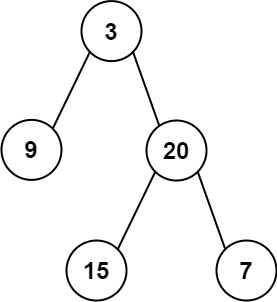
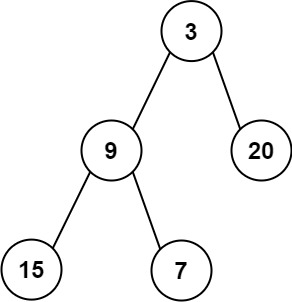
You start with an initial power of \power\, an initial score of \0\, and a bag of tokens given as an integer array \tokens\, where each \tokens\[i]\ denotes the value of token\i\.\

\

Your goal is to maximize the total \score\ by strategically playing these tokens. In one move, you can play an \unplayed\ token in one of the two ways (but not both for the same token):\

\
    \
  • \Face-up:\ If your current power is at least \tokens\[i]\, you may play token\i\, losing \tokens\[i]\ power and gaining \1\ score.\
  • \
  • \Face-down:\ If your current score is at least \1\, you may play token\i\, gaining \tokens\[i]\ power and losing \1\ score.\
  • \
\

Return \the maximum possible \score\ you can achieve after playing any number of tokens\.\

### Examples ``` Input: tokens = [100], power = 50 Output: 0 Explanation: Since your score is 0 initially, you cannot play the token face-down. You also cannot play it face-up since your power (50) is less than tokens[0] (100). ``` ``` Input: tokens = [200,100], power = 150 Output: 1 Explanation: Play token1 (100) face-up, reducing your power to 50 and increasing your score to 1. ``` ``` Input: tokens = [100,200,300,400], power = 200 Output: 2 Explanation: Play the tokens in this order to get a score of 2: Play token0 (100) face-up, reducing power to 100 and increasing score to 1. Play token3 (400) face-down, increasing power to 500 and reducing score to 0. Play token1 (200) face-up, reducing power to 300 and increasing score to 1. Play token2 (300) face-up, reducing power to 0 and increasing score to 2. ``` ### Constraints * 0 \<= tokens.length \<= 1000 * 0 \<= tokens\[i], power \< 10^4 ## Solution Reference implementation from [solution.py on GitHub](https://github.com/wislertt/leetcode-py/blob/main/leetcode/bag_of_tokens/solution.py), full suite in [test\_solution.py](https://github.com/wislertt/leetcode-py/blob/main/leetcode/bag_of_tokens/test_solution.py): ```python theme={"theme":{"light":"github-light","dark":"github-dark"}} class Solution: # Time: O(n log n) # Space: O(n) for the sorted copy def bag_of_tokens_score(self, tokens: list[int], power: int) -> int: tokens = sorted(tokens) left, right = 0, len(tokens) - 1 score = 0 best = 0 while left <= right: if power >= tokens[left]: # Cheapest token face-up for score power -= tokens[left] left += 1 score += 1 best = max(best, score) elif score >= 1: # Most expensive token face-down for power power += tokens[right] right -= 1 score -= 1 else: break return best ``` ## Complexity | Time | Space | | ---------- | ------------------------ | | O(n log n) | O(n) for the sorted copy | ## Tags [NeetCode All](/catalog/neetcode). # Balanced Binary Tree Python Solution Source: https://leetcode-py.wisl.dev/problems/balanced-binary-tree Tested Python solution for LeetCode 110 with 15 pytest cases. Generate a practice environment with lcpy. LeetCode 110, [Easy](/catalog/easy). Topics: [Tree](/catalog/topics/tree), [Depth-First Search](/catalog/topics/depth-first-search), [Binary Tree](/catalog/topics/binary-tree). [View on LeetCode](https://leetcode.com/problems/balanced-binary-tree/description/). Generate this problem as a practice environment: tested reference solution, 15 [parametrized pytest cases](/practice/testing), and a playground notebook: ```bash theme={"theme":{"light":"github-light","dark":"github-dark"}} lcpy gen -n 110 # by problem number lcpy gen -s balanced_binary_tree # by problem name ``` ## Problem Given a binary tree, determine if it is **height-balanced**. A height-balanced binary tree is a binary tree in which the depth of the two subtrees of every node never differs by more than one. ### Examples ![Example 1](https://assets.leetcode.com/uploads/2020/10/06/balance_1.jpg) ``` Input: root = [3,9,20,null,null,15,7] Output: true ``` ![Example 2](https://assets.leetcode.com/uploads/2020/10/06/balance_2.jpg) ``` Input: root = [1,2,2,3,3,null,null,4,4] Output: false ``` ``` Input: root = [] Output: true ``` ### Constraints * The number of nodes in the tree is in the range `[0, 5000]`. * `-10^4 <= Node.val <= 10^4` ## Solution Reference implementation from [solution.py on GitHub](https://github.com/wislertt/leetcode-py/blob/main/leetcode/balanced_binary_tree/solution.py), full suite in [test\_solution.py](https://github.com/wislertt/leetcode-py/blob/main/leetcode/balanced_binary_tree/test_solution.py): ```python theme={"theme":{"light":"github-light","dark":"github-dark"}} from leetcode_py import TreeNode class Solution: # Time: O(n) # Space: O(h) def is_balanced(self, root: TreeNode[int] | None) -> bool: def height(node: TreeNode[int] | None) -> int: if not node: return 0 left = height(node.left) right = height(node.right) if left == -1 or right == -1 or abs(left - right) > 1: return -1 return max(left, right) + 1 return height(root) != -1 ``` ## Complexity | Time | Space | | ---- | ----- | | O(n) | O(h) | ## Tags [Grind 75](/catalog/grind-75), [Grind](/catalog/grind), [NeetCode 150](/catalog/neetcode-150), [NeetCode 250](/catalog/neetcode-250), [NeetCode All](/catalog/neetcode). # Base 7 Python Solution with Tests Source: https://leetcode-py.wisl.dev/problems/base-7 Tested Python solution for LeetCode 504 with 25 pytest cases. Generate a practice environment with lcpy. LeetCode 504, [Easy](/catalog/easy). Topics: [Math](/catalog/topics/math), [String](/catalog/topics/string). [View on LeetCode](https://leetcode.com/problems/base-7/description/). Generate this problem as a practice environment: tested reference solution, 25 [parametrized pytest cases](/practice/testing), and a playground notebook: ```bash theme={"theme":{"light":"github-light","dark":"github-dark"}} lcpy gen -n 504 # by problem number lcpy gen -s base_7 # by problem name ``` ## Problem Given an integer `num`, return a string of its base 7 representation. ### Examples ``` Input: num = 100 Output: "202" ``` ``` Input: num = -7 Output: "-10" ``` ### Constraints * -10^7 \<= num \<= 10^7 ## Solution Reference implementation from [solution.py on GitHub](https://github.com/wislertt/leetcode-py/blob/main/leetcode/base_7/solution.py), full suite in [test\_solution.py](https://github.com/wislertt/leetcode-py/blob/main/leetcode/base_7/test_solution.py): ```python theme={"theme":{"light":"github-light","dark":"github-dark"}} class Solution: # Time: O(log_7 |num|) # Space: O(log_7 |num|) def convert_to_base_7(self, num: int) -> str: if num == 0: return "0" negative = num < 0 digits = "" value = abs(num) while value: digits = str(value % 7) + digits value //= 7 return f"-{digits}" if negative else digits ``` ## Complexity | Time | Space | | | | | | -------- | ----- | - | -------- | --- | - | | O(log\_7 | num | ) | O(log\_7 | num | ) | ## Tags # Baseball Game Python Solution with Tests Source: https://leetcode-py.wisl.dev/problems/baseball-game Tested Python solution for LeetCode 682 with 14 pytest cases. Generate a practice environment with lcpy. LeetCode 682, [Easy](/catalog/easy). Topics: [Array](/catalog/topics/array), [Stack](/catalog/topics/stack), [Simulation](/catalog/topics/simulation). [View on LeetCode](https://leetcode.com/problems/baseball-game/description/). Generate this problem as a practice environment: tested reference solution, 14 [parametrized pytest cases](/practice/testing), and a playground notebook: ```bash theme={"theme":{"light":"github-light","dark":"github-dark"}} lcpy gen -n 682 # by problem number lcpy gen -s baseball_game # by problem name ``` ## Problem You are keeping the scores for a baseball game with strange rules. At the beginning of the game, you start with an empty record. You are given a list of strings `operations`, where `operations[i]` is the `ith` operation you must apply to the record and is one of the following: * An integer `x`. * Record a new score of `x`. * `'+'`. * Record a new score that is the sum of the previous two scores. * `'D'`. * Record a new score that is the double of the previous score. * `'C'`. * Invalidate the previous score, removing it from the record. Return the sum of all the scores on the record after applying all the operations. The test cases are generated such that the answer and all intermediate calculations fit in a **32-bit** integer and that all operations are valid. ### Examples ``` Input: ops = ["5","2","C","D","+"] Output: 30 Explanation: "5" - Add 5 to the record, record is now [5]. "2" - Add 2 to the record, record is now [5, 2]. "C" - Invalidate and remove the previous score, record is now [5]. "D" - Add 2 * 5 = 10 to the record, record is now [5, 10]. "+" - Add 5 + 10 = 15 to the record, record is now [5, 10, 15]. The total sum is 5 + 10 + 15 = 30. ``` ``` Input: ops = ["5","-2","4","C","D","9","+","+"] Output: 27 ``` ``` Input: ops = ["1","C"] Output: 0 ``` ### Constraints * 1 \<= operations.length \<= 1000 * `operations[i]` is `"C"`, `"D"`, `"+"`, or a string representing an integer in the range \[-3 \* 10^4, 3 \* 10^4]. * For operation `"+"`, there will always be at least two previous scores on the record. * For operations `"C"` and `"D"`, there will always be at least one previous score on the record. ## Solution Reference implementation from [solution.py on GitHub](https://github.com/wislertt/leetcode-py/blob/main/leetcode/baseball_game/solution.py), full suite in [test\_solution.py](https://github.com/wislertt/leetcode-py/blob/main/leetcode/baseball_game/test_solution.py): ```python theme={"theme":{"light":"github-light","dark":"github-dark"}} class Solution: # Time: O(n) # Space: O(n) def cal_points(self, operations: list[str]) -> int: record: list[int] = [] for op in operations: if op == "+": record.append(record[-1] + record[-2]) elif op == "D": record.append(2 * record[-1]) elif op == "C": record.pop() else: record.append(int(op)) return sum(record) ``` ## Complexity | Time | Space | | ---- | ----- | | O(n) | O(n) | ## Tags [NeetCode 250](/catalog/neetcode-250), [NeetCode All](/catalog/neetcode). # Basic Calculator Python Solution with Tests Source: https://leetcode-py.wisl.dev/problems/basic-calculator Tested Python solution for LeetCode 224 with 24 pytest cases. Generate a practice environment with lcpy. LeetCode 224, [Hard](/catalog/hard). Topics: [Math](/catalog/topics/math), [String](/catalog/topics/string), [Stack](/catalog/topics/stack), [Recursion](/catalog/topics/recursion). [View on LeetCode](https://leetcode.com/problems/basic-calculator/description/). Generate this problem as a practice environment: tested reference solution, 24 [parametrized pytest cases](/practice/testing), and a playground notebook: ```bash theme={"theme":{"light":"github-light","dark":"github-dark"}} lcpy gen -n 224 # by problem number lcpy gen -s basic_calculator # by problem name ``` ## Problem Given a string `s` representing a valid expression, implement a basic calculator to evaluate it, and return the result of the evaluation. **Note:** You are **not** allowed to use any built-in function which evaluates strings as mathematical expressions, such as `eval()`. ### Examples ``` Input: s = "1 + 1" Output: 2 ``` ``` Input: s = " 2-1 + 2 " Output: 3 ``` ``` Input: s = "(1+(4+5+2)-3)+(6+8)" Output: 23 ``` ### Constraints * `1 <= s.length <= 3 * 10^5` * `s` consists of digits, `'+'`, `'-'`, `'('`, `')'`, and `' '`. * `s` represents a valid expression. * `'+'` is **not** used as a unary operation (i.e., `"+1"` and `"+(2 + 3)"` is invalid). * `'-'` could be used as a unary operation (i.e., `"-1"` and `"-(2 + 3)"` is valid). * There will be no two consecutive operators in the input. * Every number and running calculation will fit in a signed 32-bit integer. ## Solution Reference implementation from [solution.py on GitHub](https://github.com/wislertt/leetcode-py/blob/main/leetcode/basic_calculator/solution.py), full suite in [test\_solution.py](https://github.com/wislertt/leetcode-py/blob/main/leetcode/basic_calculator/test_solution.py): ```python theme={"theme":{"light":"github-light","dark":"github-dark"}} class Solution: # Time: O(n) # Space: O(n) def calculate(self, s: str) -> int: stack = [] num = 0 sign = 1 result = 0 for char in s: if char.isdigit(): num = num * 10 + int(char) elif char in "+-": result += sign * num num = 0 sign = 1 if char == "+" else -1 elif char == "(": stack.append(result) stack.append(sign) result = 0 sign = 1 elif char == ")": if len(stack) < 2: raise ValueError("Mismatched parentheses") result += sign * num num = 0 result *= stack.pop() result += stack.pop() elif char != " ": raise ValueError(f"Invalid character: '{char}'") if stack: raise ValueError("Mismatched parentheses") return result + sign * num # Example walkthrough: "(1+(4+5+2)-3)+(6+8)" = 23 # # char | num | sign | result | stack | action # -----|-----|------|--------|------------|------------------ # '(' | 0 | 1 | 0 | [0, 1] | push result=0, sign=1 # '1' | 1 | 1 | 0 | [0, 1] | build num=1 # '+' | 0 | 1 | 1 | [0, 1] | result += 1*1 = 1 # '(' | 0 | 1 | 0 | [0,1,1,1] | push result=1, sign=1 # '4' | 4 | 1 | 0 | [0,1,1,1] | build num=4 # '+' | 0 | 1 | 4 | [0,1,1,1] | result += 1*4 = 4 # '5' | 5 | 1 | 4 | [0,1,1,1] | build num=5 # '+' | 0 | 1 | 9 | [0,1,1,1] | result += 1*5 = 9 # '2' | 2 | 1 | 9 | [0,1,1,1] | build num=2 # ')' | 0 | 1 | 11 | [0, 1] | result=11*1+1 = 12 # '-' | 0 | -1 | 12 | [0, 1] | sign = -1 # '3' | 3 | -1 | 12 | [0, 1] | build num=3 # ')' | 0 | 1 | 9 | [] | result=9*1+0 = 9 # '+' | 0 | 1 | 9 | [] | sign = 1 # '(' | 0 | 1 | 0 | [9, 1] | push result=9, sign=1 # '6' | 6 | 1 | 0 | [9, 1] | build num=6 # '+' | 0 | 1 | 6 | [9, 1] | result += 1*6 = 6 # '8' | 8 | 1 | 6 | [9, 1] | build num=8 # ')' | 0 | 1 | 14 | [] | result=14*1+9 = 23 # end | 0 | 1 | 14 | [] | return 14+1*0 = 23 ``` ## Complexity | Time | Space | | ---- | ----- | | O(n) | O(n) | ## Tags [Grind 75](/catalog/grind-75), [Grind](/catalog/grind). # Basic Calculator II Python Solution with Tests Source: https://leetcode-py.wisl.dev/problems/basic-calculator-ii Tested Python solution for LeetCode 227 with 16 pytest cases. Generate a practice environment with lcpy. LeetCode 227, [Medium](/catalog/medium). Topics: [Math](/catalog/topics/math), [String](/catalog/topics/string), [Stack](/catalog/topics/stack). [View on LeetCode](https://leetcode.com/problems/basic-calculator-ii/description/). Generate this problem as a practice environment: tested reference solution, 16 [parametrized pytest cases](/practice/testing), and a playground notebook: ```bash theme={"theme":{"light":"github-light","dark":"github-dark"}} lcpy gen -n 227 # by problem number lcpy gen -s basic_calculator_ii # by problem name ``` ## Problem Given a string `s` which represents an expression, evaluate this expression and return its value. The integer division should truncate toward zero. You may assume that the given expression is always valid. All intermediate results will be in the range of \[-2^31, 2^31 - 1]. **Note:** You are not allowed to use any built-in function which evaluates strings as mathematical expressions, such as `eval()`. ### Examples ``` Input: s = "3+2*2" Output: 7 ``` ``` Input: s = " 3/2 " Output: 1 ``` ``` Input: s = " 3+5 / 2 " Output: 5 ``` ### Constraints * 1 \<= s.length \<= 3 \* 10^5 * s consists of integers and operators ('+', '-', '\*', '/') separated by some number of spaces. * s represents a valid expression. * All the integers in the expression are non-negative integers in the range \[0, 2^31 - 1]. * The answer is guaranteed to fit in a 32-bit integer. ## Solution Reference implementation from [solution.py on GitHub](https://github.com/wislertt/leetcode-py/blob/main/leetcode/basic_calculator_ii/solution.py), full suite in [test\_solution.py](https://github.com/wislertt/leetcode-py/blob/main/leetcode/basic_calculator_ii/test_solution.py): ```python theme={"theme":{"light":"github-light","dark":"github-dark"}} class Solution: # Time: O(n) — single pass # Space: O(n) — stack of operands def calculate(self, s: str) -> int: stack: list[int] = [] current = 0 op = "+" def apply(value: int) -> None: nonlocal stack if op == "+": stack.append(value) elif op == "-": stack.append(-value) elif op == "*": stack.append(stack.pop() * value) else: # "/" prev = stack.pop() # Truncate toward zero stack.append(int(prev / value)) for ch in s: if ch.isdigit(): current = current * 10 + int(ch) elif ch in "+-*/": apply(current) op = ch current = 0 apply(current) # last operand return sum(stack) ``` ## Complexity | Time | Space | | ------------------ | ------------------------ | | O(n) — single pass | O(n) — stack of operands | ## Tags [Grind](/catalog/grind), [NeetCode All](/catalog/neetcode). # Basic Calculator III Python Solution Source: https://leetcode-py.wisl.dev/problems/basic-calculator-iii Tested Python solution for LeetCode 772 with 20 pytest cases. Generate a practice environment with lcpy. LeetCode 772, [Hard](/catalog/hard). Topics: [String](/catalog/topics/string), [Stack](/catalog/topics/stack), [Recursion](/catalog/topics/recursion). [View on LeetCode](https://leetcode.com/problems/basic-calculator-iii/description/). Generate this problem as a practice environment: tested reference solution, 20 [parametrized pytest cases](/practice/testing), and a playground notebook: ```bash theme={"theme":{"light":"github-light","dark":"github-dark"}} lcpy gen -n 772 # by problem number lcpy gen -s basic_calculator_iii # by problem name ``` ## Problem Implement a basic calculator to evaluate a simple expression string. The expression string contains only non-negative integers, `'+'`, `'-'`, `'*'`, `'/'` operators, and open `'('` and closing parentheses `')'`. The integer division should **truncate toward zero**. You may assume that the given expression is always valid. All intermediate results will be in the range of `[-2^31, 2^31 - 1]`. **Note:** You are not allowed to use any built-in function which evaluates strings as mathematical expressions, such as `eval()`. ### Examples ``` Input: s = "1+1" Output: 2 ``` ``` Input: s = "6-4/2" Output: 4 ``` ``` Input: s = "2*(5+5*2)/3+(6/2+8)" Output: 21 ``` ### Constraints * 1 \<= s.length \<= 10^4 * s consists of digits, '+', '-', '\*', '/', '(', and ')'. * s is a valid expression. ## Solution Reference implementation from [solution.py on GitHub](https://github.com/wislertt/leetcode-py/blob/main/leetcode/basic_calculator_iii/solution.py), full suite in [test\_solution.py](https://github.com/wislertt/leetcode-py/blob/main/leetcode/basic_calculator_iii/test_solution.py): ```python theme={"theme":{"light":"github-light","dark":"github-dark"}} class Solution: # Time: O(n) # Space: O(n) def calculate(self, s: str) -> int: def dfs(i: int) -> tuple[int, int]: stk: list[int] = [] num = 0 sign = "+" while i < len(s): c = s[i] if c.isdigit(): num = num * 10 + int(c) elif c == "(": num, i = dfs(i + 1) if c in "+-*/)" or i == len(s) - 1: if sign == "+": stk.append(num) elif sign == "-": stk.append(-num) elif sign == "*": stk.append(stk.pop() * num) else: stk.append(int(stk.pop() / num)) num = 0 sign = c if c == ")": return sum(stk), i i += 1 return sum(stk), i return dfs(0)[0] ``` ## Complexity | Time | Space | | ---- | ----- | | O(n) | O(n) | ## Tags [NeetCode All](/catalog/neetcode). # Basic Calculator IV Python Solution with Tests Source: https://leetcode-py.wisl.dev/problems/basic-calculator-iv Tested Python solution for LeetCode 770 with 21 pytest cases. Generate a practice environment with lcpy. LeetCode 770, [Hard](/catalog/hard). Topics: [Hash Table](/catalog/topics/hash-table), [Math](/catalog/topics/math), [String](/catalog/topics/string), [Stack](/catalog/topics/stack), [Recursion](/catalog/topics/recursion). [View on LeetCode](https://leetcode.com/problems/basic-calculator-iv/description/). Generate this problem as a practice environment: tested reference solution, 21 [parametrized pytest cases](/practice/testing), and a playground notebook: ```bash theme={"theme":{"light":"github-light","dark":"github-dark"}} lcpy gen -n 770 # by problem number lcpy gen -s basic_calculator_iv # by problem name ``` ## Problem Given an expression such as `expression = "e + 8 - a + 5"` and an evaluation map such as `{"e": 1}` (given in terms of `evalvars = ["e"]` and `evalints = [1]`), return a list of tokens representing the simplified expression, such as `["-1*a","14"]` * An expression alternates chunks and symbols, with a space separating each chunk and symbol. * A chunk is either an expression in parentheses, a variable, or a non-negative integer. * A variable is a string of lowercase letters (not including digits.) Note that variables can be multiple letters, and note that variables never have a leading coefficient or unary operator like `"2x"` or `"-x"`. Expressions are evaluated in the usual order: brackets first, then multiplication, then addition and subtraction. * For example, `expression = "1 + 2 * 3"` has an answer of `["7"]`. The format of the output is as follows: * For each term of free variables with a non-zero coefficient, we write the free variables within a term in sorted order lexicographically. * For example, we would never write a term like `"b*a*c"`, only `"a*b*c"`. * Terms have degrees equal to the number of free variables being multiplied, counting multiplicity. We write the largest degree terms of our answer first, breaking ties by lexicographic order ignoring the leading coefficient of the term. * For example, `"a*a*b*c"` has degree `4`. * The leading coefficient of the term is placed directly to the left with an asterisk separating it from the variables (if they exist.) A leading coefficient of 1 is still printed. * An example of a well-formatted answer is `["-2*a*a*a", "3*a*a*b", "3*b*b", "4*a", "5*c", "-6"]`. * Terms (including constant terms) with coefficient `0` are not included. * For example, an expression of `"0"` has an output of `[]`. **Note:** You may assume that the given expression is always valid. All intermediate results will be in the range of `[-2^31, 2^31 - 1]`. ### Examples ``` Input: expression = "e + 8 - a + 5", evalvars = ["e"], evalints = [1] Output: ["-1*a","14"] ``` ``` Input: expression = "e - 8 + temperature - pressure", evalvars = ["e", "temperature"], evalints = [1, 12] Output: ["-1*pressure","5"] ``` ``` Input: expression = "(e + 8) * (e - 8)", evalvars = [], evalints = [] Output: ["1*e*e","-64"] ``` ### Constraints * 1 \<= expression.length \<= 250 * expression consists of lowercase English letters, digits, '+', '-', '\*', '(', ')', and ' '. * expression does not contain any leading or trailing spaces. * All the tokens in expression are separated by a single space. * 0 \<= evalvars.length \<= 100 * 1 \<= evalvars\[i].length \<= 20 * evalvars\[i] consists of lowercase English letters. * evalints.length == evalvars.length * -100 \<= evalints\[i] \<= 100 ## Solution Reference implementation from [solution.py on GitHub](https://github.com/wislertt/leetcode-py/blob/main/leetcode/basic_calculator_iv/solution.py), full suite in [test\_solution.py](https://github.com/wislertt/leetcode-py/blob/main/leetcode/basic_calculator_iv/test_solution.py): ```python theme={"theme":{"light":"github-light","dark":"github-dark"}} from collections import deque Poly = dict[tuple[str, ...], int] class Solution: # Time: O(n * m) where n is the expression length and m the term count # Space: O(n + m) def basic_calculator_iv( self, expression: str, evalvars: list[str], evalints: list[int] ) -> list[str]: sub = dict(zip(evalvars, evalints, strict=True)) tokens = deque(self._tokenize(expression)) poly = self._expression(tokens, sub) return self._format(poly) @staticmethod def _tokenize(expression: str) -> list[str]: tokens: list[str] = [] for chunk in expression.split(" "): opens = 0 while chunk.startswith("("): opens += 1 chunk = chunk[1:] closes = 0 while chunk.endswith(")"): closes += 1 chunk = chunk[:-1] tokens.extend(["("] * opens) if chunk: tokens.append(chunk) tokens.extend([")"] * closes) return tokens @staticmethod def _add(left: Poly, right: Poly, sign: int) -> Poly: result = dict(left) for term, coeff in right.items(): updated = result.get(term, 0) + sign * coeff if updated: result[term] = updated else: result.pop(term, None) return result @staticmethod def _mul(left: Poly, right: Poly) -> Poly: result: Poly = {} for left_term, left_coeff in left.items(): for right_term, right_coeff in right.items(): term = tuple(sorted(left_term + right_term)) result[term] = result.get(term, 0) + left_coeff * right_coeff return {term: coeff for term, coeff in result.items() if coeff} def _expression(self, tokens: deque[str], sub: dict[str, int]) -> Poly: poly = self._term(tokens, sub) while tokens and tokens[0] in ("+", "-"): sign = 1 if tokens.popleft() == "+" else -1 poly = self._add(poly, self._term(tokens, sub), sign) return poly def _term(self, tokens: deque[str], sub: dict[str, int]) -> Poly: poly = self._factor(tokens, sub) while tokens and tokens[0] == "*": tokens.popleft() poly = self._mul(poly, self._factor(tokens, sub)) return poly def _factor(self, tokens: deque[str], sub: dict[str, int]) -> Poly: token = tokens.popleft() if token == "(": poly = self._expression(tokens, sub) tokens.popleft() # matching closing paren return poly if token.isdigit(): return {(): int(token)} if int(token) else {} if token in sub: return {(): sub[token]} if sub[token] else {} return {(token,): 1} @staticmethod def _format(poly: Poly) -> list[str]: ordered = sorted(poly.items(), key=lambda item: (-len(item[0]), item[0])) return [str(coeff) + ("*" + "*".join(term) if term else "") for term, coeff in ordered] ``` ## Complexity | Time | Space | | --------------------------------------------------------------- | -------- | | O(n \* m) where n is the expression length and m the term count | O(n + m) | ## Tags # Battleships in a Board Python Solution Source: https://leetcode-py.wisl.dev/problems/battleships-in-a-board Tested Python solution for LeetCode 419 with 34 pytest cases. Generate a practice environment with lcpy. LeetCode 419, [Medium](/catalog/medium). Topics: [Array](/catalog/topics/array), [Depth-First Search](/catalog/topics/depth-first-search), [Matrix](/catalog/topics/matrix). [View on LeetCode](https://leetcode.com/problems/battleships-in-a-board/description/). Generate this problem as a practice environment: tested reference solution, 34 [parametrized pytest cases](/practice/testing), and a playground notebook: ```bash theme={"theme":{"light":"github-light","dark":"github-dark"}} lcpy gen -n 419 # by problem number lcpy gen -s battleships_in_a_board # by problem name ``` ## Problem Given an `m x n` matrix `board` where each cell is a battleship `'X'` or empty `'.'`, return the number of the battleships on `board`. Battleships can only be placed horizontally or vertically on `board`. In other words, they can only be made of the shape `1 x k` (`1` row, `k` columns) or `k x 1` (`k` rows, `1` column), where `k` can be of any size. At least one horizontal or vertical cell separates between two battleships (i.e., there are no adjacent battleships). ### Examples ![Example 1](https://assets.leetcode.com/uploads/2024/06/21/image.png) ``` Input: board = [["X",".",".","X"],[".",".",".","X"],[".",".",".","X"]] Output: 2 ``` ``` Input: board = [["."]] Output: 0 ``` ### Constraints * m == board.length * n == board\[i].length * 1 \<= m, n \<= 200 * board\[i]\[j] is either '.' or 'X'. Follow up: Could you do it in one-pass, using only O(1) extra memory and without modifying the values of board? ## Solution Reference implementation from [solution.py on GitHub](https://github.com/wislertt/leetcode-py/blob/main/leetcode/battleships_in_a_board/solution.py), full suite in [test\_solution.py](https://github.com/wislertt/leetcode-py/blob/main/leetcode/battleships_in_a_board/test_solution.py): ```python theme={"theme":{"light":"github-light","dark":"github-dark"}} class Solution: # Time: O(m * n) # Space: O(1) def count_battleships(self, board: list[list[str]]) -> int: count = 0 for r, row in enumerate(board): for c, cell in enumerate(row): if cell != "X": continue if r > 0 and board[r - 1][c] == "X": continue if c > 0 and row[c - 1] == "X": continue count += 1 return count ``` ## Complexity | Time | Space | | --------- | ----- | | O(m \* n) | O(1) | ## Tags # Beautiful Arrangement Python Solution Source: https://leetcode-py.wisl.dev/problems/beautiful-arrangement Tested Python solution for LeetCode 526 with 15 pytest cases. Generate a practice environment with lcpy. LeetCode 526, [Medium](/catalog/medium). Topics: [Array](/catalog/topics/array), [Dynamic Programming](/catalog/topics/dynamic-programming), [Backtracking](/catalog/topics/backtracking), [Bit Manipulation](/catalog/topics/bit-manipulation), [Bitmask](/catalog/topics/bitmask). [View on LeetCode](https://leetcode.com/problems/beautiful-arrangement/description/). Generate this problem as a practice environment: tested reference solution, 15 [parametrized pytest cases](/practice/testing), and a playground notebook: ```bash theme={"theme":{"light":"github-light","dark":"github-dark"}} lcpy gen -n 526 # by problem number lcpy gen -s beautiful_arrangement # by problem name ``` ## Problem Suppose you have `n` integers labeled `1` through `n`. A permutation of those `n` integers `perm` (**1-indexed**) is considered a **beautiful arrangement** if for every `i` (`1 <= i <= n`), **either** of the following is true: * `perm[i]` is divisible by `i`. * `i` is divisible by `perm[i]`. Given an integer `n`, return *the **number** of the **beautiful arrangements** that you can construct*. ### Examples ``` Input: n = 2 Output: 2 Explanation: The first beautiful arrangement is [1,2]: - perm[1] = 1 is divisible by i = 1 - perm[2] = 2 is divisible by i = 2 The second beautiful arrangement is [2,1]: - perm[1] = 2 is divisible by i = 1 - i = 2 is divisible by perm[2] = 1 ``` ``` Input: n = 1 Output: 1 ``` ### Constraints * `1 <= n <= 15` ## Solution Reference implementation from [solution.py on GitHub](https://github.com/wislertt/leetcode-py/blob/main/leetcode/beautiful_arrangement/solution.py), full suite in [test\_solution.py](https://github.com/wislertt/leetcode-py/blob/main/leetcode/beautiful_arrangement/test_solution.py): ```python theme={"theme":{"light":"github-light","dark":"github-dark"}} class Solution: # Time: O(n * 2^n) # Space: O(2^n) def count_arrangement(self, n: int) -> int: full = (1 << n) - 1 memo: dict[int, int] = {} def count(mask: int) -> int: if mask == full: return 1 if mask in memo: return memo[mask] pos = mask.bit_count() + 1 total = 0 for value in range(1, n + 1): bit = 1 << (value - 1) if not mask & bit and (value % pos == 0 or pos % value == 0): total += count(mask | bit) memo[mask] = total return total return count(0) ``` ## Complexity | Time | Space | | ----------- | ------ | | O(n \* 2^n) | O(2^n) | ## Tags # Beautiful Arrangement II Python Solution Source: https://leetcode-py.wisl.dev/problems/beautiful-arrangement-ii Tested Python solution for LeetCode 667 with 19 pytest cases. Generate a practice environment with lcpy. LeetCode 667, [Medium](/catalog/medium). Topics: [Array](/catalog/topics/array), [Math](/catalog/topics/math). [View on LeetCode](https://leetcode.com/problems/beautiful-arrangement-ii/description/). Generate this problem as a practice environment: tested reference solution, 19 [parametrized pytest cases](/practice/testing), and a playground notebook: ```bash theme={"theme":{"light":"github-light","dark":"github-dark"}} lcpy gen -n 667 # by problem number lcpy gen -s beautiful_arrangement_ii # by problem name ``` ## Problem Given two integers `n` and `k`, construct a list `answer` that contains `n` different positive integers ranging from `1` to `n` and obeys the following requirement: * Suppose this list is `answer = [a1, a2, a3, ..., an]`, then the list `[|a1 - a2|, |a2 - a3|, |a3 - a4|, ..., |an-1 - an|]` has exactly `k` distinct integers. Return *the list* `answer`. If there are multiple valid answers, return **any of them**. ### Examples ``` Input: n = 3, k = 1 Output: [1,2,3] Explanation: The [1,2,3] has three different positive integers ranging from 1 to 3, and the [1,1] has exactly 1 distinct integer: 1. ``` ``` Input: n = 3, k = 2 Output: [1,3,2] Explanation: The [1,3,2] has three different positive integers ranging from 1 to 3, and the [2,1] has exactly 2 distinct integers: 1 and 2. ``` ### Constraints * `1 <= k < n <= 10^4` ## Solution Reference implementation from [solution.py on GitHub](https://github.com/wislertt/leetcode-py/blob/main/leetcode/beautiful_arrangement_ii/solution.py), full suite in [test\_solution.py](https://github.com/wislertt/leetcode-py/blob/main/leetcode/beautiful_arrangement_ii/test_solution.py): ```python theme={"theme":{"light":"github-light","dark":"github-dark"}} class Solution: # Zig-zag the first k+1 values between the low and high ends: the k gaps of that # prefix are exactly k, k-1, ..., 1, then a plain ascending run keeps only 1. # Time: O(n) # Space: O(1) extra besides the output list def construct_array(self, n: int, k: int) -> list[int]: result: list[int] = [] low, high = 1, k + 1 while low < high: result.extend([low, high]) low += 1 high -= 1 if low == high: result.append(low) result.extend(range(k + 2, n + 1)) return result ``` ## Complexity | Time | Space | | ---- | ---------------------------------- | | O(n) | O(1) extra besides the output list | ## Tags # Beautiful Array Python Solution with Tests Source: https://leetcode-py.wisl.dev/problems/beautiful-array Tested Python solution for LeetCode 932 with 17 pytest cases. Generate a practice environment with lcpy. LeetCode 932, [Medium](/catalog/medium). Topics: [Array](/catalog/topics/array), [Math](/catalog/topics/math), [Divide and Conquer](/catalog/topics/divide-and-conquer). [View on LeetCode](https://leetcode.com/problems/beautiful-array/description/). Generate this problem as a practice environment: tested reference solution, 17 [parametrized pytest cases](/practice/testing), and a playground notebook: ```bash theme={"theme":{"light":"github-light","dark":"github-dark"}} lcpy gen -n 932 # by problem number lcpy gen -s beautiful_array # by problem name ``` ## Problem An array `nums` of length `n` is **beautiful** if: * `nums` is a permutation of the integers in the range `[1, n]`. * For every `0 <= i < j < n`, there is no index `k` with `i < k < j` where `2 * nums[k] == nums[i] + nums[j]`. Given the integer `n`, return any **beautiful** array `nums` of length `n`. There will be at least one valid answer for the given `n`. ### Examples ``` Input: n = 4 Output: [2,1,4,3] ``` ``` Input: n = 5 Output: [3,1,2,5,4] ``` ### Constraints * `1 <= n <= 1000` ## Solution Reference implementation from [solution.py on GitHub](https://github.com/wislertt/leetcode-py/blob/main/leetcode/beautiful_array/solution.py), full suite in [test\_solution.py](https://github.com/wislertt/leetcode-py/blob/main/leetcode/beautiful_array/test_solution.py): ```python theme={"theme":{"light":"github-light","dark":"github-dark"}} class Solution: # Time: O(n) # Space: O(n) def beautiful_array(self, n: int) -> list[int]: # Divide and conquer: odds and evens of a beautiful array are each # beautiful, and concatenating two beautiful halves never creates a # bad triple since 2 * nums[k] == nums[i] + nums[j] requires nums[i] # and nums[j] of the same parity while k sits in the other half. res = [1] while len(res) < n: res = [2 * x - 1 for x in res] + [2 * x for x in res] return [x for x in res if x <= n] ``` ## Complexity | Time | Space | | ---- | ----- | | O(n) | O(n) | ## Tags # Best Meeting Point Python Solution with Tests Source: https://leetcode-py.wisl.dev/problems/best-meeting-point Tested Python solution for LeetCode 296 with 12 pytest cases. Generate a practice environment with lcpy. LeetCode 296, [Hard](/catalog/hard). Topics: [Array](/catalog/topics/array), [Math](/catalog/topics/math), [Matrix](/catalog/topics/matrix), [Sorting](/catalog/topics/sorting). [View on LeetCode](https://leetcode.com/problems/best-meeting-point/description/). Generate this problem as a practice environment: tested reference solution, 12 [parametrized pytest cases](/practice/testing), and a playground notebook: ```bash theme={"theme":{"light":"github-light","dark":"github-dark"}} lcpy gen -n 296 # by problem number lcpy gen -s best_meeting_point # by problem name ``` ## Problem Given an `m x n` binary `grid` where each `1` marks the home of one friend, return *the minimal **total travel distance***. The **total travel distance** is the sum of the distances between the houses of the friends and the meeting point. The distance is calculated using Manhattan Distance, where `distance(p1, p2) = |p2.x - p1.x| + |p2.y - p1.y|`. ### Examples ![Example 1](https://fastly.jsdelivr.net/gh/doocs/leetcode@main/solution/0200-0299/0296.Best%20Meeting%20Point/images/meetingpoint-grid.jpg) ``` Input: grid = [[1,0,0,0,1],[0,0,0,0,0],[0,0,1,0,0]] Output: 6 Explanation: Given three friends living at (0,0), (0,4), and (2,2). The point (0,2) is an ideal meeting point, as the total travel distance of 2 + 2 + 2 = 6 is minimal. So return 6. ``` ``` Input: grid = [[1,1]] Output: 1 ``` ### Constraints * `m == grid.length` * `n == grid[i].length` * `1 <= m, n <= 200` * `grid[i][j]` is either `0` or `1`. * There will be **at least two** friends in the `grid`. ## Solution Reference implementation from [solution.py on GitHub](https://github.com/wislertt/leetcode-py/blob/main/leetcode/best_meeting_point/solution.py), full suite in [test\_solution.py](https://github.com/wislertt/leetcode-py/blob/main/leetcode/best_meeting_point/test_solution.py): ```python theme={"theme":{"light":"github-light","dark":"github-dark"}} class Solution: # Time: O(m*n + f log f) where f is the friend count # Space: O(f) def min_total_distance(self, grid: list[list[int]]) -> int: rows: list[int] = [] cols: list[int] = [] for r in range(len(grid)): for c in range(len(grid[0])): if grid[r][c] == 1: rows.append(r) cols.append(c) cols.sort() median_row = rows[len(rows) // 2] median_col = cols[len(cols) // 2] return sum(abs(r - median_row) for r in rows) + sum(abs(c - median_col) for c in cols) ``` ## Complexity | Time | Space | | --------------------------------------------- | ----- | | O(m\*n + f log f) where f is the friend count | O(f) | ## Tags [NeetCode All](/catalog/neetcode). # Best Sightseeing Pair Python Solution Source: https://leetcode-py.wisl.dev/problems/best-sightseeing-pair Tested Python solution for LeetCode 1014 with 12 pytest cases. Generate a practice environment with lcpy. LeetCode 1014, [Medium](/catalog/medium). Topics: [Array](/catalog/topics/array), [Dynamic Programming](/catalog/topics/dynamic-programming). [View on LeetCode](https://leetcode.com/problems/best-sightseeing-pair/description/). Generate this problem as a practice environment: tested reference solution, 12 [parametrized pytest cases](/practice/testing), and a playground notebook: ```bash theme={"theme":{"light":"github-light","dark":"github-dark"}} lcpy gen -n 1014 # by problem number lcpy gen -s best_sightseeing_pair # by problem name ``` ## Problem You are given an integer array `values` where `values[i]` represents the value of the `ith` sightseeing spot. Two sightseeing spots `i` and `j` have a distance `j - i` between them. The score of a pair (`i < j`) of sightseeing spots is `values[i] + values[j] + i - j`: the sum of the values of the sightseeing spots, minus the distance between them. Return *the maximum score of a pair of sightseeing spots*. ### Examples ``` Input: values = [8,1,5,2,6] Output: 11 Explanation: i = 0, j = 2, values[i] + values[j] + i - j = 8 + 5 + 0 - 2 = 11 ``` ``` Input: values = [1,2] Output: 2 ``` ### Constraints * `2 <= values.length <= 5 * 10^4` * `1 <= values[i] <= 1000` ## Solution Reference implementation from [solution.py on GitHub](https://github.com/wislertt/leetcode-py/blob/main/leetcode/best_sightseeing_pair/solution.py), full suite in [test\_solution.py](https://github.com/wislertt/leetcode-py/blob/main/leetcode/best_sightseeing_pair/test_solution.py): ```python theme={"theme":{"light":"github-light","dark":"github-dark"}} class Solution: # Time: O(n) # Space: O(1) def max_score_sightseeing_pair(self, values: list[int]) -> int: best = 0 best_left = values[0] for j in range(1, len(values)): best = max(best, best_left + values[j] - j) best_left = max(best_left, values[j] + j) return best ``` ## Complexity | Time | Space | | ---- | ----- | | O(n) | O(1) | ## Tags [NeetCode All](/catalog/neetcode). # Best Team With No Conflicts Python Solution Source: https://leetcode-py.wisl.dev/problems/best-team-with-no-conflicts Tested Python solution for LeetCode 1626 with 27 pytest cases. Generate a practice environment with lcpy. LeetCode 1626, [Medium](/catalog/medium). Topics: [Array](/catalog/topics/array), [Dynamic Programming](/catalog/topics/dynamic-programming), [Sorting](/catalog/topics/sorting). [View on LeetCode](https://leetcode.com/problems/best-team-with-no-conflicts/description/). Generate this problem as a practice environment: tested reference solution, 27 [parametrized pytest cases](/practice/testing), and a playground notebook: ```bash theme={"theme":{"light":"github-light","dark":"github-dark"}} lcpy gen -n 1626 # by problem number lcpy gen -s best_team_with_no_conflicts # by problem name ``` ## Problem You are the manager of a basketball team. For the upcoming tournament, you want to choose the team with the highest overall score. The score of the team is the **sum** of scores of all the players in the team. However, the basketball team is not allowed to have **conflicts**. A **conflict** exists if a younger player has a **strictly higher** score than an older player. A conflict does **not** occur between players of the same age. Given two lists, `scores` and `ages`, where each `scores[i]` and `ages[i]` represents the score and age of the `i`th player, respectively, return *the highest overall score of all possible basketball teams*. ### Examples ``` Input: scores = [1,3,5,10,15], ages = [1,2,3,4,5] Output: 34 Explanation: You can choose all the players. ``` ``` Input: scores = [4,5,6,5], ages = [2,1,2,1] Output: 16 Explanation: It is best to choose the last 3 players. Notice that you are allowed to choose multiple people of the same age. ``` ``` Input: scores = [1,2,3,5], ages = [8,9,10,1] Output: 6 Explanation: It is best to choose the first 3 players. ``` ### Constraints * 1 \<= scores.length, ages.length \<= 1000 * scores.length == ages.length * 1 \<= scores\[i] \<= 10^6 * 1 \<= ages\[i] \<= 1000 ## Solution Reference implementation from [solution.py on GitHub](https://github.com/wislertt/leetcode-py/blob/main/leetcode/best_team_with_no_conflicts/solution.py), full suite in [test\_solution.py](https://github.com/wislertt/leetcode-py/blob/main/leetcode/best_team_with_no_conflicts/test_solution.py): ```python theme={"theme":{"light":"github-light","dark":"github-dark"}} class Solution: # Time: O(n log n) # Space: O(n) def best_team_score(self, scores: list[int], ages: list[int]) -> int: pairs = sorted(zip(scores, ages, strict=True), key=lambda p: (p[1], p[0])) ranks = {score: i for i, score in enumerate(sorted(set(scores)))} size = len(ranks) tree: list[int] = [0] * (size + 1) def update(index: int, value: int) -> None: index += 1 while index <= size: tree[index] = max(tree[index], value) index += index & (-index) def query(index: int) -> int: index += 1 best = 0 while index > 0: best = max(best, tree[index]) index -= index & (-index) return best result = 0 for score, _age in pairs: current = query(ranks[score]) + score result = max(result, current) update(ranks[score], current) return result ``` ## Complexity | Time | Space | | ---------- | ----- | | O(n log n) | O(n) | ## Tags [NeetCode All](/catalog/neetcode). # Best Time to Buy and Sell Stock Source: https://leetcode-py.wisl.dev/problems/best-time-to-buy-and-sell-stock Tested Python solution for LeetCode 121 with 15 pytest cases. Generate a practice environment with lcpy. LeetCode 121, [Easy](/catalog/easy). Topics: [Array](/catalog/topics/array), [Dynamic Programming](/catalog/topics/dynamic-programming). [View on LeetCode](https://leetcode.com/problems/best-time-to-buy-and-sell-stock/description/). Generate this problem as a practice environment: tested reference solution, 15 [parametrized pytest cases](/practice/testing), and a playground notebook: ```bash theme={"theme":{"light":"github-light","dark":"github-dark"}} lcpy gen -n 121 # by problem number lcpy gen -s best_time_to_buy_and_sell_stock # by problem name ``` ## Problem You are given an array `prices` where `prices[i]` is the price of a given stock on the ith day. You want to maximize your profit by choosing a **single day** to buy one stock and choosing a **different day in the future** to sell that stock. Return *the maximum profit you can achieve from this transaction*. If you cannot achieve any profit, return `0`. ### Examples ``` Input: prices = [7,1,5,3,6,4] Output: 5 ``` **Explanation:** Buy on day 2 (price = 1) and sell on day 5 (price = 6), profit = 6-1 = 5. Note that buying on day 2 and selling on day 1 is not allowed because you must buy before you sell. ``` Input: prices = [7,6,4,3,1] Output: 0 ``` **Explanation:** In this case, no transactions are done and the max profit = 0. ### Constraints * 1 \<= prices.length \<= 10^5 * 0 \<= prices\[i] \<= 10^4 ## Solution Reference implementation from [solution.py on GitHub](https://github.com/wislertt/leetcode-py/blob/main/leetcode/best_time_to_buy_and_sell_stock/solution.py), full suite in [test\_solution.py](https://github.com/wislertt/leetcode-py/blob/main/leetcode/best_time_to_buy_and_sell_stock/test_solution.py): ```python theme={"theme":{"light":"github-light","dark":"github-dark"}} class Solution: # Time: O(n) # Space: O(1) def max_profit(self, prices: list[int]) -> int: min_price = prices[0] max_profit = 0 for price in prices[1:]: max_profit = max(max_profit, price - min_price) min_price = min(min_price, price) return max_profit ``` ## Complexity | Time | Space | | ---- | ----- | | O(n) | O(1) | ## Tags [Grind 75](/catalog/grind-75), [Grind](/catalog/grind), [Blind 75](/catalog/blind-75), [NeetCode 150](/catalog/neetcode-150), [NeetCode 250](/catalog/neetcode-250), [NeetCode All](/catalog/neetcode). # Best Time to Buy and Sell Stock II Source: https://leetcode-py.wisl.dev/problems/best-time-to-buy-and-sell-stock-ii Tested Python solution for LeetCode 122 with 18 pytest cases. Generate a practice environment with lcpy. LeetCode 122, [Medium](/catalog/medium). Topics: [Array](/catalog/topics/array), [Dynamic Programming](/catalog/topics/dynamic-programming), [Greedy](/catalog/topics/greedy). [View on LeetCode](https://leetcode.com/problems/best-time-to-buy-and-sell-stock-ii/description/). Generate this problem as a practice environment: tested reference solution, 18 [parametrized pytest cases](/practice/testing), and a playground notebook: ```bash theme={"theme":{"light":"github-light","dark":"github-dark"}} lcpy gen -n 122 # by problem number lcpy gen -s best_time_to_buy_and_sell_stock_ii # by problem name ``` ## Problem You are given an integer array `prices` where `prices[i]` is the price of a given stock on the `i^th` day. On each day, you may decide to buy and/or sell the stock. You can only hold **at most one** share of the stock at any time. However, you can sell and buy the stock multiple times on the **same day**, ensuring you never hold more than one share of the stock. Find and return *the **maximum** profit you can achieve*. ### Examples ``` Input: prices = [7,1,5,3,6,4] Output: 7 ``` **Explanation:** Buy on day 2 (price = 1) and sell on day 3 (price = 5), profit = 5-1 = 4. Then buy on day 4 (price = 3) and sell on day 5 (price = 6), profit = 6-3 = 3. Total profit is 4 + 3 = 7. ``` Input: prices = [1,2,3,4,5] Output: 4 ``` **Explanation:** Buy on day 1 (price = 1) and sell on day 5 (price = 5), profit = 5-1 = 4. Total profit is 4. ``` Input: prices = [7,6,4,3,1] Output: 0 ``` **Explanation:** There is no way to make a positive profit, so we never buy the stock to achieve the maximum profit of 0. ### Constraints * 1 \<= prices.length \<= 3 \* 10^4 * 0 \<= prices\[i] \<= 10^4 ## Solution Reference implementation from [solution.py on GitHub](https://github.com/wislertt/leetcode-py/blob/main/leetcode/best_time_to_buy_and_sell_stock_ii/solution.py), full suite in [test\_solution.py](https://github.com/wislertt/leetcode-py/blob/main/leetcode/best_time_to_buy_and_sell_stock_ii/test_solution.py): ```python theme={"theme":{"light":"github-light","dark":"github-dark"}} class Solution: # Time: O(n) # Space: O(1) def max_profit(self, prices: list[int]) -> int: profit = 0 for day in range(1, len(prices)): # Capture every positive upswing; sum equals any multi-day strategy if prices[day] > prices[day - 1]: profit += prices[day] - prices[day - 1] return profit ``` ## Complexity | Time | Space | | ---- | ----- | | O(n) | O(1) | ## Tags [NeetCode 250](/catalog/neetcode-250), [NeetCode All](/catalog/neetcode). # Best Time to Buy and Sell Stock III Source: https://leetcode-py.wisl.dev/problems/best-time-to-buy-and-sell-stock-iii Tested Python solution for LeetCode 123 with 23 pytest cases. Generate a practice environment with lcpy. LeetCode 123, [Hard](/catalog/hard). Topics: [Array](/catalog/topics/array), [Dynamic Programming](/catalog/topics/dynamic-programming). [View on LeetCode](https://leetcode.com/problems/best-time-to-buy-and-sell-stock-iii/description/). Generate this problem as a practice environment: tested reference solution, 23 [parametrized pytest cases](/practice/testing), and a playground notebook: ```bash theme={"theme":{"light":"github-light","dark":"github-dark"}} lcpy gen -n 123 # by problem number lcpy gen -s best_time_to_buy_and_sell_stock_iii # by problem name ``` ## Problem You are given an array `prices` where `prices[i]` is the price of a given stock on the `i^th` day. Find the maximum profit you can achieve. You may complete at most **two transactions**. **Note:** You may not engage in multiple transactions simultaneously (i.e., you must sell the stock before you buy again). ### Examples ``` Input: prices = [3,3,5,0,0,3,1,4] Output: 6 ``` **Explanation:** Buy on day 4 (price = 0) and sell on day 6 (price = 3), profit = 3-0 = 3. Then buy on day 7 (price = 1) and sell on day 8 (price = 4), profit = 4-1 = 3. Total profit is 3 + 3 = 6. ``` Input: prices = [1,2,3,4,5] Output: 4 ``` **Explanation:** Buy on day 1 (price = 1) and sell on day 5 (price = 5), profit = 5-1 = 4. Total profit is 4. ``` Input: prices = [7,6,4,3,1] Output: 0 ``` **Explanation:** In this case, no transaction is done, i.e. max profit = 0. ### Constraints * 1 \<= prices.length \<= 10^5 * 0 \<= prices\[i] \<= 10^5 ## Solution Reference implementation from [solution.py on GitHub](https://github.com/wislertt/leetcode-py/blob/main/leetcode/best_time_to_buy_and_sell_stock_iii/solution.py), full suite in [test\_solution.py](https://github.com/wislertt/leetcode-py/blob/main/leetcode/best_time_to_buy_and_sell_stock_iii/test_solution.py): ```python theme={"theme":{"light":"github-light","dark":"github-dark"}} class Solution: # Time: O(n) # Space: O(1) def max_profit(self, prices: list[int]) -> int: buy1 = buy2 = -(10**18) sell1 = sell2 = 0 for price in prices: buy1 = max(buy1, -price) sell1 = max(sell1, buy1 + price) buy2 = max(buy2, sell1 - price) sell2 = max(sell2, buy2 + price) return sell2 ``` ## Complexity | Time | Space | | ---- | ----- | | O(n) | O(1) | ## Tags # Best Time to Buy and Sell Stock IV Source: https://leetcode-py.wisl.dev/problems/best-time-to-buy-and-sell-stock-iv Tested Python solution for LeetCode 188 with 24 pytest cases. Generate a practice environment with lcpy. LeetCode 188, [Hard](/catalog/hard). Topics: [Array](/catalog/topics/array), [Dynamic Programming](/catalog/topics/dynamic-programming). [View on LeetCode](https://leetcode.com/problems/best-time-to-buy-and-sell-stock-iv/description/). Generate this problem as a practice environment: tested reference solution, 24 [parametrized pytest cases](/practice/testing), and a playground notebook: ```bash theme={"theme":{"light":"github-light","dark":"github-dark"}} lcpy gen -n 188 # by problem number lcpy gen -s best_time_to_buy_and_sell_stock_iv # by problem name ``` ## Problem You are given an integer array `prices` where `prices[i]` is the price of a given stock on the `i^th` day, and an integer `k`. Find the maximum profit you can achieve. You may complete at most `k` transactions: i.e. you may buy at most `k` times and sell at most `k` times. **Note:** You may not engage in multiple transactions simultaneously (i.e., you must sell the stock before you buy again). ### Examples ``` Input: k = 2, prices = [2,4,1] Output: 2 ``` **Explanation:** Buy on day 1 (price = 2) and sell on day 2 (price = 4), profit = 4-2 = 2. ``` Input: k = 2, prices = [3,2,6,5,0,3] Output: 7 ``` **Explanation:** Buy on day 2 (price = 2) and sell on day 3 (price = 6), profit = 6-2 = 4. Then buy on day 5 (price = 0) and sell on day 6 (price = 3), profit = 3-0 = 3. Total profit is 4 + 3 = 7. ### Constraints * 1 \<= k \<= 100 * 1 \<= prices.length \<= 1000 * 0 \<= prices\[i] \<= 1000 ## Solution Reference implementation from [solution.py on GitHub](https://github.com/wislertt/leetcode-py/blob/main/leetcode/best_time_to_buy_and_sell_stock_iv/solution.py), full suite in [test\_solution.py](https://github.com/wislertt/leetcode-py/blob/main/leetcode/best_time_to_buy_and_sell_stock_iv/test_solution.py): ```python theme={"theme":{"light":"github-light","dark":"github-dark"}} class Solution: # Time: O(n * min(k, n // 2)) # Space: O(min(k, n // 2)) def max_profit(self, k: int, prices: list[int]) -> int: n = len(prices) if n == 0: return 0 # Each transaction uses at least two days, so more trades than n // 2 # degenerate into the unlimited-transaction case. limit = min(k, n // 2) buy = [-(10**9)] * (limit + 1) sell = [0] * (limit + 1) for price in prices: for j in range(1, limit + 1): buy[j] = max(buy[j], sell[j - 1] - price) sell[j] = max(sell[j], buy[j] + price) return sell[limit] ``` ## Complexity | Time | Space | | ---------------------- | ----------------- | | O(n \* min(k, n // 2)) | O(min(k, n // 2)) | ## Tags # Best Time to Buy and Sell Stock with Cooldown Source: https://leetcode-py.wisl.dev/problems/best-time-to-buy-and-sell-stock-with-cooldown Tested Python solution for LeetCode 309 with 14 pytest cases. Generate a practice environment with lcpy. LeetCode 309, [Medium](/catalog/medium). Topics: [Array](/catalog/topics/array), [Dynamic Programming](/catalog/topics/dynamic-programming). [View on LeetCode](https://leetcode.com/problems/best-time-to-buy-and-sell-stock-with-cooldown/description/). Generate this problem as a practice environment: tested reference solution, 14 [parametrized pytest cases](/practice/testing), and a playground notebook: ```bash theme={"theme":{"light":"github-light","dark":"github-dark"}} lcpy gen -n 309 # by problem number lcpy gen -s best_time_to_buy_and_sell_stock_with_cooldown # by problem name ``` ## Problem You are given an array `prices` where `prices[i]` is the price of a given stock on the `ith` day. Find the maximum profit you can achieve. You may complete as many transactions as you like (i.e., buy one and sell one share of the stock multiple times) with the following restrictions: * After you sell your stock, you cannot buy stock on the next day (i.e., cooldown one day). **Note:** You may not engage in multiple transactions simultaneously (i.e., you must sell the stock before you buy again). ### Examples ``` Input: prices = [1,2,3,0,2] Output: 3 ``` **Explanation:** transactions = \[buy, sell, cooldown, buy, sell] ``` Input: prices = [1] Output: 0 ``` ### Constraints * 1 \<= prices.length \<= 5000 * 0 \<= prices\[i] \<= 1000 ## Solution Reference implementation from [solution.py on GitHub](https://github.com/wislertt/leetcode-py/blob/main/leetcode/best_time_to_buy_and_sell_stock_with_cooldown/solution.py), full suite in [test\_solution.py](https://github.com/wislertt/leetcode-py/blob/main/leetcode/best_time_to_buy_and_sell_stock_with_cooldown/test_solution.py): ```python theme={"theme":{"light":"github-light","dark":"github-dark"}} class Solution: # Time: O(n) # Space: O(1) def max_profit(self, prices: list[int]) -> int: # State machine: held (own stock), sold (just sold -> cooldown), reset (no stock) held = float("-inf") sold = float("-inf") reset = 0 for price in prices: prev_held, prev_sold, prev_reset = held, sold, reset held = max(prev_held, prev_reset - price) reset = max(prev_reset, prev_sold) sold = prev_held + price return int(max(sold, reset)) ``` ## Complexity | Time | Space | | ---- | ----- | | O(n) | O(1) | ## Tags [NeetCode 150](/catalog/neetcode-150), [NeetCode 250](/catalog/neetcode-250), [NeetCode All](/catalog/neetcode). # Best Time to Buy and Sell Stock with Source: https://leetcode-py.wisl.dev/problems/best-time-to-buy-and-sell-stock-with-transaction-fee Tested Python solution for LeetCode 714 with 20 pytest cases. Generate a practice environment with lcpy. LeetCode 714, [Medium](/catalog/medium). Topics: [Array](/catalog/topics/array), [Dynamic Programming](/catalog/topics/dynamic-programming), [Greedy](/catalog/topics/greedy). [View on LeetCode](https://leetcode.com/problems/best-time-to-buy-and-sell-stock-with-transaction-fee/description/). Generate this problem as a practice environment: tested reference solution, 20 [parametrized pytest cases](/practice/testing), and a playground notebook: ```bash theme={"theme":{"light":"github-light","dark":"github-dark"}} lcpy gen -n 714 # by problem number lcpy gen -s best_time_to_buy_and_sell_stock_with_transaction_fee # by problem name ``` ## Problem You are given an array `prices` where `prices[i]` is the price of a given stock on the `i^th` day, and an integer `fee` representing a transaction fee. Find the maximum profit you can achieve. You may complete as many transactions as you like, but you need to pay the transaction fee for each transaction. **Note:** * You may not engage in multiple transactions simultaneously (i.e., you must sell the stock before you buy again). * The transaction fee is only charged once for each stock purchase and sale. ### Examples ``` Input: prices = [1,3,2,8,4,9], fee = 2 Output: 8 ``` **Explanation:** The maximum profit can be achieved by: * Buying at prices\[0] = 1 * Selling at prices\[3] = 8 * Buying at prices\[4] = 4 * Selling at prices\[5] = 9 The total profit is ((8 - 1) - 2) + ((9 - 4) - 2) = 8. ``` Input: prices = [1,3,7,5,10,3], fee = 3 Output: 6 ``` ### Constraints * 1 \<= prices.length \<= 5 \* 10^4 * 1 \<= prices\[i] \< 5 \* 10^4 * 0 \<= fee \< 5 \* 10^4 ## Solution Reference implementation from [solution.py on GitHub](https://github.com/wislertt/leetcode-py/blob/main/leetcode/best_time_to_buy_and_sell_stock_with_transaction_fee/solution.py), full suite in [test\_solution.py](https://github.com/wislertt/leetcode-py/blob/main/leetcode/best_time_to_buy_and_sell_stock_with_transaction_fee/test_solution.py): ```python theme={"theme":{"light":"github-light","dark":"github-dark"}} class Solution: # Time: O(n) # Space: O(1) def max_profit(self, prices: list[int], fee: int) -> int: cash = 0 hold = -prices[0] for price in prices[1:]: cash = max(cash, hold + price - fee) hold = max(hold, cash - price) return cash ``` ## Complexity | Time | Space | | ---- | ----- | | O(n) | O(1) | ## Tags # Binary Gap Python Solution with Tests Source: https://leetcode-py.wisl.dev/problems/binary-gap Tested Python solution for LeetCode 868 with 20 pytest cases. Generate a practice environment with lcpy. LeetCode 868, [Easy](/catalog/easy). Topics: [Bit Manipulation](/catalog/topics/bit-manipulation). [View on LeetCode](https://leetcode.com/problems/binary-gap/description/). Generate this problem as a practice environment: tested reference solution, 20 [parametrized pytest cases](/practice/testing), and a playground notebook: ```bash theme={"theme":{"light":"github-light","dark":"github-dark"}} lcpy gen -n 868 # by problem number lcpy gen -s binary_gap # by problem name ``` ## Problem Given a positive integer `n`, find and return *the **longest distance** between any two **adjacent*** `1`*'s in the binary representation of* `n`. If there are no two adjacent `1`'s, return `0`. Two `1`'s are **adjacent** if there are only `0`'s separating them (possibly no `0`'s). The **distance** between two `1`'s is the absolute difference between their bit positions. For example, the two `1`'s in `"1001"` have a distance of 3. ### Examples ``` Input: n = 22 Output: 2 ``` **Explanation:** 22 in binary is `"10110"`. The first adjacent pair of 1's is `"10110"` with a distance of 2. The second adjacent pair of 1's is `"10110"` with a distance of 1. The answer is the largest of these two distances, which is 2. Note that `"10110"` is not a valid pair since there is a 1 separating the two 1's underlined. ``` Input: n = 8 Output: 0 ``` **Explanation:** 8 in binary is `"1000"`. There are not any adjacent pairs of 1's in the binary representation of 8, so we return 0. ``` Input: n = 5 Output: 2 ``` **Explanation:** 5 in binary is `"101"`. ### Constraints * 1 \<= n \<= 10^9 ## Solution Reference implementation from [solution.py on GitHub](https://github.com/wislertt/leetcode-py/blob/main/leetcode/binary_gap/solution.py), full suite in [test\_solution.py](https://github.com/wislertt/leetcode-py/blob/main/leetcode/binary_gap/test_solution.py): ```python theme={"theme":{"light":"github-light","dark":"github-dark"}} class Solution: # Time: O(log n) # Space: O(1) def binary_gap(self, n: int) -> int: best = 0 prev = -1 i = 0 while n: if n & 1: if prev >= 0: best = max(best, i - prev) prev = i n >>= 1 i += 1 return best ``` ## Complexity | Time | Space | | -------- | ----- | | O(log n) | O(1) | ## Tags # Binary Number with Alternating Bits Source: https://leetcode-py.wisl.dev/problems/binary-number-with-alternating-bits Tested Python solution for LeetCode 693 with 18 pytest cases. Generate a practice environment with lcpy. LeetCode 693, [Easy](/catalog/easy). Topics: [Bit Manipulation](/catalog/topics/bit-manipulation). [View on LeetCode](https://leetcode.com/problems/binary-number-with-alternating-bits/description/). Generate this problem as a practice environment: tested reference solution, 18 [parametrized pytest cases](/practice/testing), and a playground notebook: ```bash theme={"theme":{"light":"github-light","dark":"github-dark"}} lcpy gen -n 693 # by problem number lcpy gen -s binary_number_with_alternating_bits # by problem name ``` ## Problem Given a positive integer, check whether it has alternating bits: namely, if two adjacent bits will always have different values. ### Examples ``` Input: n = 5 Output: true Explanation: The binary representation of 5 is: 101 ``` ``` Input: n = 7 Output: false Explanation: The binary representation of 7 is: 111. ``` ``` Input: n = 11 Output: false Explanation: The binary representation of 11 is: 1011. ``` ### Constraints * 1 \<= n \<= 2^31 - 1 ## Solution Reference implementation from [solution.py on GitHub](https://github.com/wislertt/leetcode-py/blob/main/leetcode/binary_number_with_alternating_bits/solution.py), full suite in [test\_solution.py](https://github.com/wislertt/leetcode-py/blob/main/leetcode/binary_number_with_alternating_bits/test_solution.py): ```python theme={"theme":{"light":"github-light","dark":"github-dark"}} class Solution: # Time: O(1) (at most 31 iterations for the 32-bit constraint) # Space: O(1) def has_alternating_bits(self, n: int) -> bool: # x = n ^ (n >> 1) has every bit set iff adjacent bits all differ; # adding the carry back onto x must produce the next power of two. x = n ^ (n >> 1) return x & (x + 1) == 0 ``` ## Complexity | Time | Space | | ------------------------------------------------------ | ----- | | O(1) (at most 31 iterations for the 32-bit constraint) | O(1) | ## Tags # Binary Search Python Solution with Tests Source: https://leetcode-py.wisl.dev/problems/binary-search Tested Python solution for LeetCode 704 with 13 pytest cases. Generate a practice environment with lcpy. LeetCode 704, [Easy](/catalog/easy). Topics: [Array](/catalog/topics/array), [Binary Search](/catalog/topics/binary-search). [View on LeetCode](https://leetcode.com/problems/binary-search/description/). Generate this problem as a practice environment: tested reference solution, 13 [parametrized pytest cases](/practice/testing), and a playground notebook: ```bash theme={"theme":{"light":"github-light","dark":"github-dark"}} lcpy gen -n 704 # by problem number lcpy gen -s binary_search # by problem name ``` ## Problem Given an array of integers `nums` which is sorted in ascending order, and an integer `target`, write a function to search `target` in `nums`. If `target` exists, then return its index. Otherwise, return `-1`. You must write an algorithm with `O(log n)` runtime complexity. ### Examples ``` Input: nums = [-1,0,3,5,9,12], target = 9 Output: 4 ``` **Explanation:** 9 exists in nums and its index is 4 ``` Input: nums = [-1,0,3,5,9,12], target = 2 Output: -1 ``` **Explanation:** 2 does not exist in nums so return -1 ### Constraints * `1 <= nums.length <= 10^4` * `-10^4 < nums[i], target < 10^4` * All the integers in `nums` are **unique**. * `nums` is sorted in ascending order. ## Solution Reference implementation from [solution.py on GitHub](https://github.com/wislertt/leetcode-py/blob/main/leetcode/binary_search/solution.py), full suite in [test\_solution.py](https://github.com/wislertt/leetcode-py/blob/main/leetcode/binary_search/test_solution.py): ```python theme={"theme":{"light":"github-light","dark":"github-dark"}} class Solution: # Time: O(log n) # Space: O(1) def search(self, nums: list[int], target: int) -> int: left, right = 0, len(nums) - 1 while left <= right: mid = (left + right) // 2 if nums[mid] == target: return mid elif nums[mid] < target: left = mid + 1 else: right = mid - 1 return -1 ``` ## Complexity | Time | Space | | -------- | ----- | | O(log n) | O(1) | ## Tags [Grind 75](/catalog/grind-75), [Grind](/catalog/grind), [NeetCode 150](/catalog/neetcode-150), [NeetCode 250](/catalog/neetcode-250), [NeetCode All](/catalog/neetcode). # Binary Search Tree Iterator Python Solution Source: https://leetcode-py.wisl.dev/problems/binary-search-tree-iterator Tested Python solution for LeetCode 173 with 15 pytest cases. Generate a practice environment with lcpy. LeetCode 173, [Medium](/catalog/medium). Topics: [Stack](/catalog/topics/stack), [Tree](/catalog/topics/tree), [Design](/catalog/topics/design), [Binary Search Tree](/catalog/topics/binary-search-tree), [Binary Tree](/catalog/topics/binary-tree), Iterator. [View on LeetCode](https://leetcode.com/problems/binary-search-tree-iterator/description/). Generate this problem as a practice environment: tested reference solution, 15 [parametrized pytest cases](/practice/testing), and a playground notebook: ```bash theme={"theme":{"light":"github-light","dark":"github-dark"}} lcpy gen -n 173 # by problem number lcpy gen -s binary_search_tree_iterator # by problem name ``` ## Problem Implement the `BSTIterator` class that represents an iterator over the **in-order traversal** of a binary search tree (BST): * `BSTIterator(TreeNode root)` Initializes an object of the `BSTIterator` class. The root of the BST is given as part of the constructor. The pointer should be initialized to a non-existent number smaller than any element in the BST. * `boolean hasNext()` Returns `true` if there exists a number in the traversal to the right of the pointer, otherwise returns `false`. * `int next()` Moves the pointer to the right, then returns the number at the pointer. Notice that by initializing the pointer to a non-existent smallest number, the first call to `next()` will return the smallest element in the BST. You may assume that `next()` calls will always be valid. That is, there will be at least a next number in the in-order traversal when `next()` is called. ### Examples ![Example 1](https://assets.leetcode.com/uploads/2018/12/25/bst-tree.png) ``` Input ["BSTIterator", "next", "next", "hasNext", "next", "hasNext", "next", "hasNext", "next", "hasNext"] [[[7, 3, 15, null, null, 9, 20]], [], [], [], [], [], [], [], [], []] Output [null, 3, 7, true, 9, true, 15, true, 20, false] Explanation BSTIterator bSTIterator = new BSTIterator([7, 3, 15, null, null, 9, 20]); bSTIterator.next(); // return 3 bSTIterator.next(); // return 7 bSTIterator.hasNext(); // return True bSTIterator.next(); // return 9 bSTIterator.hasNext(); // return True bSTIterator.next(); // return 15 bSTIterator.hasNext(); // return True bSTIterator.next(); // return 20 bSTIterator.hasNext(); // return False ``` ### Constraints * The number of nodes in the tree is in the range \[1, 10\5\] * 0 \<= Node.val \<= 10\6\ * At most 10\5\ calls will be made to hasNext, and next. **Follow up:** * Could you implement `next()` and `hasNext()` to run in average `O(1)` time and use `O(h)` memory, where `h` is the height of the tree? ## Solution Reference implementation from [solution.py on GitHub](https://github.com/wislertt/leetcode-py/blob/main/leetcode/binary_search_tree_iterator/solution.py), full suite in [test\_solution.py](https://github.com/wislertt/leetcode-py/blob/main/leetcode/binary_search_tree_iterator/test_solution.py): ```python theme={"theme":{"light":"github-light","dark":"github-dark"}} from leetcode_py import TreeNode class BSTIterator: # Time: O(1) average per operation # Space: O(h) def __init__(self, root: TreeNode[int] | None) -> None: self._stack: list[TreeNode[int]] = [] self._push_left(root) def _push_left(self, node: TreeNode[int] | None) -> None: while node is not None: self._stack.append(node) node = node.left # Time: O(1) average # Space: O(1) def next(self) -> int: node = self._stack.pop() self._push_left(node.right) return node.val # Time: O(1) # Space: O(1) def has_next(self) -> bool: return len(self._stack) > 0 ``` ## Complexity | Time | Space | | -------------------------- | ----- | | O(1) average per operation | O(h) | ## Tags [NeetCode All](/catalog/neetcode). # Binary Searchable Numbers in an Unsorted Array Source: https://leetcode-py.wisl.dev/problems/binary-searchable-numbers-in-an-unsorted-array Tested Python solution for LeetCode 1966 with 27 pytest cases. Generate a practice environment with lcpy. LeetCode 1966, [Medium](/catalog/medium). Topics: [Array](/catalog/topics/array), [Binary Search](/catalog/topics/binary-search), [Stack](/catalog/topics/stack), [Monotonic Stack](/catalog/topics/monotonic-stack). [View on LeetCode](https://leetcode.com/problems/binary-searchable-numbers-in-an-unsorted-array/description/). Generate this problem as a practice environment: tested reference solution, 27 [parametrized pytest cases](/practice/testing), and a playground notebook: ```bash theme={"theme":{"light":"github-light","dark":"github-dark"}} lcpy gen -n 1966 # by problem number lcpy gen -s binary_searchable_numbers_in_an_unsorted_array # by problem name ``` ## Problem \
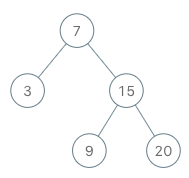
Consider a function that implements an algorithm \similar\ to \Binary Search\. The function has two input parameters: \sequence\ is a sequence of integers, and \target\ is an integer value. The purpose of the function is to find if the \target\ exists in the \sequence\.\

\

The pseudocode of the function is as follows:\

\
func(sequence, target)
while sequence is not empty
\randomly\ choose an element from sequence as the pivot
if pivot = target, return \true\
else if pivot \< target, remove pivot and all elements to its left from the sequence
else, remove pivot and all elements to its right from the sequence
end while
return \false\
\
\

When the \sequence\ is sorted, the function works correctly for \all\ values. When the \sequence\ is not sorted, the function does not work for all values, but may still work for \some\ values.\

\

Given an integer array \nums\, representing the \sequence\, that contains \unique\ numbers and \may or may not be sorted\, return \the number of values that are \guaranteed\ to be found using the function, for \every possible\ pivot selection\.\

### Examples ``` Input: nums = [7] Output: 1 Explanation: Searching for value 7 is guaranteed to be found. Since the sequence has only one element, 7 will be chosen as the pivot. Because the pivot equals the target, the function will return true. ``` ``` Input: nums = [-1,5,2] Output: 1 Explanation: Searching for value -1 is guaranteed to be found. If -1 was chosen as the pivot, the function would return true. If 5 was chosen as the pivot, 5 and 2 would be removed. In the next loop, the sequence would have only -1 and the function would return true. If 2 was chosen as the pivot, 2 would be removed. In the next loop, the sequence would have -1 and 5. No matter which number was chosen as the next pivot, the function would find -1 and return true. Searching for value 5 is NOT guaranteed to be found. If 2 was chosen as the pivot, -1, 5 and 2 would be removed. The sequence would be empty and the function would return false. Searching for value 2 is NOT guaranteed to be found. If 5 was chosen as the pivot, 5 and 2 would be removed. In the next loop, the sequence would have only -1 and the function would return false. Because only -1 is guaranteed to be found, you should return 1. ``` ### Constraints * 1 \<= nums.length \<= 10\5\ * -10\5\ \<= nums\[i] \<= 10\5\ * All the values of \nums\ are \unique\. \

\Follow-up:\ If \nums\ has \duplicates\, would you modify your algorithm? If so, how?\

## Solution Reference implementation from [solution.py on GitHub](https://github.com/wislertt/leetcode-py/blob/main/leetcode/binary_searchable_numbers_in_an_unsorted_array/solution.py), full suite in [test\_solution.py](https://github.com/wislertt/leetcode-py/blob/main/leetcode/binary_searchable_numbers_in_an_unsorted_array/test_solution.py): ```python theme={"theme":{"light":"github-light","dark":"github-dark"}} class Solution: # Time: O(n) # Space: O(n) def binary_searchable_numbers(self, nums: list[int]) -> int: n = len(nums) searchable = [True] * n left_max = -(10**5 + 1) for i, value in enumerate(nums): if value < left_max: searchable[i] = False else: left_max = value right_min = 10**5 + 1 total = 0 for i in range(n - 1, -1, -1): if nums[i] > right_min: searchable[i] = False else: right_min = nums[i] if searchable[i]: total += 1 return total ``` ## Complexity | Time | Space | | ---- | ----- | | O(n) | O(n) | ## Tags [NeetCode All](/catalog/neetcode). # Binary Subarrays With Sum Python Solution Source: https://leetcode-py.wisl.dev/problems/binary-subarrays-with-sum Tested Python solution for LeetCode 930 with 15 pytest cases. Generate a practice environment with lcpy. LeetCode 930, [Medium](/catalog/medium). Topics: [Array](/catalog/topics/array), [Hash Table](/catalog/topics/hash-table), [Sliding Window](/catalog/topics/sliding-window), [Prefix Sum](/catalog/topics/prefix-sum). [View on LeetCode](https://leetcode.com/problems/binary-subarrays-with-sum/description/). Generate this problem as a practice environment: tested reference solution, 15 [parametrized pytest cases](/practice/testing), and a playground notebook: ```bash theme={"theme":{"light":"github-light","dark":"github-dark"}} lcpy gen -n 930 # by problem number lcpy gen -s binary_subarrays_with_sum # by problem name ``` ## Problem \

Given a binary array \nums\ and an integer \goal\, return \the number of non-empty \subarrays\ with a sum\ \goal\.\

\

A \subarray\ is a contiguous part of the array.\

### Examples ``` Input: nums = [1,0,1,0,1], goal = 2 Output: 4 Explanation: The 4 subarrays are bolded and underlined below: [1,0,1,0,1] [1,0,1,0,1] [1,0,1,0,1] [1,0,1,0,1] ``` ``` Input: nums = [0,0,0,0,0], goal = 0 Output: 15 ``` ### Constraints * 1 \<= nums.length \<= 3 \* 10^4 * nums\[i] is either 0 or 1. * 0 \<= goal \<= nums.length ## Solution Reference implementation from [solution.py on GitHub](https://github.com/wislertt/leetcode-py/blob/main/leetcode/binary_subarrays_with_sum/solution.py), full suite in [test\_solution.py](https://github.com/wislertt/leetcode-py/blob/main/leetcode/binary_subarrays_with_sum/test_solution.py): ```python theme={"theme":{"light":"github-light","dark":"github-dark"}} class Solution: # Time: O(n) # Space: O(n) def num_subarrays_with_sum(self, nums: list[int], goal: int) -> int: # Prefix sum counts: sum -> number of prefixes with that sum prefix_counts: dict[int, int] = {0: 1} total = 0 count = 0 for num in nums: total += num count += prefix_counts.get(total - goal, 0) prefix_counts[total] = prefix_counts.get(total, 0) + 1 return count ``` ## Complexity | Time | Space | | ---- | ----- | | O(n) | O(n) | ## Tags [NeetCode All](/catalog/neetcode). # Binary Tree Cameras Python Solution with Tests Source: https://leetcode-py.wisl.dev/problems/binary-tree-cameras Tested Python solution for LeetCode 968 with 20 pytest cases. Generate a practice environment with lcpy. LeetCode 968, [Hard](/catalog/hard). Topics: [Dynamic Programming](/catalog/topics/dynamic-programming), [Tree](/catalog/topics/tree), [Depth-First Search](/catalog/topics/depth-first-search), [Binary Tree](/catalog/topics/binary-tree), DP on Trees. [View on LeetCode](https://leetcode.com/problems/binary-tree-cameras/description/). Generate this problem as a practice environment: tested reference solution, 20 [parametrized pytest cases](/practice/testing), and a playground notebook: ```bash theme={"theme":{"light":"github-light","dark":"github-dark"}} lcpy gen -n 968 # by problem number lcpy gen -s binary_tree_cameras # by problem name ``` ## Problem You are given the `root` of a binary tree. We install cameras on the tree nodes where each camera at a node can monitor its parent, itself, and its immediate children. Return the minimum number of cameras needed to monitor all nodes of the tree. ### Examples ![Example 1](https://assets.leetcode.com/uploads/2018/12/29/bst_cameras_01.png) ``` Input: root = [0,0,null,0,0] Output: 1 Explanation: One camera is enough to monitor all nodes if placed as shown. ``` ![Example 2](https://assets.leetcode.com/uploads/2018/12/29/bst_cameras_02.png) ``` Input: root = [0,0,null,0,null,0,null,null,0] Output: 2 Explanation: At least two cameras are needed to monitor all nodes of the tree. The above image shows one of the valid configurations of camera placement. ``` ### Constraints * The number of nodes in the tree is in the range \[1, 1000] * Node.val == 0 ## Solution Reference implementation from [solution.py on GitHub](https://github.com/wislertt/leetcode-py/blob/main/leetcode/binary_tree_cameras/solution.py), full suite in [test\_solution.py](https://github.com/wislertt/leetcode-py/blob/main/leetcode/binary_tree_cameras/test_solution.py): ```python theme={"theme":{"light":"github-light","dark":"github-dark"}} from leetcode_py import TreeNode class Solution: # Time: O(n) # Space: O(h) for the recursion stack def min_camera_cover(self, root: TreeNode[int] | None) -> int: cameras = 0 # Post-order status per subtree: 0 needs a camera, 1 covered, 2 holds a camera def dfs(node: TreeNode[int] | None) -> int: nonlocal cameras if node is None: return 1 left = dfs(node.left) right = dfs(node.right) if left == 0 or right == 0: cameras += 1 return 2 if left == 2 or right == 2: return 1 return 0 if dfs(root) == 0: cameras += 1 return cameras ``` ## Complexity | Time | Space | | ---- | ---------------------------- | | O(n) | O(h) for the recursion stack | ## Tags # Binary Tree Inorder Traversal Python Solution Source: https://leetcode-py.wisl.dev/problems/binary-tree-inorder-traversal Tested Python solution for LeetCode 94 with 15 pytest cases. Generate a practice environment with lcpy. LeetCode 94, [Easy](/catalog/easy). Topics: [Stack](/catalog/topics/stack), [Tree](/catalog/topics/tree), [Depth-First Search](/catalog/topics/depth-first-search), [Binary Tree](/catalog/topics/binary-tree). [View on LeetCode](https://leetcode.com/problems/binary-tree-inorder-traversal/description/). Generate this problem as a practice environment: tested reference solution, 15 [parametrized pytest cases](/practice/testing), and a playground notebook: ```bash theme={"theme":{"light":"github-light","dark":"github-dark"}} lcpy gen -n 94 # by problem number lcpy gen -s binary_tree_inorder_traversal # by problem name ``` ## Problem Given the `root` of a binary tree, return the inorder traversal of its nodes' values. ### Examples ![Example 1](https://assets.leetcode.com/uploads/2024/08/29/screenshot-2024-08-29-202743.png) ``` Input: root = [1,null,2,3] Output: [1,3,2] ``` ![Example 2](https://assets.leetcode.com/uploads/2024/08/29/tree_2.png) ``` Input: root = [1,2,3,4,5,null,8,null,null,6,7,9] Output: [4,2,6,5,7,1,3,9,8] ``` ``` Input: root = [] Output: [] ``` ``` Input: root = [1] Output: [1] ``` ### Constraints * The number of nodes in the tree is in the range `[0, 100]` * `-100 <= Node.val <= 100` **Follow up:** Recursive solution is trivial, could you do it iteratively? ## Solution Reference implementation from [solution.py on GitHub](https://github.com/wislertt/leetcode-py/blob/main/leetcode/binary_tree_inorder_traversal/solution.py), full suite in [test\_solution.py](https://github.com/wislertt/leetcode-py/blob/main/leetcode/binary_tree_inorder_traversal/test_solution.py): ```python theme={"theme":{"light":"github-light","dark":"github-dark"}} from leetcode_py import TreeNode class Solution: # Time: O(n) # Space: O(h) where h is the height of the tree def inorder_traversal(self, root: TreeNode[int] | None) -> list[int]: result: list[int] = [] stack: list[TreeNode[int]] = [] current: TreeNode[int] | None = root while current or stack: while current: stack.append(current) current = current.left current = stack.pop() result.append(current.val) current = current.right return result ``` ## Complexity | Time | Space | | ---- | -------------------------------------- | | O(n) | O(h) where h is the height of the tree | ## Tags [NeetCode 250](/catalog/neetcode-250), [NeetCode All](/catalog/neetcode), [AlgoMaster 75](/catalog/algo-master-75). # Binary Tree Level Order Traversal Source: https://leetcode-py.wisl.dev/problems/binary-tree-level-order-traversal Tested Python solution for LeetCode 102 with 13 pytest cases. Generate a practice environment with lcpy. LeetCode 102, [Medium](/catalog/medium). Topics: [Tree](/catalog/topics/tree), [Breadth-First Search](/catalog/topics/breadth-first-search), [Binary Tree](/catalog/topics/binary-tree). [View on LeetCode](https://leetcode.com/problems/binary-tree-level-order-traversal/description/). Generate this problem as a practice environment: tested reference solution, 13 [parametrized pytest cases](/practice/testing), and a playground notebook: ```bash theme={"theme":{"light":"github-light","dark":"github-dark"}} lcpy gen -n 102 # by problem number lcpy gen -s binary_tree_level_order_traversal # by problem name ``` ## Problem Given the `root` of a binary tree, return the level order traversal of its nodes' values. (i.e., from left to right, level by level). ### Examples ![Example 1](https://assets.leetcode.com/uploads/2021/02/19/tree1.jpg) ``` Input: root = [3,9,20,null,null,15,7] Output: [[3],[9,20],[15,7]] ``` ``` Input: root = [1] Output: [[1]] ``` ``` Input: root = [] Output: [] ``` ### Constraints * The number of nodes in the tree is in the range \[0, 2000] * -1000 \<= Node.val \<= 1000 ## Solution Reference implementation from [solution.py on GitHub](https://github.com/wislertt/leetcode-py/blob/main/leetcode/binary_tree_level_order_traversal/solution.py), full suite in [test\_solution.py](https://github.com/wislertt/leetcode-py/blob/main/leetcode/binary_tree_level_order_traversal/test_solution.py): ```python theme={"theme":{"light":"github-light","dark":"github-dark"}} from collections import deque from leetcode_py import TreeNode class Solution: # Time: O(n) # Space: O(w) where w is max width of tree def level_order(self, root: TreeNode[int] | None) -> list[list[int]]: if not root: return [] result = [] queue = deque([root]) while queue: level_size = len(queue) level = [] for _ in range(level_size): node = queue.popleft() level.append(node.val) if node.left: queue.append(node.left) if node.right: queue.append(node.right) result.append(level) return result ``` ## Complexity | Time | Space | | ---- | --------------------------------- | | O(n) | O(w) where w is max width of tree | ## Tags [Grind 75](/catalog/grind-75), [Grind](/catalog/grind), [Blind 75](/catalog/blind-75), [NeetCode 150](/catalog/neetcode-150), [NeetCode 250](/catalog/neetcode-250), [NeetCode All](/catalog/neetcode), [AlgoMaster 75](/catalog/algo-master-75). # Binary Tree Level Order Traversal II Source: https://leetcode-py.wisl.dev/problems/binary-tree-level-order-traversal-ii Tested Python solution for LeetCode 107 with 15 pytest cases. Generate a practice environment with lcpy. LeetCode 107, [Medium](/catalog/medium). Topics: [Tree](/catalog/topics/tree), [Breadth-First Search](/catalog/topics/breadth-first-search), [Binary Tree](/catalog/topics/binary-tree). [View on LeetCode](https://leetcode.com/problems/binary-tree-level-order-traversal-ii/description/). Generate this problem as a practice environment: tested reference solution, 15 [parametrized pytest cases](/practice/testing), and a playground notebook: ```bash theme={"theme":{"light":"github-light","dark":"github-dark"}} lcpy gen -n 107 # by problem number lcpy gen -s binary_tree_level_order_traversal_ii # by problem name ``` ## Problem Given the `root` of a binary tree, return the bottom-up level order traversal of its nodes' values. (i.e., from left to right, level by level from leaf to root). ### Examples ![Example 1](https://assets.leetcode.com/uploads/2021/02/19/tree1.jpg) ``` Input: root = [3,9,20,null,null,15,7] Output: [[15,7],[9,20],[3]] ``` ``` Input: root = [1] Output: [[1]] ``` ``` Input: root = [] Output: [] ``` ### Constraints * The number of nodes in the tree is in the range \[0, 2000] * -1000 \<= Node.val \<= 1000 ## Solution Reference implementation from [solution.py on GitHub](https://github.com/wislertt/leetcode-py/blob/main/leetcode/binary_tree_level_order_traversal_ii/solution.py), full suite in [test\_solution.py](https://github.com/wislertt/leetcode-py/blob/main/leetcode/binary_tree_level_order_traversal_ii/test_solution.py): ```python theme={"theme":{"light":"github-light","dark":"github-dark"}} from leetcode_py import TreeNode class Solution: # Time: O(n) # Space: O(n) def level_order_bottom(self, root: TreeNode[int] | None) -> list[list[int]]: levels: list[list[int]] = [] frontier = [root] if root is not None else [] while frontier: levels.append([node.val for node in frontier]) frontier = [ child for node in frontier for child in (node.left, node.right) if child is not None ] levels.reverse() return levels ``` ## Complexity | Time | Space | | ---- | ----- | | O(n) | O(n) | ## Tags # Binary Tree Longest Consecutive Sequence Source: https://leetcode-py.wisl.dev/problems/binary-tree-longest-consecutive-sequence Tested Python solution for LeetCode 298 with 15 pytest cases. Generate a practice environment with lcpy. LeetCode 298, [Medium](/catalog/medium). Topics: [Tree](/catalog/topics/tree), [Depth-First Search](/catalog/topics/depth-first-search), [Binary Tree](/catalog/topics/binary-tree). [View on LeetCode](https://leetcode.com/problems/binary-tree-longest-consecutive-sequence/description/). Generate this problem as a practice environment: tested reference solution, 15 [parametrized pytest cases](/practice/testing), and a playground notebook: ```bash theme={"theme":{"light":"github-light","dark":"github-dark"}} lcpy gen -n 298 # by problem number lcpy gen -s binary_tree_longest_consecutive_sequence # by problem name ``` ## Problem Given the `root` of a binary tree, return *the length of the longest **consecutive sequence path***. A **consecutive sequence path** is a path where the values **increase by one** along the path. Note that the path can start **at any node** in the tree, and you cannot go from a node to its parent in the path. ### Examples ![Example 1](https://fastly.jsdelivr.net/gh/doocs/leetcode@main/solution/0200-0299/0298.Binary%20Tree%20Longest%20Consecutive%20Sequence/images/consec1-1-tree.jpg) ``` Input: root = [1,null,3,2,4,null,null,null,5] Output: 3 Explanation: Longest consecutive sequence path is 3-4-5, so return 3. ``` ![Example 2](https://fastly.jsdelivr.net/gh/doocs/leetcode@main/solution/0200-0299/0298.Binary%20Tree%20Longest%20Consecutive%20Sequence/images/consec1-2-tree.jpg) ``` Input: root = [2,null,3,2,null,1] Output: 2 Explanation: Longest consecutive sequence path is 2-3, not 3-2-1, so return 2. ``` ### Constraints * The number of nodes in the tree is in the range `[1, 3 * 10^4]`. * `-3 * 10^4 <= Node.val <= 3 * 10^4` ## Solution Reference implementation from [solution.py on GitHub](https://github.com/wislertt/leetcode-py/blob/main/leetcode/binary_tree_longest_consecutive_sequence/solution.py), full suite in [test\_solution.py](https://github.com/wislertt/leetcode-py/blob/main/leetcode/binary_tree_longest_consecutive_sequence/test_solution.py): ```python theme={"theme":{"light":"github-light","dark":"github-dark"}} from leetcode_py import TreeNode class Solution: # Time: O(n) — each node visited once # Space: O(h) — recursion depth equals tree height def longest_consecutive(self, root: TreeNode[int] | None) -> int: def dfs(node: TreeNode[int] | None, parent_val: int | None, length: int) -> int: if node is None: return length length = length + 1 if parent_val is not None and node.val - parent_val == 1 else 1 return max( length, dfs(node.left, node.val, length), dfs(node.right, node.val, length), ) return dfs(root, None, 0) ``` ## Complexity | Time | Space | | ----------------------------- | ----------------------------------------- | | O(n) — each node visited once | O(h) — recursion depth equals tree height | ## Tags [NeetCode All](/catalog/neetcode). # Binary Tree Longest Consecutive Sequence II Source: https://leetcode-py.wisl.dev/problems/binary-tree-longest-consecutive-sequence-ii Tested Python solution for LeetCode 549 with 12 pytest cases. Generate a practice environment with lcpy. LeetCode 549, [Medium](/catalog/medium). Topics: [Tree](/catalog/topics/tree), [Depth-First Search](/catalog/topics/depth-first-search), [Binary Tree](/catalog/topics/binary-tree), Tree DP. [View on LeetCode](https://leetcode.com/problems/binary-tree-longest-consecutive-sequence-ii/description/). Generate this problem as a practice environment: tested reference solution, 12 [parametrized pytest cases](/practice/testing), and a playground notebook: ```bash theme={"theme":{"light":"github-light","dark":"github-dark"}} lcpy gen -n 549 # by problem number lcpy gen -s binary_tree_longest_consecutive_sequence_ii # by problem name ``` ## Problem Given the `root` of a binary tree, return the length of the longest consecutive path in the tree. A consecutive path is a path where the values of the consecutive nodes in the path differ by one. This path can be either increasing or decreasing. * For example, `[1,2,3,4]` and `[4,3,2,1]` are both considered valid, but the path `[1,2,4,3]` is not valid. On the other hand, the path can be in the child-Parent-child order, where not necessarily be parent-child order. ### Examples ![Example 1](https://fastly.jsdelivr.net/gh/doocs/leetcode@main/solution/0500-0599/0549.Binary%20Tree%20Longest%20Consecutive%20Sequence%20II/images/consec2-1-tree.jpg) ``` Input: root = [1,2,3] Output: 2 Explanation: The longest consecutive path is [1, 2] or [2, 1]. ``` ![Example 2](https://fastly.jsdelivr.net/gh/doocs/leetcode@main/solution/0500-0599/0549.Binary%20Tree%20Longest%20Consecutive%20Sequence%20II/images/consec2-2-tree.jpg) ``` Input: root = [2,1,3] Output: 3 Explanation: The longest consecutive path is [1, 2, 3] or [3, 2, 1]. ``` ### Constraints * The number of nodes in the tree is in the range `[1, 3 * 10^4]`. * `-3 * 10^4 <= Node.val <= 3 * 10^4` ## Solution Reference implementation from [solution.py on GitHub](https://github.com/wislertt/leetcode-py/blob/main/leetcode/binary_tree_longest_consecutive_sequence_ii/solution.py), full suite in [test\_solution.py](https://github.com/wislertt/leetcode-py/blob/main/leetcode/binary_tree_longest_consecutive_sequence_ii/test_solution.py): ```python theme={"theme":{"light":"github-light","dark":"github-dark"}} from leetcode_py import TreeNode class Solution: # Time: O(n) # Space: O(h) def longest_consecutive(self, root: TreeNode[int] | None) -> int: best = 0 def dfs(node: TreeNode[int] | None) -> tuple[int, int]: nonlocal best if node is None: return (0, 0) inc = dec = 1 for child in (node.left, node.right): if child is None: continue child_inc, child_dec = dfs(child) if child.val == node.val + 1: inc = max(inc, child_inc + 1) if child.val == node.val - 1: dec = max(dec, child_dec + 1) best = max(best, inc + dec - 1) return (inc, dec) dfs(root) return best ``` ## Complexity | Time | Space | | ---- | ----- | | O(n) | O(h) | ## Tags [NeetCode All](/catalog/neetcode). # Binary Tree Maximum Path Sum Python Solution Source: https://leetcode-py.wisl.dev/problems/binary-tree-maximum-path-sum Tested Python solution for LeetCode 124 with 15 pytest cases. Generate a practice environment with lcpy. LeetCode 124, [Hard](/catalog/hard). Topics: [Dynamic Programming](/catalog/topics/dynamic-programming), [Tree](/catalog/topics/tree), [Depth-First Search](/catalog/topics/depth-first-search), [Binary Tree](/catalog/topics/binary-tree). [View on LeetCode](https://leetcode.com/problems/binary-tree-maximum-path-sum/description/). Generate this problem as a practice environment: tested reference solution, 15 [parametrized pytest cases](/practice/testing), and a playground notebook: ```bash theme={"theme":{"light":"github-light","dark":"github-dark"}} lcpy gen -n 124 # by problem number lcpy gen -s binary_tree_maximum_path_sum # by problem name ``` ## Problem A **path** in a binary tree is a sequence of nodes where each pair of adjacent nodes in the sequence has an edge connecting them. A node can only appear in the sequence **at most once**. Note that the path does not need to pass through the root. The **path sum** of a path is the sum of the node's values in the path. Given the `root` of a binary tree, return *the maximum **path sum** of any **non-empty** path*. ### Examples ![Example 1](https://assets.leetcode.com/uploads/2020/10/13/exx1.jpg) ``` Input: root = [1,2,3] Output: 6 Explanation: The optimal path is 2 -> 1 -> 3 with a path sum of 2 + 1 + 3 = 6. ``` ![Example 2](https://assets.leetcode.com/uploads/2020/10/13/exx2.jpg) ``` Input: root = [-10,9,20,null,null,15,7] Output: 42 Explanation: The optimal path is 15 -> 20 -> 7 with a path sum of 15 + 20 + 7 = 42. ``` ### Constraints * The number of nodes in the tree is in the range \[1, 3 \* 10^4]. * -1000 \<= Node.val \<= 1000 ## Solution Reference implementation from [solution.py on GitHub](https://github.com/wislertt/leetcode-py/blob/main/leetcode/binary_tree_maximum_path_sum/solution.py), full suite in [test\_solution.py](https://github.com/wislertt/leetcode-py/blob/main/leetcode/binary_tree_maximum_path_sum/test_solution.py): ```python theme={"theme":{"light":"github-light","dark":"github-dark"}} from leetcode_py import TreeNode class Solution: # Time: O(n) where n is the number of nodes # Space: O(h) where h is the height of the tree (recursion stack) def max_path_sum(self, root: TreeNode[int] | None) -> int: """ Find the maximum path sum in a binary tree. A path is a sequence of nodes where each pair of adjacent nodes has an edge connecting them. A node can only appear once in the path. The path doesn't need to pass through the root. Uses DFS with post-order traversal to calculate: 1. Maximum path sum that can be extended upward from current node 2. Maximum path sum that includes current node as the highest point """ if not root: return 0 max_sum = float("-inf") def dfs(node: TreeNode[int] | None) -> int: nonlocal max_sum if not node: return 0 # Get maximum path sum from left and right subtrees # If negative, we don't include them (take 0 instead) left_max = max(0, dfs(node.left)) right_max = max(0, dfs(node.right)) # Current path sum if this node is the highest point # (left path + current node + right path) current_path_sum = node.val + left_max + right_max # Update global maximum max_sum = max(max_sum, current_path_sum) # Return maximum path sum that can be extended upward # (either left or right path + current node) return node.val + max(left_max, right_max) dfs(root) return int(max_sum) ``` ## Complexity | Time | Space | | ----------------------------------- | -------------------------------------------------------- | | O(n) where n is the number of nodes | O(h) where h is the height of the tree (recursion stack) | ## Tags [Grind](/catalog/grind), [Blind 75](/catalog/blind-75), [NeetCode 150](/catalog/neetcode-150), [NeetCode 250](/catalog/neetcode-250), [NeetCode All](/catalog/neetcode), [AlgoMaster 75](/catalog/algo-master-75). # Binary Tree Paths Python Solution with Tests Source: https://leetcode-py.wisl.dev/problems/binary-tree-paths Tested Python solution for LeetCode 257 with 18 pytest cases. Generate a practice environment with lcpy. LeetCode 257, [Easy](/catalog/easy). Topics: [String](/catalog/topics/string), [Backtracking](/catalog/topics/backtracking), [Tree](/catalog/topics/tree), [Depth-First Search](/catalog/topics/depth-first-search), [Binary Tree](/catalog/topics/binary-tree). [View on LeetCode](https://leetcode.com/problems/binary-tree-paths/description/). Generate this problem as a practice environment: tested reference solution, 18 [parametrized pytest cases](/practice/testing), and a playground notebook: ```bash theme={"theme":{"light":"github-light","dark":"github-dark"}} lcpy gen -n 257 # by problem number lcpy gen -s binary_tree_paths # by problem name ``` ## Problem Given the `root` of a binary tree, return all root-to-leaf paths in any order. A **leaf** is a node with no children. ### Examples ![Example 1](https://assets.leetcode.com/uploads/2021/03/12/paths-tree.jpg) ``` Input: root = [1,2,3,null,5] Output: ["1->2->5","1->3"] ``` ``` Input: root = [1] Output: ["1"] ``` ### Constraints * The number of nodes in the tree is in the range `[1, 100]`. * `-100 <= Node.val <= 100` ## Solution Reference implementation from [solution.py on GitHub](https://github.com/wislertt/leetcode-py/blob/main/leetcode/binary_tree_paths/solution.py), full suite in [test\_solution.py](https://github.com/wislertt/leetcode-py/blob/main/leetcode/binary_tree_paths/test_solution.py): ```python theme={"theme":{"light":"github-light","dark":"github-dark"}} from leetcode_py import TreeNode class Solution: # Time: O(n * d) where d is the average path length # Space: O(h) for the recursion stack, excluding the output def binary_tree_paths(self, root: TreeNode[int] | None) -> list[str]: paths: list[str] = [] def dfs(node: TreeNode[int] | None, path: list[str]) -> None: if node is None: return path.append(str(node.val)) if node.left is None and node.right is None: paths.append("->".join(path)) else: dfs(node.left, path) dfs(node.right, path) path.pop() dfs(root, []) return paths ``` ## Complexity | Time | Space | | -------------------------------------------- | -------------------------------------------------- | | O(n \* d) where d is the average path length | O(h) for the recursion stack, excluding the output | ## Tags # Binary Tree Postorder Traversal Source: https://leetcode-py.wisl.dev/problems/binary-tree-postorder-traversal Tested Python solution for LeetCode 145 with 15 pytest cases. Generate a practice environment with lcpy. LeetCode 145, [Easy](/catalog/easy). Topics: [Stack](/catalog/topics/stack), [Tree](/catalog/topics/tree), [Depth-First Search](/catalog/topics/depth-first-search), [Binary Tree](/catalog/topics/binary-tree). [View on LeetCode](https://leetcode.com/problems/binary-tree-postorder-traversal/description/). Generate this problem as a practice environment: tested reference solution, 15 [parametrized pytest cases](/practice/testing), and a playground notebook: ```bash theme={"theme":{"light":"github-light","dark":"github-dark"}} lcpy gen -n 145 # by problem number lcpy gen -s binary_tree_postorder_traversal # by problem name ``` ## Problem Given the `root` of a binary tree, return the postorder traversal of its nodes' values. ### Examples ![Example 1](https://assets.leetcode.com/uploads/2024/08/29/screenshot-2024-08-29-202743.png) ``` Input: root = [1,null,2,3] Output: [3,2,1] ``` ![Example 2](https://assets.leetcode.com/uploads/2024/08/29/tree_2.png) ``` Input: root = [1,2,3,4,5,null,8,null,null,6,7,9] Output: [4,6,7,5,2,9,8,3,1] ``` ``` Input: root = [] Output: [] ``` ``` Input: root = [1] Output: [1] ``` ### Constraints * The number of nodes in the tree is in the range \[0, 100]. * -100 \<= Node.val \<= 100 **Follow up:** Recursive solution is trivial, could you do it iteratively? ## Solution Reference implementation from [solution.py on GitHub](https://github.com/wislertt/leetcode-py/blob/main/leetcode/binary_tree_postorder_traversal/solution.py), full suite in [test\_solution.py](https://github.com/wislertt/leetcode-py/blob/main/leetcode/binary_tree_postorder_traversal/test_solution.py): ```python theme={"theme":{"light":"github-light","dark":"github-dark"}} from leetcode_py import TreeNode class Solution: # Time: O(n) # Space: O(h) where h is the height of the tree def postorder_traversal(self, root: TreeNode[int] | None) -> list[int]: if not root: return [] result: list[int] = [] stack: list[TreeNode[int]] = [root] while stack: node = stack.pop() result.append(node.val) # Push left first, then right (so right is processed first) if node.left: stack.append(node.left) if node.right: stack.append(node.right) # Reverse to get postorder (left, right, root) return result[::-1] ``` ## Complexity | Time | Space | | ---- | -------------------------------------- | | O(n) | O(h) where h is the height of the tree | ## Tags [NeetCode 250](/catalog/neetcode-250), [NeetCode All](/catalog/neetcode), [AlgoMaster 75](/catalog/algo-master-75). # Binary Tree Preorder Traversal Python Solution Source: https://leetcode-py.wisl.dev/problems/binary-tree-preorder-traversal Tested Python solution for LeetCode 144 with 15 pytest cases. Generate a practice environment with lcpy. LeetCode 144, [Easy](/catalog/easy). Topics: [Stack](/catalog/topics/stack), [Tree](/catalog/topics/tree), [Depth-First Search](/catalog/topics/depth-first-search), [Binary Tree](/catalog/topics/binary-tree). [View on LeetCode](https://leetcode.com/problems/binary-tree-preorder-traversal/description/). Generate this problem as a practice environment: tested reference solution, 15 [parametrized pytest cases](/practice/testing), and a playground notebook: ```bash theme={"theme":{"light":"github-light","dark":"github-dark"}} lcpy gen -n 144 # by problem number lcpy gen -s binary_tree_preorder_traversal # by problem name ``` ## Problem Given the `root` of a binary tree, return the preorder traversal of its nodes' values. ### Examples ![Example 1](https://assets.leetcode.com/uploads/2024/08/29/screenshot-2024-08-29-202743.png) ``` Input: root = [1,null,2,3] Output: [1,2,3] ``` ![Example 2](https://assets.leetcode.com/uploads/2024/08/29/tree_2.png) ``` Input: root = [1,2,3,4,5,null,8,null,null,6,7,9] Output: [1,2,4,5,6,7,3,8,9] ``` ``` Input: root = [] Output: [] ``` ``` Input: root = [1] Output: [1] ``` ### Constraints * The number of nodes in the tree is in the range \[0, 100]. * -100 \<= Node.val \<= 100 **Follow up:** Recursive solution is trivial, could you do it iteratively? ## Solution Reference implementation from [solution.py on GitHub](https://github.com/wislertt/leetcode-py/blob/main/leetcode/binary_tree_preorder_traversal/solution.py), full suite in [test\_solution.py](https://github.com/wislertt/leetcode-py/blob/main/leetcode/binary_tree_preorder_traversal/test_solution.py): ```python theme={"theme":{"light":"github-light","dark":"github-dark"}} from leetcode_py import TreeNode class Solution: # Time: O(n) # Space: O(h) where h is the height of the tree def preorder_traversal(self, root: TreeNode[int] | None) -> list[int]: if not root: return [] result: list[int] = [] stack: list[TreeNode[int]] = [root] while stack: node = stack.pop() result.append(node.val) # Push right first, then left (so left is processed first) if node.right: stack.append(node.right) if node.left: stack.append(node.left) return result ``` ## Complexity | Time | Space | | ---- | -------------------------------------- | | O(n) | O(h) where h is the height of the tree | ## Tags [NeetCode 250](/catalog/neetcode-250), [NeetCode All](/catalog/neetcode), [AlgoMaster 75](/catalog/algo-master-75). # Binary Tree Pruning Python Solution with Tests Source: https://leetcode-py.wisl.dev/problems/binary-tree-pruning Tested Python solution for LeetCode 814 with 20 pytest cases. Generate a practice environment with lcpy. LeetCode 814, [Medium](/catalog/medium). Topics: [Tree](/catalog/topics/tree), [Depth-First Search](/catalog/topics/depth-first-search), [Binary Tree](/catalog/topics/binary-tree). [View on LeetCode](https://leetcode.com/problems/binary-tree-pruning/description/). Generate this problem as a practice environment: tested reference solution, 20 [parametrized pytest cases](/practice/testing), and a playground notebook: ```bash theme={"theme":{"light":"github-light","dark":"github-dark"}} lcpy gen -n 814 # by problem number lcpy gen -s binary_tree_pruning # by problem name ``` ## Problem Given the `root` of a binary tree, return the same tree where every subtree (of the given tree) not containing a `1` has been removed. A subtree of a node `node` is `node` plus every node that is a descendant of `node`. ### Examples ![Example 1](https://s3-lc-upload.s3.amazonaws.com/uploads/2018/04/06/1028_2.png) ``` Input: root = [1,null,0,0,1] Output: [1,null,0,null,1] Explanation: Only the red nodes satisfy the property "every subtree not containing a 1". The diagram on the right represents the answer. ``` ![Example 2](https://s3-lc-upload.s3.amazonaws.com/uploads/2018/04/06/1028_1.png) ``` Input: root = [1,0,1,0,0,0,1] Output: [1,null,1,null,1] ``` ![Example 3](https://s3-lc-upload.s3.amazonaws.com/uploads/2018/04/05/1028.png) ``` Input: root = [1,1,0,1,1,0,1,0] Output: [1,1,0,1,1,null,1] ``` ### Constraints * The number of nodes in the tree is in the range \[1, 200] * Node.val is either 0 or 1 ## Solution Reference implementation from [solution.py on GitHub](https://github.com/wislertt/leetcode-py/blob/main/leetcode/binary_tree_pruning/solution.py), full suite in [test\_solution.py](https://github.com/wislertt/leetcode-py/blob/main/leetcode/binary_tree_pruning/test_solution.py): ```python theme={"theme":{"light":"github-light","dark":"github-dark"}} from leetcode_py import TreeNode class Solution: # Time: O(n) # Space: O(h) def prune_tree(self, root: TreeNode[int] | None) -> TreeNode[int] | None: if root is None: return None root.left = self.prune_tree(root.left) root.right = self.prune_tree(root.right) if root.val == 0 and root.left is None and root.right is None: return None return root ``` ## Complexity | Time | Space | | ---- | ----- | | O(n) | O(h) | ## Tags # Binary Tree Right Side View Python Solution Source: https://leetcode-py.wisl.dev/problems/binary-tree-right-side-view Tested Python solution for LeetCode 199 with 14 pytest cases. Generate a practice environment with lcpy. LeetCode 199, [Medium](/catalog/medium). Topics: [Tree](/catalog/topics/tree), [Depth-First Search](/catalog/topics/depth-first-search), [Breadth-First Search](/catalog/topics/breadth-first-search), [Binary Tree](/catalog/topics/binary-tree). [View on LeetCode](https://leetcode.com/problems/binary-tree-right-side-view/description/). Generate this problem as a practice environment: tested reference solution, 14 [parametrized pytest cases](/practice/testing), and a playground notebook: ```bash theme={"theme":{"light":"github-light","dark":"github-dark"}} lcpy gen -n 199 # by problem number lcpy gen -s binary_tree_right_side_view # by problem name ``` ## Problem Given the `root` of a binary tree, imagine yourself standing on the **right side** of it, return *the values of the nodes you can see ordered from top to bottom*. ### Examples ![Example 1](https://assets.leetcode.com/uploads/2024/11/24/tmpd5jn43fs-1.png) ``` Input: root = [1,2,3,null,5,null,4] Output: [1,3,4] ``` ![Example 2](https://assets.leetcode.com/uploads/2024/11/24/tmpkpe40xeh-1.png) ``` Input: root = [1,2,3,4,null,null,null,5] Output: [1,3,4,5] ``` ``` Input: root = [1,null,3] Output: [1,3] ``` ``` Input: root = [] Output: [] ``` ### Constraints * The number of nodes in the tree is in the range `[0, 100]`. * `-100 <= Node.val <= 100` ## Solution Reference implementation from [solution.py on GitHub](https://github.com/wislertt/leetcode-py/blob/main/leetcode/binary_tree_right_side_view/solution.py), full suite in [test\_solution.py](https://github.com/wislertt/leetcode-py/blob/main/leetcode/binary_tree_right_side_view/test_solution.py): ```python theme={"theme":{"light":"github-light","dark":"github-dark"}} from collections import deque from leetcode_py import TreeNode class Solution: # Time: O(n) # Space: O(h) def right_side_view(self, root: TreeNode[int] | None) -> list[int]: result: list[int] = [] def dfs(node: TreeNode[int] | None, level: int) -> None: if not node: return if level == len(result): result.append(node.val) dfs(node.right, level + 1) dfs(node.left, level + 1) dfs(root, 0) return result class SolutionDFS: # Time: O(n) # Space: O(h) def right_side_view(self, root: TreeNode[int] | None) -> list[int]: if not root: return [] result: list[int] = [] stack = [(root, 0)] while stack: node, level = stack.pop() if level == len(result): result.append(node.val) if node.left: stack.append((node.left, level + 1)) if node.right: stack.append((node.right, level + 1)) return result class SolutionBFS: # Time: O(n) # Space: O(w) def right_side_view(self, root: TreeNode[int] | None) -> list[int]: if not root: return [] result: list[int] = [] queue = deque([root]) while queue: level_size = len(queue) for i in range(level_size): node = queue.popleft() if i == level_size - 1: # rightmost node result.append(node.val) if node.left: queue.append(node.left) if node.right: queue.append(node.right) return result ``` ## Complexity | Time | Space | | ---- | ----- | | O(n) | O(h) | ## Tags [Grind 75](/catalog/grind-75), [Grind](/catalog/grind), [NeetCode 150](/catalog/neetcode-150), [NeetCode 250](/catalog/neetcode-250), [NeetCode All](/catalog/neetcode), [AlgoMaster 75](/catalog/algo-master-75). # Binary Tree Tilt Python Solution with Tests Source: https://leetcode-py.wisl.dev/problems/binary-tree-tilt Tested Python solution for LeetCode 563 with 16 pytest cases. Generate a practice environment with lcpy. LeetCode 563, [Easy](/catalog/easy). Topics: [Tree](/catalog/topics/tree), [Depth-First Search](/catalog/topics/depth-first-search), [Binary Tree](/catalog/topics/binary-tree), DP on Trees. [View on LeetCode](https://leetcode.com/problems/binary-tree-tilt/description/). Generate this problem as a practice environment: tested reference solution, 16 [parametrized pytest cases](/practice/testing), and a playground notebook: ```bash theme={"theme":{"light":"github-light","dark":"github-dark"}} lcpy gen -n 563 # by problem number lcpy gen -s binary_tree_tilt # by problem name ``` ## Problem Given the `root` of a binary tree, return *the sum of every tree node's **tilt***. The **tilt** of a tree node is the **absolute difference** between the sum of all left subtree node **values** and all right subtree node **values**. If a node does not have a left child, then the sum of the left subtree node **values** is treated as `0`. The rule is similar if the node does not have a right child. ### Examples ![Example 1](https://assets.leetcode.com/uploads/2020/10/20/tilt1.jpg) ``` Input: root = [1,2,3] Output: 1 Explanation: Tilt of node 2 : |0-0| = 0 (no children) Tilt of node 3 : |0-0| = 0 (no children) Tilt of node 1 : |2-3| = 1 (left subtree is just left child, so sum is 2; right subtree is just right child, so sum is 3) Sum of every tilt : 0 + 0 + 1 = 1 ``` ![Example 2](https://assets.leetcode.com/uploads/2020/10/20/tilt2.jpg) ``` Input: root = [4,2,9,3,5,null,7] Output: 15 Explanation: Tilt of node 3 : |0-0| = 0 (no children) Tilt of node 5 : |0-0| = 0 (no children) Tilt of node 7 : |0-0| = 0 (no children) Tilt of node 2 : |3-5| = 2 (left subtree is just left child, so sum is 3; right subtree is just right child, so sum is 5) Tilt of node 9 : |0-7| = 7 (no left child, so sum is 0; right subtree is just right child, so sum is 7) Tilt of node 4 : |(3+5+2)-(9+7)| = |10-16| = 6 (left subtree values are 3, 5, and 2, which sums to 10; right subtree values are 9 and 7, which sums to 16) Sum of every tilt : 0 + 0 + 0 + 2 + 7 + 6 = 15 ``` ![Example 3](https://assets.leetcode.com/uploads/2020/10/20/tilt3.jpg) ``` Input: root = [21,7,14,1,1,2,2,3,3] Output: 9 ``` ### Constraints * The number of nodes in the tree is in the range `[0, 10^4]`. * `-1000 <= Node.val <= 1000` ## Solution Reference implementation from [solution.py on GitHub](https://github.com/wislertt/leetcode-py/blob/main/leetcode/binary_tree_tilt/solution.py), full suite in [test\_solution.py](https://github.com/wislertt/leetcode-py/blob/main/leetcode/binary_tree_tilt/test_solution.py): ```python theme={"theme":{"light":"github-light","dark":"github-dark"}} from leetcode_py import TreeNode class Solution: # Time: O(n) # Space: O(h) for the recursion stack def find_tilt(self, root: TreeNode[int] | None) -> int: total = 0 def dfs(node: TreeNode[int] | None) -> int: nonlocal total if node is None: return 0 left_sum = dfs(node.left) right_sum = dfs(node.right) total += abs(left_sum - right_sum) return left_sum + right_sum + node.val dfs(root) return total ``` ## Complexity | Time | Space | | ---- | ---------------------------- | | O(n) | O(h) for the recursion stack | ## Tags # Binary Tree Upside Down Python Solution Source: https://leetcode-py.wisl.dev/problems/binary-tree-upside-down Tested Python solution for LeetCode 156 with 14 pytest cases. Generate a practice environment with lcpy. LeetCode 156, [Medium](/catalog/medium). Topics: [Tree](/catalog/topics/tree), [Depth-First Search](/catalog/topics/depth-first-search), [Binary Tree](/catalog/topics/binary-tree). [View on LeetCode](https://leetcode.com/problems/binary-tree-upside-down/description/). Generate this problem as a practice environment: tested reference solution, 14 [parametrized pytest cases](/practice/testing), and a playground notebook: ```bash theme={"theme":{"light":"github-light","dark":"github-dark"}} lcpy gen -n 156 # by problem number lcpy gen -s binary_tree_upside_down # by problem name ``` ## Problem Given the `root` of a binary tree, turn the tree upside down and return the new root. You can turn a binary tree upside down with the following steps: 1. The original left child becomes the new root. 2. The original root becomes the new right child. 3. The original right child becomes the new left child. The mentioned steps are done level by level. It is guaranteed that every right node has a sibling (a left node that shares the same parent) and has no children. ### Examples ``` Input: root = [1,2,3,4,5] Output: [4,5,2,null,null,3,1] ``` ``` Input: root = [] Output: [] ``` ``` Input: root = [1] Output: [1] ``` ### Constraints * The number of nodes in the tree is in the range \[0, 10] * 1 \<= Node.val \<= 10 * Every right node in the tree has a sibling (a left node that shares the same parent) * Every right node in the tree has no children ## Solution Reference implementation from [solution.py on GitHub](https://github.com/wislertt/leetcode-py/blob/main/leetcode/binary_tree_upside_down/solution.py), full suite in [test\_solution.py](https://github.com/wislertt/leetcode-py/blob/main/leetcode/binary_tree_upside_down/test_solution.py): ```python theme={"theme":{"light":"github-light","dark":"github-dark"}} from leetcode_py import TreeNode class Solution: # Time: O(n) # Space: O(1) def upside_down_binary_tree(self, root: TreeNode[int] | None) -> TreeNode[int] | None: curr = root prev: TreeNode[int] | None = None prev_right: TreeNode[int] | None = None while curr is not None: next_curr = curr.left orig_right = curr.right curr.left = prev_right curr.right = prev prev_right = orig_right prev = curr curr = next_curr return prev ``` ## Complexity | Time | Space | | ---- | ----- | | O(n) | O(1) | ## Tags [NeetCode All](/catalog/neetcode). # Binary Tree Vertical Order Traversal Source: https://leetcode-py.wisl.dev/problems/binary-tree-vertical-order-traversal Tested Python solution for LeetCode 314 with 15 pytest cases. Generate a practice environment with lcpy. LeetCode 314, [Medium](/catalog/medium). Topics: [Tree](/catalog/topics/tree), [Depth-First Search](/catalog/topics/depth-first-search), [Breadth-First Search](/catalog/topics/breadth-first-search), [Hash Table](/catalog/topics/hash-table), [Binary Tree](/catalog/topics/binary-tree), [Sorting](/catalog/topics/sorting). [View on LeetCode](https://leetcode.com/problems/binary-tree-vertical-order-traversal/description/). Generate this problem as a practice environment: tested reference solution, 15 [parametrized pytest cases](/practice/testing), and a playground notebook: ```bash theme={"theme":{"light":"github-light","dark":"github-dark"}} lcpy gen -n 314 # by problem number lcpy gen -s binary_tree_vertical_order_traversal # by problem name ``` ## Problem Given the `root` of a binary tree, return **the vertical order traversal** of its nodes' values. (i.e., from top to bottom, column by column). If two nodes are in the same row and column, the order should be from **left to right**. ### Examples ![Example 1](https://fastly.jsdelivr.net/gh/doocs/leetcode@main/solution/0300-0399/0314.Binary%20Tree%20Vertical%20Order%20Traversal/images/image1.png) ``` Input: root = [3,9,20,null,null,15,7] Output: [[9],[3,15],[20],[7]] ``` ![Example 2](https://fastly.jsdelivr.net/gh/doocs/leetcode@main/solution/0300-0399/0314.Binary%20Tree%20Vertical%20Order%20Traversal/images/image3.png) ``` Input: root = [3,9,8,4,0,1,7] Output: [[4],[9],[3,0,1],[8],[7]] ``` ![Example 3](https://fastly.jsdelivr.net/gh/doocs/leetcode@main/solution/0300-0399/0314.Binary%20Tree%20Vertical%20Order%20Traversal/images/image2.png) ``` Input: root = [1,2,3,4,10,9,11,null,5,null,null,null,null,null,null,null,6] Output: [[4],[2,5],[1,10,9,6],[3],[11]] ``` ### Constraints * The number of nodes in the tree is in the range `[0, 100]`. * `-100 <= Node.val <= 100` ## Solution Reference implementation from [solution.py on GitHub](https://github.com/wislertt/leetcode-py/blob/main/leetcode/binary_tree_vertical_order_traversal/solution.py), full suite in [test\_solution.py](https://github.com/wislertt/leetcode-py/blob/main/leetcode/binary_tree_vertical_order_traversal/test_solution.py): ```python theme={"theme":{"light":"github-light","dark":"github-dark"}} from collections import deque from leetcode_py import TreeNode class Solution: # Time: O(n) — BFS visit plus one pass over the column span # Space: O(n) — queue and column buckets def vertical_order(self, root: TreeNode[int] | None) -> list[list[int]]: if root is None: return [] columns: dict[int, list[int]] = {} queue: deque[tuple[TreeNode[int], int]] = deque([(root, 0)]) min_col = max_col = 0 while queue: node, col = queue.popleft() columns.setdefault(col, []).append(node.val) min_col = min(min_col, col) max_col = max(max_col, col) if node.left is not None: queue.append((node.left, col - 1)) if node.right is not None: queue.append((node.right, col + 1)) return [columns[col] for col in range(min_col, max_col + 1)] ``` ## Complexity | Time | Space | | --------------------------------------------------- | ------------------------------- | | O(n) — BFS visit plus one pass over the column span | O(n) — queue and column buckets | ## Tags [NeetCode All](/catalog/neetcode). # Binary Tree Zigzag Level Order Traversal Source: https://leetcode-py.wisl.dev/problems/binary-tree-zigzag-level-order-traversal Tested Python solution for LeetCode 103 with 13 pytest cases. Generate a practice environment with lcpy. LeetCode 103, [Medium](/catalog/medium). Topics: [Tree](/catalog/topics/tree), [Breadth-First Search](/catalog/topics/breadth-first-search), [Binary Tree](/catalog/topics/binary-tree). [View on LeetCode](https://leetcode.com/problems/binary-tree-zigzag-level-order-traversal/description/). Generate this problem as a practice environment: tested reference solution, 13 [parametrized pytest cases](/practice/testing), and a playground notebook: ```bash theme={"theme":{"light":"github-light","dark":"github-dark"}} lcpy gen -n 103 # by problem number lcpy gen -s binary_tree_zigzag_level_order_traversal # by problem name ``` ## Problem Given the `root` of a binary tree, return *the zigzag level order traversal of its nodes' values*. (i.e., from left to right, then right to left for the next level and alternate between). ### Examples ![Example 1](https://assets.leetcode.com/uploads/2021/02/19/tree1.jpg) ``` Input: root = [3,9,20,null,null,15,7] Output: [[3],[20,9],[15,7]] ``` ``` Input: root = [1] Output: [[1]] ``` ``` Input: root = [] Output: [] ``` ### Constraints * The number of nodes in the tree is in the range \[0, 2000]. * -100 \<= Node.val \<= 100 ## Solution Reference implementation from [solution.py on GitHub](https://github.com/wislertt/leetcode-py/blob/main/leetcode/binary_tree_zigzag_level_order_traversal/solution.py), full suite in [test\_solution.py](https://github.com/wislertt/leetcode-py/blob/main/leetcode/binary_tree_zigzag_level_order_traversal/test_solution.py): ```python theme={"theme":{"light":"github-light","dark":"github-dark"}} from collections import deque from leetcode_py import TreeNode class Solution: # Time: O(n) — each node processed once # Space: O(n) — queue holds widest level def zigzag_level_order(self, root: TreeNode[int] | None) -> list[list[int]]: if not root: return [] result: list[list[int]] = [] queue: deque[TreeNode[int]] = deque([root]) left_to_right = True while queue: level: deque[int] = deque() for _ in range(len(queue)): node = queue.popleft() if left_to_right: level.append(node.val) else: level.appendleft(node.val) if node.left: queue.append(node.left) if node.right: queue.append(node.right) result.append(list(level)) left_to_right = not left_to_right return result ``` ## Complexity | Time | Space | | ------------------------------- | ------------------------------- | | O(n) — each node processed once | O(n) — queue holds widest level | ## Tags [Grind](/catalog/grind), [NeetCode All](/catalog/neetcode). # Binary Trees With Factors Python Solution Source: https://leetcode-py.wisl.dev/problems/binary-trees-with-factors Tested Python solution for LeetCode 823 with 23 pytest cases. Generate a practice environment with lcpy. LeetCode 823, [Medium](/catalog/medium). Topics: [Array](/catalog/topics/array), [Hash Table](/catalog/topics/hash-table), [Dynamic Programming](/catalog/topics/dynamic-programming), [Sorting](/catalog/topics/sorting). [View on LeetCode](https://leetcode.com/problems/binary-trees-with-factors/description/). Generate this problem as a practice environment: tested reference solution, 23 [parametrized pytest cases](/practice/testing), and a playground notebook: ```bash theme={"theme":{"light":"github-light","dark":"github-dark"}} lcpy gen -n 823 # by problem number lcpy gen -s binary_trees_with_factors # by problem name ``` ## Problem Given an array of unique integers, `arr`, where each integer `arr[i]` is strictly greater than `1`. We make a binary tree using these integers, and each number may be used for any number of times. Each non-leaf node's value should be equal to the product of the values of its children. Return *the number of binary trees we can make*. The answer may be too large so return the answer **modulo** `10^9 + 7`. ### Examples ``` Input: arr = [2,4] Output: 3 Explanation: We can make these trees: [2], [4], [4, 2, 2] ``` ``` Input: arr = [2,4,5,10] Output: 7 Explanation: We can make these trees: [2], [4], [5], [10], [4, 2, 2], [10, 2, 5], [10, 5, 2]. ``` ### Constraints * `1 <= arr.length <= 1000` * `2 <= arr[i] <= 10^9` * All the values of `arr` are **unique**. ## Solution Reference implementation from [solution.py on GitHub](https://github.com/wislertt/leetcode-py/blob/main/leetcode/binary_trees_with_factors/solution.py), full suite in [test\_solution.py](https://github.com/wislertt/leetcode-py/blob/main/leetcode/binary_trees_with_factors/test_solution.py): ```python theme={"theme":{"light":"github-light","dark":"github-dark"}} class Solution: # Time: O(n^2) # Space: O(n) def num_factored_binary_trees(self, arr: list[int]) -> int: mod = 10**9 + 7 vals = sorted(arr) index = {v: i for i, v in enumerate(vals)} count_for: dict[int, int] = {} total = 0 for i, v in enumerate(vals): ways = 1 for j in range(i): if v % vals[j]: continue complement = v // vals[j] if complement in index and index[complement] < i: ways += count_for[vals[j]] * count_for[complement] count_for[v] = ways total += ways return total % mod ``` ## Complexity | Time | Space | | ------ | ----- | | O(n^2) | O(n) | ## Tags # Binary Watch Python Solution with Tests Source: https://leetcode-py.wisl.dev/problems/binary-watch Tested Python solution for LeetCode 401 with 16 pytest cases. Generate a practice environment with lcpy. LeetCode 401, [Easy](/catalog/easy). Topics: [Backtracking](/catalog/topics/backtracking), [Bit Manipulation](/catalog/topics/bit-manipulation). [View on LeetCode](https://leetcode.com/problems/binary-watch/description/). Generate this problem as a practice environment: tested reference solution, 16 [parametrized pytest cases](/practice/testing), and a playground notebook: ```bash theme={"theme":{"light":"github-light","dark":"github-dark"}} lcpy gen -n 401 # by problem number lcpy gen -s binary_watch # by problem name ``` ## Problem A binary watch has 4 LEDs on the top to represent the hours (0-11), and 6 LEDs on the bottom to represent the minutes (0-59). Each LED represents a zero or one, with the least significant bit on the right. For example, the below binary watch reads `"4:51"`. Given an integer `turnedOn` which represents the number of LEDs that are currently on (ignoring the PM), return *all possible times the watch could represent*. You may return the answer in **any order**. The hour must not contain a leading zero. * For example, `"01:00"` is not valid. It should be `"1:00"`. The minute must consist of two digits and may contain a leading zero. * For example, `"10:2"` is not valid. It should be `"10:02"`. ### Examples ![Example 1](https://assets.leetcode.com/uploads/2021/04/08/binarywatch.jpg) ``` Input: turnedOn = 1 Output: ["0:01","0:02","0:04","0:08","0:16","0:32","1:00","2:00","4:00","8:00"] ``` ``` Input: turnedOn = 9 Output: [] ``` ### Constraints * 0 \<= turnedOn \<= 10 ## Solution Reference implementation from [solution.py on GitHub](https://github.com/wislertt/leetcode-py/blob/main/leetcode/binary_watch/solution.py), full suite in [test\_solution.py](https://github.com/wislertt/leetcode-py/blob/main/leetcode/binary_watch/test_solution.py): ```python theme={"theme":{"light":"github-light","dark":"github-dark"}} class Solution: # Time: O(12 * 60) # Space: O(1) excluding the output def read_binary_watch(self, turned_on: int) -> list[str]: if turned_on > 9: return [] result: list[str] = [] for hour in range(12): for minute in range(60): if hour.bit_count() + minute.bit_count() == turned_on: result.append(f"{hour}:{minute:02d}") return result ``` ## Complexity | Time | Space | | ----------- | ------------------------- | | O(12 \* 60) | O(1) excluding the output | ## Tags # Bitwise AND of Numbers Range Python Solution Source: https://leetcode-py.wisl.dev/problems/bitwise-and-of-numbers-range Tested Python solution for LeetCode 201 with 18 pytest cases. Generate a practice environment with lcpy. LeetCode 201, [Medium](/catalog/medium). Topics: [Bit Manipulation](/catalog/topics/bit-manipulation). [View on LeetCode](https://leetcode.com/problems/bitwise-and-of-numbers-range/description/). Generate this problem as a practice environment: tested reference solution, 18 [parametrized pytest cases](/practice/testing), and a playground notebook: ```bash theme={"theme":{"light":"github-light","dark":"github-dark"}} lcpy gen -n 201 # by problem number lcpy gen -s bitwise_and_of_numbers_range # by problem name ``` ## Problem Given two integers `left` and `right` that represent the range `[left, right]`, return *the bitwise AND of all numbers in this range, inclusive*. ### Examples ``` Input: left = 5, right = 7 Output: 4 ``` ``` Input: left = 0, right = 0 Output: 0 ``` ``` Input: left = 1, right = 2147483647 Output: 0 ``` ### Constraints * 0 \<= left \<= right \<= 2^31 - 1 ## Solution Reference implementation from [solution.py on GitHub](https://github.com/wislertt/leetcode-py/blob/main/leetcode/bitwise_and_of_numbers_range/solution.py), full suite in [test\_solution.py](https://github.com/wislertt/leetcode-py/blob/main/leetcode/bitwise_and_of_numbers_range/test_solution.py): ```python theme={"theme":{"light":"github-light","dark":"github-dark"}} class Solution: # Time: O(log n) where n is the value of right (number of bits) # Space: O(1) def range_bitwise_and(self, left: int, right: int) -> int: # The AND of the range equals the common most-significant bit prefix shift = 0 while left < right: left >>= 1 right >>= 1 shift += 1 return left << shift ``` ## Complexity | Time | Space | | ------------------------------------------------------- | ----- | | O(log n) where n is the value of right (number of bits) | O(1) | ## Tags [NeetCode 250](/catalog/neetcode-250), [NeetCode All](/catalog/neetcode). # Bitwise ORs of Subarrays Python Solution Source: https://leetcode-py.wisl.dev/problems/bitwise-ors-of-subarrays Tested Python solution for LeetCode 898 with 19 pytest cases. Generate a practice environment with lcpy. LeetCode 898, [Medium](/catalog/medium). Topics: [Array](/catalog/topics/array), [Dynamic Programming](/catalog/topics/dynamic-programming), [Bit Manipulation](/catalog/topics/bit-manipulation). [View on LeetCode](https://leetcode.com/problems/bitwise-ors-of-subarrays/description/). Generate this problem as a practice environment: tested reference solution, 19 [parametrized pytest cases](/practice/testing), and a playground notebook: ```bash theme={"theme":{"light":"github-light","dark":"github-dark"}} lcpy gen -n 898 # by problem number lcpy gen -s bitwise_ors_of_subarrays # by problem name ``` ## Problem Given an integer array `arr`, return *the number of distinct bitwise ORs of all the non-empty subarrays of* `arr`. The bitwise OR of a subarray is the bitwise OR of each integer in the subarray. The bitwise OR of a subarray of one integer is that integer. A **subarray** is a contiguous non-empty sequence of elements within an array. ### Examples ``` Input: arr = [0] Output: 1 Explanation: There is only one possible result: 0. ``` ``` Input: arr = [1,1,2] Output: 3 Explanation: The possible subarrays are [1], [1], [2], [1, 1], [1, 2], [1, 1, 2]. These yield the results 1, 1, 2, 1, 3, 3. There are 3 unique values, so the answer is 3. ``` ``` Input: arr = [1,2,4] Output: 6 Explanation: The possible results are 1, 2, 3, 4, 6, and 7. ``` ### Constraints * `1 <= arr.length <= 5 * 10^4` * `0 <= arr[i] <= 10^9` ## Solution Reference implementation from [solution.py on GitHub](https://github.com/wislertt/leetcode-py/blob/main/leetcode/bitwise_ors_of_subarrays/solution.py), full suite in [test\_solution.py](https://github.com/wislertt/leetcode-py/blob/main/leetcode/bitwise_ors_of_subarrays/test_solution.py): ```python theme={"theme":{"light":"github-light","dark":"github-dark"}} class Solution: # Time: O(n * 30) - each OR set only holds distinct prefix-OR values, at most 30 bits # Space: O(30 * n) worst case across the rolling and global sets def subarray_bitwise_ors(self, arr: list[int]) -> int: seen: set[int] = set() current: set[int] = set() for num in arr: current = {num | prev for prev in current} | {num} seen |= current return len(seen) ``` ## Complexity | Time | Space | | ------------------------------------------------------------------------------ | -------------------------------------------------------- | | O(n \* 30) - each OR set only holds distinct prefix-OR values, at most 30 bits | O(30 \* n) worst case across the rolling and global sets | ## Tags # Bitwise XOR of All Pairings Python Solution Source: https://leetcode-py.wisl.dev/problems/bitwise-xor-of-all-pairings Tested Python solution for LeetCode 2425 with 21 pytest cases. Generate a practice environment with lcpy. LeetCode 2425, [Medium](/catalog/medium). Topics: [Array](/catalog/topics/array), [Bit Manipulation](/catalog/topics/bit-manipulation), Brainteaser. [View on LeetCode](https://leetcode.com/problems/bitwise-xor-of-all-pairings/description/). Generate this problem as a practice environment: tested reference solution, 21 [parametrized pytest cases](/practice/testing), and a playground notebook: ```bash theme={"theme":{"light":"github-light","dark":"github-dark"}} lcpy gen -n 2425 # by problem number lcpy gen -s bitwise_xor_of_all_pairings # by problem name ``` ## Problem You are given two **0-indexed** arrays, `nums1` and `nums2`, consisting of non-negative integers. Let there be another array, `nums3`, which contains the bitwise XOR of **all pairings** of integers between `nums1` and `nums2` (every integer in `nums1` is paired with every integer in `nums2` **exactly once**). Return the bitwise XOR of all integers in `nums3`. ### Examples ``` Input: nums1 = [2,1,3], nums2 = [10,2,5,0] Output: 13 Explanation: A possible nums3 array is [8,0,7,2,11,3,4,1,9,1,6,3]. The bitwise XOR of all these numbers is 13, so we return 13. ``` ``` Input: nums1 = [1,2], nums2 = [3,4] Output: 0 Explanation: All possible pairs of bitwise XORs are nums1[0] ^ nums2[0], nums1[0] ^ nums2[1], nums1[1] ^ nums2[0], and nums1[1] ^ nums2[1]. Thus, one possible nums3 array is [2,5,1,6]. 2 ^ 5 ^ 1 ^ 6 = 0, so we return 0. ``` ### Constraints * 1 \<= nums1.length, nums2.length \<= 10^5 * 0 \<= nums1\[i], nums2\[j] \<= 10^9 ## Solution Reference implementation from [solution.py on GitHub](https://github.com/wislertt/leetcode-py/blob/main/leetcode/bitwise_xor_of_all_pairings/solution.py), full suite in [test\_solution.py](https://github.com/wislertt/leetcode-py/blob/main/leetcode/bitwise_xor_of_all_pairings/test_solution.py): ```python theme={"theme":{"light":"github-light","dark":"github-dark"}} class Solution: # Time: O(n + m) # Space: O(1) def xor_all_nums(self, nums1: list[int], nums2: list[int]) -> int: # Each nums1[i] appears in len(nums2) pairings, each nums2[j] in len(nums1); # a value XORed an even number of times cancels out. result = 0 if len(nums2) % 2: for num in nums1: result ^= num if len(nums1) % 2: for num in nums2: result ^= num return result ``` ## Complexity | Time | Space | | -------- | ----- | | O(n + m) | O(1) | ## Tags [NeetCode All](/catalog/neetcode). # Boats to Save People Python Solution Source: https://leetcode-py.wisl.dev/problems/boats-to-save-people Tested Python solution for LeetCode 881 with 18 pytest cases. Generate a practice environment with lcpy. LeetCode 881, [Medium](/catalog/medium). Topics: [Array](/catalog/topics/array), [Two Pointers](/catalog/topics/two-pointers), [Greedy](/catalog/topics/greedy), [Sorting](/catalog/topics/sorting). [View on LeetCode](https://leetcode.com/problems/boats-to-save-people/description/). Generate this problem as a practice environment: tested reference solution, 18 [parametrized pytest cases](/practice/testing), and a playground notebook: ```bash theme={"theme":{"light":"github-light","dark":"github-dark"}} lcpy gen -n 881 # by problem number lcpy gen -s boats_to_save_people # by problem name ``` ## Problem You are given an array `people` where `people[i]` is the weight of the `i^th` person, and an **infinite number of boats** where each boat can carry a maximum weight of `limit`. Each boat carries at most two people at the same time, provided the sum of the weight of those people is at most `limit`. Return *the minimum number of boats to carry every given person*. ### Examples ``` Input: people = [1,2], limit = 3 Output: 1 Explanation: 1 boat (1, 2) ``` ``` Input: people = [3,2,2,1], limit = 3 Output: 3 Explanation: 3 boats (1, 2), (2) and (3) ``` ``` Input: people = [3,5,3,4], limit = 5 Output: 4 Explanation: 4 boats (3), (3), (4), (5) ``` ### Constraints * 1 \<= people.length \<= 5 \* 10^4 * 1 \<= people\[i] \<= limit \<= 3 \* 10^4 ## Solution Reference implementation from [solution.py on GitHub](https://github.com/wislertt/leetcode-py/blob/main/leetcode/boats_to_save_people/solution.py), full suite in [test\_solution.py](https://github.com/wislertt/leetcode-py/blob/main/leetcode/boats_to_save_people/test_solution.py): ```python theme={"theme":{"light":"github-light","dark":"github-dark"}} class Solution: # Time: O(n log n) # Space: O(n) for sorting def num_rescue_boats(self, people: list[int], limit: int) -> int: people.sort() boats = 0 left, right = 0, len(people) - 1 while left <= right: if people[left] + people[right] <= limit: left += 1 right -= 1 boats += 1 return boats ``` ## Complexity | Time | Space | | ---------- | ---------------- | | O(n log n) | O(n) for sorting | ## Tags [NeetCode 250](/catalog/neetcode-250), [NeetCode All](/catalog/neetcode). # Bold Words in String Python Solution Source: https://leetcode-py.wisl.dev/problems/bold-words-in-string Tested Python solution for LeetCode 758 with 16 pytest cases. Generate a practice environment with lcpy. LeetCode 758, [Medium](/catalog/medium). Topics: [Trie](/catalog/topics/trie), [Array](/catalog/topics/array), [Hash Table](/catalog/topics/hash-table), [String](/catalog/topics/string), [String Matching](/catalog/topics/string-matching). [View on LeetCode](https://leetcode.com/problems/bold-words-in-string/description/). Generate this problem as a practice environment: tested reference solution, 16 [parametrized pytest cases](/practice/testing), and a playground notebook: ```bash theme={"theme":{"light":"github-light","dark":"github-dark"}} lcpy gen -n 758 # by problem number lcpy gen -s bold_words_in_string # by problem name ``` ## Problem Given an array of keywords `words` and a string `s`, make all appearances of all keywords `words[i]` in `s` bold. Any letters between `` and `` tags become bold. Return `s` *after adding the bold tags*. The returned string should use the least number of tags possible, and the tags should form a valid combination. ### Examples ``` Input: words = ["ab","bc"], s = "aabcd" Output: "aabcd" Explanation: Note that returning "aabcd" would use more tags, so it is incorrect. ``` ``` Input: words = ["ab","cb"], s = "aabcd" Output: "aabcd" ``` ### Constraints * `1 <= s.length <= 500` * `0 <= words.length <= 50` * `1 <= words[i].length <= 10` * `s` and `words[i]` consist of lowercase English letters. **Note:** This question is the same as [616: Add Bold Tag in String](https://leetcode.com/problems/add-bold-tag-in-string/description/). ## Solution Reference implementation from [solution.py on GitHub](https://github.com/wislertt/leetcode-py/blob/main/leetcode/bold_words_in_string/solution.py), full suite in [test\_solution.py](https://github.com/wislertt/leetcode-py/blob/main/leetcode/bold_words_in_string/test_solution.py): ```python theme={"theme":{"light":"github-light","dark":"github-dark"}} class Trie: def __init__(self) -> None: self.children: dict[str, Trie] = {} self.is_end = False def insert(self, word: str) -> None: node = self for ch in word: if ch not in node.children: node.children[ch] = Trie() node = node.children[ch] node.is_end = True class Solution: # Time: O(total keyword chars + n * max keyword length + n) # Space: O(total keyword chars + n) def bold_words(self, words: list[str], s: str) -> str: trie = Trie() for word in words: trie.insert(word) n = len(s) intervals: list[list[int]] = [] for i in range(n): node = trie for j in range(i, n): nxt = node.children.get(s[j]) if nxt is None: break node = nxt if node.is_end: if intervals and intervals[-1][1] + 1 >= i: intervals[-1][1] = max(intervals[-1][1], j) else: intervals.append([i, j]) parts: list[str] = [] prev = 0 for start, end in intervals: parts.append(s[prev:start]) parts.append("") parts.append(s[start : end + 1]) parts.append("") prev = end + 1 parts.append(s[prev:]) return "".join(parts) ``` ## Complexity | Time | Space | | ---------------------------------------------------- | -------------------------- | | O(total keyword chars + n \* max keyword length + n) | O(total keyword chars + n) | ## Tags # Bomb Enemy Python Solution with Tests Source: https://leetcode-py.wisl.dev/problems/bomb-enemy Tested Python solution for LeetCode 361 with 16 pytest cases. Generate a practice environment with lcpy. LeetCode 361, [Medium](/catalog/medium). Topics: [Array](/catalog/topics/array), [Dynamic Programming](/catalog/topics/dynamic-programming), [Matrix](/catalog/topics/matrix). [View on LeetCode](https://leetcode.com/problems/bomb-enemy/description/). Generate this problem as a practice environment: tested reference solution, 16 [parametrized pytest cases](/practice/testing), and a playground notebook: ```bash theme={"theme":{"light":"github-light","dark":"github-dark"}} lcpy gen -n 361 # by problem number lcpy gen -s bomb_enemy # by problem name ``` ## Problem Given an `m x n` matrix `grid` where each cell is either a wall `'W'`, an enemy `'E'` or empty `'0'`, return *the maximum enemies you can kill using one bomb*. You can only place the bomb in an empty cell. The bomb kills all the enemies in the same row and column from the planted point until it hits the wall since it is too strong to be destroyed. ### Examples ![Example 1](https://fastly.jsdelivr.net/gh/doocs/leetcode@main/solution/0300-0399/0361.Bomb%20Enemy/images/bomb1-grid.jpg) ``` Input: grid = [["0","E","0","0"],["E","0","W","E"],["0","E","0","0"]] Output: 3 ``` ![Example 2](https://fastly.jsdelivr.net/gh/doocs/leetcode@main/solution/0300-0399/0361.Bomb%20Enemy/images/bomb2-grid.jpg) ``` Input: grid = [["W","W","W"],["0","0","0"],["E","E","E"]] Output: 1 ``` ### Constraints * `m == grid.length` * `n == grid[i].length` * `1 <= m, n <= 500` * `grid[i][j]` is either `'W'`, `'E'`, or `'0'`. ## Solution Reference implementation from [solution.py on GitHub](https://github.com/wislertt/leetcode-py/blob/main/leetcode/bomb_enemy/solution.py), full suite in [test\_solution.py](https://github.com/wislertt/leetcode-py/blob/main/leetcode/bomb_enemy/test_solution.py): ```python theme={"theme":{"light":"github-light","dark":"github-dark"}} class Solution: # Time: O(m * n) # Space: O(n) def max_killed_enemies(self, grid: list[list[str]]) -> int: if not grid or not grid[0]: return 0 m, n = len(grid), len(grid[0]) result = 0 row_hits = 0 col_hits = [0] * n for i in range(m): for j in range(n): if j == 0 or grid[i][j - 1] == "W": row_hits = 0 k = j while k < n and grid[i][k] != "W": row_hits += grid[i][k] == "E" k += 1 if i == 0 or grid[i - 1][j] == "W": col_hits[j] = 0 k = i while k < m and grid[k][j] != "W": col_hits[j] += grid[k][j] == "E" k += 1 if grid[i][j] == "0": result = max(result, row_hits + col_hits[j]) return result ``` ## Complexity | Time | Space | | --------- | ----- | | O(m \* n) | O(n) | ## Tags # Boundary of Binary Tree Python Solution Source: https://leetcode-py.wisl.dev/problems/boundary-of-binary-tree Tested Python solution for LeetCode 545 with 12 pytest cases. Generate a practice environment with lcpy. LeetCode 545, [Medium](/catalog/medium). Topics: [Tree](/catalog/topics/tree), [Depth-First Search](/catalog/topics/depth-first-search), [Binary Tree](/catalog/topics/binary-tree). [View on LeetCode](https://leetcode.com/problems/boundary-of-binary-tree/description/). Generate this problem as a practice environment: tested reference solution, 12 [parametrized pytest cases](/practice/testing), and a playground notebook: ```bash theme={"theme":{"light":"github-light","dark":"github-dark"}} lcpy gen -n 545 # by problem number lcpy gen -s boundary_of_binary_tree # by problem name ``` ## Problem The **boundary** of a binary tree is the concatenation of the **root**, the **left boundary**, the **leaves** ordered from left-to-right, and the **reverse order** of the **right boundary**. The **left boundary** is the set of nodes defined by the following: * The root node's left child is in the left boundary. If the root does not have a left child, then the left boundary is **empty**. * If a node is in the left boundary and has a left child, then the left child is in the left boundary. * If a node is in the left boundary, has **no** left child, but has a right child, then the right child is in the left boundary. * The leftmost leaf is **not** in the left boundary. The **right boundary** is similar to the left boundary, except it is the right side of the root's right subtree. Again, the leaf is **not** part of the **right boundary**, and the **right boundary** is empty if the root does not have a right child. The **leaves** are nodes that do not have any children. For this problem, the root is **not** a leaf. Given the `root` of a binary tree, return the values of its **boundary**. ### Examples ![Example 1](https://fastly.jsdelivr.net/gh/doocs/leetcode@main/solution/0500-0599/0545.Boundary%20of%20Binary%20Tree/images/boundary1.jpg) ``` Input: root = [1,null,2,3,4] Output: [1,3,4,2] Explanation: - The left boundary is empty because the root does not have a left child. - The right boundary follows the path starting from the root's right child 2 -> 4. 4 is a leaf, so the right boundary is [2]. - The leaves from left to right are [3,4]. Concatenating everything results in [1] + [] + [3,4] + [2] = [1,3,4,2]. ``` ![Example 2](https://fastly.jsdelivr.net/gh/doocs/leetcode@main/solution/0500-0599/0545.Boundary%20of%20Binary%20Tree/images/boundary2.jpg) ``` Input: root = [1,2,3,4,5,6,null,null,null,7,8,9,10] Output: [1,2,4,7,8,9,10,6,3] Explanation: - The left boundary follows the path starting from the root's left child 2 -> 4. 4 is a leaf, so the left boundary is [2]. - The right boundary follows the path down the rightmost path 3 -> 6 -> 10. 10 is a leaf, so the right boundary is [3,6]. - The leaves from left to right are [4,7,8,9,10]. Concatenating everything results in [1] + [2] + [4,7,8,9,10] + [6,3] = [1,2,4,7,8,9,10,6,3]. ``` ### Constraints * The number of nodes in the tree is in the range `[1, 10^4]`. * `-1000 <= Node.val <= 1000` ## Solution Reference implementation from [solution.py on GitHub](https://github.com/wislertt/leetcode-py/blob/main/leetcode/boundary_of_binary_tree/solution.py), full suite in [test\_solution.py](https://github.com/wislertt/leetcode-py/blob/main/leetcode/boundary_of_binary_tree/test_solution.py): ```python theme={"theme":{"light":"github-light","dark":"github-dark"}} from leetcode_py import TreeNode class Solution: # Time: O(n) # Space: O(n) def boundary_of_binary_tree(self, root: TreeNode[int] | None) -> list[int]: if root is None: return [] def is_leaf(node: TreeNode[int] | None) -> bool: return node is not None and node.left is None and node.right is None vals = [root.val] cur = root.left while cur is not None and not is_leaf(cur): vals.append(cur.val) cur = cur.left if cur.left is not None else cur.right leaves: list[int] = [] stack = [root] while stack: node = stack.pop() if is_leaf(node) and node is not root: leaves.append(node.val) if node.right is not None: stack.append(node.right) if node.left is not None: stack.append(node.left) vals.extend(leaves) right: list[int] = [] cur = root.right while cur is not None and not is_leaf(cur): right.append(cur.val) cur = cur.right if cur.right is not None else cur.left vals.extend(reversed(right)) return vals ``` ## Complexity | Time | Space | | ---- | ----- | | O(n) | O(n) | ## Tags [NeetCode All](/catalog/neetcode). # Brace Expansion Python Solution with Tests Source: https://leetcode-py.wisl.dev/problems/brace-expansion Tested Python solution for LeetCode 1087 with 12 pytest cases. Generate a practice environment with lcpy. LeetCode 1087, [Medium](/catalog/medium). Topics: [String](/catalog/topics/string), [Backtracking](/catalog/topics/backtracking), [Breadth-First Search](/catalog/topics/breadth-first-search). [View on LeetCode](https://leetcode.com/problems/brace-expansion/description/). Generate this problem as a practice environment: tested reference solution, 12 [parametrized pytest cases](/practice/testing), and a playground notebook: ```bash theme={"theme":{"light":"github-light","dark":"github-dark"}} lcpy gen -n 1087 # by problem number lcpy gen -s brace_expansion # by problem name ``` ## Problem You are given a string `s` representing a list of words. Each letter in the word has one or more options. * If there is one option, the letter is represented as is. * If there is more than one option, then curly braces delimit the options. For example, `"{a,b,c}"` represents options `["a", "b", "c"]`. For example, if `s = "a{b,c}"`, the first character is always `'a'`, but the second character can be `'b'` or `'c'`. The original list is `["ab", "ac"]`. Return all words that can be formed in this manner, sorted in **lexicographical order**. ### Examples ``` Input: s = "{a,b}c{d,e}f" Output: ["acdf","acef","bcdf","bcef"] ``` ``` Input: s = "abcd" Output: ["abcd"] ``` ### Constraints * 1 \<= s.length \<= 50 * s consists of curly brackets '\{}', commas ',', and lowercase English letters. * s is guaranteed to be a valid input. * There are no nested curly brackets. * All characters inside a pair of consecutive opening and ending curly brackets are different. ## Solution Reference implementation from [solution.py on GitHub](https://github.com/wislertt/leetcode-py/blob/main/leetcode/brace_expansion/solution.py), full suite in [test\_solution.py](https://github.com/wislertt/leetcode-py/blob/main/leetcode/brace_expansion/test_solution.py): ```python theme={"theme":{"light":"github-light","dark":"github-dark"}} from itertools import product class Solution: # Time: O(n * k) expansions where k is average option count # Space: O(result) def expand(self, s: str) -> list[str]: blocks: list[list[str]] = [] i = 0 while i < len(s): if s[i] == "{": j = s.index("}", i) blocks.append(sorted(s[i + 1 : j].split(","))) i = j + 1 else: j = s.find("{", i) if j == -1: blocks.append([s[i:]]) i = len(s) else: blocks.append([s[i:j]]) i = j return sorted("".join(word) for word in product(*blocks)) ``` ## Complexity | Time | Space | | ---------------------------------------------------- | --------- | | O(n \* k) expansions where k is average option count | O(result) | ## Tags [NeetCode All](/catalog/neetcode). # Brick Wall Python Solution with Tests Source: https://leetcode-py.wisl.dev/problems/brick-wall Tested Python solution for LeetCode 554 with 12 pytest cases. Generate a practice environment with lcpy. LeetCode 554, [Medium](/catalog/medium). Topics: [Array](/catalog/topics/array), [Hash Table](/catalog/topics/hash-table). [View on LeetCode](https://leetcode.com/problems/brick-wall/description/). Generate this problem as a practice environment: tested reference solution, 12 [parametrized pytest cases](/practice/testing), and a playground notebook: ```bash theme={"theme":{"light":"github-light","dark":"github-dark"}} lcpy gen -n 554 # by problem number lcpy gen -s brick_wall # by problem name ``` ## Problem There is a rectangular brick wall in front of you with `n` rows of bricks. The i\th\ row has some number of bricks each of the same height (i.e., one unit) but they can be of different widths. The total width of each row is the same. Draw a vertical line from the top to the bottom and cross the least bricks. If your line goes through the edge of a brick, then the brick is not considered as crossed. You cannot draw a line just along one of the two vertical edges of the wall, in which case the line will obviously cross no bricks. Given the 2D integer array `wall` that contains the information about the wall, return *the minimum number of crossed bricks after drawing such a vertical line*. ### Examples ![Example 1](https://assets.leetcode.com/uploads/2025/01/17/a.png) ``` Input: wall = [[1,2,2,1],[3,1,2],[1,3,2],[2,4],[3,1,2],[1,3,1,1]] Output: 2 ``` ``` Input: wall = [[1],[1],[1]] Output: 3 ``` ### Constraints * n == wall.length * 1 \<= n \<= 10^4 * 1 \<= wall\[i].length \<= 10^4 * 1 \<= sum(wall\[i].length) \<= 2 \* 10^4 * sum(wall\[i]) is the same for each row i. * 1 \<= wall\[i]\[j] \<= 2^31 - 1 ## Solution Reference implementation from [solution.py on GitHub](https://github.com/wislertt/leetcode-py/blob/main/leetcode/brick_wall/solution.py), full suite in [test\_solution.py](https://github.com/wislertt/leetcode-py/blob/main/leetcode/brick_wall/test_solution.py): ```python theme={"theme":{"light":"github-light","dark":"github-dark"}} from collections import Counter class Solution: # Time: O(n * m) where m is the max bricks per row # Space: O(n * m) def least_bricks(self, wall: list[list[int]]) -> int: edge_counts: Counter[int] = Counter() for row in wall: position = 0 for width in row[:-1]: position += width edge_counts[position] += 1 crossings = max(edge_counts.values(), default=0) return len(wall) - crossings ``` ## Complexity | Time | Space | | ------------------------------------------- | --------- | | O(n \* m) where m is the max bricks per row | O(n \* m) | ## Tags [NeetCode All](/catalog/neetcode). # Bricks Falling When Hit Python Solution Source: https://leetcode-py.wisl.dev/problems/bricks-falling-when-hit Tested Python solution for LeetCode 803 with 20 pytest cases. Generate a practice environment with lcpy. LeetCode 803, [Hard](/catalog/hard). Topics: [Array](/catalog/topics/array), [Union-Find](/catalog/topics/union-find), [Matrix](/catalog/topics/matrix). [View on LeetCode](https://leetcode.com/problems/bricks-falling-when-hit/description/). Generate this problem as a practice environment: tested reference solution, 20 [parametrized pytest cases](/practice/testing), and a playground notebook: ```bash theme={"theme":{"light":"github-light","dark":"github-dark"}} lcpy gen -n 803 # by problem number lcpy gen -s bricks_falling_when_hit # by problem name ``` ## Problem You are given an `m x n` binary grid, where each `1` represents a brick and `0` represents an empty space. A brick is **stable** if: * It is directly connected to the top of the grid, or * At least one other brick in its four adjacent cells is **stable**. You are also given an array `hits`, which is a sequence of erasures we want to apply. Each time we want to erase the brick at the location `hits[i] = (rowi, coli)`. The brick on that location (if it exists) will disappear. Some other bricks may no longer be stable because of that erasure and will **fall**. Once a brick falls, it is immediately erased from the grid (i.e., it does not land on other stable bricks). Return an array `result`, where each `result[i]` is the number of bricks that will fall after the `ith` erasure is applied. **Note** that an erasure may refer to a location with no brick, and if it does, no bricks drop. ### Examples ``` Input: grid = [[1,0,0,0],[1,1,1,0]], hits = [[1,0]] Output: [2] Explanation: Starting with the grid: [[1,0,0,0], [1,1,1,0]] We erase the brick at (1,0), resulting in the grid: [[1,0,0,0], [0,1,1,0]] The two bricks are no longer stable as they are no longer connected to the top nor adjacent to another stable brick, so they will fall. The resulting grid is: [[1,0,0,0], [0,0,0,0]] Hence the result is [2]. ``` ``` Input: grid = [[1,0,0,0],[1,1,0,0]], hits = [[1,1],[1,0]] Output: [0,0] Explanation: Starting with the grid: [[1,0,0,0], [1,1,0,0]] We erase the brick at (1,1), resulting in the grid: [[1,0,0,0], [1,0,0,0]] All remaining bricks are still stable, so no bricks fall. Next, we erase the brick at (1,0), resulting in the grid: [[1,0,0,0], [0,0,0,0]] Once again, all remaining bricks are still stable, so no bricks fall. Hence the result is [0,0]. ``` ### Constraints * `m == grid.length` * `n == grid[i].length` * `1 <= m, n <= 200` * `grid[i][j]` is `0` or `1`. * `1 <= hits.length <= 4 * 10^4` * `hits[i].length == 2` * `0 <= x_i <= m - 1` * `0 <= y_i <= n - 1` * All `(x_i, y_i)` are unique. ## Solution Reference implementation from [solution.py on GitHub](https://github.com/wislertt/leetcode-py/blob/main/leetcode/bricks_falling_when_hit/solution.py), full suite in [test\_solution.py](https://github.com/wislertt/leetcode-py/blob/main/leetcode/bricks_falling_when_hit/test_solution.py): ```python theme={"theme":{"light":"github-light","dark":"github-dark"}} class Solution: # Time: O(rows * cols + len(hits) * alpha(rows * cols)) # Space: O(rows * cols) def hit_bricks(self, grid: list[list[int]], hits: list[list[int]]) -> list[int]: rows, cols = len(grid), len(grid[0]) # Work on a grid with every hit brick already erased, then re-add them in # reverse: erasures are hard to undo, additions are just unions. remaining = [row[:] for row in grid] for row, col in hits: remaining[row][col] = 0 top = rows * cols parent = list(range(top + 1)) size = [1] * (top + 1) def find(node: int) -> int: while parent[node] != node: parent[node] = parent[parent[node]] node = parent[node] return node def union(left: int, right: int) -> None: root_left, root_right = find(left), find(right) if root_left == root_right: return if size[root_left] < size[root_right]: root_left, root_right = root_right, root_left parent[root_right] = root_left size[root_left] += size[root_right] def stable_bricks() -> int: # Bricks attached to the virtual top node (the node itself adds 1). return size[find(top)] - 1 def add_brick(row: int, col: int) -> None: node = row * cols + col if row == 0: union(node, top) for d_row, d_col in ((1, 0), (-1, 0), (0, 1), (0, -1)): n_row, n_col = row + d_row, col + d_col if 0 <= n_row < rows and 0 <= n_col < cols and remaining[n_row][n_col]: union(node, n_row * cols + n_col) for row in range(rows): for col in range(cols): if remaining[row][col]: add_brick(row, col) results: list[int] = [] for row, col in reversed(hits): if grid[row][col] == 0: results.append(0) # erasure on an empty cell, nothing drops continue before = stable_bricks() add_brick(row, col) remaining[row][col] = 1 after = stable_bricks() # Re-adding the hit brick itself accounts for one of the newcomers. results.append(max(0, after - before - 1)) results.reverse() return results ``` ## Complexity | Time | Space | | -------------------------------------------------- | --------------- | | O(rows \* cols + len(hits) \* alpha(rows \* cols)) | O(rows \* cols) | ## Tags # Brightest Position on Street Python Solution Source: https://leetcode-py.wisl.dev/problems/brightest-position-on-street Tested Python solution for LeetCode 2021 with 18 pytest cases. Generate a practice environment with lcpy. LeetCode 2021, [Medium](/catalog/medium). Topics: [Array](/catalog/topics/array), [Ordered Set](/catalog/topics/ordered-set), [Prefix Sum](/catalog/topics/prefix-sum), [Sorting](/catalog/topics/sorting). [View on LeetCode](https://leetcode.com/problems/brightest-position-on-street/description/). Generate this problem as a practice environment: tested reference solution, 18 [parametrized pytest cases](/practice/testing), and a playground notebook: ```bash theme={"theme":{"light":"github-light","dark":"github-dark"}} lcpy gen -n 2021 # by problem number lcpy gen -s brightest_position_on_street # by problem name ``` ## Problem A perfectly straight street is represented by a number line. The street has `street lamp(s)` on it and is represented by a 2D integer array `lights`. Each `lights[i] = [position_i, range_i]` indicates that there is a street lamp at position `position_i` that lights up the area from `[position_i - range_i, position_i + range_i]` (**inclusive**). The **brightness** of a position `p` is defined as the number of street lamps that light up the position `p`. Given `lights`, return *the **brightest** position on the street*. If there are multiple brightest positions, return the **smallest** one. ### Examples ![Example 1](https://assets.leetcode.com/uploads/2021/09/28/image-20210928155140-1.png) ``` Input: lights = [[-3,2],[1,2],[3,3]] Output: -1 Explanation: The first street lamp lights up the area from [(-3) - 2, (-3) + 2] = [-5, -1]. The second street lamp lights up the area from [1 - 2, 1 + 2] = [-1, 3]. The third street lamp lights up the area from [3 - 3, 3 + 3] = [0, 6]. Position -1 has a brightness of 2, illuminated by the first and second street light. Positions 0, 1, 2, and 3 have a brightness of 2, illuminated by the second and third street light. Out of all these positions, -1 is the smallest, so return it. ``` ``` Input: lights = [[1,0],[0,1]] Output: 1 Explanation: The first street lamp lights up the area from [1 - 0, 1 + 0] = [1, 1]. The second street lamp lights up the area from [0 - 1, 0 + 1] = [-1, 1]. Position 1 has a brightness of 2, illuminated by the first and second street light. Return 1 because it is the brightest position on the street. ``` ``` Input: lights = [[1,2]] Output: -1 Explanation: The first street lamp lights up the area from [1 - 2, 1 + 2] = [-1, 3]. Positions -1, 0, 1, 2, and 3 have a brightness of 1, illuminated by the first street light. Out of all these positions, -1 is the smallest, so return it. ``` ### Constraints * 1 \<= lights.length \<= 10^5 * lights\[i].length == 2 * -10^8 \<= position\_i \<= 10^8 * 0 \<= range\_i \<= 10^8 ## Solution Reference implementation from [solution.py on GitHub](https://github.com/wislertt/leetcode-py/blob/main/leetcode/brightest_position_on_street/solution.py), full suite in [test\_solution.py](https://github.com/wislertt/leetcode-py/blob/main/leetcode/brightest_position_on_street/test_solution.py): ```python theme={"theme":{"light":"github-light","dark":"github-dark"}} class Solution: # Time: O(n log n) # Space: O(n) def brightest_position(self, lights: list[list[int]]) -> int: diff: dict[int, int] = {} for pos, rng in lights: diff[pos - rng] = diff.get(pos - rng, 0) + 1 diff[pos + rng + 1] = diff.get(pos + rng + 1, 0) - 1 best = 0 brightness = 0 best_pos = 0 for point in sorted(diff): brightness += diff[point] if brightness > best: best = brightness best_pos = point return best_pos ``` ## Complexity | Time | Space | | ---------- | ----- | | O(n log n) | O(n) | ## Tags [NeetCode All](/catalog/neetcode). # Broken Calculator Python Solution with Tests Source: https://leetcode-py.wisl.dev/problems/broken-calculator Tested Python solution for LeetCode 991 with 20 pytest cases. Generate a practice environment with lcpy. LeetCode 991, [Medium](/catalog/medium). Topics: [Math](/catalog/topics/math), [Greedy](/catalog/topics/greedy). [View on LeetCode](https://leetcode.com/problems/broken-calculator/description/). Generate this problem as a practice environment: tested reference solution, 20 [parametrized pytest cases](/practice/testing), and a playground notebook: ```bash theme={"theme":{"light":"github-light","dark":"github-dark"}} lcpy gen -n 991 # by problem number lcpy gen -s broken_calculator # by problem name ``` ## Problem There is a broken calculator that has the integer `startValue` on its display initially. In one operation, you can: * multiply the number on display by `2`, or * subtract `1` from the number on display. Given two integers `startValue` and `target`, return the minimum number of operations needed to display `target` on the calculator. ### Examples ``` Input: startValue = 2, target = 3 Output: 2 Explanation: Use double operation and then decrement operation {2 -> 4 -> 3}. ``` ``` Input: startValue = 5, target = 8 Output: 2 Explanation: Use decrement and then double {5 -> 4 -> 8}. ``` ``` Input: startValue = 3, target = 10 Output: 3 Explanation: Use double, decrement and double {3 -> 6 -> 5 -> 10}. ``` ### Constraints * 1 \<= startValue, target \<= 10^9 ## Solution Reference implementation from [solution.py on GitHub](https://github.com/wislertt/leetcode-py/blob/main/leetcode/broken_calculator/solution.py), full suite in [test\_solution.py](https://github.com/wislertt/leetcode-py/blob/main/leetcode/broken_calculator/test_solution.py): ```python theme={"theme":{"light":"github-light","dark":"github-dark"}} class Solution: # Time: O(log(target)) # Space: O(1) def broken_calc(self, start_value: int, target: int) -> int: ops = 0 while target > start_value: if target % 2: target += 1 else: target //= 2 ops += 1 return ops + start_value - target ``` ## Complexity | Time | Space | | -------------- | ----- | | O(log(target)) | O(1) | ## Tags # Buddy Strings Python Solution with Tests Source: https://leetcode-py.wisl.dev/problems/buddy-strings Tested Python solution for LeetCode 859 with 22 pytest cases. Generate a practice environment with lcpy. LeetCode 859, [Easy](/catalog/easy). Topics: [Hash Table](/catalog/topics/hash-table), [String](/catalog/topics/string). [View on LeetCode](https://leetcode.com/problems/buddy-strings/description/). Generate this problem as a practice environment: tested reference solution, 22 [parametrized pytest cases](/practice/testing), and a playground notebook: ```bash theme={"theme":{"light":"github-light","dark":"github-dark"}} lcpy gen -n 859 # by problem number lcpy gen -s buddy_strings # by problem name ``` ## Problem Given two strings `s` and `goal`, return `true` if you can swap two letters in `s` so the result is equal to `goal`, otherwise, return `false`. Swapping letters is defined as taking two indices `i` and `j` (0-indexed) such that `i != j` and swapping the characters at `s[i]` and `s[j]`. * For example, swapping at indices `0` and `2` in `"abcd"` results in `"cbad"`. ### Examples ``` Input: s = "ab", goal = "ba" Output: true Explanation: You can swap s[0] = 'a' and s[1] = 'b' to get "ba", which is equal to goal. ``` ``` Input: s = "ab", goal = "ab" Output: false Explanation: The only letters you can swap are s[0] = 'a' and s[1] = 'b', which results in "ba" != goal. ``` ``` Input: s = "aa", goal = "aa" Output: true Explanation: You can swap s[0] = 'a' and s[1] = 'a' to get "aa", which is equal to goal. ``` ### Constraints * 1 \<= s.length, goal.length \<= 2 \* 10^4 * s and goal consist of lowercase letters. ## Solution Reference implementation from [solution.py on GitHub](https://github.com/wislertt/leetcode-py/blob/main/leetcode/buddy_strings/solution.py), full suite in [test\_solution.py](https://github.com/wislertt/leetcode-py/blob/main/leetcode/buddy_strings/test_solution.py): ```python theme={"theme":{"light":"github-light","dark":"github-dark"}} class Solution: # Time: O(n) # Space: O(1) def buddy_strings(self, s: str, goal: str) -> bool: if len(s) != len(goal): return False if s == goal: return len(set(s)) < len(s) diffs = [i for i, (a, b) in enumerate(zip(s, goal, strict=True)) if a != b] if len(diffs) != 2: return False i, j = diffs return s[i] == goal[j] and s[j] == goal[i] ``` ## Complexity | Time | Space | | ---- | ----- | | O(n) | O(1) | ## Tags # Build a Matrix With Conditions Python Solution Source: https://leetcode-py.wisl.dev/problems/build-a-matrix-with-conditions Tested Python solution for LeetCode 2392 with 15 pytest cases. Generate a practice environment with lcpy. LeetCode 2392, [Hard](/catalog/hard). Topics: [Array](/catalog/topics/array), [Graph Theory](/catalog/topics/graph-theory), [Topological Sort](/catalog/topics/topological-sort), [Matrix](/catalog/topics/matrix). [View on LeetCode](https://leetcode.com/problems/build-a-matrix-with-conditions/description/). Generate this problem as a practice environment: tested reference solution, 15 [parametrized pytest cases](/practice/testing), and a playground notebook: ```bash theme={"theme":{"light":"github-light","dark":"github-dark"}} lcpy gen -n 2392 # by problem number lcpy gen -s build_a_matrix_with_conditions # by problem name ``` ## Problem You are given a **positive** integer `k`. You are also given: * a 2D integer array `rowConditions` of size `n` where `rowConditions[i] = [above_i, below_i]`, and * a 2D integer array `colConditions` of size `m` where `colConditions[i] = [left_i, right_i]`. The two arrays contain integers from `1` to `k`. You have to build a `k x k` matrix that contains each of the numbers from `1` to `k` **exactly once**. The remaining cells should have the value `0`. The matrix should also satisfy the following conditions: * The number `above_i` should appear in a **row** that is strictly **above** the row at which the number `below_i` appears for all `i` from `0` to `n - 1`. * The number `left_i` should appear in a **column** that is strictly **left** of the column at which the number `right_i` appears for all `i` from `0` to `m - 1`. Return ***any** matrix that satisfies the conditions*. If no answer exists, return an empty matrix. ### Examples ![Example 1](https://assets.leetcode.com/uploads/2022/07/06/gridosdrawio.png) ``` Input: k = 3, rowConditions = [[1,2],[3,2]], colConditions = [[2,1],[3,2]] Output: [[3,0,0],[0,0,1],[0,2,0]] Explanation: The diagram above shows a valid example of a matrix that satisfies all the conditions. The row conditions are the following: - Number 1 is in row 1, and number 2 is in row 2, so 1 is above 2 in the matrix. - Number 3 is in row 0, and number 2 is in row 2, so 3 is above 2 in the matrix. The column conditions are the following: - Number 2 is in column 1, and number 1 is in column 2, so 2 is left of 1 in the matrix. - Number 3 is in column 0, and number 2 is in column 1, so 3 is left of 2 in the matrix. Note that there may be multiple correct answers. ``` ``` Input: k = 3, rowConditions = [[1,2],[2,3],[3,1],[2,3]], colConditions = [[2,1]] Output: [] Explanation: From the first two conditions, 3 has to be below 1 but the third conditions needs 3 to be above 1 to be satisfied. No matrix can satisfy all the conditions, so we return the empty matrix. ``` ### Constraints * 2 \<= k \<= 400 * 1 \<= rowConditions.length, colConditions.length \<= 10^4 * rowConditions\[i].length == colConditions\[i].length == 2 * 1 \<= above\_i, below\_i, left\_i, right\_i \<= k * above\_i != below\_i * left\_i != right\_i ## Solution Reference implementation from [solution.py on GitHub](https://github.com/wislertt/leetcode-py/blob/main/leetcode/build_a_matrix_with_conditions/solution.py), full suite in [test\_solution.py](https://github.com/wislertt/leetcode-py/blob/main/leetcode/build_a_matrix_with_conditions/test_solution.py): ```python theme={"theme":{"light":"github-light","dark":"github-dark"}} from collections import defaultdict, deque class Solution: # Time: O(k + n + m) # Space: O(k + n + m) def build_matrix( self, k: int, row_conditions: list[list[int]], col_conditions: list[list[int]] ) -> list[list[int]]: def topological_order(conditions: list[list[int]]) -> list[int]: graph: dict[int, list[int]] = defaultdict(list) indegree = [0] * (k + 1) for above, below in conditions: graph[above].append(below) indegree[below] += 1 queue = deque(node for node in range(1, k + 1) if indegree[node] == 0) order: list[int] = [] while queue: node = queue.popleft() order.append(node) for neighbor in graph[node]: indegree[neighbor] -= 1 if indegree[neighbor] == 0: queue.append(neighbor) return order if len(order) == k else [] row_order = topological_order(row_conditions) if not row_order: return [] col_order = topological_order(col_conditions) if not col_order: return [] column_index = {number: idx for idx, number in enumerate(col_order)} matrix = [[0] * k for _ in range(k)] for row, number in enumerate(row_order): matrix[row][column_index[number]] = number return matrix ``` ## Complexity | Time | Space | | ------------ | ------------ | | O(k + n + m) | O(k + n + m) | ## Tags [NeetCode 250](/catalog/neetcode-250), [NeetCode All](/catalog/neetcode). # Buildings With an Ocean View Python Solution Source: https://leetcode-py.wisl.dev/problems/buildings-with-an-ocean-view Tested Python solution for LeetCode 1762 with 20 pytest cases. Generate a practice environment with lcpy. LeetCode 1762, [Medium](/catalog/medium). Topics: [Array](/catalog/topics/array), [Stack](/catalog/topics/stack), [Monotonic Stack](/catalog/topics/monotonic-stack). [View on LeetCode](https://leetcode.com/problems/buildings-with-an-ocean-view/description/). Generate this problem as a practice environment: tested reference solution, 20 [parametrized pytest cases](/practice/testing), and a playground notebook: ```bash theme={"theme":{"light":"github-light","dark":"github-dark"}} lcpy gen -n 1762 # by problem number lcpy gen -s buildings_with_an_ocean_view # by problem name ``` ## Problem \
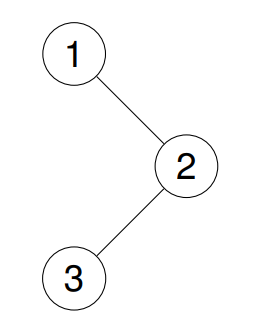
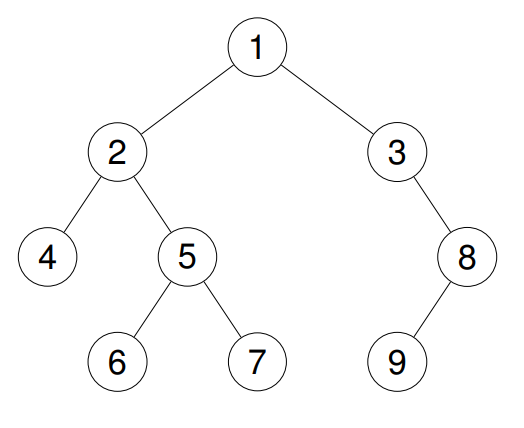
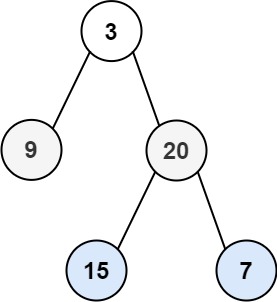

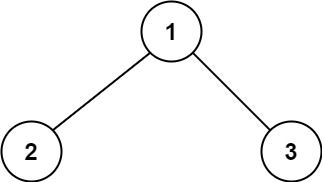
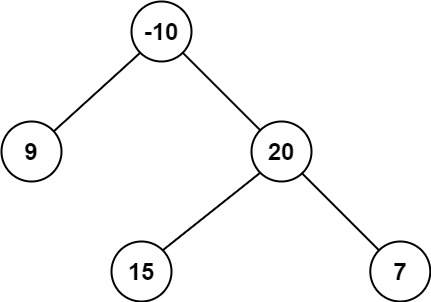
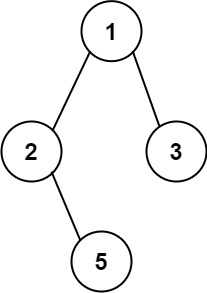




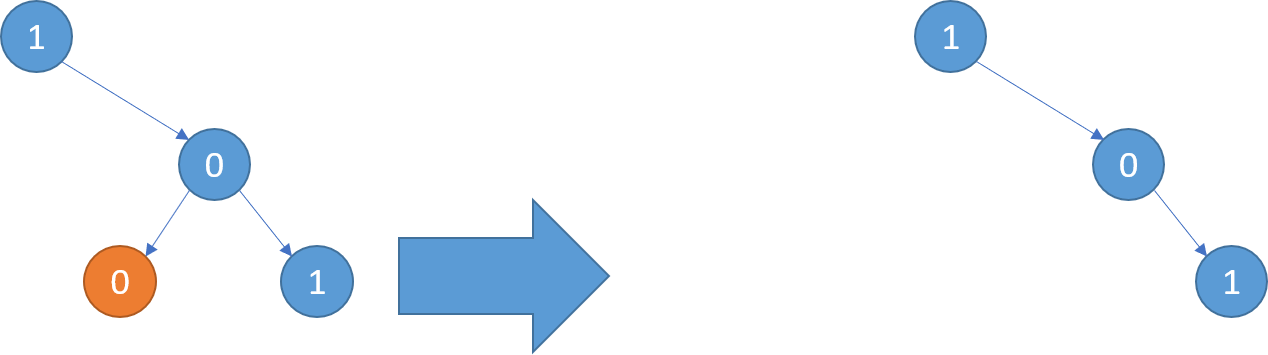
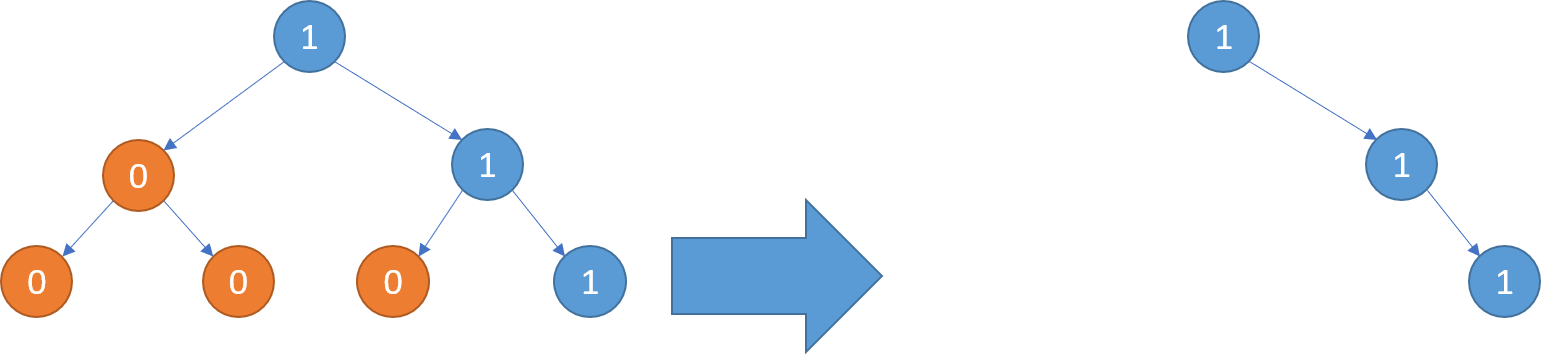
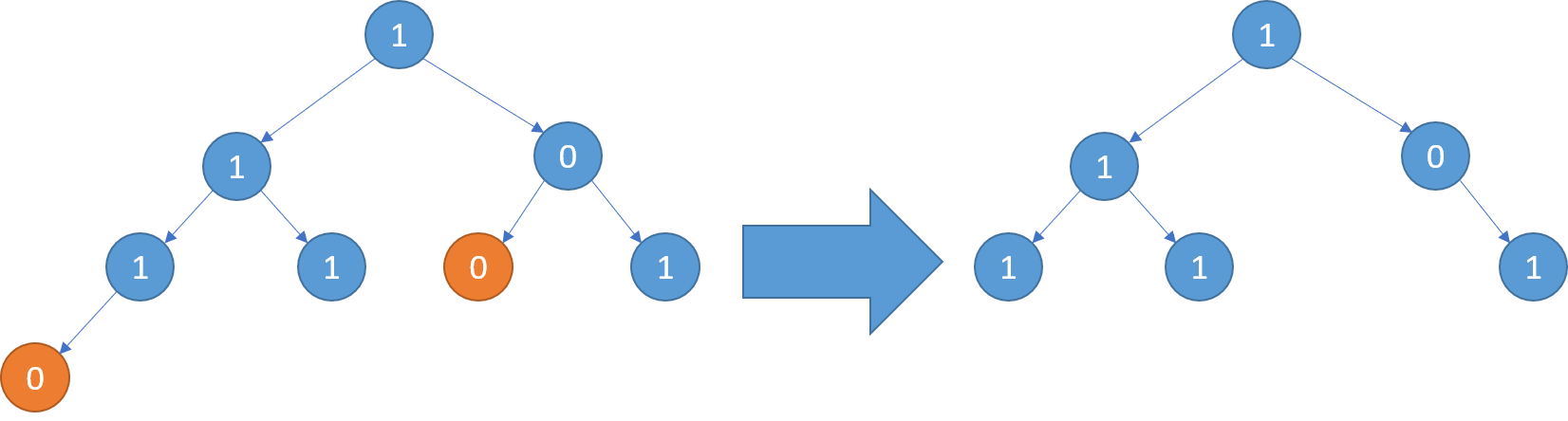
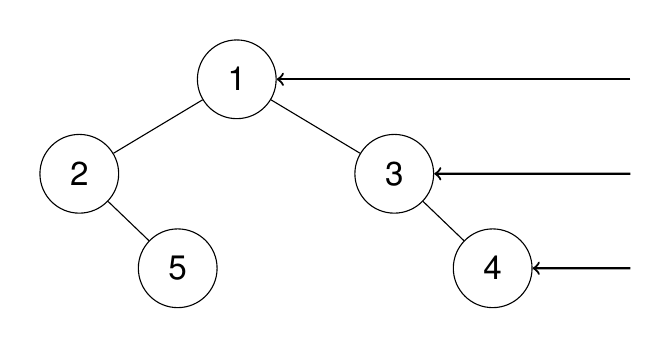
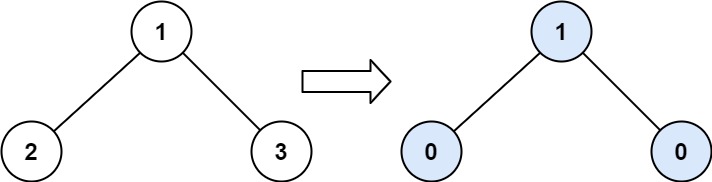
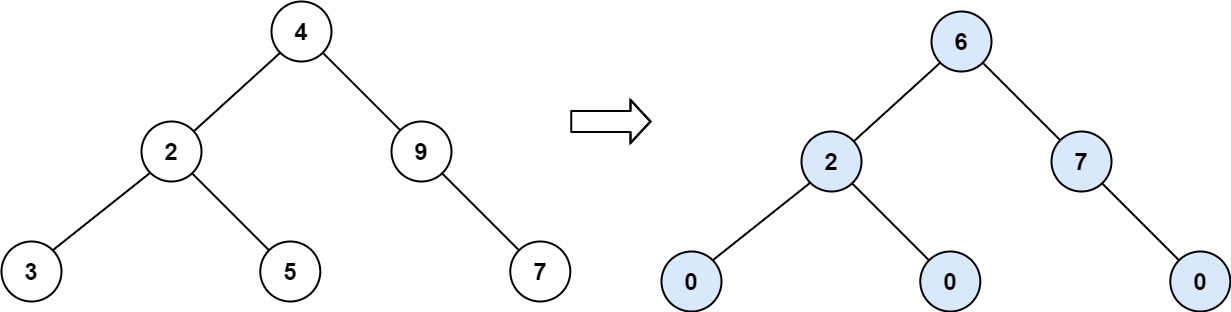
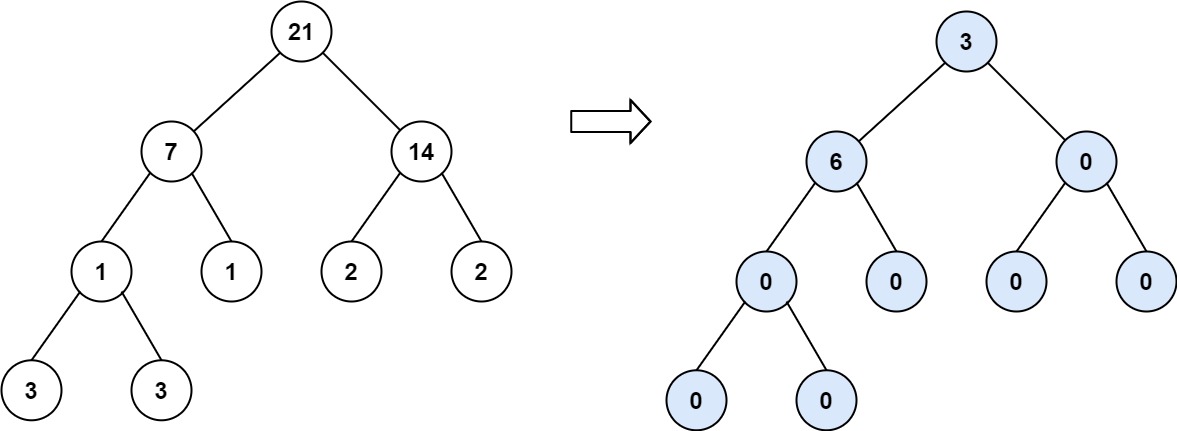
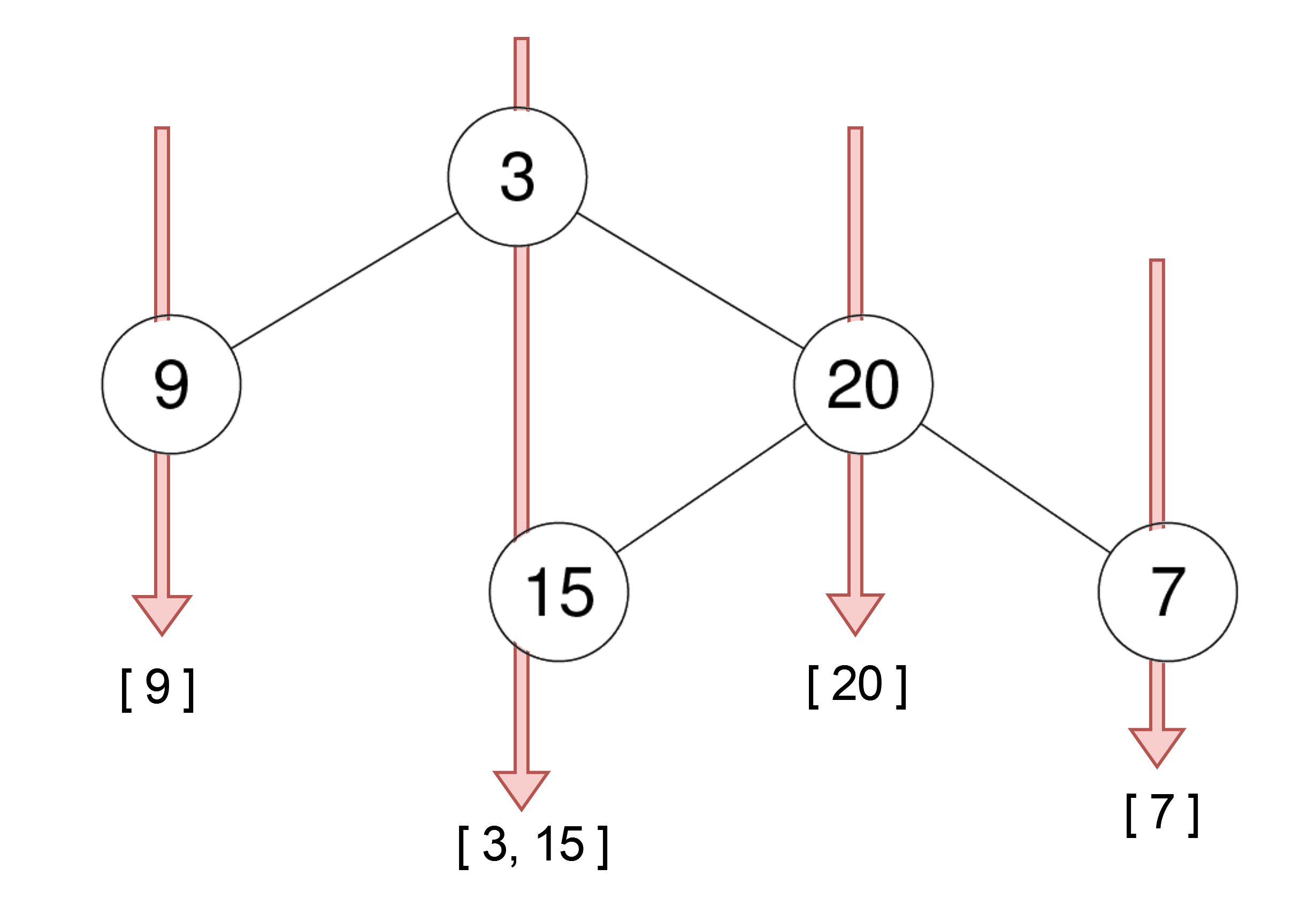
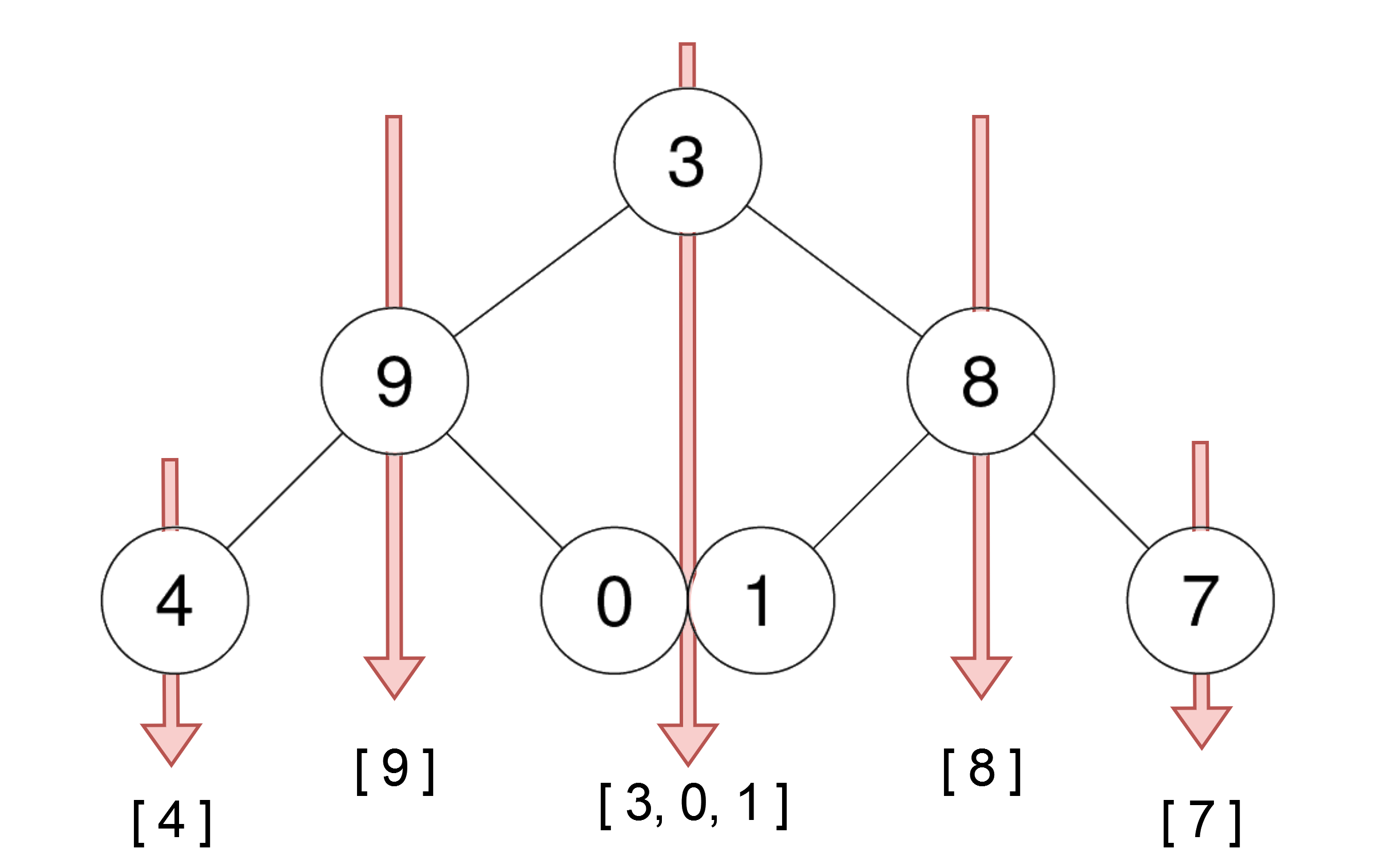
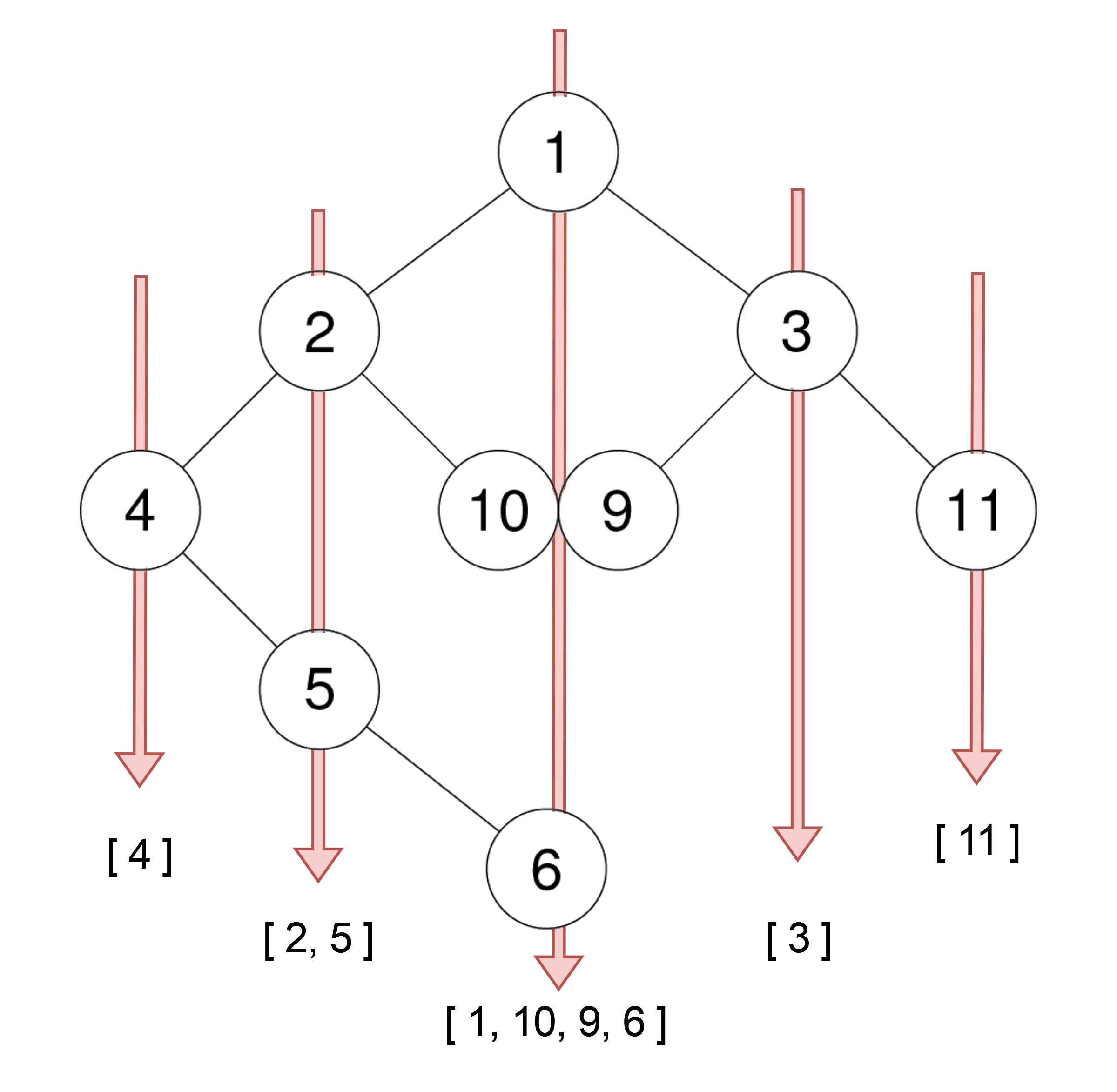


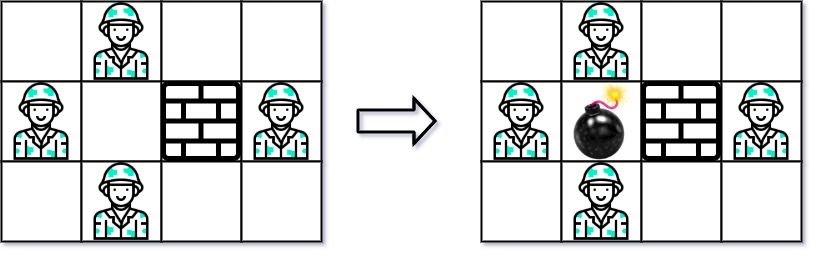
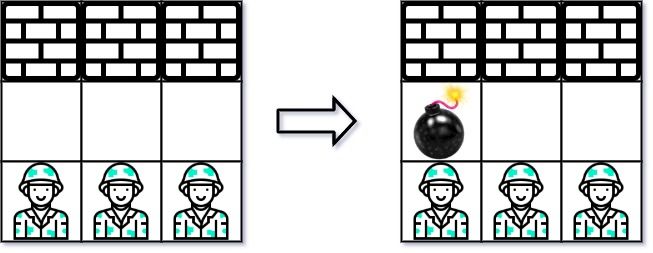
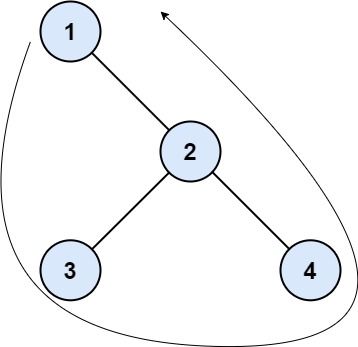
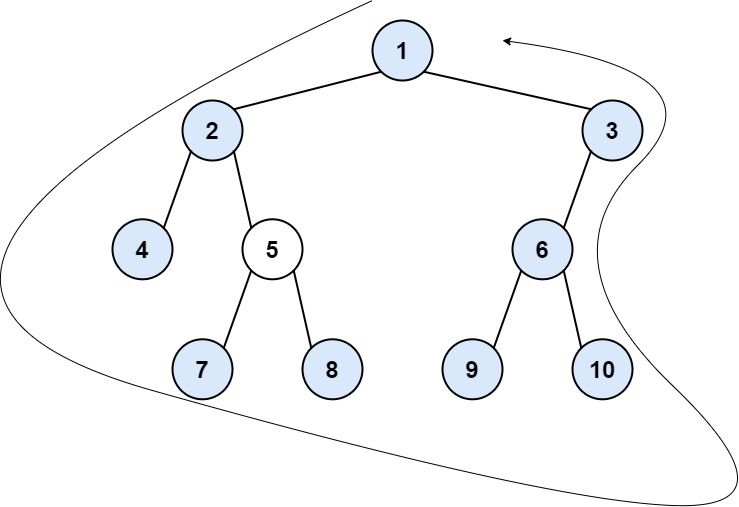
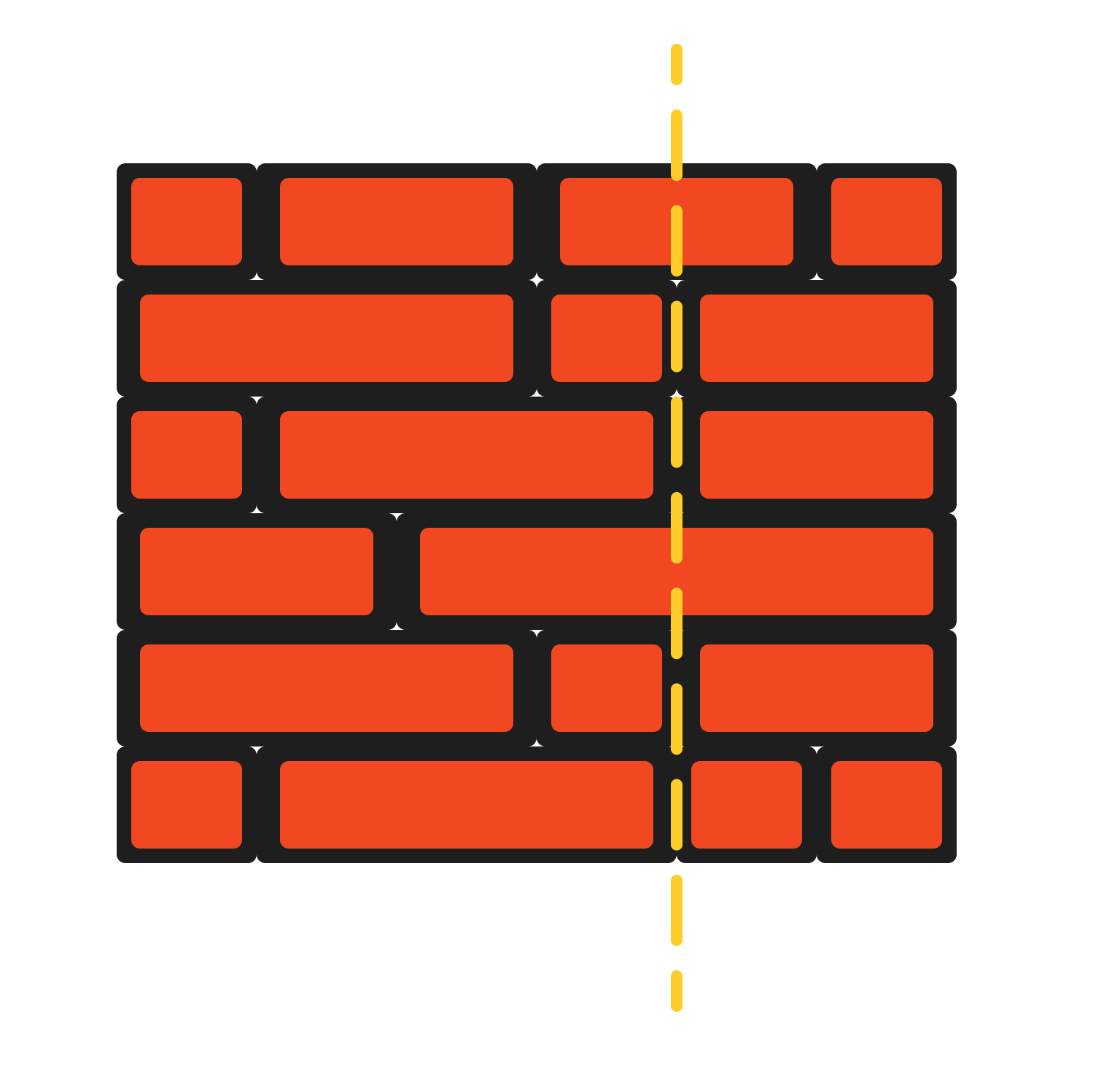
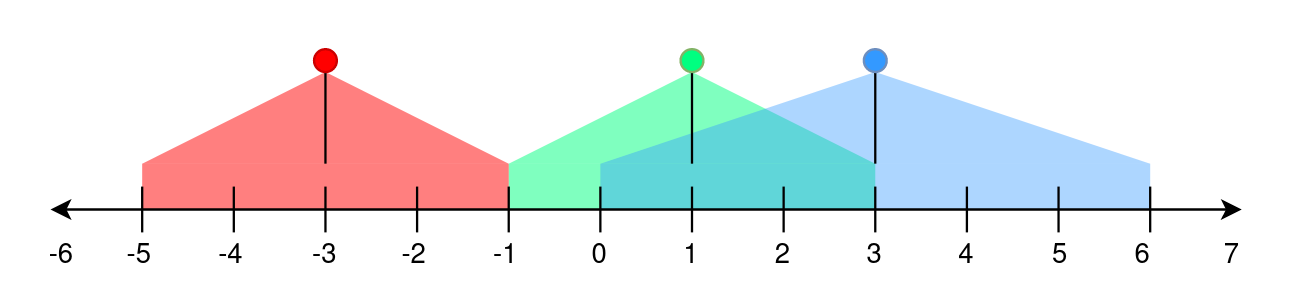
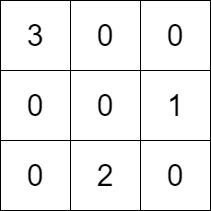
There are \n\ buildings in a line. You are given an integer array \heights\ of size \n\ that represents the heights of the buildings in the line.\

\

The ocean is to the right of the buildings. A building has an ocean view if the building can see the ocean without obstructions. Formally, a building has an ocean view if all the buildings to its right have a \smaller\ height.\

\

Return a list of indices \(0-indexed)\ of buildings that have an ocean view, sorted in increasing order.\

### Examples ``` Input: heights = [4,2,3,1] Output: [0,2,3] ``` **Explanation:** Building 1 (0-indexed) does not have an ocean view because building 2 is taller. ``` Input: heights = [4,3,2,1] Output: [0,1,2,3] ``` **Explanation:** All the buildings have an ocean view. ``` Input: heights = [1,3,2,4] Output: [3] ``` **Explanation:** Only building 3 has an ocean view. ### Constraints * 1 \<= heights.length \<= 10^5 * 1 \<= heights\[i] \<= 10^9 ## Solution Reference implementation from [solution.py on GitHub](https://github.com/wislertt/leetcode-py/blob/main/leetcode/buildings_with_an_ocean_view/solution.py), full suite in [test\_solution.py](https://github.com/wislertt/leetcode-py/blob/main/leetcode/buildings_with_an_ocean_view/test_solution.py): ```python theme={"theme":{"light":"github-light","dark":"github-dark"}} class Solution: # Time: O(n) # Space: O(1) excluding the output list def find_buildings(self, heights: list[int]) -> list[int]: result: list[int] = [] max_right = 0 for i in range(len(heights) - 1, -1, -1): if heights[i] > max_right: result.append(i) max_right = heights[i] return result[::-1] ``` ## Complexity | Time | Space | | ---- | ------------------------------ | | O(n) | O(1) excluding the output list | ## Tags [NeetCode All](/catalog/neetcode). # Bulb Switcher Python Solution with Tests Source: https://leetcode-py.wisl.dev/problems/bulb-switcher Tested Python solution for LeetCode 319 with 33 pytest cases. Generate a practice environment with lcpy. LeetCode 319, [Medium](/catalog/medium). Topics: [Math](/catalog/topics/math), Brainteaser. [View on LeetCode](https://leetcode.com/problems/bulb-switcher/description/). Generate this problem as a practice environment: tested reference solution, 33 [parametrized pytest cases](/practice/testing), and a playground notebook: ```bash theme={"theme":{"light":"github-light","dark":"github-dark"}} lcpy gen -n 319 # by problem number lcpy gen -s bulb_switcher # by problem name ``` ## Problem \

There are \n\ bulbs that are initially off. You first turn on all the bulbs, then you turn off every second bulb.\

\

On the third round, you toggle every third bulb (turning on if it's off or turning off if it's on). For the \i\th\\ round, you toggle every \i\ bulb. For the \n\th\\ round, you only toggle the last bulb.\

\

Return \the number of bulbs that are on after \n\ rounds\.\

### Examples ![Example 1](https://assets.leetcode.com/uploads/2020/11/05/bulb.jpg) ``` Input: n = 3 Output: 1 Explanation: At first, the three bulbs are [off, off, off]. After the first round, the three bulbs are [on, on, on]. After the second round, the three bulbs are [on, off, on]. After the third round, the three bulbs are [on, off, off]. So you should return 1 because there is only one bulb is on. ``` ``` Input: n = 0 Output: 0 ``` ``` Input: n = 1 Output: 1 ``` ### Constraints * 0 \<= n \<= 10\9\ ## Solution Reference implementation from [solution.py on GitHub](https://github.com/wislertt/leetcode-py/blob/main/leetcode/bulb_switcher/solution.py), full suite in [test\_solution.py](https://github.com/wislertt/leetcode-py/blob/main/leetcode/bulb_switcher/test_solution.py): ```python theme={"theme":{"light":"github-light","dark":"github-dark"}} from math import isqrt class Solution: # Time: O(1) # Space: O(1) def bulb_switch(self, n: int) -> int: return isqrt(n) ``` ## Complexity | Time | Space | | ---- | ----- | | O(1) | O(1) | ## Tags # Bulb Switcher II Python Solution with Tests Source: https://leetcode-py.wisl.dev/problems/bulb-switcher-ii Tested Python solution for LeetCode 672 with 20 pytest cases. Generate a practice environment with lcpy. LeetCode 672, [Medium](/catalog/medium). Topics: [Math](/catalog/topics/math), [Bit Manipulation](/catalog/topics/bit-manipulation), [Depth-First Search](/catalog/topics/depth-first-search), [Breadth-First Search](/catalog/topics/breadth-first-search). [View on LeetCode](https://leetcode.com/problems/bulb-switcher-ii/description/). Generate this problem as a practice environment: tested reference solution, 20 [parametrized pytest cases](/practice/testing), and a playground notebook: ```bash theme={"theme":{"light":"github-light","dark":"github-dark"}} lcpy gen -n 672 # by problem number lcpy gen -s bulb_switcher_ii # by problem name ``` ## Problem There is a room with `n` bulbs labeled from `1` to `n` that all are turned on initially, and **four buttons** on the wall. Each of the four buttons has a different functionality where: * **Button 1:** Flips the status of all the bulbs. * **Button 2:** Flips the status of all the bulbs with even labels (i.e., `2, 4, ...`). * **Button 3:** Flips the status of all the bulbs with odd labels (i.e., `1, 3, ...`). * **Button 4:** Flips the status of all the bulbs with a label `j = 3k + 1` where `k = 0, 1, 2, ...` (i.e., `1, 4, 7, 10, ...`). You must make **exactly** `presses` button presses in total. For each press, you may pick **any** of the four buttons to press. Given the two integers `n` and `presses`, return the number of different possible statuses after performing all `presses` button presses. ### Examples ``` Input: n = 1, presses = 1 Output: 2 Explanation: Status can be: - [off] by pressing button 1 - [on] by pressing button 2 ``` ``` Input: n = 2, presses = 1 Output: 3 Explanation: Status can be: - [off, off] by pressing button 1 - [on, off] by pressing button 2 - [off, on] by pressing button 3 ``` ``` Input: n = 3, presses = 1 Output: 4 Explanation: Status can be: - [off, off, off] by pressing button 1 - [on, off, on] by pressing button 2 - [off, on, off] by pressing button 3 - [off, on, on] by pressing button 4 ``` ### Constraints * 1 \<= n \<= 1000 * 0 \<= presses \<= 1000 ## Solution Reference implementation from [solution.py on GitHub](https://github.com/wislertt/leetcode-py/blob/main/leetcode/bulb_switcher_ii/solution.py), full suite in [test\_solution.py](https://github.com/wislertt/leetcode-py/blob/main/leetcode/bulb_switcher_ii/test_solution.py): ```python theme={"theme":{"light":"github-light","dark":"github-dark"}} class Solution: # Time: O(1) - at most 16 button-parity vectors, each scored on <= 3 bulbs # Space: O(1) - at most 8 distinct statuses def flip_lights(self, n: int, presses: int) -> int: # Bulb j flips iff: button 1 (always), button 2 (j even), # button 3 (j odd), button 4 (j % 3 == 1). Every bulb's fate is a fixed # XOR of these four parities, so for n >= 3 the first three bulbs # determine the whole room: two different parity vectors agreeing on # bulbs 1-3 also agree on b1^b3 and b4, hence differ on b1 and b3, # which every bulb sees. So counting distinct 3-bulb prefixes counts # distinct full configurations. bulbs = min(n, 3) statuses: set[tuple[bool, ...]] = set() for mask in range(16): used = mask.bit_count() if used > presses or (presses - used) % 2 != 0: continue statuses.add( tuple( ( (mask & 1) ^ ((mask >> 1) & 1 if bulb % 2 == 0 else 0) ^ ((mask >> 2) & 1 if bulb % 2 == 1 else 0) ^ ((mask >> 3) & 1 if bulb % 3 == 1 else 0) ) == 0 for bulb in range(1, bulbs + 1) ) ) return len(statuses) ``` ## Complexity | Time | Space | | ------------------------------------------------------------------- | ---------------------------------- | | O(1) - at most 16 button-parity vectors, each scored on \<= 3 bulbs | O(1) - at most 8 distinct statuses | ## Tags # Bulls and Cows Python Solution with Tests Source: https://leetcode-py.wisl.dev/problems/bulls-and-cows Tested Python solution for LeetCode 299 with 18 pytest cases. Generate a practice environment with lcpy. LeetCode 299, [Medium](/catalog/medium). Topics: [Hash Table](/catalog/topics/hash-table), [String](/catalog/topics/string), [Counting](/catalog/topics/counting). [View on LeetCode](https://leetcode.com/problems/bulls-and-cows/description/). Generate this problem as a practice environment: tested reference solution, 18 [parametrized pytest cases](/practice/testing), and a playground notebook: ```bash theme={"theme":{"light":"github-light","dark":"github-dark"}} lcpy gen -n 299 # by problem number lcpy gen -s bulls_and_cows # by problem name ``` ## Problem You are playing the [Bulls and Cows](https://en.wikipedia.org/wiki/Bulls_and_Cows) game with your friend. You write down a secret number and ask your friend to guess what the number is. When your friend makes a guess, you provide a hint with the following info: * The number of `"bulls"`, which are digits in the guess that are in the correct position. * The number of `"cows"`, which are digits in the guess that are in your secret number but are located in the wrong position. Specifically, the non-bull digits in the guess that could be rearranged such that they become bulls. Given the secret number `secret` and your friend's guess `guess`, return *the hint for your friend's guess*. The hint should be formatted as `"xAyB"`, where `x` is the number of bulls and `y` is the number of cows. Note that both `secret` and `guess` may contain duplicate digits. ### Examples ``` Input: secret = "1807", guess = "7810" Output: "1A3B" Explanation: Bulls are connected with a '|' and cows are underlined: "1807" | "7810" ``` ``` Input: secret = "1123", guess = "0111" Output: "1A1B" Explanation: Bulls are connected with a '|' and cows are underlined: "1123" "1123" | or | "0111" "0111" Note that only one of the two unmatched 1s is counted as a cow since the non-bull digits can only be rearranged to allow one 1 to be a bull. ``` ### Constraints * 1 \<= secret.length, guess.length \<= 1000 * secret.length == guess.length * secret and guess consist of digits only. ## Solution Reference implementation from [solution.py on GitHub](https://github.com/wislertt/leetcode-py/blob/main/leetcode/bulls_and_cows/solution.py), full suite in [test\_solution.py](https://github.com/wislertt/leetcode-py/blob/main/leetcode/bulls_and_cows/test_solution.py): ```python theme={"theme":{"light":"github-light","dark":"github-dark"}} from collections import Counter class Solution: # Time: O(n) # Space: O(1) def get_hint(self, secret: str, guess: str) -> str: bulls = 0 diff_secret: list[int] = [] diff_guess: list[int] = [] for s_digit, g_digit in zip(secret, guess, strict=True): if s_digit == g_digit: bulls += 1 else: diff_secret.append(int(s_digit)) diff_guess.append(int(g_digit)) cows = sum((Counter(diff_secret) & Counter(diff_guess)).values()) return f"{bulls}A{cows}B" ``` ## Complexity | Time | Space | | ---- | ----- | | O(n) | O(1) | ## Tags # Burst Balloons Python Solution with Tests Source: https://leetcode-py.wisl.dev/problems/burst-balloons Tested Python solution for LeetCode 312 with 14 pytest cases. Generate a practice environment with lcpy. LeetCode 312, [Hard](/catalog/hard). Topics: [Array](/catalog/topics/array), [Dynamic Programming](/catalog/topics/dynamic-programming). [View on LeetCode](https://leetcode.com/problems/burst-balloons/description/). Generate this problem as a practice environment: tested reference solution, 14 [parametrized pytest cases](/practice/testing), and a playground notebook: ```bash theme={"theme":{"light":"github-light","dark":"github-dark"}} lcpy gen -n 312 # by problem number lcpy gen -s burst_balloons # by problem name ``` ## Problem You are given `n` balloons, indexed from `0` to `n - 1`. Each balloon is painted with a number on it represented by an array `nums`. You are asked to burst all the balloons. If you burst the `ith` balloon, you will get `nums[i - 1] * nums[i] * nums[i + 1]` coins. If `i - 1` or `i + 1` goes out of bounds of the array, then treat it as if there is a balloon with a `1` painted on it. Return *the maximum coins you can collect by bursting the balloons wisely*. ### Examples ``` Input: nums = [3,1,5,8] Output: 167 ``` **Explanation:** nums = \[3,1,5,8] --> \[3,5,8] --> \[3,8] --> \[8] --> \[] coins = 3*1*5 + 3*5*8 + 1*3*8 + 1*8*1 = 167 ``` Input: nums = [1,5] Output: 10 ``` ### Constraints * n == nums.length * 1 \<= n \<= 300 * 0 \<= nums\[i] \<= 100 ## Solution Reference implementation from [solution.py on GitHub](https://github.com/wislertt/leetcode-py/blob/main/leetcode/burst_balloons/solution.py), full suite in [test\_solution.py](https://github.com/wislertt/leetcode-py/blob/main/leetcode/burst_balloons/test_solution.py): ```python theme={"theme":{"light":"github-light","dark":"github-dark"}} class Solution: # Time: O(n^3) # Space: O(n^2) def max_coins(self, nums: list[int]) -> int: balloons = [1, *nums, 1] n = len(balloons) # dp[i][j] = max coins bursting all balloons strictly between i and j dp = [[0] * n for _ in range(n)] for length in range(2, n): for i in range(n - length): j = i + length for k in range(i + 1, j): coins = balloons[i] * balloons[k] * balloons[j] dp[i][j] = max(dp[i][j], dp[i][k] + dp[k][j] + coins) return dp[0][n - 1] ``` ## Complexity | Time | Space | | ------ | ------ | | O(n^3) | O(n^2) | ## Tags [NeetCode 150](/catalog/neetcode-150), [NeetCode 250](/catalog/neetcode-250), [NeetCode All](/catalog/neetcode). # Bus Routes Python Solution with Tests Source: https://leetcode-py.wisl.dev/problems/bus-routes Tested Python solution for LeetCode 815 with 18 pytest cases. Generate a practice environment with lcpy. LeetCode 815, [Hard](/catalog/hard). Topics: [Array](/catalog/topics/array), [Hash Table](/catalog/topics/hash-table), [Breadth-First Search](/catalog/topics/breadth-first-search). [View on LeetCode](https://leetcode.com/problems/bus-routes/description/). Generate this problem as a practice environment: tested reference solution, 18 [parametrized pytest cases](/practice/testing), and a playground notebook: ```bash theme={"theme":{"light":"github-light","dark":"github-dark"}} lcpy gen -n 815 # by problem number lcpy gen -s bus_routes # by problem name ``` ## Problem You are given an array `routes` representing bus routes where `routes[i]` is a bus route that the `i^th` bus repeats forever. * For example, if `routes[0] = [1, 5, 7]`, this means that the `0^th` bus travels in the sequence `1 -> 5 -> 7 -> 1 -> 5 -> 7 -> 1 -> ...` forever. You will start at the bus stop `source` (You are not on any bus initially), and you want to go to the bus stop `target`. You can travel between bus stops by buses only. Return the least number of buses you must take to travel from `source` to `target`. Return `-1` if it is not possible. ### Examples ``` Input: routes = [[1,2,7],[3,6,7]], source = 1, target = 6 Output: 2 Explanation: The best strategy is take the first bus to the bus stop 7, then take the second bus to the bus stop 6. ``` ``` Input: routes = [[7,12],[4,5,15],[6],[15,19],[9,12,13]], source = 15, target = 12 Output: -1 ``` ### Constraints * 1 \<= routes.length \<= 500 * 1 \<= routes\[i].length \<= 10^5 * All the values of `routes[i]` are **unique**. * sum(routes\[i].length) \<= 10^5 * 0 \<= routes\[i]\[j] \< 10^6 * 0 \<= source, target \< 10^6 ## Solution Reference implementation from [solution.py on GitHub](https://github.com/wislertt/leetcode-py/blob/main/leetcode/bus_routes/solution.py), full suite in [test\_solution.py](https://github.com/wislertt/leetcode-py/blob/main/leetcode/bus_routes/test_solution.py): ```python theme={"theme":{"light":"github-light","dark":"github-dark"}} from collections import defaultdict, deque class Solution: # BFS over buses, not stops. Each bus is one hop. Map stop -> buses that # serve it. From source, enqueue all buses containing it; ride a bus to # reach every stop on it, transferring to unvisited buses at those stops. # Time: O(sum of routes length) # Space: O(sum of routes length) def num_buses_to_destination(self, routes: list[list[int]], source: int, target: int) -> int: if source == target: return 0 stop_to_buses: dict[int, list[int]] = defaultdict(list) for bus, stops in enumerate(routes): for stop in stops: stop_to_buses[stop].append(bus) # source or target unreachable if source not in stop_to_buses or target not in stop_to_buses: return -1 used_buses: set[int] = set() queue: deque[tuple[int, int]] = deque() for bus in stop_to_buses[source]: queue.append((bus, 1)) used_buses.add(bus) while queue: bus, buses_taken = queue.popleft() for stop in routes[bus]: if stop == target: return buses_taken for next_bus in stop_to_buses[stop]: if next_bus not in used_buses: used_buses.add(next_bus) queue.append((next_bus, buses_taken + 1)) return -1 ``` ## Complexity | Time | Space | | ----------------------- | ----------------------- | | O(sum of routes length) | O(sum of routes length) | ## Tags [Grind](/catalog/grind), [NeetCode All](/catalog/neetcode). # Buy Two Chocolates Python Solution with Tests Source: https://leetcode-py.wisl.dev/problems/buy-two-chocolates Tested Python solution for LeetCode 2706 with 20 pytest cases. Generate a practice environment with lcpy. LeetCode 2706, [Easy](/catalog/easy). Topics: [Array](/catalog/topics/array), [Greedy](/catalog/topics/greedy), [Sorting](/catalog/topics/sorting). [View on LeetCode](https://leetcode.com/problems/buy-two-chocolates/description/). Generate this problem as a practice environment: tested reference solution, 20 [parametrized pytest cases](/practice/testing), and a playground notebook: ```bash theme={"theme":{"light":"github-light","dark":"github-dark"}} lcpy gen -n 2706 # by problem number lcpy gen -s buy_two_chocolates # by problem name ``` ## Problem You are given an integer array `prices` representing the prices of various chocolates in a store. You are also given a single integer `money`, which represents your initial amount of money. You must buy **exactly** two chocolates in such a way that you still have some **non-negative** leftover money. You would like to minimize the sum of the prices of the two chocolates you buy. Return *the amount of money you will have leftover after buying the two chocolates*. If there is no way for you to buy two chocolates without ending up in debt, return `money`. Note that the leftover must be non-negative. ### Examples ``` Input: prices = [1,2,2], money = 3 Output: 0 ``` **Explanation:** Purchase the chocolates priced at 1 and 2 units respectively. You will have 3 - 3 = 0 units of money afterwards. Thus, we return 0. ``` Input: prices = [3,2,3], money = 3 Output: 3 ``` **Explanation:** You cannot buy 2 chocolates without going in debt, so we return 3. ### Constraints * 2 \<= prices.length \<= 50 * 1 \<= prices\[i] \<= 100 * 1 \<= money \<= 100 ## Solution Reference implementation from [solution.py on GitHub](https://github.com/wislertt/leetcode-py/blob/main/leetcode/buy_two_chocolates/solution.py), full suite in [test\_solution.py](https://github.com/wislertt/leetcode-py/blob/main/leetcode/buy_two_chocolates/test_solution.py): ```python theme={"theme":{"light":"github-light","dark":"github-dark"}} class Solution: # Time: O(n) # Space: O(1) def buy_choco(self, prices: list[int], money: int) -> int: first = second = 101 for price in prices: if price < first: second = first first = price elif price < second: second = price total = first + second return money - total if total <= money else money ``` ## Complexity | Time | Space | | ---- | ----- | | O(n) | O(1) | ## Tags [NeetCode All](/catalog/neetcode). # Calculate Money in Leetcode Bank Source: https://leetcode-py.wisl.dev/problems/calculate-money-in-leetcode-bank Tested Python solution for LeetCode 1716 with 31 pytest cases. Generate a practice environment with lcpy. LeetCode 1716, [Easy](/catalog/easy). Topics: [Math](/catalog/topics/math). [View on LeetCode](https://leetcode.com/problems/calculate-money-in-leetcode-bank/description/). Generate this problem as a practice environment: tested reference solution, 31 [parametrized pytest cases](/practice/testing), and a playground notebook: ```bash theme={"theme":{"light":"github-light","dark":"github-dark"}} lcpy gen -n 1716 # by problem number lcpy gen -s calculate_money_in_leetcode_bank # by problem name ``` ## Problem Hercy wants to save money for his first car. He puts money in the Leetcode bank **every day**. He starts by putting in `$1` on Monday, the first day. Every day from Tuesday to Sunday, he will put in `$1` more than the day before. On every subsequent Monday, he will put in `$1` more than the **previous Monday**. Given `n`, return *the total amount of money he will have in the Leetcode bank at the end of the* `n^th` *day.* ### Examples ``` Input: n = 4 Output: 10 Explanation: After the 4th day, the total is 1 + 2 + 3 + 4 = 10. ``` ``` Input: n = 10 Output: 37 Explanation: After the 10th day, the total is (1 + 2 + 3 + 4 + 5 + 6 + 7) + (2 + 3 + 4) = 37. Notice that on the 2nd Monday, Hercy only puts in $2. ``` ``` Input: n = 20 Output: 96 Explanation: After the 20th day, the total is (1 + 2 + 3 + 4 + 5 + 6 + 7) + (2 + 3 + 4 + 5 + 6 + 7 + 8) + (3 + 4 + 5 + 6 + 7 + 8) = 96. ``` ### Constraints * 1 \<= n \<= 1000 ## Solution Reference implementation from [solution.py on GitHub](https://github.com/wislertt/leetcode-py/blob/main/leetcode/calculate_money_in_leetcode_bank/solution.py), full suite in [test\_solution.py](https://github.com/wislertt/leetcode-py/blob/main/leetcode/calculate_money_in_leetcode_bank/test_solution.py): ```python theme={"theme":{"light":"github-light","dark":"github-dark"}} class Solution: # Time: O(1) # Space: O(1) def total_money(self, n: int) -> int: full_weeks, rem = divmod(n, 7) weeks_total = full_weeks * 28 + 7 * full_weeks * (full_weeks - 1) // 2 rem_total = rem * (full_weeks + 1) + rem * (rem - 1) // 2 return weeks_total + rem_total ``` ## Complexity | Time | Space | | ---- | ----- | | O(1) | O(1) | ## Tags [NeetCode All](/catalog/neetcode). # Campus Bikes Python Solution with Tests Source: https://leetcode-py.wisl.dev/problems/campus-bikes Tested Python solution for LeetCode 1057 with 11 pytest cases. Generate a practice environment with lcpy. LeetCode 1057, [Medium](/catalog/medium). Topics: [Array](/catalog/topics/array), [Greedy](/catalog/topics/greedy), [Sorting](/catalog/topics/sorting), [Heap (Priority Queue)](/catalog/topics/heap-priority-queue). [View on LeetCode](https://leetcode.com/problems/campus-bikes/description/). Generate this problem as a practice environment: tested reference solution, 11 [parametrized pytest cases](/practice/testing), and a playground notebook: ```bash theme={"theme":{"light":"github-light","dark":"github-dark"}} lcpy gen -n 1057 # by problem number lcpy gen -s campus_bikes # by problem name ``` ## Problem On a campus represented on the X-Y plane, there are `n` workers and `m` bikes, with `n <= m`. You are given an array `workers` of length `n` where `workers[i] = [xi, yi]` is the position of the `ith` worker. You are also given an array `bikes` of length `m` where `bikes[j] = [xj, yj]` is the position of the `jth` bike. All the given positions are **unique**. Assign a bike to each worker. Among the available bikes and workers, we choose the `(workeri, bikej)` pair with the shortest **Manhattan distance** between each other and assign the bike to that worker. If there are multiple `(workeri, bikej)` pairs with the same shortest **Manhattan distance**, we choose the pair with the **smallest worker index**. If there are multiple ways to do that, we choose the pair with the **smallest bike index**. Repeat this process until there are no available workers. Return an array `answer` of length `n`, where `answer[i]` is the index (**0-indexed**) of the bike that the `ith` worker is assigned to. The **Manhattan distance** between two points `p1` and `p2` is `Manhattan(p1, p2) = |p1.x - p2.x| + |p1.y - p2.y|`. ### Examples ``` Input: workers = [[0,0],[2,1]], bikes = [[1,2],[3,3]] Output: [1,0] Explanation: Worker 1 grabs Bike 0 as they are closest (without ties), and Worker 0 is assigned Bike 1. ``` ``` Input: workers = [[0,0],[1,1],[2,0]], bikes = [[1,0],[2,2],[2,1]] Output: [0,2,1] Explanation: Worker 0 grabs Bike 0 at first. Worker 1 and Worker 2 share the same distance to Bike 2, thus Worker 1 is assigned to Bike 2, and Worker 2 will take Bike 1. ``` ### Constraints * n == workers.length * m == bikes.length * 1 \<= n \<= m \<= 1000 * workers\[i].length == bikes\[j].length == 2 * 0 \<= xi, yi \< 1000 * 0 \<= xj, yj \< 1000 * All worker and bike locations are unique. ## Solution Reference implementation from [solution.py on GitHub](https://github.com/wislertt/leetcode-py/blob/main/leetcode/campus_bikes/solution.py), full suite in [test\_solution.py](https://github.com/wislertt/leetcode-py/blob/main/leetcode/campus_bikes/test_solution.py): ```python theme={"theme":{"light":"github-light","dark":"github-dark"}} from itertools import product class Solution: # Time: O(n * m * log(n * m)) # Space: O(n * m) def assign_bikes(self, workers: list[list[int]], bikes: list[list[int]]) -> list[int]: n, m = len(workers), len(bikes) pairs = sorted( (abs(w[0] - b[0]) + abs(w[1] - b[1]), i, j) for (i, w), (j, b) in product(enumerate(workers), enumerate(bikes)) ) used_workers = [False] * n used_bikes = [False] * m ans = [0] * n for _, i, j in pairs: if not used_workers[i] and not used_bikes[j]: used_workers[i] = used_bikes[j] = True ans[i] = j return ans ``` ## Complexity | Time | Space | | ------------------------ | --------- | | O(n \* m \* log(n \* m)) | O(n \* m) | ## Tags [NeetCode All](/catalog/neetcode). # Can I Win Python Solution with Tests Source: https://leetcode-py.wisl.dev/problems/can-i-win Tested Python solution for LeetCode 464 with 22 pytest cases. Generate a practice environment with lcpy. LeetCode 464, [Medium](/catalog/medium). Topics: [Math](/catalog/topics/math), [Dynamic Programming](/catalog/topics/dynamic-programming), [Bit Manipulation](/catalog/topics/bit-manipulation), [Memoization](/catalog/topics/memoization), [Game Theory](/catalog/topics/game-theory), [Bitmask](/catalog/topics/bitmask). [View on LeetCode](https://leetcode.com/problems/can-i-win/description/). Generate this problem as a practice environment: tested reference solution, 22 [parametrized pytest cases](/practice/testing), and a playground notebook: ```bash theme={"theme":{"light":"github-light","dark":"github-dark"}} lcpy gen -n 464 # by problem number lcpy gen -s can_i_win # by problem name ``` ## Problem In the "100 game" two players take turns adding, to a running total, any integer from `1` to `10`. The player who first causes the running total to **reach or exceed** 100 wins. What if we change the game so that players **cannot** re-use integers? For example, two players might take turns drawing from a common pool of numbers from 1 to 15 without replacement until they reach a total >= 100. Given two integers `maxChoosableInteger` and `desiredTotal`, return `true` if the first player to move can force a win, otherwise, return `false`. Assume both players play optimally. ### Examples ``` Input: maxChoosableInteger = 10, desiredTotal = 11 Output: false Explanation: No matter which integer the first player choose, the first player will lose. The first player can choose an integer from 1 up to 10. If the first player choose 1, the second player can only choose integers from 2 up to 10. The second player will win by choosing 10 and get a total = 11, which is >= desiredTotal. Same with other integers chosen by the first player, the second player will always win. ``` ``` Input: maxChoosableInteger = 10, desiredTotal = 0 Output: true ``` ``` Input: maxChoosableInteger = 10, desiredTotal = 1 Output: true ``` ### Constraints * 1 \<= maxChoosableInteger \<= 20 * 0 \<= desiredTotal \<= 300 ## Solution Reference implementation from [solution.py on GitHub](https://github.com/wislertt/leetcode-py/blob/main/leetcode/can_i_win/solution.py), full suite in [test\_solution.py](https://github.com/wislertt/leetcode-py/blob/main/leetcode/can_i_win/test_solution.py): ```python theme={"theme":{"light":"github-light","dark":"github-dark"}} class Solution: # Time: O(2^m * m) where m = max_choosable_integer # Space: O(2^m) def can_i_win(self, max_choosable_integer: int, desired_total: int) -> bool: if desired_total <= 0: return True pool = max_choosable_integer * (max_choosable_integer + 1) // 2 if pool < desired_total: return False memo: dict[int, bool] = {} def dfs(used: int, remaining: int) -> bool: if used in memo: return memo[used] for choice in range(max_choosable_integer): bit = 1 << choice if used & bit: continue if choice + 1 >= remaining or not dfs(used | bit, remaining - choice - 1): memo[used] = True return True memo[used] = False return False return dfs(0, desired_total) ``` ## Complexity | Time | Space | | --------------------------------------------- | ------ | | O(2^m \* m) where m = max\_choosable\_integer | O(2^m) | ## Tags # Can Place Flowers Python Solution with Tests Source: https://leetcode-py.wisl.dev/problems/can-place-flowers Tested Python solution for LeetCode 605 with 17 pytest cases. Generate a practice environment with lcpy. LeetCode 605, [Easy](/catalog/easy). Topics: [Array](/catalog/topics/array), [Greedy](/catalog/topics/greedy). [View on LeetCode](https://leetcode.com/problems/can-place-flowers/description/). Generate this problem as a practice environment: tested reference solution, 17 [parametrized pytest cases](/practice/testing), and a playground notebook: ```bash theme={"theme":{"light":"github-light","dark":"github-dark"}} lcpy gen -n 605 # by problem number lcpy gen -s can_place_flowers # by problem name ``` ## Problem You have a long flowerbed in which some of the plots are planted, and some are not. However, flowers cannot be planted in **adjacent** plots. Given an integer array `flowerbed` containing `0`'s and `1`'s, where `0` means empty and `1` means not empty, and an integer `n`, return `true` *if* `n` *new flowers can be planted in the* `flowerbed` *without violating the no-adjacent-flowers rule and* `false` *otherwise*. ### Examples ``` Input: flowerbed = [1,0,0,0,1], n = 1 Output: true ``` ``` Input: flowerbed = [1,0,0,0,1], n = 2 Output: false ``` ### Constraints * 1 \<= flowerbed.length \<= 2 \* 10^4 * flowerbed\[i] is 0 or 1. * There are no two adjacent flowers in flowerbed. * 0 \<= n \<= flowerbed.length ## Solution Reference implementation from [solution.py on GitHub](https://github.com/wislertt/leetcode-py/blob/main/leetcode/can_place_flowers/solution.py), full suite in [test\_solution.py](https://github.com/wislertt/leetcode-py/blob/main/leetcode/can_place_flowers/test_solution.py): ```python theme={"theme":{"light":"github-light","dark":"github-dark"}} class Solution: # Time: O(m) where m = len(flowerbed) # Space: O(m) def can_place_flowers(self, flowerbed: list[int], n: int) -> bool: planted = 0 bed = flowerbed[:] for i, plot in enumerate(bed): left_empty = i == 0 or bed[i - 1] == 0 right_empty = i == len(bed) - 1 or bed[i + 1] == 0 if plot == 0 and left_empty and right_empty: bed[i] = 1 planted += 1 return planted >= n ``` ## Complexity | Time | Space | | ----------------------------- | ----- | | O(m) where m = len(flowerbed) | O(m) | ## Tags [NeetCode All](/catalog/neetcode). # Candy Python Solution with Tests Source: https://leetcode-py.wisl.dev/problems/candy Tested Python solution for LeetCode 135 with 18 pytest cases. Generate a practice environment with lcpy. LeetCode 135, [Hard](/catalog/hard). Topics: [Array](/catalog/topics/array), [Greedy](/catalog/topics/greedy). [View on LeetCode](https://leetcode.com/problems/candy/description/). Generate this problem as a practice environment: tested reference solution, 18 [parametrized pytest cases](/practice/testing), and a playground notebook: ```bash theme={"theme":{"light":"github-light","dark":"github-dark"}} lcpy gen -n 135 # by problem number lcpy gen -s candy # by problem name ``` ## Problem There are `n` children standing in a line. Each child is assigned a rating value given in the integer array `ratings`. You are giving candies to these children subjected to the following requirements: * Each child must have at least one candy. * Children with a higher rating get more candies than their neighbors. Return *the minimum number of candies you need to have to distribute the candies to the children*. ### Examples ``` Input: ratings = [1,0,2] Output: 5 ``` **Explanation:** You can allocate to the first, second and third child with 2, 1, 2 candies respectively. ``` Input: ratings = [1,2,2] Output: 4 ``` **Explanation:** You can allocate to the first, second and third child with 1, 2, 1 candies respectively. The third child gets 1 candy because it satisfies the above two conditions. ### Constraints * n == ratings.length * 1 \<= n \<= 2 \* 10^4 * 0 \<= ratings\[i] \<= 2 \* 10^4 ## Solution Reference implementation from [solution.py on GitHub](https://github.com/wislertt/leetcode-py/blob/main/leetcode/candy/solution.py), full suite in [test\_solution.py](https://github.com/wislertt/leetcode-py/blob/main/leetcode/candy/test_solution.py): ```python theme={"theme":{"light":"github-light","dark":"github-dark"}} class Solution: # Time: O(n) # Space: O(n) def candy(self, ratings: list[int]) -> int: n = len(ratings) candies = [1] * n # Left-to-right: satisfy higher-than-left-neighbor constraint for i in range(1, n): if ratings[i] > ratings[i - 1]: candies[i] = candies[i - 1] + 1 # Right-to-left: satisfy higher-than-right-neighbor constraint for i in range(n - 2, -1, -1): if ratings[i] > ratings[i + 1]: candies[i] = max(candies[i], candies[i + 1] + 1) return sum(candies) ``` ## Complexity | Time | Space | | ---- | ----- | | O(n) | O(n) | ## Tags [NeetCode 250](/catalog/neetcode-250), [NeetCode All](/catalog/neetcode). # Candy Crush Python Solution with Tests Source: https://leetcode-py.wisl.dev/problems/candy-crush Tested Python solution for LeetCode 723 with 13 pytest cases. Generate a practice environment with lcpy. LeetCode 723, [Medium](/catalog/medium). Topics: [Array](/catalog/topics/array), [Two Pointers](/catalog/topics/two-pointers), [Matrix](/catalog/topics/matrix), [Simulation](/catalog/topics/simulation). [View on LeetCode](https://leetcode.com/problems/candy-crush/description/). Generate this problem as a practice environment: tested reference solution, 13 [parametrized pytest cases](/practice/testing), and a playground notebook: ```bash theme={"theme":{"light":"github-light","dark":"github-dark"}} lcpy gen -n 723 # by problem number lcpy gen -s candy_crush # by problem name ``` ## Problem This question is about implementing a basic elimination algorithm for Candy Crush. Given an `m x n` integer array `board` representing the grid of candy where `board[i][j]` represents the type of candy. A value of `board[i][j] == 0` represents that the cell is empty. The given board represents the state of the game following the player's move. Now, you need to restore the board to a **stable state** by crushing candies according to the following rules: * If three or more candies of the same type are adjacent vertically or horizontally, crush them all at the same time - these positions become empty. * After crushing all candies simultaneously, if an empty space on the board has candies on top of itself, then these candies will drop until they hit a candy or bottom at the same time. No new candies will drop outside the top boundary. * After the above steps, there may exist more candies that can be crushed. If so, you need to repeat the above steps. * If there does not exist more candies that can be crushed (i.e., the board is stable), then return the current board. You need to perform the above rules until the board becomes stable, then return the stable board. ### Examples ``` Input: board = [[110,5,112,113,114],[210,211,5,213,214],[310,311,3,313,314],[410,411,412,5,414],[5,1,512,3,3],[610,4,1,613,614],[710,1,2,713,714],[810,1,2,1,1],[1,1,2,2,2],[4,1,4,4,1014]] Output: [[0,0,0,0,0],[0,0,0,0,0],[0,0,0,0,0],[110,0,0,0,114],[210,0,0,0,214],[310,0,0,113,314],[410,0,0,213,414],[610,211,112,313,614],[710,311,412,613,714],[810,411,512,713,1014]] ``` ``` Input: board = [[1,3,5,5,2],[3,4,3,3,1],[3,2,4,5,2],[2,4,4,5,5],[1,4,4,1,1]] Output: [[1,3,0,0,0],[3,4,0,5,2],[3,2,0,3,1],[2,4,0,5,2],[1,4,3,1,1]] ``` ### Constraints * m == board.length * n == board\[i].length * 3 \<= m, n \<= 50 * 1 \<= board\[i]\[j] \<= 2000 ## Solution Reference implementation from [solution.py on GitHub](https://github.com/wislertt/leetcode-py/blob/main/leetcode/candy_crush/solution.py), full suite in [test\_solution.py](https://github.com/wislertt/leetcode-py/blob/main/leetcode/candy_crush/test_solution.py): ```python theme={"theme":{"light":"github-light","dark":"github-dark"}} class Solution: # Time: O((m * n)^2) # Space: O(1) def candy_crush(self, board: list[list[int]]) -> list[list[int]]: m, n = len(board), len(board[0]) run = True while run: run = False for i in range(m): for j in range(2, n): if board[i][j] and abs(board[i][j]) == abs(board[i][j - 1]) == abs( board[i][j - 2] ): run = True board[i][j] = board[i][j - 1] = board[i][j - 2] = -abs(board[i][j]) for j in range(n): for i in range(2, m): if board[i][j] and abs(board[i][j]) == abs(board[i - 1][j]) == abs( board[i - 2][j] ): run = True board[i][j] = board[i - 1][j] = board[i - 2][j] = -abs(board[i][j]) if run: for j in range(n): k = m - 1 for i in range(m - 1, -1, -1): if board[i][j] > 0: board[k][j] = board[i][j] k -= 1 while k >= 0: board[k][j] = 0 k -= 1 return board ``` ## Complexity | Time | Space | | ------------- | ----- | | O((m \* n)^2) | O(1) | ## Tags [NeetCode All](/catalog/neetcode). # Capacity To Ship Packages Within D Days Source: https://leetcode-py.wisl.dev/problems/capacity-to-ship-packages-within-d-days Tested Python solution for LeetCode 1011 with 18 pytest cases. Generate a practice environment with lcpy. LeetCode 1011, [Medium](/catalog/medium). Topics: [Array](/catalog/topics/array), [Binary Search](/catalog/topics/binary-search). [View on LeetCode](https://leetcode.com/problems/capacity-to-ship-packages-within-d-days/description/). Generate this problem as a practice environment: tested reference solution, 18 [parametrized pytest cases](/practice/testing), and a playground notebook: ```bash theme={"theme":{"light":"github-light","dark":"github-dark"}} lcpy gen -n 1011 # by problem number lcpy gen -s capacity_to_ship_packages_within_d_days # by problem name ``` ## Problem A conveyor belt has packages that must be shipped from one port to another within `days` days. The `i^th` package on the conveyor belt has a weight of `weights[i]`. Each day, we load the ship with packages on the conveyor belt (in the order given by `weights`). We may not load more weight than the maximum weight capacity of the ship. Return the least weight capacity of the ship that will result in all the packages on the conveyor belt being shipped within `days` days. ### Examples ``` Input: weights = [1,2,3,4,5,6,7,8,9,10], days = 5 Output: 15 Explanation: A ship capacity of 15 is the minimum to ship all the packages in 5 days like this: 1st day: 1, 2, 3, 4, 5 2nd day: 6, 7 3rd day: 8 4th day: 9 5th day: 10 ``` ``` Input: weights = [3,2,2,4,1,4], days = 3 Output: 6 Explanation: A ship capacity of 6 is the minimum to ship all the packages in 3 days like this: 1st day: 3, 2 2nd day: 2, 4 3rd day: 1, 4 ``` ``` Input: weights = [1,2,3,1,1], days = 4 Output: 3 ``` ### Constraints * 1 \<= days \<= weights.length \<= 5 \* 10^4 * 1 \<= weights\[i] \<= 500 ## Solution Reference implementation from [solution.py on GitHub](https://github.com/wislertt/leetcode-py/blob/main/leetcode/capacity_to_ship_packages_within_d_days/solution.py), full suite in [test\_solution.py](https://github.com/wislertt/leetcode-py/blob/main/leetcode/capacity_to_ship_packages_within_d_days/test_solution.py): ```python theme={"theme":{"light":"github-light","dark":"github-dark"}} class Solution: # Time: O(n log(sum(weights))) # Space: O(1) def ship_within_days(self, weights: list[int], days: int) -> int: def can_ship(capacity: int) -> bool: needed_days = 1 current_load = 0 for weight in weights: if current_load + weight > capacity: needed_days += 1 current_load = 0 current_load += weight return needed_days <= days left = max(weights) right = sum(weights) while left < right: mid = (left + right) // 2 if can_ship(mid): right = mid else: left = mid + 1 return left ``` ## Complexity | Time | Space | | ---------------------- | ----- | | O(n log(sum(weights))) | O(1) | ## Tags [NeetCode 250](/catalog/neetcode-250), [NeetCode All](/catalog/neetcode). # Car Fleet Python Solution with Tests Source: https://leetcode-py.wisl.dev/problems/car-fleet Tested Python solution for LeetCode 853 with 13 pytest cases. Generate a practice environment with lcpy. LeetCode 853, [Medium](/catalog/medium). Topics: [Array](/catalog/topics/array), [Stack](/catalog/topics/stack), [Sorting](/catalog/topics/sorting), [Monotonic Stack](/catalog/topics/monotonic-stack). [View on LeetCode](https://leetcode.com/problems/car-fleet/description/). Generate this problem as a practice environment: tested reference solution, 13 [parametrized pytest cases](/practice/testing), and a playground notebook: ```bash theme={"theme":{"light":"github-light","dark":"github-dark"}} lcpy gen -n 853 # by problem number lcpy gen -s car_fleet # by problem name ``` ## Problem There are `n` cars at given miles away from the starting mile 0, traveling to reach the mile `target`. You are given two integer arrays `position` and `speed`, both of length `n`, where `position[i]` is the starting mile of the `ith` car and `speed[i]` is the speed of the `ith` car in miles per hour. A car cannot pass another car, but it can catch up and then travel next to it at the speed of the slower car. A **car fleet** is a single car or a group of cars driving next to each other. The speed of the car fleet is the **minimum** speed of any car in the fleet. If a car catches up to a car fleet at the mile `target`, it will still be considered as part of the car fleet. Return the number of car fleets that will arrive at the destination. ### Examples ``` Input: target = 12, position = [10,8,0,5,3], speed = [2,4,1,1,3] Output: 3 Explanation: - The cars starting at 10 (speed 2) and 8 (speed 4) become a fleet, meeting each other at 12. The fleet forms at target. - The car starting at 0 (speed 1) does not catch up to any other car, so it is a fleet by itself. - The cars starting at 5 (speed 1) and 3 (speed 3) become a fleet, meeting each other at 6. The fleet moves at speed 1 until it reaches target. ``` ``` Input: target = 10, position = [3], speed = [3] Output: 1 Explanation: There is only one car, hence there is only one fleet. ``` ``` Input: target = 100, position = [0,2,4], speed = [4,2,1] Output: 1 ``` ### Constraints * n == position.length == speed.length * 1 \<= n \<= 10\5\ * 0 \< target \<= 10\6\ * 0 \<= position\[i] \< target * All the values of position are **unique**. * 0 \< speed\[i] \<= 10\6\ ## Solution Reference implementation from [solution.py on GitHub](https://github.com/wislertt/leetcode-py/blob/main/leetcode/car_fleet/solution.py), full suite in [test\_solution.py](https://github.com/wislertt/leetcode-py/blob/main/leetcode/car_fleet/test_solution.py): ```python theme={"theme":{"light":"github-light","dark":"github-dark"}} class Solution: # Time: O(n log n) # Space: O(n) def car_fleet(self, target: int, position: list[int], speed: list[int]) -> int: # Sort cars by position descending (closest to target first). cars = sorted(zip(position, speed, strict=False), reverse=True) fleets = 0 slowest_arrival = 0.0 for pos, spd in cars: arrival = (target - pos) / spd # A car forms a new fleet only if it arrives strictly later than # the fleet ahead of it; otherwise it catches up and merges. if arrival > slowest_arrival: fleets += 1 slowest_arrival = arrival return fleets ``` ## Complexity | Time | Space | | ---------- | ----- | | O(n log n) | O(n) | ## Tags [NeetCode 150](/catalog/neetcode-150), [NeetCode 250](/catalog/neetcode-250), [NeetCode All](/catalog/neetcode). # Car Pooling Python Solution with Tests Source: https://leetcode-py.wisl.dev/problems/car-pooling Tested Python solution for LeetCode 1094 with 16 pytest cases. Generate a practice environment with lcpy. LeetCode 1094, [Medium](/catalog/medium). Topics: [Array](/catalog/topics/array), [Simulation](/catalog/topics/simulation), [Prefix Sum](/catalog/topics/prefix-sum). [View on LeetCode](https://leetcode.com/problems/car-pooling/description/). Generate this problem as a practice environment: tested reference solution, 16 [parametrized pytest cases](/practice/testing), and a playground notebook: ```bash theme={"theme":{"light":"github-light","dark":"github-dark"}} lcpy gen -n 1094 # by problem number lcpy gen -s car_pooling # by problem name ``` ## Problem There is a car with `capacity` empty seats. The vehicle only drives east (i.e., it cannot turn around and drive west). You are given the integer `capacity` and an array `trips` where `trips[i] = [numPassengersi, fromi, toi]` indicates that the `ith` trip has `numPassengersi` passengers and the locations to pick them up and drop them off are `fromi` and `toi` respectively. The locations are given as the number of kilometers due east from the car's initial location. Return `true` if it is possible to pick up and drop off all passengers for all the given trips, or `false` otherwise. ### Examples ``` Input: trips = [[2,1,5],[3,3,7]], capacity = 4 Output: false ``` ``` Input: trips = [[2,1,5],[3,3,7]], capacity = 5 Output: true ``` ### Constraints * `1 <= trips.length <= 1000` * `trips[i].length == 3` * `1 <= numPassengersi <= 100` * `0 <= fromi < toi <= 1000` * `1 <= capacity <= 10^5` ## Solution Reference implementation from [solution.py on GitHub](https://github.com/wislertt/leetcode-py/blob/main/leetcode/car_pooling/solution.py), full suite in [test\_solution.py](https://github.com/wislertt/leetcode-py/blob/main/leetcode/car_pooling/test_solution.py): ```python theme={"theme":{"light":"github-light","dark":"github-dark"}} class Solution: # Time: O(n + L) where n = len(trips), L = max location (1001) # Space: O(L) for the difference array def car_pooling(self, trips: list[list[int]], capacity: int) -> bool: # Difference array: pickups add passengers at `from`, drop-offs remove at `to`. delta: list[int] = [0] * 1001 for passengers, start, end in trips: delta[start] += passengers delta[end] -= passengers current = 0 for load in delta: current += load if current > capacity: return False return True ``` ## Complexity | Time | Space | | ------------------------------------------------------ | ----------------------------- | | O(n + L) where n = len(trips), L = max location (1001) | O(L) for the difference array | ## Tags [NeetCode 250](/catalog/neetcode-250), [NeetCode All](/catalog/neetcode). # Card Flipping Game Python Solution with Tests Source: https://leetcode-py.wisl.dev/problems/card-flipping-game Tested Python solution for LeetCode 822 with 19 pytest cases. Generate a practice environment with lcpy. LeetCode 822, [Medium](/catalog/medium). Topics: [Array](/catalog/topics/array), [Hash Table](/catalog/topics/hash-table). [View on LeetCode](https://leetcode.com/problems/card-flipping-game/description/). Generate this problem as a practice environment: tested reference solution, 19 [parametrized pytest cases](/practice/testing), and a playground notebook: ```bash theme={"theme":{"light":"github-light","dark":"github-dark"}} lcpy gen -n 822 # by problem number lcpy gen -s card_flipping_game # by problem name ``` ## Problem You are given two \0-indexed\ integer arrays \fronts\ and \backs\ of length \n\, where the \i\th\\ card has the positive integer \fronts\[i]\ printed on the front and \backs\[i]\ printed on the back. Initially, each card is placed on a table such that the front number is facing up and the other is facing down. You may flip over any number of cards (possibly zero). After flipping the cards, an integer is considered \good\ if it is facing down on some card and \not\ facing up on any card. Return \the minimum possible good integer after flipping the cards\. If there are no good integers, return \0\. ### Examples ``` Input: fronts = [1,2,4,4,7], backs = [1,3,4,1,3] Output: 2 Explanation: If we flip the second card, the face up numbers are [1,3,4,4,7] and the face down are [1,2,4,1,3]. 2 is the minimum good integer as it appears facing down but not facing up. It can be shown that 2 is the minimum possible good integer obtainable after flipping some cards. ``` ``` Input: fronts = [1], backs = [1] Output: 0 Explanation: There are no good integers no matter how we flip the cards, so we return 0. ``` ### Constraints * n == fronts.length == backs.length * 1 \<= n \<= 1000 * 1 \<= fronts\[i], backs\[i] \<= 2000 ## Solution Reference implementation from [solution.py on GitHub](https://github.com/wislertt/leetcode-py/blob/main/leetcode/card_flipping_game/solution.py), full suite in [test\_solution.py](https://github.com/wislertt/leetcode-py/blob/main/leetcode/card_flipping_game/test_solution.py): ```python theme={"theme":{"light":"github-light","dark":"github-dark"}} class Solution: # Time: O(n) # Space: O(n) def flipgame(self, fronts: list[int], backs: list[int]) -> int: stuck = {f for f, b in zip(fronts, backs, strict=True) if f == b} candidates = [x for x in fronts + backs if x not in stuck] return min(candidates, default=0) ``` ## Complexity | Time | Space | | ---- | ----- | | O(n) | O(n) | ## Tags # Cat and Mouse Python Solution with Tests Source: https://leetcode-py.wisl.dev/problems/cat-and-mouse Tested Python solution for LeetCode 913 with 22 pytest cases. Generate a practice environment with lcpy. LeetCode 913, [Hard](/catalog/hard). Topics: [Math](/catalog/topics/math), [Dynamic Programming](/catalog/topics/dynamic-programming), [Graph Theory](/catalog/topics/graph-theory), [Topological Sort](/catalog/topics/topological-sort), [Memoization](/catalog/topics/memoization), Minimax, [Game Theory](/catalog/topics/game-theory), Zero-Sum Game. [View on LeetCode](https://leetcode.com/problems/cat-and-mouse/description/). Generate this problem as a practice environment: tested reference solution, 22 [parametrized pytest cases](/practice/testing), and a playground notebook: ```bash theme={"theme":{"light":"github-light","dark":"github-dark"}} lcpy gen -n 913 # by problem number lcpy gen -s cat_and_mouse # by problem name ``` ## Problem A game on an undirected graph is played by two players, Mouse and Cat, who alternate turns. The graph is given as follows: `graph[a]` is a list of all nodes `b` such that `ab` is an edge of the graph. The mouse starts at node `1` and goes first, the cat starts at node `2` and goes second, and there is a hole at node `0`. During each player's turn, they must travel along one edge of the graph that meets where they are. For example, if the Mouse is at node 1, it must travel to any node in `graph[1]`. Additionally, it is not allowed for the Cat to travel to the Hole (node `0`). Then, the game can end in three ways: * If ever the Cat occupies the same node as the Mouse, the Cat wins. * If ever the Mouse reaches the Hole, the Mouse wins. * If ever a position is repeated (i.e., the players are in the same position as a previous turn, and it is the same player's turn to move), the game is a draw. Given a `graph`, and assuming both players play optimally, return * `1` if the mouse wins the game, * `2` if the cat wins the game, or * `0` if the game is a draw. ### Examples ![Example 1](https://assets.leetcode.com/uploads/2020/11/17/cat1.jpg) ``` Input: graph = [[2,5],[3],[0,4,5],[1,4,5],[2,3],[0,2,3]] Output: 0 ``` ![Example 2](https://assets.leetcode.com/uploads/2020/11/17/cat2.jpg) ``` Input: graph = [[1,3],[0],[3],[0,2]] Output: 1 ``` ### Constraints * 3 \<= graph.length \<= 50 * 1 \<= graph\[i].length \< graph.length * 0 \<= graph\[i]\[j] \< graph.length * graph\[i]\[j] != i * graph\[i] is unique. * The mouse and the cat can always move. ## Solution Reference implementation from [solution.py on GitHub](https://github.com/wislertt/leetcode-py/blob/main/leetcode/cat_and_mouse/solution.py), full suite in [test\_solution.py](https://github.com/wislertt/leetcode-py/blob/main/leetcode/cat_and_mouse/test_solution.py): ```python theme={"theme":{"light":"github-light","dark":"github-dark"}} from collections import deque class Solution: # Time: O(n^3) # Space: O(n^2) def cat_mouse_game(self, graph: list[list[int]]) -> int: n = len(graph) draw, mouse_win, cat_win = 0, 1, 2 # color[m][c][t]: result of the state with the mouse on m, the cat on c and # t picking the mover (0 mouse, 1 cat). Unresolved states stay draw. color = [[[draw] * 2 for _ in range(n)] for _ in range(n)] # degree[m][c][t]: how many of the mover's options are still undecided. degree = [[[0] * 2 for _ in range(n)] for _ in range(n)] for m in range(n): for c in range(n): degree[m][c][0] = len(graph[m]) degree[m][c][1] = len(graph[c]) - (0 in graph[c]) queue: deque[tuple[int, int, int]] = deque() for node in range(n): for turn in (0, 1): if node and color[node][node][turn] == draw: color[node][node][turn] = cat_win queue.append((node, node, turn)) if color[0][node][turn] == draw: color[0][node][turn] = mouse_win queue.append((0, node, turn)) while queue: m, c, turn = queue.popleft() outcome = color[m][c][turn] if turn == 0: # A resolved mouse-to-move state was reached by the cat moving. parents = [(m, prev_c, 1) for prev_c in graph[c] if prev_c != 0] else: # A resolved cat-to-move state was reached by the mouse moving. parents = [(prev_m, c, 0) for prev_m in graph[m]] for prev_m, prev_c, prev_turn in parents: if color[prev_m][prev_c][prev_turn] != draw: continue if outcome == prev_turn + mouse_win: # The mover can step into a state it already wins. color[prev_m][prev_c][prev_turn] = outcome queue.append((prev_m, prev_c, prev_turn)) else: degree[prev_m][prev_c][prev_turn] -= 1 if degree[prev_m][prev_c][prev_turn] == 0: # Every option loses, so the state is lost for the mover. color[prev_m][prev_c][prev_turn] = outcome queue.append((prev_m, prev_c, prev_turn)) return color[1][2][0] ``` ## Complexity | Time | Space | | ------ | ------ | | O(n^3) | O(n^2) | ## Tags # Chalkboard XOR Game Python Solution with Tests Source: https://leetcode-py.wisl.dev/problems/chalkboard-xor-game Tested Python solution for LeetCode 810 with 32 pytest cases. Generate a practice environment with lcpy. LeetCode 810, [Hard](/catalog/hard). Topics: [Array](/catalog/topics/array), [Math](/catalog/topics/math), [Bit Manipulation](/catalog/topics/bit-manipulation), Brainteaser, [Game Theory](/catalog/topics/game-theory). [View on LeetCode](https://leetcode.com/problems/chalkboard-xor-game/description/). Generate this problem as a practice environment: tested reference solution, 32 [parametrized pytest cases](/practice/testing), and a playground notebook: ```bash theme={"theme":{"light":"github-light","dark":"github-dark"}} lcpy gen -n 810 # by problem number lcpy gen -s chalkboard_xor_game # by problem name ``` ## Problem You are given an array of integers `nums` represents the numbers written on a chalkboard. Alice and Bob take turns erasing exactly one number from the chalkboard, with Alice starting first. If erasing a number causes the bitwise XOR of all the elements of the chalkboard to become `0`, then that player loses. The bitwise XOR of one element is that element itself, and the bitwise XOR of no elements is `0`. Also, if any player starts their turn with the bitwise XOR of all the elements of the chalkboard equal to `0`, then that player wins. Return `true` if and only if Alice wins the game, assuming both players play optimally. ### Examples ``` Input: nums = [1,1,2] Output: false Explanation: Alice has two choices: erase 1 or erase 2. If she erases 1, the nums array becomes [1, 2]. The bitwise XOR of all the elements of the chalkboard is 1 XOR 2 = 3. Now Bob can remove any element he wants, because Alice will be the one to erase the last element and she will lose. If Alice erases 2 first, now nums become [1, 1]. The bitwise XOR of all the elements of the chalkboard is 1 XOR 1 = 0. Alice will lose. ``` ``` Input: nums = [0,1] Output: true ``` ``` Input: nums = [1,2,3] Output: true ``` ### Constraints * 1 \<= nums.length \<= 1000 * 0 \<= nums\[i] \< 2^16 ## Solution Reference implementation from [solution.py on GitHub](https://github.com/wislertt/leetcode-py/blob/main/leetcode/chalkboard_xor_game/solution.py), full suite in [test\_solution.py](https://github.com/wislertt/leetcode-py/blob/main/leetcode/chalkboard_xor_game/test_solution.py): ```python theme={"theme":{"light":"github-light","dark":"github-dark"}} from functools import reduce from operator import xor class Solution: # Time: O(n) # Space: O(1) def xor_game(self, nums: list[int]) -> bool: # Alice loses only when the count is odd and the total XOR is nonzero: # with an even count she can always mirror Bob's erasures (two copies of # every value would XOR to 0), and a zero XOR wins on the spot. return len(nums) % 2 == 0 or reduce(xor, nums, 0) == 0 ``` ## Complexity | Time | Space | | ---- | ----- | | O(n) | O(1) | ## Tags # Champagne Tower Python Solution with Tests Source: https://leetcode-py.wisl.dev/problems/champagne-tower Tested Python solution for LeetCode 799 with 14 pytest cases. Generate a practice environment with lcpy. LeetCode 799, [Medium](/catalog/medium). Topics: [Dynamic Programming](/catalog/topics/dynamic-programming). [View on LeetCode](https://leetcode.com/problems/champagne-tower/description/). Generate this problem as a practice environment: tested reference solution, 14 [parametrized pytest cases](/practice/testing), and a playground notebook: ```bash theme={"theme":{"light":"github-light","dark":"github-dark"}} lcpy gen -n 799 # by problem number lcpy gen -s champagne_tower # by problem name ``` ## Problem We stack glasses in a pyramid, where the first row has `1` glass, the second row has `2` glasses, and so on until the 100th row. Each glass holds one cup of champagne. Then, some champagne is poured into the first glass at the top. When the topmost glass is full, any excess liquid poured will fall equally to the glass immediately to the left and right of it. When those glasses become full, any excess champagne will fall equally to the left and right of those glasses, and so on. (A glass at the bottom row has its excess champagne fall on the floor.) For example, after one cup of champagne is poured, the top most glass is full. After two cups of champagne are poured, the two glasses on the second row are half full. After three cups of champagne are poured, those two cups become full - there are 3 full glasses total now. After four cups of champagne are poured, the third row has the middle glass half full, and the two outside glasses are a quarter full, as pictured below. ![Tower](https://s3-lc-upload.s3.amazonaws.com/uploads/2018/03/09/tower.png) Now after pouring some non-negative integer cups of champagne, return how full the `jth` glass in the `ith` row is (both `i` and `j` are 0-indexed.) ### Examples ``` Input: poured = 1, query_row = 1, query_glass = 1 Output: 0.00000 Explanation: We poured 1 cup of champange to the top glass of the tower (which is indexed as (0, 0)). There will be no excess liquid so all the glasses under the top glass will remain empty. ``` ``` Input: poured = 2, query_row = 1, query_glass = 1 Output: 0.50000 Explanation: We poured 2 cups of champange to the top glass of the tower (which is indexed as (0, 0)). There is one cup of excess liquid. The glass indexed as (1, 0) and the glass indexed as (1, 1) will share the excess liquid equally, and each will get half cup of champange. ``` ``` Input: poured = 100000009, query_row = 33, query_glass = 17 Output: 1.00000 ``` ### Constraints * 0 \<= poured \<= 10^9 * 0 \<= query\_glass \<= query\_row \< 100 ## Solution Reference implementation from [solution.py on GitHub](https://github.com/wislertt/leetcode-py/blob/main/leetcode/champagne_tower/solution.py), full suite in [test\_solution.py](https://github.com/wislertt/leetcode-py/blob/main/leetcode/champagne_tower/test_solution.py): ```python theme={"theme":{"light":"github-light","dark":"github-dark"}} class Solution: # Time: O(query_row^2) # Space: O(query_row) def champagne_tower(self, poured: int, query_row: int, query_glass: int) -> float: row = [float(poured)] for _ in range(query_row): nxt = [0.0] * (len(row) + 1) for i, amount in enumerate(row): excess = max(0.0, amount - 1.0) / 2.0 nxt[i] += excess nxt[i + 1] += excess row = nxt return min(1.0, row[query_glass]) ``` ## Complexity | Time | Space | | --------------- | ------------- | | O(query\_row^2) | O(query\_row) | ## Tags [NeetCode All](/catalog/neetcode). # Cheapest Flights Within K Stops Source: https://leetcode-py.wisl.dev/problems/cheapest-flights-within-k-stops Tested Python solution for LeetCode 787 with 13 pytest cases. Generate a practice environment with lcpy. LeetCode 787, [Medium](/catalog/medium). Topics: [Dynamic Programming](/catalog/topics/dynamic-programming), [Depth-First Search](/catalog/topics/depth-first-search), [Breadth-First Search](/catalog/topics/breadth-first-search), [Graph Theory](/catalog/topics/graph-theory), [Heap (Priority Queue)](/catalog/topics/heap-priority-queue), [Shortest Path](/catalog/topics/shortest-path). [View on LeetCode](https://leetcode.com/problems/cheapest-flights-within-k-stops/description/). Generate this problem as a practice environment: tested reference solution, 13 [parametrized pytest cases](/practice/testing), and a playground notebook: ```bash theme={"theme":{"light":"github-light","dark":"github-dark"}} lcpy gen -n 787 # by problem number lcpy gen -s cheapest_flights_within_k_stops # by problem name ``` ## Problem There are `n` cities connected by some number of flights. You are given an array `flights` where `flights[i] = [fromi, toi, pricei]` indicates that there is a flight from city `fromi` to city `toi` with cost `pricei`. You are also given three integers `src`, `dst`, and `k`, return **the cheapest price** from `src` to `dst` with at most `k` stops. If there is no such route, return `-1`. ### Examples ![Example 1](https://assets.leetcode.com/uploads/2022/03/18/cheapest-flights-within-k-stops-3drawio.png) ``` Input: n = 4, flights = [[0,1,100],[1,2,100],[2,0,100],[1,3,600],[2,3,200]], src = 0, dst = 3, k = 1 Output: 700 Explanation: The graph is shown above. The optimal path with at most 1 stop from city 0 to 3 is marked in red and has cost 100 + 600 = 700. Note that the path through cities [0,1,2,3] is cheaper but is invalid because it uses 2 stops. ``` ![Example 2](https://assets.leetcode.com/uploads/2022/03/18/cheapest-flights-within-k-stops-1drawio.png) ``` Input: n = 3, flights = [[0,1,100],[1,2,100],[0,2,500]], src = 0, dst = 2, k = 1 Output: 200 Explanation: The graph is shown above. The optimal path with at most 1 stop from city 0 to 2 is marked in red and has cost 100 + 100 = 200. ``` ![Example 3](https://assets.leetcode.com/uploads/2022/03/18/cheapest-flights-within-k-stops-2drawio.png) ``` Input: n = 3, flights = [[0,1,100],[1,2,100],[0,2,500]], src = 0, dst = 2, k = 0 Output: 500 Explanation: The graph is shown above. The optimal path with no stops from city 0 to 2 is marked in red and has cost 500. ``` ### Constraints * 2 \<= n \<= 100 * 0 \<= flights.length \<= (n \* (n - 1) / 2) * flights\[i].length == 3 * 0 \<= fromi, toi \< n * fromi != toi * 1 \<= pricei \<= 10^4 * There will not be any multiple flights between two cities. * 0 \<= src, dst, k \< n * src != dst ## Solution Reference implementation from [solution.py on GitHub](https://github.com/wislertt/leetcode-py/blob/main/leetcode/cheapest_flights_within_k_stops/solution.py), full suite in [test\_solution.py](https://github.com/wislertt/leetcode-py/blob/main/leetcode/cheapest_flights_within_k_stops/test_solution.py): ```python theme={"theme":{"light":"github-light","dark":"github-dark"}} from collections import deque class Solution: # Time: O(K * E) where E is number of flights # Space: O(V) where V is number of cities def find_cheapest_price( self, n: int, flights: list[list[int]], src: int, dst: int, k: int ) -> int: # Build adjacency list adj = [[] for _ in range(n)] for from_i, to_i, price_i in flights: adj[from_i].append((to_i, price_i)) # BFS with stops constraint prices = [float("inf")] * n prices[src] = 0 queue = deque([(src, 0, 0)]) # (node, current_price, stops) while queue: node, current_price, stops = queue.popleft() if stops > k: continue for neighbor, price in adj[node]: new_price = current_price + price if new_price < prices[neighbor]: prices[neighbor] = new_price queue.append((neighbor, new_price, stops + 1)) return int(prices[dst]) if prices[dst] != float("inf") else -1 ``` ## Complexity | Time | Space | | -------------------------------------- | -------------------------------- | | O(K \* E) where E is number of flights | O(V) where V is number of cities | ## Tags [Grind](/catalog/grind), [NeetCode 150](/catalog/neetcode-150), [NeetCode 250](/catalog/neetcode-250), [NeetCode All](/catalog/neetcode), [AlgoMaster 75](/catalog/algo-master-75). # Check Completeness of a Binary Tree Source: https://leetcode-py.wisl.dev/problems/check-completeness-of-a-binary-tree Tested Python solution for LeetCode 958 with 13 pytest cases. Generate a practice environment with lcpy. LeetCode 958, [Medium](/catalog/medium). Topics: [Tree](/catalog/topics/tree), [Breadth-First Search](/catalog/topics/breadth-first-search), [Binary Tree](/catalog/topics/binary-tree). [View on LeetCode](https://leetcode.com/problems/check-completeness-of-a-binary-tree/description/). Generate this problem as a practice environment: tested reference solution, 13 [parametrized pytest cases](/practice/testing), and a playground notebook: ```bash theme={"theme":{"light":"github-light","dark":"github-dark"}} lcpy gen -n 958 # by problem number lcpy gen -s check_completeness_of_a_binary_tree # by problem name ``` ## Problem \
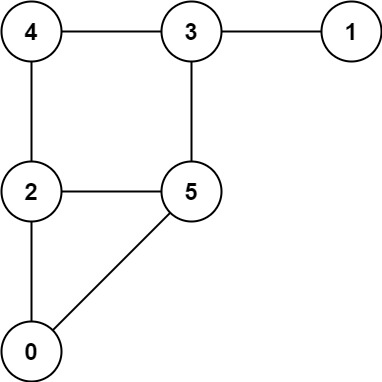
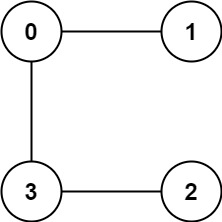
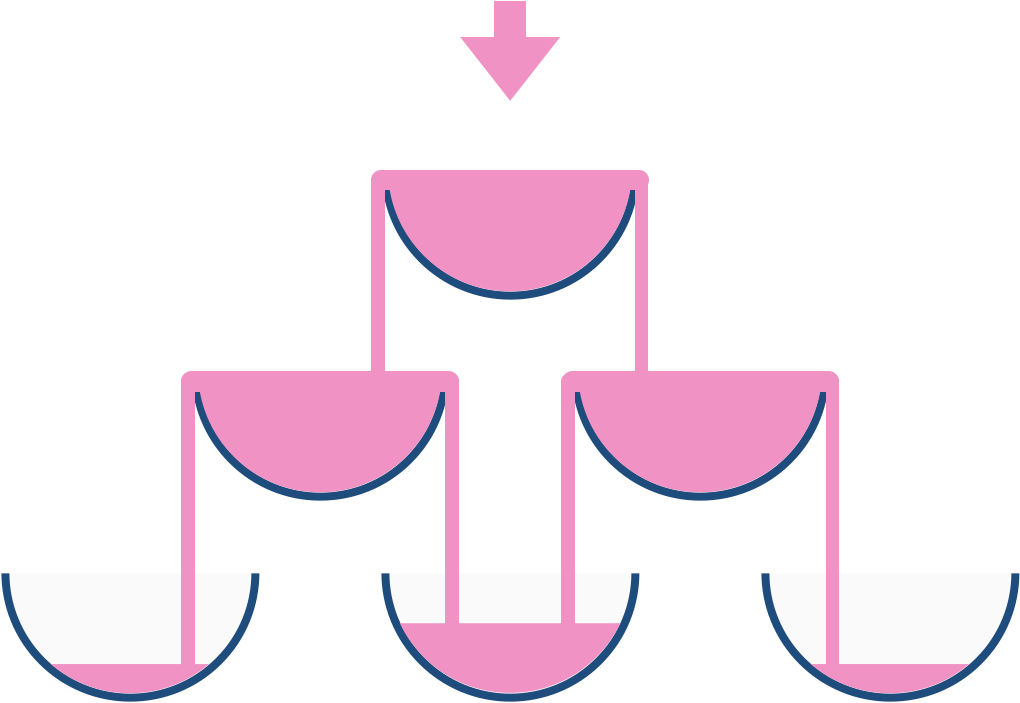
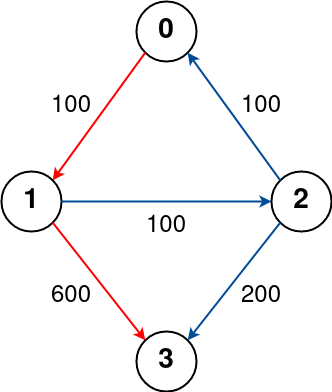
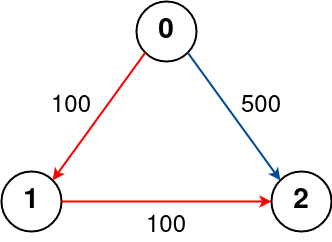
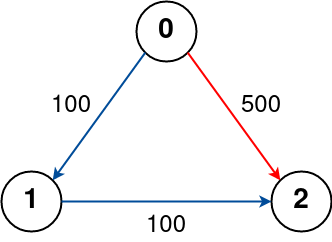
Given the \root\ of a binary tree, determine if it is a \complete binary tree\.\

\

In a \\complete binary tree\\, every level, except possibly the last, is completely filled, and all nodes in the last level are as far left as possible. It can have between \1\ and \2\h\\ nodes inclusive at the last level \h\.\

### Examples ![Example 1](https://assets.leetcode.com/uploads/2018/12/15/complete-binary-tree-1.png) ``` Input: root = [1,2,3,4,5,6] Output: true Explanation: Every level before the last is full (ie. levels with node-values {1} and {2, 3}), and all nodes in the last level ({4, 5, 6}) are as far left as possible. ``` ![Example 2](https://assets.leetcode.com/uploads/2018/12/15/complete-binary-tree-2.png) ``` Input: root = [1,2,3,4,5,null,7] Output: false Explanation: The node with value 7 isn't as far left as possible. ``` ### Constraints * The number of nodes in the tree is in the range \[1, 100]. * 1 \<= Node.val \<= 1000 ## Solution Reference implementation from [solution.py on GitHub](https://github.com/wislertt/leetcode-py/blob/main/leetcode/check_completeness_of_a_binary_tree/solution.py), full suite in [test\_solution.py](https://github.com/wislertt/leetcode-py/blob/main/leetcode/check_completeness_of_a_binary_tree/test_solution.py): ```python theme={"theme":{"light":"github-light","dark":"github-dark"}} from collections import deque from leetcode_py import TreeNode class Solution: # Time: O(n) # Space: O(n) def is_complete_tree(self, root: TreeNode[int] | None) -> bool: if root is None: return True queue: deque[TreeNode[int] | None] = deque([root]) seen_hole = False while queue: node = queue.popleft() if node is None: seen_hole = True continue if seen_hole: # A node appeared after a gap: not complete return False queue.append(node.left) queue.append(node.right) return True ``` ## Complexity | Time | Space | | ---- | ----- | | O(n) | O(n) | ## Tags [NeetCode All](/catalog/neetcode). # Check If a Number Is Majority Element in a Source: https://leetcode-py.wisl.dev/problems/check-if-a-number-is-majority-element-in-a-sorted-array Tested Python solution for LeetCode 1150 with 26 pytest cases. Generate a practice environment with lcpy. LeetCode 1150, [Easy](/catalog/easy). Topics: [Array](/catalog/topics/array), [Binary Search](/catalog/topics/binary-search). [View on LeetCode](https://leetcode.com/problems/check-if-a-number-is-majority-element-in-a-sorted-array/description/). Generate this problem as a practice environment: tested reference solution, 26 [parametrized pytest cases](/practice/testing), and a playground notebook: ```bash theme={"theme":{"light":"github-light","dark":"github-dark"}} lcpy gen -n 1150 # by problem number lcpy gen -s check_if_a_number_is_majority_element_in_a_sorted_array # by problem name ``` ## Problem Given an integer array `nums` sorted in non-decreasing order and an integer `target`, return `true` if `target` is a **majority** element, or `false` otherwise. A **majority** element in an array `nums` is an element that appears more than `nums.length / 2` times in the array. ### Examples ``` Input: nums = [2,4,5,5,5,5,5,6,6], target = 5 Output: true ``` **Explanation:** The value 5 appears 5 times and the length of the array is 9. Thus, 5 is a majority element because 5 > 9/2 is true. ``` Input: nums = [10,100,101,101], target = 101 Output: false ``` **Explanation:** The value 101 appears 2 times and the length of the array is 4. Thus, 101 is not a majority element because 2 > 4/2 is false. ### Constraints * `1 <= nums.length <= 1000` * `1 <= nums[i], target <= 10^9` * `nums` is sorted in non-decreasing order. ## Solution Reference implementation from [solution.py on GitHub](https://github.com/wislertt/leetcode-py/blob/main/leetcode/check_if_a_number_is_majority_element_in_a_sorted_array/solution.py), full suite in [test\_solution.py](https://github.com/wislertt/leetcode-py/blob/main/leetcode/check_if_a_number_is_majority_element_in_a_sorted_array/test_solution.py): ```python theme={"theme":{"light":"github-light","dark":"github-dark"}} class Solution: # Time: O(log n) # Space: O(1) def is_majority_element(self, nums: list[int], target: int) -> bool: left = 0 right = len(nums) while left < right: mid = (left + right) // 2 if nums[mid] < target: left = mid + 1 else: right = mid candidate = left + len(nums) // 2 return candidate < len(nums) and nums[candidate] == target ``` ## Complexity | Time | Space | | -------- | ----- | | O(log n) | O(1) | ## Tags [NeetCode All](/catalog/neetcode). # Check if a Parentheses String Can Be Valid Source: https://leetcode-py.wisl.dev/problems/check-if-a-parentheses-string-can-be-valid Tested Python solution for LeetCode 2116 with 18 pytest cases. Generate a practice environment with lcpy. LeetCode 2116, [Medium](/catalog/medium). Topics: [String](/catalog/topics/string), [Stack](/catalog/topics/stack), [Greedy](/catalog/topics/greedy), Bracket Sequences. [View on LeetCode](https://leetcode.com/problems/check-if-a-parentheses-string-can-be-valid/description/). Generate this problem as a practice environment: tested reference solution, 18 [parametrized pytest cases](/practice/testing), and a playground notebook: ```bash theme={"theme":{"light":"github-light","dark":"github-dark"}} lcpy gen -n 2116 # by problem number lcpy gen -s check_if_a_parentheses_string_can_be_valid # by problem name ``` ## Problem A parentheses string is a **non-empty** string consisting only of `'('` and `')'`. It is valid if **any** of the following conditions is **true**: * It is `()`. * It can be written as `AB` (`A` concatenated with `B`), where `A` and `B` are valid parentheses strings. * It can be written as `(A)`, where `A` is a valid parentheses string. You are given a parentheses string `s` and a string `locked`, both of length `n`. `locked` is a binary string consisting only of `'0'`s and `'1'`s. For **each** index `i` of `locked`, * If `locked[i]` is `'1'`, you **cannot** change `s[i]`. * But if `locked[i]` is `'0'`, you **can** change `s[i]` to either `'('` or `')'`. Return `true` if you can make `s` a valid parentheses string. Otherwise, return `false`. ### Examples ![Example 1](https://assets.leetcode.com/uploads/2021/11/06/eg1.png) ``` Input: s = "))()))", locked = "010100" Output: true Explanation: locked[1] == '1' and locked[3] == '1', so we cannot change s[1] or s[3]. We change s[0] and s[4] to '(' while leaving s[2] and s[5] unchanged to make s valid. ``` ``` Input: s = "()()", locked = "0000" Output: true Explanation: We do not need to make any changes because s is already valid. ``` ``` Input: s = ")", locked = "0" Output: false Explanation: locked permits us to change s[0]. Changing s[0] to either '(' or ')' will not make s valid. ``` ``` Input: s = "(((())(((())", locked = "111111010111" Output: true Explanation: locked permits us to change s[6] and s[8]. We change s[6] and s[8] to ')' to make s valid. ``` ### Constraints * `n == s.length == locked.length` * `1 <= n <= 10^5` * `s[i]` is either `'('` or `')'`. * `locked[i]` is either `'0'` or `'1'`. ## Solution Reference implementation from [solution.py on GitHub](https://github.com/wislertt/leetcode-py/blob/main/leetcode/check_if_a_parentheses_string_can_be_valid/solution.py), full suite in [test\_solution.py](https://github.com/wislertt/leetcode-py/blob/main/leetcode/check_if_a_parentheses_string_can_be_valid/test_solution.py): ```python theme={"theme":{"light":"github-light","dark":"github-dark"}} class Solution: # Time: O(n) # Space: O(1) def can_be_valid(self, s: str, locked: str) -> bool: if len(s) % 2: return False low = high = 0 for char, lock in zip(s, locked, strict=True): if lock == "0": low -= 1 high += 1 elif char == "(": low += 1 high += 1 else: low -= 1 high -= 1 if high < 0: return False low = max(low, 0) return low == 0 ``` ## Complexity | Time | Space | | ---- | ----- | | O(n) | O(1) | ## Tags [NeetCode All](/catalog/neetcode). # Check If a String Contains All Binary Codes Source: https://leetcode-py.wisl.dev/problems/check-if-a-string-contains-all-binary-codes-of-size-k Tested Python solution for LeetCode 1461 with 25 pytest cases. Generate a practice environment with lcpy. LeetCode 1461, [Medium](/catalog/medium). Topics: [Hash Table](/catalog/topics/hash-table), [String](/catalog/topics/string), [Bit Manipulation](/catalog/topics/bit-manipulation), Rolling Hash, [Hash Function](/catalog/topics/hash-function), Directed Acyclic Graph. [View on LeetCode](https://leetcode.com/problems/check-if-a-string-contains-all-binary-codes-of-size-k/description/). Generate this problem as a practice environment: tested reference solution, 25 [parametrized pytest cases](/practice/testing), and a playground notebook: ```bash theme={"theme":{"light":"github-light","dark":"github-dark"}} lcpy gen -n 1461 # by problem number lcpy gen -s check_if_a_string_contains_all_binary_codes_of_size_k # by problem name ``` ## Problem Given a binary string `s` and an integer `k`, return `true` if every binary code of length `k` is a substring of `s`. Otherwise, return `false`. ### Examples ``` Input: s = "00110110", k = 2 Output: true Explanation: The binary codes of length 2 are "00", "01", "10" and "11". They can be all found as substrings at indices 0, 1, 3 and 2 respectively. ``` ``` Input: s = "0110", k = 1 Output: true Explanation: The binary codes of length 1 are "0" and "1", it is clear that both exist as a substring. ``` ``` Input: s = "0110", k = 2 Output: false Explanation: The binary code "00" is of length 2 and does not exist in the array. ``` ### Constraints * `1 <= s.length <= 5 * 10^5` * `s[i]` is either `'0'` or `'1'`. * `1 <= k <= 20` ## Solution Reference implementation from [solution.py on GitHub](https://github.com/wislertt/leetcode-py/blob/main/leetcode/check_if_a_string_contains_all_binary_codes_of_size_k/solution.py), full suite in [test\_solution.py](https://github.com/wislertt/leetcode-py/blob/main/leetcode/check_if_a_string_contains_all_binary_codes_of_size_k/test_solution.py): ```python theme={"theme":{"light":"github-light","dark":"github-dark"}} class Solution: # Time: O(n) each window hashed once; Space: O(2^k) for the set def has_all_codes(self, s: str, k: int) -> bool: need = 1 << k if len(s) < need + k - 1: return False seen = set() for i in range(len(s) - k + 1): seen.add(s[i : i + k]) if len(seen) == need: return True return False ``` ## Complexity | Time | Space | | ------------------------------------------------------- | ----- | | O(n) each window hashed once; Space: O(2^k) for the set | - | ## Tags [NeetCode All](/catalog/neetcode). # Check if Array Is Sorted and Rotated Source: https://leetcode-py.wisl.dev/problems/check-if-array-is-sorted-and-rotated Tested Python solution for LeetCode 1752 with 24 pytest cases. Generate a practice environment with lcpy. LeetCode 1752, [Easy](/catalog/easy). Topics: [Array](/catalog/topics/array). [View on LeetCode](https://leetcode.com/problems/check-if-array-is-sorted-and-rotated/description/). Generate this problem as a practice environment: tested reference solution, 24 [parametrized pytest cases](/practice/testing), and a playground notebook: ```bash theme={"theme":{"light":"github-light","dark":"github-dark"}} lcpy gen -n 1752 # by problem number lcpy gen -s check_if_array_is_sorted_and_rotated # by problem name ``` ## Problem Given an array `nums`, return `true` if the array was originally sorted in non-decreasing order, then rotated **some** number of positions (including zero). Otherwise, return `false`. There may be **duplicates** in the original array. **Note:** An array `A` rotated by `x` positions results in an array `B` of the same length such that `B[i] == A[(i+x) % A.length]` for every valid index `i`. ### Examples ``` Input: nums = [3,4,5,1,2] Output: true Explanation: [1,2,3,4,5] is the original sorted array. You can rotate the array by x = 2 positions to begin on the element of value 3: [3,4,5,1,2]. ``` ``` Input: nums = [2,1,3,4] Output: false Explanation: There is no sorted array once rotated that can make nums. ``` ``` Input: nums = [1,2,3] Output: true Explanation: [1,2,3] is the original sorted array. You can rotate the array by x = 0 positions (i.e. no rotation) to make nums. ``` ### Constraints * 1 \<= nums.length \<= 100 * 1 \<= nums\[i] \<= 100 ## Solution Reference implementation from [solution.py on GitHub](https://github.com/wislertt/leetcode-py/blob/main/leetcode/check_if_array_is_sorted_and_rotated/solution.py), full suite in [test\_solution.py](https://github.com/wislertt/leetcode-py/blob/main/leetcode/check_if_array_is_sorted_and_rotated/test_solution.py): ```python theme={"theme":{"light":"github-light","dark":"github-dark"}} class Solution: # Time: O(n) # Space: O(1) def check(self, nums: list[int]) -> bool: breaks = 0 for i in range(len(nums)): if nums[i] > nums[(i + 1) % len(nums)]: breaks += 1 if breaks > 1: return False return True ``` ## Complexity | Time | Space | | ---- | ----- | | O(n) | O(1) | ## Tags [NeetCode All](/catalog/neetcode). # Check if Grid can be Cut into Sections Source: https://leetcode-py.wisl.dev/problems/check-if-grid-can-be-cut-into-sections Tested Python solution for LeetCode 3394 with 18 pytest cases. Generate a practice environment with lcpy. LeetCode 3394, [Medium](/catalog/medium). Topics: [Array](/catalog/topics/array), [Sorting](/catalog/topics/sorting). [View on LeetCode](https://leetcode.com/problems/check-if-grid-can-be-cut-into-sections/description/). Generate this problem as a practice environment: tested reference solution, 18 [parametrized pytest cases](/practice/testing), and a playground notebook: ```bash theme={"theme":{"light":"github-light","dark":"github-dark"}} lcpy gen -n 3394 # by problem number lcpy gen -s check_if_grid_can_be_cut_into_sections # by problem name ``` ## Problem You are given an integer \n\ representing the dimensions of an \n x n\ grid, with the origin at the bottom-left corner of the grid. You are also given a 2D array of coordinates \rectangles\, where \rectangles\[i]\ is in the form \\[start\x\, start\y\, end\x\, end\y\]\, representing a rectangle on the grid. Each rectangle is defined as follows: * \(start\x\, start\y\)\: The bottom-left corner of the rectangle. * \(end\x\, end\y\)\: The top-right corner of the rectangle. \Note \that the rectangles do not overlap. Your task is to determine if it is possible to make \either two horizontal or two vertical cuts\ on the grid such that: * Each of the three resulting sections formed by the cuts contains \at least\ one rectangle. * Every rectangle belongs to \exactly\ one section. Return \true\ if such cuts can be made; otherwise, return \false\. ### Examples ![Example 1](https://assets.leetcode.com/uploads/2024/10/23/tt1drawio.png) ``` Input: n = 5, rectangles = [[1,0,5,2],[0,2,2,4],[3,2,5,3],[0,4,4,5]] Output: true ``` **Explanation:** The grid is shown in the diagram. We can make horizontal cuts at \y = 2\ and \y = 4\. Hence, the output is true. ![Example 2](https://assets.leetcode.com/uploads/2024/10/23/tc2drawio.png) ``` Input: n = 4, rectangles = [[0,0,1,1],[2,0,3,4],[0,2,2,3],[3,0,4,3]] Output: true ``` **Explanation:** We can make vertical cuts at \x = 2\ and \x = 3\. Hence, the output is true. ``` Input: n = 4, rectangles = [[0,2,2,4],[1,0,3,2],[2,2,3,4],[3,0,4,2],[3,2,4,4]] Output: false ``` **Explanation:** We cannot make two horizontal or two vertical cuts that satisfy the conditions. Hence, the output is false. ### Constraints * 3 \<= n \<= 10^9 * 3 \<= rectangles.length \<= 10^5 * 0 \<= rectangles\[i]\[0] \< rectangles\[i]\[2] \<= n * 0 \<= rectangles\[i]\[1] \< rectangles\[i]\[3] \<= n * No two rectangles overlap. ## Solution Reference implementation from [solution.py on GitHub](https://github.com/wislertt/leetcode-py/blob/main/leetcode/check_if_grid_can_be_cut_into_sections/solution.py), full suite in [test\_solution.py](https://github.com/wislertt/leetcode-py/blob/main/leetcode/check_if_grid_can_be_cut_into_sections/test_solution.py): ```python theme={"theme":{"light":"github-light","dark":"github-dark"}} class Solution: # Time: O(m log m) # Space: O(m) def check_valid_cuts(self, n: int, rectangles: list[list[int]]) -> bool: return self._has_two_gaps(rectangles, 0) or self._has_two_gaps(rectangles, 1) def _has_two_gaps(self, rectangles: list[list[int]], axis: int) -> bool: rects = sorted(rectangles, key=lambda rect: (rect[axis], rect[axis + 2])) gaps = 0 end = rects[0][axis + 2] for rect in rects: if rect[axis] >= end: gaps += 1 if gaps >= 2: return True end = max(end, rect[axis + 2]) return False ``` ## Complexity | Time | Space | | ---------- | ----- | | O(m log m) | O(m) | ## Tags [NeetCode All](/catalog/neetcode). # Check if Move is Legal Python Solution Source: https://leetcode-py.wisl.dev/problems/check-if-move-is-legal Tested Python solution for LeetCode 1958 with 18 pytest cases. Generate a practice environment with lcpy. LeetCode 1958, [Medium](/catalog/medium). Topics: [Array](/catalog/topics/array), [Matrix](/catalog/topics/matrix), [Enumeration](/catalog/topics/enumeration). [View on LeetCode](https://leetcode.com/problems/check-if-move-is-legal/description/). Generate this problem as a practice environment: tested reference solution, 18 [parametrized pytest cases](/practice/testing), and a playground notebook: ```bash theme={"theme":{"light":"github-light","dark":"github-dark"}} lcpy gen -n 1958 # by problem number lcpy gen -s check_if_move_is_legal # by problem name ``` ## Problem You are given a 0-indexed 8 x 8 grid board, where board\[r]\[c] represents the cell (r, c) on a game board. On the board, free cells are represented by '.', white cells are represented by 'W', and black cells are represented by 'B'. Each move in this game consists of choosing a free cell and changing it to the color you are playing as (either white or black). However, a move is only legal if, after changing it, the cell becomes the endpoint of a good line (horizontal, vertical, or diagonal). A good line is a line of three or more cells (including the endpoints) where the endpoints of the line are one color, and the remaining cells in the middle are the opposite color (no cells in the line are free). You can find examples for good lines in the figure below: ![Good lines](https://assets.leetcode.com/uploads/2021/07/22/goodlines5.png) Given two integers rMove and cMove and a character color representing the color you are playing as (white or black), return true if changing cell (rMove, cMove) to color color is a legal move, or false if it is not legal. Example 1: Input: board = \[\[".",".",".","B",".",".",".","."],\[".",".",".","W",".",".",".","."],\[".",".",".","W",".",".",".","."],\[".",".",".","W",".",".",".","."],\["W","B","B",".","W","W","W","B"],\[".",".",".","B",".",".",".","."],\[".",".",".","B",".",".",".","."],\[".",".",".","W",".",".",".","."]], rMove = 4, cMove = 3, color = "B" Output: true Explanation: '.', 'W', and 'B' are represented by the colors blue, white, and black respectively, and cell (rMove, cMove) is marked with an 'X'. The two good lines with the chosen cell as an endpoint are annotated above with the red rectangles. Example 2: Input: board = \[\[".",".",".",".",".",".",".","."],\[".","B",".",".","W",".",".","."],\[".",".","W",".",".",".",".","."],\[".",".",".","W","B",".",".","."],\[".",".",".",".",".",".",".","."],\[".",".",".",".","B","W",".","."],\[".",".",".",".",".",".","W","."],\[".",".",".",".",".",".",".","B"]], rMove = 4, cMove = 4, color = "W" Output: false Explanation: While there are good lines with the chosen cell as a middle cell, there are no good lines with the chosen cell as an endpoint. Constraints: board.length == board\[r].length == 8 0 \<= rMove, cMove \< 8 board\[rMove]\[cMove] == '.' color is either 'B' or 'W'. ### Examples ![Example 1](https://assets.leetcode.com/uploads/2021/07/10/grid11.png) ``` Input: board = [[".",".",".","B",".",".",".","."],[".",".",".","W",".",".",".","."],[".",".",".","W",".",".",".","."],[".",".",".","W",".",".",".","."],["W","B","B",".","W","W","W","B"],[".",".",".","B",".",".",".","."],[".",".",".","B",".",".",".","."],[".",".",".","W",".",".",".","."]], rMove = 4, cMove = 3, color = "B" Output: true Explanation: The two good lines with the chosen cell as an endpoint are annotated above with the red rectangles. ``` ![Example 2](https://assets.leetcode.com/uploads/2021/07/10/grid2.png) ``` Input: board = [[".",".",".",".",".",".",".","."],[".","B",".",".","W",".",".","."],[".",".","W",".",".",".",".","."],[".",".",".","W","B",".",".","."],[".",".",".",".",".",".",".","."],[".",".",".",".","B","W",".","."],[".",".",".",".",".",".","W","."],[".",".",".",".",".",".",".","B"]], rMove = 4, cMove = 4, color = "W" Output: false Explanation: While there are good lines with the chosen cell as a middle cell, there are no good lines with the chosen cell as an endpoint. ``` ### Constraints * board.length == board\[r].length == 8 * 0 \<= rMove, cMove \< 8 * board\[rMove]\[cMove] == '.' * color is either 'B' or 'W'. ## Solution Reference implementation from [solution.py on GitHub](https://github.com/wislertt/leetcode-py/blob/main/leetcode/check_if_move_is_legal/solution.py), full suite in [test\_solution.py](https://github.com/wislertt/leetcode-py/blob/main/leetcode/check_if_move_is_legal/test_solution.py): ```python theme={"theme":{"light":"github-light","dark":"github-dark"}} class Solution: # Time: O(8 * 8) = O(1) # Space: O(1) def check_move(self, board: list[list[str]], r_move: int, c_move: int, color: str) -> bool: directions = ((1, 0), (-1, 0), (0, 1), (0, -1), (1, 1), (1, -1), (-1, 1), (-1, -1)) for dr, dc in directions: r, c = r_move + dr, c_move + dc seen = 0 while 0 <= r < 8 and 0 <= c < 8 and board[r][c] != ".": if board[r][c] == color: if seen >= 1: return True break seen += 1 r += dr c += dc return False ``` ## Complexity | Time | Space | | ---------------- | ----- | | O(8 \* 8) = O(1) | O(1) | ## Tags [NeetCode All](/catalog/neetcode). # Check if Number is a Sum of Powers of Three Source: https://leetcode-py.wisl.dev/problems/check-if-number-is-a-sum-of-powers-of-three Tested Python solution for LeetCode 1780 with 48 pytest cases. Generate a practice environment with lcpy. LeetCode 1780, [Medium](/catalog/medium). Topics: [Math](/catalog/topics/math), [Recursion](/catalog/topics/recursion), [Backtracking](/catalog/topics/backtracking). [View on LeetCode](https://leetcode.com/problems/check-if-number-is-a-sum-of-powers-of-three/description/). Generate this problem as a practice environment: tested reference solution, 48 [parametrized pytest cases](/practice/testing), and a playground notebook: ```bash theme={"theme":{"light":"github-light","dark":"github-dark"}} lcpy gen -n 1780 # by problem number lcpy gen -s check_if_number_is_a_sum_of_powers_of_three # by problem name ``` ## Problem Given an integer `n`, return `true` if it is possible to represent `n` as the sum of distinct powers of three. Otherwise, return `false`. An integer `y` is a power of three if there exists an integer `x` such that `y == 3^x`. ### Examples ``` Input: n = 12 Output: true Explanation: 12 = 3^1 + 3^2 ``` ``` Input: n = 91 Output: true Explanation: 91 = 3^0 + 3^2 + 3^4 ``` ``` Input: n = 21 Output: false ``` ### Constraints * 1 \<= n \<= 10^7 ## Solution Reference implementation from [solution.py on GitHub](https://github.com/wislertt/leetcode-py/blob/main/leetcode/check_if_number_is_a_sum_of_powers_of_three/solution.py), full suite in [test\_solution.py](https://github.com/wislertt/leetcode-py/blob/main/leetcode/check_if_number_is_a_sum_of_powers_of_three/test_solution.py): ```python theme={"theme":{"light":"github-light","dark":"github-dark"}} class Solution: # Time: O(log_3 n) # Space: O(1) def check_powers_of_three(self, n: int) -> bool: while n > 0: if n % 3 == 2: return False n //= 3 return True ``` ## Complexity | Time | Space | | ----------- | ----- | | O(log\_3 n) | O(1) | ## Tags [NeetCode All](/catalog/neetcode). # Check if One String Swap Can Make Strings Source: https://leetcode-py.wisl.dev/problems/check-if-one-string-swap-can-make-strings-equal Tested Python solution for LeetCode 1790 with 24 pytest cases. Generate a practice environment with lcpy. LeetCode 1790, [Easy](/catalog/easy). Topics: [Hash Table](/catalog/topics/hash-table), [String](/catalog/topics/string), [Counting](/catalog/topics/counting). [View on LeetCode](https://leetcode.com/problems/check-if-one-string-swap-can-make-strings-equal/description/). Generate this problem as a practice environment: tested reference solution, 24 [parametrized pytest cases](/practice/testing), and a playground notebook: ```bash theme={"theme":{"light":"github-light","dark":"github-dark"}} lcpy gen -n 1790 # by problem number lcpy gen -s check_if_one_string_swap_can_make_strings_equal # by problem name ``` ## Problem You are given two strings `s1` and `s2` of equal length. A **string swap** is an operation where you choose two indices in a string (not necessarily different) and swap the characters at these indices. Return `true` if it is possible to make both strings equal by performing **at most one string swap** on **exactly one** of the strings. Otherwise, return `false`. ### Examples ``` Input: s1 = "bank", s2 = "kanb" Output: true Explanation: For example, swap the first character with the last character of s2 to make "bank". ``` ``` Input: s1 = "attack", s2 = "defend" Output: false Explanation: It is impossible to make them equal with one string swap. ``` ``` Input: s1 = "kelb", s2 = "kelb" Output: true Explanation: The two strings are already equal, so no string swap operation is required. ``` ### Constraints * 1 \<= s1.length, s2.length \<= 100 * s1.length == s2.length * s1 and s2 consist of only lowercase English letters. ## Solution Reference implementation from [solution.py on GitHub](https://github.com/wislertt/leetcode-py/blob/main/leetcode/check_if_one_string_swap_can_make_strings_equal/solution.py), full suite in [test\_solution.py](https://github.com/wislertt/leetcode-py/blob/main/leetcode/check_if_one_string_swap_can_make_strings_equal/test_solution.py): ```python theme={"theme":{"light":"github-light","dark":"github-dark"}} class Solution: # Time: O(n) # Space: O(1) def are_almost_equal(self, s1: str, s2: str) -> bool: diffs = [i for i, (a, b) in enumerate(zip(s1, s2, strict=True)) if a != b] if not diffs: return True if len(diffs) != 2: return False i, j = diffs return s1[i] == s2[j] and s1[j] == s2[i] ``` ## Complexity | Time | Space | | ---- | ----- | | O(n) | O(1) | ## Tags [NeetCode All](/catalog/neetcode). # Check if There is a Valid Partition For The Source: https://leetcode-py.wisl.dev/problems/check-if-there-is-a-valid-partition-for-the-array Tested Python solution for LeetCode 2369 with 32 pytest cases. Generate a practice environment with lcpy. LeetCode 2369, [Medium](/catalog/medium). Topics: [Array](/catalog/topics/array), [Dynamic Programming](/catalog/topics/dynamic-programming). [View on LeetCode](https://leetcode.com/problems/check-if-there-is-a-valid-partition-for-the-array/description/). Generate this problem as a practice environment: tested reference solution, 32 [parametrized pytest cases](/practice/testing), and a playground notebook: ```bash theme={"theme":{"light":"github-light","dark":"github-dark"}} lcpy gen -n 2369 # by problem number lcpy gen -s check_if_there_is_a_valid_partition_for_the_array # by problem name ``` ## Problem You are given a **0-indexed** integer array `nums`. You have to partition the array into one or more **contiguous** subarrays. We call a partition of the array **valid** if each of the obtained subarrays satisfies **one** of the following conditions: * The subarray consists of **exactly** 2, equal elements. For example, the subarray `[2,2]` is good. * The subarray consists of **exactly** 3, equal elements. For example, the subarray `[4,4,4]` is good. * The subarray consists of **exactly** 3 consecutive increasing elements, that is, the difference between adjacent elements is `1`. For example, the subarray `[3,4,5]` is good, but the subarray `[1,3,5]` is not. Return `true` *if the array has **at least** one valid partition*. Otherwise, return `false`. ### Examples ``` Input: nums = [4,4,4,5,6] Output: true Explanation: The array can be partitioned into the subarrays [4,4] and [4,5,6]. This partition is valid, so we return true. ``` ``` Input: nums = [1,1,1,2] Output: false Explanation: There is no valid partition for this array. ``` ### Constraints * 2 \<= nums.length \<= 10^5 * 1 \<= nums\[i] \<= 10^6 ## Solution Reference implementation from [solution.py on GitHub](https://github.com/wislertt/leetcode-py/blob/main/leetcode/check_if_there_is_a_valid_partition_for_the_array/solution.py), full suite in [test\_solution.py](https://github.com/wislertt/leetcode-py/blob/main/leetcode/check_if_there_is_a_valid_partition_for_the_array/test_solution.py): ```python theme={"theme":{"light":"github-light","dark":"github-dark"}} class Solution: # Time: O(n) # Space: O(1) def valid_partition(self, nums: list[int]) -> bool: # dp over the last three prefix results, rolling to constant space dp2 = False # can partition nums[:i-3] dp1 = True # can partition nums[:i-2] dp0 = False # can partition nums[:i-1] n = len(nums) for i in range(2, n + 1): nxt = False if dp1 and nums[i - 1] == nums[i - 2]: nxt = True elif i >= 3 and dp2: a, b, c = nums[i - 3], nums[i - 2], nums[i - 1] if (a == b == c) or (a + 1 == b and b + 1 == c): nxt = True dp2, dp1, dp0 = dp1, dp0, nxt return dp0 ``` ## Complexity | Time | Space | | ---- | ----- | | O(n) | O(1) | ## Tags [NeetCode All](/catalog/neetcode). # Cherry Pickup Python Solution with Tests Source: https://leetcode-py.wisl.dev/problems/cherry-pickup Tested Python solution for LeetCode 741 with 14 pytest cases. Generate a practice environment with lcpy. LeetCode 741, [Hard](/catalog/hard). Topics: [Array](/catalog/topics/array), [Dynamic Programming](/catalog/topics/dynamic-programming), [Matrix](/catalog/topics/matrix). [View on LeetCode](https://leetcode.com/problems/cherry-pickup/description/). Generate this problem as a practice environment: tested reference solution, 14 [parametrized pytest cases](/practice/testing), and a playground notebook: ```bash theme={"theme":{"light":"github-light","dark":"github-dark"}} lcpy gen -n 741 # by problem number lcpy gen -s cherry_pickup # by problem name ``` ## Problem You are given an `n x n` `grid` representing a field of cherries, each cell is one of three possible integers. * `0` means the cell is empty, so you can pass through, * `1` means the cell contains a cherry that you can pick up and pass through, or * `-1` means the cell contains a thorn that blocks your way. Return *the maximum number of cherries you can collect by following the rules below*: * Starting at the position `(0, 0)` and reaching `(n - 1, n - 1)` by moving right or down through valid path cells (cells with value `0` or `1`). * After reaching `(n - 1, n - 1)`, returning to `(0, 0)` by moving left or up through valid path cells. * When passing through a path cell containing a cherry, you pick it up, and the cell becomes an empty cell `0`. * If there is no valid path between `(0, 0)` and `(n - 1, n - 1)`, then no cherries can be collected. ### Examples ![Example 1](https://assets.leetcode.com/uploads/2020/12/14/grid.jpg) ``` Input: grid = [[0,1,-1],[1,0,-1],[1,1,1]] Output: 5 Explanation: The player started at (0, 0) and went down, down, right right to reach (2, 2). 4 cherries were picked up during this single trip, and the matrix becomes [[0,1,-1],[0,0,-1],[0,0,0]]. Then, the player went left, up, up, left to return home, picking up one more cherry. The total number of cherries picked up is 5, and this is the maximum possible. ``` ``` Input: grid = [[1,1,-1],[1,-1,1],[-1,1,1]] Output: 0 ``` ### Constraints * n == grid.length * n == grid\[i].length * 1 \<= n \<= 50 * grid\[i]\[j] is -1, 0, or 1. * grid\[0]\[0] != -1 * grid\[n - 1]\[n - 1] != -1 ## Solution Reference implementation from [solution.py on GitHub](https://github.com/wislertt/leetcode-py/blob/main/leetcode/cherry_pickup/solution.py), full suite in [test\_solution.py](https://github.com/wislertt/leetcode-py/blob/main/leetcode/cherry_pickup/test_solution.py): ```python theme={"theme":{"light":"github-light","dark":"github-dark"}} class Solution: # Time: O(n^3) steps x O(n^2) row pairs # Space: O(n^2) def cherry_pickup(self, grid: list[list[int]]) -> int: n = len(grid) # -1 marks unreachable states (cherry counts are always >= 0) unreachable = -1 # dp[r1][r2]: max cherries with both walkers on diagonal r + c = t dp = [[unreachable] * n for _ in range(n)] dp[0][0] = grid[0][0] for t in range(1, 2 * n - 1): ndp = [[unreachable] * n for _ in range(n)] for r1 in range(max(0, t - n + 1), min(n, t + 1)): for r2 in range(r1, min(n, t + 1)): c1, c2 = t - r1, t - r2 if grid[r1][c1] == -1 or grid[r2][c2] == -1: continue best = unreachable for pr1 in (r1 - 1, r1): for pr2 in (r2 - 1, r2): if 0 <= pr1 < n and 0 <= pr2 < n and dp[pr1][pr2] > best: best = dp[pr1][pr2] if best < 0: continue cherries = grid[r1][c1] if r1 != r2: cherries += grid[r2][c2] ndp[r1][r2] = best + cherries dp = ndp return max(dp[n - 1][n - 1], 0) ``` ## Complexity | Time | Space | | ------------------------------- | ------ | | O(n^3) steps x O(n^2) row pairs | O(n^2) | ## Tags [NeetCode All](/catalog/neetcode). # Cherry Pickup II Python Solution with Tests Source: https://leetcode-py.wisl.dev/problems/cherry-pickup-ii Tested Python solution for LeetCode 1463 with 18 pytest cases. Generate a practice environment with lcpy. LeetCode 1463, [Hard](/catalog/hard). Topics: [Array](/catalog/topics/array), [Dynamic Programming](/catalog/topics/dynamic-programming), [Matrix](/catalog/topics/matrix). [View on LeetCode](https://leetcode.com/problems/cherry-pickup-ii/description/). Generate this problem as a practice environment: tested reference solution, 18 [parametrized pytest cases](/practice/testing), and a playground notebook: ```bash theme={"theme":{"light":"github-light","dark":"github-dark"}} lcpy gen -n 1463 # by problem number lcpy gen -s cherry_pickup_ii # by problem name ``` ## Problem You are given a `rows x cols` matrix `grid` representing a field of cherries where `grid[i][j]` represents the number of cherries that you can collect from the `(i, j)` cell. You have two robots that can collect cherries for you: * **Robot #1** is located at the **top-left corner** `(0, 0)`, and * **Robot #2** is located at the **top-right corner** `(0, cols - 1)`. Return *the maximum number of cherries collection using both robots by following the rules below*: * From a cell `(i, j)`, robots can move to cell `(i + 1, j - 1)`, `(i + 1, j)`, or `(i + 1, j + 1)`. * When any robot passes through a cell, It picks up all cherries, and the cell becomes an empty cell. * When both robots stay in the same cell, only one takes the cherries. * Both robots cannot move outside of the grid at any moment. * Both robots should reach the bottom row in `grid`. ### Examples ![Example 1](https://assets.leetcode.com/uploads/2020/04/29/sample_1_1802.png) ``` Input: grid = [[3,1,1],[2,5,1],[1,5,5],[2,1,1]] Output: 24 Explanation: Path of robot #1 and #2 are described in color green and blue respectively. Cherries taken by Robot #1, (3 + 2 + 5 + 2) = 12. Cherries taken by Robot #2, (1 + 5 + 5 + 1) = 12. Total of cherries: 12 + 12 = 24. ``` ![Example 2](https://assets.leetcode.com/uploads/2020/04/23/sample_2_1802.png) ``` Input: grid = [[1,0,0,0,0,0,1],[2,0,0,0,0,3,0],[2,0,9,0,0,0,0],[0,3,0,5,4,0,0],[1,0,2,3,0,0,6]] Output: 28 Explanation: Path of robot #1 and #2 are described in color green and blue respectively. Cherries taken by Robot #1, (1 + 9 + 5 + 2) = 17. Cherries taken by Robot #2, (1 + 3 + 4 + 3) = 11. Total of cherries: 17 + 11 = 28. ``` ### Constraints * rows == grid.length * cols == grid\[i].length * 2 \<= rows, cols \<= 70 * 0 \<= grid\[i]\[j] \<= 100 ## Solution Reference implementation from [solution.py on GitHub](https://github.com/wislertt/leetcode-py/blob/main/leetcode/cherry_pickup_ii/solution.py), full suite in [test\_solution.py](https://github.com/wislertt/leetcode-py/blob/main/leetcode/cherry_pickup_ii/test_solution.py): ```python theme={"theme":{"light":"github-light","dark":"github-dark"}} class Solution: # Time: O(rows * cols^2) # Space: O(cols^2) def cherry_pickup(self, grid: list[list[int]]) -> int: rows, cols = len(grid), len(grid[0]) cols_sq = cols * cols # -1 marks unreachable (col, col) state pairs. prev = [-1] * cols_sq prev[cols - 1] = grid[0][0] + grid[0][cols - 1] for row in range(1, rows): cur = [-1] * cols_sq row_grid = grid[row] for c1 in range(cols): for c2 in range(cols): best = -1 for d1 in (-1, 0, 1): p1 = c1 + d1 if p1 < 0 or p1 >= cols: continue for d2 in (-1, 0, 1): p2 = c2 + d2 if p2 < 0 or p2 >= cols: continue val = prev[p1 * cols + p2] if val > best: best = val if best < 0: continue gain = row_grid[c1] + (row_grid[c2] if c1 != c2 else 0) cur[c1 * cols + c2] = best + gain prev = cur return max(prev) ``` ## Complexity | Time | Space | | ----------------- | --------- | | O(rows \* cols^2) | O(cols^2) | ## Tags [NeetCode All](/catalog/neetcode). # Circular Array Loop Python Solution with Tests Source: https://leetcode-py.wisl.dev/problems/circular-array-loop Tested Python solution for LeetCode 457 with 20 pytest cases. Generate a practice environment with lcpy. LeetCode 457, [Medium](/catalog/medium). Topics: [Array](/catalog/topics/array), [Hash Table](/catalog/topics/hash-table), [Two Pointers](/catalog/topics/two-pointers), Floyd's Cycle Finding Algorithm. [View on LeetCode](https://leetcode.com/problems/circular-array-loop/description/). Generate this problem as a practice environment: tested reference solution, 20 [parametrized pytest cases](/practice/testing), and a playground notebook: ```bash theme={"theme":{"light":"github-light","dark":"github-dark"}} lcpy gen -n 457 # by problem number lcpy gen -s circular_array_loop # by problem name ``` ## Problem You are playing a game involving a **circular** array of non-zero integers `nums`. Each `nums[i]` denotes the number of indices forward/backward you must move if you are located at index `i`: * If `nums[i]` is positive, move `nums[i]` steps **forward**, and * If `nums[i]` is negative, move `abs(nums[i])` steps **backward**. Since the array is **circular**, you may assume that moving forward from the last element puts you on the first element, and moving backwards from the first element puts you on the last element. A **cycle** in the array consists of a sequence of indices `seq` of length `k` where: * Following the movement rules above results in the repeating index sequence `seq[0] -> seq[1] -> ... -> seq[k - 1] -> seq[0] -> ...` * Every `nums[seq[j]]` is either **all positive** or **all negative**. * `k > 1` Return `true` if there is a **cycle** in `nums`, or `false` otherwise. ### Examples ![Example 1](https://assets.leetcode.com/uploads/2022/09/01/img1.jpg) ``` Input: nums = [2,-1,1,2,2] Output: true ``` **Explanation:** The graph shows how the indices are connected. White nodes are jumping forward, while red is jumping backward. We can see the cycle 0 -> 2 -> 3 -> 0 -> ..., and all of its nodes are white (jumping in the same direction). ![Example 2](https://assets.leetcode.com/uploads/2022/09/01/img2.jpg) ``` Input: nums = [-1,-2,-3,-4,-5,6] Output: false ``` **Explanation:** The graph shows how the indices are connected. White nodes are jumping forward, while red is jumping backward. The only cycle is of size 1, so we return false. ![Example 3](https://assets.leetcode.com/uploads/2022/09/01/img3.jpg) ``` Input: nums = [1,-1,5,1,4] Output: true ``` **Explanation:** The graph shows how the indices are connected. White nodes are jumping forward, while red is jumping backward. We can see the cycle 0 -> 1 -> 0 -> ..., and while it is of size > 1, it has a node jumping forward and a node jumping backward, so **it is not a cycle**. We can see the cycle 3 -> 4 -> 3 -> ..., and all of its nodes are white (jumping in the same direction). ### Constraints * 1 \<= nums.length \<= 5000 * -1000 \<= nums\[i] \<= 1000 * nums\[i] != 0 **Follow up:** Could you solve it in O(n) time complexity and O(1) extra space complexity? ## Solution Reference implementation from [solution.py on GitHub](https://github.com/wislertt/leetcode-py/blob/main/leetcode/circular_array_loop/solution.py), full suite in [test\_solution.py](https://github.com/wislertt/leetcode-py/blob/main/leetcode/circular_array_loop/test_solution.py): ```python theme={"theme":{"light":"github-light","dark":"github-dark"}} class Solution: # Time: O(n) # Space: O(1) def circular_array_loop(self, nums: list[int]) -> bool: n = len(nums) def nxt(i: int) -> int: return (i + nums[i]) % n for start in range(n): if nums[start] == 0: continue forward = nums[start] > 0 def ok(j: int, forward: bool = forward) -> bool: return nums[j] != 0 and (nums[j] > 0) == forward slow = start fast = nxt(slow) while ok(fast) and ok(nxt(fast)): if slow == fast: if nxt(slow) != slow: return True break slow = nxt(slow) fast = nxt(nxt(fast)) # The walk from `start` cannot yield a valid cycle; mark it dead. i = start for _ in range(n): if not ok(i): break nums[i], i = 0, nxt(i) return False ``` ## Complexity | Time | Space | | ---- | ----- | | O(n) | O(1) | ## Tags # Circular Sentence Python Solution with Tests Source: https://leetcode-py.wisl.dev/problems/circular-sentence Tested Python solution for LeetCode 2490 with 30 pytest cases. Generate a practice environment with lcpy. LeetCode 2490, [Easy](/catalog/easy). Topics: [String](/catalog/topics/string). [View on LeetCode](https://leetcode.com/problems/circular-sentence/description/). Generate this problem as a practice environment: tested reference solution, 30 [parametrized pytest cases](/practice/testing), and a playground notebook: ```bash theme={"theme":{"light":"github-light","dark":"github-dark"}} lcpy gen -n 2490 # by problem number lcpy gen -s circular_sentence # by problem name ``` ## Problem \
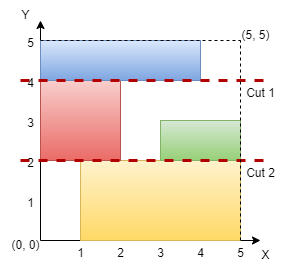
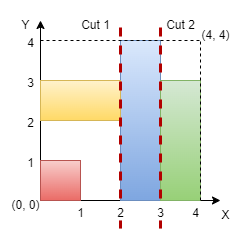
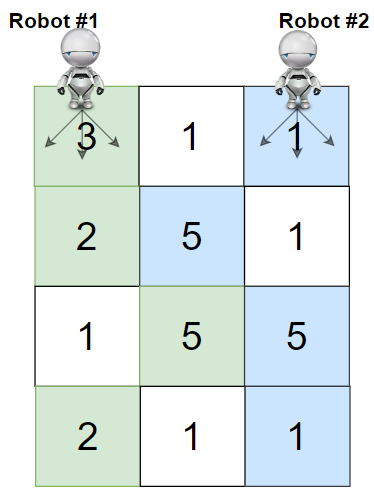
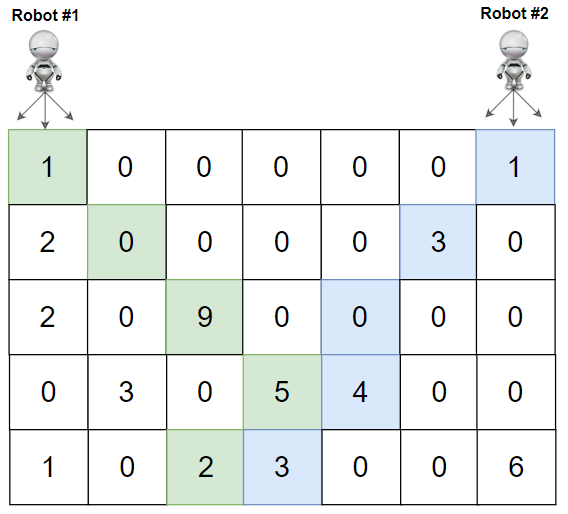
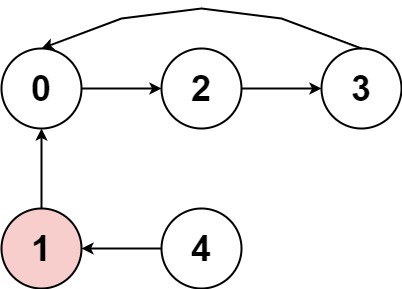
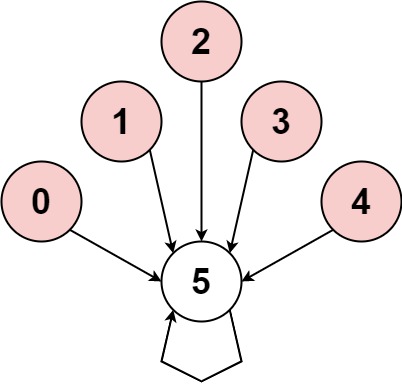
A \sentence\ is a list of words that are separated by a\ single\ space with no leading or trailing spaces.\

\
    \
  • For example, \"Hello World"\, \"HELLO"\, \"hello world hello world"\ are all sentences.\
  • \
\

Words consist of \only\ uppercase and lowercase English letters. Uppercase and lowercase English letters are considered different.\

\

A sentence is \circular \if:\

\
    \
  • The last character of each word in the sentence is equal to the first character of its next word.\
  • \
  • The last character of the last word is equal to the first character of the first word.\
  • \
\

For example, \"leetcode exercises sound delightful"\, \"eetcode"\, \"leetcode eats soul" \are all circular sentences. However, \"Leetcode is cool"\, \"happy Leetcode"\, \"Leetcode"\ and \"I like Leetcode"\ are \not\ circular sentences.\

\

Given a string \sentence\, return \true\\ if it is circular\. Otherwise, return \false\.\

### Examples ``` Input: sentence = "leetcode exercises sound delightful" Output: true Explanation: The words in sentence are ["leetcode", "exercises", "sound", "delightful"]. - leetcode's last character is equal to exercises's first character. - exercises's last character is equal to sound's first character. - sound's last character is equal to delightful's first character. - delightful's last character is equal to leetcode's first character. The sentence is circular. ``` ``` Input: sentence = "eetcode" Output: true Explanation: The words in sentence are ["eetcode"]. - eetcode's last character is equal to eetcode's first character. The sentence is circular. ``` ``` Input: sentence = "Leetcode is cool" Output: false Explanation: The words in sentence are ["Leetcode", "is", "cool"]. - Leetcode's last character is not equal to is's first character. The sentence is not circular. ``` ### Constraints * 1 \<= sentence.length \<= 500 * sentence consist of only lowercase and uppercase English letters and spaces. * The words in sentence are separated by a single space. * There are no leading or trailing spaces. ## Solution Reference implementation from [solution.py on GitHub](https://github.com/wislertt/leetcode-py/blob/main/leetcode/circular_sentence/solution.py), full suite in [test\_solution.py](https://github.com/wislertt/leetcode-py/blob/main/leetcode/circular_sentence/test_solution.py): ```python theme={"theme":{"light":"github-light","dark":"github-dark"}} class Solution: # Time: O(n) # Space: O(1) def is_circular_sentence(self, sentence: str) -> bool: for i, char in enumerate(sentence): if char == " " and sentence[i - 1] != sentence[i + 1]: return False return sentence[0] == sentence[-1] ``` ## Complexity | Time | Space | | ---- | ----- | | O(n) | O(1) | ## Tags [NeetCode All](/catalog/neetcode). # Clear Digits Python Solution with Tests Source: https://leetcode-py.wisl.dev/problems/clear-digits Tested Python solution for LeetCode 3174 with 16 pytest cases. Generate a practice environment with lcpy. LeetCode 3174, [Easy](/catalog/easy). Topics: [String](/catalog/topics/string), [Stack](/catalog/topics/stack), [Simulation](/catalog/topics/simulation). [View on LeetCode](https://leetcode.com/problems/clear-digits/description/). Generate this problem as a practice environment: tested reference solution, 16 [parametrized pytest cases](/practice/testing), and a playground notebook: ```bash theme={"theme":{"light":"github-light","dark":"github-dark"}} lcpy gen -n 3174 # by problem number lcpy gen -s clear_digits # by problem name ``` ## Problem You are given a string `s`. Your task is to remove **all** digits by doing this operation repeatedly: * Delete the *first* digit and the **closest** non-digit character to its *left*. Return the resulting string after removing all digits. **Note** that the operation *cannot* be performed on a digit that does not have any non-digit character to its left. ### Examples ``` Input: s = "abc" Output: "abc" Explanation: There is no digit in the string. ``` ``` Input: s = "cb34" Output: "" Explanation: First, we apply the operation on s[2], and s becomes "c4". Then we apply the operation on s[1], and s becomes "". ``` ### Constraints * `1 <= s.length <= 100` * `s` consists only of lowercase English letters and digits. * The input is generated such that it is possible to delete all digits. ## Solution Reference implementation from [solution.py on GitHub](https://github.com/wislertt/leetcode-py/blob/main/leetcode/clear_digits/solution.py), full suite in [test\_solution.py](https://github.com/wislertt/leetcode-py/blob/main/leetcode/clear_digits/test_solution.py): ```python theme={"theme":{"light":"github-light","dark":"github-dark"}} class Solution: # Time: O(n) # Space: O(n) def clear_digits(self, s: str) -> str: stack: list[str] = [] for char in s: if char.isdigit(): stack.pop() else: stack.append(char) return "".join(stack) ``` ## Complexity | Time | Space | | ---- | ----- | | O(n) | O(n) | ## Tags [NeetCode All](/catalog/neetcode). # Climbing Stairs Python Solution with Tests Source: https://leetcode-py.wisl.dev/problems/climbing-stairs Tested Python solution for LeetCode 70 with 17 pytest cases. Generate a practice environment with lcpy. LeetCode 70, [Easy](/catalog/easy). Topics: [Math](/catalog/topics/math), [Dynamic Programming](/catalog/topics/dynamic-programming), [Memoization](/catalog/topics/memoization). [View on LeetCode](https://leetcode.com/problems/climbing-stairs/description/). Generate this problem as a practice environment: tested reference solution, 17 [parametrized pytest cases](/practice/testing), and a playground notebook: ```bash theme={"theme":{"light":"github-light","dark":"github-dark"}} lcpy gen -n 70 # by problem number lcpy gen -s climbing_stairs # by problem name ``` ## Problem You are climbing a staircase. It takes `n` steps to reach the top. Each time you can either climb `1` or `2` steps. In how many distinct ways can you climb to the top? ### Examples ``` Input: n = 2 Output: 2 ``` **Explanation:** There are two ways to climb to the top. 1. 1 step + 1 step 2. 2 steps ``` Input: n = 3 Output: 3 ``` **Explanation:** There are three ways to climb to the top. 1. 1 step + 1 step + 1 step 2. 1 step + 2 steps 3. 2 steps + 1 step ### Constraints * 1 \<= n \<= 45 ## Solution Reference implementation from [solution.py on GitHub](https://github.com/wislertt/leetcode-py/blob/main/leetcode/climbing_stairs/solution.py), full suite in [test\_solution.py](https://github.com/wislertt/leetcode-py/blob/main/leetcode/climbing_stairs/test_solution.py): ```python theme={"theme":{"light":"github-light","dark":"github-dark"}} class Solution: # Time: O(n) # Space: O(1) # This follows Fibonacci pattern # Standard Fib: F(0)=0, F(1)=1, F(2)=1, F(3)=2, F(4)=3, F(5)=5... def climb_stairs(self, n: int) -> int: if n <= 2: return n prev2, prev1 = 1, 2 for _ in range(3, n + 1): current = prev1 + prev2 prev2, prev1 = prev1, current return prev1 ``` ## Complexity | Time | Space | | ---- | ----- | | O(n) | O(1) | ## Tags [Grind 75](/catalog/grind-75), [Grind](/catalog/grind), [Blind 75](/catalog/blind-75), [NeetCode 150](/catalog/neetcode-150), [NeetCode 250](/catalog/neetcode-250), [NeetCode All](/catalog/neetcode). # Clone Graph Python Solution with Tests Source: https://leetcode-py.wisl.dev/problems/clone-graph Tested Python solution for LeetCode 133 with 63 pytest cases. Generate a practice environment with lcpy. LeetCode 133, [Medium](/catalog/medium). Topics: [Hash Table](/catalog/topics/hash-table), [Depth-First Search](/catalog/topics/depth-first-search), [Breadth-First Search](/catalog/topics/breadth-first-search), [Graph](/catalog/topics/graph). [View on LeetCode](https://leetcode.com/problems/clone-graph/description/). Generate this problem as a practice environment: tested reference solution, 63 [parametrized pytest cases](/practice/testing), and a playground notebook: ```bash theme={"theme":{"light":"github-light","dark":"github-dark"}} lcpy gen -n 133 # by problem number lcpy gen -s clone_graph # by problem name ``` ## Problem Given a reference of a node in a **connected** undirected graph. Return a **deep copy** (clone) of the graph. Each node in the graph contains a value (`int`) and a list (`List[Node]`) of its neighbors. ``` class Node { public int val; public List neighbors; } ``` **Test case format:** For simplicity, each node's value is the same as the node's index (1-indexed). For example, the first node with `val == 1`, the second node with `val == 2`, and so on. The graph is represented in the test case using an adjacency list. **An adjacency list** is a collection of unordered **lists** used to represent a finite graph. Each list describes the set of neighbors of a node in the graph. The given node will always be the first node with `val = 1`. You must return the **copy of the given node** as a reference to the cloned graph. ### Examples ![Example 1](https://assets.leetcode.com/uploads/2019/11/04/133_clone_graph_question.png) ``` Input: adjList = [[2,4],[1,3],[2,4],[1,3]] Output: [[2,4],[1,3],[2,4],[1,3]] ``` **Explanation:** There are 4 nodes in the graph. 1st node (val = 1)'s neighbors are 2nd node (val = 2) and 4th node (val = 4). 2nd node (val = 2)'s neighbors are 1st node (val = 1) and 3rd node (val = 3). 3rd node (val = 3)'s neighbors are 2nd node (val = 2) and 4th node (val = 4). 4th node (val = 4)'s neighbors are 1st node (val = 1) and 3rd node (val = 3). ![Example 2](https://assets.leetcode.com/uploads/2020/01/07/graph.png) ``` Input: adjList = [[]] Output: [[]] ``` **Explanation:** Note that the input contains one empty list. The graph consists of only one node with val = 1 and it does not have any neighbors. ``` Input: adjList = [] Output: [] ``` **Explanation:** This an empty graph, it does not have any nodes. ### Constraints * The number of nodes in the graph is in the range `[0, 100]`. * `1 <= Node.val <= 100` * `Node.val` is unique for each node. * There are no repeated edges and no self-loops in the graph. * The Graph is connected and all nodes can be visited starting from the given node. ## Solution Reference implementation from [solution.py on GitHub](https://github.com/wislertt/leetcode-py/blob/main/leetcode/clone_graph/solution.py), full suite in [test\_solution.py](https://github.com/wislertt/leetcode-py/blob/main/leetcode/clone_graph/test_solution.py): ```python theme={"theme":{"light":"github-light","dark":"github-dark"}} from collections import deque from leetcode_py import GraphNode class Solution: # Time: O(V + E) # Space: O(V) def clone_graph(self, node: GraphNode | None) -> GraphNode | None: if node is None: return None def dfs(node: GraphNode, visited: dict[int, GraphNode]): if node.val in visited: return visited[node.val] clone = GraphNode(node.val) visited[node.val] = clone for neighbor in node.neighbors: clone.neighbors.append(dfs(neighbor, visited)) return clone return dfs(node, visited={}) class SolutionDFS: # DFS Iterative # Time: O(V + E) # Space: O(V) def clone_graph(self, node: GraphNode | None) -> GraphNode | None: if node is None: return None stack = [node] visited = {node.val: GraphNode(node.val)} while stack: current = stack.pop() clone = visited[current.val] for neighbor in current.neighbors: if neighbor.val not in visited: visited[neighbor.val] = GraphNode(neighbor.val) stack.append(neighbor) clone.neighbors.append(visited[neighbor.val]) return visited[node.val] class SolutionBFS: # BFS # Time: O(V + E) # Space: O(V) def clone_graph(self, node: GraphNode | None) -> GraphNode | None: if node is None: return None queue = deque([node]) visited = {node.val: GraphNode(node.val)} while queue: current = queue.popleft() clone = visited[current.val] for neighbor in current.neighbors: if neighbor.val not in visited: visited[neighbor.val] = GraphNode(neighbor.val) queue.append(neighbor) clone.neighbors.append(visited[neighbor.val]) return visited[node.val] ``` ## Complexity | Time | Space | | -------- | ----- | | O(V + E) | O(V) | ## Tags [Grind 75](/catalog/grind-75), [Grind](/catalog/grind), [Blind 75](/catalog/blind-75), [NeetCode 150](/catalog/neetcode-150), [NeetCode 250](/catalog/neetcode-250), [NeetCode All](/catalog/neetcode), [AlgoMaster 75](/catalog/algo-master-75). # Clone N-ary Tree Python Solution with Tests Source: https://leetcode-py.wisl.dev/problems/clone-n-ary-tree Tested Python solution for LeetCode 1490 with 21 pytest cases. Generate a practice environment with lcpy. LeetCode 1490, [Medium](/catalog/medium). Topics: [Tree](/catalog/topics/tree), [Depth-First Search](/catalog/topics/depth-first-search), [Breadth-First Search](/catalog/topics/breadth-first-search), [Hash Table](/catalog/topics/hash-table). [View on LeetCode](https://leetcode.com/problems/clone-n-ary-tree/description/). Generate this problem as a practice environment: tested reference solution, 21 [parametrized pytest cases](/practice/testing), and a playground notebook: ```bash theme={"theme":{"light":"github-light","dark":"github-dark"}} lcpy gen -n 1490 # by problem number lcpy gen -s clone_n_ary_tree # by problem name ``` ## Problem Given a `root` of an N-ary tree, return a **deep copy** (clone) of the tree. Each node in the n-ary tree contains a val (`int`) and a list (`List[Node]`) of its children. ``` class Node { public int val; public List children; } ``` *Nary-Tree input serialization is represented in their level order traversal, each group of children is separated by the null value (See examples).* ### Examples ![Example 1](https://assets.leetcode.com/uploads/2018/10/12/narytreeexample.png) ``` Input: root = [1,null,3,2,4,null,5,6] Output: [1,null,3,2,4,null,5,6] ``` ![Example 2](https://assets.leetcode.com/uploads/2019/11/08/sample_4_964.png) ``` Input: root = [1,null,2,3,4,5,null,null,6,7,null,8,null,9,10,null,null,11,null,12,null,13,null,null,14] Output: [1,null,2,3,4,5,null,null,6,7,null,8,null,9,10,null,null,11,null,12,null,13,null,null,14] ``` ### Constraints * The depth of the n-ary tree is less than or equal to 1000. * The total number of nodes is between \[0, 10^4]. **Follow up:** Can your solution work for the graph problem? ## Solution Reference implementation from [solution.py on GitHub](https://github.com/wislertt/leetcode-py/blob/main/leetcode/clone_n_ary_tree/solution.py), full suite in [test\_solution.py](https://github.com/wislertt/leetcode-py/blob/main/leetcode/clone_n_ary_tree/test_solution.py): ```python theme={"theme":{"light":"github-light","dark":"github-dark"}} from __future__ import annotations from collections import deque class NaryNode: def __init__(self, val: int = 0, children: list[NaryNode] | None = None) -> None: self.val = val self.children = children if children is not None else [] class Solution: # Time: O(n) # Space: O(n) def clone_tree(self, root: NaryNode | None) -> NaryNode | None: if root is None: return None clones: dict[NaryNode, NaryNode] = {root: NaryNode(root.val)} queue: deque[NaryNode] = deque([root]) while queue: node = queue.popleft() for child in node.children: clones[child] = NaryNode(child.val) clones[node].children.append(clones[child]) queue.append(child) return clones[root] ``` ## Complexity | Time | Space | | ---- | ----- | | O(n) | O(n) | ## Tags [NeetCode All](/catalog/neetcode). # Closest Binary Search Tree Value Source: https://leetcode-py.wisl.dev/problems/closest-bst-value Tested Python solution for LeetCode 270 with 15 pytest cases. Generate a practice environment with lcpy. LeetCode 270, [Easy](/catalog/easy). Topics: [Tree](/catalog/topics/tree), [Depth-First Search](/catalog/topics/depth-first-search), [Binary Search Tree](/catalog/topics/binary-search-tree), [Binary Search](/catalog/topics/binary-search), [Binary Tree](/catalog/topics/binary-tree). [View on LeetCode](https://leetcode.com/problems/closest-bst-value/description/). Generate this problem as a practice environment: tested reference solution, 15 [parametrized pytest cases](/practice/testing), and a playground notebook: ```bash theme={"theme":{"light":"github-light","dark":"github-dark"}} lcpy gen -n 270 # by problem number lcpy gen -s closest_bst_value # by problem name ``` ## Problem Given the `root` of a binary search tree and a `target` value, return *the value in the BST that is closest to the* `target`. If there are multiple answers, print the smallest. ### Examples ![Example 1](https://fastly.jsdelivr.net/gh/doocs/leetcode@main/solution/0200-0299/0270.Closest%20Binary%20Search%20Tree%20Value/images/closest1-1-tree.jpg) ``` Input: root = [4,2,5,1,3], target = 3.714286 Output: 4 ``` ``` Input: root = [1], target = 4.428571 Output: 1 ``` ### Constraints * The number of nodes in the tree is in the range `[1, 10^4]`. * `0 <= Node.val <= 10^9` * `-10^9 <= target <= 10^9` ## Solution Reference implementation from [solution.py on GitHub](https://github.com/wislertt/leetcode-py/blob/main/leetcode/closest_bst_value/solution.py), full suite in [test\_solution.py](https://github.com/wislertt/leetcode-py/blob/main/leetcode/closest_bst_value/test_solution.py): ```python theme={"theme":{"light":"github-light","dark":"github-dark"}} from leetcode_py import TreeNode class Solution: # Time: O(h) where h is the tree height # Space: O(1) def closest_value(self, root: TreeNode[int], target: float) -> int: closest = root.val node: TreeNode[int] | None = root while node is not None: if abs(node.val - target) < abs(closest - target) or ( abs(node.val - target) == abs(closest - target) and node.val < closest ): closest = node.val node = node.left if target < node.val else node.right return closest ``` ## Complexity | Time | Space | | ------------------------------- | ----- | | O(h) where h is the tree height | O(1) | ## Tags [NeetCode All](/catalog/neetcode). # Closest Binary Search Tree Value II Source: https://leetcode-py.wisl.dev/problems/closest-bst-value-ii Tested Python solution for LeetCode 272 with 14 pytest cases. Generate a practice environment with lcpy. LeetCode 272, [Hard](/catalog/hard). Topics: [Stack](/catalog/topics/stack), [Tree](/catalog/topics/tree), [Depth-First Search](/catalog/topics/depth-first-search), [Binary Search Tree](/catalog/topics/binary-search-tree), [Two Pointers](/catalog/topics/two-pointers), [Binary Tree](/catalog/topics/binary-tree), [Heap (Priority Queue)](/catalog/topics/heap-priority-queue). [View on LeetCode](https://leetcode.com/problems/closest-bst-value-ii/description/). Generate this problem as a practice environment: tested reference solution, 14 [parametrized pytest cases](/practice/testing), and a playground notebook: ```bash theme={"theme":{"light":"github-light","dark":"github-dark"}} lcpy gen -n 272 # by problem number lcpy gen -s closest_bst_value_ii # by problem name ``` ## Problem Given the `root` of a binary search tree, a `target` value, and an integer `k`, return *the* `k` *values in the BST that are closest to the* `target`. You may return the answer in **any order**. You are **guaranteed** to have only one unique set of `k` values in the BST that are closest to the `target`. **Follow up:** Assume that the BST is balanced. Could you solve it in less than `O(n)` runtime (where `n = total nodes`)? ### Examples ![Example 1](https://fastly.jsdelivr.net/gh/doocs/leetcode@main/solution/0200-0299/0272.Closest%20Binary%20Search%20Tree%20Value%20II/images/closest1-1-tree.jpg) ``` Input: root = [4,2,5,1,3], target = 3.714286, k = 2 Output: [4,3] ``` ``` Input: root = [1], target = 0.000000, k = 1 Output: [1] ``` ### Constraints * The number of nodes in the tree is `n`. * `1 <= k <= n <= 10^4`. * `0 <= Node.val <= 10^9` * `-10^9 <= target <= 10^9` ## Solution Reference implementation from [solution.py on GitHub](https://github.com/wislertt/leetcode-py/blob/main/leetcode/closest_bst_value_ii/solution.py), full suite in [test\_solution.py](https://github.com/wislertt/leetcode-py/blob/main/leetcode/closest_bst_value_ii/test_solution.py): ```python theme={"theme":{"light":"github-light","dark":"github-dark"}} import heapq from leetcode_py import TreeNode class Solution: # Time: O(n log k) where n is the node count # Space: O(h + k) def closest_k_values(self, root: TreeNode[int], target: float, k: int) -> list[int]: heap: list[tuple[float, int]] = [] stack: list[TreeNode[int]] = [] node: TreeNode[int] | None = root while stack or node is not None: while node is not None: stack.append(node) node = node.left node = stack.pop() diff = abs(node.val - target) if len(heap) < k: heapq.heappush(heap, (-diff, node.val)) elif -heap[0][0] > diff: heapq.heapreplace(heap, (-diff, node.val)) node = node.right return [val for _, val in heap] ``` ## Complexity | Time | Space | | ------------------------------------ | -------- | | O(n log k) where n is the node count | O(h + k) | ## Tags [NeetCode All](/catalog/neetcode). # Closest Leaf in a Binary Tree Python Solution Source: https://leetcode-py.wisl.dev/problems/closest-leaf-in-a-binary-tree Tested Python solution for LeetCode 742 with 12 pytest cases. Generate a practice environment with lcpy. LeetCode 742, [Medium](/catalog/medium). Topics: [Tree](/catalog/topics/tree), [Depth-First Search](/catalog/topics/depth-first-search), [Breadth-First Search](/catalog/topics/breadth-first-search), [Binary Tree](/catalog/topics/binary-tree). [View on LeetCode](https://leetcode.com/problems/closest-leaf-in-a-binary-tree/description/). Generate this problem as a practice environment: tested reference solution, 12 [parametrized pytest cases](/practice/testing), and a playground notebook: ```bash theme={"theme":{"light":"github-light","dark":"github-dark"}} lcpy gen -n 742 # by problem number lcpy gen -s closest_leaf_in_a_binary_tree # by problem name ``` ## Problem Given the `root` of a binary tree where every node has a **unique value** and a target integer `k`, return *the value of the nearest leaf node to the target* `k` *in the tree*. Nearest to a leaf means the least number of edges traveled on the binary tree to reach any leaf of the tree. Also, a node is called a leaf if it has no children. In case of a tie, any leaf with the minimum distance is accepted. ### Examples ``` Input: root = [1,3,2], k = 1 Output: 2 Explanation: Either 2 or 3 is the nearest leaf node to the target of 1. ``` ``` Input: root = [1], k = 1 Output: 1 Explanation: The nearest leaf node is the root node itself. ``` ``` Input: root = [1,2,3,4,null,null,null,5,null,6], k = 2 Output: 3 Explanation: The leaf node with value 3 (and not the leaf node with value 6) is nearest to the node with value 2. ``` ### Constraints * The number of nodes in the tree is in the range \[1, 1000]. * 1 \<= Node.val \<= 1000 * All the values of the tree are unique. * There exist some node in the tree where Node.val == k. ## Solution Reference implementation from [solution.py on GitHub](https://github.com/wislertt/leetcode-py/blob/main/leetcode/closest_leaf_in_a_binary_tree/solution.py), full suite in [test\_solution.py](https://github.com/wislertt/leetcode-py/blob/main/leetcode/closest_leaf_in_a_binary_tree/test_solution.py): ```python theme={"theme":{"light":"github-light","dark":"github-dark"}} from collections import deque from leetcode_py import TreeNode class Solution: # Time: O(n) # Space: O(n) def find_closest_leaf(self, root: TreeNode[int] | None, k: int) -> int: assert root is not None parent: dict[int, TreeNode[int] | None] = {id(root): None} q: deque[TreeNode[int]] = deque([root]) target: TreeNode[int] | None = None while q: node = q.popleft() if node.val == k: target = node for child in (node.left, node.right): if child is not None: parent[id(child)] = node q.append(child) assert target is not None dist: dict[int, int] = {id(target): 0} q = deque([target]) while q: node = q.popleft() if node.left is None and node.right is None: return node.val for nxt in (parent[id(node)], node.left, node.right): if nxt is not None and id(nxt) not in dist: dist[id(nxt)] = dist[id(node)] + 1 q.append(nxt) return root.val ``` ## Complexity | Time | Space | | ---- | ----- | | O(n) | O(n) | ## Tags # Closest Prime Numbers in Range Python Solution Source: https://leetcode-py.wisl.dev/problems/closest-prime-numbers-in-range Tested Python solution for LeetCode 2523 with 22 pytest cases. Generate a practice environment with lcpy. LeetCode 2523, [Medium](/catalog/medium). Topics: [Math](/catalog/topics/math), [Number Theory](/catalog/topics/number-theory), Primality Test, Sieve Theory, Prime Number Sieve. [View on LeetCode](https://leetcode.com/problems/closest-prime-numbers-in-range/description/). Generate this problem as a practice environment: tested reference solution, 22 [parametrized pytest cases](/practice/testing), and a playground notebook: ```bash theme={"theme":{"light":"github-light","dark":"github-dark"}} lcpy gen -n 2523 # by problem number lcpy gen -s closest_prime_numbers_in_range # by problem name ``` ## Problem Given two positive integers `left` and `right`, find the two integers `num1` and `num2` such that: * `left <= num1 < num2 <= right`. * Both `num1` and `num2` are prime numbers. * `num2 - num1` is the **minimum** amongst all other pairs satisfying the above conditions. Return the positive integer array `ans = [num1, num2]`. If there are multiple pairs satisfying these conditions, return the one with the **smallest** `num1` value. If no such numbers exist, return `[-1, -1]`. ### Examples ``` Input: left = 10, right = 19 Output: [11,13] Explanation: The prime numbers between 10 and 19 are 11, 13, 17, and 19. The closest gap between any pair is 2, which can be achieved by [11,13] or [17,19]. Since 11 is smaller than 17, we return the first pair. ``` ``` Input: left = 4, right = 6 Output: [-1,-1] Explanation: There exists only one prime number in the given range, so the conditions cannot be satisfied. ``` ### Constraints * 1 \<= left \<= right \<= 10\6\ ## Solution Reference implementation from [solution.py on GitHub](https://github.com/wislertt/leetcode-py/blob/main/leetcode/closest_prime_numbers_in_range/solution.py), full suite in [test\_solution.py](https://github.com/wislertt/leetcode-py/blob/main/leetcode/closest_prime_numbers_in_range/test_solution.py): ```python theme={"theme":{"light":"github-light","dark":"github-dark"}} class Solution: # Time: O(right * log(log(right))) # Space: O(right) def closest_primes(self, left: int, right: int) -> list[int]: if right < 2: return [-1, -1] sieve = bytearray([1]) * (right + 1) sieve[0] = sieve[1] = 0 i = 2 while i * i <= right: if sieve[i]: sieve[i * i : right + 1 : i] = bytearray(len(sieve[i * i : right + 1 : i])) i += 1 best: list[int] = [-1, -1] prev = -1 for num in range(max(left, 2), right + 1): if not sieve[num]: continue if prev != -1 and (best[0] == -1 or num - prev < best[1] - best[0]): best = [prev, num] prev = num return best ``` ## Complexity | Time | Space | | --------------------------- | -------- | | O(right \* log(log(right))) | O(right) | ## Tags [NeetCode All](/catalog/neetcode). # Coin Change Python Solution with Tests Source: https://leetcode-py.wisl.dev/problems/coin-change Tested Python solution for LeetCode 322 with 15 pytest cases. Generate a practice environment with lcpy. LeetCode 322, [Medium](/catalog/medium). Topics: [Array](/catalog/topics/array), [Dynamic Programming](/catalog/topics/dynamic-programming), [Breadth-First Search](/catalog/topics/breadth-first-search). [View on LeetCode](https://leetcode.com/problems/coin-change/description/). Generate this problem as a practice environment: tested reference solution, 15 [parametrized pytest cases](/practice/testing), and a playground notebook: ```bash theme={"theme":{"light":"github-light","dark":"github-dark"}} lcpy gen -n 322 # by problem number lcpy gen -s coin_change # by problem name ``` ## Problem You are given an integer array `coins` representing coins of different denominations and an integer `amount` representing a total amount of money. Return the fewest number of coins that you need to make up that amount. If that amount of money cannot be made up by any combination of the coins, return `-1`. You may assume that you have an infinite number of each kind of coin. ### Examples ``` Input: coins = [1,2,5], amount = 11 Output: 3 ``` **Explanation:** 11 = 5 + 5 + 1 ``` Input: coins = [2], amount = 3 Output: -1 ``` ``` Input: coins = [1], amount = 0 Output: 0 ``` ### Constraints * `1 <= coins.length <= 12` * `1 <= coins[i] <= 2^31 - 1` * `0 <= amount <= 10^4` ## Solution Reference implementation from [solution.py on GitHub](https://github.com/wislertt/leetcode-py/blob/main/leetcode/coin_change/solution.py), full suite in [test\_solution.py](https://github.com/wislertt/leetcode-py/blob/main/leetcode/coin_change/test_solution.py): ```python theme={"theme":{"light":"github-light","dark":"github-dark"}} class Solution: # Time: O(amount * len(coins)) # Space: O(amount) def coin_change(self, coins: list[int], amount: int) -> int: if amount == 0: return 0 # Initialize dp array with amount + 1 (impossible value) # Since max coins needed is amount (using all 1-cent coins) # amount + 1 serves as "infinity" to indicate impossible cases dp = [amount + 1] * (amount + 1) dp[0] = 0 for i in range(1, amount + 1): for coin in coins: if coin <= i: dp[i] = min(dp[i], dp[i - coin] + 1) # Return result: -1 if impossible, otherwise minimum coins needed return dp[amount] if dp[amount] <= amount else -1 ``` ## Complexity | Time | Space | | ----------------------- | --------- | | O(amount \* len(coins)) | O(amount) | ## Tags [Grind 75](/catalog/grind-75), [Grind](/catalog/grind), [Blind 75](/catalog/blind-75), [NeetCode 150](/catalog/neetcode-150), [NeetCode 250](/catalog/neetcode-250), [NeetCode All](/catalog/neetcode), [AlgoMaster 75](/catalog/algo-master-75). # Coin Change II Python Solution with Tests Source: https://leetcode-py.wisl.dev/problems/coin-change-ii Tested Python solution for LeetCode 518 with 14 pytest cases. Generate a practice environment with lcpy. LeetCode 518, [Medium](/catalog/medium). Topics: [Array](/catalog/topics/array), [Dynamic Programming](/catalog/topics/dynamic-programming). [View on LeetCode](https://leetcode.com/problems/coin-change-ii/description/). Generate this problem as a practice environment: tested reference solution, 14 [parametrized pytest cases](/practice/testing), and a playground notebook: ```bash theme={"theme":{"light":"github-light","dark":"github-dark"}} lcpy gen -n 518 # by problem number lcpy gen -s coin_change_ii # by problem name ``` ## Problem You are given an integer array `coins` representing coins of different denominations and an integer `amount` representing a total amount of money. Return *the number of combinations that make up that amount*. If that amount of money cannot be made up by any combination of the coins, return `0`. You may assume that you have an infinite number of each kind of coin. The final answer is **guaranteed** to fit into a signed 32-bit integer. ### Examples ``` Input: amount = 5, coins = [1,2,5] Output: 4 ``` **Explanation:** there are four ways to make up the amount: 5=5 5=2+2+1 5=2+1+1+1 5=1+1+1+1+1 ``` Input: amount = 3, coins = [2] Output: 0 ``` **Explanation:** the amount of 3 cannot be made up just with coins of 2. ``` Input: amount = 10, coins = [10] Output: 1 ``` ### Constraints * 1 \<= coins.length \<= 300 * 1 \<= coins\[i] \<= 5000 * All the values of `coins` are **unique**. * 0 \<= amount \<= 5000 ## Solution Reference implementation from [solution.py on GitHub](https://github.com/wislertt/leetcode-py/blob/main/leetcode/coin_change_ii/solution.py), full suite in [test\_solution.py](https://github.com/wislertt/leetcode-py/blob/main/leetcode/coin_change_ii/test_solution.py): ```python theme={"theme":{"light":"github-light","dark":"github-dark"}} class Solution: # Time: O(n * amount) # Space: O(amount) def change(self, amount: int, coins: list[int]) -> int: # dp[a] = number of combinations summing to a dp = [0] * (amount + 1) dp[0] = 1 for coin in coins: for a in range(coin, amount + 1): dp[a] += dp[a - coin] return dp[amount] ``` ## Complexity | Time | Space | | -------------- | --------- | | O(n \* amount) | O(amount) | ## Tags [NeetCode 150](/catalog/neetcode-150), [NeetCode 250](/catalog/neetcode-250), [NeetCode All](/catalog/neetcode). # Coin Path Python Solution with Tests Source: https://leetcode-py.wisl.dev/problems/coin-path Tested Python solution for LeetCode 656 with 15 pytest cases. Generate a practice environment with lcpy. LeetCode 656, [Hard](/catalog/hard). Topics: [Array](/catalog/topics/array), [Dynamic Programming](/catalog/topics/dynamic-programming). [View on LeetCode](https://leetcode.com/problems/coin-path/description/). Generate this problem as a practice environment: tested reference solution, 15 [parametrized pytest cases](/practice/testing), and a playground notebook: ```bash theme={"theme":{"light":"github-light","dark":"github-dark"}} lcpy gen -n 656 # by problem number lcpy gen -s coin_path # by problem name ``` ## Problem You are given an integer array `coins` **(1-indexed)** of length `n` and an integer `maxJump`. You can jump to any index `i` of the array `coins` if `coins[i] != -1` and you have to pay `coins[i]` when you visit index `i`. In addition to that, if you are currently at index `i`, you can only jump to any index `i + k` where `i + k <= n` and `k` is a value in the range `[1, maxJump]`. You are initially positioned at index `1` (`coins[1]` is not -1). You want to find the path that reaches index `n` with the minimum cost. Return an integer array of the indices that you will visit in order so that you can reach index `n` with the minimum cost. If there are multiple paths with the same cost, return the lexicographically smallest such path. If it is not possible to reach index `n`, return an empty array. ### Examples ``` Input: coins = [1,2,4,-1,2], maxJump = 2 Output: [1,3,5] Explanation: Path 1->3->5 has the cost of coins[1]+coins[3]+coins[5] = 1+4+2 = 7. - Path 1->2->5 has the cost of coins[1]+coins[2]+coins[5] = 1+2+2 = 5 which is not the minimum cost. ``` ``` Input: coins = [1,2,4,-1,2], maxJump = 1 Output: [] ``` ### Constraints * 1 \<= coins.length \<= 1000 * -1 \<= coins\[i] \<= 100 * coins\[1] != -1 * 1 \<= maxJump \<= 100 ## Solution Reference implementation from [solution.py on GitHub](https://github.com/wislertt/leetcode-py/blob/main/leetcode/coin_path/solution.py), full suite in [test\_solution.py](https://github.com/wislertt/leetcode-py/blob/main/leetcode/coin_path/test_solution.py): ```python theme={"theme":{"light":"github-light","dark":"github-dark"}} class Solution: # Time: O(n * max_jump) # Space: O(n) def cheapest_jump(self, coins: list[int], max_jump: int) -> list[int]: if coins[-1] == -1: return [] n = len(coins) f = [float("inf")] * n f[-1] = coins[-1] for i in range(n - 2, -1, -1): if coins[i] != -1: for j in range(i + 1, min(n, i + max_jump + 1)): if f[i] > f[j] + coins[i]: f[i] = f[j] + coins[i] if f[0] == float("inf"): return [] ans = [] s = f[0] for i in range(n): if f[i] == s: s -= coins[i] ans.append(i + 1) return ans ``` ## Complexity | Time | Space | | ----------------- | ----- | | O(n \* max\_jump) | O(n) | ## Tags [NeetCode All](/catalog/neetcode). # Combination Sum Python Solution with Tests Source: https://leetcode-py.wisl.dev/problems/combination-sum Tested Python solution for LeetCode 39 with 12 pytest cases. Generate a practice environment with lcpy. LeetCode 39, [Medium](/catalog/medium). Topics: [Array](/catalog/topics/array), [Backtracking](/catalog/topics/backtracking). [View on LeetCode](https://leetcode.com/problems/combination-sum/description/). Generate this problem as a practice environment: tested reference solution, 12 [parametrized pytest cases](/practice/testing), and a playground notebook: ```bash theme={"theme":{"light":"github-light","dark":"github-dark"}} lcpy gen -n 39 # by problem number lcpy gen -s combination_sum # by problem name ``` ## Problem Given an array of **distinct** integers `candidates` and a target integer `target`, return *a list of all **unique combinations** of* `candidates` *where the chosen numbers sum to* `target`. You may return the combinations in **any order**. The **same** number may be chosen from `candidates` an **unlimited number of times**. Two combinations are unique if the frequency of at least one of the chosen numbers is different. The test cases are generated such that the number of unique combinations that sum up to `target` is less than `150` combinations for the given input. ### Examples ``` Input: candidates = [2,3,6,7], target = 7 Output: [[2,2,3],[7]] ``` **Explanation:** 2 and 3 are candidates, and 2 + 2 + 3 = 7. Note that 2 can be used multiple times. 7 is a candidate, and 7 = 7. These are the only two combinations. ``` Input: candidates = [2,3,5], target = 8 Output: [[2,2,2,2],[2,3,3],[3,5]] ``` ``` Input: candidates = [2], target = 1 Output: [] ``` ### Constraints * 1 \<= candidates.length \<= 30 * 2 \<= candidates\[i] \<= 40 * All elements of candidates are distinct. * 1 \<= target \<= 40 ## Solution Reference implementation from [solution.py on GitHub](https://github.com/wislertt/leetcode-py/blob/main/leetcode/combination_sum/solution.py), full suite in [test\_solution.py](https://github.com/wislertt/leetcode-py/blob/main/leetcode/combination_sum/test_solution.py): ```python theme={"theme":{"light":"github-light","dark":"github-dark"}} class Solution: # Time: O(N^(T/M)) where N=len(candidates), T=target, M=min(candidates) # Space: O(T/M) recursion + O(K * T/M) output, where K = number of solutions def combination_sum(self, candidates: list[int], target: int) -> list[list[int]]: result = [] def backtrack(start: int, path: list[int], remaining: int) -> None: if remaining == 0: result.append(path[:]) return for i in range(start, len(candidates)): if candidates[i] <= remaining: path.append(candidates[i]) backtrack(i, path, remaining - candidates[i]) path.pop() backtrack(0, [], target) return result ``` ## Complexity | Time | Space | | --------------------------------------------------------------- | -------------------------------------------------------------------- | | O(N^(T/M)) where N=len(candidates), T=target, M=min(candidates) | O(T/M) recursion + O(K \* T/M) output, where K = number of solutions | ## Tags [Grind 75](/catalog/grind-75), [Grind](/catalog/grind), [Blind 75](/catalog/blind-75), [NeetCode 150](/catalog/neetcode-150), [NeetCode 250](/catalog/neetcode-250), [NeetCode All](/catalog/neetcode). # Combination Sum II Python Solution with Tests Source: https://leetcode-py.wisl.dev/problems/combination-sum-ii Tested Python solution for LeetCode 40 with 14 pytest cases. Generate a practice environment with lcpy. LeetCode 40, [Medium](/catalog/medium). Topics: [Array](/catalog/topics/array), [Backtracking](/catalog/topics/backtracking). [View on LeetCode](https://leetcode.com/problems/combination-sum-ii/description/). Generate this problem as a practice environment: tested reference solution, 14 [parametrized pytest cases](/practice/testing), and a playground notebook: ```bash theme={"theme":{"light":"github-light","dark":"github-dark"}} lcpy gen -n 40 # by problem number lcpy gen -s combination_sum_ii # by problem name ``` ## Problem Given a collection of candidate numbers (`candidates`) and a target number (`target`), find all unique combinations in `candidates` where the candidate numbers sum to `target`. Each number in `candidates` may only be used **once** in the combination. **Note:** The solution set must not contain duplicate combinations. ### Examples ``` Input: candidates = [10,1,2,7,6,1,5], target = 8 Output: [[1,1,6],[1,2,5],[1,7],[2,6]] ``` ``` Input: candidates = [2,5,2,1,2], target = 5 Output: [[1,2,2],[5]] ``` ### Constraints * 1 \<= candidates.length \<= 100 * 1 \<= candidates\[i] \<= 50 * 1 \<= target \<= 30 ## Solution Reference implementation from [solution.py on GitHub](https://github.com/wislertt/leetcode-py/blob/main/leetcode/combination_sum_ii/solution.py), full suite in [test\_solution.py](https://github.com/wislertt/leetcode-py/blob/main/leetcode/combination_sum_ii/test_solution.py): ```python theme={"theme":{"light":"github-light","dark":"github-dark"}} class Solution: # Time: O(2^n) # Space: O(n) def combination_sum2(self, candidates: list[int], target: int) -> list[list[int]]: candidates.sort() result: list[list[int]] = [] def backtrack(start: int, remaining: int, path: list[int]) -> None: if remaining == 0: result.append(path[:]) return for i in range(start, len(candidates)): if i > start and candidates[i] == candidates[i - 1]: continue if candidates[i] > remaining: break path.append(candidates[i]) backtrack(i + 1, remaining - candidates[i], path) path.pop() backtrack(0, target, []) return result ``` ## Complexity | Time | Space | | ------ | ----- | | O(2^n) | O(n) | ## Tags [NeetCode 150](/catalog/neetcode-150), [NeetCode 250](/catalog/neetcode-250), [NeetCode All](/catalog/neetcode). # Combination Sum III Python Solution with Tests Source: https://leetcode-py.wisl.dev/problems/combination-sum-iii Tested Python solution for LeetCode 216 with 22 pytest cases. Generate a practice environment with lcpy. LeetCode 216, [Medium](/catalog/medium). Topics: [Array](/catalog/topics/array), [Backtracking](/catalog/topics/backtracking). [View on LeetCode](https://leetcode.com/problems/combination-sum-iii/description/). Generate this problem as a practice environment: tested reference solution, 22 [parametrized pytest cases](/practice/testing), and a playground notebook: ```bash theme={"theme":{"light":"github-light","dark":"github-dark"}} lcpy gen -n 216 # by problem number lcpy gen -s combination_sum_iii # by problem name ``` ## Problem Find all valid combinations of `k` numbers that sum up to `n` such that the following conditions are true: * Only numbers `1` through `9` are used. * Each number is used **at most once**. Return *a list of all possible valid combinations*. The list must not contain the same combination twice, and the combinations may be returned in any order. ### Examples ``` Input: k = 3, n = 7 Output: [[1,2,4]] Explanation: 1 + 2 + 4 = 7 There are no other valid combinations. ``` ``` Input: k = 3, n = 9 Output: [[1,2,6],[1,3,5],[2,3,4]] Explanation: 1 + 2 + 6 = 9 1 + 3 + 5 = 9 2 + 3 + 4 = 9 There are no other valid combinations. ``` ``` Input: k = 4, n = 1 Output: [] Explanation: There are no valid combinations. Using 4 different numbers in the range [1,9], the smallest sum we can get is 1+2+3+4 = 10 and since 10 > 1, there are no valid combination. ``` ### Constraints * 2 \<= k \<= 9 * 1 \<= n \<= 60 ## Solution Reference implementation from [solution.py on GitHub](https://github.com/wislertt/leetcode-py/blob/main/leetcode/combination_sum_iii/solution.py), full suite in [test\_solution.py](https://github.com/wislertt/leetcode-py/blob/main/leetcode/combination_sum_iii/test_solution.py): ```python theme={"theme":{"light":"github-light","dark":"github-dark"}} class Solution: # Time: O(C(9, k) * k) # Space: O(k) recursion depth (output excluded) def combination_sum_3(self, k: int, n: int) -> list[list[int]]: results: list[list[int]] = [] combo: list[int] = [] def backtrack(start: int, remaining: int) -> None: if len(combo) == k: if remaining == 0: results.append([*combo]) return for num in range(start, 10): if num > remaining: break combo.append(num) backtrack(num + 1, remaining - num) combo.pop() backtrack(1, n) return results ``` ## Complexity | Time | Space | | --------------- | -------------------------------------- | | O(C(9, k) \* k) | O(k) recursion depth (output excluded) | ## Tags # Combination Sum IV Python Solution with Tests Source: https://leetcode-py.wisl.dev/problems/combination-sum-iv Tested Python solution for LeetCode 377 with 15 pytest cases. Generate a practice environment with lcpy. LeetCode 377, [Medium](/catalog/medium). Topics: [Array](/catalog/topics/array), [Dynamic Programming](/catalog/topics/dynamic-programming). [View on LeetCode](https://leetcode.com/problems/combination-sum-iv/description/). Generate this problem as a practice environment: tested reference solution, 15 [parametrized pytest cases](/practice/testing), and a playground notebook: ```bash theme={"theme":{"light":"github-light","dark":"github-dark"}} lcpy gen -n 377 # by problem number lcpy gen -s combination_sum_iv # by problem name ``` ## Problem Given an array of **distinct** integers `nums` and a target integer `target`, return the number of possible combinations that add up to `target`. The test cases are generated so that the answer can fit in a 32-bit integer. Note that different sequences are counted as different combinations. ### Examples ``` Input: nums = [1,2,3], target = 4 Output: 7 Explanation: The possible combination ways are: (1, 1, 1, 1) (1, 1, 2) (1, 2, 1) (1, 3) (2, 1, 1) (2, 2) (3, 1) Note that different sequences are counted as different combinations. ``` ``` Input: nums = [9], target = 3 Output: 0 ``` ### Constraints * 1 \<= nums.length \<= 200 * 1 \<= nums\[i] \<= 1000 * All the elements of `nums` are **unique**. * 1 \<= target \<= 1000 **Follow up:** What if negative numbers are allowed in the given array? How does it change the problem? What limitation we need to add to the question to allow negative numbers? ## Solution Reference implementation from [solution.py on GitHub](https://github.com/wislertt/leetcode-py/blob/main/leetcode/combination_sum_iv/solution.py), full suite in [test\_solution.py](https://github.com/wislertt/leetcode-py/blob/main/leetcode/combination_sum_iv/test_solution.py): ```python theme={"theme":{"light":"github-light","dark":"github-dark"}} class Solution: # Bottom-up DP: dp[t] = number of ways to reach sum t # dp[t] = sum(dp[t - num] for num in nums if t >= num), dp[0] = 1 # Order matters, so iterate target outer, nums inner # Time: O(target * n) # Space: O(target) def combination_sum4(self, nums: list[int], target: int) -> int: dp = [0] * (target + 1) dp[0] = 1 for t in range(1, target + 1): for num in nums: if t >= num: dp[t] += dp[t - num] return dp[target] ``` ## Complexity | Time | Space | | -------------- | --------- | | O(target \* n) | O(target) | ## Tags [Grind](/catalog/grind), [NeetCode 250](/catalog/neetcode-250), [NeetCode All](/catalog/neetcode). # Combinations Python Solution with Tests Source: https://leetcode-py.wisl.dev/problems/combinations Tested Python solution for LeetCode 77 with 15 pytest cases. Generate a practice environment with lcpy. LeetCode 77, [Medium](/catalog/medium). Topics: [Backtracking](/catalog/topics/backtracking). [View on LeetCode](https://leetcode.com/problems/combinations/description/). Generate this problem as a practice environment: tested reference solution, 15 [parametrized pytest cases](/practice/testing), and a playground notebook: ```bash theme={"theme":{"light":"github-light","dark":"github-dark"}} lcpy gen -n 77 # by problem number lcpy gen -s combinations # by problem name ``` ## Problem Given two integers `n` and `k`, return *all possible combinations of* `k` *numbers chosen from the range* `[1, n]`. You may return the answer in **any order**. ### Examples ``` Input: n = 4, k = 2 Output: [[1,2],[1,3],[1,4],[2,3],[2,4],[3,4]] ``` **Explanation:** There are 4 choose 2 = 6 total combinations. Note that combinations are unordered, i.e., `[1,2]` and `[2,1]` are considered to be the same combination. ``` Input: n = 1, k = 1 Output: [[1]] ``` **Explanation:** There is 1 choose 1 = 1 total combination. ### Constraints * 1 \<= n \<= 20 * 1 \<= k \<= n ## Solution Reference implementation from [solution.py on GitHub](https://github.com/wislertt/leetcode-py/blob/main/leetcode/combinations/solution.py), full suite in [test\_solution.py](https://github.com/wislertt/leetcode-py/blob/main/leetcode/combinations/test_solution.py): ```python theme={"theme":{"light":"github-light","dark":"github-dark"}} class Solution: # Time: O(C(n,k) * k) # Space: O(C(n,k) * k) def combine(self, n: int, k: int) -> list[list[int]]: result: list[list[int]] = [] current: list[int] = [] def backtrack(start: int) -> None: if len(current) == k: result.append(current[:]) return # Prune: stop early if not enough remaining numbers to reach k for num in range(start, n - (k - len(current)) + 2): current.append(num) backtrack(num + 1) current.pop() backtrack(1) return result ``` ## Complexity | Time | Space | | -------------- | -------------- | | O(C(n,k) \* k) | O(C(n,k) \* k) | ## Tags [NeetCode 250](/catalog/neetcode-250), [NeetCode All](/catalog/neetcode). # Compare Version Numbers Python Solution Source: https://leetcode-py.wisl.dev/problems/compare-version-numbers Tested Python solution for LeetCode 165 with 20 pytest cases. Generate a practice environment with lcpy. LeetCode 165, [Medium](/catalog/medium). Topics: [Two Pointers](/catalog/topics/two-pointers), [String](/catalog/topics/string). [View on LeetCode](https://leetcode.com/problems/compare-version-numbers/description/). Generate this problem as a practice environment: tested reference solution, 20 [parametrized pytest cases](/practice/testing), and a playground notebook: ```bash theme={"theme":{"light":"github-light","dark":"github-dark"}} lcpy gen -n 165 # by problem number lcpy gen -s compare_version_numbers # by problem name ``` ## Problem Given two version strings, version1 and version2, compare them. A version string consists of revisions separated by dots `'.'`. The value of the revision is its integer conversion ignoring leading zeros. To compare version strings, compare their revision values in left-to-right order. If one of the version strings has fewer revisions, treat the missing revision values as 0. Return the following: * If version1 \< version2, return -1. * If version1 > version2, return 1. * Otherwise, return 0. ### Examples ``` Input: version1 = "1.2", version2 = "1.10" Output: -1 Explanation: version1's second revision is "2" and version2's second revision is "10": 2 < 10, so version1 < version2. ``` ``` Input: version1 = "1.01", version2 = "1.001" Output: 0 Explanation: Ignoring leading zeroes, both "01" and "001" represent the same integer "1". ``` ``` Input: version1 = "1.0", version2 = "1.0.0.0" Output: 0 Explanation: version1 has less revisions, which means every missing revision are treated as "0". ``` ### Constraints * `1 <= version1.length, version2.length <= 500` * `version1` and `version2` only contain digits and `'.'`. * `version1` and `version2` are valid version numbers. * All the given revisions in `version1` and `version2` can be stored in a 32-bit integer. ## Solution Reference implementation from [solution.py on GitHub](https://github.com/wislertt/leetcode-py/blob/main/leetcode/compare_version_numbers/solution.py), full suite in [test\_solution.py](https://github.com/wislertt/leetcode-py/blob/main/leetcode/compare_version_numbers/test_solution.py): ```python theme={"theme":{"light":"github-light","dark":"github-dark"}} class Solution: # Time: O(n + m) # Space: O(1) def compare_version(self, version1: str, version2: str) -> int: i, j = 0, 0 n, m = len(version1), len(version2) while i < n or j < m: num1 = 0 while i < n and version1[i] != ".": num1 = num1 * 10 + int(version1[i]) i += 1 num2 = 0 while j < m and version2[j] != ".": num2 = num2 * 10 + int(version2[j]) j += 1 if num1 != num2: return -1 if num1 < num2 else 1 i += 1 j += 1 return 0 ``` ## Complexity | Time | Space | | -------- | ----- | | O(n + m) | O(1) | ## Tags # Complete Binary Tree Inserter Python Solution Source: https://leetcode-py.wisl.dev/problems/complete-binary-tree-inserter Tested Python solution for LeetCode 919 with 18 pytest cases. Generate a practice environment with lcpy. LeetCode 919, [Medium](/catalog/medium). Topics: [Tree](/catalog/topics/tree), [Breadth-First Search](/catalog/topics/breadth-first-search), [Design](/catalog/topics/design), [Binary Tree](/catalog/topics/binary-tree). [View on LeetCode](https://leetcode.com/problems/complete-binary-tree-inserter/description/). Generate this problem as a practice environment: tested reference solution, 18 [parametrized pytest cases](/practice/testing), and a playground notebook: ```bash theme={"theme":{"light":"github-light","dark":"github-dark"}} lcpy gen -n 919 # by problem number lcpy gen -s complete_binary_tree_inserter # by problem name ``` ## Problem A **complete binary tree** is a binary tree in which every level, except possibly the last, is completely filled, and all nodes are as far left as possible. Design an algorithm to insert a new node to a complete binary tree keeping it complete after the insertion. Implement the `CBTInserter` class: * `CBTInserter(TreeNode root)` Initializes the data structure with the `root` of the complete binary tree. * `int insert(int val)` Inserts a `TreeNode` into the tree with value `Node.val == val` so that the tree remains complete, and returns the value of the parent of the inserted `TreeNode`. * `TreeNode get_root()` Returns the root node of the tree. ### Examples ![Example 1](https://assets.leetcode.com/uploads/2021/08/03/lc-treeinsert.jpg) ``` Input ["CBTInserter", "insert", "insert", "get_root"] [[[1, 2]], [3], [4], []] Output [null, 1, 2, [1, 2, 3, 4]] Explanation CBTInserter cBTInserter = new CBTInserter([1, 2]); cBTInserter.insert(3); // return 1 cBTInserter.insert(4); // return 2 cBTInserter.get_root(); // return [1, 2, 3, 4] ``` ### Constraints * The number of nodes in the tree will be in the range `[1, 1000]`. * `0 <= Node.val <= 5000` * `root` is a complete binary tree. * `0 <= val <= 5000` * At most `10^4` calls will be made to `insert` and `get_root`. **Follow up:** Can you implement `insert` in `O(1)` time per call, using the structure of a complete binary tree? ## Solution Reference implementation from [solution.py on GitHub](https://github.com/wislertt/leetcode-py/blob/main/leetcode/complete_binary_tree_inserter/solution.py), full suite in [test\_solution.py](https://github.com/wislertt/leetcode-py/blob/main/leetcode/complete_binary_tree_inserter/test_solution.py): ```python theme={"theme":{"light":"github-light","dark":"github-dark"}} from collections import deque from leetcode_py import TreeNode class CBTInserter: # Time: __init__ O(n), insert O(1), get_root O(1) # Space: O(n) def __init__(self, root: TreeNode[int] | None) -> None: self.root = root self.candidates: deque[TreeNode[int]] = deque() if root is None: return queue: deque[TreeNode[int]] = deque([root]) while queue: node = queue.popleft() if node.left is None or node.right is None: self.candidates.append(node) if node.left is not None: queue.append(node.left) if node.right is not None: queue.append(node.right) def insert(self, val: int) -> int: parent = self.candidates[0] node: TreeNode[int] = TreeNode(val) if parent.left is None: parent.left = node else: parent.right = node self.candidates.popleft() self.candidates.append(node) return parent.val def get_root(self) -> TreeNode[int] | None: return self.root ``` ## Complexity | Time | Space | | ------------------------------------------ | ----- | | **init** O(n), insert O(1), get\_root O(1) | O(n) | ## Tags # Complex Number Multiplication Python Solution Source: https://leetcode-py.wisl.dev/problems/complex-number-multiply Tested Python solution for LeetCode 537 with 18 pytest cases. Generate a practice environment with lcpy. LeetCode 537, [Medium](/catalog/medium). Topics: [Math](/catalog/topics/math), [String](/catalog/topics/string), [Simulation](/catalog/topics/simulation). [View on LeetCode](https://leetcode.com/problems/complex-number-multiply/description/). Generate this problem as a practice environment: tested reference solution, 18 [parametrized pytest cases](/practice/testing), and a playground notebook: ```bash theme={"theme":{"light":"github-light","dark":"github-dark"}} lcpy gen -n 537 # by problem number lcpy gen -s complex_number_multiply # by problem name ``` ## Problem A \complex number\ can be represented as a string on the form "real+imaginaryi" where: * `real` is the real part and is an integer in the range `[-100, 100]`. * `imaginary` is the imaginary part and is an integer in the range `[-100, 100]`. * `i^2 == -1`. Given two complex numbers `num1` and `num2` as strings, return \a string of the complex number that represents their multiplication\. ### Examples ``` Input: num1 = "1+1i", num2 = "1+1i" Output: "0+2i" Explanation: (1 + i) * (1 + i) = 1 + i^2 + 2 * i = 2i, and you need convert it to the form of 0+2i. ``` ``` Input: num1 = "1+-1i", num2 = "1+-1i" Output: "0+-2i" Explanation: (1 - i) * (1 - i) = 1 + i^2 - 2 * i = -2i, and you need convert it to the form of 0+-2i. ``` ### Constraints * `num1` and `num2` are valid complex numbers. ## Solution Reference implementation from [solution.py on GitHub](https://github.com/wislertt/leetcode-py/blob/main/leetcode/complex_number_multiply/solution.py), full suite in [test\_solution.py](https://github.com/wislertt/leetcode-py/blob/main/leetcode/complex_number_multiply/test_solution.py): ```python theme={"theme":{"light":"github-light","dark":"github-dark"}} class Solution: # Time: O(len(num1) + len(num2)) # Space: O(1) def complex_number_multiply(self, num1: str, num2: str) -> str: a, b = self._parse(num1) c, d = self._parse(num2) return f"{a * c - b * d}+{a * d + b * c}i" def _parse(self, num: str) -> tuple[int, int]: real, imag = num[:-1].split("+") return int(real), int(imag) ``` ## Complexity | Time | Space | | ------------------------ | ----- | | O(len(num1) + len(num2)) | O(1) | ## Tags # Concatenated Words Python Solution with Tests Source: https://leetcode-py.wisl.dev/problems/concatenated-words Tested Python solution for LeetCode 472 with 14 pytest cases. Generate a practice environment with lcpy. LeetCode 472, [Hard](/catalog/hard). Topics: [Array](/catalog/topics/array), [String](/catalog/topics/string), [Dynamic Programming](/catalog/topics/dynamic-programming), [Depth-First Search](/catalog/topics/depth-first-search), [Trie](/catalog/topics/trie). [View on LeetCode](https://leetcode.com/problems/concatenated-words/description/). Generate this problem as a practice environment: tested reference solution, 14 [parametrized pytest cases](/practice/testing), and a playground notebook: ```bash theme={"theme":{"light":"github-light","dark":"github-dark"}} lcpy gen -n 472 # by problem number lcpy gen -s concatenated_words # by problem name ``` ## Problem Given an array of strings `words` (**without duplicates**), return *all the **concatenated words** in the given list of* `words`. A **concatenated word** is defined as a string that is comprised entirely of **at least two shorter words (not necessarily distinct)** in the given array. ### Examples ``` Input: words = ["cat","cats","catsdogcats","dog","dogcatsdog","hippopotamuses","rat","ratcatdogcat"] Output: ["catsdogcats","dogcatsdog","ratcatdogcat"] Explanation: "catsdogcats" can be concatenated by "cats", "dog" and "cats"; "dogcatsdog" can be concatenated by "dog", "cats" and "dog"; "ratcatdogcat" can be concatenated by "rat", "cat", "dog" and "cat". ``` ``` Input: words = ["cat","dog","catdog"] Output: ["catdog"] ``` ### Constraints * `1 <= words.length <= 10^4` * `1 <= words[i].length <= 30` * `words[i]` consists of only lowercase English letters. * All the strings of `words` are unique. * `1 <= sum(words[i].length) <= 10^5` ## Solution Reference implementation from [solution.py on GitHub](https://github.com/wislertt/leetcode-py/blob/main/leetcode/concatenated_words/solution.py), full suite in [test\_solution.py](https://github.com/wislertt/leetcode-py/blob/main/leetcode/concatenated_words/test_solution.py): ```python theme={"theme":{"light":"github-light","dark":"github-dark"}} class Solution: # Time: O(n * m^2) where n = len(words), m = max word length # Space: O(n * m) def find_all_concatenated_words_in_a_dict(self, words: list[str]) -> list[str]: word_set = set(words) def can_form(word: str) -> bool: n = len(word) dp = [False] * (n + 1) dp[0] = True for i in range(1, n + 1): for j in range(i): if not dp[j]: continue if j == 0 and i == n: continue if word[j:i] in word_set: dp[i] = True break return dp[n] return [word for word in words if can_form(word)] ``` ## Complexity | Time | Space | | ----------------------------------------------------- | --------- | | O(n \* m^2) where n = len(words), m = max word length | O(n \* m) | ## Tags [NeetCode All](/catalog/neetcode). # Concatenation of Array Python Solution Source: https://leetcode-py.wisl.dev/problems/concatenation-of-array Tested Python solution for LeetCode 1929 with 13 pytest cases. Generate a practice environment with lcpy. LeetCode 1929, [Easy](/catalog/easy). Topics: [Array](/catalog/topics/array), [Simulation](/catalog/topics/simulation). [View on LeetCode](https://leetcode.com/problems/concatenation-of-array/description/). Generate this problem as a practice environment: tested reference solution, 13 [parametrized pytest cases](/practice/testing), and a playground notebook: ```bash theme={"theme":{"light":"github-light","dark":"github-dark"}} lcpy gen -n 1929 # by problem number lcpy gen -s concatenation_of_array # by problem name ``` ## Problem Given an integer array `nums` of length `n`, you want to create an array `ans` of length `2n` where `ans[i] == nums[i]` and `ans[i + n] == nums[i]` for `0 <= i < n` (**0-indexed**). Specifically, `ans` is the **concatenation** of two `nums` arrays. Return *the array* `ans`. ### Examples ``` Input: nums = [1,2,1] Output: [1,2,1,1,2,1] Explanation: The array ans is formed as follows: - ans = [nums[0],nums[1],nums[2],nums[0],nums[1],nums[2]] - ans = [1,2,1,1,2,1] ``` ``` Input: nums = [1,3,2,1] Output: [1,3,2,1,1,3,2,1] Explanation: The array ans is formed as follows: - ans = [nums[0],nums[1],nums[2],nums[3],nums[0],nums[1],nums[2],nums[3]] - ans = [1,3,2,1,1,3,2,1] ``` ### Constraints * n == nums.length * 1 \<= n \<= 1000 * 1 \<= nums\[i] \<= 1000 ## Solution Reference implementation from [solution.py on GitHub](https://github.com/wislertt/leetcode-py/blob/main/leetcode/concatenation_of_array/solution.py), full suite in [test\_solution.py](https://github.com/wislertt/leetcode-py/blob/main/leetcode/concatenation_of_array/test_solution.py): ```python theme={"theme":{"light":"github-light","dark":"github-dark"}} class Solution: # Time: O(n) # Space: O(n) def get_concatenation(self, nums: list[int]) -> list[int]: return nums + nums ``` ## Complexity | Time | Space | | ---- | ----- | | O(n) | O(n) | ## Tags [NeetCode 250](/catalog/neetcode-250), [NeetCode All](/catalog/neetcode). # Confusing Number Python Solution with Tests Source: https://leetcode-py.wisl.dev/problems/confusing-number Tested Python solution for LeetCode 1056 with 61 pytest cases. Generate a practice environment with lcpy. LeetCode 1056, [Easy](/catalog/easy). Topics: [Math](/catalog/topics/math). [View on LeetCode](https://leetcode.com/problems/confusing-number/description/). Generate this problem as a practice environment: tested reference solution, 61 [parametrized pytest cases](/practice/testing), and a playground notebook: ```bash theme={"theme":{"light":"github-light","dark":"github-dark"}} lcpy gen -n 1056 # by problem number lcpy gen -s confusing_number # by problem name ``` ## Problem A **confusing number** is a number that when rotated `180` degrees becomes a **different** number with each digit valid. We can rotate digits of a number by `180` degrees to form new digits. * When `0, 1, 6, 8,` and `9` are rotated `180` degrees, they become `0, 1, 9, 8,` and `6` respectively. * When `2, 3, 4, 5,` and `7` are rotated `180` degrees, they become **invalid**. Note that after rotating a number, we can ignore leading zeros. * For example, after rotating `8000`, we have `0008` which is considered as just `8`. Given an integer `n`, return `true` *if it is a* **confusing number**\*, or\* `false` *otherwise*. ### Examples ``` Input: n = 6 Output: true Explanation: We get 9 after rotating 6, 9 is a valid number, and 9 != 6. ``` ``` Input: n = 89 Output: true Explanation: We get 68 after rotating 89, 68 is a valid number and 68 != 89. ``` ``` Input: n = 11 Output: false Explanation: We get 11 after rotating 11, 11 is a valid number but the value remains the same, thus 11 is not a confusing number. ``` ### Constraints * 0 \<= n \<= 10^9 ## Solution Reference implementation from [solution.py on GitHub](https://github.com/wislertt/leetcode-py/blob/main/leetcode/confusing_number/solution.py), full suite in [test\_solution.py](https://github.com/wislertt/leetcode-py/blob/main/leetcode/confusing_number/test_solution.py): ```python theme={"theme":{"light":"github-light","dark":"github-dark"}} class Solution: # Time: O(log10 n) # Space: O(1) def confusing_number(self, n: int) -> bool: rotated = [0, 1, -1, -1, -1, -1, 9, -1, 8, 6] x, y = n, 0 while x: x, digit = divmod(x, 10) if rotated[digit] < 0: return False y = y * 10 + rotated[digit] return y != n ``` ## Complexity | Time | Space | | ---------- | ----- | | O(log10 n) | O(1) | ## Tags [NeetCode All](/catalog/neetcode). # Confusing Number II Python Solution with Tests Source: https://leetcode-py.wisl.dev/problems/confusing-number-ii Tested Python solution for LeetCode 1088 with 30 pytest cases. Generate a practice environment with lcpy. LeetCode 1088, [Hard](/catalog/hard). Topics: [Math](/catalog/topics/math), [Backtracking](/catalog/topics/backtracking), [Depth-First Search](/catalog/topics/depth-first-search). [View on LeetCode](https://leetcode.com/problems/confusing-number-ii/description/). Generate this problem as a practice environment: tested reference solution, 30 [parametrized pytest cases](/practice/testing), and a playground notebook: ```bash theme={"theme":{"light":"github-light","dark":"github-dark"}} lcpy gen -n 1088 # by problem number lcpy gen -s confusing_number_ii # by problem name ``` ## Problem A **confusing number** is a number that when rotated `180` degrees becomes a **different** number with each digit valid. We can rotate digits of a number by `180` degrees to form new digits. * When `0, 1, 6, 8,` and `9` are rotated `180` degrees, they become `0, 1, 9, 8,` and `6` respectively. * When `2, 3, 4, 5,` and `7` are rotated `180` degrees, they become **invalid**. Note that after rotating a number, we can ignore leading zeros. * For example, after rotating `8000`, we have `0008` which is considered as just `8`. Given an integer `n`, return *the number of **confusing numbers** in the inclusive range* `[1, n]`. ### Examples ``` Input: n = 20 Output: 6 Explanation: The confusing numbers are [6,9,10,16,18,19]. 6 converts to 9. 9 converts to 6. 10 converts to 01 which is just 1. 16 converts to 91. 18 converts to 81. 19 converts to 61. ``` ``` Input: n = 100 Output: 19 Explanation: The confusing numbers are [6,9,10,16,18,19,60,61,66,68,80,81,86,89,90,91,98,99,100]. ``` ### Constraints * 1 \<= n \<= 10^9 ## Solution Reference implementation from [solution.py on GitHub](https://github.com/wislertt/leetcode-py/blob/main/leetcode/confusing_number_ii/solution.py), full suite in [test\_solution.py](https://github.com/wislertt/leetcode-py/blob/main/leetcode/confusing_number_ii/test_solution.py): ```python theme={"theme":{"light":"github-light","dark":"github-dark"}} class Solution: # Time: O(5^d) for d digits of n # Space: O(d) def confusing_number_ii(self, n: int) -> int: rotate = [0, 1, -1, -1, -1, -1, 9, -1, 8, 6] digits = str(n) def check(x: int) -> bool: y, t = 0, x while t: t, v = divmod(t, 10) y = y * 10 + rotate[v] return x != y def dfs(pos: int, bounded: bool, x: int) -> int: if pos == len(digits): return int(check(x)) up = int(digits[pos]) if bounded else 9 total = 0 for i in range(up + 1): if rotate[i] != -1: total += dfs(pos + 1, bounded and i == up, x * 10 + i) return total return dfs(0, True, 0) ``` ## Complexity | Time | Space | | ------------------------ | ----- | | O(5^d) for d digits of n | O(d) | ## Tags # Connecting Cities With Minimum Cost Source: https://leetcode-py.wisl.dev/problems/connecting-cities-with-minimum-cost Tested Python solution for LeetCode 1135 with 16 pytest cases. Generate a practice environment with lcpy. LeetCode 1135, [Medium](/catalog/medium). Topics: [Union Find](/catalog/topics/union-find), [Graph](/catalog/topics/graph), Minimum Spanning Tree, [Heap (Priority Queue)](/catalog/topics/heap-priority-queue). [View on LeetCode](https://leetcode.com/problems/connecting-cities-with-minimum-cost/description/). Generate this problem as a practice environment: tested reference solution, 16 [parametrized pytest cases](/practice/testing), and a playground notebook: ```bash theme={"theme":{"light":"github-light","dark":"github-dark"}} lcpy gen -n 1135 # by problem number lcpy gen -s connecting_cities_with_minimum_cost # by problem name ``` ## Problem There are `n` cities labeled from `1` to `n`. You are given the integer `n` and an array `connections` where `connections[i] = [xi, yi, costi]` indicates that the cost of connecting city `xi` and city `yi` (bidirectional connection) is `costi`. Return *the minimum **cost** to connect all the* `n` *cities such that there is at least one path between each pair of cities*. If it is impossible to connect all the `n` cities, return `-1`. The **cost** is the sum of the connections' costs used. ### Examples ![Example 1](https://fastly.jsdelivr.net/gh/doocs/leetcode@main/solution/1100-1199/1135.Connecting%20Cities%20With%20Minimum%20Cost/images/1314_ex2.png) ``` Input: n = 3, connections = [[1,2,5],[1,3,6],[2,3,1]] Output: 6 Explanation: Choosing any 2 edges will connect all cities so we choose the minimum 2. ``` ![Example 2](https://fastly.jsdelivr.net/gh/doocs/leetcode@main/solution/1100-1199/1135.Connecting%20Cities%20With%20Minimum%20Cost/images/1314_ex1.png) ``` Input: n = 4, connections = [[1,2,3],[3,4,4]] Output: -1 Explanation: There is no way to connect all cities even if all edges are used. ``` ### Constraints * 1 \<= n \<= 10^4 * 1 \<= connections.length \<= 10^4 * connections\[i].length == 3 * 1 \<= xi, yi \<= n * xi != yi * 0 \<= costi \<= 10^5 ## Solution Reference implementation from [solution.py on GitHub](https://github.com/wislertt/leetcode-py/blob/main/leetcode/connecting_cities_with_minimum_cost/solution.py), full suite in [test\_solution.py](https://github.com/wislertt/leetcode-py/blob/main/leetcode/connecting_cities_with_minimum_cost/test_solution.py): ```python theme={"theme":{"light":"github-light","dark":"github-dark"}} class Solution: # Time: O(m log m) where m = len(connections) # Space: O(n) def minimum_cost(self, n: int, connections: list[list[int]]) -> int: parent = list(range(n + 1)) rank = [0] * (n + 1) def find(node: int) -> int: root = node while parent[root] != root: root = parent[root] while parent[node] != root: parent[node], node = root, parent[node] return root total = 0 edges_used = 0 for x, y, cost in sorted(connections, key=lambda edge: edge[2]): rx, ry = find(x), find(y) if rx == ry: continue if rank[rx] < rank[ry]: rx, ry = ry, rx parent[ry] = rx if rank[rx] == rank[ry]: rank[rx] += 1 total += cost edges_used += 1 if edges_used == n - 1: return total return total if edges_used == n - 1 else -1 ``` ## Complexity | Time | Space | | ------------------------------------- | ----- | | O(m log m) where m = len(connections) | O(n) | ## Tags # Consecutive Numbers Sum Python Solution Source: https://leetcode-py.wisl.dev/problems/consecutive-numbers-sum Tested Python solution for LeetCode 829 with 22 pytest cases. Generate a practice environment with lcpy. LeetCode 829, [Hard](/catalog/hard). Topics: [Math](/catalog/topics/math), [Enumeration](/catalog/topics/enumeration). [View on LeetCode](https://leetcode.com/problems/consecutive-numbers-sum/description/). Generate this problem as a practice environment: tested reference solution, 22 [parametrized pytest cases](/practice/testing), and a playground notebook: ```bash theme={"theme":{"light":"github-light","dark":"github-dark"}} lcpy gen -n 829 # by problem number lcpy gen -s consecutive_numbers_sum # by problem name ``` ## Problem Given an integer \n\, return \the number of ways you can write \\n\\ as the sum of consecutive positive integers.\ ### Examples ``` Input: n = 5 Output: 2 ``` **Explanation:** 5 = 2 + 3 ``` Input: n = 9 Output: 3 ``` **Explanation:** 9 = 4 + 5 = 2 + 3 + 4 ``` Input: n = 15 Output: 4 ``` **Explanation:** 15 = 8 + 7 = 4 + 5 + 6 = 1 + 2 + 3 + 4 + 5 ### Constraints * 1 \<= n \<= 10^9 ## Solution Reference implementation from [solution.py on GitHub](https://github.com/wislertt/leetcode-py/blob/main/leetcode/consecutive_numbers_sum/solution.py), full suite in [test\_solution.py](https://github.com/wislertt/leetcode-py/blob/main/leetcode/consecutive_numbers_sum/test_solution.py): ```python theme={"theme":{"light":"github-light","dark":"github-dark"}} class Solution: # Time: O(sqrt(n)) # Space: O(1) def consecutive_numbers_sum(self, n: int) -> int: count = 0 k = 1 while k * (k - 1) // 2 < n: if (n - k * (k - 1) // 2) % k == 0: count += 1 k += 1 return count ``` ## Complexity | Time | Space | | ---------- | ----- | | O(sqrt(n)) | O(1) | ## Tags # Constrained Subsequence Sum Python Solution Source: https://leetcode-py.wisl.dev/problems/constrained-subsequence-sum Tested Python solution for LeetCode 1425 with 30 pytest cases. Generate a practice environment with lcpy. LeetCode 1425, [Hard](/catalog/hard). Topics: [Array](/catalog/topics/array), [Dynamic Programming](/catalog/topics/dynamic-programming), [Queue](/catalog/topics/queue), [Sliding Window](/catalog/topics/sliding-window), [Heap (Priority Queue)](/catalog/topics/heap-priority-queue), Monotonic Queue. [View on LeetCode](https://leetcode.com/problems/constrained-subsequence-sum/description/). Generate this problem as a practice environment: tested reference solution, 30 [parametrized pytest cases](/practice/testing), and a playground notebook: ```bash theme={"theme":{"light":"github-light","dark":"github-dark"}} lcpy gen -n 1425 # by problem number lcpy gen -s constrained_subsequence_sum # by problem name ``` ## Problem Given an integer array \nums\ and an integer \k\, return the maximum sum of a \non-empty\ subsequence of that array such that for every two \consecutive\ integers in the subsequence, \nums\[i]\ and \nums\[j]\, where \i \< j\, the condition \j - i \<= k\ is satisfied.\

\

A \subsequence\ of an array is obtained by deleting some number of elements (can be zero) from the array, leaving the remaining elements in their original order. ### Examples ``` Input: nums = [10,2,-10,5,20], k = 2 Output: 37 Explanation: The subsequence is [10, 2, 5, 20]. ``` ``` Input: nums = [-1,-2,-3], k = 1 Output: -1 Explanation: The subsequence must be non-empty, so we choose the largest number. ``` ``` Input: nums = [10,-2,-10,-5,20], k = 2 Output: 23 Explanation: The subsequence is [10, -2, -5, 20]. ``` ### Constraints * 1 \<= k \<= nums.length \<= 10^5 * -10^4 \<= nums\[i] \<= 10^4 ## Solution Reference implementation from [solution.py on GitHub](https://github.com/wislertt/leetcode-py/blob/main/leetcode/constrained_subsequence_sum/solution.py), full suite in [test\_solution.py](https://github.com/wislertt/leetcode-py/blob/main/leetcode/constrained_subsequence_sum/test_solution.py): ```python theme={"theme":{"light":"github-light","dark":"github-dark"}} from collections import deque class Solution: # Time: O(n) # Space: O(k) def constrained_subset_sum(self, nums: list[int], k: int) -> int: dp = [0] * len(nums) window = deque() for i, num in enumerate(nums): dp[i] = num + (dp[window[0]] if window and dp[window[0]] > 0 else 0) while window and dp[window[-1]] <= dp[i]: window.pop() window.append(i) if window[0] <= i - k: window.popleft() return max(dp) ``` ## Complexity | Time | Space | | ---- | ----- | | O(n) | O(k) | ## Tags [NeetCode All](/catalog/neetcode). # Construct Binary Tree from Inorder and Source: https://leetcode-py.wisl.dev/problems/construct-binary-tree-from-inorder-and-postorder-traversal Tested Python solution for LeetCode 106 with 15 pytest cases. Generate a practice environment with lcpy. LeetCode 106, [Medium](/catalog/medium). Topics: [Array](/catalog/topics/array), [Hash Table](/catalog/topics/hash-table), [Divide and Conquer](/catalog/topics/divide-and-conquer), [Tree](/catalog/topics/tree), [Binary Tree](/catalog/topics/binary-tree). [View on LeetCode](https://leetcode.com/problems/construct-binary-tree-from-inorder-and-postorder-traversal/description/). Generate this problem as a practice environment: tested reference solution, 15 [parametrized pytest cases](/practice/testing), and a playground notebook: ```bash theme={"theme":{"light":"github-light","dark":"github-dark"}} lcpy gen -n 106 # by problem number lcpy gen -s construct_binary_tree_from_inorder_and_postorder_traversal # by problem name ``` ## Problem Given two integer arrays `inorder` and `postorder` where `inorder` is the inorder traversal of a binary tree and `postorder` is the postorder traversal of the same tree, construct and return *the binary tree*. ### Examples ![Example 1](https://assets.leetcode.com/uploads/2021/02/19/tree.jpg) ``` Input: inorder = [9,3,15,20,7], postorder = [9,15,7,20,3] Output: [3,9,20,null,null,15,7] ``` ``` Input: inorder = [-1], postorder = [-1] Output: [-1] ``` ### Constraints * 1 \<= inorder.length \<= 3000 * postorder.length == inorder.length * -3000 \<= inorder\[i], postorder\[i] \<= 3000 * inorder and postorder consist of **unique** values * Each value of postorder also appears in inorder * inorder is **guaranteed** to be the inorder traversal of the tree * postorder is **guaranteed** to be the postorder traversal of the tree ## Solution Reference implementation from [solution.py on GitHub](https://github.com/wislertt/leetcode-py/blob/main/leetcode/construct_binary_tree_from_inorder_and_postorder_traversal/solution.py), full suite in [test\_solution.py](https://github.com/wislertt/leetcode-py/blob/main/leetcode/construct_binary_tree_from_inorder_and_postorder_traversal/test_solution.py): ```python theme={"theme":{"light":"github-light","dark":"github-dark"}} from leetcode_py import TreeNode class Solution: # Time: O(n) # Space: O(n) def build_tree(self, inorder: list[int], postorder: list[int]) -> TreeNode[int] | None: indices: dict[int, int] = {value: i for i, value in enumerate(inorder)} def build( in_left: int, in_right: int, post_left: int, post_right: int ) -> TreeNode[int] | None: if in_left > in_right: return None root_value = postorder[post_right] root = TreeNode[int](root_value) mid = indices[root_value] left_size = mid - in_left root.left = build(in_left, mid - 1, post_left, post_left + left_size - 1) root.right = build(mid + 1, in_right, post_left + left_size, post_right - 1) return root return build(0, len(inorder) - 1, 0, len(postorder) - 1) ``` ## Complexity | Time | Space | | ---- | ----- | | O(n) | O(n) | ## Tags [NeetCode All](/catalog/neetcode). # Construct Binary Tree from Preorder and (#105) Source: https://leetcode-py.wisl.dev/problems/construct-binary-tree-from-preorder-and-inorder-traversal Tested Python solution for LeetCode 105 with 16 pytest cases. Generate a practice environment with lcpy. LeetCode 105, [Medium](/catalog/medium). Topics: [Array](/catalog/topics/array), [Hash Table](/catalog/topics/hash-table), [Divide and Conquer](/catalog/topics/divide-and-conquer), [Tree](/catalog/topics/tree), [Binary Tree](/catalog/topics/binary-tree). [View on LeetCode](https://leetcode.com/problems/construct-binary-tree-from-preorder-and-inorder-traversal/description/). Generate this problem as a practice environment: tested reference solution, 16 [parametrized pytest cases](/practice/testing), and a playground notebook: ```bash theme={"theme":{"light":"github-light","dark":"github-dark"}} lcpy gen -n 105 # by problem number lcpy gen -s construct_binary_tree_from_preorder_and_inorder_traversal # by problem name ``` ## Problem Given two integer arrays `preorder` and `inorder` where `preorder` is the preorder traversal of a binary tree and `inorder` is the inorder traversal of the same tree, construct and return the binary tree. ### Examples ![Example 1](https://assets.leetcode.com/uploads/2021/02/19/tree.jpg) ``` Input: preorder = [3,9,20,15,7], inorder = [9,3,15,20,7] Output: [3,9,20,null,null,15,7] ``` ``` Input: preorder = [-1], inorder = [-1] Output: [-1] ``` ### Constraints * 1 \<= preorder.length \<= 3000 * inorder.length == preorder.length * -3000 \<= preorder\[i], inorder\[i] \<= 3000 * preorder and inorder consist of unique values. * Each value of inorder also appears in preorder. * preorder is guaranteed to be the preorder traversal of the tree. * inorder is guaranteed to be the inorder traversal of the tree. ## Solution Reference implementation from [solution.py on GitHub](https://github.com/wislertt/leetcode-py/blob/main/leetcode/construct_binary_tree_from_preorder_and_inorder_traversal/solution.py), full suite in [test\_solution.py](https://github.com/wislertt/leetcode-py/blob/main/leetcode/construct_binary_tree_from_preorder_and_inorder_traversal/test_solution.py): ```python theme={"theme":{"light":"github-light","dark":"github-dark"}} from leetcode_py import TreeNode class Solution: """ Construct Binary Tree from Preorder and Inorder Traversal Algorithm Explanation: - Preorder: Root -> Left -> Right (first element is always root) - Inorder: Left -> Root -> Right (root splits left/right subtrees) Example: preorder=[3,9,20,15,7], inorder=[9,3,15,20,7] Step 1: Root = 3 (first in preorder) Find 3 in inorder at index 1 Left subtree: inorder[0:1] = [9] Right subtree: inorder[2:] = [15,20,7] Step 2: Build left subtree with preorder=[9], inorder=[9] Root = 9, no children Step 3: Build right subtree with preorder=[20,15,7], inorder=[15,20,7] Root = 20, left=[15], right=[7] Final tree: 3 / \ 9 20 / \ 15 7 """ # Time: O(n) - hashmap lookup O(1) for each of n nodes # Space: O(n) - hashmap + recursion stack def build_tree(self, preorder: list[int], inorder: list[int]) -> TreeNode | None: if not preorder or not inorder: return None inorder_map = {val: i for i, val in enumerate(inorder)} self.preorder_index = 0 def build(left: int, right: int) -> TreeNode | None: # left, right: boundaries in inorder array for current subtree if left > right: return None root_val = preorder[self.preorder_index] self.preorder_index += 1 root = TreeNode(root_val) mid = inorder_map[root_val] # root position in inorder # Left subtree: inorder[left:mid-1] root.left = build(left, mid - 1) # Right subtree: inorder[mid+1:right] root.right = build(mid + 1, right) return root return build(0, len(inorder) - 1) ``` ## Complexity | Time | Space | | ---------------------------------------------- | -------------------------------- | | O(n) - hashmap lookup O(1) for each of n nodes | O(n) - hashmap + recursion stack | ## Tags [Grind 75](/catalog/grind-75), [Grind](/catalog/grind), [Blind 75](/catalog/blind-75), [NeetCode 150](/catalog/neetcode-150), [NeetCode 250](/catalog/neetcode-250), [NeetCode All](/catalog/neetcode). # Construct Binary Tree from Preorder and (#889) Source: https://leetcode-py.wisl.dev/problems/construct-binary-tree-from-preorder-and-postorder-traversal Tested Python solution for LeetCode 889 with 16 pytest cases. Generate a practice environment with lcpy. LeetCode 889, [Medium](/catalog/medium). Topics: [Array](/catalog/topics/array), [Hash Table](/catalog/topics/hash-table), [Divide and Conquer](/catalog/topics/divide-and-conquer), [Tree](/catalog/topics/tree), [Binary Tree](/catalog/topics/binary-tree). [View on LeetCode](https://leetcode.com/problems/construct-binary-tree-from-preorder-and-postorder-traversal/description/). Generate this problem as a practice environment: tested reference solution, 16 [parametrized pytest cases](/practice/testing), and a playground notebook: ```bash theme={"theme":{"light":"github-light","dark":"github-dark"}} lcpy gen -n 889 # by problem number lcpy gen -s construct_binary_tree_from_preorder_and_postorder_traversal # by problem name ``` ## Problem Given two integer arrays, \preorder\ and \postorder\ where \preorder\ is the preorder traversal of a binary tree of \distinct\ values and \postorder\ is the postorder traversal of the same tree, reconstruct and return the binary tree.\

\

If there exist multiple answers, you can return \any\ of them.\

### Examples ![Example 1](https://assets.leetcode.com/uploads/2021/07/24/lc-prepost.jpg) ``` Input: preorder = [1,2,4,5,3,6,7], postorder = [4,5,2,6,7,3,1] Output: [1,2,3,4,5,6,7] ``` ``` Input: preorder = [1], postorder = [1] Output: [1] ``` ### Constraints * 1 \<= preorder.length \<= 30 * 1 \<= preorder\[i] \<= preorder.length * All the values of preorder are unique. * postorder.length == preorder.length * 1 \<= postorder\[i] \<= postorder.length * All the values of postorder are unique. * It is guaranteed that preorder and postorder are the preorder traversal and postorder traversal of the same binary tree. ## Solution Reference implementation from [solution.py on GitHub](https://github.com/wislertt/leetcode-py/blob/main/leetcode/construct_binary_tree_from_preorder_and_postorder_traversal/solution.py), full suite in [test\_solution.py](https://github.com/wislertt/leetcode-py/blob/main/leetcode/construct_binary_tree_from_preorder_and_postorder_traversal/test_solution.py): ```python theme={"theme":{"light":"github-light","dark":"github-dark"}} from leetcode_py import TreeNode class Solution: # Time: O(n) # Space: O(n) def construct_from_pre_post( self, preorder: list[int], postorder: list[int] ) -> TreeNode[int] | None: index = {value: i for i, value in enumerate(postorder)} self._pre_index = 0 return self._build(preorder, index, 0, len(postorder) - 1) def _build( self, preorder: list[int], index: dict[int, int], lo: int, hi: int ) -> TreeNode[int] | None: if lo > hi: return None node = TreeNode(preorder[self._pre_index]) self._pre_index += 1 if lo < hi: left_size = index[preorder[self._pre_index]] - lo + 1 node.left = self._build(preorder, index, lo, lo + left_size - 1) node.right = self._build(preorder, index, lo + left_size, hi - 1) return node ``` ## Complexity | Time | Space | | ---- | ----- | | O(n) | O(n) | ## Tags [NeetCode All](/catalog/neetcode). # Construct Binary Tree from String Source: https://leetcode-py.wisl.dev/problems/construct-binary-tree-from-string Tested Python solution for LeetCode 536 with 20 pytest cases. Generate a practice environment with lcpy. LeetCode 536, [Medium](/catalog/medium). Topics: [Stack](/catalog/topics/stack), [Tree](/catalog/topics/tree), [Depth-First Search](/catalog/topics/depth-first-search), [String](/catalog/topics/string), [Binary Tree](/catalog/topics/binary-tree). [View on LeetCode](https://leetcode.com/problems/construct-binary-tree-from-string/description/). Generate this problem as a practice environment: tested reference solution, 20 [parametrized pytest cases](/practice/testing), and a playground notebook: ```bash theme={"theme":{"light":"github-light","dark":"github-dark"}} lcpy gen -n 536 # by problem number lcpy gen -s construct_binary_tree_from_string # by problem name ``` ## Problem You need to construct a binary tree from a string consisting of parenthesis and integers. The whole input represents a binary tree. It contains an integer followed by zero, one or two pairs of parenthesis. The integer represents the root's value and a pair of parenthesis contains a child binary tree with the same structure. You always start to construct the **left** child node of the parent first if it exists. ### Examples ![Example 1](https://fastly.jsdelivr.net/gh/doocs/leetcode@main/solution/0500-0599/0536.Construct%20Binary%20Tree%20from%20String/images/butree.jpg) ``` Input: s = "4(2(3)(1))(6(5))" Output: [4,2,6,3,1,5] ``` ``` Input: s = "4(2(3)(1))(6(5)(7))" Output: [4,2,6,3,1,5,7] ``` ``` Input: s = "-4(2(3)(1))(6(5)(7))" Output: [-4,2,6,3,1,5,7] ``` ### Constraints * 0 \<= s.length \<= 3 \* 10^4 * s consists of digits, '(', ')', and '-' only. * All numbers in the tree have value at most than 2^30. ## Solution Reference implementation from [solution.py on GitHub](https://github.com/wislertt/leetcode-py/blob/main/leetcode/construct_binary_tree_from_string/solution.py), full suite in [test\_solution.py](https://github.com/wislertt/leetcode-py/blob/main/leetcode/construct_binary_tree_from_string/test_solution.py): ```python theme={"theme":{"light":"github-light","dark":"github-dark"}} from leetcode_py import TreeNode class Solution: # Time: O(n) # Space: O(h) for the recursion stack, where h is the tree height def str2tree(self, s: str) -> TreeNode[int] | None: if not s: return None def parse(i: int) -> tuple[TreeNode[int], int]: start = i if s[i] == "-": i += 1 while i < len(s) and s[i].isdigit(): i += 1 node = TreeNode(int(s[start:i])) if i < len(s) and s[i] == "(": node.left, i = parse(i + 1) i += 1 # closing paren of the left subtree if i < len(s) and s[i] == "(": node.right, i = parse(i + 1) i += 1 # closing paren of the right subtree return node, i root, _ = parse(0) return root ``` ## Complexity | Time | Space | | ---- | -------------------------------------------------------- | | O(n) | O(h) for the recursion stack, where h is the tree height | ## Tags # Construct K Palindrome Strings Python Solution Source: https://leetcode-py.wisl.dev/problems/construct-k-palindrome-strings Tested Python solution for LeetCode 1400 with 22 pytest cases. Generate a practice environment with lcpy. LeetCode 1400, [Medium](/catalog/medium). Topics: [Hash Table](/catalog/topics/hash-table), [String](/catalog/topics/string), [Greedy](/catalog/topics/greedy), [Counting](/catalog/topics/counting). [View on LeetCode](https://leetcode.com/problems/construct-k-palindrome-strings/description/). Generate this problem as a practice environment: tested reference solution, 22 [parametrized pytest cases](/practice/testing), and a playground notebook: ```bash theme={"theme":{"light":"github-light","dark":"github-dark"}} lcpy gen -n 1400 # by problem number lcpy gen -s construct_k_palindrome_strings # by problem name ``` ## Problem Given a string `s` and an integer `k`, return `true` if you can use all the characters in `s` to construct **non-empty** `k` palindrome strings or `false` otherwise. ### Examples ``` Input: s = "annabelle", k = 2 Output: true ``` **Explanation:** You can construct two palindromes using all characters in `s`. Some possible constructions `"anna" + "elble"`, `"anbna" + "elle"`, `"anellena" + "b"`. ``` Input: s = "leetcode", k = 3 Output: false ``` **Explanation:** It is impossible to construct 3 palindromes using all the characters of `s`. ``` Input: s = "true", k = 4 Output: true ``` **Explanation:** The only possible solution is to put each character in a separate string. ### Constraints * `1 <= s.length <= 10^5` * `s` consists of lowercase English letters. * `1 <= k <= 10^5` ## Solution Reference implementation from [solution.py on GitHub](https://github.com/wislertt/leetcode-py/blob/main/leetcode/construct_k_palindrome_strings/solution.py), full suite in [test\_solution.py](https://github.com/wislertt/leetcode-py/blob/main/leetcode/construct_k_palindrome_strings/test_solution.py): ```python theme={"theme":{"light":"github-light","dark":"github-dark"}} from collections import Counter class Solution: # Time: O(n) # Space: O(1) def can_construct(self, s: str, k: int) -> bool: odd = sum(count % 2 for count in Counter(s).values()) return odd <= k <= len(s) ``` ## Complexity | Time | Space | | ---- | ----- | | O(n) | O(1) | ## Tags [NeetCode All](/catalog/neetcode). # Construct Quad Tree Python Solution with Tests Source: https://leetcode-py.wisl.dev/problems/construct-quad-tree Tested Python solution for LeetCode 427 with 15 pytest cases. Generate a practice environment with lcpy. LeetCode 427, [Medium](/catalog/medium). Topics: [Array](/catalog/topics/array), [Divide and Conquer](/catalog/topics/divide-and-conquer), [Tree](/catalog/topics/tree), [Matrix](/catalog/topics/matrix). [View on LeetCode](https://leetcode.com/problems/construct-quad-tree/description/). Generate this problem as a practice environment: tested reference solution, 15 [parametrized pytest cases](/practice/testing), and a playground notebook: ```bash theme={"theme":{"light":"github-light","dark":"github-dark"}} lcpy gen -n 427 # by problem number lcpy gen -s construct_quad_tree # by problem name ``` ## Problem Given a `n * n` matrix `grid` of `0's` and `1's` only. We want to represent `grid` with a Quad-Tree. Return *the root of the Quad-Tree representing `grid`*. A Quad-Tree is a tree data structure in which each internal node has exactly four children. Besides, each node has two attributes: * `val`: True if the node represents a grid of 1's or False if the node represents a grid of 0's. Notice that you can assign the `val` to True or False when `isLeaf` is False, and both are accepted in the answer. * `isLeaf`: True if the node is a leaf node on the tree or False if the node has four children. ``` class Node { public boolean val; public boolean isLeaf; public Node topLeft; public Node topRight; public Node bottomLeft; public Node bottomRight; } ``` We can construct a Quad-Tree from a two-dimensional area using the following steps: 1. If the current grid has the same value (i.e all `1's` or all `0's`) set `isLeaf` True and set `val` to the value of the grid and set the four children to Null and stop. 2. If the current grid has different values, set `isLeaf` to False and set `val` to any value and divide the current grid into four sub-grids as shown in the photo. 3. Recurse for each of the children with the proper sub-grid. **Quad-Tree format:** The output represents the serialized format of a Quad-Tree using level order traversal, where `null` signifies a path terminator where no node exists below. The node is represented as a list `[isLeaf, val]`. ### Examples ![Example 1](https://assets.leetcode.com/uploads/2020/02/11/grid1.png) ``` Input: grid = [[0,1],[1,0]] Output: [[0,1],[1,0],[1,1],[1,1],[1,0]] Explanation: The root is not a leaf. Its four children (top-left, top-right, bottom-left, bottom-right) are leaves. ``` ![Example 2](https://assets.leetcode.com/uploads/2020/02/12/e2mat.png) ``` Input: grid = [[1,1,1,1,0,0,0,0],[1,1,1,1,0,0,0,0],[1,1,1,1,1,1,1,1],[1,1,1,1,1,1,1,1],[1,1,1,1,0,0,0,0],[1,1,1,1,0,0,0,0],[1,1,1,1,0,0,0,0],[1,1,1,1,0,0,0,0]] Output: [[0,1],[1,1],[0,1],[1,1],[1,0],null,null,null,null,[1,0],[1,0],[1,1],[1,1]] ``` ### Constraints * n == grid.length == grid\[i].length * n == 2^x where 0 \<= x \<= 6 ## Solution Reference implementation from [solution.py on GitHub](https://github.com/wislertt/leetcode-py/blob/main/leetcode/construct_quad_tree/solution.py), full suite in [test\_solution.py](https://github.com/wislertt/leetcode-py/blob/main/leetcode/construct_quad_tree/test_solution.py): ```python theme={"theme":{"light":"github-light","dark":"github-dark"}} from __future__ import annotations # ruff: noqa: N803 class Node: def __init__( self, val: bool, isLeaf: bool, topLeft: Node | None = None, topRight: Node | None = None, bottomLeft: Node | None = None, bottomRight: Node | None = None, ) -> None: self.val = val self.isLeaf = isLeaf self.topLeft = topLeft self.topRight = topRight self.bottomLeft = bottomLeft self.bottomRight = bottomRight class Solution: # Time: O(n^2) every cell visited once per level, log n levels # Space: O(log n) recursion depth (tree height) def construct(self, grid: list[list[int]]) -> Node: def build(row: int, col: int, size: int) -> Node: first = grid[row][col] uniform = True for r in range(row, row + size): for c in range(col, col + size): if grid[r][c] != first: uniform = False break if not uniform: break if uniform: return Node(val=bool(first), isLeaf=True) half = size // 2 return Node( val=True, isLeaf=False, topLeft=build(row, col, half), topRight=build(row, col + half, half), bottomLeft=build(row + half, col, half), bottomRight=build(row + half, col + half, half), ) return build(0, 0, len(grid)) ``` ## Complexity | Time | Space | | ------------------------------------------------------ | -------------------------------------- | | O(n^2) every cell visited once per level, log n levels | O(log n) recursion depth (tree height) | ## Tags [NeetCode 250](/catalog/neetcode-250), [NeetCode All](/catalog/neetcode). # Construct Smallest Number From DI String Source: https://leetcode-py.wisl.dev/problems/construct-smallest-number-from-di-string Tested Python solution for LeetCode 2375 with 18 pytest cases. Generate a practice environment with lcpy. LeetCode 2375, [Medium](/catalog/medium). Topics: [String](/catalog/topics/string), [Backtracking](/catalog/topics/backtracking), [Stack](/catalog/topics/stack), [Greedy](/catalog/topics/greedy). [View on LeetCode](https://leetcode.com/problems/construct-smallest-number-from-di-string/description/). Generate this problem as a practice environment: tested reference solution, 18 [parametrized pytest cases](/practice/testing), and a playground notebook: ```bash theme={"theme":{"light":"github-light","dark":"github-dark"}} lcpy gen -n 2375 # by problem number lcpy gen -s construct_smallest_number_from_di_string # by problem name ``` ## Problem You are given a 0-indexed string `pattern` of length `n` consisting of the characters `'I'` meaning increasing and `'D'` meaning decreasing. A 0-indexed string `num` of length `n + 1` is created using the following conditions: * `num` consists of the digits `'1'` to `'9'`, where each digit is used at most once. * If `pattern[i] == 'I'`, then `num[i] < num[i + 1]`. * If `pattern[i] == 'D'`, then `num[i] > num[i + 1]`. Return the lexicographically smallest possible string `num` that meets the conditions. ### Examples ``` Input: pattern = "IIIDIDDD" Output: "123549876" Explanation: At indices 0, 1, 2, and 4 we must have that num[i] < num[i+1]. At indices 3, 5, 6, and 7 we must have that num[i] > num[i+1]. Some possible values of num are "245639871", "135749862", and "123849765". It can be proven that "123549876" is the smallest possible num that meets the conditions. ``` ``` Input: pattern = "DDD" Output: "4321" Explanation: Some possible values of num are "9876", "7321", and "8742". It can be proven that "4321" is the smallest possible num that meets the conditions. ``` ### Constraints * 1 \<= pattern.length \<= 8 * pattern consists of only the letters 'I' and 'D'. ## Solution Reference implementation from [solution.py on GitHub](https://github.com/wislertt/leetcode-py/blob/main/leetcode/construct_smallest_number_from_di_string/solution.py), full suite in [test\_solution.py](https://github.com/wislertt/leetcode-py/blob/main/leetcode/construct_smallest_number_from_di_string/test_solution.py): ```python theme={"theme":{"light":"github-light","dark":"github-dark"}} class Solution: # Time: O(n) # Space: O(n) def smallest_number(self, pattern: str) -> str: result: list[str] = [] stack: list[str] = [] for i in range(len(pattern) + 1): stack.append(str(i + 1)) if i == len(pattern) or pattern[i] == "I": while stack: result.append(stack.pop()) return "".join(result) ``` ## Complexity | Time | Space | | ---- | ----- | | O(n) | O(n) | ## Tags [NeetCode All](/catalog/neetcode). # Construct String from Binary Tree Source: https://leetcode-py.wisl.dev/problems/construct-string-from-binary-tree Tested Python solution for LeetCode 606 with 14 pytest cases. Generate a practice environment with lcpy. LeetCode 606, [Medium](/catalog/medium). Topics: [String](/catalog/topics/string), [Tree](/catalog/topics/tree), [Depth-First Search](/catalog/topics/depth-first-search), [Binary Tree](/catalog/topics/binary-tree). [View on LeetCode](https://leetcode.com/problems/construct-string-from-binary-tree/description/). Generate this problem as a practice environment: tested reference solution, 14 [parametrized pytest cases](/practice/testing), and a playground notebook: ```bash theme={"theme":{"light":"github-light","dark":"github-dark"}} lcpy gen -n 606 # by problem number lcpy gen -s construct_string_from_binary_tree # by problem name ``` ## Problem Given the `root` node of a binary tree, your task is to create a string representation of the tree following a specific set of formatting rules. The representation should be based on a preorder traversal of the binary tree and must adhere to the following guidelines: * **Node Representation**: Each node in the tree should be represented by its integer value. * **Parentheses for Children**: If a node has at least one child (either left or right), its children should be represented inside parentheses. Specifically: * If a node has a left child, the value of the left child should be enclosed in parentheses immediately following the node's value. * If a node has a right child, the value of the right child should also be enclosed in parentheses. The parentheses for the right child should follow those of the left child. * **Omitting Empty Parentheses**: Any empty parentheses pairs (i.e., `()`) should be omitted from the final string representation of the tree, with one specific exception: when a node has a right child but no left child. In such cases, you must include an empty pair of parentheses to indicate the absence of the left child. This ensures that the one-to-one mapping between the string representation and the original binary tree structure is maintained. ### Examples ![Example 1](https://assets.leetcode.com/uploads/2021/05/03/cons1-tree.jpg) ``` Input: root = [1,2,3,4] Output: "1(2(4))(3)" Explanation: Originally, it needs to be "1(2(4)())(3()())", but you need to omit all the empty parenthesis pairs. And it will be "1(2(4))(3)". ``` ![Example 2](https://assets.leetcode.com/uploads/2021/05/03/cons2-tree.jpg) ``` Input: root = [1,2,3,null,4] Output: "1(2()(4))(3)" Explanation: Almost the same as the first example, except the () after 2 is necessary to indicate the absence of a left child for 2 and the presence of the right child. ``` ### Constraints * The number of nodes in the tree is in the range \[1, 10^4]. * -1000 \<= Node.val \<= 1000 ## Solution Reference implementation from [solution.py on GitHub](https://github.com/wislertt/leetcode-py/blob/main/leetcode/construct_string_from_binary_tree/solution.py), full suite in [test\_solution.py](https://github.com/wislertt/leetcode-py/blob/main/leetcode/construct_string_from_binary_tree/test_solution.py): ```python theme={"theme":{"light":"github-light","dark":"github-dark"}} from leetcode_py import TreeNode class Solution: # Time: O(n) # Space: O(n) def tree2str(self, root: TreeNode[int] | None) -> str: if root is None: return "" left = self.tree2str(root.left) right = self.tree2str(root.right) if root.left is None and root.right is not None: return f"{root.val}()({right})" if root.right is not None: return f"{root.val}({left})({right})" if root.left is not None: return f"{root.val}({left})" return str(root.val) ``` ## Complexity | Time | Space | | ---- | ----- | | O(n) | O(n) | ## Tags [NeetCode All](/catalog/neetcode). # Construct String With Repeat Limit Source: https://leetcode-py.wisl.dev/problems/construct-string-with-repeat-limit Tested Python solution for LeetCode 2182 with 40 pytest cases. Generate a practice environment with lcpy. LeetCode 2182, [Medium](/catalog/medium). Topics: [Hash Table](/catalog/topics/hash-table), [String](/catalog/topics/string), [Greedy](/catalog/topics/greedy), [Heap (Priority Queue)](/catalog/topics/heap-priority-queue), [Counting](/catalog/topics/counting). [View on LeetCode](https://leetcode.com/problems/construct-string-with-repeat-limit/description/). Generate this problem as a practice environment: tested reference solution, 40 [parametrized pytest cases](/practice/testing), and a playground notebook: ```bash theme={"theme":{"light":"github-light","dark":"github-dark"}} lcpy gen -n 2182 # by problem number lcpy gen -s construct_string_with_repeat_limit # by problem name ``` ## Problem You are given a string `s` and an integer `repeatLimit`. Construct a new string `repeatLimitedString` using the characters of `s` such that no letter appears **more than** `repeatLimit` times **in a row**. You do **not** have to use all characters from `s`. Return *the **lexicographically largest*** `repeatLimitedString` *possible*. A string `a` is **lexicographically larger** than a string `b` if in the first position where `a` and `b` differ, string `a` has a letter that appears later in the alphabet than the corresponding letter in `b`. If the first `min(a.length, b.length)` characters do not differ, then the longer string is the lexicographically larger one. ### Examples ``` Input: s = "cczazcc", repeatLimit = 3 Output: "zzcccac" Explanation: We use all of the characters from s to construct the repeatLimitedString "zzcccac". The letter 'a' appears at most 1 time in a row. The letter 'c' appears at most 3 times in a row. The letter 'z' appears at most 2 times in a row. Hence, no letter appears more than repeatLimit times in a row and the string is a valid repeatLimitedString. The string is the lexicographically largest repeatLimitedString possible so we return "zzcccac". Note that the string "zzcccca" is lexicographically larger but the letter 'c' appears more than 3 times in a row, so it is not a valid repeatLimitedString. ``` ``` Input: s = "aababab", repeatLimit = 2 Output: "bbabaa" Explanation: We use only some of the characters from s to construct the repeatLimitedString "bbabaa". The letter 'a' appears at most 2 times in a row. The letter 'b' appears at most 2 times in a row. Hence, no letter appears more than repeatLimit times in a row and the string is a valid repeatLimitedString. The string is the lexicographically largest repeatLimitedString possible so we return "bbabaa". Note that the string "bbabaaa" is lexicographically larger but the letter 'a' appears more than 2 times in a row, so it is not a valid repeatLimitedString. ``` ### Constraints * `1 <= repeatLimit <= s.length <= 10^5` * `s` consists of lowercase English letters. ## Solution Reference implementation from [solution.py on GitHub](https://github.com/wislertt/leetcode-py/blob/main/leetcode/construct_string_with_repeat_limit/solution.py), full suite in [test\_solution.py](https://github.com/wislertt/leetcode-py/blob/main/leetcode/construct_string_with_repeat_limit/test_solution.py): ```python theme={"theme":{"light":"github-light","dark":"github-dark"}} class Solution: # Time: O(n + 26 log 26) # Space: O(26) def repeat_limited_string(self, s: str, repeat_limit: int) -> str: counts = [0] * 26 for ch in s: counts[ord(ch) - ord("a")] += 1 parts: list[str] = [] big = 25 while big >= 0: if counts[big] == 0: big -= 1 continue use = min(counts[big], repeat_limit) parts.append(chr(ord("a") + big) * use) counts[big] -= use if counts[big] == 0: big -= 1 continue small = big - 1 while small >= 0 and counts[small] == 0: small -= 1 if small < 0: break parts.append(chr(ord("a") + small)) counts[small] -= 1 return "".join(parts) ``` ## Complexity | Time | Space | | ---------------- | ----- | | O(n + 26 log 26) | O(26) | ## Tags [NeetCode All](/catalog/neetcode). # Construct the Lexicographically Largest Valid Source: https://leetcode-py.wisl.dev/problems/construct-the-lexicographically-largest-valid-sequence Tested Python solution for LeetCode 1718 with 20 pytest cases. Generate a practice environment with lcpy. LeetCode 1718, [Medium](/catalog/medium). Topics: [Array](/catalog/topics/array), [Backtracking](/catalog/topics/backtracking). [View on LeetCode](https://leetcode.com/problems/construct-the-lexicographically-largest-valid-sequence/description/). Generate this problem as a practice environment: tested reference solution, 20 [parametrized pytest cases](/practice/testing), and a playground notebook: ```bash theme={"theme":{"light":"github-light","dark":"github-dark"}} lcpy gen -n 1718 # by problem number lcpy gen -s construct_the_lexicographically_largest_valid_sequence # by problem name ``` ## Problem Given an integer `n`, find a sequence with elements in the range `[1, n]` that satisfies all of the following: * The integer `1` occurs once in the sequence. * Each integer between `2` and `n` occurs twice in the sequence. * For every integer `i` between `2` and `n`, the **distance** between the two occurrences of `i` is exactly `i`. The **distance** between two numbers on the sequence, `a[i]` and `a[j]`, is the absolute difference of their indices, `|j - i|`. Return *the **lexicographically largest** sequence*. It is guaranteed that under the given constraints, there is always a solution. A sequence `a` is lexicographically larger than a sequence `b` (of the same length) if in the first position where `a` and `b` differ, sequence `a` has a number greater than the corresponding number in `b`. For example, `[0,1,9,0]` is lexicographically larger than `[0,1,5,6]` because the first position they differ is at the third number, and `9` is greater than `5`. ### Examples ``` Input: n = 3 Output: [3,1,2,3,2] Explanation: [2,3,2,1,3] is also a valid sequence, but [3,1,2,3,2] is the lexicographically largest valid sequence. ``` ``` Input: n = 5 Output: [5,3,1,4,3,5,2,4,2] ``` ### Constraints * 1 \<= n \<= 20 ## Solution Reference implementation from [solution.py on GitHub](https://github.com/wislertt/leetcode-py/blob/main/leetcode/construct_the_lexicographically_largest_valid_sequence/solution.py), full suite in [test\_solution.py](https://github.com/wislertt/leetcode-py/blob/main/leetcode/construct_the_lexicographically_largest_valid_sequence/test_solution.py): ```python theme={"theme":{"light":"github-light","dark":"github-dark"}} class Solution: # Time: O(n!) # Space: O(n) def construct_distanced_sequence(self, n: int) -> list[int]: size = 2 * n - 1 result = [0] * size used = [False] * (n + 1) def backtrack(index: int) -> bool: if index == size: return True if result[index] != 0: return backtrack(index + 1) for num in range(n, 0, -1): if used[num]: continue second = index + num if num == 1: result[index] = 1 used[1] = True if backtrack(index + 1): return True result[index] = 0 used[1] = False elif second < size and result[second] == 0: result[index] = result[second] = num used[num] = True if backtrack(index + 1): return True result[index] = result[second] = 0 used[num] = False return False backtrack(0) return result ``` ## Complexity | Time | Space | | ----- | ----- | | O(n!) | O(n) | ## Tags [NeetCode All](/catalog/neetcode). # Construct the Rectangle Python Solution Source: https://leetcode-py.wisl.dev/problems/construct-the-rectangle Tested Python solution for LeetCode 492 with 16 pytest cases. Generate a practice environment with lcpy. LeetCode 492, [Easy](/catalog/easy). Topics: [Math](/catalog/topics/math). [View on LeetCode](https://leetcode.com/problems/construct-the-rectangle/description/). Generate this problem as a practice environment: tested reference solution, 16 [parametrized pytest cases](/practice/testing), and a playground notebook: ```bash theme={"theme":{"light":"github-light","dark":"github-dark"}} lcpy gen -n 492 # by problem number lcpy gen -s construct_the_rectangle # by problem name ``` ## Problem A web developer needs to know how to design a web page's size. So, given a specific rectangular web page's area, your job by now is to design a rectangular web page, whose length L and width W satisfy the following requirements: 1. The area of the rectangular web page you designed must equal to the given target area. 2. The width `W` should not be larger than the length `L`, which means `L >= W`. 3. The difference between length `L` and width `W` should be as small as possible. Return an array `[L, W]` where `L` and `W` are the length and width of the web page you designed in sequence. ### Examples ``` Input: area = 4 Output: [2,2] Explanation: The target area is 4, and all the possible ways to construct it are [1,4], [2,2], [4,1]. But according to requirement 2, [1,4] is illegal; according to requirement 3, [4,1] is not optimal compared to [2,2]. So the length L is 2, and the width W is 2. ``` ``` Input: area = 37 Output: [37,1] ``` ``` Input: area = 122122 Output: [427,286] ``` ### Constraints * 1 \<= area \<= 10^7 ## Solution Reference implementation from [solution.py on GitHub](https://github.com/wislertt/leetcode-py/blob/main/leetcode/construct_the_rectangle/solution.py), full suite in [test\_solution.py](https://github.com/wislertt/leetcode-py/blob/main/leetcode/construct_the_rectangle/test_solution.py): ```python theme={"theme":{"light":"github-light","dark":"github-dark"}} import math class Solution: # Time: O(sqrt(area)) # Space: O(1) def construct_rectangle(self, area: int) -> list[int]: width = math.isqrt(area) while area % width != 0: width -= 1 return [area // width, width] ``` ## Complexity | Time | Space | | ------------- | ----- | | O(sqrt(area)) | O(1) | ## Tags # Contain Virus Python Solution with Tests Source: https://leetcode-py.wisl.dev/problems/contain-virus Tested Python solution for LeetCode 749 with 16 pytest cases. Generate a practice environment with lcpy. LeetCode 749, [Hard](/catalog/hard). Topics: [Array](/catalog/topics/array), [Depth-First Search](/catalog/topics/depth-first-search), [Breadth-First Search](/catalog/topics/breadth-first-search), [Matrix](/catalog/topics/matrix), [Simulation](/catalog/topics/simulation). [View on LeetCode](https://leetcode.com/problems/contain-virus/description/). Generate this problem as a practice environment: tested reference solution, 16 [parametrized pytest cases](/practice/testing), and a playground notebook: ```bash theme={"theme":{"light":"github-light","dark":"github-dark"}} lcpy gen -n 749 # by problem number lcpy gen -s contain_virus # by problem name ``` ## Problem A virus is spreading rapidly, and your task is to quarantine the infected area by installing walls. The world is modeled as an `m x n` binary grid `isInfected`, where `isInfected[i][j] == 0` represents uninfected cells, and `isInfected[i][j] == 1` represents cells contaminated with the virus. A wall (and only one wall) can be installed between any two **4-directionally** adjacent cells, on the shared boundary. Every night, the virus spreads to all neighboring cells in all four directions unless blocked by a wall. Resources are limited. Each day, you can install walls around only one region (i.e., the affected area (continuous block of infected cells) that threatens the most uninfected cells the following night). There **will never be a tie**. Return *the number of walls used to quarantine all the infected regions*. If the world will become fully infected, return the number of walls used. ### Examples ![Example 1](https://assets.leetcode.com/uploads/2021/06/01/virus11-grid.jpg) ``` Input: isInfected = [[0,1,0,0,0,0,0,1],[0,1,0,0,0,0,0,1],[0,0,0,0,0,0,0,1],[0,0,0,0,0,0,0,0]] Output: 10 Explanation: There are 2 contaminated regions. On the first day, add 5 walls to quarantine the viral region on the left. The board after the virus spreads is: ![Example 1 after day 1](https://assets.leetcode.com/uploads/2021/06/01/virus12edited-grid.jpg) On the second day, add 5 walls to quarantine the viral region on the right. The virus is fully contained. ![Example 1 after day 2](https://assets.leetcode.com/uploads/2021/06/01/virus13edited-grid.jpg) ``` ![Example 2](https://assets.leetcode.com/uploads/2021/06/01/virus2-grid.jpg) ``` Input: isInfected = [[1,1,1],[1,0,1],[1,1,1]] Output: 4 Explanation: Even though there is only one cell saved, there are 4 walls built. Notice that walls are only built on the shared boundary of two different cells. ``` ``` Input: isInfected = [[1,1,1,0,0,0,0,0,0],[1,0,1,0,1,1,1,1,1],[1,1,1,0,0,0,0,0,0]] Output: 13 Explanation: The region on the left only builds two new walls. ``` ### Constraints * m == isInfected.length * n == isInfected\[i].length * 1 \<= m, n \<= 50 * isInfected\[i]\[j] is either 0 or 1. * There is always a contiguous viral region throughout the described process that will infect strictly more uncontaminated squares in the next round. ## Solution Reference implementation from [solution.py on GitHub](https://github.com/wislertt/leetcode-py/blob/main/leetcode/contain_virus/solution.py), full suite in [test\_solution.py](https://github.com/wislertt/leetcode-py/blob/main/leetcode/contain_virus/test_solution.py): ```python theme={"theme":{"light":"github-light","dark":"github-dark"}} class Solution: # Time: O((m * n)^2) across all days # Space: O(m * n) def contain_virus(self, is_infected: list[list[int]]) -> int: grid = is_infected rows, cols = len(grid), len(grid[0]) walls_used = 0 while True: seen = [[False] * cols for _ in range(rows)] regions: list[tuple[list[tuple[int, int]], set[tuple[int, int]], int]] = [] for r in range(rows): for c in range(cols): if grid[r][c] == 1 and not seen[r][c]: seen[r][c] = True stack = [(r, c)] cells: list[tuple[int, int]] = [] fronts: set[tuple[int, int]] = set() walls = 0 while stack: x, y = stack.pop() cells.append((x, y)) for dx, dy in ((1, 0), (-1, 0), (0, 1), (0, -1)): nx, ny = x + dx, y + dy if 0 <= nx < rows and 0 <= ny < cols: if grid[nx][ny] == 0: walls += 1 fronts.add((nx, ny)) elif grid[nx][ny] == 1 and not seen[nx][ny]: seen[nx][ny] = True stack.append((nx, ny)) regions.append((cells, fronts, walls)) if not regions: break max_threat = max(len(fronts) for _, fronts, _ in regions) if max_threat == 0: break target = next(region for region in regions if len(region[1]) == max_threat) walls_used += target[2] for x, y in target[0]: grid[x][y] = -1 for cells, fronts, _ in regions: if cells is not target[0]: for x, y in fronts: grid[x][y] = 1 return walls_used ``` ## Complexity | Time | Space | | ----------------------------- | --------- | | O((m \* n)^2) across all days | O(m \* n) | ## Tags # Container With Most Water Python Solution Source: https://leetcode-py.wisl.dev/problems/container-with-most-water Tested Python solution for LeetCode 11 with 12 pytest cases. Generate a practice environment with lcpy. LeetCode 11, [Medium](/catalog/medium). Topics: [Array](/catalog/topics/array), [Two Pointers](/catalog/topics/two-pointers), [Greedy](/catalog/topics/greedy). [View on LeetCode](https://leetcode.com/problems/container-with-most-water/description/). Generate this problem as a practice environment: tested reference solution, 12 [parametrized pytest cases](/practice/testing), and a playground notebook: ```bash theme={"theme":{"light":"github-light","dark":"github-dark"}} lcpy gen -n 11 # by problem number lcpy gen -s container_with_most_water # by problem name ``` ## Problem You are given an integer array `height` of length `n`. There are `n` vertical lines drawn such that the two endpoints of the `i`th line are `(i, 0)` and `(i, height[i])`. Find two lines that together with the x-axis form a container, such that the container contains the most water. Return the maximum amount of water a container can store. Notice that you may not slant the container. ### Examples ![Example 1](https://s3-lc-upload.s3.amazonaws.com/uploads/2018/07/17/question_11.jpg) ``` Input: height = [1,8,6,2,5,4,8,3,7] Output: 49 ``` **Explanation:** The above vertical lines are represented by array \[1,8,6,2,5,4,8,3,7]. In this case, the max area of water (blue section) the container can contain is 49. ``` Input: height = [1,1] Output: 1 ``` ### Constraints * n == height.length * 2 \<= n \<= 10^5 * 0 \<= height\[i] \<= 10^4 ## Solution Reference implementation from [solution.py on GitHub](https://github.com/wislertt/leetcode-py/blob/main/leetcode/container_with_most_water/solution.py), full suite in [test\_solution.py](https://github.com/wislertt/leetcode-py/blob/main/leetcode/container_with_most_water/test_solution.py): ```python theme={"theme":{"light":"github-light","dark":"github-dark"}} class Solution: # Time: O(n) # Space: O(1) def max_area(self, height: list[int]) -> int: left = 0 right = len(height) - 1 max_area_so_far = 0 while left < right: area = min(height[left], height[right]) * (right - left) max_area_so_far = max(area, max_area_so_far) if height[right] > height[left]: left += 1 else: right -= 1 return max_area_so_far ``` ## Complexity | Time | Space | | ---- | ----- | | O(n) | O(1) | ## Tags [Grind 75](/catalog/grind-75), [Grind](/catalog/grind), [Blind 75](/catalog/blind-75), [NeetCode 150](/catalog/neetcode-150), [NeetCode 250](/catalog/neetcode-250), [NeetCode All](/catalog/neetcode), [AlgoMaster 75](/catalog/algo-master-75). # Contains Duplicate Python Solution with Tests Source: https://leetcode-py.wisl.dev/problems/contains-duplicate Tested Python solution for LeetCode 217 with 12 pytest cases. Generate a practice environment with lcpy. LeetCode 217, [Easy](/catalog/easy). Topics: [Array](/catalog/topics/array), [Hash Table](/catalog/topics/hash-table), [Sorting](/catalog/topics/sorting). [View on LeetCode](https://leetcode.com/problems/contains-duplicate/description/). Generate this problem as a practice environment: tested reference solution, 12 [parametrized pytest cases](/practice/testing), and a playground notebook: ```bash theme={"theme":{"light":"github-light","dark":"github-dark"}} lcpy gen -n 217 # by problem number lcpy gen -s contains_duplicate # by problem name ``` ## Problem Given an integer array `nums`, return `true` if any value appears **at least twice** in the array, and return `false` if every element is distinct. ### Examples ``` Input: nums = [1,2,3,1] Output: true ``` **Explanation:** The element 1 occurs at the indices 0 and 3. ``` Input: nums = [1,2,3,4] Output: false ``` **Explanation:** All elements are distinct. ``` Input: nums = [1,1,1,3,3,4,3,2,4,2] Output: true ``` ### Constraints * 1 \<= nums.length \<= 10^5 * -10^9 \<= nums\[i] \<= 10^9 ## Solution Reference implementation from [solution.py on GitHub](https://github.com/wislertt/leetcode-py/blob/main/leetcode/contains_duplicate/solution.py), full suite in [test\_solution.py](https://github.com/wislertt/leetcode-py/blob/main/leetcode/contains_duplicate/test_solution.py): ```python theme={"theme":{"light":"github-light","dark":"github-dark"}} class Solution: # Time: O(n) # Space: O(n) def contains_duplicate(self, nums: list[int]) -> bool: seen = set() for num in nums: if num in seen: return True seen.add(num) return False ``` ## Complexity | Time | Space | | ---- | ----- | | O(n) | O(n) | ## Tags [Grind 75](/catalog/grind-75), [Grind](/catalog/grind), [Blind 75](/catalog/blind-75), [NeetCode 150](/catalog/neetcode-150), [NeetCode 250](/catalog/neetcode-250), [NeetCode All](/catalog/neetcode). # Contains Duplicate II Python Solution Source: https://leetcode-py.wisl.dev/problems/contains-duplicate-ii Tested Python solution for LeetCode 219 with 15 pytest cases. Generate a practice environment with lcpy. LeetCode 219, [Easy](/catalog/easy). Topics: [Array](/catalog/topics/array), [Hash Table](/catalog/topics/hash-table), [Sliding Window](/catalog/topics/sliding-window). [View on LeetCode](https://leetcode.com/problems/contains-duplicate-ii/description/). Generate this problem as a practice environment: tested reference solution, 15 [parametrized pytest cases](/practice/testing), and a playground notebook: ```bash theme={"theme":{"light":"github-light","dark":"github-dark"}} lcpy gen -n 219 # by problem number lcpy gen -s contains_duplicate_ii # by problem name ``` ## Problem Given an integer array `nums` and an integer `k`, return `true` \*if there are two **distinct indices** \* `i` *and* `j` *in the array such that* `nums[i] == nums[j]` *and* `abs(i - j) <= k`. ### Examples ``` Input: nums = [1,2,3,1], k = 3 Output: true ``` ``` Input: nums = [1,0,1,1], k = 1 Output: true ``` ``` Input: nums = [1,2,3,1,2,3], k = 2 Output: false ``` ### Constraints * 1 \<= nums.length \<= 10^5 * -10^9 \<= nums\[i] \<= 10^9 * 0 \<= k \<= 10^5 ## Solution Reference implementation from [solution.py on GitHub](https://github.com/wislertt/leetcode-py/blob/main/leetcode/contains_duplicate_ii/solution.py), full suite in [test\_solution.py](https://github.com/wislertt/leetcode-py/blob/main/leetcode/contains_duplicate_ii/test_solution.py): ```python theme={"theme":{"light":"github-light","dark":"github-dark"}} class Solution: # Time: O(n) # Space: O(n) def contains_nearby_duplicate(self, nums: list[int], k: int) -> bool: last_seen: dict[int, int] = {} for i, num in enumerate(nums): if num in last_seen and i - last_seen[num] <= k: return True last_seen[num] = i return False ``` ## Complexity | Time | Space | | ---- | ----- | | O(n) | O(n) | ## Tags [NeetCode 250](/catalog/neetcode-250), [NeetCode All](/catalog/neetcode). # Contains Duplicate III Python Solution Source: https://leetcode-py.wisl.dev/problems/contains-duplicate-iii Tested Python solution for LeetCode 220 with 26 pytest cases. Generate a practice environment with lcpy. LeetCode 220, [Hard](/catalog/hard). Topics: [Array](/catalog/topics/array), [Sliding Window](/catalog/topics/sliding-window), [Sorting](/catalog/topics/sorting), Bucket Sort, [Ordered Set](/catalog/topics/ordered-set). [View on LeetCode](https://leetcode.com/problems/contains-duplicate-iii/description/). Generate this problem as a practice environment: tested reference solution, 26 [parametrized pytest cases](/practice/testing), and a playground notebook: ```bash theme={"theme":{"light":"github-light","dark":"github-dark"}} lcpy gen -n 220 # by problem number lcpy gen -s contains_duplicate_iii # by problem name ``` ## Problem You are given an integer array `nums` and two integers `indexDiff` and `valueDiff`. Find a pair of indices `(i, j)` such that: * `i != j`, * `abs(i - j) <= indexDiff`, and * `abs(nums[i] - nums[j]) <= valueDiff`. Return `true` *if such pair exists or* `false` *otherwise*. ### Examples ``` Input: nums = [1,2,3,1], indexDiff = 3, valueDiff = 0 Output: true Explanation: We can choose (i, j) = (0, 3). i != j, abs(i - j) <= indexDiff, abs(nums[i] - nums[j]) <= valueDiff ``` ``` Input: nums = [1,5,9,1,5,9], indexDiff = 2, valueDiff = 3 Output: false Explanation: No pair of indices satisfies all three conditions. ``` ### Constraints * 2 \<= nums.length \<= 10^5 * -10^9 \<= nums\[i] \<= 10^9 * 1 \<= indexDiff \<= nums.length * 0 \<= valueDiff \<= 10^9 ## Solution Reference implementation from [solution.py on GitHub](https://github.com/wislertt/leetcode-py/blob/main/leetcode/contains_duplicate_iii/solution.py), full suite in [test\_solution.py](https://github.com/wislertt/leetcode-py/blob/main/leetcode/contains_duplicate_iii/test_solution.py): ```python theme={"theme":{"light":"github-light","dark":"github-dark"}} class Solution: # Time: O(n) # Space: O(min(n, index_diff)) def contains_nearby_almost_duplicate( self, nums: list[int], index_diff: int, value_diff: int ) -> bool: width = value_diff + 1 buckets: dict[int, int] = {} for i, num in enumerate(nums): if i > index_diff: del buckets[nums[i - index_diff - 1] // width] bucket = num // width if bucket in buckets: return True if bucket - 1 in buckets and num - buckets[bucket - 1] <= value_diff: return True if bucket + 1 in buckets and buckets[bucket + 1] - num <= value_diff: return True buckets[bucket] = num return False ``` ## Complexity | Time | Space | | ---- | ---------------------- | | O(n) | O(min(n, index\_diff)) | ## Tags # Contiguous Array Python Solution with Tests Source: https://leetcode-py.wisl.dev/problems/contiguous-array Tested Python solution for LeetCode 525 with 17 pytest cases. Generate a practice environment with lcpy. LeetCode 525, [Medium](/catalog/medium). Topics: [Array](/catalog/topics/array), [Hash Table](/catalog/topics/hash-table), [Prefix Sum](/catalog/topics/prefix-sum). [View on LeetCode](https://leetcode.com/problems/contiguous-array/description/). Generate this problem as a practice environment: tested reference solution, 17 [parametrized pytest cases](/practice/testing), and a playground notebook: ```bash theme={"theme":{"light":"github-light","dark":"github-dark"}} lcpy gen -n 525 # by problem number lcpy gen -s contiguous_array # by problem name ``` ## Problem Given a binary array `nums`, return *the maximum length of a contiguous subarray with an equal number of* `0` *and* `1`. ### Examples ``` Input: nums = [0,1] Output: 2 Explanation: [0, 1] is the longest contiguous subarray with an equal number of 0 and 1. ``` ``` Input: nums = [0,1,0] Output: 2 Explanation: [0, 1] (or [1, 0]) is a longest contiguous subarray with equal number of 0 and 1. ``` ``` Input: nums = [0,1,1,1,1,1,0,0,0] Output: 6 Explanation: [1,1,1,0,0,0] is the longest contiguous subarray with equal number of 0 and 1. ``` ### Constraints * `1 <= nums.length <= 10^5` * `nums[i]` is either `0` or `1`. ## Solution Reference implementation from [solution.py on GitHub](https://github.com/wislertt/leetcode-py/blob/main/leetcode/contiguous_array/solution.py), full suite in [test\_solution.py](https://github.com/wislertt/leetcode-py/blob/main/leetcode/contiguous_array/test_solution.py): ```python theme={"theme":{"light":"github-light","dark":"github-dark"}} class Solution: # Time: O(n) # Space: O(n) def find_max_length(self, nums: list[int]) -> int: count_map = {0: -1} count = 0 max_len = 0 for i, num in enumerate(nums): count += 1 if num == 1 else -1 if count in count_map: max_len = max(max_len, i - count_map[count]) else: count_map[count] = i return max_len ``` ## Complexity | Time | Space | | ---- | ----- | | O(n) | O(n) | ## Tags [Grind](/catalog/grind), [NeetCode All](/catalog/neetcode). # Continuous Subarray Sum Python Solution Source: https://leetcode-py.wisl.dev/problems/continuous-subarray-sum Tested Python solution for LeetCode 523 with 16 pytest cases. Generate a practice environment with lcpy. LeetCode 523, [Medium](/catalog/medium). Topics: [Array](/catalog/topics/array), [Hash Table](/catalog/topics/hash-table), [Math](/catalog/topics/math), [Prefix Sum](/catalog/topics/prefix-sum). [View on LeetCode](https://leetcode.com/problems/continuous-subarray-sum/description/). Generate this problem as a practice environment: tested reference solution, 16 [parametrized pytest cases](/practice/testing), and a playground notebook: ```bash theme={"theme":{"light":"github-light","dark":"github-dark"}} lcpy gen -n 523 # by problem number lcpy gen -s continuous_subarray_sum # by problem name ``` ## Problem Given an integer array `nums` and an integer `k`, return `true` *if* `nums` *has a **good subarray** or* `false` *otherwise*. A **good subarray** is a subarray where: * its length is **at least two**, and * the sum of the elements of the subarray is a multiple of `k`. **Note** that: * A **subarray** is a contiguous part of the array. * An integer `x` is a multiple of `k` if there exists an integer `n` such that `x = n * k`. `0` is **always** a multiple of `k`. ### Examples ``` Input: nums = [23,2,4,6,7], k = 6 Output: true Explanation: [2, 4] is a continuous subarray of size 2 whose elements sum up to 6. ``` ``` Input: nums = [23,2,6,4,7], k = 6 Output: true Explanation: [23, 2, 6, 4, 7] is an continuous subarray of size 5 whose elements sum up to 42. 42 is a multiple of 6 because 42 = 7 * 6 and 7 is an integer. ``` ``` Input: nums = [23,2,6,4,7], k = 13 Output: false ``` ### Constraints * `1 <= nums.length <= 10^5` * `0 <= nums[i] <= 10^9` * `0 <= sum(nums[i]) <= 2^31 - 1` * `1 <= k <= 2^31 - 1` ## Solution Reference implementation from [solution.py on GitHub](https://github.com/wislertt/leetcode-py/blob/main/leetcode/continuous_subarray_sum/solution.py), full suite in [test\_solution.py](https://github.com/wislertt/leetcode-py/blob/main/leetcode/continuous_subarray_sum/test_solution.py): ```python theme={"theme":{"light":"github-light","dark":"github-dark"}} class Solution: # Time: O(n) # Space: O(min(n, k)) def check_subarray_sum(self, nums: list[int], k: int) -> bool: remainder_index: dict[int, int] = {0: -1} prefix = 0 for i, num in enumerate(nums): prefix = (prefix + num) % k if prefix in remainder_index: if i - remainder_index[prefix] >= 2: return True else: remainder_index[prefix] = i return False ``` ## Complexity | Time | Space | | ---- | ------------ | | O(n) | O(min(n, k)) | ## Tags [NeetCode All](/catalog/neetcode). # Convert 1D Array Into 2D Array Python Solution Source: https://leetcode-py.wisl.dev/problems/convert-1d-array-into-2d-array Tested Python solution for LeetCode 2022 with 17 pytest cases. Generate a practice environment with lcpy. LeetCode 2022, [Easy](/catalog/easy). Topics: [Array](/catalog/topics/array), [Matrix](/catalog/topics/matrix), [Simulation](/catalog/topics/simulation). [View on LeetCode](https://leetcode.com/problems/convert-1d-array-into-2d-array/description/). Generate this problem as a practice environment: tested reference solution, 17 [parametrized pytest cases](/practice/testing), and a playground notebook: ```bash theme={"theme":{"light":"github-light","dark":"github-dark"}} lcpy gen -n 2022 # by problem number lcpy gen -s convert_1d_array_into_2d_array # by problem name ``` ## Problem You are given a 0-indexed 1-dimensional (1D) integer array `original`, and two integers, `m` and `n`. You are tasked with creating a 2-dimensional (2D) array with `m` rows and `n` columns using **all** the elements from `original`. The elements from indices `0` to `n - 1` (**inclusive**) of `original` should form the first row of the constructed 2D array, the elements from indices `n` to `2 * n - 1` (**inclusive**) should form the second row of the constructed 2D array, and so on. Return *an* `m x n` *2D array constructed according to the above procedure, or an empty 2D array if it is impossible*. ### Examples ![Example 1](https://assets.leetcode.com/uploads/2021/08/26/image-20210826114243-1.png) ``` Input: original = [1,2,3,4], m = 2, n = 2 Output: [[1,2],[3,4]] Explanation: The constructed 2D array should contain 2 rows and 2 columns. The first group of n=2 elements in original, [1,2], becomes the first row in the constructed 2D array. The second group of n=2 elements in original, [3,4], becomes the second row in the constructed 2D array. ``` ``` Input: original = [1,2,3], m = 1, n = 3 Output: [[1,2,3]] Explanation: The constructed 2D array should contain 1 row and 3 columns. Put all three elements in original into the first row of the constructed 2D array. ``` ``` Input: original = [1,2], m = 1, n = 1 Output: [] Explanation: There are 2 elements in original. It is impossible to fit 2 elements in a 1x1 2D array, so return an empty 2D array. ``` ### Constraints * `1 <= original.length <= 5 * 10^4` * `1 <= original[i] <= 10^5` * `1 <= m, n <= 4 * 10^4` ## Solution Reference implementation from [solution.py on GitHub](https://github.com/wislertt/leetcode-py/blob/main/leetcode/convert_1d_array_into_2d_array/solution.py), full suite in [test\_solution.py](https://github.com/wislertt/leetcode-py/blob/main/leetcode/convert_1d_array_into_2d_array/test_solution.py): ```python theme={"theme":{"light":"github-light","dark":"github-dark"}} class Solution: # Time: O(len(original)) # Space: O(m * n) for the output def construct_2d_array(self, original: list[int], m: int, n: int) -> list[list[int]]: if len(original) != m * n: return [] return [original[i * n : (i + 1) * n] for i in range(m)] ``` ## Complexity | Time | Space | | ---------------- | ------------------------ | | O(len(original)) | O(m \* n) for the output | ## Tags [NeetCode All](/catalog/neetcode). # Convert a Number to Hexadecimal Source: https://leetcode-py.wisl.dev/problems/convert-a-number-to-hexadecimal Tested Python solution for LeetCode 405 with 18 pytest cases. Generate a practice environment with lcpy. LeetCode 405, [Easy](/catalog/easy). Topics: [Math](/catalog/topics/math), [String](/catalog/topics/string), [Bit Manipulation](/catalog/topics/bit-manipulation). [View on LeetCode](https://leetcode.com/problems/convert-a-number-to-hexadecimal/description/). Generate this problem as a practice environment: tested reference solution, 18 [parametrized pytest cases](/practice/testing), and a playground notebook: ```bash theme={"theme":{"light":"github-light","dark":"github-dark"}} lcpy gen -n 405 # by problem number lcpy gen -s convert_a_number_to_hexadecimal # by problem name ``` ## Problem Given a 32-bit integer `num`, return *a string representing its hexadecimal representation*. For negative integers, [two's complement](https://en.wikipedia.org/wiki/Two%27s_complement) method is used. All the letters in the answer string should be lowercase characters, and there should not be any leading zeros in the answer except for the zero itself. **Note:** You are not allowed to use any built-in library method to directly solve this problem. ### Examples ``` Input: num = 26 Output: "1a" ``` ``` Input: num = -1 Output: "ffffffff" ``` ### Constraints * -2^31 \<= num \<= 2^31 - 1 ## Solution Reference implementation from [solution.py on GitHub](https://github.com/wislertt/leetcode-py/blob/main/leetcode/convert_a_number_to_hexadecimal/solution.py), full suite in [test\_solution.py](https://github.com/wislertt/leetcode-py/blob/main/leetcode/convert_a_number_to_hexadecimal/test_solution.py): ```python theme={"theme":{"light":"github-light","dark":"github-dark"}} class Solution: # Time: O(1) - at most 8 hex digits for a 32-bit integer # Space: O(1) - output string holds at most 8 characters def to_hex(self, num: int) -> str: value = num & 0xFFFFFFFF digits = "0123456789abcdef" if value == 0: return "0" out: list[str] = [] while value: out.append(digits[value & 0xF]) value >>= 4 return "".join(reversed(out)) ``` ## Complexity | Time | Space | | ------------------------------------------------ | ----------------------------------------------- | | O(1) - at most 8 hex digits for a 32-bit integer | O(1) - output string holds at most 8 characters | ## Tags # Convert an Array Into a 2D Array With Source: https://leetcode-py.wisl.dev/problems/convert-an-array-into-a-2d-array-with-conditions Tested Python solution for LeetCode 2610 with 23 pytest cases. Generate a practice environment with lcpy. LeetCode 2610, [Medium](/catalog/medium). Topics: [Array](/catalog/topics/array), [Hash Table](/catalog/topics/hash-table). [View on LeetCode](https://leetcode.com/problems/convert-an-array-into-a-2d-array-with-conditions/description/). Generate this problem as a practice environment: tested reference solution, 23 [parametrized pytest cases](/practice/testing), and a playground notebook: ```bash theme={"theme":{"light":"github-light","dark":"github-dark"}} lcpy gen -n 2610 # by problem number lcpy gen -s convert_an_array_into_a_2d_array_with_conditions # by problem name ``` ## Problem You are given an integer array `nums`. You need to create a 2D array from `nums` satisfying the following conditions: * The 2D array should contain **only** the elements of the array `nums`. * Each row in the 2D array contains **distinct** integers. * The number of rows in the 2D array should be **minimal**. Return *the resulting array*. If there are multiple answers, return **any** of them. **Note** that the 2D array can have a different number of elements on each row. ### Examples ``` Input: nums = [1,3,4,1,2,3,1] Output: [[1,3,4,2],[1,3],[1]] Explanation: We can create a 2D array that contains the following rows: - 1,3,4,2 - 1,3 - 1 All elements of nums were used, and each row of the 2D array contains distinct integers, so it is a valid answer. It can be shown that we cannot have less than 3 rows in a valid array. ``` ``` Input: nums = [1,2,3,4] Output: [[4,3,2,1]] Explanation: All elements of the array are distinct, so we can keep all of them in the first row of the 2D array. ``` ### Constraints * `1 <= nums.length <= 200` * `1 <= nums[i] <= nums.length` ## Solution Reference implementation from [solution.py on GitHub](https://github.com/wislertt/leetcode-py/blob/main/leetcode/convert_an_array_into_a_2d_array_with_conditions/solution.py), full suite in [test\_solution.py](https://github.com/wislertt/leetcode-py/blob/main/leetcode/convert_an_array_into_a_2d_array_with_conditions/test_solution.py): ```python theme={"theme":{"light":"github-light","dark":"github-dark"}} from collections import Counter class Solution: # Time: O(n) # Space: O(n) def find_matrix(self, nums: list[int]) -> list[list[int]]: counts = Counter(nums) rows: list[list[int]] = [[] for _ in range(max(counts.values()))] for value, count in counts.items(): for row in rows[:count]: row.append(value) return rows ``` ## Complexity | Time | Space | | ---- | ----- | | O(n) | O(n) | ## Tags [NeetCode All](/catalog/neetcode). # Convert Binary Search Tree to Sorted Doubly Source: https://leetcode-py.wisl.dev/problems/convert-binary-search-tree-to-sorted-doubly-linked-list Tested Python solution for LeetCode 426 with 12 pytest cases. Generate a practice environment with lcpy. LeetCode 426, [Medium](/catalog/medium). Topics: [Stack](/catalog/topics/stack), [Tree](/catalog/topics/tree), [Depth-First Search](/catalog/topics/depth-first-search), [Binary Search Tree](/catalog/topics/binary-search-tree), [Linked List](/catalog/topics/linked-list), [Binary Tree](/catalog/topics/binary-tree), Doubly-Linked List. [View on LeetCode](https://leetcode.com/problems/convert-binary-search-tree-to-sorted-doubly-linked-list/description/). Generate this problem as a practice environment: tested reference solution, 12 [parametrized pytest cases](/practice/testing), and a playground notebook: ```bash theme={"theme":{"light":"github-light","dark":"github-dark"}} lcpy gen -n 426 # by problem number lcpy gen -s convert_binary_search_tree_to_sorted_doubly_linked_list # by problem name ``` ## Problem Convert a **Binary Search Tree** to a sorted **Circular Doubly-Linked List** in place. You can think of the left and right pointers as synonymous to the predecessor and successor pointers in a doubly-linked list. For a circular doubly linked list, the predecessor of the first element is the last element, and the successor of the last element is the first element. We want to do the transformation **in place**. After the transformation, the left pointer of the tree node should point to its predecessor, and the right pointer should point to its successor. You should return the pointer to the smallest element of the linked list. ### Examples ![Example 1](https://fastly.jsdelivr.net/gh/doocs/leetcode@main/solution/0400-0499/0426.Convert%20Binary%20Search%20Tree%20to%20Sorted%20Doubly%20Linked%20List/images/bstdlloriginalbst.png) ``` Input: root = [4,2,5,1,3] Output: [1,2,3,4,5] Explanation: The figure below shows the transformed BST. The solid line indicates the successor relationship, while the dashed line means the predecessor relationship. ``` ``` Input: root = [2,1,3] Output: [1,2,3] ``` ### Constraints * The number of nodes in the tree is in the range `[0, 2000]`. * `-1000 <= Node.val <= 1000` * All the values of the tree are **unique**. ## Solution Reference implementation from [solution.py on GitHub](https://github.com/wislertt/leetcode-py/blob/main/leetcode/convert_binary_search_tree_to_sorted_doubly_linked_list/solution.py), full suite in [test\_solution.py](https://github.com/wislertt/leetcode-py/blob/main/leetcode/convert_binary_search_tree_to_sorted_doubly_linked_list/test_solution.py): ```python theme={"theme":{"light":"github-light","dark":"github-dark"}} from leetcode_py import TreeNode class Solution: # Time: O(n) # Space: O(h) recursion stack def tree_to_doubly_list(self, root: TreeNode[int] | None) -> TreeNode[int] | None: if root is None: return None first: TreeNode[int] | None = None last: TreeNode[int] | None = None def link(node: TreeNode[int]) -> None: nonlocal first, last if last is not None: last.right = node node.left = last else: first = node last = node def dfs(node: TreeNode[int] | None) -> None: if node is None: return dfs(node.left) link(node) dfs(node.right) dfs(root) assert last is not None and first is not None last.right = first first.left = last return first ``` ## Complexity | Time | Space | | ---- | -------------------- | | O(n) | O(h) recursion stack | ## Tags [NeetCode All](/catalog/neetcode). # Convert BST to Greater Tree Python Solution Source: https://leetcode-py.wisl.dev/problems/convert-bst-to-greater-tree Tested Python solution for LeetCode 538 with 15 pytest cases. Generate a practice environment with lcpy. LeetCode 538, [Medium](/catalog/medium). Topics: [Tree](/catalog/topics/tree), [Depth-First Search](/catalog/topics/depth-first-search), [Binary Search Tree](/catalog/topics/binary-search-tree), [Binary Tree](/catalog/topics/binary-tree). [View on LeetCode](https://leetcode.com/problems/convert-bst-to-greater-tree/description/). Generate this problem as a practice environment: tested reference solution, 15 [parametrized pytest cases](/practice/testing), and a playground notebook: ```bash theme={"theme":{"light":"github-light","dark":"github-dark"}} lcpy gen -n 538 # by problem number lcpy gen -s convert_bst_to_greater_tree # by problem name ``` ## Problem Given the `root` of a Binary Search Tree (BST), convert it to a **Greater Tree** such that every key of the original BST is changed to the original key plus the sum of all keys **greater** than the original key in BST. As a reminder, a *binary search tree* is a tree that satisfies these constraints: * The left subtree of a node contains only nodes with keys **less than** the node's key. * The right subtree of a node contains only nodes with keys **greater than** the node's key. * Both the left and right subtrees must also be binary search trees. ### Examples ![Example 1](https://assets.leetcode.com/uploads/2019/05/02/tree.png) ``` Input: root = [4,1,6,0,2,5,7,null,null,null,3,null,null,null,8] Output: [30,36,21,36,35,26,15,null,null,null,33,null,null,null,8] ``` ``` Input: root = [0,null,1] Output: [1,null,1] ``` ### Constraints * The number of nodes in the tree is in the range `[0, 10^4]`. * `-10^4 <= Node.val <= 10^4` * All the values in the tree are **unique**. * `root` is guaranteed to be a valid binary search tree. **Note:** This question is the same as 1038: Binary Search Tree to Greater Sum Tree. ## Solution Reference implementation from [solution.py on GitHub](https://github.com/wislertt/leetcode-py/blob/main/leetcode/convert_bst_to_greater_tree/solution.py), full suite in [test\_solution.py](https://github.com/wislertt/leetcode-py/blob/main/leetcode/convert_bst_to_greater_tree/test_solution.py): ```python theme={"theme":{"light":"github-light","dark":"github-dark"}} from leetcode_py import TreeNode class Solution: # Time: O(n) # Space: O(h) recursion stack def convert_bst(self, root: TreeNode[int] | None) -> TreeNode[int] | None: def reverse_inorder(node: TreeNode[int] | None) -> None: nonlocal total if node is None: return reverse_inorder(node.right) total += node.val node.val = total reverse_inorder(node.left) total = 0 reverse_inorder(root) return root ``` ## Complexity | Time | Space | | ---- | -------------------- | | O(n) | O(h) recursion stack | ## Tags [NeetCode All](/catalog/neetcode). # Convert Sorted Array to Binary Search Tree Source: https://leetcode-py.wisl.dev/problems/convert-sorted-array-to-binary-search-tree Tested Python solution for LeetCode 108 with 15 pytest cases. Generate a practice environment with lcpy. LeetCode 108, [Easy](/catalog/easy). Topics: [Array](/catalog/topics/array), [Divide and Conquer](/catalog/topics/divide-and-conquer), [Tree](/catalog/topics/tree), [Binary Search Tree](/catalog/topics/binary-search-tree), [Binary Tree](/catalog/topics/binary-tree). [View on LeetCode](https://leetcode.com/problems/convert-sorted-array-to-binary-search-tree/description/). Generate this problem as a practice environment: tested reference solution, 15 [parametrized pytest cases](/practice/testing), and a playground notebook: ```bash theme={"theme":{"light":"github-light","dark":"github-dark"}} lcpy gen -n 108 # by problem number lcpy gen -s convert_sorted_array_to_binary_search_tree # by problem name ``` ## Problem Given an integer array `nums` where the elements are sorted in ascending order, convert it to a **height-balanced** binary search tree. ### Examples ![Example 1](https://assets.leetcode.com/uploads/2021/02/18/btree1.jpg) ``` Input: nums = [-10,-3,0,5,9] Output: [0,-3,9,-10,null,5] Explanation: [0,-10,5,null,-3,null,9] is also accepted: ![Alt](https://assets.leetcode.com/uploads/2021/02/18/btree2.jpg) ``` ![Example 2](https://assets.leetcode.com/uploads/2021/02/18/btree.jpg) ``` Input: nums = [1,3] Output: [3,1] Explanation: [1,null,3] and [3,1] are both height-balanced BSTs. ``` ### Constraints * 1 \<= nums.length \<= 10^4 * -10^4 \<= nums\[i] \<= 10^4 * nums is sorted in a strictly increasing order. ## Solution Reference implementation from [solution.py on GitHub](https://github.com/wislertt/leetcode-py/blob/main/leetcode/convert_sorted_array_to_binary_search_tree/solution.py), full suite in [test\_solution.py](https://github.com/wislertt/leetcode-py/blob/main/leetcode/convert_sorted_array_to_binary_search_tree/test_solution.py): ```python theme={"theme":{"light":"github-light","dark":"github-dark"}} from leetcode_py import TreeNode class Solution: # Time: O(n) — each element becomes one node # Space: O(log n) recursion stack for a balanced build def sorted_array_to_bst(self, nums: list[int]) -> TreeNode[int] | None: def build(left: int, right: int) -> TreeNode[int] | None: if left > right: return None mid = (left + right) // 2 node = TreeNode[int](nums[mid]) node.left = build(left, mid - 1) node.right = build(mid + 1, right) return node return build(0, len(nums) - 1) ``` ## Complexity | Time | Space | | ------------------------------------ | --------------------------------------------- | | O(n) — each element becomes one node | O(log n) recursion stack for a balanced build | ## Tags [Grind](/catalog/grind), [NeetCode All](/catalog/neetcode). # Convert Sorted List to Binary Search Tree Source: https://leetcode-py.wisl.dev/problems/convert-sorted-list-to-binary-search-tree Tested Python solution for LeetCode 109 with 18 pytest cases. Generate a practice environment with lcpy. LeetCode 109, [Medium](/catalog/medium). Topics: [Linked List](/catalog/topics/linked-list), [Divide and Conquer](/catalog/topics/divide-and-conquer), [Tree](/catalog/topics/tree), [Binary Search Tree](/catalog/topics/binary-search-tree), [Binary Tree](/catalog/topics/binary-tree). [View on LeetCode](https://leetcode.com/problems/convert-sorted-list-to-binary-search-tree/description/). Generate this problem as a practice environment: tested reference solution, 18 [parametrized pytest cases](/practice/testing), and a playground notebook: ```bash theme={"theme":{"light":"github-light","dark":"github-dark"}} lcpy gen -n 109 # by problem number lcpy gen -s convert_sorted_list_to_binary_search_tree # by problem name ``` ## Problem Given the `head` of a singly linked list where elements are sorted in **ascending order**, convert it to a **height-balanced** binary search tree. ### Examples ![Example 1](https://assets.leetcode.com/uploads/2020/08/17/linked.jpg) ``` Input: head = [-10,-3,0,5,9] Output: [0,-3,9,-10,null,5] Explanation: One possible answer is [0,-3,9,-10,null,5], which represents the shown height balanced BST. ``` ``` Input: head = [] Output: [] ``` ### Constraints * The number of nodes in head is in the range \[0, 2 \* 10^4]. * -10^5 \<= Node.val \<= 10^5 ## Solution Reference implementation from [solution.py on GitHub](https://github.com/wislertt/leetcode-py/blob/main/leetcode/convert_sorted_list_to_binary_search_tree/solution.py), full suite in [test\_solution.py](https://github.com/wislertt/leetcode-py/blob/main/leetcode/convert_sorted_list_to_binary_search_tree/test_solution.py): ```python theme={"theme":{"light":"github-light","dark":"github-dark"}} from leetcode_py import ListNode, TreeNode class Solution: # Time: O(n) - each list node is visited once, in the same order the # in-order traversal consumes them. # Space: O(log n) - recursion depth equals the tree height. def sorted_list_to_bst(self, head: ListNode[int] | None) -> TreeNode[int] | None: size = 0 node = head while node is not None: size += 1 node = node.next cursor = head def build(lo: int, hi: int) -> TreeNode[int] | None: nonlocal cursor if lo > hi: return None mid = (lo + hi) // 2 left = build(lo, mid - 1) cur = cursor assert cur is not None cursor = cur.next return TreeNode(cur.val, left, build(mid + 1, hi)) return build(0, size - 1) ``` ## Complexity | Time | Space | | ------------------------------------------------------------ | -------------------------------------------------- | | O(n) - each list node is visited once, in the same order the | O(log n) - recursion depth equals the tree height. | ## Tags # Convex Polygon Python Solution with Tests Source: https://leetcode-py.wisl.dev/problems/convex-polygon Tested Python solution for LeetCode 469 with 12 pytest cases. Generate a practice environment with lcpy. LeetCode 469, [Medium](/catalog/medium). Topics: [Geometry](/catalog/topics/geometry), [Array](/catalog/topics/array), [Math](/catalog/topics/math), Polygon. [View on LeetCode](https://leetcode.com/problems/convex-polygon/description/). Generate this problem as a practice environment: tested reference solution, 12 [parametrized pytest cases](/practice/testing), and a playground notebook: ```bash theme={"theme":{"light":"github-light","dark":"github-dark"}} lcpy gen -n 469 # by problem number lcpy gen -s convex_polygon # by problem name ``` ## Problem You are given an array of points on the **X-Y** plane `points` where `points[i] = [x_i, y_i]`. The points form a polygon when joined sequentially. Return `true` if this polygon is [convex](http://en.wikipedia.org/wiki/Convex_polygon) and `false` otherwise. You may assume the polygon formed by given points is always a [simple polygon](http://en.wikipedia.org/wiki/Simple_polygon). In other words, we ensure that exactly two edges intersect at each vertex and that edges otherwise don't intersect each other. ### Examples ![Example 1](https://fastly.jsdelivr.net/gh/doocs/leetcode@main/solution/0400-0499/0469.Convex%20Polygon/images/covpoly1-plane.jpg) ``` Input: points = [[0,0],[0,5],[5,5],[5,0]] Output: true ``` ![Example 2](https://fastly.jsdelivr.net/gh/doocs/leetcode@main/solution/0400-0499/0469.Convex%20Polygon/images/covpoly2-plane.jpg) ``` Input: points = [[0,0],[0,10],[10,10],[10,0],[5,5]] Output: false ``` ### Constraints * `3 <= points.length <= 10^4` * `points[i].length == 2` * `-10^4 <= x_i, y_i <= 10^4` * All the given points are **unique**. ## Solution Reference implementation from [solution.py on GitHub](https://github.com/wislertt/leetcode-py/blob/main/leetcode/convex_polygon/solution.py), full suite in [test\_solution.py](https://github.com/wislertt/leetcode-py/blob/main/leetcode/convex_polygon/test_solution.py): ```python theme={"theme":{"light":"github-light","dark":"github-dark"}} class Solution: # Time: O(n) # Space: O(1) def is_convex(self, points: list[list[int]]) -> bool: n = len(points) sign = 0 for i in range(n): x1, y1 = points[i] x2, y2 = points[(i + 1) % n] x3, y3 = points[(i + 2) % n] cross = (x2 - x1) * (y3 - y2) - (y2 - y1) * (x3 - x2) if cross != 0: if sign == 0: sign = 1 if cross > 0 else -1 elif (cross > 0) != (sign > 0): return False return True ``` ## Complexity | Time | Space | | ---- | ----- | | O(n) | O(1) | ## Tags # Copy List with Random Pointer Python Solution Source: https://leetcode-py.wisl.dev/problems/copy-list-with-random-pointer Tested Python solution for LeetCode 138 with 13 pytest cases. Generate a practice environment with lcpy. LeetCode 138, [Medium](/catalog/medium). Topics: [Hash Table](/catalog/topics/hash-table), [Linked List](/catalog/topics/linked-list). [View on LeetCode](https://leetcode.com/problems/copy-list-with-random-pointer/description/). Generate this problem as a practice environment: tested reference solution, 13 [parametrized pytest cases](/practice/testing), and a playground notebook: ```bash theme={"theme":{"light":"github-light","dark":"github-dark"}} lcpy gen -n 138 # by problem number lcpy gen -s copy_list_with_random_pointer # by problem name ``` ## Problem A linked list of length `n` is given such that each node contains an additional **random pointer**, which could point to any node in the list, or `null`. Construct a [**deep copy**](https://en.wikipedia.org/wiki/Object_copying#Deep_copy) of the list. The deep copy should consist of exactly `n` **brand new** nodes, where each new node has its value set to the value of its corresponding original node. Both the `next` and `random` pointer of the new nodes should point to new nodes in the copied list such that the pointers in the original list and copied list represent the same list state. **None of the pointers in the new list should point to nodes in the original list**. Return *the head of the copied linked list*. The linked list is represented in the input/output as a list of `n` nodes. Each node is represented as a pair of `[val, random_index]` where: * `val`: an integer representing `Node.val` * `random_index`: the index of the node (range from `0` to `n-1`) that the `random` pointer points to, or `null` if it does not point to any node. ### Examples ![Example 1](https://assets.leetcode.com/uploads/2019/12/18/e1.png) ``` Input: head = [[7,null],[13,0],[11,4],[10,2],[1,0]] Output: [[7,null],[13,0],[11,4],[10,2],[1,0]] ``` ![Example 2](https://assets.leetcode.com/uploads/2019/12/18/e2.png) ``` Input: head = [[1,1],[2,1]] Output: [[1,1],[2,1]] ``` ![Example 3](https://assets.leetcode.com/uploads/2019/12/18/e3.png) ``` Input: head = [[3,null],[3,0],[3,null]] Output: [[3,null],[3,0],[3,null]] ``` ### Constraints * 0 \<= n \<= 1000 * -10^4 \<= Node.val \<= 10^4 * Node.random is null or points to some node in the linked list. ## Solution Reference implementation from [solution.py on GitHub](https://github.com/wislertt/leetcode-py/blob/main/leetcode/copy_list_with_random_pointer/solution.py), full suite in [test\_solution.py](https://github.com/wislertt/leetcode-py/blob/main/leetcode/copy_list_with_random_pointer/test_solution.py): ```python theme={"theme":{"light":"github-light","dark":"github-dark"}} from __future__ import annotations class Node: def __init__(self, x: int, next: Node | None = None, random: Node | None = None): self.val = int(x) self.next = next self.random = random class Solution: # Time: O(n) # Space: O(1) extra (interweaves clones into the original list) def copy_random_list(self, head: Node | None) -> Node | None: if head is None: return None # Phase 1: insert each clone right after its original node current: Node | None = head while current is not None: nxt = current.next clone = Node(current.val, nxt) current.next = clone current = nxt # Phase 2: wire each clone's random from its original's random current = head while current is not None: clone = current.next assert clone is not None if current.random is not None: rand_clone = current.random.next assert rand_clone is not None clone.random = rand_clone current = clone.next # Phase 3: detach clones, restore the original, return the copy head current = head copy_head = head.next while current is not None: clone = current.next assert clone is not None current.next = clone.next tail = clone.next clone.next = tail.next if tail is not None else None current = current.next return copy_head ``` ## Complexity | Time | Space | | ---- | ------------------------------------------------------ | | O(n) | O(1) extra (interweaves clones into the original list) | ## Tags [NeetCode 150](/catalog/neetcode-150), [NeetCode 250](/catalog/neetcode-250), [NeetCode All](/catalog/neetcode). # Count All Valid Pickup and Delivery Options Source: https://leetcode-py.wisl.dev/problems/count-all-valid-pickup-and-delivery-options Tested Python solution for LeetCode 1359 with 13 pytest cases. Generate a practice environment with lcpy. LeetCode 1359, [Hard](/catalog/hard). Topics: [Math](/catalog/topics/math), [Dynamic Programming](/catalog/topics/dynamic-programming), Combinatorics. [View on LeetCode](https://leetcode.com/problems/count-all-valid-pickup-and-delivery-options/description/). Generate this problem as a practice environment: tested reference solution, 13 [parametrized pytest cases](/practice/testing), and a playground notebook: ```bash theme={"theme":{"light":"github-light","dark":"github-dark"}} lcpy gen -n 1359 # by problem number lcpy gen -s count_all_valid_pickup_and_delivery_options # by problem name ``` ## Problem Given \n\ orders, each order consists of a pickup and a delivery service. Count all valid pickup/delivery possible sequences such that delivery(i) is always after of pickup(i).  Since the answer may be too large, return it modulo\ 10\9\ + 7\. ### Examples ``` Input: n = 1 Output: 1 Explanation: Unique order (P1, D1), Delivery 1 always is after of Pickup 1. ``` ``` Input: n = 2 Output: 6 Explanation: All possible orders: (P1,P2,D1,D2), (P1,P2,D2,D1), (P1,D1,P2,D2), (P2,P1,D1,D2), (P2,P1,D2,D1) and (P2,D2,P1,D1). This is an invalid order (P1,D2,P2,D1) because Pickup 2 is after of Delivery 2. ``` ``` Input: n = 3 Output: 90 ``` ### Constraints * 1 \<= n \<= 500 ## Solution Reference implementation from [solution.py on GitHub](https://github.com/wislertt/leetcode-py/blob/main/leetcode/count_all_valid_pickup_and_delivery_options/solution.py), full suite in [test\_solution.py](https://github.com/wislertt/leetcode-py/blob/main/leetcode/count_all_valid_pickup_and_delivery_options/test_solution.py): ```python theme={"theme":{"light":"github-light","dark":"github-dark"}} class Solution: # Time: O(n) # Space: O(1) def count_orders(self, n: int) -> int: # Inserting the i-th order into a valid sequence of i-1 orders: # place pickup_i in one of 2i-1 gaps, then delivery_i in one of # the remaining 2i positions -> factor of (2i - 1) * i. mod = 1_000_000_007 result = 1 for i in range(2, n + 1): result = result * (2 * i - 1) % mod * i % mod return result ``` ## Complexity | Time | Space | | ---- | ----- | | O(n) | O(1) | ## Tags [NeetCode All](/catalog/neetcode). # Count and Say Python Solution with Tests Source: https://leetcode-py.wisl.dev/problems/count-and-say Tested Python solution for LeetCode 38 with 14 pytest cases. Generate a practice environment with lcpy. LeetCode 38, [Medium](/catalog/medium). Topics: [String](/catalog/topics/string). [View on LeetCode](https://leetcode.com/problems/count-and-say/description/). Generate this problem as a practice environment: tested reference solution, 14 [parametrized pytest cases](/practice/testing), and a playground notebook: ```bash theme={"theme":{"light":"github-light","dark":"github-dark"}} lcpy gen -n 38 # by problem number lcpy gen -s count_and_say # by problem name ``` ## Problem The **count-and-say** sequence is a sequence of digit strings defined by the recursive formula: * `countAndSay(1) = "1"` * `countAndSay(n)` is the run-length encoding of `countAndSay(n - 1)`. [Run-length encoding](http://en.wikipedia.org/wiki/Run-length_encoding) (RLE) is a string compression method that works by replacing each maximal group of consecutive identical characters with the concatenation of the length of the group followed by the character itself. For example, to compress the string `"3322251"` we replace `"33"` with `"23"`, replace `"222"` with `"32"`, replace `"5"` with `"15"`, and replace `"1"` with `"11"`. Thus the compressed string becomes `"23321511"`. Given a positive integer `n`, return the `nth` element of the **count-and-say** sequence. ### Examples ``` Input: n = 4 Output: "1211" Explanation: countAndSay(1) = "1" countAndSay(2) = RLE of "1" = "11" countAndSay(3) = RLE of "11" = "21" countAndSay(4) = RLE of "21" = "1211" ``` ``` Input: n = 1 Output: "1" Explanation: This is the base case. ``` ### Constraints * 1 \<= n \<= 30 **Follow up:** Could you solve it iteratively? ## Solution Reference implementation from [solution.py on GitHub](https://github.com/wislertt/leetcode-py/blob/main/leetcode/count_and_say/solution.py), full suite in [test\_solution.py](https://github.com/wislertt/leetcode-py/blob/main/leetcode/count_and_say/test_solution.py): ```python theme={"theme":{"light":"github-light","dark":"github-dark"}} class Solution: # Time: O(n * L) where L is the length of the resulting string # Space: O(L) def count_and_say(self, n: int) -> str: s = "1" for _ in range(n - 1): parts: list[str] = [] i = 0 while i < len(s): j = i while j < len(s) and s[j] == s[i]: j += 1 parts.append(str(j - i)) parts.append(s[i]) i = j s = "".join(parts) return s ``` ## Complexity | Time | Space | | ------------------------------------------------------- | ----- | | O(n \* L) where L is the length of the resulting string | O(L) | ## Tags # Count Binary Substrings Python Solution Source: https://leetcode-py.wisl.dev/problems/count-binary-substrings Tested Python solution for LeetCode 696 with 20 pytest cases. Generate a practice environment with lcpy. LeetCode 696, [Easy](/catalog/easy). Topics: [Two Pointers](/catalog/topics/two-pointers), [String](/catalog/topics/string). [View on LeetCode](https://leetcode.com/problems/count-binary-substrings/description/). Generate this problem as a practice environment: tested reference solution, 20 [parametrized pytest cases](/practice/testing), and a playground notebook: ```bash theme={"theme":{"light":"github-light","dark":"github-dark"}} lcpy gen -n 696 # by problem number lcpy gen -s count_binary_substrings # by problem name ``` ## Problem Given a binary string `s`, return the number of non-empty substrings that have the same number of `0`'s and `1`'s, and all the `0`'s and all the `1`'s in these substrings are grouped consecutively. Substrings that occur multiple times are counted the number of times they occur. ### Examples ``` Input: s = "00110011" Output: 6 Explanation: There are 6 substrings that have equal number of consecutive 1's and 0's: "0011", "01", "1100", "10", "0011", and "01". Notice that some of these substrings repeat and are counted the number of times they occur. Also, "00110011" is not a valid substring because all the 0's (and 1's) are not grouped together. ``` ``` Input: s = "10101" Output: 4 Explanation: There are 4 substrings: "10", "01", "10", "01" that have equal number of consecutive 1's and 0's. ``` ### Constraints * 1 \<= s.length \<= 10^5 * s\[i] is either '0' or '1'. ## Solution Reference implementation from [solution.py on GitHub](https://github.com/wislertt/leetcode-py/blob/main/leetcode/count_binary_substrings/solution.py), full suite in [test\_solution.py](https://github.com/wislertt/leetcode-py/blob/main/leetcode/count_binary_substrings/test_solution.py): ```python theme={"theme":{"light":"github-light","dark":"github-dark"}} class Solution: # Time: O(n) # Space: O(1) def count_binary_substrings(self, s: str) -> int: prev = 0 cur = 1 total = 0 for i in range(1, len(s)): if s[i] == s[i - 1]: cur += 1 else: total += min(prev, cur) prev = cur cur = 1 total += min(prev, cur) return total ``` ## Complexity | Time | Space | | ---- | ----- | | O(n) | O(1) | ## Tags # Count the Number of Complete Components Source: https://leetcode-py.wisl.dev/problems/count-complete-components Tested Python solution for LeetCode 2685 with 20 pytest cases. Generate a practice environment with lcpy. LeetCode 2685, [Medium](/catalog/medium). Topics: [Depth-First Search](/catalog/topics/depth-first-search), [Breadth-First Search](/catalog/topics/breadth-first-search), [Union-Find](/catalog/topics/union-find), [Graph Theory](/catalog/topics/graph-theory). [View on LeetCode](https://leetcode.com/problems/count-complete-components/description/). Generate this problem as a practice environment: tested reference solution, 20 [parametrized pytest cases](/practice/testing), and a playground notebook: ```bash theme={"theme":{"light":"github-light","dark":"github-dark"}} lcpy gen -n 2685 # by problem number lcpy gen -s count_complete_components # by problem name ``` ## Problem You are given an integer `n`. There is an **undirected** graph with `n` vertices, numbered from `0` to `n - 1`. You are given a 2D integer array `edges` where `edges[i] = [ai, bi]` denotes that there exists an **undirected** edge connecting vertices `ai` and `bi`. Return *the number of **complete connected components** of the graph*. A **connected component** is a subgraph of a graph in which there exists a path between any two vertices, and no vertex of the subgraph shares an edge with a vertex outside of the subgraph. A connected component is said to be **complete** if there exists an edge between every pair of its vertices. ### Examples ![Example 1](https://assets.leetcode.com/uploads/2023/04/11/screenshot-from-2023-04-11-23-31-23.png) ``` Input: n = 6, edges = [[0,1],[0,2],[1,2],[3,4]] Output: 3 Explanation: From the picture above, one can see that all of the components of this graph are complete. ``` ![Example 2](https://assets.leetcode.com/uploads/2023/04/11/screenshot-from-2023-04-11-23-32-00.png) ``` Input: n = 6, edges = [[0,1],[0,2],[1,2],[3,4],[3,5]] Output: 1 Explanation: The component containing vertices 0, 1, and 2 is complete since there is an edge between every pair of two vertices. On the other hand, the component containing vertices 3, 4, and 5 is not complete since there is no edge between vertices 4 and 5. Thus, the number of complete components in this graph is 1. ``` ### Constraints * 1 \<= n \<= 50 * 0 \<= edges.length \<= n \* (n - 1) / 2 * edges\[i].length == 2 * 0 \<= a\i\, b\i\ \<= n - 1 * a\i\ != b\i\ * There are no repeated edges. ## Solution Reference implementation from [solution.py on GitHub](https://github.com/wislertt/leetcode-py/blob/main/leetcode/count_complete_components/solution.py), full suite in [test\_solution.py](https://github.com/wislertt/leetcode-py/blob/main/leetcode/count_complete_components/test_solution.py): ```python theme={"theme":{"light":"github-light","dark":"github-dark"}} class Solution: # Time: O(n + e * alpha(n)) # Space: O(n) def count_complete_components(self, n: int, edges: list[list[int]]) -> int: parent = list(range(n)) size = [1] * n edge_count = [0] * n def find(x: int) -> int: while parent[x] != x: parent[x] = parent[parent[x]] x = parent[x] return x for a, b in edges: ra, rb = find(a), find(b) if ra != rb: if size[ra] < size[rb]: ra, rb = rb, ra parent[rb] = ra size[ra] += size[rb] edge_count[ra] += edge_count[rb] + 1 else: edge_count[ra] += 1 complete = 0 for v in range(n): if find(v) == v and edge_count[v] == size[v] * (size[v] - 1) // 2: complete += 1 return complete ``` ## Complexity | Time | Space | | -------------------- | ----- | | O(n + e \* alpha(n)) | O(n) | ## Tags [NeetCode All](/catalog/neetcode). # Count Complete Tree Nodes Python Solution Source: https://leetcode-py.wisl.dev/problems/count-complete-tree-nodes Tested Python solution for LeetCode 222 with 32 pytest cases. Generate a practice environment with lcpy. LeetCode 222, [Medium](/catalog/medium). Topics: [Binary Search](/catalog/topics/binary-search), [Bit Manipulation](/catalog/topics/bit-manipulation), [Tree](/catalog/topics/tree), [Binary Tree](/catalog/topics/binary-tree). [View on LeetCode](https://leetcode.com/problems/count-complete-tree-nodes/description/). Generate this problem as a practice environment: tested reference solution, 32 [parametrized pytest cases](/practice/testing), and a playground notebook: ```bash theme={"theme":{"light":"github-light","dark":"github-dark"}} lcpy gen -n 222 # by problem number lcpy gen -s count_complete_tree_nodes # by problem name ``` ## Problem Given the `root` of a **complete** binary tree, return the number of the nodes in the tree. According to Wikipedia's definition of a complete binary tree, every level, except possibly the last, is completely filled in a complete binary tree, and all nodes in the last level are as far left as possible. It can have between `1` and `2^h` nodes inclusive at the last level `h`. Design an algorithm that runs in less than `O(n)` time complexity. ### Examples ![Example 1](https://assets.leetcode.com/uploads/2021/01/14/complete.jpg) ``` Input: root = [1,2,3,4,5,6] Output: 6 ``` ``` Input: root = [] Output: 0 ``` ``` Input: root = [1] Output: 1 ``` ### Constraints * The number of nodes in the tree is in the range `[0, 5 * 10^4]`. * `0 <= Node.val <= 5 * 10^4` * The tree is guaranteed to be **complete**. **Follow up:** Design an algorithm that runs in less than `O(n)` time complexity. ## Solution Reference implementation from [solution.py on GitHub](https://github.com/wislertt/leetcode-py/blob/main/leetcode/count_complete_tree_nodes/solution.py), full suite in [test\_solution.py](https://github.com/wislertt/leetcode-py/blob/main/leetcode/count_complete_tree_nodes/test_solution.py): ```python theme={"theme":{"light":"github-light","dark":"github-dark"}} from leetcode_py import TreeNode class Solution: # Time: O(log^2 n) # Space: O(1) def count_nodes(self, root: TreeNode[int] | None) -> int: if root is None: return 0 left_depth = 0 node = root while node.left is not None: left_depth += 1 node = node.left def exists(index: int) -> bool: current = root for shift in range(left_depth - 1, -1, -1): if current is None: return False current = current.right if (index >> shift) & 1 else current.left return current is not None low, high = 1, 1 << left_depth while low < high: mid = (low + high + 1) // 2 if exists(mid - 1): low = mid else: high = mid - 1 return (1 << left_depth) - 1 + low ``` ## Complexity | Time | Space | | ---------- | ----- | | O(log^2 n) | O(1) | ## Tags # Count Days Without Meetings Python Solution Source: https://leetcode-py.wisl.dev/problems/count-days-without-meetings Tested Python solution for LeetCode 3169 with 22 pytest cases. Generate a practice environment with lcpy. LeetCode 3169, [Medium](/catalog/medium). Topics: [Array](/catalog/topics/array), [Sorting](/catalog/topics/sorting). [View on LeetCode](https://leetcode.com/problems/count-days-without-meetings/description/). Generate this problem as a practice environment: tested reference solution, 22 [parametrized pytest cases](/practice/testing), and a playground notebook: ```bash theme={"theme":{"light":"github-light","dark":"github-dark"}} lcpy gen -n 3169 # by problem number lcpy gen -s count_days_without_meetings # by problem name ``` ## Problem You are given a positive integer `days` representing the total number of days an employee is available for work (starting from day 1). You are also given a 2D array `meetings` of size `n` where, `meetings[i] = [starti, endi]` represents the starting and ending days of meeting `i` (inclusive). Return the count of days when the employee is available for work but no meetings are scheduled. **Note:** The meetings may overlap. ### Examples ``` Input: days = 10, meetings = [[5,7],[1,3],[9,10]] Output: 2 ``` **Explanation:** There is no meeting scheduled on the 4th and 8th days. ``` Input: days = 5, meetings = [[2,4],[1,3]] Output: 1 ``` **Explanation:** There is no meeting scheduled on the 5th day. ``` Input: days = 6, meetings = [[1,6]] Output: 0 ``` **Explanation:** Meetings are scheduled for all working days. ### Constraints * `1 <= days <= 10^9` * `1 <= meetings.length <= 10^5` * `meetings[i].length == 2` * `1 <= meetings[i][0] <= meetings[i][1] <= days` ## Solution Reference implementation from [solution.py on GitHub](https://github.com/wislertt/leetcode-py/blob/main/leetcode/count_days_without_meetings/solution.py), full suite in [test\_solution.py](https://github.com/wislertt/leetcode-py/blob/main/leetcode/count_days_without_meetings/test_solution.py): ```python theme={"theme":{"light":"github-light","dark":"github-dark"}} class Solution: # Time: O(n log n) # Space: O(n) for sorting def count_days(self, days: int, meetings: list[list[int]]) -> int: meetings.sort() free = 0 last = 0 for start, end in meetings: if start > last: free += start - last - 1 last = max(last, end) return free + days - last ``` ## Complexity | Time | Space | | ---------- | ---------------- | | O(n log n) | O(n) for sorting | ## Tags [NeetCode All](/catalog/neetcode). # Count Good Nodes in Binary Tree Source: https://leetcode-py.wisl.dev/problems/count-good-nodes-in-binary-tree Tested Python solution for LeetCode 1448 with 17 pytest cases. Generate a practice environment with lcpy. LeetCode 1448, [Medium](/catalog/medium). Topics: [Tree](/catalog/topics/tree), [Depth-First Search](/catalog/topics/depth-first-search), [Breadth-First Search](/catalog/topics/breadth-first-search), [Binary Tree](/catalog/topics/binary-tree). [View on LeetCode](https://leetcode.com/problems/count-good-nodes-in-binary-tree/description/). Generate this problem as a practice environment: tested reference solution, 17 [parametrized pytest cases](/practice/testing), and a playground notebook: ```bash theme={"theme":{"light":"github-light","dark":"github-dark"}} lcpy gen -n 1448 # by problem number lcpy gen -s count_good_nodes_in_binary_tree # by problem name ``` ## Problem Given a binary tree `root`, a node *X* in the tree is named **good** if in the path from root to *X* there are no nodes with a value *greater than* X. Return the number of **good** nodes in the binary tree. ### Examples ![Example 1](https://assets.leetcode.com/uploads/2020/04/02/test_sample_1.png) ``` Input: root = [3,1,4,3,null,1,5] Output: 4 Explanation: Nodes in blue are good. Root Node (3) is always a good node. Node 4 -> (3,4) is the maximum value in the path starting from the root. Node 5 -> (3,4,5) is the maximum value in the path. Node 3 -> (3,1,3) is the maximum value in the path. ``` ![Example 2](https://assets.leetcode.com/uploads/2020/04/02/test_sample_2.png) ``` Input: root = [3,3,null,4,2] Output: 3 Explanation: Node 2 -> (3,3,2) is not good, because "3" is higher than it. ``` ``` Input: root = [1] Output: 1 Explanation: Root is considered as good. ``` ### Constraints * The number of nodes in the binary tree is in the range `[1, 10^5]`. * Each node's value is between `[-10^4, 10^4]`. ## Solution Reference implementation from [solution.py on GitHub](https://github.com/wislertt/leetcode-py/blob/main/leetcode/count_good_nodes_in_binary_tree/solution.py), full suite in [test\_solution.py](https://github.com/wislertt/leetcode-py/blob/main/leetcode/count_good_nodes_in_binary_tree/test_solution.py): ```python theme={"theme":{"light":"github-light","dark":"github-dark"}} from leetcode_py import TreeNode class Solution: # Time: O(n) # Space: O(h) - recursion stack, h = tree height def good_nodes(self, root: TreeNode[int] | None) -> int: if root is None: return 0 def dfs(node: TreeNode[int], max_so_far: int) -> int: good = 1 if node.val >= max_so_far else 0 next_max = max(max_so_far, node.val) total = good if node.left is not None: total += dfs(node.left, next_max) if node.right is not None: total += dfs(node.right, next_max) return total return dfs(root, root.val) ``` ## Complexity | Time | Space | | ---- | --------------------------------------- | | O(n) | O(h) - recursion stack, h = tree height | ## Tags [NeetCode 150](/catalog/neetcode-150), [NeetCode 250](/catalog/neetcode-250), [NeetCode All](/catalog/neetcode). # Count Number of Bad Pairs Python Solution Source: https://leetcode-py.wisl.dev/problems/count-number-of-bad-pairs Tested Python solution for LeetCode 2364 with 18 pytest cases. Generate a practice environment with lcpy. LeetCode 2364, [Medium](/catalog/medium). Topics: [Array](/catalog/topics/array), [Hash Table](/catalog/topics/hash-table), [Math](/catalog/topics/math), [Counting](/catalog/topics/counting). [View on LeetCode](https://leetcode.com/problems/count-number-of-bad-pairs/description/). Generate this problem as a practice environment: tested reference solution, 18 [parametrized pytest cases](/practice/testing), and a playground notebook: ```bash theme={"theme":{"light":"github-light","dark":"github-dark"}} lcpy gen -n 2364 # by problem number lcpy gen -s count_number_of_bad_pairs # by problem name ``` ## Problem You are given a \0-indexed\ integer array \nums\. A pair of indices \(i, j)\ is a \bad pair\ if \i \< j\ and \j - i != nums\[j] - nums\[i]\. Return \the total number of \bad pairs\ in \\nums\. ### Examples ``` Input: nums = [4,1,3,3] Output: 5 ``` **Explanation:** The pair (0, 1) is a bad pair since 1 - 0 != 1 - 4. The pair (0, 2) is a bad pair since 2 - 0 != 3 - 4, 2 != -1. The pair (0, 3) is a bad pair since 3 - 0 != 3 - 4, 3 != -1. The pair (1, 2) is a bad pair since 2 - 1 != 3 - 1, 1 != 2. The pair (2, 3) is a bad pair since 3 - 2 != 3 - 3, 1 != 0. There are a total of 5 bad pairs, so we return 5. ``` Input: nums = [1,2,3,4,5] Output: 0 ``` **Explanation:** There are no bad pairs. ### Constraints * 1 \<= nums.length \<= 10^5 * 1 \<= nums\[i] \<= 10^9 ## Solution Reference implementation from [solution.py on GitHub](https://github.com/wislertt/leetcode-py/blob/main/leetcode/count_number_of_bad_pairs/solution.py), full suite in [test\_solution.py](https://github.com/wislertt/leetcode-py/blob/main/leetcode/count_number_of_bad_pairs/test_solution.py): ```python theme={"theme":{"light":"github-light","dark":"github-dark"}} class Solution: # Time: O(n) # Space: O(n) def count_bad_pairs(self, nums: list[int]) -> int: good = 0 seen: dict[int, int] = {} for i, num in enumerate(nums): key = num - i good += seen.get(key, 0) seen[key] = seen.get(key, 0) + 1 n = len(nums) return n * (n - 1) // 2 - good ``` ## Complexity | Time | Space | | ---- | ----- | | O(n) | O(n) | ## Tags [NeetCode All](/catalog/neetcode). # Count Number of Maximum Bitwise-OR Subsets Source: https://leetcode-py.wisl.dev/problems/count-number-of-maximum-bitwise-or-subsets Tested Python solution for LeetCode 2044 with 20 pytest cases. Generate a practice environment with lcpy. LeetCode 2044, [Medium](/catalog/medium). Topics: [Array](/catalog/topics/array), [Backtracking](/catalog/topics/backtracking), [Bit Manipulation](/catalog/topics/bit-manipulation), [Enumeration](/catalog/topics/enumeration). [View on LeetCode](https://leetcode.com/problems/count-number-of-maximum-bitwise-or-subsets/description/). Generate this problem as a practice environment: tested reference solution, 20 [parametrized pytest cases](/practice/testing), and a playground notebook: ```bash theme={"theme":{"light":"github-light","dark":"github-dark"}} lcpy gen -n 2044 # by problem number lcpy gen -s count_number_of_maximum_bitwise_or_subsets # by problem name ``` ## Problem Given an integer array `nums`, find the **maximum** possible **bitwise OR** of a subset of `nums` and return *the **number of different non-empty subsets** with the maximum bitwise OR*. An array `a` is a **subset** of an array `b` if `a` can be obtained from `b` by deleting some (possibly zero) elements of `b`. Two subsets are considered **different** if the indices of the elements chosen are different. The bitwise OR of an array `a` is equal to `a[0] OR a[1] OR ... OR a[a.length - 1]` (**0-indexed**). ### Examples ``` Input: nums = [3,1] Output: 2 ``` **Explanation:** The maximum possible bitwise OR of a subset is 3. There are 2 subsets with a bitwise OR of 3: * `[3]` * `[3,1]` ``` Input: nums = [2,2,2] Output: 7 ``` **Explanation:** All non-empty subsets of `[2,2,2]` have a bitwise OR of 2. There are 2^3 - 1 = 7 total subsets. ``` Input: nums = [3,2,1,5] Output: 6 ``` **Explanation:** The maximum possible bitwise OR of a subset is 7. There are 6 subsets with a bitwise OR of 7: * `[3,5]` * `[3,1,5]` * `[3,2,5]` * `[3,2,1,5]` * `[2,5]` * `[2,1,5]` ### Constraints * `1 <= nums.length <= 16` * `1 <= nums[i] <= 10^5` ## Solution Reference implementation from [solution.py on GitHub](https://github.com/wislertt/leetcode-py/blob/main/leetcode/count_number_of_maximum_bitwise_or_subsets/solution.py), full suite in [test\_solution.py](https://github.com/wislertt/leetcode-py/blob/main/leetcode/count_number_of_maximum_bitwise_or_subsets/test_solution.py): ```python theme={"theme":{"light":"github-light","dark":"github-dark"}} class Solution: # Time: O(n * max_or) where max_or <= 2^17 for nums[i] <= 10^5 # Space: O(max_or) def count_max_or_subsets(self, nums: list[int]) -> int: target = 0 for num in nums: target |= num # counts[acc] = number of subsets (possibly empty) with OR value acc counts = [1] + [0] * target for num in nums: for acc in range(target, -1, -1): if counts[acc]: counts[acc | num] += counts[acc] return counts[target] ``` ## Complexity | Time | Space | | ------------------------------------------------------------ | ---------- | | O(n \* max\_or) where max\_or \<= 2^17 for nums\[i] \<= 10^5 | O(max\_or) | ## Tags [NeetCode All](/catalog/neetcode). # Count Number of Nice Subarrays Python Solution Source: https://leetcode-py.wisl.dev/problems/count-number-of-nice-subarrays Tested Python solution for LeetCode 1248 with 16 pytest cases. Generate a practice environment with lcpy. LeetCode 1248, [Medium](/catalog/medium). Topics: [Array](/catalog/topics/array), [Hash Table](/catalog/topics/hash-table), [Math](/catalog/topics/math), [Sliding Window](/catalog/topics/sliding-window), [Prefix Sum](/catalog/topics/prefix-sum). [View on LeetCode](https://leetcode.com/problems/count-number-of-nice-subarrays/description/). Generate this problem as a practice environment: tested reference solution, 16 [parametrized pytest cases](/practice/testing), and a playground notebook: ```bash theme={"theme":{"light":"github-light","dark":"github-dark"}} lcpy gen -n 1248 # by problem number lcpy gen -s count_number_of_nice_subarrays # by problem name ``` ## Problem Given an array of integers `nums` and an integer `k`. A continuous subarray is called **nice** if there are `k` odd numbers on it. Return *the number of **nice** sub-arrays*. ### Examples ``` Input: nums = [1,1,2,1,1], k = 3 Output: 2 Explanation: The only sub-arrays with 3 odd numbers are [1,1,2,1] and [1,2,1,1]. ``` ``` Input: nums = [2,4,6], k = 1 Output: 0 Explanation: There are no odd numbers in the array. ``` ``` Input: nums = [2,2,2,1,2,2,1,2,2,2], k = 2 Output: 16 ``` ### Constraints * `1 <= nums.length <= 50000` * `1 <= nums[i] <= 10^5` * `1 <= k <= nums.length` ## Solution Reference implementation from [solution.py on GitHub](https://github.com/wislertt/leetcode-py/blob/main/leetcode/count_number_of_nice_subarrays/solution.py), full suite in [test\_solution.py](https://github.com/wislertt/leetcode-py/blob/main/leetcode/count_number_of_nice_subarrays/test_solution.py): ```python theme={"theme":{"light":"github-light","dark":"github-dark"}} class Solution: # Time: O(len(nums)) # Space: O(len(nums)) def number_of_subarrays(self, nums: list[int], k: int) -> int: prefix: dict[int, int] = {0: 1} odds = 0 count = 0 for num in nums: odds += num % 2 count += prefix.get(odds - k, 0) prefix[odds] = prefix.get(odds, 0) + 1 return count ``` ## Complexity | Time | Space | | ------------ | ------------ | | O(len(nums)) | O(len(nums)) | ## Tags [NeetCode All](/catalog/neetcode). # Count Number of Teams Python Solution Source: https://leetcode-py.wisl.dev/problems/count-number-of-teams Tested Python solution for LeetCode 1395 with 17 pytest cases. Generate a practice environment with lcpy. LeetCode 1395, [Medium](/catalog/medium). Topics: [Array](/catalog/topics/array), [Dynamic Programming](/catalog/topics/dynamic-programming), [Binary Indexed Tree](/catalog/topics/binary-indexed-tree), [Segment Tree](/catalog/topics/segment-tree). [View on LeetCode](https://leetcode.com/problems/count-number-of-teams/description/). Generate this problem as a practice environment: tested reference solution, 17 [parametrized pytest cases](/practice/testing), and a playground notebook: ```bash theme={"theme":{"light":"github-light","dark":"github-dark"}} lcpy gen -n 1395 # by problem number lcpy gen -s count_number_of_teams # by problem name ``` ## Problem There are `n` soldiers standing in a line. Each soldier is assigned a **unique** `rating` value. You have to form a team of 3 soldiers amongst them under the following rules: * Choose 3 soldiers with index (`i`, `j`, `k`) with rating (`rating[i]`, `rating[j]`, `rating[k]`). * A team is valid if: `rating[i] < rating[j] < rating[k]` or `rating[i] > rating[j] > rating[k]` where (`0 <= i < j < k < n`). Return the number of teams you can form given the conditions. (soldiers can be part of multiple teams). ### Examples ``` Input: rating = [2,5,3,4,1] Output: 3 Explanation: We can form three teams given the conditions. (2,3,4), (5,4,1), (5,3,1). ``` ``` Input: rating = [2,1,3] Output: 0 Explanation: We can't form any team given the conditions. ``` ``` Input: rating = [1,2,3,4] Output: 4 ``` ### Constraints * `n == rating.length` * `3 <= n <= 1000` * `1 <= rating[i] <= 10^5` * All the integers in `rating` are **unique**. ## Solution Reference implementation from [solution.py on GitHub](https://github.com/wislertt/leetcode-py/blob/main/leetcode/count_number_of_teams/solution.py), full suite in [test\_solution.py](https://github.com/wislertt/leetcode-py/blob/main/leetcode/count_number_of_teams/test_solution.py): ```python theme={"theme":{"light":"github-light","dark":"github-dark"}} class Solution: # Time: O(n^2) # Space: O(1) def num_teams(self, rating: list[int]) -> int: n = len(rating) total = 0 for mid in range(n): less_before = sum(rating[i] < rating[mid] for i in range(mid)) greater_before = mid - less_before less_after = sum(rating[k] < rating[mid] for k in range(mid + 1, n)) greater_after = n - mid - 1 - less_after total += less_before * greater_after + greater_before * less_after return total ``` ## Complexity | Time | Space | | ------ | ----- | | O(n^2) | O(1) | ## Tags [NeetCode All](/catalog/neetcode). # Count Numbers with Unique Digits Source: https://leetcode-py.wisl.dev/problems/count-numbers-with-unique-digits Tested Python solution for LeetCode 357 with 12 pytest cases. Generate a practice environment with lcpy. LeetCode 357, [Medium](/catalog/medium). Topics: [Math](/catalog/topics/math), [Dynamic Programming](/catalog/topics/dynamic-programming), [Backtracking](/catalog/topics/backtracking). [View on LeetCode](https://leetcode.com/problems/count-numbers-with-unique-digits/description/). Generate this problem as a practice environment: tested reference solution, 12 [parametrized pytest cases](/practice/testing), and a playground notebook: ```bash theme={"theme":{"light":"github-light","dark":"github-dark"}} lcpy gen -n 357 # by problem number lcpy gen -s count_numbers_with_unique_digits # by problem name ``` ## Problem Given an integer `n`, return the count of all numbers with unique digits, `x`, where `0 <= x < 10^n`. ### Examples ``` Input: n = 2 Output: 91 ``` **Explanation:** The answer should be the total numbers in the range of 0 \<= x \< 100, excluding 11,22,33,44,55,66,77,88,99. ``` Input: n = 0 Output: 1 ``` ### Constraints * 0 \<= n \<= 8 ## Solution Reference implementation from [solution.py on GitHub](https://github.com/wislertt/leetcode-py/blob/main/leetcode/count_numbers_with_unique_digits/solution.py), full suite in [test\_solution.py](https://github.com/wislertt/leetcode-py/blob/main/leetcode/count_numbers_with_unique_digits/test_solution.py): ```python theme={"theme":{"light":"github-light","dark":"github-dark"}} class Solution: # Time: O(n) # Space: O(1) def count_numbers_with_unique_digits(self, n: int) -> int: if n == 0: return 1 total = 10 count = 9 available = 9 for _ in range(2, n + 1): count *= available available -= 1 total += count return total ``` ## Complexity | Time | Space | | ---- | ----- | | O(n) | O(1) | ## Tags # Count Odd Numbers in an Interval Range Source: https://leetcode-py.wisl.dev/problems/count-odd-numbers-in-an-interval-range Tested Python solution for LeetCode 1523 with 22 pytest cases. Generate a practice environment with lcpy. LeetCode 1523, [Easy](/catalog/easy). Topics: [Math](/catalog/topics/math). [View on LeetCode](https://leetcode.com/problems/count-odd-numbers-in-an-interval-range/description/). Generate this problem as a practice environment: tested reference solution, 22 [parametrized pytest cases](/practice/testing), and a playground notebook: ```bash theme={"theme":{"light":"github-light","dark":"github-dark"}} lcpy gen -n 1523 # by problem number lcpy gen -s count_odd_numbers_in_an_interval_range # by problem name ``` ## Problem Given two non-negative integers `low` and `high`. Return the count of odd numbers between `low` and `high` (inclusive). ### Examples ``` Input: low = 3, high = 7 Output: 3 Explanation: The odd numbers between 3 and 7 are [3,5,7]. ``` ``` Input: low = 8, high = 10 Output: 1 Explanation: The odd numbers between 8 and 10 are [9]. ``` ### Constraints * 0 \<= low \<= high \<= 10^9 ## Solution Reference implementation from [solution.py on GitHub](https://github.com/wislertt/leetcode-py/blob/main/leetcode/count_odd_numbers_in_an_interval_range/solution.py), full suite in [test\_solution.py](https://github.com/wislertt/leetcode-py/blob/main/leetcode/count_odd_numbers_in_an_interval_range/test_solution.py): ```python theme={"theme":{"light":"github-light","dark":"github-dark"}} class Solution: # Time: O(1) # Space: O(1) def count_odds(self, low: int, high: int) -> int: return (high + 1) // 2 - low // 2 ``` ## Complexity | Time | Space | | ---- | ----- | | O(1) | O(1) | ## Tags [NeetCode All](/catalog/neetcode). # Count of Matches in Tournament Python Solution Source: https://leetcode-py.wisl.dev/problems/count-of-matches-in-tournament Tested Python solution for LeetCode 1688 with 36 pytest cases. Generate a practice environment with lcpy. LeetCode 1688, [Easy](/catalog/easy). Topics: [Math](/catalog/topics/math), [Simulation](/catalog/topics/simulation). [View on LeetCode](https://leetcode.com/problems/count-of-matches-in-tournament/description/). Generate this problem as a practice environment: tested reference solution, 36 [parametrized pytest cases](/practice/testing), and a playground notebook: ```bash theme={"theme":{"light":"github-light","dark":"github-dark"}} lcpy gen -n 1688 # by problem number lcpy gen -s count_of_matches_in_tournament # by problem name ``` ## Problem You are given an integer `n`, the number of teams in a tournament that has strange rules: * If the current number of teams is **even**, each team gets paired with another team. A total of `n / 2` matches are played, and `n / 2` teams advance to the next round. * If the current number of teams is **odd**, one team randomly advances in the tournament, and the rest gets paired. A total of `(n - 1) / 2` matches are played, and `(n - 1) / 2 + 1` teams advance to the next round. Return *the number of matches played in the tournament until a winner is decided.* ### Examples ``` Input: n = 7 Output: 6 Explanation: Details of the tournament: - 1st Round: Teams = 7, Matches = 3, and 4 teams advance. - 2nd Round: Teams = 4, Matches = 2, and 2 teams advance. - 3rd Round: Teams = 2, Matches = 1, and 1 team is declared the winner. Total number of matches = 3 + 2 + 1 = 6. ``` ``` Input: n = 14 Output: 13 Explanation: Details of the tournament: - 1st Round: Teams = 14, Matches = 7, and 7 teams advance. - 2nd Round: Teams = 7, Matches = 3, and 4 teams advance. - 3rd Round: Teams = 4, Matches = 2, and 2 teams advance. - 4th Round: Teams = 2, Matches = 1, and 1 team is declared the winner. Total number of matches = 7 + 3 + 2 + 1 = 13. ``` ### Constraints * `1 <= n <= 200` ## Solution Reference implementation from [solution.py on GitHub](https://github.com/wislertt/leetcode-py/blob/main/leetcode/count_of_matches_in_tournament/solution.py), full suite in [test\_solution.py](https://github.com/wislertt/leetcode-py/blob/main/leetcode/count_of_matches_in_tournament/test_solution.py): ```python theme={"theme":{"light":"github-light","dark":"github-dark"}} class Solution: # Time: O(1) # Space: O(1) def number_of_matches(self, n: int) -> int: # Each match eliminates exactly one team, and all but the winner are # eliminated, so n - 1 matches are played regardless of pairing rules. return n - 1 ``` ## Complexity | Time | Space | | ---- | ----- | | O(1) | O(1) | ## Tags [NeetCode All](/catalog/neetcode). # Count of Range Sum Python Solution with Tests Source: https://leetcode-py.wisl.dev/problems/count-of-range-sum Tested Python solution for LeetCode 327 with 23 pytest cases. Generate a practice environment with lcpy. LeetCode 327, [Hard](/catalog/hard). Topics: [Array](/catalog/topics/array), [Binary Search](/catalog/topics/binary-search), [Divide and Conquer](/catalog/topics/divide-and-conquer), [Binary Indexed Tree](/catalog/topics/binary-indexed-tree), [Segment Tree](/catalog/topics/segment-tree), Merge Sort, [Ordered Set](/catalog/topics/ordered-set). [View on LeetCode](https://leetcode.com/problems/count-of-range-sum/description/). Generate this problem as a practice environment: tested reference solution, 23 [parametrized pytest cases](/practice/testing), and a playground notebook: ```bash theme={"theme":{"light":"github-light","dark":"github-dark"}} lcpy gen -n 327 # by problem number lcpy gen -s count_of_range_sum # by problem name ``` ## Problem \

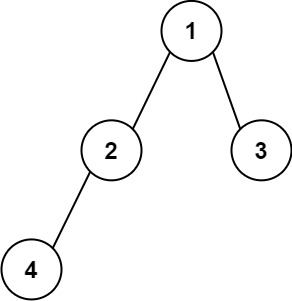
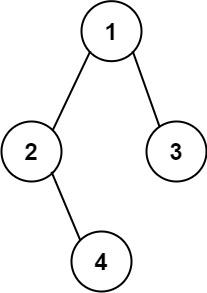
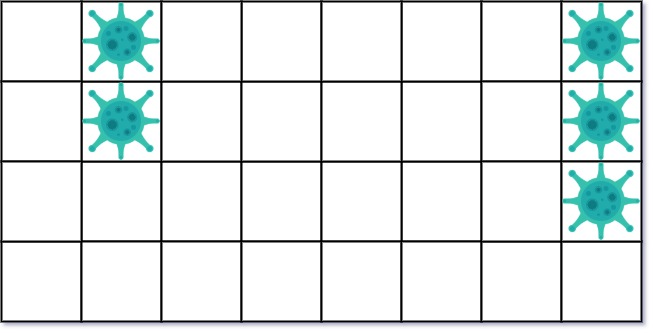
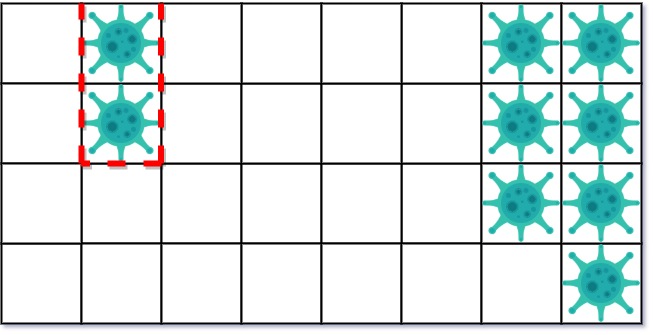
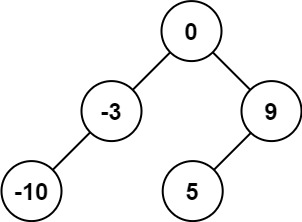
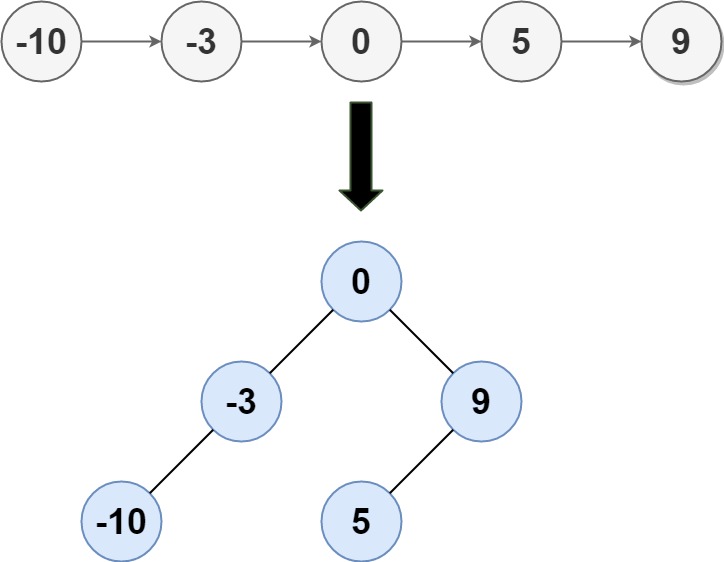
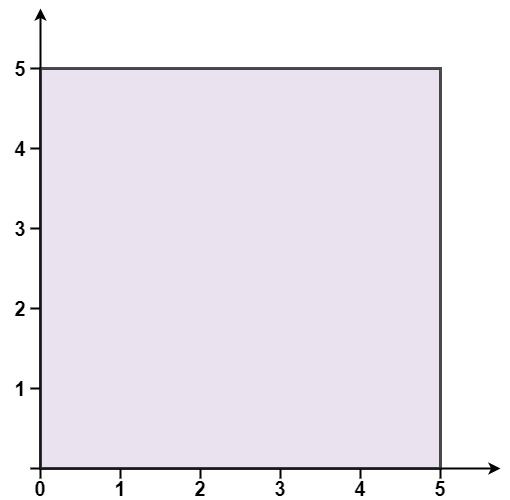
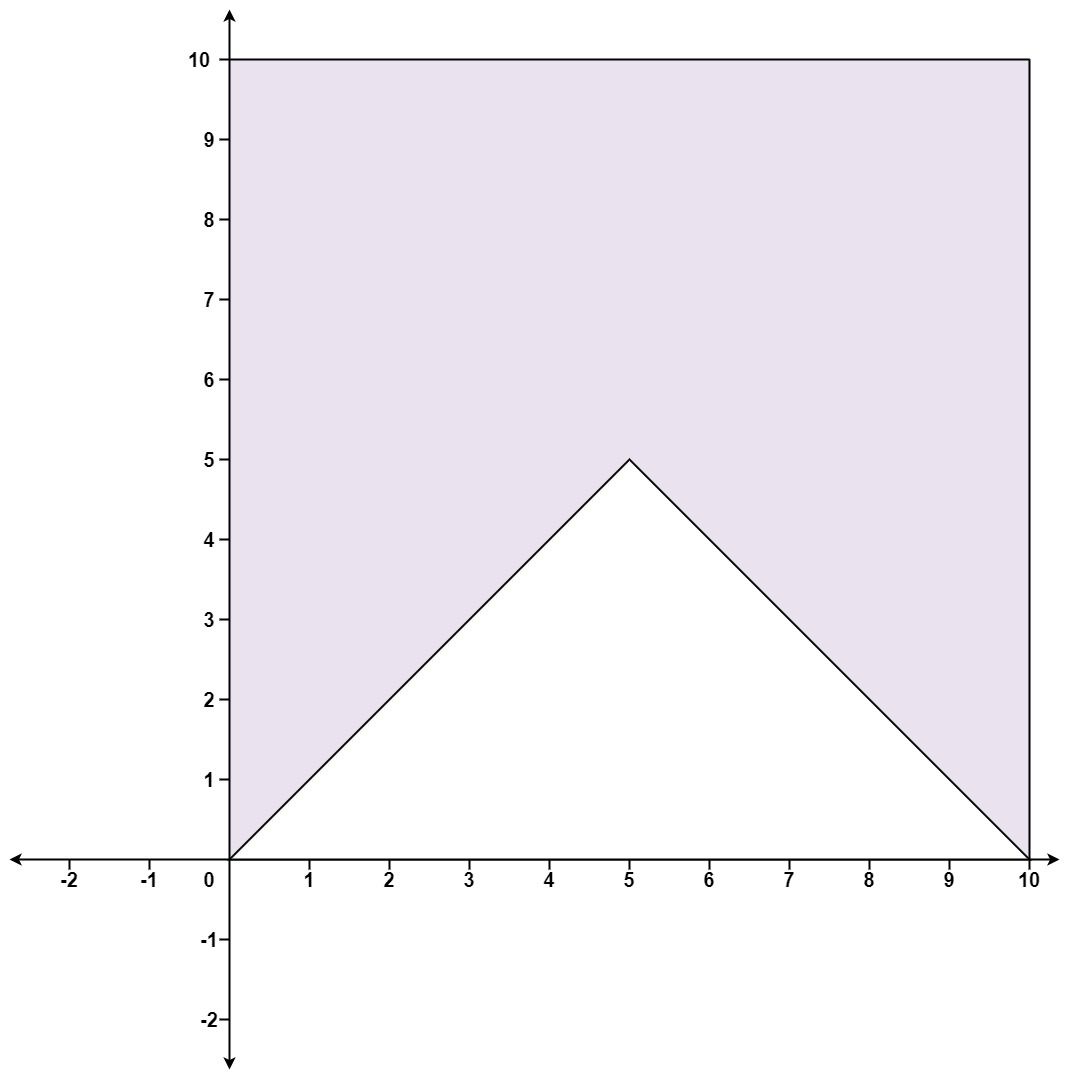
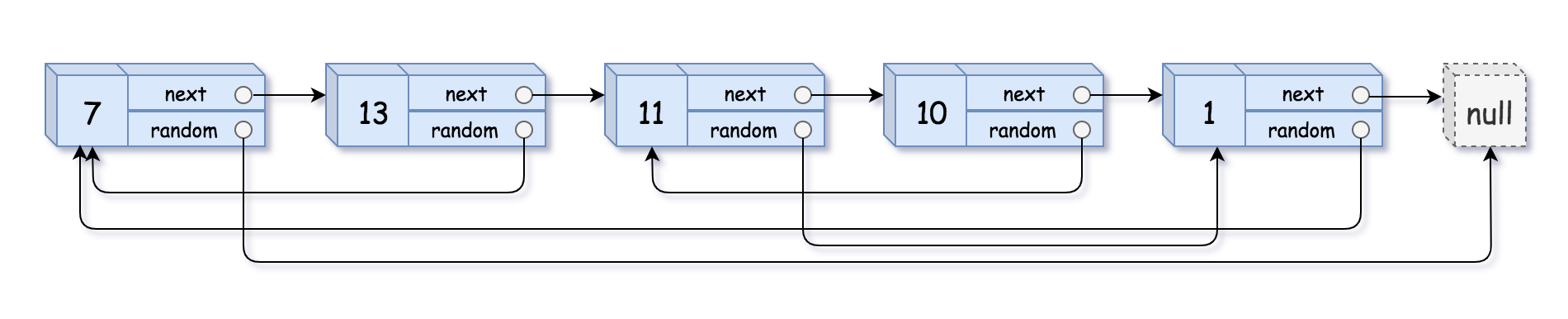


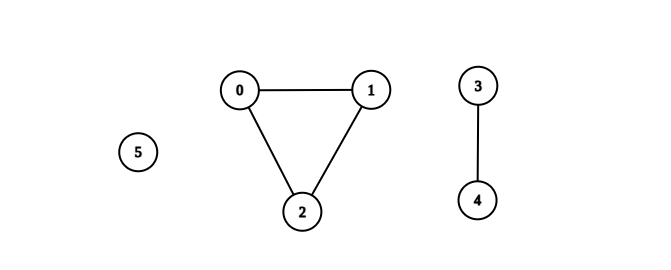
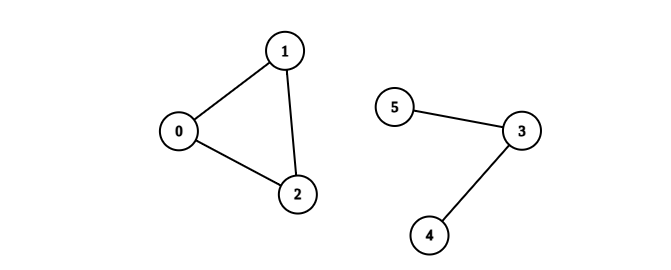
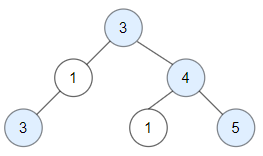
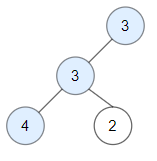
Given an integer array \nums\ and two integers \lower\ and \upper\, return \the number of range sums that lie in\ \\[lower, upper]\ \inclusive\.\

\

Range sum \S(i, j)\ is defined as the sum of the elements in \nums\ between indices \i\ and \j\ inclusive, where \i \<= j\.\

### Examples ``` Input: nums = [-2,5,-1], lower = -2, upper = 2 Output: 3 Explanation: The three ranges are: [0,0], [2,2], and [0,2] and their respective sums are: -2, -1, 2. ``` ``` Input: nums = [0], lower = 0, upper = 0 Output: 1 ``` ### Constraints \
    \
  • \1 \<= nums.length \<= 10\5\\\
  • \
  • \-2\31\ \<= nums\[i] \<= 2\31\ - 1\\
  • \
  • \-10\5\ \<= lower \<= upper \<= 10\5\\\
  • \
  • The answer is \guaranteed\ to fit in a \32-bit\ integer.\
  • \
## Solution Reference implementation from [solution.py on GitHub](https://github.com/wislertt/leetcode-py/blob/main/leetcode/count_of_range_sum/solution.py), full suite in [test\_solution.py](https://github.com/wislertt/leetcode-py/blob/main/leetcode/count_of_range_sum/test_solution.py): ```python theme={"theme":{"light":"github-light","dark":"github-dark"}} class Solution: # Time: O(n log n) # Space: O(n) def count_range_sum(self, nums: list[int], lower: int, upper: int) -> int: prefix = [0] for value in nums: prefix.append(prefix[-1] + value) def sort_count(left: int, right: int) -> int: if right - left <= 1: return 0 mid = (left + right) // 2 count = sort_count(left, mid) + sort_count(mid, right) low_part = sorted(prefix[left:mid]) high_part = sorted(prefix[mid:right]) start = end = 0 for value in low_part: while start < len(high_part) and high_part[start] - value < lower: start += 1 while end < len(high_part) and high_part[end] - value <= upper: end += 1 count += end - start merged: list[int] = [] i = j = 0 while i < len(low_part) and j < len(high_part): if low_part[i] <= high_part[j]: merged.append(low_part[i]) i += 1 else: merged.append(high_part[j]) j += 1 merged.extend(low_part[i:]) merged.extend(high_part[j:]) prefix[left:right] = merged return count return sort_count(0, len(prefix)) ``` ## Complexity | Time | Space | | ---------- | ----- | | O(n log n) | O(n) | ## Tags # Count of Substrings Containing Every Vowel Source: https://leetcode-py.wisl.dev/problems/count-of-substrings-containing-every-vowel-and-k-consonants-ii Tested Python solution for LeetCode 3306 with 26 pytest cases. Generate a practice environment with lcpy. LeetCode 3306, [Medium](/catalog/medium). Topics: [Hash Table](/catalog/topics/hash-table), [String](/catalog/topics/string), [Sliding Window](/catalog/topics/sliding-window). [View on LeetCode](https://leetcode.com/problems/count-of-substrings-containing-every-vowel-and-k-consonants-ii/description/). Generate this problem as a practice environment: tested reference solution, 26 [parametrized pytest cases](/practice/testing), and a playground notebook: ```bash theme={"theme":{"light":"github-light","dark":"github-dark"}} lcpy gen -n 3306 # by problem number lcpy gen -s count_of_substrings_containing_every_vowel_and_k_consonants_ii # by problem name ``` ## Problem You are given a string \word\ and a \non-negative\ integer \k\. Return the total number of \substrings\ of \word\ that contain every vowel (\'a'\, \'e'\, \'i'\, \'o'\, and \'u'\) \at least\ once and \exactly\ \k\ consonants. ### Examples ``` Input: word = "aeioqq", k = 1 Output: 0 Explanation: There is no substring with every vowel. ``` ``` Input: word = "aeiou", k = 0 Output: 1 Explanation: The only substring with every vowel and zero consonants is word[0..4], which is "aeiou". ``` ``` Input: word = "ieaouqqieaouqq", k = 1 Output: 3 Explanation: The substrings with every vowel and one consonant are: - word[0..5], which is "ieaouq". - word[6..11], which is "qieaou". - word[7..12], which is "ieaouq". ``` ### Constraints * 5 \<= word.length \<= 2 \* 10^5 * word consists only of lowercase English letters. * 0 \<= k \<= word.length - 5 ## Solution Reference implementation from [solution.py on GitHub](https://github.com/wislertt/leetcode-py/blob/main/leetcode/count_of_substrings_containing_every_vowel_and_k_consonants_ii/solution.py), full suite in [test\_solution.py](https://github.com/wislertt/leetcode-py/blob/main/leetcode/count_of_substrings_containing_every_vowel_and_k_consonants_ii/test_solution.py): ```python theme={"theme":{"light":"github-light","dark":"github-dark"}} class Solution: # Time: O(n) # Space: O(1) def count_of_substrings(self, word: str, k: int) -> int: def at_least(min_k: int) -> int: vowel_counts: dict[str, int] = {} consonants = 0 total = 0 left = 0 for right, ch in enumerate(word): if ch in "aeiou": vowel_counts[ch] = vowel_counts.get(ch, 0) + 1 else: consonants += 1 while len(vowel_counts) == 5 and consonants >= min_k: total += len(word) - right left_ch = word[left] if left_ch in "aeiou": vowel_counts[left_ch] -= 1 if vowel_counts[left_ch] == 0: del vowel_counts[left_ch] else: consonants -= 1 left += 1 return total return at_least(k) - at_least(k + 1) ``` ## Complexity | Time | Space | | ---- | ----- | | O(n) | O(1) | ## Tags [NeetCode All](/catalog/neetcode). # Count Different Palindromic Subsequences Source: https://leetcode-py.wisl.dev/problems/count-palindromic-subsequences Tested Python solution for LeetCode 730 with 35 pytest cases. Generate a practice environment with lcpy. LeetCode 730, [Hard](/catalog/hard). Topics: [String](/catalog/topics/string), [Dynamic Programming](/catalog/topics/dynamic-programming). [View on LeetCode](https://leetcode.com/problems/count-palindromic-subsequences/description/). Generate this problem as a practice environment: tested reference solution, 35 [parametrized pytest cases](/practice/testing), and a playground notebook: ```bash theme={"theme":{"light":"github-light","dark":"github-dark"}} lcpy gen -n 730 # by problem number lcpy gen -s count_palindromic_subsequences # by problem name ``` ## Problem Given a string `s`, return *the number of different non-empty palindromic subsequences in* `s`. Since the answer may be very large, return it **modulo** `10^9 + 7`. A **subsequence** of a string is obtained by deleting zero or more characters from the string. A sequence is palindromic if it is equal to the sequence reversed. Two sequences `a1, a2, ...` and `b1, b2, ...` are different if there is some `i` for which `ai != bi`. ### Examples ``` Input: s = "bccb" Output: 6 Explanation: The 6 different non-empty palindromic subsequences are 'b', 'c', 'bb', 'cc', 'bcb', 'bccb'. Note that 'bcb' is counted only once, even though it occurs twice. ``` ``` Input: s = "abcdabcdabcdabcdabcdabcdabcdabcddcbadcbadcbadcbadcbadcbadcbadcba" Output: 104860361 Explanation: There are 3104860382 different non-empty palindromic subsequences, which is 104860361 modulo 10^9 + 7. ``` ### Constraints * `1 <= s.length <= 1000` * `s[i]` is either `'a'`, `'b'`, `'c'`, or `'d'`. ## Solution Reference implementation from [solution.py on GitHub](https://github.com/wislertt/leetcode-py/blob/main/leetcode/count_palindromic_subsequences/solution.py), full suite in [test\_solution.py](https://github.com/wislertt/leetcode-py/blob/main/leetcode/count_palindromic_subsequences/test_solution.py): ```python theme={"theme":{"light":"github-light","dark":"github-dark"}} from bisect import bisect_left, bisect_right class Solution: # Time: O(n^2 log n) # Space: O(n^2) def count_palindromic_subsequences(self, s: str) -> int: mod = 1_000_000_007 n = len(s) pos: dict[str, list[int]] = {c: [] for c in "abcd"} for i, c in enumerate(s): pos[c].append(i) # dp[i][j]: number of distinct palindromic subsequences in s[i..j] dp = [[0] * n for _ in range(n)] for i in range(n - 1, -1, -1): dp[i][i] = 1 for j in range(i + 1, n): inner = dp[i + 1][j - 1] if i + 1 <= j - 1 else 0 if s[i] != s[j]: dp[i][j] = (dp[i + 1][j] + dp[i][j - 1] - inner) % mod continue # s[i] == s[j] == c: every palindrome either has no c at the # ends (counted twice) or is wrapped in a new c layer. lst = pos[s[i]] k = lst[bisect_right(lst, i)] # first c strictly inside (i, j) if k >= j: dp[i][j] = (2 * inner + 2) % mod continue h = lst[bisect_left(lst, j) - 1] # last c strictly inside (i, j) if k == h: dp[i][j] = (2 * inner + 1) % mod else: mid = dp[k + 1][h - 1] if k + 1 <= h - 1 else 0 dp[i][j] = (2 * inner - mid) % mod return dp[0][n - 1] ``` ## Complexity | Time | Space | | ------------ | ------ | | O(n^2 log n) | O(n^2) | ## Tags # Count Prefix and Suffix Pairs I Source: https://leetcode-py.wisl.dev/problems/count-prefix-and-suffix-pairs-i Tested Python solution for LeetCode 3042 with 16 pytest cases. Generate a practice environment with lcpy. LeetCode 3042, [Easy](/catalog/easy). Topics: [Array](/catalog/topics/array), [String](/catalog/topics/string), [Trie](/catalog/topics/trie), Rolling Hash, [String Matching](/catalog/topics/string-matching), [Hash Function](/catalog/topics/hash-function). [View on LeetCode](https://leetcode.com/problems/count-prefix-and-suffix-pairs-i/description/). Generate this problem as a practice environment: tested reference solution, 16 [parametrized pytest cases](/practice/testing), and a playground notebook: ```bash theme={"theme":{"light":"github-light","dark":"github-dark"}} lcpy gen -n 3042 # by problem number lcpy gen -s count_prefix_and_suffix_pairs_i # by problem name ``` ## Problem You are given a **0-indexed** string array `words`. Let's define a **boolean** function `isPrefixAndSuffix` that takes two strings, `str1` and `str2`: * `isPrefixAndSuffix(str1, str2)` returns `true` if `str1` is **both** a prefix and a suffix of `str2`, and `false` otherwise. For example, `isPrefixAndSuffix("aba", "ababa")` is `true` because `"aba"` is a prefix of `"ababa"` and also a suffix, but `isPrefixAndSuffix("abc", "abcd")` is `false`. Return *an integer denoting the **number** of index pairs* `(i, j)` *such that* `i < j` *and* `isPrefixAndSuffix(words[i], words[j])` *is* `true`. ### Examples ``` Input: words = ["a","aba","ababa","aa"] Output: 4 Explanation: In this example, the counted index pairs are: i = 0 and j = 1 because isPrefixAndSuffix("a", "aba") is true. i = 0 and j = 2 because isPrefixAndSuffix("a", "ababa") is true. i = 0 and j = 3 because isPrefixAndSuffix("a", "aa") is true. i = 1 and j = 2 because isPrefixAndSuffix("aba", "ababa") is true. Therefore, the answer is 4. ``` ``` Input: words = ["pa","papa","ma","mama"] Output: 2 Explanation: In this example, the counted index pairs are: i = 0 and j = 1 because isPrefixAndSuffix("pa", "papa") is true. i = 2 and j = 3 because isPrefixAndSuffix("ma", "mama") is true. Therefore, the answer is 2. ``` ``` Input: words = ["abab","ab"] Output: 0 Explanation: In this example, the only valid index pair is i = 0 and j = 1, and isPrefixAndSuffix("abab", "ab") is false. Therefore, the answer is 0. ``` ### Constraints * 1 \<= words.length \<= 50 * 1 \<= words\[i].length \<= 10 * words\[i] consists only of lowercase English letters. ## Solution Reference implementation from [solution.py on GitHub](https://github.com/wislertt/leetcode-py/blob/main/leetcode/count_prefix_and_suffix_pairs_i/solution.py), full suite in [test\_solution.py](https://github.com/wislertt/leetcode-py/blob/main/leetcode/count_prefix_and_suffix_pairs_i/test_solution.py): ```python theme={"theme":{"light":"github-light","dark":"github-dark"}} class Solution: # Time: O(n * m^2) # Space: O(1) def count_prefix_suffix_pairs(self, words: list[str]) -> int: count = 0 for i, prefix in enumerate(words): for suffix in words[i + 1 :]: if suffix.startswith(prefix) and suffix.endswith(prefix): count += 1 return count ``` ## Complexity | Time | Space | | ----------- | ----- | | O(n \* m^2) | O(1) | ## Tags [NeetCode All](/catalog/neetcode). # Count Prefix and Suffix Pairs II Source: https://leetcode-py.wisl.dev/problems/count-prefix-and-suffix-pairs-ii Tested Python solution for LeetCode 3045 with 18 pytest cases. Generate a practice environment with lcpy. LeetCode 3045, [Hard](/catalog/hard). Topics: [Array](/catalog/topics/array), [String](/catalog/topics/string), [Trie](/catalog/topics/trie), Rolling Hash, [String Matching](/catalog/topics/string-matching), [Hash Function](/catalog/topics/hash-function), Z Algorithm. [View on LeetCode](https://leetcode.com/problems/count-prefix-and-suffix-pairs-ii/description/). Generate this problem as a practice environment: tested reference solution, 18 [parametrized pytest cases](/practice/testing), and a playground notebook: ```bash theme={"theme":{"light":"github-light","dark":"github-dark"}} lcpy gen -n 3045 # by problem number lcpy gen -s count_prefix_and_suffix_pairs_ii # by problem name ``` ## Problem You are given a 0-indexed string array words. Let's define a boolean function isPrefixAndSuffix that takes two strings, str1 and str2: * isPrefixAndSuffix(str1, str2) returns true if str1 is both a prefix and a suffix of str2, and false otherwise. For example, isPrefixAndSuffix("aba", "ababa") is true because "aba" is a prefix of "ababa" and also a suffix, but isPrefixAndSuffix("abc", "abcd") is false. Return an integer denoting the number of index pairs (i, j) such that i \< j, and isPrefixAndSuffix(words\[i], words\[j]) is true. ### Examples ``` Input: words = ["a","aba","ababa","aa"] Output: 4 ``` **Explanation:** The counted index pairs are (0, 1), (0, 2), (0, 3) and (1, 2). ``` Input: words = ["pa","papa","ma","mama"] Output: 2 ``` **Explanation:** The counted index pairs are (0, 1) and (2, 3). ``` Input: words = ["abab","ab"] Output: 0 ``` ### Constraints * 1 \<= words.length \<= 10^5 * 1 \<= words\[i].length \<= 10^5 * words\[i] consists only of lowercase English letters. * The sum of the lengths of all words\[i] does not exceed 5 \* 10^5. ## Solution Reference implementation from [solution.py on GitHub](https://github.com/wislertt/leetcode-py/blob/main/leetcode/count_prefix_and_suffix_pairs_ii/solution.py), full suite in [test\_solution.py](https://github.com/wislertt/leetcode-py/blob/main/leetcode/count_prefix_and_suffix_pairs_ii/test_solution.py): ```python theme={"theme":{"light":"github-light","dark":"github-dark"}} from typing import Any class Solution: # Time: O(total chars), each character pair inserted/visited once # Space: O(total chars) for the paired trie def count_prefix_and_suffix_pairs(self, words: list[str]) -> int: root: dict[Any, Any] = {} total = 0 for word in words: node: dict[Any, Any] = root length = len(word) for i in range(length): key = (word[i], word[length - 1 - i]) if key not in node: node[key] = {} node = node[key] total += node.get("", 0) node[""] = node.get("", 0) + 1 return total ``` ## Complexity | Time | Space | | --------------------------------------------------------- | ---------------------------------- | | O(total chars), each character pair inserted/visited once | O(total chars) for the paired trie | ## Tags [NeetCode All](/catalog/neetcode). # Count Primes Python Solution with Tests Source: https://leetcode-py.wisl.dev/problems/count-primes Tested Python solution for LeetCode 204 with 18 pytest cases. Generate a practice environment with lcpy. LeetCode 204, [Medium](/catalog/medium). Topics: [Array](/catalog/topics/array), [Math](/catalog/topics/math), [Enumeration](/catalog/topics/enumeration), [Number Theory](/catalog/topics/number-theory), Primality Test, Sieve Theory, Prime Number Sieve. [View on LeetCode](https://leetcode.com/problems/count-primes/description/). Generate this problem as a practice environment: tested reference solution, 18 [parametrized pytest cases](/practice/testing), and a playground notebook: ```bash theme={"theme":{"light":"github-light","dark":"github-dark"}} lcpy gen -n 204 # by problem number lcpy gen -s count_primes # by problem name ``` ## Problem Given an integer `n`, return *the number of prime numbers that are strictly less than* `n`. ### Examples ``` Input: n = 10 Output: 4 Explanation: There are 4 prime numbers less than 10, they are 2, 3, 5, 7. ``` ``` Input: n = 0 Output: 0 ``` ``` Input: n = 1 Output: 0 ``` ### Constraints * 0 \<= n \<= 5 \* 10\6\ ## Solution Reference implementation from [solution.py on GitHub](https://github.com/wislertt/leetcode-py/blob/main/leetcode/count_primes/solution.py), full suite in [test\_solution.py](https://github.com/wislertt/leetcode-py/blob/main/leetcode/count_primes/test_solution.py): ```python theme={"theme":{"light":"github-light","dark":"github-dark"}} class Solution: # Time: O(n log log n) # Space: O(n) def count_primes(self, n: int) -> int: if n < 3: return 0 is_prime = [True] * n is_prime[0] = is_prime[1] = False for i in range(2, int(n**0.5) + 1): if is_prime[i]: for multiple in range(i * i, n, i): is_prime[multiple] = False return sum(is_prime) ``` ## Complexity | Time | Space | | -------------- | ----- | | O(n log log n) | O(n) | ## Tags [NeetCode All](/catalog/neetcode). # Count Servers that Communicate Python Solution Source: https://leetcode-py.wisl.dev/problems/count-servers-that-communicate Tested Python solution for LeetCode 1267 with 18 pytest cases. Generate a practice environment with lcpy. LeetCode 1267, [Medium](/catalog/medium). Topics: [Array](/catalog/topics/array), [Depth-First Search](/catalog/topics/depth-first-search), [Breadth-First Search](/catalog/topics/breadth-first-search), [Union-Find](/catalog/topics/union-find), [Matrix](/catalog/topics/matrix), [Counting](/catalog/topics/counting). [View on LeetCode](https://leetcode.com/problems/count-servers-that-communicate/description/). Generate this problem as a practice environment: tested reference solution, 18 [parametrized pytest cases](/practice/testing), and a playground notebook: ```bash theme={"theme":{"light":"github-light","dark":"github-dark"}} lcpy gen -n 1267 # by problem number lcpy gen -s count_servers_that_communicate # by problem name ``` ## Problem You are given a map of a server center, represented as a m \* n integer matrix grid, where 1 means that on that cell there is a server and 0 means that it is no server. Two servers are said to communicate if they are on the same row or on the same column. Return the number of servers that communicate with any other server. ### Examples ![Example 1](https://assets.leetcode.com/uploads/2019/11/14/untitled-diagram-1-3.jpg) ``` Input: grid = [[1,0],[0,1]] Output: 0 Explanation: No servers can communicate with others. ``` ![Example 2](https://assets.leetcode.com/uploads/2019/11/13/untitled-diagram-4.jpg) ``` Input: grid = [[1,0],[1,1]] Output: 3 Explanation: All three servers can communicate with at least one other server. ``` ![Example 3](https://assets.leetcode.com/uploads/2019/11/14/untitled-diagram-6.jpg) ``` Input: grid = [[1,1,0,0],[0,0,1,0],[0,0,1,0],[0,0,0,1]] Output: 4 Explanation: The two servers in the first row can communicate with each other. The two servers in the third column can communicate with each other. The server at right bottom corner can't communicate with any other server. ``` ### Constraints * m == grid.length * n == grid\[i].length * 1 \<= m \<= 250 * 1 \<= n \<= 250 * grid\[i]\[j] == 0 or 1 ## Solution Reference implementation from [solution.py on GitHub](https://github.com/wislertt/leetcode-py/blob/main/leetcode/count_servers_that_communicate/solution.py), full suite in [test\_solution.py](https://github.com/wislertt/leetcode-py/blob/main/leetcode/count_servers_that_communicate/test_solution.py): ```python theme={"theme":{"light":"github-light","dark":"github-dark"}} class Solution: def count_servers(self, grid: list[list[int]]) -> int: m, n = len(grid), len(grid[0]) rows = [sum(row) for row in grid] cols = [sum(grid[i][j] for i in range(m)) for j in range(n)] return sum( grid[i][j] == 1 and (rows[i] > 1 or cols[j] > 1) for i in range(m) for j in range(n) ) ``` ## Complexity | Time | Space | | ---- | ----- | | - | - | ## Tags [NeetCode All](/catalog/neetcode). # Count of Smaller Numbers After Self Source: https://leetcode-py.wisl.dev/problems/count-smaller-numbers-after-self Tested Python solution for LeetCode 315 with 22 pytest cases. Generate a practice environment with lcpy. LeetCode 315, [Hard](/catalog/hard). Topics: [Array](/catalog/topics/array), [Binary Search](/catalog/topics/binary-search), [Divide and Conquer](/catalog/topics/divide-and-conquer), [Binary Indexed Tree](/catalog/topics/binary-indexed-tree), [Segment Tree](/catalog/topics/segment-tree), Merge Sort, [Ordered Set](/catalog/topics/ordered-set), Treap. [View on LeetCode](https://leetcode.com/problems/count-smaller-numbers-after-self/description/). Generate this problem as a practice environment: tested reference solution, 22 [parametrized pytest cases](/practice/testing), and a playground notebook: ```bash theme={"theme":{"light":"github-light","dark":"github-dark"}} lcpy gen -n 315 # by problem number lcpy gen -s count_smaller_numbers_after_self # by problem name ``` ## Problem Given an integer array `nums`, return an integer array `counts` where `counts[i]` is the number of smaller elements to the right of `nums[i]`. ### Examples ``` Input: nums = [5,2,6,1] Output: [2,1,1,0] ``` **Explanation:** To the right of 5 there are **2** smaller elements (2 and 1). To the right of 2 there is only **1** smaller element (1). To the right of 6 there is **1** smaller element (1). To the right of 1 there is **0** smaller element. ``` Input: nums = [-1] Output: [0] ``` ``` Input: nums = [-1,-1] Output: [0,0] ``` ### Constraints * 1 \<= nums.length \<= 10^5 * -10^4 \<= nums\[i] \<= 10^4 ## Solution Reference implementation from [solution.py on GitHub](https://github.com/wislertt/leetcode-py/blob/main/leetcode/count_smaller_numbers_after_self/solution.py), full suite in [test\_solution.py](https://github.com/wislertt/leetcode-py/blob/main/leetcode/count_smaller_numbers_after_self/test_solution.py): ```python theme={"theme":{"light":"github-light","dark":"github-dark"}} class Solution: # Time: O(n log n) # Space: O(n) def count_smaller(self, nums: list[int]) -> list[int]: counts = [0] * len(nums) indices = list(range(len(nums))) def merge_sort(lo: int, hi: int) -> None: if hi - lo <= 1: return mid = (lo + hi) // 2 merge_sort(lo, mid) merge_sort(mid, hi) merged: list[int] = [] i, j = lo, mid while i < mid and j < hi: if nums[indices[j]] < nums[indices[i]]: merged.append(indices[j]) j += 1 else: counts[indices[i]] += j - mid merged.append(indices[i]) i += 1 while i < mid: counts[indices[i]] += j - mid merged.append(indices[i]) i += 1 while j < hi: merged.append(indices[j]) j += 1 indices[lo:hi] = merged merge_sort(0, len(nums)) return counts ``` ## Complexity | Time | Space | | ---------- | ----- | | O(n log n) | O(n) | ## Tags # Count Square Submatrices with All Ones Source: https://leetcode-py.wisl.dev/problems/count-square-submatrices-with-all-ones Tested Python solution for LeetCode 1277 with 15 pytest cases. Generate a practice environment with lcpy. LeetCode 1277, [Medium](/catalog/medium). Topics: [Array](/catalog/topics/array), [Dynamic Programming](/catalog/topics/dynamic-programming), [Matrix](/catalog/topics/matrix). [View on LeetCode](https://leetcode.com/problems/count-square-submatrices-with-all-ones/description/). Generate this problem as a practice environment: tested reference solution, 15 [parametrized pytest cases](/practice/testing), and a playground notebook: ```bash theme={"theme":{"light":"github-light","dark":"github-dark"}} lcpy gen -n 1277 # by problem number lcpy gen -s count_square_submatrices_with_all_ones # by problem name ``` ## Problem Given a m \* n matrix of ones and zeros, return how many square submatrices have all ones. ### Examples ``` Input: matrix = [ [0,1,1,1], [1,1,1,1], [0,1,1,1] ] Output: 15 Explanation: There are 10 squares of side 1. There are 4 squares of side 2. There is 1 square of side 3. Total number of squares = 10 + 4 + 1 = 15. ``` ``` Input: matrix = [ [1,0,1], [1,1,0], [1,1,0] ] Output: 7 Explanation: There are 6 squares of side 1. There is 1 square of side 2. Total number of squares = 6 + 1 = 7. ``` ### Constraints * 1 \<= arr.length \<= 300 * 1 \<= arr\[0].length \<= 300 * 0 \<= arr\[i]\[j] \<= 1 ## Solution Reference implementation from [solution.py on GitHub](https://github.com/wislertt/leetcode-py/blob/main/leetcode/count_square_submatrices_with_all_ones/solution.py), full suite in [test\_solution.py](https://github.com/wislertt/leetcode-py/blob/main/leetcode/count_square_submatrices_with_all_ones/test_solution.py): ```python theme={"theme":{"light":"github-light","dark":"github-dark"}} class Solution: def count_squares(self, matrix: list[list[int]]) -> int: m, n = len(matrix), len(matrix[0]) total = 0 for i in range(m): for j in range(n): if matrix[i][j] and i > 0 and j > 0: matrix[i][j] = 1 + min(matrix[i - 1][j], matrix[i][j - 1], matrix[i - 1][j - 1]) total += matrix[i][j] return total ``` ## Complexity | Time | Space | | ---- | ----- | | - | - | ## Tags [NeetCode All](/catalog/neetcode). # Count Strictly Increasing Subarrays Source: https://leetcode-py.wisl.dev/problems/count-strictly-increasing-subarrays Tested Python solution for LeetCode 2393 with 20 pytest cases. Generate a practice environment with lcpy. LeetCode 2393, [Medium](/catalog/medium). Topics: [Array](/catalog/topics/array), [Math](/catalog/topics/math), [Dynamic Programming](/catalog/topics/dynamic-programming). [View on LeetCode](https://leetcode.com/problems/count-strictly-increasing-subarrays/description/). Generate this problem as a practice environment: tested reference solution, 20 [parametrized pytest cases](/practice/testing), and a playground notebook: ```bash theme={"theme":{"light":"github-light","dark":"github-dark"}} lcpy gen -n 2393 # by problem number lcpy gen -s count_strictly_increasing_subarrays # by problem name ``` ## Problem You are given an array `nums` consisting of **positive** integers. Return *the number of **subarrays** of* `nums` *that are in **strictly increasing** order*. A **subarray** is a **contiguous** part of an array. ### Examples ``` Input: nums = [1,3,5,4,4,6] Output: 10 Explanation: The strictly increasing subarrays are the following: - Subarrays of length 1: [1], [3], [5], [4], [4], [6]. - Subarrays of length 2: [1,3], [3,5], [4,6]. - Subarrays of length 3: [1,3,5]. The total number of subarrays is 6 + 3 + 1 = 10. ``` ``` Input: nums = [1,2,3,4,5] Output: 15 Explanation: Every subarray is strictly increasing. There are 15 possible subarrays that we can take. ``` ### Constraints * `1 <= nums.length <= 10^5` * `1 <= nums[i] <= 10^6` ## Solution Reference implementation from [solution.py on GitHub](https://github.com/wislertt/leetcode-py/blob/main/leetcode/count_strictly_increasing_subarrays/solution.py), full suite in [test\_solution.py](https://github.com/wislertt/leetcode-py/blob/main/leetcode/count_strictly_increasing_subarrays/test_solution.py): ```python theme={"theme":{"light":"github-light","dark":"github-dark"}} class Solution: # Time: O(n) # Space: O(1) def count_strictly_increasing(self, nums: list[int]) -> int: total = 0 run = 0 prev = 0 for i, x in enumerate(nums): if i > 0 and x > prev: run += 1 else: run = 1 total += run prev = x return total ``` ## Complexity | Time | Space | | ---- | ----- | | O(n) | O(1) | ## Tags [NeetCode All](/catalog/neetcode). # Count Sub Islands Python Solution with Tests Source: https://leetcode-py.wisl.dev/problems/count-sub-islands Tested Python solution for LeetCode 1905 with 18 pytest cases. Generate a practice environment with lcpy. LeetCode 1905, [Medium](/catalog/medium). Topics: [Array](/catalog/topics/array), [Depth-First Search](/catalog/topics/depth-first-search), [Breadth-First Search](/catalog/topics/breadth-first-search), [Union-Find](/catalog/topics/union-find), [Matrix](/catalog/topics/matrix). [View on LeetCode](https://leetcode.com/problems/count-sub-islands/description/). Generate this problem as a practice environment: tested reference solution, 18 [parametrized pytest cases](/practice/testing), and a playground notebook: ```bash theme={"theme":{"light":"github-light","dark":"github-dark"}} lcpy gen -n 1905 # by problem number lcpy gen -s count_sub_islands # by problem name ``` ## Problem You are given two `m x n` binary matrices `grid1` and `grid2` containing only `0`s (representing water) and `1`s (representing land). An *island* is a group of `1`s connected **4-directionally** (horizontal or vertical). Any cells outside of the grid are considered water cells. An island in `grid2` is considered a *sub-island* if there is an island in `grid1` that contains **all** the cells that make up **this** island in `grid2`. Return the number of islands in `grid2` that are considered *sub-islands*. ### Examples ![Example 1](https://assets.leetcode.com/uploads/2021/06/10/test1.png) ``` Input: grid1 = [[1,1,1,0,0],[0,1,1,1,1],[0,0,0,0,0],[1,0,0,0,0],[1,1,0,1,1]], grid2 = [[1,1,1,0,0],[0,0,1,1,1],[0,1,0,0,0],[1,0,1,1,0],[0,1,0,1,0]] Output: 3 Explanation: The grid on the left is grid1 and the grid on the right is grid2. The 1s colored red in grid2 are those considered to be part of a sub-island. There are three sub-islands. ``` ![Example 2](https://assets.leetcode.com/uploads/2021/06/03/testcasex2.png) ``` Input: grid1 = [[1,0,1,0,1],[1,1,1,1,1],[0,0,0,0,0],[1,1,1,1,1],[1,0,1,0,1]], grid2 = [[0,0,0,0,0],[1,1,1,1,1],[0,1,0,1,0],[0,1,0,1,0],[1,0,0,0,1]] Output: 2 Explanation: The grid on the left is grid1 and the grid on the right is grid2. The 1s colored red in grid2 are those considered to be part of a sub-island. There are two sub-islands. ``` ### Constraints * `m == grid1.length == grid2.length` * `n == grid1[i].length == grid2[i].length` * `1 <= m, n <= 500` * `grid1[i][j]` and `grid2[i][j]` are either `0` or `1`. ## Solution Reference implementation from [solution.py on GitHub](https://github.com/wislertt/leetcode-py/blob/main/leetcode/count_sub_islands/solution.py), full suite in [test\_solution.py](https://github.com/wislertt/leetcode-py/blob/main/leetcode/count_sub_islands/test_solution.py): ```python theme={"theme":{"light":"github-light","dark":"github-dark"}} class Solution: # Time: O(m * n) # Space: O(m * n) def count_sub_islands(self, grid1: list[list[int]], grid2: list[list[int]]) -> int: rows, cols = len(grid1), len(grid1[0]) count = 0 for r in range(rows): for c in range(cols): if grid2[r][c] != 1: continue is_sub = True stack = [(r, c)] grid2[r][c] = 0 while stack: cr, cc = stack.pop() if grid1[cr][cc] != 1: is_sub = False for nr, nc in ((cr + 1, cc), (cr - 1, cc), (cr, cc + 1), (cr, cc - 1)): if 0 <= nr < rows and 0 <= nc < cols and grid2[nr][nc] == 1: grid2[nr][nc] = 0 stack.append((nr, nc)) if is_sub: count += 1 return count ``` ## Complexity | Time | Space | | --------- | --------- | | O(m \* n) | O(m \* n) | ## Tags [NeetCode All](/catalog/neetcode). # Count Subarrays Where Max Element Appears at Source: https://leetcode-py.wisl.dev/problems/count-subarrays-where-max-element-appears-at-least-k-times Tested Python solution for LeetCode 2962 with 18 pytest cases. Generate a practice environment with lcpy. LeetCode 2962, [Medium](/catalog/medium). Topics: [Array](/catalog/topics/array), [Sliding Window](/catalog/topics/sliding-window). [View on LeetCode](https://leetcode.com/problems/count-subarrays-where-max-element-appears-at-least-k-times/description/). Generate this problem as a practice environment: tested reference solution, 18 [parametrized pytest cases](/practice/testing), and a playground notebook: ```bash theme={"theme":{"light":"github-light","dark":"github-dark"}} lcpy gen -n 2962 # by problem number lcpy gen -s count_subarrays_where_max_element_appears_at_least_k_times # by problem name ``` ## Problem You are given an integer array `nums` and a positive integer `k`. Return the number of subarrays where the maximum element of `nums` appears at least `k` times in that subarray. A subarray is a contiguous sequence of elements within an array. ### Examples ``` Input: nums = [1,3,2,3,3], k = 2 Output: 6 Explanation: The subarrays that contain the element 3 at least 2 times are: [1,3,2,3], [1,3,2,3,3], [3,2,3], [3,2,3,3], [2,3,3] and [3,3]. ``` ``` Input: nums = [1,4,2,1], k = 3 Output: 0 Explanation: No subarray contains the element 4 at least 3 times. ``` ### Constraints * 1 \<= nums.length \<= 10^5 * 1 \<= nums\[i] \<= 10^6 * 1 \<= k \<= 10^5 ## Solution Reference implementation from [solution.py on GitHub](https://github.com/wislertt/leetcode-py/blob/main/leetcode/count_subarrays_where_max_element_appears_at_least_k_times/solution.py), full suite in [test\_solution.py](https://github.com/wislertt/leetcode-py/blob/main/leetcode/count_subarrays_where_max_element_appears_at_least_k_times/test_solution.py): ```python theme={"theme":{"light":"github-light","dark":"github-dark"}} class Solution: # Time: O(n) # Space: O(1) def count_subarrays(self, nums: list[int], k: int) -> int: mx = max(nums) total = 0 count = 0 left = 0 for value in nums: if value == mx: count += 1 while count >= k: if nums[left] == mx: count -= 1 left += 1 total += left return total ``` ## Complexity | Time | Space | | ---- | ----- | | O(n) | O(1) | ## Tags [NeetCode All](/catalog/neetcode). # Count Substrings with Only One Distinct Letter Source: https://leetcode-py.wisl.dev/problems/count-substrings-with-only-one-distinct-letter Tested Python solution for LeetCode 1180 with 24 pytest cases. Generate a practice environment with lcpy. LeetCode 1180, [Easy](/catalog/easy). Topics: [Math](/catalog/topics/math), [String](/catalog/topics/string). [View on LeetCode](https://leetcode.com/problems/count-substrings-with-only-one-distinct-letter/description/). Generate this problem as a practice environment: tested reference solution, 24 [parametrized pytest cases](/practice/testing), and a playground notebook: ```bash theme={"theme":{"light":"github-light","dark":"github-dark"}} lcpy gen -n 1180 # by problem number lcpy gen -s count_substrings_with_only_one_distinct_letter # by problem name ``` ## Problem Given a string `s`, return *the number of substrings that have only **one distinct** letter*. ### Examples ``` Input: s = "aaaba" Output: 8 Explanation: The substrings with one distinct letter are "aaa", "aa", "a", "b". "aaa" occurs 1 time. "aa" occurs 2 times. "a" occurs 4 times. "b" occurs 1 time. So the answer is 1 + 2 + 4 + 1 = 8. ``` ``` Input: s = "aaaaaaaaaa" Output: 55 ``` ### Constraints * 1 \<= s.length \<= 1000 * `s` consists of only lowercase English letters. ## Solution Reference implementation from [solution.py on GitHub](https://github.com/wislertt/leetcode-py/blob/main/leetcode/count_substrings_with_only_one_distinct_letter/solution.py), full suite in [test\_solution.py](https://github.com/wislertt/leetcode-py/blob/main/leetcode/count_substrings_with_only_one_distinct_letter/test_solution.py): ```python theme={"theme":{"light":"github-light","dark":"github-dark"}} class Solution: # Time: O(n) # Space: O(1) def count_letters(self, s: str) -> int: ans = 0 i = 0 n = len(s) while i < n: j = i while j < n and s[j] == s[i]: ans += j - i + 1 j += 1 i = j return ans ``` ## Complexity | Time | Space | | ---- | ----- | | O(n) | O(1) | ## Tags [NeetCode All](/catalog/neetcode). # Count the Number of Consistent Strings Source: https://leetcode-py.wisl.dev/problems/count-the-number-of-consistent-strings Tested Python solution for LeetCode 1684 with 16 pytest cases. Generate a practice environment with lcpy. LeetCode 1684, [Easy](/catalog/easy). Topics: [Array](/catalog/topics/array), [Hash Table](/catalog/topics/hash-table), [String](/catalog/topics/string), [Bit Manipulation](/catalog/topics/bit-manipulation), [Counting](/catalog/topics/counting). [View on LeetCode](https://leetcode.com/problems/count-the-number-of-consistent-strings/description/). Generate this problem as a practice environment: tested reference solution, 16 [parametrized pytest cases](/practice/testing), and a playground notebook: ```bash theme={"theme":{"light":"github-light","dark":"github-dark"}} lcpy gen -n 1684 # by problem number lcpy gen -s count_the_number_of_consistent_strings # by problem name ``` ## Problem You are given a string `allowed` consisting of **distinct** characters and an array of strings `words`. A string is **consistent** if all characters in the string appear in the string `allowed`. Return the number of consistent strings in the array `words`. ### Examples ``` Input: allowed = "ab", words = ["ad","bd","aaab","baa","badab"] Output: 2 Explanation: Strings "aaab" and "baa" are consistent since they only contain characters 'a' and 'b'. ``` ``` Input: allowed = "abc", words = ["a","b","c","ab","ac","bc","abc"] Output: 7 Explanation: All strings are consistent. ``` ``` Input: allowed = "cad", words = ["cc","acd","b","ba","bac","bad","ac","d"] Output: 4 Explanation: Strings "cc", "acd", "ac", and "d" are consistent. ``` ### Constraints * 1 \<= words.length \<= 10^4 * 1 \<= allowed.length \<= 26 * 1 \<= words\[i].length \<= 10 * The characters in allowed are distinct. * words\[i] and allowed contain only lowercase English letters. ## Solution Reference implementation from [solution.py on GitHub](https://github.com/wislertt/leetcode-py/blob/main/leetcode/count_the_number_of_consistent_strings/solution.py), full suite in [test\_solution.py](https://github.com/wislertt/leetcode-py/blob/main/leetcode/count_the_number_of_consistent_strings/test_solution.py): ```python theme={"theme":{"light":"github-light","dark":"github-dark"}} class Solution: # Time: O(n * m) where n = len(words), m = max word length # Space: O(1) since allowed is at most 26 characters def count_consistent_strings(self, allowed: str, words: list[str]) -> int: allowed_mask = 0 for ch in allowed: allowed_mask |= 1 << (ord(ch) - ord("a")) count = 0 for word in words: word_mask = 0 for ch in word: word_mask |= 1 << (ord(ch) - ord("a")) if word_mask | allowed_mask == allowed_mask: count += 1 return count ``` ## Complexity | Time | Space | | --------------------------------------------------- | ------------------------------------------- | | O(n \* m) where n = len(words), m = max word length | O(1) since allowed is at most 26 characters | ## Tags [NeetCode All](/catalog/neetcode). # Count the Number of Fair Pairs Python Solution Source: https://leetcode-py.wisl.dev/problems/count-the-number-of-fair-pairs Tested Python solution for LeetCode 2563 with 20 pytest cases. Generate a practice environment with lcpy. LeetCode 2563, [Medium](/catalog/medium). Topics: [Array](/catalog/topics/array), [Two Pointers](/catalog/topics/two-pointers), [Binary Search](/catalog/topics/binary-search), [Sorting](/catalog/topics/sorting). [View on LeetCode](https://leetcode.com/problems/count-the-number-of-fair-pairs/description/). Generate this problem as a practice environment: tested reference solution, 20 [parametrized pytest cases](/practice/testing), and a playground notebook: ```bash theme={"theme":{"light":"github-light","dark":"github-dark"}} lcpy gen -n 2563 # by problem number lcpy gen -s count_the_number_of_fair_pairs # by problem name ``` ## Problem Given a \0-indexed\ integer array \nums\ of size \n\ and two integers \lower\ and \upper\, return \the number of \fair pairs\\. A pair \(i, j)\ is \fair\ if: \
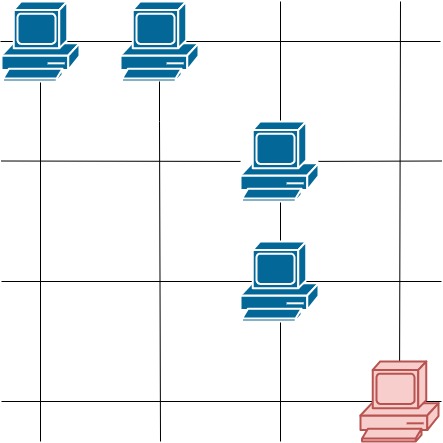


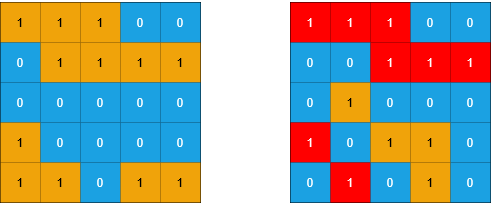
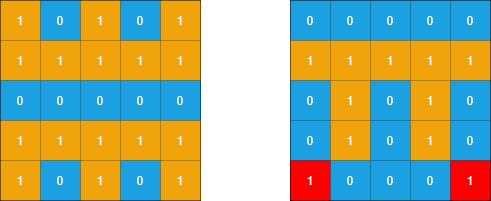
    \
  • \0 \<= i \< j \< n\, and\
  • \
  • \lower \<= nums\[i] + nums\[j] \<= upper\\
  • \
### Examples ``` Input: nums = [0,1,7,4,4,5], lower = 3, upper = 6 Output: 6 ``` **Explanation:** There are 6 fair pairs: (0,3), (0,4), (0,5), (1,3), (1,4), and (1,5). ``` Input: nums = [1,7,9,2,5], lower = 11, upper = 11 Output: 1 ``` **Explanation:** There is a single fair pair: (2,3). ### Constraints * 1 \<= nums.length \<= 10^5 * nums.length == n * -10^9 \<= nums\[i] \<= 10^9 * -10^9 \<= lower \<= upper \<= 10^9 ## Solution Reference implementation from [solution.py on GitHub](https://github.com/wislertt/leetcode-py/blob/main/leetcode/count_the_number_of_fair_pairs/solution.py), full suite in [test\_solution.py](https://github.com/wislertt/leetcode-py/blob/main/leetcode/count_the_number_of_fair_pairs/test_solution.py): ```python theme={"theme":{"light":"github-light","dark":"github-dark"}} class Solution: # Time: O(n log n) # Space: O(n) for the sort def count_fair_pairs(self, nums: list[int], lower: int, upper: int) -> int: nums.sort() def count_at_most(bound: int) -> int: left, right = 0, len(nums) - 1 total = 0 while left < right: if nums[left] + nums[right] <= bound: total += right - left left += 1 else: right -= 1 return total return count_at_most(upper) - count_at_most(lower - 1) ``` ## Complexity | Time | Space | | ---------- | ----------------- | | O(n log n) | O(n) for the sort | ## Tags [NeetCode All](/catalog/neetcode). # Count The Repetitions Python Solution Source: https://leetcode-py.wisl.dev/problems/count-the-repetitions Tested Python solution for LeetCode 466 with 20 pytest cases. Generate a practice environment with lcpy. LeetCode 466, [Hard](/catalog/hard). Topics: [Two Pointers](/catalog/topics/two-pointers), [String](/catalog/topics/string), [Dynamic Programming](/catalog/topics/dynamic-programming). [View on LeetCode](https://leetcode.com/problems/count-the-repetitions/description/). Generate this problem as a practice environment: tested reference solution, 20 [parametrized pytest cases](/practice/testing), and a playground notebook: ```bash theme={"theme":{"light":"github-light","dark":"github-dark"}} lcpy gen -n 466 # by problem number lcpy gen -s count_the_repetitions # by problem name ``` ## Problem We define `str = [s, n]` as the string `str` which consists of the string `s` concatenated `n` times. * For example, `str == ["abc", 3] =="abcabcabc"`. We define that string `s1` can be obtained from string `s2` if we can remove some characters from `s2` such that it becomes `s1`. * For example, `s1 = "abc"` can be obtained from `s2 = "abdbec"` based on our definition by removing the bolded underlined characters. You are given two strings `s1` and `s2` and two integers `n1` and `n2`. You have the two strings `str1 = [s1, n1]` and `str2 = [s2, n2]`. Return *the maximum integer* `m` *such that* `str = [str2, m]` *can be obtained from* `str1`. ### Examples ``` Input: s1 = "acb", n1 = 4, s2 = "ab", n2 = 2 Output: 2 ``` ``` Input: s1 = "acb", n1 = 1, s2 = "acb", n2 = 1 Output: 1 ``` ### Constraints * 1 \<= s1.length, s2.length \<= 100 * s1 and s2 consist of lowercase English letters. * 1 \<= n1, n2 \<= 10^6 ## Solution Reference implementation from [solution.py on GitHub](https://github.com/wislertt/leetcode-py/blob/main/leetcode/count_the_repetitions/solution.py), full suite in [test\_solution.py](https://github.com/wislertt/leetcode-py/blob/main/leetcode/count_the_repetitions/test_solution.py): ```python theme={"theme":{"light":"github-light","dark":"github-dark"}} class Solution: # Time: O(len(s1) * len(s2) + len(s2)) # Space: O(len(s2)) def get_max_repetitions(self, s1: str, n1: int, s2: str, n2: int) -> int: m = len(s2) # For each possible starting index in s2, scan one block of s1 and # record the resulting index plus how many full s2 blocks were matched. nxt = [0] * m add = [0] * m for start in range(m): idx = start matched = 0 for ch in s1: if ch == s2[idx]: idx += 1 if idx == m: idx = 0 matched += 1 nxt[start] = idx add[start] = matched # Walk block by block; once a start index repeats, the remaining blocks # advance in a cycle whose s2-block gain per cycle is constant, so jump # over all full cycles at once. total = 0 idx = 0 seen: dict[int, tuple[int, int]] = {} block = 0 while block < n1: if idx in seen: prev_block, prev_total = seen[idx] cycle_len = block - prev_block cycle_gain = total - prev_total full_cycles = (n1 - block) // cycle_len total += full_cycles * cycle_gain block += full_cycles * cycle_len if block == n1: break seen[idx] = (block, total) total += add[idx] idx = nxt[idx] block += 1 return total // n2 ``` ## Complexity | Time | Space | | ------------------------------- | ---------- | | O(len(s1) \* len(s2) + len(s2)) | O(len(s2)) | ## Tags # Count Total Number of Colored Cells Source: https://leetcode-py.wisl.dev/problems/count-total-number-of-colored-cells Tested Python solution for LeetCode 2579 with 15 pytest cases. Generate a practice environment with lcpy. LeetCode 2579, [Medium](/catalog/medium). Topics: [Math](/catalog/topics/math). [View on LeetCode](https://leetcode.com/problems/count-total-number-of-colored-cells/description/). Generate this problem as a practice environment: tested reference solution, 15 [parametrized pytest cases](/practice/testing), and a playground notebook: ```bash theme={"theme":{"light":"github-light","dark":"github-dark"}} lcpy gen -n 2579 # by problem number lcpy gen -s count_total_number_of_colored_cells # by problem name ``` ## Problem There exists an infinitely large two-dimensional grid of uncolored unit cells. You are given a positive integer `n`, indicating that you must do the following routine for `n` minutes: * At the first minute, color **any** arbitrary unit cell blue. * Every minute thereafter, color blue **every** uncolored cell that touches a blue cell. Return *the number of **colored cells** at the end of* `n` *minutes*. ### Examples ![Example](https://assets.leetcode.com/uploads/2023/01/10/example-copy-2.png) ``` Input: n = 1 Output: 1 Explanation: After 1 minute, there is only 1 blue cell, so we return 1. ``` ``` Input: n = 2 Output: 5 Explanation: After 2 minutes, there are 4 colored cells on the boundary and 1 in the center, so we return 5. ``` ### Constraints * 1 \<= n \<= 10^5 ## Solution Reference implementation from [solution.py on GitHub](https://github.com/wislertt/leetcode-py/blob/main/leetcode/count_total_number_of_colored_cells/solution.py), full suite in [test\_solution.py](https://github.com/wislertt/leetcode-py/blob/main/leetcode/count_total_number_of_colored_cells/test_solution.py): ```python theme={"theme":{"light":"github-light","dark":"github-dark"}} class Solution: # Time: O(1) # Space: O(1) def colored_cells(self, n: int) -> int: return 2 * n * n - 2 * n + 1 ``` ## Complexity | Time | Space | | ---- | ----- | | O(1) | O(1) | ## Tags [NeetCode All](/catalog/neetcode). # Count Triplets That Can Form Two Arrays of Source: https://leetcode-py.wisl.dev/problems/count-triplets-that-can-form-two-arrays-of-equal-xor Tested Python solution for LeetCode 1442 with 17 pytest cases. Generate a practice environment with lcpy. LeetCode 1442, [Medium](/catalog/medium). Topics: [Array](/catalog/topics/array), [Hash Table](/catalog/topics/hash-table), [Math](/catalog/topics/math), [Bit Manipulation](/catalog/topics/bit-manipulation), [Prefix Sum](/catalog/topics/prefix-sum). [View on LeetCode](https://leetcode.com/problems/count-triplets-that-can-form-two-arrays-of-equal-xor/description/). Generate this problem as a practice environment: tested reference solution, 17 [parametrized pytest cases](/practice/testing), and a playground notebook: ```bash theme={"theme":{"light":"github-light","dark":"github-dark"}} lcpy gen -n 1442 # by problem number lcpy gen -s count_triplets_that_can_form_two_arrays_of_equal_xor # by problem name ``` ## Problem Given an array of integers `arr`. We want to select three indices `i`, `j` and `k` where `(0 <= i < j <= k < arr.length)`. Let's define `a` and `b` as follows: * `a = arr[i] ^ arr[i + 1] ^ ... ^ arr[j - 1]` * `b = arr[j] ^ arr[j + 1] ^ ... ^ arr[k]` Note that `^` denotes the **bitwise-xor** operation. Return *the number of triplets* (`i`, `j` and `k`) Where `a == b`. ### Examples ``` Input: arr = [2,3,1,6,7] Output: 4 Explanation: The triplets are (0,1,2), (0,2,2), (2,3,4) and (2,4,4) ``` ``` Input: arr = [1,1,1,1,1] Output: 10 ``` ### Constraints * `1 <= arr.length <= 300` * `1 <= arr[i] <= 10^8` **Follow up:** Can you solve it in `O(n)` time? ## Solution Reference implementation from [solution.py on GitHub](https://github.com/wislertt/leetcode-py/blob/main/leetcode/count_triplets_that_can_form_two_arrays_of_equal_xor/solution.py), full suite in [test\_solution.py](https://github.com/wislertt/leetcode-py/blob/main/leetcode/count_triplets_that_can_form_two_arrays_of_equal_xor/test_solution.py): ```python theme={"theme":{"light":"github-light","dark":"github-dark"}} class Solution: # Time: O(n) # Space: O(n) def count_triplets(self, arr: list[int]) -> int: # a == b means arr[i..k] xors to 0, i.e. pref[i] == pref[k + 1]; # each such pair (i, k) contributes k - i triplets (one per j in (i, k]). total = 0 count = {0: 1} index_sum = {0: 0} prefix = 0 for m, value in enumerate(arr): prefix ^= value c = count.get(prefix, 0) s = index_sum.get(prefix, 0) total += c * m - s count[prefix] = c + 1 index_sum[prefix] = s + m + 1 return total ``` ## Complexity | Time | Space | | ---- | ----- | | O(n) | O(n) | ## Tags [NeetCode All](/catalog/neetcode). # Count Triplets with Even XOR Set Bits I Source: https://leetcode-py.wisl.dev/problems/count-triplets-with-even-xor-set-bits-i Tested Python solution for LeetCode 3199 with 21 pytest cases. Generate a practice environment with lcpy. LeetCode 3199, [Easy](/catalog/easy). Topics: [Array](/catalog/topics/array), [Bit Manipulation](/catalog/topics/bit-manipulation). [View on LeetCode](https://leetcode.com/problems/count-triplets-with-even-xor-set-bits-i/description/). Generate this problem as a practice environment: tested reference solution, 21 [parametrized pytest cases](/practice/testing), and a playground notebook: ```bash theme={"theme":{"light":"github-light","dark":"github-dark"}} lcpy gen -n 3199 # by problem number lcpy gen -s count_triplets_with_even_xor_set_bits_i # by problem name ``` ## Problem Given three integer arrays `a`, `b`, and `c`, return the number of triplets `(a[i], b[j], c[k])`, such that the bitwise `XOR` of the elements of each triplet has an **even** number of set bits. ### Examples ``` Input: a = [1], b = [2], c = [3] Output: 1 Explanation: The only triplet is (a[0], b[0], c[0]) and their XOR is: 1 XOR 2 XOR 3 = 00_2. ``` ``` Input: a = [1,1], b = [2,3], c = [1,5] Output: 4 Explanation: Consider these four triplets: - (a[0], b[1], c[0]): 1 XOR 3 XOR 1 = 011_2 - (a[1], b[1], c[0]): 1 XOR 3 XOR 1 = 011_2 - (a[0], b[0], c[1]): 1 XOR 2 XOR 5 = 110_2 - (a[1], b[0], c[1]): 1 XOR 2 XOR 5 = 110_2 ``` ### Constraints * 1 \<= a.length, b.length, c.length \<= 100 * 0 \<= a\[i], b\[i], c\[i] \<= 100 ## Solution Reference implementation from [solution.py on GitHub](https://github.com/wislertt/leetcode-py/blob/main/leetcode/count_triplets_with_even_xor_set_bits_i/solution.py), full suite in [test\_solution.py](https://github.com/wislertt/leetcode-py/blob/main/leetcode/count_triplets_with_even_xor_set_bits_i/test_solution.py): ```python theme={"theme":{"light":"github-light","dark":"github-dark"}} class Solution: # Time: O(len(a) + len(b) + len(c)) # Space: O(1) def triplet_count(self, a: list[int], b: list[int], c: list[int]) -> int: cnt1 = [0, 0] cnt2 = [0, 0] cnt3 = [0, 0] for x in a: cnt1[x.bit_count() & 1] += 1 for x in b: cnt2[x.bit_count() & 1] += 1 for x in c: cnt3[x.bit_count() & 1] += 1 ans = 0 for i in range(2): for j in range(2): for k in range(2): if (i + j + k) % 2 == 0: ans += cnt1[i] * cnt2[j] * cnt3[k] return ans ``` ## Complexity | Time | Space | | --------------------------- | ----- | | O(len(a) + len(b) + len(c)) | O(1) | ## Tags [NeetCode All](/catalog/neetcode). # Count Unguarded Cells in the Grid Source: https://leetcode-py.wisl.dev/problems/count-unguarded-cells-in-the-grid Tested Python solution for LeetCode 2257 with 20 pytest cases. Generate a practice environment with lcpy. LeetCode 2257, [Medium](/catalog/medium). Topics: [Array](/catalog/topics/array), [Matrix](/catalog/topics/matrix), [Simulation](/catalog/topics/simulation). [View on LeetCode](https://leetcode.com/problems/count-unguarded-cells-in-the-grid/description/). Generate this problem as a practice environment: tested reference solution, 20 [parametrized pytest cases](/practice/testing), and a playground notebook: ```bash theme={"theme":{"light":"github-light","dark":"github-dark"}} lcpy gen -n 2257 # by problem number lcpy gen -s count_unguarded_cells_in_the_grid # by problem name ``` ## Problem You are given two integers `m` and `n` representing a **0-indexed** `m x n` grid. You are also given two 2D integer arrays `guards` and `walls` where `guards[i] = [rowi, coli]` and `walls[j] = [rowj, colj]` represent the positions of the `ith` guard and `jth` wall respectively. A guard can see **every** cell in the four cardinal directions (north, east, south, or west) starting from their position unless **obstructed** by a wall or another guard. A cell is **guarded** if there is **at least** one guard that can see it. Return *the number of unoccupied cells that are **not** **guarded**.* ### Examples ![Example 1](https://assets.leetcode.com/uploads/2022/03/10/example1drawio2.png) ``` Input: m = 4, n = 6, guards = [[0,0],[1,1],[2,3]], walls = [[0,1],[2,2],[1,4]] Output: 7 Explanation: The guarded and unguarded cells are shown in red and green respectively in the above diagram. There are a total of 7 unguarded cells, so we return 7. ``` ![Example 2](https://assets.leetcode.com/uploads/2022/03/10/example2drawio.png) ``` Input: m = 3, n = 3, guards = [[1,1]], walls = [[0,1],[1,0],[2,1],[1,2]] Output: 4 Explanation: The unguarded cells are shown in green in the above diagram. There are a total of 4 unguarded cells, so we return 4. ``` ### Constraints * `1 <= m, n <= 10^5` * `2 <= m * n <= 10^5` * `1 <= guards.length, walls.length <= 5 * 10^4` * `2 <= guards.length + walls.length <= m * n` * `guards[i].length == walls[j].length == 2` * `0 <= rowi, rowj < m` * `0 <= coli, colj < n` * All the positions in `guards` and `walls` are **unique**. ## Solution Reference implementation from [solution.py on GitHub](https://github.com/wislertt/leetcode-py/blob/main/leetcode/count_unguarded_cells_in_the_grid/solution.py), full suite in [test\_solution.py](https://github.com/wislertt/leetcode-py/blob/main/leetcode/count_unguarded_cells_in_the_grid/test_solution.py): ```python theme={"theme":{"light":"github-light","dark":"github-dark"}} class Solution: # Time: O(m * n); every cell is scanned a constant number of times. # Space: O(m * n) for the grid. def count_unguarded( self, m: int, n: int, guards: list[list[int]], walls: list[list[int]] ) -> int: grid = [[0] * n for _ in range(m)] for row, col in guards: grid[row][col] = 1 for row, col in walls: grid[row][col] = 2 for row, col in guards: for d_row, d_col in ((-1, 0), (1, 0), (0, -1), (0, 1)): next_row, next_col = row + d_row, col + d_col while ( 0 <= next_row < m and 0 <= next_col < n and grid[next_row][next_col] in (0, 3) ): grid[next_row][next_col] = 3 next_row += d_row next_col += d_col return sum(row.count(0) for row in grid) ``` ## Complexity | Time | Space | | ------------------------------------------------------------ | ----------------------- | | O(m \* n); every cell is scanned a constant number of times. | O(m \* n) for the grid. | ## Tags [NeetCode All](/catalog/neetcode). # Count Unique Characters of All Substrings of Source: https://leetcode-py.wisl.dev/problems/count-unique-characters-of-all-substrings-of-a-given-string Tested Python solution for LeetCode 828 with 24 pytest cases. Generate a practice environment with lcpy. LeetCode 828, [Hard](/catalog/hard). Topics: [Hash Table](/catalog/topics/hash-table), [String](/catalog/topics/string), [Dynamic Programming](/catalog/topics/dynamic-programming). [View on LeetCode](https://leetcode.com/problems/count-unique-characters-of-all-substrings-of-a-given-string/description/). Generate this problem as a practice environment: tested reference solution, 24 [parametrized pytest cases](/practice/testing), and a playground notebook: ```bash theme={"theme":{"light":"github-light","dark":"github-dark"}} lcpy gen -n 828 # by problem number lcpy gen -s count_unique_characters_of_all_substrings_of_a_given_string # by problem name ``` ## Problem \

Let's define a function \countUniqueChars(s)\ that returns the number of unique characters in \s\.\

\
    \
  • For example, calling \countUniqueChars(s)\ if \s = "LEETCODE"\ then \"L"\, \"T"\, \"C"\, \"O"\, \"D"\ are the unique characters since they appear only once in \s\, therefore \countUniqueChars(s) = 5\.\
  • \
\

Given a string \s\, return the sum of \countUniqueChars(t)\ where \t\ is a substring of \s\. The test cases are generated such that the answer fits in a 32-bit integer.\

\

Notice that some substrings can be repeated so in this case you have to count the repeated ones too.\

### Examples ``` Input: s = "ABC" Output: 10 Explanation: All possible substrings are: "A","B","C","AB","BC" and "ABC". Every substring is composed with only unique letters. Sum of lengths of all substring is 1 + 1 + 1 + 2 + 2 + 3 = 10 ``` ``` Input: s = "ABA" Output: 8 Explanation: The same as example 1, except countUniqueChars("ABA") = 1. ``` ``` Input: s = "LEETCODE" Output: 92 ``` ### Constraints * 1 \<= s.length \<= 10^5 * s consists of uppercase English letters only. ## Solution Reference implementation from [solution.py on GitHub](https://github.com/wislertt/leetcode-py/blob/main/leetcode/count_unique_characters_of_all_substrings_of_a_given_string/solution.py), full suite in [test\_solution.py](https://github.com/wislertt/leetcode-py/blob/main/leetcode/count_unique_characters_of_all_substrings_of_a_given_string/test_solution.py): ```python theme={"theme":{"light":"github-light","dark":"github-dark"}} class Solution: # Time: O(n) # Space: O(1) (26 alphabet slots) def unique_letter_string(self, s: str) -> int: # Each character contributes to the substrings in which it is the only # occurrence of its letter. For index i with previous occurrence at # prev[i] and next occurrence at next[i], the number of such substrings # is (i - prev[i]) * (next[i] - i). n = len(s) prev = [-1] * n last: dict[str, int] = {} for i, ch in enumerate(s): prev[i] = last.get(ch, -1) last[ch] = i next_pos = [n] * n last = {} for i in range(n - 1, -1, -1): next_pos[i] = last.get(s[i], n) last[s[i]] = i return sum((i - prev[i]) * (next_pos[i] - i) for i in range(n)) ``` ## Complexity | Time | Space | | ---- | ------------------------ | | O(n) | O(1) (26 alphabet slots) | ## Tags # Count Univalue Subtrees Python Solution Source: https://leetcode-py.wisl.dev/problems/count-univalue-subtrees Tested Python solution for LeetCode 250 with 15 pytest cases. Generate a practice environment with lcpy. LeetCode 250, [Medium](/catalog/medium). Topics: [Tree](/catalog/topics/tree), [Depth-First Search](/catalog/topics/depth-first-search), [Binary Tree](/catalog/topics/binary-tree). [View on LeetCode](https://leetcode.com/problems/count-univalue-subtrees/description/). Generate this problem as a practice environment: tested reference solution, 15 [parametrized pytest cases](/practice/testing), and a playground notebook: ```bash theme={"theme":{"light":"github-light","dark":"github-dark"}} lcpy gen -n 250 # by problem number lcpy gen -s count_univalue_subtrees # by problem name ``` ## Problem Given the `root` of a binary tree, return *the number of **uni-value*** *subtrees*. A **uni-value subtree** means all nodes of the subtree have the same value. ### Examples ![Example 1](https://fastly.jsdelivr.net/gh/doocs/leetcode@main/solution/0200-0299/0250.Count%20Univalue%20Subtrees/images/unival_e1.jpg) ``` Input: root = [5,1,5,5,5,null,5] Output: 4 ``` ``` Input: root = [] Output: 0 ``` ``` Input: root = [5,5,5,5,5,null,5] Output: 6 ``` ### Constraints * The number of nodes in the tree will be in the range `[0, 1000]`. * `-1000 <= Node.val <= 1000` ## Solution Reference implementation from [solution.py on GitHub](https://github.com/wislertt/leetcode-py/blob/main/leetcode/count_univalue_subtrees/solution.py), full suite in [test\_solution.py](https://github.com/wislertt/leetcode-py/blob/main/leetcode/count_univalue_subtrees/test_solution.py): ```python theme={"theme":{"light":"github-light","dark":"github-dark"}} from leetcode_py import TreeNode class Solution: # Time: O(n) # Space: O(n) def count_unival_subtrees(self, root: TreeNode[int] | None) -> int: count = 0 def is_unival(node: TreeNode[int] | None) -> bool: nonlocal count if node is None: return True left_unival = is_unival(node.left) right_unival = is_unival(node.right) if not left_unival or not right_unival: return False if node.left is not None and node.left.val != node.val: return False if node.right is not None and node.right.val != node.val: return False count += 1 return True is_unival(root) return count ``` ## Complexity | Time | Space | | ---- | ----- | | O(n) | O(n) | ## Tags [NeetCode All](/catalog/neetcode). # Count Vowel Strings in Ranges Python Solution Source: https://leetcode-py.wisl.dev/problems/count-vowel-strings-in-ranges Tested Python solution for LeetCode 2559 with 20 pytest cases. Generate a practice environment with lcpy. LeetCode 2559, [Medium](/catalog/medium). Topics: [Array](/catalog/topics/array), [String](/catalog/topics/string), [Prefix Sum](/catalog/topics/prefix-sum). [View on LeetCode](https://leetcode.com/problems/count-vowel-strings-in-ranges/description/). Generate this problem as a practice environment: tested reference solution, 20 [parametrized pytest cases](/practice/testing), and a playground notebook: ```bash theme={"theme":{"light":"github-light","dark":"github-dark"}} lcpy gen -n 2559 # by problem number lcpy gen -s count_vowel_strings_in_ranges # by problem name ``` ## Problem You are given a \0-indexed\ array of strings \words\ and a 2D array of integers \queries\. Each query \queries\[i] = \[l\i\, r\i\]\ asks us to find the number of strings present at the indices ranging from \l\i\\ to \r\i\\ (both \inclusive\) of \words\ that start and end with a vowel. Return \an array \\ans\\ of size \\queries.length\\, where \\ans\[i]\\ is the answer to the \\i\\th\\ query\. \Note\ that the vowel letters are \'a'\, \'e'\, \'i'\, \'o'\, and \'u'\. ### Examples ``` Input: words = ["aba","bcb","ece","aa","e"], queries = [[0,2],[1,4],[1,1]] Output: [2,3,0] Explanation: The strings starting and ending with a vowel are "aba", "ece", "aa" and "e". The answer to the query [0,2] is 2 (strings "aba" and "ece"). The answer to the query [1,4] is 3 (strings "ece", "aa", "e"). The answer to the query [1,1] is 0. We return [2,3,0]. ``` ``` Input: words = ["a","e","i"], queries = [[0,2],[0,1],[2,2]] Output: [3,2,1] Explanation: Every string satisfies the conditions, so we return [3,2,1]. ``` ### Constraints * 1 \<= words.length \<= 10^5 * 1 \<= words\[i].length \<= 40 * words\[i] consists only of lowercase English letters. * sum(words\[i].length) \<= 3 \* 10^5 * 1 \<= queries.length \<= 10^5 * 0 \<= l\i\ \<= r\i\ \< words.length ## Solution Reference implementation from [solution.py on GitHub](https://github.com/wislertt/leetcode-py/blob/main/leetcode/count_vowel_strings_in_ranges/solution.py), full suite in [test\_solution.py](https://github.com/wislertt/leetcode-py/blob/main/leetcode/count_vowel_strings_in_ranges/test_solution.py): ```python theme={"theme":{"light":"github-light","dark":"github-dark"}} class Solution: # Time: O(n + q) # Space: O(n) def vowel_strings(self, words: list[str], queries: list[list[int]]) -> list[int]: vowels = set("aeiou") prefix = [0] for word in words: is_vowel = word[0] in vowels and word[-1] in vowels prefix.append(prefix[-1] + int(is_vowel)) return [prefix[right + 1] - prefix[left] for left, right in queries] ``` ## Complexity | Time | Space | | -------- | ----- | | O(n + q) | O(n) | ## Tags [NeetCode All](/catalog/neetcode). # Count Vowels Permutation Python Solution Source: https://leetcode-py.wisl.dev/problems/count-vowels-permutation Tested Python solution for LeetCode 1220 with 16 pytest cases. Generate a practice environment with lcpy. LeetCode 1220, [Hard](/catalog/hard). Topics: [Dynamic Programming](/catalog/topics/dynamic-programming). [View on LeetCode](https://leetcode.com/problems/count-vowels-permutation/description/). Generate this problem as a practice environment: tested reference solution, 16 [parametrized pytest cases](/practice/testing), and a playground notebook: ```bash theme={"theme":{"light":"github-light","dark":"github-dark"}} lcpy gen -n 1220 # by problem number lcpy gen -s count_vowels_permutation # by problem name ``` ## Problem Given an integer `n`, your task is to count how many strings of length `n` can be formed under the following rules: * Each character is a lower case vowel (`'a'`, `'e'`, `'i'`, `'o'`, `'u'`) * Each vowel `'a'` may only be followed by an `'e'`. * Each vowel `'e'` may only be followed by an `'a'` or an `'i'`. * Each vowel `'i'` **may not** be followed by another `'i'`. * Each vowel `'o'` may only be followed by an `'i'` or a `'u'`. * Each vowel `'u'` may only be followed by an `'a'`. Since the answer may be too large, return it modulo `10^9 + 7`. ### Examples ``` Input: n = 1 Output: 5 Explanation: All possible strings are: "a", "e", "i" , "o" and "u". ``` ``` Input: n = 2 Output: 10 Explanation: All possible strings are: "ae", "ea", "ei", "ia", "ie", "io", "iu", "oi", "ou" and "ua". ``` ``` Input: n = 5 Output: 68 ``` ### Constraints * `1 <= n <= 2 * 10^4` ## Solution Reference implementation from [solution.py on GitHub](https://github.com/wislertt/leetcode-py/blob/main/leetcode/count_vowels_permutation/solution.py), full suite in [test\_solution.py](https://github.com/wislertt/leetcode-py/blob/main/leetcode/count_vowels_permutation/test_solution.py): ```python theme={"theme":{"light":"github-light","dark":"github-dark"}} class Solution: # Time: O(n) # Space: O(1) def count_vowel_permutation(self, n: int) -> int: mod = 10**9 + 7 counts = {"a": 1, "e": 1, "i": 1, "o": 1, "u": 1} for _ in range(n - 1): counts = { "a": counts["e"] + counts["i"] + counts["u"], "e": counts["a"] + counts["i"], "i": counts["e"] + counts["o"], "o": counts["i"], "u": counts["i"] + counts["o"], } return sum(counts.values()) % mod ``` ## Complexity | Time | Space | | ---- | ----- | | O(n) | O(1) | ## Tags [NeetCode All](/catalog/neetcode). # Count Ways To Build Good Strings Source: https://leetcode-py.wisl.dev/problems/count-ways-to-build-good-strings Tested Python solution for LeetCode 2466 with 20 pytest cases. Generate a practice environment with lcpy. LeetCode 2466, [Medium](/catalog/medium). Topics: [Dynamic Programming](/catalog/topics/dynamic-programming). [View on LeetCode](https://leetcode.com/problems/count-ways-to-build-good-strings/description/). Generate this problem as a practice environment: tested reference solution, 20 [parametrized pytest cases](/practice/testing), and a playground notebook: ```bash theme={"theme":{"light":"github-light","dark":"github-dark"}} lcpy gen -n 2466 # by problem number lcpy gen -s count_ways_to_build_good_strings # by problem name ``` ## Problem Given the integers `zero`, `one`, `low`, and `high`, we can construct a string by starting with an empty string, and then at each step perform either of the following: * Append the character `'0'` `zero` times. * Append the character `'1'` `one` times. This can be performed any number of times. A **good** string is a string constructed by the above process having a **length** between `low` and `high` (**inclusive**). Return *the number of **different** good strings that can be constructed satisfying these properties.* Since the answer can be large, return it **modulo** `10^9 + 7`. ### Examples ``` Input: low = 3, high = 3, zero = 1, one = 1 Output: 8 Explanation: One possible valid good string is "011". It can be constructed as follows: "" -> "0" -> "01" -> "011". All binary strings from "000" to "111" are good strings in this example. ``` ``` Input: low = 2, high = 3, zero = 1, one = 2 Output: 5 Explanation: The good strings are "00", "11", "000", "110", and "011". ``` ### Constraints * 1 \<= low \<= high \<= 10^5 * 1 \<= zero, one \<= low ## Solution Reference implementation from [solution.py on GitHub](https://github.com/wislertt/leetcode-py/blob/main/leetcode/count_ways_to_build_good_strings/solution.py), full suite in [test\_solution.py](https://github.com/wislertt/leetcode-py/blob/main/leetcode/count_ways_to_build_good_strings/test_solution.py): ```python theme={"theme":{"light":"github-light","dark":"github-dark"}} MOD = 1_000_000_007 class Solution: # Time: O(high) # Space: O(high) def count_good_strings(self, low: int, high: int, zero: int, one: int) -> int: # dp[i] = number of distinct strings of length i buildable from the empty string dp = [0] * (high + 1) dp[0] = 1 for length in range(1, high + 1): total = dp[length - zero] if length >= zero else 0 if length >= one: total += dp[length - one] dp[length] = total % MOD return sum(dp[low : high + 1]) % MOD ``` ## Complexity | Time | Space | | ------- | ------- | | O(high) | O(high) | ## Tags [NeetCode All](/catalog/neetcode). # Counting Bits Python Solution with Tests Source: https://leetcode-py.wisl.dev/problems/counting-bits Tested Python solution for LeetCode 338 with 13 pytest cases. Generate a practice environment with lcpy. LeetCode 338, [Easy](/catalog/easy). Topics: [Dynamic Programming](/catalog/topics/dynamic-programming), [Bit Manipulation](/catalog/topics/bit-manipulation). [View on LeetCode](https://leetcode.com/problems/counting-bits/description/). Generate this problem as a practice environment: tested reference solution, 13 [parametrized pytest cases](/practice/testing), and a playground notebook: ```bash theme={"theme":{"light":"github-light","dark":"github-dark"}} lcpy gen -n 338 # by problem number lcpy gen -s counting_bits # by problem name ``` ## Problem Given an integer `n`, return *an array* `ans` *of length* `n + 1` *such that for each* `i` *(0 \<= i \<= n),* `ans[i]` *is the **number of*** `1`***'s** in the binary representation of* `i`. ### Examples ``` Input: n = 2 Output: [0,1,1] Explanation: 0 --> 0 1 --> 1 2 --> 10 ``` ``` Input: n = 5 Output: [0,1,1,2,1,2] Explanation: 0 --> 0 1 --> 1 2 --> 10 3 --> 11 4 --> 100 5 --> 101 ``` ### Constraints * 0 \<= n \<= 10^5 **Follow up:** * It is very easy to come up with a solution with a runtime of `O(n log n)`. Can you do it in linear time `O(n)` and possibly in a single pass? * Can you do it without using any built-in function (i.e., like `__builtin_popcount` in C++)? ## Solution Reference implementation from [solution.py on GitHub](https://github.com/wislertt/leetcode-py/blob/main/leetcode/counting_bits/solution.py), full suite in [test\_solution.py](https://github.com/wislertt/leetcode-py/blob/main/leetcode/counting_bits/test_solution.py): ```python theme={"theme":{"light":"github-light","dark":"github-dark"}} class Solution: def count_bits(self, n: int) -> list[int]: """ Optimized version with better variable naming and comments. Time: O(n) Space: O(1) excluding output array """ if n == 0: return [0] bits_count = [0] * (n + 1) for num in range(1, n + 1): # For any number, the count of 1s equals: # count of 1s in (num >> 1) + whether the last bit is 1 bits_count[num] = bits_count[num >> 1] + (num & 1) return bits_count ``` ## Complexity | Time | Space | | ---- | ----- | | - | - | ## Tags [Grind](/catalog/grind), [Blind 75](/catalog/blind-75), [NeetCode 150](/catalog/neetcode-150), [NeetCode 250](/catalog/neetcode-250), [NeetCode All](/catalog/neetcode), [AlgoMaster 75](/catalog/algo-master-75). # Counting Elements Python Solution with Tests Source: https://leetcode-py.wisl.dev/problems/counting-elements Tested Python solution for LeetCode 1426 with 26 pytest cases. Generate a practice environment with lcpy. LeetCode 1426, [Easy](/catalog/easy). Topics: [Array](/catalog/topics/array), [Hash Table](/catalog/topics/hash-table). [View on LeetCode](https://leetcode.com/problems/counting-elements/description/). Generate this problem as a practice environment: tested reference solution, 26 [parametrized pytest cases](/practice/testing), and a playground notebook: ```bash theme={"theme":{"light":"github-light","dark":"github-dark"}} lcpy gen -n 1426 # by problem number lcpy gen -s counting_elements # by problem name ``` ## Problem Given an integer array `arr`, count how many elements `x` there are, such that `x + 1` is also in `arr`. If there are duplicates in `arr`, count them separately. ### Examples ``` Input: arr = [1,2,3] Output: 2 Explanation: 1 and 2 are counted cause 2 and 3 are in arr. ``` ``` Input: arr = [1,1,3,3,5,5,7,7] Output: 0 Explanation: No numbers are counted, cause there is no 2, 4, 6, or 8 in arr. ``` ### Constraints * 1 \<= arr.length \<= 1000 * 0 \<= arr\[i] \<= 1000 ## Solution Reference implementation from [solution.py on GitHub](https://github.com/wislertt/leetcode-py/blob/main/leetcode/counting_elements/solution.py), full suite in [test\_solution.py](https://github.com/wislertt/leetcode-py/blob/main/leetcode/counting_elements/test_solution.py): ```python theme={"theme":{"light":"github-light","dark":"github-dark"}} class Solution: # Time: O(n) # Space: O(n) def count_elements(self, arr: list[int]) -> int: counts: set[int] = set(arr) return sum(x + 1 in counts for x in arr) ``` ## Complexity | Time | Space | | ---- | ----- | | O(n) | O(n) | ## Tags [NeetCode All](/catalog/neetcode). # Counting Words With a Given Prefix Source: https://leetcode-py.wisl.dev/problems/counting-words-with-a-given-prefix Tested Python solution for LeetCode 2185 with 15 pytest cases. Generate a practice environment with lcpy. LeetCode 2185, [Easy](/catalog/easy). Topics: [Array](/catalog/topics/array), [String](/catalog/topics/string), [String Matching](/catalog/topics/string-matching). [View on LeetCode](https://leetcode.com/problems/counting-words-with-a-given-prefix/description/). Generate this problem as a practice environment: tested reference solution, 15 [parametrized pytest cases](/practice/testing), and a playground notebook: ```bash theme={"theme":{"light":"github-light","dark":"github-dark"}} lcpy gen -n 2185 # by problem number lcpy gen -s counting_words_with_a_given_prefix # by problem name ``` ## Problem You are given an array of strings `words` and a string `pref`. Return the number of strings in `words` that contain `pref` as a prefix. A prefix of a string `s` is any leading contiguous substring of `s`. ### Examples ``` Input: words = ["pay","attention","practice","attend"], pref = "at" Output: 2 Explanation: The 2 strings that contain "at" as a prefix are: "attention" and "attend". ``` ``` Input: words = ["leetcode","win","loops","success"], pref = "code" Output: 0 Explanation: There are no strings that contain "code" as a prefix. ``` ### Constraints * 1 \<= words.length \<= 100 * 1 \<= words\[i].length, pref.length \<= 100 * words\[i] and pref consist of lowercase English letters. ## Solution Reference implementation from [solution.py on GitHub](https://github.com/wislertt/leetcode-py/blob/main/leetcode/counting_words_with_a_given_prefix/solution.py), full suite in [test\_solution.py](https://github.com/wislertt/leetcode-py/blob/main/leetcode/counting_words_with_a_given_prefix/test_solution.py): ```python theme={"theme":{"light":"github-light","dark":"github-dark"}} class Solution: # Time: O(sum(len(w) for w in words) * len(pref)) worst case via startswith # Space: O(1) def prefix_count(self, words: list[str], pref: str) -> int: return sum(1 for word in words if word.startswith(pref)) ``` ## Complexity | Time | Space | | -------------------------------------------------------------------- | ----- | | O(sum(len(w) for w in words) \* len(pref)) worst case via startswith | O(1) | ## Tags [NeetCode All](/catalog/neetcode). # Couples Holding Hands Python Solution Source: https://leetcode-py.wisl.dev/problems/couples-holding-hands Tested Python solution for LeetCode 765 with 20 pytest cases. Generate a practice environment with lcpy. LeetCode 765, [Hard](/catalog/hard). Topics: [Greedy](/catalog/topics/greedy), [Depth-First Search](/catalog/topics/depth-first-search), [Breadth-First Search](/catalog/topics/breadth-first-search), [Union-Find](/catalog/topics/union-find), [Graph Theory](/catalog/topics/graph-theory). [View on LeetCode](https://leetcode.com/problems/couples-holding-hands/description/). Generate this problem as a practice environment: tested reference solution, 20 [parametrized pytest cases](/practice/testing), and a playground notebook: ```bash theme={"theme":{"light":"github-light","dark":"github-dark"}} lcpy gen -n 765 # by problem number lcpy gen -s couples_holding_hands # by problem name ``` ## Problem There are `n` couples sitting in `2n` seats arranged in a row and want to hold hands. The people and seats are represented by an integer array `row` where `row[i]` is the ID of the person sitting in the `ith` seat. The couples are numbered in order, the first couple being `(0, 1)`, the second couple being `(2, 3)`, and so on with the last couple being `(2n - 2, 2n - 1)`. Return *the minimum number of swaps so that every couple is sitting side by side*. A swap consists of choosing any two people, then they stand up and switch seats. ### Examples ``` Input: row = [0,2,1,3] Output: 1 Explanation: We only need to swap the second (row[1]) and third (row[2]) person. ``` ``` Input: row = [3,2,0,1] Output: 0 Explanation: All couples are already seated side by side. ``` ### Constraints * 2n == row\.length * 2 \<= n \<= 30 * 0 \<= row\[i] \< 2n * All the elements of row are unique. ## Solution Reference implementation from [solution.py on GitHub](https://github.com/wislertt/leetcode-py/blob/main/leetcode/couples_holding_hands/solution.py), full suite in [test\_solution.py](https://github.com/wislertt/leetcode-py/blob/main/leetcode/couples_holding_hands/test_solution.py): ```python theme={"theme":{"light":"github-light","dark":"github-dark"}} class Solution: # Time: O(n) # Space: O(n) def min_swaps_couples(self, row: list[int]) -> int: arr = list(row) pos = {person: i for i, person in enumerate(arr)} swaps = 0 for i in range(0, len(arr), 2): partner = arr[i] ^ 1 if arr[i + 1] != partner: j = pos[partner] other = arr[i + 1] arr[i + 1], arr[j] = partner, other pos[partner] = i + 1 pos[other] = j swaps += 1 return swaps ``` ## Complexity | Time | Space | | ---- | ----- | | O(n) | O(n) | ## Tags # Course Schedule Python Solution with Tests Source: https://leetcode-py.wisl.dev/problems/course-schedule Tested Python solution for LeetCode 207 with 12 pytest cases. Generate a practice environment with lcpy. LeetCode 207, [Medium](/catalog/medium). Topics: [Depth-First Search](/catalog/topics/depth-first-search), [Breadth-First Search](/catalog/topics/breadth-first-search), [Graph](/catalog/topics/graph), [Topological Sort](/catalog/topics/topological-sort). [View on LeetCode](https://leetcode.com/problems/course-schedule/description/). Generate this problem as a practice environment: tested reference solution, 12 [parametrized pytest cases](/practice/testing), and a playground notebook: ```bash theme={"theme":{"light":"github-light","dark":"github-dark"}} lcpy gen -n 207 # by problem number lcpy gen -s course_schedule # by problem name ``` ## Problem There are a total of `numCourses` courses you have to take, labeled from `0` to `numCourses - 1`. You are given an array `prerequisites` where `prerequisites[i] = [ai, bi]` indicates that you **must** take course `bi` first if you want to take course `ai`. * For example, the pair `[0, 1]`, indicates that to take course `0` you have to first take course `1`. Return `true` if you can finish all courses. Otherwise, return `false`. ### Examples ``` Input: numCourses = 2, prerequisites = [[1,0]] Output: true ``` **Explanation:** There are a total of 2 courses to take. To take course 1 you should have finished course 0. So it is possible. ``` Input: numCourses = 2, prerequisites = [[1,0],[0,1]] Output: false ``` **Explanation:** There are a total of 2 courses to take. To take course 1 you should have finished course 0, and to take course 0 you should also have finished course 1. So it is impossible. ### Constraints * `1 <= numCourses <= 2000` * `0 <= prerequisites.length <= 5000` * `prerequisites[i].length == 2` * `0 <= ai, bi < numCourses` * All the pairs prerequisites\[i] are **unique**. ## Solution Reference implementation from [solution.py on GitHub](https://github.com/wislertt/leetcode-py/blob/main/leetcode/course_schedule/solution.py), full suite in [test\_solution.py](https://github.com/wislertt/leetcode-py/blob/main/leetcode/course_schedule/test_solution.py): ```python theme={"theme":{"light":"github-light","dark":"github-dark"}} class Solution: # Time: O(V + E) where V = num_courses, E = prerequisites # Space: O(V + E) for adjacency list and recursion stack def can_finish(self, num_courses: int, prerequisites: list[list[int]]) -> bool: UNVISITED, VISITING, VISITED = 0, 1, 2 # noqa: N806 graph: list[list[int]] = [[] for _ in range(num_courses)] for course, prereq in prerequisites: graph[course].append(prereq) state = [UNVISITED] * num_courses def has_cycle(course: int) -> bool: if state[course] == VISITING: # Currently visiting - cycle detected return True if state[course] == VISITED: return False state[course] = VISITING for prereq in graph[course]: if has_cycle(prereq): return True state[course] = VISITED return False for course in range(num_courses): if state[course] == UNVISITED and has_cycle(course): return False return True ``` ## Complexity | Time | Space | | -------------------------------------------------- | ----------------------------------------------- | | O(V + E) where V = num\_courses, E = prerequisites | O(V + E) for adjacency list and recursion stack | ## Tags [Grind 75](/catalog/grind-75), [Grind](/catalog/grind), [Blind 75](/catalog/blind-75), [NeetCode 150](/catalog/neetcode-150), [NeetCode 250](/catalog/neetcode-250), [NeetCode All](/catalog/neetcode). # Course Schedule II Python Solution with Tests Source: https://leetcode-py.wisl.dev/problems/course-schedule-ii Tested Python solution for LeetCode 210 with 18 pytest cases. Generate a practice environment with lcpy. LeetCode 210, [Medium](/catalog/medium). Topics: [Depth-First Search](/catalog/topics/depth-first-search), [Breadth-First Search](/catalog/topics/breadth-first-search), [Graph](/catalog/topics/graph), [Topological Sort](/catalog/topics/topological-sort). [View on LeetCode](https://leetcode.com/problems/course-schedule-ii/description/). Generate this problem as a practice environment: tested reference solution, 18 [parametrized pytest cases](/practice/testing), and a playground notebook: ```bash theme={"theme":{"light":"github-light","dark":"github-dark"}} lcpy gen -n 210 # by problem number lcpy gen -s course_schedule_ii # by problem name ``` ## Problem There are a total of `numCourses` courses you have to take, labeled from `0` to `numCourses - 1`. You are given an array `prerequisites` where `prerequisites[i] = [ai, bi]` indicates that you **must** take course `bi` first if you want to take course `ai`. * For example, the pair `[0, 1]`, indicates that to take course `0` you have to first take course `1`. Return the ordering of courses you should take to finish all courses. If there are many valid answers, return **any** of them. If it is impossible to finish all courses, return **an empty array**. ### Examples ``` Input: numCourses = 2, prerequisites = [[1,0]] Output: [0,1] Explanation: There are a total of 2 courses to take. To take course 1 you should have finished course 0. So the correct course order is [0,1]. ``` ``` Input: numCourses = 4, prerequisites = [[1,0],[2,0],[3,1],[3,2]] Output: [0,2,1,3] Explanation: There are a total of 4 courses to take. To take course 3 you should have finished both courses 1 and 2. Both courses 1 and 2 should be taken after you finished course 0. So one correct course order is [0,1,2,3]. Another correct ordering is [0,2,1,3]. ``` ``` Input: numCourses = 1, prerequisites = [] Output: [0] ``` ### Constraints * `1 <= numCourses <= 2000` * `0 <= prerequisites.length <= numCourses * (numCourses - 1)` * `prerequisites[i].length == 2` * `0 <= ai, bi < numCourses` * `ai != bi` * All the pairs `[ai, bi]` are **distinct**. ## Solution Reference implementation from [solution.py on GitHub](https://github.com/wislertt/leetcode-py/blob/main/leetcode/course_schedule_ii/solution.py), full suite in [test\_solution.py](https://github.com/wislertt/leetcode-py/blob/main/leetcode/course_schedule_ii/test_solution.py): ```python theme={"theme":{"light":"github-light","dark":"github-dark"}} from collections import deque class Solution: # TOPOLOGICAL SORT using Kahn's Algorithm (BFS-based) # Keywords: DAG, in-degree, adjacency list, cycle detection, dependency resolution # Time: O(V + E) where V = num_courses, E = len(prerequisites) # Space: O(V + E) for adjacency list and in_degree array def find_order(self, num_courses: int, prerequisites: list[list[int]]) -> list[int]: """ Topological Sort: Linear ordering of vertices in DAG where all edges go from left to right. Algorithm: Kahn's Algorithm (BFS approach) 1. Build adjacency list and calculate in-degrees 2. Start with nodes having 0 in-degree (no dependencies) 3. Remove nodes and update in-degrees of neighbors 4. If all nodes processed → valid ordering, else cycle exists Keywords: Directed Acyclic Graph (DAG), in-degree, out-degree, dependency graph, prerequisite resolution, cycle detection, BFS traversal """ # Build adjacency list and in-degree count graph: list[list[int]] = [[] for _ in range(num_courses)] in_degree = [0] * num_courses for course, prereq in prerequisites: graph[prereq].append(course) in_degree[course] += 1 # Start with courses having no prerequisites queue = deque([i for i in range(num_courses) if in_degree[i] == 0]) result = [] while queue: course = queue.popleft() result.append(course) # Remove this course and update in-degrees for neighbor in graph[course]: in_degree[neighbor] -= 1 if in_degree[neighbor] == 0: queue.append(neighbor) # Check if all courses can be taken (no cycle) return result if len(result) == num_courses else [] ``` ## Complexity | Time | Space | | ------------------------------------------------------- | ------------------------------------------------ | | O(V + E) where V = num\_courses, E = len(prerequisites) | O(V + E) for adjacency list and in\_degree array | ## Tags [Grind](/catalog/grind), [NeetCode 150](/catalog/neetcode-150), [NeetCode 250](/catalog/neetcode-250), [NeetCode All](/catalog/neetcode), [AlgoMaster 75](/catalog/algo-master-75). # Course Schedule III Python Solution with Tests Source: https://leetcode-py.wisl.dev/problems/course-schedule-iii Tested Python solution for LeetCode 630 with 20 pytest cases. Generate a practice environment with lcpy. LeetCode 630, [Hard](/catalog/hard). Topics: [Array](/catalog/topics/array), [Greedy](/catalog/topics/greedy), [Sorting](/catalog/topics/sorting), [Heap (Priority Queue)](/catalog/topics/heap-priority-queue). [View on LeetCode](https://leetcode.com/problems/course-schedule-iii/description/). Generate this problem as a practice environment: tested reference solution, 20 [parametrized pytest cases](/practice/testing), and a playground notebook: ```bash theme={"theme":{"light":"github-light","dark":"github-dark"}} lcpy gen -n 630 # by problem number lcpy gen -s course_schedule_iii # by problem name ``` ## Problem There are `n` different online courses numbered from `1` to `n`. You are given an array `courses` where `courses[i] = [duration_i, lastDay_i]` indicate that the `i_th` course should be taken **continuously** for `duration_i` days and must be finished before or on `lastDay_i`. You will start on the `1_st` day and you cannot take two or more courses simultaneously. Return *the maximum number of courses that you can take*. ### Examples ``` Input: courses = [[100,200],[200,1300],[1000,1250],[2000,3200]] Output: 3 Explanation: There are totally 4 courses, but you can take 3 courses at most: First, take the 1st course, it costs 100 days so you will finish it on the 100th day, and ready to take the next course on the 101st day. Second, take the 3rd course, it costs 1000 days so you will finish it on the 1100th day, and ready to take the next course on the 1101st day. Third, take the 2nd course, it costs 200 days so you will finish it on the 1300th day. The 4th course cannot be taken now, since you will finish it on the 3300th day, which exceeds the closed date. ``` ``` Input: courses = [[1,2]] Output: 1 ``` ``` Input: courses = [[3,2],[4,3]] Output: 0 ``` ### Constraints * `1 <= courses.length <= 10^4` * `1 <= duration_i, lastDay_i <= 10^4` ## Solution Reference implementation from [solution.py on GitHub](https://github.com/wislertt/leetcode-py/blob/main/leetcode/course_schedule_iii/solution.py), full suite in [test\_solution.py](https://github.com/wislertt/leetcode-py/blob/main/leetcode/course_schedule_iii/test_solution.py): ```python theme={"theme":{"light":"github-light","dark":"github-dark"}} import heapq class Solution: # Time: O(n log n) # Space: O(n) def schedule_course(self, courses: list[list[int]]) -> int: taken: list[int] = [] total = 0 for duration, last_day in sorted(courses, key=lambda c: c[1]): heapq.heappush(taken, -duration) total += duration if total > last_day: total += heapq.heappop(taken) return len(taken) ``` ## Complexity | Time | Space | | ---------- | ----- | | O(n log n) | O(n) | ## Tags # Course Schedule IV Python Solution with Tests Source: https://leetcode-py.wisl.dev/problems/course-schedule-iv Tested Python solution for LeetCode 1462 with 16 pytest cases. Generate a practice environment with lcpy. LeetCode 1462, [Medium](/catalog/medium). Topics: [Depth-First Search](/catalog/topics/depth-first-search), [Breadth-First Search](/catalog/topics/breadth-first-search), [Graph Theory](/catalog/topics/graph-theory), [Topological Sort](/catalog/topics/topological-sort). [View on LeetCode](https://leetcode.com/problems/course-schedule-iv/description/). Generate this problem as a practice environment: tested reference solution, 16 [parametrized pytest cases](/practice/testing), and a playground notebook: ```bash theme={"theme":{"light":"github-light","dark":"github-dark"}} lcpy gen -n 1462 # by problem number lcpy gen -s course_schedule_iv # by problem name ``` ## Problem There are a total of `numCourses` courses you have to take, labeled from `0` to `numCourses - 1`. You are given an array `prerequisites` where `prerequisites[i] = [ai, bi]` indicates that you **must** take course `ai` first if you want to take course `bi`. * For example, the pair `[0, 1]` indicates that you have to take course `0` before you can take course `1`. Prerequisites can also be **indirect**. If course `a` is a prerequisite of course `b`, and course `b` is a prerequisite of course `c`, then course `a` is a prerequisite of course `c`. You are also given an array `queries` where `queries[j] = [uj, vj]`. For the `jth` query, you should answer whether course `uj` is a prerequisite of course `vj` or not. Return *a boolean array* `answer`, *where* `answer[j]` *is the answer to the* `jth` *query*. ### Examples ![Example 1](https://assets.leetcode.com/uploads/2021/05/01/courses4-1-graph.jpg) ``` Input: numCourses = 2, prerequisites = [[1,0]], queries = [[0,1],[1,0]] Output: [false,true] Explanation: The pair [1, 0] indicates that you have to take course 1 before you can take course 0. Course 0 is not a prerequisite of course 1, but the opposite is true. ``` ``` Input: numCourses = 2, prerequisites = [], queries = [[1,0],[0,1]] Output: [false,false] Explanation: There are no prerequisites, and each course is independent. ``` ![Example 3](https://assets.leetcode.com/uploads/2021/05/01/courses4-3-graph.jpg) ``` Input: numCourses = 3, prerequisites = [[1,2],[1,0],[2,0]], queries = [[1,0],[1,2]] Output: [true,true] ``` ### Constraints * `2 <= numCourses <= 100` * `0 <= prerequisites.length <= (numCourses * (numCourses - 1) / 2)` * `prerequisites[i].length == 2` * `0 <= ai, bi <= numCourses - 1` * `ai != bi` * All the pairs `[ai, bi]` are **unique**. * The prerequisites graph has no cycles. * `1 <= queries.length <= 10^4` * `0 <= ui, vi <= numCourses - 1` * `ui != vi` ## Solution Reference implementation from [solution.py on GitHub](https://github.com/wislertt/leetcode-py/blob/main/leetcode/course_schedule_iv/solution.py), full suite in [test\_solution.py](https://github.com/wislertt/leetcode-py/blob/main/leetcode/course_schedule_iv/test_solution.py): ```python theme={"theme":{"light":"github-light","dark":"github-dark"}} class Solution: # Time: O(n^3) Floyd-Warshall transitive closure (n <= 100) # Space: O(n^2) def check_if_prerequisite( self, num_courses: int, prerequisites: list[list[int]], queries: list[list[int]] ) -> list[bool]: # reach[a][b] = True if a is a (direct or indirect) prerequisite of b. reach = [[False] * num_courses for _ in range(num_courses)] for a, b in prerequisites: reach[a][b] = True for k in range(num_courses): for i in range(num_courses): if reach[i][k]: for j in range(num_courses): if reach[k][j]: reach[i][j] = True return [reach[u][v] for u, v in queries] ``` ## Complexity | Time | Space | | ---------------------------------------------------- | ------ | | O(n^3) Floyd-Warshall transitive closure (n \<= 100) | O(n^2) | ## Tags [NeetCode 250](/catalog/neetcode-250), [NeetCode All](/catalog/neetcode). # Cousins in Binary Tree Python Solution Source: https://leetcode-py.wisl.dev/problems/cousins-in-binary-tree Tested Python solution for LeetCode 993 with 16 pytest cases. Generate a practice environment with lcpy. LeetCode 993, [Easy](/catalog/easy). Topics: [Tree](/catalog/topics/tree), [Depth-First Search](/catalog/topics/depth-first-search), [Breadth-First Search](/catalog/topics/breadth-first-search), [Binary Tree](/catalog/topics/binary-tree). [View on LeetCode](https://leetcode.com/problems/cousins-in-binary-tree/description/). Generate this problem as a practice environment: tested reference solution, 16 [parametrized pytest cases](/practice/testing), and a playground notebook: ```bash theme={"theme":{"light":"github-light","dark":"github-dark"}} lcpy gen -n 993 # by problem number lcpy gen -s cousins_in_binary_tree # by problem name ``` ## Problem Given the `root` of a binary tree with unique values and the values of two different nodes of the tree `x` and `y`, return `true` if the nodes corresponding to the values `x` and `y` in the tree are cousins, or `false` otherwise. Two nodes of a binary tree are **cousins** if they have the same depth with different parents. Note that in a binary tree, the root node is at the depth `0`, and children of each depth `k` node are at the depth `k + 1`. ### Examples ![Example 1](https://assets.leetcode.com/uploads/2019/02/12/q1248-01.png) ``` Input: root = [1,2,3,4], x = 4, y = 3 Output: false ``` ![Example 2](https://assets.leetcode.com/uploads/2019/02/12/q1248-02.png) ``` Input: root = [1,2,3,null,4,null,5], x = 5, y = 4 Output: true ``` ![Example 3](https://assets.leetcode.com/uploads/2019/02/13/q1248-03.png) ``` Input: root = [1,2,3,null,4], x = 2, y = 3 Output: false ``` ### Constraints * The number of nodes in the tree is in the range \[2, 100] * 1 \<= Node.val \<= 100 * Each node has a unique value * x != y * x and y exist in the tree ## Solution Reference implementation from [solution.py on GitHub](https://github.com/wislertt/leetcode-py/blob/main/leetcode/cousins_in_binary_tree/solution.py), full suite in [test\_solution.py](https://github.com/wislertt/leetcode-py/blob/main/leetcode/cousins_in_binary_tree/test_solution.py): ```python theme={"theme":{"light":"github-light","dark":"github-dark"}} from leetcode_py import TreeNode class Solution: # Time: O(n) - single traversal of the tree # Space: O(h) - recursion stack, h is the tree height def is_cousins(self, root: TreeNode[int] | None, x: int, y: int) -> bool: info: dict[int, tuple[int, int | None]] = {} def dfs(node: TreeNode[int] | None, parent: int | None, depth: int) -> None: if node is None: return info[node.val] = (depth, parent) dfs(node.left, node.val, depth + 1) dfs(node.right, node.val, depth + 1) if root is None: return False dfs(root, None, 0) dx, px = info[x] dy, py = info[y] return dx == dy and px != py ``` ## Complexity | Time | Space | | ----------------------------------- | -------------------------------------------- | | O(n) - single traversal of the tree | O(h) - recursion stack, h is the tree height | ## Tags # Cousins in Binary Tree II Python Solution Source: https://leetcode-py.wisl.dev/problems/cousins-in-binary-tree-ii Tested Python solution for LeetCode 2641 with 18 pytest cases. Generate a practice environment with lcpy. LeetCode 2641, [Medium](/catalog/medium). Topics: [Hash Table](/catalog/topics/hash-table), [Tree](/catalog/topics/tree), [Depth-First Search](/catalog/topics/depth-first-search), [Breadth-First Search](/catalog/topics/breadth-first-search), [Binary Tree](/catalog/topics/binary-tree). [View on LeetCode](https://leetcode.com/problems/cousins-in-binary-tree-ii/description/). Generate this problem as a practice environment: tested reference solution, 18 [parametrized pytest cases](/practice/testing), and a playground notebook: ```bash theme={"theme":{"light":"github-light","dark":"github-dark"}} lcpy gen -n 2641 # by problem number lcpy gen -s cousins_in_binary_tree_ii # by problem name ``` ## Problem Given the `root` of a binary tree, replace the value of each node in the tree with the **sum of all its cousins' values**. Two nodes of a binary tree are **cousins** if they have the same depth with different parents. Return the root of the modified tree. Note that the depth of a node is the number of edges in the path from the root node to it. ### Examples ![Example 1](https://assets.leetcode.com/uploads/2023/01/11/example11.png) ``` Input: root = [5,4,9,1,10,null,7] Output: [0,0,0,7,7,null,11] ``` **Explanation:** Node with value 5 does not have any cousins so its sum is 0. Node with value 4 does not have any cousins so its sum is 0. Node with value 9 does not have any cousins so its sum is 0. Node with value 1 has a cousin with value 7 so its sum is 7. Node with value 10 has a cousin with value 7 so its sum is 7. Node with value 7 has cousins with values 1 and 10 so its sum is 11. ![Example 2](https://assets.leetcode.com/uploads/2023/01/11/diagram33.png) ``` Input: root = [3,1,2] Output: [0,0,0] ``` **Explanation:** Node with value 3 does not have any cousins so its sum is 0. Node with value 1 does not have any cousins so its sum is 0. Node with value 2 does not have any cousins so its sum is 0. ### Constraints * The number of nodes in the tree is in the range \[1, 10^5]. * 1 \<= Node.val \<= 10^4 ## Solution Reference implementation from [solution.py on GitHub](https://github.com/wislertt/leetcode-py/blob/main/leetcode/cousins_in_binary_tree_ii/solution.py), full suite in [test\_solution.py](https://github.com/wislertt/leetcode-py/blob/main/leetcode/cousins_in_binary_tree_ii/test_solution.py): ```python theme={"theme":{"light":"github-light","dark":"github-dark"}} from collections import deque from leetcode_py import TreeNode class Solution: # Time: O(n) # Space: O(n) def replace_value_in_tree(self, root: TreeNode[int] | None) -> TreeNode[int] | None: if root is None: return None queue: deque[TreeNode[int]] = deque([root]) root.val = 0 while queue: next_sum = 0 for node in queue: for child in (node.left, node.right): if child is not None: next_sum += child.val for _ in range(len(queue)): node = queue.popleft() left, right = node.left, node.right child_sum = 0 if left is not None: child_sum += left.val if right is not None: child_sum += right.val for child in (left, right): if child is not None: child.val = next_sum - child_sum queue.append(child) return root ``` ## Complexity | Time | Space | | ---- | ----- | | O(n) | O(n) | ## Tags [NeetCode All](/catalog/neetcode). # Cracking the Safe Python Solution with Tests Source: https://leetcode-py.wisl.dev/problems/cracking-the-safe Tested Python solution for LeetCode 753 with 15 pytest cases. Generate a practice environment with lcpy. LeetCode 753, [Hard](/catalog/hard). Topics: [String](/catalog/topics/string), [Depth-First Search](/catalog/topics/depth-first-search), [Graph Theory](/catalog/topics/graph-theory), Eulerian Circuit, Eulerian Path, Eulerian Graph. [View on LeetCode](https://leetcode.com/problems/cracking-the-safe/description/). Generate this problem as a practice environment: tested reference solution, 15 [parametrized pytest cases](/practice/testing), and a playground notebook: ```bash theme={"theme":{"light":"github-light","dark":"github-dark"}} lcpy gen -n 753 # by problem number lcpy gen -s cracking_the_safe # by problem name ``` ## Problem There is a safe protected by a password. The password is a sequence of `n` digits where each digit can be in the range `[0, k - 1]`. The safe has a peculiar way of checking the password. When you enter in a sequence, it checks the **most recent `n` digits** that were entered each time you type a digit. * For example, the correct password is `"345"` and you enter in `"012345"`: * After typing `0`, the most recent `3` digits is `"0"`, which is incorrect. * After typing `1`, the most recent `3` digits is `"01"`, which is incorrect. * After typing `2`, the most recent `3` digits is `"012"`, which is incorrect. * After typing `3`, the most recent `3` digits is `"123"`, which is incorrect. * After typing `4`, the most recent `3` digits is `"234"`, which is incorrect. * After typing `5`, the most recent `3` digits is `"345"`, which is correct and the safe unlocks. Return any string of minimum length that will unlock the safe at some point of entering it. ### Examples ``` Input: n = 1, k = 2 Output: "10" Explanation: The password is a single digit, so enter each digit. "01" would also unlock the safe. ``` ``` Input: n = 2, k = 2 Output: "01100" Explanation: For each possible password: - "00" is typed in starting from the 4th digit. - "01" is typed in starting from the 1st digit. - "10" is typed in starting from the 3rd digit. - "11" is typed in starting from the 2nd digit. Thus "01100" will unlock the safe. "10011", and "11001" would also unlock the safe. ``` ### Constraints * `1 <= n <= 4` * `1 <= k <= 10` * `1 <= k^n <= 4096` ## Solution Reference implementation from [solution.py on GitHub](https://github.com/wislertt/leetcode-py/blob/main/leetcode/cracking_the_safe/solution.py), full suite in [test\_solution.py](https://github.com/wislertt/leetcode-py/blob/main/leetcode/cracking_the_safe/test_solution.py): ```python theme={"theme":{"light":"github-light","dark":"github-dark"}} class Solution: # Time: O(k^n) - each of the k^n edges is visited exactly once # Space: O(k^n) - visited set plus the Eulerian path stack def crack_safe(self, n: int, k: int) -> str: if n == 1: return "".join(str(d) for d in range(k - 1, -1, -1)) start = "0" * (n - 1) seen: set[str] = set() digits: list[str] = [] def dfs(node: str) -> None: for d in range(k): edge = node + str(d) if edge not in seen: seen.add(edge) dfs(edge[1:]) digits.append(str(d)) dfs(start) return "".join(digits) + start ``` ## Complexity | Time | Space | | ------------------------------------------------------ | ------------------------------------------------- | | O(k^n) - each of the k^n edges is visited exactly once | O(k^n) - visited set plus the Eulerian path stack | ## Tags # Crawler Log Folder Python Solution with Tests Source: https://leetcode-py.wisl.dev/problems/crawler-log-folder Tested Python solution for LeetCode 1598 with 18 pytest cases. Generate a practice environment with lcpy. LeetCode 1598, [Easy](/catalog/easy). Topics: [Array](/catalog/topics/array), [String](/catalog/topics/string), [Stack](/catalog/topics/stack). [View on LeetCode](https://leetcode.com/problems/crawler-log-folder/description/). Generate this problem as a practice environment: tested reference solution, 18 [parametrized pytest cases](/practice/testing), and a playground notebook: ```bash theme={"theme":{"light":"github-light","dark":"github-dark"}} lcpy gen -n 1598 # by problem number lcpy gen -s crawler_log_folder # by problem name ``` ## Problem The Leetcode file system keeps a log each time some user performs a change folder operation. The operations are described below: * `'../'` : Move to the parent folder of the current folder. (If you are already in the main folder, remain in the same folder). * `'./'` : Remain in the same folder. * `'x/'` : Move to the child folder named x (This folder is guaranteed to always exist). You are given a list of strings `logs` where `logs[i]` is the operation performed by the user at the ith step. The file system starts in the main folder, then the operations in `logs` are performed. Return the minimum number of operations needed to go back to the main folder after the change folder operations. ### Examples ![Example 1](https://assets.leetcode.com/uploads/2020/09/09/sample_11_1957.png) ``` Input: logs = ["d1/","d2/","../","d21/","./"] Output: 2 Explanation: Use this change folder operation "../" 2 times and go back to the main folder. ``` ![Example 2](https://assets.leetcode.com/uploads/2020/09/09/sample_22_1957.png) ``` Input: logs = ["d1/","d2/","./","d3/","../","d31/"] Output: 3 ``` ``` Input: logs = ["d1/","../","../","../"] Output: 0 ``` ### Constraints * 1 \<= logs.length \<= 10^3 * 2 \<= logs\[i].length \<= 10 * `logs[i]` contains lowercase English letters, digits, `'.'`, and `'/'`. * `logs[i]` follows the format described in the statement. * Folder names consist of lowercase English letters and digits. ## Solution Reference implementation from [solution.py on GitHub](https://github.com/wislertt/leetcode-py/blob/main/leetcode/crawler_log_folder/solution.py), full suite in [test\_solution.py](https://github.com/wislertt/leetcode-py/blob/main/leetcode/crawler_log_folder/test_solution.py): ```python theme={"theme":{"light":"github-light","dark":"github-dark"}} class Solution: # Time: O(n) # Space: O(1) def min_operations(self, logs: list[str]) -> int: depth = 0 for op in logs: if op == "../": depth = max(0, depth - 1) elif op != "./": depth += 1 return depth ``` ## Complexity | Time | Space | | ---- | ----- | | O(n) | O(1) | ## Tags [NeetCode All](/catalog/neetcode). # Create Binary Tree From Descriptions Source: https://leetcode-py.wisl.dev/problems/create-binary-tree-from-descriptions Tested Python solution for LeetCode 2196 with 16 pytest cases. Generate a practice environment with lcpy. LeetCode 2196, [Medium](/catalog/medium). Topics: [Array](/catalog/topics/array), [Hash Table](/catalog/topics/hash-table), [Tree](/catalog/topics/tree), [Binary Tree](/catalog/topics/binary-tree). [View on LeetCode](https://leetcode.com/problems/create-binary-tree-from-descriptions/description/). Generate this problem as a practice environment: tested reference solution, 16 [parametrized pytest cases](/practice/testing), and a playground notebook: ```bash theme={"theme":{"light":"github-light","dark":"github-dark"}} lcpy gen -n 2196 # by problem number lcpy gen -s create_binary_tree_from_descriptions # by problem name ``` ## Problem You are given a 2D integer array `descriptions` where `descriptions[i] = [parenti, childi, isLefti]` indicates that `parenti` is the **parent** of `childi` in a **binary** tree of **unique** values. Furthermore, * If `isLefti == 1`, then `childi` is the left child of `parenti`. * If `isLefti == 0`, then `childi` is the right child of `parenti`. Construct the binary tree described by `descriptions` and return its **root**. The test cases will be generated such that the binary tree is **valid**. ### Examples ![Example 1](https://assets.leetcode.com/uploads/2022/02/09/example1drawio.png) ``` Input: descriptions = [[20,15,1],[20,17,0],[50,20,1],[50,80,0],[80,19,1]] Output: [50,20,80,15,17,19] Explanation: The root node is the node with value 50 since it has no parent. ``` ![Example 2](https://assets.leetcode.com/uploads/2022/02/09/example2drawio.png) ``` Input: descriptions = [[1,2,1],[2,3,0],[3,4,1]] Output: [1,2,null,null,3,4] Explanation: The root node is the node with value 1 since it has no parent. ``` ### Constraints * 1 \<= descriptions.length \<= 10^4 * descriptions\[i].length == 3 * 1 \<= parent\i\, child\i\ \<= 10^5 * 0 \<= isLeft\i\ \<= 1 * The binary tree described by descriptions is valid. ## Solution Reference implementation from [solution.py on GitHub](https://github.com/wislertt/leetcode-py/blob/main/leetcode/create_binary_tree_from_descriptions/solution.py), full suite in [test\_solution.py](https://github.com/wislertt/leetcode-py/blob/main/leetcode/create_binary_tree_from_descriptions/test_solution.py): ```python theme={"theme":{"light":"github-light","dark":"github-dark"}} from leetcode_py import TreeNode class Solution: # Time: O(n) - one pass to link nodes, one pass over created nodes to find the root # Space: O(n) - one TreeNode per unique value plus the children set def create_binary_tree(self, descriptions: list[list[int]]) -> TreeNode[int] | None: nodes: dict[int, TreeNode[int]] = {} children: set[int] = set() for parent, child, is_left in descriptions: if parent not in nodes: nodes[parent] = TreeNode(parent) if child not in nodes: nodes[child] = TreeNode(child) if is_left: nodes[parent].left = nodes[child] else: nodes[parent].right = nodes[child] children.add(child) for val, node in nodes.items(): if val not in children: return node return None ``` ## Complexity | Time | Space | | --------------------------------------------------------------------------- | ---------------------------------------------------------- | | O(n) - one pass to link nodes, one pass over created nodes to find the root | O(n) - one TreeNode per unique value plus the children set | ## Tags [NeetCode All](/catalog/neetcode). # Create Maximum Number Python Solution Source: https://leetcode-py.wisl.dev/problems/create-maximum-number Tested Python solution for LeetCode 321 with 26 pytest cases. Generate a practice environment with lcpy. LeetCode 321, [Hard](/catalog/hard). Topics: [Array](/catalog/topics/array), [Two Pointers](/catalog/topics/two-pointers), [Stack](/catalog/topics/stack), [Greedy](/catalog/topics/greedy), [Monotonic Stack](/catalog/topics/monotonic-stack). [View on LeetCode](https://leetcode.com/problems/create-maximum-number/description/). Generate this problem as a practice environment: tested reference solution, 26 [parametrized pytest cases](/practice/testing), and a playground notebook: ```bash theme={"theme":{"light":"github-light","dark":"github-dark"}} lcpy gen -n 321 # by problem number lcpy gen -s create_maximum_number # by problem name ``` ## Problem You are given two integer arrays `nums1` and `nums2` of lengths `m` and `n` respectively. `nums1` and `nums2` represent the digits of two numbers. You are also given an integer `k`. Create the maximum number of length `k <= m + n` from digits of the two numbers. The relative order of the digits from the same array must be preserved. Return an array of the `k` digits representing the answer. ### Examples ``` Input: nums1 = [3,4,6,5], nums2 = [9,1,2,5,8,3], k = 5 Output: [9,8,6,5,3] ``` ``` Input: nums1 = [6,7], nums2 = [6,0,4], k = 5 Output: [6,7,6,0,4] ``` ``` Input: nums1 = [3,9], nums2 = [8,9], k = 3 Output: [9,8,9] ``` ### Constraints * `m == nums1.length` * `n == nums2.length` * `1 <= m, n <= 500` * `0 <= nums1[i], nums2[i] <= 9` * `1 <= k <= m + n` * `nums1` and `nums2` do not have leading zeros. ## Solution Reference implementation from [solution.py on GitHub](https://github.com/wislertt/leetcode-py/blob/main/leetcode/create_maximum_number/solution.py), full suite in [test\_solution.py](https://github.com/wislertt/leetcode-py/blob/main/leetcode/create_maximum_number/test_solution.py): ```python theme={"theme":{"light":"github-light","dark":"github-dark"}} class Solution: # Time: O(k * (m + n)) # Space: O(k) def max_number(self, nums1: list[int], nums2: list[int], k: int) -> list[int]: def pick(nums: list[int], size: int) -> list[int]: drop = len(nums) - size stack: list[int] = [] for digit in nums: while drop and stack and stack[-1] < digit: stack.pop() drop -= 1 stack.append(digit) return stack[:size] def merge(a: list[int], b: list[int]) -> list[int]: merged: list[int] = [] i = j = 0 while i < len(a) and j < len(b): if a[i:] > b[j:]: merged.append(a[i]) i += 1 else: merged.append(b[j]) j += 1 merged.extend(a[i:]) merged.extend(b[j:]) return merged best: list[int] = [] for take1 in range(max(0, k - len(nums2)), min(k, len(nums1)) + 1): candidate = merge(pick(nums1, take1), pick(nums2, k - take1)) if candidate > best: best = candidate return best ``` ## Complexity | Time | Space | | --------------- | ----- | | O(k \* (m + n)) | O(k) | ## Tags # Custom Sort String Python Solution with Tests Source: https://leetcode-py.wisl.dev/problems/custom-sort-string Tested Python solution for LeetCode 791 with 14 pytest cases. Generate a practice environment with lcpy. LeetCode 791, [Medium](/catalog/medium). Topics: [Hash Table](/catalog/topics/hash-table), [String](/catalog/topics/string), [Sorting](/catalog/topics/sorting). [View on LeetCode](https://leetcode.com/problems/custom-sort-string/description/). Generate this problem as a practice environment: tested reference solution, 14 [parametrized pytest cases](/practice/testing), and a playground notebook: ```bash theme={"theme":{"light":"github-light","dark":"github-dark"}} lcpy gen -n 791 # by problem number lcpy gen -s custom_sort_string # by problem name ``` ## Problem You are given two strings `order` and `s`. All the characters of `order` are **unique** and were sorted in some custom order previously. *Permute* the characters of `s` so that they match the order that `order` was sorted. More specifically, if a character `x` occurs before a character `y` in `order`, then `x` should occur before `y` in the permuted string. Return *any permutation of* `s` *that satisfies this property*. ### Examples ``` Input: order = "cba", s = "abcd" Output: "cbad" Explanation: "a", "b", "c" appear in order, so the order of "a", "b", "c" should be "c", "b", and "a". Since "d" does not appear in order, it can be at any position in the returned string. "dcba", "cdba", "cbda" are also valid outputs. ``` ``` Input: order = "bcafg", s = "abcd" Output: "bcad" Explanation: The characters "b", "c", and "a" from order dictate the order for the characters in s. The character "d" in s does not appear in order, so its position is flexible. Following the order of appearance in order, "b", "c", and "a" from s should be arranged as "b", "c", "a". "d" can be placed at any position since it's not in order. The output "bcad" correctly follows this rule. Other arrangements like "dbca" or "bcda" would also be valid, as long as "b", "c", "a" maintain their order. ``` ### Constraints * 1 \<= order.length \<= 26 * 1 \<= s.length \<= 200 * order and s consist of lowercase English letters. * All the characters of order are unique. ## Solution Reference implementation from [solution.py on GitHub](https://github.com/wislertt/leetcode-py/blob/main/leetcode/custom_sort_string/solution.py), full suite in [test\_solution.py](https://github.com/wislertt/leetcode-py/blob/main/leetcode/custom_sort_string/test_solution.py): ```python theme={"theme":{"light":"github-light","dark":"github-dark"}} class Solution: # Time: O(len(s) log len(s)) # Space: O(len(s)) def custom_sort_string(self, order: str, s: str) -> str: rank = {c: i for i, c in enumerate(order)} return "".join(sorted(s, key=lambda c: rank.get(c, 26))) ``` ## Complexity | Time | Space | | -------------------- | --------- | | O(len(s) log len(s)) | O(len(s)) | ## Tags [NeetCode All](/catalog/neetcode). # Cut Off Trees for Golf Event Python Solution Source: https://leetcode-py.wisl.dev/problems/cut-off-trees-for-golf-event Tested Python solution for LeetCode 675 with 18 pytest cases. Generate a practice environment with lcpy. LeetCode 675, [Hard](/catalog/hard). Topics: [Array](/catalog/topics/array), [Breadth-First Search](/catalog/topics/breadth-first-search), [Heap (Priority Queue)](/catalog/topics/heap-priority-queue), [Matrix](/catalog/topics/matrix). [View on LeetCode](https://leetcode.com/problems/cut-off-trees-for-golf-event/description/). Generate this problem as a practice environment: tested reference solution, 18 [parametrized pytest cases](/practice/testing), and a playground notebook: ```bash theme={"theme":{"light":"github-light","dark":"github-dark"}} lcpy gen -n 675 # by problem number lcpy gen -s cut_off_trees_for_golf_event # by problem name ``` ## Problem You are asked to cut off all the trees in a forest for a golf event. The forest is represented as an `m x n` matrix. In this matrix: * `0` means the cell cannot be walked through. * `1` represents an empty cell that can be walked through. * A number greater than `1` represents a tree in a cell that can be walked through, and this number is the tree's height. In one step, you can walk in any of the four directions: north, east, south, and west. If you are standing in a cell with a tree, you can choose whether to cut it off. You must cut off the trees in order from shortest to tallest. When you cut off a tree, the value at its cell becomes `1` (an empty cell). Starting from the point `(0, 0)`, return *the minimum steps you need to walk to cut off all the trees*. If you cannot cut off all the trees, return `-1`. Note: The input is generated such that no two trees have the same height, and there is at least one tree needs to be cut off. ### Examples ![Example 1](https://assets.leetcode.com/uploads/2020/11/26/trees1.jpg) ``` Input: forest = [[1,2,3],[0,0,4],[7,6,5]] Output: 6 ``` **Explanation:** Following the path above allows you to cut off the trees from shortest to tallest in 6 steps. ![Example 2](https://assets.leetcode.com/uploads/2020/11/26/trees2.jpg) ``` Input: forest = [[1,2,3],[0,0,0],[7,6,5]] Output: -1 ``` **Explanation:** The trees in the bottom row cannot be accessed as the middle row is blocked. ``` Input: forest = [[2,3,4],[0,0,5],[8,7,6]] Output: 6 ``` **Explanation:** You can follow the same path as Example 1 to cut off all the trees. Note that you can cut off the first tree at (0, 0) before making any steps. ### Constraints * `m == forest.length` * `n == forest[i].length` * `1 <= m, n <= 50` * `0 <= forest[i][j] <= 10^9` * Heights of all trees are distinct. ## Solution Reference implementation from [solution.py on GitHub](https://github.com/wislertt/leetcode-py/blob/main/leetcode/cut_off_trees_for_golf_event/solution.py), full suite in [test\_solution.py](https://github.com/wislertt/leetcode-py/blob/main/leetcode/cut_off_trees_for_golf_event/test_solution.py): ```python theme={"theme":{"light":"github-light","dark":"github-dark"}} from collections import deque class Solution: # Time: O((mn)^2) each BFS scan is O(mn) and runs once per tree # Space: O(mn) for the BFS queue and visited set def cut_off_tree(self, forest: list[list[int]]) -> int: rows, cols = len(forest), len(forest[0]) trees = sorted( (forest[r][c], r, c) for r in range(rows) for c in range(cols) if forest[r][c] > 1 ) def bfs(sr: int, sc: int, tr: int, tc: int) -> int: if (sr, sc) == (tr, tc): return 0 seen: set[tuple[int, int]] = {(sr, sc)} queue: deque[tuple[int, int, int]] = deque([(sr, sc, 0)]) while queue: r, c, steps = queue.popleft() for dr, dc in ((1, 0), (-1, 0), (0, 1), (0, -1)): nr, nc = r + dr, c + dc if ( 0 <= nr < rows and 0 <= nc < cols and forest[nr][nc] > 0 and (nr, nc) not in seen ): if (nr, nc) == (tr, tc): return steps + 1 seen.add((nr, nc)) queue.append((nr, nc, steps + 1)) return -1 total = 0 cur_r, cur_c = 0, 0 for _, tree_r, tree_c in trees: dist = bfs(cur_r, cur_c, tree_r, tree_c) if dist < 0: return -1 total += dist cur_r, cur_c = tree_r, tree_c return total ``` ## Complexity | Time | Space | | ------------------------------------------------------- | --------------------------------------- | | O((mn)^2) each BFS scan is O(mn) and runs once per tree | O(mn) for the BFS queue and visited set | ## Tags # Cutting Ribbons Python Solution with Tests Source: https://leetcode-py.wisl.dev/problems/cutting-ribbons Tested Python solution for LeetCode 1891 with 22 pytest cases. Generate a practice environment with lcpy. LeetCode 1891, [Medium](/catalog/medium). Topics: [Array](/catalog/topics/array), [Binary Search](/catalog/topics/binary-search). [View on LeetCode](https://leetcode.com/problems/cutting-ribbons/description/). Generate this problem as a practice environment: tested reference solution, 22 [parametrized pytest cases](/practice/testing), and a playground notebook: ```bash theme={"theme":{"light":"github-light","dark":"github-dark"}} lcpy gen -n 1891 # by problem number lcpy gen -s cutting_ribbons # by problem name ``` ## Problem You are given an integer array `ribbons`, where `ribbons[i]` represents the length of the i\th\ ribbon, and an integer `k`. You may cut any of the ribbons into any number of segments of **positive integer** lengths, or perform no cuts at all. * For example, if you have a ribbon of length `4`, you can: * Keep the ribbon of length `4`, * Cut it into one ribbon of length `3` and one ribbon of length `1`, * Cut it into two ribbons of length `2`, * Cut it into one ribbon of length `2` and two ribbons of length `1`, or * Cut it into four ribbons of length `1`. Your task is to determine the **maximum** length of ribbon, `x`, that allows you to cut *at least* `k` ribbons, each of length `x`. You can discard any leftover ribbon from the cuts. If it is **impossible** to cut `k` ribbons of the same length, return 0. ### Examples ``` Input: ribbons = [9,7,5], k = 3 Output: 5 Explanation: - Cut the first ribbon to two ribbons, one of length 5 and one of length 4. - Cut the second ribbon to two ribbons, one of length 5 and one of length 2. - Keep the third ribbon as it is. Now you have 3 ribbons of length 5. ``` ``` Input: ribbons = [7,5,9], k = 4 Output: 4 Explanation: - Cut the first ribbon to two ribbons, one of length 4 and one of length 3. - Cut the second ribbon to two ribbons, one of length 4 and one of length 1. - Cut the third ribbon to three ribbons, two of length 4 and one of length 1. Now you have 4 ribbons of length 4. ``` ``` Input: ribbons = [5,7,9], k = 22 Output: 0 Explanation: You cannot obtain k ribbons of the same positive integer length. ``` ### Constraints * 1 \<= ribbons.length \<= 10\5\ * 1 \<= ribbons\[i] \<= 10\5\ * 1 \<= k \<= 10\9\ ## Solution Reference implementation from [solution.py on GitHub](https://github.com/wislertt/leetcode-py/blob/main/leetcode/cutting_ribbons/solution.py), full suite in [test\_solution.py](https://github.com/wislertt/leetcode-py/blob/main/leetcode/cutting_ribbons/test_solution.py): ```python theme={"theme":{"light":"github-light","dark":"github-dark"}} class Solution: # Time: O(n log M) where n = len(ribbons), M = max(ribbons) # Space: O(1) def max_length(self, ribbons: list[int], k: int) -> int: left, right = 1, max(ribbons) while left <= right: mid = (left + right) // 2 if sum(r // mid for r in ribbons) >= k: left = mid + 1 else: right = mid - 1 return right ``` ## Complexity | Time | Space | | --------------------------------------------------- | ----- | | O(n log M) where n = len(ribbons), M = max(ribbons) | O(1) | ## Tags [NeetCode All](/catalog/neetcode). # Daily Temperatures Python Solution with Tests Source: https://leetcode-py.wisl.dev/problems/daily-temperatures Tested Python solution for LeetCode 739 with 35 pytest cases. Generate a practice environment with lcpy. LeetCode 739, [Medium](/catalog/medium). Topics: [Array](/catalog/topics/array), [Stack](/catalog/topics/stack), [Monotonic Stack](/catalog/topics/monotonic-stack). [View on LeetCode](https://leetcode.com/problems/daily-temperatures/description/). Generate this problem as a practice environment: tested reference solution, 35 [parametrized pytest cases](/practice/testing), and a playground notebook: ```bash theme={"theme":{"light":"github-light","dark":"github-dark"}} lcpy gen -n 739 # by problem number lcpy gen -s daily_temperatures # by problem name ``` ## Problem Given an array of integers `temperatures` represents the daily temperatures, return an array `answer` such that `answer[i]` is the number of days you have to wait after the `ith` day to get a warmer temperature. If there is no future day for which this is possible, keep `answer[i] == 0` instead. ### Examples ``` Input: temperatures = [73,74,75,71,69,72,76,73] Output: [1,1,4,2,1,1,0,0] ``` **Explanation:** * For input `[73,74,75,71,69,72,76,73]`, the output should be `[1,1,4,2,1,1,0,0]`. * For example, the first temperature is 73. The next warmer temperature is 74, which is 1 day later, so we put 1. * The second temperature is 74. The next warmer temperature is 75, which is 1 day later, so we put 1. * The third temperature is 75. The next warmer temperature is 76, which is 4 days later, so we put 4. ``` Input: temperatures = [30,40,50,60] Output: [1,1,1,0] ``` ``` Input: temperatures = [30,60,90] Output: [1,1,0] ``` ### Constraints * `1 <= temperatures.length <= 10^5` * `30 <= temperatures[i] <= 100` ## Solution Reference implementation from [solution.py on GitHub](https://github.com/wislertt/leetcode-py/blob/main/leetcode/daily_temperatures/solution.py), full suite in [test\_solution.py](https://github.com/wislertt/leetcode-py/blob/main/leetcode/daily_temperatures/test_solution.py): ```python theme={"theme":{"light":"github-light","dark":"github-dark"}} class Solution: # Time: O(n) # Space: O(n) def daily_temperatures(self, temperatures: list[int]) -> list[int]: result = [0] * len(temperatures) stack: list[int] = [] for i, temp in enumerate(temperatures): while stack and temperatures[stack[-1]] < temp: prev_index = stack.pop() result[prev_index] = i - prev_index stack.append(i) return result ``` ## Complexity | Time | Space | | ---- | ----- | | O(n) | O(n) | ## Tags [Grind](/catalog/grind), [NeetCode 150](/catalog/neetcode-150), [NeetCode 250](/catalog/neetcode-250), [NeetCode All](/catalog/neetcode). # Data Stream as Disjoint Intervals Source: https://leetcode-py.wisl.dev/problems/data-stream-as-disjoint-intervals Tested Python solution for LeetCode 352 with 12 pytest cases. Generate a practice environment with lcpy. LeetCode 352, [Hard](/catalog/hard). Topics: [Hash Table](/catalog/topics/hash-table), [Binary Search](/catalog/topics/binary-search), [Union-Find](/catalog/topics/union-find), [Design](/catalog/topics/design), [Data Stream](/catalog/topics/data-stream), [Ordered Set](/catalog/topics/ordered-set). [View on LeetCode](https://leetcode.com/problems/data-stream-as-disjoint-intervals/description/). Generate this problem as a practice environment: tested reference solution, 12 [parametrized pytest cases](/practice/testing), and a playground notebook: ```bash theme={"theme":{"light":"github-light","dark":"github-dark"}} lcpy gen -n 352 # by problem number lcpy gen -s data_stream_as_disjoint_intervals # by problem name ``` ## Problem Given a data stream input of non-negative integers `a1, a2, ..., an`, summarize the numbers seen so far as a list of disjoint intervals. Implement the `SummaryRanges` class: * `SummaryRanges()` Initializes the object with an empty stream. * `void addNum(int value)` Adds the integer `value` to the stream. * `int[][] getIntervals()` Returns a summary of the integers in the stream currently as a list of disjoint intervals `[starti, endi]`. The answer should be sorted by `starti`. ### Examples ``` Input ['SummaryRanges', 'addNum', 'getIntervals', 'addNum', 'getIntervals', 'addNum', 'getIntervals', 'addNum', 'getIntervals', 'addNum', 'getIntervals'] [[], [1], [], [3], [], [7], [], [2], [], [6], []] Output [None, None, [[1, 1]], None, [[1, 1], [3, 3]], None, [[1, 1], [3, 3], [7, 7]], None, [[1, 3], [7, 7]], None, [[1, 3], [6, 7]]] Explanation SummaryRanges summaryRanges = new SummaryRanges(); summaryRanges.addNum(1); // arr = [1] summaryRanges.getIntervals(); // return [[1, 1]] summaryRanges.addNum(3); // arr = [1, 3] summaryRanges.getIntervals(); // return [[1, 1], [3, 3]] summaryRanges.addNum(7); // arr = [1, 3, 7] summaryRanges.getIntervals(); // return [[1, 1], [3, 3], [7, 7]] summaryRanges.addNum(2); // arr = [1, 2, 3, 7] summaryRanges.getIntervals(); // return [[1, 3], [7, 7]] summaryRanges.addNum(6); // arr = [1, 2, 3, 6, 7] summaryRanges.getIntervals(); // return [[1, 3], [6, 7]] ``` ### Constraints * 0 \<= value \<= 10\4\ * At most 3 \* 10\4\ calls will be made to `addNum` and `getIntervals`. * At most 10\2\ calls will be made to `getIntervals`. **Follow up:** What if there are lots of merges and the number of disjoint intervals is small compared to the size of the data stream? ## Solution Reference implementation from [solution.py on GitHub](https://github.com/wislertt/leetcode-py/blob/main/leetcode/data_stream_as_disjoint_intervals/solution.py), full suite in [test\_solution.py](https://github.com/wislertt/leetcode-py/blob/main/leetcode/data_stream_as_disjoint_intervals/test_solution.py): ```python theme={"theme":{"light":"github-light","dark":"github-dark"}} from bisect import bisect_left class SummaryRanges: # Maintains starts sorted; interval i covers [starts[i], ends[i]]. # add_num: O(log n) lookup + O(n) list insert; get_intervals: O(k). # Space: O(n) def __init__(self) -> None: self._starts: list[int] = [] self._ends: list[int] = [] def add_num(self, value: int) -> None: index = bisect_left(self._starts, value) if index < len(self._starts) and self._starts[index] == value: return # duplicate # value lands strictly between interval index-1 and index left_adjacent = index > 0 and self._ends[index - 1] == value - 1 right_adjacent = index < len(self._starts) and self._starts[index] == value + 1 if left_adjacent and right_adjacent: # bridge the two intervals self._ends[index - 1] = self._ends[index] del self._starts[index] del self._ends[index] elif left_adjacent: self._ends[index - 1] = value elif right_adjacent: self._starts[index] = value else: self._starts.insert(index, value) self._ends.insert(index, value) def get_intervals(self) -> list[list[int]]: return [[start, end] for start, end in zip(self._starts, self._ends, strict=True)] ``` ## Complexity | Time | Space | | ---- | ----- | | - | O(n) | ## Tags [NeetCode All](/catalog/neetcode). # Decode String Python Solution with Tests Source: https://leetcode-py.wisl.dev/problems/decode-string Tested Python solution for LeetCode 394 with 15 pytest cases. Generate a practice environment with lcpy. LeetCode 394, [Medium](/catalog/medium). Topics: [String](/catalog/topics/string), [Stack](/catalog/topics/stack), [Recursion](/catalog/topics/recursion). [View on LeetCode](https://leetcode.com/problems/decode-string/description/). Generate this problem as a practice environment: tested reference solution, 15 [parametrized pytest cases](/practice/testing), and a playground notebook: ```bash theme={"theme":{"light":"github-light","dark":"github-dark"}} lcpy gen -n 394 # by problem number lcpy gen -s decode_string # by problem name ``` ## Problem Given an encoded string, return its decoded string. The encoding rule is: `k[encoded_string]`, where the `encoded_string` inside the square brackets is being repeated exactly `k` times. Note that `k` is guaranteed to be a positive integer. You may assume that the input string is always valid; there are no extra white spaces, square brackets are well-formed, etc. Furthermore, you may assume that the original data does not contain any digits and that digits are only for those repeat numbers, `k`. For example, there will not be input like `3a` or `2[4]`. The test cases are generated so that the length of the output will never exceed 10^5. ### Examples ``` Input: s = "3[a]2[bc]" Output: "aaabcbc" ``` ``` Input: s = "3[a2[c]]" Output: "accaccacc" ``` ``` Input: s = "2[abc]3[cd]ef" Output: "abcabccdcdcdef" ``` ### Constraints * 1 \<= s.length \<= 30 * s consists of lowercase English letters, digits, and square brackets '\[]' * s is guaranteed to be a valid input * All the integers in s are in the range \[1, 300] ## Solution Reference implementation from [solution.py on GitHub](https://github.com/wislertt/leetcode-py/blob/main/leetcode/decode_string/solution.py), full suite in [test\_solution.py](https://github.com/wislertt/leetcode-py/blob/main/leetcode/decode_string/test_solution.py): ```python theme={"theme":{"light":"github-light","dark":"github-dark"}} class Solution: # Time: O(n) - single pass through string # Space: O(n) - stack storage for nested brackets def decode_string(self, s: str) -> str: """ Decode string using stack for nested brackets. Example: s = "2[b3[a]]" → "baaabaaa" Process: 2 [ b 3 [ a ] ] char='2': num=2 char='[': push('', 2), reset char='b': str='b' char='3': num=3 char='[': push('b', 3), reset char='a': str='a' char=']': pop('b', 3) → str = 'b' + 'a'*3 = 'baaa' char=']': pop('', 2) → str = '' + 'baaa'*2 = 'baaabaaa' """ stack = [] current_str = "" current_num = 0 for char in s: if char.isdigit(): current_num = current_num * 10 + int(char) elif char == "[": # Push current state and reset stack.append((current_str, current_num)) current_str = "" current_num = 0 elif char == "]": # Pop and construct prev_str, repeat_count = stack.pop() current_str = prev_str + current_str * repeat_count else: current_str += char return current_str ``` ## Complexity | Time | Space | | --------------------------------- | ---------------------------------------- | | O(n) - single pass through string | O(n) - stack storage for nested brackets | ## Tags [Grind](/catalog/grind), [NeetCode 250](/catalog/neetcode-250), [NeetCode All](/catalog/neetcode). # Decode Ways Python Solution with Tests Source: https://leetcode-py.wisl.dev/problems/decode-ways Tested Python solution for LeetCode 91 with 13 pytest cases. Generate a practice environment with lcpy. LeetCode 91, [Medium](/catalog/medium). Topics: [String](/catalog/topics/string), [Dynamic Programming](/catalog/topics/dynamic-programming). [View on LeetCode](https://leetcode.com/problems/decode-ways/description/). Generate this problem as a practice environment: tested reference solution, 13 [parametrized pytest cases](/practice/testing), and a playground notebook: ```bash theme={"theme":{"light":"github-light","dark":"github-dark"}} lcpy gen -n 91 # by problem number lcpy gen -s decode_ways # by problem name ``` ## Problem You have intercepted a secret message encoded as a string of numbers. The message is decoded via the mapping: `"1" -> 'A', "2" -> 'B', ..., "26" -> 'Z'`. Given a string `s` containing only digits, return the number of ways to decode it. Return `0` if it cannot be decoded. ### Examples ``` Input: s = "12" Output: 2 Explanation: "12" could be decoded as "AB" (1 2) or "L" (12). ``` ``` Input: s = "226" Output: 3 Explanation: "226" could be decoded as "BZ" (2 26), "VF" (22 6), or "BBF" (2 2 6). ``` ``` Input: s = "06" Output: 0 Explanation: leading zero makes it invalid. ``` ### Constraints * 1 \<= s.length \<= 100 * s contains only digits and may contain leading zero(s) ## Solution Reference implementation from [solution.py on GitHub](https://github.com/wislertt/leetcode-py/blob/main/leetcode/decode_ways/solution.py), full suite in [test\_solution.py](https://github.com/wislertt/leetcode-py/blob/main/leetcode/decode_ways/test_solution.py): ```python theme={"theme":{"light":"github-light","dark":"github-dark"}} class Solution: # Time: O(n) # Space: O(1) def num_decodings(self, s: str) -> int: if not s: return 0 num_ways_two_steps_behind: int = 1 num_ways_one_step_behind: int = 0 if s[0] == "0" else 1 for index in range(1, len(s)): current_char: str = s[index] previous_char: str = s[index - 1] current_num_ways: int = 0 if current_char != "0": current_num_ways += num_ways_one_step_behind two_digit_value: int = int(previous_char + current_char) if previous_char != "0" and 10 <= two_digit_value <= 26: current_num_ways += num_ways_two_steps_behind num_ways_two_steps_behind, num_ways_one_step_behind = ( num_ways_one_step_behind, current_num_ways, ) return num_ways_one_step_behind ``` ## Complexity | Time | Space | | ---- | ----- | | O(n) | O(1) | ## Tags [Grind](/catalog/grind), [Blind 75](/catalog/blind-75), [NeetCode 150](/catalog/neetcode-150), [NeetCode 250](/catalog/neetcode-250), [NeetCode All](/catalog/neetcode). # Decode Ways II Python Solution with Tests Source: https://leetcode-py.wisl.dev/problems/decode-ways-ii Tested Python solution for LeetCode 639 with 30 pytest cases. Generate a practice environment with lcpy. LeetCode 639, [Hard](/catalog/hard). Topics: [String](/catalog/topics/string), [Dynamic Programming](/catalog/topics/dynamic-programming). [View on LeetCode](https://leetcode.com/problems/decode-ways-ii/description/). Generate this problem as a practice environment: tested reference solution, 30 [parametrized pytest cases](/practice/testing), and a playground notebook: ```bash theme={"theme":{"light":"github-light","dark":"github-dark"}} lcpy gen -n 639 # by problem number lcpy gen -s decode_ways_ii # by problem name ``` ## Problem A message containing letters from A-Z can be encoded into numbers using the following mapping: ``` 'A' -> "1" 'B' -> "2" ... 'Z' -> "26" ``` To decode an encoded message, all the digits must be grouped then mapped back into letters using the reverse of the mapping above (there may be multiple ways). For example, "11106" can be mapped into: * "AAJF" with the grouping (1 1 10 6) * "KJF" with the grouping (11 10 6) Note that the grouping (1 11 06) is invalid because "06" cannot be mapped into 'F' since "6" is different from "06". In addition to the mapping above, an encoded message may contain the '*' character, which can represent any digit from '1' to '9' ('0' is excluded). For example, the encoded message "1*" may represent any of the encoded messages "11", "12", "13", "14", "15", "16", "17", "18", or "19". Decoding "1\*" is equivalent to decoding any of the encoded messages it can represent. Given a string s consisting of digits and '\*' characters, return the number of ways to decode it. Since the answer may be very large, return it modulo 10^9 + 7. ### Examples ``` Input: s = "*" Output: 9 Explanation: The encoded message can represent any of the encoded messages "1" through "9". Each of these can be decoded to the strings "A" through "I" respectively. Hence, there are a total of 9 ways to decode "*". ``` ``` Input: s = "1*" Output: 18 Explanation: The encoded message can represent any of the encoded messages "11" through "19". Each of these encoded messages have 2 ways to be decoded (e.g. "11" can be decoded to "AA" or "K"). Hence, there are a total of 9 * 2 = 18 ways to decode "1*". ``` ``` Input: s = "2*" Output: 15 Explanation: The encoded message can represent any of the encoded messages "21" through "29". "21" through "26" have 2 ways of being decoded, but "27" through "29" only have 1 way. Hence, there are a total of (6 * 2) + (3 * 1) = 15 ways to decode "2*". ``` ### Constraints * 1 \<= s.length \<= 10^5 * s\[i] is a digit or '\*'. ## Solution Reference implementation from [solution.py on GitHub](https://github.com/wislertt/leetcode-py/blob/main/leetcode/decode_ways_ii/solution.py), full suite in [test\_solution.py](https://github.com/wislertt/leetcode-py/blob/main/leetcode/decode_ways_ii/test_solution.py): ```python theme={"theme":{"light":"github-light","dark":"github-dark"}} class Solution: # Time: O(n) # Space: O(1) def num_decodings(self, s: str) -> int: mod = 1_000_000_007 prev = 1 curr = self._ways_single(s[0]) for i in range(1, len(s)): pair = self._ways_pair(s[i - 1], s[i]) prev, curr = curr, (curr * self._ways_single(s[i]) + prev * pair) % mod return curr def _ways_single(self, ch: str) -> int: if ch == "*": return 9 return 0 if ch == "0" else 1 def _ways_pair(self, a: str, b: str) -> int: if a == "*": if b == "*": return 15 return 2 if b <= "6" else 1 if b == "*": return 9 if a == "1" else (6 if a == "2" else 0) if a == "0": return 0 return 1 if int(a + b) <= 26 else 0 ``` ## Complexity | Time | Space | | ---- | ----- | | O(n) | O(1) | ## Tags # Decoded String at Index Python Solution Source: https://leetcode-py.wisl.dev/problems/decoded-string-at-index Tested Python solution for LeetCode 880 with 24 pytest cases. Generate a practice environment with lcpy. LeetCode 880, [Medium](/catalog/medium). Topics: [String](/catalog/topics/string), [Stack](/catalog/topics/stack). [View on LeetCode](https://leetcode.com/problems/decoded-string-at-index/description/). Generate this problem as a practice environment: tested reference solution, 24 [parametrized pytest cases](/practice/testing), and a playground notebook: ```bash theme={"theme":{"light":"github-light","dark":"github-dark"}} lcpy gen -n 880 # by problem number lcpy gen -s decoded_string_at_index # by problem name ``` ## Problem You are given an encoded string `s`. To decode the string to a tape, the encoded string is read one character at a time and the following steps are taken: * If the character read is a letter, that letter is written onto the tape. * If the character read is a digit `d`, the entire current tape is repeatedly written `d - 1` more times in total. Given an integer `k`, return the `k^th` letter (**1-indexed**) in the decoded string. ### Examples ``` Input: s = "leet2code3", k = 10 Output: "o" Explanation: The decoded string is "leetleetcodeleetleetcodeleetleetcode". The 10th letter in the string is "o". ``` ``` Input: s = "ha22", k = 5 Output: "h" Explanation: The decoded string is "hahahaha". The 5th letter is "h". ``` ``` Input: s = "a2345678999999999999999", k = 1 Output: "a" Explanation: The decoded string is "a" repeated 8301530446056247680 times. The 1st letter is "a". ``` ### Constraints * 2 \<= s.length \<= 100 * s consists of lowercase English letters and digits 2 through 9. * s starts with a letter. * 1 \<= k \<= 10^9 * It is guaranteed that k is less than or equal to the length of the decoded string. * The decoded string is guaranteed to have less than 2^63 letters. ## Solution Reference implementation from [solution.py on GitHub](https://github.com/wislertt/leetcode-py/blob/main/leetcode/decoded_string_at_index/solution.py), full suite in [test\_solution.py](https://github.com/wislertt/leetcode-py/blob/main/leetcode/decoded_string_at_index/test_solution.py): ```python theme={"theme":{"light":"github-light","dark":"github-dark"}} class Solution: # Time: O(n) # Space: O(1) def decode_at_index(self, s: str, k: int) -> str: size = 0 for char in s: size = size * int(char) if char.isdigit() else size + 1 for char in reversed(s): k %= size if k == 0 and char.isalpha(): return char if char.isdigit(): size //= int(char) else: size -= 1 raise ValueError("k out of range") ``` ## Complexity | Time | Space | | ---- | ----- | | O(n) | O(1) | ## Tags # Defuse the Bomb Python Solution with Tests Source: https://leetcode-py.wisl.dev/problems/defuse-the-bomb Tested Python solution for LeetCode 1652 with 26 pytest cases. Generate a practice environment with lcpy. LeetCode 1652, [Easy](/catalog/easy). Topics: [Array](/catalog/topics/array), [Sliding Window](/catalog/topics/sliding-window). [View on LeetCode](https://leetcode.com/problems/defuse-the-bomb/description/). Generate this problem as a practice environment: tested reference solution, 26 [parametrized pytest cases](/practice/testing), and a playground notebook: ```bash theme={"theme":{"light":"github-light","dark":"github-dark"}} lcpy gen -n 1652 # by problem number lcpy gen -s defuse_the_bomb # by problem name ``` ## Problem You have a bomb to defuse, and your time is running out! Your informer will provide you with a **circular** array `code` of length of `n` and a key `k`. To decrypt the code, you must replace every number. All the numbers are replaced **simultaneously**. * If `k > 0`, replace the `ith` number with the sum of the **next** `k` numbers. * If `k < 0`, replace the `ith` number with the sum of the **previous** `-k` numbers. * If `k == 0`, replace the `ith` number with `0`. As `code` is circular, the next element of `code[n-1]` is `code[0]`, and the previous element of `code[0]` is `code[n-1]`. Given the **circular** array `code` and an integer key `k`, return *the decrypted code to defuse the bomb*! ### Examples ``` Input: code = [5,7,1,4], k = 3 Output: [12,10,16,13] Explanation: Each number is replaced by the sum of the next 3 numbers. The decrypted code is [7+1+4, 1+4+5, 4+5+7, 5+7+1]. Notice that the numbers wrap around. ``` ``` Input: code = [1,2,3,4], k = 0 Output: [0,0,0,0] Explanation: When k is zero, the numbers are replaced by 0. ``` ``` Input: code = [2,4,9,3], k = -2 Output: [12,5,6,13] Explanation: The decrypted code is [3+9, 2+3, 4+2, 9+4]. Notice that the numbers wrap around again. If k is negative, the sum is of the previous numbers. ``` ### Constraints * n == code.length * 1 \<= n \<= 100 * 1 \<= code\[i] \<= 100 * -(n - 1) \<= k \<= n - 1 **Follow up:** Could you solve it in `O(n)` time without scanning the window from scratch for every index? ## Solution Reference implementation from [solution.py on GitHub](https://github.com/wislertt/leetcode-py/blob/main/leetcode/defuse_the_bomb/solution.py), full suite in [test\_solution.py](https://github.com/wislertt/leetcode-py/blob/main/leetcode/defuse_the_bomb/test_solution.py): ```python theme={"theme":{"light":"github-light","dark":"github-dark"}} class Solution: # Time: O(n) # Space: O(1) extra (output excluded) def decrypt(self, code: list[int], k: int) -> list[int]: n = len(code) if k == 0: return [0] * n window = abs(k) offset = 1 if k > 0 else -window total = sum(code[(offset + j) % n] for j in range(window)) result = [0] * n for i in range(n): result[i] = total total += code[(i + offset + window) % n] - code[(i + offset) % n] return result ``` ## Complexity | Time | Space | | ---- | ---------------------------- | | O(n) | O(1) extra (output excluded) | ## Tags [NeetCode All](/catalog/neetcode). # Degree of an Array Python Solution with Tests Source: https://leetcode-py.wisl.dev/problems/degree-of-an-array Tested Python solution for LeetCode 697 with 40 pytest cases. Generate a practice environment with lcpy. LeetCode 697, [Easy](/catalog/easy). Topics: [Array](/catalog/topics/array), [Hash Table](/catalog/topics/hash-table). [View on LeetCode](https://leetcode.com/problems/degree-of-an-array/description/). Generate this problem as a practice environment: tested reference solution, 40 [parametrized pytest cases](/practice/testing), and a playground notebook: ```bash theme={"theme":{"light":"github-light","dark":"github-dark"}} lcpy gen -n 697 # by problem number lcpy gen -s degree_of_an_array # by problem name ``` ## Problem Given a non-empty array of non-negative integers `nums`, the **degree** of this array is defined as the maximum frequency of any one of its elements. Your task is to find the smallest possible length of a (contiguous) subarray of `nums`, that has the same degree as `nums`. ### Examples ``` Input: nums = [1,2,2,3,1] Output: 2 Explanation: The input array has a degree of 2 because both elements 1 and 2 appear twice. Of the subarrays that have the same degree: [1, 2, 2, 3, 1], [1, 2, 2, 3], [2, 2, 3, 1], [1, 2, 2], [2, 2, 3], [2, 2] The shortest length is 2. So return 2. ``` ``` Input: nums = [1,2,2,3,1,4,2] Output: 6 Explanation: The degree is 3 because the element 2 is repeated 3 times. So [2,2,3,1,4,2] is the shortest subarray, therefore returning 6. ``` ### Constraints * 1 \<= nums.length \<= 5 \* 10^4 * 0 \<= nums\[i] \<= 5 \* 10^4 ## Solution Reference implementation from [solution.py on GitHub](https://github.com/wislertt/leetcode-py/blob/main/leetcode/degree_of_an_array/solution.py), full suite in [test\_solution.py](https://github.com/wislertt/leetcode-py/blob/main/leetcode/degree_of_an_array/test_solution.py): ```python theme={"theme":{"light":"github-light","dark":"github-dark"}} class Solution: # Time: O(n) # Space: O(n) def find_shortest_sub_array(self, nums: list[int]) -> int: first: dict[int, int] = {} last: dict[int, int] = {} count: dict[int, int] = {} for i, num in enumerate(nums): if num not in first: first[num] = i last[num] = i count[num] = count.get(num, 0) + 1 degree = max(count.values()) return min(last[num] - first[num] + 1 for num in count if count[num] == degree) ``` ## Complexity | Time | Space | | ---- | ----- | | O(n) | O(n) | ## Tags # Delete and Earn Python Solution with Tests Source: https://leetcode-py.wisl.dev/problems/delete-and-earn Tested Python solution for LeetCode 740 with 16 pytest cases. Generate a practice environment with lcpy. LeetCode 740, [Medium](/catalog/medium). Topics: [Array](/catalog/topics/array), [Hash Table](/catalog/topics/hash-table), [Dynamic Programming](/catalog/topics/dynamic-programming). [View on LeetCode](https://leetcode.com/problems/delete-and-earn/description/). Generate this problem as a practice environment: tested reference solution, 16 [parametrized pytest cases](/practice/testing), and a playground notebook: ```bash theme={"theme":{"light":"github-light","dark":"github-dark"}} lcpy gen -n 740 # by problem number lcpy gen -s delete_and_earn # by problem name ``` ## Problem You are given an integer array `nums`. You want to maximize the number of points you get by performing the following operation any number of times: * Pick any `nums[i]` and delete it to earn `nums[i]` points. Afterwards, you must delete every element equal to `nums[i] - 1` and every element equal to `nums[i] + 1`. Return the maximum number of points you can earn by applying the above operation some number of times. ### Examples ``` Input: nums = [3,4,2] Output: 6 Explanation: You can perform the following operations: - Delete 4 to earn 4 points. Consequently, 3 is also deleted. nums = [2]. - Delete 2 to earn 2 points. nums = []. You earn a total of 6 points. ``` ``` Input: nums = [2,2,3,3,3,4] Output: 9 Explanation: You can perform the following operations: - Delete a 3 to earn 3 points. All 2's and 4's are also deleted. nums = [3,3]. - Delete a 3 again to earn 3 points. nums = [3]. - Delete a 3 once more to earn 3 points. nums = []. You earn a total of 9 points. ``` ### Constraints * 1 \<= nums.length \<= 2 \* 10^4 * 1 \<= nums\[i] \<= 10^4 ## Solution Reference implementation from [solution.py on GitHub](https://github.com/wislertt/leetcode-py/blob/main/leetcode/delete_and_earn/solution.py), full suite in [test\_solution.py](https://github.com/wislertt/leetcode-py/blob/main/leetcode/delete_and_earn/test_solution.py): ```python theme={"theme":{"light":"github-light","dark":"github-dark"}} from collections import Counter class Solution: # Reduces to house robber over consecutive value runs # Time: O(n + m log m) where m = number of distinct values # Space: O(m) def delete_and_earn(self, nums: list[int]) -> int: counts = Counter(nums) take = skip = 0 previous = None for value in sorted(counts): gain = value * counts[value] if previous == value - 1: take, skip = skip + gain, max(take, skip) else: take, skip = max(take, skip) + gain, max(take, skip) previous = value return max(take, skip) ``` ## Complexity | Time | Space | | -------------------------------------------------- | ----- | | O(n + m log m) where m = number of distinct values | O(m) | ## Tags [NeetCode All](/catalog/neetcode). # Delete Columns to Make Sorted Python Solution Source: https://leetcode-py.wisl.dev/problems/delete-columns-to-make-sorted Tested Python solution for LeetCode 944 with 24 pytest cases. Generate a practice environment with lcpy. LeetCode 944, [Easy](/catalog/easy). Topics: [Array](/catalog/topics/array), [String](/catalog/topics/string), [Greedy](/catalog/topics/greedy). [View on LeetCode](https://leetcode.com/problems/delete-columns-to-make-sorted/description/). Generate this problem as a practice environment: tested reference solution, 24 [parametrized pytest cases](/practice/testing), and a playground notebook: ```bash theme={"theme":{"light":"github-light","dark":"github-dark"}} lcpy gen -n 944 # by problem number lcpy gen -s delete_columns_to_make_sorted # by problem name ``` ## Problem You are given an array of `n` strings `strs`, all of the same length. The strings can be arranged such that there is one on each line, making a grid. * For example, `strs = ["abc", "bce", "cae"]` can be arranged as follows: ``` abc bce cae ``` You want to **delete** the columns that are **not sorted lexicographically**. In the above example (**0-indexed**), columns 0 (`'a'`, `'b'`, `'c'`) and 2 (`'c'`, `'e'`, `'e'`) are sorted, while column 1 (`'b'`, `'c'`, `'a'`) is not, so you would delete column 1. Return *the number of columns that you will delete*. ### Examples ``` Input: strs = ["cba","daf","ghi"] Output: 1 Explanation: The grid looks as follows: cba daf ghi Columns 0 and 2 are sorted, but column 1 is not, so you only need to delete 1 column. ``` ``` Input: strs = ["a","b"] Output: 0 Explanation: The grid looks as follows: a b Column 0 is the only column and is sorted, so you will not delete any columns. ``` ``` Input: strs = ["zyx","wvu","tsr"] Output: 3 Explanation: The grid looks as follows: zyx wvu tsr All 3 columns are not sorted, so you will delete all 3. ``` ### Constraints * n == strs.length * 1 \<= n \<= 100 * 1 \<= strs\[i].length \<= 1000 * strs\[i] consists of lowercase English letters. ## Solution Reference implementation from [solution.py on GitHub](https://github.com/wislertt/leetcode-py/blob/main/leetcode/delete_columns_to_make_sorted/solution.py), full suite in [test\_solution.py](https://github.com/wislertt/leetcode-py/blob/main/leetcode/delete_columns_to_make_sorted/test_solution.py): ```python theme={"theme":{"light":"github-light","dark":"github-dark"}} class Solution: # Time: O(n * m) where n = len(strs), m = len(strs[0]) # Space: O(1) def min_deletion_size(self, strs: list[str]) -> int: return sum( any(strs[row][col] < strs[row - 1][col] for row in range(1, len(strs))) for col in range(len(strs[0])) ) ``` ## Complexity | Time | Space | | ------------------------------------------------ | ----- | | O(n \* m) where n = len(strs), m = len(strs\[0]) | O(1) | ## Tags # Delete Columns to Make Sorted II Source: https://leetcode-py.wisl.dev/problems/delete-columns-to-make-sorted-ii Tested Python solution for LeetCode 955 with 24 pytest cases. Generate a practice environment with lcpy. LeetCode 955, [Medium](/catalog/medium). Topics: [Array](/catalog/topics/array), [String](/catalog/topics/string), [Greedy](/catalog/topics/greedy). [View on LeetCode](https://leetcode.com/problems/delete-columns-to-make-sorted-ii/description/). Generate this problem as a practice environment: tested reference solution, 24 [parametrized pytest cases](/practice/testing), and a playground notebook: ```bash theme={"theme":{"light":"github-light","dark":"github-dark"}} lcpy gen -n 955 # by problem number lcpy gen -s delete_columns_to_make_sorted_ii # by problem name ``` ## Problem You are given an array of `n` strings `strs`, all of the same length. We may choose any deletion indices, and we delete all the characters in those indices for each string. For example, if we have `strs = ["abcdef","uvwxyz"]` and deletion indices `{0, 2, 3}`, then the final array after deletions is `["bef", "vyz"]`. Suppose we chose a set of deletion indices `answer` such that after deletions, the final array has its elements in **lexicographic** order (i.e., `strs[0] <= strs[1] <= strs[2] <= ... <= strs[n - 1]`). Return *the minimum possible value of* `answer.length`. ### Examples ``` Input: strs = ["ca","bb","ac"] Output: 1 Explanation: After deleting the first column, strs = ["a", "b", "c"]. Now strs is in lexicographic order (ie. strs[0] <= strs[1] <= strs[2]). We require at least 1 deletion since initially strs was not in lexicographic order, so the answer is 1. ``` ``` Input: strs = ["xc","yb","za"] Output: 0 Explanation: strs is already in lexicographic order, so we do not need to delete anything. Note that the rows of strs are not necessarily in lexicographic order: i.e., it is NOT necessarily true that (strs[0][0] <= strs[0][1] <= ...) ``` ``` Input: strs = ["zyx","wvu","tsr"] Output: 3 Explanation: We have to delete every column. ``` ### Constraints * n == strs.length * 1 \<= n \<= 100 * 1 \<= strs\[i].length \<= 100 * strs\[i] consists of lowercase English letters. ## Solution Reference implementation from [solution.py on GitHub](https://github.com/wislertt/leetcode-py/blob/main/leetcode/delete_columns_to_make_sorted_ii/solution.py), full suite in [test\_solution.py](https://github.com/wislertt/leetcode-py/blob/main/leetcode/delete_columns_to_make_sorted_ii/test_solution.py): ```python theme={"theme":{"light":"github-light","dark":"github-dark"}} class Solution: # Time: O(n * w^2) # Space: O(n * w) def min_deletion_size(self, strs: list[str]) -> int: keep = [""] * len(strs) deleted = 0 for j in range(len(strs[0])): candidate = [row + s[j] for row, s in zip(keep, strs, strict=True)] if all(candidate[i] <= candidate[i + 1] for i in range(len(candidate) - 1)): keep = candidate else: deleted += 1 return deleted ``` ## Complexity | Time | Space | | ----------- | --------- | | O(n \* w^2) | O(n \* w) | ## Tags # Delete Columns to Make Sorted III Source: https://leetcode-py.wisl.dev/problems/delete-columns-to-make-sorted-iii Tested Python solution for LeetCode 960 with 24 pytest cases. Generate a practice environment with lcpy. LeetCode 960, [Hard](/catalog/hard). Topics: [Array](/catalog/topics/array), [String](/catalog/topics/string), [Dynamic Programming](/catalog/topics/dynamic-programming). [View on LeetCode](https://leetcode.com/problems/delete-columns-to-make-sorted-iii/description/). Generate this problem as a practice environment: tested reference solution, 24 [parametrized pytest cases](/practice/testing), and a playground notebook: ```bash theme={"theme":{"light":"github-light","dark":"github-dark"}} lcpy gen -n 960 # by problem number lcpy gen -s delete_columns_to_make_sorted_iii # by problem name ``` ## Problem You are given an array of `n` strings `strs`, all of the same length. We may choose any deletion indices, and we delete all the characters in those indices for each string. For example, if we have `strs = ["abcdef","uvwxyz"]` and deletion indices `{0, 2, 3}`, then the final array after deletions is `["bef", "vyz"]`. Suppose we chose a set of deletion indices `answer` such that after deletions, the final array has **every string (row) in lexicographic** order. (i.e., `(strs[0][0] <= strs[0][1] <= ... <= strs[0][strs[0].length - 1])`, and `(strs[1][0] <= strs[1][1] <= ... <= strs[1][strs[1].length - 1])`, and so on). Return *the minimum possible value of* `answer.length`. ### Examples ``` Input: strs = ["babca","bbazb"] Output: 3 Explanation: After deleting columns 0, 1, and 4, the final array is strs = ["bc", "az"]. Both these rows are individually in lexicographic order (ie. strs[0][0] <= strs[0][1] and strs[1][0] <= strs[1][1]). Note that strs[0] > strs[1] - the array strs is not necessarily in lexicographic order. ``` ``` Input: strs = ["edcba"] Output: 4 Explanation: If we delete less than 4 columns, the only row will not be lexicographically sorted. ``` ``` Input: strs = ["ghi","def","abc"] Output: 0 Explanation: All rows are already lexicographically sorted. ``` ### Constraints * n == strs.length * 1 \<= n \<= 100 * 1 \<= strs\[i].length \<= 100 * strs\[i] consists of lowercase English letters. ## Solution Reference implementation from [solution.py on GitHub](https://github.com/wislertt/leetcode-py/blob/main/leetcode/delete_columns_to_make_sorted_iii/solution.py), full suite in [test\_solution.py](https://github.com/wislertt/leetcode-py/blob/main/leetcode/delete_columns_to_make_sorted_iii/test_solution.py): ```python theme={"theme":{"light":"github-light","dark":"github-dark"}} class Solution: # Time: O(m^2 * n) where m is column count and n is row count # Space: O(m) def min_deletion_size(self, strs: list[str]) -> int: rows = len(strs) cols = len(strs[0]) # best[j] = max number of columns we can keep ending with column j best = [1] * cols for j in range(cols): for i in range(j): if all(strs[r][i] <= strs[r][j] for r in range(rows)): best[j] = max(best[j], best[i] + 1) return cols - max(best) ``` ## Complexity | Time | Space | | ------------------------------------------------------ | ----- | | O(m^2 \* n) where m is column count and n is row count | O(m) | ## Tags # Delete Leaves With a Given Value Source: https://leetcode-py.wisl.dev/problems/delete-leaves-with-a-given-value Tested Python solution for LeetCode 1325 with 16 pytest cases. Generate a practice environment with lcpy. LeetCode 1325, [Medium](/catalog/medium). Topics: [Tree](/catalog/topics/tree), [Depth-First Search](/catalog/topics/depth-first-search), [Binary Tree](/catalog/topics/binary-tree). [View on LeetCode](https://leetcode.com/problems/delete-leaves-with-a-given-value/description/). Generate this problem as a practice environment: tested reference solution, 16 [parametrized pytest cases](/practice/testing), and a playground notebook: ```bash theme={"theme":{"light":"github-light","dark":"github-dark"}} lcpy gen -n 1325 # by problem number lcpy gen -s delete_leaves_with_a_given_value # by problem name ``` ## Problem Given a binary tree `root` and an integer `target`, delete all the **leaf nodes** with value `target`. Note that once you delete a leaf node with value `target`, if its parent node becomes a leaf node and has the value `target`, it should also be deleted (you need to continue doing that until you cannot). ### Examples ![Example 1](https://assets.leetcode.com/uploads/2020/01/09/sample_1_1684.png) ``` Input: root = [1,2,3,2,null,2,4], target = 2 Output: [1,null,3,null,4] Explanation: Leaf nodes in green with value (target = 2) are removed (Picture in left). After removing, new nodes become leaf nodes with value (target = 2) (Picture in center). ``` ![Example 2](https://assets.leetcode.com/uploads/2020/01/09/sample_2_1684.png) ``` Input: root = [1,3,3,3,2], target = 3 Output: [1,3,null,null,2] ``` ![Example 3](https://assets.leetcode.com/uploads/2020/01/15/sample_3_1684.png) ``` Input: root = [1,2,null,2,null,2], target = 2 Output: [1] Explanation: Leaf nodes in green with value (target = 2) are removed at each step. ``` ### Constraints * The number of nodes in the tree is in the range `[1, 3000]` * `1 <= Node.val, target <= 1000` ## Solution Reference implementation from [solution.py on GitHub](https://github.com/wislertt/leetcode-py/blob/main/leetcode/delete_leaves_with_a_given_value/solution.py), full suite in [test\_solution.py](https://github.com/wislertt/leetcode-py/blob/main/leetcode/delete_leaves_with_a_given_value/test_solution.py): ```python theme={"theme":{"light":"github-light","dark":"github-dark"}} from leetcode_py import TreeNode class Solution: # Time: O(n) — visits each node once in post-order # Space: O(h) recursion stack, h = tree height def remove_leaf_nodes(self, root: TreeNode[int] | None, target: int) -> TreeNode[int] | None: if root is None: return None root.left = self.remove_leaf_nodes(root.left, target) root.right = self.remove_leaf_nodes(root.right, target) # Post-order: decide after children are pruned, so a node whose children # were just removed can itself qualify as a target leaf. if root.left is None and root.right is None and root.val == target: return None return root ``` ## Complexity | Time | Space | | ------------------------------------------ | ------------------------------------- | | O(n) — visits each node once in post-order | O(h) recursion stack, h = tree height | ## Tags [NeetCode 250](/catalog/neetcode-250), [NeetCode All](/catalog/neetcode). # Delete N Nodes After M Nodes of a Linked List Source: https://leetcode-py.wisl.dev/problems/delete-n-nodes-after-m-nodes-of-a-linked-list Tested Python solution for LeetCode 1474 with 22 pytest cases. Generate a practice environment with lcpy. LeetCode 1474, [Easy](/catalog/easy). Topics: [Linked List](/catalog/topics/linked-list). [View on LeetCode](https://leetcode.com/problems/delete-n-nodes-after-m-nodes-of-a-linked-list/description/). Generate this problem as a practice environment: tested reference solution, 22 [parametrized pytest cases](/practice/testing), and a playground notebook: ```bash theme={"theme":{"light":"github-light","dark":"github-dark"}} lcpy gen -n 1474 # by problem number lcpy gen -s delete_n_nodes_after_m_nodes_of_a_linked_list # by problem name ``` ## Problem You are given the `head` of a linked list and two integers `m` and `n`. Traverse the linked list and remove some nodes in the following way: * Start with the head as the current node. * Keep the first `m` nodes starting with the current node. * Remove the next `n` nodes * Keep repeating steps 2 and 3 until you reach the end of the list. Return *the head of the modified list after removing the mentioned nodes*. ### Examples ![Example 1](https://fastly.jsdelivr.net/gh/doocs/leetcode@main/solution/1400-1499/1474.Delete%20N%20Nodes%20After%20M%20Nodes%20of%20a%20Linked%20List/images/sample_1_1848.png) ``` Input: head = [1,2,3,4,5,6,7,8,9,10,11,12,13], m = 2, n = 3 Output: [1,2,6,7,11,12] Explanation: Keep the first (m = 2) nodes starting from the head of the linked List (1 -> 2) show in black nodes. Delete the next (n = 3) nodes (3 -> 4 -> 5) show in red nodes. Continue with the same procedure until reaching the tail of the Linked List. Head of the linked list after removing nodes is returned. ``` ![Example 2](https://fastly.jsdelivr.net/gh/doocs/leetcode@main/solution/1400-1499/1474.Delete%20N%20Nodes%20After%20M%20Nodes%20of%20a%20Linked%20List/images/sample_2_1848.png) ``` Input: head = [1,2,3,4,5,6,7,8,9,10,11], m = 1, n = 3 Output: [1,5,9] Explanation: Head of linked list after removing nodes is returned. ``` ### Constraints * The number of nodes in the list is in the range `[1, 10^4]`. * `1 <= Node.val <= 10^6` * `1 <= m, n <= 1000` **Follow up:** Could you solve this problem by modifying the list in-place? ## Solution Reference implementation from [solution.py on GitHub](https://github.com/wislertt/leetcode-py/blob/main/leetcode/delete_n_nodes_after_m_nodes_of_a_linked_list/solution.py), full suite in [test\_solution.py](https://github.com/wislertt/leetcode-py/blob/main/leetcode/delete_n_nodes_after_m_nodes_of_a_linked_list/test_solution.py): ```python theme={"theme":{"light":"github-light","dark":"github-dark"}} from leetcode_py import ListNode class Solution: # Time: O(len(head)) # Space: O(1) def delete_nodes(self, head: ListNode[int] | None, m: int, n: int) -> ListNode[int] | None: pre = head while pre: for _ in range(m - 1): if pre.next: pre = pre.next cur = pre for _ in range(n): if cur.next: cur = cur.next pre.next = cur.next pre = pre.next return head ``` ## Complexity | Time | Space | | ------------ | ----- | | O(len(head)) | O(1) | ## Tags [NeetCode All](/catalog/neetcode). # Delete Node in a BST Python Solution Source: https://leetcode-py.wisl.dev/problems/delete-node-in-a-bst Tested Python solution for LeetCode 450 with 15 pytest cases. Generate a practice environment with lcpy. LeetCode 450, [Medium](/catalog/medium). Topics: [Tree](/catalog/topics/tree), [Binary Search Tree](/catalog/topics/binary-search-tree), [Binary Tree](/catalog/topics/binary-tree). [View on LeetCode](https://leetcode.com/problems/delete-node-in-a-bst/description/). Generate this problem as a practice environment: tested reference solution, 15 [parametrized pytest cases](/practice/testing), and a playground notebook: ```bash theme={"theme":{"light":"github-light","dark":"github-dark"}} lcpy gen -n 450 # by problem number lcpy gen -s delete_node_in_a_bst # by problem name ``` ## Problem Given a root node reference of a BST and a key, delete the node with the given key in the BST. Return *the **root node reference** (possibly updated) of the BST*. Basically, the deletion can be divided into two stages: 1. Search for a node to remove. 2. If the node is found, delete the node. Note: When a node with two children is deleted, replacing it with either its inorder successor or predecessor is accepted. ### Examples ![Example 1](https://assets.leetcode.com/uploads/2020/09/04/del_node_1.jpg) ``` Input: root = [5,3,6,2,4,null,7], key = 3 Output: [5,4,6,2,null,null,7] Explanation: One valid answer is [5,4,6,2,null,null,7]; [5,2,6,null,4,null,7] is also accepted. ``` ``` Input: root = [5,3,6,2,4,null,7], key = 0 Output: [5,3,6,2,4,null,7] Explanation: The tree does not contain a node with value = 0. ``` ``` Input: root = [], key = 0 Output: [] ``` ### Constraints * The number of nodes in the tree is in the range \[0, 10^4]. * -10^5 \<= Node.val \<= 10^5 * Each node has a unique value. * `root` is a valid binary search tree. * -10^5 \<= key \<= 10^5 **Follow up:** Could you solve it with time complexity O(height of tree)? ## Solution Reference implementation from [solution.py on GitHub](https://github.com/wislertt/leetcode-py/blob/main/leetcode/delete_node_in_a_bst/solution.py), full suite in [test\_solution.py](https://github.com/wislertt/leetcode-py/blob/main/leetcode/delete_node_in_a_bst/test_solution.py): ```python theme={"theme":{"light":"github-light","dark":"github-dark"}} from leetcode_py import TreeNode class Solution: # Time: O(h) where h is the height of the tree # Space: O(h) recursion stack def delete_node(self, root: TreeNode[int] | None, key: int) -> TreeNode[int] | None: if root is None: return None if key < root.val: root.left = self.delete_node(root.left, key) elif key > root.val: root.right = self.delete_node(root.right, key) else: # Node found: handle deletion by child count. if root.left is None: return root.right if root.right is None: return root.left # Two children: replace value with inorder successor, delete successor. successor = root.right while successor.left is not None: successor = successor.left root.val = successor.val root.right = self.delete_node(root.right, successor.val) return root ``` ## Complexity | Time | Space | | -------------------------------------- | -------------------- | | O(h) where h is the height of the tree | O(h) recursion stack | ## Tags [NeetCode 250](/catalog/neetcode-250), [NeetCode All](/catalog/neetcode). # Delete Node in a Linked List Python Solution Source: https://leetcode-py.wisl.dev/problems/delete-node-in-a-linked-list Tested Python solution for LeetCode 237 with 15 pytest cases. Generate a practice environment with lcpy. LeetCode 237, [Medium](/catalog/medium). Topics: [Linked List](/catalog/topics/linked-list). [View on LeetCode](https://leetcode.com/problems/delete-node-in-a-linked-list/description/). Generate this problem as a practice environment: tested reference solution, 15 [parametrized pytest cases](/practice/testing), and a playground notebook: ```bash theme={"theme":{"light":"github-light","dark":"github-dark"}} lcpy gen -n 237 # by problem number lcpy gen -s delete_node_in_a_linked_list # by problem name ``` ## Problem There is a singly-linked list `head` and we want to delete a node `node` in it. You are given the node to be deleted `node`. You will **not be given access** to the first node of `head`. All the values of the linked list are **unique**, and it is guaranteed that the given node `node` is not the last node in the linked list. Delete the given node. Note that by deleting the node, we do not mean removing it from memory. We mean: * The value of the given node should not exist in the linked list. * The number of nodes in the linked list should decrease by one. * All the values before `node` should be in the same order. * All the values after `node` should be in the same order. **Custom testing:** * For the input, you should provide the entire linked list `head` and the node to be given `node`. `node` should not be the last node of the list and should be an actual node in the list. * We will build the linked list and pass the node to your function. * The output will be the entire list after calling your function. ### Examples ![Example 1](https://assets.leetcode.com/uploads/2020/09/01/node1.jpg) ``` Input: head = [4,5,1,9], node = 5 Output: [4,1,9] Explanation: You are given the second node with value 5, the linked list should become 4 -> 1 -> 9 after calling your function. ``` ![Example 2](https://assets.leetcode.com/uploads/2020/09/01/node2.jpg) ``` Input: head = [4,5,1,9], node = 1 Output: [4,5,9] Explanation: You are given the third node with value 1, the linked list should become 4 -> 5 -> 9 after calling your function. ``` ### Constraints * The number of the nodes in the given list is in the range `[2, 1000]`. * `-1000 <= Node.val <= 1000` * The value of each node in the list is **unique**. * The `node` to be deleted is **in the list** and is **not a tail** node. ## Solution Reference implementation from [solution.py on GitHub](https://github.com/wislertt/leetcode-py/blob/main/leetcode/delete_node_in_a_linked_list/solution.py), full suite in [test\_solution.py](https://github.com/wislertt/leetcode-py/blob/main/leetcode/delete_node_in_a_linked_list/test_solution.py): ```python theme={"theme":{"light":"github-light","dark":"github-dark"}} from leetcode_py import ListNode class Solution: # Time: O(1) # Space: O(1) def delete_node(self, node: ListNode[int]) -> None: # Given node is never the tail, so copy the successor into it and skip it nxt = node.next if nxt is None: return node.val = nxt.val node.next = nxt.next ``` ## Complexity | Time | Space | | ---- | ----- | | O(1) | O(1) | ## Tags # Delete Nodes And Return Forest Python Solution Source: https://leetcode-py.wisl.dev/problems/delete-nodes-and-return-forest Tested Python solution for LeetCode 1110 with 13 pytest cases. Generate a practice environment with lcpy. LeetCode 1110, [Medium](/catalog/medium). Topics: [Array](/catalog/topics/array), [Hash Table](/catalog/topics/hash-table), [Tree](/catalog/topics/tree), [Depth-First Search](/catalog/topics/depth-first-search), [Binary Tree](/catalog/topics/binary-tree). [View on LeetCode](https://leetcode.com/problems/delete-nodes-and-return-forest/description/). Generate this problem as a practice environment: tested reference solution, 13 [parametrized pytest cases](/practice/testing), and a playground notebook: ```bash theme={"theme":{"light":"github-light","dark":"github-dark"}} lcpy gen -n 1110 # by problem number lcpy gen -s delete_nodes_and_return_forest # by problem name ``` ## Problem Given the \root\ of a binary tree, each node in the tree has a \distinct\ value. After deleting all nodes with a value in \to\_delete\, we are left with a forest (a disjoint union of trees). Return the roots of the trees in the remaining forest. You may return them in any order. ### Examples ![Example 1](https://assets.leetcode.com/uploads/2019/07/01/screen-shot-2019-07-01-at-53836-pm.png) ``` Input: root = [1,2,3,4,5,6,7], to_delete = [3,5] Output: [[1,2,null,4],[6],[7]] ``` ``` Input: root = [1,2,4,null,3], to_delete = [3] Output: [[1,2,4]] ``` ### Constraints * The number of nodes in the given tree is at most \1000\. * Each node has a \distinct\ value between \1\ and \1000\. * \to\_delete.length \<= 1000\ * \to\_delete\ contains distinct values between \1\ and \1000\. ## Solution Reference implementation from [solution.py on GitHub](https://github.com/wislertt/leetcode-py/blob/main/leetcode/delete_nodes_and_return_forest/solution.py), full suite in [test\_solution.py](https://github.com/wislertt/leetcode-py/blob/main/leetcode/delete_nodes_and_return_forest/test_solution.py): ```python theme={"theme":{"light":"github-light","dark":"github-dark"}} from leetcode_py import TreeNode class Solution: # Time: O(n) # Space: O(n) def del_nodes(self, root: TreeNode[int] | None, to_delete: list[int]) -> list[TreeNode[int]]: delete = set(to_delete) forest: list[TreeNode[int]] = [] def dfs(node: TreeNode[int] | None, is_root: bool) -> TreeNode[int] | None: if node is None: return None deleted = node.val in delete if is_root and not deleted: forest.append(node) node.left = dfs(node.left, deleted) node.right = dfs(node.right, deleted) return None if deleted else node dfs(root, True) return forest ``` ## Complexity | Time | Space | | ---- | ----- | | O(n) | O(n) | ## Tags [NeetCode All](/catalog/neetcode). # Delete Nodes From Linked List Present in Array Source: https://leetcode-py.wisl.dev/problems/delete-nodes-from-linked-list-present-in-array Tested Python solution for LeetCode 3217 with 16 pytest cases. Generate a practice environment with lcpy. LeetCode 3217, [Medium](/catalog/medium). Topics: [Array](/catalog/topics/array), [Hash Table](/catalog/topics/hash-table), [Linked List](/catalog/topics/linked-list). [View on LeetCode](https://leetcode.com/problems/delete-nodes-from-linked-list-present-in-array/description/). Generate this problem as a practice environment: tested reference solution, 16 [parametrized pytest cases](/practice/testing), and a playground notebook: ```bash theme={"theme":{"light":"github-light","dark":"github-dark"}} lcpy gen -n 3217 # by problem number lcpy gen -s delete_nodes_from_linked_list_present_in_array # by problem name ``` ## Problem You are given an array of integers `nums` and the `head` of a linked list. Return the `head` of the modified linked list after \removing\ all nodes from the linked list that have a value that exists in `nums`. ### Examples ![Example 1](https://assets.leetcode.com/uploads/2024/06/11/linkedlistexample0.png) ``` Input: nums = [1,2,3], head = [1,2,3,4,5] Output: [4,5] Explanation: Remove the nodes with values 1, 2, and 3. ``` ![Example 2](https://assets.leetcode.com/uploads/2024/06/11/linkedlistexample1.png) ``` Input: nums = [1], head = [1,2,1,2,1,2] Output: [2,2,2] Explanation: Remove the nodes with value 1. ``` ![Example 3](https://assets.leetcode.com/uploads/2024/06/11/linkedlistexample2.png) ``` Input: nums = [5], head = [1,2,3,4] Output: [1,2,3,4] Explanation: No node has value 5. ``` ### Constraints * 1 \<= nums.length \<= 10\5\ * 1 \<= nums\[i] \<= 10\5\ * All elements in nums are unique. * The number of nodes in the given list is in the range \[1, 10\5\]. * 1 \<= Node.val \<= 10\5\ * The input is generated such that there is at least one node in the linked list that has a value not present in nums. ## Solution Reference implementation from [solution.py on GitHub](https://github.com/wislertt/leetcode-py/blob/main/leetcode/delete_nodes_from_linked_list_present_in_array/solution.py), full suite in [test\_solution.py](https://github.com/wislertt/leetcode-py/blob/main/leetcode/delete_nodes_from_linked_list_present_in_array/test_solution.py): ```python theme={"theme":{"light":"github-light","dark":"github-dark"}} from leetcode_py import ListNode class Solution: # Time: O(n + m) where n = len(nums), m = list length # Space: O(n) for the value set def modified_list(self, nums: list[int], head: ListNode[int] | None) -> ListNode[int] | None: drop = set(nums) dummy: ListNode[int] = ListNode(0) tail = dummy node = head while node is not None: nxt = node.next if node.val not in drop: tail.next = node tail = node node.next = None node = nxt return dummy.next ``` ## Complexity | Time | Space | | --------------------------------------------- | ---------------------- | | O(n + m) where n = len(nums), m = list length | O(n) for the value set | ## Tags [NeetCode All](/catalog/neetcode). # Delete Operation for Two Strings Source: https://leetcode-py.wisl.dev/problems/delete-operation-for-two-strings Tested Python solution for LeetCode 583 with 20 pytest cases. Generate a practice environment with lcpy. LeetCode 583, [Medium](/catalog/medium). Topics: [String](/catalog/topics/string), [Dynamic Programming](/catalog/topics/dynamic-programming), Longest Common Subsequence. [View on LeetCode](https://leetcode.com/problems/delete-operation-for-two-strings/description/). Generate this problem as a practice environment: tested reference solution, 20 [parametrized pytest cases](/practice/testing), and a playground notebook: ```bash theme={"theme":{"light":"github-light","dark":"github-dark"}} lcpy gen -n 583 # by problem number lcpy gen -s delete_operation_for_two_strings # by problem name ``` ## Problem Given two strings `word1` and `word2`, return *the minimum number of steps* required to make `word1` and `word2` the same. In one step, you can delete exactly one character in either string. ### Examples ``` Input: word1 = "sea", word2 = "eat" Output: 2 Explanation: You need one step to make "sea" to "ea" and another step to make "eat" to "ea". ``` ``` Input: word1 = "leetcode", word2 = "etco" Output: 4 ``` ### Constraints * 1 \<= word1.length, word2.length \<= 500 * word1 and word2 consist of only lowercase English letters. ## Solution Reference implementation from [solution.py on GitHub](https://github.com/wislertt/leetcode-py/blob/main/leetcode/delete_operation_for_two_strings/solution.py), full suite in [test\_solution.py](https://github.com/wislertt/leetcode-py/blob/main/leetcode/delete_operation_for_two_strings/test_solution.py): ```python theme={"theme":{"light":"github-light","dark":"github-dark"}} class Solution: # Time: O(n * m) # Space: O(m) def min_distance(self, word1: str, word2: str) -> int: m = len(word2) prev = list(range(m + 1)) for i in range(1, len(word1) + 1): curr = [i] + [0] * m for j in range(1, m + 1): if word1[i - 1] == word2[j - 1]: curr[j] = prev[j - 1] else: curr[j] = 1 + min(prev[j], curr[j - 1]) prev = curr return prev[m] ``` ## Complexity | Time | Space | | --------- | ----- | | O(n \* m) | O(m) | ## Tags # Delete Tree Nodes Python Solution with Tests Source: https://leetcode-py.wisl.dev/problems/delete-tree-nodes Tested Python solution for LeetCode 1273 with 38 pytest cases. Generate a practice environment with lcpy. LeetCode 1273, [Medium](/catalog/medium). Topics: [Tree](/catalog/topics/tree), [Depth-First Search](/catalog/topics/depth-first-search), [Breadth-First Search](/catalog/topics/breadth-first-search), [Array](/catalog/topics/array), Tree DP. [View on LeetCode](https://leetcode.com/problems/delete-tree-nodes/description/). Generate this problem as a practice environment: tested reference solution, 38 [parametrized pytest cases](/practice/testing), and a playground notebook: ```bash theme={"theme":{"light":"github-light","dark":"github-dark"}} lcpy gen -n 1273 # by problem number lcpy gen -s delete_tree_nodes # by problem name ``` ## Problem A tree rooted at node 0 is given as follows: \



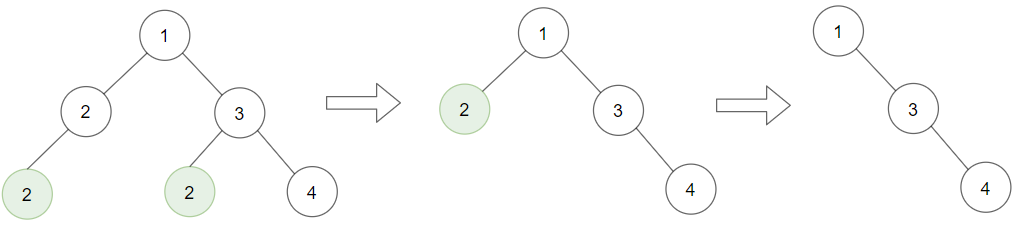
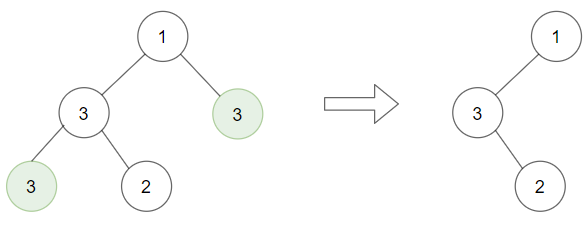
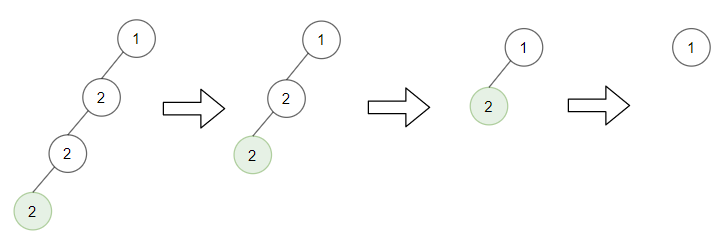

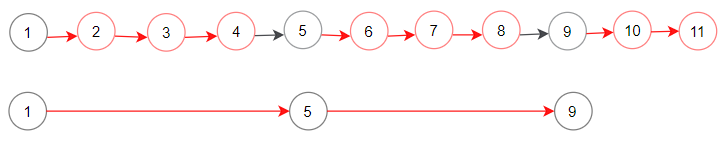
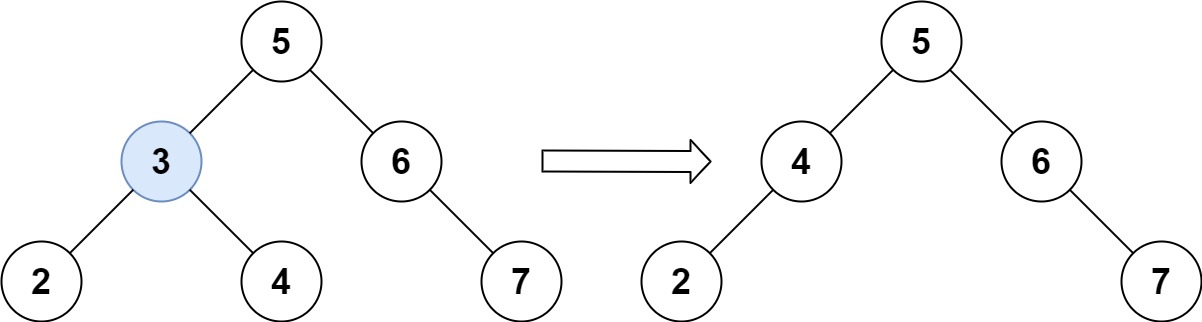
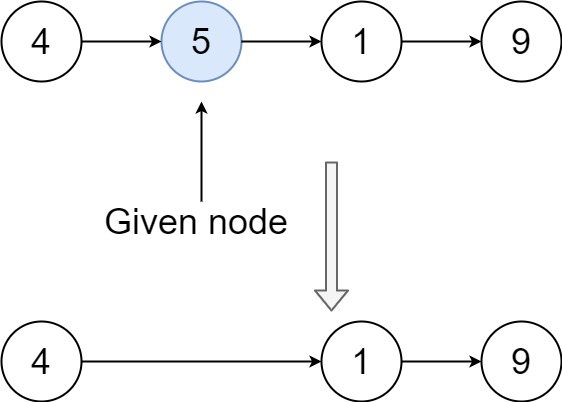
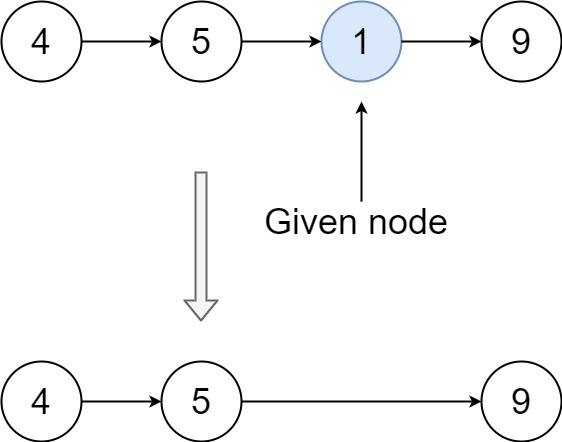
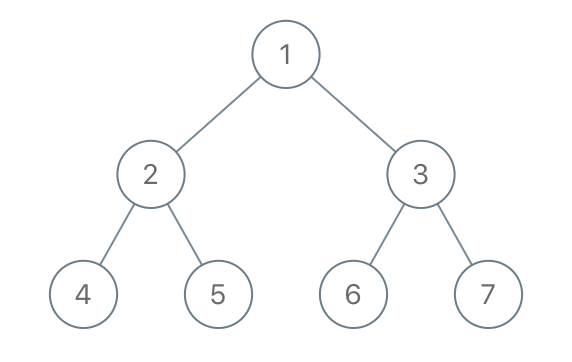


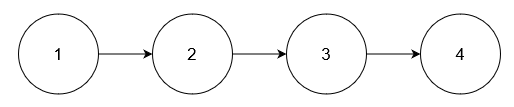
    \
  • The number of nodes is \nodes\;\
  • \
  • The value of the \i\th\\ node is \value\[i]\;\
  • \
  • The parent of the \i\th\\ node is \parent\[i]\.\
  • \
\

Remove every subtree whose sum of values of nodes is zero.\

\

Return \the number of the remaining nodes in the tree\.\

### Examples ![Example 1](https://fastly.jsdelivr.net/gh/doocs/leetcode@main/solution/1200-1299/1273.Delete%20Tree%20Nodes/images/1421_sample_1.png) ``` Input: nodes = 7, parent = [-1,0,0,1,2,2,2], value = [1,-2,4,0,-2,-1,-1] Output: 2 ``` ``` Input: nodes = 7, parent = [-1,0,0,1,2,2,2], value = [1,-2,4,0,-2,-1,-2] Output: 6 ``` ### Constraints * 1 \<= nodes \<= 10^4 * parent.length == nodes * 0 \<= parent\[i] \<= nodes - 1 * parent\[0] == -1 which indicates that 0 is the root. * value.length == nodes * -10^5 \<= value\[i] \<= 10^5 * The given input is \guaranteed\ to represent a \valid tree\. ## Solution Reference implementation from [solution.py on GitHub](https://github.com/wislertt/leetcode-py/blob/main/leetcode/delete_tree_nodes/solution.py), full suite in [test\_solution.py](https://github.com/wislertt/leetcode-py/blob/main/leetcode/delete_tree_nodes/test_solution.py): ```python theme={"theme":{"light":"github-light","dark":"github-dark"}} class Solution: # Time: O(nodes) # Space: O(nodes) def delete_tree_nodes(self, nodes: int, parent: list[int], value: list[int]) -> int: children: list[list[int]] = [[] for _ in range(nodes)] for i in range(1, nodes): children[parent[i]].append(i) # Iterative post-order keeps deep chains within the recursion limit. subtree_sums = [0] * nodes subtree_counts = [0] * nodes stack: list[tuple[int, bool]] = [(0, False)] while stack: node, processed = stack.pop() if processed: total, count = value[node], 1 for child in children[node]: total += subtree_sums[child] count += subtree_counts[child] if total == 0: count = 0 subtree_sums[node], subtree_counts[node] = total, count else: stack.append((node, True)) stack.extend((child, False) for child in children[node]) return subtree_counts[0] ``` ## Complexity | Time | Space | | -------- | -------- | | O(nodes) | O(nodes) | ## Tags # Design a Food Rating System Python Solution Source: https://leetcode-py.wisl.dev/problems/design-a-food-rating-system Tested Python solution for LeetCode 2353 with 15 pytest cases. Generate a practice environment with lcpy. LeetCode 2353, [Medium](/catalog/medium). Topics: [Array](/catalog/topics/array), [Hash Table](/catalog/topics/hash-table), [String](/catalog/topics/string), [Design](/catalog/topics/design), [Heap (Priority Queue)](/catalog/topics/heap-priority-queue), [Ordered Set](/catalog/topics/ordered-set). [View on LeetCode](https://leetcode.com/problems/design-a-food-rating-system/description/). Generate this problem as a practice environment: tested reference solution, 15 [parametrized pytest cases](/practice/testing), and a playground notebook: ```bash theme={"theme":{"light":"github-light","dark":"github-dark"}} lcpy gen -n 2353 # by problem number lcpy gen -s design_a_food_rating_system # by problem name ``` ## Problem Design a food rating system that can do the following: * Modify the rating of a food item listed in the system. * Return the highest-rated food item for a type of cuisine in the system. Implement the `FoodRatings` class: * `FoodRatings(String[] foods, String[] cuisines, int[] ratings)` Initializes the system. The food items are described by `foods`, `cuisines`, and `ratings`, all of which have a length of `n`. * `foods[i]` is the name of the `i`th food, * `cuisines[i]` is the type of cuisine of the `i`th food, and * `ratings[i]` is the initial rating of the `i`th food. * `void changeRating(String food, int newRating)` Changes the rating of the food item with the name `food`. * `String highestRated(String cuisine)` Returns the name of the food item that has the highest rating for the given type of cuisine. If there is a tie, return the item with the **lexicographically smaller** name. Note that a string `x` is lexicographically smaller than string `y` if `x` comes before `y` in dictionary order, that is, either `x` is a prefix of `y`, or if `i` is the first position such that `x[i] != y[i]`, then `x[i]` comes before `y[i]` in alphabetic order. ### Examples ``` Input ["FoodRatings", "highestRated", "highestRated", "changeRating", "highestRated", "changeRating", "highestRated"] [[["kimchi", "miso", "sushi", "moussaka", "ramen", "bulgogi"], ["korean", "japanese", "japanese", "greek", "japanese", "korean"], [9, 12, 8, 15, 14, 7]], ["korean"], ["japanese"], ["sushi", 16], ["japanese"], ["ramen", 16], ["japanese"]] Output [null, "kimchi", "ramen", null, "sushi", null, "ramen"] Explanation foodRatings.highestRated("korean"); // return "kimchi" // "kimchi" is the highest rated korean food with a rating of 9. foodRatings.highestRated("japanese"); // return "ramen" // "ramen" is the highest rated japanese food with a rating of 14. foodRatings.changeRating("sushi", 16); // "sushi" now has a rating of 16. foodRatings.highestRated("japanese"); // return "sushi" foodRatings.changeRating("ramen", 16); // "ramen" now has a rating of 16. foodRatings.highestRated("japanese"); // return "ramen" // Both "sushi" and "ramen" have a rating of 16. // However, "ramen" is lexicographically smaller than "sushi". ``` ### Constraints * `1 <= n <= 2 * 10^4` * `n == foods.length == cuisines.length == ratings.length` * `1 <= foods[i].length, cuisines[i].length <= 10` * `foods[i]`, `cuisines[i]` consist of lowercase English letters. * `1 <= ratings[i] <= 10^8` * All the strings in `foods` are **distinct**. * `food` will be the name of a food item in the system across all calls to `changeRating`. * `cuisine` will be a type of cuisine of **at least one** food item in the system across all calls to `highestRated`. * At most `2 * 10^4` calls **in total** will be made to `changeRating` and `highestRated`. ## Solution Reference implementation from [solution.py on GitHub](https://github.com/wislertt/leetcode-py/blob/main/leetcode/design_a_food_rating_system/solution.py), full suite in [test\_solution.py](https://github.com/wislertt/leetcode-py/blob/main/leetcode/design_a_food_rating_system/test_solution.py): ```python theme={"theme":{"light":"github-light","dark":"github-dark"}} import heapq class FoodRatings: # Time: init O(n), change_rating O(log n), highest_rated amortized O(log n) # Space: O(n) for the rating/cuisine maps and one lazy heap per cuisine def __init__(self, foods: list[str], cuisines: list[str], ratings: list[int]) -> None: self.rating: dict[str, int] = dict(zip(foods, ratings, strict=True)) self.cuisine = dict(zip(foods, cuisines, strict=True)) self.heaps: dict[str, list[tuple[int, str]]] = {} for food, cuisine, rating in zip(foods, cuisines, ratings, strict=True): self.heaps.setdefault(cuisine, []).append((-rating, food)) for heap in self.heaps.values(): heapq.heapify(heap) # Time: O(log n) # Space: O(1) amortized (each pushed entry is popped at most once) def change_rating(self, food: str, new_rating: int) -> None: self.rating[food] = new_rating # The old entry for this food is left behind as stale; highest_rated # discards entries whose rating no longer matches the current one. heapq.heappush(self.heaps[self.cuisine[food]], (-new_rating, food)) # Time: O(log n) amortized # Space: O(1) def highest_rated(self, cuisine: str) -> str: heap = self.heaps[cuisine] while True: neg_rating, food = heap[0] if -neg_rating == self.rating[food]: return food heapq.heappop(heap) ``` ## Complexity | Time | Space | | --------------------------------------------------------------------- | -------------------------------------------------------------- | | init O(n), change\_rating O(log n), highest\_rated amortized O(log n) | O(n) for the rating/cuisine maps and one lazy heap per cuisine | ## Tags [NeetCode All](/catalog/neetcode). # Design A Leaderboard Python Solution Source: https://leetcode-py.wisl.dev/problems/design-a-leaderboard Tested Python solution for LeetCode 1244 with 15 pytest cases. Generate a practice environment with lcpy. LeetCode 1244, [Medium](/catalog/medium). Topics: [Design](/catalog/topics/design), [Hash Table](/catalog/topics/hash-table), [Sorting](/catalog/topics/sorting). [View on LeetCode](https://leetcode.com/problems/design-a-leaderboard/description/). Generate this problem as a practice environment: tested reference solution, 15 [parametrized pytest cases](/practice/testing), and a playground notebook: ```bash theme={"theme":{"light":"github-light","dark":"github-dark"}} lcpy gen -n 1244 # by problem number lcpy gen -s design_a_leaderboard # by problem name ``` ## Problem Design a Leaderboard class, which has 3 functions: * `addScore(playerId, score)`: Update the leaderboard by adding `score` to the given player's score. If there is no player with such id in the leaderboard, add him to the leaderboard with the given `score`. * `top(K)`: Return the score sum of the top `K` players. * `reset(playerId)`: Reset the score of the player with the given id to 0 (in other words erase it from the leaderboard). It is guaranteed that the player was added to the leaderboard before calling this function. Initially, the leaderboard is empty. ### Examples ``` Input: ["Leaderboard","addScore","addScore","addScore","addScore","addScore","top","reset","reset","addScore","top"] [[],[1,73],[2,56],[3,39],[4,51],[5,4],[1],[1],[2],[2,51],[3]] Output: [null,null,null,null,null,null,73,null,null,null,141] Explanation Leaderboard leaderboard = new Leaderboard(); leaderboard.addScore(1,73); // leaderboard = [[1,73]]; leaderboard.addScore(2,56); // leaderboard = [[1,73],[2,56]]; leaderboard.addScore(3,39); // leaderboard = [[1,73],[2,56],[3,39]]; leaderboard.addScore(4,51); // leaderboard = [[1,73],[2,56],[3,39],[4,51]]; leaderboard.addScore(5,4); // leaderboard = [[1,73],[2,56],[3,39],[4,51],[5,4]]; leaderboard.top(1); // returns 73; leaderboard.reset(1); // leaderboard = [[2,56],[3,39],[4,51],[5,4]]; leaderboard.reset(2); // leaderboard = [[3,39],[4,51],[5,4]]; leaderboard.addScore(2,51); // leaderboard = [[2,51],[3,39],[4,51],[5,4]]; leaderboard.top(3); // returns 141 = 51 + 51 + 39; ``` ### Constraints * `1 <= playerId, K <= 10^4` * It's guaranteed that `K` is less than or equal to the current number of players. * `1 <= score <= 100` * At most `1000` function calls will be made. ## Solution Reference implementation from [solution.py on GitHub](https://github.com/wislertt/leetcode-py/blob/main/leetcode/design_a_leaderboard/solution.py), full suite in [test\_solution.py](https://github.com/wislertt/leetcode-py/blob/main/leetcode/design_a_leaderboard/test_solution.py): ```python theme={"theme":{"light":"github-light","dark":"github-dark"}} import heapq class Leaderboard: # Time: add_score O(1), top O(n log k), reset O(1) # Space: O(n) where n is the number of players on the leaderboard def __init__(self) -> None: self.scores: dict[int, int] = {} # Time: O(1) # Space: O(1) def add_score(self, player_id: int, score: int) -> None: self.scores[player_id] = self.scores.get(player_id, 0) + score # Time: O(n log k) # Space: O(k) def top(self, k: int) -> int: return sum(heapq.nlargest(k, self.scores.values())) # Time: O(1) # Space: O(1) def reset(self, player_id: int) -> None: del self.scores[player_id] ``` ## Complexity | Time | Space | | ------------------------------------------- | -------------------------------------------------------- | | add\_score O(1), top O(n log k), reset O(1) | O(n) where n is the number of players on the leaderboard | ## Tags [NeetCode All](/catalog/neetcode). # Design Add and Search Words Data Structure Source: https://leetcode-py.wisl.dev/problems/design-add-and-search-words-data-structure Tested Python solution for LeetCode 211 with 13 pytest cases. Generate a practice environment with lcpy. LeetCode 211, [Medium](/catalog/medium). Topics: [String](/catalog/topics/string), [Depth-First Search](/catalog/topics/depth-first-search), [Design](/catalog/topics/design), [Trie](/catalog/topics/trie). [View on LeetCode](https://leetcode.com/problems/design-add-and-search-words-data-structure/description/). Generate this problem as a practice environment: tested reference solution, 13 [parametrized pytest cases](/practice/testing), and a playground notebook: ```bash theme={"theme":{"light":"github-light","dark":"github-dark"}} lcpy gen -n 211 # by problem number lcpy gen -s design_add_and_search_words_data_structure # by problem name ``` ## Problem Design a data structure that supports adding new words and finding if a string matches any previously added string. Implement the `WordDictionary` class: * `WordDictionary()` Initializes the object. * `void addWord(word)` Adds `word` to the data structure, it can be matched later. * `bool search(word)` Returns `true` if there is any string in the data structure that matches `word` or `false` otherwise. `word` may contain dots `'.'` where dots can be matched with any letter. ### Examples ``` Input ["WordDictionary","addWord","addWord","addWord","search","search","search","search"] [[],["bad"],["dad"],["mad"],["pad"],["bad"],[".ad"],["b.."]] Output [null,null,null,null,false,true,true,true] Explanation WordDictionary wordDictionary = new WordDictionary(); wordDictionary.addWord("bad"); wordDictionary.addWord("dad"); wordDictionary.addWord("mad"); wordDictionary.search("pad"); // return False wordDictionary.search("bad"); // return True wordDictionary.search(".ad"); // return True wordDictionary.search("b.."); // return True ``` ### Constraints * `1 <= word.length <= 25` * `word` in `addWord` consists of lowercase English letters. * `word` in `search` consist of `'.'` or lowercase English letters. * There will be at most `2` dots in `word` for `search` queries. * At most `10^4` calls will be made to `addWord` and `search`. ## Solution Reference implementation from [solution.py on GitHub](https://github.com/wislertt/leetcode-py/blob/main/leetcode/design_add_and_search_words_data_structure/solution.py), full suite in [test\_solution.py](https://github.com/wislertt/leetcode-py/blob/main/leetcode/design_add_and_search_words_data_structure/test_solution.py): ```python theme={"theme":{"light":"github-light","dark":"github-dark"}} from typing import Any class WordDictionary: # Time: O(1) # Space: O(1) def __init__(self) -> None: self.root: dict[str, Any] = {} # Time: O(m) where m = len(word) # Space: O(m) for new word def add_word(self, word: str) -> None: node = self.root for char in word: if char not in node: node[char] = {} node = node[char] node["#"] = True # Time: O(n * 26^k) where n = len(word), k = number of dots # Space: O(n) for recursion stack def search(self, word: str) -> bool: def dfs(i: int, node: dict[str, Any]) -> bool: if i == len(word): return "#" in node char = word[i] if char == ".": return any(key != "#" and dfs(i + 1, node[key]) for key in node) else: return char in node and dfs(i + 1, node[char]) return dfs(0, self.root) ``` ## Complexity | Time | Space | | ---- | ----- | | O(1) | O(1) | ## Tags [Grind](/catalog/grind), [Blind 75](/catalog/blind-75), [NeetCode 150](/catalog/neetcode-150), [NeetCode 250](/catalog/neetcode-250), [NeetCode All](/catalog/neetcode). # Design Browser History Python Solution Source: https://leetcode-py.wisl.dev/problems/design-browser-history Tested Python solution for LeetCode 1472 with 18 pytest cases. Generate a practice environment with lcpy. LeetCode 1472, [Medium](/catalog/medium). Topics: [Array](/catalog/topics/array), [Linked List](/catalog/topics/linked-list), [Stack](/catalog/topics/stack), [Design](/catalog/topics/design), Doubly-Linked List, [Data Stream](/catalog/topics/data-stream). [View on LeetCode](https://leetcode.com/problems/design-browser-history/description/). Generate this problem as a practice environment: tested reference solution, 18 [parametrized pytest cases](/practice/testing), and a playground notebook: ```bash theme={"theme":{"light":"github-light","dark":"github-dark"}} lcpy gen -n 1472 # by problem number lcpy gen -s design_browser_history # by problem name ``` ## Problem You have a **browser** of one tab where you start on the `homepage` and you can visit another `url`, get back in the history number of `steps` or move forward in the history number of `steps`. Implement the `BrowserHistory` class: * `BrowserHistory(string homepage)` Initializes the object with the `homepage` of the browser. * `void visit(string url)` Visits `url` from the current page. It clears up all the forward history. * `string back(int steps)` Move `steps` back in history. If you can only return `x` steps in the history and `steps > x`, you will return only `x` steps. Return the current `url` after moving back in history **at most** `steps`. * `string forward(int steps)` Move `steps` forward in history. If you can only forward `x` steps in the history and `steps > x`, you will forward only `x` steps. Return the current `url` after forwarding in history **at most** `steps`. ### Examples ``` Input ["BrowserHistory","visit","visit","visit","back","back","forward","visit","forward","back","back"] [["leetcode.com"],["google.com"],["facebook.com"],["youtube.com"],[1],[1],[1],["linkedin.com"],[2],[2],[7]] Output [null,null,null,null,"facebook.com","google.com","facebook.com",null,"linkedin.com","google.com","leetcode.com"] ``` **Explanation:** ``` BrowserHistory browserHistory = new BrowserHistory("leetcode.com"); browserHistory.visit("google.com"); // You are in "leetcode.com". Visit "google.com" browserHistory.visit("facebook.com"); // You are in "google.com". Visit "facebook.com" browserHistory.visit("youtube.com"); // You are in "facebook.com". Visit "youtube.com" browserHistory.back(1); // You are in "youtube.com", move back to "facebook.com" return "facebook.com" browserHistory.back(1); // You are in "facebook.com", move back to "google.com" return "google.com" browserHistory.forward(1); // You are in "google.com", move forward to "facebook.com" return "facebook.com" browserHistory.visit("linkedin.com"); // You are in "facebook.com". Visit "linkedin.com" browserHistory.forward(2); // You are in "linkedin.com", you cannot move forward any steps. browserHistory.back(2); // You are in "linkedin.com", move back two steps to "facebook.com" then to "google.com". return "google.com" browserHistory.back(7); // You are in "google.com", you can move back only one step to "leetcode.com". return "leetcode.com" ``` ### Constraints * `1 <= homepage.length <= 20` * `1 <= url.length <= 20` * `1 <= steps <= 100` * `homepage` and `url` consist of `'.'` or lower case English letters. * At most `5000` calls will be made to `visit`, `back`, and `forward`. ## Solution Reference implementation from [solution.py on GitHub](https://github.com/wislertt/leetcode-py/blob/main/leetcode/design_browser_history/solution.py), full suite in [test\_solution.py](https://github.com/wislertt/leetcode-py/blob/main/leetcode/design_browser_history/test_solution.py): ```python theme={"theme":{"light":"github-light","dark":"github-dark"}} class BrowserHistory: # Time: __init__ O(1), visit O(n), back O(steps), forward O(steps) # Space: O(n) def __init__(self, homepage: str) -> None: self.history: list[str] = [homepage] self.cur = 0 def visit(self, url: str) -> None: del self.history[self.cur + 1 :] self.history.append(url) self.cur += 1 def back(self, steps: int) -> str: self.cur = max(0, self.cur - steps) return self.history[self.cur] def forward(self, steps: int) -> str: self.cur = min(len(self.history) - 1, self.cur + steps) return self.history[self.cur] ``` ## Complexity | Time | Space | | ---------------------------------------------------------- | ----- | | **init** O(1), visit O(n), back O(steps), forward O(steps) | O(n) | ## Tags [NeetCode All](/catalog/neetcode). # Design Circular Deque Python Solution Source: https://leetcode-py.wisl.dev/problems/design-circular-deque Tested Python solution for LeetCode 641 with 16 pytest cases. Generate a practice environment with lcpy. LeetCode 641, [Medium](/catalog/medium). Topics: [Array](/catalog/topics/array), [Linked List](/catalog/topics/linked-list), [Design](/catalog/topics/design), [Queue](/catalog/topics/queue). [View on LeetCode](https://leetcode.com/problems/design-circular-deque/description/). Generate this problem as a practice environment: tested reference solution, 16 [parametrized pytest cases](/practice/testing), and a playground notebook: ```bash theme={"theme":{"light":"github-light","dark":"github-dark"}} lcpy gen -n 641 # by problem number lcpy gen -s design_circular_deque # by problem name ``` ## Problem Design your implementation of the circular double-ended queue (deque). Implement the `MyCircularDeque` class: * `MyCircularDeque(int k)` Initializes the deque with a maximum size of `k`. * `boolean insertFront()` Adds an item at the front of Deque. Returns `true` if the operation is successful, or `false` otherwise. * `boolean insertLast()` Adds an item at the rear of Deque. Returns `true` if the operation is successful, or `false` otherwise. * `boolean deleteFront()` Deletes an item from the front of Deque. Returns `true` if the operation is successful, or `false` otherwise. * `boolean deleteLast()` Deletes an item from the rear of Deque. Returns `true` if the operation is successful, or `false` otherwise. * `int getFront()` Returns the front item from the Deque. Returns `-1` if the deque is empty. * `int getRear()` Returns the last item from Deque. Returns `-1` if the deque is empty. * `boolean isEmpty()` Returns `true` if the deque is empty, or `false` otherwise. * `boolean isFull()` Returns `true` if the deque is full, or `false` otherwise. ### Examples ``` Input ["MyCircularDeque", "insertLast", "insertLast", "insertFront", "insertFront", "getRear", "isFull", "deleteLast", "insertFront", "getFront"] [[3], [1], [2], [3], [4], [], [], [], [4], []] Output [null, true, true, true, false, 2, true, true, true, 4] Explanation MyCircularDeque myCircularDeque = new MyCircularDeque(3); myCircularDeque.insertLast(1); // return True myCircularDeque.insertLast(2); // return True myCircularDeque.insertFront(3); // return True myCircularDeque.insertFront(4); // return False, the queue is full. myCircularDeque.getRear(); // return 2 myCircularDeque.isFull(); // return True myCircularDeque.deleteLast(); // return True myCircularDeque.insertFront(4); // return True myCircularDeque.getFront(); // return 4 ``` ### Constraints * `1 <= k <= 1000` * `0 <= value <= 1000` * At most `2000` calls will be made to `insertFront`, `insertLast`, `deleteFront`, `deleteLast`, `getFront`, `getRear`, `isEmpty`, `isFull`. ## Solution Reference implementation from [solution.py on GitHub](https://github.com/wislertt/leetcode-py/blob/main/leetcode/design_circular_deque/solution.py), full suite in [test\_solution.py](https://github.com/wislertt/leetcode-py/blob/main/leetcode/design_circular_deque/test_solution.py): ```python theme={"theme":{"light":"github-light","dark":"github-dark"}} class MyCircularDeque: # Fixed-size ring buffer: head is the front slot, size tracks occupancy. # All operations are O(1) time and the buffer holds at most k ints. def __init__(self, k: int) -> None: self.buf: list[int] = [-1] * k self.capacity = k self.size = 0 self.head = 0 def insert_front(self, value: int) -> bool: if self.is_full(): return False self.head = (self.head - 1) % self.capacity self.buf[self.head] = value self.size += 1 return True def insert_last(self, value: int) -> bool: if self.is_full(): return False self.buf[(self.head + self.size) % self.capacity] = value self.size += 1 return True def delete_front(self) -> bool: if self.is_empty(): return False self.head = (self.head + 1) % self.capacity self.size -= 1 return True def delete_last(self) -> bool: if self.is_empty(): return False self.size -= 1 return True def get_front(self) -> int: if self.is_empty(): return -1 return self.buf[self.head] def get_rear(self) -> int: if self.is_empty(): return -1 return self.buf[(self.head + self.size - 1) % self.capacity] def is_empty(self) -> bool: return self.size == 0 def is_full(self) -> bool: return self.size == self.capacity ``` ## Complexity | Time | Space | | ---- | ----- | | - | - | ## Tags # Design Circular Queue Python Solution Source: https://leetcode-py.wisl.dev/problems/design-circular-queue Tested Python solution for LeetCode 622 with 15 pytest cases. Generate a practice environment with lcpy. LeetCode 622, [Medium](/catalog/medium). Topics: [Array](/catalog/topics/array), [Linked List](/catalog/topics/linked-list), [Design](/catalog/topics/design), [Queue](/catalog/topics/queue). [View on LeetCode](https://leetcode.com/problems/design-circular-queue/description/). Generate this problem as a practice environment: tested reference solution, 15 [parametrized pytest cases](/practice/testing), and a playground notebook: ```bash theme={"theme":{"light":"github-light","dark":"github-dark"}} lcpy gen -n 622 # by problem number lcpy gen -s design_circular_queue # by problem name ``` ## Problem Design your implementation of the circular queue. The circular queue is a linear data structure that operates on the FIFO (First In First Out) principle, with the last position connected back to the first to form a circle (a "Ring Buffer"). Implement the `MyCircularQueue` class: * `MyCircularQueue(k)` Initializes the object with the queue size `k`. * `int Front()` Gets the front item; returns `-1` if empty. * `int Rear()` Gets the last item; returns `-1` if empty. * `boolean enQueue(int value)` Inserts an element. Returns `true` if successful. * `boolean deQueue()` Deletes an element from the queue. Returns `true` if successful. * `boolean isEmpty()` Checks whether the queue is empty. * `boolean isFull()` Checks whether the queue is full. You must solve the problem without using the built-in queue data structure. ### Examples ``` Input ["MyCircularQueue", "enQueue", "enQueue", "enQueue", "enQueue", "Rear", "isFull", "deQueue", "enQueue", "Rear"] [[3], [1], [2], [3], [4], [], [], [], [4], []] Output [null, true, true, true, false, 3, true, true, true, 4] Explanation myCircularQueue = MyCircularQueue(3); myCircularQueue.enQueue(1); // True myCircularQueue.enQueue(2); // True myCircularQueue.enQueue(3); // True myCircularQueue.enQueue(4); // False, queue is full myCircularQueue.Rear(); // 3 myCircularQueue.isFull(); // True myCircularQueue.deQueue(); // True myCircularQueue.enQueue(4); // True myCircularQueue.Rear(); // 4 ``` ### Constraints * 1 \<= k \<= 1000 * 0 \<= value \<= 1000 * At most 3000 calls will be made to enQueue, deQueue, Front, Rear, isEmpty, and isFull. ## Solution Reference implementation from [solution.py on GitHub](https://github.com/wislertt/leetcode-py/blob/main/leetcode/design_circular_queue/solution.py), full suite in [test\_solution.py](https://github.com/wislertt/leetcode-py/blob/main/leetcode/design_circular_queue/test_solution.py): ```python theme={"theme":{"light":"github-light","dark":"github-dark"}} class MyCircularQueue: # Time: O(1) per operation # Space: O(k) def __init__(self, k: int) -> None: self.capacity = k self.data: list[int] = [0] * k self.head = 0 self.size = 0 # Time: O(1) # Space: O(1) def en_queue(self, value: int) -> bool: if self.is_full(): return False tail_index = (self.head + self.size) % self.capacity self.data[tail_index] = value self.size += 1 return True # Time: O(1) # Space: O(1) def de_queue(self) -> bool: if self.is_empty(): return False self.head = (self.head + 1) % self.capacity self.size -= 1 return True # Time: O(1) # Space: O(1) def front(self) -> int: if self.is_empty(): return -1 return self.data[self.head] # Time: O(1) # Space: O(1) def rear(self) -> int: if self.is_empty(): return -1 tail_index = (self.head + self.size - 1) % self.capacity return self.data[tail_index] # Time: O(1) # Space: O(1) def is_empty(self) -> bool: return self.size == 0 # Time: O(1) # Space: O(1) def is_full(self) -> bool: return self.size == self.capacity ``` ## Complexity | Time | Space | | ------------------ | ----- | | O(1) per operation | O(k) | ## Tags [NeetCode 250](/catalog/neetcode-250), [NeetCode All](/catalog/neetcode). # Design Compressed String Iterator Source: https://leetcode-py.wisl.dev/problems/design-compressed-string-iterator Tested Python solution for LeetCode 604 with 12 pytest cases. Generate a practice environment with lcpy. LeetCode 604, [Easy](/catalog/easy). Topics: [Design](/catalog/topics/design), [Array](/catalog/topics/array), [String](/catalog/topics/string), Iterator. [View on LeetCode](https://leetcode.com/problems/design-compressed-string-iterator/description/). Generate this problem as a practice environment: tested reference solution, 12 [parametrized pytest cases](/practice/testing), and a playground notebook: ```bash theme={"theme":{"light":"github-light","dark":"github-dark"}} lcpy gen -n 604 # by problem number lcpy gen -s design_compressed_string_iterator # by problem name ``` ## Problem Design and implement a data structure for a compressed string iterator. The given compressed string will be in the form of each letter followed by a positive integer representing the number of this letter existing in the original uncompressed string. Implement the `StringIterator` class: * `next()` Returns **the next character** if the original string still has uncompressed characters, otherwise returns a **white space**. * `has_next()` Returns true if there is any letter needs to be uncompressed in the original string, otherwise returns `false`. ### Examples ``` Input ["StringIterator", "next", "next", "next", "next", "next", "next", "hasNext", "next", "hasNext"] [["L1e2t1C1o1d1e1"], [], [], [], [], [], [], [], [], []] Output [null, "L", "e", "e", "t", "C", "o", true, "d", true] Explanation StringIterator stringIterator = new StringIterator("L1e2t1C1o1d1e1"); stringIterator.next(); // return "L" stringIterator.next(); // return "e" stringIterator.next(); // return "e" stringIterator.next(); // return "t" stringIterator.next(); // return "C" stringIterator.next(); // return "o" stringIterator.hasNext(); // return True stringIterator.next(); // return "d" stringIterator.hasNext(); // return True ``` ### Constraints * `1 <= compressedString.length <= 1000` * `compressedString` consists of lower-case an upper-case English letters and digits. * The number of a single character repetitions in `compressedString` is in the range `[1, 10^9]`. * At most `100` calls will be made to `next` and `hasNext`. ## Solution Reference implementation from [solution.py on GitHub](https://github.com/wislertt/leetcode-py/blob/main/leetcode/design_compressed_string_iterator/solution.py), full suite in [test\_solution.py](https://github.com/wislertt/leetcode-py/blob/main/leetcode/design_compressed_string_iterator/test_solution.py): ```python theme={"theme":{"light":"github-light","dark":"github-dark"}} class StringIterator: # Time: next/has_next O(1) amortized # Space: O(k) for k letter-count pairs def __init__(self, compressed_string: str) -> None: self.pairs: list[tuple[str, int]] = [] i = 0 while i < len(compressed_string): ch = compressed_string[i] i += 1 num = 0 while i < len(compressed_string) and compressed_string[i].isdigit(): num = num * 10 + int(compressed_string[i]) i += 1 self.pairs.append((ch, num)) self.idx = 0 def next(self) -> str: if self.idx >= len(self.pairs): return " " ch = self.pairs[self.idx][0] ch, count = self.pairs[self.idx] if count == 1: self.idx += 1 else: self.pairs[self.idx] = (ch, count - 1) return ch def has_next(self) -> bool: return self.idx < len(self.pairs) ``` ## Complexity | Time | Space | | ----------------------------- | ----------------------------- | | next/has\_next O(1) amortized | O(k) for k letter-count pairs | ## Tags [NeetCode All](/catalog/neetcode). # Design Excel Sum Formula Python Solution Source: https://leetcode-py.wisl.dev/problems/design-excel-sum-formula Tested Python solution for LeetCode 631 with 12 pytest cases. Generate a practice environment with lcpy. LeetCode 631, [Hard](/catalog/hard). Topics: [Graph](/catalog/topics/graph), [Design](/catalog/topics/design), [Topological Sort](/catalog/topics/topological-sort), [Array](/catalog/topics/array), [Hash Table](/catalog/topics/hash-table), [String](/catalog/topics/string), [Matrix](/catalog/topics/matrix). [View on LeetCode](https://leetcode.com/problems/design-excel-sum-formula/description/). Generate this problem as a practice environment: tested reference solution, 12 [parametrized pytest cases](/practice/testing), and a playground notebook: ```bash theme={"theme":{"light":"github-light","dark":"github-dark"}} lcpy gen -n 631 # by problem number lcpy gen -s design_excel_sum_formula # by problem name ``` ## Problem Design the basic function of **Excel** and implement the function of the sum formula. Implement the `Excel` class: * `Excel(int height, char width)` Initializes the object with the `height` and the `width` of the sheet. The sheet is an integer matrix `mat` of size `height x width` with the row index in the range `[1, height]` and the column index in the range `['A', width]`. All the values should be **zero** initially. * `void set(int row, char column, int val)` Changes the value at `mat[row][column]` to be `val`. * `int get(int row, char column)` Returns the value at `mat[row][column]`. * `int sum(int row, char column, List numbers)` Sets the value at `mat[row][column]` to be the sum of cells represented by `numbers` and returns the value at `mat[row][column]`. This sum formula **should exist** until this cell is overlapped by another value or another sum formula. `numbers[i]` could be on the format: * `"ColRow"` that represents a single cell. For example, `"F7"` represents the cell `mat[7]['F']`. * `"ColRow1:ColRow2"` that represents a range of cells. The range will always be a rectangle where `"ColRow1"` represents the position of the top-left cell, and `"ColRow2"` represents the position of the bottom-right cell. **Note:** You could assume that there will not be any circular sum reference. ### Examples ``` Input ["Excel", "set", "sum", "set", "get"] [[3, "C"], [1, "A", 2], [3, "C", ["A1", "A1:B2"]], [2, "B", 2], [3, "C"]] Output [null, null, 4, null, 6] Explanation Excel excel = new Excel(3, "C"); excel.set(1, "A", 2); excel.sum(3, "C", ["A1", "A1:B2"]); // return 4 excel.set(2, "B", 2); excel.get(3, "C"); // return 6 ``` ### Constraints * `1 <= height <= 26` * `'A' <= width <= 'Z'` * `1 <= row <= height` * `'A' <= column <= width` * `-100 <= val <= 100` * `1 <= numbers.length <= 5` * `numbers[i]` has the format `"ColRow"` or `"ColRow1:ColRow2"`. * At most `100` calls will be made to `set`, `get`, and `sum`. ## Solution Reference implementation from [solution.py on GitHub](https://github.com/wislertt/leetcode-py/blob/main/leetcode/design_excel_sum_formula/solution.py), full suite in [test\_solution.py](https://github.com/wislertt/leetcode-py/blob/main/leetcode/design_excel_sum_formula/test_solution.py): ```python theme={"theme":{"light":"github-light","dark":"github-dark"}} class Excel: # Time: get/sum O(reachable formula graph) per call # Space: O(height * width) def __init__(self, height: int, width: str) -> None: self.height = height self.width = ord(width) - 64 self.contents: dict[tuple[int, int], int | list[str]] = {} def set(self, row: int, column: str, val: int) -> None: self.contents[(row, ord(column) - 64)] = val def get(self, row: int, column: str) -> int: return self._value(row, ord(column) - 64) def sum(self, row: int, column: str, numbers: list[str]) -> int: self.contents[(row, ord(column) - 64)] = numbers return self._value(row, ord(column) - 64) def _value(self, row: int, col: int) -> int: content = self.contents.get((row, col)) if content is None: return 0 if isinstance(content, int): return content return sum(self._parse(token) for token in content) def _parse(self, token: str) -> int: if ":" not in token: return self._value(int(token[1:]), ord(token[0]) - 64) top_left, bottom_right = token.split(":") r1, r2 = int(top_left[1:]), int(bottom_right[1:]) c1, c2 = ord(top_left[0]) - 64, ord(bottom_right[0]) - 64 return sum(self._value(r, c) for r in range(r1, r2 + 1) for c in range(c1, c2 + 1)) ``` ## Complexity | Time | Space | | ------------------------------------------- | ------------------ | | get/sum O(reachable formula graph) per call | O(height \* width) | ## Tags [NeetCode All](/catalog/neetcode). # Design File System Python Solution with Tests Source: https://leetcode-py.wisl.dev/problems/design-file-system Tested Python solution for LeetCode 1166 with 14 pytest cases. Generate a practice environment with lcpy. LeetCode 1166, [Medium](/catalog/medium). Topics: [Design](/catalog/topics/design), [Trie](/catalog/topics/trie), [Hash Table](/catalog/topics/hash-table), [String](/catalog/topics/string). [View on LeetCode](https://leetcode.com/problems/design-file-system/description/). Generate this problem as a practice environment: tested reference solution, 14 [parametrized pytest cases](/practice/testing), and a playground notebook: ```bash theme={"theme":{"light":"github-light","dark":"github-dark"}} lcpy gen -n 1166 # by problem number lcpy gen -s design_file_system # by problem name ``` ## Problem You are asked to design a file system that allows you to create new paths and associate them with different values. The format of a path is one or more concatenated strings of the form: `/` followed by one or more lowercase English letters. For example, `'/leetcode'` and `'/leetcode/problems'` are valid paths while an empty string `''` and `'/'` are not. Implement the `FileSystem` class: * `bool createPath(string path, int value)` Creates a new `path` and associates a `value` to it if possible and returns `true`. Returns `false` if the path **already exists** or its parent path **doesn't exist**. * `int get(string path)` Returns the value associated with `path` or returns `-1` if the path doesn't exist. ### Examples ``` Input: ["FileSystem","createPath","get"] [[],["/a",1],["/a"]] Output: [null,true,1] Explanation: FileSystem fileSystem = new FileSystem(); fileSystem.createPath("/a", 1); // return true fileSystem.get("/a"); // return 1 ``` ``` Input: ["FileSystem","createPath","createPath","get","createPath","get"] [[],["/leet",1],["/leet/code",2],["/leet/code"],["/c/d",1],["/c"]] Output: [null,true,true,2,false,-1] Explanation: FileSystem fileSystem = new FileSystem(); fileSystem.createPath("/leet", 1); // return true fileSystem.createPath("/leet/code", 2); // return true fileSystem.get("/leet/code"); // return 2 fileSystem.createPath("/c/d", 1); // return false because the parent path "/c" doesn't exist. fileSystem.get("/c"); // return -1 because this path doesn't exist. ``` ### Constraints * `2 <= path.length <= 100` * `1 <= value <= 10^9` * Each `path` is **valid** and consists of lowercase English letters and `'/'`. * At most `10^4` calls **in total** will be made to `createPath` and `get`. ## Solution Reference implementation from [solution.py on GitHub](https://github.com/wislertt/leetcode-py/blob/main/leetcode/design_file_system/solution.py), full suite in [test\_solution.py](https://github.com/wislertt/leetcode-py/blob/main/leetcode/design_file_system/test_solution.py): ```python theme={"theme":{"light":"github-light","dark":"github-dark"}} class FileSystem: # Time: create_path O(n), get O(n), where n is the number of path segments # Space: O(total number of segments across created paths) def __init__(self) -> None: self.paths: dict[str, int] = {} def create_path(self, path: str, value: int) -> bool: if path in self.paths: return False parent = path.rsplit("/", 1)[0] if parent and parent not in self.paths: return False self.paths[path] = value return True def get(self, path: str) -> int: return self.paths.get(path, -1) ``` ## Complexity | Time | Space | | ------------------------------------------------------------------- | ------------------------------------------------ | | create\_path O(n), get O(n), where n is the number of path segments | O(total number of segments across created paths) | ## Tags [NeetCode All](/catalog/neetcode). # Design HashMap Python Solution with Tests Source: https://leetcode-py.wisl.dev/problems/design-hash-map Tested Python solution for LeetCode 706 with 13 pytest cases. Generate a practice environment with lcpy. LeetCode 706, [Easy](/catalog/easy). Topics: [Array](/catalog/topics/array), [Hash Table](/catalog/topics/hash-table), [Linked List](/catalog/topics/linked-list), [Design](/catalog/topics/design), [Hash Function](/catalog/topics/hash-function). [View on LeetCode](https://leetcode.com/problems/design-hash-map/description/). Generate this problem as a practice environment: tested reference solution, 13 [parametrized pytest cases](/practice/testing), and a playground notebook: ```bash theme={"theme":{"light":"github-light","dark":"github-dark"}} lcpy gen -n 706 # by problem number lcpy gen -s design_hash_map # by problem name ``` ## Problem Design a HashMap without using any built-in hash table libraries. Implement the `MyHashMap` class: * `MyHashMap()` initializes the object with an empty map. * `void put(int key, int value)` inserts a `(key, value)` pair into the HashMap. If the `key` already exists in the map, update the corresponding `value`. * `int get(int key)` returns the `value` to which the specified `key` is mapped, or `-1` if this map contains no mapping for the `key`. * `void remove(key)` removes the `key` and its corresponding `value` if the map contains the mapping for the `key`. ### Examples ``` Input ["MyHashMap", "put", "put", "get", "get", "put", "get", "remove", "get"] [[], [1, 1], [2, 2], [1], [3], [2, 1], [2], [2], [2]] Output [null, null, null, 1, -1, null, 1, null, -1] Explanation MyHashMap myHashMap = new MyHashMap(); myHashMap.put(1, 1); // The map is now [[1,1]] myHashMap.put(2, 2); // The map is now [[1,1], [2,2]] myHashMap.get(1); // return 1 myHashMap.get(3); // return -1 (not found) myHashMap.put(2, 1); // The map is now [[1,1], [2,1]] (update) myHashMap.get(2); // return 1 myHashMap.remove(2); // remove the mapping for 2, The map is now [[1,1]] myHashMap.get(2); // return -1 (not found) ``` ### Constraints * 0 \<= key, value \<= 10^6 * At most 10^4 calls will be made to `put`, `get`, and `remove`. ## Solution Reference implementation from [solution.py on GitHub](https://github.com/wislertt/leetcode-py/blob/main/leetcode/design_hash_map/solution.py), full suite in [test\_solution.py](https://github.com/wislertt/leetcode-py/blob/main/leetcode/design_hash_map/test_solution.py): ```python theme={"theme":{"light":"github-light","dark":"github-dark"}} class MyHashMap: # Time: O(n) init, O(1) ops # Space: O(n) def __init__(self) -> None: # Problem guarantees 0 <= key, value <= 10^6; -1 marks "no mapping". self._values: list[int] = [-1] * 1_000_001 # Time: O(1) # Space: O(1) def put(self, key: int, value: int) -> None: self._values[key] = value # Time: O(1) # Space: O(1) def get(self, key: int) -> int: return self._values[key] # Time: O(1) # Space: O(1) def remove(self, key: int) -> None: self._values[key] = -1 ``` ## Complexity | Time | Space | | ------------------- | ----- | | O(n) init, O(1) ops | O(n) | ## Tags [NeetCode 250](/catalog/neetcode-250), [NeetCode All](/catalog/neetcode). # Design HashSet Python Solution with Tests Source: https://leetcode-py.wisl.dev/problems/design-hash-set Tested Python solution for LeetCode 705 with 13 pytest cases. Generate a practice environment with lcpy. LeetCode 705, [Easy](/catalog/easy). Topics: [Array](/catalog/topics/array), [Hash Table](/catalog/topics/hash-table), [Linked List](/catalog/topics/linked-list), [Design](/catalog/topics/design), [Hash Function](/catalog/topics/hash-function). [View on LeetCode](https://leetcode.com/problems/design-hash-set/description/). Generate this problem as a practice environment: tested reference solution, 13 [parametrized pytest cases](/practice/testing), and a playground notebook: ```bash theme={"theme":{"light":"github-light","dark":"github-dark"}} lcpy gen -n 705 # by problem number lcpy gen -s design_hash_set # by problem name ``` ## Problem Design a HashSet without using any built-in hash table libraries. Implement the `MyHashSet` class: * `void add(key)` Inserts the value `key` into the HashSet. * `bool contains(key)` Returns whether the value `key` exists in the HashSet or not. * `void remove(key)` Removes the value `key` in the HashSet. If `key` does not exist in the HashSet, do nothing. ### Examples ``` Input ["MyHashSet", "add", "add", "contains", "contains", "add", "contains", "remove", "contains"] [[], [1], [2], [1], [3], [2], [2], [2], [2]] Output [null, null, null, true, false, null, true, null, false] Explanation MyHashSet myHashSet = new MyHashSet(); myHashSet.add(1); // set = [1] myHashSet.add(2); // set = [1, 2] myHashSet.contains(1); // return True myHashSet.contains(3); // return False, (not found) myHashSet.add(2); // set = [1, 2] myHashSet.contains(2); // return True myHashSet.remove(2); // set = [1] myHashSet.contains(2); // return False, (already removed) ``` ### Constraints * 0 \<= key \<= 10^6 * At most 10^4 calls will be made to `add`, `remove`, and `contains`. ## Solution Reference implementation from [solution.py on GitHub](https://github.com/wislertt/leetcode-py/blob/main/leetcode/design_hash_set/solution.py), full suite in [test\_solution.py](https://github.com/wislertt/leetcode-py/blob/main/leetcode/design_hash_set/test_solution.py): ```python theme={"theme":{"light":"github-light","dark":"github-dark"}} class MyHashSet: # Time: O(1) # Space: O(n) def __init__(self) -> None: # Problem guarantees 0 <= key <= 10^6; a direct-address table is simplest. self._present: list[bool] = [False] * 1_000_001 # Time: O(1) # Space: O(1) def add(self, key: int) -> None: self._present[key] = True # Time: O(1) # Space: O(1) def remove(self, key: int) -> None: self._present[key] = False # Time: O(1) # Space: O(1) def contains(self, key: int) -> bool: return self._present[key] ``` ## Complexity | Time | Space | | ---- | ----- | | O(1) | O(n) | ## Tags [NeetCode 250](/catalog/neetcode-250), [NeetCode All](/catalog/neetcode). # Design Hit Counter Python Solution with Tests Source: https://leetcode-py.wisl.dev/problems/design-hit-counter Tested Python solution for LeetCode 362 with 13 pytest cases. Generate a practice environment with lcpy. LeetCode 362, [Medium](/catalog/medium). Topics: [Design](/catalog/topics/design), [Queue](/catalog/topics/queue), [Array](/catalog/topics/array), [Binary Search](/catalog/topics/binary-search), [Data Stream](/catalog/topics/data-stream). [View on LeetCode](https://leetcode.com/problems/design-hit-counter/description/). Generate this problem as a practice environment: tested reference solution, 13 [parametrized pytest cases](/practice/testing), and a playground notebook: ```bash theme={"theme":{"light":"github-light","dark":"github-dark"}} lcpy gen -n 362 # by problem number lcpy gen -s design_hit_counter # by problem name ``` ## Problem Design a hit counter which counts the number of hits received in the past `5` minutes (i.e., the past `300` seconds). Your system should accept a `timestamp` parameter (**in seconds** granularity), and you may assume that calls are being made to the system in chronological order (i.e., `timestamp` is monotonically increasing). Several hits may arrive roughly at the same time. Implement the `HitCounter` class: * `HitCounter()` Initializes the object of the hit counter system. * `void hit(int timestamp)` Records a hit that happened at `timestamp` (**in seconds**). Several hits may happen at the same `timestamp`. * `int getHits(int timestamp)` Returns the number of hits in the past 5 minutes from `timestamp` (i.e., the past `300` seconds). ### Examples ``` Input ["HitCounter", "hit", "hit", "hit", "getHits", "hit", "getHits", "getHits"] [[], [1], [2], [3], [4], [300], [300], [301]] Output [null, null, null, null, 3, null, 4, 3] Explanation HitCounter hitCounter = new HitCounter(); hitCounter.hit(1); // hit at timestamp 1. hitCounter.hit(2); // hit at timestamp 2. hitCounter.hit(3); // hit at timestamp 3. hitCounter.getHits(4); // get hits at timestamp 4, return 3. hitCounter.hit(300); // hit at timestamp 300. hitCounter.getHits(300); // get hits at timestamp 300, return 4. hitCounter.getHits(301); // get hits at timestamp 301, return 3. ``` ### Constraints * `1 <= timestamp <= 2 * 10^9` * All the calls are being made to the system in chronological order (i.e., `timestamp` is monotonically increasing). * At most `300` calls will be made to `hit` and `getHits`. **Follow up:** What if the number of hits per second could be huge? Does your design scale? ## Solution Reference implementation from [solution.py on GitHub](https://github.com/wislertt/leetcode-py/blob/main/leetcode/design_hit_counter/solution.py), full suite in [test\_solution.py](https://github.com/wislertt/leetcode-py/blob/main/leetcode/design_hit_counter/test_solution.py): ```python theme={"theme":{"light":"github-light","dark":"github-dark"}} from collections import deque class HitCounter: # Time: O(1) amortized per hit / get_hits # Space: O(n) where n is number of distinct timestamps in the 300s window def __init__(self) -> None: # Pairs of [timestamp, count] coalesce same-second hits so the counter # scales even when hits per second are huge (follow-up). self.deque: deque[list[int]] = deque() self.total = 0 # Time: O(1) # Space: O(1) def hit(self, timestamp: int) -> None: if self.deque and self.deque[-1][0] == timestamp: self.deque[-1][1] += 1 else: self.deque.append([timestamp, 1]) self.total += 1 # Time: O(1) amortized # Space: O(1) def get_hits(self, timestamp: int) -> int: # A hit at time t stays valid for 300 seconds, i.e. while # t > timestamp - 300. Evict entries that have expired. while self.deque and self.deque[0][0] <= timestamp - 300: _, count = self.deque.popleft() self.total -= count return self.total ``` ## Complexity | Time | Space | | ---------------------------------- | ---------------------------------------------------------------- | | O(1) amortized per hit / get\_hits | O(n) where n is number of distinct timestamps in the 300s window | ## Tags [Grind](/catalog/grind), [NeetCode All](/catalog/neetcode). # Design In-Memory File System Python Solution Source: https://leetcode-py.wisl.dev/problems/design-in-memory-file-system Tested Python solution for LeetCode 588 with 12 pytest cases. Generate a practice environment with lcpy. LeetCode 588, [Hard](/catalog/hard). Topics: [Design](/catalog/topics/design), [Trie](/catalog/topics/trie), [Hash Table](/catalog/topics/hash-table), [String](/catalog/topics/string). [View on LeetCode](https://leetcode.com/problems/design-in-memory-file-system/description/). Generate this problem as a practice environment: tested reference solution, 12 [parametrized pytest cases](/practice/testing), and a playground notebook: ```bash theme={"theme":{"light":"github-light","dark":"github-dark"}} lcpy gen -n 588 # by problem number lcpy gen -s design_in_memory_file_system # by problem name ``` ## Problem Design an in-memory file system to simulate the following functions: `ls`: Given a path in string format. If it is a file path, return a list that only contains this file's name. If it is a directory path, return the list of file and directory names **in this directory**. Your output (file and directory names together) should in **lexicographic order**. `mkdir`: Given a **directory path** that does not exist, you should make a new directory according to the path. If the middle directories in the path don't exist either, you should create them as well. This function has void return type. `addContentToFile`: Given a **file path** and **file content** in string format. If the file doesn't exist, you need to create that file containing given content. If the file already exists, you need to **append** given content to original content. This function has void return type. `readContentFromFile`: Given a **file path**, return its **content** in string format. ### Examples ![filesystem](https://assets.leetcode.com/uploads/2018/10/12/filesystem.png) ``` Input: ["FileSystem","ls","mkdir","addContentToFile","ls","readContentFromFile"] [[],["/"],["a/b/c"],["/a/b/c/d","hello"],["/"],["/a/b/c/d"]] Output: [null,[],null,null,["a"],"hello"] ``` ### Constraints * You can assume all file or directory paths are absolute paths which begin with `/` and do not end with `/` except that the path is just `"/"`. * You can assume that all operations will be passed valid parameters and users will not attempt to retrieve file content or list a directory or file that does not exist. * You can assume that all directory names and file names only contain lower-case letters, and same names won't exist in the same directory. ## Solution Reference implementation from [solution.py on GitHub](https://github.com/wislertt/leetcode-py/blob/main/leetcode/design_in_memory_file_system/solution.py), full suite in [test\_solution.py](https://github.com/wislertt/leetcode-py/blob/main/leetcode/design_in_memory_file_system/test_solution.py): ```python theme={"theme":{"light":"github-light","dark":"github-dark"}} class FileSystem: # Time: O(1) # Space: O(1) def __init__(self) -> None: self.files: dict[str, str] = {} # path -> content self.dirs: set[str] = set() # set of directory paths # Time: O(N + M + K log K) where N = files, M = dirs, K = items in result # Space: O(K) for result set and sorting def ls(self, path: str) -> list[str]: if path in self.files: return [path.split("/")[-1]] items = set() prefix = path + "/" if path != "/" else "/" for file_path in self.files: if file_path.startswith(prefix): remaining = file_path[len(prefix) :] if remaining and "/" not in remaining: items.add(remaining) elif remaining and "/" in remaining: items.add(remaining.split("/")[0]) for dir_path in self.dirs: if dir_path.startswith(prefix): remaining = dir_path[len(prefix) :] if remaining and "/" not in remaining: items.add(remaining) elif remaining and "/" in remaining: items.add(remaining.split("/")[0]) return sorted(items) # Time: O(D) where D = depth of path # Space: O(D) for path parts and directory storage def mkdir(self, path: str) -> None: parts = path.split("/") for i in range(1, len(parts) + 1): dir_path = "/".join(parts[:i]) if dir_path: self.dirs.add(dir_path) # Time: O(D + C) where D = depth of path, C = content length # Space: O(D + C) for path parts and content storage def add_content_to_file(self, file_path: str, content: str) -> None: parts = file_path.split("/") for i in range(1, len(parts)): dir_path = "/".join(parts[:i]) if dir_path: self.dirs.add(dir_path) self.files[file_path] = self.files.get(file_path, "") + content # Time: O(1) # Space: O(1) def read_content_from_file(self, file_path: str) -> str: return self.files.get(file_path, "") ``` ## Complexity | Time | Space | | ---- | ----- | | O(1) | O(1) | ## Tags [Grind](/catalog/grind), [NeetCode All](/catalog/neetcode). # Design Linked List Python Solution with Tests Source: https://leetcode-py.wisl.dev/problems/design-linked-list Tested Python solution for LeetCode 707 with 14 pytest cases. Generate a practice environment with lcpy. LeetCode 707, [Medium](/catalog/medium). Topics: [Linked List](/catalog/topics/linked-list), [Design](/catalog/topics/design). [View on LeetCode](https://leetcode.com/problems/design-linked-list/description/). Generate this problem as a practice environment: tested reference solution, 14 [parametrized pytest cases](/practice/testing), and a playground notebook: ```bash theme={"theme":{"light":"github-light","dark":"github-dark"}} lcpy gen -n 707 # by problem number lcpy gen -s design_linked_list # by problem name ``` ## Problem Design your implementation of the linked list. You can choose to use a singly or doubly linked list. A node in a singly linked list should have two attributes: `val` and `next`. `val` is the value of the current node, and `next` is a pointer/reference to the next node. If you want to use the doubly linked list, you will need one more attribute `prev` to indicate the previous node in the linked list. Assume all nodes in the linked list are 0-indexed. Implement the `MyLinkedList` class: * `MyLinkedList()` Initializes the `MyLinkedList` object. * `int get(index)` Get the value of the `indexth` node in the linked list. If the index is invalid, return `-1`. * `void addAtHead(int val)` Add a node of value `val` before the first element of the linked list. After the insertion, the new node will be the first node of the linked list. * `void addAtTail(int val)` Append a node of value `val` as the last element of the linked list. * `void addAtIndex(int index, int val)` Add a node of value `val` before the `indexth` node in the linked list. If `index` equals the length of the linked list, the node will be appended to the end of the linked list. If `index` is greater than the length, the node will not be inserted. * `void deleteAtIndex(int index)` Delete the `indexth` node in the linked list, if the index is valid. ### Examples ``` Input ["MyLinkedList", "addAtHead", "addAtTail", "addAtIndex", "get", "deleteAtIndex", "get"] [[], [1], [3], [1, 2], [1], [1], [1]] Output [null, null, null, null, 2, null, 3] Explanation MyLinkedList myLinkedList = new MyLinkedList(); myLinkedList.addAtHead(1); myLinkedList.addAtTail(3); myLinkedList.addAtIndex(1, 2); // linked list becomes 1->2->3 myLinkedList.get(1); // return 2 myLinkedList.deleteAtIndex(1); // now the linked list is 1->3 myLinkedList.get(1); // return 3 ``` ### Constraints * 0 \<= index, val \<= 1000 * Please do not use the built-in LinkedList library. * At most 2000 calls will be made to get, addAtHead, addAtTail, addAtIndex and deleteAtIndex. ## Solution Reference implementation from [solution.py on GitHub](https://github.com/wislertt/leetcode-py/blob/main/leetcode/design_linked_list/solution.py), full suite in [test\_solution.py](https://github.com/wislertt/leetcode-py/blob/main/leetcode/design_linked_list/test_solution.py): ```python theme={"theme":{"light":"github-light","dark":"github-dark"}} class _Node: __slots__ = ("next", "val") def __init__(self, val: int = 0, next: "_Node | None" = None) -> None: self.val = val self.next = next class MyLinkedList: # Singly linked list with a sentinel head node # Time: get/add_at_index/delete_at_index O(index), add_at_head O(1), add_at_tail O(n) # Space: O(n) def __init__(self) -> None: self._head = _Node() # sentinel self._size = 0 def _node_before(self, index: int) -> _Node | None: """Return the node preceding position index, or None if invalid.""" if index < 0 or index > self._size: return None node = self._head for _ in range(index): if node.next is not None: node = node.next return node def get(self, index: int) -> int: prev = self._node_before(index) if prev is None or prev.next is None: return -1 return prev.next.val def add_at_head(self, val: int) -> None: self._head.next = _Node(val, self._head.next) self._size += 1 def add_at_tail(self, val: int) -> None: node = self._head while node.next is not None: node = node.next node.next = _Node(val) self._size += 1 def add_at_index(self, index: int, val: int) -> None: if index < 0 or index > self._size: return prev = self._node_before(index) if prev is not None: prev.next = _Node(val, prev.next) self._size += 1 def delete_at_index(self, index: int) -> None: prev = self._node_before(index) if prev is not None and prev.next is not None: prev.next = prev.next.next self._size -= 1 ``` ## Complexity | Time | Space | | ------------------------------------------------------------------------------------- | ----- | | get/add\_at\_index/delete\_at\_index O(index), add\_at\_head O(1), add\_at\_tail O(n) | O(n) | ## Tags [NeetCode All](/catalog/neetcode). # Design Log Storage System Python Solution Source: https://leetcode-py.wisl.dev/problems/design-log-storage-system Tested Python solution for LeetCode 635 with 12 pytest cases. Generate a practice environment with lcpy. LeetCode 635, [Medium](/catalog/medium). Topics: [Design](/catalog/topics/design), [Hash Table](/catalog/topics/hash-table), [String](/catalog/topics/string), [Ordered Set](/catalog/topics/ordered-set). [View on LeetCode](https://leetcode.com/problems/design-log-storage-system/description/). Generate this problem as a practice environment: tested reference solution, 12 [parametrized pytest cases](/practice/testing), and a playground notebook: ```bash theme={"theme":{"light":"github-light","dark":"github-dark"}} lcpy gen -n 635 # by problem number lcpy gen -s design_log_storage_system # by problem name ``` ## Problem You are given several logs, where each log contains a unique ID and timestamp. Timestamp is a string that has the following format: `Year:Month:Day:Hour:Minute:Second`, for example, `2017:01:01:23:59:59`. All domains are zero-padded decimal numbers. Implement the `LogSystem` class: * `LogSystem()` Initializes the `LogSystem` object. * `void put(int id, string timestamp)` Stores the given log `(id, timestamp)` in your storage system. * `int[] retrieve(string start, string end, string granularity)` Returns the IDs of the logs whose timestamps are within the range from `start` to `end` inclusive. `start` and `end` all have the same format as `timestamp`, and `granularity` means how precise the range should be (i.e. to the exact `Day`, `Minute`, etc.). ### Examples ``` Input ["LogSystem", "put", "put", "put", "retrieve", "retrieve"] [[1, "2017:01:01:23:59:59"], ...] Output [null, null, null, null, [3, 2, 1], [2, 1]] Explanation LogSystem logSystem = new LogSystem(); logSystem.put(1, "2017:01:01:23:59:59"); logSystem.put(2, "2017:01:01:22:59:59"); log.put(3, "2016:01:01:00:00:00"); logSystem.retrieve("2016:01:01:01:01:01", "2017:01:01:23:00:00", "Year"); // return [3,2,1], all logs between 2016 and 2017. logSystem.retrieve("2016:01:01:01:01:01", "2017:01:01:23:00:00", "Hour"); // return [2,1] ``` ### Constraints * `1 <= id <= 500` * `2000 <= Year <= 2017` * `1 <= Month <= 12` * `1 <= Day <= 31` * `0 <= Hour <= 23` * `0 <= Minute, Second <= 59` * `granularity` is one of the values `["Year", "Month", "Day", "Hour", "Minute", "Second"]`. * At most `500` calls will be made to `put` and `retrieve`. ## Solution Reference implementation from [solution.py on GitHub](https://github.com/wislertt/leetcode-py/blob/main/leetcode/design_log_storage_system/solution.py), full suite in [test\_solution.py](https://github.com/wislertt/leetcode-py/blob/main/leetcode/design_log_storage_system/test_solution.py): ```python theme={"theme":{"light":"github-light","dark":"github-dark"}} class LogSystem: # Time: retrieve O(n), put O(1) # Space: O(n) def __init__(self) -> None: self.logs: list[tuple[int, str]] = [] self.gran_len = { "Year": 4, "Month": 7, "Day": 10, "Hour": 13, "Minute": 16, "Second": 19, } def put(self, log_id: int, timestamp: str) -> None: self.logs.append((log_id, timestamp)) def retrieve(self, start: str, end: str, granularity: str) -> list[int]: size = self.gran_len[granularity] lo = start[:size] hi = end[:size] return [log_id for log_id, ts in self.logs if lo <= ts[:size] <= hi] ``` ## Complexity | Time | Space | | ----------------------- | ----- | | retrieve O(n), put O(1) | O(n) | ## Tags [NeetCode All](/catalog/neetcode). # Design Parking System Python Solution Source: https://leetcode-py.wisl.dev/problems/design-parking-system Tested Python solution for LeetCode 1603 with 16 pytest cases. Generate a practice environment with lcpy. LeetCode 1603, [Easy](/catalog/easy). Topics: [Design](/catalog/topics/design), [Simulation](/catalog/topics/simulation), [Counting](/catalog/topics/counting). [View on LeetCode](https://leetcode.com/problems/design-parking-system/description/). Generate this problem as a practice environment: tested reference solution, 16 [parametrized pytest cases](/practice/testing), and a playground notebook: ```bash theme={"theme":{"light":"github-light","dark":"github-dark"}} lcpy gen -n 1603 # by problem number lcpy gen -s design_parking_system # by problem name ``` ## Problem Design a parking system for a parking lot. The parking lot has three kinds of parking spaces: big, medium, and small, with a fixed number of slots for each size. Implement the `ParkingSystem` class: * `ParkingSystem(int big, int medium, int small)` Initializes object of the `ParkingSystem` class. The number of slots for each parking space are given as part of the constructor. * `bool addCar(int carType)` Checks whether there is a parking space of `carType` for the car that wants to get into the parking lot. `carType` can be of three kinds: big, medium, or small, which are represented by `1`, `2`, and `3` respectively. A car can only park in a parking space of its `carType`. If there is no space available, return `false`, else park the car in that size space and return `true`. ### Examples ``` Input ["ParkingSystem", "addCar", "addCar", "addCar", "addCar"] [[1, 1, 0], [1], [2], [3], [1]] Output [null, true, true, false, false] Explanation ParkingSystem parkingSystem = new ParkingSystem(1, 1, 0); parkingSystem.addCar(1); // return true because there is 1 available slot for a big car parkingSystem.addCar(2); // return true because there is 1 available slot for a medium car parkingSystem.addCar(3); // return false because there is no available slot for a small car parkingSystem.addCar(1); // return false because there is no available slot for a big car. It is already occupied. ``` ### Constraints * `0 <= big, medium, small <= 1000` * `carType` is `1`, `2`, or `3` * At most `1000` calls will be made to `addCar` **Follow up:** Can you implement the `ParkingSystem` class without storing the three capacities in separate variables? ## Solution Reference implementation from [solution.py on GitHub](https://github.com/wislertt/leetcode-py/blob/main/leetcode/design_parking_system/solution.py), full suite in [test\_solution.py](https://github.com/wislertt/leetcode-py/blob/main/leetcode/design_parking_system/test_solution.py): ```python theme={"theme":{"light":"github-light","dark":"github-dark"}} class ParkingSystem: # Time: O(1) per call # Space: O(1) def __init__(self, big: int, medium: int, small: int) -> None: self.spaces = [big, medium, small] def add_car(self, car_type: int) -> bool: if self.spaces[car_type - 1] == 0: return False self.spaces[car_type - 1] -= 1 return True ``` ## Complexity | Time | Space | | ------------- | ----- | | O(1) per call | O(1) | ## Tags [NeetCode All](/catalog/neetcode). # Design Phone Directory Python Solution Source: https://leetcode-py.wisl.dev/problems/design-phone-directory Tested Python solution for LeetCode 379 with 13 pytest cases. Generate a practice environment with lcpy. LeetCode 379, [Medium](/catalog/medium). Topics: [Design](/catalog/topics/design), [Queue](/catalog/topics/queue), [Array](/catalog/topics/array), [Hash Table](/catalog/topics/hash-table), [Linked List](/catalog/topics/linked-list). [View on LeetCode](https://leetcode.com/problems/design-phone-directory/description/). Generate this problem as a practice environment: tested reference solution, 13 [parametrized pytest cases](/practice/testing), and a playground notebook: ```bash theme={"theme":{"light":"github-light","dark":"github-dark"}} lcpy gen -n 379 # by problem number lcpy gen -s design_phone_directory # by problem name ``` ## Problem Design a phone directory that initially has `maxNumbers` empty slots that can store numbers. The directory should store numbers, check if a certain slot is empty or not, and empty a given slot. Implement the `PhoneDirectory` class: * `PhoneDirectory(int maxNumbers)` Initializes the phone directory with the number of available slots `maxNumbers`. * `int get()` Provides a number that is not assigned to anyone. Returns `-1` if no number is available. * `bool check(int number)` Returns `true` if the slot `number` is available and `false` otherwise. * `void release(int number)` Recycles or releases the slot `number`. ### Examples ``` Input ["PhoneDirectory", "get", "get", "check", "get", "check", "release", "check"] [[3], [], [], [2], [], [2], [2], [2]] Output [null, 0, 1, true, 2, false, null, true] Explanation PhoneDirectory phoneDirectory = new PhoneDirectory(3); phoneDirectory.get(); // It can return any available phone number. Here we assume it returns 0. phoneDirectory.get(); // Assume it returns 1. phoneDirectory.check(2); // The number 2 is available, so return true. phoneDirectory.get(); // It returns 2, the only number that is left. phoneDirectory.check(2); // The number 2 is no longer available, so return false. phoneDirectory.release(2); // Release number 2 back to the pool. phoneDirectory.check(2); // Number 2 is available again, return true. ``` ### Constraints * `1 <= maxNumbers <= 10^4` * `0 <= number < maxNumbers` * At most `2 * 10^4` calls will be made to `get`, `check`, and `release`. ## Solution Reference implementation from [solution.py on GitHub](https://github.com/wislertt/leetcode-py/blob/main/leetcode/design_phone_directory/solution.py), full suite in [test\_solution.py](https://github.com/wislertt/leetcode-py/blob/main/leetcode/design_phone_directory/test_solution.py): ```python theme={"theme":{"light":"github-light","dark":"github-dark"}} from collections import deque class PhoneDirectory: # Time: O(1) per operation # Space: O(max_numbers) def __init__(self, max_numbers: int) -> None: self.free = deque(range(max_numbers)) self.free_set = set(range(max_numbers)) def get(self) -> int: if not self.free: return -1 number = self.free.popleft() self.free_set.remove(number) return number def check(self, number: int) -> bool: return number in self.free_set def release(self, number: int) -> None: if number not in self.free_set: self.free_set.add(number) self.free.append(number) ``` ## Complexity | Time | Space | | ------------------ | --------------- | | O(1) per operation | O(max\_numbers) | ## Tags [NeetCode All](/catalog/neetcode). # Design Search Autocomplete System Source: https://leetcode-py.wisl.dev/problems/design-search-autocomplete-system Tested Python solution for LeetCode 642 with 12 pytest cases. Generate a practice environment with lcpy. LeetCode 642, [Hard](/catalog/hard). Topics: [Depth-First Search](/catalog/topics/depth-first-search), [Design](/catalog/topics/design), [Trie](/catalog/topics/trie), [String](/catalog/topics/string), [Data Stream](/catalog/topics/data-stream), [Sorting](/catalog/topics/sorting), [Heap (Priority Queue)](/catalog/topics/heap-priority-queue). [View on LeetCode](https://leetcode.com/problems/design-search-autocomplete-system/description/). Generate this problem as a practice environment: tested reference solution, 12 [parametrized pytest cases](/practice/testing), and a playground notebook: ```bash theme={"theme":{"light":"github-light","dark":"github-dark"}} lcpy gen -n 642 # by problem number lcpy gen -s design_search_autocomplete_system # by problem name ``` ## Problem Design a search autocomplete system for a search engine. Users may input a sentence (at least one word and end with a special character `'#'`). You are given a string array `sentences` and an integer array `times` both of length `n` where `sentences[i]` is a previously typed sentence and `times[i]` is the corresponding number of times the sentence was typed. For each input character except `'#'`, return the top `3` historical hot sentences that have the same prefix as the part of the sentence already typed. Here are the specific rules: * The hot degree for a sentence is defined as the number of times a user typed the exactly same sentence before. * The returned top `3` hot sentences should be sorted by hot degree (The first is the hottest one). If several sentences have the same hot degree, use ASCII-code order (smaller one appears first). * If less than `3` hot sentences exist, return as many as you can. * When the input is a special character, it means the sentence ends, and in this case, you need to return an empty list. Implement the `AutocompleteSystem` class: * `AutocompleteSystem(String[] sentences, int[] times)` Initializes the object with the `sentences` and `times` arrays. * `List input(char c)` This indicates that the user typed the character `c`. * Returns an empty array `[]` if `c == '#'` and stores the inputted sentence in the system. * Returns the top `3` historical hot sentences that have the same prefix as the part of the sentence already typed. If there are fewer than `3` matches, return them all. ### Examples ``` Input ["AutocompleteSystem", "input", "input", "input", "input"] [[["i love you", "island", "iroman", "i love leetcode"], [5, 3, 2, 2]], ["i"], [" "], ["a"], ["#"]] Output [null, ["i love you", "island", "i love leetcode"], ["i love you", "i love leetcode"], [], []] Explanation AutocompleteSystem obj = new AutocompleteSystem([...], [5, 3, 2, 2]); obj.input("i"); // return ["i love you", "island", "i love leetcode"] obj.input(" "); // return ["i love you", "i love leetcode"] obj.input("a"); // return [] obj.input("#"); // return [] ``` ### Constraints * `n == sentences.length` * `n == times.length` * `1 <= n <= 100` * `1 <= sentences[i].length <= 100` * `1 <= times[i] <= 50` * `c` is a lowercase English letter, a hash `'#'`, or space `' '`. * Each tested sentence will be a sequence of characters `c` that end with the character `'#'`. * Each tested sentence will have a length in the range `[1, 200]`. * The words in each input sentence are separated by single spaces. * At most `5000` calls will be made to `input`. ## Solution Reference implementation from [solution.py on GitHub](https://github.com/wislertt/leetcode-py/blob/main/leetcode/design_search_autocomplete_system/solution.py), full suite in [test\_solution.py](https://github.com/wislertt/leetcode-py/blob/main/leetcode/design_search_autocomplete_system/test_solution.py): ```python theme={"theme":{"light":"github-light","dark":"github-dark"}} class AutocompleteSystem: # Time: input O(n * L + n log n) per call with n = sentence count # Space: O(total sentence length) def __init__(self, sentences: list[str], times: list[int]) -> None: self.counts: dict[str, int] = dict(zip(sentences, times, strict=True)) self.buffer = "" def input(self, c: str) -> list[str]: if c == "#": if self.buffer: self.counts[self.buffer] = self.counts.get(self.buffer, 0) + 1 self.buffer = "" return [] self.buffer += c matches = [s for s in self.counts if s.startswith(self.buffer)] matches.sort(key=lambda s: (-self.counts[s], s)) return matches[:3] ``` ## Complexity | Time | Space | | ---------------------------------------------------------- | ------------------------ | | input O(n \* L + n log n) per call with n = sentence count | O(total sentence length) | ## Tags [NeetCode All](/catalog/neetcode). # Design Snake Game Python Solution with Tests Source: https://leetcode-py.wisl.dev/problems/design-snake-game Tested Python solution for LeetCode 353 with 14 pytest cases. Generate a practice environment with lcpy. LeetCode 353, [Medium](/catalog/medium). Topics: [Design](/catalog/topics/design), [Queue](/catalog/topics/queue), [Array](/catalog/topics/array), [Hash Table](/catalog/topics/hash-table), [Simulation](/catalog/topics/simulation). [View on LeetCode](https://leetcode.com/problems/design-snake-game/description/). Generate this problem as a practice environment: tested reference solution, 14 [parametrized pytest cases](/practice/testing), and a playground notebook: ```bash theme={"theme":{"light":"github-light","dark":"github-dark"}} lcpy gen -n 353 # by problem number lcpy gen -s design_snake_game # by problem name ``` ## Problem Design a [Snake game](https://en.wikipedia.org/wiki/Snake_\(video_game\)) that is played on a device with screen size `height x width`. The snake is initially positioned at the top left corner `(0, 0)` with a length of `1` unit. You are given an array `food` where `food[i] = (r_i, c_i)` is the row and column position of a piece of food that the snake can eat. When a snake eats a piece of food, its length and the game's score both increase by `1`. Each piece of food appears one by one on the screen, meaning the second piece of food will not appear until the snake eats the first piece of food. When a piece of food appears on the screen, it is **guaranteed** that it will not appear on a block occupied by the snake. The game is over if the snake goes out of bounds (hits a wall) or if its head occupies a space that its body occupies **after** moving (i.e. a snake of length 4 cannot run into itself). Implement the `SnakeGame` class: * `SnakeGame(int width, int height, int[][] food)` Initializes the object with a screen of size `height x width` and the positions of the `food`. * `int move(String direction)` Returns the score of the game after applying one `direction` move by the snake. If the game is over, return `-1`. ### Examples ![Example 1](https://fastly.jsdelivr.net/gh/doocs/leetcode@main/solution/0300-0399/0353.Design%20Snake%20Game/images/snake.jpg) ``` Input ["SnakeGame", "move", "move", "move", "move", "move", "move"] [[3, 2, [[1, 2], [0, 1]]], ["R"], ["D"], ["R"], ["U"], ["L"], ["U"]] Output [null, 0, 0, 1, 1, 2, -1] Explanation SnakeGame snakeGame = new SnakeGame(3, 2, [[1, 2], [0, 1]]); snakeGame.move("R"); // return 0 snakeGame.move("D"); // return 0 snakeGame.move("R"); // return 1, snake eats the first piece of food. The second piece of food appears at (0, 1). snakeGame.move("U"); // return 1 snakeGame.move("L"); // return 2, snake eats the second food. No more food appears. snakeGame.move("U"); // return -1, game over because snake collides with border ``` ### Constraints * `1 <= width, height <= 10^4` * `1 <= food.length <= 50` * `food[i].length == 2` * `0 <= r_i < height` * `0 <= c_i < width` * `direction.length == 1` * `direction` is `'U'`, `'D'`, `'L'`, or `'R'`. * At most `10^4` calls will be made to `move`. ## Solution Reference implementation from [solution.py on GitHub](https://github.com/wislertt/leetcode-py/blob/main/leetcode/design_snake_game/solution.py), full suite in [test\_solution.py](https://github.com/wislertt/leetcode-py/blob/main/leetcode/design_snake_game/test_solution.py): ```python theme={"theme":{"light":"github-light","dark":"github-dark"}} from collections import deque class SnakeGame: # Time: O(1) per move # Space: O(w * h + f) for the snake body and food list def __init__(self, width: int, height: int, food: list[list[int]]) -> None: self.height = height self.width = width self.food = food self.score = 0 self.food_idx = 0 self.snake = deque([(0, 0)]) self.occupied = {(0, 0)} def move(self, direction: str) -> int: head_i, head_j = self.snake[0] new_i, new_j = head_i, head_j if direction == "U": new_i -= 1 elif direction == "D": new_i += 1 elif direction == "L": new_j -= 1 elif direction == "R": new_j += 1 if not (0 <= new_i < self.height and 0 <= new_j < self.width): return -1 if ( self.food_idx < len(self.food) and new_i == self.food[self.food_idx][0] and new_j == self.food[self.food_idx][1] ): self.score += 1 self.food_idx += 1 else: self.occupied.remove(self.snake.pop()) if (new_i, new_j) in self.occupied: return -1 self.snake.appendleft((new_i, new_j)) self.occupied.add((new_i, new_j)) return self.score ``` ## Complexity | Time | Space | | ------------- | ---------------------------------------------- | | O(1) per move | O(w \* h + f) for the snake body and food list | ## Tags [NeetCode All](/catalog/neetcode). # Design Tic-Tac-Toe Python Solution with Tests Source: https://leetcode-py.wisl.dev/problems/design-tic-tac-toe Tested Python solution for LeetCode 348 with 15 pytest cases. Generate a practice environment with lcpy. LeetCode 348, [Medium](/catalog/medium). Topics: [Design](/catalog/topics/design), [Array](/catalog/topics/array), [Hash Table](/catalog/topics/hash-table), [Matrix](/catalog/topics/matrix), [Simulation](/catalog/topics/simulation). [View on LeetCode](https://leetcode.com/problems/design-tic-tac-toe/description/). Generate this problem as a practice environment: tested reference solution, 15 [parametrized pytest cases](/practice/testing), and a playground notebook: ```bash theme={"theme":{"light":"github-light","dark":"github-dark"}} lcpy gen -n 348 # by problem number lcpy gen -s design_tic_tac_toe # by problem name ``` ## Problem Assume the following rules are for the tic-tac-toe game on an `n x n` board between two players: 1. A move is guaranteed to be valid and is placed on an empty block. 2. Once a winning condition is reached, no more moves are allowed. 3. A player who succeeds in placing `n` of their marks in a horizontal, vertical, or diagonal row wins the game. Implement the `TicTacToe` class: * `TicTacToe(int n)` Initializes the object the size of the board `n`. * `int move(int row, int col, int player)` Indicates that the player with id `player` plays at the cell `(row, col)` of the board. The move is guaranteed to be a valid move, and the two players alternate in making moves. Return * `0` if there is **no winner** after the move, * `1` if **player 1** is the winner after the move, or * `2` if **player 2** is the winner after the move. ### Examples ``` Input ["TicTacToe", "move", "move", "move", "move", "move", "move", "move"] [[3], [0, 0, 1], [0, 2, 2], [2, 2, 1], [1, 1, 2], [2, 0, 1], [1, 0, 2], [2, 1, 1]] Output [null, 0, 0, 0, 0, 0, 0, 1] Explanation TicTacToe ticTacToe = new TicTacToe(3); Assume that player 1 is "X" and player 2 is "O" in the board. ticTacToe.move(0, 0, 1); // return 0 (no one wins) |X| | | | | | | // Player 1 makes a move at (0, 0). | | | | ticTacToe.move(0, 2, 2); // return 0 (no one wins) |X| |O| | | | | // Player 2 makes a move at (0, 2). | | | | ticTacToe.move(2, 2, 1); // return 0 (no one wins) |X| |O| | | | | // Player 1 makes a move at (2, 2). | | |X| ticTacToe.move(1, 1, 2); // return 0 (no one wins) |X| |O| | |O| | // Player 2 makes a move at (1, 1). | | |X| ticTacToe.move(2, 0, 1); // return 0 (no one wins) |X| |O| | |O| | // Player 1 makes a move at (2, 0). |X| |X| ticTacToe.move(1, 0, 2); // return 0 (no one wins) |X| |O| |O|O| | // Player 2 makes a move at (1, 0). |X| |X| ticTacToe.move(2, 1, 1); // return 1 (player 1 wins) |X| |O| |O|O| | // Player 1 makes a move at (2, 1). |X|X|X| ``` ### Constraints * `2 <= n <= 100` * `player` is `1` or `2`. * `0 <= row, col < n` * `(row, col)` are **unique** for each different call to `move`. * At most `n^2` calls will be made to `move`. **Follow-up:** Could you do better than `O(n^2)` per `move()` operation? ## Solution Reference implementation from [solution.py on GitHub](https://github.com/wislertt/leetcode-py/blob/main/leetcode/design_tic_tac_toe/solution.py), full suite in [test\_solution.py](https://github.com/wislertt/leetcode-py/blob/main/leetcode/design_tic_tac_toe/test_solution.py): ```python theme={"theme":{"light":"github-light","dark":"github-dark"}} class TicTacToe: # Time: O(n) setup — per-player row, column, and diagonal counters # Space: O(n) — 2n rows + 2n cols + 2 diagonals per player index def __init__(self, n: int) -> None: self.n = n self.rows = [[0] * n for _ in range(3)] self.cols = [[0] * n for _ in range(3)] self.diag = [0] * 3 self.anti_diag = [0] * 3 # Time: O(1) — increment four counters, compare against n # Space: O(1) def move(self, row: int, col: int, player: int) -> int: self.rows[player][row] += 1 self.cols[player][col] += 1 if row == col: self.diag[player] += 1 if row + col == self.n - 1: self.anti_diag[player] += 1 if ( self.rows[player][row] == self.n or self.cols[player][col] == self.n or self.diag[player] == self.n or self.anti_diag[player] == self.n ): return player return 0 ``` ## Complexity | Time | Space | | ---------------------------------------------------------- | ------------------------------------------------------- | | O(n) setup — per-player row, column, and diagonal counters | O(n) — 2n rows + 2n cols + 2 diagonals per player index | ## Tags [NeetCode All](/catalog/neetcode). # Design Twitter Python Solution with Tests Source: https://leetcode-py.wisl.dev/problems/design-twitter Tested Python solution for LeetCode 355 with 13 pytest cases. Generate a practice environment with lcpy. LeetCode 355, [Medium](/catalog/medium). Topics: [Hash Table](/catalog/topics/hash-table), [Linked List](/catalog/topics/linked-list), [Design](/catalog/topics/design), [Heap (Priority Queue)](/catalog/topics/heap-priority-queue). [View on LeetCode](https://leetcode.com/problems/design-twitter/description/). Generate this problem as a practice environment: tested reference solution, 13 [parametrized pytest cases](/practice/testing), and a playground notebook: ```bash theme={"theme":{"light":"github-light","dark":"github-dark"}} lcpy gen -n 355 # by problem number lcpy gen -s design_twitter # by problem name ``` ## Problem Design a simplified version of Twitter where users can post tweets, follow/unfollow another user, and is able to see the `10` most recent tweets in the user's news feed. Implement the `Twitter` class: * `Twitter()` Initializes your twitter object. * `void postTweet(int userId, int tweetId)` Composes a new tweet with ID `tweetId` by the user `userId`. Each call to this function will be made with a unique `tweetId`. * `List getNewsFeed(int userId)` Retrieves the `10` most recent tweet IDs in the user's news feed. Each item in the news feed must be posted by users who the user followed or by the user themself. Tweets must be **ordered from most recent to least recent**. * `void follow(int followerId, int followeeId)` The user with ID `followerId` started following the user with ID `followeeId`. * `void unfollow(int followerId, int followeeId)` The user with ID `followerId` started unfollowing the user with ID `followeeId`. ### Examples ``` Input ["Twitter", "postTweet", "getNewsFeed", "follow", "postTweet", "getNewsFeed", "unfollow", "getNewsFeed"] [[], [1, 5], [1], [1, 2], [2, 6], [1], [1, 2], [1]] Output [null, null, [5], null, null, [6, 5], null, [5]] Explanation Twitter twitter = new Twitter(); twitter.postTweet(1, 5); // User 1 posts a new tweet (id = 5). twitter.getNewsFeed(1); // User 1's news feed should return a list with 1 tweet id -> [5]. return [5] twitter.follow(1, 2); // User 1 follows user 2. twitter.postTweet(2, 6); // User 2 posts a new tweet (id = 6). twitter.getNewsFeed(1); // User 1's news feed should return a list with 2 tweet ids -> [6, 5]. Tweet id 6 should precede tweet id 5 because it is posted after tweet id 5. twitter.unfollow(1, 2); // User 1 unfollows user 2. twitter.getNewsFeed(1); // User 1's news feed should return a list with 1 tweet id -> [5], since user 1 is no longer following user 2. ``` ### Constraints * 1 \<= userId, followerId, followeeId \<= 500 * 0 \<= tweetId \<= 10^4 * All the tweets have **unique** IDs. * At most `3 * 10^4` calls will be made to `postTweet`, `getNewsFeed`, `follow`, and `unfollow`. * A user cannot follow himself. ## Solution Reference implementation from [solution.py on GitHub](https://github.com/wislertt/leetcode-py/blob/main/leetcode/design_twitter/solution.py), full suite in [test\_solution.py](https://github.com/wislertt/leetcode-py/blob/main/leetcode/design_twitter/test_solution.py): ```python theme={"theme":{"light":"github-light","dark":"github-dark"}} import heapq class Twitter: def __init__(self) -> None: self.tweets: dict[int, list[tuple[int, int]]] = {} self.following: dict[int, set[int]] = {} self.timestamp = 0 # Time: O(1) # Space: O(1) def post_tweet(self, user_id: int, tweet_id: int) -> None: self.timestamp += 1 self.tweets.setdefault(user_id, []).append((self.timestamp, tweet_id)) # Time: O(F * T log(F * T)) where F = followee count, T = tweets per user (bounded by 10) # Space: O(F * 10) def get_news_feed(self, user_id: int) -> list[int]: followees = self.following.get(user_id, set()) | {user_id} heap: list[tuple[int, int]] = [] for followee in followees: # Only the 10 most recent per user can ever appear in the top-10 feed for time, tweet_id in self.tweets.get(followee, [])[-10:]: heapq.heappush(heap, (time, tweet_id)) if len(heap) > 10: heapq.heappop(heap) heap.sort(reverse=True) return [tweet_id for _, tweet_id in heap] # Time: O(1) # Space: O(1) def follow(self, follower_id: int, followee_id: int) -> None: if follower_id == followee_id: return self.following.setdefault(follower_id, set()).add(followee_id) # Time: O(1) # Space: O(1) def unfollow(self, follower_id: int, followee_id: int) -> None: self.following.get(follower_id, set()).discard(followee_id) ``` ## Complexity | Time | Space | | ---- | ----- | | O(1) | O(1) | ## Tags [NeetCode 150](/catalog/neetcode-150), [NeetCode 250](/catalog/neetcode-250), [NeetCode All](/catalog/neetcode). # Design Underground System Python Solution Source: https://leetcode-py.wisl.dev/problems/design-underground-system Tested Python solution for LeetCode 1396 with 13 pytest cases. Generate a practice environment with lcpy. LeetCode 1396, [Medium](/catalog/medium). Topics: [Hash Table](/catalog/topics/hash-table), [String](/catalog/topics/string), [Design](/catalog/topics/design). [View on LeetCode](https://leetcode.com/problems/design-underground-system/description/). Generate this problem as a practice environment: tested reference solution, 13 [parametrized pytest cases](/practice/testing), and a playground notebook: ```bash theme={"theme":{"light":"github-light","dark":"github-dark"}} lcpy gen -n 1396 # by problem number lcpy gen -s design_underground_system # by problem name ``` ## Problem An underground railway system is keeping track of customer travel times between different stations. They are using this data to calculate the average time it takes to travel from one station to another. Implement the `UndergroundSystem` class: * `UndergroundSystem()` Initializes the object of the underground system. * `void checkIn(int id, string stationName, int t)` A customer with a card ID equal to `id`, checks in at the station `stationName` at time `t`. A customer can only be checked into one place at a time. * `void checkOut(int id, string stationName, int t)` A customer with a card ID equal to `id`, checks out from the station `stationName` at time `t`. * `double getAverageTime(string startStation, string endStation)` Returns the average time it takes to travel from `startStation` to `endStation`. The average time is computed from all the previous traveling times from `startStation` to `endStation` that happened **directly**, meaning a check in at `startStation` followed by a check out from `endStation`. The time it takes to travel from `startStation` to `endStation` **may be different** from the time it takes to travel from `endStation` to `startStation`. There will be at least one customer that has traveled from `startStation` to `endStation` before `getAverageTime` is called. You may assume all calls to the `checkIn` and `checkOut` methods are consistent. If a customer checks in at time `t1` then checks out at time `t2`, then `t1 < t2`. All events happen in chronological order. ### Examples ``` Input ["UndergroundSystem","checkIn","checkIn","checkIn","checkOut","checkOut","checkOut","getAverageTime","getAverageTime","checkIn","getAverageTime","checkOut","getAverageTime"] [[],[45,"Leyton",3],[32,"Paradise",8],[27,"Leyton",10],[45,"Waterloo",15],[27,"Waterloo",20],[32,"Cambridge",22],["Paradise","Cambridge"],["Leyton","Waterloo"],[10,"Leyton",24],["Leyton","Waterloo"],[10,"Waterloo",38],["Leyton","Waterloo"]] Output [null,null,null,null,null,null,null,14.00000,11.00000,null,11.00000,null,12.00000] ``` **Explanation:** ``` undergroundSystem.checkIn(45, "Leyton", 3); undergroundSystem.checkIn(32, "Paradise", 8); undergroundSystem.checkIn(27, "Leyton", 10); undergroundSystem.checkOut(45, "Waterloo", 15); // 15-3 = 12 undergroundSystem.checkOut(27, "Waterloo", 20); // 20-10 = 10 undergroundSystem.checkOut(32, "Cambridge", 22); // 22-8 = 14 undergroundSystem.getAverageTime("Paradise", "Cambridge"); // return 14.00000, (14) / 1 = 14 undergroundSystem.getAverageTime("Leyton", "Waterloo"); // return 11.00000, (10 + 12) / 2 = 11 undergroundSystem.checkIn(10, "Leyton", 24); undergroundSystem.getAverageTime("Leyton", "Waterloo"); // return 11.00000 undergroundSystem.checkOut(10, "Waterloo", 38); // 38-24 = 14 undergroundSystem.getAverageTime("Leyton", "Waterloo"); // return 12.00000, (10 + 12 + 14) / 3 = 12 ``` ``` Input ["UndergroundSystem","checkIn","checkOut","getAverageTime","checkIn","checkOut","getAverageTime","checkIn","checkOut","getAverageTime"] [[],[10,"Leyton",3],[10,"Paradise",8],["Leyton","Paradise"],[5,"Leyton",10],[5,"Paradise",16],["Leyton","Paradise"],[2,"Leyton",21],[2,"Paradise",30],["Leyton","Paradise"]] Output [null,null,null,5.00000,null,null,5.50000,null,null,6.66667] ``` **Explanation:** ``` undergroundSystem.checkIn(10, "Leyton", 3); undergroundSystem.checkOut(10, "Paradise", 8); // 8-3 = 5 undergroundSystem.getAverageTime("Leyton", "Paradise"); // return 5.00000, (5) / 1 = 5 undergroundSystem.checkIn(5, "Leyton", 10); undergroundSystem.checkOut(5, "Paradise", 16); // 16-10 = 6 undergroundSystem.getAverageTime("Leyton", "Paradise"); // return 5.50000, (5 + 6) / 2 = 5.5 undergroundSystem.checkIn(2, "Leyton", 21); undergroundSystem.checkOut(2, "Paradise", 30); // 30-21 = 9 undergroundSystem.getAverageTime("Leyton", "Paradise"); // return 6.66667, (5 + 6 + 9) / 3 = 6.66667 ``` ### Constraints * `1 <= id, t <= 10^6` * `1 <= stationName.length, startStation.length, endStation.length <= 10` * All strings consist of uppercase and lowercase English letters and digits. * There will be at most `2 * 10^4` calls in total to `checkIn`, `checkOut`, and `getAverageTime`. * Answers within `10^-5` of the actual value will be accepted. ## Solution Reference implementation from [solution.py on GitHub](https://github.com/wislertt/leetcode-py/blob/main/leetcode/design_underground_system/solution.py), full suite in [test\_solution.py](https://github.com/wislertt/leetcode-py/blob/main/leetcode/design_underground_system/test_solution.py): ```python theme={"theme":{"light":"github-light","dark":"github-dark"}} class UndergroundSystem: # Time: check_in O(1), check_out O(1), get_average_time O(1) # Space: O(P + R) for P passengers in transit and R distinct routes def __init__(self) -> None: self.checked_in: dict[int, tuple[str, int]] = {} self.trips: dict[tuple[str, str], tuple[int, int]] = {} def check_in(self, id: int, station_name: str, t: int) -> None: self.checked_in[id] = (station_name, t) def check_out(self, id: int, station_name: str, t: int) -> None: start_station, start_t = self.checked_in.pop(id) route = (start_station, station_name) total, count = self.trips.get(route, (0, 0)) self.trips[route] = (total + t - start_t, count + 1) def get_average_time(self, start_station: str, end_station: str) -> float: total, count = self.trips[(start_station, end_station)] return total / count ``` ## Complexity | Time | Space | | -------------------------------------------------------- | ---------------------------------------------------------- | | check\_in O(1), check\_out O(1), get\_average\_time O(1) | O(P + R) for P passengers in transit and R distinct routes | ## Tags [NeetCode All](/catalog/neetcode). # Destination City Python Solution with Tests Source: https://leetcode-py.wisl.dev/problems/destination-city Tested Python solution for LeetCode 1436 with 14 pytest cases. Generate a practice environment with lcpy. LeetCode 1436, [Easy](/catalog/easy). Topics: [Array](/catalog/topics/array), [Hash Table](/catalog/topics/hash-table), [String](/catalog/topics/string). [View on LeetCode](https://leetcode.com/problems/destination-city/description/). Generate this problem as a practice environment: tested reference solution, 14 [parametrized pytest cases](/practice/testing), and a playground notebook: ```bash theme={"theme":{"light":"github-light","dark":"github-dark"}} lcpy gen -n 1436 # by problem number lcpy gen -s destination_city # by problem name ``` ## Problem You are given the array `paths`, where `paths[i] = [cityAi, cityBi]` means there exists a direct path going from `cityAi` to `cityBi`. Return the destination city, that is, the city without any path outgoing to another city. It is guaranteed that the graph of paths forms a line without any loop, therefore, there will be exactly one destination city. ### Examples ``` Input: paths = [["London","New York"],["New York","Lima"],["Lima","Sao Paulo"]] Output: "Sao Paulo" Explanation: Starting at "London" city you will reach "Sao Paulo" city which is the destination city. Your trip consist of: "London" -> "New York" -> "Lima" -> "Sao Paulo". ``` ``` Input: paths = [["B","C"],["D","B"],["C","A"]] Output: "A" Explanation: All possible trips are: "D" -> "B" -> "C" -> "A". "B" -> "C" -> "A". "C" -> "A". "A". Clearly the destination city is "A". ``` ``` Input: paths = [["A","Z"]] Output: "Z" ``` ### Constraints * 1 \<= paths.length \<= 100 * paths\[i].length == 2 * 1 \<= cityAi.length, cityBi.length \<= 10 * cityAi != cityBi * All strings consist of lowercase and uppercase English letters and the space character. ## Solution Reference implementation from [solution.py on GitHub](https://github.com/wislertt/leetcode-py/blob/main/leetcode/destination_city/solution.py), full suite in [test\_solution.py](https://github.com/wislertt/leetcode-py/blob/main/leetcode/destination_city/test_solution.py): ```python theme={"theme":{"light":"github-light","dark":"github-dark"}} class Solution: # Time: O(E) where E = len(paths) # Space: O(E) def dest_city(self, paths: list[list[str]]) -> str: outgoing = {src for src, _ in paths} for _, dst in paths: if dst not in outgoing: return dst return "" ``` ## Complexity | Time | Space | | ------------------------- | ----- | | O(E) where E = len(paths) | O(E) | ## Tags [NeetCode All](/catalog/neetcode). # Detect Capital Python Solution with Tests Source: https://leetcode-py.wisl.dev/problems/detect-capital Tested Python solution for LeetCode 520 with 20 pytest cases. Generate a practice environment with lcpy. LeetCode 520, [Easy](/catalog/easy). Topics: [String](/catalog/topics/string). [View on LeetCode](https://leetcode.com/problems/detect-capital/description/). Generate this problem as a practice environment: tested reference solution, 20 [parametrized pytest cases](/practice/testing), and a playground notebook: ```bash theme={"theme":{"light":"github-light","dark":"github-dark"}} lcpy gen -n 520 # by problem number lcpy gen -s detect_capital # by problem name ``` ## Problem We define the usage of capitals in a word to be right when one of the following cases holds: * All letters in this word are capitals, like `"USA"`. * All letters in this word are not capitals, like `"leetcode"`. * Only the first letter in this word is capital, like `"Google"`. Given a string `word`, return `true` if the usage of capitals in it is right. ### Examples ``` Input: word = "USA" Output: true ``` ``` Input: word = "FlaG" Output: false ``` ### Constraints * 1 \<= word.length \<= 100 * word consists of lowercase and uppercase English letters. ## Solution Reference implementation from [solution.py on GitHub](https://github.com/wislertt/leetcode-py/blob/main/leetcode/detect_capital/solution.py), full suite in [test\_solution.py](https://github.com/wislertt/leetcode-py/blob/main/leetcode/detect_capital/test_solution.py): ```python theme={"theme":{"light":"github-light","dark":"github-dark"}} class Solution: # Time: O(n) # Space: O(1) def detect_capital_use(self, word: str) -> bool: return word.isupper() or word.islower() or word.istitle() ``` ## Complexity | Time | Space | | ---- | ----- | | O(n) | O(1) | ## Tags # Detect Squares Python Solution with Tests Source: https://leetcode-py.wisl.dev/problems/detect-squares Tested Python solution for LeetCode 2013 with 14 pytest cases. Generate a practice environment with lcpy. LeetCode 2013, [Medium](/catalog/medium). Topics: [Array](/catalog/topics/array), [Hash Table](/catalog/topics/hash-table), [Design](/catalog/topics/design), [Counting](/catalog/topics/counting), [Data Stream](/catalog/topics/data-stream). [View on LeetCode](https://leetcode.com/problems/detect-squares/description/). Generate this problem as a practice environment: tested reference solution, 14 [parametrized pytest cases](/practice/testing), and a playground notebook: ```bash theme={"theme":{"light":"github-light","dark":"github-dark"}} lcpy gen -n 2013 # by problem number lcpy gen -s detect_squares # by problem name ``` ## Problem You are given a stream of points on the X-Y plane. Design an algorithm that: * **Adds** new points from the stream into a data structure. **Duplicate** points are allowed and should be treated as different points. * Given a query point, **counts** the number of ways to choose three points from the data structure such that the three points and the query point form an **axis-aligned square** with **positive area**. An **axis-aligned square** is a square whose edges are all the same length and are either parallel or perpendicular to the x-axis and y-axis. Implement the `DetectSquares` class: * `DetectSquares()` Initializes the object with an empty data structure. * `void add(int[] point)` Adds a new point `point = [x, y]` to the data structure. * `int count(int[] point)` Counts the number of ways to form **axis-aligned squares** with point `point = [x, y]` as described above. ### Examples ![Example 1](https://assets.leetcode.com/uploads/2021/09/01/image.png) ``` Input ["DetectSquares", "add", "add", "add", "count", "count", "add", "count"] [[], [[3, 10]], [[11, 2]], [[3, 2]], [[11, 10]], [[14, 8]], [[11, 2]], [[11, 10]]] Output [null, null, null, null, 1, 0, null, 2] Explanation DetectSquares detectSquares = new DetectSquares(); detectSquares.add([3, 10]); detectSquares.add([11, 2]); detectSquares.add([3, 2]); detectSquares.count([11, 10]); // return 1. detectSquares.count([14, 8]); // return 0. detectSquares.add([11, 2]); // Adding duplicate points is allowed. detectSquares.count([11, 10]); // return 2. ``` ### Constraints * `point.length == 2` * 0 \<= x, y \<= 1000 * At most `3000` calls in total will be made to `add` and `count`. ## Solution Reference implementation from [solution.py on GitHub](https://github.com/wislertt/leetcode-py/blob/main/leetcode/detect_squares/solution.py), full suite in [test\_solution.py](https://github.com/wislertt/leetcode-py/blob/main/leetcode/detect_squares/test_solution.py): ```python theme={"theme":{"light":"github-light","dark":"github-dark"}} from collections import Counter class DetectSquares: # Time: O(1) per add # Space: O(n) for unique points def __init__(self) -> None: self.point_counts: Counter[tuple[int, int]] = Counter() # Time: O(1) # Space: O(1) def add(self, point: list[int]) -> None: self.point_counts[(point[0], point[1])] += 1 # Time: O(n) - n unique points # Space: O(1) def count(self, point: list[int]) -> int: qx, qy = point total = 0 for (px, py), count in self.point_counts.items(): # Look for points on the diagonal: equal nonzero distance on both axes. if abs(px - qx) != abs(py - qy) or px == qx: continue total += count * self.point_counts[(px, qy)] * self.point_counts[(qx, py)] return total ``` ## Complexity | Time | Space | | ------------ | ---------------------- | | O(1) per add | O(n) for unique points | ## Tags [NeetCode 150](/catalog/neetcode-150), [NeetCode 250](/catalog/neetcode-250), [NeetCode All](/catalog/neetcode). # Detonate the Maximum Bombs Python Solution Source: https://leetcode-py.wisl.dev/problems/detonate-the-maximum-bombs Tested Python solution for LeetCode 2101 with 20 pytest cases. Generate a practice environment with lcpy. LeetCode 2101, [Medium](/catalog/medium). Topics: [Array](/catalog/topics/array), [Math](/catalog/topics/math), [Depth-First Search](/catalog/topics/depth-first-search), [Breadth-First Search](/catalog/topics/breadth-first-search), [Graph Theory](/catalog/topics/graph-theory), [Geometry](/catalog/topics/geometry). [View on LeetCode](https://leetcode.com/problems/detonate-the-maximum-bombs/description/). Generate this problem as a practice environment: tested reference solution, 20 [parametrized pytest cases](/practice/testing), and a playground notebook: ```bash theme={"theme":{"light":"github-light","dark":"github-dark"}} lcpy gen -n 2101 # by problem number lcpy gen -s detonate_the_maximum_bombs # by problem name ``` ## Problem You are given a list of bombs. The **range** of a bomb is defined as the area where its effect can be felt. This area is in the shape of a **circle** with the center as the location of the bomb. The bombs are represented by a **0-indexed** 2D integer array `bombs` where `bombs[i] = [xi, yi, ri]`. `xi` and `yi` denote the X-coordinate and Y-coordinate of the location of the `ith` bomb, whereas `ri` denotes the **radius** of its range. You may choose to detonate a **single** bomb. When a bomb is detonated, it will detonate **all bombs** that lie in its range. These bombs will further detonate the bombs that lie in their ranges. Given the list of `bombs`, return *the **maximum** number of bombs that can be detonated if you are allowed to detonate **only one** bomb*. ### Examples ![Example 1](https://assets.leetcode.com/uploads/2021/11/06/desmos-eg-3.png) ``` Input: bombs = [[2,1,3],[6,1,4]] Output: 2 Explanation: The above figure shows the positions and ranges of the 2 bombs. If we detonate the left bomb, the right bomb will not be affected. But if we detonate the right bomb, both bombs will be detonated. So the maximum bombs that can be detonated is max(1, 2) = 2. ``` ![Example 2](https://assets.leetcode.com/uploads/2021/11/06/desmos-eg-2.png) ``` Input: bombs = [[1,1,5],[10,10,5]] Output: 1 Explanation: Detonating either bomb will not detonate the other bomb, so the maximum number of bombs that can be detonated is 1. ``` ![Example 3](https://assets.leetcode.com/uploads/2021/11/07/desmos-eg1.png) ``` Input: bombs = [[1,2,3],[2,3,1],[3,4,2],[4,5,3],[5,6,4]] Output: 5 Explanation: The best bomb to detonate is bomb 0 because: - Bomb 0 detonates bombs 1 and 2. The red circle denotes the range of bomb 0. - Bomb 2 detonates bomb 3. The blue circle denotes the range of bomb 2. - Bomb 3 detonates bomb 4. The green circle denotes the range of bomb 3. Thus all 5 bombs are detonated. ``` ### Constraints * 1 \<= bombs.length \<= 100 * bombs\[i].length == 3 * 1 \<= x\i\, y\i\, r\i\ \<= 10\5\ **Follow up:** Can you solve it without building the graph explicitly? ## Solution Reference implementation from [solution.py on GitHub](https://github.com/wislertt/leetcode-py/blob/main/leetcode/detonate_the_maximum_bombs/solution.py), full suite in [test\_solution.py](https://github.com/wislertt/leetcode-py/blob/main/leetcode/detonate_the_maximum_bombs/test_solution.py): ```python theme={"theme":{"light":"github-light","dark":"github-dark"}} class Solution: # Time: O(n^3) in the worst case (n BFS passes over an O(n^2) adjacency build) # Space: O(n^2) def maximum_detonation(self, bombs: list[list[int]]) -> int: n = len(bombs) adj: list[list[int]] = [[] for _ in range(n)] for i, (xi, yi, ri) in enumerate(bombs): for j, (xj, yj, _) in enumerate(bombs): if i != j and (xi - xj) ** 2 + (yi - yj) ** 2 <= ri * ri: adj[i].append(j) def bfs(start: int) -> int: seen = [False] * n seen[start] = True stack = [start] count = 0 while stack: node = stack.pop() count += 1 for nxt in adj[node]: if not seen[nxt]: seen[nxt] = True stack.append(nxt) return count return max(bfs(i) for i in range(n)) ``` ## Complexity | Time | Space | | ---------------------------------------------------------------------- | ------ | | O(n^3) in the worst case (n BFS passes over an O(n^2) adjacency build) | O(n^2) | ## Tags [NeetCode All](/catalog/neetcode). # DI String Match Python Solution with Tests Source: https://leetcode-py.wisl.dev/problems/di-string-match Tested Python solution for LeetCode 942 with 16 pytest cases. Generate a practice environment with lcpy. LeetCode 942, [Easy](/catalog/easy). Topics: [Array](/catalog/topics/array), [Two Pointers](/catalog/topics/two-pointers), [String](/catalog/topics/string), [Greedy](/catalog/topics/greedy). [View on LeetCode](https://leetcode.com/problems/di-string-match/description/). Generate this problem as a practice environment: tested reference solution, 16 [parametrized pytest cases](/practice/testing), and a playground notebook: ```bash theme={"theme":{"light":"github-light","dark":"github-dark"}} lcpy gen -n 942 # by problem number lcpy gen -s di_string_match # by problem name ``` ## Problem A permutation `perm` of `n + 1` integers of all the integers in the range `[0, n]` can be represented as a string `s` of length `n` where: * `s[i] == 'I'` if `perm[i] < perm[i + 1]`, and * `s[i] == 'D'` if `perm[i] > perm[i + 1]`. Given a string `s`, reconstruct the permutation `perm` and return it. If there are multiple valid permutations `perm`, return **any of them**. ### Examples ``` Input: s = "IDID" Output: [0,4,1,3,2] Explanation: [0,4,1,3,2] is one valid answer. ``` ``` Input: s = "III" Output: [0,1,2,3] ``` ``` Input: s = "DDI" Output: [3,2,0,1] ``` ### Constraints * `1 <= s.length <= 10^5` * `s[i]` is either `'I'` or `'D'`. ## Solution Reference implementation from [solution.py on GitHub](https://github.com/wislertt/leetcode-py/blob/main/leetcode/di_string_match/solution.py), full suite in [test\_solution.py](https://github.com/wislertt/leetcode-py/blob/main/leetcode/di_string_match/test_solution.py): ```python theme={"theme":{"light":"github-light","dark":"github-dark"}} class Solution: # Time: O(n) # Space: O(n) for the output def di_string_match(self, s: str) -> list[int]: low, high = 0, len(s) perm: list[int] = [] for char in s: if char == "I": perm.append(low) low += 1 else: perm.append(high) high -= 1 perm.append(low) return perm ``` ## Complexity | Time | Space | | ---- | ------------------- | | O(n) | O(n) for the output | ## Tags # Diagonal Traverse Python Solution with Tests Source: https://leetcode-py.wisl.dev/problems/diagonal-traverse Tested Python solution for LeetCode 498 with 12 pytest cases. Generate a practice environment with lcpy. LeetCode 498, [Medium](/catalog/medium). Topics: [Array](/catalog/topics/array), [Matrix](/catalog/topics/matrix), [Simulation](/catalog/topics/simulation). [View on LeetCode](https://leetcode.com/problems/diagonal-traverse/description/). Generate this problem as a practice environment: tested reference solution, 12 [parametrized pytest cases](/practice/testing), and a playground notebook: ```bash theme={"theme":{"light":"github-light","dark":"github-dark"}} lcpy gen -n 498 # by problem number lcpy gen -s diagonal_traverse # by problem name ``` ## Problem Given an `m x n` matrix `mat`, return *an array of all the elements of the array in a diagonal order*. ### Examples ![Diagonal Traverse](https://assets.leetcode.com/uploads/2021/04/10/diag1-grid.jpg) ``` Input: mat = [[1,2,3],[4,5,6],[7,8,9]] Output: [1,2,4,7,5,3,6,8,9] ``` ``` Input: mat = [[1,2],[3,4]] Output: [1,2,3,4] ``` ### Constraints * `m == mat.length` * `n == mat[i].length` * `1 <= m, n <= 10^4` * `1 <= m * n <= 10^4` * `-10^5 <= mat[i][j] <= 10^5` ## Solution Reference implementation from [solution.py on GitHub](https://github.com/wislertt/leetcode-py/blob/main/leetcode/diagonal_traverse/solution.py), full suite in [test\_solution.py](https://github.com/wislertt/leetcode-py/blob/main/leetcode/diagonal_traverse/test_solution.py): ```python theme={"theme":{"light":"github-light","dark":"github-dark"}} class Solution: """ Diagonal Traverse Pattern: Matrix with coordinates: d = i+j (diagonal index): 1(0,0) 2(0,1) 3(0,2) d=0: 1(0,0) ↗ 4(1,0) 5(1,1) 6(1,2) d=1: 2(0,1), 4(1,0) ↙ 7(2,0) 8(2,1) 9(2,2) d=2: 3(0,2), 5(1,1), 7(2,0) ↗ d=3: 6(1,2), 8(2,1) ↙ d=4: 9(2,2) ↗ 'd' = diagonal number = sum of row+col indices (i+j) Each diagonal contains elements where i+j equals the same value Result: [1,2,4,7,5,3,6,8,9] """ # Time: O(m*n) # Space: O(1) def find_diagonal_order(self, mat: list[list[int]]) -> list[int]: m, n = len(mat), len(mat[0]) result = [] for d in range(m + n - 1): if d % 2 == 0: # up-right diagonal for i in range(min(d, m - 1), max(-1, d - n), -1): result.append(mat[i][d - i]) else: # down-left diagonal for i in range(max(0, d - n + 1), min(d + 1, m)): result.append(mat[i][d - i]) return result class SolutionRowShift: """ Row-shift approach: shift each row to align diagonals into columns Original matrix: After shifting rows (col-row=actual_col): 1 2 3 col=0 col=1 col=2 col=3 col=4 4 5 6 1 2 3 7 8 9 4 5 6 7 8 9 ↑ ↓ ↑ ↓ ↑ Each row is shifted right by its row index, creating vertical columns from the original diagonals. Then alternate traversal direction. Traverse: 1 → 2,4 → 7,5,3 → 6,8 → 9 """ # Time: O(m*n) # Space: O(1) def find_diagonal_order(self, mat: list[list[int]]) -> list[int]: m, n = len(mat), len(mat[0]) result = [] for col in range(m + n - 1): if col % 2 == 1: # upward for row in range(m): i = col - row if 0 <= i < n: result.append(mat[row][i]) else: # downward for row in range(m - 1, -1, -1): i = col - row if 0 <= i < n: result.append(mat[row][i]) return result ``` ## Complexity | Time | Space | | ------- | ----- | | O(m\*n) | O(1) | ## Tags # Diameter of Binary Tree Python Solution Source: https://leetcode-py.wisl.dev/problems/diameter-of-binary-tree Tested Python solution for LeetCode 543 with 12 pytest cases. Generate a practice environment with lcpy. LeetCode 543, [Easy](/catalog/easy). Topics: [Tree](/catalog/topics/tree), [Depth-First Search](/catalog/topics/depth-first-search), [Binary Tree](/catalog/topics/binary-tree). [View on LeetCode](https://leetcode.com/problems/diameter-of-binary-tree/description/). Generate this problem as a practice environment: tested reference solution, 12 [parametrized pytest cases](/practice/testing), and a playground notebook: ```bash theme={"theme":{"light":"github-light","dark":"github-dark"}} lcpy gen -n 543 # by problem number lcpy gen -s diameter_of_binary_tree # by problem name ``` ## Problem Given the `root` of a binary tree, return the length of the **diameter** of the tree. The **diameter** of a binary tree is the **length** of the longest path between any two nodes in a tree. This path may or may not pass through the `root`. The **length** of a path between two nodes is represented by the number of edges between them. ### Examples ![Example 1](https://assets.leetcode.com/uploads/2021/03/06/diamtree.jpg) ``` Input: root = [1,2,3,4,5] Output: 3 ``` **Explanation:** 3 is the length of the path \[4,2,1,3] or \[5,2,1,3]. ``` Input: root = [1,2] Output: 1 ``` ### Constraints * The number of nodes in the tree is in the range \[1, 10^4]. * -100 \<= Node.val \<= 100 ## Solution Reference implementation from [solution.py on GitHub](https://github.com/wislertt/leetcode-py/blob/main/leetcode/diameter_of_binary_tree/solution.py), full suite in [test\_solution.py](https://github.com/wislertt/leetcode-py/blob/main/leetcode/diameter_of_binary_tree/test_solution.py): ```python theme={"theme":{"light":"github-light","dark":"github-dark"}} from leetcode_py import TreeNode class Solution: # Time: O(n) # Space: O(h) def diameter_of_binary_tree(self, root: TreeNode[int] | None) -> int: self.max_diameter = 0 def dfs(node: TreeNode[int] | None) -> int: if not node: return 0 left = dfs(node.left) right = dfs(node.right) self.max_diameter = max(self.max_diameter, left + right) return max(left, right) + 1 dfs(root) return self.max_diameter ``` ## Complexity | Time | Space | | ---- | ----- | | O(n) | O(h) | ## Tags [Grind 75](/catalog/grind-75), [Grind](/catalog/grind), [NeetCode 150](/catalog/neetcode-150), [NeetCode 250](/catalog/neetcode-250), [NeetCode All](/catalog/neetcode). # Diameter of N-Ary Tree Python Solution Source: https://leetcode-py.wisl.dev/problems/diameter-of-n-ary-tree Tested Python solution for LeetCode 1522 with 18 pytest cases. Generate a practice environment with lcpy. LeetCode 1522, [Medium](/catalog/medium). Topics: [Tree](/catalog/topics/tree), [Depth-First Search](/catalog/topics/depth-first-search), Tree DP. [View on LeetCode](https://leetcode.com/problems/diameter-of-n-ary-tree/description/). Generate this problem as a practice environment: tested reference solution, 18 [parametrized pytest cases](/practice/testing), and a playground notebook: ```bash theme={"theme":{"light":"github-light","dark":"github-dark"}} lcpy gen -n 1522 # by problem number lcpy gen -s diameter_of_n_ary_tree # by problem name ``` ## Problem Given a `root` of an `N-ary tree`, you need to compute the length of the diameter of the tree. The diameter of an N-ary tree is the length of the **longest** path between any two nodes in the tree. This path may or may not pass through the `root`. *(Nary-Tree input serialization is represented in their level order traversal, each group of children is separated by the null value.)* ### Examples ![Example 1](https://fastly.jsdelivr.net/gh/doocs/leetcode@main/solution/1500-1599/1522.Diameter%20of%20N-Ary%20Tree/images/sample_2_1897.png) ``` Input: root = [1,null,3,2,4,null,5,6] Output: 3 Explanation: Diameter is shown in red color. ``` ![Example 2](https://fastly.jsdelivr.net/gh/doocs/leetcode@main/solution/1500-1599/1522.Diameter%20of%20N-Ary%20Tree/images/sample_1_1897.png) ``` Input: root = [1,null,2,null,3,4,null,5,null,6] Output: 4 ``` ![Example 3](https://fastly.jsdelivr.net/gh/doocs/leetcode@main/solution/1500-1599/1522.Diameter%20of%20N-Ary%20Tree/images/sample_3_1897.png) ``` Input: root = [1,null,2,3,4,5,null,null,6,7,null,8,null,9,10,null,null,11,null,12,null,13,null,null,14] Output: 7 ``` ### Constraints * The depth of the n-ary tree is less than or equal to `1000`. * The total number of nodes is between `[1, 10^4]`. ## Solution Reference implementation from [solution.py on GitHub](https://github.com/wislertt/leetcode-py/blob/main/leetcode/diameter_of_n_ary_tree/solution.py), full suite in [test\_solution.py](https://github.com/wislertt/leetcode-py/blob/main/leetcode/diameter_of_n_ary_tree/test_solution.py): ```python theme={"theme":{"light":"github-light","dark":"github-dark"}} from __future__ import annotations class NaryNode: def __init__(self, val: int = 0, children: list[NaryNode] | None = None) -> None: self.val = val self.children = children if children is not None else [] class Solution: # Time: O(n) # Space: O(h) def diameter(self, root: NaryNode | None) -> int: ans = 0 def dfs(node: NaryNode | None) -> int: nonlocal ans if node is None: return 0 first = second = 0 for child in node.children: depth = dfs(child) if depth > first: second, first = first, depth elif depth > second: second = depth ans = max(ans, first + second) return 1 + first dfs(root) return ans ``` ## Complexity | Time | Space | | ---- | ----- | | O(n) | O(h) | ## Tags [NeetCode All](/catalog/neetcode). # Different Ways to Add Parentheses Source: https://leetcode-py.wisl.dev/problems/different-ways-to-add-parentheses Tested Python solution for LeetCode 241 with 16 pytest cases. Generate a practice environment with lcpy. LeetCode 241, [Medium](/catalog/medium). Topics: [Math](/catalog/topics/math), [String](/catalog/topics/string), [Dynamic Programming](/catalog/topics/dynamic-programming), [Recursion](/catalog/topics/recursion), [Memoization](/catalog/topics/memoization), Bracket Sequences. [View on LeetCode](https://leetcode.com/problems/different-ways-to-add-parentheses/description/). Generate this problem as a practice environment: tested reference solution, 16 [parametrized pytest cases](/practice/testing), and a playground notebook: ```bash theme={"theme":{"light":"github-light","dark":"github-dark"}} lcpy gen -n 241 # by problem number lcpy gen -s different_ways_to_add_parentheses # by problem name ``` ## Problem Given a string `expression` of numbers and operators, return all possible results from computing all the different possible ways to group numbers and operators. You may return the answer in any order. The test cases are generated such that the output values fit in a 32-bit integer and the number of different results does not exceed 10^4. ### Examples ``` Input: expression = "2-1-1" Output: [0,2] Explanation: ((2-1)-1) = 0 (2-(1-1)) = 2 ``` ``` Input: expression = "2*3-4*5" Output: [-34,-14,-10,-10,10] Explanation: (2*(3-(4*5))) = -34 ((2*3)-(4*5)) = -14 ((2*(3-4))*5) = -10 (2*((3-4)*5)) = -10 (((2*3)-4)*5) = 10 ``` ### Constraints * 1 \<= expression.length \<= 20 * expression consists of digits and the operator '+', '-', and '\*'. * All the integer values in the input expression are in the range \[0, 99]. * The integer values in the input expression do not have a leading '-' or '+' denoting the sign. ## Solution Reference implementation from [solution.py on GitHub](https://github.com/wislertt/leetcode-py/blob/main/leetcode/different_ways_to_add_parentheses/solution.py), full suite in [test\_solution.py](https://github.com/wislertt/leetcode-py/blob/main/leetcode/different_ways_to_add_parentheses/test_solution.py): ```python theme={"theme":{"light":"github-light","dark":"github-dark"}} class Solution: # Time: O(n * 2^n) # Space: O(n * 2^n) def diff_ways_to_compute(self, expression: str) -> list[int]: results: list[int] = [] for i, ch in enumerate(expression): if ch in "+-*": left = self.diff_ways_to_compute(expression[:i]) right = self.diff_ways_to_compute(expression[i + 1 :]) for left_val in left: for right_val in right: if ch == "+": results.append(left_val + right_val) elif ch == "-": results.append(left_val - right_val) else: results.append(left_val * right_val) if not results: results.append(int(expression)) return results ``` ## Complexity | Time | Space | | ----------- | ----------- | | O(n \* 2^n) | O(n \* 2^n) | ## Tags [NeetCode All](/catalog/neetcode). # Distinct Subsequences Python Solution Source: https://leetcode-py.wisl.dev/problems/distinct-subsequences Tested Python solution for LeetCode 115 with 15 pytest cases. Generate a practice environment with lcpy. LeetCode 115, [Hard](/catalog/hard). Topics: [String](/catalog/topics/string), [Dynamic Programming](/catalog/topics/dynamic-programming). [View on LeetCode](https://leetcode.com/problems/distinct-subsequences/description/). Generate this problem as a practice environment: tested reference solution, 15 [parametrized pytest cases](/practice/testing), and a playground notebook: ```bash theme={"theme":{"light":"github-light","dark":"github-dark"}} lcpy gen -n 115 # by problem number lcpy gen -s distinct_subsequences # by problem name ``` ## Problem Given two strings `s` and `t`, return *the number of distinct subsequences of* `s` *which equals* `t`. The test cases are generated so that the answer fits on a **32-bit** signed integer. ### Examples ``` Input: s = "rabbbit", t = "rabbit" Output: 3 Explanation: As shown below, there are 3 ways you can generate "rabbit" from s. rabbbit rabbbit rabbbit ``` ``` Input: s = "babgbag", t = "bag" Output: 5 Explanation: As shown below, there are 5 ways you can generate "bag" from s. babgbag babgbag babgbag babgbag babgbag ``` ### Constraints * 1 \<= s.length, t.length \<= 1000 * s and t consist of English letters. ## Solution Reference implementation from [solution.py on GitHub](https://github.com/wislertt/leetcode-py/blob/main/leetcode/distinct_subsequences/solution.py), full suite in [test\_solution.py](https://github.com/wislertt/leetcode-py/blob/main/leetcode/distinct_subsequences/test_solution.py): ```python theme={"theme":{"light":"github-light","dark":"github-dark"}} class Solution: # Time: O(m * n) # Space: O(n) using a single rolling row def num_distinct(self, s: str, t: str) -> int: m, n = len(s), len(t) # dp[j] = number of ways to form t[:j] from the s prefix seen so far dp = [0] * (n + 1) dp[0] = 1 # empty t matches any s prefix exactly once for i in range(1, m + 1): # Iterate j backwards so dp[j-1] is still from the previous row for j in range(n, 0, -1): if s[i - 1] == t[j - 1]: dp[j] += dp[j - 1] return dp[n] ``` ## Complexity | Time | Space | | --------- | ------------------------------- | | O(m \* n) | O(n) using a single rolling row | ## Tags [NeetCode 150](/catalog/neetcode-150), [NeetCode 250](/catalog/neetcode-250), [NeetCode All](/catalog/neetcode). # Distinct Subsequences II Python Solution Source: https://leetcode-py.wisl.dev/problems/distinct-subsequences-ii Tested Python solution for LeetCode 940 with 21 pytest cases. Generate a practice environment with lcpy. LeetCode 940, [Hard](/catalog/hard). Topics: [String](/catalog/topics/string), [Dynamic Programming](/catalog/topics/dynamic-programming). [View on LeetCode](https://leetcode.com/problems/distinct-subsequences-ii/description/). Generate this problem as a practice environment: tested reference solution, 21 [parametrized pytest cases](/practice/testing), and a playground notebook: ```bash theme={"theme":{"light":"github-light","dark":"github-dark"}} lcpy gen -n 940 # by problem number lcpy gen -s distinct_subsequences_ii # by problem name ``` ## Problem Given a string s, return *the number of distinct non-empty subsequences of* `s`. Since the answer may be very large, return it **modulo** `10^9 + 7`. A **subsequence** of a string is a new string that is formed from the original string by deleting some (can be none) of the characters without disturbing the relative positions of the remaining characters. (i.e., `"ace"` is a subsequence of "abcde" while `"aec"` is not. ### Examples ``` Input: s = "abc" Output: 7 Explanation: The 7 distinct subsequences are "a", "b", "c", "ab", "ac", "bc", and "abc". ``` ``` Input: s = "aba" Output: 6 Explanation: The 6 distinct subsequences are "a", "b", "ab", "aa", "ba", and "aba". ``` ``` Input: s = "aaa" Output: 3 Explanation: The 3 distinct subsequences are "a", "aa" and "aaa". ``` ### Constraints * `1 <= s.length <= 2000` * `s` consists of lowercase English letters. ## Solution Reference implementation from [solution.py on GitHub](https://github.com/wislertt/leetcode-py/blob/main/leetcode/distinct_subsequences_ii/solution.py), full suite in [test\_solution.py](https://github.com/wislertt/leetcode-py/blob/main/leetcode/distinct_subsequences_ii/test_solution.py): ```python theme={"theme":{"light":"github-light","dark":"github-dark"}} class Solution: # Time: O(n) # Space: O(1) def distinct_subseq_ii(self, s: str) -> int: mod = 10**9 + 7 end: list[int] = [0] * 26 total = 1 for ch in s: c = ord(ch) - 97 end[c], total = total, (2 * total - end[c]) % mod return (total - 1) % mod ``` ## Complexity | Time | Space | | ---- | ----- | | O(n) | O(1) | ## Tags # Distribute Candies Python Solution with Tests Source: https://leetcode-py.wisl.dev/problems/distribute-candies Tested Python solution for LeetCode 575 with 16 pytest cases. Generate a practice environment with lcpy. LeetCode 575, [Easy](/catalog/easy). Topics: [Array](/catalog/topics/array), [Hash Table](/catalog/topics/hash-table). [View on LeetCode](https://leetcode.com/problems/distribute-candies/description/). Generate this problem as a practice environment: tested reference solution, 16 [parametrized pytest cases](/practice/testing), and a playground notebook: ```bash theme={"theme":{"light":"github-light","dark":"github-dark"}} lcpy gen -n 575 # by problem number lcpy gen -s distribute_candies # by problem name ``` ## Problem Alice has `n` candies, where the `ith` candy is of type `candyType[i]`. Alice noticed that she started to gain weight, so she visited a doctor. The doctor advised Alice to only eat `n / 2` of the candies she has (`n` is always even). Alice likes her candies very much, and she wants to eat the maximum number of different types of candies while still following the doctor's advice. Given the integer array `candyType` of length `n`, return *the **maximum** number of different types of candies she can eat if she only eats* `n / 2` *of them*. ### Examples ``` Input: candyType = [1,1,2,2,3,3] Output: 3 Explanation: Alice can only eat 6 / 2 = 3 candies. Since there are only 3 types, she can eat one of each type. ``` ``` Input: candyType = [1,1,2,3] Output: 2 Explanation: Alice can only eat 4 / 2 = 2 candies. Whether she eats types [1,2], [1,3], or [2,3], she still can only eat 2 different types. ``` ``` Input: candyType = [6,6,6,6] Output: 1 Explanation: Alice can only eat 4 / 2 = 2 candies. Even though she can eat 2 candies, she only has 1 type. ``` ### Constraints * n == candyType.length * 2 \<= n \<= 10^4 * n is even. * -10^5 \<= candyType\[i] \<= 10^5 ## Solution Reference implementation from [solution.py on GitHub](https://github.com/wislertt/leetcode-py/blob/main/leetcode/distribute_candies/solution.py), full suite in [test\_solution.py](https://github.com/wislertt/leetcode-py/blob/main/leetcode/distribute_candies/test_solution.py): ```python theme={"theme":{"light":"github-light","dark":"github-dark"}} class Solution: # Time: O(n) # Space: O(n) def distribute_candies(self, candy_type: list[int]) -> int: return min(len(set(candy_type)), len(candy_type) // 2) ``` ## Complexity | Time | Space | | ---- | ----- | | O(n) | O(n) | ## Tags # Distribute Candies Among Children II Source: https://leetcode-py.wisl.dev/problems/distribute-candies-among-children-ii Tested Python solution for LeetCode 2929 with 18 pytest cases. Generate a practice environment with lcpy. LeetCode 2929, [Medium](/catalog/medium). Topics: [Math](/catalog/topics/math), Combinatorics, [Enumeration](/catalog/topics/enumeration). [View on LeetCode](https://leetcode.com/problems/distribute-candies-among-children-ii/description/). Generate this problem as a practice environment: tested reference solution, 18 [parametrized pytest cases](/practice/testing), and a playground notebook: ```bash theme={"theme":{"light":"github-light","dark":"github-dark"}} lcpy gen -n 2929 # by problem number lcpy gen -s distribute_candies_among_children_ii # by problem name ``` ## Problem You are given two positive integers `n` and `limit`. Return *the **total number** of ways to distribute* `n` *candies among* `3` *children such that no child gets more than* `limit` *candies.* ### Examples ``` Input: n = 5, limit = 2 Output: 3 Explanation: There are 3 ways to distribute 5 candies such that no child gets more than 2 candies: (1, 2, 2), (2, 1, 2) and (2, 2, 1). ``` ``` Input: n = 3, limit = 3 Output: 10 Explanation: There are 10 ways to distribute 3 candies such that no child gets more than 3 candies: (0, 0, 3), (0, 1, 2), (0, 2, 1), (0, 3, 0), (1, 0, 2), (1, 1, 1), (1, 2, 0), (2, 0, 1), (2, 1, 0) and (3, 0, 0). ``` ### Constraints * `1 <= n <= 10^6` * `1 <= limit <= 10^6` ## Solution Reference implementation from [solution.py on GitHub](https://github.com/wislertt/leetcode-py/blob/main/leetcode/distribute_candies_among_children_ii/solution.py), full suite in [test\_solution.py](https://github.com/wislertt/leetcode-py/blob/main/leetcode/distribute_candies_among_children_ii/test_solution.py): ```python theme={"theme":{"light":"github-light","dark":"github-dark"}} class Solution: # Time: O(1) # Space: O(1) def distribute_candies(self, n: int, limit: int) -> int: def capped_ways(total: int) -> int: # Ways for 3 non-negative parts summing to `total`, ignoring the cap: # C(total + 2, 2); 0 when no composition exists. return (total + 2) * (total + 1) // 2 if total >= 0 else 0 return ( capped_ways(n) - 3 * capped_ways(n - (limit + 1)) + 3 * capped_ways(n - 2 * (limit + 1)) - capped_ways(n - 3 * (limit + 1)) ) ``` ## Complexity | Time | Space | | ---- | ----- | | O(1) | O(1) | ## Tags [NeetCode All](/catalog/neetcode). # Distribute Coins in Binary Tree Source: https://leetcode-py.wisl.dev/problems/distribute-coins-in-binary-tree Tested Python solution for LeetCode 979 with 14 pytest cases. Generate a practice environment with lcpy. LeetCode 979, [Medium](/catalog/medium). Topics: [Tree](/catalog/topics/tree), [Depth-First Search](/catalog/topics/depth-first-search), [Binary Tree](/catalog/topics/binary-tree), [Dynamic Programming](/catalog/topics/dynamic-programming). [View on LeetCode](https://leetcode.com/problems/distribute-coins-in-binary-tree/description/). Generate this problem as a practice environment: tested reference solution, 14 [parametrized pytest cases](/practice/testing), and a playground notebook: ```bash theme={"theme":{"light":"github-light","dark":"github-dark"}} lcpy gen -n 979 # by problem number lcpy gen -s distribute_coins_in_binary_tree # by problem name ``` ## Problem You are given the `root` of a binary tree with `n` nodes where each node in the tree has `node.val` coins. There are `n` coins in total throughout the whole tree. In one move, we may choose two adjacent nodes and move one coin from one node to another. A move may be from parent to child, or from child to parent. Return *the minimum number of moves required to make every node have exactly one* coin. ### Examples ![Example 1](https://assets.leetcode.com/uploads/2019/01/18/tree1.png) ``` Input: root = [3,0,0] Output: 2 Explanation: From the root of the tree, we move one coin to its left child, and one coin to its right child. ``` ![Example 2](https://assets.leetcode.com/uploads/2019/01/18/tree2.png) ``` Input: root = [0,3,0] Output: 3 Explanation: From the left child of the root, we move two coins to the root [taking two moves]. Then, we move one coin from the root of the tree to the right child. ``` ### Constraints * The number of nodes in the tree is `n`. * `1 <= n <= 100` * `0 <= Node.val <= n` * The sum of all `Node.val` is `n`. ## Solution Reference implementation from [solution.py on GitHub](https://github.com/wislertt/leetcode-py/blob/main/leetcode/distribute_coins_in_binary_tree/solution.py), full suite in [test\_solution.py](https://github.com/wislertt/leetcode-py/blob/main/leetcode/distribute_coins_in_binary_tree/test_solution.py): ```python theme={"theme":{"light":"github-light","dark":"github-dark"}} from leetcode_py import TreeNode class Solution: # Time: O(n) # Space: O(n) def distribute_coins(self, root: TreeNode[int] | None) -> int: moves = 0 def dfs(node: TreeNode[int] | None) -> int: nonlocal moves if node is None: return 0 left = dfs(node.left) right = dfs(node.right) moves += abs(left) + abs(right) return node.val + left + right - 1 dfs(root) return moves ``` ## Complexity | Time | Space | | ---- | ----- | | O(n) | O(n) | ## Tags [NeetCode All](/catalog/neetcode). # Divide Array Into Arrays With Max Difference Source: https://leetcode-py.wisl.dev/problems/divide-array-into-arrays-with-max-difference Tested Python solution for LeetCode 2966 with 20 pytest cases. Generate a practice environment with lcpy. LeetCode 2966, [Medium](/catalog/medium). Topics: [Array](/catalog/topics/array), [Greedy](/catalog/topics/greedy), [Sorting](/catalog/topics/sorting). [View on LeetCode](https://leetcode.com/problems/divide-array-into-arrays-with-max-difference/description/). Generate this problem as a practice environment: tested reference solution, 20 [parametrized pytest cases](/practice/testing), and a playground notebook: ```bash theme={"theme":{"light":"github-light","dark":"github-dark"}} lcpy gen -n 2966 # by problem number lcpy gen -s divide_array_into_arrays_with_max_difference # by problem name ``` ## Problem You are given an integer array `nums` of size `n` where `n` is a multiple of 3 and a positive integer `k`. Divide the array `nums` into `n / 3` arrays of size **3** satisfying the following condition: * The difference between **any** two elements in one array is **less than or equal** to `k`. Return a **2D** array containing the arrays. If it is impossible to satisfy the conditions, return an empty array. And if there are multiple answers, return **any** of them. ### Examples ``` Input: nums = [1,3,4,8,7,9,3,5,1], k = 2 Output: [[1,1,3],[3,4,5],[7,8,9]] Explanation: The difference between any two elements in each array is less than or equal to 2. ``` ``` Input: nums = [2,4,2,2,5,2], k = 2 Output: [] Explanation: Because there are four 2s there will be an array with the elements 2 and 5 no matter how we divide it. Since 5 - 2 = 3 > k, the condition is not satisfied and so there is no valid division. ``` ``` Input: nums = [4,2,9,8,2,12,7,12,10,5,8,5,5,7,9,2,5,11], k = 14 Output: [[2,2,2],[4,5,5],[5,5,7],[7,8,8],[9,9,10],[11,12,12]] Explanation: The difference between any two elements in each array is less than or equal to 14. ``` ### Constraints * `n == nums.length` * `1 <= n <= 10^5` * `n` is a multiple of 3 * `1 <= nums[i] <= 10^5` * `1 <= k <= 10^5` ## Solution Reference implementation from [solution.py on GitHub](https://github.com/wislertt/leetcode-py/blob/main/leetcode/divide_array_into_arrays_with_max_difference/solution.py), full suite in [test\_solution.py](https://github.com/wislertt/leetcode-py/blob/main/leetcode/divide_array_into_arrays_with_max_difference/test_solution.py): ```python theme={"theme":{"light":"github-light","dark":"github-dark"}} class Solution: # Time: O(n log n) # Space: O(n) for the sorted copy and the output def divide_array(self, nums: list[int], k: int) -> list[list[int]]: nums_sorted = sorted(nums) result: list[list[int]] = [] for i in range(0, len(nums_sorted), 3): group = nums_sorted[i : i + 3] if group[2] - group[0] > k: return [] result.append(group) return result ``` ## Complexity | Time | Space | | ---------- | --------------------------------------- | | O(n log n) | O(n) for the sorted copy and the output | ## Tags [NeetCode All](/catalog/neetcode). # Divide Array Into Equal Pairs Python Solution Source: https://leetcode-py.wisl.dev/problems/divide-array-into-equal-pairs Tested Python solution for LeetCode 2206 with 18 pytest cases. Generate a practice environment with lcpy. LeetCode 2206, [Easy](/catalog/easy). Topics: [Array](/catalog/topics/array), [Hash Table](/catalog/topics/hash-table), [Bit Manipulation](/catalog/topics/bit-manipulation), [Counting](/catalog/topics/counting). [View on LeetCode](https://leetcode.com/problems/divide-array-into-equal-pairs/description/). Generate this problem as a practice environment: tested reference solution, 18 [parametrized pytest cases](/practice/testing), and a playground notebook: ```bash theme={"theme":{"light":"github-light","dark":"github-dark"}} lcpy gen -n 2206 # by problem number lcpy gen -s divide_array_into_equal_pairs # by problem name ``` ## Problem You are given an integer array `nums` consisting of `2 * n` integers. You need to divide `nums` into `n` pairs such that: * Each element belongs to **exactly one** pair. * The elements present in a pair are **equal**. Return `true` if nums can be divided into `n` pairs, otherwise return `false`. ### Examples ``` Input: nums = [3,2,3,2,2,2] Output: true Explanation: There are 6 elements in nums, so they should be divided into 6 / 2 = 3 pairs. If nums is divided into the pairs (2, 2), (3, 3), and (2, 2), it will satisfy all the conditions. ``` ``` Input: nums = [1,2,3,4] Output: false Explanation: There is no way to divide nums into 4 / 2 = 2 pairs such that the pairs satisfy every condition. ``` ### Constraints * nums.length == 2 \* n * 1 \<= n \<= 500 * 1 \<= nums\[i] \<= 500 ## Solution Reference implementation from [solution.py on GitHub](https://github.com/wislertt/leetcode-py/blob/main/leetcode/divide_array_into_equal_pairs/solution.py), full suite in [test\_solution.py](https://github.com/wislertt/leetcode-py/blob/main/leetcode/divide_array_into_equal_pairs/test_solution.py): ```python theme={"theme":{"light":"github-light","dark":"github-dark"}} class Solution: # Time: O(n) # Space: O(n) def divide_array_into_equal_pairs(self, nums: list[int]) -> bool: counts: dict[int, int] = {} for num in nums: if num in counts: del counts[num] else: counts[num] = 1 return not counts ``` ## Complexity | Time | Space | | ---- | ----- | | O(n) | O(n) | ## Tags [NeetCode All](/catalog/neetcode). # Divide Array Into Increasing Sequences Source: https://leetcode-py.wisl.dev/problems/divide-array-into-increasing-sequences Tested Python solution for LeetCode 1121 with 13 pytest cases. Generate a practice environment with lcpy. LeetCode 1121, [Hard](/catalog/hard). Topics: [Array](/catalog/topics/array), [Greedy](/catalog/topics/greedy). [View on LeetCode](https://leetcode.com/problems/divide-array-into-increasing-sequences/description/). Generate this problem as a practice environment: tested reference solution, 13 [parametrized pytest cases](/practice/testing), and a playground notebook: ```bash theme={"theme":{"light":"github-light","dark":"github-dark"}} lcpy gen -n 1121 # by problem number lcpy gen -s divide_array_into_increasing_sequences # by problem name ``` ## Problem Given an integer array `nums` sorted in **non-decreasing** order and an integer `k`, return `true` if this array can be divided into one or more disjoint **increasing** subsequences of length at least `k`, or `false` otherwise. ### Examples ``` Input: nums = [1,2,2,3,3,4,4], k = 3 Output: true Explanation: The array can be divided into two subsequences [1,2,3,4] and [2,3,4] with lengths at least 3 each. ``` ``` Input: nums = [5,6,6,7,8], k = 3 Output: false Explanation: There is no way to divide the array using the conditions required. ``` ### Constraints * 1 \<= k \<= nums.length \<= 10^5 * 1 \<= nums\[i] \<= 10^5 * nums is sorted in non-decreasing order. ## Solution Reference implementation from [solution.py on GitHub](https://github.com/wislertt/leetcode-py/blob/main/leetcode/divide_array_into_increasing_sequences/solution.py), full suite in [test\_solution.py](https://github.com/wislertt/leetcode-py/blob/main/leetcode/divide_array_into_increasing_sequences/test_solution.py): ```python theme={"theme":{"light":"github-light","dark":"github-dark"}} from itertools import groupby class Solution: # Time: O(n) # Space: O(1) def can_divide_into_subsequences(self, nums: list[int], k: int) -> bool: max_freq = max(len(list(group)) for _, group in groupby(nums)) return max_freq * k <= len(nums) ``` ## Complexity | Time | Space | | ---- | ----- | | O(n) | O(1) | ## Tags # Divide Chocolate Python Solution with Tests Source: https://leetcode-py.wisl.dev/problems/divide-chocolate Tested Python solution for LeetCode 1231 with 30 pytest cases. Generate a practice environment with lcpy. LeetCode 1231, [Hard](/catalog/hard). Topics: [Array](/catalog/topics/array), [Binary Search](/catalog/topics/binary-search). [View on LeetCode](https://leetcode.com/problems/divide-chocolate/description/). Generate this problem as a practice environment: tested reference solution, 30 [parametrized pytest cases](/practice/testing), and a playground notebook: ```bash theme={"theme":{"light":"github-light","dark":"github-dark"}} lcpy gen -n 1231 # by problem number lcpy gen -s divide_chocolate # by problem name ``` ## Problem You have one chocolate bar that consists of some chunks. Each chunk has its own sweetness given by the array `sweetness`. You want to share the chocolate with your `k` friends so you start cutting the chocolate bar into `k + 1` pieces using `k` cuts, each piece consists of some \consecutive\ chunks. Being generous, you will eat the piece with the \minimum total sweetness\ and give the other pieces to your friends. Find the \maximum total sweetness\ of the piece you can get by cutting the chocolate bar optimally. ### Examples ``` Input: sweetness = [1,2,3,4,5,6,7,8,9], k = 5 Output: 6 Explanation: You can divide the chocolate to [1,2,3], [4,5], [6], [7], [8], [9] ``` ``` Input: sweetness = [5,6,7,8,9,1,2,3,4], k = 8 Output: 1 Explanation: There is only one way to cut the bar into 9 pieces. ``` ``` Input: sweetness = [1,2,2,1,2,2,1,2,2], k = 2 Output: 5 Explanation: You can divide the chocolate to [1,2,2], [1,2,2], [1,2,2] ``` ### Constraints * 0 \<= k \< sweetness.length \<= 10\4\ * 1 \<= sweetness\[i] \<= 10\5\ ## Solution Reference implementation from [solution.py on GitHub](https://github.com/wislertt/leetcode-py/blob/main/leetcode/divide_chocolate/solution.py), full suite in [test\_solution.py](https://github.com/wislertt/leetcode-py/blob/main/leetcode/divide_chocolate/test_solution.py): ```python theme={"theme":{"light":"github-light","dark":"github-dark"}} class Solution: # Time: O(n * log(sum(sweetness))) # Space: O(1) def maximize_sweetness(self, sweetness: list[int], k: int) -> int: def can_eat(target: int) -> bool: current = pieces = 0 for sweet in sweetness: current += sweet if current >= target: current = 0 pieces += 1 return pieces > k low, high = 0, sum(sweetness) while low < high: mid = (low + high + 1) // 2 if can_eat(mid): low = mid else: high = mid - 1 return low ``` ## Complexity | Time | Space | | --------------------------- | ----- | | O(n \* log(sum(sweetness))) | O(1) | ## Tags [NeetCode All](/catalog/neetcode). # Divide Intervals Into Minimum Number of Groups Source: https://leetcode-py.wisl.dev/problems/divide-intervals-into-minimum-number-of-groups Tested Python solution for LeetCode 2406 with 20 pytest cases. Generate a practice environment with lcpy. LeetCode 2406, [Medium](/catalog/medium). Topics: [Array](/catalog/topics/array), [Two Pointers](/catalog/topics/two-pointers), [Greedy](/catalog/topics/greedy), [Sorting](/catalog/topics/sorting), [Heap (Priority Queue)](/catalog/topics/heap-priority-queue), [Prefix Sum](/catalog/topics/prefix-sum). [View on LeetCode](https://leetcode.com/problems/divide-intervals-into-minimum-number-of-groups/description/). Generate this problem as a practice environment: tested reference solution, 20 [parametrized pytest cases](/practice/testing), and a playground notebook: ```bash theme={"theme":{"light":"github-light","dark":"github-dark"}} lcpy gen -n 2406 # by problem number lcpy gen -s divide_intervals_into_minimum_number_of_groups # by problem name ``` ## Problem You are given a 2D integer array `intervals` where `intervals[i] = [lefti, righti]` represents the inclusive interval `[lefti, righti]`. You have to divide the intervals into one or more groups such that each interval is in exactly one group, and no two intervals that are in the same group intersect each other. Return the minimum number of groups you need to make. Two intervals intersect if there is at least one common number between them. For example, the intervals `[1, 5]` and `[5, 8]` intersect. ### Examples ``` Input: intervals = [[5,10],[6,8],[1,5],[2,3],[1,10]] Output: 3 Explanation: We can divide the intervals into the following groups: - Group 1: [1, 5], [6, 8]. - Group 2: [2, 3], [5, 10]. - Group 3: [1, 10]. It can be proven that it is not possible to divide the intervals into fewer than 3 groups. ``` ``` Input: intervals = [[1,3],[5,6],[8,10],[11,13]] Output: 1 Explanation: None of the intervals overlap, so we can put all of them in one group. ``` ### Constraints * `1 <= intervals.length <= 10^5` * `intervals[i].length == 2` * `1 <= lefti <= righti <= 10^6` ## Solution Reference implementation from [solution.py on GitHub](https://github.com/wislertt/leetcode-py/blob/main/leetcode/divide_intervals_into_minimum_number_of_groups/solution.py), full suite in [test\_solution.py](https://github.com/wislertt/leetcode-py/blob/main/leetcode/divide_intervals_into_minimum_number_of_groups/test_solution.py): ```python theme={"theme":{"light":"github-light","dark":"github-dark"}} class Solution: # Time: O(n log n) # Space: O(n) def min_groups(self, intervals: list[list[int]]) -> int: starts = sorted(left for left, _ in intervals) ends = sorted(r for _, r in intervals) groups = 0 j = 0 for start in starts: if start > ends[j]: j += 1 else: groups += 1 return groups ``` ## Complexity | Time | Space | | ---------- | ----- | | O(n log n) | O(n) | ## Tags [NeetCode All](/catalog/neetcode). # Divide Nodes Into the Maximum Number of Groups Source: https://leetcode-py.wisl.dev/problems/divide-nodes-into-the-maximum-number-of-groups Tested Python solution for LeetCode 2493 with 19 pytest cases. Generate a practice environment with lcpy. LeetCode 2493, [Hard](/catalog/hard). Topics: [Breadth-First Search](/catalog/topics/breadth-first-search), [Depth-First Search](/catalog/topics/depth-first-search), [Union Find](/catalog/topics/union-find), [Graph](/catalog/topics/graph). [View on LeetCode](https://leetcode.com/problems/divide-nodes-into-the-maximum-number-of-groups/description/). Generate this problem as a practice environment: tested reference solution, 19 [parametrized pytest cases](/practice/testing), and a playground notebook: ```bash theme={"theme":{"light":"github-light","dark":"github-dark"}} lcpy gen -n 2493 # by problem number lcpy gen -s divide_nodes_into_the_maximum_number_of_groups # by problem name ``` ## Problem You are given a positive integer `n` representing the number of nodes in an **undirected** graph. The nodes are labeled from `1` to `n`. You are also given a 2D integer array `edges`, where `edges[i] = [ai, bi]` indicates that there is a **bidirectional** edge between nodes `ai` and `bi`. **Notice** that the given graph may be disconnected. Divide the nodes of the graph into `m` groups (**1-indexed**) such that: * Each node in the graph belongs to exactly one group. * For every pair of nodes in the graph that are connected by an edge `[ai, bi]`, if `ai` belongs to the group with index `x`, and `bi` belongs to the group with index `y`, then `|y - x| = 1`. Return the maximum number of groups (i.e., maximum `m`) into which you can divide the nodes. Return `-1` if it is impossible to group the nodes with the given conditions. ### Examples ![Example 1](https://assets.leetcode.com/uploads/2022/10/13/example1.png) ``` Input: n = 6, edges = [[1,2],[1,4],[1,5],[2,6],[2,3],[4,6]] Output: 4 Explanation: As shown in the image we: - Add node 5 to the first group. - Add node 1 to the second group. - Add nodes 2 and 4 to the third group. - Add nodes 3 and 6 to the fourth group. We can see that every edge is satisfied. It can be shown that if we create a fifth group and move any node from the third or fourth group to it, at least one of the edges will not be satisfied. ``` ``` Input: n = 3, edges = [[1,2],[2,3],[3,1]] Output: -1 Explanation: If we add node 1 to the first group, node 2 to the second group, and node 3 to the third group to satisfy the first two edges, we can see that the third edge will not be satisfied. It can be shown that no grouping is possible. ``` ### Constraints * `1 <= n <= 500` * `1 <= edges.length <= 10^4` * `edges[i].length == 2` * `1 <= ai, bi <= n` * `ai != bi` * There is at most one edge between any pair of vertices. ## Solution Reference implementation from [solution.py on GitHub](https://github.com/wislertt/leetcode-py/blob/main/leetcode/divide_nodes_into_the_maximum_number_of_groups/solution.py), full suite in [test\_solution.py](https://github.com/wislertt/leetcode-py/blob/main/leetcode/divide_nodes_into_the_maximum_number_of_groups/test_solution.py): ```python theme={"theme":{"light":"github-light","dark":"github-dark"}} from collections import deque class Solution: # Time: O(n * (n + e)) where e = len(edges) # Space: O(n + e) def magnificent_sets(self, n: int, edges: list[list[int]]) -> int: adj: list[list[int]] = [[] for _ in range(n + 1)] for a, b in edges: adj[a].append(b) adj[b].append(a) seen: list[bool] = [False] * (n + 1) total = 0 for start in range(1, n + 1): if seen[start]: continue component = self._collect(start, adj, seen) best = 0 for source in component: groups = self._max_groups(source, adj) if groups < 0: return -1 best = max(best, groups) total += best return total def _collect(self, start: int, adj: list[list[int]], seen: list[bool]) -> list[int]: component = [start] seen[start] = True stack = [start] while stack: node = stack.pop() for nxt in adj[node]: if not seen[nxt]: seen[nxt] = True component.append(nxt) stack.append(nxt) return component def _max_groups(self, source: int, adj: list[list[int]]) -> int: # BFS layer count from source; -1 when an intra-layer edge breaks bipartiteness depth: dict[int, int] = {source: 0} queue: deque[int] = deque([source]) max_depth = 0 while queue: node = queue.popleft() for nxt in adj[node]: if nxt not in depth: depth[nxt] = depth[node] + 1 max_depth = max(max_depth, depth[nxt]) queue.append(nxt) elif depth[nxt] == depth[node]: return -1 return max_depth + 1 ``` ## Complexity | Time | Space | | ------------------------------------ | -------- | | O(n \* (n + e)) where e = len(edges) | O(n + e) | ## Tags [NeetCode All](/catalog/neetcode). # Divide Players Into Teams of Equal Skill Source: https://leetcode-py.wisl.dev/problems/divide-players-into-teams-of-equal-skill Tested Python solution for LeetCode 2491 with 20 pytest cases. Generate a practice environment with lcpy. LeetCode 2491, [Medium](/catalog/medium). Topics: [Array](/catalog/topics/array), [Hash Table](/catalog/topics/hash-table), [Two Pointers](/catalog/topics/two-pointers), [Sorting](/catalog/topics/sorting). [View on LeetCode](https://leetcode.com/problems/divide-players-into-teams-of-equal-skill/description/). Generate this problem as a practice environment: tested reference solution, 20 [parametrized pytest cases](/practice/testing), and a playground notebook: ```bash theme={"theme":{"light":"github-light","dark":"github-dark"}} lcpy gen -n 2491 # by problem number lcpy gen -s divide_players_into_teams_of_equal_skill # by problem name ``` ## Problem You are given a positive integer array `skill` of even length `n` where `skill[i]` denotes the skill of the `ith` player. Divide the players into `n / 2` teams of size `2` such that the total skill of each team is equal. The chemistry of a team is equal to the product of the skills of the players on that team. Return the sum of the chemistry of all the teams, or return `-1` if there is no way to divide the players into teams such that the total skill of each team is equal. ### Examples ``` Input: skill = [3,2,5,1,3,4] Output: 22 Explanation: Divide the players into the following teams: (1, 5), (2, 4), (3, 3), where each team has a total skill of 6. The sum of the chemistry of all the teams is: 1 * 5 + 2 * 4 + 3 * 3 = 5 + 8 + 9 = 22. ``` ``` Input: skill = [3,4] Output: 12 Explanation: The two players form a team with a total skill of 7. The chemistry of the team is 3 * 4 = 12. ``` ``` Input: skill = [1,1,2,3] Output: -1 Explanation: There is no way to divide the players into teams such that the total skill of each team is equal. ``` ### Constraints * 2 \<= skill.length \<= 10^5 * skill.length is even. * 1 \<= skill\[i] \<= 1000 ## Solution Reference implementation from [solution.py on GitHub](https://github.com/wislertt/leetcode-py/blob/main/leetcode/divide_players_into_teams_of_equal_skill/solution.py), full suite in [test\_solution.py](https://github.com/wislertt/leetcode-py/blob/main/leetcode/divide_players_into_teams_of_equal_skill/test_solution.py): ```python theme={"theme":{"light":"github-light","dark":"github-dark"}} from collections import Counter class Solution: # Time: O(n log n) # Space: O(n) def divide_players(self, skill: list[int]) -> int: n = len(skill) total = sum(skill) target, rem = divmod(total, n // 2) if rem: return -1 counts = Counter(skill) chemistry = 0 for val in sorted(counts): need = target - val if need < val: break if need == val: if counts[val] % 2: return -1 chemistry += val * val * (counts[val] // 2) elif counts[need] != counts[val]: return -1 else: chemistry += val * need * counts[val] return chemistry ``` ## Complexity | Time | Space | | ---------- | ----- | | O(n log n) | O(n) | ## Tags [NeetCode All](/catalog/neetcode). # Divide Two Integers Python Solution with Tests Source: https://leetcode-py.wisl.dev/problems/divide-two-integers Tested Python solution for LeetCode 29 with 23 pytest cases. Generate a practice environment with lcpy. LeetCode 29, [Medium](/catalog/medium). Topics: [Math](/catalog/topics/math), [Bit Manipulation](/catalog/topics/bit-manipulation). [View on LeetCode](https://leetcode.com/problems/divide-two-integers/description/). Generate this problem as a practice environment: tested reference solution, 23 [parametrized pytest cases](/practice/testing), and a playground notebook: ```bash theme={"theme":{"light":"github-light","dark":"github-dark"}} lcpy gen -n 29 # by problem number lcpy gen -s divide_two_integers # by problem name ``` ## Problem Given two integers `dividend` and `divisor`, divide two integers **without** using multiplication, division, and mod operator. The integer division should truncate toward zero, which means losing its fractional part. For example, `8.345` would be truncated to `8`, and `-2.7335` would be truncated to `-2`. Return *the **quotient** after dividing* `dividend` *by* `divisor`. **Note:** Assume we are dealing with an environment that could only store integers within the **32-bit** signed integer range: `[-2^31, 2^31 - 1]`. For this problem, if the quotient is **strictly greater than** `2^31 - 1`, then return `2^31 - 1`, and if the quotient is **strictly less than** `-2^31`, then return `-2^31`. ### Examples ``` Input: dividend = 10, divisor = 3 Output: 3 Explanation: 10/3 = 3.33333.. which is truncated to 3. ``` ``` Input: dividend = 7, divisor = -3 Output: -2 Explanation: 7/-3 = -2.33333.. which is truncated to -2. ``` ### Constraints * `-2^31 <= dividend, divisor <= 2^31 - 1` * `divisor != 0` ## Solution Reference implementation from [solution.py on GitHub](https://github.com/wislertt/leetcode-py/blob/main/leetcode/divide_two_integers/solution.py), full suite in [test\_solution.py](https://github.com/wislertt/leetcode-py/blob/main/leetcode/divide_two_integers/test_solution.py): ```python theme={"theme":{"light":"github-light","dark":"github-dark"}} class Solution: # Time: O(log(n)^2) # Space: O(1) def divide(self, dividend: int, divisor: int) -> int: int_min, int_max = -(2**31), 2**31 - 1 negative = (dividend < 0) != (divisor < 0) magnitude_a = abs(dividend) magnitude_b = abs(divisor) quotient = 0 while magnitude_a >= magnitude_b: shift = 0 while magnitude_a >= (magnitude_b << (shift + 1)): shift += 1 quotient += 1 << shift magnitude_a -= magnitude_b << shift if negative: quotient = -quotient return max(int_min, min(int_max, quotient)) ``` ## Complexity | Time | Space | | ----------- | ----- | | O(log(n)^2) | O(1) | ## Tags # Domino and Tromino Tiling Python Solution Source: https://leetcode-py.wisl.dev/problems/domino-and-tromino-tiling Tested Python solution for LeetCode 790 with 17 pytest cases. Generate a practice environment with lcpy. LeetCode 790, [Medium](/catalog/medium). Topics: [Dynamic Programming](/catalog/topics/dynamic-programming). [View on LeetCode](https://leetcode.com/problems/domino-and-tromino-tiling/description/). Generate this problem as a practice environment: tested reference solution, 17 [parametrized pytest cases](/practice/testing), and a playground notebook: ```bash theme={"theme":{"light":"github-light","dark":"github-dark"}} lcpy gen -n 790 # by problem number lcpy gen -s domino_and_tromino_tiling # by problem name ``` ## Problem You have two types of tiles: a `2 x 1` domino shape and a tromino shape. You may rotate these shapes. Given an integer n, return *the number of ways to tile an* `2 x n` *board*. Since the answer may be very large, return it **modulo** `10^9 + 7`. In a tiling, every square must be covered by a tile. Two tilings are different if and only if there are two 4-directionally adjacent cells on the board such that exactly one of the tilings has both squares occupied by a tile. ### Examples ![Example 1](https://assets.leetcode.com/uploads/2021/07/15/lc-domino.jpg) ``` Input: n = 3 Output: 5 Explanation: The five different ways are shown above. ``` ``` Input: n = 1 Output: 1 ``` ### Constraints * 1 \<= n \<= 1000 ## Solution Reference implementation from [solution.py on GitHub](https://github.com/wislertt/leetcode-py/blob/main/leetcode/domino_and_tromino_tiling/solution.py), full suite in [test\_solution.py](https://github.com/wislertt/leetcode-py/blob/main/leetcode/domino_and_tromino_tiling/test_solution.py): ```python theme={"theme":{"light":"github-light","dark":"github-dark"}} class Solution: # Time: O(n) # Space: O(1) def num_tilings(self, n: int) -> int: mod = 1_000_000_007 # f(i): ways to fully tile a 2 x i board; recurrence f(i) = 2f(i-1) + f(i-3) f0, f1, f2 = 1, 1, 2 # f(0), f(1), f(2) if n <= 2: return (f0, f1, f2)[n] for _ in range(3, n + 1): f0, f1, f2 = f1, f2, (2 * f2 + f0) % mod return f2 ``` ## Complexity | Time | Space | | ---- | ----- | | O(n) | O(1) | ## Tags # Dot Product of Two Sparse Vectors Source: https://leetcode-py.wisl.dev/problems/dot-product-of-two-sparse-vectors Tested Python solution for LeetCode 1570 with 16 pytest cases. Generate a practice environment with lcpy. LeetCode 1570, [Medium](/catalog/medium). Topics: [Design](/catalog/topics/design), [Array](/catalog/topics/array), [Hash Table](/catalog/topics/hash-table), [Two Pointers](/catalog/topics/two-pointers), Linear Algebra. [View on LeetCode](https://leetcode.com/problems/dot-product-of-two-sparse-vectors/description/). Generate this problem as a practice environment: tested reference solution, 16 [parametrized pytest cases](/practice/testing), and a playground notebook: ```bash theme={"theme":{"light":"github-light","dark":"github-dark"}} lcpy gen -n 1570 # by problem number lcpy gen -s dot_product_of_two_sparse_vectors # by problem name ``` ## Problem Given two sparse vectors, compute their dot product. Implement class `SparseVector`: * `SparseVector(nums)` Initializes the object with the vector `nums` * `dotProduct(vec)` Compute the dot product between the instance of *SparseVector* and `vec` A **sparse vector** is a vector that has mostly zero values, you should store the sparse vector **efficiently** and compute the dot product between two *SparseVector*. ### Examples ``` Input: nums1 = [1,0,0,2,3], nums2 = [0,3,0,4,0] Output: 8 Explanation: v1 = SparseVector(nums1), v2 = SparseVector(nums2) v1.dotProduct(v2) = 1*0 + 0*3 + 0*0 + 2*4 + 3*0 = 8 ``` ``` Input: nums1 = [0,1,0,0,0], nums2 = [0,0,0,0,2] Output: 0 Explanation: v1 = SparseVector(nums1), v2 = SparseVector(nums2) v1.dotProduct(v2) = 0*0 + 1*0 + 0*0 + 0*0 + 0*2 = 0 ``` ``` Input: nums1 = [0,1,0,0,2,0,0], nums2 = [1,0,0,0,3,0,4] Output: 6 ``` ### Constraints * `n == nums1.length == nums2.length` * `1 <= n <= 10^5` * `0 <= nums1[i], nums2[i] <= 100` **Follow up:** What if only one of the vectors is sparse? ## Solution Reference implementation from [solution.py on GitHub](https://github.com/wislertt/leetcode-py/blob/main/leetcode/dot_product_of_two_sparse_vectors/solution.py), full suite in [test\_solution.py](https://github.com/wislertt/leetcode-py/blob/main/leetcode/dot_product_of_two_sparse_vectors/test_solution.py): ```python theme={"theme":{"light":"github-light","dark":"github-dark"}} from __future__ import annotations class SparseVector: # Time: O(n) # Space: O(k) def __init__(self, nums: list[int]) -> None: self.nonzero = {i: v for i, v in enumerate(nums) if v} # Time: O(min(k1, k2)) # Space: O(1) def dot_product(self, vec: SparseVector) -> int: a, b = self.nonzero, vec.nonzero if len(b) < len(a): a, b = b, a return sum(v * b.get(i, 0) for i, v in a.items()) ``` ## Complexity | Time | Space | | ---- | ----- | | O(n) | O(k) | ## Tags [NeetCode All](/catalog/neetcode). # Dota2 Senate Python Solution with Tests Source: https://leetcode-py.wisl.dev/problems/dota2-senate Tested Python solution for LeetCode 649 with 15 pytest cases. Generate a practice environment with lcpy. LeetCode 649, [Medium](/catalog/medium). Topics: [String](/catalog/topics/string), [Greedy](/catalog/topics/greedy), [Queue](/catalog/topics/queue). [View on LeetCode](https://leetcode.com/problems/dota2-senate/description/). Generate this problem as a practice environment: tested reference solution, 15 [parametrized pytest cases](/practice/testing), and a playground notebook: ```bash theme={"theme":{"light":"github-light","dark":"github-dark"}} lcpy gen -n 649 # by problem number lcpy gen -s dota2_senate # by problem name ``` ## Problem In the world of Dota2, there are two parties: the Radiant and the Dire. The Dota2 senate consists of senators from both parties. Voting is a round-based procedure. In each round, each senator (in order) can exercise one right: * **Ban one senator's right:** make another senator lose all rights in this and all following rounds. * **Announce the victory:** if all senators who still have rights are from the same party, announce victory. Given a string `senate` where `'R'` is Radiant and `'D'` is Dire, predict which party announces victory. Output `"Radiant"` or `"Dire"`. Every senator plays optimally for their own party. ### Examples ``` Input: senate = "RD" Output: "Radiant" Explanation: The first senator (Radiant) bans the next senator's right in round 1. In round 2, the first senator announces victory. ``` ``` Input: senate = "RDD" Output: "Dire" Explanation: The first senator (Radiant) bans the second senator's right. The third senator (Dire) bans the first senator's right. In round 2, the third senator announces victory. ``` ### Constraints * n == senate.length * 1 \<= n \<= 10^4 * senate\[i] is either 'R' or 'D'. ## Solution Reference implementation from [solution.py on GitHub](https://github.com/wislertt/leetcode-py/blob/main/leetcode/dota2_senate/solution.py), full suite in [test\_solution.py](https://github.com/wislertt/leetcode-py/blob/main/leetcode/dota2_senate/test_solution.py): ```python theme={"theme":{"light":"github-light","dark":"github-dark"}} from collections import deque class Solution: # Time: O(n) each senator is banned at most once # Space: O(n) for the queues def predict_party_victory(self, senate: str) -> str: n = len(senate) radiant: deque[int] = deque(i for i, ch in enumerate(senate) if ch == "R") dire: deque[int] = deque(i for i, ch in enumerate(senate) if ch == "D") while radiant and dire: r = radiant.popleft() d = dire.popleft() # Earlier senator bans the other; winner re-enters with a future index. if r < d: radiant.append(r + n) else: dire.append(d + n) return "Radiant" if radiant else "Dire" ``` ## Complexity | Time | Space | | ---------------------------------------- | ------------------- | | O(n) each senator is banned at most once | O(n) for the queues | ## Tags [NeetCode 250](/catalog/neetcode-250), [NeetCode All](/catalog/neetcode). # Dungeon Game Python Solution with Tests Source: https://leetcode-py.wisl.dev/problems/dungeon-game Tested Python solution for LeetCode 174 with 18 pytest cases. Generate a practice environment with lcpy. LeetCode 174, [Hard](/catalog/hard). Topics: [Array](/catalog/topics/array), [Dynamic Programming](/catalog/topics/dynamic-programming), [Matrix](/catalog/topics/matrix). [View on LeetCode](https://leetcode.com/problems/dungeon-game/description/). Generate this problem as a practice environment: tested reference solution, 18 [parametrized pytest cases](/practice/testing), and a playground notebook: ```bash theme={"theme":{"light":"github-light","dark":"github-dark"}} lcpy gen -n 174 # by problem number lcpy gen -s dungeon_game # by problem name ``` ## Problem \
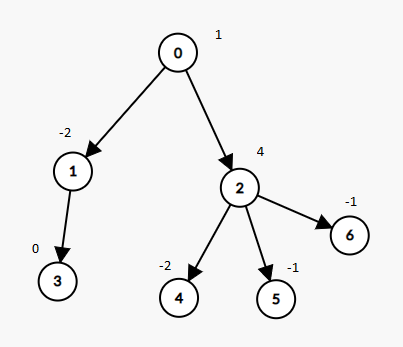
The demons had captured the princess and imprisoned her in \the bottom-right corner\ of a \dungeon\. The \dungeon\ consists of \m x n\ rooms laid out in a 2D grid. Our valiant knight was initially positioned in \the top-left room\ and must fight his way through \dungeon\ to rescue the princess.\

\

The knight has an initial health point represented by a positive integer. If at any point his health point drops to \0\ or below, he dies immediately.\

\

Some of the rooms are guarded by demons (represented by negative integers), so the knight loses health upon entering these rooms; other rooms are either empty (represented as 0) or contain magic orbs that increase the knight's health (represented by positive integers).\

\

To reach the princess as quickly as possible, the knight decides to move only \rightward\ or \downward\ in each step.\

\

Return \the knight's minimum initial health so that he can rescue the princess\.\

\

\Note\ that any room can contain threats or power-ups, even the first room the knight enters and the bottom-right room where the princess is imprisoned.\

### Examples ![Example 1](https://assets.leetcode.com/uploads/2021/03/13/dungeon-grid-1.jpg) ``` Input: dungeon = [[-2,-3,3],[-5,-10,1],[10,30,-5]] Output: 7 Explanation: The initial health of the knight must be at least 7 if he follows the optimal path: RIGHT -> RIGHT -> DOWN -> DOWN. ``` ``` Input: dungeon = [[0]] Output: 1 ``` ### Constraints * m == dungeon.length * n == dungeon\[i].length * 1 \<= m, n \<= 200 * -1000 \<= dungeon\[i]\[j] \<= 1000 ## Solution Reference implementation from [solution.py on GitHub](https://github.com/wislertt/leetcode-py/blob/main/leetcode/dungeon_game/solution.py), full suite in [test\_solution.py](https://github.com/wislertt/leetcode-py/blob/main/leetcode/dungeon_game/test_solution.py): ```python theme={"theme":{"light":"github-light","dark":"github-dark"}} class Solution: # Time: O(m * n) # Space: O(n) def calculate_minimum_hp(self, dungeon: list[list[int]]) -> int: m, n = len(dungeon), len(dungeon[0]) # need[j]: minimum health required upon entering cell (i, j); right # sentinel need[n] = INF means "no cell to the right" outside the grid. need = [10**9] * (n + 1) need[n - 1] = 1 for i in range(m - 1, -1, -1): need[n] = 10**9 for j in range(n - 1, -1, -1): need[j] = max(1, min(need[j], need[j + 1]) - dungeon[i][j]) return need[0] ``` ## Complexity | Time | Space | | --------- | ----- | | O(m \* n) | O(n) | ## Tags # Edit Distance Python Solution with Tests Source: https://leetcode-py.wisl.dev/problems/edit-distance Tested Python solution for LeetCode 72 with 14 pytest cases. Generate a practice environment with lcpy. LeetCode 72, [Hard](/catalog/hard). Topics: [String](/catalog/topics/string), [Dynamic Programming](/catalog/topics/dynamic-programming). [View on LeetCode](https://leetcode.com/problems/edit-distance/description/). Generate this problem as a practice environment: tested reference solution, 14 [parametrized pytest cases](/practice/testing), and a playground notebook: ```bash theme={"theme":{"light":"github-light","dark":"github-dark"}} lcpy gen -n 72 # by problem number lcpy gen -s edit_distance # by problem name ``` ## Problem Given two strings `word1` and `word2`, return *the minimum number of operations required to convert* `word1` *to* `word2`. You have the following three operations permitted on a word: * Insert a character * Delete a character * Replace a character ### Examples ``` Input: word1 = "horse", word2 = "ros" Output: 3 Explanation: horse -> rorse (replace 'h' with 'r') rorse -> rose (remove 'r') rose -> ros (remove 'e') ``` ``` Input: word1 = "intention", word2 = "execution" Output: 5 Explanation: intention -> inention (remove 't') inention -> enention (replace 'i' with 'e') enention -> exention (replace 'n' with 'x') exention -> exection (replace 'n' with 'c') exection -> execution (insert 'u') ``` ### Constraints * 0 \<= word1.length, word2.length \<= 500 * word1 and word2 consist of lowercase English letters. ## Solution Reference implementation from [solution.py on GitHub](https://github.com/wislertt/leetcode-py/blob/main/leetcode/edit_distance/solution.py), full suite in [test\_solution.py](https://github.com/wislertt/leetcode-py/blob/main/leetcode/edit_distance/test_solution.py): ```python theme={"theme":{"light":"github-light","dark":"github-dark"}} class Solution: # Time: O(m * n) # Space: O(n) using a single rolling row def min_distance(self, word1: str, word2: str) -> int: m, n = len(word1), len(word2) # dp[j] = edit distance between word1 prefix (current row) and word2[:j] prev = list(range(n + 1)) for i in range(1, m + 1): curr = [i] + [0] * n for j in range(1, n + 1): if word1[i - 1] == word2[j - 1]: curr[j] = prev[j - 1] else: curr[j] = 1 + min(prev[j], curr[j - 1], prev[j - 1]) prev = curr return prev[n] ``` ## Complexity | Time | Space | | --------- | ------------------------------- | | O(m \* n) | O(n) using a single rolling row | ## Tags [NeetCode 150](/catalog/neetcode-150), [NeetCode 250](/catalog/neetcode-250), [NeetCode All](/catalog/neetcode). # Eliminate Maximum Number of Monsters Source: https://leetcode-py.wisl.dev/problems/eliminate-maximum-number-of-monsters Tested Python solution for LeetCode 1921 with 34 pytest cases. Generate a practice environment with lcpy. LeetCode 1921, [Medium](/catalog/medium). Topics: [Array](/catalog/topics/array), [Greedy](/catalog/topics/greedy), [Sorting](/catalog/topics/sorting). [View on LeetCode](https://leetcode.com/problems/eliminate-maximum-number-of-monsters/description/). Generate this problem as a practice environment: tested reference solution, 34 [parametrized pytest cases](/practice/testing), and a playground notebook: ```bash theme={"theme":{"light":"github-light","dark":"github-dark"}} lcpy gen -n 1921 # by problem number lcpy gen -s eliminate_maximum_number_of_monsters # by problem name ``` ## Problem You are playing a video game where you are defending your city from a group of `n` monsters. You are given a **0-indexed** integer array `dist` of size `n`, where `dist[i]` is the **initial distance** in kilometers of the `i`th monster from the city. The monsters walk toward the city at a **constant** speed. The speed of each monster is given to you in an integer array `speed` of size `n`, where `speed[i]` is the speed of the `i`th monster in kilometers per minute. You have a weapon that, once fully charged, can eliminate a **single** monster. However, the weapon takes **one minute** to charge. The weapon is fully charged at the very start. You lose when any monster reaches your city. If a monster reaches the city at the exact moment the weapon is fully charged, it counts as a **loss**, and the game ends before you can use your weapon. Return the maximum number of monsters that you can eliminate before you lose, or `n` if you can eliminate all the monsters before they reach the city. ### Examples ``` Input: dist = [1,3,4], speed = [1,1,1] Output: 3 Explanation: In the beginning, the distances of the monsters are [1,3,4]. You eliminate the first monster. After a minute, the distances of the monsters are [X,2,3]. You eliminate the second monster. After a minute, the distances of the monsters are [X,X,2]. You eliminate the third monster. All 3 monsters can be eliminated. ``` ``` Input: dist = [1,1,2,3], speed = [1,1,1,1] Output: 1 Explanation: In the beginning, the distances of the monsters are [1,1,2,3]. You eliminate the first monster. After a minute, the distances of the monsters are [X,0,1,2], so you lose. You can only eliminate 1 monster. ``` ``` Input: dist = [3,2,4], speed = [5,3,2] Output: 1 Explanation: In the beginning, the distances of the monsters are [3,2,4]. You eliminate the first monster. After a minute, the distances of the monsters are [X,0,2], so you lose. You can only eliminate 1 monster. ``` ### Constraints * n == dist.length == speed.length * 1 \<= n \<= 10^5 * 1 \<= dist\[i], speed\[i] \<= 10^5 ## Solution Reference implementation from [solution.py on GitHub](https://github.com/wislertt/leetcode-py/blob/main/leetcode/eliminate_maximum_number_of_monsters/solution.py), full suite in [test\_solution.py](https://github.com/wislertt/leetcode-py/blob/main/leetcode/eliminate_maximum_number_of_monsters/test_solution.py): ```python theme={"theme":{"light":"github-light","dark":"github-dark"}} class Solution: # Time: O(n log n) # Space: O(n) def eliminate_maximum(self, dist: list[int], speed: list[int]) -> int: arrival = sorted(-(-d // s) for d, s in zip(dist, speed, strict=True)) for minute, time in enumerate(arrival): if time <= minute: return minute return len(arrival) ``` ## Complexity | Time | Space | | ---------- | ----- | | O(n log n) | O(n) | ## Tags [NeetCode All](/catalog/neetcode). # Elimination Game Python Solution with Tests Source: https://leetcode-py.wisl.dev/problems/elimination-game Tested Python solution for LeetCode 390 with 34 pytest cases. Generate a practice environment with lcpy. LeetCode 390, [Medium](/catalog/medium). Topics: [Math](/catalog/topics/math), [Recursion](/catalog/topics/recursion). [View on LeetCode](https://leetcode.com/problems/elimination-game/description/). Generate this problem as a practice environment: tested reference solution, 34 [parametrized pytest cases](/practice/testing), and a playground notebook: ```bash theme={"theme":{"light":"github-light","dark":"github-dark"}} lcpy gen -n 390 # by problem number lcpy gen -s elimination_game # by problem name ``` ## Problem You have a list \arr\ of all integers in the range \\[1, n]\ sorted in a strictly increasing order. Apply the following algorithm on \arr\: \
    \
  • Starting from left to right, remove the first number and every other number afterward until you reach the end of the list.\
  • \
  • Repeat the previous step again, but this time from right to left, remove the rightmost number and every other number from the remaining numbers.\
  • \
  • Keep repeating the steps again, alternating left to right and right to left, until a single number remains.\
  • \
\

Given the integer \n\, return \the last number that remains in\ \arr\.\

### Examples ``` Input: n = 9 Output: 6 Explanation: arr = [1, 2, 3, 4, 5, 6, 7, 8, 9] arr = [2, 4, 6, 8] arr = [2, 6] arr = [6] ``` ``` Input: n = 1 Output: 1 ``` ### Constraints * 1 \<= n \<= 10\9\ ## Solution Reference implementation from [solution.py on GitHub](https://github.com/wislertt/leetcode-py/blob/main/leetcode/elimination_game/solution.py), full suite in [test\_solution.py](https://github.com/wislertt/leetcode-py/blob/main/leetcode/elimination_game/test_solution.py): ```python theme={"theme":{"light":"github-light","dark":"github-dark"}} class Solution: # Time: O(log n) # Space: O(1) def last_remaining(self, n: int) -> int: head, step, left = 1, 1, True while n > 1: if left or n % 2 == 1: head += step step *= 2 n //= 2 left = not left return head ``` ## Complexity | Time | Space | | -------- | ----- | | O(log n) | O(1) | ## Tags # Employee Free Time Python Solution with Tests Source: https://leetcode-py.wisl.dev/problems/employee-free-time Tested Python solution for LeetCode 759 with 13 pytest cases. Generate a practice environment with lcpy. LeetCode 759, [Hard](/catalog/hard). Topics: [Array](/catalog/topics/array), [Sorting](/catalog/topics/sorting), Sweep Line, [Heap (Priority Queue)](/catalog/topics/heap-priority-queue). [View on LeetCode](https://leetcode.com/problems/employee-free-time/description/). Generate this problem as a practice environment: tested reference solution, 13 [parametrized pytest cases](/practice/testing), and a playground notebook: ```bash theme={"theme":{"light":"github-light","dark":"github-dark"}} lcpy gen -n 759 # by problem number lcpy gen -s employee_free_time # by problem name ``` ## Problem We are given a list `schedule` of employees, which represents the working time for each employee. Each employee has a list of non-overlapping `Intervals`, and these intervals are in sorted order. Return the list of finite intervals representing **common, positive-length free time** for *all* employees, also in sorted order. (Even though we are representing `Intervals` in the form `[x, y]`, the objects inside are `Intervals`, not lists or arrays. For example, `schedule[0][0].start = 1`, `schedule[0][0].end = 2`, and `schedule[0][0][0]` is not defined). Also, we do not include intervals like `[5, 5]` in our answer, as they have zero length. ### Examples ``` Input: schedule = [[[1,2],[5,6]],[[1,3]],[[4,10]]] Output: [[3,4]] Explanation: There are a total of three employees, and all common free time intervals would be [-inf, 1], [3, 4], [10, inf]. We discard any intervals that contain inf as they are not finite. ``` ``` Input: schedule = [[[1,3],[6,7]],[[2,4]],[[2,5],[9,12]]] Output: [[5,6],[7,9]] ``` ### Constraints * `1 <= schedule.length, schedule[i].length <= 50` * `0 <= schedule[i].start < schedule[i].end <= 10^8` ## Solution Reference implementation from [solution.py on GitHub](https://github.com/wislertt/leetcode-py/blob/main/leetcode/employee_free_time/solution.py), full suite in [test\_solution.py](https://github.com/wislertt/leetcode-py/blob/main/leetcode/employee_free_time/test_solution.py): ```python theme={"theme":{"light":"github-light","dark":"github-dark"}} class Solution: # Time: O(n log n) where n is total number of intervals # Space: O(n) def employee_free_time(self, schedule: list[list[list[int]]]) -> list[list[int]]: # Flatten all intervals across employees, then merge overlapping ones. # Gaps between consecutive merged intervals are the common free time. intervals: list[list[int]] = [ [start, end] for employee in schedule for start, end in employee ] intervals.sort() merged: list[list[int]] = [] for start, end in intervals: if merged and start <= merged[-1][1]: merged[-1][1] = max(merged[-1][1], end) else: merged.append([start, end]) free: list[list[int]] = [] for i in range(1, len(merged)): if merged[i - 1][1] < merged[i][0]: free.append([merged[i - 1][1], merged[i][0]]) return free ``` ## Complexity | Time | Space | | ----------------------------------------------- | ----- | | O(n log n) where n is total number of intervals | O(n) | ## Tags [Grind](/catalog/grind), [NeetCode All](/catalog/neetcode). # Employee Importance Python Solution with Tests Source: https://leetcode-py.wisl.dev/problems/employee-importance Tested Python solution for LeetCode 690 with 16 pytest cases. Generate a practice environment with lcpy. LeetCode 690, [Medium](/catalog/medium). Topics: [Array](/catalog/topics/array), [Hash Table](/catalog/topics/hash-table), [Tree](/catalog/topics/tree), [Depth-First Search](/catalog/topics/depth-first-search), [Breadth-First Search](/catalog/topics/breadth-first-search). [View on LeetCode](https://leetcode.com/problems/employee-importance/description/). Generate this problem as a practice environment: tested reference solution, 16 [parametrized pytest cases](/practice/testing), and a playground notebook: ```bash theme={"theme":{"light":"github-light","dark":"github-dark"}} lcpy gen -n 690 # by problem number lcpy gen -s employee_importance # by problem name ``` ## Problem You have a data structure of employee information, including the employee's unique ID, importance value, and direct subordinates' IDs. You are given an array of employees `employees` where: * `employees[i].id` is the ID of the `i^th` employee. * `employees[i].importance` is the importance value of the `i^th` employee. * `employees[i].subordinates` is a list of the IDs of the direct subordinates of the `i^th` employee. Given an integer `id` that represents an employee's ID, return *the **total** importance value of this employee and all their direct and indirect subordinates*. ### Examples ![Example 1](https://assets.leetcode.com/uploads/2021/05/31/emp1-tree.jpg) ``` Input: employees = [[1,5,[2,3]],[2,3,[]],[3,3,[]]], id = 1 Output: 11 Explanation: Employee 1 has an importance value of 5 and has two direct subordinates: employee 2 and employee 3. They both have an importance value of 3. Thus, the total importance value of employee 1 is 5 + 3 + 3 = 11. ``` ![Example 2](https://assets.leetcode.com/uploads/2021/05/31/emp2-tree.jpg) ``` Input: employees = [[1,2,[5]],[5,-3,[]]], id = 5 Output: -3 Explanation: Employee 5 has an importance value of -3 and has no direct subordinates. Thus, the total importance value of employee 5 is -3. ``` ### Constraints * `1 <= employees.length <= 2000` * `1 <= employees[i].id <= 2000` * All `employees[i].id` are **unique**. * `-100 <= employees[i].importance <= 100` * One employee has at most one direct leader and may have several subordinates. * The IDs in `employees[i].subordinates` are **valid** IDs. ## Solution Reference implementation from [solution.py on GitHub](https://github.com/wislertt/leetcode-py/blob/main/leetcode/employee_importance/solution.py), full suite in [test\_solution.py](https://github.com/wislertt/leetcode-py/blob/main/leetcode/employee_importance/test_solution.py): ```python theme={"theme":{"light":"github-light","dark":"github-dark"}} class Employee: def __init__(self, id: int, importance: int, subordinates: list[int] | None = None) -> None: self.id = id self.importance = importance self.subordinates = subordinates if subordinates is not None else [] class Solution: # Time: O(n) # Space: O(n) def get_importance(self, employees: list[Employee], id: int) -> int: by_id = {employee.id: employee for employee in employees} total = 0 stack = [id] while stack: employee = by_id[stack.pop()] total += employee.importance stack.extend(employee.subordinates) return total ``` ## Complexity | Time | Space | | ---- | ----- | | O(n) | O(n) | ## Tags # Encode and Decode Strings Python Solution Source: https://leetcode-py.wisl.dev/problems/encode-and-decode-strings Tested Python solution for LeetCode 271 with 20 pytest cases. Generate a practice environment with lcpy. LeetCode 271, [Medium](/catalog/medium). Topics: [Array](/catalog/topics/array), [String](/catalog/topics/string), [Design](/catalog/topics/design). [View on LeetCode](https://leetcode.com/problems/encode-and-decode-strings/description/). Generate this problem as a practice environment: tested reference solution, 20 [parametrized pytest cases](/practice/testing), and a playground notebook: ```bash theme={"theme":{"light":"github-light","dark":"github-dark"}} lcpy gen -n 271 # by problem number lcpy gen -s encode_and_decode_strings # by problem name ``` ## Problem Design an algorithm to encode a list of strings to a string. The encoded string is then sent over the network and is decoded back to the original list of strings. ### Examples ``` Input: dummy_input = ["Hello","World"] Output: "Hello,World" Explanation: Machine 1: Codec encoder = new Codec(); String msg = encoder.encode(strs); Machine 1 ---msg---> Machine 2 Machine 2: Codec decoder = new Codec(); String[] strs = decoder.decode(msg); ``` ### Constraints * 1 \<= strs.length \<= 200 * 0 \<= strs\[i].length \<= 200 * strs\[i] contains any possible characters out of 256 valid ASCII characters. **Note:** * The string may contain any possible characters out of 256 valid ASCII characters. Your algorithm should be generalized enough to work on any possible characters. * Do not use class member/global/static variables to store states. Your encode and decode algorithms should be stateless. * Do not rely on any library method such as eval or serialize methods. You should implement your own encode/decode algorithm. ## Solution Reference implementation from [solution.py on GitHub](https://github.com/wislertt/leetcode-py/blob/main/leetcode/encode_and_decode_strings/solution.py), full suite in [test\_solution.py](https://github.com/wislertt/leetcode-py/blob/main/leetcode/encode_and_decode_strings/test_solution.py): ```python theme={"theme":{"light":"github-light","dark":"github-dark"}} class Solution: # Time: O(n) # Space: O(n) def encode(self, strs: list[str]) -> str: encoded = "" for s in strs: # Format: length + '#' + string encoded += str(len(s)) + "#" + s return encoded # Time: O(n) # Space: O(n) def decode(self, s: str) -> list[str]: decoded = [] i = 0 while i < len(s): # Find the delimiter '#' j = i while s[j] != "#": j += 1 # Extract length length = int(s[i:j]) # Extract string of that length decoded.append(s[j + 1 : j + 1 + length]) # Move to next encoded string i = j + 1 + length return decoded ``` ## Complexity | Time | Space | | ---- | ----- | | O(n) | O(n) | ## Tags [Grind](/catalog/grind), [Blind 75](/catalog/blind-75), [NeetCode 150](/catalog/neetcode-150), [NeetCode 250](/catalog/neetcode-250), [NeetCode All](/catalog/neetcode). # Encode and Decode TinyURL Python Solution Source: https://leetcode-py.wisl.dev/problems/encode-and-decode-tinyurl Tested Python solution for LeetCode 535 with 12 pytest cases. Generate a practice environment with lcpy. LeetCode 535, [Medium](/catalog/medium). Topics: [Hash Table](/catalog/topics/hash-table), [String](/catalog/topics/string), [Design](/catalog/topics/design). [View on LeetCode](https://leetcode.com/problems/encode-and-decode-tinyurl/description/). Generate this problem as a practice environment: tested reference solution, 12 [parametrized pytest cases](/practice/testing), and a playground notebook: ```bash theme={"theme":{"light":"github-light","dark":"github-dark"}} lcpy gen -n 535 # by problem number lcpy gen -s encode_and_decode_tinyurl # by problem name ``` ## Problem TinyURL is a URL shortening service where you enter a URL such as `https://leetcode.com/problems/design-tinyurl` and it returns a short URL such as `http://tinyurl.com/4e9iAk`. Design a class to encode a URL and decode a tiny URL. > Note: This is a companion problem to the System Design problem: Design TinyURL. There is no restriction on how your encode/decode algorithm should work. You just need to ensure that a URL can be encoded to a tiny URL and the tiny URL can be decoded to the original URL. Implement the `Codec` class: * `Codec()` Initializes the object of the system. * `String encode(String longUrl)` Returns a tiny URL for the given `longUrl`. * `String decode(String shortUrl)` Returns the original long URL for the given `shortUrl`. It is guaranteed that the given `shortUrl` was encoded by the same object. ### Examples ``` Input: url = "https://leetcode.com/problems/design-tinyurl" Output: "https://leetcode.com/problems/design-tinyurl" Explanation: Codec codec = new Codec(); string tiny = codec.encode(url); // returns the encoded tiny url. string ans = codec.decode(tiny); // returns the original url after decoding it. ``` ### Constraints * `1 <= url.length <= 10^4` * `url` is guranteed to be a valid URL. ## Solution Reference implementation from [solution.py on GitHub](https://github.com/wislertt/leetcode-py/blob/main/leetcode/encode_and_decode_tinyurl/solution.py), full suite in [test\_solution.py](https://github.com/wislertt/leetcode-py/blob/main/leetcode/encode_and_decode_tinyurl/test_solution.py): ```python theme={"theme":{"light":"github-light","dark":"github-dark"}} class Codec: # Time: O(1) average per operation # Space: O(n) for n encoded URLs def __init__(self) -> None: self.url_map: dict[str, str] = {} self.encode_map: dict[str, str] = {} def encode(self, long_url: str) -> str: if long_url in self.encode_map: return self.encode_map[long_url] short_url = f"http://tinyurl.com/{len(self.url_map)}" self.url_map[short_url] = long_url self.encode_map[long_url] = short_url return short_url def decode(self, short_url: str) -> str: return self.url_map[short_url] ``` ## Complexity | Time | Space | | -------------------------- | ----------------------- | | O(1) average per operation | O(n) for n encoded URLs | ## Tags [NeetCode All](/catalog/neetcode). # Encode N-ary Tree to Binary Tree Source: https://leetcode-py.wisl.dev/problems/encode-n-ary-tree-to-binary-tree Tested Python solution for LeetCode 431 with 12 pytest cases. Generate a practice environment with lcpy. LeetCode 431, [Hard](/catalog/hard). Topics: [Tree](/catalog/topics/tree), [Depth-First Search](/catalog/topics/depth-first-search), [Breadth-First Search](/catalog/topics/breadth-first-search), [Design](/catalog/topics/design), [Binary Tree](/catalog/topics/binary-tree). [View on LeetCode](https://leetcode.com/problems/encode-n-ary-tree-to-binary-tree/description/). Generate this problem as a practice environment: tested reference solution, 12 [parametrized pytest cases](/practice/testing), and a playground notebook: ```bash theme={"theme":{"light":"github-light","dark":"github-dark"}} lcpy gen -n 431 # by problem number lcpy gen -s encode_n_ary_tree_to_binary_tree # by problem name ``` ## Problem Design an algorithm to encode an N-ary tree into a binary tree and decode the binary tree to get the original N-ary tree. An N-ary tree is a rooted tree in which each node has no more than N children. Similarly, a binary tree is a rooted tree in which each node has no more than 2 children. There is no restriction on how your encode/decode algorithm should work. You just need to ensure that an N-ary tree can be encoded to a binary tree and this binary tree can be decoded to the original N-ary tree structure. Nary-Tree input serialization is represented in their level order traversal, each group of children is separated by the null value. For example, you may encode the following `3-ary` tree to a binary tree in this way: `Input: root = [1,null,3,2,4,null,5,6]`. Note that the above is just an example which *might or might not* work. You do not necessarily need to follow this format, so please be creative and come up with different approaches yourself. ### Examples ![Example 1](https://fastly.jsdelivr.net/gh/doocs/leetcode@main/solution/0400-0499/0431.Encode%20N-ary%20Tree%20to%20Binary%20Tree/images/narytreebinarytreeexample.png) ``` Input: root = [1,null,3,2,4,null,5,6] Output: [1,null,3,2,4,null,5,6] ``` ``` Input: root = [1,null,2,3,4,5,null,null,6,7,null,8,null,9,10,null,null,11,null,12,null,13,null,null,14] Output: [1,null,2,3,4,5,null,null,6,7,null,8,null,9,10,null,null,11,null,12,null,13,null,null,14] ``` ``` Input: root = [] Output: [] ``` ### Constraints * The number of nodes in the tree is in the range `[0, 10^4]`. * `0 <= Node.val <= 10^4`. * The height of the n-ary tree is less than or equal to `1000`. * Do not use class member/global/static variables to store states. Your encode and decode algorithms should be stateless. ## Solution Reference implementation from [solution.py on GitHub](https://github.com/wislertt/leetcode-py/blob/main/leetcode/encode_n_ary_tree_to_binary_tree/solution.py), full suite in [test\_solution.py](https://github.com/wislertt/leetcode-py/blob/main/leetcode/encode_n_ary_tree_to_binary_tree/test_solution.py): ```python theme={"theme":{"light":"github-light","dark":"github-dark"}} from __future__ import annotations from leetcode_py import TreeNode class Node: def __init__(self, val: int = 0, children: list[Node] | None = None) -> None: self.val = val self.children = children if children is not None else [] class Codec: # Time: O(n) for encode and decode # Space: O(n) # Encoding: left child = first child, right child = next sibling def __init__(self) -> None: pass def encode(self, root: Node | None) -> TreeNode[int] | None: if root is None: return None bnode = TreeNode[int](root.val) prev: TreeNode[int] | None = None for child in root.children: child_b = self.encode(child) if prev is None: bnode.left = child_b else: prev.right = child_b prev = child_b return bnode def decode(self, data: TreeNode[int] | None) -> Node | None: if data is None: return None node = Node(data.val) children: list[Node] = [] cur = data.left while cur is not None: child = self.decode(cur) assert child is not None children.append(child) cur = cur.right node.children = children return node ``` ## Complexity | Time | Space | | -------------------------- | ----- | | O(n) for encode and decode | O(n) | ## Tags [NeetCode All](/catalog/neetcode). # Encode String with Shortest Length Source: https://leetcode-py.wisl.dev/problems/encode-string-with-shortest-length Tested Python solution for LeetCode 471 with 12 pytest cases. Generate a practice environment with lcpy. LeetCode 471, [Hard](/catalog/hard). Topics: [String](/catalog/topics/string), [Dynamic Programming](/catalog/topics/dynamic-programming). [View on LeetCode](https://leetcode.com/problems/encode-string-with-shortest-length/description/). Generate this problem as a practice environment: tested reference solution, 12 [parametrized pytest cases](/practice/testing), and a playground notebook: ```bash theme={"theme":{"light":"github-light","dark":"github-dark"}} lcpy gen -n 471 # by problem number lcpy gen -s encode_string_with_shortest_length # by problem name ``` ## Problem Given a string `s`, encode the string such that its encoded length is the shortest. The encoding rule is: `k[encoded_string]`, where the `encoded_string` inside the square brackets is being repeated exactly `k` times. `k` should be a positive integer. If an encoding process does not make the string shorter, then do not encode it. If there are several solutions, return **any of them**. ### Examples ``` Input: s = "aaa" Output: "aaa" Explanation: There is no way to encode it such that it is shorter than the input string, so we do not encode it. ``` ``` Input: s = "aaaaa" Output: "5[a]" Explanation: "5[a]" is shorter than "aaaaa" by 1 character. ``` ``` Input: s = "aaaaaaaaaa" Output: "10[a]" Explanation: "a9[a]" or "9[a]a" are also valid solutions, both of them have the same length = 5, which is the same as "10[a]". ``` ### Constraints * `1 <= s.length <= 150` * `s` consists of only lowercase English letters. ## Solution Reference implementation from [solution.py on GitHub](https://github.com/wislertt/leetcode-py/blob/main/leetcode/encode_string_with_shortest_length/solution.py), full suite in [test\_solution.py](https://github.com/wislertt/leetcode-py/blob/main/leetcode/encode_string_with_shortest_length/test_solution.py): ```python theme={"theme":{"light":"github-light","dark":"github-dark"}} from functools import cache class Solution: # Time: O(n^4) over substring DP # Space: O(n^3) memoized substrings def encode(self, s: str) -> str: @cache def helper(sub: str) -> str: n = len(sub) if n <= 4: return sub best = sub for k in range(1, n // 2 + 1): if n % k == 0 and sub[:k] * (n // k) == sub: cand = f"{n // k}[{helper(sub[:k])}]" if len(cand) < len(best): best = cand for split in range(1, n): cand = helper(sub[:split]) + helper(sub[split:]) if len(cand) < len(best): best = cand return best return helper(s) ``` ## Complexity | Time | Space | | ------------------------ | -------------------------- | | O(n^4) over substring DP | O(n^3) memoized substrings | ## Tags [NeetCode All](/catalog/neetcode). # Equal Rational Numbers Python Solution Source: https://leetcode-py.wisl.dev/problems/equal-rational-numbers Tested Python solution for LeetCode 972 with 18 pytest cases. Generate a practice environment with lcpy. LeetCode 972, [Hard](/catalog/hard). Topics: [Math](/catalog/topics/math), [String](/catalog/topics/string). [View on LeetCode](https://leetcode.com/problems/equal-rational-numbers/description/). Generate this problem as a practice environment: tested reference solution, 18 [parametrized pytest cases](/practice/testing), and a playground notebook: ```bash theme={"theme":{"light":"github-light","dark":"github-dark"}} lcpy gen -n 972 # by problem number lcpy gen -s equal_rational_numbers # by problem name ``` ## Problem Given two strings `s` and `t`, each of which represents a non-negative rational number, return `true` if and only if they represent the same number. The strings may use parentheses to denote the repeating part of the rational number. A **rational number** can be represented using up to three parts: ``, ``, and a ``. The number will be represented in one of the following three ways: * `` * For example, `12`, `0`, and `123`. * ``.`` * For example, `0.5`, `1.`, `2.12`, and `123.0001`. * ``.``(``) * For example, `0.1(6)`, `1.(9)`, and `123.00(1212)`. The repeating portion of a decimal expansion is conventionally denoted within a pair of round brackets. For example: * `1/6 = 0.16666666... = 0.1(6) = 0.1666(6) = 0.166(66)`. ### Examples ``` Input: s = "0.(52)", t = "0.5(25)" Output: true Explanation: Because "0.(52)" represents 0.52525252..., and "0.5(25)" represents 0.52525252525..... , the strings represent the same number. ``` ``` Input: s = "0.1666(6)", t = "0.166(66)" Output: true ``` ``` Input: s = "0.9(9)", t = "1." Output: true Explanation: "0.9(9)" represents 0.999999999... repeated forever, which equals 1. "1." represents the number 1, which is formed correctly: (IntegerPart) = "1" and (NonRepeatingPart) = "". ``` ### Constraints * Each part consists only of digits. * The `` does not have leading zeros (except for the zero itself). * 1 \<= ``.length \<= 4 * 0 \<= ``.length \<= 4 * 1 \<= ``.length \<= 4 ## Solution Reference implementation from [solution.py on GitHub](https://github.com/wislertt/leetcode-py/blob/main/leetcode/equal_rational_numbers/solution.py), full suite in [test\_solution.py](https://github.com/wislertt/leetcode-py/blob/main/leetcode/equal_rational_numbers/test_solution.py): ```python theme={"theme":{"light":"github-light","dark":"github-dark"}} from fractions import Fraction class Solution: # Time: O(len(s) + len(t)) # Space: O(1) def is_rational_equal(self, s: str, t: str) -> bool: return self._to_fraction(s) == self._to_fraction(t) def _to_fraction(self, s: str) -> Fraction: base, repeating = s.split("(", 1) if "(" in s else (s, "") repeating = repeating.rstrip(")") integer_part, non_repeating = base.split(".", 1) if "." in base else (base, "") value = Fraction(int(integer_part)) if non_repeating: value += Fraction(int(non_repeating), 10 ** len(non_repeating)) if repeating: scale = 10 ** len(non_repeating) value += Fraction(int(repeating), scale * (10 ** len(repeating) - 1)) return value ``` ## Complexity | Time | Space | | ------------------ | ----- | | O(len(s) + len(t)) | O(1) | ## Tags # Equal Tree Partition Python Solution Source: https://leetcode-py.wisl.dev/problems/equal-tree-partition Tested Python solution for LeetCode 663 with 26 pytest cases. Generate a practice environment with lcpy. LeetCode 663, [Medium](/catalog/medium). Topics: [Tree](/catalog/topics/tree), [Depth-First Search](/catalog/topics/depth-first-search), [Binary Tree](/catalog/topics/binary-tree). [View on LeetCode](https://leetcode.com/problems/equal-tree-partition/description/). Generate this problem as a practice environment: tested reference solution, 26 [parametrized pytest cases](/practice/testing), and a playground notebook: ```bash theme={"theme":{"light":"github-light","dark":"github-dark"}} lcpy gen -n 663 # by problem number lcpy gen -s equal_tree_partition # by problem name ``` ## Problem Given the root of a binary tree, return true if you can partition the tree into two trees with equal sums of values after removing exactly one edge on the original tree. ### Examples ![Example 1](https://fastly.jsdelivr.net/gh/doocs/leetcode@main/solution/0600-0699/0663.Equal%20Tree%20Partition/images/split1-tree.jpg) ``` Input: root = [5,10,10,null,null,2,3] Output: true ``` ![Example 2](https://fastly.jsdelivr.net/gh/doocs/leetcode@main/solution/0600-0699/0663.Equal%20Tree%20Partition/images/split2-tree.jpg) ``` Input: root = [1,2,10,null,null,2,20] Output: false Explanation: You cannot split the tree into two trees with equal sums after removing exactly one edge on the tree. ``` ### Constraints The number of nodes in the tree is in the range \[1, 10^4]. -10^5 \<= Node.val \<= 10^5 ## Solution Reference implementation from [solution.py on GitHub](https://github.com/wislertt/leetcode-py/blob/main/leetcode/equal_tree_partition/solution.py), full suite in [test\_solution.py](https://github.com/wislertt/leetcode-py/blob/main/leetcode/equal_tree_partition/test_solution.py): ```python theme={"theme":{"light":"github-light","dark":"github-dark"}} from leetcode_py import TreeNode class Solution: # Time: O(n) # Space: O(n) def check_equal_tree(self, root: TreeNode[int] | None) -> bool: if root is None: return False # Iterative postorder: cutting the edge above `node` leaves a piece whose # sum is that node's subtree sum, so every non-root node is a candidate. # TreeNode is unhashable, so sums are keyed by identity instead of node. sums: dict[int, int] = {} order: list[TreeNode[int]] = [] stack: list[tuple[TreeNode[int] | None, bool]] = [(root, False)] while stack: node, expanded = stack.pop() if node is None: continue if not expanded: stack.append((node, True)) stack.append((node.left, False)) stack.append((node.right, False)) continue left = sums[id(node.left)] if node.left is not None else 0 right = sums[id(node.right)] if node.right is not None else 0 sums[id(node)] = left + right + node.val order.append(node) total = sums[id(root)] if total % 2 != 0: return False half = total // 2 return any(sums[id(node)] == half for node in order[:-1]) ``` ## Complexity | Time | Space | | ---- | ----- | | O(n) | O(n) | ## Tags # Erect the Fence Python Solution with Tests Source: https://leetcode-py.wisl.dev/problems/erect-the-fence Tested Python solution for LeetCode 587 with 18 pytest cases. Generate a practice environment with lcpy. LeetCode 587, [Hard](/catalog/hard). Topics: [Array](/catalog/topics/array), [Math](/catalog/topics/math), [Geometry](/catalog/topics/geometry). [View on LeetCode](https://leetcode.com/problems/erect-the-fence/description/). Generate this problem as a practice environment: tested reference solution, 18 [parametrized pytest cases](/practice/testing), and a playground notebook: ```bash theme={"theme":{"light":"github-light","dark":"github-dark"}} lcpy gen -n 587 # by problem number lcpy gen -s erect_the_fence # by problem name ``` ## Problem You are given an array `trees` where `trees[i] = [xi, yi]` represents the location of a tree in the garden. Fence the entire garden using the minimum length of rope, as it is expensive. The garden is well-fenced only if **all the trees are enclosed**. Return *the coordinates of trees that are exactly located on the fence perimeter*. You may return the answer in **any order**. ### Examples ![Example 1](https://fastly.jsdelivr.net/gh/doocs/leetcode@main/solution/0500-0599/0587.Erect%20the%20Fence/images/erect2-plane.jpg) ``` Input: trees = [[1,1],[2,2],[2,0],[2,4],[3,3],[4,2]] Output: [[1,1],[2,0],[4,2],[3,3],[2,4]] Explanation: All the trees will be on the perimeter of the fence except the tree at [2, 2], which is inside the fence. ``` ![Example 2](https://fastly.jsdelivr.net/gh/doocs/leetcode@main/solution/0500-0599/0587.Erect%20the%20Fence/images/erect1-plane.jpg) ``` Input: trees = [[1,2],[2,2],[4,2]] Output: [[4,2],[2,2],[1,2]] Explanation: The fence forms a line that passes through all the trees. ``` ### Constraints * `1 <= trees.length <= 3000` * `trees[i].length == 2` * `0 <= xi, yi <= 100` * All the given positions are **unique**. ## Solution Reference implementation from [solution.py on GitHub](https://github.com/wislertt/leetcode-py/blob/main/leetcode/erect_the_fence/solution.py), full suite in [test\_solution.py](https://github.com/wislertt/leetcode-py/blob/main/leetcode/erect_the_fence/test_solution.py): ```python theme={"theme":{"light":"github-light","dark":"github-dark"}} class Solution: # Time: O(n log n) # Space: O(n) def outer_trees(self, trees: list[list[int]]) -> list[list[int]]: points = sorted(tuple(p) for p in trees) def cross(i: int, j: int, k: int) -> int: a, b, c = points[i], points[j], points[k] return (b[0] - a[0]) * (c[1] - b[1]) - (b[1] - a[1]) * (c[0] - b[0]) n = len(points) if n < 4: return [list(p) for p in points] visited = [False] * n stack = [0] for i in range(1, n): while len(stack) > 1 and cross(stack[-2], stack[-1], i) < 0: visited[stack.pop()] = False visited[i] = True stack.append(i) lower_hull_size = len(stack) for i in range(n - 2, -1, -1): if visited[i]: continue while len(stack) > lower_hull_size and cross(stack[-2], stack[-1], i) < 0: stack.pop() stack.append(i) stack.pop() return [list(points[i]) for i in stack] ``` ## Complexity | Time | Space | | ---------- | ----- | | O(n log n) | O(n) | ## Tags # Escape The Ghosts Python Solution with Tests Source: https://leetcode-py.wisl.dev/problems/escape-the-ghosts Tested Python solution for LeetCode 789 with 24 pytest cases. Generate a practice environment with lcpy. LeetCode 789, [Medium](/catalog/medium). Topics: [Array](/catalog/topics/array), [Math](/catalog/topics/math). [View on LeetCode](https://leetcode.com/problems/escape-the-ghosts/description/). Generate this problem as a practice environment: tested reference solution, 24 [parametrized pytest cases](/practice/testing), and a playground notebook: ```bash theme={"theme":{"light":"github-light","dark":"github-dark"}} lcpy gen -n 789 # by problem number lcpy gen -s escape_the_ghosts # by problem name ``` ## Problem You are playing a simplified PAC-MAN game on an infinite 2-D grid. You start at the point `[0, 0]`, and you are given a destination point `target = [xtarget, ytarget]` that you are trying to get to. There are several ghosts on the map with their starting positions given as a 2D array `ghosts`, where `ghosts[i] = [xi, yi]` represents the starting position of the ith ghost. All inputs are **integral coordinates**. Each turn, you and all the ghosts may independently choose to either **move 1 unit** in any of the four cardinal directions: north, east, south, or west, or **stay still**. All actions happen **simultaneously**. You escape if and only if you can reach the target **before** any ghost reaches you. If you reach any square (including the target) at the **same time** as a ghost, it **does not** count as an escape. Return `true` if it is possible to escape regardless of how the ghosts move, otherwise return `false`. ### Examples ``` Input: ghosts = [[1,0],[0,3]], target = [0,1] Output: true ``` **Explanation:** You can reach the destination (0, 1) after 1 turn, while the ghosts located at (1, 0) and (0, 3) cannot catch up with you. ``` Input: ghosts = [[1,0]], target = [2,0] Output: false ``` **Explanation:** You need to reach the destination (2, 0), but the ghost at (1, 0) lies between you and the destination. ``` Input: ghosts = [[2,0]], target = [1,0] Output: false ``` **Explanation:** The ghost can reach the target at the same time as you. ### Constraints * 1 \<= ghosts.length \<= 100 * ghosts\[i].length == 2 * -10^4 \<= xi, yi \<= 10^4 * There can be multiple ghosts in the same location. * target.length == 2 * -10^4 \<= xtarget, ytarget \<= 10^4 ## Solution Reference implementation from [solution.py on GitHub](https://github.com/wislertt/leetcode-py/blob/main/leetcode/escape_the_ghosts/solution.py), full suite in [test\_solution.py](https://github.com/wislertt/leetcode-py/blob/main/leetcode/escape_the_ghosts/test_solution.py): ```python theme={"theme":{"light":"github-light","dark":"github-dark"}} class Solution: # Time: O(n) # Space: O(1) def escape_ghosts(self, ghosts: list[list[int]], target: list[int]) -> bool: my_dist = abs(target[0]) + abs(target[1]) return all( abs(ghost[0] - target[0]) + abs(ghost[1] - target[1]) > my_dist for ghost in ghosts ) ``` ## Complexity | Time | Space | | ---- | ----- | | O(n) | O(1) | ## Tags # Evaluate Boolean Binary Tree Python Solution Source: https://leetcode-py.wisl.dev/problems/evaluate-boolean-binary-tree Tested Python solution for LeetCode 2331 with 21 pytest cases. Generate a practice environment with lcpy. LeetCode 2331, [Easy](/catalog/easy). Topics: [Tree](/catalog/topics/tree), [Depth-First Search](/catalog/topics/depth-first-search), [Binary Tree](/catalog/topics/binary-tree). [View on LeetCode](https://leetcode.com/problems/evaluate-boolean-binary-tree/description/). Generate this problem as a practice environment: tested reference solution, 21 [parametrized pytest cases](/practice/testing), and a playground notebook: ```bash theme={"theme":{"light":"github-light","dark":"github-dark"}} lcpy gen -n 2331 # by problem number lcpy gen -s evaluate_boolean_binary_tree # by problem name ``` ## Problem You are given the `root` of a **full binary tree** with the following properties: * **Leaf nodes** have either the value `0` or `1`, where `0` represents `False` and `1` represents `True`. * **Non-leaf nodes** have either the value `2` or `3`, where `2` represents the boolean `OR` and `3` represents the boolean `AND`. The **evaluation** of a node is as follows: * If the node is a leaf node, the evaluation is the **value** of the node, i.e. `True` or `False`. * Otherwise, **evaluate** the node's two children and **apply** the boolean operation of its value with the children's evaluations. Return *the boolean result of **evaluating** the* `root` *node*. A **full binary tree** is a binary tree where each node has either `0` or `2` children. A **leaf node** is a node that has zero children. ### Examples ![Example 1](https://assets.leetcode.com/uploads/2022/05/16/example1drawio1.png) ``` Input: root = [2,1,3,null,null,0,1] Output: true Explanation: The above diagram illustrates the evaluation process. The AND node evaluates to False AND True = False. The OR node evaluates to True OR False = True. The root node evaluates to True, so we return true. ``` ``` Input: root = [0] Output: false Explanation: The root node is a leaf node and it evaluates to false, so we return false. ``` ### Constraints * The number of nodes in the tree is in the range \[1, 1000]. * 0 \<= Node.val \<= 3 * Every node has either 0 or 2 children. * Leaf nodes have a value of 0 or 1. * Non-leaf nodes have a value of 2 or 3. ## Solution Reference implementation from [solution.py on GitHub](https://github.com/wislertt/leetcode-py/blob/main/leetcode/evaluate_boolean_binary_tree/solution.py), full suite in [test\_solution.py](https://github.com/wislertt/leetcode-py/blob/main/leetcode/evaluate_boolean_binary_tree/test_solution.py): ```python theme={"theme":{"light":"github-light","dark":"github-dark"}} from leetcode_py import TreeNode class Solution: # Time: O(n) # Space: O(h) def evaluate_tree(self, root: TreeNode[int] | None) -> bool: if root is None: return False if root.left is None and root.right is None: return root.val == 1 left = self.evaluate_tree(root.left) right = self.evaluate_tree(root.right) return (left or right) if root.val == 2 else (left and right) ``` ## Complexity | Time | Space | | ---- | ----- | | O(n) | O(h) | ## Tags [NeetCode All](/catalog/neetcode). # Evaluate Division Python Solution with Tests Source: https://leetcode-py.wisl.dev/problems/evaluate-division Tested Python solution for LeetCode 399 with 15 pytest cases. Generate a practice environment with lcpy. LeetCode 399, [Medium](/catalog/medium). Topics: [Array](/catalog/topics/array), [String](/catalog/topics/string), [Depth-First Search](/catalog/topics/depth-first-search), [Breadth-First Search](/catalog/topics/breadth-first-search), [Union-Find](/catalog/topics/union-find), [Graph Theory](/catalog/topics/graph-theory), [Shortest Path](/catalog/topics/shortest-path). [View on LeetCode](https://leetcode.com/problems/evaluate-division/description/). Generate this problem as a practice environment: tested reference solution, 15 [parametrized pytest cases](/practice/testing), and a playground notebook: ```bash theme={"theme":{"light":"github-light","dark":"github-dark"}} lcpy gen -n 399 # by problem number lcpy gen -s evaluate_division # by problem name ``` ## Problem You are given an array of variable pairs `equations` and an array of real numbers `values`, where `equations[i] = [Ai, Bi]` and `values[i]` represent the equation `Ai / Bi = values[i]`. Each `Ai` or `Bi` is a string that represents a single variable. You are also given some `queries`, where `queries[j] = [Cj, Dj]` represents the `jth` query where you must find the answer for `Cj / Dj = ?`. Return *the answers to all queries*. If a single answer cannot be determined, return `-1.0`. **Note:** The input is always valid. You may assume that evaluating the queries will not result in division by zero and that there is no contradiction. **Note:** The variables that do not occur in the list of equations are undefined, so the answer cannot be determined for them. ### Examples ``` Input: equations = [["a","b"],["b","c"]], values = [2.0,3.0], queries = [["a","c"],["b","a"],["a","e"],["a","a"],["x","x"]] Output: [6.00000,0.50000,-1.00000,1.00000,-1.00000] Explanation: Given: a / b = 2.0, b / c = 3.0 queries are: a / c = ?, b / a = ?, a / e = ?, a / a = ?, x / x = ? return: [6.0, 0.5, -1.0, 1.0, -1.0] note: x is undefined => -1.0 ``` ``` Input: equations = [["a","b"],["b","c"],["bc","cd"]], values = [1.5,2.5,5.0], queries = [["a","c"],["c","b"],["bc","cd"],["cd","bc"]] Output: [3.75000,0.40000,5.00000,0.20000] ``` ``` Input: equations = [["a","b"]], values = [0.5], queries = [["a","b"],["b","a"],["a","c"],["x","y"]] Output: [0.50000,2.00000,-1.00000,-1.00000] ``` ### Constraints * 1 \<= equations.length \<= 20 * equations\[i].length == 2 * 1 \<= Ai.length, Bi.length \<= 5 * values.length == equations.length * 0.0 \< values\[i] \<= 20.0 * 1 \<= queries.length \<= 20 * queries\[i].length == 2 * 1 \<= Cj.length, Dj.length \<= 5 * Ai, Bi, Cj, Dj consist of lower case English letters and digits. ## Solution Reference implementation from [solution.py on GitHub](https://github.com/wislertt/leetcode-py/blob/main/leetcode/evaluate_division/solution.py), full suite in [test\_solution.py](https://github.com/wislertt/leetcode-py/blob/main/leetcode/evaluate_division/test_solution.py): ```python theme={"theme":{"light":"github-light","dark":"github-dark"}} class Solution: # Time: O((V + E) * Q) where V = variables, E = equations, Q = queries # Space: O(V + E) for the graph def calc_equation( self, equations: list[list[str]], values: list[float], queries: list[list[str]] ) -> list[float]: # Build weighted graph: adj[a][b] = a / b graph: dict[str, dict[str, float]] = {} for (a, b), value in zip(equations, values, strict=True): graph.setdefault(a, {})[b] = value graph.setdefault(b, {})[a] = 1.0 / value def bfs(start: str, target: str) -> float: if start not in graph or target not in graph: return -1.0 if start == target: return 1.0 queue = [(start, 1.0)] seen = {start} for node, product in queue: for neighbor, weight in graph[node].items(): if neighbor == target: return product * weight if neighbor not in seen: seen.add(neighbor) queue.append((neighbor, product * weight)) return -1.0 return [bfs(c, d) for c, d in queries] ``` ## Complexity | Time | Space | | --------------------------------------------------------------- | ---------------------- | | O((V + E) \* Q) where V = variables, E = equations, Q = queries | O(V + E) for the graph | ## Tags [NeetCode 250](/catalog/neetcode-250), [NeetCode All](/catalog/neetcode). # Evaluate Reverse Polish Notation Source: https://leetcode-py.wisl.dev/problems/evaluate-reverse-polish-notation Tested Python solution for LeetCode 150 with 13 pytest cases. Generate a practice environment with lcpy. LeetCode 150, [Medium](/catalog/medium). Topics: [Array](/catalog/topics/array), [Math](/catalog/topics/math), [Stack](/catalog/topics/stack). [View on LeetCode](https://leetcode.com/problems/evaluate-reverse-polish-notation/description/). Generate this problem as a practice environment: tested reference solution, 13 [parametrized pytest cases](/practice/testing), and a playground notebook: ```bash theme={"theme":{"light":"github-light","dark":"github-dark"}} lcpy gen -n 150 # by problem number lcpy gen -s evaluate_reverse_polish_notation # by problem name ``` ## Problem You are given an array of strings `tokens` that represents an arithmetic expression in a **Reverse Polish Notation**. Evaluate the expression. Return *an integer that represents the value of the expression*. **Note that:** * The valid operators are `'+'`, `'-'`, `'*'`, and `'/'`. * Each operand may be an integer or another expression. * The division between two integers always **truncates toward zero**. * There will not be any division by zero. * The input represents a valid arithmetic expression in a reverse polish notation. * The answer and all the intermediate calculations can be represented in a **32-bit** integer. ### Examples ``` Input: tokens = ["2","1","+","3","*"] Output: 9 ``` **Explanation:** ((2 + 1) \* 3) = 9 ``` Input: tokens = ["4","13","5","/","+"] Output: 6 ``` **Explanation:** (4 + (13 / 5)) = 6 ``` Input: tokens = ["10","6","9","3","+","-11","*","/","*","17","+","5","+"] Output: 22 ``` **Explanation:** ((10 \* (6 / ((9 + 3) \* -11))) + 17) + 5 = 22 ### Constraints * `1 <= tokens.length <= 10^4` * `tokens[i]` is either an operator: `"+"`, `"-"`, `"*"`, or `"/"`, or an integer in the range `[-200, 200]`. ## Solution Reference implementation from [solution.py on GitHub](https://github.com/wislertt/leetcode-py/blob/main/leetcode/evaluate_reverse_polish_notation/solution.py), full suite in [test\_solution.py](https://github.com/wislertt/leetcode-py/blob/main/leetcode/evaluate_reverse_polish_notation/test_solution.py): ```python theme={"theme":{"light":"github-light","dark":"github-dark"}} class Solution: # Time: O(n) # Space: O(n) def eval_rpn(self, tokens: list[str]) -> int: stack: list[int] = [] ops = { "+": lambda a, b: a + b, "-": lambda a, b: a - b, "*": lambda a, b: a * b, "/": lambda a, b: int(a / b), } for token in tokens: if token in ops: b, a = stack.pop(), stack.pop() stack.append(ops[token](a, b)) else: stack.append(int(token)) return stack[0] ``` ## Complexity | Time | Space | | ---- | ----- | | O(n) | O(n) | ## Tags [Grind 75](/catalog/grind-75), [Grind](/catalog/grind), [NeetCode 150](/catalog/neetcode-150), [NeetCode 250](/catalog/neetcode-250), [NeetCode All](/catalog/neetcode). # Even Odd Tree Python Solution with Tests Source: https://leetcode-py.wisl.dev/problems/even-odd-tree Tested Python solution for LeetCode 1609 with 19 pytest cases. Generate a practice environment with lcpy. LeetCode 1609, [Medium](/catalog/medium). Topics: [Tree](/catalog/topics/tree), [Breadth-First Search](/catalog/topics/breadth-first-search), [Binary Tree](/catalog/topics/binary-tree). [View on LeetCode](https://leetcode.com/problems/even-odd-tree/description/). Generate this problem as a practice environment: tested reference solution, 19 [parametrized pytest cases](/practice/testing), and a playground notebook: ```bash theme={"theme":{"light":"github-light","dark":"github-dark"}} lcpy gen -n 1609 # by problem number lcpy gen -s even_odd_tree # by problem name ``` ## Problem A binary tree is named Even-Odd if it meets the following conditions: * The root of the binary tree is at level index `0`, its children are at level index `1`, their children are at level index `2`, etc. * For every even-indexed level, all nodes at the level have odd integer values in strictly increasing order (from left to right). * For every odd-indexed level, all nodes at the level have even integer values in strictly decreasing order (from left to right). Given the `root` of a binary tree, return `true` if the binary tree is Even-Odd, otherwise return `false`. ### Examples ![Example 1](https://assets.leetcode.com/uploads/2020/09/15/sample_1_1966.png) ``` Input: root = [1,10,4,3,null,7,9,12,8,6,null,null,2] Output: true Explanation: The node values on each level are: Level 0: [1] Level 1: [10,4] Level 2: [3,7,9] Level 3: [12,8,6,2] Since levels 0 and 2 are all odd and increasing and levels 1 and 3 are all even and decreasing, the tree is Even-Odd. ``` ![Example 2](https://assets.leetcode.com/uploads/2020/09/15/sample_2_1966.png) ``` Input: root = [5,4,2,3,3,7] Output: false Explanation: The node values on each level are: Level 0: [5] Level 1: [4,2] Level 2: [3,3,7] Node values in level 2 must be in strictly increasing order, so the tree is not Even-Odd. ``` ![Example 3](https://assets.leetcode.com/uploads/2020/09/22/sample_1_333_1966.png) ``` Input: root = [5,9,1,3,5,7] Output: false Explanation: Node values in the level 1 should be even integers. ``` ### Constraints * The number of nodes in the tree is in the range \[1, 10^5]. * 1 \<= Node.val \<= 10^6 ## Solution Reference implementation from [solution.py on GitHub](https://github.com/wislertt/leetcode-py/blob/main/leetcode/even_odd_tree/solution.py), full suite in [test\_solution.py](https://github.com/wislertt/leetcode-py/blob/main/leetcode/even_odd_tree/test_solution.py): ```python theme={"theme":{"light":"github-light","dark":"github-dark"}} from leetcode_py import TreeNode class Solution: # Time: O(n) # Space: O(w) where w is the max level width def is_even_odd_tree(self, root: TreeNode[int] | None) -> bool: if root is None: return False level = [root] depth = 0 while level: prev = None for node in level: val = node.val if depth % 2 == 0: if val % 2 == 0: return False if prev is not None and val <= prev: return False else: if val % 2 == 1: return False if prev is not None and val >= prev: return False prev = val level = [child for node in level for child in (node.left, node.right) if child] depth += 1 return True ``` ## Complexity | Time | Space | | ---- | ----------------------------------- | | O(n) | O(w) where w is the max level width | ## Tags [NeetCode All](/catalog/neetcode). # Exam Room Python Solution with Tests Source: https://leetcode-py.wisl.dev/problems/exam-room Tested Python solution for LeetCode 855 with 22 pytest cases. Generate a practice environment with lcpy. LeetCode 855, [Medium](/catalog/medium). Topics: [Design](/catalog/topics/design), [Heap (Priority Queue)](/catalog/topics/heap-priority-queue), [Ordered Set](/catalog/topics/ordered-set). [View on LeetCode](https://leetcode.com/problems/exam-room/description/). Generate this problem as a practice environment: tested reference solution, 22 [parametrized pytest cases](/practice/testing), and a playground notebook: ```bash theme={"theme":{"light":"github-light","dark":"github-dark"}} lcpy gen -n 855 # by problem number lcpy gen -s exam_room # by problem name ``` ## Problem There is an exam room with `n` seats in a single row labeled from `0` to `n - 1`. When a student enters the room, they must sit in the seat that maximizes the distance to the closest person. If there are multiple such seats, they sit in the seat with the lowest number. If no one is in the room, then the student sits at seat number `0`. Design a class that simulates the mentioned exam room. Implement the `ExamRoom` class: * `ExamRoom(int n)` Initializes the object of the exam room with the number of the seats `n`. * `int seat()` Returns the label of the seat at which the next student will sit. * `void leave(int p)` Indicates that the student sitting at seat `p` will leave the room. It is guaranteed that there will be a student sitting at seat `p`. ### Examples ``` Input ["ExamRoom", "seat", "seat", "seat", "seat", "leave", "seat"] [[10], [], [], [], [], [4], []] Output [null, 0, 9, 4, 2, null, 5] Explanation ExamRoom examRoom = new ExamRoom(10); examRoom.seat(); // return 0, no one is in the room, then the student sits at seat number 0. examRoom.seat(); // return 9, the student sits at the last seat number 9. examRoom.seat(); // return 4, the student sits at the last seat number 4. examRoom.seat(); // return 2, the student sits at the last seat number 2. examRoom.leave(4); examRoom.seat(); // return 5, the student sits at the last seat number 5. ``` ### Constraints * `1 <= n <= 10^9` * It is guaranteed that there is a student sitting at seat `p`. * At most `10^4` calls will be made to `seat` and `leave`. ## Solution Reference implementation from [solution.py on GitHub](https://github.com/wislertt/leetcode-py/blob/main/leetcode/exam_room/solution.py), full suite in [test\_solution.py](https://github.com/wislertt/leetcode-py/blob/main/leetcode/exam_room/test_solution.py): ```python theme={"theme":{"light":"github-light","dark":"github-dark"}} import heapq from bisect import bisect_left, insort class ExamRoom: # Time: __init__ O(1), seat O(log k) amortized, leave O(log k + k) # Space: O(k) for k occupied seats def __init__(self, n: int) -> None: self.n = n self.occupied: list[int] = [] self.gaps: list[tuple[int, int, int]] = [] self._push(-1, n) def _push(self, left: int, right: int) -> None: if right - left < 2: return if left == -1: dist = right elif right == self.n: dist = self.n - 1 - left else: dist = (right - left) // 2 heapq.heappush(self.gaps, (-dist, left, right)) def _valid(self, left: int, right: int) -> bool: occ = self.occupied if left == -1: return (right == self.n) if not occ else occ[0] == right if right == self.n: return occ[-1] == left i = bisect_left(occ, left) return i + 1 < len(occ) and occ[i] == left and occ[i + 1] == right def seat(self) -> int: while True: _, left, right = heapq.heappop(self.gaps) if not self._valid(left, right): continue if left == -1: pos = 0 elif right == self.n: pos = self.n - 1 else: pos = (left + right) // 2 insort(self.occupied, pos) self._push(left, pos) self._push(pos, right) return pos def leave(self, p: int) -> None: self.occupied.remove(p) i = bisect_left(self.occupied, p) left = self.occupied[i - 1] if i > 0 else -1 right = self.occupied[i] if i < len(self.occupied) else self.n self._push(left, right) ``` ## Complexity | Time | Space | | ---------------------------------------------------------- | ------------------------- | | **init** O(1), seat O(log k) amortized, leave O(log k + k) | O(k) for k occupied seats | ## Tags # Excel Sheet Column Number Python Solution Source: https://leetcode-py.wisl.dev/problems/excel-sheet-column-number Tested Python solution for LeetCode 171 with 20 pytest cases. Generate a practice environment with lcpy. LeetCode 171, [Easy](/catalog/easy). Topics: [Math](/catalog/topics/math), [String](/catalog/topics/string). [View on LeetCode](https://leetcode.com/problems/excel-sheet-column-number/description/). Generate this problem as a practice environment: tested reference solution, 20 [parametrized pytest cases](/practice/testing), and a playground notebook: ```bash theme={"theme":{"light":"github-light","dark":"github-dark"}} lcpy gen -n 171 # by problem number lcpy gen -s excel_sheet_column_number # by problem name ``` ## Problem Given a string `columnTitle` that represents the column title as appears in an Excel sheet, return *its corresponding column number*. For example: ``` A -> 1 B -> 2 C -> 3 ... Z -> 26 AA -> 27 AB -> 28 ... ``` ### Examples ``` Input: columnTitle = "A" Output: 1 ``` ``` Input: columnTitle = "AB" Output: 28 ``` ``` Input: columnTitle = "ZY" Output: 701 ``` ### Constraints * 1 \<= columnTitle.length \<= 7 * columnTitle consists only of uppercase English letters. * columnTitle is in the range \["A", "FXSHRXW"]. ## Solution Reference implementation from [solution.py on GitHub](https://github.com/wislertt/leetcode-py/blob/main/leetcode/excel_sheet_column_number/solution.py), full suite in [test\_solution.py](https://github.com/wislertt/leetcode-py/blob/main/leetcode/excel_sheet_column_number/test_solution.py): ```python theme={"theme":{"light":"github-light","dark":"github-dark"}} class Solution: # Time: O(n) # Space: O(1) def title_to_number(self, column_title: str) -> int: result = 0 for char in column_title: result = result * 26 + (ord(char) - ord("A") + 1) return result ``` ## Complexity | Time | Space | | ---- | ----- | | O(n) | O(1) | ## Tags # Excel Sheet Column Title Python Solution Source: https://leetcode-py.wisl.dev/problems/excel-sheet-column-title Tested Python solution for LeetCode 168 with 18 pytest cases. Generate a practice environment with lcpy. LeetCode 168, [Easy](/catalog/easy). Topics: [Math](/catalog/topics/math), [String](/catalog/topics/string). [View on LeetCode](https://leetcode.com/problems/excel-sheet-column-title/description/). Generate this problem as a practice environment: tested reference solution, 18 [parametrized pytest cases](/practice/testing), and a playground notebook: ```bash theme={"theme":{"light":"github-light","dark":"github-dark"}} lcpy gen -n 168 # by problem number lcpy gen -s excel_sheet_column_title # by problem name ``` ## Problem Given an integer `columnNumber`, return *its corresponding column title as it appears in an Excel sheet*. For example: ``` A -> 1 B -> 2 C -> 3 ... Z -> 26 AA -> 27 AB -> 28 ... ``` ### Examples ``` Input: columnNumber = 1 Output: "A" ``` ``` Input: columnNumber = 28 Output: "AB" ``` ``` Input: columnNumber = 701 Output: "ZY" ``` ### Constraints * 1 \<= columnNumber \<= 2^31 - 1 ## Solution Reference implementation from [solution.py on GitHub](https://github.com/wislertt/leetcode-py/blob/main/leetcode/excel_sheet_column_title/solution.py), full suite in [test\_solution.py](https://github.com/wislertt/leetcode-py/blob/main/leetcode/excel_sheet_column_title/test_solution.py): ```python theme={"theme":{"light":"github-light","dark":"github-dark"}} class Solution: # Time: O(log_26 n) # Space: O(log_26 n) def convert_to_title(self, column_number: int) -> str: result: list[str] = [] while column_number > 0: column_number -= 1 # shift 1-indexed alphabet to 0-indexed result.append(chr(ord("A") + column_number % 26)) column_number //= 26 return "".join(reversed(result)) ``` ## Complexity | Time | Space | | ------------ | ------------ | | O(log\_26 n) | O(log\_26 n) | ## Tags [NeetCode 250](/catalog/neetcode-250), [NeetCode All](/catalog/neetcode). # Exclusive Time of Functions Python Solution Source: https://leetcode-py.wisl.dev/problems/exclusive-time-of-functions Tested Python solution for LeetCode 636 with 16 pytest cases. Generate a practice environment with lcpy. LeetCode 636, [Medium](/catalog/medium). Topics: [Array](/catalog/topics/array), [Stack](/catalog/topics/stack). [View on LeetCode](https://leetcode.com/problems/exclusive-time-of-functions/description/). Generate this problem as a practice environment: tested reference solution, 16 [parametrized pytest cases](/practice/testing), and a playground notebook: ```bash theme={"theme":{"light":"github-light","dark":"github-dark"}} lcpy gen -n 636 # by problem number lcpy gen -s exclusive_time_of_functions # by problem name ``` ## Problem On a single-threaded CPU, we execute a program containing `n` functions. Each function has a unique ID between `0` and `n - 1`. Function calls are stored in a call stack: when a function call starts, its ID is pushed onto the stack, and when a function call ends, its ID is popped off the stack. The function whose ID is at the top of the stack is the current function being executed. Each time a function starts or ends, we write a log with the ID, whether it started or ended, and the timestamp. You are given a list `logs`, where `logs[i]` represents the `i-th` log message formatted as a string `"{function_id}:\"start\" | \"end\":{timestamp}"`. For example, `"0:start:3"` means a function call with function ID 0 started at the beginning of timestamp 3, and `"1:end:2"` means a function call with function ID 1 ended at the end of timestamp 2. Note that a function can be called multiple times, possibly recursively. A function's exclusive time is the sum of execution times for all function calls in the program. For example, if a function is called twice, one call executing for 2 time units and another call executing for 1 time unit, the exclusive time is `2 + 1 = 3`. Return the exclusive time of each function in an array, where the value at the `i-th` index represents the exclusive time for the function with ID `i`. ### Examples ![Example 1](https://assets.leetcode.com/uploads/2019/04/05/diag1b.png) ``` Input: n = 2, logs = ["0:start:0","1:start:2","1:end:5","0:end:6"] Output: [3,4] Explanation: Function 0 starts at the beginning of time 0, then it executes 2 for units of time and reaches the end of time 1. Function 1 starts at the beginning of time 2, executes for 4 units of time, and ends at the end of time 5. Function 0 resumes execution at the beginning of time 6 and executes for 1 unit of time. So function 0 spends 2 + 1 = 3 units of total time executing, and function 1 spends 4 units of total time executing. ``` ``` Input: n = 1, logs = ["0:start:0","0:start:2","0:end:5","0:start:6","0:end:6","0:end:7"] Output: [8] Explanation: Function 0 starts at the beginning of time 0, executes for 2 units of time, and recursively calls itself. Function 0 (recursive call) starts at the beginning of time 2 and executes for 4 units of time. Function 0 (initial call) resumes execution then immediately calls itself again. Function 0 (2nd recursive call) starts at the beginning of time 6 and executes for 1 unit of time. Function 0 (initial call) resumes execution at the beginning of time 7 and executes for 1 unit of time. So function 0 spends 2 + 4 + 1 + 1 = 8 units of total time executing. ``` ``` Input: n = 2, logs = ["0:start:0","0:start:2","0:end:5","1:start:6","1:end:6","0:end:7"] Output: [7,1] Explanation: Function 0 starts at the beginning of time 0, executes for 2 units of time, and recursively calls itself. Function 0 (recursive call) starts at the beginning of time 2 and executes for 4 units of time. Function 0 (initial call) resumes execution then immediately calls function 1. Function 1 starts at the beginning of time 6, executes 1 unit of time, and ends at the end of time 6. Function 0 resumes execution at the beginning of time 7 and executes for 1 unit of time. So function 0 spends 2 + 4 + 1 = 7 units of total time executing, and function 1 spends 1 unit of total time executing. ``` ### Constraints * 1 \<= n \<= 100 * 2 \<= logs.length \<= 500 * 0 \<= function\_id \< n * 0 \<= timestamp \<= 10^9 * No two start events will happen at the same timestamp. * No two end events will happen at the same timestamp. * Each function has an "end" log for each "start" log. ## Solution Reference implementation from [solution.py on GitHub](https://github.com/wislertt/leetcode-py/blob/main/leetcode/exclusive_time_of_functions/solution.py), full suite in [test\_solution.py](https://github.com/wislertt/leetcode-py/blob/main/leetcode/exclusive_time_of_functions/test_solution.py): ```python theme={"theme":{"light":"github-light","dark":"github-dark"}} class Solution: # Time: O(L) where L is the number of log entries # Space: O(n) for the call stack def exclusive_time(self, n: int, logs: list[str]) -> list[int]: result = [0] * n stack: list[int] = [] prev = 0 for log in logs: func_id_s, kind, ts_s = log.split(":") func_id, ts = int(func_id_s), int(ts_s) if kind == "start": if stack: result[stack[-1]] += ts - prev stack.append(func_id) prev = ts else: result[stack.pop()] += ts - prev + 1 prev = ts + 1 return result ``` ## Complexity | Time | Space | | ----------------------------------------- | ----------------------- | | O(L) where L is the number of log entries | O(n) for the call stack | ## Tags # Expression Add Operators Python Solution Source: https://leetcode-py.wisl.dev/problems/expression-add-operators Tested Python solution for LeetCode 282 with 24 pytest cases. Generate a practice environment with lcpy. LeetCode 282, [Hard](/catalog/hard). Topics: [Math](/catalog/topics/math), [String](/catalog/topics/string), [Backtracking](/catalog/topics/backtracking). [View on LeetCode](https://leetcode.com/problems/expression-add-operators/description/). Generate this problem as a practice environment: tested reference solution, 24 [parametrized pytest cases](/practice/testing), and a playground notebook: ```bash theme={"theme":{"light":"github-light","dark":"github-dark"}} lcpy gen -n 282 # by problem number lcpy gen -s expression_add_operators # by problem name ``` ## Problem Given a string `num` that contains only digits and an integer `target`, return **all possibilities** to insert the binary operators `'+'`, `'-'`, and/or `'*'` between the digits of `num` so that the resultant expression evaluates to the `target` value. Note that operands in the returned expressions **should not** contain leading zeros. Note that a number can contain multiple digits. ### Examples ``` Input: num = "123", target = 6 Output: ["1*2*3","1+2+3"] ``` **Explanation:** Both `"1*2*3"` and `"1+2+3"` evaluate to 6. ``` Input: num = "232", target = 8 Output: ["2*3+2","2+3*2"] ``` **Explanation:** Both `"2*3+2"` and `"2+3*2"` evaluate to 8. ``` Input: num = "3456237490", target = 9191 Output: [] ``` **Explanation:** There are no expressions that can be created from `"3456237490"` to evaluate to 9191. ### Constraints * `1 <= num.length <= 10` * `num` consists of only digits. * `-2^31 <= target <= 2^31 - 1` ## Solution Reference implementation from [solution.py on GitHub](https://github.com/wislertt/leetcode-py/blob/main/leetcode/expression_add_operators/solution.py), full suite in [test\_solution.py](https://github.com/wislertt/leetcode-py/blob/main/leetcode/expression_add_operators/test_solution.py): ```python theme={"theme":{"light":"github-light","dark":"github-dark"}} class Solution: # Time: O(4^n / sqrt(n)) operator placements, each O(n) to extend # Space: O(n) recursion depth plus the output def add_operators(self, num: str, target: int) -> list[str]: results: list[str] = [] n = len(num) def backtrack(index: int, expr: list[str], value: int, prev_operand: int) -> None: if index == n: if value == target: results.append("".join(expr)) return for end in range(index + 1, n + 1): operand_str = num[index:end] # Reject operands with leading zeros ("05", "00"), allow plain "0" if len(operand_str) > 1 and operand_str[0] == "0": break operand = int(operand_str) if index == 0: expr.append(operand_str) backtrack(end, expr, operand, operand) expr.pop() continue expr.append("+") expr.append(operand_str) backtrack(end, expr, value + operand, operand) expr.pop() expr.pop() expr.append("-") expr.append(operand_str) backtrack(end, expr, value - operand, -operand) expr.pop() expr.pop() multiplied = prev_operand * operand expr.append("*") expr.append(operand_str) backtrack(end, expr, value - prev_operand + multiplied, multiplied) expr.pop() expr.pop() backtrack(0, [], 0, 0) return results ``` ## Complexity | Time | Space | | --------------------------------------------------------- | ------------------------------------ | | O(4^n / sqrt(n)) operator placements, each O(n) to extend | O(n) recursion depth plus the output | ## Tags # Expressive Words Python Solution with Tests Source: https://leetcode-py.wisl.dev/problems/expressive-words Tested Python solution for LeetCode 809 with 20 pytest cases. Generate a practice environment with lcpy. LeetCode 809, [Medium](/catalog/medium). Topics: [Array](/catalog/topics/array), [Two Pointers](/catalog/topics/two-pointers), [String](/catalog/topics/string). [View on LeetCode](https://leetcode.com/problems/expressive-words/description/). Generate this problem as a practice environment: tested reference solution, 20 [parametrized pytest cases](/practice/testing), and a playground notebook: ```bash theme={"theme":{"light":"github-light","dark":"github-dark"}} lcpy gen -n 809 # by problem number lcpy gen -s expressive_words # by problem name ``` ## Problem Sometimes people repeat letters to represent extra feeling. For example: * `"hello" -> "heeellooo"` * `"hi" -> "hiiii"` In these strings like `"heeellooo"`, we have groups of adjacent letters that are all the same: `"h"`, `"eee"`, `"ll"`, `"ooo"`. You are given a string `s` and an array of query strings `words`. A query word is **stretchy** if it can be made to be equal to `s` by any number of applications of the following extension operation: choose a group consisting of characters `c`, and add some number of characters `c` to the group so that the size of the group is **three or more**. * For example, starting with `"hello"`, we could do an extension on the group `"o"` to get `"hellooo"`, but we cannot get `"helloo"` since the group `"oo"` has a size less than three. Also, we could do another extension like `"ll" -> "lllll"` to get `"helllllooo"`. If `s = "helllllooo"`, then the query word `"hello"` would be **stretchy** because of these two extension operations: `query = "hello" -> "hellooo" -> "helllllooo" = s`. Return *the number of query strings that are **stretchy***. ### Examples ``` Input: s = "heeellooo", words = ["hello", "hi", "helo"] Output: 1 Explanation: We can extend "e" and "o" in the word "hello" to get "heeellooo". We can't extend "helo" to get "heeellooo" because the group "ll" is not size 3 or more. ``` ``` Input: s = "zzzzzyyyyy", words = ["zzyy","zy","zyy"] Output: 3 ``` ### Constraints * `1 <= s.length, words.length <= 100` * `1 <= words[i].length <= 100` * `s` and `words[i]` consist of lowercase letters. ## Solution Reference implementation from [solution.py on GitHub](https://github.com/wislertt/leetcode-py/blob/main/leetcode/expressive_words/solution.py), full suite in [test\_solution.py](https://github.com/wislertt/leetcode-py/blob/main/leetcode/expressive_words/test_solution.py): ```python theme={"theme":{"light":"github-light","dark":"github-dark"}} class Solution: # Time: O(len(s) + sum(len(w) for w in words)) # Space: O(len(s)) for the reference group encoding of s def expressive_words(self, s: str, words: list[str]) -> int: s_groups = self._group(s) def stretchy(word: str) -> bool: w_groups = self._group(word) if len(w_groups) != len(s_groups): return False return all( s_char == w_char and (s_len == w_len or (s_len >= 3 and s_len > w_len)) for (s_char, s_len), (w_char, w_len) in zip(s_groups, w_groups, strict=True) ) return sum(1 for word in words if stretchy(word)) def _group(self, text: str) -> list[tuple[str, int]]: groups: list[tuple[str, int]] = [] for char in text: if groups and groups[-1][0] == char: prev_char, prev_len = groups[-1] groups[-1] = (prev_char, prev_len + 1) else: groups.append((char, 1)) return groups ``` ## Complexity | Time | Space | | -------------------------------------- | ----------------------------------------------- | | O(len(s) + sum(len(w) for w in words)) | O(len(s)) for the reference group encoding of s | ## Tags # Extra Characters in a String Python Solution Source: https://leetcode-py.wisl.dev/problems/extra-characters-in-a-string Tested Python solution for LeetCode 2707 with 15 pytest cases. Generate a practice environment with lcpy. LeetCode 2707, [Medium](/catalog/medium). Topics: [Array](/catalog/topics/array), [Hash Table](/catalog/topics/hash-table), [String](/catalog/topics/string), [Dynamic Programming](/catalog/topics/dynamic-programming), [Trie](/catalog/topics/trie). [View on LeetCode](https://leetcode.com/problems/extra-characters-in-a-string/description/). Generate this problem as a practice environment: tested reference solution, 15 [parametrized pytest cases](/practice/testing), and a playground notebook: ```bash theme={"theme":{"light":"github-light","dark":"github-dark"}} lcpy gen -n 2707 # by problem number lcpy gen -s extra_characters_in_a_string # by problem name ``` ## Problem You are given a **0-indexed** string `s` and a dictionary of words `dictionary`. You have to break `s` into one or more **non-overlapping** substrings such that each substring is present in `dictionary`. There may be some **extra characters** in `s` which are not present in any of the substrings. Return *the **minimum** number of extra characters left over if you break up* `s` *optimally.* ### Examples ``` Input: s = "leetscode", dictionary = ["leet","code","leetcode"] Output: 1 Explanation: We can break s in two substrings: "leet" from index 0 to 3 and "code" from index 5 to 8. There is only 1 unused character (at index 4), so we return 1. ``` ``` Input: s = "sayhelloworld", dictionary = ["hello","world"] Output: 3 Explanation: We can break s in two substrings: "hello" from index 3 to 7 and "world" from index 8 to 12. The characters at indices 0, 1, 2 are not used in any substring and thus are considered as extra characters. Hence, we return 3. ``` ### Constraints * 1 \<= s.length \<= 50 * 1 \<= dictionary.length \<= 50 * 1 \<= dictionary\[i].length \<= 50 * dictionary\[i] and s consists of only lowercase English letters * dictionary contains distinct words ## Solution Reference implementation from [solution.py on GitHub](https://github.com/wislertt/leetcode-py/blob/main/leetcode/extra_characters_in_a_string/solution.py), full suite in [test\_solution.py](https://github.com/wislertt/leetcode-py/blob/main/leetcode/extra_characters_in_a_string/test_solution.py): ```python theme={"theme":{"light":"github-light","dark":"github-dark"}} class Solution: # Time: O(n^2 * m) # Space: O(n) def min_extra_char(self, s: str, dictionary: list[str]) -> int: n = len(s) word_set = set(dictionary) dp = [0] * (n + 1) for i in range(1, n + 1): dp[i] = dp[i - 1] + 1 for j in range(i): if s[j:i] in word_set: dp[i] = min(dp[i], dp[j]) return dp[n] ``` ## Complexity | Time | Space | | ----------- | ----- | | O(n^2 \* m) | O(n) | ## Tags [NeetCode 250](/catalog/neetcode-250), [NeetCode All](/catalog/neetcode). # Factor Combinations Python Solution with Tests Source: https://leetcode-py.wisl.dev/problems/factor-combinations Tested Python solution for LeetCode 254 with 15 pytest cases. Generate a practice environment with lcpy. LeetCode 254, [Medium](/catalog/medium). Topics: [Backtracking](/catalog/topics/backtracking). [View on LeetCode](https://leetcode.com/problems/factor-combinations/description/). Generate this problem as a practice environment: tested reference solution, 15 [parametrized pytest cases](/practice/testing), and a playground notebook: ```bash theme={"theme":{"light":"github-light","dark":"github-dark"}} lcpy gen -n 254 # by problem number lcpy gen -s factor_combinations # by problem name ``` ## Problem Numbers can be regarded as the product of their factors. * For example, `8 = 2 x 2 x 2 = 2 x 4`. Given an integer `n`, return *all possible combinations of its factors*. You may return the answer in **any order**. **Note** that the factors should be in the range `[2, n - 1]`. ### Examples ``` Input: n = 1 Output: [] ``` ``` Input: n = 12 Output: [[2,6],[3,4],[2,2,3]] ``` ``` Input: n = 37 Output: [] ``` ### Constraints * `1 <= n <= 10^7` ## Solution Reference implementation from [solution.py on GitHub](https://github.com/wislertt/leetcode-py/blob/main/leetcode/factor_combinations/solution.py), full suite in [test\_solution.py](https://github.com/wislertt/leetcode-py/blob/main/leetcode/factor_combinations/test_solution.py): ```python theme={"theme":{"light":"github-light","dark":"github-dark"}} class Solution: # Time: O(sqrt(n)^d) where d is the max factorization depth # Space: O(d) def get_factors(self, n: int) -> list[list[int]]: results: list[list[int]] = [] path: list[int] = [] def dfs(remaining: int, start: int) -> None: if path: results.append([*path, remaining]) for factor in range(start, int(remaining**0.5) + 1): if remaining % factor == 0: path.append(factor) dfs(remaining // factor, factor) path.pop() dfs(n, 2) return results ``` ## Complexity | Time | Space | | --------------------------------------------------- | ----- | | O(sqrt(n)^d) where d is the max factorization depth | O(d) | ## Tags [NeetCode All](/catalog/neetcode). # Factorial Trailing Zeroes Python Solution Source: https://leetcode-py.wisl.dev/problems/factorial-trailing-zeroes Tested Python solution for LeetCode 172 with 26 pytest cases. Generate a practice environment with lcpy. LeetCode 172, [Medium](/catalog/medium). Topics: [Math](/catalog/topics/math). [View on LeetCode](https://leetcode.com/problems/factorial-trailing-zeroes/description/). Generate this problem as a practice environment: tested reference solution, 26 [parametrized pytest cases](/practice/testing), and a playground notebook: ```bash theme={"theme":{"light":"github-light","dark":"github-dark"}} lcpy gen -n 172 # by problem number lcpy gen -s factorial_trailing_zeroes # by problem name ``` ## Problem Given an integer \n\, return \the number of trailing zeroes in \\n!\. \

Note that \n! = n \* (n - 1) \* (n - 2) \* ... \* 3 \* 2 \* 1\.\

### Examples ``` Input: n = 3 Output: 0 Explanation: 3! = 6, no trailing zero. ``` ``` Input: n = 5 Output: 1 Explanation: 5! = 120, one trailing zero. ``` ``` Input: n = 0 Output: 0 ``` ### Constraints * 0 \<= n \<= 10^4 \

\Follow up:\ Could you write a solution that works in logarithmic time complexity?\

## Solution Reference implementation from [solution.py on GitHub](https://github.com/wislertt/leetcode-py/blob/main/leetcode/factorial_trailing_zeroes/solution.py), full suite in [test\_solution.py](https://github.com/wislertt/leetcode-py/blob/main/leetcode/factorial_trailing_zeroes/test_solution.py): ```python theme={"theme":{"light":"github-light","dark":"github-dark"}} class Solution: # Time: O(log n) (base 5) # Space: O(1) def trailing_zeroes(self, n: int) -> int: zero_count = 0 while n > 0: n //= 5 zero_count += n return zero_count ``` ## Complexity | Time | Space | | ----------------- | ----- | | O(log n) (base 5) | O(1) | ## Tags # Fair Candy Swap Python Solution with Tests Source: https://leetcode-py.wisl.dev/problems/fair-candy-swap Tested Python solution for LeetCode 888 with 18 pytest cases. Generate a practice environment with lcpy. LeetCode 888, [Easy](/catalog/easy). Topics: [Array](/catalog/topics/array), [Hash Table](/catalog/topics/hash-table), [Binary Search](/catalog/topics/binary-search), [Sorting](/catalog/topics/sorting). [View on LeetCode](https://leetcode.com/problems/fair-candy-swap/description/). Generate this problem as a practice environment: tested reference solution, 18 [parametrized pytest cases](/practice/testing), and a playground notebook: ```bash theme={"theme":{"light":"github-light","dark":"github-dark"}} lcpy gen -n 888 # by problem number lcpy gen -s fair_candy_swap # by problem name ``` ## Problem Alice and Bob have a different total number of candies. You are given two integer arrays `aliceSizes` and `bobSizes` where `aliceSizes[i]` is the number of candies of the `i`th box of candy that Alice has and `bobSizes[j]` is the number of candies of the `j`th box of candy that Bob has. Since they are friends, they would like to exchange one candy box each so that after the exchange, they both have the same total amount of candy. The total amount of candy a person has is the sum of the number of candies in each box they have. Return an integer array `answer` where `answer[0]` is the number of candies in the box that Alice must exchange, and `answer[1]` is the number of candies in the box that Bob must exchange. If there are multiple answers, you may return any one of them. It is guaranteed that at least one answer exists. ### Examples ``` Input: aliceSizes = [1,1], bobSizes = [2,2] Output: [1,2] ``` ``` Input: aliceSizes = [1,2], bobSizes = [2,3] Output: [1,2] ``` ``` Input: aliceSizes = [2], bobSizes = [1,3] Output: [2,3] ``` ### Constraints * `1 <= aliceSizes.length, bobSizes.length <= 10^4` * `1 <= aliceSizes[i], bobSizes[j] <= 10^5` * Alice and Bob have a different total number of candies. * There will be at least one valid answer for the given input. **Follow up:** Can you solve it in `O(n)` time complexity? ## Solution Reference implementation from [solution.py on GitHub](https://github.com/wislertt/leetcode-py/blob/main/leetcode/fair_candy_swap/solution.py), full suite in [test\_solution.py](https://github.com/wislertt/leetcode-py/blob/main/leetcode/fair_candy_swap/test_solution.py): ```python theme={"theme":{"light":"github-light","dark":"github-dark"}} class Solution: # Time: O(n + m) # Space: O(m) def fair_candy_swap(self, alice_sizes: list[int], bob_sizes: list[int]) -> list[int]: delta = (sum(alice_sizes) - sum(bob_sizes)) // 2 bob_set = set(bob_sizes) for x in alice_sizes: y = x - delta if y in bob_set: return [x, y] return [] # unreachable: a valid answer is guaranteed ``` ## Complexity | Time | Space | | -------- | ----- | | O(n + m) | O(m) | ## Tags # Falling Squares Python Solution with Tests Source: https://leetcode-py.wisl.dev/problems/falling-squares Tested Python solution for LeetCode 699 with 20 pytest cases. Generate a practice environment with lcpy. LeetCode 699, [Hard](/catalog/hard). Topics: [Array](/catalog/topics/array), [Segment Tree](/catalog/topics/segment-tree), [Ordered Set](/catalog/topics/ordered-set). [View on LeetCode](https://leetcode.com/problems/falling-squares/description/). Generate this problem as a practice environment: tested reference solution, 20 [parametrized pytest cases](/practice/testing), and a playground notebook: ```bash theme={"theme":{"light":"github-light","dark":"github-dark"}} lcpy gen -n 699 # by problem number lcpy gen -s falling_squares # by problem name ``` ## Problem There are several squares being dropped onto the X-axis of a 2D plane. You are given a 2D integer array \positions\ where \positions\[i] = \[left\i\, sideLength\i\]\ represents the \i\th\\ square with a side length of \sideLength\i\\ that is dropped with its left edge aligned with X-coordinate \left\i\\. Each square is dropped one at a time from a height above any landed squares. It then falls downward (negative Y direction) until it either lands \on the top side of another square\ or \on the X-axis\. A square brushing the left/right side of another square does not count as landing on it. Once it lands, it freezes in place and cannot be moved. After each square is dropped, you must record the \height of the current tallest stack of squares\. Return \an integer array \\ans\\ where \\ans\[i]\\ represents the height described above after dropping the \i\th\\\ square\. ### Examples ![Example 1](https://assets.leetcode.com/uploads/2021/04/28/fallingsq1-plane.jpg) ``` Input: positions = [[1,2],[2,3],[6,1]] Output: [2,5,5] ``` **Explanation:** After the first drop, the tallest stack is square 1 with a height of 2. After the second drop, the tallest stack is squares 1 and 2 with a height of 5. After the third drop, the tallest stack is still squares 1 and 2 with a height of 5. Thus, we return an answer of \[2, 5, 5]. ``` Input: positions = [[100,100],[200,100]] Output: [100,100] ``` **Explanation:** After the first drop, the tallest stack is square 1 with a height of 100. After the second drop, the tallest stack is either square 1 or square 2, both with heights of 100. Thus, we return an answer of \[100, 100]. Note that square 2 only brushes the right side of square 1, which does not count as landing on it. ### Constraints * `1 <= positions.length <= 1000` * `1 <= lefti <= 10^8` * `1 <= sideLengthi <= 10^6` ## Solution Reference implementation from [solution.py on GitHub](https://github.com/wislertt/leetcode-py/blob/main/leetcode/falling_squares/solution.py), full suite in [test\_solution.py](https://github.com/wislertt/leetcode-py/blob/main/leetcode/falling_squares/test_solution.py): ```python theme={"theme":{"light":"github-light","dark":"github-dark"}} class _MaxSegmentTree: """Segment tree supporting range chmax updates and range max queries.""" def __init__(self, size: int) -> None: self.size = size self.tree = [0] * (4 * size) self.lazy = [0] * (4 * size) def _push_down(self, node: int) -> None: pending = self.lazy[node] if pending == 0: return for child in (2 * node, 2 * node + 1): if self.tree[child] < pending: self.tree[child] = pending if self.lazy[child] < pending: self.lazy[child] = pending self.lazy[node] = 0 def update(self, left: int, right: int, value: int) -> None: self._update(1, 0, self.size - 1, left, right, value) def _update(self, node: int, start: int, end: int, left: int, right: int, value: int) -> None: if right < start or end < left: return if left <= start and end <= right: if self.tree[node] < value: self.tree[node] = value if self.lazy[node] < value: self.lazy[node] = value return self._push_down(node) mid = (start + end) // 2 self._update(2 * node, start, mid, left, right, value) self._update(2 * node + 1, mid + 1, end, left, right, value) self.tree[node] = max(self.tree[2 * node], self.tree[2 * node + 1]) def query(self, left: int, right: int) -> int: return self._query(1, 0, self.size - 1, left, right) def _query(self, node: int, start: int, end: int, left: int, right: int) -> int: if right < start or end < left: return 0 if left <= start and end <= right: return self.tree[node] self._push_down(node) mid = (start + end) // 2 return max( self._query(2 * node, start, mid, left, right), self._query(2 * node + 1, mid + 1, end, left, right), ) class Solution: # Time: O(n log n) with coordinate compression # Space: O(n) def falling_squares(self, positions: list[list[int]]) -> list[int]: coords: set[int] = set() for left, side in positions: coords.add(left) coords.add(left + side - 1) axis = sorted(coords) rank = {value: index for index, value in enumerate(axis)} tree = _MaxSegmentTree(len(axis)) ans: list[int] = [] tallest = 0 for left, side in positions: lo = rank[left] hi = rank[left + side - 1] height = tree.query(lo, hi) + side tree.update(lo, hi, height) tallest = max(tallest, height) ans.append(tallest) return ans ``` ## Complexity | Time | Space | | -------------------------------------- | ----- | | O(n log n) with coordinate compression | O(n) | ## Tags # Fibonacci Number Python Solution with Tests Source: https://leetcode-py.wisl.dev/problems/fibonacci-number Tested Python solution for LeetCode 509 with 18 pytest cases. Generate a practice environment with lcpy. LeetCode 509, [Easy](/catalog/easy). Topics: [Math](/catalog/topics/math), [Dynamic Programming](/catalog/topics/dynamic-programming), [Recursion](/catalog/topics/recursion), [Memoization](/catalog/topics/memoization). [View on LeetCode](https://leetcode.com/problems/fibonacci-number/description/). Generate this problem as a practice environment: tested reference solution, 18 [parametrized pytest cases](/practice/testing), and a playground notebook: ```bash theme={"theme":{"light":"github-light","dark":"github-dark"}} lcpy gen -n 509 # by problem number lcpy gen -s fibonacci_number # by problem name ``` ## Problem The \Fibonacci numbers\, commonly denoted \F(n)\ form a sequence, called the \Fibonacci sequence\, such that each number is the sum of the two preceding ones, starting from \0\ and \1\. That is, \
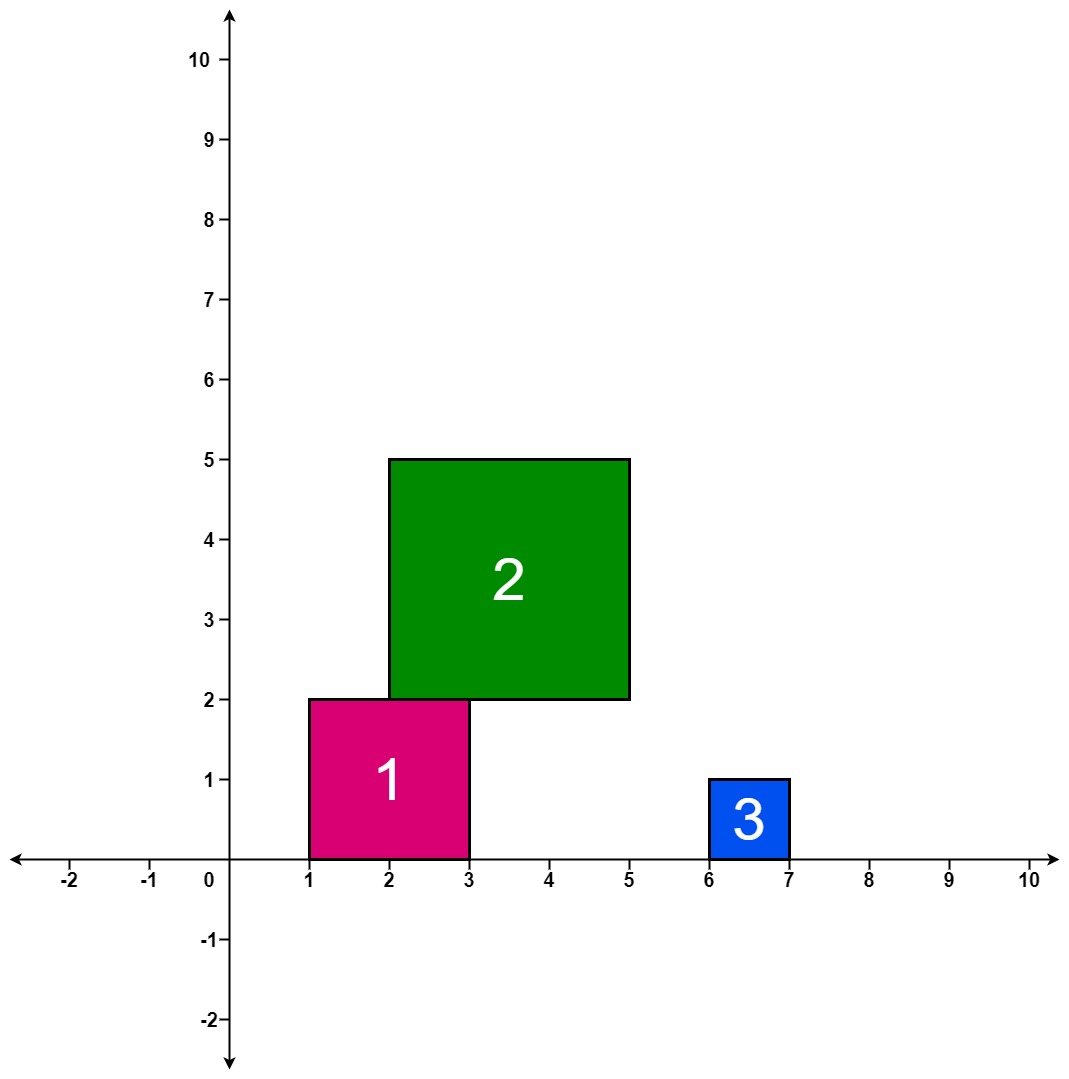
F(0) = 0, F(1) = 1
F(n) = F(n - 1) + F(n - 2), for n > 1.
\
\

Given \n\, calculate \F(n)\.\

### Examples ``` Input: n = 2 Output: 1 Explanation: F(2) = F(1) + F(0) = 1 + 0 = 1. ``` ``` Input: n = 3 Output: 2 Explanation: F(3) = F(2) + F(1) = 1 + 1 = 2. ``` ``` Input: n = 4 Output: 3 Explanation: F(4) = F(3) + F(2) = 2 + 1 = 3. ``` ### Constraints * 0 \<= n \<= 30 ## Solution Reference implementation from [solution.py on GitHub](https://github.com/wislertt/leetcode-py/blob/main/leetcode/fibonacci_number/solution.py), full suite in [test\_solution.py](https://github.com/wislertt/leetcode-py/blob/main/leetcode/fibonacci_number/test_solution.py): ```python theme={"theme":{"light":"github-light","dark":"github-dark"}} class Solution: # Time: O(n) # Space: O(1) def fib(self, n: int) -> int: prev, curr = 0, 1 for _ in range(n): prev, curr = curr, prev + curr return prev ``` ## Complexity | Time | Space | | ---- | ----- | | O(n) | O(1) | ## Tags # Filling Bookcase Shelves Python Solution Source: https://leetcode-py.wisl.dev/problems/filling-bookcase-shelves Tested Python solution for LeetCode 1105 with 12 pytest cases. Generate a practice environment with lcpy. LeetCode 1105, [Medium](/catalog/medium). Topics: [Array](/catalog/topics/array), [Dynamic Programming](/catalog/topics/dynamic-programming). [View on LeetCode](https://leetcode.com/problems/filling-bookcase-shelves/description/). Generate this problem as a practice environment: tested reference solution, 12 [parametrized pytest cases](/practice/testing), and a playground notebook: ```bash theme={"theme":{"light":"github-light","dark":"github-dark"}} lcpy gen -n 1105 # by problem number lcpy gen -s filling_bookcase_shelves # by problem name ``` ## Problem You are given an array \books\ where \books\[i] = \[thickness\i\, height\i\]\ indicates the thickness and height of the \i\th\\ book. You are also given an integer \shelfWidth\. We want to place these books in order onto bookcase shelves that have a total width \shelfWidth\. We choose some of the books to place on this shelf such that the sum of their thickness is less than or equal to \shelfWidth\, then build another level of the shelf of the bookcase so that the total height of the bookcase has increased by the maximum height of the books we just put down. We repeat this process until there are no more books to place. Note that at each step of the above process, the order of the books we place is the same order as the given sequence of books. For example, if we have an ordered list of \5\ books, we might place the first and second book onto the first shelf, the third book on the second shelf, and the fourth and fifth book on the last shelf. Return \the minimum possible height that the total bookshelf can be after placing shelves in this manner\. ### Examples ![Example 1](https://assets.leetcode.com/uploads/2019/06/24/shelves.png) ``` Input: books = [[1,1],[2,3],[2,3],[1,1],[1,1],[1,1],[1,2]], shelfWidth = 4 Output: 6 Explanation: The sum of the heights of the 3 shelves is 1 + 3 + 2 = 6. Notice that book number 2 does not have to be on the first shelf. ``` ``` Input: books = [[1,3],[2,4],[3,2]], shelfWidth = 6 Output: 4 ``` ### Constraints * \1 \<= books.length \<= 1000\ * \1 \<= thickness\i\ \<= shelfWidth \<= 1000\ * \1 \<= height\i\ \<= 1000\ ## Solution Reference implementation from [solution.py on GitHub](https://github.com/wislertt/leetcode-py/blob/main/leetcode/filling_bookcase_shelves/solution.py), full suite in [test\_solution.py](https://github.com/wislertt/leetcode-py/blob/main/leetcode/filling_bookcase_shelves/test_solution.py): ```python theme={"theme":{"light":"github-light","dark":"github-dark"}} class Solution: # Time: O(n * W) # Space: O(n) def min_height_shelves(self, books: list[list[int]], shelf_width: int) -> int: n = len(books) dp = [0] + [10**9] * n for i in range(1, n + 1): total_w = 0 max_h = 0 for j in range(i, 0, -1): total_w += books[j - 1][0] if total_w > shelf_width: break max_h = max(max_h, books[j - 1][1]) dp[i] = min(dp[i], max_h + dp[j - 1]) return dp[n] ``` ## Complexity | Time | Space | | --------- | ----- | | O(n \* W) | O(n) | ## Tags [NeetCode All](/catalog/neetcode). # Final Array State After K Multiplication Source: https://leetcode-py.wisl.dev/problems/final-array-state-after-k-multiplication-operations-i Tested Python solution for LeetCode 3264 with 18 pytest cases. Generate a practice environment with lcpy. LeetCode 3264, [Easy](/catalog/easy). Topics: [Array](/catalog/topics/array), [Math](/catalog/topics/math), [Heap (Priority Queue)](/catalog/topics/heap-priority-queue), [Simulation](/catalog/topics/simulation). [View on LeetCode](https://leetcode.com/problems/final-array-state-after-k-multiplication-operations-i/description/). Generate this problem as a practice environment: tested reference solution, 18 [parametrized pytest cases](/practice/testing), and a playground notebook: ```bash theme={"theme":{"light":"github-light","dark":"github-dark"}} lcpy gen -n 3264 # by problem number lcpy gen -s final_array_state_after_k_multiplication_operations_i # by problem name ``` ## Problem You are given an integer array `nums`, an integer `k`, and an integer `multiplier`. You need to perform `k` operations on `nums`. In each operation: * Find the **minimum** value `x` in `nums`. If there are multiple occurrences of the minimum value, select the one that appears **first**. * Replace the selected minimum value `x` with `x * multiplier`. Return an integer array denoting the final state of `nums` after performing all `k` operations. ### Examples ``` Input: nums = [2,1,3,5,6], k = 5, multiplier = 2 Output: [8,4,6,5,6] ``` **Explanation:** | Operation | Result | | ----------------- | ---------------- | | After operation 1 | \[2, 2, 3, 5, 6] | | After operation 2 | \[4, 2, 3, 5, 6] | | After operation 3 | \[4, 4, 3, 5, 6] | | After operation 4 | \[4, 4, 6, 5, 6] | | After operation 5 | \[8, 4, 6, 5, 6] | ``` Input: nums = [1,2], k = 3, multiplier = 4 Output: [16,8] ``` **Explanation:** | Operation | Result | | ----------------- | -------- | | After operation 1 | \[4, 2] | | After operation 2 | \[4, 8] | | After operation 3 | \[16, 8] | ### Constraints * 1 \<= nums.length \<= 100 * 1 \<= nums\[i] \<= 100 * 1 \<= k \<= 10 * 1 \<= multiplier \<= 5 ## Solution Reference implementation from [solution.py on GitHub](https://github.com/wislertt/leetcode-py/blob/main/leetcode/final_array_state_after_k_multiplication_operations_i/solution.py), full suite in [test\_solution.py](https://github.com/wislertt/leetcode-py/blob/main/leetcode/final_array_state_after_k_multiplication_operations_i/test_solution.py): ```python theme={"theme":{"light":"github-light","dark":"github-dark"}} import heapq class Solution: # Time: O(n + k * log n) # Space: O(n) def get_final_state(self, nums: list[int], k: int, multiplier: int) -> list[int]: heap = [(value, index) for index, value in enumerate(nums)] heapq.heapify(heap) for _ in range(k): value, index = heapq.heappop(heap) heapq.heappush(heap, (value * multiplier, index)) result = [0] * len(nums) while heap: value, index = heapq.heappop(heap) result[index] = value return result ``` ## Complexity | Time | Space | | ----------------- | ----- | | O(n + k \* log n) | O(n) | ## Tags [NeetCode All](/catalog/neetcode). # Final Prices With a Special Discount in a Shop Source: https://leetcode-py.wisl.dev/problems/final-prices-with-a-special-discount-in-a-shop Tested Python solution for LeetCode 1475 with 20 pytest cases. Generate a practice environment with lcpy. LeetCode 1475, [Easy](/catalog/easy). Topics: [Array](/catalog/topics/array), [Stack](/catalog/topics/stack), [Monotonic Stack](/catalog/topics/monotonic-stack). [View on LeetCode](https://leetcode.com/problems/final-prices-with-a-special-discount-in-a-shop/description/). Generate this problem as a practice environment: tested reference solution, 20 [parametrized pytest cases](/practice/testing), and a playground notebook: ```bash theme={"theme":{"light":"github-light","dark":"github-dark"}} lcpy gen -n 1475 # by problem number lcpy gen -s final_prices_with_a_special_discount_in_a_shop # by problem name ``` ## Problem Given an integer array `prices` where `prices[i]` is the price of the `ith` item in a shop. There is a special discount for items in the shop. If you buy the `ith` item, then you will receive a discount equivalent to `prices[j]` where `j` is the minimum index such that `j > i` and `prices[j] <= prices[i]`. Otherwise, you will not receive any discount at all. Return an integer array `answer` where `answer[i]` is the final price you will pay for the `ith` item of the shop, considering the special discount. ### Examples ``` Input: prices = [8,4,6,2,3] Output: [4,2,4,2,3] Explanation: For item 0 with price[0]=8 you will receive a discount equivalent to prices[1]=4, therefore, the final price you will pay is 8 - 4 = 4. For item 1 with price[1]=4 you will receive a discount equivalent to prices[3]=2, therefore, the final price you will pay is 4 - 2 = 2. For item 2 with price[2]=6 you will receive a discount equivalent to prices[3]=2, therefore, the final price you will pay is 6 - 2 = 4. For items 3 and 4 you will not receive any discount at all. ``` ``` Input: prices = [1,2,3,4,5] Output: [1,2,3,4,5] Explanation: In this case, for all items, you will not receive any discount at all. ``` ``` Input: prices = [10,1,1,6] Output: [9,0,1,6] ``` ### Constraints * `1 <= prices.length <= 500` * `1 <= prices[i] <= 1000` ## Solution Reference implementation from [solution.py on GitHub](https://github.com/wislertt/leetcode-py/blob/main/leetcode/final_prices_with_a_special_discount_in_a_shop/solution.py), full suite in [test\_solution.py](https://github.com/wislertt/leetcode-py/blob/main/leetcode/final_prices_with_a_special_discount_in_a_shop/test_solution.py): ```python theme={"theme":{"light":"github-light","dark":"github-dark"}} class Solution: # Time: O(n) - each index is pushed and popped at most once # Space: O(n) - for the index stack def final_prices(self, prices: list[int]) -> list[int]: answer = list(prices) stack: list[int] = [] for i, price in enumerate(prices): while stack and prices[stack[-1]] >= price: answer[stack.pop()] -= price stack.append(i) return answer ``` ## Complexity | Time | Space | | --------------------------------------------------- | -------------------------- | | O(n) - each index is pushed and popped at most once | O(n) - for the index stack | ## Tags [NeetCode All](/catalog/neetcode). # Find All Anagrams in a String Python Solution Source: https://leetcode-py.wisl.dev/problems/find-all-anagrams-in-a-string Tested Python solution for LeetCode 438 with 12 pytest cases. Generate a practice environment with lcpy. LeetCode 438, [Medium](/catalog/medium). Topics: [Hash Table](/catalog/topics/hash-table), [String](/catalog/topics/string), [Sliding Window](/catalog/topics/sliding-window). [View on LeetCode](https://leetcode.com/problems/find-all-anagrams-in-a-string/description/). Generate this problem as a practice environment: tested reference solution, 12 [parametrized pytest cases](/practice/testing), and a playground notebook: ```bash theme={"theme":{"light":"github-light","dark":"github-dark"}} lcpy gen -n 438 # by problem number lcpy gen -s find_all_anagrams_in_a_string # by problem name ``` ## Problem Given two strings `s` and `p`, return an array of all the start indices of `p`'s anagrams in `s`. You may return the answer in any order. An **anagram** is a word or phrase formed by rearranging the letters of a different word or phrase, typically using all the original letters exactly once. ### Examples ``` Input: s = "cbaebabacd", p = "abc" Output: [0,6] ``` **Explanation:** The substring with start index = 0 is "cba", which is an anagram of "abc". The substring with start index = 6 is "bac", which is an anagram of "abc". ``` Input: s = "abab", p = "ab" Output: [0,1,2] ``` **Explanation:** The substring with start index = 0 is "ab", which is an anagram of "ab". The substring with start index = 1 is "ba", which is an anagram of "ab". The substring with start index = 2 is "ab", which is an anagram of "ab". ### Constraints * 1 \<= s.length, p.length \<= 3 \* 10^4 * s and p consist of lowercase English letters. ## Solution Reference implementation from [solution.py on GitHub](https://github.com/wislertt/leetcode-py/blob/main/leetcode/find_all_anagrams_in_a_string/solution.py), full suite in [test\_solution.py](https://github.com/wislertt/leetcode-py/blob/main/leetcode/find_all_anagrams_in_a_string/test_solution.py): ```python theme={"theme":{"light":"github-light","dark":"github-dark"}} from collections import Counter class Solution: """ Sliding Window with Character Frequency Counting Algorithm: 1. Count character frequencies in pattern p 2. Use sliding window of size len(p) on string s 3. Maintain frequency count of current window 4. When frequencies match, record start index ASCII Visualization: s = "cbaebabacd", p = "abc" (need: a=1, b=1, c=1) Window positions: [cba]ebabacd -> {c:1, b:1, a:1} ✓ matches -> index 0 c[bae]babacd -> {b:1, a:1, e:1} ✗ cb[aeb]abacd -> {a:1, e:1, b:1} ✗ cba[eba]bacd -> {e:1, b:1, a:1} ✗ cbae[bab]acd -> {b:2, a:1} ✗ cbaeb[aba]cd -> {a:2, b:1} ✗ cbaeba[bac]d -> {b:1, a:1, c:1} ✓ matches -> index 6 """ # Time: O(n) where n is length of s # Space: O(1) - at most 26 lowercase letters def find_anagrams(self, s: str, p: str) -> list[int]: if len(p) > len(s): return [] result = [] p_count = Counter(p) window_count = Counter(s[: len(p)]) # Check first window if window_count == p_count: result.append(0) # Slide window for i in range(len(p), len(s)): # Add new character window_count[s[i]] += 1 # Remove old character left_char = s[i - len(p)] window_count[left_char] -= 1 if window_count[left_char] == 0: del window_count[left_char] # Check if current window is anagram if window_count == p_count: result.append(i - len(p) + 1) return result ``` ## Complexity | Time | Space | | --------------------------- | ----------------------------------- | | O(n) where n is length of s | O(1) - at most 26 lowercase letters | ## Tags [Grind 75](/catalog/grind-75), [Grind](/catalog/grind), [NeetCode All](/catalog/neetcode), [AlgoMaster 75](/catalog/algo-master-75). # Find All Duplicates in an Array Source: https://leetcode-py.wisl.dev/problems/find-all-duplicates-in-an-array Tested Python solution for LeetCode 442 with 20 pytest cases. Generate a practice environment with lcpy. LeetCode 442, [Medium](/catalog/medium). Topics: [Array](/catalog/topics/array), [Hash Table](/catalog/topics/hash-table), [Sorting](/catalog/topics/sorting). [View on LeetCode](https://leetcode.com/problems/find-all-duplicates-in-an-array/description/). Generate this problem as a practice environment: tested reference solution, 20 [parametrized pytest cases](/practice/testing), and a playground notebook: ```bash theme={"theme":{"light":"github-light","dark":"github-dark"}} lcpy gen -n 442 # by problem number lcpy gen -s find_all_duplicates_in_an_array # by problem name ``` ## Problem Given an integer array `nums` of length `n` where all the integers of `nums` are in the range `[1, n]` and each integer appears **at most** **twice**, return *an array of all the integers that appears **twice***. You must write an algorithm that runs in `O(n)` time and uses only *constant* auxiliary space, excluding the space needed to store the output ### Examples ``` Input: nums = [4,3,2,7,8,2,3,1] Output: [2,3] ``` ``` Input: nums = [1,1,2] Output: [1] ``` ``` Input: nums = [1] Output: [] ``` ### Constraints * `n == nums.length` * `1 <= n <= 10^5` * `1 <= nums[i] <= n` * Each element in `nums` appears **once** or **twice**. ## Solution Reference implementation from [solution.py on GitHub](https://github.com/wislertt/leetcode-py/blob/main/leetcode/find_all_duplicates_in_an_array/solution.py), full suite in [test\_solution.py](https://github.com/wislertt/leetcode-py/blob/main/leetcode/find_all_duplicates_in_an_array/test_solution.py): ```python theme={"theme":{"light":"github-light","dark":"github-dark"}} class Solution: # Time: O(n) # Space: O(1) def find_duplicates(self, nums: list[int]) -> list[int]: result: list[int] = [] for num in nums: idx = abs(num) - 1 if nums[idx] < 0: result.append(abs(num)) else: nums[idx] = -nums[idx] return result ``` ## Complexity | Time | Space | | ---- | ----- | | O(n) | O(1) | ## Tags [NeetCode All](/catalog/neetcode). # Find All Numbers Disappeared in an Array Source: https://leetcode-py.wisl.dev/problems/find-all-numbers-disappeared-in-an-array Tested Python solution for LeetCode 448 with 13 pytest cases. Generate a practice environment with lcpy. LeetCode 448, [Easy](/catalog/easy). Topics: [Array](/catalog/topics/array), [Hash Table](/catalog/topics/hash-table). [View on LeetCode](https://leetcode.com/problems/find-all-numbers-disappeared-in-an-array/description/). Generate this problem as a practice environment: tested reference solution, 13 [parametrized pytest cases](/practice/testing), and a playground notebook: ```bash theme={"theme":{"light":"github-light","dark":"github-dark"}} lcpy gen -n 448 # by problem number lcpy gen -s find_all_numbers_disappeared_in_an_array # by problem name ``` ## Problem Given an array `nums` of `n` integers where `nums[i]` is in the range `[1, n]`, return *an array of all the integers in the range* `[1, n]` *that do not appear in* `nums`. ### Examples ``` Input: nums = [4,3,2,7,8,2,3,1] Output: [5,6] ``` ``` Input: nums = [1,1] Output: [2] ``` ### Constraints * `n == nums.length` * `1 <= n <= 10^5` * `1 <= nums[i] <= n` **Follow up:** Could you do it without extra space and in `O(n)` runtime? You may assume the returned list does not count as extra space. ## Solution Reference implementation from [solution.py on GitHub](https://github.com/wislertt/leetcode-py/blob/main/leetcode/find_all_numbers_disappeared_in_an_array/solution.py), full suite in [test\_solution.py](https://github.com/wislertt/leetcode-py/blob/main/leetcode/find_all_numbers_disappeared_in_an_array/test_solution.py): ```python theme={"theme":{"light":"github-light","dark":"github-dark"}} class Solution: # Time: O(n) # Space: O(1) excluding the output list def find_disappeared_numbers(self, nums: list[int]) -> list[int]: for num in nums: index = abs(num) - 1 if nums[index] > 0: nums[index] = -nums[index] return [i + 1 for i, num in enumerate(nums) if num > 0] ``` ## Complexity | Time | Space | | ---- | ------------------------------ | | O(n) | O(1) excluding the output list | ## Tags [NeetCode All](/catalog/neetcode). # Find All People With Secret Python Solution Source: https://leetcode-py.wisl.dev/problems/find-all-people-with-secret Tested Python solution for LeetCode 2092 with 16 pytest cases. Generate a practice environment with lcpy. LeetCode 2092, [Hard](/catalog/hard). Topics: [Depth-First Search](/catalog/topics/depth-first-search), [Breadth-First Search](/catalog/topics/breadth-first-search), [Union-Find](/catalog/topics/union-find), [Graph Theory](/catalog/topics/graph-theory), [Sorting](/catalog/topics/sorting). [View on LeetCode](https://leetcode.com/problems/find-all-people-with-secret/description/). Generate this problem as a practice environment: tested reference solution, 16 [parametrized pytest cases](/practice/testing), and a playground notebook: ```bash theme={"theme":{"light":"github-light","dark":"github-dark"}} lcpy gen -n 2092 # by problem number lcpy gen -s find_all_people_with_secret # by problem name ``` ## Problem You are given an integer `n` indicating there are `n` people numbered from `0` to `n - 1`. You are also given a **0-indexed** 2D integer array `meetings` where `meetings[i] = [xi, yi, timei]` indicates that person `xi` and person `yi` have a meeting at `timei`. A person may attend **multiple meetings** at the same time. Finally, you are given an integer `firstPerson`. Person `0` has a **secret** and initially shares the secret with a person `firstPerson` at time `0`. This secret is then shared every time a meeting takes place with a person that has the secret. More formally, for every meeting, if a person `xi` has the secret at `timei`, then they will share the secret with person `yi`, and vice versa. The secrets are shared **instantaneously**. That is, a person may receive the secret and share it with people in other meetings within the same time frame. Return a list of all the people that have the secret after all the meetings have taken place. You may return the answer in **any order**. ### Examples ``` Input: n = 6, meetings = [[1,2,5],[2,3,8],[1,5,10]], firstPerson = 1 Output: [0,1,2,3,5] Explanation: At time 0, person 0 shares the secret with person 1. At time 5, person 1 shares the secret with person 2. At time 8, person 2 shares the secret with person 3. At time 10, person 1 shares the secret with person 5. Thus, people 0, 1, 2, 3, and 5 know the secret after all the meetings. ``` ``` Input: n = 4, meetings = [[3,1,3],[1,2,2],[0,3,3]], firstPerson = 3 Output: [0,1,3] Explanation: At time 0, person 0 shares the secret with person 3. At time 2, neither person 1 nor person 2 know the secret. At time 3, person 3 shares the secret with person 0 and person 1. Thus, people 0, 1, and 3 know the secret after all the meetings. ``` ``` Input: n = 5, meetings = [[3,4,2],[1,2,1],[2,3,1]], firstPerson = 1 Output: [0,1,2,3,4] Explanation: At time 0, person 0 shares the secret with person 1. At time 1, person 1 shares the secret with person 2, and person 2 shares the secret with person 3. Note that person 2 can share the secret at the same time as receiving it. At time 2, person 3 shares the secret with person 4. Thus, people 0, 1, 2, 3, and 4 know the secret after all the meetings. ``` ### Constraints * `2 <= n <= 10^5` * `1 <= meetings.length <= 10^5` * `meetings[i].length == 3` * `0 <= xi, yi <= n - 1` * `xi != yi` * `1 <= timei <= 10^5` * `1 <= firstPerson <= n - 1` ## Solution Reference implementation from [solution.py on GitHub](https://github.com/wislertt/leetcode-py/blob/main/leetcode/find_all_people_with_secret/solution.py), full suite in [test\_solution.py](https://github.com/wislertt/leetcode-py/blob/main/leetcode/find_all_people_with_secret/test_solution.py): ```python theme={"theme":{"light":"github-light","dark":"github-dark"}} class Solution: # Time: O(m log m) for sorting meetings plus near-linear union-find passes # Space: O(n) for the parent array def find_all_people(self, n: int, meetings: list[list[int]], first_person: int) -> list[int]: parent = list(range(n)) def find(node: int) -> int: while parent[node] != node: parent[node] = parent[parent[node]] node = parent[node] return node def union(a: int, b: int) -> None: root_a, root_b = find(a), find(b) if root_a != root_b: parent[root_a] = root_b known = {0, first_person} sorted_meetings = sorted(meetings, key=lambda meeting: meeting[2]) i = 0 total = len(sorted_meetings) while i < total: time = sorted_meetings[i][2] participants: set[int] = set() while i < total and sorted_meetings[i][2] == time: x, y, _ = sorted_meetings[i] union(x, y) participants.update((x, y)) i += 1 knower_roots = {find(p) for p in participants if p in known} for person in participants: if find(person) in knower_roots: known.add(person) for person in participants: parent[person] = person return list(known) ``` ## Complexity | Time | Space | | ------------------------------------------------------------------ | ------------------------- | | O(m log m) for sorting meetings plus near-linear union-find passes | O(n) for the parent array | ## Tags [NeetCode All](/catalog/neetcode). # Find All Possible Recipes from Given Supplies Source: https://leetcode-py.wisl.dev/problems/find-all-possible-recipes-from-given-supplies Tested Python solution for LeetCode 2115 with 19 pytest cases. Generate a practice environment with lcpy. LeetCode 2115, [Medium](/catalog/medium). Topics: [Array](/catalog/topics/array), [Hash Table](/catalog/topics/hash-table), [String](/catalog/topics/string), [Graph Theory](/catalog/topics/graph-theory), [Topological Sort](/catalog/topics/topological-sort), Directed Acyclic Graph. [View on LeetCode](https://leetcode.com/problems/find-all-possible-recipes-from-given-supplies/description/). Generate this problem as a practice environment: tested reference solution, 19 [parametrized pytest cases](/practice/testing), and a playground notebook: ```bash theme={"theme":{"light":"github-light","dark":"github-dark"}} lcpy gen -n 2115 # by problem number lcpy gen -s find_all_possible_recipes_from_given_supplies # by problem name ``` ## Problem You have information about `n` different recipes. You are given a string array `recipes` and a 2D string array `ingredients`. The `i`th recipe has the name `recipes[i]`, and you can **create** it if you have **all** the needed ingredients from `ingredients[i]`. A recipe can also be an ingredient for **other** recipes, i.e., `ingredients[i]` may contain a string that is in `recipes`. You are also given a string array `supplies` containing all the ingredients that you initially have, and you have an infinite supply of all of them. Return *a list of all the recipes that you can create.* You may return the answer in **any order**. Note that two recipes may contain each other in their ingredients. ### Examples ``` Input: recipes = ["bread"], ingredients = [["yeast","flour"]], supplies = ["yeast","flour","corn"] Output: ["bread"] Explanation: We can create "bread" since we have the ingredients "yeast" and "flour". ``` ``` Input: recipes = ["bread","sandwich"], ingredients = [["yeast","flour"],["bread","meat"]], supplies = ["yeast","flour","meat"] Output: ["bread","sandwich"] Explanation: We can create "bread" since we have the ingredients "yeast" and "flour". We can create "sandwich" since we have the ingredient "meat" and can create the ingredient "bread". ``` ``` Input: recipes = ["bread","sandwich","burger"], ingredients = [["yeast","flour"],["bread","meat"],["sandwich","meat","bread"]], supplies = ["yeast","flour","meat"] Output: ["bread","sandwich","burger"] Explanation: We can create "bread" since we have the ingredients "yeast" and "flour". We can create "sandwich" since we have the ingredient "meat" and can create the ingredient "bread". We can create "burger" since we have the ingredient "meat" and can create the ingredients "bread" and "sandwich". ``` ### Constraints * `n == recipes.length == ingredients.length` * `1 <= n <= 100` * `1 <= ingredients[i].length, supplies.length <= 100` * `1 <= recipes[i].length, ingredients[i][j].length, supplies[k].length <= 10` * `recipes[i]`, `ingredients[i][j]`, and `supplies[k]` consist only of lowercase English letters. * All the values of `recipes` and `supplies` combined are unique. * Each `ingredients[i]` does not contain any duplicate values. ## Solution Reference implementation from [solution.py on GitHub](https://github.com/wislertt/leetcode-py/blob/main/leetcode/find_all_possible_recipes_from_given_supplies/solution.py), full suite in [test\_solution.py](https://github.com/wislertt/leetcode-py/blob/main/leetcode/find_all_possible_recipes_from_given_supplies/test_solution.py): ```python theme={"theme":{"light":"github-light","dark":"github-dark"}} from collections import deque class Solution: # Time: O(V + E) over recipes and ingredient references # Space: O(V + E) def find_all_recipes( self, recipes: list[str], ingredients: list[list[str]], supplies: list[str] ) -> list[str]: recipe_set = set(recipes) remaining = {r: len(ings) for r, ings in zip(recipes, ingredients, strict=True)} dependents: dict[str, list[str]] = {} for recipe, ings in zip(recipes, ingredients, strict=True): for ing in ings: dependents.setdefault(ing, []).append(recipe) made: list[str] = [] queue: deque[str] = deque(supplies) queue.extend(recipe for recipe in recipes if remaining[recipe] == 0) while queue: item = queue.popleft() if item in recipe_set: made.append(item) for recipe in dependents.get(item, ()): remaining[recipe] -= 1 if remaining[recipe] == 0: queue.append(recipe) return made ``` ## Complexity | Time | Space | | ----------------------------------------------- | -------- | | O(V + E) over recipes and ingredient references | O(V + E) | ## Tags [NeetCode All](/catalog/neetcode). # Find Anagram Mappings Python Solution Source: https://leetcode-py.wisl.dev/problems/find-anagram-mappings Tested Python solution for LeetCode 760 with 12 pytest cases. Generate a practice environment with lcpy. LeetCode 760, [Easy](/catalog/easy). Topics: [Array](/catalog/topics/array), [Hash Table](/catalog/topics/hash-table). [View on LeetCode](https://leetcode.com/problems/find-anagram-mappings/description/). Generate this problem as a practice environment: tested reference solution, 12 [parametrized pytest cases](/practice/testing), and a playground notebook: ```bash theme={"theme":{"light":"github-light","dark":"github-dark"}} lcpy gen -n 760 # by problem number lcpy gen -s find_anagram_mappings # by problem name ``` ## Problem You are given two integer arrays `nums1` and `nums2` where `nums2` is an anagram of `nums1`. Both arrays may contain duplicates. Return an index mapping array `mapping` from `nums1` to `nums2` where `mapping[i] = j` means the `ith` element in `nums1` appears in `nums2` at index `j`. If there are multiple answers, return any of them. An array `a` is an anagram of an array `b` means `b` is made by randomizing the order of the elements in `a`. ### Examples ``` Input: nums1 = [12,28,46,32,50], nums2 = [50,12,32,46,28] Output: [1,4,3,2,0] Explanation: As mapping[0] = 1 because the 0th element of nums1 appears at nums2[1], and mapping[1] = 4 because the 1st element of nums1 appears at nums2[4], and so on. ``` ``` Input: nums1 = [84,46], nums2 = [84,46] Output: [0,1] ``` ### Constraints * 1 \<= nums1.length \<= 100 * nums2.length == nums1.length * 0 \<= nums1\[i], nums2\[i] \<= 10^5 * nums2 is an anagram of nums1. ## Solution Reference implementation from [solution.py on GitHub](https://github.com/wislertt/leetcode-py/blob/main/leetcode/find_anagram_mappings/solution.py), full suite in [test\_solution.py](https://github.com/wislertt/leetcode-py/blob/main/leetcode/find_anagram_mappings/test_solution.py): ```python theme={"theme":{"light":"github-light","dark":"github-dark"}} class Solution: # Time: O(n) # Space: O(n) def anagram_mappings(self, nums1: list[int], nums2: list[int]) -> list[int]: index = {x: i for i, x in enumerate(nums2)} return [index[x] for x in nums1] ``` ## Complexity | Time | Space | | ---- | ----- | | O(n) | O(n) | ## Tags [NeetCode All](/catalog/neetcode). # Find And Replace in String Python Solution Source: https://leetcode-py.wisl.dev/problems/find-and-replace-in-string Tested Python solution for LeetCode 833 with 16 pytest cases. Generate a practice environment with lcpy. LeetCode 833, [Medium](/catalog/medium). Topics: [Array](/catalog/topics/array), [Hash Table](/catalog/topics/hash-table), [String](/catalog/topics/string), [Sorting](/catalog/topics/sorting). [View on LeetCode](https://leetcode.com/problems/find-and-replace-in-string/description/). Generate this problem as a practice environment: tested reference solution, 16 [parametrized pytest cases](/practice/testing), and a playground notebook: ```bash theme={"theme":{"light":"github-light","dark":"github-dark"}} lcpy gen -n 833 # by problem number lcpy gen -s find_and_replace_in_string # by problem name ``` ## Problem You are given a 0-indexed string `s` that you must perform `k` replacement operations on. The replacement operations are given as three 0-indexed parallel arrays, `indices`, `sources`, and `targets`, all of length `k`. To complete the `ith` replacement operation: * Check if the substring `sources[i]` occurs at index `indices[i]` in the original string `s`. * If it does not occur, do nothing. * Otherwise if it does occur, replace that substring with `targets[i]`. For example, if `s = "abcd"`, `indices[i] = 0`, `sources[i] = "ab"`, and `targets[i] = "eee"`, then the result of this replacement will be `"eeecd"`. All replacement operations must occur simultaneously, meaning the replacement operations should not affect the indexing of each other. The testcases will be generated such that the replacements will not overlap. * For example, a testcase with `s = "abc"`, `indices = [0, 1]`, and `sources = ["ab","bc"]` will not be generated because the `"ab"` and `"bc"` replacements overlap. Return the resulting string after performing all replacement operations on `s`. A substring is a contiguous sequence of characters in a string. ### Examples ![Example 1](https://assets.leetcode.com/uploads/2021/06/12/833-ex1.png) ``` Input: s = "abcd", indices = [0, 2], sources = ["a", "cd"], targets = ["eee", "ffff"] Output: "eeebffff" Explanation: "a" occurs at index 0 in s, so we replace it with "eee". "cd" occurs at index 2 in s, so we replace it with "ffff". ``` ![Example 2](https://assets.leetcode.com/uploads/2021/06/12/833-ex2-1.png) ``` Input: s = "abcd", indices = [0, 2], sources = ["ab","ec"], targets = ["eee","ffff"] Output: "eeecd" Explanation: "ab" occurs at index 0 in s, so we replace it with "eee". "ec" does not occur at index 2 in s, so we do nothing. ``` ### Constraints * 1 \<= s.length \<= 1000 * k == indices.length == sources.length == targets.length * 1 \<= k \<= 100 * 0 \<= indices\[i] \< s.length * 1 \<= sources\[i].length, targets\[i].length \<= 50 * s consists of only lowercase English letters. * sources\[i] and targets\[i] consist of only lowercase English letters. ## Solution Reference implementation from [solution.py on GitHub](https://github.com/wislertt/leetcode-py/blob/main/leetcode/find_and_replace_in_string/solution.py), full suite in [test\_solution.py](https://github.com/wislertt/leetcode-py/blob/main/leetcode/find_and_replace_in_string/test_solution.py): ```python theme={"theme":{"light":"github-light","dark":"github-dark"}} class Solution: # Time: O(n + sum(len(sources[i]) + len(targets[i]))) # Space: O(n) def find_replace_string( self, s: str, indices: list[int], sources: list[str], targets: list[str] ) -> str: match_at: dict[int, int] = {} for i, idx in enumerate(indices): if s.startswith(sources[i], idx): match_at[idx] = i pieces: list[str] = [] i = 0 while i < len(s): j = match_at.get(i) if j is None: pieces.append(s[i]) i += 1 else: pieces.append(targets[j]) i += len(sources[j]) return "".join(pieces) ``` ## Complexity | Time | Space | | ----------------------------------------------- | ----- | | O(n + sum(len(sources\[i]) + len(targets\[i]))) | O(n) | ## Tags # Find and Replace Pattern Python Solution Source: https://leetcode-py.wisl.dev/problems/find-and-replace-pattern Tested Python solution for LeetCode 890 with 18 pytest cases. Generate a practice environment with lcpy. LeetCode 890, [Medium](/catalog/medium). Topics: [Array](/catalog/topics/array), [Hash Table](/catalog/topics/hash-table), [String](/catalog/topics/string). [View on LeetCode](https://leetcode.com/problems/find-and-replace-pattern/description/). Generate this problem as a practice environment: tested reference solution, 18 [parametrized pytest cases](/practice/testing), and a playground notebook: ```bash theme={"theme":{"light":"github-light","dark":"github-dark"}} lcpy gen -n 890 # by problem number lcpy gen -s find_and_replace_pattern # by problem name ``` ## Problem Given a list of strings `words` and a string `pattern`, return *a list of* `words[i]` *that match* `pattern`. You may return the answer in **any order**. A word matches the pattern if there exists a permutation of letters `p` so that after replacing every letter `x` in the pattern with `p(x)`, we get the desired word. Recall that a permutation of letters is a bijection from letters to letters: every letter maps to another letter, and no two letters map to the same letter. ### Examples ``` Input: words = ["abc","deq","mee","aqq","dkd","ccc"], pattern = "abb" Output: ["mee","aqq"] Explanation: "mee" matches the pattern because there is a permutation {a -> m, b -> e, ...}. "ccc" does not match the pattern because {a -> c, b -> c, ...} is not a permutation, since a and b map to the same letter. ``` ``` Input: words = ["a","b","c"], pattern = "a" Output: ["a","b","c"] ``` ### Constraints * `1 <= pattern.length <= 20` * `1 <= words.length <= 50` * `words[i].length == pattern.length` * `pattern` and `words[i]` are lowercase English letters. ## Solution Reference implementation from [solution.py on GitHub](https://github.com/wislertt/leetcode-py/blob/main/leetcode/find_and_replace_pattern/solution.py), full suite in [test\_solution.py](https://github.com/wislertt/leetcode-py/blob/main/leetcode/find_and_replace_pattern/test_solution.py): ```python theme={"theme":{"light":"github-light","dark":"github-dark"}} class Solution: # Time: O(n * m) where n = len(words), m = len(pattern) # Space: O(m) def find_and_replace_pattern(self, words: list[str], pattern: str) -> list[str]: def matches(word: str) -> bool: if len(word) != len(pattern): return False p_to_w: dict[str, str] = {} w_to_p: dict[str, str] = {} for pc, wc in zip(pattern, word, strict=True): if p_to_w.setdefault(pc, wc) != wc or w_to_p.setdefault(wc, pc) != pc: return False return True return [word for word in words if matches(word)] ``` ## Complexity | Time | Space | | ------------------------------------------------ | ----- | | O(n \* m) where n = len(words), m = len(pattern) | O(m) | ## Tags # Find Bottom Left Tree Value Python Solution Source: https://leetcode-py.wisl.dev/problems/find-bottom-left-tree-value Tested Python solution for LeetCode 513 with 15 pytest cases. Generate a practice environment with lcpy. LeetCode 513, [Medium](/catalog/medium). Topics: [Tree](/catalog/topics/tree), [Depth-First Search](/catalog/topics/depth-first-search), [Breadth-First Search](/catalog/topics/breadth-first-search), [Binary Tree](/catalog/topics/binary-tree). [View on LeetCode](https://leetcode.com/problems/find-bottom-left-tree-value/description/). Generate this problem as a practice environment: tested reference solution, 15 [parametrized pytest cases](/practice/testing), and a playground notebook: ```bash theme={"theme":{"light":"github-light","dark":"github-dark"}} lcpy gen -n 513 # by problem number lcpy gen -s find_bottom_left_tree_value # by problem name ``` ## Problem Given the `root` of a binary tree, return *the leftmost value in the last row of the tree*. ### Examples ![Example 1](https://assets.leetcode.com/uploads/2020/12/14/tree1.jpg) ``` Input: root = [2,1,3] Output: 1 ``` ![Example 2](https://assets.leetcode.com/uploads/2020/12/14/tree2.jpg) ``` Input: root = [1,2,3,4,null,5,6,null,null,7] Output: 7 ``` ### Constraints * The number of nodes in the tree is in the range `[1, 10^4]`. * `-2^31 <= Node.val <= 2^31 - 1` ## Solution Reference implementation from [solution.py on GitHub](https://github.com/wislertt/leetcode-py/blob/main/leetcode/find_bottom_left_tree_value/solution.py), full suite in [test\_solution.py](https://github.com/wislertt/leetcode-py/blob/main/leetcode/find_bottom_left_tree_value/test_solution.py): ```python theme={"theme":{"light":"github-light","dark":"github-dark"}} from collections import deque from leetcode_py import TreeNode class Solution: # Time: O(n) # Space: O(n) def find_bottom_left_value(self, root: TreeNode[int]) -> int: queue: deque[TreeNode[int]] = deque([root]) leftmost = root.val while queue: leftmost = queue[0].val for _ in range(len(queue)): node = queue.popleft() if node.left: queue.append(node.left) if node.right: queue.append(node.right) return leftmost ``` ## Complexity | Time | Space | | ---- | ----- | | O(n) | O(n) | ## Tags [NeetCode All](/catalog/neetcode). # Find Building Where Alice and Bob Can Meet Source: https://leetcode-py.wisl.dev/problems/find-building-where-alice-and-bob-can-meet Tested Python solution for LeetCode 2940 with 18 pytest cases. Generate a practice environment with lcpy. LeetCode 2940, [Hard](/catalog/hard). Topics: [Array](/catalog/topics/array), [Binary Search](/catalog/topics/binary-search), [Stack](/catalog/topics/stack), [Binary Indexed Tree](/catalog/topics/binary-indexed-tree), [Segment Tree](/catalog/topics/segment-tree), [Heap (Priority Queue)](/catalog/topics/heap-priority-queue), [Monotonic Stack](/catalog/topics/monotonic-stack). [View on LeetCode](https://leetcode.com/problems/find-building-where-alice-and-bob-can-meet/description/). Generate this problem as a practice environment: tested reference solution, 18 [parametrized pytest cases](/practice/testing), and a playground notebook: ```bash theme={"theme":{"light":"github-light","dark":"github-dark"}} lcpy gen -n 2940 # by problem number lcpy gen -s find_building_where_alice_and_bob_can_meet # by problem name ``` ## Problem You are given a **0-indexed** array `heights` of positive integers, where `heights[i]` represents the height of the `i`th building. If a person is in building `i`, they can move to any other building `j` if and only if `i < j` and `heights[i] < heights[j]`. You are also given another array `queries` where `queries[i] = [a_i, b_i]`. On the `i`th query, Alice is in building `a_i` while Bob is in building `b_i`. Return *an array* `ans` where `ans[i]` is **the index of the leftmost building** where Alice and Bob can meet on the `i`th query. If Alice and Bob cannot move to a common building on query `i`, set `ans[i]` to `-1`. ### Examples ``` Input: heights = [6,4,8,5,2,7], queries = [[0,1],[0,3],[2,4],[3,4],[2,2]] Output: [2,5,-1,5,2] Explanation: In the first query, Alice and Bob can move to building 2 since heights[0] < heights[2] and heights[1] < heights[2]. In the second query, Alice and Bob can move to building 5 since heights[0] < heights[5] and heights[3] < heights[5]. In the third query, Alice cannot meet Bob since Alice cannot move to any other building. In the fourth query, Alice and Bob can move to building 5 since heights[3] < heights[5] and heights[4] < heights[5]. In the fifth query, Alice and Bob are already in the same building. For ans[i] != -1, It can be shown that ans[i] is the leftmost building where Alice and Bob can meet. For ans[i] == -1, It can be shown that there is no building where Alice and Bob can meet. ``` ``` Input: heights = [5,3,8,2,6,1,4,6], queries = [[0,7],[3,5],[5,2],[3,0],[1,6]] Output: [7,6,-1,4,6] Explanation: In the first query, Alice can directly move to Bob's building since heights[0] < heights[7]. In the second query, Alice and Bob can move to building 6 since heights[3] < heights[6] and heights[5] < heights[6]. In the third query, Alice cannot meet Bob since Bob cannot move to any other building. In the fourth query, Alice and Bob can move to building 4 since heights[3] < heights[4] and heights[0] < heights[4]. In the fifth query, Alice can directly move to Bob's building since heights[1] < heights[6]. For ans[i] != -1, It can be shown that ans[i] is the leftmost building where Alice and Bob can meet. For ans[i] == -1, It can be shown that there is no building where Alice and Bob can meet. ``` ### Constraints * 1 \<= heights.length \<= 5 \* 10^4 * 1 \<= heights\[i] \<= 10^9 * 1 \<= queries.length \<= 5 \* 10^4 * queries\[i] = \[a\_i, b\_i] * 0 \<= a\_i, b\_i \<= heights.length - 1 ## Solution Reference implementation from [solution.py on GitHub](https://github.com/wislertt/leetcode-py/blob/main/leetcode/find_building_where_alice_and_bob_can_meet/solution.py), full suite in [test\_solution.py](https://github.com/wislertt/leetcode-py/blob/main/leetcode/find_building_where_alice_and_bob_can_meet/test_solution.py): ```python theme={"theme":{"light":"github-light","dark":"github-dark"}} class Solution: # Time: O((n + q) log n) - one build pass over the tree plus a descent per query # Space: O(n) - segment tree over the building heights def leftmost_building_queries(self, heights: list[int], queries: list[list[int]]) -> list[int]: n = len(heights) size = 1 while size < n: size <<= 1 tree = [0] * (2 * size) tree[size : size + n] = heights for i in range(size - 1, 0, -1): tree[i] = max(tree[2 * i], tree[2 * i + 1]) def next_greater(start: int, limit: int) -> int: def descend(node: int, node_lo: int, node_hi: int) -> int: if node_hi <= start or tree[node] <= limit: return -1 if node_lo == node_hi: return node_lo mid = (node_lo + node_hi) // 2 found = descend(2 * node, node_lo, mid) return found if found != -1 else descend(2 * node + 1, mid + 1, node_hi) if start >= n: return -1 return descend(1, 0, size - 1) result: list[int] = [] for query in queries: left, right = query[0], query[1] if left > right: left, right = right, left if left == right: result.append(left) elif heights[left] < heights[right]: result.append(right) else: result.append(next_greater(right, heights[left])) return result ``` ## Complexity | Time | Space | | ------------------------------------------------------------------------ | --------------------------------------------- | | O((n + q) log n) - one build pass over the tree plus a descent per query | O(n) - segment tree over the building heights | ## Tags [NeetCode All](/catalog/neetcode). # Find Champion II Python Solution with Tests Source: https://leetcode-py.wisl.dev/problems/find-champion-ii Tested Python solution for LeetCode 2924 with 20 pytest cases. Generate a practice environment with lcpy. LeetCode 2924, [Medium](/catalog/medium). Topics: [Array](/catalog/topics/array), [Graph Theory](/catalog/topics/graph-theory). [View on LeetCode](https://leetcode.com/problems/find-champion-ii/description/). Generate this problem as a practice environment: tested reference solution, 20 [parametrized pytest cases](/practice/testing), and a playground notebook: ```bash theme={"theme":{"light":"github-light","dark":"github-dark"}} lcpy gen -n 2924 # by problem number lcpy gen -s find_champion_ii # by problem name ``` ## Problem There are `n` teams numbered from `0` to `n - 1` in a tournament; each team is also a node in a \DAG\. You are given the integer `n` and a \0-indexed\ 2D integer array `edges` of length `m` representing the \DAG\, where `edges[i] = [u_i, v_i]` indicates that there is a directed edge from team `u_i` to team `v_i` in the graph. A directed edge from `a` to `b` in the graph means that team `a` is \stronger\ than team `b` and team `b` is \weaker\ than team `a`. Team `a` will be the \champion\ of the tournament if there is no team `b` that is \stronger\ than team `a`. Return \the team that will be the \champion\ of the tournament if there is a \unique\ champion, otherwise, return \\-1\\.\ ### Examples ![Example 1](https://assets.leetcode.com/uploads/2023/10/19/graph-3.png) ``` Input: n = 3, edges = [[0,1],[1,2]] Output: 0 Explanation: Team 1 is weaker than team 0. Team 2 is weaker than team 1. So the champion is team 0. ``` ![Example 2](https://assets.leetcode.com/uploads/2023/10/19/graph-4.png) ``` Input: n = 4, edges = [[0,2],[1,3],[1,2]] Output: -1 Explanation: Team 2 is weaker than team 0 and team 1. Team 3 is weaker than team 1. But team 1 and team 0 are not weaker than any other teams. So the answer is -1. ``` ### Constraints * 1 \<= n \<= 100 * m == edges.length * 0 \<= m \<= n \* (n - 1) / 2 * `edges[i].length == 2` * 0 \<= edges\[i]\[j] \<= n - 1 * `edges[i][0] != edges[i][1]` * The input is generated such that if team `a` is stronger than team `b`, team `b` is not stronger than team `a`. * The input is generated such that if team `a` is stronger than team `b` and team `b` is stronger than team `c`, then team `a` is stronger than team `c`. ## Solution Reference implementation from [solution.py on GitHub](https://github.com/wislertt/leetcode-py/blob/main/leetcode/find_champion_ii/solution.py), full suite in [test\_solution.py](https://github.com/wislertt/leetcode-py/blob/main/leetcode/find_champion_ii/test_solution.py): ```python theme={"theme":{"light":"github-light","dark":"github-dark"}} class Solution: # Time: O(n + m) # Space: O(n) def find_champion(self, n: int, edges: list[list[int]]) -> int: weaker_count = [0] * n for _stronger, weaker in edges: weaker_count[weaker] += 1 champions = [team for team in range(n) if weaker_count[team] == 0] return champions[0] if len(champions) == 1 else -1 ``` ## Complexity | Time | Space | | -------- | ----- | | O(n + m) | O(n) | ## Tags [NeetCode All](/catalog/neetcode). # Find Closest Node to Given Two Nodes Source: https://leetcode-py.wisl.dev/problems/find-closest-node-to-given-two-nodes Tested Python solution for LeetCode 2359 with 18 pytest cases. Generate a practice environment with lcpy. LeetCode 2359, [Medium](/catalog/medium). Topics: [Depth-First Search](/catalog/topics/depth-first-search), [Graph Theory](/catalog/topics/graph-theory). [View on LeetCode](https://leetcode.com/problems/find-closest-node-to-given-two-nodes/description/). Generate this problem as a practice environment: tested reference solution, 18 [parametrized pytest cases](/practice/testing), and a playground notebook: ```bash theme={"theme":{"light":"github-light","dark":"github-dark"}} lcpy gen -n 2359 # by problem number lcpy gen -s find_closest_node_to_given_two_nodes # by problem name ``` ## Problem You are given a **directed** graph of `n` nodes numbered from `0` to `n - 1`, where each node has **at most one** outgoing edge. The graph is represented with a given **0-indexed** array `edges` of size `n`, indicating that there is a directed edge from node `i` to node `edges[i]`. If there is no outgoing edge from `i`, then `edges[i] == -1`. You are also given two integers `node1` and `node2`. Return the **index** of the node that can be reached from both `node1` and `node2`, such that the **maximum** between the distance from `node1` to that node, and from `node2` to that node is **minimized**. If there are multiple answers, return the node with the **smallest** index, and if no possible answer exists, return `-1`. Note that `edges` may contain cycles. ### Examples ![Example 1](https://assets.leetcode.com/uploads/2022/06/07/graph4drawio-2.png) ``` Input: edges = [2,2,3,-1], node1 = 0, node2 = 1 Output: 2 Explanation: The distance from node 0 to node 2 is 1, and the distance from node 1 to node 2 is 1. The maximum of those two distances is 1. It can be proven that we cannot get a node with a smaller maximum distance than 1, so we return node 2. ``` ![Example 2](https://assets.leetcode.com/uploads/2022/06/07/graph4drawio-4.png) ``` Input: edges = [1,2,-1], node1 = 0, node2 = 2 Output: 2 Explanation: The distance from node 0 to node 2 is 2, and the distance from node 2 to itself is 0. The maximum of those two distances is 2. It can be proven that we cannot get a node with a smaller maximum distance than 2, so we return node 2. ``` ### Constraints * `n == edges.length` * `2 <= n <= 10^5` * `-1 <= edges[i] < n` * `edges[i] != i` * `0 <= node1, node2 < n` ## Solution Reference implementation from [solution.py on GitHub](https://github.com/wislertt/leetcode-py/blob/main/leetcode/find_closest_node_to_given_two_nodes/solution.py), full suite in [test\_solution.py](https://github.com/wislertt/leetcode-py/blob/main/leetcode/find_closest_node_to_given_two_nodes/test_solution.py): ```python theme={"theme":{"light":"github-light","dark":"github-dark"}} class Solution: # Time: O(n) # Space: O(n) def closest_meeting_node(self, edges: list[int], node1: int, node2: int) -> int: def distances(start: int) -> list[int]: dist = [-1] * len(edges) node = start step = 0 while node != -1 and dist[node] == -1: dist[node] = step node = edges[node] step += 1 return dist dist1 = distances(node1) dist2 = distances(node2) best_node = -1 best_max = -1 for i in range(len(edges)): if dist1[i] == -1 or dist2[i] == -1: continue curr_max = max(dist1[i], dist2[i]) if best_node == -1 or curr_max < best_max: best_node = i best_max = curr_max return best_node ``` ## Complexity | Time | Space | | ---- | ----- | | O(n) | O(n) | ## Tags [NeetCode All](/catalog/neetcode). # Find Common Characters Python Solution Source: https://leetcode-py.wisl.dev/problems/find-common-characters Tested Python solution for LeetCode 1002 with 12 pytest cases. Generate a practice environment with lcpy. LeetCode 1002, [Easy](/catalog/easy). Topics: [Array](/catalog/topics/array), [Hash Table](/catalog/topics/hash-table), [String](/catalog/topics/string). [View on LeetCode](https://leetcode.com/problems/find-common-characters/description/). Generate this problem as a practice environment: tested reference solution, 12 [parametrized pytest cases](/practice/testing), and a playground notebook: ```bash theme={"theme":{"light":"github-light","dark":"github-dark"}} lcpy gen -n 1002 # by problem number lcpy gen -s find_common_characters # by problem name ``` ## Problem Given a string array `words`, return *an array of all characters that show up in all strings within the* `words` *(including duplicates)*. You may return the answer in **any order**. ### Examples ``` Input: words = ["bella","label","roller"] Output: ["e","l","l"] ``` ``` Input: words = ["cool","lock","cook"] Output: ["c","o"] ``` ### Constraints * `1 <= words.length <= 100` * `1 <= words[i].length <= 100` * `words[i]` consists of lowercase English letters. ## Solution Reference implementation from [solution.py on GitHub](https://github.com/wislertt/leetcode-py/blob/main/leetcode/find_common_characters/solution.py), full suite in [test\_solution.py](https://github.com/wislertt/leetcode-py/blob/main/leetcode/find_common_characters/test_solution.py): ```python theme={"theme":{"light":"github-light","dark":"github-dark"}} from collections import Counter class Solution: # Time: O(sum len(words)) # Space: O(1) for the counter (26 letters) def common_chars(self, words: list[str]) -> list[str]: common = Counter(words[0]) for word in words[1:]: common &= Counter(word) return list(common.elements()) ``` ## Complexity | Time | Space | | ----------------- | --------------------------------- | | O(sum len(words)) | O(1) for the counter (26 letters) | ## Tags [NeetCode All](/catalog/neetcode). # Find Critical and Pseudo-Critical Edges in Source: https://leetcode-py.wisl.dev/problems/find-critical-and-pseudo-critical-edges-in-minimum-spanning-tree Tested Python solution for LeetCode 1489 with 12 pytest cases. Generate a practice environment with lcpy. LeetCode 1489, [Hard](/catalog/hard). Topics: [Union-Find](/catalog/topics/union-find), [Graph Theory](/catalog/topics/graph-theory), [Sorting](/catalog/topics/sorting), Minimum Spanning Tree, Strongly Connected Component. [View on LeetCode](https://leetcode.com/problems/find-critical-and-pseudo-critical-edges-in-minimum-spanning-tree/description/). Generate this problem as a practice environment: tested reference solution, 12 [parametrized pytest cases](/practice/testing), and a playground notebook: ```bash theme={"theme":{"light":"github-light","dark":"github-dark"}} lcpy gen -n 1489 # by problem number lcpy gen -s find_critical_and_pseudo_critical_edges_in_minimum_spanning_tree # by problem name ``` ## Problem Given a weighted undirected connected graph with `n` vertices numbered from `0` to `n - 1`, and an array `edges` where `edges[i] = [ai, bi, weighti]` represents a bidirectional and weighted edge between nodes `ai` and `bi`. A minimum spanning tree (MST) is a subset of the graph's edges that connects all vertices without cycles and with the minimum possible total edge weight. Find *all the critical and pseudo-critical edges in the given graph's minimum spanning tree (MST)*. An MST edge whose deletion from the graph would cause the MST weight to increase is called a *critical edge*. On the other hand, a pseudo-critical edge is that which can appear in some MSTs but not all. Note that you can return the indices of the edges in any order. ### Examples ![Example 1](https://assets.leetcode.com/uploads/2020/06/04/ex1.png) ``` Input: n = 5, edges = [[0,1,1],[1,2,1],[2,3,2],[0,3,2],[0,4,3],[3,4,3],[1,4,6]] Output: [[0,1],[2,3,4,5]] Explanation: The two edges 0 and 1 appear in all MSTs, therefore they are critical edges. The edges 2, 3, 4, and 5 are only part of some MSTs, therefore they are considered pseudo-critical edges. ``` ![All possible MSTs](https://assets.leetcode.com/uploads/2020/06/04/msts.png) ![Example 2](https://assets.leetcode.com/uploads/2020/06/04/ex2.png) ``` Input: n = 4, edges = [[0,1,1],[1,2,1],[2,3,1],[0,3,1]] Output: [[],[0,1,2,3]] Explanation: Since all 4 edges have equal weight, choosing any 3 edges from the given 4 will yield an MST. Therefore all 4 edges are pseudo-critical. ``` ### Constraints * `2 <= n <= 100` * `1 <= edges.length <= min(200, n * (n - 1) / 2)` * `edges[i].length == 3` * `0 <= ai < bi < n` * `1 <= weighti <= 1000` * All pairs `(ai, bi)` are **distinct** ## Solution Reference implementation from [solution.py on GitHub](https://github.com/wislertt/leetcode-py/blob/main/leetcode/find_critical_and_pseudo_critical_edges_in_minimum_spanning_tree/solution.py), full suite in [test\_solution.py](https://github.com/wislertt/leetcode-py/blob/main/leetcode/find_critical_and_pseudo_critical_edges_in_minimum_spanning_tree/test_solution.py): ```python theme={"theme":{"light":"github-light","dark":"github-dark"}} class Solution: # Time: O(m^2 * alpha(n)) where m = edges; runs Kruskal once + 2m times # Space: O(n + m) def find_critical_and_pseudo_critical_edges( self, n: int, edges: list[list[int]] ) -> list[list[int]]: m = len(edges) # Sort edges by (weight, original index) so tie-breaks are deterministic. order = sorted(range(m), key=lambda i: (edges[i][2], i)) inf = 10**12 def kruskal(skip: int = -1, force: int = -1) -> int: parent = list(range(n)) def find(x: int) -> int: while parent[x] != x: parent[x] = parent[parent[x]] x = parent[x] return x weight = 0 components = n if force != -1: u, v, w = edges[force] parent[find(u)] = find(v) weight += w components -= 1 for i in order: if i in (skip, force): continue u, v, w = edges[i] ru, rv = find(u), find(v) if ru != rv: parent[ru] = rv weight += w components -= 1 if components == 1: break return weight if components == 1 else inf base = kruskal() critical: list[int] = [] pseudo: list[int] = [] for i in range(m): # Excluding edge i: if the MST gets heavier (or impossible), it is critical. if kruskal(skip=i) > base: critical.append(i) # Forcing edge i into the MST: if weight is unchanged, it is in some MST. elif kruskal(force=i) == base: pseudo.append(i) return [critical, pseudo] ``` ## Complexity | Time | Space | | ---------------------------------------------------------------- | -------- | | O(m^2 \* alpha(n)) where m = edges; runs Kruskal once + 2m times | O(n + m) | ## Tags [NeetCode 250](/catalog/neetcode-250), [NeetCode All](/catalog/neetcode). # Find Duplicate File in System Python Solution Source: https://leetcode-py.wisl.dev/problems/find-duplicate-file-in-system Tested Python solution for LeetCode 609 with 16 pytest cases. Generate a practice environment with lcpy. LeetCode 609, [Medium](/catalog/medium). Topics: [Array](/catalog/topics/array), [Hash Table](/catalog/topics/hash-table), [String](/catalog/topics/string). [View on LeetCode](https://leetcode.com/problems/find-duplicate-file-in-system/description/). Generate this problem as a practice environment: tested reference solution, 16 [parametrized pytest cases](/practice/testing), and a playground notebook: ```bash theme={"theme":{"light":"github-light","dark":"github-dark"}} lcpy gen -n 609 # by problem number lcpy gen -s find_duplicate_file_in_system # by problem name ``` ## Problem Given a list `paths` of directory info, including the directory path, and all the files with contents in this directory, return *all the duplicate files in the file system in terms of their paths*. You may return the answer in **any order**. A group of duplicate files consists of at least two files that have the same content. A single directory info string in the input list has the following format: ``` "root/d1/d2/.../dm f1.txt(f1_content) f2.txt(f2_content) ... fn.txt(fn_content)" ``` It means there are `n` files `(f1.txt, f2.txt ... fn.txt)` with content `(f1_content, f2_content ... fn_content)` respectively in the directory `root/d1/d2/.../dm`. Note that `n >= 1` and `m >= 0`. If `m = 0`, it means the directory is just the root directory. The output is a list of groups of duplicate file paths. For each group, it contains all the file paths of the files that have the same content. A file path is a string that has the following format: ``` "directory_path/file_name.txt" ``` ### Examples ``` Input: paths = ["root/a 1.txt(abcd) 2.txt(efgh)","root/c 3.txt(abcd)","root/c/d 4.txt(efgh)","root 4.txt(efgh)"] Output: [["root/a/2.txt","root/c/d/4.txt","root/4.txt"],["root/a/1.txt","root/c/3.txt"]] ``` ``` Input: paths = ["root/a 1.txt(abcd) 2.txt(efgh)","root/c 3.txt(abcd)","root/c/d 4.txt(efgh)"] Output: [["root/a/2.txt","root/c/d/4.txt"],["root/a/1.txt","root/c/3.txt"]] ``` ### Constraints * `1 <= paths.length <= 2 * 10^4` * `1 <= paths[i].length <= 3000` * `1 <= sum(paths[i].length) <= 5 * 10^5` * `paths[i]` consist of English letters, digits, `'/'`, `'.'`, `'('`, `')'`, and `' '`. * You may assume no files or directories share the same name in the same directory. * You may assume each given directory info represents a unique directory. A single blank space separates the directory path and file info. **Follow up:** * Imagine you are given a real file system, how will you search files? DFS or BFS? * If the file content is very large (GB level), how will you modify your solution? * If you can only read the file by 1kb each time, how will you modify your solution? * What is the time complexity of your modified solution? What is the most time-consuming part and memory-consuming part of it? How to optimize? * How to make sure the duplicated files you find are not false positive? ## Solution Reference implementation from [solution.py on GitHub](https://github.com/wislertt/leetcode-py/blob/main/leetcode/find_duplicate_file_in_system/solution.py), full suite in [test\_solution.py](https://github.com/wislertt/leetcode-py/blob/main/leetcode/find_duplicate_file_in_system/test_solution.py): ```python theme={"theme":{"light":"github-light","dark":"github-dark"}} from collections import defaultdict class Solution: # Time: O(total characters across all paths) # Space: O(total characters) for the content-to-paths map def find_duplicate(self, paths: list[str]) -> list[list[str]]: groups: dict[str, list[str]] = defaultdict(list) for info in paths: dir_path, _, files = info.partition(" ") for token in files.split(" "): name, content = token[:-1].split("(", 1) groups[content].append(f"{dir_path}/{name}") return [group for group in groups.values() if len(group) > 1] ``` ## Complexity | Time | Space | | ------------------------------------ | ------------------------------------------------ | | O(total characters across all paths) | O(total characters) for the content-to-paths map | ## Tags # Find Duplicate Subtrees Python Solution Source: https://leetcode-py.wisl.dev/problems/find-duplicate-subtrees Tested Python solution for LeetCode 652 with 12 pytest cases. Generate a practice environment with lcpy. LeetCode 652, [Medium](/catalog/medium). Topics: [Hash Table](/catalog/topics/hash-table), [Tree](/catalog/topics/tree), [Depth-First Search](/catalog/topics/depth-first-search), [Binary Tree](/catalog/topics/binary-tree). [View on LeetCode](https://leetcode.com/problems/find-duplicate-subtrees/description/). Generate this problem as a practice environment: tested reference solution, 12 [parametrized pytest cases](/practice/testing), and a playground notebook: ```bash theme={"theme":{"light":"github-light","dark":"github-dark"}} lcpy gen -n 652 # by problem number lcpy gen -s find_duplicate_subtrees # by problem name ``` ## Problem Given the `root` of a binary tree, return all **duplicate subtrees**. For each kind of duplicate subtrees, you only need to return the root node of any one **of them**. Two trees are **duplicate** if they have the **same structure** with the **same node values**. ### Examples ![Example 1](https://assets.leetcode.com/uploads/2020/08/16/e1.jpg) ``` Input: root = [1,2,3,4,null,2,4,null,null,4] Output: [[2,4],[4]] ``` ![Example 2](https://assets.leetcode.com/uploads/2020/08/16/e2.jpg) ``` Input: root = [2,1,1] Output: [[1]] ``` ![Example 3](https://assets.leetcode.com/uploads/2020/08/16/e33.jpg) ``` Input: root = [2,2,2,3,null,3,null] Output: [[2,3],[3]] ``` ### Constraints * The number of the nodes in the tree will be in the range \[1, 5000] * -200 \<= Node.val \<= 200 ## Solution Reference implementation from [solution.py on GitHub](https://github.com/wislertt/leetcode-py/blob/main/leetcode/find_duplicate_subtrees/solution.py), full suite in [test\_solution.py](https://github.com/wislertt/leetcode-py/blob/main/leetcode/find_duplicate_subtrees/test_solution.py): ```python theme={"theme":{"light":"github-light","dark":"github-dark"}} from collections import Counter from leetcode_py import TreeNode class Solution: # Time: O(n^2) worst case for string serializations # Space: O(n^2) def find_duplicate_subtrees(self, root: TreeNode[int] | None) -> list[TreeNode[int] | None]: counts: Counter[str] = Counter() result: list[TreeNode[int] | None] = [] def serialize(node: TreeNode[int] | None) -> str: if node is None: return "#" key = f"{node.val},{serialize(node.left)},{serialize(node.right)}" counts[key] += 1 if counts[key] == 2: result.append(node) return key serialize(root) return result ``` ## Complexity | Time | Space | | ------------------------------------------- | ------ | | O(n^2) worst case for string serializations | O(n^2) | ## Tags [NeetCode All](/catalog/neetcode). # Find Eventual Safe States Python Solution Source: https://leetcode-py.wisl.dev/problems/find-eventual-safe-states Tested Python solution for LeetCode 802 with 12 pytest cases. Generate a practice environment with lcpy. LeetCode 802, [Medium](/catalog/medium). Topics: [Depth-First Search](/catalog/topics/depth-first-search), [Breadth-First Search](/catalog/topics/breadth-first-search), [Graph Theory](/catalog/topics/graph-theory), [Topological Sort](/catalog/topics/topological-sort). [View on LeetCode](https://leetcode.com/problems/find-eventual-safe-states/description/). Generate this problem as a practice environment: tested reference solution, 12 [parametrized pytest cases](/practice/testing), and a playground notebook: ```bash theme={"theme":{"light":"github-light","dark":"github-dark"}} lcpy gen -n 802 # by problem number lcpy gen -s find_eventual_safe_states # by problem name ``` ## Problem There is a directed graph of `n` nodes with each node labeled from `0` to `n - 1`. The graph is represented by a **0-indexed** 2D integer array `graph` where `graph[i]` is an integer array of nodes adjacent to node `i`, meaning there is an edge from node `i` to each node in `graph[i]`. A node is a **terminal node** if there are no outgoing edges. A node is a **safe node** if every possible path starting from that node leads to a **terminal node** (or another safe node). Return *an array containing all the safe nodes of the graph. The answer should be sorted in ascending order.* ### Examples ``` Input: graph = [[1,2],[2,3],[5],[0],[5],[],[]] Output: [2,4,5,6] Explanation: The given graph is shown above. Nodes 5 and 6 are terminal nodes as there are no outgoing edges from either of them. Every path starting at nodes 2, 4, 5, and 6 all lead to either node 5 or 6. ``` ``` Input: graph = [[1,2,3,4],[1,2],[3,4],[0,4],[]] Output: [4] Explanation: Only node 4 is a terminal node, and every path starting at node 4 leads to node 4. ``` ### Constraints * n == graph.length * 1 \<= n \<= 10^4 * 0 \<= graph\[i].length \<= n * 0 \<= graph\[i]\[j] \<= n - 1 * graph\[i] is sorted in a strictly increasing order. * The graph may contain self-loops. * The number of edges in the graph will be in the range \[1, 4 \* 10^4]. ## Solution Reference implementation from [solution.py on GitHub](https://github.com/wislertt/leetcode-py/blob/main/leetcode/find_eventual_safe_states/solution.py), full suite in [test\_solution.py](https://github.com/wislertt/leetcode-py/blob/main/leetcode/find_eventual_safe_states/test_solution.py): ```python theme={"theme":{"light":"github-light","dark":"github-dark"}} from collections import deque class Solution: # Time: O(n + e) # Space: O(n + e) def eventual_safe_nodes(self, graph: list[list[int]]) -> list[int]: n = len(graph) # Trim nodes in reverse topological order: a node is safe once all # its outgoing edges point at confirmed safe nodes out_degree = [len(edges) for edges in graph] reverse: list[list[int]] = [[] for _ in range(n)] for u, edges in enumerate(graph): for v in edges: reverse[v].append(u) queue = deque(i for i in range(n) if out_degree[i] == 0) safe = [False] * n while queue: v = queue.popleft() safe[v] = True for u in reverse[v]: out_degree[u] -= 1 if out_degree[u] == 0: queue.append(u) return [i for i in range(n) if safe[i]] ``` ## Complexity | Time | Space | | -------- | -------- | | O(n + e) | O(n + e) | ## Tags [NeetCode All](/catalog/neetcode). # Find First and Last Position of Element in Source: https://leetcode-py.wisl.dev/problems/find-first-and-last-position-of-element-in-sorted-array Tested Python solution for LeetCode 34 with 20 pytest cases. Generate a practice environment with lcpy. LeetCode 34, [Medium](/catalog/medium). Topics: [Array](/catalog/topics/array), [Binary Search](/catalog/topics/binary-search). [View on LeetCode](https://leetcode.com/problems/find-first-and-last-position-of-element-in-sorted-array/description/). Generate this problem as a practice environment: tested reference solution, 20 [parametrized pytest cases](/practice/testing), and a playground notebook: ```bash theme={"theme":{"light":"github-light","dark":"github-dark"}} lcpy gen -n 34 # by problem number lcpy gen -s find_first_and_last_position_of_element_in_sorted_array # by problem name ``` ## Problem Given an array of integers `nums` sorted in non-decreasing order, find the starting and ending position of a given `target` value. If `target` is not found in the array, return `[-1, -1]`. You must write an algorithm with `O(log n)` runtime complexity. ### Examples ``` Input: nums = [5,7,7,8,8,10], target = 8 Output: [3,4] ``` ``` Input: nums = [5,7,7,8,8,10], target = 6 Output: [-1,-1] ``` ``` Input: nums = [], target = 0 Output: [-1,-1] ``` ### Constraints * `0 <= nums.length <= 10^5` * `-10^9 <= nums[i] <= 10^9` * `nums` is a non-decreasing array. * `-10^9 <= target <= 10^9` ## Solution Reference implementation from [solution.py on GitHub](https://github.com/wislertt/leetcode-py/blob/main/leetcode/find_first_and_last_position_of_element_in_sorted_array/solution.py), full suite in [test\_solution.py](https://github.com/wislertt/leetcode-py/blob/main/leetcode/find_first_and_last_position_of_element_in_sorted_array/test_solution.py): ```python theme={"theme":{"light":"github-light","dark":"github-dark"}} class Solution: # Time: O(log n) # Space: O(1) def search_range(self, nums: list[int], target: int) -> list[int]: def find_left(nums: list[int], target: int) -> int: left, right = 0, len(nums) - 1 while left <= right: mid = (left + right) // 2 if nums[mid] < target: left = mid + 1 else: right = mid - 1 return left if left < len(nums) and nums[left] == target else -1 def find_right(nums: list[int], target: int) -> int: left, right = 0, len(nums) - 1 while left <= right: mid = (left + right) // 2 if nums[mid] <= target: left = mid + 1 else: right = mid - 1 return right if right >= 0 and nums[right] == target else -1 if not nums: return [-1, -1] left_pos = find_left(nums, target) if left_pos == -1: return [-1, -1] right_pos = find_right(nums, target) return [left_pos, right_pos] ``` ## Complexity | Time | Space | | -------- | ----- | | O(log n) | O(1) | ## Tags [NeetCode All](/catalog/neetcode), [AlgoMaster 75](/catalog/algo-master-75). # Find First Palindromic String in the Array Source: https://leetcode-py.wisl.dev/problems/find-first-palindromic-string-in-the-array Tested Python solution for LeetCode 2108 with 20 pytest cases. Generate a practice environment with lcpy. LeetCode 2108, [Easy](/catalog/easy). Topics: [Array](/catalog/topics/array), [Two Pointers](/catalog/topics/two-pointers), [String](/catalog/topics/string). [View on LeetCode](https://leetcode.com/problems/find-first-palindromic-string-in-the-array/description/). Generate this problem as a practice environment: tested reference solution, 20 [parametrized pytest cases](/practice/testing), and a playground notebook: ```bash theme={"theme":{"light":"github-light","dark":"github-dark"}} lcpy gen -n 2108 # by problem number lcpy gen -s find_first_palindromic_string_in_the_array # by problem name ``` ## Problem Given an array of strings `words`, return the first **palindromic** string in the array. If there is no such string, return an **empty string** `""`. A string is **palindromic** if it reads the same forward and backward. ### Examples ``` Input: words = ["abc","car","ada","racecar","cool"] Output: "ada" ``` **Explanation:** The first string that is palindromic is "ada". Note that "racecar" is also palindromic, but it is not the first. ``` Input: words = ["notapalindrome","racecar"] Output: "racecar" ``` **Explanation:** The first and only string that is palindromic is "racecar". ``` Input: words = ["def","ghi"] Output: "" ``` **Explanation:** There are no palindromic strings, so the empty string is returned. ### Constraints * `1 <= words.length <= 100` * `1 <= words[i].length <= 100` * `words[i]` consists only of lowercase English letters. ## Solution Reference implementation from [solution.py on GitHub](https://github.com/wislertt/leetcode-py/blob/main/leetcode/find_first_palindromic_string_in_the_array/solution.py), full suite in [test\_solution.py](https://github.com/wislertt/leetcode-py/blob/main/leetcode/find_first_palindromic_string_in_the_array/test_solution.py): ```python theme={"theme":{"light":"github-light","dark":"github-dark"}} class Solution: # Time: O(total characters) # Space: O(1) def first_palindrome(self, words: list[str]) -> str: for word in words: if word == word[::-1]: return word return "" ``` ## Complexity | Time | Space | | ------------------- | ----- | | O(total characters) | O(1) | ## Tags [NeetCode All](/catalog/neetcode). # Find if Array Can Be Sorted Python Solution Source: https://leetcode-py.wisl.dev/problems/find-if-array-can-be-sorted Tested Python solution for LeetCode 3011 with 18 pytest cases. Generate a practice environment with lcpy. LeetCode 3011, [Medium](/catalog/medium). Topics: [Array](/catalog/topics/array), [Bit Manipulation](/catalog/topics/bit-manipulation), [Sorting](/catalog/topics/sorting). [View on LeetCode](https://leetcode.com/problems/find-if-array-can-be-sorted/description/). Generate this problem as a practice environment: tested reference solution, 18 [parametrized pytest cases](/practice/testing), and a playground notebook: ```bash theme={"theme":{"light":"github-light","dark":"github-dark"}} lcpy gen -n 3011 # by problem number lcpy gen -s find_if_array_can_be_sorted # by problem name ``` ## Problem You are given a 0-indexed array of positive integers `nums`. In one operation, you can swap any two adjacent elements if they have the same number of set bits. You are allowed to do this operation any number of times (including zero). Return `true` if you can sort the array in ascending order, else return `false`. ### Examples ``` Input: nums = [8,4,2,30,15] Output: true Explanation: Let's look at the binary representation of every element. The numbers 2, 4, and 8 have one set bit each with binary representation "10", "100", and "1000" respectively. The numbers 15 and 30 have four set bits each with binary representation "1111" and "11110". We can sort the array using 4 operations: - Swap nums[0] with nums[1]. This operation is valid because 8 and 4 have one set bit each. The array becomes [4,8,2,30,15]. - Swap nums[1] with nums[2]. This operation is valid because 8 and 2 have one set bit each. The array becomes [4,2,8,30,15]. - Swap nums[0] with nums[1]. This operation is valid because 4 and 2 have one set bit each. The array becomes [2,4,8,30,15]. - Swap nums[3] with nums[4]. This operation is valid because 30 and 15 have four set bits each. The array becomes [2,4,8,15,30]. The array has become sorted, hence we return true. Note that there may be other sequences of operations which also sort the array. ``` ``` Input: nums = [1,2,3,4,5] Output: true Explanation: The array is already sorted, hence we return true. ``` ``` Input: nums = [3,16,8,4,2] Output: false Explanation: It can be shown that it is not possible to sort the input array using any number of operations. ``` ### Constraints * 1 \<= nums.length \<= 100 * 1 \<= nums\[i] \<= 2^8 ## Solution Reference implementation from [solution.py on GitHub](https://github.com/wislertt/leetcode-py/blob/main/leetcode/find_if_array_can_be_sorted/solution.py), full suite in [test\_solution.py](https://github.com/wislertt/leetcode-py/blob/main/leetcode/find_if_array_can_be_sorted/test_solution.py): ```python theme={"theme":{"light":"github-light","dark":"github-dark"}} class Solution: # Time: O(n^2) worst case from sorting each segment # Space: O(n) for the working copy def can_sort_array(self, nums: list[int]) -> bool: arr = list(nums) n = len(arr) i = 0 while i < n: bits = arr[i].bit_count() j = i while j < n and arr[j].bit_count() == bits: j += 1 arr[i:j] = sorted(arr[i:j]) i = j return arr == sorted(nums) ``` ## Complexity | Time | Space | | ------------------------------------------- | ------------------------- | | O(n^2) worst case from sorting each segment | O(n) for the working copy | ## Tags [NeetCode All](/catalog/neetcode). # Find in Mountain Array Python Solution Source: https://leetcode-py.wisl.dev/problems/find-in-mountain-array Tested Python solution for LeetCode 1095 with 16 pytest cases. Generate a practice environment with lcpy. LeetCode 1095, [Hard](/catalog/hard). Topics: [Array](/catalog/topics/array), [Binary Search](/catalog/topics/binary-search), [Interactive](/catalog/topics/interactive). [View on LeetCode](https://leetcode.com/problems/find-in-mountain-array/description/). Generate this problem as a practice environment: tested reference solution, 16 [parametrized pytest cases](/practice/testing), and a playground notebook: ```bash theme={"theme":{"light":"github-light","dark":"github-dark"}} lcpy gen -n 1095 # by problem number lcpy gen -s find_in_mountain_array # by problem name ``` ## Problem (This problem is an **interactive problem**.) You may recall that an array `arr` is a **mountain array** if and only if: * `arr.length >= 3` * There exists some `i` with `0 < i < arr.length - 1` such that: * `arr[0] < arr[1] < ... < arr[i - 1] < arr[i]` * `arr[i] > arr[i + 1] > ... > arr[arr.length - 1]` Given a mountain array `mountainArr`, return **the minimum** `index` such that `mountainArr.get(index) == target`. If such an `index` does not exist, return `-1`. **You cannot access the mountain array directly.** You may only access the array using a `MountainArray` interface: * `MountainArray.get(k)` returns the element of the array at index `k` (0-indexed). * `MountainArray.length()` returns the length of the array. Submissions making more than `100` calls to `MountainArray.get` will be judged *Wrong Answer*. ### Examples ``` Input: mountainArr = [1,2,3,4,5,3,1], target = 3 Output: 2 Explanation: 3 exists in the array, at index=2 and index=5. Return the minimum index, which is 2. ``` ``` Input: mountainArr = [0,1,2,4,2,1], target = 3 Output: -1 Explanation: 3 does not exist in the array, so we return -1. ``` ### Constraints * `3 <= mountainArr.length() <= 10^4` * `0 <= target <= 10^9` * `0 <= mountainArr.get(index) <= 10^9` ## Solution Reference implementation from [solution.py on GitHub](https://github.com/wislertt/leetcode-py/blob/main/leetcode/find_in_mountain_array/solution.py), full suite in [test\_solution.py](https://github.com/wislertt/leetcode-py/blob/main/leetcode/find_in_mountain_array/test_solution.py): ```python theme={"theme":{"light":"github-light","dark":"github-dark"}} class MountainArray: def get(self, index: int) -> int: raise NotImplementedError def length(self) -> int: raise NotImplementedError class Solution: # Time: O(log n) — three binary searches (peak, ascending side, descending side) # Space: O(1) def find_in_mountain_array(self, target: int, mountain_arr: MountainArray) -> int: n = mountain_arr.length() # 1. Find the peak index (mountainArr is strictly increasing then decreasing). lo, hi = 1, n - 2 while lo < hi: mid = (lo + hi) // 2 if mountain_arr.get(mid) < mountain_arr.get(mid + 1): lo = mid + 1 else: hi = mid peak = lo # 2. Binary search the strictly ascending left slope for target (min index). lo, hi = 0, peak while lo <= hi: mid = (lo + hi) // 2 value = mountain_arr.get(mid) if value == target: return mid if value < target: lo = mid + 1 else: hi = mid - 1 # 3. Binary search the strictly descending right slope for target. lo, hi = peak + 1, n - 1 while lo <= hi: mid = (lo + hi) // 2 value = mountain_arr.get(mid) if value == target: return mid if value > target: lo = mid + 1 else: hi = mid - 1 return -1 ``` ## Complexity | Time | Space | | ------------------------------------------------------------------------ | ----- | | O(log n) — three binary searches (peak, ascending side, descending side) | O(1) | ## Tags [NeetCode 250](/catalog/neetcode-250), [NeetCode All](/catalog/neetcode). # Find K Closest Elements Python Solution Source: https://leetcode-py.wisl.dev/problems/find-k-closest-elements Tested Python solution for LeetCode 658 with 18 pytest cases. Generate a practice environment with lcpy. LeetCode 658, [Medium](/catalog/medium). Topics: [Array](/catalog/topics/array), [Two Pointers](/catalog/topics/two-pointers), [Binary Search](/catalog/topics/binary-search), [Sliding Window](/catalog/topics/sliding-window), [Sorting](/catalog/topics/sorting), [Heap (Priority Queue)](/catalog/topics/heap-priority-queue). [View on LeetCode](https://leetcode.com/problems/find-k-closest-elements/description/). Generate this problem as a practice environment: tested reference solution, 18 [parametrized pytest cases](/practice/testing), and a playground notebook: ```bash theme={"theme":{"light":"github-light","dark":"github-dark"}} lcpy gen -n 658 # by problem number lcpy gen -s find_k_closest_elements # by problem name ``` ## Problem Given a **sorted** integer array `arr`, two integers `k` and `x`, return the `k` closest integers to `x` in the array. The result should also be sorted in ascending order. An integer `a` is closer to `x` than an integer `b` if: * `|a - x| < |b - x|`, or * `|a - x| == |b - x|` and `a < b` ### Examples ``` Input: arr = [1,2,3,4,5], k = 4, x = 3 Output: [1,2,3,4] ``` ``` Input: arr = [1,1,2,3,4,5], k = 4, x = -1 Output: [1,1,2,3] ``` ### Constraints * `1 <= k <= arr.length` * `1 <= arr.length <= 10^4` * `arr` is sorted in **ascending** order. * `-10^4 <= arr[i], x <= 10^4` ## Solution Reference implementation from [solution.py on GitHub](https://github.com/wislertt/leetcode-py/blob/main/leetcode/find_k_closest_elements/solution.py), full suite in [test\_solution.py](https://github.com/wislertt/leetcode-py/blob/main/leetcode/find_k_closest_elements/test_solution.py): ```python theme={"theme":{"light":"github-light","dark":"github-dark"}} class Solution: # Time: O(log(n-k)) # Space: O(1) def find_closest_elements(self, arr: list[int], k: int, x: int) -> list[int]: """ Find k closest elements to x using binary search on window positions. Time: O(log(n-k)) - Binary search on n-k possible window positions Space: O(1) - Only using constant extra variables Algorithm: - Search space: all possible left boundaries for k-element window [0, n-k] - For each position mid, compare window boundaries: arr[mid] vs arr[mid+k] - If arr[mid] farther from x, move search right; otherwise move left - Leverages sorted array property for O(log) efficiency vs O(n) linear scan Example: arr=[0,1,2,3,4], k=3, x=3 Windows: [0,1,2], [1,2,3], [2,3,4] Distances: max(2,1), max(0,1), max(1,1) → choose [1,2,3] """ # Binary search to find the left boundary of the k-element window left, right = 0, len(arr) - k while left < right: mid = (left + right) // 2 # Compare distances: arr[mid] vs arr[mid + k] # If arr[mid] is farther from x than arr[mid + k], move left boundary right if x - arr[mid] > arr[mid + k] - x: left = mid + 1 else: right = mid return arr[left : left + k] ``` ## Complexity | Time | Space | | ----------- | ----- | | O(log(n-k)) | O(1) | ## Tags [Grind](/catalog/grind), [NeetCode 250](/catalog/neetcode-250), [NeetCode All](/catalog/neetcode). # Find K-Length Substrings With No Repeated Source: https://leetcode-py.wisl.dev/problems/find-k-length-substrings-with-no-repeated-characters Tested Python solution for LeetCode 1100 with 12 pytest cases. Generate a practice environment with lcpy. LeetCode 1100, [Medium](/catalog/medium). Topics: [Hash Table](/catalog/topics/hash-table), [String](/catalog/topics/string), [Sliding Window](/catalog/topics/sliding-window). [View on LeetCode](https://leetcode.com/problems/find-k-length-substrings-with-no-repeated-characters/description/). Generate this problem as a practice environment: tested reference solution, 12 [parametrized pytest cases](/practice/testing), and a playground notebook: ```bash theme={"theme":{"light":"github-light","dark":"github-dark"}} lcpy gen -n 1100 # by problem number lcpy gen -s find_k_length_substrings_with_no_repeated_characters # by problem name ``` ## Problem Given a string `s` and an integer `k`, return *the number of substrings in* `s` *of length* `k` *with no repeated characters*. ### Examples ``` Input: s = "havefunonleetcode", k = 5 Output: 6 Explanation: There are 6 substrings they are: 'havef','avefu','vefun','efuno','etcod','tcode'. ``` ``` Input: s = "home", k = 5 Output: 0 Explanation: Notice k can be larger than the length of s. In this case, it is not possible to find any substring. ``` ### Constraints * 1 \<= s.length \<= 10^4 * s consists of lowercase English letters. * 1 \<= k \<= 10^4 ## Solution Reference implementation from [solution.py on GitHub](https://github.com/wislertt/leetcode-py/blob/main/leetcode/find_k_length_substrings_with_no_repeated_characters/solution.py), full suite in [test\_solution.py](https://github.com/wislertt/leetcode-py/blob/main/leetcode/find_k_length_substrings_with_no_repeated_characters/test_solution.py): ```python theme={"theme":{"light":"github-light","dark":"github-dark"}} from collections import Counter class Solution: # Time: O(n) # Space: O(1) - at most 26 distinct letters def num_k_len_substr_no_repeats(self, s: str, k: int) -> int: if k > len(s): return 0 cnt = Counter(s[:k]) ans = int(len(cnt) == k) for i in range(k, len(s)): cnt[s[i]] += 1 cnt[s[i - k]] -= 1 if cnt[s[i - k]] == 0: cnt.pop(s[i - k]) ans += int(len(cnt) == k) return ans ``` ## Complexity | Time | Space | | ---- | ---------------------------------- | | O(n) | O(1) - at most 26 distinct letters | ## Tags [NeetCode All](/catalog/neetcode). # Find K Pairs with Smallest Sums Source: https://leetcode-py.wisl.dev/problems/find-k-pairs-with-smallest-sums Tested Python solution for LeetCode 373 with 20 pytest cases. Generate a practice environment with lcpy. LeetCode 373, [Medium](/catalog/medium). Topics: [Array](/catalog/topics/array), [Heap (Priority Queue)](/catalog/topics/heap-priority-queue). [View on LeetCode](https://leetcode.com/problems/find-k-pairs-with-smallest-sums/description/). Generate this problem as a practice environment: tested reference solution, 20 [parametrized pytest cases](/practice/testing), and a playground notebook: ```bash theme={"theme":{"light":"github-light","dark":"github-dark"}} lcpy gen -n 373 # by problem number lcpy gen -s find_k_pairs_with_smallest_sums # by problem name ``` ## Problem You are given two integer arrays `nums1` and `nums2` sorted in **non-decreasing order** and an integer `k`. Define a pair `(u, v)` which consists of one element from the first array and one element from the second array. Return the `k` pairs `(u1, v1), (u2, v2), ..., (uk, vk)` with the smallest sums. ### Examples ``` Input: nums1 = [1,7,11], nums2 = [2,4,6], k = 3 Output: [[1,2],[1,4],[1,6]] Explanation: The first 3 pairs are returned from the sequence: [1,2],[1,4],[1,6],[7,2],[7,4],[11,2],[7,6],[11,4],[11,6] ``` ``` Input: nums1 = [1,1,2], nums2 = [1,2,3], k = 2 Output: [[1,1],[1,1]] Explanation: The first 2 pairs are returned from the sequence: [1,1],[1,1],[1,2],[2,1],[1,2],[2,2],[1,3],[1,3],[2,3] ``` ### Constraints * 1 \<= nums1.length, nums2.length \<= 10^5 * -10^9 \<= nums1\[i], nums2\[i] \<= 10^9 * nums1 and nums2 both are sorted in non-decreasing order. * 1 \<= k \<= 10^4 * k \<= nums1.length \* nums2.length ## Solution Reference implementation from [solution.py on GitHub](https://github.com/wislertt/leetcode-py/blob/main/leetcode/find_k_pairs_with_smallest_sums/solution.py), full suite in [test\_solution.py](https://github.com/wislertt/leetcode-py/blob/main/leetcode/find_k_pairs_with_smallest_sums/test_solution.py): ```python theme={"theme":{"light":"github-light","dark":"github-dark"}} import heapq class Solution: # Time: O(k log min(k, len(nums1))) # Space: O(min(k, len(nums1))) def k_smallest_pairs(self, nums1: list[int], nums2: list[int], k: int) -> list[list[int]]: result: list[list[int]] = [] heap: list[tuple[int, int, int]] = [] for i in range(min(len(nums1), k)): heapq.heappush(heap, (nums1[i] + nums2[0], i, 0)) while heap and len(result) < k: _, i, j = heapq.heappop(heap) result.append([nums1[i], nums2[j]]) if j + 1 < len(nums2): heapq.heappush(heap, (nums1[i] + nums2[j + 1], i, j + 1)) return result ``` ## Complexity | Time | Space | | --------------------------- | --------------------- | | O(k log min(k, len(nums1))) | O(min(k, len(nums1))) | ## Tags # Find K-th Smallest Pair Distance Source: https://leetcode-py.wisl.dev/problems/find-k-th-smallest-pair-distance Tested Python solution for LeetCode 719 with 14 pytest cases. Generate a practice environment with lcpy. LeetCode 719, [Hard](/catalog/hard). Topics: [Array](/catalog/topics/array), [Two Pointers](/catalog/topics/two-pointers), [Binary Search](/catalog/topics/binary-search), [Sorting](/catalog/topics/sorting). [View on LeetCode](https://leetcode.com/problems/find-k-th-smallest-pair-distance/description/). Generate this problem as a practice environment: tested reference solution, 14 [parametrized pytest cases](/practice/testing), and a playground notebook: ```bash theme={"theme":{"light":"github-light","dark":"github-dark"}} lcpy gen -n 719 # by problem number lcpy gen -s find_k_th_smallest_pair_distance # by problem name ``` ## Problem The distance of a pair of integers `a` and `b` is defined as the absolute difference between `a` and `b`. Given an integer array `nums` and an integer `k`, return the `kth` smallest distance among all the pairs `nums[i]` and `nums[j]` where `0 <= i < j < nums.length`. ### Examples ``` Input: nums = [1,3,1], k = 1 Output: 0 Explanation: Here are all the pairs: (1,3) -> 2 (1,1) -> 0 (3,1) -> 2 Then the 1st smallest distance pair is (1,1), and its distance is 0. ``` ``` Input: nums = [1,1,1], k = 2 Output: 0 ``` ``` Input: nums = [1,6,1], k = 3 Output: 5 ``` ### Constraints * n == nums.length * 2 \<= n \<= 10^4 * 0 \<= nums\[i] \<= 10^6 * 1 \<= k \<= n \* (n - 1) / 2 ## Solution Reference implementation from [solution.py on GitHub](https://github.com/wislertt/leetcode-py/blob/main/leetcode/find_k_th_smallest_pair_distance/solution.py), full suite in [test\_solution.py](https://github.com/wislertt/leetcode-py/blob/main/leetcode/find_k_th_smallest_pair_distance/test_solution.py): ```python theme={"theme":{"light":"github-light","dark":"github-dark"}} from bisect import bisect_right class Solution: # Time: O(n log n + n log W) where W = max(nums) - min(nums) # Space: O(n) def smallest_distance_pair(self, nums: list[int], k: int) -> int: nums = sorted(nums) n = len(nums) def count_pairs_within(dist: int) -> int: count = 0 for i in range(n): count += bisect_right(nums, nums[i] + dist, lo=i + 1) - (i + 1) return count low, high = 0, nums[-1] - nums[0] while low < high: mid = (low + high) // 2 if count_pairs_within(mid) >= k: high = mid else: low = mid + 1 return low ``` ## Complexity | Time | Space | | ---------------------------------------------------- | ----- | | O(n log n + n log W) where W = max(nums) - min(nums) | O(n) | ## Tags [NeetCode All](/catalog/neetcode). # Find Kth Bit in Nth Binary String Source: https://leetcode-py.wisl.dev/problems/find-kth-bit-in-nth-binary-string Tested Python solution for LeetCode 1545 with 18 pytest cases. Generate a practice environment with lcpy. LeetCode 1545, [Medium](/catalog/medium). Topics: [String](/catalog/topics/string), [Recursion](/catalog/topics/recursion), [Simulation](/catalog/topics/simulation). [View on LeetCode](https://leetcode.com/problems/find-kth-bit-in-nth-binary-string/description/). Generate this problem as a practice environment: tested reference solution, 18 [parametrized pytest cases](/practice/testing), and a playground notebook: ```bash theme={"theme":{"light":"github-light","dark":"github-dark"}} lcpy gen -n 1545 # by problem number lcpy gen -s find_kth_bit_in_nth_binary_string # by problem name ``` ## Problem Given two positive integers `n` and `k`, the binary string `S_n` is formed as follows: * `S_1 = "0"` * `S_i = S_i - 1 + "1" + reverse(invert(S_i - 1))` for `i > 1` Where `+` denotes the concatenation operation, `reverse(x)` returns the reversed string `x`, and `invert(x)` inverts all the bits in `x` (`0` changes to `1` and `1` changes to `0`). For example, the first four strings in the above sequence are: * `S_1 = "0"` * `S_2 = "011"` * `S_3 = "0111001"` * `S_4 = "011100110110001"` Return *the* `k^th` *bit* *in* `S_n`. It is guaranteed that `k` is valid for the given `n`. ### Examples ``` Input: n = 3, k = 1 Output: "0" Explanation: S3 is "0111001". The 1st bit is "0". ``` ``` Input: n = 4, k = 11 Output: "1" Explanation: S4 is "011100110110001". The 11th bit is "1". ``` ### Constraints * `1 <= n <= 20` * `1 <= k <= 2^n - 1` ## Solution Reference implementation from [solution.py on GitHub](https://github.com/wislertt/leetcode-py/blob/main/leetcode/find_kth_bit_in_nth_binary_string/solution.py), full suite in [test\_solution.py](https://github.com/wislertt/leetcode-py/blob/main/leetcode/find_kth_bit_in_nth_binary_string/test_solution.py): ```python theme={"theme":{"light":"github-light","dark":"github-dark"}} class Solution: # Time: O(log k) # Space: O(log k) def find_kth_bit(self, n: int, k: int) -> str: if k == 1: return "0" half = 1 while half * 2 + 1 < k: half = half * 2 + 1 mid = half + 1 if k == mid: return "1" mirrored = self.find_kth_bit(n, mid - (k - mid)) return "0" if mirrored == "1" else "1" ``` ## Complexity | Time | Space | | -------- | -------- | | O(log k) | O(log k) | ## Tags [NeetCode All](/catalog/neetcode). # Find Largest Value in Each Tree Row Source: https://leetcode-py.wisl.dev/problems/find-largest-value-in-each-tree-row Tested Python solution for LeetCode 515 with 15 pytest cases. Generate a practice environment with lcpy. LeetCode 515, [Medium](/catalog/medium). Topics: [Tree](/catalog/topics/tree), [Depth-First Search](/catalog/topics/depth-first-search), [Breadth-First Search](/catalog/topics/breadth-first-search), [Binary Tree](/catalog/topics/binary-tree). [View on LeetCode](https://leetcode.com/problems/find-largest-value-in-each-tree-row/description/). Generate this problem as a practice environment: tested reference solution, 15 [parametrized pytest cases](/practice/testing), and a playground notebook: ```bash theme={"theme":{"light":"github-light","dark":"github-dark"}} lcpy gen -n 515 # by problem number lcpy gen -s find_largest_value_in_each_tree_row # by problem name ``` ## Problem Given the `root` of a binary tree, return *an array of the largest value in each row* of the tree **(0-indexed)**. ### Examples ![Example 1](https://assets.leetcode.com/uploads/2020/08/21/largest_e1.jpg) ``` Input: root = [1,3,2,5,3,null,9] Output: [1,3,9] ``` ``` Input: root = [1,2,3] Output: [1,3] ``` ### Constraints * The number of nodes in the tree will be in the range `[0, 10^4]`. * `-2^31 <= Node.val <= 2^31 - 1` ## Solution Reference implementation from [solution.py on GitHub](https://github.com/wislertt/leetcode-py/blob/main/leetcode/find_largest_value_in_each_tree_row/solution.py), full suite in [test\_solution.py](https://github.com/wislertt/leetcode-py/blob/main/leetcode/find_largest_value_in_each_tree_row/test_solution.py): ```python theme={"theme":{"light":"github-light","dark":"github-dark"}} from collections import deque from leetcode_py import TreeNode class Solution: # Time: O(n) # Space: O(n) def largest_values(self, root: TreeNode[int] | None) -> list[int]: if root is None: return [] result: list[int] = [] queue: deque[TreeNode[int]] = deque([root]) while queue: result.append(max(node.val for node in queue)) for _ in range(len(queue)): node = queue.popleft() if node.left: queue.append(node.left) if node.right: queue.append(node.right) return result ``` ## Complexity | Time | Space | | ---- | ----- | | O(n) | O(n) | ## Tags [NeetCode All](/catalog/neetcode). # Find Leaves of Binary Tree Python Solution Source: https://leetcode-py.wisl.dev/problems/find-leaves-of-binary-tree Tested Python solution for LeetCode 366 with 14 pytest cases. Generate a practice environment with lcpy. LeetCode 366, [Medium](/catalog/medium). Topics: [Tree](/catalog/topics/tree), [Depth-First Search](/catalog/topics/depth-first-search), [Binary Tree](/catalog/topics/binary-tree). [View on LeetCode](https://leetcode.com/problems/find-leaves-of-binary-tree/description/). Generate this problem as a practice environment: tested reference solution, 14 [parametrized pytest cases](/practice/testing), and a playground notebook: ```bash theme={"theme":{"light":"github-light","dark":"github-dark"}} lcpy gen -n 366 # by problem number lcpy gen -s find_leaves_of_binary_tree # by problem name ``` ## Problem Given the `root` of a binary tree, collect a tree's nodes as if you were doing this: * Collect all the leaf nodes. * Remove all the leaf nodes. * Repeat until the tree is empty. ### Examples ![Example 1](https://fastly.jsdelivr.net/gh/doocs/leetcode@main/solution/0300-0399/0366.Find%20Leaves%20of%20Binary%20Tree/images/remleaves-tree.jpg) ``` Input: root = [1,2,3,4,5] Output: [[4,5,3],[2],[1]] Explanation: [[3,5,4],[2],[1]] and [[3,4,5],[2],[1]] are also considered correct answers since per each level it does not matter the order on which elements are returned. ``` ``` Input: root = [1] Output: [[1]] ``` ### Constraints * The number of nodes in the tree is in the range `[1, 100]`. * `-100 <= Node.val <= 100` ## Solution Reference implementation from [solution.py on GitHub](https://github.com/wislertt/leetcode-py/blob/main/leetcode/find_leaves_of_binary_tree/solution.py), full suite in [test\_solution.py](https://github.com/wislertt/leetcode-py/blob/main/leetcode/find_leaves_of_binary_tree/test_solution.py): ```python theme={"theme":{"light":"github-light","dark":"github-dark"}} from leetcode_py import TreeNode class Solution: # Time: O(n) — every node visited once # Space: O(h) — recursion depth equals tree height def find_leaves(self, root: TreeNode[int] | None) -> list[list[int]]: result: list[list[int]] = [] def height(node: TreeNode[int] | None) -> int: if node is None: return 0 h = 1 + max(height(node.left), height(node.right)) while len(result) < h: result.append([]) result[h - 1].append(node.val) return h height(root) return result ``` ## Complexity | Time | Space | | ------------------------------ | ----------------------------------------- | | O(n) — every node visited once | O(h) — recursion depth equals tree height | ## Tags [NeetCode All](/catalog/neetcode). # Find Lucky Integer in an Array Python Solution Source: https://leetcode-py.wisl.dev/problems/find-lucky-integer-in-an-array Tested Python solution for LeetCode 1394 with 27 pytest cases. Generate a practice environment with lcpy. LeetCode 1394, [Easy](/catalog/easy). Topics: [Array](/catalog/topics/array), [Hash Table](/catalog/topics/hash-table), [Counting](/catalog/topics/counting). [View on LeetCode](https://leetcode.com/problems/find-lucky-integer-in-an-array/description/). Generate this problem as a practice environment: tested reference solution, 27 [parametrized pytest cases](/practice/testing), and a playground notebook: ```bash theme={"theme":{"light":"github-light","dark":"github-dark"}} lcpy gen -n 1394 # by problem number lcpy gen -s find_lucky_integer_in_an_array # by problem name ``` ## Problem Given an array of integers `arr`, a **lucky integer** is an integer that has a frequency in the array equal to its value. Return *the largest **lucky integer** in the array*. If there is no **lucky integer** return `-1`. ### Examples ``` Input: arr = [2,2,3,4] Output: 2 Explanation: The only lucky number in the array is 2 because frequency[2] == 2. ``` ``` Input: arr = [1,2,2,3,3,3] Output: 3 Explanation: 1, 2 and 3 are all lucky numbers, return the largest of them. ``` ``` Input: arr = [2,2,2,3,3] Output: -1 Explanation: There are no lucky numbers in the array. ``` ### Constraints * 1 \<= arr.length \<= 500 * 1 \<= arr\[i] \<= 500 ## Solution Reference implementation from [solution.py on GitHub](https://github.com/wislertt/leetcode-py/blob/main/leetcode/find_lucky_integer_in_an_array/solution.py), full suite in [test\_solution.py](https://github.com/wislertt/leetcode-py/blob/main/leetcode/find_lucky_integer_in_an_array/test_solution.py): ```python theme={"theme":{"light":"github-light","dark":"github-dark"}} class Solution: # Time: O(n) # Space: O(n) def find_lucky(self, arr: list[int]) -> int: counts: dict[int, int] = {} for value in arr: counts[value] = counts.get(value, 0) + 1 result = -1 for value, count in counts.items(): if value == count: result = max(result, value) return result ``` ## Complexity | Time | Space | | ---- | ----- | | O(n) | O(n) | ## Tags [NeetCode All](/catalog/neetcode). # Find Median from Data Stream Python Solution Source: https://leetcode-py.wisl.dev/problems/find-median-from-data-stream Tested Python solution for LeetCode 295 with 12 pytest cases. Generate a practice environment with lcpy. LeetCode 295, [Hard](/catalog/hard). Topics: [Two Pointers](/catalog/topics/two-pointers), [Design](/catalog/topics/design), [Sorting](/catalog/topics/sorting), [Heap (Priority Queue)](/catalog/topics/heap-priority-queue), [Data Stream](/catalog/topics/data-stream). [View on LeetCode](https://leetcode.com/problems/find-median-from-data-stream/description/). Generate this problem as a practice environment: tested reference solution, 12 [parametrized pytest cases](/practice/testing), and a playground notebook: ```bash theme={"theme":{"light":"github-light","dark":"github-dark"}} lcpy gen -n 295 # by problem number lcpy gen -s find_median_from_data_stream # by problem name ``` ## Problem The **median** is the middle value in an ordered integer list. If the size of the list is even, there is no middle value, and the median is the mean of the two middle values. * For example, for `arr = [2,3,4]`, the median is `3`. * For example, for `arr = [2,3]`, the median is `(2 + 3) / 2 = 2.5`. Implement the MedianFinder class: * `MedianFinder()` initializes the `MedianFinder` object. * `void addNum(int num)` adds the integer `num` from the data stream to the data structure. * `double findMedian()` returns the median of all elements so far. Answers within `10^-5` of the actual answer will be accepted. ### Examples ``` Input ["MedianFinder", "addNum", "addNum", "findMedian", "addNum", "findMedian"] [[], [1], [2], [], [3], []] Output [null, null, null, 1.5, null, 2.0] ``` **Explanation:** ``` MedianFinder medianFinder = new MedianFinder(); medianFinder.addNum(1); // arr = [1] medianFinder.addNum(2); // arr = [1, 2] medianFinder.findMedian(); // return 1.5 (i.e., (1 + 2) / 2) medianFinder.addNum(3); // arr = [1, 2, 3] medianFinder.findMedian(); // return 2.0 ``` ### Constraints * `-10^5 <= num <= 10^5` * There will be at least one element in the data structure before calling `findMedian`. * At most `5 * 10^4` calls will be made to `addNum` and `findMedian`. **Follow up:** * If all integer numbers from the stream are in the range `[0, 100]`, how would you optimize your solution? * If `99%` of all integer numbers from the stream are in the range `[0, 100]`, how would you optimize your solution? ## Solution Reference implementation from [solution.py on GitHub](https://github.com/wislertt/leetcode-py/blob/main/leetcode/find_median_from_data_stream/solution.py), full suite in [test\_solution.py](https://github.com/wislertt/leetcode-py/blob/main/leetcode/find_median_from_data_stream/test_solution.py): ```python theme={"theme":{"light":"github-light","dark":"github-dark"}} import heapq class MedianFinder: # Two balanced heaps approach for general streaming median # Time: O(1) init # Space: O(n) def __init__(self) -> None: self.small: list[int] = [] # max heap (negated) self.large: list[int] = [] # min heap # Time: O(log n) # Space: O(1) def add_num(self, num: int) -> None: heapq.heappush(self.small, -num) if self.small and self.large and (-self.small[0] > self.large[0]): heapq.heappush(self.large, -heapq.heappop(self.small)) if len(self.small) > len(self.large) + 1: heapq.heappush(self.large, -heapq.heappop(self.small)) if len(self.large) > len(self.small) + 1: heapq.heappush(self.small, -heapq.heappop(self.large)) # Time: O(1) # Space: O(1) def find_median(self) -> float: if len(self.small) > len(self.large): return -self.small[0] if len(self.large) > len(self.small): return self.large[0] return (-self.small[0] + self.large[0]) / 2.0 class MedianFinderHybrid: # Hybrid counting array + heaps for bounded ranges with outliers # Time: O(1) init # Space: O(R + k) where R = range_size, k = outliers def __init__(self, min_val: int = 0, max_val: int = 100) -> None: self.min_val = min_val self.max_val = max_val self.counts = [0] * (max_val - min_val + 1) self.outliers_small: list[int] = [] # max heap for < min_val self.outliers_large: list[int] = [] # min heap for > max_val self.total = 0 # Time: O(1) for range, O(log k) for outliers # Space: O(1) def add_num(self, num: int) -> None: if self.min_val <= num <= self.max_val: self.counts[num - self.min_val] += 1 elif num < self.min_val: heapq.heappush(self.outliers_small, -num) else: heapq.heappush(self.outliers_large, num) self.total += 1 # Time: O(R + k log k) worst case, O(R) typical, O(1) if R constant # Space: O(k) for sorting outliers def find_median(self) -> float: target = self.total // 2 count = 0 # Count outliers < 0 outliers_small_count = len(self.outliers_small) if count + outliers_small_count > target: sorted_small = sorted([-x for x in self.outliers_small]) if self.total % 2 == 1: return sorted_small[target - count] else: if target - count == 0: return (sorted_small[0] + self._get_next_value(0)) / 2.0 return (sorted_small[target - count - 1] + sorted_small[target - count]) / 2.0 count += outliers_small_count # Count [min_val, max_val] range for i in range(len(self.counts)): if count + self.counts[i] > target: val = i + self.min_val if self.total % 2 == 1: return val else: if target == count: return (self._get_prev_value(count - 1) + val) / 2.0 return val count += self.counts[i] # Must be in outliers > 100 sorted_large = sorted(self.outliers_large) idx = target - count if self.total % 2 == 1: return sorted_large[idx] else: if idx == 0: return (self._get_prev_value(count - 1) + sorted_large[0]) / 2.0 return (sorted_large[idx - 1] + sorted_large[idx]) / 2.0 def _get_prev_value(self, pos: int) -> int: count = 0 # Check outliers < 0 if pos < len(self.outliers_small): return sorted([-x for x in self.outliers_small])[pos] count += len(self.outliers_small) # Check [min_val, max_val] range for i in range(len(self.counts)): if count + self.counts[i] > pos: return i + self.min_val count += self.counts[i] # Must be in outliers > 100 return sorted(self.outliers_large)[pos - count] def _get_next_value(self, pos: int) -> int: return self._get_prev_value(pos + 1) ``` ## Complexity | Time | Space | | --------- | ----- | | O(1) init | O(n) | ## Tags [Grind 75](/catalog/grind-75), [Grind](/catalog/grind), [Blind 75](/catalog/blind-75), [NeetCode 150](/catalog/neetcode-150), [NeetCode 250](/catalog/neetcode-250), [NeetCode All](/catalog/neetcode), [AlgoMaster 75](/catalog/algo-master-75). # Find Minimum Diameter After Merging Two Trees Source: https://leetcode-py.wisl.dev/problems/find-minimum-diameter-after-merging-two-trees Tested Python solution for LeetCode 3203 with 18 pytest cases. Generate a practice environment with lcpy. LeetCode 3203, [Hard](/catalog/hard). Topics: [Tree](/catalog/topics/tree), [Depth-First Search](/catalog/topics/depth-first-search), [Breadth-First Search](/catalog/topics/breadth-first-search), [Graph Theory](/catalog/topics/graph-theory). [View on LeetCode](https://leetcode.com/problems/find-minimum-diameter-after-merging-two-trees/description/). Generate this problem as a practice environment: tested reference solution, 18 [parametrized pytest cases](/practice/testing), and a playground notebook: ```bash theme={"theme":{"light":"github-light","dark":"github-dark"}} lcpy gen -n 3203 # by problem number lcpy gen -s find_minimum_diameter_after_merging_two_trees # by problem name ``` ## Problem There exist two **undirected** trees with `n` and `m` nodes, numbered from `0` to `n - 1` and from `0` to `m - 1`, respectively. You are given two 2D integer arrays `edges1` and `edges2` of lengths `n - 1` and `m - 1`, respectively, where `edges1[i] = [ai, bi]` indicates that there is an edge between nodes `ai` and `bi` in the first tree and `edges2[i] = [ui, vi]` indicates that there is an edge between nodes `ui` and `vi` in the second tree. You must connect one node from the first tree with another node from the second tree with an edge. Return the **minimum** possible **diameter** of the resulting tree. The **diameter** of a tree is the length of the longest path between any two nodes in the tree. ### Examples ![Example 1](https://assets.leetcode.com/uploads/2024/04/22/example11-transformed.png) ``` Input: edges1 = [[0,1],[0,2],[0,3]], edges2 = [[0,1]] Output: 3 ``` **Explanation:** We can obtain a tree of diameter 3 by connecting node 0 from the first tree with any node from the second tree. ![Example 2](https://assets.leetcode.com/uploads/2024/04/22/example211.png) ``` Input: edges1 = [[0,1],[0,2],[0,3],[2,4],[2,5],[3,6],[2,7]], edges2 = [[0,1],[0,2],[0,3],[2,4],[2,5],[3,6],[2,7]] Output: 5 ``` **Explanation:** We can obtain a tree of diameter 5 by connecting node 0 from the first tree with node 0 from the second tree. ### Constraints * `1 <= n, m <= 10^5` * `edges1.length == n - 1` * `edges2.length == m - 1` * `edges1[i].length == edges2[i].length == 2` * `edges1[i] = [ai, bi]` * `0 <= ai, bi < n` * `edges2[i] = [ui, vi]` * `0 <= ui, vi < m` * The input is generated such that `edges1` and `edges2` represent valid trees. ## Solution Reference implementation from [solution.py on GitHub](https://github.com/wislertt/leetcode-py/blob/main/leetcode/find_minimum_diameter_after_merging_two_trees/solution.py), full suite in [test\_solution.py](https://github.com/wislertt/leetcode-py/blob/main/leetcode/find_minimum_diameter_after_merging_two_trees/test_solution.py): ```python theme={"theme":{"light":"github-light","dark":"github-dark"}} from collections import deque class Solution: # Time: O(n + m) # Space: O(n + m) def minimum_diameter_after_merge(self, edges1: list[list[int]], edges2: list[list[int]]) -> int: d1 = self._diameter(len(edges1) + 1, edges1) d2 = self._diameter(len(edges2) + 1, edges2) return max(d1, d2, (d1 + 1) // 2 + (d2 + 1) // 2 + 1) def _diameter(self, n: int, edges: list[list[int]]) -> int: adj: list[list[int]] = [[] for _ in range(n)] for a, b in edges: adj[a].append(b) adj[b].append(a) def farthest(src: int) -> tuple[int, int]: dist = [-1] * n dist[src] = 0 queue = deque([src]) last = src while queue: node = queue.popleft() last = node for nxt in adj[node]: if dist[nxt] == -1: dist[nxt] = dist[node] + 1 queue.append(nxt) return last, dist[last] endpoint, _ = farthest(0) _, diameter = farthest(endpoint) return diameter ``` ## Complexity | Time | Space | | -------- | -------- | | O(n + m) | O(n + m) | ## Tags [NeetCode All](/catalog/neetcode). # Find Minimum in Rotated Sorted Array Source: https://leetcode-py.wisl.dev/problems/find-minimum-in-rotated-sorted-array Tested Python solution for LeetCode 153 with 15 pytest cases. Generate a practice environment with lcpy. LeetCode 153, [Medium](/catalog/medium). Topics: [Array](/catalog/topics/array), [Binary Search](/catalog/topics/binary-search). [View on LeetCode](https://leetcode.com/problems/find-minimum-in-rotated-sorted-array/description/). Generate this problem as a practice environment: tested reference solution, 15 [parametrized pytest cases](/practice/testing), and a playground notebook: ```bash theme={"theme":{"light":"github-light","dark":"github-dark"}} lcpy gen -n 153 # by problem number lcpy gen -s find_minimum_in_rotated_sorted_array # by problem name ``` ## Problem Suppose an array of length `n` sorted in ascending order is **rotated** between `1` and `n` times. For example, the array `nums = [0,1,2,4,5,6,7]` might become: * `[4,5,6,7,0,1,2]` if it was rotated `4` times. * `[0,1,2,4,5,6,7]` if it was rotated `7` times. Notice that **rotating** an array `[a[0], a[1], a[2], ..., a[n-1]]` 1 time results in the array `[a[n-1], a[0], a[1], a[2], ..., a[n-2]]`. Given the sorted rotated array `nums` of **unique** elements, return *the minimum element of this array*. You must write an algorithm that runs in O(log n) time. ### Examples ``` Input: nums = [3,4,5,1,2] Output: 1 Explanation: The original array was [1,2,3,4,5] rotated 3 times. ``` ``` Input: nums = [4,5,6,7,0,1,2] Output: 0 Explanation: The original array was [0,1,2,4,5,6,7] and it was rotated 4 times. ``` ``` Input: nums = [11,13,15,17] Output: 11 Explanation: The original array was [11,13,15,17] and it was rotated 4 times. ``` ### Constraints * n == nums.length * 1 \<= n \<= 5000 * -5000 \<= nums\[i] \<= 5000 * All the integers of nums are **unique**. * nums is sorted and rotated between 1 and n times. ## Solution Reference implementation from [solution.py on GitHub](https://github.com/wislertt/leetcode-py/blob/main/leetcode/find_minimum_in_rotated_sorted_array/solution.py), full suite in [test\_solution.py](https://github.com/wislertt/leetcode-py/blob/main/leetcode/find_minimum_in_rotated_sorted_array/test_solution.py): ```python theme={"theme":{"light":"github-light","dark":"github-dark"}} class Solution: # Time: O(log n) - binary search # Space: O(1) - only using constant extra space def find_min(self, nums: list[int]) -> int: """ Find the minimum element in a rotated sorted array using binary search. The key insight is that in a rotated sorted array, one half is always sorted. We can determine which half contains the minimum by comparing the middle element with the rightmost element. Algorithm: 1. If nums[left] < nums[right], the array is not rotated, return nums[left] 2. Otherwise, find the rotation point using binary search 3. The minimum is always at the rotation point """ left, right = 0, len(nums) - 1 # If the array is not rotated, the first element is the minimum if nums[left] < nums[right]: return nums[left] # Binary search to find the rotation point while left < right: mid = left + (right - left) // 2 # If mid element is greater than right element, # the rotation point is in the right half if nums[mid] > nums[right]: left = mid + 1 else: # If mid element is less than or equal to right element, # the rotation point is in the left half (including mid) right = mid return nums[left] ``` ## Complexity | Time | Space | | ------------------------ | -------------------------------------- | | O(log n) - binary search | O(1) - only using constant extra space | ## Tags [Grind](/catalog/grind), [Blind 75](/catalog/blind-75), [NeetCode 150](/catalog/neetcode-150), [NeetCode 250](/catalog/neetcode-250), [NeetCode All](/catalog/neetcode). # Find Minimum in Rotated Sorted Array II Source: https://leetcode-py.wisl.dev/problems/find-minimum-in-rotated-sorted-array-ii Tested Python solution for LeetCode 154 with 20 pytest cases. Generate a practice environment with lcpy. LeetCode 154, [Hard](/catalog/hard). Topics: [Array](/catalog/topics/array), [Binary Search](/catalog/topics/binary-search). [View on LeetCode](https://leetcode.com/problems/find-minimum-in-rotated-sorted-array-ii/description/). Generate this problem as a practice environment: tested reference solution, 20 [parametrized pytest cases](/practice/testing), and a playground notebook: ```bash theme={"theme":{"light":"github-light","dark":"github-dark"}} lcpy gen -n 154 # by problem number lcpy gen -s find_minimum_in_rotated_sorted_array_ii # by problem name ``` ## Problem Suppose an array of length `n` sorted in ascending order is **rotated** between `1` and `n` times. For example, the array `nums = [0,1,4,4,5,6,7]` might become: * `[4,5,6,7,0,1,4]` if it was rotated `4` times. * `[0,1,4,4,5,6,7]` if it was rotated `7` times. Notice that **rotating** an array `[a[0], a[1], a[2], ..., a[n-1]]` 1 time results in the array `[a[n-1], a[0], a[1], a[2], ..., a[n-2]]`. Given the sorted rotated array `nums` that may contain **duplicates**, return *the minimum element of this array*. You must decrease the overall operation steps as much as possible. ### Examples ``` Input: nums = [1,3,5] Output: 1 ``` ``` Input: nums = [2,2,2,0,1] Output: 0 ``` ### Constraints * n == nums.length * 1 \<= n \<= 5000 * -5000 \<= nums\[i] \<= 5000 * nums is sorted and rotated between 1 and n times. **Follow up:** This problem is similar to Find Minimum in Rotated Sorted Array, but `nums` may contain duplicates. Would this affect the runtime complexity? How and why? ## Solution Reference implementation from [solution.py on GitHub](https://github.com/wislertt/leetcode-py/blob/main/leetcode/find_minimum_in_rotated_sorted_array_ii/solution.py), full suite in [test\_solution.py](https://github.com/wislertt/leetcode-py/blob/main/leetcode/find_minimum_in_rotated_sorted_array_ii/test_solution.py): ```python theme={"theme":{"light":"github-light","dark":"github-dark"}} class Solution: # Time: O(log n) average, O(n) worst case with all-duplicate stretches # Space: O(1) def find_min(self, nums: list[int]) -> int: left, right = 0, len(nums) - 1 while left < right: mid = (left + right) // 2 if nums[mid] > nums[right]: left = mid + 1 elif nums[mid] < nums[right]: right = mid else: right -= 1 return nums[left] ``` ## Complexity | Time | Space | | -------------------------------------------------------------- | ----- | | O(log n) average, O(n) worst case with all-duplicate stretches | O(1) | ## Tags # Find Missing and Repeated Values Source: https://leetcode-py.wisl.dev/problems/find-missing-and-repeated-values Tested Python solution for LeetCode 2965 with 21 pytest cases. Generate a practice environment with lcpy. LeetCode 2965, [Easy](/catalog/easy). Topics: [Array](/catalog/topics/array), [Hash Table](/catalog/topics/hash-table), [Math](/catalog/topics/math), [Matrix](/catalog/topics/matrix). [View on LeetCode](https://leetcode.com/problems/find-missing-and-repeated-values/description/). Generate this problem as a practice environment: tested reference solution, 21 [parametrized pytest cases](/practice/testing), and a playground notebook: ```bash theme={"theme":{"light":"github-light","dark":"github-dark"}} lcpy gen -n 2965 # by problem number lcpy gen -s find_missing_and_repeated_values # by problem name ``` ## Problem You are given a 0-indexed 2D integer matrix `grid` of size `n * n` with values in the range `[1, n^2]`. Each integer appears exactly once except `a` which appears twice and `b` which is missing. The task is to find the repeating and missing numbers `a` and `b`. Return a 0-indexed integer array `ans` of size 2 where `ans[0]` equals to `a` and `ans[1]` equals to `b`. ### Examples ``` Input: grid = [[1,3],[2,2]] Output: [2,4] Explanation: Number 2 is repeated and number 4 is missing so the answer is [2,4]. ``` ``` Input: grid = [[9,1,7],[8,9,2],[3,4,6]] Output: [9,5] Explanation: Number 9 is repeated and number 5 is missing so the answer is [9,5]. ``` ### Constraints * 2 \<= n == grid.length == grid\[i].length \<= 50 * 1 \<= grid\[i]\[j] \<= n \* n * For all x that 1 \<= x \<= n \* n there is exactly one x that is not equal to any of the grid members. * For all x that 1 \<= x \<= n \* n there is exactly one x that is equal to exactly two of the grid members. * For all x that 1 \<= x \<= n \* n except two of them there is exactly one pair of i, j that 0 \<= i, j \<= n - 1 and grid\[i]\[j] == x. ## Solution Reference implementation from [solution.py on GitHub](https://github.com/wislertt/leetcode-py/blob/main/leetcode/find_missing_and_repeated_values/solution.py), full suite in [test\_solution.py](https://github.com/wislertt/leetcode-py/blob/main/leetcode/find_missing_and_repeated_values/test_solution.py): ```python theme={"theme":{"light":"github-light","dark":"github-dark"}} class Solution: # Time: O(n^2) # Space: O(n^2) def find_missing_and_repeated_values(self, grid: list[list[int]]) -> list[int]: n = len(grid) counts: dict[int, int] = {} repeated = 0 for row in grid: for val in row: if val in counts: repeated = val counts[val] = counts.get(val, 0) + 1 total = n * n missing = total * (total + 1) // 2 - sum(counts) return [repeated, missing] ``` ## Complexity | Time | Space | | ------ | ------ | | O(n^2) | O(n^2) | ## Tags [NeetCode All](/catalog/neetcode). # Find Missing Observations Python Solution Source: https://leetcode-py.wisl.dev/problems/find-missing-observations Tested Python solution for LeetCode 2028 with 20 pytest cases. Generate a practice environment with lcpy. LeetCode 2028, [Medium](/catalog/medium). Topics: [Array](/catalog/topics/array), [Math](/catalog/topics/math), [Simulation](/catalog/topics/simulation). [View on LeetCode](https://leetcode.com/problems/find-missing-observations/description/). Generate this problem as a practice environment: tested reference solution, 20 [parametrized pytest cases](/practice/testing), and a playground notebook: ```bash theme={"theme":{"light":"github-light","dark":"github-dark"}} lcpy gen -n 2028 # by problem number lcpy gen -s find_missing_observations # by problem name ``` ## Problem You have observations of `n + m` **6-sided** dice rolls with each face numbered from `1` to `6`. `n` of the observations went missing, and you only have the observations of `m` rolls. Fortunately, you have also calculated the **average value** of the `n + m` rolls. You are given an integer array `rolls` of length `m` where `rolls[i]` is the value of the `i`th observation. You are also given the two integers `mean` and `n`. Return an array of length `n` containing the missing observations such that the **average value** of the `n + m` rolls is **exactly** `mean`. If there are multiple valid answers, return **any of them**. If no such array exists, return an empty array. The **average value** of a set of `k` numbers is the sum of the numbers divided by `k`. Note that `mean` is an integer, so the sum of the `n + m` rolls should be divisible by `n + m`. ### Examples ``` Input: rolls = [3,2,4,3], mean = 4, n = 2 Output: [6,6] Explanation: The mean of all n + m rolls is (3 + 2 + 4 + 3 + 6 + 6) / 6 = 4. ``` ``` Input: rolls = [1,5,6], mean = 3, n = 4 Output: [2,3,2,2] Explanation: The mean of all n + m rolls is (1 + 5 + 6 + 2 + 3 + 2 + 2) / 7 = 3. ``` ``` Input: rolls = [1,2,3,4], mean = 6, n = 4 Output: [] Explanation: It is impossible for the mean to be 6 no matter what the 4 missing rolls are. ``` ### Constraints * `m == rolls.length` * `1 <= n, m <= 10^5` * `1 <= rolls[i], mean <= 6` ## Solution Reference implementation from [solution.py on GitHub](https://github.com/wislertt/leetcode-py/blob/main/leetcode/find_missing_observations/solution.py), full suite in [test\_solution.py](https://github.com/wislertt/leetcode-py/blob/main/leetcode/find_missing_observations/test_solution.py): ```python theme={"theme":{"light":"github-light","dark":"github-dark"}} class Solution: # Time: O(m + n) # Space: O(n) def missing_rolls(self, rolls: list[int], mean: int, n: int) -> list[int]: target = mean * (len(rolls) + n) - sum(rolls) if target < n or target > 6 * n: return [] base, extra = divmod(target, n) return [base + 1] * extra + [base] * (n - extra) ``` ## Complexity | Time | Space | | -------- | ----- | | O(m + n) | O(n) | ## Tags [NeetCode All](/catalog/neetcode). # Find Mode in Binary Search Tree Source: https://leetcode-py.wisl.dev/problems/find-mode-in-binary-search-tree Tested Python solution for LeetCode 501 with 19 pytest cases. Generate a practice environment with lcpy. LeetCode 501, [Easy](/catalog/easy). Topics: [Tree](/catalog/topics/tree), [Depth-First Search](/catalog/topics/depth-first-search), [Binary Search Tree](/catalog/topics/binary-search-tree), [Binary Tree](/catalog/topics/binary-tree). [View on LeetCode](https://leetcode.com/problems/find-mode-in-binary-search-tree/description/). Generate this problem as a practice environment: tested reference solution, 19 [parametrized pytest cases](/practice/testing), and a playground notebook: ```bash theme={"theme":{"light":"github-light","dark":"github-dark"}} lcpy gen -n 501 # by problem number lcpy gen -s find_mode_in_binary_search_tree # by problem name ``` ## Problem Given the `root` of a binary search tree (BST) with duplicates, return all the mode(s) (i.e., the most frequently occurred element) in it. If the tree has more than one mode, return them in **any order**. Assume a BST is defined as follows: * The left subtree of a node contains only nodes with keys **less than or equal to** the node's key. * The right subtree of a node contains only nodes with keys **greater than or equal to** the node's key. * Both the left and right subtrees must also be binary search trees. ### Examples ![Example 1](https://assets.leetcode.com/uploads/2021/03/11/mode-tree.jpg) ``` Input: root = [1,null,2,2] Output: [2] ``` ``` Input: root = [0] Output: [0] ``` ### Constraints * The number of nodes in the tree is in the range `[1, 10^4]`. * `-10^5 <= Node.val <= 10^5` **Follow up:** Could you do that without using any extra space? (Assume that the implicit stack space incurred due to recursion does not count.) ## Solution Reference implementation from [solution.py on GitHub](https://github.com/wislertt/leetcode-py/blob/main/leetcode/find_mode_in_binary_search_tree/solution.py), full suite in [test\_solution.py](https://github.com/wislertt/leetcode-py/blob/main/leetcode/find_mode_in_binary_search_tree/test_solution.py): ```python theme={"theme":{"light":"github-light","dark":"github-dark"}} from leetcode_py import TreeNode class Solution: # Time: O(n) # Space: O(h) recursion stack; no counter map, only the output list def find_mode(self, root: TreeNode[int] | None) -> list[int]: modes: list[int] = [] max_count = 0 count = 0 prev: TreeNode[int] | None = None def inorder(node: TreeNode[int] | None) -> None: nonlocal max_count, count, prev if node is None: return inorder(node.left) if prev is not None and prev.val == node.val: count += 1 else: count = 1 if count > max_count: max_count = count modes.clear() modes.append(node.val) elif count == max_count: modes.append(node.val) prev = node inorder(node.right) inorder(root) return modes ``` ## Complexity | Time | Space | | ---- | ---------------------------------------------------------- | | O(n) | O(h) recursion stack; no counter map, only the output list | ## Tags # Find Peak Element Python Solution with Tests Source: https://leetcode-py.wisl.dev/problems/find-peak-element Tested Python solution for LeetCode 162 with 16 pytest cases. Generate a practice environment with lcpy. LeetCode 162, [Medium](/catalog/medium). Topics: [Array](/catalog/topics/array), [Binary Search](/catalog/topics/binary-search). [View on LeetCode](https://leetcode.com/problems/find-peak-element/description/). Generate this problem as a practice environment: tested reference solution, 16 [parametrized pytest cases](/practice/testing), and a playground notebook: ```bash theme={"theme":{"light":"github-light","dark":"github-dark"}} lcpy gen -n 162 # by problem number lcpy gen -s find_peak_element # by problem name ``` ## Problem A peak element is an element that is strictly greater than its neighbors. Given a **0-indexed** integer array `nums`, find a peak element, and return its index. If the array contains multiple peaks, return the index to **any of the peaks**. You may imagine that `nums[-1] = nums[n] = -∞`. In other words, an element is always considered to be strictly greater than a neighbor that is outside the array. You must write an algorithm that runs in `O(log n)` time. ### Examples ``` Input: nums = [1,2,3,1] Output: 2 Explanation: 3 is a peak element and your function should return the index number 2. ``` ``` Input: nums = [1,2,1,3,5,6,4] Output: 5 Explanation: Your function can return either index number 1 where the peak element is 2, or index number 5 where the peak element is 6. ``` ### Constraints * 1 \<= nums.length \<= 1000 * -2\31\ \<= nums\[i] \<= 2\31\ - 1 * `nums[i] != nums[i + 1]` for all valid `i`. ## Solution Reference implementation from [solution.py on GitHub](https://github.com/wislertt/leetcode-py/blob/main/leetcode/find_peak_element/solution.py), full suite in [test\_solution.py](https://github.com/wislertt/leetcode-py/blob/main/leetcode/find_peak_element/test_solution.py): ```python theme={"theme":{"light":"github-light","dark":"github-dark"}} class Solution: # Time: O(log n) # Space: O(1) def find_peak_element(self, nums: list[int]) -> int: left, right = 0, len(nums) - 1 while left < right: mid = (left + right) // 2 if nums[mid] > nums[mid + 1]: right = mid else: left = mid + 1 return left ``` ## Complexity | Time | Space | | -------- | ----- | | O(log n) | O(1) | ## Tags [NeetCode All](/catalog/neetcode). # Find Permutation Python Solution with Tests Source: https://leetcode-py.wisl.dev/problems/find-permutation Tested Python solution for LeetCode 484 with 12 pytest cases. Generate a practice environment with lcpy. LeetCode 484, [Medium](/catalog/medium). Topics: [Stack](/catalog/topics/stack), [Greedy](/catalog/topics/greedy), [Array](/catalog/topics/array), [String](/catalog/topics/string). [View on LeetCode](https://leetcode.com/problems/find-permutation/description/). Generate this problem as a practice environment: tested reference solution, 12 [parametrized pytest cases](/practice/testing), and a playground notebook: ```bash theme={"theme":{"light":"github-light","dark":"github-dark"}} lcpy gen -n 484 # by problem number lcpy gen -s find_permutation # by problem name ``` ## Problem A permutation `perm` of `n` integers of all the integers in the range `[1, n]` can be represented as a string `s` of length `n - 1` where: * `s[i] == 'I'` if `perm[i] < perm[i + 1]`, and * `s[i] == 'D'` if `perm[i] > perm[i + 1]`. Given a string `s`, reconstruct the lexicographically smallest permutation `perm` and return it. ### Examples ``` Input: s = "I" Output: [1,2] Explanation: [1,2] is the only legal permutation that can represented by s, where the number 1 and 2 construct an increasing relationship. ``` ``` Input: s = "DI" Output: [2,1,3] Explanation: Both [2,1,3] and [3,1,2] can be represented as "DI", but since we want to find the smallest lexicographical permutation, you should return [2,1,3]. ``` ### Constraints * `1 <= s.length <= 10^5` * `s[i]` is either `'I'` or `'D'`. ## Solution Reference implementation from [solution.py on GitHub](https://github.com/wislertt/leetcode-py/blob/main/leetcode/find_permutation/solution.py), full suite in [test\_solution.py](https://github.com/wislertt/leetcode-py/blob/main/leetcode/find_permutation/test_solution.py): ```python theme={"theme":{"light":"github-light","dark":"github-dark"}} class Solution: # Time: O(n) # Space: O(1) extra (output excluded) def find_permutation(self, s: str) -> list[int]: n = len(s) + 1 perm = list(range(1, n + 1)) i = 0 while i < len(s): if s[i] == "D": j = i while j < len(s) and s[j] == "D": j += 1 perm[i : j + 1] = perm[i : j + 1][::-1] i = j else: i += 1 return perm ``` ## Complexity | Time | Space | | ---- | ---------------------------- | | O(n) | O(1) extra (output excluded) | ## Tags [NeetCode All](/catalog/neetcode). # Find Pivot Index Python Solution with Tests Source: https://leetcode-py.wisl.dev/problems/find-pivot-index Tested Python solution for LeetCode 724 with 15 pytest cases. Generate a practice environment with lcpy. LeetCode 724, [Easy](/catalog/easy). Topics: [Array](/catalog/topics/array), [Prefix Sum](/catalog/topics/prefix-sum). [View on LeetCode](https://leetcode.com/problems/find-pivot-index/description/). Generate this problem as a practice environment: tested reference solution, 15 [parametrized pytest cases](/practice/testing), and a playground notebook: ```bash theme={"theme":{"light":"github-light","dark":"github-dark"}} lcpy gen -n 724 # by problem number lcpy gen -s find_pivot_index # by problem name ``` ## Problem Given an array of integers `nums`, calculate the pivot index of this array. The pivot index is the index where the sum of all the numbers strictly to the left of the index is equal to the sum of all the numbers strictly to the index's right. If the index is on the left edge of the array, then the left sum is 0 because there are no elements to the left. This also applies to the right edge of the array. Return the leftmost pivot index. If no such index exists, return `-1`. ### Examples ``` Input: nums = [1,7,3,6,5,6] Output: 3 Explanation: The pivot index is 3. Left sum = nums[0] + nums[1] + nums[2] = 1 + 7 + 3 = 11 Right sum = nums[4] + nums[5] = 5 + 6 = 11 ``` ``` Input: nums = [1,2,3] Output: -1 Explanation: There is no index that satisfies the conditions in the problem statement. ``` ``` Input: nums = [2,1,-1] Output: 0 Explanation: The pivot index is 0. Left sum = 0 (no elements to the left of index 0) Right sum = nums[1] + nums[2] = 1 + -1 = 0 ``` ### Constraints * 1 \<= nums.length \<= 10^4 * -1000 \<= nums\[i] \<= 1000 **Note:** This question is the same as 1991: [Find the Middle Index in Array](https://leetcode.com/problems/find-the-middle-index-in-array/) ## Solution Reference implementation from [solution.py on GitHub](https://github.com/wislertt/leetcode-py/blob/main/leetcode/find_pivot_index/solution.py), full suite in [test\_solution.py](https://github.com/wislertt/leetcode-py/blob/main/leetcode/find_pivot_index/test_solution.py): ```python theme={"theme":{"light":"github-light","dark":"github-dark"}} class Solution: # Time: O(n) # Space: O(1) def pivot_index(self, nums: list[int]) -> int: total = sum(nums) left_sum = 0 for i, val in enumerate(nums): if left_sum == total - left_sum - val: return i left_sum += val return -1 ``` ## Complexity | Time | Space | | ---- | ----- | | O(n) | O(1) | ## Tags [NeetCode All](/catalog/neetcode). # Find Polygon With the Largest Perimeter Source: https://leetcode-py.wisl.dev/problems/find-polygon-with-the-largest-perimeter Tested Python solution for LeetCode 2971 with 18 pytest cases. Generate a practice environment with lcpy. LeetCode 2971, [Medium](/catalog/medium). Topics: [Array](/catalog/topics/array), [Greedy](/catalog/topics/greedy), [Math](/catalog/topics/math), [Sorting](/catalog/topics/sorting), [Prefix Sum](/catalog/topics/prefix-sum). [View on LeetCode](https://leetcode.com/problems/find-polygon-with-the-largest-perimeter/description/). Generate this problem as a practice environment: tested reference solution, 18 [parametrized pytest cases](/practice/testing), and a playground notebook: ```bash theme={"theme":{"light":"github-light","dark":"github-dark"}} lcpy gen -n 2971 # by problem number lcpy gen -s find_polygon_with_the_largest_perimeter # by problem name ``` ## Problem You are given an array of **positive** integers `nums` of length `n`. A **polygon** is a closed plane figure that has at least `3` sides. The **longest side** of a polygon is **smaller** than the sum of its other sides. Conversely, if you have `k` (`k >= 3`) **positive** real numbers `a1`, `a2`, `a3`, ..., `ak` where `a1 <= a2 <= a3 <= ... <= ak` and `a1 + a2 + a3 + ... + ak-1 > ak`, then there **always** exists a polygon with `k` sides whose lengths are `a1`, `a2`, `a3`, ..., `ak`. The **perimeter** of a polygon is the sum of lengths of its sides. Return the **largest** possible **perimeter** of a **polygon** whose sides can be formed from `nums`, or `-1` if it is not possible to create a polygon. ### Examples ``` Input: nums = [5,5,5] Output: 15 Explanation: The only possible polygon that can be made from nums has 3 sides: 5, 5, and 5. The perimeter is 5 + 5 + 5 = 15. ``` ``` Input: nums = [1,12,1,2,5,50,3] Output: 12 Explanation: The polygon with the largest perimeter which can be made from nums has 5 sides: 1, 1, 2, 3, and 5. The perimeter is 1 + 1 + 2 + 3 + 5 = 12. We cannot have a polygon with either 12 or 50 as the longest side because it is not possible to include 2 or more smaller sides that have a greater sum than either of them. It can be shown that the largest possible perimeter is 12. ``` ``` Input: nums = [5,5,50] Output: -1 Explanation: There is no possible way to form a polygon from nums, as a polygon has at least 3 sides and 50 > 5 + 5. ``` ### Constraints * 3 \<= n \<= 10^5 * 1 \<= nums\[i] \<= 10^9 ## Solution Reference implementation from [solution.py on GitHub](https://github.com/wislertt/leetcode-py/blob/main/leetcode/find_polygon_with_the_largest_perimeter/solution.py), full suite in [test\_solution.py](https://github.com/wislertt/leetcode-py/blob/main/leetcode/find_polygon_with_the_largest_perimeter/test_solution.py): ```python theme={"theme":{"light":"github-light","dark":"github-dark"}} class Solution: # Time: O(n log n) # Space: O(n) def largest_perimeter(self, nums: list[int]) -> int: sides = sorted(nums) total = sum(sides) for i in range(len(sides) - 1, 1, -1): if total - sides[i] > sides[i]: return total total -= sides[i] return -1 ``` ## Complexity | Time | Space | | ---------- | ----- | | O(n log n) | O(n) | ## Tags [NeetCode All](/catalog/neetcode). # Find Right Interval Python Solution with Tests Source: https://leetcode-py.wisl.dev/problems/find-right-interval Tested Python solution for LeetCode 436 with 16 pytest cases. Generate a practice environment with lcpy. LeetCode 436, [Medium](/catalog/medium). Topics: [Array](/catalog/topics/array), [Binary Search](/catalog/topics/binary-search), [Sorting](/catalog/topics/sorting). [View on LeetCode](https://leetcode.com/problems/find-right-interval/description/). Generate this problem as a practice environment: tested reference solution, 16 [parametrized pytest cases](/practice/testing), and a playground notebook: ```bash theme={"theme":{"light":"github-light","dark":"github-dark"}} lcpy gen -n 436 # by problem number lcpy gen -s find_right_interval # by problem name ``` ## Problem You are given an array of intervals, where intervals\[i] = \[starti, endi] and each starti is unique. The right interval for an interval i is an interval j such that startj >= endi and startj is minimized. Note that i may equal j. Return an array of right interval indices for each interval i. If no right interval exists for interval i, then put -1 at index i. ### Examples ``` Input: intervals = [[1,2]] Output: [-1] Explanation: There is only one interval in the collection, so it outputs -1. ``` ``` Input: intervals = [[3,4],[2,3],[1,2]] Output: [-1,0,1] Explanation: There is no right interval for [3,4]. The right interval for [2,3] is [3,4] since start0 = 3 is the smallest start that is >= end1 = 3. The right interval for [1,2] is [2,3] since start1 = 2 is the smallest start that is >= end2 = 2. ``` ``` Input: intervals = [[1,4],[2,3],[3,4]] Output: [-1,2,-1] Explanation: There is no right interval for [1,4] and [3,4]. The right interval for [2,3] is [3,4] since start2 = 3 is the smallest start that is >= end1 = 3. ``` ### Constraints 1 \<= intervals.length \<= 2 \* 10^4 intervals\[i].length == 2 -10^6 \<= starti \<= endi \<= 10^6 The start point of each interval is unique. ## Solution Reference implementation from [solution.py on GitHub](https://github.com/wislertt/leetcode-py/blob/main/leetcode/find_right_interval/solution.py), full suite in [test\_solution.py](https://github.com/wislertt/leetcode-py/blob/main/leetcode/find_right_interval/test_solution.py): ```python theme={"theme":{"light":"github-light","dark":"github-dark"}} import bisect class Solution: # Time: O(n log n) # Space: O(n) def find_right_interval(self, intervals: list[list[int]]) -> list[int]: sorted_starts = sorted((interval[0], i) for i, interval in enumerate(intervals)) starts = [start for start, _ in sorted_starts] result: list[int] = [] for interval in intervals: pos = bisect.bisect_left(starts, interval[1]) result.append(sorted_starts[pos][1] if pos < len(starts) else -1) return result ``` ## Complexity | Time | Space | | ---------- | ----- | | O(n log n) | O(n) | ## Tags # Find Root of N-Ary Tree Python Solution Source: https://leetcode-py.wisl.dev/problems/find-root-of-n-ary-tree Tested Python solution for LeetCode 1506 with 29 pytest cases. Generate a practice environment with lcpy. LeetCode 1506, [Medium](/catalog/medium). Topics: [Bit Manipulation](/catalog/topics/bit-manipulation), [Tree](/catalog/topics/tree), [Depth-First Search](/catalog/topics/depth-first-search), [Hash Table](/catalog/topics/hash-table). [View on LeetCode](https://leetcode.com/problems/find-root-of-n-ary-tree/description/). Generate this problem as a practice environment: tested reference solution, 29 [parametrized pytest cases](/practice/testing), and a playground notebook: ```bash theme={"theme":{"light":"github-light","dark":"github-dark"}} lcpy gen -n 1506 # by problem number lcpy gen -s find_root_of_n_ary_tree # by problem name ``` ## Problem You are given all the nodes of an **N-ary tree** as an array of `Node` objects, where each node has a **unique value**. Return *the **root** of the N-ary tree*. **Custom testing:** An N-ary tree can be serialized as represented in its level order traversal where each group of children is separated by the `null` value (see examples). ![Example 1](https://assets.leetcode.com/uploads/2018/10/12/narytreeexample.png) For example, the above tree is serialized as `[1,null,2,3,4,5,null,null,6,7,null,8,null,9,10,null,null,11,null,12,null,13,null,null,14]`. The testing will be done in the following way: 1. The **input data** should be provided as a serialization of the tree. 2. The driver code will construct the tree from the serialized input data and put each `Node` object into an array **in an arbitrary order**. 3. The driver code will pass the array to `findRoot`, and your function should find and return the root `Node` object in the array. 4. The driver code will take the returned `Node` object and serialize it. If the serialized value and the input data are the **same**, the test **passes**. ### Examples ![Example 1](https://assets.leetcode.com/uploads/2018/10/12/narytreeexample.png) ``` Input: tree = [1,null,3,2,4,null,5,6] Output: [1,null,3,2,4,null,5,6] Explanation: The tree from the input data is shown above. The driver code creates the tree and gives findRoot the Node objects in an arbitrary order. For example, the passed array could be [Node(5),Node(4),Node(3),Node(6),Node(2),Node(1)] or [Node(2),Node(6),Node(1),Node(3),Node(5),Node(4)]. The findRoot function should return the root Node(1), and the driver code will serialize it and compare with the input data. The input data and serialized Node(1) are the same, so the test passes. ``` ![Example 2](https://assets.leetcode.com/uploads/2019/11/08/sample_4_964.png) ``` Input: tree = [1,null,2,3,4,5,null,null,6,7,null,8,null,9,10,null,null,11,null,12,null,13,null,null,14] Output: [1,null,2,3,4,5,null,null,6,7,null,8,null,9,10,null,null,11,null,12,null,13,null,null,14] ``` ### Constraints * The total number of nodes is between `[1, 5 * 10^4]`. * Each node has a **unique** value. **Follow up:** Could you solve this problem in constant space complexity with a linear time algorithm? ## Solution Reference implementation from [solution.py on GitHub](https://github.com/wislertt/leetcode-py/blob/main/leetcode/find_root_of_n_ary_tree/solution.py), full suite in [test\_solution.py](https://github.com/wislertt/leetcode-py/blob/main/leetcode/find_root_of_n_ary_tree/test_solution.py): ```python theme={"theme":{"light":"github-light","dark":"github-dark"}} from __future__ import annotations class Node: def __init__(self, val: int = 0, children: list[Node] | None = None) -> None: self.val = val self.children = children if children is not None else [] class Solution: # Time: O(n) # Space: O(1) def find_root(self, tree: list[Node]) -> Node: # Every value appears once as a node and once more as a child if it is # not the root, so XOR-ing all node values with all child values leaves # exactly the root's value. x = 0 for node in tree: x ^= node.val for child in node.children: x ^= child.val return next(node for node in tree if node.val == x) ``` ## Complexity | Time | Space | | ---- | ----- | | O(n) | O(1) | ## Tags [NeetCode All](/catalog/neetcode). # Find Smallest Common Element in All Rows Source: https://leetcode-py.wisl.dev/problems/find-smallest-common-element-in-all-rows Tested Python solution for LeetCode 1198 with 20 pytest cases. Generate a practice environment with lcpy. LeetCode 1198, [Medium](/catalog/medium). Topics: [Array](/catalog/topics/array), [Hash Table](/catalog/topics/hash-table), [Binary Search](/catalog/topics/binary-search), [Counting](/catalog/topics/counting), [Matrix](/catalog/topics/matrix). [View on LeetCode](https://leetcode.com/problems/find-smallest-common-element-in-all-rows/description/). Generate this problem as a practice environment: tested reference solution, 20 [parametrized pytest cases](/practice/testing), and a playground notebook: ```bash theme={"theme":{"light":"github-light","dark":"github-dark"}} lcpy gen -n 1198 # by problem number lcpy gen -s find_smallest_common_element_in_all_rows # by problem name ``` ## Problem Given an `m x n` matrix `mat` where every row is sorted in **strictly increasing** order, return the **smallest common element** in all rows. If there is no common element, return `-1`. ### Examples ``` Input: mat = [[1,2,3,4,5],[2,4,5,8,10],[3,5,7,9,11],[1,3,5,7,9]] Output: 5 ``` ``` Input: mat = [[1,2,3],[2,3,4],[2,3,5]] Output: 2 ``` ### Constraints * m == mat.length * n == mat\[i].length * 1 \<= m, n \<= 500 * 1 \<= mat\[i]\[j] \<= 10^4 * mat\[i] is sorted in strictly increasing order. ## Solution Reference implementation from [solution.py on GitHub](https://github.com/wislertt/leetcode-py/blob/main/leetcode/find_smallest_common_element_in_all_rows/solution.py), full suite in [test\_solution.py](https://github.com/wislertt/leetcode-py/blob/main/leetcode/find_smallest_common_element_in_all_rows/test_solution.py): ```python theme={"theme":{"light":"github-light","dark":"github-dark"}} class Solution: # Time: O(m * n) # Space: O(m * n) def smallest_common_element(self, mat: list[list[int]]) -> int: counts: dict[int, int] = {} for row in mat: for x in row: count = counts.get(x, 0) + 1 if count == len(mat): return x counts[x] = count return -1 ``` ## Complexity | Time | Space | | --------- | --------- | | O(m \* n) | O(m \* n) | ## Tags [NeetCode All](/catalog/neetcode). # Find Smallest Letter Greater Than Target Source: https://leetcode-py.wisl.dev/problems/find-smallest-letter-greater-than-target Tested Python solution for LeetCode 744 with 18 pytest cases. Generate a practice environment with lcpy. LeetCode 744, [Easy](/catalog/easy). Topics: [Array](/catalog/topics/array), [Binary Search](/catalog/topics/binary-search). [View on LeetCode](https://leetcode.com/problems/find-smallest-letter-greater-than-target/description/). Generate this problem as a practice environment: tested reference solution, 18 [parametrized pytest cases](/practice/testing), and a playground notebook: ```bash theme={"theme":{"light":"github-light","dark":"github-dark"}} lcpy gen -n 744 # by problem number lcpy gen -s find_smallest_letter_greater_than_target # by problem name ``` ## Problem You are given an array of characters `letters` that is sorted in **non-decreasing order**, and a character `target`. There are **at least two different** characters in `letters`. Return *the smallest character in* `letters` *that is lexicographically greater than* `target`. If such a character does not exist, return the first character in `letters`. ### Examples ``` Input: letters = ["c","f","j"], target = "a" Output: "c" Explanation: The smallest character that is lexicographically greater than 'a' in letters is 'c'. ``` ``` Input: letters = ["c","f","j"], target = "c" Output: "f" Explanation: The smallest character that is lexicographically greater than 'c' in letters is 'f'. ``` ``` Input: letters = ["x","x","y","y"], target = "z" Output: "x" Explanation: There are no characters in letters that is lexicographically greater than 'z' so we return letters[0]. ``` ### Constraints * 2 \<= letters.length \<= 10^4 * letters\[i] is a lowercase English letter. * letters is sorted in non-decreasing order. * letters contains at least two different characters. * target is a lowercase English letter. ## Solution Reference implementation from [solution.py on GitHub](https://github.com/wislertt/leetcode-py/blob/main/leetcode/find_smallest_letter_greater_than_target/solution.py), full suite in [test\_solution.py](https://github.com/wislertt/leetcode-py/blob/main/leetcode/find_smallest_letter_greater_than_target/test_solution.py): ```python theme={"theme":{"light":"github-light","dark":"github-dark"}} class Solution: # Time: O(log n) # Space: O(1) def next_greatest_letter(self, letters: list[str], target: str) -> str: left, right = 0, len(letters) while left < right: mid = (left + right) // 2 if letters[mid] <= target: left = mid + 1 else: right = mid return letters[left % len(letters)] ``` ## Complexity | Time | Space | | -------- | ----- | | O(log n) | O(1) | ## Tags # Find the Celebrity Python Solution with Tests Source: https://leetcode-py.wisl.dev/problems/find-the-celebrity Tested Python solution for LeetCode 277 with 14 pytest cases. Generate a practice environment with lcpy. LeetCode 277, [Medium](/catalog/medium). Topics: [Graph](/catalog/topics/graph), [Two Pointers](/catalog/topics/two-pointers), [Interactive](/catalog/topics/interactive). [View on LeetCode](https://leetcode.com/problems/find-the-celebrity/description/). Generate this problem as a practice environment: tested reference solution, 14 [parametrized pytest cases](/practice/testing), and a playground notebook: ```bash theme={"theme":{"light":"github-light","dark":"github-dark"}} lcpy gen -n 277 # by problem number lcpy gen -s find_the_celebrity # by problem name ``` ## Problem Suppose you are at a party with `n` people labeled from `0` to `n - 1` and among them, there may exist one celebrity. The definition of a celebrity is that all the other `n - 1` people know the celebrity, but the celebrity does not know any of them. Now you want to find out who the celebrity is or verify that there is not one. You are only allowed to ask questions like: "Hi, A. Do you know B?" to get information about whether A knows B. You need to find out the celebrity (or verify there is not one) by asking as few questions as possible (in the asymptotic sense). You are given an integer `n` and a helper function `bool knows(a, b)` that tells you whether `a` knows `b`. Implement a function `int findCelebrity(n)`. There will be exactly one celebrity if they are at the party. Return *the celebrity's label if there is a celebrity at the party*. If there is no celebrity, return `-1`. **Note** that the `n x n` 2D array `graph` given as input is **not** directly available to you, and instead **only** accessible through the helper function `knows`. `graph[i][j] == 1` represents person `i` knows person `j`, whereas `graph[i][j] == 0` represents person `i` does not know person `j`. **Follow up:** If the maximum number of allowed calls to the API `knows` is `3 * n`, could you find a solution without exceeding the maximum number of calls? ### Examples ![Example 1](https://fastly.jsdelivr.net/gh/doocs/leetcode@main/solution/0200-0299/0277.Find%20the%20Celebrity/images/g1.jpg) ``` Input: graph = [[1,1,0],[0,1,0],[1,1,1]] Output: 1 Explanation: There are three persons labeled with 0, 1 and 2. graph[i][j] = 1 means person i knows person j, otherwise graph[i][j] = 0 means person i does not know person j. The celebrity is the person labeled as 1 because both 0 and 2 know him but 1 does not know anybody. ``` ![Example 2](https://fastly.jsdelivr.net/gh/doocs/leetcode@main/solution/0200-0299/0277.Find%20the%20Celebrity/images/g2.jpg) ``` Input: graph = [[1,0,1],[1,1,0],[0,1,1]] Output: -1 Explanation: There is no celebrity. ``` ### Constraints * `n == graph.length == graph[i].length` * `2 <= n <= 100` * `graph[i][j]` is `0` or `1`. * `graph[i][i] == 1` ## Solution Reference implementation from [solution.py on GitHub](https://github.com/wislertt/leetcode-py/blob/main/leetcode/find_the_celebrity/solution.py), full suite in [test\_solution.py](https://github.com/wislertt/leetcode-py/blob/main/leetcode/find_the_celebrity/test_solution.py): ```python theme={"theme":{"light":"github-light","dark":"github-dark"}} from typing import ClassVar class Solution: # Backing store for the knows API, injected by the test helper graph: ClassVar[list[list[int]]] = [] # Time: O(n) knows calls # Space: O(1) def knows(self, a: int, b: int) -> bool: return bool(self.graph[a][b]) # Time: O(n) knows calls # Space: O(1) def find_celebrity(self, n: int) -> int: candidate = 0 for other in range(1, n): if self.knows(candidate, other): candidate = other for other in range(n): if other == candidate: continue if self.knows(candidate, other) or not self.knows(other, candidate): return -1 return candidate ``` ## Complexity | Time | Space | | ---------------- | ----- | | O(n) knows calls | O(1) | ## Tags [NeetCode All](/catalog/neetcode). # Find the City With the Smallest Number of Source: https://leetcode-py.wisl.dev/problems/find-the-city-with-the-smallest-number-of-neighbors-at-a-threshold-distance Tested Python solution for LeetCode 1334 with 16 pytest cases. Generate a practice environment with lcpy. LeetCode 1334, [Medium](/catalog/medium). Topics: [Dynamic Programming](/catalog/topics/dynamic-programming), [Graph Theory](/catalog/topics/graph-theory), [Shortest Path](/catalog/topics/shortest-path), Dijkstra's Algorithm, Bellman-Ford Algorithm, Floyd-Warshall Algorithm. [View on LeetCode](https://leetcode.com/problems/find-the-city-with-the-smallest-number-of-neighbors-at-a-threshold-distance/description/). Generate this problem as a practice environment: tested reference solution, 16 [parametrized pytest cases](/practice/testing), and a playground notebook: ```bash theme={"theme":{"light":"github-light","dark":"github-dark"}} lcpy gen -n 1334 # by problem number lcpy gen -s find_the_city_with_the_smallest_number_of_neighbors_at_a_threshold_distance # by problem name ``` ## Problem There are n cities numbered from 0 to n-1. Given the array edges where edges\[i] = \[fromi, toi, weighti] represents a bidirectional and weighted edge between cities fromi and toi, and given the integer distanceThreshold. Return the city with the smallest number of cities that are reachable through some path and whose distance is at most distanceThreshold, If there are multiple such cities, return the city with the greatest number. Notice that the distance of a path connecting cities i and j is equal to the sum of the edges' weights along that path. ### Examples ![Example 1](https://assets.leetcode.com/uploads/2024/08/23/problem1334example0.png) ``` Input: n = 4, edges = [[0,1,3],[1,2,1],[1,3,4],[2,3,1]], distanceThreshold = 4 Output: 3 Explanation: The figure above describes the graph. The neighboring cities at a distanceThreshold = 4 for each city are: City 0 -> [City 1, City 2] City 1 -> [City 0, City 2, City 3] City 2 -> [City 0, City 1, City 3] City 3 -> [City 1, City 2] Cities 0 and 3 have 2 neighboring cities at a distanceThreshold = 4, but we have to return city 3 since it has the greatest number. ``` ![Example 2](https://assets.leetcode.com/uploads/2024/08/23/problem1334example1.png) ``` Input: n = 5, edges = [[0,1,2],[0,4,8],[1,2,3],[1,4,2],[2,3,1],[3,4,1]], distanceThreshold = 2 Output: 0 Explanation: The figure above describes the graph. The neighboring cities at a distanceThreshold = 2 for each city are: City 0 -> [City 1] City 1 -> [City 0, City 4] City 2 -> [City 3, City 4] City 3 -> [City 2, City 4] City 4 -> [City 1, City 2, City 3] The city 0 has 1 neighboring city at a distanceThreshold = 2. ``` ### Constraints * 2 \<= n \<= 100 * 1 \<= edges.length \<= n \* (n - 1) / 2 * edges\[i].length == 3 * 0 \<= fromi \< toi \< n * 1 \<= weighti, distanceThreshold \<= 10^4 * All pairs (fromi, toi) are distinct. ## Solution Reference implementation from [solution.py on GitHub](https://github.com/wislertt/leetcode-py/blob/main/leetcode/find_the_city_with_the_smallest_number_of_neighbors_at_a_threshold_distance/solution.py), full suite in [test\_solution.py](https://github.com/wislertt/leetcode-py/blob/main/leetcode/find_the_city_with_the_smallest_number_of_neighbors_at_a_threshold_distance/test_solution.py): ```python theme={"theme":{"light":"github-light","dark":"github-dark"}} class Solution: def find_the_city(self, n: int, edges: list[list[int]], distance_threshold: int) -> int: inf = 10**9 dist = [[inf] * n for _ in range(n)] for i in range(n): dist[i][i] = 0 for u, v, w in edges: dist[u][v] = w dist[v][u] = w for k in range(n): for i in range(n): for j in range(n): if dist[i][k] + dist[k][j] < dist[i][j]: dist[i][j] = dist[i][k] + dist[k][j] best_city, best_count = -1, n + 1 for i in range(n): count = sum(1 for j in range(n) if j != i and dist[i][j] <= distance_threshold) if count <= best_count: best_count = count best_city = i return best_city ``` ## Complexity | Time | Space | | ---- | ----- | | - | - | ## Tags [NeetCode All](/catalog/neetcode). # Find the Closest Palindrome Python Solution Source: https://leetcode-py.wisl.dev/problems/find-the-closest-palindrome Tested Python solution for LeetCode 564 with 27 pytest cases. Generate a practice environment with lcpy. LeetCode 564, [Hard](/catalog/hard). Topics: [Math](/catalog/topics/math), [String](/catalog/topics/string). [View on LeetCode](https://leetcode.com/problems/find-the-closest-palindrome/description/). Generate this problem as a practice environment: tested reference solution, 27 [parametrized pytest cases](/practice/testing), and a playground notebook: ```bash theme={"theme":{"light":"github-light","dark":"github-dark"}} lcpy gen -n 564 # by problem number lcpy gen -s find_the_closest_palindrome # by problem name ``` ## Problem Given a string `n` representing an integer, return *the closest integer (not including itself), which is a palindrome*. If there is a tie, return *the smaller one*. The closest is defined as the absolute difference minimized between two integers. ### Examples ``` Input: n = "123" Output: "121" ``` ``` Input: n = "1" Output: "0" ``` **Explanation:** 0 and 2 are the closest palindromes but we return the smallest which is 0. ### Constraints * `1 <= n.length <= 18` * `n` consists of only digits. * `n` does not have leading zeros. * `n` is representing an integer in the range `[1, 10^18 - 1]`. ## Solution Reference implementation from [solution.py on GitHub](https://github.com/wislertt/leetcode-py/blob/main/leetcode/find_the_closest_palindrome/solution.py), full suite in [test\_solution.py](https://github.com/wislertt/leetcode-py/blob/main/leetcode/find_the_closest_palindrome/test_solution.py): ```python theme={"theme":{"light":"github-light","dark":"github-dark"}} class Solution: # Time: O(len(n)) # Space: O(len(n)) def nearest_palindromic(self, n: str) -> str: num = int(n) length = len(n) candidates: set[int] = {10 ** (length - 1) - 1, 10**length + 1} prefix = int(n[: (length + 1) // 2]) for p in (prefix - 1, prefix, prefix + 1): left = str(p) mirrored = left if length % 2 == 0 else left[:-1] candidates.add(int(left + mirrored[::-1])) candidates.discard(num) best: int = candidates.pop() for cand in candidates: if (abs(cand - num), cand) < (abs(best - num), best): best = cand return str(best) ``` ## Complexity | Time | Space | | --------- | --------- | | O(len(n)) | O(len(n)) | ## Tags # Find the Derangement of An Array Source: https://leetcode-py.wisl.dev/problems/find-the-derangement-of-an-array Tested Python solution for LeetCode 634 with 12 pytest cases. Generate a practice environment with lcpy. LeetCode 634, [Medium](/catalog/medium). Topics: [Math](/catalog/topics/math), [Dynamic Programming](/catalog/topics/dynamic-programming), Combinatorics. [View on LeetCode](https://leetcode.com/problems/find-the-derangement-of-an-array/description/). Generate this problem as a practice environment: tested reference solution, 12 [parametrized pytest cases](/practice/testing), and a playground notebook: ```bash theme={"theme":{"light":"github-light","dark":"github-dark"}} lcpy gen -n 634 # by problem number lcpy gen -s find_the_derangement_of_an_array # by problem name ``` ## Problem In combinatorial mathematics, a **derangement** is a permutation of the elements of a set, such that no element appears in its original position. You are given an integer `n`. There is originally an array consisting of `n` integers from `1` to `n` in ascending order, return the number of **derangements** it can generate. Since the answer may be huge, return it **modulo** `10^9 + 7`. ### Examples ``` Input: n = 3 Output: 2 Explanation: The original array is [1,2,3]. The two derangements are [2,3,1] and [3,1,2]. ``` ``` Input: n = 2 Output: 1 ``` ### Constraints * `1 <= n <= 10^6` ## Solution Reference implementation from [solution.py on GitHub](https://github.com/wislertt/leetcode-py/blob/main/leetcode/find_the_derangement_of_an_array/solution.py), full suite in [test\_solution.py](https://github.com/wislertt/leetcode-py/blob/main/leetcode/find_the_derangement_of_an_array/test_solution.py): ```python theme={"theme":{"light":"github-light","dark":"github-dark"}} class Solution: # Time: O(n) # Space: O(1) def find_derangement(self, n: int) -> int: mod = 1_000_000_007 if n == 1: return 0 a, b = 1, 0 # D(1) = 0 carried via a = D(k-1) for k in range(2, n + 1): a, b = b, (k - 1) * (a + b) % mod return b % mod ``` ## Complexity | Time | Space | | ---- | ----- | | O(n) | O(1) | ## Tags # Find the Difference Python Solution with Tests Source: https://leetcode-py.wisl.dev/problems/find-the-difference Tested Python solution for LeetCode 389 with 14 pytest cases. Generate a practice environment with lcpy. LeetCode 389, [Easy](/catalog/easy). Topics: [Hash Table](/catalog/topics/hash-table), [String](/catalog/topics/string), [Bit Manipulation](/catalog/topics/bit-manipulation), [Sorting](/catalog/topics/sorting). [View on LeetCode](https://leetcode.com/problems/find-the-difference/description/). Generate this problem as a practice environment: tested reference solution, 14 [parametrized pytest cases](/practice/testing), and a playground notebook: ```bash theme={"theme":{"light":"github-light","dark":"github-dark"}} lcpy gen -n 389 # by problem number lcpy gen -s find_the_difference # by problem name ``` ## Problem You are given two strings `s` and `t`. String `t` is generated by random shuffling string `s` and then add one more letter at a random position. Return the letter that was added to `t`. ### Examples ``` Input: s = "abcd", t = "abcde" Output: "e" Explanation: 'e' is the letter that was added. ``` ``` Input: s = "", t = "y" Output: "y" ``` ### Constraints * `0 <= s.length <= 1000` * `t.length == s.length + 1` * `s` and `t` consist of lowercase English letters. ## Solution Reference implementation from [solution.py on GitHub](https://github.com/wislertt/leetcode-py/blob/main/leetcode/find_the_difference/solution.py), full suite in [test\_solution.py](https://github.com/wislertt/leetcode-py/blob/main/leetcode/find_the_difference/test_solution.py): ```python theme={"theme":{"light":"github-light","dark":"github-dark"}} class Solution: # Time: O(n) # Space: O(1) def find_the_difference(self, s: str, t: str) -> str: acc = 0 for ch in s: acc ^= ord(ch) for ch in t: acc ^= ord(ch) return chr(acc) ``` ## Complexity | Time | Space | | ---- | ----- | | O(n) | O(1) | ## Tags [NeetCode All](/catalog/neetcode). # Find the Difference of Two Arrays Source: https://leetcode-py.wisl.dev/problems/find-the-difference-of-two-arrays Tested Python solution for LeetCode 2215 with 16 pytest cases. Generate a practice environment with lcpy. LeetCode 2215, [Easy](/catalog/easy). Topics: [Array](/catalog/topics/array), [Hash Table](/catalog/topics/hash-table). [View on LeetCode](https://leetcode.com/problems/find-the-difference-of-two-arrays/description/). Generate this problem as a practice environment: tested reference solution, 16 [parametrized pytest cases](/practice/testing), and a playground notebook: ```bash theme={"theme":{"light":"github-light","dark":"github-dark"}} lcpy gen -n 2215 # by problem number lcpy gen -s find_the_difference_of_two_arrays # by problem name ``` ## Problem Given two **0-indexed** integer arrays `nums1` and `nums2`, return *a list* `answer` *of size* `2` where: * `answer[0]` is a list of all **distinct** integers in `nums1` which are **not** present in `nums2`. * `answer[1]` is a list of all **distinct** integers in `nums2` which are **not** present in `nums1`. **Note** that the integers in the lists may be returned in **any** order. ### Examples ``` Input: nums1 = [1,2,3], nums2 = [2,4,6] Output: [[1,3],[4,6]] Explanation: For nums1, nums1[1] = 2 is present at index 0 of nums2, whereas nums1[0] = 1 and nums1[2] = 3 are not present in nums2. Therefore, answer[0] = [1,3]. For nums2, nums2[0] = 2 is present at index 1 of nums1, whereas nums2[1] = 4 and nums2[2] = 6 are not present in nums1. Therefore, answer[1] = [4,6]. ``` ``` Input: nums1 = [1,2,3,3], nums2 = [1,1,2,2] Output: [[3],[]] Explanation: For nums1, nums1[2] and nums1[3] are not present in nums2. Since nums1[2] == nums1[3], their value is only included once and answer[0] = [3]. Every integer in nums2 is present in nums1. Therefore, answer[1] = []. ``` ### Constraints * 1 \<= nums1.length, nums2.length \<= 1000 * -1000 \<= nums1\[i], nums2\[i] \<= 1000 ## Solution Reference implementation from [solution.py on GitHub](https://github.com/wislertt/leetcode-py/blob/main/leetcode/find_the_difference_of_two_arrays/solution.py), full suite in [test\_solution.py](https://github.com/wislertt/leetcode-py/blob/main/leetcode/find_the_difference_of_two_arrays/test_solution.py): ```python theme={"theme":{"light":"github-light","dark":"github-dark"}} class Solution: # Time: O(n + m) # Space: O(n + m) def find_difference(self, nums1: list[int], nums2: list[int]) -> list[list[int]]: set1, set2 = set(nums1), set(nums2) return [sorted(set1 - set2), sorted(set2 - set1)] ``` ## Complexity | Time | Space | | -------- | -------- | | O(n + m) | O(n + m) | ## Tags [NeetCode All](/catalog/neetcode). # Find the Duplicate Number Python Solution Source: https://leetcode-py.wisl.dev/problems/find-the-duplicate-number Tested Python solution for LeetCode 287 with 18 pytest cases. Generate a practice environment with lcpy. LeetCode 287, [Medium](/catalog/medium). Topics: [Array](/catalog/topics/array), [Two Pointers](/catalog/topics/two-pointers), [Binary Search](/catalog/topics/binary-search), [Bit Manipulation](/catalog/topics/bit-manipulation). [View on LeetCode](https://leetcode.com/problems/find-the-duplicate-number/description/). Generate this problem as a practice environment: tested reference solution, 18 [parametrized pytest cases](/practice/testing), and a playground notebook: ```bash theme={"theme":{"light":"github-light","dark":"github-dark"}} lcpy gen -n 287 # by problem number lcpy gen -s find_the_duplicate_number # by problem name ``` ## Problem Given an array of integers `nums` containing `n + 1` integers where each integer is in the range `[1, n]` inclusive. There is only **one repeated number** in `nums`, return *this repeated number*. You must solve the problem **without** modifying the array `nums` and using only constant extra space. ### Examples ``` Input: nums = [1,3,4,2,2] Output: 2 ``` ``` Input: nums = [3,1,3,4,2] Output: 3 ``` ``` Input: nums = [3,3,3,3,3] Output: 3 ``` ### Constraints * `1 <= n <= 10^5` * `nums.length == n + 1` * `1 <= nums[i] <= n` * All the integers in `nums` appear only **once** except for **precisely one integer** which appears **two or more** times. **Follow up:** * How can we prove that at least one duplicate number must exist in `nums`? * Can you solve the problem in linear runtime complexity? ## Solution Reference implementation from [solution.py on GitHub](https://github.com/wislertt/leetcode-py/blob/main/leetcode/find_the_duplicate_number/solution.py), full suite in [test\_solution.py](https://github.com/wislertt/leetcode-py/blob/main/leetcode/find_the_duplicate_number/test_solution.py): ```python theme={"theme":{"light":"github-light","dark":"github-dark"}} class Solution: # Time: O(n) # Space: O(1) def find_duplicate(self, nums: list[int]) -> int: """ Floyd's cycle detection - treat array as implicit linked list. Example: nums = [1, 3, 4, 2, 2] Array as linked list: Index: 0 1 2 3 4 Value: [1, 3, 4, 2, 2] ↓ ↓ ↓ ↓ ↓ Points: 1 3 4 2 2 Following pointers: 0→1→3→2→4→2→4→2... (cycle!) Visual cycle: 0 ↓ 1 ← start ↓ 3 ↓ 2 ←─┐ (duplicate = cycle entrance) ↓ │ 4 ──┘ Phase 1: Find intersection using slow/fast pointers Phase 2: Find cycle entrance (duplicate) by resetting slow to start The duplicate creates the cycle entrance because multiple indices point to it. """ slow = fast = nums[0] # Find intersection point in cycle while True: slow = nums[slow] fast = nums[nums[fast]] if slow == fast: break # Find entrance to cycle (duplicate number) slow = nums[0] while slow != fast: slow = nums[slow] fast = nums[fast] return slow ``` ## Complexity | Time | Space | | ---- | ----- | | O(n) | O(1) | ## Tags [Grind](/catalog/grind), [NeetCode 150](/catalog/neetcode-150), [NeetCode 250](/catalog/neetcode-250), [NeetCode All](/catalog/neetcode). # Find the Index of the First Occurrence in a Source: https://leetcode-py.wisl.dev/problems/find-the-index-of-the-first-occurrence-in-a-string Tested Python solution for LeetCode 28 with 18 pytest cases. Generate a practice environment with lcpy. LeetCode 28, [Easy](/catalog/easy). Topics: [Two Pointers](/catalog/topics/two-pointers), [String](/catalog/topics/string), [String Matching](/catalog/topics/string-matching). [View on LeetCode](https://leetcode.com/problems/find-the-index-of-the-first-occurrence-in-a-string/description/). Generate this problem as a practice environment: tested reference solution, 18 [parametrized pytest cases](/practice/testing), and a playground notebook: ```bash theme={"theme":{"light":"github-light","dark":"github-dark"}} lcpy gen -n 28 # by problem number lcpy gen -s find_the_index_of_the_first_occurrence_in_a_string # by problem name ``` ## Problem Given two strings `needle` and `haystack`, return the index of the first occurrence of `needle` in `haystack`, or `-1` if `needle` is not part of `haystack`. ### Examples ``` Input: haystack = "sadbutsad", needle = "sad" Output: 0 Explanation: "sad" occurs at index 0 and 6. The first occurrence is at index 0, so we return 0. ``` ``` Input: haystack = "leetcode", needle = "leeto" Output: -1 Explanation: "leeto" did not occur in "leetcode", so we return -1. ``` ### Constraints * 1 \<= haystack.length, needle.length \<= 10^4 * haystack and needle consist of only lowercase English characters. ## Solution Reference implementation from [solution.py on GitHub](https://github.com/wislertt/leetcode-py/blob/main/leetcode/find_the_index_of_the_first_occurrence_in_a_string/solution.py), full suite in [test\_solution.py](https://github.com/wislertt/leetcode-py/blob/main/leetcode/find_the_index_of_the_first_occurrence_in_a_string/test_solution.py): ```python theme={"theme":{"light":"github-light","dark":"github-dark"}} class Solution: # Time: O(n + m) # Space: O(m) def str_str(self, haystack: str, needle: str) -> int: m = len(needle) if m == 0: return 0 # Build KMP failure table: fail[i] = length of longest proper prefix # of needle[:i+1] that is also a suffix fail = [0] * m k = 0 for i in range(1, m): while k > 0 and needle[i] != needle[k]: k = fail[k - 1] if needle[i] == needle[k]: k += 1 fail[i] = k # Scan haystack using failure table to skip re-matched characters k = 0 for i, ch in enumerate(haystack): while k > 0 and ch != needle[k]: k = fail[k - 1] if ch == needle[k]: k += 1 if k == m: return i - m + 1 return -1 ``` ## Complexity | Time | Space | | -------- | ----- | | O(n + m) | O(m) | ## Tags [NeetCode All](/catalog/neetcode). # Find the Index of the Large Integer Source: https://leetcode-py.wisl.dev/problems/find-the-index-of-the-large-integer Tested Python solution for LeetCode 1533 with 21 pytest cases. Generate a practice environment with lcpy. LeetCode 1533, [Medium](/catalog/medium). Topics: [Array](/catalog/topics/array), [Binary Search](/catalog/topics/binary-search), [Interactive](/catalog/topics/interactive). [View on LeetCode](https://leetcode.com/problems/find-the-index-of-the-large-integer/description/). Generate this problem as a practice environment: tested reference solution, 21 [parametrized pytest cases](/practice/testing), and a playground notebook: ```bash theme={"theme":{"light":"github-light","dark":"github-dark"}} lcpy gen -n 1533 # by problem number lcpy gen -s find_the_index_of_the_large_integer # by problem name ``` ## Problem We have an integer array `arr`, where all the integers in `arr` are equal except for one integer which is **larger** than the rest of the integers. You will not be given direct access to the array, instead, you will have an **API** `ArrayReader` which has the following functions: * `int compareSub(int l, int r, int x, int y)`: where `0 <= l, r, x, y < ArrayReader.length()`, `l <= r` and `x <= y`. The function compares the sum of sub-array `arr[l..r]` with the sum of the sub-array `arr[x..y]` and returns: * **1** if `arr[l]+arr[l+1]+...+arr[r] > arr[x]+arr[x+1]+...+arr[y]`. * **0** if `arr[l]+arr[l+1]+...+arr[r] == arr[x]+arr[x+1]+...+arr[y]`. * **-1** if `arr[l]+arr[l+1]+...+arr[r] < arr[x]+arr[x+1]+...+arr[y]`. * `int length()`: Returns the size of the array. You are allowed to call `compareSub()` **20 times** at most. You can assume both functions work in `O(1)` time. Return *the index of the array `arr` which has the largest integer*. ### Examples ``` Input: arr = [7,7,7,7,10,7,7,7] Output: 4 Explanation: The following calls to the API reader.compareSub(0, 0, 1, 1) // returns 0, this is a query comparing the sub-array (0, 0) with the sub array (1, 1), (i.e. compares arr[0] with arr[1]). Thus we know that arr[0] and arr[1] doesn't contain the largest element. reader.compareSub(2, 2, 3, 3) // returns 0, we can exclude arr[2] and arr[3]. reader.compareSub(4, 4, 5, 5) // returns 1, thus for sure arr[4] is the largest element in the array. Notice that we made only 3 calls, so the answer is valid. ``` ``` Input: arr = [6,6,12] Output: 2 ``` ### Constraints * `2 <= arr.length <= 5 * 10^5` * `1 <= arr[i] <= 100` * All elements of `arr` are equal except for one element which is larger than all other elements. **Follow up:** * What if there are two numbers in `arr` that are bigger than all other numbers? * What if there is one number that is bigger than other numbers and one number that is smaller than other numbers? ## Solution Reference implementation from [solution.py on GitHub](https://github.com/wislertt/leetcode-py/blob/main/leetcode/find_the_index_of_the_large_integer/solution.py), full suite in [test\_solution.py](https://github.com/wislertt/leetcode-py/blob/main/leetcode/find_the_index_of_the_large_integer/test_solution.py): ```python theme={"theme":{"light":"github-light","dark":"github-dark"}} class ArrayReader: # Test-harness API: backs the compareSub/length interface with the array def __init__(self, arr: list[int]) -> None: self.arr = arr def compare_sub(self, lo1: int, hi1: int, lo2: int, hi2: int) -> int: left = sum(self.arr[lo1 : hi1 + 1]) right = sum(self.arr[lo2 : hi2 + 1]) return (left > right) - (left < right) def length(self) -> int: return len(self.arr) class Solution: # Time: O(log n) compare_sub calls # Space: O(1) def get_index(self, reader: ArrayReader) -> int: left, right = 0, reader.length() - 1 while left < right: # Split into two equal-size leading blocks plus a remainder block; # equal sizes guarantee a 0 result rules out both leading blocks. t2 = left + (right - left) // 3 t3 = left + ((right - left) // 3) * 2 + 1 cmp = reader.compare_sub(left, t2, t2 + 1, t3) if cmp == 0: left = t3 + 1 elif cmp == 1: right = t2 else: left, right = t2 + 1, t3 return left ``` ## Complexity | Time | Space | | --------------------------- | ----- | | O(log n) compare\_sub calls | O(1) | ## Tags [NeetCode All](/catalog/neetcode). # Find the Length of the Longest Common Prefix Source: https://leetcode-py.wisl.dev/problems/find-the-length-of-the-longest-common-prefix Tested Python solution for LeetCode 3043 with 22 pytest cases. Generate a practice environment with lcpy. LeetCode 3043, [Medium](/catalog/medium). Topics: [Array](/catalog/topics/array), [Hash Table](/catalog/topics/hash-table), [String](/catalog/topics/string), [Trie](/catalog/topics/trie). [View on LeetCode](https://leetcode.com/problems/find-the-length-of-the-longest-common-prefix/description/). Generate this problem as a practice environment: tested reference solution, 22 [parametrized pytest cases](/practice/testing), and a playground notebook: ```bash theme={"theme":{"light":"github-light","dark":"github-dark"}} lcpy gen -n 3043 # by problem number lcpy gen -s find_the_length_of_the_longest_common_prefix # by problem name ``` ## Problem You are given two arrays with positive integers `arr1` and `arr2`. A prefix of a positive integer is an integer formed by one or more of its digits, starting from its leftmost digit. For example, 123 is a prefix of the integer 12345, while 234 is not. A common prefix of two integers `a` and `b` is an integer `c`, such that `c` is a prefix of both `a` and `b`. For example, 5655359 and 56554 have common prefixes 565 and 5655 while 1223 and 43456 do not have a common prefix. You need to find the length of the longest common prefix between all pairs of integers `(x, y)` such that `x` belongs to `arr1` and `y` belongs to `arr2`. Return the length of the longest common prefix among all pairs. If no common prefix exists among them, return 0. ### Examples ``` Input: arr1 = [1,10,100], arr2 = [1000] Output: 3 Explanation: There are 3 pairs (arr1[i], arr2[j]): - The longest common prefix of (1, 1000) is 1. - The longest common prefix of (10, 1000) is 10. - The longest common prefix of (100, 1000) is 100. The longest common prefix is 100 with a length of 3. ``` ``` Input: arr1 = [1,2,3], arr2 = [4,4,4] Output: 0 Explanation: There exists no common prefix for any pair (arr1[i], arr2[j]), hence we return 0. Note that common prefixes between elements of the same array do not count. ``` ### Constraints * 1 \<= arr1.length, arr2.length \<= 5 \* 10^4 * 1 \<= arr1\[i], arr2\[i] \<= 10^8 ## Solution Reference implementation from [solution.py on GitHub](https://github.com/wislertt/leetcode-py/blob/main/leetcode/find_the_length_of_the_longest_common_prefix/solution.py), full suite in [test\_solution.py](https://github.com/wislertt/leetcode-py/blob/main/leetcode/find_the_length_of_the_longest_common_prefix/test_solution.py): ```python theme={"theme":{"light":"github-light","dark":"github-dark"}} class Solution: # Time: O((n + m) * d) where d is the max digit count # Space: O(n * d) def longest_common_prefix(self, arr1: list[int], arr2: list[int]) -> int: prefixes: set[str] = set() for x in arr1: s = str(x) for i in range(1, len(s) + 1): prefixes.add(s[:i]) best = 0 for y in arr2: s = str(y) for i in range(best + 1, len(s) + 1): if s[:i] in prefixes: best = i return best ``` ## Complexity | Time | Space | | ---------------------------------------------- | --------- | | O((n + m) \* d) where d is the max digit count | O(n \* d) | ## Tags [NeetCode All](/catalog/neetcode). # Find the Longest Substring Containing Vowels Source: https://leetcode-py.wisl.dev/problems/find-the-longest-substring-containing-vowels-in-even-counts Tested Python solution for LeetCode 1371 with 26 pytest cases. Generate a practice environment with lcpy. LeetCode 1371, [Medium](/catalog/medium). Topics: [String](/catalog/topics/string), [Bit Manipulation](/catalog/topics/bit-manipulation), [Prefix Sum](/catalog/topics/prefix-sum). [View on LeetCode](https://leetcode.com/problems/find-the-longest-substring-containing-vowels-in-even-counts/description/). Generate this problem as a practice environment: tested reference solution, 26 [parametrized pytest cases](/practice/testing), and a playground notebook: ```bash theme={"theme":{"light":"github-light","dark":"github-dark"}} lcpy gen -n 1371 # by problem number lcpy gen -s find_the_longest_substring_containing_vowels_in_even_counts # by problem name ``` ## Problem Given the string \s\, return the size of the longest substring containing each vowel an even number of times. That is, \'a'\, \'e'\, \'i'\, \'o'\, and \'u'\ must appear an even number of times. ### Examples ``` Input: s = "eleetminicoworoep" Output: 13 Explanation: The longest substring is "leetminicowor" which contains two each of the vowels: e, i and o and zero of the vowels: a and u. ``` ``` Input: s = "leetcodeisgreat" Output: 5 Explanation: The longest substring is "leetc" which contains two e's. ``` ``` Input: s = "bcbcbc" Output: 6 Explanation: In this case, the given string "bcbcbc" is the longest because all vowels: a, e, i, o and u appear zero times. ``` ### Constraints * 1 \<= s.length \<= 5 x 10^5 * s contains only lowercase English letters. ## Solution Reference implementation from [solution.py on GitHub](https://github.com/wislertt/leetcode-py/blob/main/leetcode/find_the_longest_substring_containing_vowels_in_even_counts/solution.py), full suite in [test\_solution.py](https://github.com/wislertt/leetcode-py/blob/main/leetcode/find_the_longest_substring_containing_vowels_in_even_counts/test_solution.py): ```python theme={"theme":{"light":"github-light","dark":"github-dark"}} class Solution: # Time: O(n) # Space: O(1) (at most 32 distinct masks) def find_the_longest_substring(self, s: str) -> int: # Prefix XOR bitmask over the 5 vowels; two equal prefix masks # bracket a substring with all-even vowel counts. first_seen = {0: -1} mask = 0 best = 0 for i, ch in enumerate(s): if ch == "a": mask ^= 1 elif ch == "e": mask ^= 2 elif ch == "i": mask ^= 4 elif ch == "o": mask ^= 8 elif ch == "u": mask ^= 16 if mask in first_seen: best = max(best, i - first_seen[mask]) else: first_seen[mask] = i return best ``` ## Complexity | Time | Space | | ---- | -------------------------------- | | O(n) | O(1) (at most 32 distinct masks) | ## Tags [NeetCode All](/catalog/neetcode). # Find the Longest Valid Obstacle Course at Source: https://leetcode-py.wisl.dev/problems/find-the-longest-valid-obstacle-course-at-each-position Tested Python solution for LeetCode 1964 with 22 pytest cases. Generate a practice environment with lcpy. LeetCode 1964, [Hard](/catalog/hard). Topics: [Array](/catalog/topics/array), [Binary Search](/catalog/topics/binary-search), [Binary Indexed Tree](/catalog/topics/binary-indexed-tree), Longest Increasing Subsequence. [View on LeetCode](https://leetcode.com/problems/find-the-longest-valid-obstacle-course-at-each-position/description/). Generate this problem as a practice environment: tested reference solution, 22 [parametrized pytest cases](/practice/testing), and a playground notebook: ```bash theme={"theme":{"light":"github-light","dark":"github-dark"}} lcpy gen -n 1964 # by problem number lcpy gen -s find_the_longest_valid_obstacle_course_at_each_position # by problem name ``` ## Problem You want to build some obstacle courses. You are given a \0-indexed\ integer array \obstacles\ of length \n\, where \obstacles\[i]\ describes the height of the \i\th\\ obstacle. For every index \i\ between \0\ and \n - 1\ (\inclusive\), find the length of the \longest obstacle course\ in \obstacles\ such that: \
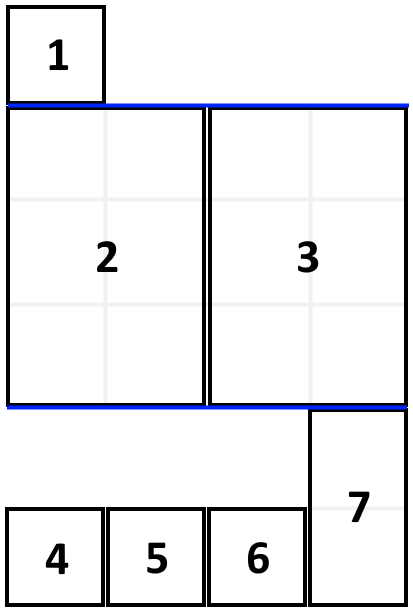
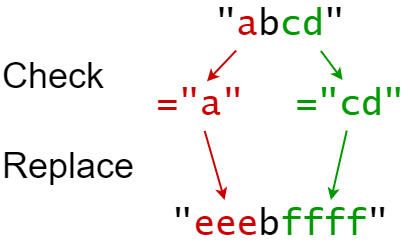
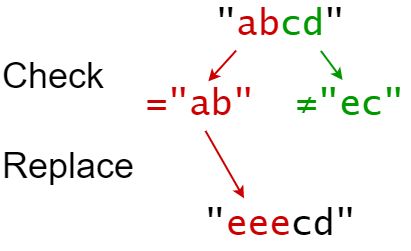
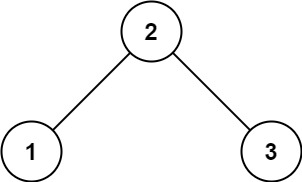
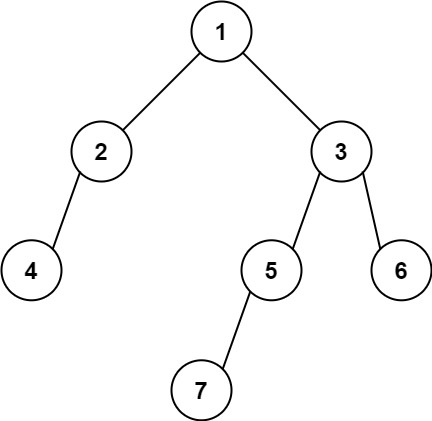
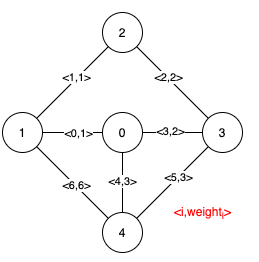
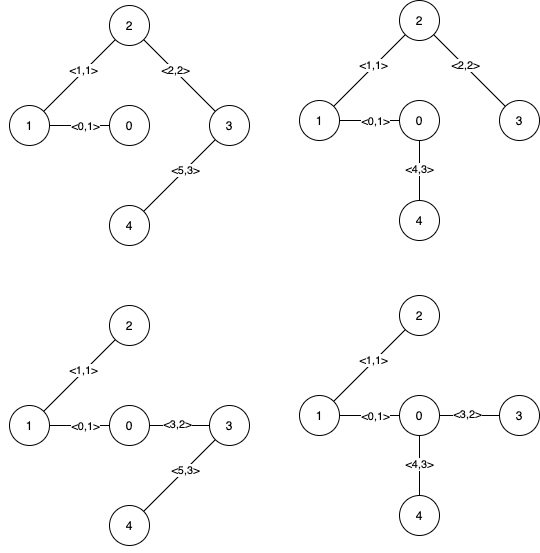
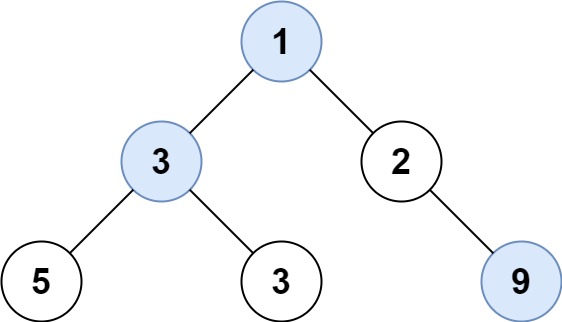
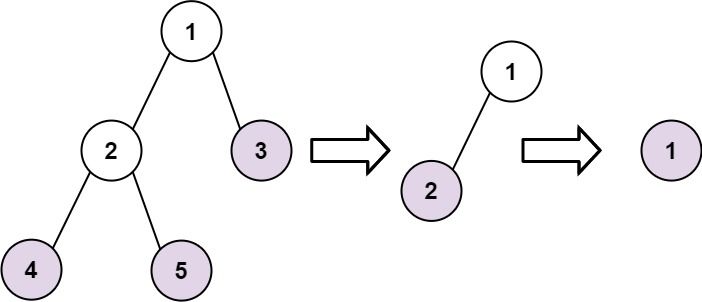
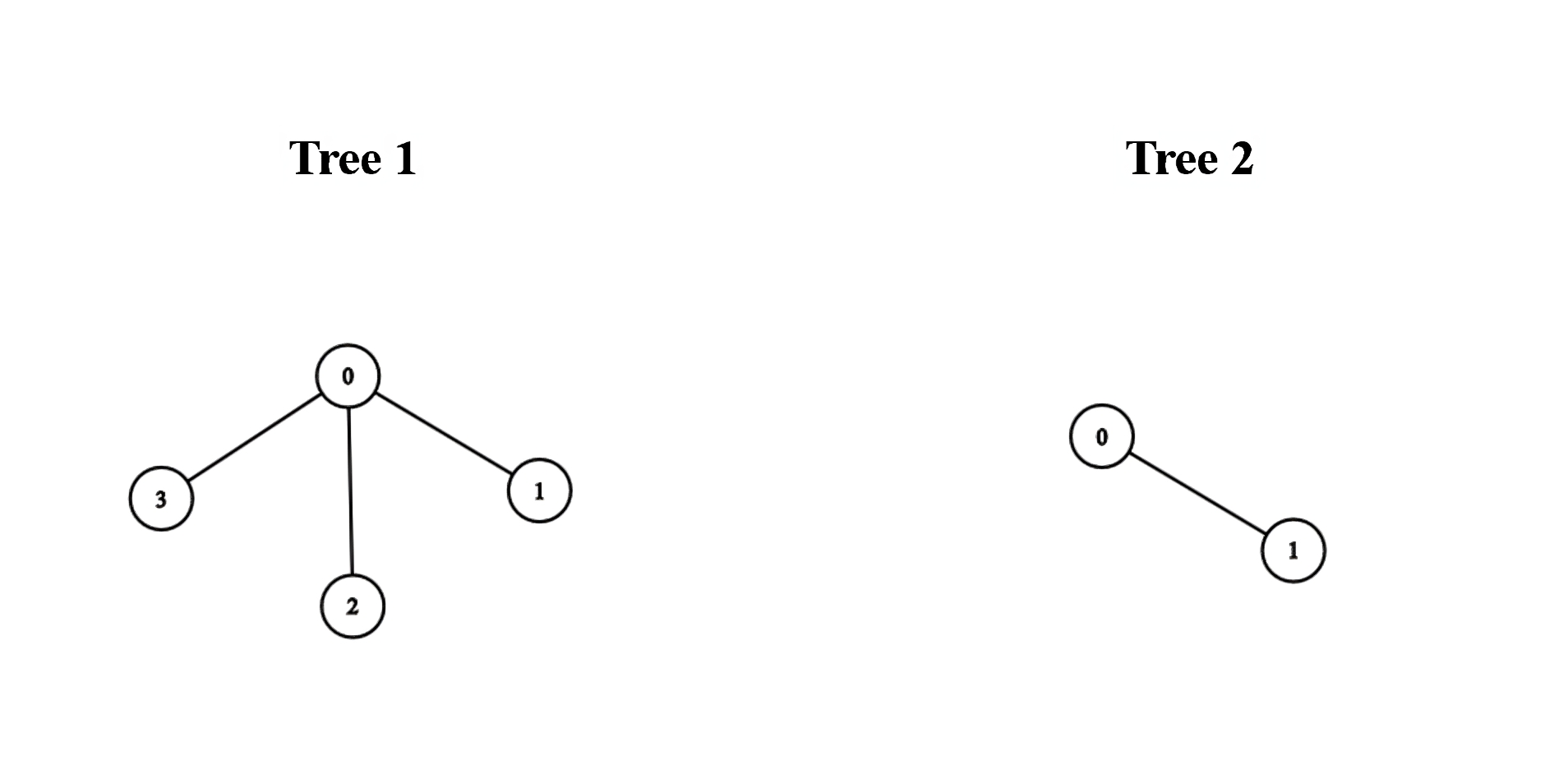
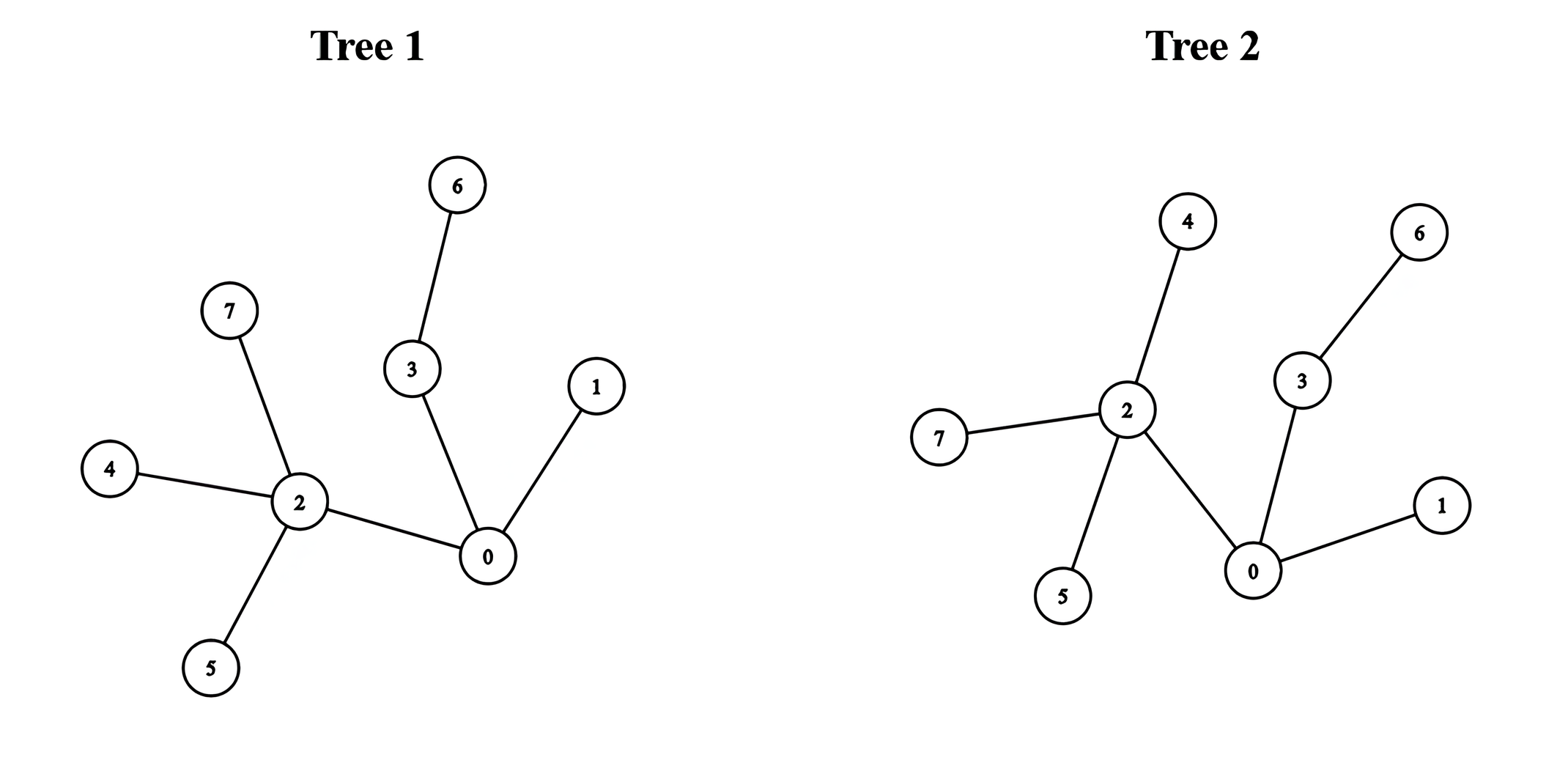
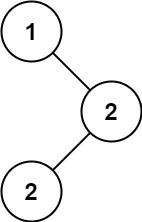
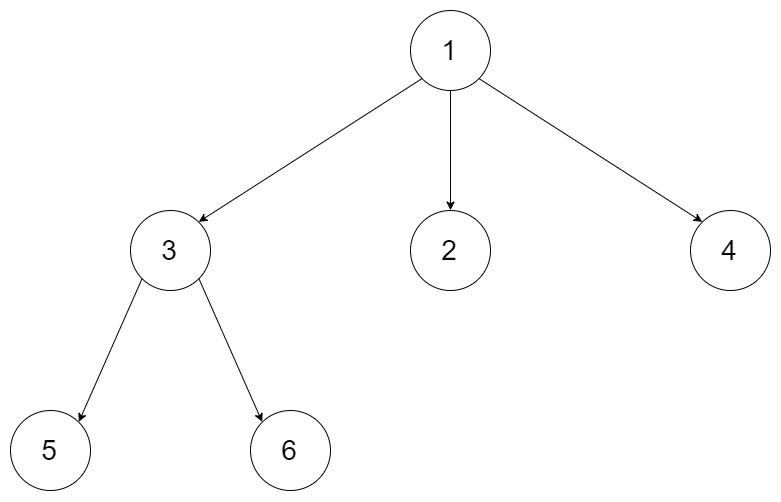

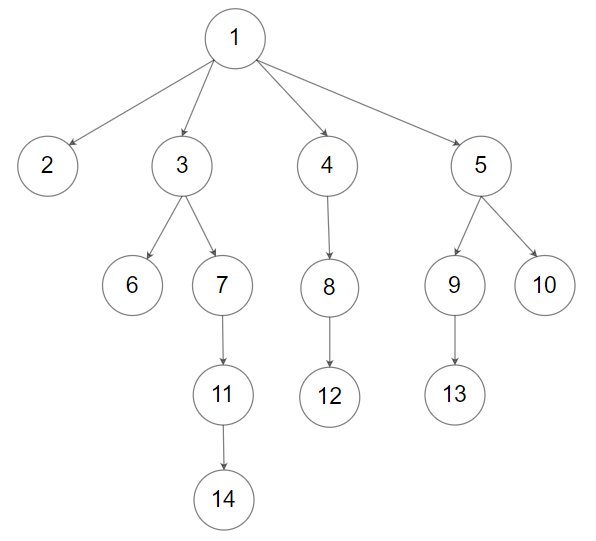
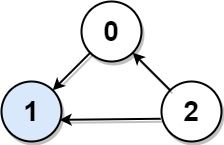
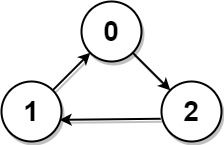
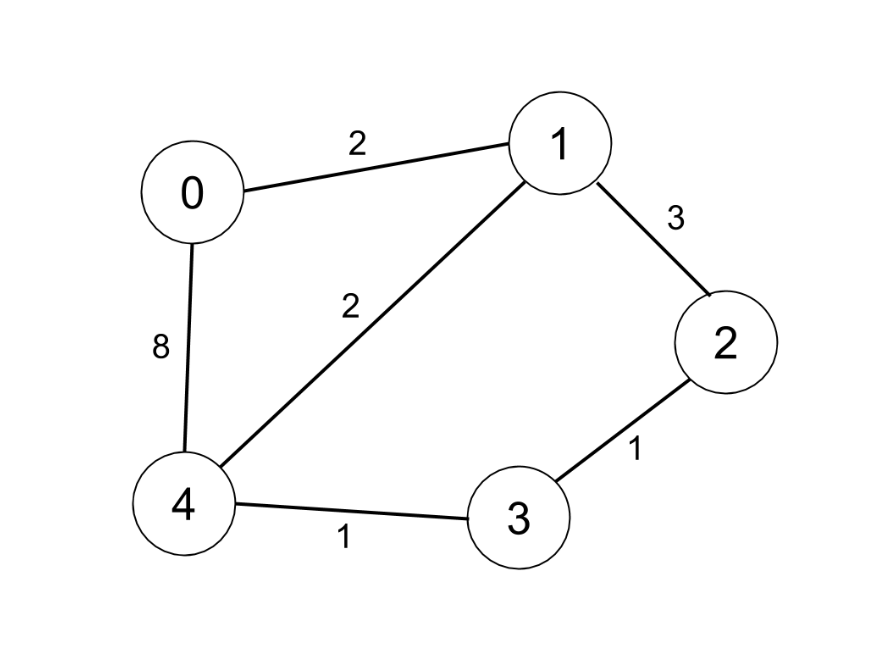
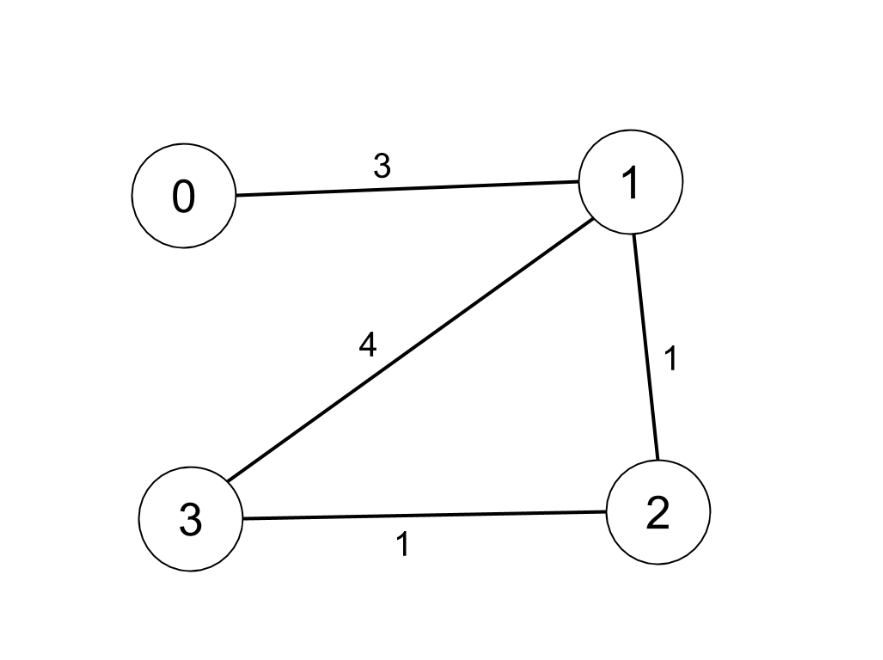
    \
  • You choose any number of obstacles between \0\ and \i\ \inclusive\.\
  • \
  • You must include the \i\th\\ obstacle in the course.\
  • \
  • You must put the chosen obstacles in the \same order\ as they appear in \obstacles\.\
  • \
  • Every obstacle (except the first) is \taller\ than or the \same height\ as the obstacle immediately before it.\
  • \
Return \an array\ \ans\ \of length\ \n\, \where\ \ans\[i]\ \is the length of the \longest obstacle course\ for index\ \i\\ as described above\. ### Examples ``` Input: obstacles = [1,2,3,2] Output: [1,2,3,3] Explanation: The longest valid obstacle course at each position is: - i = 0: [1], [1] has length 1. - i = 1: [1,2], [1,2] has length 2. - i = 2: [1,2,3], [1,2,3] has length 3. - i = 3: [1,2,3,2], [1,2,2] has length 3. ``` ``` Input: obstacles = [2,2,1] Output: [1,2,1] Explanation: The longest valid obstacle course at each position is: - i = 0: [2], [2] has length 1. - i = 1: [2,2], [2,2] has length 2. - i = 2: [2,2,1], [1] has length 1. ``` ``` Input: obstacles = [3,1,5,6,4,2] Output: [1,1,2,3,2,2] Explanation: The longest valid obstacle course at each position is: - i = 0: [3], [3] has length 1. - i = 1: [3,1], [1] has length 1. - i = 2: [3,1,5], [3,5] has length 2. [1,5] is also valid. - i = 3: [3,1,5,6], [3,5,6] has length 3. [1,5,6] is also valid. - i = 4: [3,1,5,6,4], [3,4] has length 2. [1,4] is also valid. - i = 5: [3,1,5,6,4,2], [1,2] has length 2. ``` ### Constraints * n == obstacles.length * 1 \<= n \<= 10^5 * 1 \<= obstacles\[i] \<= 10^7 ## Solution Reference implementation from [solution.py on GitHub](https://github.com/wislertt/leetcode-py/blob/main/leetcode/find_the_longest_valid_obstacle_course_at_each_position/solution.py), full suite in [test\_solution.py](https://github.com/wislertt/leetcode-py/blob/main/leetcode/find_the_longest_valid_obstacle_course_at_each_position/test_solution.py): ```python theme={"theme":{"light":"github-light","dark":"github-dark"}} import bisect class Solution: # Time: O(n log n) # Space: O(n) def longest_obstacle_course(self, obstacles: list[int]) -> list[int]: tails: list[int] = [] result: list[int] = [] for height in obstacles: pos = bisect.bisect_right(tails, height) if pos == len(tails): tails.append(height) else: tails[pos] = height result.append(pos + 1) return result ``` ## Complexity | Time | Space | | ---------- | ----- | | O(n log n) | O(n) | ## Tags [NeetCode All](/catalog/neetcode). # Find the Maximum Sum of Node Values Source: https://leetcode-py.wisl.dev/problems/find-the-maximum-sum-of-node-values Tested Python solution for LeetCode 3068 with 21 pytest cases. Generate a practice environment with lcpy. LeetCode 3068, [Hard](/catalog/hard). Topics: [Array](/catalog/topics/array), [Dynamic Programming](/catalog/topics/dynamic-programming), [Greedy](/catalog/topics/greedy), [Bit Manipulation](/catalog/topics/bit-manipulation), [Tree](/catalog/topics/tree), [Sorting](/catalog/topics/sorting). [View on LeetCode](https://leetcode.com/problems/find-the-maximum-sum-of-node-values/description/). Generate this problem as a practice environment: tested reference solution, 21 [parametrized pytest cases](/practice/testing), and a playground notebook: ```bash theme={"theme":{"light":"github-light","dark":"github-dark"}} lcpy gen -n 3068 # by problem number lcpy gen -s find_the_maximum_sum_of_node_values # by problem name ``` ## Problem There exists an **undirected** tree with `n` nodes numbered `0` to `n - 1`. You are given a **0-indexed** 2D integer array `edges` of length `n - 1`, where `edges[i] = [u_i, v_i]` indicates that there is an edge between nodes `u_i` and `v_i` in the tree. You are also given a **positive** integer `k`, and a **0-indexed** array of **non-negative** integers `nums` of length `n`, where `nums[i]` represents the **value** of the node numbered `i`. Alice wants the sum of values of tree nodes to be **maximum**, for which Alice can perform the following operation **any** number of times (**including zero**) on the tree: * Choose any edge `[u, v]` connecting the nodes `u` and `v`, and update their values as follows: * `nums[u] = nums[u] XOR k` * `nums[v] = nums[v] XOR k` Return the **maximum** possible **sum** of the **values** Alice can achieve by performing the operation **any** number of times. ### Examples ![Example 1](https://assets.leetcode.com/uploads/2023/11/09/screenshot-2023-11-10-012513.png) ``` Input: nums = [1,2,1], k = 3, edges = [[0,1],[0,2]] Output: 6 Explanation: Alice can achieve the maximum sum of 6 using a single operation: - Choose the edge [0,2]. nums[0] and nums[2] become: 1 XOR 3 = 2, and the array nums becomes: [1,2,1] -> [2,2,2]. The total sum of values is 2 + 2 + 2 = 6. It can be shown that 6 is the maximum achievable sum of values. ``` ![Example 2](https://assets.leetcode.com/uploads/2024/01/09/screenshot-2024-01-09-220017.png) ``` Input: nums = [2,3], k = 7, edges = [[0,1]] Output: 9 Explanation: Alice can achieve the maximum sum of 9 using a single operation: - Choose the edge [0,1]. nums[0] becomes: 2 XOR 7 = 5 and nums[1] become: 3 XOR 7 = 4, and the array nums becomes: [2,3] -> [5,4]. The total sum of values is 5 + 4 = 9. It can be shown that 9 is the maximum achievable sum of values. ``` ![Example 3](https://assets.leetcode.com/uploads/2023/11/09/screenshot-2023-11-10-012641.png) ``` Input: nums = [7,7,7,7,7,7], k = 3, edges = [[0,1],[0,2],[0,3],[0,4],[0,5]] Output: 42 Explanation: The maximum achievable sum is 42 which can be achieved by Alice performing no operations. ``` ### Constraints * `2 <= n == nums.length <= 2 * 10^4` * `1 <= k <= 10^9` * `0 <= nums[i] <= 10^9` * `edges.length == n - 1` * `edges[i].length == 2` * `0 <= edges[i][0], edges[i][1] <= n - 1` * The input is generated such that `edges` represent a valid tree. ## Solution Reference implementation from [solution.py on GitHub](https://github.com/wislertt/leetcode-py/blob/main/leetcode/find_the_maximum_sum_of_node_values/solution.py), full suite in [test\_solution.py](https://github.com/wislertt/leetcode-py/blob/main/leetcode/find_the_maximum_sum_of_node_values/test_solution.py): ```python theme={"theme":{"light":"github-light","dark":"github-dark"}} class Solution: # Time: O(n log n) # Space: O(n) def maximum_value_sum(self, nums: list[int], k: int, edges: list[list[int]]) -> int: # A tree lets any even-sized set of nodes be XORed with k (each edge op # toggles two endpoints; paths transfer a toggle and cancel out). # So maximize the sum of gains (x ^ k) - x over an even count of nodes. del edges total = sum(nums) gains = sorted(((x ^ k) - x for x in nums), reverse=True) for i in range(0, len(gains) - 1, 2): pair = gains[i] + gains[i + 1] if pair <= 0: break total += pair return total ``` ## Complexity | Time | Space | | ---------- | ----- | | O(n log n) | O(n) | ## Tags [NeetCode All](/catalog/neetcode). # Find the Minimum and Maximum Number of Nodes Source: https://leetcode-py.wisl.dev/problems/find-the-minimum-and-maximum-number-of-nodes-between-critical-points Tested Python solution for LeetCode 2058 with 22 pytest cases. Generate a practice environment with lcpy. LeetCode 2058, [Medium](/catalog/medium). Topics: [Linked List](/catalog/topics/linked-list). [View on LeetCode](https://leetcode.com/problems/find-the-minimum-and-maximum-number-of-nodes-between-critical-points/description/). Generate this problem as a practice environment: tested reference solution, 22 [parametrized pytest cases](/practice/testing), and a playground notebook: ```bash theme={"theme":{"light":"github-light","dark":"github-dark"}} lcpy gen -n 2058 # by problem number lcpy gen -s find_the_minimum_and_maximum_number_of_nodes_between_critical_points # by problem name ``` ## Problem A **critical point** in a linked list is defined as **either** a **local maxima** or a **local minima**. A node is a **local maxima** if the current node has a value **strictly greater** than the previous node and the next node. A node is a **local minima** if the current node has a value **strictly smaller** than the previous node and the next node. Note that a node can only be a local maxima/minima if there exists **both** a previous node and a next node. Given a linked list `head`, return *an array of length 2 containing* `[minDistance, maxDistance]` *where* `minDistance` *is the* ***minimum distance*** *between* ***any two distinct*** *critical points and* `maxDistance` *is the* ***maximum distance*** *between* ***any two distinct*** *critical points. If there are* ***fewer*** *than two critical points, return* `[-1, -1]`. ### Examples ![Example 1](https://assets.leetcode.com/uploads/2021/10/13/a1.png) ``` Input: head = [3,1] Output: [-1,-1] ``` ![Example 2](https://assets.leetcode.com/uploads/2021/10/13/a2.png) ``` Input: head = [5,3,1,2,5,1,2] Output: [1,3] ``` ![Example 3](https://assets.leetcode.com/uploads/2021/10/14/a5.png) ``` Input: head = [1,3,2,2,3,2,2,2,7] Output: [3,3] ``` ### Constraints * The number of nodes in the list is in the range `[2, 10^5]`. * `1 <= Node.val <= 10^5` ## Solution Reference implementation from [solution.py on GitHub](https://github.com/wislertt/leetcode-py/blob/main/leetcode/find_the_minimum_and_maximum_number_of_nodes_between_critical_points/solution.py), full suite in [test\_solution.py](https://github.com/wislertt/leetcode-py/blob/main/leetcode/find_the_minimum_and_maximum_number_of_nodes_between_critical_points/test_solution.py): ```python theme={"theme":{"light":"github-light","dark":"github-dark"}} from leetcode_py import ListNode class Solution: # Time: O(n) # Space: O(1) def nodes_between_critical_points(self, head: ListNode[int] | None) -> list[int]: first = prev = 0 min_gap = 10**6 count = 0 pos = 1 if head is None or head.next is None or head.next.next is None: return [-1, -1] prev_val = head.val curr = head.next while curr.next is not None: next_val = curr.next.val if (curr.val > prev_val and curr.val > next_val) or ( curr.val < prev_val and curr.val < next_val ): if count == 0: first = pos else: min_gap = min(min_gap, pos - prev) prev = pos count += 1 prev_val = curr.val curr = curr.next pos += 1 if count < 2: return [-1, -1] return [min_gap, prev - first] ``` ## Complexity | Time | Space | | ---- | ----- | | O(n) | O(1) | ## Tags [NeetCode All](/catalog/neetcode). # Find the Power of K-Size Subarrays I Source: https://leetcode-py.wisl.dev/problems/find-the-power-of-k-size-subarrays-i Tested Python solution for LeetCode 3254 with 22 pytest cases. Generate a practice environment with lcpy. LeetCode 3254, [Medium](/catalog/medium). Topics: [Array](/catalog/topics/array), [Sliding Window](/catalog/topics/sliding-window). [View on LeetCode](https://leetcode.com/problems/find-the-power-of-k-size-subarrays-i/description/). Generate this problem as a practice environment: tested reference solution, 22 [parametrized pytest cases](/practice/testing), and a playground notebook: ```bash theme={"theme":{"light":"github-light","dark":"github-dark"}} lcpy gen -n 3254 # by problem number lcpy gen -s find_the_power_of_k_size_subarrays_i # by problem name ``` ## Problem You are given an array of integers `nums` of length `n` and a *positive* integer `k`. The **power** of an array is defined as: * Its **maximum** element if **all** of its elements are **consecutive** and **sorted** in **ascending** order. * `-1` otherwise. You need to find the **power** of all subarrays of `nums` of size `k`. Return an integer array `results` of size `n - k + 1`, where `results[i]` is the power of `nums[i..(i + k - 1)]`. ### Examples ``` Input: nums = [1,2,3,4,3,2,5] Output: [3,4,-1,-1,-1] Explanation: There are 5 subarrays of nums of size 3: - [1, 2, 3] with the maximum element 3. - [2, 3, 4] with the maximum element 4. - [3, 4, 3] whose elements are not consecutive. - [4, 3, 2] whose elements are not sorted. - [3, 2, 5] whose elements are not consecutive. ``` ``` Input: nums = [2,2,2,2,2] Output: [-1,-1] ``` ``` Input: nums = [3,2,3,2,3,2] Output: [-1,3,-1,3,-1] ``` ### Constraints * `1 <= n == nums.length <= 500` * `1 <= nums[i] <= 10^5` * `1 <= k <= n` ## Solution Reference implementation from [solution.py on GitHub](https://github.com/wislertt/leetcode-py/blob/main/leetcode/find_the_power_of_k_size_subarrays_i/solution.py), full suite in [test\_solution.py](https://github.com/wislertt/leetcode-py/blob/main/leetcode/find_the_power_of_k_size_subarrays_i/test_solution.py): ```python theme={"theme":{"light":"github-light","dark":"github-dark"}} class Solution: # Time: O(n) # Space: O(1) extra (output excluded) def results_array(self, nums: list[int], k: int) -> list[int]: # run[i] = length of the consecutive ascending run ending at index i results: list[int] = [] run = 1 for i, num in enumerate(nums): if i > 0 and num == nums[i - 1] + 1: run += 1 else: run = 1 if i >= k - 1: results.append(num if run >= k else -1) return results ``` ## Complexity | Time | Space | | ---- | ---------------------------- | | O(n) | O(1) extra (output excluded) | ## Tags [NeetCode All](/catalog/neetcode). # Find the Punishment Number of an Integer Source: https://leetcode-py.wisl.dev/problems/find-the-punishment-number-of-an-integer Tested Python solution for LeetCode 2698 with 23 pytest cases. Generate a practice environment with lcpy. LeetCode 2698, [Medium](/catalog/medium). Topics: [Math](/catalog/topics/math), [Backtracking](/catalog/topics/backtracking). [View on LeetCode](https://leetcode.com/problems/find-the-punishment-number-of-an-integer/description/). Generate this problem as a practice environment: tested reference solution, 23 [parametrized pytest cases](/practice/testing), and a playground notebook: ```bash theme={"theme":{"light":"github-light","dark":"github-dark"}} lcpy gen -n 2698 # by problem number lcpy gen -s find_the_punishment_number_of_an_integer # by problem name ``` ## Problem Given a positive integer `n`, return *the **punishment number*** of `n`. The **punishment number** of `n` is defined as the sum of the squares of all integers `i` such that: * `1 <= i <= n` * The decimal representation of `i * i` can be partitioned into contiguous substrings such that the sum of the integer values of these substrings equals `i`. ### Examples ``` Input: n = 10 Output: 182 Explanation: There are exactly 3 integers i in the range [1, 10] that satisfy the conditions in the statement: - 1 since 1 * 1 = 1 - 9 since 9 * 9 = 81 and 81 can be partitioned into 8 and 1 with a sum equal to 8 + 1 == 9. - 10 since 10 * 10 = 100 and 100 can be partitioned into 10 and 0 with a sum equal to 10 + 0 == 10. Hence, the punishment number of 10 is 1 + 81 + 100 = 182 ``` ``` Input: n = 37 Output: 1478 Explanation: There are exactly 4 integers i in the range [1, 37] that satisfy the conditions in the statement: - 1 since 1 * 1 = 1. - 9 since 9 * 9 = 81 and 81 can be partitioned into 8 + 1. - 10 since 10 * 10 = 100 and 100 can be partitioned into 10 + 0. - 36 since 36 * 36 = 1296 and 1296 can be partitioned into 1 + 29 + 6. Hence, the punishment number of 37 is 1 + 81 + 100 + 1296 = 1478 ``` ### Constraints * 1 \<= n \<= 1000 ## Solution Reference implementation from [solution.py on GitHub](https://github.com/wislertt/leetcode-py/blob/main/leetcode/find_the_punishment_number_of_an_integer/solution.py), full suite in [test\_solution.py](https://github.com/wislertt/leetcode-py/blob/main/leetcode/find_the_punishment_number_of_an_integer/test_solution.py): ```python theme={"theme":{"light":"github-light","dark":"github-dark"}} class Solution: # Time: O(n * d^2) where d is the digit count of i*i (partition search per i) # Space: O(d) recursion depth def punishment_number(self, n: int) -> int: def can_partition(sq: str, target: int, idx: int = 0, cur: int = 0) -> bool: if idx == len(sq): return cur == target for j in range(idx + 1, len(sq) + 1): part = int(sq[idx:j]) if cur + part > target: break if can_partition(sq, target, j, cur + part): return True return False total = 0 for i in range(1, n + 1): if can_partition(str(i * i), i): total += i * i return total ``` ## Complexity | Time | Space | | ----------------------------------------------------------------------- | -------------------- | | O(n \* d^2) where d is the digit count of i\*i (partition search per i) | O(d) recursion depth | ## Tags [NeetCode All](/catalog/neetcode). # Find the Safest Path in a Grid Python Solution Source: https://leetcode-py.wisl.dev/problems/find-the-safest-path-in-a-grid Tested Python solution for LeetCode 2812 with 16 pytest cases. Generate a practice environment with lcpy. LeetCode 2812, [Medium](/catalog/medium). Topics: [Array](/catalog/topics/array), [Binary Search](/catalog/topics/binary-search), [Breadth-First Search](/catalog/topics/breadth-first-search), [Union-Find](/catalog/topics/union-find), [Heap (Priority Queue)](/catalog/topics/heap-priority-queue), [Matrix](/catalog/topics/matrix). [View on LeetCode](https://leetcode.com/problems/find-the-safest-path-in-a-grid/description/). Generate this problem as a practice environment: tested reference solution, 16 [parametrized pytest cases](/practice/testing), and a playground notebook: ```bash theme={"theme":{"light":"github-light","dark":"github-dark"}} lcpy gen -n 2812 # by problem number lcpy gen -s find_the_safest_path_in_a_grid # by problem name ``` ## Problem You are given a **0-indexed** 2D matrix `grid` of size `n x n`, where `(r, c)` represents: * A cell containing a thief if `grid[r][c] = 1` * An empty cell if `grid[r][c] = 0` You are initially positioned at cell `(0, 0)`. In one move, you can move to any adjacent cell in the grid, including cells containing thieves. The **safeness factor** of a path on the grid is defined as the **minimum** manhattan distance from any cell in the path to any thief in the grid. Return *the **maximum safeness factor** of all paths leading to cell `(n - 1, n - 1)`*. An **adjacent** cell of cell `(r, c)`, is one of the cells `(r, c + 1)`, `(r, c - 1)`, `(r + 1, c)` and `(r - 1, c)` if it exists. The **Manhattan distance** between two cells `(a, b)` and `(x, y)` is equal to `|a - x| + |b - y|`, where `|val|` denotes the absolute value of val. ### Examples ![Example 1](https://assets.leetcode.com/uploads/2023/07/02/example1.png) ``` Input: grid = [[1,0,0],[0,0,0],[0,0,1]] Output: 0 Explanation: All paths from (0, 0) to (n - 1, n - 1) go through the thieves in cells (0, 0) and (n - 1, n - 1). ``` ![Example 2](https://assets.leetcode.com/uploads/2023/07/02/example2.png) ``` Input: grid = [[0,0,1],[0,0,0],[0,0,0]] Output: 2 Explanation: The path depicted in the picture above has a safeness factor of 2 since: - The closest cell of the path to the thief at cell (0, 2) is cell (0, 0). The distance between them is | 0 - 0 | + | 0 - 2 | = 2. It can be shown that there are no other paths with a higher safeness factor. ``` ![Example 3](https://assets.leetcode.com/uploads/2023/07/02/example3.png) ``` Input: grid = [[0,0,0,1],[0,0,0,0],[0,0,0,0],[1,0,0,0]] Output: 2 Explanation: The path depicted in the picture above has a safeness factor of 2 since: - The closest cell of the path to the thief at cell (0, 3) is cell (1, 2). The distance between them is | 0 - 1 | + | 3 - 2 | = 2. - The closest cell of the path to the thief at cell (3, 0) is cell (3, 2). The distance between them is | 3 - 3 | + | 0 - 2 | = 2. It can be shown that there are no other paths with a higher safeness factor. ``` ### Constraints * `1 <= grid.length == n <= 400` * `grid[i].length == n` * `grid[i][j]` is either `0` or `1`. * There is at least one thief in the `grid`. ## Solution Reference implementation from [solution.py on GitHub](https://github.com/wislertt/leetcode-py/blob/main/leetcode/find_the_safest_path_in_a_grid/solution.py), full suite in [test\_solution.py](https://github.com/wislertt/leetcode-py/blob/main/leetcode/find_the_safest_path_in_a_grid/test_solution.py): ```python theme={"theme":{"light":"github-light","dark":"github-dark"}} from collections import deque from heapq import heappop, heappush class Solution: # Time: O(n^2 log(n^2)) for the multi-source BFS plus the maximin search # Space: O(n^2) def maximum_safeness_factor(self, grid: list[list[int]]) -> int: n = len(grid) dist = self._thief_distances(grid, n) best = [[-1] * n for _ in range(n)] best[0][0] = dist[0][0] heap: list[tuple[int, int, int]] = [(-dist[0][0], 0, 0)] while heap: neg, r, c = heappop(heap) safe = -neg if safe < best[r][c]: continue if r == n - 1 and c == n - 1: return safe for dr, dc in ((1, 0), (-1, 0), (0, 1), (0, -1)): nr, nc = r + dr, c + dc if 0 <= nr < n and 0 <= nc < n: nxt = min(safe, dist[nr][nc]) if nxt > best[nr][nc]: best[nr][nc] = nxt heappush(heap, (-nxt, nr, nc)) return best[n - 1][n - 1] def _thief_distances(self, grid: list[list[int]], n: int) -> list[list[int]]: dist = [[-1] * n for _ in range(n)] queue = deque((r, c) for r in range(n) for c in range(n) if grid[r][c] == 1) for r, c in queue: dist[r][c] = 0 while queue: r, c = queue.popleft() for dr, dc in ((1, 0), (-1, 0), (0, 1), (0, -1)): nr, nc = r + dr, c + dc if 0 <= nr < n and 0 <= nc < n and dist[nr][nc] < 0: dist[nr][nc] = dist[r][c] + 1 queue.append((nr, nc)) return dist ``` ## Complexity | Time | Space | | ---------------------------------------------------------------- | ------ | | O(n^2 log(n^2)) for the multi-source BFS plus the maximin search | O(n^2) | ## Tags [NeetCode All](/catalog/neetcode). # Find the Shortest Superstring Python Solution Source: https://leetcode-py.wisl.dev/problems/find-the-shortest-superstring Tested Python solution for LeetCode 943 with 57 pytest cases. Generate a practice environment with lcpy. LeetCode 943, [Hard](/catalog/hard). Topics: [Array](/catalog/topics/array), [String](/catalog/topics/string), [Dynamic Programming](/catalog/topics/dynamic-programming), [Bit Manipulation](/catalog/topics/bit-manipulation), [Bitmask](/catalog/topics/bitmask), Hamiltonian Path. [View on LeetCode](https://leetcode.com/problems/find-the-shortest-superstring/description/). Generate this problem as a practice environment: tested reference solution, 57 [parametrized pytest cases](/practice/testing), and a playground notebook: ```bash theme={"theme":{"light":"github-light","dark":"github-dark"}} lcpy gen -n 943 # by problem number lcpy gen -s find_the_shortest_superstring # by problem name ``` ## Problem Given an array of strings `words`, return *the smallest string that contains each string in* `words` *as a substring*. If there are multiple valid strings of the smallest length, return **any of them**. You may assume that no string in `words` is a substring of another string in `words`. ### Examples ``` Input: words = ["alex","loves","leetcode"] Output: "alexlovesleetcode" Explanation: All permutations of "alex","loves","leetcode" would also be accepted. ``` ``` Input: words = ["catg","ctaagt","gcta","ttca","atgcatc"] Output: "gctaagttcatgcatc" ``` ### Constraints * `1 <= words.length <= 12` * `1 <= words[i].length <= 20` * `words[i]` consists of lowercase English letters. * All the strings of `words` are **unique**. ## Solution Reference implementation from [solution.py on GitHub](https://github.com/wislertt/leetcode-py/blob/main/leetcode/find_the_shortest_superstring/solution.py), full suite in [test\_solution.py](https://github.com/wislertt/leetcode-py/blob/main/leetcode/find_the_shortest_superstring/test_solution.py): ```python theme={"theme":{"light":"github-light","dark":"github-dark"}} class Solution: # Time: O(n^2 * 2^n) overlap precompute plus O(n^2 * 2^n) DP over masks # Space: O(n * 2^n) for the parent-tracking DP table def shortest_superstring(self, words: list[str]) -> str: n = len(words) if n == 1: return words[0] overlap = [[0] * n for _ in range(n)] for i in range(n): for j in range(n): if i != j: a, b = words[i], words[j] for k in range(min(len(a), len(b)), 0, -1): if a.endswith(b[:k]): overlap[i][j] = k break size = 1 << n dp = [[0] * n for _ in range(size)] parent = [[-1] * n for _ in range(size)] for mask in range(1, size): for last in range(n): if not mask >> last & 1: continue prev_mask = mask ^ (1 << last) if prev_mask == 0: dp[mask][last] = len(words[last]) continue best_len = 10**9 best_prev = -1 for prev in range(n): if prev_mask >> prev & 1: cand = dp[prev_mask][prev] + len(words[last]) - overlap[prev][last] if cand < best_len: best_len = cand best_prev = prev dp[mask][last] = best_len parent[mask][last] = best_prev full = size - 1 last = min(range(n), key=lambda i: dp[full][i]) order: list[int] = [] mask = full while last != -1: order.append(last) prev = parent[mask][last] mask ^= 1 << last last = prev order.reverse() result = words[order[0]] for i in range(1, n): result += words[order[i]][overlap[order[i - 1]][order[i]] :] return result ``` ## Complexity | Time | Space | | ----------------------------------------------------------------- | -------------------------------------------- | | O(n^2 \* 2^n) overlap precompute plus O(n^2 \* 2^n) DP over masks | O(n \* 2^n) for the parent-tracking DP table | ## Tags # Find the Town Judge Python Solution with Tests Source: https://leetcode-py.wisl.dev/problems/find-the-town-judge Tested Python solution for LeetCode 997 with 18 pytest cases. Generate a practice environment with lcpy. LeetCode 997, [Easy](/catalog/easy). Topics: [Array](/catalog/topics/array), [Hash Table](/catalog/topics/hash-table), [Graph Theory](/catalog/topics/graph-theory). [View on LeetCode](https://leetcode.com/problems/find-the-town-judge/description/). Generate this problem as a practice environment: tested reference solution, 18 [parametrized pytest cases](/practice/testing), and a playground notebook: ```bash theme={"theme":{"light":"github-light","dark":"github-dark"}} lcpy gen -n 997 # by problem number lcpy gen -s find_the_town_judge # by problem name ``` ## Problem In a town, there are `n` people labeled from `1` to `n`. There is a rumor that one of these people is secretly the town judge. If the town judge exists, then: 1. The town judge trusts nobody. 2. Everybody (except for the town judge) trusts the town judge. 3. There is exactly one person that satisfies properties 1 and 2. You are given an array `trust` where `trust[i] = [ai, bi]` representing that the person labeled `ai` trusts the person labeled `bi`. If a trust relationship does not exist in `trust` array, then such a trust relationship does not exist. Return *the label of the town judge if the town judge exists and can be identified, or return* `-1` *otherwise*. ### Examples ``` Input: n = 2, trust = [[1,2]] Output: 2 ``` ``` Input: n = 3, trust = [[1,3],[2,3]] Output: 3 ``` ``` Input: n = 3, trust = [[1,3],[2,3],[3,1]] Output: -1 ``` ### Constraints * 1 \<= n \<= 1000 * 0 \<= trust.length \<= 10^4 * `trust[i].length == 2` * All the pairs of `trust` are **unique**. * `ai != bi` * 1 \<= ai, bi \<= n ## Solution Reference implementation from [solution.py on GitHub](https://github.com/wislertt/leetcode-py/blob/main/leetcode/find_the_town_judge/solution.py), full suite in [test\_solution.py](https://github.com/wislertt/leetcode-py/blob/main/leetcode/find_the_town_judge/test_solution.py): ```python theme={"theme":{"light":"github-light","dark":"github-dark"}} class Solution: # Time: O(n + t) where t = len(trust) # Space: O(n) def find_judge(self, n: int, trust: list[list[int]]) -> int: # Net trust score: indegree - outdegree. Judge must reach n - 1. trust_score = [0] * (n + 1) for truster, trusted in trust: trust_score[truster] -= 1 trust_score[trusted] += 1 for person in range(1, n + 1): if trust_score[person] == n - 1: return person return -1 ``` ## Complexity | Time | Space | | ----------------------------- | ----- | | O(n + t) where t = len(trust) | O(n) | ## Tags [NeetCode 250](/catalog/neetcode-250), [NeetCode All](/catalog/neetcode). # Find the Winner of the Circular Game Source: https://leetcode-py.wisl.dev/problems/find-the-winner-of-the-circular-game Tested Python solution for LeetCode 1823 with 20 pytest cases. Generate a practice environment with lcpy. LeetCode 1823, [Medium](/catalog/medium). Topics: [Array](/catalog/topics/array), [Math](/catalog/topics/math), [Recursion](/catalog/topics/recursion), [Queue](/catalog/topics/queue), [Simulation](/catalog/topics/simulation). [View on LeetCode](https://leetcode.com/problems/find-the-winner-of-the-circular-game/description/). Generate this problem as a practice environment: tested reference solution, 20 [parametrized pytest cases](/practice/testing), and a playground notebook: ```bash theme={"theme":{"light":"github-light","dark":"github-dark"}} lcpy gen -n 1823 # by problem number lcpy gen -s find_the_winner_of_the_circular_game # by problem name ``` ## Problem \
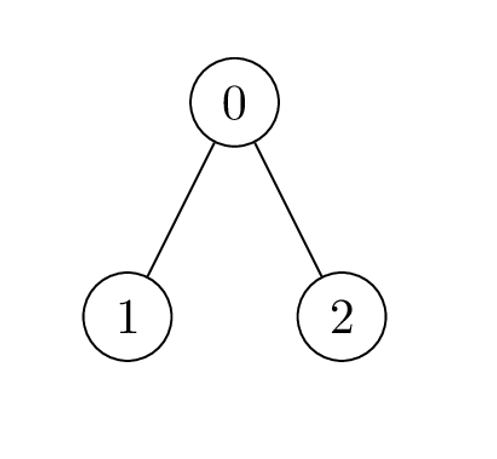
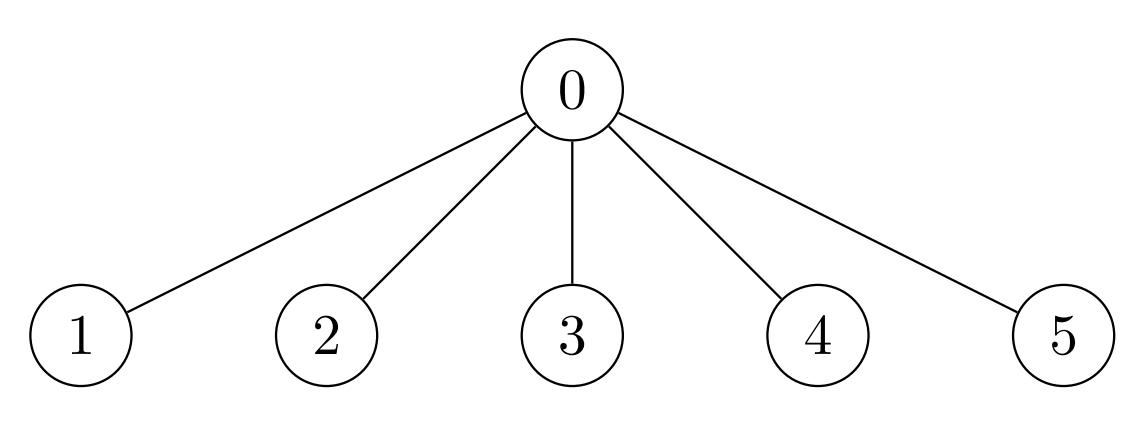


There are \n\ friends that are playing a game. The friends are sitting in a circle and are numbered from \1\ to \n\ in \clockwise order\. More formally, moving clockwise from the \i\th\\ friend brings you to the \(i+1)\th\\ friend for \1 \<= i \< n\, and moving clockwise from the \n\th\\ friend brings you to the \1\st\\ friend.\

\

The rules of the game are as follows:\

\
    \
  1. \Start\ at the \1\st\\ friend.\
  2. \
  3. Count the next \k\ friends in the clockwise direction \including\ the friend you started at. The counting wraps around the circle and may count some friends more than once.\
  4. \
  5. The last friend you counted leaves the circle and loses the game.\
  6. \
  7. If there is still more than one friend in the circle, go back to step \2\ \starting\ from the friend \immediately clockwise\ of the friend who just lost and repeat.\
  8. \
  9. Else, the last friend in the circle wins the game.\
  10. \
\

Given the number of friends, \n\, and an integer \k\, return \the winner of the game\.\

### Examples ![Example 1](https://assets.leetcode.com/uploads/2021/03/25/ic234-q2-ex11.png) ``` Input: n = 5, k = 2 Output: 3 Explanation: Here are the steps of the game: 1) Start at friend 1. 2) Count 2 friends clockwise, which are friends 1 and 2. 3) Friend 2 leaves the circle. Next start is friend 3. 4) Count 2 friends clockwise, which are friends 3 and 4. 5) Friend 4 leaves the circle. Next start is friend 5. 6) Count 2 friends clockwise, which are friends 5 and 1. 7) Friend 1 leaves the circle. Next start is friend 3. 8) Count 2 friends clockwise, which are friends 3 and 5. 9) Friend 5 leaves the circle. Only friend 3 is left, so they are the winner. ``` ``` Input: n = 6, k = 5 Output: 1 Explanation: The friends leave in this order: 5, 4, 6, 2, 3. The winner is friend 1. ``` ### Constraints * 1 \<= k \<= n \<= 500 **Follow up:** Could you solve this problem in linear time with constant space? ## Solution Reference implementation from [solution.py on GitHub](https://github.com/wislertt/leetcode-py/blob/main/leetcode/find_the_winner_of_the_circular_game/solution.py), full suite in [test\_solution.py](https://github.com/wislertt/leetcode-py/blob/main/leetcode/find_the_winner_of_the_circular_game/test_solution.py): ```python theme={"theme":{"light":"github-light","dark":"github-dark"}} class Solution: # Time: O(n) # Space: O(1) def find_the_winner(self, n: int, k: int) -> int: # Josephus recurrence on 0-indexed survivors: # with `size` friends left, the survivor sits (k % size) positions # clockwise after the survivor of the `size - 1` round. winner = 0 for size in range(2, n + 1): winner = (winner + k) % size return winner + 1 ``` ## Complexity | Time | Space | | ---- | ----- | | O(n) | O(1) | ## Tags [NeetCode All](/catalog/neetcode). # Find Unique Binary String Python Solution Source: https://leetcode-py.wisl.dev/problems/find-unique-binary-string Tested Python solution for LeetCode 1980 with 20 pytest cases. Generate a practice environment with lcpy. LeetCode 1980, [Medium](/catalog/medium). Topics: [Array](/catalog/topics/array), [Hash Table](/catalog/topics/hash-table), [String](/catalog/topics/string), [Backtracking](/catalog/topics/backtracking). [View on LeetCode](https://leetcode.com/problems/find-unique-binary-string/description/). Generate this problem as a practice environment: tested reference solution, 20 [parametrized pytest cases](/practice/testing), and a playground notebook: ```bash theme={"theme":{"light":"github-light","dark":"github-dark"}} lcpy gen -n 1980 # by problem number lcpy gen -s find_unique_binary_string # by problem name ``` ## Problem Given an array of strings `nums` containing `n` **unique** binary strings each of length `n`, return *a binary string of length* `n` *that **does not appear** in* `nums`*. If there are multiple answers, you may return **any** of them*. ### Examples ``` Input: nums = ["01","10"] Output: "11" Explanation: "11" does not appear in nums. "00" would also be correct. ``` ``` Input: nums = ["00","01"] Output: "11" Explanation: "11" does not appear in nums. "10" would also be correct. ``` ``` Input: nums = ["111","011","001"] Output: "101" Explanation: "101" does not appear in nums. "000", "010", "100", and "110" would also be correct. ``` ### Constraints * `n == nums.length` * `1 <= n <= 16` * `nums[i].length == n` * `nums[i]` is either `'0'` or `'1'`. * All the strings of `nums` are **unique**. ## Solution Reference implementation from [solution.py on GitHub](https://github.com/wislertt/leetcode-py/blob/main/leetcode/find_unique_binary_string/solution.py), full suite in [test\_solution.py](https://github.com/wislertt/leetcode-py/blob/main/leetcode/find_unique_binary_string/test_solution.py): ```python theme={"theme":{"light":"github-light","dark":"github-dark"}} class Solution: # Time: O(n) single pass over the diagonal # Space: O(n) for the result string def find_unique_binary_string(self, nums: list[str]) -> str: # Cantor diagonal: flipping nums[i][i] differs from nums[i] at position i, # so the result differs from every string in nums. return "".join("1" if s[i] == "0" else "0" for i, s in enumerate(nums)) ``` ## Complexity | Time | Space | | ---------------------------------- | -------------------------- | | O(n) single pass over the diagonal | O(n) for the result string | ## Tags [NeetCode All](/catalog/neetcode). # Find Valid Matrix Given Row and Column Sums Source: https://leetcode-py.wisl.dev/problems/find-valid-matrix-given-row-and-column-sums Tested Python solution for LeetCode 1605 with 19 pytest cases. Generate a practice environment with lcpy. LeetCode 1605, [Medium](/catalog/medium). Topics: [Array](/catalog/topics/array), [Greedy](/catalog/topics/greedy), [Matrix](/catalog/topics/matrix), Flow Network. [View on LeetCode](https://leetcode.com/problems/find-valid-matrix-given-row-and-column-sums/description/). Generate this problem as a practice environment: tested reference solution, 19 [parametrized pytest cases](/practice/testing), and a playground notebook: ```bash theme={"theme":{"light":"github-light","dark":"github-dark"}} lcpy gen -n 1605 # by problem number lcpy gen -s find_valid_matrix_given_row_and_column_sums # by problem name ``` ## Problem You are given two arrays `rowSum` and `colSum` of non-negative integers where `rowSum[i]` is the sum of the elements in the `ith` row and `colSum[j]` is the sum of the elements of the `jth` column of a 2D matrix. In other words, you do not know the elements of the matrix, but you do know the sums of each row and column. Find any matrix of **non-negative** integers of size `rowSum.length x colSum.length` that satisfies the `rowSum` and `colSum` requirements. Return a 2D array representing **any** matrix that fulfills the requirements. It's guaranteed that **at least one** matrix that fulfills the requirements exists. ### Examples ``` Input: rowSum = [3,8], colSum = [4,7] Output: [[3,0], [1,7]] Explanation: 0th row: 3 + 0 = 3 == rowSum[0] 1st row: 1 + 7 = 8 == rowSum[1] 0th column: 3 + 1 = 4 == colSum[0] 1st column: 0 + 7 = 7 == colSum[1] The row and column sums match, and all matrix elements are non-negative. Another possible matrix is: [[1,2], [3,5]] ``` ``` Input: rowSum = [5,7,10], colSum = [8,6,8] Output: [[0,5,0], [6,1,0], [2,0,8]] ``` ### Constraints * `1 <= rowSum.length, colSum.length <= 500` * `0 <= rowSum[i], colSum[i] <= 10^8` * `sum(rowSum) == sum(colSum)` ## Solution Reference implementation from [solution.py on GitHub](https://github.com/wislertt/leetcode-py/blob/main/leetcode/find_valid_matrix_given_row_and_column_sums/solution.py), full suite in [test\_solution.py](https://github.com/wislertt/leetcode-py/blob/main/leetcode/find_valid_matrix_given_row_and_column_sums/test_solution.py): ```python theme={"theme":{"light":"github-light","dark":"github-dark"}} class Solution: # Time: O(rows * cols) - each cell is filled at most once by the two-pointer sweep # Space: O(1) extra (the output matrix is not counted) def restore_matrix(self, row_sum: list[int], col_sum: list[int]) -> list[list[int]]: rs = list(row_sum) cs = list(col_sum) rows, cols = len(rs), len(cs) matrix = [[0] * cols for _ in range(rows)] r = 0 c = 0 while r < rows and c < cols: value = min(rs[r], cs[c]) matrix[r][c] = value rs[r] -= value cs[c] -= value if rs[r] == 0: r += 1 if cs[c] == 0: c += 1 return matrix ``` ## Complexity | Time | Space | | --------------------------------------------------------------------------- | --------------------------------------------- | | O(rows \* cols) - each cell is filled at most once by the two-pointer sweep | O(1) extra (the output matrix is not counted) | ## Tags [NeetCode All](/catalog/neetcode). # Find Words That Can Be Formed by Characters Source: https://leetcode-py.wisl.dev/problems/find-words-that-can-be-formed-by-characters Tested Python solution for LeetCode 1160 with 16 pytest cases. Generate a practice environment with lcpy. LeetCode 1160, [Easy](/catalog/easy). Topics: [Array](/catalog/topics/array), [Hash Table](/catalog/topics/hash-table), [String](/catalog/topics/string), [Counting](/catalog/topics/counting). [View on LeetCode](https://leetcode.com/problems/find-words-that-can-be-formed-by-characters/description/). Generate this problem as a practice environment: tested reference solution, 16 [parametrized pytest cases](/practice/testing), and a playground notebook: ```bash theme={"theme":{"light":"github-light","dark":"github-dark"}} lcpy gen -n 1160 # by problem number lcpy gen -s find_words_that_can_be_formed_by_characters # by problem name ``` ## Problem You are given an array of strings `words` and a string `chars`. A string is **good** if it can be formed by characters from `chars` (each character can only be used once for **each** word in `words`). Return *the sum of lengths of all good strings in words*. ### Examples ``` Input: words = ["cat","bt","hat","tree"], chars = "atach" Output: 6 Explanation: The strings that can be formed are "cat" and "hat" so the answer is 3 + 3 = 6. ``` ``` Input: words = ["hello","world","leetcode"], chars = "welldonehoneyr" Output: 10 Explanation: The strings that can be formed are "hello" and "world" so the answer is 5 + 5 = 10. ``` ### Constraints * `1 <= words.length <= 1000` * `1 <= words[i].length, chars.length <= 100` * `words[i]` and `chars` consist of lowercase English letters. ## Solution Reference implementation from [solution.py on GitHub](https://github.com/wislertt/leetcode-py/blob/main/leetcode/find_words_that_can_be_formed_by_characters/solution.py), full suite in [test\_solution.py](https://github.com/wislertt/leetcode-py/blob/main/leetcode/find_words_that_can_be_formed_by_characters/test_solution.py): ```python theme={"theme":{"light":"github-light","dark":"github-dark"}} from collections import Counter class Solution: # Time: O(sum(len(w) for w in words) + len(chars)) # Space: O(1) def count_characters(self, words: list[str], chars: str) -> int: chars_count = Counter(chars) return sum(len(word) for word in words if not (Counter(word) - chars_count)) ``` ## Complexity | Time | Space | | ------------------------------------------ | ----- | | O(sum(len(w) for w in words) + len(chars)) | O(1) | ## Tags [NeetCode All](/catalog/neetcode). # First Bad Version Python Solution with Tests Source: https://leetcode-py.wisl.dev/problems/first-bad-version Tested Python solution for LeetCode 278 with 15 pytest cases. Generate a practice environment with lcpy. LeetCode 278, [Easy](/catalog/easy). Topics: [Binary Search](/catalog/topics/binary-search), [Interactive](/catalog/topics/interactive). [View on LeetCode](https://leetcode.com/problems/first-bad-version/description/). Generate this problem as a practice environment: tested reference solution, 15 [parametrized pytest cases](/practice/testing), and a playground notebook: ```bash theme={"theme":{"light":"github-light","dark":"github-dark"}} lcpy gen -n 278 # by problem number lcpy gen -s first_bad_version # by problem name ``` ## Problem You are a product manager and currently leading a team to develop a new product. Unfortunately, the latest version of your product fails the quality check. Since each version is developed based on the previous version, all the versions after a bad version are also bad. Suppose you have `n` versions `[1, 2, ..., n]` and you want to find out the first bad one, which causes all the following ones to be bad. You are given an API `bool isBadVersion(version)` which returns whether `version` is bad. Implement a function to find the first bad version. You should minimize the number of calls to the API. ### Examples ``` Input: n = 5, bad = 4 Output: 4 ``` **Explanation:** ``` call isBadVersion(3) -> false call isBadVersion(5) -> true call isBadVersion(4) -> true ``` Then 4 is the first bad version. ``` Input: n = 1, bad = 1 Output: 1 ``` ### Constraints * 1 \<= bad \<= n \<= 2^31 - 1 **Note:** The `isBadVersion` API is already defined for you. ## Solution Reference implementation from [solution.py on GitHub](https://github.com/wislertt/leetcode-py/blob/main/leetcode/first_bad_version/solution.py), full suite in [test\_solution.py](https://github.com/wislertt/leetcode-py/blob/main/leetcode/first_bad_version/test_solution.py): ```python theme={"theme":{"light":"github-light","dark":"github-dark"}} class Solution: def __init__(self, first_bad: int = 1) -> None: self.is_bad_version = lambda version: version >= first_bad # Time: O(log n) # Space: O(1) def first_bad_version(self, n: int) -> int: left = 1 right = n while left < right: mid = (left + right) // 2 if self.is_bad_version(mid): right = mid else: left = mid + 1 return right # BISECT PATTERNS - General Binary Search # Given: arr = [10,20,30,30,30,40,50], target = 30 # 0 1 2 3 4 5 6 # # bisect_left: Find FIRST occurrence (leftmost insertion point) # while left < right: # if arr[mid] >= target: # >= keeps moving left # right = mid # Returns: 2 (index of first 30, value=30) # [10,20,30,30,30,40,50] # 0 1 2 3 4 5 6 # ↑ index 2 # # bisect_right: Find position AFTER last occurrence # while left < right: # if arr[mid] > target: # > allows equal values # right = mid # Returns: 5 (index after last 30, value=40) # [10,20,30,30,30,40,50] # 0 1 2 3 4 5 6 # ↑ index 5 # # Key difference: >= vs > in the condition # This problem uses bisect_left pattern to find first bad version ``` ## Complexity | Time | Space | | -------- | ----- | | O(log n) | O(1) | ## Tags [Grind 75](/catalog/grind-75), [Grind](/catalog/grind). # First Missing Positive Python Solution Source: https://leetcode-py.wisl.dev/problems/first-missing-positive Tested Python solution for LeetCode 41 with 20 pytest cases. Generate a practice environment with lcpy. LeetCode 41, [Hard](/catalog/hard). Topics: [Array](/catalog/topics/array), [Hash Table](/catalog/topics/hash-table). [View on LeetCode](https://leetcode.com/problems/first-missing-positive/description/). Generate this problem as a practice environment: tested reference solution, 20 [parametrized pytest cases](/practice/testing), and a playground notebook: ```bash theme={"theme":{"light":"github-light","dark":"github-dark"}} lcpy gen -n 41 # by problem number lcpy gen -s first_missing_positive # by problem name ``` ## Problem Given an unsorted integer array `nums`. Return the smallest positive integer that is not present in `nums`. You must implement an algorithm that runs in `O(n)` time and uses `O(1)` auxiliary space. ### Examples ``` Input: nums = [1,2,0] Output: 3 Explanation: The numbers in the range [1,2] are all in the array. ``` ``` Input: nums = [3,4,-1,1] Output: 2 Explanation: 1 is in the array but 2 is missing. ``` ``` Input: nums = [7,8,9,11,12] Output: 1 Explanation: The smallest positive integer 1 is missing. ``` ### Constraints * `1 <= nums.length <= 10^5` * `-2^31 <= nums[i] <= 2^31 - 1` ## Solution Reference implementation from [solution.py on GitHub](https://github.com/wislertt/leetcode-py/blob/main/leetcode/first_missing_positive/solution.py), full suite in [test\_solution.py](https://github.com/wislertt/leetcode-py/blob/main/leetcode/first_missing_positive/test_solution.py): ```python theme={"theme":{"light":"github-light","dark":"github-dark"}} class Solution: # Time: O(n) # Space: O(1) def first_missing_positive(self, nums: list[int]) -> int: n = len(nums) # Place each number in its correct position i = 0 while i < n: correct_idx = nums[i] - 1 if 1 <= nums[i] <= n and nums[i] != nums[correct_idx]: nums[i], nums[correct_idx] = nums[correct_idx], nums[i] else: i += 1 # Find the first missing positive for i in range(n): if nums[i] != i + 1: return i + 1 return n + 1 ``` ## Complexity | Time | Space | | ---- | ----- | | O(n) | O(1) | ## Tags [Grind](/catalog/grind), [NeetCode 250](/catalog/neetcode-250), [NeetCode All](/catalog/neetcode), [AlgoMaster 75](/catalog/algo-master-75). # First Unique Character in a String Source: https://leetcode-py.wisl.dev/problems/first-unique-character-in-a-string Tested Python solution for LeetCode 387 with 20 pytest cases. Generate a practice environment with lcpy. LeetCode 387, [Easy](/catalog/easy). Topics: [Hash Table](/catalog/topics/hash-table), [String](/catalog/topics/string), [Queue](/catalog/topics/queue), [Counting](/catalog/topics/counting). [View on LeetCode](https://leetcode.com/problems/first-unique-character-in-a-string/description/). Generate this problem as a practice environment: tested reference solution, 20 [parametrized pytest cases](/practice/testing), and a playground notebook: ```bash theme={"theme":{"light":"github-light","dark":"github-dark"}} lcpy gen -n 387 # by problem number lcpy gen -s first_unique_character_in_a_string # by problem name ``` ## Problem Given a string `s`, find the **first** non-repeating character in it and return its index. If it **does not** exist, return `-1`. ### Examples ``` Input: s = "leetcode" Output: 0 Explanation: The character 'l' at index 0 is the first character that does not occur at any other index. ``` ``` Input: s = "loveleetcode" Output: 2 ``` ``` Input: s = "aabb" Output: -1 ``` ### Constraints * `1 <= s.length <= 10^5` * `s` consists of only lowercase English letters. ## Solution Reference implementation from [solution.py on GitHub](https://github.com/wislertt/leetcode-py/blob/main/leetcode/first_unique_character_in_a_string/solution.py), full suite in [test\_solution.py](https://github.com/wislertt/leetcode-py/blob/main/leetcode/first_unique_character_in_a_string/test_solution.py): ```python theme={"theme":{"light":"github-light","dark":"github-dark"}} from collections import Counter class Solution: # Time: O(n) # Space: O(1) def first_uniq_char(self, s: str) -> int: counts = Counter(s) for i, ch in enumerate(s): if counts[ch] == 1: return i return -1 ``` ## Complexity | Time | Space | | ---- | ----- | | O(n) | O(1) | ## Tags [NeetCode All](/catalog/neetcode). # First Unique Number Python Solution with Tests Source: https://leetcode-py.wisl.dev/problems/first-unique-number Tested Python solution for LeetCode 1429 with 15 pytest cases. Generate a practice environment with lcpy. LeetCode 1429, [Medium](/catalog/medium). Topics: [Design](/catalog/topics/design), [Queue](/catalog/topics/queue), [Array](/catalog/topics/array), [Hash Table](/catalog/topics/hash-table), [Data Stream](/catalog/topics/data-stream). [View on LeetCode](https://leetcode.com/problems/first-unique-number/description/). Generate this problem as a practice environment: tested reference solution, 15 [parametrized pytest cases](/practice/testing), and a playground notebook: ```bash theme={"theme":{"light":"github-light","dark":"github-dark"}} lcpy gen -n 1429 # by problem number lcpy gen -s first_unique_number # by problem name ``` ## Problem You have a queue of integers, you need to retrieve the first unique integer in the queue. Implement the `FirstUnique` class: * `FirstUnique(int[] nums)` Initializes the object with the numbers in the queue. * `int showFirstUnique()` returns the value of **the first unique** integer of the queue, and returns **-1** if there is no such integer. * `void add(int value)` insert value to the queue. ### Examples ``` Input ["FirstUnique", "showFirstUnique", "add", "showFirstUnique", "add", "showFirstUnique", "add", "showFirstUnique"] [[[2, 3, 5]], [], [5], [], [2], [], [3], []] Output [null, 2, null, 2, null, 3, null, -1] ``` ``` Input ["FirstUnique", "showFirstUnique", "add", "add", "add", "add", "add", "showFirstUnique"] [[[7, 7, 7, 7, 7, 7]], [], [7], [3], [3], [7], [17], []] Output [null, -1, null, null, null, null, null, 17] ``` ``` Input ["FirstUnique", "showFirstUnique", "add", "showFirstUnique"] [[[809]], [], [809], []] Output [null, 809, null, -1] ``` ### Constraints * `1 <= nums.length <= 10^5` * `1 <= nums[i] <= 10^8` * `1 <= value <= 10^8` * At most `50000` calls will be made to `showFirstUnique` and `add`. ## Solution Reference implementation from [solution.py on GitHub](https://github.com/wislertt/leetcode-py/blob/main/leetcode/first_unique_number/solution.py), full suite in [test\_solution.py](https://github.com/wislertt/leetcode-py/blob/main/leetcode/first_unique_number/test_solution.py): ```python theme={"theme":{"light":"github-light","dark":"github-dark"}} from collections import Counter, deque class FirstUnique: # Time: __init__ O(n), show_first_unique amortized O(1), add O(1) # Space: O(n) def __init__(self, nums: list[int]) -> None: self.counts: Counter[int] = Counter(nums) self.queue: deque[int] = deque(nums) def show_first_unique(self) -> int: while self.queue and self.counts[self.queue[0]] != 1: self.queue.popleft() return self.queue[0] if self.queue else -1 def add(self, value: int) -> None: self.counts[value] += 1 self.queue.append(value) ``` ## Complexity | Time | Space | | ----------------------------------------------------------- | ----- | | **init** O(n), show\_first\_unique amortized O(1), add O(1) | O(n) | ## Tags [NeetCode All](/catalog/neetcode). # Fizz Buzz Python Solution with Tests Source: https://leetcode-py.wisl.dev/problems/fizz-buzz Tested Python solution for LeetCode 412 with 12 pytest cases. Generate a practice environment with lcpy. LeetCode 412, [Easy](/catalog/easy). Topics: [Math](/catalog/topics/math), [String](/catalog/topics/string), [Simulation](/catalog/topics/simulation). [View on LeetCode](https://leetcode.com/problems/fizz-buzz/description/). Generate this problem as a practice environment: tested reference solution, 12 [parametrized pytest cases](/practice/testing), and a playground notebook: ```bash theme={"theme":{"light":"github-light","dark":"github-dark"}} lcpy gen -n 412 # by problem number lcpy gen -s fizz_buzz # by problem name ``` ## Problem Given an integer `n`, return a string array `answer` (1-indexed) where: * `answer[i] == "FizzBuzz"` if `i` is divisible by `3` and `5`. * `answer[i] == "Fizz"` if `i` is divisible by `3`. * `answer[i] == "Buzz"` if `i` is divisible by `5`. * `answer[i] == i` (as a string) if none of the above conditions are true. ### Examples ``` Input: n = 3 Output: ["1","2","Fizz"] ``` ``` Input: n = 5 Output: ["1","2","Fizz","4","Buzz"] ``` ``` Input: n = 15 Output: ["1","2","Fizz","4","Buzz","Fizz","7","8","Fizz","Buzz","11","Fizz","13","14","FizzBuzz"] ``` ### Constraints * 1 \<= n \<= 10^4 ## Solution Reference implementation from [solution.py on GitHub](https://github.com/wislertt/leetcode-py/blob/main/leetcode/fizz_buzz/solution.py), full suite in [test\_solution.py](https://github.com/wislertt/leetcode-py/blob/main/leetcode/fizz_buzz/test_solution.py): ```python theme={"theme":{"light":"github-light","dark":"github-dark"}} class Solution: # Time: O(n) # Space: O(1) extra (output not counted) def fizz_buzz(self, n: int) -> list[str]: return [ "FizzBuzz" if i % 15 == 0 else "Fizz" if i % 3 == 0 else "Buzz" if i % 5 == 0 else str(i) for i in range(1, n + 1) ] ``` ## Complexity | Time | Space | | ---- | ------------------------------- | | O(n) | O(1) extra (output not counted) | ## Tags # Flatten 2D Vector Python Solution with Tests Source: https://leetcode-py.wisl.dev/problems/flatten-2d-vector Tested Python solution for LeetCode 251 with 14 pytest cases. Generate a practice environment with lcpy. LeetCode 251, [Medium](/catalog/medium). Topics: [Design](/catalog/topics/design), [Array](/catalog/topics/array), [Two Pointers](/catalog/topics/two-pointers), Iterator. [View on LeetCode](https://leetcode.com/problems/flatten-2d-vector/description/). Generate this problem as a practice environment: tested reference solution, 14 [parametrized pytest cases](/practice/testing), and a playground notebook: ```bash theme={"theme":{"light":"github-light","dark":"github-dark"}} lcpy gen -n 251 # by problem number lcpy gen -s flatten_2d_vector # by problem name ``` ## Problem Design an iterator to flatten a 2D vector. It should support the `next` and `hasNext` operations. Implement the `Vector2D` class: * `Vector2D(int[][] vec)` initializes the object with the 2D vector `vec`. * `next()` returns the next element from the 2D vector and moves the pointer one step forward. You may assume that all the calls to `next` are valid. * `hasNext()` returns `true` if there are still some elements in the vector, and `false` otherwise. ### Examples ``` Input ["Vector2D", "next", "next", "next", "hasNext", "hasNext", "next", "hasNext"] [[[[1, 2], [3], [4]]], [], [], [], [], [], [], []] Output [null, 1, 2, 3, true, true, 4, false] Explanation Vector2D vector2D = new Vector2D([[1, 2], [3], [4]]); vector2D.next(); // return 1 vector2D.next(); // return 2 vector2D.next(); // return 3 vector2D.hasNext(); // return True vector2D.hasNext(); // return True vector2D.next(); // return 4 vector2D.hasNext(); // return False ``` ### Constraints * `0 <= vec.length <= 200` * `0 <= vec[i].length <= 500` * `-500 <= vec[i][j] <= 500` * At most `10^5` calls will be made to `next` and `hasNext`. **Follow up:** As an added challenge, try to code it using only iterators in C++ or iterators in Java. ## Solution Reference implementation from [solution.py on GitHub](https://github.com/wislertt/leetcode-py/blob/main/leetcode/flatten_2d_vector/solution.py), full suite in [test\_solution.py](https://github.com/wislertt/leetcode-py/blob/main/leetcode/flatten_2d_vector/test_solution.py): ```python theme={"theme":{"light":"github-light","dark":"github-dark"}} class Vector2D: # Time: O(1) amortized per call # Space: O(1) def __init__(self, vec: list[list[int]]) -> None: self.vec = vec self.row = 0 self.col = 0 def _skip_empty_rows(self) -> None: while self.row < len(self.vec) and self.col == len(self.vec[self.row]): self.row += 1 self.col = 0 def next(self) -> int: self._skip_empty_rows() value = self.vec[self.row][self.col] self.col += 1 return value def has_next(self) -> bool: self._skip_empty_rows() return self.row < len(self.vec) ``` ## Complexity | Time | Space | | ----------------------- | ----- | | O(1) amortized per call | O(1) | ## Tags # Flatten a Multilevel Doubly Linked List Source: https://leetcode-py.wisl.dev/problems/flatten-a-multilevel-doubly-linked-list Tested Python solution for LeetCode 430 with 20 pytest cases. Generate a practice environment with lcpy. LeetCode 430, [Medium](/catalog/medium). Topics: [Linked List](/catalog/topics/linked-list), [Depth-First Search](/catalog/topics/depth-first-search), Doubly-Linked List. [View on LeetCode](https://leetcode.com/problems/flatten-a-multilevel-doubly-linked-list/description/). Generate this problem as a practice environment: tested reference solution, 20 [parametrized pytest cases](/practice/testing), and a playground notebook: ```bash theme={"theme":{"light":"github-light","dark":"github-dark"}} lcpy gen -n 430 # by problem number lcpy gen -s flatten_a_multilevel_doubly_linked_list # by problem name ``` ## Problem You are given a doubly linked list, which contains nodes that have a next pointer, a previous pointer, and an additional **child pointer**. This child pointer may or may not point to a separate doubly linked list, also containing these special nodes. These child lists may have one or more children of their own, and so on, to produce a **multilevel data structure** as shown in the example below. Given the `head` of the first level of the list, **flatten** the list so that all the nodes appear in a single-level, doubly linked list. Let `curr` be a node with a child list. The nodes in the child list should appear **after** `curr` and **before** `curr.next` in the flattened list. Return the head of the flattened list. The nodes in the list must have all of their child pointers set to `null`. ### Examples ![Example 1](https://assets.leetcode.com/uploads/2021/11/09/flatten11.jpg) ``` Input: head = [1,2,3,4,5,6,null,null,null,7,8,9,10,null,null,11,12] Output: [1,2,3,7,8,11,12,9,10,4,5,6] Explanation: The multilevel linked list in the input is shown. After flattening the multilevel linked list it becomes: ``` ![Flattened list](https://assets.leetcode.com/uploads/2021/11/09/flatten12.jpg) ![Example 2](https://assets.leetcode.com/uploads/2021/11/09/flatten2.1jpg) ``` Input: head = [1,2,null,3] Output: [1,3,2] Explanation: The multilevel linked list in the input is shown. After flattening the multilevel linked list it becomes: ``` ![Flattened list](https://assets.leetcode.com/uploads/2021/11/24/list.jpg) ``` Input: head = [] Output: [] Explanation: There could be empty list in the input. ``` ### Constraints * The number of Nodes will not exceed 1000. * 1 \<= Node.val \<= 10^5 **How the multilevel linked list is represented in test cases:** We use the multilevel linked list from Example 1 above: ``` 1---2---3---4---5---6--NULL | 7---8---9---10--NULL | 11--12--NULL ``` The serialization of each level is as follows: ``` [1,2,3,4,5,6,null] [7,8,9,10,null] [11,12,null] ``` To serialize all levels together, we will add nulls in each level to signify no node connects to the upper node of the previous level. The serialization becomes: ``` [1, 2, 3, 4, 5, 6, null] | [null, null, 7, 8, 9, 10, null] | [ null, 11, 12, null] ``` Merging the serialization of each level and removing trailing nulls we obtain: ``` [1,2,3,4,5,6,null,null,null,7,8,9,10,null,null,11,12] ``` ## Solution Reference implementation from [solution.py on GitHub](https://github.com/wislertt/leetcode-py/blob/main/leetcode/flatten_a_multilevel_doubly_linked_list/solution.py), full suite in [test\_solution.py](https://github.com/wislertt/leetcode-py/blob/main/leetcode/flatten_a_multilevel_doubly_linked_list/test_solution.py): ```python theme={"theme":{"light":"github-light","dark":"github-dark"}} from __future__ import annotations class Node: def __init__( self, val: int = 0, prev: Node | None = None, next: Node | None = None, child: Node | None = None, ) -> None: self.val = val self.prev = prev self.next = next self.child = child class Solution: # Time: O(n) per level splice, O(n * depth) worst case # Space: O(1) def flatten(self, head: Node | None) -> Node | None: node = head while node is not None: if node.child is None: node = node.next continue child = node.child node.child = None nxt = node.next node.next = child child.prev = node tail = child while tail.next is not None: tail = tail.next tail.next = nxt if nxt is not None: nxt.prev = tail node = child return head ``` ## Complexity | Time | Space | | ----------------------------------------------- | ----- | | O(n) per level splice, O(n \* depth) worst case | O(1) | ## Tags # Flatten Binary Tree to Linked List Source: https://leetcode-py.wisl.dev/problems/flatten-binary-tree-to-linked-list Tested Python solution for LeetCode 114 with 16 pytest cases. Generate a practice environment with lcpy. LeetCode 114, [Medium](/catalog/medium). Topics: [Linked List](/catalog/topics/linked-list), [Stack](/catalog/topics/stack), [Tree](/catalog/topics/tree), [Depth-First Search](/catalog/topics/depth-first-search), [Binary Tree](/catalog/topics/binary-tree). [View on LeetCode](https://leetcode.com/problems/flatten-binary-tree-to-linked-list/description/). Generate this problem as a practice environment: tested reference solution, 16 [parametrized pytest cases](/practice/testing), and a playground notebook: ```bash theme={"theme":{"light":"github-light","dark":"github-dark"}} lcpy gen -n 114 # by problem number lcpy gen -s flatten_binary_tree_to_linked_list # by problem name ``` ## Problem Given the `root` of a binary tree, flatten the tree into a "linked list": * The "linked list" should use the same `TreeNode` class where the `right` child pointer points to the next node in the list and the `left` child pointer is always `null`. * The "linked list" should be in the same order as a **pre-order traversal** of the binary tree. ### Examples ![Example 1](https://assets.leetcode.com/uploads/2021/01/14/flaten.jpg) ``` Input: root = [1,2,5,3,4,null,6] Output: [1,null,2,null,3,null,4,null,5,null,6] ``` ``` Input: root = [] Output: [] ``` ``` Input: root = [0] Output: [0] ``` ### Constraints * The number of nodes in the tree is in the range `[0, 2000]`. * `-100 <= Node.val <= 100` **Follow up:** Can you flatten the tree in-place (with `O(1)` extra space)? ## Solution Reference implementation from [solution.py on GitHub](https://github.com/wislertt/leetcode-py/blob/main/leetcode/flatten_binary_tree_to_linked_list/solution.py), full suite in [test\_solution.py](https://github.com/wislertt/leetcode-py/blob/main/leetcode/flatten_binary_tree_to_linked_list/test_solution.py): ```python theme={"theme":{"light":"github-light","dark":"github-dark"}} from leetcode_py import TreeNode class Solution: # Time: O(n), each node is visited a constant number of times # Space: O(1), pointers are rewired in place def flatten(self, root: TreeNode[int] | None) -> None: current = root while current is not None: if current.left is not None: predecessor = current.left while predecessor.right is not None: predecessor = predecessor.right predecessor.right = current.right current.right = current.left current.left = None current = current.right ``` ## Complexity | Time | Space | | ----------------------------------------------------- | ----------------------------------- | | O(n), each node is visited a constant number of times | O(1), pointers are rewired in place | ## Tags # Flatten Nested List Iterator Python Solution Source: https://leetcode-py.wisl.dev/problems/flatten-nested-list-iterator Tested Python solution for LeetCode 341 with 14 pytest cases. Generate a practice environment with lcpy. LeetCode 341, [Medium](/catalog/medium). Topics: [Stack](/catalog/topics/stack), [Tree](/catalog/topics/tree), [Depth-First Search](/catalog/topics/depth-first-search), [Design](/catalog/topics/design), [Queue](/catalog/topics/queue), Iterator. [View on LeetCode](https://leetcode.com/problems/flatten-nested-list-iterator/description/). Generate this problem as a practice environment: tested reference solution, 14 [parametrized pytest cases](/practice/testing), and a playground notebook: ```bash theme={"theme":{"light":"github-light","dark":"github-dark"}} lcpy gen -n 341 # by problem number lcpy gen -s flatten_nested_list_iterator # by problem name ``` ## Problem You are given a nested list of integers `nestedList`. Each element is either an integer or a list whose elements may also be integers or other lists. Implement an iterator to flatten it. Implement the `NestedIterator` class: * `NestedIterator(List[NestedInteger] nestedList)` Initializes the iterator with the nested list `nestedList`. * `int next()` Returns the next integer in the nested list. * `boolean hasNext()` Returns `true` if there are still some integers in the nested list and `false` otherwise. Your code will be tested with the following pseudocode: ``` initialize iterator with nestedList res = [] while iterator.hasNext() append iterator.next() to the end of res return res ``` If `res` matches the expected flattened list, then your code will be judged as correct. ### Examples ``` Input: nestedList = [[1,1],2,[1,1]] Output: [1,1,2,1,1] Explanation: By calling next repeatedly until hasNext returns false, the order of elements returned by next should be: [1,1,2,1,1]. ``` ``` Input: nestedList = [1,[4,[6]]] Output: [1,4,6] Explanation: By calling next repeatedly until hasNext returns false, the order of elements returned by next should be: [1,4,6]. ``` ### Constraints * 1 \<= nestedList.length \<= 500 * The values of the integers in the nested list is in the range \[-10\6\, 10\6\]. ## Solution Reference implementation from [solution.py on GitHub](https://github.com/wislertt/leetcode-py/blob/main/leetcode/flatten_nested_list_iterator/solution.py), full suite in [test\_solution.py](https://github.com/wislertt/leetcode-py/blob/main/leetcode/flatten_nested_list_iterator/test_solution.py): ```python theme={"theme":{"light":"github-light","dark":"github-dark"}} from typing import Any class NestedIterator: # Time: O(n) init + amortized O(1) per call # n = total integers # Space: O(n) def __init__(self, nested_list: list[Any]) -> None: self._values: list[int] = [] stack: list[Any] = list(reversed(nested_list)) while stack: item = stack.pop() if isinstance(item, int): self._values.append(item) else: stack.extend(reversed(item)) self._index = 0 def next(self) -> int: value = self._values[self._index] self._index += 1 return value def has_next(self) -> bool: return self._index < len(self._values) ``` ## Complexity | Time | Space | | --------------------------------------------------------- | ----- | | O(n) init + amortized O(1) per call # n = total integers | O(n) | ## Tags [NeetCode All](/catalog/neetcode). # Flip Binary Tree To Match Preorder Traversal Source: https://leetcode-py.wisl.dev/problems/flip-binary-tree-to-match-preorder-traversal Tested Python solution for LeetCode 971 with 20 pytest cases. Generate a practice environment with lcpy. LeetCode 971, [Medium](/catalog/medium). Topics: [Tree](/catalog/topics/tree), [Depth-First Search](/catalog/topics/depth-first-search), [Binary Tree](/catalog/topics/binary-tree). [View on LeetCode](https://leetcode.com/problems/flip-binary-tree-to-match-preorder-traversal/description/). Generate this problem as a practice environment: tested reference solution, 20 [parametrized pytest cases](/practice/testing), and a playground notebook: ```bash theme={"theme":{"light":"github-light","dark":"github-dark"}} lcpy gen -n 971 # by problem number lcpy gen -s flip_binary_tree_to_match_preorder_traversal # by problem name ``` ## Problem You are given the `root` of a binary tree with `n` nodes, where each node is uniquely assigned a value from `1` to `n`. You are also given a sequence of `n` values `voyage`, which is the **desired** **pre-order traversal** of the binary tree. Any node in the binary tree can be **flipped** by swapping its left and right subtrees. For example, flipping node 1 will have the following effect: ![Flip example](https://assets.leetcode.com/uploads/2021/02/15/fliptree.jpg) Flip the **smallest** number of nodes so that the **pre-order traversal** of the tree **matches** `voyage`. Return a list of the values of all **flipped** nodes. You may return the answer in **any order**. If it is **impossible** to flip the nodes in the tree to make the pre-order traversal match `voyage`, return the list `[-1]`. ### Examples ![Example 1](https://assets.leetcode.com/uploads/2019/01/02/1219-01.png) ``` Input: root = [1,2], voyage = [2,1] Output: [-1] Explanation: It is impossible to flip the nodes such that the pre-order traversal matches voyage. ``` ![Example 2](https://assets.leetcode.com/uploads/2019/01/02/1219-02.png) ``` Input: root = [1,2,3], voyage = [1,3,2] Output: [1] Explanation: Flipping node 1 swaps nodes 2 and 3, so the pre-order traversal matches voyage. ``` ![Example 3](https://assets.leetcode.com/uploads/2019/01/02/1219-02.png) ``` Input: root = [1,2,3], voyage = [1,2,3] Output: [] Explanation: The tree's pre-order traversal already matches voyage, so no nodes need to be flipped. ``` ### Constraints * The number of nodes in the tree is n * n == voyage.length * 1 \<= n \<= 100 * 1 \<= Node.val, voyage\[i] \<= n * All the values in the tree are unique * All the values in voyage are unique ## Solution Reference implementation from [solution.py on GitHub](https://github.com/wislertt/leetcode-py/blob/main/leetcode/flip_binary_tree_to_match_preorder_traversal/solution.py), full suite in [test\_solution.py](https://github.com/wislertt/leetcode-py/blob/main/leetcode/flip_binary_tree_to_match_preorder_traversal/test_solution.py): ```python theme={"theme":{"light":"github-light","dark":"github-dark"}} from leetcode_py import TreeNode class Solution: # Time: O(n) # Space: O(h) def flip_match_voyage(self, root: TreeNode[int] | None, voyage: list[int]) -> list[int]: flipped: list[int] = [] idx = 0 def dfs(node: TreeNode[int] | None) -> bool: nonlocal idx if node is None: return True if idx >= len(voyage) or node.val != voyage[idx]: return False idx += 1 left, right = node.left, node.right if left is not None and right is not None: if idx >= len(voyage): return False if left.val != voyage[idx] and right.val == voyage[idx]: flipped.append(node.val) left, right = right, left return dfs(left) and dfs(right) if root is None or not dfs(root) or idx != len(voyage): return [-1] return flipped ``` ## Complexity | Time | Space | | ---- | ----- | | O(n) | O(h) | ## Tags # Flip Columns For Maximum Number of Equal Rows Source: https://leetcode-py.wisl.dev/problems/flip-columns-for-maximum-number-of-equal-rows Tested Python solution for LeetCode 1072 with 13 pytest cases. Generate a practice environment with lcpy. LeetCode 1072, [Medium](/catalog/medium). Topics: [Array](/catalog/topics/array), [Hash Table](/catalog/topics/hash-table), [Matrix](/catalog/topics/matrix). [View on LeetCode](https://leetcode.com/problems/flip-columns-for-maximum-number-of-equal-rows/description/). Generate this problem as a practice environment: tested reference solution, 13 [parametrized pytest cases](/practice/testing), and a playground notebook: ```bash theme={"theme":{"light":"github-light","dark":"github-dark"}} lcpy gen -n 1072 # by problem number lcpy gen -s flip_columns_for_maximum_number_of_equal_rows # by problem name ``` ## Problem You are given an \m x n\ binary matrix \matrix\. You can choose any number of columns in the matrix and flip every cell in that column (i.e., Change the value of the cell from \0\ to \1\ or vice versa). Return \the maximum number of rows that have all values equal after some number of flips\. ### Examples ``` Input: matrix = [[0,1],[1,1]] Output: 1 Explanation: After flipping no values, 1 row has all values equal. ``` ``` Input: matrix = [[0,1],[1,0]] Output: 2 Explanation: After flipping values in the first column, both rows have equal values. ``` ``` Input: matrix = [[0,0,0],[0,0,1],[1,1,0]] Output: 2 Explanation: After flipping values in the first two columns, the last two rows have equal values. ``` ### Constraints * \m == matrix.length\ * \n == matrix\[i].length\ * \1 \<= m, n \<= 300\ * \matrix\[i]\[j]\ is either \0\ or \1\. ## Solution Reference implementation from [solution.py on GitHub](https://github.com/wislertt/leetcode-py/blob/main/leetcode/flip_columns_for_maximum_number_of_equal_rows/solution.py), full suite in [test\_solution.py](https://github.com/wislertt/leetcode-py/blob/main/leetcode/flip_columns_for_maximum_number_of_equal_rows/test_solution.py): ```python theme={"theme":{"light":"github-light","dark":"github-dark"}} class Solution: # Time: O(m * n) # Space: O(m * n) def max_equal_rows_after_flips(self, matrix: list[list[int]]) -> int: counts: dict[tuple[int, ...], int] = {} for row in matrix: key = tuple(row) if row[0] == 0 else tuple(1 - x for x in row) counts[key] = counts.get(key, 0) + 1 return max(counts.values()) ``` ## Complexity | Time | Space | | --------- | --------- | | O(m \* n) | O(m \* n) | ## Tags [NeetCode All](/catalog/neetcode). # Flip Equivalent Binary Trees Python Solution Source: https://leetcode-py.wisl.dev/problems/flip-equivalent-binary-trees Tested Python solution for LeetCode 951 with 13 pytest cases. Generate a practice environment with lcpy. LeetCode 951, [Medium](/catalog/medium). Topics: [Tree](/catalog/topics/tree), [Depth-First Search](/catalog/topics/depth-first-search), [Binary Tree](/catalog/topics/binary-tree). [View on LeetCode](https://leetcode.com/problems/flip-equivalent-binary-trees/description/). Generate this problem as a practice environment: tested reference solution, 13 [parametrized pytest cases](/practice/testing), and a playground notebook: ```bash theme={"theme":{"light":"github-light","dark":"github-dark"}} lcpy gen -n 951 # by problem number lcpy gen -s flip_equivalent_binary_trees # by problem name ``` ## Problem \

For a binary tree \T\, we can define a \flip operation\ as follows: choose any node, and swap the left and right child subtrees.\

\

A binary tree \X\ is \flip equivalent\ to a binary tree \Y\ if and only if we can make \X\ equal to \Y\ after some number of flip operations.\

\

Given the roots of two binary trees \root1\ and \root2\, return \true\ if the two trees are flip equivalent or \false\ otherwise.\

### Examples ![Example 1](https://assets.leetcode.com/uploads/2018/11/29/tree_ex.png) ``` Input: root1 = [1,2,3,4,5,6,null,null,null,7,8], root2 = [1,3,2,null,6,4,5,null,null,null,null,8,7] Output: true Explanation: We flipped at nodes with values 1, 3, and 5. ``` ``` Input: root1 = [], root2 = [] Output: true ``` ``` Input: root1 = [], root2 = [1] Output: false ``` ### Constraints \
    \
  • The number of nodes in each tree is in the range \\[0, 100]\.\
  • \
  • Each tree will have \unique node values\ in the range \\[0, 99]\.\
  • \
## Solution Reference implementation from [solution.py on GitHub](https://github.com/wislertt/leetcode-py/blob/main/leetcode/flip_equivalent_binary_trees/solution.py), full suite in [test\_solution.py](https://github.com/wislertt/leetcode-py/blob/main/leetcode/flip_equivalent_binary_trees/test_solution.py): ```python theme={"theme":{"light":"github-light","dark":"github-dark"}} from leetcode_py import TreeNode class Solution: # Time: O(n) # Space: O(h) where h is the tree height def flip_equiv(self, root1: TreeNode[int] | None, root2: TreeNode[int] | None) -> bool: if root1 is None or root2 is None: return root1 is root2 if root1.val != root2.val: return False no_flip = self.flip_equiv(root1.left, root2.left) and self.flip_equiv( root1.right, root2.right ) flip = self.flip_equiv(root1.left, root2.right) and self.flip_equiv(root1.right, root2.left) return no_flip or flip ``` ## Complexity | Time | Space | | ---- | ------------------------------- | | O(n) | O(h) where h is the tree height | ## Tags [NeetCode All](/catalog/neetcode). # Flip Game Python Solution with Tests Source: https://leetcode-py.wisl.dev/problems/flip-game Tested Python solution for LeetCode 293 with 14 pytest cases. Generate a practice environment with lcpy. LeetCode 293, [Easy](/catalog/easy). Topics: [String](/catalog/topics/string). [View on LeetCode](https://leetcode.com/problems/flip-game/description/). Generate this problem as a practice environment: tested reference solution, 14 [parametrized pytest cases](/practice/testing), and a playground notebook: ```bash theme={"theme":{"light":"github-light","dark":"github-dark"}} lcpy gen -n 293 # by problem number lcpy gen -s flip_game # by problem name ``` ## Problem You are playing a Flip Game with your friend. You are given a string `currentState` that contains only `'+'` and `'-'`. You and your friend take turns to flip **two consecutive** `"++"` into `"--"`. The game ends when a person can no longer make a move, and therefore the other person will be the winner. Return all possible states of the string `currentState` after **one valid move**. You may return the answer in **any order**. If there is no valid move, return an empty list `[]`. ### Examples ``` Input: currentState = "++++" Output: ["--++","+--+","++--"] ``` ``` Input: currentState = "+" Output: [] ``` ### Constraints * `1 <= currentState.length <= 500` * `currentState[i]` is either `'+'` or `'-'`. ## Solution Reference implementation from [solution.py on GitHub](https://github.com/wislertt/leetcode-py/blob/main/leetcode/flip_game/solution.py), full suite in [test\_solution.py](https://github.com/wislertt/leetcode-py/blob/main/leetcode/flip_game/test_solution.py): ```python theme={"theme":{"light":"github-light","dark":"github-dark"}} class Solution: # Time: O(n^2) where n is the string length # Space: O(n) excluding the output def generate_possible_next_moves(self, current_state: str) -> list[str]: results: list[str] = [] for i in range(len(current_state) - 1): if current_state[i : i + 2] == "++": results.append(current_state[:i] + "--" + current_state[i + 2 :]) return results ``` ## Complexity | Time | Space | | ----------------------------------- | ------------------------- | | O(n^2) where n is the string length | O(n) excluding the output | ## Tags # Flip Game II Python Solution with Tests Source: https://leetcode-py.wisl.dev/problems/flip-game-ii Tested Python solution for LeetCode 294 with 16 pytest cases. Generate a practice environment with lcpy. LeetCode 294, [Medium](/catalog/medium). Topics: [Memoization](/catalog/topics/memoization), [Math](/catalog/topics/math), [Dynamic Programming](/catalog/topics/dynamic-programming), [Backtracking](/catalog/topics/backtracking), [Game Theory](/catalog/topics/game-theory). [View on LeetCode](https://leetcode.com/problems/flip-game-ii/description/). Generate this problem as a practice environment: tested reference solution, 16 [parametrized pytest cases](/practice/testing), and a playground notebook: ```bash theme={"theme":{"light":"github-light","dark":"github-dark"}} lcpy gen -n 294 # by problem number lcpy gen -s flip_game_ii # by problem name ``` ## Problem You are playing a Flip Game with your friend. You are given a string `currentState` that contains only `'+'` and `'-'`. You and your friend take turns to flip **two consecutive** `"++"` into `"--"`. The game ends when a person can no longer make a move, and therefore the other person will be the winner. Return `true` *if the starting player can **guarantee a win***, and `false` otherwise. **Follow up:** Derive your algorithm's runtime complexity. ### Examples ``` Input: currentState = "++++" Output: true Explanation: The starting player can guarantee a win by flipping the middle "++" to become "+--+". ``` ``` Input: currentState = "+" Output: false ``` ### Constraints * `1 <= currentState.length <= 60` * `currentState[i]` is either `'+'` or `'-'`. * There cannot be more than 20 consecutive `'+'`. ## Solution Reference implementation from [solution.py on GitHub](https://github.com/wislertt/leetcode-py/blob/main/leetcode/flip_game_ii/solution.py), full suite in [test\_solution.py](https://github.com/wislertt/leetcode-py/blob/main/leetcode/flip_game_ii/test_solution.py): ```python theme={"theme":{"light":"github-light","dark":"github-dark"}} class Solution: # Time: O(n^2 * 2^n) where n is the string length, memoized in practice # Space: O(2^n) def can_win(self, current_state: str) -> bool: memo: dict[str, bool] = {} def can_win_from(state: str) -> bool: if state in memo: return memo[state] result = False for i in range(len(state) - 1): if state[i : i + 2] == "++": next_state = state[:i] + "--" + state[i + 2 :] if not can_win_from(next_state): result = True break memo[state] = result return result return can_win_from(current_state) ``` ## Complexity | Time | Space | | ---------------------------------------------------------------- | ------ | | O(n^2 \* 2^n) where n is the string length, memoized in practice | O(2^n) | ## Tags # Flip String to Monotone Increasing Source: https://leetcode-py.wisl.dev/problems/flip-string-to-monotone-increasing Tested Python solution for LeetCode 926 with 16 pytest cases. Generate a practice environment with lcpy. LeetCode 926, [Medium](/catalog/medium). Topics: [String](/catalog/topics/string), [Dynamic Programming](/catalog/topics/dynamic-programming), [Greedy](/catalog/topics/greedy). [View on LeetCode](https://leetcode.com/problems/flip-string-to-monotone-increasing/description/). Generate this problem as a practice environment: tested reference solution, 16 [parametrized pytest cases](/practice/testing), and a playground notebook: ```bash theme={"theme":{"light":"github-light","dark":"github-dark"}} lcpy gen -n 926 # by problem number lcpy gen -s flip_string_to_monotone_increasing # by problem name ``` ## Problem \

A binary string is monotone increasing if it consists of some number of \0\'s (possibly none), followed by some number of \1\'s (also possibly none).\

\

You are given a binary string \s\. You can flip \s\[i]\ changing it from \0\ to \1\ or from \1\ to \0\.\

\

Return \the minimum number of flips to make \\s\\ monotone increasing\.\

### Examples ``` Input: s = "00110" Output: 1 Explanation: We flip the last digit to get 00111. ``` ``` Input: s = "010110" Output: 2 Explanation: We flip to get 011111, or alternatively 000111. ``` ``` Input: s = "00011000" Output: 2 Explanation: We flip to get 00000000. ``` ### Constraints * 1 \<= s.length \<= 10^5 * s\[i] is either '0' or '1'. ## Solution Reference implementation from [solution.py on GitHub](https://github.com/wislertt/leetcode-py/blob/main/leetcode/flip_string_to_monotone_increasing/solution.py), full suite in [test\_solution.py](https://github.com/wislertt/leetcode-py/blob/main/leetcode/flip_string_to_monotone_increasing/test_solution.py): ```python theme={"theme":{"light":"github-light","dark":"github-dark"}} class Solution: # Time: O(?) # Space: O(?) def min_flips_mono_increasing(self, s: str) -> int: ones = 0 flips = 0 for char in s: if char == "1": ones += 1 else: # Either flip this 0 to 1, or flip all 1s seen so far to 0 flips = min(flips + 1, ones) return flips ``` ## Complexity | Time | Space | | ---- | ----- | | O(?) | O(?) | ## Tags [NeetCode All](/catalog/neetcode). # Flipping an Image Python Solution with Tests Source: https://leetcode-py.wisl.dev/problems/flipping-an-image Tested Python solution for LeetCode 832 with 17 pytest cases. Generate a practice environment with lcpy. LeetCode 832, [Easy](/catalog/easy). Topics: [Array](/catalog/topics/array), [Two Pointers](/catalog/topics/two-pointers), [Bit Manipulation](/catalog/topics/bit-manipulation), [Matrix](/catalog/topics/matrix), [Simulation](/catalog/topics/simulation). [View on LeetCode](https://leetcode.com/problems/flipping-an-image/description/). Generate this problem as a practice environment: tested reference solution, 17 [parametrized pytest cases](/practice/testing), and a playground notebook: ```bash theme={"theme":{"light":"github-light","dark":"github-dark"}} lcpy gen -n 832 # by problem number lcpy gen -s flipping_an_image # by problem name ``` ## Problem Given an `n x n` binary matrix `image`, flip the image **horizontally**, then invert it, and return *the resulting image*. To flip an image horizontally means that each row of the image is reversed. * For example, flipping `[1,1,0]` horizontally results in `[0,1,1]`. To invert an image means that each `0` is replaced by `1`, and each `1` is replaced by `0`. * For example, inverting `[0,1,1]` results in `[1,0,0]`. ### Examples ``` Input: image = [[1,1,0],[1,0,1],[0,0,0]] Output: [[1,0,0],[0,1,0],[1,1,1]] Explanation: First reverse each row: [[0,1,1],[1,0,1],[0,0,0]]. Then, invert the image: [[1,0,0],[0,1,0],[1,1,1]] ``` ``` Input: image = [[1,1,0,0],[1,0,0,1],[0,1,1,1],[1,0,1,0]] Output: [[1,1,0,0],[0,1,1,0],[0,0,0,1],[1,0,1,0]] Explanation: First reverse each row: [[0,0,1,1],[1,0,0,1],[1,1,1,0],[0,1,0,1]]. Then invert the image: [[1,1,0,0],[0,1,1,0],[0,0,0,1],[1,0,1,0]] ``` ### Constraints * `n == image.length` * `n == image[i].length` * `1 <= n <= 20` * `images[i][j]` is either `0` or `1`. ## Solution Reference implementation from [solution.py on GitHub](https://github.com/wislertt/leetcode-py/blob/main/leetcode/flipping_an_image/solution.py), full suite in [test\_solution.py](https://github.com/wislertt/leetcode-py/blob/main/leetcode/flipping_an_image/test_solution.py): ```python theme={"theme":{"light":"github-light","dark":"github-dark"}} class Solution: # Time: O(n^2) # Space: O(1) extra (output not counted) def flip_and_invert_image(self, image: list[list[int]]) -> list[list[int]]: for row in image: left, right = 0, len(row) - 1 while left < right: row[left], row[right] = 1 - row[right], 1 - row[left] left += 1 right -= 1 if left == right: row[left] = 1 - row[left] return image ``` ## Complexity | Time | Space | | ------ | ------------------------------- | | O(n^2) | O(1) extra (output not counted) | ## Tags # Flood Fill Python Solution with Tests Source: https://leetcode-py.wisl.dev/problems/flood-fill Tested Python solution for LeetCode 733 with 12 pytest cases. Generate a practice environment with lcpy. LeetCode 733, [Easy](/catalog/easy). Topics: [Array](/catalog/topics/array), [Depth-First Search](/catalog/topics/depth-first-search), [Breadth-First Search](/catalog/topics/breadth-first-search), [Matrix](/catalog/topics/matrix). [View on LeetCode](https://leetcode.com/problems/flood-fill/description/). Generate this problem as a practice environment: tested reference solution, 12 [parametrized pytest cases](/practice/testing), and a playground notebook: ```bash theme={"theme":{"light":"github-light","dark":"github-dark"}} lcpy gen -n 733 # by problem number lcpy gen -s flood_fill # by problem name ``` ## Problem You are given an image represented by an `m x n` grid of integers `image`, where `image[i][j]` represents the pixel value of the image. You are also given three integers `sr`, `sc`, and `color`. Your task is to perform a **flood fill** on the image starting from the pixel `image[sr][sc]`. To perform a **flood fill**: 1. Begin with the starting pixel and change its color to `color`. 2. Perform the same process for each pixel that is **directly adjacent** (pixels that share a side with the original pixel, either horizontally or vertically) and shares the **same color** as the starting pixel. 3. Keep **repeating** this process by checking neighboring pixels of the *updated* pixels and modifying their color if it matches the original color of the starting pixel. 4. The process **stops** when there are **no more** adjacent pixels of the original color to update. Return the **modified** image after performing the flood fill. ### Examples ![Example 1](https://assets.leetcode.com/uploads/2021/06/01/flood1-grid.jpg) ``` Input: image = [[1,1,1],[1,1,0],[1,0,1]], sr = 1, sc = 1, color = 2 Output: [[2,2,2],[2,2,0],[2,0,1]] ``` **Explanation:** From the center of the image with position `(sr, sc) = (1, 1)` (i.e., the red pixel), all pixels connected by a path of the same color as the starting pixel (i.e., the blue pixels) are colored with the new color. Note the bottom corner is not colored 2, because it is not horizontally or vertically connected to the starting pixel. ``` Input: image = [[0,0,0],[0,0,0]], sr = 0, sc = 0, color = 0 Output: [[0,0,0],[0,0,0]] ``` **Explanation:** The starting pixel is already colored with 0, which is the same as the target color. Therefore, no changes are made to the image. ### Constraints * `m == image.length` * `n == image[i].length` * `1 <= m, n <= 50` * `0 <= image[i][j], color < 2^16` * `0 <= sr < m` * `0 <= sc < n` ## Solution Reference implementation from [solution.py on GitHub](https://github.com/wislertt/leetcode-py/blob/main/leetcode/flood_fill/solution.py), full suite in [test\_solution.py](https://github.com/wislertt/leetcode-py/blob/main/leetcode/flood_fill/test_solution.py): ```python theme={"theme":{"light":"github-light","dark":"github-dark"}} class Solution: # Time: O(m*n) # Space: O(m*n) def flood_fill(self, image: list[list[int]], sr: int, sc: int, color: int) -> list[list[int]]: original = image[sr][sc] if original == color: return image def dfs(r: int, c: int) -> None: if r < 0 or r >= len(image) or c < 0 or c >= len(image[0]) or image[r][c] != original: return image[r][c] = color for dr, dc in [(1, 0), (-1, 0), (0, 1), (0, -1)]: dfs(r + dr, c + dc) dfs(sr, sc) return image ``` ## Complexity | Time | Space | | ------- | ------- | | O(m\*n) | O(m\*n) | ## Tags [Grind 75](/catalog/grind-75), [Grind](/catalog/grind), [NeetCode All](/catalog/neetcode). # 4 Keys Keyboard Python Solution with Tests Source: https://leetcode-py.wisl.dev/problems/four-keys-keyboard Tested Python solution for LeetCode 651 with 30 pytest cases. Generate a practice environment with lcpy. LeetCode 651, [Medium](/catalog/medium). Topics: [Math](/catalog/topics/math), [Dynamic Programming](/catalog/topics/dynamic-programming). [View on LeetCode](https://leetcode.com/problems/four-keys-keyboard/description/). Generate this problem as a practice environment: tested reference solution, 30 [parametrized pytest cases](/practice/testing), and a playground notebook: ```bash theme={"theme":{"light":"github-light","dark":"github-dark"}} lcpy gen -n 651 # by problem number lcpy gen -s four_keys_keyboard # by problem name ``` ## Problem Imagine you have a special keyboard with the following keys: * `A`: Print one `'A'` on the screen. * `Ctrl-A`: Select the whole screen. * `Ctrl-C`: Copy selection to buffer. * `Ctrl-V`: Print buffer on screen appending it after what has already been printed. Given an integer `n`, return *the maximum number of* `'A'` *you can print on the screen with at most* `n` *presses on the keys*. ### Examples ``` Input: n = 3 Output: 3 Explanation: We can at most get 3 A's on screen by pressing the following key sequence: A, A, A ``` ``` Input: n = 7 Output: 9 Explanation: We can at most get 9 A's on screen by pressing the following key sequence: A, A, A, Ctrl A, Ctrl C, Ctrl V, Ctrl V ``` ### Constraints * `1 <= n <= 50` ## Solution Reference implementation from [solution.py on GitHub](https://github.com/wislertt/leetcode-py/blob/main/leetcode/four_keys_keyboard/solution.py), full suite in [test\_solution.py](https://github.com/wislertt/leetcode-py/blob/main/leetcode/four_keys_keyboard/test_solution.py): ```python theme={"theme":{"light":"github-light","dark":"github-dark"}} class Solution: # Time: O(n^2) # Space: O(n) def max_a(self, n: int) -> int: dp = list(range(n + 1)) for i in range(3, n + 1): for j in range(2, i - 1): dp[i] = max(dp[i], dp[j - 1] * (i - j)) return dp[n] ``` ## Complexity | Time | Space | | ------ | ----- | | O(n^2) | O(n) | ## Tags [NeetCode All](/catalog/neetcode). # 4Sum Python Solution with Tests Source: https://leetcode-py.wisl.dev/problems/four-sum Tested Python solution for LeetCode 18 with 12 pytest cases. Generate a practice environment with lcpy. LeetCode 18, [Medium](/catalog/medium). Topics: [Array](/catalog/topics/array), [Two Pointers](/catalog/topics/two-pointers), [Sorting](/catalog/topics/sorting). [View on LeetCode](https://leetcode.com/problems/four-sum/description/). Generate this problem as a practice environment: tested reference solution, 12 [parametrized pytest cases](/practice/testing), and a playground notebook: ```bash theme={"theme":{"light":"github-light","dark":"github-dark"}} lcpy gen -n 18 # by problem number lcpy gen -s four_sum # by problem name ``` ## Problem Given an array `nums` of `n` integers, return *an array of all the **unique** quadruplets* `[nums[a], nums[b], nums[c], nums[d]]` such that: * `0 <= a, b, c, d < n` * `a`, `b`, `c`, and `d` are **distinct**. * `nums[a] + nums[b] + nums[c] + nums[d] == target` You may return the answer in **any order**. ### Examples ``` Input: nums = [1,0,-1,0,-2,2], target = 0 Output: [[-2,-1,1,2],[-2,0,0,2],[-1,0,0,1]] ``` ``` Input: nums = [2,2,2,2,2], target = 8 Output: [[2,2,2,2]] ``` ### Constraints * `1 <= nums.length <= 200` * `-10^9 <= nums[i] <= 10^9` * `-10^9 <= target <= 10^9` ## Solution Reference implementation from [solution.py on GitHub](https://github.com/wislertt/leetcode-py/blob/main/leetcode/four_sum/solution.py), full suite in [test\_solution.py](https://github.com/wislertt/leetcode-py/blob/main/leetcode/four_sum/test_solution.py): ```python theme={"theme":{"light":"github-light","dark":"github-dark"}} class Solution: # Time: O(n^3) # Space: O(1) (excluding output) def four_sum(self, nums: list[int], target: int) -> list[list[int]]: nums.sort() result: list[list[int]] = [] n = len(nums) for i in range(n - 3): if i > 0 and nums[i] == nums[i - 1]: continue for j in range(i + 1, n - 2): if j > i + 1 and nums[j] == nums[j - 1]: continue left, right = j + 1, n - 1 while left < right: total = nums[i] + nums[j] + nums[left] + nums[right] if total == target: result.append([nums[i], nums[j], nums[left], nums[right]]) left += 1 right -= 1 while left < right and nums[left] == nums[left - 1]: left += 1 while left < right and nums[right] == nums[right + 1]: right -= 1 elif total < target: left += 1 else: right -= 1 return result ``` ## Complexity | Time | Space | | ------ | ----------------------- | | O(n^3) | O(1) (excluding output) | ## Tags [NeetCode 250](/catalog/neetcode-250), [NeetCode All](/catalog/neetcode). # 4Sum II Python Solution with Tests Source: https://leetcode-py.wisl.dev/problems/four-sum-ii Tested Python solution for LeetCode 454 with 16 pytest cases. Generate a practice environment with lcpy. LeetCode 454, [Medium](/catalog/medium). Topics: [Array](/catalog/topics/array), [Hash Table](/catalog/topics/hash-table). [View on LeetCode](https://leetcode.com/problems/four-sum-ii/description/). Generate this problem as a practice environment: tested reference solution, 16 [parametrized pytest cases](/practice/testing), and a playground notebook: ```bash theme={"theme":{"light":"github-light","dark":"github-dark"}} lcpy gen -n 454 # by problem number lcpy gen -s four_sum_ii # by problem name ``` ## Problem Given four integer arrays `nums1`, `nums2`, `nums3`, and `nums4` all of length `n`, return the number of tuples `(i, j, k, l)` such that: * `0 <= i, j, k, l < n` * `nums1[i] + nums2[j] + nums3[k] + nums4[l] == 0` ### Examples ``` Input: nums1 = [1,2], nums2 = [-2,-1], nums3 = [-1,2], nums4 = [0,2] Output: 2 Explanation: The two tuples are: 1. (0, 0, 0, 1) -> nums1[0] + nums2[0] + nums3[0] + nums4[1] = 1 + (-2) + (-1) + 2 = 0 2. (1, 1, 0, 0) -> nums1[1] + nums2[1] + nums3[0] + nums4[0] = 2 + (-1) + (-1) + 0 = 0 ``` ``` Input: nums1 = [0], nums2 = [0], nums3 = [0], nums4 = [0] Output: 1 ``` ### Constraints * `n == nums1.length` * `n == nums2.length` * `n == nums3.length` * `n == nums4.length` * `1 <= n <= 200` * `-2^28 <= nums1[i], nums2[i], nums3[i], nums4[i] <= 2^28` ## Solution Reference implementation from [solution.py on GitHub](https://github.com/wislertt/leetcode-py/blob/main/leetcode/four_sum_ii/solution.py), full suite in [test\_solution.py](https://github.com/wislertt/leetcode-py/blob/main/leetcode/four_sum_ii/test_solution.py): ```python theme={"theme":{"light":"github-light","dark":"github-dark"}} class Solution: # Time: O(n^2) # Space: O(n^2) def four_sum_count( self, nums1: list[int], nums2: list[int], nums3: list[int], nums4: list[int] ) -> int: pair_sums: dict[int, int] = {} for a in nums1: for b in nums2: pair_sums[a + b] = pair_sums.get(a + b, 0) + 1 count = 0 for c in nums3: for d in nums4: count += pair_sums.get(-(c + d), 0) return count ``` ## Complexity | Time | Space | | ------ | ------ | | O(n^2) | O(n^2) | ## Tags # Fraction Addition and Subtraction Source: https://leetcode-py.wisl.dev/problems/fraction-addition-and-subtraction Tested Python solution for LeetCode 592 with 20 pytest cases. Generate a practice environment with lcpy. LeetCode 592, [Medium](/catalog/medium). Topics: [Math](/catalog/topics/math), [String](/catalog/topics/string), [Simulation](/catalog/topics/simulation), Euclidean Algorithm, Greatest Common Divisor. [View on LeetCode](https://leetcode.com/problems/fraction-addition-and-subtraction/description/). Generate this problem as a practice environment: tested reference solution, 20 [parametrized pytest cases](/practice/testing), and a playground notebook: ```bash theme={"theme":{"light":"github-light","dark":"github-dark"}} lcpy gen -n 592 # by problem number lcpy gen -s fraction_addition_and_subtraction # by problem name ``` ## Problem Given a string `expression` representing an expression of fraction addition and subtraction, return the calculation result in string format. The final result should be an irreducible fraction. If your final result is an integer, change it to the format of a fraction that has a denominator `1`. So in this case, `2` should be converted to `2/1`. ### Examples ``` Input: expression = "-1/2+1/2" Output: "0/1" ``` ``` Input: expression = "-1/2+1/2+1/3" Output: "1/3" ``` ``` Input: expression = "1/3-1/2" Output: "-1/6" ``` ### Constraints * The input string only contains '0' to '9', '/', '+' and '-'. So does the output. * Each fraction (input and output) has the format ±numerator/denominator. If the first input fraction or the output is positive, then '+' will be omitted. * The input only contains valid irreducible fractions, where the numerator and denominator of each fraction will always be in the range \[1, 10]. If the denominator is 1, it means this fraction is actually an integer in a fraction format defined above. * The number of given fractions will be in the range \[1, 10]. * The numerator and denominator of the final result are guaranteed to be valid and in the range of 32-bit int. ## Solution Reference implementation from [solution.py on GitHub](https://github.com/wislertt/leetcode-py/blob/main/leetcode/fraction_addition_and_subtraction/solution.py), full suite in [test\_solution.py](https://github.com/wislertt/leetcode-py/blob/main/leetcode/fraction_addition_and_subtraction/test_solution.py): ```python theme={"theme":{"light":"github-light","dark":"github-dark"}} class Solution: # Time: O(n) # Space: O(1) def fraction_addition(self, expression: str) -> str: num, den = 0, 1 i, n = 0, len(expression) while i < n: sign = 1 if expression[i] in "+-": if expression[i] == "-": sign = -1 i += 1 numerator = 0 while i < n and expression[i].isdigit(): numerator = numerator * 10 + int(expression[i]) i += 1 i += 1 # skip '/' denominator = 0 while i < n and expression[i].isdigit(): denominator = denominator * 10 + int(expression[i]) i += 1 num = num * denominator + sign * numerator * den den *= denominator if num == 0: return "0/1" a, b = abs(num), den while b: a, b = b, a % b return f"{num // a}/{den // a}" ``` ## Complexity | Time | Space | | ---- | ----- | | O(n) | O(1) | ## Tags # Fraction to Recurring Decimal Python Solution Source: https://leetcode-py.wisl.dev/problems/fraction-to-recurring-decimal Tested Python solution for LeetCode 166 with 20 pytest cases. Generate a practice environment with lcpy. LeetCode 166, [Medium](/catalog/medium). Topics: [Hash Table](/catalog/topics/hash-table), [Math](/catalog/topics/math), [String](/catalog/topics/string). [View on LeetCode](https://leetcode.com/problems/fraction-to-recurring-decimal/description/). Generate this problem as a practice environment: tested reference solution, 20 [parametrized pytest cases](/practice/testing), and a playground notebook: ```bash theme={"theme":{"light":"github-light","dark":"github-dark"}} lcpy gen -n 166 # by problem number lcpy gen -s fraction_to_recurring_decimal # by problem name ``` ## Problem Given two integers representing the numerator and denominator of a fraction, return the fraction in string format. If the fractional part is repeating, enclose the repeating part in parentheses. If multiple answers are possible, return any of them. It is guaranteed that the length of the answer string is less than 10^4 for all the given inputs. Note that if the fraction can be represented as a finite length string, you must return it. ### Examples ``` Input: numerator = 1, denominator = 2 Output: "0.5" ``` ``` Input: numerator = 2, denominator = 1 Output: "2" ``` ``` Input: numerator = 4, denominator = 333 Output: "0.(012)" ``` ### Constraints * -2^31 \<= numerator, denominator \<= 2^31 - 1 * denominator != 0 ## Solution Reference implementation from [solution.py on GitHub](https://github.com/wislertt/leetcode-py/blob/main/leetcode/fraction_to_recurring_decimal/solution.py), full suite in [test\_solution.py](https://github.com/wislertt/leetcode-py/blob/main/leetcode/fraction_to_recurring_decimal/test_solution.py): ```python theme={"theme":{"light":"github-light","dark":"github-dark"}} class Solution: # Time: O(denominator) digits emitted, bounded by the answer length # Space: O(k) for the remainder-position map, k = cycle length def fraction_to_decimal(self, numerator: int, denominator: int) -> str: if numerator == 0: return "0" sign = "-" if (numerator < 0) != (denominator < 0) else "" num, den = abs(numerator), abs(denominator) whole, remainder = divmod(num, den) parts = [str(whole)] if remainder: seen: dict[int, int] = {} digits: list[str] = [] while remainder and remainder not in seen: seen[remainder] = len(digits) remainder *= 10 digits.append(str(remainder // den)) remainder %= den fraction = "".join(digits) if remainder: cycle_start = seen[remainder] fraction = f"{fraction[:cycle_start]}({fraction[cycle_start:]})" parts.append(f".{fraction}") return sign + "".join(parts) ``` ## Complexity | Time | Space | | ----------------------------------------------------------- | ----------------------------------------------------- | | O(denominator) digits emitted, bounded by the answer length | O(k) for the remainder-position map, k = cycle length | ## Tags # Freedom Trail Python Solution with Tests Source: https://leetcode-py.wisl.dev/problems/freedom-trail Tested Python solution for LeetCode 514 with 14 pytest cases. Generate a practice environment with lcpy. LeetCode 514, [Hard](/catalog/hard). Topics: [String](/catalog/topics/string), [Dynamic Programming](/catalog/topics/dynamic-programming), [Depth-First Search](/catalog/topics/depth-first-search), [Breadth-First Search](/catalog/topics/breadth-first-search). [View on LeetCode](https://leetcode.com/problems/freedom-trail/description/). Generate this problem as a practice environment: tested reference solution, 14 [parametrized pytest cases](/practice/testing), and a playground notebook: ```bash theme={"theme":{"light":"github-light","dark":"github-dark"}} lcpy gen -n 514 # by problem number lcpy gen -s freedom_trail # by problem name ``` ## Problem In the video game Fallout 4, the quest *"Road to Freedom"* requires players to reach a metal dial called the **"Freedom Trail Ring"** and use the dial to spell a specific keyword to open the door. Given a string `ring` that represents the code engraved on the outer ring and another string `key` that represents the keyword that needs to be spelled, return *the minimum number of steps to spell all the characters in the keyword*. Initially, the first character of the ring is aligned at the `"12:00"` direction. You should spell all the characters in `key` one by one by rotating `ring` clockwise or anticlockwise to make each character of the string key aligned at the `"12:00"` direction and then by pressing the center button. At the stage of rotating the ring to spell the key character `key[i]`: 1. You can rotate the ring clockwise or anticlockwise by one place, which counts as **one step**. The final purpose of the rotation is to align one of `ring`'s characters at the `"12:00"` direction, where this character must equal `key[i]`. 2. If the character `key[i]` has been aligned at the `"12:00"` direction, press the center button to spell, which also counts as **one step**. After the pressing, you could begin to spell the next character in the key (next stage). Otherwise, you have finished all the spelling. ### Examples ![Example 1](https://assets.leetcode.com/uploads/2024/09/17/ring.jpg) ``` Input: ring = "godding", key = "gd" Output: 4 Explanation: For the first key character 'g', since it is already in place, we just need 1 step to spell this character. For the second key character 'd', we need to rotate the ring "godding" anticlockwise by two steps to make it become "ddinggo". Also, we need 1 more step for spelling. So the final output is 4. ``` ``` Input: ring = "godding", key = "godding" Output: 13 ``` ### Constraints * `1 <= ring.length, key.length <= 100` * `ring` and `key` consist of only lower case English letters. * It is guaranteed that `key` could always be spelled by rotating `ring`. ## Solution Reference implementation from [solution.py on GitHub](https://github.com/wislertt/leetcode-py/blob/main/leetcode/freedom_trail/solution.py), full suite in [test\_solution.py](https://github.com/wislertt/leetcode-py/blob/main/leetcode/freedom_trail/test_solution.py): ```python theme={"theme":{"light":"github-light","dark":"github-dark"}} from collections import defaultdict class Solution: # Time: O(k * n^2) where n = len(ring), k = len(key) # Space: O(n) def find_rotate_steps(self, ring: str, key: str) -> int: n = len(ring) positions: dict[str, list[int]] = defaultdict(list) for i, char in enumerate(ring): positions[char].append(i) dp = [0] * n for k in range(len(key) - 1, -1, -1): next_dp = [float("inf")] * n for i in range(n): for j in positions[key[k]]: clockwise = abs(i - j) steps = min(clockwise, n - clockwise) next_dp[i] = min(next_dp[i], steps + 1 + dp[j]) dp = next_dp return int(dp[0]) ``` ## Complexity | Time | Space | | --------------------------------------------- | ----- | | O(k \* n^2) where n = len(ring), k = len(key) | O(n) | ## Tags [NeetCode All](/catalog/neetcode). # Frequency of the Most Frequent Element Source: https://leetcode-py.wisl.dev/problems/frequency-of-the-most-frequent-element Tested Python solution for LeetCode 1838 with 16 pytest cases. Generate a practice environment with lcpy. LeetCode 1838, [Medium](/catalog/medium). Topics: [Array](/catalog/topics/array), [Binary Search](/catalog/topics/binary-search), [Greedy](/catalog/topics/greedy), [Sliding Window](/catalog/topics/sliding-window), [Sorting](/catalog/topics/sorting), [Prefix Sum](/catalog/topics/prefix-sum). [View on LeetCode](https://leetcode.com/problems/frequency-of-the-most-frequent-element/description/). Generate this problem as a practice environment: tested reference solution, 16 [parametrized pytest cases](/practice/testing), and a playground notebook: ```bash theme={"theme":{"light":"github-light","dark":"github-dark"}} lcpy gen -n 1838 # by problem number lcpy gen -s frequency_of_the_most_frequent_element # by problem name ``` ## Problem The **frequency** of an element is the number of times it occurs in an array. You are given an integer array `nums` and an integer `k`. In one operation, you can choose an index of `nums` and increment the element at that index by `1`. Return *the* ***maximum possible frequency*** *of an element after performing* ***at most*** `k` *operations*. ### Examples ``` Input: nums = [1,2,4], k = 5 Output: 3 ``` **Explanation:** Increment the first element three times and the second element two times to make nums = \[4,4,4]. 4 has a frequency of 3. ``` Input: nums = [1,4,8,13], k = 5 Output: 2 ``` **Explanation:** There are multiple optimal solutions: * Increment the first element three times to make nums = \[4,4,8,13]. 4 has a frequency of 2. * Increment the second element four times to make nums = \[1,8,8,13]. 8 has a frequency of 2. * Increment the third element five times to make nums = \[1,4,13,13]. 13 has a frequency of 2. ``` Input: nums = [3,9,6], k = 2 Output: 1 ``` ### Constraints * 1 \<= nums.length \<= 10^5 * 1 \<= nums\[i] \<= 10^5 * 1 \<= k \<= 10^5 ## Solution Reference implementation from [solution.py on GitHub](https://github.com/wislertt/leetcode-py/blob/main/leetcode/frequency_of_the_most_frequent_element/solution.py), full suite in [test\_solution.py](https://github.com/wislertt/leetcode-py/blob/main/leetcode/frequency_of_the_most_frequent_element/test_solution.py): ```python theme={"theme":{"light":"github-light","dark":"github-dark"}} class Solution: # Time: O(n log n) for the sort, O(n) for the sliding window # Space: O(1) extra beyond the in-place sort def max_frequency(self, nums: list[int], k: int) -> int: nums.sort() left = 0 total = 0 best = 0 for right, val in enumerate(nums): total += val while (right - left + 1) * val - total > k: total -= nums[left] left += 1 best = max(best, right - left + 1) return best ``` ## Complexity | Time | Space | | ---------------------------------------------------- | ----------------------------------- | | O(n log n) for the sort, O(n) for the sliding window | O(1) extra beyond the in-place sort | ## Tags [NeetCode All](/catalog/neetcode). # Friends Of Appropriate Ages Python Solution Source: https://leetcode-py.wisl.dev/problems/friends-of-appropriate-ages Tested Python solution for LeetCode 825 with 20 pytest cases. Generate a practice environment with lcpy. LeetCode 825, [Medium](/catalog/medium). Topics: [Array](/catalog/topics/array), [Two Pointers](/catalog/topics/two-pointers), [Binary Search](/catalog/topics/binary-search), [Sorting](/catalog/topics/sorting). [View on LeetCode](https://leetcode.com/problems/friends-of-appropriate-ages/description/). Generate this problem as a practice environment: tested reference solution, 20 [parametrized pytest cases](/practice/testing), and a playground notebook: ```bash theme={"theme":{"light":"github-light","dark":"github-dark"}} lcpy gen -n 825 # by problem number lcpy gen -s friends_of_appropriate_ages # by problem name ``` ## Problem \

There are \n\ persons on a social media website. You are given an integer array \ages\ where \ages\[i]\ is the age of the \i\th\\ person.\

\

A Person \x\ will not send a friend request to a person \y\ (\x != y\) if any of the following conditions is true:\

\
    \
  • \age\[y] \<= 0.5 \* age\[x] + 7\\
  • \
  • \age\[y] > age\[x]\\
  • \
  • \age\[y] > 100 && age\[x] \< 100\\
  • \
\

Otherwise, \x\ will send a friend request to \y\.\

\

Note that if \x\ sends a request to \y\, \y\ will not necessarily send a request to \x\. Also, a person will not send a friend request to themself.\

\

Return \the total number of friend requests made\.\

\

 \

### Examples ``` Input: ages = [16,16] Output: 2 Explanation: 2 people friend request each other. ``` ``` Input: ages = [16,17,18] Output: 2 Explanation: Friend requests are made 17 -> 16, 18 -> 17. ``` ``` Input: ages = [20,30,100,110,120] Output: 3 Explanation: Friend requests are made 110 -> 100, 120 -> 110, 120 -> 100. ``` ### Constraints * n == ages.length * 1 \<= n \<= 2 \* 10^4 * 1 \<= ages\[i] \<= 120 ## Solution Reference implementation from [solution.py on GitHub](https://github.com/wislertt/leetcode-py/blob/main/leetcode/friends_of_appropriate_ages/solution.py), full suite in [test\_solution.py](https://github.com/wislertt/leetcode-py/blob/main/leetcode/friends_of_appropriate_ages/test_solution.py): ```python theme={"theme":{"light":"github-light","dark":"github-dark"}} class Solution: # Time: O(n + 120^2) # Space: O(120) def num_friend_requests(self, ages: list[int]) -> int: count = [0] * 121 for age in ages: count[age] += 1 total = 0 for x in range(1, 121): if count[x] == 0: continue for y in range(1, 121): if count[y] == 0: continue if y <= 0.5 * x + 7 or y > x: continue total += count[x] * count[y] if x == y: total -= count[x] return total ``` ## Complexity | Time | Space | | ------------ | ------ | | O(n + 120^2) | O(120) | ## Tags # Frog Jump Python Solution with Tests Source: https://leetcode-py.wisl.dev/problems/frog-jump Tested Python solution for LeetCode 403 with 17 pytest cases. Generate a practice environment with lcpy. LeetCode 403, [Hard](/catalog/hard). Topics: [Array](/catalog/topics/array), [Dynamic Programming](/catalog/topics/dynamic-programming). [View on LeetCode](https://leetcode.com/problems/frog-jump/description/). Generate this problem as a practice environment: tested reference solution, 17 [parametrized pytest cases](/practice/testing), and a playground notebook: ```bash theme={"theme":{"light":"github-light","dark":"github-dark"}} lcpy gen -n 403 # by problem number lcpy gen -s frog_jump # by problem name ``` ## Problem A frog is crossing a river. The river is divided into some number of units, and at each unit, there may or may not exist a stone. The frog can jump on a stone, but it must not jump into the water. Given a list of `stones` positions (in units) in sorted **ascending order**, determine if the frog can cross the river by landing on the last stone. Initially, the frog is on the first stone and assumes the first jump must be `1` unit. If the frog's last jump was `k` units, its next jump must be either `k - 1`, `k`, or `k + 1` units. The frog can only jump in the forward direction. ### Examples ``` Input: stones = [0,1,3,5,6,8,12,17] Output: true ``` **Explanation:** The frog can jump to the last stone by jumping 1 unit to the 2nd stone, then 2 units to the 3rd stone, then 2 units to the 4th stone, then 3 units to the 6th stone, 4 units to the 7th stone, and 5 units to the 8th stone. ``` Input: stones = [0,1,2,3,4,8,9,11] Output: false ``` **Explanation:** There is no way to jump to the last stone as the gap between the 5th and 6th stone is too large. ### Constraints * `2 <= stones.length <= 2000` * `0 <= stones[i] <= 2^31 - 1` * `stones[0] == 0` * `stones` is sorted in a strictly increasing order. ## Solution Reference implementation from [solution.py on GitHub](https://github.com/wislertt/leetcode-py/blob/main/leetcode/frog_jump/solution.py), full suite in [test\_solution.py](https://github.com/wislertt/leetcode-py/blob/main/leetcode/frog_jump/test_solution.py): ```python theme={"theme":{"light":"github-light","dark":"github-dark"}} class Solution: # Time: O(n^2) # Space: O(n^2) def can_cross(self, stones: list[int]) -> bool: if stones[1] != 1: return False positions = set(stones) last = stones[-1] if last == 1: return True jumps: dict[int, set[int]] = {pos: set() for pos in stones} jumps[1].add(1) for pos in stones[1:]: for k in jumps[pos]: for step in (k - 1, k, k + 1): nxt = pos + step if step > 0 and nxt in positions: if nxt == last: return True jumps[nxt].add(step) return False ``` ## Complexity | Time | Space | | ------ | ------ | | O(n^2) | O(n^2) | ## Tags # Fruit Into Baskets Python Solution with Tests Source: https://leetcode-py.wisl.dev/problems/fruit-into-basket Tested Python solution for LeetCode 904 with 15 pytest cases. Generate a practice environment with lcpy. LeetCode 904, [Medium](/catalog/medium). Topics: [Array](/catalog/topics/array), [Hash Table](/catalog/topics/hash-table), [Sliding Window](/catalog/topics/sliding-window). [View on LeetCode](https://leetcode.com/problems/fruit-into-basket/description/). Generate this problem as a practice environment: tested reference solution, 15 [parametrized pytest cases](/practice/testing), and a playground notebook: ```bash theme={"theme":{"light":"github-light","dark":"github-dark"}} lcpy gen -n 904 # by problem number lcpy gen -s fruit_into_basket # by problem name ``` ## Problem You are visiting a farm that has a single row of fruit trees arranged from left to right. The trees are represented by an integer array \fruits\ where \fruits\[i]\ is the \type\ of fruit the \i\th\\ tree produces. You want to collect as much fruit as possible. However, the owner has some strict rules that you must follow:\

\
    \
  • You only have \two\ baskets, and each basket can only hold a \single type\ of fruit. There is no limit on the amount of fruit each basket can hold.\
  • \
  • Starting from any tree of your choice, you must pick exactly \one fruit\ from \every\ tree (including the start tree) while moving to the right. The picked fruits must fit in one of your baskets.\
  • \
  • Once you get to a tree, the fruit cannot jump back to the tree 1. (For example, if you pick fruit 1 from tree 2, you cannot pick fruit 1 from tree 1.)\
  • \
  • Given the integer array \fruits\, return \the \maximum\ number of fruits you can pick.\\
  • \
### Examples ``` Input: fruits = [1,2,1] Output: 3 Explanation: We can pick from all 3 trees. ``` ``` Input: fruits = [0,1,2,2] Output: 3 Explanation: We can pick from trees [1,2,2]. If we had started from the first tree, we would only pick from trees [0,1]. ``` ``` Input: fruits = [1,2,3,2,2] Output: 4 Explanation: We can pick from trees [2,3,2,2]. If we had started from the first tree, we would only pick from trees [1,2]. ``` ### Constraints * 1 \<= fruits.length \<= 10^5 * 0 \<= fruits\[i] \< fruits.length ## Solution Reference implementation from [solution.py on GitHub](https://github.com/wislertt/leetcode-py/blob/main/leetcode/fruit_into_basket/solution.py), full suite in [test\_solution.py](https://github.com/wislertt/leetcode-py/blob/main/leetcode/fruit_into_basket/test_solution.py): ```python theme={"theme":{"light":"github-light","dark":"github-dark"}} from collections import defaultdict class Solution: # Time: O(n) # Space: O(1) def total_fruit(self, fruits: list[int]) -> int: counts: defaultdict[int, int] = defaultdict(int) left = 0 best = 0 for right, fruit in enumerate(fruits): counts[fruit] += 1 while len(counts) > 2: left_fruit = fruits[left] counts[left_fruit] -= 1 if counts[left_fruit] == 0: del counts[left_fruit] left += 1 best = max(best, right - left + 1) return best ``` ## Complexity | Time | Space | | ---- | ----- | | O(n) | O(1) | ## Tags [NeetCode All](/catalog/neetcode). # Furthest Building You Can Reach Source: https://leetcode-py.wisl.dev/problems/furthest-building-you-can-reach Tested Python solution for LeetCode 1642 with 36 pytest cases. Generate a practice environment with lcpy. LeetCode 1642, [Medium](/catalog/medium). Topics: [Array](/catalog/topics/array), [Greedy](/catalog/topics/greedy), [Heap (Priority Queue)](/catalog/topics/heap-priority-queue). [View on LeetCode](https://leetcode.com/problems/furthest-building-you-can-reach/description/). Generate this problem as a practice environment: tested reference solution, 36 [parametrized pytest cases](/practice/testing), and a playground notebook: ```bash theme={"theme":{"light":"github-light","dark":"github-dark"}} lcpy gen -n 1642 # by problem number lcpy gen -s furthest_building_you_can_reach # by problem name ``` ## Problem You are given an integer array `heights` representing the heights of buildings, some bricks, and some ladders. You start your journey from building 0 and move to the next building by possibly using bricks or ladders. While moving from building `i` to building `i+1` (0-indexed), * If the current building's height is **greater than or equal** to the next building's height, you do **not** need a ladder or bricks. * If the current building's height is **less than** the next building's height, you can either use **one ladder** or `(h[i+1] - h[i])` **bricks**. Return *the furthest building index (0-indexed) you can reach if you use the given ladders and bricks optimally.* ### Examples ![Example 1](https://assets.leetcode.com/uploads/2020/10/27/q4.gif) ``` Input: heights = [4,2,7,6,9,14,12], bricks = 5, ladders = 1 Output: 4 Explanation: Starting at building 0, you can follow these steps: - Go to building 1 without using ladders nor bricks since 4 >= 2. - Go to building 2 using 5 bricks. You must use either bricks or ladders because 2 < 7. - Go to building 3 without using ladders nor bricks since 7 >= 6. - Go to building 4 using your only ladder. You must use either bricks or ladders because 6 < 9. It is impossible to go beyond building 4 because you do not have any more bricks or ladders. ``` ``` Input: heights = [4,12,2,7,3,18,20,3,19], bricks = 10, ladders = 2 Output: 7 ``` ``` Input: heights = [14,3,19,3], bricks = 17, ladders = 0 Output: 3 ``` ### Constraints * 1 \<= heights.length \<= 10^5 * 1 \<= heights\[i] \<= 10^6 * 0 \<= bricks \<= 10^9 * 0 \<= ladders \<= heights.length ## Solution Reference implementation from [solution.py on GitHub](https://github.com/wislertt/leetcode-py/blob/main/leetcode/furthest_building_you_can_reach/solution.py), full suite in [test\_solution.py](https://github.com/wislertt/leetcode-py/blob/main/leetcode/furthest_building_you_can_reach/test_solution.py): ```python theme={"theme":{"light":"github-light","dark":"github-dark"}} import heapq class Solution: # Time: O(n log k) where k = ladders # Space: O(k) def furthest_building(self, heights: list[int], bricks: int, ladders: int) -> int: climbs: list[int] = [] for i in range(len(heights) - 1): climb = heights[i + 1] - heights[i] if climb <= 0: continue heapq.heappush(climbs, climb) if len(climbs) > ladders: bricks -= heapq.heappop(climbs) if bricks < 0: return i return len(heights) - 1 ``` ## Complexity | Time | Space | | ---------------------------- | ----- | | O(n log k) where k = ladders | O(k) | ## Tags [NeetCode All](/catalog/neetcode). # 24 Game Python Solution with Tests Source: https://leetcode-py.wisl.dev/problems/game-24 Tested Python solution for LeetCode 679 with 20 pytest cases. Generate a practice environment with lcpy. LeetCode 679, [Hard](/catalog/hard). Topics: [Array](/catalog/topics/array), [Math](/catalog/topics/math), [Backtracking](/catalog/topics/backtracking). [View on LeetCode](https://leetcode.com/problems/game-24/description/). Generate this problem as a practice environment: tested reference solution, 20 [parametrized pytest cases](/practice/testing), and a playground notebook: ```bash theme={"theme":{"light":"github-light","dark":"github-dark"}} lcpy gen -n 679 # by problem number lcpy gen -s game_24 # by problem name ``` ## Problem You are given an integer array `cards` of length `4`. You have four cards, each containing a number in the range `[1, 9]`. You should arrange the numbers on these cards in a mathematical expression using the operators `['+', '-', '*', '/']` and the parentheses `'('` and `')'` to get the value 24. You are restricted with the following rules: * The division operator `'/'` represents real division, not integer division. * For example, `4 / (1 - 2 / 3) = 4 / (1 / 3) = 12`. * Every operation done is between two numbers. In particular, we cannot use `'-'` as a unary operator. * For example, if `cards = [1, 1, 1, 1]`, the expression `"-1 - 1 - 1 - 1"` is **not allowed**. * You cannot concatenate numbers together * For example, if `cards = [1, 2, 1, 2]`, the expression `"12 + 12"` is not valid. Return `true` if you can get such expression that evaluates to 24, and `false` otherwise. ### Examples ``` Input: cards = [4,1,8,7] Output: true Explanation: (8-4) * (7-1) = 24 ``` ``` Input: cards = [1,2,1,2] Output: false ``` ### Constraints * cards.length == 4 * 1 \<= cards\[i] \<= 9 ## Solution Reference implementation from [solution.py on GitHub](https://github.com/wislertt/leetcode-py/blob/main/leetcode/game_24/solution.py), full suite in [test\_solution.py](https://github.com/wislertt/leetcode-py/blob/main/leetcode/game_24/test_solution.py): ```python theme={"theme":{"light":"github-light","dark":"github-dark"}} from fractions import Fraction class Solution: # Time: O(n^3 * 4^(n-1)) with n = 4, a constant bounded by ~6 * 4^5 pairings # Space: O(4^2) for the memoized intermediate states def judge_point24(self, cards: list[int]) -> bool: memo: dict[tuple[Fraction, ...], bool] = {} def search(values: tuple[Fraction, ...]) -> bool: if len(values) == 1: return values[0] == Fraction(24) cached = memo.get(values) if cached is not None: return cached n = len(values) result = False for i in range(n): for j in range(n): if i == j: continue rest = [values[k] for k in range(n) if k not in (i, j)] a, b = values[i], values[j] results = [a + b, a - b, a * b] if b != 0: results.append(a / b) if any(search((*rest, nxt)) for nxt in results): result = True break if result: break memo[values] = result return result return search(tuple(Fraction(card) for card in cards)) ``` ## Complexity | Time | Space | | ----------------------------------------------------------------------- | ------------------------------------------- | | O(n^3 \* 4^(n-1)) with n = 4, a constant bounded by \~6 \* 4^5 pairings | O(4^2) for the memoized intermediate states | ## Tags # Game of Life Python Solution with Tests Source: https://leetcode-py.wisl.dev/problems/game-of-life Tested Python solution for LeetCode 289 with 26 pytest cases. Generate a practice environment with lcpy. LeetCode 289, [Medium](/catalog/medium). Topics: [Array](/catalog/topics/array), [Matrix](/catalog/topics/matrix), [Simulation](/catalog/topics/simulation). [View on LeetCode](https://leetcode.com/problems/game-of-life/description/). Generate this problem as a practice environment: tested reference solution, 26 [parametrized pytest cases](/practice/testing), and a playground notebook: ```bash theme={"theme":{"light":"github-light","dark":"github-dark"}} lcpy gen -n 289 # by problem number lcpy gen -s game_of_life # by problem name ``` ## Problem According to [Wikipedia](https://en.wikipedia.org/wiki/Conway%27s_Game_of_Life)'s article: "The Game of Life, also known simply as Life, is a cellular automaton devised by the British mathematician John Horton Conway in 1970." The board is made up of an `m x n` grid of cells, where each cell has an initial state: live (represented by a `1`) or dead (represented by a `0`). Each cell interacts with its eight neighbors (horizontal, vertical, diagonal) using the following four rules (taken from the above Wikipedia article): 1. Any live cell with fewer than two live neighbors dies as if caused by under-population. 2. Any live cell with two or three live neighbors lives on to the next generation. 3. Any live cell with more than three live neighbors dies, as if by over-population. 4. Any dead cell with exactly three live neighbors becomes a live cell, as if by reproduction. The next state of the board is determined by applying the above rules simultaneously to every cell in the current state of the `m x n` grid `board`. In this process, births and deaths occur simultaneously. Given the current state of the `board`, update the board to reflect its next state. Note that you do not need to return anything. ### Examples ![Example 1](https://assets.leetcode.com/uploads/2020/12/26/grid1.jpg) ``` Input: board = [[0,1,0],[0,0,1],[1,1,1],[0,0,0]] Output: [[0,0,0],[1,0,1],[0,1,1],[0,1,0]] ``` ![Example 2](https://assets.leetcode.com/uploads/2020/12/26/grid2.jpg) ``` Input: board = [[1,1],[1,0]] Output: [[1,1],[1,1]] ``` ### Constraints * m == board.length * n == board\[i].length * 1 \<= m, n \<= 25 * board\[i]\[j] is 0 or 1. **Follow up:** * Could you solve it in-place? Remember that the board needs to be updated simultaneously: You cannot update some cells first and then use their updated values to update other cells. * In this question, we represent the board using a 2D array. In principle, the board is infinite, which would cause problems when the active area encroaches upon the border of the array (i.e., live cells reach the border). How would you address these problems? ## Solution Reference implementation from [solution.py on GitHub](https://github.com/wislertt/leetcode-py/blob/main/leetcode/game_of_life/solution.py), full suite in [test\_solution.py](https://github.com/wislertt/leetcode-py/blob/main/leetcode/game_of_life/test_solution.py): ```python theme={"theme":{"light":"github-light","dark":"github-dark"}} class Solution: # Time: O(m * n) # Space: O(1) def game_of_life(self, board: list[list[int]]) -> None: # Encode next state in the second bit: 0b10 = alive next gen, # 0b01 = alive this gen. Low bit stays readable while filling. m, n = len(board), len(board[0]) for i in range(m): for j in range(n): live = 0 for x in range(max(i - 1, 0), min(i + 2, m)): for y in range(max(j - 1, 0), min(j + 2, n)): if (x, y) != (i, j) and board[x][y] & 1: live += 1 if board[i][j] & 1: if live in (2, 3): board[i][j] |= 2 elif live == 3: board[i][j] |= 2 for row in board: for j in range(n): row[j] >>= 1 ``` ## Complexity | Time | Space | | --------- | ----- | | O(m \* n) | O(1) | ## Tags # Gas Station Python Solution with Tests Source: https://leetcode-py.wisl.dev/problems/gas-station Tested Python solution for LeetCode 134 with 12 pytest cases. Generate a practice environment with lcpy. LeetCode 134, [Medium](/catalog/medium). Topics: [Array](/catalog/topics/array), [Greedy](/catalog/topics/greedy). [View on LeetCode](https://leetcode.com/problems/gas-station/description/). Generate this problem as a practice environment: tested reference solution, 12 [parametrized pytest cases](/practice/testing), and a playground notebook: ```bash theme={"theme":{"light":"github-light","dark":"github-dark"}} lcpy gen -n 134 # by problem number lcpy gen -s gas_station # by problem name ``` ## Problem There are `n` gas stations along a circular route, where the amount of gas at the `ith` station is `gas[i]`. You have a car with an unlimited gas tank and it costs `cost[i]` of gas to travel from the `ith` station to its next `(i + 1)th` station. You begin the journey with an empty tank at one of the gas stations. Given two integer arrays `gas` and `cost`, return *the starting gas station's index if you can travel around the circuit once in the clockwise direction, otherwise return* `-1`. If there exists a solution, it is **guaranteed** to be **unique**. ### Examples ``` Input: gas = [1,2,3,4,5], cost = [3,4,5,1,2] Output: 3 Explanation: Start at station 3 (index 3) and fill up with 4 unit of gas. Your tank = 0 + 4 = 4 Travel to station 4. Your tank = 4 - 1 + 5 = 8 Travel to station 0. Your tank = 8 - 2 + 1 = 7 Travel to station 1. Your tank = 7 - 3 + 2 = 6 Travel to station 2. Your tank = 6 - 4 + 3 = 5 Travel to station 3. The cost is 5. Your gas is just enough to travel back to station 3. Therefore, return 3 as the starting index. ``` ``` Input: gas = [2,3,4], cost = [3,4,3] Output: -1 Explanation: You can't start at station 0 or 1, as there is not enough gas to travel to the next station. Let's start at station 2 and fill up with 4 unit of gas. Your tank = 0 + 4 = 4 Travel to station 0. Your tank = 4 - 3 + 2 = 3 Travel to station 1. Your tank = 3 - 3 + 3 = 3 You cannot travel back to station 2, as it requires 4 unit of gas but you only have 3. Therefore, you can't travel around the circuit once no matter where you start. ``` ### Constraints * `n == gas.length == cost.length` * `1 <= n <= 10^5` * `0 <= gas[i], cost[i] <= 10^4` * The input is generated such that the answer is unique. ## Solution Reference implementation from [solution.py on GitHub](https://github.com/wislertt/leetcode-py/blob/main/leetcode/gas_station/solution.py), full suite in [test\_solution.py](https://github.com/wislertt/leetcode-py/blob/main/leetcode/gas_station/test_solution.py): ```python theme={"theme":{"light":"github-light","dark":"github-dark"}} class Solution: """ Gas Station Circuit - Greedy Approach Visual Example: gas=[1,2,3,4,5], cost=[3,4,5,1,2] Station: 0 1 2 3 4 ┌─┐ ┌─┐ ┌─┐ ┌─┐ ┌─┐ Gas: │1│ │2│ │3│ │4│ │5│ └─┘ └─┘ └─┘ └─┘ └─┘ Cost: 3 4 5 1 2 ↓ ↓ ↓ ↓ ↓ Net: -2 -2 -2 +3 +3 Algorithm trace: i=0: tank=0+(-2)=-2 < 0 → reset tank=0, start=1 i=1: tank=0+(-2)=-2 < 0 → reset tank=0, start=2 i=2: tank=0+(-2)=-2 < 0 → reset tank=0, start=3 i=3: tank=0+(+3)=+3 ≥ 0 → continue i=4: tank=3+(+3)=+6 ≥ 0 → return start=3 Key insight: If total_gas ≥ total_cost, greedy start position works! """ # Time: O(n) # Space: O(1) def can_complete_circuit(self, gas: list[int], cost: list[int]) -> int: if sum(gas) < sum(cost): return -1 tank = start = 0 for i in range(len(gas)): tank += gas[i] - cost[i] if tank < 0: tank = 0 start = i + 1 return start ``` ## Complexity | Time | Space | | ---- | ----- | | O(n) | O(1) | ## Tags [Grind](/catalog/grind), [NeetCode 150](/catalog/neetcode-150), [NeetCode 250](/catalog/neetcode-250), [NeetCode All](/catalog/neetcode). # Greatest Common Divisor of Strings Source: https://leetcode-py.wisl.dev/problems/gcd-of-strings Tested Python solution for LeetCode 1071 with 16 pytest cases. Generate a practice environment with lcpy. LeetCode 1071, [Easy](/catalog/easy). Topics: [Math](/catalog/topics/math), [String](/catalog/topics/string). [View on LeetCode](https://leetcode.com/problems/gcd-of-strings/description/). Generate this problem as a practice environment: tested reference solution, 16 [parametrized pytest cases](/practice/testing), and a playground notebook: ```bash theme={"theme":{"light":"github-light","dark":"github-dark"}} lcpy gen -n 1071 # by problem number lcpy gen -s gcd_of_strings # by problem name ``` ## Problem For two strings `s` and `t`, we say "`t` divides `s`" if and only if `s = t + t + t + ... + t + t` (i.e., `t` is concatenated with itself one or more times). Given two strings `str1` and `str2`, return *the largest string* `x` *such that* `x` *divides both* `str1` *and* `str2`. ### Examples ``` Input: str1 = "ABCABC", str2 = "ABC" Output: "ABC" ``` ``` Input: str1 = "ABABAB", str2 = "ABAB" Output: "AB" ``` ``` Input: str1 = "LEET", str2 = "CODE" Output: "" ``` ### Constraints * `1 <= str1.length, str2.length <= 1000` * `str1` and `str2` consist of English uppercase letters. ## Solution Reference implementation from [solution.py on GitHub](https://github.com/wislertt/leetcode-py/blob/main/leetcode/gcd_of_strings/solution.py), full suite in [test\_solution.py](https://github.com/wislertt/leetcode-py/blob/main/leetcode/gcd_of_strings/test_solution.py): ```python theme={"theme":{"light":"github-light","dark":"github-dark"}} from math import gcd class Solution: # Time: O(n + m) — concatenate + compare strings of total length n + m # Space: O(n + m) — concatenated strings def gcd_of_strings(self, str1: str, str2: str) -> str: # If a common divisor exists, str1 and str2 must compose the same # string regardless of concatenation order. if str1 + str2 != str2 + str1: return "" # The largest common divisor has length = gcd of the two lengths. gcd_len = gcd(len(str1), len(str2)) return str1[:gcd_len] ``` ## Complexity | Time | Space | | -------------------------------------------------------------- | ------------------------------- | | O(n + m) — concatenate + compare strings of total length n + m | O(n + m) — concatenated strings | ## Tags [NeetCode 250](/catalog/neetcode-250), [NeetCode All](/catalog/neetcode). # Generalized Abbreviation Python Solution Source: https://leetcode-py.wisl.dev/problems/generalized-abbreviation Tested Python solution for LeetCode 320 with 12 pytest cases. Generate a practice environment with lcpy. LeetCode 320, [Medium](/catalog/medium). Topics: [Bit Manipulation](/catalog/topics/bit-manipulation), [String](/catalog/topics/string), [Backtracking](/catalog/topics/backtracking). [View on LeetCode](https://leetcode.com/problems/generalized-abbreviation/description/). Generate this problem as a practice environment: tested reference solution, 12 [parametrized pytest cases](/practice/testing), and a playground notebook: ```bash theme={"theme":{"light":"github-light","dark":"github-dark"}} lcpy gen -n 320 # by problem number lcpy gen -s generalized_abbreviation # by problem name ``` ## Problem A word's **generalized abbreviation** can be constructed by taking any number of **non-overlapping** and **non-adjacent** substrings and replacing them with their respective lengths. * For example, `"abcde"` can be abbreviated into: * `"a3e"` (`"bcd"` turned into `"3"`) * `"1bcd1"` (`"a"` and `"e"` both turned into `"1"`) * `"5"` (`"abcde"` turned into `"5"`) * `"abcde"` (no substrings replaced) * However, these abbreviations are **invalid**: * `"23"` (`"ab"` turned into `"2"` and `"cde"` turned into `"3"`) is invalid as the substrings chosen are adjacent. * `"22de"` (`"ab"` turned into `"2"` and `"bc"` turned into `"2"`) is invalid as the substring chosen overlap. Given a string `word`, return *a list of all the possible **generalized abbreviations** of* `word`. Return the answer in **any order**. ### Examples ``` Input: word = "word" Output: ["4","3d","2r1","2rd","1o2","1o1d","1or1","1ord","w3","w2d","w1r1","w1rd","wo2","wo1d","wor1","word"] ``` ``` Input: word = "a" Output: ["1","a"] ``` ### Constraints * `1 <= word.length <= 15` * `word` consists of only lowercase English letters. ## Solution Reference implementation from [solution.py on GitHub](https://github.com/wislertt/leetcode-py/blob/main/leetcode/generalized_abbreviation/solution.py), full suite in [test\_solution.py](https://github.com/wislertt/leetcode-py/blob/main/leetcode/generalized_abbreviation/test_solution.py): ```python theme={"theme":{"light":"github-light","dark":"github-dark"}} class Solution: # Time: O(2^n * n) — one output string per bitmask, built in O(n) # Space: O(2^n * n) — output list dominates def generate_abbreviations(self, word: str) -> list[str]: n = len(word) result: list[str] = [] for mask in range(1 << n): parts: list[str] = [] run = 0 for i, ch in enumerate(word): if mask >> i & 1: run += 1 else: if run: parts.append(str(run)) run = 0 parts.append(ch) if run: parts.append(str(run)) result.append("".join(parts)) return result ``` ## Complexity | Time | Space | | ---------------------------------------------------------- | ----------------------------------- | | O(2^n \* n) — one output string per bitmask, built in O(n) | O(2^n \* n) — output list dominates | ## Tags # Generate Parentheses Python Solution Source: https://leetcode-py.wisl.dev/problems/generate-parentheses Tested Python solution for LeetCode 22 with 11 pytest cases. Generate a practice environment with lcpy. LeetCode 22, [Medium](/catalog/medium). Topics: [String](/catalog/topics/string), [Dynamic Programming](/catalog/topics/dynamic-programming), [Backtracking](/catalog/topics/backtracking). [View on LeetCode](https://leetcode.com/problems/generate-parentheses/description/). Generate this problem as a practice environment: tested reference solution, 11 [parametrized pytest cases](/practice/testing), and a playground notebook: ```bash theme={"theme":{"light":"github-light","dark":"github-dark"}} lcpy gen -n 22 # by problem number lcpy gen -s generate_parentheses # by problem name ``` ## Problem Given `n` pairs of parentheses, write a function to generate all combinations of well-formed parentheses. ### Examples ``` Input: n = 3 Output: ["((()))","(()())","(())()","()(())","()()()"] ``` ``` Input: n = 1 Output: ["()"] ``` ### Constraints * 1 \<= n \<= 8 ## Solution Reference implementation from [solution.py on GitHub](https://github.com/wislertt/leetcode-py/blob/main/leetcode/generate_parentheses/solution.py), full suite in [test\_solution.py](https://github.com/wislertt/leetcode-py/blob/main/leetcode/generate_parentheses/test_solution.py): ```python theme={"theme":{"light":"github-light","dark":"github-dark"}} class Solution: # Time: O(4^n / sqrt(n)) # Space: O(4^n / sqrt(n)) def generate_parenthesis(self, n: int) -> list[str]: result: list[str] = [] def backtrack(s: str, open_count: int, close_count: int) -> None: if len(s) == 2 * n: result.append(s) return if open_count < n: backtrack(s + "(", open_count + 1, close_count) if close_count < open_count: backtrack(s + ")", open_count, close_count + 1) backtrack("", 0, 0) return result ``` ## Complexity | Time | Space | | ---------------- | ---------------- | | O(4^n / sqrt(n)) | O(4^n / sqrt(n)) | ## Tags [Grind](/catalog/grind), [NeetCode 150](/catalog/neetcode-150), [NeetCode 250](/catalog/neetcode-250), [NeetCode All](/catalog/neetcode). # Generate Random Point in a Circle Source: https://leetcode-py.wisl.dev/problems/generate-random-point-in-a-circle Tested Python solution for LeetCode 478 with 16 pytest cases. Generate a practice environment with lcpy. LeetCode 478, [Medium](/catalog/medium). Topics: [Math](/catalog/topics/math), [Geometry](/catalog/topics/geometry), Rejection Sampling, Randomized. [View on LeetCode](https://leetcode.com/problems/generate-random-point-in-a-circle/description/). Generate this problem as a practice environment: tested reference solution, 16 [parametrized pytest cases](/practice/testing), and a playground notebook: ```bash theme={"theme":{"light":"github-light","dark":"github-dark"}} lcpy gen -n 478 # by problem number lcpy gen -s generate_random_point_in_a_circle # by problem name ``` ## Problem Given the radius and the position of the center of a circle, implement the function `randPoint` which generates a uniform random point inside the circle. Implement the `Solution` class: * `Solution(double radius, double x_center, double y_center)` initializes the object with the radius of the circle `radius` and the position of the center `(x_center, y_center)`. * `randPoint()` returns a random point inside the circle. A point on the circumference of the circle is considered to be in the circle. The answer is returned as an array `[x, y]`. ### Examples ``` Input ["Solution", "randPoint", "randPoint", "randPoint"] [[1.0, 0.0, 0.0], [], [], []] Output [null, [-0.02493, -0.38077], [0.82314, 0.38945], [0.36572, 0.17248]] Explanation Solution solution = new Solution(1.0, 0.0, 0.0); solution.randPoint(); // return [-0.02493, -0.38077] solution.randPoint(); // return [0.82314, 0.38945] solution.randPoint(); // return [0.36572, 0.17248] ``` ### Constraints * 0 \< radius \<= 10^8 * -10^7 \<= x\_center, y\_center \<= 10^7 * At most 3 \* 10^4 calls will be made to randPoint. ## Solution Reference implementation from [solution.py on GitHub](https://github.com/wislertt/leetcode-py/blob/main/leetcode/generate_random_point_in_a_circle/solution.py), full suite in [test\_solution.py](https://github.com/wislertt/leetcode-py/blob/main/leetcode/generate_random_point_in_a_circle/test_solution.py): ```python theme={"theme":{"light":"github-light","dark":"github-dark"}} import math import random class Solution: # Time: O(1) per rand_point call, O(1) init # Space: O(1) def __init__(self, radius: float, x_center: float, y_center: float) -> None: self.radius = radius self.x_center = x_center self.y_center = y_center def rand_point(self) -> list[float]: # Sampling radius as sqrt(u) * R makes the point density uniform per # unit area: a uniform angle sweeps equal area only at equal radii, so # the radial CDF r^2/R^2 must be inverted with sqrt(u). length = math.sqrt(random.random()) * self.radius angle = random.uniform(0, 2 * math.pi) return [ self.x_center + length * math.cos(angle), self.y_center + length * math.sin(angle), ] ``` ## Complexity | Time | Space | | ------------------------------------ | ----- | | O(1) per rand\_point call, O(1) init | O(1) | ## Tags # Get Equal Substrings Within Budget Source: https://leetcode-py.wisl.dev/problems/get-equal-substrings-within-budget Tested Python solution for LeetCode 1208 with 16 pytest cases. Generate a practice environment with lcpy. LeetCode 1208, [Medium](/catalog/medium). Topics: [String](/catalog/topics/string), [Binary Search](/catalog/topics/binary-search), [Sliding Window](/catalog/topics/sliding-window), [Prefix Sum](/catalog/topics/prefix-sum). [View on LeetCode](https://leetcode.com/problems/get-equal-substrings-within-budget/description/). Generate this problem as a practice environment: tested reference solution, 16 [parametrized pytest cases](/practice/testing), and a playground notebook: ```bash theme={"theme":{"light":"github-light","dark":"github-dark"}} lcpy gen -n 1208 # by problem number lcpy gen -s get_equal_substrings_within_budget # by problem name ``` ## Problem You are given two strings `s` and `t` of the same length and an integer `maxCost`. You want to change `s` to `t`. Changing the `i`th character of `s` to `i`th character of `t` costs `|s[i] - t[i]|` (i.e., the absolute difference between the ASCII values of the characters). Return *the maximum length of a substring of* `s` *that can be changed to be the same as the corresponding substring of* `t` *with a cost less than or equal to* `maxCost`. If there is no substring from `s` that can be changed to its corresponding substring from `t`, return `0`. ### Examples ``` Input: s = "abcd", t = "bcdf", maxCost = 3 Output: 3 Explanation: "abc" of s can change to "bcd". That costs 3, so the maximum length is 3. ``` ``` Input: s = "abcd", t = "cdef", maxCost = 3 Output: 1 Explanation: Each character in s costs 2 to change to character in t, so the maximum length is 1. ``` ``` Input: s = "abcd", t = "acde", maxCost = 0 Output: 1 Explanation: You cannot make any change, so the maximum length is 1. ``` ### Constraints * `1 <= s.length <= 10^5` * `t.length == s.length` * `0 <= maxCost <= 10^6` * `s` and `t` consist of only lowercase English letters. ## Solution Reference implementation from [solution.py on GitHub](https://github.com/wislertt/leetcode-py/blob/main/leetcode/get_equal_substrings_within_budget/solution.py), full suite in [test\_solution.py](https://github.com/wislertt/leetcode-py/blob/main/leetcode/get_equal_substrings_within_budget/test_solution.py): ```python theme={"theme":{"light":"github-light","dark":"github-dark"}} class Solution: # Time: O(len(s)) # Space: O(1) def equal_substring(self, s: str, t: str, max_cost: int) -> int: best = 0 left = 0 cost = 0 for right, (a, b) in enumerate(zip(s, t, strict=True)): cost += abs(ord(a) - ord(b)) while cost > max_cost: cost -= abs(ord(s[left]) - ord(t[left])) left += 1 best = max(best, right - left + 1) return best ``` ## Complexity | Time | Space | | --------- | ----- | | O(len(s)) | O(1) | ## Tags [NeetCode All](/catalog/neetcode). # Global and Local Inversions Python Solution Source: https://leetcode-py.wisl.dev/problems/global-and-local-inversions Tested Python solution for LeetCode 775 with 33 pytest cases. Generate a practice environment with lcpy. LeetCode 775, [Medium](/catalog/medium). Topics: [Array](/catalog/topics/array), [Math](/catalog/topics/math). [View on LeetCode](https://leetcode.com/problems/global-and-local-inversions/description/). Generate this problem as a practice environment: tested reference solution, 33 [parametrized pytest cases](/practice/testing), and a playground notebook: ```bash theme={"theme":{"light":"github-light","dark":"github-dark"}} lcpy gen -n 775 # by problem number lcpy gen -s global_and_local_inversions # by problem name ``` ## Problem You are given an integer array nums of length n which represents a permutation of all the integers in the range \[0, n - 1]. The number of global inversions is the number of the different pairs (i, j) where: * 0 \<= i \< j \< n * nums\[i] > nums\[j] The number of local inversions is the number of indices i where: * 0 \<= i \< n - 1 * nums\[i] > nums\[i + 1] Return `true` if the number of global inversions is equal to the number of local inversions. ### Examples ``` Input: nums = [1,0,2] Output: true Explanation: There is 1 global inversion and 1 local inversion. ``` ``` Input: nums = [1,2,0] Output: false Explanation: There are 2 global inversions and 1 local inversion. ``` ### Constraints * n == nums.length * 1 \<= n \<= 10^5 * 0 \<= nums\[i] \< n * All the integers of nums are unique. * nums is a permutation of all the numbers in the range \[0, n - 1]. ## Solution Reference implementation from [solution.py on GitHub](https://github.com/wislertt/leetcode-py/blob/main/leetcode/global_and_local_inversions/solution.py), full suite in [test\_solution.py](https://github.com/wislertt/leetcode-py/blob/main/leetcode/global_and_local_inversions/test_solution.py): ```python theme={"theme":{"light":"github-light","dark":"github-dark"}} class Solution: # Time: O(n) # Space: O(1) def is_ideal_permutation(self, nums: list[int]) -> bool: # A global inversion that is not local needs indices i, j with j > i + 1 # and nums[i] > nums[j]. In a permutation that can only happen when some # value sits more than one slot away from its own index, so every value # must be within distance 1 of its position. return all(abs(value - index) <= 1 for index, value in enumerate(nums)) ``` ## Complexity | Time | Space | | ---- | ----- | | O(n) | O(1) | ## Tags # Goat Latin Python Solution with Tests Source: https://leetcode-py.wisl.dev/problems/goat-latin Tested Python solution for LeetCode 824 with 18 pytest cases. Generate a practice environment with lcpy. LeetCode 824, [Easy](/catalog/easy). Topics: [String](/catalog/topics/string). [View on LeetCode](https://leetcode.com/problems/goat-latin/description/). Generate this problem as a practice environment: tested reference solution, 18 [parametrized pytest cases](/practice/testing), and a playground notebook: ```bash theme={"theme":{"light":"github-light","dark":"github-dark"}} lcpy gen -n 824 # by problem number lcpy gen -s goat_latin # by problem name ``` ## Problem You are given a string `sentence` that consist of words separated by spaces. Each word consists of lowercase and uppercase letters only. We would like to convert the sentence to **Goat Latin** (a made-up language similar to Pig Latin.) The rules of Goat Latin are as follows: * If a word begins with a vowel (`'a'`, `'e'`, `'i'`, `'o'`, or `'u'`), append `"ma"` to the end of the word. * For example, the word `"apple"` becomes `"applema"`. * If a word begins with a consonant (i.e., not a vowel), remove the first letter and append it to the end, then add `"ma"`. * For example, the word `"goat"` becomes `"oatgma"`. * Add one letter `'a'` to the end of each word per its word index in the sentence, starting with `1`. * For example, the first word gets `"a"` added to the end, the second word gets `"aa"` added to the end, and so on. Return the final sentence representing the conversion from sentence to Goat Latin. ### Examples ``` Input: sentence = "I speak Goat Latin" Output: "Imaa peaksmaaa oatGmaaaa atinLmaaaaa" ``` ``` Input: sentence = "apple" Output: "applema" ``` ``` Input: sentence = "goat" Output: "oatgma" ``` ### Constraints * 1 \<= sentence.length \<= 150 * sentence consists of English letters and spaces. * sentence has no leading or trailing spaces. * All the words in sentence are separated by a single space. ## Solution Reference implementation from [solution.py on GitHub](https://github.com/wislertt/leetcode-py/blob/main/leetcode/goat_latin/solution.py), full suite in [test\_solution.py](https://github.com/wislertt/leetcode-py/blob/main/leetcode/goat_latin/test_solution.py): ```python theme={"theme":{"light":"github-light","dark":"github-dark"}} class Solution: # Time: O(n^2) where n is the length of the sentence (appending index-sized 'a' runs) # Space: O(n^2) for the output sentence def to_goat_latin(self, sentence: str) -> str: vowels = frozenset("aeiouAEIOU") words = sentence.split(" ") converted = [] for i, word in enumerate(words, start=1): stem = word if word[0] in vowels else word[1:] + word[0] converted.append(f"{stem}ma{'a' * i}") return " ".join(converted) ``` ## Complexity | Time | Space | | ----------------------------------------------------------------------------- | ------------------------------ | | O(n^2) where n is the length of the sentence (appending index-sized 'a' runs) | O(n^2) for the output sentence | ## Tags # Graph Valid Tree Python Solution with Tests Source: https://leetcode-py.wisl.dev/problems/graph-valid-tree Tested Python solution for LeetCode 261 with 18 pytest cases. Generate a practice environment with lcpy. LeetCode 261, [Medium](/catalog/medium). Topics: [Depth-First Search](/catalog/topics/depth-first-search), [Breadth-First Search](/catalog/topics/breadth-first-search), [Union Find](/catalog/topics/union-find), [Graph](/catalog/topics/graph). [View on LeetCode](https://leetcode.com/problems/graph-valid-tree/description/). Generate this problem as a practice environment: tested reference solution, 18 [parametrized pytest cases](/practice/testing), and a playground notebook: ```bash theme={"theme":{"light":"github-light","dark":"github-dark"}} lcpy gen -n 261 # by problem number lcpy gen -s graph_valid_tree # by problem name ``` ## Problem Given `n` nodes labeled from `0` to `n-1` and a list of undirected edges (each edge is a pair of nodes), write a function to check whether these edges make up a valid tree. ### Examples ``` Input: n = 5, and edges = [[0,1], [0,2], [0,3], [1,4]] Output: true ``` ``` Input: n = 5, and edges = [[0,1], [1,2], [2,3], [1,3], [1,4]] Output: false ``` ### Constraints * 0 \<= n \<= 2000 * 0 \<= edges.length \<= 5000 * edges\[i].length == 2 * 0 \<= ai, bi \< n * ai != bi * There are no self-loops or repeated edges. **Note:** you can assume that no duplicate edges will appear in edges. Since all edges are undirected, \[0,1] is the same as \[1,0] and thus will not appear together in edges. ## Solution Reference implementation from [solution.py on GitHub](https://github.com/wislertt/leetcode-py/blob/main/leetcode/graph_valid_tree/solution.py), full suite in [test\_solution.py](https://github.com/wislertt/leetcode-py/blob/main/leetcode/graph_valid_tree/test_solution.py): ```python theme={"theme":{"light":"github-light","dark":"github-dark"}} class Solution: # Time: O(n + e) # Space: O(n + e) def valid_tree(self, n: int, edges: list[list[int]]) -> bool: # Edge case: empty graph is a valid tree if n == 0: return True # A valid tree must have exactly n-1 edges if len(edges) != n - 1: return False # Build adjacency list graph: list[list[int]] = [[] for _ in range(n)] for u, v in edges: graph[u].append(v) graph[v].append(u) # DFS to check connectivity visited = set() def dfs(node: int) -> None: visited.add(node) for neighbor in graph[node]: if neighbor not in visited: dfs(neighbor) # Start DFS from node 0 dfs(0) # Check if all nodes are visited (connected) return len(visited) == n ``` ## Complexity | Time | Space | | -------- | -------- | | O(n + e) | O(n + e) | ## Tags [Grind](/catalog/grind), [Blind 75](/catalog/blind-75), [NeetCode 150](/catalog/neetcode-150), [NeetCode 250](/catalog/neetcode-250), [NeetCode All](/catalog/neetcode). # Gray Code Python Solution with Tests Source: https://leetcode-py.wisl.dev/problems/gray-code Tested Python solution for LeetCode 89 with 16 pytest cases. Generate a practice environment with lcpy. LeetCode 89, [Medium](/catalog/medium). Topics: [Math](/catalog/topics/math), [Backtracking](/catalog/topics/backtracking), [Bit Manipulation](/catalog/topics/bit-manipulation). [View on LeetCode](https://leetcode.com/problems/gray-code/description/). Generate this problem as a practice environment: tested reference solution, 16 [parametrized pytest cases](/practice/testing), and a playground notebook: ```bash theme={"theme":{"light":"github-light","dark":"github-dark"}} lcpy gen -n 89 # by problem number lcpy gen -s gray_code # by problem name ``` ## Problem An **n-bit gray code sequence** is a sequence of `2^n` integers where: * Every integer is in the **inclusive** range `[0, 2^n - 1]`, * The first integer is `0`, * An integer appears **no more than once** in the sequence, * The binary representation of every pair of **adjacent** integers differs by **exactly one bit**, and * The binary representation of the **first** and **last** integers differs by **exactly one bit**. Given an integer `n`, return *any valid* **n-bit gray code sequence**. ### Examples ``` Input: n = 2 Output: [0,1,3,2] Explanation: The binary representation of [0,1,3,2] is [00,01,11,10]. - 00 and 01 differ by one bit - 01 and 11 differ by one bit - 11 and 10 differ by one bit - 10 and 00 differ by one bit [0,2,3,1] is also a valid gray code sequence. ``` ``` Input: n = 1 Output: [0,1] ``` ### Constraints * `1 <= n <= 16` ## Solution Reference implementation from [solution.py on GitHub](https://github.com/wislertt/leetcode-py/blob/main/leetcode/gray_code/solution.py), full suite in [test\_solution.py](https://github.com/wislertt/leetcode-py/blob/main/leetcode/gray_code/test_solution.py): ```python theme={"theme":{"light":"github-light","dark":"github-dark"}} class Solution: # Time: O(2^n) # Space: O(1) extra space, excluding the output list def gray_code(self, n: int) -> list[int]: result = [0] for i in range(n): result.extend(value | (1 << i) for value in reversed(result)) return result ``` ## Complexity | Time | Space | | ------ | ------------------------------------------- | | O(2^n) | O(1) extra space, excluding the output list | ## Tags # Greatest Common Divisor Traversal Source: https://leetcode-py.wisl.dev/problems/greatest-common-divisor-traversal Tested Python solution for LeetCode 2709 with 15 pytest cases. Generate a practice environment with lcpy. LeetCode 2709, [Hard](/catalog/hard). Topics: [Array](/catalog/topics/array), [Math](/catalog/topics/math), [Union Find](/catalog/topics/union-find), [Number Theory](/catalog/topics/number-theory). [View on LeetCode](https://leetcode.com/problems/greatest-common-divisor-traversal/description/). Generate this problem as a practice environment: tested reference solution, 15 [parametrized pytest cases](/practice/testing), and a playground notebook: ```bash theme={"theme":{"light":"github-light","dark":"github-dark"}} lcpy gen -n 2709 # by problem number lcpy gen -s greatest_common_divisor_traversal # by problem name ``` ## Problem You are given a **0-indexed** integer array `nums`, and you are allowed to **traverse** between its indices. You can traverse between index `i` and index `j`, `i != j`, if and only if `gcd(nums[i], nums[j]) > 1`, where `gcd` is the **greatest common divisor**. Your task is to determine if for **every pair** of indices `i` and `j` in nums, where `i < j`, there exists a **sequence of traversals** that can take us from `i` to `j`. Return `true` *if it is possible to traverse between all such pairs of indices,* or `false` otherwise. ### Examples ``` Input: nums = [2,3,6] Output: true Explanation: In this example, there are 3 possible pairs of indices: (0, 1), (0, 2), and (1, 2). To go from index 0 to index 1, we can use the sequence of traversals 0 -> 2 -> 1, where we move from index 0 to index 2 because gcd(nums[0], nums[2]) = gcd(2, 6) = 2 > 1, and then move from index 2 to index 1 because gcd(nums[2], nums[1]) = gcd(6, 3) = 3 > 1. To go from index 0 to index 2, we can just go directly because gcd(nums[0], nums[2]) = gcd(2, 6) = 2 > 1. Likewise, to go from index 1 to index 2, we can just go directly because gcd(nums[1], nums[2]) = gcd(3, 6) = 3 > 1. ``` ``` Input: nums = [3,9,5] Output: false Explanation: No sequence of traversals can take us from index 0 to index 2 in this example. So, we return false. ``` ``` Input: nums = [4,3,12,8] Output: true Explanation: There are 6 possible pairs of indices to traverse between: (0, 1), (0, 2), (0, 3), (1, 2), (1, 3), and (2, 3). A valid sequence of traversals exists for each pair, so we return true. ``` ### Constraints * 1 \<= nums.length \<= 10^5 * 1 \<= nums\[i] \<= 10^5 ## Solution Reference implementation from [solution.py on GitHub](https://github.com/wislertt/leetcode-py/blob/main/leetcode/greatest_common_divisor_traversal/solution.py), full suite in [test\_solution.py](https://github.com/wislertt/leetcode-py/blob/main/leetcode/greatest_common_divisor_traversal/test_solution.py): ```python theme={"theme":{"light":"github-light","dark":"github-dark"}} class UnionFind: def __init__(self, size: int) -> None: self.parent = list(range(size)) self.rank = [0] * size self.components = size def find(self, node: int) -> int: while self.parent[node] != node: self.parent[node] = self.parent[self.parent[node]] node = self.parent[node] return node def union(self, left: int, right: int) -> None: root_left = self.find(left) root_right = self.find(right) if root_left == root_right: return if self.rank[root_left] < self.rank[root_right]: root_left, root_right = root_right, root_left self.parent[root_right] = root_left if self.rank[root_left] == self.rank[root_right]: self.rank[root_left] += 1 self.components -= 1 class Solution: # Time: O(n * sqrt(m)) # Space: O(n) def can_traverse_all_pairs(self, nums: list[int]) -> bool: n = len(nums) if n == 1: return True uf = UnionFind(n) prime_to_index: dict[int, int] = {} for index, value in enumerate(nums): if value == 1: return False for factor in self._prime_factors(value): if factor in prime_to_index: uf.union(index, prime_to_index[factor]) else: prime_to_index[factor] = index return uf.components == 1 @staticmethod def _prime_factors(value: int) -> set[int]: factors: set[int] = set() divisor = 2 while divisor * divisor <= value: if value % divisor == 0: factors.add(divisor) while value % divisor == 0: value //= divisor divisor += 1 if value > 1: factors.add(value) return factors ``` ## Complexity | Time | Space | | --------------- | ----- | | O(n \* sqrt(m)) | O(n) | ## Tags [NeetCode 250](/catalog/neetcode-250), [NeetCode All](/catalog/neetcode). # Grid Game Python Solution with Tests Source: https://leetcode-py.wisl.dev/problems/grid-game Tested Python solution for LeetCode 2017 with 18 pytest cases. Generate a practice environment with lcpy. LeetCode 2017, [Medium](/catalog/medium). Topics: [Array](/catalog/topics/array), [Matrix](/catalog/topics/matrix), [Prefix Sum](/catalog/topics/prefix-sum). [View on LeetCode](https://leetcode.com/problems/grid-game/description/). Generate this problem as a practice environment: tested reference solution, 18 [parametrized pytest cases](/practice/testing), and a playground notebook: ```bash theme={"theme":{"light":"github-light","dark":"github-dark"}} lcpy gen -n 2017 # by problem number lcpy gen -s grid_game # by problem name ``` ## Problem You are given a \0-indexed\ 2D array \grid\ of size \2 x n\, where \grid\[r]\[c]\ represents the number of points at position \(r, c)\ on the matrix. Two robots are playing a game on this matrix. Both robots initially start at \(0, 0)\ and want to reach \(1, n-1)\. Each robot may only move to the \right\ (\(r, c)\ to \(r, c + 1)\) or \down\ (\(r, c)\ to \(r + 1, c)\). At the start of the game, the \first\ robot moves from \(0, 0)\ to \(1, n-1)\, collecting all the points from the cells on its path. For all cells \(r, c)\ traversed on the path, \grid\[r]\[c]\ is set to \0\. Then, the \second\ robot moves from \(0, 0)\ to \(1, n-1)\, collecting the points on its path. Note that their paths may intersect with one another. The \first\ robot wants to \minimize\ the number of points collected by the \second\ robot. In contrast, the \second\ robot wants to \maximize\ the number of points it collects. If both robots play \optimally\, return the \number of points\ collected by the \second\ robot. ### Examples ![Example 1](https://assets.leetcode.com/uploads/2021/09/08/a1.png) ``` Input: grid = [[2,5,4],[1,5,1]] Output: 4 Explanation: The optimal path taken by the first robot is shown in red, and the optimal path taken by the second robot is shown in blue. The cells visited by the first robot are set to 0. The second robot will collect 0 + 0 + 4 + 0 = 4 points. ``` ![Example 2](https://assets.leetcode.com/uploads/2021/09/08/a2.png) ``` Input: grid = [[3,3,1],[8,5,2]] Output: 4 Explanation: The optimal path taken by the first robot is shown in red, and the optimal path taken by the second robot is shown in blue. The cells visited by the first robot are set to 0. The second robot will collect 0 + 3 + 1 + 0 = 4 points. ``` ![Example 3](https://assets.leetcode.com/uploads/2021/09/08/a3.png) ``` Input: grid = [[1,3,1,15],[1,3,3,1]] Output: 7 Explanation: The optimal path taken by the first robot is shown in red, and the optimal path taken by the second robot is shown in blue. The cells visited by the first robot are set to 0. The second robot will collect 0 + 1 + 3 + 3 + 0 = 7 points. ``` ### Constraints * grid.length == 2 * n == grid\[r].length * 1 \<= n \<= 5 \* 10^4 * 1 \<= grid\[r]\[c] \<= 10^5 ## Solution Reference implementation from [solution.py on GitHub](https://github.com/wislertt/leetcode-py/blob/main/leetcode/grid_game/solution.py), full suite in [test\_solution.py](https://github.com/wislertt/leetcode-py/blob/main/leetcode/grid_game/test_solution.py): ```python theme={"theme":{"light":"github-light","dark":"github-dark"}} class Solution: # Time: O(n) # Space: O(1) def grid_game(self, grid: list[list[int]]) -> int: top = sum(grid[0]) bottom = 0 best = None for t, b in zip(grid[0], grid[1], strict=True): top -= t second = max(top, bottom) if best is None or second < best: best = second bottom += b return best if best is not None else 0 ``` ## Complexity | Time | Space | | ---- | ----- | | O(n) | O(1) | ## Tags [NeetCode All](/catalog/neetcode). # Grid Illumination Python Solution with Tests Source: https://leetcode-py.wisl.dev/problems/grid-illumination Tested Python solution for LeetCode 1001 with 22 pytest cases. Generate a practice environment with lcpy. LeetCode 1001, [Hard](/catalog/hard). Topics: [Array](/catalog/topics/array), [Hash Table](/catalog/topics/hash-table). [View on LeetCode](https://leetcode.com/problems/grid-illumination/description/). Generate this problem as a practice environment: tested reference solution, 22 [parametrized pytest cases](/practice/testing), and a playground notebook: ```bash theme={"theme":{"light":"github-light","dark":"github-dark"}} lcpy gen -n 1001 # by problem number lcpy gen -s grid_illumination # by problem name ``` ## Problem There is a 2D grid of size n x n where each cell of this grid has a lamp that is initially **turned off**. You are given a 2D array of lamp positions `lamps`, where `lamps[i] = [row_i, col_i]` indicates that the lamp at `grid[row_i][col_i]` is **turned on**. Even if the same lamp is listed more than once, it is turned on. When a lamp is turned on, it **illuminates its cell** and **all other cells** in the same **row, column, or diagonal**. You are also given another 2D array `queries`, where `queries[j] = [row_j, col_j]`. For the `jth` query, determine whether `grid[row_j][col_j]` is illuminated or not. After answering the `jth` query, **turn off** the lamp at `grid[row_j][col_j]` and its **8 adjacent lamps** if they exist. A lamp is adjacent if its cell shares either a side or corner with `grid[row_j][col_j]`. Return *an array of integers* `ans`,\* where `ans[j]` should be `1` if the cell in the `jth` query was illuminated, or `0` if the lamp was not. ### Examples ![Example 1](https://assets.leetcode.com/uploads/2020/08/19/illu_1.jpg) ``` Input: n = 5, lamps = [[0,0],[4,4]], queries = [[1,1],[1,0]] Output: [1,0] Explanation: We have the initial grid with all lamps turned off. In the above picture we see the grid after turning on the lamp at grid[0][0] then turning on the lamp at grid[4][4]. The 0th query asks if the lamp at grid[1][1] is illuminated or not (the blue square). It is illuminated, so set ans[0] = 1. Then, we turn off all lamps in the red square. ``` ``` Input: n = 5, lamps = [[0,0],[4,4]], queries = [[1,1],[1,1]] Output: [1,1] ``` ``` Input: n = 5, lamps = [[0,0],[0,4]], queries = [[0,4],[0,1],[1,4]] Output: [1,1,0] ``` ### Constraints * 1 \<= n \<= 10^9 * 0 \<= lamps.length \<= 20000 * 0 \<= queries.length \<= 20000 * lamps\[i].length == 2 * 0 \<= row\_i, col\_i \< n * queries\[j].length == 2 * 0 \<= row\_j, col\_j \< n ## Solution Reference implementation from [solution.py on GitHub](https://github.com/wislertt/leetcode-py/blob/main/leetcode/grid_illumination/solution.py), full suite in [test\_solution.py](https://github.com/wislertt/leetcode-py/blob/main/leetcode/grid_illumination/test_solution.py): ```python theme={"theme":{"light":"github-light","dark":"github-dark"}} class Solution: # Time: O(L + Q) where L = len(lamps), Q = len(queries) (9 turns per query) # Space: O(L) def grid_illumination( self, n: int, lamps: list[list[int]], queries: list[list[int]] ) -> list[int]: lit: set[tuple[int, int]] = set() for r, c in lamps: lit.add((r, c)) rows: dict[int, int] = {} cols: dict[int, int] = {} diag: dict[int, int] = {} anti: dict[int, int] = {} for r, c in lit: rows[r] = rows.get(r, 0) + 1 cols[c] = cols.get(c, 0) + 1 diag[r - c] = diag.get(r - c, 0) + 1 anti[r + c] = anti.get(r + c, 0) + 1 result: list[int] = [] for r, c in queries: is_lit = ( rows.get(r, 0) > 0 or cols.get(c, 0) > 0 or diag.get(r - c, 0) > 0 or anti.get(r + c, 0) > 0 ) result.append(1 if is_lit else 0) for dr in (-1, 0, 1): for dc in (-1, 0, 1): lamp = (r + dr, c + dc) if lamp in lit: lit.remove(lamp) rows[lamp[0]] -= 1 cols[lamp[1]] -= 1 diag[lamp[0] - lamp[1]] -= 1 anti[lamp[0] + lamp[1]] -= 1 return result ``` ## Complexity | Time | Space | | ------------------------------------------------------------------- | ----- | | O(L + Q) where L = len(lamps), Q = len(queries) (9 turns per query) | O(L) | ## Tags # Group Anagrams Python Solution with Tests Source: https://leetcode-py.wisl.dev/problems/group-anagrams Tested Python solution for LeetCode 49 with 15 pytest cases. Generate a practice environment with lcpy. LeetCode 49, [Medium](/catalog/medium). Topics: [Array](/catalog/topics/array), [Hash Table](/catalog/topics/hash-table), [String](/catalog/topics/string), [Sorting](/catalog/topics/sorting). [View on LeetCode](https://leetcode.com/problems/group-anagrams/description/). Generate this problem as a practice environment: tested reference solution, 15 [parametrized pytest cases](/practice/testing), and a playground notebook: ```bash theme={"theme":{"light":"github-light","dark":"github-dark"}} lcpy gen -n 49 # by problem number lcpy gen -s group_anagrams # by problem name ``` ## Problem Given an array of strings `strs`, group the anagrams together. You can return the answer in **any order**. An **anagram** is a word or phrase formed by rearranging the letters of a different word or phrase, typically using all the original letters exactly once. ### Examples ``` Input: strs = ["eat","tea","tan","ate","nat","bat"] Output: [["bat"],["nat","tan"],["ate","eat","tea"]] Explanation: - There is no string in strs that can be rearranged to form "bat". - The strings "nat" and "tan" are anagrams as they can be rearranged to form each other. - The strings "ate", "eat", and "tea" are anagrams as they can be rearranged to form each other. ``` ``` Input: strs = [""] Output: [[""]] ``` ``` Input: strs = ["a"] Output: [["a"]] ``` ### Constraints * `1 <= strs.length <= 10^4` * `0 <= strs[i].length <= 100` * `strs[i]` consists of lowercase English letters. ## Solution Reference implementation from [solution.py on GitHub](https://github.com/wislertt/leetcode-py/blob/main/leetcode/group_anagrams/solution.py), full suite in [test\_solution.py](https://github.com/wislertt/leetcode-py/blob/main/leetcode/group_anagrams/test_solution.py): ```python theme={"theme":{"light":"github-light","dark":"github-dark"}} class Solution: # Time: O(n * k) - when k > 26 use counting O(k), when k ≤ 26 use sorting O(k log k) # Space: O(n * k) def group_anagrams(self, strs: list[str]) -> list[list[str]]: groups: dict[str | tuple[int, ...], list[str]] = {} for s in strs: if len(s) >= 26: # Use counting for short strings (better time) # Time: O(k) - single pass through string + O(26) for tuple # Space: O(26) = O(1) per key count = [0] * 26 for c in s: count[ord(c) - ord("a")] += 1 key: tuple[int, ...] | str = tuple(count) else: # Use sorting for long strings (better space) # Time: O(k log k) - sorting dominates # Space: O(k) per key key: tuple[int, ...] | str = "".join(sorted(s)) groups.setdefault(key, []).append(s) return list(groups.values()) ``` ## Complexity | Time | Space | | ----------------------------------------------------------------------------- | --------- | | O(n \* k) - when k > 26 use counting O(k), when k ≤ 26 use sorting O(k log k) | O(n \* k) | ## Tags [Grind](/catalog/grind), [Blind 75](/catalog/blind-75), [NeetCode 150](/catalog/neetcode-150), [NeetCode 250](/catalog/neetcode-250), [NeetCode All](/catalog/neetcode), [AlgoMaster 75](/catalog/algo-master-75). # Group Shifted Strings Python Solution Source: https://leetcode-py.wisl.dev/problems/group-shifted-strings Tested Python solution for LeetCode 249 with 15 pytest cases. Generate a practice environment with lcpy. LeetCode 249, [Medium](/catalog/medium). Topics: [Array](/catalog/topics/array), [Hash Table](/catalog/topics/hash-table), [String](/catalog/topics/string). [View on LeetCode](https://leetcode.com/problems/group-shifted-strings/description/). Generate this problem as a practice environment: tested reference solution, 15 [parametrized pytest cases](/practice/testing), and a playground notebook: ```bash theme={"theme":{"light":"github-light","dark":"github-dark"}} lcpy gen -n 249 # by problem number lcpy gen -s group_shifted_strings # by problem name ``` ## Problem Perform the following shift operations on a string: * **Right shift**: Replace every letter with the **successive** letter of the English alphabet, where `'z'` is replaced by `'a'`. For example, `"abc"` can be right-shifted to `"bcd"` or `"xyz"` can be right-shifted to `"yza"`. * **Left shift**: Replace every letter with the **preceding** letter of the English alphabet, where `'a'` is replaced by `'z'`. For example, `"bcd"` can be left-shifted to `"abc"` or `"yza"` can be left-shifted to `"xyz"`. We can keep shifting the string in both directions to form an **endless** **shifting sequence**. * For example, shift `"abc"` to form the sequence: `... <-> "abc" <-> "bcd" <-> ... <-> "xyz" <-> "yza" <-> ...` `<-> "zab" <-> "abc" <-> ...`. You are given an array of strings `strings`, group together all `strings[i]` that belong to the same shifting sequence. You may return the answer in **any order**. ### Examples ``` Input: strings = ["abc","bcd","acef","xyz","az","ba","a","z"] Output: [["acef"],["a","z"],["abc","bcd","xyz"],["az","ba"]] ``` ``` Input: strings = ["a"] Output: [["a"]] ``` ### Constraints * `1 <= strings.length <= 200` * `1 <= strings[i].length <= 50` * `strings[i]` consists of lowercase English letters. ## Solution Reference implementation from [solution.py on GitHub](https://github.com/wislertt/leetcode-py/blob/main/leetcode/group_shifted_strings/solution.py), full suite in [test\_solution.py](https://github.com/wislertt/leetcode-py/blob/main/leetcode/group_shifted_strings/test_solution.py): ```python theme={"theme":{"light":"github-light","dark":"github-dark"}} from collections import defaultdict class Solution: # Time: O(L) where L is total length of all strings # Space: O(L) def group_strings(self, strings: list[str]) -> list[list[str]]: groups: defaultdict[tuple[int, ...], list[str]] = defaultdict(list) for s in strings: shift = ord(s[0]) - ord("a") key = tuple((ord(c) - ord("a") - shift) % 26 for c in s) groups[key].append(s) return list(groups.values()) ``` ## Complexity | Time | Space | | ------------------------------------------- | ----- | | O(L) where L is total length of all strings | O(L) | ## Tags [NeetCode All](/catalog/neetcode). # Groups of Special-Equivalent Strings Source: https://leetcode-py.wisl.dev/problems/groups-of-special-equivalent-strings Tested Python solution for LeetCode 893 with 25 pytest cases. Generate a practice environment with lcpy. LeetCode 893, [Medium](/catalog/medium). Topics: [Array](/catalog/topics/array), [Hash Table](/catalog/topics/hash-table), [String](/catalog/topics/string), [Sorting](/catalog/topics/sorting). [View on LeetCode](https://leetcode.com/problems/groups-of-special-equivalent-strings/description/). Generate this problem as a practice environment: tested reference solution, 25 [parametrized pytest cases](/practice/testing), and a playground notebook: ```bash theme={"theme":{"light":"github-light","dark":"github-dark"}} lcpy gen -n 893 # by problem number lcpy gen -s groups_of_special_equivalent_strings # by problem name ``` ## Problem You are given an array of strings of the same length `words`. In one **move**, you can swap any two even indexed characters or any two odd indexed characters of a string `words[i]`. Two strings `words[i]` and `words[j]` are **special-equivalent** if after any number of moves, `words[i] == words[j]`. * For example, `words[i] = "zzxy"` and `words[j] = "xyzz"` are **special-equivalent** because we may make the moves `"zzxy" -> "xzzy" -> "xyzz"`. A **group of special-equivalent strings** from `words` is a non-empty subset of words such that: * Every pair of strings in the group are special equivalent, and * The group is the largest size possible (i.e., there is not a string `words[i]` not in the group such that `words[i]` is special-equivalent to every string in the group). Return *the number of **groups of special-equivalent strings** from* `words`. ### Examples ``` Input: words = ["abcd","cdab","cbad","xyzz","zzxy","zzyx"] Output: 3 Explanation: One group is ["abcd", "cdab", "cbad"], since they are all pairwise special equivalent, and none of the other strings is all pairwise special equivalent to these. The other two groups are ["xyzz", "zzxy"] and ["zzyx"]. Note that in particular, "zzxy" is not special equivalent to "zzyx". ``` ``` Input: words = ["abc","acb","bac","bca","cab","cba"] Output: 3 ``` ### Constraints * 1 \<= words.length \<= 1000 * 1 \<= words\[i].length \<= 20 * words\[i] consist of lowercase English letters. * All the strings are of the same length. ## Solution Reference implementation from [solution.py on GitHub](https://github.com/wislertt/leetcode-py/blob/main/leetcode/groups_of_special_equivalent_strings/solution.py), full suite in [test\_solution.py](https://github.com/wislertt/leetcode-py/blob/main/leetcode/groups_of_special_equivalent_strings/test_solution.py): ```python theme={"theme":{"light":"github-light","dark":"github-dark"}} class Solution: # Time: O(n * l log l) # Space: O(n * l) def num_special_equivalent_groups(self, words: list[str]) -> int: signatures = {("".join(sorted(word[0::2])), "".join(sorted(word[1::2]))) for word in words} return len(signatures) ``` ## Complexity | Time | Space | | --------------- | --------- | | O(n \* l log l) | O(n \* l) | ## Tags # Grumpy Bookstore Owner Python Solution Source: https://leetcode-py.wisl.dev/problems/grumpy-bookstore-owner Tested Python solution for LeetCode 1052 with 15 pytest cases. Generate a practice environment with lcpy. LeetCode 1052, [Medium](/catalog/medium). Topics: [Array](/catalog/topics/array), [Sliding Window](/catalog/topics/sliding-window). [View on LeetCode](https://leetcode.com/problems/grumpy-bookstore-owner/description/). Generate this problem as a practice environment: tested reference solution, 15 [parametrized pytest cases](/practice/testing), and a playground notebook: ```bash theme={"theme":{"light":"github-light","dark":"github-dark"}} lcpy gen -n 1052 # by problem number lcpy gen -s grumpy_bookstore_owner # by problem name ``` ## Problem There is a bookstore owner that has a store open for \n\ minutes. You are given an integer array \customers\ of length \n\ where \customers\[i]\ is the number of the customers that enter the store at the start of the \i\th\\ minute and all those customers leave after the end of that minute. During certain minutes, the bookstore owner is grumpy. You are given a binary array \grumpy\ where \grumpy\[i]\ is \1\ if the bookstore owner is grumpy during the \i\th\\ minute, and is \0\ otherwise. When the bookstore owner is grumpy, the customers entering during that minute are not \satisfied\. Otherwise, they are satisfied. The bookstore owner knows a secret technique to remain \not grumpy\ for \minutes\ consecutive minutes, but this technique can only be used \once\. Return the \maximum\ number of customers that can be \satisfied\ throughout the day. ### Examples ``` Input: customers = [1,0,1,2,1,1,7,5], grumpy = [0,1,0,1,0,1,0,1], minutes = 3 Output: 16 Explanation: The bookstore owner keeps themselves not grumpy for the last 3 minutes. The maximum number of customers that can be satisfied = 1 + 1 + 1 + 1 + 7 + 5 = 16. ``` ``` Input: customers = [1], grumpy = [0], minutes = 1 Output: 1 ``` ### Constraints * \n == customers.length == grumpy.length\ * \1 \<= minutes \<= n \<= 2 \* 10\4\\ * \0 \<= customers\[i] \<= 1000\ * \grumpy\[i]\ is either \0\ or \1\. ## Solution Reference implementation from [solution.py on GitHub](https://github.com/wislertt/leetcode-py/blob/main/leetcode/grumpy_bookstore_owner/solution.py), full suite in [test\_solution.py](https://github.com/wislertt/leetcode-py/blob/main/leetcode/grumpy_bookstore_owner/test_solution.py): ```python theme={"theme":{"light":"github-light","dark":"github-dark"}} class Solution: # Time: O(n) sliding window # Space: O(1) def max_satisfied(self, customers: list[int], grumpy: list[int], minutes: int) -> int: base = sum(c for c, g in zip(customers, grumpy, strict=True) if g == 0) gain = sum(customers[i] * grumpy[i] for i in range(minutes)) best = gain for i in range(minutes, len(customers)): gain += customers[i] * grumpy[i] - customers[i - minutes] * grumpy[i - minutes] best = max(best, gain) return base + best ``` ## Complexity | Time | Space | | ------------------- | ----- | | O(n) sliding window | O(1) | ## Tags [NeetCode All](/catalog/neetcode). # Guess Number Higher or Lower Python Solution Source: https://leetcode-py.wisl.dev/problems/guess-number-higher-or-lower Tested Python solution for LeetCode 374 with 15 pytest cases. Generate a practice environment with lcpy. LeetCode 374, [Easy](/catalog/easy). Topics: [Binary Search](/catalog/topics/binary-search), [Interactive](/catalog/topics/interactive). [View on LeetCode](https://leetcode.com/problems/guess-number-higher-or-lower/description/). Generate this problem as a practice environment: tested reference solution, 15 [parametrized pytest cases](/practice/testing), and a playground notebook: ```bash theme={"theme":{"light":"github-light","dark":"github-dark"}} lcpy gen -n 374 # by problem number lcpy gen -s guess_number_higher_or_lower # by problem name ``` ## Problem We are playing the Guess Game. The game is as follows: I pick a number from `1` to `n`. You have to guess which number I picked. Every time you guess wrong, I will tell you whether the number I picked is higher or lower than your guess. You call a pre-defined API `int guess(int num)`, which returns three possible results: * `-1`: Your guess is higher than the number I picked (i.e. `num > pick`). * `1`: Your guess is lower than the number I picked (i.e. `num < pick`). * `0`: your guess is equal to the number I picked (i.e. `num == pick`). Return *the number that I picked*. ### Examples ``` Input: n = 10, pick = 6 Output: 6 ``` ``` Input: n = 1, pick = 1 Output: 1 ``` ``` Input: n = 2, pick = 1 Output: 1 ``` ### Constraints * 1 \<= n \<= 2^31 - 1 * 1 \<= pick \<= n ## Solution Reference implementation from [solution.py on GitHub](https://github.com/wislertt/leetcode-py/blob/main/leetcode/guess_number_higher_or_lower/solution.py), full suite in [test\_solution.py](https://github.com/wislertt/leetcode-py/blob/main/leetcode/guess_number_higher_or_lower/test_solution.py): ```python theme={"theme":{"light":"github-light","dark":"github-dark"}} def guess(num: int) -> int: # Predefined by LeetCode; injected by tests. raise NotImplementedError class Solution: # Time: O(log n) # Space: O(1) def guess_number(self, n: int) -> int: low = 1 high = n while low <= high: mid = low + (high - low) // 2 result = guess(mid) if result == 0: return mid if result < 0: high = mid - 1 else: low = mid + 1 return -1 ``` ## Complexity | Time | Space | | -------- | ----- | | O(log n) | O(1) | ## Tags [NeetCode 250](/catalog/neetcode-250), [NeetCode All](/catalog/neetcode). # Guess Number Higher or Lower II Source: https://leetcode-py.wisl.dev/problems/guess-number-higher-or-lower-ii Tested Python solution for LeetCode 375 with 28 pytest cases. Generate a practice environment with lcpy. LeetCode 375, [Medium](/catalog/medium). Topics: [Math](/catalog/topics/math), [Dynamic Programming](/catalog/topics/dynamic-programming), Minimax, [Game Theory](/catalog/topics/game-theory). [View on LeetCode](https://leetcode.com/problems/guess-number-higher-or-lower-ii/description/). Generate this problem as a practice environment: tested reference solution, 28 [parametrized pytest cases](/practice/testing), and a playground notebook: ```bash theme={"theme":{"light":"github-light","dark":"github-dark"}} lcpy gen -n 375 # by problem number lcpy gen -s guess_number_higher_or_lower_ii # by problem name ``` ## Problem We are playing the Guessing Game. The game will work as follows: \
    \
  1. I pick a number between \1\ and \n\.\
  2. \
  3. You guess a number.\
  4. \
  5. If you guess the right number, \you win the game\.\
  6. \
  7. If you guess the wrong number, then I will tell you whether the number I picked is \higher or lower\, and you will continue guessing.\
  8. \
  9. Every time you guess a wrong number \x\, you will pay \x\ dollars. If you run out of money, \you lose the game\.\
  10. \
Given a particular \n\, return \the minimum amount of money you need to \guarantee a win regardless of what number I pick\\. ### Examples ![Example 1](https://assets.leetcode.com/uploads/2020/09/10/graph.png) ``` Input: n = 10 Output: 16 Explanation: The winning strategy is as follows: - The range is [1,10]. Guess 7. - If this is my number, your total is $0. Otherwise, you pay $7. - If my number is higher, the range is [8,10]. Guess 9. - If this is my number, your total is $7. Otherwise, you pay $9. - If my number is higher, it must be 10. Guess 10. Your total is $7 + $9 = $16. - If my number is lower, it must be 8. Guess 8. Your total is $7 + $9 = $16. - If my number is lower, the range is [1,6]. Guess 3. - If this is my number, your total is $7. Otherwise, you pay $3. - If my number is higher, the range is [4,6]. Guess 5. - If this is my number, your total is $7 + $3 = $10. Otherwise, you pay $5. - If my number is higher, it must be 6. Guess 6. Your total is $7 + $3 + $5 = $15. - If my number is lower, it must be 4. Guess 4. Your total is $7 + $3 + $5 = $15. - If my number is lower, the range is [1,2]. Guess 1. - If this is my number, your total is $7 + $3 = $10. Otherwise, you pay $1. - If my number is higher, it must be 2. Guess 2. Your total is $7 + $3 + $1 = $11. The worst case in all these scenarios is that you pay $16. Hence, you only need $16 to guarantee a win. ``` ``` Input: n = 1 Output: 0 Explanation: There is only one possible number, so you can guess 1 and not have to pay anything. ``` ``` Input: n = 2 Output: 1 Explanation: There are two possible numbers, 1 and 2. - Guess 1. - If this is my number, your total is $0. Otherwise, you pay $1. - If my number is higher, it must be 2. Guess 2. Your total is $1. The worst case is that you pay $1. ``` ### Constraints * 1 \<= n \<= 200 ## Solution Reference implementation from [solution.py on GitHub](https://github.com/wislertt/leetcode-py/blob/main/leetcode/guess_number_higher_or_lower_ii/solution.py), full suite in [test\_solution.py](https://github.com/wislertt/leetcode-py/blob/main/leetcode/guess_number_higher_or_lower_ii/test_solution.py): ```python theme={"theme":{"light":"github-light","dark":"github-dark"}} class Solution: # Time: O(n^3) # Space: O(n^2) def get_money_amount(self, n: int) -> int: # dp[lo][hi] = min worst-case cost to guarantee a win within [lo, hi]. dp = [[0] * (n + 2) for _ in range(n + 2)] for length in range(2, n + 1): for lo in range(1, n - length + 2): hi = lo + length - 1 dp[lo][hi] = min(x + max(dp[lo][x - 1], dp[x + 1][hi]) for x in range(lo, hi)) return dp[1][n] ``` ## Complexity | Time | Space | | ------ | ------ | | O(n^3) | O(n^2) | ## Tags # Guess the Majority in a Hidden Array Source: https://leetcode-py.wisl.dev/problems/guess-the-majority-in-a-hidden-array Tested Python solution for LeetCode 1538 with 28 pytest cases. Generate a practice environment with lcpy. LeetCode 1538, [Medium](/catalog/medium). Topics: [Array](/catalog/topics/array), [Math](/catalog/topics/math), [Interactive](/catalog/topics/interactive). [View on LeetCode](https://leetcode.com/problems/guess-the-majority-in-a-hidden-array/description/). Generate this problem as a practice environment: tested reference solution, 28 [parametrized pytest cases](/practice/testing), and a playground notebook: ```bash theme={"theme":{"light":"github-light","dark":"github-dark"}} lcpy gen -n 1538 # by problem number lcpy gen -s guess_the_majority_in_a_hidden_array # by problem name ``` ## Problem We have an integer array `nums`, where all the integers in `nums` are **0** or **1**. You will not be given direct access to the array, instead, you will have an **API** `ArrayReader` which has the following functions: * `int query(int a, int b, int c, int d)`: where `0 <= a < b < c < d < ArrayReader.length()`. The function returns the distribution of the value of the 4 elements: * **4**: if the values of the 4 elements are the same (0 or 1). * **2**: if three elements have a value equal to 0 and one element has value equal to 1 or vice versa. * **0**: if two elements have a value equal to 0 and two elements have a value equal to 1. * `int length()`: Returns the size of the array. You are allowed to call `query()` **2 \* n times** at most where n is equal to `ArrayReader.length()`. Return **any** index of the most frequent value in `nums`, in case of tie, return -1. ### Examples ``` Input: nums = [0,0,1,0,1,1,1,1] Output: 5 Explanation: The following calls to the API reader.length() // returns 8 because there are 8 elements in the hidden array. reader.query(0,1,2,3) // returns 2 this is a query that compares the elements nums[0], nums[1], nums[2], nums[3] // Three elements have a value equal to 0 and one element has value equal to 1 or vice versa. reader.query(4,5,6,7) // returns 4 because nums[4], nums[5], nums[6], nums[7] have the same value. We can infer that the most frequent value is found in the last 4 elements. Index 2, 4, 6, 7 is also a correct answer. ``` ``` Input: nums = [0,0,1,1,0] Output: 0 ``` ``` Input: nums = [1,0,1,0,1,0,1,0] Output: -1 ``` ### Constraints * `5 <= nums.length <= 10^5` * `0 <= nums[i] <= 1` **Follow up:** What is the minimum number of calls needed to find the majority element? ## Solution Reference implementation from [solution.py on GitHub](https://github.com/wislertt/leetcode-py/blob/main/leetcode/guess_the_majority_in_a_hidden_array/solution.py), full suite in [test\_solution.py](https://github.com/wislertt/leetcode-py/blob/main/leetcode/guess_the_majority_in_a_hidden_array/test_solution.py): ```python theme={"theme":{"light":"github-light","dark":"github-dark"}} class ArrayReader: # Test-harness API: backs the query/length interface with the hidden array def __init__(self, nums: list[int]) -> None: self.nums = nums def query(self, a: int, b: int, c: int, d: int) -> int: total = sum(self.nums[i] for i in (a, b, c, d)) return 4 if total in (0, 4) else 2 if total in (1, 3) else 0 def length(self) -> int: return len(self.nums) class Solution: # Time: O(n) with n queries, well under the 2 * n budget # Space: O(1) def guess_majority(self, reader: ArrayReader) -> int: # query(0, 1, 2, i) returns the same value as query(0, 1, 2, 3) exactly # when nums[i] == nums[3], so indices 4..n-1 split by equality with # nums[3]; the count starts at 1 for index 3 itself. n = reader.length() base = reader.query(0, 1, 2, 3) same, diff, k = 1, 0, 0 for i in range(4, n): if reader.query(0, 1, 2, i) == base: same += 1 else: diff += 1 k = i # Classify indices 0, 1, 2 against nums[3] using index 4 as the pivot: # swapping index 0 into query(1, 2, 4) preserves the result exactly # when nums[0] == nums[3], and likewise for indices 1 and 2. pivot = reader.query(0, 1, 2, 4) for value, idx in ( (reader.query(1, 2, 3, 4), 0), (reader.query(0, 2, 3, 4), 1), (reader.query(0, 1, 3, 4), 2), ): if value == pivot: same += 1 else: diff += 1 k = idx if same == diff: return -1 return 3 if same > diff else k ``` ## Complexity | Time | Space | | ------------------------------------------------- | ----- | | O(n) with n queries, well under the 2 \* n budget | O(1) | ## Tags [NeetCode All](/catalog/neetcode). # Guess the Word Python Solution with Tests Source: https://leetcode-py.wisl.dev/problems/guess-the-word Tested Python solution for LeetCode 843 with 20 pytest cases. Generate a practice environment with lcpy. LeetCode 843, [Hard](/catalog/hard). Topics: [Array](/catalog/topics/array), [Math](/catalog/topics/math), [String](/catalog/topics/string), Minimax, [Interactive](/catalog/topics/interactive), [Game Theory](/catalog/topics/game-theory). [View on LeetCode](https://leetcode.com/problems/guess-the-word/description/). Generate this problem as a practice environment: tested reference solution, 20 [parametrized pytest cases](/practice/testing), and a playground notebook: ```bash theme={"theme":{"light":"github-light","dark":"github-dark"}} lcpy gen -n 843 # by problem number lcpy gen -s guess_the_word # by problem name ``` ## Problem You are given an array of unique strings `words` where `words[i]` is six letters long. One word of `words` was chosen as a secret word. You are also given the helper object `Master`. You may call `Master.guess(word)` where `word` is a six-letter-long string, and it must be from `words`. `Master.guess(word)` returns: * `-1` if `word` is not from `words`, or * an integer representing the number of exact matches (value and position) of your guess to the secret word. There is a parameter `allowedGuesses` for each test case where `allowedGuesses` is the maximum number of times you can call `Master.guess(word)`. For each test case, you should call `Master.guess` with the secret word without exceeding the maximum number of allowed guesses. You will get: * `"Either you took too many guesses, or you did not find the secret word."` if you called `Master.guess` more than `allowedGuesses` times or if you did not call `Master.guess` with the secret word, or * `"You guessed the secret word correctly."` if you called `Master.guess` with the secret word with the number of calls to `Master.guess` less than or equal to `allowedGuesses`. The test cases are generated such that you can guess the secret word with a reasonable strategy (other than using the bruteforce method). ### Examples ``` Input: secret = "acckzz", words = ["acckzz","ccbazz","eiowzz","abcczz"], allowedGuesses = 10 Output: You guessed the secret word correctly. Explanation: master.guess("aaaaaa") returns -1, because "aaaaaa" is not in words. master.guess("acckzz") returns 6, because "acckzz" is secret and has all 6 matches. master.guess("ccbazz") returns 3, because "ccbazz" has 3 matches. master.guess("eiowzz") returns 2, because "eiowzz" has 2 matches. master.guess("abcczz") returns 4, because "abcczz" has 4 matches. We made 5 calls to master.guess, and one of them was the secret, so we pass the test case. ``` ``` Input: secret = "hamada", words = ["hamada","khaled"], allowedGuesses = 10 Output: You guessed the secret word correctly. Explanation: Since there are two words, you can guess both. ``` ### Constraints * `1 <= words.length <= 100` * `words[i].length == 6` * `words[i]` consist of lowercase English letters. * All the strings of `words` are **unique**. * `secret` exists in `words`. * `10 <= allowedGuesses <= 30` **Follow up:** What is the minimum number of guesses needed to guarantee finding the secret word? ## Solution Reference implementation from [solution.py on GitHub](https://github.com/wislertt/leetcode-py/blob/main/leetcode/guess_the_word/solution.py), full suite in [test\_solution.py](https://github.com/wislertt/leetcode-py/blob/main/leetcode/guess_the_word/test_solution.py): ```python theme={"theme":{"light":"github-light","dark":"github-dark"}} from collections import Counter def match_count(a: str, b: str) -> int: return sum(x == y for x, y in zip(a, b, strict=True)) class Master: # Test-harness API: backs the guess interface with the hidden secret word def __init__(self, secret: str, words: list[str], allowed_guesses: int) -> None: self.secret = secret self.wordset = set(words) self.allowed_guesses = allowed_guesses self.calls = 0 self.found = False def guess(self, word: str) -> int: self.calls += 1 if word not in self.wordset: return -1 matches = sum(a == b for a, b in zip(word, self.secret, strict=True)) if matches == len(self.secret): self.found = True return matches def outcome(self) -> bool: return self.found and self.calls <= self.allowed_guesses class Solution: # Time: O(g * n^2) for n candidates over g guesses # Space: O(n) def find_secret_word(self, words: list[str], master: Master) -> None: candidates = list(words) while len(candidates) > 1: guess = min(candidates, key=lambda w: self._worst_bucket(w, candidates)) matches = master.guess(guess) candidates = [w for w in candidates if match_count(w, guess) == matches] if candidates: master.guess(candidates[0]) def _worst_bucket(self, word: str, candidates: list[str]) -> int: counts = Counter(match_count(c, word) for c in candidates) return max(counts.values()) ``` ## Complexity | Time | Space | | ------------------------------------------- | ----- | | O(g \* n^2) for n candidates over g guesses | O(n) | ## Tags # H-Index Python Solution with Tests Source: https://leetcode-py.wisl.dev/problems/h-index Tested Python solution for LeetCode 274 with 26 pytest cases. Generate a practice environment with lcpy. LeetCode 274, [Medium](/catalog/medium). Topics: [Array](/catalog/topics/array), [Sorting](/catalog/topics/sorting), Counting Sort. [View on LeetCode](https://leetcode.com/problems/h-index/description/). Generate this problem as a practice environment: tested reference solution, 26 [parametrized pytest cases](/practice/testing), and a playground notebook: ```bash theme={"theme":{"light":"github-light","dark":"github-dark"}} lcpy gen -n 274 # by problem number lcpy gen -s h_index # by problem name ``` ## Problem Given an array of integers `citations` where `citations[i]` is the number of citations a researcher received for their `ith` paper, return *the researcher's h-index*. According to the [definition of h-index on Wikipedia](https://en.wikipedia.org/wiki/H-index): The h-index is defined as the maximum value of `h` such that the given researcher has published at least `h` papers that have each been cited at least `h` times. ### Examples ``` Input: citations = [3,0,6,1,5] Output: 3 Explanation: [3,0,6,1,5] means the researcher has 5 papers in total and each of them had received 3, 0, 6, 1, 5 citations respectively. Since the researcher has 3 papers with at least 3 citations each and the remaining two with no more than 3 citations each, their h-index is 3. ``` ``` Input: citations = [1,3,1] Output: 1 ``` ### Constraints * n == citations.length * 1 \<= n \<= 5000 * 0 \<= citations\[i] \<= 1000 **Follow up:** Could you solve it in `O(n)` time and `O(n)` extra space? What about an `O(log n)`-time solution after sorting, or `O(n)` time with `O(1)` space? ## Solution Reference implementation from [solution.py on GitHub](https://github.com/wislertt/leetcode-py/blob/main/leetcode/h_index/solution.py), full suite in [test\_solution.py](https://github.com/wislertt/leetcode-py/blob/main/leetcode/h_index/test_solution.py): ```python theme={"theme":{"light":"github-light","dark":"github-dark"}} class Solution: # Time: O(n) # Space: O(n) def h_index(self, citations: list[int]) -> int: n = len(citations) buckets = [0] * (n + 1) for c in citations: buckets[min(c, n)] += 1 total = 0 for h in range(n, -1, -1): total += buckets[h] if total >= h: return h return 0 ``` ## Complexity | Time | Space | | ---- | ----- | | O(n) | O(n) | ## Tags # H-Index II Python Solution with Tests Source: https://leetcode-py.wisl.dev/problems/h-index-ii Tested Python solution for LeetCode 275 with 20 pytest cases. Generate a practice environment with lcpy. LeetCode 275, [Medium](/catalog/medium). Topics: [Array](/catalog/topics/array), [Binary Search](/catalog/topics/binary-search). [View on LeetCode](https://leetcode.com/problems/h-index-ii/description/). Generate this problem as a practice environment: tested reference solution, 20 [parametrized pytest cases](/practice/testing), and a playground notebook: ```bash theme={"theme":{"light":"github-light","dark":"github-dark"}} lcpy gen -n 275 # by problem number lcpy gen -s h_index_ii # by problem name ``` ## Problem Given an array of integers `citations` where `citations[i]` is the number of citations a researcher received for their `ith` paper and `citations` is sorted in **non-descending order**, return *the researcher's h-index*. According to the [definition of h-index on Wikipedia](https://en.wikipedia.org/wiki/H-index): The h-index is defined as the maximum value of `h` such that the given researcher has published at least `h` papers that have each been cited at least `h` times. You must write an algorithm that runs in logarithmic time. ### Examples ``` Input: citations = [0,1,3,5,6] Output: 3 ``` **Explanation:** \[0,1,3,5,6] means the researcher has 5 papers in total and each of them had received 0, 1, 3, 5, 6 citations respectively. Since the researcher has 3 papers with at least 3 citations each and the remaining two with no more than 3 citations each, their h-index is 3. ``` Input: citations = [1,2,100] Output: 2 ``` ### Constraints * n == citations.length * 1 \<= n \<= 10^5 * 0 \<= citations\[i] \<= 1000 * citations is sorted in ascending order. ## Solution Reference implementation from [solution.py on GitHub](https://github.com/wislertt/leetcode-py/blob/main/leetcode/h_index_ii/solution.py), full suite in [test\_solution.py](https://github.com/wislertt/leetcode-py/blob/main/leetcode/h_index_ii/test_solution.py): ```python theme={"theme":{"light":"github-light","dark":"github-dark"}} class Solution: # Time: O(log n) # Space: O(1) def h_index(self, citations: list[int]) -> int: n = len(citations) lo, hi = 0, n - 1 while lo <= hi: mid = (lo + hi) // 2 if citations[mid] >= n - mid: hi = mid - 1 else: lo = mid + 1 return n - lo ``` ## Complexity | Time | Space | | -------- | ----- | | O(log n) | O(1) | ## Tags # Hamming Distance Python Solution with Tests Source: https://leetcode-py.wisl.dev/problems/hamming-distance Tested Python solution for LeetCode 461 with 20 pytest cases. Generate a practice environment with lcpy. LeetCode 461, [Easy](/catalog/easy). Topics: [Bit Manipulation](/catalog/topics/bit-manipulation). [View on LeetCode](https://leetcode.com/problems/hamming-distance/description/). Generate this problem as a practice environment: tested reference solution, 20 [parametrized pytest cases](/practice/testing), and a playground notebook: ```bash theme={"theme":{"light":"github-light","dark":"github-dark"}} lcpy gen -n 461 # by problem number lcpy gen -s hamming_distance # by problem name ``` ## Problem The \Hamming distance\ between two integers is the number of positions at which the corresponding bits are different. Given two integers \x\ and \y\, return \the \Hamming distance\ between them\. ### Examples ``` Input: x = 1, y = 4 Output: 2 Explanation: 1 (0 0 0 1) 4 (0 1 0 0) ↑ ↑ The above arrows point to positions where the corresponding bits are different. ``` ``` Input: x = 3, y = 1 Output: 1 ``` ### Constraints * 0 \<= x, y \<= 2^31 - 1 **Note:** This question is the same as [2220: Minimum Bit Flips to Convert Number](https://leetcode.com/problems/minimum-bit-flips-to-convert-number/description/). ## Solution Reference implementation from [solution.py on GitHub](https://github.com/wislertt/leetcode-py/blob/main/leetcode/hamming_distance/solution.py), full suite in [test\_solution.py](https://github.com/wislertt/leetcode-py/blob/main/leetcode/hamming_distance/test_solution.py): ```python theme={"theme":{"light":"github-light","dark":"github-dark"}} class Solution: # Time: O(b), b = number of differing bits (<= 31) # Space: O(1) def hamming_distance(self, x: int, y: int) -> int: return (x ^ y).bit_count() ``` ## Complexity | Time | Space | | ------------------------------------------- | ----- | | O(b), b = number of differing bits (\<= 31) | O(1) | ## Tags # Hand of Straights Python Solution with Tests Source: https://leetcode-py.wisl.dev/problems/hand-of-straights Tested Python solution for LeetCode 846 with 13 pytest cases. Generate a practice environment with lcpy. LeetCode 846, [Medium](/catalog/medium). Topics: [Array](/catalog/topics/array), [Hash Table](/catalog/topics/hash-table), [Greedy](/catalog/topics/greedy), [Sorting](/catalog/topics/sorting). [View on LeetCode](https://leetcode.com/problems/hand-of-straights/description/). Generate this problem as a practice environment: tested reference solution, 13 [parametrized pytest cases](/practice/testing), and a playground notebook: ```bash theme={"theme":{"light":"github-light","dark":"github-dark"}} lcpy gen -n 846 # by problem number lcpy gen -s hand_of_straights # by problem name ``` ## Problem Alice has some number of cards and she wants to rearrange the cards into groups so that each group is of size `groupSize`, and consists of `groupSize` consecutive cards. Given an integer array `hand` where `hand[i]` is the value written on the `ith` card and an integer `groupSize`, return `true` if she can rearrange the cards, or `false` otherwise. ### Examples ``` Input: hand = [1,2,3,6,2,3,4,7,8], groupSize = 3 Output: true Explanation: Alice's hand can be rearranged as [1,2,3],[2,3,4],[6,7,8] ``` ``` Input: hand = [1,2,3,4,5], groupSize = 4 Output: false Explanation: Alice's hand can not be rearranged into groups of 4. ``` ### Constraints * 1 \<= hand.length \<= 10\4\ * 0 \<= hand\[i] \<= 10\9\ * 1 \<= groupSize \<= hand.length **Note:** This question is the same as 1296: [https://leetcode.com/problems/divide-array-in-sets-of-k-consecutive-numbers/](https://leetcode.com/problems/divide-array-in-sets-of-k-consecutive-numbers/) ## Solution Reference implementation from [solution.py on GitHub](https://github.com/wislertt/leetcode-py/blob/main/leetcode/hand_of_straights/solution.py), full suite in [test\_solution.py](https://github.com/wislertt/leetcode-py/blob/main/leetcode/hand_of_straights/test_solution.py): ```python theme={"theme":{"light":"github-light","dark":"github-dark"}} from collections import Counter class Solution: # Time: O(n log n) # Space: O(n) def is_n_straight_hand(self, hand: list[int], group_size: int) -> bool: if len(hand) % group_size != 0: return False count: Counter[int] = Counter(hand) for card in sorted(count): if count[card] == 0: continue frequency = count[card] # Greedily form `frequency` groups starting at `card` for offset in range(group_size): next_card = card + offset if count[next_card] < frequency: return False count[next_card] -= frequency return True ``` ## Complexity | Time | Space | | ---------- | ----- | | O(n log n) | O(n) | ## Tags [NeetCode 150](/catalog/neetcode-150), [NeetCode 250](/catalog/neetcode-250), [NeetCode All](/catalog/neetcode). # Handshakes That Don't Cross Python Solution Source: https://leetcode-py.wisl.dev/problems/handshakes-that-dont-cross Tested Python solution for LeetCode 1259 with 18 pytest cases. Generate a practice environment with lcpy. LeetCode 1259, [Hard](/catalog/hard). Topics: [Math](/catalog/topics/math), [Dynamic Programming](/catalog/topics/dynamic-programming). [View on LeetCode](https://leetcode.com/problems/handshakes-that-dont-cross/description/). Generate this problem as a practice environment: tested reference solution, 18 [parametrized pytest cases](/practice/testing), and a playground notebook: ```bash theme={"theme":{"light":"github-light","dark":"github-dark"}} lcpy gen -n 1259 # by problem number lcpy gen -s handshakes_that_dont_cross # by problem name ``` ## Problem You are given an **even** number of people `numPeople` that stand around a circle and each person shakes hands with someone else so that there are `numPeople / 2` handshakes total. Return *the number of ways these handshakes could occur such that none of the handshakes cross*. Since the answer could be very large, return it **modulo** `109 + 7`. ### Examples ![Example 1](https://fastly.jsdelivr.net/gh/doocs/leetcode@main/solution/1200-1299/1259.Handshakes%20That%20Don%27t%20Cross/images/5125_example_2.png) ``` Input: numPeople = 4 Output: 2 ``` **Explanation:** There are two ways to do it, the first way is \[(1,2),(3,4)] and the second one is \[(2,3),(4,1)]. ![Example 2](https://fastly.jsdelivr.net/gh/doocs/leetcode@main/solution/1200-1299/1259.Handshakes%20That%20Don%27t%20Cross/images/5125_example_3.png) ``` Input: numPeople = 6 Output: 5 ``` ### Constraints * `2 <= numPeople <= 1000` * `numPeople` is even. ## Solution Reference implementation from [solution.py on GitHub](https://github.com/wislertt/leetcode-py/blob/main/leetcode/handshakes_that_dont_cross/solution.py), full suite in [test\_solution.py](https://github.com/wislertt/leetcode-py/blob/main/leetcode/handshakes_that_dont_cross/test_solution.py): ```python theme={"theme":{"light":"github-light","dark":"github-dark"}} class Solution: # Time: O(n^2) # Space: O(n) def number_of_ways(self, num_people: int) -> int: mod = 10**9 + 7 dp = [0] * (num_people + 1) dp[0] = 1 for people in range(2, num_people + 1, 2): total = 0 for left in range(0, people, 2): total += dp[left] * dp[people - left - 2] dp[people] = total % mod return dp[num_people] ``` ## Complexity | Time | Space | | ------ | ----- | | O(n^2) | O(n) | ## Tags [NeetCode All](/catalog/neetcode). # Happy Number Python Solution with Tests Source: https://leetcode-py.wisl.dev/problems/happy-number Tested Python solution for LeetCode 202 with 14 pytest cases. Generate a practice environment with lcpy. LeetCode 202, [Easy](/catalog/easy). Topics: [Hash Table](/catalog/topics/hash-table), [Math](/catalog/topics/math), [Two Pointers](/catalog/topics/two-pointers). [View on LeetCode](https://leetcode.com/problems/happy-number/description/). Generate this problem as a practice environment: tested reference solution, 14 [parametrized pytest cases](/practice/testing), and a playground notebook: ```bash theme={"theme":{"light":"github-light","dark":"github-dark"}} lcpy gen -n 202 # by problem number lcpy gen -s happy_number # by problem name ``` ## Problem Write an algorithm to determine if a number `n` is happy. A **happy number** is a number defined by the following process: * Starting with any positive integer, replace the number by the sum of the squares of its digits. * Repeat the process until the number equals 1 (where it will stay), or it **loops endlessly in a cycle** which does not include 1. * Those numbers for which this process **ends in 1** are happy. Return `true` *if* `n` *is a happy number, and* `false` *if not*. ### Examples ``` Input: n = 19 Output: true ``` **Explanation:** 1^2 + 9^2 = 82 8^2 + 2^2 = 68 6^2 + 8^2 = 100 1^2 + 0^2 + 0^2 = 1 ``` Input: n = 2 Output: false ``` ### Constraints * 1 \<= n \<= 2^31 - 1 ## Solution Reference implementation from [solution.py on GitHub](https://github.com/wislertt/leetcode-py/blob/main/leetcode/happy_number/solution.py), full suite in [test\_solution.py](https://github.com/wislertt/leetcode-py/blob/main/leetcode/happy_number/test_solution.py): ```python theme={"theme":{"light":"github-light","dark":"github-dark"}} class Solution: # Time: O(log n) # Space: O(log n) def is_happy(self, n: int) -> bool: def digit_square_sum(num: int) -> int: total = 0 while num: digit = num % 10 total += digit * digit num //= 10 return total slow, fast = n, digit_square_sum(n) while fast != 1 and slow != fast: slow = digit_square_sum(slow) fast = digit_square_sum(digit_square_sum(fast)) return fast == 1 ``` ## Complexity | Time | Space | | -------- | -------- | | O(log n) | O(log n) | ## Tags [NeetCode 150](/catalog/neetcode-150), [NeetCode 250](/catalog/neetcode-250), [NeetCode All](/catalog/neetcode). # Heaters Python Solution with Tests Source: https://leetcode-py.wisl.dev/problems/heaters Tested Python solution for LeetCode 475 with 22 pytest cases. Generate a practice environment with lcpy. LeetCode 475, [Medium](/catalog/medium). Topics: [Array](/catalog/topics/array), [Two Pointers](/catalog/topics/two-pointers), [Binary Search](/catalog/topics/binary-search), [Sorting](/catalog/topics/sorting). [View on LeetCode](https://leetcode.com/problems/heaters/description/). Generate this problem as a practice environment: tested reference solution, 22 [parametrized pytest cases](/practice/testing), and a playground notebook: ```bash theme={"theme":{"light":"github-light","dark":"github-dark"}} lcpy gen -n 475 # by problem number lcpy gen -s heaters # by problem name ``` ## Problem Winter is coming! During the contest, your first job is to design a standard heater with a fixed warm radius to warm all the houses. Every house can be warmed, as long as the house is within the heater's warm radius range. Given the positions of `houses` and `heaters` on a horizontal line, return *the minimum radius standard of heaters so that those heaters could cover all houses.* **Notice** that all the `heaters` follow your radius standard, and the warm radius will be the same. ### Examples ``` Input: houses = [1,2,3], heaters = [2] Output: 1 Explanation: The only heater was placed in the position 2, and if we use the radius 1 standard, then all the houses can be warmed. ``` ``` Input: houses = [1,2,3,4], heaters = [1,4] Output: 1 Explanation: The two heaters were placed at positions 1 and 4. We need to use a radius 1 standard, then all the houses can be warmed. ``` ``` Input: houses = [1,5], heaters = [2] Output: 3 ``` ### Constraints * `1 <= houses.length, heaters.length <= 3 * 10^4` * `1 <= houses[i], heaters[i] <= 10^9` ## Solution Reference implementation from [solution.py on GitHub](https://github.com/wislertt/leetcode-py/blob/main/leetcode/heaters/solution.py), full suite in [test\_solution.py](https://github.com/wislertt/leetcode-py/blob/main/leetcode/heaters/test_solution.py): ```python theme={"theme":{"light":"github-light","dark":"github-dark"}} import bisect class Solution: # Time: O(n log n + m log m) for the sorts, then O(m log n) lookups # Space: O(1) extra beyond the in-place sorts def find_radius(self, houses: list[int], heaters: list[int]) -> int: houses.sort() heaters.sort() radius = 0 for house in houses: i = bisect.bisect_left(heaters, house) dists: list[int] = [] if i > 0: dists.append(house - heaters[i - 1]) if i < len(heaters): dists.append(heaters[i] - house) radius = max(radius, min(dists)) return radius ``` ## Complexity | Time | Space | | ----------------------------------------------------------- | ------------------------------------ | | O(n log n + m log m) for the sorts, then O(m log n) lookups | O(1) extra beyond the in-place sorts | ## Tags # Height Checker Python Solution with Tests Source: https://leetcode-py.wisl.dev/problems/height-checker Tested Python solution for LeetCode 1051 with 12 pytest cases. Generate a practice environment with lcpy. LeetCode 1051, [Easy](/catalog/easy). Topics: [Array](/catalog/topics/array), [Sorting](/catalog/topics/sorting), Counting Sort. [View on LeetCode](https://leetcode.com/problems/height-checker/description/). Generate this problem as a practice environment: tested reference solution, 12 [parametrized pytest cases](/practice/testing), and a playground notebook: ```bash theme={"theme":{"light":"github-light","dark":"github-dark"}} lcpy gen -n 1051 # by problem number lcpy gen -s height_checker # by problem name ``` ## Problem A school is trying to take an annual photo of all the students. The students are asked to stand in a single file line in **non-decreasing order** by height. Let this ordering be represented by the integer array `expected` where `expected[i]` is the expected height of the `ith` student in line. You are given an integer array `heights` representing the current order that the students are standing in. Each `heights[i]` is the height of the `ith` student in line (0-indexed). Return *the number of indices where* `heights[i] != expected[i]`. ### Examples ``` Input: heights = [1,1,4,2,1,3] Output: 3 Explanation: heights: [1,1,4,2,1,3] expected: [1,1,1,2,3,4] Indices 2, 4, and 5 do not match. ``` ``` Input: heights = [5,1,2,3,4] Output: 5 Explanation: heights: [5,1,2,3,4] expected: [1,2,3,4,5] All indices do not match. ``` ``` Input: heights = [1,2,3,4,5] Output: 0 Explanation: heights: [1,2,3,4,5] expected: [1,2,3,4,5] All indices match. ``` ### Constraints * `1 <= heights.length <= 100` * `1 <= heights[i] <= 100` ## Solution Reference implementation from [solution.py on GitHub](https://github.com/wislertt/leetcode-py/blob/main/leetcode/height_checker/solution.py), full suite in [test\_solution.py](https://github.com/wislertt/leetcode-py/blob/main/leetcode/height_checker/test_solution.py): ```python theme={"theme":{"light":"github-light","dark":"github-dark"}} class Solution: # Time: O(n log n) # Space: O(n) def height_checker(self, heights: list[int]) -> int: expected = sorted(heights) return sum(a != b for a, b in zip(heights, expected, strict=True)) ``` ## Complexity | Time | Space | | ---------- | ----- | | O(n log n) | O(n) | ## Tags [NeetCode All](/catalog/neetcode). # High Five Python Solution with Tests Source: https://leetcode-py.wisl.dev/problems/high-five Tested Python solution for LeetCode 1086 with 14 pytest cases. Generate a practice environment with lcpy. LeetCode 1086, [Easy](/catalog/easy). Topics: [Array](/catalog/topics/array), [Hash Table](/catalog/topics/hash-table), [Sorting](/catalog/topics/sorting), [Heap (Priority Queue)](/catalog/topics/heap-priority-queue). [View on LeetCode](https://leetcode.com/problems/high-five/description/). Generate this problem as a practice environment: tested reference solution, 14 [parametrized pytest cases](/practice/testing), and a playground notebook: ```bash theme={"theme":{"light":"github-light","dark":"github-dark"}} lcpy gen -n 1086 # by problem number lcpy gen -s high_five # by problem name ``` ## Problem Given a list of the scores of different students, `items`, where `items[i] = [IDi, scorei]` represents one score from a student with `IDi`, calculate each student's top five average. Return the answer as an array of pairs `result`, where `result[j] = [IDj, topFiveAveragej]` represents the student with `IDj` and their top five average. Sort `result` by `IDj` in increasing order. A student's `top five average` is calculated by taking the sum of their top five scores and dividing it by `5` using integer division. ### Examples ``` Input: items = [[1,91],[1,92],[2,93],[2,97],[1,60],[2,77],[1,65],[1,87],[1,100],[2,100],[2,76]] Output: [[1,87],[2,88]] Explanation: The student with ID = 1 got scores 91, 92, 60, 65, 87, and 100. Their top five average is (100 + 92 + 91 + 87 + 65) / 5 = 87. The student with ID = 2 got scores 93, 97, 77, 100, and 76. Their top five average is (100 + 97 + 93 + 77 + 76) / 5 = 88.6, but with integer division their average converts to 88. ``` ``` Input: items = [[1,100],[7,100],[1,100],[7,100],[1,100],[7,100],[1,100],[7,100],[1,100],[7,100]] Output: [[1,100],[7,100]] ``` ### Constraints * 1 \<= items.length \<= 1000 * items\[i].length == 2 * 1 \<= IDi \<= 1000 * 0 \<= scorei \<= 100 * For each IDi, there will be at least five scores. ## Solution Reference implementation from [solution.py on GitHub](https://github.com/wislertt/leetcode-py/blob/main/leetcode/high_five/solution.py), full suite in [test\_solution.py](https://github.com/wislertt/leetcode-py/blob/main/leetcode/high_five/test_solution.py): ```python theme={"theme":{"light":"github-light","dark":"github-dark"}} from collections import defaultdict from heapq import nlargest class Solution: # Time: O(n log n) for sorting scores # Space: O(n) def high_five(self, items: list[list[int]]) -> list[list[int]]: scores: dict[int, list[int]] = defaultdict(list) for student, score in items: scores[student].append(score) return [[student, sum(nlargest(5, vals)) // 5] for student, vals in sorted(scores.items())] ``` ## Complexity | Time | Space | | ----------------------------- | ----- | | O(n log n) for sorting scores | O(n) | ## Tags [NeetCode All](/catalog/neetcode). # House Robber Python Solution with Tests Source: https://leetcode-py.wisl.dev/problems/house-robber Tested Python solution for LeetCode 198 with 15 pytest cases. Generate a practice environment with lcpy. LeetCode 198, [Medium](/catalog/medium). Topics: [Array](/catalog/topics/array), [Dynamic Programming](/catalog/topics/dynamic-programming). [View on LeetCode](https://leetcode.com/problems/house-robber/description/). Generate this problem as a practice environment: tested reference solution, 15 [parametrized pytest cases](/practice/testing), and a playground notebook: ```bash theme={"theme":{"light":"github-light","dark":"github-dark"}} lcpy gen -n 198 # by problem number lcpy gen -s house_robber # by problem name ``` ## Problem You are a professional robber planning to rob houses along a street. Each house has a certain amount of money stashed, the only constraint stopping you from robbing each of them is that adjacent houses have security systems connected and **it will automatically contact the police if two adjacent houses were broken into on the same night**. Given an integer array `nums` representing the amount of money of each house, return *the maximum amount of money you can rob tonight **without alerting the police***. ### Examples ``` Input: nums = [1,2,3,1] Output: 4 Explanation: Rob house 1 (money = 1) and then rob house 3 (money = 3). Total amount you can rob = 1 + 3 = 4. ``` ``` Input: nums = [2,7,9,3,1] Output: 12 Explanation: Rob house 1 (money = 2), rob house 3 (money = 9) and rob house 5 (money = 1). Total amount you can rob = 2 + 9 + 1 = 12. ``` ### Constraints * `1 <= nums.length <= 100` * `0 <= nums[i] <= 400` ## Solution Reference implementation from [solution.py on GitHub](https://github.com/wislertt/leetcode-py/blob/main/leetcode/house_robber/solution.py), full suite in [test\_solution.py](https://github.com/wislertt/leetcode-py/blob/main/leetcode/house_robber/test_solution.py): ```python theme={"theme":{"light":"github-light","dark":"github-dark"}} class Solution: """ Houses: [2, 7, 9, 3, 1] Can't rob adjacent houses! For each house: max(skip, rob) = max(prev1, prev2 + current) Step by step: i=0: prev2=0, prev1=0, num=2 → max(0, 0+2) = 2 i=1: prev2=0, prev1=2, num=7 → max(2, 0+7) = 7 i=2: prev2=2, prev1=7, num=9 → max(7, 2+9) = 11 i=3: prev2=7, prev1=11, num=3 → max(11, 7+3) = 11 i=4: prev2=11, prev1=11, num=1 → max(11, 11+1) = 12 """ # Time: O(n) # Space: O(1) def rob(self, nums: list[int]) -> int: prev2 = prev1 = 0 # prev2: max 2 ago, prev1: max 1 ago for num in nums: prev2, prev1 = prev1, max(prev1, prev2 + num) return prev1 ``` ## Complexity | Time | Space | | ---- | ----- | | O(n) | O(1) | ## Tags [Grind](/catalog/grind), [Blind 75](/catalog/blind-75), [NeetCode 150](/catalog/neetcode-150), [NeetCode 250](/catalog/neetcode-250), [NeetCode All](/catalog/neetcode). # House Robber II Python Solution with Tests Source: https://leetcode-py.wisl.dev/problems/house-robber-ii Tested Python solution for LeetCode 213 with 20 pytest cases. Generate a practice environment with lcpy. LeetCode 213, [Medium](/catalog/medium). Topics: [Array](/catalog/topics/array), [Dynamic Programming](/catalog/topics/dynamic-programming). [View on LeetCode](https://leetcode.com/problems/house-robber-ii/description/). Generate this problem as a practice environment: tested reference solution, 20 [parametrized pytest cases](/practice/testing), and a playground notebook: ```bash theme={"theme":{"light":"github-light","dark":"github-dark"}} lcpy gen -n 213 # by problem number lcpy gen -s house_robber_ii # by problem name ``` ## Problem You are a professional robber planning to rob houses along a street. Each house has a certain amount of money stashed. All houses at this place are **arranged in a circle.** That means the first house is the neighbor of the last one. Meanwhile, adjacent houses have a security system connected, and **it will automatically contact the police if two adjacent houses were broken into on the same night**. Given an integer array `nums` representing the amount of money of each house, return *the maximum amount of money you can rob tonight **without alerting the police***. ### Examples ``` Input: nums = [2,3,2] Output: 3 ``` **Explanation:** You cannot rob house 1 (money = 2) and then rob house 3 (money = 2), because they are adjacent houses. ``` Input: nums = [1,2,3,1] Output: 4 ``` **Explanation:** Rob house 1 (money = 1) and then rob house 3 (money = 3). Total amount you can rob = 1 + 3 = 4. ``` Input: nums = [1,2,3] Output: 3 ``` ### Constraints * 1 \<= nums.length \<= 100 * 0 \<= nums\[i] \<= 1000 ## Solution Reference implementation from [solution.py on GitHub](https://github.com/wislertt/leetcode-py/blob/main/leetcode/house_robber_ii/solution.py), full suite in [test\_solution.py](https://github.com/wislertt/leetcode-py/blob/main/leetcode/house_robber_ii/test_solution.py): ```python theme={"theme":{"light":"github-light","dark":"github-dark"}} class Solution: def rob(self, nums: list[int]) -> int: """ Optimized version with better variable naming and edge case handling. Time: O(n) Space: O(1) """ if not nums: return 0 if len(nums) == 1: return nums[0] def rob_range(start: int, end: int) -> int: """Rob houses from start to end (inclusive).""" prev_rob = prev_not_rob = 0 for i in range(start, end + 1): current_rob = prev_not_rob + nums[i] current_not_rob = max(prev_rob, prev_not_rob) prev_rob, prev_not_rob = current_rob, current_not_rob return max(prev_rob, prev_not_rob) n = len(nums) # Case 1: Rob houses 0 to n-2 (exclude last house) case1 = rob_range(0, n - 2) # Case 2: Rob houses 1 to n-1 (exclude first house) case2 = rob_range(1, n - 1) return max(case1, case2) ``` ## Complexity | Time | Space | | ---- | ----- | | - | - | ## Tags [Blind 75](/catalog/blind-75), [NeetCode 150](/catalog/neetcode-150), [NeetCode 250](/catalog/neetcode-250), [NeetCode All](/catalog/neetcode), [AlgoMaster 75](/catalog/algo-master-75). # House Robber III Python Solution with Tests Source: https://leetcode-py.wisl.dev/problems/house-robber-iii Tested Python solution for LeetCode 337 with 14 pytest cases. Generate a practice environment with lcpy. LeetCode 337, [Medium](/catalog/medium). Topics: [Dynamic Programming](/catalog/topics/dynamic-programming), [Tree](/catalog/topics/tree), [Depth-First Search](/catalog/topics/depth-first-search), [Binary Tree](/catalog/topics/binary-tree). [View on LeetCode](https://leetcode.com/problems/house-robber-iii/description/). Generate this problem as a practice environment: tested reference solution, 14 [parametrized pytest cases](/practice/testing), and a playground notebook: ```bash theme={"theme":{"light":"github-light","dark":"github-dark"}} lcpy gen -n 337 # by problem number lcpy gen -s house_robber_iii # by problem name ``` ## Problem The thief has found himself a new place for his thievery again. There is only one entrance to this area, called `root`. Besides the `root`, each house has one and only one parent house. After a tour, the smart thief realized that all houses in this place form a binary tree. It will automatically contact the police if **two directly-linked houses were broken into on the same night**. Given the `root` of the binary tree, return *the maximum amount of money the thief can rob **without alerting the police***. ### Examples ![Example 1](https://assets.leetcode.com/uploads/2021/03/10/rob1-tree.jpg) ``` Input: root = [3,2,3,null,3,null,1] Output: 7 Explanation: Maximum amount of money the thief can rob = 3 + 3 + 1 = 7. ``` ![Example 2](https://assets.leetcode.com/uploads/2021/03/10/rob2-tree.jpg) ``` Input: root = [3,4,5,1,3,null,1] Output: 9 Explanation: Maximum amount of money the thief can rob = 4 + 5 = 9. ``` ### Constraints * The number of nodes in the tree is in the range \[1, 10^4]. * 0 \<= Node.val \<= 10^4 ## Solution Reference implementation from [solution.py on GitHub](https://github.com/wislertt/leetcode-py/blob/main/leetcode/house_robber_iii/solution.py), full suite in [test\_solution.py](https://github.com/wislertt/leetcode-py/blob/main/leetcode/house_robber_iii/test_solution.py): ```python theme={"theme":{"light":"github-light","dark":"github-dark"}} from leetcode_py import TreeNode class Solution: # Time: O(n) # Space: O(h) def rob(self, root: TreeNode[int] | None) -> int: def dfs(node: TreeNode[int] | None) -> tuple[int, int]: # Returns (max if rob node, max if skip node). if node is None: return 0, 0 left_rob, left_skip = dfs(node.left) right_rob, right_skip = dfs(node.right) rob = node.val + left_skip + right_skip skip = max(left_rob, left_skip) + max(right_rob, right_skip) return rob, skip return max(dfs(root)) ``` ## Complexity | Time | Space | | ---- | ----- | | O(n) | O(h) | ## Tags [NeetCode 250](/catalog/neetcode-250), [NeetCode All](/catalog/neetcode). # House Robber IV Python Solution with Tests Source: https://leetcode-py.wisl.dev/problems/house-robber-iv Tested Python solution for LeetCode 2560 with 23 pytest cases. Generate a practice environment with lcpy. LeetCode 2560, [Medium](/catalog/medium). Topics: [Array](/catalog/topics/array), [Binary Search](/catalog/topics/binary-search), [Dynamic Programming](/catalog/topics/dynamic-programming), [Greedy](/catalog/topics/greedy). [View on LeetCode](https://leetcode.com/problems/house-robber-iv/description/). Generate this problem as a practice environment: tested reference solution, 23 [parametrized pytest cases](/practice/testing), and a playground notebook: ```bash theme={"theme":{"light":"github-light","dark":"github-dark"}} lcpy gen -n 2560 # by problem number lcpy gen -s house_robber_iv # by problem name ``` ## Problem There are several consecutive houses along a street, each of which has some money inside. There is also a robber, who wants to steal money from the homes, but he **refuses to steal from adjacent homes**. The **capability** of the robber is the maximum amount of money he steals from one house of all the houses he robbed. You are given an integer array `nums` representing how much money is stashed in each house. More formally, the `ith` house from the left has `nums[i]` dollars. You are also given an integer `k`, representing the **minimum** number of houses the robber will steal from. It is always possible to steal at least `k` houses. Return *the **minimum** capability of the robber out of all the possible ways to steal at least* `k` *houses*. ### Examples ``` Input: nums = [2,3,5,9], k = 2 Output: 5 ``` **Explanation:** There are three ways to rob at least 2 houses: * Rob the houses at indices 0 and 2. Capability is max(nums\[0], nums\[2]) = 5. * Rob the houses at indices 0 and 3. Capability is max(nums\[0], nums\[3]) = 9. * Rob the houses at indices 1 and 3. Capability is max(nums\[1], nums\[3]) = 9. Therefore, we return min(5, 9, 9) = 5. ``` Input: nums = [2,7,9,3,1], k = 2 Output: 2 ``` **Explanation:** There are 7 ways to rob the houses. The way which leads to minimum capability is to rob the house at index 0 and 4. Return max(nums\[0], nums\[4]) = 2. ### Constraints * 1 \<= nums.length \<= 10\5\ * 1 \<= nums\[i] \<= 10\9\ * 1 \<= k \<= (nums.length + 1)/2 ## Solution Reference implementation from [solution.py on GitHub](https://github.com/wislertt/leetcode-py/blob/main/leetcode/house_robber_iv/solution.py), full suite in [test\_solution.py](https://github.com/wislertt/leetcode-py/blob/main/leetcode/house_robber_iv/test_solution.py): ```python theme={"theme":{"light":"github-light","dark":"github-dark"}} class Solution: # Time: O(n log m) where m = max(nums) # Space: O(1) def min_capability(self, nums: list[int], k: int) -> int: def can_steal(cap: int) -> bool: count = 0 i = 0 while i < len(nums): if nums[i] <= cap: count += 1 i += 2 else: i += 1 return count >= k lo, hi = min(nums), max(nums) while lo < hi: mid = (lo + hi) // 2 if can_steal(mid): hi = mid else: lo = mid + 1 return lo ``` ## Complexity | Time | Space | | ------------------------------ | ----- | | O(n log m) where m = max(nums) | O(1) | ## Tags [NeetCode All](/catalog/neetcode). # How Many Apples Can You Put into the Basket Source: https://leetcode-py.wisl.dev/problems/how-many-apples-can-you-put-into-the-basket Tested Python solution for LeetCode 1196 with 20 pytest cases. Generate a practice environment with lcpy. LeetCode 1196, [Easy](/catalog/easy). Topics: [Array](/catalog/topics/array), [Greedy](/catalog/topics/greedy), [Sorting](/catalog/topics/sorting). [View on LeetCode](https://leetcode.com/problems/how-many-apples-can-you-put-into-the-basket/description/). Generate this problem as a practice environment: tested reference solution, 20 [parametrized pytest cases](/practice/testing), and a playground notebook: ```bash theme={"theme":{"light":"github-light","dark":"github-dark"}} lcpy gen -n 1196 # by problem number lcpy gen -s how_many_apples_can_you_put_into_the_basket # by problem name ``` ## Problem You have some apples and a basket that can carry up to `5000` units of weight. Given an integer array `weight` where `weight[i]` is the weight of the `i-th` apple, return the maximum number of apples you can put in the basket. ### Examples ``` Input: weight = [100,200,150,1000] Output: 4 Explanation: All 4 apples can be carried by the basket since their sum of weights is 1450. ``` ``` Input: weight = [900,950,800,1000,700,800] Output: 5 Explanation: The sum of weights of the 6 apples exceeds 5000 so we choose any 5 of them. ``` ### Constraints * `1 <= weight.length <= 10^3` * `1 <= weight[i] <= 10^3` ## Solution Reference implementation from [solution.py on GitHub](https://github.com/wislertt/leetcode-py/blob/main/leetcode/how_many_apples_can_you_put_into_the_basket/solution.py), full suite in [test\_solution.py](https://github.com/wislertt/leetcode-py/blob/main/leetcode/how_many_apples_can_you_put_into_the_basket/test_solution.py): ```python theme={"theme":{"light":"github-light","dark":"github-dark"}} class Solution: # Time: O(n log n) # Space: O(n) for the sorted copy def max_number_of_apples(self, weight: list[int]) -> int: total = 0 for count, w in enumerate(sorted(weight)): total += w if total > 5000: return count return len(weight) ``` ## Complexity | Time | Space | | ---------- | ------------------------ | | O(n log n) | O(n) for the sorted copy | ## Tags [NeetCode All](/catalog/neetcode). # Image Overlap Python Solution with Tests Source: https://leetcode-py.wisl.dev/problems/image-overlap Tested Python solution for LeetCode 835 with 20 pytest cases. Generate a practice environment with lcpy. LeetCode 835, [Medium](/catalog/medium). Topics: [Array](/catalog/topics/array), [Matrix](/catalog/topics/matrix). [View on LeetCode](https://leetcode.com/problems/image-overlap/description/). Generate this problem as a practice environment: tested reference solution, 20 [parametrized pytest cases](/practice/testing), and a playground notebook: ```bash theme={"theme":{"light":"github-light","dark":"github-dark"}} lcpy gen -n 835 # by problem number lcpy gen -s image_overlap # by problem name ``` ## Problem You are given two images, `img1` and `img2`, represented as binary, square matrices of size `n x n`. A binary matrix has only `0`s and `1`s as values. We **translate** one image however we choose by sliding all the `1` bits left, right, up, and/or down any number of units. We then place it on top of the other image. We can then calculate the **overlap** by counting the number of positions that have a `1` in **both** images. Note also that a translation does **not** include any kind of rotation. Any `1` bits that are translated outside of the matrix borders are erased. Return *the largest possible overlap*. ### Examples ![Example 1](https://assets.leetcode.com/uploads/2020/09/09/overlap1.jpg) ``` Input: img1 = [[1,1,0],[0,1,0],[0,1,0]], img2 = [[0,0,0],[0,1,1],[0,0,1]] Output: 3 Explanation: We translate img1 to right by 1 unit and down by 1 unit. ``` ![Step 1](https://assets.leetcode.com/uploads/2020/09/09/overlap_step1.jpg) The number of positions that have a 1 in both images is 3 (shown in red). ![Step 2](https://assets.leetcode.com/uploads/2020/09/09/overlap_step2.jpg) ``` Input: img1 = [[1]], img2 = [[1]] Output: 1 ``` ``` Input: img1 = [[0]], img2 = [[0]] Output: 0 ``` ### Constraints * n == img1.length == img1\[i].length * n == img2.length == img2\[i].length * 1 \<= n \<= 30 * img1\[i]\[j] is either 0 or 1. * img2\[i]\[j] is either 0 or 1. ## Solution Reference implementation from [solution.py on GitHub](https://github.com/wislertt/leetcode-py/blob/main/leetcode/image_overlap/solution.py), full suite in [test\_solution.py](https://github.com/wislertt/leetcode-py/blob/main/leetcode/image_overlap/test_solution.py): ```python theme={"theme":{"light":"github-light","dark":"github-dark"}} from collections import Counter class Solution: # Time: O(n^4) where n is the image size (pairs of 1 bits across both images) # Space: O(n^2) for the shift counter def largest_overlap(self, img1: list[list[int]], img2: list[list[int]]) -> int: ones1 = [(i, j) for i, row in enumerate(img1) for j, val in enumerate(row) if val] ones2 = [(i, j) for i, row in enumerate(img2) for j, val in enumerate(row) if val] shifts: Counter[tuple[int, int]] = Counter() best = 0 for i1, j1 in ones1: for i2, j2 in ones2: shift = (i2 - i1, j2 - j1) shifts[shift] += 1 best = max(best, shifts[shift]) return best ``` ## Complexity | Time | Space | | --------------------------------------------------------------------- | ---------------------------- | | O(n^4) where n is the image size (pairs of 1 bits across both images) | O(n^2) for the shift counter | ## Tags # Image Smoother Python Solution with Tests Source: https://leetcode-py.wisl.dev/problems/image-smoother Tested Python solution for LeetCode 661 with 14 pytest cases. Generate a practice environment with lcpy. LeetCode 661, [Easy](/catalog/easy). Topics: [Array](/catalog/topics/array), [Matrix](/catalog/topics/matrix). [View on LeetCode](https://leetcode.com/problems/image-smoother/description/). Generate this problem as a practice environment: tested reference solution, 14 [parametrized pytest cases](/practice/testing), and a playground notebook: ```bash theme={"theme":{"light":"github-light","dark":"github-dark"}} lcpy gen -n 661 # by problem number lcpy gen -s image_smoother # by problem name ``` ## Problem An **image smoother** is a filter of the size `3 x 3` that can be applied to each cell of an image by rounding down the average of the cell and the eight surrounding cells (i.e., the average of the nine cells in the blue smoother). If one or more of the surrounding cells of a cell is not present, we do not consider it in the average (i.e., the average of the four cells in the red smoother). Given an `m x n` integer matrix `img` representing the grayscale of an image, return the image after applying the smoother on each cell of it. ### Examples ![Example 1](https://assets.leetcode.com/uploads/2021/05/03/smooth-grid.jpg) ``` Input: img = [[1,1,1],[1,0,1],[1,1,1]] Output: [[0,0,0],[0,0,0],[0,0,0]] Explanation: For the points (0,0), (0,2), (2,0), (2,2): floor(3/4) = floor(0.75) = 0. For the points (0,1), (1,0), (1,2), (2,1): floor(5/6) = floor(0.83333333) = 0. For the point (1,1): floor(8/9) = floor(0.88888889) = 0. ``` ![Example 2](https://assets.leetcode.com/uploads/2021/05/03/smooth2-grid.jpg) ``` Input: img = [[100,200,100],[200,50,200],[100,200,100]] Output: [[137,141,137],[141,138,141],[137,141,137]] Explanation: For the points (0,0), (0,2), (2,0), (2,2): floor((100+200+200+50)/4) = floor(137.5) = 137. For the points (0,1), (1,0), (1,2), (2,1): floor((200+200+50+200+100+100)/6) = floor(141.666667) = 141. For the point (1,1): floor((50+200+200+200+200+100+100+100+100)/9) = floor(138.888889) = 138. ``` ### Constraints * m == img.length * n == img\[i].length * 1 \<= m, n \<= 200 * 0 \<= img\[i]\[j] \<= 255 ## Solution Reference implementation from [solution.py on GitHub](https://github.com/wislertt/leetcode-py/blob/main/leetcode/image_smoother/solution.py), full suite in [test\_solution.py](https://github.com/wislertt/leetcode-py/blob/main/leetcode/image_smoother/test_solution.py): ```python theme={"theme":{"light":"github-light","dark":"github-dark"}} class Solution: # Time: O(m * n) # Space: O(m * n) def image_smoother(self, img: list[list[int]]) -> list[list[int]]: m, n = len(img), len(img[0]) result: list[list[int]] = [[0] * n for _ in range(m)] for i in range(m): for j in range(n): total = count = 0 for x in range(max(0, i - 1), min(m, i + 2)): for y in range(max(0, j - 1), min(n, j + 2)): total += img[x][y] count += 1 result[i][j] = total // count return result ``` ## Complexity | Time | Space | | --------- | --------- | | O(m \* n) | O(m \* n) | ## Tags [NeetCode All](/catalog/neetcode). # Implement Magic Dictionary Python Solution Source: https://leetcode-py.wisl.dev/problems/implement-magic-dictionary Tested Python solution for LeetCode 676 with 26 pytest cases. Generate a practice environment with lcpy. LeetCode 676, [Medium](/catalog/medium). Topics: [Hash Table](/catalog/topics/hash-table), [String](/catalog/topics/string), [Depth-First Search](/catalog/topics/depth-first-search), [Design](/catalog/topics/design), [Trie](/catalog/topics/trie). [View on LeetCode](https://leetcode.com/problems/implement-magic-dictionary/description/). Generate this problem as a practice environment: tested reference solution, 26 [parametrized pytest cases](/practice/testing), and a playground notebook: ```bash theme={"theme":{"light":"github-light","dark":"github-dark"}} lcpy gen -n 676 # by problem number lcpy gen -s implement_magic_dictionary # by problem name ``` ## Problem Design a data structure that is initialized with a list of **different** words. Provided a string, you should determine if you can change **exactly one character** in this string to match any word in the data structure. Implement the `MagicDictionary` class: * `MagicDictionary()` Initializes the object. * `void buildDict(String[] dictionary)` Sets the data structure with an array of distinct strings `dictionary`. * `bool search(String searchWord)` Returns `true` if you can change **exactly one character** in `searchWord` to match any string in the data structure, otherwise returns `false`. ### Examples ``` Input ["MagicDictionary", "buildDict", "search", "search", "search", "search"] [[], [["hello", "leetcode"]], ["hello"], ["hhllo"], ["hell"], ["leetcoded"]] Output [null, null, false, true, false, false] Explanation MagicDictionary magicDictionary = new MagicDictionary(); magicDictionary.buildDict(["hello", "leetcode"]); magicDictionary.search("hello"); // return False magicDictionary.search("hhllo"); // We can change the second 'h' to 'e' to match "hello" so we return True magicDictionary.search("hell"); // return False magicDictionary.search("leetcoded"); // return False ``` ### Constraints * `1 <= dictionary.length <= 100` * `1 <= dictionary[i].length <= 100` * `dictionary[i]` consists of only lower-case English letters. * All the strings in `dictionary` are **distinct**. * `1 <= searchWord.length <= 100` * `searchWord` consists of only lower-case English letters. * `buildDict` will be called only once before `search`. * At most `100` calls will be made to `search`. ## Solution Reference implementation from [solution.py on GitHub](https://github.com/wislertt/leetcode-py/blob/main/leetcode/implement_magic_dictionary/solution.py), full suite in [test\_solution.py](https://github.com/wislertt/leetcode-py/blob/main/leetcode/implement_magic_dictionary/test_solution.py): ```python theme={"theme":{"light":"github-light","dark":"github-dark"}} class MagicDictionary: # Time: build_dict O(total chars), search O(25 * n) # Space: O(total chars) def __init__(self) -> None: self.words: set[str] = set() def build_dict(self, dictionary: list[str]) -> None: self.words = set(dictionary) def search(self, search_word: str) -> bool: for i, kept in enumerate(search_word): prefix = search_word[:i] suffix = search_word[i + 1 :] for char in "abcdefghijklmnopqrstuvwxyz": if char != kept and prefix + char + suffix in self.words: return True return False ``` ## Complexity | Time | Space | | --------------------------------------------- | -------------- | | build\_dict O(total chars), search O(25 \* n) | O(total chars) | ## Tags # Implement Queue using Stacks Python Solution Source: https://leetcode-py.wisl.dev/problems/implement-queue-using-stacks Tested Python solution for LeetCode 232 with 12 pytest cases. Generate a practice environment with lcpy. LeetCode 232, [Easy](/catalog/easy). Topics: [Stack](/catalog/topics/stack), [Design](/catalog/topics/design), [Queue](/catalog/topics/queue). [View on LeetCode](https://leetcode.com/problems/implement-queue-using-stacks/description/). Generate this problem as a practice environment: tested reference solution, 12 [parametrized pytest cases](/practice/testing), and a playground notebook: ```bash theme={"theme":{"light":"github-light","dark":"github-dark"}} lcpy gen -n 232 # by problem number lcpy gen -s implement_queue_using_stacks # by problem name ``` ## Problem Implement a first in first out (FIFO) queue using only two stacks. The implemented queue should support all the functions of a normal queue (`push`, `peek`, `pop`, and `empty`). Implement the `MyQueue` class: * `void push(int x)` Pushes element x to the back of the queue. * `int pop()` Removes the element from the front of the queue and returns it. * `int peek()` Returns the element at the front of the queue. * `boolean empty()` Returns `true` if the queue is empty, `false` otherwise. ### Examples ``` Input ["MyQueue", "push", "push", "peek", "pop", "empty"] [[], [1], [2], [], [], []] Output [null, null, null, 1, 1, false] ``` **Explanation:** ``` MyQueue myQueue = new MyQueue(); myQueue.push(1); // queue is: [1] myQueue.push(2); // queue is: [1, 2] (leftmost is front of the queue) myQueue.peek(); // return 1 myQueue.pop(); // return 1, queue is [2] myQueue.empty(); // return false ``` ### Constraints * 1 \<= x \<= 9 * At most 100 calls will be made to push, pop, peek, and empty. * All the calls to pop and peek are valid. **Notes:** * You must use **only** standard operations of a stack, which means only `push to top`, `peek/pop from top`, `size`, and `is empty` operations are valid. * Depending on your language, the stack may not be supported natively. You may simulate a stack using a list or deque (double-ended queue) as long as you use only a stack's standard operations. **Follow-up:** Can you implement the queue such that each operation is amortized `O(1)` time complexity? In other words, performing `n` operations will take overall `O(n)` time even if one of those operations may take longer. ## Solution Reference implementation from [solution.py on GitHub](https://github.com/wislertt/leetcode-py/blob/main/leetcode/implement_queue_using_stacks/solution.py), full suite in [test\_solution.py](https://github.com/wislertt/leetcode-py/blob/main/leetcode/implement_queue_using_stacks/test_solution.py): ```python theme={"theme":{"light":"github-light","dark":"github-dark"}} class MyQueue: # Time: O(1) # Space: O(n) def __init__(self) -> None: self.input_stack: list[int] = [] self.output_stack: list[int] = [] # Time: O(1) # Space: O(1) def push(self, x: int) -> None: self.input_stack.append(x) # Time: O(1) amortized # Space: O(1) def pop(self) -> int: self._move_to_output() return self.output_stack.pop() # Time: O(1) amortized # Space: O(1) def peek(self) -> int: self._move_to_output() return self.output_stack[-1] # Time: O(1) # Space: O(1) def empty(self) -> bool: return not self.input_stack and not self.output_stack def _move_to_output(self) -> None: if not self.output_stack: while self.input_stack: self.output_stack.append(self.input_stack.pop()) # Amortized O(1) Explanation: # Example with 4 push + 4 pop operations: # # push(1) # input: [1], output: [] - O(1) # push(2) # input: [1,2], output: [] - O(1) # push(3) # input: [1,2,3], output: [] - O(1) # push(4) # input: [1,2,3,4], output: [] - O(1) # # pop() # Move all 4 to output: input: [], output: [4,3,2,1] then pop 1 - O(4) # pop() # output: [4,3,2], just pop 2 - O(1) # pop() # output: [4,3], just pop 3 - O(1) # pop() # output: [4], just pop 4 - O(1) # # Total cost: 4 + 4 + 1 + 1 + 1 = 11 operations for 8 calls = 1.4 per operation # Key: Each element moves exactly once from input to output, so expensive O(n) # transfer is "spread out" over multiple cheap O(1) operations = amortized O(1) ``` ## Complexity | Time | Space | | ---- | ----- | | O(1) | O(n) | ## Tags [Grind 75](/catalog/grind-75), [Grind](/catalog/grind), [NeetCode 250](/catalog/neetcode-250), [NeetCode All](/catalog/neetcode). # Implement Rand10() Using Rand7() Source: https://leetcode-py.wisl.dev/problems/implement-rand10-using-rand7 Tested Python solution for LeetCode 470 with 19 pytest cases. Generate a practice environment with lcpy. LeetCode 470, [Medium](/catalog/medium). Topics: [Math](/catalog/topics/math), Rejection Sampling, Randomized, Probability and Statistics. [View on LeetCode](https://leetcode.com/problems/implement-rand10-using-rand7/description/). Generate this problem as a practice environment: tested reference solution, 19 [parametrized pytest cases](/practice/testing), and a playground notebook: ```bash theme={"theme":{"light":"github-light","dark":"github-dark"}} lcpy gen -n 470 # by problem number lcpy gen -s implement_rand10_using_rand7 # by problem name ``` ## Problem Given the **API** `rand7()` that generates a uniform random integer in the range `[1, 7]`, write a function `rand10()` that generates a uniform random integer in the range `[1, 10]`. You can only call the API `rand7()`, and you shouldn't call any other API. Please **do not** use a language's built-in random API. Each test case will have one **internal** argument `n`, the number of times that your implemented function `rand10()` will be called while testing. Note that this is **not an argument** passed to `rand10()`. ### Examples ``` Input: n = 1 Output: [2] ``` ``` Input: n = 2 Output: [2,8] ``` ``` Input: n = 3 Output: [3,8,10] ``` ### Constraints * 1 \<= n \<= 10^5 **Follow up:** * What is the expected value for the number of calls to `rand7()` function? * Could you minimize the number of calls to `rand7()`? ## Solution Reference implementation from [solution.py on GitHub](https://github.com/wislertt/leetcode-py/blob/main/leetcode/implement_rand10_using_rand7/solution.py), full suite in [test\_solution.py](https://github.com/wislertt/leetcode-py/blob/main/leetcode/implement_rand10_using_rand7/test_solution.py): ```python theme={"theme":{"light":"github-light","dark":"github-dark"}} import random # LeetCode exposes rand7() as a black-box API. It is modelled here as a # concrete seeded class so the generated tests are deterministic and can also # count how many rand7() calls each rand10() draw consumed. class Rand7: def __init__(self, seed: int) -> None: self._rng = random.Random(seed) self.calls = 0 def rand7(self) -> int: self.calls += 1 return self._rng.randint(1, 7) class Solution: # Rejection sampling on a 7x7 grid: 49 equally likely outcomes, 40 of them # map onto [1, 10] and the remaining 9 are discarded and redrawn. Expected # rand7() calls per rand10() is 2 * 49 / 40 ~= 2.45. # Time: O(1) expected per rand10() call # Space: O(1) def __init__(self, rand7_api: Rand7) -> None: self._rand7_api = rand7_api def rand10(self) -> int: while True: row = self._rand7_api.rand7() col = self._rand7_api.rand7() idx = (row - 1) * 7 + col if idx <= 40: return (idx - 1) % 10 + 1 ``` ## Complexity | Time | Space | | ------------------------------- | ----- | | O(1) expected per rand10() call | O(1) | ## Tags # Implement Stack using Queues Python Solution Source: https://leetcode-py.wisl.dev/problems/implement-stack-using-queues Tested Python solution for LeetCode 225 with 12 pytest cases. Generate a practice environment with lcpy. LeetCode 225, [Easy](/catalog/easy). Topics: [Stack](/catalog/topics/stack), [Design](/catalog/topics/design), [Queue](/catalog/topics/queue). [View on LeetCode](https://leetcode.com/problems/implement-stack-using-queues/description/). Generate this problem as a practice environment: tested reference solution, 12 [parametrized pytest cases](/practice/testing), and a playground notebook: ```bash theme={"theme":{"light":"github-light","dark":"github-dark"}} lcpy gen -n 225 # by problem number lcpy gen -s implement_stack_using_queues # by problem name ``` ## Problem Implement a last-in-first-out (LIFO) stack using only two queues. The implemented stack should support all the functions of a normal stack (`push`, `top`, `pop`, and `empty`). Implement the `MyStack` class: * `void push(int x)` Pushes element x to the top of the stack. * `int pop()` Removes the element on the top of the stack and returns it. * `int top()` Returns the element on the top of the stack. * `boolean empty()` Returns `true` if the stack is empty, `false` otherwise. ### Examples ``` Input ["MyStack", "push", "push", "top", "pop", "empty"] [[], [1], [2], [], [], []] Output [null, null, null, 2, 2, false] ``` **Explanation:** ``` MyStack myStack = new MyStack(); myStack.push(1); myStack.push(2); myStack.top(); // return 2 myStack.pop(); // return 2 myStack.empty(); // return False ``` ### Constraints * 1 \<= x \<= 9 * At most 100 calls will be made to push, pop, top, and empty. * All the calls to pop and top are valid. **Notes:** * You must use **only** standard operations of a queue, which means that only `push to back`, `peek/pop from front`, `size`, and `is empty` operations are valid. * Depending on your language, the queue may not be supported natively. You may simulate a queue using a list or deque (double-ended queue) as long as you use only a queue's standard operations. **Follow-up:** Can you implement the stack using only one queue? ## Solution Reference implementation from [solution.py on GitHub](https://github.com/wislertt/leetcode-py/blob/main/leetcode/implement_stack_using_queues/solution.py), full suite in [test\_solution.py](https://github.com/wislertt/leetcode-py/blob/main/leetcode/implement_stack_using_queues/test_solution.py): ```python theme={"theme":{"light":"github-light","dark":"github-dark"}} from collections import deque class MyStack: def __init__(self) -> None: self.queue: deque[int] = deque() # Time: O(n) # Space: O(n) def push(self, x: int) -> None: self.queue.append(x) for _ in range(len(self.queue) - 1): self.queue.append(self.queue.popleft()) # Time: O(1) # Space: O(1) def pop(self) -> int: return self.queue.popleft() # Time: O(1) # Space: O(1) def top(self) -> int: return self.queue[0] # Time: O(1) # Space: O(1) def empty(self) -> bool: return len(self.queue) == 0 ``` ## Complexity | Time | Space | | ---- | ----- | | O(n) | O(n) | ## Tags [NeetCode 250](/catalog/neetcode-250), [NeetCode All](/catalog/neetcode). # Implement Trie (Prefix Tree) Python Solution Source: https://leetcode-py.wisl.dev/problems/implement-trie-prefix-tree Tested Python solution for LeetCode 208 with 12 pytest cases. Generate a practice environment with lcpy. LeetCode 208, [Medium](/catalog/medium). Topics: [Hash Table](/catalog/topics/hash-table), [String](/catalog/topics/string), [Design](/catalog/topics/design), [Trie](/catalog/topics/trie). [View on LeetCode](https://leetcode.com/problems/implement-trie-prefix-tree/description/). Generate this problem as a practice environment: tested reference solution, 12 [parametrized pytest cases](/practice/testing), and a playground notebook: ```bash theme={"theme":{"light":"github-light","dark":"github-dark"}} lcpy gen -n 208 # by problem number lcpy gen -s implement_trie_prefix_tree # by problem name ``` ## Problem A **trie** (pronounced as "try") or **prefix tree** is a tree data structure used to efficiently store and retrieve keys in a dataset of strings. There are various applications of this data structure, such as autocomplete and spellchecker. Implement the Trie class: * `Trie()` Initializes the trie object. * `void insert(String word)` Inserts the string `word` into the trie. * `boolean search(String word)` Returns `true` if the string `word` is in the trie (i.e., was inserted before), and `false` otherwise. * `boolean startsWith(String prefix)` Returns `true` if there is a previously inserted string `word` that has the prefix `prefix`, and `false` otherwise. ### Examples ``` Input ["Trie", "insert", "search", "search", "startsWith", "insert", "search"] [[], ["apple"], ["apple"], ["app"], ["app"], ["app"], ["app"]] Output [null, null, true, false, true, null, true] ``` **Explanation:** ```python theme={"theme":{"light":"github-light","dark":"github-dark"}} trie = Trie() trie.insert("apple") trie.search("apple") # return True trie.search("app") # return False trie.starts_with("app") # return True trie.insert("app") trie.search("app") # return True ``` ### Constraints * `1 <= word.length, prefix.length <= 2000` * `word` and `prefix` consist only of lowercase English letters. * At most `3 * 10^4` calls **in total** will be made to `insert`, `search`, and `starts_with`. ## Solution Reference implementation from [solution.py on GitHub](https://github.com/wislertt/leetcode-py/blob/main/leetcode/implement_trie_prefix_tree/solution.py), full suite in [test\_solution.py](https://github.com/wislertt/leetcode-py/blob/main/leetcode/implement_trie_prefix_tree/test_solution.py): ```python theme={"theme":{"light":"github-light","dark":"github-dark"}} from leetcode_py.data_structures import DictTree, RecursiveDict class Trie(DictTree[str]): END_OF_WORD = "#" # Time: O(1) # Space: O(1) def __init__(self) -> None: self.root: RecursiveDict[str] = {} # Time: O(m) where m is word length # Space: O(m) def insert(self, word: str) -> None: node = self.root for char in word: if char not in node: node[char] = {} node = node[char] node[self.END_OF_WORD] = True # Time: O(m) where m is word length # Space: O(1) def search(self, word: str) -> bool: node = self.root for char in word: if char not in node: return False node = node[char] return self.END_OF_WORD in node # Time: O(m) where m is prefix length # Space: O(1) def starts_with(self, prefix: str) -> bool: node = self.root for char in prefix: if char not in node: return False node = node[char] return True ``` ## Complexity | Time | Space | | ---- | ----- | | O(1) | O(1) | ## Tags [Grind 75](/catalog/grind-75), [Grind](/catalog/grind), [Blind 75](/catalog/blind-75), [NeetCode 150](/catalog/neetcode-150), [NeetCode 250](/catalog/neetcode-250), [NeetCode All](/catalog/neetcode), [AlgoMaster 75](/catalog/algo-master-75). # Increasing Order Search Tree Python Solution Source: https://leetcode-py.wisl.dev/problems/increasing-order-search-tree Tested Python solution for LeetCode 897 with 20 pytest cases. Generate a practice environment with lcpy. LeetCode 897, [Easy](/catalog/easy). Topics: [Stack](/catalog/topics/stack), [Tree](/catalog/topics/tree), [Depth-First Search](/catalog/topics/depth-first-search), [Binary Search Tree](/catalog/topics/binary-search-tree), [Binary Tree](/catalog/topics/binary-tree). [View on LeetCode](https://leetcode.com/problems/increasing-order-search-tree/description/). Generate this problem as a practice environment: tested reference solution, 20 [parametrized pytest cases](/practice/testing), and a playground notebook: ```bash theme={"theme":{"light":"github-light","dark":"github-dark"}} lcpy gen -n 897 # by problem number lcpy gen -s increasing_order_search_tree # by problem name ``` ## Problem Given the `root` of a binary search tree, rearrange the tree in in-order so that the leftmost node in the tree is now the root of the tree, and every node has no left child and only one right child. ### Examples ![Example 1](https://assets.leetcode.com/uploads/2020/11/17/ex1.jpg) ``` Input: root = [5,3,6,2,4,null,8,1,null,null,null,7,9] Output: [1,null,2,null,3,null,4,null,5,null,6,null,7,null,8,null,9] ``` ![Example 2](https://assets.leetcode.com/uploads/2020/11/17/ex2.jpg) ``` Input: root = [5,1,7] Output: [1,null,5,null,7] ``` ### Constraints * The number of nodes in the given tree will be in the range \[1, 100]. * 0 \<= Node.val \<= 1000 ## Solution Reference implementation from [solution.py on GitHub](https://github.com/wislertt/leetcode-py/blob/main/leetcode/increasing_order_search_tree/solution.py), full suite in [test\_solution.py](https://github.com/wislertt/leetcode-py/blob/main/leetcode/increasing_order_search_tree/test_solution.py): ```python theme={"theme":{"light":"github-light","dark":"github-dark"}} from leetcode_py import TreeNode class Solution: # Time: O(n) each node is pushed and popped exactly once # Space: O(n) for the node list plus the stack of left-spine ancestors def increasing_bst(self, root: TreeNode[int] | None) -> TreeNode[int] | None: nodes: list[TreeNode[int]] = [] stack: list[TreeNode[int]] = [] current = root while current or stack: while current: stack.append(current) current = current.left current = stack.pop() nodes.append(current) current = current.right for i, node in enumerate(nodes): node.left = None node.right = nodes[i + 1] if i + 1 < len(nodes) else None return nodes[0] if nodes else None ``` ## Complexity | Time | Space | | ------------------------------------------------ | ------------------------------------------------------------- | | O(n) each node is pushed and popped exactly once | O(n) for the node list plus the stack of left-spine ancestors | ## Tags # Increasing Triplet Subsequence Python Solution Source: https://leetcode-py.wisl.dev/problems/increasing-triplet-subsequence Tested Python solution for LeetCode 334 with 22 pytest cases. Generate a practice environment with lcpy. LeetCode 334, [Medium](/catalog/medium). Topics: [Array](/catalog/topics/array), [Greedy](/catalog/topics/greedy), Longest Increasing Subsequence. [View on LeetCode](https://leetcode.com/problems/increasing-triplet-subsequence/description/). Generate this problem as a practice environment: tested reference solution, 22 [parametrized pytest cases](/practice/testing), and a playground notebook: ```bash theme={"theme":{"light":"github-light","dark":"github-dark"}} lcpy gen -n 334 # by problem number lcpy gen -s increasing_triplet_subsequence # by problem name ``` ## Problem Given an integer array `nums`, return `true` if there exists a triple of indices `(i, j, k)` such that `i < j < k` and `nums[i] < nums[j] < nums[k]`. If no such indices exists, return `false`. ### Examples ``` Input: nums = [1,2,3,4,5] Output: true Explanation: Any triplet where i < j < k is valid. ``` ``` Input: nums = [5,4,3,2,1] Output: false Explanation: No triplet exists. ``` ``` Input: nums = [2,1,5,0,4,6] Output: true Explanation: One of the valid triplet is (1, 4, 5), because nums[1] == 1 < nums[4] == 4 < nums[5] == 6. ``` ### Constraints * `1 <= nums.length <= 5 * 10^5` * `-2^31 <= nums[i] <= 2^31 - 1` **Follow up:** Could you implement a solution that runs in `O(n)` time complexity and `O(1)` space complexity? ## Solution Reference implementation from [solution.py on GitHub](https://github.com/wislertt/leetcode-py/blob/main/leetcode/increasing_triplet_subsequence/solution.py), full suite in [test\_solution.py](https://github.com/wislertt/leetcode-py/blob/main/leetcode/increasing_triplet_subsequence/test_solution.py): ```python theme={"theme":{"light":"github-light","dark":"github-dark"}} class Solution: # Time: O(n) # Space: O(1) def increasing_triplet(self, nums: list[int]) -> bool: first: int | None = None second: int | None = None for x in nums: if first is None or x <= first: first = x elif second is None or x <= second: second = x else: return True return False ``` ## Complexity | Time | Space | | ---- | ----- | | O(n) | O(1) | ## Tags # Inorder Successor in BST Python Solution Source: https://leetcode-py.wisl.dev/problems/inorder-successor-in-bst Tested Python solution for LeetCode 285 with 16 pytest cases. Generate a practice environment with lcpy. LeetCode 285, [Medium](/catalog/medium). Topics: [Tree](/catalog/topics/tree), [Depth-First Search](/catalog/topics/depth-first-search), [Binary Search Tree](/catalog/topics/binary-search-tree), [Binary Tree](/catalog/topics/binary-tree). [View on LeetCode](https://leetcode.com/problems/inorder-successor-in-bst/description/). Generate this problem as a practice environment: tested reference solution, 16 [parametrized pytest cases](/practice/testing), and a playground notebook: ```bash theme={"theme":{"light":"github-light","dark":"github-dark"}} lcpy gen -n 285 # by problem number lcpy gen -s inorder_successor_in_bst # by problem name ``` ## Problem Given the `root` of a binary search tree and a node `p` in it, return *the in-order successor of that node in the BST*. If the given node has no in-order successor in the tree, return `null`. The successor of a node `p` is the node with the smallest key greater than `p.val`. ### Examples ``` Input: root = [2,1,3], p = 1 Output: 2 Explanation: 1's in-order successor node is 2. Note that both p and the return value are of TreeNode type. ``` ``` Input: root = [5,3,6,2,4,null,null,1], p = 6 Output: null Explanation: There is no in-order successor of the current node, so the answer is null. ``` ### Constraints * The number of nodes in the tree is in the range `[1, 10^4]`. * `-10^5 <= Node.val <= 10^5` * All Nodes will have unique values. ## Solution Reference implementation from [solution.py on GitHub](https://github.com/wislertt/leetcode-py/blob/main/leetcode/inorder_successor_in_bst/solution.py), full suite in [test\_solution.py](https://github.com/wislertt/leetcode-py/blob/main/leetcode/inorder_successor_in_bst/test_solution.py): ```python theme={"theme":{"light":"github-light","dark":"github-dark"}} from leetcode_py import TreeNode class Solution: # Time: O(h) # Space: O(1) def inorder_successor( self, root: TreeNode[int] | None, p: TreeNode[int] ) -> TreeNode[int] | None: # If p has a right subtree, successor is leftmost node of that subtree. # Otherwise, successor is the lowest ancestor for which p lies in its # left subtree. Track candidate successor while walking down. successor = None while root: if p.val < root.val: successor = root root = root.left else: root = root.right return successor ``` ## Complexity | Time | Space | | ---- | ----- | | O(h) | O(1) | ## Tags [Grind](/catalog/grind). # Inorder Successor in BST II Python Solution Source: https://leetcode-py.wisl.dev/problems/inorder-successor-in-bst-ii Tested Python solution for LeetCode 510 with 12 pytest cases. Generate a practice environment with lcpy. LeetCode 510, [Medium](/catalog/medium). Topics: [Tree](/catalog/topics/tree), [Binary Search Tree](/catalog/topics/binary-search-tree), [Binary Tree](/catalog/topics/binary-tree). [View on LeetCode](https://leetcode.com/problems/inorder-successor-in-bst-ii/description/). Generate this problem as a practice environment: tested reference solution, 12 [parametrized pytest cases](/practice/testing), and a playground notebook: ```bash theme={"theme":{"light":"github-light","dark":"github-dark"}} lcpy gen -n 510 # by problem number lcpy gen -s inorder_successor_in_bst_ii # by problem name ``` ## Problem Given a `node` in a binary search tree, return the in-order successor of that node in the BST. If that node has no in-order successor, return `null`. The successor of a `node` is the node with the smallest key greater than `node.val`. You will have direct access to the node but not to the root of the tree. Each node will have a reference to its parent node. Below is the definition for `Node`: ``` class Node { public int val; public Node left; public Node right; public Node parent; } ``` **Follow up:** Could you solve it without looking up any of the node's values? ### Examples ![Example 1](https://fastly.jsdelivr.net/gh/doocs/leetcode@main/solution/0500-0599/0510.Inorder%20Successor%20in%20BST%20II/images/285_example_1.png) ``` Input: tree = [2,1,3], node = 1 Output: 2 Explanation: 1's in-order successor node is 2. Note that both the node and the return value is of Node type. ``` ![Example 2](https://fastly.jsdelivr.net/gh/doocs/leetcode@main/solution/0500-0599/0510.Inorder%20Successor%20in%20BST%20II/images/285_example_2.png) ``` Input: tree = [5,3,6,2,4,null,null,1], node = 6 Output: null Explanation: There is no in-order successor of the current node, so the answer is null. ``` ### Constraints * The number of nodes in the tree is in the range `[1, 10^4]`. * `-10^5 <= Node.val <= 10^5` * All Nodes will have unique values. ## Solution Reference implementation from [solution.py on GitHub](https://github.com/wislertt/leetcode-py/blob/main/leetcode/inorder_successor_in_bst_ii/solution.py), full suite in [test\_solution.py](https://github.com/wislertt/leetcode-py/blob/main/leetcode/inorder_successor_in_bst_ii/test_solution.py): ```python theme={"theme":{"light":"github-light","dark":"github-dark"}} from __future__ import annotations class Node: def __init__(self, val: int = 0) -> None: self.val = val self.left: Node | None = None self.right: Node | None = None self.parent: Node | None = None class Solution: # Time: O(h) # Space: O(1) def inorder_successor(self, node: Node) -> Node | None: if node.right is not None: succ = node.right while succ.left is not None: succ = succ.left return succ child = node parent = node.parent while parent is not None and parent.right is child: child = parent parent = parent.parent return parent ``` ## Complexity | Time | Space | | ---- | ----- | | O(h) | O(1) | ## Tags [NeetCode All](/catalog/neetcode). # Insert Delete GetRandom O(1) Python Solution Source: https://leetcode-py.wisl.dev/problems/insert-delete-getrandom-o1 Tested Python solution for LeetCode 380 with 15 pytest cases. Generate a practice environment with lcpy. LeetCode 380, [Medium](/catalog/medium). Topics: [Array](/catalog/topics/array), [Hash Table](/catalog/topics/hash-table), [Math](/catalog/topics/math), [Design](/catalog/topics/design). [View on LeetCode](https://leetcode.com/problems/insert-delete-getrandom-o1/description/). Generate this problem as a practice environment: tested reference solution, 15 [parametrized pytest cases](/practice/testing), and a playground notebook: ```bash theme={"theme":{"light":"github-light","dark":"github-dark"}} lcpy gen -n 380 # by problem number lcpy gen -s insert_delete_getrandom_o1 # by problem name ``` ## Problem Implement the `RandomizedSet` class: * `RandomizedSet()` Initializes the `RandomizedSet` object. * `bool insert(int val)` Inserts an item `val` into the set if not present. Returns `true` if the item was not present, `false` otherwise. * `bool remove(int val)` Removes an item `val` from the set if present. Returns `true` if the item was present, `false` otherwise. * `int getRandom()` Returns a random element from the current set of elements (it's guaranteed that at least one element exists when this method is called). Each element must have the **same probability** of being returned. You must implement the functions of the class such that each function works in **average** `O(1)` time complexity. ### Examples ``` Input ["RandomizedSet", "insert", "remove", "insert", "getRandom", "remove", "insert", "getRandom"] [[], [1], [2], [2], [], [1], [2], []] Output [null, true, false, true, 2, true, false, 2] Explanation RandomizedSet randomizedSet = new RandomizedSet(); randomizedSet.insert(1); // Inserts 1 to the set. Returns true as 1 was inserted successfully. randomizedSet.remove(2); // Returns false as 2 does not exist in the set. randomizedSet.insert(2); // Inserts 2 to the set, returns true. Set now contains [1,2]. randomizedSet.getRandom(); // getRandom() should return either 1 or 2 randomly. randomizedSet.remove(1); // Removes 1 from the set, returns true. Set now contains [2]. randomizedSet.insert(2); // 2 was already in the set, so return false. randomizedSet.getRandom(); // Since 2 is the only number in the set, getRandom() will always return 2. ``` ### Constraints * `-2^31 <= val <= 2^31 - 1` * At most `2 * 10^5` calls will be made to `insert`, `remove`, and `getRandom`. * There will be **at least one** element in the data structure when `getRandom` is called. ## Solution Reference implementation from [solution.py on GitHub](https://github.com/wislertt/leetcode-py/blob/main/leetcode/insert_delete_getrandom_o1/solution.py), full suite in [test\_solution.py](https://github.com/wislertt/leetcode-py/blob/main/leetcode/insert_delete_getrandom_o1/test_solution.py): ```python theme={"theme":{"light":"github-light","dark":"github-dark"}} import random class RandomizedSet: # List stores values; dict maps value -> index in list. # O(1) remove via swap-with-last trick: move last element into removed slot. # Time: O(1) average per operation # Space: O(n) def __init__(self) -> None: self.values: list[int] = [] self.index: dict[int, int] = {} def insert(self, val: int) -> bool: if val in self.index: return False self.index[val] = len(self.values) self.values.append(val) return True def remove(self, val: int) -> bool: if val not in self.index: return False last_val = self.values[-1] remove_idx = self.index[val] # Move last element into the removed slot, then drop the tail self.values[remove_idx] = last_val self.index[last_val] = remove_idx self.values.pop() del self.index[val] return True def get_random(self) -> int: return random.choice(self.values) ``` ## Complexity | Time | Space | | -------------------------- | ----- | | O(1) average per operation | O(n) | ## Tags [Grind](/catalog/grind), [NeetCode All](/catalog/neetcode). # Insert Delete GetRandom O(1) - Duplicates Source: https://leetcode-py.wisl.dev/problems/insert-delete-getrandom-o1-duplicates-allowed Tested Python solution for LeetCode 381 with 20 pytest cases. Generate a practice environment with lcpy. LeetCode 381, [Hard](/catalog/hard). Topics: [Array](/catalog/topics/array), [Hash Table](/catalog/topics/hash-table), [Math](/catalog/topics/math), [Design](/catalog/topics/design), Randomized. [View on LeetCode](https://leetcode.com/problems/insert-delete-getrandom-o1-duplicates-allowed/description/). Generate this problem as a practice environment: tested reference solution, 20 [parametrized pytest cases](/practice/testing), and a playground notebook: ```bash theme={"theme":{"light":"github-light","dark":"github-dark"}} lcpy gen -n 381 # by problem number lcpy gen -s insert_delete_getrandom_o1_duplicates_allowed # by problem name ``` ## Problem RandomizedCollection is a data structure that contains a collection of numbers, possibly duplicates (i.e., a multiset). It should support inserting and removing specific elements and also reporting a random element. Implement the `RandomizedCollection` class: * `RandomizedCollection()` Initializes the empty `RandomizedCollection` object. * `bool insert(int val)` Inserts an item `val` into the multiset, even if the item is already present. Returns `true` if the item is not present, `false` otherwise. * `bool remove(int val)` Removes an item `val` from the multiset if present. Returns `true` if the item is present, `false` otherwise. Note that if `val` has multiple occurrences in the multiset, we only remove one of them. * `int getRandom()` Returns a random element from the current multiset of elements. The probability of each element being returned is **linearly related** to the number of the same values the multiset contains. You must implement the functions of the class such that each function works on **average** `O(1)` time complexity. **Note:** The test cases are generated such that `getRandom` will only be called if there is at least one item in the `RandomizedCollection`. ### Examples ``` Input ["RandomizedCollection", "insert", "insert", "insert", "getRandom", "remove", "getRandom"] [[], [1], [1], [2], [], [1], []] Output [null, true, false, true, 2, true, 1] Explanation RandomizedCollection randomizedCollection = new RandomizedCollection(); randomizedCollection.insert(1); // return true since the collection does not contain 1. // Inserts 1 into the collection. randomizedCollection.insert(1); // return false since the collection contains 1. // Inserts another 1 into the collection. Collection now contains [1,1]. randomizedCollection.insert(2); // return true since the collection does not contain 2. // Inserts 2 into the collection. Collection now contains [1,1,2]. randomizedCollection.getRandom(); // getRandom should: // - return 1 with probability 2/3, or // - return 2 with probability 1/3. randomizedCollection.remove(1); // return true since the collection contains 1. // Removes 1 from the collection. Collection now contains [1,2]. randomizedCollection.getRandom(); // getRandom should return 1 or 2, both equally likely. ``` ### Constraints * `-2^31 <= val <= 2^31 - 1` * At most `2 * 10^5` calls in total will be made to `insert`, `remove`, and `getRandom`. * There will be **at least one** element in the data structure when `getRandom` is called. ## Solution Reference implementation from [solution.py on GitHub](https://github.com/wislertt/leetcode-py/blob/main/leetcode/insert_delete_getrandom_o1_duplicates_allowed/solution.py), full suite in [test\_solution.py](https://github.com/wislertt/leetcode-py/blob/main/leetcode/insert_delete_getrandom_o1_duplicates_allowed/test_solution.py): ```python theme={"theme":{"light":"github-light","dark":"github-dark"}} import random class RandomizedCollection: # Time: insert O(1), remove O(1), get_random O(1) average # Space: O(n) def __init__(self) -> None: self.vals: list[int] = [] self.positions: dict[int, set[int]] = {} def insert(self, val: int) -> bool: self.vals.append(val) self.positions.setdefault(val, set()).add(len(self.vals) - 1) return len(self.positions[val]) == 1 def remove(self, val: int) -> bool: indices = self.positions.get(val) if not indices: return False idx = indices.pop() last = len(self.vals) - 1 last_val = self.vals[last] self.vals[idx] = last_val self.positions[last_val].add(idx) self.positions[last_val].discard(last) self.vals.pop() if not self.positions[val]: del self.positions[val] return True def get_random(self) -> int: return random.choice(self.vals) ``` ## Complexity | Time | Space | | -------------------------------------------------- | ----- | | insert O(1), remove O(1), get\_random O(1) average | O(n) | ## Tags # Insert Greatest Common Divisors in Linked List Source: https://leetcode-py.wisl.dev/problems/insert-greatest-common-divisors-in-linked-list Tested Python solution for LeetCode 2807 with 15 pytest cases. Generate a practice environment with lcpy. LeetCode 2807, [Medium](/catalog/medium). Topics: [Linked List](/catalog/topics/linked-list), [Math](/catalog/topics/math), [Number Theory](/catalog/topics/number-theory). [View on LeetCode](https://leetcode.com/problems/insert-greatest-common-divisors-in-linked-list/description/). Generate this problem as a practice environment: tested reference solution, 15 [parametrized pytest cases](/practice/testing), and a playground notebook: ```bash theme={"theme":{"light":"github-light","dark":"github-dark"}} lcpy gen -n 2807 # by problem number lcpy gen -s insert_greatest_common_divisors_in_linked_list # by problem name ``` ## Problem Given the `head` of a linked list, return the list after inserting the **greatest common divisor** of each pair of adjacent nodes. Between every pair of adjacent nodes, insert a new node with a value equal to the greatest common divisor of them. The **greatest common divisor** of two numbers is the largest positive integer that evenly divides both numbers. ### Examples ![Example 1](https://assets.leetcode.com/uploads/2023/07/18/ex1_copy.png) ``` Input: head = [18,6,10,3] Output: [18,6,6,2,10,1,3] Explanation: - We insert the greatest common divisor of 18 and 6 = 6 between the 1st and the 2nd nodes. - We insert the greatest common divisor of 6 and 10 = 2 between the 2nd and the 3rd nodes. - We insert the greatest common divisor of 10 and 3 = 1 between the 3rd and the 4th nodes. There are no more adjacent nodes, so we return the linked list. ``` ![Example 2](https://assets.leetcode.com/uploads/2023/07/18/ex2_copy1.png) ``` Input: head = [7] Output: [7] Explanation: The 1st diagram denotes the initial linked list and the 2nd diagram denotes the linked list after inserting the new nodes. There are no pairs of adjacent nodes, so we return the initial linked list. ``` ### Constraints * The number of nodes in the list is in the range `[1, 5000]`. * `1 <= Node.val <= 1000` ## Solution Reference implementation from [solution.py on GitHub](https://github.com/wislertt/leetcode-py/blob/main/leetcode/insert_greatest_common_divisors_in_linked_list/solution.py), full suite in [test\_solution.py](https://github.com/wislertt/leetcode-py/blob/main/leetcode/insert_greatest_common_divisors_in_linked_list/test_solution.py): ```python theme={"theme":{"light":"github-light","dark":"github-dark"}} from math import gcd from leetcode_py import ListNode class Solution: # Time: O(n) # Space: O(1) def insert_greatest_common_divisors(self, head: ListNode[int] | None) -> ListNode[int] | None: current = head while current and current.next: inserted = ListNode[int](gcd(current.val, current.next.val)) inserted.next = current.next current.next = inserted current = inserted.next return head ``` ## Complexity | Time | Space | | ---- | ----- | | O(n) | O(1) | ## Tags [NeetCode 250](/catalog/neetcode-250), [NeetCode All](/catalog/neetcode). # Insert Interval Python Solution with Tests Source: https://leetcode-py.wisl.dev/problems/insert-interval Tested Python solution for LeetCode 57 with 14 pytest cases. Generate a practice environment with lcpy. LeetCode 57, [Medium](/catalog/medium). Topics: [Array](/catalog/topics/array). [View on LeetCode](https://leetcode.com/problems/insert-interval/description/). Generate this problem as a practice environment: tested reference solution, 14 [parametrized pytest cases](/practice/testing), and a playground notebook: ```bash theme={"theme":{"light":"github-light","dark":"github-dark"}} lcpy gen -n 57 # by problem number lcpy gen -s insert_interval # by problem name ``` ## Problem You are given an array of non-overlapping intervals `intervals` where `intervals[i] = [starti, endi]` represent the start and the end of the ith interval and `intervals` is sorted in ascending order by `starti`. You are also given an interval `newInterval = [start, end]` that represents the start and end of another interval. Insert `newInterval` into `intervals` such that `intervals` is still sorted in ascending order by `starti` and `intervals` still does not have any overlapping intervals (merge overlapping intervals if necessary). Return `intervals` after the insertion. ### Examples ``` Input: intervals = [[1,3],[6,9]], newInterval = [2,5] Output: [[1,5],[6,9]] ``` ``` Input: intervals = [[1,2],[3,5],[6,7],[8,10],[12,16]], newInterval = [4,8] Output: [[1,2],[3,10],[12,16]] Explanation: Because the new interval [4,8] overlaps with [3,5],[6,7],[8,10]. ``` ### Constraints * 0 \<= intervals.length \<= 10^4 * intervals\[i].length == 2 * 0 \<= starti \<= endi \<= 10^5 * intervals is sorted by starti in ascending order * newInterval.length == 2 * 0 \<= start \<= end \<= 10^5 ## Solution Reference implementation from [solution.py on GitHub](https://github.com/wislertt/leetcode-py/blob/main/leetcode/insert_interval/solution.py), full suite in [test\_solution.py](https://github.com/wislertt/leetcode-py/blob/main/leetcode/insert_interval/test_solution.py): ```python theme={"theme":{"light":"github-light","dark":"github-dark"}} class Solution: # Time: O(n) # Space: O(n) def insert(self, intervals: list[list[int]], new_interval: list[int]) -> list[list[int]]: result = [] i = 0 # Add intervals before new_interval while i < len(intervals) and intervals[i][1] < new_interval[0]: result.append(intervals[i]) i += 1 # Merge overlapping intervals while i < len(intervals) and intervals[i][0] <= new_interval[1]: new_interval[0] = min(new_interval[0], intervals[i][0]) new_interval[1] = max(new_interval[1], intervals[i][1]) i += 1 result.append(new_interval) # Add remaining intervals result.extend(intervals[i:]) return result ``` ## Complexity | Time | Space | | ---- | ----- | | O(n) | O(n) | ## Tags [Grind 75](/catalog/grind-75), [Grind](/catalog/grind), [Blind 75](/catalog/blind-75), [NeetCode 150](/catalog/neetcode-150), [NeetCode 250](/catalog/neetcode-250), [NeetCode All](/catalog/neetcode). # Insert into a Binary Search Tree Source: https://leetcode-py.wisl.dev/problems/insert-into-a-binary-search-tree Tested Python solution for LeetCode 701 with 14 pytest cases. Generate a practice environment with lcpy. LeetCode 701, [Medium](/catalog/medium). Topics: [Tree](/catalog/topics/tree), [Binary Search Tree](/catalog/topics/binary-search-tree), [Binary Tree](/catalog/topics/binary-tree). [View on LeetCode](https://leetcode.com/problems/insert-into-a-binary-search-tree/description/). Generate this problem as a practice environment: tested reference solution, 14 [parametrized pytest cases](/practice/testing), and a playground notebook: ```bash theme={"theme":{"light":"github-light","dark":"github-dark"}} lcpy gen -n 701 # by problem number lcpy gen -s insert_into_a_binary_search_tree # by problem name ``` ## Problem You are given the `root` node of a binary search tree (BST) and a `value` to insert into the tree. Return *the root node of the BST after the insertion*. It is **guaranteed** that the new value does not exist in the original BST. **Notice** that there may exist multiple valid ways for the insertion, as long as the tree remains a BST after insertion. You can return **any of them**. ### Examples ![Example 1](https://assets.leetcode.com/uploads/2020/10/05/insertbst.jpg) ``` Input: root = [4,2,7,1,3], val = 5 Output: [4,2,7,1,3,5] Explanation: Another accepted tree is: ![Example 1 alt](https://assets.leetcode.com/uploads/2020/10/05/bst.jpg) ``` ``` Input: root = [40,20,60,10,30,50,70], val = 25 Output: [40,20,60,10,30,50,70,null,null,25] ``` ``` Input: root = [4,2,7,1,3,null,null,null,null,null,null], val = 5 Output: [4,2,7,1,3,5] ``` ### Constraints * The number of nodes in the tree will be in the range \[0, 10^4]. * -10^8 \<= Node.val \<= 10^8 * All the values `Node.val` are **unique**. * -10^8 \<= val \<= 10^8 * It's **guaranteed** that `val` does not exist in the original BST. ## Solution Reference implementation from [solution.py on GitHub](https://github.com/wislertt/leetcode-py/blob/main/leetcode/insert_into_a_binary_search_tree/solution.py), full suite in [test\_solution.py](https://github.com/wislertt/leetcode-py/blob/main/leetcode/insert_into_a_binary_search_tree/test_solution.py): ```python theme={"theme":{"light":"github-light","dark":"github-dark"}} from leetcode_py import TreeNode class Solution: # Time: O(h) # Space: O(1) def insert_into_bst(self, root: TreeNode[int] | None, val: int) -> TreeNode[int] | None: node = TreeNode(val) if root is None: return node current = root while True: if val < current.val: if current.left is None: current.left = node return root current = current.left else: if current.right is None: current.right = node return root current = current.right ``` ## Complexity | Time | Space | | ---- | ----- | | O(h) | O(1) | ## Tags [NeetCode 250](/catalog/neetcode-250), [NeetCode All](/catalog/neetcode). # Insert into a Sorted Circular Linked List Source: https://leetcode-py.wisl.dev/problems/insert-into-a-sorted-circular-linked-list Tested Python solution for LeetCode 708 with 15 pytest cases. Generate a practice environment with lcpy. LeetCode 708, [Medium](/catalog/medium). Topics: [Linked List](/catalog/topics/linked-list). [View on LeetCode](https://leetcode.com/problems/insert-into-a-sorted-circular-linked-list/description/). Generate this problem as a practice environment: tested reference solution, 15 [parametrized pytest cases](/practice/testing), and a playground notebook: ```bash theme={"theme":{"light":"github-light","dark":"github-dark"}} lcpy gen -n 708 # by problem number lcpy gen -s insert_into_a_sorted_circular_linked_list # by problem name ``` ## Problem Given a Circular Linked List node, which is sorted in non-descending order, write a function to insert a value `insertVal` into the list such that it remains a sorted circular list. The given node can be a reference to any single node in the list and may not necessarily be the smallest value in the circular list. If there are multiple suitable places for insertion, you may choose any place to insert the new value. After the insertion, the circular list should remain sorted. If the list is empty (i.e., the given node is `null`), you should create a new single circular list and return the reference to that single node. Otherwise, you should return the originally given node. ### Examples ``` Input: head = [3,4,1], insertVal = 2 Output: [3,4,1,2] Explanation: The new node should be inserted between node 1 and node 3, and we should still return node 3. ``` ``` Input: head = [], insertVal = 1 Output: [1] Explanation: The list is empty (given head is null). We create a new single circular list and return the reference to that single node. ``` ``` Input: head = [1], insertVal = 0 Output: [1,0] ``` ### Constraints * The number of nodes in the list is in the range \[0, 5 \* 10^4]. * -10^6 \<= Node.val, insertVal \<= 10^6 ## Solution Reference implementation from [solution.py on GitHub](https://github.com/wislertt/leetcode-py/blob/main/leetcode/insert_into_a_sorted_circular_linked_list/solution.py), full suite in [test\_solution.py](https://github.com/wislertt/leetcode-py/blob/main/leetcode/insert_into_a_sorted_circular_linked_list/test_solution.py): ```python theme={"theme":{"light":"github-light","dark":"github-dark"}} from __future__ import annotations class Node: def __init__(self, val: int = 0, next: Node | None = None) -> None: self.val = val self.next: Node = next if next is not None else self class Solution: # Time: O(n) # Space: O(1) def insert(self, head: Node | None, insert_val: int) -> Node: node = Node(insert_val) if head is None: return node prev, curr = head, head.next while curr is not head: if prev.val <= insert_val <= curr.val or ( prev.val > curr.val and (insert_val >= prev.val or insert_val <= curr.val) ): break prev, curr = curr, curr.next prev.next = node node.next = curr return head ``` ## Complexity | Time | Space | | ---- | ----- | | O(n) | O(1) | ## Tags [NeetCode All](/catalog/neetcode). # Insertion Sort List Python Solution with Tests Source: https://leetcode-py.wisl.dev/problems/insertion-sort-list Tested Python solution for LeetCode 147 with 16 pytest cases. Generate a practice environment with lcpy. LeetCode 147, [Medium](/catalog/medium). Topics: [Linked List](/catalog/topics/linked-list), [Sorting](/catalog/topics/sorting). [View on LeetCode](https://leetcode.com/problems/insertion-sort-list/description/). Generate this problem as a practice environment: tested reference solution, 16 [parametrized pytest cases](/practice/testing), and a playground notebook: ```bash theme={"theme":{"light":"github-light","dark":"github-dark"}} lcpy gen -n 147 # by problem number lcpy gen -s insertion_sort_list # by problem name ``` ## Problem Given the `head` of a singly linked list, sort the list using **insertion sort**, and return *the sorted list's head*. The steps of the **insertion sort** algorithm: 1. Insertion sort iterates, consuming one input element each repetition and growing a sorted output list. 2. At each iteration, insertion sort removes one element from the input data, finds the location it belongs within the sorted list and inserts it there. 3. It repeats until no input elements remain. The following is a graphical example of the insertion sort algorithm. The partially sorted list (black) initially contains only the first element in the list. One element (red) is removed from the input data and inserted in-place into the sorted list with each iteration. ![Insertion Sort Example](https://upload.wikimedia.org/wikipedia/commons/0/0f/Insertion-sort-example-300px.gif) ### Examples ![Example 1](https://assets.leetcode.com/uploads/2021/03/04/sort1linked-list.jpg) ``` Input: head = [4,2,1,3] Output: [1,2,3,4] ``` ![Example 2](https://assets.leetcode.com/uploads/2021/03/04/sort2linked-list.jpg) ``` Input: head = [-1,5,3,4,0] Output: [-1,0,3,4,5] ``` ### Constraints * The number of nodes in the list is in the range \[1, 5000] * -5000 \<= Node.val \<= 5000 ## Solution Reference implementation from [solution.py on GitHub](https://github.com/wislertt/leetcode-py/blob/main/leetcode/insertion_sort_list/solution.py), full suite in [test\_solution.py](https://github.com/wislertt/leetcode-py/blob/main/leetcode/insertion_sort_list/test_solution.py): ```python theme={"theme":{"light":"github-light","dark":"github-dark"}} from leetcode_py import ListNode class Solution: # Time: O(n^2) # Space: O(1) def insertion_sort_list(self, head: ListNode[int] | None) -> ListNode[int] | None: dummy = ListNode[int](0) dummy.next = head current = head while current is not None and current.next is not None: next_node = current.next if current.val <= next_node.val: current = current.next continue current.next = next_node.next prev = dummy while prev.next is not None and prev.next.val < next_node.val: prev = prev.next next_node.next = prev.next prev.next = next_node return dummy.next ``` ## Complexity | Time | Space | | ------ | ----- | | O(n^2) | O(1) | ## Tags [NeetCode All](/catalog/neetcode). # Integer Break Python Solution with Tests Source: https://leetcode-py.wisl.dev/problems/integer-break Tested Python solution for LeetCode 343 with 15 pytest cases. Generate a practice environment with lcpy. LeetCode 343, [Medium](/catalog/medium). Topics: [Math](/catalog/topics/math), [Dynamic Programming](/catalog/topics/dynamic-programming). [View on LeetCode](https://leetcode.com/problems/integer-break/description/). Generate this problem as a practice environment: tested reference solution, 15 [parametrized pytest cases](/practice/testing), and a playground notebook: ```bash theme={"theme":{"light":"github-light","dark":"github-dark"}} lcpy gen -n 343 # by problem number lcpy gen -s integer_break # by problem name ``` ## Problem Given an integer `n`, break it into the sum of `k` **positive integers**, where `k >= 2`, and maximize the product of those integers. Return *the maximum product you can get*. ### Examples ``` Input: n = 2 Output: 1 Explanation: 2 = 1 + 1, 1 * 1 = 1. ``` ``` Input: n = 10 Output: 36 Explanation: 10 = 3 + 3 + 4, 3 * 3 * 4 = 36. ``` ### Constraints * 2 \<= n \<= 58 ## Solution Reference implementation from [solution.py on GitHub](https://github.com/wislertt/leetcode-py/blob/main/leetcode/integer_break/solution.py), full suite in [test\_solution.py](https://github.com/wislertt/leetcode-py/blob/main/leetcode/integer_break/test_solution.py): ```python theme={"theme":{"light":"github-light","dark":"github-dark"}} class Solution: # Time: O(n^2) # Space: O(n) def integer_break(self, n: int) -> int: dp = [0] * (n + 1) dp[1] = 1 for target in range(2, n + 1): for part in range(1, target): dp[target] = max(dp[target], part * (target - part), part * dp[target - part]) return dp[n] ``` ## Complexity | Time | Space | | ------ | ----- | | O(n^2) | O(n) | ## Tags [NeetCode 250](/catalog/neetcode-250), [NeetCode All](/catalog/neetcode). # Integer Replacement Python Solution with Tests Source: https://leetcode-py.wisl.dev/problems/integer-replacement Tested Python solution for LeetCode 397 with 22 pytest cases. Generate a practice environment with lcpy. LeetCode 397, [Medium](/catalog/medium). Topics: [Dynamic Programming](/catalog/topics/dynamic-programming), [Greedy](/catalog/topics/greedy), [Bit Manipulation](/catalog/topics/bit-manipulation), [Memoization](/catalog/topics/memoization). [View on LeetCode](https://leetcode.com/problems/integer-replacement/description/). Generate this problem as a practice environment: tested reference solution, 22 [parametrized pytest cases](/practice/testing), and a playground notebook: ```bash theme={"theme":{"light":"github-light","dark":"github-dark"}} lcpy gen -n 397 # by problem number lcpy gen -s integer_replacement # by problem name ``` ## Problem Given a positive integer `n`, you can apply one of the following operations: * If `n` is even, replace `n` with `n / 2`. * If `n` is odd, replace `n` with either `n + 1` or `n - 1`. Return the minimum number of operations needed for `n` to become `1`. ### Examples ``` Input: n = 8 Output: 3 Explanation: 8 -> 4 -> 2 -> 1 ``` ``` Input: n = 7 Output: 4 Explanation: 7 -> 8 -> 4 -> 2 -> 1 or 7 -> 6 -> 3 -> 2 -> 1 ``` ``` Input: n = 4 Output: 2 ``` ### Constraints * 1 \<= n \<= 2^31 - 1 ## Solution Reference implementation from [solution.py on GitHub](https://github.com/wislertt/leetcode-py/blob/main/leetcode/integer_replacement/solution.py), full suite in [test\_solution.py](https://github.com/wislertt/leetcode-py/blob/main/leetcode/integer_replacement/test_solution.py): ```python theme={"theme":{"light":"github-light","dark":"github-dark"}} class Solution: # Time: O(log n) # Space: O(log n) def integer_replacement(self, n: int) -> int: ops = 0 while n != 1: if n % 2 == 0: n //= 2 elif n == 3 or n % 4 == 1: n -= 1 else: n += 1 ops += 1 return ops ``` ## Complexity | Time | Space | | -------- | -------- | | O(log n) | O(log n) | ## Tags # Integer to English Words Python Solution Source: https://leetcode-py.wisl.dev/problems/integer-to-english-words Tested Python solution for LeetCode 273 with 32 pytest cases. Generate a practice environment with lcpy. LeetCode 273, [Hard](/catalog/hard). Topics: [Math](/catalog/topics/math), [String](/catalog/topics/string), [Recursion](/catalog/topics/recursion). [View on LeetCode](https://leetcode.com/problems/integer-to-english-words/description/). Generate this problem as a practice environment: tested reference solution, 32 [parametrized pytest cases](/practice/testing), and a playground notebook: ```bash theme={"theme":{"light":"github-light","dark":"github-dark"}} lcpy gen -n 273 # by problem number lcpy gen -s integer_to_english_words # by problem name ``` ## Problem Convert a non-negative integer `num` to its English words representation. ### Examples ``` Input: num = 123 Output: 'One Hundred Twenty Three' ``` ``` Input: num = 12345 Output: 'Twelve Thousand Three Hundred Forty Five' ``` ``` Input: num = 1234567 Output: 'One Million Two Hundred Thirty Four Thousand Five Hundred Sixty Seven' ``` ### Constraints * 0 \<= num \<= 2^31 - 1 ## Solution Reference implementation from [solution.py on GitHub](https://github.com/wislertt/leetcode-py/blob/main/leetcode/integer_to_english_words/solution.py), full suite in [test\_solution.py](https://github.com/wislertt/leetcode-py/blob/main/leetcode/integer_to_english_words/test_solution.py): ```python theme={"theme":{"light":"github-light","dark":"github-dark"}} class Solution: # Time: O(1) # num < 2^31 bounds the word count # Space: O(1) BELOW_20: tuple[str, ...] = ( "", "One", "Two", "Three", "Four", "Five", "Six", "Seven", "Eight", "Nine", "Ten", "Eleven", "Twelve", "Thirteen", "Fourteen", "Fifteen", "Sixteen", "Seventeen", "Eighteen", "Nineteen", ) TENS: tuple[str, ...] = ( "", "", "Twenty", "Thirty", "Forty", "Fifty", "Sixty", "Seventy", "Eighty", "Ninety", ) THOUSANDS: tuple[str, ...] = ("", "Thousand", "Million", "Billion") def _three_digit(self, num: int) -> list[str]: """Convert 0 <= num < 1000 to words, e.g. 123 -> ['One', 'Hundred', ...].""" if num == 0: return [] if num < 20: return [self.BELOW_20[num]] if num < 100: words = [self.TENS[num // 10]] if num % 10: words.append(self.BELOW_20[num % 10]) return words words = [self.BELOW_20[num // 100], "Hundred"] words.extend(self._three_digit(num % 100)) return words def number_to_words(self, num: int) -> str: if num == 0: return "Zero" words: list[str] = [] for unit in range(3, -1, -1): chunk = num // 1000**unit if chunk: words.extend(self._three_digit(chunk)) if unit: words.append(self.THOUSANDS[unit]) num %= 1000**unit return " ".join(words) ``` ## Complexity | Time | Space | | ----------------------------------------- | ----- | | O(1) # num \< 2^31 bounds the word count | O(1) | ## Tags [NeetCode All](/catalog/neetcode). # Integer to Roman Python Solution with Tests Source: https://leetcode-py.wisl.dev/problems/integer-to-roman Tested Python solution for LeetCode 12 with 20 pytest cases. Generate a practice environment with lcpy. LeetCode 12, [Medium](/catalog/medium). Topics: [Hash Table](/catalog/topics/hash-table), [Math](/catalog/topics/math), [String](/catalog/topics/string). [View on LeetCode](https://leetcode.com/problems/integer-to-roman/description/). Generate this problem as a practice environment: tested reference solution, 20 [parametrized pytest cases](/practice/testing), and a playground notebook: ```bash theme={"theme":{"light":"github-light","dark":"github-dark"}} lcpy gen -n 12 # by problem number lcpy gen -s integer_to_roman # by problem name ``` ## Problem Seven different symbols represent Roman numerals with the following values: | Symbol | Value | | ------ | ----- | | I | 1 | | V | 5 | | X | 10 | | L | 50 | | C | 100 | | D | 500 | | M | 1000 | Roman numerals are formed by appending the conversions of decimal place values from highest to lowest. Converting a decimal place value into a Roman numeral has the following rules: * If the value does not start with 4 or 9, select the symbol of the maximal value that can be subtracted from the input, append that symbol to the result, subtract its value, and convert the remainder to a Roman numeral. * If the value starts with 4 or 9 use the **subtractive form** representing one symbol subtracted from the following symbol, for example, 4 is 1 (`I`) less than 5 (`V`): `IV` and 9 is 1 (`I`) less than 10 (`X`): `IX`. Only the following subtractive forms are used: 4 (`IV`), 9 (`IX`), 40 (`XL`), 90 (`XC`), 400 (`CD`) and 900 (`CM`). * Only powers of 10 (`I`, `X`, `C`, `M`) can be appended consecutively at most 3 times to represent multiples of 10. You cannot append 5 (`V`), 50 (`L`), or 500 (`D`) multiple times. If you need to append a symbol 4 times use the **subtractive form**. Given an integer, convert it to a Roman numeral. ### Examples ``` Input: num = 3749 Output: "MMMDCCXLIX" Explanation: 3000 = MMM as 1000 (M) + 1000 (M) + 1000 (M) 700 = DCC as 500 (D) + 100 (C) + 100 (C) 40 = XL as 10 (X) less of 50 (L) 9 = IX as 1 (I) less of 10 (X) Note: 49 is not 1 (I) less of 50 (L) because the conversion is based on decimal places ``` ``` Input: num = 58 Output: "LVIII" Explanation: 50 = L 8 = VIII ``` ``` Input: num = 1994 Output: "MCMXCIV" Explanation: 1000 = M 900 = CM 90 = XC 4 = IV ``` ### Constraints * `1 <= num <= 3999` ## Solution Reference implementation from [solution.py on GitHub](https://github.com/wislertt/leetcode-py/blob/main/leetcode/integer_to_roman/solution.py), full suite in [test\_solution.py](https://github.com/wislertt/leetcode-py/blob/main/leetcode/integer_to_roman/test_solution.py): ```python theme={"theme":{"light":"github-light","dark":"github-dark"}} class Solution: # Time: O(1) # Space: O(1) def int_to_roman(self, num: int) -> str: value_symbols: list[tuple[int, str]] = [ (1000, "M"), (900, "CM"), (500, "D"), (400, "CD"), (100, "C"), (90, "XC"), (50, "L"), (40, "XL"), (10, "X"), (9, "IX"), (5, "V"), (4, "IV"), (1, "I"), ] result: list[str] = [] for value, symbol in value_symbols: while num >= value: result.append(symbol) num -= value return "".join(result) ``` ## Complexity | Time | Space | | ---- | ----- | | O(1) | O(1) | ## Tags [NeetCode All](/catalog/neetcode). # Interleaving String Python Solution with Tests Source: https://leetcode-py.wisl.dev/problems/interleaving-string Tested Python solution for LeetCode 97 with 18 pytest cases. Generate a practice environment with lcpy. LeetCode 97, [Medium](/catalog/medium). Topics: [String](/catalog/topics/string), [Dynamic Programming](/catalog/topics/dynamic-programming). [View on LeetCode](https://leetcode.com/problems/interleaving-string/description/). Generate this problem as a practice environment: tested reference solution, 18 [parametrized pytest cases](/practice/testing), and a playground notebook: ```bash theme={"theme":{"light":"github-light","dark":"github-dark"}} lcpy gen -n 97 # by problem number lcpy gen -s interleaving_string # by problem name ``` ## Problem Given strings `s1`, `s2`, and `s3`, find whether `s3` is formed by an **interleaving** of `s1` and `s2`. An interleaving of two strings `s` and `t` is a configuration where `s` and `t` are divided into `n` and `m` substrings respectively, such that: * s = s1 + s2 + ... + sn * t = t1 + t2 + ... + tm * |n - m| \<= 1 * The interleaving is s1 + t1 + s2 + t2 + s3 + t3 + ... or t1 + s1 + t2 + s2 + t3 + s3 + ... **Note:** `a + b` is the concatenation of strings `a` and `b`. ### Examples ![Example 1](https://assets.leetcode.com/uploads/2020/09/02/interleave.jpg) ``` Input: s1 = "aabcc", s2 = "dbbca", s3 = "aadbbcbcac" Output: true Explanation: One way to obtain s3 is: Split s1 into s1 = "aa" + "bc" + "c", and s2 into s2 = "dbbc" + "a". Interleaving the two splits, we get "aadbbcbcac". ``` ``` Input: s1 = "aabcc", s2 = "dbbca", s3 = "aadbbbaccc" Output: false Explanation: Notice how it is hard to find a viable interleaving because s3 must preserve the character order of s1 and s2. ``` ``` Input: s1 = "", s2 = "", s3 = "" Output: true ``` ### Constraints * 0 \<= s1.length, s2.length \<= 100 * 0 \<= s3.length \<= 200 * s1, s2, and s3 consist of lowercase English letters. ## Solution Reference implementation from [solution.py on GitHub](https://github.com/wislertt/leetcode-py/blob/main/leetcode/interleaving_string/solution.py), full suite in [test\_solution.py](https://github.com/wislertt/leetcode-py/blob/main/leetcode/interleaving_string/test_solution.py): ```python theme={"theme":{"light":"github-light","dark":"github-dark"}} class Solution: # Time: O(m * n) # Space: O(n) using a single rolling row def is_interleave(self, s1: str, s2: str, s3: str) -> bool: m, n = len(s1), len(s2) if m + n != len(s3): return False if n > m: # Ensure s1 is the longer string so the rolling row stays minimal return self.is_interleave(s2, s1, s3) # dp[j] = True if s3[:i+j] is an interleaving of s1[:i] and s2[:j] dp = [False] * (n + 1) for i in range(m + 1): for j in range(n + 1): if i == 0 and j == 0: dp[j] = True elif i == 0: dp[j] = dp[j - 1] and s2[j - 1] == s3[j - 1] elif j == 0: dp[j] = dp[j] and s1[i - 1] == s3[i - 1] else: dp[j] = (dp[j] and s1[i - 1] == s3[i + j - 1]) or ( dp[j - 1] and s2[j - 1] == s3[i + j - 1] ) return dp[n] ``` ## Complexity | Time | Space | | --------- | ------------------------------- | | O(m \* n) | O(n) using a single rolling row | ## Tags [NeetCode 150](/catalog/neetcode-150), [NeetCode 250](/catalog/neetcode-250), [NeetCode All](/catalog/neetcode). # Intersection of Two Arrays Python Solution Source: https://leetcode-py.wisl.dev/problems/intersection-of-two-arrays Tested Python solution for LeetCode 349 with 13 pytest cases. Generate a practice environment with lcpy. LeetCode 349, [Easy](/catalog/easy). Topics: [Array](/catalog/topics/array), [Hash Table](/catalog/topics/hash-table), [Two Pointers](/catalog/topics/two-pointers), [Binary Search](/catalog/topics/binary-search), [Sorting](/catalog/topics/sorting). [View on LeetCode](https://leetcode.com/problems/intersection-of-two-arrays/description/). Generate this problem as a practice environment: tested reference solution, 13 [parametrized pytest cases](/practice/testing), and a playground notebook: ```bash theme={"theme":{"light":"github-light","dark":"github-dark"}} lcpy gen -n 349 # by problem number lcpy gen -s intersection_of_two_arrays # by problem name ``` ## Problem Given two integer arrays `nums1` and `nums2`, return an array of their intersection. Each element in the result must be **unique** and you may return the result in **any order**. ### Examples ``` Input: nums1 = [1,2,2,1], nums2 = [2,2] Output: [2] ``` ``` Input: nums1 = [4,9,5], nums2 = [9,4,9,8,4] Output: [9,4] Explanation: [4,9] is also accepted. ``` ### Constraints * 1 \<= nums1.length, nums2.length \<= 1000 * 0 \<= nums1\[i], nums2\[i] \<= 1000 ## Solution Reference implementation from [solution.py on GitHub](https://github.com/wislertt/leetcode-py/blob/main/leetcode/intersection_of_two_arrays/solution.py), full suite in [test\_solution.py](https://github.com/wislertt/leetcode-py/blob/main/leetcode/intersection_of_two_arrays/test_solution.py): ```python theme={"theme":{"light":"github-light","dark":"github-dark"}} class Solution: # Time: O(n + m) # Space: O(n + m) def intersection(self, nums1: list[int], nums2: list[int]) -> list[int]: return sorted(set(nums1) & set(nums2)) ``` ## Complexity | Time | Space | | -------- | -------- | | O(n + m) | O(n + m) | ## Tags [NeetCode All](/catalog/neetcode). # Intersection of Two Arrays II Python Solution Source: https://leetcode-py.wisl.dev/problems/intersection-of-two-arrays-ii Tested Python solution for LeetCode 350 with 14 pytest cases. Generate a practice environment with lcpy. LeetCode 350, [Easy](/catalog/easy). Topics: [Array](/catalog/topics/array), [Hash Table](/catalog/topics/hash-table), [Two Pointers](/catalog/topics/two-pointers), [Binary Search](/catalog/topics/binary-search), [Sorting](/catalog/topics/sorting). [View on LeetCode](https://leetcode.com/problems/intersection-of-two-arrays-ii/description/). Generate this problem as a practice environment: tested reference solution, 14 [parametrized pytest cases](/practice/testing), and a playground notebook: ```bash theme={"theme":{"light":"github-light","dark":"github-dark"}} lcpy gen -n 350 # by problem number lcpy gen -s intersection_of_two_arrays_ii # by problem name ``` ## Problem Given two integer arrays `nums1` and `nums2`, return an array of their intersection. Each element in the result must appear as many times as it shows in both arrays and you may return the result in **any order**. ### Examples ``` Input: nums1 = [1,2,2,1], nums2 = [2,2] Output: [2,2] ``` ``` Input: nums1 = [4,9,5], nums2 = [9,4,9,8,4] Output: [4,9] Explanation: [9,4] is also accepted. ``` ### Constraints * 1 \<= nums1.length, nums2.length \<= 1000 * 0 \<= nums1\[i], nums2\[i] \<= 1000 **Follow up:** * What if the given array is already sorted? How would you optimize your algorithm? * What if `nums1`'s size is small compared to `nums2`'s size? Which algorithm is better? * What if elements of `nums2` are stored on disk, and the memory is limited such that you cannot load all elements into the memory at once? ## Solution Reference implementation from [solution.py on GitHub](https://github.com/wislertt/leetcode-py/blob/main/leetcode/intersection_of_two_arrays_ii/solution.py), full suite in [test\_solution.py](https://github.com/wislertt/leetcode-py/blob/main/leetcode/intersection_of_two_arrays_ii/test_solution.py): ```python theme={"theme":{"light":"github-light","dark":"github-dark"}} from collections import Counter class Solution: # Time: O(m + n) # Space: O(min(m, n)) def intersection(self, nums1: list[int], nums2: list[int]) -> list[int]: if len(nums1) > len(nums2): nums1, nums2 = nums2, nums1 counts = Counter(nums1) result: list[int] = [] for num in nums2: if counts[num] > 0: counts[num] -= 1 result.append(num) return result ``` ## Complexity | Time | Space | | -------- | ------------ | | O(m + n) | O(min(m, n)) | ## Tags # Intersection of Two Linked Lists Source: https://leetcode-py.wisl.dev/problems/intersection-of-two-linked-lists Tested Python solution for LeetCode 160 with 15 pytest cases. Generate a practice environment with lcpy. LeetCode 160, [Easy](/catalog/easy). Topics: [Hash Table](/catalog/topics/hash-table), [Linked List](/catalog/topics/linked-list), [Two Pointers](/catalog/topics/two-pointers). [View on LeetCode](https://leetcode.com/problems/intersection-of-two-linked-lists/description/). Generate this problem as a practice environment: tested reference solution, 15 [parametrized pytest cases](/practice/testing), and a playground notebook: ```bash theme={"theme":{"light":"github-light","dark":"github-dark"}} lcpy gen -n 160 # by problem number lcpy gen -s intersection_of_two_linked_lists # by problem name ``` ## Problem Given the heads of two singly linked-lists `headA` and `headB`, return *the node at which the two lists intersect*. If the two linked lists have no intersection at all, return `null`. For example, the following two linked lists begin to intersect at node `c1`: ![Intersection Statement](https://assets.leetcode.com/uploads/2021/03/05/160_statement.png) The test cases are generated such that there are no cycles anywhere in the entire linked structure. **Note** that the linked lists must **retain their original structure** after the function returns. ### Examples ![Example 1](https://assets.leetcode.com/uploads/2021/03/05/160_example_1_1.png) ``` Input: intersectVal = 8, listA = [4,1,8,4,5], listB = [5,6,1,8,4,5], skipA = 2, skipB = 3 Output: Intersected at '8' Explanation: The intersected node's value is 8 (note that this must not be 0 if the two lists intersect). From the head of A, it reads as [4,1,8,4,5]. From the head of B, it reads as [5,6,1,8,4,5]. There are 2 nodes before the intersected node in A; There are 3 nodes before the intersected node in B. - Note that the intersected node's value is not 1 because the nodes with value 1 in A and B (2nd node in A and 3rd node in B) are different node references. In other words, they point to two different locations in memory, while the nodes with value 8 in A and B (3rd node in A and 4th node in B) point to the same location in memory. ``` ![Example 2](https://assets.leetcode.com/uploads/2021/03/05/160_example_2.png) ``` Input: intersectVal = 2, listA = [1,9,1,2,4], listB = [3,2,4], skipA = 3, skipB = 1 Output: Intersected at '2' Explanation: The intersected node's value is 2 (note that this must not be 0 if the two lists intersect). From the head of A, it reads as [1,9,1,2,4]. From the head of B, it reads as [3,2,4]. There are 3 nodes before the intersected node in A; There are 1 node before the intersected node in B. ``` ![Example 3](https://assets.leetcode.com/uploads/2021/03/05/160_example_3.png) ``` Input: intersectVal = 0, listA = [2,6,4], listB = [1,5], skipA = 3, skipB = 2 Output: No intersection Explanation: From the head of A, it reads as [2,6,4]. From the head of B, it reads as [1,5]. Since the two lists do not intersect, intersectVal must be 0, while skipA and skipB can be arbitrary values. ``` ### Constraints * The number of nodes of `listA` is in the `m` * The number of nodes of `listB` is in the `n` * 1 \<= m, n \<= 3 \* 10^4 * 1 \<= Node.val \<= 10^5 * 0 \<= skipA \<= m * 0 \<= skipB \<= n * `intersectVal` is `0` if `listA` and `listB` do not intersect. * `intersectVal == listA[skipA] == listB[skipB]` if `listA` and `listB` intersect. **Follow up:** Could you write a solution that runs in `O(m + n)` time and use only `O(1)` memory? ## Solution Reference implementation from [solution.py on GitHub](https://github.com/wislertt/leetcode-py/blob/main/leetcode/intersection_of_two_linked_lists/solution.py), full suite in [test\_solution.py](https://github.com/wislertt/leetcode-py/blob/main/leetcode/intersection_of_two_linked_lists/test_solution.py): ```python theme={"theme":{"light":"github-light","dark":"github-dark"}} from leetcode_py import ListNode class Solution: # Time: O(m + n) # Space: O(1) def get_intersection_node( self, head_a: ListNode[int] | None, head_b: ListNode[int] | None ) -> ListNode[int] | None: pointer_a: ListNode[int] | None = head_a pointer_b: ListNode[int] | None = head_b while pointer_a is not pointer_b: pointer_a = pointer_a.next if pointer_a is not None else head_b pointer_b = pointer_b.next if pointer_b is not None else head_a return pointer_a ``` ## Complexity | Time | Space | | -------- | ----- | | O(m + n) | O(1) | ## Tags [NeetCode All](/catalog/neetcode). # Interval List Intersections Python Solution Source: https://leetcode-py.wisl.dev/problems/interval-list-intersections Tested Python solution for LeetCode 986 with 13 pytest cases. Generate a practice environment with lcpy. LeetCode 986, [Medium](/catalog/medium). Topics: [Array](/catalog/topics/array), [Two Pointers](/catalog/topics/two-pointers), Sweep Line. [View on LeetCode](https://leetcode.com/problems/interval-list-intersections/description/). Generate this problem as a practice environment: tested reference solution, 13 [parametrized pytest cases](/practice/testing), and a playground notebook: ```bash theme={"theme":{"light":"github-light","dark":"github-dark"}} lcpy gen -n 986 # by problem number lcpy gen -s interval_list_intersections # by problem name ``` ## Problem You are given two lists of closed intervals, `firstList` and `secondList`, where `firstList[i] = [starti, endi]` and `secondList[j] = [startj, endj]`. Each list of intervals is pairwise disjoint and in sorted order. Return *the intersection of these two interval lists*. A closed interval `[a, b]` (with `a <= b`) denotes the set of real numbers `x` with `a <= x <= b`. The **intersection** of two closed intervals is a set of real numbers that are either empty or represented as a closed interval. For example, the intersection of `[1, 3]` and `[2, 4]` is `[2, 3]`. ### Examples ![Example 1](https://assets.leetcode.com/uploads/2019/01/30/interval1.png) ``` Input: firstList = [[0,2],[5,10],[13,23],[24,25]], secondList = [[1,5],[8,12],[15,24],[25,26]] Output: [[1,2],[5,5],[8,10],[15,23],[24,24],[25,25]] ``` ``` Input: firstList = [[1,3],[5,9]], secondList = [] Output: [] ``` ### Constraints * `0 <= firstList.length, secondList.length <= 1000` * `firstList.length + secondList.length >= 1` * `0 <= starti < endi <= 10^9` * `endi < starti+1` * `0 <= startj < endj <= 10^9` * `endj < startj+1` ## Solution Reference implementation from [solution.py on GitHub](https://github.com/wislertt/leetcode-py/blob/main/leetcode/interval_list_intersections/solution.py), full suite in [test\_solution.py](https://github.com/wislertt/leetcode-py/blob/main/leetcode/interval_list_intersections/test_solution.py): ```python theme={"theme":{"light":"github-light","dark":"github-dark"}} class Solution: # Time: O(m + n) # Space: O(1) excluding output def interval_intersection( self, first_list: list[list[int]], second_list: list[list[int]] ) -> list[list[int]]: result: list[list[int]] = [] i = j = 0 while i < len(first_list) and j < len(second_list): lo = max(first_list[i][0], second_list[j][0]) hi = min(first_list[i][1], second_list[j][1]) if lo <= hi: result.append([lo, hi]) if first_list[i][1] < second_list[j][1]: i += 1 else: j += 1 return result ``` ## Complexity | Time | Space | | -------- | --------------------- | | O(m + n) | O(1) excluding output | ## Tags [NeetCode All](/catalog/neetcode). # Invert Binary Tree Python Solution with Tests Source: https://leetcode-py.wisl.dev/problems/invert-binary-tree Tested Python solution for LeetCode 226 with 15 pytest cases. Generate a practice environment with lcpy. LeetCode 226, [Easy](/catalog/easy). Topics: [Tree](/catalog/topics/tree), [Depth-First Search](/catalog/topics/depth-first-search), [Breadth-First Search](/catalog/topics/breadth-first-search), [Binary Tree](/catalog/topics/binary-tree). [View on LeetCode](https://leetcode.com/problems/invert-binary-tree/description/). Generate this problem as a practice environment: tested reference solution, 15 [parametrized pytest cases](/practice/testing), and a playground notebook: ```bash theme={"theme":{"light":"github-light","dark":"github-dark"}} lcpy gen -n 226 # by problem number lcpy gen -s invert_binary_tree # by problem name ``` ## Problem Given the `root` of a binary tree, invert the tree, and return its root. ### Examples ``` Input: root = [4,2,7,1,3,6,9] Output: [4,7,2,9,6,3,1] ``` ``` Input: root = [2,1,3] Output: [2,3,1] ``` ``` Input: root = [] Output: [] ``` ### Constraints * The number of nodes in the tree is in the range \[0, 100] * -100 \<= Node.val \<= 100 ## Solution Reference implementation from [solution.py on GitHub](https://github.com/wislertt/leetcode-py/blob/main/leetcode/invert_binary_tree/solution.py), full suite in [test\_solution.py](https://github.com/wislertt/leetcode-py/blob/main/leetcode/invert_binary_tree/test_solution.py): ```python theme={"theme":{"light":"github-light","dark":"github-dark"}} from collections import deque from leetcode_py import TreeNode # Note: "Fringe" is the general CS term for the data structure holding nodes to be explored. # Stack (LIFO) → DFS, Queue (FIFO) → BFS, Priority Queue → A*/Best-first search class Solution: # DFS recursive # Time: O(n) # Space: O(h) where h is height of tree def invert_tree(self, root: TreeNode[int] | None) -> TreeNode[int] | None: if not root: return None root.left, root.right = self.invert_tree(root.right), self.invert_tree(root.left) return root class SolutionDFS: # DFS iterative # Time: O(n) # Space: O(h) where h is height of tree def invert_tree(self, root: TreeNode[int] | None) -> TreeNode[int] | None: if not root: return None stack: list[TreeNode[int] | None] = [root] while stack: node = stack.pop() if node is None: continue node.left, node.right = node.right, node.left stack.append(node.left) stack.append(node.right) return root class SolutionBFS: # Time: O(n) # Space: O(w) where w is maximum width of tree def invert_tree(self, root: TreeNode[int] | None) -> TreeNode[int] | None: if not root: return None queue: deque[TreeNode[int] | None] = deque([root]) while queue: node = queue.popleft() if node is None: continue node.left, node.right = node.right, node.left queue.append(node.left) queue.append(node.right) return root ``` ## Complexity | Time | Space | | ---- | ------------------------------ | | O(n) | O(h) where h is height of tree | ## Tags [Grind 75](/catalog/grind-75), [Grind](/catalog/grind), [Blind 75](/catalog/blind-75), [NeetCode 150](/catalog/neetcode-150), [NeetCode 250](/catalog/neetcode-250), [NeetCode All](/catalog/neetcode). # IP to CIDR Python Solution with Tests Source: https://leetcode-py.wisl.dev/problems/ip-to-cidr Tested Python solution for LeetCode 751 with 13 pytest cases. Generate a practice environment with lcpy. LeetCode 751, [Medium](/catalog/medium). Topics: [String](/catalog/topics/string), [Bit Manipulation](/catalog/topics/bit-manipulation). [View on LeetCode](https://leetcode.com/problems/ip-to-cidr/description/). Generate this problem as a practice environment: tested reference solution, 13 [parametrized pytest cases](/practice/testing), and a playground notebook: ```bash theme={"theme":{"light":"github-light","dark":"github-dark"}} lcpy gen -n 751 # by problem number lcpy gen -s ip_to_cidr # by problem name ``` ## Problem An IP address is a formatted 32-bit unsigned integer where each group of 8 bits is printed as a decimal number and the dot character `'.'` splits the groups. * For example, the binary number `00001111 10001000 11111111 01101011` (spaces added for clarity) formatted as an IP address would be `"15.136.255.107"`. A CIDR block is a format used to denote a specific set of IP addresses. It is a string consisting of a base IP address, followed by a slash, followed by a prefix length `k`. The addresses it covers are all the IPs whose first `k` bits are the same as the base IP address. * For example, `"123.45.67.89/20"` is a CIDR block with a prefix length of 20. Any IP address whose binary representation matches `01111011 00101101 0100xxxx xxxxxxxx`, where x can be either 0 or 1, is in the set covered by the CIDR block. You are given a start IP address `ip` and the number of IP addresses we need to cover `n`. Your goal is to use as few CIDR blocks as possible to cover all the IP addresses in the inclusive range `[ip, ip + n - 1]` exactly. No other IP addresses outside of the range should be covered. Return the shortest list of CIDR blocks that covers the range of IP addresses. If there are multiple answers, return any of them. ### Examples ``` Input: ip = "255.0.0.7", n = 10 Output: ["255.0.0.7/32","255.0.0.8/29","255.0.0.16/32"] Explanation: The CIDR block "255.0.0.7/32" covers the first address, "255.0.0.8/29" covers the middle 8 addresses, and "255.0.0.16/32" covers the last address. ``` ``` Input: ip = "117.145.102.62", n = 8 Output: ["117.145.102.62/31","117.145.102.64/30","117.145.102.68/31"] ``` ### Constraints * 7 \<= ip.length \<= 15 * ip is a valid IPv4 on the form "a.b.c.d" where a, b, c, and d are integers in the range \[0, 255]. * 1 \<= n \<= 1000 * Every implied address ip + x (for x \< n) will be a valid IPv4 address. ## Solution Reference implementation from [solution.py on GitHub](https://github.com/wislertt/leetcode-py/blob/main/leetcode/ip_to_cidr/solution.py), full suite in [test\_solution.py](https://github.com/wislertt/leetcode-py/blob/main/leetcode/ip_to_cidr/test_solution.py): ```python theme={"theme":{"light":"github-light","dark":"github-dark"}} class Solution: # Time: O(n) for the range length # Space: O(1) excluding the output def ip_to_cidr(self, ip: str, n: int) -> list[str]: def int_to_ip(x: int) -> str: return f"{(x >> 24) & 255}.{(x >> 16) & 255}.{(x >> 8) & 255}.{x & 255}" a, b, c, d = (int(part) for part in ip.split(".")) start = (a << 24) | (b << 16) | (c << 8) | d ans: list[str] = [] while n > 0: low = start & -start max_block = low if start else 1 << 32 block = 1 while block * 2 <= max_block and block * 2 <= n: block *= 2 ans.append(f"{int_to_ip(start)}/{32 - block.bit_length() + 1}") start += block n -= block return ans ``` ## Complexity | Time | Space | | ------------------------- | ------------------------- | | O(n) for the range length | O(1) excluding the output | ## Tags [NeetCode All](/catalog/neetcode). # IPO Python Solution with Tests Source: https://leetcode-py.wisl.dev/problems/ipo Tested Python solution for LeetCode 502 with 15 pytest cases. Generate a practice environment with lcpy. LeetCode 502, [Hard](/catalog/hard). Topics: [Array](/catalog/topics/array), [Greedy](/catalog/topics/greedy), [Sorting](/catalog/topics/sorting), [Heap (Priority Queue)](/catalog/topics/heap-priority-queue). [View on LeetCode](https://leetcode.com/problems/ipo/description/). Generate this problem as a practice environment: tested reference solution, 15 [parametrized pytest cases](/practice/testing), and a playground notebook: ```bash theme={"theme":{"light":"github-light","dark":"github-dark"}} lcpy gen -n 502 # by problem number lcpy gen -s ipo # by problem name ``` ## Problem Suppose LeetCode will start its IPO soon. To sell a good price of its shares, it can only finish at most `k` distinct projects before the IPO. Help LeetCode maximize its total capital. You are given `n` projects where the `ith` project has a pure profit `profits[i]` and a minimum capital `capital[i]` is needed to start it. Initially, you have `w` capital. When you finish a project, you obtain its pure profit, which is added to your total capital. Pick a list of **at most** `k` distinct projects to **maximize your final capital**, and return the final maximized capital. ### Examples ``` Input: k = 2, w = 0, profits = [1,2,3], capital = [0,1,1] Output: 4 Explanation: Start with capital 0, only project 0 is affordable. Finish it -> capital 1. Now projects 1 and 2 are affordable; finish project 2 -> capital 4. ``` ``` Input: k = 3, w = 0, profits = [1,2,3], capital = [0,1,2] Output: 6 ``` ### Constraints * 1 \<= k \<= 10^5 * 0 \<= w \<= 10^9 * n == profits.length * n == capital.length * 1 \<= n \<= 10^5 * 0 \<= profits\[i] \<= 10^4 * 0 \<= capital\[i] \<= 10^9 ## Solution Reference implementation from [solution.py on GitHub](https://github.com/wislertt/leetcode-py/blob/main/leetcode/ipo/solution.py), full suite in [test\_solution.py](https://github.com/wislertt/leetcode-py/blob/main/leetcode/ipo/test_solution.py): ```python theme={"theme":{"light":"github-light","dark":"github-dark"}} import heapq class Solution: # Time: O((n + k) * log n) sorting + heap operations # Space: O(n) for the heap def find_maximized_capital(self, k: int, w: int, profits: list[int], capital: list[int]) -> int: # Sort projects by required capital ascending. projects = sorted(zip(capital, profits, strict=True)) heap: list[int] = [] # max-heap of profits (stored negated) index = 0 n = len(projects) current = w for _ in range(k): # Push every project now affordable into the profit heap. while index < n and projects[index][0] <= current: heapq.heappush(heap, -projects[index][1]) index += 1 if not heap: break current += -heapq.heappop(heap) return current ``` ## Complexity | Time | Space | | --------------------------------------------- | ----------------- | | O((n + k) \* log n) sorting + heap operations | O(n) for the heap | ## Tags [NeetCode 250](/catalog/neetcode-250), [NeetCode All](/catalog/neetcode). # Is Graph Bipartite? Python Solution with Tests Source: https://leetcode-py.wisl.dev/problems/is-graph-bipartite Tested Python solution for LeetCode 785 with 14 pytest cases. Generate a practice environment with lcpy. LeetCode 785, [Medium](/catalog/medium). Topics: [Depth-First Search](/catalog/topics/depth-first-search), [Breadth-First Search](/catalog/topics/breadth-first-search), [Union-Find](/catalog/topics/union-find), [Graph Theory](/catalog/topics/graph-theory). [View on LeetCode](https://leetcode.com/problems/is-graph-bipartite/description/). Generate this problem as a practice environment: tested reference solution, 14 [parametrized pytest cases](/practice/testing), and a playground notebook: ```bash theme={"theme":{"light":"github-light","dark":"github-dark"}} lcpy gen -n 785 # by problem number lcpy gen -s is_graph_bipartite # by problem name ``` ## Problem There is an undirected graph with `n` nodes, where each node is numbered between `0` and `n - 1`. You are given a 2D array `graph`, where `graph[u]` is an array of nodes that node `u` is adjacent to. More formally, for each `v` in `graph[u]`, there is an undirected edge between node `u` and node `v`. The graph has the following properties: * There are no self-edges (`graph[u]` does not contain `u`). * There are no parallel edges (`graph[u]` does not contain duplicate values). * If `v` is in `graph[u]`, then `u` is in `graph[v]` (the graph is undirected). * The graph may not be connected, meaning there may be two nodes `u` and `v` such that there is no path between them. A graph is **bipartite** if the nodes can be partitioned into two independent sets `A` and `B` such that **every** edge in the graph connects a node in set `A` and a node in set `B`. Return `true` *if and only if it is **bipartite***. ### Examples ![Example 1](https://assets.leetcode.com/uploads/2020/10/21/bi2.jpg) ``` Input: graph = [[1,2,3],[0,2],[0,1,3],[0,2]] Output: false Explanation: There is no way to partition the nodes into two independent sets such that every edge connects a node in one and a node in the other. ``` ![Example 2](https://assets.leetcode.com/uploads/2020/10/21/bi1.jpg) ``` Input: graph = [[1,3],[0,2],[1,3],[0,2]] Output: true Explanation: We can partition the nodes into two sets: {0, 2} and {1, 3}. ``` ### Constraints * graph.length == n * 1 \<= n \<= 100 * 0 \<= graph\[u].length \< n * 0 \<= graph\[u]\[i] \<= n - 1 * graph\[u] does not contain u. * All the values of graph\[u] are unique. * If graph\[u] contains v, then graph\[v] contains u. ## Solution Reference implementation from [solution.py on GitHub](https://github.com/wislertt/leetcode-py/blob/main/leetcode/is_graph_bipartite/solution.py), full suite in [test\_solution.py](https://github.com/wislertt/leetcode-py/blob/main/leetcode/is_graph_bipartite/test_solution.py): ```python theme={"theme":{"light":"github-light","dark":"github-dark"}} from collections import deque class Solution: # Time: O(V + E) where V is nodes, E is edges # Space: O(V) def is_bipartite(self, graph: list[list[int]]) -> bool: n = len(graph) color = [-1] * n for start in range(n): if color[start] == -1: queue = deque([start]) color[start] = 0 while queue: node = queue.popleft() for neighbor in graph[node]: if color[neighbor] == -1: color[neighbor] = 1 - color[node] queue.append(neighbor) elif color[neighbor] == color[node]: return False return True ``` ## Complexity | Time | Space | | ------------------------------------- | ----- | | O(V + E) where V is nodes, E is edges | O(V) | ## Tags [NeetCode All](/catalog/neetcode), [AlgoMaster 75](/catalog/algo-master-75). # Is Subsequence Python Solution with Tests Source: https://leetcode-py.wisl.dev/problems/is-subsequence Tested Python solution for LeetCode 392 with 13 pytest cases. Generate a practice environment with lcpy. LeetCode 392, [Easy](/catalog/easy). Topics: [Two Pointers](/catalog/topics/two-pointers), [String](/catalog/topics/string), [Dynamic Programming](/catalog/topics/dynamic-programming). [View on LeetCode](https://leetcode.com/problems/is-subsequence/description/). Generate this problem as a practice environment: tested reference solution, 13 [parametrized pytest cases](/practice/testing), and a playground notebook: ```bash theme={"theme":{"light":"github-light","dark":"github-dark"}} lcpy gen -n 392 # by problem number lcpy gen -s is_subsequence # by problem name ``` ## Problem Given two strings `s` and `t`, return `true` *if* `s` *is a **subsequence** of* `t`*, or* `false` *otherwise*. A **subsequence** of a string is a new string that is formed from the original string by deleting some (can be none) of the characters without disturbing the relative positions of the remaining characters. (i.e., `"ace"` is a subsequence of `"abcde"` while `"aec"` is not). ### Examples ``` Input: s = "abc", t = "ahbgdc" Output: true ``` ``` Input: s = "axc", t = "ahbgdc" Output: false ``` ### Constraints * 0 \<= s.length \<= 100 * 0 \<= t.length \<= 10^4 * s and t consist only of lowercase English letters. **Follow up:** Suppose there are lots of incoming `s`, say `s1, s2, ..., sk` where `k >= 10^9`, and you want to check one by one to see if `t` has its subsequence. In this scenario, how would you change your code? ## Solution Reference implementation from [solution.py on GitHub](https://github.com/wislertt/leetcode-py/blob/main/leetcode/is_subsequence/solution.py), full suite in [test\_solution.py](https://github.com/wislertt/leetcode-py/blob/main/leetcode/is_subsequence/test_solution.py): ```python theme={"theme":{"light":"github-light","dark":"github-dark"}} class Solution: # Time: O(len(t)) # Space: O(1) def is_subsequence(self, s: str, t: str) -> bool: i = 0 for char in t: if i < len(s) and char == s[i]: i += 1 return i == len(s) ``` ## Complexity | Time | Space | | --------- | ----- | | O(len(t)) | O(1) | ## Tags [NeetCode All](/catalog/neetcode), [AlgoMaster 75](/catalog/algo-master-75). # Island Perimeter Python Solution with Tests Source: https://leetcode-py.wisl.dev/problems/island-perimeter Tested Python solution for LeetCode 463 with 15 pytest cases. Generate a practice environment with lcpy. LeetCode 463, [Easy](/catalog/easy). Topics: [Array](/catalog/topics/array), [Depth-First Search](/catalog/topics/depth-first-search), [Breadth-First Search](/catalog/topics/breadth-first-search), [Matrix](/catalog/topics/matrix). [View on LeetCode](https://leetcode.com/problems/island-perimeter/description/). Generate this problem as a practice environment: tested reference solution, 15 [parametrized pytest cases](/practice/testing), and a playground notebook: ```bash theme={"theme":{"light":"github-light","dark":"github-dark"}} lcpy gen -n 463 # by problem number lcpy gen -s island_perimeter # by problem name ``` ## Problem You are given `row x col` `grid` representing a map where `grid[i][j] = 1` represents land and `grid[i][j] = 0` represents water. Grid cells are connected **horizontally/vertically** (not diagonally). The `grid` is completely surrounded by water, and there is exactly one island (i.e., one or more connected land cells). The island doesn't have "lakes", meaning the water inside isn't connected to the water around the island. One cell is a square with side length 1. The grid is rectangular, width and height don't exceed 100. Determine the perimeter of the island. ### Examples ![Example 1](https://assets.leetcode.com/uploads/2018/10/12/island.png) ``` Input: grid = [[0,1,0,0],[1,1,1,0],[0,1,0,0],[1,1,0,0]] Output: 16 Explanation: The perimeter is the 16 yellow stripes in the image above. ``` ``` Input: grid = [[1]] Output: 4 ``` ``` Input: grid = [[1,0]] Output: 4 ``` ### Constraints * row == grid.length * col == grid\[i].length * 1 \<= row, col \<= 100 * grid\[i]\[j] is 0 or 1. * There is exactly one island in grid. ## Solution Reference implementation from [solution.py on GitHub](https://github.com/wislertt/leetcode-py/blob/main/leetcode/island_perimeter/solution.py), full suite in [test\_solution.py](https://github.com/wislertt/leetcode-py/blob/main/leetcode/island_perimeter/test_solution.py): ```python theme={"theme":{"light":"github-light","dark":"github-dark"}} class Solution: # Time: O(row * col) every cell inspected once # Space: O(1) def island_perimeter(self, grid: list[list[int]]) -> int: rows = len(grid) cols = len(grid[0]) perimeter = 0 for r in range(rows): for c in range(cols): if grid[r][c] == 0: continue # Each land cell starts with 4 exposed sides; subtract shared edges. exposed = 4 for dr, dc in ((-1, 0), (1, 0), (0, -1), (0, 1)): nr, nc = r + dr, c + dc if 0 <= nr < rows and 0 <= nc < cols and grid[nr][nc] == 1: exposed -= 1 perimeter += exposed return perimeter ``` ## Complexity | Time | Space | | --------------------------------------- | ----- | | O(row \* col) every cell inspected once | O(1) | ## Tags [NeetCode 250](/catalog/neetcode-250), [NeetCode All](/catalog/neetcode). # Isomorphic Strings Python Solution with Tests Source: https://leetcode-py.wisl.dev/problems/isomorphic-strings Tested Python solution for LeetCode 205 with 18 pytest cases. Generate a practice environment with lcpy. LeetCode 205, [Easy](/catalog/easy). Topics: [Hash Table](/catalog/topics/hash-table), [String](/catalog/topics/string). [View on LeetCode](https://leetcode.com/problems/isomorphic-strings/description/). Generate this problem as a practice environment: tested reference solution, 18 [parametrized pytest cases](/practice/testing), and a playground notebook: ```bash theme={"theme":{"light":"github-light","dark":"github-dark"}} lcpy gen -n 205 # by problem number lcpy gen -s isomorphic_strings # by problem name ``` ## Problem Given two strings `s` and `t`, determine if they are isomorphic. Two strings `s` and `t` are isomorphic if the characters in `s` can be replaced to get `t`. All occurrences of a character must be replaced with another character while preserving the order of characters. No two characters may map to the same character, but a character may map to itself. ### Examples ``` Input: s = "egg", t = "add" Output: true Explanation: The strings s and t can be made identical by: - Mapping 'e' to 'a'. - Mapping 'g' to 'd'. ``` ``` Input: s = "f11", t = "b23" Output: false Explanation: The strings s and t can not be made identical as '1' needs to be mapped to both '2' and '3'. ``` ``` Input: s = "paper", t = "title" Output: true ``` ### Constraints * 1 \<= s.length \<= 5 \* 10^4 * t.length == s.length * s and t consist of any valid ascii character. ## Solution Reference implementation from [solution.py on GitHub](https://github.com/wislertt/leetcode-py/blob/main/leetcode/isomorphic_strings/solution.py), full suite in [test\_solution.py](https://github.com/wislertt/leetcode-py/blob/main/leetcode/isomorphic_strings/test_solution.py): ```python theme={"theme":{"light":"github-light","dark":"github-dark"}} class Solution: # Time: O(n) # Space: O(k) where k is the alphabet size def is_isomorphic(self, s: str, t: str) -> bool: s_to_t: dict[str, str] = {} t_to_s: dict[str, str] = {} for cs, ct in zip(s, t, strict=True): if cs in s_to_t and s_to_t[cs] != ct: return False if ct in t_to_s and t_to_s[ct] != cs: return False s_to_t[cs] = ct t_to_s[ct] = cs return True ``` ## Complexity | Time | Space | | ---- | --------------------------------- | | O(n) | O(k) where k is the alphabet size | ## Tags [NeetCode All](/catalog/neetcode). # Jewels and Stones Python Solution with Tests Source: https://leetcode-py.wisl.dev/problems/jewels-and-stones Tested Python solution for LeetCode 771 with 20 pytest cases. Generate a practice environment with lcpy. LeetCode 771, [Easy](/catalog/easy). Topics: [Hash Table](/catalog/topics/hash-table), [String](/catalog/topics/string). [View on LeetCode](https://leetcode.com/problems/jewels-and-stones/description/). Generate this problem as a practice environment: tested reference solution, 20 [parametrized pytest cases](/practice/testing), and a playground notebook: ```bash theme={"theme":{"light":"github-light","dark":"github-dark"}} lcpy gen -n 771 # by problem number lcpy gen -s jewels_and_stones # by problem name ``` ## Problem You're given strings `jewels` representing the types of stones that are jewels, and `stones` representing the stones you have. Each character in `stones` is a type of stone you have. You want to know how many of the stones you have are also jewels. Letters are case sensitive, so `"a"` is considered a different type of stone from `"A"`. ### Examples ``` Input: jewels = "aA", stones = "aAAbbbb" Output: 3 ``` ``` Input: jewels = "z", stones = "ZZ" Output: 0 ``` ### Constraints * 1 \<= jewels.length, stones.length \<= 50 * jewels and stones consist of only English letters. * All the characters of jewels are unique. ## Solution Reference implementation from [solution.py on GitHub](https://github.com/wislertt/leetcode-py/blob/main/leetcode/jewels_and_stones/solution.py), full suite in [test\_solution.py](https://github.com/wislertt/leetcode-py/blob/main/leetcode/jewels_and_stones/test_solution.py): ```python theme={"theme":{"light":"github-light","dark":"github-dark"}} class Solution: # Time: O(n + m) # Space: O(n) def num_jewels_in_stones(self, jewels: str, stones: str) -> int: jewel_set = set(jewels) return sum(stone in jewel_set for stone in stones) ``` ## Complexity | Time | Space | | -------- | ----- | | O(n + m) | O(n) | ## Tags # Jump Game Python Solution with Tests Source: https://leetcode-py.wisl.dev/problems/jump-game Tested Python solution for LeetCode 55 with 15 pytest cases. Generate a practice environment with lcpy. LeetCode 55, [Medium](/catalog/medium). Topics: [Array](/catalog/topics/array), [Dynamic Programming](/catalog/topics/dynamic-programming), [Greedy](/catalog/topics/greedy). [View on LeetCode](https://leetcode.com/problems/jump-game/description/). Generate this problem as a practice environment: tested reference solution, 15 [parametrized pytest cases](/practice/testing), and a playground notebook: ```bash theme={"theme":{"light":"github-light","dark":"github-dark"}} lcpy gen -n 55 # by problem number lcpy gen -s jump_game # by problem name ``` ## Problem You are given an integer array `nums`. You are initially positioned at the array's **first index**, and each element in the array represents your maximum jump length at that position. Return `true` *if you can reach the last index, or* `false` *otherwise*. ### Examples ``` Input: nums = [2,3,1,1,4] Output: true Explanation: Jump 1 step from index 0 to 1, then 3 steps to the last index. ``` ``` Input: nums = [3,2,1,0,4] Output: false Explanation: You will always arrive at index 3 no matter what. Its maximum jump length is 0, which makes it impossible to reach the last index. ``` ### Constraints * `1 <= nums.length <= 10^4` * `0 <= nums[i] <= 10^5` ## Solution Reference implementation from [solution.py on GitHub](https://github.com/wislertt/leetcode-py/blob/main/leetcode/jump_game/solution.py), full suite in [test\_solution.py](https://github.com/wislertt/leetcode-py/blob/main/leetcode/jump_game/test_solution.py): ```python theme={"theme":{"light":"github-light","dark":"github-dark"}} class Solution: # Time: O(n) # Space: O(1) def can_jump(self, nums: list[int]) -> bool: max_reach = 0 for i, jump in enumerate(nums): if i > max_reach: return False max_reach = max(max_reach, i + jump) return True ``` ## Complexity | Time | Space | | ---- | ----- | | O(n) | O(1) | ## Tags [Grind](/catalog/grind), [Blind 75](/catalog/blind-75), [NeetCode 150](/catalog/neetcode-150), [NeetCode 250](/catalog/neetcode-250), [NeetCode All](/catalog/neetcode). # Jump Game II Python Solution with Tests Source: https://leetcode-py.wisl.dev/problems/jump-game-ii Tested Python solution for LeetCode 45 with 20 pytest cases. Generate a practice environment with lcpy. LeetCode 45, [Medium](/catalog/medium). Topics: [Array](/catalog/topics/array), [Dynamic Programming](/catalog/topics/dynamic-programming), [Greedy](/catalog/topics/greedy). [View on LeetCode](https://leetcode.com/problems/jump-game-ii/description/). Generate this problem as a practice environment: tested reference solution, 20 [parametrized pytest cases](/practice/testing), and a playground notebook: ```bash theme={"theme":{"light":"github-light","dark":"github-dark"}} lcpy gen -n 45 # by problem number lcpy gen -s jump_game_ii # by problem name ``` ## Problem You are given a 0-indexed array of integers `nums` of length `n`. You are initially positioned at index 0. Each element `nums[i]` represents the maximum length of a forward jump from index `i`. In other words, if you are at index `i`, you can jump to any index `(i + j)` where: * `0 <= j <= nums[i]` and * `i + j < n` Return the minimum number of jumps to reach index `n - 1`. The test cases are generated such that you can reach index `n - 1`. ### Examples ``` Input: nums = [2,3,1,1,4] Output: 2 Explanation: The minimum number of jumps to reach the last index is 2. Jump 1 step from index 0 to 1, then 3 steps to the last index. ``` ``` Input: nums = [2,3,0,1,4] Output: 2 ``` ### Constraints * `1 <= nums.length <= 10^4` * `0 <= nums[i] <= 1000` * It's guaranteed that you can reach `nums[n - 1]` ## Solution Reference implementation from [solution.py on GitHub](https://github.com/wislertt/leetcode-py/blob/main/leetcode/jump_game_ii/solution.py), full suite in [test\_solution.py](https://github.com/wislertt/leetcode-py/blob/main/leetcode/jump_game_ii/test_solution.py): ```python theme={"theme":{"light":"github-light","dark":"github-dark"}} class Solution: # Time: O(n) # Space: O(1) def jump(self, nums: list[int]) -> int: n = len(nums) if n == 1: return 0 jumps = 0 current_end = 0 farthest = 0 for i in range(n - 1): farthest = max(farthest, i + nums[i]) if i == current_end: jumps += 1 current_end = farthest if current_end >= n - 1: break return jumps ``` ## Complexity | Time | Space | | ---- | ----- | | O(n) | O(1) | ## Tags [NeetCode 150](/catalog/neetcode-150), [NeetCode 250](/catalog/neetcode-250), [NeetCode All](/catalog/neetcode), [AlgoMaster 75](/catalog/algo-master-75). # Jump Game VII Python Solution with Tests Source: https://leetcode-py.wisl.dev/problems/jump-game-vii Tested Python solution for LeetCode 1871 with 15 pytest cases. Generate a practice environment with lcpy. LeetCode 1871, [Medium](/catalog/medium). Topics: [String](/catalog/topics/string), [Dynamic Programming](/catalog/topics/dynamic-programming), [Sliding Window](/catalog/topics/sliding-window), [Prefix Sum](/catalog/topics/prefix-sum). [View on LeetCode](https://leetcode.com/problems/jump-game-vii/description/). Generate this problem as a practice environment: tested reference solution, 15 [parametrized pytest cases](/practice/testing), and a playground notebook: ```bash theme={"theme":{"light":"github-light","dark":"github-dark"}} lcpy gen -n 1871 # by problem number lcpy gen -s jump_game_vii # by problem name ``` ## Problem You are given a **0-indexed** binary string `s` and two integers `minJump` and `maxJump`. In the beginning, you are standing at index `0`, which is equal to `'0'`. You can move from index `i` to index `j` if the following conditions are fulfilled: * `i + minJump <= j <= min(i + maxJump, s.length - 1)`, and * `s[j] == '0'`. Return `true` *if you can reach index* `s.length - 1` *in* `s`, or `false` otherwise. ### Examples ``` Input: s = "011010", minJump = 2, maxJump = 3 Output: true Explanation: In the first step, move from index 0 to index 3. In the second step, move from index 3 to index 5. ``` ``` Input: s = "01101110", minJump = 2, maxJump = 3 Output: false ``` ### Constraints * 2 \<= s.length \<= 10^5 * s\[i] is either '0' or '1'. * s\[0] == '0' * 1 \<= minJump \<= maxJump \< s.length ## Solution Reference implementation from [solution.py on GitHub](https://github.com/wislertt/leetcode-py/blob/main/leetcode/jump_game_vii/solution.py), full suite in [test\_solution.py](https://github.com/wislertt/leetcode-py/blob/main/leetcode/jump_game_vii/test_solution.py): ```python theme={"theme":{"light":"github-light","dark":"github-dark"}} class Solution: # Time: O(n) # Space: O(n) def can_reach(self, s: str, min_jump: int, max_jump: int) -> bool: n = len(s) if s[n - 1] != "0": return False reachable = [False] * n reachable[0] = True window_count = 0 for i in range(1, n): if i >= min_jump and reachable[i - min_jump]: window_count += 1 if i > max_jump and reachable[i - max_jump - 1]: window_count -= 1 if s[i] == "0" and window_count > 0: reachable[i] = True return reachable[n - 1] ``` ## Complexity | Time | Space | | ---- | ----- | | O(n) | O(n) | ## Tags [NeetCode 250](/catalog/neetcode-250), [NeetCode All](/catalog/neetcode). # K Closest Points to Origin Python Solution Source: https://leetcode-py.wisl.dev/problems/k-closest-points-to-origin Tested Python solution for LeetCode 973 with 12 pytest cases. Generate a practice environment with lcpy. LeetCode 973, [Medium](/catalog/medium). Topics: [Array](/catalog/topics/array), [Math](/catalog/topics/math), [Divide and Conquer](/catalog/topics/divide-and-conquer), [Geometry](/catalog/topics/geometry), [Sorting](/catalog/topics/sorting), [Heap (Priority Queue)](/catalog/topics/heap-priority-queue), Quickselect. [View on LeetCode](https://leetcode.com/problems/k-closest-points-to-origin/description/). Generate this problem as a practice environment: tested reference solution, 12 [parametrized pytest cases](/practice/testing), and a playground notebook: ```bash theme={"theme":{"light":"github-light","dark":"github-dark"}} lcpy gen -n 973 # by problem number lcpy gen -s k_closest_points_to_origin # by problem name ``` ## Problem Given an array of `points` where `points[i] = [xi, yi]` represents a point on the **X-Y** plane and an integer `k`, return the `k` closest points to the origin `(0, 0)`. The distance between two points on the **X-Y** plane is the Euclidean distance (i.e., `√(x1 - x2)² + (y1 - y2)²`). You may return the answer in **any order**. The answer is **guaranteed** to be **unique** (except for the order that it is in). ### Examples ![Example 1](https://assets.leetcode.com/uploads/2021/03/03/closestplane1.jpg) ``` Input: points = [[1,3],[-2,2]], k = 1 Output: [[-2,2]] ``` **Explanation:** The distance between (1, 3) and the origin is sqrt(10). The distance between (-2, 2) and the origin is sqrt(8). Since sqrt(8) \< sqrt(10), (-2, 2) is closer to the origin. We only want the closest k = 1 points from the origin, so the answer is just \[\[-2,2]]. ``` Input: points = [[3,3],[5,-1],[-2,4]], k = 2 Output: [[3,3],[-2,4]] ``` **Explanation:** The answer \[\[-2,4],\[3,3]] would also be accepted. ### Constraints * `1 <= k <= points.length <= 10^4` * `-10^4 <= xi, yi <= 10^4` ## Solution Reference implementation from [solution.py on GitHub](https://github.com/wislertt/leetcode-py/blob/main/leetcode/k_closest_points_to_origin/solution.py), full suite in [test\_solution.py](https://github.com/wislertt/leetcode-py/blob/main/leetcode/k_closest_points_to_origin/test_solution.py): ```python theme={"theme":{"light":"github-light","dark":"github-dark"}} import heapq class Solution: # Time: O(n log k) # Space: O(k) def k_closest(self, points: list[list[int]], k: int) -> list[list[int]]: heap: list[tuple[int, list[int]]] = [] for x, y in points: dist = x * x + y * y heapq.heappush(heap, (-dist, [x, y])) if len(heap) > k: heapq.heappop(heap) return [point for _, point in heap] ``` ## Complexity | Time | Space | | ---------- | ----- | | O(n log k) | O(k) | ## Tags [Grind 75](/catalog/grind-75), [Grind](/catalog/grind), [NeetCode 150](/catalog/neetcode-150), [NeetCode 250](/catalog/neetcode-250), [NeetCode All](/catalog/neetcode). # K-diff Pairs in an Array Python Solution Source: https://leetcode-py.wisl.dev/problems/k-diff-pairs-in-an-array Tested Python solution for LeetCode 532 with 16 pytest cases. Generate a practice environment with lcpy. LeetCode 532, [Medium](/catalog/medium). Topics: [Array](/catalog/topics/array), [Hash Table](/catalog/topics/hash-table), [Two Pointers](/catalog/topics/two-pointers), [Binary Search](/catalog/topics/binary-search), [Sorting](/catalog/topics/sorting). [View on LeetCode](https://leetcode.com/problems/k-diff-pairs-in-an-array/description/). Generate this problem as a practice environment: tested reference solution, 16 [parametrized pytest cases](/practice/testing), and a playground notebook: ```bash theme={"theme":{"light":"github-light","dark":"github-dark"}} lcpy gen -n 532 # by problem number lcpy gen -s k_diff_pairs_in_an_array # by problem name ``` ## Problem Given an array of integers `nums` and an integer `k`, return the number of **unique** k-diff pairs in the array. A **k-diff** pair is an integer pair `(nums[i], nums[j])`, where the following are true: * `0 <= i, j < nums.length` * `i != j` * `|nums[i] - nums[j]| == k` **Notice** that `|val|` denotes the absolute value of `val`. ### Examples ``` Input: nums = [3,1,4,1,5], k = 2 Output: 2 Explanation: There are two 2-diff pairs in the array, (1, 3) and (3, 5). Although we have two 1s in the input, we should only return the number of **unique** pairs. ``` ``` Input: nums = [1,2,3,4,5], k = 1 Output: 4 Explanation: There are four 1-diff pairs in the array, (1, 2), (2, 3), (3, 4) and (4, 5). ``` ``` Input: nums = [1,3,1,5,4], k = 0 Output: 1 Explanation: There is one 0-diff pair in the array, (1, 1). ``` ### Constraints * 1 \<= nums.length \<= 10^4 * -10^7 \<= nums\[i] \<= 10^7 * 0 \<= k \<= 10^7 ## Solution Reference implementation from [solution.py on GitHub](https://github.com/wislertt/leetcode-py/blob/main/leetcode/k_diff_pairs_in_an_array/solution.py), full suite in [test\_solution.py](https://github.com/wislertt/leetcode-py/blob/main/leetcode/k_diff_pairs_in_an_array/test_solution.py): ```python theme={"theme":{"light":"github-light","dark":"github-dark"}} from collections import Counter class Solution: # Time: O(n) # Space: O(n) def find_pairs(self, nums: list[int], k: int) -> int: counts = Counter(nums) if k == 0: return sum(1 for count in counts.values() if count > 1) return sum(1 for value in counts if value + k in counts) ``` ## Complexity | Time | Space | | ---- | ----- | | O(n) | O(n) | ## Tags # K Empty Slots Python Solution with Tests Source: https://leetcode-py.wisl.dev/problems/k-empty-slots Tested Python solution for LeetCode 683 with 41 pytest cases. Generate a practice environment with lcpy. LeetCode 683, [Hard](/catalog/hard). Topics: [Array](/catalog/topics/array), [Binary Indexed Tree](/catalog/topics/binary-indexed-tree), [Segment Tree](/catalog/topics/segment-tree), [Queue](/catalog/topics/queue), [Ordered Set](/catalog/topics/ordered-set), [Sliding Window](/catalog/topics/sliding-window), Monotonic Queue, [Heap (Priority Queue)](/catalog/topics/heap-priority-queue). [View on LeetCode](https://leetcode.com/problems/k-empty-slots/description/). Generate this problem as a practice environment: tested reference solution, 41 [parametrized pytest cases](/practice/testing), and a playground notebook: ```bash theme={"theme":{"light":"github-light","dark":"github-dark"}} lcpy gen -n 683 # by problem number lcpy gen -s k_empty_slots # by problem name ``` ## Problem You have `n` bulbs in a row numbered from `1` to `n`. Initially, all the bulbs are turned off. We turn on **exactly one** bulb every day until all bulbs are on after `n` days. You are given an array `bulbs` of length `n` where `bulbs[i] = x` means that on the `(i+1)`-th day, we will turn on the bulb at position `x` where `i` is **0-indexed** and `x` is **1-indexed**. Given an integer `k`, return *the **minimum day number** such that there exists two **turned on** bulbs that have **exactly** `k` bulbs between them that are **all turned off**. If there is no such day, return `-1`.* ### Examples ``` Input: bulbs = [1,3,2], k = 1 Output: 2 ``` **Explanation:** * On the first day: bulbs\[0] = 1, first bulb is turned on: \[1,0,0] * On the second day: bulbs\[1] = 3, third bulb is turned on: \[1,0,1] * On the third day: bulbs\[2] = 2, second bulb is turned on: \[1,1,1] We return 2 because on the second day, there were two on bulbs with one off bulb between them. ``` Input: bulbs = [1,2,3], k = 1 Output: -1 ``` ### Constraints * `n == bulbs.length` * `1 <= n <= 2 * 10^4` * `1 <= bulbs[i] <= n` * `bulbs` is a permutation of numbers from `1` to `n`. * `0 <= k <= 2 * 10^4` ## Solution Reference implementation from [solution.py on GitHub](https://github.com/wislertt/leetcode-py/blob/main/leetcode/k_empty_slots/solution.py), full suite in [test\_solution.py](https://github.com/wislertt/leetcode-py/blob/main/leetcode/k_empty_slots/test_solution.py): ```python theme={"theme":{"light":"github-light","dark":"github-dark"}} class Solution: # Time: O(n) # Space: O(n) def k_empty_slots(self, bulbs: list[int], k: int) -> int: n = len(bulbs) days = [0] * n for day, pos in enumerate(bulbs, 1): days[pos - 1] = day ans = n + 1 left, right = 0, k + 1 while right < n: valid = True for i in range(left + 1, right): if days[i] < days[left] or days[i] < days[right]: left, right = i, i + k + 1 valid = False break if valid: ans = min(ans, max(days[left], days[right])) left, right = right, right + k + 1 return -1 if ans == n + 1 else ans ``` ## Complexity | Time | Space | | ---- | ----- | | O(n) | O(n) | ## Tags # K Inverse Pairs Array Python Solution Source: https://leetcode-py.wisl.dev/problems/k-inverse-pairs-array Tested Python solution for LeetCode 629 with 15 pytest cases. Generate a practice environment with lcpy. LeetCode 629, [Hard](/catalog/hard). Topics: [Dynamic Programming](/catalog/topics/dynamic-programming). [View on LeetCode](https://leetcode.com/problems/k-inverse-pairs-array/description/). Generate this problem as a practice environment: tested reference solution, 15 [parametrized pytest cases](/practice/testing), and a playground notebook: ```bash theme={"theme":{"light":"github-light","dark":"github-dark"}} lcpy gen -n 629 # by problem number lcpy gen -s k_inverse_pairs_array # by problem name ``` ## Problem For an integer array `nums`, an **inverse pair** is a pair of integers `[i, j]` where `0 <= i < j < nums.length` and `nums[i] > nums[j]`. Given two integers `n` and `k`, return the number of different arrays consisting of numbers from `1` to `n` such that there are exactly `k` **inverse pairs**. Since the answer can be huge, return it **modulo** `10^9 + 7`. ### Examples ``` Input: n = 3, k = 0 Output: 1 Explanation: Only the array [1,2,3] which consists of numbers from 1 to 3 has exactly 0 inverse pairs. ``` ``` Input: n = 3, k = 1 Output: 2 Explanation: The array [1,3,2] and [2,1,3] have exactly 1 inverse pair. ``` ### Constraints * 1 \<= n \<= 1000 * 0 \<= k \<= 1000 ## Solution Reference implementation from [solution.py on GitHub](https://github.com/wislertt/leetcode-py/blob/main/leetcode/k_inverse_pairs_array/solution.py), full suite in [test\_solution.py](https://github.com/wislertt/leetcode-py/blob/main/leetcode/k_inverse_pairs_array/test_solution.py): ```python theme={"theme":{"light":"github-light","dark":"github-dark"}} class Solution: # Time: O(n * k) # Space: O(k) def k_inverse_pairs(self, n: int, k: int) -> int: mod = 1_000_000_007 # dp[j]: arrays using values 1..i with exactly j inverse pairs. dp = [0] * (k + 1) dp[0] = 1 for i in range(2, n + 1): prefix = [0] * (k + 2) for j in range(k + 1): prefix[j + 1] = (prefix[j] + dp[j]) % mod # Inserting value i adds between 0 and i-1 new inverse pairs. new = [0] * (k + 1) for j in range(k + 1): low = max(0, j - (i - 1)) new[j] = (prefix[j + 1] - prefix[low]) % mod dp = new return dp[k] ``` ## Complexity | Time | Space | | --------- | ----- | | O(n \* k) | O(k) | ## Tags [NeetCode All](/catalog/neetcode). # K-Similar Strings Python Solution with Tests Source: https://leetcode-py.wisl.dev/problems/k-similarity Tested Python solution for LeetCode 854 with 20 pytest cases. Generate a practice environment with lcpy. LeetCode 854, [Hard](/catalog/hard). Topics: [Hash Table](/catalog/topics/hash-table), [String](/catalog/topics/string), [Breadth-First Search](/catalog/topics/breadth-first-search). [View on LeetCode](https://leetcode.com/problems/k-similarity/description/). Generate this problem as a practice environment: tested reference solution, 20 [parametrized pytest cases](/practice/testing), and a playground notebook: ```bash theme={"theme":{"light":"github-light","dark":"github-dark"}} lcpy gen -n 854 # by problem number lcpy gen -s k_similarity # by problem name ``` ## Problem Strings `s1` and `s2` are `k`-**similar** (for some non-negative integer `k`) if we can swap the positions of two letters in `s1` exactly `k` times so that the resulting string equals `s2`. Given two anagrams `s1` and `s2`, return the smallest `k` for which `s1` and `s2` are `k`-**similar**. ### Examples ``` Input: s1 = "ab", s2 = "ba" Output: 1 Explanation: The two strings are 1-similar because we can use one swap to change s1 to s2: "ab" --> "ba". ``` ``` Input: s1 = "abc", s2 = "bca" Output: 2 Explanation: The two strings are 2-similar because we can use two swaps to change s1 to s2: "abc" --> "bac" --> "bca". ``` ### Constraints * 1 \<= s1.length \<= 20 * s2.length == s1.length * s1 and s2 contain only lowercase letters from the set \{'a', 'b', 'c', 'd', 'e', 'f'}. * s2 is an anagram of s1. ## Solution Reference implementation from [solution.py on GitHub](https://github.com/wislertt/leetcode-py/blob/main/leetcode/k_similarity/solution.py), full suite in [test\_solution.py](https://github.com/wislertt/leetcode-py/blob/main/leetcode/k_similarity/test_solution.py): ```python theme={"theme":{"light":"github-light","dark":"github-dark"}} from collections import deque class Solution: # Time: O(n * n! * n) worst case, pruned heavily by only branching on the # first mismatched position and only swapping in a letter that belongs there # Space: O(n! * n) for the visited set of intermediate strings def k_similarity(self, s1: str, s2: str) -> int: queue: deque[str] = deque([s1]) visited = {s1} steps = 0 while queue: for _ in range(len(queue)): cur = queue.popleft() if cur == s2: return steps i = 0 while cur[i] == s2[i]: i += 1 chars = list(cur) for j in range(i + 1, len(chars)): if chars[j] == s2[i] and chars[j] != s2[j]: chars[i], chars[j] = chars[j], chars[i] nxt = "".join(chars) if nxt not in visited: visited.add(nxt) queue.append(nxt) chars[i], chars[j] = chars[j], chars[i] steps += 1 return steps ``` ## Complexity | Time | Space | | ------------------------------------------------------------------- | ------------------------------------------------------ | | O(n \* n! \* n) worst case, pruned heavily by only branching on the | O(n! \* n) for the visited set of intermediate strings | ## Tags # The k-th Lexicographical String of All Happy Source: https://leetcode-py.wisl.dev/problems/k-th-lexicographical-string-of-all-happy-strings-of-length-n Tested Python solution for LeetCode 1415 with 30 pytest cases. Generate a practice environment with lcpy. LeetCode 1415, [Medium](/catalog/medium). Topics: [String](/catalog/topics/string), [Backtracking](/catalog/topics/backtracking). [View on LeetCode](https://leetcode.com/problems/k-th-lexicographical-string-of-all-happy-strings-of-length-n/description/). Generate this problem as a practice environment: tested reference solution, 30 [parametrized pytest cases](/practice/testing), and a playground notebook: ```bash theme={"theme":{"light":"github-light","dark":"github-dark"}} lcpy gen -n 1415 # by problem number lcpy gen -s k_th_lexicographical_string_of_all_happy_strings_of_length_n # by problem name ``` ## Problem A **happy string** is a string that: * consists only of letters of the set `['a', 'b', 'c']`. * `s[i] != s[i + 1]` for all values of `i` from `1` to `s.length - 1` (string is 1-indexed). For example, strings **"abc", "ac", "b"** and **"abcbabcbcb"** are all happy strings and strings **"aa", "baa"** and **"ababbc"** are not happy strings. Given two integers `n` and `k`, consider a list of all happy strings of length `n` sorted in lexicographical order. Return *the kth string* of this list or return an *empty string* if there are less than `k` happy strings of length `n`. ### Examples ``` Input: n = 1, k = 3 Output: "c" Explanation: The list ["a", "b", "c"] contains all happy strings of length 1. The third string is "c". ``` ``` Input: n = 1, k = 4 Output: "" Explanation: There are only 3 happy strings of length 1. ``` ``` Input: n = 3, k = 9 Output: "cab" Explanation: There are 12 different happy strings of length 3 ["aba", "abc", "aca", "acb", "bab", "bac", "bca", "bcb", "cab", "cac", "cba", "cbc"]. You will find the 9th string = "cab". ``` ### Constraints * `1 <= n <= 10` * `1 <= k <= 100` ## Solution Reference implementation from [solution.py on GitHub](https://github.com/wislertt/leetcode-py/blob/main/leetcode/k_th_lexicographical_string_of_all_happy_strings_of_length_n/solution.py), full suite in [test\_solution.py](https://github.com/wislertt/leetcode-py/blob/main/leetcode/k_th_lexicographical_string_of_all_happy_strings_of_length_n/test_solution.py): ```python theme={"theme":{"light":"github-light","dark":"github-dark"}} class Solution: # Time: O(n) # Space: O(n) def get_happy_string(self, n: int, k: int) -> str: total = 3 << (n - 1) if k > total: return "" k -= 1 result: list[str] = [] for i in range(n): block = 1 << (n - 1 - i) prev = result[-1] if result else "" candidates = [c for c in "abc" if c != prev] index, k = divmod(k, block) result.append(candidates[index]) return "".join(result) ``` ## Complexity | Time | Space | | ---- | ----- | | O(n) | O(n) | ## Tags [NeetCode All](/catalog/neetcode). # K-th Smallest in Lexicographical Order Source: https://leetcode-py.wisl.dev/problems/k-th-smallest-in-lexicographical-order Tested Python solution for LeetCode 440 with 26 pytest cases. Generate a practice environment with lcpy. LeetCode 440, [Hard](/catalog/hard). Topics: [Trie](/catalog/topics/trie). [View on LeetCode](https://leetcode.com/problems/k-th-smallest-in-lexicographical-order/description/). Generate this problem as a practice environment: tested reference solution, 26 [parametrized pytest cases](/practice/testing), and a playground notebook: ```bash theme={"theme":{"light":"github-light","dark":"github-dark"}} lcpy gen -n 440 # by problem number lcpy gen -s k_th_smallest_in_lexicographical_order # by problem name ``` ## Problem Given two integers `n` and `k`, return *the* `k^th` *lexicographically smallest integer in the range* `[1, n]`. ### Examples ``` Input: n = 13, k = 2 Output: 10 Explanation: The lexicographical order is [1, 10, 11, 12, 13, 2, 3, 4, 5, 6, 7, 8, 9], so the second smallest number is 10. ``` ``` Input: n = 1, k = 1 Output: 1 ``` ### Constraints * `1 <= k <= n <= 10^9` ## Solution Reference implementation from [solution.py on GitHub](https://github.com/wislertt/leetcode-py/blob/main/leetcode/k_th_smallest_in_lexicographical_order/solution.py), full suite in [test\_solution.py](https://github.com/wislertt/leetcode-py/blob/main/leetcode/k_th_smallest_in_lexicographical_order/test_solution.py): ```python theme={"theme":{"light":"github-light","dark":"github-dark"}} class Solution: # Time: O(log(n)^2) # Space: O(1) def find_kth_number(self, n: int, k: int) -> int: curr = 1 k -= 1 while k: steps = self._count_steps(n, curr) if steps <= k: # skip the whole subtree rooted at curr curr += 1 k -= steps else: # descend into the subtree curr *= 10 k -= 1 return curr def _count_steps(self, n: int, prefix: int) -> int: # count numbers in [1, n] starting with `prefix` steps = 0 first = prefix last = prefix while first <= n: steps += min(last, n) - first + 1 first *= 10 last = last * 10 + 9 return steps ``` ## Complexity | Time | Space | | ----------- | ----- | | O(log(n)^2) | O(1) | ## Tags [NeetCode All](/catalog/neetcode). # K-th Smallest Prime Fraction Python Solution Source: https://leetcode-py.wisl.dev/problems/k-th-smallest-prime-fraction Tested Python solution for LeetCode 786 with 22 pytest cases. Generate a practice environment with lcpy. LeetCode 786, [Medium](/catalog/medium). Topics: [Array](/catalog/topics/array), [Two Pointers](/catalog/topics/two-pointers), [Binary Search](/catalog/topics/binary-search), [Sorting](/catalog/topics/sorting), [Heap (Priority Queue)](/catalog/topics/heap-priority-queue). [View on LeetCode](https://leetcode.com/problems/k-th-smallest-prime-fraction/description/). Generate this problem as a practice environment: tested reference solution, 22 [parametrized pytest cases](/practice/testing), and a playground notebook: ```bash theme={"theme":{"light":"github-light","dark":"github-dark"}} lcpy gen -n 786 # by problem number lcpy gen -s k_th_smallest_prime_fraction # by problem name ``` ## Problem You are given a sorted integer array `arr` containing `1` and **prime** numbers, where all the integers of `arr` are unique. You are also given an integer `k`. For every `i` and `j` where `0 <= i < j < arr.length`, we consider the fraction `arr[i] / arr[j]`. Return *the* `kth` *smallest fraction considered*. Return your answer as an array of integers of size `2`, where `answer[0] == arr[i]` and `answer[1] == arr[j]`. ### Examples ``` Input: arr = [1,2,3,5], k = 3 Output: [2,5] Explanation: The fractions to be considered in sorted order are: 1/5, 1/3, 2/5, 1/2, 3/5, and 2/3. The third fraction is 2/5. ``` ``` Input: arr = [1,7], k = 1 Output: [1,7] ``` ### Constraints * 2 \<= arr.length \<= 1000 * 1 \<= arr\[i] \<= 3 \* 10^4 * arr\[0] == 1 * arr\[i] is a prime number for i > 0. * All the numbers of arr are unique and sorted in strictly increasing order. * 1 \<= k \<= arr.length \* (arr.length - 1) / 2 **Follow up:** Can you solve the problem with better than O(n^2) complexity? ## Solution Reference implementation from [solution.py on GitHub](https://github.com/wislertt/leetcode-py/blob/main/leetcode/k_th_smallest_prime_fraction/solution.py), full suite in [test\_solution.py](https://github.com/wislertt/leetcode-py/blob/main/leetcode/k_th_smallest_prime_fraction/test_solution.py): ```python theme={"theme":{"light":"github-light","dark":"github-dark"}} from fractions import Fraction class Solution: # Time: O(n * log(1/gap)) where gap is the smallest difference between two # distinct fractions (>= 1 / (3 * 10^4)^2), so ~31 counting passes. # Space: O(1) def kth_smallest_prime_fraction(self, arr: list[int], k: int) -> list[int]: n = len(arr) lo, hi = Fraction(0), Fraction(1) # Smallest gap between two distinct fractions a/b and c/d (values <= 3 * 10^4) # is >= 1 / (3 * 10^4)^2, so once the bracket is narrower the answer fraction # is isolated and the best fraction below `hi` is exactly the k-th smallest. limit = Fraction(1, 9 * 10**8) best = [arr[0], arr[-1]] while hi - lo >= limit: mid = (lo + hi) / 2 count = 0 i = 0 num, den = 0, 1 for j in range(1, n): while arr[i] * mid.denominator < arr[j] * mid.numerator: i += 1 count += i if i > 0 and num * arr[j] < arr[i - 1] * den: num, den = arr[i - 1], arr[j] if count < k: lo = mid else: hi = mid best = [num, den] return best ``` ## Complexity | Time | Space | | ------------------------------------------------------------------- | ----- | | O(n \* log(1/gap)) where gap is the smallest difference between two | O(1) | ## Tags # Keyboard Row Python Solution with Tests Source: https://leetcode-py.wisl.dev/problems/keyboard-row Tested Python solution for LeetCode 500 with 16 pytest cases. Generate a practice environment with lcpy. LeetCode 500, [Easy](/catalog/easy). Topics: [Array](/catalog/topics/array), [Hash Table](/catalog/topics/hash-table), [String](/catalog/topics/string). [View on LeetCode](https://leetcode.com/problems/keyboard-row/description/). Generate this problem as a practice environment: tested reference solution, 16 [parametrized pytest cases](/practice/testing), and a playground notebook: ```bash theme={"theme":{"light":"github-light","dark":"github-dark"}} lcpy gen -n 500 # by problem number lcpy gen -s keyboard_row # by problem name ``` ## Problem Given an array of strings `words`, return the words that can be typed using letters of the alphabet on only one row of American keyboard like the image below. Note that the strings are **case-insensitive**, both lowercased and uppercased of the same letter are treated as if they are at the same row. In the American keyboard: * the first row consists of the characters `qwertyuiop`, * the second row consists of the characters `asdfghjkl`, and * the third row consists of the characters `zxcvbnm`. ![Keyboard](https://assets.leetcode.com/uploads/2018/10/12/keyboard.png) ### Examples ``` Input: words = ["Hello","Alaska","Dad","Peace"] Output: ["Alaska","Dad"] Explanation: Both "a" and "A" are in the 2nd row of the American keyboard due to case insensitivity. ``` ``` Input: words = ["omk"] Output: [] ``` ``` Input: words = ["adsdf","sfd"] Output: ["adsdf","sfd"] ``` ### Constraints * 1 \<= words.length \<= 20 * 1 \<= words\[i].length \<= 100 * words\[i] consists of English letters (both lowercase and uppercase). ## Solution Reference implementation from [solution.py on GitHub](https://github.com/wislertt/leetcode-py/blob/main/leetcode/keyboard_row/solution.py), full suite in [test\_solution.py](https://github.com/wislertt/leetcode-py/blob/main/leetcode/keyboard_row/test_solution.py): ```python theme={"theme":{"light":"github-light","dark":"github-dark"}} class Solution: # Time: O(n * m) where n = len(words), m = max word length # Space: O(1) (row sets are constant size) def find_words(self, words: list[str]) -> list[str]: rows = [set("qwertyuiop"), set("asdfghjkl"), set("zxcvbnm")] return [word for word in words if any(set(word.lower()) <= row for row in rows)] ``` ## Complexity | Time | Space | | --------------------------------------------------- | --------------------------------- | | O(n \* m) where n = len(words), m = max word length | O(1) (row sets are constant size) | ## Tags # Keys and Rooms Python Solution with Tests Source: https://leetcode-py.wisl.dev/problems/keys-and-rooms Tested Python solution for LeetCode 841 with 23 pytest cases. Generate a practice environment with lcpy. LeetCode 841, [Medium](/catalog/medium). Topics: [Depth-First Search](/catalog/topics/depth-first-search), [Breadth-First Search](/catalog/topics/breadth-first-search), [Graph Theory](/catalog/topics/graph-theory). [View on LeetCode](https://leetcode.com/problems/keys-and-rooms/description/). Generate this problem as a practice environment: tested reference solution, 23 [parametrized pytest cases](/practice/testing), and a playground notebook: ```bash theme={"theme":{"light":"github-light","dark":"github-dark"}} lcpy gen -n 841 # by problem number lcpy gen -s keys_and_rooms # by problem name ``` ## Problem There are `n` rooms labeled from `0` to `n - 1` and all the rooms are locked except for room `0`. Your goal is to visit all the rooms. However, you cannot enter a locked room without having its key. When you visit a room, you may find a set of **distinct keys** in it. Each key has a number on it, denoting which room it unlocks, and you can take all of them with you to unlock the other rooms. Given an array `rooms` where `rooms[i]` is the set of keys that you can obtain if you visited room `i`, return `true` if you can visit **all** the rooms, or `false` otherwise. ### Examples ``` Input: rooms = [[1],[2],[3],[]] Output: true Explanation: We visit room 0 and pick up key 1. We then visit room 1 and pick up key 2. We then visit room 2 and pick up key 3. We then visit room 3. Since we were able to visit every room, we return true. ``` ``` Input: rooms = [[1,3],[3,0,1],[2],[0]] Output: false Explanation: We can not enter room number 2 since the only key that unlocks it is in that room. ``` ### Constraints * n == rooms.length * 2 \<= n \<= 1000 * 0 \<= rooms\[i].length \<= 1000 * 1 \<= sum(rooms\[i].length) \<= 3000 * 0 \<= rooms\[i]\[j] \< n * All the values of rooms\[i] are unique. ## Solution Reference implementation from [solution.py on GitHub](https://github.com/wislertt/leetcode-py/blob/main/leetcode/keys_and_rooms/solution.py), full suite in [test\_solution.py](https://github.com/wislertt/leetcode-py/blob/main/leetcode/keys_and_rooms/test_solution.py): ```python theme={"theme":{"light":"github-light","dark":"github-dark"}} class Solution: # Time: O(n + k) where k is the total number of keys # Space: O(n) def can_visit_all_rooms(self, rooms: list[list[int]]) -> bool: visited = {0} stack = [0] while stack: room = stack.pop() for key in rooms[room]: if key not in visited: visited.add(key) stack.append(key) return len(visited) == len(rooms) ``` ## Complexity | Time | Space | | -------------------------------------------- | ----- | | O(n + k) where k is the total number of keys | O(n) | ## Tags # Kill Process Python Solution with Tests Source: https://leetcode-py.wisl.dev/problems/kill-process Tested Python solution for LeetCode 582 with 12 pytest cases. Generate a practice environment with lcpy. LeetCode 582, [Medium](/catalog/medium). Topics: [Tree](/catalog/topics/tree), [Depth-First Search](/catalog/topics/depth-first-search), [Breadth-First Search](/catalog/topics/breadth-first-search), [Array](/catalog/topics/array), [Hash Table](/catalog/topics/hash-table). [View on LeetCode](https://leetcode.com/problems/kill-process/description/). Generate this problem as a practice environment: tested reference solution, 12 [parametrized pytest cases](/practice/testing), and a playground notebook: ```bash theme={"theme":{"light":"github-light","dark":"github-dark"}} lcpy gen -n 582 # by problem number lcpy gen -s kill_process # by problem name ``` ## Problem You have `n` processes forming a rooted tree structure. You are given two integer arrays `pid` and `ppid`, where `pid[i]` is the ID of the `i^th` process and `ppid[i]` is the ID of the `i^th` process's parent process. Each process has only **one parent process** but may have multiple children processes. Only one process has `ppid[i] = 0`, which means this process has **no parent process** (the root of the tree). When a process is **killed**, all of its children processes will also be killed. Given an integer `kill` representing the ID of a process you want to kill, return a list of the IDs of the processes that will be killed. You may return the answer in **any order**. ### Examples ![Example 1](https://fastly.jsdelivr.net/gh/doocs/leetcode@main/solution/0500-0599/0582.Kill%20Process/images/ptree.jpg) ``` Input: pid = [1,3,10,5], ppid = [3,0,5,3], kill = 5 Output: [5,10] Explanation: The processes colored in red are the processes that should be killed. ``` ``` Input: pid = [1], ppid = [0], kill = 1 Output: [1] ``` ### Constraints * `n == pid.length` * `n == ppid.length` * `1 <= n <= 5 * 10^4` * `1 <= pid[i] <= 5 * 10^4` * `0 <= ppid[i] <= 5 * 10^4` * Only one process has no parent. * All the values of `pid` are **unique**. * `kill` is **guaranteed** to be in `pid`. ## Solution Reference implementation from [solution.py on GitHub](https://github.com/wislertt/leetcode-py/blob/main/leetcode/kill_process/solution.py), full suite in [test\_solution.py](https://github.com/wislertt/leetcode-py/blob/main/leetcode/kill_process/test_solution.py): ```python theme={"theme":{"light":"github-light","dark":"github-dark"}} class Solution: # Time: O(n) # Space: O(n) def kill_process(self, pid: list[int], ppid: list[int], kill: int) -> list[int]: children: dict[int, list[int]] = {} for child, parent in zip(pid, ppid, strict=True): children.setdefault(parent, []).append(child) killed: list[int] = [] stack = [kill] while stack: cur = stack.pop() killed.append(cur) stack.extend(children.get(cur, [])) return killed ``` ## Complexity | Time | Space | | ---- | ----- | | O(n) | O(n) | ## Tags [NeetCode All](/catalog/neetcode). # Knight Dialer Python Solution with Tests Source: https://leetcode-py.wisl.dev/problems/knight-dialer Tested Python solution for LeetCode 935 with 17 pytest cases. Generate a practice environment with lcpy. LeetCode 935, [Medium](/catalog/medium). Topics: [Dynamic Programming](/catalog/topics/dynamic-programming). [View on LeetCode](https://leetcode.com/problems/knight-dialer/description/). Generate this problem as a practice environment: tested reference solution, 17 [parametrized pytest cases](/practice/testing), and a playground notebook: ```bash theme={"theme":{"light":"github-light","dark":"github-dark"}} lcpy gen -n 935 # by problem number lcpy gen -s knight_dialer # by problem name ``` ## Problem \
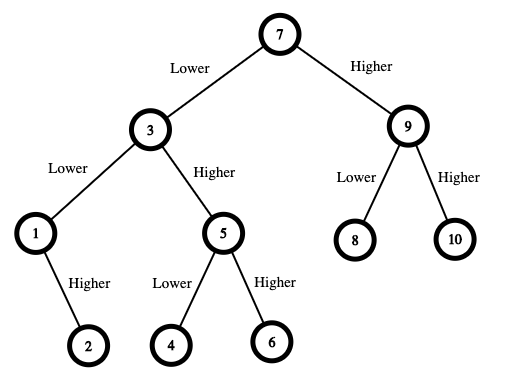
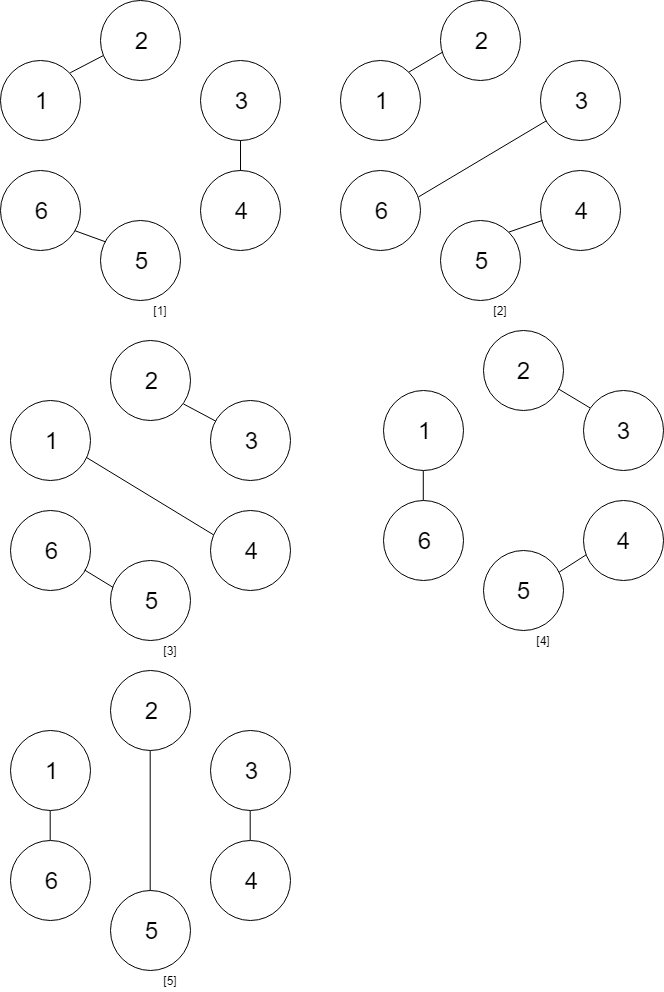
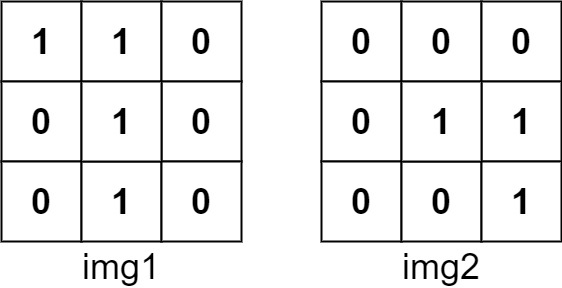
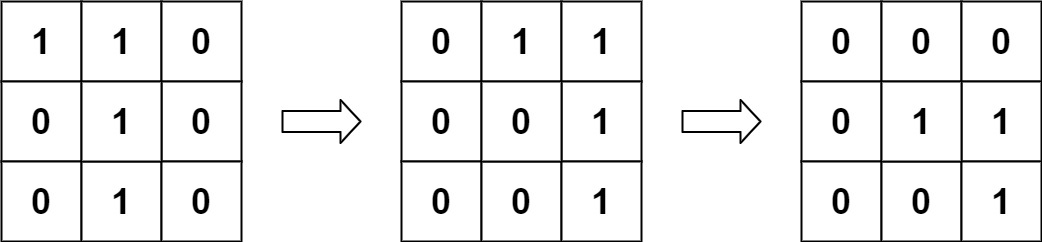
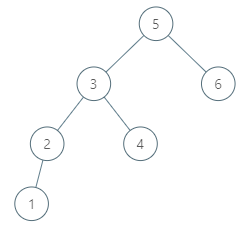
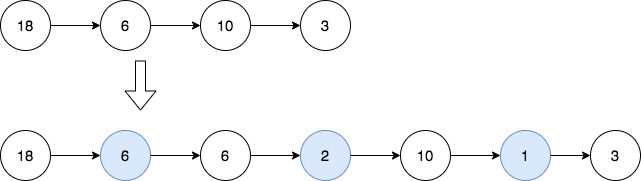

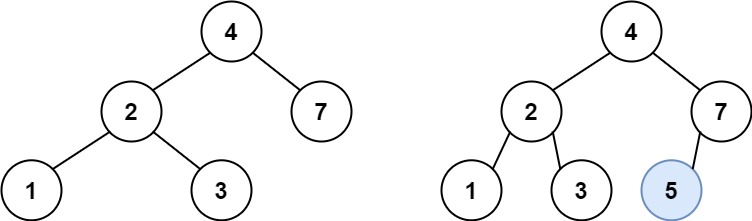
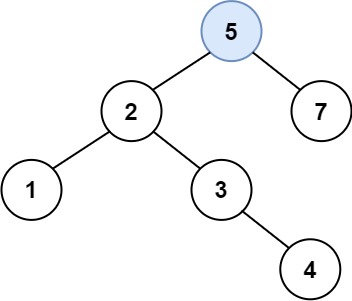
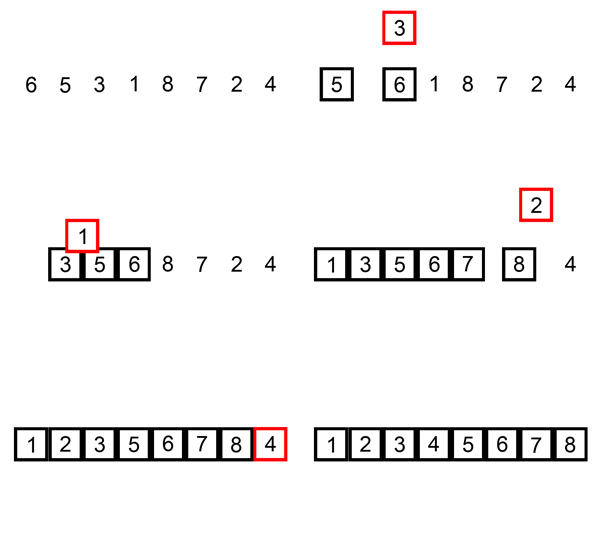
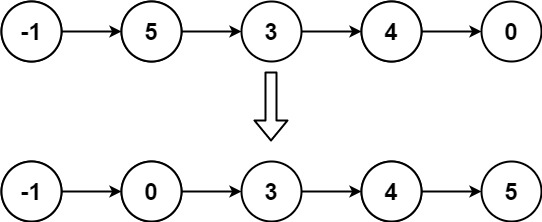
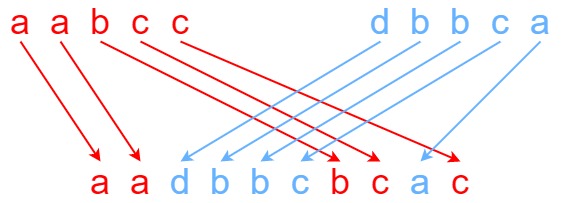
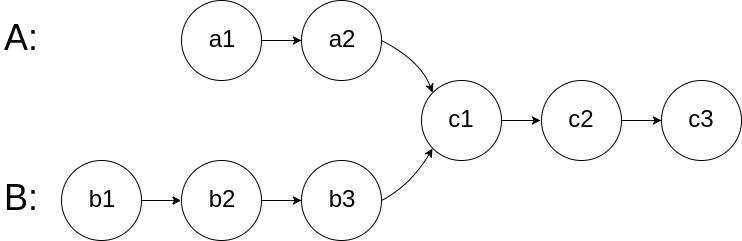
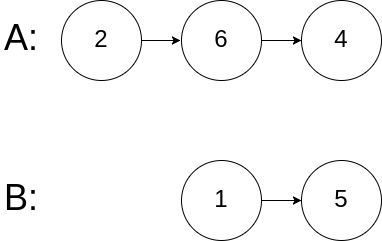
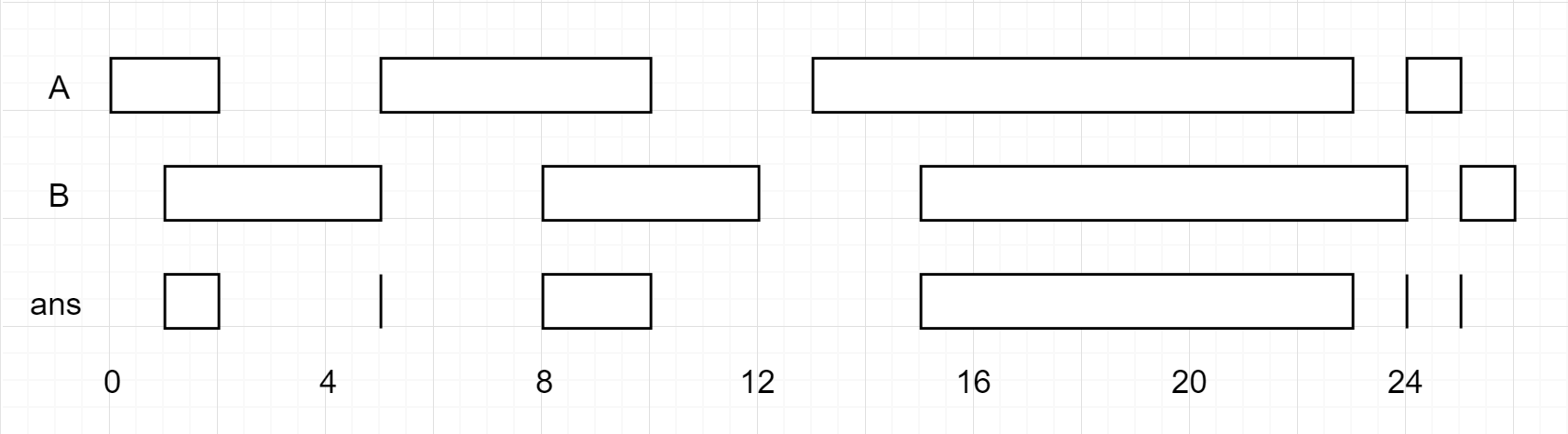
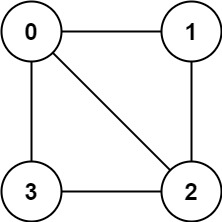
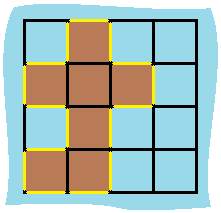
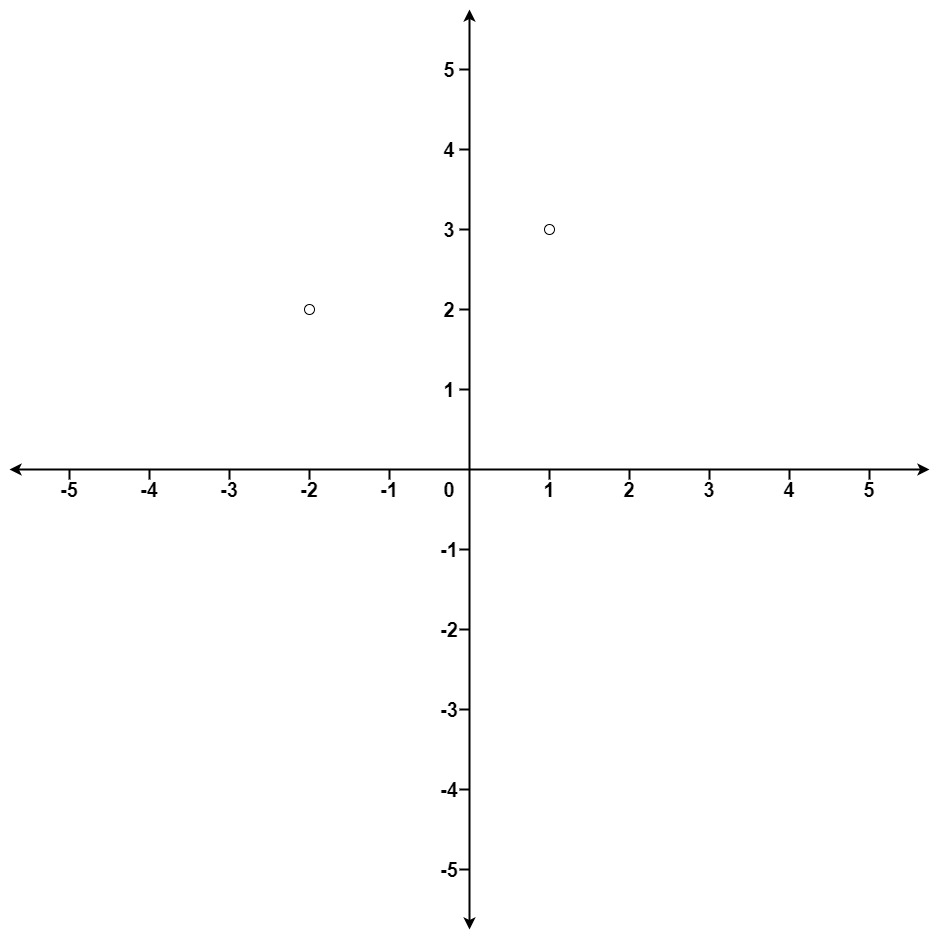
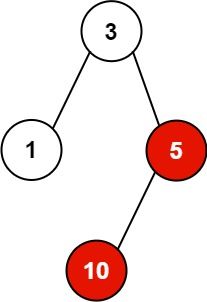
The chess knight has a \unique movement\ ,it may move two squares vertically and one square horizontally, or two squares horizontally and one square vertically (with both forming the shape of an \L\). The possible movements of chess knight are shown in this diagram:\

\

A chess knight can move as indicated in the chess diagram below:\

\

We have a chess knight and a phone pad as shown below, the knight can only stand on a numeric cell (i.e. blue cell).\

\

\\

\

\\

\

Given an integer \n\, return how many distinct phone numbers of length \n\ we can dial.\

\

You are allowed to place the knight on any numeric cell initially and then you should perform \n - 1\ jumps to dial a number of length \n\. All jumps should be valid knight jumps.\

\

As the answer may be very large, return the answer modulo \10\9\ + 7\.\

### Examples ``` Input: n = 1 Output: 10 Explanation: We need to dial a number of length 1, so placing the knight over any numeric cell of the 10 cells is sufficient. ``` ``` Input: n = 2 Output: 20 Explanation: All the valid number we can dial are [04, 06, 16, 18, 27, 29, 34, 38, 40, 43, 49, 60, 61, 67, 72, 76, 81, 83, 92, 94] ``` ``` Input: n = 3131 Output: 136006598 Explanation: Please take care of the mod. ``` ### Constraints * 1 \<= n \<= 5000 ## Solution Reference implementation from [solution.py on GitHub](https://github.com/wislertt/leetcode-py/blob/main/leetcode/knight_dialer/solution.py), full suite in [test\_solution.py](https://github.com/wislertt/leetcode-py/blob/main/leetcode/knight_dialer/test_solution.py): ```python theme={"theme":{"light":"github-light","dark":"github-dark"}} class Solution: # Time: O(n * 10) # Space: O(1) def knight_dialer(self, n: int) -> int: mod = 1_000_000_007 moves: dict[int, tuple[int, ...]] = { 0: (4, 6), 1: (6, 8), 2: (7, 9), 3: (4, 8), 4: (0, 3, 9), 5: (), 6: (0, 1, 7), 7: (2, 6), 8: (1, 3), 9: (2, 4), } # dp[digit] = number of distinct numbers of current length ending here dp = [1] * 10 for _ in range(n - 1): new_dp = [0] * 10 for digit in range(10): for nxt in moves[digit]: new_dp[nxt] = (new_dp[nxt] + dp[digit]) % mod dp = new_dp return sum(dp) % mod ``` ## Complexity | Time | Space | | ---------- | ----- | | O(n \* 10) | O(1) | ## Tags [NeetCode All](/catalog/neetcode). # Knight Probability in Chessboard Source: https://leetcode-py.wisl.dev/problems/knight-probability-in-chessboard Tested Python solution for LeetCode 688 with 20 pytest cases. Generate a practice environment with lcpy. LeetCode 688, [Medium](/catalog/medium). Topics: [Dynamic Programming](/catalog/topics/dynamic-programming). [View on LeetCode](https://leetcode.com/problems/knight-probability-in-chessboard/description/). Generate this problem as a practice environment: tested reference solution, 20 [parametrized pytest cases](/practice/testing), and a playground notebook: ```bash theme={"theme":{"light":"github-light","dark":"github-dark"}} lcpy gen -n 688 # by problem number lcpy gen -s knight_probability_in_chessboard # by problem name ``` ## Problem On an `n x n` chessboard, a knight starts at the cell `(row, column)` and attempts to make exactly `k` moves. The rows and columns are **0-indexed**, so the top-left cell is `(0, 0)`, and the bottom-right cell is `(n - 1, n - 1)`. A chess knight has eight possible moves it can make, as illustrated below. Each move is two cells in a cardinal direction, then one cell in an orthogonal direction. ![Knight moves](https://assets.leetcode.com/uploads/2018/10/12/knight.png) Each time the knight is to move, it chooses one of eight possible moves uniformly at random (even if the piece would go off the chessboard) and moves there. The knight continues moving until it has made exactly `k` moves or has moved off the chessboard. Return *the probability that the knight remains on the board after it has stopped moving*. ### Examples ``` Input: n = 3, k = 2, row = 0, column = 0 Output: 0.06250 Explanation: There are two moves (to (1,2), (2,1)) that will keep the knight on the board. From each of those positions, there are also two moves that will keep the knight on the board. The total probability the knight stays on the board is 0.0625. ``` ``` Input: n = 1, k = 0, row = 0, column = 0 Output: 1.00000 ``` ### Constraints * 1 \<= n \<= 25 * 0 \<= k \<= 100 * 0 \<= row, column \<= n - 1 ## Solution Reference implementation from [solution.py on GitHub](https://github.com/wislertt/leetcode-py/blob/main/leetcode/knight_probability_in_chessboard/solution.py), full suite in [test\_solution.py](https://github.com/wislertt/leetcode-py/blob/main/leetcode/knight_probability_in_chessboard/test_solution.py): ```python theme={"theme":{"light":"github-light","dark":"github-dark"}} class Solution: # Time: O(k * n^2) # Space: O(n^2) def knight_probability(self, n: int, k: int, row: int, column: int) -> float: moves = ((1, 2), (2, 1), (2, -1), (1, -2), (-1, -2), (-2, -1), (-2, 1), (-1, 2)) prob = [[0.0] * n for _ in range(n)] prob[row][column] = 1.0 for _ in range(k): nxt = [[0.0] * n for _ in range(n)] for r in range(n): for c in range(n): if prob[r][c] == 0.0: continue share = prob[r][c] / 8.0 for dr, dc in moves: nr, nc = r + dr, c + dc if 0 <= nr < n and 0 <= nc < n: nxt[nr][nc] += share prob = nxt return sum(map(sum, prob)) ``` ## Complexity | Time | Space | | ----------- | ------ | | O(k \* n^2) | O(n^2) | ## Tags # Koko Eating Bananas Python Solution with Tests Source: https://leetcode-py.wisl.dev/problems/koko-eating-bananas Tested Python solution for LeetCode 875 with 13 pytest cases. Generate a practice environment with lcpy. LeetCode 875, [Medium](/catalog/medium). Topics: [Array](/catalog/topics/array), [Binary Search](/catalog/topics/binary-search). [View on LeetCode](https://leetcode.com/problems/koko-eating-bananas/description/). Generate this problem as a practice environment: tested reference solution, 13 [parametrized pytest cases](/practice/testing), and a playground notebook: ```bash theme={"theme":{"light":"github-light","dark":"github-dark"}} lcpy gen -n 875 # by problem number lcpy gen -s koko_eating_bananas # by problem name ``` ## Problem Koko loves to eat bananas. There are `n` piles of bananas, the `ith` pile has `piles[i]` bananas. The guards have gone and will come back in `h` hours. Koko can decide her bananas-per-hour eating speed of `k`. Each hour, she chooses some pile of bananas and eats `k` bananas from that pile. If the pile has less than `k` bananas, she eats all of them instead and will not eat any more bananas during this hour. Koko likes to eat slowly but still wants to finish eating all the bananas before the guards return. Return *the minimum integer* `k` *such that she can eat all the bananas within* `h` *hours*. ### Examples ``` Input: piles = [3,6,7,11], h = 8 Output: 4 ``` ``` Input: piles = [30,11,23,4,20], h = 5 Output: 30 ``` ``` Input: piles = [30,11,23,4,20], h = 6 Output: 23 ``` ### Constraints * 1 \<= piles.length \<= 10\4\ * piles.length \<= h \<= 10\9\ * 1 \<= piles\[i] \<= 10\9\ ## Solution Reference implementation from [solution.py on GitHub](https://github.com/wislertt/leetcode-py/blob/main/leetcode/koko_eating_bananas/solution.py), full suite in [test\_solution.py](https://github.com/wislertt/leetcode-py/blob/main/leetcode/koko_eating_bananas/test_solution.py): ```python theme={"theme":{"light":"github-light","dark":"github-dark"}} import math class Solution: # Time: O(n log m) where n = piles, m = max(piles) # Space: O(1) def min_eating_speed(self, piles: list[int], h: int) -> int: left, right = 1, max(piles) result = right while left <= right: speed = (left + right) // 2 hours_needed = sum(math.ceil(pile / speed) for pile in piles) if hours_needed <= h: result = speed # speed works, try slower right = speed - 1 else: left = speed + 1 # too slow, eat faster return result ``` ## Complexity | Time | Space | | ------------------------------------------ | ----- | | O(n log m) where n = piles, m = max(piles) | O(1) | ## Tags [NeetCode 150](/catalog/neetcode-150), [NeetCode 250](/catalog/neetcode-250), [NeetCode All](/catalog/neetcode). # Kth Distinct String in an Array Source: https://leetcode-py.wisl.dev/problems/kth-distinct-string-in-an-array Tested Python solution for LeetCode 2053 with 16 pytest cases. Generate a practice environment with lcpy. LeetCode 2053, [Easy](/catalog/easy). Topics: [Array](/catalog/topics/array), [Hash Table](/catalog/topics/hash-table), [String](/catalog/topics/string), [Counting](/catalog/topics/counting). [View on LeetCode](https://leetcode.com/problems/kth-distinct-string-in-an-array/description/). Generate this problem as a practice environment: tested reference solution, 16 [parametrized pytest cases](/practice/testing), and a playground notebook: ```bash theme={"theme":{"light":"github-light","dark":"github-dark"}} lcpy gen -n 2053 # by problem number lcpy gen -s kth_distinct_string_in_an_array # by problem name ``` ## Problem A \distinct string\ is a string that is present only \once\ in an array. Given an array of strings \arr\, and an integer \k\, return \the \\k\th\\\ \distinct string\ present in \\arr\. If there are \fewer\ than \k\ distinct strings, return \an \empty string \\\""\. Note that the strings are considered in the \order in which they appear\ in the array. ### Examples ``` Input: arr = ["d","b","c","b","c","a"], k = 2 Output: "a" Explanation: The only distinct strings in arr are "d" and "a". "d" appears 1st, so it is the 1st distinct string. "a" appears 2nd, so it is the 2nd distinct string. Since k == 2, "a" is returned. ``` ``` Input: arr = ["aaa","aa","a"], k = 1 Output: "aaa" Explanation: All strings in arr are distinct, so the 1st string "aaa" is returned. ``` ``` Input: arr = ["a","b","a"], k = 3 Output: "" Explanation: The only distinct string is "b". Since there are fewer than 3 distinct strings, we return an empty string "". ``` ### Constraints * `1 <= k <= arr.length <= 1000` * `1 <= arr[i].length <= 5` * `arr[i]` consists of lowercase English letters. ## Solution Reference implementation from [solution.py on GitHub](https://github.com/wislertt/leetcode-py/blob/main/leetcode/kth_distinct_string_in_an_array/solution.py), full suite in [test\_solution.py](https://github.com/wislertt/leetcode-py/blob/main/leetcode/kth_distinct_string_in_an_array/test_solution.py): ```python theme={"theme":{"light":"github-light","dark":"github-dark"}} from collections import Counter class Solution: # Time: O(n) # Space: O(n) def kth_distinct(self, arr: list[str], k: int) -> str: counts = Counter(arr) for s in arr: if counts[s] == 1: k -= 1 if k == 0: return s return "" ``` ## Complexity | Time | Space | | ---- | ----- | | O(n) | O(n) | ## Tags [NeetCode All](/catalog/neetcode). # Kth Largest Element in a Stream Source: https://leetcode-py.wisl.dev/problems/kth-largest-element-in-a-stream Tested Python solution for LeetCode 703 with 13 pytest cases. Generate a practice environment with lcpy. LeetCode 703, [Easy](/catalog/easy). Topics: [Tree](/catalog/topics/tree), [Design](/catalog/topics/design), [Binary Search Tree](/catalog/topics/binary-search-tree), [Heap (Priority Queue)](/catalog/topics/heap-priority-queue), [Binary Tree](/catalog/topics/binary-tree), [Data Stream](/catalog/topics/data-stream). [View on LeetCode](https://leetcode.com/problems/kth-largest-element-in-a-stream/description/). Generate this problem as a practice environment: tested reference solution, 13 [parametrized pytest cases](/practice/testing), and a playground notebook: ```bash theme={"theme":{"light":"github-light","dark":"github-dark"}} lcpy gen -n 703 # by problem number lcpy gen -s kth_largest_element_in_a_stream # by problem name ``` ## Problem You are part of a university admissions office and need to keep track of the `kth` highest test score from applicants in real-time. This helps to determine cut-off marks for interviews and admissions dynamically as new applicants submit their scores. You are tasked to implement a class which, for a given integer `k`, maintains a stream of test scores and continuously returns the `k`th highest test score **after** a new score has been submitted. More specifically, we are looking for the `k`th highest score in the sorted list of all scores. Implement the `KthLargest` class: * `KthLargest(int k, int[] nums)` Initializes the object with the integer `k` and the stream of test scores `nums`. * `int add(int val)` Adds a new test score `val` to the stream and returns the element representing the `kth` largest element in the pool of test scores so far. ### Examples ``` Input ["KthLargest", "add", "add", "add", "add", "add"] [[3, [4, 5, 8, 2]], [3], [5], [10], [9], [4]] Output [null, 4, 5, 5, 8, 8] Explanation KthLargest kthLargest = new KthLargest(3, [4, 5, 8, 2]); kthLargest.add(3); // return 4 kthLargest.add(5); // return 5 kthLargest.add(10); // return 5 kthLargest.add(9); // return 8 kthLargest.add(4); // return 8 ``` ``` Input ["KthLargest", "add", "add", "add", "add"] [[4, [7, 7, 7, 7, 8, 3]], [2], [10], [9], [9]] Output [null, 7, 7, 7, 8] Explanation KthLargest kthLargest = new KthLargest(4, [7, 7, 7, 7, 8, 3]); kthLargest.add(2); // return 7 kthLargest.add(10); // return 7 kthLargest.add(9); // return 7 kthLargest.add(9); // return 8 ``` ### Constraints * 0 \<= nums.length \<= 10\4\ * 1 \<= k \<= nums.length + 1 * -10\4\ \<= nums\[i] \<= 10\4\ * -10\4\ \<= val \<= 10\4\ * At most 10\4\ calls will be made to `add`. ## Solution Reference implementation from [solution.py on GitHub](https://github.com/wislertt/leetcode-py/blob/main/leetcode/kth_largest_element_in_a_stream/solution.py), full suite in [test\_solution.py](https://github.com/wislertt/leetcode-py/blob/main/leetcode/kth_largest_element_in_a_stream/test_solution.py): ```python theme={"theme":{"light":"github-light","dark":"github-dark"}} import heapq class KthLargest: # Time: O(n log k) init, O(log k) per add # Space: O(k) def __init__(self, k: int, nums: list[int]) -> None: self.k = k self.min_heap: list[int] = [] for num in nums: self.add(num) # Time: O(log k) # Space: O(k) def add(self, val: int) -> int: heapq.heappush(self.min_heap, val) if len(self.min_heap) > self.k: heapq.heappop(self.min_heap) # kth largest is the smallest among the k largest elements return self.min_heap[0] ``` ## Complexity | Time | Space | | --------------------------------- | ----- | | O(n log k) init, O(log k) per add | O(k) | ## Tags [NeetCode 150](/catalog/neetcode-150), [NeetCode 250](/catalog/neetcode-250), [NeetCode All](/catalog/neetcode). # Kth Largest Element in an Array Source: https://leetcode-py.wisl.dev/problems/kth-largest-element-in-an-array Tested Python solution for LeetCode 215 with 14 pytest cases. Generate a practice environment with lcpy. LeetCode 215, [Medium](/catalog/medium). Topics: [Array](/catalog/topics/array), [Divide and Conquer](/catalog/topics/divide-and-conquer), [Sorting](/catalog/topics/sorting), [Heap (Priority Queue)](/catalog/topics/heap-priority-queue), Quickselect. [View on LeetCode](https://leetcode.com/problems/kth-largest-element-in-an-array/description/). Generate this problem as a practice environment: tested reference solution, 14 [parametrized pytest cases](/practice/testing), and a playground notebook: ```bash theme={"theme":{"light":"github-light","dark":"github-dark"}} lcpy gen -n 215 # by problem number lcpy gen -s kth_largest_element_in_an_array # by problem name ``` ## Problem Given an integer array `nums` and an integer `k`, return *the* `kth` *largest element in the array*. Note that it is the `kth` largest element in the sorted order, not the `kth` distinct element. Can you solve it without sorting? ### Examples ``` Input: nums = [3,2,1,5,6,4], k = 2 Output: 5 ``` ``` Input: nums = [3,2,3,1,2,4,5,5,6], k = 4 Output: 4 ``` ### Constraints * 1 \<= k \<= nums.length \<= 10^5 * -10^4 \<= nums\[i] \<= 10^4 ## Solution Reference implementation from [solution.py on GitHub](https://github.com/wislertt/leetcode-py/blob/main/leetcode/kth_largest_element_in_an_array/solution.py), full suite in [test\_solution.py](https://github.com/wislertt/leetcode-py/blob/main/leetcode/kth_largest_element_in_an_array/test_solution.py): ```python theme={"theme":{"light":"github-light","dark":"github-dark"}} class Solution: # Time: O(n) average, O(n^2) worst # Space: O(1) def find_kth_largest(self, nums: list[int], k: int) -> int: target_index = len(nums) - k def quickselect(left: int, right: int) -> int: pivot = nums[right] store = left for i in range(left, right): if nums[i] <= pivot: nums[store], nums[i] = nums[i], nums[store] store += 1 nums[store], nums[right] = nums[right], nums[store] if store == target_index: return nums[store] if store < target_index: return quickselect(store + 1, right) return quickselect(left, store - 1) return quickselect(0, len(nums) - 1) ``` ## Complexity | Time | Space | | -------------------------- | ----- | | O(n) average, O(n^2) worst | O(1) | ## Tags [Grind](/catalog/grind), [NeetCode 150](/catalog/neetcode-150), [NeetCode 250](/catalog/neetcode-250), [NeetCode All](/catalog/neetcode). # Find the Kth Largest Integer in the Array Source: https://leetcode-py.wisl.dev/problems/kth-largest-number-in-array Tested Python solution for LeetCode 1985 with 18 pytest cases. Generate a practice environment with lcpy. LeetCode 1985, [Medium](/catalog/medium). Topics: [Array](/catalog/topics/array), [String](/catalog/topics/string), [Divide and Conquer](/catalog/topics/divide-and-conquer), [Sorting](/catalog/topics/sorting), [Heap (Priority Queue)](/catalog/topics/heap-priority-queue), Quickselect. [View on LeetCode](https://leetcode.com/problems/kth-largest-number-in-array/description/). Generate this problem as a practice environment: tested reference solution, 18 [parametrized pytest cases](/practice/testing), and a playground notebook: ```bash theme={"theme":{"light":"github-light","dark":"github-dark"}} lcpy gen -n 1985 # by problem number lcpy gen -s kth_largest_number_in_array # by problem name ``` ## Problem You are given an array of strings `nums` and an integer `k`. Each string in `nums` represents an integer without leading zeros. Return the string that represents the `kth` largest integer in `nums`. **Note**: Duplicate numbers should be counted distinctly. For example, if `nums` is `["1","2","2"]`, `"2"` is the first largest integer, `"2"` is the second-largest integer, and `"1"` is the third-largest integer. ### Examples ``` Input: nums = ["3","6","7","10"], k = 4 Output: "3" Explanation: The numbers in nums sorted in non-decreasing order are ["3","6","7","10"]. The 4th largest integer in nums is "3". ``` ``` Input: nums = ["2","21","12","1"], k = 3 Output: "2" Explanation: The numbers in nums sorted in non-decreasing order are ["1","2","12","21"]. The 3rd largest integer in nums is "2". ``` ``` Input: nums = ["0","0"], k = 2 Output: "0" Explanation: The numbers in nums sorted in non-decreasing order are ["0","0"]. The 2nd largest integer in nums is "0". ``` ### Constraints * 1 \<= k \<= nums.length \<= 10^4 * 1 \<= nums\[i].length \<= 100 * nums\[i] consists of only digits. * nums\[i] will not have any leading zeros. ## Solution Reference implementation from [solution.py on GitHub](https://github.com/wislertt/leetcode-py/blob/main/leetcode/kth_largest_number_in_array/solution.py), full suite in [test\_solution.py](https://github.com/wislertt/leetcode-py/blob/main/leetcode/kth_largest_number_in_array/test_solution.py): ```python theme={"theme":{"light":"github-light","dark":"github-dark"}} import heapq class Solution: # Time: O(n log k) # Space: O(k) def kth_largest_number(self, nums: list[str], k: int) -> str: heap: list[tuple[int, str]] = [] for num in nums: key = (len(num), num) if len(heap) < k: heapq.heappush(heap, key) elif key > heap[0]: heapq.heapreplace(heap, key) return heap[0][1] ``` ## Complexity | Time | Space | | ---------- | ----- | | O(n log k) | O(k) | ## Tags [NeetCode All](/catalog/neetcode). # Kth Largest Sum in a Binary Tree Source: https://leetcode-py.wisl.dev/problems/kth-largest-sum-in-a-binary-tree Tested Python solution for LeetCode 2583 with 18 pytest cases. Generate a practice environment with lcpy. LeetCode 2583, [Medium](/catalog/medium). Topics: [Tree](/catalog/topics/tree), [Breadth-First Search](/catalog/topics/breadth-first-search), [Sorting](/catalog/topics/sorting), [Binary Tree](/catalog/topics/binary-tree). [View on LeetCode](https://leetcode.com/problems/kth-largest-sum-in-a-binary-tree/description/). Generate this problem as a practice environment: tested reference solution, 18 [parametrized pytest cases](/practice/testing), and a playground notebook: ```bash theme={"theme":{"light":"github-light","dark":"github-dark"}} lcpy gen -n 2583 # by problem number lcpy gen -s kth_largest_sum_in_a_binary_tree # by problem name ``` ## Problem You are given the `root` of a binary tree and a positive integer `k`. The **level sum** in the tree is the sum of the values of the nodes that are on the **same** level. Return *the* `kth` *largest level sum in the tree (not necessarily distinct)*. If there are fewer than `k` levels in the tree, return `-1`. Note that two nodes are on the same level if they have the same distance from the root. ### Examples ![Example 1](https://assets.leetcode.com/uploads/2022/12/14/binaryytreeedrawio-2.png) ``` Input: root = [5,8,9,2,1,3,7,4,6], k = 2 Output: 13 Explanation: The level sums are the following: - Level 1: 5. - Level 2: 8 + 9 = 17. - Level 3: 2 + 1 + 3 + 7 = 13. - Level 4: 4 + 6 = 10. The 2nd largest level sum is 13. ``` ![Example 2](https://assets.leetcode.com/uploads/2022/12/14/treedrawio-3.png) ``` Input: root = [1,2,null,3], k = 1 Output: 3 Explanation: The largest level sum is 3. ``` ### Constraints * The number of nodes in the tree is `n`. * `2 <= n <= 10^5` * `1 <= Node.val <= 10^6` * `1 <= k <= n` ## Solution Reference implementation from [solution.py on GitHub](https://github.com/wislertt/leetcode-py/blob/main/leetcode/kth_largest_sum_in_a_binary_tree/solution.py), full suite in [test\_solution.py](https://github.com/wislertt/leetcode-py/blob/main/leetcode/kth_largest_sum_in_a_binary_tree/test_solution.py): ```python theme={"theme":{"light":"github-light","dark":"github-dark"}} from collections import deque from leetcode_py import TreeNode class Solution: # Time: O(n) # Space: O(w) def kth_largest_level_sum(self, root: TreeNode[int] | None, k: int) -> int: sums: list[int] = [] queue = deque([root] if root is not None else []) while queue: level_sum = 0 for _ in range(len(queue)): node = queue.popleft() level_sum += node.val if node.left is not None: queue.append(node.left) if node.right is not None: queue.append(node.right) sums.append(level_sum) if k > len(sums): return -1 sums.sort(reverse=True) return sums[k - 1] ``` ## Complexity | Time | Space | | ---- | ----- | | O(n) | O(w) | ## Tags [NeetCode All](/catalog/neetcode). # Kth Smallest Element in a BST Python Solution Source: https://leetcode-py.wisl.dev/problems/kth-smallest-element-in-a-bst Tested Python solution for LeetCode 230 with 12 pytest cases. Generate a practice environment with lcpy. LeetCode 230, [Medium](/catalog/medium). Topics: [Tree](/catalog/topics/tree), [Depth-First Search](/catalog/topics/depth-first-search), [Binary Search Tree](/catalog/topics/binary-search-tree), [Binary Tree](/catalog/topics/binary-tree). [View on LeetCode](https://leetcode.com/problems/kth-smallest-element-in-a-bst/description/). Generate this problem as a practice environment: tested reference solution, 12 [parametrized pytest cases](/practice/testing), and a playground notebook: ```bash theme={"theme":{"light":"github-light","dark":"github-dark"}} lcpy gen -n 230 # by problem number lcpy gen -s kth_smallest_element_in_a_bst # by problem name ``` ## Problem Given the `root` of a binary search tree, and an integer `k`, return the `k`th smallest value (1-indexed) of all the values of the nodes in the tree. ### Examples ![Example 1](https://assets.leetcode.com/uploads/2021/01/28/kthtree1.jpg) ``` Input: root = [3,1,4,null,2], k = 1 Output: 1 ``` ![Example 2](https://assets.leetcode.com/uploads/2021/01/28/kthtree2.jpg) ``` Input: root = [5,3,6,2,4,null,null,1], k = 3 Output: 3 ``` ### Constraints * The number of nodes in the tree is `n`. * `1 <= k <= n <= 10^4` * `0 <= Node.val <= 10^4` **Follow up:** If the BST is modified often (i.e., we can do insert and delete operations) and you need to find the kth smallest frequently, how would you optimize? ## Solution Reference implementation from [solution.py on GitHub](https://github.com/wislertt/leetcode-py/blob/main/leetcode/kth_smallest_element_in_a_bst/solution.py), full suite in [test\_solution.py](https://github.com/wislertt/leetcode-py/blob/main/leetcode/kth_smallest_element_in_a_bst/test_solution.py): ```python theme={"theme":{"light":"github-light","dark":"github-dark"}} from leetcode_py import TreeNode class Solution: # Inorder Recursive # Time: O(k) # Space: O(h) def kth_smallest(self, root: TreeNode[int] | None, k: int) -> int: def inorder(node: TreeNode[int] | None): if not node: return yield from inorder(node.left) yield node.val yield from inorder(node.right) for i, val in enumerate(inorder(root)): if i == k - 1: return val raise ValueError(f"Tree has fewer than {k} nodes") # Binary Tree Traversal Patterns # # def inorder(node): # if node: # inorder(node.left) # print(node.val) # inorder(node.right) # # def preorder(node): # if node: # print(node.val) # preorder(node.left) # preorder(node.right) # # def postorder(node): # if node: # postorder(node.left) # postorder(node.right) # print(node.val) ``` ## Complexity | Time | Space | | ---- | ----- | | O(k) | O(h) | ## Tags [Grind 75](/catalog/grind-75), [Grind](/catalog/grind), [Blind 75](/catalog/blind-75), [NeetCode 150](/catalog/neetcode-150), [NeetCode 250](/catalog/neetcode-250), [NeetCode All](/catalog/neetcode), [AlgoMaster 75](/catalog/algo-master-75). # Kth Smallest Element in a Sorted Matrix Source: https://leetcode-py.wisl.dev/problems/kth-smallest-element-in-a-sorted-matrix Tested Python solution for LeetCode 378 with 33 pytest cases. Generate a practice environment with lcpy. LeetCode 378, [Medium](/catalog/medium). Topics: [Array](/catalog/topics/array), [Binary Search](/catalog/topics/binary-search), [Sorting](/catalog/topics/sorting), [Heap (Priority Queue)](/catalog/topics/heap-priority-queue), [Matrix](/catalog/topics/matrix). [View on LeetCode](https://leetcode.com/problems/kth-smallest-element-in-a-sorted-matrix/description/). Generate this problem as a practice environment: tested reference solution, 33 [parametrized pytest cases](/practice/testing), and a playground notebook: ```bash theme={"theme":{"light":"github-light","dark":"github-dark"}} lcpy gen -n 378 # by problem number lcpy gen -s kth_smallest_element_in_a_sorted_matrix # by problem name ``` ## Problem Given an `n x n` matrix where each of the rows and columns is sorted in ascending order, return the kth smallest element in the matrix. Note that it is the kth smallest element in the sorted order, not the kth distinct element. You must find a solution with a memory complexity better than O(n2). ### Examples ``` Input: matrix = [[1,5,9],[10,11,13],[12,13,15]], k = 8 Output: 13 Explanation: The elements in the matrix are [1,5,9,10,11,12,13,13,15], and the 8th smallest number is 13 ``` ``` Input: matrix = [[-5]], k = 1 Output: -5 ``` ### Constraints * n == matrix.length == matrix\[i].length * 1 \<= n \<= 300 * -10^9 \<= matrix\[i]\[j] \<= 10^9 * All the rows and columns of matrix are guaranteed to be sorted in non-decreasing order. * 1 \<= k \<= n2 **Follow up:** * Could you solve the problem with a constant memory (i.e., O(1) memory complexity)? * Could you solve the problem in O(n) time complexity? ## Solution Reference implementation from [solution.py on GitHub](https://github.com/wislertt/leetcode-py/blob/main/leetcode/kth_smallest_element_in_a_sorted_matrix/solution.py), full suite in [test\_solution.py](https://github.com/wislertt/leetcode-py/blob/main/leetcode/kth_smallest_element_in_a_sorted_matrix/test_solution.py): ```python theme={"theme":{"light":"github-light","dark":"github-dark"}} class Solution: # Time: O(n * log(max - min)) # Space: O(1) def kth_smallest(self, matrix: list[list[int]], k: int) -> int: def count_at_most(target: int) -> int: count = 0 row, col = len(matrix) - 1, 0 while row >= 0 and col < len(matrix): if matrix[row][col] <= target: count += row + 1 col += 1 else: row -= 1 return count lo, hi = matrix[0][0], matrix[-1][-1] while lo < hi: mid = lo + (hi - lo) // 2 if count_at_most(mid) < k: lo = mid + 1 else: hi = mid return lo ``` ## Complexity | Time | Space | | ---------------------- | ----- | | O(n \* log(max - min)) | O(1) | ## Tags # Kth Smallest Number in Multiplication Table Source: https://leetcode-py.wisl.dev/problems/kth-smallest-number-in-multiplication-table Tested Python solution for LeetCode 668 with 30 pytest cases. Generate a practice environment with lcpy. LeetCode 668, [Hard](/catalog/hard). Topics: [Math](/catalog/topics/math), [Binary Search](/catalog/topics/binary-search). [View on LeetCode](https://leetcode.com/problems/kth-smallest-number-in-multiplication-table/description/). Generate this problem as a practice environment: tested reference solution, 30 [parametrized pytest cases](/practice/testing), and a playground notebook: ```bash theme={"theme":{"light":"github-light","dark":"github-dark"}} lcpy gen -n 668 # by problem number lcpy gen -s kth_smallest_number_in_multiplication_table # by problem name ``` ## Problem Nearly everyone has used the [Multiplication Table](https://en.wikipedia.org/wiki/Multiplication_table). The multiplication table of size `m x n` is an integer matrix `mat` where `mat[i][j] == i * j` (1-indexed). Given three integers `m`, `n`, and `k`, return the kth smallest element in the `m x n` multiplication table. ### Examples ![Example 1](https://assets.leetcode.com/uploads/2021/05/02/multtable1-grid.jpg) ``` Input: m = 3, n = 3, k = 5 Output: 3 Explanation: The 5th smallest number is 3. ``` ![Example 2](https://assets.leetcode.com/uploads/2021/05/02/multtable2-grid.jpg) ``` Input: m = 2, n = 3, k = 6 Output: 6 Explanation: The 6th smallest number is 6. ``` ### Constraints * 1 \<= m, n \<= 3 \* 10^4 * 1 \<= k \<= m \* n ## Solution Reference implementation from [solution.py on GitHub](https://github.com/wislertt/leetcode-py/blob/main/leetcode/kth_smallest_number_in_multiplication_table/solution.py), full suite in [test\_solution.py](https://github.com/wislertt/leetcode-py/blob/main/leetcode/kth_smallest_number_in_multiplication_table/test_solution.py): ```python theme={"theme":{"light":"github-light","dark":"github-dark"}} class Solution: # Time: O(m * log(m * n)) # Space: O(1) def find_kth_number(self, m: int, n: int, k: int) -> int: # Ensure the per-row count loop iterates over the smaller dimension. if m > n: m, n = n, m def count_le(x: int) -> int: return sum(min(x // i, n) for i in range(1, m + 1)) lo, hi = 1, m * n while lo < hi: mid = (lo + hi) // 2 if count_le(mid) < k: lo = mid + 1 else: hi = mid return lo ``` ## Complexity | Time | Space | | ------------------- | ----- | | O(m \* log(m \* n)) | O(1) | ## Tags # Kth Smallest Product of Two Sorted Arrays Source: https://leetcode-py.wisl.dev/problems/kth-smallest-product-of-two-sorted-arrays Tested Python solution for LeetCode 2040 with 20 pytest cases. Generate a practice environment with lcpy. LeetCode 2040, [Hard](/catalog/hard). Topics: [Array](/catalog/topics/array), [Binary Search](/catalog/topics/binary-search). [View on LeetCode](https://leetcode.com/problems/kth-smallest-product-of-two-sorted-arrays/description/). Generate this problem as a practice environment: tested reference solution, 20 [parametrized pytest cases](/practice/testing), and a playground notebook: ```bash theme={"theme":{"light":"github-light","dark":"github-dark"}} lcpy gen -n 2040 # by problem number lcpy gen -s kth_smallest_product_of_two_sorted_arrays # by problem name ``` ## Problem Given two **sorted 0-indexed** integer arrays `nums1` and `nums2` as well as an integer `k`, return the `kth` (**1-based**) smallest product of `nums1[i] * nums2[j]` where `0 <= i < nums1.length` and `0 <= j < nums2.length`. ### Examples ``` Input: nums1 = [2,5], nums2 = [3,4], k = 2 Output: 8 Explanation: The 2 smallest products are: - nums1[0] * nums2[0] = 2 * 3 = 6 - nums1[0] * nums2[1] = 2 * 4 = 8 The 2nd smallest product is 8. ``` ``` Input: nums1 = [-4,-2,0,3], nums2 = [2,4], k = 6 Output: 0 Explanation: The 6 smallest products are: - nums1[0] * nums2[1] = (-4) * 4 = -16 - nums1[0] * nums2[0] = (-4) * 2 = -8 - nums1[1] * nums2[1] = (-2) * 4 = -8 - nums1[1] * nums2[0] = (-2) * 2 = -4 - nums1[2] * nums2[0] = 0 * 2 = 0 - nums1[2] * nums2[1] = 0 * 4 = 0 The 6th smallest product is 0. ``` ``` Input: nums1 = [-2,-1,0,1,2], nums2 = [-3,-1,2,4,5], k = 3 Output: -6 Explanation: The 3 smallest products are: - nums1[0] * nums2[4] = (-2) * 5 = -10 - nums1[0] * nums2[3] = (-2) * 4 = -8 - nums1[4] * nums2[0] = 2 * (-3) = -6 The 3rd smallest product is -6. ``` ### Constraints * 1 \<= nums1.length, nums2.length \<= 5 \* 10^4 * -10^5 \<= nums1\[i], nums2\[j] \<= 10^5 * 1 \<= k \<= nums1.length \* nums2.length * nums1 and nums2 are sorted. ## Solution Reference implementation from [solution.py on GitHub](https://github.com/wislertt/leetcode-py/blob/main/leetcode/kth_smallest_product_of_two_sorted_arrays/solution.py), full suite in [test\_solution.py](https://github.com/wislertt/leetcode-py/blob/main/leetcode/kth_smallest_product_of_two_sorted_arrays/test_solution.py): ```python theme={"theme":{"light":"github-light","dark":"github-dark"}} from bisect import bisect_left, bisect_right class Solution: # Time: O((len(nums1) + len(nums2)) * log(len(nums2)) * log(max_product)) # Space: O(1) def kth_smallest_product(self, nums1: list[int], nums2: list[int], k: int) -> int: def count_at_most(target: int) -> int: total = 0 for a in nums1: if a == 0: if target >= 0: total += len(nums2) elif a > 0: total += bisect_right(nums2, target // a) else: total += len(nums2) - bisect_left(nums2, -(target // -a)) return total low, high = -(10**10), 10**10 while low < high: mid = (low + high) // 2 if count_at_most(mid) >= k: high = mid else: low = mid + 1 return low ``` ## Complexity | Time | Space | | -------------------------------------------------------------------- | ----- | | O((len(nums1) + len(nums2)) \* log(len(nums2)) \* log(max\_product)) | O(1) | ## Tags [NeetCode All](/catalog/neetcode). # K-th Symbol in Grammar Python Solution Source: https://leetcode-py.wisl.dev/problems/kth-symbol-in-grammar Tested Python solution for LeetCode 779 with 14 pytest cases. Generate a practice environment with lcpy. LeetCode 779, [Medium](/catalog/medium). Topics: [Math](/catalog/topics/math), [Bit Manipulation](/catalog/topics/bit-manipulation), [Recursion](/catalog/topics/recursion). [View on LeetCode](https://leetcode.com/problems/kth-symbol-in-grammar/description/). Generate this problem as a practice environment: tested reference solution, 14 [parametrized pytest cases](/practice/testing), and a playground notebook: ```bash theme={"theme":{"light":"github-light","dark":"github-dark"}} lcpy gen -n 779 # by problem number lcpy gen -s kth_symbol_in_grammar # by problem name ``` ## Problem We build a table of `n` rows (1-indexed). We start by writing `0` in the `1st` row. Now in every subsequent row, we look at the previous row and replace each occurrence of `0` with `01`, and each occurrence of `1` with `10`. * For example, for `n = 3`, the `1st` row is `0`, the `2nd` row is `01`, and the `3rd` row is `0110`. Given two integer `n` and `k`, return *the* `kth` *(1-indexed) symbol in the* `nth` *row* of a table of `n` rows. ### Examples ``` Input: n = 1, k = 1 Output: 0 Explanation: row 1: 0 ``` ``` Input: n = 2, k = 1 Output: 0 Explanation: row 1: 0 row 2: 01 ``` ``` Input: n = 2, k = 2 Output: 1 Explanation: row 1: 0 row 2: 01 ``` ### Constraints * 1 \<= n \<= 30 * 1 \<= k \<= 2n - 1 ## Solution Reference implementation from [solution.py on GitHub](https://github.com/wislertt/leetcode-py/blob/main/leetcode/kth_symbol_in_grammar/solution.py), full suite in [test\_solution.py](https://github.com/wislertt/leetcode-py/blob/main/leetcode/kth_symbol_in_grammar/test_solution.py): ```python theme={"theme":{"light":"github-light","dark":"github-dark"}} class Solution: # Time: O(1) # Space: O(1) def kth_grammar(self, n: int, k: int) -> int: # kth symbol = parity of set bits in k - 1 return (k - 1).bit_count() % 2 ``` ## Complexity | Time | Space | | ---- | ----- | | O(1) | O(1) | ## Tags [NeetCode All](/catalog/neetcode). # Largest 3-Same-Digit Number in String Source: https://leetcode-py.wisl.dev/problems/largest-3-same-digit-number-in-string Tested Python solution for LeetCode 2264 with 20 pytest cases. Generate a practice environment with lcpy. LeetCode 2264, [Easy](/catalog/easy). Topics: [String](/catalog/topics/string). [View on LeetCode](https://leetcode.com/problems/largest-3-same-digit-number-in-string/description/). Generate this problem as a practice environment: tested reference solution, 20 [parametrized pytest cases](/practice/testing), and a playground notebook: ```bash theme={"theme":{"light":"github-light","dark":"github-dark"}} lcpy gen -n 2264 # by problem number lcpy gen -s largest_3_same_digit_number_in_string # by problem name ``` ## Problem You are given a string `num` representing a large integer. An integer is **good** if it meets the following conditions: * It is a **substring** of `num` with length `3`. * It consists of only one unique digit. Return *the **maximum good** integer as a **string** or an empty string* `""` *if no such integer exists*. **Note:** * A **substring** is a contiguous sequence of characters within a string. * There may be **leading zeroes** in `num` or a good integer. ### Examples ``` Input: num = "6777133339" Output: "777" Explanation: There are two distinct good integers: "777" and "333". "777" is the largest, so we return "777". ``` ``` Input: num = "2300019" Output: "000" Explanation: "000" is the only good integer. ``` ``` Input: num = "42352338" Output: "" Explanation: No substring of length 3 consists of only one unique digit. Therefore, there are no good integers. ``` ### Constraints * 3 \<= num.length \<= 1000 * num only consists of digits. ## Solution Reference implementation from [solution.py on GitHub](https://github.com/wislertt/leetcode-py/blob/main/leetcode/largest_3_same_digit_number_in_string/solution.py), full suite in [test\_solution.py](https://github.com/wislertt/leetcode-py/blob/main/leetcode/largest_3_same_digit_number_in_string/test_solution.py): ```python theme={"theme":{"light":"github-light","dark":"github-dark"}} class Solution: # Time: O(n) # Space: O(1) def largest_good_integer(self, num: str) -> str: best = "" for i in range(len(num) - 2): if num[i] == num[i + 1] == num[i + 2] and num[i] * 3 > best: best = num[i] * 3 return best ``` ## Complexity | Time | Space | | ---- | ----- | | O(n) | O(1) | ## Tags [NeetCode All](/catalog/neetcode). # Largest BST Subtree Python Solution with Tests Source: https://leetcode-py.wisl.dev/problems/largest-bst-subtree Tested Python solution for LeetCode 333 with 15 pytest cases. Generate a practice environment with lcpy. LeetCode 333, [Medium](/catalog/medium). Topics: [Tree](/catalog/topics/tree), [Depth-First Search](/catalog/topics/depth-first-search), [Binary Search Tree](/catalog/topics/binary-search-tree), [Dynamic Programming](/catalog/topics/dynamic-programming), [Binary Tree](/catalog/topics/binary-tree). [View on LeetCode](https://leetcode.com/problems/largest-bst-subtree/description/). Generate this problem as a practice environment: tested reference solution, 15 [parametrized pytest cases](/practice/testing), and a playground notebook: ```bash theme={"theme":{"light":"github-light","dark":"github-dark"}} lcpy gen -n 333 # by problem number lcpy gen -s largest_bst_subtree # by problem name ``` ## Problem Given the root of a binary tree, find the largest subtree, which is also a Binary Search Tree (BST), where the largest means subtree has the largest number of nodes. A **Binary Search Tree (BST)** is a tree in which all the nodes follow the below-mentioned properties: * The left subtree values are less than the value of their parent (root) node's value. * The right subtree values are greater than the value of their parent (root) node's value. **Note:** A subtree must include all of its descendants. ### Examples ![Example 1](https://fastly.jsdelivr.net/gh/doocs/leetcode@main/solution/0300-0399/0333.Largest%20BST%20Subtree/images/tmp.jpg) ``` Input: root = [10,5,15,1,8,null,7] Output: 3 Explanation: The Largest BST Subtree in this case is the highlighted one. The return value is the subtree's size, which is 3. ``` ``` Input: root = [4,2,7,2,3,5,null,2,null,null,null,null,null,1] Output: 2 ``` ### Constraints * The number of nodes in the tree is in the range `[0, 10^4]`. * `-10^4 <= Node.val <= 10^4` **Follow up:** Can you figure out ways to solve it with `O(n)` time complexity? ## Solution Reference implementation from [solution.py on GitHub](https://github.com/wislertt/leetcode-py/blob/main/leetcode/largest_bst_subtree/solution.py), full suite in [test\_solution.py](https://github.com/wislertt/leetcode-py/blob/main/leetcode/largest_bst_subtree/test_solution.py): ```python theme={"theme":{"light":"github-light","dark":"github-dark"}} from leetcode_py import TreeNode class Solution: # Time: O(n) — post-order pass carrying (is_bst, size, min, max) # Space: O(h) — recursion depth equals tree height def largest_bst_subtree(self, root: TreeNode[int] | None) -> int: def dfs(node: TreeNode[int] | None) -> tuple[bool, int, int | None, int | None]: if node is None: return True, 0, None, None left_bst, left_size, left_min, left_max = dfs(node.left) right_bst, right_size, right_min, right_max = dfs(node.right) if ( left_bst and right_bst and (left_max is None or left_max < node.val) and (right_min is None or right_min > node.val) ): return ( True, 1 + left_size + right_size, left_min if left_min is not None else node.val, right_max if right_max is not None else node.val, ) return False, max(left_size, right_size), None, None return dfs(root)[1] ``` ## Complexity | Time | Space | | --------------------------------------------------------- | ----------------------------------------- | | O(n) — post-order pass carrying (is\_bst, size, min, max) | O(h) — recursion depth equals tree height | ## Tags [NeetCode All](/catalog/neetcode). # Largest Color Value in a Directed Graph Source: https://leetcode-py.wisl.dev/problems/largest-color-value-in-a-directed-graph Tested Python solution for LeetCode 1857 with 27 pytest cases. Generate a practice environment with lcpy. LeetCode 1857, [Hard](/catalog/hard). Topics: [Hash Table](/catalog/topics/hash-table), [String](/catalog/topics/string), [Dynamic Programming](/catalog/topics/dynamic-programming), [Graph Theory](/catalog/topics/graph-theory), [Topological Sort](/catalog/topics/topological-sort), [Memoization](/catalog/topics/memoization), [Counting](/catalog/topics/counting), Directed Acyclic Graph. [View on LeetCode](https://leetcode.com/problems/largest-color-value-in-a-directed-graph/description/). Generate this problem as a practice environment: tested reference solution, 27 [parametrized pytest cases](/practice/testing), and a playground notebook: ```bash theme={"theme":{"light":"github-light","dark":"github-dark"}} lcpy gen -n 1857 # by problem number lcpy gen -s largest_color_value_in_a_directed_graph # by problem name ``` ## Problem There is a \directed graph\ of \n\ colored nodes and \m\ edges. The nodes are numbered from \0\ to \n - 1\. You are given a string \colors\ where \colors\[i]\ is a lowercase English letter representing the \color\ of the \i\th\\ node in this graph (\0-indexed\). You are also given a 2D array \edges\ where \edges\[j] = \[a\j\, b\j\]\ indicates that there is a \directed edge\ from node \a\j\\ to node \b\j\\. A valid \path\ in the graph is a sequence of nodes \x\1\ -> x\2\ -> x\3\ -> ... -> x\k\\ such that there is a directed edge from \x\i\\ to \x\i+1\\ for every \1 \<= i \< k\. The \color value\ of the path is the number of nodes that are colored the \most frequently\ occurring color along that path. Return \the \largest color value\ of any valid path in the given graph, or \\-1\\ if the graph contains a cycle\. ### Examples ![Example 1](https://assets.leetcode.com/uploads/2021/04/21/leet1.png) ``` Input: colors = "abaca", edges = [[0,1],[0,2],[2,3],[3,4]] Output: 3 ``` **Explanation:** The path 0 -> 2 -> 3 -> 4 contains 3 nodes that are colored `"a" (red in the above image)`. ![Example 2](https://assets.leetcode.com/uploads/2021/04/21/leet2.png) ``` Input: colors = "a", edges = [[0,0]] Output: -1 ``` **Explanation:** There is a cycle from 0 to 0. ### Constraints * `n == colors.length` * `m == edges.length` * `1 <= n <= 10^5` * `0 <= m <= 10^5` * `colors` consists of lowercase English letters. * `0 <= aj, bj < n` ## Solution Reference implementation from [solution.py on GitHub](https://github.com/wislertt/leetcode-py/blob/main/leetcode/largest_color_value_in_a_directed_graph/solution.py), full suite in [test\_solution.py](https://github.com/wislertt/leetcode-py/blob/main/leetcode/largest_color_value_in_a_directed_graph/test_solution.py): ```python theme={"theme":{"light":"github-light","dark":"github-dark"}} class Solution: # Time: O(n + m) with a constant factor of 26 colors # Space: O(n) def largest_path_value(self, colors: str, edges: list[list[int]]) -> int: n = len(colors) adj: list[list[int]] = [[] for _ in range(n)] indegree = [0] * n for src, dst in edges: adj[src].append(dst) indegree[dst] += 1 counts = [[0] * 26 for _ in range(n)] for node in range(n): counts[node][ord(colors[node]) - 97] = 1 queue = [node for node in range(n) if indegree[node] == 0] processed = 0 best = 0 while queue: node = queue.pop() processed += 1 node_counts = counts[node] local_best = max(node_counts) if local_best > best: best = local_best for nxt in adj[node]: nxt_counts = counts[nxt] nxt_color = ord(colors[nxt]) - 97 for c in range(26): cand = node_counts[c] + (1 if c == nxt_color else 0) if cand > nxt_counts[c]: nxt_counts[c] = cand indegree[nxt] -= 1 if indegree[nxt] == 0: queue.append(nxt) return best if processed == n else -1 ``` ## Complexity | Time | Space | | -------------------------------------------- | ----- | | O(n + m) with a constant factor of 26 colors | O(n) | ## Tags [NeetCode All](/catalog/neetcode). # Largest Combination With Bitwise AND Greater Source: https://leetcode-py.wisl.dev/problems/largest-combination-with-bitwise-and-greater-than-zero Tested Python solution for LeetCode 2275 with 24 pytest cases. Generate a practice environment with lcpy. LeetCode 2275, [Medium](/catalog/medium). Topics: [Array](/catalog/topics/array), [Hash Table](/catalog/topics/hash-table), [Bit Manipulation](/catalog/topics/bit-manipulation), [Counting](/catalog/topics/counting). [View on LeetCode](https://leetcode.com/problems/largest-combination-with-bitwise-and-greater-than-zero/description/). Generate this problem as a practice environment: tested reference solution, 24 [parametrized pytest cases](/practice/testing), and a playground notebook: ```bash theme={"theme":{"light":"github-light","dark":"github-dark"}} lcpy gen -n 2275 # by problem number lcpy gen -s largest_combination_with_bitwise_and_greater_than_zero # by problem name ``` ## Problem The **bitwise AND** of an array `nums` is the bitwise AND of all integers in `nums`. * For example, for `nums = [1, 5, 3]`, the bitwise AND is equal to `1 & 5 & 3 = 1`. * Also, for `nums = [7]`, the bitwise AND is `7`. You are given an array of positive integers `candidates`. Compute the **bitwise AND** for all possible **combinations** of elements in the `candidates` array. Return *the size of the **largest** combination of* `candidates` *with a bitwise AND* ***greater*** *than* `0`. ### Examples ``` Input: candidates = [16,17,71,62,12,24,14] Output: 4 ``` **Explanation:** The combination `[16,17,62,24]` has a bitwise AND of `16 & 17 & 62 & 24 = 16 > 0`. The size of the combination is 4. It can be shown that no combination with a size greater than 4 has a bitwise AND greater than 0. Note that more than one combination may have the largest size. For example, the combination `[62,12,24,14]` has a bitwise AND of `62 & 12 & 24 & 14 = 8 > 0`. ``` Input: candidates = [8,8] Output: 2 ``` **Explanation:** The largest combination `[8,8]` has a bitwise AND of `8 & 8 = 8 > 0`. The size of the combination is 2, so we return 2. ### Constraints * `1 <= candidates.length <= 10^5` * `1 <= candidates[i] <= 10^7` ## Solution Reference implementation from [solution.py on GitHub](https://github.com/wislertt/leetcode-py/blob/main/leetcode/largest_combination_with_bitwise_and_greater_than_zero/solution.py), full suite in [test\_solution.py](https://github.com/wislertt/leetcode-py/blob/main/leetcode/largest_combination_with_bitwise_and_greater_than_zero/test_solution.py): ```python theme={"theme":{"light":"github-light","dark":"github-dark"}} class Solution: # Time: O(n * b) where b is the bit width of the largest value (<= 24) # Space: O(1) def largest_combination(self, candidates: list[int]) -> int: best = 0 for bit in range(24): count = 0 for value in candidates: count += (value >> bit) & 1 best = max(best, count) return best ``` ## Complexity | Time | Space | | ---------------------------------------------------------------- | ----- | | O(n \* b) where b is the bit width of the largest value (\<= 24) | O(1) | ## Tags [NeetCode All](/catalog/neetcode). # Largest Component Size by Common Factor Source: https://leetcode-py.wisl.dev/problems/largest-component-size-by-common-factor Tested Python solution for LeetCode 952 with 21 pytest cases. Generate a practice environment with lcpy. LeetCode 952, [Hard](/catalog/hard). Topics: [Array](/catalog/topics/array), [Hash Table](/catalog/topics/hash-table), [Math](/catalog/topics/math), [Union-Find](/catalog/topics/union-find), [Number Theory](/catalog/topics/number-theory), Prime Factorization. [View on LeetCode](https://leetcode.com/problems/largest-component-size-by-common-factor/description/). Generate this problem as a practice environment: tested reference solution, 21 [parametrized pytest cases](/practice/testing), and a playground notebook: ```bash theme={"theme":{"light":"github-light","dark":"github-dark"}} lcpy gen -n 952 # by problem number lcpy gen -s largest_component_size_by_common_factor # by problem name ``` ## Problem Given an integer array of unique positive integers `nums`. Consider the following graph: * There are `nums.length` nodes, labeled `nums[0]` to `nums[nums.length - 1]`, * There is an undirected edge between `nums[i]` and `nums[j]` if `nums[i]` and `nums[j]` share a common factor greater than `1`. Return the size of the largest connected component in the graph. ### Examples ![Example 1](https://assets.leetcode.com/uploads/2018/12/01/ex1.png) ``` Input: nums = [4,6,15,35] Output: 4 ``` ![Example 2](https://assets.leetcode.com/uploads/2018/12/01/ex2.png) ``` Input: nums = [20,50,9,63] Output: 2 ``` ![Example 3](https://assets.leetcode.com/uploads/2018/12/01/ex3.png) ``` Input: nums = [2,3,6,7,4,12,21,39] Output: 8 ``` ### Constraints * 1 \<= nums.length \<= 2 \* 10^4 * 1 \<= nums\[i] \<= 10^5 * All the values of nums are unique. ## Solution Reference implementation from [solution.py on GitHub](https://github.com/wislertt/leetcode-py/blob/main/leetcode/largest_component_size_by_common_factor/solution.py), full suite in [test\_solution.py](https://github.com/wislertt/leetcode-py/blob/main/leetcode/largest_component_size_by_common_factor/test_solution.py): ```python theme={"theme":{"light":"github-light","dark":"github-dark"}} class Solution: # Time: O(n * sqrt(max(nums)) * alpha(n)) # Space: O(max(nums)) def largest_component_size(self, nums: list[int]) -> int: parent: dict[int, int] = {} def find(x: int) -> int: root = x while parent[root] != root: root = parent[root] while parent[x] != root: parent[x], x = root, parent[x] return root def union(a: int, b: int) -> None: if b not in parent: parent[b] = b root_a, root_b = find(a), find(b) if root_a != root_b: parent[root_a] = root_b for num in nums: parent[num] = num for num in nums: reduced = num factor = 2 while factor * factor <= reduced: if reduced % factor == 0: union(num, factor) while reduced % factor == 0: reduced //= factor factor += 1 if reduced > 1: union(num, reduced) sizes: dict[int, int] = {} largest = 0 for num in nums: root = find(num) sizes[root] = sizes.get(root, 0) + 1 largest = max(largest, sizes[root]) return largest ``` ## Complexity | Time | Space | | ----------------------------------- | ------------ | | O(n \* sqrt(max(nums)) \* alpha(n)) | O(max(nums)) | ## Tags # Largest Divisible Subset Python Solution Source: https://leetcode-py.wisl.dev/problems/largest-divisible-subset Tested Python solution for LeetCode 368 with 20 pytest cases. Generate a practice environment with lcpy. LeetCode 368, [Medium](/catalog/medium). Topics: [Array](/catalog/topics/array), [Math](/catalog/topics/math), [Dynamic Programming](/catalog/topics/dynamic-programming), [Sorting](/catalog/topics/sorting). [View on LeetCode](https://leetcode.com/problems/largest-divisible-subset/description/). Generate this problem as a practice environment: tested reference solution, 20 [parametrized pytest cases](/practice/testing), and a playground notebook: ```bash theme={"theme":{"light":"github-light","dark":"github-dark"}} lcpy gen -n 368 # by problem number lcpy gen -s largest_divisible_subset # by problem name ``` ## Problem Given a set of **distinct** positive integers `nums`, return the largest subset `answer` such that every pair `(answer[i], answer[j])` of elements in this subset satisfies: * `answer[i] % answer[j] == 0`, or * `answer[j] % answer[i] == 0` If there are multiple solutions, return any of them. ### Examples ``` Input: nums = [1,2,3] Output: [1,2] Explanation: [1,3] is also accepted. ``` ``` Input: nums = [1,2,4,8] Output: [1,2,4,8] ``` ### Constraints * `1 <= nums.length <= 1000` * `1 <= nums[i] <= 2 * 10^9` * All the integers in `nums` are **unique**. ## Solution Reference implementation from [solution.py on GitHub](https://github.com/wislertt/leetcode-py/blob/main/leetcode/largest_divisible_subset/solution.py), full suite in [test\_solution.py](https://github.com/wislertt/leetcode-py/blob/main/leetcode/largest_divisible_subset/test_solution.py): ```python theme={"theme":{"light":"github-light","dark":"github-dark"}} class Solution: # Time: O(n^2) # Space: O(n) def largest_divisible_subset(self, nums: list[int]) -> list[int]: nums = sorted(nums) n = len(nums) dp = [1] * n parent = [-1] * n for i in range(n): for j in range(i): if nums[i] % nums[j] == 0 and dp[j] + 1 > dp[i]: dp[i] = dp[j] + 1 parent[i] = j best = max(range(n), key=lambda i: dp[i]) chain: list[int] = [] while best != -1: chain.append(nums[best]) best = parent[best] return chain[::-1] ``` ## Complexity | Time | Space | | ------ | ----- | | O(n^2) | O(n) | ## Tags [NeetCode All](/catalog/neetcode). # Largest Local Values in a Matrix Source: https://leetcode-py.wisl.dev/problems/largest-local-values-in-a-matrix Tested Python solution for LeetCode 2373 with 22 pytest cases. Generate a practice environment with lcpy. LeetCode 2373, [Easy](/catalog/easy). Topics: [Array](/catalog/topics/array), [Matrix](/catalog/topics/matrix). [View on LeetCode](https://leetcode.com/problems/largest-local-values-in-a-matrix/description/). Generate this problem as a practice environment: tested reference solution, 22 [parametrized pytest cases](/practice/testing), and a playground notebook: ```bash theme={"theme":{"light":"github-light","dark":"github-dark"}} lcpy gen -n 2373 # by problem number lcpy gen -s largest_local_values_in_a_matrix # by problem name ``` ## Problem You are given an n x n integer matrix grid. Generate an integer matrix maxLocal of size (n - 2) x (n - 2) such that: * maxLocal\[i]\[j] is equal to the largest value of the 3 x 3 matrix in grid centered around row i + 1 and column j + 1. In other words, we want to find the largest value in every contiguous 3 x 3 matrix in grid. Return the generated matrix. ### Examples ![Example 1](https://assets.leetcode.com/uploads/2022/06/21/ex1.png) ``` Input: grid = [[9,9,8,1],[5,6,2,6],[8,2,6,4],[6,2,2,2]] Output: [[9,9],[8,6]] Explanation: The diagram above shows the original matrix and the generated matrix. Notice that each value in the generated matrix corresponds to the largest value of a contiguous 3 x 3 matrix in grid. ``` ![Example 2](https://assets.leetcode.com/uploads/2022/07/02/ex2new2.png) ``` Input: grid = [[1,1,1,1,1],[1,1,1,1,1],[1,1,2,1,1],[1,1,1,1,1],[1,1,1,1,1]] Output: [[2,2,2],[2,2,2],[2,2,2]] Explanation: Notice that the 2 is contained within every contiguous 3 x 3 matrix in grid. ``` ### Constraints * n == grid.length == grid\[i].length * 3 \<= n \<= 100 * 1 \<= grid\[i]\[j] \<= 100 ## Solution Reference implementation from [solution.py on GitHub](https://github.com/wislertt/leetcode-py/blob/main/leetcode/largest_local_values_in_a_matrix/solution.py), full suite in [test\_solution.py](https://github.com/wislertt/leetcode-py/blob/main/leetcode/largest_local_values_in_a_matrix/test_solution.py): ```python theme={"theme":{"light":"github-light","dark":"github-dark"}} class Solution: # Time: O(n^2) - each of the (n - 2)^2 windows scans a fixed 3 x 3 area # Space: O(1) extra - excluding the (n - 2) x (n - 2) output matrix def largest_local(self, grid: list[list[int]]) -> list[list[int]]: n = len(grid) return [ [max(grid[i + a][j + b] for a in range(3) for b in range(3)) for j in range(n - 2)] for i in range(n - 2) ] ``` ## Complexity | Time | Space | | --------------------------------------------------------------- | ---------------------------------------------------------- | | O(n^2) - each of the (n - 2)^2 windows scans a fixed 3 x 3 area | O(1) extra - excluding the (n - 2) x (n - 2) output matrix | ## Tags [NeetCode All](/catalog/neetcode). # Largest Number Python Solution with Tests Source: https://leetcode-py.wisl.dev/problems/largest-number Tested Python solution for LeetCode 179 with 16 pytest cases. Generate a practice environment with lcpy. LeetCode 179, [Medium](/catalog/medium). Topics: [Array](/catalog/topics/array), [String](/catalog/topics/string), [Greedy](/catalog/topics/greedy), [Sorting](/catalog/topics/sorting). [View on LeetCode](https://leetcode.com/problems/largest-number/description/). Generate this problem as a practice environment: tested reference solution, 16 [parametrized pytest cases](/practice/testing), and a playground notebook: ```bash theme={"theme":{"light":"github-light","dark":"github-dark"}} lcpy gen -n 179 # by problem number lcpy gen -s largest_number # by problem name ``` ## Problem Given a list of non-negative integers `nums`, arrange them such that they form the largest number and return it. Since the result may be very large, you need to return a string instead of an integer. ### Examples ``` Input: nums = [10,2] Output: "210" ``` ``` Input: nums = [3,30,34,5,9] Output: "9534330" ``` ### Constraints * 1 \<= nums.length \<= 100 * 0 \<= nums\[i] \<= 10^9 ## Solution Reference implementation from [solution.py on GitHub](https://github.com/wislertt/leetcode-py/blob/main/leetcode/largest_number/solution.py), full suite in [test\_solution.py](https://github.com/wislertt/leetcode-py/blob/main/leetcode/largest_number/test_solution.py): ```python theme={"theme":{"light":"github-light","dark":"github-dark"}} from functools import cmp_to_key class Solution: # Time: O(k * n log n) — comparator does string concat of length k # Space: O(n * k) for the string keys def largest_number(self, nums: list[int]) -> str: strs = [str(n) for n in nums] def compare(a: str, b: str) -> int: if a + b > b + a: return -1 if a + b < b + a: return 1 return 0 strs.sort(key=cmp_to_key(compare)) result = "".join(strs) # Leading zero means every value was zero return "0" if result[0] == "0" else result ``` ## Complexity | Time | Space | | ----------------------------------------------------------- | ----------------------------- | | O(k \* n log n) — comparator does string concat of length k | O(n \* k) for the string keys | ## Tags [Grind](/catalog/grind), [NeetCode All](/catalog/neetcode). # Largest Number At Least Twice of Others Source: https://leetcode-py.wisl.dev/problems/largest-number-at-least-twice-of-others Tested Python solution for LeetCode 747 with 30 pytest cases. Generate a practice environment with lcpy. LeetCode 747, [Easy](/catalog/easy). Topics: [Array](/catalog/topics/array), [Sorting](/catalog/topics/sorting). [View on LeetCode](https://leetcode.com/problems/largest-number-at-least-twice-of-others/description/). Generate this problem as a practice environment: tested reference solution, 30 [parametrized pytest cases](/practice/testing), and a playground notebook: ```bash theme={"theme":{"light":"github-light","dark":"github-dark"}} lcpy gen -n 747 # by problem number lcpy gen -s largest_number_at_least_twice_of_others # by problem name ``` ## Problem You are given an integer array `nums` where the largest integer is **unique**. Determine whether the largest element in the array is **at least twice** as much as every other number in the array. If it is, return *the **index** of the largest element, or return* `-1` *otherwise*. ### Examples ``` Input: nums = [3,6,1,0] Output: 1 Explanation: 6 is the largest integer. For every other number in the array x, 6 is at least twice as big as x. The index of value 6 is 1, so we return 1. ``` ``` Input: nums = [1,2,3,4] Output: -1 Explanation: 4 is less than twice the value of 3, so we return -1. ``` ### Constraints * 2 \<= nums.length \<= 50 * 0 \<= nums\[i] \<= 100 * The largest element in nums is unique. ## Solution Reference implementation from [solution.py on GitHub](https://github.com/wislertt/leetcode-py/blob/main/leetcode/largest_number_at_least_twice_of_others/solution.py), full suite in [test\_solution.py](https://github.com/wislertt/leetcode-py/blob/main/leetcode/largest_number_at_least_twice_of_others/test_solution.py): ```python theme={"theme":{"light":"github-light","dark":"github-dark"}} class Solution: # Time: O(n) # Space: O(1) def dominant_index(self, nums: list[int]) -> int: largest = second = -1 largest_idx = -1 for i, num in enumerate(nums): if num > largest: largest_idx = i second = largest largest = num elif num > second: second = num if largest >= 2 * second: return largest_idx return -1 ``` ## Complexity | Time | Space | | ---- | ----- | | O(n) | O(1) | ## Tags # Largest Odd Number in String Python Solution Source: https://leetcode-py.wisl.dev/problems/largest-odd-number-in-string Tested Python solution for LeetCode 1903 with 16 pytest cases. Generate a practice environment with lcpy. LeetCode 1903, [Easy](/catalog/easy). Topics: [Math](/catalog/topics/math), [String](/catalog/topics/string), [Greedy](/catalog/topics/greedy). [View on LeetCode](https://leetcode.com/problems/largest-odd-number-in-string/description/). Generate this problem as a practice environment: tested reference solution, 16 [parametrized pytest cases](/practice/testing), and a playground notebook: ```bash theme={"theme":{"light":"github-light","dark":"github-dark"}} lcpy gen -n 1903 # by problem number lcpy gen -s largest_odd_number_in_string # by problem name ``` ## Problem You are given a string `num`, representing a large integer. Return *the **largest-valued odd** integer (as a string) that is a **non-empty substring** of* `num`*, or an empty string* `""` *if no odd integer exists*. A **substring** is a contiguous sequence of characters within a string. ### Examples ``` Input: num = "52" Output: "5" Explanation: The only non-empty substrings are "5", "2", and "52". "5" is the only odd number. ``` ``` Input: num = "4206" Output: "" Explanation: There are no odd numbers in "4206". ``` ``` Input: num = "35427" Output: "35427" Explanation: "35427" is already an odd number. ``` ### Constraints * 1 \<= num.length \<= 10^5 * num only consists of digits and does not contain any leading zeros. ## Solution Reference implementation from [solution.py on GitHub](https://github.com/wislertt/leetcode-py/blob/main/leetcode/largest_odd_number_in_string/solution.py), full suite in [test\_solution.py](https://github.com/wislertt/leetcode-py/blob/main/leetcode/largest_odd_number_in_string/test_solution.py): ```python theme={"theme":{"light":"github-light","dark":"github-dark"}} class Solution: # Time: O(n) # Space: O(1) def largest_odd_number(self, num: str) -> str: for i in range(len(num) - 1, -1, -1): if int(num[i]) % 2 == 1: return num[: i + 1] return "" ``` ## Complexity | Time | Space | | ---- | ----- | | O(n) | O(1) | ## Tags [NeetCode All](/catalog/neetcode). # Largest Palindrome Product Python Solution Source: https://leetcode-py.wisl.dev/problems/largest-palindrome-product Tested Python solution for LeetCode 479 with 12 pytest cases. Generate a practice environment with lcpy. LeetCode 479, [Hard](/catalog/hard). Topics: [Math](/catalog/topics/math), [Enumeration](/catalog/topics/enumeration). [View on LeetCode](https://leetcode.com/problems/largest-palindrome-product/description/). Generate this problem as a practice environment: tested reference solution, 12 [parametrized pytest cases](/practice/testing), and a playground notebook: ```bash theme={"theme":{"light":"github-light","dark":"github-dark"}} lcpy gen -n 479 # by problem number lcpy gen -s largest_palindrome_product # by problem name ``` ## Problem Given an integer `n`, return *the **largest palindromic integer** that can be represented as the product of two `n`-digits integers*. Since the answer can be very large, return it **modulo** `1337`. ### Examples ``` Input: n = 2 Output: 987 Explanation: 99 x 91 = 9009, 9009 % 1337 = 987 ``` ``` Input: n = 1 Output: 9 ``` ### Constraints * `1 <= n <= 8` ## Solution Reference implementation from [solution.py on GitHub](https://github.com/wislertt/leetcode-py/blob/main/leetcode/largest_palindrome_product/solution.py), full suite in [test\_solution.py](https://github.com/wislertt/leetcode-py/blob/main/leetcode/largest_palindrome_product/test_solution.py): ```python theme={"theme":{"light":"github-light","dark":"github-dark"}} class Solution: # Time: O(10^n) over the first half, each candidate factorized in O(10^(n/2)) # Space: O(1) def largest_palindrome(self, n: int) -> int: if n == 1: return 9 upper = 10**n - 1 lower = 10 ** (n - 1) for half in range(upper, lower - 1, -1): s = str(half) cand = int(s + s[::-1]) factor = upper while factor * factor >= cand: if cand % factor == 0: return cand % 1337 factor -= 1 raise AssertionError("no palindrome found") ``` ## Complexity | Time | Space | | --------------------------------------------------------------------- | ----- | | O(10^n) over the first half, each candidate factorized in O(10^(n/2)) | O(1) | ## Tags # Largest Perimeter Triangle Python Solution Source: https://leetcode-py.wisl.dev/problems/largest-perimeter-triangle Tested Python solution for LeetCode 976 with 20 pytest cases. Generate a practice environment with lcpy. LeetCode 976, [Easy](/catalog/easy). Topics: [Array](/catalog/topics/array), [Math](/catalog/topics/math), [Greedy](/catalog/topics/greedy), [Sorting](/catalog/topics/sorting). [View on LeetCode](https://leetcode.com/problems/largest-perimeter-triangle/description/). Generate this problem as a practice environment: tested reference solution, 20 [parametrized pytest cases](/practice/testing), and a playground notebook: ```bash theme={"theme":{"light":"github-light","dark":"github-dark"}} lcpy gen -n 976 # by problem number lcpy gen -s largest_perimeter_triangle # by problem name ``` ## Problem Given an integer array \nums\, return \the largest perimeter of a triangle with a non-zero area, formed from three of these lengths\. If it is impossible to form any triangle of a non-zero area, return \0\. ### Examples ``` Input: nums = [2,1,2] Output: 5 Explanation: You can form a triangle with three side lengths: 1, 2, and 2. ``` ``` Input: nums = [1,2,1,10] Output: 0 Explanation: You cannot use the side lengths 1, 1, and 2 to form a triangle. You cannot use the side lengths 1, 1, and 10 to form a triangle. You cannot use the side lengths 1, 2, and 10 to form a triangle. As we cannot use any three side lengths to form a triangle of non-zero area, we return 0. ``` ### Constraints * 3 \<= nums.length \<= 10^4 * 1 \<= nums\[i] \<= 10^6 ## Solution Reference implementation from [solution.py on GitHub](https://github.com/wislertt/leetcode-py/blob/main/leetcode/largest_perimeter_triangle/solution.py), full suite in [test\_solution.py](https://github.com/wislertt/leetcode-py/blob/main/leetcode/largest_perimeter_triangle/test_solution.py): ```python theme={"theme":{"light":"github-light","dark":"github-dark"}} class Solution: # Time: O(n log n) # Space: O(1) (sort is in-place for this input list) def largest_perimeter(self, nums: list[int]) -> int: lengths = sorted(nums, reverse=True) for i in range(len(lengths) - 2): if lengths[i] < lengths[i + 1] + lengths[i + 2]: return lengths[i] + lengths[i + 1] + lengths[i + 2] return 0 ``` ## Complexity | Time | Space | | ---------- | ------------------------------------------- | | O(n log n) | O(1) (sort is in-place for this input list) | ## Tags # Largest Plus Sign Python Solution with Tests Source: https://leetcode-py.wisl.dev/problems/largest-plus-sign Tested Python solution for LeetCode 764 with 17 pytest cases. Generate a practice environment with lcpy. LeetCode 764, [Medium](/catalog/medium). Topics: [Array](/catalog/topics/array), [Dynamic Programming](/catalog/topics/dynamic-programming). [View on LeetCode](https://leetcode.com/problems/largest-plus-sign/description/). Generate this problem as a practice environment: tested reference solution, 17 [parametrized pytest cases](/practice/testing), and a playground notebook: ```bash theme={"theme":{"light":"github-light","dark":"github-dark"}} lcpy gen -n 764 # by problem number lcpy gen -s largest_plus_sign # by problem name ``` ## Problem You are given an integer `n`. You have an `n x n` binary grid `grid` with all values initially `1`'s except for some indices given in the array `mines`. The `i^th` element of the array `mines` is defined as `mines[i] = [x_i, y_i]` where `grid[x_i][y_i] == 0`. Return *the order of the largest **axis-aligned** plus sign of* 1\*'s contained in\* `grid`. If there is none, return `0`. An **axis-aligned plus sign** of `1`'s of order `k` has some center `grid[r][c] == 1` along with four arms of length `k - 1` going up, down, left, and right, and made of `1`'s. Note that there could be `0`'s or `1`'s beyond the arms of the plus sign, only the relevant area of the plus sign is checked for `1`'s. ### Examples ![Example 1](https://assets.leetcode.com/uploads/2021/06/13/plus1-grid.jpg) ``` Input: n = 5, mines = [[4,2]] Output: 2 Explanation: In the above grid, the largest plus sign can only be of order 2. One of them is shown. ``` ![Example 2](https://assets.leetcode.com/uploads/2021/06/13/plus2-grid.jpg) ``` Input: n = 1, mines = [[0,0]] Output: 0 Explanation: There is no plus sign, so return 0. ``` ### Constraints * 1 \<= n \<= 500 * 1 \<= mines.length \<= 5000 * 0 \<= xi, yi \< n * All the pairs (xi, yi) are unique. ## Solution Reference implementation from [solution.py on GitHub](https://github.com/wislertt/leetcode-py/blob/main/leetcode/largest_plus_sign/solution.py), full suite in [test\_solution.py](https://github.com/wislertt/leetcode-py/blob/main/leetcode/largest_plus_sign/test_solution.py): ```python theme={"theme":{"light":"github-light","dark":"github-dark"}} class Solution: # Time: O(n^2) # Space: O(n^2) def order_of_largest_plus_sign(self, n: int, mines: list[list[int]]) -> int: blocked = {(x, y) for x, y in mines} # dp[r][c] = length of the run of 1s ending at (r, c) in the current direction dp = [[n] * n for _ in range(n)] for r in range(n): # left to right run = 0 for c in range(n): run = 0 if (r, c) in blocked else run + 1 dp[r][c] = min(dp[r][c], run) # right to left run = 0 for c in range(n - 1, -1, -1): run = 0 if (r, c) in blocked else run + 1 dp[r][c] = min(dp[r][c], run) for c in range(n): # top to bottom run = 0 for r in range(n): run = 0 if (r, c) in blocked else run + 1 dp[r][c] = min(dp[r][c], run) # bottom to top run = 0 for r in range(n - 1, -1, -1): run = 0 if (r, c) in blocked else run + 1 dp[r][c] = min(dp[r][c], run) return max(max(row) for row in dp) ``` ## Complexity | Time | Space | | ------ | ------ | | O(n^2) | O(n^2) | ## Tags # Largest Rectangle in Histogram Python Solution Source: https://leetcode-py.wisl.dev/problems/largest-rectangle-in-histogram Tested Python solution for LeetCode 84 with 16 pytest cases. Generate a practice environment with lcpy. LeetCode 84, [Hard](/catalog/hard). Topics: [Array](/catalog/topics/array), [Stack](/catalog/topics/stack), [Monotonic Stack](/catalog/topics/monotonic-stack). [View on LeetCode](https://leetcode.com/problems/largest-rectangle-in-histogram/description/). Generate this problem as a practice environment: tested reference solution, 16 [parametrized pytest cases](/practice/testing), and a playground notebook: ```bash theme={"theme":{"light":"github-light","dark":"github-dark"}} lcpy gen -n 84 # by problem number lcpy gen -s largest_rectangle_in_histogram # by problem name ``` ## Problem Given an array of integers `heights` representing the histogram's bar height where the width of each bar is `1`, return the area of the largest rectangle in the histogram. ### Examples ![Example 1](https://assets.leetcode.com/uploads/2021/01/04/histogram.jpg) ``` Input: heights = [2,1,5,6,2,3] Output: 10 ``` **Explanation:** The above is a histogram where width of each bar is 1. The largest rectangle is shown in the red area, which has an area = 10 units. ![Example 2](https://assets.leetcode.com/uploads/2021/01/04/histogram-1.jpg) ``` Input: heights = [2,4] Output: 4 ``` ### Constraints * `1 <= heights.length <= 10^5` * `0 <= heights[i] <= 10^4` ## Solution Reference implementation from [solution.py on GitHub](https://github.com/wislertt/leetcode-py/blob/main/leetcode/largest_rectangle_in_histogram/solution.py), full suite in [test\_solution.py](https://github.com/wislertt/leetcode-py/blob/main/leetcode/largest_rectangle_in_histogram/test_solution.py): ```python theme={"theme":{"light":"github-light","dark":"github-dark"}} class Solution: # Time: O(n) # Space: O(n) # Monotonic stack approach # Stack stores indices of bars in increasing height order # When we find a shorter bar, we calculate area using previous bars def largest_rectangle_area(self, heights: list[int]) -> int: stack: list[int] = [] # Stack of indices max_area = 0 for i, height in enumerate(heights): # While current height is less than stack top height # Pop from stack and calculate area with popped height as smallest while stack and heights[stack[-1]] > height: max_area = max(max_area, self.calculate_area(heights, stack, i)) stack.append(i) while stack: max_area = max(max_area, self.calculate_area(heights, stack, len(heights))) return max_area @staticmethod def calculate_area(heights: list[int], stack: list[int], right_bound: int) -> int: h = heights[stack.pop()] w = right_bound if not stack else right_bound - stack[-1] - 1 return h * w ``` ## Complexity | Time | Space | | ---- | ----- | | O(n) | O(n) | ## Tags [Grind 75](/catalog/grind-75), [Grind](/catalog/grind), [NeetCode 150](/catalog/neetcode-150), [NeetCode 250](/catalog/neetcode-250), [NeetCode All](/catalog/neetcode), [AlgoMaster 75](/catalog/algo-master-75). # Largest Submatrix With Rearrangements Source: https://leetcode-py.wisl.dev/problems/largest-submatrix-with-rearrangements Tested Python solution for LeetCode 1727 with 18 pytest cases. Generate a practice environment with lcpy. LeetCode 1727, [Medium](/catalog/medium). Topics: [Array](/catalog/topics/array), [Greedy](/catalog/topics/greedy), [Sorting](/catalog/topics/sorting), [Matrix](/catalog/topics/matrix). [View on LeetCode](https://leetcode.com/problems/largest-submatrix-with-rearrangements/description/). Generate this problem as a practice environment: tested reference solution, 18 [parametrized pytest cases](/practice/testing), and a playground notebook: ```bash theme={"theme":{"light":"github-light","dark":"github-dark"}} lcpy gen -n 1727 # by problem number lcpy gen -s largest_submatrix_with_rearrangements # by problem name ``` ## Problem You are given a binary matrix `matrix` of size `m x n`, and you are allowed to rearrange the **columns** of the `matrix` in any order. Return *the area of the largest submatrix within* `matrix` *where **every** element of the submatrix is* `1` *after reordering the columns optimally.* ### Examples ![Example 1](https://assets.leetcode.com/uploads/2020/12/29/screenshot-2020-12-30-at-40536-pm.png) ``` Input: matrix = [[0,0,1],[1,1,1],[1,0,1]] Output: 4 Explanation: You can rearrange the columns as shown above. The largest submatrix of 1s, in bold, has an area of 4. ``` ![Example 2](https://assets.leetcode.com/uploads/2020/12/29/screenshot-2020-12-30-at-40852-pm.png) ``` Input: matrix = [[1,0,1,0,1]] Output: 3 Explanation: You can rearrange the columns as shown above. The largest submatrix of 1s, in bold, has an area of 3. ``` ``` Input: matrix = [[1,1,0],[1,0,1]] Output: 2 Explanation: Notice that you must rearrange entire columns, and there is no way to make a submatrix of 1s larger than an area of 2. ``` ### Constraints * m == matrix.length * n == matrix\[i].length * 1 \<= m \* n \<= 10^5 * matrix\[i]\[j] is either 0 or 1. ## Solution Reference implementation from [solution.py on GitHub](https://github.com/wislertt/leetcode-py/blob/main/leetcode/largest_submatrix_with_rearrangements/solution.py), full suite in [test\_solution.py](https://github.com/wislertt/leetcode-py/blob/main/leetcode/largest_submatrix_with_rearrangements/test_solution.py): ```python theme={"theme":{"light":"github-light","dark":"github-dark"}} class Solution: # Time: O(m * n log n) # Space: O(n) def largest_submatrix(self, matrix: list[list[int]]) -> int: n = len(matrix[0]) heights = [0] * n best = 0 for row in matrix: for j, val in enumerate(row): heights[j] = heights[j] + 1 if val else 0 sorted_heights = sorted(heights, reverse=True) for i, h in enumerate(sorted_heights): best = max(best, h * (i + 1)) return best ``` ## Complexity | Time | Space | | --------------- | ----- | | O(m \* n log n) | O(n) | ## Tags [NeetCode All](/catalog/neetcode). # Largest Substring Between Two Equal Characters Source: https://leetcode-py.wisl.dev/problems/largest-substring-between-two-equal-characters Tested Python solution for LeetCode 1624 with 18 pytest cases. Generate a practice environment with lcpy. LeetCode 1624, [Easy](/catalog/easy). Topics: [Hash Table](/catalog/topics/hash-table), [String](/catalog/topics/string). [View on LeetCode](https://leetcode.com/problems/largest-substring-between-two-equal-characters/description/). Generate this problem as a practice environment: tested reference solution, 18 [parametrized pytest cases](/practice/testing), and a playground notebook: ```bash theme={"theme":{"light":"github-light","dark":"github-dark"}} lcpy gen -n 1624 # by problem number lcpy gen -s largest_substring_between_two_equal_characters # by problem name ``` ## Problem Given a string `s`, return *the length of the longest substring between two equal characters, excluding the two characters.* If there is no such substring return `-1`. A **substring** is a contiguous sequence of characters within a string. ### Examples ``` Input: s = "aa" Output: 0 Explanation: The optimal substring here is an empty substring between the two 'a's. ``` ``` Input: s = "abca" Output: 2 Explanation: The optimal substring here is "bc". ``` ``` Input: s = "cbzxy" Output: -1 Explanation: There are no characters that appear twice in s. ``` ### Constraints * 1 \<= s.length \<= 300 * s contains only lowercase English letters. ## Solution Reference implementation from [solution.py on GitHub](https://github.com/wislertt/leetcode-py/blob/main/leetcode/largest_substring_between_two_equal_characters/solution.py), full suite in [test\_solution.py](https://github.com/wislertt/leetcode-py/blob/main/leetcode/largest_substring_between_two_equal_characters/test_solution.py): ```python theme={"theme":{"light":"github-light","dark":"github-dark"}} class Solution: # Time: O(n) # Space: O(1) def max_length_between_equal_characters(self, s: str) -> int: best = -1 first: dict[str, int] = {} for i, ch in enumerate(s): j = first.setdefault(ch, i) if j != i: best = max(best, i - j - 1) return best ``` ## Complexity | Time | Space | | ---- | ----- | | O(n) | O(1) | ## Tags [NeetCode All](/catalog/neetcode). # Largest Sum of Averages Python Solution Source: https://leetcode-py.wisl.dev/problems/largest-sum-of-averages Tested Python solution for LeetCode 813 with 16 pytest cases. Generate a practice environment with lcpy. LeetCode 813, [Medium](/catalog/medium). Topics: [Array](/catalog/topics/array), [Dynamic Programming](/catalog/topics/dynamic-programming), [Prefix Sum](/catalog/topics/prefix-sum). [View on LeetCode](https://leetcode.com/problems/largest-sum-of-averages/description/). Generate this problem as a practice environment: tested reference solution, 16 [parametrized pytest cases](/practice/testing), and a playground notebook: ```bash theme={"theme":{"light":"github-light","dark":"github-dark"}} lcpy gen -n 813 # by problem number lcpy gen -s largest_sum_of_averages # by problem name ``` ## Problem You are given an integer array `nums` and an integer `k`. You can partition the array into at most `k` non-empty adjacent subarrays. The **score** of a partition is the sum of the averages of each subarray. Note that the partition must use every integer in `nums`, and that the score is not necessarily an integer. Return the maximum **score** you can achieve of all the possible partitions. Answers within `10^-6` of the actual answer will be accepted. ### Examples ``` Input: nums = [9,1,2,3,9], k = 3 Output: 20.00000 Explanation: The best choice is to partition nums into [9], [1, 2, 3], [9]. The answer is 9 + (1 + 2 + 3) / 3 + 9 = 20. ``` ``` Input: nums = [1,2,3,4,5,6,7], k = 4 Output: 20.50000 ``` ### Constraints * `1 <= nums.length <= 100` * `1 <= nums[i] <= 10^4` * `1 <= k <= nums.length` ## Solution Reference implementation from [solution.py on GitHub](https://github.com/wislertt/leetcode-py/blob/main/leetcode/largest_sum_of_averages/solution.py), full suite in [test\_solution.py](https://github.com/wislertt/leetcode-py/blob/main/leetcode/largest_sum_of_averages/test_solution.py): ```python theme={"theme":{"light":"github-light","dark":"github-dark"}} class Solution: # Time: O(n^2 * k) # Space: O(n) def largest_sum_of_averages(self, nums: list[int], k: int) -> float: n = len(nums) prefix = [0.0] * (n + 1) for i, value in enumerate(nums): prefix[i + 1] = prefix[i] + value def average(i: int, j: int) -> float: return (prefix[j] - prefix[i]) / (j - i) # best[i] = best score achievable for nums[i:] with the parts still available; # index n is the empty suffix, worth 0 best = [average(i, n) for i in range(n)] + [0.0] for _ in range(2, k + 1): # ascending so best[end] still holds the (parts - 1) values for i in range(n): best[i] = max(average(i, end) + best[end] for end in range(i + 1, n + 1)) return best[0] ``` ## Complexity | Time | Space | | ----------- | ----- | | O(n^2 \* k) | O(n) | ## Tags # Largest Time for Given Digits Python Solution Source: https://leetcode-py.wisl.dev/problems/largest-time-for-given-digits Tested Python solution for LeetCode 949 with 21 pytest cases. Generate a practice environment with lcpy. LeetCode 949, [Medium](/catalog/medium). Topics: [Array](/catalog/topics/array), [String](/catalog/topics/string), [Backtracking](/catalog/topics/backtracking), [Enumeration](/catalog/topics/enumeration). [View on LeetCode](https://leetcode.com/problems/largest-time-for-given-digits/description/). Generate this problem as a practice environment: tested reference solution, 21 [parametrized pytest cases](/practice/testing), and a playground notebook: ```bash theme={"theme":{"light":"github-light","dark":"github-dark"}} lcpy gen -n 949 # by problem number lcpy gen -s largest_time_for_given_digits # by problem name ``` ## Problem Given an array `arr` of 4 digits, find the latest 24-hour time that can be made using each digit exactly once. 24-hour times are formatted as `"HH:MM"`, where `HH` is between `00` and `23`, and `MM` is between `00` and `59`. The earliest 24-hour time is `00:00`, and the latest is `23:59`. Return the latest 24-hour time in `"HH:MM"` format. If no valid time can be made, return an empty string. ### Examples ``` Input: arr = [1,2,3,4] Output: "23:41" Explanation: The valid 24-hour times are "12:34", "12:43", "13:24", "13:42", "14:23", "14:32", "21:34", "21:43", "23:14", and "23:41". Of these times, "23:41" is the latest. ``` ``` Input: arr = [5,5,5,5] Output: "" Explanation: There are no valid 24-hour times as "55:55" is not valid. ``` ### Constraints * `arr.length == 4` * `0 <= arr[i] <= 9` ## Solution Reference implementation from [solution.py on GitHub](https://github.com/wislertt/leetcode-py/blob/main/leetcode/largest_time_for_given_digits/solution.py), full suite in [test\_solution.py](https://github.com/wislertt/leetcode-py/blob/main/leetcode/largest_time_for_given_digits/test_solution.py): ```python theme={"theme":{"light":"github-light","dark":"github-dark"}} from itertools import permutations class Solution: # Time: O(4! * 4) # Space: O(1) def largest_time_from_digits(self, arr: list[int]) -> str: best = "" for h1, h2, m1, m2 in permutations(arr): hour = h1 * 10 + h2 minute = m1 * 10 + m2 if hour < 24 and minute < 60: candidate = f"{hour:02d}:{minute:02d}" if candidate > best: best = candidate return best ``` ## Complexity | Time | Space | | ---------- | ----- | | O(4! \* 4) | O(1) | ## Tags # Largest Triangle Area Python Solution Source: https://leetcode-py.wisl.dev/problems/largest-triangle-area Tested Python solution for LeetCode 812 with 19 pytest cases. Generate a practice environment with lcpy. LeetCode 812, [Easy](/catalog/easy). Topics: [Array](/catalog/topics/array), [Math](/catalog/topics/math), [Geometry](/catalog/topics/geometry), Polygons. [View on LeetCode](https://leetcode.com/problems/largest-triangle-area/description/). Generate this problem as a practice environment: tested reference solution, 19 [parametrized pytest cases](/practice/testing), and a playground notebook: ```bash theme={"theme":{"light":"github-light","dark":"github-dark"}} lcpy gen -n 812 # by problem number lcpy gen -s largest_triangle_area # by problem name ``` ## Problem Given an array of points on the X-Y plane `points` where `points[i] = [xi, yi]`, return *the area of the largest triangle that can be formed by any three different points*. Answers within `10^-5` of the actual answer will be accepted. ### Examples ![Example 1](https://s3-lc-upload.s3.amazonaws.com/uploads/2018/04/04/1027.png) ``` Input: points = [[0,0],[0,1],[1,0],[0,2],[2,0]] Output: 2.00000 Explanation: The five points are shown in the above figure. The red triangle is the largest. ``` ``` Input: points = [[1,0],[0,0],[0,1]] Output: 0.50000 ``` ### Constraints * 3 \<= points.length \<= 50 * -50 \<= xi, yi \<= 50 * All the given points are unique. ## Solution Reference implementation from [solution.py on GitHub](https://github.com/wislertt/leetcode-py/blob/main/leetcode/largest_triangle_area/solution.py), full suite in [test\_solution.py](https://github.com/wislertt/leetcode-py/blob/main/leetcode/largest_triangle_area/test_solution.py): ```python theme={"theme":{"light":"github-light","dark":"github-dark"}} from itertools import combinations class Solution: # Time: O(n^3) # Space: O(1) def largest_triangle_area(self, points: list[list[int]]) -> float: best = 0.0 for (ax, ay), (bx, by), (cx, cy) in combinations(points, 3): area = abs((bx - ax) * (cy - ay) - (by - ay) * (cx - ax)) / 2 best = max(best, area) return best ``` ## Complexity | Time | Space | | ------ | ----- | | O(n^3) | O(1) | ## Tags # Largest Unique Number Python Solution Source: https://leetcode-py.wisl.dev/problems/largest-unique-number Tested Python solution for LeetCode 1133 with 20 pytest cases. Generate a practice environment with lcpy. LeetCode 1133, [Easy](/catalog/easy). Topics: [Array](/catalog/topics/array), [Hash Table](/catalog/topics/hash-table), [Sorting](/catalog/topics/sorting). [View on LeetCode](https://leetcode.com/problems/largest-unique-number/description/). Generate this problem as a practice environment: tested reference solution, 20 [parametrized pytest cases](/practice/testing), and a playground notebook: ```bash theme={"theme":{"light":"github-light","dark":"github-dark"}} lcpy gen -n 1133 # by problem number lcpy gen -s largest_unique_number # by problem name ``` ## Problem Given an integer array `nums`, return *the largest integer that only occurs once*. If no integer occurs once, return `-1`. ### Examples ``` Input: nums = [5,7,3,9,4,9,8,3,1] Output: 8 ``` **Explanation:** The maximum integer in the array is 9 but it is repeated. The number 8 occurs only once, so it is the answer. ``` Input: nums = [9,9,8,8] Output: -1 ``` **Explanation:** There is no number that occurs only once. ### Constraints * 1 \<= nums.length \<= 2000 * 0 \<= nums\[i] \<= 1000 ## Solution Reference implementation from [solution.py on GitHub](https://github.com/wislertt/leetcode-py/blob/main/leetcode/largest_unique_number/solution.py), full suite in [test\_solution.py](https://github.com/wislertt/leetcode-py/blob/main/leetcode/largest_unique_number/test_solution.py): ```python theme={"theme":{"light":"github-light","dark":"github-dark"}} from collections import Counter class Solution: # Time: O(n) # Space: O(n) def largest_unique_number(self, nums: list[int]) -> int: counts = Counter(nums) candidates = [value for value, count in counts.items() if count == 1] return max(candidates) if candidates else -1 ``` ## Complexity | Time | Space | | ---- | ----- | | O(n) | O(n) | ## Tags [NeetCode All](/catalog/neetcode). # Last Stone Weight Python Solution with Tests Source: https://leetcode-py.wisl.dev/problems/last-stone-weight Tested Python solution for LeetCode 1046 with 17 pytest cases. Generate a practice environment with lcpy. LeetCode 1046, [Easy](/catalog/easy). Topics: [Array](/catalog/topics/array), [Heap (Priority Queue)](/catalog/topics/heap-priority-queue). [View on LeetCode](https://leetcode.com/problems/last-stone-weight/description/). Generate this problem as a practice environment: tested reference solution, 17 [parametrized pytest cases](/practice/testing), and a playground notebook: ```bash theme={"theme":{"light":"github-light","dark":"github-dark"}} lcpy gen -n 1046 # by problem number lcpy gen -s last_stone_weight # by problem name ``` ## Problem You are given an array of integers `stones` where `stones[i]` is the weight of the `i^th` stone. We are playing a game with the stones. On each turn, we choose the **heaviest two stones** and smash them together. Suppose the heaviest two stones have weights `x` and `y` with `x <= y`. The result of this smash is: * If `x == y`, both stones are destroyed, and * If `x != y`, the stone of weight `x` is destroyed, and the stone of weight `y` has new weight `y - x`. At the end of the game, there is **at most one** stone left. Return *the weight of the last remaining stone*. If there are no stones left, return `0`. ### Examples ``` Input: stones = [2,7,4,1,8,1] Output: 1 Explanation: We combine 7 and 8 to get 1 so the array converts to [2,4,1,1,1] then, we combine 2 and 4 to get 2 so the array converts to [2,1,1,1] then, we combine 2 and 1 to get 1 so the array converts to [1,1,1] then, we combine 1 and 1 to get 0 so the array converts to [1] then that's the value of the last stone. ``` ``` Input: stones = [1] Output: 1 ``` ### Constraints * 1 \<= stones.length \<= 30 * 1 \<= stones\[i] \<= 1000 ## Solution Reference implementation from [solution.py on GitHub](https://github.com/wislertt/leetcode-py/blob/main/leetcode/last_stone_weight/solution.py), full suite in [test\_solution.py](https://github.com/wislertt/leetcode-py/blob/main/leetcode/last_stone_weight/test_solution.py): ```python theme={"theme":{"light":"github-light","dark":"github-dark"}} import heapq class Solution: # Time: O(n log n) # Space: O(n) def last_stone_weight(self, stones: list[int]) -> int: max_heap = [-stone for stone in stones] heapq.heapify(max_heap) while len(max_heap) > 1: heaviest = -heapq.heappop(max_heap) second = -heapq.heappop(max_heap) if heaviest != second: heapq.heappush(max_heap, -(heaviest - second)) return -max_heap[0] if max_heap else 0 ``` ## Complexity | Time | Space | | ---------- | ----- | | O(n log n) | O(n) | ## Tags [NeetCode 150](/catalog/neetcode-150), [NeetCode 250](/catalog/neetcode-250), [NeetCode All](/catalog/neetcode). # Last Stone Weight II Python Solution Source: https://leetcode-py.wisl.dev/problems/last-stone-weight-ii Tested Python solution for LeetCode 1049 with 18 pytest cases. Generate a practice environment with lcpy. LeetCode 1049, [Medium](/catalog/medium). Topics: [Array](/catalog/topics/array), [Dynamic Programming](/catalog/topics/dynamic-programming). [View on LeetCode](https://leetcode.com/problems/last-stone-weight-ii/description/). Generate this problem as a practice environment: tested reference solution, 18 [parametrized pytest cases](/practice/testing), and a playground notebook: ```bash theme={"theme":{"light":"github-light","dark":"github-dark"}} lcpy gen -n 1049 # by problem number lcpy gen -s last_stone_weight_ii # by problem name ``` ## Problem You are given an array of integers `stones` where `stones[i]` is the weight of the `i^th` stone. We are playing a game with the stones. On each turn, we choose any two stones and smash them together. Suppose the stones have weights `x` and `y` with `x <= y`. The result of this smash is: * If `x == y`, both stones are destroyed, and * If `x != y`, the stone of weight `x` is destroyed, and the stone of weight `y` has new weight `y - x`. At the end of the game, there is **at most** one stone left. Return *the smallest possible weight of the left stone*. If there are no stones left, return `0`. ### Examples ``` Input: stones = [2,7,4,1,8,1] Output: 1 Explanation: We can combine 2 and 4 to get 2, so the array converts to [2,7,1,8,1] then, we can combine 7 and 8 to get 1, so the array converts to [2,1,1,1] then, we can combine 2 and 1 to get 1, so the array converts to [1,1,1] then, we can combine 1 and 1 to get 0, so the array converts to [1], then that's the optimal value. ``` ``` Input: stones = [31,26,33,21,40] Output: 5 ``` ### Constraints * 1 \<= stones.length \<= 30 * 1 \<= stones\[i] \<= 100 ## Solution Reference implementation from [solution.py on GitHub](https://github.com/wislertt/leetcode-py/blob/main/leetcode/last_stone_weight_ii/solution.py), full suite in [test\_solution.py](https://github.com/wislertt/leetcode-py/blob/main/leetcode/last_stone_weight_ii/test_solution.py): ```python theme={"theme":{"light":"github-light","dark":"github-dark"}} class Solution: # Time: O(n * total) # Space: O(total) def last_stone_weight_ii(self, stones: list[int]) -> int: total = sum(stones) target = total // 2 # reachable[s] = True if a subset sums to s. reachable = [False] * (target + 1) reachable[0] = True for stone in stones: for s in range(target, stone - 1, -1): if reachable[s - stone]: reachable[s] = True for s in range(target, -1, -1): if reachable[s]: return total - 2 * s return total ``` ## Complexity | Time | Space | | ------------- | -------- | | O(n \* total) | O(total) | ## Tags [NeetCode 250](/catalog/neetcode-250), [NeetCode All](/catalog/neetcode). # Leaf-Similar Trees Python Solution with Tests Source: https://leetcode-py.wisl.dev/problems/leaf-similar-trees Tested Python solution for LeetCode 872 with 14 pytest cases. Generate a practice environment with lcpy. LeetCode 872, [Easy](/catalog/easy). Topics: [Tree](/catalog/topics/tree), [Depth-First Search](/catalog/topics/depth-first-search), [Binary Tree](/catalog/topics/binary-tree). [View on LeetCode](https://leetcode.com/problems/leaf-similar-trees/description/). Generate this problem as a practice environment: tested reference solution, 14 [parametrized pytest cases](/practice/testing), and a playground notebook: ```bash theme={"theme":{"light":"github-light","dark":"github-dark"}} lcpy gen -n 872 # by problem number lcpy gen -s leaf_similar_trees # by problem name ``` ## Problem Consider all the leaves of a binary tree, from left to right order, the values of those leaves form a \leaf value sequence\.\
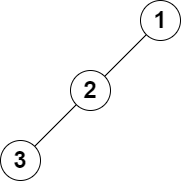
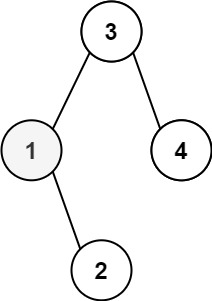
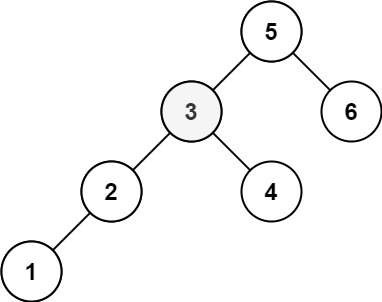
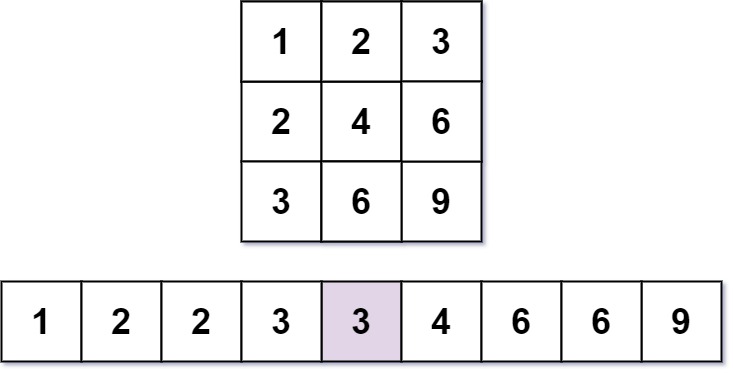
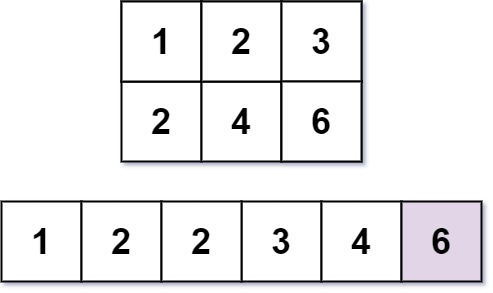
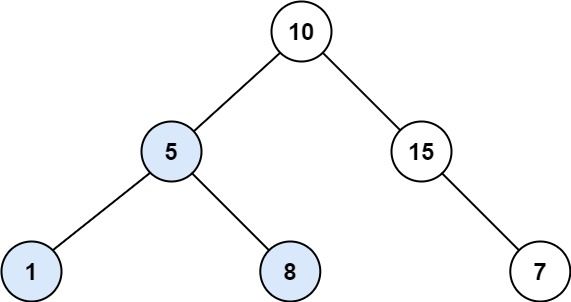
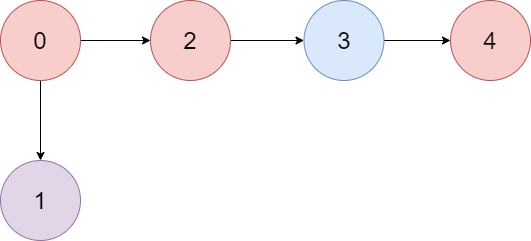
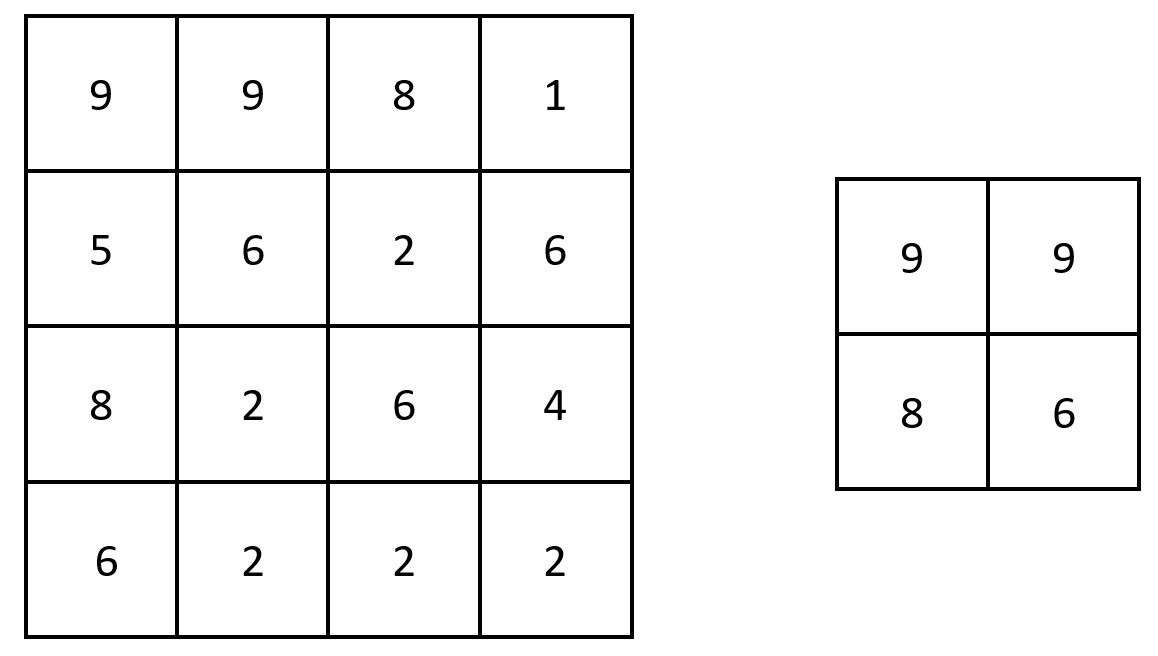
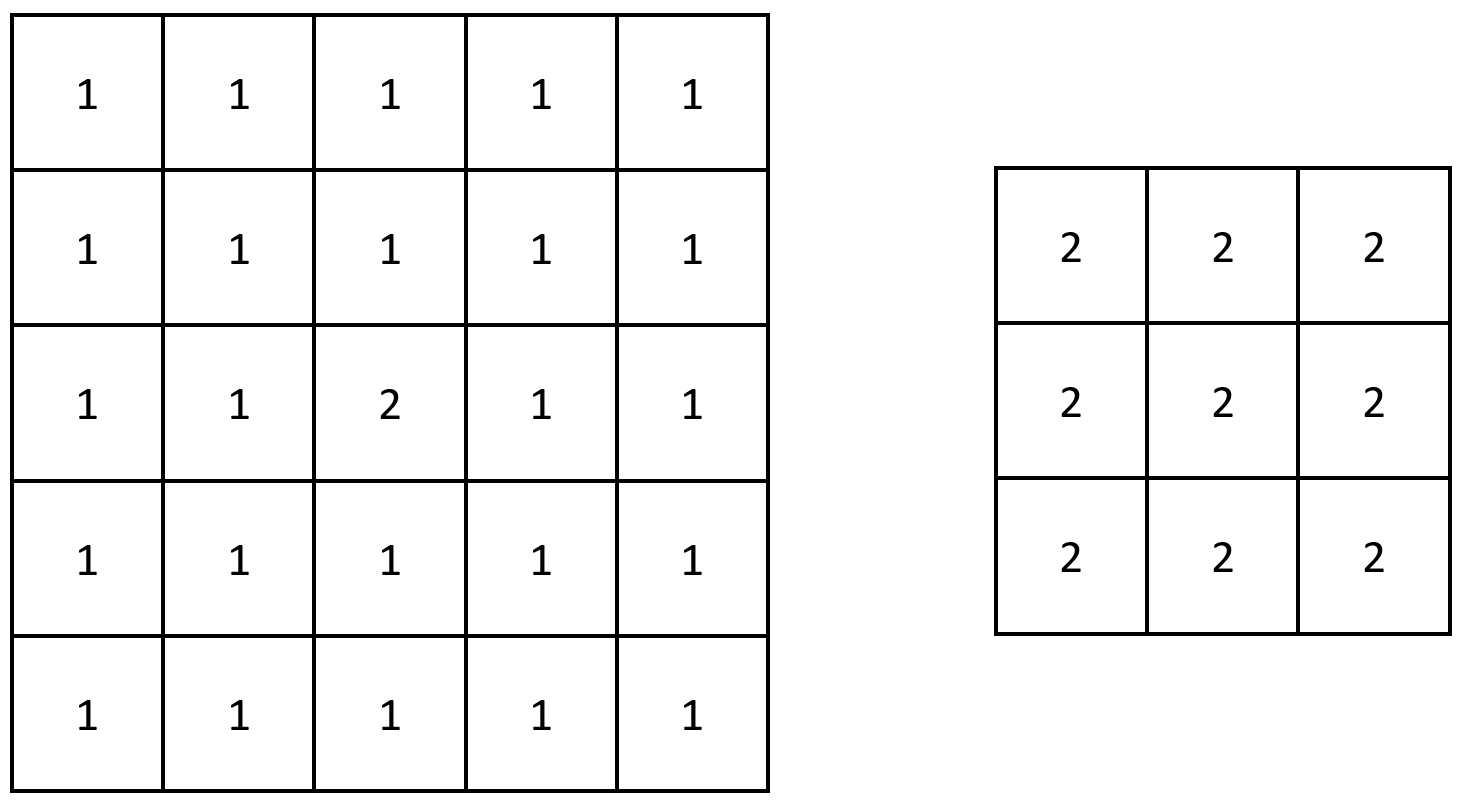
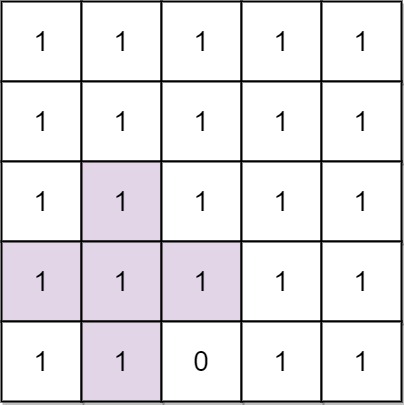
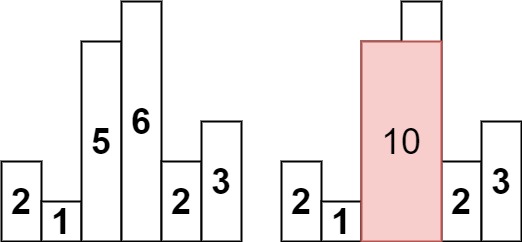
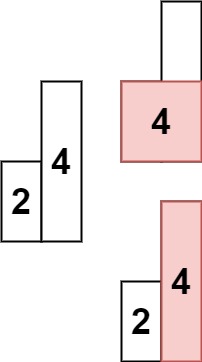
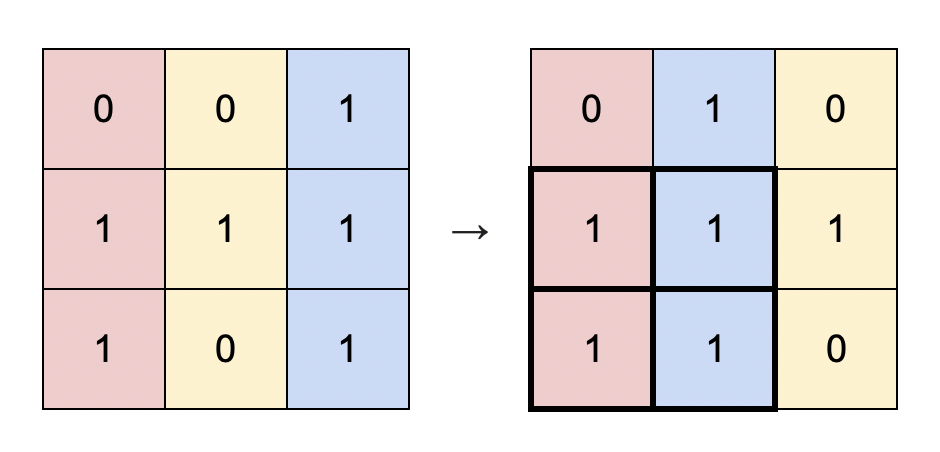

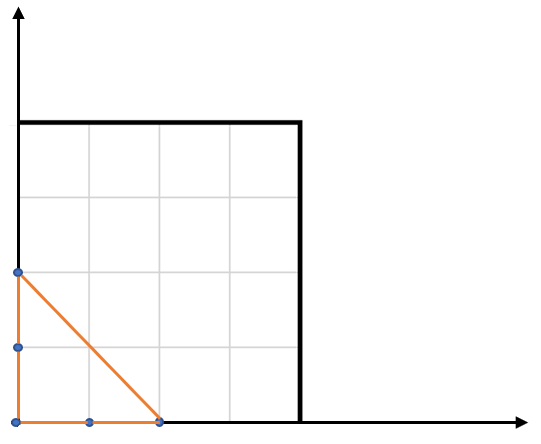
\

For example, in the given tree above, the leaf value sequence is \(6, 7, 4, 9, 8)\.\

\

Two binary trees are considered \leaf-similar\ if their leaf value sequence is the same.\

\

Return \true\ if and only if the two given trees with head nodes \root1\ and \root2\ are leaf-similar. ### Examples ![Example 1](https://assets.leetcode.com/uploads/2020/09/03/leaf-similar-1.jpg) ``` Input: root1 = [3,5,1,6,2,9,8,null,null,7,4], root2 = [3,5,1,6,7,4,2,null,null,null,null,null,null,9,8] Output: true ``` ![Example 2](https://assets.leetcode.com/uploads/2020/09/03/leaf-similar-2.jpg) ``` Input: root1 = [1,2,3], root2 = [1,3,2] Output: false ``` ### Constraints * The number of nodes in each tree will be in the range \[1, 200]. * Both of the given trees will have values in the range \[0, 200]. ## Solution Reference implementation from [solution.py on GitHub](https://github.com/wislertt/leetcode-py/blob/main/leetcode/leaf_similar_trees/solution.py), full suite in [test\_solution.py](https://github.com/wislertt/leetcode-py/blob/main/leetcode/leaf_similar_trees/test_solution.py): ```python theme={"theme":{"light":"github-light","dark":"github-dark"}} from leetcode_py import TreeNode class Solution: # Time: O(n + m) # Space: O(n + m) def leaf_similar(self, root1: TreeNode[int] | None, root2: TreeNode[int] | None) -> bool: def leaves(root: TreeNode[int] | None) -> list[int]: values: list[int] = [] stack: list[TreeNode[int] | None] = [root] while stack: node = stack.pop() if not node: continue if not node.left and not node.right: values.append(node.val) stack.append(node.left) stack.append(node.right) return values return leaves(root1) == leaves(root2) ``` ## Complexity | Time | Space | | -------- | -------- | | O(n + m) | O(n + m) | ## Tags [NeetCode All](/catalog/neetcode). # Least Number of Unique Integers after K Source: https://leetcode-py.wisl.dev/problems/least-number-of-unique-integers-after-k-removals Tested Python solution for LeetCode 1481 with 18 pytest cases. Generate a practice environment with lcpy. LeetCode 1481, [Medium](/catalog/medium). Topics: [Array](/catalog/topics/array), [Hash Table](/catalog/topics/hash-table), [Greedy](/catalog/topics/greedy), [Sorting](/catalog/topics/sorting), [Counting](/catalog/topics/counting). [View on LeetCode](https://leetcode.com/problems/least-number-of-unique-integers-after-k-removals/description/). Generate this problem as a practice environment: tested reference solution, 18 [parametrized pytest cases](/practice/testing), and a playground notebook: ```bash theme={"theme":{"light":"github-light","dark":"github-dark"}} lcpy gen -n 1481 # by problem number lcpy gen -s least_number_of_unique_integers_after_k_removals # by problem name ``` ## Problem Given an array of integers `arr` and an integer `k`. Find the *least number of unique integers* after removing **exactly** `k` elements. ### Examples ``` Input: arr = [5,5,4], k = 1 Output: 1 Explanation: Remove the single 4, only 5 is left. ``` ``` Input: arr = [4,3,1,1,3,3,2], k = 3 Output: 2 Explanation: Remove 4, 2 and either one of the two 1s or three 3s. 1 and 3 will be left. ``` ### Constraints * 1 \<= arr.length \<= 10^5 * 1 \<= arr\[i] \<= 10^9 * 0 \<= k \<= arr.length ## Solution Reference implementation from [solution.py on GitHub](https://github.com/wislertt/leetcode-py/blob/main/leetcode/least_number_of_unique_integers_after_k_removals/solution.py), full suite in [test\_solution.py](https://github.com/wislertt/leetcode-py/blob/main/leetcode/least_number_of_unique_integers_after_k_removals/test_solution.py): ```python theme={"theme":{"light":"github-light","dark":"github-dark"}} from collections import Counter class Solution: # Time: O(n log n) # Space: O(n) def find_least_num_of_unique_ints(self, arr: list[int], k: int) -> int: counts = sorted(Counter(arr).values()) remaining = len(counts) for count in counts: if k < count: break k -= count remaining -= 1 return remaining ``` ## Complexity | Time | Space | | ---------- | ----- | | O(n log n) | O(n) | ## Tags [NeetCode All](/catalog/neetcode). # Least Operators to Express Number Source: https://leetcode-py.wisl.dev/problems/least-operators-to-express-number Tested Python solution for LeetCode 964 with 20 pytest cases. Generate a practice environment with lcpy. LeetCode 964, [Hard](/catalog/hard). Topics: [Math](/catalog/topics/math), [Dynamic Programming](/catalog/topics/dynamic-programming), [Memoization](/catalog/topics/memoization). [View on LeetCode](https://leetcode.com/problems/least-operators-to-express-number/description/). Generate this problem as a practice environment: tested reference solution, 20 [parametrized pytest cases](/practice/testing), and a playground notebook: ```bash theme={"theme":{"light":"github-light","dark":"github-dark"}} lcpy gen -n 964 # by problem number lcpy gen -s least_operators_to_express_number # by problem name ``` ## Problem Given a single positive integer `x`, we will write an expression of the form `x (op1) x (op2) x (op3) x ...` where each operator `op1`, `op2`, etc. is either addition, subtraction, multiplication, or division (`+`, `-`, `*`, or `/`). For example, with `x = 3`, we might write `3 * 3 / 3 + 3 - 3` which is a value of `3`. When writing such an expression, we adhere to the following conventions: * The division operator (`/`) returns rational numbers. * There are no parentheses placed anywhere. * We use the usual order of operations: multiplication and division happen before addition and subtraction. * It is not allowed to use the unary negation operator (`-`). For example, `x - x` is a valid expression as it only uses subtraction, but `-x + x` is not because it uses negation. We would like to write an expression with the least number of operators such that the expression equals the given `target`. Return the least number of operators used. ### Examples ``` Input: x = 3, target = 19 Output: 5 Explanation: 3 * 3 + 3 * 3 + 3 / 3. The expression contains 5 operations. ``` ``` Input: x = 5, target = 501 Output: 8 Explanation: 5 * 5 * 5 * 5 - 5 * 5 * 5 + 5 / 5. The expression contains 8 operations. ``` ``` Input: x = 100, target = 100000000 Output: 3 Explanation: 100 * 100 * 100 * 100. The expression contains 3 operations. ``` ### Constraints * `2 <= x <= 100` * `1 <= target <= 2 * 10^8` ## Solution Reference implementation from [solution.py on GitHub](https://github.com/wislertt/leetcode-py/blob/main/leetcode/least_operators_to_express_number/solution.py), full suite in [test\_solution.py](https://github.com/wislertt/leetcode-py/blob/main/leetcode/least_operators_to_express_number/test_solution.py): ```python theme={"theme":{"light":"github-light","dark":"github-dark"}} class Solution: # Time: O(log_x(target)^2 * x) # Space: O(log_x(target)) def least_ops_express_target(self, x: int, target: int) -> int: # An expression is a signed sum of blocks, where a block is a power x^k # written as x * x * ... * x (k-1 inner operators, k >= 1) or x / x for 1 # (1 inner operator). Each block after the first also costs its leading +/-. # Counting that leading operator in the block cost gives cost(k) = k for # k >= 1 and cost(0) = 2, and the answer is the minimum total cost minus 1. # Choosing a_i copies (negative for subtraction) of each x^i means # sum(a_i * x^i) == target, so a_i is fixed modulo x by the remainder: # walk the base-x digits keeping the cheapest carry per position. costs: dict[tuple[int, int], int] = {(0, target): 0} while costs: (exp, remaining), total = min(costs.items(), key=lambda item: item[1]) del costs[(exp, remaining)] if remaining == 0: return total - 1 digit = remaining % x block_cost = 2 if exp == 0 else exp for offset in range(-3, 4): # Carry up to 2 units into the next digit, in either direction. amount = digit + offset * x key = (exp + 1, (remaining - amount) // x) candidate = total + abs(amount) * block_cost if key not in costs or candidate < costs[key]: costs[key] = candidate raise ValueError("unreachable") ``` ## Complexity | Time | Space | | ------------------------ | ----------------- | | O(log\_x(target)^2 \* x) | O(log\_x(target)) | ## Tags # Leftmost Column with at Least a One Source: https://leetcode-py.wisl.dev/problems/leftmost-column-with-one Tested Python solution for LeetCode 1428 with 22 pytest cases. Generate a practice environment with lcpy. LeetCode 1428, [Medium](/catalog/medium). Topics: [Array](/catalog/topics/array), [Binary Search](/catalog/topics/binary-search), [Interactive](/catalog/topics/interactive), [Matrix](/catalog/topics/matrix). [View on LeetCode](https://leetcode.com/problems/leftmost-column-with-one/description/). Generate this problem as a practice environment: tested reference solution, 22 [parametrized pytest cases](/practice/testing), and a playground notebook: ```bash theme={"theme":{"light":"github-light","dark":"github-dark"}} lcpy gen -n 1428 # by problem number lcpy gen -s leftmost_column_with_one # by problem name ``` ## Problem A \row-sorted binary matrix\ means that all elements are \0\ or \1\ and each row of the matrix is sorted in non-decreasing order. Given a \row-sorted binary matrix\ \binaryMatrix\, return \the index (0-indexed) of the \leftmost column\ with a 1 in it\. If such an index does not exist, return \-1\. \You can't access the Binary Matrix directly.\ You may only access the matrix using a \BinaryMatrix\ interface: \
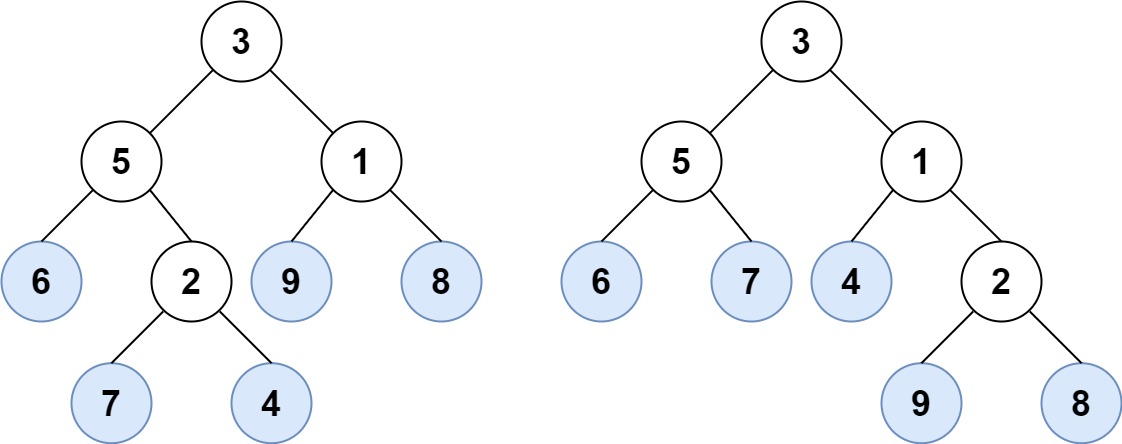
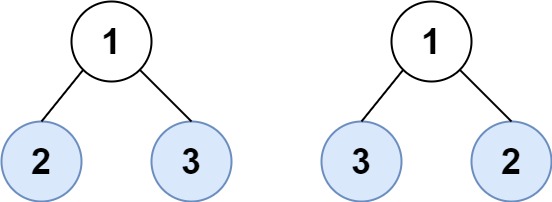
    \
  • \BinaryMatrix.get(row, col)\ returns the element of the matrix at index \(row, col)\ (0-indexed).\
  • \
  • \BinaryMatrix.dimensions()\ returns the dimensions of the matrix as a list of 2 elements \\[rows, cols]\, which means the matrix is \rows x cols\.\
  • \
Submissions making more than \1000\ calls to \BinaryMatrix.get\ will be judged \Wrong Answer\. ### Examples ![Example 1](https://fastly.jsdelivr.net/gh/doocs/leetcode@main/solution/1400-1499/1428.Leftmost%20Column%20with%20at%20Least%20a%20One/images/untitled-diagram-5.jpg) ``` Input: mat = [[0,0],[1,1]] Output: 0 ``` ![Example 2](https://fastly.jsdelivr.net/gh/doocs/leetcode@main/solution/1400-1499/1428.Leftmost%20Column%20with%20at%20Least%20a%20One/images/untitled-diagram-4.jpg) ``` Input: mat = [[0,0],[0,1]] Output: 1 ``` ![Example 3](https://fastly.jsdelivr.net/gh/doocs/leetcode@main/solution/1400-1499/1428.Leftmost%20Column%20with%20at%20Least%20a%20One/images/untitled-diagram-3.jpg) ``` Input: mat = [[0,0],[0,0]] Output: -1 ``` ### Constraints * \rows == mat.length\ * \cols == mat\[i].length\ * \1 \<= rows, cols \<= 100\ * \mat\[i]\[j]\ is either \0\ or \1\. * \mat\[i]\ is sorted in non-decreasing order. \Follow up:\ Could you find a solution with a complexity better than \O(rows x cols)\? ## Solution Reference implementation from [solution.py on GitHub](https://github.com/wislertt/leetcode-py/blob/main/leetcode/leftmost_column_with_one/solution.py), full suite in [test\_solution.py](https://github.com/wislertt/leetcode-py/blob/main/leetcode/leftmost_column_with_one/test_solution.py): ```python theme={"theme":{"light":"github-light","dark":"github-dark"}} class BinaryMatrix: # Test-harness API: backs the interactive get/dimensions interface with the matrix def __init__(self, mat: list[list[int]]) -> None: self.mat = mat self.calls = 0 def get(self, row: int, col: int) -> int: self.calls += 1 return self.mat[row][col] def dimensions(self) -> list[int]: return [len(self.mat), len(self.mat[0])] class Solution: # Time: O(rows + cols) # Space: O(1) def leftmost_column_with_one(self, binary_matrix: BinaryMatrix) -> int: rows, cols = binary_matrix.dimensions() row, col = 0, cols - 1 result = -1 while row < rows and col >= 0: if binary_matrix.get(row, col) == 1: result = col col -= 1 else: row += 1 return result ``` ## Complexity | Time | Space | | -------------- | ----- | | O(rows + cols) | O(1) | ## Tags [NeetCode All](/catalog/neetcode). # Lemonade Change Python Solution with Tests Source: https://leetcode-py.wisl.dev/problems/lemonade-change Tested Python solution for LeetCode 860 with 16 pytest cases. Generate a practice environment with lcpy. LeetCode 860, [Easy](/catalog/easy). Topics: [Array](/catalog/topics/array), [Greedy](/catalog/topics/greedy). [View on LeetCode](https://leetcode.com/problems/lemonade-change/description/). Generate this problem as a practice environment: tested reference solution, 16 [parametrized pytest cases](/practice/testing), and a playground notebook: ```bash theme={"theme":{"light":"github-light","dark":"github-dark"}} lcpy gen -n 860 # by problem number lcpy gen -s lemonade_change # by problem name ``` ## Problem At a lemonade stand, each lemonade costs `$5`. Customers are standing in a queue to buy from you and order one at a time (in the order specified by `bills`). Each customer will only buy one lemonade and pay with either a `$5`, `$10`, or `$20` bill. You must provide the correct change to each customer so that the net transaction is that the customer pays `$5`. Note that you do not have any change in hand at first. Given an integer array `bills` where `bills[i]` is the bill the `ith` customer pays, return `true` if you can provide every customer with the correct change, or `false` otherwise. ### Examples ``` Input: bills = [5,5,5,10,20] Output: true Explanation: From the first 3 customers, we collect three $5 bills in order. From the fourth customer, we collect a $10 bill and give back a $5. From the fifth customer, we give a $10 bill and a $5 bill. Since all customers got correct change, we output true. ``` ``` Input: bills = [5,5,10,10,20] Output: false ``` ### Constraints * 1 \<= bills.length \<= 10^5 * `bills[i]` is either `5`, `10`, or `20`. ## Solution Reference implementation from [solution.py on GitHub](https://github.com/wislertt/leetcode-py/blob/main/leetcode/lemonade_change/solution.py), full suite in [test\_solution.py](https://github.com/wislertt/leetcode-py/blob/main/leetcode/lemonade_change/test_solution.py): ```python theme={"theme":{"light":"github-light","dark":"github-dark"}} class Solution: # Time: O(n) # Space: O(1) def lemonade_change(self, bills: list[int]) -> bool: fives = 0 tens = 0 for bill in bills: if bill == 5: fives += 1 elif bill == 10: if fives == 0: return False fives -= 1 tens += 1 else: # bill == 20, prefer giving a $10 + $5 to conserve $5 bills if tens > 0 and fives > 0: tens -= 1 fives -= 1 elif fives >= 3: fives -= 3 else: return False return True ``` ## Complexity | Time | Space | | ---- | ----- | | O(n) | O(1) | ## Tags [NeetCode 250](/catalog/neetcode-250), [NeetCode All](/catalog/neetcode). # Length of Last Word Python Solution with Tests Source: https://leetcode-py.wisl.dev/problems/length-of-last-word Tested Python solution for LeetCode 58 with 18 pytest cases. Generate a practice environment with lcpy. LeetCode 58, [Easy](/catalog/easy). Topics: [String](/catalog/topics/string). [View on LeetCode](https://leetcode.com/problems/length-of-last-word/description/). Generate this problem as a practice environment: tested reference solution, 18 [parametrized pytest cases](/practice/testing), and a playground notebook: ```bash theme={"theme":{"light":"github-light","dark":"github-dark"}} lcpy gen -n 58 # by problem number lcpy gen -s length_of_last_word # by problem name ``` ## Problem Given a string `s` consisting of words and spaces, return *the length of the **last** word in the string.* A **word** is a maximal substring consisting of non-space characters only. ### Examples ``` Input: s = "Hello World" Output: 5 Explanation: The last word is "World" with length 5. ``` ``` Input: s = " fly me to the moon " Output: 4 Explanation: The last word is "moon" with length 4. ``` ``` Input: s = "luffy is still joyboy" Output: 6 Explanation: The last word is "joyboy" with length 6. ``` ### Constraints * 1 \<= s.length \<= 10^4 * `s` consists of only English letters and spaces `' '`. * There will be at least one word in `s`. ## Solution Reference implementation from [solution.py on GitHub](https://github.com/wislertt/leetcode-py/blob/main/leetcode/length_of_last_word/solution.py), full suite in [test\_solution.py](https://github.com/wislertt/leetcode-py/blob/main/leetcode/length_of_last_word/test_solution.py): ```python theme={"theme":{"light":"github-light","dark":"github-dark"}} class Solution: # Time: O(n) # Space: O(1) def length_of_last_word(self, s: str) -> int: i = len(s) - 1 # Skip trailing spaces while i >= 0 and s[i] == " ": i -= 1 # Count characters of the last word length = 0 while i >= 0 and s[i] != " ": i -= 1 length += 1 return length ``` ## Complexity | Time | Space | | ---- | ----- | | O(n) | O(1) | ## Tags [NeetCode All](/catalog/neetcode). # Length of Longest Fibonacci Subsequence Source: https://leetcode-py.wisl.dev/problems/length-of-longest-fibonacci-subsequence Tested Python solution for LeetCode 873 with 14 pytest cases. Generate a practice environment with lcpy. LeetCode 873, [Medium](/catalog/medium). Topics: [Array](/catalog/topics/array), [Hash Table](/catalog/topics/hash-table), [Dynamic Programming](/catalog/topics/dynamic-programming). [View on LeetCode](https://leetcode.com/problems/length-of-longest-fibonacci-subsequence/description/). Generate this problem as a practice environment: tested reference solution, 14 [parametrized pytest cases](/practice/testing), and a playground notebook: ```bash theme={"theme":{"light":"github-light","dark":"github-dark"}} lcpy gen -n 873 # by problem number lcpy gen -s length_of_longest_fibonacci_subsequence # by problem name ``` ## Problem A sequence \x1, x2, ..., xn\ is \Fibonacci-like\ if:\

\
    \
  • \n >= 3\\
  • \
  • \xi + xi+1 == xi+2\ for all \i + 2 \<= n\\
  • \
\

Given a \strictly increasing\ array \arr\ of positive integers forming a sequence, return \the length of the longest Fibonacci-like subsequence of\ \arr\. If one does not exist, return \0\.\

\

A \subsequence\ is derived from another sequence \arr\ by deleting any number of elements (including none) from \arr\, without changing the order of the remaining elements. For example, \\[3, 5, 8]\ is a subsequence of \\[3, 4, 5, 6, 7, 8]\. ### Examples ``` Input: arr = [1,2,3,4,5,6,7,8] Output: 5 Explanation: The longest subsequence that is Fibonacci-like: [1,2,3,5,8]. ``` ``` Input: arr = [1,3,7,11,12,14,18] Output: 3 Explanation: The longest subsequence that is Fibonacci-like: [1,11,12], [3,11,14] or [7,11,18]. ``` ### Constraints * 3 \<= arr.length \<= 1000 * 1 \<= arr\[i] \< arr\[i + 1] \<= 10^9 ## Solution Reference implementation from [solution.py on GitHub](https://github.com/wislertt/leetcode-py/blob/main/leetcode/length_of_longest_fibonacci_subsequence/solution.py), full suite in [test\_solution.py](https://github.com/wislertt/leetcode-py/blob/main/leetcode/length_of_longest_fibonacci_subsequence/test_solution.py): ```python theme={"theme":{"light":"github-light","dark":"github-dark"}} class Solution: # Time: O(n^2) # Space: O(n^2) def len_longest_fib_subsequence(self, arr: list[int]) -> int: index = {num: i for i, num in enumerate(arr)} dp: dict[tuple[int, int], int] = {} best = 0 for j in range(len(arr)): for i in range(j): need = arr[j] - arr[i] if need < arr[i] and need in index: dp[(i, j)] = dp.get((index[need], i), 2) + 1 best = max(best, dp[(i, j)]) return best ``` ## Complexity | Time | Space | | ------ | ------ | | O(n^2) | O(n^2) | ## Tags [NeetCode All](/catalog/neetcode). # Length of Longest Subarray With at Most K Source: https://leetcode-py.wisl.dev/problems/length-of-longest-subarray-with-at-most-k-frequency Tested Python solution for LeetCode 2958 with 25 pytest cases. Generate a practice environment with lcpy. LeetCode 2958, [Medium](/catalog/medium). Topics: [Array](/catalog/topics/array), [Hash Table](/catalog/topics/hash-table), [Sliding Window](/catalog/topics/sliding-window). [View on LeetCode](https://leetcode.com/problems/length-of-longest-subarray-with-at-most-k-frequency/description/). Generate this problem as a practice environment: tested reference solution, 25 [parametrized pytest cases](/practice/testing), and a playground notebook: ```bash theme={"theme":{"light":"github-light","dark":"github-dark"}} lcpy gen -n 2958 # by problem number lcpy gen -s length_of_longest_subarray_with_at_most_k_frequency # by problem name ``` ## Problem You are given an integer array `nums` and an integer `k`. The **frequency** of an element `x` is the number of times it occurs in an array. An array is called **good** if the frequency of each element in this array is **less than or equal** to `k`. Return *the length of the longest* **good** *subarray of* `nums`. A **subarray** is a contiguous non-empty sequence of elements within an array. ### Examples ``` Input: nums = [1,2,3,1,2,3,1,2], k = 2 Output: 6 Explanation: The longest possible good subarray is [1,2,3,1,2,3] since the values 1, 2, and 3 occur at most twice in this subarray. Note that the subarrays [2,3,1,2,3,1] and [3,1,2,3,1,2] are also good. It can be shown that there are no good subarrays with length more than 6. ``` ``` Input: nums = [1,2,1,2,1,2,1,2], k = 1 Output: 2 Explanation: The longest possible good subarray is [1,2] since the values 1 and 2 occur at most once in this subarray. Note that the subarray [2,1] is also good. It can be shown that there are no good subarrays with length more than 2. ``` ``` Input: nums = [5,5,5,5,5,5,5], k = 4 Output: 4 Explanation: The longest possible good subarray is [5,5,5,5] since the value 5 occurs 4 times in this subarray. It can be shown that there are no good subarrays with length more than 4. ``` ### Constraints * `1 <= nums.length <= 10^5` * `1 <= nums[i] <= 10^9` * `1 <= k <= nums.length` ## Solution Reference implementation from [solution.py on GitHub](https://github.com/wislertt/leetcode-py/blob/main/leetcode/length_of_longest_subarray_with_at_most_k_frequency/solution.py), full suite in [test\_solution.py](https://github.com/wislertt/leetcode-py/blob/main/leetcode/length_of_longest_subarray_with_at_most_k_frequency/test_solution.py): ```python theme={"theme":{"light":"github-light","dark":"github-dark"}} class Solution: # Time: O(n) # Space: O(n) def max_subarray_length(self, nums: list[int], k: int) -> int: freq: dict[int, int] = {} left = 0 best = 0 for right, val in enumerate(nums): freq[val] = freq.get(val, 0) + 1 while freq[val] > k: freq[nums[left]] -= 1 left += 1 best = max(best, right - left + 1) return best ``` ## Complexity | Time | Space | | ---- | ----- | | O(n) | O(n) | ## Tags [NeetCode All](/catalog/neetcode). # Letter Case Permutation Python Solution Source: https://leetcode-py.wisl.dev/problems/letter-case-permutation Tested Python solution for LeetCode 784 with 18 pytest cases. Generate a practice environment with lcpy. LeetCode 784, [Medium](/catalog/medium). Topics: [String](/catalog/topics/string), [Backtracking](/catalog/topics/backtracking), [Bit Manipulation](/catalog/topics/bit-manipulation). [View on LeetCode](https://leetcode.com/problems/letter-case-permutation/description/). Generate this problem as a practice environment: tested reference solution, 18 [parametrized pytest cases](/practice/testing), and a playground notebook: ```bash theme={"theme":{"light":"github-light","dark":"github-dark"}} lcpy gen -n 784 # by problem number lcpy gen -s letter_case_permutation # by problem name ``` ## Problem Given a string `s`, you can transform every letter individually to be lowercase or uppercase to create another string. Return a list of all possible strings we could create. Return the output in **any order**. ### Examples ``` Input: s = "a1b2" Output: ["a1b2","a1B2","A1b2","A1B2"] ``` ``` Input: s = "3z4" Output: ["3z4","3Z4"] ``` ### Constraints * `1 <= s.length <= 12` * `s` consists of lowercase English letters, uppercase English letters, and digits. ## Solution Reference implementation from [solution.py on GitHub](https://github.com/wislertt/leetcode-py/blob/main/leetcode/letter_case_permutation/solution.py), full suite in [test\_solution.py](https://github.com/wislertt/leetcode-py/blob/main/leetcode/letter_case_permutation/test_solution.py): ```python theme={"theme":{"light":"github-light","dark":"github-dark"}} class Solution: # Time: O(n * 2^k) where k is the number of letters # Space: O(n * 2^k) for the output def letter_case_permutation(self, s: str) -> list[str]: results: list[str] = [""] for ch in s: if ch.isalpha(): results = [prefix + alt for prefix in results for alt in (ch.lower(), ch.upper())] else: results = [prefix + ch for prefix in results] return results ``` ## Complexity | Time | Space | | -------------------------------------------- | -------------------------- | | O(n \* 2^k) where k is the number of letters | O(n \* 2^k) for the output | ## Tags # Letter Combinations of a Phone Number Source: https://leetcode-py.wisl.dev/problems/letter-combinations-of-a-phone-number Tested Python solution for LeetCode 17 with 12 pytest cases. Generate a practice environment with lcpy. LeetCode 17, [Medium](/catalog/medium). Topics: [Hash Table](/catalog/topics/hash-table), [String](/catalog/topics/string), [Backtracking](/catalog/topics/backtracking). [View on LeetCode](https://leetcode.com/problems/letter-combinations-of-a-phone-number/description/). Generate this problem as a practice environment: tested reference solution, 12 [parametrized pytest cases](/practice/testing), and a playground notebook: ```bash theme={"theme":{"light":"github-light","dark":"github-dark"}} lcpy gen -n 17 # by problem number lcpy gen -s letter_combinations_of_a_phone_number # by problem name ``` ## Problem Given a string containing digits from `2-9` inclusive, return all possible letter combinations that the number could represent. Return the answer in **any order**. A mapping of digits to letters (just like on the telephone buttons) is given below. Note that 1 does not map to any letters. ### Examples ![Phone Keypad](https://assets.leetcode.com/uploads/2022/03/15/1200px-telephone-keypad2svg.png) ``` Input: digits = "23" Output: ["ad","ae","af","bd","be","bf","cd","ce","cf"] ``` ``` Input: digits = "" Output: [] ``` ``` Input: digits = "2" Output: ["a","b","c"] ``` ### Constraints * `0 <= digits.length <= 4` * `digits[i]` is a digit in the range `['2', '9']`. ## Solution Reference implementation from [solution.py on GitHub](https://github.com/wislertt/leetcode-py/blob/main/leetcode/letter_combinations_of_a_phone_number/solution.py), full suite in [test\_solution.py](https://github.com/wislertt/leetcode-py/blob/main/leetcode/letter_combinations_of_a_phone_number/test_solution.py): ```python theme={"theme":{"light":"github-light","dark":"github-dark"}} class Solution: # Time: O(4^n) # Space: O(4^n) def letter_combinations(self, digits: str) -> list[str]: if not digits: return [] phone = { "2": "abc", "3": "def", "4": "ghi", "5": "jkl", "6": "mno", "7": "pqrs", "8": "tuv", "9": "wxyz", } result = [] def backtrack(i: int, path: str) -> None: if i == len(digits): result.append(path) return for letter in phone[digits[i]]: backtrack(i + 1, path + letter) backtrack(0, "") return result ``` ## Complexity | Time | Space | | ------ | ------ | | O(4^n) | O(4^n) | ## Tags [Grind 75](/catalog/grind-75), [Grind](/catalog/grind), [NeetCode 150](/catalog/neetcode-150), [NeetCode 250](/catalog/neetcode-250), [NeetCode All](/catalog/neetcode). # Letter Tile Possibilities Python Solution Source: https://leetcode-py.wisl.dev/problems/letter-tile-possibilities Tested Python solution for LeetCode 1079 with 14 pytest cases. Generate a practice environment with lcpy. LeetCode 1079, [Medium](/catalog/medium). Topics: [Hash Table](/catalog/topics/hash-table), [String](/catalog/topics/string), [Backtracking](/catalog/topics/backtracking), [Counting](/catalog/topics/counting). [View on LeetCode](https://leetcode.com/problems/letter-tile-possibilities/description/). Generate this problem as a practice environment: tested reference solution, 14 [parametrized pytest cases](/practice/testing), and a playground notebook: ```bash theme={"theme":{"light":"github-light","dark":"github-dark"}} lcpy gen -n 1079 # by problem number lcpy gen -s letter_tile_possibilities # by problem name ``` ## Problem You have \n\  \tiles\, where each tile has one letter \tiles\[i]\ printed on it. Return \the number of possible non-empty sequences of letters\ you can make using the letters printed on those \tiles\. ### Examples ``` Input: tiles = "AAB" Output: 8 Explanation: The possible sequences are "A", "B", "AA", "AB", "BA", "AAB", "ABA", "BAA". ``` ``` Input: tiles = "AAABBC" Output: 188 ``` ``` Input: tiles = "V" Output: 1 ``` ### Constraints * \1 \<= tiles.length \<= 7\ * \tiles\ consists of uppercase English letters. ## Solution Reference implementation from [solution.py on GitHub](https://github.com/wislertt/leetcode-py/blob/main/leetcode/letter_tile_possibilities/solution.py), full suite in [test\_solution.py](https://github.com/wislertt/leetcode-py/blob/main/leetcode/letter_tile_possibilities/test_solution.py): ```python theme={"theme":{"light":"github-light","dark":"github-dark"}} class Solution: # Time: O(n!) bounded by distinct-letter tree size # Space: O(n) def num_tile_possibilities(self, tiles: str) -> int: counts: dict[str, int] = {} for ch in tiles: counts[ch] = counts.get(ch, 0) + 1 def dfs() -> int: total = 0 for ch in counts: if counts[ch] == 0: continue counts[ch] -= 1 total += 1 + dfs() counts[ch] += 1 return total return dfs() ``` ## Complexity | Time | Space | | ------------------------------------------ | ----- | | O(n!) bounded by distinct-letter tree size | O(n) | ## Tags [NeetCode All](/catalog/neetcode). # Lexicographical Numbers Python Solution Source: https://leetcode-py.wisl.dev/problems/lexicographical-numbers Tested Python solution for LeetCode 386 with 12 pytest cases. Generate a practice environment with lcpy. LeetCode 386, [Medium](/catalog/medium). Topics: [Depth-First Search](/catalog/topics/depth-first-search), [Trie](/catalog/topics/trie). [View on LeetCode](https://leetcode.com/problems/lexicographical-numbers/description/). Generate this problem as a practice environment: tested reference solution, 12 [parametrized pytest cases](/practice/testing), and a playground notebook: ```bash theme={"theme":{"light":"github-light","dark":"github-dark"}} lcpy gen -n 386 # by problem number lcpy gen -s lexicographical_numbers # by problem name ``` ## Problem Given an integer `n`, return all the numbers in the range `[1, n]` sorted in lexicographical order. You must write an algorithm that runs in `O(n)` time and uses `O(1)` extra space. ### Examples ``` Input: n = 13 Output: [1,10,11,12,13,2,3,4,5,6,7,8,9] ``` ``` Input: n = 2 Output: [1,2] ``` ### Constraints * `1 <= n <= 5 * 10^4` ## Solution Reference implementation from [solution.py on GitHub](https://github.com/wislertt/leetcode-py/blob/main/leetcode/lexicographical_numbers/solution.py), full suite in [test\_solution.py](https://github.com/wislertt/leetcode-py/blob/main/leetcode/lexicographical_numbers/test_solution.py): ```python theme={"theme":{"light":"github-light","dark":"github-dark"}} class Solution: # Time: O(n) # Space: O(1) def lexical_order(self, n: int) -> list[int]: result: list[int] = [] curr = 1 for _ in range(n): result.append(curr) if curr * 10 <= n: curr *= 10 else: while curr % 10 == 9 or curr + 1 > n: curr //= 10 curr += 1 return result ``` ## Complexity | Time | Space | | ---- | ----- | | O(n) | O(1) | ## Tags [NeetCode All](/catalog/neetcode). # LFU Cache Python Solution with Tests Source: https://leetcode-py.wisl.dev/problems/lfu-cache Tested Python solution for LeetCode 460 with 15 pytest cases. Generate a practice environment with lcpy. LeetCode 460, [Hard](/catalog/hard). Topics: [Hash Table](/catalog/topics/hash-table), [Linked List](/catalog/topics/linked-list), [Design](/catalog/topics/design), Doubly-Linked List. [View on LeetCode](https://leetcode.com/problems/lfu-cache/description/). Generate this problem as a practice environment: tested reference solution, 15 [parametrized pytest cases](/practice/testing), and a playground notebook: ```bash theme={"theme":{"light":"github-light","dark":"github-dark"}} lcpy gen -n 460 # by problem number lcpy gen -s lfu_cache # by problem name ``` ## Problem Design and implement a data structure for a Least Frequently Used (LFU) cache. Implement the `LFUCache` class: * `LFUCache(int capacity)` Initializes the object with the `capacity` of the data structure. * `int get(int key)` Gets the value of the `key` if the `key` exists in the cache. Otherwise, returns `-1`. * `void put(int key, int value)` Update the value of the `key` if present, or inserts the `key` if not already present. When the cache reaches its `capacity`, it should invalidate and remove the **least frequently used** key before inserting a new item. For this problem, when there is a **tie** (i.e., two or more keys with the same frequency), the **least recently used** `key` would be invalidated. A **use counter** is maintained for each key. The key with the smallest use counter is the least frequently used key. When a key is first inserted, its use counter is set to `1` (due to the `put` operation). The use counter is incremented each time `get` or `put` is called on it. Both `get` and `put` must run in `O(1)` average time complexity. ### Examples ``` Input ["LFUCache", "put", "put", "get", "put", "get", "get", "put", "get", "get", "get"] [[2], [1, 1], [2, 2], [1], [3, 3], [2], [3], [4, 4], [1], [3], [4]] Output [null, null, null, 1, null, -1, 3, null, -1, 3, 4] Explanation lfu = LFUCache(2); lfu.put(1, 1); // cache=[1,_], cnt(1)=1 lfu.put(2, 2); // cache=[2,1], cnt(2)=1, cnt(1)=1 lfu.get(1); // return 1, cache=[1,2], cnt(2)=1, cnt(1)=2 lfu.put(3, 3); // 2 is LFU (cnt=1 smallest), invalidate 2. cache=[3,1] lfu.get(2); // return -1 lfu.get(3); // return 3, cnt(3)=2, cnt(1)=2 lfu.put(4, 4); // tie cnt 1 and 3, 1 is LRU, invalidate 1. cache=[4,3] lfu.get(1); // return -1 lfu.get(3); // return 3, cnt(3)=3, cnt(4)=1 lfu.get(4); // return 4, cnt(4)=2, cnt(3)=3 ``` ### Constraints * 1 \<= capacity \<= 10^4 * 0 \<= key \<= 10^5 * 0 \<= value \<= 10^9 * At most 2 \* 10^5 calls will be made to `get` and `put`. ## Solution Reference implementation from [solution.py on GitHub](https://github.com/wislertt/leetcode-py/blob/main/leetcode/lfu_cache/solution.py), full suite in [test\_solution.py](https://github.com/wislertt/leetcode-py/blob/main/leetcode/lfu_cache/test_solution.py): ```python theme={"theme":{"light":"github-light","dark":"github-dark"}} from collections import OrderedDict, defaultdict class LFUCache: # Time: O(1) amortized per get/put # Space: O(capacity) def __init__(self, capacity: int) -> None: self.capacity = capacity self.min_freq = 0 self.key_to_val: dict[int, int] = {} self.key_to_freq: dict[int, int] = {} self.freq_to_keys: dict[int, OrderedDict[int, None]] = defaultdict(OrderedDict) def _touch(self, key: int) -> None: """Increment frequency of key and move it to the next frequency bucket.""" freq = self.key_to_freq[key] bucket = self.freq_to_keys[freq] bucket.pop(key) if not bucket: if self.min_freq == freq: self.min_freq += 1 del self.freq_to_keys[freq] new_freq = freq + 1 self.key_to_freq[key] = new_freq self.freq_to_keys[new_freq][key] = None # Time: O(1) # Space: O(1) def get(self, key: int) -> int: if key not in self.key_to_val: return -1 self._touch(key) return self.key_to_val[key] # Time: O(1) # Space: O(1) def put(self, key: int, value: int) -> None: if self.capacity <= 0: return if key in self.key_to_val: self.key_to_val[key] = value self._touch(key) return if len(self.key_to_val) >= self.capacity: # Evict least frequently used; ties broken by least recently used. min_bucket = self.freq_to_keys[self.min_freq] evict_key, _ = min_bucket.popitem(last=False) del self.key_to_val[evict_key] del self.key_to_freq[evict_key] if not min_bucket: del self.freq_to_keys[self.min_freq] self.key_to_val[key] = value self.key_to_freq[key] = 1 self.freq_to_keys[1][key] = None self.min_freq = 1 ``` ## Complexity | Time | Space | | -------------------------- | ----------- | | O(1) amortized per get/put | O(capacity) | ## Tags [NeetCode 250](/catalog/neetcode-250), [NeetCode All](/catalog/neetcode). # License Key Formatting Python Solution Source: https://leetcode-py.wisl.dev/problems/license-key-formatting Tested Python solution for LeetCode 482 with 18 pytest cases. Generate a practice environment with lcpy. LeetCode 482, [Easy](/catalog/easy). Topics: [String](/catalog/topics/string). [View on LeetCode](https://leetcode.com/problems/license-key-formatting/description/). Generate this problem as a practice environment: tested reference solution, 18 [parametrized pytest cases](/practice/testing), and a playground notebook: ```bash theme={"theme":{"light":"github-light","dark":"github-dark"}} lcpy gen -n 482 # by problem number lcpy gen -s license_key_formatting # by problem name ``` ## Problem You are given a license key represented as a string `s` that consists of only alphanumeric characters and dashes. The string is separated into `n + 1` groups by `n` dashes. You are also given an integer `k`. We want to reformat the string `s` such that each group contains exactly `k` characters, except for the first group, which could be shorter than `k` but still must contain at least one character. Furthermore, there must be a dash inserted between two groups, and you should convert all lowercase letters to uppercase. Return *the reformatted license key*. ### Examples ``` Input: s = "5F3Z-2e-9-w", k = 4 Output: "5F3Z-2E9W" Explanation: The string s has been split into two parts, each part has 4 characters. Note that the two extra dashes are not needed and can be removed. ``` ``` Input: s = "2-5g-3-J", k = 2 Output: "2-5G-3J" Explanation: The string s has been split into three parts, each part has 2 characters except the first part as it could be shorter as mentioned above. ``` ### Constraints * 1 \<= s.length \<= 10^5 * s consists of English letters, digits, and dashes '-'. * 1 \<= k \<= 10^4 ## Solution Reference implementation from [solution.py on GitHub](https://github.com/wislertt/leetcode-py/blob/main/leetcode/license_key_formatting/solution.py), full suite in [test\_solution.py](https://github.com/wislertt/leetcode-py/blob/main/leetcode/license_key_formatting/test_solution.py): ```python theme={"theme":{"light":"github-light","dark":"github-dark"}} class Solution: # Time: O(n) # Space: O(n) def license_key_formatting(self, s: str, k: int) -> str: chars = s.replace("-", "").upper() first = len(chars) % k or k groups = [chars[:first]] if chars else [] groups.extend(chars[i : i + k] for i in range(first, len(chars), k)) return "-".join(groups) ``` ## Complexity | Time | Space | | ---- | ----- | | O(n) | O(n) | ## Tags # Line Reflection Python Solution with Tests Source: https://leetcode-py.wisl.dev/problems/line-reflection Tested Python solution for LeetCode 356 with 14 pytest cases. Generate a practice environment with lcpy. LeetCode 356, [Medium](/catalog/medium). Topics: [Array](/catalog/topics/array), [Hash Table](/catalog/topics/hash-table), [Math](/catalog/topics/math). [View on LeetCode](https://leetcode.com/problems/line-reflection/description/). Generate this problem as a practice environment: tested reference solution, 14 [parametrized pytest cases](/practice/testing), and a playground notebook: ```bash theme={"theme":{"light":"github-light","dark":"github-dark"}} lcpy gen -n 356 # by problem number lcpy gen -s line_reflection # by problem name ``` ## Problem Given `n` points on a 2D plane, find if there is such a line parallel to the y-axis that reflects the given points symmetrically. In other words, answer whether or not if there exists a line that after reflecting all points over the given line, the original points' set is the same as the reflected ones. **Note** that there can be repeated points. ### Examples ![Example 1](https://fastly.jsdelivr.net/gh/doocs/leetcode@main/solution/0300-0399/0356.Line%20Reflection/images/356_example_1.png) ``` Input: points = [[1,1],[-1,1]] Output: true Explanation: We can choose the line x = 0. ``` ![Example 2](https://fastly.jsdelivr.net/gh/doocs/leetcode@main/solution/0300-0399/0356.Line%20Reflection/images/356_example_2.png) ``` Input: points = [[1,1],[-1,-1]] Output: false Explanation: We can't choose a line. ``` ### Constraints * `n == points.length` * `1 <= n <= 10^4` * `-10^8 <= points[i][j] <= 10^8` **Follow up:** Could you do better than `O(n^2)`? ## Solution Reference implementation from [solution.py on GitHub](https://github.com/wislertt/leetcode-py/blob/main/leetcode/line_reflection/solution.py), full suite in [test\_solution.py](https://github.com/wislertt/leetcode-py/blob/main/leetcode/line_reflection/test_solution.py): ```python theme={"theme":{"light":"github-light","dark":"github-dark"}} class Solution: # Time: O(n) # Space: O(n) def is_reflected(self, points: list[list[int]]) -> bool: min_x, max_x = min(x for x, _ in points), max(x for x, _ in points) point_set = {(x, y) for x, y in points} s = min_x + max_x return all((s - x, y) in point_set for x, y in points) ``` ## Complexity | Time | Space | | ---- | ----- | | O(n) | O(n) | ## Tags [NeetCode All](/catalog/neetcode). # Linked List Components Python Solution Source: https://leetcode-py.wisl.dev/problems/linked-list-components Tested Python solution for LeetCode 817 with 16 pytest cases. Generate a practice environment with lcpy. LeetCode 817, [Medium](/catalog/medium). Topics: [Array](/catalog/topics/array), [Hash Table](/catalog/topics/hash-table), [Linked List](/catalog/topics/linked-list). [View on LeetCode](https://leetcode.com/problems/linked-list-components/description/). Generate this problem as a practice environment: tested reference solution, 16 [parametrized pytest cases](/practice/testing), and a playground notebook: ```bash theme={"theme":{"light":"github-light","dark":"github-dark"}} lcpy gen -n 817 # by problem number lcpy gen -s linked_list_components # by problem name ``` ## Problem You are given the `head` of a linked list containing unique integer values and an integer array `nums` that is a subset of the linked list values. Return the number of **connected components** in `nums`. A connected component is a non-empty, maximal sequence of **consecutive** nodes in the linked list such that every node's value belongs to `nums`. ### Examples ![Example 1](https://assets.leetcode.com/uploads/2021/07/22/lc-linkedlistcom1.jpg) ``` Input: head = [0,1,2,3], nums = [0,1,3] Output: 2 Explanation: 0 and 1 are connected, so [0, 1] and [3] are the two connected components. ``` ![Example 2](https://assets.leetcode.com/uploads/2021/07/22/lc-linkedlistcom2.jpg) ``` Input: head = [0,1,2,3,4], nums = [0,3,1,4] Output: 2 Explanation: 0 and 1 are connected, 3 and 4 are connected, so [0, 1] and [3, 4] are the two connected components. ``` ### Constraints * The number of nodes in the linked list is n. * 1 \<= n \<= 10\4\ * 0 \<= Node.val \< n * All the values Node.val are unique. * 1 \<= nums.length \<= n * 0 \<= nums\[i] \< n * All the values of nums are unique. ## Solution Reference implementation from [solution.py on GitHub](https://github.com/wislertt/leetcode-py/blob/main/leetcode/linked_list_components/solution.py), full suite in [test\_solution.py](https://github.com/wislertt/leetcode-py/blob/main/leetcode/linked_list_components/test_solution.py): ```python theme={"theme":{"light":"github-light","dark":"github-dark"}} from leetcode_py import ListNode class Solution: # Time: O(n) # Space: O(m) for the nums set def num_components(self, head: ListNode[int] | None, nums: list[int]) -> int: values = set(nums) count = 0 in_component = False node = head while node is not None: if node.val in values: if not in_component: count += 1 in_component = True else: in_component = False node = node.next return count ``` ## Complexity | Time | Space | | ---- | --------------------- | | O(n) | O(m) for the nums set | ## Tags # Linked List Cycle Python Solution with Tests Source: https://leetcode-py.wisl.dev/problems/linked-list-cycle Tested Python solution for LeetCode 141 with 15 pytest cases. Generate a practice environment with lcpy. LeetCode 141, [Easy](/catalog/easy). Topics: [Hash Table](/catalog/topics/hash-table), [Linked List](/catalog/topics/linked-list), [Two Pointers](/catalog/topics/two-pointers). [View on LeetCode](https://leetcode.com/problems/linked-list-cycle/description/). Generate this problem as a practice environment: tested reference solution, 15 [parametrized pytest cases](/practice/testing), and a playground notebook: ```bash theme={"theme":{"light":"github-light","dark":"github-dark"}} lcpy gen -n 141 # by problem number lcpy gen -s linked_list_cycle # by problem name ``` ## Problem Given `head`, the head of a linked list, determine if the linked list has a cycle in it. There is a cycle in a linked list if there is some node in the list that can be reached again by continuously following the `next` pointer. Internally, `pos` is used to denote the index of the node that tail's `next` pointer is connected to. **Note that `pos` is not passed as a parameter**. Return `true` *if there is a cycle in the linked list*. Otherwise, return `false`. ### Examples ![Example 1](https://assets.leetcode.com/uploads/2018/12/07/circularlinkedlist.png) ``` Input: head = [3,2,0,-4], pos = 1 Output: true ``` **Explanation:** There is a cycle in the linked list, where the tail connects to the 1st node (0-indexed). ![Example 2](https://assets.leetcode.com/uploads/2018/12/07/circularlinkedlist_test2.png) ``` Input: head = [1,2], pos = 0 Output: true ``` **Explanation:** There is a cycle in the linked list, where the tail connects to the 0th node. ![Example 3](https://assets.leetcode.com/uploads/2018/12/07/circularlinkedlist_test3.png) ``` Input: head = [1], pos = -1 Output: false ``` **Explanation:** There is no cycle in the linked list. ### Constraints * The number of the nodes in the list is in the range `[0, 10^4]`. * `-10^5 <= Node.val <= 10^5` * `pos` is `-1` or a **valid index** in the linked-list. **Follow up:** Can you solve it using `O(1)` (i.e. constant) memory? ## Solution Reference implementation from [solution.py on GitHub](https://github.com/wislertt/leetcode-py/blob/main/leetcode/linked_list_cycle/solution.py), full suite in [test\_solution.py](https://github.com/wislertt/leetcode-py/blob/main/leetcode/linked_list_cycle/test_solution.py): ```python theme={"theme":{"light":"github-light","dark":"github-dark"}} from leetcode_py import ListNode class Solution: # Time: O(n) # Space: O(1) def has_cycle(self, head: ListNode[int] | None) -> bool: fast = head slow = head while fast and fast.next: assert slow is not None fast = fast.next.next slow = slow.next if fast is slow: return True return False ``` ## Complexity | Time | Space | | ---- | ----- | | O(n) | O(1) | ## Tags [Grind 75](/catalog/grind-75), [Grind](/catalog/grind), [Blind 75](/catalog/blind-75), [NeetCode 150](/catalog/neetcode-150), [NeetCode 250](/catalog/neetcode-250), [NeetCode All](/catalog/neetcode). # Linked List Cycle II Python Solution Source: https://leetcode-py.wisl.dev/problems/linked-list-cycle-ii Tested Python solution for LeetCode 142 with 15 pytest cases. Generate a practice environment with lcpy. LeetCode 142, [Medium](/catalog/medium). Topics: [Hash Table](/catalog/topics/hash-table), [Linked List](/catalog/topics/linked-list), [Two Pointers](/catalog/topics/two-pointers). [View on LeetCode](https://leetcode.com/problems/linked-list-cycle-ii/description/). Generate this problem as a practice environment: tested reference solution, 15 [parametrized pytest cases](/practice/testing), and a playground notebook: ```bash theme={"theme":{"light":"github-light","dark":"github-dark"}} lcpy gen -n 142 # by problem number lcpy gen -s linked_list_cycle_ii # by problem name ``` ## Problem Given the `head` of a linked list, return the node where the cycle begins. If there is no cycle, return `null`. ### Examples ![Example 1](https://assets.leetcode.com/uploads/2018/12/07/circularlinkedlist.png) ``` Input: head = [3,2,0,-4], pos = 1 Output: tail connects to node index 1 Explanation: There is a cycle in the linked list, where tail connects to the second node. ``` ![Example 2](https://assets.leetcode.com/uploads/2018/12/07/circularlinkedlist_test2.png) ``` Input: head = [1,2], pos = 0 Output: tail connects to node index 0 Explanation: There is a cycle in the linked list, where tail connects to the first node. ``` ![Example 3](https://assets.leetcode.com/uploads/2018/12/07/circularlinkedlist_test3.png) ``` Input: head = [1], pos = -1 Output: no cycle Explanation: There is no cycle in the linked list. ``` ### Constraints * The number of the nodes in the list is in the range \[0, 10^4]. * -10^5 \<= Node.val \<= 10^5 * pos is -1 or a valid index in the linked-list. **Follow up:** Can you solve it using O(1) (i.e. constant) memory? ## Solution Reference implementation from [solution.py on GitHub](https://github.com/wislertt/leetcode-py/blob/main/leetcode/linked_list_cycle_ii/solution.py), full suite in [test\_solution.py](https://github.com/wislertt/leetcode-py/blob/main/leetcode/linked_list_cycle_ii/test_solution.py): ```python theme={"theme":{"light":"github-light","dark":"github-dark"}} from leetcode_py import ListNode class Solution: # Time: O(n) # Space: O(1) def detect_cycle(self, head: ListNode[int] | None) -> ListNode[int] | None: if not head: return None slow: ListNode[int] | None = head fast: ListNode[int] | None = head # Phase 1: Detect if cycle exists using Floyd's algorithm has_cycle = False while fast and fast.next: assert slow is not None slow = slow.next fast = fast.next.next if slow is fast: has_cycle = True break if not has_cycle: return None # Phase 2: Find the start of the cycle slow = head assert fast is not None # fast is guaranteed to be a valid node here while slow is not fast: assert slow is not None slow = slow.next assert fast.next is not None fast = fast.next return slow ``` ## Complexity | Time | Space | | ---- | ----- | | O(n) | O(1) | ## Tags [AlgoMaster 75](/catalog/algo-master-75). # Linked List in Binary Tree Python Solution Source: https://leetcode-py.wisl.dev/problems/linked-list-in-binary-tree Tested Python solution for LeetCode 1367 with 22 pytest cases. Generate a practice environment with lcpy. LeetCode 1367, [Medium](/catalog/medium). Topics: [Linked List](/catalog/topics/linked-list), [Tree](/catalog/topics/tree), [Depth-First Search](/catalog/topics/depth-first-search), [Breadth-First Search](/catalog/topics/breadth-first-search), [Binary Tree](/catalog/topics/binary-tree). [View on LeetCode](https://leetcode.com/problems/linked-list-in-binary-tree/description/). Generate this problem as a practice environment: tested reference solution, 22 [parametrized pytest cases](/practice/testing), and a playground notebook: ```bash theme={"theme":{"light":"github-light","dark":"github-dark"}} lcpy gen -n 1367 # by problem number lcpy gen -s linked_list_in_binary_tree # by problem name ``` ## Problem Given a binary tree root and a linked list with head as the first node.  Return True if all the elements in the linked list starting from the head correspond to some downward path connected in the binary tree otherwise return False. In this context downward path means a path that starts at some node and goes downwards. ### Examples ![Example 1](https://assets.leetcode.com/uploads/2020/02/12/sample_1_1720.png) ``` Input: head = [4,2,8], root = [1,4,4,null,2,2,null,1,null,6,8,null,null,null,null,1,3] Output: true Explanation: Nodes in blue form a subpath in the binary Tree. ``` ![Example 2](https://assets.leetcode.com/uploads/2020/02/12/sample_2_1720.png) ``` Input: head = [1,4,2,6], root = [1,4,4,null,2,2,null,1,null,6,8,null,null,null,null,1,3] Output: true ``` ``` Input: head = [1,4,2,6,8], root = [1,4,4,null,2,2,null,1,null,6,8,null,null,null,null,1,3] Output: false Explanation: There is no path in the binary tree that contains all the elements of the linked list from head. ``` ### Constraints * The number of nodes in the tree will be in the range \[1, 2500]. * The number of nodes in the list will be in the range \[1, 100]. * 1 \<= Node.val \<= 100 for each node in the linked list and binary tree. **Follow up:** What if you cannot modify the input lists, i.e. reversing them is not allowed? ## Solution Reference implementation from [solution.py on GitHub](https://github.com/wislertt/leetcode-py/blob/main/leetcode/linked_list_in_binary_tree/solution.py), full suite in [test\_solution.py](https://github.com/wislertt/leetcode-py/blob/main/leetcode/linked_list_in_binary_tree/test_solution.py): ```python theme={"theme":{"light":"github-light","dark":"github-dark"}} from leetcode_py import ListNode, TreeNode class Solution: # Time: O(n * m) worst case (n tree nodes, m list length) # Space: O(h) recursion depth def is_sub_path(self, head: ListNode[int] | None, root: TreeNode[int] | None) -> bool: if root is None: return False def match(node: TreeNode[int] | None, cur: ListNode[int] | None) -> bool: if cur is None: return True if node is None or node.val != cur.val: return False return match(node.left, cur.next) or match(node.right, cur.next) def dfs(node: TreeNode[int] | None) -> bool: if node is None: return False return match(node, head) or dfs(node.left) or dfs(node.right) return dfs(root) ``` ## Complexity | Time | Space | | -------------------------------------------------- | -------------------- | | O(n \* m) worst case (n tree nodes, m list length) | O(h) recursion depth | ## Tags [NeetCode All](/catalog/neetcode). # Linked List Random Node Python Solution Source: https://leetcode-py.wisl.dev/problems/linked-list-random-node Tested Python solution for LeetCode 382 with 16 pytest cases. Generate a practice environment with lcpy. LeetCode 382, [Medium](/catalog/medium). Topics: [Linked List](/catalog/topics/linked-list), [Math](/catalog/topics/math), Reservoir Sampling, Randomized. [View on LeetCode](https://leetcode.com/problems/linked-list-random-node/description/). Generate this problem as a practice environment: tested reference solution, 16 [parametrized pytest cases](/practice/testing), and a playground notebook: ```bash theme={"theme":{"light":"github-light","dark":"github-dark"}} lcpy gen -n 382 # by problem number lcpy gen -s linked_list_random_node # by problem name ``` ## Problem Given a singly linked list, return a random node's value from the linked list. Each node must have the **same probability** of being chosen. Implement the `Solution` class: * `Solution(ListNode head)` Initializes the object with the head of the singly-linked list `head`. * `int getRandom()` Chooses a node randomly from the list and returns its value. All the nodes of the list should be equally likely to be chosen. ### Examples ![Example 1](https://assets.leetcode.com/uploads/2021/03/16/getrand-linked-list.jpg) ``` Input ["Solution", "getRandom", "getRandom", "getRandom", "getRandom", "getRandom"] [[[1, 2, 3]], [], [], [], [], []] Output [null, 1, 3, 2, 2, 3] Explanation Solution solution = new Solution([1, 2, 3]); solution.getRandom(); // return 1 solution.getRandom(); // return 3 solution.getRandom(); // return 2 solution.getRandom(); // return 2 solution.getRandom(); // return 3 // getRandom() should return either 1, 2, or 3 randomly. Each element should have equal probability of returning. ``` ``` Input ["Solution", "getRandom", "getRandom"] [[[7]], [], []] Output [null, 7, 7] Explanation Solution solution = new Solution([7]); solution.getRandom(); // return 7, the only node in the list. ``` ### Constraints * The number of nodes in the linked list will be in the range `[1, 10^4]`. * `-10^4 <= Node.val <= 10^4` * At most `10^4` calls will be made to `getRandom`. **Follow up:** * What if the linked list is extremely large and its length is unknown to you? * Could you solve this efficiently without using extra space? ## Solution Reference implementation from [solution.py on GitHub](https://github.com/wislertt/leetcode-py/blob/main/leetcode/linked_list_random_node/solution.py), full suite in [test\_solution.py](https://github.com/wislertt/leetcode-py/blob/main/leetcode/linked_list_random_node/test_solution.py): ```python theme={"theme":{"light":"github-light","dark":"github-dark"}} import random from leetcode_py import ListNode class Solution: # Time: init O(1), get_random O(n) # Space: O(1) def __init__(self, head: ListNode[int] | None) -> None: self.head = head def get_random(self) -> int: node = self.head assert node is not None reservoir = node.val current = node.next seen = 2 while current is not None: if random.randint(1, seen) == 1: reservoir = current.val current = current.next seen += 1 return reservoir ``` ## Complexity | Time | Space | | --------------------------- | ----- | | init O(1), get\_random O(n) | O(1) | ## Tags # Logger Rate Limiter Python Solution with Tests Source: https://leetcode-py.wisl.dev/problems/logger-rate-limiter Tested Python solution for LeetCode 359 with 12 pytest cases. Generate a practice environment with lcpy. LeetCode 359, [Easy](/catalog/easy). Topics: [Design](/catalog/topics/design), [Hash Table](/catalog/topics/hash-table), [Data Stream](/catalog/topics/data-stream). [View on LeetCode](https://leetcode.com/problems/logger-rate-limiter/description/). Generate this problem as a practice environment: tested reference solution, 12 [parametrized pytest cases](/practice/testing), and a playground notebook: ```bash theme={"theme":{"light":"github-light","dark":"github-dark"}} lcpy gen -n 359 # by problem number lcpy gen -s logger_rate_limiter # by problem name ``` ## Problem Design a logger system that receives a stream of messages along with their timestamps. Each **unique** message should only be printed **at most every 10 seconds** (i.e. a message printed at timestamp `t` will prevent other identical messages from being printed until timestamp `t + 10`). All messages will come in chronological order. Several messages may arrive at the same timestamp. Implement the `Logger` class: * `Logger()` Initializes the `logger` object. * `bool shouldPrintMessage(int timestamp, string message)` Returns `true` if the `message` should be printed in the given `timestamp`, otherwise returns `false`. ### Examples ``` Input ["Logger", "shouldPrintMessage", "shouldPrintMessage", "shouldPrintMessage", "shouldPrintMessage", "shouldPrintMessage", "shouldPrintMessage"] [[], [1, "foo"], [2, "bar"], [3, "foo"], [8, "bar"], [10, "foo"], [11, "foo"]] Output [null, true, true, false, false, false, true] Explanation Logger logger = new Logger(); logger.shouldPrintMessage(1, "foo"); // return true, next allowed timestamp for "foo" is 1 + 10 = 11 logger.shouldPrintMessage(2, "bar"); // return true, next allowed timestamp for "bar" is 2 + 10 = 12 logger.shouldPrintMessage(3, "foo"); // 3 < 11, return false logger.shouldPrintMessage(8, "bar"); // 8 < 12, return false logger.shouldPrintMessage(10, "foo"); // 10 < 11, return false logger.shouldPrintMessage(11, "foo"); // 11 >= 11, return true, next allowed timestamp for "foo" is 11 + 10 = 21 ``` ### Constraints * `0 <= timestamp <= 10^9` * Every `timestamp` will be passed in non-decreasing order (chronological order). * `1 <= message.length <= 30` * At most `10^4` calls will be made to `shouldPrintMessage`. ## Solution Reference implementation from [solution.py on GitHub](https://github.com/wislertt/leetcode-py/blob/main/leetcode/logger_rate_limiter/solution.py), full suite in [test\_solution.py](https://github.com/wislertt/leetcode-py/blob/main/leetcode/logger_rate_limiter/test_solution.py): ```python theme={"theme":{"light":"github-light","dark":"github-dark"}} class Logger: # Time: O(1) per call # Space: O(m) for m distinct messages def __init__(self) -> None: self.ok_until: dict[str, int] = {} def should_print_message(self, timestamp: int, message: str) -> bool: if timestamp < self.ok_until.get(message, 0): return False self.ok_until[message] = timestamp + 10 return True ``` ## Complexity | Time | Space | | ------------- | ---------------------------- | | O(1) per call | O(m) for m distinct messages | ## Tags [NeetCode All](/catalog/neetcode). # Logical OR of Two Binary Grids Represented as Source: https://leetcode-py.wisl.dev/problems/logical-or-of-two-binary-grids-represented-as-quad-trees Tested Python solution for LeetCode 558 with 18 pytest cases. Generate a practice environment with lcpy. LeetCode 558, [Medium](/catalog/medium). Topics: [Divide and Conquer](/catalog/topics/divide-and-conquer), [Tree](/catalog/topics/tree). [View on LeetCode](https://leetcode.com/problems/logical-or-of-two-binary-grids-represented-as-quad-trees/description/). Generate this problem as a practice environment: tested reference solution, 18 [parametrized pytest cases](/practice/testing), and a playground notebook: ```bash theme={"theme":{"light":"github-light","dark":"github-dark"}} lcpy gen -n 558 # by problem number lcpy gen -s logical_or_of_two_binary_grids_represented_as_quad_trees # by problem name ``` ## Problem A Binary Matrix is a matrix in which all the elements are either `0` or `1`. Given `quadTree1` and `quadTree2`. `quadTree1` represents a `n * n` binary matrix and `quadTree2` represents another `n * n` binary matrix. Return *a Quad-Tree* representing the `n * n` binary matrix which is the result of **logical bitwise OR** of the two binary matrixes represented by `quadTree1` and `quadTree2`. Notice that you can assign the value of a node to **True** or **False** when `isLeaf` is **False**, and both are **accepted** in the answer. A Quad-Tree is a tree data structure in which each internal node has exactly four children. Besides, each node has two attributes: * `val`: True if the node represents a grid of 1's or False if the node represents a grid of 0's. * `isLeaf`: True if the node is leaf node on the tree or False if the node has the four children. ``` class Node { public boolean val; public boolean isLeaf; public Node topLeft; public Node topRight; public Node bottomLeft; public Node bottomRight; } ``` We can construct a Quad-Tree from a two-dimensional area using the following steps: 1. If the current grid has the same value (i.e all `1's` or all `0's`) set `isLeaf` True and set `val` to the value of the grid and set the four children to Null and stop. 2. If the current grid has different values, set `isLeaf` to False and set `val` to any value and divide the current grid into four sub-grids as shown in the photo. 3. Recurse for each of the children with the proper sub-grid. ![Quad-Tree divide illustration](https://assets.leetcode.com/uploads/2020/02/11/new_top.png) If you want to know more about the Quad-Tree, you can refer to the [wiki](https://en.wikipedia.org/wiki/Quadtree). **Quad-Tree format:** The input/output represents the serialized format of a Quad-Tree using level order traversal, where `null` signifies a path terminator where no node exists below. It is very similar to the serialization of a binary tree. The only difference is that the node is represented as a list `[isLeaf, val]`. If the value of `isLeaf` or `val` is True we represent it as **1** in the list `[isLeaf, val]` and if the value of `isLeaf` or `val` is False we represent it as **0**. ### Examples ![Example 1](https://assets.leetcode.com/uploads/2020/02/11/qt1.png) ![Example 1](https://assets.leetcode.com/uploads/2020/02/11/qt2.png) ``` Input: quadTree1 = [[0,1],[1,1],[1,1],[1,0],[1,0]] , quadTree2 = [[0,1],[1,1],[0,1],[1,1],[1,0],null,null,null,null,[1,0],[1,0],[1,1],[1,1]] Output: [[0,0],[1,1],[1,1],[1,1],[1,0]] Explanation: quadTree1 and quadTree2 are shown above. You can see the binary matrix which is represented by each Quad-Tree. If we apply logical bitwise OR on the two binary matrices we get the binary matrix below which is represented by the result Quad-Tree. Notice that the binary matrices shown are only for illustration, you don't have to construct the binary matrix to get the result tree. ``` ![Result matrix](https://assets.leetcode.com/uploads/2020/02/11/qtr.png) ``` Input: quadTree1 = [[1,0]], quadTree2 = [[1,0]] Output: [[1,0]] Explanation: Each tree represents a binary matrix of size 1*1. Each matrix contains only zero. The resulting matrix is of size 1*1 with also zero. ``` ### Constraints * quadTree1 and quadTree2 are both valid Quad-Trees each representing a `n * n` grid. * `n == 2^x` where `0 <= x <= 9`. ## Solution Reference implementation from [solution.py on GitHub](https://github.com/wislertt/leetcode-py/blob/main/leetcode/logical_or_of_two_binary_grids_represented_as_quad_trees/solution.py), full suite in [test\_solution.py](https://github.com/wislertt/leetcode-py/blob/main/leetcode/logical_or_of_two_binary_grids_represented_as_quad_trees/test_solution.py): ```python theme={"theme":{"light":"github-light","dark":"github-dark"}} from __future__ import annotations # ruff: noqa: N803 class Node: def __init__( self, val: bool, isLeaf: bool, topLeft: Node | None = None, topRight: Node | None = None, bottomLeft: Node | None = None, bottomRight: Node | None = None, ) -> None: self.val = val self.isLeaf = isLeaf self.topLeft = topLeft self.topRight = topRight self.bottomLeft = bottomLeft self.bottomRight = bottomRight class Solution: # Time: O(n) # Space: O(log n) recursion depth def intersect(self, quad_tree1: Node, quad_tree2: Node) -> Node: if quad_tree1.isLeaf: return Node(True, True) if quad_tree1.val else quad_tree2 if quad_tree2.isLeaf: return Node(True, True) if quad_tree2.val else quad_tree1 quadrants = ( (quad_tree1.topLeft, quad_tree2.topLeft), (quad_tree1.topRight, quad_tree2.topRight), (quad_tree1.bottomLeft, quad_tree2.bottomLeft), (quad_tree1.bottomRight, quad_tree2.bottomRight), ) merged: list[Node] = [] for left, right in quadrants: assert left is not None and right is not None merged.append(self.intersect(left, right)) if all(child.isLeaf and child.val for child in merged): return Node(True, True) top_left, top_right, bottom_left, bottom_right = merged return Node(False, False, top_left, top_right, bottom_left, bottom_right) ``` ## Complexity | Time | Space | | ---- | ------------------------ | | O(n) | O(log n) recursion depth | ## Tags # Lonely Pixel I Python Solution with Tests Source: https://leetcode-py.wisl.dev/problems/lonely-pixel-i Tested Python solution for LeetCode 531 with 12 pytest cases. Generate a practice environment with lcpy. LeetCode 531, [Medium](/catalog/medium). Topics: [Array](/catalog/topics/array), [Hash Table](/catalog/topics/hash-table), [Matrix](/catalog/topics/matrix). [View on LeetCode](https://leetcode.com/problems/lonely-pixel-i/description/). Generate this problem as a practice environment: tested reference solution, 12 [parametrized pytest cases](/practice/testing), and a playground notebook: ```bash theme={"theme":{"light":"github-light","dark":"github-dark"}} lcpy gen -n 531 # by problem number lcpy gen -s lonely_pixel_i # by problem name ``` ## Problem Given an `m x n` `picture` consisting of black `'B'` and white `'W'` pixels, return the number of **black** lonely pixels. A black lonely pixel is a character `'B'` located at a specific position where the same row and same column don't have **any other** black pixels. ### Examples ![Example 1](https://fastly.jsdelivr.net/gh/doocs/leetcode@main/solution/0500-0599/0531.Lonely%20Pixel%20I/images/pixel1.jpg) ``` Input: picture = [["W","W","B"],["W","B","W"],["B","W","W"]] Output: 3 Explanation: All the three 'B's are black lonely pixels. ``` ``` Input: picture = [["B","B","B"],["B","B","W"],["B","B","B"]] Output: 0 ``` ### Constraints * `m == picture.length` * `n == picture[i].length` * `1 <= m, n <= 500` * `picture[i][j]` is `'W'` or `'B'`. ## Solution Reference implementation from [solution.py on GitHub](https://github.com/wislertt/leetcode-py/blob/main/leetcode/lonely_pixel_i/solution.py), full suite in [test\_solution.py](https://github.com/wislertt/leetcode-py/blob/main/leetcode/lonely_pixel_i/test_solution.py): ```python theme={"theme":{"light":"github-light","dark":"github-dark"}} class Solution: # Time: O(m * n) # Space: O(m + n) def find_lonely_pixel(self, picture: list[list[str]]) -> int: if not picture: return 0 m, n = len(picture), len(picture[0]) row_counts = [row.count("B") for row in picture] col_counts = [sum(1 for r in range(m) if picture[r][c] == "B") for c in range(n)] return sum( 1 for r in range(m) for c in range(n) if picture[r][c] == "B" and row_counts[r] == 1 and col_counts[c] == 1 ) ``` ## Complexity | Time | Space | | --------- | -------- | | O(m \* n) | O(m + n) | ## Tags [NeetCode All](/catalog/neetcode). # Lonely Pixel II Python Solution with Tests Source: https://leetcode-py.wisl.dev/problems/lonely-pixel-ii Tested Python solution for LeetCode 533 with 36 pytest cases. Generate a practice environment with lcpy. LeetCode 533, [Medium](/catalog/medium). Topics: [Array](/catalog/topics/array), [Hash Table](/catalog/topics/hash-table), [Matrix](/catalog/topics/matrix). [View on LeetCode](https://leetcode.com/problems/lonely-pixel-ii/description/). Generate this problem as a practice environment: tested reference solution, 36 [parametrized pytest cases](/practice/testing), and a playground notebook: ```bash theme={"theme":{"light":"github-light","dark":"github-dark"}} lcpy gen -n 533 # by problem number lcpy gen -s lonely_pixel_ii # by problem name ``` ## Problem Given an `m x n` `picture` consisting of black `'B'` and white `'W'` pixels and an integer `target`, return the number of **black** lonely pixels. A black lonely pixel is a character `'B'` located at a specific position `(r, c)` where: * Row `r` and column `c` both contain exactly `target` black pixels. * For all rows that have a black pixel at column `c`, they should be exactly the same as row `r`. ### Examples ![Example 1](https://fastly.jsdelivr.net/gh/doocs/leetcode@main/solution/0500-0599/0533.Lonely%20Pixel%20II/images/pixel2-1-grid.jpg) ``` Input: picture = [["W","B","W","B","B","W"],["W","B","W","B","B","W"],["W","B","W","B","B","W"],["W","W","B","W","B","W"]], target = 3 Output: 6 Explanation: All the green 'B's are the black pixels we need (all 'B's at column 1 and 3). Take 'B' at row r = 0 and column c = 1 as an example: - Rule 1, row r = 0 and column c = 1 both have exactly target = 3 black pixels. - Rule 2, the rows that have a black pixel at column c = 1 are row 0, row 1 and row 2. They are exactly the same as row r = 0. ``` ![Example 2](https://fastly.jsdelivr.net/gh/doocs/leetcode@main/solution/0500-0599/0533.Lonely%20Pixel%20II/images/pixel2-2-grid.jpg) ``` Input: picture = [["W","W","B"],["W","W","B"],["W","W","B"]], target = 1 Output: 0 ``` ### Constraints * `m == picture.length` * `n == picture[i].length` * `1 <= m, n <= 200` * `picture[i][j]` is `'W'` or `'B'`. * `1 <= target <= min(m, n)` ## Solution Reference implementation from [solution.py on GitHub](https://github.com/wislertt/leetcode-py/blob/main/leetcode/lonely_pixel_ii/solution.py), full suite in [test\_solution.py](https://github.com/wislertt/leetcode-py/blob/main/leetcode/lonely_pixel_ii/test_solution.py): ```python theme={"theme":{"light":"github-light","dark":"github-dark"}} from collections import defaultdict class Solution: # Time: O(m * n^2) # Space: O(m * n) def find_black_pixel(self, picture: list[list[str]], target: int) -> int: row_counts = [row.count("B") for row in picture] cols: dict[int, list[int]] = defaultdict(list) for i, row in enumerate(picture): for j, pixel in enumerate(row): if pixel == "B": cols[j].append(i) result = 0 for rows in cols.values(): if row_counts[rows[0]] != target or len(rows) != target: continue if all(picture[r] == picture[rows[0]] for r in rows): result += target return result ``` ## Complexity | Time | Space | | ----------- | --------- | | O(m \* n^2) | O(m \* n) | ## Tags # Long Pressed Name Python Solution with Tests Source: https://leetcode-py.wisl.dev/problems/long-pressed-name Tested Python solution for LeetCode 925 with 25 pytest cases. Generate a practice environment with lcpy. LeetCode 925, [Easy](/catalog/easy). Topics: [Two Pointers](/catalog/topics/two-pointers), [String](/catalog/topics/string). [View on LeetCode](https://leetcode.com/problems/long-pressed-name/description/). Generate this problem as a practice environment: tested reference solution, 25 [parametrized pytest cases](/practice/testing), and a playground notebook: ```bash theme={"theme":{"light":"github-light","dark":"github-dark"}} lcpy gen -n 925 # by problem number lcpy gen -s long_pressed_name # by problem name ``` ## Problem Your friend is typing his `name` into a keyboard. Sometimes, when typing a character `c`, the key might get *long pressed*, and the character will be typed 1 or more times. You examine the `typed` characters of the keyboard. Return `true` if it is possible that it was your friend's name, with some characters (possibly none) being long pressed. ### Examples ``` Input: name = "alex", typed = "aaleex" Output: true Explanation: 'a' and 'e' in 'alex' were long pressed. ``` ``` Input: name = "saeed", typed = "ssaaedd" Output: false Explanation: 'e' must have been pressed twice, but it was not in the typed output. ``` ### Constraints * 1 \<= name.length, typed.length \<= 1000 * name and typed consist of only lowercase English letters. ## Solution Reference implementation from [solution.py on GitHub](https://github.com/wislertt/leetcode-py/blob/main/leetcode/long_pressed_name/solution.py), full suite in [test\_solution.py](https://github.com/wislertt/leetcode-py/blob/main/leetcode/long_pressed_name/test_solution.py): ```python theme={"theme":{"light":"github-light","dark":"github-dark"}} class Solution: # Time: O(len(name) + len(typed)) # Space: O(1) def is_long_pressed_name(self, name: str, typed: str) -> bool: i = 0 for j, ch in enumerate(typed): if i < len(name) and name[i] == ch: i += 1 elif j == 0 or ch != typed[j - 1]: return False return i == len(name) ``` ## Complexity | Time | Space | | ------------------------- | ----- | | O(len(name) + len(typed)) | O(1) | ## Tags # Longest Absolute File Path Python Solution Source: https://leetcode-py.wisl.dev/problems/longest-absolute-file-path Tested Python solution for LeetCode 388 with 18 pytest cases. Generate a practice environment with lcpy. LeetCode 388, [Medium](/catalog/medium). Topics: [String](/catalog/topics/string), [Stack](/catalog/topics/stack), [Depth-First Search](/catalog/topics/depth-first-search). [View on LeetCode](https://leetcode.com/problems/longest-absolute-file-path/description/). Generate this problem as a practice environment: tested reference solution, 18 [parametrized pytest cases](/practice/testing), and a playground notebook: ```bash theme={"theme":{"light":"github-light","dark":"github-dark"}} lcpy gen -n 388 # by problem number lcpy gen -s longest_absolute_file_path # by problem name ``` ## Problem Suppose we have a file system that stores both files and directories. An example of one system is represented in the following picture: ![File system](https://assets.leetcode.com/uploads/2020/08/28/mdir.jpg) Here, we have `dir` as the only directory in the root. `dir` contains two subdirectories, `subdir1` and `subdir2`. `subdir1` contains a file `file1.ext` and subdirectory `subsubdir1`. `subdir2` contains a subdirectory `subsubdir2`, which contains a file `file2.ext`. In text form, it looks like this (where each indented line is one level deeper): ``` dir subdir1 file1.ext subsubdir1 subdir2 subsubdir2 file2.ext ``` If we were to write this representation in code, it will look like this: `"dir\n\tsubdir1\n\t\tfile1.ext\n\t\tsubsubdir1\n\tsubdir2\n\t\tsubsubdir2\n\t\t\tfile2.ext"`. Note that the `'\n'` and `'\t'` are the new-line and tab characters. Every file and directory has a unique **absolute path** in the file system, which is the order of directories that must be opened to reach the file/directory itself, all concatenated by `'/'`s. Using the above example, the **absolute path** to `file2.ext` is `"dir/subdir2/subsubdir2/file2.ext"`. Each directory name consists of letters, digits, and/or spaces. Each file name is of the form `name.extension`, where `name` and `extension` consist of letters, digits, and/or spaces. Given a string `input` representing the file system in the explained format, return the length of the longest absolute path to a file in the abstracted file system. If there is no file in the system, return `0`. Note that the testcases are generated such that the file system is valid and no file or directory name has length 0. ### Examples ![Example 1](https://assets.leetcode.com/uploads/2020/08/28/dir1.jpg) ``` Input: input = "dir\n\tsubdir1\n\tsubdir2\n\t\tfile.ext" Output: 20 ``` Explanation: We have only one file, and the absolute path is `"dir/subdir2/file.ext"` of length 20. ![Example 2](https://assets.leetcode.com/uploads/2020/08/28/dir2.jpg) ``` Input: input = "dir\n\tsubdir1\n\t\tfile1.ext\n\t\tsubsubdir1\n\tsubdir2\n\t\tsubsubdir2\n\t\t\tfile2.ext" Output: 32 ``` Explanation: We have two files: `"dir/subdir1/file1.ext"` of length 21 and `"dir/subdir2/subsubdir2/file2.ext"` of length 32. We return 32 since it is the longest absolute path to a file. ``` Input: input = "a" Output: 0 ``` Explanation: We do not have any files, just a single directory named `"a"`. ### Constraints * 1 \<= input.length \<= 10^4 * `input` may contain lowercase or uppercase English letters, a new line character `'\n'`, a tab character `'\t'`, a dot `'.'`, a space `' '`, and digits. * All file and directory names have positive length. ## Solution Reference implementation from [solution.py on GitHub](https://github.com/wislertt/leetcode-py/blob/main/leetcode/longest_absolute_file_path/solution.py), full suite in [test\_solution.py](https://github.com/wislertt/leetcode-py/blob/main/leetcode/longest_absolute_file_path/test_solution.py): ```python theme={"theme":{"light":"github-light","dark":"github-dark"}} class Solution: # Time: O(n) single pass over the input # Space: O(d) stack of path lengths, d = max nesting depth def length_longest_path(self, input_str: str) -> int: best = 0 # path_lens[i] = total length of the path ending at depth i (dirs only) path_lens: list[int] = [] for line in input_str.split("\n"): depth = line.count("\t") name = line[depth:] del path_lens[depth:] parent = path_lens[-1] if path_lens else 0 length = parent + (1 if path_lens else 0) + len(name) if "." in name: best = max(best, length) else: path_lens.append(length) return best ``` ## Complexity | Time | Space | | ------------------------------- | ------------------------------------------------- | | O(n) single pass over the input | O(d) stack of path lengths, d = max nesting depth | ## Tags # Longest Common Prefix Python Solution Source: https://leetcode-py.wisl.dev/problems/longest-common-prefix Tested Python solution for LeetCode 14 with 16 pytest cases. Generate a practice environment with lcpy. LeetCode 14, [Easy](/catalog/easy). Topics: [Array](/catalog/topics/array), [String](/catalog/topics/string), [Trie](/catalog/topics/trie). [View on LeetCode](https://leetcode.com/problems/longest-common-prefix/description/). Generate this problem as a practice environment: tested reference solution, 16 [parametrized pytest cases](/practice/testing), and a playground notebook: ```bash theme={"theme":{"light":"github-light","dark":"github-dark"}} lcpy gen -n 14 # by problem number lcpy gen -s longest_common_prefix # by problem name ``` ## Problem Write a function to find the longest common prefix string amongst an array of strings. If there is no common prefix, return an empty string `""`. ### Examples ``` Input: strs = ["flower","flow","flight"] Output: "fl" ``` ``` Input: strs = ["dog","racecar","car"] Output: "" Explanation: There is no common prefix among the input strings. ``` ### Constraints * 1 \<= strs.length \<= 200 * 0 \<= strs\[i].length \<= 200 * `strs[i]` consists of only lowercase English letters if it is non-empty. ## Solution Reference implementation from [solution.py on GitHub](https://github.com/wislertt/leetcode-py/blob/main/leetcode/longest_common_prefix/solution.py), full suite in [test\_solution.py](https://github.com/wislertt/leetcode-py/blob/main/leetcode/longest_common_prefix/test_solution.py): ```python theme={"theme":{"light":"github-light","dark":"github-dark"}} class Solution: # Time: O(S) where S is total characters across all strings # Space: O(1) def longest_common_prefix(self, strs: list[str]) -> str: if not strs: return "" # Vertical scan: compare each character index against all strings first = strs[0] for i, char in enumerate(first): for other in strs[1:]: # Stop when index exceeds a string's length or chars mismatch if i >= len(other) or other[i] != char: return first[:i] return first ``` ## Complexity | Time | Space | | --------------------------------------------------- | ----- | | O(S) where S is total characters across all strings | O(1) | ## Tags [Grind](/catalog/grind), [NeetCode 250](/catalog/neetcode-250), [NeetCode All](/catalog/neetcode). # Longest Common Subsequence Python Solution Source: https://leetcode-py.wisl.dev/problems/longest-common-subsequence Tested Python solution for LeetCode 1143 with 18 pytest cases. Generate a practice environment with lcpy. LeetCode 1143, [Medium](/catalog/medium). Topics: [String](/catalog/topics/string), [Dynamic Programming](/catalog/topics/dynamic-programming). [View on LeetCode](https://leetcode.com/problems/longest-common-subsequence/description/). Generate this problem as a practice environment: tested reference solution, 18 [parametrized pytest cases](/practice/testing), and a playground notebook: ```bash theme={"theme":{"light":"github-light","dark":"github-dark"}} lcpy gen -n 1143 # by problem number lcpy gen -s longest_common_subsequence # by problem name ``` ## Problem Given two strings `text1` and `text2`, return \*the length of their longest **common subsequence**. \*If there is no **common subsequence**, return `0`. A **subsequence** of a string is a new string generated from the original string with some characters (can be none) deleted without changing the relative order of the remaining characters. * For example, `"ace"` is a subsequence of `"abcde"`. A **common subsequence** of two strings is a subsequence that is common to both strings. ### Examples ``` Input: text1 = "abcde", text2 = "ace" Output: 3 Explanation: The longest common subsequence is "ace" and its length is 3. ``` ``` Input: text1 = "abc", text2 = "abc" Output: 3 Explanation: The longest common subsequence is "abc" and its length is 3. ``` ``` Input: text1 = "abc", text2 = "def" Output: 0 Explanation: There is no such common subsequence, so the result is 0. ``` ### Constraints * 1 \<= text1.length, text2.length \<= 1000 * text1 and text2 consist of only lowercase English characters. ## Solution Reference implementation from [solution.py on GitHub](https://github.com/wislertt/leetcode-py/blob/main/leetcode/longest_common_subsequence/solution.py), full suite in [test\_solution.py](https://github.com/wislertt/leetcode-py/blob/main/leetcode/longest_common_subsequence/test_solution.py): ```python theme={"theme":{"light":"github-light","dark":"github-dark"}} class Solution: # Time: O(m * n) # Space: O(m * n) def longest_common_subsequence(self, text1: str, text2: str) -> int: m, n = len(text1), len(text2) dp = [[0] * (n + 1) for _ in range(m + 1)] for i in range(1, m + 1): for j in range(1, n + 1): if text1[i - 1] == text2[j - 1]: dp[i][j] = dp[i - 1][j - 1] + 1 else: dp[i][j] = max(dp[i - 1][j], dp[i][j - 1]) return dp[m][n] ``` ## Complexity | Time | Space | | --------- | --------- | | O(m \* n) | O(m \* n) | ## Tags [Blind 75](/catalog/blind-75), [NeetCode 150](/catalog/neetcode-150), [NeetCode 250](/catalog/neetcode-250), [NeetCode All](/catalog/neetcode), [AlgoMaster 75](/catalog/algo-master-75). # Longest Consecutive Sequence Python Solution Source: https://leetcode-py.wisl.dev/problems/longest-consecutive-sequence Tested Python solution for LeetCode 128 with 15 pytest cases. Generate a practice environment with lcpy. LeetCode 128, [Medium](/catalog/medium). Topics: [Array](/catalog/topics/array), [Hash Table](/catalog/topics/hash-table), [Union Find](/catalog/topics/union-find). [View on LeetCode](https://leetcode.com/problems/longest-consecutive-sequence/description/). Generate this problem as a practice environment: tested reference solution, 15 [parametrized pytest cases](/practice/testing), and a playground notebook: ```bash theme={"theme":{"light":"github-light","dark":"github-dark"}} lcpy gen -n 128 # by problem number lcpy gen -s longest_consecutive_sequence # by problem name ``` ## Problem Given an unsorted array of integers `nums`, return *the length of the longest consecutive elements sequence.* You must write an algorithm that runs in `O(n)` time. ### Examples ``` Input: nums = [100,4,200,1,3,2] Output: 4 Explanation: The longest consecutive elements sequence is [1, 2, 3, 4]. Therefore its length is 4. ``` ``` Input: nums = [0,3,7,2,5,8,4,6,0,1] Output: 9 ``` ``` Input: nums = [1,0,1,2] Output: 3 ``` ### Constraints * 0 \<= nums.length \<= 10^5 * -10^9 \<= nums\[i] \<= 10^9 ## Solution Reference implementation from [solution.py on GitHub](https://github.com/wislertt/leetcode-py/blob/main/leetcode/longest_consecutive_sequence/solution.py), full suite in [test\_solution.py](https://github.com/wislertt/leetcode-py/blob/main/leetcode/longest_consecutive_sequence/test_solution.py): ```python theme={"theme":{"light":"github-light","dark":"github-dark"}} class Solution: # Time: O(n) - each number visited at most twice (once as start, once as continuation) # Space: O(n) - hash set storage def longest_consecutive(self, nums: list[int]) -> int: """ Find longest consecutive sequence using hash set. Example: nums = [100, 4, 200, 1, 3, 2] Step 1: Create set {100, 4, 200, 1, 3, 2} Step 2: For each number, check if it's sequence start (num-1 not in set): num=100: 99 not in set → START sequence 100 → 101 not in set → length=1 num=4: 3 in set → SKIP (not start) num=200: 199 not in set → START sequence 200 → 201 not in set → length=1 num=1: 0 not in set → START sequence 1 → 2 in set → 2 → 3 in set → 3 → 4 in set → 4 → 5 not in set Sequence: [1,2,3,4] → length=4 ✓ Result: max(1, 1, 4) = 4 """ if not nums: return 0 num_set = set(nums) max_length = 0 for num in num_set: # Only start counting from the beginning of a sequence if num - 1 not in num_set: current_num = num current_length = 1 # Count consecutive numbers while current_num + 1 in num_set: current_num += 1 current_length += 1 max_length = max(max_length, current_length) return max_length ``` ## Complexity | Time | Space | | ------------------------------------------------------------------------------ | ----------------------- | | O(n) - each number visited at most twice (once as start, once as continuation) | O(n) - hash set storage | ## Tags [Grind](/catalog/grind), [Blind 75](/catalog/blind-75), [NeetCode 150](/catalog/neetcode-150), [NeetCode 250](/catalog/neetcode-250), [NeetCode All](/catalog/neetcode), [AlgoMaster 75](/catalog/algo-master-75). # Longest Continuous Increasing Subsequence Source: https://leetcode-py.wisl.dev/problems/longest-continuous-increasing-subsequence Tested Python solution for LeetCode 674 with 15 pytest cases. Generate a practice environment with lcpy. LeetCode 674, [Easy](/catalog/easy). Topics: [Array](/catalog/topics/array). [View on LeetCode](https://leetcode.com/problems/longest-continuous-increasing-subsequence/description/). Generate this problem as a practice environment: tested reference solution, 15 [parametrized pytest cases](/practice/testing), and a playground notebook: ```bash theme={"theme":{"light":"github-light","dark":"github-dark"}} lcpy gen -n 674 # by problem number lcpy gen -s longest_continuous_increasing_subsequence # by problem name ``` ## Problem Given an unsorted array of integers `nums`, return the length of the longest continuous increasing subsequence (i.e. subarray). The subsequence must be strictly increasing. A continuous increasing subsequence is defined by two indices `l` and `r` (`l < r`) such that it is `[nums[l], nums[l + 1], ..., nums[r - 1], nums[r]]` and for each `l <= i < r`, `nums[i] < nums[i + 1]`. ### Examples ``` Input: nums = [1,3,5,4,7] Output: 3 ``` **Explanation:** The longest continuous increasing subsequence is \[1,3,5] with length 3. Even though \[1,3,5,7] is an increasing subsequence, it is not continuous as elements 5 and 7 are separated by element 4. ``` Input: nums = [2,2,2,2,2] Output: 1 ``` **Explanation:** The longest continuous increasing subsequence is \[2] with length 1. Note that it must be strictly increasing. ### Constraints * `1 <= nums.length <= 10^4` * `-10^9 <= nums[i] <= 10^9` ## Solution Reference implementation from [solution.py on GitHub](https://github.com/wislertt/leetcode-py/blob/main/leetcode/longest_continuous_increasing_subsequence/solution.py), full suite in [test\_solution.py](https://github.com/wislertt/leetcode-py/blob/main/leetcode/longest_continuous_increasing_subsequence/test_solution.py): ```python theme={"theme":{"light":"github-light","dark":"github-dark"}} class Solution: # Time: O(n) # Space: O(1) def find_length_of_lcis(self, nums: list[int]) -> int: best = 1 run = 1 for i in range(1, len(nums)): if nums[i - 1] < nums[i]: run += 1 best = max(best, run) else: run = 1 return best ``` ## Complexity | Time | Space | | ---- | ----- | | O(n) | O(1) | ## Tags # Longest Continuous Subarray With Absolute Source: https://leetcode-py.wisl.dev/problems/longest-continuous-subarray-with-absolute-diff-less-than-or-equal-to-limit Tested Python solution for LeetCode 1438 with 18 pytest cases. Generate a practice environment with lcpy. LeetCode 1438, [Medium](/catalog/medium). Topics: [Array](/catalog/topics/array), [Queue](/catalog/topics/queue), [Sliding Window](/catalog/topics/sliding-window), [Heap (Priority Queue)](/catalog/topics/heap-priority-queue), [Ordered Set](/catalog/topics/ordered-set), Monotonic Queue. [View on LeetCode](https://leetcode.com/problems/longest-continuous-subarray-with-absolute-diff-less-than-or-equal-to-limit/description/). Generate this problem as a practice environment: tested reference solution, 18 [parametrized pytest cases](/practice/testing), and a playground notebook: ```bash theme={"theme":{"light":"github-light","dark":"github-dark"}} lcpy gen -n 1438 # by problem number lcpy gen -s longest_continuous_subarray_with_absolute_diff_less_than_or_equal_to_limit # by problem name ``` ## Problem Given an array of integers `nums` and an integer `limit`, return the size of the longest non-empty subarray such that the absolute difference between any two elements of this subarray is less than or equal to `limit`. ### Examples ``` Input: nums = [8,2,4,7], limit = 4 Output: 2 Explanation: All subarrays are: [8] with maximum absolute diff |8-8| = 0 <= 4. [8,2] with maximum absolute diff |8-2| = 6 > 4. [8,2,4] with maximum absolute diff |8-2| = 6 > 4. [8,2,4,7] with maximum absolute diff |8-2| = 6 > 4. [2] with maximum absolute diff |2-2| = 0 <= 4. [2,4] with maximum absolute diff |2-4| = 2 <= 4. [2,4,7] with maximum absolute diff |2-7| = 5 > 4. [4] with maximum absolute diff |4-4| = 0 <= 4. [4,7] with maximum absolute diff |4-7| = 3 <= 4. [7] with maximum absolute diff |7-7| = 0 <= 4. Therefore, the size of the longest subarray is 2. ``` ``` Input: nums = [10,1,2,4,7,2], limit = 5 Output: 4 Explanation: The subarray [2,4,7,2] is the longest since the maximum absolute diff is |2-7| = 5 <= 5. ``` ``` Input: nums = [4,2,2,2,4,4,2,2], limit = 0 Output: 3 ``` ### Constraints * 1 \<= nums.length \<= 10^5 * 1 \<= nums\[i] \<= 10^9 * 0 \<= limit \<= 10^9 ## Solution Reference implementation from [solution.py on GitHub](https://github.com/wislertt/leetcode-py/blob/main/leetcode/longest_continuous_subarray_with_absolute_diff_less_than_or_equal_to_limit/solution.py), full suite in [test\_solution.py](https://github.com/wislertt/leetcode-py/blob/main/leetcode/longest_continuous_subarray_with_absolute_diff_less_than_or_equal_to_limit/test_solution.py): ```python theme={"theme":{"light":"github-light","dark":"github-dark"}} from collections import deque class Solution: # Time: O(n) each index enters and leaves both deques at most once # Space: O(n) for the two monotonic deques def longest_subarray(self, nums: list[int], limit: int) -> int: min_deque: deque[int] = deque() max_deque: deque[int] = deque() left = 0 best = 0 for right, value in enumerate(nums): while min_deque and min_deque[-1] > value: min_deque.pop() min_deque.append(value) while max_deque and max_deque[-1] < value: max_deque.pop() max_deque.append(value) while max_deque[0] - min_deque[0] > limit: if max_deque[0] == nums[left]: max_deque.popleft() if min_deque[0] == nums[left]: min_deque.popleft() left += 1 best = max(best, right - left + 1) return best ``` ## Complexity | Time | Space | | ---------------------------------------------------------- | --------------------------------- | | O(n) each index enters and leaves both deques at most once | O(n) for the two monotonic deques | ## Tags [NeetCode All](/catalog/neetcode). # Longest Happy String Python Solution Source: https://leetcode-py.wisl.dev/problems/longest-happy-string Tested Python solution for LeetCode 1405 with 18 pytest cases. Generate a practice environment with lcpy. LeetCode 1405, [Medium](/catalog/medium). Topics: [String](/catalog/topics/string), [Greedy](/catalog/topics/greedy), [Heap (Priority Queue)](/catalog/topics/heap-priority-queue). [View on LeetCode](https://leetcode.com/problems/longest-happy-string/description/). Generate this problem as a practice environment: tested reference solution, 18 [parametrized pytest cases](/practice/testing), and a playground notebook: ```bash theme={"theme":{"light":"github-light","dark":"github-dark"}} lcpy gen -n 1405 # by problem number lcpy gen -s longest_happy_string # by problem name ``` ## Problem A string `s` is called **happy** if it satisfies the following conditions: * `s` only contains the letters `'a'`, `'b'`, and `'c'`. * `s` does not contain any of `"aaa"`, `"bbb"`, or `"ccc"` as a substring. * `s` contains **at most** `a` occurrences of the letter `'a'`. * `s` contains **at most** `b` occurrences of the letter `'b'`. * `s` contains **at most** `c` occurrences of the letter `'c'`. Given three integers `a`, `b`, and `c`, return *the **longest possible happy** string*. If there are multiple longest happy strings, return *any of them*. If there is no such string, return *the empty string* `""`. ### Examples ``` Input: a = 1, b = 1, c = 7 Output: "ccaccbcc" Explanation: "ccbccacc" would also be a correct answer. ``` ``` Input: a = 7, b = 1, c = 0 Output: "aabaa" Explanation: It is the only correct answer in this case. ``` ### Constraints * `0 <= a, b, c <= 100` * `a + b + c > 0` ## Solution Reference implementation from [solution.py on GitHub](https://github.com/wislertt/leetcode-py/blob/main/leetcode/longest_happy_string/solution.py), full suite in [test\_solution.py](https://github.com/wislertt/leetcode-py/blob/main/leetcode/longest_happy_string/test_solution.py): ```python theme={"theme":{"light":"github-light","dark":"github-dark"}} import heapq class Solution: # Time: O(n log 3) = O(n) where n = a + b + c total chars placed # Space: O(n) for the output def longest_happy_string(self, a: int, b: int, c: int) -> str: # Greedy: always place the most abundant legal char; if it would form a # triple, place the second most abundant instead. Maximises length. heap: list[tuple[int, str]] = [] for ch, count in (("a", a), ("b", b), ("c", c)): if count > 0: heapq.heappush(heap, (-count, ch)) result: list[str] = [] while heap: neg_count, ch = heapq.heappop(heap) # Blocked if the last two placed equal this char (would make a triple). if len(result) >= 2 and result[-1] == result[-2] == ch: if not heap: break neg_count2, ch2 = heapq.heappop(heap) result.append(ch2) if neg_count2 + 1 < 0: heapq.heappush(heap, (neg_count2 + 1, ch2)) heapq.heappush(heap, (neg_count, ch)) else: result.append(ch) if neg_count + 1 < 0: heapq.heappush(heap, (neg_count + 1, ch)) return "".join(result) ``` ## Complexity | Time | Space | | -------------------------------------------------------- | ------------------- | | O(n log 3) = O(n) where n = a + b + c total chars placed | O(n) for the output | ## Tags [NeetCode 250](/catalog/neetcode-250), [NeetCode All](/catalog/neetcode). # Longest Harmonious Subsequence Python Solution Source: https://leetcode-py.wisl.dev/problems/longest-harmonious-subsequence Tested Python solution for LeetCode 594 with 22 pytest cases. Generate a practice environment with lcpy. LeetCode 594, [Easy](/catalog/easy). Topics: [Array](/catalog/topics/array), [Hash Table](/catalog/topics/hash-table), [Sliding Window](/catalog/topics/sliding-window), [Sorting](/catalog/topics/sorting), [Counting](/catalog/topics/counting). [View on LeetCode](https://leetcode.com/problems/longest-harmonious-subsequence/description/). Generate this problem as a practice environment: tested reference solution, 22 [parametrized pytest cases](/practice/testing), and a playground notebook: ```bash theme={"theme":{"light":"github-light","dark":"github-dark"}} lcpy gen -n 594 # by problem number lcpy gen -s longest_harmonious_subsequence # by problem name ``` ## Problem We define a harmonious array as an array where the difference between its maximum value and its minimum value is **exactly** `1`. Given an integer array `nums`, return the length of its longest harmonious subsequence among all its possible subsequences. ### Examples ``` Input: nums = [1,3,2,2,5,2,3,7] Output: 5 Explanation: The longest harmonious subsequence is [3,2,2,2,3]. ``` ``` Input: nums = [1,2,3,4] Output: 2 Explanation: The longest harmonious subsequences are [1,2], [2,3], and [3,4], all of which have a length of 2. ``` ``` Input: nums = [1,1,1,1] Output: 0 Explanation: No harmonious subsequence exists. ``` ### Constraints * 1 \<= nums.length \<= 2 \* 10^4 * -10^9 \<= nums\[i] \<= 10^9 ## Solution Reference implementation from [solution.py on GitHub](https://github.com/wislertt/leetcode-py/blob/main/leetcode/longest_harmonious_subsequence/solution.py), full suite in [test\_solution.py](https://github.com/wislertt/leetcode-py/blob/main/leetcode/longest_harmonious_subsequence/test_solution.py): ```python theme={"theme":{"light":"github-light","dark":"github-dark"}} from collections import Counter class Solution: # Time: O(n) # Space: O(n) def find_lhs(self, nums: list[int]) -> int: counts = Counter(nums) longest = 0 for value, count in counts.items(): if value + 1 in counts: longest = max(longest, count + counts[value + 1]) return longest ``` ## Complexity | Time | Space | | ---- | ----- | | O(n) | O(n) | ## Tags # Longest Ideal Subsequence Python Solution Source: https://leetcode-py.wisl.dev/problems/longest-ideal-subsequence Tested Python solution for LeetCode 2370 with 27 pytest cases. Generate a practice environment with lcpy. LeetCode 2370, [Medium](/catalog/medium). Topics: [Hash Table](/catalog/topics/hash-table), [String](/catalog/topics/string), [Dynamic Programming](/catalog/topics/dynamic-programming). [View on LeetCode](https://leetcode.com/problems/longest-ideal-subsequence/description/). Generate this problem as a practice environment: tested reference solution, 27 [parametrized pytest cases](/practice/testing), and a playground notebook: ```bash theme={"theme":{"light":"github-light","dark":"github-dark"}} lcpy gen -n 2370 # by problem number lcpy gen -s longest_ideal_subsequence # by problem name ``` ## Problem You are given a string `s` consisting of lowercase letters and an integer `k`. We call a string `t` **ideal** if the following conditions are satisfied: * `t` is a **subsequence** of the string `s`. * The absolute difference in the alphabet order of every two **adjacent** letters in `t` is less than or equal to `k`. Return *the length of the **longest** ideal string*. A **subsequence** is a string that can be derived from another string by deleting some or no characters without changing the order of the remaining characters. **Note** that the alphabet order is not cyclic. For example, the absolute difference in the alphabet order of `'a'` and `'z'` is `25`, not `1`. ### Examples ``` Input: s = "acfgbd", k = 2 Output: 4 ``` **Explanation:** The longest ideal string is `"acbd"`. The length of this string is `4`, so `4` is returned. Note that `"acfgbd"` is not ideal because `'c'` and `'f'` have a difference of `3` in alphabet order. ``` Input: s = "abcd", k = 3 Output: 4 ``` **Explanation:** The longest ideal string is `"abcd"`. The length of this string is `4`, so `4` is returned. ### Constraints * `1 <= s.length <= 10^5` * `0 <= k <= 25` * `s` consists of lowercase English letters. ## Solution Reference implementation from [solution.py on GitHub](https://github.com/wislertt/leetcode-py/blob/main/leetcode/longest_ideal_subsequence/solution.py), full suite in [test\_solution.py](https://github.com/wislertt/leetcode-py/blob/main/leetcode/longest_ideal_subsequence/test_solution.py): ```python theme={"theme":{"light":"github-light","dark":"github-dark"}} class Solution: # Time: O(26 * n) # Space: O(26) def longest_ideal_string(self, s: str, k: int) -> int: best = [0] * 26 for ch in s: c = ord(ch) - ord("a") window = best[max(0, c - k) : min(26, c + k + 1)] best[c] = max(best[c], 1 + max(window)) return max(best) ``` ## Complexity | Time | Space | | ---------- | ----- | | O(26 \* n) | O(26) | ## Tags [NeetCode All](/catalog/neetcode). # Longest Increasing Path in a Matrix Source: https://leetcode-py.wisl.dev/problems/longest-increasing-path-in-a-matrix Tested Python solution for LeetCode 329 with 14 pytest cases. Generate a practice environment with lcpy. LeetCode 329, [Hard](/catalog/hard). Topics: [Array](/catalog/topics/array), [Dynamic Programming](/catalog/topics/dynamic-programming), [Depth-First Search](/catalog/topics/depth-first-search), [Breadth-First Search](/catalog/topics/breadth-first-search), [Graph Theory](/catalog/topics/graph-theory), [Topological Sort](/catalog/topics/topological-sort), [Memoization](/catalog/topics/memoization), [Matrix](/catalog/topics/matrix). [View on LeetCode](https://leetcode.com/problems/longest-increasing-path-in-a-matrix/description/). Generate this problem as a practice environment: tested reference solution, 14 [parametrized pytest cases](/practice/testing), and a playground notebook: ```bash theme={"theme":{"light":"github-light","dark":"github-dark"}} lcpy gen -n 329 # by problem number lcpy gen -s longest_increasing_path_in_a_matrix # by problem name ``` ## Problem Given an `m x n` integers `matrix`, return *the length of the longest increasing path in* `matrix`. From each cell, you can either move in four directions: left, right, up, or down. You **may not** move **diagonally** or move **outside the boundary** (i.e., wrap-around is not allowed). ### Examples ![Example 1](https://assets.leetcode.com/uploads/2021/01/05/grid1.jpg) ``` Input: matrix = [[9,9,4],[6,6,8],[2,1,1]] Output: 4 ``` **Explanation:** The longest increasing path is `[1, 2, 6, 9]`. ![Example 2](https://assets.leetcode.com/uploads/2021/01/27/tmp-grid.jpg) ``` Input: matrix = [[3,4,5],[3,2,6],[2,2,1]] Output: 4 ``` **Explanation:** The longest increasing path is `[3, 4, 5, 6]`. Moving diagonally is not allowed. ``` Input: matrix = [[1]] Output: 1 ``` ### Constraints * m == matrix.length * n == matrix\[i].length * 1 \<= m, n \<= 200 * 0 \<= matrix\[i]\[j] \<= 2^31 - 1 ## Solution Reference implementation from [solution.py on GitHub](https://github.com/wislertt/leetcode-py/blob/main/leetcode/longest_increasing_path_in_a_matrix/solution.py), full suite in [test\_solution.py](https://github.com/wislertt/leetcode-py/blob/main/leetcode/longest_increasing_path_in_a_matrix/test_solution.py): ```python theme={"theme":{"light":"github-light","dark":"github-dark"}} from functools import cache class Solution: # Time: O(m * n) # Space: O(m * n) def longest_increasing_path(self, matrix: list[list[int]]) -> int: if not matrix or not matrix[0]: return 0 rows, cols = len(matrix), len(matrix[0]) directions = [(0, 1), (1, 0), (0, -1), (-1, 0)] @cache def dfs(r: int, c: int) -> int: max_length = 1 for dr, dc in directions: nr, nc = r + dr, c + dc if 0 <= nr < rows and 0 <= nc < cols and matrix[nr][nc] > matrix[r][c]: max_length = max(max_length, 1 + dfs(nr, nc)) return max_length result = 0 for i in range(rows): for j in range(cols): result = max(result, dfs(i, j)) return result ``` ## Complexity | Time | Space | | --------- | --------- | | O(m \* n) | O(m \* n) | ## Tags [Grind](/catalog/grind), [NeetCode 150](/catalog/neetcode-150), [NeetCode 250](/catalog/neetcode-250), [NeetCode All](/catalog/neetcode), [AlgoMaster 75](/catalog/algo-master-75). # Longest Increasing Subsequence Python Solution Source: https://leetcode-py.wisl.dev/problems/longest-increasing-subsequence Tested Python solution for LeetCode 300 with 15 pytest cases. Generate a practice environment with lcpy. LeetCode 300, [Medium](/catalog/medium). Topics: [Array](/catalog/topics/array), [Binary Search](/catalog/topics/binary-search), [Dynamic Programming](/catalog/topics/dynamic-programming). [View on LeetCode](https://leetcode.com/problems/longest-increasing-subsequence/description/). Generate this problem as a practice environment: tested reference solution, 15 [parametrized pytest cases](/practice/testing), and a playground notebook: ```bash theme={"theme":{"light":"github-light","dark":"github-dark"}} lcpy gen -n 300 # by problem number lcpy gen -s longest_increasing_subsequence # by problem name ``` ## Problem Given an integer array `nums`, return the length of the longest **strictly increasing** **subsequence**. ### Examples ``` Input: nums = [10,9,2,5,3,7,101,18] Output: 4 Explanation: The longest increasing subsequence is [2,3,7,101], therefore the length is 4. ``` ``` Input: nums = [0,1,0,3,2,3] Output: 4 ``` ``` Input: nums = [7,7,7,7,7,7,7] Output: 1 ``` ### Constraints * `1 <= nums.length <= 2500` * `-10^4 <= nums[i] <= 10^4` **Follow up:** Can you come up with an algorithm that runs in `O(n log(n))` time complexity? ## Solution Reference implementation from [solution.py on GitHub](https://github.com/wislertt/leetcode-py/blob/main/leetcode/longest_increasing_subsequence/solution.py), full suite in [test\_solution.py](https://github.com/wislertt/leetcode-py/blob/main/leetcode/longest_increasing_subsequence/test_solution.py): ```python theme={"theme":{"light":"github-light","dark":"github-dark"}} class Solution: # Time: O(n log n) # Space: O(n) def length_of_lis(self, nums: list[int]) -> int: """ Binary Search + DP: tails[i] = smallest tail of all LIS of length i+1 Example with middle replacement: [1,5,3,7,2,6,4,8] Step | num | tails | Action -----|-----|--------------|------------------ 1 | 1 | [1] | append 2 | 5 | [1,5] | append 3 | 3 | [1,3] | replace 5 (pos=1) 4 | 7 | [1,3,7] | append 5 | 2 | [1,2,7] | replace 3 (pos=1) 6 | 6 | [1,2,6] | replace 7 (pos=2) 7 | 4 | [1,2,4] | replace 6 (pos=2) 8 | 8 | [1,2,4,8] | append Result: len(tails) = 4 """ import bisect tails: list[int] = [] for num in nums: pos = bisect.bisect_left(tails, num) if pos == len(tails): tails.append(num) else: tails[pos] = num return len(tails) ``` ## Complexity | Time | Space | | ---------- | ----- | | O(n log n) | O(n) | ## Tags [Grind](/catalog/grind), [Blind 75](/catalog/blind-75), [NeetCode 150](/catalog/neetcode-150), [NeetCode 250](/catalog/neetcode-250), [NeetCode All](/catalog/neetcode), [AlgoMaster 75](/catalog/algo-master-75). # Longest Line of Consecutive One in Matrix Source: https://leetcode-py.wisl.dev/problems/longest-line-of-consecutive-one-in-matrix Tested Python solution for LeetCode 562 with 16 pytest cases. Generate a practice environment with lcpy. LeetCode 562, [Medium](/catalog/medium). Topics: [Array](/catalog/topics/array), [Dynamic Programming](/catalog/topics/dynamic-programming), [Matrix](/catalog/topics/matrix). [View on LeetCode](https://leetcode.com/problems/longest-line-of-consecutive-one-in-matrix/description/). Generate this problem as a practice environment: tested reference solution, 16 [parametrized pytest cases](/practice/testing), and a playground notebook: ```bash theme={"theme":{"light":"github-light","dark":"github-dark"}} lcpy gen -n 562 # by problem number lcpy gen -s longest_line_of_consecutive_one_in_matrix # by problem name ``` ## Problem Given an \m x n\ binary matrix \mat\, return \the length of the longest line of consecutive one in the matrix\. The line could be horizontal, vertical, diagonal, or anti-diagonal. ### Examples ![Example 1](https://fastly.jsdelivr.net/gh/doocs/leetcode@main/solution/0500-0599/0562.Longest%20Line%20of%20Consecutive%20One%20in%20Matrix/images/long1-grid.jpg) ``` Input: mat = [[0,1,1,0],[0,1,1,0],[0,0,0,1]] Output: 3 ``` ![Example 2](https://fastly.jsdelivr.net/gh/doocs/leetcode@main/solution/0500-0599/0562.Longest%20Line%20of%20Consecutive%20One%20in%20Matrix/images/long2-grid.jpg) ``` Input: mat = [[1,1,1,1],[0,1,1,0],[0,0,0,1]] Output: 4 ``` ### Constraints * `m == mat.length` * `n == mat[i].length` * `1 <= m, n <= 10^4` * `1 <= m * n <= 10^4` * `mat[i][j]` is either `0` or `1`. ## Solution Reference implementation from [solution.py on GitHub](https://github.com/wislertt/leetcode-py/blob/main/leetcode/longest_line_of_consecutive_one_in_matrix/solution.py), full suite in [test\_solution.py](https://github.com/wislertt/leetcode-py/blob/main/leetcode/longest_line_of_consecutive_one_in_matrix/test_solution.py): ```python theme={"theme":{"light":"github-light","dark":"github-dark"}} class Solution: # Time: O(m * n) # Space: O(n) def longest_line(self, mat: list[list[int]]) -> int: n = len(mat[0]) prev_vertical = [0] * n prev_diagonal = [0] * n prev_anti_diagonal = [0] * n best = 0 for row in mat: cur_vertical = [0] * n cur_diagonal = [0] * n cur_anti_diagonal = [0] * n horizontal = 0 for j, value in enumerate(row): if value == 1: horizontal += 1 cur_vertical[j] = prev_vertical[j] + 1 cur_diagonal[j] = prev_diagonal[j - 1] + 1 if j > 0 else 1 cur_anti_diagonal[j] = prev_anti_diagonal[j + 1] + 1 if j + 1 < n else 1 best = max( best, horizontal, cur_vertical[j], cur_diagonal[j], cur_anti_diagonal[j] ) else: horizontal = 0 prev_vertical = cur_vertical prev_diagonal = cur_diagonal prev_anti_diagonal = cur_anti_diagonal return best ``` ## Complexity | Time | Space | | --------- | ----- | | O(m \* n) | O(n) | ## Tags # Longest Strictly Increasing or Strictly Source: https://leetcode-py.wisl.dev/problems/longest-monotonic-subarray Tested Python solution for LeetCode 3105 with 16 pytest cases. Generate a practice environment with lcpy. LeetCode 3105, [Easy](/catalog/easy). Topics: [Array](/catalog/topics/array). [View on LeetCode](https://leetcode.com/problems/longest-monotonic-subarray/description/). Generate this problem as a practice environment: tested reference solution, 16 [parametrized pytest cases](/practice/testing), and a playground notebook: ```bash theme={"theme":{"light":"github-light","dark":"github-dark"}} lcpy gen -n 3105 # by problem number lcpy gen -s longest_monotonic_subarray # by problem name ``` ## Problem You are given an array of integers `nums`. Return the length of the longest subarray of `nums` which is either strictly increasing or strictly decreasing. ### Examples ``` Input: nums = [1,4,3,3,2] Output: 2 Explanation: The strictly increasing subarrays of nums are [1], [2], [3], [3], [4], and [1,4]. The strictly decreasing subarrays of nums are [1], [2], [3], [3], [4], [3,2], and [4,3]. Hence, we return 2. ``` ``` Input: nums = [3,3,3,3] Output: 1 Explanation: The strictly increasing subarrays of nums are [3], [3], [3], and [3]. The strictly decreasing subarrays of nums are [3], [3], [3], and [3]. Hence, we return 1. ``` ``` Input: nums = [3,2,1] Output: 3 Explanation: The strictly increasing subarrays of nums are [3], [2], and [1]. The strictly decreasing subarrays of nums are [3], [2], [1], [3,2], [2,1], and [3,2,1]. Hence, we return 3. ``` ### Constraints * 1 \<= nums.length \<= 50 * 1 \<= nums\[i] \<= 50 ## Solution Reference implementation from [solution.py on GitHub](https://github.com/wislertt/leetcode-py/blob/main/leetcode/longest_monotonic_subarray/solution.py), full suite in [test\_solution.py](https://github.com/wislertt/leetcode-py/blob/main/leetcode/longest_monotonic_subarray/test_solution.py): ```python theme={"theme":{"light":"github-light","dark":"github-dark"}} class Solution: # Time: O(n) # Space: O(1) def longest_monotonic_subarray(self, nums: list[int]) -> int: best = 1 inc = dec = 1 for i in range(1, len(nums)): if nums[i] > nums[i - 1]: inc += 1 dec = 1 elif nums[i] < nums[i - 1]: dec += 1 inc = 1 else: inc = dec = 1 best = max(best, inc, dec) return best ``` ## Complexity | Time | Space | | ---- | ----- | | O(n) | O(1) | ## Tags [NeetCode All](/catalog/neetcode). # Longest Mountain in Array Python Solution Source: https://leetcode-py.wisl.dev/problems/longest-mountain-in-array Tested Python solution for LeetCode 845 with 21 pytest cases. Generate a practice environment with lcpy. LeetCode 845, [Medium](/catalog/medium). Topics: [Array](/catalog/topics/array), [Two Pointers](/catalog/topics/two-pointers), [Dynamic Programming](/catalog/topics/dynamic-programming), [Enumeration](/catalog/topics/enumeration). [View on LeetCode](https://leetcode.com/problems/longest-mountain-in-array/description/). Generate this problem as a practice environment: tested reference solution, 21 [parametrized pytest cases](/practice/testing), and a playground notebook: ```bash theme={"theme":{"light":"github-light","dark":"github-dark"}} lcpy gen -n 845 # by problem number lcpy gen -s longest_mountain_in_array # by problem name ``` ## Problem You may recall that an array `arr` is a **mountain array** if and only if: * `arr.length >= 3` * There exists some index `i` (**0-indexed**) with `0 < i < arr.length - 1` such that: * `arr[0] < arr[1] < ... < arr[i - 1] < arr[i]` * `arr[i] > arr[i + 1] > ... > arr[arr.length - 1]` Given an integer array `arr`, return *the length of the longest subarray, which is a mountain*. Return `0` if there is no mountain subarray. ### Examples ``` Input: arr = [2,1,4,7,3,2,5] Output: 5 Explanation: The largest mountain is [1,4,7,3,2] which has length 5. ``` ``` Input: arr = [2,2,2] Output: 0 Explanation: There is no mountain. ``` ### Constraints * 1 \<= arr.length \<= 10^4 * 0 \<= arr\[i] \<= 10^4 **Follow up:** * Can you solve it using only one pass? * Can you solve it in `O(1)` space? ## Solution Reference implementation from [solution.py on GitHub](https://github.com/wislertt/leetcode-py/blob/main/leetcode/longest_mountain_in_array/solution.py), full suite in [test\_solution.py](https://github.com/wislertt/leetcode-py/blob/main/leetcode/longest_mountain_in_array/test_solution.py): ```python theme={"theme":{"light":"github-light","dark":"github-dark"}} class Solution: # Time: O(n) # Space: O(1) def longest_mountain(self, arr: list[int]) -> int: n = len(arr) longest = 0 i = 1 while i < n: if arr[i - 1] < arr[i]: start = i - 1 while i < n and arr[i - 1] < arr[i]: i += 1 peak = i - 1 while i < n and arr[i - 1] > arr[i]: i += 1 if peak < i - 1: longest = max(longest, i - start) else: i += 1 return longest ``` ## Complexity | Time | Space | | ---- | ----- | | O(n) | O(1) | ## Tags # Longest Nice Subarray Python Solution Source: https://leetcode-py.wisl.dev/problems/longest-nice-subarray Tested Python solution for LeetCode 2401 with 20 pytest cases. Generate a practice environment with lcpy. LeetCode 2401, [Medium](/catalog/medium). Topics: [Array](/catalog/topics/array), [Bit Manipulation](/catalog/topics/bit-manipulation), [Sliding Window](/catalog/topics/sliding-window). [View on LeetCode](https://leetcode.com/problems/longest-nice-subarray/description/). Generate this problem as a practice environment: tested reference solution, 20 [parametrized pytest cases](/practice/testing), and a playground notebook: ```bash theme={"theme":{"light":"github-light","dark":"github-dark"}} lcpy gen -n 2401 # by problem number lcpy gen -s longest_nice_subarray # by problem name ``` ## Problem You are given an array `nums` consisting of positive integers. We call a subarray of `nums` nice if the bitwise AND of every pair of elements that are in different positions in the subarray is equal to 0. Return the length of the longest nice subarray. A subarray is a contiguous part of an array. Note that subarrays of length 1 are always considered nice. ### Examples ``` Input: nums = [1,3,8,48,10] Output: 3 Explanation: The longest nice subarray is [3,8,48]. This subarray satisfies the conditions: - 3 AND 8 = 0. - 3 AND 48 = 0. - 8 AND 48 = 0. It can be proven that no longer nice subarray can be obtained, so we return 3. ``` ``` Input: nums = [3,1,5,11,13] Output: 1 Explanation: The length of the longest nice subarray is 1. Any subarray of length 1 can be chosen. ``` ### Constraints 1 \<= nums.length \<= 10^5 1 \<= nums\[i] \<= 10^9 ## Solution Reference implementation from [solution.py on GitHub](https://github.com/wislertt/leetcode-py/blob/main/leetcode/longest_nice_subarray/solution.py), full suite in [test\_solution.py](https://github.com/wislertt/leetcode-py/blob/main/leetcode/longest_nice_subarray/test_solution.py): ```python theme={"theme":{"light":"github-light","dark":"github-dark"}} class Solution: # Time: O(n) # Space: O(1) def longest_nice_subarray(self, nums: list[int]) -> int: best = 0 window_or = 0 left = 0 for right, num in enumerate(nums): while window_or & num: window_or ^= nums[left] left += 1 window_or |= num best = max(best, right - left + 1) return best ``` ## Complexity | Time | Space | | ---- | ----- | | O(n) | O(1) | ## Tags [NeetCode All](/catalog/neetcode). # Longest Palindrome Python Solution with Tests Source: https://leetcode-py.wisl.dev/problems/longest-palindrome Tested Python solution for LeetCode 409 with 13 pytest cases. Generate a practice environment with lcpy. LeetCode 409, [Easy](/catalog/easy). Topics: [Hash Table](/catalog/topics/hash-table), [String](/catalog/topics/string), [Greedy](/catalog/topics/greedy). [View on LeetCode](https://leetcode.com/problems/longest-palindrome/description/). Generate this problem as a practice environment: tested reference solution, 13 [parametrized pytest cases](/practice/testing), and a playground notebook: ```bash theme={"theme":{"light":"github-light","dark":"github-dark"}} lcpy gen -n 409 # by problem number lcpy gen -s longest_palindrome # by problem name ``` ## Problem Given a string `s` which consists of lowercase or uppercase letters, return the length of the longest palindrome that can be built with those letters. Letters are case sensitive, for example, "Aa" is not considered a palindrome. ### Examples ``` Input: s = "abccccdd" Output: 7 ``` **Explanation:** One longest palindrome that can be built is "dccaccd", whose length is 7. ``` Input: s = "a" Output: 1 ``` **Explanation:** The longest palindrome that can be built is "a", whose length is 1. ### Constraints * `1 <= s.length <= 2000` * `s` consists of lowercase and/or uppercase English letters only. ## Solution Reference implementation from [solution.py on GitHub](https://github.com/wislertt/leetcode-py/blob/main/leetcode/longest_palindrome/solution.py), full suite in [test\_solution.py](https://github.com/wislertt/leetcode-py/blob/main/leetcode/longest_palindrome/test_solution.py): ```python theme={"theme":{"light":"github-light","dark":"github-dark"}} class Solution: # Time: O(n) # Space: O(1) def longest_palindrome(self, s: str) -> int: char_count: dict[str, int] = {} for char in s: char_count[char] = char_count.get(char, 0) + 1 length = 0 has_odd = False for count in char_count.values(): length += count // 2 * 2 if count % 2 == 1: has_odd = True return length + (1 if has_odd else 0) ``` ## Complexity | Time | Space | | ---- | ----- | | O(n) | O(1) | ## Tags [Grind 75](/catalog/grind-75), [Grind](/catalog/grind), [NeetCode All](/catalog/neetcode). # Longest Palindromic Subsequence Source: https://leetcode-py.wisl.dev/problems/longest-palindromic-subsequence Tested Python solution for LeetCode 516 with 16 pytest cases. Generate a practice environment with lcpy. LeetCode 516, [Medium](/catalog/medium). Topics: [String](/catalog/topics/string), [Dynamic Programming](/catalog/topics/dynamic-programming). [View on LeetCode](https://leetcode.com/problems/longest-palindromic-subsequence/description/). Generate this problem as a practice environment: tested reference solution, 16 [parametrized pytest cases](/practice/testing), and a playground notebook: ```bash theme={"theme":{"light":"github-light","dark":"github-dark"}} lcpy gen -n 516 # by problem number lcpy gen -s longest_palindromic_subsequence # by problem name ``` ## Problem Given a string `s`, find *the longest palindromic **subsequence**'s length in* `s`. A **subsequence** is a sequence that can be derived from another sequence by deleting some or no elements without changing the order of the remaining elements. ### Examples ``` Input: s = "bbbab" Output: 4 Explanation: One possible longest palindromic subsequence is "bbbb". ``` ``` Input: s = "cbbd" Output: 2 Explanation: One possible longest palindromic subsequence is "bb". ``` ### Constraints * `1 <= s.length <= 1000` * `s` consists only of lowercase English letters. ## Solution Reference implementation from [solution.py on GitHub](https://github.com/wislertt/leetcode-py/blob/main/leetcode/longest_palindromic_subsequence/solution.py), full suite in [test\_solution.py](https://github.com/wislertt/leetcode-py/blob/main/leetcode/longest_palindromic_subsequence/test_solution.py): ```python theme={"theme":{"light":"github-light","dark":"github-dark"}} class Solution: # Time: O(n^2) # Space: O(n^2) def longest_palindrome_subseq(self, s: str) -> int: n = len(s) dp = [[0] * n for _ in range(n)] for i in range(n - 1, -1, -1): dp[i][i] = 1 for j in range(i + 1, n): if s[i] == s[j]: dp[i][j] = dp[i + 1][j - 1] + 2 else: dp[i][j] = max(dp[i + 1][j], dp[i][j - 1]) return dp[0][n - 1] ``` ## Complexity | Time | Space | | ------ | ------ | | O(n^2) | O(n^2) | ## Tags [NeetCode All](/catalog/neetcode). # Longest Palindromic Substring Python Solution Source: https://leetcode-py.wisl.dev/problems/longest-palindromic-substring Tested Python solution for LeetCode 5 with 12 pytest cases. Generate a practice environment with lcpy. LeetCode 5, [Medium](/catalog/medium). Topics: [Two Pointers](/catalog/topics/two-pointers), [String](/catalog/topics/string), [Dynamic Programming](/catalog/topics/dynamic-programming). [View on LeetCode](https://leetcode.com/problems/longest-palindromic-substring/description/). Generate this problem as a practice environment: tested reference solution, 12 [parametrized pytest cases](/practice/testing), and a playground notebook: ```bash theme={"theme":{"light":"github-light","dark":"github-dark"}} lcpy gen -n 5 # by problem number lcpy gen -s longest_palindromic_substring # by problem name ``` ## Problem Given a string `s`, return the longest palindromic substring in `s`. ### Examples ``` Input: s = "babad" Output: "bab" ``` **Explanation:** "aba" is also a valid answer. ``` Input: s = "cbbd" Output: "bb" ``` ### Constraints * `1 <= s.length <= 1000` * `s` consist of only digits and English letters. ## Solution Reference implementation from [solution.py on GitHub](https://github.com/wislertt/leetcode-py/blob/main/leetcode/longest_palindromic_substring/solution.py), full suite in [test\_solution.py](https://github.com/wislertt/leetcode-py/blob/main/leetcode/longest_palindromic_substring/test_solution.py): ```python theme={"theme":{"light":"github-light","dark":"github-dark"}} class Solution: # Time: O(n^2) # Space: O(1) def longest_palindrome(self, s: str) -> str: start = 0 max_len = 0 for i in range(len(s)): # Odd length palindromes (center at i) len1 = self.expand(s, i, i) # Even length palindromes (center between i and i+1) len2 = self.expand(s, i, i + 1) curr_len = max(len1, len2) if curr_len > max_len: max_len = curr_len start = i - (curr_len - 1) // 2 return s[start : start + max_len] @staticmethod def expand(s: str, left: int, right: int) -> int: while left >= 0 and right < len(s) and s[left] == s[right]: left -= 1 right += 1 return right - left - 1 class SolutionManacher: # Time: O(n) # Space: O(n) def longest_palindrome(self, s: str) -> str: t = "#".join(f"^{s}$") n = len(t) p = [0] * n center = right = 0 for i in range(1, n - 1): mirror_value = 2 * center - i p[i] = min(right - i, p[mirror_value]) if right > i else 0 while t[i + 1 + p[i]] == t[i - 1 - p[i]]: p[i] += 1 if i + p[i] > right: center, right = i, i + p[i] max_len = max(p) center_index = p.index(max_len) # Map back to original string: (center_index - max_len) // 2 start = (center_index - max_len) // 2 return s[start : start + max_len] ``` ## Complexity | Time | Space | | ------ | ----- | | O(n^2) | O(1) | ## Tags [Grind 75](/catalog/grind-75), [Grind](/catalog/grind), [Blind 75](/catalog/blind-75), [NeetCode 150](/catalog/neetcode-150), [NeetCode 250](/catalog/neetcode-250), [NeetCode All](/catalog/neetcode). # Longest Repeating Character Replacement Source: https://leetcode-py.wisl.dev/problems/longest-repeating-character-replacement Tested Python solution for LeetCode 424 with 15 pytest cases. Generate a practice environment with lcpy. LeetCode 424, [Medium](/catalog/medium). Topics: [Hash Table](/catalog/topics/hash-table), [String](/catalog/topics/string), [Sliding Window](/catalog/topics/sliding-window). [View on LeetCode](https://leetcode.com/problems/longest-repeating-character-replacement/description/). Generate this problem as a practice environment: tested reference solution, 15 [parametrized pytest cases](/practice/testing), and a playground notebook: ```bash theme={"theme":{"light":"github-light","dark":"github-dark"}} lcpy gen -n 424 # by problem number lcpy gen -s longest_repeating_character_replacement # by problem name ``` ## Problem You are given a string s and an integer k. You can choose any character of the string and change it to any other uppercase English character. You can perform this operation at most k times. Return the length of the longest substring containing the same letter you can get after performing the above operations. ### Examples ``` Input: s = "ABAB", k = 2 Output: 4 Explanation: Replace the two 'A's with two 'B's or vice versa. ``` ``` Input: s = "AABABBA", k = 1 Output: 4 Explanation: Replace the one 'A' in the middle with 'B' and form "AABBBBA". The substring "BBBB" has the longest repeating letters, which is 4. There may exists other ways to achieve this answer too. ``` ### Constraints 1 \<= s.length \<= 10^5 s consists of only uppercase English letters. 0 \<= k \<= s.length ## Solution Reference implementation from [solution.py on GitHub](https://github.com/wislertt/leetcode-py/blob/main/leetcode/longest_repeating_character_replacement/solution.py), full suite in [test\_solution.py](https://github.com/wislertt/leetcode-py/blob/main/leetcode/longest_repeating_character_replacement/test_solution.py): ```python theme={"theme":{"light":"github-light","dark":"github-dark"}} class Solution: # Time: O(n) - single pass through string # Space: O(1) - at most 26 characters in count dict def character_replacement(self, s: str, k: int) -> int: """ Find the length of the longest substring with same character after at most k replacements using sliding window approach. """ if not s: return 0 count: dict[str, int] = {} left = 0 max_freq = 0 max_length = 0 for right in range(len(s)): # Expand window: add character at right pointer count[s[right]] = count.get(s[right], 0) + 1 max_freq = max(max_freq, count[s[right]]) # Shrink window if needed: if we need more than k replacements # Current window size = right - left + 1 # Characters to replace = window_size - max_freq # If characters_to_replace > k, we need to shrink if (right - left + 1) - max_freq > k: count[s[left]] -= 1 left += 1 # Update max length max_length = max(max_length, right - left + 1) return max_length ``` ## Complexity | Time | Space | | --------------------------------- | ------------------------------------------ | | O(n) - single pass through string | O(1) - at most 26 characters in count dict | ## Tags [Grind](/catalog/grind), [Blind 75](/catalog/blind-75), [NeetCode 150](/catalog/neetcode-150), [NeetCode 250](/catalog/neetcode-250), [NeetCode All](/catalog/neetcode). # Longest String Chain Python Solution Source: https://leetcode-py.wisl.dev/problems/longest-string-chain Tested Python solution for LeetCode 1048 with 12 pytest cases. Generate a practice environment with lcpy. LeetCode 1048, [Medium](/catalog/medium). Topics: [Array](/catalog/topics/array), [Hash Table](/catalog/topics/hash-table), [Two Pointers](/catalog/topics/two-pointers), [String](/catalog/topics/string), [Dynamic Programming](/catalog/topics/dynamic-programming), [Sorting](/catalog/topics/sorting). [View on LeetCode](https://leetcode.com/problems/longest-string-chain/description/). Generate this problem as a practice environment: tested reference solution, 12 [parametrized pytest cases](/practice/testing), and a playground notebook: ```bash theme={"theme":{"light":"github-light","dark":"github-dark"}} lcpy gen -n 1048 # by problem number lcpy gen -s longest_string_chain # by problem name ``` ## Problem You are given an array of `words` where each word consists of lowercase English letters. `wordA` is a **predecessor** of `wordB` if and only if we can insert **exactly one** letter anywhere in `wordA` **without changing the order of the other characters** to make it equal to `wordB`. * For example, `"abc"` is a **predecessor** of `"abac"`, while `"cba"` is not a **predecessor** of `"bcad"`. A **word chain** is a sequence of words `[word1, word2, ..., wordk]` with `k >= 1`, where `word1` is a **predecessor** of `word2`, `word2` is a **predecessor** of `word3`, and so on. A single word is trivially a **word chain** with `k == 1`. Return *the length of the **longest possible word chain** with words chosen from the given list of* `words`. ### Examples ``` Input: words = ["a","b","ba","bca","bda","bdca"] Output: 4 Explanation: One of the longest word chains is ["a","ba","bda","bdca"]. ``` ``` Input: words = ["xbc","pcxbcf","xb","cxbc","pcxbc"] Output: 5 Explanation: All the words can be put in a word chain ["xb", "xbc", "cxbc", "pcxbc", "pcxbcf"]. ``` ``` Input: words = ["abcd","dbqca"] Output: 1 Explanation: The trivial word chain ["abcd"] is one of the longest word chains. ["abcd","dbqca"] is not a valid word chain because the ordering of the letters is changed. ``` ### Constraints * `1 <= words.length <= 1000` * `1 <= words[i].length <= 16` * `words[i]` only consists of lowercase English letters. ## Solution Reference implementation from [solution.py on GitHub](https://github.com/wislertt/leetcode-py/blob/main/leetcode/longest_string_chain/solution.py), full suite in [test\_solution.py](https://github.com/wislertt/leetcode-py/blob/main/leetcode/longest_string_chain/test_solution.py): ```python theme={"theme":{"light":"github-light","dark":"github-dark"}} class Solution: # Time: O(n * L^2) where L is the max word length # Space: O(n * L) def longest_str_chain(self, words: list[str]) -> int: words = sorted(words, key=len) chains: dict[str, int] = {} best = 0 for word in words: chains[word] = 1 for i in range(len(word)): predecessor = word[:i] + word[i + 1 :] if predecessor in chains: chains[word] = max(chains[word], chains[predecessor] + 1) best = max(best, chains[word]) return best ``` ## Complexity | Time | Space | | ------------------------------------------ | --------- | | O(n \* L^2) where L is the max word length | O(n \* L) | ## Tags [NeetCode All](/catalog/neetcode). # Longest Subarray With Maximum Bitwise AND Source: https://leetcode-py.wisl.dev/problems/longest-subarray-with-maximum-bitwise-and Tested Python solution for LeetCode 2419 with 18 pytest cases. Generate a practice environment with lcpy. LeetCode 2419, [Medium](/catalog/medium). Topics: [Array](/catalog/topics/array), [Bit Manipulation](/catalog/topics/bit-manipulation), Brainteaser. [View on LeetCode](https://leetcode.com/problems/longest-subarray-with-maximum-bitwise-and/description/). Generate this problem as a practice environment: tested reference solution, 18 [parametrized pytest cases](/practice/testing), and a playground notebook: ```bash theme={"theme":{"light":"github-light","dark":"github-dark"}} lcpy gen -n 2419 # by problem number lcpy gen -s longest_subarray_with_maximum_bitwise_and # by problem name ``` ## Problem You are given an integer array `nums` of size `n`. Consider a **non-empty** subarray from `nums` that has the **maximum** possible **bitwise AND**. * In other words, let `k` be the maximum value of the bitwise AND of **any** subarray of `nums`. Then, only subarrays with a bitwise AND equal to `k` should be considered. Return *the length of the **longest** such subarray*. The bitwise AND of an array is the bitwise AND of all the numbers in it. A **subarray** is a contiguous sequence of elements within an array. ### Examples ``` Input: nums = [1,2,3,3,2,2] Output: 2 Explanation: The maximum possible bitwise AND of a subarray is 3. The longest subarray with that value is [3,3], so we return 2. ``` ``` Input: nums = [1,2,3,4] Output: 1 Explanation: The maximum possible bitwise AND of a subarray is 4. The longest subarray with that value is [4], so we return 1. ``` ### Constraints 1 \<= nums.length \<= 10^5 1 \<= nums\[i] \<= 10^6 ## Solution Reference implementation from [solution.py on GitHub](https://github.com/wislertt/leetcode-py/blob/main/leetcode/longest_subarray_with_maximum_bitwise_and/solution.py), full suite in [test\_solution.py](https://github.com/wislertt/leetcode-py/blob/main/leetcode/longest_subarray_with_maximum_bitwise_and/test_solution.py): ```python theme={"theme":{"light":"github-light","dark":"github-dark"}} class Solution: # Time: O(n) # Space: O(1) def longest_subarray(self, nums: list[int]) -> int: target = max(nums) best = 0 run = 0 for num in nums: run = run + 1 if num == target else 0 if run > best: best = run return best ``` ## Complexity | Time | Space | | ---- | ----- | | O(n) | O(1) | ## Tags [NeetCode All](/catalog/neetcode). # Longest Substring with At Least K Repeating Source: https://leetcode-py.wisl.dev/problems/longest-substring-with-at-least-k-repeating-characters Tested Python solution for LeetCode 395 with 20 pytest cases. Generate a practice environment with lcpy. LeetCode 395, [Medium](/catalog/medium). Topics: [Hash Table](/catalog/topics/hash-table), [String](/catalog/topics/string), [Divide and Conquer](/catalog/topics/divide-and-conquer), [Sliding Window](/catalog/topics/sliding-window). [View on LeetCode](https://leetcode.com/problems/longest-substring-with-at-least-k-repeating-characters/description/). Generate this problem as a practice environment: tested reference solution, 20 [parametrized pytest cases](/practice/testing), and a playground notebook: ```bash theme={"theme":{"light":"github-light","dark":"github-dark"}} lcpy gen -n 395 # by problem number lcpy gen -s longest_substring_with_at_least_k_repeating_characters # by problem name ``` ## Problem Given a string `s` and an integer `k`, return *the length of the longest substring of* `s` *such that the frequency of each character in this substring is greater than or equal to* `k`. ### Examples ``` Input: s = "aaabb", k = 3 Output: 3 Explanation: The longest substring is "aaa", as 'a' is repeated 3 times. ``` ``` Input: s = "ababbc", k = 2 Output: 5 Explanation: The longest substring is "ababb", as 'a' is repeated 2 times and 'b' is repeated 3 times. ``` ### Constraints * `1 <= s.length <= 10^4` * `s` consists of only lowercase English letters. * `1 <= k <= 10^5` ## Solution Reference implementation from [solution.py on GitHub](https://github.com/wislertt/leetcode-py/blob/main/leetcode/longest_substring_with_at_least_k_repeating_characters/solution.py), full suite in [test\_solution.py](https://github.com/wislertt/leetcode-py/blob/main/leetcode/longest_substring_with_at_least_k_repeating_characters/test_solution.py): ```python theme={"theme":{"light":"github-light","dark":"github-dark"}} class Solution: # Time: O(26 * n) -> O(n) # Space: O(26) -> O(1) def longest_substring_with_at_least_k_repeating_characters(self, s: str, k: int) -> int: best = 0 for target in range(1, 27): if target * k > len(s): break counts: dict[str, int] = {} left = 0 for right, ch in enumerate(s): counts[ch] = counts.get(ch, 0) + 1 while len(counts) > target: counts[s[left]] -= 1 if counts[s[left]] == 0: del counts[s[left]] left += 1 if len(counts) == target and all(c >= k for c in counts.values()): best = max(best, right - left + 1) return best ``` ## Complexity | Time | Space | | ------------------ | ------------- | | O(26 \* n) -> O(n) | O(26) -> O(1) | ## Tags # Longest Substring with At Most K Distinct Source: https://leetcode-py.wisl.dev/problems/longest-substring-with-at-most-k-distinct-characters Tested Python solution for LeetCode 340 with 15 pytest cases. Generate a practice environment with lcpy. LeetCode 340, [Medium](/catalog/medium). Topics: [Hash Table](/catalog/topics/hash-table), [String](/catalog/topics/string), [Sliding Window](/catalog/topics/sliding-window). [View on LeetCode](https://leetcode.com/problems/longest-substring-with-at-most-k-distinct-characters/description/). Generate this problem as a practice environment: tested reference solution, 15 [parametrized pytest cases](/practice/testing), and a playground notebook: ```bash theme={"theme":{"light":"github-light","dark":"github-dark"}} lcpy gen -n 340 # by problem number lcpy gen -s longest_substring_with_at_most_k_distinct_characters # by problem name ``` ## Problem Given a string `s` and an integer `k`, return *the length of the longest* substring *of* `s` *that contains at most* `k` **distinct** characters\*. ### Examples ``` Input: s = "eceba", k = 2 Output: 3 Explanation: The substring is "ece" with length 3. ``` ``` Input: s = "aa", k = 1 Output: 2 Explanation: The substring is "aa" with length 2. ``` ### Constraints * `1 <= s.length <= 5 * 10^4` * `0 <= k <= 50` ## Solution Reference implementation from [solution.py on GitHub](https://github.com/wislertt/leetcode-py/blob/main/leetcode/longest_substring_with_at_most_k_distinct_characters/solution.py), full suite in [test\_solution.py](https://github.com/wislertt/leetcode-py/blob/main/leetcode/longest_substring_with_at_most_k_distinct_characters/test_solution.py): ```python theme={"theme":{"light":"github-light","dark":"github-dark"}} class Solution: # Time: O(n) — each character enters and leaves the window once # Space: O(k) — counter holds at most k + 1 distinct characters def length_of_longest_substring_k_distinct(self, s: str, k: int) -> int: if k == 0: return 0 counts: dict[str, int] = {} left = 0 best = 0 for right, ch in enumerate(s): counts[ch] = counts.get(ch, 0) + 1 while len(counts) > k: left_ch = s[left] counts[left_ch] -= 1 if counts[left_ch] == 0: del counts[left_ch] left += 1 best = max(best, right - left + 1) return best ``` ## Complexity | Time | Space | | ------------------------------------------------------- | ------------------------------------------------------ | | O(n) — each character enters and leaves the window once | O(k) — counter holds at most k + 1 distinct characters | ## Tags [NeetCode All](/catalog/neetcode). # Longest Substring with At Most Two Distinct Source: https://leetcode-py.wisl.dev/problems/longest-substring-with-at-most-two-distinct-characters Tested Python solution for LeetCode 159 with 19 pytest cases. Generate a practice environment with lcpy. LeetCode 159, [Medium](/catalog/medium). Topics: [Hash Table](/catalog/topics/hash-table), [String](/catalog/topics/string), [Sliding Window](/catalog/topics/sliding-window). [View on LeetCode](https://leetcode.com/problems/longest-substring-with-at-most-two-distinct-characters/description/). Generate this problem as a practice environment: tested reference solution, 19 [parametrized pytest cases](/practice/testing), and a playground notebook: ```bash theme={"theme":{"light":"github-light","dark":"github-dark"}} lcpy gen -n 159 # by problem number lcpy gen -s longest_substring_with_at_most_two_distinct_characters # by problem name ``` ## Problem Given a string `s`, return the length of the longest substring that contains at most two distinct characters. ### Examples ``` Input: s = "eceba" Output: 3 Explanation: The substring is "ece" which its length is 3. ``` ``` Input: s = "ccaabbb" Output: 5 Explanation: The substring is "aabbb" which its length is 5. ``` ### Constraints * 1 \<= s.length \<= 10^5 * s consists of English letters ## Solution Reference implementation from [solution.py on GitHub](https://github.com/wislertt/leetcode-py/blob/main/leetcode/longest_substring_with_at_most_two_distinct_characters/solution.py), full suite in [test\_solution.py](https://github.com/wislertt/leetcode-py/blob/main/leetcode/longest_substring_with_at_most_two_distinct_characters/test_solution.py): ```python theme={"theme":{"light":"github-light","dark":"github-dark"}} class Solution: # Time: O(n) # Space: O(1) def length_of_longest_substring_two_distinct(self, s: str) -> int: count: dict[str, int] = {} left = 0 longest = 0 for right, ch in enumerate(s): count[ch] = count.get(ch, 0) + 1 while len(count) > 2: left_ch = s[left] count[left_ch] -= 1 if count[left_ch] == 0: del count[left_ch] left += 1 longest = max(longest, right - left + 1) return longest ``` ## Complexity | Time | Space | | ---- | ----- | | O(n) | O(1) | ## Tags [NeetCode All](/catalog/neetcode). # Longest Substring Without Repeating Characters Source: https://leetcode-py.wisl.dev/problems/longest-substring-without-repeating-characters Tested Python solution for LeetCode 3 with 13 pytest cases. Generate a practice environment with lcpy. LeetCode 3, [Medium](/catalog/medium). Topics: [Hash Table](/catalog/topics/hash-table), [String](/catalog/topics/string), [Sliding Window](/catalog/topics/sliding-window). [View on LeetCode](https://leetcode.com/problems/longest-substring-without-repeating-characters/description/). Generate this problem as a practice environment: tested reference solution, 13 [parametrized pytest cases](/practice/testing), and a playground notebook: ```bash theme={"theme":{"light":"github-light","dark":"github-dark"}} lcpy gen -n 3 # by problem number lcpy gen -s longest_substring_without_repeating_characters # by problem name ``` ## Problem Given a string `s`, find the length of the **longest** **substring** without duplicate characters. ### Examples ``` Input: s = "abcabcbb" Output: 3 ``` **Explanation:** The answer is "abc", with the length of 3. ``` Input: s = "bbbbb" Output: 1 ``` **Explanation:** The answer is "b", with the length of 1. ``` Input: s = "pwwkew" Output: 3 ``` **Explanation:** The answer is "wke", with the length of 3. Notice that the answer must be a substring, "pwke" is a subsequence and not a substring. ### Constraints * 0 \<= s.length \<= 5 \* 10^4 * s consists of English letters, digits, symbols and spaces. ## Solution Reference implementation from [solution.py on GitHub](https://github.com/wislertt/leetcode-py/blob/main/leetcode/longest_substring_without_repeating_characters/solution.py), full suite in [test\_solution.py](https://github.com/wislertt/leetcode-py/blob/main/leetcode/longest_substring_without_repeating_characters/test_solution.py): ```python theme={"theme":{"light":"github-light","dark":"github-dark"}} class Solution: # Time: O(n) # Space: O(min(m, n)) where m is charset size def length_of_longest_substring(self, s: str) -> int: seen: set[str] = set() left = max_len = 0 for right in range(len(s)): while s[right] in seen: seen.remove(s[left]) left += 1 seen.add(s[right]) max_len = max(max_len, right - left + 1) return max_len ``` ## Complexity | Time | Space | | ---- | ------------------------------------ | | O(n) | O(min(m, n)) where m is charset size | ## Tags [Grind 75](/catalog/grind-75), [Grind](/catalog/grind), [Blind 75](/catalog/blind-75), [NeetCode 150](/catalog/neetcode-150), [NeetCode 250](/catalog/neetcode-250), [NeetCode All](/catalog/neetcode), [AlgoMaster 75](/catalog/algo-master-75). # Longest Turbulent Subarray Python Solution Source: https://leetcode-py.wisl.dev/problems/longest-turbulent-subarray Tested Python solution for LeetCode 978 with 18 pytest cases. Generate a practice environment with lcpy. LeetCode 978, [Medium](/catalog/medium). Topics: [Array](/catalog/topics/array), [Dynamic Programming](/catalog/topics/dynamic-programming), [Sliding Window](/catalog/topics/sliding-window). [View on LeetCode](https://leetcode.com/problems/longest-turbulent-subarray/description/). Generate this problem as a practice environment: tested reference solution, 18 [parametrized pytest cases](/practice/testing), and a playground notebook: ```bash theme={"theme":{"light":"github-light","dark":"github-dark"}} lcpy gen -n 978 # by problem number lcpy gen -s longest_turbulent_subarray # by problem name ``` ## Problem Given an integer array `arr`, return *the length of a maximum size turbulent subarray of* `arr`. A subarray is **turbulent** if the comparison sign flips between each adjacent pair of elements in the subarray. More formally, a subarray `[arr[i], arr[i + 1], ..., arr[j]]` of `arr` is said to be turbulent if and only if: * For `i <= k < j`: * `arr[k] > arr[k + 1]` when `k` is odd, and * `arr[k] < arr[k + 1]` when `k` is even. * Or, for `i <= k < j`: * `arr[k] > arr[k + 1]` when `k` is even, and * `arr[k] < arr[k + 1]` when `k` is odd. ### Examples ``` Input: arr = [9,4,2,10,7,8,8,1,9] Output: 5 Explanation: arr[1] > arr[2] < arr[3] > arr[4] < arr[5] ``` ``` Input: arr = [4,8,12,16] Output: 2 ``` ``` Input: arr = [100] Output: 1 ``` ### Constraints * 1 \<= arr.length \<= 4 \* 10^4 * 0 \<= arr\[i] \<= 10^9 ## Solution Reference implementation from [solution.py on GitHub](https://github.com/wislertt/leetcode-py/blob/main/leetcode/longest_turbulent_subarray/solution.py), full suite in [test\_solution.py](https://github.com/wislertt/leetcode-py/blob/main/leetcode/longest_turbulent_subarray/test_solution.py): ```python theme={"theme":{"light":"github-light","dark":"github-dark"}} class Solution: # Time: O(n) # Space: O(1) def max_turbulence_size(self, arr: list[int]) -> int: n = len(arr) best = 1 left = 0 last_sign = 0 # 1 for prev < next, -1 for prev > next, 0 for equal for right in range(1, n): if arr[right - 1] < arr[right]: sign = 1 elif arr[right - 1] > arr[right]: sign = -1 else: sign = 0 if sign == 0: best = max(best, right - left) left = right last_sign = 0 elif sign == last_sign: best = max(best, right - left) left = right - 1 last_sign = sign else: best = max(best, right - left + 1) last_sign = sign return best ``` ## Complexity | Time | Space | | ---- | ----- | | O(n) | O(1) | ## Tags [NeetCode 250](/catalog/neetcode-250), [NeetCode All](/catalog/neetcode). # Longest Uncommon Subsequence I Python Solution Source: https://leetcode-py.wisl.dev/problems/longest-uncommon-subsequence-i Tested Python solution for LeetCode 521 with 22 pytest cases. Generate a practice environment with lcpy. LeetCode 521, [Easy](/catalog/easy). Topics: [String](/catalog/topics/string). [View on LeetCode](https://leetcode.com/problems/longest-uncommon-subsequence-i/description/). Generate this problem as a practice environment: tested reference solution, 22 [parametrized pytest cases](/practice/testing), and a playground notebook: ```bash theme={"theme":{"light":"github-light","dark":"github-dark"}} lcpy gen -n 521 # by problem number lcpy gen -s longest_uncommon_subsequence_i # by problem name ``` ## Problem Given two strings `a` and `b`, return the length of the **longest uncommon subsequence** between `a` and `b`. If no such uncommon subsequence exists, return `-1`. An **uncommon subsequence** between two strings is a string that is a subsequence of exactly one of them. ### Examples ``` Input: a = "aba", b = "cdc" Output: 3 Explanation: One longest uncommon subsequence is "aba" because "aba" is a subsequence of "aba" but not "cdc". Note that "cdc" is also a longest uncommon subsequence. ``` ``` Input: a = "aaa", b = "bbb" Output: 3 Explanation: The longest uncommon subsequences are "aaa" and "bbb". ``` ``` Input: a = "aaa", b = "aaa" Output: -1 Explanation: Every subsequence of string `a` is also a subsequence of string `b`. ``` ### Constraints * 1 \<= a.length, b.length \<= 100 * `a` and `b` consist of lower-case English letters. ## Solution Reference implementation from [solution.py on GitHub](https://github.com/wislertt/leetcode-py/blob/main/leetcode/longest_uncommon_subsequence_i/solution.py), full suite in [test\_solution.py](https://github.com/wislertt/leetcode-py/blob/main/leetcode/longest_uncommon_subsequence_i/test_solution.py): ```python theme={"theme":{"light":"github-light","dark":"github-dark"}} class Solution: # Time: O(min(len(a), len(b))) # Space: O(1) def find_luslength(self, a: str, b: str) -> int: # A whole string is always a subsequence of itself, so if a != b the # longer (or either, on a tie) string cannot be a subsequence of the # other: equal-length subsequences imply equality. If a == b every # subsequence is shared, so nothing is uncommon. return max(len(a), len(b)) if a != b else -1 ``` ## Complexity | Time | Space | | ---------------------- | ----- | | O(min(len(a), len(b))) | O(1) | ## Tags # Longest Uncommon Subsequence II Source: https://leetcode-py.wisl.dev/problems/longest-uncommon-subsequence-ii Tested Python solution for LeetCode 522 with 18 pytest cases. Generate a practice environment with lcpy. LeetCode 522, [Medium](/catalog/medium). Topics: [Array](/catalog/topics/array), [Hash Table](/catalog/topics/hash-table), [Two Pointers](/catalog/topics/two-pointers), [String](/catalog/topics/string), [Sorting](/catalog/topics/sorting). [View on LeetCode](https://leetcode.com/problems/longest-uncommon-subsequence-ii/description/). Generate this problem as a practice environment: tested reference solution, 18 [parametrized pytest cases](/practice/testing), and a playground notebook: ```bash theme={"theme":{"light":"github-light","dark":"github-dark"}} lcpy gen -n 522 # by problem number lcpy gen -s longest_uncommon_subsequence_ii # by problem name ``` ## Problem Given an array of strings \strs\, return \the length of the \longest uncommon subsequence\ between them\. If the longest uncommon subsequence does not exist, return \-1\. An \uncommon subsequence\ between an array of strings is a string that is a \subsequence of one string but not the others\. A \subsequence\ of a string \s\ is a string that can be obtained after deleting any number of characters from \s\. \
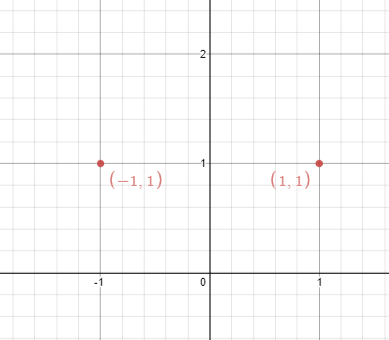
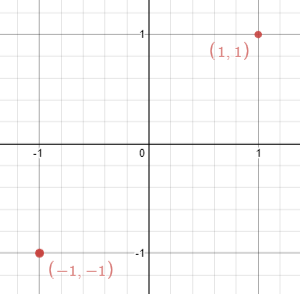
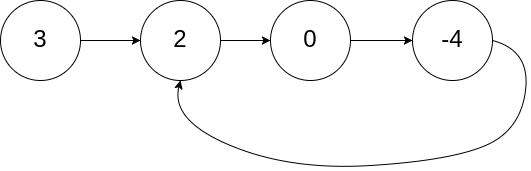
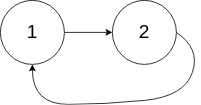




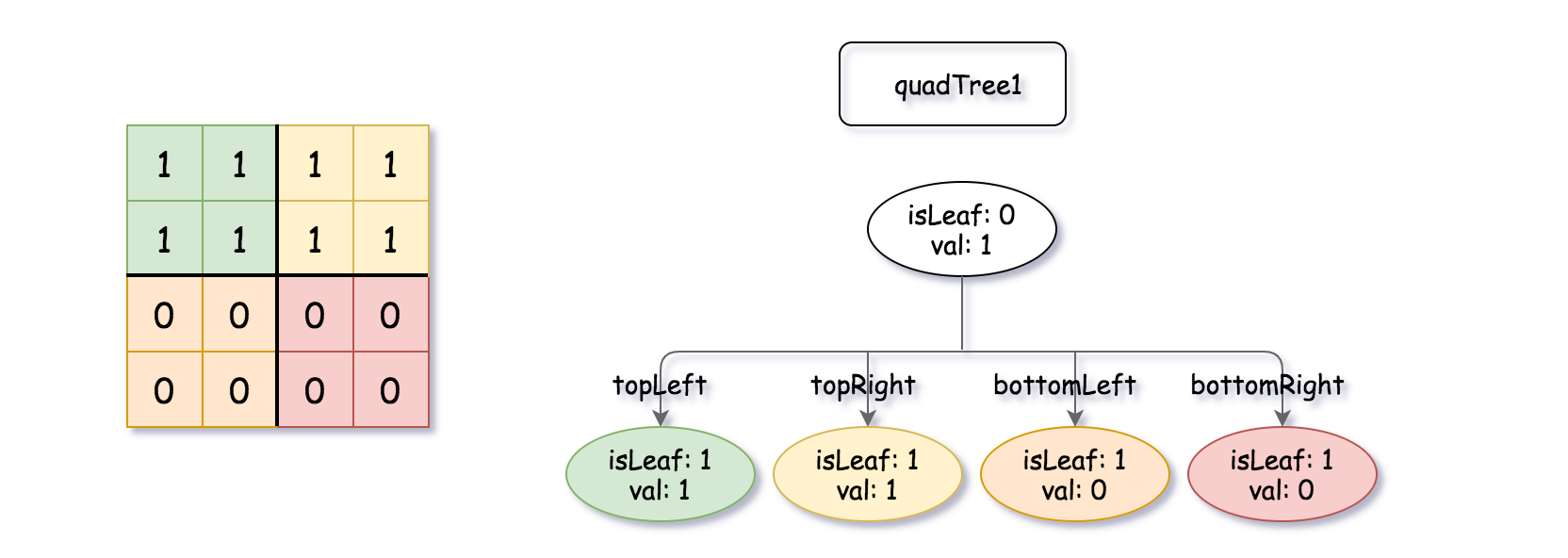
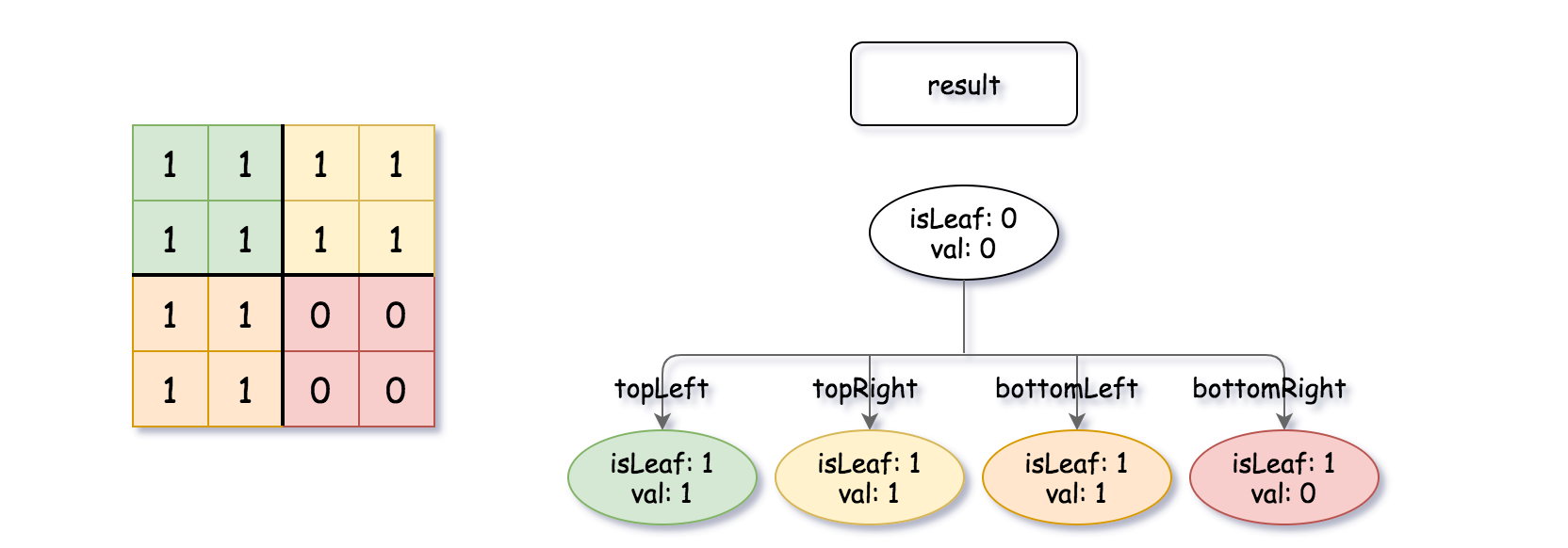
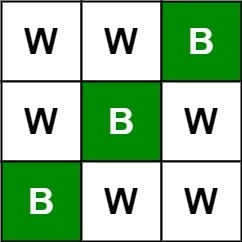
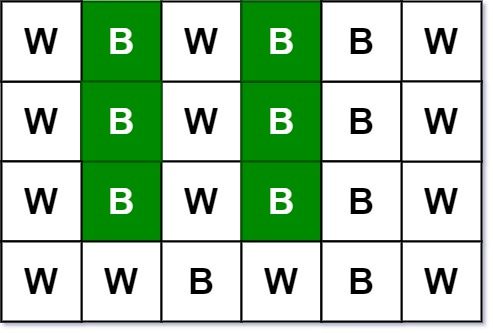
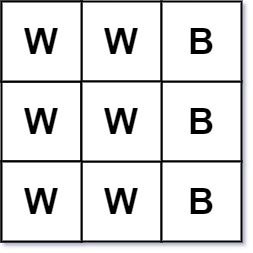
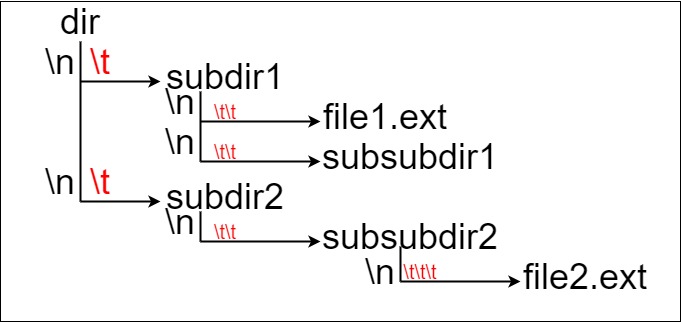
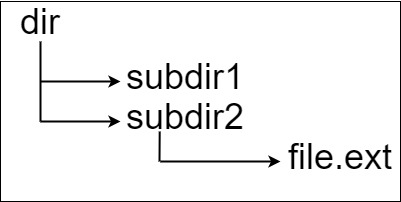
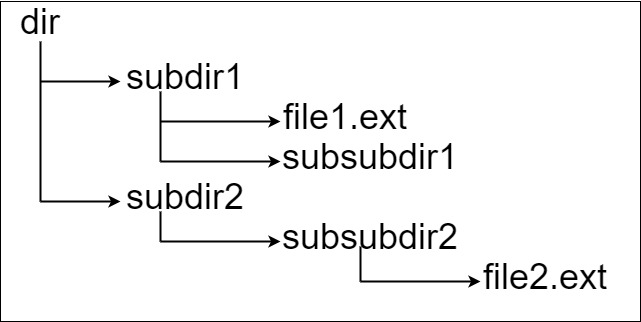
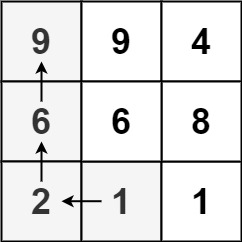
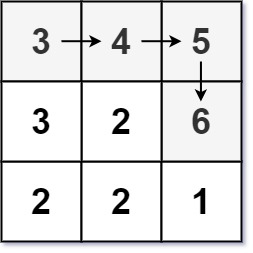
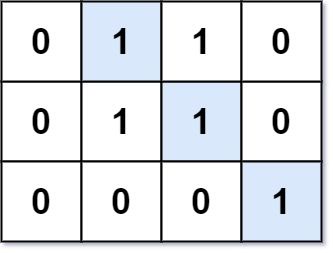
    \
  • For example, \"abc"\ is a subsequence of \"aebdc"\ because you can delete the underlined characters in \"a\e\b\d\c"\ to get \"abc"\. Other subsequences of \"aebdc"\ include \"aebdc"\, \"aeb"\, and \""\ (empty string).\
  • \
### Examples ``` Input: strs = ["aba","cdc","eae"] Output: 3 ``` ``` Input: strs = ["aaa","aaa","aa"] Output: -1 ``` ### Constraints * 2 \<= strs.length \<= 50 * 1 \<= strs\[i].length \<= 10 * strs\[i] consists of lowercase English letters. ## Solution Reference implementation from [solution.py on GitHub](https://github.com/wislertt/leetcode-py/blob/main/leetcode/longest_uncommon_subsequence_ii/solution.py), full suite in [test\_solution.py](https://github.com/wislertt/leetcode-py/blob/main/leetcode/longest_uncommon_subsequence_ii/test_solution.py): ```python theme={"theme":{"light":"github-light","dark":"github-dark"}} class Solution: # Time: O(n^2 * (len_i + len_j)) # Space: O(1) def find_lus_length(self, strs: list[str]) -> int: # A longest uncommon subsequence, when one exists, can always be taken # as one of the input strings in full: any candidate longer than every # string it could embed in is already uncommon, so extending it never # helps. So scan each string and keep the longest one that is not a # subsequence of any other string (duplicates disqualify each other). def is_subsequence(short: str, long: str) -> bool: if len(short) > len(long): return False i = 0 for ch in long: if i < len(short) and short[i] == ch: i += 1 return i == len(short) best = -1 for i, candidate in enumerate(strs): if any( is_subsequence(candidate, other) for j, other in enumerate(strs) if i != j and len(other) >= len(candidate) ): continue best = max(best, len(candidate)) return best ``` ## Complexity | Time | Space | | --------------------------- | ----- | | O(n^2 \* (len\_i + len\_j)) | O(1) | ## Tags # Longest Univalue Path Python Solution Source: https://leetcode-py.wisl.dev/problems/longest-univalue-path Tested Python solution for LeetCode 687 with 18 pytest cases. Generate a practice environment with lcpy. LeetCode 687, [Medium](/catalog/medium). Topics: [Tree](/catalog/topics/tree), [Depth-First Search](/catalog/topics/depth-first-search), [Binary Tree](/catalog/topics/binary-tree), [Dynamic Programming](/catalog/topics/dynamic-programming). [View on LeetCode](https://leetcode.com/problems/longest-univalue-path/description/). Generate this problem as a practice environment: tested reference solution, 18 [parametrized pytest cases](/practice/testing), and a playground notebook: ```bash theme={"theme":{"light":"github-light","dark":"github-dark"}} lcpy gen -n 687 # by problem number lcpy gen -s longest_univalue_path # by problem name ``` ## Problem Given the `root` of a binary tree, return *the length of the longest path, where each node in the path has the same value*. This path may or may not pass through the `root`. The **length** of the path between two nodes is represented by the number of edges between them. ### Examples ![Example 1](https://assets.leetcode.com/uploads/2020/10/13/ex1.jpg) ``` Input: root = [5,4,5,1,1,null,5] Output: 2 ``` **Explanation:** The shown image shows that the longest path of the same value (i.e. 5). ![Example 2](https://assets.leetcode.com/uploads/2020/10/13/ex2.jpg) ``` Input: root = [1,4,5,4,4,null,5] Output: 2 ``` **Explanation:** The shown image shows that the longest path of the same value (i.e. 4). ### Constraints * The number of nodes in the tree is in the range \[0, 10^4]. * -1000 \<= Node.val \<= 1000 * The depth of the tree will not exceed 1000. ## Solution Reference implementation from [solution.py on GitHub](https://github.com/wislertt/leetcode-py/blob/main/leetcode/longest_univalue_path/solution.py), full suite in [test\_solution.py](https://github.com/wislertt/leetcode-py/blob/main/leetcode/longest_univalue_path/test_solution.py): ```python theme={"theme":{"light":"github-light","dark":"github-dark"}} from leetcode_py import TreeNode class Solution: # Time: O(n) # Space: O(h) def longest_univalue_path(self, root: TreeNode[int] | None) -> int: # Iterative post-order: depth can reach 1000, so avoid recursion limits. best = 0 stack: list[tuple[TreeNode[int] | None, bool]] = [(root, False)] if root else [] arrow: dict[int, int] = {} while stack: node, processed = stack.pop() if node is None: continue if not processed: stack.append((node, True)) stack.append((node.left, False)) stack.append((node.right, False)) continue left = 0 left_child = node.left if left_child is not None and left_child.val == node.val: left = arrow[id(left_child)] + 1 right = 0 right_child = node.right if right_child is not None and right_child.val == node.val: right = arrow[id(right_child)] + 1 arrow[id(node)] = max(left, right) best = max(best, left + right) return best ``` ## Complexity | Time | Space | | ---- | ----- | | O(n) | O(h) | ## Tags # Longest Valid Parentheses Python Solution Source: https://leetcode-py.wisl.dev/problems/longest-valid-parentheses Tested Python solution for LeetCode 32 with 16 pytest cases. Generate a practice environment with lcpy. LeetCode 32, [Hard](/catalog/hard). Topics: [String](/catalog/topics/string), [Dynamic Programming](/catalog/topics/dynamic-programming), [Stack](/catalog/topics/stack). [View on LeetCode](https://leetcode.com/problems/longest-valid-parentheses/description/). Generate this problem as a practice environment: tested reference solution, 16 [parametrized pytest cases](/practice/testing), and a playground notebook: ```bash theme={"theme":{"light":"github-light","dark":"github-dark"}} lcpy gen -n 32 # by problem number lcpy gen -s longest_valid_parentheses # by problem name ``` ## Problem Given a string containing just the characters `'('` and `')'`, return the length of the longest valid (well-formed) parentheses *substring*. ### Examples ``` Input: s = "(()" Output: 2 Explanation: The longest valid parentheses substring is "()". ``` ``` Input: s = ")()())" Output: 4 Explanation: The longest valid parentheses substring is "()()". ``` ``` Input: s = "" Output: 0 ``` ### Constraints * 0 \<= s.length \<= 3 \* 10^4 * `s[i]` is `'('`, or `')'`. ## Solution Reference implementation from [solution.py on GitHub](https://github.com/wislertt/leetcode-py/blob/main/leetcode/longest_valid_parentheses/solution.py), full suite in [test\_solution.py](https://github.com/wislertt/leetcode-py/blob/main/leetcode/longest_valid_parentheses/test_solution.py): ```python theme={"theme":{"light":"github-light","dark":"github-dark"}} class Solution: # Time: O(n) # Space: O(n) def longest_valid_parentheses(self, s: str) -> int: max_length = 0 # Stack of indices; seeded with -1 as the last "unmatched" position stack: list[int] = [-1] for i, char in enumerate(s): if char == "(": stack.append(i) else: stack.pop() if not stack: # Unmatched ')', reset the base index stack.append(i) else: max_length = max(max_length, i - stack[-1]) return max_length ``` ## Complexity | Time | Space | | ---- | ----- | | O(n) | O(n) | ## Tags [Grind](/catalog/grind). # Longest Word in Dictionary Python Solution Source: https://leetcode-py.wisl.dev/problems/longest-word-in-dictionary Tested Python solution for LeetCode 720 with 24 pytest cases. Generate a practice environment with lcpy. LeetCode 720, [Medium](/catalog/medium). Topics: [Array](/catalog/topics/array), [Hash Table](/catalog/topics/hash-table), [String](/catalog/topics/string), [Trie](/catalog/topics/trie), [Sorting](/catalog/topics/sorting). [View on LeetCode](https://leetcode.com/problems/longest-word-in-dictionary/description/). Generate this problem as a practice environment: tested reference solution, 24 [parametrized pytest cases](/practice/testing), and a playground notebook: ```bash theme={"theme":{"light":"github-light","dark":"github-dark"}} lcpy gen -n 720 # by problem number lcpy gen -s longest_word_in_dictionary # by problem name ``` ## Problem Given an array of strings `words` representing an English Dictionary, return *the longest word in* `words` *that can be built one character at a time by other words in* `words`. If there is more than one possible answer, return the longest word with the smallest lexicographical order. If there is no answer, return the empty string. Note that the word should be built from left to right with each additional character being added to the end of a previous word. ### Examples ``` Input: words = ["w","wo","wor","worl","world"] Output: "world" ``` **Explanation:** The word `"world"` can be built one character at a time by `"w"`, `"wo"`, `"wor"`, and `"worl"`. ``` Input: words = ["a","banana","app","appl","ap","apply","apple"] Output: "apple" ``` **Explanation:** Both `"apply"` and `"apple"` can be built from other words in the dictionary. However, `"apple"` is lexicographically smaller than `"apply"`. ### Constraints * `1 <= words.length <= 1000` * `1 <= words[i].length <= 30` * `words[i]` consists of lowercase English letters. ## Solution Reference implementation from [solution.py on GitHub](https://github.com/wislertt/leetcode-py/blob/main/leetcode/longest_word_in_dictionary/solution.py), full suite in [test\_solution.py](https://github.com/wislertt/leetcode-py/blob/main/leetcode/longest_word_in_dictionary/test_solution.py): ```python theme={"theme":{"light":"github-light","dark":"github-dark"}} class Solution: # Time: O(sum of word lengths) (build set) + O(n * L) scan # Space: O(sum of word lengths) def longest_word(self, words: list[str]) -> str: seen: set[str] = set() best = "" for word in sorted(words): if len(word) == 1 or word[:-1] in seen: seen.add(word) if len(word) > len(best): best = word return best ``` ## Complexity | Time | Space | | --------------------------------------------------- | ---------------------- | | O(sum of word lengths) (build set) + O(n \* L) scan | O(sum of word lengths) | ## Tags # Longest Word in Dictionary through Deleting Source: https://leetcode-py.wisl.dev/problems/longest-word-in-dictionary-through-deleting Tested Python solution for LeetCode 524 with 18 pytest cases. Generate a practice environment with lcpy. LeetCode 524, [Medium](/catalog/medium). Topics: [Array](/catalog/topics/array), [Two Pointers](/catalog/topics/two-pointers), [String](/catalog/topics/string), [Sorting](/catalog/topics/sorting). [View on LeetCode](https://leetcode.com/problems/longest-word-in-dictionary-through-deleting/description/). Generate this problem as a practice environment: tested reference solution, 18 [parametrized pytest cases](/practice/testing), and a playground notebook: ```bash theme={"theme":{"light":"github-light","dark":"github-dark"}} lcpy gen -n 524 # by problem number lcpy gen -s longest_word_in_dictionary_through_deleting # by problem name ``` ## Problem Given a string `s` and a string array `dictionary`, return *the longest string in the dictionary that can be formed by deleting some of the given string characters*. If there is more than one possible result, return the longest word with the smallest lexicographical order. If there is no possible result, return the empty string. ### Examples ``` Input: s = "abpcplea", dictionary = ["ale","apple","monkey","plea"] Output: "apple" ``` ``` Input: s = "abpcplea", dictionary = ["a","b","c"] Output: "a" ``` ### Constraints * 1 \<= s.length \<= 1000 * 1 \<= dictionary.length \<= 1000 * 1 \<= dictionary\[i].length \<= 1000 * `s` and `dictionary[i]` consist of lowercase English letters. ## Solution Reference implementation from [solution.py on GitHub](https://github.com/wislertt/leetcode-py/blob/main/leetcode/longest_word_in_dictionary_through_deleting/solution.py), full suite in [test\_solution.py](https://github.com/wislertt/leetcode-py/blob/main/leetcode/longest_word_in_dictionary_through_deleting/test_solution.py): ```python theme={"theme":{"light":"github-light","dark":"github-dark"}} class Solution: # Time: O(n * (len(s) + len(word))) # Space: O(1) extra beyond the answer def find_longest_word(self, s: str, dictionary: list[str]) -> str: def is_subsequence(word: str) -> bool: it = iter(s) return all(char in it for char in word) best = "" for word in dictionary: if not is_subsequence(word): continue if len(word) > len(best) or (len(word) == len(best) and word < best): best = word return best ``` ## Complexity | Time | Space | | ---------------------------- | ---------------------------- | | O(n \* (len(s) + len(word))) | O(1) extra beyond the answer | ## Tags # Loud and Rich Python Solution with Tests Source: https://leetcode-py.wisl.dev/problems/loud-and-rich Tested Python solution for LeetCode 851 with 18 pytest cases. Generate a practice environment with lcpy. LeetCode 851, [Medium](/catalog/medium). Topics: [Array](/catalog/topics/array), [Depth-First Search](/catalog/topics/depth-first-search), [Graph Theory](/catalog/topics/graph-theory), [Topological Sort](/catalog/topics/topological-sort), Directed Acyclic Graph. [View on LeetCode](https://leetcode.com/problems/loud-and-rich/description/). Generate this problem as a practice environment: tested reference solution, 18 [parametrized pytest cases](/practice/testing), and a playground notebook: ```bash theme={"theme":{"light":"github-light","dark":"github-dark"}} lcpy gen -n 851 # by problem number lcpy gen -s loud_and_rich # by problem name ``` ## Problem There is a group of `n` people labeled from `0` to `n - 1` where each person has a different amount of money and a different level of quietness. You are given an array `richer` where `richer[i] = [ai, bi]` indicates that `ai` has more money than `bi` and an integer array `quiet` where `quiet[i]` is the quietness of the `ith` person. All the given data in richer are **logically correct** (i.e., the data will not lead you to a situation where `x` is richer than `y` and `y` is richer than `x` at the same time). Return *an integer array* `answer` *where* `answer[x] = y` *if* `y` *is the least quiet person (that is, the person* `y` *with the smallest value of* `quiet[y]`*) among all people who definitely have equal to or more money than the person* `x`. ### Examples ``` Input: richer = [[1,0],[2,1],[3,1],[3,7],[4,3],[5,3],[6,3]], quiet = [3,2,5,4,6,1,7,0] Output: [5,5,2,5,4,5,6,7] Explanation: answer[0] = 5. Person 5 has more money than 3, which has more money than 1, which has more money than 0. The only person who is quieter (has lower quiet[x]) is person 7, but it is not clear if they have more money than person 0. answer[7] = 7. Among all people that definitely have equal to or more money than person 7 (which could be persons 3, 4, 5, 6, or 7), the person who is the quietest (has lower quiet[x]) is person 7. The other answers can be filled out with similar reasoning. ``` ``` Input: richer = [], quiet = [0] Output: [0] ``` ### Constraints * n == quiet.length * 1 \<= n \<= 500 * 0 \<= quiet\[i] \< n * All the values of quiet are unique. * 0 \<= richer.length \<= n \* (n - 1) / 2 * 0 \<= ai, bi \< n * ai != bi * All the pairs of richer are unique. * The observations in richer are all logically consistent. ## Solution Reference implementation from [solution.py on GitHub](https://github.com/wislertt/leetcode-py/blob/main/leetcode/loud_and_rich/solution.py), full suite in [test\_solution.py](https://github.com/wislertt/leetcode-py/blob/main/leetcode/loud_and_rich/test_solution.py): ```python theme={"theme":{"light":"github-light","dark":"github-dark"}} class Solution: # Time: O(n + e) # Space: O(n + e) def loud_and_rich(self, richer: list[list[int]], quiet: list[int]) -> list[int]: n = len(quiet) graph: list[list[int]] = [[] for _ in range(n)] for a, b in richer: graph[b].append(a) answer: list[int] = [-1] * n def dfs(x: int) -> int: if answer[x] != -1: return answer[x] best = x for y in graph[x]: cand = dfs(y) if quiet[cand] < quiet[best]: best = cand answer[x] = best return best return [dfs(i) for i in range(n)] ``` ## Complexity | Time | Space | | -------- | -------- | | O(n + e) | O(n + e) | ## Tags # Lowest Common Ancestor of a Binary Search Tree Source: https://leetcode-py.wisl.dev/problems/lowest-common-ancestor-of-a-binary-search-tree Tested Python solution for LeetCode 235 with 12 pytest cases. Generate a practice environment with lcpy. LeetCode 235, [Medium](/catalog/medium). Topics: [Tree](/catalog/topics/tree), [Depth-First Search](/catalog/topics/depth-first-search), [Binary Search Tree](/catalog/topics/binary-search-tree), [Binary Tree](/catalog/topics/binary-tree). [View on LeetCode](https://leetcode.com/problems/lowest-common-ancestor-of-a-binary-search-tree/description/). Generate this problem as a practice environment: tested reference solution, 12 [parametrized pytest cases](/practice/testing), and a playground notebook: ```bash theme={"theme":{"light":"github-light","dark":"github-dark"}} lcpy gen -n 235 # by problem number lcpy gen -s lowest_common_ancestor_of_a_binary_search_tree # by problem name ``` ## Problem Given a binary search tree (BST), find the lowest common ancestor (LCA) node of two given nodes in the BST. According to the definition of LCA on Wikipedia: "The lowest common ancestor is defined between two nodes `p` and `q` as the lowest node in `T` that has both `p` and `q` as descendants (where we allow **a node to be a descendant of itself**)." ### Examples ![Example 1](https://assets.leetcode.com/uploads/2018/12/14/binarysearchtree_improved.png) ``` Input: root = [6,2,8,0,4,7,9,null,null,3,5], p = 2, q = 8 Output: 6 ``` **Explanation:** The LCA of nodes 2 and 8 is 6. ![Example 2](https://assets.leetcode.com/uploads/2018/12/14/binarysearchtree_improved.png) ``` Input: root = [6,2,8,0,4,7,9,null,null,3,5], p = 2, q = 4 Output: 2 ``` **Explanation:** The LCA of nodes 2 and 4 is 2, since a node can be a descendant of itself according to the LCA definition. ``` Input: root = [2,1], p = 2, q = 1 Output: 2 ``` ### Constraints * The number of nodes in the tree is in the range `[2, 10^5]`. * `-10^9 <= Node.val <= 10^9` * All `Node.val` are **unique**. * `p != q` * `p` and `q` will exist in the BST. ## Solution Reference implementation from [solution.py on GitHub](https://github.com/wislertt/leetcode-py/blob/main/leetcode/lowest_common_ancestor_of_a_binary_search_tree/solution.py), full suite in [test\_solution.py](https://github.com/wislertt/leetcode-py/blob/main/leetcode/lowest_common_ancestor_of_a_binary_search_tree/test_solution.py): ```python theme={"theme":{"light":"github-light","dark":"github-dark"}} from leetcode_py import TreeNode class Solution: # Time: O(log n) average, O(n) worst case # Space: O(1) iterative, O(log n) recursive def lowest_common_ancestor( self, root: TreeNode[int] | None, p: TreeNode[int], q: TreeNode[int] ) -> TreeNode[int] | None: while root: # Both nodes are in left subtree if p.val < root.val and q.val < root.val: root = root.left # Both nodes are in right subtree elif p.val > root.val and q.val > root.val: root = root.right # Split point - one node on each side or one is the root else: return root return None ``` ## Complexity | Time | Space | | --------------------------------- | ---------------------------------- | | O(log n) average, O(n) worst case | O(1) iterative, O(log n) recursive | ## Tags [Grind 75](/catalog/grind-75), [Grind](/catalog/grind), [Blind 75](/catalog/blind-75), [NeetCode 150](/catalog/neetcode-150), [NeetCode 250](/catalog/neetcode-250), [NeetCode All](/catalog/neetcode). # Lowest Common Ancestor of a Binary Tree Source: https://leetcode-py.wisl.dev/problems/lowest-common-ancestor-of-a-binary-tree Tested Python solution for LeetCode 236 with 12 pytest cases. Generate a practice environment with lcpy. LeetCode 236, [Medium](/catalog/medium). Topics: [Tree](/catalog/topics/tree), [Depth-First Search](/catalog/topics/depth-first-search), [Binary Tree](/catalog/topics/binary-tree). [View on LeetCode](https://leetcode.com/problems/lowest-common-ancestor-of-a-binary-tree/description/). Generate this problem as a practice environment: tested reference solution, 12 [parametrized pytest cases](/practice/testing), and a playground notebook: ```bash theme={"theme":{"light":"github-light","dark":"github-dark"}} lcpy gen -n 236 # by problem number lcpy gen -s lowest_common_ancestor_of_a_binary_tree # by problem name ``` ## Problem Given a binary tree, find the lowest common ancestor (LCA) of two given nodes in the tree. According to the definition of LCA on Wikipedia: "The lowest common ancestor is defined between two nodes `p` and `q` as the lowest node in `T` that has both `p` and `q` as descendants (where we allow **a node to be a descendant of itself**)." ### Examples \ ``` Input: root = [3,5,1,6,2,0,8,null,null,7,4], p = 5, q = 1 Output: 3 Explanation: The LCA of nodes 5 and 1 is 3. ``` \ ``` Input: root = [3,5,1,6,2,0,8,null,null,7,4], p = 5, q = 4 Output: 5 Explanation: The LCA of nodes 5 and 4 is 5, since a node can be a descendant of itself according to the LCA definition. ``` ``` Input: root = [1,2], p = 1, q = 2 Output: 1 ``` ### Constraints * The number of nodes in the tree is in the range \[2, 10^5]. * -10^9 \<= Node.val \<= 10^9 * All Node.val are unique. * p != q * p and q will exist in the tree. ## Solution Reference implementation from [solution.py on GitHub](https://github.com/wislertt/leetcode-py/blob/main/leetcode/lowest_common_ancestor_of_a_binary_tree/solution.py), full suite in [test\_solution.py](https://github.com/wislertt/leetcode-py/blob/main/leetcode/lowest_common_ancestor_of_a_binary_tree/test_solution.py): ```python theme={"theme":{"light":"github-light","dark":"github-dark"}} from leetcode_py import TreeNode class Solution: # Time: O(n) # Space: O(h) def lowest_common_ancestor( self, root: TreeNode[int], p: TreeNode[int], q: TreeNode[int] ) -> TreeNode[int]: result = self._lca(root, p, q) assert result is not None return result def _lca( self, root: TreeNode[int] | None, p: TreeNode[int], q: TreeNode[int] ) -> TreeNode[int] | None: if root in (p, q) or not root: return root left = self._lca(root.left, p, q) right = self._lca(root.right, p, q) if left and right: return root return left or right ``` ## Complexity | Time | Space | | ---- | ----- | | O(n) | O(h) | ## Tags [Grind 75](/catalog/grind-75), [Grind](/catalog/grind), [NeetCode All](/catalog/neetcode), [AlgoMaster 75](/catalog/algo-master-75). # Lowest Common Ancestor of a Binary Tree III Source: https://leetcode-py.wisl.dev/problems/lowest-common-ancestor-of-a-binary-tree-iii Tested Python solution for LeetCode 1650 with 18 pytest cases. Generate a practice environment with lcpy. LeetCode 1650, [Medium](/catalog/medium). Topics: [Tree](/catalog/topics/tree), [Hash Table](/catalog/topics/hash-table), [Two Pointers](/catalog/topics/two-pointers), [Binary Tree](/catalog/topics/binary-tree), Lowest Common Ancestor. [View on LeetCode](https://leetcode.com/problems/lowest-common-ancestor-of-a-binary-tree-iii/description/). Generate this problem as a practice environment: tested reference solution, 18 [parametrized pytest cases](/practice/testing), and a playground notebook: ```bash theme={"theme":{"light":"github-light","dark":"github-dark"}} lcpy gen -n 1650 # by problem number lcpy gen -s lowest_common_ancestor_of_a_binary_tree_iii # by problem name ``` ## Problem Given two nodes of a binary tree `p` and `q`, return *their* *lowest common ancestor (LCA)*. Each node will have a reference to its parent node. The definition for `Node` is below: ``` class Node { public int val; public Node left; public Node right; public Node parent; } ``` According to the **definition of LCA on Wikipedia**: "The lowest common ancestor of two nodes p and q in a tree T is the lowest node that has both p and q as descendants (where we allow a node to be a descendant of itself)." ### Examples ![Example 1](https://fastly.jsdelivr.net/gh/doocs/leetcode@main/solution/1600-1699/1650.Lowest%20Common%20Ancestor%20of%20a%20Binary%20Tree%20III/images/binarytree.png) ``` Input: root = [3,5,1,6,2,0,8,null,null,7,4], p = 5, q = 1 Output: 3 Explanation: The LCA of nodes 5 and 1 is 3. ``` ![Example 2](https://fastly.jsdelivr.net/gh/doocs/leetcode@main/solution/1600-1699/1650.Lowest%20Common%20Ancestor%20of%20a%20Binary%20Tree%20III/images/binarytree.png) ``` Input: root = [3,5,1,6,2,0,8,null,null,7,4], p = 5, q = 4 Output: 5 Explanation: The LCA of nodes 5 and 4 is 5 since a node can be a descendant of itself according to the LCA definition. ``` ``` Input: root = [1,2], p = 1, q = 2 Output: 1 ``` ### Constraints * The number of nodes in the tree is in the range `[2, 10^5]`. * `-10^9 <= Node.val <= 10^9` * All `Node.val` are **unique**. * `p != q` * `p` and `q` exist in the tree. **Follow up:** Can you find the LCA without using any extra space (excluding recursion) and without knowing the root of the tree? ## Solution Reference implementation from [solution.py on GitHub](https://github.com/wislertt/leetcode-py/blob/main/leetcode/lowest_common_ancestor_of_a_binary_tree_iii/solution.py), full suite in [test\_solution.py](https://github.com/wislertt/leetcode-py/blob/main/leetcode/lowest_common_ancestor_of_a_binary_tree_iii/test_solution.py): ```python theme={"theme":{"light":"github-light","dark":"github-dark"}} from __future__ import annotations class Node: def __init__(self, val: int = 0) -> None: self.val = val self.left: Node | None = None self.right: Node | None = None self.parent: Node | None = None class Solution: # Time: O(h) where h is the height of the tree # Space: O(1) def lowest_common_ancestor(self, p: Node, q: Node) -> Node: a: Node | None = p b: Node | None = q while a is not b: a = q if a.parent is None else a.parent b = p if b.parent is None else b.parent assert a is not None return a ``` ## Complexity | Time | Space | | -------------------------------------- | ----- | | O(h) where h is the height of the tree | O(1) | ## Tags [NeetCode All](/catalog/neetcode). # LRU Cache Python Solution with Tests Source: https://leetcode-py.wisl.dev/problems/lru-cache Tested Python solution for LeetCode 146 with 12 pytest cases. Generate a practice environment with lcpy. LeetCode 146, [Medium](/catalog/medium). Topics: [Hash Table](/catalog/topics/hash-table), [Linked List](/catalog/topics/linked-list), [Design](/catalog/topics/design), Doubly-Linked List. [View on LeetCode](https://leetcode.com/problems/lru-cache/description/). Generate this problem as a practice environment: tested reference solution, 12 [parametrized pytest cases](/practice/testing), and a playground notebook: ```bash theme={"theme":{"light":"github-light","dark":"github-dark"}} lcpy gen -n 146 # by problem number lcpy gen -s lru_cache # by problem name ``` ## Problem Design a data structure that follows the constraints of a Least Recently Used (LRU) cache. Implement the `LRUCache` class: * `LRUCache(int capacity)` Initialize the LRU cache with positive size capacity * `int get(int key)` Return the value of the key if the key exists, otherwise return -1 * `void put(int key, int value)` Update the value of the key if the key exists. Otherwise, add the key-value pair to the cache. If the number of keys exceeds the capacity from this operation, evict the least recently used key The functions `get` and `put` must each run in `O(1)` average time complexity. ### Examples ``` Input ["LRUCache", "put", "put", "get", "put", "get", "put", "get", "get", "get"] [[2], [1, 1], [2, 2], [1], [3, 3], [2], [4, 4], [1], [3], [4]] Output [null, null, null, 1, null, -1, null, -1, 3, 4] Explanation LRUCache lRUCache = new LRUCache(2); lRUCache.put(1, 1); // cache is {1=1} lRUCache.put(2, 2); // cache is {1=1, 2=2} lRUCache.get(1); // return 1 lRUCache.put(3, 3); // LRU key was 2, evicts key 2, cache is {1=1, 3=3} lRUCache.get(2); // returns -1 (not found) lRUCache.put(4, 4); // LRU key was 1, evicts key 1, cache is {4=4, 3=3} lRUCache.get(1); // return -1 (not found) lRUCache.get(3); // return 3 lRUCache.get(4); // return 4 ``` ### Constraints * 1 \<= capacity \<= 3000 * 0 \<= key \<= 10^4 * 0 \<= value \<= 10^5 * At most 2 \* 10^5 calls will be made to get and put ## Solution Reference implementation from [solution.py on GitHub](https://github.com/wislertt/leetcode-py/blob/main/leetcode/lru_cache/solution.py), full suite in [test\_solution.py](https://github.com/wislertt/leetcode-py/blob/main/leetcode/lru_cache/test_solution.py): ```python theme={"theme":{"light":"github-light","dark":"github-dark"}} from collections import OrderedDict from leetcode_py.data_structures.doubly_list_node import DoublyListNode class LRUCache: # Space: O(capacity) def __init__(self, capacity: int) -> None: self.capacity = capacity self.cache: OrderedDict[int, int] = OrderedDict() # Time: O(1) # Space: O(1) def get(self, key: int) -> int: if key not in self.cache: return -1 # Move to end (most recent) self.cache.move_to_end(key) return self.cache[key] # Time: O(1) # Space: O(1) def put(self, key: int, value: int) -> None: if key in self.cache: # Update existing and move to end self.cache[key] = value self.cache.move_to_end(key) else: # Add new if len(self.cache) >= self.capacity: # Remove LRU (first item) self.cache.popitem(last=False) self.cache[key] = value class CacheNode(DoublyListNode[int]): def __init__(self, key: int = 0, val: int = 0) -> None: super().__init__(val) self.key = key class LRUCacheWithDoublyList: def __init__(self, capacity: int) -> None: self.capacity = capacity self.cache: dict[int, CacheNode] = {} # Dummy head and tail nodes self.head = CacheNode() self.tail = CacheNode() self.head.next = self.tail self.tail.prev = self.head def _add_node(self, node: CacheNode) -> None: """Add node right after head""" node.prev = self.head node.next = self.head.next if self.head.next: self.head.next.prev = node self.head.next = node def _remove_node(self, node: CacheNode) -> None: """Remove node from list""" if node.prev: node.prev.next = node.next if node.next: node.next.prev = node.prev def _move_to_head(self, node: CacheNode) -> None: """Move node to head (most recent)""" self._remove_node(node) self._add_node(node) def _pop_tail(self) -> CacheNode: """Remove last node before tail""" last_node = self.tail.prev assert isinstance(last_node, CacheNode), "Expected CacheNode" self._remove_node(last_node) return last_node def get(self, key: int) -> int: node = self.cache.get(key) if not node: return -1 # Move to head (most recent) self._move_to_head(node) return node.val def put(self, key: int, value: int) -> None: node = self.cache.get(key) if node: # Update existing node.val = value self._move_to_head(node) else: # Add new new_node = CacheNode(key, value) if len(self.cache) >= self.capacity: # Remove LRU tail = self._pop_tail() del self.cache[tail.key] self.cache[key] = new_node self._add_node(new_node) ``` ## Complexity | Time | Space | | ---- | ----------- | | O(1) | O(capacity) | ## Tags [Grind 75](/catalog/grind-75), [Grind](/catalog/grind), [NeetCode 150](/catalog/neetcode-150), [NeetCode 250](/catalog/neetcode-250), [NeetCode All](/catalog/neetcode), [AlgoMaster 75](/catalog/algo-master-75). # Lucky Numbers in a Matrix Python Solution Source: https://leetcode-py.wisl.dev/problems/lucky-numbers-in-a-matrix Tested Python solution for LeetCode 1380 with 16 pytest cases. Generate a practice environment with lcpy. LeetCode 1380, [Easy](/catalog/easy). Topics: [Array](/catalog/topics/array), [Matrix](/catalog/topics/matrix). [View on LeetCode](https://leetcode.com/problems/lucky-numbers-in-a-matrix/description/). Generate this problem as a practice environment: tested reference solution, 16 [parametrized pytest cases](/practice/testing), and a playground notebook: ```bash theme={"theme":{"light":"github-light","dark":"github-dark"}} lcpy gen -n 1380 # by problem number lcpy gen -s lucky_numbers_in_a_matrix # by problem name ``` ## Problem Given an `m x n` matrix of **distinct** numbers, return all **lucky numbers** in the matrix in **any** order. A **lucky number** is an element of the matrix such that it is the minimum element in its row and maximum in its column. ### Examples ``` Input: matrix = [[3,7,8],[9,11,13],[15,16,17]] Output: [15] ``` **Explanation:** 15 is the only lucky number since it is the minimum in its row and the maximum in its column. ``` Input: matrix = [[1,10,4,2],[9,3,8,7],[15,16,17,12]] Output: [12] ``` **Explanation:** 12 is the only lucky number since it is the minimum in its row and the maximum in its column. ``` Input: matrix = [[7,8],[1,2]] Output: [7] ``` ### Constraints * m == mat.length * n == mat\[i].length * 1 \<= n, m \<= 50 * 1 \<= matrix\[i]\[j] \<= 10^5 * All elements in the matrix are distinct. ## Solution Reference implementation from [solution.py on GitHub](https://github.com/wislertt/leetcode-py/blob/main/leetcode/lucky_numbers_in_a_matrix/solution.py), full suite in [test\_solution.py](https://github.com/wislertt/leetcode-py/blob/main/leetcode/lucky_numbers_in_a_matrix/test_solution.py): ```python theme={"theme":{"light":"github-light","dark":"github-dark"}} class Solution: # Time: O(m * n) # Space: O(n) def lucky_numbers(self, matrix: list[list[int]]) -> list[int]: col_max = [max(col) for col in zip(*matrix, strict=True)] return [row_min for row in matrix if (row_min := min(row)) in col_max] ``` ## Complexity | Time | Space | | --------- | ----- | | O(m \* n) | O(n) | ## Tags [NeetCode All](/catalog/neetcode). # Magic Squares In Grid Python Solution Source: https://leetcode-py.wisl.dev/problems/magic-squares-in-grid Tested Python solution for LeetCode 840 with 13 pytest cases. Generate a practice environment with lcpy. LeetCode 840, [Medium](/catalog/medium). Topics: [Array](/catalog/topics/array), [Hash Table](/catalog/topics/hash-table), [Math](/catalog/topics/math), [Matrix](/catalog/topics/matrix). [View on LeetCode](https://leetcode.com/problems/magic-squares-in-grid/description/). Generate this problem as a practice environment: tested reference solution, 13 [parametrized pytest cases](/practice/testing), and a playground notebook: ```bash theme={"theme":{"light":"github-light","dark":"github-dark"}} lcpy gen -n 840 # by problem number lcpy gen -s magic_squares_in_grid # by problem name ``` ## Problem A `3 x 3` magic square is a `3 x 3` grid filled with **distinct** numbers **from** `1` **to** `9` such that each row, column, and both diagonals all have the same sum. Given a `row x col` `grid` of integers, how many `3 x 3` magic square subgrids are there? **Note:** while a magic square can only contain numbers from `1` to `9`, `grid` may contain numbers up to `15`. ### Examples ``` Input: grid = [[4,3,8,4],[9,5,1,9],[2,7,6,2]] Output: 1 Explanation: The following subgrid is a 3 x 3 magic square: while this one is not: In total, there is only one magic square inside the given grid. ``` ``` Input: grid = [[8]] Output: 0 ``` ### Constraints * row == grid.length * col == grid\[i].length * 1 \<= row, col \<= 10 * 0 \<= grid\[i]\[j] \<= 15 ## Solution Reference implementation from [solution.py on GitHub](https://github.com/wislertt/leetcode-py/blob/main/leetcode/magic_squares_in_grid/solution.py), full suite in [test\_solution.py](https://github.com/wislertt/leetcode-py/blob/main/leetcode/magic_squares_in_grid/test_solution.py): ```python theme={"theme":{"light":"github-light","dark":"github-dark"}} class Solution: # Time: O(rows * cols) # Space: O(1) def num_magic_squares_inside(self, grid: list[list[int]]) -> int: rows, cols = len(grid), len(grid[0]) def is_magic(r: int, c: int) -> bool: # A 3x3 magic square over 1..9 always has center 5 and sum 15 if grid[r + 1][c + 1] != 5: return False vals = [grid[r + i][c + j] for i in range(3) for j in range(3)] if sorted(vals) != list(range(1, 10)): return False if any(sum(grid[r + i][c : c + 3]) != 15 for i in range(3)): return False if any(sum(grid[r + i][c + j] for i in range(3)) != 15 for j in range(3)): return False return ( grid[r][c] + grid[r + 1][c + 1] + grid[r + 2][c + 2] == 15 and grid[r][c + 2] + grid[r + 1][c + 1] + grid[r + 2][c] == 15 ) return sum(is_magic(r, c) for r in range(rows - 2) for c in range(cols - 2)) ``` ## Complexity | Time | Space | | --------------- | ----- | | O(rows \* cols) | O(1) | ## Tags [NeetCode All](/catalog/neetcode). # Magical String Python Solution with Tests Source: https://leetcode-py.wisl.dev/problems/magical-string Tested Python solution for LeetCode 481 with 33 pytest cases. Generate a practice environment with lcpy. LeetCode 481, [Medium](/catalog/medium). Topics: [Two Pointers](/catalog/topics/two-pointers), [String](/catalog/topics/string). [View on LeetCode](https://leetcode.com/problems/magical-string/description/). Generate this problem as a practice environment: tested reference solution, 33 [parametrized pytest cases](/practice/testing), and a playground notebook: ```bash theme={"theme":{"light":"github-light","dark":"github-dark"}} lcpy gen -n 481 # by problem number lcpy gen -s magical_string # by problem name ``` ## Problem A magical string `s` consists of only `'1'` and `'2'` and obeys the following rules: * Concatenating the sequence of lengths of its consecutive groups of identical characters `'1'` and `'2'` generates the string `s` itself. The first few elements of `s` is `s = "1221121221221121122......"`. If we group the consecutive 1's and 2's in `s`, it will be `"1 22 11 2 1 22 1 22 11 2 11 22 ......"` and counting the occurrences of 1's or 2's in each group yields the sequence `"1 2 2 1 1 2 1 2 2 1 2 2 ......"`. You can see that concatenating the occurrence sequence gives us `s` itself. Given an integer `n`, return the number of 1's in the first n number in the magical string `s`. ### Examples ``` Input: n = 6 Output: 3 Explanation: The first 6 elements of magical string s is "122112" and it contains three 1's, so return 3. ``` ``` Input: n = 1 Output: 1 ``` ### Constraints * 1 \<= n \<= 10\5\ ## Solution Reference implementation from [solution.py on GitHub](https://github.com/wislertt/leetcode-py/blob/main/leetcode/magical_string/solution.py), full suite in [test\_solution.py](https://github.com/wislertt/leetcode-py/blob/main/leetcode/magical_string/test_solution.py): ```python theme={"theme":{"light":"github-light","dark":"github-dark"}} class Solution: # Time: O(n) # Space: O(n) def magical_string(self, n: int) -> int: if n <= 0: return 0 s = [1, 2, 2] i = 2 while len(s) < n: nxt = s[-1] ^ 3 s.extend([nxt] * s[i]) i += 1 return s[:n].count(1) ``` ## Complexity | Time | Space | | ---- | ----- | | O(n) | O(n) | ## Tags # Majority Element Python Solution with Tests Source: https://leetcode-py.wisl.dev/problems/majority-element Tested Python solution for LeetCode 169 with 15 pytest cases. Generate a practice environment with lcpy. LeetCode 169, [Easy](/catalog/easy). Topics: [Array](/catalog/topics/array), [Hash Table](/catalog/topics/hash-table), [Divide and Conquer](/catalog/topics/divide-and-conquer), [Sorting](/catalog/topics/sorting), [Counting](/catalog/topics/counting). [View on LeetCode](https://leetcode.com/problems/majority-element/description/). Generate this problem as a practice environment: tested reference solution, 15 [parametrized pytest cases](/practice/testing), and a playground notebook: ```bash theme={"theme":{"light":"github-light","dark":"github-dark"}} lcpy gen -n 169 # by problem number lcpy gen -s majority_element # by problem name ``` ## Problem Given an array `nums` of size `n`, return the majority element. The majority element is the element that appears more than `⌊n / 2⌋` times. You may assume that the majority element always exists in the array. ### Examples ``` Input: nums = [3,2,3] Output: 3 ``` ``` Input: nums = [2,2,1,1,1,2,2] Output: 2 ``` ### Constraints * n == nums.length * 1 \<= n \<= 5 \* 10^4 * -10^9 \<= nums\[i] \<= 10^9 **Follow-up:** Could you solve the problem in linear time and in O(1) space? ## Solution Reference implementation from [solution.py on GitHub](https://github.com/wislertt/leetcode-py/blob/main/leetcode/majority_element/solution.py), full suite in [test\_solution.py](https://github.com/wislertt/leetcode-py/blob/main/leetcode/majority_element/test_solution.py): ```python theme={"theme":{"light":"github-light","dark":"github-dark"}} class Solution: # Time: O(n) # Space: O(1) # Boyer-Moore Voting Algorithm def majority_element(self, nums: list[int]) -> int: candidate = 0 count = 0 for num in nums: if count == 0: candidate = num count += 1 if num == candidate else -1 return candidate ``` ## Complexity | Time | Space | | ---- | ----- | | O(n) | O(1) | ## Tags [Grind 75](/catalog/grind-75), [Grind](/catalog/grind), [NeetCode 250](/catalog/neetcode-250), [NeetCode All](/catalog/neetcode), [AlgoMaster 75](/catalog/algo-master-75). # Majority Element II Python Solution with Tests Source: https://leetcode-py.wisl.dev/problems/majority-element-ii Tested Python solution for LeetCode 229 with 15 pytest cases. Generate a practice environment with lcpy. LeetCode 229, [Medium](/catalog/medium). Topics: [Array](/catalog/topics/array), [Hash Table](/catalog/topics/hash-table), [Sorting](/catalog/topics/sorting), [Counting](/catalog/topics/counting). [View on LeetCode](https://leetcode.com/problems/majority-element-ii/description/). Generate this problem as a practice environment: tested reference solution, 15 [parametrized pytest cases](/practice/testing), and a playground notebook: ```bash theme={"theme":{"light":"github-light","dark":"github-dark"}} lcpy gen -n 229 # by problem number lcpy gen -s majority_element_ii # by problem name ``` ## Problem Given an integer array of size `n`, find all elements that appear more than `⌊n / 3⌋` times. ### Examples ``` Input: nums = [3,2,3] Output: [3] ``` ``` Input: nums = [1] Output: [1] ``` ``` Input: nums = [1,2] Output: [1,2] ``` ### Constraints * 1 \<= nums.length \<= 5 \* 10^4 * -10^9 \<= nums\[i] \<= 10^9 **Follow up:** Could you solve the problem in linear time and in `O(1)` space? ## Solution Reference implementation from [solution.py on GitHub](https://github.com/wislertt/leetcode-py/blob/main/leetcode/majority_element_ii/solution.py), full suite in [test\_solution.py](https://github.com/wislertt/leetcode-py/blob/main/leetcode/majority_element_ii/test_solution.py): ```python theme={"theme":{"light":"github-light","dark":"github-dark"}} class Solution: # Time: O(n) # Space: O(1) def majority_element(self, nums: list[int]) -> list[int]: candidate1 = 0 candidate2 = 0 count1 = 0 count2 = 0 for num in nums: if candidate1 == num: count1 += 1 elif candidate2 == num: count2 += 1 elif count1 == 0: candidate1 = num count1 = 1 elif count2 == 0: candidate2 = num count2 = 1 else: count1 -= 1 count2 -= 1 threshold = len(nums) // 3 result: list[int] = [] if nums.count(candidate1) > threshold: result.append(candidate1) if candidate2 != candidate1 and nums.count(candidate2) > threshold: result.append(candidate2) return result ``` ## Complexity | Time | Space | | ---- | ----- | | O(n) | O(1) | ## Tags [NeetCode 250](/catalog/neetcode-250), [NeetCode All](/catalog/neetcode). # Make Lexicographically Smallest Array by Source: https://leetcode-py.wisl.dev/problems/make-lexicographically-smallest-array-by-swapping-elements Tested Python solution for LeetCode 2948 with 18 pytest cases. Generate a practice environment with lcpy. LeetCode 2948, [Medium](/catalog/medium). Topics: [Array](/catalog/topics/array), [Union-Find](/catalog/topics/union-find), [Sorting](/catalog/topics/sorting). [View on LeetCode](https://leetcode.com/problems/make-lexicographically-smallest-array-by-swapping-elements/description/). Generate this problem as a practice environment: tested reference solution, 18 [parametrized pytest cases](/practice/testing), and a playground notebook: ```bash theme={"theme":{"light":"github-light","dark":"github-dark"}} lcpy gen -n 2948 # by problem number lcpy gen -s make_lexicographically_smallest_array_by_swapping_elements # by problem name ``` ## Problem You are given a 0-indexed array of positive integers `nums` and a positive integer `limit`. In one operation, you can choose any two indices `i` and `j` and swap `nums[i]` and `nums[j]` **if** `|nums[i] - nums[j]| <= limit`. Return the lexicographically smallest array that can be obtained by performing the operation any number of times. An array `a` is lexicographically smaller than an array `b` if in the first position where `a` and `b` differ, array `a` has an element that is less than the corresponding element in `b`. For example, the array `[2,10,3]` is lexicographically smaller than the array `[10,2,3]` because they differ at index `0` and `2 < 10`. ### Examples ``` Input: nums = [1,5,3,9,8], limit = 2 Output: [1,3,5,8,9] Explanation: Apply the operation 2 times: - Swap nums[1] with nums[2]. The array becomes [1,3,5,9,8] - Swap nums[3] with nums[4]. The array becomes [1,3,5,8,9] We cannot obtain a lexicographically smaller array by applying any more operations. Note that it may be possible to get the same result by doing different operations. ``` ``` Input: nums = [1,7,6,18,2,1], limit = 3 Output: [1,6,7,18,1,2] Explanation: Apply the operation 3 times: - Swap nums[1] with nums[2]. The array becomes [1,6,7,18,2,1] - Swap nums[0] with nums[4]. The array becomes [2,6,7,18,1,1] - Swap nums[0] with nums[5]. The array becomes [1,6,7,18,1,2] We cannot obtain a lexicographically smaller array by applying any more operations. ``` ``` Input: nums = [1,7,28,19,10], limit = 3 Output: [1,7,28,19,10] Explanation: [1,7,28,19,10] is the lexicographically smallest array we can obtain because we cannot apply the operation on any two indices. ``` ### Constraints * `1 <= nums.length <= 10^5` * `1 <= nums[i] <= 10^9` * `1 <= limit <= 10^9` ## Solution Reference implementation from [solution.py on GitHub](https://github.com/wislertt/leetcode-py/blob/main/leetcode/make_lexicographically_smallest_array_by_swapping_elements/solution.py), full suite in [test\_solution.py](https://github.com/wislertt/leetcode-py/blob/main/leetcode/make_lexicographically_smallest_array_by_swapping_elements/test_solution.py): ```python theme={"theme":{"light":"github-light","dark":"github-dark"}} from itertools import pairwise class Solution: # Time: O(n log n) # Space: O(n) def lexicographically_smallest_array(self, nums: list[int], limit: int) -> list[int]: order = sorted(range(len(nums)), key=lambda i: nums[i]) result: list[int] = [0] * len(nums) group: list[int] = [order[0]] for prev, idx in pairwise(order): if nums[idx] - nums[prev] > limit: self._assign_group(result, group, nums) group = [] group.append(idx) self._assign_group(result, group, nums) return result def _assign_group(self, result: list[int], indices: list[int], nums: list[int]) -> None: values = sorted(nums[i] for i in indices) for pos, val in zip(sorted(indices), values, strict=True): result[pos] = val ``` ## Complexity | Time | Space | | ---------- | ----- | | O(n log n) | O(n) | ## Tags [NeetCode All](/catalog/neetcode). # Make Sum Divisible by P Python Solution Source: https://leetcode-py.wisl.dev/problems/make-sum-divisible-by-p Tested Python solution for LeetCode 1590 with 20 pytest cases. Generate a practice environment with lcpy. LeetCode 1590, [Medium](/catalog/medium). Topics: [Array](/catalog/topics/array), [Hash Table](/catalog/topics/hash-table), [Prefix Sum](/catalog/topics/prefix-sum). [View on LeetCode](https://leetcode.com/problems/make-sum-divisible-by-p/description/). Generate this problem as a practice environment: tested reference solution, 20 [parametrized pytest cases](/practice/testing), and a playground notebook: ```bash theme={"theme":{"light":"github-light","dark":"github-dark"}} lcpy gen -n 1590 # by problem number lcpy gen -s make_sum_divisible_by_p # by problem name ``` ## Problem Given an array of positive integers \nums\, remove the \smallest\ subarray (possibly \empty\) such that the \sum\ of the remaining elements is divisible by \p\. It is \not\ allowed to remove the whole array.\

\

Return \the length of the smallest subarray that you need to remove, or \\-1\\ if it's impossible\.\

\

A \subarray\ is defined as a contiguous block of elements in the array.\

### Examples ``` Input: nums = [3,1,4,2], p = 6 Output: 1 Explanation: The sum of the elements in nums is 10, which is not divisible by 6. We can remove the subarray [4], and the sum of the remaining elements is 6, which is divisible by 6. ``` ``` Input: nums = [6,3,5,2], p = 9 Output: 2 Explanation: We cannot remove a single element to get a sum divisible by 9. The best way is to remove the subarray [5,2], leaving us with [6,3] with sum 9. ``` ``` Input: nums = [1,2,3], p = 3 Output: 0 Explanation: Here the sum is 6. which is already divisible by 3. Thus we do not need to remove anything. ``` ### Constraints * 1 \<= nums.length \<= 10^5 * 1 \<= nums\[i] \<= 10^9 * 1 \<= p \<= 10^9 ## Solution Reference implementation from [solution.py on GitHub](https://github.com/wislertt/leetcode-py/blob/main/leetcode/make_sum_divisible_by_p/solution.py), full suite in [test\_solution.py](https://github.com/wislertt/leetcode-py/blob/main/leetcode/make_sum_divisible_by_p/test_solution.py): ```python theme={"theme":{"light":"github-light","dark":"github-dark"}} class Solution: # Time: O(n) # Space: O(min(n, p)) def min_subarray(self, nums: list[int], p: int) -> int: total = sum(nums) % p if total == 0: return 0 n = len(nums) last = {0: -1} cur = 0 best = n for i, num in enumerate(nums): cur = (cur + num) % p need = (cur - total) % p if need in last: best = min(best, i - last[need]) last[cur] = i return -1 if best == n else best ``` ## Complexity | Time | Space | | ---- | ------------ | | O(n) | O(min(n, p)) | ## Tags [NeetCode All](/catalog/neetcode). # Make The String Great Python Solution Source: https://leetcode-py.wisl.dev/problems/make-the-string-great Tested Python solution for LeetCode 1544 with 24 pytest cases. Generate a practice environment with lcpy. LeetCode 1544, [Easy](/catalog/easy). Topics: [String](/catalog/topics/string), [Stack](/catalog/topics/stack). [View on LeetCode](https://leetcode.com/problems/make-the-string-great/description/). Generate this problem as a practice environment: tested reference solution, 24 [parametrized pytest cases](/practice/testing), and a playground notebook: ```bash theme={"theme":{"light":"github-light","dark":"github-dark"}} lcpy gen -n 1544 # by problem number lcpy gen -s make_the_string_great # by problem name ``` ## Problem Given a string `s` of lower and upper case English letters. A good string is a string which doesn't have **two adjacent characters** `s[i]` and `s[i + 1]` where: * `0 <= i <= s.length - 2` * `s[i]` is a lower-case letter and `s[i + 1]` is the same letter but in upper-case or **vice-versa**. To make the string good, you can choose **two adjacent** characters that make the string bad and remove them. You can keep doing this until the string becomes good. Return *the string* after making it good. The answer is guaranteed to be unique under the given constraints. **Notice** that an empty string is also good. ### Examples ``` Input: s = "leEeetcode" Output: "leetcode" ``` **Explanation:** In the first step, either you choose i = 1 or i = 2, both will result "leEeetcode" to be reduced to "leetcode". ``` Input: s = "abBAcC" Output: "" ``` **Explanation:** We have many possible scenarios, and all lead to the same answer. For example: "abBAcC" --> "aAcC" --> "cC" --> "" "abBAcC" --> "abBA" --> "aA" --> "" ``` Input: s = "s" Output: "s" ``` ### Constraints * `1 <= s.length <= 100` * `s` contains only lower and upper case English letters. ## Solution Reference implementation from [solution.py on GitHub](https://github.com/wislertt/leetcode-py/blob/main/leetcode/make_the_string_great/solution.py), full suite in [test\_solution.py](https://github.com/wislertt/leetcode-py/blob/main/leetcode/make_the_string_great/test_solution.py): ```python theme={"theme":{"light":"github-light","dark":"github-dark"}} class Solution: # Time: O(n) # Space: O(n) def make_good(self, s: str) -> str: stack: list[str] = [] for ch in s: if stack and stack[-1].lower() == ch.lower() and stack[-1] != ch: stack.pop() else: stack.append(ch) return "".join(stack) ``` ## Complexity | Time | Space | | ---- | ----- | | O(n) | O(n) | ## Tags [NeetCode All](/catalog/neetcode). # Make Two Arrays Equal by Reversing Subarrays Source: https://leetcode-py.wisl.dev/problems/make-two-arrays-equal-by-reversing-subarrays Tested Python solution for LeetCode 1460 with 16 pytest cases. Generate a practice environment with lcpy. LeetCode 1460, [Easy](/catalog/easy). Topics: [Array](/catalog/topics/array), [Hash Table](/catalog/topics/hash-table), [Sorting](/catalog/topics/sorting). [View on LeetCode](https://leetcode.com/problems/make-two-arrays-equal-by-reversing-subarrays/description/). Generate this problem as a practice environment: tested reference solution, 16 [parametrized pytest cases](/practice/testing), and a playground notebook: ```bash theme={"theme":{"light":"github-light","dark":"github-dark"}} lcpy gen -n 1460 # by problem number lcpy gen -s make_two_arrays_equal_by_reversing_subarrays # by problem name ``` ## Problem You are given two integer arrays of equal length `target` and `arr`. In one step, you can select any **non-empty subarray** of `arr` and reverse it. You are allowed to make any number of steps. Return `true` if you can make `arr` equal to `target` or `false` otherwise. ### Examples ``` Input: target = [1,2,3,4], arr = [2,4,1,3] Output: true Explanation: You can follow the next steps to convert arr to target: 1- Reverse subarray [2,4,1], arr becomes [1,4,2,3] 2- Reverse subarray [4,2], arr becomes [1,2,4,3] 3- Reverse subarray [4,3], arr becomes [1,2,3,4] There are multiple ways to convert arr to target, this is not the only way to do so. ``` ``` Input: target = [7], arr = [7] Output: true Explanation: arr is equal to target without any reverses. ``` ``` Input: target = [3,7,9], arr = [3,7,11] Output: false Explanation: arr does not have value 9 and it can never be converted to target. ``` ### Constraints * target.length == arr.length * 1 \<= target.length \<= 1000 * 1 \<= target\[i] \<= 1000 * 1 \<= arr\[i] \<= 1000 ## Solution Reference implementation from [solution.py on GitHub](https://github.com/wislertt/leetcode-py/blob/main/leetcode/make_two_arrays_equal_by_reversing_subarrays/solution.py), full suite in [test\_solution.py](https://github.com/wislertt/leetcode-py/blob/main/leetcode/make_two_arrays_equal_by_reversing_subarrays/test_solution.py): ```python theme={"theme":{"light":"github-light","dark":"github-dark"}} from collections import Counter class Solution: # Time: O(n) # Space: O(n) def can_be_equal(self, target: list[int], arr: list[int]) -> bool: return Counter(target) == Counter(arr) ``` ## Complexity | Time | Space | | ---- | ----- | | O(n) | O(n) | ## Tags [NeetCode All](/catalog/neetcode). # Making A Large Island Python Solution Source: https://leetcode-py.wisl.dev/problems/making-a-large-island Tested Python solution for LeetCode 827 with 12 pytest cases. Generate a practice environment with lcpy. LeetCode 827, [Hard](/catalog/hard). Topics: [Array](/catalog/topics/array), [Depth-First Search](/catalog/topics/depth-first-search), [Breadth-First Search](/catalog/topics/breadth-first-search), [Union-Find](/catalog/topics/union-find), [Matrix](/catalog/topics/matrix). [View on LeetCode](https://leetcode.com/problems/making-a-large-island/description/). Generate this problem as a practice environment: tested reference solution, 12 [parametrized pytest cases](/practice/testing), and a playground notebook: ```bash theme={"theme":{"light":"github-light","dark":"github-dark"}} lcpy gen -n 827 # by problem number lcpy gen -s making_a_large_island # by problem name ``` ## Problem You are given an `n x n` binary matrix `grid`. You are allowed to change **at most one** `0` to be `1`. Return *the size of the largest **island** in* `grid` *after applying this operation*. An **island** is a 4-directionally connected group of `1`s. ### Examples ``` Input: grid = [[1,0],[0,1]] Output: 3 Explanation: Change one 0 to 1 and connect two 1s, then we get an island with area = 3. ``` ``` Input: grid = [[1,1],[1,0]] Output: 4 Explanation: Change the 0 to 1 and make the island bigger, only one island with area = 4. ``` ``` Input: grid = [[1,1],[1,1]] Output: 4 Explanation: Can't change any 0 to 1, only one island with area = 4. ``` ### Constraints * n == grid.length * n == grid\[i].length * 1 \<= n \<= 500 * grid\[i]\[j] is either 0 or 1. ## Solution Reference implementation from [solution.py on GitHub](https://github.com/wislertt/leetcode-py/blob/main/leetcode/making_a_large_island/solution.py), full suite in [test\_solution.py](https://github.com/wislertt/leetcode-py/blob/main/leetcode/making_a_large_island/test_solution.py): ```python theme={"theme":{"light":"github-light","dark":"github-dark"}} class Solution: # Time: O(n^2) # Space: O(n^2) def largest_island(self, grid: list[list[int]]) -> int: n = len(grid) sizes = [0, 0] # island ids start at 2 so 0/1 stay sentinel-free label = [[0] * n for _ in range(n)] for r in range(n): for c in range(n): if grid[r][c] == 0 or label[r][c]: continue island_id = len(sizes) stack = [(r, c)] size = 0 while stack: x, y = stack.pop() if not (0 <= x < n and 0 <= y < n) or grid[x][y] != 1 or label[x][y]: continue label[x][y] = island_id size += 1 stack.extend(((x + 1, y), (x - 1, y), (x, y + 1), (x, y - 1))) sizes.append(size) best = max(sizes) for r in range(n): for c in range(n): if grid[r][c] != 0: continue nbr_ids = set() for x, y in ((r + 1, c), (r - 1, c), (r, c + 1), (r, c - 1)): if 0 <= x < n and 0 <= y < n and grid[x][y] == 1: nbr_ids.add(label[x][y]) best = max(best, 1 + sum(sizes[i] for i in nbr_ids)) return best ``` ## Complexity | Time | Space | | ------ | ------ | | O(n^2) | O(n^2) | ## Tags [NeetCode All](/catalog/neetcode). # Map Sum Pairs Python Solution with Tests Source: https://leetcode-py.wisl.dev/problems/map-sum-pairs Tested Python solution for LeetCode 677 with 14 pytest cases. Generate a practice environment with lcpy. LeetCode 677, [Medium](/catalog/medium). Topics: [Hash Table](/catalog/topics/hash-table), [String](/catalog/topics/string), [Design](/catalog/topics/design), [Trie](/catalog/topics/trie). [View on LeetCode](https://leetcode.com/problems/map-sum-pairs/description/). Generate this problem as a practice environment: tested reference solution, 14 [parametrized pytest cases](/practice/testing), and a playground notebook: ```bash theme={"theme":{"light":"github-light","dark":"github-dark"}} lcpy gen -n 677 # by problem number lcpy gen -s map_sum_pairs # by problem name ``` ## Problem Design a map that allows you to do the following: * Maps a string key to a given value. * Returns the sum of the values that have a key with a prefix equal to a given string. Implement the `MapSum` class: * `MapSum()` Initializes the `MapSum` object. * `void insert(String key, int val)` Inserts the `key-val` pair into the map. If the `key` already existed, the original `key-value` pair will be overridden to the new one. * `int sum(string prefix)` Returns the sum of all the pairs' value whose `key` starts with the `prefix`. ### Examples ``` Input ["MapSum", "insert", "sum", "insert", "sum"] [[], ["apple", 3], ["ap"], ["app", 2], ["ap"]] Output [null, null, 3, null, 5] ``` **Explanation** ``` MapSum mapSum = new MapSum(); mapSum.insert("apple", 3); mapSum.sum("ap"); // return 3 (apple = 3) mapSum.insert("app", 2); mapSum.sum("ap"); // return 5 (apple + app = 3 + 2 = 5) ``` ### Constraints * `1 <= key.length, prefix.length <= 50` * `key` and `prefix` consist of only lowercase English letters. * `1 <= val <= 1000` * At most `50` calls will be made to `insert` and `sum`. ## Solution Reference implementation from [solution.py on GitHub](https://github.com/wislertt/leetcode-py/blob/main/leetcode/map_sum_pairs/solution.py), full suite in [test\_solution.py](https://github.com/wislertt/leetcode-py/blob/main/leetcode/map_sum_pairs/test_solution.py): ```python theme={"theme":{"light":"github-light","dark":"github-dark"}} from __future__ import annotations class MapSum: # Each node holds the sum of the values of every key passing through it. # Re-inserting a key applies only the value delta to the affected path. def __init__(self) -> None: self.children: dict[str, MapSum] = {} self.total = 0 self.key_values: dict[str, int] = {} # Time: O(k) where k is the key length # Space: O(k) def insert(self, key: str, val: int) -> None: delta = val - self.key_values.get(key, 0) self.key_values[key] = val node: MapSum = self for char in key: node = node.children.setdefault(char, MapSum()) node.total += delta # Time: O(p) where p is the prefix length # Space: O(1) def sum(self, prefix: str) -> int: node: MapSum | None = self for char in prefix: node = node.children.get(char) if node is None: return 0 assert node is not None return node.total ``` ## Complexity | Time | Space | | ------------------------------ | ----- | | O(k) where k is the key length | O(k) | ## Tags # Masking Personal Information Python Solution Source: https://leetcode-py.wisl.dev/problems/masking-personal-information Tested Python solution for LeetCode 831 with 23 pytest cases. Generate a practice environment with lcpy. LeetCode 831, [Medium](/catalog/medium). Topics: [String](/catalog/topics/string). [View on LeetCode](https://leetcode.com/problems/masking-personal-information/description/). Generate this problem as a practice environment: tested reference solution, 23 [parametrized pytest cases](/practice/testing), and a playground notebook: ```bash theme={"theme":{"light":"github-light","dark":"github-dark"}} lcpy gen -n 831 # by problem number lcpy gen -s masking_personal_information # by problem name ``` ## Problem You are given a personal information string `s`, representing either an **email address** or a **phone number**. Return *the **masked** personal information using the below rules*. \**Email address:**\ An email address is: * A **name** consisting of **at least** two uppercase and lowercase English letters, followed by * The `'@'` symbol, followed by * The **domain** consisting of uppercase and lowercase English letters with a dot `'.'` somewhere in the middle (not the first or last character). To mask an email: * The uppercase letters in the **name** and **domain** must be converted to lowercase letters. * The middle letters of the **name** (i.e., all but the first and last letters) must be replaced by 5 asterisks `"*****"`. \**Phone number:**\ A phone number is formatted as follows: * The phone number contains 10-13 digits. * The last 10 digits make up the **local number**. * The remaining 0-3 digits, in the beginning, make up the **country code**. * **Separation characters** from the set `{'+', '-', '(', ')', ' '}` separate the above digits in some way. To mask a phone number: * Remove all **separation characters**. * The masked phone number should have the form: * `"***-***-XXXX"` if the country code has 0 digits. * `"+*-***-***-XXXX"` if the country code has 1 digit. * `"+**-***-***-XXXX"` if the country code has 2 digits. * `"+***-***-***-XXXX"` if the country code has 3 digits. * `"XXXX"` is the last 4 digits of the **local number**. ### Examples ``` Input: s = "LeetCode@LeetCode.com" Output: "l*****e@leetcode.com" Explanation: s is an email address. The name and domain are converted to lowercase, and the middle of the name is replaced by 5 asterisks. ``` ``` Input: s = "AB@qq.com" Output: "a*****b@qq.com" Explanation: s is an email address. The name and domain are converted to lowercase, and the middle of the name is replaced by 5 asterisks. Note that even though "ab" is 2 characters, it still must have 5 asterisks in the middle. ``` ``` Input: s = "1(234)567-890" Output: "***-***-7890" Explanation: s is a phone number. There are 10 digits, so the local number is 10 digits and the country code is 0 digits. Thus, the resulting masked number is "***-***-7890". ``` ### Constraints * s is either a valid email or a phone number. * If s is an email: * 8 \<= s.length \<= 40 * s consists of uppercase and lowercase English letters and exactly one '@' symbol and '.' symbol. * If s is a phone number: * 10 \<= s.length \<= 20 * s consists of digits, spaces, and the symbols '(', ')', '-', and '+'. ## Solution Reference implementation from [solution.py on GitHub](https://github.com/wislertt/leetcode-py/blob/main/leetcode/masking_personal_information/solution.py), full suite in [test\_solution.py](https://github.com/wislertt/leetcode-py/blob/main/leetcode/masking_personal_information/test_solution.py): ```python theme={"theme":{"light":"github-light","dark":"github-dark"}} class Solution: # Time: O(n) # Space: O(n) def mask_pii(self, s: str) -> str: if "@" in s: name, domain = s.split("@") lower_name = name.lower() return f"{lower_name[0]}*****{lower_name[-1]}@{domain.lower()}" digits = [c for c in s if c.isdigit()] country = len(digits) - 10 tail = "".join(digits[-4:]) prefix = "+" + "*" * country if country else "" return f"{prefix}-***-***-{tail}" if prefix else f"***-***-{tail}" ``` ## Complexity | Time | Space | | ---- | ----- | | O(n) | O(n) | ## Tags # Matchsticks to Square Python Solution Source: https://leetcode-py.wisl.dev/problems/matchsticks-to-square Tested Python solution for LeetCode 473 with 15 pytest cases. Generate a practice environment with lcpy. LeetCode 473, [Medium](/catalog/medium). Topics: [Array](/catalog/topics/array), [Dynamic Programming](/catalog/topics/dynamic-programming), [Backtracking](/catalog/topics/backtracking), [Bit Manipulation](/catalog/topics/bit-manipulation), [Bitmask](/catalog/topics/bitmask). [View on LeetCode](https://leetcode.com/problems/matchsticks-to-square/description/). Generate this problem as a practice environment: tested reference solution, 15 [parametrized pytest cases](/practice/testing), and a playground notebook: ```bash theme={"theme":{"light":"github-light","dark":"github-dark"}} lcpy gen -n 473 # by problem number lcpy gen -s matchsticks_to_square # by problem name ``` ## Problem You are given an integer array `matchsticks` where `matchsticks[i]` is the length of the `ith` matchstick. You want to use **all the matchsticks** to make one square. You **should not break** any stick, but you can link them up, and each matchstick must be used **exactly one time**. Return `true` if you can make this square and `false` otherwise. ### Examples ![Example 1](https://assets.leetcode.com/uploads/2021/04/09/matchsticks1-grid.jpg) ``` Input: matchsticks = [1,1,2,2,2] Output: true Explanation: You can form a square with length 2, one side of the square came two sticks with length 1. ``` ``` Input: matchsticks = [3,3,3,3,4] Output: false Explanation: You cannot find a way to form a square with all the matchsticks. ``` ### Constraints * 1 \<= matchsticks.length \<= 15 * 1 \<= matchsticks\[i] \<= 10^8 ## Solution Reference implementation from [solution.py on GitHub](https://github.com/wislertt/leetcode-py/blob/main/leetcode/matchsticks_to_square/solution.py), full suite in [test\_solution.py](https://github.com/wislertt/leetcode-py/blob/main/leetcode/matchsticks_to_square/test_solution.py): ```python theme={"theme":{"light":"github-light","dark":"github-dark"}} class Solution: # Time: O(4^n) backtracking in the worst case (pruned heavily in practice) # Space: O(n) recursion stack def makesquare(self, matchsticks: list[int]) -> bool: total = sum(matchsticks) if total % 4 != 0: return False side = total // 4 # Sort descending so larger sticks fail fast and prune the search early. sticks = sorted(matchsticks, reverse=True) if sticks[0] > side: return False sides = [0, 0, 0, 0] def backtrack(index: int) -> bool: if index == len(sticks): return all(s == side for s in sides) stick = sticks[index] for i in range(4): if sides[i] + stick > side: continue # Skip duplicate side fills to avoid symmetric permutations. if i > 0 and sides[i] == sides[i - 1]: continue sides[i] += stick if backtrack(index + 1): return True sides[i] -= stick return False return backtrack(0) ``` ## Complexity | Time | Space | | ------------------------------------------------------------------ | -------------------- | | O(4^n) backtracking in the worst case (pruned heavily in practice) | O(n) recursion stack | ## Tags [NeetCode 250](/catalog/neetcode-250), [NeetCode All](/catalog/neetcode). # Matrix Diagonal Sum Python Solution with Tests Source: https://leetcode-py.wisl.dev/problems/matrix-diagonal-sum Tested Python solution for LeetCode 1572 with 19 pytest cases. Generate a practice environment with lcpy. LeetCode 1572, [Easy](/catalog/easy). Topics: [Array](/catalog/topics/array), [Matrix](/catalog/topics/matrix). [View on LeetCode](https://leetcode.com/problems/matrix-diagonal-sum/description/). Generate this problem as a practice environment: tested reference solution, 19 [parametrized pytest cases](/practice/testing), and a playground notebook: ```bash theme={"theme":{"light":"github-light","dark":"github-dark"}} lcpy gen -n 1572 # by problem number lcpy gen -s matrix_diagonal_sum # by problem name ``` ## Problem Given a square matrix `mat`, return the sum of the matrix diagonals. Only include the sum of all the elements on the primary diagonal and all the elements on the secondary diagonal that are not part of the primary diagonal. ### Examples ![Example 1](https://assets.leetcode.com/uploads/2020/08/14/sample_1911.png) ``` Input: mat = [[1,2,3], [4,5,6], [7,8,9]] Output: 25 Explanation: Diagonals sum: 1 + 5 + 9 + 3 + 7 = 25 Notice that element mat[1][1] = 5 is counted only once. ``` ``` Input: mat = [[1,1,1,1], [1,1,1,1], [1,1,1,1], [1,1,1,1]] Output: 8 ``` ``` Input: mat = [[5]] Output: 5 ``` ### Constraints * n == mat.length == mat\[i].length * 1 \<= n \<= 100 * 1 \<= mat\[i]\[j] \<= 100 ## Solution Reference implementation from [solution.py on GitHub](https://github.com/wislertt/leetcode-py/blob/main/leetcode/matrix_diagonal_sum/solution.py), full suite in [test\_solution.py](https://github.com/wislertt/leetcode-py/blob/main/leetcode/matrix_diagonal_sum/test_solution.py): ```python theme={"theme":{"light":"github-light","dark":"github-dark"}} class Solution: # Time: O(n) # Space: O(1) def diagonal_sum(self, mat: list[list[int]]) -> int: total = 0 n = len(mat) for i in range(n): total += mat[i][i] if i != n - 1 - i: total += mat[i][n - 1 - i] return total ``` ## Complexity | Time | Space | | ---- | ----- | | O(n) | O(1) | ## Tags [NeetCode All](/catalog/neetcode). # Max Area of Island Python Solution with Tests Source: https://leetcode-py.wisl.dev/problems/max-area-of-island Tested Python solution for LeetCode 695 with 13 pytest cases. Generate a practice environment with lcpy. LeetCode 695, [Medium](/catalog/medium). Topics: [Array](/catalog/topics/array), [Depth-First Search](/catalog/topics/depth-first-search), [Breadth-First Search](/catalog/topics/breadth-first-search), [Union-Find](/catalog/topics/union-find), [Matrix](/catalog/topics/matrix). [View on LeetCode](https://leetcode.com/problems/max-area-of-island/description/). Generate this problem as a practice environment: tested reference solution, 13 [parametrized pytest cases](/practice/testing), and a playground notebook: ```bash theme={"theme":{"light":"github-light","dark":"github-dark"}} lcpy gen -n 695 # by problem number lcpy gen -s max_area_of_island # by problem name ``` ## Problem You are given an `m x n` binary matrix `grid`. An island is a group of `1`'s (representing land) connected **4-directionally** (horizontal or vertical.) You may assume all four edges of the grid are surrounded by water. The **area** of an island is the number of cells with a value `1` in the island. Return *the maximum **area** of an island in* `grid`. If there is no island, return `0`. ### Examples ![Example 1](https://assets.leetcode.com/uploads/2021/05/01/maxarea1-grid.jpg) ``` Input: grid = [[0,0,1,0,0,0,0,1,0,0,0,0,0],[0,0,0,0,0,0,0,1,1,1,0,0,0],[0,1,1,0,1,0,0,0,0,0,0,0,0],[0,1,0,0,1,1,0,0,1,0,1,0,0],[0,1,0,0,1,1,0,0,1,1,1,0,0],[0,0,0,0,0,0,0,0,0,0,1,0,0],[0,0,0,0,0,0,0,1,1,1,0,0,0],[0,0,0,0,0,0,0,1,1,0,0,0,0]] Output: 6 Explanation: The answer is not 11, because the island must be connected 4-directionally. ``` ``` Input: grid = [[0,0,0,0,0,0,0,0]] Output: 0 ``` ### Constraints * m == grid.length * n == grid\[i].length * 1 \<= m, n \<= 50 * grid\[i]\[j] is either 0 or 1. ## Solution Reference implementation from [solution.py on GitHub](https://github.com/wislertt/leetcode-py/blob/main/leetcode/max_area_of_island/solution.py), full suite in [test\_solution.py](https://github.com/wislertt/leetcode-py/blob/main/leetcode/max_area_of_island/test_solution.py): ```python theme={"theme":{"light":"github-light","dark":"github-dark"}} class Solution: # Time: O(m * n) # Space: O(m * n) def max_area_of_island(self, grid: list[list[int]]) -> int: if not grid or not grid[0]: return 0 rows, cols = len(grid), len(grid[0]) def dfs(row: int, col: int) -> int: if row < 0 or row >= rows or col < 0 or col >= cols or grid[row][col] == 0: return 0 grid[row][col] = 0 # Mark visited by sinking area = 1 area += dfs(row + 1, col) area += dfs(row - 1, col) area += dfs(row, col + 1) area += dfs(row, col - 1) return area max_area = 0 for row in range(rows): for col in range(cols): if grid[row][col] == 1: max_area = max(max_area, dfs(row, col)) return max_area ``` ## Complexity | Time | Space | | --------- | --------- | | O(m \* n) | O(m \* n) | ## Tags [NeetCode 150](/catalog/neetcode-150), [NeetCode 250](/catalog/neetcode-250), [NeetCode All](/catalog/neetcode). # Max Chunks To Make Sorted Python Solution Source: https://leetcode-py.wisl.dev/problems/max-chunks-to-make-sorted Tested Python solution for LeetCode 769 with 16 pytest cases. Generate a practice environment with lcpy. LeetCode 769, [Medium](/catalog/medium). Topics: [Array](/catalog/topics/array), [Stack](/catalog/topics/stack), [Greedy](/catalog/topics/greedy), [Sorting](/catalog/topics/sorting), [Monotonic Stack](/catalog/topics/monotonic-stack). [View on LeetCode](https://leetcode.com/problems/max-chunks-to-make-sorted/description/). Generate this problem as a practice environment: tested reference solution, 16 [parametrized pytest cases](/practice/testing), and a playground notebook: ```bash theme={"theme":{"light":"github-light","dark":"github-dark"}} lcpy gen -n 769 # by problem number lcpy gen -s max_chunks_to_make_sorted # by problem name ``` ## Problem You are given an integer array `arr` of length `n` that represents a permutation of the integers in the range `[0, n - 1]`. We split `arr` into some number of chunks (i.e., partitions), and individually sort each chunk. After concatenating them, the result should equal the sorted array. Return *the largest number of chunks we can make to sort the array*. ### Examples ``` Input: arr = [4,3,2,1,0] Output: 1 Explanation: Splitting into two or more chunks will not return the required result. For example, splitting into [4, 3], [2, 1, 0] will result in [3, 4, 0, 1, 2], which isn't sorted. ``` ``` Input: arr = [1,0,2,3,4] Output: 4 Explanation: We can split into two chunks, such as [1, 0], [2, 3, 4]. However, splitting into [1, 0], [2], [3], [4] is the highest number of chunks possible. ``` ### Constraints * n == arr.length * 1 \<= n \<= 10 * 0 \<= arr\[i] \< n * All the elements of arr are unique. ## Solution Reference implementation from [solution.py on GitHub](https://github.com/wislertt/leetcode-py/blob/main/leetcode/max_chunks_to_make_sorted/solution.py), full suite in [test\_solution.py](https://github.com/wislertt/leetcode-py/blob/main/leetcode/max_chunks_to_make_sorted/test_solution.py): ```python theme={"theme":{"light":"github-light","dark":"github-dark"}} class Solution: # Time: O(n) # Space: O(1) def max_chunks_to_sorted(self, arr: list[int]) -> int: chunks = 0 mx = 0 for i, v in enumerate(arr): mx = max(mx, v) if mx == i: chunks += 1 return chunks ``` ## Complexity | Time | Space | | ---- | ----- | | O(n) | O(1) | ## Tags [NeetCode All](/catalog/neetcode). # Max Chunks To Make Sorted II Python Solution Source: https://leetcode-py.wisl.dev/problems/max-chunks-to-make-sorted-ii Tested Python solution for LeetCode 768 with 24 pytest cases. Generate a practice environment with lcpy. LeetCode 768, [Hard](/catalog/hard). Topics: [Array](/catalog/topics/array), [Stack](/catalog/topics/stack), [Greedy](/catalog/topics/greedy), [Sorting](/catalog/topics/sorting), [Monotonic Stack](/catalog/topics/monotonic-stack). [View on LeetCode](https://leetcode.com/problems/max-chunks-to-make-sorted-ii/description/). Generate this problem as a practice environment: tested reference solution, 24 [parametrized pytest cases](/practice/testing), and a playground notebook: ```bash theme={"theme":{"light":"github-light","dark":"github-dark"}} lcpy gen -n 768 # by problem number lcpy gen -s max_chunks_to_make_sorted_ii # by problem name ``` ## Problem You are given an integer array `arr`. We split `arr` into some number of `chunks` (i.e., partitions), and individually sort each chunk. After concatenating them, the result should equal the sorted array. Return *the largest number of chunks we can make to sort the array*. ### Examples ``` Input: arr = [5,4,3,2,1] Output: 1 Explanation: Splitting into two or more chunks will not return the required result. For example, splitting into [5, 4], [3, 2, 1] will result in [4, 5, 1, 2, 3], which isn't sorted. ``` ``` Input: arr = [2,1,3,4,4] Output: 4 Explanation: We can split into two chunks, such as [2, 1], [3, 4, 4]. However, splitting into [2, 1], [3], [4], [4] is the highest number of chunks possible. ``` ### Constraints * 1 \<= arr.length \<= 2000 * 0 \<= arr\[i] \<= 10^8 ## Solution Reference implementation from [solution.py on GitHub](https://github.com/wislertt/leetcode-py/blob/main/leetcode/max_chunks_to_make_sorted_ii/solution.py), full suite in [test\_solution.py](https://github.com/wislertt/leetcode-py/blob/main/leetcode/max_chunks_to_make_sorted_ii/test_solution.py): ```python theme={"theme":{"light":"github-light","dark":"github-dark"}} class Solution: # Time: O(n) # Space: O(n) def max_chunks_to_sorted(self, arr: list[int]) -> int: n = len(arr) prefix_max = [0] * n prefix_max[0] = arr[0] for i in range(1, n): prefix_max[i] = max(prefix_max[i - 1], arr[i]) suffix_min = [0] * n suffix_min[n - 1] = arr[n - 1] for i in range(n - 2, -1, -1): suffix_min[i] = min(suffix_min[i + 1], arr[i]) chunks = 1 for i in range(n - 1): if prefix_max[i] <= suffix_min[i + 1]: chunks += 1 return chunks ``` ## Complexity | Time | Space | | ---- | ----- | | O(n) | O(n) | ## Tags # Max Consecutive Ones Python Solution Source: https://leetcode-py.wisl.dev/problems/max-consecutive-ones Tested Python solution for LeetCode 485 with 12 pytest cases. Generate a practice environment with lcpy. LeetCode 485, [Easy](/catalog/easy). Topics: [Array](/catalog/topics/array). [View on LeetCode](https://leetcode.com/problems/max-consecutive-ones/description/). Generate this problem as a practice environment: tested reference solution, 12 [parametrized pytest cases](/practice/testing), and a playground notebook: ```bash theme={"theme":{"light":"github-light","dark":"github-dark"}} lcpy gen -n 485 # by problem number lcpy gen -s max_consecutive_ones # by problem name ``` ## Problem Given a binary array `nums`, return *the maximum number of consecutive* `1`*'s in the array*. ### Examples ``` Input: nums = [1,1,0,1,1,1] Output: 3 Explanation: The first two digits or the last three digits are consecutive 1s. The maximum number of consecutive 1s is 3. ``` ``` Input: nums = [1,0,1,1,0,1] Output: 2 ``` ### Constraints * `1 <= nums.length <= 10^5` * `nums[i]` is either `0` or `1`. ## Solution Reference implementation from [solution.py on GitHub](https://github.com/wislertt/leetcode-py/blob/main/leetcode/max_consecutive_ones/solution.py), full suite in [test\_solution.py](https://github.com/wislertt/leetcode-py/blob/main/leetcode/max_consecutive_ones/test_solution.py): ```python theme={"theme":{"light":"github-light","dark":"github-dark"}} class Solution: # Time: O(n) # Space: O(1) def find_max_consecutive_ones(self, nums: list[int]) -> int: best = 0 current = 0 for num in nums: if num == 1: current += 1 best = max(best, current) else: current = 0 return best ``` ## Complexity | Time | Space | | ---- | ----- | | O(n) | O(1) | ## Tags [NeetCode All](/catalog/neetcode). # Max Consecutive Ones II Python Solution Source: https://leetcode-py.wisl.dev/problems/max-consecutive-ones-ii Tested Python solution for LeetCode 487 with 12 pytest cases. Generate a practice environment with lcpy. LeetCode 487, [Medium](/catalog/medium). Topics: [Array](/catalog/topics/array), [Dynamic Programming](/catalog/topics/dynamic-programming), [Sliding Window](/catalog/topics/sliding-window). [View on LeetCode](https://leetcode.com/problems/max-consecutive-ones-ii/description/). Generate this problem as a practice environment: tested reference solution, 12 [parametrized pytest cases](/practice/testing), and a playground notebook: ```bash theme={"theme":{"light":"github-light","dark":"github-dark"}} lcpy gen -n 487 # by problem number lcpy gen -s max_consecutive_ones_ii # by problem name ``` ## Problem Given a binary array `nums`, return the maximum number of consecutive `1`'s in the array if you can flip at most one `0`. **Follow up:** What if the input numbers come in one by one as an infinite stream? In other words, you can't store all numbers coming from the stream as it's too large to hold in memory. Could you solve it efficiently? ### Examples ``` Input: nums = [1,0,1,1,0] Output: 4 Explanation: - If we flip the first zero, nums becomes [1,1,1,1,0] and we have 4 consecutive ones. - If we flip the second zero, nums becomes [1,0,1,1,1] and we have 3 consecutive ones. The max number of consecutive ones is 4. ``` ``` Input: nums = [1,0,1,1,0,1] Output: 4 Explanation: - If we flip the first zero, nums becomes [1,1,1,1,0,1] and we have 4 consecutive ones. - If we flip the second zero, nums becomes [1,0,1,1,1,1] and we have 4 consecutive ones. The max number of consecutive ones is 4. ``` ### Constraints * `1 <= nums.length <= 10^5` * `nums[i]` is either `0` or `1`. ## Solution Reference implementation from [solution.py on GitHub](https://github.com/wislertt/leetcode-py/blob/main/leetcode/max_consecutive_ones_ii/solution.py), full suite in [test\_solution.py](https://github.com/wislertt/leetcode-py/blob/main/leetcode/max_consecutive_ones_ii/test_solution.py): ```python theme={"theme":{"light":"github-light","dark":"github-dark"}} class Solution: # Time: O(n) # Space: O(1) def find_max_ones(self, nums: list[int]) -> int: left = zeros = best = 0 for right, value in enumerate(nums): if value == 0: zeros += 1 while zeros > 1: if nums[left] == 0: zeros -= 1 left += 1 best = max(best, right - left + 1) return best ``` ## Complexity | Time | Space | | ---- | ----- | | O(n) | O(1) | ## Tags [NeetCode All](/catalog/neetcode). # Max Consecutive Ones III Python Solution Source: https://leetcode-py.wisl.dev/problems/max-consecutive-ones-iii Tested Python solution for LeetCode 1004 with 12 pytest cases. Generate a practice environment with lcpy. LeetCode 1004, [Medium](/catalog/medium). Topics: [Array](/catalog/topics/array), [Binary Search](/catalog/topics/binary-search), [Sliding Window](/catalog/topics/sliding-window), [Prefix Sum](/catalog/topics/prefix-sum). [View on LeetCode](https://leetcode.com/problems/max-consecutive-ones-iii/description/). Generate this problem as a practice environment: tested reference solution, 12 [parametrized pytest cases](/practice/testing), and a playground notebook: ```bash theme={"theme":{"light":"github-light","dark":"github-dark"}} lcpy gen -n 1004 # by problem number lcpy gen -s max_consecutive_ones_iii # by problem name ``` ## Problem Given a binary array `nums` and an integer `k`, return *the maximum number of consecutive `1`'s in the array if you can flip at most* `k` `0`'s. ### Examples ``` Input: nums = [1,1,1,0,0,0,1,1,1,1,0], k = 2 Output: 6 Explanation: [1,1,1,0,0,1,1,1,1,1,1] Bolded numbers were flipped from 0 to 1. The longest subarray is underlined. ``` ``` Input: nums = [0,0,1,1,0,0,1,1,1,0,1,1,0,0,0,1,1,1,1], k = 3 Output: 10 Explanation: [0,0,1,1,1,1,1,1,1,1,1,1,0,0,0,1,1,1,1] Bolded numbers were flipped from 0 to 1. The longest subarray is underlined. ``` ### Constraints * `1 <= nums.length <= 10^5` * `nums[i]` is either `0` or `1`. * `0 <= k <= nums.length` ## Solution Reference implementation from [solution.py on GitHub](https://github.com/wislertt/leetcode-py/blob/main/leetcode/max_consecutive_ones_iii/solution.py), full suite in [test\_solution.py](https://github.com/wislertt/leetcode-py/blob/main/leetcode/max_consecutive_ones_iii/test_solution.py): ```python theme={"theme":{"light":"github-light","dark":"github-dark"}} class Solution: # Time: O(n) # Space: O(1) def longest_ones(self, nums: list[int], k: int) -> int: left = 0 zeros = 0 best = 0 for right, num in enumerate(nums): if num == 0: zeros += 1 while zeros > k: if nums[left] == 0: zeros -= 1 left += 1 best = max(best, right - left + 1) return best ``` ## Complexity | Time | Space | | ---- | ----- | | O(n) | O(1) | ## Tags [NeetCode All](/catalog/neetcode). # Max Increase to Keep City Skyline Source: https://leetcode-py.wisl.dev/problems/max-increase-to-keep-city-skyline Tested Python solution for LeetCode 807 with 22 pytest cases. Generate a practice environment with lcpy. LeetCode 807, [Medium](/catalog/medium). Topics: [Array](/catalog/topics/array), [Greedy](/catalog/topics/greedy), [Matrix](/catalog/topics/matrix). [View on LeetCode](https://leetcode.com/problems/max-increase-to-keep-city-skyline/description/). Generate this problem as a practice environment: tested reference solution, 22 [parametrized pytest cases](/practice/testing), and a playground notebook: ```bash theme={"theme":{"light":"github-light","dark":"github-dark"}} lcpy gen -n 807 # by problem number lcpy gen -s max_increase_to_keep_city_skyline # by problem name ``` ## Problem There is a city composed of `n x n` blocks, where each block contains a single building shaped like a vertical square prism. You are given a **0-indexed** `n x n` integer matrix `grid` where `grid[r][c]` represents the **height** of the building located in the block at row `r` and column `c`. A city's **skyline** is the outer contour formed by all the building when viewing the side of the city from a distance. The **skyline** from each cardinal direction north, east, south, and west may be different. We are allowed to increase the height of **any number of buildings by any amount** (the amount can be different per building). The height of a `0`-height building can also be increased. However, increasing the height of a building should **not** affect the city's **skyline** from any cardinal direction. Return *the **maximum total sum** that the height of the buildings can be increased by **without** changing the city's **skyline** from any cardinal direction*. ### Examples ![Example 1](https://assets.leetcode.com/uploads/2021/06/21/807-ex1.png) ``` Input: grid = [[3,0,8,4],[2,4,5,7],[9,2,6,3],[0,3,1,0]] Output: 35 Explanation: The building heights are shown in the center of the above image. The skylines when viewed from each cardinal direction are drawn in red. The grid after increasing the height of buildings without affecting skylines is: gridNew = [ [8, 4, 8, 7], [7, 4, 7, 7], [9, 4, 8, 7], [3, 3, 3, 3] ] ``` ``` Input: grid = [[0,0,0],[0,0,0],[0,0,0]] Output: 0 Explanation: Increasing the height of any building will result in the skyline changing. ``` ### Constraints * n == grid.length * n == grid\[r].length * 2 \<= n \<= 50 * 0 \<= grid\[r]\[c] \<= 100 ## Solution Reference implementation from [solution.py on GitHub](https://github.com/wislertt/leetcode-py/blob/main/leetcode/max_increase_to_keep_city_skyline/solution.py), full suite in [test\_solution.py](https://github.com/wislertt/leetcode-py/blob/main/leetcode/max_increase_to_keep_city_skyline/test_solution.py): ```python theme={"theme":{"light":"github-light","dark":"github-dark"}} class Solution: # Time: O(n^2) # Space: O(n) def max_increase_keeping_skyline(self, grid: list[list[int]]) -> int: row_max = [max(row) for row in grid] col_max = [max(col) for col in zip(*grid, strict=True)] return sum( min(row_max[r], col_max[c]) - grid[r][c] for r, row in enumerate(grid) for c in range(len(row)) ) ``` ## Complexity | Time | Space | | ------ | ----- | | O(n^2) | O(n) | ## Tags # Max Points on a Line Python Solution Source: https://leetcode-py.wisl.dev/problems/max-points-on-a-line Tested Python solution for LeetCode 149 with 15 pytest cases. Generate a practice environment with lcpy. LeetCode 149, [Hard](/catalog/hard). Topics: [Array](/catalog/topics/array), [Hash Table](/catalog/topics/hash-table), [Math](/catalog/topics/math), [Geometry](/catalog/topics/geometry). [View on LeetCode](https://leetcode.com/problems/max-points-on-a-line/description/). Generate this problem as a practice environment: tested reference solution, 15 [parametrized pytest cases](/practice/testing), and a playground notebook: ```bash theme={"theme":{"light":"github-light","dark":"github-dark"}} lcpy gen -n 149 # by problem number lcpy gen -s max_points_on_a_line # by problem name ``` ## Problem Given an array of `points` where `points[i] = [xi, yi]` represents a point on the X-Y plane, return the maximum number of points that lie on the same straight line. ### Examples ![Example 1](https://assets.leetcode.com/uploads/2021/02/25/plane1.jpg) ``` Input: points = [[1,1],[2,2],[3,3]] Output: 3 ``` ![Example 2](https://assets.leetcode.com/uploads/2021/02/25/plane2.jpg) ``` Input: points = [[1,1],[3,2],[5,3],[4,1],[2,3],[1,4]] Output: 4 ``` ### Constraints * 1 \<= points.length \<= 300 * points\[i].length == 2 * -10^4 \<= xi, yi \<= 10^4 * All the points are unique. ## Solution Reference implementation from [solution.py on GitHub](https://github.com/wislertt/leetcode-py/blob/main/leetcode/max_points_on_a_line/solution.py), full suite in [test\_solution.py](https://github.com/wislertt/leetcode-py/blob/main/leetcode/max_points_on_a_line/test_solution.py): ```python theme={"theme":{"light":"github-light","dark":"github-dark"}} import math from collections import defaultdict class Solution: # Time: O(n^2) where n is the number of points # Space: O(n) for the hash map def max_points(self, points: list[list[int]]) -> int: if len(points) <= 2: return len(points) max_count = 0 for i in range(len(points)): slope_count: defaultdict[tuple[int, int], int] = defaultdict(int) duplicate = 0 current_max = 0 x1, y1 = points[i] for j in range(i + 1, len(points)): x2, y2 = points[j] # Handle duplicate points if x1 == x2 and y1 == y2: duplicate += 1 continue # Calculate slope as a reduced fraction (dx, dy) dx = x2 - x1 dy = y2 - y1 # Reduce to lowest terms using GCD gcd_val = math.gcd(dx, dy) if gcd_val != 0: dx //= gcd_val dy //= gcd_val # Normalize the direction (ensure consistent representation) if dx < 0: dx = -dx dy = -dy elif dx == 0: dy = abs(dy) slope = (dx, dy) slope_count[slope] += 1 current_max = max(current_max, slope_count[slope]) max_count = max(max_count, current_max + duplicate + 1) return max_count ``` ## Complexity | Time | Space | | -------------------------------------- | --------------------- | | O(n^2) where n is the number of points | O(n) for the hash map | ## Tags [NeetCode All](/catalog/neetcode), [AlgoMaster 75](/catalog/algo-master-75). # Max Stack Python Solution with Tests Source: https://leetcode-py.wisl.dev/problems/max-stack Tested Python solution for LeetCode 716 with 61 pytest cases. Generate a practice environment with lcpy. LeetCode 716, [Hard](/catalog/hard). Topics: [Linked List](/catalog/topics/linked-list), [Stack](/catalog/topics/stack), [Design](/catalog/topics/design), Doubly-Linked List, [Ordered Set](/catalog/topics/ordered-set). [View on LeetCode](https://leetcode.com/problems/max-stack/description/). Generate this problem as a practice environment: tested reference solution, 61 [parametrized pytest cases](/practice/testing), and a playground notebook: ```bash theme={"theme":{"light":"github-light","dark":"github-dark"}} lcpy gen -n 716 # by problem number lcpy gen -s max_stack # by problem name ``` ## Problem Design a max stack data structure that supports the stack operations and supports finding the stack's maximum element. Implement the `MaxStack` class: * `MaxStack()` Initializes the stack object. * `void push(int x)` Pushes element x onto the stack. * `int pop()` Removes the element on top of the stack and returns it. * `int top()` Gets the element on the top of the stack without removing it. * `int peekMax()` Retrieves the maximum element in the stack without removing it. * `int popMax()` Retrieves the maximum element in the stack and removes it. If there is more than one maximum element, only remove the top-most one. You must come up with a solution that supports `O(1)` for each `top` call and `O(logn)` for each other call. ### Examples ``` Input ['MaxStack', 'push', 'push', 'push', 'top', 'pop_max', 'top', 'peek_max', 'pop', 'top'] [[], [5], [1], [5], [], [], [], [], [], []] Output [null, null, null, null, 5, 5, 1, 5, 1, 5] ``` ### Constraints * -10^7 \<= x \<= 10^7 * At most 10^5 calls will be made to push, pop, top, peek\_max, and pop\_max. * There will be at least one element in the stack when pop, top, peek\_max, or pop\_max is called. ## Solution Reference implementation from [solution.py on GitHub](https://github.com/wislertt/leetcode-py/blob/main/leetcode/max_stack/solution.py), full suite in [test\_solution.py](https://github.com/wislertt/leetcode-py/blob/main/leetcode/max_stack/test_solution.py): ```python theme={"theme":{"light":"github-light","dark":"github-dark"}} import heapq from itertools import count class Node: def __init__(self, val: int = 0): self.val = val self.seq = 0 self.prev: Node = self self.next: Node = self class DoubleLinkedList: def __init__(self): self.head = Node() self.tail = Node() self.head.next = self.tail self.tail.prev = self.head def append(self, val: int) -> Node: node = Node(val) node.next = self.tail node.prev = self.tail.prev self.tail.prev = node node.prev.next = node return node @staticmethod def remove(node: Node) -> Node: node.prev.next = node.next node.next.prev = node.prev node.prev = node.next = node return node def pop(self) -> Node: return self.remove(self.tail.prev) def peek(self) -> int: return self.tail.prev.val class MaxStack: # Time: push O(log n), pop O(n), top O(1), # peek_max O(log n) amortized, pop_max O(log n) amortized # Space: O(n) def __init__(self): self.stk = DoubleLinkedList() self.sl: list[tuple[int, int, Node]] = [] self.seq = count() def push(self, x: int) -> None: node = self.stk.append(x) node.seq = next(self.seq) heapq.heappush(self.sl, (-x, -node.seq, node)) def pop(self) -> int: node = self.stk.pop() return node.val def top(self) -> int: return self.stk.peek() def peek_max(self) -> int: while True: neg_val, _, node = self.sl[0] if node.prev is not node: return -neg_val heapq.heappop(self.sl) def pop_max(self) -> int: while True: neg_val, _, node = heapq.heappop(self.sl) if node.prev is not node: break DoubleLinkedList.remove(node) return -neg_val ``` ## Complexity | Time | Space | | ---------------------------------- | ----- | | push O(log n), pop O(n), top O(1), | O(n) | ## Tags [NeetCode All](/catalog/neetcode). # Max Sum of Rectangle No Larger Than K Source: https://leetcode-py.wisl.dev/problems/max-sum-of-rectangle-no-larger-than-k Tested Python solution for LeetCode 363 with 20 pytest cases. Generate a practice environment with lcpy. LeetCode 363, [Hard](/catalog/hard). Topics: [Array](/catalog/topics/array), [Binary Search](/catalog/topics/binary-search), [Matrix](/catalog/topics/matrix), [Prefix Sum](/catalog/topics/prefix-sum), [Ordered Set](/catalog/topics/ordered-set). [View on LeetCode](https://leetcode.com/problems/max-sum-of-rectangle-no-larger-than-k/description/). Generate this problem as a practice environment: tested reference solution, 20 [parametrized pytest cases](/practice/testing), and a playground notebook: ```bash theme={"theme":{"light":"github-light","dark":"github-dark"}} lcpy gen -n 363 # by problem number lcpy gen -s max_sum_of_rectangle_no_larger_than_k # by problem name ``` ## Problem Given an \m x n\ matrix \matrix\ and an integer \k\, return \the max sum of a rectangle in the matrix such that its sum is no larger than\ \k\. It is \guaranteed\ that there will be a rectangle with a sum no larger than \k\. ### Examples ![Example 1](https://assets.leetcode.com/uploads/2021/03/18/sum-grid.jpg) ``` Input: matrix = [[1,0,1],[0,-2,3]], k = 2 Output: 2 Explanation: Because the sum of the blue rectangle [[0, 1], [-2, 3]] is 2, and 2 is the max number no larger than k (k = 2). ``` ``` Input: matrix = [[2,2,-1]], k = 3 Output: 3 ``` ### Constraints * m == matrix.length * n == matrix\[i].length * 1 \<= m, n \<= 100 * -100 \<= matrix\[i]\[j] \<= 100 * -10^5 \<= k \<= 10^5 **Follow up:** What if the number of rows is much larger than the number of columns? ## Solution Reference implementation from [solution.py on GitHub](https://github.com/wislertt/leetcode-py/blob/main/leetcode/max_sum_of_rectangle_no_larger_than_k/solution.py), full suite in [test\_solution.py](https://github.com/wislertt/leetcode-py/blob/main/leetcode/max_sum_of_rectangle_no_larger_than_k/test_solution.py): ```python theme={"theme":{"light":"github-light","dark":"github-dark"}} from bisect import bisect_left, insort class Solution: # Time: O(m^2 * n * log n) # Space: O(n) def max_sum_submatrix(self, matrix: list[list[int]], k: int) -> int: rows, cols = len(matrix), len(matrix[0]) best = -(10**9) for top in range(rows): col_sums = [0] * cols for bottom in range(top, rows): row = matrix[bottom] for c in range(cols): col_sums[c] += row[c] sorted_sums = [0] running = 0 for s in col_sums: running += s i = bisect_left(sorted_sums, running - k) if i < len(sorted_sums): best = max(best, running - sorted_sums[i]) insort(sorted_sums, running) return best ``` ## Complexity | Time | Space | | -------------------- | ----- | | O(m^2 \* n \* log n) | O(n) | ## Tags # Maximal Rectangle Python Solution with Tests Source: https://leetcode-py.wisl.dev/problems/maximal-rectangle Tested Python solution for LeetCode 85 with 18 pytest cases. Generate a practice environment with lcpy. LeetCode 85, [Hard](/catalog/hard). Topics: [Array](/catalog/topics/array), [Dynamic Programming](/catalog/topics/dynamic-programming), [Stack](/catalog/topics/stack), [Matrix](/catalog/topics/matrix), [Monotonic Stack](/catalog/topics/monotonic-stack). [View on LeetCode](https://leetcode.com/problems/maximal-rectangle/description/). Generate this problem as a practice environment: tested reference solution, 18 [parametrized pytest cases](/practice/testing), and a playground notebook: ```bash theme={"theme":{"light":"github-light","dark":"github-dark"}} lcpy gen -n 85 # by problem number lcpy gen -s maximal_rectangle # by problem name ``` ## Problem Given a \rows x cols\ binary \matrix\ filled with \0\'s and \1\'s, find the largest rectangle containing only \1\'s and return \its area\. ### Examples ![Example 1](https://assets.leetcode.com/uploads/2020/09/14/maximal.jpg) ``` Input: matrix = [["1","0","1","0","0"],["1","0","1","1","1"],["1","1","1","1","1"],["1","0","0","1","0"]] Output: 6 Explanation: The maximal rectangle is shown in the above picture. ``` ``` Input: matrix = [["0"]] Output: 0 ``` ``` Input: matrix = [["1"]] Output: 1 ``` ### Constraints * rows == matrix.length * cols == matrix\[i].length * 1 \<= rows, cols \<= 200 * matrix\[i]\[j] is '0' or '1'. ## Solution Reference implementation from [solution.py on GitHub](https://github.com/wislertt/leetcode-py/blob/main/leetcode/maximal_rectangle/solution.py), full suite in [test\_solution.py](https://github.com/wislertt/leetcode-py/blob/main/leetcode/maximal_rectangle/test_solution.py): ```python theme={"theme":{"light":"github-light","dark":"github-dark"}} class Solution: # Time: O(rows * cols) # Space: O(cols) def maximal_rectangle(self, matrix: list[list[str]]) -> int: if not matrix or not matrix[0]: return 0 cols = len(matrix[0]) heights = [0] * cols best = 0 for row in matrix: for j, val in enumerate(row): heights[j] = heights[j] + 1 if val == "1" else 0 best = max(best, self.largest_rectangle_area(heights)) return best def largest_rectangle_area(self, heights: list[int]) -> int: stack: list[int] = [] best = 0 extended = [*heights, 0] for i, h in enumerate(extended): while stack and extended[stack[-1]] >= h: height = extended[stack.pop()] left = stack[-1] if stack else -1 best = max(best, height * (i - left - 1)) stack.append(i) return best ``` ## Complexity | Time | Space | | --------------- | ------- | | O(rows \* cols) | O(cols) | ## Tags # Maximal Score After Applying K Operations Source: https://leetcode-py.wisl.dev/problems/maximal-score-after-applying-k-operations Tested Python solution for LeetCode 2530 with 17 pytest cases. Generate a practice environment with lcpy. LeetCode 2530, [Medium](/catalog/medium). Topics: [Array](/catalog/topics/array), [Greedy](/catalog/topics/greedy), [Heap (Priority Queue)](/catalog/topics/heap-priority-queue). [View on LeetCode](https://leetcode.com/problems/maximal-score-after-applying-k-operations/description/). Generate this problem as a practice environment: tested reference solution, 17 [parametrized pytest cases](/practice/testing), and a playground notebook: ```bash theme={"theme":{"light":"github-light","dark":"github-dark"}} lcpy gen -n 2530 # by problem number lcpy gen -s maximal_score_after_applying_k_operations # by problem name ``` ## Problem You are given a 0-indexed integer array `nums` and an integer `k`. You have a starting score of 0. In one operation: * choose an index `i` such that `0 <= i < nums.length`, * increase your score by `nums[i]`, and * replace `nums[i]` with `ceil(nums[i] / 3)`. Return the maximum possible score you can attain after applying exactly `k` operations. The ceiling function `ceil(val)` is the least integer greater than or equal to `val`. ### Examples ``` Input: nums = [10,10,10,10,10], k = 5 Output: 50 Explanation: Apply the operation to each array element exactly once. The final score is 10 + 10 + 10 + 10 + 10 = 50. ``` ``` Input: nums = [1,10,3,3,3], k = 3 Output: 17 Explanation: You can do the following operations: Operation 1: Select i = 1, so nums becomes [1,4,3,3,3]. Your score increases by 10. Operation 2: Select i = 1, so nums becomes [1,2,3,3,3]. Your score increases by 4. Operation 3: Select i = 2, so nums becomes [1,2,1,3,3]. Your score increases by 3. The final score is 10 + 4 + 3 = 17. ``` ### Constraints * 1 \<= nums.length, k \<= 10^5 * 1 \<= nums\[i] \<= 10^9 ## Solution Reference implementation from [solution.py on GitHub](https://github.com/wislertt/leetcode-py/blob/main/leetcode/maximal_score_after_applying_k_operations/solution.py), full suite in [test\_solution.py](https://github.com/wislertt/leetcode-py/blob/main/leetcode/maximal_score_after_applying_k_operations/test_solution.py): ```python theme={"theme":{"light":"github-light","dark":"github-dark"}} import heapq class Solution: # Time: O(n + k * log n) # Space: O(n) def max_kelements(self, nums: list[int], k: int) -> int: heap = [-num for num in nums] heapq.heapify(heap) score = 0 for _ in range(k): num = -heapq.heappop(heap) score += num heapq.heappush(heap, -((num + 2) // 3)) return score ``` ## Complexity | Time | Space | | ----------------- | ----- | | O(n + k \* log n) | O(n) | ## Tags [NeetCode All](/catalog/neetcode). # Maximal Square Python Solution with Tests Source: https://leetcode-py.wisl.dev/problems/maximal-square Tested Python solution for LeetCode 221 with 15 pytest cases. Generate a practice environment with lcpy. LeetCode 221, [Medium](/catalog/medium). Topics: [Array](/catalog/topics/array), [Dynamic Programming](/catalog/topics/dynamic-programming), [Matrix](/catalog/topics/matrix). [View on LeetCode](https://leetcode.com/problems/maximal-square/description/). Generate this problem as a practice environment: tested reference solution, 15 [parametrized pytest cases](/practice/testing), and a playground notebook: ```bash theme={"theme":{"light":"github-light","dark":"github-dark"}} lcpy gen -n 221 # by problem number lcpy gen -s maximal_square # by problem name ``` ## Problem Given an `m x n` binary `matrix` filled with `0`'s and `1`'s, find the largest square containing only `1`'s and return its area. ### Examples ![Example 1](https://assets.leetcode.com/uploads/2020/11/26/max1grid.jpg) ``` Input: matrix = [["1","0","1","0","0"],["1","0","1","1","1"],["1","1","1","1","1"],["1","0","0","1","0"]] Output: 4 ``` ![Example 2](https://assets.leetcode.com/uploads/2020/11/26/max2grid.jpg) ``` Input: matrix = [["0","1"],["1","0"]] Output: 1 ``` ``` Input: matrix = [["0"]] Output: 0 ``` ### Constraints * m == matrix.length * n == matrix\[i].length * 1 \<= m, n \<= 300 * matrix\[i]\[j] is '0' or '1'. ## Solution Reference implementation from [solution.py on GitHub](https://github.com/wislertt/leetcode-py/blob/main/leetcode/maximal_square/solution.py), full suite in [test\_solution.py](https://github.com/wislertt/leetcode-py/blob/main/leetcode/maximal_square/test_solution.py): ```python theme={"theme":{"light":"github-light","dark":"github-dark"}} class Solution: # Time: O(m * n) — one pass over the matrix # Space: O(n) — single-row DP array def maximal_square(self, matrix: list[list[str]]) -> int: if not matrix or not matrix[0]: return 0 cols = len(matrix[0]) dp = [0] * (cols + 1) max_side = 0 prev = 0 # holds dp[i-1][j-1] during the in-place update for row in matrix: for j in range(cols): temp = dp[j + 1] if row[j] == "1": dp[j + 1] = min(dp[j + 1], dp[j], prev) + 1 max_side = max(max_side, dp[j + 1]) else: dp[j + 1] = 0 prev = temp return max_side * max_side ``` ## Complexity | Time | Space | | ------------------------------------ | -------------------------- | | O(m \* n) — one pass over the matrix | O(n) — single-row DP array | ## Tags [Grind](/catalog/grind), [NeetCode All](/catalog/neetcode). # Maximize Distance to Closest Person Source: https://leetcode-py.wisl.dev/problems/maximize-distance-to-closest-person Tested Python solution for LeetCode 849 with 20 pytest cases. Generate a practice environment with lcpy. LeetCode 849, [Medium](/catalog/medium). Topics: [Array](/catalog/topics/array). [View on LeetCode](https://leetcode.com/problems/maximize-distance-to-closest-person/description/). Generate this problem as a practice environment: tested reference solution, 20 [parametrized pytest cases](/practice/testing), and a playground notebook: ```bash theme={"theme":{"light":"github-light","dark":"github-dark"}} lcpy gen -n 849 # by problem number lcpy gen -s maximize_distance_to_closest_person # by problem name ``` ## Problem You are given an array representing a row of `seats` where `seats[i] = 1` represents a person sitting in the `ith` seat, and `seats[i] = 0` represents that the `ith` seat is empty **(0-indexed)**. There is at least one empty seat, and at least one person sitting. Alex wants to sit in the seat such that the distance between him and the closest person to him is maximized. Return *that maximum distance to the closest person*. ### Examples ![Example 1](https://assets.leetcode.com/uploads/2020/09/10/distance.jpg) ``` Input: seats = [1,0,0,0,1,0,1] Output: 2 Explanation: If Alex sits in the second open seat (i.e. seats[2]), then the closest person has distance 2. If Alex sits in any other open seat, the closest person has distance 1. Thus, the maximum distance to the closest person is 2. ``` ``` Input: seats = [1,0,0,0] Output: 3 Explanation: If Alex sits in the last seat (i.e. seats[3]), the closest person is 3 seats away. This is the maximum distance possible, so the answer is 3. ``` ``` Input: seats = [0,1] Output: 1 ``` ### Constraints * 2 \<= seats.length \<= 2 \* 10^4 * seats\[i] is 0 or 1. * At least one seat is empty. * At least one seat is occupied. ## Solution Reference implementation from [solution.py on GitHub](https://github.com/wislertt/leetcode-py/blob/main/leetcode/maximize_distance_to_closest_person/solution.py), full suite in [test\_solution.py](https://github.com/wislertt/leetcode-py/blob/main/leetcode/maximize_distance_to_closest_person/test_solution.py): ```python theme={"theme":{"light":"github-light","dark":"github-dark"}} class Solution: # Time: O(n) # Space: O(1) def max_dist_to_closest(self, seats: list[int]) -> int: best = 0 prev = -1 n = len(seats) for i, occupied in enumerate(seats): if occupied: best = i if prev < 0 else max(best, (i - prev) // 2) prev = i return max(best, n - 1 - prev) ``` ## Complexity | Time | Space | | ---- | ----- | | O(n) | O(1) | ## Tags # Maximize Score After N Operations Source: https://leetcode-py.wisl.dev/problems/maximize-score-after-n-operations Tested Python solution for LeetCode 1799 with 20 pytest cases. Generate a practice environment with lcpy. LeetCode 1799, [Hard](/catalog/hard). Topics: [Array](/catalog/topics/array), [Math](/catalog/topics/math), [Dynamic Programming](/catalog/topics/dynamic-programming), [Backtracking](/catalog/topics/backtracking), [Bit Manipulation](/catalog/topics/bit-manipulation), [Number Theory](/catalog/topics/number-theory), [Bitmask](/catalog/topics/bitmask). [View on LeetCode](https://leetcode.com/problems/maximize-score-after-n-operations/description/). Generate this problem as a practice environment: tested reference solution, 20 [parametrized pytest cases](/practice/testing), and a playground notebook: ```bash theme={"theme":{"light":"github-light","dark":"github-dark"}} lcpy gen -n 1799 # by problem number lcpy gen -s maximize_score_after_n_operations # by problem name ``` ## Problem \

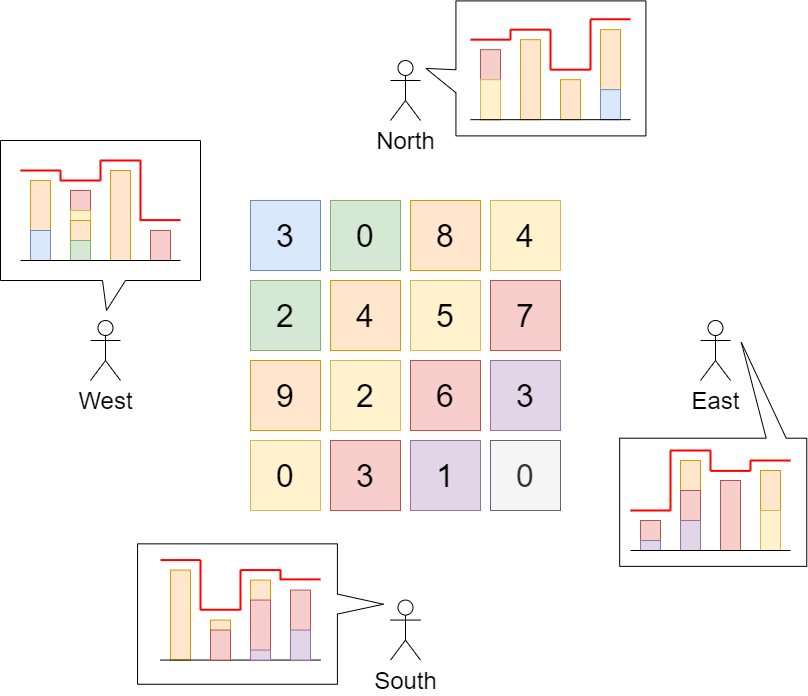
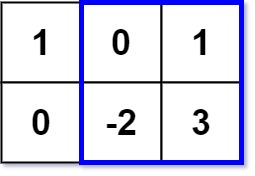
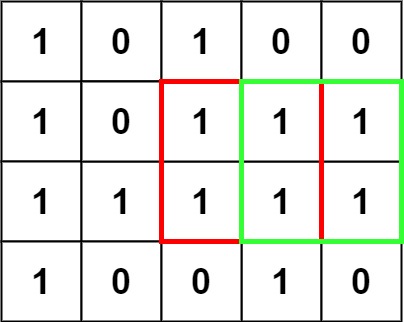
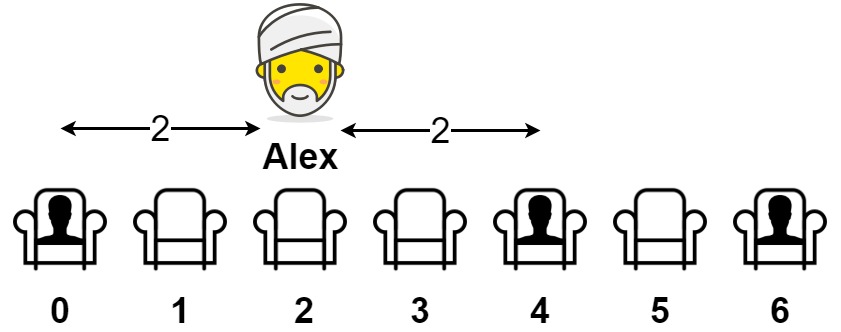
You are given \nums\, an array of positive integers of size \2 \* n\. You must perform \n\ operations on this array.\

\

In the \i\th\\ operation \(1-indexed)\, you will:\

\
    \
  • Choose two elements, \x\ and \y\.\
  • \
  • Receive a score of \i \* gcd(x, y)\.\
  • \
  • Remove \x\ and \y\ from \nums\.\
  • \
\

Return \the maximum score you can receive after performing \\n\\ operations.\\

\

The function \gcd(x, y)\ is the greatest common divisor of \x\ and \y\.\

### Examples ``` Input: nums = [1,2] Output: 1 Explanation: The optimal choice of operations is: (1 * gcd(1, 2)) = 1 ``` ``` Input: nums = [3,4,6,8] Output: 11 Explanation: The optimal choice of operations is: (1 * gcd(3, 6)) + (2 * gcd(4, 8)) = 3 + 8 = 11 ``` ``` Input: nums = [1,2,3,4,5,6] Output: 14 Explanation: The optimal choice of operations is: (1 * gcd(1, 5)) + (2 * gcd(2, 4)) + (3 * gcd(3, 6)) = 1 + 4 + 9 = 14 ``` ### Constraints * 1 \<= n \<= 7 * nums.length == 2 \* n * 1 \<= nums\[i] \<= 10^6 ## Solution Reference implementation from [solution.py on GitHub](https://github.com/wislertt/leetcode-py/blob/main/leetcode/maximize_score_after_n_operations/solution.py), full suite in [test\_solution.py](https://github.com/wislertt/leetcode-py/blob/main/leetcode/maximize_score_after_n_operations/test_solution.py): ```python theme={"theme":{"light":"github-light","dark":"github-dark"}} from math import gcd class Solution: # Time: O(2^m * m^2) where m = len(nums) = 2n <= 14 # Space: O(2^m) def max_score(self, nums: list[int]) -> int: m = len(nums) gcd_table = [[0] * m for _ in range(m)] for i in range(m): for j in range(i + 1, m): gcd_table[i][j] = gcd_table[j][i] = gcd(nums[i], nums[j]) full = (1 << m) - 1 dp = [0] * (1 << m) for mask in range(full): op = mask.bit_count() // 2 + 1 for i in range(m): if mask >> i & 1: continue for j in range(i + 1, m): if mask >> j & 1: continue nxt = mask | 1 << i | 1 << j dp[nxt] = max(dp[nxt], dp[mask] + op * gcd_table[i][j]) return dp[full] ``` ## Complexity | Time | Space | | --------------------------------------------- | ------ | | O(2^m \* m^2) where m = len(nums) = 2n \<= 14 | O(2^m) | ## Tags [NeetCode All](/catalog/neetcode). # Maximize Y-Sum by Picking a Triplet of Source: https://leetcode-py.wisl.dev/problems/maximize-ysum-by-picking-a-triplet-of-distinct-xvalues Tested Python solution for LeetCode 3572 with 22 pytest cases. Generate a practice environment with lcpy. LeetCode 3572, [Medium](/catalog/medium). Topics: [Array](/catalog/topics/array), [Hash Table](/catalog/topics/hash-table), [Greedy](/catalog/topics/greedy), [Sorting](/catalog/topics/sorting), [Heap (Priority Queue)](/catalog/topics/heap-priority-queue). [View on LeetCode](https://leetcode.com/problems/maximize-ysum-by-picking-a-triplet-of-distinct-xvalues/description/). Generate this problem as a practice environment: tested reference solution, 22 [parametrized pytest cases](/practice/testing), and a playground notebook: ```bash theme={"theme":{"light":"github-light","dark":"github-dark"}} lcpy gen -n 3572 # by problem number lcpy gen -s maximize_ysum_by_picking_a_triplet_of_distinct_xvalues # by problem name ``` ## Problem You are given two integer arrays \x\ and \y\, each of length \n\. You must choose three \distinct\ indices \i\, \j\, and \k\ such that: \
    \
  • \x\[i] != x\[j]\\
  • \
  • \x\[j] != x\[k]\\
  • \
  • \x\[k] != x\[i]\\
  • \
Your goal is to \maximize\ the value of \y\[i] + y\[j] + y\[k]\ under these conditions. Return the \maximum\ possible sum that can be obtained by choosing such a triplet of indices. If no such triplet exists, return -1. ### Examples ``` Input: x = [1,2,1,3,2], y = [5,3,4,6,2] Output: 14 Explanation: Choose i = 0 (x[i] = 1, y[i] = 5), j = 1 (x[j] = 2, y[j] = 3), k = 3 (x[k] = 3, y[k] = 6). All three values chosen from x are distinct. 5 + 3 + 6 = 14 is the maximum we can obtain. ``` ``` Input: x = [1,2,1,2], y = [4,5,6,7] Output: -1 Explanation: There are only two distinct values in x. Hence, the output is -1. ``` ### Constraints * n == x.length == y.length * 3 \<= n \<= 10^5 * 1 \<= x\[i], y\[i] \<= 10^6 ## Solution Reference implementation from [solution.py on GitHub](https://github.com/wislertt/leetcode-py/blob/main/leetcode/maximize_ysum_by_picking_a_triplet_of_distinct_xvalues/solution.py), full suite in [test\_solution.py](https://github.com/wislertt/leetcode-py/blob/main/leetcode/maximize_ysum_by_picking_a_triplet_of_distinct_xvalues/test_solution.py): ```python theme={"theme":{"light":"github-light","dark":"github-dark"}} class Solution: # Time: O(n) # Space: O(n) def max_sum_distinct_triplet(self, x: list[int], y: list[int]) -> int: best: dict[int, int] = {} for xi, yi in zip(x, y, strict=True): if yi > best.get(xi, 0): best[xi] = yi if len(best) < 3: return -1 return sum(sorted(best.values(), reverse=True)[:3]) ``` ## Complexity | Time | Space | | ---- | ----- | | O(n) | O(n) | ## Tags [NeetCode All](/catalog/neetcode). # Maximum Absolute Sum of Any Subarray Source: https://leetcode-py.wisl.dev/problems/maximum-absolute-sum-of-any-subarray Tested Python solution for LeetCode 1749 with 23 pytest cases. Generate a practice environment with lcpy. LeetCode 1749, [Medium](/catalog/medium). Topics: [Array](/catalog/topics/array), [Dynamic Programming](/catalog/topics/dynamic-programming). [View on LeetCode](https://leetcode.com/problems/maximum-absolute-sum-of-any-subarray/description/). Generate this problem as a practice environment: tested reference solution, 23 [parametrized pytest cases](/practice/testing), and a playground notebook: ```bash theme={"theme":{"light":"github-light","dark":"github-dark"}} lcpy gen -n 1749 # by problem number lcpy gen -s maximum_absolute_sum_of_any_subarray # by problem name ``` ## Problem You are given an integer array `nums`. The **absolute sum** of a subarray `[nums_l, nums_l+1, ..., nums_r-1, nums_r]` is `abs(nums_l + nums_l+1 + ... + nums_r-1 + nums_r)`. Return the maximum absolute sum of any (possibly empty) subarray of `nums`. Note that `abs(x)` is defined as follows: * If `x` is a negative integer, then `abs(x) = -x`. * If `x` is a non-negative integer, then `abs(x) = x`. ### Examples ``` Input: nums = [1,-3,2,3,-4] Output: 5 ``` **Explanation:** The subarray `[2,3]` has absolute sum = abs(2+3) = abs(5) = 5. ``` Input: nums = [2,-5,1,-4,3,-2] Output: 8 ``` **Explanation:** The subarray `[-5,1,-4]` has absolute sum = abs(-5+1-4) = abs(-8) = 8. ### Constraints * `1 <= nums.length <= 10^5` * `-10^4 <= nums[i] <= 10^4` ## Solution Reference implementation from [solution.py on GitHub](https://github.com/wislertt/leetcode-py/blob/main/leetcode/maximum_absolute_sum_of_any_subarray/solution.py), full suite in [test\_solution.py](https://github.com/wislertt/leetcode-py/blob/main/leetcode/maximum_absolute_sum_of_any_subarray/test_solution.py): ```python theme={"theme":{"light":"github-light","dark":"github-dark"}} class Solution: # Time: O(n) # Space: O(1) def max_absolute_sum(self, nums: list[int]) -> int: max_sum = 0 min_sum = 0 best = 0 for num in nums: max_sum = max(max_sum + num, num) min_sum = min(min_sum + num, num) best = max(best, max_sum, -min_sum) return best ``` ## Complexity | Time | Space | | ---- | ----- | | O(n) | O(1) | ## Tags [NeetCode All](/catalog/neetcode). # Maximum Alternating Subsequence Sum Source: https://leetcode-py.wisl.dev/problems/maximum-alternating-subsequence-sum Tested Python solution for LeetCode 1911 with 44 pytest cases. Generate a practice environment with lcpy. LeetCode 1911, [Medium](/catalog/medium). Topics: [Array](/catalog/topics/array), [Dynamic Programming](/catalog/topics/dynamic-programming). [View on LeetCode](https://leetcode.com/problems/maximum-alternating-subsequence-sum/description/). Generate this problem as a practice environment: tested reference solution, 44 [parametrized pytest cases](/practice/testing), and a playground notebook: ```bash theme={"theme":{"light":"github-light","dark":"github-dark"}} lcpy gen -n 1911 # by problem number lcpy gen -s maximum_alternating_subsequence_sum # by problem name ``` ## Problem The \alternating sum\ of a \0-indexed\ array is defined as the \sum\ of the elements at \even\ indices \minus\ the \sum\ of the elements at \odd\ indices. \
    \
  • For example, the alternating sum of \\[4,2,5,3]\ is \(4 + 5) - (2 + 3) = 4\.\
  • \
Given an array \nums\, return \the \maximum alternating sum\ of any subsequence of \\nums\\ (after \reindexing\ the elements of the subsequence)\. \

A \subsequence\ of an array is a new array generated from the original array by deleting some elements (possibly none) without changing the remaining elements' relative order. For example, \\[2,7,4]\ is a subsequence of \\[4,2,\3\,7,2,1,\4\]\ (the underlined elements), while \\[2,4,2]\ is not.\

### Examples ``` Input: nums = [4,2,5,3] Output: 7 Explanation: It is optimal to choose the subsequence [4,2,5] with alternating sum (4 + 5) - 2 = 7. ``` ``` Input: nums = [5,6,7,8] Output: 8 Explanation: It is optimal to choose the subsequence [8] with alternating sum 8. ``` ``` Input: nums = [6,2,1,2,4,5] Output: 10 Explanation: It is optimal to choose the subsequence [6,1,5] with alternating sum (6 + 5) - 1 = 10. ``` ### Constraints * 1 \<= nums.length \<= 10^5 * 1 \<= nums\[i] \<= 10^5 ## Solution Reference implementation from [solution.py on GitHub](https://github.com/wislertt/leetcode-py/blob/main/leetcode/maximum_alternating_subsequence_sum/solution.py), full suite in [test\_solution.py](https://github.com/wislertt/leetcode-py/blob/main/leetcode/maximum_alternating_subsequence_sum/test_solution.py): ```python theme={"theme":{"light":"github-light","dark":"github-dark"}} class Solution: # Time: O(n) # Space: O(1) def max_alternating_sum(self, nums: list[int]) -> int: even = 0 odd = 0 for num in nums: even, odd = max(even, odd + num), max(odd, even - num) return even ``` ## Complexity | Time | Space | | ---- | ----- | | O(n) | O(1) | ## Tags [NeetCode All](/catalog/neetcode). # Maximum Ascending Subarray Sum Python Solution Source: https://leetcode-py.wisl.dev/problems/maximum-ascending-subarray-sum Tested Python solution for LeetCode 1800 with 25 pytest cases. Generate a practice environment with lcpy. LeetCode 1800, [Easy](/catalog/easy). Topics: [Array](/catalog/topics/array). [View on LeetCode](https://leetcode.com/problems/maximum-ascending-subarray-sum/description/). Generate this problem as a practice environment: tested reference solution, 25 [parametrized pytest cases](/practice/testing), and a playground notebook: ```bash theme={"theme":{"light":"github-light","dark":"github-dark"}} lcpy gen -n 1800 # by problem number lcpy gen -s maximum_ascending_subarray_sum # by problem name ``` ## Problem Given an array of positive integers `nums`, return the **maximum** possible sum of an **strictly increasing subarray** in `nums`. A subarray is defined as a contiguous sequence of numbers in an array. ### Examples ``` Input: nums = [10,20,30,5,10,50] Output: 65 Explanation: [5,10,50] is the ascending subarray with the maximum sum of 65. ``` ``` Input: nums = [10,20,30,40,50] Output: 150 Explanation: [10,20,30,40,50] is the ascending subarray with the maximum sum of 150. ``` ``` Input: nums = [12,17,15,13,10,11,12] Output: 33 Explanation: [10,11,12] is the ascending subarray with the maximum sum of 33. ``` ### Constraints * 1 \<= nums.length \<= 100 * 1 \<= nums\[i] \<= 100 ## Solution Reference implementation from [solution.py on GitHub](https://github.com/wislertt/leetcode-py/blob/main/leetcode/maximum_ascending_subarray_sum/solution.py), full suite in [test\_solution.py](https://github.com/wislertt/leetcode-py/blob/main/leetcode/maximum_ascending_subarray_sum/test_solution.py): ```python theme={"theme":{"light":"github-light","dark":"github-dark"}} class Solution: # Time: O(n) # Space: O(1) def max_ascending_sum(self, nums: list[int]) -> int: best = cur = nums[0] for i in range(1, len(nums)): if nums[i] > nums[i - 1]: cur += nums[i] else: cur = nums[i] if cur > best: best = cur return best ``` ## Complexity | Time | Space | | ---- | ----- | | O(n) | O(1) | ## Tags [NeetCode All](/catalog/neetcode). # Maximum Average Subarray I Python Solution Source: https://leetcode-py.wisl.dev/problems/maximum-average-subarray-i Tested Python solution for LeetCode 643 with 18 pytest cases. Generate a practice environment with lcpy. LeetCode 643, [Easy](/catalog/easy). Topics: [Array](/catalog/topics/array), [Sliding Window](/catalog/topics/sliding-window). [View on LeetCode](https://leetcode.com/problems/maximum-average-subarray-i/description/). Generate this problem as a practice environment: tested reference solution, 18 [parametrized pytest cases](/practice/testing), and a playground notebook: ```bash theme={"theme":{"light":"github-light","dark":"github-dark"}} lcpy gen -n 643 # by problem number lcpy gen -s maximum_average_subarray_i # by problem name ``` ## Problem You are given an integer array `nums` consisting of `n` elements, and an integer `k`. Find a contiguous subarray whose **length is equal to** `k` that has the maximum average value and return *this value*. Any answer with a calculation error less than `10^-5` will be accepted. ### Examples ``` Input: nums = [1,12,-5,-6,50,3], k = 4 Output: 12.75000 Explanation: Maximum average is (12 - 5 - 6 + 50) / 4 = 51 / 4 = 12.75 ``` ``` Input: nums = [5], k = 1 Output: 5.00000 ``` ### Constraints * n == nums.length * 1 \<= k \<= n \<= 10^5 * -10^4 \<= nums\[i] \<= 10^4 ## Solution Reference implementation from [solution.py on GitHub](https://github.com/wislertt/leetcode-py/blob/main/leetcode/maximum_average_subarray_i/solution.py), full suite in [test\_solution.py](https://github.com/wislertt/leetcode-py/blob/main/leetcode/maximum_average_subarray_i/test_solution.py): ```python theme={"theme":{"light":"github-light","dark":"github-dark"}} class Solution: # Time: O(n) # Space: O(1) def find_max_average(self, nums: list[int], k: int) -> float: window = sum(nums[:k]) best = window for i in range(k, len(nums)): window += nums[i] - nums[i - k] if window > best: best = window return best / k ``` ## Complexity | Time | Space | | ---- | ----- | | O(n) | O(1) | ## Tags # Maximum Average Subarray II Python Solution Source: https://leetcode-py.wisl.dev/problems/maximum-average-subarray-ii Tested Python solution for LeetCode 644 with 15 pytest cases. Generate a practice environment with lcpy. LeetCode 644, [Hard](/catalog/hard). Topics: [Array](/catalog/topics/array), [Binary Search](/catalog/topics/binary-search), [Prefix Sum](/catalog/topics/prefix-sum). [View on LeetCode](https://leetcode.com/problems/maximum-average-subarray-ii/description/). Generate this problem as a practice environment: tested reference solution, 15 [parametrized pytest cases](/practice/testing), and a playground notebook: ```bash theme={"theme":{"light":"github-light","dark":"github-dark"}} lcpy gen -n 644 # by problem number lcpy gen -s maximum_average_subarray_ii # by problem name ``` ## Problem You are given an integer array `nums` consisting of `n` elements, and an integer `k`. Find a contiguous subarray whose **length is greater than or equal to** `k` that has the maximum average value and return *this value*. Any answer with a calculation error less than `10^-5` will be accepted. ### Examples ``` Input: nums = [1,12,-5,-6,50,3], k = 4 Output: 12.75000 Explanation: When the length is 4, averages are [0.5, 12.75, 10.5] and the maximum average is 12.75. We do not consider subarrays of length < 4. ``` ``` Input: nums = [5], k = 1 Output: 5.00000 ``` ### Constraints * n == nums.length * 1 \<= k \<= n \<= 10^4 * -10^4 \<= nums\[i] \<= 10^4 ## Solution Reference implementation from [solution.py on GitHub](https://github.com/wislertt/leetcode-py/blob/main/leetcode/maximum_average_subarray_ii/solution.py), full suite in [test\_solution.py](https://github.com/wislertt/leetcode-py/blob/main/leetcode/maximum_average_subarray_ii/test_solution.py): ```python theme={"theme":{"light":"github-light","dark":"github-dark"}} class Solution: # Time: O(n log M) where M = max(nums) - min(nums) # Space: O(1) def find_max_average(self, nums: list[int], k: int) -> float: def check(v: float) -> bool: s = sum(nums[:k]) - k * v if s >= 0: return True t = mi = 0.0 for i in range(k, len(nums)): s += nums[i] - v t += nums[i - k] - v mi = min(mi, t) if s >= mi: return True return False eps = 1e-5 lo, hi = min(nums), max(nums) while hi - lo >= eps: mid = (lo + hi) / 2 if check(mid): lo = mid else: hi = mid return lo ``` ## Complexity | Time | Space | | ------------------------------------------ | ----- | | O(n log M) where M = max(nums) - min(nums) | O(1) | ## Tags [NeetCode All](/catalog/neetcode). # Maximum Average Subtree Python Solution Source: https://leetcode-py.wisl.dev/problems/maximum-average-subtree Tested Python solution for LeetCode 1120 with 12 pytest cases. Generate a practice environment with lcpy. LeetCode 1120, [Medium](/catalog/medium). Topics: [Tree](/catalog/topics/tree), [Depth-First Search](/catalog/topics/depth-first-search), [Binary Tree](/catalog/topics/binary-tree). [View on LeetCode](https://leetcode.com/problems/maximum-average-subtree/description/). Generate this problem as a practice environment: tested reference solution, 12 [parametrized pytest cases](/practice/testing), and a playground notebook: ```bash theme={"theme":{"light":"github-light","dark":"github-dark"}} lcpy gen -n 1120 # by problem number lcpy gen -s maximum_average_subtree # by problem name ``` ## Problem Given the `root` of a binary tree, return *the maximum **average** value of a subtree of that tree*. Answers within `10^-5` of the actual answer will be accepted. A **subtree** of a tree is any node of that tree plus all its descendants. The **average** value of a tree is the sum of its values, divided by the number of nodes. ### Examples ``` Input: root = [5,6,1] Output: 6.00000 Explanation: For the node with value = 5 we have an average of (5 + 6 + 1) / 3 = 4. For the node with value = 6 we have an average of 6 / 1 = 6. So the answer is 6 which is the maximum. ``` ``` Input: root = [0,null,1] Output: 1.00000 ``` ### Constraints * The number of nodes in the tree is in the range \[1, 10^4]. * 0 \<= Node.val \<= 10^5 ## Solution Reference implementation from [solution.py on GitHub](https://github.com/wislertt/leetcode-py/blob/main/leetcode/maximum_average_subtree/solution.py), full suite in [test\_solution.py](https://github.com/wislertt/leetcode-py/blob/main/leetcode/maximum_average_subtree/test_solution.py): ```python theme={"theme":{"light":"github-light","dark":"github-dark"}} from leetcode_py import TreeNode class Solution: # Time: O(n) # Space: O(h) for the recursion stack def maximum_average_subtree(self, root: TreeNode[int] | None) -> float: ans = 0.0 def dfs(node: TreeNode[int] | None) -> tuple[int, int]: nonlocal ans if node is None: return 0, 0 left_sum, left_n = dfs(node.left) right_sum, right_n = dfs(node.right) total = node.val + left_sum + right_sum count = 1 + left_n + right_n ans = max(ans, total / count) return total, count dfs(root) return ans ``` ## Complexity | Time | Space | | ---- | ---------------------------- | | O(n) | O(h) for the recursion stack | ## Tags [NeetCode All](/catalog/neetcode). # Maximum Beauty of an Array After Applying Source: https://leetcode-py.wisl.dev/problems/maximum-beauty-of-an-array-after-applying-operation Tested Python solution for LeetCode 2779 with 18 pytest cases. Generate a practice environment with lcpy. LeetCode 2779, [Medium](/catalog/medium). Topics: [Array](/catalog/topics/array), [Binary Search](/catalog/topics/binary-search), [Sliding Window](/catalog/topics/sliding-window), [Sorting](/catalog/topics/sorting). [View on LeetCode](https://leetcode.com/problems/maximum-beauty-of-an-array-after-applying-operation/description/). Generate this problem as a practice environment: tested reference solution, 18 [parametrized pytest cases](/practice/testing), and a playground notebook: ```bash theme={"theme":{"light":"github-light","dark":"github-dark"}} lcpy gen -n 2779 # by problem number lcpy gen -s maximum_beauty_of_an_array_after_applying_operation # by problem name ``` ## Problem You are given a **0-indexed** array `nums` and a **non-negative** integer `k`. In one operation, you can do the following: * Choose an index `i` that **hasn't been chosen before** from the range `[0, nums.length - 1]`. * Replace `nums[i]` with any integer from the range `[nums[i] - k, nums[i] + k]`. The **beauty** of the array is the length of the longest subsequence consisting of equal elements. Return *the **maximum** possible beauty of the array* `nums` *after applying the operation any number of times.* **Note** that you can apply the operation to each index **only once**. A **subsequence** of an array is a new array generated from the original array by deleting some elements (possibly none) without changing the order of the remaining elements. ### Examples ``` Input: nums = [4,6,1,2], k = 2 Output: 3 ``` **Explanation:** Choose index 1, replace it with 4 (from range \[4,8]), nums = \[4,4,1,2]. Choose index 3, replace it with 4 (from range \[0,4]), nums = \[4,4,1,4]. The beauty of the array nums is 3 (subsequence consisting of indices 0, 1, and 3). It can be proven that 3 is the maximum possible length we can achieve. ``` Input: nums = [1,1,1,1], k = 10 Output: 4 ``` **Explanation:** In this example we don't have to apply any operations. The beauty of the array nums is 4 (whole array). ### Constraints * `1 <= nums.length <= 10^5` * `0 <= nums[i], k <= 10^5` ## Solution Reference implementation from [solution.py on GitHub](https://github.com/wislertt/leetcode-py/blob/main/leetcode/maximum_beauty_of_an_array_after_applying_operation/solution.py), full suite in [test\_solution.py](https://github.com/wislertt/leetcode-py/blob/main/leetcode/maximum_beauty_of_an_array_after_applying_operation/test_solution.py): ```python theme={"theme":{"light":"github-light","dark":"github-dark"}} class Solution: # Time: O(n log n) for sorting, O(n) for the sliding window # Space: O(1) extra (sort in place, two pointers) def maximum_beauty(self, nums: list[int], k: int) -> int: nums.sort() left = 0 best = 0 for right in range(len(nums)): while nums[right] - nums[left] > 2 * k: left += 1 best = max(best, right - left + 1) return best ``` ## Complexity | Time | Space | | --------------------------------------------------- | ---------------------------------------- | | O(n log n) for sorting, O(n) for the sliding window | O(1) extra (sort in place, two pointers) | ## Tags [NeetCode All](/catalog/neetcode). # Maximum Binary Tree Python Solution with Tests Source: https://leetcode-py.wisl.dev/problems/maximum-binary-tree Tested Python solution for LeetCode 654 with 16 pytest cases. Generate a practice environment with lcpy. LeetCode 654, [Medium](/catalog/medium). Topics: [Array](/catalog/topics/array), [Divide and Conquer](/catalog/topics/divide-and-conquer), [Stack](/catalog/topics/stack), [Tree](/catalog/topics/tree), [Monotonic Stack](/catalog/topics/monotonic-stack), [Binary Tree](/catalog/topics/binary-tree). [View on LeetCode](https://leetcode.com/problems/maximum-binary-tree/description/). Generate this problem as a practice environment: tested reference solution, 16 [parametrized pytest cases](/practice/testing), and a playground notebook: ```bash theme={"theme":{"light":"github-light","dark":"github-dark"}} lcpy gen -n 654 # by problem number lcpy gen -s maximum_binary_tree # by problem name ``` ## Problem You are given an integer array `nums` with no duplicates. A **maximum binary tree** can be built recursively from `nums` using the following algorithm: 1. Create a root node whose value is the maximum value in `nums`. 2. Recursively build the left subtree on the **subarray prefix** to the **left** of the maximum value. 3. Recursively build the right subtree on the **subarray suffix** to the **right** of the maximum value. Return the maximum binary tree built from `nums`. ### Examples ![Example 1](https://assets.leetcode.com/uploads/2020/12/24/tree1.jpg) ``` Input: nums = [3,2,1,6,0,5] Output: [6,3,5,null,2,0,null,null,1] Explanation: The recursive calls are as follow: - The largest value in [3,2,1,6,0,5] is 6. Left prefix is [3,2,1] and right suffix is [0,5]. - The largest value in [3,2,1] is 3. Left prefix is [] and right suffix is [2,1]. - Empty array, so no child. - The largest value in [2,1] is 2. Left prefix is [] and right suffix is [1]. - Empty array, so no child. - Only one element, so child is a node with value 1. - The largest value in [0,5] is 5. Left prefix is [0] and right suffix is []. - Only one element, so child is a node with value 0. - Empty array, so no child. ``` ![Example 2](https://assets.leetcode.com/uploads/2020/12/24/tree2.jpg) ``` Input: nums = [3,2,1] Output: [3,null,2,null,1] ``` ### Constraints * 1 \<= nums.length \<= 1000 * 0 \<= nums\[i] \<= 1000 * All integers in nums are unique. ## Solution Reference implementation from [solution.py on GitHub](https://github.com/wislertt/leetcode-py/blob/main/leetcode/maximum_binary_tree/solution.py), full suite in [test\_solution.py](https://github.com/wislertt/leetcode-py/blob/main/leetcode/maximum_binary_tree/test_solution.py): ```python theme={"theme":{"light":"github-light","dark":"github-dark"}} from leetcode_py import TreeNode class Solution: # Time: O(n) - each index is pushed and popped at most once # Space: O(n) - stack holds the right spine of the tree def construct_maximum_binary_tree(self, nums: list[int]) -> TreeNode[int] | None: stack: list[TreeNode[int]] = [] for num in nums: node = TreeNode(num) while stack and stack[-1].val < num: node.left = stack.pop() if stack: stack[-1].right = node stack.append(node) return stack[0] if stack else None ``` ## Complexity | Time | Space | | --------------------------------------------------- | ---------------------------------------------- | | O(n) - each index is pushed and popped at most once | O(n) - stack holds the right spine of the tree | ## Tags # Maximum Binary Tree II Python Solution Source: https://leetcode-py.wisl.dev/problems/maximum-binary-tree-ii Tested Python solution for LeetCode 998 with 16 pytest cases. Generate a practice environment with lcpy. LeetCode 998, [Medium](/catalog/medium). Topics: [Tree](/catalog/topics/tree), [Binary Tree](/catalog/topics/binary-tree). [View on LeetCode](https://leetcode.com/problems/maximum-binary-tree-ii/description/). Generate this problem as a practice environment: tested reference solution, 16 [parametrized pytest cases](/practice/testing), and a playground notebook: ```bash theme={"theme":{"light":"github-light","dark":"github-dark"}} lcpy gen -n 998 # by problem number lcpy gen -s maximum_binary_tree_ii # by problem name ``` ## Problem A maximum tree is a tree where every node has a value greater than any other value in its subtree. You are given the `root` of a maximum binary tree and an integer `val`. Just as in the [previous problem](https://leetcode.com/problems/maximum-binary-tree/), the given tree was constructed from a list `a` (`root = Construct(a)`) recursively with the following `Construct(a)` routine: 1. If `a` is empty, return `null`. 2. Otherwise, let `a[i]` be the largest element of `a`. Create a root node with the value `a[i]`. 3. The left child of `root` will be `Construct([a[0], a[1], ..., a[i - 1]])`. 4. The right child of `root` will be `Construct([a[i + 1], a[i + 2], ..., a[a.length - 1]])`. 5. Return `root`. Note that we were not given `a` directly, only a root node `root = Construct(a)`. Suppose `b` is a copy of `a` with the value `val` appended to it. It is guaranteed that `b` has unique values. Return `Construct(b)`. ### Examples ![Example 1](https://assets.leetcode.com/uploads/2021/08/09/maxtree1.JPG) ``` Input: root = [4,1,3,null,null,2], val = 5 Output: [5,4,null,1,3,null,null,2] Explanation: a = [1,4,2,3], b = [1,4,2,3,5] ``` ![Example 2](https://assets.leetcode.com/uploads/2021/08/09/maxtree21.JPG) ``` Input: root = [5,2,4,null,1], val = 3 Output: [5,2,4,null,1,null,3] Explanation: a = [2,1,5,4], b = [2,1,5,4,3] ``` ![Example 3](https://assets.leetcode.com/uploads/2021/08/09/maxtree3.JPG) ``` Input: root = [5,2,3,null,1], val = 4 Output: [5,2,4,null,1,3] Explanation: a = [2,1,5,3], b = [2,1,5,3,4] ``` ### Constraints * The number of nodes in the tree is in the range \[1, 100]. * 1 \<= Node.val \<= 100 * All the values of the tree are unique. * 1 \<= val \<= 100 ## Solution Reference implementation from [solution.py on GitHub](https://github.com/wislertt/leetcode-py/blob/main/leetcode/maximum_binary_tree_ii/solution.py), full suite in [test\_solution.py](https://github.com/wislertt/leetcode-py/blob/main/leetcode/maximum_binary_tree_ii/test_solution.py): ```python theme={"theme":{"light":"github-light","dark":"github-dark"}} from leetcode_py import TreeNode class Solution: # Time: O(h) where h is the tree height, O(n) worst case # Space: O(h) recursion stack, O(n) worst case def insert_into_max_tree(self, root: TreeNode[int] | None, val: int) -> TreeNode[int] | None: if root is None or val > root.val: return TreeNode(val, root, None) root.right = self.insert_into_max_tree(root.right, val) return root ``` ## Complexity | Time | Space | | ------------------------------------------------ | ------------------------------------- | | O(h) where h is the tree height, O(n) worst case | O(h) recursion stack, O(n) worst case | ## Tags # Maximum Candies Allocated to K Children Source: https://leetcode-py.wisl.dev/problems/maximum-candies-allocated-to-k-children Tested Python solution for LeetCode 2226 with 22 pytest cases. Generate a practice environment with lcpy. LeetCode 2226, [Medium](/catalog/medium). Topics: [Array](/catalog/topics/array), [Binary Search](/catalog/topics/binary-search). [View on LeetCode](https://leetcode.com/problems/maximum-candies-allocated-to-k-children/description/). Generate this problem as a practice environment: tested reference solution, 22 [parametrized pytest cases](/practice/testing), and a playground notebook: ```bash theme={"theme":{"light":"github-light","dark":"github-dark"}} lcpy gen -n 2226 # by problem number lcpy gen -s maximum_candies_allocated_to_k_children # by problem name ``` ## Problem You are given a \0-indexed\ integer array \candies\. Each element in the array denotes a pile of candies of size \candies\[i]\. You can divide each pile into any number of \sub piles\, but you \cannot\ merge two piles together. You are also given an integer \k\. You should allocate piles of candies to \k\ children such that each child gets the \same\ number of candies. Each child can be allocated candies from \only one\ pile of candies and some piles of candies may go unused. Return \the \maximum number of candies\ each child can get.\ ### Examples ``` Input: candies = [5,8,6], k = 3 Output: 5 Explanation: We can divide candies[1] into 2 piles of size 5 and 3, and candies[2] into 2 piles of size 5 and 1. We now have five piles of candies of sizes 5, 5, 3, 5, and 1. We can allocate the 3 piles of size 5 to 3 children. It can be proven that each child cannot receive more than 5 candies. ``` ``` Input: candies = [2,5], k = 11 Output: 0 Explanation: There are 11 children but only 7 candies in total, so it is impossible to ensure each child receives at least one candy. Thus, each child gets no candy and the answer is 0. ``` ### Constraints * 1 \<= candies.length \<= 10\5\ * 1 \<= candies\[i] \<= 10\7\ * 1 \<= k \<= 10\12\ ## Solution Reference implementation from [solution.py on GitHub](https://github.com/wislertt/leetcode-py/blob/main/leetcode/maximum_candies_allocated_to_k_children/solution.py), full suite in [test\_solution.py](https://github.com/wislertt/leetcode-py/blob/main/leetcode/maximum_candies_allocated_to_k_children/test_solution.py): ```python theme={"theme":{"light":"github-light","dark":"github-dark"}} class Solution: # Time: O(n * log(max(candies))) # Space: O(1) def maximum_candies(self, candies: list[int], k: int) -> int: lo, hi = 1, max(candies) while lo <= hi: mid = (lo + hi) // 2 if sum(pile // mid for pile in candies) >= k: lo = mid + 1 else: hi = mid - 1 return hi ``` ## Complexity | Time | Space | | ------------------------- | ----- | | O(n \* log(max(candies))) | O(1) | ## Tags [NeetCode All](/catalog/neetcode). # Maximum Depth of Binary Tree Python Solution Source: https://leetcode-py.wisl.dev/problems/maximum-depth-of-binary-tree Tested Python solution for LeetCode 104 with 15 pytest cases. Generate a practice environment with lcpy. LeetCode 104, [Easy](/catalog/easy). Topics: [Tree](/catalog/topics/tree), [Depth-First Search](/catalog/topics/depth-first-search), [Breadth-First Search](/catalog/topics/breadth-first-search), [Binary Tree](/catalog/topics/binary-tree). [View on LeetCode](https://leetcode.com/problems/maximum-depth-of-binary-tree/description/). Generate this problem as a practice environment: tested reference solution, 15 [parametrized pytest cases](/practice/testing), and a playground notebook: ```bash theme={"theme":{"light":"github-light","dark":"github-dark"}} lcpy gen -n 104 # by problem number lcpy gen -s maximum_depth_of_binary_tree # by problem name ``` ## Problem Given the `root` of a binary tree, return *its maximum depth*. A binary tree's **maximum depth** is the number of nodes along the longest path from the root node down to the farthest leaf node. ### Examples ![Example 1](https://assets.leetcode.com/uploads/2020/11/26/tmp-tree.jpg) ``` Input: root = [3,9,20,null,null,15,7] Output: 3 ``` ``` Input: root = [1,null,2] Output: 2 ``` ### Constraints * The number of nodes in the tree is in the range `[0, 10^4]`. * `-100 <= Node.val <= 100` ## Solution Reference implementation from [solution.py on GitHub](https://github.com/wislertt/leetcode-py/blob/main/leetcode/maximum_depth_of_binary_tree/solution.py), full suite in [test\_solution.py](https://github.com/wislertt/leetcode-py/blob/main/leetcode/maximum_depth_of_binary_tree/test_solution.py): ```python theme={"theme":{"light":"github-light","dark":"github-dark"}} from leetcode_py import TreeNode class Solution: # Time: O(n) # Space: O(h) def max_depth(self, root: TreeNode[int] | None) -> int: if not root: return 0 left_depth = self.max_depth(root.left) right_depth = self.max_depth(root.right) return 1 + max(left_depth, right_depth) ``` ## Complexity | Time | Space | | ---- | ----- | | O(n) | O(h) | ## Tags [Grind 75](/catalog/grind-75), [Grind](/catalog/grind), [Blind 75](/catalog/blind-75), [NeetCode 150](/catalog/neetcode-150), [NeetCode 250](/catalog/neetcode-250), [NeetCode All](/catalog/neetcode). # Maximum Depth of N-ary Tree Python Solution Source: https://leetcode-py.wisl.dev/problems/maximum-depth-of-n-ary-tree Tested Python solution for LeetCode 559 with 20 pytest cases. Generate a practice environment with lcpy. LeetCode 559, [Easy](/catalog/easy). Topics: [Tree](/catalog/topics/tree), [Depth-First Search](/catalog/topics/depth-first-search), [Breadth-First Search](/catalog/topics/breadth-first-search). [View on LeetCode](https://leetcode.com/problems/maximum-depth-of-n-ary-tree/description/). Generate this problem as a practice environment: tested reference solution, 20 [parametrized pytest cases](/practice/testing), and a playground notebook: ```bash theme={"theme":{"light":"github-light","dark":"github-dark"}} lcpy gen -n 559 # by problem number lcpy gen -s maximum_depth_of_n_ary_tree # by problem name ``` ## Problem Given a n-ary tree, find its maximum depth. The maximum depth is the number of nodes along the longest path from the root node down to the farthest leaf node. Nary-Tree input serialization is represented in their level order traversal, each group of children is separated by the null value (See examples). ### Examples ![Example 1](https://assets.leetcode.com/uploads/2018/10/12/narytreeexample.png) ``` Input: root = [1,null,3,2,4,null,5,6] Output: 3 ``` ![Example 2](https://assets.leetcode.com/uploads/2019/11/08/sample_4_964.png) ``` Input: root = [1,null,2,3,4,5,null,null,6,7,null,8,null,9,10,null,null,11,null,12,null,13,null,null,14] Output: 5 ``` ### Constraints * The total number of nodes is in the range \[0, 10^4]. * The depth of the n-ary tree is less than or equal to 1000. ## Solution Reference implementation from [solution.py on GitHub](https://github.com/wislertt/leetcode-py/blob/main/leetcode/maximum_depth_of_n_ary_tree/solution.py), full suite in [test\_solution.py](https://github.com/wislertt/leetcode-py/blob/main/leetcode/maximum_depth_of_n_ary_tree/test_solution.py): ```python theme={"theme":{"light":"github-light","dark":"github-dark"}} from __future__ import annotations class NaryNode: def __init__(self, val: int = 0, children: list[NaryNode] | None = None) -> None: self.val = val self.children = children if children is not None else [] class Solution: # Time: O(n) # Space: O(w) def max_depth(self, root: NaryNode | None) -> int: if root is None: return 0 depth = 0 level: list[NaryNode] = [root] while level: depth += 1 next_level: list[NaryNode] = [] for node in level: next_level.extend(node.children) level = next_level return depth ``` ## Complexity | Time | Space | | ---- | ----- | | O(n) | O(w) | ## Tags # Maximum Difference Between Even and Odd Source: https://leetcode-py.wisl.dev/problems/maximum-difference-between-even-and-odd-frequency-i Tested Python solution for LeetCode 3442 with 26 pytest cases. Generate a practice environment with lcpy. LeetCode 3442, [Easy](/catalog/easy). Topics: [Hash Table](/catalog/topics/hash-table), [String](/catalog/topics/string), [Counting](/catalog/topics/counting). [View on LeetCode](https://leetcode.com/problems/maximum-difference-between-even-and-odd-frequency-i/description/). Generate this problem as a practice environment: tested reference solution, 26 [parametrized pytest cases](/practice/testing), and a playground notebook: ```bash theme={"theme":{"light":"github-light","dark":"github-dark"}} lcpy gen -n 3442 # by problem number lcpy gen -s maximum_difference_between_even_and_odd_frequency_i # by problem name ``` ## Problem You are given a string `s` consisting of lowercase English letters. Your task is to find the **maximum** difference `diff = freq(a1) - freq(a2)` between the frequency of characters `a1` and `a2` in the string such that: * `a1` has an **odd frequency** in the string. * `a2` has an **even frequency** in the string. Return this **maximum** difference. ### Examples ``` Input: s = "aaaaabbc" Output: 3 Explanation: The character 'a' has an odd frequency of 5, and 'b' has an even frequency of 2. The maximum difference is 5 - 2 = 3. ``` ``` Input: s = "abcabcab" Output: 1 Explanation: The character 'a' has an odd frequency of 3, and 'c' has an even frequency of 2. The maximum difference is 3 - 2 = 1. ``` ### Constraints * `3 <= s.length <= 100` * `s` consists only of lowercase English letters. * `s` contains at least one character with an odd frequency and one with an even frequency. ## Solution Reference implementation from [solution.py on GitHub](https://github.com/wislertt/leetcode-py/blob/main/leetcode/maximum_difference_between_even_and_odd_frequency_i/solution.py), full suite in [test\_solution.py](https://github.com/wislertt/leetcode-py/blob/main/leetcode/maximum_difference_between_even_and_odd_frequency_i/test_solution.py): ```python theme={"theme":{"light":"github-light","dark":"github-dark"}} from collections import Counter class Solution: # Time: O(n) # Space: O(1) def max_difference(self, s: str) -> int: freqs = Counter(s).values() return max(f for f in freqs if f % 2 == 1) - min(f for f in freqs if f % 2 == 0) ``` ## Complexity | Time | Space | | ---- | ----- | | O(n) | O(1) | ## Tags [NeetCode All](/catalog/neetcode). # Maximum Distance in Arrays Python Solution Source: https://leetcode-py.wisl.dev/problems/maximum-distance-in-arrays Tested Python solution for LeetCode 624 with 11 pytest cases. Generate a practice environment with lcpy. LeetCode 624, [Medium](/catalog/medium). Topics: [Array](/catalog/topics/array), [Greedy](/catalog/topics/greedy). [View on LeetCode](https://leetcode.com/problems/maximum-distance-in-arrays/description/). Generate this problem as a practice environment: tested reference solution, 11 [parametrized pytest cases](/practice/testing), and a playground notebook: ```bash theme={"theme":{"light":"github-light","dark":"github-dark"}} lcpy gen -n 624 # by problem number lcpy gen -s maximum_distance_in_arrays # by problem name ``` ## Problem You are given `m` `arrays`, where each array is sorted in **ascending order**. You can pick up two integers from two different arrays (each array picks one) and calculate the distance. We define the distance between two integers `a` and `b` to be their absolute difference `|a - b|`. Return *the maximum distance*. ### Examples ``` Input: arrays = [[1,2,3],[4,5],[1,2,3]] Output: 4 Explanation: One way to reach the maximum distance 4 is to pick 1 in the first or third array and pick 5 in the second array. ``` ``` Input: arrays = [[1],[1]] Output: 0 ``` ### Constraints * m == arrays.length * 2 \<= m \<= 10^5 * 1 \<= arrays\[i].length \<= 500 * -10^4 \<= arrays\[i]\[j] \<= 10^4 * arrays\[i] is sorted in ascending order. * There will be at most 10^5 integers in all the arrays. ## Solution Reference implementation from [solution.py on GitHub](https://github.com/wislertt/leetcode-py/blob/main/leetcode/maximum_distance_in_arrays/solution.py), full suite in [test\_solution.py](https://github.com/wislertt/leetcode-py/blob/main/leetcode/maximum_distance_in_arrays/test_solution.py): ```python theme={"theme":{"light":"github-light","dark":"github-dark"}} class Solution: # Time: O(m) where m = len(arrays) # Space: O(1) def max_distance(self, arrays: list[list[int]]) -> int: result = 0 cur_min, cur_max = arrays[0][0], arrays[0][-1] for arr in arrays[1:]: # Pair the current array against the best extremes seen so far; # avoids using two extremes from the same array. result = max(result, arr[-1] - cur_min, cur_max - arr[0]) cur_min = min(cur_min, arr[0]) cur_max = max(cur_max, arr[-1]) return result ``` ## Complexity | Time | Space | | -------------------------- | ----- | | O(m) where m = len(arrays) | O(1) | ## Tags [NeetCode All](/catalog/neetcode). # Maximum Element After Decreasing and Source: https://leetcode-py.wisl.dev/problems/maximum-element-after-decreasing-and-rearranging Tested Python solution for LeetCode 1846 with 18 pytest cases. Generate a practice environment with lcpy. LeetCode 1846, [Medium](/catalog/medium). Topics: [Array](/catalog/topics/array), [Greedy](/catalog/topics/greedy), [Sorting](/catalog/topics/sorting). [View on LeetCode](https://leetcode.com/problems/maximum-element-after-decreasing-and-rearranging/description/). Generate this problem as a practice environment: tested reference solution, 18 [parametrized pytest cases](/practice/testing), and a playground notebook: ```bash theme={"theme":{"light":"github-light","dark":"github-dark"}} lcpy gen -n 1846 # by problem number lcpy gen -s maximum_element_after_decreasing_and_rearranging # by problem name ``` ## Problem You are given an array of positive integers `arr`. Perform some operations (possibly none) on `arr` so that it satisfies these conditions: * The value of the first element in `arr` must be 1. * The absolute difference between any 2 adjacent elements must be less than or equal to 1. In other words, `abs(arr[i] - arr[i - 1]) <= 1` for each `i` where `1 <= i < arr.length` (0-indexed). `abs(x)` is the absolute value of `x`. There are 2 types of operations that you can perform any number of times: * Decrease the value of any element of `arr` to a smaller positive integer. * Rearrange the elements of `arr` to be in any order. Return *the **maximum** possible value of an element in* `arr` *after performing the operations to satisfy the conditions*. ### Examples ``` Input: arr = [2,2,1,2,1] Output: 2 ``` **Explanation:** We can satisfy the conditions by rearranging arr so it becomes \[1,2,2,2,1]. The largest element in arr is 2. ``` Input: arr = [100,1,1000] Output: 3 ``` **Explanation:** Rearrange arr so it becomes \[1,100,1000]. Decrease the second element to 2 and the third element to 3. Now arr = \[1,2,3], which satisfies the conditions. The largest element in arr is 3. ``` Input: arr = [1,2,3,4,5] Output: 5 ``` **Explanation:** The array already satisfies the conditions, and the largest element is 5. ### Constraints * 1 \<= arr.length \<= 10^5 * 1 \<= arr\[i] \<= 10^9 ## Solution Reference implementation from [solution.py on GitHub](https://github.com/wislertt/leetcode-py/blob/main/leetcode/maximum_element_after_decreasing_and_rearranging/solution.py), full suite in [test\_solution.py](https://github.com/wislertt/leetcode-py/blob/main/leetcode/maximum_element_after_decreasing_and_rearranging/test_solution.py): ```python theme={"theme":{"light":"github-light","dark":"github-dark"}} class Solution: # Time: O(n log n) # Space: O(1) extra (sorting in place) def maximum_element(self, arr: list[int]) -> int: arr.sort() prev = 0 for value in arr: prev = min(prev + 1, value) return prev ``` ## Complexity | Time | Space | | ---------- | ----------------------------- | | O(n log n) | O(1) extra (sorting in place) | ## Tags [NeetCode All](/catalog/neetcode). # Maximum Employees to Be Invited to a Meeting Source: https://leetcode-py.wisl.dev/problems/maximum-employees-to-be-invited-to-a-meeting Tested Python solution for LeetCode 2127 with 20 pytest cases. Generate a practice environment with lcpy. LeetCode 2127, [Hard](/catalog/hard). Topics: [Array](/catalog/topics/array), [Dynamic Programming](/catalog/topics/dynamic-programming), [Depth-First Search](/catalog/topics/depth-first-search), [Graph](/catalog/topics/graph), [Topological Sort](/catalog/topics/topological-sort). [View on LeetCode](https://leetcode.com/problems/maximum-employees-to-be-invited-to-a-meeting/description/). Generate this problem as a practice environment: tested reference solution, 20 [parametrized pytest cases](/practice/testing), and a playground notebook: ```bash theme={"theme":{"light":"github-light","dark":"github-dark"}} lcpy gen -n 2127 # by problem number lcpy gen -s maximum_employees_to_be_invited_to_a_meeting # by problem name ``` ## Problem A company is organizing a meeting and has a list of \n\ employees, waiting to be invited. They have arranged for a large \circular\ table, capable of seating \any number\ of employees.\
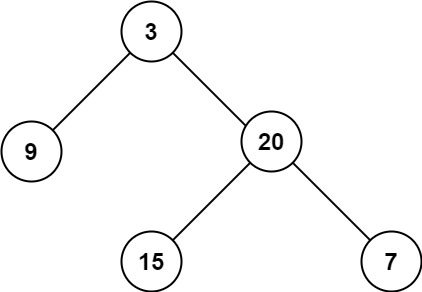


\

The employees are numbered from \0\ to \n - 1\. Each employee has a \favorite\ person and they will attend the meeting \only if\ they can sit next to their favorite person at the table. The favorite person of an employee is \not\ themself.\

\

Given a \0-indexed\ integer array \favorite\, where \favorite\[i]\ denotes the favorite person of the \i\th\\ employee, return \the \maximum number of employees\ that can be invited to the meeting\. ### Examples ![Example 1](https://assets.leetcode.com/uploads/2021/12/14/ex1.png) ``` Input: favorite = [2,2,1,2] Output: 3 Explanation: The above figure shows how the company can invite employees 0, 1, and 2, and seat them at the round table. All employees cannot be invited because employee 2 cannot sit beside employees 0, 1, and 3, simultaneously. Note that the company can also invite employees 1, 2, and 3, and give them their desired seats. The maximum number of employees that can be invited to the meeting is 3. ``` ``` Input: favorite = [1,2,0] Output: 3 Explanation: Each employee is the favorite person of at least one other employee, and the only way the company can invite them is if they invite every employee. The seating arrangement will be the same as that in the figure given in example 1: - Employee 0 will sit between employees 2 and 1. - Employee 1 will sit between employees 0 and 2. - Employee 2 will sit between employees 1 and 0. The maximum number of employees that can be invited to the meeting is 3. ``` ![Example 3](https://assets.leetcode.com/uploads/2021/12/14/ex2.png) ``` Input: favorite = [3,0,1,4,1] Output: 4 Explanation: The above figure shows how the company will invite employees 0, 1, 3, and 4, and seat them at the round table. Employee 2 cannot be invited because the two spots next to their favorite employee 1 are taken. So the company leaves them out of the meeting. The maximum number of employees that can be invited to the meeting is 4. ``` ### Constraints * n == favorite.length * 2 \<= n \<= 10^5 * 0 \<= favorite\[i] \<= n - 1 * favorite\[i] != i ## Solution Reference implementation from [solution.py on GitHub](https://github.com/wislertt/leetcode-py/blob/main/leetcode/maximum_employees_to_be_invited_to_a_meeting/solution.py), full suite in [test\_solution.py](https://github.com/wislertt/leetcode-py/blob/main/leetcode/maximum_employees_to_be_invited_to_a_meeting/test_solution.py): ```python theme={"theme":{"light":"github-light","dark":"github-dark"}} from collections import deque class Solution: # Time: O(n) # Space: O(n) def maximum_invitations(self, favorite: list[int]) -> int: n = len(favorite) depth = [1] * n indegree = [0] * n for fav in favorite: indegree[fav] += 1 # Peel off chain nodes so only cycle nodes keep indegree > 0, recording # for each cycle node the longest chain of excluded employees hanging # off it (depth counts the cycle node itself). queue = deque(i for i in range(n) if indegree[i] == 0) in_cycle = [True] * n while queue: node = queue.popleft() in_cycle[node] = False nxt = favorite[node] depth[nxt] = max(depth[nxt], depth[node] + 1) indegree[nxt] -= 1 if indegree[nxt] == 0: queue.append(nxt) visited = [False] * n best_cycle = 0 pair_total = 0 for start in range(n): if not in_cycle[start] or visited[start]: continue length = 0 node = start while not visited[node]: visited[node] = True node = favorite[node] length += 1 if length == 2: # Mutual pairs can all sit together if their chains face them. pair_total += depth[start] + depth[favorite[start]] else: best_cycle = max(best_cycle, length) return max(best_cycle, pair_total) ``` ## Complexity | Time | Space | | ---- | ----- | | O(n) | O(n) | ## Tags [NeetCode All](/catalog/neetcode). # Maximum Frequency After Subarray Operation Source: https://leetcode-py.wisl.dev/problems/maximum-frequency-after-subarray-operation Tested Python solution for LeetCode 3434 with 18 pytest cases. Generate a practice environment with lcpy. LeetCode 3434, [Medium](/catalog/medium). Topics: [Array](/catalog/topics/array), [Hash Table](/catalog/topics/hash-table), [Dynamic Programming](/catalog/topics/dynamic-programming), [Greedy](/catalog/topics/greedy), [Enumeration](/catalog/topics/enumeration), [Prefix Sum](/catalog/topics/prefix-sum). [View on LeetCode](https://leetcode.com/problems/maximum-frequency-after-subarray-operation/description/). Generate this problem as a practice environment: tested reference solution, 18 [parametrized pytest cases](/practice/testing), and a playground notebook: ```bash theme={"theme":{"light":"github-light","dark":"github-dark"}} lcpy gen -n 3434 # by problem number lcpy gen -s maximum_frequency_after_subarray_operation # by problem name ``` ## Problem You are given an array `nums` of length `n`. You are also given an integer `k`. You perform the following operation on `nums` **once**: * Select a subarray `nums[i..j]` where `0 <= i <= j <= n - 1`. * Select an integer `x` and add `x` to **all** the elements in `nums[i..j]`. Find the **maximum** frequency of the value `k` after the operation. ### Examples ``` Input: nums = [1,2,3,4,5,6], k = 1 Output: 2 ``` **Explanation:** After adding -5 to `nums[2..5]`, 1 has a frequency of 2 in `[1, 2, -2, -1, 0, 1]`. ``` Input: nums = [10,2,3,4,5,5,4,3,2,2], k = 10 Output: 4 ``` **Explanation:** After adding 8 to `nums[1..9]`, 10 has a frequency of 4 in `[10, 10, 11, 12, 13, 13, 12, 11, 10, 10]`. ### Constraints * 1 \<= n == nums.length \<= 10^5 * 1 \<= nums\[i] \<= 50 * 1 \<= k \<= 50 ## Solution Reference implementation from [solution.py on GitHub](https://github.com/wislertt/leetcode-py/blob/main/leetcode/maximum_frequency_after_subarray_operation/solution.py), full suite in [test\_solution.py](https://github.com/wislertt/leetcode-py/blob/main/leetcode/maximum_frequency_after_subarray_operation/test_solution.py): ```python theme={"theme":{"light":"github-light","dark":"github-dark"}} class Solution: # Time: O(50 * n) ~ O(n); Space: O(1) def max_frequency(self, nums: list[int], k: int) -> int: base = nums.count(k) best_gain = 0 for target in sorted(set(nums) - {k}): # Kadane: +1 for target values (convertible to k), -1 for k values # (lost by the operation), 0 otherwise. cur = 0 for num in nums: weight = 1 if num == target else (-1 if num == k else 0) cur = max(weight, cur + weight) best_gain = max(best_gain, cur) return base + best_gain ``` ## Complexity | Time | Space | | ------------------------------- | ----- | | O(50 \* n) \~ O(n); Space: O(1) | - | ## Tags [NeetCode All](/catalog/neetcode). # Maximum Frequency Stack Python Solution Source: https://leetcode-py.wisl.dev/problems/maximum-frequency-stack Tested Python solution for LeetCode 895 with 12 pytest cases. Generate a practice environment with lcpy. LeetCode 895, [Hard](/catalog/hard). Topics: [Hash Table](/catalog/topics/hash-table), [Stack](/catalog/topics/stack), [Design](/catalog/topics/design), [Ordered Set](/catalog/topics/ordered-set). [View on LeetCode](https://leetcode.com/problems/maximum-frequency-stack/description/). Generate this problem as a practice environment: tested reference solution, 12 [parametrized pytest cases](/practice/testing), and a playground notebook: ```bash theme={"theme":{"light":"github-light","dark":"github-dark"}} lcpy gen -n 895 # by problem number lcpy gen -s maximum_frequency_stack # by problem name ``` ## Problem Design a stack-like data structure to push elements to the stack and pop the most frequent element from the stack. Implement the `FreqStack` class: * `FreqStack()` constructs the empty frequency stack. * `void push(int val)` pushes an integer `val` onto the top of the stack. * `int pop()` removes and returns the most frequent element in the stack. * If there is a tie for the most frequent element, the element closest to the stack's top is removed and returned. ### Examples ``` Input ["FreqStack", "push", "push", "push", "push", "push", "push", "pop", "pop", "pop", "pop"] [[], [5], [7], [5], [7], [4], [5], [], [], [], []] Output [null, null, null, null, null, null, null, 5, 7, 5, 4] ``` **Explanation:** ``` FreqStack freqStack = new FreqStack(); freqStack.push(5); // The stack is [5] freqStack.push(7); // The stack is [5,7] freqStack.push(5); // The stack is [5,7,5] freqStack.push(7); // The stack is [5,7,5,7] freqStack.push(4); // The stack is [5,7,5,7,4] freqStack.push(5); // The stack is [5,7,5,7,4,5] freqStack.pop(); // return 5, as 5 is the most frequent. The stack becomes [5,7,5,7,4]. freqStack.pop(); // return 7, as 5 and 7 is the most frequent, but 7 is closest to the top. The stack becomes [5,7,5,4]. freqStack.pop(); // return 5, as 5 is the most frequent. The stack becomes [5,7,4]. freqStack.pop(); // return 4, as 4, 5 and 7 is the most frequent, but 4 is closest to the top. The stack becomes [5,7]. ``` ### Constraints * `0 <= val <= 10^9` * At most `2 * 10^4` calls will be made to `push` and `pop`. * It is guaranteed that there will be at least one element in the stack before calling `pop`. ## Solution Reference implementation from [solution.py on GitHub](https://github.com/wislertt/leetcode-py/blob/main/leetcode/maximum_frequency_stack/solution.py), full suite in [test\_solution.py](https://github.com/wislertt/leetcode-py/blob/main/leetcode/maximum_frequency_stack/test_solution.py): ```python theme={"theme":{"light":"github-light","dark":"github-dark"}} class FreqStack: def __init__(self) -> None: self.freq: dict[int, int] = {} self.group: dict[int, list[int]] = {} self.max_freq = 0 # Time: O(1) # Space: O(n) def push(self, val: int) -> None: count = self.freq.get(val, 0) + 1 self.freq[val] = count if count > self.max_freq: self.max_freq = count self.group.setdefault(count, []).append(val) # Time: O(1) # Space: O(n) def pop(self) -> int: val = self.group[self.max_freq].pop() self.freq[val] -= 1 if not self.group[self.max_freq]: self.max_freq -= 1 return val ``` ## Complexity | Time | Space | | ---- | ----- | | O(1) | O(n) | ## Tags [Grind](/catalog/grind), [NeetCode 250](/catalog/neetcode-250), [NeetCode All](/catalog/neetcode). # Maximum Gap Python Solution with Tests Source: https://leetcode-py.wisl.dev/problems/maximum-gap Tested Python solution for LeetCode 164 with 18 pytest cases. Generate a practice environment with lcpy. LeetCode 164, [Medium](/catalog/medium). Topics: [Array](/catalog/topics/array), [Sorting](/catalog/topics/sorting), Bucket Sort, Radix Sort, Pigeonhole Principle. [View on LeetCode](https://leetcode.com/problems/maximum-gap/description/). Generate this problem as a practice environment: tested reference solution, 18 [parametrized pytest cases](/practice/testing), and a playground notebook: ```bash theme={"theme":{"light":"github-light","dark":"github-dark"}} lcpy gen -n 164 # by problem number lcpy gen -s maximum_gap # by problem name ``` ## Problem Given an integer array \nums\, return \the maximum difference between two successive elements in its sorted form\. If the array contains less than two elements, return \0\. You must write an algorithm that runs in linear time and uses linear extra space. ### Examples ``` Input: nums = [3,6,9,1] Output: 3 ``` **Explanation:** The sorted form of the array is \[1,3,6,9], either (3,6) or (6,9) has the maximum difference 3. ``` Input: nums = [10] Output: 0 ``` **Explanation:** The array contains less than 2 elements, therefore return 0. ### Constraints * `1 <= nums.length <= 10^5` * `0 <= nums[i] <= 10^9` **Follow up:** Could you solve it without using any built-in sorting function? ## Solution Reference implementation from [solution.py on GitHub](https://github.com/wislertt/leetcode-py/blob/main/leetcode/maximum_gap/solution.py), full suite in [test\_solution.py](https://github.com/wislertt/leetcode-py/blob/main/leetcode/maximum_gap/test_solution.py): ```python theme={"theme":{"light":"github-light","dark":"github-dark"}} class Solution: # Time: O(n) # Space: O(n) def maximum_gap(self, nums: list[int]) -> int: n = len(nums) if n < 2: return 0 low, high = min(nums), max(nums) if low == high: return 0 # Pigeonhole: the answer is at least ceil((high - low) / (n - 1)), # so buckets narrower than that guarantee the max gap spans buckets. size = max(1, (high - low) // (n - 1)) count = (high - low) // size + 1 bucket_min: list[int | None] = [None] * count bucket_max: list[int | None] = [None] * count for num in nums: idx = (num - low) // size lo = bucket_min[idx] hi = bucket_max[idx] if lo is None or hi is None: bucket_min[idx] = num bucket_max[idx] = num elif num < lo: bucket_min[idx] = num elif num > hi: bucket_max[idx] = num result = 0 prev_max = low for idx in range(count): cur_min = bucket_min[idx] cur_max = bucket_max[idx] if cur_min is None or cur_max is None: continue result = max(result, cur_min - prev_max) prev_max = cur_max return result ``` ## Complexity | Time | Space | | ---- | ----- | | O(n) | O(n) | ## Tags # Maximum Length of a Concatenated String with Source: https://leetcode-py.wisl.dev/problems/maximum-length-of-a-concatenated-string-with-unique-characters Tested Python solution for LeetCode 1239 with 16 pytest cases. Generate a practice environment with lcpy. LeetCode 1239, [Medium](/catalog/medium). Topics: [Array](/catalog/topics/array), [String](/catalog/topics/string), [Backtracking](/catalog/topics/backtracking), [Bit Manipulation](/catalog/topics/bit-manipulation). [View on LeetCode](https://leetcode.com/problems/maximum-length-of-a-concatenated-string-with-unique-characters/description/). Generate this problem as a practice environment: tested reference solution, 16 [parametrized pytest cases](/practice/testing), and a playground notebook: ```bash theme={"theme":{"light":"github-light","dark":"github-dark"}} lcpy gen -n 1239 # by problem number lcpy gen -s maximum_length_of_a_concatenated_string_with_unique_characters # by problem name ``` ## Problem You are given an array of strings `arr`. A string `s` is formed by the **concatenation** of a **subsequence** of `arr` that has **unique characters**. Return *the **maximum** possible length* of `s`. A **subsequence** is an array that can be derived from another array by deleting some or no elements without changing the order of the remaining elements. ### Examples ``` Input: arr = ["un","iq","ue"] Output: 4 Explanation: All the valid concatenations are: - "" - "un" - "iq" - "ue" - "uniq" ("un" + "iq") - "ique" ("iq" + "ue") Maximum length is 4. ``` ``` Input: arr = ["cha","r","act","ers"] Output: 6 Explanation: Possible longest valid concatenations are "chaers" ("cha" + "ers") and "acters" ("act" + "ers"). ``` ``` Input: arr = ["abcdefghijklmnopqrstuvwxyz"] Output: 26 Explanation: The only string in arr has all 26 characters. ``` ### Constraints * `1 <= arr.length <= 16` * `1 <= arr[i].length <= 26` * `arr[i]` contains only lowercase English letters. ## Solution Reference implementation from [solution.py on GitHub](https://github.com/wislertt/leetcode-py/blob/main/leetcode/maximum_length_of_a_concatenated_string_with_unique_characters/solution.py), full suite in [test\_solution.py](https://github.com/wislertt/leetcode-py/blob/main/leetcode/maximum_length_of_a_concatenated_string_with_unique_characters/test_solution.py): ```python theme={"theme":{"light":"github-light","dark":"github-dark"}} class Solution: # Time: O(2^n * n) worst case # Space: O(n) def max_len(self, arr: list[str]) -> int: masks: list[int] = [] for s in arr: mask = 0 for char in s: bit = 1 << (ord(char) - ord("a")) if mask & bit: break mask |= bit else: masks.append(mask) best = 0 def dfs(i: int, current: int) -> None: nonlocal best best = max(best, current.bit_count()) for j in range(i, len(masks)): if not (current & masks[j]): dfs(j + 1, current | masks[j]) dfs(0, 0) return best ``` ## Complexity | Time | Space | | ---------------------- | ----- | | O(2^n \* n) worst case | O(n) | ## Tags [NeetCode All](/catalog/neetcode). # Maximum Length of Pair Chain Python Solution Source: https://leetcode-py.wisl.dev/problems/maximum-length-of-pair-chain Tested Python solution for LeetCode 646 with 11 pytest cases. Generate a practice environment with lcpy. LeetCode 646, [Medium](/catalog/medium). Topics: [Array](/catalog/topics/array), [Dynamic Programming](/catalog/topics/dynamic-programming), [Greedy](/catalog/topics/greedy), [Sorting](/catalog/topics/sorting), Longest Increasing Subsequence. [View on LeetCode](https://leetcode.com/problems/maximum-length-of-pair-chain/description/). Generate this problem as a practice environment: tested reference solution, 11 [parametrized pytest cases](/practice/testing), and a playground notebook: ```bash theme={"theme":{"light":"github-light","dark":"github-dark"}} lcpy gen -n 646 # by problem number lcpy gen -s maximum_length_of_pair_chain # by problem name ``` ## Problem You are given an array of `n` pairs `pairs` where `pairs[i] = [lefti, righti]` and `lefti < righti`. A pair `p2 = [c, d]` **follows** a pair `p1 = [a, b]` if `b < c`. A **chain** of pairs can be formed in this fashion. Return *the length longest chain which can be formed*. You do not need to use up all the given intervals. You can select pairs in any order. ### Examples ``` Input: pairs = [[1,2],[2,3],[3,4]] Output: 2 Explanation: The longest chain is [1,2] -> [3,4]. ``` ``` Input: pairs = [[1,2],[7,8],[4,5]] Output: 3 Explanation: The longest chain is [1,2] -> [4,5] -> [7,8]. ``` ### Constraints * n == pairs.length * 1 \<= n \<= 1000 * -1000 \<= lefti \< righti \<= 1000 ## Solution Reference implementation from [solution.py on GitHub](https://github.com/wislertt/leetcode-py/blob/main/leetcode/maximum_length_of_pair_chain/solution.py), full suite in [test\_solution.py](https://github.com/wislertt/leetcode-py/blob/main/leetcode/maximum_length_of_pair_chain/test_solution.py): ```python theme={"theme":{"light":"github-light","dark":"github-dark"}} class Solution: # Time: O(n log n) # Space: O(n) for the sorted copy def find_longest_chain(self, pairs: list[list[int]]) -> int: count = 0 chain_end = float("-inf") for left, right in sorted(pairs, key=lambda pair: pair[1]): if left > chain_end: count += 1 chain_end = right return count ``` ## Complexity | Time | Space | | ---------- | ------------------------ | | O(n log n) | O(n) for the sorted copy | ## Tags [NeetCode All](/catalog/neetcode). # Maximum Length of Repeated Subarray Source: https://leetcode-py.wisl.dev/problems/maximum-length-of-repeated-subarray Tested Python solution for LeetCode 718 with 24 pytest cases. Generate a practice environment with lcpy. LeetCode 718, [Medium](/catalog/medium). Topics: [Array](/catalog/topics/array), [Binary Search](/catalog/topics/binary-search), [Dynamic Programming](/catalog/topics/dynamic-programming), [Sliding Window](/catalog/topics/sliding-window), Rolling Hash, [Hash Function](/catalog/topics/hash-function). [View on LeetCode](https://leetcode.com/problems/maximum-length-of-repeated-subarray/description/). Generate this problem as a practice environment: tested reference solution, 24 [parametrized pytest cases](/practice/testing), and a playground notebook: ```bash theme={"theme":{"light":"github-light","dark":"github-dark"}} lcpy gen -n 718 # by problem number lcpy gen -s maximum_length_of_repeated_subarray # by problem name ``` ## Problem Given two integer arrays `nums1` and `nums2`, return *the maximum length of a subarray that appears in **both** arrays*. ### Examples ``` Input: nums1 = [1,2,3,2,1], nums2 = [3,2,1,4,7] Output: 3 Explanation: The repeated subarray with maximum length is [3,2,1]. ``` ``` Input: nums1 = [0,0,0,0,0], nums2 = [0,0,0,0,0] Output: 5 Explanation: The repeated subarray with maximum length is [0,0,0,0,0]. ``` ### Constraints * 1 \<= nums1.length, nums2.length \<= 1000 * 0 \<= nums1\[i], nums2\[i] \<= 100 ## Solution Reference implementation from [solution.py on GitHub](https://github.com/wislertt/leetcode-py/blob/main/leetcode/maximum_length_of_repeated_subarray/solution.py), full suite in [test\_solution.py](https://github.com/wislertt/leetcode-py/blob/main/leetcode/maximum_length_of_repeated_subarray/test_solution.py): ```python theme={"theme":{"light":"github-light","dark":"github-dark"}} class Solution: # Time: O(len(nums1) * len(nums2)) # Space: O(len(nums2)) def find_length(self, nums1: list[int], nums2: list[int]) -> int: best = 0 prev = [0] * (len(nums2) + 1) for a in nums1: cur = [0] * (len(nums2) + 1) for j, b in enumerate(nums2, start=1): if a == b: cur[j] = prev[j - 1] + 1 if cur[j] > best: best = cur[j] prev = cur return best ``` ## Complexity | Time | Space | | --------------------------- | ------------- | | O(len(nums1) \* len(nums2)) | O(len(nums2)) | ## Tags # Maximum Matrix Sum Python Solution with Tests Source: https://leetcode-py.wisl.dev/problems/maximum-matrix-sum Tested Python solution for LeetCode 1975 with 20 pytest cases. Generate a practice environment with lcpy. LeetCode 1975, [Medium](/catalog/medium). Topics: [Array](/catalog/topics/array), [Greedy](/catalog/topics/greedy), [Matrix](/catalog/topics/matrix). [View on LeetCode](https://leetcode.com/problems/maximum-matrix-sum/description/). Generate this problem as a practice environment: tested reference solution, 20 [parametrized pytest cases](/practice/testing), and a playground notebook: ```bash theme={"theme":{"light":"github-light","dark":"github-dark"}} lcpy gen -n 1975 # by problem number lcpy gen -s maximum_matrix_sum # by problem name ``` ## Problem You are given an `n x n` integer `matrix`. You can do the following operation **any** number of times: * Choose any two **adjacent** elements of `matrix` and **multiply** each of them by `-1`. Two elements are considered **adjacent** if and only if they share a **border**. Your goal is to **maximize** the summation of the matrix's elements. Return *the **maximum** sum of the matrix's elements using the operation mentioned above.* ### Examples ![Example 1](https://assets.leetcode.com/uploads/2021/07/16/pc79-q2ex1.png) ``` Input: matrix = [[1,-1],[-1,1]] Output: 4 Explanation: We can follow the following steps to reach sum equals 4: - Multiply the 2 elements in the first row by -1. - Multiply the 2 elements in the first column by -1. ``` ![Example 2](https://assets.leetcode.com/uploads/2021/07/16/pc79-q2ex2.png) ``` Input: matrix = [[1,2,3],[-1,-2,-3],[1,2,3]] Output: 16 Explanation: We can follow the following step to reach sum equals 16: - Multiply the 2 last elements in the second row by -1. ``` ### Constraints * `n == matrix.length == matrix[i].length` * `2 <= n <= 250` * `-10^5 <= matrix[i][j] <= 10^5` ## Solution Reference implementation from [solution.py on GitHub](https://github.com/wislertt/leetcode-py/blob/main/leetcode/maximum_matrix_sum/solution.py), full suite in [test\_solution.py](https://github.com/wislertt/leetcode-py/blob/main/leetcode/maximum_matrix_sum/test_solution.py): ```python theme={"theme":{"light":"github-light","dark":"github-dark"}} class Solution: # Time: O(n^2) # Space: O(1) def max_matrix_sum(self, matrix: list[list[int]]) -> int: total = 0 neg_count = 0 min_abs = 10**9 for row in matrix: for value in row: total += abs(value) neg_count += value < 0 min_abs = min(min_abs, abs(value)) if neg_count % 2: total -= 2 * min_abs return total ``` ## Complexity | Time | Space | | ------ | ----- | | O(n^2) | O(1) | ## Tags [NeetCode All](/catalog/neetcode). # Maximum Nesting Depth of the Parentheses Source: https://leetcode-py.wisl.dev/problems/maximum-nesting-depth-of-the-parentheses Tested Python solution for LeetCode 1614 with 24 pytest cases. Generate a practice environment with lcpy. LeetCode 1614, [Easy](/catalog/easy). Topics: [String](/catalog/topics/string), [Stack](/catalog/topics/stack), Bracket Sequences. [View on LeetCode](https://leetcode.com/problems/maximum-nesting-depth-of-the-parentheses/description/). Generate this problem as a practice environment: tested reference solution, 24 [parametrized pytest cases](/practice/testing), and a playground notebook: ```bash theme={"theme":{"light":"github-light","dark":"github-dark"}} lcpy gen -n 1614 # by problem number lcpy gen -s maximum_nesting_depth_of_the_parentheses # by problem name ``` ## Problem Given a valid parentheses string `s`, return the nesting depth of `s`. The nesting depth is the maximum number of nested parentheses. ### Examples ``` Input: s = "(1+(2*3)+((8)/4))+1" Output: 3 Explanation: Digit 8 is inside of 3 nested parentheses in the string. ``` ``` Input: s = "(1)+((2))+(((3)))" Output: 3 Explanation: Digit 3 is inside of 3 nested parentheses in the string. ``` ``` Input: s = "()(())((()()))" Output: 3 ``` ### Constraints * `1 <= s.length <= 100` * `s` consists of digits `0-9` and characters `'+'`, `'-'`, `'*'`, `'/'`, `'('`, and `')'`. * It is guaranteed that parentheses expression `s` is a VPS. ## Solution Reference implementation from [solution.py on GitHub](https://github.com/wislertt/leetcode-py/blob/main/leetcode/maximum_nesting_depth_of_the_parentheses/solution.py), full suite in [test\_solution.py](https://github.com/wislertt/leetcode-py/blob/main/leetcode/maximum_nesting_depth_of_the_parentheses/test_solution.py): ```python theme={"theme":{"light":"github-light","dark":"github-dark"}} class Solution: # Time: O(n) # Space: O(1) def max_depth(self, s: str) -> int: depth = 0 best = 0 for char in s: if char == "(": depth += 1 if depth > best: best = depth elif char == ")": depth -= 1 return best ``` ## Complexity | Time | Space | | ---- | ----- | | O(n) | O(1) | ## Tags [NeetCode All](/catalog/neetcode). # Maximum Number of Balloons Python Solution Source: https://leetcode-py.wisl.dev/problems/maximum-number-of-balloons Tested Python solution for LeetCode 1189 with 16 pytest cases. Generate a practice environment with lcpy. LeetCode 1189, [Easy](/catalog/easy). Topics: [Hash Table](/catalog/topics/hash-table), [String](/catalog/topics/string), [Counting](/catalog/topics/counting). [View on LeetCode](https://leetcode.com/problems/maximum-number-of-balloons/description/). Generate this problem as a practice environment: tested reference solution, 16 [parametrized pytest cases](/practice/testing), and a playground notebook: ```bash theme={"theme":{"light":"github-light","dark":"github-dark"}} lcpy gen -n 1189 # by problem number lcpy gen -s maximum_number_of_balloons # by problem name ``` ## Problem Given a string `text`, you want to use the characters of `text` to form as many instances of the word **"balloon"** as possible. You can use each character in `text` **at most once**. Return the maximum number of instances that can be formed. ### Examples ![Example 1](https://assets.leetcode.com/uploads/2019/09/05/1536_ex1_upd.JPG) ``` Input: text = "nlaebolko" Output: 1 ``` ![Example 2](https://assets.leetcode.com/uploads/2019/09/05/1536_ex2_upd.JPG) ``` Input: text = "loonbalxballpoon" Output: 2 ``` ``` Input: text = "leetcode" Output: 0 ``` ### Constraints * `1 <= text.length <= 10^4` * `text` consists of lower case English letters only. ## Solution Reference implementation from [solution.py on GitHub](https://github.com/wislertt/leetcode-py/blob/main/leetcode/maximum_number_of_balloons/solution.py), full suite in [test\_solution.py](https://github.com/wislertt/leetcode-py/blob/main/leetcode/maximum_number_of_balloons/test_solution.py): ```python theme={"theme":{"light":"github-light","dark":"github-dark"}} from collections import Counter class Solution: # Time: O(len(text)) # Space: O(1) def max_number_of_balloons(self, text: str) -> int: counts = Counter(text) return min(counts["b"], counts["a"], counts["l"] // 2, counts["o"] // 2, counts["n"]) ``` ## Complexity | Time | Space | | ------------ | ----- | | O(len(text)) | O(1) | ## Tags [NeetCode All](/catalog/neetcode). # Maximum Number of Fish in a Grid Source: https://leetcode-py.wisl.dev/problems/maximum-number-of-fish-in-a-grid Tested Python solution for LeetCode 2658 with 18 pytest cases. Generate a practice environment with lcpy. LeetCode 2658, [Medium](/catalog/medium). Topics: [Array](/catalog/topics/array), [Depth-First Search](/catalog/topics/depth-first-search), [Breadth-First Search](/catalog/topics/breadth-first-search), [Union-Find](/catalog/topics/union-find), [Matrix](/catalog/topics/matrix). [View on LeetCode](https://leetcode.com/problems/maximum-number-of-fish-in-a-grid/description/). Generate this problem as a practice environment: tested reference solution, 18 [parametrized pytest cases](/practice/testing), and a playground notebook: ```bash theme={"theme":{"light":"github-light","dark":"github-dark"}} lcpy gen -n 2658 # by problem number lcpy gen -s maximum_number_of_fish_in_a_grid # by problem name ``` ## Problem You are given a **0-indexed** 2D matrix `grid` of size `m x n`, where `(r, c)` represents: * A **land** cell if `grid[r][c] = 0`, or * A **water** cell containing `grid[r][c]` fish, if `grid[r][c] > 0`. A fisher can start at any **water** cell `(r, c)` and can do the following operations any number of times: * Catch all the fish at cell `(r, c)`, or * Move to any adjacent **water** cell. Return *the **maximum** number of fish the fisher can catch if he chooses his starting cell optimally*, or `0` if no water cell exists. An **adjacent** cell of the cell `(r, c)`, is one of the cells `(r, c + 1)`, `(r, c - 1)`, `(r + 1, c)` or `(r - 1, c)` if it exists. ### Examples ![Example 1](https://assets.leetcode.com/uploads/2023/03/29/example.png) ``` Input: grid = [[0,2,1,0],[4,0,0,3],[1,0,0,4],[0,3,2,0]] Output: 7 Explanation: The fisher can start at cell (1,3) and collect 3 fish, then move to cell (2,3) and collect 4 fish. ``` ![Example 2](https://assets.leetcode.com/uploads/2023/03/29/example2.png) ``` Input: grid = [[1,0,0,0],[0,0,0,0],[0,0,0,0],[0,0,0,1]] Output: 1 Explanation: The fisher can start at cells (0,0) or (3,3) and collect a single fish. ``` ### Constraints * m == grid.length * n == grid\[i].length * 1 \<= m, n \<= 10 * 0 \<= grid\[i]\[j] \<= 10 ## Solution Reference implementation from [solution.py on GitHub](https://github.com/wislertt/leetcode-py/blob/main/leetcode/maximum_number_of_fish_in_a_grid/solution.py), full suite in [test\_solution.py](https://github.com/wislertt/leetcode-py/blob/main/leetcode/maximum_number_of_fish_in_a_grid/test_solution.py): ```python theme={"theme":{"light":"github-light","dark":"github-dark"}} from collections import deque class Solution: # Time: O(m * n) # Space: O(m * n) def find_max_fish(self, grid: list[list[int]]) -> int: rows, cols = len(grid), len(grid[0]) seen = [[False] * cols for _ in range(rows)] best = 0 for r in range(rows): for c in range(cols): if grid[r][c] > 0 and not seen[r][c]: seen[r][c] = True queue = deque([(r, c)]) total = 0 while queue: cr, cc = queue.popleft() total += grid[cr][cc] for nr, nc in ((cr + 1, cc), (cr - 1, cc), (cr, cc + 1), (cr, cc - 1)): if ( 0 <= nr < rows and 0 <= nc < cols and grid[nr][nc] > 0 and not seen[nr][nc] ): seen[nr][nc] = True queue.append((nr, nc)) best = max(best, total) return best ``` ## Complexity | Time | Space | | --------- | --------- | | O(m \* n) | O(m \* n) | ## Tags [NeetCode All](/catalog/neetcode). # Maximum Number of K-Divisible Components Source: https://leetcode-py.wisl.dev/problems/maximum-number-of-k-divisible-components Tested Python solution for LeetCode 2872 with 24 pytest cases. Generate a practice environment with lcpy. LeetCode 2872, [Hard](/catalog/hard). Topics: [Tree](/catalog/topics/tree), [Depth-First Search](/catalog/topics/depth-first-search). [View on LeetCode](https://leetcode.com/problems/maximum-number-of-k-divisible-components/description/). Generate this problem as a practice environment: tested reference solution, 24 [parametrized pytest cases](/practice/testing), and a playground notebook: ```bash theme={"theme":{"light":"github-light","dark":"github-dark"}} lcpy gen -n 2872 # by problem number lcpy gen -s maximum_number_of_k_divisible_components # by problem name ``` ## Problem There is an undirected tree with `n` nodes labeled from `0` to `n - 1`. You are given the integer `n` and a 2D integer array `edges` of length `n - 1`, where `edges[i] = [ai, bi]` indicates that there is an edge between nodes `ai` and `bi` in the tree. You are also given a **0-indexed** integer array `values` of length `n`, where `values[i]` is the **value** associated with the `ith` node, and an integer `k`. A **valid split** of the tree is obtained by removing any set of edges, possibly empty, from the tree such that the resulting components all have values that are divisible by `k`, where the **value of a connected component** is the sum of the values of its nodes. Return *the **maximum number of components** in any valid split*. ### Examples ![Example 1](https://assets.leetcode.com/uploads/2023/08/07/example12-cropped2svg.jpg) ``` Input: n = 5, edges = [[0,2],[1,2],[1,3],[2,4]], values = [1,8,1,4,4], k = 6 Output: 2 Explanation: We remove the edge connecting node 1 with 2. The resulting split is valid because: - The value of the component containing nodes 1 and 3 is values[1] + values[3] = 12. - The value of the component containing nodes 0, 2, and 4 is values[0] + values[2] + values[4] = 6. It can be shown that no other valid split has more than 2 connected components. ``` ![Example 2](https://assets.leetcode.com/uploads/2023/08/07/example21svg-1.jpg) ``` Input: n = 7, edges = [[0,1],[0,2],[1,3],[1,4],[2,5],[2,6]], values = [3,0,6,1,5,2,1], k = 3 Output: 3 Explanation: We remove the edge connecting node 0 with 2, and the edge connecting node 0 with 1. The resulting split is valid because: - The value of the component containing node 0 is values[0] = 3. - The value of the component containing nodes 2, 5, and 6 is values[2] + values[5] + values[6] = 9. - The value of the component containing nodes 1, 3, and 4 is values[1] + values[3] + values[4] = 6. It can be shown that no other valid split has more than 3 connected components. ``` ### Constraints * 1 \<= n \<= 3 \* 10^4 * edges.length == n - 1 * edges\[i].length == 2 * 0 \<= ai, bi \< n * values.length == n * 0 \<= values\[i] \<= 10^9 * 1 \<= k \<= 10^9 * Sum of values is divisible by k. * The input is generated such that edges represents a valid tree. ## Solution Reference implementation from [solution.py on GitHub](https://github.com/wislertt/leetcode-py/blob/main/leetcode/maximum_number_of_k_divisible_components/solution.py), full suite in [test\_solution.py](https://github.com/wislertt/leetcode-py/blob/main/leetcode/maximum_number_of_k_divisible_components/test_solution.py): ```python theme={"theme":{"light":"github-light","dark":"github-dark"}} class Solution: # Time: O(n) # Space: O(n) def max_k_divisible_components( self, n: int, edges: list[list[int]], values: list[int], k: int ) -> int: adj: list[list[int]] = [[] for _ in range(n)] for a, b in edges: adj[a].append(b) adj[b].append(a) # Iterative post-order DFS from node 0 (n up to 3 * 10^4, avoid recursion). parent = [-1] * n order = [0] parent[0] = 0 for node in order: for nxt in adj[node]: if parent[nxt] == -1: parent[nxt] = node order.append(nxt) subtree = values[:] count = 0 for node in reversed(order): if subtree[node] % k == 0: count += 1 else: subtree[parent[node]] += subtree[node] return count ``` ## Complexity | Time | Space | | ---- | ----- | | O(n) | O(n) | ## Tags [NeetCode All](/catalog/neetcode). # Maximum Number of Ones Python Solution Source: https://leetcode-py.wisl.dev/problems/maximum-number-of-ones Tested Python solution for LeetCode 1183 with 20 pytest cases. Generate a practice environment with lcpy. LeetCode 1183, [Hard](/catalog/hard). Topics: [Math](/catalog/topics/math), [Greedy](/catalog/topics/greedy), [Sorting](/catalog/topics/sorting), [Heap (Priority Queue)](/catalog/topics/heap-priority-queue). [View on LeetCode](https://leetcode.com/problems/maximum-number-of-ones/description/). Generate this problem as a practice environment: tested reference solution, 20 [parametrized pytest cases](/practice/testing), and a playground notebook: ```bash theme={"theme":{"light":"github-light","dark":"github-dark"}} lcpy gen -n 1183 # by problem number lcpy gen -s maximum_number_of_ones # by problem name ``` ## Problem Consider a matrix `M` with dimensions `width * height`, such that every cell has value `0` or `1`, and any **square** sub-matrix of `M` of size `sideLength * sideLength` has at most `maxOnes` ones. Return the maximum possible number of ones that the matrix `M` can have. ### Examples ``` Input: width = 3, height = 3, sideLength = 2, maxOnes = 1 Output: 4 ``` **Explanation:** In a 3*3 matrix, no 2*2 sub-matrix can have more than 1 one. The best solution that has 4 ones is: \[1,0,1] \[0,0,0] \[1,0,1] ``` Input: width = 3, height = 3, sideLength = 2, maxOnes = 2 Output: 6 ``` **Explanation:** \[1,0,1] \[1,0,1] \[1,0,1] ### Constraints * 1 \<= width, height \<= 100 * 1 \<= sideLength \<= width, height * 0 \<= maxOnes \<= sideLength \* sideLength ## Solution Reference implementation from [solution.py on GitHub](https://github.com/wislertt/leetcode-py/blob/main/leetcode/maximum_number_of_ones/solution.py), full suite in [test\_solution.py](https://github.com/wislertt/leetcode-py/blob/main/leetcode/maximum_number_of_ones/test_solution.py): ```python theme={"theme":{"light":"github-light","dark":"github-dark"}} class Solution: # Time: O(width * height) # Space: O(sideLength^2) def maximum_number_of_ones( self, width: int, height: int, side_length: int, max_ones: int ) -> int: x = side_length counts = [0] * (x * x) for i in range(width): for j in range(height): counts[(i % x) * x + (j % x)] += 1 counts.sort(reverse=True) return sum(counts[:max_ones]) ``` ## Complexity | Time | Space | | ------------------ | --------------- | | O(width \* height) | O(sideLength^2) | ## Tags [NeetCode All](/catalog/neetcode). # Maximum Number of Points From Grid Queries Source: https://leetcode-py.wisl.dev/problems/maximum-number-of-points-from-grid-queries Tested Python solution for LeetCode 2503 with 19 pytest cases. Generate a practice environment with lcpy. LeetCode 2503, [Hard](/catalog/hard). Topics: [Array](/catalog/topics/array), [Two Pointers](/catalog/topics/two-pointers), [Breadth-First Search](/catalog/topics/breadth-first-search), [Union-Find](/catalog/topics/union-find), [Sorting](/catalog/topics/sorting), [Heap (Priority Queue)](/catalog/topics/heap-priority-queue), [Matrix](/catalog/topics/matrix). [View on LeetCode](https://leetcode.com/problems/maximum-number-of-points-from-grid-queries/description/). Generate this problem as a practice environment: tested reference solution, 19 [parametrized pytest cases](/practice/testing), and a playground notebook: ```bash theme={"theme":{"light":"github-light","dark":"github-dark"}} lcpy gen -n 2503 # by problem number lcpy gen -s maximum_number_of_points_from_grid_queries # by problem name ``` ## Problem You are given an `m x n` integer matrix `grid` and an array `queries` of size `k`. Find an array `answer` of size `k` such that for each integer `queries[i]` you start in the top left cell of the matrix and repeat the following process: * If `queries[i]` is strictly greater than the value of the current cell that you are in, then you get one point if it is your first time visiting this cell, and you can move to any adjacent cell in all `4` directions: up, down, left, and right. * Otherwise, you do not get any points, and you end this process. After the process, `answer[i]` is the maximum number of points you can get. Note that for each query you are allowed to visit the same cell multiple times. Return the resulting array `answer`. ### Examples ![Example 1](https://assets.leetcode.com/uploads/2025/03/15/image1.png) ``` Input: grid = [[1,2,3],[2,5,7],[3,5,1]] queries = [5,6,2] Output: [5,8,1] Explanation: The diagrams above show which cells we visit to get points for each query. ``` ``` Input: grid = [[5,2,1],[1,1,2]] queries = [3] Output: [0] Explanation: We can not get any points because the value of the top left cell is already greater than or equal to 3. ``` ### Constraints * `m == grid.length` * `n == grid[i].length` * `2 <= m, n <= 10^3` * `4 <= m * n <= 10^5` * `k == queries.length` * `1 <= k <= 10^4` * `1 <= grid[i][j], queries[i] <= 10^6` ## Solution Reference implementation from [solution.py on GitHub](https://github.com/wislertt/leetcode-py/blob/main/leetcode/maximum_number_of_points_from_grid_queries/solution.py), full suite in [test\_solution.py](https://github.com/wislertt/leetcode-py/blob/main/leetcode/maximum_number_of_points_from_grid_queries/test_solution.py): ```python theme={"theme":{"light":"github-light","dark":"github-dark"}} import heapq class Solution: # Time: O(m*n*log(m*n) + k*log k) # Space: O(m*n) def max_points(self, grid: list[list[int]], queries: list[int]) -> list[int]: rows, cols = len(grid), len(grid[0]) visited = [[False] * cols for _ in range(rows)] visited[0][0] = True heap: list[tuple[int, int, int]] = [(grid[0][0], 0, 0)] count = 0 counts: dict[int, int] = {} for query in sorted(set(queries)): while heap and heap[0][0] < query: _, i, j = heapq.heappop(heap) count += 1 for ni, nj in ((i + 1, j), (i - 1, j), (i, j + 1), (i, j - 1)): if 0 <= ni < rows and 0 <= nj < cols and not visited[ni][nj]: visited[ni][nj] = True heapq.heappush(heap, (grid[ni][nj], ni, nj)) counts[query] = count return [counts[query] for query in queries] ``` ## Complexity | Time | Space | | ------------------------- | ------- | | O(m*n*log(m*n) + k*log k) | O(m\*n) | ## Tags [NeetCode All](/catalog/neetcode). # Maximum Number of Points with Cost Source: https://leetcode-py.wisl.dev/problems/maximum-number-of-points-with-cost Tested Python solution for LeetCode 1937 with 32 pytest cases. Generate a practice environment with lcpy. LeetCode 1937, [Medium](/catalog/medium). Topics: [Array](/catalog/topics/array), [Dynamic Programming](/catalog/topics/dynamic-programming), [Matrix](/catalog/topics/matrix). [View on LeetCode](https://leetcode.com/problems/maximum-number-of-points-with-cost/description/). Generate this problem as a practice environment: tested reference solution, 32 [parametrized pytest cases](/practice/testing), and a playground notebook: ```bash theme={"theme":{"light":"github-light","dark":"github-dark"}} lcpy gen -n 1937 # by problem number lcpy gen -s maximum_number_of_points_with_cost # by problem name ``` ## Problem You are given an `m x n` integer matrix `points` (**0-indexed**). Starting with `0` points, you want to **maximize** the number of points you can get from the matrix. To gain points, you must pick one cell in **each row**. Picking the cell at coordinates `(r, c)` will **add** `points[r][c]` to your score. However, you will lose points if you pick a cell too far from the cell that you picked in the previous row. For every two adjacent rows `r` and `r + 1` (where `0 <= r < m - 1`), picking cells at coordinates `(r, c1)` and `(r + 1, c2)` will **subtract** `abs(c1 - c2)` from your score. Return *the **maximum** number of points you can achieve*. `abs(x)` is defined as: * `x` for `x >= 0`. * `-x` for `x < 0`. ### Examples ![Example 1](https://assets.leetcode.com/uploads/2021/07/12/screenshot-2021-07-12-at-13-40-26-diagram-drawio-diagrams-net.png) ``` Input: points = [[1,2,3],[1,5,1],[3,1,1]] Output: 9 ``` **Explanation:** The blue cells denote the optimal cells to pick, which have coordinates (0, 2), (1, 1), and (2, 0). You add 3 + 5 + 3 = 11 to your score. However, you must subtract abs(2 - 1) + abs(1 - 0) = 2 from your score. Your final score is 11 - 2 = 9. ![Example 2](https://assets.leetcode.com/uploads/2021/07/12/screenshot-2021-07-12-at-13-42-14-diagram-drawio-diagrams-net.png) ``` Input: points = [[1,5],[2,3],[4,2]] Output: 11 ``` **Explanation:** The blue cells denote the optimal cells to pick, which have coordinates (0, 1), (1, 1), and (2, 0). You add 5 + 3 + 4 = 12 to your score. However, you must subtract abs(1 - 1) + abs(1 - 0) = 1 from your score. Your final score is 12 - 1 = 11. ### Constraints * `1 <= m, n <= 10^5` * `1 <= m * n <= 10^5` * `0 <= points[r][c] <= 10^5` ## Solution Reference implementation from [solution.py on GitHub](https://github.com/wislertt/leetcode-py/blob/main/leetcode/maximum_number_of_points_with_cost/solution.py), full suite in [test\_solution.py](https://github.com/wislertt/leetcode-py/blob/main/leetcode/maximum_number_of_points_with_cost/test_solution.py): ```python theme={"theme":{"light":"github-light","dark":"github-dark"}} class Solution: # Time: O(m * n) # Space: O(n) def max_points(self, points: list[list[int]]) -> int: n = len(points[0]) dp = list(points[0]) for row in points[1:]: left = [0] * n left[0] = dp[0] for c in range(1, n): left[c] = max(left[c - 1] - 1, dp[c]) right = [0] * n right[n - 1] = dp[n - 1] for c in range(n - 2, -1, -1): right[c] = max(right[c + 1] - 1, dp[c]) dp = [max(left[c], right[c]) + row[c] for c in range(n)] return max(dp) ``` ## Complexity | Time | Space | | --------- | ----- | | O(m \* n) | O(n) | ## Tags [NeetCode All](/catalog/neetcode). # Maximum Number of Removable Characters Source: https://leetcode-py.wisl.dev/problems/maximum-number-of-removable-characters Tested Python solution for LeetCode 1898 with 22 pytest cases. Generate a practice environment with lcpy. LeetCode 1898, [Medium](/catalog/medium). Topics: [Array](/catalog/topics/array), [Two Pointers](/catalog/topics/two-pointers), [String](/catalog/topics/string), [Binary Search](/catalog/topics/binary-search). [View on LeetCode](https://leetcode.com/problems/maximum-number-of-removable-characters/description/). Generate this problem as a practice environment: tested reference solution, 22 [parametrized pytest cases](/practice/testing), and a playground notebook: ```bash theme={"theme":{"light":"github-light","dark":"github-dark"}} lcpy gen -n 1898 # by problem number lcpy gen -s maximum_number_of_removable_characters # by problem name ``` ## Problem You are given two strings `s` and `p` where `p` is a subsequence of `s`. You are also given a **distinct 0-indexed** integer array `removable` containing a subset of indices of `s` (`s` is also **0-indexed**). You want to choose an integer `k` (`0 <= k <= removable.length`) such that, after removing `k` characters from `s` using the **first** `k` indices in `removable`, `p` is still a subsequence of `s`. More formally, you will mark the character at `s[removable[i]]` for each `0 <= i < k`, then remove all marked characters and check if `p` is still a subsequence. Return *the **maximum** `k` you can choose such that `p` is still a subsequence of `s` after the removals*. A subsequence of a string is a new string generated from the original string with some characters (can be none) deleted without changing the relative order of the remaining characters. ### Examples ``` Input: s = "abcacb", p = "ab", removable = [3,1,0] Output: 2 ``` **Explanation:** After removing the characters at indices 3 and 1, `"abcacb"` becomes `"accb"`. `"ab"` is a subsequence of `"accb"`. If we remove the characters at indices 3, 1, and 0, `"abcacb"` becomes `"ccb"`, and `"ab"` is no longer a subsequence. Hence, the maximum k is 2. ``` Input: s = "abcbddddd", p = "abcd", removable = [3,2,1,4,5,6] Output: 1 ``` **Explanation:** After removing the character at index 3, `"abcbddddd"` becomes `"abcddddd"`. `"abcd"` is a subsequence of `"abcddddd"`. ``` Input: s = "abcab", p = "abc", removable = [0,1,2,3,4] Output: 0 ``` **Explanation:** If you remove the first index in the array removable, `"abc"` is no longer a subsequence. ### Constraints * `1 <= p.length <= s.length <= 10^5` * `0 <= removable.length < s.length` * `0 <= removable[i] < s.length` * `p` is a subsequence of `s`. * `s` and `p` both consist of lowercase English letters. * The elements in `removable` are distinct. ## Solution Reference implementation from [solution.py on GitHub](https://github.com/wislertt/leetcode-py/blob/main/leetcode/maximum_number_of_removable_characters/solution.py), full suite in [test\_solution.py](https://github.com/wislertt/leetcode-py/blob/main/leetcode/maximum_number_of_removable_characters/test_solution.py): ```python theme={"theme":{"light":"github-light","dark":"github-dark"}} class Solution: # Time: O(len(s) * log(len(removable))) # Space: O(len(removable)) def maximum_removals(self, s: str, p: str, removable: list[int]) -> int: def is_subsequence(removed: set[int]) -> bool: i = 0 for j, ch in enumerate(s): if i == len(p): return True if j in removed or ch != p[i]: continue i += 1 return i == len(p) lo, hi = 0, len(removable) while lo < hi: mid = (lo + hi + 1) // 2 if is_subsequence(set(removable[:mid])): lo = mid else: hi = mid - 1 return lo ``` ## Complexity | Time | Space | | -------------------------------- | ----------------- | | O(len(s) \* log(len(removable))) | O(len(removable)) | ## Tags [NeetCode All](/catalog/neetcode). # Maximum Number of Vowels in a Substring of Source: https://leetcode-py.wisl.dev/problems/maximum-number-of-vowels-in-a-substring-of-given-length Tested Python solution for LeetCode 1456 with 16 pytest cases. Generate a practice environment with lcpy. LeetCode 1456, [Medium](/catalog/medium). Topics: [String](/catalog/topics/string), [Sliding Window](/catalog/topics/sliding-window). [View on LeetCode](https://leetcode.com/problems/maximum-number-of-vowels-in-a-substring-of-given-length/description/). Generate this problem as a practice environment: tested reference solution, 16 [parametrized pytest cases](/practice/testing), and a playground notebook: ```bash theme={"theme":{"light":"github-light","dark":"github-dark"}} lcpy gen -n 1456 # by problem number lcpy gen -s maximum_number_of_vowels_in_a_substring_of_given_length # by problem name ``` ## Problem Given a string `s` and an integer `k`, return *the maximum number of vowel letters in any substring of* `s` *with length* `k`. **Vowel letters** in English are `'a'`, `'e'`, `'i'`, `'o'`, and `'u'`. ### Examples ``` Input: s = "abciiidef", k = 3 Output: 3 ``` **Explanation:** The substring "iii" contains 3 vowel letters. ``` Input: s = "aeiou", k = 2 Output: 2 ``` **Explanation:** Any substring of length 2 contains 2 vowels. ``` Input: s = "leetcode", k = 3 Output: 2 ``` **Explanation:** "lee", "eet" and "ode" contain 2 vowels. ### Constraints * 1 \<= s.length \<= 10^5 * s consists of lowercase English letters. * 1 \<= k \<= s.length ## Solution Reference implementation from [solution.py on GitHub](https://github.com/wislertt/leetcode-py/blob/main/leetcode/maximum_number_of_vowels_in_a_substring_of_given_length/solution.py), full suite in [test\_solution.py](https://github.com/wislertt/leetcode-py/blob/main/leetcode/maximum_number_of_vowels_in_a_substring_of_given_length/test_solution.py): ```python theme={"theme":{"light":"github-light","dark":"github-dark"}} class Solution: # Time: O(n) # Space: O(1) def max_vowels(self, s: str, k: int) -> int: vowels = frozenset("aeiou") count = sum(c in vowels for c in s[:k]) best = count for i in range(k, len(s)): count += (s[i] in vowels) - (s[i - k] in vowels) if count > best: best = count if best == k: return best return best ``` ## Complexity | Time | Space | | ---- | ----- | | O(n) | O(1) | ## Tags [NeetCode All](/catalog/neetcode). # Maximum Odd Binary Number Python Solution Source: https://leetcode-py.wisl.dev/problems/maximum-odd-binary-number Tested Python solution for LeetCode 2864 with 14 pytest cases. Generate a practice environment with lcpy. LeetCode 2864, [Easy](/catalog/easy). Topics: [Math](/catalog/topics/math), [String](/catalog/topics/string), [Greedy](/catalog/topics/greedy). [View on LeetCode](https://leetcode.com/problems/maximum-odd-binary-number/description/). Generate this problem as a practice environment: tested reference solution, 14 [parametrized pytest cases](/practice/testing), and a playground notebook: ```bash theme={"theme":{"light":"github-light","dark":"github-dark"}} lcpy gen -n 2864 # by problem number lcpy gen -s maximum_odd_binary_number # by problem name ``` ## Problem You are given a **binary** string `s` that contains at least one `'1'`. You have to **rearrange** the bits in such a way that the resulting binary number is the **maximum odd binary number** that can be created from this combination. Return *a string representing the maximum odd binary number that can be created from the given combination.* **Note** that the resulting string **can** have leading zeros. ### Examples ``` Input: s = "010" Output: "001" Explanation: Because there is just one '1', it must be in the last position. So the answer is "001". ``` ``` Input: s = "0101" Output: "1001" Explanation: One of the '1's must be in the last position. The maximum number that can be made with the remaining digits is "100". So the answer is "1001". ``` ### Constraints * `1 <= s.length <= 100` * `s` consists only of `'0'` and `'1'`. * `s` contains at least one `'1'`. ## Solution Reference implementation from [solution.py on GitHub](https://github.com/wislertt/leetcode-py/blob/main/leetcode/maximum_odd_binary_number/solution.py), full suite in [test\_solution.py](https://github.com/wislertt/leetcode-py/blob/main/leetcode/maximum_odd_binary_number/test_solution.py): ```python theme={"theme":{"light":"github-light","dark":"github-dark"}} class Solution: # Time: O(n) # Space: O(n) def maximum_odd_binary_number(self, s: str) -> str: ones = s.count("1") zeros = len(s) - ones return "1" * (ones - 1) + "0" * zeros + "1" ``` ## Complexity | Time | Space | | ---- | ----- | | O(n) | O(n) | ## Tags [NeetCode All](/catalog/neetcode). # Maximum Performance of a Team Python Solution Source: https://leetcode-py.wisl.dev/problems/maximum-performance-of-a-team Tested Python solution for LeetCode 1383 with 20 pytest cases. Generate a practice environment with lcpy. LeetCode 1383, [Hard](/catalog/hard). Topics: [Array](/catalog/topics/array), [Greedy](/catalog/topics/greedy), [Sorting](/catalog/topics/sorting), [Heap (Priority Queue)](/catalog/topics/heap-priority-queue). [View on LeetCode](https://leetcode.com/problems/maximum-performance-of-a-team/description/). Generate this problem as a practice environment: tested reference solution, 20 [parametrized pytest cases](/practice/testing), and a playground notebook: ```bash theme={"theme":{"light":"github-light","dark":"github-dark"}} lcpy gen -n 1383 # by problem number lcpy gen -s maximum_performance_of_a_team # by problem name ``` ## Problem You are given two integers `n` and `k` and two integer arrays `speed` and `efficiency` both of length `n`. There are `n` engineers numbered from `1` to `n`. `speed[i]` and `efficiency[i]` represent the speed and efficiency of the `i`th engineer respectively. Choose **at most** `k` different engineers out of the `n` engineers to form a team with the maximum **performance**. The performance of a team is the sum of its engineers' speeds multiplied by the minimum efficiency among its engineers. Return the maximum performance of this team. Since the answer can be a huge number, return it **modulo** `10^9 + 7`. ### Examples ``` Input: n = 6, speed = [2,10,3,1,5,8], efficiency = [5,4,3,9,7,2], k = 2 Output: 60 ``` **Explanation:** We have the maximum performance of the team by selecting engineer 2 (with speed=10 and efficiency=4) and engineer 5 (with speed=5 and efficiency=7). That is, performance = (10 + 5) \* min(4, 7) = 60. ``` Input: n = 6, speed = [2,10,3,1,5,8], efficiency = [5,4,3,9,7,2], k = 3 Output: 68 ``` **Explanation:** This is the same example as the first but k = 3. We can select engineer 1, engineer 2 and engineer 5 to get the maximum performance of the team. That is, performance = (2 + 10 + 5) \* min(5, 4, 7) = 68. ``` Input: n = 6, speed = [2,10,3,1,5,8], efficiency = [5,4,3,9,7,2], k = 4 Output: 72 ``` ### Constraints * `1 <= k <= n <= 10^5` * `speed.length == n` * `efficiency.length == n` * `1 <= speed[i] <= 10^5` * `1 <= efficiency[i] <= 10^8` ## Solution Reference implementation from [solution.py on GitHub](https://github.com/wislertt/leetcode-py/blob/main/leetcode/maximum_performance_of_a_team/solution.py), full suite in [test\_solution.py](https://github.com/wislertt/leetcode-py/blob/main/leetcode/maximum_performance_of_a_team/test_solution.py): ```python theme={"theme":{"light":"github-light","dark":"github-dark"}} import heapq class Solution: # Time: O(n log n) # Space: O(k) def max_performance(self, n: int, speed: list[int], efficiency: list[int], k: int) -> int: mod = 1_000_000_007 engineers = sorted(zip(speed, efficiency, strict=True), key=lambda x: -x[1]) heap: list[int] = [] total = 0 best = 0 for spd, eff in engineers: heapq.heappush(heap, spd) total += spd if len(heap) > k: total -= heapq.heappop(heap) best = max(best, total * eff) return best % mod ``` ## Complexity | Time | Space | | ---------- | ----- | | O(n log n) | O(k) | ## Tags [NeetCode All](/catalog/neetcode). # Maximum Points You Can Obtain from Cards Source: https://leetcode-py.wisl.dev/problems/maximum-points-you-can-obtain-from-cards Tested Python solution for LeetCode 1423 with 22 pytest cases. Generate a practice environment with lcpy. LeetCode 1423, [Medium](/catalog/medium). Topics: [Array](/catalog/topics/array), [Sliding Window](/catalog/topics/sliding-window), [Prefix Sum](/catalog/topics/prefix-sum). [View on LeetCode](https://leetcode.com/problems/maximum-points-you-can-obtain-from-cards/description/). Generate this problem as a practice environment: tested reference solution, 22 [parametrized pytest cases](/practice/testing), and a playground notebook: ```bash theme={"theme":{"light":"github-light","dark":"github-dark"}} lcpy gen -n 1423 # by problem number lcpy gen -s maximum_points_you_can_obtain_from_cards # by problem name ``` ## Problem There are several cards \arranged in a row\, and each card has an associated number of points. The points are given in the integer array \cardPoints\. In one step, you can take one card from the beginning or from the end of the row. You have to take exactly \k\ cards. Your score is the sum of the points of the cards you have taken. Given the integer array \cardPoints\ and the integer \k\, return the \maximum score\ you can obtain. ### Examples ``` Input: cardPoints = [1,2,3,4,5,6,1], k = 3 Output: 12 ``` **Explanation:** After the first step, your score will always be 1. However, choosing the rightmost card first will maximize your total score. The optimal strategy is to take the three cards on the right, giving a final score of 1 + 6 + 5 = 12. ``` Input: cardPoints = [2,2,2], k = 2 Output: 4 ``` **Explanation:** Regardless of which two cards you take, your score will always be 4. ``` Input: cardPoints = [9,7,7,9,7,7,9], k = 7 Output: 55 ``` **Explanation:** You have to take all the cards. Your score is the sum of points of all cards. ### Constraints * `1 <= cardPoints.length <= 10^5` * `1 <= cardPoints[i] <= 10^4` * `1 <= k <= cardPoints.length` ## Solution Reference implementation from [solution.py on GitHub](https://github.com/wislertt/leetcode-py/blob/main/leetcode/maximum_points_you_can_obtain_from_cards/solution.py), full suite in [test\_solution.py](https://github.com/wislertt/leetcode-py/blob/main/leetcode/maximum_points_you_can_obtain_from_cards/test_solution.py): ```python theme={"theme":{"light":"github-light","dark":"github-dark"}} class Solution: # Time: O(k) # Space: O(1) def max_score(self, card_points: list[int], k: int) -> int: window = sum(card_points[:k]) best = window for i in range(1, k + 1): window += card_points[-i] - card_points[k - i] best = max(best, window) return best ``` ## Complexity | Time | Space | | ---- | ----- | | O(k) | O(1) | ## Tags [NeetCode All](/catalog/neetcode). # Maximum Product Difference Between Two Pairs Source: https://leetcode-py.wisl.dev/problems/maximum-product-difference-between-two-pairs Tested Python solution for LeetCode 1913 with 17 pytest cases. Generate a practice environment with lcpy. LeetCode 1913, [Easy](/catalog/easy). Topics: [Array](/catalog/topics/array), [Sorting](/catalog/topics/sorting), Quicksort. [View on LeetCode](https://leetcode.com/problems/maximum-product-difference-between-two-pairs/description/). Generate this problem as a practice environment: tested reference solution, 17 [parametrized pytest cases](/practice/testing), and a playground notebook: ```bash theme={"theme":{"light":"github-light","dark":"github-dark"}} lcpy gen -n 1913 # by problem number lcpy gen -s maximum_product_difference_between_two_pairs # by problem name ``` ## Problem The **product difference** between two pairs `(a, b)` and `(c, d)` is defined as `(a * b) - (c * d)`. * For example, the product difference between `(5, 6)` and `(2, 7)` is `(5 * 6) - (2 * 7) = 16`. Given an integer array `nums`, choose four **distinct** indices `w`, `x`, `y`, and `z` such that the **product difference** between pairs `(nums[w], nums[x])` and `(nums[y], nums[z])` is **maximized**. Return *the **maximum** such product difference*. ### Examples ``` Input: nums = [5,6,2,7,4] Output: 34 Explanation: We can choose indices 1 and 3 for the first pair (6, 7) and indices 2 and 4 for the second pair (2, 4). The product difference is (6 * 7) - (2 * 4) = 34. ``` ``` Input: nums = [4,2,5,9,7,4,8] Output: 64 Explanation: We can choose indices 3 and 6 for the first pair (9, 8) and indices 1 and 5 for the second pair (2, 4). The product difference is (9 * 8) - (2 * 4) = 64. ``` ### Constraints * 4 \<= nums.length \<= 10^4 * 1 \<= nums\[i] \<= 10^4 ## Solution Reference implementation from [solution.py on GitHub](https://github.com/wislertt/leetcode-py/blob/main/leetcode/maximum_product_difference_between_two_pairs/solution.py), full suite in [test\_solution.py](https://github.com/wislertt/leetcode-py/blob/main/leetcode/maximum_product_difference_between_two_pairs/test_solution.py): ```python theme={"theme":{"light":"github-light","dark":"github-dark"}} class Solution: # Time: O(n) # Space: O(1) def max_product_difference(self, nums: list[int]) -> int: max1 = max2 = 0 min1 = min2 = 10_001 for num in nums: if num > max1: max1, max2 = num, max1 elif num > max2: max2 = num if num < min1: min1, min2 = num, min1 elif num < min2: min2 = num return max1 * max2 - min1 * min2 ``` ## Complexity | Time | Space | | ---- | ----- | | O(n) | O(1) | ## Tags [NeetCode All](/catalog/neetcode). # Maximum Product of the Length of Two Source: https://leetcode-py.wisl.dev/problems/maximum-product-of-the-length-of-two-palindromic-subsequences Tested Python solution for LeetCode 2002 with 20 pytest cases. Generate a practice environment with lcpy. LeetCode 2002, [Medium](/catalog/medium). Topics: [String](/catalog/topics/string), [Dynamic Programming](/catalog/topics/dynamic-programming), [Backtracking](/catalog/topics/backtracking), [Bit Manipulation](/catalog/topics/bit-manipulation), [Bitmask](/catalog/topics/bitmask). [View on LeetCode](https://leetcode.com/problems/maximum-product-of-the-length-of-two-palindromic-subsequences/description/). Generate this problem as a practice environment: tested reference solution, 20 [parametrized pytest cases](/practice/testing), and a playground notebook: ```bash theme={"theme":{"light":"github-light","dark":"github-dark"}} lcpy gen -n 2002 # by problem number lcpy gen -s maximum_product_of_the_length_of_two_palindromic_subsequences # by problem name ``` ## Problem Given a string `s`, find two **disjoint palindromic subsequences** of `s` such that the **product** of their lengths is **maximized**. The two subsequences are **disjoint** if they do not both pick a character at the same index. Return *the **maximum** possible **product** of the lengths of the two palindromic subsequences*. A **subsequence** is a string that can be derived from another string by deleting some or no characters without changing the order of the remaining characters. A string is **palindromic** if it reads the same forward and backward. ### Examples ![Example 1](https://assets.leetcode.com/uploads/2021/08/24/two-palindromic-subsequences.png) ``` Input: s = "leetcodecom" Output: 9 Explanation: An optimal solution is to choose "ete" for the 1st subsequence and "cdc" for the 2nd subsequence. The product of their lengths is: 3 * 3 = 9. ``` ``` Input: s = "bb" Output: 1 Explanation: An optimal solution is to choose "b" (the first character) for the 1st subsequence and "b" (the second character) for the 2nd subsequence. The product of their lengths is: 1 * 1 = 1. ``` ``` Input: s = "accbcaxxcxx" Output: 25 Explanation: An optimal solution is to choose "accca" for the 1st subsequence and "xxcxx" for the 2nd subsequence. The product of their lengths is: 5 * 5 = 25. ``` ### Constraints * `2 <= s.length <= 12` * `s` consists of lowercase English letters only. ## Solution Reference implementation from [solution.py on GitHub](https://github.com/wislertt/leetcode-py/blob/main/leetcode/maximum_product_of_the_length_of_two_palindromic_subsequences/solution.py), full suite in [test\_solution.py](https://github.com/wislertt/leetcode-py/blob/main/leetcode/maximum_product_of_the_length_of_two_palindromic_subsequences/test_solution.py): ```python theme={"theme":{"light":"github-light","dark":"github-dark"}} class Solution: # Time: O(2^n * n + 3^n) with n = len(s) # Space: O(2^n) def max_product(self, s: str) -> int: n = len(s) def is_palindrome(mask: int) -> bool: chars = [s[i] for i in range(n) if mask >> i & 1] return chars == chars[::-1] length = [0] * (1 << n) palindromes: list[int] = [] for mask in range(1, 1 << n): if is_palindrome(mask): length[mask] = mask.bit_count() palindromes.append(mask) best = 0 for a in palindromes: if length[a] * length[a] <= best: continue remaining = ((1 << n) - 1) ^ a # enumerate all submasks of the complement of a sub = remaining while sub: if length[sub]: best = max(best, length[a] * length[sub]) sub = (sub - 1) & remaining return best ``` ## Complexity | Time | Space | | --------------------------------- | ------ | | O(2^n \* n + 3^n) with n = len(s) | O(2^n) | ## Tags [NeetCode All](/catalog/neetcode). # Maximum Product of Three Numbers Source: https://leetcode-py.wisl.dev/problems/maximum-product-of-three-numbers Tested Python solution for LeetCode 628 with 16 pytest cases. Generate a practice environment with lcpy. LeetCode 628, [Easy](/catalog/easy). Topics: [Array](/catalog/topics/array), [Math](/catalog/topics/math), [Sorting](/catalog/topics/sorting). [View on LeetCode](https://leetcode.com/problems/maximum-product-of-three-numbers/description/). Generate this problem as a practice environment: tested reference solution, 16 [parametrized pytest cases](/practice/testing), and a playground notebook: ```bash theme={"theme":{"light":"github-light","dark":"github-dark"}} lcpy gen -n 628 # by problem number lcpy gen -s maximum_product_of_three_numbers # by problem name ``` ## Problem You are given an integer array `nums`. Find three numbers whose product is maximum and return the maximum product. ### Examples ``` Input: nums = [1,2,3] Output: 6 Explanation: The only three numbers are 1, 2, and 3, so the maximum product is 1 * 2 * 3 = 6. ``` ``` Input: nums = [1,2,3,4] Output: 24 Explanation: The largest product comes from the three greatest numbers: 2 * 3 * 4 = 24. ``` ``` Input: nums = [-1,-2,-3] Output: -6 Explanation: The only three numbers are -1, -2, and -3, so the maximum product is (-1) * (-2) * (-3) = -6. ``` ### Constraints * `3 <= nums.length <= 10^4` * `-1000 <= nums[i] <= 1000` ## Solution Reference implementation from [solution.py on GitHub](https://github.com/wislertt/leetcode-py/blob/main/leetcode/maximum_product_of_three_numbers/solution.py), full suite in [test\_solution.py](https://github.com/wislertt/leetcode-py/blob/main/leetcode/maximum_product_of_three_numbers/test_solution.py): ```python theme={"theme":{"light":"github-light","dark":"github-dark"}} class Solution: # Time: O(n) # Space: O(1) def maximum_product(self, nums: list[int]) -> int: max1 = max2 = max3 = -(10**18) min1 = min2 = 10**18 for num in nums: if num > max1: max1, max2, max3 = num, max1, max2 elif num > max2: max2, max3 = num, max2 elif num > max3: max3 = num if num < min1: min1, min2 = num, min1 elif num < min2: min2 = num return max(max1 * max2 * max3, max1 * min1 * min2) ``` ## Complexity | Time | Space | | ---- | ----- | | O(n) | O(1) | ## Tags # Maximum Product of Word Lengths Source: https://leetcode-py.wisl.dev/problems/maximum-product-of-word-lengths Tested Python solution for LeetCode 318 with 20 pytest cases. Generate a practice environment with lcpy. LeetCode 318, [Medium](/catalog/medium). Topics: [Array](/catalog/topics/array), [String](/catalog/topics/string), [Bit Manipulation](/catalog/topics/bit-manipulation). [View on LeetCode](https://leetcode.com/problems/maximum-product-of-word-lengths/description/). Generate this problem as a practice environment: tested reference solution, 20 [parametrized pytest cases](/practice/testing), and a playground notebook: ```bash theme={"theme":{"light":"github-light","dark":"github-dark"}} lcpy gen -n 318 # by problem number lcpy gen -s maximum_product_of_word_lengths # by problem name ``` ## Problem Given a string array \words\, return \the maximum value of\ \length(word\[i]) \* length(word\[j])\ \where the two words do not share common letters\. If no such two words exist, return \0\. ### Examples ``` Input: words = ["abcw","baz","foo","bar","xtfn","abcdef"] Output: 16 Explanation: The two words can be "abcw", "xtfn". ``` ``` Input: words = ["a","ab","abc","d","cd","bcd","abcd"] Output: 4 Explanation: The two words can be "ab", "cd". ``` ``` Input: words = ["a","aa","aaa","aaaa"] Output: 0 Explanation: No such pair of words. ``` ### Constraints * 2 \<= words.length \<= 1000 * 1 \<= words\[i].length \<= 1000 * words\[i] consists only of lowercase English letters. ## Solution Reference implementation from [solution.py on GitHub](https://github.com/wislertt/leetcode-py/blob/main/leetcode/maximum_product_of_word_lengths/solution.py), full suite in [test\_solution.py](https://github.com/wislertt/leetcode-py/blob/main/leetcode/maximum_product_of_word_lengths/test_solution.py): ```python theme={"theme":{"light":"github-light","dark":"github-dark"}} class Solution: # Time: O(n * (L + n)) where n = len(words) and L = max word length # Space: O(n) def max_product(self, words: list[str]) -> int: masks = [self._letter_mask(word) for word in words] best = 0 for i, mask_i in enumerate(masks): for j in range(i + 1, len(masks)): if mask_i & masks[j] == 0: best = max(best, len(words[i]) * len(words[j])) return best def _letter_mask(self, word: str) -> int: mask = 0 for char in word: mask |= 1 << (ord(char) - ord("a")) return mask ``` ## Complexity | Time | Space | | ------------------------------------------------------------ | ----- | | O(n \* (L + n)) where n = len(words) and L = max word length | O(n) | ## Tags # Maximum Product Subarray Python Solution Source: https://leetcode-py.wisl.dev/problems/maximum-product-subarray Tested Python solution for LeetCode 152 with 15 pytest cases. Generate a practice environment with lcpy. LeetCode 152, [Medium](/catalog/medium). Topics: [Array](/catalog/topics/array), [Dynamic Programming](/catalog/topics/dynamic-programming). [View on LeetCode](https://leetcode.com/problems/maximum-product-subarray/description/). Generate this problem as a practice environment: tested reference solution, 15 [parametrized pytest cases](/practice/testing), and a playground notebook: ```bash theme={"theme":{"light":"github-light","dark":"github-dark"}} lcpy gen -n 152 # by problem number lcpy gen -s maximum_product_subarray # by problem name ``` ## Problem Given an integer array `nums`, find a subarray that has the largest product, and return the product. The test cases are generated so that the answer will fit in a **32-bit** integer. ### Examples ``` Input: nums = [2,3,-2,4] Output: 6 Explanation: [2,3] has the largest product 6. ``` ``` Input: nums = [-2,0,-1] Output: 0 Explanation: The result cannot be 2, because [-2,-1] is not a subarray. ``` ### Constraints * `1 <= nums.length <= 2 * 10^4` * `-10 <= nums[i] <= 10` * The product of any subarray of `nums` is **guaranteed** to fit in a **32-bit** integer. ## Solution Reference implementation from [solution.py on GitHub](https://github.com/wislertt/leetcode-py/blob/main/leetcode/maximum_product_subarray/solution.py), full suite in [test\_solution.py](https://github.com/wislertt/leetcode-py/blob/main/leetcode/maximum_product_subarray/test_solution.py): ```python theme={"theme":{"light":"github-light","dark":"github-dark"}} class Solution: # Time: O(n) # Space: O(1) def max_product(self, nums: list[int]) -> int: max_prod = min_prod = result = nums[0] for num in nums[1:]: if num < 0: max_prod, min_prod = min_prod, max_prod max_prod = max(num, max_prod * num) min_prod = min(num, min_prod * num) result = max(result, max_prod) return result ``` ## Complexity | Time | Space | | ---- | ----- | | O(n) | O(1) | ## Tags [Grind](/catalog/grind), [Blind 75](/catalog/blind-75), [NeetCode 150](/catalog/neetcode-150), [NeetCode 250](/catalog/neetcode-250), [NeetCode All](/catalog/neetcode). # Maximum Profit in Job Scheduling Source: https://leetcode-py.wisl.dev/problems/maximum-profit-in-job-scheduling Tested Python solution for LeetCode 1235 with 12 pytest cases. Generate a practice environment with lcpy. LeetCode 1235, [Hard](/catalog/hard). Topics: [Array](/catalog/topics/array), [Binary Search](/catalog/topics/binary-search), [Dynamic Programming](/catalog/topics/dynamic-programming), [Sorting](/catalog/topics/sorting). [View on LeetCode](https://leetcode.com/problems/maximum-profit-in-job-scheduling/description/). Generate this problem as a practice environment: tested reference solution, 12 [parametrized pytest cases](/practice/testing), and a playground notebook: ```bash theme={"theme":{"light":"github-light","dark":"github-dark"}} lcpy gen -n 1235 # by problem number lcpy gen -s maximum_profit_in_job_scheduling # by problem name ``` ## Problem We have `n` jobs, where every job is scheduled to be done from `startTime[i]` to `endTime[i]`, obtaining a profit of `profit[i]`. You're given the `startTime`, `endTime` and `profit` arrays, return the maximum profit you can take such that there are no two jobs in the subset with overlapping time range. If you choose a job that ends at time `X` you will be able to start another job that starts at time `X`. ### Examples ![Example 1](https://assets.leetcode.com/uploads/2019/10/10/sample1_1584.png) ``` Input: startTime = [1,2,3,3], endTime = [3,4,5,6], profit = [50,10,40,70] Output: 120 ``` **Explanation:** The subset chosen is the first and fourth job. Time range \[1-3]+\[3-6] , we get profit of 120 = 50 + 70. ![Example 2](https://assets.leetcode.com/uploads/2019/10/10/sample22_1584.png) ``` Input: startTime = [1,2,3,4,6], endTime = [3,5,10,6,9], profit = [20,20,100,70,60] Output: 150 ``` **Explanation:** The subset chosen is the first, fourth and fifth job. Profit obtained 150 = 20 + 70 + 60. ![Example 3](https://assets.leetcode.com/uploads/2019/10/10/sample3_1584.png) ``` Input: startTime = [1,1,1], endTime = [2,3,4], profit = [5,6,4] Output: 6 ``` ### Constraints * `1 <= startTime.length == endTime.length == profit.length <= 5 * 10^4` * `1 <= startTime[i] < endTime[i] <= 10^9` * `1 <= profit[i] <= 10^4` ## Solution Reference implementation from [solution.py on GitHub](https://github.com/wislertt/leetcode-py/blob/main/leetcode/maximum_profit_in_job_scheduling/solution.py), full suite in [test\_solution.py](https://github.com/wislertt/leetcode-py/blob/main/leetcode/maximum_profit_in_job_scheduling/test_solution.py): ```python theme={"theme":{"light":"github-light","dark":"github-dark"}} import bisect class Solution: # Time: O(n log n) # Space: O(n) def job_scheduling(self, start_time: list[int], end_time: list[int], profit: list[int]) -> int: jobs = sorted(zip(end_time, start_time, profit, strict=False)) dp = [0] * len(jobs) for i, (_end, start, p) in enumerate(jobs): # Binary search for latest non-overlapping job j = bisect.bisect_right([job[0] for job in jobs[:i]], start) - 1 # Take current job + best profit from non-overlapping jobs take = p + (dp[j] if j >= 0 else 0) # Skip current job skip = dp[i - 1] if i > 0 else 0 dp[i] = max(take, skip) return dp[-1] if jobs else 0 # bisect and insort Explanation: # # Etymology: "bisect" = bi (two) + sect (cut) = cut into two parts # Bisection method = binary search algorithm that repeatedly cuts search space in half # # bisect module provides binary search for SORTED lists (O(log n)): # - bisect_left(arr, x): leftmost insertion position # - bisect_right(arr, x): rightmost insertion position (default) # - bisect(arr, x): alias for bisect_right # # insort module maintains sorted order while inserting: # - insort_left(arr, x): insert at leftmost position # - insort_right(arr, x): insert at rightmost position (default) # - insort(arr, x): alias for insort_right # # Examples: # arr = [1, 3, 3, 5] # bisect_left(arr, 3) → 1 (before existing 3s) # bisect_right(arr, 3) → 3 (after existing 3s) # bisect_right(arr, 4) → 3 (between 3 and 5) # # insort(arr, 4) → arr becomes [1, 3, 3, 4, 5] # # In our solution: # bisect_right([2,4,6], 5) = 2 (insertion position) # j = 2 - 1 = 1 (index of latest job ending ≤ start_time) ``` ## Complexity | Time | Space | | ---------- | ----- | | O(n log n) | O(n) | ## Tags [Grind 75](/catalog/grind-75), [Grind](/catalog/grind), [NeetCode All](/catalog/neetcode). # Maximum Score After Splitting a String Source: https://leetcode-py.wisl.dev/problems/maximum-score-after-splitting-a-string Tested Python solution for LeetCode 1422 with 20 pytest cases. Generate a practice environment with lcpy. LeetCode 1422, [Easy](/catalog/easy). Topics: [String](/catalog/topics/string), [Prefix Sum](/catalog/topics/prefix-sum). [View on LeetCode](https://leetcode.com/problems/maximum-score-after-splitting-a-string/description/). Generate this problem as a practice environment: tested reference solution, 20 [parametrized pytest cases](/practice/testing), and a playground notebook: ```bash theme={"theme":{"light":"github-light","dark":"github-dark"}} lcpy gen -n 1422 # by problem number lcpy gen -s maximum_score_after_splitting_a_string # by problem name ``` ## Problem Given a string `s` of zeros and ones, return the maximum score after splitting the string into two **non-empty** substrings (i.e. left substring and right substring). The score after splitting a string is the number of **zeros** in the **left** substring plus the number of **ones** in the **right** substring. ### Examples ``` Input: s = "011101" Output: 5 ``` **Explanation:** All possible ways of splitting `s` into two non-empty substrings are: `left = "0"` and `right = "11101"`, score = 1 + 4 = 5; `left = "01"` and `right = "1101"`, score = 1 + 3 = 4; `left = "011"` and `right = "101"`, score = 1 + 2 = 3; `left = "0111"` and `right = "01"`, score = 1 + 1 = 2; `left = "01110"` and `right = "1"`, score = 2 + 1 = 3. ``` Input: s = "00111" Output: 5 ``` **Explanation:** When `left = "00"` and `right = "111"`, we get the maximum score = 2 + 3 = 5. ``` Input: s = "1111" Output: 3 ``` ### Constraints * `2 <= s.length <= 500` * The string `s` consists of characters `'0'` and `'1'` only. ## Solution Reference implementation from [solution.py on GitHub](https://github.com/wislertt/leetcode-py/blob/main/leetcode/maximum_score_after_splitting_a_string/solution.py), full suite in [test\_solution.py](https://github.com/wislertt/leetcode-py/blob/main/leetcode/maximum_score_after_splitting_a_string/test_solution.py): ```python theme={"theme":{"light":"github-light","dark":"github-dark"}} class Solution: # Time: O(n) # Space: O(1) def max_score(self, s: str) -> int: left_zeros = 1 if s[0] == "0" else 0 right_ones = s[1:].count("1") best = left_zeros + right_ones for ch in s[1:-1]: if ch == "0": left_zeros += 1 else: right_ones -= 1 best = max(best, left_zeros + right_ones) return best ``` ## Complexity | Time | Space | | ---- | ----- | | O(n) | O(1) | ## Tags [NeetCode All](/catalog/neetcode). # Maximum Score From Removing Substrings Source: https://leetcode-py.wisl.dev/problems/maximum-score-from-removing-substrings Tested Python solution for LeetCode 1717 with 16 pytest cases. Generate a practice environment with lcpy. LeetCode 1717, [Medium](/catalog/medium). Topics: [String](/catalog/topics/string), [Stack](/catalog/topics/stack), [Greedy](/catalog/topics/greedy). [View on LeetCode](https://leetcode.com/problems/maximum-score-from-removing-substrings/description/). Generate this problem as a practice environment: tested reference solution, 16 [parametrized pytest cases](/practice/testing), and a playground notebook: ```bash theme={"theme":{"light":"github-light","dark":"github-dark"}} lcpy gen -n 1717 # by problem number lcpy gen -s maximum_score_from_removing_substrings # by problem name ``` ## Problem You are given a string `s` and two integers `x` and `y`. You can perform two types of operations any number of times. * Remove substring `"ab"` and gain `x` points. * For example, when removing `"ab"` from `"cabxbae"` it becomes `"cxbae"`. * Remove substring `"ba"` and gain `y` points. * For example, when removing `"ba"` from `"cabxbae"` it becomes `"cabxe"`. Return *the maximum points you can gain after applying the above operations on* `s`. ### Examples ``` Input: s = "cdbcbbaaabab", x = 4, y = 5 Output: 19 Explanation: - Remove the "ba" underlined in "cdbcbbaaabab". Now, s = "cdbcbbaaab" and 5 points are added to the score. - Remove the "ab" underlined in "cdbcbbaaab". Now, s = "cdbcbbaa" and 4 points are added to the score. - Remove the "ba" underlined in "cdbcbbaa". Now, s = "cdbcba" and 5 points are added to the score. - Remove the "ba" underlined in "cdbcba". Now, s = "cdbc" and 5 points are added to the score. Total score = 5 + 4 + 5 + 5 = 19. ``` ``` Input: s = "aabbaaxybbaabb", x = 5, y = 4 Output: 20 ``` ### Constraints * 1 \<= s.length \<= 10^5 * 1 \<= x, y \<= 10^4 * s consists of lowercase English letters. ## Solution Reference implementation from [solution.py on GitHub](https://github.com/wislertt/leetcode-py/blob/main/leetcode/maximum_score_from_removing_substrings/solution.py), full suite in [test\_solution.py](https://github.com/wislertt/leetcode-py/blob/main/leetcode/maximum_score_from_removing_substrings/test_solution.py): ```python theme={"theme":{"light":"github-light","dark":"github-dark"}} class Solution: # Time: O(n) # Space: O(n) def maximum_gain(self, s: str, x: int, y: int) -> int: hi_first, hi_second, hi = "a", "b", x lo_first, lo_second, lo = "b", "a", y if x < y: hi_first, hi_second, hi = "b", "a", y lo_first, lo_second, lo = "a", "b", x total = 0 stack: list[str] = [] for ch in s: if stack and stack[-1] == hi_first and ch == hi_second: stack.pop() total += hi else: stack.append(ch) leftover: list[str] = [] for ch in stack: if leftover and leftover[-1] == lo_first and ch == lo_second: leftover.pop() total += lo else: leftover.append(ch) return total ``` ## Complexity | Time | Space | | ---- | ----- | | O(n) | O(n) | ## Tags [NeetCode All](/catalog/neetcode). # Maximum Score of a Good Subarray Source: https://leetcode-py.wisl.dev/problems/maximum-score-of-a-good-subarray Tested Python solution for LeetCode 1793 with 20 pytest cases. Generate a practice environment with lcpy. LeetCode 1793, [Hard](/catalog/hard). Topics: [Array](/catalog/topics/array), [Two Pointers](/catalog/topics/two-pointers), [Binary Search](/catalog/topics/binary-search), [Stack](/catalog/topics/stack), [Monotonic Stack](/catalog/topics/monotonic-stack), Cartesian Tree. [View on LeetCode](https://leetcode.com/problems/maximum-score-of-a-good-subarray/description/). Generate this problem as a practice environment: tested reference solution, 20 [parametrized pytest cases](/practice/testing), and a playground notebook: ```bash theme={"theme":{"light":"github-light","dark":"github-dark"}} lcpy gen -n 1793 # by problem number lcpy gen -s maximum_score_of_a_good_subarray # by problem name ``` ## Problem You are given an array of integers `nums` (0-indexed) and an integer `k`. The **score** of a subarray `(i, j)` is defined as `min(nums[i], nums[i+1], ..., nums[j]) * (j - i + 1)`. A **good** subarray is a subarray where `i <= k <= j`. Return the maximum possible score of a good subarray. ### Examples ``` Input: nums = [1,4,3,7,4,5], k = 3 Output: 15 Explanation: The optimal subarray is (1, 5) with a score of min(4,3,7,4,5) * (5-1+1) = 3 * 5 = 15. ``` ``` Input: nums = [5,5,4,5,4,1,1,1], k = 0 Output: 20 Explanation: The optimal subarray is (0, 4) with a score of min(5,5,4,5,4) * (4-0+1) = 4 * 5 = 20. ``` ### Constraints * `1 <= nums.length <= 10^5` * `1 <= nums[i] <= 2 * 10^4` * `0 <= k < nums.length` ## Solution Reference implementation from [solution.py on GitHub](https://github.com/wislertt/leetcode-py/blob/main/leetcode/maximum_score_of_a_good_subarray/solution.py), full suite in [test\_solution.py](https://github.com/wislertt/leetcode-py/blob/main/leetcode/maximum_score_of_a_good_subarray/test_solution.py): ```python theme={"theme":{"light":"github-light","dark":"github-dark"}} class Solution: # Time: O(n) # Space: O(1) def maximum_score(self, nums: list[int], k: int) -> int: left = right = k cur_min = nums[k] best = cur_min while left > 0 or right < len(nums) - 1: next_left = nums[left - 1] if left > 0 else 0 next_right = nums[right + 1] if right < len(nums) - 1 else 0 if next_left >= next_right: left -= 1 else: right += 1 cur_min = min(cur_min, max(next_left, next_right)) best = max(best, cur_min * (right - left + 1)) return best ``` ## Complexity | Time | Space | | ---- | ----- | | O(n) | O(1) | ## Tags [NeetCode All](/catalog/neetcode). # Maximum Score Words Formed by Letters Source: https://leetcode-py.wisl.dev/problems/maximum-score-words-formed-by-letters Tested Python solution for LeetCode 1255 with 16 pytest cases. Generate a practice environment with lcpy. LeetCode 1255, [Hard](/catalog/hard). Topics: [Array](/catalog/topics/array), [Hash Table](/catalog/topics/hash-table), [String](/catalog/topics/string), [Dynamic Programming](/catalog/topics/dynamic-programming), [Backtracking](/catalog/topics/backtracking), [Bit Manipulation](/catalog/topics/bit-manipulation), [Counting](/catalog/topics/counting), [Bitmask](/catalog/topics/bitmask). [View on LeetCode](https://leetcode.com/problems/maximum-score-words-formed-by-letters/description/). Generate this problem as a practice environment: tested reference solution, 16 [parametrized pytest cases](/practice/testing), and a playground notebook: ```bash theme={"theme":{"light":"github-light","dark":"github-dark"}} lcpy gen -n 1255 # by problem number lcpy gen -s maximum_score_words_formed_by_letters # by problem name ``` ## Problem Given a list of words, list of  single letters (might be repeating) and score of every character. Return the maximum score of any valid set of words formed by using the given letters (words\[i] cannot be used two or more times). It is not necessary to use all characters in \letters\ and each letter can only be used once. Score of letters \'a'\, \'b'\, \'c'\, ... ,\'z'\ is given by \score\[0]\, \score\[1]\, ... , \score\[25]\ respectively. ### Examples ``` Input: words = ["dog","cat","dad","good"], letters = ["a","a","c","d","d","d","g","o","o"], score = [1,0,9,5,0,0,3,0,0,0,0,0,0,0,2,0,0,0,0,0,0,0,0,0,0,0] Output: 23 Explanation: Score a=1, c=9, d=5, g=3, o=2 Given letters, we can form the words "dad" (5+1+5) and "good" (3+2+2+5) with a score of 23. Words "dad" and "dog" only get a score of 21. ``` ``` Input: words = ["xxxz","ax","bx","cx"], letters = ["z","a","b","c","x","x","x"], score = [4,4,4,0,0,0,0,0,0,0,0,0,0,0,0,0,0,0,0,0,0,0,0,5,0,10] Output: 27 Explanation: Score a=4, b=4, c=4, x=5, z=10 Given letters, we can form the words "ax" (4+5), "bx" (4+5) and "cx" (4+5) with a score of 27. Word "xxxz" only get a score of 25. ``` ``` Input: words = ["leetcode"], letters = ["l","e","t","c","o","d"], score = [0,0,1,1,1,0,0,0,0,0,0,1,0,0,1,0,0,0,0,1,0,0,0,0,0,0] Output: 0 Explanation: Letter "e" can only be used once. ``` ### Constraints * 1 \<= words.length \<= 14 * 1 \<= words\[i].length \<= 15 * 1 \<= letters.length \<= 100 * letters\[i].length == 1 * score.length == 26 * 0 \<= score\[i] \<= 10 * words\[i], letters\[i] contains only lower case English letters. ## Solution Reference implementation from [solution.py on GitHub](https://github.com/wislertt/leetcode-py/blob/main/leetcode/maximum_score_words_formed_by_letters/solution.py), full suite in [test\_solution.py](https://github.com/wislertt/leetcode-py/blob/main/leetcode/maximum_score_words_formed_by_letters/test_solution.py): ```python theme={"theme":{"light":"github-light","dark":"github-dark"}} from collections import Counter class Solution: def max_score_words(self, words: list[str], letters: list[str], score: list[int]) -> int: word_counts = [Counter(word) for word in words] word_scores = [ sum(score[ord(c) - 97] * cnt for c, cnt in Counter(word).items()) for word in words ] n = len(words) def backtrack(i: int, available: Counter) -> int: if i == n: return 0 best = backtrack(i + 1, available) counts = word_counts[i] if all(available[c] >= cnt for c, cnt in counts.items()): for c, cnt in counts.items(): available[c] -= cnt best = max(best, word_scores[i] + backtrack(i + 1, available)) for c, cnt in counts.items(): available[c] += cnt return best return backtrack(0, Counter(letters)) ``` ## Complexity | Time | Space | | ---- | ----- | | - | - | ## Tags [NeetCode All](/catalog/neetcode). # Maximum Size Subarray Sum Equals k Source: https://leetcode-py.wisl.dev/problems/maximum-size-subarray-sum-equals-k Tested Python solution for LeetCode 325 with 15 pytest cases. Generate a practice environment with lcpy. LeetCode 325, [Medium](/catalog/medium). Topics: [Array](/catalog/topics/array), [Hash Table](/catalog/topics/hash-table), [Prefix Sum](/catalog/topics/prefix-sum). [View on LeetCode](https://leetcode.com/problems/maximum-size-subarray-sum-equals-k/description/). Generate this problem as a practice environment: tested reference solution, 15 [parametrized pytest cases](/practice/testing), and a playground notebook: ```bash theme={"theme":{"light":"github-light","dark":"github-dark"}} lcpy gen -n 325 # by problem number lcpy gen -s maximum_size_subarray_sum_equals_k # by problem name ``` ## Problem Given an integer array `nums` and an integer `k`, return *the maximum length of a* subarray *that sums to* `k`. If there is not one, return `0` instead. ### Examples ``` Input: nums = [1,-1,5,-2,3], k = 3 Output: 4 Explanation: The subarray [1, -1, 5, -2] sums to 3 and is the longest. ``` ``` Input: nums = [-2,-1,2,1], k = 1 Output: 2 Explanation: The subarray [-1, 2] sums to 1 and is the longest. ``` ### Constraints * `1 <= nums.length <= 2 * 10^5` * `-10^4 <= nums[i] <= 10^4` * `-10^9 <= k <= 10^9` ## Solution Reference implementation from [solution.py on GitHub](https://github.com/wislertt/leetcode-py/blob/main/leetcode/maximum_size_subarray_sum_equals_k/solution.py), full suite in [test\_solution.py](https://github.com/wislertt/leetcode-py/blob/main/leetcode/maximum_size_subarray_sum_equals_k/test_solution.py): ```python theme={"theme":{"light":"github-light","dark":"github-dark"}} class Solution: # Time: O(n) — single pass, O(1) hash lookups # Space: O(n) — first-occurrence index per prefix sum def max_sub_array_len(self, nums: list[int], k: int) -> int: first_index = {0: -1} prefix_sum = 0 best = 0 for i, num in enumerate(nums): prefix_sum += num if prefix_sum - k in first_index: best = max(best, i - first_index[prefix_sum - k]) if prefix_sum not in first_index: first_index[prefix_sum] = i return best ``` ## Complexity | Time | Space | | ------------------------------------- | -------------------------------------------- | | O(n) — single pass, O(1) hash lookups | O(n) — first-occurrence index per prefix sum | ## Tags # Maximum Subarray Python Solution with Tests Source: https://leetcode-py.wisl.dev/problems/maximum-subarray Tested Python solution for LeetCode 53 with 15 pytest cases. Generate a practice environment with lcpy. LeetCode 53, [Medium](/catalog/medium). Topics: [Array](/catalog/topics/array), [Divide and Conquer](/catalog/topics/divide-and-conquer), [Dynamic Programming](/catalog/topics/dynamic-programming). [View on LeetCode](https://leetcode.com/problems/maximum-subarray/description/). Generate this problem as a practice environment: tested reference solution, 15 [parametrized pytest cases](/practice/testing), and a playground notebook: ```bash theme={"theme":{"light":"github-light","dark":"github-dark"}} lcpy gen -n 53 # by problem number lcpy gen -s maximum_subarray # by problem name ``` ## Problem Given an integer array `nums`, find the subarray with the largest sum, and return its sum. ### Examples ``` Input: nums = [-2,1,-3,4,-1,2,1,-5,4] Output: 6 ``` **Explanation:** The subarray \[4,-1,2,1] has the largest sum 6. ``` Input: nums = [1] Output: 1 ``` **Explanation:** The subarray \[1] has the largest sum 1. ``` Input: nums = [5,4,-1,7,8] Output: 23 ``` **Explanation:** The subarray \[5,4,-1,7,8] has the largest sum 23. ### Constraints * `1 <= nums.length <= 10^5` * `-10^4 <= nums[i] <= 10^4` **Follow up:** If you have figured out the `O(n)` solution, try coding another solution using the **divide and conquer** approach, which is more subtle. ## Solution Reference implementation from [solution.py on GitHub](https://github.com/wislertt/leetcode-py/blob/main/leetcode/maximum_subarray/solution.py), full suite in [test\_solution.py](https://github.com/wislertt/leetcode-py/blob/main/leetcode/maximum_subarray/test_solution.py): ```python theme={"theme":{"light":"github-light","dark":"github-dark"}} class Solution: # Time: O(n) # Space: O(1) def max_sub_array(self, nums: list[int]) -> int: max_sum = current_sum = nums[0] for i in range(1, len(nums)): current_sum = max(nums[i], current_sum + nums[i]) max_sum = max(max_sum, current_sum) return max_sum ``` ## Complexity | Time | Space | | ---- | ----- | | O(n) | O(1) | ## Tags [Grind 75](/catalog/grind-75), [Grind](/catalog/grind), [Blind 75](/catalog/blind-75), [NeetCode 150](/catalog/neetcode-150), [NeetCode 250](/catalog/neetcode-250), [NeetCode All](/catalog/neetcode), [AlgoMaster 75](/catalog/algo-master-75). # Maximum Subarray Min-Product Python Solution Source: https://leetcode-py.wisl.dev/problems/maximum-subarray-min-product Tested Python solution for LeetCode 1856 with 22 pytest cases. Generate a practice environment with lcpy. LeetCode 1856, [Medium](/catalog/medium). Topics: [Array](/catalog/topics/array), [Stack](/catalog/topics/stack), [Monotonic Stack](/catalog/topics/monotonic-stack), [Prefix Sum](/catalog/topics/prefix-sum), Cartesian Tree. [View on LeetCode](https://leetcode.com/problems/maximum-subarray-min-product/description/). Generate this problem as a practice environment: tested reference solution, 22 [parametrized pytest cases](/practice/testing), and a playground notebook: ```bash theme={"theme":{"light":"github-light","dark":"github-dark"}} lcpy gen -n 1856 # by problem number lcpy gen -s maximum_subarray_min_product # by problem name ``` ## Problem The **min-product** of an array is equal to the **minimum value** in the array **multiplied by** the array's **sum**. * For example, the array `[3,2,5]` (minimum value is `2`) has a min-product of `2 * (3+2+5) = 2 * 10 = 20`. Given an array of integers `nums`, return *the **maximum min-product** of any **non-empty subarray** of* `nums`. Since the answer may be large, return it **modulo** `10^9 + 7`. Note that the min-product should be maximized **before** performing the modulo operation. Testcases are generated such that the maximum min-product **without** modulo will fit in a **64-bit signed integer**. A **subarray** is a **contiguous** part of an array. ### Examples ``` Input: nums = [1,2,3,2] Output: 14 Explanation: The maximum min-product is achieved with the subarray [2,3,2] (minimum value is 2). 2 * (2+3+2) = 2 * 7 = 14. ``` ``` Input: nums = [2,3,3,1,2] Output: 18 Explanation: The maximum min-product is achieved with the subarray [3,3] (minimum value is 3). 3 * (3+3) = 3 * 6 = 18. ``` ``` Input: nums = [3,1,5,6,4,2] Output: 60 Explanation: The maximum min-product is achieved with the subarray [5,6,4] (minimum value is 4). 4 * (5+6+4) = 4 * 15 = 60. ``` ### Constraints * `1 <= nums.length <= 10^5` * `1 <= nums[i] <= 10^7` ## Solution Reference implementation from [solution.py on GitHub](https://github.com/wislertt/leetcode-py/blob/main/leetcode/maximum_subarray_min_product/solution.py), full suite in [test\_solution.py](https://github.com/wislertt/leetcode-py/blob/main/leetcode/maximum_subarray_min_product/test_solution.py): ```python theme={"theme":{"light":"github-light","dark":"github-dark"}} class Solution: # Time: O(n) # Space: O(n) def max_sum_min_product(self, nums: list[int]) -> int: mod = 1_000_000_007 prefix = [0] for num in nums: prefix.append(prefix[-1] + num) stack: list[int] = [] best = 0 for i, num in enumerate([*nums, 0]): while stack and nums[stack[-1]] >= num: height = nums[stack.pop()] left = stack[-1] if stack else -1 best = max(best, height * (prefix[i] - prefix[left + 1])) stack.append(i) return best % mod ``` ## Complexity | Time | Space | | ---- | ----- | | O(n) | O(n) | ## Tags [NeetCode All](/catalog/neetcode). # Maximum Subsequence Score Python Solution Source: https://leetcode-py.wisl.dev/problems/maximum-subsequence-score Tested Python solution for LeetCode 2542 with 16 pytest cases. Generate a practice environment with lcpy. LeetCode 2542, [Medium](/catalog/medium). Topics: [Array](/catalog/topics/array), [Greedy](/catalog/topics/greedy), [Sorting](/catalog/topics/sorting), [Heap (Priority Queue)](/catalog/topics/heap-priority-queue). [View on LeetCode](https://leetcode.com/problems/maximum-subsequence-score/description/). Generate this problem as a practice environment: tested reference solution, 16 [parametrized pytest cases](/practice/testing), and a playground notebook: ```bash theme={"theme":{"light":"github-light","dark":"github-dark"}} lcpy gen -n 2542 # by problem number lcpy gen -s maximum_subsequence_score # by problem name ``` ## Problem You are given two \0-indexed\ integer arrays \nums1\ and \nums2\ of equal length \n\ and a positive integer \k\. You must choose a \subsequence\ of indices from \nums1\ of length \k\. \
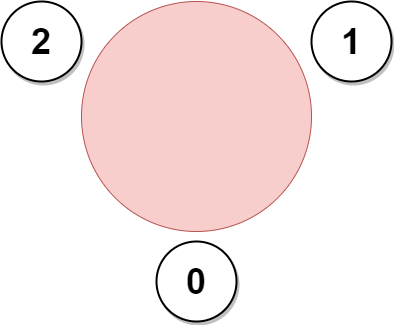
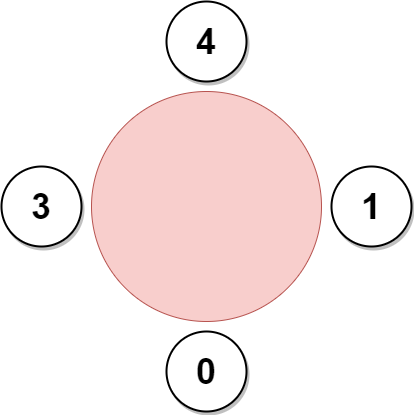
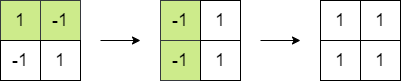
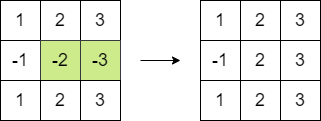


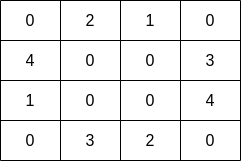
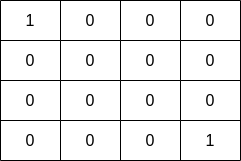
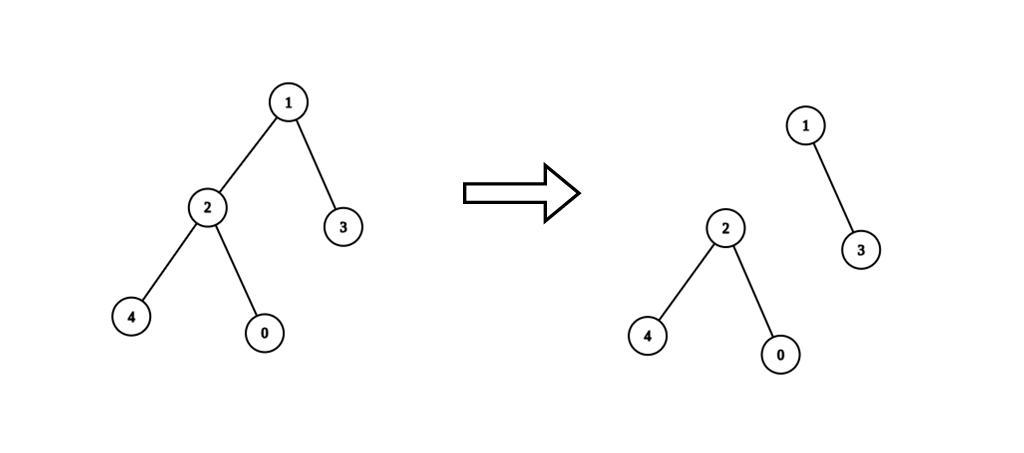
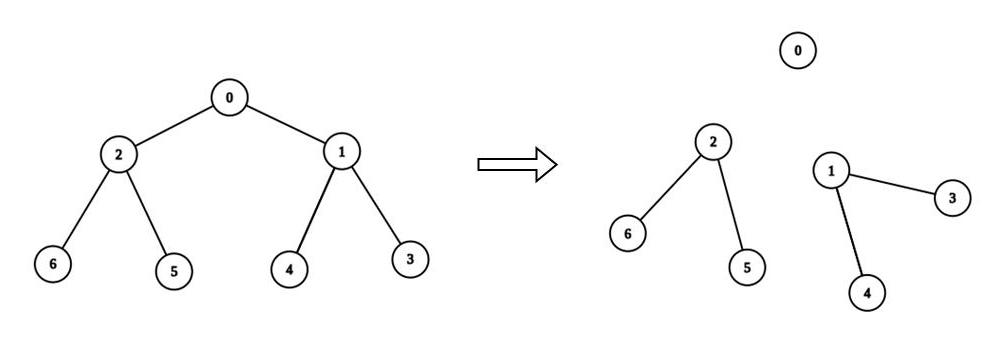
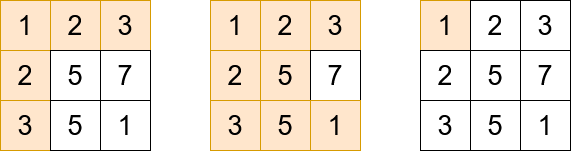
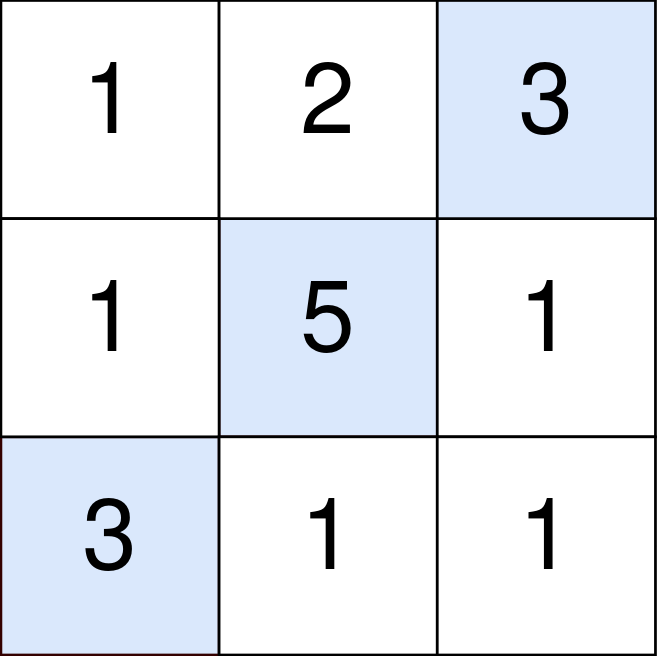
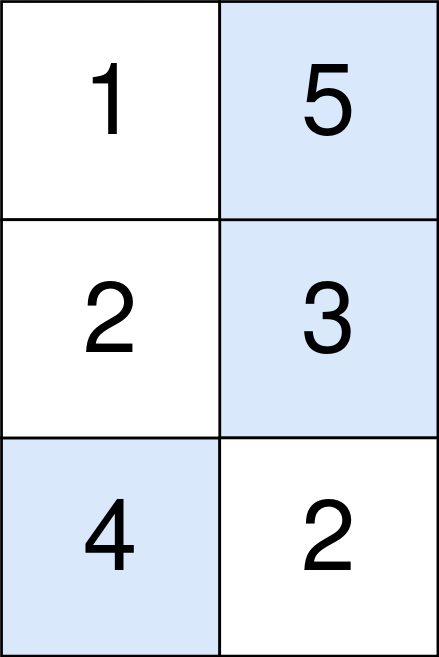
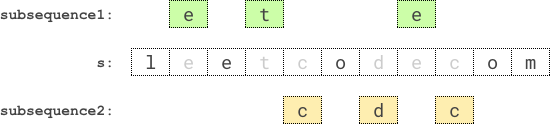
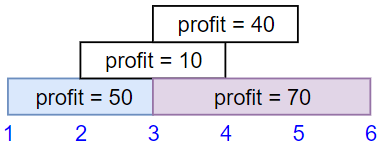
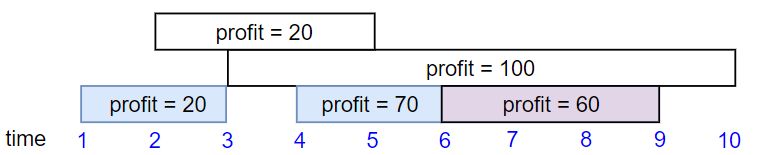
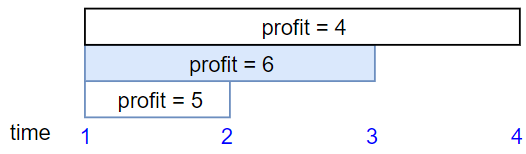
For chosen indices \i\0\\, \i\1\\, ..., \i\k - 1\\, your \score\ is defined as:\

\
    \
  • The sum of the selected elements from \nums1\ multiplied with the \minimum\ of the selected elements from \nums2\.\
  • \
  • It can defined simply as: \(nums1\[i\0\] + nums1\[i\1\] +...+ nums1\[i\k - 1\]) \* min(nums2\[i\0\] , nums2\[i\1\], ... ,nums2\[i\k - 1\])\.\
  • \
\

Return \the \maximum\ possible score.\\

\

A \subsequence\ of indices of an array is a set that can be derived from the set \\{0, 1, ..., n-1}\ by deleting some or no elements.\

### Examples ``` Input: nums1 = [1,3,3,2], nums2 = [2,1,3,4], k = 3 Output: 12 Explanation: The four possible subsequence scores are: - We choose the indices 0, 1, and 2 with score = (1+3+3) * min(2,1,3) = 7. - We choose the indices 0, 1, and 3 with score = (1+3+2) * min(2,1,4) = 6. - We choose the indices 0, 2, and 3 with score = (1+3+2) * min(2,3,4) = 12. - We choose the indices 1, 2, and 3 with score = (3+3+2) * min(1,3,4) = 8. Therefore, we return the max score, which is 12. ``` ``` Input: nums1 = [4,2,3,1,1], nums2 = [7,5,10,9,6], k = 1 Output: 30 Explanation: Choosing index 2 is optimal: nums1[2] * nums2[2] = 3 * 10 = 30 is the maximum possible score. ``` ### Constraints * n == nums1.length == nums2.length * 1 \<= n \<= 10^5 * 0 \<= nums1\[i], nums2\[j] \<= 10^5 * 1 \<= k \<= n ## Solution Reference implementation from [solution.py on GitHub](https://github.com/wislertt/leetcode-py/blob/main/leetcode/maximum_subsequence_score/solution.py), full suite in [test\_solution.py](https://github.com/wislertt/leetcode-py/blob/main/leetcode/maximum_subsequence_score/test_solution.py): ```python theme={"theme":{"light":"github-light","dark":"github-dark"}} import heapq class Solution: # Time: O(n log n) # Space: O(n) def max_score(self, nums1: list[int], nums2: list[int], k: int) -> int: pairs = sorted(zip(nums1, nums2, strict=True), key=lambda p: p[1], reverse=True) heap: list[int] = [] total = 0 best = 0 for n1, n2 in pairs: heapq.heappush(heap, n1) total += n1 if len(heap) > k: total -= heapq.heappop(heap) if len(heap) == k: best = max(best, total * n2) return best ``` ## Complexity | Time | Space | | ---------- | ----- | | O(n log n) | O(n) | ## Tags [NeetCode All](/catalog/neetcode). # Maximum Sum Circular Subarray Python Solution Source: https://leetcode-py.wisl.dev/problems/maximum-sum-circular-subarray Tested Python solution for LeetCode 918 with 18 pytest cases. Generate a practice environment with lcpy. LeetCode 918, [Medium](/catalog/medium). Topics: [Array](/catalog/topics/array), [Divide and Conquer](/catalog/topics/divide-and-conquer), [Dynamic Programming](/catalog/topics/dynamic-programming), [Queue](/catalog/topics/queue), Monotonic Queue. [View on LeetCode](https://leetcode.com/problems/maximum-sum-circular-subarray/description/). Generate this problem as a practice environment: tested reference solution, 18 [parametrized pytest cases](/practice/testing), and a playground notebook: ```bash theme={"theme":{"light":"github-light","dark":"github-dark"}} lcpy gen -n 918 # by problem number lcpy gen -s maximum_sum_circular_subarray # by problem name ``` ## Problem Given a **circular integer array** `nums` of length `n`, return *the maximum possible sum of a non-empty **subarray** of* `nums`. A **circular array** means the end of the array connects to the beginning of the array. Formally, the next element of `nums[i]` is `nums[(i + 1) % n]` and the previous element of `nums[i]` is `nums[(i - 1 + n) % n]`. A **subarray** may only include each element of the fixed buffer `nums` at most once. Formally, for a subarray `nums[i], nums[i + 1], ..., nums[j]`, there does not exist `i <= k1`, `k2 <= j` with `k1 % n == k2 % n`. ### Examples ``` Input: nums = [1,-2,3,-2] Output: 3 Explanation: Subarray [3] has maximum sum 3. ``` ``` Input: nums = [5,-3,5] Output: 10 Explanation: Subarray [5,5] has maximum sum 5 + 5 = 10. ``` ``` Input: nums = [-3,-2,-3] Output: -2 Explanation: Subarray [-2] has maximum sum -2. ``` ### Constraints * `n == nums.length` * 1 \<= n \<= 3 \* 10^4 * -3 \* 10^4 \<= nums\[i] \<= 3 \* 10^4 ## Solution Reference implementation from [solution.py on GitHub](https://github.com/wislertt/leetcode-py/blob/main/leetcode/maximum_sum_circular_subarray/solution.py), full suite in [test\_solution.py](https://github.com/wislertt/leetcode-py/blob/main/leetcode/maximum_sum_circular_subarray/test_solution.py): ```python theme={"theme":{"light":"github-light","dark":"github-dark"}} class Solution: # Time: O(n) # Space: O(1) def max_subarray_sum_circular(self, nums: list[int]) -> int: total = 0 cur_max = 0 cur_min = 0 max_sum = nums[0] min_sum = nums[0] for num in nums: total += num cur_max = max(num, cur_max + num) max_sum = max(max_sum, cur_max) cur_min = min(num, cur_min + num) min_sum = min(min_sum, cur_min) # If all numbers are negative, total - min_sum == 0 (empty subarray) is invalid. if max_sum < 0: return max_sum return max(max_sum, total - min_sum) ``` ## Complexity | Time | Space | | ---- | ----- | | O(n) | O(1) | ## Tags [NeetCode 250](/catalog/neetcode-250), [NeetCode All](/catalog/neetcode). # Maximum Sum of 3 Non-Overlapping Subarrays Source: https://leetcode-py.wisl.dev/problems/maximum-sum-of-3-non-overlapping-subarrays Tested Python solution for LeetCode 689 with 16 pytest cases. Generate a practice environment with lcpy. LeetCode 689, [Hard](/catalog/hard). Topics: [Array](/catalog/topics/array), [Dynamic Programming](/catalog/topics/dynamic-programming). [View on LeetCode](https://leetcode.com/problems/maximum-sum-of-3-non-overlapping-subarrays/description/). Generate this problem as a practice environment: tested reference solution, 16 [parametrized pytest cases](/practice/testing), and a playground notebook: ```bash theme={"theme":{"light":"github-light","dark":"github-dark"}} lcpy gen -n 689 # by problem number lcpy gen -s maximum_sum_of_3_non_overlapping_subarrays # by problem name ``` ## Problem Given an integer array `nums` and an integer `k`, find three non-overlapping subarrays of length `k` with maximum sum and return them. Return the result as a list of indices representing the starting position of each interval (0-indexed). If there are multiple answers, return the lexicographically smallest one. ### Examples ``` Input: nums = [1,2,1,2,6,7,5,1], k = 2 Output: [0,3,5] Explanation: Subarrays [1, 2], [2, 6], [7, 5] correspond to the starting indices [0, 3, 5]. We could have also taken [2, 1], but an answer of [1, 3, 5] would be lexicographically larger. ``` ``` Input: nums = [1,2,1,2,1,2,1,2,1], k = 2 Output: [0,2,4] ``` ### Constraints * 1 \<= nums.length \<= 2 \* 10^4 * 1 \<= nums\[i] \< 2^16 * 1 \<= k \<= floor(nums.length / 3) ## Solution Reference implementation from [solution.py on GitHub](https://github.com/wislertt/leetcode-py/blob/main/leetcode/maximum_sum_of_3_non_overlapping_subarrays/solution.py), full suite in [test\_solution.py](https://github.com/wislertt/leetcode-py/blob/main/leetcode/maximum_sum_of_3_non_overlapping_subarrays/test_solution.py): ```python theme={"theme":{"light":"github-light","dark":"github-dark"}} class Solution: # Time: O(n) # Space: O(n) def max_sum_of_three_subarrays(self, nums: list[int], k: int) -> list[int]: n = len(nums) window_count = n - k + 1 sums = [sum(nums[:k])] + [0] * (window_count - 1) for i in range(k, n): sums[i - k + 1] = sums[i - k] + nums[i] - nums[i - k] # prefix_best[i]: earliest window in [0, i] with the max sum prefix_best = [(0, -1)] * window_count for i in range(window_count): if i == 0 or sums[i] > prefix_best[i - 1][0]: prefix_best[i] = (sums[i], i) else: prefix_best[i] = prefix_best[i - 1] # suffix_best[i]: earliest window in [i, end] with the max sum suffix_best = [(0, -1)] * window_count for i in range(window_count - 1, -1, -1): if i == window_count - 1 or suffix_best[i + 1][0] <= sums[i]: suffix_best[i] = (sums[i], i) else: suffix_best[i] = suffix_best[i + 1] best_total = -1 result: list[int] = [] for middle in range(k, window_count - k): total = prefix_best[middle - k][0] + sums[middle] + suffix_best[middle + k][0] if total > best_total: best_total = total result = [prefix_best[middle - k][1], middle, suffix_best[middle + k][1]] return result ``` ## Complexity | Time | Space | | ---- | ----- | | O(n) | O(n) | ## Tags [NeetCode All](/catalog/neetcode). # Maximum Sum of Distinct Subarrays With Length Source: https://leetcode-py.wisl.dev/problems/maximum-sum-of-distinct-subarrays-with-length-k Tested Python solution for LeetCode 2461 with 18 pytest cases. Generate a practice environment with lcpy. LeetCode 2461, [Medium](/catalog/medium). Topics: [Array](/catalog/topics/array), [Hash Table](/catalog/topics/hash-table), [Sliding Window](/catalog/topics/sliding-window). [View on LeetCode](https://leetcode.com/problems/maximum-sum-of-distinct-subarrays-with-length-k/description/). Generate this problem as a practice environment: tested reference solution, 18 [parametrized pytest cases](/practice/testing), and a playground notebook: ```bash theme={"theme":{"light":"github-light","dark":"github-dark"}} lcpy gen -n 2461 # by problem number lcpy gen -s maximum_sum_of_distinct_subarrays_with_length_k # by problem name ``` ## Problem You are given an integer array `nums` and an integer `k`. Find the maximum subarray sum of all the subarrays of `nums` that meet the following conditions: * The length of the subarray is `k`, and * All the elements of the subarray are **distinct**. Return the maximum subarray sum of all the subarrays that meet the conditions. If no subarray meets the conditions, return `0`. A **subarray** is a contiguous non-empty sequence of elements within an array. ### Examples ``` Input: nums = [1,5,4,2,9,9,9], k = 3 Output: 15 Explanation: The subarrays of nums with length 3 are: - [1,5,4] which meets the requirements and has a sum of 10. - [5,4,2] which meets the requirements and has a sum of 11. - [4,2,9] which meets the requirements and has a sum of 15. - [2,9,9] which does not meet the requirements because the element 9 is repeated. - [9,9,9] which does not meet the requirements because the element 9 is repeated. We return 15 because it is the maximum subarray sum of all the subarrays that meet the conditions ``` ``` Input: nums = [4,4,4], k = 3 Output: 0 Explanation: The subarrays of nums with length 3 are: - [4,4,4] which does not meet the requirements because the element 4 is repeated. We return 0 because no subarrays meet the conditions. ``` ### Constraints * 1 \<= k \<= nums.length \<= 10^5 * 1 \<= nums\[i] \<= 10^5 ## Solution Reference implementation from [solution.py on GitHub](https://github.com/wislertt/leetcode-py/blob/main/leetcode/maximum_sum_of_distinct_subarrays_with_length_k/solution.py), full suite in [test\_solution.py](https://github.com/wislertt/leetcode-py/blob/main/leetcode/maximum_sum_of_distinct_subarrays_with_length_k/test_solution.py): ```python theme={"theme":{"light":"github-light","dark":"github-dark"}} class Solution: # Time: O(n) # Space: O(k) def maximum_subarray_sum(self, nums: list[int], k: int) -> int: counts: dict[int, int] = {} window_sum = 0 best = 0 for i, val in enumerate(nums): counts[val] = counts.get(val, 0) + 1 window_sum += val if i >= k: left = nums[i - k] window_sum -= left counts[left] -= 1 if counts[left] == 0: del counts[left] if i >= k - 1 and len(counts) == k: best = max(best, window_sum) return best ``` ## Complexity | Time | Space | | ---- | ----- | | O(n) | O(k) | ## Tags [NeetCode All](/catalog/neetcode). # Maximum Swap Python Solution with Tests Source: https://leetcode-py.wisl.dev/problems/maximum-swap Tested Python solution for LeetCode 670 with 18 pytest cases. Generate a practice environment with lcpy. LeetCode 670, [Medium](/catalog/medium). Topics: [Math](/catalog/topics/math), [Greedy](/catalog/topics/greedy). [View on LeetCode](https://leetcode.com/problems/maximum-swap/description/). Generate this problem as a practice environment: tested reference solution, 18 [parametrized pytest cases](/practice/testing), and a playground notebook: ```bash theme={"theme":{"light":"github-light","dark":"github-dark"}} lcpy gen -n 670 # by problem number lcpy gen -s maximum_swap # by problem name ``` ## Problem You are given an integer `num`. You can swap two digits at most once to get the maximum valued number. Return the maximum valued number you can get. ### Examples ``` Input: num = 2736 Output: 7236 Explanation: Swap the number 2 and the number 7. ``` ``` Input: num = 9973 Output: 9973 Explanation: No swap. ``` ### Constraints * 0 \<= num \<= 10^8 ## Solution Reference implementation from [solution.py on GitHub](https://github.com/wislertt/leetcode-py/blob/main/leetcode/maximum_swap/solution.py), full suite in [test\_solution.py](https://github.com/wislertt/leetcode-py/blob/main/leetcode/maximum_swap/test_solution.py): ```python theme={"theme":{"light":"github-light","dark":"github-dark"}} class Solution: # Time: O(d) where d is the number of digits # Space: O(d) def maximum_swap(self, num: int) -> int: digits = list(str(num)) last: dict[int, int] = {int(d): i for i, d in enumerate(digits)} for i, d in enumerate(digits): for bigger in range(9, int(d), -1): if bigger in last and last[bigger] > i: j = last[bigger] digits[i], digits[j] = digits[j], digits[i] return int("".join(digits)) return num ``` ## Complexity | Time | Space | | ------------------------------------ | ----- | | O(d) where d is the number of digits | O(d) | ## Tags [NeetCode All](/catalog/neetcode). # Maximum Total Importance of Roads Source: https://leetcode-py.wisl.dev/problems/maximum-total-importance-of-roads Tested Python solution for LeetCode 2285 with 19 pytest cases. Generate a practice environment with lcpy. LeetCode 2285, [Medium](/catalog/medium). Topics: [Greedy](/catalog/topics/greedy), [Graph Theory](/catalog/topics/graph-theory), [Sorting](/catalog/topics/sorting), [Heap (Priority Queue)](/catalog/topics/heap-priority-queue). [View on LeetCode](https://leetcode.com/problems/maximum-total-importance-of-roads/description/). Generate this problem as a practice environment: tested reference solution, 19 [parametrized pytest cases](/practice/testing), and a playground notebook: ```bash theme={"theme":{"light":"github-light","dark":"github-dark"}} lcpy gen -n 2285 # by problem number lcpy gen -s maximum_total_importance_of_roads # by problem name ``` ## Problem You are given an integer `n` denoting the number of cities in a country. The cities are numbered from `0` to `n - 1`. You are also given a 2D integer array `roads` where `roads[i] = [ai, bi]` denotes that there exists a **bidirectional** road connecting cities `ai` and `bi`. You need to assign each city with an integer value from `1` to `n`, where each value can only be used **once**. The **importance** of a road is then defined as the **sum** of the values of the two cities it connects. Return *the **maximum total importance** of all roads possible after assigning the values optimally.* ### Examples ![Example 1](https://assets.leetcode.com/uploads/2022/04/07/ex1drawio.png) ``` Input: n = 5, roads = [[0,1],[1,2],[2,3],[0,2],[1,3],[2,4]] Output: 43 Explanation: The assigned values are [2,4,5,3,1]. The total importance of all roads is 6 + 9 + 8 + 7 + 7 + 6 = 43. ``` ![Example 2](https://assets.leetcode.com/uploads/2022/04/07/ex2drawio.png) ``` Input: n = 5, roads = [[0,3],[2,4],[1,3]] Output: 20 Explanation: The assigned values are [4,3,2,5,1]. The total importance of all roads is 9 + 3 + 8 = 20. ``` ### Constraints * 2 \<= n \<= 5 \* 10\4\ * 1 \<= roads.length \<= 5 \* 10\4\ * roads\[i].length == 2 * 0 \<= a\i\, b\i\ \<= n - 1 * a\i\ != b\i\ * There are no duplicate roads. ## Solution Reference implementation from [solution.py on GitHub](https://github.com/wislertt/leetcode-py/blob/main/leetcode/maximum_total_importance_of_roads/solution.py), full suite in [test\_solution.py](https://github.com/wislertt/leetcode-py/blob/main/leetcode/maximum_total_importance_of_roads/test_solution.py): ```python theme={"theme":{"light":"github-light","dark":"github-dark"}} class Solution: # Time: O(E + V log V) where E = len(roads), V = n # Space: O(V) def maximum_importance(self, n: int, roads: list[list[int]]) -> int: degree = [0] * n for a, b in roads: degree[a] += 1 degree[b] += 1 degree.sort() return sum(d * (i + 1) for i, d in enumerate(degree)) ``` ## Complexity | Time | Space | | ------------------------------------------ | ----- | | O(E + V log V) where E = len(roads), V = n | O(V) | ## Tags [NeetCode All](/catalog/neetcode). # Maximum Transactions Without Negative Balance Source: https://leetcode-py.wisl.dev/problems/maximum-transactions-without-negative-balance Tested Python solution for LeetCode 3711 with 16 pytest cases. Generate a practice environment with lcpy. LeetCode 3711, [Medium](/catalog/medium). Topics: [Array](/catalog/topics/array), [Greedy](/catalog/topics/greedy), [Heap (Priority Queue)](/catalog/topics/heap-priority-queue). [View on LeetCode](https://leetcode.com/problems/maximum-transactions-without-negative-balance/description/). Generate this problem as a practice environment: tested reference solution, 16 [parametrized pytest cases](/practice/testing), and a playground notebook: ```bash theme={"theme":{"light":"github-light","dark":"github-dark"}} lcpy gen -n 3711 # by problem number lcpy gen -s maximum_transactions_without_negative_balance # by problem name ``` ## Problem You are given an integer array `transactions`, where `transactions[i]` represents the amount of the `i`-th transaction: * A positive value means money is **received**. * A negative value means money is **sent**. The account starts with a balance of 0, and the balance **must never become negative**. Transactions must be considered in the given order, but you are allowed to skip some transactions. Return an integer denoting the **maximum number of transactions** that can be performed without the balance ever going negative. ### Examples ``` Input: transactions = [2,-5,3,-1,-2] Output: 4 Explanation: One optimal sequence is [2, 3, -1, -2], balance: 0 -> 2 -> 5 -> 4 -> 2. ``` ``` Input: transactions = [-1,-2,-3] Output: 0 Explanation: All transactions are negative. Including any would make the balance negative. ``` ``` Input: transactions = [3,-2,3,-2,1,-1] Output: 6 Explanation: All transactions can be taken in order, balance: 0 -> 3 -> 1 -> 4 -> 2 -> 3 -> 2. ``` ### Constraints * 1 \<= transactions.length \<= 10^5 * -10^9 \<= transactions\[i] \<= 10^9 ## Solution Reference implementation from [solution.py on GitHub](https://github.com/wislertt/leetcode-py/blob/main/leetcode/maximum_transactions_without_negative_balance/solution.py), full suite in [test\_solution.py](https://github.com/wislertt/leetcode-py/blob/main/leetcode/maximum_transactions_without_negative_balance/test_solution.py): ```python theme={"theme":{"light":"github-light","dark":"github-dark"}} import heapq class Solution: # Time: O(n log n) # Space: O(n) def max_transactions(self, transactions: list[int]) -> int: kept: list[int] = [] balance = 0 ans = len(transactions) for amount in transactions: balance += amount heapq.heappush(kept, amount) while balance < 0: balance -= heapq.heappop(kept) ans -= 1 return ans ``` ## Complexity | Time | Space | | ---------- | ----- | | O(n log n) | O(n) | ## Tags [NeetCode All](/catalog/neetcode). # Maximum Twin Sum of a Linked List Source: https://leetcode-py.wisl.dev/problems/maximum-twin-sum-of-a-linked-list Tested Python solution for LeetCode 2130 with 18 pytest cases. Generate a practice environment with lcpy. LeetCode 2130, [Medium](/catalog/medium). Topics: [Linked List](/catalog/topics/linked-list), [Two Pointers](/catalog/topics/two-pointers), [Stack](/catalog/topics/stack). [View on LeetCode](https://leetcode.com/problems/maximum-twin-sum-of-a-linked-list/description/). Generate this problem as a practice environment: tested reference solution, 18 [parametrized pytest cases](/practice/testing), and a playground notebook: ```bash theme={"theme":{"light":"github-light","dark":"github-dark"}} lcpy gen -n 2130 # by problem number lcpy gen -s maximum_twin_sum_of_a_linked_list # by problem name ``` ## Problem In a linked list of size `n`, where `n` is **even**, the `i^th` node (**0-indexed**) of the linked list is known as the **twin** of the `(n-1-i)^th` node, if `0 <= i <= (n / 2) - 1`. * For example, if `n = 4`, then node `0` is the twin of node `3`, and node `1` is the twin of node `2`. These are the only nodes with twins for `n = 4`. The **twin sum** is defined as the sum of a node and its twin. Given the `head` of a linked list with even length, return *the **maximum twin sum** of the linked list*. ### Examples ![Example 1](https://assets.leetcode.com/uploads/2021/12/03/eg1drawio.png) ``` Input: head = [5,4,2,1] Output: 6 Explanation: Nodes 0 and 1 are the twins of nodes 3 and 2, respectively. All have twin sum = 6. There are no other nodes with twins in the linked list. Thus, the maximum twin sum of the linked list is 6. ``` ![Example 2](https://assets.leetcode.com/uploads/2021/12/03/eg2drawio.png) ``` Input: head = [4,2,2,3] Output: 7 Explanation: The nodes with twins present in this linked list are: - Node 0 is the twin of node 3 having a twin sum of 4 + 3 = 7. - Node 1 is the twin of node 2 having a twin sum of 2 + 2 = 4. Thus, the maximum twin sum of the linked list is max(7, 4) = 7. ``` ![Example 3](https://assets.leetcode.com/uploads/2021/12/03/eg3drawio.png) ``` Input: head = [1,100000] Output: 100001 Explanation: There is only one node with a twin in the linked list having twin sum of 1 + 100000 = 100001. ``` ### Constraints * The number of nodes in the list is an **even** integer in the range `[2, 10^5]`. * `1 <= Node.val <= 10^5` ## Solution Reference implementation from [solution.py on GitHub](https://github.com/wislertt/leetcode-py/blob/main/leetcode/maximum_twin_sum_of_a_linked_list/solution.py), full suite in [test\_solution.py](https://github.com/wislertt/leetcode-py/blob/main/leetcode/maximum_twin_sum_of_a_linked_list/test_solution.py): ```python theme={"theme":{"light":"github-light","dark":"github-dark"}} from leetcode_py import ListNode class Solution: # Time: O(n) — find middle, reverse second half, walk pairs # Space: O(1) — in-place pointer reversal def pair_sum(self, head: ListNode[int] | None) -> int: # Slow/fast pointers: slow lands on the start of the second half slow: ListNode[int] | None = head fast: ListNode[int] | None = head while fast and fast.next: assert slow is not None slow = slow.next fast = fast.next.next # Reverse the second half in place prev: ListNode[int] | None = None current: ListNode[int] | None = slow while current: nxt = current.next current.next = prev prev = current current = nxt # Walk both halves from the ends inward best = 0 first: ListNode[int] | None = head second: ListNode[int] | None = prev while second: assert first is not None best = max(best, first.val + second.val) first = first.next second = second.next return best ``` ## Complexity | Time | Space | | --------------------------------------------------- | -------------------------------- | | O(n) — find middle, reverse second half, walk pairs | O(1) — in-place pointer reversal | ## Tags [NeetCode All](/catalog/neetcode). # Maximum Vacation Days Python Solution Source: https://leetcode-py.wisl.dev/problems/maximum-vacation-days Tested Python solution for LeetCode 568 with 20 pytest cases. Generate a practice environment with lcpy. LeetCode 568, [Hard](/catalog/hard). Topics: [Array](/catalog/topics/array), [Dynamic Programming](/catalog/topics/dynamic-programming), [Matrix](/catalog/topics/matrix). [View on LeetCode](https://leetcode.com/problems/maximum-vacation-days/description/). Generate this problem as a practice environment: tested reference solution, 20 [parametrized pytest cases](/practice/testing), and a playground notebook: ```bash theme={"theme":{"light":"github-light","dark":"github-dark"}} lcpy gen -n 568 # by problem number lcpy gen -s maximum_vacation_days # by problem name ``` ## Problem LeetCode wants to give one of its best employees the option to travel among `n` cities to collect algorithm problems. But all work and no play makes Jack a dull boy, you could take vacations in some particular cities and weeks. Your job is to schedule the traveling to maximize the number of vacation days you could take, but there are certain rules and restrictions you need to follow. Rules and restrictions: 1. You can only travel among `n` cities, represented by indexes from `0` to `n - 1`. Initially, you are in the city indexed `0` on **Monday**. 2. The cities are connected by flights. The flights are represented as an `n x n` matrix (not necessarily symmetrical), called `flights` representing the airline status from the city `i` to the city `j`. If there is no flight from the city `i` to the city `j`, `flights[i][j] == 0`; Otherwise, `flights[i][j] == 1`. Also, `flights[i][i] == 0` for all `i`. 3. You totally have `k` weeks (each week has **seven days**) to travel. You can only take flights at most once per day and can only take flights on each week's Monday morning. Since flight time is so short, we do not consider the impact of flight time. 4. For each city, you can only have restricted vacation days in different weeks, given an `n x k` matrix called `days` representing this relationship. For the value of `days[i][j]`, it represents the maximum days you could take a vacation in the city `i` in the week `j`. 5. You could stay in a city beyond the number of vacation days, but you should work on the extra days, which will not be counted as vacation days. 6. If you fly from city `A` to city `B` and take the vacation on that day, the deduction towards vacation days will count towards the vacation days of city `B` in that week. 7. We do not consider the impact of flight hours on the calculation of vacation days. Given the two matrices `flights` and `days`, return *the maximum vacation days you could take during* `k` *weeks*. ### Examples ``` Input: flights = [[0,1,1],[1,0,1],[1,1,0]], days = [[1,3,1],[6,0,3],[3,3,3]] Output: 12 ``` **Explanation:** One of the best strategies is: 1st week : fly from city 0 to city 1 on Monday, and play 6 days and work 1 day. (Although you start at city 0, we could also fly to and start at other cities since it is Monday.) 2nd week : fly from city 1 to city 2 on Monday, and play 3 days and work 4 days. 3rd week : stay at city 2, and play 3 days and work 4 days. Ans = 6 + 3 + 3 = 12. ``` Input: flights = [[0,0,0],[0,0,0],[0,0,0]], days = [[1,1,1],[7,7,7],[7,7,7]] Output: 3 ``` **Explanation:** Since there are no flights that enable you to move to another city, you have to stay at city 0 for the whole 3 weeks. For each week, you only have one day to play and six days to work. So the maximum number of vacation days is 3. Ans = 1 + 1 + 1 = 3. ``` Input: flights = [[0,1,1],[1,0,1],[1,1,0]], days = [[7,0,0],[0,7,0],[0,0,7]] Output: 21 ``` **Explanation:** One of the best strategies is: 1st week : stay at city 0, and play 7 days. 2nd week : fly from city 0 to city 1 on Monday, and play 7 days. 3rd week : fly from city 1 to city 2 on Monday, and play 7 days. Ans = 7 + 7 + 7 = 21 ### Constraints * n == flights.length * n == flights\[i].length * n == days.length * k == days\[i].length * 1 \<= n, k \<= 100 * flights\[i]\[j] is either 0 or 1. * 0 \<= days\[i]\[j] \<= 7 ## Solution Reference implementation from [solution.py on GitHub](https://github.com/wislertt/leetcode-py/blob/main/leetcode/maximum_vacation_days/solution.py), full suite in [test\_solution.py](https://github.com/wislertt/leetcode-py/blob/main/leetcode/maximum_vacation_days/test_solution.py): ```python theme={"theme":{"light":"github-light","dark":"github-dark"}} class Solution: # Time: O(k * n^2) # Space: O(n) def max_vacation_days(self, flights: list[list[int]], days: list[list[int]]) -> int: n = len(flights) k = len(days[0]) # dp[j] = best vacation total ending week w in city j; -1 marks unreachable dp = [-1] * n dp[0] = 0 for week in range(k): ndp = [-1] * n for j in range(n): best = -1 for i in range(n): if dp[i] < 0: continue if i == j or flights[i][j] == 1: best = max(best, dp[i]) if best >= 0: ndp[j] = best + days[j][week] dp = ndp return max(dp) ``` ## Complexity | Time | Space | | ----------- | ----- | | O(k \* n^2) | O(n) | ## Tags # Maximum Value of K Coins From Piles Source: https://leetcode-py.wisl.dev/problems/maximum-value-of-k-coins-from-piles Tested Python solution for LeetCode 2218 with 24 pytest cases. Generate a practice environment with lcpy. LeetCode 2218, [Hard](/catalog/hard). Topics: [Array](/catalog/topics/array), [Dynamic Programming](/catalog/topics/dynamic-programming), [Prefix Sum](/catalog/topics/prefix-sum). [View on LeetCode](https://leetcode.com/problems/maximum-value-of-k-coins-from-piles/description/). Generate this problem as a practice environment: tested reference solution, 24 [parametrized pytest cases](/practice/testing), and a playground notebook: ```bash theme={"theme":{"light":"github-light","dark":"github-dark"}} lcpy gen -n 2218 # by problem number lcpy gen -s maximum_value_of_k_coins_from_piles # by problem name ``` ## Problem There are `n` **piles** of coins on a table. Each pile consists of a **positive number** of coins of assorted denominations. In one move, you can choose any coin on **top** of any pile, remove it, and add it to your wallet. Given a list `piles`, where `piles[i]` is a list of integers denoting the composition of the `i`th pile from **top to bottom**, and a positive integer `k`, return *the **maximum total value** of coins you can have in your wallet if you choose **exactly*** `k` *coins optimally*. ### Examples ![Example 1](https://assets.leetcode.com/uploads/2019/11/09/e1.png) ``` Input: piles = [[1,100,3],[7,8,9]], k = 2 Output: 101 Explanation: The above diagram shows the different ways we can choose k coins. The maximum total we can obtain is 101. ``` ``` Input: piles = [[100],[100],[100],[100],[100],[100],[1,1,1,1,1,1,700]], k = 7 Output: 706 Explanation: The maximum total can be obtained if we choose all coins from the last pile. ``` ### Constraints * n == piles.length * 1 \<= piles.length \<= 10^3 * 1 \<= piles\[i]\[j] \<= 10^5 * 1 \<= k \<= sum(piles\[i].length) \<= 2000 ## Solution Reference implementation from [solution.py on GitHub](https://github.com/wislertt/leetcode-py/blob/main/leetcode/maximum_value_of_k_coins_from_piles/solution.py), full suite in [test\_solution.py](https://github.com/wislertt/leetcode-py/blob/main/leetcode/maximum_value_of_k_coins_from_piles/test_solution.py): ```python theme={"theme":{"light":"github-light","dark":"github-dark"}} class Solution: # Time: O(total_coins * k) # Space: O(k) def max_value_of_coins(self, piles: list[list[int]], k: int) -> int: dp = [0] * (k + 1) for pile in piles: prefix = [0] for value in pile: prefix.append(prefix[-1] + value) new_dp = dp[:] for taken in range(1, k + 1): best = new_dp[taken] for use in range(min(taken, len(prefix) - 1) + 1): candidate = dp[taken - use] + prefix[use] if candidate > best: best = candidate new_dp[taken] = best dp = new_dp return dp[k] ``` ## Complexity | Time | Space | | -------------------- | ----- | | O(total\_coins \* k) | O(k) | ## Tags [NeetCode All](/catalog/neetcode). # Maximum Width of Binary Tree Python Solution Source: https://leetcode-py.wisl.dev/problems/maximum-width-of-binary-tree Tested Python solution for LeetCode 662 with 16 pytest cases. Generate a practice environment with lcpy. LeetCode 662, [Medium](/catalog/medium). Topics: [Tree](/catalog/topics/tree), [Depth-First Search](/catalog/topics/depth-first-search), [Breadth-First Search](/catalog/topics/breadth-first-search), [Binary Tree](/catalog/topics/binary-tree). [View on LeetCode](https://leetcode.com/problems/maximum-width-of-binary-tree/description/). Generate this problem as a practice environment: tested reference solution, 16 [parametrized pytest cases](/practice/testing), and a playground notebook: ```bash theme={"theme":{"light":"github-light","dark":"github-dark"}} lcpy gen -n 662 # by problem number lcpy gen -s maximum_width_of_binary_tree # by problem name ``` ## Problem Given the `root` of a binary tree, return *the **maximum width** of the given tree*. The **maximum width** of a tree is the maximum **width** among all levels. The **width** of one level is defined as the length between the end-nodes (the leftmost and rightmost non-null nodes), where the null nodes between the end-nodes that would be present in a complete binary tree extending down to that level are also counted into the length calculation. It is **guaranteed** that the answer will in the range of a **32-bit** signed integer. ### Examples ![Example 1](https://assets.leetcode.com/uploads/2021/05/03/width1-tree.jpg) ``` Input: root = [1,3,2,5,3,null,9] Output: 4 Explanation: The maximum width exists in the third level with length 4 (5,3,null,9). ``` ![Example 2](https://assets.leetcode.com/uploads/2022/03/14/maximum-width-of-binary-tree-v3.jpg) ``` Input: root = [1,3,2,5,null,null,9,6,null,7] Output: 7 Explanation: The maximum width exists in the fourth level with length 7 (6,null,null,null,null,null,7). ``` ![Example 3](https://assets.leetcode.com/uploads/2021/05/03/width3-tree.jpg) ``` Input: root = [1,3,2,5] Output: 2 Explanation: The maximum width exists in the second level with length 2 (3,2). ``` ### Constraints * The number of nodes in the tree is in the range `[1, 3000]`. * `-100 <= Node.val <= 100` ## Solution Reference implementation from [solution.py on GitHub](https://github.com/wislertt/leetcode-py/blob/main/leetcode/maximum_width_of_binary_tree/solution.py), full suite in [test\_solution.py](https://github.com/wislertt/leetcode-py/blob/main/leetcode/maximum_width_of_binary_tree/test_solution.py): ```python theme={"theme":{"light":"github-light","dark":"github-dark"}} from collections import deque from leetcode_py import TreeNode class Solution: # Time: O(n) # Space: O(w) where w is maximum width def width_of_binary_tree(self, root: TreeNode[int] | None) -> int: if not root: return 0 max_width = 1 queue = deque([(root, 0)]) while queue: level_size = len(queue) _, first_pos = queue[0] last_pos = first_pos for _ in range(level_size): node, pos = queue.popleft() last_pos = pos if node.left: queue.append((node.left, 2 * pos)) if node.right: queue.append((node.right, 2 * pos + 1)) max_width = max(max_width, last_pos - first_pos + 1) return max_width ``` ## Complexity | Time | Space | | ---- | ----------------------------- | | O(n) | O(w) where w is maximum width | ## Tags [Grind](/catalog/grind), [NeetCode All](/catalog/neetcode). # Maximum Width Ramp Python Solution with Tests Source: https://leetcode-py.wisl.dev/problems/maximum-width-ramp Tested Python solution for LeetCode 962 with 15 pytest cases. Generate a practice environment with lcpy. LeetCode 962, [Medium](/catalog/medium). Topics: [Array](/catalog/topics/array), [Two Pointers](/catalog/topics/two-pointers), [Stack](/catalog/topics/stack), [Monotonic Stack](/catalog/topics/monotonic-stack). [View on LeetCode](https://leetcode.com/problems/maximum-width-ramp/description/). Generate this problem as a practice environment: tested reference solution, 15 [parametrized pytest cases](/practice/testing), and a playground notebook: ```bash theme={"theme":{"light":"github-light","dark":"github-dark"}} lcpy gen -n 962 # by problem number lcpy gen -s maximum_width_ramp # by problem name ``` ## Problem A **ramp** in an integer array `nums` is a pair `(i, j)` for which `i < j` and `nums[i] <= nums[j]`. The **width** of such a ramp is `j - i`. Given an integer array `nums`, return *the maximum width of a* ***ramp*** *in* `nums`. If there is no **ramp** in `nums`, return `0`. ### Examples ``` Input: nums = [6,0,8,2,1,5] Output: 4 Explanation: The maximum width ramp is achieved at (i, j) = (1, 5): nums[1] = 0 and nums[5] = 5. ``` ``` Input: nums = [9,8,1,0,1,9,4,0,4,1] Output: 7 Explanation: The maximum width ramp is achieved at (i, j) = (2, 9): nums[2] = 1 and nums[9] = 1. ``` ### Constraints * `2 <= nums.length <= 5 * 10^4` * `0 <= nums[i] <= 5 * 10^4` ## Solution Reference implementation from [solution.py on GitHub](https://github.com/wislertt/leetcode-py/blob/main/leetcode/maximum_width_ramp/solution.py), full suite in [test\_solution.py](https://github.com/wislertt/leetcode-py/blob/main/leetcode/maximum_width_ramp/test_solution.py): ```python theme={"theme":{"light":"github-light","dark":"github-dark"}} class Solution: # Time: O(n) # Space: O(n) def max_width_ramp(self, nums: list[int]) -> int: stack: list[int] = [] for i, num in enumerate(nums): if not stack or num < nums[stack[-1]]: stack.append(i) width = 0 for j in range(len(nums) - 1, -1, -1): while stack and nums[stack[-1]] <= nums[j]: width = max(width, j - stack.pop()) return width ``` ## Complexity | Time | Space | | ---- | ----- | | O(n) | O(n) | ## Tags [NeetCode All](/catalog/neetcode). # Maximum XOR for Each Query Python Solution Source: https://leetcode-py.wisl.dev/problems/maximum-xor-for-each-query Tested Python solution for LeetCode 1829 with 19 pytest cases. Generate a practice environment with lcpy. LeetCode 1829, [Medium](/catalog/medium). Topics: [Array](/catalog/topics/array), [Bit Manipulation](/catalog/topics/bit-manipulation), [Prefix Sum](/catalog/topics/prefix-sum). [View on LeetCode](https://leetcode.com/problems/maximum-xor-for-each-query/description/). Generate this problem as a practice environment: tested reference solution, 19 [parametrized pytest cases](/practice/testing), and a playground notebook: ```bash theme={"theme":{"light":"github-light","dark":"github-dark"}} lcpy gen -n 1829 # by problem number lcpy gen -s maximum_xor_for_each_query # by problem name ``` ## Problem You are given a sorted array nums of n non-negative integers and an integer maximumBit. You want to perform the following query n times: * Find a non-negative integer k \< 2^maximumBit such that nums\[0] XOR nums\[1] XOR ... XOR nums\[nums.length - 1] XOR k is maximized. k is the answer to the ith query. * Remove the last element from the current array nums. Return an array answer, where answer\[i] is the answer to the ith query. ### Examples ``` Input: nums = [0,1,1,3], maximumBit = 2 Output: [0,3,2,3] Explanation: The queries are answered as follows: 1st query: nums = [0,1,1,3], k = 0 since 0 XOR 1 XOR 1 XOR 3 XOR 0 = 3. 2nd query: nums = [0,1,1], k = 3 since 0 XOR 1 XOR 1 XOR 3 = 3. 3rd query: nums = [0,1], k = 2 since 0 XOR 1 XOR 2 = 3. 4th query: nums = [0], k = 3 since 0 XOR 3 = 3. ``` ``` Input: nums = [2,3,4,7], maximumBit = 3 Output: [5,2,6,5] Explanation: The queries are answered as follows: 1st query: nums = [2,3,4,7], k = 5 since 2 XOR 3 XOR 4 XOR 7 XOR 5 = 7. 2nd query: nums = [2,3,4], k = 2 since 2 XOR 3 XOR 4 XOR 2 = 7. 3rd query: nums = [2,3], k = 6 since 2 XOR 3 XOR 6 = 7. 4th query: nums = [2], k = 5 since 2 XOR 5 = 7. ``` ``` Input: nums = [0,1,2,2,5,7], maximumBit = 3 Output: [4,3,6,4,6,7] ``` ### Constraints * nums.length == n * 1 \<= n \<= 10^5 * 1 \<= maximumBit \<= 20 * 0 \<= nums\[i] \< 2^maximumBit * nums is sorted in ascending order. ## Solution Reference implementation from [solution.py on GitHub](https://github.com/wislertt/leetcode-py/blob/main/leetcode/maximum_xor_for_each_query/solution.py), full suite in [test\_solution.py](https://github.com/wislertt/leetcode-py/blob/main/leetcode/maximum_xor_for_each_query/test_solution.py): ```python theme={"theme":{"light":"github-light","dark":"github-dark"}} class Solution: # Time: O(n) # Space: O(1) excluding the output array def get_maximum_xor(self, nums: list[int], maximum_bit: int) -> list[int]: mask = (1 << maximum_bit) - 1 total = 0 for num in nums: total ^= num answer: list[int] = [] for num in reversed(nums): answer.append(total ^ mask) total ^= num return answer ``` ## Complexity | Time | Space | | ---- | ------------------------------- | | O(n) | O(1) excluding the output array | ## Tags [NeetCode All](/catalog/neetcode). # Maximum XOR of Two Numbers in an Array Source: https://leetcode-py.wisl.dev/problems/maximum-xor-of-two-numbers-in-an-array Tested Python solution for LeetCode 421 with 20 pytest cases. Generate a practice environment with lcpy. LeetCode 421, [Medium](/catalog/medium). Topics: [Array](/catalog/topics/array), [Hash Table](/catalog/topics/hash-table), [Bit Manipulation](/catalog/topics/bit-manipulation), [Trie](/catalog/topics/trie). [View on LeetCode](https://leetcode.com/problems/maximum-xor-of-two-numbers-in-an-array/description/). Generate this problem as a practice environment: tested reference solution, 20 [parametrized pytest cases](/practice/testing), and a playground notebook: ```bash theme={"theme":{"light":"github-light","dark":"github-dark"}} lcpy gen -n 421 # by problem number lcpy gen -s maximum_xor_of_two_numbers_in_an_array # by problem name ``` ## Problem Given an integer array `nums`, return the maximum result of `nums[i] XOR nums[j]`, where `0 <= i <= j < n`. ### Examples ``` Input: nums = [3,10,5,25,2,8] Output: 28 Explanation: The maximum result is 5 XOR 25 = 28. ``` ``` Input: nums = [14,70,53,83,49,91,36,80,92,51,66,70] Output: 127 ``` ### Constraints * 1 \<= nums.length \<= 2 \* 10^5 * 0 \<= nums\[i] \<= 2^31 - 1 ## Solution Reference implementation from [solution.py on GitHub](https://github.com/wislertt/leetcode-py/blob/main/leetcode/maximum_xor_of_two_numbers_in_an_array/solution.py), full suite in [test\_solution.py](https://github.com/wislertt/leetcode-py/blob/main/leetcode/maximum_xor_of_two_numbers_in_an_array/test_solution.py): ```python theme={"theme":{"light":"github-light","dark":"github-dark"}} class Solution: # Time: O(n * 31) # Space: O(n * 31) def find_maximum_xor(self, nums: list[int]) -> int: root: dict[int, dict] = {} def insert(word: int) -> None: node = root for bit in range(30, -1, -1): node = node.setdefault((word >> bit) & 1, {}) result = 0 insert(nums[0]) for num in nums[1:]: node = root best = 0 for bit in range(30, -1, -1): key = (num >> bit) & 1 if (1 - key) in node: best |= 1 << bit node = node[1 - key] else: node = node[key] result = max(result, best) insert(num) return result ``` ## Complexity | Time | Space | | ---------- | ---------- | | O(n \* 31) | O(n \* 31) | ## Tags # Median of Two Sorted Arrays Python Solution Source: https://leetcode-py.wisl.dev/problems/median-of-two-sorted-arrays Tested Python solution for LeetCode 4 with 18 pytest cases. Generate a practice environment with lcpy. LeetCode 4, [Hard](/catalog/hard). Topics: [Array](/catalog/topics/array), [Binary Search](/catalog/topics/binary-search), [Divide and Conquer](/catalog/topics/divide-and-conquer). [View on LeetCode](https://leetcode.com/problems/median-of-two-sorted-arrays/description/). Generate this problem as a practice environment: tested reference solution, 18 [parametrized pytest cases](/practice/testing), and a playground notebook: ```bash theme={"theme":{"light":"github-light","dark":"github-dark"}} lcpy gen -n 4 # by problem number lcpy gen -s median_of_two_sorted_arrays # by problem name ``` ## Problem Given two sorted arrays `nums1` and `nums2` of size `m` and `n` respectively, return **the median** of the two sorted arrays. The overall run time complexity should be `O(log (m+n))`. ### Examples ``` Input: nums1 = [1,3], nums2 = [2] Output: 2.00000 Explanation: merged array = [1,2,3] and median is 2. ``` ``` Input: nums1 = [1,2], nums2 = [3,4] Output: 2.50000 Explanation: merged array = [1,2,3,4] and median is (2 + 3) / 2 = 2.5. ``` ### Constraints * nums1.length == m * nums2.length == n * 0 \<= m \<= 1000 * 0 \<= n \<= 1000 * 1 \<= m + n \<= 2000 * -10^6 \<= nums1\[i], nums2\[i] \<= 10^6 ## Solution Reference implementation from [solution.py on GitHub](https://github.com/wislertt/leetcode-py/blob/main/leetcode/median_of_two_sorted_arrays/solution.py), full suite in [test\_solution.py](https://github.com/wislertt/leetcode-py/blob/main/leetcode/median_of_two_sorted_arrays/test_solution.py): ```python theme={"theme":{"light":"github-light","dark":"github-dark"}} class Solution: # Time: O(log(min(m, n))) # Space: O(1) def find_median_sorted_arrays(self, nums1: list[int], nums2: list[int]) -> float: # Ensure nums1 is the smaller array if len(nums1) > len(nums2): nums1, nums2 = nums2, nums1 m, n = len(nums1), len(nums2) left, right = 0, m while left <= right: partition_x = (left + right) // 2 partition_y = (m + n + 1) // 2 - partition_x # Handle edge cases max_left_x = float("-inf") if partition_x == 0 else nums1[partition_x - 1] min_right_x = float("inf") if partition_x == m else nums1[partition_x] max_left_y = float("-inf") if partition_y == 0 else nums2[partition_y - 1] min_right_y = float("inf") if partition_y == n else nums2[partition_y] if max_left_x <= min_right_y and max_left_y <= min_right_x: # Found the correct partition if (m + n) % 2 == 0: return (max(max_left_x, max_left_y) + min(min_right_x, min_right_y)) / 2.0 else: return float(max(max_left_x, max_left_y)) elif max_left_x > min_right_y: # Too far right in nums1 right = partition_x - 1 else: # Too far left in nums1 left = partition_x + 1 return 0.0 ``` ## Complexity | Time | Space | | ----------------- | ----- | | O(log(min(m, n))) | O(1) | ## Tags [Grind](/catalog/grind), [NeetCode 150](/catalog/neetcode-150), [NeetCode 250](/catalog/neetcode-250), [NeetCode All](/catalog/neetcode), [AlgoMaster 75](/catalog/algo-master-75). # Meeting Rooms Python Solution with Tests Source: https://leetcode-py.wisl.dev/problems/meeting-rooms Tested Python solution for LeetCode 252 with 18 pytest cases. Generate a practice environment with lcpy. LeetCode 252, [Easy](/catalog/easy). Topics: [Array](/catalog/topics/array), [Sorting](/catalog/topics/sorting). [View on LeetCode](https://leetcode.com/problems/meeting-rooms/description/). Generate this problem as a practice environment: tested reference solution, 18 [parametrized pytest cases](/practice/testing), and a playground notebook: ```bash theme={"theme":{"light":"github-light","dark":"github-dark"}} lcpy gen -n 252 # by problem number lcpy gen -s meeting_rooms # by problem name ``` ## Problem Given an array of meeting time intervals consisting of start and end times `[[s1,e1],[s2,e2],...]` (si \< ei), determine if a person could attend all meetings. ### Examples ``` Input: [[0,30],[5,10],[15,20]] Output: false ``` ``` Input: [[7,10],[2,4]] Output: true ``` ### Constraints * 0 \<= intervals.length \<= 10^4 * intervals\[i].length == 2 * 0 \<= starti \< endi \<= 10^6 **Note:** Input types have been changed on April 15, 2019. Please reset to default code definition to get new method signature. ## Solution Reference implementation from [solution.py on GitHub](https://github.com/wislertt/leetcode-py/blob/main/leetcode/meeting_rooms/solution.py), full suite in [test\_solution.py](https://github.com/wislertt/leetcode-py/blob/main/leetcode/meeting_rooms/test_solution.py): ```python theme={"theme":{"light":"github-light","dark":"github-dark"}} class Solution: # Time: O(n log n) # Space: O(1) def can_attend_meetings(self, intervals: list[list[int]]) -> bool: if not intervals: return True # Sort intervals by start time intervals.sort(key=lambda x: x[0]) # Check for overlaps return all(intervals[i][0] >= intervals[i - 1][1] for i in range(1, len(intervals))) ``` ## Complexity | Time | Space | | ---------- | ----- | | O(n log n) | O(1) | ## Tags [Grind](/catalog/grind), [Blind 75](/catalog/blind-75), [NeetCode 150](/catalog/neetcode-150), [NeetCode 250](/catalog/neetcode-250), [NeetCode All](/catalog/neetcode). # Meeting Rooms II Python Solution with Tests Source: https://leetcode-py.wisl.dev/problems/meeting-rooms-ii Tested Python solution for LeetCode 253 with 20 pytest cases. Generate a practice environment with lcpy. LeetCode 253, [Medium](/catalog/medium). Topics: [Array](/catalog/topics/array), [Two Pointers](/catalog/topics/two-pointers), [Greedy](/catalog/topics/greedy), [Sorting](/catalog/topics/sorting), [Heap (Priority Queue)](/catalog/topics/heap-priority-queue). [View on LeetCode](https://leetcode.com/problems/meeting-rooms-ii/description/). Generate this problem as a practice environment: tested reference solution, 20 [parametrized pytest cases](/practice/testing), and a playground notebook: ```bash theme={"theme":{"light":"github-light","dark":"github-dark"}} lcpy gen -n 253 # by problem number lcpy gen -s meeting_rooms_ii # by problem name ``` ## Problem Given an array of meeting time intervals consisting of start and end times `[[s1,e1],[s2,e2],...]` (si \< ei), find the minimum number of conference rooms required. ### Examples ``` Input: [[0,30],[5,10],[15,20]] Output: 2 ``` ``` Input: [[7,10],[2,4]] Output: 1 ``` ### Constraints * 1 \<= intervals.length \<= 10^4 * 0 \<= starti \< endi \<= 10^6 **Note:** Input types have been changed on April 15, 2019. Please reset to default code definition to get new method signature. ## Solution Reference implementation from [solution.py on GitHub](https://github.com/wislertt/leetcode-py/blob/main/leetcode/meeting_rooms_ii/solution.py), full suite in [test\_solution.py](https://github.com/wislertt/leetcode-py/blob/main/leetcode/meeting_rooms_ii/test_solution.py): ```python theme={"theme":{"light":"github-light","dark":"github-dark"}} class Solution: # Time: O(n log n) # Space: O(n) def min_meeting_rooms(self, intervals: list[list[int]]) -> int: if not intervals: return 0 # Separate start and end times starts = sorted([interval[0] for interval in intervals]) ends = sorted([interval[1] for interval in intervals]) rooms = 0 max_rooms = 0 start_ptr = end_ptr = 0 # Two pointer approach while start_ptr < len(intervals): if starts[start_ptr] < ends[end_ptr]: # Meeting starts, need a room rooms += 1 max_rooms = max(max_rooms, rooms) start_ptr += 1 else: # Meeting ends, free a room rooms -= 1 end_ptr += 1 return max_rooms ``` ## Complexity | Time | Space | | ---------- | ----- | | O(n log n) | O(n) | ## Tags [Grind](/catalog/grind), [Blind 75](/catalog/blind-75), [NeetCode 150](/catalog/neetcode-150), [NeetCode 250](/catalog/neetcode-250), [NeetCode All](/catalog/neetcode). # Meeting Rooms III Python Solution with Tests Source: https://leetcode-py.wisl.dev/problems/meeting-rooms-iii Tested Python solution for LeetCode 2402 with 14 pytest cases. Generate a practice environment with lcpy. LeetCode 2402, [Hard](/catalog/hard). Topics: [Array](/catalog/topics/array), [Hash Table](/catalog/topics/hash-table), [Sorting](/catalog/topics/sorting), [Heap (Priority Queue)](/catalog/topics/heap-priority-queue), [Simulation](/catalog/topics/simulation). [View on LeetCode](https://leetcode.com/problems/meeting-rooms-iii/description/). Generate this problem as a practice environment: tested reference solution, 14 [parametrized pytest cases](/practice/testing), and a playground notebook: ```bash theme={"theme":{"light":"github-light","dark":"github-dark"}} lcpy gen -n 2402 # by problem number lcpy gen -s meeting_rooms_iii # by problem name ``` ## Problem You are given an integer `n`. There are `n` rooms numbered from `0` to `n - 1`. You are given a 2D integer array `meetings` where `meetings[i] = [start_i, end_i]` means that a meeting will be held during the **half-closed** time interval `[start_i, end_i)`. All the values of `start_i` are **unique**. Meetings are allocated to rooms in the following manner: 1. Each meeting will take place in the unused room with the **lowest** number. 2. If there are no available rooms, the meeting will be delayed until a room becomes free. The delayed meeting should have the **same** duration as the original meeting. 3. When a room becomes unused, meetings that have an earlier original **start** time should be given the room. Return *the **number** of the room that held the most meetings.* If there are multiple rooms, return the room with the **lowest** number. A **half-closed interval** `[a, b)` is the interval between `a` and `b` **including** `a` and **not including** `b`. ### Examples ``` Input: n = 2, meetings = [[0,10],[1,5],[2,7],[3,4]] Output: 0 Explanation: - At time 0, both rooms are not being used. The first meeting starts in room 0. - At time 1, only room 1 is not being used. The second meeting starts in room 1. - At time 2, both rooms are being used. The third meeting is delayed. - At time 3, both rooms are being used. The fourth meeting is delayed. - At time 5, the meeting in room 1 finishes. The third meeting starts in room 1 for the time period [5,10). - At time 10, the meetings in both rooms finish. The fourth meeting starts in room 0 for the time period [10,11). Both rooms 0 and 1 held 2 meetings, so we return 0. ``` ``` Input: n = 3, meetings = [[1,20],[2,10],[3,5],[4,9],[6,8]] Output: 1 Explanation: - At time 1, all three rooms are not being used. The first meeting starts in room 0. - At time 2, rooms 1 and 2 are not being used. The second meeting starts in room 1. - At time 3, only room 2 is not being used. The third meeting starts in room 2. - At time 4, all three rooms are being used. The fourth meeting is delayed. - At time 5, the meeting in room 2 finishes. The fourth meeting starts in room 2 for the time period [5,10). - At time 6, all three rooms are being used. The fifth meeting is delayed. - At time 10, the meetings in rooms 1 and 2 finish. The fifth meeting starts in room 1 for the time period [10,12). Room 0 held 1 meeting while rooms 1 and 2 each held 2 meetings, so we return 1. ``` ### Constraints * 1 \<= n \<= 100 * 1 \<= meetings.length \<= 10^5 * meetings\[i].length == 2 * 0 \<= start\_i \< end\_i \<= 5 \* 10^5 * All the values of start\_i are unique. ## Solution Reference implementation from [solution.py on GitHub](https://github.com/wislertt/leetcode-py/blob/main/leetcode/meeting_rooms_iii/solution.py), full suite in [test\_solution.py](https://github.com/wislertt/leetcode-py/blob/main/leetcode/meeting_rooms_iii/test_solution.py): ```python theme={"theme":{"light":"github-light","dark":"github-dark"}} import heapq class Solution: # Time: O(m log m + m log n) # Space: O(n) def most_booked(self, n: int, meetings: list[list[int]]) -> int: meetings.sort(key=lambda meeting: meeting[0]) available: list[int] = list(range(n)) ongoing: list[tuple[int, int]] = [] counts = [0] * n for start, end in meetings: while ongoing and ongoing[0][0] <= start: _, room = heapq.heappop(ongoing) heapq.heappush(available, room) if available: room = heapq.heappop(available) counts[room] += 1 heapq.heappush(ongoing, (end, room)) else: free_time, room = heapq.heappop(ongoing) counts[room] += 1 duration = end - start heapq.heappush(ongoing, (free_time + duration, room)) best_room = 0 for room in range(1, n): if counts[room] > counts[best_room]: best_room = room return best_room ``` ## Complexity | Time | Space | | -------------------- | ----- | | O(m log m + m log n) | O(n) | ## Tags [NeetCode 250](/catalog/neetcode-250), [NeetCode All](/catalog/neetcode). # Meeting Scheduler Python Solution with Tests Source: https://leetcode-py.wisl.dev/problems/meeting-scheduler Tested Python solution for LeetCode 1229 with 24 pytest cases. Generate a practice environment with lcpy. LeetCode 1229, [Medium](/catalog/medium). Topics: [Array](/catalog/topics/array), [Two Pointers](/catalog/topics/two-pointers), [Sorting](/catalog/topics/sorting). [View on LeetCode](https://leetcode.com/problems/meeting-scheduler/description/). Generate this problem as a practice environment: tested reference solution, 24 [parametrized pytest cases](/practice/testing), and a playground notebook: ```bash theme={"theme":{"light":"github-light","dark":"github-dark"}} lcpy gen -n 1229 # by problem number lcpy gen -s meeting_scheduler # by problem name ``` ## Problem Given the availability time slots arrays `slots1` and `slots2` of two people and a meeting duration `duration`, return the **earliest time slot** that works for both of them and is of duration `duration`. If there is no common time slot that satisfies the requirements, return an **empty array**. The format of a time slot is an array of two elements `[start, end]` representing an inclusive time range from `start` to `end`. It is guaranteed that no two availability slots of the same person intersect with each other. That is, for any two time slots `[start1, end1]` and `[start2, end2]` of the same person, either `start1 > end2` or `start2 > end1`. ### Examples ``` Input: slots1 = [[10,50],[60,120],[140,210]], slots2 = [[0,15],[60,70]], duration = 8 Output: [60,68] ``` ``` Input: slots1 = [[10,50],[60,120],[140,210]], slots2 = [[0,15],[60,70]], duration = 12 Output: [] ``` ### Constraints * `1 <= slots1.length, slots2.length <= 10^4` * `slots1[i].length == 2` * `slots2[i].length == 2` * `slots1[i][0] < slots1[i][1]` * `slots2[i][0] < slots2[i][1]` * `0 <= slots1[i][j], slots2[i][j] <= 10^9` * `1 <= duration <= 10^6` ## Solution Reference implementation from [solution.py on GitHub](https://github.com/wislertt/leetcode-py/blob/main/leetcode/meeting_scheduler/solution.py), full suite in [test\_solution.py](https://github.com/wislertt/leetcode-py/blob/main/leetcode/meeting_scheduler/test_solution.py): ```python theme={"theme":{"light":"github-light","dark":"github-dark"}} class Solution: # Time: O(m log m + n log n) # Space: O(1) extra (in-place sorts) def min_available_duration( self, slots1: list[list[int]], slots2: list[list[int]], duration: int ) -> list[int]: slots1.sort() slots2.sort() i = j = 0 while i < len(slots1) and j < len(slots2): start = max(slots1[i][0], slots2[j][0]) end = min(slots1[i][1], slots2[j][1]) if end - start >= duration: return [start, start + duration] if slots1[i][1] < slots2[j][1]: i += 1 else: j += 1 return [] ``` ## Complexity | Time | Space | | -------------------- | --------------------------- | | O(m log m + n log n) | O(1) extra (in-place sorts) | ## Tags [NeetCode All](/catalog/neetcode). # Merge In Between Linked Lists Python Solution Source: https://leetcode-py.wisl.dev/problems/merge-in-between-linked-lists Tested Python solution for LeetCode 1669 with 14 pytest cases. Generate a practice environment with lcpy. LeetCode 1669, [Medium](/catalog/medium). Topics: [Linked List](/catalog/topics/linked-list). [View on LeetCode](https://leetcode.com/problems/merge-in-between-linked-lists/description/). Generate this problem as a practice environment: tested reference solution, 14 [parametrized pytest cases](/practice/testing), and a playground notebook: ```bash theme={"theme":{"light":"github-light","dark":"github-dark"}} lcpy gen -n 1669 # by problem number lcpy gen -s merge_in_between_linked_lists # by problem name ``` ## Problem You are given two linked lists: `list1` and `list2` of sizes `n` and `m` respectively. Remove `list1`'s nodes from the `ath` node to the `bth` node, and put `list2` in their place. The blue edges and nodes in the following figure indicate the result: ![Example 1](https://assets.leetcode.com/uploads/2020/11/05/fig1.png) Build the result list and return its head. ### Examples ![Example 1](https://assets.leetcode.com/uploads/2024/03/01/ll.png) ``` Input: list1 = [10,1,13,6,9,5], a = 3, b = 4, list2 = [1000000,1000001,1000002] Output: [10,1,13,1000000,1000001,1000002,5] Explanation: We remove the nodes 3 and 4 and put the entire list2 in their place. ``` ![Example 2](https://assets.leetcode.com/uploads/2020/11/05/merge_linked_list_ex2.png) ``` Input: list1 = [0,1,2,3,4,5,6], a = 2, b = 5, list2 = [1000000,1000001,1000002,1000003,1000004] Output: [0,1,1000000,1000001,1000002,1000003,1000004,6] ``` ### Constraints * `3 <= list1.length <= 10^4` * `1 <= a <= b < list1.length - 1` * `1 <= list2.length <= 10^4` ## Solution Reference implementation from [solution.py on GitHub](https://github.com/wislertt/leetcode-py/blob/main/leetcode/merge_in_between_linked_lists/solution.py), full suite in [test\_solution.py](https://github.com/wislertt/leetcode-py/blob/main/leetcode/merge_in_between_linked_lists/test_solution.py): ```python theme={"theme":{"light":"github-light","dark":"github-dark"}} from leetcode_py import ListNode class Solution: # Time: O(n + m) # Space: O(1) def merge_in_between( self, list1: ListNode[int] | None, a: int, b: int, list2: ListNode[int] | None ) -> ListNode[int] | None: if list1 is None: return list2 prev = list1 for _ in range(a - 1): assert prev.next is not None prev = prev.next tail2 = list2 while tail2 is not None and tail2.next is not None: tail2 = tail2.next after = prev for _ in range(b - a + 2): assert after.next is not None after = after.next prev.next = list2 if tail2 is not None: tail2.next = after return list1 ``` ## Complexity | Time | Space | | -------- | ----- | | O(n + m) | O(1) | ## Tags [NeetCode All](/catalog/neetcode). # Merge Intervals Python Solution with Tests Source: https://leetcode-py.wisl.dev/problems/merge-intervals Tested Python solution for LeetCode 56 with 12 pytest cases. Generate a practice environment with lcpy. LeetCode 56, [Medium](/catalog/medium). Topics: [Array](/catalog/topics/array), [Sorting](/catalog/topics/sorting). [View on LeetCode](https://leetcode.com/problems/merge-intervals/description/). Generate this problem as a practice environment: tested reference solution, 12 [parametrized pytest cases](/practice/testing), and a playground notebook: ```bash theme={"theme":{"light":"github-light","dark":"github-dark"}} lcpy gen -n 56 # by problem number lcpy gen -s merge_intervals # by problem name ``` ## Problem Given an array of `intervals` where `intervals[i] = [starti, endi]`, merge all overlapping intervals, and return an array of the non-overlapping intervals that cover all the intervals in the input. ### Examples ``` Input: intervals = [[1,3],[2,6],[8,10],[15,18]] Output: [[1,6],[8,10],[15,18]] ``` **Explanation:** Since intervals \[1,3] and \[2,6] overlap, merge them into \[1,6]. ``` Input: intervals = [[1,4],[4,5]] Output: [[1,5]] ``` **Explanation:** Intervals \[1,4] and \[4,5] are considered overlapping. ``` Input: intervals = [[4,7],[1,4]] Output: [[1,7]] ``` **Explanation:** Intervals \[1,4] and \[4,7] are considered overlapping. ### Constraints * `1 <= intervals.length <= 10^4` * `intervals[i].length == 2` * `0 <= starti <= endi <= 10^4` ## Solution Reference implementation from [solution.py on GitHub](https://github.com/wislertt/leetcode-py/blob/main/leetcode/merge_intervals/solution.py), full suite in [test\_solution.py](https://github.com/wislertt/leetcode-py/blob/main/leetcode/merge_intervals/test_solution.py): ```python theme={"theme":{"light":"github-light","dark":"github-dark"}} class Solution: # Time: O(n log n) # Space: O(1) def merge(self, intervals: list[list[int]]) -> list[list[int]]: intervals.sort() merged = [intervals[0]] for start, end in intervals[1:]: if start <= merged[-1][1]: merged[-1][1] = max(merged[-1][1], end) else: merged.append([start, end]) return merged ``` ## Complexity | Time | Space | | ---------- | ----- | | O(n log n) | O(1) | ## Tags [Grind 75](/catalog/grind-75), [Grind](/catalog/grind), [Blind 75](/catalog/blind-75), [NeetCode 150](/catalog/neetcode-150), [NeetCode 250](/catalog/neetcode-250), [NeetCode All](/catalog/neetcode), [AlgoMaster 75](/catalog/algo-master-75). # Merge k Sorted Lists Python Solution Source: https://leetcode-py.wisl.dev/problems/merge-k-sorted-lists Tested Python solution for LeetCode 23 with 15 pytest cases. Generate a practice environment with lcpy. LeetCode 23, [Hard](/catalog/hard). Topics: [Linked List](/catalog/topics/linked-list), [Divide and Conquer](/catalog/topics/divide-and-conquer), [Heap (Priority Queue)](/catalog/topics/heap-priority-queue), Merge Sort. [View on LeetCode](https://leetcode.com/problems/merge-k-sorted-lists/description/). Generate this problem as a practice environment: tested reference solution, 15 [parametrized pytest cases](/practice/testing), and a playground notebook: ```bash theme={"theme":{"light":"github-light","dark":"github-dark"}} lcpy gen -n 23 # by problem number lcpy gen -s merge_k_sorted_lists # by problem name ``` ## Problem You are given an array of `k` linked-lists `lists`, each linked-list is sorted in ascending order. *Merge all the linked-lists into one sorted linked-list and return it.* ### Examples ``` Input: lists = [[1,4,5],[1,3,4],[2,6]] Output: [1,1,2,3,4,4,5,6] ``` **Explanation:** The linked-lists are: ``` [ 1->4->5, 1->3->4, 2->6 ] ``` merging them into one sorted linked list: ``` 1->1->2->3->4->4->5->6 ``` ``` Input: lists = [] Output: [] ``` ``` Input: lists = [[]] Output: [] ``` ### Constraints * `k == lists.length` * `0 <= k <= 10^4` * `0 <= lists[i].length <= 500` * `-10^4 <= lists[i][j] <= 10^4` * `lists[i]` is sorted in ascending order. * The sum of `lists[i].length` will not exceed `10^4`. ## Solution Reference implementation from [solution.py on GitHub](https://github.com/wislertt/leetcode-py/blob/main/leetcode/merge_k_sorted_lists/solution.py), full suite in [test\_solution.py](https://github.com/wislertt/leetcode-py/blob/main/leetcode/merge_k_sorted_lists/test_solution.py): ```python theme={"theme":{"light":"github-light","dark":"github-dark"}} from leetcode_py import ListNode class Solution: # Time: O(n log k) where n is total nodes, k is number of lists # Space: O(log k) for recursion stack def merge_k_lists(self, lists: list[ListNode[int] | None]) -> ListNode[int] | None: if not lists: return None return self._divide_conquer(lists, 0, len(lists) - 1) def _divide_conquer( self, lists: list[ListNode[int] | None], left: int, right: int ) -> ListNode[int] | None: if left == right: return lists[left] mid = (left + right) // 2 l1 = self._divide_conquer(lists, left, mid) l2 = self._divide_conquer(lists, mid + 1, right) return self._merge_two(l1, l2) def _merge_two( self, l1: ListNode[int] | None, l2: ListNode[int] | None ) -> ListNode[int] | None: dummy = ListNode(0) curr = dummy while l1 and l2: if l1.val <= l2.val: curr.next = l1 l1 = l1.next else: curr.next = l2 l2 = l2.next curr = curr.next curr.next = l1 or l2 return dummy.next ``` ## Complexity | Time | Space | | ------------------------------------------------------- | ---------------------------- | | O(n log k) where n is total nodes, k is number of lists | O(log k) for recursion stack | ## Tags [Grind 75](/catalog/grind-75), [Grind](/catalog/grind), [Blind 75](/catalog/blind-75), [NeetCode 150](/catalog/neetcode-150), [NeetCode 250](/catalog/neetcode-250), [NeetCode All](/catalog/neetcode), [AlgoMaster 75](/catalog/algo-master-75). # Merge Nodes in Between Zeros Python Solution Source: https://leetcode-py.wisl.dev/problems/merge-nodes-in-between-zeros Tested Python solution for LeetCode 2181 with 20 pytest cases. Generate a practice environment with lcpy. LeetCode 2181, [Medium](/catalog/medium). Topics: [Linked List](/catalog/topics/linked-list), [Simulation](/catalog/topics/simulation). [View on LeetCode](https://leetcode.com/problems/merge-nodes-in-between-zeros/description/). Generate this problem as a practice environment: tested reference solution, 20 [parametrized pytest cases](/practice/testing), and a playground notebook: ```bash theme={"theme":{"light":"github-light","dark":"github-dark"}} lcpy gen -n 2181 # by problem number lcpy gen -s merge_nodes_in_between_zeros # by problem name ``` ## Problem You are given the \head\ of a linked list, which contains a series of integers \separated\ by \0\'s. The \beginning\ and \end\ of the linked list will have \Node.val == 0\. For \every\ two consecutive \0\'s, \merge\ all the nodes lying in between them into a single node whose value is the \sum\ of all the merged nodes. The modified list should not contain any \0\'s. Return \the head of the modified linked list\. ### Examples ![Example 1](https://assets.leetcode.com/uploads/2022/02/02/ex1-1.png) ``` Input: head = [0,3,1,0,4,5,2,0] Output: [4,11] Explanation: The modified list contains the sum of the nodes marked in green: 3 + 1 = 4, and the sum of the nodes marked in red: 4 + 5 + 2 = 11. ``` ![Example 2](https://assets.leetcode.com/uploads/2022/02/02/ex2-1.png) ``` Input: head = [0,1,0,3,0,2,2,0] Output: [1,3,4] Explanation: The modified list contains the sum of the nodes marked in green: 1 = 1, the sum of the nodes marked in red: 3 = 3, and the sum of the nodes marked in yellow: 2 + 2 = 4. ``` ### Constraints * The number of nodes in the list is in the range `[3, 2 * 10^5]`. * `0 <= Node.val <= 1000` * There are no two consecutive nodes with `Node.val == 0`. * The beginning and end of the linked list have `Node.val == 0`. ## Solution Reference implementation from [solution.py on GitHub](https://github.com/wislertt/leetcode-py/blob/main/leetcode/merge_nodes_in_between_zeros/solution.py), full suite in [test\_solution.py](https://github.com/wislertt/leetcode-py/blob/main/leetcode/merge_nodes_in_between_zeros/test_solution.py): ```python theme={"theme":{"light":"github-light","dark":"github-dark"}} from leetcode_py import ListNode class Solution: # Time: O(n) where n is the number of nodes in the input list # Space: O(1), nodes are merged in place def merge_nodes(self, head: ListNode[int] | None) -> ListNode[int] | None: if head is None: return None tail = head node = head.next total = 0 first = True while node is not None: if node.val == 0: if first: head.val = total first = False else: nxt = tail.next assert nxt is not None nxt.val = total tail = nxt total = 0 else: total += node.val node = node.next tail.next = None return head ``` ## Complexity | Time | Space | | ----------------------------------------------------- | ------------------------------- | | O(n) where n is the number of nodes in the input list | O(1), nodes are merged in place | ## Tags [NeetCode All](/catalog/neetcode). # Merge Sorted Array Python Solution with Tests Source: https://leetcode-py.wisl.dev/problems/merge-sorted-array Tested Python solution for LeetCode 88 with 18 pytest cases. Generate a practice environment with lcpy. LeetCode 88, [Easy](/catalog/easy). Topics: [Array](/catalog/topics/array), [Two Pointers](/catalog/topics/two-pointers), [Sorting](/catalog/topics/sorting). [View on LeetCode](https://leetcode.com/problems/merge-sorted-array/description/). Generate this problem as a practice environment: tested reference solution, 18 [parametrized pytest cases](/practice/testing), and a playground notebook: ```bash theme={"theme":{"light":"github-light","dark":"github-dark"}} lcpy gen -n 88 # by problem number lcpy gen -s merge_sorted_array # by problem name ``` ## Problem You are given two integer arrays `nums1` and `nums2`, sorted in **non-decreasing order**, and two integers `m` and `n`, representing the number of elements in `nums1` and `nums2` respectively. **Merge** `nums1` and `nums2` into a single array sorted in **non-decreasing order**. The final sorted array should not be returned by the function, but instead be *stored inside the array* `nums1`. To accommodate this, `nums1` has a length of `m + n`, where the first `m` elements denote the elements that should be merged, and the last `n` elements are set to `0` and should be ignored. `nums2` has a length of `n`. ### Examples ``` Input: nums1 = [1,2,3,0,0,0], m = 3, nums2 = [2,5,6], n = 3 Output: [1,2,2,3,5,6] ``` **Explanation:** The arrays we are merging are \[1,2,3] and \[2,5,6]. The result of the merge is \[\1\,\2\,2,\3\,5,6], with the underlined elements coming from nums1. ``` Input: nums1 = [1], m = 1, nums2 = [], n = 0 Output: [1] ``` **Explanation:** The arrays we are merging are \[1] and \[]. The result of the merge is \[1]. ``` Input: nums1 = [0], m = 0, nums2 = [1], n = 1 Output: [1] ``` **Explanation:** The arrays we are merging are \[] and \[1]. The result of the merge is \[1]. Note that because m = 0, there are no elements in nums1. The 0 is only there to ensure the merge result can fit in nums1. ### Constraints * nums1.length == m + n * nums2.length == n * 0 \<= m, n \<= 200 * 1 \<= m + n \<= 200 * -10^9 \<= nums1\[i], nums2\[j] \<= 10^9 **Follow up:** Can you come up with an algorithm that runs in `O(m + n)` time? ## Solution Reference implementation from [solution.py on GitHub](https://github.com/wislertt/leetcode-py/blob/main/leetcode/merge_sorted_array/solution.py), full suite in [test\_solution.py](https://github.com/wislertt/leetcode-py/blob/main/leetcode/merge_sorted_array/test_solution.py): ```python theme={"theme":{"light":"github-light","dark":"github-dark"}} class Solution: # Time: O(m + n) # Space: O(1) def merge(self, nums1: list[int], m: int, nums2: list[int], n: int) -> None: # Fill from the back to avoid overwriting nums1's real elements index = m + n - 1 i = m - 1 j = n - 1 while i >= 0 and j >= 0: if nums1[i] > nums2[j]: nums1[index] = nums1[i] i -= 1 else: nums1[index] = nums2[j] j -= 1 index -= 1 # Only nums2 leftovers can remain while j >= 0: nums1[index] = nums2[j] j -= 1 index -= 1 ``` ## Complexity | Time | Space | | -------- | ----- | | O(m + n) | O(1) | ## Tags [NeetCode 250](/catalog/neetcode-250), [NeetCode All](/catalog/neetcode). # Merge Strings Alternately Python Solution Source: https://leetcode-py.wisl.dev/problems/merge-strings-alternately Tested Python solution for LeetCode 1768 with 13 pytest cases. Generate a practice environment with lcpy. LeetCode 1768, [Easy](/catalog/easy). Topics: [Two Pointers](/catalog/topics/two-pointers), [String](/catalog/topics/string). [View on LeetCode](https://leetcode.com/problems/merge-strings-alternately/description/). Generate this problem as a practice environment: tested reference solution, 13 [parametrized pytest cases](/practice/testing), and a playground notebook: ```bash theme={"theme":{"light":"github-light","dark":"github-dark"}} lcpy gen -n 1768 # by problem number lcpy gen -s merge_strings_alternately # by problem name ``` ## Problem You are given two strings `word1` and `word2`. Merge the strings by adding letters in alternating order, starting with `word1`. If a string is longer than the other, append the additional letters onto the end of the merged string. Return *the merged string.* ### Examples ``` Input: word1 = "abc", word2 = "pqr" Output: "apbqcr" Explanation: The merged string will be merged as so: word1: a b c word2: p q r merged: a p b q c r ``` ``` Input: word1 = "ab", word2 = "pqrs" Output: "apbqrs" Explanation: Notice that as word2 is longer, "rs" is appended to the end. word1: a b word2: p q r s merged: a p b q r s ``` ``` Input: word1 = "abcd", word2 = "pq" Output: "apbqcd" Explanation: Notice that as word1 is longer, "cd" is appended to the end. word1: a b c d word2: p q merged: a p b q c d ``` ### Constraints * 1 \<= word1.length, word2.length \<= 100 * word1 and word2 consist of lowercase English letters. ## Solution Reference implementation from [solution.py on GitHub](https://github.com/wislertt/leetcode-py/blob/main/leetcode/merge_strings_alternately/solution.py), full suite in [test\_solution.py](https://github.com/wislertt/leetcode-py/blob/main/leetcode/merge_strings_alternately/test_solution.py): ```python theme={"theme":{"light":"github-light","dark":"github-dark"}} class Solution: # Time: O(n + m) # Space: O(n + m) def merge_alternately(self, word1: str, word2: str) -> str: result: list[str] = [] i = 0 n, m = len(word1), len(word2) while i < n or i < m: if i < n: result.append(word1[i]) if i < m: result.append(word2[i]) i += 1 return "".join(result) ``` ## Complexity | Time | Space | | -------- | -------- | | O(n + m) | O(n + m) | ## Tags [NeetCode 250](/catalog/neetcode-250), [NeetCode All](/catalog/neetcode). # Merge Triplets to Form Target Triplet Source: https://leetcode-py.wisl.dev/problems/merge-triplets-to-form-target-triplet Tested Python solution for LeetCode 1899 with 15 pytest cases. Generate a practice environment with lcpy. LeetCode 1899, [Medium](/catalog/medium). Topics: [Array](/catalog/topics/array), [Greedy](/catalog/topics/greedy). [View on LeetCode](https://leetcode.com/problems/merge-triplets-to-form-target-triplet/description/). Generate this problem as a practice environment: tested reference solution, 15 [parametrized pytest cases](/practice/testing), and a playground notebook: ```bash theme={"theme":{"light":"github-light","dark":"github-dark"}} lcpy gen -n 1899 # by problem number lcpy gen -s merge_triplets_to_form_target_triplet # by problem name ``` ## Problem A **triplet** is an array of three integers. You are given a 2D integer array `triplets`, where `triplets[i] = [a_i, b_i, c_i]` describes the `i^th` **triplet**. You are also given an integer array `target = [x, y, z]` that describes the **triplet** you want to obtain. To obtain `target`, you may apply the following operation on `triplets` **any number** of times (possibly **zero**): * Choose two indices (**0-indexed**) `i` and `j` (`i != j`) and **update** `triplets[j]` to become `[max(a_i, a_j), max(b_i, b_j), max(c_i, c_j)]`. Return `true` *if it is possible to obtain the* `target` \* **triplet** `[x, y, z]` as an **element** of\* `triplets`, or `false` otherwise. ### Examples ``` Input: triplets = [[2,5,3],[1,8,4],[1,7,5]], target = [2,7,5] Output: true Explanation: Perform the following operations: - Choose the first and last triplets [[2,5,3],[1,8,4],[1,7,5]]. Update the last triplet to be [max(2,1), max(5,7), max(3,5)] = [2,7,5]. triplets = [[2,5,3],[1,8,4],[2,7,5]]. The target triplet [2,7,5] is now an element of triplets. ``` ``` Input: triplets = [[3,4,5],[4,5,6]], target = [3,2,5] Output: false Explanation: It is impossible to have [3,2,5] as an element because there is no 2 in any of the triplets. ``` ``` Input: triplets = [[2,5,3],[2,3,4],[1,2,5],[5,2,3]], target = [5,5,5] Output: true Explanation: Perform the following operations: - Choose the first and third triplets [[2,5,3],[2,3,4],[1,2,5],[5,2,3]]. Update the third triplet to be [max(2,1), max(5,2), max(3,5)] = [2,5,5]. triplets = [[2,5,3],[2,3,4],[2,5,5],[5,2,3]]. - Choose the third and fourth triplets [[2,5,3],[2,3,4],[2,5,5],[5,2,3]]. Update the fourth triplet to be [max(2,5), max(5,2), max(5,3)] = [5,5,5]. triplets = [[2,5,3],[2,3,4],[2,5,5],[5,5,5]]. The target triplet [5,5,5] is now an element of triplets. ``` ### Constraints * 1 \<= triplets.length \<= 10^5 * `triplets[i].length == target.length == 3` * 1 \<= a\_i, b\_i, c\_i, x, y, z \<= 1000 ## Solution Reference implementation from [solution.py on GitHub](https://github.com/wislertt/leetcode-py/blob/main/leetcode/merge_triplets_to_form_target_triplet/solution.py), full suite in [test\_solution.py](https://github.com/wislertt/leetcode-py/blob/main/leetcode/merge_triplets_to_form_target_triplet/test_solution.py): ```python theme={"theme":{"light":"github-light","dark":"github-dark"}} class Solution: # Time: O(n) # Space: O(1) def merge_triplets(self, triplets: list[list[int]], target: list[int]) -> bool: tx, ty, tz = target found_x = found_y = found_z = False for a, b, c in triplets: # Skip any triplet that would push a component past the target. if a > tx or b > ty or c > tz: continue if a == tx: found_x = True if b == ty: found_y = True if c == tz: found_z = True if found_x and found_y and found_z: return True return found_x and found_y and found_z ``` ## Complexity | Time | Space | | ---- | ----- | | O(n) | O(1) | ## Tags [NeetCode 150](/catalog/neetcode-150), [NeetCode 250](/catalog/neetcode-250), [NeetCode All](/catalog/neetcode). # Merge Two 2D Arrays by Summing Values Source: https://leetcode-py.wisl.dev/problems/merge-two-2d-arrays-by-summing-values Tested Python solution for LeetCode 2570 with 16 pytest cases. Generate a practice environment with lcpy. LeetCode 2570, [Easy](/catalog/easy). Topics: [Array](/catalog/topics/array), [Hash Table](/catalog/topics/hash-table), [Two Pointers](/catalog/topics/two-pointers). [View on LeetCode](https://leetcode.com/problems/merge-two-2d-arrays-by-summing-values/description/). Generate this problem as a practice environment: tested reference solution, 16 [parametrized pytest cases](/practice/testing), and a playground notebook: ```bash theme={"theme":{"light":"github-light","dark":"github-dark"}} lcpy gen -n 2570 # by problem number lcpy gen -s merge_two_2d_arrays_by_summing_values # by problem name ``` ## Problem You are given two \2D\ integer arrays \nums1\ and \nums2\. * \nums1\[i] = \[id\i\, val\i\]\ indicate that the number with the id \id\i\\ has a value equal to \val\i\\. * \nums2\[i] = \[id\i\, val\i\]\ indicate that the number with the id \id\i\\ has a value equal to \val\i\\. Each array contains \unique\ ids and is sorted in \ascending\ order by id. Merge the two arrays into one array that is sorted in ascending order by id, respecting the following conditions: * Only ids that appear in at least one of the two arrays should be included in the resulting array. * Each id should be included \only once\ and its value should be the sum of the values of this id in the two arrays. If the id does not exist in one of the two arrays, then assume its value in that array to be \0\. Return \the resulting array\. The returned array must be sorted in ascending order by id. ### Examples ``` Input: nums1 = [[1,2],[2,3],[4,5]], nums2 = [[1,4],[3,2],[4,1]] Output: [[1,6],[2,3],[3,2],[4,6]] Explanation: The resulting array contains the following: - id = 1, the value of this id is 2 + 4 = 6. - id = 2, the value of this id is 3. - id = 3, the value of this id is 2. - id = 4, the value of this id is 5 + 1 = 6. ``` ``` Input: nums1 = [[2,4],[3,6],[5,5]], nums2 = [[1,3],[4,3]] Output: [[1,3],[2,4],[3,6],[4,3],[5,5]] Explanation: There are no common ids, so we just include each id with its value in the resulting list. ``` ### Constraints * 1 \<= nums1.length, nums2.length \<= 200 * nums1\[i].length == nums2\[j].length == 2 * 1 \<= id\i\, val\i\ \<= 1000 * Both arrays contain unique ids. * Both arrays are in strictly ascending order by id. ## Solution Reference implementation from [solution.py on GitHub](https://github.com/wislertt/leetcode-py/blob/main/leetcode/merge_two_2d_arrays_by_summing_values/solution.py), full suite in [test\_solution.py](https://github.com/wislertt/leetcode-py/blob/main/leetcode/merge_two_2d_arrays_by_summing_values/test_solution.py): ```python theme={"theme":{"light":"github-light","dark":"github-dark"}} class Solution: # Time: O(m + n) # Space: O(m + n) for the output def merge_arrays(self, nums1: list[list[int]], nums2: list[list[int]]) -> list[list[int]]: result: list[list[int]] = [] i = 0 j = 0 while i < len(nums1) and j < len(nums2): id1, val1 = nums1[i] id2, val2 = nums2[j] if id1 == id2: result.append([id1, val1 + val2]) i += 1 j += 1 elif id1 < id2: result.append([id1, val1]) i += 1 else: result.append([id2, val2]) j += 1 result.extend(nums1[i:]) result.extend(nums2[j:]) return result ``` ## Complexity | Time | Space | | -------- | ----------------------- | | O(m + n) | O(m + n) for the output | ## Tags [NeetCode All](/catalog/neetcode). # Merge Two Binary Trees Python Solution Source: https://leetcode-py.wisl.dev/problems/merge-two-binary-trees Tested Python solution for LeetCode 617 with 12 pytest cases. Generate a practice environment with lcpy. LeetCode 617, [Easy](/catalog/easy). Topics: [Tree](/catalog/topics/tree), [Depth-First Search](/catalog/topics/depth-first-search), [Breadth-First Search](/catalog/topics/breadth-first-search), [Binary Tree](/catalog/topics/binary-tree). [View on LeetCode](https://leetcode.com/problems/merge-two-binary-trees/description/). Generate this problem as a practice environment: tested reference solution, 12 [parametrized pytest cases](/practice/testing), and a playground notebook: ```bash theme={"theme":{"light":"github-light","dark":"github-dark"}} lcpy gen -n 617 # by problem number lcpy gen -s merge_two_binary_trees # by problem name ``` ## Problem You are given two binary trees `root1` and `root2`. Imagine that when you put one of them to cover the other, some nodes of the two trees are overlapped while the others are not. You need to merge the two trees into a new binary tree. The merge rule is that if two nodes overlap, then sum node values up as the new value of the merged node. Otherwise, the NOT null node will be used as the node of the new tree. Return *the merged tree*. **Note:** The merging process must start from the root nodes of both trees. ### Examples ![Example 1](https://assets.leetcode.com/uploads/2021/02/05/merge.jpg) ``` Input: root1 = [1,3,2,5], root2 = [2,1,3,null,4,null,7] Output: [3,4,5,5,4,null,7] ``` ``` Input: root1 = [1], root2 = [1,2] Output: [2,2] ``` ### Constraints * The number of nodes in both trees is in the range \[0, 2000]. * -10^4 \<= Node.val \<= 10^4 ## Solution Reference implementation from [solution.py on GitHub](https://github.com/wislertt/leetcode-py/blob/main/leetcode/merge_two_binary_trees/solution.py), full suite in [test\_solution.py](https://github.com/wislertt/leetcode-py/blob/main/leetcode/merge_two_binary_trees/test_solution.py): ```python theme={"theme":{"light":"github-light","dark":"github-dark"}} from leetcode_py import TreeNode class Solution: # Time: O(n) where n is the smaller tree's node count # Space: O(h) def merge_trees( self, root1: TreeNode[int] | None, root2: TreeNode[int] | None ) -> TreeNode[int] | None: if root1 is None: return root2 if root2 is None: return root1 root1.val += root2.val root1.left = self.merge_trees(root1.left, root2.left) root1.right = self.merge_trees(root1.right, root2.right) return root1 ``` ## Complexity | Time | Space | | --------------------------------------------- | ----- | | O(n) where n is the smaller tree's node count | O(h) | ## Tags [NeetCode All](/catalog/neetcode). # Merge Two Sorted Lists Python Solution Source: https://leetcode-py.wisl.dev/problems/merge-two-sorted-lists Tested Python solution for LeetCode 21 with 14 pytest cases. Generate a practice environment with lcpy. LeetCode 21, [Easy](/catalog/easy). Topics: [Linked List](/catalog/topics/linked-list), [Recursion](/catalog/topics/recursion). [View on LeetCode](https://leetcode.com/problems/merge-two-sorted-lists/description/). Generate this problem as a practice environment: tested reference solution, 14 [parametrized pytest cases](/practice/testing), and a playground notebook: ```bash theme={"theme":{"light":"github-light","dark":"github-dark"}} lcpy gen -n 21 # by problem number lcpy gen -s merge_two_sorted_lists # by problem name ``` ## Problem You are given the heads of two sorted linked lists `list1` and `list2`. Merge the two lists into one **sorted** list. The list should be made by splicing together the nodes of the first two lists. Return *the head of the merged linked list*. ### Examples ![Example 1](https://assets.leetcode.com/uploads/2020/10/03/merge_ex1.jpg) ``` Input: list1 = [1,2,4], list2 = [1,3,4] Output: [1,1,2,3,4,4] ``` ``` Input: list1 = [], list2 = [] Output: [] ``` ``` Input: list1 = [], list2 = [0] Output: [0] ``` ### Constraints * The number of nodes in both lists is in the range `[0, 50]`. * `-100 <= Node.val <= 100` * Both `list1` and `list2` are sorted in **non-decreasing** order. ## Solution Reference implementation from [solution.py on GitHub](https://github.com/wislertt/leetcode-py/blob/main/leetcode/merge_two_sorted_lists/solution.py), full suite in [test\_solution.py](https://github.com/wislertt/leetcode-py/blob/main/leetcode/merge_two_sorted_lists/test_solution.py): ```python theme={"theme":{"light":"github-light","dark":"github-dark"}} from leetcode_py import ListNode class Solution: # Time: O(m + n) # Space: O(1) def merge_two_lists( self, list1: ListNode[int] | None, list2: ListNode[int] | None ) -> ListNode[int] | None: dummy = ListNode(0) current = dummy while list1 and list2: if list1.val <= list2.val: current.next = list1 list1 = list1.next else: current.next = list2 list2 = list2.next current = current.next current.next = list1 or list2 return dummy.next ``` ## Complexity | Time | Space | | -------- | ----- | | O(m + n) | O(1) | ## Tags [Grind 75](/catalog/grind-75), [Grind](/catalog/grind), [Blind 75](/catalog/blind-75), [NeetCode 150](/catalog/neetcode-150), [NeetCode 250](/catalog/neetcode-250), [NeetCode All](/catalog/neetcode). # Middle of the Linked List Python Solution Source: https://leetcode-py.wisl.dev/problems/middle-of-the-linked-list Tested Python solution for LeetCode 876 with 14 pytest cases. Generate a practice environment with lcpy. LeetCode 876, [Easy](/catalog/easy). Topics: [Linked List](/catalog/topics/linked-list), [Two Pointers](/catalog/topics/two-pointers). [View on LeetCode](https://leetcode.com/problems/middle-of-the-linked-list/description/). Generate this problem as a practice environment: tested reference solution, 14 [parametrized pytest cases](/practice/testing), and a playground notebook: ```bash theme={"theme":{"light":"github-light","dark":"github-dark"}} lcpy gen -n 876 # by problem number lcpy gen -s middle_of_the_linked_list # by problem name ``` ## Problem Given the `head` of a singly linked list, return *the middle node of the linked list*. If there are two middle nodes, return **the second middle** node. ### Examples ![Example 1](https://assets.leetcode.com/uploads/2021/07/23/lc-midlist1.jpg) ``` Input: head = [1,2,3,4,5] Output: [3,4,5] ``` **Explanation:** The middle node of the list is node 3. ![Example 2](https://assets.leetcode.com/uploads/2021/07/23/lc-midlist2.jpg) ``` Input: head = [1,2,3,4,5,6] Output: [4,5,6] ``` **Explanation:** Since the list has two middle nodes with values 3 and 4, we return the second one. ### Constraints * The number of nodes in the list is in the range `[1, 100]`. * `1 <= Node.val <= 100` ## Solution Reference implementation from [solution.py on GitHub](https://github.com/wislertt/leetcode-py/blob/main/leetcode/middle_of_the_linked_list/solution.py), full suite in [test\_solution.py](https://github.com/wislertt/leetcode-py/blob/main/leetcode/middle_of_the_linked_list/test_solution.py): ```python theme={"theme":{"light":"github-light","dark":"github-dark"}} from leetcode_py import ListNode class Solution: # Time: O(n) # Space: O(1) def middle_node(self, head: ListNode[int] | None) -> ListNode[int] | None: slow = fast = head while fast and fast.next: assert slow is not None slow = slow.next fast = fast.next.next return slow ``` ## Complexity | Time | Space | | ---- | ----- | | O(n) | O(1) | ## Tags [Grind 75](/catalog/grind-75), [Grind](/catalog/grind), [NeetCode All](/catalog/neetcode). # Min Cost Climbing Stairs Python Solution Source: https://leetcode-py.wisl.dev/problems/min-cost-climbing-stairs Tested Python solution for LeetCode 746 with 13 pytest cases. Generate a practice environment with lcpy. LeetCode 746, [Easy](/catalog/easy). Topics: [Array](/catalog/topics/array), [Dynamic Programming](/catalog/topics/dynamic-programming). [View on LeetCode](https://leetcode.com/problems/min-cost-climbing-stairs/description/). Generate this problem as a practice environment: tested reference solution, 13 [parametrized pytest cases](/practice/testing), and a playground notebook: ```bash theme={"theme":{"light":"github-light","dark":"github-dark"}} lcpy gen -n 746 # by problem number lcpy gen -s min_cost_climbing_stairs # by problem name ``` ## Problem You are given an integer array `cost` where `cost[i]` is the cost of `ith` step on a staircase. Once you pay the cost, you can either climb one or two steps. You can either start from the step with index `0`, or the step with index `1`. Return *the minimum cost to reach the top of the floor*. ### Examples ``` Input: cost = [10,15,20] Output: 15 Explanation: You will start at index 1. - Pay 15 and climb two steps to reach the top. The total cost is 15. ``` ``` Input: cost = [1,100,1,1,1,100,1,1,100,1] Output: 6 Explanation: You will start at index 0. - Pay 1 and climb two steps to reach index 2. - Pay 1 and climb two steps to reach index 4. - Pay 1 and climb two steps to reach index 6. - Pay 1 and climb one step to reach index 7. - Pay 1 and climb two steps to reach index 9. - Pay 1 and climb one step to reach the top. The total cost is 6. ``` ### Constraints * 2 \<= cost.length \<= 1000 * 0 \<= cost\[i] \<= 999 ## Solution Reference implementation from [solution.py on GitHub](https://github.com/wislertt/leetcode-py/blob/main/leetcode/min_cost_climbing_stairs/solution.py), full suite in [test\_solution.py](https://github.com/wislertt/leetcode-py/blob/main/leetcode/min_cost_climbing_stairs/test_solution.py): ```python theme={"theme":{"light":"github-light","dark":"github-dark"}} class Solution: # Time: O(n) # Space: O(1) def min_cost_climbing_stairs(self, cost: list[int]) -> int: # dp[i] = min cost to reach step i (top is index n). # Start at step 0 or 1 for free, so dp[0] = dp[1] = 0. prev_two, prev_one = 0, 0 # dp[i-2], dp[i-1] for step_cost in cost: current = step_cost + min(prev_one, prev_two) prev_two, prev_one = prev_one, current # Top reached from either of the last two steps (already paid) return min(prev_one, prev_two) ``` ## Complexity | Time | Space | | ---- | ----- | | O(n) | O(1) | ## Tags [NeetCode 150](/catalog/neetcode-150), [NeetCode 250](/catalog/neetcode-250), [NeetCode All](/catalog/neetcode). # Min Cost to Connect All Points Python Solution Source: https://leetcode-py.wisl.dev/problems/min-cost-to-connect-all-points Tested Python solution for LeetCode 1584 with 13 pytest cases. Generate a practice environment with lcpy. LeetCode 1584, [Medium](/catalog/medium). Topics: [Array](/catalog/topics/array), [Union-Find](/catalog/topics/union-find), [Graph Theory](/catalog/topics/graph-theory), Minimum Spanning Tree. [View on LeetCode](https://leetcode.com/problems/min-cost-to-connect-all-points/description/). Generate this problem as a practice environment: tested reference solution, 13 [parametrized pytest cases](/practice/testing), and a playground notebook: ```bash theme={"theme":{"light":"github-light","dark":"github-dark"}} lcpy gen -n 1584 # by problem number lcpy gen -s min_cost_to_connect_all_points # by problem name ``` ## Problem You are given an array `points` representing integer coordinates of some points on a 2D-plane, where `points[i] = [xi, yi]`. The cost of connecting two points `[xi, yi]` and `[xj, yj]` is the **manhattan distance** between them: `|xi - xj| + |yi - yj|`, where `|val|` denotes the absolute value of `val`. Return *the minimum cost to make all points connected*. All points are connected if there is **exactly one** simple path between any two points. ### Examples ![Example 1](https://assets.leetcode.com/uploads/2020/08/26/d.png) ``` Input: points = [[0,0],[2,2],[3,10],[5,2],[7,0]] Output: 20 Explanation: ![Example 1 solution](https://assets.leetcode.com/uploads/2020/08/26/c.png) We can connect the points as shown above to get the minimum cost of 20. Notice that there is a unique path between every pair of points. ``` ``` Input: points = [[3,12],[-2,5],[-4,1]] Output: 18 ``` ### Constraints * 1 \<= points.length \<= 1000 * -10^6 \<= xi, yi \<= 10^6 * All pairs (xi, yi) are distinct. ## Solution Reference implementation from [solution.py on GitHub](https://github.com/wislertt/leetcode-py/blob/main/leetcode/min_cost_to_connect_all_points/solution.py), full suite in [test\_solution.py](https://github.com/wislertt/leetcode-py/blob/main/leetcode/min_cost_to_connect_all_points/test_solution.py): ```python theme={"theme":{"light":"github-light","dark":"github-dark"}} import heapq class Solution: # Time: O(n^2 * log(n)) for Prim's algorithm # Space: O(n) def min_cost_connect_points(self, points: list[list[int]]) -> int: n = len(points) if n <= 1: return 0 def manhattan_distance(p1: list[int], p2: list[int]) -> int: return abs(p1[0] - p2[0]) + abs(p1[1] - p2[1]) visited = [False] * n min_heap: list[tuple[int, int]] = [(0, 0)] # (cost, node) total_cost = 0 edges_used = 0 while min_heap and edges_used < n: cost, node = heapq.heappop(min_heap) if visited[node]: continue visited[node] = True total_cost += cost edges_used += 1 for neighbor in range(n): if not visited[neighbor]: distance = manhattan_distance(points[node], points[neighbor]) heapq.heappush(min_heap, (distance, neighbor)) return total_cost ``` ## Complexity | Time | Space | | ------------------------------------- | ----- | | O(n^2 \* log(n)) for Prim's algorithm | O(n) | ## Tags [NeetCode 150](/catalog/neetcode-150), [NeetCode 250](/catalog/neetcode-250), [NeetCode All](/catalog/neetcode), [AlgoMaster 75](/catalog/algo-master-75). # Minimum Distance Between BST Nodes Source: https://leetcode-py.wisl.dev/problems/min-distance-in-bst Tested Python solution for LeetCode 783 with 12 pytest cases. Generate a practice environment with lcpy. LeetCode 783, [Easy](/catalog/easy). Topics: [Tree](/catalog/topics/tree), [Depth-First Search](/catalog/topics/depth-first-search), [Breadth-First Search](/catalog/topics/breadth-first-search), [Binary Search Tree](/catalog/topics/binary-search-tree), [Binary Tree](/catalog/topics/binary-tree). [View on LeetCode](https://leetcode.com/problems/min-distance-in-bst/description/). Generate this problem as a practice environment: tested reference solution, 12 [parametrized pytest cases](/practice/testing), and a playground notebook: ```bash theme={"theme":{"light":"github-light","dark":"github-dark"}} lcpy gen -n 783 # by problem number lcpy gen -s min_distance_in_bst # by problem name ``` ## Problem Given the `root` of a Binary Search Tree (BST), return *the minimum difference between the values of any two different nodes in the tree*. ### Examples ![Example 1](https://assets.leetcode.com/uploads/2021/02/05/bst1.jpg) ``` Input: root = [4,2,6,1,3] Output: 1 ``` ![Example 2](https://assets.leetcode.com/uploads/2021/02/05/bst2.jpg) ``` Input: root = [1,0,48,null,null,12,49] Output: 1 ``` ### Constraints * The number of nodes in the tree is in the range \[2, 100]. * 0 \<= Node.val \<= 10^5 * Note: This question is the same as 530: [https://leetcode.com/problems/minimum-absolute-difference-in-bst/](https://leetcode.com/problems/minimum-absolute-difference-in-bst/) ## Solution Reference implementation from [solution.py on GitHub](https://github.com/wislertt/leetcode-py/blob/main/leetcode/min_distance_in_bst/solution.py), full suite in [test\_solution.py](https://github.com/wislertt/leetcode-py/blob/main/leetcode/min_distance_in_bst/test_solution.py): ```python theme={"theme":{"light":"github-light","dark":"github-dark"}} from leetcode_py import TreeNode class Solution: # Time: O(n) # Space: O(h) def min_diff_in_bst(self, root: TreeNode[int]) -> int: prev: int | None = None best = 10**5 node: TreeNode[int] | None = root stack: list[TreeNode[int]] = [] while stack or node: while node: stack.append(node) node = node.left node = stack.pop() if prev is not None: best = min(best, node.val - prev) prev = node.val node = node.right return best ``` ## Complexity | Time | Space | | ---- | ----- | | O(n) | O(h) | ## Tags [NeetCode All](/catalog/neetcode). # Min Stack Python Solution with Tests Source: https://leetcode-py.wisl.dev/problems/min-stack Tested Python solution for LeetCode 155 with 12 pytest cases. Generate a practice environment with lcpy. LeetCode 155, [Medium](/catalog/medium). Topics: [Stack](/catalog/topics/stack), [Design](/catalog/topics/design). [View on LeetCode](https://leetcode.com/problems/min-stack/description/). Generate this problem as a practice environment: tested reference solution, 12 [parametrized pytest cases](/practice/testing), and a playground notebook: ```bash theme={"theme":{"light":"github-light","dark":"github-dark"}} lcpy gen -n 155 # by problem number lcpy gen -s min_stack # by problem name ``` ## Problem Design a stack that supports push, pop, top, and retrieving the minimum element in constant time. Implement the `MinStack` class: * `MinStack()` initializes the stack object. * `void push(int val)` pushes the element `val` onto the stack. * `void pop()` removes the element on the top of the stack. * `int top()` gets the top element of the stack. * `int getMin()` retrieves the minimum element in the stack. You must implement a solution with `O(1)` time complexity for each function. ### Examples ``` Input ["MinStack","push","push","push","getMin","pop","top","getMin"] [[],[-2],[0],[-3],[],[],[],[]] Output [null,null,null,null,-3,null,0,-2] ``` **Explanation:** ``` MinStack minStack = new MinStack(); minStack.push(-2); minStack.push(0); minStack.push(-3); minStack.getMin(); // return -3 minStack.pop(); minStack.top(); // return 0 minStack.getMin(); // return -2 ``` ### Constraints * `-2^31 <= val <= 2^31 - 1` * Methods `pop`, `top` and `getMin` operations will always be called on **non-empty** stacks. * At most `3 * 10^4` calls will be made to `push`, `pop`, `top`, and `getMin`. ## Solution Reference implementation from [solution.py on GitHub](https://github.com/wislertt/leetcode-py/blob/main/leetcode/min_stack/solution.py), full suite in [test\_solution.py](https://github.com/wislertt/leetcode-py/blob/main/leetcode/min_stack/test_solution.py): ```python theme={"theme":{"light":"github-light","dark":"github-dark"}} class MinStack: # Time: O(1) for all operations # Space: O(n) where n is number of elements def __init__(self) -> None: self.stack: list[int] = [] self.min_stack: list[int] = [] # Time: O(1) # Space: O(1) def push(self, val: int) -> None: self.stack.append(val) if not self.min_stack or val <= self.min_stack[-1]: self.min_stack.append(val) # Time: O(1) # Space: O(1) def pop(self) -> None: if self.stack[-1] == self.min_stack[-1]: self.min_stack.pop() self.stack.pop() # Time: O(1) # Space: O(1) def top(self) -> int: return self.stack[-1] # Time: O(1) # Space: O(1) def get_min(self) -> int: return self.min_stack[-1] # Example walkthrough: push(-2), push(0), push(-3), getMin(), pop(), top(), getMin() # # Initial: stack=[], min_stack=[] # # push(-2): stack=[-2], min_stack=[-2] (first element, add to both) # push(0): stack=[-2,0], min_stack=[-2] (0 > -2, don't add to min_stack) # push(-3): stack=[-2,0,-3], min_stack=[-2,-3] (-3 <= -2, add to min_stack) # getMin(): return -3 (top of min_stack) # pop(): stack=[-2,0], min_stack=[-2] (-3 was min, remove from both stacks) # top(): return 0 (top of main stack) # getMin(): return -2 (top of min_stack after pop) ``` ## Complexity | Time | Space | | ----------------------- | ---------------------------------- | | O(1) for all operations | O(n) where n is number of elements | ## Tags [Grind 75](/catalog/grind-75), [Grind](/catalog/grind), [NeetCode 150](/catalog/neetcode-150), [NeetCode 250](/catalog/neetcode-250), [NeetCode All](/catalog/neetcode), [AlgoMaster 75](/catalog/algo-master-75). # Minesweeper Python Solution with Tests Source: https://leetcode-py.wisl.dev/problems/minesweeper Tested Python solution for LeetCode 529 with 20 pytest cases. Generate a practice environment with lcpy. LeetCode 529, [Medium](/catalog/medium). Topics: [Array](/catalog/topics/array), [Depth-First Search](/catalog/topics/depth-first-search), [Breadth-First Search](/catalog/topics/breadth-first-search), [Matrix](/catalog/topics/matrix). [View on LeetCode](https://leetcode.com/problems/minesweeper/description/). Generate this problem as a practice environment: tested reference solution, 20 [parametrized pytest cases](/practice/testing), and a playground notebook: ```bash theme={"theme":{"light":"github-light","dark":"github-dark"}} lcpy gen -n 529 # by problem number lcpy gen -s minesweeper # by problem name ``` ## Problem Let's play the minesweeper game ([Wikipedia](https://en.wikipedia.org/wiki/Minesweeper_%28video_game%29), [online game](http://minesweeperonline.com))! You are given an `m x n` char matrix `board` representing the game board where: * `'M'` represents an unrevealed mine, * `'E'` represents an unrevealed empty square, * `'B'` represents a revealed blank square that has no adjacent mines (i.e., above, below, left, right, and all 4 diagonals), * digit (`'1'` to `'8'`) represents how many mines are adjacent to this revealed square, and * `'X'` represents a revealed mine. You are also given an integer array `click` where `click = [clickr, clickc]` represents the next click position among all the unrevealed squares (`'M'` or `'E'`). Return *the board after revealing this position according to the following rules*: 1. If a mine `'M'` is revealed, then the game is over. You should change it to `'X'`. 2. If an empty square `'E'` with no adjacent mines is revealed, then change it to a revealed blank `'B'` and all of its adjacent unrevealed squares should be revealed recursively. 3. If an empty square `'E'` with at least one adjacent mine is revealed, then change it to a digit (`'1'` to `'8'`) representing the number of adjacent mines. 4. Return the board when no more squares will be revealed. ### Examples ![Example 1](https://assets.leetcode.com/uploads/2023/08/09/untitled.jpeg) ``` Input: board = [["E","E","E","E","E"],["E","E","M","E","E"],["E","E","E","E","E"],["E","E","E","E","E"]], click = [3,0] Output: [["B","1","E","1","B"],["B","1","M","1","B"],["B","1","1","1","B"],["B","B","B","B","B"]] ``` ![Example 2](https://assets.leetcode.com/uploads/2023/08/09/untitled-2.jpeg) ``` Input: board = [["B","1","E","1","B"],["B","1","M","1","B"],["B","1","1","1","B"],["B","B","B","B","B"]], click = [1,2] Output: [["B","1","E","1","B"],["B","1","X","1","B"],["B","1","1","1","B"],["B","B","B","B","B"]] ``` ### Constraints * `m == board.length` * `n == board[i].length` * `1 <= m, n <= 50` * `board[i][j]` is either `'M'`, `'E'`, `'B'`, or a digit from `'1'` to `'8'`. * `click.length == 2` * `0 <= clickr < m` * `0 <= clickc < n` * `board[clickr][clickc]` is either `'M'` or `'E'`. ## Solution Reference implementation from [solution.py on GitHub](https://github.com/wislertt/leetcode-py/blob/main/leetcode/minesweeper/solution.py), full suite in [test\_solution.py](https://github.com/wislertt/leetcode-py/blob/main/leetcode/minesweeper/test_solution.py): ```python theme={"theme":{"light":"github-light","dark":"github-dark"}} from collections import deque class Solution: DIRECTIONS: tuple[tuple[int, int], ...] = ( (-1, -1), (-1, 0), (-1, 1), (0, -1), (0, 1), (1, -1), (1, 0), (1, 1), ) # Time: O(m * n) # Space: O(m * n) def update_board(self, board: list[list[str]], click: list[int]) -> list[list[str]]: rows, cols = len(board), len(board[0]) row, col = click if board[row][col] == "M": board[row][col] = "X" return board queue: deque[tuple[int, int]] = deque([(row, col)]) while queue: r, c = queue.popleft() mines = self._adjacent_mines(board, r, c) if mines: board[r][c] = str(mines) continue board[r][c] = "B" for dr, dc in self.DIRECTIONS: nr, nc = r + dr, c + dc if 0 <= nr < rows and 0 <= nc < cols and board[nr][nc] == "E": board[nr][nc] = "B" queue.append((nr, nc)) return board def _adjacent_mines(self, board: list[list[str]], r: int, c: int) -> int: rows, cols = len(board), len(board[0]) return sum( 1 for dr, dc in self.DIRECTIONS if 0 <= r + dr < rows and 0 <= c + dc < cols and board[r + dr][c + dc] == "M" ) ``` ## Complexity | Time | Space | | --------- | --------- | | O(m \* n) | O(m \* n) | ## Tags # Mini Parser Python Solution with Tests Source: https://leetcode-py.wisl.dev/problems/mini-parser Tested Python solution for LeetCode 385 with 19 pytest cases. Generate a practice environment with lcpy. LeetCode 385, [Medium](/catalog/medium). Topics: [String](/catalog/topics/string), [Stack](/catalog/topics/stack), [Depth-First Search](/catalog/topics/depth-first-search). [View on LeetCode](https://leetcode.com/problems/mini-parser/description/). Generate this problem as a practice environment: tested reference solution, 19 [parametrized pytest cases](/practice/testing), and a playground notebook: ```bash theme={"theme":{"light":"github-light","dark":"github-dark"}} lcpy gen -n 385 # by problem number lcpy gen -s mini_parser # by problem name ``` ## Problem Given a string s represents the serialization of a nested list, implement a parser to deserialize it and return the deserialized `NestedInteger`. Each element is either an integer or a list whose elements may also be integers or other lists. ### Examples ``` Input: s = "324" Output: 324 Explanation: You should return a NestedInteger object which contains a single integer 324. ``` ``` Input: s = "[123,[456,[789]]]" Output: [123,[456,[789]]] Explanation: Return a NestedInteger object containing a nested list with 2 elements: 1. An integer containing value 123. 2. A nested list containing two elements: i. An integer containing value 456. ii. A nested list with one element: a. An integer containing value 789 ``` ### Constraints * 1 \<= s.length \<= 5 \* 10\4\ * s consists of digits, square brackets `"[]"`, negative sign `'-'`, and commas `','`. * s is the serialization of valid `NestedInteger`. * All the values in the input are in the range \[-10\6\, 10\6\]. ## Solution Reference implementation from [solution.py on GitHub](https://github.com/wislertt/leetcode-py/blob/main/leetcode/mini_parser/solution.py), full suite in [test\_solution.py](https://github.com/wislertt/leetcode-py/blob/main/leetcode/mini_parser/test_solution.py): ```python theme={"theme":{"light":"github-light","dark":"github-dark"}} from __future__ import annotations class NestedInteger: def __init__(self, value: int | None = None) -> None: self._integer: int | None = value self._list: list[NestedInteger] | None = None if value is not None else [] def is_integer(self) -> bool: return self._list is None def add(self, elem: NestedInteger) -> None: items = self._list if items is None: items = [] self._integer = None self._list = items items.append(elem) def set_integer(self, value: int) -> None: self._integer = value self._list = None def get_integer(self) -> int | None: return self._integer def get_list(self) -> list[NestedInteger] | None: return self._list class Solution: # Time: O(n) - each character is consumed exactly once # Space: O(d) - stack holds one NestedInteger per open bracket (d = nesting depth) def deserialize(self, s: str) -> NestedInteger: stack: list[NestedInteger] = [] result: NestedInteger | None = None num: int | None = None i = 0 while i < len(s): char = s[i] if char.isdigit() or char == "-": end = i + 1 while end < len(s) and s[end].isdigit(): end += 1 num = int(s[i:end]) i = end continue if char == "[": stack.append(NestedInteger()) else: if num is not None: stack[-1].add(NestedInteger(num)) num = None if char == "]": top = stack.pop() if stack: stack[-1].add(top) else: result = top i += 1 return result if result is not None else NestedInteger(num) ``` ## Complexity | Time | Space | | ---------------------------------------------- | ------------------------------------------------------------------------- | | O(n) - each character is consumed exactly once | O(d) - stack holds one NestedInteger per open bracket (d = nesting depth) | ## Tags # Minimize Deviation in Array Python Solution Source: https://leetcode-py.wisl.dev/problems/minimize-deviation-in-array Tested Python solution for LeetCode 1675 with 45 pytest cases. Generate a practice environment with lcpy. LeetCode 1675, [Hard](/catalog/hard). Topics: [Array](/catalog/topics/array), [Greedy](/catalog/topics/greedy), [Heap (Priority Queue)](/catalog/topics/heap-priority-queue), [Ordered Set](/catalog/topics/ordered-set). [View on LeetCode](https://leetcode.com/problems/minimize-deviation-in-array/description/). Generate this problem as a practice environment: tested reference solution, 45 [parametrized pytest cases](/practice/testing), and a playground notebook: ```bash theme={"theme":{"light":"github-light","dark":"github-dark"}} lcpy gen -n 1675 # by problem number lcpy gen -s minimize_deviation_in_array # by problem name ``` ## Problem You are given an array `nums` of `n` positive integers. You can perform two types of operations on any element of the array any number of times: * If the element is **even**, **divide** it by `2`. For example, if the array is `[1,2,3,4]`, then you can do this operation on the last element, and the array will be `[1,2,3,2]`. * If the element is **odd**, **multiply** it by `2`. For example, if the array is `[1,2,3,4]`, then you can do this operation on the first element, and the array will be `[2,2,3,4]`. The **deviation** of the array is the **maximum difference** between any two elements in the array. Return *the **minimum deviation** the array can have after performing some number of operations*. ### Examples ``` Input: nums = [1,2,3,4] Output: 1 Explanation: You can transform the array to [1,2,3,2], then to [2,2,3,2], then the deviation will be 3 - 2 = 1. ``` ``` Input: nums = [4,1,5,20,3] Output: 3 Explanation: You can transform the array after two operations to [4,2,5,5,3], then the deviation will be 5 - 2 = 3. ``` ``` Input: nums = [2,10,8] Output: 3 ``` ### Constraints * n == nums.length * 2 \<= n \<= 5 \* 10^4 * 1 \<= nums\[i] \<= 10^9 ## Solution Reference implementation from [solution.py on GitHub](https://github.com/wislertt/leetcode-py/blob/main/leetcode/minimize_deviation_in_array/solution.py), full suite in [test\_solution.py](https://github.com/wislertt/leetcode-py/blob/main/leetcode/minimize_deviation_in_array/test_solution.py): ```python theme={"theme":{"light":"github-light","dark":"github-dark"}} import heapq class Solution: # Time: O(n * log(max(nums)) * log n) # Space: O(n) def minimum_deviation(self, nums: list[int]) -> int: # Raise every element to its largest reachable form (an odd x can only # grow once, to 2x); then repeatedly shrink the current max while it is # even, tracking the tightest window seen. heap: list[int] = [] low = 1 << 62 for num in nums: value = num * 2 if num % 2 else num heapq.heappush(heap, -value) low = min(low, value) best = 1 << 62 while True: high = -heapq.heappop(heap) best = min(best, high - low) if high % 2: break half = high // 2 low = min(low, half) heapq.heappush(heap, -half) return best ``` ## Complexity | Time | Space | | ------------------------------- | ----- | | O(n \* log(max(nums)) \* log n) | O(n) | ## Tags [NeetCode All](/catalog/neetcode). # Minimize Malware Spread Python Solution Source: https://leetcode-py.wisl.dev/problems/minimize-malware-spread Tested Python solution for LeetCode 924 with 20 pytest cases. Generate a practice environment with lcpy. LeetCode 924, [Hard](/catalog/hard). Topics: [Array](/catalog/topics/array), [Hash Table](/catalog/topics/hash-table), [Depth-First Search](/catalog/topics/depth-first-search), [Breadth-First Search](/catalog/topics/breadth-first-search), [Union Find](/catalog/topics/union-find), [Graph](/catalog/topics/graph). [View on LeetCode](https://leetcode.com/problems/minimize-malware-spread/description/). Generate this problem as a practice environment: tested reference solution, 20 [parametrized pytest cases](/practice/testing), and a playground notebook: ```bash theme={"theme":{"light":"github-light","dark":"github-dark"}} lcpy gen -n 924 # by problem number lcpy gen -s minimize_malware_spread # by problem name ``` ## Problem You are given a network of `n` nodes represented as an `n x n` adjacency matrix `graph`, where the `ith` node is directly connected to the `jth` node if `graph[i][j] == 1`. Some nodes `initial` are initially infected by malware. Whenever two nodes are directly connected, and at least one of those two nodes is infected by malware, both nodes will be infected by malware. This spread of malware will continue until no more nodes can be infected in this manner. Suppose `M(initial)` is the final number of nodes infected with malware in the entire network after the spread of malware stops. We will remove **exactly one node** from `initial`. Return the node that, if removed, would minimize `M(initial)`. If multiple nodes could be removed to minimize `M(initial)`, return such a node with **the smallest index**. Note that if a node was removed from the `initial` list of infected nodes, it might still be infected later due to the malware spread. ### Examples ``` Input: graph = [[1,1,0],[1,1,0],[0,0,1]], initial = [0,1] Output: 0 ``` **Explanation:** Removing node 0 leaves nodes 1 and 2 infected, so `M(1) = 2`. Removing node 1 leaves nodes 0 and 2 infected, so `M(0) = 2`. Both give the same `M`, so return the smaller index, 0. ``` Input: graph = [[1,0,0],[0,1,0],[0,0,1]], initial = [0,2] Output: 0 ``` **Explanation:** Removing node 0 leaves only node 2 infected, so `M(2) = 1`. ``` Input: graph = [[1,1,1],[1,1,1],[1,1,1]], initial = [1,2] Output: 1 ``` **Explanation:** Removing either node still leaves all 3 nodes infected, so the smallest index is returned. ### Constraints * `n == graph.length` * `n == graph[i].length` * `2 <= n <= 300` * `graph[i][j]` is `0` or `1`. * `graph[i][j] == graph[j][i]` * `graph[i][i] == 1` * `1 <= initial.length <= n` * `0 <= initial[i] <= n - 1` * All the integers in `initial` are **unique**. ## Solution Reference implementation from [solution.py on GitHub](https://github.com/wislertt/leetcode-py/blob/main/leetcode/minimize_malware_spread/solution.py), full suite in [test\_solution.py](https://github.com/wislertt/leetcode-py/blob/main/leetcode/minimize_malware_spread/test_solution.py): ```python theme={"theme":{"light":"github-light","dark":"github-dark"}} from collections import Counter class Solution: # Time: O(n^2 * alpha(n)) for the union pass plus O(len(initial)) for the scan # Space: O(n) def min_malware_spread(self, graph: list[list[int]], initial: list[int]) -> int: n = len(graph) parent = list(range(n)) def find(node: int) -> int: while parent[node] != node: parent[node] = parent[parent[node]] node = parent[node] return node for i in range(n): for j in range(i + 1, n): if graph[i][j]: root_i, root_j = find(i), find(j) if root_i != root_j: parent[root_i] = root_j size = Counter(find(i) for i in range(n)) infected_in = Counter(find(x) for x in initial) best_node = -1 best_saved = -1 for x in sorted(initial): root = find(x) saved = size[root] if infected_in[root] == 1 else 0 if saved > best_saved: best_saved = saved best_node = x return best_node ``` ## Complexity | Time | Space | | ----------------------------------------------------------------------- | ----- | | O(n^2 \* alpha(n)) for the union pass plus O(len(initial)) for the scan | O(n) | ## Tags # Minimize Malware Spread II Python Solution Source: https://leetcode-py.wisl.dev/problems/minimize-malware-spread-ii Tested Python solution for LeetCode 928 with 24 pytest cases. Generate a practice environment with lcpy. LeetCode 928, [Hard](/catalog/hard). Topics: [Array](/catalog/topics/array), [Hash Table](/catalog/topics/hash-table), [Depth-First Search](/catalog/topics/depth-first-search), [Breadth-First Search](/catalog/topics/breadth-first-search), [Union Find](/catalog/topics/union-find), [Graph](/catalog/topics/graph). [View on LeetCode](https://leetcode.com/problems/minimize-malware-spread-ii/description/). Generate this problem as a practice environment: tested reference solution, 24 [parametrized pytest cases](/practice/testing), and a playground notebook: ```bash theme={"theme":{"light":"github-light","dark":"github-dark"}} lcpy gen -n 928 # by problem number lcpy gen -s minimize_malware_spread_ii # by problem name ``` ## Problem You are given a network of `n` nodes represented as an `n x n` adjacency matrix `graph`, where the `ith` node is directly connected to the `jth` node if `graph[i][j] == 1`. Some nodes `initial` are initially infected by malware. Whenever two nodes are directly connected, and at least one of those two nodes is infected by malware, both nodes will be infected by malware. This spread of malware will continue until no more nodes can be infected in this manner. Suppose `M(initial)` is the final number of nodes infected with malware in the entire network after the spread of malware stops. We will remove **exactly one node** from `initial`, **completely removing it and any connections from this node to any other node**. Return the node that, if removed, would minimize `M(initial)`. If multiple nodes could be removed to minimize `M(initial)`, return such a node with **the smallest index**. ### Examples ``` Input: graph = [[1,1,0],[1,1,0],[0,0,1]], initial = [0,1] Output: 0 ``` **Explanation:** Removing node 0 leaves only node 1 infected, `M(1) = 1`. Removing node 1 leaves only node 0 infected, `M(0) = 1`. Both give the same `M`, so return the smaller index, 0. ``` Input: graph = [[1,1,0],[1,1,1],[0,1,1]], initial = [0,1] Output: 1 ``` **Explanation:** Removing node 0 still lets the infection reach nodes 1 and 2, `M(2) = 2`. Removing node 1 leaves only node 0 infected, `M(0) = 1`, so return 1. ``` Input: graph = [[1,1,0,0],[1,1,1,0],[0,1,1,1],[0,0,1,1]], initial = [0,1] Output: 1 ``` **Explanation:** Removing node 0 lets the infection spread through the chain to nodes 1, 2 and 3, `M(3) = 3`. Removing node 1 leaves only node 0 infected, `M(0) = 1`, so return 1. ### Constraints * `n == graph.length` * `n == graph[i].length` * `2 <= n <= 300` * `graph[i][j]` is `0` or `1`. * `graph[i][j] == graph[j][i]` * `graph[i][i] == 1` * `1 <= initial.length < n` * `0 <= initial[i] <= n - 1` * All the integers in `initial` are **unique**. ## Solution Reference implementation from [solution.py on GitHub](https://github.com/wislertt/leetcode-py/blob/main/leetcode/minimize_malware_spread_ii/solution.py), full suite in [test\_solution.py](https://github.com/wislertt/leetcode-py/blob/main/leetcode/minimize_malware_spread_ii/test_solution.py): ```python theme={"theme":{"light":"github-light","dark":"github-dark"}} class Solution: # Time: O(n^2 * alpha(n)) # Space: O(n) def min_malware_spread(self, graph: list[list[int]], initial: list[int]) -> int: n = len(graph) initial_set = set(initial) clean = [node for node in range(n) if node not in initial_set] parent: dict[int, int] = {node: node for node in clean} def find(x: int) -> int: while parent[x] != x: parent[x] = parent[parent[x]] x = parent[x] return x for i in range(n): for j in range(i + 1, n): if graph[i][j] == 1 and i in parent and j in parent: root_i, root_j = find(i), find(j) if root_i != root_j: parent[root_i] = root_j size: dict[int, int] = {} for node in clean: root = find(node) size[root] = size.get(root, 0) + 1 infecting: dict[int, set[int]] = {} for node in clean: for source in initial: if graph[node][source] == 1: infecting.setdefault(find(node), set()).add(source) saved = dict.fromkeys(initial, 0) for root, sources in infecting.items(): if len(sources) == 1: saved[next(iter(sources))] += size[root] best = initial[0] for node in initial: if saved[node] > saved[best] or (saved[node] == saved[best] and node < best): best = node return best ``` ## Complexity | Time | Space | | ------------------ | ----- | | O(n^2 \* alpha(n)) | O(n) | ## Tags # Minimize Max Distance to Gas Station Source: https://leetcode-py.wisl.dev/problems/minimize-max-distance-to-gas-station Tested Python solution for LeetCode 774 with 12 pytest cases. Generate a practice environment with lcpy. LeetCode 774, [Hard](/catalog/hard). Topics: [Array](/catalog/topics/array), [Binary Search](/catalog/topics/binary-search). [View on LeetCode](https://leetcode.com/problems/minimize-max-distance-to-gas-station/description/). Generate this problem as a practice environment: tested reference solution, 12 [parametrized pytest cases](/practice/testing), and a playground notebook: ```bash theme={"theme":{"light":"github-light","dark":"github-dark"}} lcpy gen -n 774 # by problem number lcpy gen -s minimize_max_distance_to_gas_station # by problem name ``` ## Problem You are given an integer array `stations` that represents the positions of the gas stations on the x-axis. You are also given an integer `k`. You should add `k` new gas stations. You can add the stations anywhere on the x-axis, and not necessarily on an integer position. Let `penalty()` be the **maximum** distance between adjacent gas stations after adding the `k` new stations. Return the smallest possible value of `penalty()`. Answers within `10^-6` of the actual answer will be accepted. ### Examples ``` Input: stations = [1,2,3,4,5,6,7,8,9,10], k = 9 Output: 0.50000 ``` ``` Input: stations = [23,24,36,39,46,56,57,65,84,98], k = 1 Output: 14.00000 ``` ### Constraints * 10 \<= stations.length \<= 2000 * 0 \<= stations\[i] \<= 10^8 * stations is sorted in a strictly increasing order. * 1 \<= k \<= 10^6 ## Solution Reference implementation from [solution.py on GitHub](https://github.com/wislertt/leetcode-py/blob/main/leetcode/minimize_max_distance_to_gas_station/solution.py), full suite in [test\_solution.py](https://github.com/wislertt/leetcode-py/blob/main/leetcode/minimize_max_distance_to_gas_station/test_solution.py): ```python theme={"theme":{"light":"github-light","dark":"github-dark"}} class Solution: # Time: O(n log M) where M = max gap # Space: O(1) def minmax_gas_dist(self, stations: list[int], k: int) -> float: gaps = [stations[i + 1] - stations[i] for i in range(len(stations) - 1)] def check(x: float) -> bool: return sum(int(g / x) for g in gaps) <= k left, right = 0.0, float(max(gaps)) while right - left > 1e-6: mid = (left + right) / 2 if check(mid): right = mid else: left = mid return left ``` ## Complexity | Time | Space | | ---------------------------- | ----- | | O(n log M) where M = max gap | O(1) | ## Tags [NeetCode All](/catalog/neetcode). # Minimize Maximum of Array Python Solution Source: https://leetcode-py.wisl.dev/problems/minimize-maximum-of-array Tested Python solution for LeetCode 2439 with 18 pytest cases. Generate a practice environment with lcpy. LeetCode 2439, [Medium](/catalog/medium). Topics: [Array](/catalog/topics/array), [Binary Search](/catalog/topics/binary-search), [Dynamic Programming](/catalog/topics/dynamic-programming), [Greedy](/catalog/topics/greedy), [Prefix Sum](/catalog/topics/prefix-sum). [View on LeetCode](https://leetcode.com/problems/minimize-maximum-of-array/description/). Generate this problem as a practice environment: tested reference solution, 18 [parametrized pytest cases](/practice/testing), and a playground notebook: ```bash theme={"theme":{"light":"github-light","dark":"github-dark"}} lcpy gen -n 2439 # by problem number lcpy gen -s minimize_maximum_of_array # by problem name ``` ## Problem You are given a 0-indexed array `nums` comprising of `n` non-negative integers. In one operation, you must: * Choose an integer `i` such that `1 <= i < n` and `nums[i] > 0`. * Decrease `nums[i]` by 1. * Increase `nums[i - 1]` by 1. Return *the **minimum** possible value of the **maximum** integer of* `nums` *after performing **any** number of operations*. ### Examples ``` Input: nums = [3,7,1,6] Output: 5 Explanation: One set of optimal operations is as follows: 1. Choose i = 1, and nums becomes [4,6,1,6]. 2. Choose i = 3, and nums becomes [4,6,2,5]. 3. Choose i = 1, and nums becomes [5,5,2,5]. The maximum integer of nums is 5. It can be shown that the maximum number cannot be less than 5. Therefore, we return 5. ``` ``` Input: nums = [10,1] Output: 10 Explanation: It is optimal to leave nums as is, and since 10 is the maximum value, we return 10. ``` ### Constraints * n == nums.length * 2 \<= n \<= 10^5 * 0 \<= nums\[i] \<= 10^9 ## Solution Reference implementation from [solution.py on GitHub](https://github.com/wislertt/leetcode-py/blob/main/leetcode/minimize_maximum_of_array/solution.py), full suite in [test\_solution.py](https://github.com/wislertt/leetcode-py/blob/main/leetcode/minimize_maximum_of_array/test_solution.py): ```python theme={"theme":{"light":"github-light","dark":"github-dark"}} class Solution: # Time: O(n) # Space: O(1) def minimize_array_value(self, nums: list[int]) -> int: # Operations never change a prefix sum, so every prefix must be levelable # under the answer: prefix sum <= answer * prefix length. The answer is the # largest such ceil(prefix_sum / length) over all prefixes. ans = 0 prefix = 0 for i, num in enumerate(nums): prefix += num ans = max(ans, -(-prefix // (i + 1))) return ans ``` ## Complexity | Time | Space | | ---- | ----- | | O(n) | O(1) | ## Tags [NeetCode All](/catalog/neetcode). # Minimize Rounding Error to Meet Target Source: https://leetcode-py.wisl.dev/problems/minimize-rounding-error-to-meet-target Tested Python solution for LeetCode 1058 with 15 pytest cases. Generate a practice environment with lcpy. LeetCode 1058, [Medium](/catalog/medium). Topics: [Array](/catalog/topics/array), [Math](/catalog/topics/math), [String](/catalog/topics/string), [Dynamic Programming](/catalog/topics/dynamic-programming), [Greedy](/catalog/topics/greedy), [Sorting](/catalog/topics/sorting). [View on LeetCode](https://leetcode.com/problems/minimize-rounding-error-to-meet-target/description/). Generate this problem as a practice environment: tested reference solution, 15 [parametrized pytest cases](/practice/testing), and a playground notebook: ```bash theme={"theme":{"light":"github-light","dark":"github-dark"}} lcpy gen -n 1058 # by problem number lcpy gen -s minimize_rounding_error_to_meet_target # by problem name ``` ## Problem Given an array of prices `[p1,p2...,pn]` and a `target`, round each price `pi` to `Roundi(pi)` so that the rounded array `[Round1(p1),Round2(p2)...,Roundn(pn)]` sums to the given `target`. Each operation `Roundi(pi)` could be either `Floor(pi)` or `Ceil(pi)`. Return the string `"-1"` if the rounded array is impossible to sum to `target`. Otherwise, return the smallest rounding error, which is defined as `Σ |Roundi(pi) - (pi)|` for `i` from `1` to `n`, as a string with three places after the decimal. ### Examples ``` Input: prices = ["0.700","2.800","4.900"], target = 8 Output: "1.000" Explanation: Use Floor, Ceil and Ceil operations to get (0.7 - 0) + (3 - 2.8) + (5 - 4.9) = 0.7 + 0.2 + 0.1 = 1.0. ``` ``` Input: prices = ["1.500","2.500","3.500"], target = 10 Output: "-1" Explanation: It is impossible to meet the target. ``` ``` Input: prices = ["1.500","2.500","3.500"], target = 9 Output: "1.500" ``` ### Constraints * 1 \<= prices.length \<= 500 * Each string prices\[i] represents a real number in the range \[0.0, 1000.0] and has exactly 3 decimal places. * 0 \<= target \<= 10^6 ## Solution Reference implementation from [solution.py on GitHub](https://github.com/wislertt/leetcode-py/blob/main/leetcode/minimize_rounding_error_to_meet_target/solution.py), full suite in [test\_solution.py](https://github.com/wislertt/leetcode-py/blob/main/leetcode/minimize_rounding_error_to_meet_target/test_solution.py): ```python theme={"theme":{"light":"github-light","dark":"github-dark"}} from decimal import Decimal class Solution: # Time: O(n log n) # Space: O(n) def minimize_error(self, prices: list[str], target: int) -> str: floor_sum = 0 fracs: list[Decimal] = [] for p in prices: d = Decimal(p) floor_sum += int(d) if frac := d - int(d): fracs.append(frac) if not floor_sum <= target <= floor_sum + len(fracs): return "-1" ceils = target - floor_sum fracs.sort(reverse=True) error = ceils - sum(fracs[:ceils]) + sum(fracs[ceils:]) return f"{error:.3f}" ``` ## Complexity | Time | Space | | ---------- | ----- | | O(n log n) | O(n) | ## Tags # Minimize the Maximum Difference of Pairs Source: https://leetcode-py.wisl.dev/problems/minimize-the-maximum-difference-of-pairs Tested Python solution for LeetCode 2616 with 20 pytest cases. Generate a practice environment with lcpy. LeetCode 2616, [Medium](/catalog/medium). Topics: [Array](/catalog/topics/array), [Binary Search](/catalog/topics/binary-search), [Dynamic Programming](/catalog/topics/dynamic-programming), [Greedy](/catalog/topics/greedy), [Sorting](/catalog/topics/sorting). [View on LeetCode](https://leetcode.com/problems/minimize-the-maximum-difference-of-pairs/description/). Generate this problem as a practice environment: tested reference solution, 20 [parametrized pytest cases](/practice/testing), and a playground notebook: ```bash theme={"theme":{"light":"github-light","dark":"github-dark"}} lcpy gen -n 2616 # by problem number lcpy gen -s minimize_the_maximum_difference_of_pairs # by problem name ``` ## Problem You are given a **0-indexed** integer array `nums` and an integer `p`. Find `p` pairs of indices of `nums` such that the **maximum** difference amongst all the pairs is **minimized**. Also, ensure no index appears more than once amongst the `p` pairs. Note that for a pair of elements at the index `i` and `j`, the difference of this pair is `|nums[i] - nums[j]|`, where `|x|` represents the **absolute** **value** of `x`. Return *the **minimum** **maximum** difference among all* `p` *pairs.* We define the maximum of an empty set to be zero. ### Examples ``` Input: nums = [10,1,2,7,1,3], p = 2 Output: 1 Explanation: The first pair is formed from the indices 1 and 4, and the second pair is formed from the indices 2 and 5. The maximum difference is max(|nums[1] - nums[4]|, |nums[2] - nums[5]|) = max(0, 1) = 1. Therefore, we return 1. ``` ``` Input: nums = [4,2,1,2], p = 1 Output: 0 Explanation: Let the indices 1 and 3 form a pair. The difference of that pair is |2 - 2| = 0, which is the minimum we can attain. ``` ### Constraints * 1 \<= nums.length \<= 10^5 * 0 \<= nums\[i] \<= 10^9 * 0 \<= p \<= nums.length / 2 ## Solution Reference implementation from [solution.py on GitHub](https://github.com/wislertt/leetcode-py/blob/main/leetcode/minimize_the_maximum_difference_of_pairs/solution.py), full suite in [test\_solution.py](https://github.com/wislertt/leetcode-py/blob/main/leetcode/minimize_the_maximum_difference_of_pairs/test_solution.py): ```python theme={"theme":{"light":"github-light","dark":"github-dark"}} class Solution: # Time: O(n log n + n log m) where m = max(nums) - min(nums) # Space: O(n) for the sorted copy def minimize_max(self, nums: list[int], p: int) -> int: vals = sorted(nums) n = len(vals) def can_pair(target: int) -> bool: count = 0 i = 0 while i < n - 1: if vals[i + 1] - vals[i] <= target: count += 1 i += 2 else: i += 1 return count >= p low, high = 0, vals[-1] - vals[0] while low < high: mid = (low + high) // 2 if can_pair(mid): high = mid else: low = mid + 1 return low ``` ## Complexity | Time | Space | | ---------------------------------------------------- | ------------------------ | | O(n log n + n log m) where m = max(nums) - min(nums) | O(n) for the sorted copy | ## Tags [NeetCode All](/catalog/neetcode). # Minimize XOR Python Solution with Tests Source: https://leetcode-py.wisl.dev/problems/minimize-xor Tested Python solution for LeetCode 2429 with 20 pytest cases. Generate a practice environment with lcpy. LeetCode 2429, [Medium](/catalog/medium). Topics: [Greedy](/catalog/topics/greedy), [Bit Manipulation](/catalog/topics/bit-manipulation). [View on LeetCode](https://leetcode.com/problems/minimize-xor/description/). Generate this problem as a practice environment: tested reference solution, 20 [parametrized pytest cases](/practice/testing), and a playground notebook: ```bash theme={"theme":{"light":"github-light","dark":"github-dark"}} lcpy gen -n 2429 # by problem number lcpy gen -s minimize_xor # by problem name ``` ## Problem Given two positive integers `num1` and `num2`, find the positive integer `x` such that: * `x` has the same number of set bits as `num2`, and * The value `x XOR num1` is **minimal**. Note that XOR is the bitwise XOR operation. Return the integer `x`. The test cases are generated such that `x` is uniquely determined. The number of set bits of an integer is the number of `1`'s in its binary representation. ### Examples ``` Input: num1 = 3, num2 = 5 Output: 3 Explanation: The binary representations of num1 and num2 are 0011 and 0101, respectively. The integer 3 has the same number of set bits as num2, and the value 3 XOR 3 = 0 is minimal. ``` ``` Input: num1 = 1, num2 = 12 Output: 3 Explanation: The binary representations of num1 and num2 are 0001 and 1100, respectively. The integer 3 has the same number of set bits as num2, and the value 3 XOR 1 = 2 is minimal. ``` ### Constraints * 1 \<= num1, num2 \<= 10^9 ## Solution Reference implementation from [solution.py on GitHub](https://github.com/wislertt/leetcode-py/blob/main/leetcode/minimize_xor/solution.py), full suite in [test\_solution.py](https://github.com/wislertt/leetcode-py/blob/main/leetcode/minimize_xor/test_solution.py): ```python theme={"theme":{"light":"github-light","dark":"github-dark"}} class Solution: # Time: O(log(max(num1, num2))) # Space: O(1) def minimize_xor(self, num1: int, num2: int) -> int: target_bits = bin(num2).count("1") x = num1 cur_bits = bin(x).count("1") # Drop the lowest set bits while we have too many. while cur_bits > target_bits: x &= x - 1 cur_bits -= 1 # Otherwise take the lowest clear bits. bit = 1 while cur_bits < target_bits: if not x & bit: x |= bit cur_bits += 1 bit <<= 1 return x ``` ## Complexity | Time | Space | | ----------------------- | ----- | | O(log(max(num1, num2))) | O(1) | ## Tags [NeetCode All](/catalog/neetcode). # Minimized Maximum of Products Distributed to Source: https://leetcode-py.wisl.dev/problems/minimized-maximum-of-products-distributed-to-any-store Tested Python solution for LeetCode 2064 with 39 pytest cases. Generate a practice environment with lcpy. LeetCode 2064, [Medium](/catalog/medium). Topics: [Array](/catalog/topics/array), [Binary Search](/catalog/topics/binary-search), [Greedy](/catalog/topics/greedy). [View on LeetCode](https://leetcode.com/problems/minimized-maximum-of-products-distributed-to-any-store/description/). Generate this problem as a practice environment: tested reference solution, 39 [parametrized pytest cases](/practice/testing), and a playground notebook: ```bash theme={"theme":{"light":"github-light","dark":"github-dark"}} lcpy gen -n 2064 # by problem number lcpy gen -s minimized_maximum_of_products_distributed_to_any_store # by problem name ``` ## Problem You are given an integer `n` indicating there are `n` specialty retail stores. There are `m` product types of varying amounts, which are given as a **0-indexed** integer array `quantities`, where `quantities[i]` represents the number of products of the `ith` product type. You need to distribute **all products** to the retail stores following these rules: * A store can only be given **at most one product type** but can be given **any** amount of it. * After distribution, each store will have been given some number of products (possibly `0`). Let `x` represent the maximum number of products given to any store. You want `x` to be as small as possible, i.e., you want to **minimize** the **maximum** number of products that are given to any store. Return *the minimum possible* `x`. ### Examples ``` Input: n = 6, quantities = [11,6] Output: 3 Explanation: One optimal way is: - The 11 products of type 0 are distributed to the first four stores in these amounts: 2, 3, 3, 3 - The 6 products of type 1 are distributed to the other two stores in these amounts: 3, 3 The maximum number of products given to any store is max(2, 3, 3, 3, 3, 3) = 3. ``` ``` Input: n = 7, quantities = [15,10,10] Output: 5 Explanation: One optimal way is: - The 15 products of type 0 are distributed to the first three stores in these amounts: 5, 5, 5 - The 10 products of type 1 are distributed to the next two stores in these amounts: 5, 5 - The 10 products of type 2 are distributed to the last two stores in these amounts: 5, 5 The maximum number of products given to any store is max(5, 5, 5, 5, 5, 5, 5) = 5. ``` ``` Input: n = 1, quantities = [100000] Output: 100000 Explanation: The only optimal way is: - The 100000 products of type 0 are distributed to the only store. The maximum number of products given to any store is max(100000) = 100000. ``` ### Constraints * m == quantities.length * 1 \<= m \<= n \<= 10^5 * 1 \<= quantities\[i] \<= 10^5 ## Solution Reference implementation from [solution.py on GitHub](https://github.com/wislertt/leetcode-py/blob/main/leetcode/minimized_maximum_of_products_distributed_to_any_store/solution.py), full suite in [test\_solution.py](https://github.com/wislertt/leetcode-py/blob/main/leetcode/minimized_maximum_of_products_distributed_to_any_store/test_solution.py): ```python theme={"theme":{"light":"github-light","dark":"github-dark"}} class Solution: # Time: O(m * log(max(quantities))) # Space: O(1) def minimized_maximum(self, n: int, quantities: list[int]) -> int: lo, hi = 1, max(quantities) while lo < hi: mid = (lo + hi) // 2 if sum(-(-q // mid) for q in quantities) <= n: hi = mid else: lo = mid + 1 return lo ``` ## Complexity | Time | Space | | ---------------------------- | ----- | | O(m \* log(max(quantities))) | O(1) | ## Tags [NeetCode All](/catalog/neetcode). # Minimum Absolute Difference in BST Source: https://leetcode-py.wisl.dev/problems/minimum-absolute-difference-in-bst Tested Python solution for LeetCode 530 with 20 pytest cases. Generate a practice environment with lcpy. LeetCode 530, [Easy](/catalog/easy). Topics: [Tree](/catalog/topics/tree), [Depth-First Search](/catalog/topics/depth-first-search), [Breadth-First Search](/catalog/topics/breadth-first-search), [Binary Search Tree](/catalog/topics/binary-search-tree), [Binary Tree](/catalog/topics/binary-tree). [View on LeetCode](https://leetcode.com/problems/minimum-absolute-difference-in-bst/description/). Generate this problem as a practice environment: tested reference solution, 20 [parametrized pytest cases](/practice/testing), and a playground notebook: ```bash theme={"theme":{"light":"github-light","dark":"github-dark"}} lcpy gen -n 530 # by problem number lcpy gen -s minimum_absolute_difference_in_bst # by problem name ``` ## Problem Given the `root` of a Binary Search Tree (BST), return *the minimum absolute difference between the values of any two different nodes in the tree*. ### Examples ![Example 1](https://assets.leetcode.com/uploads/2021/02/05/bst1.jpg) ``` Input: root = [4,2,6,1,3] Output: 1 ``` ![Example 2](https://assets.leetcode.com/uploads/2021/02/05/bst2.jpg) ``` Input: root = [1,0,48,null,null,12,49] Output: 1 ``` ### Constraints * The number of nodes in the tree is in the range \[2, 10^4]. * 0 \<= Node.val \<= 10^5 **Note:** This question is the same as 783: Minimum Distance Between BST Nodes. ## Solution Reference implementation from [solution.py on GitHub](https://github.com/wislertt/leetcode-py/blob/main/leetcode/minimum_absolute_difference_in_bst/solution.py), full suite in [test\_solution.py](https://github.com/wislertt/leetcode-py/blob/main/leetcode/minimum_absolute_difference_in_bst/test_solution.py): ```python theme={"theme":{"light":"github-light","dark":"github-dark"}} from leetcode_py import TreeNode class Solution: # Time: O(n) # Space: O(h) def get_minimum_difference(self, root: TreeNode[int]) -> int: prev: int | None = None best = 10**5 node: TreeNode[int] | None = root stack: list[TreeNode[int]] = [] while stack or node is not None: while node is not None: stack.append(node) node = node.left node = stack.pop() if prev is not None: best = min(best, node.val - prev) prev = node.val node = node.right return best ``` ## Complexity | Time | Space | | ---- | ----- | | O(n) | O(h) | ## Tags # Minimum Add to Make Parentheses Valid Source: https://leetcode-py.wisl.dev/problems/minimum-add-to-make-parentheses-valid Tested Python solution for LeetCode 921 with 15 pytest cases. Generate a practice environment with lcpy. LeetCode 921, [Medium](/catalog/medium). Topics: [String](/catalog/topics/string), [Stack](/catalog/topics/stack), [Greedy](/catalog/topics/greedy). [View on LeetCode](https://leetcode.com/problems/minimum-add-to-make-parentheses-valid/description/). Generate this problem as a practice environment: tested reference solution, 15 [parametrized pytest cases](/practice/testing), and a playground notebook: ```bash theme={"theme":{"light":"github-light","dark":"github-dark"}} lcpy gen -n 921 # by problem number lcpy gen -s minimum_add_to_make_parentheses_valid # by problem name ``` ## Problem \


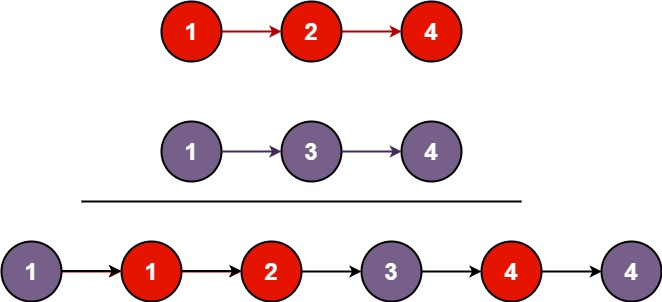



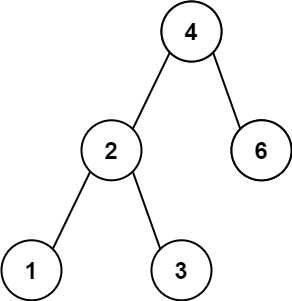
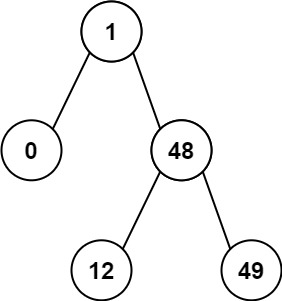
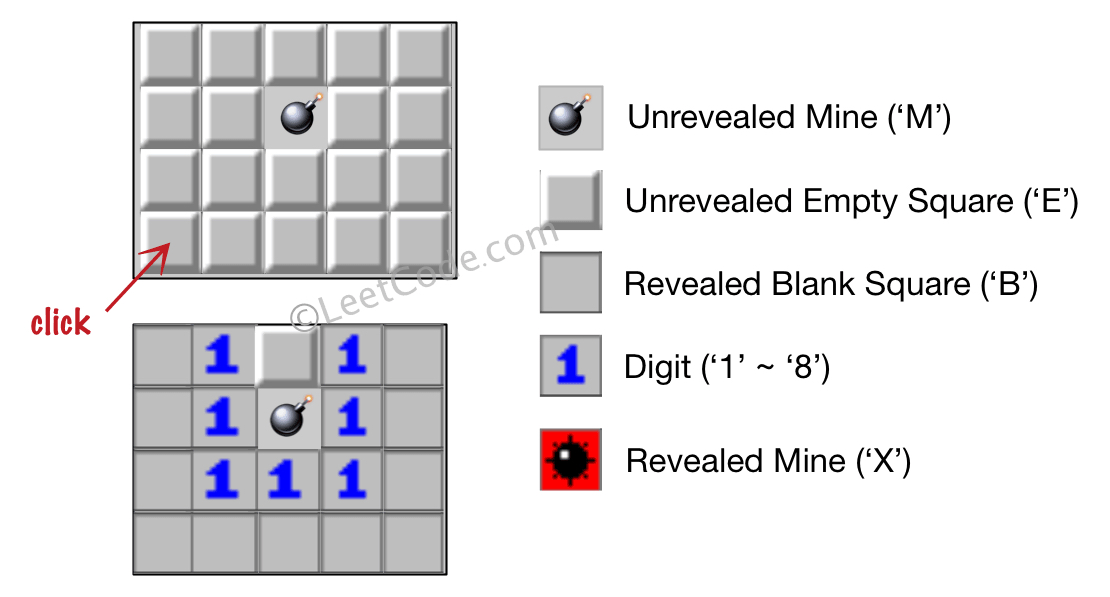
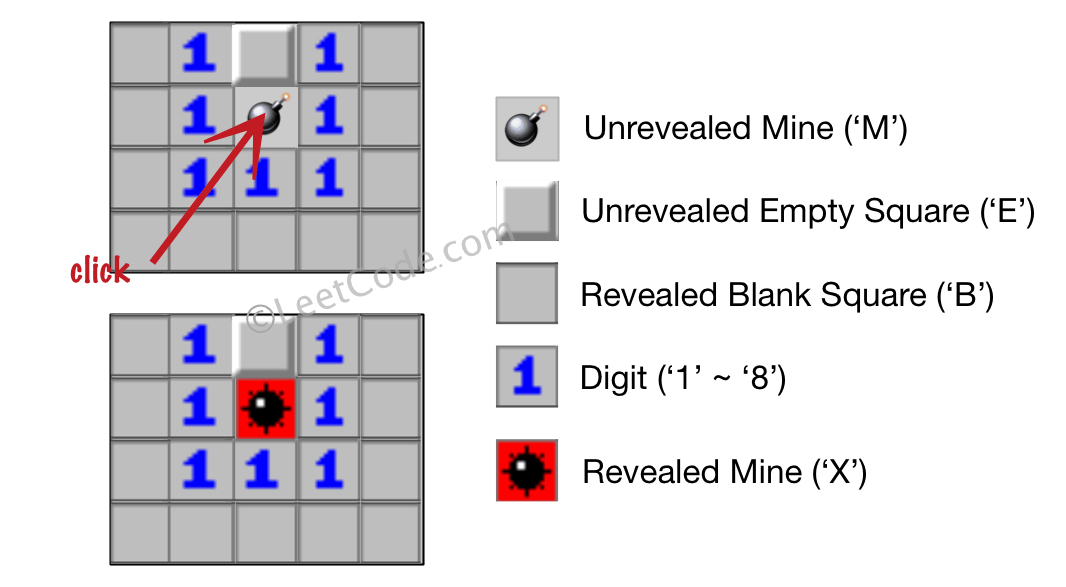


A parentheses string is valid if and only if:\

\
    \
  • It is the empty string,\
  • \
  • It can be written as \AB\ (\A\ concatenated with \B\), where \A\ and \B\ are valid strings, or\
  • \
  • It can be written as \(A)\, where \A\ is a valid string.\
  • \
\

You are given a parentheses string \s\. In one move, you can insert a parenthesis at any position of the string.\

\
    \
  • For example, if \s = "()))"\, you can insert an opening parenthesis to be \"(()))"\ or a closing parenthesis to be \"())))"\.\
  • \
\

Return \the minimum number of moves required to make \\s\\ valid\.\

### Examples ``` Input: s = "())" Output: 1 ``` ``` Input: s = "(((" Output: 3 ``` ### Constraints * 1 \<= s.length \<= 1000 * s\[i] is either '(' or ')'. ## Solution Reference implementation from [solution.py on GitHub](https://github.com/wislertt/leetcode-py/blob/main/leetcode/minimum_add_to_make_parentheses_valid/solution.py), full suite in [test\_solution.py](https://github.com/wislertt/leetcode-py/blob/main/leetcode/minimum_add_to_make_parentheses_valid/test_solution.py): ```python theme={"theme":{"light":"github-light","dark":"github-dark"}} class Solution: # Time: O(?) # Space: O(?) def min_add_to_make_valid(self, s: str) -> int: open_needed = 0 insertions = 0 for char in s: if char == "(": open_needed += 1 elif open_needed > 0: open_needed -= 1 else: insertions += 1 return insertions + open_needed ``` ## Complexity | Time | Space | | ---- | ----- | | O(?) | O(?) | ## Tags [NeetCode All](/catalog/neetcode). # Minimum Area Rectangle Python Solution Source: https://leetcode-py.wisl.dev/problems/minimum-area-rectangle Tested Python solution for LeetCode 939 with 20 pytest cases. Generate a practice environment with lcpy. LeetCode 939, [Medium](/catalog/medium). Topics: [Array](/catalog/topics/array), [Hash Table](/catalog/topics/hash-table), [Math](/catalog/topics/math), [Geometry](/catalog/topics/geometry), [Sorting](/catalog/topics/sorting). [View on LeetCode](https://leetcode.com/problems/minimum-area-rectangle/description/). Generate this problem as a practice environment: tested reference solution, 20 [parametrized pytest cases](/practice/testing), and a playground notebook: ```bash theme={"theme":{"light":"github-light","dark":"github-dark"}} lcpy gen -n 939 # by problem number lcpy gen -s minimum_area_rectangle # by problem name ``` ## Problem You are given an array of points in the **X-Y** plane `points` where `points[i] = [xi, yi]`. Return *the minimum area of a rectangle formed from these points, with sides parallel to the X and Y axes*. If there is not any such rectangle, return `0`. ### Examples ![Example 1](https://assets.leetcode.com/uploads/2021/08/03/rec1.JPG) ``` Input: points = [[1,1],[1,3],[3,1],[3,3],[2,2]] Output: 4 Explanation: The minimum area rectangle is shown in the image, with an area of 2 * 2 = 4. ``` ![Example 2](https://assets.leetcode.com/uploads/2021/08/03/rec2.JPG) ``` Input: points = [[1,1],[1,3],[3,1],[3,3],[4,1],[4,3]] Output: 2 Explanation: The minimum area rectangle is shown in the image, with an area of 1 * 2 = 2. ``` ### Constraints * 1 \<= points.length \<= 500 * points\[i].length == 2 * 0 \<= xi, yi \<= 4 \* 10^4 * All the given points are unique. ## Solution Reference implementation from [solution.py on GitHub](https://github.com/wislertt/leetcode-py/blob/main/leetcode/minimum_area_rectangle/solution.py), full suite in [test\_solution.py](https://github.com/wislertt/leetcode-py/blob/main/leetcode/minimum_area_rectangle/test_solution.py): ```python theme={"theme":{"light":"github-light","dark":"github-dark"}} class Solution: # Time: O(sum k_x^2) where k_x = points sharing the same x, at most O(n^2) # Space: O(n) def min_area_rect(self, points: list[list[int]]) -> int: columns: dict[int, list[int]] = {} for x, y in points: columns.setdefault(x, []).append(y) last_x: dict[tuple[int, int], int] = {} result = 0 for x in sorted(columns): ys = sorted(columns[x]) for i, y1 in enumerate(ys): for y2 in ys[i + 1 :]: pair = (y1, y2) prev_x = last_x.get(pair) if prev_x is not None: area = (x - prev_x) * (y2 - y1) if result == 0 or area < result: result = area last_x[pair] = x return result ``` ## Complexity | Time | Space | | -------------------------------------------------------------------- | ----- | | O(sum k\_x^2) where k\_x = points sharing the same x, at most O(n^2) | O(n) | ## Tags # Minimum Area Rectangle II Python Solution Source: https://leetcode-py.wisl.dev/problems/minimum-area-rectangle-ii Tested Python solution for LeetCode 963 with 22 pytest cases. Generate a practice environment with lcpy. LeetCode 963, [Medium](/catalog/medium). Topics: [Array](/catalog/topics/array), [Hash Table](/catalog/topics/hash-table), [Math](/catalog/topics/math), [Geometry](/catalog/topics/geometry). [View on LeetCode](https://leetcode.com/problems/minimum-area-rectangle-ii/description/). Generate this problem as a practice environment: tested reference solution, 22 [parametrized pytest cases](/practice/testing), and a playground notebook: ```bash theme={"theme":{"light":"github-light","dark":"github-dark"}} lcpy gen -n 963 # by problem number lcpy gen -s minimum_area_rectangle_ii # by problem name ``` ## Problem You are given an array of points in the **X-Y** plane `points` where `points[i] = [xi, yi]`. Return *the minimum area of any rectangle formed from these points, with sides **not necessarily parallel** to the X and Y axes*. If there is not any such rectangle, return `0`. Answers within `10-5` of the actual answer will be accepted. ### Examples ![Example 1](https://assets.leetcode.com/uploads/2018/12/21/1a.png) ``` Input: points = [[1,2],[2,1],[1,0],[0,1]] Output: 2.00000 Explanation: The minimum area rectangle occurs at [1,2],[2,1],[1,0],[0,1], with an area of 2. ``` ![Example 2](https://assets.leetcode.com/uploads/2018/12/22/2.png) ``` Input: points = [[0,1],[2,1],[1,1],[1,0],[2,0]] Output: 1.00000 Explanation: The minimum area rectangle occurs at [1,0],[1,1],[2,1],[2,0], with an area of 1. ``` ![Example 3](https://assets.leetcode.com/uploads/2018/12/22/3.png) ``` Input: points = [[0,3],[1,2],[3,1],[1,3],[2,1]] Output: 0 Explanation: There is no possible rectangle to form from these points. ``` ### Constraints * 1 \<= points.length \<= 50 * points\[i].length == 2 * 0 \<= xi, yi \<= 4 \* 10^4 * All the given points are unique. ## Solution Reference implementation from [solution.py on GitHub](https://github.com/wislertt/leetcode-py/blob/main/leetcode/minimum_area_rectangle_ii/solution.py), full suite in [test\_solution.py](https://github.com/wislertt/leetcode-py/blob/main/leetcode/minimum_area_rectangle_ii/test_solution.py): ```python theme={"theme":{"light":"github-light","dark":"github-dark"}} from collections import defaultdict from itertools import combinations class Solution: # Time: O(n^2 + sum(g^2)) over diagonal groups # Space: O(n^2) def min_area_free_rect(self, points: list[list[int]]) -> float: pts = [complex(x, y) for x, y in points] groups: dict[tuple[complex, float], list[tuple[complex, complex]]] = defaultdict(list) for p1, p2 in combinations(pts, 2): center = (p1 + p2) / 2 diag_sq = abs(p1 - p2) ** 2 groups[(center, diag_sq)].append((p1, p2)) best = float("inf") for diags in groups.values(): for (p1, p2), (p3, _p4) in combinations(diags, 2): area = abs(p1 - p3) * abs(p2 - p3) best = min(best, area) return best if best != float("inf") else 0.0 ``` ## Complexity | Time | Space | | -------------------------------------- | ------ | | O(n^2 + sum(g^2)) over diagonal groups | O(n^2) | ## Tags # Minimum Array End Python Solution with Tests Source: https://leetcode-py.wisl.dev/problems/minimum-array-end Tested Python solution for LeetCode 3133 with 15 pytest cases. Generate a practice environment with lcpy. LeetCode 3133, [Medium](/catalog/medium). Topics: [Bit Manipulation](/catalog/topics/bit-manipulation). [View on LeetCode](https://leetcode.com/problems/minimum-array-end/description/). Generate this problem as a practice environment: tested reference solution, 15 [parametrized pytest cases](/practice/testing), and a playground notebook: ```bash theme={"theme":{"light":"github-light","dark":"github-dark"}} lcpy gen -n 3133 # by problem number lcpy gen -s minimum_array_end # by problem name ``` ## Problem You are given two integers `n` and `x`. You have to construct an array of **positive** integers `nums` of size `n` where for every `0 <= i < n - 1`, `nums[i + 1]` is **greater than** `nums[i]`, and the result of the bitwise `AND` operation between all elements of `nums` is `x`. Return the **minimum** possible value of `nums[n - 1]`. ### Examples ``` Input: n = 3, x = 4 Output: 6 Explanation: nums can be [4, 5, 6] and its last element is 6. ``` ``` Input: n = 2, x = 7 Output: 15 Explanation: nums can be [7, 15] and its last element is 15. ``` ### Constraints * `1 <= n, x <= 10^8` ## Solution Reference implementation from [solution.py on GitHub](https://github.com/wislertt/leetcode-py/blob/main/leetcode/minimum_array_end/solution.py), full suite in [test\_solution.py](https://github.com/wislertt/leetcode-py/blob/main/leetcode/minimum_array_end/test_solution.py): ```python theme={"theme":{"light":"github-light","dark":"github-dark"}} class Solution: # Time: O(1) # bounded by 64 iterations # Space: O(1) def min_end(self, n: int, x: int) -> int: result = x increment = n - 1 inc_bit = 0 for bit in range(64): if (x >> bit) & 1 == 0: if (increment >> inc_bit) & 1: result |= 1 << bit inc_bit += 1 return result ``` ## Complexity | Time | Space | | -------------------------------- | ----- | | O(1) # bounded by 64 iterations | O(1) | ## Tags [NeetCode 250](/catalog/neetcode-250), [NeetCode All](/catalog/neetcode). # Minimum ASCII Delete Sum for Two Strings Source: https://leetcode-py.wisl.dev/problems/minimum-ascii-delete-sum-for-two-strings Tested Python solution for LeetCode 712 with 20 pytest cases. Generate a practice environment with lcpy. LeetCode 712, [Medium](/catalog/medium). Topics: [String](/catalog/topics/string), [Dynamic Programming](/catalog/topics/dynamic-programming), Longest Common Subsequence. [View on LeetCode](https://leetcode.com/problems/minimum-ascii-delete-sum-for-two-strings/description/). Generate this problem as a practice environment: tested reference solution, 20 [parametrized pytest cases](/practice/testing), and a playground notebook: ```bash theme={"theme":{"light":"github-light","dark":"github-dark"}} lcpy gen -n 712 # by problem number lcpy gen -s minimum_ascii_delete_sum_for_two_strings # by problem name ``` ## Problem Given two strings `s1` and `s2`, return *the lowest **ASCII** sum of deleted characters to make two strings equal*. ### Examples ``` Input: s1 = "sea", s2 = "eat" Output: 231 Explanation: Deleting "s" from "sea" adds the ASCII value of "s" (115) to the sum. Deleting "t" from "eat" adds 116 to the sum. At the end, both strings are equal, and 115 + 116 = 231 is the minimum sum possible to achieve this. ``` ``` Input: s1 = "delete", s2 = "leet" Output: 403 Explanation: Deleting "dee" from "delete" to turn the string into "let", adds 100[d] + 101[e] + 101[e] to the sum. Deleting "e" from "leet" adds 101[e] to the sum. At the end, both strings are equal to "let", and the answer is 100 + 101 + 101 + 101 = 403. ``` ### Constraints * 1 \<= s1.length, s2.length \<= 1000 * s1 and s2 consist of lowercase English letters. ## Solution Reference implementation from [solution.py on GitHub](https://github.com/wislertt/leetcode-py/blob/main/leetcode/minimum_ascii_delete_sum_for_two_strings/solution.py), full suite in [test\_solution.py](https://github.com/wislertt/leetcode-py/blob/main/leetcode/minimum_ascii_delete_sum_for_two_strings/test_solution.py): ```python theme={"theme":{"light":"github-light","dark":"github-dark"}} class Solution: # Time: O(m * n) # Space: O(min(m, n)) def minimum_delete_sum(self, s1: str, s2: str) -> int: if len(s1) < len(s2): s1, s2 = s2, s1 prev = [0] * (len(s2) + 1) for j in range(1, len(s2) + 1): prev[j] = prev[j - 1] + ord(s2[j - 1]) for i in range(1, len(s1) + 1): curr = [prev[0] + ord(s1[i - 1])] for j in range(1, len(s2) + 1): if s1[i - 1] == s2[j - 1]: curr.append(prev[j - 1]) else: curr.append(min(prev[j] + ord(s1[i - 1]), curr[j - 1] + ord(s2[j - 1]))) prev = curr return prev[-1] ``` ## Complexity | Time | Space | | --------- | ------------ | | O(m \* n) | O(min(m, n)) | ## Tags # Minimum Bit Flips to Convert Number Source: https://leetcode-py.wisl.dev/problems/minimum-bit-flips-to-convert-number Tested Python solution for LeetCode 2220 with 24 pytest cases. Generate a practice environment with lcpy. LeetCode 2220, [Easy](/catalog/easy). Topics: [Bit Manipulation](/catalog/topics/bit-manipulation). [View on LeetCode](https://leetcode.com/problems/minimum-bit-flips-to-convert-number/description/). Generate this problem as a practice environment: tested reference solution, 24 [parametrized pytest cases](/practice/testing), and a playground notebook: ```bash theme={"theme":{"light":"github-light","dark":"github-dark"}} lcpy gen -n 2220 # by problem number lcpy gen -s minimum_bit_flips_to_convert_number # by problem name ``` ## Problem A **bit flip** of a number `x` is choosing a bit in the binary representation of `x` and **flipping** it from either `0` to `1` or `1` to `0`. * For example, for `x = 7`, the binary representation is `111` and we may choose any bit (including any leading zeros not shown) and flip it. We can flip the first bit from the right to get `110`, flip the second bit from the right to get `101`, flip the fifth bit from the right (a leading zero) to get `10111`, etc. Given two integers `start` and `goal`, return *the **minimum** number of **bit flips** to convert* `start` *to* `goal`. ### Examples ``` Input: start = 10, goal = 7 Output: 3 Explanation: The binary representation of 10 and 7 are 1010 and 0111 respectively. We can convert 10 to 7 in 3 steps: - Flip the first bit from the right: 1010 -> 1011. - Flip the third bit from the right: 1011 -> 1111. - Flip the fourth bit from the right: 1111 -> 0111. It can be shown we cannot convert 10 to 7 in less than 3 steps. Hence, we return 3. ``` ``` Input: start = 3, goal = 4 Output: 3 Explanation: The binary representation of 3 and 4 are 011 and 100 respectively. We can convert 3 to 4 in 3 steps: - Flip the first bit from the right: 011 -> 010. - Flip the second bit from the right: 010 -> 000. - Flip the third bit from the right: 000 -> 100. It can be shown we cannot convert 3 to 4 in less than 3 steps. Hence, we return 3. ``` ### Constraints * 0 \<= start, goal \<= 10^9 ## Solution Reference implementation from [solution.py on GitHub](https://github.com/wislertt/leetcode-py/blob/main/leetcode/minimum_bit_flips_to_convert_number/solution.py), full suite in [test\_solution.py](https://github.com/wislertt/leetcode-py/blob/main/leetcode/minimum_bit_flips_to_convert_number/test_solution.py): ```python theme={"theme":{"light":"github-light","dark":"github-dark"}} class Solution: # Time: O(log(max(start, goal))) # Space: O(1) def min_bit_flips(self, start: int, goal: int) -> int: return (start ^ goal).bit_count() ``` ## Complexity | Time | Space | | ------------------------ | ----- | | O(log(max(start, goal))) | O(1) | ## Tags [NeetCode All](/catalog/neetcode). # Minimum Changes To Make Alternating Binary Source: https://leetcode-py.wisl.dev/problems/minimum-changes-to-make-alternating-binary-string Tested Python solution for LeetCode 1758 with 20 pytest cases. Generate a practice environment with lcpy. LeetCode 1758, [Easy](/catalog/easy). Topics: [String](/catalog/topics/string). [View on LeetCode](https://leetcode.com/problems/minimum-changes-to-make-alternating-binary-string/description/). Generate this problem as a practice environment: tested reference solution, 20 [parametrized pytest cases](/practice/testing), and a playground notebook: ```bash theme={"theme":{"light":"github-light","dark":"github-dark"}} lcpy gen -n 1758 # by problem number lcpy gen -s minimum_changes_to_make_alternating_binary_string # by problem name ``` ## Problem You are given a string `s` consisting only of the characters `'0'` and `'1'`. In one operation, you can change any `'0'` to `'1'` or vice versa. The string is called alternating if no two adjacent characters are equal. For example, the string `"010"` is alternating, while the string `"0100"` is not. Return *the **minimum** number of operations needed to make* `s` *alternating*. ### Examples **Example 1:** ``` **Input:** s = "0100" **Output:** 1 **Explanation:** If you change the last character to '1', s will be "0101", which is alternating. ``` **Example 2:** ``` **Input:** s = "10" **Output:** 0 **Explanation:** s is already alternating. ``` **Example 3:** ``` **Input:** s = "1111" **Output:** 2 **Explanation:** You need two operations to reach "0101" or "1010". ``` ### Constraints * 1 \<= s.length \<= 10^4 * `s[i]` is either `'0'` or `'1'`. ## Solution Reference implementation from [solution.py on GitHub](https://github.com/wislertt/leetcode-py/blob/main/leetcode/minimum_changes_to_make_alternating_binary_string/solution.py), full suite in [test\_solution.py](https://github.com/wislertt/leetcode-py/blob/main/leetcode/minimum_changes_to_make_alternating_binary_string/test_solution.py): ```python theme={"theme":{"light":"github-light","dark":"github-dark"}} class Solution: # Time: O(n) # Space: O(1) def min_operations(self, s: str) -> int: start_zero = 0 # changes to reach pattern 0101... for i, char in enumerate(s): if int(char) != i % 2: start_zero += 1 return min(start_zero, len(s) - start_zero) ``` ## Complexity | Time | Space | | ---- | ----- | | O(n) | O(1) | ## Tags [NeetCode All](/catalog/neetcode). # Minimum Cost For Tickets Python Solution Source: https://leetcode-py.wisl.dev/problems/minimum-cost-for-tickets Tested Python solution for LeetCode 983 with 12 pytest cases. Generate a practice environment with lcpy. LeetCode 983, [Medium](/catalog/medium). Topics: [Array](/catalog/topics/array), [Dynamic Programming](/catalog/topics/dynamic-programming). [View on LeetCode](https://leetcode.com/problems/minimum-cost-for-tickets/description/). Generate this problem as a practice environment: tested reference solution, 12 [parametrized pytest cases](/practice/testing), and a playground notebook: ```bash theme={"theme":{"light":"github-light","dark":"github-dark"}} lcpy gen -n 983 # by problem number lcpy gen -s minimum_cost_for_tickets # by problem name ``` ## Problem You have planned some train traveling one year in advance. The days of the year in which you will travel are given as an integer array `days`. Each day is an integer from `1` to `365`. Train tickets are sold in three different ways: * a **1-day** pass is sold for `costs[0]` dollars, * a **7-day** pass is sold for `costs[1]` dollars, and * a **30-day** pass is sold for `costs[2]` dollars. The passes allow that many days of consecutive travel. * For example, if we get a **7-day** pass on day `2`, then we can travel for `7` days: `2`, `3`, `4`, `5`, `6`, `7`, and `8`. Return *the minimum number of dollars you need to travel every day in the given list of days*. ### Examples ``` Input: days = [1,4,6,7,8,20], costs = [2,7,15] Output: 11 Explanation: For example, here is one way to buy passes that lets you travel your travel plan: On day 1, you bought a 1-day pass for costs[0] = $2, which covered day 1. On day 3, you bought a 7-day pass for costs[1] = $7, which covered days 3, 4, ..., 9. On day 20, you bought a 1-day pass for costs[0] = $2, which covered day 20. In total, you spent $11 and covered all the days of your travel. ``` ``` Input: days = [1,2,3,4,5,6,7,8,9,10,30,31], costs = [2,7,15] Output: 17 Explanation: For example, here is one way to buy passes that lets you travel your travel plan: On day 1, you bought a 30-day pass for costs[2] = $15 which covered days 1, 2, ..., 30. On day 31, you bought a 1-day pass for costs[0] = $2 which covered day 31. In total, you spent $17 and covered all the days of your travel. ``` ### Constraints * `1 <= days.length <= 365` * `1 <= days[i] <= 365` * `days` is in strictly increasing order. * `costs.length == 3` * `1 <= costs[i] <= 1000` ## Solution Reference implementation from [solution.py on GitHub](https://github.com/wislertt/leetcode-py/blob/main/leetcode/minimum_cost_for_tickets/solution.py), full suite in [test\_solution.py](https://github.com/wislertt/leetcode-py/blob/main/leetcode/minimum_cost_for_tickets/test_solution.py): ```python theme={"theme":{"light":"github-light","dark":"github-dark"}} class Solution: # Time: O(D) where D is the last travel day # Space: O(D) def min_cost_tickets(self, days: list[int], costs: list[int]) -> int: dayset = set(days) last = days[-1] dp = [0] * (last + 1) for day in range(1, last + 1): if day not in dayset: dp[day] = dp[day - 1] else: dp[day] = min( dp[day - 1] + costs[0], dp[max(day - 7, 0)] + costs[1], dp[max(day - 30, 0)] + costs[2], ) return dp[last] ``` ## Complexity | Time | Space | | ----------------------------------- | ----- | | O(D) where D is the last travel day | O(D) | ## Tags [NeetCode All](/catalog/neetcode). # Minimum Cost to Connect Sticks Python Solution Source: https://leetcode-py.wisl.dev/problems/minimum-cost-to-connect-sticks Tested Python solution for LeetCode 1167 with 17 pytest cases. Generate a practice environment with lcpy. LeetCode 1167, [Easy](/catalog/easy). Topics: [Array](/catalog/topics/array), [Greedy](/catalog/topics/greedy), [Heap (Priority Queue)](/catalog/topics/heap-priority-queue). [View on LeetCode](https://leetcode.com/problems/minimum-cost-to-connect-sticks/description/). Generate this problem as a practice environment: tested reference solution, 17 [parametrized pytest cases](/practice/testing), and a playground notebook: ```bash theme={"theme":{"light":"github-light","dark":"github-dark"}} lcpy gen -n 1167 # by problem number lcpy gen -s minimum_cost_to_connect_sticks # by problem name ``` ## Problem You have some number of sticks with positive integer lengths. These lengths are given as an array `sticks`, where `sticks[i]` is the length of the `ith` stick. You can connect any two sticks of lengths `x` and `y` into one stick by paying a cost of `x + y`. You must connect all the sticks until there is only one stick remaining. Return *the minimum cost of connecting all the given sticks into one stick in this way*. ### Examples ``` Input: sticks = [2,4,3] Output: 14 Explanation: You start with sticks = [2,4,3]. 1. Combine sticks 2 and 3 for a cost of 2 + 3 = 5. Now you have sticks = [5,4]. 2. Combine sticks 5 and 4 for a cost of 5 + 4 = 9. Now you have sticks = [9]. There is only one stick left, so you are done. The total cost is 5 + 9 = 14. ``` ``` Input: sticks = [1,8,3,5] Output: 30 Explanation: You start with sticks = [1,8,3,5]. 1. Combine sticks 1 and 3 for a cost of 1 + 3 = 4. Now you have sticks = [4,8,5]. 2. Combine sticks 4 and 5 for a cost of 4 + 5 = 9. Now you have sticks = [9,8]. 3. Combine sticks 9 and 8 for a cost of 9 + 8 = 17. Now you have sticks = [17]. There is only one stick left, so you are done. The total cost is 4 + 9 + 17 = 30. ``` ``` Input: sticks = [5] Output: 0 Explanation: There is only one stick, so you don't need to do anything. The total cost is 0. ``` ### Constraints * 1 \<= sticks.length \<= 10^4 * 1 \<= sticks\[i] \<= 10^4 ## Solution Reference implementation from [solution.py on GitHub](https://github.com/wislertt/leetcode-py/blob/main/leetcode/minimum_cost_to_connect_sticks/solution.py), full suite in [test\_solution.py](https://github.com/wislertt/leetcode-py/blob/main/leetcode/minimum_cost_to_connect_sticks/test_solution.py): ```python theme={"theme":{"light":"github-light","dark":"github-dark"}} import heapq class Solution: # Time: O(n log n) # Space: O(n) def connect_sticks(self, sticks: list[int]) -> int: heap = list(sticks) heapq.heapify(heap) cost = 0 while len(heap) > 1: merged = heapq.heappop(heap) + heapq.heappop(heap) cost += merged heapq.heappush(heap, merged) return cost ``` ## Complexity | Time | Space | | ---------- | ----- | | O(n log n) | O(n) | ## Tags [NeetCode All](/catalog/neetcode). # Minimum Cost to Convert String I Source: https://leetcode-py.wisl.dev/problems/minimum-cost-to-convert-string-i Tested Python solution for LeetCode 2976 with 22 pytest cases. Generate a practice environment with lcpy. LeetCode 2976, [Medium](/catalog/medium). Topics: [Array](/catalog/topics/array), [String](/catalog/topics/string), [Graph Theory](/catalog/topics/graph-theory), [Shortest Path](/catalog/topics/shortest-path). [View on LeetCode](https://leetcode.com/problems/minimum-cost-to-convert-string-i/description/). Generate this problem as a practice environment: tested reference solution, 22 [parametrized pytest cases](/practice/testing), and a playground notebook: ```bash theme={"theme":{"light":"github-light","dark":"github-dark"}} lcpy gen -n 2976 # by problem number lcpy gen -s minimum_cost_to_convert_string_i # by problem name ``` ## Problem You are given two **0-indexed** strings `source` and `target`, both of length `n` and consisting of **lowercase** English letters. You are also given two **0-indexed** character arrays `original` and `changed`, and an integer array `cost`, where `cost[i]` represents the cost of changing the character `original[i]` to the character `changed[i]`. You start with the string `source`. In one operation, you can pick a character `x` from the string and change it to the character `y` at a cost of `z` **if** there exists **any** index `j` such that `cost[j] == z`, `original[j] == x`, and `changed[j] == y`. Return *the **minimum** cost to convert the string* `source` *to the string* `target` *using **any** number of operations*. If it is impossible to convert `source` to `target`, return `-1`. **Note** that there may exist indices `i`, `j` such that `original[j] == original[i]` and `changed[j] == changed[i]`. ### Examples ``` Input: source = "abcd", target = "acbe", original = ["a","b","c","c","e","d"], changed = ["b","c","b","e","b","e"], cost = [2,5,5,1,2,20] Output: 28 Explanation: To convert the string "abcd" to string "acbe": - Change value at index 1 from 'b' to 'c' at a cost of 5. - Change value at index 2 from 'c' to 'e' at a cost of 1. - Change value at index 2 from 'e' to 'b' at a cost of 2. - Change value at index 3 from 'd' to 'e' at a cost of 20. The total cost incurred is 5 + 1 + 2 + 20 = 28. It can be shown that this is the minimum possible cost. ``` ``` Input: source = "aaaa", target = "bbbb", original = ["a","c"], changed = ["c","b"], cost = [1,2] Output: 12 Explanation: To change the character 'a' to 'b' change the character 'a' to 'c' at a cost of 1, followed by changing the character 'c' to 'b' at a cost of 2, for a total cost of 1 + 2 = 3. To change all occurrences of 'a' to 'b', a total cost of 3 * 4 = 12 is incurred. ``` ``` Input: source = "abcd", target = "abce", original = ["a"], changed = ["e"], cost = [10000] Output: -1 Explanation: It is impossible to convert source to target because the value at index 3 cannot be changed from 'd' to 'e'. ``` ### Constraints * 1 \<= source.length == target.length \<= 10^5 * source, target consist of lowercase English letters. * 1 \<= cost.length == original.length == changed.length \<= 2000 * original\[i], changed\[i] are lowercase English letters. * 1 \<= cost\[i] \<= 10^6 * original\[i] != changed\[i] ## Solution Reference implementation from [solution.py on GitHub](https://github.com/wislertt/leetcode-py/blob/main/leetcode/minimum_cost_to_convert_string_i/solution.py), full suite in [test\_solution.py](https://github.com/wislertt/leetcode-py/blob/main/leetcode/minimum_cost_to_convert_string_i/test_solution.py): ```python theme={"theme":{"light":"github-light","dark":"github-dark"}} class Solution: # Time: O(cost.length + 26^3 + n) # Space: O(26^2) def minimum_cost( self, source: str, target: str, original: list[str], changed: list[str], cost: list[int] ) -> int: unreach = 10**18 dist = [[unreach] * 26 for _ in range(26)] for i in range(26): dist[i][i] = 0 for o, c, w in zip(original, changed, cost, strict=True): dist[ord(o) - 97][ord(c) - 97] = min(dist[ord(o) - 97][ord(c) - 97], w) for k in range(26): dist_k = dist[k] for i in range(26): dist_ik = dist[i][k] if dist_ik == unreach: continue dist_i = dist[i] for j in range(26): if dist_ik + dist_k[j] < dist_i[j]: dist_i[j] = dist_ik + dist_k[j] total = 0 for s, t in zip(source, target, strict=True): d = dist[ord(s) - 97][ord(t) - 97] if d == unreach: return -1 total += d return total ``` ## Complexity | Time | Space | | ------------------------- | ------- | | O(cost.length + 26^3 + n) | O(26^2) | ## Tags [NeetCode All](/catalog/neetcode). # Minimum Cost to Cut a Stick Python Solution Source: https://leetcode-py.wisl.dev/problems/minimum-cost-to-cut-a-stick Tested Python solution for LeetCode 1547 with 24 pytest cases. Generate a practice environment with lcpy. LeetCode 1547, [Hard](/catalog/hard). Topics: [Array](/catalog/topics/array), [Dynamic Programming](/catalog/topics/dynamic-programming), [Sorting](/catalog/topics/sorting). [View on LeetCode](https://leetcode.com/problems/minimum-cost-to-cut-a-stick/description/). Generate this problem as a practice environment: tested reference solution, 24 [parametrized pytest cases](/practice/testing), and a playground notebook: ```bash theme={"theme":{"light":"github-light","dark":"github-dark"}} lcpy gen -n 1547 # by problem number lcpy gen -s minimum_cost_to_cut_a_stick # by problem name ``` ## Problem Given a wooden stick of length `n` units. The stick is labelled from `0` to `n`. For example, a stick of length **6** is labelled as follows: ![Stick labelled 0 to 6](https://assets.leetcode.com/uploads/2020/07/21/statement.jpg) Given an integer array `cuts` where `cuts[i]` denotes a position you should perform a cut at. You should perform the cuts in order, you can change the order of the cuts as you wish. The cost of one cut is the length of the stick to be cut, the total cost is the sum of costs of all cuts. When you cut a stick, it will be split into two smaller sticks (i.e. the sum of their lengths is the length of the stick before the cut). Please refer to the first example for a better explanation. Return *the minimum total cost* of the cuts. ### Examples ![Example 1](https://assets.leetcode.com/uploads/2020/07/23/e1.jpg) ``` Input: n = 7, cuts = [1,3,4,5] Output: 16 Explanation: Using cuts order = [1, 3, 4, 5] as in the input leads to the following scenario: ![Scenario](https://assets.leetcode.com/uploads/2020/07/21/e11.jpg) The first cut is done to a rod of length 7 so the cost is 7. The second cut is done to a rod of length 6 (i.e. the second part of the first cut), the third is done to a rod of length 4 and the last cut is to a rod of length 3. The total cost is 7 + 6 + 4 + 3 = 20. Rearranging the cuts to be [3, 5, 1, 4] for example will lead to a scenario with total cost = 16 (as shown in the example photo 7 + 4 + 3 + 2 = 16). ``` ``` Input: n = 9, cuts = [5,6,1,4,2] Output: 22 Explanation: If you try the given cuts ordering the cost will be 25. There are much ordering with total cost <= 25, for example, the order [4, 6, 5, 2, 1] has total cost = 22 which is the minimum possible. ``` ### Constraints * 2 \<= n \<= 10^6 * 1 \<= cuts.length \<= min(n - 1, 100) * 1 \<= cuts\[i] \<= n - 1 * All the integers in `cuts` array are **distinct**. ## Solution Reference implementation from [solution.py on GitHub](https://github.com/wislertt/leetcode-py/blob/main/leetcode/minimum_cost_to_cut_a_stick/solution.py), full suite in [test\_solution.py](https://github.com/wislertt/leetcode-py/blob/main/leetcode/minimum_cost_to_cut_a_stick/test_solution.py): ```python theme={"theme":{"light":"github-light","dark":"github-dark"}} class Solution: # Time: O(m^3) where m = len(cuts) # Space: O(m^2) def min_cost(self, n: int, cuts: list[int]) -> int: bounds = sorted(cuts) prefix = [0, *bounds, n] m = len(prefix) # dp[i][j] = min cost to cut the segment (prefix[i], prefix[j]) entirely dp = [[0] * m for _ in range(m)] for length in range(2, m): for i in range(m - length): j = i + length dp[i][j] = min(dp[i][k] + dp[k][j] for k in range(i + 1, j)) + prefix[j] - prefix[i] return dp[0][m - 1] ``` ## Complexity | Time | Space | | -------------------------- | ------ | | O(m^3) where m = len(cuts) | O(m^2) | ## Tags [NeetCode All](/catalog/neetcode). # Minimum Cost to Hire K Workers Python Solution Source: https://leetcode-py.wisl.dev/problems/minimum-cost-to-hire-k-workers Tested Python solution for LeetCode 857 with 15 pytest cases. Generate a practice environment with lcpy. LeetCode 857, [Hard](/catalog/hard). Topics: [Array](/catalog/topics/array), [Greedy](/catalog/topics/greedy), [Sorting](/catalog/topics/sorting), [Heap (Priority Queue)](/catalog/topics/heap-priority-queue). [View on LeetCode](https://leetcode.com/problems/minimum-cost-to-hire-k-workers/description/). Generate this problem as a practice environment: tested reference solution, 15 [parametrized pytest cases](/practice/testing), and a playground notebook: ```bash theme={"theme":{"light":"github-light","dark":"github-dark"}} lcpy gen -n 857 # by problem number lcpy gen -s minimum_cost_to_hire_k_workers # by problem name ``` ## Problem There are `n` workers. You are given two integer arrays `quality` and `wage` where `quality[i]` is the quality of the `ith` worker and `wage[i]` is the minimum wage expectation for the `ith` worker. We want to hire exactly `k` workers to form a paid group. To hire a group of `k` workers, we must pay them according to the following rules: 1. Every worker in the paid group must be paid at least their minimum wage expectation. 2. In the group, each worker's pay must be directly proportional to their quality. This means if a worker's quality is double that of another worker in the group, then they must be paid twice as much as the other worker. Given the integer `k`, return *the least amount of money needed to form a paid group satisfying the above conditions. Answers within* `10-5` *of the actual answer will be accepted.* ### Examples ``` Input: quality = [10,20,5], wage = [70,50,30], k = 2 Output: 105.00000 Explanation: We pay 70 to 0th worker and 35 to 2nd worker. ``` ``` Input: quality = [3,1,10,10,1], wage = [4,8,2,2,7], k = 3 Output: 30.66667 Explanation: We pay 4 to 0th worker, 13.33333 to 2nd and 3rd workers separately. ``` ### Constraints * n == quality.length == wage.length * 1 \<= k \<= n \<= 10^4 * 1 \<= quality\[i], wage\[i] \<= 10^4 ## Solution Reference implementation from [solution.py on GitHub](https://github.com/wislertt/leetcode-py/blob/main/leetcode/minimum_cost_to_hire_k_workers/solution.py), full suite in [test\_solution.py](https://github.com/wislertt/leetcode-py/blob/main/leetcode/minimum_cost_to_hire_k_workers/test_solution.py): ```python theme={"theme":{"light":"github-light","dark":"github-dark"}} import heapq class Solution: # Time: O(n log n) # Space: O(n) def mincost_to_hire_workers(self, quality: list[int], wage: list[int], k: int) -> float: # Sort by wage/quality ratio; at ratio r the whole pool pays # r * total_quality, and lowest ratios keep the pool cheap workers = sorted( ((w / q, q) for q, w in zip(quality, wage, strict=True)), key=lambda x: x[0], ) pool: list[int] = [] # negated qualities of the current k workers total_quality = 0 best = float("inf") for ratio, q in workers: heapq.heappush(pool, -q) total_quality += q if len(pool) > k: total_quality += heapq.heappop(pool) if len(pool) == k: best = min(best, ratio * total_quality) return best ``` ## Complexity | Time | Space | | ---------- | ----- | | O(n log n) | O(n) | ## Tags [NeetCode All](/catalog/neetcode). # Minimum Cost to Make at Least One Valid Path Source: https://leetcode-py.wisl.dev/problems/minimum-cost-to-make-at-least-one-valid-path-in-a-grid Tested Python solution for LeetCode 1368 with 24 pytest cases. Generate a practice environment with lcpy. LeetCode 1368, [Medium](/catalog/medium). Topics: [Array](/catalog/topics/array), [Breadth-First Search](/catalog/topics/breadth-first-search), [Graph](/catalog/topics/graph), [Heap (Priority Queue)](/catalog/topics/heap-priority-queue), [Matrix](/catalog/topics/matrix), [Shortest Path](/catalog/topics/shortest-path). [View on LeetCode](https://leetcode.com/problems/minimum-cost-to-make-at-least-one-valid-path-in-a-grid/description/). Generate this problem as a practice environment: tested reference solution, 24 [parametrized pytest cases](/practice/testing), and a playground notebook: ```bash theme={"theme":{"light":"github-light","dark":"github-dark"}} lcpy gen -n 1368 # by problem number lcpy gen -s minimum_cost_to_make_at_least_one_valid_path_in_a_grid # by problem name ``` ## Problem Given an \m x n\ grid. Each cell of the grid has a sign pointing to the next cell you should visit if you are currently in this cell. The sign of \grid\[i]\[j]\ can be: \
    \
  • \1\ which means go to the cell to the right. (i.e go from \grid\[i]\[j]\ to \grid\[i]\[j + 1]\)\
  • \
  • \2\ which means go to the cell to the left. (i.e go from \grid\[i]\[j]\ to \grid\[i]\[j - 1]\)\
  • \
  • \3\ which means go to the lower cell. (i.e go from \grid\[i]\[j]\ to \grid\[i + 1]\[j]\)\
  • \
  • \4\ which means go to the upper cell. (i.e go from \grid\[i]\[j]\ to \grid\[i - 1]\[j]\)\
  • \
Notice that there could be some signs on the cells of the grid that point outside the grid. You will initially start at the upper left cell \(0, 0)\. A valid path in the grid is a path that starts from the upper left cell \(0, 0)\ and ends at the bottom-right cell \(m - 1, n - 1)\ following the signs on the grid. The valid path does not have to be the shortest. You can modify the sign on a cell with \cost = 1\. You can modify the sign on a cell \one time only\. Return the \minimum cost to make the grid have at least one \valid path\\. ### Examples ![Example 1](https://assets.leetcode.com/uploads/2020/02/13/grid1.png) ``` Input: grid = [[1,1,1,1],[2,2,2,2],[1,1,1,1],[2,2,2,2]] Output: 3 Explanation: You will start at point (0, 0). The path to (3, 3) is as follows. (0, 0) --> (0, 1) --> (0, 2) --> (0, 3) change the arrow to down with cost = 1 --> (1, 3) --> (1, 2) --> (1, 1) --> (1, 0) change the arrow to down with cost = 1 --> (2, 0) --> (2, 1) --> (2, 2) --> (2, 3) change the arrow to down with cost = 1 --> (3, 3) The total cost = 3. ``` ![Example 2](https://assets.leetcode.com/uploads/2020/02/13/grid2.png) ``` Input: grid = [[1,1,3],[3,2,2],[1,1,4]] Output: 0 Explanation: You can follow the path from (0, 0) to (2, 2). ``` ![Example 3](https://assets.leetcode.com/uploads/2020/02/13/grid3.png) ``` Input: grid = [[1,2],[4,3]] Output: 1 ``` ### Constraints * m == grid.length * n == grid\[i].length * 1 \<= m, n \<= 100 * 1 \<= grid\[i]\[j] \<= 4 ## Solution Reference implementation from [solution.py on GitHub](https://github.com/wislertt/leetcode-py/blob/main/leetcode/minimum_cost_to_make_at_least_one_valid_path_in_a_grid/solution.py), full suite in [test\_solution.py](https://github.com/wislertt/leetcode-py/blob/main/leetcode/minimum_cost_to_make_at_least_one_valid_path_in_a_grid/test_solution.py): ```python theme={"theme":{"light":"github-light","dark":"github-dark"}} from collections import deque class Solution: # Time: O(m * n) # Space: O(m * n) def min_cost(self, grid: list[list[int]]) -> int: # 0-1 BFS: follow the cell's own sign with cost 0, any other # direction with cost 1. dirs = {1: (0, 1), 2: (0, -1), 3: (1, 0), 4: (-1, 0)} m, n = len(grid), len(grid[0]) inf_cost = 10**9 dist = [[inf_cost] * n for _ in range(m)] dist[0][0] = 0 dq: deque[tuple[int, int, int]] = deque([(0, 0, 0)]) while dq: d, i, j = dq.popleft() if d > dist[i][j]: continue for s, (di, dj) in dirs.items(): ni, nj = i + di, j + dj if 0 <= ni < m and 0 <= nj < n: nd = d if grid[i][j] == s else d + 1 if nd < dist[ni][nj]: dist[ni][nj] = nd if nd == d: dq.appendleft((nd, ni, nj)) else: dq.append((nd, ni, nj)) return dist[m - 1][n - 1] ``` ## Complexity | Time | Space | | --------- | --------- | | O(m \* n) | O(m \* n) | ## Tags [NeetCode All](/catalog/neetcode). # Minimum Cost to Merge Stones Python Solution Source: https://leetcode-py.wisl.dev/problems/minimum-cost-to-merge-stones Tested Python solution for LeetCode 1000 with 18 pytest cases. Generate a practice environment with lcpy. LeetCode 1000, [Hard](/catalog/hard). Topics: [Array](/catalog/topics/array), [Dynamic Programming](/catalog/topics/dynamic-programming), [Prefix Sum](/catalog/topics/prefix-sum). [View on LeetCode](https://leetcode.com/problems/minimum-cost-to-merge-stones/description/). Generate this problem as a practice environment: tested reference solution, 18 [parametrized pytest cases](/practice/testing), and a playground notebook: ```bash theme={"theme":{"light":"github-light","dark":"github-dark"}} lcpy gen -n 1000 # by problem number lcpy gen -s minimum_cost_to_merge_stones # by problem name ``` ## Problem There are `n` piles of stones arranged in a row. The `i^th` pile has `stones[i]` stones. A move consists of merging exactly `k` **consecutive** piles into one pile, and the cost of this move is equal to the total number of stones in these `k` piles. Return the minimum cost to merge all piles of stones into one pile. If it is impossible, return `-1`. ### Examples ``` Input: stones = [3,2,4,1], k = 2 Output: 20 ``` **Explanation:** We start with \[3, 2, 4, 1]. We merge \[3, 2] for a cost of 5, and we are left with \[5, 4, 1]. We merge \[4, 1] for a cost of 5, and we are left with \[5, 5]. We merge \[5, 5] for a cost of 10, and we are left with \[10]. The total cost was 20, and this is the minimum possible. ``` Input: stones = [3,2,4,1], k = 3 Output: -1 ``` **Explanation:** After any merge operation, there are 2 piles left, and we can't merge anymore. So the task is impossible. ``` Input: stones = [3,5,1,2,6], k = 3 Output: 25 ``` **Explanation:** We start with \[3, 5, 1, 2, 6]. We merge \[5, 1, 2] for a cost of 8, and we are left with \[3, 8, 6]. We merge \[3, 8, 6] for a cost of 17, and we are left with \[17]. The total cost was 25, and this is the minimum possible. ### Constraints * `n == stones.length` * `1 <= n <= 30` * `1 <= stones[i] <= 100` * `2 <= k <= 30` ## Solution Reference implementation from [solution.py on GitHub](https://github.com/wislertt/leetcode-py/blob/main/leetcode/minimum_cost_to_merge_stones/solution.py), full suite in [test\_solution.py](https://github.com/wislertt/leetcode-py/blob/main/leetcode/minimum_cost_to_merge_stones/test_solution.py): ```python theme={"theme":{"light":"github-light","dark":"github-dark"}} class Solution: # Time: O(n^3 / k * k) = O(n^3) over intervals with k-step splits # Space: O(n^2) def merge_stones(self, stones: list[int], k: int) -> int: n = len(stones) if n == 1: return 0 if (n - 1) % (k - 1) != 0: return -1 prefix = [0] * (n + 1) for i, stones_count in enumerate(stones): prefix[i + 1] = prefix[i] + stones_count # dp[i][j] = min cost to merge stones[i..j] down to the minimum possible pile count dp = [[0] * n for _ in range(n)] for length in range(k, n + 1): for i in range(n - length + 1): j = i + length - 1 dp[i][j] = min(dp[i][mid] + dp[mid + 1][j] for mid in range(i, j, k - 1)) if (j - i) % (k - 1) == 0: dp[i][j] += prefix[j + 1] - prefix[i] return dp[0][n - 1] ``` ## Complexity | Time | Space | | ---------------------------------------------------------- | ------ | | O(n^3 / k \* k) = O(n^3) over intervals with k-step splits | O(n^2) | ## Tags # Minimum Cost Walk in Weighted Graph Source: https://leetcode-py.wisl.dev/problems/minimum-cost-walk-in-weighted-graph Tested Python solution for LeetCode 3108 with 22 pytest cases. Generate a practice environment with lcpy. LeetCode 3108, [Hard](/catalog/hard). Topics: [Array](/catalog/topics/array), [Bit Manipulation](/catalog/topics/bit-manipulation), [Union Find](/catalog/topics/union-find), [Graph](/catalog/topics/graph). [View on LeetCode](https://leetcode.com/problems/minimum-cost-walk-in-weighted-graph/description/). Generate this problem as a practice environment: tested reference solution, 22 [parametrized pytest cases](/practice/testing), and a playground notebook: ```bash theme={"theme":{"light":"github-light","dark":"github-dark"}} lcpy gen -n 3108 # by problem number lcpy gen -s minimum_cost_walk_in_weighted_graph # by problem name ``` ## Problem There is an undirected weighted graph with `n` vertices labeled from `0` to `n - 1`. You are given the integer `n` and an array `edges`, where `edges[i] = [ui, vi, wi]` indicates that there is an edge between vertices `ui` and `vi` with a weight of `wi`. A walk on a graph is a sequence of vertices and edges. The walk starts and ends with a vertex, and each edge connects the vertex that comes before it and the vertex that comes after it. It's important to note that a walk may visit the same edge or vertex more than once. The **cost** of a walk starting at node `u` and ending at node `v` is defined as the bitwise `AND` of the weights of the edges traversed during the walk. In other words, if the sequence of edge weights encountered during the walk is `w0, w1, w2, ..., wk`, then the cost is calculated as `w0 & w1 & w2 & ... & wk`, where `&` denotes the bitwise `AND` operator. You are also given a 2D array `query`, where `query[i] = [si, ti]`. For each query, you need to find the minimum cost of the walk starting at vertex `si` and ending at vertex `ti`. If there exists no such walk, the answer is `-1`. Return *the array* `answer`*, where* `answer[i]` *denotes the **minimum** cost of a walk for query* `i`. ### Examples ![Example 1](https://assets.leetcode.com/uploads/2024/01/31/q4_example1-1.png) ``` Input: n = 5, edges = [[0,1,7],[1,3,7],[1,2,1]], query = [[0,3],[3,4]] Output: [1,-1] Explanation: To achieve the cost of 1 in the first query, we need to move on the following edges: 0->1 (weight 7), 1->2 (weight 1), 2->1 (weight 1), 1->3 (weight 7). In the second query, there is no walk between nodes 3 and 4, so the answer is -1. ``` ![Example 2](https://assets.leetcode.com/uploads/2024/01/31/q4_example2e.png) ``` Input: n = 3, edges = [[0,2,7],[0,1,15],[1,2,6],[1,2,1]], query = [[1,2]] Output: [0] Explanation: To achieve the cost of 0 in the first query, we need to move on the following edges: 1->2 (weight 1), 2->1 (weight 6), 1->2 (weight 1). ``` ### Constraints * 2 \<= n \<= 10^5 * 0 \<= edges.length \<= 10^5 * edges\[i].length == 3 * 0 \<= ui, vi \<= n - 1 * ui != vi * 0 \<= wi \<= 10^5 * 1 \<= query.length \<= 10^5 * query\[i].length == 2 * 0 \<= si, ti \<= n - 1 * si != ti ## Solution Reference implementation from [solution.py on GitHub](https://github.com/wislertt/leetcode-py/blob/main/leetcode/minimum_cost_walk_in_weighted_graph/solution.py), full suite in [test\_solution.py](https://github.com/wislertt/leetcode-py/blob/main/leetcode/minimum_cost_walk_in_weighted_graph/test_solution.py): ```python theme={"theme":{"light":"github-light","dark":"github-dark"}} FULL_MASK = (1 << 17) - 1 class Solution: # Time: O((len(edges) + len(query)) * alpha(n)) # Space: O(n) def minimum_cost(self, n: int, edges: list[list[int]], query: list[list[int]]) -> list[int]: # A walk may repeat edges, so within a connected component every edge can be # traversed, and extra edges only clear bits. The minimum cost for two nodes # in the same component is therefore the AND of all weights in it. parent = list(range(n)) and_by_root = [FULL_MASK] * n def find(node: int) -> int: while parent[node] != node: parent[node] = parent[parent[node]] node = parent[node] return node for u, v, weight in edges: ru, rv = find(u), find(v) if ru == rv: and_by_root[ru] &= weight else: parent[ru] = rv and_by_root[rv] &= and_by_root[ru] & weight result: list[int] = [] for start, end in query: if start == end: result.append(0) continue root = find(start) result.append(and_by_root[root] if root == find(end) else -1) return result ``` ## Complexity | Time | Space | | ---------------------------------------- | ----- | | O((len(edges) + len(query)) \* alpha(n)) | O(n) | ## Tags [NeetCode All](/catalog/neetcode). # Minimum Deletions to Make Character Source: https://leetcode-py.wisl.dev/problems/minimum-deletions-to-make-character-frequencies-unique Tested Python solution for LeetCode 1647 with 22 pytest cases. Generate a practice environment with lcpy. LeetCode 1647, [Medium](/catalog/medium). Topics: [Hash Table](/catalog/topics/hash-table), [String](/catalog/topics/string), [Greedy](/catalog/topics/greedy), [Sorting](/catalog/topics/sorting). [View on LeetCode](https://leetcode.com/problems/minimum-deletions-to-make-character-frequencies-unique/description/). Generate this problem as a practice environment: tested reference solution, 22 [parametrized pytest cases](/practice/testing), and a playground notebook: ```bash theme={"theme":{"light":"github-light","dark":"github-dark"}} lcpy gen -n 1647 # by problem number lcpy gen -s minimum_deletions_to_make_character_frequencies_unique # by problem name ``` ## Problem A string `s` is called **good** if there are no two different characters in `s` that have the same **frequency**. Given a string `s`, return the minimum number of characters you need to delete to make `s` **good**. The **frequency** of a character in a string is the number of times it appears in the string. For example, in the string `"aab"`, the **frequency** of `'a'` is `2`, while the **frequency** of `'b'` is `1`. ### Examples ``` Input: s = "aab" Output: 0 Explanation: s is already good. ``` ``` Input: s = "aaabbbcc" Output: 2 Explanation: You can delete two 'b's resulting in the good string "aaabcc". Another way it to delete one 'b' and one 'c' resulting in the good string "aaabbc". ``` ``` Input: s = "ceabaacb" Output: 2 Explanation: You can delete both 'c's resulting in the good string "eabaab". Note that we only care about characters that are still in the string at the end (i.e. frequency of 0 is ignored). ``` ### Constraints * 1 \<= s.length \<= 10^5 * s contains only lowercase English letters. ## Solution Reference implementation from [solution.py on GitHub](https://github.com/wislertt/leetcode-py/blob/main/leetcode/minimum_deletions_to_make_character_frequencies_unique/solution.py), full suite in [test\_solution.py](https://github.com/wislertt/leetcode-py/blob/main/leetcode/minimum_deletions_to_make_character_frequencies_unique/test_solution.py): ```python theme={"theme":{"light":"github-light","dark":"github-dark"}} from collections import Counter class Solution: # Time: O(n + k^2) where k = 26 distinct characters # Space: O(k) def min_deletions(self, s: str) -> int: used: set[int] = set() deletions = 0 for freq in sorted(Counter(s).values(), reverse=True): while freq > 0 and freq in used: freq -= 1 deletions += 1 if freq > 0: used.add(freq) return deletions ``` ## Complexity | Time | Space | | ------------------------------------------- | ----- | | O(n + k^2) where k = 26 distinct characters | O(k) | ## Tags [NeetCode All](/catalog/neetcode). # Minimum Deletions to Make String Balanced Source: https://leetcode-py.wisl.dev/problems/minimum-deletions-to-make-string-balanced Tested Python solution for LeetCode 1653 with 23 pytest cases. Generate a practice environment with lcpy. LeetCode 1653, [Medium](/catalog/medium). Topics: [String](/catalog/topics/string), [Dynamic Programming](/catalog/topics/dynamic-programming), [Stack](/catalog/topics/stack). [View on LeetCode](https://leetcode.com/problems/minimum-deletions-to-make-string-balanced/description/). Generate this problem as a practice environment: tested reference solution, 23 [parametrized pytest cases](/practice/testing), and a playground notebook: ```bash theme={"theme":{"light":"github-light","dark":"github-dark"}} lcpy gen -n 1653 # by problem number lcpy gen -s minimum_deletions_to_make_string_balanced # by problem name ``` ## Problem You are given a string `s` consisting only of characters `'a'` and `'b'`. You can delete any number of characters in `s` to make `s` **balanced**. `s` is **balanced** if there is no pair of indices `(i,j)` such that `i < j` and `s[i] = 'b'` and `s[j] = 'a'`. Return the minimum number of deletions needed to make `s` balanced. ### Examples ``` Input: s = "aababbab" Output: 2 Explanation: You can either: Delete the characters at 0-indexed positions 2 and 6 ("aababbab" -> "aaabbb"), or Delete the characters at 0-indexed positions 3 and 6 ("aababbab" -> "aabbbb"). ``` ``` Input: s = "bbaaaaabb" Output: 2 Explanation: The only solution is to delete the first two characters. ``` ### Constraints * 1 \<= s.length \<= 10^5 * s\[i] is 'a' or 'b'. ## Solution Reference implementation from [solution.py on GitHub](https://github.com/wislertt/leetcode-py/blob/main/leetcode/minimum_deletions_to_make_string_balanced/solution.py), full suite in [test\_solution.py](https://github.com/wislertt/leetcode-py/blob/main/leetcode/minimum_deletions_to_make_string_balanced/test_solution.py): ```python theme={"theme":{"light":"github-light","dark":"github-dark"}} class Solution: # Time: O(n) # Space: O(1) def minimum_deletions(self, s: str) -> int: deletions = 0 b_count = 0 for char in s: if char == "b": b_count += 1 else: deletions = min(deletions + 1, b_count) return deletions ``` ## Complexity | Time | Space | | ---- | ----- | | O(n) | O(1) | ## Tags [NeetCode All](/catalog/neetcode). # Minimum Depth of Binary Tree Python Solution Source: https://leetcode-py.wisl.dev/problems/minimum-depth-of-binary-tree Tested Python solution for LeetCode 111 with 20 pytest cases. Generate a practice environment with lcpy. LeetCode 111, [Easy](/catalog/easy). Topics: [Tree](/catalog/topics/tree), [Depth-First Search](/catalog/topics/depth-first-search), [Breadth-First Search](/catalog/topics/breadth-first-search), [Binary Tree](/catalog/topics/binary-tree). [View on LeetCode](https://leetcode.com/problems/minimum-depth-of-binary-tree/description/). Generate this problem as a practice environment: tested reference solution, 20 [parametrized pytest cases](/practice/testing), and a playground notebook: ```bash theme={"theme":{"light":"github-light","dark":"github-dark"}} lcpy gen -n 111 # by problem number lcpy gen -s minimum_depth_of_binary_tree # by problem name ``` ## Problem Given a binary tree, find its minimum depth. The minimum depth is the number of nodes along the shortest path from the root node down to the nearest leaf node. **Note:** A leaf is a node with no children. ### Examples ![Example 1](https://assets.leetcode.com/uploads/2020/10/12/ex_depth.jpg) ``` Input: root = [3,9,20,null,null,15,7] Output: 2 ``` ``` Input: root = [2,null,3,null,4,null,5,null,6] Output: 5 ``` ### Constraints * The number of nodes in the tree is in the range `[0, 10^5]`. * `-1000 <= Node.val <= 1000` ## Solution Reference implementation from [solution.py on GitHub](https://github.com/wislertt/leetcode-py/blob/main/leetcode/minimum_depth_of_binary_tree/solution.py), full suite in [test\_solution.py](https://github.com/wislertt/leetcode-py/blob/main/leetcode/minimum_depth_of_binary_tree/test_solution.py): ```python theme={"theme":{"light":"github-light","dark":"github-dark"}} from collections import deque from leetcode_py import TreeNode class Solution: # Time: O(n) # Space: O(w) where w is the maximum width of the tree def min_depth(self, root: TreeNode[int] | None) -> int: if root is None: return 0 queue: deque[TreeNode[int]] = deque([root]) depth = 1 while queue: for _ in range(len(queue)): node = queue.popleft() if node.left is None and node.right is None: return depth if node.left is not None: queue.append(node.left) if node.right is not None: queue.append(node.right) depth += 1 return depth ``` ## Complexity | Time | Space | | ---- | --------------------------------------------- | | O(n) | O(w) where w is the maximum width of the tree | ## Tags # Minimum Difference Between Highest and Lowest Source: https://leetcode-py.wisl.dev/problems/minimum-difference-between-highest-and-lowest-of-k-scores Tested Python solution for LeetCode 1984 with 16 pytest cases. Generate a practice environment with lcpy. LeetCode 1984, [Easy](/catalog/easy). Topics: [Array](/catalog/topics/array), [Sliding Window](/catalog/topics/sliding-window), [Sorting](/catalog/topics/sorting). [View on LeetCode](https://leetcode.com/problems/minimum-difference-between-highest-and-lowest-of-k-scores/description/). Generate this problem as a practice environment: tested reference solution, 16 [parametrized pytest cases](/practice/testing), and a playground notebook: ```bash theme={"theme":{"light":"github-light","dark":"github-dark"}} lcpy gen -n 1984 # by problem number lcpy gen -s minimum_difference_between_highest_and_lowest_of_k_scores # by problem name ``` ## Problem \
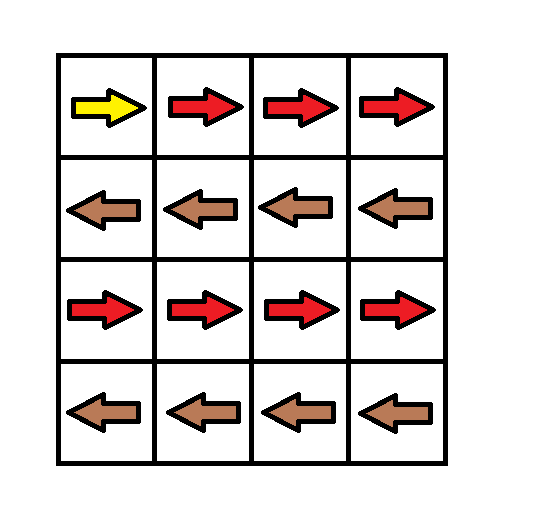
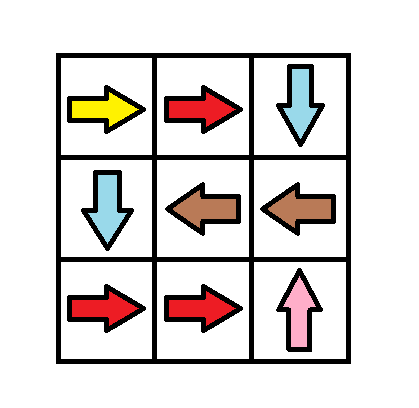
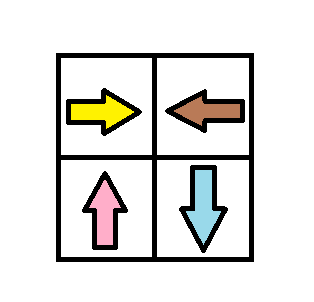
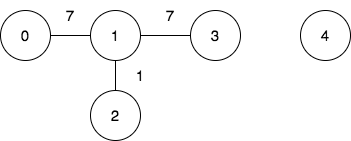
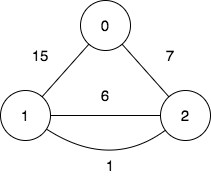
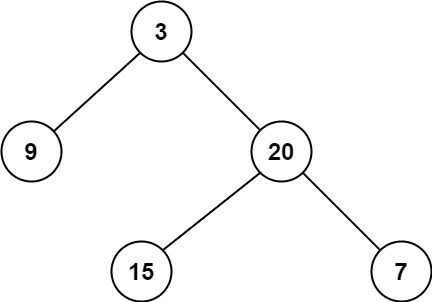
You are given a \0-indexed\ integer array \nums\, where \nums\[i]\ represents the score of the \i\th\\ student. You are also given an integer \k\.\

\

Pick the scores of any \k\ students from the array so that the \difference\ between the \highest\ and the \lowest\ of the \k\ scores is \minimized\.\

\

Return \the \minimum\ possible difference\.\

### Examples ``` Input: nums = [90], k = 1 Output: 0 Explanation: There is one way to pick score(s) of one student: - [90]. The difference between the highest and lowest score is 90 - 90 = 0. The minimum possible difference is 0. ``` ``` Input: nums = [9,4,1,7], k = 2 Output: 2 Explanation: There are six ways to pick score(s) of two students: - [9,4,1,7]. The difference between the highest and lowest score is 9 - 4 = 5. - [9,4,1,7]. The difference between the highest and lowest score is 9 - 1 = 8. - [9,4,1,7]. The difference between the highest and lowest score is 9 - 7 = 2. - [9,4,1,7]. The difference between the highest and lowest score is 4 - 1 = 3. - [9,4,1,7]. The difference between the highest and lowest score is 7 - 4 = 3. - [9,4,1,7]. The difference between the highest and lowest score is 7 - 1 = 6. The minimum possible difference is 2. ``` ### Constraints * 1 \<= k \<= nums.length \<= 1000 * 0 \<= nums\[i] \<= 10^5 ## Solution Reference implementation from [solution.py on GitHub](https://github.com/wislertt/leetcode-py/blob/main/leetcode/minimum_difference_between_highest_and_lowest_of_k_scores/solution.py), full suite in [test\_solution.py](https://github.com/wislertt/leetcode-py/blob/main/leetcode/minimum_difference_between_highest_and_lowest_of_k_scores/test_solution.py): ```python theme={"theme":{"light":"github-light","dark":"github-dark"}} class Solution: # Time: O(n log n) # Space: O(n) for the sort def minimum_difference(self, nums: list[int], k: int) -> int: scores = sorted(nums) return min(scores[i + k - 1] - scores[i] for i in range(len(scores) - k + 1)) ``` ## Complexity | Time | Space | | ---------- | ----------------- | | O(n log n) | O(n) for the sort | ## Tags [NeetCode All](/catalog/neetcode). # Minimum Difference Between Largest and Source: https://leetcode-py.wisl.dev/problems/minimum-difference-between-largest-and-smallest-value-in-three-moves Tested Python solution for LeetCode 1509 with 20 pytest cases. Generate a practice environment with lcpy. LeetCode 1509, [Medium](/catalog/medium). Topics: [Array](/catalog/topics/array), [Greedy](/catalog/topics/greedy), [Sorting](/catalog/topics/sorting). [View on LeetCode](https://leetcode.com/problems/minimum-difference-between-largest-and-smallest-value-in-three-moves/description/). Generate this problem as a practice environment: tested reference solution, 20 [parametrized pytest cases](/practice/testing), and a playground notebook: ```bash theme={"theme":{"light":"github-light","dark":"github-dark"}} lcpy gen -n 1509 # by problem number lcpy gen -s minimum_difference_between_largest_and_smallest_value_in_three_moves # by problem name ``` ## Problem \

You are given an integer array \nums\.\

\

In one move, you can choose one element of \nums\ and change it to \any value\.\

\

Return \the minimum difference between the largest and smallest value of \\nums\\ \after performing at most three moves\\.\

### Examples ``` Input: nums = [5,3,2,4] Output: 0 Explanation: We can make at most 3 moves. In the first move, change 2 to 3. nums becomes [5,3,3,4]. In the second move, change 4 to 3. nums becomes [5,3,3,3]. In the third move, change 5 to 3. nums becomes [3,3,3,3]. After performing 3 moves, the difference between the minimum and maximum is 3 - 3 = 0. ``` ``` Input: nums = [1,5,0,10,14] Output: 1 Explanation: We can make at most 3 moves. In the first move, change 5 to 0. nums becomes [1,0,0,10,14]. In the second move, change 10 to 0. nums becomes [1,0,0,0,14]. In the third move, change 14 to 1. nums becomes [1,0,0,0,1]. After performing 3 moves, the difference between the minimum and maximum is 1 - 0 = 1. It can be shown that there is no way to make the difference 0 in 3 moves. ``` ``` Input: nums = [3,100,20] Output: 0 Explanation: We can make at most 3 moves. In the first move, change 100 to 7. nums becomes [3,7,20]. In the second move, change 20 to 7. nums becomes [3,7,7]. In the third move, change 3 to 7. nums becomes [7,7,7]. After performing 3 moves, the difference between the minimum and maximum is 7 - 7 = 0. ``` ### Constraints * 1 \<= nums.length \<= 10^5 * -10^9 \<= nums\[i] \<= 10^9 ## Solution Reference implementation from [solution.py on GitHub](https://github.com/wislertt/leetcode-py/blob/main/leetcode/minimum_difference_between_largest_and_smallest_value_in_three_moves/solution.py), full suite in [test\_solution.py](https://github.com/wislertt/leetcode-py/blob/main/leetcode/minimum_difference_between_largest_and_smallest_value_in_three_moves/test_solution.py): ```python theme={"theme":{"light":"github-light","dark":"github-dark"}} class Solution: # Time: O(n log n) # Space: O(n) for the sort def min_difference(self, nums: list[int]) -> int: if len(nums) <= 4: return 0 nums = sorted(nums) return min(nums[-4 + i] - nums[i] for i in range(4)) ``` ## Complexity | Time | Space | | ---------- | ----------------- | | O(n log n) | O(n) for the sort | ## Tags [NeetCode All](/catalog/neetcode). # Minimum Difficulty of a Job Schedule Source: https://leetcode-py.wisl.dev/problems/minimum-difficulty-of-a-job-schedule Tested Python solution for LeetCode 1335 with 16 pytest cases. Generate a practice environment with lcpy. LeetCode 1335, [Hard](/catalog/hard). Topics: [Array](/catalog/topics/array), [Dynamic Programming](/catalog/topics/dynamic-programming). [View on LeetCode](https://leetcode.com/problems/minimum-difficulty-of-a-job-schedule/description/). Generate this problem as a practice environment: tested reference solution, 16 [parametrized pytest cases](/practice/testing), and a playground notebook: ```bash theme={"theme":{"light":"github-light","dark":"github-dark"}} lcpy gen -n 1335 # by problem number lcpy gen -s minimum_difficulty_of_a_job_schedule # by problem name ``` ## Problem You want to schedule a list of jobs in d days. Jobs are dependent (i.e. To work on the ith job, you have to finish all the jobs j where 0 \<= j \< i). You have to finish at least one task every day. The difficulty of a job schedule is the sum of difficulties of each day of the d days. The difficulty of a day is the maximum difficulty of a job done on that day. You are given an integer array jobDifficulty and an integer d. The difficulty of the ith job is jobDifficulty\[i]. Return the minimum difficulty of a job schedule. If you cannot find a schedule for the jobs return -1. ### Examples ![Example 1](https://assets.leetcode.com/uploads/2020/01/16/untitled.png) ``` Input: jobDifficulty = [6,5,4,3,2,1], d = 2 Output: 7 Explanation: First day you can finish the first 5 jobs, total difficulty = 6. Second day you can finish the last job, total difficulty = 1. The difficulty of the schedule = 6 + 1 = 7 ``` ``` Input: jobDifficulty = [9,9,9], d = 4 Output: -1 Explanation: If you finish a job per day you will still have a free day. you cannot find a schedule for the given jobs. ``` ``` Input: jobDifficulty = [1,1,1], d = 3 Output: 3 Explanation: The schedule is one job per day, total difficulty = 3. ``` ### Constraints * 1 \<= jobDifficulty.length \<= 300 * 0 \<= jobDifficulty\[i] \<= 1000 * 1 \<= d \<= 10 ## Solution Reference implementation from [solution.py on GitHub](https://github.com/wislertt/leetcode-py/blob/main/leetcode/minimum_difficulty_of_a_job_schedule/solution.py), full suite in [test\_solution.py](https://github.com/wislertt/leetcode-py/blob/main/leetcode/minimum_difficulty_of_a_job_schedule/test_solution.py): ```python theme={"theme":{"light":"github-light","dark":"github-dark"}} from itertools import accumulate class Solution: def min_difficulty(self, job_difficulty: list[int], d: int) -> int: n = len(job_difficulty) if n < d: return -1 inf = 10**9 dp = list(accumulate(job_difficulty, max)) for day in range(1, d): ndp = [inf] * n for i in range(day, n): run_max = 0 for j in range(i, day - 1, -1): run_max = max(run_max, job_difficulty[j]) ndp[i] = min(ndp[i], dp[j - 1] + run_max) dp = ndp return dp[n - 1] ``` ## Complexity | Time | Space | | ---- | ----- | | - | - | ## Tags [NeetCode All](/catalog/neetcode). # Minimum Factorization Python Solution Source: https://leetcode-py.wisl.dev/problems/minimum-factorization Tested Python solution for LeetCode 625 with 14 pytest cases. Generate a practice environment with lcpy. LeetCode 625, [Medium](/catalog/medium). Topics: [Greedy](/catalog/topics/greedy), [Math](/catalog/topics/math), Prime Factorization. [View on LeetCode](https://leetcode.com/problems/minimum-factorization/description/). Generate this problem as a practice environment: tested reference solution, 14 [parametrized pytest cases](/practice/testing), and a playground notebook: ```bash theme={"theme":{"light":"github-light","dark":"github-dark"}} lcpy gen -n 625 # by problem number lcpy gen -s minimum_factorization # by problem name ``` ## Problem Given a positive integer `num`, return the smallest positive integer `x` whose multiplication of each digit equals `num`. If there is no answer or the answer is not fit in **32-bit** signed integer, return `0`. ### Examples ``` Input: num = 48 Output: 68 ``` ``` Input: num = 15 Output: 35 ``` ### Constraints * `1 <= num <= 2^31 - 1` ## Solution Reference implementation from [solution.py on GitHub](https://github.com/wislertt/leetcode-py/blob/main/leetcode/minimum_factorization/solution.py), full suite in [test\_solution.py](https://github.com/wislertt/leetcode-py/blob/main/leetcode/minimum_factorization/test_solution.py): ```python theme={"theme":{"light":"github-light","dark":"github-dark"}} class Solution: # Time: O(log(num) * 8) # Space: O(log(num)) def smallest_factorization(self, num: int) -> int: if num < 10: return num digits: list[int] = [] for d in range(9, 1, -1): while num % d == 0: num //= d digits.append(d) if num != 1: return 0 result = 0 for d in reversed(digits): result = result * 10 + d return result if result <= 2**31 - 1 else 0 ``` ## Complexity | Time | Space | | ---------------- | ----------- | | O(log(num) \* 8) | O(log(num)) | ## Tags [NeetCode All](/catalog/neetcode). # Minimum Falling Path Sum Python Solution Source: https://leetcode-py.wisl.dev/problems/minimum-falling-path-sum Tested Python solution for LeetCode 931 with 13 pytest cases. Generate a practice environment with lcpy. LeetCode 931, [Medium](/catalog/medium). Topics: [Array](/catalog/topics/array), [Dynamic Programming](/catalog/topics/dynamic-programming), [Matrix](/catalog/topics/matrix). [View on LeetCode](https://leetcode.com/problems/minimum-falling-path-sum/description/). Generate this problem as a practice environment: tested reference solution, 13 [parametrized pytest cases](/practice/testing), and a playground notebook: ```bash theme={"theme":{"light":"github-light","dark":"github-dark"}} lcpy gen -n 931 # by problem number lcpy gen -s minimum_falling_path_sum # by problem name ``` ## Problem \

Given an \n x n\ array of integers \matrix\, return \the minimum sum of any \falling path\ through\ \matrix\.\

\

A \falling path\ starts at any element in the first row and chooses the element in the next row that is either directly below or diagonally left/right. Specifically, the next element from position \(row, col)\ will be \(row + 1, col - 1)\, \(row + 1, col)\, or \(row + 1, col + 1)\.\

### Examples ![Example 1](https://assets.leetcode.com/uploads/2021/11/03/failing1-grid.jpg) ``` Input: matrix = [[2,1,3],[6,5,4],[7,8,9]] Output: 13 Explanation: There are two falling paths with a minimum sum as shown. ``` ![Example 2](https://assets.leetcode.com/uploads/2021/11/03/failing2-grid.jpg) ``` Input: matrix = [[-19,57],[-40,-5]] Output: -59 Explanation: The falling path with a minimum sum is shown. ``` ### Constraints * n == matrix.length == matrix\[i].length * 1 \<= n \<= 100 * -100 \<= matrix\[i]\[j] \<= 100 ## Solution Reference implementation from [solution.py on GitHub](https://github.com/wislertt/leetcode-py/blob/main/leetcode/minimum_falling_path_sum/solution.py), full suite in [test\_solution.py](https://github.com/wislertt/leetcode-py/blob/main/leetcode/minimum_falling_path_sum/test_solution.py): ```python theme={"theme":{"light":"github-light","dark":"github-dark"}} class Solution: # Time: O(n^2) # Space: O(n) def min_falling_path_sum(self, matrix: list[list[int]]) -> int: n = len(matrix) dp = matrix[0][:] for row in range(1, n): new_dp = [0] * n for col in range(n): best = dp[col] if col > 0: best = min(best, dp[col - 1]) if col < n - 1: best = min(best, dp[col + 1]) new_dp[col] = matrix[row][col] + best dp = new_dp return min(dp) ``` ## Complexity | Time | Space | | ------ | ----- | | O(n^2) | O(n) | ## Tags [NeetCode All](/catalog/neetcode). # Minimum Falling Path Sum II Python Solution Source: https://leetcode-py.wisl.dev/problems/minimum-falling-path-sum-ii Tested Python solution for LeetCode 1289 with 16 pytest cases. Generate a practice environment with lcpy. LeetCode 1289, [Hard](/catalog/hard). Topics: [Array](/catalog/topics/array), [Dynamic Programming](/catalog/topics/dynamic-programming), [Matrix](/catalog/topics/matrix). [View on LeetCode](https://leetcode.com/problems/minimum-falling-path-sum-ii/description/). Generate this problem as a practice environment: tested reference solution, 16 [parametrized pytest cases](/practice/testing), and a playground notebook: ```bash theme={"theme":{"light":"github-light","dark":"github-dark"}} lcpy gen -n 1289 # by problem number lcpy gen -s minimum_falling_path_sum_ii # by problem name ``` ## Problem Given an n x n integer matrix grid, return the minimum sum of a falling path with non-zero shifts. A falling path with non-zero shifts is a choice of exactly one element from each row of grid such that no two elements chosen in adjacent rows are in the same column. ### Examples ![Example 1](https://assets.leetcode.com/uploads/2021/08/10/falling-grid.jpg) ``` Input: grid = [[1,2,3],[4,5,6],[7,8,9]] Output: 13 Explanation: The possible falling paths are: [1,5,9], [1,5,7], [1,6,7], [1,6,8], [2,4,8], [2,4,9], [2,6,7], [2,6,8], [3,4,8], [3,4,9], [3,5,7], [3,5,9] The falling path with the smallest sum is [1,5,7], so the answer is 13. ``` ``` Input: grid = [[7]] Output: 7 ``` ### Constraints * n == grid.length == grid\[i].length * 1 \<= n \<= 200 * -99 \<= grid\[i]\[j] \<= 99 ## Solution Reference implementation from [solution.py on GitHub](https://github.com/wislertt/leetcode-py/blob/main/leetcode/minimum_falling_path_sum_ii/solution.py), full suite in [test\_solution.py](https://github.com/wislertt/leetcode-py/blob/main/leetcode/minimum_falling_path_sum_ii/test_solution.py): ```python theme={"theme":{"light":"github-light","dark":"github-dark"}} class Solution: def min_falling_path_sum(self, grid: list[list[int]]) -> int: n = len(grid) dp = grid[0][:] for i in range(1, n): first, second = sorted(dp)[:2] dp = [grid[i][j] + (second if dp[j] == first else first) for j in range(n)] return min(dp) ``` ## Complexity | Time | Space | | ---- | ----- | | - | - | ## Tags [NeetCode All](/catalog/neetcode). # Minimum Fuel Cost to Report to the Capital Source: https://leetcode-py.wisl.dev/problems/minimum-fuel-cost-to-report-to-the-capital Tested Python solution for LeetCode 2477 with 20 pytest cases. Generate a practice environment with lcpy. LeetCode 2477, [Medium](/catalog/medium). Topics: [Tree](/catalog/topics/tree), [Depth-First Search](/catalog/topics/depth-first-search), [Breadth-First Search](/catalog/topics/breadth-first-search), [Graph Theory](/catalog/topics/graph-theory). [View on LeetCode](https://leetcode.com/problems/minimum-fuel-cost-to-report-to-the-capital/description/). Generate this problem as a practice environment: tested reference solution, 20 [parametrized pytest cases](/practice/testing), and a playground notebook: ```bash theme={"theme":{"light":"github-light","dark":"github-dark"}} lcpy gen -n 2477 # by problem number lcpy gen -s minimum_fuel_cost_to_report_to_the_capital # by problem name ``` ## Problem There is a tree (i.e., a connected, undirected graph with no cycles) structure country network consisting of `n` cities numbered from `0` to `n - 1` and exactly `n - 1` roads. The capital city is city `0`. You are given a 2D integer array `roads` where `roads[i] = [a_i, b_i]` denotes that there exists a **bidirectional road** connecting cities `a_i` and `b_i`. There is a meeting for the representatives of each city. The meeting is in the capital city. There is a car in each city. You are given an integer `seats` that indicates the number of seats in each car. A representative can use the car in their city to travel or change the car and ride with another representative. The cost of traveling between two cities is one liter of fuel. Return *the minimum number of liters of fuel to reach the capital city*. ### Examples ![Example 1](https://assets.leetcode.com/uploads/2022/09/22/a4c380025e3ff0c379525e96a7d63a3.png) ``` Input: roads = [[0,1],[0,2],[0,3]], seats = 5 Output: 3 Explanation: - Representative1 goes directly to the capital with 1 liter of fuel. - Representative2 goes directly to the capital with 1 liter of fuel. - Representative3 goes directly to the capital with 1 liter of fuel. It costs 3 liters of fuel at minimum. It can be proven that 3 is the minimum number of liters of fuel needed. ``` ![Example 2](https://assets.leetcode.com/uploads/2022/11/16/2.png) ``` Input: roads = [[3,1],[3,2],[1,0],[0,4],[0,5],[4,6]], seats = 2 Output: 7 Explanation: - Representative2 goes directly to city 3 with 1 liter of fuel. - Representative2 and representative3 go together to city 1 with 1 liter of fuel. - Representative2 and representative3 go together to the capital with 1 liter of fuel. - Representative1 goes directly to the capital with 1 liter of fuel. - Representative5 goes directly to the capital with 1 liter of fuel. - Representative6 goes directly to city 4 with 1 liter of fuel. - Representative4 and representative6 go together to the capital with 1 liter of fuel. It costs 7 liters of fuel at minimum. It can be proven that 7 is the minimum number of liters of fuel needed. ``` ![Example 3](https://assets.leetcode.com/uploads/2022/09/27/efcf7f7be6830b8763639cfd01b690a.png) ``` Input: roads = [], seats = 1 Output: 0 Explanation: No representatives need to travel to the capital city. ``` ### Constraints * 1 \<= n \<= 10^5 * roads.length == n - 1 * roads\[i].length == 2 * 0 \<= a\_i, b\_i \< n * a\_i != b\_i * roads represents a valid tree. * 1 \<= seats \<= 10^5 ## Solution Reference implementation from [solution.py on GitHub](https://github.com/wislertt/leetcode-py/blob/main/leetcode/minimum_fuel_cost_to_report_to_the_capital/solution.py), full suite in [test\_solution.py](https://github.com/wislertt/leetcode-py/blob/main/leetcode/minimum_fuel_cost_to_report_to_the_capital/test_solution.py): ```python theme={"theme":{"light":"github-light","dark":"github-dark"}} class Solution: # Time: O(n) # Space: O(n) def minimum_fuel_cost(self, roads: list[list[int]], seats: int) -> int: n = len(roads) + 1 if n == 1: return 0 adj: list[list[int]] = [[] for _ in range(n)] for a, b in roads: adj[a].append(b) adj[b].append(a) # Iterative BFS from the capital (n up to 1e5 rules out recursion). parent = [-1] * n order = [0] for u in order: for v in adj[u]: if v != parent[u]: parent[v] = u order.append(v) total = 0 size = [1] * n for u in reversed(order): p = parent[u] if p != -1: size[p] += size[u] total += (size[u] + seats - 1) // seats return total ``` ## Complexity | Time | Space | | ---- | ----- | | O(n) | O(n) | ## Tags [NeetCode All](/catalog/neetcode). # Minimum Genetic Mutation Python Solution Source: https://leetcode-py.wisl.dev/problems/minimum-genetic-mutation Tested Python solution for LeetCode 433 with 17 pytest cases. Generate a practice environment with lcpy. LeetCode 433, [Medium](/catalog/medium). Topics: [Hash Table](/catalog/topics/hash-table), [String](/catalog/topics/string), [Breadth-First Search](/catalog/topics/breadth-first-search), Bidirectional Search. [View on LeetCode](https://leetcode.com/problems/minimum-genetic-mutation/description/). Generate this problem as a practice environment: tested reference solution, 17 [parametrized pytest cases](/practice/testing), and a playground notebook: ```bash theme={"theme":{"light":"github-light","dark":"github-dark"}} lcpy gen -n 433 # by problem number lcpy gen -s minimum_genetic_mutation # by problem name ``` ## Problem A gene string can be represented by an 8-character long string, with choices from `'A'`, `'C'`, `'G'`, and `'T'`. Suppose we need to investigate a mutation from a gene string `startGene` to a gene string `endGene` where one mutation is defined as one single character changed in the gene string. * For example, `"AACCGGTT" --> "AACCGGTA"` is one mutation. There is also a gene bank `bank` that records all the valid gene mutations. A gene must be in `bank` to make it a valid gene string. Given the two gene strings `startGene` and `endGene` and the gene bank `bank`, return the minimum number of mutations needed to mutate from `startGene` to `endGene`. If there is no such mutation, return `-1`. Note that the starting point is assumed to be valid, so it might not be included in the bank. ### Examples ``` Input: startGene = "AACCGGTT", endGene = "AACCGGTA", bank = ["AACCGGTA"] Output: 1 Explanation: One mutation changes the last gene from 'T' to 'A'. ``` ``` Input: startGene = "AACCGGTT", endGene = "AAACGGTA", bank = ["AACCGGTA","AACCGCTA","AAACGGTA"] Output: 2 ``` ### Constraints * 0 \<= bank.length \<= 10 * startGene.length == endGene.length == bank\[i].length == 8 * startGene, endGene, and bank\[i] consist of only the characters \['A', 'C', 'G', 'T']. ## Solution Reference implementation from [solution.py on GitHub](https://github.com/wislertt/leetcode-py/blob/main/leetcode/minimum_genetic_mutation/solution.py), full suite in [test\_solution.py](https://github.com/wislertt/leetcode-py/blob/main/leetcode/minimum_genetic_mutation/test_solution.py): ```python theme={"theme":{"light":"github-light","dark":"github-dark"}} from collections import deque class Solution: # Time: O(8^2 * n) where n = len(bank), each gene expands 8*4 neighbors # Space: O(n) def min_mutation(self, start_gene: str, end_gene: str, bank: list[str]) -> int: valid = set(bank) if start_gene == end_gene: return 0 if end_gene not in valid: return -1 queue: deque[tuple[str, int]] = deque([(start_gene, 0)]) visited = {start_gene} while queue: gene, steps = queue.popleft() if gene == end_gene: return steps for i in range(len(gene)): for c in "ACGT": if c == gene[i]: continue nxt = gene[:i] + c + gene[i + 1 :] if nxt in valid and nxt not in visited: visited.add(nxt) queue.append((nxt, steps + 1)) return -1 ``` ## Complexity | Time | Space | | ----------------------------------------------------------------- | ----- | | O(8^2 \* n) where n = len(bank), each gene expands 8\*4 neighbors | O(n) | ## Tags # Minimum Height Trees Python Solution Source: https://leetcode-py.wisl.dev/problems/minimum-height-trees Tested Python solution for LeetCode 310 with 12 pytest cases. Generate a practice environment with lcpy. LeetCode 310, [Medium](/catalog/medium). Topics: [Depth-First Search](/catalog/topics/depth-first-search), [Breadth-First Search](/catalog/topics/breadth-first-search), [Graph](/catalog/topics/graph), [Topological Sort](/catalog/topics/topological-sort). [View on LeetCode](https://leetcode.com/problems/minimum-height-trees/description/). Generate this problem as a practice environment: tested reference solution, 12 [parametrized pytest cases](/practice/testing), and a playground notebook: ```bash theme={"theme":{"light":"github-light","dark":"github-dark"}} lcpy gen -n 310 # by problem number lcpy gen -s minimum_height_trees # by problem name ``` ## Problem A tree is an undirected graph in which any two vertices are connected by *exactly* one path. In other words, any connected graph without simple cycles is a tree. Given a tree of `n` nodes labelled from `0` to `n - 1`, and an array of `n - 1` `edges` where `edges[i] = [ai, bi]` indicates that there is an undirected edge between the two nodes `ai` and `bi` in the tree, you can choose any node of the tree as the root. When you select a node `x` as the root, the result tree has height `h`. Among all possible rooted trees, those with minimum height (i.e. `min(h)`) are called **minimum height trees** (MHTs). Return *a list of all **MHTs'** root labels*. You can return the answer in **any order**. The **height** of a rooted tree is the number of edges on the longest downward path between the root and a leaf. ### Examples \ ``` Input: n = 4, edges = [[1,0],[1,2],[1,3]] Output: [1] Explanation: As shown, the height of the tree is 1 when the root is the node with label 1 which is the only MHT. ``` \ ``` Input: n = 6, edges = [[3,0],[3,1],[3,2],[3,4],[5,4]] Output: [3,4] ``` ### Constraints * `1 <= n <= 2 * 10^4` * `edges.length == n - 1` * `0 <= ai, bi < n` * `ai != bi` * All the pairs `(ai, bi)` are distinct. * The given input is **guaranteed** to be a tree and there will be **no repeated** edges. ## Solution Reference implementation from [solution.py on GitHub](https://github.com/wislertt/leetcode-py/blob/main/leetcode/minimum_height_trees/solution.py), full suite in [test\_solution.py](https://github.com/wislertt/leetcode-py/blob/main/leetcode/minimum_height_trees/test_solution.py): ```python theme={"theme":{"light":"github-light","dark":"github-dark"}} from collections import defaultdict, deque class Solution: # Time: O(V) # Space: O(V) def find_min_height_trees(self, n: int, edges: list[list[int]]) -> list[int]: if n == 1: return [0] graph = defaultdict(set) for u, v in edges: graph[u].add(v) graph[v].add(u) leaves = deque([i for i in range(n) if len(graph[i]) == 1]) remaining = n while remaining > 2: size = len(leaves) remaining -= size for _ in range(size): leaf = leaves.popleft() neighbor = graph[leaf].pop() graph[neighbor].remove(leaf) if len(graph[neighbor]) == 1: leaves.append(neighbor) return list(leaves) ``` ## Complexity | Time | Space | | ---- | ----- | | O(V) | O(V) | ## Tags [Grind 75](/catalog/grind-75), [Grind](/catalog/grind), [NeetCode 250](/catalog/neetcode-250), [NeetCode All](/catalog/neetcode). # Minimum Increment to Make Array Unique Source: https://leetcode-py.wisl.dev/problems/minimum-increment-to-make-array-unique Tested Python solution for LeetCode 945 with 14 pytest cases. Generate a practice environment with lcpy. LeetCode 945, [Medium](/catalog/medium). Topics: [Array](/catalog/topics/array), [Greedy](/catalog/topics/greedy), [Sorting](/catalog/topics/sorting), [Counting](/catalog/topics/counting). [View on LeetCode](https://leetcode.com/problems/minimum-increment-to-make-array-unique/description/). Generate this problem as a practice environment: tested reference solution, 14 [parametrized pytest cases](/practice/testing), and a playground notebook: ```bash theme={"theme":{"light":"github-light","dark":"github-dark"}} lcpy gen -n 945 # by problem number lcpy gen -s minimum_increment_to_make_array_unique # by problem name ``` ## Problem \

You are given an integer array \nums\. In one move, you can pick an index \i\ where \0 \<= i \< nums.length\ and increment \nums\[i]\ by \1\.\

\

Return \the minimum number of moves to make every value in \\nums\\ \unique\\.\

\

The test cases are generated so that the answer fits in a 32-bit integer.\

### Examples ``` Input: nums = [1,2,2] Output: 1 Explanation: After 1 move, the array could be [1, 2, 3]. ``` ``` Input: nums = [3,2,1,2,1,7] Output: 6 Explanation: After 6 moves, the array could be [3, 4, 1, 2, 5, 7]. It can be shown that it is impossible for the array to have all unique values with 5 or less moves. ``` ### Constraints * 1 \<= nums.length \<= 10^5 * 0 \<= nums\[i] \<= 10^5 ## Solution Reference implementation from [solution.py on GitHub](https://github.com/wislertt/leetcode-py/blob/main/leetcode/minimum_increment_to_make_array_unique/solution.py), full suite in [test\_solution.py](https://github.com/wislertt/leetcode-py/blob/main/leetcode/minimum_increment_to_make_array_unique/test_solution.py): ```python theme={"theme":{"light":"github-light","dark":"github-dark"}} class Solution: # Time: O(n log n) # Space: O(n) for the sorted copy def min_increment_for_unique(self, nums: list[int]) -> int: moves = 0 previous = -1 for num in sorted(nums): if num <= previous: # Raise num to one above the last placed value moves += previous - num + 1 previous += 1 else: previous = num return moves ``` ## Complexity | Time | Space | | ---------- | ------------------------ | | O(n log n) | O(n) for the sorted copy | ## Tags [NeetCode All](/catalog/neetcode). # Minimum Index of a Valid Split Python Solution Source: https://leetcode-py.wisl.dev/problems/minimum-index-of-a-valid-split Tested Python solution for LeetCode 2780 with 27 pytest cases. Generate a practice environment with lcpy. LeetCode 2780, [Medium](/catalog/medium). Topics: [Array](/catalog/topics/array), [Hash Table](/catalog/topics/hash-table), [Sorting](/catalog/topics/sorting). [View on LeetCode](https://leetcode.com/problems/minimum-index-of-a-valid-split/description/). Generate this problem as a practice environment: tested reference solution, 27 [parametrized pytest cases](/practice/testing), and a playground notebook: ```bash theme={"theme":{"light":"github-light","dark":"github-dark"}} lcpy gen -n 2780 # by problem number lcpy gen -s minimum_index_of_a_valid_split # by problem name ``` ## Problem An element \x\ of an integer array \arr\ of length \m\ is \dominant\ if \more than half\ the elements of \arr\ have a value of \x\.\

\

You are given a \0-indexed\ integer array \nums\ of length \n\ with one \dominant\ element.\

\

You can split \nums\ at an index \i\ into two arrays \nums\[0, ..., i]\ and \nums\[i + 1, ..., n - 1]\, but the split is only \valid\ if:\

\
    \
  • \0 \<= i \< n - 1\\
  • \
  • \nums\[0, ..., i]\, and \nums\[i + 1, ..., n - 1]\ have the same dominant element.\
  • \
\

Here, \nums\[i, ..., j]\ denotes the subarray of \nums\ starting at index \i\ and ending at index \j\, both ends being inclusive. Particularly, if \j \< i\ then \nums\[i, ..., j]\ denotes an empty subarray.\

\

Return \the \minimum\ index of a \valid split\\. If no valid split exists, return \-1\.\

### Examples ``` Input: nums = [1,2,2,2] Output: 2 Explanation: We can split the array at index 2 to obtain arrays [1,2,2] and [2]. In array [1,2,2], element 2 is dominant since it occurs twice in the array and 2 * 2 > 3. In array [2], element 2 is dominant since it occurs once in the array and 1 * 2 > 1. Both [1,2,2] and [2] have the same dominant element as nums, so this is a valid split. It can be shown that index 2 is the minimum index of a valid split. ``` ``` Input: nums = [2,1,3,1,1,1,7,1,2,1] Output: 4 Explanation: We can split the array at index 4 to obtain arrays [2,1,3,1,1] and [1,7,1,2,1]. In array [2,1,3,1,1], element 1 is dominant since it occurs thrice in the array and 3 * 2 > 5. In array [1,7,1,2,1], element 1 is dominant since it occurs thrice in the array and 3 * 2 > 5. Both [2,1,3,1,1] and [1,7,1,2,1] have the same dominant element as nums, so this is a valid split. It can be shown that index 4 is the minimum index of a valid split. ``` ``` Input: nums = [3,3,3,3,7,2,2] Output: -1 Explanation: It can be shown that there is no valid split. ``` ### Constraints * 1 \<= nums.length \<= 10^5 * 1 \<= nums\[i] \<= 10^9 * nums has exactly one dominant element. ## Solution Reference implementation from [solution.py on GitHub](https://github.com/wislertt/leetcode-py/blob/main/leetcode/minimum_index_of_a_valid_split/solution.py), full suite in [test\_solution.py](https://github.com/wislertt/leetcode-py/blob/main/leetcode/minimum_index_of_a_valid_split/test_solution.py): ```python theme={"theme":{"light":"github-light","dark":"github-dark"}} class Solution: # Time: O(n) # Space: O(1) def minimum_index(self, nums: list[int]) -> int: dominant = 0 count = 0 for num in nums: if count == 0: dominant = num count = 1 elif num == dominant: count += 1 else: count -= 1 total = 0 for num in nums: if num == dominant: total += 1 left = 0 for i, num in enumerate(nums): if num == dominant: left += 1 right = total - left if left * 2 > i + 1 and right * 2 > len(nums) - i - 1: return i return -1 ``` ## Complexity | Time | Space | | ---- | ----- | | O(n) | O(1) | ## Tags [NeetCode All](/catalog/neetcode). # Minimum Index Sum of Two Lists Python Solution Source: https://leetcode-py.wisl.dev/problems/minimum-index-sum-of-two-lists Tested Python solution for LeetCode 599 with 18 pytest cases. Generate a practice environment with lcpy. LeetCode 599, [Easy](/catalog/easy). Topics: [Array](/catalog/topics/array), [Hash Table](/catalog/topics/hash-table), [String](/catalog/topics/string). [View on LeetCode](https://leetcode.com/problems/minimum-index-sum-of-two-lists/description/). Generate this problem as a practice environment: tested reference solution, 18 [parametrized pytest cases](/practice/testing), and a playground notebook: ```bash theme={"theme":{"light":"github-light","dark":"github-dark"}} lcpy gen -n 599 # by problem number lcpy gen -s minimum_index_sum_of_two_lists # by problem name ``` ## Problem Given two arrays of strings `list1` and `list2`, find the **common strings with the least index sum**. A **common string** is a string that appeared in both `list1` and `list2`. A **common string with the least index sum** is a common string such that if it appeared at `list1[i]` and `list2[j]` then `i + j` should be the minimum value among all the other **common strings**. Return *all the **common strings with the least index sum***. Return the answer in **any order**. ### Examples ``` Input: list1 = ["Shogun","Tapioca Express","Burger King","KFC"], list2 = ["Piatti","The Grill at Torrey Pines","Hungry Hunter Steakhouse","Shogun"] Output: ["Shogun"] Explanation: The only common string is "Shogun". ``` ``` Input: list1 = ["Shogun","Tapioca Express","Burger King","KFC"], list2 = ["KFC","Shogun","Burger King"] Output: ["Shogun"] Explanation: The common string with the least index sum is "Shogun" with index sum = (0 + 1) = 1. ``` ``` Input: list1 = ["happy","sad","good"], list2 = ["sad","happy","good"] Output: ["sad","happy"] Explanation: There are three common strings: "happy" with index sum = (0 + 1) = 1. "sad" with index sum = (1 + 0) = 1. "good" with index sum = (2 + 2) = 4. The strings with the least index sum are "sad" and "happy". ``` ### Constraints * 1 \<= list1.length, list2.length \<= 1000 * 1 \<= list1\[i].length, list2\[i].length \<= 30 * list1\[i] and list2\[i] consist of spaces ' ' and English letters. * All the strings of list1 are unique. * All the strings of list2 are unique. * There is at least a common string between list1 and list2. ## Solution Reference implementation from [solution.py on GitHub](https://github.com/wislertt/leetcode-py/blob/main/leetcode/minimum_index_sum_of_two_lists/solution.py), full suite in [test\_solution.py](https://github.com/wislertt/leetcode-py/blob/main/leetcode/minimum_index_sum_of_two_lists/test_solution.py): ```python theme={"theme":{"light":"github-light","dark":"github-dark"}} class Solution: # Time: O(n + m) # Space: O(m) def find_restaurant(self, list1: list[str], list2: list[str]) -> list[str]: index_in_list2 = {s: i for i, s in enumerate(list2)} best_sum = len(list1) + len(list2) result: list[str] = [] for i, s in enumerate(list1): j = index_in_list2.get(s) if j is None: continue total = i + j if total < best_sum: best_sum = total result = [s] elif total == best_sum: result.append(s) return result ``` ## Complexity | Time | Space | | -------- | ----- | | O(n + m) | O(m) | ## Tags # Minimum Interval to Include Each Query Source: https://leetcode-py.wisl.dev/problems/minimum-interval-to-include-each-query Tested Python solution for LeetCode 1851 with 14 pytest cases. Generate a practice environment with lcpy. LeetCode 1851, [Hard](/catalog/hard). Topics: [Array](/catalog/topics/array), [Binary Search](/catalog/topics/binary-search), Sweep Line, [Sorting](/catalog/topics/sorting), [Heap (Priority Queue)](/catalog/topics/heap-priority-queue). [View on LeetCode](https://leetcode.com/problems/minimum-interval-to-include-each-query/description/). Generate this problem as a practice environment: tested reference solution, 14 [parametrized pytest cases](/practice/testing), and a playground notebook: ```bash theme={"theme":{"light":"github-light","dark":"github-dark"}} lcpy gen -n 1851 # by problem number lcpy gen -s minimum_interval_to_include_each_query # by problem name ``` ## Problem You are given a 2D integer array `intervals`, where `intervals[i] = [left_i, right_i]` describes the `i^th` interval starting at `left_i` and ending at `right_i` **(inclusive)**. The **size** of an interval is defined as the number of integers it contains, or more formally `right_i - left_i + 1`. You are also given an integer array `queries`. The answer to the `j^th` query is the **size of the smallest interval** `i` such that `left_i <= queries[j] <= right_i`. If no such interval exists, the answer is `-1`. Return *an array containing the answers to the queries*. ### Examples ``` Input: intervals = [[1,4],[2,4],[3,6],[4,4]], queries = [2,3,4,5] Output: [3,3,1,4] Explanation: The queries are processed as follows: - Query = 2: The interval [2,4] is the smallest interval containing 2. The answer is 4 - 2 + 1 = 3. - Query = 3: The interval [2,4] is the smallest interval containing 3. The answer is 4 - 2 + 1 = 3. - Query = 4: The interval [4,4] is the smallest interval containing 4. The answer is 4 - 4 + 1 = 1. - Query = 5: The interval [3,6] is the smallest interval containing 5. The answer is 6 - 3 + 1 = 4. ``` ``` Input: intervals = [[2,3],[2,5],[1,8],[20,25]], queries = [2,19,5,22] Output: [2,-1,4,6] Explanation: The queries are processed as follows: - Query = 2: The interval [2,3] is the smallest interval containing 2. The answer is 3 - 2 + 1 = 2. - Query = 19: None of the intervals contain 19. The answer is -1. - Query = 5: The interval [2,5] is the smallest interval containing 5. The answer is 5 - 2 + 1 = 4. - Query = 22: The interval [20,25] is the smallest interval containing 22. The answer is 25 - 20 + 1 = 6. ``` ### Constraints * 1 \<= intervals.length \<= 10^5 * 1 \<= queries.length \<= 10^5 * `intervals[i].length == 2` * 1 \<= left\_i \<= right\_i \<= 10^7 * 1 \<= queries\[j] \<= 10^7 ## Solution Reference implementation from [solution.py on GitHub](https://github.com/wislertt/leetcode-py/blob/main/leetcode/minimum_interval_to_include_each_query/solution.py), full suite in [test\_solution.py](https://github.com/wislertt/leetcode-py/blob/main/leetcode/minimum_interval_to_include_each_query/test_solution.py): ```python theme={"theme":{"light":"github-light","dark":"github-dark"}} import heapq class Solution: # Time: O((n + q) log n) - n intervals, q queries # Space: O(n) def min_interval(self, intervals: list[list[int]], queries: list[int]) -> list[int]: intervals.sort() sorted_queries = sorted(range(len(queries)), key=lambda i: queries[i]) result = [-1] * len(queries) min_heap: list[tuple[int, int]] = [] # (size, right) interval_idx = 0 for query_idx in sorted_queries: query_val = queries[query_idx] # Add all intervals that start at or before this query value. while interval_idx < len(intervals) and intervals[interval_idx][0] <= query_val: left, right = intervals[interval_idx] heapq.heappush(min_heap, (right - left + 1, right)) interval_idx += 1 # Remove intervals that ended before this query value. while min_heap and min_heap[0][1] < query_val: heapq.heappop(min_heap) if min_heap: result[query_idx] = min_heap[0][0] return result ``` ## Complexity | Time | Space | | ----------------------------------------- | ----- | | O((n + q) log n) - n intervals, q queries | O(n) | ## Tags [NeetCode 150](/catalog/neetcode-150), [NeetCode 250](/catalog/neetcode-250), [NeetCode All](/catalog/neetcode). # Minimum Knight Moves Python Solution Source: https://leetcode-py.wisl.dev/problems/minimum-knight-moves Tested Python solution for LeetCode 1197 with 19 pytest cases. Generate a practice environment with lcpy. LeetCode 1197, [Medium](/catalog/medium). Topics: [Breadth-First Search](/catalog/topics/breadth-first-search). [View on LeetCode](https://leetcode.com/problems/minimum-knight-moves/description/). Generate this problem as a practice environment: tested reference solution, 19 [parametrized pytest cases](/practice/testing), and a playground notebook: ```bash theme={"theme":{"light":"github-light","dark":"github-dark"}} lcpy gen -n 1197 # by problem number lcpy gen -s minimum_knight_moves # by problem name ``` ## Problem In an **infinite** chess board with coordinates from `-infinity` to `+infinity`, you have a **knight** at square `[0, 0]`. A knight has 8 possible moves it can make, as illustrated below. Each move is two squares in a cardinal direction, then one square in an orthogonal direction. Return *the minimum number of steps needed to move the knight to the square* `[x, y]`. It is guaranteed the answer exists. ### Examples ![Example 1](https://assets.leetcode.com/uploads/2018/10/12/knight.png) ``` Input: x = 2, y = 1 Output: 1 Explanation: [0, 0] → [2, 1] ``` ``` Input: x = 5, y = 5 Output: 4 Explanation: [0, 0] → [2, 1] → [4, 2] → [3, 4] → [5, 5] ``` ### Constraints * `-300 <= x, y <= 300` * `0 <= |x| + |y| <= 300` ## Solution Reference implementation from [solution.py on GitHub](https://github.com/wislertt/leetcode-py/blob/main/leetcode/minimum_knight_moves/solution.py), full suite in [test\_solution.py](https://github.com/wislertt/leetcode-py/blob/main/leetcode/minimum_knight_moves/test_solution.py): ```python theme={"theme":{"light":"github-light","dark":"github-dark"}} from collections import deque class Solution: # Time: O(x * y) # Space: O(x * y) def min_knight_moves(self, x: int, y: int) -> int: # Symmetry: target mirrored into first quadrant. BFS bounded to a small # region around origin + target; allow slight negatives to reach (1,1). x, y = abs(x), abs(y) seen: set[tuple[int, int]] = {(0, 0)} queue: deque[tuple[int, int, int]] = deque([(0, 0, 0)]) directions = [ (1, 2), (2, 1), (-1, 2), (-2, 1), (1, -2), (2, -1), (-1, -2), (-2, -1), ] while queue: cur_x, cur_y, dist = queue.popleft() if cur_x == x and cur_y == y: return dist for dx, dy in directions: nx, ny = cur_x + dx, cur_y + dy if (nx, ny) not in seen and -2 <= nx <= x + 4 and -2 <= ny <= y + 4: seen.add((nx, ny)) queue.append((nx, ny, dist + 1)) return -1 ``` ## Complexity | Time | Space | | --------- | --------- | | O(x \* y) | O(x \* y) | ## Tags [Grind](/catalog/grind), [NeetCode All](/catalog/neetcode). # Minimum Length of String After Deleting Source: https://leetcode-py.wisl.dev/problems/minimum-length-of-string-after-deleting-similar-ends Tested Python solution for LeetCode 1750 with 30 pytest cases. Generate a practice environment with lcpy. LeetCode 1750, [Medium](/catalog/medium). Topics: [Two Pointers](/catalog/topics/two-pointers), [String](/catalog/topics/string). [View on LeetCode](https://leetcode.com/problems/minimum-length-of-string-after-deleting-similar-ends/description/). Generate this problem as a practice environment: tested reference solution, 30 [parametrized pytest cases](/practice/testing), and a playground notebook: ```bash theme={"theme":{"light":"github-light","dark":"github-dark"}} lcpy gen -n 1750 # by problem number lcpy gen -s minimum_length_of_string_after_deleting_similar_ends # by problem name ``` ## Problem \

Given a string \s\ consisting only of characters \'a'\, \'b'\, and \'c'\. You are asked to apply the following algorithm on the string any number of times:\

\
    \
  1. Pick a \non-empty\ prefix from the string \s\ where all the characters in the prefix are equal.\
  2. \
  3. Pick a \non-empty\ suffix from the string \s\ where all the characters in this suffix are equal.\
  4. \
  5. The prefix and the suffix should not intersect at any index.\
  6. \
  7. The characters from the prefix and suffix must be the same.\
  8. \
  9. Delete both the prefix and the suffix.\
  10. \
\

Return \the \minimum length\ of \\s\ \after performing the above operation any number of times (possibly zero times)\.\

### Examples ``` Input: s = "ca" Output: 2 ``` **Explanation:** You can't remove any characters, so the string stays as is. ``` Input: s = "cabaabac" Output: 0 ``` **Explanation:** An optimal sequence of operations is: * Take prefix = "c" and suffix = "c" and remove them, s = "abaaba". * Take prefix = "a" and suffix = "a" and remove them, s = "baab". * Take prefix = "b" and suffix = "b" and remove them, s = "aa". * Take prefix = "a" and suffix = "a" and remove them, s = "". ``` Input: s = "aabccabba" Output: 3 ``` **Explanation:** An optimal sequence of operations is: * Take prefix = "aa" and suffix = "a" and remove them, s = "bccabb". * Take prefix = "b" and suffix = "bb" and remove them, s = "cca". ### Constraints * `1 <= s.length <= 10^5` * `s` consists only of characters `'a'`, `'b'`, and `'c'`. ## Solution Reference implementation from [solution.py on GitHub](https://github.com/wislertt/leetcode-py/blob/main/leetcode/minimum_length_of_string_after_deleting_similar_ends/solution.py), full suite in [test\_solution.py](https://github.com/wislertt/leetcode-py/blob/main/leetcode/minimum_length_of_string_after_deleting_similar_ends/test_solution.py): ```python theme={"theme":{"light":"github-light","dark":"github-dark"}} class Solution: # Time: O(n) # Space: O(1) def minimum_length(self, s: str) -> int: left, right = 0, len(s) - 1 while left < right and s[left] == s[right]: ch = s[left] while left <= right and s[left] == ch: left += 1 while left <= right and s[right] == ch: right -= 1 return right - left + 1 ``` ## Complexity | Time | Space | | ---- | ----- | | O(n) | O(1) | ## Tags [NeetCode All](/catalog/neetcode). # Minimum Length of String After Operations Source: https://leetcode-py.wisl.dev/problems/minimum-length-of-string-after-operations Tested Python solution for LeetCode 3223 with 24 pytest cases. Generate a practice environment with lcpy. LeetCode 3223, [Medium](/catalog/medium). Topics: [Hash Table](/catalog/topics/hash-table), [String](/catalog/topics/string), [Counting](/catalog/topics/counting). [View on LeetCode](https://leetcode.com/problems/minimum-length-of-string-after-operations/description/). Generate this problem as a practice environment: tested reference solution, 24 [parametrized pytest cases](/practice/testing), and a playground notebook: ```bash theme={"theme":{"light":"github-light","dark":"github-dark"}} lcpy gen -n 3223 # by problem number lcpy gen -s minimum_length_of_string_after_operations # by problem name ``` ## Problem You are given a string `s`. You can perform the following process on `s` any number of times: * Choose an index `i` in the string such that there is **at least** one character to the left of index `i` that is equal to `s[i]`, and **at least** one character to the right that is also equal to `s[i]`. * Delete the **closest** occurrence of `s[i]` located to the **left** of `i`. * Delete the **closest** occurrence of `s[i]` located to the **right** of `i`. Return the **minimum** length of the final string `s` that you can achieve. ### Examples ``` Input: s = "abaacbcbb" Output: 5 Explanation: We do the following operations: - Choose index 2, then remove the characters at indices 0 and 3. The resulting string is s = "bacbcbb". - Choose index 3, then remove the characters at indices 0 and 5. The resulting string is s = "acbcb". ``` ``` Input: s = "aa" Output: 2 Explanation: We cannot perform any operations, so we return the length of the original string. ``` ### Constraints * 1 \<= s.length \<= 2 \* 10^5 * s consists only of lowercase English letters. ## Solution Reference implementation from [solution.py on GitHub](https://github.com/wislertt/leetcode-py/blob/main/leetcode/minimum_length_of_string_after_operations/solution.py), full suite in [test\_solution.py](https://github.com/wislertt/leetcode-py/blob/main/leetcode/minimum_length_of_string_after_operations/test_solution.py): ```python theme={"theme":{"light":"github-light","dark":"github-dark"}} from collections import Counter class Solution: # Time: O(n) # Space: O(1) def minimum_length(self, s: str) -> int: return sum(c if c <= 2 else 1 if c % 2 else 2 for c in Counter(s).values()) ``` ## Complexity | Time | Space | | ---- | ----- | | O(n) | O(1) | ## Tags [NeetCode All](/catalog/neetcode). # Minimum Limit of Balls in a Bag Source: https://leetcode-py.wisl.dev/problems/minimum-limit-of-balls-in-a-bag Tested Python solution for LeetCode 1760 with 22 pytest cases. Generate a practice environment with lcpy. LeetCode 1760, [Medium](/catalog/medium). Topics: [Array](/catalog/topics/array), [Binary Search](/catalog/topics/binary-search). [View on LeetCode](https://leetcode.com/problems/minimum-limit-of-balls-in-a-bag/description/). Generate this problem as a practice environment: tested reference solution, 22 [parametrized pytest cases](/practice/testing), and a playground notebook: ```bash theme={"theme":{"light":"github-light","dark":"github-dark"}} lcpy gen -n 1760 # by problem number lcpy gen -s minimum_limit_of_balls_in_a_bag # by problem name ``` ## Problem You are given an integer array `nums` where the `ith` bag contains `nums[i]` balls. You are also given an integer `maxOperations`. You can perform the following operation at most `maxOperations` times: * Take any bag of balls and divide it into two new bags with a **positive** number of balls. * For example, a bag of `5` balls can become two new bags of `1` and `4` balls, or two new bags of `2` and `3` balls. Your penalty is the **maximum** number of balls in a bag. You want to **minimize** your penalty after the operations. Return *the minimum possible penalty after performing the operations*. ### Examples ``` Input: nums = [9], maxOperations = 2 Output: 3 Explanation: - Divide the bag with 9 balls into two bags of sizes 6 and 3. [9] -> [6,3]. - Divide the bag with 6 balls into two bags of sizes 3 and 3. [6,3] -> [3,3,3]. The bag with the most number of balls has 3 balls, so your penalty is 3 and you should return 3. ``` ``` Input: nums = [2,4,8,2], maxOperations = 4 Output: 2 Explanation: - Divide the bag with 8 balls into two bags of sizes 4 and 4. [2,4,8,2] -> [2,4,4,4,2]. - Divide the bag with 4 balls into two bags of sizes 2 and 2. [2,4,4,4,2] -> [2,2,2,4,4,2]. - Divide the bag with 4 balls into two bags of sizes 2 and 2. [2,2,2,4,4,2] -> [2,2,2,2,2,4,2]. - Divide the bag with 4 balls into two bags of sizes 2 and 2. [2,2,2,2,2,4,2] -> [2,2,2,2,2,2,2,2]. The bag with the most number of balls has 2 balls, so your penalty is 2, and you should return 2. ``` ### Constraints * 1 \<= nums.length \<= 10\5\ * 1 \<= maxOperations, nums\[i] \<= 10\9\ ## Solution Reference implementation from [solution.py on GitHub](https://github.com/wislertt/leetcode-py/blob/main/leetcode/minimum_limit_of_balls_in_a_bag/solution.py), full suite in [test\_solution.py](https://github.com/wislertt/leetcode-py/blob/main/leetcode/minimum_limit_of_balls_in_a_bag/test_solution.py): ```python theme={"theme":{"light":"github-light","dark":"github-dark"}} class Solution: # Time: O(n * log(max(nums))) # Space: O(1) def minimum_size(self, nums: list[int], max_operations: int) -> int: def ops_needed(penalty: int) -> int: return sum((n - 1) // penalty for n in nums) lo, hi = 1, max(nums) while lo < hi: mid = (lo + hi) // 2 if ops_needed(mid) <= max_operations: hi = mid else: lo = mid + 1 return lo ``` ## Complexity | Time | Space | | ---------------------- | ----- | | O(n \* log(max(nums))) | O(1) | ## Tags [NeetCode All](/catalog/neetcode). # Minimum Moves to Equal Array Elements Source: https://leetcode-py.wisl.dev/problems/minimum-moves-to-equal-array-elements Tested Python solution for LeetCode 453 with 26 pytest cases. Generate a practice environment with lcpy. LeetCode 453, [Medium](/catalog/medium). Topics: [Array](/catalog/topics/array), [Math](/catalog/topics/math). [View on LeetCode](https://leetcode.com/problems/minimum-moves-to-equal-array-elements/description/). Generate this problem as a practice environment: tested reference solution, 26 [parametrized pytest cases](/practice/testing), and a playground notebook: ```bash theme={"theme":{"light":"github-light","dark":"github-dark"}} lcpy gen -n 453 # by problem number lcpy gen -s minimum_moves_to_equal_array_elements # by problem name ``` ## Problem Given an integer array `nums` of size `n`, return the minimum number of moves required to make all array elements equal. In one move, you can increment `n - 1` elements of the array by `1`. ### Examples ``` Input: nums = [1,2,3] Output: 3 Explanation: Only three moves are needed (remember each move increments two elements): [1,2,3] => [2,3,3] => [3,4,3] => [4,4,4] ``` ``` Input: nums = [1,1,1] Output: 0 ``` ### Constraints * n == nums.length * 1 \<= nums.length \<= 10^5 * -10^9 \<= nums\[i] \<= 10^9 * The answer is guaranteed to fit in a 32-bit integer. ## Solution Reference implementation from [solution.py on GitHub](https://github.com/wislertt/leetcode-py/blob/main/leetcode/minimum_moves_to_equal_array_elements/solution.py), full suite in [test\_solution.py](https://github.com/wislertt/leetcode-py/blob/main/leetcode/minimum_moves_to_equal_array_elements/test_solution.py): ```python theme={"theme":{"light":"github-light","dark":"github-dark"}} class Solution: # Time: O(n) # Space: O(1) def min_moves(self, nums: list[int]) -> int: # Each move raises n - 1 elements by 1, so the minimum never falls behind. # Equivalently, every element must climb to the maximum: one move can be # seen as lowering a single element by 1, giving sum(nums) - n * min(nums). return sum(nums) - min(nums) * len(nums) ``` ## Complexity | Time | Space | | ---- | ----- | | O(n) | O(1) | ## Tags # Minimum Moves to Equal Array Elements II Source: https://leetcode-py.wisl.dev/problems/minimum-moves-to-equal-array-elements-ii Tested Python solution for LeetCode 462 with 26 pytest cases. Generate a practice environment with lcpy. LeetCode 462, [Medium](/catalog/medium). Topics: [Array](/catalog/topics/array), [Math](/catalog/topics/math), [Sorting](/catalog/topics/sorting). [View on LeetCode](https://leetcode.com/problems/minimum-moves-to-equal-array-elements-ii/description/). Generate this problem as a practice environment: tested reference solution, 26 [parametrized pytest cases](/practice/testing), and a playground notebook: ```bash theme={"theme":{"light":"github-light","dark":"github-dark"}} lcpy gen -n 462 # by problem number lcpy gen -s minimum_moves_to_equal_array_elements_ii # by problem name ``` ## Problem Given an integer array `nums` of size `n`, return *the minimum number of moves required to make all array elements equal*. In one move, you can increment or decrement an element of the array by `1`. Test cases are designed so that the answer will fit in a **32-bit** integer. ### Examples ``` Input: nums = [1,2,3] Output: 2 Explanation: Only two moves are needed (remember each move increments or decrements one element): [1,2,3] => [2,2,3] => [2,2,2] ``` ``` Input: nums = [1,10,2,9] Output: 16 ``` ### Constraints * n == nums.length * 1 \<= nums.length \<= 10^5 * -10^9 \<= nums\[i] \<= 10^9 * The answer is guaranteed to fit in a 32-bit integer. ## Solution Reference implementation from [solution.py on GitHub](https://github.com/wislertt/leetcode-py/blob/main/leetcode/minimum_moves_to_equal_array_elements_ii/solution.py), full suite in [test\_solution.py](https://github.com/wislertt/leetcode-py/blob/main/leetcode/minimum_moves_to_equal_array_elements_ii/test_solution.py): ```python theme={"theme":{"light":"github-light","dark":"github-dark"}} class Solution: # Time: O(n log n) # Space: O(n) def min_moves2(self, nums: list[int]) -> int: nums = sorted(nums) median = nums[len(nums) // 2] return sum(abs(num - median) for num in nums) ``` ## Complexity | Time | Space | | ---------- | ----- | | O(n log n) | O(n) | ## Tags # Minimum Number of Arrows to Burst Balloons Source: https://leetcode-py.wisl.dev/problems/minimum-number-of-arrows-to-burst-balloons Tested Python solution for LeetCode 452 with 15 pytest cases. Generate a practice environment with lcpy. LeetCode 452, [Medium](/catalog/medium). Topics: [Array](/catalog/topics/array), [Greedy](/catalog/topics/greedy), [Sorting](/catalog/topics/sorting). [View on LeetCode](https://leetcode.com/problems/minimum-number-of-arrows-to-burst-balloons/description/). Generate this problem as a practice environment: tested reference solution, 15 [parametrized pytest cases](/practice/testing), and a playground notebook: ```bash theme={"theme":{"light":"github-light","dark":"github-dark"}} lcpy gen -n 452 # by problem number lcpy gen -s minimum_number_of_arrows_to_burst_balloons # by problem name ``` ## Problem There are some spherical balloons taped onto a flat wall that represents the XY-plane. The balloons are represented as a 2D integer array `points` where `points[i] = [x_start, x_end]` denotes a balloon whose **horizontal diameter** stretches between `x_start` and `x_end`. You do not know the exact y-coordinates of the balloons. Arrows can be shot up **directly vertically** (in the positive y-direction) from different points along the x-axis. A balloon with `x_start` and `x_end` is **burst** by an arrow shot at `x` if `x_start <= x <= x_end`. There is **no limit** to the number of arrows that can be shot. A shot arrow keeps traveling up infinitely, bursting any balloons in its path. Given the array `points`, return *the **minimum** number of arrows that must be shot to burst all balloons*. ### Examples ``` Input: points = [[10,16],[2,8],[1,6],[7,12]] Output: 2 Explanation: The balloons can be burst by 2 arrows: - Shoot an arrow at x = 6, bursting the balloons [2,8] and [1,6]. - Shoot an arrow at x = 11, bursting the balloons [10,16] and [7,12]. ``` ``` Input: points = [[1,2],[3,4],[5,6],[7,8]] Output: 4 Explanation: One arrow needs to be shot for each balloon for a total of 4 arrows. ``` ``` Input: points = [[1,2],[2,3],[3,4],[4,5]] Output: 2 Explanation: The balloons can be burst by 2 arrows: - Shoot an arrow at x = 2, bursting the balloons [1,2] and [2,3]. - Shoot an arrow at x = 4, bursting the balloons [3,4] and [4,5]. ``` ### Constraints * `1 <= points.length <= 10^5` * `points[i].length == 2` * `-2^31 <= x_start < x_end <= 2^31 - 1` ## Solution Reference implementation from [solution.py on GitHub](https://github.com/wislertt/leetcode-py/blob/main/leetcode/minimum_number_of_arrows_to_burst_balloons/solution.py), full suite in [test\_solution.py](https://github.com/wislertt/leetcode-py/blob/main/leetcode/minimum_number_of_arrows_to_burst_balloons/test_solution.py): ```python theme={"theme":{"light":"github-light","dark":"github-dark"}} class Solution: # Time: O(n log n) # Space: O(1) excluding sort space def find_min_arrow_shots(self, points: list[list[int]]) -> int: points.sort(key=lambda point: point[1]) arrows = 1 arrow_pos = points[0][1] for start, end in points[1:]: if start > arrow_pos: arrows += 1 arrow_pos = end return arrows ``` ## Complexity | Time | Space | | ---------- | ------------------------- | | O(n log n) | O(1) excluding sort space | ## Tags [NeetCode All](/catalog/neetcode). # Minimum Number of Changes to Make Binary Source: https://leetcode-py.wisl.dev/problems/minimum-number-of-changes-to-make-binary-string-beautiful Tested Python solution for LeetCode 2914 with 22 pytest cases. Generate a practice environment with lcpy. LeetCode 2914, [Medium](/catalog/medium). Topics: [String](/catalog/topics/string). [View on LeetCode](https://leetcode.com/problems/minimum-number-of-changes-to-make-binary-string-beautiful/description/). Generate this problem as a practice environment: tested reference solution, 22 [parametrized pytest cases](/practice/testing), and a playground notebook: ```bash theme={"theme":{"light":"github-light","dark":"github-dark"}} lcpy gen -n 2914 # by problem number lcpy gen -s minimum_number_of_changes_to_make_binary_string_beautiful # by problem name ``` ## Problem \

You are given a \0-indexed\ binary string \s\ having an even length.\

\

A string is \beautiful\ if it's possible to partition it into one or more substrings such that:\

\
    \
  • Each substring has an \even length\.\
  • \
  • Each substring contains \only\ \1\'s or \only\ \0\'s.\
  • \
\

You can change any character in \s\ to \0\ or \1\.\

\

Return \the \minimum\ number of changes required to make the string \\s\ \beautiful\.\

### Examples ``` Input: s = "1001" Output: 2 ``` **Explanation:** We change s\[1] to 1 and s\[3] to 0 to get string "1100". It can be seen that the string "1100" is beautiful because we can partition it into "11|00". It can be proven that 2 is the minimum number of changes needed to make the string beautiful. ``` Input: s = "10" Output: 1 ``` **Explanation:** We change s\[1] to 1 to get string "11". It can be seen that the string "11" is beautiful because we can partition it into "11". It can be proven that 1 is the minimum number of changes needed to make the string beautiful. ``` Input: s = "0000" Output: 0 ``` **Explanation:** We don't need to make any changes as the string "0000" is beautiful already. ### Constraints * `2 <= s.length <= 10^5` * `s` has an even length. * `s[i]` is either `'0'` or `'1'`. ## Solution Reference implementation from [solution.py on GitHub](https://github.com/wislertt/leetcode-py/blob/main/leetcode/minimum_number_of_changes_to_make_binary_string_beautiful/solution.py), full suite in [test\_solution.py](https://github.com/wislertt/leetcode-py/blob/main/leetcode/minimum_number_of_changes_to_make_binary_string_beautiful/test_solution.py): ```python theme={"theme":{"light":"github-light","dark":"github-dark"}} class Solution: # Time: O(n) # Space: O(1) def min_changes(self, s: str) -> int: # Every substring has even length, so each pair (s[2i], s[2i+1]) must # be uniform; aligning each pair to its majority character is optimal. changes = 0 for i in range(0, len(s), 2): if s[i] != s[i + 1]: changes += 1 return changes ``` ## Complexity | Time | Space | | ---- | ----- | | O(n) | O(1) | ## Tags [NeetCode All](/catalog/neetcode). # Minimum Number of Days to Disconnect Island Source: https://leetcode-py.wisl.dev/problems/minimum-number-of-days-to-disconnect-island Tested Python solution for LeetCode 1568 with 40 pytest cases. Generate a practice environment with lcpy. LeetCode 1568, [Hard](/catalog/hard). Topics: [Array](/catalog/topics/array), [Depth-First Search](/catalog/topics/depth-first-search), [Breadth-First Search](/catalog/topics/breadth-first-search), [Matrix](/catalog/topics/matrix), Strongly Connected Component, Articulation Point. [View on LeetCode](https://leetcode.com/problems/minimum-number-of-days-to-disconnect-island/description/). Generate this problem as a practice environment: tested reference solution, 40 [parametrized pytest cases](/practice/testing), and a playground notebook: ```bash theme={"theme":{"light":"github-light","dark":"github-dark"}} lcpy gen -n 1568 # by problem number lcpy gen -s minimum_number_of_days_to_disconnect_island # by problem name ``` ## Problem You are given an `m x n` binary grid `grid` where `1` represents land and `0` represents water. An **island** is a maximal 4-directionally (horizontal or vertical) connected group of `1`s. The grid is said to be **connected** if we have **exactly one island**, otherwise is said **disconnected**. In one day, we are allowed to change **any** single land cell `(1)` into a water cell `(0)`. Return *the minimum number of days to disconnect the grid*. ### Examples ![Example 1](https://assets.leetcode.com/uploads/2021/12/24/land1.jpg) ``` Input: grid = [[0,1,1,0],[0,1,1,0],[0,0,0,0]] Output: 2 Explanation: We need at least 2 days to get a disconnected grid. Change land grid[1][1] and grid[0][2] to water and get 2 disconnected island. ``` ![Example 2](https://assets.leetcode.com/uploads/2021/12/24/land2.jpg) ``` Input: grid = [[1,1]] Output: 2 Explanation: Grid of full water is also disconnected ([[1,1]] -> [[0,0]]), 0 islands. ``` ### Constraints * m == grid.length * n == grid\[i].length * 1 \<= m, n \<= 30 * grid\[i]\[j] is either 0 or 1. ## Solution Reference implementation from [solution.py on GitHub](https://github.com/wislertt/leetcode-py/blob/main/leetcode/minimum_number_of_days_to_disconnect_island/solution.py), full suite in [test\_solution.py](https://github.com/wislertt/leetcode-py/blob/main/leetcode/minimum_number_of_days_to_disconnect_island/test_solution.py): ```python theme={"theme":{"light":"github-light","dark":"github-dark"}} class Solution: # Time: O(m^2 * n^2) - at most m*n single-cell trials, each O(m*n) # Space: O(m * n) def min_days(self, grid: list[list[int]]) -> int: if self._count_islands(grid) != 1: return 0 m, n = len(grid), len(grid[0]) for row in range(m): for col in range(n): if grid[row][col] != 1: continue grid[row][col] = 0 connected = self._count_islands(grid) == 1 grid[row][col] = 1 if not connected: return 1 return 2 def _count_islands(self, grid: list[list[int]]) -> int: m, n = len(grid), len(grid[0]) seen = [[False] * n for _ in range(m)] count = 0 for start_row in range(m): for start_col in range(n): if grid[start_row][start_col] != 1 or seen[start_row][start_col]: continue count += 1 seen[start_row][start_col] = True stack = [(start_row, start_col)] while stack: row, col = stack.pop() for d_row, d_col in ((1, 0), (-1, 0), (0, 1), (0, -1)): n_row, n_col = row + d_row, col + d_col if ( 0 <= n_row < m and 0 <= n_col < n and grid[n_row][n_col] == 1 and not seen[n_row][n_col] ): seen[n_row][n_col] = True stack.append((n_row, n_col)) return count ``` ## Complexity | Time | Space | | ----------------------------------------------------------- | --------- | | O(m^2 \* n^2) - at most m*n single-cell trials, each O(m*n) | O(m \* n) | ## Tags [NeetCode All](/catalog/neetcode). # Minimum Number of Days to Eat N Oranges Source: https://leetcode-py.wisl.dev/problems/minimum-number-of-days-to-eat-n-oranges Tested Python solution for LeetCode 1553 with 17 pytest cases. Generate a practice environment with lcpy. LeetCode 1553, [Hard](/catalog/hard). Topics: [Dynamic Programming](/catalog/topics/dynamic-programming), [Memoization](/catalog/topics/memoization). [View on LeetCode](https://leetcode.com/problems/minimum-number-of-days-to-eat-n-oranges/description/). Generate this problem as a practice environment: tested reference solution, 17 [parametrized pytest cases](/practice/testing), and a playground notebook: ```bash theme={"theme":{"light":"github-light","dark":"github-dark"}} lcpy gen -n 1553 # by problem number lcpy gen -s minimum_number_of_days_to_eat_n_oranges # by problem name ``` ## Problem There are `n` oranges in the kitchen and you decided to eat some of these oranges every day as follows: * Eat one orange. * If the number of remaining oranges `n` is divisible by `2` then you can eat `n / 2` oranges. * If the number of remaining oranges `n` is divisible by `3` then you can eat `2 * (n / 3)` oranges. You can only choose one of the actions per day. Given the integer `n`, return *the minimum number of days to eat* `n` *oranges*. ### Examples ``` Input: n = 10 Output: 4 Explanation: You have 10 oranges. Day 1: Eat 1 orange, 10 - 1 = 9. Day 2: Eat 6 oranges, 9 - 2*(9/3) = 9 - 6 = 3. (Since 9 is divisible by 3) Day 3: Eat 2 oranges, 3 - 2*(3/3) = 3 - 2 = 1. Day 4: Eat the last orange 1 - 1 = 0. You need at least 4 days to eat the 10 oranges. ``` ``` Input: n = 6 Output: 3 Explanation: You have 6 oranges. Day 1: Eat 3 oranges, 6 - 6/2 = 6 - 3 = 3. (Since 6 is divisible by 2). Day 2: Eat 2 oranges, 3 - 2*(3/3) = 3 - 2 = 1. (Since 3 is divisible by 3) Day 3: Eat the last orange 1 - 1 = 0. You need at least 3 days to eat the 6 oranges. ``` ### Constraints * `1 <= n <= 2 * 10^9` ## Solution Reference implementation from [solution.py on GitHub](https://github.com/wislertt/leetcode-py/blob/main/leetcode/minimum_number_of_days_to_eat_n_oranges/solution.py), full suite in [test\_solution.py](https://github.com/wislertt/leetcode-py/blob/main/leetcode/minimum_number_of_days_to_eat_n_oranges/test_solution.py): ```python theme={"theme":{"light":"github-light","dark":"github-dark"}} from functools import cache class Solution: # Time: O(log^2 n) # Space: O(log^2 n) def min_days(self, n: int) -> int: @cache def eat(remaining: int) -> int: if remaining <= 1: return remaining by_two = remaining % 2 + 1 + eat(remaining // 2) by_three = remaining % 3 + 1 + eat(remaining // 3) return min(by_two, by_three) return eat(n) ``` ## Complexity | Time | Space | | ---------- | ---------- | | O(log^2 n) | O(log^2 n) | ## Tags [NeetCode All](/catalog/neetcode). # Minimum Number of Flips to Make the Binary Source: https://leetcode-py.wisl.dev/problems/minimum-number-of-flips-to-make-the-binary-string-alternating Tested Python solution for LeetCode 1888 with 28 pytest cases. Generate a practice environment with lcpy. LeetCode 1888, [Medium](/catalog/medium). Topics: [String](/catalog/topics/string), [Dynamic Programming](/catalog/topics/dynamic-programming), [Sliding Window](/catalog/topics/sliding-window). [View on LeetCode](https://leetcode.com/problems/minimum-number-of-flips-to-make-the-binary-string-alternating/description/). Generate this problem as a practice environment: tested reference solution, 28 [parametrized pytest cases](/practice/testing), and a playground notebook: ```bash theme={"theme":{"light":"github-light","dark":"github-dark"}} lcpy gen -n 1888 # by problem number lcpy gen -s minimum_number_of_flips_to_make_the_binary_string_alternating # by problem name ``` ## Problem You are given a binary string `s`. You are allowed to perform two types of operations on the string in any sequence: * **Type-1: Remove** the character at the start of the string `s` and **append** it to the end of the string. * **Type-2: Pick** any character in `s` and **flip** its value, i.e., if its value is `'0'` it becomes `'1'` and vice-versa. Return *the **minimum** number of **type-2** operations you need to perform* *such that* `s` *becomes **alternating**.* The string is called **alternating** if no two adjacent characters are equal. * For example, the strings `"010"` and `"1010"` are alternating, while the string `"0100"` is not. ### Examples ``` Input: s = "111000" Output: 2 Explanation: Use the first operation two times to make s = "100011". Then, use the second operation on the third and sixth elements to make s = "101010". ``` ``` Input: s = "010" Output: 0 Explanation: The string is already alternating. ``` ``` Input: s = "1110" Output: 1 Explanation: Use the second operation on the second element to make s = "1010". ``` ### Constraints * `1 <= s.length <= 10^5` * `s[i]` is either `'0'` or `'1'`. ## Solution Reference implementation from [solution.py on GitHub](https://github.com/wislertt/leetcode-py/blob/main/leetcode/minimum_number_of_flips_to_make_the_binary_string_alternating/solution.py), full suite in [test\_solution.py](https://github.com/wislertt/leetcode-py/blob/main/leetcode/minimum_number_of_flips_to_make_the_binary_string_alternating/test_solution.py): ```python theme={"theme":{"light":"github-light","dark":"github-dark"}} class Solution: # Time: O(n) # Space: O(n) def min_flips(self, s: str) -> int: n = len(s) doubled = s + s # Mismatches of the window starting at index 0 against "0101..." and "1010..." mismatch = sum(doubled[i] != "01"[i & 1] for i in range(n)) best = min(mismatch, n - mismatch) # Slide the rotation start: drop the left char, pick up the one entering the window for start in range(1, n): left = start - 1 mismatch -= doubled[left] != "01"[left & 1] right = start + n - 1 mismatch += doubled[right] != "01"[right & 1] best = min(best, mismatch, n - mismatch) return best ``` ## Complexity | Time | Space | | ---- | ----- | | O(n) | O(n) | ## Tags [NeetCode All](/catalog/neetcode). # Minimum Number of Increments on Subarrays to Source: https://leetcode-py.wisl.dev/problems/minimum-number-of-increments-on-subarrays-to-form-a-target-array Tested Python solution for LeetCode 1526 with 20 pytest cases. Generate a practice environment with lcpy. LeetCode 1526, [Hard](/catalog/hard). Topics: [Array](/catalog/topics/array), [Dynamic Programming](/catalog/topics/dynamic-programming), [Stack](/catalog/topics/stack), [Greedy](/catalog/topics/greedy), [Monotonic Stack](/catalog/topics/monotonic-stack). [View on LeetCode](https://leetcode.com/problems/minimum-number-of-increments-on-subarrays-to-form-a-target-array/description/). Generate this problem as a practice environment: tested reference solution, 20 [parametrized pytest cases](/practice/testing), and a playground notebook: ```bash theme={"theme":{"light":"github-light","dark":"github-dark"}} lcpy gen -n 1526 # by problem number lcpy gen -s minimum_number_of_increments_on_subarrays_to_form_a_target_array # by problem name ``` ## Problem You are given an integer array \target\. You have an integer array \initial\ of the same size as \target\ with all elements initially zeros. In one operation you can choose \any\ subarray from \initial\ and increment each value by one. Return \the minimum number of operations to form a \\target\\ array from \\initial\. The test cases are generated so that the answer fits in a 32-bit integer. ### Examples ``` Input: target = [1,2,3,2,1] Output: 3 Explanation: We need at least 3 operations to form the target array from the initial array. [0,0,0,0,0] increment 1 from index 0 to 4 (inclusive). [1,1,1,1,1] increment 1 from index 1 to 3 (inclusive). [1,2,2,2,1] increment 1 at index 2. [1,2,3,2,1] target array is formed. ``` ``` Input: target = [3,1,1,2] Output: 4 Explanation: [0,0,0,0] -> [1,1,1,1] -> [1,1,1,2] -> [2,1,1,2] -> [3,1,1,2] ``` ``` Input: target = [3,1,5,4,2] Output: 7 Explanation: [0,0,0,0,0] -> [1,1,1,1,1] -> [2,1,1,1,1] -> [3,1,1,1,1] -> [3,1,2,2,2] -> [3,1,3,3,2] -> [3,1,4,4,2] -> [3,1,5,4,2] ``` ### Constraints * 1 \<= target.length \<= 10^5 * 1 \<= target\[i] \<= 10^5 * The input is generated such that the answer fits inside a 32 bit integer. ## Solution Reference implementation from [solution.py on GitHub](https://github.com/wislertt/leetcode-py/blob/main/leetcode/minimum_number_of_increments_on_subarrays_to_form_a_target_array/solution.py), full suite in [test\_solution.py](https://github.com/wislertt/leetcode-py/blob/main/leetcode/minimum_number_of_increments_on_subarrays_to_form_a_target_array/test_solution.py): ```python theme={"theme":{"light":"github-light","dark":"github-dark"}} class Solution: # Time: O(n) # Space: O(1) def min_number_operations(self, target: list[int]) -> int: operations = 0 prev = 0 for value in target: if value > prev: operations += value - prev prev = value return operations ``` ## Complexity | Time | Space | | ---- | ----- | | O(n) | O(1) | ## Tags [NeetCode All](/catalog/neetcode). # Minimum Number of K Consecutive Bit Flips Source: https://leetcode-py.wisl.dev/problems/minimum-number-of-k-consecutive-bit-flips Tested Python solution for LeetCode 995 with 14 pytest cases. Generate a practice environment with lcpy. LeetCode 995, [Hard](/catalog/hard). Topics: [Array](/catalog/topics/array), [Bit Manipulation](/catalog/topics/bit-manipulation), [Queue](/catalog/topics/queue), [Sliding Window](/catalog/topics/sliding-window), [Prefix Sum](/catalog/topics/prefix-sum). [View on LeetCode](https://leetcode.com/problems/minimum-number-of-k-consecutive-bit-flips/description/). Generate this problem as a practice environment: tested reference solution, 14 [parametrized pytest cases](/practice/testing), and a playground notebook: ```bash theme={"theme":{"light":"github-light","dark":"github-dark"}} lcpy gen -n 995 # by problem number lcpy gen -s minimum_number_of_k_consecutive_bit_flips # by problem name ``` ## Problem You are given a binary array `nums` and an integer `k`. A **k-bit flip** is choosing a **subarray** of length `k` from `nums` and **simultaneously** changing every `0` in the subarray to `1`, and every `1` in the subarray to `0`. Return *the minimum number of `k-bit` flips required so that there is no `0` in the array.* If it is not possible, return `-1`. A subarray is a **contiguous** part of an array. ### Examples ``` Input: nums = [0,1,0], k = 1 Output: 2 Explanation: Flip nums[0], then flip nums[2]. ``` ``` Input: nums = [1,1,0], k = 2 Output: -1 Explanation: No matter how we flip subarrays of size 2, we cannot make the array become [1,1,1]. ``` ``` Input: nums = [0,0,0,1,0,1,1,0], k = 3 Output: 3 Explanation: Flip nums[0],nums[1],nums[2]: nums becomes [1,1,1,1,0,1,1,0] Flip nums[4],nums[5],nums[6]: nums becomes [1,1,1,1,1,0,0,0] Flip nums[5],nums[6],nums[7]: nums becomes [1,1,1,1,1,1,1,1] ``` ### Constraints * `1 <= nums.length <= 10^5` * `1 <= k <= nums.length` ## Solution Reference implementation from [solution.py on GitHub](https://github.com/wislertt/leetcode-py/blob/main/leetcode/minimum_number_of_k_consecutive_bit_flips/solution.py), full suite in [test\_solution.py](https://github.com/wislertt/leetcode-py/blob/main/leetcode/minimum_number_of_k_consecutive_bit_flips/test_solution.py): ```python theme={"theme":{"light":"github-light","dark":"github-dark"}} class Solution: # Time: O(n) # Space: O(n) def min_k_bit_flips(self, nums: list[int], k: int) -> int: n = len(nums) flip_ends: list[bool] = [False] * n flipped = 0 flips = 0 for i, num in enumerate(nums): if i >= k and flip_ends[i - k]: flipped ^= 1 if (num ^ flipped) == 0: if i + k > n: return -1 flipped ^= 1 flip_ends[i] = True flips += 1 return flips ``` ## Complexity | Time | Space | | ---- | ----- | | O(n) | O(n) | ## Tags [NeetCode All](/catalog/neetcode). # Minimum Number of Moves to Seat Everyone Source: https://leetcode-py.wisl.dev/problems/minimum-number-of-moves-to-seat-everyone Tested Python solution for LeetCode 2037 with 18 pytest cases. Generate a practice environment with lcpy. LeetCode 2037, [Easy](/catalog/easy). Topics: [Array](/catalog/topics/array), [Greedy](/catalog/topics/greedy), [Sorting](/catalog/topics/sorting), Counting Sort. [View on LeetCode](https://leetcode.com/problems/minimum-number-of-moves-to-seat-everyone/description/). Generate this problem as a practice environment: tested reference solution, 18 [parametrized pytest cases](/practice/testing), and a playground notebook: ```bash theme={"theme":{"light":"github-light","dark":"github-dark"}} lcpy gen -n 2037 # by problem number lcpy gen -s minimum_number_of_moves_to_seat_everyone # by problem name ``` ## Problem There are `n` availabe seats and `n` students standing in a room. You are given an array `seats` of length `n`, where `seats[i]` is the position of the `ith` seat. You are also given the array `students` of length `n`, where `students[j]` is the position of the `jth` student. You may perform the following move any number of times: * Increase or decrease the position of the `ith` student by `1` (i.e., moving the `ith` student from position `x` to `x + 1` or `x - 1`) Return the minimum number of moves required to move each student to a seat such that no two students are in the same seat. Note that there may be multiple seats or students in the same position at the beginning. ### Examples ``` Input: seats = [3,1,5], students = [2,7,4] Output: 4 Explanation: The students are moved as follows: - The first student is moved from position 2 to position 1 using 1 move. - The second student is moved from position 7 to position 5 using 2 moves. - The third student is moved from position 4 to position 3 using 1 move. In total, 1 + 2 + 1 = 4 moves were used. ``` ``` Input: seats = [4,1,5,9], students = [1,3,2,6] Output: 7 Explanation: The students are moved as follows: - The first student is not moved. - The second student is moved from position 3 to position 4 using 1 move. - The third student is moved from position 2 to position 5 using 3 moves. - The fourth student is moved from position 6 to position 9 using 3 moves. In total, 0 + 1 + 3 + 3 = 7 moves were used. ``` ``` Input: seats = [2,2,6,6], students = [1,3,2,6] Output: 4 Explanation: Note that there are two seats at position 2 and two seats at position 6. The students are moved as follows: - The first student is moved from position 1 to position 2 using 1 move. - The second student is moved from position 3 to position 6 using 3 moves. - The third student is not moved. - The fourth student is not moved. In total, 1 + 3 + 0 + 0 = 4 moves were used. ``` ### Constraints * n == seats.length == students.length * 1 \<= n \<= 100 * 1 \<= seats\[i], students\[j] \<= 100 ## Solution Reference implementation from [solution.py on GitHub](https://github.com/wislertt/leetcode-py/blob/main/leetcode/minimum_number_of_moves_to_seat_everyone/solution.py), full suite in [test\_solution.py](https://github.com/wislertt/leetcode-py/blob/main/leetcode/minimum_number_of_moves_to_seat_everyone/test_solution.py): ```python theme={"theme":{"light":"github-light","dark":"github-dark"}} class Solution: # Time: O(n log n) # Space: O(n) for the sorted copies def min_moves_to_seat(self, seats: list[int], students: list[int]) -> int: return sum( abs(seat - student) for seat, student in zip(sorted(seats), sorted(students), strict=True) ) ``` ## Complexity | Time | Space | | ---------- | -------------------------- | | O(n log n) | O(n) for the sorted copies | ## Tags [NeetCode All](/catalog/neetcode). # Minimum Number of Operations to Make (#2009) Source: https://leetcode-py.wisl.dev/problems/minimum-number-of-operations-to-make-array-continuous Tested Python solution for LeetCode 2009 with 18 pytest cases. Generate a practice environment with lcpy. LeetCode 2009, [Hard](/catalog/hard). Topics: [Array](/catalog/topics/array), [Hash Table](/catalog/topics/hash-table), [Binary Search](/catalog/topics/binary-search), [Sliding Window](/catalog/topics/sliding-window). [View on LeetCode](https://leetcode.com/problems/minimum-number-of-operations-to-make-array-continuous/description/). Generate this problem as a practice environment: tested reference solution, 18 [parametrized pytest cases](/practice/testing), and a playground notebook: ```bash theme={"theme":{"light":"github-light","dark":"github-dark"}} lcpy gen -n 2009 # by problem number lcpy gen -s minimum_number_of_operations_to_make_array_continuous # by problem name ``` ## Problem You are given an integer array `nums`. In one operation, you can replace **any** element in `nums` with **any** integer. `nums` is considered **continuous** if both of the following conditions are fulfilled: * All elements in `nums` are **unique**. * The difference between the **maximum** element and the **minimum** element in `nums` equals `nums.length - 1`. For example, `nums = [4, 2, 5, 3]` is **continuous**, but `nums = [1, 2, 3, 5, 6]` is **not continuous**. Return *the **minimum** number of operations to make* `nums` *continuous*. ### Examples ``` Input: nums = [4,2,5,3] Output: 0 Explanation: nums is already continuous. ``` ``` Input: nums = [1,2,3,5,6] Output: 1 Explanation: One possible solution is to change the last element to 4. The resulting array is [1,2,3,5,4], which is continuous. ``` ``` Input: nums = [1,10,100,1000] Output: 3 Explanation: One possible solution is to change the last three elements to 2, 3 and 4. The resulting array is [1,2,3,4], which is continuous. ``` ### Constraints * 1 \<= nums.length \<= 10^5 * 1 \<= nums\[i] \<= 10^9 ## Solution Reference implementation from [solution.py on GitHub](https://github.com/wislertt/leetcode-py/blob/main/leetcode/minimum_number_of_operations_to_make_array_continuous/solution.py), full suite in [test\_solution.py](https://github.com/wislertt/leetcode-py/blob/main/leetcode/minimum_number_of_operations_to_make_array_continuous/test_solution.py): ```python theme={"theme":{"light":"github-light","dark":"github-dark"}} class Solution: # Time: O(n log n) # Space: O(n) def min_operations(self, nums: list[int]) -> int: n = len(nums) vals = sorted(set(nums)) best = 0 left = 0 for right in range(len(vals)): while vals[right] - vals[left] > n - 1: left += 1 best = max(best, right - left + 1) return n - best ``` ## Complexity | Time | Space | | ---------- | ----- | | O(n log n) | O(n) | ## Tags [NeetCode All](/catalog/neetcode). # Minimum Number of Operations to Make (#2870) Source: https://leetcode-py.wisl.dev/problems/minimum-number-of-operations-to-make-array-empty Tested Python solution for LeetCode 2870 with 23 pytest cases. Generate a practice environment with lcpy. LeetCode 2870, [Medium](/catalog/medium). Topics: [Array](/catalog/topics/array), [Hash Table](/catalog/topics/hash-table), [Greedy](/catalog/topics/greedy), [Counting](/catalog/topics/counting). [View on LeetCode](https://leetcode.com/problems/minimum-number-of-operations-to-make-array-empty/description/). Generate this problem as a practice environment: tested reference solution, 23 [parametrized pytest cases](/practice/testing), and a playground notebook: ```bash theme={"theme":{"light":"github-light","dark":"github-dark"}} lcpy gen -n 2870 # by problem number lcpy gen -s minimum_number_of_operations_to_make_array_empty # by problem name ``` ## Problem \

You are given a \0-indexed\ array \nums\ consisting of positive integers.\

\

There are two types of operations that you can apply on the array \any\ number of times:\

\
    \
  • Choose \two\ elements with \equal\ values and \delete\ them from the array.\
  • \
  • Choose \three\ elements with \equal\ values and \delete\ them from the array.\
  • \
\

Return \the \minimum\ number of operations required to make the array empty, or \\-1\\ if it is not possible\.\

### Examples ``` Input: nums = [2,3,3,2,2,4,2,3,4] Output: 4 Explanation: We can apply the following operations to make the array empty: - Apply the first operation on the elements at indices 0 and 3. The resulting array is nums = [3,3,2,4,2,3,4]. - Apply the first operation on the elements at indices 2 and 4. The resulting array is nums = [3,3,4,3,4]. - Apply the second operation on the elements at indices 0, 1, and 3. The resulting array is nums = [4,4]. - Apply the first operation on the elements at indices 0 and 1. The resulting array is nums = []. It can be shown that we cannot make the array empty in less than 4 operations. ``` ``` Input: nums = [2,1,2,2,3,3] Output: -1 Explanation: It is impossible to empty the array. ``` ### Constraints * 2 \<= nums.length \<= 10^5 * 1 \<= nums\[i] \<= 10^6 **Note:** This question is the same as 2244: Minimum Rounds to Complete All Tasks. ## Solution Reference implementation from [solution.py on GitHub](https://github.com/wislertt/leetcode-py/blob/main/leetcode/minimum_number_of_operations_to_make_array_empty/solution.py), full suite in [test\_solution.py](https://github.com/wislertt/leetcode-py/blob/main/leetcode/minimum_number_of_operations_to_make_array_empty/test_solution.py): ```python theme={"theme":{"light":"github-light","dark":"github-dark"}} from collections import Counter class Solution: # Time: O(n) # Space: O(n) def min_operations(self, nums: list[int]) -> int: operations = 0 for count in Counter(nums).values(): if count == 1: return -1 groups, remainder = divmod(count, 3) operations += groups + (1 if remainder else 0) return operations ``` ## Complexity | Time | Space | | ---- | ----- | | O(n) | O(n) | ## Tags [NeetCode All](/catalog/neetcode). # Minimum Number of Operations to Move All Source: https://leetcode-py.wisl.dev/problems/minimum-number-of-operations-to-move-all-balls-to-each-box Tested Python solution for LeetCode 1769 with 19 pytest cases. Generate a practice environment with lcpy. LeetCode 1769, [Medium](/catalog/medium). Topics: [Array](/catalog/topics/array), [String](/catalog/topics/string), [Prefix Sum](/catalog/topics/prefix-sum). [View on LeetCode](https://leetcode.com/problems/minimum-number-of-operations-to-move-all-balls-to-each-box/description/). Generate this problem as a practice environment: tested reference solution, 19 [parametrized pytest cases](/practice/testing), and a playground notebook: ```bash theme={"theme":{"light":"github-light","dark":"github-dark"}} lcpy gen -n 1769 # by problem number lcpy gen -s minimum_number_of_operations_to_move_all_balls_to_each_box # by problem name ``` ## Problem \

You have \n\ boxes. You are given a binary string \boxes\ of length \n\, where \boxes\[i]\ is \'0'\ if the \i\th\\ box is \empty\, and \'1'\ if it contains \one\ ball.\

\

In one operation, you can move \one\ ball from a box to an adjacent box. Box \i\ is adjacent to box \j\ if \abs(i - j) == 1\. Note that after doing so, there may be more than one ball in some boxes.\

\

Return an array \answer\ of size \n\, where \answer\[i]\ is the \minimum\ number of operations needed to move all the balls to the \i\th\\ box.\

\

Each \answer\[i]\ is calculated considering the \initial\ state of the boxes.\

### Examples ``` Input: boxes = "110" Output: [1,1,3] Explanation: The answer for each box is as follows: 1) First box: you will have to move one ball from the second box to the first box in one operation. 2) Second box: you will have to move one ball from the first box to the second box in one operation. 3) Third box: you will have to move one ball from the first box to the third box in two operations, and move one ball from the second box to the third box in one operation. ``` ``` Input: boxes = "001011" Output: [11,8,5,4,3,4] ``` ### Constraints * n == boxes.length * 1 \<= n \<= 2000 * boxes\[i] is either '0' or '1'. ## Solution Reference implementation from [solution.py on GitHub](https://github.com/wislertt/leetcode-py/blob/main/leetcode/minimum_number_of_operations_to_move_all_balls_to_each_box/solution.py), full suite in [test\_solution.py](https://github.com/wislertt/leetcode-py/blob/main/leetcode/minimum_number_of_operations_to_move_all_balls_to_each_box/test_solution.py): ```python theme={"theme":{"light":"github-light","dark":"github-dark"}} class Solution: # Time: O(n) # Space: O(1) extra (output excluded) def min_operations(self, boxes: str) -> list[int]: n = len(boxes) answer = [0] * n balls = 0 ops = 0 for i in range(n): answer[i] += ops if boxes[i] == "1": balls += 1 ops += balls balls = 0 ops = 0 for i in range(n - 1, -1, -1): answer[i] += ops if boxes[i] == "1": balls += 1 ops += balls return answer ``` ## Complexity | Time | Space | | ---- | ---------------------------- | | O(n) | O(1) extra (output excluded) | ## Tags [NeetCode All](/catalog/neetcode). # Minimum Number of Pushes to Type Word II Source: https://leetcode-py.wisl.dev/problems/minimum-number-of-pushes-to-type-word-ii Tested Python solution for LeetCode 3016 with 16 pytest cases. Generate a practice environment with lcpy. LeetCode 3016, [Medium](/catalog/medium). Topics: [Hash Table](/catalog/topics/hash-table), [String](/catalog/topics/string), [Greedy](/catalog/topics/greedy), [Sorting](/catalog/topics/sorting), [Counting](/catalog/topics/counting). [View on LeetCode](https://leetcode.com/problems/minimum-number-of-pushes-to-type-word-ii/description/). Generate this problem as a practice environment: tested reference solution, 16 [parametrized pytest cases](/practice/testing), and a playground notebook: ```bash theme={"theme":{"light":"github-light","dark":"github-dark"}} lcpy gen -n 3016 # by problem number lcpy gen -s minimum_number_of_pushes_to_type_word_ii # by problem name ``` ## Problem You are given a string `word` containing lowercase English letters. Telephone keypads have keys mapped with **distinct** collections of lowercase English letters, which can be used to form words by pushing them. For example, the key `2` is mapped with `["a","b","c"]`, we need to push the key one time to type `"a"`, two times to type `"b"`, and three times to type `"c"` . It is allowed to remap the keys numbered `2` to `9` to **distinct** collections of letters. The keys can be remapped to **any** amount of letters, but each letter **must** be mapped to **exactly** one key. You need to find the **minimum** number of times the keys will be pushed to type the string `word`. Return *the **minimum** number of pushes needed to type* `word` *after remapping the keys*. An example mapping of letters to keys on a telephone keypad is given below. Note that `1`, `*`, `#`, and `0` do **not** map to any letters. ![Keypad](https://assets.leetcode.com/uploads/2023/12/26/keypaddesc.png) ### Examples ![Example 1](https://assets.leetcode.com/uploads/2023/12/26/keypadv1e1.png) ``` Input: word = "abcde" Output: 5 Explanation: The remapped keypad given in the image provides the minimum cost. "a" -> one push on key 2 "b" -> one push on key 3 "c" -> one push on key 4 "d" -> one push on key 5 "e" -> one push on key 6 Total cost is 1 + 1 + 1 + 1 + 1 = 5. It can be shown that no other mapping can provide a lower cost. ``` ![Example 2](https://assets.leetcode.com/uploads/2024/08/20/edited.png) ``` Input: word = "xyzxyzxyzxyz" Output: 12 Explanation: The remapped keypad given in the image provides the minimum cost. "x" -> one push on key 2 "y" -> one push on key 3 "z" -> one push on key 4 Total cost is 1 * 4 + 1 * 4 + 1 * 4 = 12 It can be shown that no other mapping can provide a lower cost. Note that the key 9 is not mapped to any letter: it is not necessary to map letters to every key, but to map all the letters. ``` ![Example 3](https://assets.leetcode.com/uploads/2023/12/27/keypadv2.png) ``` Input: word = "aabbccddeeffgghhiiiiii" Output: 24 Explanation: The remapped keypad given in the image provides the minimum cost. "a" -> one push on key 2 "b" -> one push on key 3 "c" -> one push on key 4 "d" -> one push on key 5 "e" -> one push on key 6 "f" -> one push on key 7 "g" -> one push on key 8 "h" -> two pushes on key 9 "i" -> one push on key 9 Total cost is 1 * 2 + 1 * 2 + 1 * 2 + 1 * 2 + 1 * 2 + 1 * 2 + 1 * 2 + 2 * 2 + 6 * 1 = 24. It can be shown that no other mapping can provide a lower cost. ``` ### Constraints * `1 <= word.length <= 10^5` * `word` consists of lowercase English letters. ## Solution Reference implementation from [solution.py on GitHub](https://github.com/wislertt/leetcode-py/blob/main/leetcode/minimum_number_of_pushes_to_type_word_ii/solution.py), full suite in [test\_solution.py](https://github.com/wislertt/leetcode-py/blob/main/leetcode/minimum_number_of_pushes_to_type_word_ii/test_solution.py): ```python theme={"theme":{"light":"github-light","dark":"github-dark"}} from collections import Counter class Solution: # Time: O(n) # Space: O(1) def minimum_pushes(self, word: str) -> int: counts = sorted(Counter(word).values(), reverse=True) return sum(count * (index // 8 + 1) for index, count in enumerate(counts)) ``` ## Complexity | Time | Space | | ---- | ----- | | O(n) | O(1) | ## Tags [NeetCode All](/catalog/neetcode). # Minimum Number of Refueling Stops Source: https://leetcode-py.wisl.dev/problems/minimum-number-of-refueling-stops Tested Python solution for LeetCode 871 with 24 pytest cases. Generate a practice environment with lcpy. LeetCode 871, [Hard](/catalog/hard). Topics: [Array](/catalog/topics/array), [Dynamic Programming](/catalog/topics/dynamic-programming), [Greedy](/catalog/topics/greedy), [Heap (Priority Queue)](/catalog/topics/heap-priority-queue). [View on LeetCode](https://leetcode.com/problems/minimum-number-of-refueling-stops/description/). Generate this problem as a practice environment: tested reference solution, 24 [parametrized pytest cases](/practice/testing), and a playground notebook: ```bash theme={"theme":{"light":"github-light","dark":"github-dark"}} lcpy gen -n 871 # by problem number lcpy gen -s minimum_number_of_refueling_stops # by problem name ``` ## Problem A car travels from a starting position to a destination which is `target` miles east of the starting position. There are gas stations along the way. The gas stations are represented as an array `stations` where `stations[i] = [positioni, fueli]` indicates that the `ith` gas station is `positioni` miles east of the starting position and has `fueli` liters of gas. The car starts with an infinite tank of gas, which initially has `startFuel` liters of fuel in it. It uses one liter of gas per one mile that it drives. When the car reaches a gas station, it may stop and refuel, transferring all the gas from the station into the car. Return *the minimum number of refueling stops the car must make in order to reach its destination*. If it cannot reach the destination, return `-1`. Note that if the car reaches a gas station with `0` fuel left, the car can still refuel there. If the car reaches the destination with `0` fuel left, it is still considered to have arrived. ### Examples ``` Input: target = 1, startFuel = 1, stations = [] Output: 0 Explanation: We can reach the target without refueling. ``` ``` Input: target = 100, startFuel = 1, stations = [[10,100]] Output: -1 Explanation: We can not reach the target (or even the first gas station). ``` ``` Input: target = 100, startFuel = 10, stations = [[10,60],[20,30],[30,30],[60,40]] Output: 2 Explanation: We start with 10 liters of fuel. We drive to position 10, expending 10 liters of fuel. We refuel from 0 liters to 60 liters of gas. Then, we drive from position 10 to position 60 (expending 50 liters of fuel), and refuel from 10 liters to 50 liters of gas. We then drive to and reach the target. We made 2 refueling stops along the way, so we return 2. ``` ### Constraints * `1 <= target, startFuel <= 10^9` * `0 <= stations.length <= 500` * `1 <= positioni < positioni+1 < target` * `1 <= fueli < 10^9` ## Solution Reference implementation from [solution.py on GitHub](https://github.com/wislertt/leetcode-py/blob/main/leetcode/minimum_number_of_refueling_stops/solution.py), full suite in [test\_solution.py](https://github.com/wislertt/leetcode-py/blob/main/leetcode/minimum_number_of_refueling_stops/test_solution.py): ```python theme={"theme":{"light":"github-light","dark":"github-dark"}} import heapq class Solution: # Time: O(n log n) # Space: O(n) def min_refuel_stops(self, target: int, start_fuel: int, stations: list[list[int]]) -> int: max_heap: list[int] = [] reach = start_fuel stops = 0 i = 0 while reach < target: while i < len(stations) and stations[i][0] <= reach: heapq.heappush(max_heap, -stations[i][1]) i += 1 if not max_heap: return -1 reach += -heapq.heappop(max_heap) stops += 1 return stops ``` ## Complexity | Time | Space | | ---------- | ----- | | O(n log n) | O(n) | ## Tags # Minimum Number of Removals to Make Mountain Source: https://leetcode-py.wisl.dev/problems/minimum-number-of-removals-to-make-mountain-array Tested Python solution for LeetCode 1671 with 23 pytest cases. Generate a practice environment with lcpy. LeetCode 1671, [Hard](/catalog/hard). Topics: [Array](/catalog/topics/array), [Binary Search](/catalog/topics/binary-search), [Dynamic Programming](/catalog/topics/dynamic-programming), [Greedy](/catalog/topics/greedy). [View on LeetCode](https://leetcode.com/problems/minimum-number-of-removals-to-make-mountain-array/description/). Generate this problem as a practice environment: tested reference solution, 23 [parametrized pytest cases](/practice/testing), and a playground notebook: ```bash theme={"theme":{"light":"github-light","dark":"github-dark"}} lcpy gen -n 1671 # by problem number lcpy gen -s minimum_number_of_removals_to_make_mountain_array # by problem name ``` ## Problem You may recall that an array `arr` is a **mountain array** if and only if: * `arr.length >= 3` * There exists some index `i` (**0-indexed**) with `0 < i < arr.length - 1` such that: * `arr[0] < arr[1] < ... < arr[i - 1] < arr[i]` * `arr[i] > arr[i + 1] > ... > arr[arr.length - 1]` Given an integer array `nums`, return the minimum number of elements to remove to make `nums` a mountain array. ### Examples ``` Input: nums = [1,3,1] Output: 0 Explanation: The array itself is a mountain array so we do not need to remove any elements. ``` ``` Input: nums = [2,1,1,5,6,2,3,1] Output: 3 Explanation: One solution is to remove the elements at indices 0, 1, and 5, making the array nums = [1,5,6,3,1]. ``` ### Constraints * `3 <= nums.length <= 1000` * `1 <= nums[i] <= 10^9` * It is guaranteed that you can make a mountain array out of `nums`. ## Solution Reference implementation from [solution.py on GitHub](https://github.com/wislertt/leetcode-py/blob/main/leetcode/minimum_number_of_removals_to_make_mountain_array/solution.py), full suite in [test\_solution.py](https://github.com/wislertt/leetcode-py/blob/main/leetcode/minimum_number_of_removals_to_make_mountain_array/test_solution.py): ```python theme={"theme":{"light":"github-light","dark":"github-dark"}} from bisect import bisect_left class Solution: # Time: O(n log n) # Space: O(n) def minimum_mountain_removals(self, nums: list[int]) -> int: def lis_lengths(seq: list[int]) -> list[int]: tails: list[int] = [] lengths: list[int] = [] for x in seq: pos = bisect_left(tails, x) if pos == len(tails): tails.append(x) else: tails[pos] = x lengths.append(pos + 1) return lengths inc = lis_lengths(nums) dec = lis_lengths(nums[::-1])[::-1] best = 0 for i in range(1, len(nums) - 1): if inc[i] >= 2 and dec[i] >= 2: best = max(best, inc[i] + dec[i] - 1) return len(nums) - best ``` ## Complexity | Time | Space | | ---------- | ----- | | O(n log n) | O(n) | ## Tags [NeetCode All](/catalog/neetcode). # Minimum Number of Swaps to Make the String Source: https://leetcode-py.wisl.dev/problems/minimum-number-of-swaps-to-make-the-string-balanced Tested Python solution for LeetCode 1963 with 28 pytest cases. Generate a practice environment with lcpy. LeetCode 1963, [Medium](/catalog/medium). Topics: [Two Pointers](/catalog/topics/two-pointers), [String](/catalog/topics/string), [Stack](/catalog/topics/stack), [Greedy](/catalog/topics/greedy), Bracket Sequences. [View on LeetCode](https://leetcode.com/problems/minimum-number-of-swaps-to-make-the-string-balanced/description/). Generate this problem as a practice environment: tested reference solution, 28 [parametrized pytest cases](/practice/testing), and a playground notebook: ```bash theme={"theme":{"light":"github-light","dark":"github-dark"}} lcpy gen -n 1963 # by problem number lcpy gen -s minimum_number_of_swaps_to_make_the_string_balanced # by problem name ``` ## Problem You are given a **0-indexed** string `s` of **even** length `n`. The string consists of **exactly** `n / 2` opening brackets `'['` and `n / 2` closing brackets `']'`. A string is called **balanced** if and only if: * It is the empty string, or * It can be written as `AB`, where both `A` and `B` are **balanced** strings, or * It can be written as `[C]`, where `C` is a **balanced** string. You may swap the brackets at **any** two indices **any** number of times. Return *the **minimum** number of swaps to make* `s` *balanced*. ### Examples ``` Input: s = "][][" Output: 1 Explanation: You can make the string balanced by swapping index 0 with index 3. The resulting string is "[[]]". ``` ``` Input: s = "]]][[[" Output: 2 Explanation: You can do the following to make the string balanced: - Swap index 0 with index 4. s = "[]][][". - Swap index 1 with index 5. s = "[[][]]". The resulting string is "[[][]]". ``` ``` Input: s = "[]" Output: 0 Explanation: The string is already balanced. ``` ### Constraints * n == s.length * 2 \<= n \<= 10^6 * n is even. * s\[i] is either '\[' or ']'. * The number of opening brackets '\[' equals n / 2, and the number of closing brackets ']' equals n / 2. ## Solution Reference implementation from [solution.py on GitHub](https://github.com/wislertt/leetcode-py/blob/main/leetcode/minimum_number_of_swaps_to_make_the_string_balanced/solution.py), full suite in [test\_solution.py](https://github.com/wislertt/leetcode-py/blob/main/leetcode/minimum_number_of_swaps_to_make_the_string_balanced/test_solution.py): ```python theme={"theme":{"light":"github-light","dark":"github-dark"}} class Solution: # Time: O(n) # Space: O(1) def min_swaps(self, s: str) -> int: unmatched_close = 0 max_unmatched_close = 0 for ch in s: if ch == "]": unmatched_close += 1 max_unmatched_close = max(max_unmatched_close, unmatched_close) else: unmatched_close -= 1 return (max_unmatched_close + 1) // 2 ``` ## Complexity | Time | Space | | ---- | ----- | | O(n) | O(1) | ## Tags [NeetCode All](/catalog/neetcode). # Minimum Number of Vertices to Reach All Nodes Source: https://leetcode-py.wisl.dev/problems/minimum-number-of-vertices-to-reach-all-nodes Tested Python solution for LeetCode 1557 with 17 pytest cases. Generate a practice environment with lcpy. LeetCode 1557, [Medium](/catalog/medium). Topics: [Graph Theory](/catalog/topics/graph-theory), Directed Acyclic Graph. [View on LeetCode](https://leetcode.com/problems/minimum-number-of-vertices-to-reach-all-nodes/description/). Generate this problem as a practice environment: tested reference solution, 17 [parametrized pytest cases](/practice/testing), and a playground notebook: ```bash theme={"theme":{"light":"github-light","dark":"github-dark"}} lcpy gen -n 1557 # by problem number lcpy gen -s minimum_number_of_vertices_to_reach_all_nodes # by problem name ``` ## Problem Given a **directed acyclic graph**, with `n` vertices numbered from `0` to `n - 1`, and an array `edges` where `edges[i] = [from_i, to_i]` represents a directed edge from node `from_i` to node `to_i`. Find the smallest set of vertices from which all nodes in the graph are reachable. It's guaranteed that a unique solution exists. Notice that you can return the vertices in any order. ### Examples ![Example 1](https://assets.leetcode.com/uploads/2020/07/07/untitled22.png) ``` Input: n = 6, edges = [[0,1],[0,2],[2,5],[3,4],[4,2]] Output: [0,3] ``` **Explanation:** It's not possible to reach all the nodes from a single vertex. From 0 we can reach \[0,1,2,5]. From 3 we can reach \[3,4,2,5]. So we output \[0,3]. ![Example 2](https://assets.leetcode.com/uploads/2020/07/07/untitled.png) ``` Input: n = 5, edges = [[0,1],[2,1],[3,1],[1,4],[2,4]] Output: [0,2,3] ``` **Explanation:** Notice that vertices 0, 3 and 2 are not reachable from any other node, so we must include them. Also any of these vertices can reach nodes 1 and 4. ### Constraints * `2 <= n <= 10^5` * `1 <= edges.length <= min(10^5, n * (n - 1) / 2)` * `edges[i].length == 2` * `0 <= from_i, to_i < n` * All pairs (from\_i, to\_i) are distinct. ## Solution Reference implementation from [solution.py on GitHub](https://github.com/wislertt/leetcode-py/blob/main/leetcode/minimum_number_of_vertices_to_reach_all_nodes/solution.py), full suite in [test\_solution.py](https://github.com/wislertt/leetcode-py/blob/main/leetcode/minimum_number_of_vertices_to_reach_all_nodes/test_solution.py): ```python theme={"theme":{"light":"github-light","dark":"github-dark"}} class Solution: # Time: O(n + e) # Space: O(n) def find_smallest_set_of_vertices(self, n: int, edges: list[list[int]]) -> list[int]: has_incoming = [False] * n for _from, to in edges: has_incoming[to] = True return [node for node in range(n) if not has_incoming[node]] ``` ## Complexity | Time | Space | | -------- | ----- | | O(n + e) | O(n) | ## Tags [NeetCode All](/catalog/neetcode). # Minimum Obstacle Removal to Reach Corner Source: https://leetcode-py.wisl.dev/problems/minimum-obstacle-removal-to-reach-corner Tested Python solution for LeetCode 2290 with 20 pytest cases. Generate a practice environment with lcpy. LeetCode 2290, [Hard](/catalog/hard). Topics: [Array](/catalog/topics/array), [Breadth-First Search](/catalog/topics/breadth-first-search), [Graph Theory](/catalog/topics/graph-theory), [Heap (Priority Queue)](/catalog/topics/heap-priority-queue), [Matrix](/catalog/topics/matrix), [Shortest Path](/catalog/topics/shortest-path), 0-1 BFS, Dijkstra's Algorithm. [View on LeetCode](https://leetcode.com/problems/minimum-obstacle-removal-to-reach-corner/description/). Generate this problem as a practice environment: tested reference solution, 20 [parametrized pytest cases](/practice/testing), and a playground notebook: ```bash theme={"theme":{"light":"github-light","dark":"github-dark"}} lcpy gen -n 2290 # by problem number lcpy gen -s minimum_obstacle_removal_to_reach_corner # by problem name ``` ## Problem You are given a **0-indexed** 2D integer array `grid` of size `m x n`. Each cell has one of two values: * `0` represents an **empty** cell, * `1` represents an **obstacle** that may be removed. You can move up, down, left, or right from and to an empty cell. Return the **minimum** number of **obstacles** to **remove** so you can move from the upper left corner `(0, 0)` to the lower right corner `(m - 1, n - 1)`. ### Examples ![Example 1](https://assets.leetcode.com/uploads/2022/04/06/example1drawio-1.png) ``` Input: grid = [[0,1,1],[1,1,0],[1,1,0]] Output: 2 Explanation: We can remove the obstacles at (0, 1) and (0, 2) to create a path from (0, 0) to (2, 2). It can be shown that we need to remove at least 2 obstacles, so we return 2. Note that there may be other ways to remove 2 obstacles to create a path. ``` ![Example 2](https://assets.leetcode.com/uploads/2022/04/06/example1drawio.png) ``` Input: grid = [[0,1,0,0,0],[0,1,0,1,0],[0,0,0,1,0]] Output: 0 Explanation: We can move from (0, 0) to (2, 4) without removing any obstacles, so we return 0. ``` ### Constraints * `m == grid.length` * `n == grid[i].length` * `1 <= m, n <= 10^5` * `2 <= m * n <= 10^5` * `grid[i][j]` is either `0` or `1`. * `grid[0][0] == grid[m - 1][n - 1] == 0` ## Solution Reference implementation from [solution.py on GitHub](https://github.com/wislertt/leetcode-py/blob/main/leetcode/minimum_obstacle_removal_to_reach_corner/solution.py), full suite in [test\_solution.py](https://github.com/wislertt/leetcode-py/blob/main/leetcode/minimum_obstacle_removal_to_reach_corner/test_solution.py): ```python theme={"theme":{"light":"github-light","dark":"github-dark"}} from collections import deque class Solution: # Time: O(m * n) # Space: O(m * n) def minimum_obstacles(self, grid: list[list[int]]) -> int: rows, cols = len(grid), len(grid[0]) dist = [[-1] * cols for _ in range(rows)] dist[0][0] = 0 dq: deque[tuple[int, int, int]] = deque([(0, 0, 0)]) while dq: cost, r, c = dq.popleft() if cost > dist[r][c]: continue if r == rows - 1 and c == cols - 1: return cost for nr, nc in ((r + 1, c), (r - 1, c), (r, c + 1), (r, c - 1)): if 0 <= nr < rows and 0 <= nc < cols: ncost = cost + grid[nr][nc] if dist[nr][nc] == -1 or ncost < dist[nr][nc]: dist[nr][nc] = ncost if grid[nr][nc]: dq.append((ncost, nr, nc)) else: dq.appendleft((ncost, nr, nc)) return dist[rows - 1][cols - 1] ``` ## Complexity | Time | Space | | --------- | --------- | | O(m \* n) | O(m \* n) | ## Tags [NeetCode All](/catalog/neetcode). # Minimum One Bit Operations to Make Integers Source: https://leetcode-py.wisl.dev/problems/minimum-one-bit-operations-to-make-integers-zero Tested Python solution for LeetCode 1611 with 23 pytest cases. Generate a practice environment with lcpy. LeetCode 1611, [Hard](/catalog/hard). Topics: [Math](/catalog/topics/math), [Dynamic Programming](/catalog/topics/dynamic-programming), [Bit Manipulation](/catalog/topics/bit-manipulation), [Recursion](/catalog/topics/recursion), [Memoization](/catalog/topics/memoization). [View on LeetCode](https://leetcode.com/problems/minimum-one-bit-operations-to-make-integers-zero/description/). Generate this problem as a practice environment: tested reference solution, 23 [parametrized pytest cases](/practice/testing), and a playground notebook: ```bash theme={"theme":{"light":"github-light","dark":"github-dark"}} lcpy gen -n 1611 # by problem number lcpy gen -s minimum_one_bit_operations_to_make_integers_zero # by problem name ``` ## Problem Given an integer `n`, you must transform it into `0` using the following operations any number of times: * Change the rightmost (0th) bit in the binary representation of `n`. * Change the `ith` bit in the binary representation of `n` if the `(i-1)th` bit is set to `1` and the `(i-2)th` through `0th` bits are set to `0`. Return the minimum number of operations to transform `n` into `0`. ### Examples ``` Input: n = 3 Output: 2 Explanation: The binary representation of 3 is "11". "11" -> "01" with the 2nd operation since the 0th bit is 1. "01" -> "00" with the 1st operation. ``` ``` Input: n = 6 Output: 4 Explanation: The binary representation of 6 is "110". "110" -> "010" with the 2nd operation since the 1st bit is 1 and 0th through 0th bits are 0. "010" -> "011" with the 1st operation. "011" -> "001" with the 2nd operation since the 0th bit is 1. "001" -> "000" with the 1st operation. ``` ### Constraints * 0 \<= n \<= 10^9 ## Solution Reference implementation from [solution.py on GitHub](https://github.com/wislertt/leetcode-py/blob/main/leetcode/minimum_one_bit_operations_to_make_integers_zero/solution.py), full suite in [test\_solution.py](https://github.com/wislertt/leetcode-py/blob/main/leetcode/minimum_one_bit_operations_to_make_integers_zero/test_solution.py): ```python theme={"theme":{"light":"github-light","dark":"github-dark"}} class Solution: # Time: O(log n) # Space: O(1) def minimum_one_bit_operations(self, n: int) -> int: # Valid states form a Gray code sequence ordered by operation count, so the # distance from n to 0 is the Gray-to-binary decode of n. result = 0 while n: result ^= n n >>= 1 return result ``` ## Complexity | Time | Space | | -------- | ----- | | O(log n) | O(1) | ## Tags [NeetCode All](/catalog/neetcode). # Minimum Operations to Make a Uni-Value Grid Source: https://leetcode-py.wisl.dev/problems/minimum-operations-to-make-a-uni-value-grid Tested Python solution for LeetCode 2033 with 18 pytest cases. Generate a practice environment with lcpy. LeetCode 2033, [Medium](/catalog/medium). Topics: [Array](/catalog/topics/array), [Math](/catalog/topics/math), [Sorting](/catalog/topics/sorting), [Matrix](/catalog/topics/matrix). [View on LeetCode](https://leetcode.com/problems/minimum-operations-to-make-a-uni-value-grid/description/). Generate this problem as a practice environment: tested reference solution, 18 [parametrized pytest cases](/practice/testing), and a playground notebook: ```bash theme={"theme":{"light":"github-light","dark":"github-dark"}} lcpy gen -n 2033 # by problem number lcpy gen -s minimum_operations_to_make_a_uni_value_grid # by problem name ``` ## Problem You are given a 2D integer grid of size m x n and an integer x. In one operation, you can add x to or subtract x from any element in the grid. A uni-value grid is a grid where all the elements of it are equal. Return the minimum number of operations to make the grid uni-value. If it is not possible, return -1. ### Examples ![Example 1](https://assets.leetcode.com/uploads/2021/09/21/gridtxt.png) ``` Input: grid = [[2,4],[6,8]], x = 2 Output: 4 Explanation: We can make every element equal to 4 by doing the following: - Add x to 2 once. - Subtract x from 6 once. - Subtract x from 8 twice. A total of 4 operations were used. ``` ![Example 2](https://assets.leetcode.com/uploads/2021/09/21/gridtxt-1.png) ``` Input: grid = [[1,5],[2,3]], x = 1 Output: 5 Explanation: We can make every element equal to 3. ``` ![Example 3](https://assets.leetcode.com/uploads/2021/09/21/gridtxt-2.png) ``` Input: grid = [[1,2],[3,4]], x = 2 Output: -1 Explanation: It is impossible to make every element equal. ``` ### Constraints * m == grid.length * n == grid\[i].length * 1 \<= m, n \<= 10^5 * 1 \<= m \* n \<= 10^5 * 1 \<= x, grid\[i]\[j] \<= 10^4 ## Solution Reference implementation from [solution.py on GitHub](https://github.com/wislertt/leetcode-py/blob/main/leetcode/minimum_operations_to_make_a_uni_value_grid/solution.py), full suite in [test\_solution.py](https://github.com/wislertt/leetcode-py/blob/main/leetcode/minimum_operations_to_make_a_uni_value_grid/test_solution.py): ```python theme={"theme":{"light":"github-light","dark":"github-dark"}} class Solution: # Time: O(m*n log(m*n)) # Space: O(m*n) def min_operations(self, grid: list[list[int]], x: int) -> int: vals = [v for row in grid for v in row] rem = vals[0] % x if any(v % x != rem for v in vals): return -1 vals.sort() median = vals[len(vals) // 2] return sum(abs(v - median) // x for v in vals) ``` ## Complexity | Time | Space | | --------------- | ------- | | O(m*n log(m*n)) | O(m\*n) | ## Tags [NeetCode All](/catalog/neetcode). # Minimum Operations to Make Binary Array Source: https://leetcode-py.wisl.dev/problems/minimum-operations-to-make-binary-array-elements-equal-to-one-i Tested Python solution for LeetCode 3191 with 22 pytest cases. Generate a practice environment with lcpy. LeetCode 3191, [Medium](/catalog/medium). Topics: [Array](/catalog/topics/array), [Bit Manipulation](/catalog/topics/bit-manipulation), [Queue](/catalog/topics/queue), [Sliding Window](/catalog/topics/sliding-window), [Prefix Sum](/catalog/topics/prefix-sum). [View on LeetCode](https://leetcode.com/problems/minimum-operations-to-make-binary-array-elements-equal-to-one-i/description/). Generate this problem as a practice environment: tested reference solution, 22 [parametrized pytest cases](/practice/testing), and a playground notebook: ```bash theme={"theme":{"light":"github-light","dark":"github-dark"}} lcpy gen -n 3191 # by problem number lcpy gen -s minimum_operations_to_make_binary_array_elements_equal_to_one_i # by problem name ``` ## Problem You are given a \binary array\ `nums`. You can do the following operation on the array **any** number of times (possibly zero): * Choose **any** 3 **consecutive** elements from the array and **flip** **all** of them. Flipping an element means changing its value from 0 to 1, and from 1 to 0. Return the **minimum** number of operations required to make all elements in `nums` equal to 1. If it is impossible, return -1. ### Examples ``` Input: nums = [0,1,1,1,0,0] Output: 3 Explanation: We can do the following operations: - Choose the elements at indices 0, 1 and 2. The resulting array is nums = [1,0,0,1,0,0]. - Choose the elements at indices 1, 2 and 3. The resulting array is nums = [1,1,1,0,0,0]. - Choose the elements at indices 3, 4 and 5. The resulting array is nums = [1,1,1,1,1,1]. ``` ``` Input: nums = [0,1,1,1] Output: -1 Explanation: It is impossible to make all elements equal to 1. ``` ### Constraints * 3 \<= nums.length \<= 10^5 * 0 \<= nums\[i] \<= 1 ## Solution Reference implementation from [solution.py on GitHub](https://github.com/wislertt/leetcode-py/blob/main/leetcode/minimum_operations_to_make_binary_array_elements_equal_to_one_i/solution.py), full suite in [test\_solution.py](https://github.com/wislertt/leetcode-py/blob/main/leetcode/minimum_operations_to_make_binary_array_elements_equal_to_one_i/test_solution.py): ```python theme={"theme":{"light":"github-light","dark":"github-dark"}} class Solution: # Time: O(n) # Space: O(1) def min_operations(self, nums: list[int]) -> int: arr = list(nums) ops = 0 for i in range(len(arr) - 2): if arr[i] == 0: ops += 1 arr[i] = 1 arr[i + 1] ^= 1 arr[i + 2] ^= 1 if 0 in arr: return -1 return ops ``` ## Complexity | Time | Space | | ---- | ----- | | O(n) | O(1) | ## Tags [NeetCode All](/catalog/neetcode). # Minimum Operations to Reduce X to Zero Source: https://leetcode-py.wisl.dev/problems/minimum-operations-to-reduce-x-to-zero Tested Python solution for LeetCode 1658 with 20 pytest cases. Generate a practice environment with lcpy. LeetCode 1658, [Medium](/catalog/medium). Topics: [Array](/catalog/topics/array), [Hash Table](/catalog/topics/hash-table), [Binary Search](/catalog/topics/binary-search), [Sliding Window](/catalog/topics/sliding-window), [Prefix Sum](/catalog/topics/prefix-sum). [View on LeetCode](https://leetcode.com/problems/minimum-operations-to-reduce-x-to-zero/description/). Generate this problem as a practice environment: tested reference solution, 20 [parametrized pytest cases](/practice/testing), and a playground notebook: ```bash theme={"theme":{"light":"github-light","dark":"github-dark"}} lcpy gen -n 1658 # by problem number lcpy gen -s minimum_operations_to_reduce_x_to_zero # by problem name ``` ## Problem You are given an integer array `nums` and an integer `x`. In one operation, you can either remove the leftmost or the rightmost element from the array `nums` and subtract its value from `x`. Note that this **modifies** the array for future operations. Return the **minimum number** of operations to reduce `x` to **exactly** `0` if it is possible, otherwise, return `-1`. ### Examples ``` Input: nums = [1,1,4,2,3], x = 5 Output: 2 Explanation: The optimal solution is to remove the last two elements to reduce x to zero. ``` ``` Input: nums = [5,6,7,8,9], x = 4 Output: -1 ``` ``` Input: nums = [3,2,20,1,1,3], x = 10 Output: 5 Explanation: The optimal solution is to remove the last three elements and the first two elements (5 operations in total) to reduce x to zero. ``` ### Constraints * 1 \<= nums.length \<= 10\5\ * 1 \<= nums\[i] \<= 10\4\ * 1 \<= x \<= 10\9\ **Follow up:** Can you solve it in `O(n)` time complexity? ## Solution Reference implementation from [solution.py on GitHub](https://github.com/wislertt/leetcode-py/blob/main/leetcode/minimum_operations_to_reduce_x_to_zero/solution.py), full suite in [test\_solution.py](https://github.com/wislertt/leetcode-py/blob/main/leetcode/minimum_operations_to_reduce_x_to_zero/test_solution.py): ```python theme={"theme":{"light":"github-light","dark":"github-dark"}} class Solution: # Time: O(n) # Space: O(n) def min_operations(self, nums: list[int], x: int) -> int: total = sum(nums) target = total - x n = len(nums) if target == 0: return n if target < 0: return -1 best = -1 first_at = {0: -1} prefix = 0 for i, val in enumerate(nums): prefix += val j = first_at.get(prefix - target) if j is not None and i - j > best: best = i - j if prefix not in first_at: first_at[prefix] = i return n - best if best != -1 else -1 ``` ## Complexity | Time | Space | | ---- | ----- | | O(n) | O(n) | ## Tags [NeetCode All](/catalog/neetcode). # Minimum Number of Operations to Sort a Binary Source: https://leetcode-py.wisl.dev/problems/minimum-operations-to-sort-a-binary-tree-by-level Tested Python solution for LeetCode 2471 with 20 pytest cases. Generate a practice environment with lcpy. LeetCode 2471, [Medium](/catalog/medium). Topics: [Tree](/catalog/topics/tree), [Breadth-First Search](/catalog/topics/breadth-first-search), [Binary Tree](/catalog/topics/binary-tree). [View on LeetCode](https://leetcode.com/problems/minimum-operations-to-sort-a-binary-tree-by-level/description/). Generate this problem as a practice environment: tested reference solution, 20 [parametrized pytest cases](/practice/testing), and a playground notebook: ```bash theme={"theme":{"light":"github-light","dark":"github-dark"}} lcpy gen -n 2471 # by problem number lcpy gen -s minimum_operations_to_sort_a_binary_tree_by_level # by problem name ``` ## Problem You are given the `root` of a binary tree with **unique values**. In one operation, you can choose any two nodes **at the same level** and swap their values. Return the minimum number of operations needed to make the values at each level sorted in a **strictly increasing order**. The **level** of a node is the number of edges along the path between it and the root node. ### Examples ![Example 1](https://assets.leetcode.com/uploads/2022/09/18/image-20220918174006-2.png) ``` Input: root = [1,4,3,7,6,8,5,null,null,null,null,9,null,10] Output: 3 Explanation: - Swap 4 and 3. The 2nd level becomes [3,4]. - Swap 7 and 5. The 3rd level becomes [5,6,8,7]. - Swap 8 and 7. The 3rd level becomes [5,6,7,8]. We used 3 operations so return 3. It can be proven that 3 is the minimum number of operations needed. ``` ![Example 2](https://assets.leetcode.com/uploads/2022/09/18/image-20220918174026-3.png) ``` Input: root = [1,3,2,7,6,5,4] Output: 3 Explanation: - Swap 3 and 2. The 2nd level becomes [2,3]. - Swap 7 and 4. The 3rd level becomes [4,6,5,7]. - Swap 6 and 5. The 3rd level becomes [4,5,6,7]. We used 3 operations so return 3. It can be proven that 3 is the minimum number of operations needed. ``` ![Example 3](https://assets.leetcode.com/uploads/2022/09/18/image-20220918174052-4.png) ``` Input: root = [1,2,3,4,5,6] Output: 0 Explanation: Each level is already sorted in increasing order so return 0. ``` ### Constraints * The number of nodes in the tree is in the range \[1, 10^5] * 1 \<= Node.val \<= 10^5 * All the values of the tree are unique ## Solution Reference implementation from [solution.py on GitHub](https://github.com/wislertt/leetcode-py/blob/main/leetcode/minimum_operations_to_sort_a_binary_tree_by_level/solution.py), full suite in [test\_solution.py](https://github.com/wislertt/leetcode-py/blob/main/leetcode/minimum_operations_to_sort_a_binary_tree_by_level/test_solution.py): ```python theme={"theme":{"light":"github-light","dark":"github-dark"}} from leetcode_py import TreeNode class Solution: # Time: O(n log n) # Space: O(n) def minimum_operations(self, root: TreeNode[int] | None) -> int: if root is None: return 0 total = 0 level = [root] while level: total += self._min_swaps([node.val for node in level]) level = [child for node in level for child in (node.left, node.right) if child] return total def _min_swaps(self, vals: list[int]) -> int: order = sorted(range(len(vals)), key=lambda i: vals[i]) seen = [False] * len(vals) swaps = 0 for i in range(len(vals)): if seen[i] or order[i] == i: continue cycle = 0 j = i while not seen[j]: seen[j] = True j = order[j] cycle += 1 swaps += cycle - 1 return swaps ``` ## Complexity | Time | Space | | ---------- | ----- | | O(n log n) | O(n) | ## Tags [NeetCode All](/catalog/neetcode). # Minimum Path Sum Python Solution with Tests Source: https://leetcode-py.wisl.dev/problems/minimum-path-sum Tested Python solution for LeetCode 64 with 19 pytest cases. Generate a practice environment with lcpy. LeetCode 64, [Medium](/catalog/medium). Topics: [Array](/catalog/topics/array), [Dynamic Programming](/catalog/topics/dynamic-programming), [Matrix](/catalog/topics/matrix). [View on LeetCode](https://leetcode.com/problems/minimum-path-sum/description/). Generate this problem as a practice environment: tested reference solution, 19 [parametrized pytest cases](/practice/testing), and a playground notebook: ```bash theme={"theme":{"light":"github-light","dark":"github-dark"}} lcpy gen -n 64 # by problem number lcpy gen -s minimum_path_sum # by problem name ``` ## Problem Given a `m x n` `grid` filled with non-negative numbers, find a path from top left to bottom right, which minimizes the sum of all numbers along its path. **Note:** You can only move either down or right at any point in time. ### Examples ![Example 1](https://assets.leetcode.com/uploads/2020/11/05/minpath.jpg) ``` Input: grid = [[1,3,1],[1,5,1],[4,2,1]] Output: 7 Explanation: Because the path 1 → 3 → 1 → 1 → 1 minimizes the sum. ``` ``` Input: grid = [[1,2,3],[4,5,6]] Output: 12 ``` ### Constraints * `m == grid.length` * `n == grid[i].length` * `1 <= m, n <= 200` * `0 <= grid[i][j] <= 200` ## Solution Reference implementation from [solution.py on GitHub](https://github.com/wislertt/leetcode-py/blob/main/leetcode/minimum_path_sum/solution.py), full suite in [test\_solution.py](https://github.com/wislertt/leetcode-py/blob/main/leetcode/minimum_path_sum/test_solution.py): ```python theme={"theme":{"light":"github-light","dark":"github-dark"}} class Solution: # Time: O(m * n) # Space: O(1) def min_path_sum(self, grid: list[list[int]]) -> int: m = len(grid) n = len(grid[0]) # Initialize first row for j in range(1, n): grid[0][j] += grid[0][j - 1] # Initialize first column for i in range(1, m): grid[i][0] += grid[i - 1][0] # Fill the rest of the grid for i in range(1, m): for j in range(1, n): grid[i][j] += min(grid[i - 1][j], grid[i][j - 1]) return grid[-1][-1] ``` ## Complexity | Time | Space | | --------- | ----- | | O(m \* n) | O(1) | ## Tags [NeetCode 250](/catalog/neetcode-250), [NeetCode All](/catalog/neetcode), [AlgoMaster 75](/catalog/algo-master-75). # Minimum Penalty for a Shop Python Solution Source: https://leetcode-py.wisl.dev/problems/minimum-penalty-for-a-shop Tested Python solution for LeetCode 2483 with 20 pytest cases. Generate a practice environment with lcpy. LeetCode 2483, [Medium](/catalog/medium). Topics: [String](/catalog/topics/string), [Prefix Sum](/catalog/topics/prefix-sum). [View on LeetCode](https://leetcode.com/problems/minimum-penalty-for-a-shop/description/). Generate this problem as a practice environment: tested reference solution, 20 [parametrized pytest cases](/practice/testing), and a playground notebook: ```bash theme={"theme":{"light":"github-light","dark":"github-dark"}} lcpy gen -n 2483 # by problem number lcpy gen -s minimum_penalty_for_a_shop # by problem name ``` ## Problem You are given the customer visit log of a shop represented by a **0-indexed** string `customers` consisting only of characters `'N'` and `'Y'`: * if the `ith` character is `'Y'`, it means that customers come at the `ith` hour * whereas `'N'` indicates that no customers come at the `ith` hour. If the shop closes at the `jth` hour (`0 <= j <= n`), the **penalty** is calculated as follows: * For every hour when the shop is open and no customers come, the penalty increases by `1`. * For every hour when the shop is closed and customers come, the penalty increases by `1`. Return *the **earliest** hour at which the shop must be closed to incur a **minimum** penalty*. **Note** that if a shop closes at the `jth` hour, it means the shop is closed at the hour `j`. ### Examples ``` Input: customers = "YYNY" Output: 2 Explanation: - Closing the shop at the 0th hour incurs in 1+1+0+1 = 3 penalty. - Closing the shop at the 1st hour incurs in 0+1+0+1 = 2 penalty. - Closing the shop at the 2nd hour incurs in 0+0+0+1 = 1 penalty. - Closing the shop at the 3rd hour incurs in 0+0+1+1 = 2 penalty. - Closing the shop at the 4th hour incurs in 0+0+1+0 = 1 penalty. Closing the shop at 2nd or 4th hour gives a minimum penalty. Since 2 is earlier, the optimal closing time is 2. ``` ``` Input: customers = "NNNNN" Output: 0 Explanation: It is best to close the shop at the 0th hour as no customers arrive. ``` ``` Input: customers = "YYYY" Output: 4 Explanation: It is best to close the shop at the 4th hour as customers arrive at each hour. ``` ### Constraints * `1 <= customers.length <= 105` * `customers` consists only of characters `'Y'` and `'N'`. ## Solution Reference implementation from [solution.py on GitHub](https://github.com/wislertt/leetcode-py/blob/main/leetcode/minimum_penalty_for_a_shop/solution.py), full suite in [test\_solution.py](https://github.com/wislertt/leetcode-py/blob/main/leetcode/minimum_penalty_for_a_shop/test_solution.py): ```python theme={"theme":{"light":"github-light","dark":"github-dark"}} class Solution: # Time: O(n) # Space: O(1) def best_closing_time(self, customers: str) -> int: penalty = customers.count("Y") best_penalty = penalty best_hour = 0 for hour, cust in enumerate(customers, start=1): if cust == "Y": penalty -= 1 else: penalty += 1 if penalty < best_penalty: best_penalty = penalty best_hour = hour return best_hour ``` ## Complexity | Time | Space | | ---- | ----- | | O(n) | O(1) | ## Tags [NeetCode All](/catalog/neetcode). # Minimum Recolors to Get K Consecutive Black Source: https://leetcode-py.wisl.dev/problems/minimum-recolors-to-get-k-consecutive-black-blocks Tested Python solution for LeetCode 2379 with 18 pytest cases. Generate a practice environment with lcpy. LeetCode 2379, [Easy](/catalog/easy). Topics: [String](/catalog/topics/string), [Sliding Window](/catalog/topics/sliding-window). [View on LeetCode](https://leetcode.com/problems/minimum-recolors-to-get-k-consecutive-black-blocks/description/). Generate this problem as a practice environment: tested reference solution, 18 [parametrized pytest cases](/practice/testing), and a playground notebook: ```bash theme={"theme":{"light":"github-light","dark":"github-dark"}} lcpy gen -n 2379 # by problem number lcpy gen -s minimum_recolors_to_get_k_consecutive_black_blocks # by problem name ``` ## Problem You are given a 0-indexed string `blocks` of length `n`, where `blocks[i]` is either `'W'` or `'B'`, representing the color of the ith block. The characters `'W'` and `'B'` denote the colors white and black, respectively. You are also given an integer `k`, which is the desired number of consecutive black blocks. In one operation, you can recolor a white block such that it becomes a black block. Return the minimum number of operations needed such that there is at least one occurrence of k consecutive black blocks. ### Examples ``` Input: blocks = "WBBWWBBWBW", k = 7 Output: 3 Explanation: One way to achieve 7 consecutive black blocks is to recolor the 0th, 3rd, and 4th blocks so that blocks = "BBBBBBBWBW". It can be shown that there is no way to achieve 7 consecutive black blocks in less than 3 operations. Therefore, we return 3. ``` ``` Input: blocks = "WBWBBBW", k = 2 Output: 0 Explanation: No changes need to be made, since 2 consecutive black blocks already exist. Therefore, we return 0. ``` ### Constraints * n == blocks.length * 1 \<= n \<= 100 * blocks\[i] is either 'W' or 'B'. * 1 \<= k \<= n ## Solution Reference implementation from [solution.py on GitHub](https://github.com/wislertt/leetcode-py/blob/main/leetcode/minimum_recolors_to_get_k_consecutive_black_blocks/solution.py), full suite in [test\_solution.py](https://github.com/wislertt/leetcode-py/blob/main/leetcode/minimum_recolors_to_get_k_consecutive_black_blocks/test_solution.py): ```python theme={"theme":{"light":"github-light","dark":"github-dark"}} class Solution: # Time: O(n) # Space: O(1) def minimum_recolors(self, blocks: str, k: int) -> int: whites = sum(1 for c in blocks[:k] if c == "W") best = whites for i in range(k, len(blocks)): if blocks[i] == "W": whites += 1 if blocks[i - k] == "W": whites -= 1 best = min(best, whites) return best ``` ## Complexity | Time | Space | | ---- | ----- | | O(n) | O(1) | ## Tags [NeetCode All](/catalog/neetcode). # Minimum Remove to Make Valid Parentheses Source: https://leetcode-py.wisl.dev/problems/minimum-remove-to-make-valid-parentheses Tested Python solution for LeetCode 1249 with 21 pytest cases. Generate a practice environment with lcpy. LeetCode 1249, [Medium](/catalog/medium). Topics: [String](/catalog/topics/string), [Stack](/catalog/topics/stack). [View on LeetCode](https://leetcode.com/problems/minimum-remove-to-make-valid-parentheses/description/). Generate this problem as a practice environment: tested reference solution, 21 [parametrized pytest cases](/practice/testing), and a playground notebook: ```bash theme={"theme":{"light":"github-light","dark":"github-dark"}} lcpy gen -n 1249 # by problem number lcpy gen -s minimum_remove_to_make_valid_parentheses # by problem name ``` ## Problem Given a string `s` of `'('` , `')'` and lowercase English characters. Your task is to remove the minimum number of parentheses ( `'('` or `')'`, in any positions ) so that the resulting *parentheses string* is valid and return **any** valid string. Formally, a *parentheses string* is valid if and only if: * It is the empty string, contains only lowercase characters, or * It can be written as `AB` (`A` concatenated with `B`), where `A` and `B` are valid strings, or * It can be written as `(A)`, where `A` is a valid string. ### Examples ``` Input: s = "lee(t(c)o)de)" Output: "lee(t(c)o)de" Explanation: "lee(t(co)de)" , "lee(t(c)ode)" would also be accepted. ``` ``` Input: s = "a)b(c)d" Output: "ab(c)d" ``` ``` Input: s = "))((" Output: "" Explanation: An empty string is also valid. ``` ### Constraints * `1 <= s.length <= 10^5` * `s[i]` is either `'('` , `')'`, or lowercase English letter. ## Solution Reference implementation from [solution.py on GitHub](https://github.com/wislertt/leetcode-py/blob/main/leetcode/minimum_remove_to_make_valid_parentheses/solution.py), full suite in [test\_solution.py](https://github.com/wislertt/leetcode-py/blob/main/leetcode/minimum_remove_to_make_valid_parentheses/test_solution.py): ```python theme={"theme":{"light":"github-light","dark":"github-dark"}} class Solution: # Time: O(len(s)) # Space: O(len(s)) def min_remove_to_make_valid(self, s: str) -> str: chars = list(s) stack: list[int] = [] for i, char in enumerate(chars): if char == "(": stack.append(i) elif char == ")": if stack: stack.pop() else: chars[i] = "" for i in stack: chars[i] = "" return "".join(chars) ``` ## Complexity | Time | Space | | --------- | --------- | | O(len(s)) | O(len(s)) | ## Tags [NeetCode All](/catalog/neetcode). # Minimum Score of a Path Between Two Cities Source: https://leetcode-py.wisl.dev/problems/minimum-score-of-a-path-between-two-cities Tested Python solution for LeetCode 2492 with 16 pytest cases. Generate a practice environment with lcpy. LeetCode 2492, [Medium](/catalog/medium). Topics: [Depth-First Search](/catalog/topics/depth-first-search), [Breadth-First Search](/catalog/topics/breadth-first-search), [Union-Find](/catalog/topics/union-find), [Graph Theory](/catalog/topics/graph-theory). [View on LeetCode](https://leetcode.com/problems/minimum-score-of-a-path-between-two-cities/description/). Generate this problem as a practice environment: tested reference solution, 16 [parametrized pytest cases](/practice/testing), and a playground notebook: ```bash theme={"theme":{"light":"github-light","dark":"github-dark"}} lcpy gen -n 2492 # by problem number lcpy gen -s minimum_score_of_a_path_between_two_cities # by problem name ``` ## Problem You are given a positive integer `n` representing `n` cities numbered from `1` to `n`. You are also given a **2D** array `roads` where `roads[i] = [ai, bi, distancei]` indicates that there is a bidirectional road between cities `ai` and `bi` with a distance equal to `distancei`. The cities graph is not necessarily connected. The score of a path between two cities is defined as the minimum distance of a road in this path. Return *the minimum possible score of a path between cities* `1` *and* `n`. **Note:** * A path is a sequence of roads between two cities. * It is allowed for a path to contain the same road multiple times, and you can visit cities `1` and `n` multiple times along the path. * The test cases are generated such that there is at least one path between `1` and `n`. ### Examples ![Example 1](https://assets.leetcode.com/uploads/2022/10/12/graph11.png) ``` Input: n = 4, roads = [[1,2,9],[2,3,6],[2,4,5],[1,4,7]] Output: 5 Explanation: The path from city 1 to 4 with the minimum score is: 1 -> 2 -> 4. The score of this path is min(9,5) = 5. It can be shown that no other path has less score. ``` ![Example 2](https://assets.leetcode.com/uploads/2022/10/12/graph22.png) ``` Input: n = 4, roads = [[1,2,2],[1,3,4],[3,4,7]] Output: 2 Explanation: The path from city 1 to 4 with the minimum score is: 1 -> 2 -> 1 -> 3 -> 4. The score of this path is min(2,2,4,7) = 2. ``` ### Constraints * 2 \<= n \<= 10^5 * 1 \<= roads.length \<= 10^5 * roads\[i].length == 3 * 1 \<= ai, bi \<= n * ai != bi * 1 \<= distancei \<= 10^4 * There are no repeated edges. * There is at least one path between 1 and n. ## Solution Reference implementation from [solution.py on GitHub](https://github.com/wislertt/leetcode-py/blob/main/leetcode/minimum_score_of_a_path_between_two_cities/solution.py), full suite in [test\_solution.py](https://github.com/wislertt/leetcode-py/blob/main/leetcode/minimum_score_of_a_path_between_two_cities/test_solution.py): ```python theme={"theme":{"light":"github-light","dark":"github-dark"}} class Solution: # Time: O(n + m * alpha(m)) # Space: O(n) def min_score(self, n: int, roads: list[list[int]]) -> int: parent = list(range(n + 1)) def find(node: int) -> int: while parent[node] != node: parent[node] = parent[parent[node]] node = parent[node] return node for city_a, city_b, _ in roads: root_a, root_b = find(city_a), find(city_b) if root_a != root_b: parent[root_a] = root_b root = find(1) return min(dist for a, b, dist in roads if find(a) == root and find(b) == root) ``` ## Complexity | Time | Space | | -------------------- | ----- | | O(n + m \* alpha(m)) | O(n) | ## Tags [NeetCode All](/catalog/neetcode). # Minimum Size Subarray Sum Python Solution Source: https://leetcode-py.wisl.dev/problems/minimum-size-subarray-sum Tested Python solution for LeetCode 209 with 15 pytest cases. Generate a practice environment with lcpy. LeetCode 209, [Medium](/catalog/medium). Topics: [Array](/catalog/topics/array), [Binary Search](/catalog/topics/binary-search), [Sliding Window](/catalog/topics/sliding-window), [Prefix Sum](/catalog/topics/prefix-sum). [View on LeetCode](https://leetcode.com/problems/minimum-size-subarray-sum/description/). Generate this problem as a practice environment: tested reference solution, 15 [parametrized pytest cases](/practice/testing), and a playground notebook: ```bash theme={"theme":{"light":"github-light","dark":"github-dark"}} lcpy gen -n 209 # by problem number lcpy gen -s minimum_size_subarray_sum # by problem name ``` ## Problem Given an array of positive integers `nums` and a positive integer `target`, return *the **minimal length** of a **subarray** whose sum is greater than or equal to* `target`. If there is no such subarray, return `0` instead. ### Examples ``` Input: target = 7, nums = [2,3,1,2,4,3] Output: 2 Explanation: The subarray [4,3] has the minimal length under the problem constraint. ``` ``` Input: target = 4, nums = [1,4,4] Output: 1 ``` ``` Input: target = 11, nums = [1,1,1,1,1,1,1,1] Output: 0 ``` ### Constraints * 1 \<= target \<= 10^9 * 1 \<= nums.length \<= 10^5 * 1 \<= nums\[i] \<= 10^4 **Follow up:** If you have figured out the `O(n)` solution, try coding another solution of which the time complexity is `O(n log(n))`. ## Solution Reference implementation from [solution.py on GitHub](https://github.com/wislertt/leetcode-py/blob/main/leetcode/minimum_size_subarray_sum/solution.py), full suite in [test\_solution.py](https://github.com/wislertt/leetcode-py/blob/main/leetcode/minimum_size_subarray_sum/test_solution.py): ```python theme={"theme":{"light":"github-light","dark":"github-dark"}} class Solution: # Time: O(n) # Space: O(1) def min_sub_array_len(self, target: int, nums: list[int]) -> int: left = 0 window_sum = 0 min_len = len(nums) + 1 for right in range(len(nums)): window_sum += nums[right] while window_sum >= target: min_len = min(min_len, right - left + 1) window_sum -= nums[left] left += 1 return 0 if min_len > len(nums) else min_len ``` ## Complexity | Time | Space | | ---- | ----- | | O(n) | O(1) | ## Tags [NeetCode 250](/catalog/neetcode-250), [NeetCode All](/catalog/neetcode). # Minimum String Length After Removing Source: https://leetcode-py.wisl.dev/problems/minimum-string-length-after-removing-substrings Tested Python solution for LeetCode 2696 with 16 pytest cases. Generate a practice environment with lcpy. LeetCode 2696, [Easy](/catalog/easy). Topics: [String](/catalog/topics/string), [Stack](/catalog/topics/stack), [Simulation](/catalog/topics/simulation). [View on LeetCode](https://leetcode.com/problems/minimum-string-length-after-removing-substrings/description/). Generate this problem as a practice environment: tested reference solution, 16 [parametrized pytest cases](/practice/testing), and a playground notebook: ```bash theme={"theme":{"light":"github-light","dark":"github-dark"}} lcpy gen -n 2696 # by problem number lcpy gen -s minimum_string_length_after_removing_substrings # by problem name ``` ## Problem You are given a string `s` consisting only of uppercase English letters. You can apply some operations to this string where, in one operation, you can remove any occurrence of one of the substrings `"AB"` or `"CD"` from `s`. Return the minimum possible length of the resulting string that you can obtain. Note that the string concatenates after removing the substring and could produce new `"AB"` or `"CD"` substrings. ### Examples ``` Input: s = "ABFCACDB" Output: 2 Explanation: We can do the following operations: - Remove the substring "ABFCACDB", so s = "FCACDB". - Remove the substring "FCACDB", so s = "FCAB". - Remove the substring "FCAB", so s = "FC". So the resulting length of the string is 2. It can be shown that it is the minimum length that we can obtain. ``` ``` Input: s = "ACBBD" Output: 5 Explanation: We cannot do any operations on the string so the length remains the same. ``` ### Constraints * 1 \<= s.length \<= 100 * s consists only of uppercase English letters. ## Solution Reference implementation from [solution.py on GitHub](https://github.com/wislertt/leetcode-py/blob/main/leetcode/minimum_string_length_after_removing_substrings/solution.py), full suite in [test\_solution.py](https://github.com/wislertt/leetcode-py/blob/main/leetcode/minimum_string_length_after_removing_substrings/test_solution.py): ```python theme={"theme":{"light":"github-light","dark":"github-dark"}} class Solution: # Time: O(n) # Space: O(n) def min_length(self, s: str) -> int: stack: list[str] = [] for char in s: if stack and ((stack[-1] == "A" and char == "B") or (stack[-1] == "C" and char == "D")): stack.pop() else: stack.append(char) return len(stack) ``` ## Complexity | Time | Space | | ---- | ----- | | O(n) | O(n) | ## Tags [NeetCode All](/catalog/neetcode). # Minimum Swaps to Group All 1's Together II Source: https://leetcode-py.wisl.dev/problems/minimum-swaps-to-group-all-1s-together-ii Tested Python solution for LeetCode 2134 with 20 pytest cases. Generate a practice environment with lcpy. LeetCode 2134, [Medium](/catalog/medium). Topics: [Array](/catalog/topics/array), [Sliding Window](/catalog/topics/sliding-window). [View on LeetCode](https://leetcode.com/problems/minimum-swaps-to-group-all-1s-together-ii/description/). Generate this problem as a practice environment: tested reference solution, 20 [parametrized pytest cases](/practice/testing), and a playground notebook: ```bash theme={"theme":{"light":"github-light","dark":"github-dark"}} lcpy gen -n 2134 # by problem number lcpy gen -s minimum_swaps_to_group_all_1s_together_ii # by problem name ``` ## Problem A swap is defined as taking two distinct positions in an array and swapping the values in them. A circular array is defined as an array where we consider the first element and the last element to be adjacent. Given a binary circular array `nums`, return *the minimum number of swaps required to group all* `1`*'s present in the array together at any location*. ### Examples ``` Input: nums = [0,1,0,1,1,0,0] Output: 1 Explanation: Here are a few of the ways to group all the 1's together: [0,0,1,1,1,0,0] using 1 swap. [0,1,1,1,0,0,0] using 1 swap. [1,1,0,0,0,0,1] using 2 swaps (using the circular property of the array). There is no way to group all 1's together with 0 swaps. Thus, the minimum number of swaps required is 1. ``` ``` Input: nums = [0,1,1,1,0,0,1,1,0] Output: 2 Explanation: Here are a few of the ways to group all the 1's together: [1,1,1,0,0,0,0,1,1] using 2 swaps (using the circular property of the array). [1,1,1,1,1,0,0,0,0] using 2 swaps. There is no way to group all 1's together with 0 or 1 swaps. Thus, the minimum number of swaps required is 2. ``` ``` Input: nums = [1,1,0,0,1] Output: 0 Explanation: All the 1's are already grouped together due to the circular property of the array. Thus, the minimum number of swaps required is 0. ``` ### Constraints * `1 <= nums.length <= 10^5` * `nums[i]` is either `0` or `1`. ## Solution Reference implementation from [solution.py on GitHub](https://github.com/wislertt/leetcode-py/blob/main/leetcode/minimum_swaps_to_group_all_1s_together_ii/solution.py), full suite in [test\_solution.py](https://github.com/wislertt/leetcode-py/blob/main/leetcode/minimum_swaps_to_group_all_1s_together_ii/test_solution.py): ```python theme={"theme":{"light":"github-light","dark":"github-dark"}} class Solution: # Time: O(n) # Space: O(1) def min_swaps(self, nums: list[int]) -> int: total = sum(nums) n = len(nums) if total <= 1 or total == n: return 0 window = sum(nums[:total]) best = window for i in range(1, n): window += nums[(i + total - 1) % n] - nums[i - 1] best = max(best, window) return total - best ``` ## Complexity | Time | Space | | ---- | ----- | | O(n) | O(1) | ## Tags [NeetCode All](/catalog/neetcode). # Minimum Swaps To Make Sequences Increasing Source: https://leetcode-py.wisl.dev/problems/minimum-swaps-to-make-sequences-increasing Tested Python solution for LeetCode 801 with 18 pytest cases. Generate a practice environment with lcpy. LeetCode 801, [Hard](/catalog/hard). Topics: [Array](/catalog/topics/array), [Dynamic Programming](/catalog/topics/dynamic-programming). [View on LeetCode](https://leetcode.com/problems/minimum-swaps-to-make-sequences-increasing/description/). Generate this problem as a practice environment: tested reference solution, 18 [parametrized pytest cases](/practice/testing), and a playground notebook: ```bash theme={"theme":{"light":"github-light","dark":"github-dark"}} lcpy gen -n 801 # by problem number lcpy gen -s minimum_swaps_to_make_sequences_increasing # by problem name ``` ## Problem You are given two integer arrays of the same length `nums1` and `nums2`. In one operation, you are allowed to swap `nums1[i]` with `nums2[i]`. * For example, if `nums1 = [1,2,3,8]`, and `nums2 = [5,6,7,4]`, you can swap the element at `i = 3` to obtain `nums1 = [1,2,3,4]` and `nums2 = [5,6,7,8]`. Return *the minimum number of needed operations to make* `nums1` *and* `nums2` *strictly increasing*. The test cases are generated so that the given input always makes it possible. An array `arr` is **strictly increasing** if and only if `arr[0] < arr[1] < arr[2] < ... < arr[arr.length - 1]`. ### Examples ``` Input: nums1 = [1,3,5,4], nums2 = [1,2,3,7] Output: 1 Explanation: Swap nums1[3] and nums2[3]. Then the sequences are: nums1 = [1, 3, 5, 7] and nums2 = [1, 2, 3, 4] which are both strictly increasing. ``` ``` Input: nums1 = [0,3,5,8,9], nums2 = [2,1,4,6,9] Output: 1 ``` ### Constraints * `2 <= nums1.length <= 10^5` * `nums2.length == nums1.length` * `0 <= nums1[i], nums2[i] <= 2 * 10^5` ## Solution Reference implementation from [solution.py on GitHub](https://github.com/wislertt/leetcode-py/blob/main/leetcode/minimum_swaps_to_make_sequences_increasing/solution.py), full suite in [test\_solution.py](https://github.com/wislertt/leetcode-py/blob/main/leetcode/minimum_swaps_to_make_sequences_increasing/test_solution.py): ```python theme={"theme":{"light":"github-light","dark":"github-dark"}} class Solution: # Time: O(n) # Space: O(1) def min_swap(self, nums1: list[int], nums2: list[int]) -> int: keep = 0 swap = 1 for i in range(1, len(nums1)): keep_next = swap_next = len(nums1) if nums1[i] > nums1[i - 1] and nums2[i] > nums2[i - 1]: keep_next = keep swap_next = swap + 1 if nums1[i] > nums2[i - 1] and nums2[i] > nums1[i - 1]: keep_next = min(keep_next, swap) swap_next = min(swap_next, keep + 1) keep, swap = keep_next, swap_next return min(keep, swap) ``` ## Complexity | Time | Space | | ---- | ----- | | O(n) | O(1) | ## Tags # Minimum Time Difference Python Solution Source: https://leetcode-py.wisl.dev/problems/minimum-time-difference Tested Python solution for LeetCode 539 with 15 pytest cases. Generate a practice environment with lcpy. LeetCode 539, [Medium](/catalog/medium). Topics: [Array](/catalog/topics/array), [Math](/catalog/topics/math), [String](/catalog/topics/string), [Sorting](/catalog/topics/sorting). [View on LeetCode](https://leetcode.com/problems/minimum-time-difference/description/). Generate this problem as a practice environment: tested reference solution, 15 [parametrized pytest cases](/practice/testing), and a playground notebook: ```bash theme={"theme":{"light":"github-light","dark":"github-dark"}} lcpy gen -n 539 # by problem number lcpy gen -s minimum_time_difference # by problem name ``` ## Problem Given a list of 24-hour clock time points in **"HH:MM"** format, return *the minimum **minutes** difference between any two time-points in the list*. ### Examples ``` Input: timePoints = ["23:59","00:00"] Output: 1 ``` ``` Input: timePoints = ["00:00","23:59","00:00"] Output: 0 ``` ### Constraints * `2 <= timePoints.length <= 2 * 10^4` * `timePoints[i]` is in the format **"HH:MM"**. ## Solution Reference implementation from [solution.py on GitHub](https://github.com/wislertt/leetcode-py/blob/main/leetcode/minimum_time_difference/solution.py), full suite in [test\_solution.py](https://github.com/wislertt/leetcode-py/blob/main/leetcode/minimum_time_difference/test_solution.py): ```python theme={"theme":{"light":"github-light","dark":"github-dark"}} class Solution: # Time: O(n log n) # Space: O(n) def find_min_difference(self, time_points: list[str]) -> int: minutes = sorted(int(t[:2]) * 60 + int(t[3:]) for t in time_points) best = 24 * 60 - (minutes[-1] - minutes[0]) for i in range(len(minutes) - 1): best = min(best, minutes[i + 1] - minutes[i]) return best ``` ## Complexity | Time | Space | | ---------- | ----- | | O(n log n) | O(n) | ## Tags [NeetCode All](/catalog/neetcode). # Minimum Time to Collect All Apples in a Tree Source: https://leetcode-py.wisl.dev/problems/minimum-time-to-collect-all-apples-in-a-tree Tested Python solution for LeetCode 1443 with 18 pytest cases. Generate a practice environment with lcpy. LeetCode 1443, [Medium](/catalog/medium). Topics: [Hash Table](/catalog/topics/hash-table), [Tree](/catalog/topics/tree), [Depth-First Search](/catalog/topics/depth-first-search), [Breadth-First Search](/catalog/topics/breadth-first-search), DP on Trees. [View on LeetCode](https://leetcode.com/problems/minimum-time-to-collect-all-apples-in-a-tree/description/). Generate this problem as a practice environment: tested reference solution, 18 [parametrized pytest cases](/practice/testing), and a playground notebook: ```bash theme={"theme":{"light":"github-light","dark":"github-dark"}} lcpy gen -n 1443 # by problem number lcpy gen -s minimum_time_to_collect_all_apples_in_a_tree # by problem name ``` ## Problem Given an undirected tree consisting of `n` vertices numbered from `0` to `n-1`, which has some apples in their vertices. You spend 1 second to walk over one edge of the tree. *Return the minimum time in seconds you have to spend to collect all apples in the tree, starting at **vertex 0** and coming back to this vertex.* The edges of the undirected tree are given in the array `edges`, where `edges[i] = [ai, bi]` means that exists an edge connecting the vertices `ai` and `bi`. Additionally, there is a boolean array `hasApple`, where `hasApple[i] = true` means that vertex `i` has an apple; otherwise, it does not have any apple. ### Examples ![Example 1](https://assets.leetcode.com/uploads/2020/04/23/min_time_collect_apple_1.png) ``` Input: n = 7, edges = [[0,1],[0,2],[1,4],[1,5],[2,3],[2,6]], hasApple = [false,false,true,false,true,true,false] Output: 8 Explanation: The figure above represents the given tree where red vertices have an apple. One optimal path to collect all apples is shown by the green arrows. ``` ![Example 2](https://assets.leetcode.com/uploads/2020/04/23/min_time_collect_apple_2.png) ``` Input: n = 7, edges = [[0,1],[0,2],[1,4],[1,5],[2,3],[2,6]], hasApple = [false,false,true,false,false,true,false] Output: 6 Explanation: The figure above represents the given tree where red vertices have an apple. One optimal path to collect all apples is shown by the green arrows. ``` ``` Input: n = 7, edges = [[0,1],[0,2],[1,4],[1,5],[2,3],[2,6]], hasApple = [false,false,false,false,false,false,false] Output: 0 ``` ### Constraints * 1 \<= n \<= 10^5 * edges.length == n - 1 * edges\[i].length == 2 * 0 \<= a\i\ \< b\i\ \<= n - 1 * hasApple.length == n ## Solution Reference implementation from [solution.py on GitHub](https://github.com/wislertt/leetcode-py/blob/main/leetcode/minimum_time_to_collect_all_apples_in_a_tree/solution.py), full suite in [test\_solution.py](https://github.com/wislertt/leetcode-py/blob/main/leetcode/minimum_time_to_collect_all_apples_in_a_tree/test_solution.py): ```python theme={"theme":{"light":"github-light","dark":"github-dark"}} class Solution: # Time: O(n) # Space: O(n) def min_time(self, n: int, edges: list[list[int]], has_apple: list[bool]) -> int: adj: list[list[int]] = [[] for _ in range(n)] for a, b in edges: adj[a].append(b) adj[b].append(a) seen = [False] * n parent = [-1] * n order = [0] seen[0] = True for u in order: for v in adj[u]: if not seen[v]: seen[v] = True parent[v] = u order.append(v) subtree_has_apple = list(has_apple) total = 0 for u in reversed(order): if u == 0: continue if subtree_has_apple[u]: total += 2 subtree_has_apple[parent[u]] = True return total ``` ## Complexity | Time | Space | | ---- | ----- | | O(n) | O(n) | ## Tags [NeetCode All](/catalog/neetcode). # Minimum Time to Make Rope Colorful Source: https://leetcode-py.wisl.dev/problems/minimum-time-to-make-rope-colorful Tested Python solution for LeetCode 1578 with 20 pytest cases. Generate a practice environment with lcpy. LeetCode 1578, [Medium](/catalog/medium). Topics: [Array](/catalog/topics/array), [String](/catalog/topics/string), [Dynamic Programming](/catalog/topics/dynamic-programming), [Greedy](/catalog/topics/greedy). [View on LeetCode](https://leetcode.com/problems/minimum-time-to-make-rope-colorful/description/). Generate this problem as a practice environment: tested reference solution, 20 [parametrized pytest cases](/practice/testing), and a playground notebook: ```bash theme={"theme":{"light":"github-light","dark":"github-dark"}} lcpy gen -n 1578 # by problem number lcpy gen -s minimum_time_to_make_rope_colorful # by problem name ``` ## Problem Alice has `n` balloons arranged on a rope. You are given a **0-indexed** string `colors` where `colors[i]` is the color of the `ith` balloon. Alice wants the rope to be **colorful**. She does not want **two consecutive balloons** to be of the same color, so she asks Bob for help. Bob can remove some balloons from the rope to make it **colorful**. You are given a **0-indexed** integer array `neededTime` where `neededTime[i]` is the time (in seconds) that Bob needs to remove the `ith` balloon from the rope. Return *the **minimum time** Bob needs to make the rope **colorful***. ### Examples ![Example 1](https://assets.leetcode.com/uploads/2021/12/13/ballon1.jpg) ``` Input: colors = "abaac", neededTime = [1,2,3,4,5] Output: 3 ``` **Explanation:** In the above image, 'a' is blue, 'b' is red, and 'c' is green. Bob can remove the blue balloon at index 2. This takes 3 seconds. There are no longer two consecutive balloons of the same color. Total time = 3. ![Example 2](https://assets.leetcode.com/uploads/2021/12/13/balloon2.jpg) ``` Input: colors = "abc", neededTime = [1,2,3] Output: 0 ``` **Explanation:** The rope is already colorful. Bob does not need to remove any balloons from the rope. ![Example 3](https://assets.leetcode.com/uploads/2021/12/13/balloon3.jpg) ``` Input: colors = "aabaa", neededTime = [1,2,3,4,1] Output: 2 ``` **Explanation:** Bob will remove the balloons at indices 0 and 4. Each balloon takes 1 second to remove. There are no longer two consecutive balloons of the same color. Total time = 1 + 1 = 2. ### Constraints * n == colors.length == neededTime.length * 1 \<= n \<= 10^5 * 1 \<= neededTime\[i] \<= 10^4 * colors consists of lowercase English letters. ## Solution Reference implementation from [solution.py on GitHub](https://github.com/wislertt/leetcode-py/blob/main/leetcode/minimum_time_to_make_rope_colorful/solution.py), full suite in [test\_solution.py](https://github.com/wislertt/leetcode-py/blob/main/leetcode/minimum_time_to_make_rope_colorful/test_solution.py): ```python theme={"theme":{"light":"github-light","dark":"github-dark"}} class Solution: # Time: O(n) # Space: O(1) def min_cost(self, colors: str, needed_time: list[int]) -> int: total = 0 run_max = needed_time[0] for i in range(1, len(colors)): if colors[i] == colors[i - 1]: if needed_time[i] < run_max: total += needed_time[i] else: total += run_max run_max = needed_time[i] else: run_max = needed_time[i] return total ``` ## Complexity | Time | Space | | ---- | ----- | | O(n) | O(1) | ## Tags [NeetCode All](/catalog/neetcode). # Minimum Time to Repair Cars Python Solution Source: https://leetcode-py.wisl.dev/problems/minimum-time-to-repair-cars Tested Python solution for LeetCode 2594 with 18 pytest cases. Generate a practice environment with lcpy. LeetCode 2594, [Medium](/catalog/medium). Topics: [Array](/catalog/topics/array), [Binary Search](/catalog/topics/binary-search). [View on LeetCode](https://leetcode.com/problems/minimum-time-to-repair-cars/description/). Generate this problem as a practice environment: tested reference solution, 18 [parametrized pytest cases](/practice/testing), and a playground notebook: ```bash theme={"theme":{"light":"github-light","dark":"github-dark"}} lcpy gen -n 2594 # by problem number lcpy gen -s minimum_time_to_repair_cars # by problem name ``` ## Problem You are given an integer array \ranks\ representing the \ranks\ of some mechanics. \ranks\[i]\ is the rank of the \i\th\\ mechanic. A mechanic with a rank \r\ can repair \n\ cars in \r \* n\2\\ minutes. You are also given an integer \cars\ representing the total number of cars waiting in the garage to be repaired. Return \the \minimum\ time taken to repair all the cars.\ \Note:\ All the mechanics can repair the cars simultaneously. ### Examples ``` Input: ranks = [4,2,3,1], cars = 10 Output: 16 Explanation: - The first mechanic will repair two cars. The time required is 4 * 2 * 2 = 16 minutes. - The second mechanic will repair two cars. The time required is 2 * 2 * 2 = 8 minutes. - The third mechanic will repair two cars. The time required is 3 * 2 * 2 = 12 minutes. - The fourth mechanic will repair four cars. The time required is 1 * 4 * 4 = 16 minutes. It can be proved that the cars cannot be repaired in less than 16 minutes. ``` ``` Input: ranks = [5,1,8], cars = 6 Output: 16 Explanation: - The first mechanic will repair one car. The time required is 5 * 1 * 1 = 5 minutes. - The second mechanic will repair four cars. The time required is 1 * 4 * 4 = 16 minutes. - The third mechanic will repair one car. The time required is 8 * 1 * 1 = 8 minutes. It can be proved that the cars cannot be repaired in less than 16 minutes. ``` ### Constraints * 1 \<= ranks.length \<= 10\5\ * 1 \<= ranks\[i] \<= 100 * 1 \<= cars \<= 10\6\ ## Solution Reference implementation from [solution.py on GitHub](https://github.com/wislertt/leetcode-py/blob/main/leetcode/minimum_time_to_repair_cars/solution.py), full suite in [test\_solution.py](https://github.com/wislertt/leetcode-py/blob/main/leetcode/minimum_time_to_repair_cars/test_solution.py): ```python theme={"theme":{"light":"github-light","dark":"github-dark"}} from math import isqrt class Solution: # Time: O(m * log(min(ranks) * cars^2)) where m = len(ranks) # Space: O(1) def repair_cars(self, ranks: list[int], cars: int) -> int: lo, hi = 1, min(ranks) * cars * cars while lo < hi: mid = (lo + hi) // 2 if sum(isqrt(mid // r) for r in ranks) >= cars: hi = mid else: lo = mid + 1 return lo ``` ## Complexity | Time | Space | | ------------------------------------------------------ | ----- | | O(m \* log(min(ranks) \* cars^2)) where m = len(ranks) | O(1) | ## Tags [NeetCode All](/catalog/neetcode). # Minimum Time to Visit a Cell In a Grid Source: https://leetcode-py.wisl.dev/problems/minimum-time-to-visit-a-cell-in-a-grid Tested Python solution for LeetCode 2577 with 22 pytest cases. Generate a practice environment with lcpy. LeetCode 2577, [Hard](/catalog/hard). Topics: [Array](/catalog/topics/array), [Breadth-First Search](/catalog/topics/breadth-first-search), [Graph Theory](/catalog/topics/graph-theory), [Heap (Priority Queue)](/catalog/topics/heap-priority-queue), [Matrix](/catalog/topics/matrix), [Shortest Path](/catalog/topics/shortest-path). [View on LeetCode](https://leetcode.com/problems/minimum-time-to-visit-a-cell-in-a-grid/description/). Generate this problem as a practice environment: tested reference solution, 22 [parametrized pytest cases](/practice/testing), and a playground notebook: ```bash theme={"theme":{"light":"github-light","dark":"github-dark"}} lcpy gen -n 2577 # by problem number lcpy gen -s minimum_time_to_visit_a_cell_in_a_grid # by problem name ``` ## Problem You are given a `m x n` matrix `grid` consisting of non-negative integers where `grid[row][col]` represents the minimum time required to be able to visit the cell `(row, col)`, which means you can visit the cell `(row, col)` only when the time you visit it is greater than or equal to `grid[row][col]`. You are standing in the top-left cell of the matrix in the `0th` second, and you must move to any adjacent cell in the four directions: **up**, **down**, **left**, and **right**. Each move you make takes `1` second. Return the minimum time required in which you can visit the bottom-right cell of the matrix. If you cannot visit the bottom-right cell, then return `-1`. ### Examples ![Example 1](https://assets.leetcode.com/uploads/2023/02/14/yetgriddrawio-8.png) ``` Input: grid = [[0,1,3,2],[5,1,2,5],[4,3,8,6]] Output: 7 Explanation: One of the paths that we can take is the following: - at t = 0, we are on the cell (0,0). - at t = 1, we move to the cell (0,1). It is possible because grid[0][1] <= 1. - at t = 2, we move to the cell (1,1). It is possible because grid[1][1] <= 2. - at t = 3, we move to the cell (1,2). It is possible because grid[1][2] <= 3. - at t = 4, we move to the cell (1,1). It is possible because grid[1][1] <= 4. - at t = 5, we move to the cell (1,2). It is possible because grid[1][2] <= 5. - at t = 6, we move to the cell (1,3). It is possible because grid[1][3] <= 6. - at t = 7, we move to the cell (2,3). It is possible because grid[2][3] <= 7. The final time is 7. It can be shown that it is the minimum time possible. ``` ![Example 2](https://assets.leetcode.com/uploads/2023/02/14/yetgriddrawio-9.png) ``` Input: grid = [[0,2,4],[3,2,1],[1,0,4]] Output: -1 Explanation: There is no path from the top left to the bottom-right cell. ``` ### Constraints * m == grid.length * n == grid\[i].length * 2 \<= m, n \<= 1000 * 4 \<= m \* n \<= 10^5 * 0 \<= grid\[i]\[j] \<= 10^5 * grid\[0]\[0] == 0 ## Solution Reference implementation from [solution.py on GitHub](https://github.com/wislertt/leetcode-py/blob/main/leetcode/minimum_time_to_visit_a_cell_in_a_grid/solution.py), full suite in [test\_solution.py](https://github.com/wislertt/leetcode-py/blob/main/leetcode/minimum_time_to_visit_a_cell_in_a_grid/test_solution.py): ```python theme={"theme":{"light":"github-light","dark":"github-dark"}} import heapq class Solution: # Time: O(m * n * log(m * n)) # Space: O(m * n) def minimum_time(self, grid: list[list[int]]) -> int: if grid[0][1] > 1 and grid[1][0] > 1: return -1 rows, cols = len(grid), len(grid[0]) unvisited = 10**18 best = [[unvisited] * cols for _ in range(rows)] best[0][0] = 0 heap: list[tuple[int, int, int]] = [(0, 0, 0)] while heap: time, row, col = heapq.heappop(heap) if best[row][col] < time: continue if row == rows - 1 and col == cols - 1: return time for d_row, d_col in ((1, 0), (-1, 0), (0, 1), (0, -1)): n_row, n_col = row + d_row, col + d_col if not (0 <= n_row < rows and 0 <= n_col < cols): continue need = grid[n_row][n_col] # Waiting means bouncing between two adjacent cells, which costs # 2 seconds per bounce, so the arrival parity is preserved. n_time = max(time + 1, need + ((need - time - 1) % 2)) if n_time < best[n_row][n_col]: best[n_row][n_col] = n_time heapq.heappush(heap, (n_time, n_row, n_col)) return -1 ``` ## Complexity | Time | Space | | ------------------------ | --------- | | O(m \* n \* log(m \* n)) | O(m \* n) | ## Tags [NeetCode All](/catalog/neetcode). # Minimum Unique Word Abbreviation Source: https://leetcode-py.wisl.dev/problems/minimum-unique-word-abbreviation Tested Python solution for LeetCode 411 with 16 pytest cases. Generate a practice environment with lcpy. LeetCode 411, [Hard](/catalog/hard). Topics: [Bit Manipulation](/catalog/topics/bit-manipulation), [Array](/catalog/topics/array), [String](/catalog/topics/string), [Backtracking](/catalog/topics/backtracking). [View on LeetCode](https://leetcode.com/problems/minimum-unique-word-abbreviation/description/). Generate this problem as a practice environment: tested reference solution, 16 [parametrized pytest cases](/practice/testing), and a playground notebook: ```bash theme={"theme":{"light":"github-light","dark":"github-dark"}} lcpy gen -n 411 # by problem number lcpy gen -s minimum_unique_word_abbreviation # by problem name ``` ## Problem A string can be **abbreviated** by replacing any number of **non-adjacent** substrings with their lengths. For example, a string such as `"substitution"` could be abbreviated as (but not limited to): * `"s10n"` (`"s ubstitutio n"`) * `"sub4u4"` (`"sub stit u tion"`) * `"12"` (`"substitution"`) * `"su3i1u2on"` (`"su bst i t u ti on"`) * `"substitution"` (no substrings replaced) Note that `"s55n"` (`"s ubsti tutio n"`) is not a valid abbreviation of `"substitution"` because the replaced substrings are adjacent. The **length** of an abbreviation is the number of letters that were not replaced plus the number of substrings that were replaced. For example, the abbreviation `"s10n"` has a length of `3` (`2` letters + `1` substring) and `"su3i1u2on"` has a length of `9` (`6` letters + `3` substrings). Given a target string `target` and an array of strings `dictionary`, return *an **abbreviation** of* `target`\* with the **shortest possible length** such that it is **not an abbreviation** of **any** string in\* `dictionary`*. If there are multiple shortest abbreviations, return any of them*. ### Examples ``` Input: target = "apple", dictionary = ["blade"] Output: "a4" Explanation: The shortest abbreviation of "apple" is "5", but this is also an abbreviation of "blade". The next shortest abbreviations are "a4" and "4e". "4e" is an abbreviation of blade while "a4" is not. Hence, return "a4". ``` ``` Input: target = "apple", dictionary = ["blade","plain","amber"] Output: "1p3" Explanation: "5" is an abbreviation of both "apple" but also every word in the dictionary. "a4" is an abbreviation of "apple" but also "amber". "4e" is an abbreviation of "apple" but also "blade". "1p3", "2p2", and "3l1" are the next shortest abbreviations of "apple". Since none of them are abbreviations of words in the dictionary, returning any of them is correct. ``` ### Constraints * `m == target.length` * `n == dictionary.length` * `1 <= m <= 21` * `0 <= n <= 1000` * `1 <= dictionary[i].length <= 100` * `log_2(n) + m <= 21` if `n > 0` * `target` and `dictionary[i]` consist of lowercase English letters. * `dictionary` does not contain `target`. ## Solution Reference implementation from [solution.py on GitHub](https://github.com/wislertt/leetcode-py/blob/main/leetcode/minimum_unique_word_abbreviation/solution.py), full suite in [test\_solution.py](https://github.com/wislertt/leetcode-py/blob/main/leetcode/minimum_unique_word_abbreviation/test_solution.py): ```python theme={"theme":{"light":"github-light","dark":"github-dark"}} class Solution: # Time: O(2^m * n * m) — enumerate letter subsets, check against dictionary # Space: O(m) for the abbreviation buffer def min_abbreviation(self, target: str, dictionary: list[str]) -> str: m = len(target) words = [w for w in dictionary if len(w) == m] def abbr_from_mask(mask: int) -> str: parts: list[str] = [] run = 0 for i, ch in enumerate(target): if mask >> i & 1: if run: parts.append(str(run)) run = 0 parts.append(ch) else: run += 1 if run: parts.append(str(run)) return "".join(parts) def matches(abbr: str, w: str) -> bool: i = j = 0 while i < len(abbr) and j < len(w): if abbr[i].isdigit(): if abbr[i] == "0": return False k = 0 while i < len(abbr) and abbr[i].isdigit(): k = k * 10 + int(abbr[i]) i += 1 j += k else: if w[j] != abbr[i]: return False i += 1 j += 1 return i == len(abbr) and j == len(w) def conflicts(abbr: str) -> bool: return any(matches(abbr, w) for w in words) best_abbr = "" best_len = m + 1 for mask in range(1 << m): candidate = abbr_from_mask(mask) candidate_len = sum(1 for c in candidate if c.isalpha()) + sum( 1 for c in candidate if c.isdigit() ) if candidate_len >= best_len: continue if not conflicts(candidate): best_abbr, best_len = candidate, candidate_len return best_abbr ``` ## Complexity | Time | Space | | --------------------------------------------------------------------- | -------------------------------- | | O(2^m \* n \* m) — enumerate letter subsets, check against dictionary | O(m) for the abbreviation buffer | ## Tags # Minimum Window Subsequence Python Solution Source: https://leetcode-py.wisl.dev/problems/minimum-window-subsequence Tested Python solution for LeetCode 727 with 20 pytest cases. Generate a practice environment with lcpy. LeetCode 727, [Hard](/catalog/hard). Topics: [String](/catalog/topics/string), [Dynamic Programming](/catalog/topics/dynamic-programming), [Sliding Window](/catalog/topics/sliding-window). [View on LeetCode](https://leetcode.com/problems/minimum-window-subsequence/description/). Generate this problem as a practice environment: tested reference solution, 20 [parametrized pytest cases](/practice/testing), and a playground notebook: ```bash theme={"theme":{"light":"github-light","dark":"github-dark"}} lcpy gen -n 727 # by problem number lcpy gen -s minimum_window_subsequence # by problem name ``` ## Problem Given strings `s1` and `s2`, return the minimum contiguous substring part of `s1`, so that `s2` is a subsequence of the part. If there is no such window in `s1` that covers all characters in `s2`, return the empty string `""`. If there are multiple such minimum-length windows, return the one with the **left-most starting index**. A subsequence of a string is a string that can be derived from another string by deleting some or no characters without changing the order of the remaining characters. ### Examples ``` Input: s1 = "abcdebdde", s2 = "bde" Output: "bcde" Explanation: "bcde" is the answer because it occurs before "bdde" which has the same length. "deb" is not a smaller window because the elements of s2 in the window must occur in order. ``` ``` Input: s1 = "jmeqksfrsdcmsiwvaovztaqenprpvnbstl", s2 = "u" Output: "" ``` ### Constraints * 1 \<= s1.length \<= 2 \* 10^4 * 1 \<= s2.length \<= 100 * s1 and s2 consist of lowercase English letters. ## Solution Reference implementation from [solution.py on GitHub](https://github.com/wislertt/leetcode-py/blob/main/leetcode/minimum_window_subsequence/solution.py), full suite in [test\_solution.py](https://github.com/wislertt/leetcode-py/blob/main/leetcode/minimum_window_subsequence/test_solution.py): ```python theme={"theme":{"light":"github-light","dark":"github-dark"}} class Solution: # Time: O(m * n) # Space: O(n) def min_window(self, s1: str, s2: str) -> str: m, n = len(s1), len(s2) start, best = 0, m + 1 # dp[j] = smallest index i such that s1[:i] contains s2[:j] as a suffix subsequence prev = [0] * (n + 1) for i in range(1, m + 1): cur = [0] * (n + 1) for j in range(1, n + 1): if s1[i - 1] == s2[j - 1]: cur[j] = i if j == 1 else prev[j - 1] else: cur[j] = prev[j] if cur[n] and i - cur[n] + 1 < best: best = i - cur[n] + 1 start = cur[n] - 1 prev = cur return "" if best > m else s1[start : start + best] ``` ## Complexity | Time | Space | | --------- | ----- | | O(m \* n) | O(n) | ## Tags # Minimum Window Substring Python Solution Source: https://leetcode-py.wisl.dev/problems/minimum-window-substring Tested Python solution for LeetCode 76 with 11 pytest cases. Generate a practice environment with lcpy. LeetCode 76, [Hard](/catalog/hard). Topics: [Hash Table](/catalog/topics/hash-table), [String](/catalog/topics/string), [Sliding Window](/catalog/topics/sliding-window). [View on LeetCode](https://leetcode.com/problems/minimum-window-substring/description/). Generate this problem as a practice environment: tested reference solution, 11 [parametrized pytest cases](/practice/testing), and a playground notebook: ```bash theme={"theme":{"light":"github-light","dark":"github-dark"}} lcpy gen -n 76 # by problem number lcpy gen -s minimum_window_substring # by problem name ``` ## Problem Given two strings `s` and `t` of lengths `m` and `n` respectively, return the **minimum window substring** of `s` such that every character in `t` (including duplicates) is included in the window. If there is no such substring, return the empty string `""`. The testcases will be generated such that the answer is unique. ### Examples ``` Input: s = "ADOBECODEBANC", t = "ABC" Output: "BANC" ``` **Explanation:** The minimum window substring "BANC" includes 'A', 'B', and 'C' from string t. ``` Input: s = "a", t = "a" Output: "a" ``` **Explanation:** The entire string s is the minimum window. ``` Input: s = "a", t = "aa" Output: "" ``` **Explanation:** Both 'a's from t must be included in the window. Since the largest window of s only has one 'a', return empty string. ### Constraints * `m == s.length` * `n == t.length` * `1 <= m, n <= 10^5` * `s` and `t` consist of uppercase and lowercase English letters. **Follow up:** Could you find an algorithm that runs in `O(m + n)` time? ## Solution Reference implementation from [solution.py on GitHub](https://github.com/wislertt/leetcode-py/blob/main/leetcode/minimum_window_substring/solution.py), full suite in [test\_solution.py](https://github.com/wislertt/leetcode-py/blob/main/leetcode/minimum_window_substring/test_solution.py): ```python theme={"theme":{"light":"github-light","dark":"github-dark"}} from collections import Counter class Solution: # Sliding Window # Time: O(m + n) where m = len(s), n = len(t) # Space: O(k) where k is unique chars in t def min_window(self, s: str, t: str) -> str: if not t or len(t) > len(s): return "" need = Counter(t) left = 0 formed = 0 required = len(need) window_counts: dict[str, int] = {} # Result: (window length, left, right) ans: tuple[float, int | None, int | None] = (float("inf"), None, None) for right in range(len(s)): char = s[right] window_counts[char] = window_counts.get(char, 0) + 1 # Check if current char frequency matches desired frequency in t if char in need and window_counts[char] == need[char]: formed += 1 # Contract window until it's no longer valid while left <= right and formed == required: char = s[left] # Update result if this window is smaller if right - left + 1 < ans[0]: ans = (right - left + 1, left, right) # Remove from left window_counts[char] -= 1 if char in need and window_counts[char] < need[char]: formed -= 1 left += 1 if ans[0] == float("inf"): return "" assert ans[1] is not None and ans[2] is not None return s[ans[1] : ans[2] + 1] ``` ## Complexity | Time | Space | | ------------------------------------- | --------------------------------- | | O(m + n) where m = len(s), n = len(t) | O(k) where k is unique chars in t | ## Tags [Grind 75](/catalog/grind-75), [Grind](/catalog/grind), [Blind 75](/catalog/blind-75), [NeetCode 150](/catalog/neetcode-150), [NeetCode 250](/catalog/neetcode-250), [NeetCode All](/catalog/neetcode), [AlgoMaster 75](/catalog/algo-master-75). # Mirror Reflection Python Solution with Tests Source: https://leetcode-py.wisl.dev/problems/mirror-reflection Tested Python solution for LeetCode 858 with 21 pytest cases. Generate a practice environment with lcpy. LeetCode 858, [Medium](/catalog/medium). Topics: [Math](/catalog/topics/math), [Geometry](/catalog/topics/geometry), [Number Theory](/catalog/topics/number-theory). [View on LeetCode](https://leetcode.com/problems/mirror-reflection/description/). Generate this problem as a practice environment: tested reference solution, 21 [parametrized pytest cases](/practice/testing), and a playground notebook: ```bash theme={"theme":{"light":"github-light","dark":"github-dark"}} lcpy gen -n 858 # by problem number lcpy gen -s mirror_reflection # by problem name ``` ## Problem There is a special square room with mirrors on each of the four walls. Except for the southwest corner, there are receptors on each of the remaining corners, numbered `0`, `1`, and `2`. The square room has walls of length `p` and a laser ray from the southwest corner first meets the east wall at a distance `q` from the 0^th receptor. Given the two integers `p` and `q`, return the number of the receptor that the ray meets first. The test cases are guaranteed so that the ray will meet a receptor eventually. ### Examples ![Example 1](https://s3-lc-upload.s3.amazonaws.com/uploads/2018/06/18/reflection.png) ``` Input: p = 2, q = 1 Output: 2 Explanation: The ray meets receptor 2 the first time it gets reflected back to the left wall. ``` ``` Input: p = 3, q = 1 Output: 1 ``` ### Constraints * `1 <= q <= p <= 1000` **Follow up:** Could you solve it without simulating the reflections? ## Solution Reference implementation from [solution.py on GitHub](https://github.com/wislertt/leetcode-py/blob/main/leetcode/mirror_reflection/solution.py), full suite in [test\_solution.py](https://github.com/wislertt/leetcode-py/blob/main/leetcode/mirror_reflection/test_solution.py): ```python theme={"theme":{"light":"github-light","dark":"github-dark"}} from math import gcd class Solution: # Time: O(log(min(p, q))) # Space: O(1) def mirror_reflection(self, p: int, q: int) -> int: g = gcd(p, q) heights, crossings = q // g, p // g if heights % 2 == 0: return 0 return 2 if crossings % 2 == 0 else 1 ``` ## Complexity | Time | Space | | ----------------- | ----- | | O(log(min(p, q))) | O(1) | ## Tags # Missing Element in Sorted Array Source: https://leetcode-py.wisl.dev/problems/missing-element-in-sorted-array Tested Python solution for LeetCode 1060 with 12 pytest cases. Generate a practice environment with lcpy. LeetCode 1060, [Medium](/catalog/medium). Topics: [Array](/catalog/topics/array), [Binary Search](/catalog/topics/binary-search). [View on LeetCode](https://leetcode.com/problems/missing-element-in-sorted-array/description/). Generate this problem as a practice environment: tested reference solution, 12 [parametrized pytest cases](/practice/testing), and a playground notebook: ```bash theme={"theme":{"light":"github-light","dark":"github-dark"}} lcpy gen -n 1060 # by problem number lcpy gen -s missing_element_in_sorted_array # by problem name ``` ## Problem Given an integer array `nums` which is sorted in **ascending order** and all of its elements are **unique** and given also an integer `k`, return the `kth` missing number starting from the leftmost number of the array. ### Examples ``` Input: nums = [4,7,9,10], k = 1 Output: 5 Explanation: The first missing number is 5. ``` ``` Input: nums = [4,7,9,10], k = 3 Output: 8 Explanation: The missing numbers are [5,6,8,...], hence the third missing number is 8. ``` ``` Input: nums = [1,2,4], k = 3 Output: 6 Explanation: The missing numbers are [3,5,6,7,...], hence the third missing number is 6. ``` ### Constraints * 1 \<= nums.length \<= 5 \* 10^4 * 1 \<= nums\[i] \<= 10^7 * nums is sorted in ascending order, and all the elements are unique. * 1 \<= k \<= 10^8 **Follow up:** Can you find a logarithmic time complexity (i.e., `O(log(n))`) solution? ## Solution Reference implementation from [solution.py on GitHub](https://github.com/wislertt/leetcode-py/blob/main/leetcode/missing_element_in_sorted_array/solution.py), full suite in [test\_solution.py](https://github.com/wislertt/leetcode-py/blob/main/leetcode/missing_element_in_sorted_array/test_solution.py): ```python theme={"theme":{"light":"github-light","dark":"github-dark"}} class Solution: # Time: O(log n) # Space: O(1) def missing_element(self, nums: list[int], k: int) -> int: def missing(i: int) -> int: return nums[i] - nums[0] - i n = len(nums) if k > missing(n - 1): return nums[n - 1] + k - missing(n - 1) left, right = 0, n - 1 while left < right: mid = (left + right) >> 1 if missing(mid) >= k: right = mid else: left = mid + 1 return nums[left - 1] + k - missing(left - 1) ``` ## Complexity | Time | Space | | -------- | ----- | | O(log n) | O(1) | ## Tags [NeetCode All](/catalog/neetcode). # Missing Number Python Solution with Tests Source: https://leetcode-py.wisl.dev/problems/missing-number Tested Python solution for LeetCode 268 with 13 pytest cases. Generate a practice environment with lcpy. LeetCode 268, [Easy](/catalog/easy). Topics: [Array](/catalog/topics/array), [Hash Table](/catalog/topics/hash-table), [Math](/catalog/topics/math), [Binary Search](/catalog/topics/binary-search), [Bit Manipulation](/catalog/topics/bit-manipulation), [Sorting](/catalog/topics/sorting). [View on LeetCode](https://leetcode.com/problems/missing-number/description/). Generate this problem as a practice environment: tested reference solution, 13 [parametrized pytest cases](/practice/testing), and a playground notebook: ```bash theme={"theme":{"light":"github-light","dark":"github-dark"}} lcpy gen -n 268 # by problem number lcpy gen -s missing_number # by problem name ``` ## Problem Given an array `nums` containing `n` distinct numbers in the range `[0, n]`, return *the only number in the range that is missing from the array.* ### Examples ``` Input: nums = [3,0,1] Output: 2 ``` **Explanation:** `n = 3` since there are 3 numbers, so all numbers are in the range `[0,3]`. 2 is the missing number in the range since it does not appear in `nums`. ``` Input: nums = [0,1] Output: 2 ``` **Explanation:** `n = 2` since there are 2 numbers, so all numbers are in the range `[0,2]`. 2 is the missing number in the range since it does not appear in `nums`. ``` Input: nums = [9,6,4,2,3,5,7,0,1] Output: 8 ``` **Explanation:** `n = 9` since there are 9 numbers, so all numbers are in the range `[0,9]`. 8 is the missing number in the range since it does not appear in `nums`. ### Constraints * n == nums.length * 1 \<= n \<= 10^4 * 0 \<= nums\[i] \<= n * All the numbers of nums are **unique**. **Follow up:** Could you implement a solution using only `O(1)` extra space complexity and `O(n)` runtime complexity? ## Solution Reference implementation from [solution.py on GitHub](https://github.com/wislertt/leetcode-py/blob/main/leetcode/missing_number/solution.py), full suite in [test\_solution.py](https://github.com/wislertt/leetcode-py/blob/main/leetcode/missing_number/test_solution.py): ```python theme={"theme":{"light":"github-light","dark":"github-dark"}} class Solution: # Time: O(n) # Space: O(1) def missing_number(self, nums: list[int]) -> int: """ Find the missing number in an array containing n distinct numbers in the range [0, n]. Approach: Use the mathematical formula for sum of consecutive integers. The sum of numbers from 0 to n is n*(n+1)/2. The missing number = expected_sum - actual_sum. """ n = len(nums) expected_sum = n * (n + 1) // 2 actual_sum = sum(nums) return expected_sum - actual_sum ``` ## Complexity | Time | Space | | ---- | ----- | | O(n) | O(1) | ## Tags [Grind](/catalog/grind), [Blind 75](/catalog/blind-75), [NeetCode 150](/catalog/neetcode-150), [NeetCode 250](/catalog/neetcode-250), [NeetCode All](/catalog/neetcode). # Missing Number In Arithmetic Progression Source: https://leetcode-py.wisl.dev/problems/missing-number-in-arithmetic-progression Tested Python solution for LeetCode 1228 with 16 pytest cases. Generate a practice environment with lcpy. LeetCode 1228, [Easy](/catalog/easy). Topics: [Array](/catalog/topics/array), [Math](/catalog/topics/math). [View on LeetCode](https://leetcode.com/problems/missing-number-in-arithmetic-progression/description/). Generate this problem as a practice environment: tested reference solution, 16 [parametrized pytest cases](/practice/testing), and a playground notebook: ```bash theme={"theme":{"light":"github-light","dark":"github-dark"}} lcpy gen -n 1228 # by problem number lcpy gen -s missing_number_in_arithmetic_progression # by problem name ``` ## Problem In some array `arr`, the values were in arithmetic progression: the values `arr[i + 1] - arr[i]` are all equal for every `0 <= i < arr.length - 1`. A value from `arr` was removed that **was not the first or last value in the array**. Given `arr`, return *the removed value*. ### Examples ``` Input: arr = [5,7,11,13] Output: 9 Explanation: The previous array was [5,7,9,11,13]. ``` ``` Input: arr = [15,13,12] Output: 14 Explanation: The previous array was [15,14,13,12]. ``` ### Constraints * 3 \<= arr.length \<= 1000 * 0 \<= arr\[i] \<= 10^5 * The given array is **guaranteed** to be a valid array. ## Solution Reference implementation from [solution.py on GitHub](https://github.com/wislertt/leetcode-py/blob/main/leetcode/missing_number_in_arithmetic_progression/solution.py), full suite in [test\_solution.py](https://github.com/wislertt/leetcode-py/blob/main/leetcode/missing_number_in_arithmetic_progression/test_solution.py): ```python theme={"theme":{"light":"github-light","dark":"github-dark"}} class Solution: # Time: O(n) # Space: O(1) def missing_number(self, arr: list[int]) -> int: return (arr[0] + arr[-1]) * (len(arr) + 1) // 2 - sum(arr) ``` ## Complexity | Time | Space | | ---- | ----- | | O(n) | O(1) | ## Tags [NeetCode All](/catalog/neetcode). # Missing Ranges Python Solution with Tests Source: https://leetcode-py.wisl.dev/problems/missing-ranges Tested Python solution for LeetCode 163 with 15 pytest cases. Generate a practice environment with lcpy. LeetCode 163, [Easy](/catalog/easy). Topics: [Array](/catalog/topics/array). [View on LeetCode](https://leetcode.com/problems/missing-ranges/description/). Generate this problem as a practice environment: tested reference solution, 15 [parametrized pytest cases](/practice/testing), and a playground notebook: ```bash theme={"theme":{"light":"github-light","dark":"github-dark"}} lcpy gen -n 163 # by problem number lcpy gen -s missing_ranges # by problem name ``` ## Problem You are given an inclusive range `[lower, upper]` and a **sorted unique** integer array `nums`, where all elements are within the inclusive range. A number `x` is considered **missing** if `x` is in the range `[lower, upper]` and `x` is not in `nums`. Return the **shortest sorted** list of ranges that **exactly covers all the missing numbers**. That is, no element of `nums` is included in any of the ranges, and each missing number is covered by one of the ranges. ### Examples ``` Input: nums = [0,1,3,50,75], lower = 0, upper = 99 Output: [[2,2],[4,49],[51,74],[76,99]] Explanation: The ranges are: [2,2] [4,49] [51,74] [76,99] ``` ``` Input: nums = [-1], lower = -1, upper = -1 Output: [] Explanation: There are no missing ranges since there are no missing numbers. ``` ### Constraints * -10^9 \<= lower \<= upper \<= 10^9 * 0 \<= nums.length \<= 100 * lower \<= nums\[i] \<= upper * All values of nums are unique ## Solution Reference implementation from [solution.py on GitHub](https://github.com/wislertt/leetcode-py/blob/main/leetcode/missing_ranges/solution.py), full suite in [test\_solution.py](https://github.com/wislertt/leetcode-py/blob/main/leetcode/missing_ranges/test_solution.py): ```python theme={"theme":{"light":"github-light","dark":"github-dark"}} class Solution: # Time: O(n) # Space: O(1) def find_missing_ranges(self, nums: list[int], lower: int, upper: int) -> list[list[int]]: ranges: list[list[int]] = [] prev = lower - 1 for i in range(len(nums) + 1): curr = nums[i] if i < len(nums) else upper + 1 if curr - prev >= 2: ranges.append([prev + 1, curr - 1]) prev = curr return ranges ``` ## Complexity | Time | Space | | ---- | ----- | | O(n) | O(1) | ## Tags [NeetCode All](/catalog/neetcode). # Monotone Increasing Digits Python Solution Source: https://leetcode-py.wisl.dev/problems/monotone-increasing-digits Tested Python solution for LeetCode 738 with 20 pytest cases. Generate a practice environment with lcpy. LeetCode 738, [Medium](/catalog/medium). Topics: [Math](/catalog/topics/math), [Greedy](/catalog/topics/greedy). [View on LeetCode](https://leetcode.com/problems/monotone-increasing-digits/description/). Generate this problem as a practice environment: tested reference solution, 20 [parametrized pytest cases](/practice/testing), and a playground notebook: ```bash theme={"theme":{"light":"github-light","dark":"github-dark"}} lcpy gen -n 738 # by problem number lcpy gen -s monotone_increasing_digits # by problem name ``` ## Problem An integer has **monotone increasing digits** if and only if each pair of adjacent digits `x` and `y` satisfy `x <= y`. Given an integer `n`, return the largest number that is less than or equal to `n` with monotone increasing digits. ### Examples ``` Input: n = 10 Output: 9 ``` ``` Input: n = 1234 Output: 1234 ``` ``` Input: n = 332 Output: 299 ``` ### Constraints * `0 <= n <= 10^9` ## Solution Reference implementation from [solution.py on GitHub](https://github.com/wislertt/leetcode-py/blob/main/leetcode/monotone_increasing_digits/solution.py), full suite in [test\_solution.py](https://github.com/wislertt/leetcode-py/blob/main/leetcode/monotone_increasing_digits/test_solution.py): ```python theme={"theme":{"light":"github-light","dark":"github-dark"}} class Solution: # Time: O(d) where d is the number of digits in n # Space: O(d) def monotone_increasing_digits(self, n: int) -> int: digits = list(str(n)) for i in range(len(digits) - 1): if digits[i] > digits[i + 1]: while i > 0 and digits[i - 1] == digits[i]: i -= 1 digits[i] = str(int(digits[i]) - 1) for j in range(i + 1, len(digits)): digits[j] = "9" break return int("".join(digits)) ``` ## Complexity | Time | Space | | ----------------------------------------- | ----- | | O(d) where d is the number of digits in n | O(d) | ## Tags # Monotonic Array Python Solution with Tests Source: https://leetcode-py.wisl.dev/problems/monotonic-array Tested Python solution for LeetCode 896 with 17 pytest cases. Generate a practice environment with lcpy. LeetCode 896, [Easy](/catalog/easy). Topics: [Array](/catalog/topics/array). [View on LeetCode](https://leetcode.com/problems/monotonic-array/description/). Generate this problem as a practice environment: tested reference solution, 17 [parametrized pytest cases](/practice/testing), and a playground notebook: ```bash theme={"theme":{"light":"github-light","dark":"github-dark"}} lcpy gen -n 896 # by problem number lcpy gen -s monotonic_array # by problem name ``` ## Problem An array is \monotonic\ if it is either monotone increasing or monotone decreasing.\
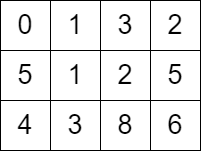
\

An array \nums\ is monotone increasing if for all \i \<= j\, \nums\[i] \<= nums\[j]\. An array \nums\ is monotone decreasing if for all \i \<= j\, \nums\[i] >= nums\[j]\.\

\

Given an integer array \nums\, return \true\ \if the given array is monotonic, or\ \false\ \otherwise\.\

### Examples ``` Input: nums = [1,2,2,3] Output: true ``` ``` Input: nums = [6,5,4,4] Output: true ``` ``` Input: nums = [1,3,2] Output: false ``` ### Constraints * 1 \<= nums.length \<= 10^5 * -10^5 \<= nums\[i] \<= 10^5 ## Solution Reference implementation from [solution.py on GitHub](https://github.com/wislertt/leetcode-py/blob/main/leetcode/monotonic_array/solution.py), full suite in [test\_solution.py](https://github.com/wislertt/leetcode-py/blob/main/leetcode/monotonic_array/test_solution.py): ```python theme={"theme":{"light":"github-light","dark":"github-dark"}} class Solution: # Time: O(n) # Space: O(1) def is_monotonic(self, nums: list[int]) -> bool: increasing = decreasing = True for i in range(1, len(nums)): increasing &= nums[i - 1] <= nums[i] decreasing &= nums[i - 1] >= nums[i] return increasing or decreasing ``` ## Complexity | Time | Space | | ---- | ----- | | O(n) | O(1) | ## Tags [NeetCode All](/catalog/neetcode). # Most Beautiful Item for Each Query Source: https://leetcode-py.wisl.dev/problems/most-beautiful-item-for-each-query Tested Python solution for LeetCode 2070 with 22 pytest cases. Generate a practice environment with lcpy. LeetCode 2070, [Medium](/catalog/medium). Topics: [Array](/catalog/topics/array), [Binary Search](/catalog/topics/binary-search), [Sorting](/catalog/topics/sorting). [View on LeetCode](https://leetcode.com/problems/most-beautiful-item-for-each-query/description/). Generate this problem as a practice environment: tested reference solution, 22 [parametrized pytest cases](/practice/testing), and a playground notebook: ```bash theme={"theme":{"light":"github-light","dark":"github-dark"}} lcpy gen -n 2070 # by problem number lcpy gen -s most_beautiful_item_for_each_query # by problem name ``` ## Problem You are given a 2D integer array items where items\[i] = \[price\i\, beauty\i\] denotes the \price\ and \beauty\ of an item respectively. You are also given a \0-indexed\ integer array queries. For each queries\[j], you want to determine the \maximum beauty\ of an item whose \price\ is \less than or equal\ to queries\[j]. If no such item exists, then the answer to this query is 0. Return an array answer of the same length as queries where answer\[j] is the answer to the j\th\ query. ### Examples ``` Input: items = [[1,2],[3,2],[2,4],[5,6],[3,5]], queries = [1,2,3,4,5,6] Output: [2,4,5,5,6,6] Explanation: - For queries[0]=1, [1,2] is the only item which has price <= 1. Hence, the answer for this query is 2. - For queries[1]=2, the items which can be considered are [1,2] and [2,4]. The maximum beauty among them is 4. - For queries[2]=3 and queries[3]=4, the items which can be considered are [1,2], [3,2], [2,4], and [3,5]. The maximum beauty among them is 5. - For queries[4]=5 and queries[5]=6, all items can be considered. Hence, the answer for them is the maximum beauty of all items, i.e., 6. ``` ``` Input: items = [[1,2],[1,2],[1,3],[1,4]], queries = [1] Output: [4] Explanation: The price of every item is equal to 1, so we choose the item with the maximum beauty 4. Note that multiple items can have the same price and/or beauty. ``` ``` Input: items = [[10,1000]], queries = [5] Output: [0] Explanation: No item has a price less than or equal to 5, so no item can be chosen. Hence, the answer to the query is 0. ``` ### Constraints * 1 \<= items.length, queries.length \<= 10^5 * items\[i].length == 2 * 1 \<= price\_i, beauty\_i, queries\[j] \<= 10^9 ## Solution Reference implementation from [solution.py on GitHub](https://github.com/wislertt/leetcode-py/blob/main/leetcode/most_beautiful_item_for_each_query/solution.py), full suite in [test\_solution.py](https://github.com/wislertt/leetcode-py/blob/main/leetcode/most_beautiful_item_for_each_query/test_solution.py): ```python theme={"theme":{"light":"github-light","dark":"github-dark"}} from bisect import bisect_right class Solution: # Time: O(n log n + m log n) for n items and m queries # Space: O(n) def maximum_beauty(self, items: list[list[int]], queries: list[int]) -> list[int]: items = sorted(items) prices: list[int] = [] best: list[int] = [] max_beauty = 0 for price, beauty in items: max_beauty = max(max_beauty, beauty) prices.append(price) best.append(max_beauty) result: list[int] = [] for query in queries: i = bisect_right(prices, query) result.append(best[i - 1] if i > 0 else 0) return result ``` ## Complexity | Time | Space | | ---------------------------------------------- | ----- | | O(n log n + m log n) for n items and m queries | O(n) | ## Tags [NeetCode All](/catalog/neetcode). # Most Common Word Python Solution with Tests Source: https://leetcode-py.wisl.dev/problems/most-common-word Tested Python solution for LeetCode 819 with 20 pytest cases. Generate a practice environment with lcpy. LeetCode 819, [Easy](/catalog/easy). Topics: [Array](/catalog/topics/array), [Hash Table](/catalog/topics/hash-table), [String](/catalog/topics/string), [Counting](/catalog/topics/counting). [View on LeetCode](https://leetcode.com/problems/most-common-word/description/). Generate this problem as a practice environment: tested reference solution, 20 [parametrized pytest cases](/practice/testing), and a playground notebook: ```bash theme={"theme":{"light":"github-light","dark":"github-dark"}} lcpy gen -n 819 # by problem number lcpy gen -s most_common_word # by problem name ``` ## Problem Given a string `paragraph` and a string array of the banned words `banned`, return *the most frequent word that is not banned*. It is **guaranteed** there is **at least one word** that is not banned, and that the answer is **unique**. The words in `paragraph` are **case-insensitive** and the answer should be returned in **lowercase**. **Note** that words can not contain punctuation symbols. ### Examples ``` Input: paragraph = "Bob hit a ball, the hit BALL flew far after it was hit.", banned = ["hit"] Output: "ball" Explanation: "hit" occurs 3 times, but it is a banned word. "ball" occurs twice (and no other word does), so it is the most frequent non-banned word in the paragraph. ``` ``` Input: paragraph = "a.", banned = [] Output: "a" ``` ### Constraints * 1 \<= paragraph.length \<= 1000 * paragraph consists of English letters, space ' ', or one of the symbols: "!?',;.". * 0 \<= banned.length \<= 100 * 1 \<= banned\[i].length \<= 10 * banned\[i] consists of only lowercase English letters. ## Solution Reference implementation from [solution.py on GitHub](https://github.com/wislertt/leetcode-py/blob/main/leetcode/most_common_word/solution.py), full suite in [test\_solution.py](https://github.com/wislertt/leetcode-py/blob/main/leetcode/most_common_word/test_solution.py): ```python theme={"theme":{"light":"github-light","dark":"github-dark"}} import re class Solution: # Time: O(P + B) # Space: O(P) def most_common_word(self, paragraph: str, banned: list[str]) -> str: banned_set = set(banned) counts: dict[str, int] = {} for word in re.findall(r"[a-z]+", paragraph.lower()): if word not in banned_set: counts[word] = counts.get(word, 0) + 1 return max(counts, key=lambda w: counts[w]) ``` ## Complexity | Time | Space | | -------- | ----- | | O(P + B) | O(P) | ## Tags # Most Frequent Subtree Sum Python Solution Source: https://leetcode-py.wisl.dev/problems/most-frequent-subtree-sum Tested Python solution for LeetCode 508 with 22 pytest cases. Generate a practice environment with lcpy. LeetCode 508, [Medium](/catalog/medium). Topics: [Hash Table](/catalog/topics/hash-table), [Tree](/catalog/topics/tree), [Depth-First Search](/catalog/topics/depth-first-search), [Binary Tree](/catalog/topics/binary-tree), DP on Trees. [View on LeetCode](https://leetcode.com/problems/most-frequent-subtree-sum/description/). Generate this problem as a practice environment: tested reference solution, 22 [parametrized pytest cases](/practice/testing), and a playground notebook: ```bash theme={"theme":{"light":"github-light","dark":"github-dark"}} lcpy gen -n 508 # by problem number lcpy gen -s most_frequent_subtree_sum # by problem name ``` ## Problem Given the `root` of a binary tree, return the most frequent subtree sum. If there is a tie, return all the values with the highest frequency in any order. The **subtree sum** of a node is defined as the sum of all the node values formed by the subtree rooted at that node (including the node itself). ### Examples ![Example 1](https://assets.leetcode.com/uploads/2021/04/24/freq1-tree.jpg) ``` Input: root = [5,2,-3] Output: [2,-3,4] ``` ![Example 2](https://assets.leetcode.com/uploads/2021/04/24/freq2-tree.jpg) ``` Input: root = [5,2,-5] Output: [2] ``` ### Constraints * The number of nodes in the tree is in the range \[1, 10^4] * -10^5 \<= Node.val \<= 10^5 ## Solution Reference implementation from [solution.py on GitHub](https://github.com/wislertt/leetcode-py/blob/main/leetcode/most_frequent_subtree_sum/solution.py), full suite in [test\_solution.py](https://github.com/wislertt/leetcode-py/blob/main/leetcode/most_frequent_subtree_sum/test_solution.py): ```python theme={"theme":{"light":"github-light","dark":"github-dark"}} from collections import Counter from leetcode_py import TreeNode class Solution: # Time: O(n), each node visited once; result collection O(distinct sums) # Space: O(n) for the recursion stack and the counter def find_frequent_tree_sum(self, root: TreeNode[int] | None) -> list[int]: counts: Counter[int] = Counter() def dfs(node: TreeNode[int] | None) -> int: if node is None: return 0 total = node.val + dfs(node.left) + dfs(node.right) counts[total] += 1 return total dfs(root) top = max(counts.values()) return [total for total, count in counts.items() if count == top] ``` ## Complexity | Time | Space | | ---------------------------------------------------------------- | -------------------------------------------- | | O(n), each node visited once; result collection O(distinct sums) | O(n) for the recursion stack and the counter | ## Tags # Most Profit Assigning Work Python Solution Source: https://leetcode-py.wisl.dev/problems/most-profit-assigning-work Tested Python solution for LeetCode 826 with 20 pytest cases. Generate a practice environment with lcpy. LeetCode 826, [Medium](/catalog/medium). Topics: [Array](/catalog/topics/array), [Two Pointers](/catalog/topics/two-pointers), [Binary Search](/catalog/topics/binary-search), [Greedy](/catalog/topics/greedy), [Sorting](/catalog/topics/sorting). [View on LeetCode](https://leetcode.com/problems/most-profit-assigning-work/description/). Generate this problem as a practice environment: tested reference solution, 20 [parametrized pytest cases](/practice/testing), and a playground notebook: ```bash theme={"theme":{"light":"github-light","dark":"github-dark"}} lcpy gen -n 826 # by problem number lcpy gen -s most_profit_assigning_work # by problem name ``` ## Problem You have n jobs and m workers. You are given three arrays: difficulty, profit, and worker where: * difficulty\[i] and profit\[i] are the difficulty and the profit of the ith job, and * worker\[j] is the ability of jth worker (i.e., the jth worker can only complete a job with difficulty at most worker\[j]). Every worker can be assigned at most one job, but one job can be completed multiple times. * For example, if three workers attempt the same job that pays $1, then the total profit will be $3. If a worker cannot complete any job, their profit is \$0. Return the maximum profit we can achieve after assigning the workers to the jobs. ### Examples ``` Input: difficulty = [2,4,6,8,10], profit = [10,20,30,40,50], worker = [4,5,6,7] Output: 100 Explanation: Workers are assigned jobs of difficulty [4,4,6,6] and they get a profit of [20,20,30,30] separately. ``` ``` Input: difficulty = [85,47,57], profit = [24,66,99], worker = [40,25,25] Output: 0 ``` ### Constraints * n == difficulty.length * n == profit.length * m == worker.length * 1 \<= n, m \<= 10^4 * 1 \<= difficulty\[i], profit\[i], worker\[i] \<= 10^5 ## Solution Reference implementation from [solution.py on GitHub](https://github.com/wislertt/leetcode-py/blob/main/leetcode/most_profit_assigning_work/solution.py), full suite in [test\_solution.py](https://github.com/wislertt/leetcode-py/blob/main/leetcode/most_profit_assigning_work/test_solution.py): ```python theme={"theme":{"light":"github-light","dark":"github-dark"}} import bisect class Solution: # Time: O(n log n + m log n) # Space: O(n) def max_profit_assignment( self, difficulty: list[int], profit: list[int], worker: list[int] ) -> int: pairs = sorted(zip(difficulty, profit, strict=True)) diffs = [d for d, _ in pairs] best: list[int] = [] top = 0 for _d, p in pairs: top = max(top, p) best.append(top) total = 0 for ability in worker: i = bisect.bisect_right(diffs, ability) if i > 0: total += best[i - 1] return total ``` ## Complexity | Time | Space | | -------------------- | ----- | | O(n log n + m log n) | O(n) | ## Tags # Most Profitable Path in a Tree Python Solution Source: https://leetcode-py.wisl.dev/problems/most-profitable-path-in-a-tree Tested Python solution for LeetCode 2467 with 20 pytest cases. Generate a practice environment with lcpy. LeetCode 2467, [Medium](/catalog/medium). Topics: [Array](/catalog/topics/array), [Tree](/catalog/topics/tree), [Depth-First Search](/catalog/topics/depth-first-search), [Breadth-First Search](/catalog/topics/breadth-first-search), [Graph Theory](/catalog/topics/graph-theory). [View on LeetCode](https://leetcode.com/problems/most-profitable-path-in-a-tree/description/). Generate this problem as a practice environment: tested reference solution, 20 [parametrized pytest cases](/practice/testing), and a playground notebook: ```bash theme={"theme":{"light":"github-light","dark":"github-dark"}} lcpy gen -n 2467 # by problem number lcpy gen -s most_profitable_path_in_a_tree # by problem name ``` ## Problem There is an undirected tree with `n` nodes labeled from `0` to `n - 1`, rooted at node `0`. You are given a 2D integer array `edges` of length `n - 1` where `edges[i] = [ai, bi]` indicates that there is an edge between nodes `ai` and `bi` in the tree. At every node `i`, there is a gate. You are also given an array of even integers `amount`, where `amount[i]` represents: * the price needed to open the gate at node `i`, if `amount[i]` is negative, or, * the cash reward obtained on opening the gate at node `i`, otherwise. The game goes on as follows: * Initially, Alice is at node `0` and Bob is at node `bob`. * At every second, Alice and Bob **each** move to an adjacent node. Alice moves towards some **leaf node**, while Bob moves towards node `0`. * For **every** node along their path, Alice and Bob either spend money to open the gate at that node, or accept the reward. Note that: * If the gate is **already open**, no price will be required, nor will there be any cash reward. * If Alice and Bob reach the node **simultaneously**, they share the price/reward for opening the gate there. In other words, if the price to open the gate is `c`, then both Alice and Bob pay `c / 2` each. Similarly, if the reward at the gate is `c`, both of them receive `c / 2` each. * If Alice reaches a leaf node, she stops moving. Similarly, if Bob reaches node `0`, he stops moving. Note that these events are **independent** of each other. Return the **maximum** net income Alice can have if she travels towards the optimal leaf node. ### Examples ![Example 1](https://assets.leetcode.com/uploads/2022/10/29/eg1.png) ``` Input: edges = [[0,1],[1,2],[1,3],[3,4]], bob = 3, amount = [-2,4,2,-4,6] Output: 6 ``` ![Example 2](https://assets.leetcode.com/uploads/2022/10/29/eg2.png) ``` Input: edges = [[0,1]], bob = 1, amount = [-7280,2350] Output: -7280 ``` ### Constraints * 2 \<= n \<= 10\5\ * edges.length == n - 1 * edges\[i].length == 2 * 0 \<= a\i\, b\i\ \< n * a\i\ != b\i\ * edges represents a valid tree. * 1 \<= bob \< n * amount.length == n * amount\[i] is an even integer in the range \[-10\4\, 10\4\]. ## Solution Reference implementation from [solution.py on GitHub](https://github.com/wislertt/leetcode-py/blob/main/leetcode/most_profitable_path_in_a_tree/solution.py), full suite in [test\_solution.py](https://github.com/wislertt/leetcode-py/blob/main/leetcode/most_profitable_path_in_a_tree/test_solution.py): ```python theme={"theme":{"light":"github-light","dark":"github-dark"}} class Solution: # Time: O(n) # Space: O(n) def most_profitable_path(self, edges: list[list[int]], bob: int, amount: list[int]) -> int: n = len(amount) adj: list[list[int]] = [[] for _ in range(n)] for a, b in edges: adj[a].append(b) adj[b].append(a) depth = [0] * n parent = [-1] * n order = [0] for u in order: for v in adj[u]: if v != parent[u]: parent[v] = u depth[v] = depth[u] + 1 order.append(v) bob_time: dict[int, int] = {} node, t = bob, 0 while True: bob_time[node] = t if node == 0: break node = parent[node] t += 1 gain = [0] * n for u in reversed(order): child_best = max((gain[v] for v in adj[u] if v != parent[u]), default=0) gate = amount[u] bt = bob_time.get(u, -1) if bt == -1 or bt > depth[u]: pass elif bt == depth[u]: gate = amount[u] // 2 else: gate = 0 gain[u] = gate + child_best return gain[0] ``` ## Complexity | Time | Space | | ---- | ----- | | O(n) | O(n) | ## Tags [NeetCode All](/catalog/neetcode). # Most Stones Removed with Same Row or Column Source: https://leetcode-py.wisl.dev/problems/most-stones-removed-with-same-row-or-column Tested Python solution for LeetCode 947 with 20 pytest cases. Generate a practice environment with lcpy. LeetCode 947, [Medium](/catalog/medium). Topics: [Hash Table](/catalog/topics/hash-table), [Depth-First Search](/catalog/topics/depth-first-search), [Union-Find](/catalog/topics/union-find), [Graph Theory](/catalog/topics/graph-theory), Bipartite Graph. [View on LeetCode](https://leetcode.com/problems/most-stones-removed-with-same-row-or-column/description/). Generate this problem as a practice environment: tested reference solution, 20 [parametrized pytest cases](/practice/testing), and a playground notebook: ```bash theme={"theme":{"light":"github-light","dark":"github-dark"}} lcpy gen -n 947 # by problem number lcpy gen -s most_stones_removed_with_same_row_or_column # by problem name ``` ## Problem On a 2D plane, we place `n` stones at some integer coordinate points. Each coordinate point may have at most one stone. A stone can be removed if it shares either **the same row or the same column** as another stone that has not been removed. Given an array `stones` of length `n` where `stones[i] = [xi, yi]` represents the location of the `ith` stone, return *the largest possible number of stones that can be removed*. ### Examples ``` Input: stones = [[0,0],[0,1],[1,0],[1,2],[2,1],[2,2]] Output: 5 ``` ``` Input: stones = [[0,0],[0,2],[1,1],[2,0],[2,2]] Output: 3 ``` ``` Input: stones = [[0,0]] Output: 0 ``` ### Constraints * 1 \<= stones.length \<= 1000 * 0 \<= x\i\, y\i\ \<= 10\4\ * No two stones are at the same coordinate point. ## Solution Reference implementation from [solution.py on GitHub](https://github.com/wislertt/leetcode-py/blob/main/leetcode/most_stones_removed_with_same_row_or_column/solution.py), full suite in [test\_solution.py](https://github.com/wislertt/leetcode-py/blob/main/leetcode/most_stones_removed_with_same_row_or_column/test_solution.py): ```python theme={"theme":{"light":"github-light","dark":"github-dark"}} class Solution: # Time: O(n * alpha(n)) # Space: O(n) def remove_stones(self, stones: list[list[int]]) -> int: parent: dict[tuple[str, int], tuple[str, int]] = {} def find(node: tuple[str, int]) -> tuple[str, int]: root = node while parent[root] != root: root = parent[root] while parent[node] != root: parent[node], node = root, parent[node] return root def union(a: tuple[str, int], b: tuple[str, int]) -> None: root_a, root_b = find(a), find(b) if root_a != root_b: parent[root_b] = root_a for x, y in stones: parent.setdefault(("r", x), ("r", x)) parent.setdefault(("c", y), ("c", y)) union(("r", x), ("c", y)) roots = {find(("r", x)) for x, _ in stones} return len(stones) - len(roots) ``` ## Complexity | Time | Space | | ---------------- | ----- | | O(n \* alpha(n)) | O(n) | ## Tags # Move Zeroes Python Solution with Tests Source: https://leetcode-py.wisl.dev/problems/move-zeroes Tested Python solution for LeetCode 283 with 15 pytest cases. Generate a practice environment with lcpy. LeetCode 283, [Easy](/catalog/easy). Topics: [Array](/catalog/topics/array), [Two Pointers](/catalog/topics/two-pointers). [View on LeetCode](https://leetcode.com/problems/move-zeroes/description/). Generate this problem as a practice environment: tested reference solution, 15 [parametrized pytest cases](/practice/testing), and a playground notebook: ```bash theme={"theme":{"light":"github-light","dark":"github-dark"}} lcpy gen -n 283 # by problem number lcpy gen -s move_zeroes # by problem name ``` ## Problem Given an integer array `nums`, move all `0`'s to the end of it while maintaining the relative order of the non-zero elements. **Note** that you must do this in-place without making a copy of the array. ### Examples ``` Input: nums = [0,1,0,3,12] Output: [1,3,12,0,0] Explanation: The array after moving zeroes becomes [1,3,12,0,0]. ``` ``` Input: nums = [0] Output: [0] ``` ### Constraints * 1 \<= nums.length \<= 10^4 * -2^31 \<= nums\[i] \<= 2^31 - 1 **Follow up:** Could you minimize the total number of operations done? ## Solution Reference implementation from [solution.py on GitHub](https://github.com/wislertt/leetcode-py/blob/main/leetcode/move_zeroes/solution.py), full suite in [test\_solution.py](https://github.com/wislertt/leetcode-py/blob/main/leetcode/move_zeroes/test_solution.py): ```python theme={"theme":{"light":"github-light","dark":"github-dark"}} class Solution: # Two pointers - slow tracks insertion position for next non-zero # Fast scans array; swap non-zero to front, preserving relative order # Time: O(n) # Space: O(1) def move_zeroes(self, nums: list[int]) -> None: slow = 0 for fast in range(len(nums)): if nums[fast] != 0: nums[slow], nums[fast] = nums[fast], nums[slow] slow += 1 ``` ## Complexity | Time | Space | | ---- | ----- | | O(n) | O(1) | ## Tags [Grind](/catalog/grind), [NeetCode All](/catalog/neetcode). # Moving Average from Data Stream Source: https://leetcode-py.wisl.dev/problems/moving-average-from-data-stream Tested Python solution for LeetCode 346 with 15 pytest cases. Generate a practice environment with lcpy. LeetCode 346, [Easy](/catalog/easy). Topics: [Design](/catalog/topics/design), [Queue](/catalog/topics/queue), [Array](/catalog/topics/array), [Data Stream](/catalog/topics/data-stream). [View on LeetCode](https://leetcode.com/problems/moving-average-from-data-stream/description/). Generate this problem as a practice environment: tested reference solution, 15 [parametrized pytest cases](/practice/testing), and a playground notebook: ```bash theme={"theme":{"light":"github-light","dark":"github-dark"}} lcpy gen -n 346 # by problem number lcpy gen -s moving_average_from_data_stream # by problem name ``` ## Problem Given a stream of integers and a window size, calculate the moving average of all integers in the sliding window. Implement the `MovingAverage` class: * `MovingAverage(int size)` Initializes the object with the size of the window `size`. * `double next(int val)` Returns the moving average of the last `size` values of the stream. ### Examples ``` Input ["MovingAverage", "next", "next", "next", "next"] [[3], [1], [10], [3], [5]] Output [null, 1.0, 5.5, 4.66667, 6.0] Explanation MovingAverage movingAverage = new MovingAverage(3); movingAverage.next(1); // return 1.0 = 1 / 1 movingAverage.next(10); // return 5.5 = (1 + 10) / 2 movingAverage.next(3); // return 4.66667 = (1 + 10 + 3) / 3 movingAverage.next(5); // return 6.0 = (10 + 3 + 5) / 3 ``` ### Constraints * `1 <= size <= 1000` * `-10^5 <= val <= 10^5` * At most `10^4` calls will be made to `next`. ## Solution Reference implementation from [solution.py on GitHub](https://github.com/wislertt/leetcode-py/blob/main/leetcode/moving_average_from_data_stream/solution.py), full suite in [test\_solution.py](https://github.com/wislertt/leetcode-py/blob/main/leetcode/moving_average_from_data_stream/test_solution.py): ```python theme={"theme":{"light":"github-light","dark":"github-dark"}} from collections import deque class MovingAverage: # Time: O(1) per next call # Space: O(size) — window holds at most size values def __init__(self, size: int) -> None: self.size = size self.window: deque[int] = deque() self.window_sum = 0 # Time: O(1) # Space: O(1) def next(self, val: int) -> float: self.window.append(val) self.window_sum += val if len(self.window) > self.size: self.window_sum -= self.window.popleft() return self.window_sum / len(self.window) ``` ## Complexity | Time | Space | | ------------------ | ------------------------------------------ | | O(1) per next call | O(size) — window holds at most size values | ## Tags [NeetCode All](/catalog/neetcode). # Multiply Strings Python Solution with Tests Source: https://leetcode-py.wisl.dev/problems/multiply-strings Tested Python solution for LeetCode 43 with 16 pytest cases. Generate a practice environment with lcpy. LeetCode 43, [Medium](/catalog/medium). Topics: [Math](/catalog/topics/math), [String](/catalog/topics/string), [Simulation](/catalog/topics/simulation). [View on LeetCode](https://leetcode.com/problems/multiply-strings/description/). Generate this problem as a practice environment: tested reference solution, 16 [parametrized pytest cases](/practice/testing), and a playground notebook: ```bash theme={"theme":{"light":"github-light","dark":"github-dark"}} lcpy gen -n 43 # by problem number lcpy gen -s multiply_strings # by problem name ``` ## Problem Given two non-negative integers `num1` and `num2` represented as strings, return the product of `num1` and `num2`, also represented as a string. **Note:** You must not use any built-in BigInteger library or convert the inputs to integer directly. ### Examples ``` Input: num1 = "2", num2 = "3" Output: "6" ``` ``` Input: num1 = "123", num2 = "456" Output: "56088" ``` ### Constraints * 1 \<= num1.length, num2.length \<= 200 * `num1` and `num2` consist of digits only. * Both `num1` and `num2` do not contain any leading zero, except the number `0` itself. ## Solution Reference implementation from [solution.py on GitHub](https://github.com/wislertt/leetcode-py/blob/main/leetcode/multiply_strings/solution.py), full suite in [test\_solution.py](https://github.com/wislertt/leetcode-py/blob/main/leetcode/multiply_strings/test_solution.py): ```python theme={"theme":{"light":"github-light","dark":"github-dark"}} class Solution: # Time: O(m * n) # Space: O(m + n) def multiply(self, num1: str, num2: str) -> str: if num1 == "0" or num2 == "0": return "0" m, n = len(num1), len(num2) result = [0] * (m + n) for i in range(m - 1, -1, -1): for j in range(n - 1, -1, -1): product = (ord(num1[i]) - ord("0")) * (ord(num2[j]) - ord("0")) total = product + result[i + j + 1] result[i + j + 1] = total % 10 result[i + j] += total // 10 return "".join(str(x) for x in result).lstrip("0") ``` ## Complexity | Time | Space | | --------- | -------- | | O(m \* n) | O(m + n) | ## Tags [NeetCode 150](/catalog/neetcode-150), [NeetCode 250](/catalog/neetcode-250), [NeetCode All](/catalog/neetcode). # My Calendar I Python Solution with Tests Source: https://leetcode-py.wisl.dev/problems/my-calendar-i Tested Python solution for LeetCode 729 with 14 pytest cases. Generate a practice environment with lcpy. LeetCode 729, [Medium](/catalog/medium). Topics: [Array](/catalog/topics/array), [Binary Search](/catalog/topics/binary-search), [Design](/catalog/topics/design), [Segment Tree](/catalog/topics/segment-tree), [Ordered Set](/catalog/topics/ordered-set). [View on LeetCode](https://leetcode.com/problems/my-calendar-i/description/). Generate this problem as a practice environment: tested reference solution, 14 [parametrized pytest cases](/practice/testing), and a playground notebook: ```bash theme={"theme":{"light":"github-light","dark":"github-dark"}} lcpy gen -n 729 # by problem number lcpy gen -s my_calendar_i # by problem name ``` ## Problem You are implementing a program to use as your calendar. We can add a new event if adding the event will not cause a **double booking**. A **double booking** happens when two events have some non-empty intersection (i.e., some moment is common to both events.). The event can be represented as a pair of integers `startTime` and `endTime` that represents a booking on the half-open interval `[startTime, endTime)`, the range of real numbers `x` such that `startTime <= x < endTime`. Implement the `MyCalendar` class: * `MyCalendar()` Initializes the calendar object. * `boolean book(int startTime, int endTime)` Returns `true` if the event can be added to the calendar successfully without causing a **double booking**. Otherwise, return `false` and do not add the event to the calendar. ### Examples ``` Input ["MyCalendar", "book", "book", "book"] [[], [10, 20], [15, 25], [20, 30]] Output [null, true, false, true] Explanation MyCalendar myCalendar = new MyCalendar(); myCalendar.book(10, 20); // return True myCalendar.book(15, 25); // return False, It can not be booked because time 15 is already booked by another event. myCalendar.book(20, 30); // return True, The event can be booked, as the first event takes every time less than 20, but not including 20. ``` ### Constraints * 0 \<= start \< end \<= 10^9 * At most 1000 calls will be made to book. ## Solution Reference implementation from [solution.py on GitHub](https://github.com/wislertt/leetcode-py/blob/main/leetcode/my_calendar_i/solution.py), full suite in [test\_solution.py](https://github.com/wislertt/leetcode-py/blob/main/leetcode/my_calendar_i/test_solution.py): ```python theme={"theme":{"light":"github-light","dark":"github-dark"}} class MyCalendar: # Time: O(n) per booking, O(n^2) total for n bookings # Space: O(n) def __init__(self): self.calendar: list[tuple[int, int]] = [] # Time: O(n) per booking # Space: O(1) def book(self, start: int, end: int) -> bool: for s, e in self.calendar: if start < e and end > s: return False self.calendar.append((start, end)) return True ``` ## Complexity | Time | Space | | --------------------------------------------- | ----- | | O(n) per booking, O(n^2) total for n bookings | O(n) | ## Tags [NeetCode All](/catalog/neetcode), [AlgoMaster 75](/catalog/algo-master-75). # My Calendar II Python Solution with Tests Source: https://leetcode-py.wisl.dev/problems/my-calendar-ii Tested Python solution for LeetCode 731 with 12 pytest cases. Generate a practice environment with lcpy. LeetCode 731, [Medium](/catalog/medium). Topics: [Array](/catalog/topics/array), [Binary Search](/catalog/topics/binary-search), [Design](/catalog/topics/design), [Segment Tree](/catalog/topics/segment-tree), [Ordered Set](/catalog/topics/ordered-set), [Prefix Sum](/catalog/topics/prefix-sum). [View on LeetCode](https://leetcode.com/problems/my-calendar-ii/description/). Generate this problem as a practice environment: tested reference solution, 12 [parametrized pytest cases](/practice/testing), and a playground notebook: ```bash theme={"theme":{"light":"github-light","dark":"github-dark"}} lcpy gen -n 731 # by problem number lcpy gen -s my_calendar_ii # by problem name ``` ## Problem You are implementing a program to use as your calendar. We can add a new event if adding the event will not cause a triple booking. A triple booking happens when three events have some non-empty intersection (i.e., some moment is common to all the three events.). The event can be represented as a pair of integers `startTime` and `endTime` that represents a booking on the half-open interval `[startTime, endTime)`, the range of real numbers `x` such that `startTime <= x < endTime`. Implement the `MyCalendarTwo` class: * `MyCalendarTwo()` Initializes the calendar object. * `boolean book(int startTime, int endTime)` Returns `true` if the event can be added to the calendar successfully without causing a triple booking. Otherwise, return `false` and do not add the event to the calendar. ### Examples ``` Input ["MyCalendarTwo", "book", "book", "book", "book", "book", "book"] [[], [10, 20], [50, 60], [10, 40], [5, 15], [5, 10], [25, 55]] Output [null, true, true, true, false, true, true] Explanation MyCalendarTwo myCalendarTwo = new MyCalendarTwo(); myCalendarTwo.book(10, 20); // return True, The event can be booked. myCalendarTwo.book(50, 60); // return True, The event can be booked. myCalendarTwo.book(10, 40); // return True, The event can be double booked. myCalendarTwo.book(5, 15); // return False, The event cannot be booked, because it would result in a triple booking. myCalendarTwo.book(5, 10); // return True, The event can be booked, as it does not use time 10 which is already double booked. myCalendarTwo.book(25, 55); // return True, The event can be booked, as the time in [25, 40) will be double booked with the third event; // the time [40, 50) will be single booked, and the time [50, 55) will be double booked with the second event. ``` ### Constraints * 0 \<= start \< end \<= 10^9 * At most 1000 calls will be made to book. ## Solution Reference implementation from [solution.py on GitHub](https://github.com/wislertt/leetcode-py/blob/main/leetcode/my_calendar_ii/solution.py), full suite in [test\_solution.py](https://github.com/wislertt/leetcode-py/blob/main/leetcode/my_calendar_ii/test_solution.py): ```python theme={"theme":{"light":"github-light","dark":"github-dark"}} class MyCalendarTwo: # Tracks single and double bookings; a new event is valid iff it # overlaps no double-booked region. # Time: O(n) per book # Space: O(n) def __init__(self) -> None: self._booked: list[tuple[int, int]] = [] self._double_booked: list[tuple[int, int]] = [] @staticmethod def _intersects(s1: int, e1: int, s2: int, e2: int) -> bool: return max(s1, s2) < min(e1, e2) def book(self, start_time: int, end_time: int) -> bool: if any(self._intersects(start_time, end_time, s, e) for s, e in self._double_booked): return False for s, e in self._booked: if self._intersects(start_time, end_time, s, e): self._double_booked.append((max(start_time, s), min(end_time, e))) self._booked.append((start_time, end_time)) return True ``` ## Complexity | Time | Space | | ------------- | ----- | | O(n) per book | O(n) | ## Tags [NeetCode All](/catalog/neetcode). # My Calendar III Python Solution with Tests Source: https://leetcode-py.wisl.dev/problems/my-calendar-iii Tested Python solution for LeetCode 732 with 18 pytest cases. Generate a practice environment with lcpy. LeetCode 732, [Hard](/catalog/hard). Topics: [Binary Search](/catalog/topics/binary-search), [Design](/catalog/topics/design), [Segment Tree](/catalog/topics/segment-tree), [Prefix Sum](/catalog/topics/prefix-sum), [Ordered Set](/catalog/topics/ordered-set). [View on LeetCode](https://leetcode.com/problems/my-calendar-iii/description/). Generate this problem as a practice environment: tested reference solution, 18 [parametrized pytest cases](/practice/testing), and a playground notebook: ```bash theme={"theme":{"light":"github-light","dark":"github-dark"}} lcpy gen -n 732 # by problem number lcpy gen -s my_calendar_iii # by problem name ``` ## Problem A `k`-booking happens when `k` events have some non-empty intersection (i.e., there is some time that is common to all `k` events.) You are given some events `[startTime, endTime)`, after each given event, return an integer `k` representing the maximum `k`-booking between all the previous events. Implement the `MyCalendarThree` class: * `MyCalendarThree()` Initializes the object. * `int book(int startTime, int endTime)` Returns an integer `k` representing the largest integer such that there exists a `k`-booking in the calendar. ### Examples ``` Input ["MyCalendarThree", "book", "book", "book", "book", "book", "book"] [[], [10, 20], [50, 60], [10, 40], [5, 15], [5, 10], [25, 55]] Output [null, 1, 1, 2, 3, 3, 3] Explanation MyCalendarThree myCalendarThree = new MyCalendarThree(); myCalendarThree.book(10, 20); // return 1 myCalendarThree.book(50, 60); // return 1 myCalendarThree.book(10, 40); // return 2 myCalendarThree.book(5, 15); // return 3 myCalendarThree.book(5, 10); // return 3 myCalendarThree.book(25, 55); // return 3 ``` ### Constraints * 0 \<= startTime \< endTime \<= 10^9 * At most 400 calls will be made to book. ## Solution Reference implementation from [solution.py on GitHub](https://github.com/wislertt/leetcode-py/blob/main/leetcode/my_calendar_iii/solution.py), full suite in [test\_solution.py](https://github.com/wislertt/leetcode-py/blob/main/leetcode/my_calendar_iii/test_solution.py): ```python theme={"theme":{"light":"github-light","dark":"github-dark"}} class MyCalendarThree: # Boundary delta map: a booking adds +1 at start and -1 at end, so a sweep # over the sorted boundaries gives the number of events alive at each point; # the answer is a running maximum and only ever grows. # Time: O(n log n) per book (n = bookings so far) # Space: O(n) def __init__(self) -> None: self._delta: dict[int, int] = {} self._max_k = 0 def book(self, start_time: int, end_time: int) -> int: self._delta[start_time] = self._delta.get(start_time, 0) + 1 self._delta[end_time] = self._delta.get(end_time, 0) - 1 active = 0 for time in sorted(self._delta): active += self._delta[time] if active > self._max_k: self._max_k = active return self._max_k ``` ## Complexity | Time | Space | | ----------------------------------------- | ----- | | O(n log n) per book (n = bookings so far) | O(n) | ## Tags # N-ary Tree Level Order Traversal Source: https://leetcode-py.wisl.dev/problems/n-ary-tree-level-order-traversal Tested Python solution for LeetCode 429 with 16 pytest cases. Generate a practice environment with lcpy. LeetCode 429, [Medium](/catalog/medium). Topics: [Tree](/catalog/topics/tree), [Breadth-First Search](/catalog/topics/breadth-first-search). [View on LeetCode](https://leetcode.com/problems/n-ary-tree-level-order-traversal/description/). Generate this problem as a practice environment: tested reference solution, 16 [parametrized pytest cases](/practice/testing), and a playground notebook: ```bash theme={"theme":{"light":"github-light","dark":"github-dark"}} lcpy gen -n 429 # by problem number lcpy gen -s n_ary_tree_level_order_traversal # by problem name ``` ## Problem Given an n-ary tree, return *the level order traversal of its nodes' values*. Nary-Tree input serialization is represented in their level order traversal, each group of children is separated by the null value (See examples). ### Examples ![Example 1](https://assets.leetcode.com/uploads/2018/10/12/narytreeexample.png) ``` Input: root = [1,null,3,2,4,null,5,6] Output: [[1],[3,2,4],[5,6]] ``` ![Example 2](https://assets.leetcode.com/uploads/2019/11/08/sample_4_964.png) ``` Input: root = [1,null,2,3,4,5,null,null,6,7,null,8,null,9,10,null,null,11,null,12,null,13,null,null,14] Output: [[1],[2,3,4,5],[6,7,8,9,10],[11,12,13],[14]] ``` ### Constraints * The height of the n-ary tree is less than or equal to 1000. * The total number of nodes is in the range \[0, 10^4]. ## Solution Reference implementation from [solution.py on GitHub](https://github.com/wislertt/leetcode-py/blob/main/leetcode/n_ary_tree_level_order_traversal/solution.py), full suite in [test\_solution.py](https://github.com/wislertt/leetcode-py/blob/main/leetcode/n_ary_tree_level_order_traversal/test_solution.py): ```python theme={"theme":{"light":"github-light","dark":"github-dark"}} from __future__ import annotations from collections import deque class NaryNode: def __init__(self, val: int = 0, children: list[NaryNode] | None = None) -> None: self.val = val self.children = children if children is not None else [] class Solution: # Time: O(n) # Space: O(w) def level_order(self, root: NaryNode | None) -> list[list[int]]: levels: list[list[int]] = [] if root is None: return levels current: deque[NaryNode] = deque([root]) while current: levels.append([node.val for node in current]) nxt: deque[NaryNode] = deque() for node in current: nxt.extend(node.children) current = nxt return levels ``` ## Complexity | Time | Space | | ---- | ----- | | O(n) | O(w) | ## Tags # N-ary Tree Postorder Traversal Python Solution Source: https://leetcode-py.wisl.dev/problems/n-ary-tree-postorder-traversal Tested Python solution for LeetCode 590 with 14 pytest cases. Generate a practice environment with lcpy. LeetCode 590, [Easy](/catalog/easy). Topics: [Stack](/catalog/topics/stack), [Tree](/catalog/topics/tree), [Depth-First Search](/catalog/topics/depth-first-search). [View on LeetCode](https://leetcode.com/problems/n-ary-tree-postorder-traversal/description/). Generate this problem as a practice environment: tested reference solution, 14 [parametrized pytest cases](/practice/testing), and a playground notebook: ```bash theme={"theme":{"light":"github-light","dark":"github-dark"}} lcpy gen -n 590 # by problem number lcpy gen -s n_ary_tree_postorder_traversal # by problem name ``` ## Problem Given the `root` of an n-ary tree, return *the postorder traversal of its nodes' values*. Nary-Tree input serialization is represented in their level order traversal. Each group of children is separated by the null value (See examples). ### Examples ![Example 1](https://assets.leetcode.com/uploads/2018/10/12/narytreeexample.png) ``` Input: root = [1,null,3,2,4,null,5,6] Output: [5,6,3,2,4,1] ``` ![Example 2](https://assets.leetcode.com/uploads/2019/11/08/sample_4_964.png) ``` Input: root = [1,null,2,3,4,5,null,null,6,7,null,8,null,9,10,null,null,11,null,12,null,13,null,null,14] Output: [2,6,14,11,7,3,12,8,4,13,9,10,5,1] ``` ### Constraints * The number of nodes in the tree is in the range \[0, 10^4]. * 0 \<= Node.val \<= 10^4 * The height of the n-ary tree is less than or equal to 1000. **Follow up:** Recursive solution is trivial, could you do it iteratively? ## Solution Reference implementation from [solution.py on GitHub](https://github.com/wislertt/leetcode-py/blob/main/leetcode/n_ary_tree_postorder_traversal/solution.py), full suite in [test\_solution.py](https://github.com/wislertt/leetcode-py/blob/main/leetcode/n_ary_tree_postorder_traversal/test_solution.py): ```python theme={"theme":{"light":"github-light","dark":"github-dark"}} from __future__ import annotations class NaryNode: def __init__(self, val: int = 0, children: list[NaryNode] | None = None) -> None: self.val = val self.children = children if children is not None else [] class Solution: # Time: O(n) # Space: O(n) def postorder(self, root: NaryNode | None) -> list[int]: result: list[int] = [] if root is None: return result stack = [root] while stack: node = stack.pop() result.append(node.val) stack.extend(node.children) # Reverse preorder (children visited right-to-left) equals postorder. result.reverse() return result ``` ## Complexity | Time | Space | | ---- | ----- | | O(n) | O(n) | ## Tags [NeetCode All](/catalog/neetcode). # N-ary Tree Preorder Traversal Python Solution Source: https://leetcode-py.wisl.dev/problems/n-ary-tree-preorder-traversal Tested Python solution for LeetCode 589 with 14 pytest cases. Generate a practice environment with lcpy. LeetCode 589, [Easy](/catalog/easy). Topics: [Stack](/catalog/topics/stack), [Tree](/catalog/topics/tree), [Depth-First Search](/catalog/topics/depth-first-search). [View on LeetCode](https://leetcode.com/problems/n-ary-tree-preorder-traversal/description/). Generate this problem as a practice environment: tested reference solution, 14 [parametrized pytest cases](/practice/testing), and a playground notebook: ```bash theme={"theme":{"light":"github-light","dark":"github-dark"}} lcpy gen -n 589 # by problem number lcpy gen -s n_ary_tree_preorder_traversal # by problem name ``` ## Problem Given the `root` of an n-ary tree, return *the preorder traversal of its nodes' values*. Nary-Tree input serialization is represented in their level order traversal. Each group of children is separated by the null value (See examples). ### Examples ![Example 1](https://assets.leetcode.com/uploads/2018/10/12/narytreeexample.png) ``` Input: root = [1,null,3,2,4,null,5,6] Output: [1,3,5,6,2,4] ``` ![Example 2](https://assets.leetcode.com/uploads/2019/11/08/sample_4_964.png) ``` Input: root = [1,null,2,3,4,5,null,null,6,7,null,8,null,9,10,null,null,11,null,12,null,13,null,null,14] Output: [1,2,3,6,7,11,14,4,8,12,5,9,13,10] ``` ### Constraints * The number of nodes in the tree is in the range \[0, 10^4]. * 0 \<= Node.val \<= 10^4 * The height of the n-ary tree is less than or equal to 1000. **Follow up:** Recursive solution is trivial, could you do it iteratively? ## Solution Reference implementation from [solution.py on GitHub](https://github.com/wislertt/leetcode-py/blob/main/leetcode/n_ary_tree_preorder_traversal/solution.py), full suite in [test\_solution.py](https://github.com/wislertt/leetcode-py/blob/main/leetcode/n_ary_tree_preorder_traversal/test_solution.py): ```python theme={"theme":{"light":"github-light","dark":"github-dark"}} from __future__ import annotations class NaryNode: def __init__(self, val: int = 0, children: list[NaryNode] | None = None) -> None: self.val = val self.children = children if children is not None else [] class Solution: # Time: O(n) # Space: O(n) def preorder(self, root: NaryNode | None) -> list[int]: if root is None: return [] result: list[int] = [] stack: list[NaryNode] = [root] while stack: node = stack.pop() result.append(node.val) stack.extend(reversed(node.children)) return result ``` ## Complexity | Time | Space | | ---- | ----- | | O(n) | O(n) | ## Tags # N-Queens Python Solution with Tests Source: https://leetcode-py.wisl.dev/problems/n-queens Tested Python solution for LeetCode 51 with 12 pytest cases. Generate a practice environment with lcpy. LeetCode 51, [Hard](/catalog/hard). Topics: [Array](/catalog/topics/array), [Backtracking](/catalog/topics/backtracking). [View on LeetCode](https://leetcode.com/problems/n-queens/description/). Generate this problem as a practice environment: tested reference solution, 12 [parametrized pytest cases](/practice/testing), and a playground notebook: ```bash theme={"theme":{"light":"github-light","dark":"github-dark"}} lcpy gen -n 51 # by problem number lcpy gen -s n_queens # by problem name ``` ## Problem The **n-queens** puzzle is the problem of placing `n` queens on an `n x n` chessboard such that no two queens attack each other. Given an integer `n`, return *all distinct solutions to the **n-queens puzzle***. You may return the answer in **any order**. Each solution contains a distinct board configuration of the n-queens' placement, where `'Q'` and `'.'` both indicate a queen and an empty space, respectively. ### Examples ![Example 1](https://assets.leetcode.com/uploads/2020/11/13/queens.jpg) ``` Input: n = 4 Output: [[".Q..","...Q","Q...","..Q."],["..Q.","Q...","...Q",".Q.."]] Explanation: There exist two distinct solutions to the 4-queens puzzle as shown above ``` ``` Input: n = 1 Output: [["Q"]] ``` ### Constraints * 1 \<= n \<= 9 ## Solution Reference implementation from [solution.py on GitHub](https://github.com/wislertt/leetcode-py/blob/main/leetcode/n_queens/solution.py), full suite in [test\_solution.py](https://github.com/wislertt/leetcode-py/blob/main/leetcode/n_queens/test_solution.py): ```python theme={"theme":{"light":"github-light","dark":"github-dark"}} class Solution: # Time: O(n!) # Space: O(n) excluding output def solve_n_queens(self, n: int) -> list[list[str]]: result: list[list[str]] = [] cols: set[int] = set() diag1: set[int] = set() # r - c diag2: set[int] = set() # r + c queens: list[int] = [] # column index per row def can_place(row: int, col: int) -> bool: return col not in cols and row - col not in diag1 and row + col not in diag2 def backtrack(row: int) -> None: if row == n: board: list[str] = [] for q_col in queens: board.append("." * q_col + "Q" + "." * (n - q_col - 1)) result.append(board) return for col in range(n): if not can_place(row, col): continue cols.add(col) diag1.add(row - col) diag2.add(row + col) queens.append(col) backtrack(row + 1) queens.pop() diag2.discard(row + col) diag1.discard(row - col) cols.discard(col) backtrack(0) return result ``` ## Complexity | Time | Space | | ----- | --------------------- | | O(n!) | O(n) excluding output | ## Tags [Grind](/catalog/grind), [NeetCode 150](/catalog/neetcode-150), [NeetCode 250](/catalog/neetcode-250), [NeetCode All](/catalog/neetcode). # N-Queens II Python Solution with Tests Source: https://leetcode-py.wisl.dev/problems/n-queens-ii Tested Python solution for LeetCode 52 with 11 pytest cases. Generate a practice environment with lcpy. LeetCode 52, [Hard](/catalog/hard). Topics: [Backtracking](/catalog/topics/backtracking). [View on LeetCode](https://leetcode.com/problems/n-queens-ii/description/). Generate this problem as a practice environment: tested reference solution, 11 [parametrized pytest cases](/practice/testing), and a playground notebook: ```bash theme={"theme":{"light":"github-light","dark":"github-dark"}} lcpy gen -n 52 # by problem number lcpy gen -s n_queens_ii # by problem name ``` ## Problem The **n-queens** puzzle is the problem of placing `n` queens on an `n x n` chessboard such that no two queens attack each other. Given an integer `n`, return *the number of distinct solutions to the **n-queens puzzle***. ### Examples ``` Input: n = 4 Output: 2 Explanation: There are two distinct solutions to the 4-queens puzzle as shown. ``` ``` Input: n = 1 Output: 1 ``` ### Constraints * `1 <= n <= 9` ## Solution Reference implementation from [solution.py on GitHub](https://github.com/wislertt/leetcode-py/blob/main/leetcode/n_queens_ii/solution.py), full suite in [test\_solution.py](https://github.com/wislertt/leetcode-py/blob/main/leetcode/n_queens_ii/test_solution.py): ```python theme={"theme":{"light":"github-light","dark":"github-dark"}} class Solution: # Time: O(n!) # Space: O(n) def total_n_queens(self, n: int) -> int: cols: set[int] = set() diag1: set[int] = set() diag2: set[int] = set() def backtrack(row: int) -> int: if row == n: return 1 count = 0 for col in range(n): if col in cols or (row - col) in diag1 or (row + col) in diag2: continue cols.add(col) diag1.add(row - col) diag2.add(row + col) count += backtrack(row + 1) cols.remove(col) diag1.remove(row - col) diag2.remove(row + col) return count return backtrack(0) ``` ## Complexity | Time | Space | | ----- | ----- | | O(n!) | O(n) | ## Tags [NeetCode 250](/catalog/neetcode-250), [NeetCode All](/catalog/neetcode). # N-Repeated Element in Size 2N Array Source: https://leetcode-py.wisl.dev/problems/n-repeated-element-in-size-2n-array Tested Python solution for LeetCode 961 with 18 pytest cases. Generate a practice environment with lcpy. LeetCode 961, [Easy](/catalog/easy). Topics: [Array](/catalog/topics/array), [Hash Table](/catalog/topics/hash-table). [View on LeetCode](https://leetcode.com/problems/n-repeated-element-in-size-2n-array/description/). Generate this problem as a practice environment: tested reference solution, 18 [parametrized pytest cases](/practice/testing), and a playground notebook: ```bash theme={"theme":{"light":"github-light","dark":"github-dark"}} lcpy gen -n 961 # by problem number lcpy gen -s n_repeated_element_in_size_2n_array # by problem name ``` ## Problem You are given an integer array `nums` with the following properties: * `nums.length == 2 * n`. * `nums` contains `n + 1` **unique** values, `n` of which occur **exactly once** in the array. * Exactly one element of `nums` is repeated `n` times. Return the element that is repeated `n` times. ### Examples ``` Input: nums = [1,2,3,3] Output: 3 ``` ``` Input: nums = [2,1,2,5,3,2] Output: 2 ``` ``` Input: nums = [5,1,5,2,5,3,5,4] Output: 5 ``` ### Constraints * 2 \<= n \<= 5000 * nums.length == 2 \* n * 0 \<= nums\[i] \<= 10^4 * nums contains n + 1 unique elements and one of them is repeated exactly n times. **Follow-up:** Can you solve it without a hash table, in O(1) extra space? ## Solution Reference implementation from [solution.py on GitHub](https://github.com/wislertt/leetcode-py/blob/main/leetcode/n_repeated_element_in_size_2n_array/solution.py), full suite in [test\_solution.py](https://github.com/wislertt/leetcode-py/blob/main/leetcode/n_repeated_element_in_size_2n_array/test_solution.py): ```python theme={"theme":{"light":"github-light","dark":"github-dark"}} class Solution: # Time: O(n) worst case, returns after a handful of checks in practice # Space: O(1) def repeated_n_times(self, nums: list[int]) -> int: # Pigeonhole: the n copies of the answer cannot all sit 3+ slots apart, # so some pair at distance 1 or 2 must match. The only way no such pair # exists is n == 2 with the answer at both ends, hence the fallback. for i in range(2, len(nums)): if nums[i] == nums[i - 1] or nums[i] == nums[i - 2]: return nums[i] return nums[0] ``` ## Complexity | Time | Space | | -------------------------------------------------------------- | ----- | | O(n) worst case, returns after a handful of checks in practice | O(1) | ## Tags # N-th Tribonacci Number Python Solution Source: https://leetcode-py.wisl.dev/problems/n-th-tribonacci-number Tested Python solution for LeetCode 1137 with 17 pytest cases. Generate a practice environment with lcpy. LeetCode 1137, [Easy](/catalog/easy). Topics: [Math](/catalog/topics/math), [Dynamic Programming](/catalog/topics/dynamic-programming), [Memoization](/catalog/topics/memoization). [View on LeetCode](https://leetcode.com/problems/n-th-tribonacci-number/description/). Generate this problem as a practice environment: tested reference solution, 17 [parametrized pytest cases](/practice/testing), and a playground notebook: ```bash theme={"theme":{"light":"github-light","dark":"github-dark"}} lcpy gen -n 1137 # by problem number lcpy gen -s n_th_tribonacci_number # by problem name ``` ## Problem The Tribonacci sequence Tn is defined as follows: T0 = 0, T1 = 1, T2 = 1, and Tn+3 = Tn + Tn+1 + Tn+2 for n >= 0. Given `n`, return the value of Tn. ### Examples ``` Input: n = 4 Output: 4 Explanation: T_3 = 0 + 1 + 1 = 2 T_4 = 1 + 1 + 2 = 4 ``` ``` Input: n = 25 Output: 1389537 ``` ### Constraints * `0 <= n <= 37` * The answer is guaranteed to fit within a 32-bit integer, ie. `answer <= 2^31 - 1`. ## Solution Reference implementation from [solution.py on GitHub](https://github.com/wislertt/leetcode-py/blob/main/leetcode/n_th_tribonacci_number/solution.py), full suite in [test\_solution.py](https://github.com/wislertt/leetcode-py/blob/main/leetcode/n_th_tribonacci_number/test_solution.py): ```python theme={"theme":{"light":"github-light","dark":"github-dark"}} class Solution: # Time: O(n) # Space: O(1) def tribonacci(self, n: int) -> int: if n == 0: return 0 if n == 1 or n == 2: return 1 t0, t1, t2 = 0, 1, 1 for _ in range(3, n + 1): t0, t1, t2 = t1, t2, t0 + t1 + t2 return t2 ``` ## Complexity | Time | Space | | ---- | ----- | | O(n) | O(1) | ## Tags [NeetCode 250](/catalog/neetcode-250), [NeetCode All](/catalog/neetcode). # Naming a Company Python Solution with Tests Source: https://leetcode-py.wisl.dev/problems/naming-a-company Tested Python solution for LeetCode 2306 with 27 pytest cases. Generate a practice environment with lcpy. LeetCode 2306, [Hard](/catalog/hard). Topics: [Array](/catalog/topics/array), [Hash Table](/catalog/topics/hash-table), [String](/catalog/topics/string), [Bit Manipulation](/catalog/topics/bit-manipulation), [Enumeration](/catalog/topics/enumeration). [View on LeetCode](https://leetcode.com/problems/naming-a-company/description/). Generate this problem as a practice environment: tested reference solution, 27 [parametrized pytest cases](/practice/testing), and a playground notebook: ```bash theme={"theme":{"light":"github-light","dark":"github-dark"}} lcpy gen -n 2306 # by problem number lcpy gen -s naming_a_company # by problem name ``` ## Problem You are given an array of strings `ideas` that represents a list of names to be used in the process of naming a company. The process of naming a company is as follows: 1. Choose 2 **distinct** names from `ideas`, call them `ideaA` and `ideaB`. 2. Swap the first letters of `ideaA` and `ideaB` with each other. 3. If **both** of the new names are not found in the original `ideas`, then the name `ideaA ideaB` (the **concatenation** of `ideaA` and `ideaB`, separated by a space) is a valid company name. 4. Otherwise, it is not a valid name. Return the number of **distinct** valid names for the company. ### Examples ``` Input: ideas = ["coffee","donuts","time","toffee"] Output: 6 Explanation: The following selections are valid: - ("coffee", "donuts"): The company name created is "doffee conuts". - ("donuts", "coffee"): The company name created is "conuts doffee". - ("donuts", "time"): The company name created is "tonuts dime". - ("donuts", "toffee"): The company name created is "tonuts doffee". - ("time", "donuts"): The company name created is "dime tonuts". - ("toffee", "donuts"): The company name created is "doffee tonuts". Therefore, there are a total of 6 distinct company names. The following are some examples of invalid selections: - ("coffee", "time"): The name "toffee" formed after swapping already exists in the original array. - ("time", "toffee"): Both names are still the same after swapping and exist in the original array. - ("coffee", "toffee"): Both names formed after swapping already exist in the original array. ``` ``` Input: ideas = ["lack","back"] Output: 0 Explanation: There are no valid selections. Therefore, 0 is returned. ``` ### Constraints * 2 \<= ideas.length \<= 5 \* 10^4 * 1 \<= ideas\[i].length \<= 10 * ideas\[i] consists of lowercase English letters. * All the strings in ideas are unique. ## Solution Reference implementation from [solution.py on GitHub](https://github.com/wislertt/leetcode-py/blob/main/leetcode/naming_a_company/solution.py), full suite in [test\_solution.py](https://github.com/wislertt/leetcode-py/blob/main/leetcode/naming_a_company/test_solution.py): ```python theme={"theme":{"light":"github-light","dark":"github-dark"}} class Solution: # Time: O(n * L + 26^2 * S) where S is the largest group size # Space: O(n * L) def distinct_names(self, ideas: list[str]) -> int: groups: list[set[str]] = [set() for _ in range(26)] for idea in ideas: groups[ord(idea[0]) - ord("a")].add(idea[1:]) total = 0 for a in range(26): for b in range(a + 1, 26): common = len(groups[a] & groups[b]) total += 2 * (len(groups[a]) - common) * (len(groups[b]) - common) return total ``` ## Complexity | Time | Space | | ------------------------------------------------------- | --------- | | O(n \* L + 26^2 \* S) where S is the largest group size | O(n \* L) | ## Tags [NeetCode All](/catalog/neetcode). # Neighboring Bitwise XOR Python Solution Source: https://leetcode-py.wisl.dev/problems/neighboring-bitwise-xor Tested Python solution for LeetCode 2683 with 20 pytest cases. Generate a practice environment with lcpy. LeetCode 2683, [Medium](/catalog/medium). Topics: [Array](/catalog/topics/array), [Bit Manipulation](/catalog/topics/bit-manipulation). [View on LeetCode](https://leetcode.com/problems/neighboring-bitwise-xor/description/). Generate this problem as a practice environment: tested reference solution, 20 [parametrized pytest cases](/practice/testing), and a playground notebook: ```bash theme={"theme":{"light":"github-light","dark":"github-dark"}} lcpy gen -n 2683 # by problem number lcpy gen -s neighboring_bitwise_xor # by problem name ``` ## Problem A **0-indexed** array `derived` with length `n` is derived by computing the **bitwise XOR** (`⊕`) of adjacent values in a **binary array** `original` of length `n`. Specifically, for each index `i` in the range `[0, n - 1]`: * If `i = n - 1`, then `derived[i] = original[i] ⊕ original[0]`. * Otherwise, `derived[i] = original[i] ⊕ original[i + 1]`. Given an array `derived`, your task is to determine whether there exists a **valid binary array** `original` that could have formed `derived`. Return `true` if such an array exists or `false` otherwise. * A binary array is an array containing only `0`'s and `1`'s ### Examples ``` Input: derived = [1,1,0] Output: true Explanation: A valid original array that gives derived is [0,1,0]. derived[0] = original[0] ⊕ original[1] = 0 ⊕ 1 = 1 derived[1] = original[1] ⊕ original[2] = 1 ⊕ 0 = 1 derived[2] = original[2] ⊕ original[0] = 0 ⊕ 0 = 0 ``` ``` Input: derived = [1,1] Output: true Explanation: A valid original array that gives derived is [0,1]. derived[0] = original[0] ⊕ original[1] = 1 derived[1] = original[1] ⊕ original[0] = 1 ``` ``` Input: derived = [1,0] Output: false Explanation: There is no valid original array that gives derived. ``` ### Constraints * n == derived.length * 1 \<= n \<= 10^5 * The values in derived are either 0's or 1's ## Solution Reference implementation from [solution.py on GitHub](https://github.com/wislertt/leetcode-py/blob/main/leetcode/neighboring_bitwise_xor/solution.py), full suite in [test\_solution.py](https://github.com/wislertt/leetcode-py/blob/main/leetcode/neighboring_bitwise_xor/test_solution.py): ```python theme={"theme":{"light":"github-light","dark":"github-dark"}} class Solution: # Time: O(n) # Space: O(1) def does_valid_array_exist(self, derived: list[int]) -> bool: # Each original value appears exactly twice across the derived XORs, # so every pair cancels and the total XOR must be 0. total = 0 for value in derived: total ^= value return total == 0 ``` ## Complexity | Time | Space | | ---- | ----- | | O(n) | O(1) | ## Tags [NeetCode All](/catalog/neetcode). # Nested List Weight Sum Python Solution Source: https://leetcode-py.wisl.dev/problems/nested-list-weight-sum Tested Python solution for LeetCode 339 with 15 pytest cases. Generate a practice environment with lcpy. LeetCode 339, [Medium](/catalog/medium). Topics: [Depth-First Search](/catalog/topics/depth-first-search), [Breadth-First Search](/catalog/topics/breadth-first-search). [View on LeetCode](https://leetcode.com/problems/nested-list-weight-sum/description/). Generate this problem as a practice environment: tested reference solution, 15 [parametrized pytest cases](/practice/testing), and a playground notebook: ```bash theme={"theme":{"light":"github-light","dark":"github-dark"}} lcpy gen -n 339 # by problem number lcpy gen -s nested_list_weight_sum # by problem name ``` ## Problem You are given a nested list of integers `nestedList`. Each element is either an integer or a list whose elements may also be integers or other lists. The **depth** of an integer is the number of lists that it is inside of. For example, the nested list `[1,[2,2],[[3],2],1]` has each integer's value set to its **depth**. Return *the sum of each integer in* `nestedList` *multiplied by its **depth***. ### Examples ![Example 1](https://fastly.jsdelivr.net/gh/doocs/leetcode@main/solution/0300-0399/0339.Nested%20List%20Weight%20Sum/images/nestedlistweightsumex1.png) ``` Input: nestedList = [[1,1],2,[1,1]] Output: 10 Explanation: Four 1's at depth 2, one 2 at depth 1. 1*2 + 1*2 + 2*1 + 1*2 + 1*2 = 10. ``` ![Example 2](https://fastly.jsdelivr.net/gh/doocs/leetcode@main/solution/0300-0399/0339.Nested%20List%20Weight%20Sum/images/nestedlistweightsumex2.png) ``` Input: nestedList = [1,[4,[6]]] Output: 27 Explanation: One 1 at depth 1, one 4 at depth 2, and one 6 at depth 3. 1*1 + 4*2 + 6*3 = 27. ``` ``` Input: nestedList = [0] Output: 0 ``` ### Constraints * `1 <= nestedList.length <= 50` * The values of the integers in the nested list is in the range `[-100, 100]`. * The maximum **depth** of any integer is less than or equal to `50`. ## Solution Reference implementation from [solution.py on GitHub](https://github.com/wislertt/leetcode-py/blob/main/leetcode/nested_list_weight_sum/solution.py), full suite in [test\_solution.py](https://github.com/wislertt/leetcode-py/blob/main/leetcode/nested_list_weight_sum/test_solution.py): ```python theme={"theme":{"light":"github-light","dark":"github-dark"}} from typing import Any class Solution: # Time: O(n) — every integer visited once (n = total elements) # Space: O(d) — recursion depth equals nesting depth def depth_sum(self, nested_list: list[Any]) -> int: def dfs(items: list[Any], depth: int) -> int: return sum( item * depth if isinstance(item, int) else dfs(item, depth + 1) for item in items ) return dfs(nested_list, 1) ``` ## Complexity | Time | Space | | ------------------------------------------------------ | ------------------------------------------- | | O(n) — every integer visited once (n = total elements) | O(d) — recursion depth equals nesting depth | ## Tags [NeetCode All](/catalog/neetcode). # Nested List Weight Sum II Python Solution Source: https://leetcode-py.wisl.dev/problems/nested-list-weight-sum-ii Tested Python solution for LeetCode 364 with 15 pytest cases. Generate a practice environment with lcpy. LeetCode 364, [Medium](/catalog/medium). Topics: [Stack](/catalog/topics/stack), [Depth-First Search](/catalog/topics/depth-first-search), [Breadth-First Search](/catalog/topics/breadth-first-search). [View on LeetCode](https://leetcode.com/problems/nested-list-weight-sum-ii/description/). Generate this problem as a practice environment: tested reference solution, 15 [parametrized pytest cases](/practice/testing), and a playground notebook: ```bash theme={"theme":{"light":"github-light","dark":"github-dark"}} lcpy gen -n 364 # by problem number lcpy gen -s nested_list_weight_sum_ii # by problem name ``` ## Problem You are given a nested list of integers `nestedList`. Each element is either an integer or a list whose elements may also be integers or other lists. The **depth** of an integer is the number of lists that it is inside of. For example, the nested list `[1,[2,2],[[3],2],1]` has each integer's value set to its **depth**. Let `maxDepth` be the **maximum depth** of any integer. The **weight** of an integer is `maxDepth - (the depth of the integer) + 1`. Return *the sum of each integer in* `nestedList` *multiplied by its **weight***. ### Examples ![Example 1](https://fastly.jsdelivr.net/gh/doocs/leetcode@main/solution/0300-0399/0364.Nested%20List%20Weight%20Sum%20II/images/nestedlistweightsumiiex1.png) ``` Input: nestedList = [[1,1],2,[1,1]] Output: 8 Explanation: Four 1's with a weight of 1, one 2 with a weight of 2. 1*1 + 1*1 + 2*2 + 1*1 + 1*1 = 8 ``` ![Example 2](https://fastly.jsdelivr.net/gh/doocs/leetcode@main/solution/0300-0399/0364.Nested%20List%20Weight%20Sum%20II/images/nestedlistweightsumiiex2.png) ``` Input: nestedList = [1,[4,[6]]] Output: 17 Explanation: One 1 at depth 3, one 4 at depth 2, and one 6 at depth 1. 1*3 + 4*2 + 6*1 = 17 ``` ### Constraints * `1 <= nestedList.length <= 50` * The values of the integers in the nested list is in the range `[-100, 100]`. * The maximum **depth** of any integer is less than or equal to `50`. * There are no empty lists. ## Solution Reference implementation from [solution.py on GitHub](https://github.com/wislertt/leetcode-py/blob/main/leetcode/nested_list_weight_sum_ii/solution.py), full suite in [test\_solution.py](https://github.com/wislertt/leetcode-py/blob/main/leetcode/nested_list_weight_sum_ii/test_solution.py): ```python theme={"theme":{"light":"github-light","dark":"github-dark"}} from typing import Any class Solution: # Time: O(n) — every integer visited once (n = total elements) # Space: O(d) — recursion depth equals nesting depth def depth_sum_inverse(self, nested_list: list[Any]) -> int: def dfs(items: list[Any], depth: int) -> tuple[int, int, int]: plain = 0 by_depth = 0 max_depth = depth for item in items: if isinstance(item, int): plain += item by_depth += item * depth else: p, b, md = dfs(item, depth + 1) plain += p by_depth += b max_depth = max(max_depth, md) return plain, by_depth, max_depth plain, by_depth, max_depth = dfs(nested_list, 1) # sum(v * (max_depth - d + 1)) = (max_depth + 1) * sum(v) - sum(v * d) return (max_depth + 1) * plain - by_depth ``` ## Complexity | Time | Space | | ------------------------------------------------------ | ------------------------------------------- | | O(n) — every integer visited once (n = total elements) | O(d) — recursion depth equals nesting depth | ## Tags [NeetCode All](/catalog/neetcode). # Network Delay Time Python Solution with Tests Source: https://leetcode-py.wisl.dev/problems/network-delay-time Tested Python solution for LeetCode 743 with 13 pytest cases. Generate a practice environment with lcpy. LeetCode 743, [Medium](/catalog/medium). Topics: [Depth-First Search](/catalog/topics/depth-first-search), [Breadth-First Search](/catalog/topics/breadth-first-search), [Graph Theory](/catalog/topics/graph-theory), [Heap (Priority Queue)](/catalog/topics/heap-priority-queue), [Shortest Path](/catalog/topics/shortest-path). [View on LeetCode](https://leetcode.com/problems/network-delay-time/description/). Generate this problem as a practice environment: tested reference solution, 13 [parametrized pytest cases](/practice/testing), and a playground notebook: ```bash theme={"theme":{"light":"github-light","dark":"github-dark"}} lcpy gen -n 743 # by problem number lcpy gen -s network_delay_time # by problem name ``` ## Problem You are given a network of `n` nodes, labeled from `1` to `n`. You are also given `times`, a list of travel times as directed edges `times[i] = (ui, vi, wi)`, where `ui` is the source node, `vi` is the target node, and `wi` is the time it takes for a signal to travel from source to target. We will send a signal from a given node `k`. Return *the **minimum** time it takes for all the* `n` *nodes to receive the signal*. If it is impossible for all the `n` nodes to receive the signal, return `-1`. ### Examples ![Example 1](https://assets.leetcode.com/uploads/2019/05/23/931_example_1.png) ``` Input: times = [[2,1,1],[2,3,1],[3,4,1]], n = 4, k = 2 Output: 2 ``` ``` Input: times = [[1,2,1]], n = 2, k = 1 Output: 1 ``` ``` Input: times = [[1,2,1]], n = 2, k = 2 Output: -1 ``` ### Constraints * 1 \<= k \<= n \<= 100 * 1 \<= times.length \<= 6000 * times\[i].length == 3 * 1 \<= u\i\, v\i\ \<= n * u\i\ != v\i\ * 0 \<= w\i\ \<= 100 * All the pairs (u\i\, v\i\) are **unique**. (i.e., no multiple edges.) ## Solution Reference implementation from [solution.py on GitHub](https://github.com/wislertt/leetcode-py/blob/main/leetcode/network_delay_time/solution.py), full suite in [test\_solution.py](https://github.com/wislertt/leetcode-py/blob/main/leetcode/network_delay_time/test_solution.py): ```python theme={"theme":{"light":"github-light","dark":"github-dark"}} import heapq class Solution: # Time: O(E log V) where E = edges, V = nodes # Space: O(V + E) def network_delay_time(self, times: list[list[int]], n: int, k: int) -> int: # Build adjacency list (1-indexed) graph: list[list[tuple[int, int]]] = [[] for _ in range(n + 1)] for source, target, weight in times: graph[source].append((target, weight)) # Dijkstra from source k distances: list[int | float] = [float("inf")] * (n + 1) distances[k] = 0 min_heap: list[tuple[int, int]] = [(0, k)] # (time, node) while min_heap: time, node = heapq.heappop(min_heap) if time > distances[node]: continue for neighbor, weight in graph[node]: arrival = time + weight if arrival < distances[neighbor]: distances[neighbor] = arrival heapq.heappush(min_heap, (arrival, neighbor)) max_time = max(distances[1:]) return int(max_time) if max_time != float("inf") else -1 ``` ## Complexity | Time | Space | | ------------------------------------- | -------- | | O(E log V) where E = edges, V = nodes | O(V + E) | ## Tags [NeetCode 150](/catalog/neetcode-150), [NeetCode 250](/catalog/neetcode-250), [NeetCode All](/catalog/neetcode). # New 21 Game Python Solution with Tests Source: https://leetcode-py.wisl.dev/problems/new-21-game Tested Python solution for LeetCode 837 with 17 pytest cases. Generate a practice environment with lcpy. LeetCode 837, [Medium](/catalog/medium). Topics: [Math](/catalog/topics/math), [Dynamic Programming](/catalog/topics/dynamic-programming), [Sliding Window](/catalog/topics/sliding-window), Probability and Statistics. [View on LeetCode](https://leetcode.com/problems/new-21-game/description/). Generate this problem as a practice environment: tested reference solution, 17 [parametrized pytest cases](/practice/testing), and a playground notebook: ```bash theme={"theme":{"light":"github-light","dark":"github-dark"}} lcpy gen -n 837 # by problem number lcpy gen -s new_21_game # by problem name ``` ## Problem Alice plays the following game, loosely based on the card game `"21"`. Alice starts with `0` points and draws numbers while she has less than `k` points. During each draw, she gains an integer number of points randomly from the range `[1, maxPts]`, where `maxPts` is an integer. Each draw is independent and the outcomes have equal probabilities. Alice stops drawing numbers when she gets `k` or more points. Return the probability that Alice has `n` or fewer points. Answers within `10-5` of the actual answer are considered accepted. ### Examples ``` Input: n = 10, k = 1, maxPts = 10 Output: 1.00000 Explanation: Alice gets a single card, then stops. ``` ``` Input: n = 6, k = 1, maxPts = 10 Output: 0.60000 Explanation: Alice gets a single card, then stops. In 6 out of 10 possibilities, she is at or below 6 points. ``` ``` Input: n = 21, k = 17, maxPts = 10 Output: 0.73278 ``` ### Constraints * 0 \<= k \<= n \<= 10^4 * 1 \<= maxPts \<= 10^4 ## Solution Reference implementation from [solution.py on GitHub](https://github.com/wislertt/leetcode-py/blob/main/leetcode/new_21_game/solution.py), full suite in [test\_solution.py](https://github.com/wislertt/leetcode-py/blob/main/leetcode/new_21_game/test_solution.py): ```python theme={"theme":{"light":"github-light","dark":"github-dark"}} class Solution: # Time: O(n + k) # Space: O(n) def new21_game(self, n: int, k: int, max_pts: int) -> float: if k == 0: return 1.0 # dp[i]: probability of ending with exactly i points; dp[i] is the # mean of dp[i - max_pts .. min(i - 1, k - 1)], kept as a running # window sum since only pre-stop states seed further draws dp = [0.0] * (n + 1) dp[0] = 1.0 window = 1.0 for i in range(1, n + 1): dp[i] = window / max_pts if i < k: window += dp[i] if i - max_pts >= 0 and i - max_pts < k: window -= dp[i - max_pts] return sum(dp[k : n + 1]) ``` ## Complexity | Time | Space | | -------- | ----- | | O(n + k) | O(n) | ## Tags [NeetCode All](/catalog/neetcode). # Next Closest Time Python Solution with Tests Source: https://leetcode-py.wisl.dev/problems/next-closest-time Tested Python solution for LeetCode 681 with 18 pytest cases. Generate a practice environment with lcpy. LeetCode 681, [Medium](/catalog/medium). Topics: [Hash Table](/catalog/topics/hash-table), [String](/catalog/topics/string), [Backtracking](/catalog/topics/backtracking), [Enumeration](/catalog/topics/enumeration). [View on LeetCode](https://leetcode.com/problems/next-closest-time/description/). Generate this problem as a practice environment: tested reference solution, 18 [parametrized pytest cases](/practice/testing), and a playground notebook: ```bash theme={"theme":{"light":"github-light","dark":"github-dark"}} lcpy gen -n 681 # by problem number lcpy gen -s next_closest_time # by problem name ``` ## Problem Given a `time` represented in the format `"HH:MM"`, form the next closest time by reusing the current digits. There is no limit on how many times a digit can be reused. You may assume the given input string is always valid. For example, `"01:34"`, `"12:09"` are all valid. `"1:34"`, `"12:9"` are all invalid. ### Examples ``` Input: time = "19:34" Output: "19:39" Explanation: The next closest time choosing from digits 1, 9, 3, 4, is 19:39, which occurs 5 minutes later. It is not 19:33, because this occurs 23 hours and 59 minutes later. ``` ``` Input: time = "23:59" Output: "22:22" Explanation: The next closest time choosing from digits 2, 3, 5, 9, is 22:22. It may be assumed that the returned time is next day's time since it is smaller than the input time numerically. ``` ### Constraints * `time.length == 5` * `time` is a valid time in the form `"HH:MM"`. * `0 <= HH < 24` * `0 <= MM < 60` ## Solution Reference implementation from [solution.py on GitHub](https://github.com/wislertt/leetcode-py/blob/main/leetcode/next_closest_time/solution.py), full suite in [test\_solution.py](https://github.com/wislertt/leetcode-py/blob/main/leetcode/next_closest_time/test_solution.py): ```python theme={"theme":{"light":"github-light","dark":"github-dark"}} class Solution: # Time: O(24 * 60 * 4) = O(1) # Space: O(1) def next_closest_time(self, time: str) -> str: allowed = {c for c in time if c != ":"} current = int(time[:2]) * 60 + int(time[3:]) while True: current = (current + 1) % (24 * 60) candidate = f"{current // 60:02d}:{current % 60:02d}" if all(c in allowed for c in candidate if c != ":"): return candidate ``` ## Complexity | Time | Space | | ----------------------- | ----- | | O(24 \* 60 \* 4) = O(1) | O(1) | ## Tags # Next Greater Element I Python Solution Source: https://leetcode-py.wisl.dev/problems/next-greater-element-i Tested Python solution for LeetCode 496 with 13 pytest cases. Generate a practice environment with lcpy. LeetCode 496, [Easy](/catalog/easy). Topics: [Array](/catalog/topics/array), [Hash Table](/catalog/topics/hash-table), [Stack](/catalog/topics/stack), [Monotonic Stack](/catalog/topics/monotonic-stack). [View on LeetCode](https://leetcode.com/problems/next-greater-element-i/description/). Generate this problem as a practice environment: tested reference solution, 13 [parametrized pytest cases](/practice/testing), and a playground notebook: ```bash theme={"theme":{"light":"github-light","dark":"github-dark"}} lcpy gen -n 496 # by problem number lcpy gen -s next_greater_element_i # by problem name ``` ## Problem The **next greater element** of some element `x` in an array is the **first greater** element that is **to the right** of `x` in the same array. You are given two **distinct 0-indexed** integer arrays `nums1` and `nums2`, where `nums1` is a subset of `nums2`. For each `0 <= i < nums1.length`, find the index `j` such that `nums1[i] == nums2[j]` and determine the **next greater element** of `nums2[j]` in `nums2`. If there is no next greater element, then the answer for this query is `-1`. Return *an array* `ans` *of length* `nums1.length` *such that* `ans[i]` *is the **next greater element** as described above.* ### Examples ``` Input: nums1 = [4,1,2], nums2 = [1,3,4,2] Output: [-1,3,-1] Explanation: The next greater element for each value of nums1 is as follows: - 4 is underlined in nums2 = [1,3,4,2]. There is no next greater element, so the answer is -1. - 1 is underlined in nums2 = [1,3,4,2]. The next greater element is 3. - 2 is underlined in nums2 = [1,3,4,2]. There is no next greater element, so the answer is -1. ``` ``` Input: nums1 = [2,4], nums2 = [1,2,3,4] Output: [3,-1] Explanation: The next greater element for each value of nums1 is as follows: - 2 is underlined in nums2 = [1,2,3,4]. The next greater element is 3. - 4 is underlined in nums2 = [1,2,3,4]. There is no next greater element, so the answer is -1. ``` ### Constraints * `1 <= nums1.length <= nums2.length <= 1000` * `0 <= nums1[i], nums2[i] <= 10^4` * All integers in `nums1` and `nums2` are unique. * All the integers of `nums1` also appear in `nums2`. **Follow up:** Could you find an `O(nums1.length + nums2.length)` solution? ## Solution Reference implementation from [solution.py on GitHub](https://github.com/wislertt/leetcode-py/blob/main/leetcode/next_greater_element_i/solution.py), full suite in [test\_solution.py](https://github.com/wislertt/leetcode-py/blob/main/leetcode/next_greater_element_i/test_solution.py): ```python theme={"theme":{"light":"github-light","dark":"github-dark"}} class Solution: # Time: O(n1 + n2) # Space: O(n2) def next_greater_element(self, nums1: list[int], nums2: list[int]) -> list[int]: next_greater: dict[int, int] = {} stack: list[int] = [] for num in nums2: while stack and stack[-1] < num: next_greater[stack.pop()] = num stack.append(num) return [next_greater.get(num, -1) for num in nums1] ``` ## Complexity | Time | Space | | ---------- | ----- | | O(n1 + n2) | O(n2) | ## Tags [NeetCode All](/catalog/neetcode). # Next Greater Element II Python Solution Source: https://leetcode-py.wisl.dev/problems/next-greater-element-ii Tested Python solution for LeetCode 503 with 21 pytest cases. Generate a practice environment with lcpy. LeetCode 503, [Medium](/catalog/medium). Topics: [Array](/catalog/topics/array), [Stack](/catalog/topics/stack), [Monotonic Stack](/catalog/topics/monotonic-stack). [View on LeetCode](https://leetcode.com/problems/next-greater-element-ii/description/). Generate this problem as a practice environment: tested reference solution, 21 [parametrized pytest cases](/practice/testing), and a playground notebook: ```bash theme={"theme":{"light":"github-light","dark":"github-dark"}} lcpy gen -n 503 # by problem number lcpy gen -s next_greater_element_ii # by problem name ``` ## Problem Given a circular integer array `nums` (i.e., the next element of `nums[nums.length - 1]` is `nums[0]`), return *the **next greater number** for every element in* `nums`. The **next greater number** of a number `x` is the first greater number to its traversing-order next in the array, which means you could search circularly to find its next greater number. If it doesn't exist, return `-1` for this number. ### Examples ``` Input: nums = [1,2,1] Output: [2,-1,2] Explanation: The first 1's next greater number is 2; The number 2 can't find next greater number. The second 1's next greater number needs to search circularly, which is also 2. ``` ``` Input: nums = [1,2,3,4,3] Output: [2,3,4,-1,4] ``` ### Constraints * `1 <= nums.length <= 10^4` * `-10^9 <= nums[i] <= 10^9` ## Solution Reference implementation from [solution.py on GitHub](https://github.com/wislertt/leetcode-py/blob/main/leetcode/next_greater_element_ii/solution.py), full suite in [test\_solution.py](https://github.com/wislertt/leetcode-py/blob/main/leetcode/next_greater_element_ii/test_solution.py): ```python theme={"theme":{"light":"github-light","dark":"github-dark"}} class Solution: # Time: O(n) # Space: O(n) def next_greater_elements(self, nums: list[int]) -> list[int]: n = len(nums) result = [-1] * n stack: list[int] = [] for i in range(2 * n): idx = i % n while stack and nums[stack[-1]] < nums[idx]: result[stack.pop()] = nums[idx] if i < n: stack.append(idx) return result ``` ## Complexity | Time | Space | | ---- | ----- | | O(n) | O(n) | ## Tags # Next Greater Element III Python Solution Source: https://leetcode-py.wisl.dev/problems/next-greater-element-iii Tested Python solution for LeetCode 556 with 22 pytest cases. Generate a practice environment with lcpy. LeetCode 556, [Medium](/catalog/medium). Topics: [Math](/catalog/topics/math), [Two Pointers](/catalog/topics/two-pointers), [String](/catalog/topics/string). [View on LeetCode](https://leetcode.com/problems/next-greater-element-iii/description/). Generate this problem as a practice environment: tested reference solution, 22 [parametrized pytest cases](/practice/testing), and a playground notebook: ```bash theme={"theme":{"light":"github-light","dark":"github-dark"}} lcpy gen -n 556 # by problem number lcpy gen -s next_greater_element_iii # by problem name ``` ## Problem Given a positive integer `n`, find *the smallest integer which has exactly the same digits existing in the integer* `n` *and is greater in value than* `n`. If no such positive integer exists, return `-1`. **Note** that the returned integer should fit in **32-bit integer**, if there is a valid answer but it does not fit in **32-bit integer**, return `-1`. ### Examples ``` Input: n = 12 Output: 21 ``` ``` Input: n = 21 Output: -1 ``` ### Constraints * `1 <= n <= 2^31 - 1` ## Solution Reference implementation from [solution.py on GitHub](https://github.com/wislertt/leetcode-py/blob/main/leetcode/next_greater_element_iii/solution.py), full suite in [test\_solution.py](https://github.com/wislertt/leetcode-py/blob/main/leetcode/next_greater_element_iii/test_solution.py): ```python theme={"theme":{"light":"github-light","dark":"github-dark"}} MAX_32_BIT = 2**31 - 1 class Solution: # Time: O(d) where d is the number of digits in n # Space: O(d) def next_greater_element(self, n: int) -> int: digits = list(str(n)) length = len(digits) # Find the rightmost index where digits[i] < digits[i + 1]. pivot = length - 2 while pivot >= 0 and digits[pivot] >= digits[pivot + 1]: pivot -= 1 if pivot < 0: return -1 # Smallest digit to the right of pivot that is still larger than it. successor = length - 1 while digits[successor] <= digits[pivot]: successor -= 1 digits[pivot], digits[successor] = digits[successor], digits[pivot] # The suffix is non-increasing; reverse it to make it the smallest. digits[pivot + 1 :] = reversed(digits[pivot + 1 :]) result = int("".join(digits)) return result if result <= MAX_32_BIT else -1 ``` ## Complexity | Time | Space | | ----------------------------------------- | ----- | | O(d) where d is the number of digits in n | O(d) | ## Tags # Next Permutation Python Solution with Tests Source: https://leetcode-py.wisl.dev/problems/next-permutation Tested Python solution for LeetCode 31 with 15 pytest cases. Generate a practice environment with lcpy. LeetCode 31, [Medium](/catalog/medium). Topics: [Array](/catalog/topics/array), [Two Pointers](/catalog/topics/two-pointers). [View on LeetCode](https://leetcode.com/problems/next-permutation/description/). Generate this problem as a practice environment: tested reference solution, 15 [parametrized pytest cases](/practice/testing), and a playground notebook: ```bash theme={"theme":{"light":"github-light","dark":"github-dark"}} lcpy gen -n 31 # by problem number lcpy gen -s next_permutation # by problem name ``` ## Problem A **permutation** of an array of integers is an arrangement of its members into a sequence or linear order. * For example, for `arr = [1,2,3]`, the following are all the permutations of `arr`: `[1,2,3], [1,3,2], [2, 1, 3], [2, 3, 1], [3,1,2], [3,2,1]`. The **next permutation** of an array of integers is the next lexicographically greater permutation of its integer. More formally, if all the permutations of the array are sorted in one container according to their lexicographical order, then the **next permutation** of that array is the permutation that follows it in the sorted container. If such arrangement is not possible, the array must be rearranged as the lowest possible order (i.e., sorted in ascending order). * For example, the next permutation of `arr = [1,2,3]` is `[1,3,2]`. * Similarly, the next permutation of `arr = [2,3,1]` is `[3,1,2]`. * While the next permutation of `arr = [3,2,1]` is `[1,2,3]` because `[3,2,1]` does not have a lexicographical larger rearrangement. Given an array of integers `nums`, find the next permutation of `nums`. The replacement must be **in place** and use only constant extra memory. ### Examples ``` Input: nums = [1,2,3] Output: [1,3,2] ``` ``` Input: nums = [3,2,1] Output: [1,2,3] ``` ``` Input: nums = [1,1,5] Output: [1,5,1] ``` ### Constraints * `1 <= nums.length <= 100` * `0 <= nums[i] <= 100` ## Solution Reference implementation from [solution.py on GitHub](https://github.com/wislertt/leetcode-py/blob/main/leetcode/next_permutation/solution.py), full suite in [test\_solution.py](https://github.com/wislertt/leetcode-py/blob/main/leetcode/next_permutation/test_solution.py): ```python theme={"theme":{"light":"github-light","dark":"github-dark"}} class Solution: # Time: O(n) # Space: O(1) def next_permutation(self, nums: list[int]) -> None: # Find pivot (rightmost ascending pair) i = len(nums) - 2 while i >= 0 and nums[i] >= nums[i + 1]: i -= 1 if i >= 0: # Find successor (rightmost element > pivot) j = len(nums) - 1 while nums[j] <= nums[i]: j -= 1 nums[i], nums[j] = nums[j], nums[i] # Reverse suffix left, right = i + 1, len(nums) - 1 while left < right: nums[left], nums[right] = nums[right], nums[left] left += 1 right -= 1 ``` ## Complexity | Time | Space | | ---- | ----- | | O(n) | O(1) | ## Tags [Grind](/catalog/grind), [NeetCode All](/catalog/neetcode). # Nim Game Python Solution with Tests Source: https://leetcode-py.wisl.dev/problems/nim-game Tested Python solution for LeetCode 292 with 20 pytest cases. Generate a practice environment with lcpy. LeetCode 292, [Easy](/catalog/easy). Topics: [Math](/catalog/topics/math), Brainteaser, [Game Theory](/catalog/topics/game-theory). [View on LeetCode](https://leetcode.com/problems/nim-game/description/). Generate this problem as a practice environment: tested reference solution, 20 [parametrized pytest cases](/practice/testing), and a playground notebook: ```bash theme={"theme":{"light":"github-light","dark":"github-dark"}} lcpy gen -n 292 # by problem number lcpy gen -s nim_game # by problem name ``` ## Problem You are playing the following Nim Game with your friend: * Initially, there is a heap of stones on the table. * You and your friend will alternate taking turns, and **you go first**. * On each turn, the person whose turn it is will remove 1 to 3 stones from the heap. * The one who removes the last stone is the winner. Given `n`, the number of stones in the heap, return `true` if you can win the game assuming both you and your friend play optimally, otherwise return `false`. ### Examples ``` Input: n = 4 Output: false Explanation: These are the possible outcomes: 1. You remove 1 stone. Your friend removes 3 stones, including the last stone. Your friend wins. 2. You remove 2 stones. Your friend removes 2 stones, including the last stone. Your friend wins. 3. You remove 3 stones. Your friend removes the last stone. Your friend wins. In all outcomes, your friend wins. ``` ``` Input: n = 1 Output: true ``` ``` Input: n = 2 Output: true ``` ### Constraints * 1 \<= n \<= 2^31 - 1 **Follow up:** Could you solve it with a closed-form solution instead of a DP? ## Solution Reference implementation from [solution.py on GitHub](https://github.com/wislertt/leetcode-py/blob/main/leetcode/nim_game/solution.py), full suite in [test\_solution.py](https://github.com/wislertt/leetcode-py/blob/main/leetcode/nim_game/test_solution.py): ```python theme={"theme":{"light":"github-light","dark":"github-dark"}} class Solution: # Time: O(1) # Space: O(1) def can_win_nim(self, n: int) -> bool: return n % 4 != 0 ``` ## Complexity | Time | Space | | ---- | ----- | | O(1) | O(1) | ## Tags # Non-decreasing Array Python Solution Source: https://leetcode-py.wisl.dev/problems/non-decreasing-array Tested Python solution for LeetCode 665 with 17 pytest cases. Generate a practice environment with lcpy. LeetCode 665, [Medium](/catalog/medium). Topics: [Array](/catalog/topics/array). [View on LeetCode](https://leetcode.com/problems/non-decreasing-array/description/). Generate this problem as a practice environment: tested reference solution, 17 [parametrized pytest cases](/practice/testing), and a playground notebook: ```bash theme={"theme":{"light":"github-light","dark":"github-dark"}} lcpy gen -n 665 # by problem number lcpy gen -s non_decreasing_array # by problem name ``` ## Problem Given an array `nums` with `n` integers, your task is to check if it could become non-decreasing by modifying at most one element. We define an array is non-decreasing if `nums[i] <= nums[i + 1]` holds for every `i` (0-based) such that (`0 <= i <= n - 2`). ### Examples ``` Input: nums = [4,2,3] Output: true Explanation: You could modify the first 4 to 1 to get a non-decreasing array. ``` ``` Input: nums = [4,2,1] Output: false Explanation: You cannot get a non-decreasing array by modifying at most one element. ``` ### Constraints * n == nums.length * 1 \<= n \<= 10^4 * -10^5 \<= nums\[i] \<= 10^5 ## Solution Reference implementation from [solution.py on GitHub](https://github.com/wislertt/leetcode-py/blob/main/leetcode/non_decreasing_array/solution.py), full suite in [test\_solution.py](https://github.com/wislertt/leetcode-py/blob/main/leetcode/non_decreasing_array/test_solution.py): ```python theme={"theme":{"light":"github-light","dark":"github-dark"}} class Solution: # Time: O(n) # Space: O(1) def check_possibility(self, nums: list[int]) -> bool: changed = False for i in range(len(nums) - 1): if nums[i] <= nums[i + 1]: continue if changed: return False changed = True if i == 0 or nums[i - 1] <= nums[i + 1]: nums[i] = nums[i + 1] else: nums[i + 1] = nums[i] return True ``` ## Complexity | Time | Space | | ---- | ----- | | O(n) | O(1) | ## Tags [NeetCode All](/catalog/neetcode). # Non-decreasing Subsequences Python Solution Source: https://leetcode-py.wisl.dev/problems/non-decreasing-subsequences Tested Python solution for LeetCode 491 with 15 pytest cases. Generate a practice environment with lcpy. LeetCode 491, [Medium](/catalog/medium). Topics: [Array](/catalog/topics/array), [Hash Table](/catalog/topics/hash-table), [Backtracking](/catalog/topics/backtracking), [Bit Manipulation](/catalog/topics/bit-manipulation). [View on LeetCode](https://leetcode.com/problems/non-decreasing-subsequences/description/). Generate this problem as a practice environment: tested reference solution, 15 [parametrized pytest cases](/practice/testing), and a playground notebook: ```bash theme={"theme":{"light":"github-light","dark":"github-dark"}} lcpy gen -n 491 # by problem number lcpy gen -s non_decreasing_subsequences # by problem name ``` ## Problem Given an integer array `nums`, return *all the different possible non-decreasing subsequences of the given array with at least two elements*. You may return the answer in **any order**. ### Examples ``` Input: nums = [4,6,7,7] Output: [[4,6],[4,6,7],[4,6,7,7],[4,7],[4,7,7],[6,7],[6,7,7],[7,7]] ``` ``` Input: nums = [4,4,3,2,1] Output: [[4,4]] ``` ### Constraints * 1 \<= nums.length \<= 15 * -100 \<= nums\[i] \<= 100 ## Solution Reference implementation from [solution.py on GitHub](https://github.com/wislertt/leetcode-py/blob/main/leetcode/non_decreasing_subsequences/solution.py), full suite in [test\_solution.py](https://github.com/wislertt/leetcode-py/blob/main/leetcode/non_decreasing_subsequences/test_solution.py): ```python theme={"theme":{"light":"github-light","dark":"github-dark"}} class Solution: # Time: O(2^n * n) # Space: O(n) recursion depth (output excluded) def find_subsequences(self, nums: list[int]) -> list[list[int]]: result: list[list[int]] = [] path: list[int] = [] def backtrack(start: int) -> None: if len(path) >= 2: result.append(path.copy()) seen: set[int] = set() for i in range(start, len(nums)): if nums[i] in seen or (path and nums[i] < path[-1]): continue seen.add(nums[i]) path.append(nums[i]) backtrack(i + 1) path.pop() backtrack(0) return result ``` ## Complexity | Time | Space | | ----------- | -------------------------------------- | | O(2^n \* n) | O(n) recursion depth (output excluded) | ## Tags # Non-negative Integers without Consecutive Ones Source: https://leetcode-py.wisl.dev/problems/non-negative-integers-without-consecutive-ones Tested Python solution for LeetCode 600 with 30 pytest cases. Generate a practice environment with lcpy. LeetCode 600, [Hard](/catalog/hard). Topics: [Dynamic Programming](/catalog/topics/dynamic-programming). [View on LeetCode](https://leetcode.com/problems/non-negative-integers-without-consecutive-ones/description/). Generate this problem as a practice environment: tested reference solution, 30 [parametrized pytest cases](/practice/testing), and a playground notebook: ```bash theme={"theme":{"light":"github-light","dark":"github-dark"}} lcpy gen -n 600 # by problem number lcpy gen -s non_negative_integers_without_consecutive_ones # by problem name ``` ## Problem Given a positive integer `n`, return the number of the integers in the range `[0, n]` whose binary representations **do not** contain consecutive ones. ### Examples ``` Input: n = 5 Output: 5 Explanation: Here are the non-negative integers <= 5 with their corresponding binary representations: 0 : 0 1 : 1 2 : 10 3 : 11 4 : 100 5 : 101 Among them, only integer 3 disobeys the rule (two consecutive ones) and the other 5 satisfy the rule. ``` ``` Input: n = 1 Output: 2 ``` ``` Input: n = 2 Output: 3 ``` ### Constraints * 1 \<= n \<= 10^9 ## Solution Reference implementation from [solution.py on GitHub](https://github.com/wislertt/leetcode-py/blob/main/leetcode/non_negative_integers_without_consecutive_ones/solution.py), full suite in [test\_solution.py](https://github.com/wislertt/leetcode-py/blob/main/leetcode/non_negative_integers_without_consecutive_ones/test_solution.py): ```python theme={"theme":{"light":"github-light","dark":"github-dark"}} class Solution: # Time: O(log n) # Space: O(log n) def find_integers(self, n: int) -> int: bits = bin(n)[2:] fib = [1, 2] while len(fib) < len(bits): fib.append(fib[-1] + fib[-2]) count = 0 prev_bit = 0 for i, bit_char in enumerate(bits): if bit_char == "1": count += fib[len(bits) - i - 1] if prev_bit == 1: count -= 1 break prev_bit = 1 else: prev_bit = 0 return count + 1 ``` ## Complexity | Time | Space | | -------- | -------- | | O(log n) | O(log n) | ## Tags # Non-overlapping Intervals Python Solution Source: https://leetcode-py.wisl.dev/problems/non-overlapping-intervals Tested Python solution for LeetCode 435 with 15 pytest cases. Generate a practice environment with lcpy. LeetCode 435, [Medium](/catalog/medium). Topics: [Array](/catalog/topics/array), [Dynamic Programming](/catalog/topics/dynamic-programming), [Greedy](/catalog/topics/greedy), [Sorting](/catalog/topics/sorting). [View on LeetCode](https://leetcode.com/problems/non-overlapping-intervals/description/). Generate this problem as a practice environment: tested reference solution, 15 [parametrized pytest cases](/practice/testing), and a playground notebook: ```bash theme={"theme":{"light":"github-light","dark":"github-dark"}} lcpy gen -n 435 # by problem number lcpy gen -s non_overlapping_intervals # by problem name ``` ## Problem Given an array of intervals intervals where intervals\[i] = \[starti, endi], return the minimum number of intervals you need to remove to make the rest of the intervals non-overlapping. Note that intervals which only touch at a point are non-overlapping. For example, \[1, 2] and \[2, 3] are non-overlapping. ### Examples ``` Input: intervals = [[1,2],[2,3],[3,4],[1,3]] Output: 1 Explanation: [1,3] can be removed and the rest of the intervals are non-overlapping. ``` ``` Input: intervals = [[1,2],[1,2],[1,2]] Output: 2 Explanation: You need to remove two [1,2] to make the rest of the intervals non-overlapping. ``` ``` Input: intervals = [[1,2],[2,3]] Output: 0 Explanation: You don't need to remove any of the intervals since they're already non-overlapping. ``` ### Constraints 1 \<= intervals.length \<= 10^5 intervals\[i].length == 2 -5 \* 10^4 \<= starti \< endi \<= 5 \* 10^4 ## Solution Reference implementation from [solution.py on GitHub](https://github.com/wislertt/leetcode-py/blob/main/leetcode/non_overlapping_intervals/solution.py), full suite in [test\_solution.py](https://github.com/wislertt/leetcode-py/blob/main/leetcode/non_overlapping_intervals/test_solution.py): ```python theme={"theme":{"light":"github-light","dark":"github-dark"}} class Solution: # Time: O(n log n) - sorting dominates # Space: O(1) - no extra space used def erase_overlap_intervals(self, intervals: list[list[int]]) -> int: """ Find minimum number of intervals to remove to make non-overlapping. Uses greedy approach: sort by end time and keep intervals with earliest end times. """ if not intervals: return 0 # Sort intervals by end time intervals.sort(key=lambda x: x[1]) count = 0 prev_end = intervals[0][1] for i in range(1, len(intervals)): # If current interval starts before previous ends, it overlaps if intervals[i][0] < prev_end: count += 1 # Remove this interval else: # No overlap, update previous end time prev_end = intervals[i][1] return count ``` ## Complexity | Time | Space | | ------------------------------ | -------------------------- | | O(n log n) - sorting dominates | O(1) - no extra space used | ## Tags [Grind](/catalog/grind), [Blind 75](/catalog/blind-75), [NeetCode 150](/catalog/neetcode-150), [NeetCode 250](/catalog/neetcode-250), [NeetCode All](/catalog/neetcode), [AlgoMaster 75](/catalog/algo-master-75). # Nth Digit Python Solution with Tests Source: https://leetcode-py.wisl.dev/problems/nth-digit Tested Python solution for LeetCode 400 with 29 pytest cases. Generate a practice environment with lcpy. LeetCode 400, [Medium](/catalog/medium). Topics: [Math](/catalog/topics/math), [Binary Search](/catalog/topics/binary-search). [View on LeetCode](https://leetcode.com/problems/nth-digit/description/). Generate this problem as a practice environment: tested reference solution, 29 [parametrized pytest cases](/practice/testing), and a playground notebook: ```bash theme={"theme":{"light":"github-light","dark":"github-dark"}} lcpy gen -n 400 # by problem number lcpy gen -s nth_digit # by problem name ``` ## Problem Given an integer `n`, return the nth digit of the infinite integer sequence `1, 2, 3, 4, 5, 6, 7, 8, 9, 10, 11, ...`. ### Examples ``` Input: n = 3 Output: 3 ``` ``` Input: n = 11 Output: 0 ``` **Explanation:** The 11th digit of the sequence 1, 2, 3, 4, 5, 6, 7, 8, 9, 10, 11, ... is a 0, which is part of the number 10. ### Constraints * 1 \<= n \<= 2^31 - 1 **Follow up:** Could you find the nth digit without using extra memory? ## Solution Reference implementation from [solution.py on GitHub](https://github.com/wislertt/leetcode-py/blob/main/leetcode/nth_digit/solution.py), full suite in [test\_solution.py](https://github.com/wislertt/leetcode-py/blob/main/leetcode/nth_digit/test_solution.py): ```python theme={"theme":{"light":"github-light","dark":"github-dark"}} class Solution: # Time: O(log n) # Space: O(1) def find_nth_digit(self, n: int) -> int: digits = 1 count = 9 start = 1 while n > digits * count: n -= digits * count digits += 1 count *= 10 start *= 10 num = start + (n - 1) // digits return int(str(num)[(n - 1) % digits]) ``` ## Complexity | Time | Space | | -------- | ----- | | O(log n) | O(1) | ## Tags # Nth Magical Number Python Solution with Tests Source: https://leetcode-py.wisl.dev/problems/nth-magical-number Tested Python solution for LeetCode 878 with 18 pytest cases. Generate a practice environment with lcpy. LeetCode 878, [Hard](/catalog/hard). Topics: [Math](/catalog/topics/math), [Binary Search](/catalog/topics/binary-search), [Number Theory](/catalog/topics/number-theory). [View on LeetCode](https://leetcode.com/problems/nth-magical-number/description/). Generate this problem as a practice environment: tested reference solution, 18 [parametrized pytest cases](/practice/testing), and a playground notebook: ```bash theme={"theme":{"light":"github-light","dark":"github-dark"}} lcpy gen -n 878 # by problem number lcpy gen -s nth_magical_number # by problem name ``` ## Problem A positive integer is magical if it is divisible by either `a` or `b`. Given the three integers `n`, `a`, and `b`, return the nth magical number. Since the answer may be very large, return it modulo `10^9 + 7`. ### Examples ``` Input: n = 1, a = 2, b = 3 Output: 2 ``` ``` Input: n = 4, a = 2, b = 3 Output: 6 ``` ### Constraints * 1 \<= n \<= 10^9 * 2 \<= a, b \<= 4 \* 10^4 **Follow up:** Could you solve the problem in `O(log(n * min(a, b)))` time complexity? ## Solution Reference implementation from [solution.py on GitHub](https://github.com/wislertt/leetcode-py/blob/main/leetcode/nth_magical_number/solution.py), full suite in [test\_solution.py](https://github.com/wislertt/leetcode-py/blob/main/leetcode/nth_magical_number/test_solution.py): ```python theme={"theme":{"light":"github-light","dark":"github-dark"}} from math import gcd class Solution: # Time: O(log(n * min(a, b))) # Space: O(1) def nth_magical_number(self, n: int, a: int, b: int) -> int: mod = 10**9 + 7 lcm = a * b // gcd(a, b) def count(x: int) -> int: return x // a + x // b - x // lcm low, high = 1, n * min(a, b) while low < high: mid = (low + high) // 2 if count(mid) >= n: high = mid else: low = mid + 1 return low % mod ``` ## Complexity | Time | Space | | ---------------------- | ----- | | O(log(n \* min(a, b))) | O(1) | ## Tags # Number Complement Python Solution with Tests Source: https://leetcode-py.wisl.dev/problems/number-complement Tested Python solution for LeetCode 476 with 22 pytest cases. Generate a practice environment with lcpy. LeetCode 476, [Easy](/catalog/easy). Topics: [Bit Manipulation](/catalog/topics/bit-manipulation). [View on LeetCode](https://leetcode.com/problems/number-complement/description/). Generate this problem as a practice environment: tested reference solution, 22 [parametrized pytest cases](/practice/testing), and a playground notebook: ```bash theme={"theme":{"light":"github-light","dark":"github-dark"}} lcpy gen -n 476 # by problem number lcpy gen -s number_complement # by problem name ``` ## Problem The \complement\ of an integer is the integer you get when you flip all the \0\'s to \1\'s and all the \1\'s to \0\'s in its binary representation. \
    \
  • For example, The integer \5\ is \"101"\ in binary and its \complement\ is \"010"\ which is the integer \2\.\
  • \
\

Given an integer \num\, return \its complement\.\

### Examples ``` Input: num = 5 Output: 2 Explanation: The binary representation of 5 is 101 (no leading zero bits), and its complement is 010. So you need to output 2. ``` ``` Input: num = 1 Output: 0 Explanation: The binary representation of 1 is 1 (no leading zero bits), and its complement is 0. So you need to output 0. ``` ### Constraints * `1 <= num < 2^31` ## Solution Reference implementation from [solution.py on GitHub](https://github.com/wislertt/leetcode-py/blob/main/leetcode/number_complement/solution.py), full suite in [test\_solution.py](https://github.com/wislertt/leetcode-py/blob/main/leetcode/number_complement/test_solution.py): ```python theme={"theme":{"light":"github-light","dark":"github-dark"}} class Solution: # Time: O(log num) # Space: O(1) def find_complement(self, num: int) -> int: mask = (1 << num.bit_length()) - 1 return num ^ mask ``` ## Complexity | Time | Space | | ---------- | ----- | | O(log num) | O(1) | ## Tags # Number of 1 Bits Python Solution with Tests Source: https://leetcode-py.wisl.dev/problems/number-of-1-bits Tested Python solution for LeetCode 191 with 16 pytest cases. Generate a practice environment with lcpy. LeetCode 191, [Easy](/catalog/easy). Topics: [Divide and Conquer](/catalog/topics/divide-and-conquer), [Bit Manipulation](/catalog/topics/bit-manipulation). [View on LeetCode](https://leetcode.com/problems/number-of-1-bits/description/). Generate this problem as a practice environment: tested reference solution, 16 [parametrized pytest cases](/practice/testing), and a playground notebook: ```bash theme={"theme":{"light":"github-light","dark":"github-dark"}} lcpy gen -n 191 # by problem number lcpy gen -s number_of_1_bits # by problem name ``` ## Problem Given a positive integer `n`, write a function that returns the number of set bits in its binary representation (also known as the Hamming weight). ### Examples ``` Input: n = 11 Output: 3 Explanation: The input binary string 1011 has a total of three set bits. ``` ``` Input: n = 128 Output: 1 Explanation: The input binary string 10000000 has a total of one set bit. ``` ``` Input: n = 2147483645 Output: 30 Explanation: The input binary string 1111111111111111111111111111101 has a total of thirty set bits. ``` ### Constraints * 1 \<= n \<= 2^31 - 1 ## Solution Reference implementation from [solution.py on GitHub](https://github.com/wislertt/leetcode-py/blob/main/leetcode/number_of_1_bits/solution.py), full suite in [test\_solution.py](https://github.com/wislertt/leetcode-py/blob/main/leetcode/number_of_1_bits/test_solution.py): ```python theme={"theme":{"light":"github-light","dark":"github-dark"}} class Solution: # Time: O(1) - at most 32 iterations (number of bits in int) # Space: O(1) - only using constant extra space def hamming_weight(self, n: int) -> int: """ Count the number of set bits (1s) in the binary representation of n. Uses the Brian Kernighan's algorithm: n & (n-1) removes the rightmost set bit from n. We keep doing this until n becomes 0, counting each iteration. This is more efficient than checking each bit individually because it only iterates for the number of set bits, not all bits. """ count = 0 while n: count += 1 n &= n - 1 # Remove the rightmost set bit return count ``` ## Complexity | Time | Space | | ---------------------------------------------------- | -------------------------------------- | | O(1) - at most 32 iterations (number of bits in int) | O(1) - only using constant extra space | ## Tags [Grind](/catalog/grind), [Blind 75](/catalog/blind-75), [NeetCode 150](/catalog/neetcode-150), [NeetCode 250](/catalog/neetcode-250), [NeetCode All](/catalog/neetcode). # Number of Atoms Python Solution with Tests Source: https://leetcode-py.wisl.dev/problems/number-of-atoms Tested Python solution for LeetCode 726 with 16 pytest cases. Generate a practice environment with lcpy. LeetCode 726, [Hard](/catalog/hard). Topics: [Hash Table](/catalog/topics/hash-table), [String](/catalog/topics/string), [Stack](/catalog/topics/stack), [Sorting](/catalog/topics/sorting). [View on LeetCode](https://leetcode.com/problems/number-of-atoms/description/). Generate this problem as a practice environment: tested reference solution, 16 [parametrized pytest cases](/practice/testing), and a playground notebook: ```bash theme={"theme":{"light":"github-light","dark":"github-dark"}} lcpy gen -n 726 # by problem number lcpy gen -s number_of_atoms # by problem name ``` ## Problem Given a string `formula` representing a chemical formula, return the count of each atom. The atomic element always starts with an uppercase character, then zero or more lowercase letters, representing the name. One or more digits representing that element's count may follow if the count is greater than 1. If the count is 1, no digits will follow. * For example, `"H2O"` and `"H2O2"` are possible, but `"H1O2"` is impossible. Two formulas are concatenated together to produce another formula. * For example, `"H2O2He3Mg4"` is also a formula. A formula placed in parentheses, and a count (optionally added) is also a formula. * For example, `"(H2O2)"` and `"(H2O2)3"` are formulas. Return the count of all elements as a string in the following form: the first name (in sorted order), followed by its count (if that count is more than 1), followed by the second name (in sorted order), followed by its count (if that count is more than 1), and so on. The test cases are generated so that all the values in the output fit in a 32-bit integer. ### Examples ``` Input: formula = "H2O" Output: "H2O" Explanation: The count of elements are {'H': 2, 'O': 1}. ``` ``` Input: formula = "Mg(OH)2" Output: "H2MgO2" Explanation: The count of elements are {'H': 2, 'Mg': 1, 'O': 2}. ``` ``` Input: formula = "K4(ON(SO3)2)2" Output: "K4N2O14S4" Explanation: The count of elements are {'K': 4, 'N': 2, 'O': 14, 'S': 4}. ``` ### Constraints * 1 \<= formula.length \<= 1000 * formula consists of English letters, digits, '(', and ')'. * formula is always valid. ## Solution Reference implementation from [solution.py on GitHub](https://github.com/wislertt/leetcode-py/blob/main/leetcode/number_of_atoms/solution.py), full suite in [test\_solution.py](https://github.com/wislertt/leetcode-py/blob/main/leetcode/number_of_atoms/test_solution.py): ```python theme={"theme":{"light":"github-light","dark":"github-dark"}} import re from collections import Counter class Solution: # Time: O(n^2) in the worst case (nested groups merged up the stack) # Space: O(n) def count_of_atoms(self, formula: str) -> str: stack: list[Counter[str]] = [Counter()] i, n = 0, len(formula) while i < n: ch = formula[i] if ch == "(": stack.append(Counter()) i += 1 elif ch == ")": i += 1 mult_match = re.match(r"\d+", formula[i:]) if mult_match: multiplier = int(mult_match.group()) i += len(mult_match.group()) else: multiplier = 1 top = stack.pop() for atom, count in top.items(): stack[-1][atom] += count * multiplier else: atom_match = re.match(r"([A-Z][a-z]*)(\d*)", formula[i:]) if atom_match is None: break atom = atom_match.group(1) count = int(atom_match.group(2)) if atom_match.group(2) else 1 i += len(atom_match.group(0)) stack[-1][atom] += count return "".join( atom + (str(count) if count > 1 else "") for atom, count in sorted(stack[0].items()) ) ``` ## Complexity | Time | Space | | ------------------------------------------------------------ | ----- | | O(n^2) in the worst case (nested groups merged up the stack) | O(n) | ## Tags [NeetCode All](/catalog/neetcode). # Number of Boomerangs Python Solution Source: https://leetcode-py.wisl.dev/problems/number-of-boomerangs Tested Python solution for LeetCode 447 with 24 pytest cases. Generate a practice environment with lcpy. LeetCode 447, [Medium](/catalog/medium). Topics: [Array](/catalog/topics/array), [Hash Table](/catalog/topics/hash-table), [Math](/catalog/topics/math). [View on LeetCode](https://leetcode.com/problems/number-of-boomerangs/description/). Generate this problem as a practice environment: tested reference solution, 24 [parametrized pytest cases](/practice/testing), and a playground notebook: ```bash theme={"theme":{"light":"github-light","dark":"github-dark"}} lcpy gen -n 447 # by problem number lcpy gen -s number_of_boomerangs # by problem name ``` ## Problem You are given n points in the plane that are all distinct, where points\[i] = \[xi, yi]. A boomerang is a tuple of points (i, j, k) such that the distance between i and j equals the distance between i and k (the order of the tuple matters). ### Examples ``` Input: points = [[0,0],[1,0],[2,0]] Output: 2 Explanation: The two boomerangs are [[1,0],[0,0],[2,0]] and [[1,0],[2,0],[0,0]]. ``` ``` Input: points = [[1,1],[2,2],[3,3]] Output: 2 ``` ``` Input: points = [[1,1]] Output: 0 ``` ### Constraints * 1 \<= n \<= 500 * points\[i].length == 2 * -10^4 \<= xi, yi \<= 10^4 * All the points are unique. ## Solution Reference implementation from [solution.py on GitHub](https://github.com/wislertt/leetcode-py/blob/main/leetcode/number_of_boomerangs/solution.py), full suite in [test\_solution.py](https://github.com/wislertt/leetcode-py/blob/main/leetcode/number_of_boomerangs/test_solution.py): ```python theme={"theme":{"light":"github-light","dark":"github-dark"}} from collections import defaultdict class Solution: # Time: O(n^2) # Space: O(n) def number_of_boomerangs(self, points: list[list[int]]) -> int: total = 0 for i, (xi, yi) in enumerate(points): dist_counts: dict[int, int] = defaultdict(int) for j, (xj, yj) in enumerate(points): if j == i: continue dist_counts[(xj - xi) ** 2 + (yj - yi) ** 2] += 1 total += sum(count * (count - 1) for count in dist_counts.values()) return total ``` ## Complexity | Time | Space | | ------ | ----- | | O(n^2) | O(n) | ## Tags # Number of Closed Islands Python Solution Source: https://leetcode-py.wisl.dev/problems/number-of-closed-islands Tested Python solution for LeetCode 1254 with 16 pytest cases. Generate a practice environment with lcpy. LeetCode 1254, [Medium](/catalog/medium). Topics: [Array](/catalog/topics/array), [Depth-First Search](/catalog/topics/depth-first-search), [Breadth-First Search](/catalog/topics/breadth-first-search), [Union-Find](/catalog/topics/union-find), [Matrix](/catalog/topics/matrix). [View on LeetCode](https://leetcode.com/problems/number-of-closed-islands/description/). Generate this problem as a practice environment: tested reference solution, 16 [parametrized pytest cases](/practice/testing), and a playground notebook: ```bash theme={"theme":{"light":"github-light","dark":"github-dark"}} lcpy gen -n 1254 # by problem number lcpy gen -s number_of_closed_islands # by problem name ``` ## Problem Given a 2D `grid` consists of `0s` (land) and `1s` (water). An *island* is a maximal 4-directionally connected group of `0`s and a *closed island* is an island **totally** (all left, top, right, bottom) surrounded by `1s.` Return the number of *closed islands*. ### Examples ![Example 1](https://assets.leetcode.com/uploads/2019/10/31/sample_3_1610.png) ``` Input: grid = [[1,1,1,1,1,1,1,0],[1,0,0,0,0,1,1,0],[1,0,1,0,1,1,1,0],[1,0,0,0,0,1,0,1],[1,1,1,1,1,1,1,0]] Output: 2 Explanation: Islands in gray are closed because they are completely surrounded by water (group of 1s). ``` ![Example 2](https://assets.leetcode.com/uploads/2019/10/31/sample_4_1610.png) ``` Input: grid = [[0,0,1,0,0],[0,1,0,1,0],[0,1,1,1,0]] Output: 1 ``` ``` Input: grid = [[1,1,1,1,1,1,1],[1,0,0,0,0,0,1],[1,0,1,1,1,0,1],[1,0,1,0,1,0,1],[1,0,1,1,1,0,1],[1,0,0,0,0,0,1],[1,1,1,1,1,1,1]] Output: 2 ``` ### Constraints * `1 <= grid.length, grid[0].length <= 100` * `0 <= grid[i][j] <= 1` ## Solution Reference implementation from [solution.py on GitHub](https://github.com/wislertt/leetcode-py/blob/main/leetcode/number_of_closed_islands/solution.py), full suite in [test\_solution.py](https://github.com/wislertt/leetcode-py/blob/main/leetcode/number_of_closed_islands/test_solution.py): ```python theme={"theme":{"light":"github-light","dark":"github-dark"}} class Solution: # Time: O(rows * cols) # Space: O(rows * cols) def closed_islands(self, grid: list[list[int]]) -> int: rows, cols = len(grid), len(grid[0]) def fill(row: int, col: int) -> bool: closed = True stack = [(row, col)] grid[row][col] = 1 while stack: r, c = stack.pop() if r in (0, rows - 1) or c in (0, cols - 1): closed = False for nr, nc in ((r + 1, c), (r - 1, c), (r, c + 1), (r, c - 1)): if 0 <= nr < rows and 0 <= nc < cols and grid[nr][nc] == 0: grid[nr][nc] = 1 stack.append((nr, nc)) return closed count = 0 for r in range(rows): for c in range(cols): if grid[r][c] == 0 and fill(r, c): count += 1 return count ``` ## Complexity | Time | Space | | --------------- | --------------- | | O(rows \* cols) | O(rows \* cols) | ## Tags [NeetCode All](/catalog/neetcode). # Number of Connected Components in an Source: https://leetcode-py.wisl.dev/problems/number-of-connected-components-in-an-undirected-graph Tested Python solution for LeetCode 323 with 18 pytest cases. Generate a practice environment with lcpy. LeetCode 323, [Medium](/catalog/medium). Topics: [Depth-First Search](/catalog/topics/depth-first-search), [Breadth-First Search](/catalog/topics/breadth-first-search), [Union Find](/catalog/topics/union-find), [Graph](/catalog/topics/graph). [View on LeetCode](https://leetcode.com/problems/number-of-connected-components-in-an-undirected-graph/description/). Generate this problem as a practice environment: tested reference solution, 18 [parametrized pytest cases](/practice/testing), and a playground notebook: ```bash theme={"theme":{"light":"github-light","dark":"github-dark"}} lcpy gen -n 323 # by problem number lcpy gen -s number_of_connected_components_in_an_undirected_graph # by problem name ``` ## Problem Given `n` nodes labeled from `0` to `n - 1` and a list of undirected edges (each edge is a pair of nodes), write a function to find the number of connected components in an undirected graph. ### Examples ``` Input: n = 5 and edges = [[0, 1], [1, 2], [3, 4]] 0 3 | | 1 --- 2 4 Output: 2 ``` ``` Input: n = 5 and edges = [[0, 1], [1, 2], [2, 3], [3, 4]] 0 4 | | 1 --- 2 --- 3 Output: 1 ``` ### Constraints * 1 \<= n \<= 2000 * 1 \<= edges.length \<= 5000 * edges\[i].length == 2 * 0 \<= ai, bi \< n * ai != bi * There are no repeated edges. **Note:** You can assume that no duplicate edges will appear in edges. Since all edges are undirected, \[0, 1] is the same as \[1, 0] and thus will not appear together in edges. ## Solution Reference implementation from [solution.py on GitHub](https://github.com/wislertt/leetcode-py/blob/main/leetcode/number_of_connected_components_in_an_undirected_graph/solution.py), full suite in [test\_solution.py](https://github.com/wislertt/leetcode-py/blob/main/leetcode/number_of_connected_components_in_an_undirected_graph/test_solution.py): ```python theme={"theme":{"light":"github-light","dark":"github-dark"}} class Solution: # Time: O(n + e) # Space: O(n + e) def count_components(self, n: int, edges: list[list[int]]) -> int: # Build adjacency list graph: list[list[int]] = [[] for _ in range(n)] for u, v in edges: graph[u].append(v) graph[v].append(u) visited = set() components = 0 def dfs(node: int) -> None: visited.add(node) for neighbor in graph[node]: if neighbor not in visited: dfs(neighbor) # Count connected components for i in range(n): if i not in visited: dfs(i) components += 1 return components ``` ## Complexity | Time | Space | | -------- | -------- | | O(n + e) | O(n + e) | ## Tags [Grind](/catalog/grind), [Blind 75](/catalog/blind-75), [NeetCode 150](/catalog/neetcode-150), [NeetCode 250](/catalog/neetcode-250), [NeetCode All](/catalog/neetcode). # Number Of Corner Rectangles Python Solution Source: https://leetcode-py.wisl.dev/problems/number-of-corner-rectangles Tested Python solution for LeetCode 750 with 16 pytest cases. Generate a practice environment with lcpy. LeetCode 750, [Medium](/catalog/medium). Topics: [Array](/catalog/topics/array), [Math](/catalog/topics/math), [Dynamic Programming](/catalog/topics/dynamic-programming), [Matrix](/catalog/topics/matrix). [View on LeetCode](https://leetcode.com/problems/number-of-corner-rectangles/description/). Generate this problem as a practice environment: tested reference solution, 16 [parametrized pytest cases](/practice/testing), and a playground notebook: ```bash theme={"theme":{"light":"github-light","dark":"github-dark"}} lcpy gen -n 750 # by problem number lcpy gen -s number_of_corner_rectangles # by problem name ``` ## Problem Given an `m x n` integer matrix `grid` where each entry is only `0` or `1`, return the number of **corner rectangles**. A **corner rectangle** is four distinct `1`'s on the grid that form an axis-aligned rectangle. Note that only the corners need to have the value `1`. Also, all four `1`'s used must be distinct. ### Examples ![Example 1](https://fastly.jsdelivr.net/gh/doocs/leetcode@main/solution/0700-0799/0750.Number%20Of%20Corner%20Rectangles/images/cornerrec1-grid.jpg) ``` Input: grid = [[1,0,0,1,0],[0,0,1,0,1],[0,0,0,1,0],[1,0,1,0,1]] Output: 1 Explanation: There is only one corner rectangle, with corners grid[1][2], grid[1][4], grid[3][2], grid[3][4]. ``` ![Example 2](https://fastly.jsdelivr.net/gh/doocs/leetcode@main/solution/0700-0799/0750.Number%20Of%20Corner%20Rectangles/images/cornerrec2-grid.jpg) ``` Input: grid = [[1,1,1],[1,1,1],[1,1,1]] Output: 9 Explanation: There are four 2x2 rectangles, four 2x3 and 3x2 rectangles, and one 3x3 rectangle. ``` ![Example 3](https://fastly.jsdelivr.net/gh/doocs/leetcode@main/solution/0700-0799/0750.Number%20Of%20Corner%20Rectangles/images/cornerrec3-grid.jpg) ``` Input: grid = [[1,1,1,1]] Output: 0 Explanation: Rectangles must have four distinct corners. ``` ### Constraints * m == grid.length * n == grid\[i].length * 1 \<= m, n \<= 200 * grid\[i]\[j] is either 0 or 1. * The number of 1's in the grid is in the range \[1, 6000]. ## Solution Reference implementation from [solution.py on GitHub](https://github.com/wislertt/leetcode-py/blob/main/leetcode/number_of_corner_rectangles/solution.py), full suite in [test\_solution.py](https://github.com/wislertt/leetcode-py/blob/main/leetcode/number_of_corner_rectangles/test_solution.py): ```python theme={"theme":{"light":"github-light","dark":"github-dark"}} from collections import Counter class Solution: # Time: O(m * n^2) # Space: O(n^2) def count_corner_rectangles(self, grid: list[list[int]]) -> int: ans = 0 cnt: Counter[tuple[int, int]] = Counter() for row in grid: ones = [i for i, v in enumerate(row) if v] for a in range(len(ones)): for b in range(a + 1, len(ones)): pair = (ones[a], ones[b]) ans += cnt[pair] cnt[pair] += 1 return ans ``` ## Complexity | Time | Space | | ----------- | ------ | | O(m \* n^2) | O(n^2) | ## Tags # Number of Dice Rolls With Target Sum Source: https://leetcode-py.wisl.dev/problems/number-of-dice-rolls-with-target-sum Tested Python solution for LeetCode 1155 with 16 pytest cases. Generate a practice environment with lcpy. LeetCode 1155, [Medium](/catalog/medium). Topics: [Dynamic Programming](/catalog/topics/dynamic-programming). [View on LeetCode](https://leetcode.com/problems/number-of-dice-rolls-with-target-sum/description/). Generate this problem as a practice environment: tested reference solution, 16 [parametrized pytest cases](/practice/testing), and a playground notebook: ```bash theme={"theme":{"light":"github-light","dark":"github-dark"}} lcpy gen -n 1155 # by problem number lcpy gen -s number_of_dice_rolls_with_target_sum # by problem name ``` ## Problem You have `n` dice, and each dice has `k` faces numbered from `1` to `k`. Given three integers `n`, `k`, and `target`, return *the number of possible ways (out of the* `k^n` *total ways)* *to roll the dice, so the sum of the face-up numbers equals* `target`. Since the answer may be too large, return it **modulo** `10^9 + 7`. ### Examples ``` Input: n = 1, k = 6, target = 3 Output: 1 Explanation: You throw one die with 6 faces. There is only one way to get a sum of 3. ``` ``` Input: n = 2, k = 6, target = 7 Output: 6 Explanation: You throw two dice, each with 6 faces. There are 6 ways to get a sum of 7: 1+6, 2+5, 3+4, 4+3, 5+2, 6+1. ``` ``` Input: n = 30, k = 30, target = 500 Output: 222616187 Explanation: The answer must be returned modulo 10^9 + 7. ``` ### Constraints * `1 <= n, k <= 30` * `1 <= target <= 1000` ## Solution Reference implementation from [solution.py on GitHub](https://github.com/wislertt/leetcode-py/blob/main/leetcode/number_of_dice_rolls_with_target_sum/solution.py), full suite in [test\_solution.py](https://github.com/wislertt/leetcode-py/blob/main/leetcode/number_of_dice_rolls_with_target_sum/test_solution.py): ```python theme={"theme":{"light":"github-light","dark":"github-dark"}} class Solution: # Time: O(n * k * target) # Space: O(target) def num_rolls_to_target(self, n: int, k: int, target: int) -> int: mod = 10**9 + 7 dp = [1] + [0] * target for _ in range(n): ndp = [0] * (target + 1) for t in range(1, target + 1): for f in range(1, min(k, t) + 1): ndp[t] = (ndp[t] + dp[t - f]) % mod dp = ndp return dp[target] ``` ## Complexity | Time | Space | | ------------------- | --------- | | O(n \* k \* target) | O(target) | ## Tags [NeetCode All](/catalog/neetcode). # Number of Digit One Python Solution with Tests Source: https://leetcode-py.wisl.dev/problems/number-of-digit-one Tested Python solution for LeetCode 233 with 35 pytest cases. Generate a practice environment with lcpy. LeetCode 233, [Hard](/catalog/hard). Topics: [Math](/catalog/topics/math), [Dynamic Programming](/catalog/topics/dynamic-programming), [Recursion](/catalog/topics/recursion). [View on LeetCode](https://leetcode.com/problems/number-of-digit-one/description/). Generate this problem as a practice environment: tested reference solution, 35 [parametrized pytest cases](/practice/testing), and a playground notebook: ```bash theme={"theme":{"light":"github-light","dark":"github-dark"}} lcpy gen -n 233 # by problem number lcpy gen -s number_of_digit_one # by problem name ``` ## Problem Given an integer `n`, count *the total number of digit* `1` *appearing in all non-negative integers less than or equal to* `n`. ### Examples ``` Input: n = 13 Output: 6 ``` ``` Input: n = 0 Output: 0 ``` ### Constraints * 0 \<= n \<= 10\9\ ## Solution Reference implementation from [solution.py on GitHub](https://github.com/wislertt/leetcode-py/blob/main/leetcode/number_of_digit_one/solution.py), full suite in [test\_solution.py](https://github.com/wislertt/leetcode-py/blob/main/leetcode/number_of_digit_one/test_solution.py): ```python theme={"theme":{"light":"github-light","dark":"github-dark"}} class Solution: # Time: O(log10(n)) # Space: O(1) def count_digit_one(self, n: int) -> int: total = 0 place = 1 while place <= n: high = n // (place * 10) cur = (n // place) % 10 low = n % place if cur == 0: total += high * place elif cur == 1: total += high * place + low + 1 else: total += (high + 1) * place place *= 10 return total ``` ## Complexity | Time | Space | | ----------- | ----- | | O(log10(n)) | O(1) | ## Tags # Number of Distinct Islands Python Solution Source: https://leetcode-py.wisl.dev/problems/number-of-distinct-islands Tested Python solution for LeetCode 694 with 12 pytest cases. Generate a practice environment with lcpy. LeetCode 694, [Medium](/catalog/medium). Topics: [Hash Table](/catalog/topics/hash-table), [Depth-First Search](/catalog/topics/depth-first-search), [Breadth-First Search](/catalog/topics/breadth-first-search), [Union Find](/catalog/topics/union-find), [Hash Function](/catalog/topics/hash-function). [View on LeetCode](https://leetcode.com/problems/number-of-distinct-islands/description/). Generate this problem as a practice environment: tested reference solution, 12 [parametrized pytest cases](/practice/testing), and a playground notebook: ```bash theme={"theme":{"light":"github-light","dark":"github-dark"}} lcpy gen -n 694 # by problem number lcpy gen -s number_of_distinct_islands # by problem name ``` ## Problem You are given an `m x n` binary matrix `grid`. An island is a group of `1`'s (representing land) connected 4-directionally (horizontal or vertical.) You may assume all four edges of the grid are surrounded by water. An island is considered to be the same as another if and only if one island can be translated (and not rotated or reflected) to equal the other. Return the number of **distinct** islands. ### Examples ``` Input: grid = [[1,1,0,0,0],[1,1,0,0,0],[0,0,0,1,1],[0,0,0,1,1]] Output: 1 Explanation: Islands are all the same by translation. ``` ``` Input: grid = [[1,1,0,1,1],[1,0,0,0,0],[0,0,0,0,1],[1,1,0,1,1]] Output: 3 Explanation: Islands are all different. ``` ### Constraints * m == grid.length * n == grid\[i].length * 1 \<= m, n \<= 50 * grid\[i]\[j] is either 0 or 1. **Follow up:** Could you generalize this to allow rotations and reflections? ## Solution Reference implementation from [solution.py on GitHub](https://github.com/wislertt/leetcode-py/blob/main/leetcode/number_of_distinct_islands/solution.py), full suite in [test\_solution.py](https://github.com/wislertt/leetcode-py/blob/main/leetcode/number_of_distinct_islands/test_solution.py): ```python theme={"theme":{"light":"github-light","dark":"github-dark"}} class Solution: # Time: O(m * n) # Space: O(m * n) def num_distinct_islands(self, grid: list[list[int]]) -> int: m, n = len(grid), len(grid[0]) seen = [[False] * n for _ in range(m)] shapes: set[tuple[tuple[int, int], ...]] = set() def dfs(i: int, j: int, cells: list[tuple[int, int]]) -> None: if not (0 <= i < m and 0 <= j < n) or seen[i][j] or grid[i][j] == 0: return seen[i][j] = True cells.append((i, j)) for di, dj in ((1, 0), (-1, 0), (0, 1), (0, -1)): dfs(i + di, j + dj, cells) for i in range(m): for j in range(n): if grid[i][j] and not seen[i][j]: cells: list[tuple[int, int]] = [] dfs(i, j, cells) bi, bj = min(cells) shapes.add(tuple(sorted((x - bi, y - bj) for x, y in cells))) return len(shapes) ``` ## Complexity | Time | Space | | --------- | --------- | | O(m \* n) | O(m \* n) | ## Tags [NeetCode All](/catalog/neetcode). # Number of Distinct Islands II Python Solution Source: https://leetcode-py.wisl.dev/problems/number-of-distinct-islands-ii Tested Python solution for LeetCode 711 with 12 pytest cases. Generate a practice environment with lcpy. LeetCode 711, [Hard](/catalog/hard). Topics: [Hash Table](/catalog/topics/hash-table), [Depth-First Search](/catalog/topics/depth-first-search), [Breadth-First Search](/catalog/topics/breadth-first-search), [Union Find](/catalog/topics/union-find). [View on LeetCode](https://leetcode.com/problems/number-of-distinct-islands-ii/description/). Generate this problem as a practice environment: tested reference solution, 12 [parametrized pytest cases](/practice/testing), and a playground notebook: ```bash theme={"theme":{"light":"github-light","dark":"github-dark"}} lcpy gen -n 711 # by problem number lcpy gen -s number_of_distinct_islands_ii # by problem name ``` ## Problem You are given an `m x n` binary matrix `grid`. An island is a group of `1`'s (representing land) connected 4-directionally (horizontal or vertical.) You may assume all four edges of the grid are surrounded by water. An island is considered to be the same as another if they have the same shape, or have the same shape after rotation (90, 180, or 270 degrees only) or reflection (left/right direction or up/down direction). Return the number of **distinct** islands. ### Examples ``` Input: grid = [[1,1,0,0,0],[1,0,0,0,0],[0,0,0,0,1],[0,0,0,1,1]] Output: 1 Explanation: The two islands are considered the same because if we make a 180 degrees clockwise rotation on the first island, then two islands will have the same shapes. ``` ``` Input: grid = [[1,1,0,0,0],[1,1,0,0,0],[0,0,0,1,1],[0,0,0,1,1]] Output: 1 Explanation: The two islands are considered the same because they are identical. ``` ### Constraints * m == grid.length * n == grid\[i].length * 1 \<= m, n \<= 50 * grid\[i]\[j] is either 0 or 1. ## Solution Reference implementation from [solution.py on GitHub](https://github.com/wislertt/leetcode-py/blob/main/leetcode/number_of_distinct_islands_ii/solution.py), full suite in [test\_solution.py](https://github.com/wislertt/leetcode-py/blob/main/leetcode/number_of_distinct_islands_ii/test_solution.py): ```python theme={"theme":{"light":"github-light","dark":"github-dark"}} class Solution: # Time: O(m * n * log(m * n)) # Space: O(m * n) def num_distinct_islands_ii(self, grid: list[list[int]]) -> int: m, n = len(grid), len(grid[0]) seen = [[False] * n for _ in range(m)] def dfs(i: int, j: int, shape: list[tuple[int, int]]) -> None: if not (0 <= i < m and 0 <= j < n) or seen[i][j] or grid[i][j] == 0: return seen[i][j] = True shape.append((i, j)) for a, b in ((1, 0), (-1, 0), (0, 1), (0, -1)): dfs(i + a, j + b, shape) def normalize(shape: list[tuple[int, int]]) -> tuple[tuple[int, int], ...]: variants: list[list[tuple[int, int]]] = [[] for _ in range(8)] for i, j in shape: variants[0].append((i, j)) variants[1].append((i, -j)) variants[2].append((-i, j)) variants[3].append((-i, -j)) variants[4].append((j, i)) variants[5].append((j, -i)) variants[6].append((-j, i)) variants[7].append((-j, -i)) norm = [] for e in variants: e.sort() x0, y0 = e[0] norm.append(tuple((x - x0, y - y0) for x, y in e)) norm.sort() return norm[0] islands: set[tuple[tuple[int, int], ...]] = set() for i in range(m): for j in range(n): if grid[i][j] and not seen[i][j]: shape: list[tuple[int, int]] = [] dfs(i, j, shape) islands.add(normalize(shape)) return len(islands) ``` ## Complexity | Time | Space | | ------------------------ | --------- | | O(m \* n \* log(m \* n)) | O(m \* n) | ## Tags [NeetCode All](/catalog/neetcode). # Number of Enclaves Python Solution with Tests Source: https://leetcode-py.wisl.dev/problems/number-of-enclaves Tested Python solution for LeetCode 1020 with 12 pytest cases. Generate a practice environment with lcpy. LeetCode 1020, [Medium](/catalog/medium). Topics: [Array](/catalog/topics/array), [Depth-First Search](/catalog/topics/depth-first-search), [Breadth-First Search](/catalog/topics/breadth-first-search), [Union Find](/catalog/topics/union-find), [Matrix](/catalog/topics/matrix). [View on LeetCode](https://leetcode.com/problems/number-of-enclaves/description/). Generate this problem as a practice environment: tested reference solution, 12 [parametrized pytest cases](/practice/testing), and a playground notebook: ```bash theme={"theme":{"light":"github-light","dark":"github-dark"}} lcpy gen -n 1020 # by problem number lcpy gen -s number_of_enclaves # by problem name ``` ## Problem You are given an `m x n` binary matrix `grid`, where `0` represents a sea cell and `1` represents a land cell. A move consists of walking from one land cell to another adjacent (4-directionally) land cell or walking off the boundary of the grid. Return *the number of land cells in* `grid` *for which we cannot walk off the boundary of the grid in any number of moves*. ### Examples ![Example 1](https://assets.leetcode.com/uploads/2021/02/18/enclaves1.jpg) ``` Input: grid = [[0,0,0,0],[1,0,1,0],[0,1,1,0],[0,0,0,0]] Output: 3 Explanation: There are three 1s that are enclosed by 0s, and one 1 that is not enclosed because its on the boundary. ``` ![Example 2](https://assets.leetcode.com/uploads/2021/02/18/enclaves2.jpg) ``` Input: grid = [[0,1,1,0],[0,0,1,0],[0,0,1,0],[0,0,0,0]] Output: 0 Explanation: All 1s are either on the boundary or can reach the boundary. ``` ### Constraints * `m == grid.length` * `n == grid[i].length` * `1 <= m, n <= 500` * `grid[i][j]` is either `0` or `1`. ## Solution Reference implementation from [solution.py on GitHub](https://github.com/wislertt/leetcode-py/blob/main/leetcode/number_of_enclaves/solution.py), full suite in [test\_solution.py](https://github.com/wislertt/leetcode-py/blob/main/leetcode/number_of_enclaves/test_solution.py): ```python theme={"theme":{"light":"github-light","dark":"github-dark"}} class Solution: # Time: O(m * n) # Space: O(m * n) def num_enclaves(self, grid: list[list[int]]) -> int: m, n = len(grid), len(grid[0]) def drain(r: int, c: int) -> None: stack = [(r, c)] grid[r][c] = 0 while stack: r, c = stack.pop() for dr, dc in ((1, 0), (-1, 0), (0, 1), (0, -1)): nr, nc = r + dr, c + dc if 0 <= nr < m and 0 <= nc < n and grid[nr][nc] == 1: grid[nr][nc] = 0 stack.append((nr, nc)) for r in range(m): for c in (0, n - 1): if grid[r][c] == 1: drain(r, c) for c in range(n): for r in (0, m - 1): if grid[r][c] == 1: drain(r, c) return sum(row.count(1) for row in grid) ``` ## Complexity | Time | Space | | --------- | --------- | | O(m \* n) | O(m \* n) | ## Tags [NeetCode All](/catalog/neetcode). # Number of Flowers in Full Bloom Source: https://leetcode-py.wisl.dev/problems/number-of-flowers-in-full-bloom Tested Python solution for LeetCode 2251 with 18 pytest cases. Generate a practice environment with lcpy. LeetCode 2251, [Hard](/catalog/hard). Topics: [Array](/catalog/topics/array), [Hash Table](/catalog/topics/hash-table), [Binary Search](/catalog/topics/binary-search), [Sorting](/catalog/topics/sorting), [Prefix Sum](/catalog/topics/prefix-sum), [Ordered Set](/catalog/topics/ordered-set). [View on LeetCode](https://leetcode.com/problems/number-of-flowers-in-full-bloom/description/). Generate this problem as a practice environment: tested reference solution, 18 [parametrized pytest cases](/practice/testing), and a playground notebook: ```bash theme={"theme":{"light":"github-light","dark":"github-dark"}} lcpy gen -n 2251 # by problem number lcpy gen -s number_of_flowers_in_full_bloom # by problem name ``` ## Problem You are given a **0-indexed** 2D integer array `flowers`, where `flowers[i] = [starti, endi]` means the `ith` flower will be in **full bloom** from `starti` to `endi` (**inclusive**). You are also given a **0-indexed** integer array `people` of size `n`, where `people[i]` is the time that the `ith` person will arrive to see the flowers. Return an integer array `answer` of size `n`, where `answer[i]` is the **number** of flowers that are in full bloom when the `ith` person arrives. ### Examples ![Example 1](https://assets.leetcode.com/uploads/2022/03/02/ex1new.jpg) ``` Input: flowers = [[1,6],[3,7],[9,12],[4,13]], people = [2,3,7,11] Output: [1,2,2,2] ``` **Explanation:** The figure above shows the times when the flowers are in full bloom and when the people arrive. For each person, we return the number of flowers in full bloom during their arrival. ![Example 2](https://assets.leetcode.com/uploads/2022/03/02/ex2new.jpg) ``` Input: flowers = [[1,10],[3,3]], people = [3,3,2] Output: [2,2,1] ``` **Explanation:** The figure above shows the times when the flowers are in full bloom and when the people arrive. For each person, we return the number of flowers in full bloom during their arrival. ### Constraints * `1 <= flowers.length <= 5 * 10^4` * `flowers[i].length == 2` * `1 <= starti <= endi <= 10^9` * `1 <= people.length <= 5 * 10^4` * `1 <= people[i] <= 10^9` ## Solution Reference implementation from [solution.py on GitHub](https://github.com/wislertt/leetcode-py/blob/main/leetcode/number_of_flowers_in_full_bloom/solution.py), full suite in [test\_solution.py](https://github.com/wislertt/leetcode-py/blob/main/leetcode/number_of_flowers_in_full_bloom/test_solution.py): ```python theme={"theme":{"light":"github-light","dark":"github-dark"}} from bisect import bisect_left, bisect_right class Solution: # Time: O(m log m + n log n + (m + n) log m), m = len(flowers), n = len(people) # Space: O(m) def full_bloom_flowers(self, flowers: list[list[int]], people: list[int]) -> list[int]: starts = sorted(s for s, _ in flowers) ends = sorted(e for _, e in flowers) return [bisect_right(starts, t) - bisect_left(ends, t) for t in people] ``` ## Complexity | Time | Space | | ----------------------------------------------------------------------- | ----- | | O(m log m + n log n + (m + n) log m), m = len(flowers), n = len(people) | O(m) | ## Tags [NeetCode All](/catalog/neetcode). # Number of Good Leaf Nodes Pairs Source: https://leetcode-py.wisl.dev/problems/number-of-good-leaf-nodes-pairs Tested Python solution for LeetCode 1530 with 18 pytest cases. Generate a practice environment with lcpy. LeetCode 1530, [Medium](/catalog/medium). Topics: [Tree](/catalog/topics/tree), [Depth-First Search](/catalog/topics/depth-first-search), [Binary Tree](/catalog/topics/binary-tree), DP on Trees. [View on LeetCode](https://leetcode.com/problems/number-of-good-leaf-nodes-pairs/description/). Generate this problem as a practice environment: tested reference solution, 18 [parametrized pytest cases](/practice/testing), and a playground notebook: ```bash theme={"theme":{"light":"github-light","dark":"github-dark"}} lcpy gen -n 1530 # by problem number lcpy gen -s number_of_good_leaf_nodes_pairs # by problem name ``` ## Problem You are given the `root` of a binary tree and an integer `distance`. A pair of two different **leaf** nodes of a binary tree is said to be good if the length of **the shortest path** between them is less than or equal to `distance`. Return *the number of good leaf node pairs* in the tree. ### Examples ![Example 1](https://assets.leetcode.com/uploads/2020/07/09/e1.jpg) ``` Input: root = [1,2,3,null,4], distance = 3 Output: 1 ``` **Explanation:** The leaf nodes of the tree are 3 and 4 and the length of the shortest path between them is 3. This is the only good pair. ![Example 2](https://assets.leetcode.com/uploads/2020/07/09/e2.jpg) ``` Input: root = [1,2,3,4,5,6,7], distance = 3 Output: 2 ``` **Explanation:** The good pairs are \[4,5] and \[6,7] with shortest path = 2. The pair \[4,6] is not good because the length of the shortest path between them is 4. ``` Input: root = [7,1,4,6,null,5,3,null,null,null,null,null,2], distance = 3 Output: 1 ``` **Explanation:** The only good pair is \[2,5]. ### Constraints * The number of nodes in the tree is in the range \[1, 2^10]. * 1 \<= Node.val \<= 100 * 1 \<= distance \<= 10 ## Solution Reference implementation from [solution.py on GitHub](https://github.com/wislertt/leetcode-py/blob/main/leetcode/number_of_good_leaf_nodes_pairs/solution.py), full suite in [test\_solution.py](https://github.com/wislertt/leetcode-py/blob/main/leetcode/number_of_good_leaf_nodes_pairs/test_solution.py): ```python theme={"theme":{"light":"github-light","dark":"github-dark"}} from leetcode_py import TreeNode class Solution: # Time: O(n * d^2) where d = distance (each leaf-depth list holds at most d entries) # Space: O(n) def count_pairs(self, root: TreeNode[int] | None, distance: int) -> int: total = 0 def dfs(node: TreeNode[int] | None) -> list[int]: nonlocal total if node is None: return [] if node.left is None and node.right is None: return [1] left = dfs(node.left) right = dfs(node.right) for left_depth in left: for right_depth in right: if left_depth + right_depth <= distance: total += 1 return [depth + 1 for depth in left + right if depth + 1 < distance] dfs(root) return total ``` ## Complexity | Time | Space | | ----------------------------------------------------------------------------- | ----- | | O(n \* d^2) where d = distance (each leaf-depth list holds at most d entries) | O(n) | ## Tags [NeetCode All](/catalog/neetcode). # Number of Good Pairs Python Solution Source: https://leetcode-py.wisl.dev/problems/number-of-good-pairs Tested Python solution for LeetCode 1512 with 16 pytest cases. Generate a practice environment with lcpy. LeetCode 1512, [Easy](/catalog/easy). Topics: [Array](/catalog/topics/array), [Hash Table](/catalog/topics/hash-table), [Math](/catalog/topics/math), [Counting](/catalog/topics/counting). [View on LeetCode](https://leetcode.com/problems/number-of-good-pairs/description/). Generate this problem as a practice environment: tested reference solution, 16 [parametrized pytest cases](/practice/testing), and a playground notebook: ```bash theme={"theme":{"light":"github-light","dark":"github-dark"}} lcpy gen -n 1512 # by problem number lcpy gen -s number_of_good_pairs # by problem name ``` ## Problem Given an array of integers `nums`, return *the number of **good pairs***. A pair `(i, j)` is called *good* if `nums[i] == nums[j]` and `i` \< `j`. ### Examples ``` Input: nums = [1,2,3,1,1,3] Output: 4 ``` **Explanation:** There are 4 good pairs (0,3), (0,4), (3,4), (2,5) 0-indexed. ``` Input: nums = [1,1,1,1] Output: 6 ``` **Explanation:** Each pair in the array are *good*. ``` Input: nums = [1,2,3] Output: 0 ``` ### Constraints * 1 \<= nums.length \<= 100 * 1 \<= nums\[i] \<= 100 ## Solution Reference implementation from [solution.py on GitHub](https://github.com/wislertt/leetcode-py/blob/main/leetcode/number_of_good_pairs/solution.py), full suite in [test\_solution.py](https://github.com/wislertt/leetcode-py/blob/main/leetcode/number_of_good_pairs/test_solution.py): ```python theme={"theme":{"light":"github-light","dark":"github-dark"}} class Solution: # Time: O(n) # Space: O(n) def num_identical_pairs(self, nums: list[int]) -> int: counts: dict[int, int] = {} result = 0 for num in nums: seen = counts.get(num, 0) result += seen counts[num] = seen + 1 return result ``` ## Complexity | Time | Space | | ---- | ----- | | O(n) | O(n) | ## Tags [NeetCode All](/catalog/neetcode). # Number of Good Paths Python Solution Source: https://leetcode-py.wisl.dev/problems/number-of-good-paths Tested Python solution for LeetCode 2421 with 23 pytest cases. Generate a practice environment with lcpy. LeetCode 2421, [Hard](/catalog/hard). Topics: [Array](/catalog/topics/array), [Hash Table](/catalog/topics/hash-table), [Tree](/catalog/topics/tree), [Union-Find](/catalog/topics/union-find), [Graph Theory](/catalog/topics/graph-theory), [Sorting](/catalog/topics/sorting). [View on LeetCode](https://leetcode.com/problems/number-of-good-paths/description/). Generate this problem as a practice environment: tested reference solution, 23 [parametrized pytest cases](/practice/testing), and a playground notebook: ```bash theme={"theme":{"light":"github-light","dark":"github-dark"}} lcpy gen -n 2421 # by problem number lcpy gen -s number_of_good_paths # by problem name ``` ## Problem There is a tree (i.e. a connected, undirected graph with no cycles) consisting of `n` nodes numbered from `0` to `n - 1` and exactly `n - 1` edges. You are given a **0-indexed** integer array `vals` of length `n` where `vals[i]` denotes the value of the `i`th node. You are also given a 2D integer array `edges` where `edges[i] = [ai, bi]` denotes that there exists an **undirected** edge connecting nodes `ai` and `bi`. A **good path** is a simple path that satisfies the following conditions: 1. The starting node and the ending node have the **same** value. 2. All nodes between the starting node and the ending node have values **less than or equal to** the starting node (i.e. the starting node's value should be the maximum value along the path). Return *the number of distinct good paths*. Note that a path and its reverse are counted as the **same** path. For example, `0 -> 1` is considered to be the same as `1 -> 0`. A single node is also considered as a valid path. ### Examples ![Example 1](https://assets.leetcode.com/uploads/2022/08/04/f9caaac15b383af9115c5586779dec5.png) ``` Input: vals = [1,3,2,1,3], edges = [[0,1],[0,2],[2,3],[2,4]] Output: 6 Explanation: There are 5 good paths consisting of a single node. There is 1 additional good path: 1 -> 0 -> 2 -> 4. (The reverse path 4 -> 2 -> 0 -> 1 is treated as the same as 1 -> 0 -> 2 -> 4.) Note that 0 -> 2 -> 3 is not a good path because vals[2] > vals[0]. ``` ![Example 2](https://assets.leetcode.com/uploads/2022/08/04/149d3065ec165a71a1b9aec890776ff.png) ``` Input: vals = [1,1,2,2,3], edges = [[0,1],[1,2],[2,3],[2,4]] Output: 7 Explanation: There are 5 good paths consisting of a single node. There are 2 additional good paths: 0 -> 1 and 2 -> 3. ``` ![Example 3](https://assets.leetcode.com/uploads/2022/08/04/31705e22af3d9c0a557459bc7d1b62d.png) ``` Input: vals = [1], edges = [] Output: 1 Explanation: The tree consists of only one node, so there is one good path. ``` ### Constraints * n == vals.length * 1 \<= n \<= 3 \* 10^4 * 0 \<= vals\[i] \<= 10^5 * edges.length == n - 1 * edges\[i].length == 2 * 0 \<= ai, bi \< n * ai != bi * edges represents a valid tree. ## Solution Reference implementation from [solution.py on GitHub](https://github.com/wislertt/leetcode-py/blob/main/leetcode/number_of_good_paths/solution.py), full suite in [test\_solution.py](https://github.com/wislertt/leetcode-py/blob/main/leetcode/number_of_good_paths/test_solution.py): ```python theme={"theme":{"light":"github-light","dark":"github-dark"}} class Solution: # Time: O(n log n + e * alpha(n)) for sorting the nodes and unioning edges # Space: O(n) for the parent, size, adjacency and active arrays def number_of_good_paths(self, vals: list[int], edges: list[list[int]]) -> int: n = len(vals) parent = list(range(n)) size = [1] * n active = [False] * n adj: list[list[int]] = [[] for _ in range(n)] for a, b in edges: adj[a].append(b) adj[b].append(a) def find(x: int) -> int: while parent[x] != x: parent[x] = parent[parent[x]] x = parent[x] return x def union(a: int, b: int) -> None: ra, rb = find(a), find(b) if ra == rb: return if size[ra] < size[rb]: ra, rb = rb, ra parent[rb] = ra size[ra] += size[rb] # Every single node is a good path on its own. result = n # Grow the forest from low values to high values: paths whose maximum # value is v are only complete once every node with value <= v exists. order = sorted(range(n), key=lambda i: vals[i]) i = 0 while i < n: j = i while j < n and vals[order[j]] == vals[order[i]]: j += 1 group = order[i:j] for node in group: active[node] = True for node in group: for nxt in adj[node]: if active[nxt]: union(node, nxt) # Every pair of value-v nodes sharing a component gives one path. counts: dict[int, int] = {} for node in group: root = find(node) counts[root] = counts.get(root, 0) + 1 for c in counts.values(): result += c * (c - 1) // 2 i = j return result ``` ## Complexity | Time | Space | | ------------------------------------------------------------------- | ------------------------------------------------------ | | O(n log n + e \* alpha(n)) for sorting the nodes and unioning edges | O(n) for the parent, size, adjacency and active arrays | ## Tags [NeetCode All](/catalog/neetcode). # Number of Islands Python Solution with Tests Source: https://leetcode-py.wisl.dev/problems/number-of-islands Tested Python solution for LeetCode 200 with 14 pytest cases. Generate a practice environment with lcpy. LeetCode 200, [Medium](/catalog/medium). Topics: [Array](/catalog/topics/array), [Depth-First Search](/catalog/topics/depth-first-search), [Breadth-First Search](/catalog/topics/breadth-first-search), [Union Find](/catalog/topics/union-find), [Matrix](/catalog/topics/matrix). [View on LeetCode](https://leetcode.com/problems/number-of-islands/description/). Generate this problem as a practice environment: tested reference solution, 14 [parametrized pytest cases](/practice/testing), and a playground notebook: ```bash theme={"theme":{"light":"github-light","dark":"github-dark"}} lcpy gen -n 200 # by problem number lcpy gen -s number_of_islands # by problem name ``` ## Problem Given an `m x n` 2D binary grid `grid` which represents a map of `'1'`s (land) and `'0'`s (water), return *the number of islands*. An **island** is surrounded by water and is formed by connecting adjacent lands horizontally or vertically. You may assume all four edges of the grid are all surrounded by water. ### Examples ``` Input: grid = [ ["1","1","1","1","0"], ["1","1","0","1","0"], ["1","1","0","0","0"], ["0","0","0","0","0"] ] Output: 1 ``` ``` Input: grid = [ ["1","1","0","0","0"], ["1","1","0","0","0"], ["0","0","1","0","0"], ["0","0","0","1","1"] ] Output: 3 ``` ### Constraints * `m == grid.length` * `n == grid[i].length` * `1 <= m, n <= 300` * `grid[i][j]` is `'0'` or `'1'`. ## Solution Reference implementation from [solution.py on GitHub](https://github.com/wislertt/leetcode-py/blob/main/leetcode/number_of_islands/solution.py), full suite in [test\_solution.py](https://github.com/wislertt/leetcode-py/blob/main/leetcode/number_of_islands/test_solution.py): ```python theme={"theme":{"light":"github-light","dark":"github-dark"}} class Solution: # Time: O(m * n) where m = rows, n = cols # Space: O(m * n) for recursion stack in worst case def num_islands(self, grid: list[list[str]]) -> int: if not grid or not grid[0]: return 0 VISITED = "0" # noqa: N806 UNVISITED_ISLAND = "1" # noqa: N806 rows, cols = len(grid), len(grid[0]) islands = 0 def dfs(r: int, c: int) -> None: if r < 0 or r >= rows or c < 0 or c >= cols or grid[r][c] != UNVISITED_ISLAND: return grid[r][c] = VISITED for dr, dc in [(1, 0), (-1, 0), (0, 1), (0, -1)]: dfs(r + dr, c + dc) for r in range(rows): for c in range(cols): if grid[r][c] == UNVISITED_ISLAND: islands += 1 dfs(r, c) return islands ``` ## Complexity | Time | Space | | ---------------------------------- | ------------------------------------------- | | O(m \* n) where m = rows, n = cols | O(m \* n) for recursion stack in worst case | ## Tags [Grind 75](/catalog/grind-75), [Grind](/catalog/grind), [Blind 75](/catalog/blind-75), [NeetCode 150](/catalog/neetcode-150), [NeetCode 250](/catalog/neetcode-250), [NeetCode All](/catalog/neetcode), [AlgoMaster 75](/catalog/algo-master-75). # Number of Islands II Python Solution Source: https://leetcode-py.wisl.dev/problems/number-of-islands-ii Tested Python solution for LeetCode 305 with 15 pytest cases. Generate a practice environment with lcpy. LeetCode 305, [Hard](/catalog/hard). Topics: [Union Find](/catalog/topics/union-find), [Array](/catalog/topics/array), [Hash Table](/catalog/topics/hash-table). [View on LeetCode](https://leetcode.com/problems/number-of-islands-ii/description/). Generate this problem as a practice environment: tested reference solution, 15 [parametrized pytest cases](/practice/testing), and a playground notebook: ```bash theme={"theme":{"light":"github-light","dark":"github-dark"}} lcpy gen -n 305 # by problem number lcpy gen -s number_of_islands_ii # by problem name ``` ## Problem You are given an empty 2D binary grid `grid` of size `m x n`. The grid represents a map where `0`s represent water and `1`s represent land. Initially, all the cells of `grid` are water cells (i.e., all the cells are `0`s). We may perform an add land operation which turns the water at position into a land. You are given an array `positions` where `positions[i] = [ri, ci]` is the position `(ri, ci)` at which we should operate the ith operation. Return *an array of integers* `answer` *where* `answer[i]` *is the number of islands after turning the cell* `(ri, ci)` *into a land*. An **island** is surrounded by water and is formed by connecting adjacent lands horizontally or vertically. You may assume all four edges of the grid are all surrounded by water. ### Examples ![Example 1](https://fastly.jsdelivr.net/gh/doocs/leetcode@main/solution/0300-0399/0305.Number%20of%20Islands%20II/images/tmp-grid.jpg) ``` Input: m = 3, n = 3, positions = [[0,0],[0,1],[1,2],[2,1]] Output: [1,1,2,3] Explanation: Initially, the 2d grid is filled with water. - Operation #1: addLand(0, 0) turns the water at grid[0][0] into a land. We have 1 island. - Operation #2: addLand(0, 1) turns the water at grid[0][1] into a land. We still have 1 island. - Operation #3: addLand(1, 2) turns the water at grid[1][2] into a land. We have 2 islands. - Operation #4: addLand(2, 1) turns the water at grid[2][1] into a land. We have 3 islands. ``` ``` Input: m = 1, n = 1, positions = [[0,0]] Output: [1] ``` ### Constraints * `1 <= m, n, positions.length <= 10^4` * `1 <= m * n <= 10^4` * `positions[i].length == 2` * `0 <= ri < m` * `0 <= ci < n` **Follow up:** Could you solve it in time complexity `O(k log(mn))`, where `k == positions.length`? ## Solution Reference implementation from [solution.py on GitHub](https://github.com/wislertt/leetcode-py/blob/main/leetcode/number_of_islands_ii/solution.py), full suite in [test\_solution.py](https://github.com/wislertt/leetcode-py/blob/main/leetcode/number_of_islands_ii/test_solution.py): ```python theme={"theme":{"light":"github-light","dark":"github-dark"}} class UnionFind: def __init__(self, n: int) -> None: self.p = list(range(n)) self.size = [1] * n def find(self, x: int) -> int: if self.p[x] != x: self.p[x] = self.find(self.p[x]) return self.p[x] def union(self, a: int, b: int) -> bool: pa, pb = self.find(a), self.find(b) if pa == pb: return False if self.size[pa] > self.size[pb]: self.p[pb] = pa self.size[pa] += self.size[pb] else: self.p[pa] = pb self.size[pb] += self.size[pa] return True class Solution: # Time: O(k * alpha(m * n)) — one union-find pass over positions # Space: O(m * n) — parent and size arrays def num_islands2(self, m: int, n: int, positions: list[list[int]]) -> list[int]: uf = UnionFind(m * n) land = set() count = 0 answer: list[int] = [] for i, j in positions: if (i, j) in land: answer.append(count) continue land.add((i, j)) count += 1 for x, y in ((i - 1, j), (i + 1, j), (i, j - 1), (i, j + 1)): if (x, y) in land and uf.union(i * n + j, x * n + y): count -= 1 answer.append(count) return answer ``` ## Complexity | Time | Space | | ---------------------------------------------------------- | ---------------------------------- | | O(k \* alpha(m \* n)) — one union-find pass over positions | O(m \* n) — parent and size arrays | ## Tags [NeetCode All](/catalog/neetcode). # Number of Laser Beams in a Bank Source: https://leetcode-py.wisl.dev/problems/number-of-laser-beams-in-a-bank Tested Python solution for LeetCode 2125 with 32 pytest cases. Generate a practice environment with lcpy. LeetCode 2125, [Medium](/catalog/medium). Topics: [Array](/catalog/topics/array), [Math](/catalog/topics/math), [String](/catalog/topics/string), [Matrix](/catalog/topics/matrix). [View on LeetCode](https://leetcode.com/problems/number-of-laser-beams-in-a-bank/description/). Generate this problem as a practice environment: tested reference solution, 32 [parametrized pytest cases](/practice/testing), and a playground notebook: ```bash theme={"theme":{"light":"github-light","dark":"github-dark"}} lcpy gen -n 2125 # by problem number lcpy gen -s number_of_laser_beams_in_a_bank # by problem name ``` ## Problem Anti-theft security devices are activated inside a bank. You are given a **0-indexed** binary string array `bank` representing the floor plan of the bank, which is an `m x n` 2D matrix. `bank[i]` represents the `ith` row, consisting of `'0'`s and `'1'`s. `'0'` means the cell is empty, while `'1'` means the cell has a security device. There is **one** laser beam between any **two** security devices **if both** conditions are met: * The two devices are located on two **different rows**: `r1` and `r2`, where `r1 < r2`. * For **each** row `i` where `r1 < i < r2`, there are **no security devices** in the `ith` row. Laser beams are independent, i.e., one beam does not interfere nor join with another. Return *the total number of laser beams in the bank*. ### Examples ![Example 1](https://assets.leetcode.com/uploads/2021/12/24/laser1.jpg) ``` Input: bank = ["011001","000000","010100","001000"] Output: 8 ``` **Explanation:** Between each of the following device pairs, there is one beam. In total, there are 8 beams: * bank\[0]\[1] -- bank\[2]\[1] * bank\[0]\[1] -- bank\[2]\[3] * bank\[0]\[2] -- bank\[2]\[1] * bank\[0]\[2] -- bank\[2]\[3] * bank\[0]\[5] -- bank\[2]\[1] * bank\[0]\[5] -- bank\[2]\[3] * bank\[2]\[1] -- bank\[3]\[2] * bank\[2]\[3] -- bank\[3]\[2] Note that there is no beam between any device on the 0th row with any on the 3rd row. This is because the 2nd row contains security devices, which breaks the second condition. ![Example 2](https://assets.leetcode.com/uploads/2021/12/24/laser2.jpg) ``` Input: bank = ["000","111","000"] Output: 0 ``` **Explanation:** There does not exist two devices located on two different rows. ### Constraints * m == bank.length * n == bank\[i].length * 1 \<= m, n \<= 500 * bank\[i]\[j] is either '0' or '1'. ## Solution Reference implementation from [solution.py on GitHub](https://github.com/wislertt/leetcode-py/blob/main/leetcode/number_of_laser_beams_in_a_bank/solution.py), full suite in [test\_solution.py](https://github.com/wislertt/leetcode-py/blob/main/leetcode/number_of_laser_beams_in_a_bank/test_solution.py): ```python theme={"theme":{"light":"github-light","dark":"github-dark"}} class Solution: # Time: O(m * n) # Space: O(1) def number_of_beams(self, bank: list[str]) -> int: total = 0 prev = 0 for row in bank: count = row.count("1") if count: total += prev * count prev = count return total ``` ## Complexity | Time | Space | | --------- | ----- | | O(m \* n) | O(1) | ## Tags [NeetCode All](/catalog/neetcode). # Number of Lines To Write String Source: https://leetcode-py.wisl.dev/problems/number-of-lines-to-write-string Tested Python solution for LeetCode 806 with 20 pytest cases. Generate a practice environment with lcpy. LeetCode 806, [Easy](/catalog/easy). Topics: [Array](/catalog/topics/array), [String](/catalog/topics/string). [View on LeetCode](https://leetcode.com/problems/number-of-lines-to-write-string/description/). Generate this problem as a practice environment: tested reference solution, 20 [parametrized pytest cases](/practice/testing), and a playground notebook: ```bash theme={"theme":{"light":"github-light","dark":"github-dark"}} lcpy gen -n 806 # by problem number lcpy gen -s number_of_lines_to_write_string # by problem name ``` ## Problem You are given a string `s` of lowercase English letters and an array `widths` denoting **how many pixels wide** each lowercase English letter is. Specifically, `widths[0]` is the width of `'a'`, `widths[1]` is the width of `'b'`, and so on. You are trying to write `s` across several lines, where **each line is no longer than** `100` **pixels**. Starting at the beginning of `s`, write as many letters on the first line such that the total width does not exceed `100` pixels. Then, from where you stopped in `s`, continue writing as many letters as you can on the second line. Continue this process until you have written all of `s`. Return *an array* `result` *of length 2 where:* * `result[0]` *is the total number of lines.* * `result[1]` *is the width of the last line in pixels.* ### Examples ``` Input: widths = [10,10,10,10,10,10,10,10,10,10,10,10,10,10,10,10,10,10,10,10,10,10,10,10,10,10], s = "abcdefghijklmnopqrstuvwxyz" Output: [3,60] Explanation: You can write s as follows: abcdefghij // 100 pixels wide klmnopqrst // 100 pixels wide uvwxyz // 60 pixels wide There are a total of 3 lines, and the last line is 60 pixels wide. ``` ``` Input: widths = [4,10,10,10,10,10,10,10,10,10,10,10,10,10,10,10,10,10,10,10,10,10,10,10,10,10], s = "bbbcccdddaaa" Output: [2,4] Explanation: You can write s as follows: bbbcccdddaa // 98 pixels wide a // 4 pixels wide There are a total of 2 lines, and the last line is 4 pixels wide. ``` ### Constraints * widths.length == 26 * 2 \<= widths\[i] \<= 10 * 1 \<= s.length \<= 1000 * s contains only lowercase English letters. **Follow up:** Could you solve it in a single pass over `s` with `O(1)` extra space? ## Solution Reference implementation from [solution.py on GitHub](https://github.com/wislertt/leetcode-py/blob/main/leetcode/number_of_lines_to_write_string/solution.py), full suite in [test\_solution.py](https://github.com/wislertt/leetcode-py/blob/main/leetcode/number_of_lines_to_write_string/test_solution.py): ```python theme={"theme":{"light":"github-light","dark":"github-dark"}} class Solution: # Time: O(len(s)) # Space: O(1) def number_of_lines(self, widths: list[int], s: str) -> list[int]: lines = 1 used = 0 for ch in s: w = widths[ord(ch) - ord("a")] if used + w > 100: lines += 1 used = w else: used += w return [lines, used] ``` ## Complexity | Time | Space | | --------- | ----- | | O(len(s)) | O(1) | ## Tags # Number of Longest Increasing Subsequence Source: https://leetcode-py.wisl.dev/problems/number-of-longest-increasing-subsequence Tested Python solution for LeetCode 673 with 15 pytest cases. Generate a practice environment with lcpy. LeetCode 673, [Medium](/catalog/medium). Topics: [Array](/catalog/topics/array), [Dynamic Programming](/catalog/topics/dynamic-programming), [Segment Tree](/catalog/topics/segment-tree). [View on LeetCode](https://leetcode.com/problems/number-of-longest-increasing-subsequence/description/). Generate this problem as a practice environment: tested reference solution, 15 [parametrized pytest cases](/practice/testing), and a playground notebook: ```bash theme={"theme":{"light":"github-light","dark":"github-dark"}} lcpy gen -n 673 # by problem number lcpy gen -s number_of_longest_increasing_subsequence # by problem name ``` ## Problem Given an integer array `nums`, return the number of longest increasing subsequences. Notice that the sequence has to be strictly increasing. ### Examples ``` Input: nums = [1,3,5,4,7] Output: 2 Explanation: The two longest increasing subsequences are [1, 3, 4, 7] and [1, 3, 5, 7]. ``` ``` Input: nums = [2,2,2,2,2] Output: 5 Explanation: The length of the longest increasing subsequence is 1, and there are 5 increasing subsequences of length 1, so output 5. ``` ### Constraints * 1 \<= nums.length \<= 2000 * -10^6 \<= nums\[i] \<= 10^6 * The answer is guaranteed to fit inside a 32-bit integer. ## Solution Reference implementation from [solution.py on GitHub](https://github.com/wislertt/leetcode-py/blob/main/leetcode/number_of_longest_increasing_subsequence/solution.py), full suite in [test\_solution.py](https://github.com/wislertt/leetcode-py/blob/main/leetcode/number_of_longest_increasing_subsequence/test_solution.py): ```python theme={"theme":{"light":"github-light","dark":"github-dark"}} class Solution: # Time: O(n^2) # Space: O(n) def find_number_of_lis(self, nums: list[int]) -> int: n = len(nums) length = [1] * n count = [1] * n for i in range(n): for j in range(i): if nums[j] < nums[i]: if length[j] + 1 > length[i]: length[i] = length[j] + 1 count[i] = count[j] elif length[j] + 1 == length[i]: count[i] += count[j] best = max(length) return sum(c for length_i, c in zip(length, count, strict=True) if length_i == best) ``` ## Complexity | Time | Space | | ------ | ----- | | O(n^2) | O(n) | ## Tags [NeetCode All](/catalog/neetcode). # Number of Matching Subsequences Source: https://leetcode-py.wisl.dev/problems/number-of-matching-subsequences Tested Python solution for LeetCode 792 with 20 pytest cases. Generate a practice environment with lcpy. LeetCode 792, [Medium](/catalog/medium). Topics: [Array](/catalog/topics/array), [Hash Table](/catalog/topics/hash-table), [String](/catalog/topics/string), [Binary Search](/catalog/topics/binary-search), [Dynamic Programming](/catalog/topics/dynamic-programming), [Trie](/catalog/topics/trie), [Sorting](/catalog/topics/sorting). [View on LeetCode](https://leetcode.com/problems/number-of-matching-subsequences/description/). Generate this problem as a practice environment: tested reference solution, 20 [parametrized pytest cases](/practice/testing), and a playground notebook: ```bash theme={"theme":{"light":"github-light","dark":"github-dark"}} lcpy gen -n 792 # by problem number lcpy gen -s number_of_matching_subsequences # by problem name ``` ## Problem Given a string `s` and an array of strings `words`, return *the number of* `words[i]` *that is a subsequence of* `s`. A **subsequence** of a string is a new string generated from the original string with some characters (can be none) deleted without changing the relative order of the remaining characters. (i.e., `"ace"` is a subsequence of `"abcde"` while `"aec"` is not). ### Examples ``` Input: s = "abcde", words = ["a","bb","acd","ace"] Output: 3 Explanation: There are three strings in words that are a subsequence of s: "a", "acd", "ace". ``` ``` Input: s = "dsahjpjauf", words = ["ahjpjau","ja","ahbwzgqnuk","tnmlanowax"] Output: 2 ``` ### Constraints * 1 \<= s.length \<= 5 \* 10^4 * 1 \<= words.length \<= 5000 * 1 \<= words\[i].length \<= 50 * s and words\[i] consist of only lowercase English letters. ## Solution Reference implementation from [solution.py on GitHub](https://github.com/wislertt/leetcode-py/blob/main/leetcode/number_of_matching_subsequences/solution.py), full suite in [test\_solution.py](https://github.com/wislertt/leetcode-py/blob/main/leetcode/number_of_matching_subsequences/test_solution.py): ```python theme={"theme":{"light":"github-light","dark":"github-dark"}} from collections import defaultdict class Solution: # Time: O(len(s) + total length of all words) # Space: O(len(words)) def num_matching_subseq(self, s: str, words: list[str]) -> int: # Bucket words by the next character each one is waiting for. waiting: dict[str, list[tuple[int, int]]] = defaultdict(list) for idx, word in enumerate(words): waiting[word[0]].append((idx, 0)) matched = 0 for ch in s: for idx, pos in waiting.pop(ch, ()): nxt = pos + 1 if nxt == len(words[idx]): matched += 1 else: waiting[words[idx][nxt]].append((idx, nxt)) return matched ``` ## Complexity | Time | Space | | ------------------------------------- | ------------- | | O(len(s) + total length of all words) | O(len(words)) | ## Tags # Number of Music Playlists Python Solution Source: https://leetcode-py.wisl.dev/problems/number-of-music-playlists Tested Python solution for LeetCode 920 with 18 pytest cases. Generate a practice environment with lcpy. LeetCode 920, [Hard](/catalog/hard). Topics: [Math](/catalog/topics/math), [Dynamic Programming](/catalog/topics/dynamic-programming), Combinatorics. [View on LeetCode](https://leetcode.com/problems/number-of-music-playlists/description/). Generate this problem as a practice environment: tested reference solution, 18 [parametrized pytest cases](/practice/testing), and a playground notebook: ```bash theme={"theme":{"light":"github-light","dark":"github-dark"}} lcpy gen -n 920 # by problem number lcpy gen -s number_of_music_playlists # by problem name ``` ## Problem Your music player contains \n\ different songs. You want to listen to \goal\ songs (not necessarily different) during your trip. To avoid boredom, you will create a playlist so that: \
    \
  • Every song is played \at least once\.\
  • \
  • A song can only be played again only if \k\ other songs have been played.\
  • \
\

Given \n\, \goal\, and \k\, return \the number of possible playlists that you can create\. Since the answer can be very large, return it \modulo\ \10\9\ + 7\.\

### Examples ``` Input: n = 3, goal = 3, k = 1 Output: 6 Explanation: There are 6 possible playlists: [1, 2, 3], [1, 3, 2], [2, 1, 3], [2, 3, 1], [3, 1, 2], and [3, 2, 1]. ``` ``` Input: n = 2, goal = 3, k = 0 Output: 6 Explanation: There are 6 possible playlists: [1, 1, 2], [1, 2, 1], [2, 1, 1], [2, 2, 1], [2, 1, 2], and [1, 2, 2]. ``` ``` Input: n = 2, goal = 3, k = 1 Output: 2 Explanation: There are 2 possible playlists: [1, 2, 1] and [2, 1, 2]. ``` ### Constraints * 0 \<= k \< n \<= goal \<= 100 ## Solution Reference implementation from [solution.py on GitHub](https://github.com/wislertt/leetcode-py/blob/main/leetcode/number_of_music_playlists/solution.py), full suite in [test\_solution.py](https://github.com/wislertt/leetcode-py/blob/main/leetcode/number_of_music_playlists/test_solution.py): ```python theme={"theme":{"light":"github-light","dark":"github-dark"}} class Solution: # Time: O(goal * n) # Space: O(n) def num_music_playlists(self, n: int, goal: int, k: int) -> int: mod = 1_000_000_007 # dp[j] = number of playlists of current length with j unique songs dp = [0] * (n + 1) dp[0] = 1 for _ in range(goal): new_dp = [0] * (n + 1) for j in range(1, n + 1): # Play a new song: choose 1 of the (n - (j - 1)) unused songs new_dp[j] = dp[j - 1] * (n - j + 1) % mod # Replay a song: any of the j - k previously played songs # (a song is replayable once k other songs have been played) if j > k: new_dp[j] = (new_dp[j] + dp[j] * (j - k)) % mod dp = new_dp return dp[n] ``` ## Complexity | Time | Space | | ------------ | ----- | | O(goal \* n) | O(n) | ## Tags [NeetCode All](/catalog/neetcode). # Number of Pairs of Interchangeable Rectangles Source: https://leetcode-py.wisl.dev/problems/number-of-pairs-of-interchangeable-rectangles Tested Python solution for LeetCode 2001 with 20 pytest cases. Generate a practice environment with lcpy. LeetCode 2001, [Medium](/catalog/medium). Topics: [Array](/catalog/topics/array), [Hash Table](/catalog/topics/hash-table), [Math](/catalog/topics/math), [Counting](/catalog/topics/counting), [Number Theory](/catalog/topics/number-theory). [View on LeetCode](https://leetcode.com/problems/number-of-pairs-of-interchangeable-rectangles/description/). Generate this problem as a practice environment: tested reference solution, 20 [parametrized pytest cases](/practice/testing), and a playground notebook: ```bash theme={"theme":{"light":"github-light","dark":"github-dark"}} lcpy gen -n 2001 # by problem number lcpy gen -s number_of_pairs_of_interchangeable_rectangles # by problem name ``` ## Problem You are given `n` rectangles represented as a **0-indexed** 2D integer array `rectangles`, where `rectangles[i] = [widthi, heighti]` denotes the width and height of the `ith` rectangle. Two rectangles `i` and `j` (`i < j`) are considered **interchangeable** if they have the **same** width-to-height ratio. More formally, two rectangles are **interchangeable** if `widthi / heighti == widthj / heightj` (using decimal division, not integer division). Return *the **number** of pairs of **interchangeable** rectangles* in `rectangles`. ### Examples ``` Input: rectangles = [[4,8],[3,6],[10,20],[15,30]] Output: 6 ``` **Explanation:** The following are the interchangeable pairs of rectangles by index (0-indexed): * Rectangle 0 with rectangle 1: `4/8 == 3/6`. * Rectangle 0 with rectangle 2: `4/8 == 10/20`. * Rectangle 0 with rectangle 3: `4/8 == 15/30`. * Rectangle 1 with rectangle 2: `3/6 == 10/20`. * Rectangle 1 with rectangle 3: `3/6 == 15/30`. * Rectangle 2 with rectangle 3: `10/20 == 15/30`. ``` Input: rectangles = [[4,5],[7,8]] Output: 0 ``` **Explanation:** There are no interchangeable pairs of rectangles. ### Constraints * `n == rectangles.length` * `1 <= n <= 10^5` * `rectangles[i].length == 2` * `1 <= widthi, heighti <= 10^5` ## Solution Reference implementation from [solution.py on GitHub](https://github.com/wislertt/leetcode-py/blob/main/leetcode/number_of_pairs_of_interchangeable_rectangles/solution.py), full suite in [test\_solution.py](https://github.com/wislertt/leetcode-py/blob/main/leetcode/number_of_pairs_of_interchangeable_rectangles/test_solution.py): ```python theme={"theme":{"light":"github-light","dark":"github-dark"}} from math import gcd class Solution: # Time: O(n * log(max(width, height))) # Space: O(n) def interchangeable_rectangles(self, rectangles: list[list[int]]) -> int: counts: dict[tuple[int, int], int] = {} pairs = 0 for width, height in rectangles: divisor = gcd(width, height) ratio = (width // divisor, height // divisor) pairs += counts.get(ratio, 0) counts[ratio] = counts.get(ratio, 0) + 1 return pairs ``` ## Complexity | Time | Space | | ------------------------------- | ----- | | O(n \* log(max(width, height))) | O(n) | ## Tags [NeetCode All](/catalog/neetcode). # Number of Provinces Python Solution with Tests Source: https://leetcode-py.wisl.dev/problems/number-of-provinces Tested Python solution for LeetCode 547 with 13 pytest cases. Generate a practice environment with lcpy. LeetCode 547, [Medium](/catalog/medium). Topics: [Depth-First Search](/catalog/topics/depth-first-search), [Breadth-First Search](/catalog/topics/breadth-first-search), [Union-Find](/catalog/topics/union-find), [Graph Theory](/catalog/topics/graph-theory). [View on LeetCode](https://leetcode.com/problems/number-of-provinces/description/). Generate this problem as a practice environment: tested reference solution, 13 [parametrized pytest cases](/practice/testing), and a playground notebook: ```bash theme={"theme":{"light":"github-light","dark":"github-dark"}} lcpy gen -n 547 # by problem number lcpy gen -s number_of_provinces # by problem name ``` ## Problem There are `n` cities. Some of them are connected, while some are not. If city `a` is connected directly with city `b`, and city `b` is connected directly with city `c`, then city `a` is connected indirectly with city `c`. A **province** is a group of directly or indirectly connected cities and no other cities outside of the group. You are given an `n x n` matrix `isConnected` where `isConnected[i][j] = 1` if the `ith` city and the `jth` city are directly connected, and `isConnected[i][j] = 0` otherwise. Return *the total number of **provinces***. ### Examples ![Example 1](https://assets.leetcode.com/uploads/2020/12/24/graph1.jpg) ``` Input: isConnected = [[1,1,0],[1,1,0],[0,0,1]] Output: 2 ``` ![Example 2](https://assets.leetcode.com/uploads/2020/12/24/graph2.jpg) ``` Input: isConnected = [[1,0,0],[0,1,0],[0,0,1]] Output: 3 ``` ### Constraints * 1 \<= n \<= 200 * n == isConnected.length * n == isConnected\[i].length * isConnected\[i]\[j] is 1 or 0. * isConnected\[i]\[i] == 1 * isConnected\[i]\[j] == isConnected\[j]\[i] ## Solution Reference implementation from [solution.py on GitHub](https://github.com/wislertt/leetcode-py/blob/main/leetcode/number_of_provinces/solution.py), full suite in [test\_solution.py](https://github.com/wislertt/leetcode-py/blob/main/leetcode/number_of_provinces/test_solution.py): ```python theme={"theme":{"light":"github-light","dark":"github-dark"}} class Solution: # Time: O(n^2) # Space: O(n) def find_circle_num(self, is_connected: list[list[int]]) -> int: n = len(is_connected) visited = [False] * n def dfs(city: int) -> None: visited[city] = True for neighbor in range(n): if is_connected[city][neighbor] == 1 and not visited[neighbor]: dfs(neighbor) provinces = 0 for city in range(n): if not visited[city]: dfs(city) provinces += 1 return provinces ``` ## Complexity | Time | Space | | ------ | ----- | | O(n^2) | O(n) | ## Tags [NeetCode All](/catalog/neetcode), [AlgoMaster 75](/catalog/algo-master-75). # Number of Recent Calls Python Solution Source: https://leetcode-py.wisl.dev/problems/number-of-recent-calls Tested Python solution for LeetCode 933 with 18 pytest cases. Generate a practice environment with lcpy. LeetCode 933, [Easy](/catalog/easy). Topics: [Design](/catalog/topics/design), [Queue](/catalog/topics/queue), [Data Stream](/catalog/topics/data-stream). [View on LeetCode](https://leetcode.com/problems/number-of-recent-calls/description/). Generate this problem as a practice environment: tested reference solution, 18 [parametrized pytest cases](/practice/testing), and a playground notebook: ```bash theme={"theme":{"light":"github-light","dark":"github-dark"}} lcpy gen -n 933 # by problem number lcpy gen -s number_of_recent_calls # by problem name ``` ## Problem You have a `RecentCounter` class which counts the number of recent requests within a certain time frame. Implement the `RecentCounter` class: * `RecentCounter()` Initializes the counter with zero recent requests. * `int ping(int t)` Adds a new request at time `t`, where `t` represents some time in milliseconds, and returns the number of requests that has happened in the past `3000` milliseconds (including the new request). Specifically, return the number of requests that have happened in the inclusive range `[t - 3000, t]`. It is **guaranteed** that every call to `ping` uses a strictly larger value of `t` than the previous call. ### Examples ``` Input ["RecentCounter", "ping", "ping", "ping", "ping"] [[], [1], [100], [3001], [3002]] Output [null, 1, 2, 3, 3] Explanation RecentCounter recentCounter = new RecentCounter(); recentCounter.ping(1); // requests = [1], range is [-2999,1], return 1 recentCounter.ping(100); // requests = [1, 100], range is [-2900,100], return 2 recentCounter.ping(3001); // requests = [1, 100, 3001], range is [1,3001], return 3 recentCounter.ping(3002); // requests = [1, 100, 3001, 3002], range is [2,3002], return 3 ``` ### Constraints * `1 <= t <= 10^9` * Each test case will call `ping` with **strictly increasing** values of `t`. * At most `10^4` calls will be made to `ping`. ## Solution Reference implementation from [solution.py on GitHub](https://github.com/wislertt/leetcode-py/blob/main/leetcode/number_of_recent_calls/solution.py), full suite in [test\_solution.py](https://github.com/wislertt/leetcode-py/blob/main/leetcode/number_of_recent_calls/test_solution.py): ```python theme={"theme":{"light":"github-light","dark":"github-dark"}} from collections import deque class RecentCounter: # Time: O(1) amortized per ping call # Space: O(W) where W is the number of requests in the current 3000ms window def __init__(self) -> None: self.requests: deque[int] = deque() # Time: O(1) amortized (each timestamp is appended and popped at most once) # Space: O(1) beyond the stored window def ping(self, t: int) -> int: self.requests.append(t) while self.requests[0] < t - 3000: self.requests.popleft() return len(self.requests) ``` ## Complexity | Time | Space | | ---------------------------- | ------------------------------------------------------------------- | | O(1) amortized per ping call | O(W) where W is the number of requests in the current 3000ms window | ## Tags # Number of Segments in a String Python Solution Source: https://leetcode-py.wisl.dev/problems/number-of-segments-in-a-string Tested Python solution for LeetCode 434 with 20 pytest cases. Generate a practice environment with lcpy. LeetCode 434, [Easy](/catalog/easy). Topics: [String](/catalog/topics/string). [View on LeetCode](https://leetcode.com/problems/number-of-segments-in-a-string/description/). Generate this problem as a practice environment: tested reference solution, 20 [parametrized pytest cases](/practice/testing), and a playground notebook: ```bash theme={"theme":{"light":"github-light","dark":"github-dark"}} lcpy gen -n 434 # by problem number lcpy gen -s number_of_segments_in_a_string # by problem name ``` ## Problem Given a string `s`, return *the number of segments in the string*. A **segment** is defined to be a contiguous sequence of **non-space characters**. ### Examples ``` Input: s = "Hello, my name is John" Output: 5 Explanation: The five segments are ["Hello,", "my", "name", "is", "John"] ``` ``` Input: s = "Hello" Output: 1 ``` ### Constraints * 0 \<= s.length \<= 300 * s consists of lowercase and uppercase English letters, digits, or one of the following characters "!@#\$%^&\*()\_+-=',.:". * The only space character in s is ' '. ## Solution Reference implementation from [solution.py on GitHub](https://github.com/wislertt/leetcode-py/blob/main/leetcode/number_of_segments_in_a_string/solution.py), full suite in [test\_solution.py](https://github.com/wislertt/leetcode-py/blob/main/leetcode/number_of_segments_in_a_string/test_solution.py): ```python theme={"theme":{"light":"github-light","dark":"github-dark"}} class Solution: # Time: O(n) # Space: O(1) def count_segments(self, s: str) -> int: count = 0 in_segment = False for ch in s: if ch != " " and not in_segment: count += 1 in_segment = True elif ch == " ": in_segment = False return count ``` ## Complexity | Time | Space | | ---- | ----- | | O(n) | O(1) | ## Tags # Number of Senior Citizens Python Solution Source: https://leetcode-py.wisl.dev/problems/number-of-senior-citizens Tested Python solution for LeetCode 2678 with 16 pytest cases. Generate a practice environment with lcpy. LeetCode 2678, [Easy](/catalog/easy). Topics: [Array](/catalog/topics/array), [String](/catalog/topics/string). [View on LeetCode](https://leetcode.com/problems/number-of-senior-citizens/description/). Generate this problem as a practice environment: tested reference solution, 16 [parametrized pytest cases](/practice/testing), and a playground notebook: ```bash theme={"theme":{"light":"github-light","dark":"github-dark"}} lcpy gen -n 2678 # by problem number lcpy gen -s number_of_senior_citizens # by problem name ``` ## Problem \

You are given a \0-indexed\ array of strings \details\. Each element of \details\ provides information about a given passenger compressed into a string of length \15\. The system is such that:\

\
    \
  • The first ten characters consist of the phone number of passengers.\
  • \
  • The next character denotes the gender of the person.\
  • \
  • The following two characters are used to indicate the age of the person.\
  • \
  • The last two characters determine the seat allotted to that person.\
  • \
\

Return \the number of passengers who are \strictly more than 60 years old\\.\

### Examples ``` Input: details = ["7868190130M7522","5303914400F9211","9273338290F4010"] Output: 2 Explanation: The passengers at indices 0, 1, and 2 have ages 75, 92, and 40. Thus, there are 2 people who are over 60 years old. ``` ``` Input: details = ["1313579440F2036","2921522980M5644"] Output: 0 Explanation: None of the passengers are older than 60. ``` ### Constraints * `1 <= details.length <= 100` * `details[i].length == 15` * `details[i]` consists of digits from `'0'` to `'9'`. * `details[i][10]` is either `'M'`, `'F'`, or `'O'`. * The phone numbers and seat numbers of the passengers are distinct. ## Solution Reference implementation from [solution.py on GitHub](https://github.com/wislertt/leetcode-py/blob/main/leetcode/number_of_senior_citizens/solution.py), full suite in [test\_solution.py](https://github.com/wislertt/leetcode-py/blob/main/leetcode/number_of_senior_citizens/test_solution.py): ```python theme={"theme":{"light":"github-light","dark":"github-dark"}} class Solution: # Time: O(n) # Space: O(1) def count_seniors(self, details: list[str]) -> int: return sum(int(detail[11:13]) > 60 for detail in details) ``` ## Complexity | Time | Space | | ---- | ----- | | O(n) | O(1) | ## Tags [NeetCode All](/catalog/neetcode). # Number of Ships in a Rectangle Python Solution Source: https://leetcode-py.wisl.dev/problems/number-of-ships-in-a-rectangle Tested Python solution for LeetCode 1274 with 18 pytest cases. Generate a practice environment with lcpy. LeetCode 1274, [Hard](/catalog/hard). Topics: [Array](/catalog/topics/array), [Divide and Conquer](/catalog/topics/divide-and-conquer), [Interactive](/catalog/topics/interactive). [View on LeetCode](https://leetcode.com/problems/number-of-ships-in-a-rectangle/description/). Generate this problem as a practice environment: tested reference solution, 18 [parametrized pytest cases](/practice/testing), and a playground notebook: ```bash theme={"theme":{"light":"github-light","dark":"github-dark"}} lcpy gen -n 1274 # by problem number lcpy gen -s number_of_ships_in_a_rectangle # by problem name ``` ## Problem (This problem is an **interactive problem**.) Each ship is located at an integer point on the sea represented by a cartesian plane, and each integer point may contain at most 1 ship. You have a function `Sea.has_ships(top_right, bottom_left)` which takes two points as arguments and returns `true` if there is at least one ship in the rectangle represented by the two points, including on the boundary. Given two points: the top right and bottom left corners of a rectangle, return the number of ships present in that rectangle. It is guaranteed that there are **at most 10 ships** in that rectangle. Submissions making **more than 400 calls** to `has_ships` will be judged **Wrong Answer**. Also, any solutions that attempt to circumvent the judge will be disqualified. The API is: ``` class Sea: def has_ships(self, top_right: 'Point', bottom_left: 'Point') -> bool: ... class Point: def __init__(self, x: int, y: int) -> None: self.x = x self.y = y ``` ### Examples ![Example 1](https://fastly.jsdelivr.net/gh/doocs/leetcode@main/solution/1200-1299/1274.Number%20of%20Ships%20in%20a%20Rectangle/images/1445_example_1.png) ``` Input: ships = [[1,1],[2,2],[3,3],[5,5]], topRight = [4,4], bottomLeft = [0,0] Output: 3 Explanation: From [0,0] to [4,4] we can count 3 ships within the range. ``` ``` Input: ships = [[1,1],[2,2],[3,3]], topRight = [1000,1000], bottomLeft = [0,0] Output: 3 ``` ### Constraints * On the input `ships` is only given to initialize the map internally. You must solve this problem "blindfolded". In other words, you must find the answer using the given `has_ships` API, without knowing the `ships` position. * `0 <= bottomLeft[0] <= topRight[0] <= 1000` * `0 <= bottomLeft[1] <= topRight[1] <= 1000` * `topRight != bottomLeft` ## Solution Reference implementation from [solution.py on GitHub](https://github.com/wislertt/leetcode-py/blob/main/leetcode/number_of_ships_in_a_rectangle/solution.py), full suite in [test\_solution.py](https://github.com/wislertt/leetcode-py/blob/main/leetcode/number_of_ships_in_a_rectangle/test_solution.py): ```python theme={"theme":{"light":"github-light","dark":"github-dark"}} class Point: # Test-harness value type for a cartesian point on the sea def __init__(self, x: int, y: int) -> None: self.x = x self.y = y class Sea: # Test-harness API: backs the interactive has_ships query with the ships def __init__(self, ships: list[list[int]]) -> None: self.ships = {(x, y) for x, y in ships} self.calls = 0 def has_ships(self, top_right: Point, bottom_left: Point) -> bool: self.calls += 1 if self.calls > 400: msg = "has_ships exceeded the 400-call judge limit" raise RuntimeError(msg) return any( bottom_left.x <= x <= top_right.x and bottom_left.y <= y <= top_right.y for x, y in self.ships ) class Solution: # Time: O(C * log(max(m, n))) API calls, C = ships inside the rectangle # Space: O(log(max(m, n))) recursion def count_ships(self, sea: Sea, top_right: Point, bottom_left: Point) -> int: def dfs(tr: Point, bl: Point) -> int: x1, y1 = bl.x, bl.y x2, y2 = tr.x, tr.y if x1 > x2 or y1 > y2: return 0 if not sea.has_ships(tr, bl): return 0 if x1 == x2 and y1 == y2: return 1 midx = (x1 + x2) // 2 midy = (y1 + y2) // 2 return ( dfs(tr, Point(midx + 1, midy + 1)) + dfs(Point(midx, y2), Point(x1, midy + 1)) + dfs(Point(midx, midy), bl) + dfs(Point(x2, midy), Point(midx + 1, y1)) ) return dfs(top_right, bottom_left) ``` ## Complexity | Time | Space | | ---------------------------------------------------------------- | --------------------------- | | O(C \* log(max(m, n))) API calls, C = ships inside the rectangle | O(log(max(m, n))) recursion | ## Tags [NeetCode All](/catalog/neetcode). # Number of Squareful Arrays Python Solution Source: https://leetcode-py.wisl.dev/problems/number-of-squareful-arrays Tested Python solution for LeetCode 996 with 19 pytest cases. Generate a practice environment with lcpy. LeetCode 996, [Hard](/catalog/hard). Topics: [Array](/catalog/topics/array), [Hash Table](/catalog/topics/hash-table), [Math](/catalog/topics/math), [Dynamic Programming](/catalog/topics/dynamic-programming), [Backtracking](/catalog/topics/backtracking), [Bit Manipulation](/catalog/topics/bit-manipulation), [Bitmask](/catalog/topics/bitmask). [View on LeetCode](https://leetcode.com/problems/number-of-squareful-arrays/description/). Generate this problem as a practice environment: tested reference solution, 19 [parametrized pytest cases](/practice/testing), and a playground notebook: ```bash theme={"theme":{"light":"github-light","dark":"github-dark"}} lcpy gen -n 996 # by problem number lcpy gen -s number_of_squareful_arrays # by problem name ``` ## Problem An array is **squareful** if the sum of every pair of adjacent elements is a **perfect square**. Given an integer array `nums`, return *the number of permutations of* `nums` *that are* ***squareful***. Two permutations `perm1` and `perm2` are different if there is some index `i` such that `perm1[i] != perm2[i]`. ### Examples ``` Input: nums = [1,17,8] Output: 2 Explanation: [1,8,17] and [17,8,1] are the valid permutations. ``` ``` Input: nums = [2,2,2] Output: 1 ``` ### Constraints * 1 \<= nums.length \<= 12 * 0 \<= nums\[i] \<= 10^9 ## Solution Reference implementation from [solution.py on GitHub](https://github.com/wislertt/leetcode-py/blob/main/leetcode/number_of_squareful_arrays/solution.py), full suite in [test\_solution.py](https://github.com/wislertt/leetcode-py/blob/main/leetcode/number_of_squareful_arrays/test_solution.py): ```python theme={"theme":{"light":"github-light","dark":"github-dark"}} from collections import Counter from functools import cache from math import isqrt class Solution: # Time: O(k^2 * 2^n) where k is the number of distinct values (k <= n <= 12) # Space: O(k * 2^n) for the memo table over (last value, used-element mask) def num_squareful_perms(self, nums: list[int]) -> int: n = len(nums) counts = Counter(nums) values = sorted(counts) positions = { value: sum(1 << i for i, x in enumerate(nums) if x == value) for value in values } def is_square(x: int) -> bool: root = isqrt(x) return root * root == x neighbors = {value: [b for b in values if is_square(value + b)] for value in values} @cache def dfs(last: int, mask: int) -> int: if mask == (1 << n) - 1: return 1 total = 0 for neighbor in neighbors[last]: if (mask & positions[neighbor]).bit_count() == counts[neighbor]: continue free = positions[neighbor] & ~mask pick = (free & -free).bit_length() - 1 total += dfs(neighbor, mask | (1 << pick)) return total return sum(dfs(value, positions[value] & -positions[value]) for value in values) ``` ## Complexity | Time | Space | | ----------------------------------------------------------------------- | ------------------------------------------------------------------- | | O(k^2 \* 2^n) where k is the number of distinct values (k \<= n \<= 12) | O(k \* 2^n) for the memo table over (last value, used-element mask) | ## Tags # Number of Students Unable to Eat Lunch Source: https://leetcode-py.wisl.dev/problems/number-of-students-unable-to-eat-lunch Tested Python solution for LeetCode 1700 with 17 pytest cases. Generate a practice environment with lcpy. LeetCode 1700, [Easy](/catalog/easy). Topics: [Array](/catalog/topics/array), [Stack](/catalog/topics/stack), [Queue](/catalog/topics/queue), [Simulation](/catalog/topics/simulation). [View on LeetCode](https://leetcode.com/problems/number-of-students-unable-to-eat-lunch/description/). Generate this problem as a practice environment: tested reference solution, 17 [parametrized pytest cases](/practice/testing), and a playground notebook: ```bash theme={"theme":{"light":"github-light","dark":"github-dark"}} lcpy gen -n 1700 # by problem number lcpy gen -s number_of_students_unable_to_eat_lunch # by problem name ``` ## Problem The school cafeteria offers circular and square sandwiches at lunch break, referred to by numbers `0` and `1` respectively. All students stand in a queue. Each student either prefers square or circular sandwiches. The number of sandwiches in the cafeteria is equal to the number of students. The sandwiches are placed in a **stack**. At each step: * If the student at the front of the queue **prefers** the sandwich on the top of the stack, they will **take it** and leave the queue. * Otherwise, they will **leave it** and go to the queue's end. This continues until none of the queue students want to take the top sandwich and are thus unable to eat. You are given two integer arrays `students` and `sandwiches` where `sandwiches[i]` is the type of the `i`th sandwich in the stack (`i = 0` is the top of the stack) and `students[j]` is the preference of the `j`th student in the initial queue (`j = 0` is the front of the queue). Return the number of students that are unable to eat. ### Examples ``` Input: students = [1,1,0,0], sandwiches = [0,1,0,1] Output: 0 ``` **Explanation:** Front students who want sandwich `1` move to the end of the queue until the stack exposes `1`, and every student eventually takes a sandwich. ``` Input: students = [1,1,1,0,0,1], sandwiches = [1,0,0,0,1,1] Output: 3 ``` ### Constraints * 1 \<= students.length, sandwiches.length \<= 100 * students.length == sandwiches.length * sandwiches\[i] is 0 or 1. * students\[i] is 0 or 1. ## Solution Reference implementation from [solution.py on GitHub](https://github.com/wislertt/leetcode-py/blob/main/leetcode/number_of_students_unable_to_eat_lunch/solution.py), full suite in [test\_solution.py](https://github.com/wislertt/leetcode-py/blob/main/leetcode/number_of_students_unable_to_eat_lunch/test_solution.py): ```python theme={"theme":{"light":"github-light","dark":"github-dark"}} class Solution: # Time: O(n + m) where n = len(students), m = len(sandwiches) # Space: O(1) - only two counters def count_students(self, students: list[int], sandwiches: list[int]) -> int: counts = [0, 0] for pref in students: counts[pref] += 1 for sandwich in sandwiches: if counts[sandwich] == 0: break counts[sandwich] -= 1 return counts[0] + counts[1] ``` ## Complexity | Time | Space | | ----------------------------------------------------- | ------------------------ | | O(n + m) where n = len(students), m = len(sandwiches) | O(1) - only two counters | ## Tags [NeetCode All](/catalog/neetcode). # Number of Sub-arrays of Size K and Average Source: https://leetcode-py.wisl.dev/problems/number-of-sub-arrays-of-size-k-and-average-greater-than-or-equal-to-threshold Tested Python solution for LeetCode 1343 with 16 pytest cases. Generate a practice environment with lcpy. LeetCode 1343, [Medium](/catalog/medium). Topics: [Array](/catalog/topics/array), [Sliding Window](/catalog/topics/sliding-window). [View on LeetCode](https://leetcode.com/problems/number-of-sub-arrays-of-size-k-and-average-greater-than-or-equal-to-threshold/description/). Generate this problem as a practice environment: tested reference solution, 16 [parametrized pytest cases](/practice/testing), and a playground notebook: ```bash theme={"theme":{"light":"github-light","dark":"github-dark"}} lcpy gen -n 1343 # by problem number lcpy gen -s number_of_sub_arrays_of_size_k_and_average_greater_than_or_equal_to_threshold # by problem name ``` ## Problem Given an array of integers arr and two integers k and threshold, return the number of sub-arrays of size k and average greater than or equal to threshold. ### Examples ``` Input: arr = [2,2,2,2,5,5,5,8], k = 3, threshold = 4 Output: 3 Explanation: Sub-arrays [2,5,5],[5,5,5] and [5,5,8] have averages 4, 5 and 6 respectively. All other sub-arrays of size 3 have averages less than 4 (the threshold). ``` ``` Input: arr = [11,13,17,23,29,31,7,5,2,3], k = 3, threshold = 5 Output: 6 Explanation: The first 6 sub-arrays of size 3 have averages greater than 5. Note that averages are not integers. ``` ### Constraints * 1 \<= arr.length \<= 10^5 * 1 \<= arr\[i] \<= 10^4 * 1 \<= k \<= arr.length * 0 \<= threshold \<= 10^4 ## Solution Reference implementation from [solution.py on GitHub](https://github.com/wislertt/leetcode-py/blob/main/leetcode/number_of_sub_arrays_of_size_k_and_average_greater_than_or_equal_to_threshold/solution.py), full suite in [test\_solution.py](https://github.com/wislertt/leetcode-py/blob/main/leetcode/number_of_sub_arrays_of_size_k_and_average_greater_than_or_equal_to_threshold/test_solution.py): ```python theme={"theme":{"light":"github-light","dark":"github-dark"}} class Solution: def num_of_subarrays(self, arr: list[int], k: int, threshold: int) -> int: window = sum(arr[:k]) target = k * threshold count = 1 if window >= target else 0 for i in range(k, len(arr)): window += arr[i] - arr[i - k] if window >= target: count += 1 return count ``` ## Complexity | Time | Space | | ---- | ----- | | - | - | ## Tags [NeetCode All](/catalog/neetcode). # Number of Subarrays with Bounded Maximum Source: https://leetcode-py.wisl.dev/problems/number-of-subarrays-with-bounded-maximum Tested Python solution for LeetCode 795 with 23 pytest cases. Generate a practice environment with lcpy. LeetCode 795, [Medium](/catalog/medium). Topics: [Array](/catalog/topics/array), [Two Pointers](/catalog/topics/two-pointers). [View on LeetCode](https://leetcode.com/problems/number-of-subarrays-with-bounded-maximum/description/). Generate this problem as a practice environment: tested reference solution, 23 [parametrized pytest cases](/practice/testing), and a playground notebook: ```bash theme={"theme":{"light":"github-light","dark":"github-dark"}} lcpy gen -n 795 # by problem number lcpy gen -s number_of_subarrays_with_bounded_maximum # by problem name ``` ## Problem Given an integer array \nums\ and two integers \left\ and \right\, return \the number of contiguous non-empty \subarrays\ such that the value of the maximum array element in that subarray is in the range\ \\[left, right]\. The test cases are generated so that the answer will fit in a \32-bit\ integer. ### Examples ``` Input: nums = [2,1,4,3], left = 2, right = 3 Output: 3 Explanation: There are three subarrays that meet the requirements: [2], [2, 1], [3]. ``` ``` Input: nums = [2,9,2,5,6], left = 2, right = 8 Output: 7 ``` ### Constraints * `1 <= nums.length <= 10^5` * `0 <= nums[i] <= 10^9` * `0 <= left <= right <= 10^9` ## Solution Reference implementation from [solution.py on GitHub](https://github.com/wislertt/leetcode-py/blob/main/leetcode/number_of_subarrays_with_bounded_maximum/solution.py), full suite in [test\_solution.py](https://github.com/wislertt/leetcode-py/blob/main/leetcode/number_of_subarrays_with_bounded_maximum/test_solution.py): ```python theme={"theme":{"light":"github-light","dark":"github-dark"}} class Solution: # Time: O(n) # Space: O(1) def num_subarray_bounded_max(self, nums: list[int], left: int, right: int) -> int: def at_most(bound: int) -> int: total = 0 run = 0 for value in nums: run = run + 1 if value <= bound else 0 total += run return total return at_most(right) - at_most(left - 1) ``` ## Complexity | Time | Space | | ---- | ----- | | O(n) | O(1) | ## Tags # Number of Sub-arrays With Odd Sum Source: https://leetcode-py.wisl.dev/problems/number-of-subarrays-with-odd-sum Tested Python solution for LeetCode 1524 with 19 pytest cases. Generate a practice environment with lcpy. LeetCode 1524, [Medium](/catalog/medium). Topics: [Array](/catalog/topics/array), [Math](/catalog/topics/math), [Dynamic Programming](/catalog/topics/dynamic-programming), [Prefix Sum](/catalog/topics/prefix-sum). [View on LeetCode](https://leetcode.com/problems/number-of-subarrays-with-odd-sum/description/). Generate this problem as a practice environment: tested reference solution, 19 [parametrized pytest cases](/practice/testing), and a playground notebook: ```bash theme={"theme":{"light":"github-light","dark":"github-dark"}} lcpy gen -n 1524 # by problem number lcpy gen -s number_of_subarrays_with_odd_sum # by problem name ``` ## Problem \
Given an array of integers \arr\, return \the number of subarrays with an \odd\ sum\.\

\

Since the answer can be very large, return it modulo \10\9\ + 7\.\

### Examples ``` Input: arr = [1,3,5] Output: 4 Explanation: All subarrays are [[1],[1,3],[1,3,5],[3],[3,5],[5]] All sub-arrays sum are [1,4,9,3,8,5]. Odd sums are [1,9,3,5] so the answer is 4. ``` ``` Input: arr = [2,4,6] Output: 0 Explanation: All subarrays are [[2],[2,4],[2,4,6],[4],[4,6],[6]] All sub-arrays sum are [2,6,12,4,10,6]. All sub-arrays have even sum and the answer is 0. ``` ``` Input: arr = [1,2,3,4,5,6,7] Output: 16 ``` ### Constraints * 1 \<= arr.length \<= 10^5 * 1 \<= arr\[i] \<= 100 ## Solution Reference implementation from [solution.py on GitHub](https://github.com/wislertt/leetcode-py/blob/main/leetcode/number_of_subarrays_with_odd_sum/solution.py), full suite in [test\_solution.py](https://github.com/wislertt/leetcode-py/blob/main/leetcode/number_of_subarrays_with_odd_sum/test_solution.py): ```python theme={"theme":{"light":"github-light","dark":"github-dark"}} class Solution: # Time: O(n) # Space: O(1) def num_of_subarrays(self, arr: list[int]) -> int: mod = 1_000_000_007 result = 0 odd_prefixes = 0 even_prefixes = 1 # empty prefix has even sum parity = 0 for value in arr: parity ^= value & 1 if parity: result += even_prefixes odd_prefixes += 1 else: result += odd_prefixes even_prefixes += 1 return result % mod ``` ## Complexity | Time | Space | | ---- | ----- | | O(n) | O(1) | ## Tags [NeetCode All](/catalog/neetcode). # Number of Submatrices That Sum to Target Source: https://leetcode-py.wisl.dev/problems/number-of-submatrices-that-sum-to-target Tested Python solution for LeetCode 1074 with 12 pytest cases. Generate a practice environment with lcpy. LeetCode 1074, [Hard](/catalog/hard). Topics: [Array](/catalog/topics/array), [Hash Table](/catalog/topics/hash-table), [Matrix](/catalog/topics/matrix), [Prefix Sum](/catalog/topics/prefix-sum). [View on LeetCode](https://leetcode.com/problems/number-of-submatrices-that-sum-to-target/description/). Generate this problem as a practice environment: tested reference solution, 12 [parametrized pytest cases](/practice/testing), and a playground notebook: ```bash theme={"theme":{"light":"github-light","dark":"github-dark"}} lcpy gen -n 1074 # by problem number lcpy gen -s number_of_submatrices_that_sum_to_target # by problem name ``` ## Problem Given a \matrix\ and a \target\, return the number of non-empty submatrices that sum to \target\. A submatrix \x1, y1, x2, y2\ is the set of all cells \matrix\[x]\[y]\ with \x1 \<= x \<= x2\ and \y1 \<= y \<= y2\. Two submatrices \(x1, y1, x2, y2)\ and \(x1', y1', x2', y2')\ are different if they have some coordinate that is different: for example, if \x1 != x1'\. ### Examples ![Example 1](https://assets.leetcode.com/uploads/2020/09/02/mate1.jpg) ``` Input: matrix = [[0,1,0],[1,1,1],[0,1,0]], target = 0 Output: 4 Explanation: The four 1x1 submatrices that only contain 0. ``` ``` Input: matrix = [[1,-1],[-1,1]], target = 0 Output: 5 Explanation: The two 1x2 submatrices, plus the two 2x1 submatrices, plus the 2x2 submatrix. ``` ``` Input: matrix = [[904]], target = 0 Output: 0 ``` ### Constraints * \1 \<= matrix.length \<= 100\ * \1 \<= matrix\[0].length \<= 100\ * \-1000 \<= matrix\[i]\[j] \<= 1000\ * \-10\8\ \<= target \<= 10\8\\ ## Solution Reference implementation from [solution.py on GitHub](https://github.com/wislertt/leetcode-py/blob/main/leetcode/number_of_submatrices_that_sum_to_target/solution.py), full suite in [test\_solution.py](https://github.com/wislertt/leetcode-py/blob/main/leetcode/number_of_submatrices_that_sum_to_target/test_solution.py): ```python theme={"theme":{"light":"github-light","dark":"github-dark"}} class Solution: # Time: O(rows^2 * cols) # Space: O(cols) def num_submatrix_sum_target(self, matrix: list[list[int]], target: int) -> int: rows, cols = len(matrix), len(matrix[0]) count = 0 for top in range(rows): col_sums = [0] * cols for bottom in range(top, rows): for c in range(cols): col_sums[c] += matrix[bottom][c] prefix: dict[int, int] = {0: 1} running = 0 for s in col_sums: running += s count += prefix.get(running - target, 0) prefix[running] = prefix.get(running, 0) + 1 return count ``` ## Complexity | Time | Space | | ----------------- | ------- | | O(rows^2 \* cols) | O(cols) | ## Tags [NeetCode All](/catalog/neetcode). # Number of Subsequences That Satisfy the Given Source: https://leetcode-py.wisl.dev/problems/number-of-subsequences-that-satisfy-the-given-sum-condition Tested Python solution for LeetCode 1498 with 22 pytest cases. Generate a practice environment with lcpy. LeetCode 1498, [Medium](/catalog/medium). Topics: [Array](/catalog/topics/array), [Two Pointers](/catalog/topics/two-pointers), [Binary Search](/catalog/topics/binary-search), [Sorting](/catalog/topics/sorting). [View on LeetCode](https://leetcode.com/problems/number-of-subsequences-that-satisfy-the-given-sum-condition/description/). Generate this problem as a practice environment: tested reference solution, 22 [parametrized pytest cases](/practice/testing), and a playground notebook: ```bash theme={"theme":{"light":"github-light","dark":"github-dark"}} lcpy gen -n 1498 # by problem number lcpy gen -s number_of_subsequences_that_satisfy_the_given_sum_condition # by problem name ``` ## Problem You are given an array of integers `nums` and an integer `target`. Return *the number of **non-empty** subsequences of* `nums` *such that the sum of the minimum and maximum element on it is less or equal to* `target`. Since the answer may be too large, return it **modulo** `10^9 + 7`. ### Examples ``` Input: nums = [3,5,6,7], target = 9 Output: 4 Explanation: There are 4 subsequences that satisfy the condition. [3] -> Min value + max value <= target (3 + 3 <= 9) [3,5] -> (3 + 5 <= 9) [3,5,6] -> (3 + 6 <= 9) [3,6] -> (3 + 6 <= 9) ``` ``` Input: nums = [3,3,6,8], target = 10 Output: 6 Explanation: There are 6 subsequences that satisfy the condition. (nums can have repeated numbers). [3] , [3] , [3,3], [3,6] , [3,6] , [3,3,6] ``` ``` Input: nums = [2,3,3,4,6,7], target = 12 Output: 61 Explanation: There are 63 non-empty subsequences, two of them do not satisfy the condition ([6,7], [7]). Number of valid subsequences (63 - 2 = 61). ``` ### Constraints * 1 \<= nums.length \<= 10^5 * 1 \<= nums\[i] \<= 10^6 * 1 \<= target \<= 10^6 ## Solution Reference implementation from [solution.py on GitHub](https://github.com/wislertt/leetcode-py/blob/main/leetcode/number_of_subsequences_that_satisfy_the_given_sum_condition/solution.py), full suite in [test\_solution.py](https://github.com/wislertt/leetcode-py/blob/main/leetcode/number_of_subsequences_that_satisfy_the_given_sum_condition/test_solution.py): ```python theme={"theme":{"light":"github-light","dark":"github-dark"}} class Solution: # Time: O(n log n) # Space: O(1) auxiliary (sorting aside) def num_subseq(self, nums: list[int], target: int) -> int: nums = sorted(nums) mod = 1_000_000_007 n = len(nums) pows = [1] * n for i in range(1, n): pows[i] = pows[i - 1] * 2 % mod result = 0 left, right = 0, n - 1 while left <= right: if nums[left] + nums[right] <= target: result = (result + pows[right - left]) % mod left += 1 else: right -= 1 return result ``` ## Complexity | Time | Space | | ---------- | ------------------------------ | | O(n log n) | O(1) auxiliary (sorting aside) | ## Tags [NeetCode All](/catalog/neetcode). # Number of Substrings Containing All Three Source: https://leetcode-py.wisl.dev/problems/number-of-substrings-containing-all-three-characters Tested Python solution for LeetCode 1358 with 16 pytest cases. Generate a practice environment with lcpy. LeetCode 1358, [Medium](/catalog/medium). Topics: [Hash Table](/catalog/topics/hash-table), [String](/catalog/topics/string), [Sliding Window](/catalog/topics/sliding-window). [View on LeetCode](https://leetcode.com/problems/number-of-substrings-containing-all-three-characters/description/). Generate this problem as a practice environment: tested reference solution, 16 [parametrized pytest cases](/practice/testing), and a playground notebook: ```bash theme={"theme":{"light":"github-light","dark":"github-dark"}} lcpy gen -n 1358 # by problem number lcpy gen -s number_of_substrings_containing_all_three_characters # by problem name ``` ## Problem Given a string s consisting only of characters a, b and c. Return the number of substrings containing at least one occurrence of all these characters a, b and c. ### Examples ``` Input: s = "abcabc" Output: 10 Explanation: The substrings containing at least one occurrence of the characters a, b and c are "abc", "abca", "abcab", "abcabc", "bca", "bcab", "bcabc", "cab", "cabc" and "abc" (again). ``` ``` Input: s = "aaacb" Output: 3 Explanation: The substrings containing at least one occurrence of the characters a, b and c are "aaacb", "aacb" and "acb". ``` ``` Input: s = "abc" Output: 1 ``` ### Constraints * 3 \<= s.length \<= 5 \* 10^4 * s only consists of 'a', 'b' or 'c' characters. ## Solution Reference implementation from [solution.py on GitHub](https://github.com/wislertt/leetcode-py/blob/main/leetcode/number_of_substrings_containing_all_three_characters/solution.py), full suite in [test\_solution.py](https://github.com/wislertt/leetcode-py/blob/main/leetcode/number_of_substrings_containing_all_three_characters/test_solution.py): ```python theme={"theme":{"light":"github-light","dark":"github-dark"}} class Solution: def number_of_substrings(self, s: str) -> int: count = 0 last = [-1, -1, -1] for i, ch in enumerate(s): last[ord(ch) - 97] = i count += min(last) + 1 return count ``` ## Complexity | Time | Space | | ---- | ----- | | - | - | ## Tags [NeetCode All](/catalog/neetcode). # Number of Visible People in a Queue Source: https://leetcode-py.wisl.dev/problems/number-of-visible-people-in-a-queue Tested Python solution for LeetCode 1944 with 20 pytest cases. Generate a practice environment with lcpy. LeetCode 1944, [Hard](/catalog/hard). Topics: [Array](/catalog/topics/array), [Stack](/catalog/topics/stack), [Monotonic Stack](/catalog/topics/monotonic-stack). [View on LeetCode](https://leetcode.com/problems/number-of-visible-people-in-a-queue/description/). Generate this problem as a practice environment: tested reference solution, 20 [parametrized pytest cases](/practice/testing), and a playground notebook: ```bash theme={"theme":{"light":"github-light","dark":"github-dark"}} lcpy gen -n 1944 # by problem number lcpy gen -s number_of_visible_people_in_a_queue # by problem name ``` ## Problem There are `n` people standing in a queue, and they numbered from `0` to `n - 1` in **left to right** order. You are given an array `heights` of **distinct** integers where `heights[i]` represents the height of the `ith` person. A person can **see** another person to their right in the queue if everybody in between is **shorter** than both of them. More formally, the `ith` person can see the `jth` person if `i < j` and `min(heights[i], heights[j]) > max(heights[i+1], heights[i+2], ..., heights[j-1])`. Return *an array* `answer` *of length* `n` *where* `answer[i]` *is the **number of people** the `ith` person can **see** to their right in the queue*. ### Examples ![Example 1](https://assets.leetcode.com/uploads/2021/05/29/queue-plane.jpg) ``` Input: heights = [10,6,8,5,11,9] Output: [3,1,2,1,1,0] ``` **Explanation:** * Person 0 can see person 1, 2, and 4. * Person 1 can see person 2. * Person 2 can see person 3 and 4. * Person 3 can see person 4. * Person 4 can see person 5. * Person 5 can see no one since nobody is to the right of them. ``` Input: heights = [5,1,2,3,10] Output: [4,1,1,1,0] ``` ### Constraints * `n == heights.length` * `1 <= n <= 10^5` * `1 <= heights[i] <= 10^5` * All the values of `heights` are **unique**. ## Solution Reference implementation from [solution.py on GitHub](https://github.com/wislertt/leetcode-py/blob/main/leetcode/number_of_visible_people_in_a_queue/solution.py), full suite in [test\_solution.py](https://github.com/wislertt/leetcode-py/blob/main/leetcode/number_of_visible_people_in_a_queue/test_solution.py): ```python theme={"theme":{"light":"github-light","dark":"github-dark"}} class Solution: # Time: O(n) # Space: O(n) def can_see_persons_count(self, heights: list[int]) -> list[int]: n = len(heights) answer = [0] * n stack: list[int] = [] for i in range(n - 1, -1, -1): height = heights[i] while stack and stack[-1] < height: stack.pop() answer[i] += 1 if stack: answer[i] += 1 stack.append(height) return answer ``` ## Complexity | Time | Space | | ---- | ----- | | O(n) | O(n) | ## Tags [NeetCode All](/catalog/neetcode). # Number of Ways to Arrive at Destination Source: https://leetcode-py.wisl.dev/problems/number-of-ways-to-arrive-at-destination Tested Python solution for LeetCode 1976 with 17 pytest cases. Generate a practice environment with lcpy. LeetCode 1976, [Medium](/catalog/medium). Topics: [Dynamic Programming](/catalog/topics/dynamic-programming), [Graph Theory](/catalog/topics/graph-theory), [Topological Sort](/catalog/topics/topological-sort), [Shortest Path](/catalog/topics/shortest-path), Dijkstra's Algorithm. [View on LeetCode](https://leetcode.com/problems/number-of-ways-to-arrive-at-destination/description/). Generate this problem as a practice environment: tested reference solution, 17 [parametrized pytest cases](/practice/testing), and a playground notebook: ```bash theme={"theme":{"light":"github-light","dark":"github-dark"}} lcpy gen -n 1976 # by problem number lcpy gen -s number_of_ways_to_arrive_at_destination # by problem name ``` ## Problem You are in a city that consists of `n` intersections numbered from `0` to `n - 1` with **bi-directional** roads between some intersections. The inputs are generated such that you can reach any intersection from any other intersection and that there is at most one road between any two intersections. You are given an integer `n` and a 2D integer array `roads` where `roads[i] = [ui, vi, timei]` means that there is a road between intersections `ui` and `vi` that takes `timei` minutes to travel. You want to know in how many ways you can travel from intersection `0` to intersection `n - 1` in the **shortest amount of time**. Return *the **number of ways** you can arrive at your destination in the **shortest amount of time***. Since the answer may be large, return it **modulo** `109 + 7`. ### Examples ![Example 1](https://assets.leetcode.com/uploads/2025/02/14/1976_corrected.png) ``` Input: n = 7, roads = [[0,6,7],[0,1,2],[1,2,3],[1,3,3],[6,3,3],[3,5,1],[6,5,1],[2,5,1],[0,4,5],[4,6,2]] Output: 4 Explanation: The shortest amount of time it takes to go from intersection 0 to intersection 6 is 7 minutes. The four ways to get there in 7 minutes are: - 0 ➝ 6 - 0 ➝ 4 ➝ 6 - 0 ➝ 1 ➝ 2 ➝ 5 ➝ 6 - 0 ➝ 1 ➝ 3 ➝ 5 ➝ 6 ``` ``` Input: n = 2, roads = [[1,0,10]] Output: 1 Explanation: There is only one way to go from intersection 0 to intersection 1, and it takes 10 minutes. ``` ### Constraints * 1 \<= n \<= 200 * n - 1 \<= roads.length \<= n \* (n - 1) / 2 * roads\[i].length == 3 * 0 \<= u\i\, v\i\ \<= n - 1 * 1 \<= time\i\ \<= 10\9\ * u\i\ != v\i\ * There is at most one road connecting any two intersections. * You can reach any intersection from any other intersection. ## Solution Reference implementation from [solution.py on GitHub](https://github.com/wislertt/leetcode-py/blob/main/leetcode/number_of_ways_to_arrive_at_destination/solution.py), full suite in [test\_solution.py](https://github.com/wislertt/leetcode-py/blob/main/leetcode/number_of_ways_to_arrive_at_destination/test_solution.py): ```python theme={"theme":{"light":"github-light","dark":"github-dark"}} import heapq class Solution: # Time: O((n + m) log n) where m = len(roads) # Space: O(n + m) def count_paths(self, n: int, roads: list[list[int]]) -> int: mod = 1_000_000_007 adj: list[list[tuple[int, int]]] = [[] for _ in range(n)] for u, v, t in roads: adj[u].append((v, t)) adj[v].append((u, t)) # max path cost is n * max(time) <= 200 * 10^9, far below the sentinel inf = 1 << 62 dist = [inf] * n ways = [0] * n dist[0] = 0 ways[0] = 1 heap: list[tuple[int, int]] = [(0, 0)] while heap: d, node = heapq.heappop(heap) if d > dist[node]: continue for nxt, t in adj[node]: nd = d + t if nd < dist[nxt]: dist[nxt] = nd ways[nxt] = ways[node] heapq.heappush(heap, (nd, nxt)) elif nd == dist[nxt]: ways[nxt] = (ways[nxt] + ways[node]) % mod return ways[n - 1] ``` ## Complexity | Time | Space | | ------------------------------------- | -------- | | O((n + m) log n) where m = len(roads) | O(n + m) | ## Tags [NeetCode All](/catalog/neetcode). # Number of Ways to Divide a Long Corridor Source: https://leetcode-py.wisl.dev/problems/number-of-ways-to-divide-a-long-corridor Tested Python solution for LeetCode 2147 with 25 pytest cases. Generate a practice environment with lcpy. LeetCode 2147, [Hard](/catalog/hard). Topics: [Math](/catalog/topics/math), [String](/catalog/topics/string), [Dynamic Programming](/catalog/topics/dynamic-programming). [View on LeetCode](https://leetcode.com/problems/number-of-ways-to-divide-a-long-corridor/description/). Generate this problem as a practice environment: tested reference solution, 25 [parametrized pytest cases](/practice/testing), and a playground notebook: ```bash theme={"theme":{"light":"github-light","dark":"github-dark"}} lcpy gen -n 2147 # by problem number lcpy gen -s number_of_ways_to_divide_a_long_corridor # by problem name ``` ## Problem Along a long library corridor, there is a line of seats and decorative plants. You are given a 0-indexed string corridor of length n consisting of letters 'S' and 'P' where each 'S' represents a seat and each 'P' represents a plant. One room divider has already been installed to the left of index 0, and another to the right of index n - 1. Additional room dividers can be installed. For each position between indices i - 1 and i (1 \<= i \<= n - 1), at most one divider can be installed. Divide the corridor into non-overlapping sections, where each section has exactly two seats with any number of plants. There may be multiple ways to perform the division. Two ways are different if there is a position with a room divider installed in the first way but not in the second way. Return the number of ways to divide the corridor. Since the answer may be very large, return it modulo 10^9 + 7. If there is no way, return 0. ### Examples ![Example 1](https://assets.leetcode.com/uploads/2021/12/04/1.png) ``` Input: corridor = "SSPPSPS" Output: 3 Explanation: There are 3 different ways to divide the corridor. The black bars in the above image indicate the two room dividers already installed. Note that in each of the ways, each section has exactly two seats. ``` ![Example 2](https://assets.leetcode.com/uploads/2021/12/04/2.png) ``` Input: corridor = "PPSPSP" Output: 1 Explanation: There is only 1 way to divide the corridor, by not installing any additional dividers. Installing any would create some section that does not have exactly two seats. ``` ![Example 3](https://assets.leetcode.com/uploads/2021/12/12/3.png) ``` Input: corridor = "S" Output: 0 Explanation: There is no way to divide the corridor because there will always be a section that does not have exactly two seats. ``` ### Constraints * n == corridor.length * 1 \<= n \<= 10^5 * corridor\[i] is either 'S' or 'P'. ## Solution Reference implementation from [solution.py on GitHub](https://github.com/wislertt/leetcode-py/blob/main/leetcode/number_of_ways_to_divide_a_long_corridor/solution.py), full suite in [test\_solution.py](https://github.com/wislertt/leetcode-py/blob/main/leetcode/number_of_ways_to_divide_a_long_corridor/test_solution.py): ```python theme={"theme":{"light":"github-light","dark":"github-dark"}} class Solution: # Time: O(n) # Space: O(1) def number_of_ways(self, corridor: str) -> int: mod = 1_000_000_007 seats = 0 last_pair_end = -1 ways = 1 for i, ch in enumerate(corridor): if ch != "S": continue seats += 1 if seats % 2 == 0: last_pair_end = i elif seats > 1: # divider positions between the previous pair and this new pair ways = ways * (i - last_pair_end) % mod if seats == 0 or seats % 2: return 0 return ways ``` ## Complexity | Time | Space | | ---- | ----- | | O(n) | O(1) | ## Tags [NeetCode All](/catalog/neetcode). # Number of Ways to Form a Target String Given Source: https://leetcode-py.wisl.dev/problems/number-of-ways-to-form-a-target-string-given-a-dictionary Tested Python solution for LeetCode 1639 with 21 pytest cases. Generate a practice environment with lcpy. LeetCode 1639, [Hard](/catalog/hard). Topics: [Array](/catalog/topics/array), [String](/catalog/topics/string), [Dynamic Programming](/catalog/topics/dynamic-programming). [View on LeetCode](https://leetcode.com/problems/number-of-ways-to-form-a-target-string-given-a-dictionary/description/). Generate this problem as a practice environment: tested reference solution, 21 [parametrized pytest cases](/practice/testing), and a playground notebook: ```bash theme={"theme":{"light":"github-light","dark":"github-dark"}} lcpy gen -n 1639 # by problem number lcpy gen -s number_of_ways_to_form_a_target_string_given_a_dictionary # by problem name ``` ## Problem You are given a list of strings of the same length `words` and a string `target`. Your task is to form `target` using the given `words` under the following rules: * `target` should be formed from left to right. * To form the `i`th character (0-indexed) of `target`, you can choose the `k`th character of the `j`th string in `words` if `target[i] = words[j][k]`. * Once you use the `k`th character of the `j`th string of `words`, you can no longer use the `x`th character of any string in `words` where `x <= k`. In other words, all characters to the left of or at index `k` become unusuable for every string. * Repeat the process until you form the string `target`. Notice that you can use multiple characters from the same string in `words` provided the conditions above are met. Return the number of ways to form `target` from `words`. Since the answer may be too large, return it modulo `10^9 + 7`. ### Examples ``` Input: words = ["acca","bbbb","caca"], target = "aba" Output: 6 Explanation: There are 6 ways to form target. - index 0 (acca), index 1 (bbbb), index 3 (caca) - index 0 (acca), index 2 (bbbb), index 3 (caca) - index 0 (acca), index 1 (bbbb), index 3 (acca) - index 0 (acca), index 2 (bbbb), index 3 (acca) - index 1 (caca), index 2 (bbbb), index 3 (acca) - index 1 (caca), index 2 (bbbb), index 3 (caca) ``` ``` Input: words = ["abba","baab"], target = "bab" Output: 4 Explanation: There are 4 ways to form target. - index 0 (baab), index 1 (baab), index 2 (abba) - index 0 (baab), index 1 (baab), index 3 (baab) - index 0 (baab), index 2 (baab), index 3 (baab) - index 1 (abba), index 2 (baab), index 3 (baab) ``` ### Constraints * 1 \<= words.length \<= 1000 * 1 \<= words\[i].length \<= 1000 * All strings in `words` have the same length. * 1 \<= target.length \<= 1000 * `words[i]` and `target` consist of only lowercase English letters. ## Solution Reference implementation from [solution.py on GitHub](https://github.com/wislertt/leetcode-py/blob/main/leetcode/number_of_ways_to_form_a_target_string_given_a_dictionary/solution.py), full suite in [test\_solution.py](https://github.com/wislertt/leetcode-py/blob/main/leetcode/number_of_ways_to_form_a_target_string_given_a_dictionary/test_solution.py): ```python theme={"theme":{"light":"github-light","dark":"github-dark"}} class Solution: # Time: O(S + n * m) where S = total chars in words, n = len(words[0]), m = len(target) # Space: O(26 * n + m) def num_ways(self, words: list[str], target: str) -> int: mod = 1_000_000_007 n = len(words[0]) m = len(target) counts: list[list[int]] = [[0] * 26 for _ in range(n)] for word in words: for k, char in enumerate(word): counts[k][ord(char) - 97] += 1 dp = [0] * (m + 1) dp[0] = 1 for k in range(n): column = counts[k] for i in range(m, 0, -1): freq = column[ord(target[i - 1]) - 97] if freq: dp[i] = (dp[i] + dp[i - 1] * freq) % mod return dp[m] ``` ## Complexity | Time | Space | | --------------------------------------------------------------------------------- | -------------- | | O(S + n \* m) where S = total chars in words, n = len(words\[0]), m = len(target) | O(26 \* n + m) | ## Tags [NeetCode All](/catalog/neetcode). # Number of Ways to Split Array Python Solution Source: https://leetcode-py.wisl.dev/problems/number-of-ways-to-split-array Tested Python solution for LeetCode 2270 with 20 pytest cases. Generate a practice environment with lcpy. LeetCode 2270, [Medium](/catalog/medium). Topics: [Array](/catalog/topics/array), [Prefix Sum](/catalog/topics/prefix-sum). [View on LeetCode](https://leetcode.com/problems/number-of-ways-to-split-array/description/). Generate this problem as a practice environment: tested reference solution, 20 [parametrized pytest cases](/practice/testing), and a playground notebook: ```bash theme={"theme":{"light":"github-light","dark":"github-dark"}} lcpy gen -n 2270 # by problem number lcpy gen -s number_of_ways_to_split_array # by problem name ``` ## Problem You are given a \0-indexed\ integer array \nums\ of length \n\. \
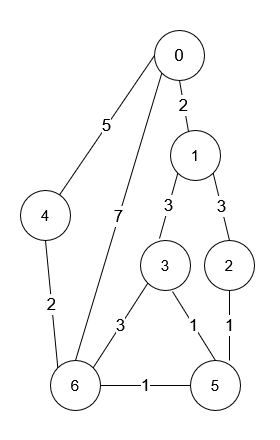
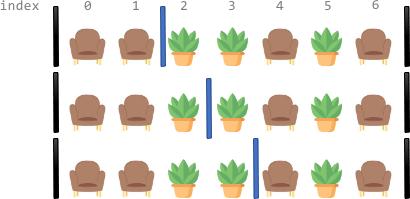

\nums\ contains a \valid split\ at index \i\ if the following are true:\

\
    \
  • The sum of the first \i + 1\ elements is \greater than or equal to\ the sum of the last \n - i - 1\ elements.\
  • \
  • There is \at least one\ element to the right of \i\. That is, \0 \<= i \< n - 1\.\
  • \
\

Return \the number of \valid splits\ in\ \nums\.\

### Examples ``` Input: nums = [10,4,-8,7] Output: 2 Explanation: There are three ways of splitting nums into two non-empty parts: - Split nums at index 0. Then, the first part is [10], and its sum is 10. The second part is [4,-8,7], and its sum is 3. Since 10 >= 3, i = 0 is a valid split. - Split nums at index 1. Then, the first part is [10,4], and its sum is 14. The second part is [-8,7], and its sum is -1. Since 14 >= -1, i = 1 is a valid split. - Split nums at index 2. Then, the first part is [10,4,-8], and its sum is 6. The second part is [7], and its sum is 7. Since 6 < 7, i = 2 is not a valid split. Thus, the number of valid splits in nums is 2. ``` ``` Input: nums = [2,3,1,0] Output: 2 Explanation: There are two valid splits in nums: - Split nums at index 1. Then, the first part is [2,3], and its sum is 5. The second part is [1,0], and its sum is 1. Since 5 >= 1, i = 1 is a valid split. - Split nums at index 2. Then, the first part is [2,3,1], and its sum is 6. The second part is [0], and its sum is 0. Since 6 >= 0, i = 2 is a valid split. ``` ### Constraints * 2 \<= nums.length \<= 10^5 * -10^5 \<= nums\[i] \<= 10^5 ## Solution Reference implementation from [solution.py on GitHub](https://github.com/wislertt/leetcode-py/blob/main/leetcode/number_of_ways_to_split_array/solution.py), full suite in [test\_solution.py](https://github.com/wislertt/leetcode-py/blob/main/leetcode/number_of_ways_to_split_array/test_solution.py): ```python theme={"theme":{"light":"github-light","dark":"github-dark"}} class Solution: # Time: O(n) # Space: O(1) def ways_to_split_array(self, nums: list[int]) -> int: total = sum(nums) left = 0 valid = 0 for i in range(len(nums) - 1): left += nums[i] if left >= total - left: valid += 1 return valid ``` ## Complexity | Time | Space | | ---- | ----- | | O(n) | O(1) | ## Tags [NeetCode All](/catalog/neetcode). # Number of Ways to Stay in the Same Place Source: https://leetcode-py.wisl.dev/problems/number-of-ways-to-stay-in-the-same-place-after-some-steps Tested Python solution for LeetCode 1269 with 16 pytest cases. Generate a practice environment with lcpy. LeetCode 1269, [Hard](/catalog/hard). Topics: [Dynamic Programming](/catalog/topics/dynamic-programming). [View on LeetCode](https://leetcode.com/problems/number-of-ways-to-stay-in-the-same-place-after-some-steps/description/). Generate this problem as a practice environment: tested reference solution, 16 [parametrized pytest cases](/practice/testing), and a playground notebook: ```bash theme={"theme":{"light":"github-light","dark":"github-dark"}} lcpy gen -n 1269 # by problem number lcpy gen -s number_of_ways_to_stay_in_the_same_place_after_some_steps # by problem name ``` ## Problem You have a pointer at index 0 in an array of size arrLen. At each step, you can move 1 position to the left, 1 position to the right in the array, or stay in the same place (The pointer should not be placed outside the array at any time). Given two integers steps and arrLen, return the number of ways such that your pointer is still at index 0 after exactly steps steps. Since the answer may be too large, return it modulo 10^9 + 7. ### Examples ``` Input: steps = 3, arrLen = 2 Output: 4 Explanation: There are 4 differents ways to stay at index 0 after 3 steps. - Right, Left, Stay - Stay, Right, Left - Right, Stay, Left - Stay, Stay, Stay ``` ``` Input: steps = 2, arrLen = 4 Output: 2 Explanation: There are 2 differents ways to stay at index 0 after 2 steps - Right, Left - Stay, Stay ``` ``` Input: steps = 4, arrLen = 2 Output: 8 ``` ### Constraints * 1 \<= steps \<= 500 * 1 \<= arrLen \<= 10^6 ## Solution Reference implementation from [solution.py on GitHub](https://github.com/wislertt/leetcode-py/blob/main/leetcode/number_of_ways_to_stay_in_the_same_place_after_some_steps/solution.py), full suite in [test\_solution.py](https://github.com/wislertt/leetcode-py/blob/main/leetcode/number_of_ways_to_stay_in_the_same_place_after_some_steps/test_solution.py): ```python theme={"theme":{"light":"github-light","dark":"github-dark"}} class Solution: def num_ways(self, steps: int, arr_len: int) -> int: mod = 1_000_000_007 limit = min(steps // 2 + 1, arr_len) dp = [0] * limit dp[0] = 1 for _ in range(steps): ndp = [0] * limit for i in range(limit): ndp[i] = dp[i] if i > 0: ndp[i] += dp[i - 1] if i + 1 < limit: ndp[i] += dp[i + 1] ndp[i] %= mod dp = ndp return dp[0] ``` ## Complexity | Time | Space | | ---- | ----- | | - | - | ## Tags [NeetCode All](/catalog/neetcode). # Number of Zero-Filled Subarrays Source: https://leetcode-py.wisl.dev/problems/number-of-zero-filled-subarrays Tested Python solution for LeetCode 2348 with 15 pytest cases. Generate a practice environment with lcpy. LeetCode 2348, [Medium](/catalog/medium). Topics: [Array](/catalog/topics/array), [Math](/catalog/topics/math). [View on LeetCode](https://leetcode.com/problems/number-of-zero-filled-subarrays/description/). Generate this problem as a practice environment: tested reference solution, 15 [parametrized pytest cases](/practice/testing), and a playground notebook: ```bash theme={"theme":{"light":"github-light","dark":"github-dark"}} lcpy gen -n 2348 # by problem number lcpy gen -s number_of_zero_filled_subarrays # by problem name ``` ## Problem \

Given an integer array \nums\, return \the number of \subarrays\ filled with \\0\.\

\

A \subarray\ is a contiguous non-empty sequence of elements within an array.\

### Examples ``` Input: nums = [1,3,0,0,2,0,0,4] Output: 6 Explanation: There are 4 occurrences of [0] as a subarray. There are 2 occurrences of [0,0] as a subarray. There is no occurrence of a subarray with a size more than 2 filled with 0. Therefore, we return 6. ``` ``` Input: nums = [0,0,0,2,0,0] Output: 9 Explanation: There are 5 occurrences of [0] as a subarray. There are 3 occurrences of [0,0] as a subarray. There is 1 occurrence of [0,0,0] as a subarray. There is no occurrence of a subarray with a size more than 3 filled with 0. Therefore, we return 9. ``` ``` Input: nums = [2,10,2019] Output: 0 Explanation: There is no subarray filled with 0. Therefore, we return 0. ``` ### Constraints * 1 \<= nums.length \<= 10^5 * -10^9 \<= nums\[i] \<= 10^9 ## Solution Reference implementation from [solution.py on GitHub](https://github.com/wislertt/leetcode-py/blob/main/leetcode/number_of_zero_filled_subarrays/solution.py), full suite in [test\_solution.py](https://github.com/wislertt/leetcode-py/blob/main/leetcode/number_of_zero_filled_subarrays/test_solution.py): ```python theme={"theme":{"light":"github-light","dark":"github-dark"}} class Solution: # Time: O(n) # Space: O(1) def zero_filled_subarray(self, nums: list[int]) -> int: total = 0 streak = 0 for num in nums: streak = streak + 1 if num == 0 else 0 total += streak return total ``` ## Complexity | Time | Space | | ---- | ----- | | O(n) | O(1) | ## Tags [NeetCode All](/catalog/neetcode). # Numbers At Most N Given Digit Set Source: https://leetcode-py.wisl.dev/problems/numbers-at-most-n-given-digit-set Tested Python solution for LeetCode 902 with 20 pytest cases. Generate a practice environment with lcpy. LeetCode 902, [Hard](/catalog/hard). Topics: [Array](/catalog/topics/array), [Math](/catalog/topics/math), [String](/catalog/topics/string), [Binary Search](/catalog/topics/binary-search), [Dynamic Programming](/catalog/topics/dynamic-programming). [View on LeetCode](https://leetcode.com/problems/numbers-at-most-n-given-digit-set/description/). Generate this problem as a practice environment: tested reference solution, 20 [parametrized pytest cases](/practice/testing), and a playground notebook: ```bash theme={"theme":{"light":"github-light","dark":"github-dark"}} lcpy gen -n 902 # by problem number lcpy gen -s numbers_at_most_n_given_digit_set # by problem name ``` ## Problem Given an array of `digits` which is sorted in **non-decreasing** order. You can write numbers using each `digits[i]` as many times as we want. For example, if `digits = ['1','3','5']`, we may write numbers such as `'13'`, `'551'`, and `'1351315'`. Return the number of positive integers that can be generated that are less than or equal to a given integer `n`. ### Examples ``` Input: digits = ["1","3","5","7"], n = 100 Output: 20 ``` **Explanation:** The 20 numbers that can be written are: 1, 3, 5, 7, 11, 13, 15, 17, 31, 33, 35, 37, 51, 53, 55, 57, 71, 73, 75, 77. ``` Input: digits = ["1","4","9"], n = 1000000000 Output: 29523 ``` **Explanation:** We can write 3 one digit numbers, 9 two digit numbers, 27 three digit numbers, 81 four digit numbers, 243 five digit numbers, 729 six digit numbers, 2187 seven digit numbers, 6561 eight digit numbers, and 19683 nine digit numbers. In total, this is 29523 integers that can be written using the digits array. ``` Input: digits = ["7"], n = 8 Output: 1 ``` ### Constraints * 1 \<= digits.length \<= 9 * digits\[i].length == 1 * digits\[i] is a digit from '1' to '9'. * All the values in digits are unique. * digits is sorted in non-decreasing order. * 1 \<= n \<= 10^9 ## Solution Reference implementation from [solution.py on GitHub](https://github.com/wislertt/leetcode-py/blob/main/leetcode/numbers_at_most_n_given_digit_set/solution.py), full suite in [test\_solution.py](https://github.com/wislertt/leetcode-py/blob/main/leetcode/numbers_at_most_n_given_digit_set/test_solution.py): ```python theme={"theme":{"light":"github-light","dark":"github-dark"}} class Solution: # Time: O(log n * len(digits)) # Space: O(log n) def at_most_n_given_digit_set(self, digits: list[str], n: int) -> int: ds = sorted(int(d) for d in digits) s = str(n) k = len(s) allowed = set(ds) total = sum(len(ds) ** length for length in range(1, k)) for i, ch in enumerate(s): total += sum(d < int(ch) for d in ds) * len(ds) ** (k - 1 - i) if int(ch) not in allowed: break else: total += 1 return total ``` ## Complexity | Time | Space | | ----------------------- | -------- | | O(log n \* len(digits)) | O(log n) | ## Tags # Numbers With Same Consecutive Differences Source: https://leetcode-py.wisl.dev/problems/numbers-with-same-consecutive-differences Tested Python solution for LeetCode 967 with 24 pytest cases. Generate a practice environment with lcpy. LeetCode 967, [Medium](/catalog/medium). Topics: [Backtracking](/catalog/topics/backtracking), [Breadth-First Search](/catalog/topics/breadth-first-search). [View on LeetCode](https://leetcode.com/problems/numbers-with-same-consecutive-differences/description/). Generate this problem as a practice environment: tested reference solution, 24 [parametrized pytest cases](/practice/testing), and a playground notebook: ```bash theme={"theme":{"light":"github-light","dark":"github-dark"}} lcpy gen -n 967 # by problem number lcpy gen -s numbers_with_same_consecutive_differences # by problem name ``` ## Problem Given two integers `n` and `k`, return an array of all the integers of length `n` where the difference between every two consecutive digits is `k`. You may return the answer in any order. Note that the integers should not have leading zeros. Integers as `02` and `043` are not allowed. ### Examples ``` Input: n = 3, k = 7 Output: [181,292,707,818,929] Explanation: Note that 070 is not a valid number, because it has leading zeroes. ``` ``` Input: n = 2, k = 1 Output: [10,12,21,23,32,34,43,45,54,56,65,67,76,78,87,89,98] ``` ### Constraints * `2 <= n <= 9` * `0 <= k <= 9` ## Solution Reference implementation from [solution.py on GitHub](https://github.com/wislertt/leetcode-py/blob/main/leetcode/numbers_with_same_consecutive_differences/solution.py), full suite in [test\_solution.py](https://github.com/wislertt/leetcode-py/blob/main/leetcode/numbers_with_same_consecutive_differences/test_solution.py): ```python theme={"theme":{"light":"github-light","dark":"github-dark"}} class Solution: # Time: O(2^n * n) over digit sequences of length n # Space: O(2^n) for the answer def nums_same_consec_diff(self, n: int, k: int) -> list[int]: digits = list(range(1, 10)) for _ in range(n - 1): nxt: list[int] = [] for num in digits: last = num % 10 if last + k <= 9: nxt.append(num * 10 + last + k) if k and last - k >= 0: nxt.append(num * 10 + last - k) digits = nxt return digits ``` ## Complexity | Time | Space | | -------------------------------------------- | --------------------- | | O(2^n \* n) over digit sequences of length n | O(2^n) for the answer | ## Tags # Odd Even Jump Python Solution with Tests Source: https://leetcode-py.wisl.dev/problems/odd-even-jumps Tested Python solution for LeetCode 975 with 16 pytest cases. Generate a practice environment with lcpy. LeetCode 975, [Hard](/catalog/hard). Topics: [Array](/catalog/topics/array), [Dynamic Programming](/catalog/topics/dynamic-programming), [Stack](/catalog/topics/stack), [Sorting](/catalog/topics/sorting), [Monotonic Stack](/catalog/topics/monotonic-stack), [Ordered Set](/catalog/topics/ordered-set). [View on LeetCode](https://leetcode.com/problems/odd-even-jumps/description/). Generate this problem as a practice environment: tested reference solution, 16 [parametrized pytest cases](/practice/testing), and a playground notebook: ```bash theme={"theme":{"light":"github-light","dark":"github-dark"}} lcpy gen -n 975 # by problem number lcpy gen -s odd_even_jumps # by problem name ``` ## Problem You are given an integer array `arr`. From some starting index, you can make a series of jumps. The (1st, 3rd, 5th, ...) jumps in the series are called odd-numbered jumps, and the (2nd, 4th, 6th, ...) jumps in the series are called even-numbered jumps. Note that the jumps are numbered, not the indices. You may jump forward from index `i` to index `j` (with `i < j`) in the following way: * During odd-numbered jumps (i.e., jumps 1, 3, 5, ...), you jump to the index `j` such that `arr[i] <= arr[j]` and `arr[j]` is the smallest possible value. If there are multiple such indices `j`, you can only jump to the smallest such index `j`. * During even-numbered jumps (i.e., jumps 2, 4, 6, ...), you jump to the index `j` such that `arr[i] >= arr[j]` and `arr[j]` is the largest possible value. If there are multiple such indices `j`, you can only jump to the smallest such index `j`. * It may be the case that for some index `i`, there are no legal jumps. A starting index is good if, starting from that index, you can reach the end of the array (index `arr.length - 1`) by jumping some number of times (possibly 0 or more than once). Return the number of good starting indices. ### Examples ``` Input: arr = [10,13,12,14,15] Output: 2 Explanation: From starting index i = 0, we can make our 1st jump to i = 2 (since arr[2] is the smallest among arr[1], arr[2], arr[3], arr[4] that is greater or equal to arr[0]), then we cannot jump any more. From starting index i = 1 and i = 2, we can make our 1st jump to i = 3, then we cannot jump any more. From starting index i = 3, we can make our 1st jump to i = 4, so we have reached the end. From starting index i = 4, we have reached the end already. In total, there are 2 different starting indices i = 3 and i = 4, where we can reach the end with some number of jumps. ``` ``` Input: arr = [2,3,1,1,4] Output: 3 Explanation: From starting index i = 0, we make jumps to i = 1, i = 2, i = 3: During our 1st jump (odd-numbered), we first jump to i = 1 because arr[1] is the smallest value in [arr[1], arr[2], arr[3], arr[4]] that is greater than or equal to arr[0]. During our 2nd jump (even-numbered), we jump from i = 1 to i = 2 because arr[2] is the largest value in [arr[2], arr[3], arr[4]] that is less than or equal to arr[1]. arr[3] is also the largest value, but 2 is a smaller index, so we can only jump to i = 2 and not i = 3. During our 3rd jump (odd-numbered), we jump from i = 2 to i = 3 because arr[3] is the smallest value in [arr[3], arr[4]] that is greater than or equal to arr[2]. We can't jump from i = 3 to i = 4, so the starting index i = 0 is not good. In a similar manner, we can deduce that: From starting index i = 1, we jump to i = 4, so we reach the end. From starting index i = 2, we jump to i = 3, and then we can't jump anymore. From starting index i = 3, we jump to i = 4, so we reach the end. From starting index i = 4, we are already at the end. In total, there are 3 different starting indices i = 1, i = 3, and i = 4, where we can reach the end with some number of jumps. ``` ``` Input: arr = [5,1,3,4,2] Output: 3 Explanation: We can reach the end from starting indices 1, 2, and 4. ``` ### Constraints * 1 \<= arr.length \<= 2 \* 10^4 * 0 \<= arr\[i] \< 10^5 ## Solution Reference implementation from [solution.py on GitHub](https://github.com/wislertt/leetcode-py/blob/main/leetcode/odd_even_jumps/solution.py), full suite in [test\_solution.py](https://github.com/wislertt/leetcode-py/blob/main/leetcode/odd_even_jumps/test_solution.py): ```python theme={"theme":{"light":"github-light","dark":"github-dark"}} class Solution: # Time: O(n log n) sorting plus linear DP # Space: O(n) for the two jump maps def odd_even_jumps(self, arr: list[int]) -> int: n = len(arr) def make_next(indices: list[int]) -> list[int | None]: # For each index j, the next index (in sorted order) greater than j: # its first jump target, honoring the smallest-index tie-break. nxt: list[int | None] = [None] * n stack: list[int] = [] for i in indices: while stack and i > stack[-1]: nxt[stack.pop()] = i stack.append(i) return nxt odd_next = make_next(sorted(range(n), key=lambda i: arr[i])) even_next = make_next(sorted(range(n), key=lambda i: -arr[i])) # higher[i]: a good end is reachable from i when the next jump is odd-numbered higher = [False] * n lower = [False] * n higher[n - 1] = lower[n - 1] = True for i in range(n - 2, -1, -1): odd_target = odd_next[i] if odd_target is not None: higher[i] = lower[odd_target] even_target = even_next[i] if even_target is not None: lower[i] = higher[even_target] return sum(higher) ``` ## Complexity | Time | Space | | --------------------------------- | -------------------------- | | O(n log n) sorting plus linear DP | O(n) for the two jump maps | ## Tags # Odd Even Linked List Python Solution Source: https://leetcode-py.wisl.dev/problems/odd-even-linked-list Tested Python solution for LeetCode 328 with 16 pytest cases. Generate a practice environment with lcpy. LeetCode 328, [Medium](/catalog/medium). Topics: [Linked List](/catalog/topics/linked-list). [View on LeetCode](https://leetcode.com/problems/odd-even-linked-list/description/). Generate this problem as a practice environment: tested reference solution, 16 [parametrized pytest cases](/practice/testing), and a playground notebook: ```bash theme={"theme":{"light":"github-light","dark":"github-dark"}} lcpy gen -n 328 # by problem number lcpy gen -s odd_even_linked_list # by problem name ``` ## Problem Given the `head` of a singly linked list, group all the nodes with odd indices together followed by the nodes with even indices, and return *the reordered list*. The **first** node is considered **odd**, and the **second** node is **even**, and so on. Note that the relative order inside both the even and odd groups should remain as it was in the input. You must solve the problem in `O(1)` extra space complexity and `O(n)` time complexity. ### Examples ![Example 1](https://assets.leetcode.com/uploads/2021/03/10/oddeven-linked-list.jpg) ``` Input: head = [1,2,3,4,5] Output: [1,3,5,2,4] ``` ![Example 2](https://assets.leetcode.com/uploads/2021/03/10/oddeven2-linked-list.jpg) ``` Input: head = [2,1,3,5,6,4,7] Output: [2,3,6,7,1,5,4] ``` ### Constraints * The number of nodes in the linked list is in the range \[0, 10^4] * -10^6 \<= Node.val \<= 10^6 ## Solution Reference implementation from [solution.py on GitHub](https://github.com/wislertt/leetcode-py/blob/main/leetcode/odd_even_linked_list/solution.py), full suite in [test\_solution.py](https://github.com/wislertt/leetcode-py/blob/main/leetcode/odd_even_linked_list/test_solution.py): ```python theme={"theme":{"light":"github-light","dark":"github-dark"}} from leetcode_py import ListNode class Solution: # Time: O(n) - single pass through list # Space: O(1) - only pointer manipulation def odd_even_list(self, head: ListNode[int] | None) -> ListNode[int] | None: """ Group odd-indexed nodes followed by even-indexed nodes. Example: [1,2,3,4,5] → [1,3,5,2,4] Step 1: Separate odd and even chains odd: 1 → 3 → 5 → None even: 2 → 4 → None Step 2: Connect odd tail to even head 1 → 3 → 5 → 2 → 4 → None """ if not head or not head.next: return head odd = head even: ListNode[int] | None = head.next even_head = even while even and even.next: odd.next = even.next odd = odd.next even.next = odd.next even = even.next odd.next = even_head return head ``` ## Complexity | Time | Space | | ------------------------------- | -------------------------------- | | O(n) - single pass through list | O(1) - only pointer manipulation | ## Tags [Grind](/catalog/grind). # 1-bit and 2-bit Characters Python Solution Source: https://leetcode-py.wisl.dev/problems/one-bit-and-two-bit-characters Tested Python solution for LeetCode 717 with 20 pytest cases. Generate a practice environment with lcpy. LeetCode 717, [Easy](/catalog/easy). Topics: [Array](/catalog/topics/array). [View on LeetCode](https://leetcode.com/problems/one-bit-and-two-bit-characters/description/). Generate this problem as a practice environment: tested reference solution, 20 [parametrized pytest cases](/practice/testing), and a playground notebook: ```bash theme={"theme":{"light":"github-light","dark":"github-dark"}} lcpy gen -n 717 # by problem number lcpy gen -s one_bit_and_two_bit_characters # by problem name ``` ## Problem We have two special characters: * The first character can be represented by one bit `0`. * The second character can be represented by two bits (`10` or `11`). Given a binary array `bits` that ends with `0`, return `true` if the last character must be a one-bit character. ### Examples ``` Input: bits = [1,0,0] Output: true Explanation: The only way to decode it is two-bit character and one-bit character. So the last character is one-bit character. ``` ``` Input: bits = [1,1,1,0] Output: false Explanation: The only way to decode it is two-bit character and two-bit character. So the last character is not one-bit character. ``` ### Constraints * 1 \<= bits.length \<= 1000 * bits\[i] is either 0 or 1. ## Solution Reference implementation from [solution.py on GitHub](https://github.com/wislertt/leetcode-py/blob/main/leetcode/one_bit_and_two_bit_characters/solution.py), full suite in [test\_solution.py](https://github.com/wislertt/leetcode-py/blob/main/leetcode/one_bit_and_two_bit_characters/test_solution.py): ```python theme={"theme":{"light":"github-light","dark":"github-dark"}} class Solution: # Time: O(n) # Space: O(1) def is_one_bit_character(self, bits: list[int]) -> bool: ones = 0 for bit in reversed(bits[:-1]): if bit == 0: break ones += 1 return ones % 2 == 0 ``` ## Complexity | Time | Space | | ---- | ----- | | O(n) | O(1) | ## Tags # One Edit Distance Python Solution with Tests Source: https://leetcode-py.wisl.dev/problems/one-edit-distance Tested Python solution for LeetCode 161 with 25 pytest cases. Generate a practice environment with lcpy. LeetCode 161, [Medium](/catalog/medium). Topics: [Two Pointers](/catalog/topics/two-pointers), [String](/catalog/topics/string). [View on LeetCode](https://leetcode.com/problems/one-edit-distance/description/). Generate this problem as a practice environment: tested reference solution, 25 [parametrized pytest cases](/practice/testing), and a playground notebook: ```bash theme={"theme":{"light":"github-light","dark":"github-dark"}} lcpy gen -n 161 # by problem number lcpy gen -s one_edit_distance # by problem name ``` ## Problem Given two strings `s` and `t`, return `true` if they are both one edit distance apart, otherwise return `false`. A string `s` is said to be one distance apart from a string `t` if you can: * Insert exactly one character into `s` to get `t`. * Delete exactly one character from `s` to get `t`. * Replace exactly one character of `s` to get `t`. ### Examples ``` Input: s = "ab", t = "acb" Output: true Explanation: We can insert 'c' into s to get t. ``` ``` Input: s = "cab", t = "ad" Output: false Explanation: We cannot get t from s by only one step. ``` ``` Input: s = "1203", t = "1213" Output: true Explanation: We can replace '0' with '1' to get t. ``` ### Constraints * 0 \<= s.length, t.length \<= 10^4 * s and t consist of lowercase letters, uppercase letters, and digits ## Solution Reference implementation from [solution.py on GitHub](https://github.com/wislertt/leetcode-py/blob/main/leetcode/one_edit_distance/solution.py), full suite in [test\_solution.py](https://github.com/wislertt/leetcode-py/blob/main/leetcode/one_edit_distance/test_solution.py): ```python theme={"theme":{"light":"github-light","dark":"github-dark"}} class Solution: # Time: O(n) # Space: O(1) def is_one_edit_distance(self, s: str, t: str) -> bool: if len(s) > len(t): return self.is_one_edit_distance(t, s) if len(t) - len(s) > 1: return False for i in range(len(s)): if s[i] != t[i]: if len(s) == len(t): return s[i + 1 :] == t[i + 1 :] return s[i:] == t[i + 1 :] return len(s) + 1 == len(t) ``` ## Complexity | Time | Space | | ---- | ----- | | O(n) | O(1) | ## Tags [NeetCode All](/catalog/neetcode). # Ones and Zeroes Python Solution with Tests Source: https://leetcode-py.wisl.dev/problems/ones-and-zeroes Tested Python solution for LeetCode 474 with 15 pytest cases. Generate a practice environment with lcpy. LeetCode 474, [Medium](/catalog/medium). Topics: [Array](/catalog/topics/array), [String](/catalog/topics/string), [Dynamic Programming](/catalog/topics/dynamic-programming). [View on LeetCode](https://leetcode.com/problems/ones-and-zeroes/description/). Generate this problem as a practice environment: tested reference solution, 15 [parametrized pytest cases](/practice/testing), and a playground notebook: ```bash theme={"theme":{"light":"github-light","dark":"github-dark"}} lcpy gen -n 474 # by problem number lcpy gen -s ones_and_zeroes # by problem name ``` ## Problem You are given an array of binary strings `strs` and two integers `m` and `n`. Return *the size of the largest subset of `strs` such that there are **at most** `m` `0`'s and `n` `1`'s in the subset*. A set `x` is a **subset** of a set `y` if all elements of `x` are also elements of `y`. ### Examples ``` Input: strs = ["10","0001","111001","1","0"], m = 5, n = 3 Output: 4 Explanation: The largest subset with at most 5 0's and 3 1's is {"10", "0001", "1", "0"}, so the answer is 4. Other valid but smaller subsets include {"0001", "1"} and {"10", "1", "0"}. {"111001"} is an invalid subset because it contains 4 1's, greater than the maximum of 3. ``` ``` Input: strs = ["10","0","1"], m = 1, n = 1 Output: 2 Explanation: The largest subset is {"0", "1"}, so the answer is 2. ``` ### Constraints * `1 <= strs.length <= 600` * `1 <= strs[i].length <= 100` * `strs[i]` consists only of digits `'0'` and `'1'`. * `1 <= m, n <= 100` ## Solution Reference implementation from [solution.py on GitHub](https://github.com/wislertt/leetcode-py/blob/main/leetcode/ones_and_zeroes/solution.py), full suite in [test\_solution.py](https://github.com/wislertt/leetcode-py/blob/main/leetcode/ones_and_zeroes/test_solution.py): ```python theme={"theme":{"light":"github-light","dark":"github-dark"}} class Solution: # Time: O(l * m * n + total chars) # Space: O(m * n) def find_max_form(self, strs: list[str], m: int, n: int) -> int: dp = [[0] * (n + 1) for _ in range(m + 1)] for s in strs: zeros = s.count("0") ones = len(s) - zeros for i in range(m, zeros - 1, -1): for j in range(n, ones - 1, -1): dp[i][j] = max(dp[i][j], dp[i - zeros][j - ones] + 1) return dp[m][n] ``` ## Complexity | Time | Space | | ---------------------------- | --------- | | O(l \* m \* n + total chars) | O(m \* n) | ## Tags [NeetCode All](/catalog/neetcode). # Online Election Python Solution with Tests Source: https://leetcode-py.wisl.dev/problems/online-election Tested Python solution for LeetCode 911 with 16 pytest cases. Generate a practice environment with lcpy. LeetCode 911, [Medium](/catalog/medium). Topics: [Array](/catalog/topics/array), [Hash Table](/catalog/topics/hash-table), [Binary Search](/catalog/topics/binary-search), [Design](/catalog/topics/design). [View on LeetCode](https://leetcode.com/problems/online-election/description/). Generate this problem as a practice environment: tested reference solution, 16 [parametrized pytest cases](/practice/testing), and a playground notebook: ```bash theme={"theme":{"light":"github-light","dark":"github-dark"}} lcpy gen -n 911 # by problem number lcpy gen -s online_election # by problem name ``` ## Problem You are given two integer arrays `persons` and `times`. In an election, the `i-th` vote was cast for `persons[i]` at time `times[i]`. For each query at a time `t`, find the person that was leading the election at time `t`. Votes cast at time `t` will count towards our query. In the case of a tie, the most recent vote (among tied candidates) wins. Implement the `TopVotedCandidate` class: * `TopVotedCandidate(int[] persons, int[] times)` Initializes the object with the `persons` and `times` arrays. * `int q(int t)` Returns the number of the person that was leading the election at time `t` according to the mentioned rules. ### Examples ``` Input ["TopVotedCandidate", "q", "q", "q", "q", "q", "q"] [[[0, 1, 1, 0, 0, 1, 0], [0, 5, 10, 15, 20, 25, 30]], [3], [12], [25], [15], [24], [8]] Output [null, 0, 1, 1, 0, 0, 1] Explanation TopVotedCandidate topVotedCandidate = new TopVotedCandidate([0, 1, 1, 0, 0, 1, 0], [0, 5, 10, 15, 20, 25, 30]); topVotedCandidate.q(3); // return 0, At time 3, the votes are [0], and 0 is leading. topVotedCandidate.q(12); // return 1, At time 12, the votes are [0,1,1], and 1 is leading. topVotedCandidate.q(25); // return 1, At time 25, the votes are [0,1,1,0,0,1], and 1 is leading (as ties go to the most recent vote.) topVotedCandidate.q(15); // return 0 topVotedCandidate.q(24); // return 0 topVotedCandidate.q(8); // return 1 ``` ### Constraints * `1 <= persons.length <= 5000` * `times.length == persons.length` * `0 <= persons[i] < persons.length` * `0 <= times[i] <= 10^9` * `times` is sorted in a strictly increasing order. * `times[0] <= t <= 10^9` * At most `10^4` calls will be made to `q`. ## Solution Reference implementation from [solution.py on GitHub](https://github.com/wislertt/leetcode-py/blob/main/leetcode/online_election/solution.py), full suite in [test\_solution.py](https://github.com/wislertt/leetcode-py/blob/main/leetcode/online_election/test_solution.py): ```python theme={"theme":{"light":"github-light","dark":"github-dark"}} from bisect import bisect_right class TopVotedCandidate: # Time: O(n) to build the leader timeline # Space: O(n) for the leader timeline def __init__(self, persons: list[int], times: list[int]) -> None: self.times = times self.leaders: list[int] = [] counts: dict[int, int] = {} leader = -1 for person in persons: counts[person] = counts.get(person, 0) + 1 if counts[person] >= counts.get(leader, 0): leader = person self.leaders.append(leader) # Time: O(log n) # Space: O(1) def q(self, t: int) -> int: return self.leaders[bisect_right(self.times, t) - 1] ``` ## Complexity | Time | Space | | --------------------------------- | ---------------------------- | | O(n) to build the leader timeline | O(n) for the leader timeline | ## Tags # Online Stock Span Python Solution with Tests Source: https://leetcode-py.wisl.dev/problems/online-stock-span Tested Python solution for LeetCode 901 with 18 pytest cases. Generate a practice environment with lcpy. LeetCode 901, [Medium](/catalog/medium). Topics: [Stack](/catalog/topics/stack), [Design](/catalog/topics/design), [Monotonic Stack](/catalog/topics/monotonic-stack), [Data Stream](/catalog/topics/data-stream). [View on LeetCode](https://leetcode.com/problems/online-stock-span/description/). Generate this problem as a practice environment: tested reference solution, 18 [parametrized pytest cases](/practice/testing), and a playground notebook: ```bash theme={"theme":{"light":"github-light","dark":"github-dark"}} lcpy gen -n 901 # by problem number lcpy gen -s online_stock_span # by problem name ``` ## Problem Design an algorithm that collects daily price quotes for some stock and returns **the span** of that stock's price for the current day. The **span** of the stock's price in one day is the maximum number of consecutive days (starting from that day and going backward) for which the stock price was less than or equal to the price of that day. * For example, if the prices of the stock in the last four days is `[7,2,1,2]` and the price of the stock today is `2`, then the span of today is `4` because starting from today, the price of the stock was less than or equal `2` for `4` consecutive days. * Also, if the prices of the stock in the last four days is `[7,34,1,2]` and the price of the stock today is `8`, then the span of today is `3` because starting from today, the price of the stock was less than or equal `8` for `3` consecutive days. Implement the `StockSpanner` class: * `StockSpanner()` Initializes the object of the class. * `int next(int price)` Returns the **span** of the stock's price given that today's price is `price`. ### Examples ``` Input ["StockSpanner", "next", "next", "next", "next", "next", "next", "next"] [[], [100], [80], [60], [70], [60], [75], [85]] Output [null, 1, 1, 1, 2, 1, 4, 6] Explanation StockSpanner stockSpanner = new StockSpanner(); stockSpanner.next(100); // return 1 stockSpanner.next(80); // return 1 stockSpanner.next(60); // return 1 stockSpanner.next(70); // return 2 stockSpanner.next(60); // return 1 stockSpanner.next(75); // return 4, because the last 4 prices (including today's price of 75) were less than or equal to today's price. stockSpanner.next(85); // return 6 ``` ### Constraints * 1 \<= price \<= 10^5 * At most 10^4 calls will be made to `next`. ## Solution Reference implementation from [solution.py on GitHub](https://github.com/wislertt/leetcode-py/blob/main/leetcode/online_stock_span/solution.py), full suite in [test\_solution.py](https://github.com/wislertt/leetcode-py/blob/main/leetcode/online_stock_span/test_solution.py): ```python theme={"theme":{"light":"github-light","dark":"github-dark"}} class StockSpanner: # Time: O(1) amortized per next call # Space: O(n) def __init__(self) -> None: # Monotonic decreasing stack of (price, span) pairs. self.stack: list[tuple[int, int]] = [] def next(self, price: int) -> int: span = 1 while self.stack and self.stack[-1][0] <= price: span += self.stack.pop()[1] self.stack.append((price, span)) return span ``` ## Complexity | Time | Space | | ---------------------------- | ----- | | O(1) amortized per next call | O(n) | ## Tags [NeetCode 250](/catalog/neetcode-250), [NeetCode All](/catalog/neetcode). # Open the Lock Python Solution with Tests Source: https://leetcode-py.wisl.dev/problems/open-the-lock Tested Python solution for LeetCode 752 with 14 pytest cases. Generate a practice environment with lcpy. LeetCode 752, [Medium](/catalog/medium). Topics: [Array](/catalog/topics/array), [Hash Table](/catalog/topics/hash-table), [String](/catalog/topics/string), [Breadth-First Search](/catalog/topics/breadth-first-search). [View on LeetCode](https://leetcode.com/problems/open-the-lock/description/). Generate this problem as a practice environment: tested reference solution, 14 [parametrized pytest cases](/practice/testing), and a playground notebook: ```bash theme={"theme":{"light":"github-light","dark":"github-dark"}} lcpy gen -n 752 # by problem number lcpy gen -s open_the_lock # by problem name ``` ## Problem You have a lock in front of you with 4 circular wheels. Each wheel has 10 slots: `'0', '1', '2', '3', '4', '5', '6', '7', '8', '9'`. The wheels can rotate freely and wrap around: for example we can turn `'9'` to be `'0'`, or `'0'` to be `'9'`. Each move consists of turning one wheel one slot. The lock initially starts at `'0000'`, a string representing the state of the 4 wheels. You are given a list of `deadends` dead ends, meaning if the lock displays any of these codes, the wheels of the lock will stop turning and you will be unable to open it. Given a `target` representing the value of the wheels that will unlock the lock, return the minimum total number of turns required to open the lock, or `-1` if it is impossible. ### Examples ``` Input: deadends = ["0201","0101","0102","1212","2002"], target = "0202" Output: 6 Explanation: A sequence of valid moves would be "0000" -> "1000" -> "1100" -> "1200" -> "1201" -> "1202" -> "0202". Note that a sequence like "0000" -> "0001" -> "0002" -> "0102" -> "0202" would be invalid, because the wheels of the lock become stuck after the display becomes the dead end "0102". ``` ``` Input: deadends = ["8888"], target = "0009" Output: 1 Explanation: We can turn the last wheel in reverse to move from "0000" -> "0009". ``` ``` Input: deadends = ["8887","8889","8878","8898","8788","8988","7888","9888"], target = "8888" Output: -1 Explanation: We cannot reach the target without getting stuck. ``` ### Constraints * 1 \<= deadends.length \<= 500 * deadends\[i].length == 4 * target.length == 4 * target will not be in the list `deadends`. * `target` and `deadends[i]` consist of digits only. ## Solution Reference implementation from [solution.py on GitHub](https://github.com/wislertt/leetcode-py/blob/main/leetcode/open_the_lock/solution.py), full suite in [test\_solution.py](https://github.com/wislertt/leetcode-py/blob/main/leetcode/open_the_lock/test_solution.py): ```python theme={"theme":{"light":"github-light","dark":"github-dark"}} from collections import deque class Solution: # Time: O(10^4) # Space: O(10^4) def open_lock(self, deadends: list[str], target: str) -> int: dead = set(deadends) if "0000" in dead: return -1 if target == "0000": return 0 queue: deque[tuple[str, int]] = deque([("0000", 0)]) visited: set[str] = {"0000"} while queue: state, turns = queue.popleft() for i in range(4): digit = int(state[i]) for delta in (1, -1): new_digit = (digit + delta) % 10 neighbor = state[:i] + str(new_digit) + state[i + 1 :] if neighbor == target: return turns + 1 if neighbor in dead or neighbor in visited: continue visited.add(neighbor) queue.append((neighbor, turns + 1)) return -1 ``` ## Complexity | Time | Space | | ------- | ------- | | O(10^4) | O(10^4) | ## Tags [NeetCode 250](/catalog/neetcode-250), [NeetCode All](/catalog/neetcode). # Operations on Tree Python Solution with Tests Source: https://leetcode-py.wisl.dev/problems/operations-on-tree Tested Python solution for LeetCode 1993 with 18 pytest cases. Generate a practice environment with lcpy. LeetCode 1993, [Medium](/catalog/medium). Topics: [Array](/catalog/topics/array), [Hash Table](/catalog/topics/hash-table), [Tree](/catalog/topics/tree), [Depth-First Search](/catalog/topics/depth-first-search), [Breadth-First Search](/catalog/topics/breadth-first-search), [Design](/catalog/topics/design). [View on LeetCode](https://leetcode.com/problems/operations-on-tree/description/). Generate this problem as a practice environment: tested reference solution, 18 [parametrized pytest cases](/practice/testing), and a playground notebook: ```bash theme={"theme":{"light":"github-light","dark":"github-dark"}} lcpy gen -n 1993 # by problem number lcpy gen -s operations_on_tree # by problem name ``` ## Problem You are given a tree with `n` nodes numbered from `0` to `n - 1` in the form of a parent array `parent` where `parent[i]` is the parent of the `ith` node. The root of the tree is node `0`, so `parent[0] = -1` since it has no parent. You want to design a data structure that allows users to lock, unlock, and upgrade nodes in the tree. The data structure should support the following functions: * **Lock:** Locks the given node for the given user and prevents other users from locking the same node. You may only lock a node using this function if the node is unlocked. * **Unlock:** Unlocks the given node for the given user. You may only unlock a node using this function if it is currently locked by the same user. * **Upgrade:** Locks the given node for the given user and unlocks all of its descendants regardless of who locked it. You may only upgrade a node if all 3 conditions are true: * The node is unlocked, * It has at least one locked descendant (by any user), and * It does not have any locked ancestors. Implement the `LockingTree` class: * `LockingTree(int[] parent)` initializes the data structure with the parent array. * `lock(int num, int user)` returns `true` if it is possible for the user with id `user` to lock the node `num`, or `false` otherwise. If it is possible, the node `num` will become locked by the user with id `user`. * `unlock(int num, int user)` returns `true` if it is possible for the user with id `user` to unlock the node `num`, or `false` otherwise. If it is possible, the node `num` will become unlocked. * `upgrade(int num, int user)` returns `true` if it is possible for the user with id `user` to upgrade the node `num`, or `false` otherwise. If it is possible, the node `num` will be upgraded. ### Examples ![Example 1](https://assets.leetcode.com/uploads/2021/07/29/untitled.png) ``` Input ["LockingTree", "lock", "unlock", "unlock", "lock", "upgrade", "lock"] [[[-1, 0, 0, 1, 1, 2, 2]], [2, 2], [2, 3], [2, 2], [4, 5], [0, 1], [0, 1]] Output [null, true, false, true, true, true, false] Explanation LockingTree lockingTree = new LockingTree([-1, 0, 0, 1, 1, 2, 2]); lockingTree.lock(2, 2); // return true because node 2 is unlocked. // Node 2 will now be locked by user 2. lockingTree.unlock(2, 3); // return false because user 3 cannot unlock a node // locked by user 2. lockingTree.unlock(2, 2); // return true because node 2 was previously locked by // user 2. Node 2 will now be unlocked. lockingTree.lock(4, 5); // return true because node 4 is unlocked. // Node 4 will now be locked by user 5. lockingTree.upgrade(0, 1); // return true because node 0 is unlocked and has at // least one locked descendant (node 4). Node 0 will // now be locked by user 1 and node 4 will now be // unlocked. lockingTree.lock(0, 1); // return false because node 0 is already locked. ``` ### Constraints * `n == parent.length` * `2 <= n <= 2000` * `0 <= parent[i] <= n - 1` for `i != 0` * `parent[0] == -1` * `0 <= num <= n - 1` * `1 <= user <= 10^4` * `parent` represents a valid tree. * At most `2000` calls in total will be made to `lock`, `unlock`, and `upgrade`. ## Solution Reference implementation from [solution.py on GitHub](https://github.com/wislertt/leetcode-py/blob/main/leetcode/operations_on_tree/solution.py), full suite in [test\_solution.py](https://github.com/wislertt/leetcode-py/blob/main/leetcode/operations_on_tree/test_solution.py): ```python theme={"theme":{"light":"github-light","dark":"github-dark"}} class LockingTree: # Time: __init__ O(n), lock O(1), unlock O(1), upgrade O(n) per call # Space: O(n) def __init__(self, parent: list[int]) -> None: self.parent = parent self.children: list[list[int]] = [[] for _ in parent] for node, par in enumerate(parent): if par != -1: self.children[par].append(node) self.locked_by: dict[int, int] = {} def lock(self, num: int, user: int) -> bool: if num in self.locked_by: return False self.locked_by[num] = user return True def unlock(self, num: int, user: int) -> bool: if self.locked_by.get(num) != user: return False del self.locked_by[num] return True def upgrade(self, num: int, user: int) -> bool: if num in self.locked_by or self._locked_ancestor(num) or not self._locked_descendant(num): return False self._release_descendants(num) self.locked_by[num] = user return True def _locked_ancestor(self, num: int) -> bool: node = self.parent[num] while node != -1: if node in self.locked_by: return True node = self.parent[node] return False def _locked_descendant(self, num: int) -> bool: stack = [num] while stack: node = stack.pop() for child in self.children[node]: if child in self.locked_by: return True stack.append(child) return False def _release_descendants(self, num: int) -> None: stack = [num] while stack: node = stack.pop() for child in self.children[node]: self.locked_by.pop(child, None) stack.append(child) ``` ## Complexity | Time | Space | | ------------------------------------------------------------ | ----- | | **init** O(n), lock O(1), unlock O(1), upgrade O(n) per call | O(n) | ## Tags [NeetCode All](/catalog/neetcode). # Optimal Account Balancing Python Solution Source: https://leetcode-py.wisl.dev/problems/optimal-account-balancing Tested Python solution for LeetCode 465 with 12 pytest cases. Generate a practice environment with lcpy. LeetCode 465, [Hard](/catalog/hard). Topics: [Bit Manipulation](/catalog/topics/bit-manipulation), [Array](/catalog/topics/array), [Dynamic Programming](/catalog/topics/dynamic-programming), [Backtracking](/catalog/topics/backtracking), [Bitmask](/catalog/topics/bitmask). [View on LeetCode](https://leetcode.com/problems/optimal-account-balancing/description/). Generate this problem as a practice environment: tested reference solution, 12 [parametrized pytest cases](/practice/testing), and a playground notebook: ```bash theme={"theme":{"light":"github-light","dark":"github-dark"}} lcpy gen -n 465 # by problem number lcpy gen -s optimal_account_balancing # by problem name ``` ## Problem You are given an array of transactions `transactions` where `transactions[i] = [from_i, to_i, amount_i]` indicates that the person with `ID = from_i` gave `amount_i $` to the person with `ID = to_i`. Return the minimum number of transactions required to settle the debt. ### Examples ``` Input: transactions = [[0,1,10],[2,0,5]] Output: 2 Explanation: Person #0 gave person #1 $10. Person #2 gave person #0 $5. Two transactions are needed. One way to settle the debt is person #1 pays person #0 and #2 $5 each. ``` ``` Input: transactions = [[0,1,10],[1,0,1],[1,2,5],[2,0,5]] Output: 1 Explanation: Person #0 gave person #1 $10. Person #1 gave person #0 $1. Person #1 gave person #2 $5. Person #2 gave person #0 $5. Therefore, person #1 only need to give person #0 $4, and all debt is settled. ``` ### Constraints * `1 <= transactions.length <= 8` * `transactions[i].length == 3` * `0 <= from_i, to_i < 12` * `from_i != to_i` * `1 <= amount_i <= 100` ## Solution Reference implementation from [solution.py on GitHub](https://github.com/wislertt/leetcode-py/blob/main/leetcode/optimal_account_balancing/solution.py), full suite in [test\_solution.py](https://github.com/wislertt/leetcode-py/blob/main/leetcode/optimal_account_balancing/test_solution.py): ```python theme={"theme":{"light":"github-light","dark":"github-dark"}} class Solution: # Time: O(k! ) worst case over k non-zero balances # Space: O(k) def min_transfers(self, transactions: list[list[int]]) -> int: balances: dict[int, int] = {} for sender, receiver, amount in transactions: balances[sender] = balances.get(sender, 0) - amount balances[receiver] = balances.get(receiver, 0) + amount debts = [v for v in balances.values() if v != 0] def settle(start: int) -> int: while start < len(debts) and debts[start] == 0: start += 1 if start == len(debts): return 0 best = len(debts) seen: set[int] = set() for i in range(start + 1, len(debts)): if debts[i] * debts[start] < 0 and debts[i] not in seen: seen.add(debts[i]) debts[i] += debts[start] best = min(best, 1 + settle(start + 1)) debts[i] -= debts[start] return best return settle(0) ``` ## Complexity | Time | Space | | ------------------------------------------ | ----- | | O(k! ) worst case over k non-zero balances | O(k) | ## Tags [NeetCode All](/catalog/neetcode). # Optimal Division Python Solution with Tests Source: https://leetcode-py.wisl.dev/problems/optimal-division Tested Python solution for LeetCode 553 with 19 pytest cases. Generate a practice environment with lcpy. LeetCode 553, [Medium](/catalog/medium). Topics: [Array](/catalog/topics/array), [Math](/catalog/topics/math), [Dynamic Programming](/catalog/topics/dynamic-programming). [View on LeetCode](https://leetcode.com/problems/optimal-division/description/). Generate this problem as a practice environment: tested reference solution, 19 [parametrized pytest cases](/practice/testing), and a playground notebook: ```bash theme={"theme":{"light":"github-light","dark":"github-dark"}} lcpy gen -n 553 # by problem number lcpy gen -s optimal_division # by problem name ``` ## Problem You are given an integer array `nums`. The adjacent integers in `nums` will perform the float division. * For example, for `nums = [2,3,4]`, we will evaluate the expression `"2/3/4"`. However, you can add any number of parenthesis at any position to change the priority of operations. You want to add these parentheses such the value of the expression after the evaluation is maximum. Return *the corresponding expression that has the maximum value in string format*. **Note:** your expression should not contain redundant parenthesis. ### Examples ``` Input: nums = [1000,100,10,2] Output: "1000/(100/10/2)" Explanation: 1000/(100/10/2) = 1000/((100/10)/2) = 200 However, the bold parenthesis in "1000/((100/10)/2)" are redundant since they do not influence the operation priority. So you should return "1000/(100/10/2)". Other cases: 1000/(100/10)/2 = 50 1000/(100/(10/2)) = 50 1000/100/10/2 = 0.5 1000/100/(10/2) = 2 ``` ``` Input: nums = [2,3,4] Output: "2/(3/4)" Explanation: (2/(3/4)) = 8/3 = 2.667 It can be shown that after trying all possibilities, we cannot get an expression with evaluation greater than 2.667 ``` ### Constraints * 1 \<= nums.length \<= 10 * 2 \<= nums\[i] \<= 1000 * There is only one optimal division for the given input. ## Solution Reference implementation from [solution.py on GitHub](https://github.com/wislertt/leetcode-py/blob/main/leetcode/optimal_division/solution.py), full suite in [test\_solution.py](https://github.com/wislertt/leetcode-py/blob/main/leetcode/optimal_division/test_solution.py): ```python theme={"theme":{"light":"github-light","dark":"github-dark"}} class Solution: # Time: O(n) # Space: O(n) def optimal_division(self, nums: list[int]) -> str: if len(nums) == 1: return str(nums[0]) if len(nums) == 2: return f"{nums[0]}/{nums[1]}" return f"{nums[0]}/(" + "/".join(str(x) for x in nums[1:]) + ")" ``` ## Complexity | Time | Space | | ---- | ----- | | O(n) | O(n) | ## Tags # Optimal Partition of String Python Solution Source: https://leetcode-py.wisl.dev/problems/optimal-partition-of-string Tested Python solution for LeetCode 2405 with 16 pytest cases. Generate a practice environment with lcpy. LeetCode 2405, [Medium](/catalog/medium). Topics: [Hash Table](/catalog/topics/hash-table), [String](/catalog/topics/string), [Greedy](/catalog/topics/greedy). [View on LeetCode](https://leetcode.com/problems/optimal-partition-of-string/description/). Generate this problem as a practice environment: tested reference solution, 16 [parametrized pytest cases](/practice/testing), and a playground notebook: ```bash theme={"theme":{"light":"github-light","dark":"github-dark"}} lcpy gen -n 2405 # by problem number lcpy gen -s optimal_partition_of_string # by problem name ``` ## Problem Given a string `s`, partition the string into one or more substrings such that the characters in each substring are unique. That is, no letter appears in a single substring more than once. Return the minimum number of substrings in such a partition. Note that each character should belong to exactly one substring in a partition. ### Examples ``` Input: s = "abacaba" Output: 4 Explanation: Two possible partitions are ("a","ba","cab","a") and ("ab","a","ca","ba"). It can be shown that 4 is the minimum number of substrings needed. ``` ``` Input: s = "ssssss" Output: 6 Explanation: The only valid partition is ("s","s","s","s","s","s"). ``` ### Constraints * 1 \<= s.length \<= 10^5 * s consists of only English lowercase letters. ## Solution Reference implementation from [solution.py on GitHub](https://github.com/wislertt/leetcode-py/blob/main/leetcode/optimal_partition_of_string/solution.py), full suite in [test\_solution.py](https://github.com/wislertt/leetcode-py/blob/main/leetcode/optimal_partition_of_string/test_solution.py): ```python theme={"theme":{"light":"github-light","dark":"github-dark"}} class Solution: # Time: O(n) # Space: O(1) def partition_string(self, s: str) -> int: seen = 0 count = 1 for ch in s: bit = 1 << (ord(ch) - 97) if seen & bit: count += 1 seen = bit else: seen |= bit return count ``` ## Complexity | Time | Space | | ---- | ----- | | O(n) | O(1) | ## Tags [NeetCode All](/catalog/neetcode). # Optimize Water Distribution in a Village Source: https://leetcode-py.wisl.dev/problems/optimize-water-distribution-in-a-village Tested Python solution for LeetCode 1168 with 19 pytest cases. Generate a practice environment with lcpy. LeetCode 1168, [Hard](/catalog/hard). Topics: [Union Find](/catalog/topics/union-find), [Graph](/catalog/topics/graph), Minimum Spanning Tree, [Heap (Priority Queue)](/catalog/topics/heap-priority-queue). [View on LeetCode](https://leetcode.com/problems/optimize-water-distribution-in-a-village/description/). Generate this problem as a practice environment: tested reference solution, 19 [parametrized pytest cases](/practice/testing), and a playground notebook: ```bash theme={"theme":{"light":"github-light","dark":"github-dark"}} lcpy gen -n 1168 # by problem number lcpy gen -s optimize_water_distribution_in_a_village # by problem name ``` ## Problem There are `n` houses in a village. We want to supply water for all the houses by building wells and laying pipes. For each house `i`, we can either build a well inside it directly with cost `wells[i - 1]` (note the `-1` due to **0-indexing**), or pipe in water from another well to it. The costs to lay pipes between houses are given by the array `pipes` where each `pipes[j] = [house1_j, house2_j, cost_j]` represents the cost to connect `house1_j` and `house2_j` together using a pipe. Connections are bidirectional, and there could be multiple valid connections between the same two houses with different costs. Return *the minimum total cost to supply water to all houses*. ### Examples ![Example 1](https://fastly.jsdelivr.net/gh/doocs/leetcode@main/solution/1100-1199/1168.Optimize%20Water%20Distribution%20in%20a%20Village/images/1359_ex1.png) ``` Input: n = 3, wells = [1,2,2], pipes = [[1,2,1],[2,3,1]] Output: 3 Explanation: The image shows the costs of connecting houses using pipes. The best strategy is to build a well in the first house with cost 1 and connect the other houses to it with cost 2 so the total cost is 3. ``` ``` Input: n = 2, wells = [1,1], pipes = [[1,2,1],[1,2,2]] Output: 2 Explanation: We can supply water with cost two using one of the three options: Option 1: - Build a well inside house 1 with cost 1. - Build a well inside house 2 with cost 1. The total cost will be 2. Option 2: - Build a well inside house 1 with cost 1. - Connect house 2 with house 1 with cost 1. The total cost will be 2. Option 3: - Build a well inside house 2 with cost 1. - Connect house 1 with house 2 with cost 1. The total cost will be 2. Note that we can connect houses 1 and 2 with cost 1 or with cost 2 but we will always choose **the cheapest option**. ``` ### Constraints * 2 \<= n \<= 10^4 * wells.length == n * 0 \<= wells\[i] \<= 10^5 * 1 \<= pipes.length \<= 10^4 * pipes\[j].length == 3 * 1 \<= house1\_j, house2\_j \<= n * 0 \<= cost\_j \<= 10^5 * house1\_j != house2\_j ## Solution Reference implementation from [solution.py on GitHub](https://github.com/wislertt/leetcode-py/blob/main/leetcode/optimize_water_distribution_in_a_village/solution.py), full suite in [test\_solution.py](https://github.com/wislertt/leetcode-py/blob/main/leetcode/optimize_water_distribution_in_a_village/test_solution.py): ```python theme={"theme":{"light":"github-light","dark":"github-dark"}} class Solution: # Time: O((m + n) log(m + n)) where m = len(pipes), n = len(wells) # Space: O(n + m) def min_cost_to_supply_water(self, n: int, wells: list[int], pipes: list[list[int]]) -> int: # Virtual well node 0: connecting house i to it costs wells[i - 1]. edges = [(w, 0, i + 1) for i, w in enumerate(wells)] edges += [(c, a, b) for a, b, c in pipes] edges.sort() parent = list(range(n + 1)) def find(x: int) -> int: while parent[x] != x: parent[x] = parent[parent[x]] x = parent[x] return x total = 0 components = n + 1 for cost, a, b in edges: ra, rb = find(a), find(b) if ra == rb: continue parent[ra] = rb total += cost components -= 1 if components == 1: break return total ``` ## Complexity | Time | Space | | ---------------------------------------------------------- | -------- | | O((m + n) log(m + n)) where m = len(pipes), n = len(wells) | O(n + m) | ## Tags # Orderly Queue Python Solution with Tests Source: https://leetcode-py.wisl.dev/problems/orderly-queue Tested Python solution for LeetCode 899 with 24 pytest cases. Generate a practice environment with lcpy. LeetCode 899, [Hard](/catalog/hard). Topics: [Math](/catalog/topics/math), [String](/catalog/topics/string), [Sorting](/catalog/topics/sorting), Lexicographically Minimal String Rotation. [View on LeetCode](https://leetcode.com/problems/orderly-queue/description/). Generate this problem as a practice environment: tested reference solution, 24 [parametrized pytest cases](/practice/testing), and a playground notebook: ```bash theme={"theme":{"light":"github-light","dark":"github-dark"}} lcpy gen -n 899 # by problem number lcpy gen -s orderly_queue # by problem name ``` ## Problem You are given a string `s` and an integer `k`. You can choose one of the first `k` letters of `s` and append it at the end of the string. Return *the lexicographically smallest string you could have after applying the mentioned step any number of moves*. ### Examples ``` Input: s = "cba", k = 1 Output: "acb" Explanation: In the first move, we move the 1st character 'c' to the end, obtaining the string "bac". In the second move, we move the 1st character 'b' to the end, obtaining the final result "acb". ``` ``` Input: s = "baaca", k = 3 Output: "aaabc" Explanation: In the first move, we move the 1st character 'b' to the end, obtaining the string "aacab". In the second move, we move the 3rd character 'c' to the end, obtaining the final result "aaabc". ``` ### Constraints * `1 <= k <= s.length <= 1000` * `s` consist of lowercase English letters. ## Solution Reference implementation from [solution.py on GitHub](https://github.com/wislertt/leetcode-py/blob/main/leetcode/orderly_queue/solution.py), full suite in [test\_solution.py](https://github.com/wislertt/leetcode-py/blob/main/leetcode/orderly_queue/test_solution.py): ```python theme={"theme":{"light":"github-light","dark":"github-dark"}} class Solution: # Time: O(n^2) for k == 1 (n rotations of length n), O(n log n) for k >= 2 # Space: O(n) for the rotation candidates def orderly_queue(self, s: str, k: int) -> str: if k == 1: return min(s[i:] + s[:i] for i in range(len(s))) return "".join(sorted(s)) ``` ## Complexity | Time | Space | | ------------------------------------------------------------------ | -------------------------------- | | O(n^2) for k == 1 (n rotations of length n), O(n log n) for k >= 2 | O(n) for the rotation candidates | ## Tags # Out of Boundary Paths Python Solution Source: https://leetcode-py.wisl.dev/problems/out-of-boundary-paths Tested Python solution for LeetCode 576 with 14 pytest cases. Generate a practice environment with lcpy. LeetCode 576, [Medium](/catalog/medium). Topics: [Dynamic Programming](/catalog/topics/dynamic-programming). [View on LeetCode](https://leetcode.com/problems/out-of-boundary-paths/description/). Generate this problem as a practice environment: tested reference solution, 14 [parametrized pytest cases](/practice/testing), and a playground notebook: ```bash theme={"theme":{"light":"github-light","dark":"github-dark"}} lcpy gen -n 576 # by problem number lcpy gen -s out_of_boundary_paths # by problem name ``` ## Problem There is an `m x n` grid with a ball. The ball is initially at the position `[startRow, startColumn]`. You are allowed to move the ball to one of the four adjacent cells in the grid (possibly out of the grid crossing the grid boundary). You can apply **at most** `maxMove` moves to the ball. Given the five integers `m`, `n`, `maxMove`, `startRow`, `startColumn`, return the number of paths to move the ball out of the grid boundary. Since the answer can be very large, return it **modulo** `10^9 + 7`. ### Examples ![Example 1](https://assets.leetcode.com/uploads/2021/04/28/out_of_boundary_paths_1.png) ``` Input: m = 2, n = 2, maxMove = 2, startRow = 0, startColumn = 0 Output: 6 ``` ![Example 2](https://assets.leetcode.com/uploads/2021/04/28/out_of_boundary_paths_2.png) ``` Input: m = 1, n = 3, maxMove = 3, startRow = 0, startColumn = 1 Output: 12 ``` ### Constraints * 1 \<= m, n \<= 50 * 0 \<= maxMove \<= 50 * 0 \<= startRow \< m * 0 \<= startColumn \< n ## Solution Reference implementation from [solution.py on GitHub](https://github.com/wislertt/leetcode-py/blob/main/leetcode/out_of_boundary_paths/solution.py), full suite in [test\_solution.py](https://github.com/wislertt/leetcode-py/blob/main/leetcode/out_of_boundary_paths/test_solution.py): ```python theme={"theme":{"light":"github-light","dark":"github-dark"}} class Solution: # Time: O(max_move * m * n) # Space: O(m * n) def find_paths( self, m: int, n: int, max_move: int, start_row: int, start_column: int, ) -> int: mod = 1_000_000_007 # dp[r][c]: number of paths currently at cell (r, c) inside the grid. dp = [[0] * n for _ in range(m)] dp[start_row][start_column] = 1 paths = 0 for _ in range(max_move): nxt = [[0] * n for _ in range(m)] for row in range(m): for col in range(n): count = dp[row][col] if not count: continue for n_row, n_col in ( (row + 1, col), (row - 1, col), (row, col + 1), (row, col - 1), ): if 0 <= n_row < m and 0 <= n_col < n: nxt[n_row][n_col] = (nxt[n_row][n_col] + count) % mod else: paths = (paths + count) % mod dp = nxt return paths ``` ## Complexity | Time | Space | | ---------------------- | --------- | | O(max\_move \* m \* n) | O(m \* n) | ## Tags [NeetCode All](/catalog/neetcode). # Output Contest Matches Python Solution Source: https://leetcode-py.wisl.dev/problems/output-contest-matches Tested Python solution for LeetCode 544 with 12 pytest cases. Generate a practice environment with lcpy. LeetCode 544, [Medium](/catalog/medium). Topics: [Recursion](/catalog/topics/recursion), [String](/catalog/topics/string), [Simulation](/catalog/topics/simulation). [View on LeetCode](https://leetcode.com/problems/output-contest-matches/description/). Generate this problem as a practice environment: tested reference solution, 12 [parametrized pytest cases](/practice/testing), and a playground notebook: ```bash theme={"theme":{"light":"github-light","dark":"github-dark"}} lcpy gen -n 544 # by problem number lcpy gen -s output_contest_matches # by problem name ``` ## Problem During the NBA playoffs, we always set the rather strong team to play with the rather weak team, like making the rank `1` team play with the rank `n`th team, which is a good strategy to make the contest more interesting. Given `n` teams, return their final contest matches in the form of a string. The `n` teams are labeled from `1` to `n`, which represents their initial rank (i.e., Rank `1` is the strongest team and Rank `n` is the weakest team). We will use parentheses `'('`, and `')'` and commas `','` to represent the contest team pairing. We use the parentheses for pairing and the commas for partition. During the pairing process in each round, you always need to follow the strategy of making the rather strong one pair with the rather weak one. ### Examples ``` Input: n = 4 Output: "((1,4),(2,3))" Explanation: In the first round, we pair the team 1 and 4, the teams 2 and 3 together, as we need to make the strong team and weak team together. And we got (1, 4),(2, 3). In the second round, the winners of (1, 4) and (2, 3) need to play again to generate the final winner, so you need to add the parentheses outside them. And we got the final answer ((1,4),(2,3)). ``` ``` Input: n = 8 Output: "(((1,8),(4,5)),((2,7),(3,6)))" Explanation: First round: (1, 8),(2, 7),(3, 6),(4, 5) Second round: ((1, 8),(4, 5)),((2, 7),(3, 6)) Third round: (((1, 8),(4, 5)),((2, 7),(3, 6))) Since the third round will generate the final winner, you need to output the answer (((1,8),(4,5)),((2,7),(3,6))). ``` ### Constraints * `n == 2^x` where `x` is in the range `[1, 12]`. ## Solution Reference implementation from [solution.py on GitHub](https://github.com/wislertt/leetcode-py/blob/main/leetcode/output_contest_matches/solution.py), full suite in [test\_solution.py](https://github.com/wislertt/leetcode-py/blob/main/leetcode/output_contest_matches/test_solution.py): ```python theme={"theme":{"light":"github-light","dark":"github-dark"}} class Solution: # Time: O(n log n) # Space: O(n) def find_contest_match(self, n: int) -> str: teams = [str(i + 1) for i in range(n)] while n > 1: for i in range(n >> 1): teams[i] = f"({teams[i]},{teams[n - i - 1]})" n >>= 1 return teams[0] ``` ## Complexity | Time | Space | | ---------- | ----- | | O(n log n) | O(n) | ## Tags # Pacific Atlantic Water Flow Python Solution Source: https://leetcode-py.wisl.dev/problems/pacific-atlantic-water-flow Tested Python solution for LeetCode 417 with 12 pytest cases. Generate a practice environment with lcpy. LeetCode 417, [Medium](/catalog/medium). Topics: [Array](/catalog/topics/array), [Depth-First Search](/catalog/topics/depth-first-search), [Breadth-First Search](/catalog/topics/breadth-first-search), [Matrix](/catalog/topics/matrix). [View on LeetCode](https://leetcode.com/problems/pacific-atlantic-water-flow/description/). Generate this problem as a practice environment: tested reference solution, 12 [parametrized pytest cases](/practice/testing), and a playground notebook: ```bash theme={"theme":{"light":"github-light","dark":"github-dark"}} lcpy gen -n 417 # by problem number lcpy gen -s pacific_atlantic_water_flow # by problem name ``` ## Problem There is an `m x n` rectangular island that borders both the **Pacific Ocean** and **Atlantic Ocean**. The **Pacific Ocean** touches the island's left and top edges, and the **Atlantic Ocean** touches the island's right and bottom edges. The island is partitioned into a grid of square cells. You are given an `m x n` integer matrix `heights` where `heights[r][c]` represents the **height above sea level** of the cell at coordinate `(r, c)`. The island receives a lot of rain, and the rain water can flow to neighboring cells directly north, south, east, and west if the neighboring cell's height is **less than or equal to** the current cell's height. Water can flow from any cell adjacent to an ocean into the ocean. Return *a **2D list** of grid coordinates* `result` *where* `result[i] = [ri, ci]` *denotes that rain water can flow from cell* `(ri, ci)` *to **both** the Pacific and Atlantic oceans*. ### Examples ![Example 1](https://assets.leetcode.com/uploads/2021/06/08/waterflow-grid.jpg) ``` Input: heights = [[1,2,2,3,5],[3,2,3,4,4],[2,4,5,3,1],[6,7,1,4,5],[5,1,1,2,4]] Output: [[0,4],[1,3],[1,4],[2,2],[3,0],[3,1],[4,0]] Explanation: The following cells can flow to the Pacific and Atlantic oceans, as shown below: [0,4]: [0,4] -> Pacific Ocean [0,4] -> Atlantic Ocean [1,3]: [1,3] -> [0,3] -> Pacific Ocean [1,3] -> [1,4] -> Atlantic Ocean [1,4]: [1,4] -> [1,3] -> [0,3] -> Pacific Ocean [1,4] -> Atlantic Ocean [2,2]: [2,2] -> [1,2] -> [0,2] -> Pacific Ocean [2,2] -> [2,3] -> [2,4] -> Atlantic Ocean [3,0]: [3,0] -> Pacific Ocean [3,0] -> [4,0] -> Atlantic Ocean [3,1]: [3,1] -> [3,0] -> Pacific Ocean [3,1] -> [4,1] -> Atlantic Ocean [4,0]: [4,0] -> Pacific Ocean [4,0] -> Atlantic Ocean Note that there are other possible paths for these cells to flow to the Pacific and Atlantic oceans. ``` ``` Input: heights = [[1]] Output: [[0,0]] Explanation: The water can flow from the only cell to the Pacific and Atlantic oceans. ``` ### Constraints * `m == heights.length` * `n == heights[r].length` * `1 <= m, n <= 200` * `0 <= heights[r][c] <= 10^5` ## Solution Reference implementation from [solution.py on GitHub](https://github.com/wislertt/leetcode-py/blob/main/leetcode/pacific_atlantic_water_flow/solution.py), full suite in [test\_solution.py](https://github.com/wislertt/leetcode-py/blob/main/leetcode/pacific_atlantic_water_flow/test_solution.py): ```python theme={"theme":{"light":"github-light","dark":"github-dark"}} class Solution: # Time: O(m * n) # Space: O(m * n) def pacific_atlantic(self, heights: list[list[int]]) -> list[list[int]]: if not heights or not heights[0]: return [] m, n = len(heights), len(heights[0]) pacific: set[tuple[int, int]] = set() atlantic: set[tuple[int, int]] = set() def dfs(r: int, c: int, visited: set) -> None: visited.add((r, c)) for dr, dc in [(0, 1), (0, -1), (1, 0), (-1, 0)]: nr, nc = r + dr, c + dc if ( 0 <= nr < m and 0 <= nc < n and (nr, nc) not in visited and heights[nr][nc] >= heights[r][c] ): dfs(nr, nc, visited) # DFS from Pacific borders (top and left) for i in range(m): dfs(i, 0, pacific) for j in range(n): dfs(0, j, pacific) # DFS from Atlantic borders (bottom and right) for i in range(m): dfs(i, n - 1, atlantic) for j in range(n): dfs(m - 1, j, atlantic) return [[r, c] for r, c in pacific & atlantic] ``` ## Complexity | Time | Space | | --------- | --------- | | O(m \* n) | O(m \* n) | ## Tags [Grind](/catalog/grind), [Blind 75](/catalog/blind-75), [NeetCode 150](/catalog/neetcode-150), [NeetCode 250](/catalog/neetcode-250), [NeetCode All](/catalog/neetcode). # Paint Fence Python Solution with Tests Source: https://leetcode-py.wisl.dev/problems/paint-fence Tested Python solution for LeetCode 276 with 20 pytest cases. Generate a practice environment with lcpy. LeetCode 276, [Medium](/catalog/medium). Topics: [Dynamic Programming](/catalog/topics/dynamic-programming). [View on LeetCode](https://leetcode.com/problems/paint-fence/description/). Generate this problem as a practice environment: tested reference solution, 20 [parametrized pytest cases](/practice/testing), and a playground notebook: ```bash theme={"theme":{"light":"github-light","dark":"github-dark"}} lcpy gen -n 276 # by problem number lcpy gen -s paint_fence # by problem name ``` ## Problem You are painting a fence of `n` posts with `k` different colors. You must paint the posts following these rules: * Every post must be painted **exactly one** color. * There **cannot** be three or more **consecutive** posts with the same color. Given the two integers `n` and `k`, return *the **number of ways** you can paint the fence*. ### Examples ![Example 1](https://fastly.jsdelivr.net/gh/doocs/leetcode@main/solution/0200-0299/0276.Paint%20Fence/images/paintfenceex1.png) ``` Input: n = 3, k = 2 Output: 6 Explanation: All the possibilities are shown. Note that painting all the posts red or all the posts green is invalid because there cannot be three posts in a row with the same color. ``` ``` Input: n = 1, k = 1 Output: 1 ``` ``` Input: n = 7, k = 2 Output: 42 ``` ### Constraints * `1 <= n <= 50` * `1 <= k <= 10^5` * The testcases are generated such that the answer is in the range `[0, 2^31 - 1]` for the given `n` and `k`. ## Solution Reference implementation from [solution.py on GitHub](https://github.com/wislertt/leetcode-py/blob/main/leetcode/paint_fence/solution.py), full suite in [test\_solution.py](https://github.com/wislertt/leetcode-py/blob/main/leetcode/paint_fence/test_solution.py): ```python theme={"theme":{"light":"github-light","dark":"github-dark"}} class Solution: # Time: O(n) # Space: O(1) def num_ways(self, n: int, k: int) -> int: if n == 1: return k same, diff = k, k * (k - 1) for _ in range(n - 2): same, diff = diff, (same + diff) * (k - 1) return same + diff ``` ## Complexity | Time | Space | | ---- | ----- | | O(n) | O(1) | ## Tags [NeetCode All](/catalog/neetcode). # Paint House Python Solution with Tests Source: https://leetcode-py.wisl.dev/problems/paint-house Tested Python solution for LeetCode 256 with 12 pytest cases. Generate a practice environment with lcpy. LeetCode 256, [Medium](/catalog/medium). Topics: [Array](/catalog/topics/array), [Dynamic Programming](/catalog/topics/dynamic-programming). [View on LeetCode](https://leetcode.com/problems/paint-house/description/). Generate this problem as a practice environment: tested reference solution, 12 [parametrized pytest cases](/practice/testing), and a playground notebook: ```bash theme={"theme":{"light":"github-light","dark":"github-dark"}} lcpy gen -n 256 # by problem number lcpy gen -s paint_house # by problem name ``` ## Problem There is a row of `n` houses, where each house can be painted one of three colors: red, blue, or green. The cost of painting each house with a certain color is different. You have to paint all the houses such that no two adjacent houses have the same color. The cost of painting each house with a certain color is represented by an `n x 3` cost matrix `costs`. * For example, `costs[0][0]` is the cost of painting house `0` with the color red; `costs[1][2]` is the cost of painting house 1 with color green, and so on... Return *the minimum cost to paint all houses*. ### Examples ``` Input: costs = [[17,2,17],[16,16,5],[14,3,19]] Output: 10 Explanation: Paint house 0 into blue, paint house 1 into green, paint house 2 into blue. Minimum cost: 2 + 5 + 3 = 10. ``` ``` Input: costs = [[7,6,2]] Output: 2 ``` ### Constraints * `costs.length == n` * `costs[i].length == 3` * `1 <= n <= 100` * `1 <= costs[i][j] <= 20` ## Solution Reference implementation from [solution.py on GitHub](https://github.com/wislertt/leetcode-py/blob/main/leetcode/paint_house/solution.py), full suite in [test\_solution.py](https://github.com/wislertt/leetcode-py/blob/main/leetcode/paint_house/test_solution.py): ```python theme={"theme":{"light":"github-light","dark":"github-dark"}} class Solution: # Time: O(n) # Space: O(1) def min_cost(self, costs: list[list[int]]) -> int: red = blue = green = 0 for r, b, g in costs: red, blue, green = ( min(blue, green) + r, min(red, green) + b, min(red, blue) + g, ) return min(red, blue, green) ``` ## Complexity | Time | Space | | ---- | ----- | | O(n) | O(1) | ## Tags [NeetCode All](/catalog/neetcode). # Paint House II Python Solution with Tests Source: https://leetcode-py.wisl.dev/problems/paint-house-ii Tested Python solution for LeetCode 265 with 12 pytest cases. Generate a practice environment with lcpy. LeetCode 265, [Hard](/catalog/hard). Topics: [Array](/catalog/topics/array), [Dynamic Programming](/catalog/topics/dynamic-programming). [View on LeetCode](https://leetcode.com/problems/paint-house-ii/description/). Generate this problem as a practice environment: tested reference solution, 12 [parametrized pytest cases](/practice/testing), and a playground notebook: ```bash theme={"theme":{"light":"github-light","dark":"github-dark"}} lcpy gen -n 265 # by problem number lcpy gen -s paint_house_ii # by problem name ``` ## Problem There are a row of `n` houses, each house can be painted with one of the `k` colors. The cost of painting each house with a certain color is different. You have to paint all the houses such that no two adjacent houses have the same color. The cost of painting each house with a certain color is represented by an `n x k` cost matrix `costs`. * For example, `costs[0][0]` is the cost of painting house `0` with color `0`; `costs[1][2]` is the cost of painting house `1` with color `2`, and so on... Return *the minimum cost to paint all houses*. ### Examples ``` Input: costs = [[1,5,3],[2,9,4]] Output: 5 Explanation: Paint house 0 into color 0, paint house 1 into color 2. Minimum cost: 1 + 4 = 5; Or paint house 0 into color 2, paint house 1 into color 0. Minimum cost: 3 + 2 = 5. ``` ``` Input: costs = [[1,3],[2,4]] Output: 5 ``` ### Constraints * `costs.length == n` * `costs[i].length == k` * `1 <= n <= 100` * `2 <= k <= 20` * `1 <= costs[i][j] <= 20` **Follow up:** Could you solve it in `O(nk)` runtime? ## Solution Reference implementation from [solution.py on GitHub](https://github.com/wislertt/leetcode-py/blob/main/leetcode/paint_house_ii/solution.py), full suite in [test\_solution.py](https://github.com/wislertt/leetcode-py/blob/main/leetcode/paint_house_ii/test_solution.py): ```python theme={"theme":{"light":"github-light","dark":"github-dark"}} class Solution: # Time: O(nk) # Space: O(k) def min_cost_ii(self, costs: list[list[int]]) -> int: best = costs[0][:] for house in costs[1:]: min1 = min(best) min1_idx = best.index(min1) min2 = min(value for idx, value in enumerate(best) if idx != min1_idx) best = [cost + (min2 if idx == min1_idx else min1) for idx, cost in enumerate(house)] return min(best) ``` ## Complexity | Time | Space | | ----- | ----- | | O(nk) | O(k) | ## Tags [NeetCode All](/catalog/neetcode). # Painting the Walls Python Solution with Tests Source: https://leetcode-py.wisl.dev/problems/painting-the-walls Tested Python solution for LeetCode 2742 with 19 pytest cases. Generate a practice environment with lcpy. LeetCode 2742, [Hard](/catalog/hard). Topics: [Array](/catalog/topics/array), [Dynamic Programming](/catalog/topics/dynamic-programming). [View on LeetCode](https://leetcode.com/problems/painting-the-walls/description/). Generate this problem as a practice environment: tested reference solution, 19 [parametrized pytest cases](/practice/testing), and a playground notebook: ```bash theme={"theme":{"light":"github-light","dark":"github-dark"}} lcpy gen -n 2742 # by problem number lcpy gen -s painting_the_walls # by problem name ``` ## Problem You are given two **0-indexed** integer arrays, `cost` and `time`, of size `n` representing the costs and the time taken to paint `n` different walls respectively. There are two painters available: * A **paid painter** that paints the `ith` wall in `time[i]` units of time and takes `cost[i]` units of money. * A **free painter** that paints **any** wall in `1` unit of time at a cost of `0`. But the free painter can only be used if the paid painter is already **occupied**. Return *the minimum amount of money required to paint the `n` walls*. ### Examples ``` Input: cost = [1,2,3,2], time = [1,2,3,2] Output: 3 Explanation: The walls at index 0 and 1 will be painted by the paid painter, and it will take 3 units of time; meanwhile, the free painter will paint the walls at index 2 and 3, free of cost in 2 units of time. Thus, the total cost is 1 + 2 = 3. ``` ``` Input: cost = [2,3,4,2], time = [1,1,1,1] Output: 4 Explanation: The walls at index 0 and 3 will be painted by the paid painter, and it will take 2 units of time; meanwhile, the free painter will paint the walls at index 1 and 2, free of cost in 2 units of time. Thus, the total cost is 2 + 2 = 4. ``` ### Constraints * `1 <= cost.length <= 500` * `cost.length == time.length` * `1 <= cost[i] <= 10^6` * `1 <= time[i] <= 500` ## Solution Reference implementation from [solution.py on GitHub](https://github.com/wislertt/leetcode-py/blob/main/leetcode/painting_the_walls/solution.py), full suite in [test\_solution.py](https://github.com/wislertt/leetcode-py/blob/main/leetcode/painting_the_walls/test_solution.py): ```python theme={"theme":{"light":"github-light","dark":"github-dark"}} class Solution: # Time: O(n^2) # Space: O(n) def paint_walls(self, cost: list[int], time: list[int]) -> int: n = len(cost) # dp[j] = min cost of paid walls so the free painter can cover j walls; # a paid wall with time t covers itself plus t free walls. inf = 10**18 dp = [0] + [inf] * n for c, t in zip(cost, time, strict=True): for j in range(n, 0, -1): candidate = dp[max(0, j - t - 1)] + c if candidate < dp[j]: dp[j] = candidate return dp[n] ``` ## Complexity | Time | Space | | ------ | ----- | | O(n^2) | O(n) | ## Tags [NeetCode All](/catalog/neetcode). # Palindrome Linked List Python Solution Source: https://leetcode-py.wisl.dev/problems/palindrome-linked-list Tested Python solution for LeetCode 234 with 16 pytest cases. Generate a practice environment with lcpy. LeetCode 234, [Easy](/catalog/easy). Topics: [Linked List](/catalog/topics/linked-list), [Two Pointers](/catalog/topics/two-pointers), [Stack](/catalog/topics/stack), [Recursion](/catalog/topics/recursion). [View on LeetCode](https://leetcode.com/problems/palindrome-linked-list/description/). Generate this problem as a practice environment: tested reference solution, 16 [parametrized pytest cases](/practice/testing), and a playground notebook: ```bash theme={"theme":{"light":"github-light","dark":"github-dark"}} lcpy gen -n 234 # by problem number lcpy gen -s palindrome_linked_list # by problem name ``` ## Problem Given the `head` of a singly linked list, return `true` if it is a palindrome or `false` otherwise. ### Examples ![Example 1](https://assets.leetcode.com/uploads/2021/03/03/pal1linked-list.jpg) ``` Input: head = [1,2,2,1] Output: true ``` ![Example 2](https://assets.leetcode.com/uploads/2021/03/03/pal2linked-list.jpg) ``` Input: head = [1,2] Output: false ``` ### Constraints * The number of nodes in the list is in the range \[1, 10^5]. * 0 \<= Node.val \<= 9 **Follow up:** Could you do it in `O(n)` time and `O(1)` space? ## Solution Reference implementation from [solution.py on GitHub](https://github.com/wislertt/leetcode-py/blob/main/leetcode/palindrome_linked_list/solution.py), full suite in [test\_solution.py](https://github.com/wislertt/leetcode-py/blob/main/leetcode/palindrome_linked_list/test_solution.py): ```python theme={"theme":{"light":"github-light","dark":"github-dark"}} from leetcode_py import ListNode class Solution: # Time: O(n) — find middle, reverse half, compare # Space: O(1) — in-place pointers def is_palindrome(self, head: ListNode[int] | None) -> bool: if not head or not head.next: return True # Slow/fast to reach the middle (slow lands on start of second half) slow: ListNode[int] | None = head fast: ListNode[int] | None = head while fast and fast.next: assert slow is not None slow = slow.next fast = fast.next.next # Reverse the second half second_head = self._reverse(slow) # Compare both halves first: ListNode[int] | None = head second: ListNode[int] | None = second_head result = True while second: assert first is not None if first.val != second.val: result = False break first = first.next second = second.next return result @staticmethod def _reverse(head: ListNode[int] | None) -> ListNode[int] | None: prev: ListNode[int] | None = None current = head while current: nxt = current.next current.next = prev prev = current current = nxt return prev ``` ## Complexity | Time | Space | | ----------------------------------------- | ------------------------ | | O(n) — find middle, reverse half, compare | O(1) — in-place pointers | ## Tags [Grind](/catalog/grind), [NeetCode All](/catalog/neetcode). # Palindrome Number Python Solution with Tests Source: https://leetcode-py.wisl.dev/problems/palindrome-number Tested Python solution for LeetCode 9 with 16 pytest cases. Generate a practice environment with lcpy. LeetCode 9, [Easy](/catalog/easy). Topics: [Math](/catalog/topics/math). [View on LeetCode](https://leetcode.com/problems/palindrome-number/description/). Generate this problem as a practice environment: tested reference solution, 16 [parametrized pytest cases](/practice/testing), and a playground notebook: ```bash theme={"theme":{"light":"github-light","dark":"github-dark"}} lcpy gen -n 9 # by problem number lcpy gen -s palindrome_number # by problem name ``` ## Problem Given an integer `x`, return `true` if `x` is a **palindrome**, and `false` otherwise. ### Examples ``` Input: x = 121 Output: true Explanation: 121 reads as 121 from left to right and from right to left. ``` ``` Input: x = -121 Output: false Explanation: From left to right, it reads -121. From right to left, it becomes 121-. Therefore it is not a palindrome. ``` ``` Input: x = 10 Output: false Explanation: Reads 01 from right to left. Therefore it is not a palindrome. ``` ### Constraints * -2^31 \<= x \<= 2^31 - 1 **Follow up:** Could you solve it without converting the integer to a string? ## Solution Reference implementation from [solution.py on GitHub](https://github.com/wislertt/leetcode-py/blob/main/leetcode/palindrome_number/solution.py), full suite in [test\_solution.py](https://github.com/wislertt/leetcode-py/blob/main/leetcode/palindrome_number/test_solution.py): ```python theme={"theme":{"light":"github-light","dark":"github-dark"}} class Solution: # Time: O(log10(n)) - process half the digits # Space: O(1) def is_palindrome(self, x: int) -> bool: # Negative numbers and numbers ending in 0 (except 0 itself) are not palindromes if x < 0 or (x % 10 == 0 and x != 0): return False reversed_half = 0 while x > reversed_half: reversed_half = reversed_half * 10 + x % 10 x //= 10 # Even length: x == reversed_half # Odd length: x == reversed_half // 10 (drop middle digit) return x == reversed_half or x == reversed_half // 10 ``` ## Complexity | Time | Space | | ------------------------------------- | ----- | | O(log10(n)) - process half the digits | O(1) | ## Tags [Grind](/catalog/grind), [NeetCode All](/catalog/neetcode). # Palindrome Pairs Python Solution with Tests Source: https://leetcode-py.wisl.dev/problems/palindrome-pairs Tested Python solution for LeetCode 336 with 15 pytest cases. Generate a practice environment with lcpy. LeetCode 336, [Hard](/catalog/hard). Topics: [Array](/catalog/topics/array), [Hash Table](/catalog/topics/hash-table), [String](/catalog/topics/string), [Trie](/catalog/topics/trie). [View on LeetCode](https://leetcode.com/problems/palindrome-pairs/description/). Generate this problem as a practice environment: tested reference solution, 15 [parametrized pytest cases](/practice/testing), and a playground notebook: ```bash theme={"theme":{"light":"github-light","dark":"github-dark"}} lcpy gen -n 336 # by problem number lcpy gen -s palindrome_pairs # by problem name ``` ## Problem You are given a **0-indexed** array of **unique** strings `words`. A **palindrome pair** is a pair of integers `(i, j)` such that: * `0 <= i, j < words.length`, * `i != j`, and * `words[i] + words[j]` (the concatenation of the two strings) is a palindrome. Return an array of all the palindrome pairs of `words`. You must write an algorithm with `O(sum of words[i].length)` runtime complexity. ### Examples ``` Input: words = ["abcd","dcba","lls","s","sssll"] Output: [[0,1],[1,0],[3,2],[2,4]] Explanation: The palindromes are ["abcddcba","dcbaabcd","slls","llssssll"] ``` ``` Input: words = ["bat","tab","cat"] Output: [[0,1],[1,0]] Explanation: The palindromes are ["battab","tabbat"] ``` ``` Input: words = ["a",""] Output: [[0,1],[1,0]] Explanation: The palindromes are ["a","a"] ``` ### Constraints * 1 \<= words.length \<= 5000 * 0 \<= words\[i].length \<= 300 * `words[i]` consists of lowercase English letters. ## Solution Reference implementation from [solution.py on GitHub](https://github.com/wislertt/leetcode-py/blob/main/leetcode/palindrome_pairs/solution.py), full suite in [test\_solution.py](https://github.com/wislertt/leetcode-py/blob/main/leetcode/palindrome_pairs/test_solution.py): ```python theme={"theme":{"light":"github-light","dark":"github-dark"}} class Solution: # Hash map of reversed word -> index. For each word, split into prefix/suffix # at every cut. If prefix palindrome, reversed suffix in map -> pair (j, i). # If suffix palindrome, reversed prefix in map -> pair (i, j). Handle empty string. # Time: O(sum of words[i].length) # Space: O(sum of words[i].length) def palindrome_pairs(self, words: list[str]) -> list[list[int]]: word_to_index = {word: i for i, word in enumerate(words)} result: list[list[int]] = [] for i, word in enumerate(words): for j in range(len(word) + 1): prefix = word[:j] suffix = word[j:] # Reverse of prefix matches another word and current suffix is palindrome # -> that word + word forms palindrome: pair (other, i) if prefix == prefix[::-1]: back = suffix[::-1] if back != word and back in word_to_index: result.append([word_to_index[back], i]) # Reverse of suffix matches another word (not the full word itself) and # current prefix is palindrome -> word + that word: pair (i, other) if j != len(word) and suffix == suffix[::-1]: front = prefix[::-1] if front != word and front in word_to_index: result.append([i, word_to_index[front]]) return result ``` ## Complexity | Time | Space | | -------------------------- | -------------------------- | | O(sum of words\[i].length) | O(sum of words\[i].length) | ## Tags [Grind](/catalog/grind). # Palindrome Partitioning Python Solution Source: https://leetcode-py.wisl.dev/problems/palindrome-partitioning Tested Python solution for LeetCode 131 with 12 pytest cases. Generate a practice environment with lcpy. LeetCode 131, [Medium](/catalog/medium). Topics: [String](/catalog/topics/string), [Dynamic Programming](/catalog/topics/dynamic-programming), [Backtracking](/catalog/topics/backtracking). [View on LeetCode](https://leetcode.com/problems/palindrome-partitioning/description/). Generate this problem as a practice environment: tested reference solution, 12 [parametrized pytest cases](/practice/testing), and a playground notebook: ```bash theme={"theme":{"light":"github-light","dark":"github-dark"}} lcpy gen -n 131 # by problem number lcpy gen -s palindrome_partitioning # by problem name ``` ## Problem Given a string `s`, partition `s` such that every substring of the partition is a **palindrome**. Return *all possible palindrome partitioning of `s`*. ### Examples ``` Input: s = "aab" Output: [["a","a","b"],["aa","b"]] ``` ``` Input: s = "a" Output: [["a"]] ``` ### Constraints * `1 <= s.length <= 16` * `s` contains only lowercase English letters. ## Solution Reference implementation from [solution.py on GitHub](https://github.com/wislertt/leetcode-py/blob/main/leetcode/palindrome_partitioning/solution.py), full suite in [test\_solution.py](https://github.com/wislertt/leetcode-py/blob/main/leetcode/palindrome_partitioning/test_solution.py): ```python theme={"theme":{"light":"github-light","dark":"github-dark"}} class Solution: # Time: O(N * 2^N) # Space: O(N) def partition(self, s: str) -> list[list[str]]: result: list[list[str]] = [] self._backtrack(s, 0, [], result) return result def _backtrack(self, s: str, start: int, path: list[str], result: list[list[str]]) -> None: if start == len(s): result.append(path[:]) return for end in range(start + 1, len(s) + 1): substring = s[start:end] if self._is_palindrome(substring): path.append(substring) self._backtrack(s, end, path, result) path.pop() def _is_palindrome(self, s: str) -> bool: return s == s[::-1] ``` ## Complexity | Time | Space | | ----------- | ----- | | O(N \* 2^N) | O(N) | ## Tags [NeetCode 150](/catalog/neetcode-150), [NeetCode 250](/catalog/neetcode-250), [NeetCode All](/catalog/neetcode). # Palindrome Partitioning II Python Solution Source: https://leetcode-py.wisl.dev/problems/palindrome-partitioning-ii Tested Python solution for LeetCode 132 with 20 pytest cases. Generate a practice environment with lcpy. LeetCode 132, [Hard](/catalog/hard). Topics: [String](/catalog/topics/string), [Dynamic Programming](/catalog/topics/dynamic-programming). [View on LeetCode](https://leetcode.com/problems/palindrome-partitioning-ii/description/). Generate this problem as a practice environment: tested reference solution, 20 [parametrized pytest cases](/practice/testing), and a playground notebook: ```bash theme={"theme":{"light":"github-light","dark":"github-dark"}} lcpy gen -n 132 # by problem number lcpy gen -s palindrome_partitioning_ii # by problem name ``` ## Problem Given a string `s`, partition `s` such that every substring of the partition is a **palindrome**. Return *the minimum cuts needed for a palindrome partitioning of `s`*. ### Examples ``` Input: s = "aab" Output: 1 Explanation: The palindrome partitioning ["aa","b"] could be produced using 1 cut. ``` ``` Input: s = "a" Output: 0 ``` ``` Input: s = "ab" Output: 1 ``` ### Constraints * `1 <= s.length <= 2000` * `s` consists of lowercase English letters only. ## Solution Reference implementation from [solution.py on GitHub](https://github.com/wislertt/leetcode-py/blob/main/leetcode/palindrome_partitioning_ii/solution.py), full suite in [test\_solution.py](https://github.com/wislertt/leetcode-py/blob/main/leetcode/palindrome_partitioning_ii/test_solution.py): ```python theme={"theme":{"light":"github-light","dark":"github-dark"}} class Solution: # Time: O(n^2) # Space: O(n^2) def min_cut(self, s: str) -> int: n = len(s) is_pal = [[False] * n for _ in range(n)] cut = [0] * n for i in range(n): best = n for j in range(i + 1): if s[j] == s[i] and (i - j < 2 or is_pal[j + 1][i - 1]): is_pal[j][i] = True best = 0 if j == 0 else min(best, cut[j - 1] + 1) cut[i] = best return cut[n - 1] ``` ## Complexity | Time | Space | | ------ | ------ | | O(n^2) | O(n^2) | ## Tags # Palindrome Permutation Python Solution Source: https://leetcode-py.wisl.dev/problems/palindrome-permutation Tested Python solution for LeetCode 266 with 15 pytest cases. Generate a practice environment with lcpy. LeetCode 266, [Easy](/catalog/easy). Topics: [Bit Manipulation](/catalog/topics/bit-manipulation), [Hash Table](/catalog/topics/hash-table), [String](/catalog/topics/string). [View on LeetCode](https://leetcode.com/problems/palindrome-permutation/description/). Generate this problem as a practice environment: tested reference solution, 15 [parametrized pytest cases](/practice/testing), and a playground notebook: ```bash theme={"theme":{"light":"github-light","dark":"github-dark"}} lcpy gen -n 266 # by problem number lcpy gen -s palindrome_permutation # by problem name ``` ## Problem Given a string `s`, return `true` *if a permutation of the string could form a **palindrome** and* `false` *otherwise*. ### Examples ``` Input: s = "code" Output: false ``` ``` Input: s = "aab" Output: true ``` ``` Input: s = "carerac" Output: true ``` ### Constraints * `1 <= s.length <= 5000` * `s` consists of only lowercase English letters. ## Solution Reference implementation from [solution.py on GitHub](https://github.com/wislertt/leetcode-py/blob/main/leetcode/palindrome_permutation/solution.py), full suite in [test\_solution.py](https://github.com/wislertt/leetcode-py/blob/main/leetcode/palindrome_permutation/test_solution.py): ```python theme={"theme":{"light":"github-light","dark":"github-dark"}} from collections import Counter class Solution: # Time: O(n) # Space: O(1) for the 26-letter alphabet def can_permute_palindrome(self, s: str) -> bool: counts = Counter(s) return sum(count % 2 for count in counts.values()) < 2 ``` ## Complexity | Time | Space | | ---- | ------------------------------- | | O(n) | O(1) for the 26-letter alphabet | ## Tags [NeetCode All](/catalog/neetcode). # Palindrome Permutation II Python Solution Source: https://leetcode-py.wisl.dev/problems/palindrome-permutation-ii Tested Python solution for LeetCode 267 with 15 pytest cases. Generate a practice environment with lcpy. LeetCode 267, [Medium](/catalog/medium). Topics: [Hash Table](/catalog/topics/hash-table), [String](/catalog/topics/string), [Backtracking](/catalog/topics/backtracking). [View on LeetCode](https://leetcode.com/problems/palindrome-permutation-ii/description/). Generate this problem as a practice environment: tested reference solution, 15 [parametrized pytest cases](/practice/testing), and a playground notebook: ```bash theme={"theme":{"light":"github-light","dark":"github-dark"}} lcpy gen -n 267 # by problem number lcpy gen -s palindrome_permutation_ii # by problem name ``` ## Problem Given a string `s`, return *all the palindromic permutations (without duplicates) of it*. You may return the answer in **any order**. If `s` has no palindromic permutation, return an empty list. ### Examples ``` Input: s = "aabb" Output: ["abba","baab"] ``` ``` Input: s = "abc" Output: [] ``` ### Constraints * `1 <= s.length <= 16` * `s` consists of only lowercase English letters. ## Solution Reference implementation from [solution.py on GitHub](https://github.com/wislertt/leetcode-py/blob/main/leetcode/palindrome_permutation_ii/solution.py), full suite in [test\_solution.py](https://github.com/wislertt/leetcode-py/blob/main/leetcode/palindrome_permutation_ii/test_solution.py): ```python theme={"theme":{"light":"github-light","dark":"github-dark"}} from collections import Counter class Solution: # Time: O(n * (n/2)!) for generating each half permutation # Space: O(n) def generate_palindromes(self, s: str) -> list[str]: counts = Counter(s) mid = "" for char, count in counts.items(): if count % 2: if mid: return [] mid = char counts[char] -= 1 results: list[str] = [] def build(current: str) -> None: if all(value == 0 for value in counts.values()): results.append(current) return for char in counts: if counts[char] > 0: counts[char] -= 2 build(char + current + char) counts[char] += 2 build(mid) return results ``` ## Complexity | Time | Space | | --------------------------------------------------- | ----- | | O(n \* (n/2)!) for generating each half permutation | O(n) | ## Tags # Palindrome Removal Python Solution with Tests Source: https://leetcode-py.wisl.dev/problems/palindrome-removal Tested Python solution for LeetCode 1246 with 32 pytest cases. Generate a practice environment with lcpy. LeetCode 1246, [Hard](/catalog/hard). Topics: [Array](/catalog/topics/array), [Dynamic Programming](/catalog/topics/dynamic-programming). [View on LeetCode](https://leetcode.com/problems/palindrome-removal/description/). Generate this problem as a practice environment: tested reference solution, 32 [parametrized pytest cases](/practice/testing), and a playground notebook: ```bash theme={"theme":{"light":"github-light","dark":"github-dark"}} lcpy gen -n 1246 # by problem number lcpy gen -s palindrome_removal # by problem name ``` ## Problem You are given an integer array `arr`. In one move, you can select a **palindromic** subarray `arr[i], arr[i + 1], ..., arr[j]` where `i <= j`, and remove that subarray from the given array. Note that after removing a subarray, the elements on the left and on the right of that subarray move to fill the gap left by the removal. Return the minimum number of moves needed to remove all numbers from the array. ### Examples ``` Input: arr = [1,2] Output: 2 ``` ``` Input: arr = [1,3,4,1,5] Output: 3 ``` **Explanation:** Remove `[4]` then remove `[1,3,1]` then remove `[5]`. ### Constraints * `1 <= arr.length <= 100` * `1 <= arr[i] <= 20` ## Solution Reference implementation from [solution.py on GitHub](https://github.com/wislertt/leetcode-py/blob/main/leetcode/palindrome_removal/solution.py), full suite in [test\_solution.py](https://github.com/wislertt/leetcode-py/blob/main/leetcode/palindrome_removal/test_solution.py): ```python theme={"theme":{"light":"github-light","dark":"github-dark"}} class Solution: # Time: O(n^3) # Space: O(n^2) def minimum_moves(self, arr: list[int]) -> int: n = len(arr) # dp[i][j] = minimum moves to clear arr[i..j] dp = [[0] * n for _ in range(n)] for i in range(n): dp[i][i] = 1 for i in range(n - 2, -1, -1): for j in range(i + 1, n): if i + 1 == j: dp[i][j] = 1 if arr[i] == arr[j] else 2 continue best = n if arr[i] == arr[j]: best = dp[i + 1][j - 1] for k in range(i, j): best = min(best, dp[i][k] + dp[k + 1][j]) dp[i][j] = best return dp[0][n - 1] ``` ## Complexity | Time | Space | | ------ | ------ | | O(n^3) | O(n^2) | ## Tags # Palindromic Substrings Python Solution Source: https://leetcode-py.wisl.dev/problems/palindromic-substrings Tested Python solution for LeetCode 647 with 15 pytest cases. Generate a practice environment with lcpy. LeetCode 647, [Medium](/catalog/medium). Topics: [Two Pointers](/catalog/topics/two-pointers), [String](/catalog/topics/string), [Dynamic Programming](/catalog/topics/dynamic-programming). [View on LeetCode](https://leetcode.com/problems/palindromic-substrings/description/). Generate this problem as a practice environment: tested reference solution, 15 [parametrized pytest cases](/practice/testing), and a playground notebook: ```bash theme={"theme":{"light":"github-light","dark":"github-dark"}} lcpy gen -n 647 # by problem number lcpy gen -s palindromic_substrings # by problem name ``` ## Problem Given a string s, return the number of palindromic substrings in it. A string is a palindrome when it reads the same backward as forward. A substring is a contiguous sequence of characters within the string. ### Examples ``` Input: s = "abc" Output: 3 Explanation: Three palindromic strings: "a", "b", "c". ``` ``` Input: s = "aaa" Output: 6 Explanation: Six palindromic strings: "a", "a", "a", "aa", "aa", "aaa". ``` ### Constraints 1 \<= s.length \<= 1000 s consists of lowercase English letters. ## Solution Reference implementation from [solution.py on GitHub](https://github.com/wislertt/leetcode-py/blob/main/leetcode/palindromic_substrings/solution.py), full suite in [test\_solution.py](https://github.com/wislertt/leetcode-py/blob/main/leetcode/palindromic_substrings/test_solution.py): ```python theme={"theme":{"light":"github-light","dark":"github-dark"}} class Solution: # Time: O(n^2) - expand around centers approach # Space: O(1) - no extra space used def count_substrings(self, s: str) -> int: """ Count palindromic substrings using expand around centers approach. For each possible center (single char or between two chars), expand outward and count palindromes. """ if not s: return 0 count = 0 n = len(s) for i in range(n): # Odd length palindromes (center at i) count += self._expand_around_center(s, i, i) # Even length palindromes (center between i and i+1) count += self._expand_around_center(s, i, i + 1) return count def _expand_around_center(self, s: str, left: int, right: int) -> int: """Expand around center and count palindromes.""" count = 0 while left >= 0 and right < len(s) and s[left] == s[right]: count += 1 left -= 1 right += 1 return count ``` ## Complexity | Time | Space | | --------------------------------------- | -------------------------- | | O(n^2) - expand around centers approach | O(1) - no extra space used | ## Tags [Blind 75](/catalog/blind-75), [NeetCode 150](/catalog/neetcode-150), [NeetCode 250](/catalog/neetcode-250), [NeetCode All](/catalog/neetcode). # Pancake Sorting Python Solution with Tests Source: https://leetcode-py.wisl.dev/problems/pancake-sorting Tested Python solution for LeetCode 969 with 24 pytest cases. Generate a practice environment with lcpy. LeetCode 969, [Medium](/catalog/medium). Topics: [Array](/catalog/topics/array), [Two Pointers](/catalog/topics/two-pointers), [Greedy](/catalog/topics/greedy), [Sorting](/catalog/topics/sorting). [View on LeetCode](https://leetcode.com/problems/pancake-sorting/description/). Generate this problem as a practice environment: tested reference solution, 24 [parametrized pytest cases](/practice/testing), and a playground notebook: ```bash theme={"theme":{"light":"github-light","dark":"github-dark"}} lcpy gen -n 969 # by problem number lcpy gen -s pancake_sorting # by problem name ``` ## Problem Given an array of integers `arr`, sort the array by performing a series of **pancake flips**. In one pancake flip we do the following steps: * Choose an integer `k` where `1 <= k <= arr.length`. * Reverse the sub-array `arr[0...k-1]` (0-indexed). For example, if `arr = [3,2,1,4]` and we performed a pancake flip choosing `k = 3`, we reverse the sub-array `[3,2,1]`, so `arr = [1,2,3,4]` after the pancake flip at `k = 3`. Return an array of the `k`-values corresponding to a sequence of pancake flips that sort `arr`. Any valid answer that sorts the array within `10 * arr.length` flips will be judged as correct. ### Examples ``` Input: arr = [3,2,4,1] Output: [4,2,4,3] Explanation: We perform 4 pancake flips, with k values 4, 2, 4, and 3. Starting state: arr = [3, 2, 4, 1] After 1st flip (k = 4): arr = [1, 4, 2, 3] After 2nd flip (k = 2): arr = [4, 1, 2, 3] After 3rd flip (k = 4): arr = [3, 2, 1, 4] After 4th flip (k = 3): arr = [1, 2, 3, 4], which is sorted. ``` ``` Input: arr = [1,2,3] Output: [] Explanation: The input is already sorted, so there is no need to flip anything. Note that other answers, such as [3, 3], would also be accepted. ``` ### Constraints * `1 <= arr.length <= 100` * `1 <= arr[i] <= arr.length` * All integers in `arr` are **unique** (i.e. `arr` is a permutation of the integers from `1` to `arr.length`). ## Solution Reference implementation from [solution.py on GitHub](https://github.com/wislertt/leetcode-py/blob/main/leetcode/pancake_sorting/solution.py), full suite in [test\_solution.py](https://github.com/wislertt/leetcode-py/blob/main/leetcode/pancake_sorting/test_solution.py): ```python theme={"theme":{"light":"github-light","dark":"github-dark"}} class Solution: # Time: O(n^2) # Space: O(n) for the working copy def pancake_sort(self, arr: list[int]) -> list[int]: result: list[int] = [] work = list(arr) for target in range(len(work), 1, -1): idx = work.index(target) if idx == target - 1: continue if idx != 0: result.append(idx + 1) work[: idx + 1] = work[idx::-1] result.append(target) work[:target] = work[target - 1 :: -1] return result ``` ## Complexity | Time | Space | | ------ | ------------------------- | | O(n^2) | O(n) for the working copy | ## Tags # Parallel Courses Python Solution with Tests Source: https://leetcode-py.wisl.dev/problems/parallel-courses Tested Python solution for LeetCode 1136 with 26 pytest cases. Generate a practice environment with lcpy. LeetCode 1136, [Medium](/catalog/medium). Topics: [Graph](/catalog/topics/graph), [Topological Sort](/catalog/topics/topological-sort). [View on LeetCode](https://leetcode.com/problems/parallel-courses/description/). Generate this problem as a practice environment: tested reference solution, 26 [parametrized pytest cases](/practice/testing), and a playground notebook: ```bash theme={"theme":{"light":"github-light","dark":"github-dark"}} lcpy gen -n 1136 # by problem number lcpy gen -s parallel_courses # by problem name ``` ## Problem You are given an integer `n`, which indicates that there are `n` courses labeled from `1` to `n`. You are also given an array `relations` where `relations[i] = [prevCourse_i, nextCourse_i]`, representing a prerequisite relationship between course `prevCourse_i` and course `nextCourse_i`: course `prevCourse_i` has to be taken before course `nextCourse_i`. In one semester, you can take **any number** of courses as long as you have taken all the prerequisites in the **previous** semester for the courses you are taking. Return *the **minimum** number of semesters needed to take all courses*. If there is no way to take all the courses, return `-1`. ### Examples ![Example 1](https://fastly.jsdelivr.net/gh/doocs/leetcode@main/solution/1100-1199/1136.Parallel%20Courses/images/course1graph.jpg) ``` Input: n = 3, relations = [[1,3],[2,3]] Output: 2 ``` **Explanation:** In the first semester, you can take courses 1 and 2. In the second semester, you can take course 3. ![Example 2](https://fastly.jsdelivr.net/gh/doocs/leetcode@main/solution/1100-1199/1136.Parallel%20Courses/images/course2graph.jpg) ``` Input: n = 3, relations = [[1,2],[2,3],[3,1]] Output: -1 ``` **Explanation:** No course can be studied because they are prerequisites of each other. ### Constraints * `1 <= n <= 5000` * `1 <= relations.length <= 5000` * `relations[i].length == 2` * `1 <= prevCourse_i, nextCourse_i <= n` * `prevCourse_i != nextCourse_i` * All the pairs `[prevCourse_i, nextCourse_i]` are **unique**. ## Solution Reference implementation from [solution.py on GitHub](https://github.com/wislertt/leetcode-py/blob/main/leetcode/parallel_courses/solution.py), full suite in [test\_solution.py](https://github.com/wislertt/leetcode-py/blob/main/leetcode/parallel_courses/test_solution.py): ```python theme={"theme":{"light":"github-light","dark":"github-dark"}} from collections import deque class Solution: # Time: O(n + m) # Space: O(n + m) def minimum_semesters(self, n: int, relations: list[list[int]]) -> int: graph: list[list[int]] = [[] for _ in range(n)] indegree = [0] * n for prev_course, next_course in relations: graph[prev_course - 1].append(next_course - 1) indegree[next_course - 1] += 1 queue: deque[int] = deque(i for i in range(n) if indegree[i] == 0) semesters = 0 taken = 0 while queue: semesters += 1 for _ in range(len(queue)): course = queue.popleft() taken += 1 for nxt in graph[course]: indegree[nxt] -= 1 if indegree[nxt] == 0: queue.append(nxt) return semesters if taken == n else -1 ``` ## Complexity | Time | Space | | -------- | -------- | | O(n + m) | O(n + m) | ## Tags [NeetCode All](/catalog/neetcode). # Parallel Courses III Python Solution Source: https://leetcode-py.wisl.dev/problems/parallel-courses-iii Tested Python solution for LeetCode 2050 with 18 pytest cases. Generate a practice environment with lcpy. LeetCode 2050, [Hard](/catalog/hard). Topics: [Array](/catalog/topics/array), [Dynamic Programming](/catalog/topics/dynamic-programming), [Graph Theory](/catalog/topics/graph-theory), [Topological Sort](/catalog/topics/topological-sort), Directed Acyclic Graph. [View on LeetCode](https://leetcode.com/problems/parallel-courses-iii/description/). Generate this problem as a practice environment: tested reference solution, 18 [parametrized pytest cases](/practice/testing), and a playground notebook: ```bash theme={"theme":{"light":"github-light","dark":"github-dark"}} lcpy gen -n 2050 # by problem number lcpy gen -s parallel_courses_iii # by problem name ``` ## Problem You are given an integer `n`, which indicates that there are `n` courses labeled from `1` to `n`. You are also given a 2D integer array `relations` where `relations[j] = [prevCourse_j, nextCourse_j]` denotes that course `prevCourse_j` has to be completed **before** course `nextCourse_j` (prerequisite relationship). Furthermore, you are given a **0-indexed** integer array `time` where `time[i]` denotes how many **months** it takes to complete the `(i+1)th` course. You must find the **minimum** number of months needed to complete all the courses following these rules: * You may start taking a course at **any time** if the prerequisites are met. * **Any number of courses** can be taken at the **same time**. Return *the **minimum** number of months needed to complete all the courses*. **Note:** The test cases are generated such that it is possible to complete every course (i.e., the graph is a directed acyclic graph). ### Examples ![Example 1](https://assets.leetcode.com/uploads/2021/10/07/ex1.png) ``` Input: n = 3, relations = [[1,3],[2,3]], time = [3,2,5] Output: 8 ``` **Explanation:** We start course 1 and course 2 simultaneously at month 0. Course 1 takes 3 months and course 2 takes 2 months to complete respectively. Thus, the earliest time we can start course 3 is at month 3, and the total time required is 3 + 5 = 8 months. ![Example 2](https://assets.leetcode.com/uploads/2021/10/07/ex2.png) ``` Input: n = 5, relations = [[1,5],[2,5],[3,5],[3,4],[4,5]], time = [1,2,3,4,5] Output: 12 ``` **Explanation:** Courses 1, 2 and 3 run in parallel and finish after 1, 2 and 3 months. Course 4 starts after course 3 and finishes at month 7. Course 5 starts at month 7 and finishes at month 12. ### Constraints * `1 <= n <= 5 * 10^4` * `0 <= relations.length <= min(n * (n - 1) / 2, 5 * 10^4)` * `relations[j].length == 2` * `1 <= prevCourse_j, nextCourse_j <= n` * `prevCourse_j != nextCourse_j` * All the pairs `[prevCourse_j, nextCourse_j]` are **unique**. * `time.length == n` * `1 <= time[i] <= 10^4` * The given graph is a directed acyclic graph. ## Solution Reference implementation from [solution.py on GitHub](https://github.com/wislertt/leetcode-py/blob/main/leetcode/parallel_courses_iii/solution.py), full suite in [test\_solution.py](https://github.com/wislertt/leetcode-py/blob/main/leetcode/parallel_courses_iii/test_solution.py): ```python theme={"theme":{"light":"github-light","dark":"github-dark"}} from collections import deque class Solution: # Time: O(n + e) # Space: O(n + e) def minimum_time(self, n: int, relations: list[list[int]], time: list[int]) -> int: adj: list[list[int]] = [[] for _ in range(n + 1)] indegree = [0] * (n + 1) for prev_course, next_course in relations: adj[prev_course].append(next_course) indegree[next_course] += 1 finish = [0] * (n + 1) queue: deque[int] = deque() for course in range(1, n + 1): if indegree[course] == 0: finish[course] = time[course - 1] queue.append(course) while queue: course = queue.popleft() for nxt in adj[course]: finish[nxt] = max(finish[nxt], finish[course] + time[nxt - 1]) indegree[nxt] -= 1 if indegree[nxt] == 0: queue.append(nxt) return max(finish) ``` ## Complexity | Time | Space | | -------- | -------- | | O(n + e) | O(n + e) | ## Tags [NeetCode All](/catalog/neetcode). # Parse Lisp Expression Python Solution Source: https://leetcode-py.wisl.dev/problems/parse-lisp-expression Tested Python solution for LeetCode 736 with 18 pytest cases. Generate a practice environment with lcpy. LeetCode 736, [Hard](/catalog/hard). Topics: [Hash Table](/catalog/topics/hash-table), [String](/catalog/topics/string), [Stack](/catalog/topics/stack), [Recursion](/catalog/topics/recursion). [View on LeetCode](https://leetcode.com/problems/parse-lisp-expression/description/). Generate this problem as a practice environment: tested reference solution, 18 [parametrized pytest cases](/practice/testing), and a playground notebook: ```bash theme={"theme":{"light":"github-light","dark":"github-dark"}} lcpy gen -n 736 # by problem number lcpy gen -s parse_lisp_expression # by problem name ``` ## Problem You are given a string expression representing a Lisp-like expression to return the integer value of. The syntax for these expressions is given as follows. * An expression is either an integer, let expression, add expression, mult expression, or an assigned variable. Expressions always evaluate to a single integer. (An integer could be positive or negative.) * A let expression takes the form `(let v1 e1 v2 e2 ... vn en expr)`, where let is always the string `"let"`, then there are one or more pairs of alternating variables and expressions, meaning that the first variable v1 is assigned the value of the expression e1, the second variable v2 is assigned the value of the expression e2, and so on sequentially; and then the value of this let expression is the value of the expression expr. * An add expression takes the form `(add e1 e2)` where add is always the string `"add"`, there are always two expressions e1, e2 and the result is the addition of the evaluation of e1 and the evaluation of e2. * A mult expression takes the form `(mult e1 e2)` where mult is always the string `"mult"`, there are always two expressions e1, e2 and the result is the multiplication of the evaluation of e1 and the evaluation of e2. * For this question, we will use a smaller subset of variable names. A variable starts with a lowercase letter, then zero or more lowercase letters or digits. Additionally, for your convenience, the names `"add"`, `"let"`, and `"mult"` are protected and will never be used as variable names. * Finally, there is the concept of scope. When an expression of a variable name is evaluated, within the context of that evaluation, the innermost scope (in terms of parentheses) is checked first for the value of that variable, and then outer scopes are checked sequentially. It is guaranteed that every expression is legal. Please see the examples for more details on the scope. ### Examples ``` Input: expression = "(let x 2 (mult x (let x 3 y 4 (add x y))))" Output: 14 ``` **Explanation:** In the expression (add x y), when checking for the value of the variable x, we check from the innermost scope to the outermost in the context of the variable we are trying to evaluate. Since x = 3 is found first, the value of x is 3. ``` Input: expression = "(let x 3 x 2 x)" Output: 2 ``` **Explanation:** Assignment in let statements is processed sequentially. ``` Input: expression = "(let x 1 y 2 x (add x y) (add x y))" Output: 5 ``` **Explanation:** The first (add x y) evaluates as 3, and is assigned to x. The second (add x y) evaluates as 3+2 = 5. ### Constraints * 1 \<= expression.length \<= 2000 * There are no leading or trailing spaces in expression. * All tokens are separated by a single space in expression. * The answer and all intermediate calculations of that answer are guaranteed to fit in a 32-bit integer. * The expression is guaranteed to be legal and evaluate to an integer. ## Solution Reference implementation from [solution.py on GitHub](https://github.com/wislertt/leetcode-py/blob/main/leetcode/parse_lisp_expression/solution.py), full suite in [test\_solution.py](https://github.com/wislertt/leetcode-py/blob/main/leetcode/parse_lisp_expression/test_solution.py): ```python theme={"theme":{"light":"github-light","dark":"github-dark"}} class Solution: # Time: O(n), each token is consumed exactly once # Space: O(n), recursion depth plus scope frames def evaluate(self, expression: str) -> int: tokens = expression.replace("(", " ( ").replace(")", " ) ").split() def group_end(p: int) -> int: if tokens[p] != "(": return p + 1 depth = 0 while p < len(tokens): if tokens[p] == "(": depth += 1 elif tokens[p] == ")": depth -= 1 if depth == 0: return p + 1 p += 1 raise ValueError("unbalanced parentheses") def lookup(name: str, scope: list[dict[str, int]]) -> int: for frame in reversed(scope): if name in frame: return frame[name] raise ValueError(f"unbound variable: {name}") def parse(p: int, scope: list[dict[str, int]]) -> tuple[int, int]: tok = tokens[p] if tok == "(": close = group_end(p) - 1 keyword = tokens[p + 1] if keyword == "let": scope.append({}) q = p + 2 while group_end(q) != close: name = tokens[q] value, q = parse(q + 1, scope) scope[-1][name] = value value, q = parse(q, scope) scope.pop() return value, close + 1 a, q = parse(p + 2, scope) b, q = parse(q, scope) return (a + b if keyword == "add" else a * b), close + 1 if tok == ")": raise ValueError("unexpected )") if tok[0].isdigit() or tok[0] == "-": return int(tok), p + 1 return lookup(tok, scope), p + 1 value, _ = parse(0, []) return value ``` ## Complexity | Time | Space | | ----------------------------------------- | --------------------------------------- | | O(n), each token is consumed exactly once | O(n), recursion depth plus scope frames | ## Tags # Parsing A Boolean Expression Python Solution Source: https://leetcode-py.wisl.dev/problems/parsing-a-boolean-expression Tested Python solution for LeetCode 1106 with 17 pytest cases. Generate a practice environment with lcpy. LeetCode 1106, [Hard](/catalog/hard). Topics: [String](/catalog/topics/string), [Stack](/catalog/topics/stack), [Recursion](/catalog/topics/recursion). [View on LeetCode](https://leetcode.com/problems/parsing-a-boolean-expression/description/). Generate this problem as a practice environment: tested reference solution, 17 [parametrized pytest cases](/practice/testing), and a playground notebook: ```bash theme={"theme":{"light":"github-light","dark":"github-dark"}} lcpy gen -n 1106 # by problem number lcpy gen -s parsing_a_boolean_expression # by problem name ``` ## Problem A \boolean expression\ is an expression that evaluates to either \true\ or \false\. It can be in one of the following shapes: * \'t'\ that evaluates to \true\. * \'f'\ that evaluates to \false\. * \'!(subExpr)'\ that evaluates to \the logical NOT\ of the inner expression \subExpr\. * \'&(subExpr\1\, subExpr\2\, ..., subExpr\n\)'\ that evaluates to \the logical AND\ of the inner expressions \subExpr\1\, subExpr\2\, ..., subExpr\n\\ where \n >= 1\. * \'|(subExpr\1\, subExpr\2\, ..., subExpr\n\)'\ that evaluates to \the logical OR\ of the inner expressions \subExpr\1\, subExpr\2\, ..., subExpr\n\\ where \n >= 1\. Given a string \expression\ that represents a \boolean expression\, return \the evaluation of that expression\. It is \guaranteed\ that the given expression is valid and follows the given rules. ### Examples ``` Input: expression = "&(|(f))" Output: false Explanation: First, evaluate |(f) --> f. The expression is now "&(f)". Then, evaluate &(f) --> f. The expression is now "f". Finally, return false. ``` ``` Input: expression = "|(f,f,f,t)" Output: true Explanation: The evaluation of (false OR false OR false OR true) is true. ``` ``` Input: expression = "!(&(f,t))" Output: true Explanation: First, evaluate &(f,t) --> (false AND true) --> false --> f. The expression is now "!(f)". Then, evaluate !(f) --> NOT false --> true. We return true. ``` ### Constraints * \1 \<= expression.length \<= 2 \* 10\4\\ * \expression\[i]\ is one following characters: \'('\, \')'\, \'&'\, \'|'\, \'!'\, \'t'\, \'f'\, and \','\. ## Solution Reference implementation from [solution.py on GitHub](https://github.com/wislertt/leetcode-py/blob/main/leetcode/parsing_a_boolean_expression/solution.py), full suite in [test\_solution.py](https://github.com/wislertt/leetcode-py/blob/main/leetcode/parsing_a_boolean_expression/test_solution.py): ```python theme={"theme":{"light":"github-light","dark":"github-dark"}} class Solution: # Time: O(n) # Space: O(n) def parse_bool_expr(self, expression: str) -> bool: stack: list[str] = [] for ch in expression: if ch == ",": continue if ch != ")": stack.append(ch) continue seen: list[bool] = [] while stack[-1] in ("t", "f"): seen.append(stack.pop() == "t") stack.pop() op = stack.pop() if op == "!": stack.append("t" if not seen[0] else "f") elif op == "&": stack.append("t" if all(seen) else "f") else: stack.append("t" if any(seen) else "f") return stack[-1] == "t" ``` ## Complexity | Time | Space | | ---- | ----- | | O(n) | O(n) | ## Tags [NeetCode All](/catalog/neetcode). # Partition Array According to Given Pivot Source: https://leetcode-py.wisl.dev/problems/partition-array-according-to-given-pivot Tested Python solution for LeetCode 2161 with 16 pytest cases. Generate a practice environment with lcpy. LeetCode 2161, [Medium](/catalog/medium). Topics: [Array](/catalog/topics/array), [Two Pointers](/catalog/topics/two-pointers), [Simulation](/catalog/topics/simulation). [View on LeetCode](https://leetcode.com/problems/partition-array-according-to-given-pivot/description/). Generate this problem as a practice environment: tested reference solution, 16 [parametrized pytest cases](/practice/testing), and a playground notebook: ```bash theme={"theme":{"light":"github-light","dark":"github-dark"}} lcpy gen -n 2161 # by problem number lcpy gen -s partition_array_according_to_given_pivot # by problem name ``` ## Problem You are given a **0-indexed** integer array `nums` and an integer `pivot`. Rearrange `nums` such that the following conditions are satisfied: * Every element less than `pivot` appears **before** every element greater than `pivot`. * Every element equal to `pivot` appears **in between** the elements less than and greater than `pivot`. * The **relative order** of the elements less than `pivot` and the elements greater than `pivot` is maintained. More formally, consider every `p_i`, `p_j` where `p_i` is the new position of the `i`th element and `p_j` is the new position of the `j`th element. If `i < j` and **both** elements are smaller (or larger) than `pivot`, then `p_i < p_j`. Return `nums`\* after the rearrangement.\* ### Examples ``` Input: nums = [9,12,5,10,14,3,10], pivot = 10 Output: [9,5,3,10,10,12,14] Explanation: The elements 9, 5, and 3 are less than the pivot so they are on the left side of the array. The elements 12 and 14 are greater than the pivot so they are on the right side of the array. The relative ordering of the elements less than and greater than pivot is also maintained. [9, 5, 3] and [12, 14] are the respective orderings. ``` ``` Input: nums = [-3,4,3,2], pivot = 2 Output: [-3,2,4,3] Explanation: The element -3 is less than the pivot so it is on the left side of the array. The elements 4 and 3 are greater than the pivot so they are on the right side of the array. The relative ordering of the elements less than and greater than pivot is also maintained. [-3] and [4, 3] are the respective orderings. ``` ### Constraints * `1 <= nums.length <= 10^5` * `-10^6 <= nums[i] <= 10^6` * `pivot` equals to an element of `nums`. ## Solution Reference implementation from [solution.py on GitHub](https://github.com/wislertt/leetcode-py/blob/main/leetcode/partition_array_according_to_given_pivot/solution.py), full suite in [test\_solution.py](https://github.com/wislertt/leetcode-py/blob/main/leetcode/partition_array_according_to_given_pivot/test_solution.py): ```python theme={"theme":{"light":"github-light","dark":"github-dark"}} class Solution: # Time: O(n) # Space: O(n) def pivot_array(self, nums: list[int], pivot: int) -> list[int]: less: list[int] = [] equal: list[int] = [] greater: list[int] = [] for num in nums: if num < pivot: less.append(num) elif num > pivot: greater.append(num) else: equal.append(num) return [*less, *equal, *greater] ``` ## Complexity | Time | Space | | ---- | ----- | | O(n) | O(n) | ## Tags [NeetCode All](/catalog/neetcode). # Partition Array for Maximum Sum Source: https://leetcode-py.wisl.dev/problems/partition-array-for-maximum-sum Tested Python solution for LeetCode 1043 with 12 pytest cases. Generate a practice environment with lcpy. LeetCode 1043, [Medium](/catalog/medium). Topics: [Array](/catalog/topics/array), [Dynamic Programming](/catalog/topics/dynamic-programming). [View on LeetCode](https://leetcode.com/problems/partition-array-for-maximum-sum/description/). Generate this problem as a practice environment: tested reference solution, 12 [parametrized pytest cases](/practice/testing), and a playground notebook: ```bash theme={"theme":{"light":"github-light","dark":"github-dark"}} lcpy gen -n 1043 # by problem number lcpy gen -s partition_array_for_maximum_sum # by problem name ``` ## Problem Given an integer array `arr`, partition the array into (contiguous) subarrays of length **at most** `k`. After partitioning, each subarray has their values changed to become the maximum value of that subarray. Return *the largest sum of the given array after partitioning*. Test cases are generated so that the answer fits in a **32-bit** integer. ### Examples ``` Input: arr = [1,15,7,9,2,5,10], k = 3 Output: 84 Explanation: arr becomes [15,15,15,9,10,10,10] ``` ``` Input: arr = [1,4,1,5,7,3,6,1,9,9,3], k = 4 Output: 83 ``` ``` Input: arr = [1], k = 1 Output: 1 ``` ### Constraints * `1 <= arr.length <= 500` * `0 <= arr[i] <= 10^9` * `1 <= k <= arr.length` ## Solution Reference implementation from [solution.py on GitHub](https://github.com/wislertt/leetcode-py/blob/main/leetcode/partition_array_for_maximum_sum/solution.py), full suite in [test\_solution.py](https://github.com/wislertt/leetcode-py/blob/main/leetcode/partition_array_for_maximum_sum/test_solution.py): ```python theme={"theme":{"light":"github-light","dark":"github-dark"}} class Solution: # Time: O(n * k) # Space: O(n) def max_sum_after_partitioning(self, arr: list[int], k: int) -> int: n = len(arr) dp = [0] * (n + 1) for i in range(1, n + 1): best = 0 mx = 0 for length in range(1, min(k, i) + 1): mx = max(mx, arr[i - length]) best = max(best, dp[i - length] + mx * length) dp[i] = best return dp[n] ``` ## Complexity | Time | Space | | --------- | ----- | | O(n \* k) | O(n) | ## Tags [NeetCode All](/catalog/neetcode). # Partition Array into Disjoint Intervals Source: https://leetcode-py.wisl.dev/problems/partition-array-into-disjoint-intervals Tested Python solution for LeetCode 915 with 20 pytest cases. Generate a practice environment with lcpy. LeetCode 915, [Medium](/catalog/medium). Topics: [Array](/catalog/topics/array). [View on LeetCode](https://leetcode.com/problems/partition-array-into-disjoint-intervals/description/). Generate this problem as a practice environment: tested reference solution, 20 [parametrized pytest cases](/practice/testing), and a playground notebook: ```bash theme={"theme":{"light":"github-light","dark":"github-dark"}} lcpy gen -n 915 # by problem number lcpy gen -s partition_array_into_disjoint_intervals # by problem name ``` ## Problem \
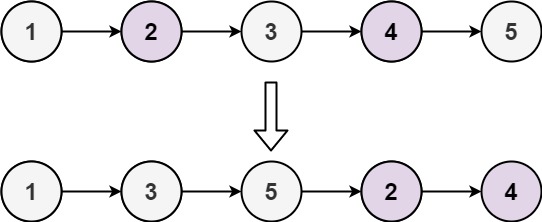
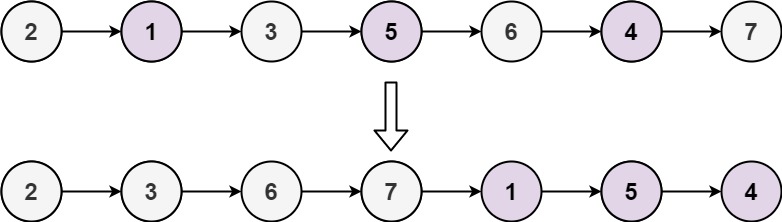
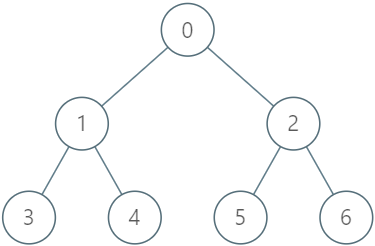
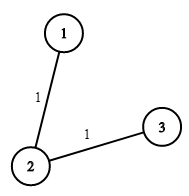
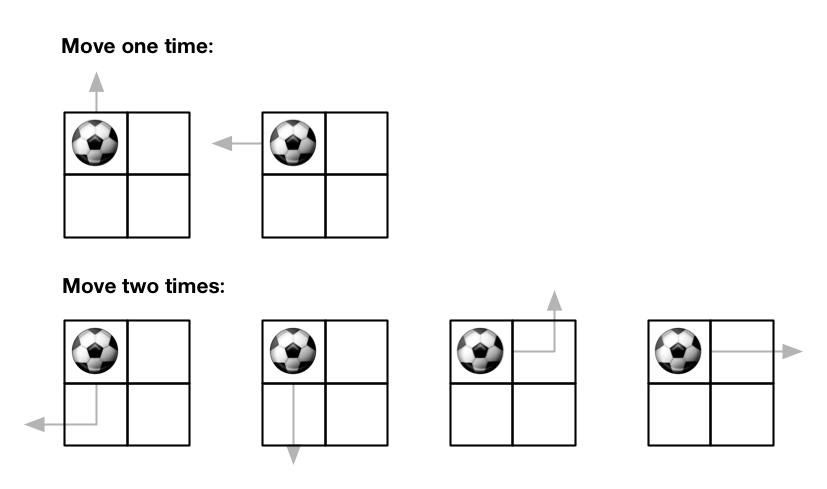
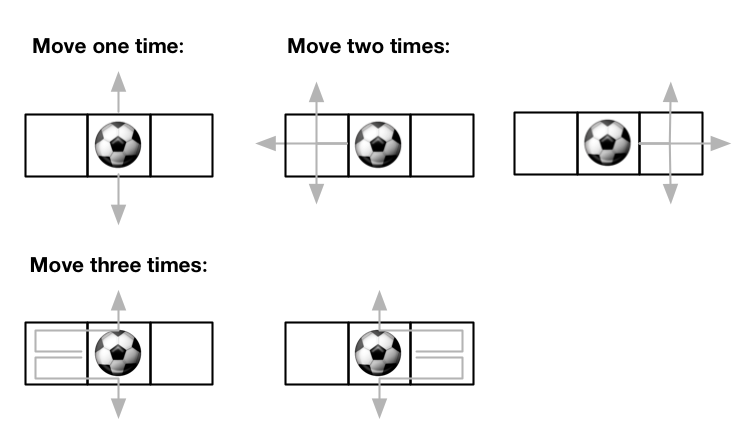
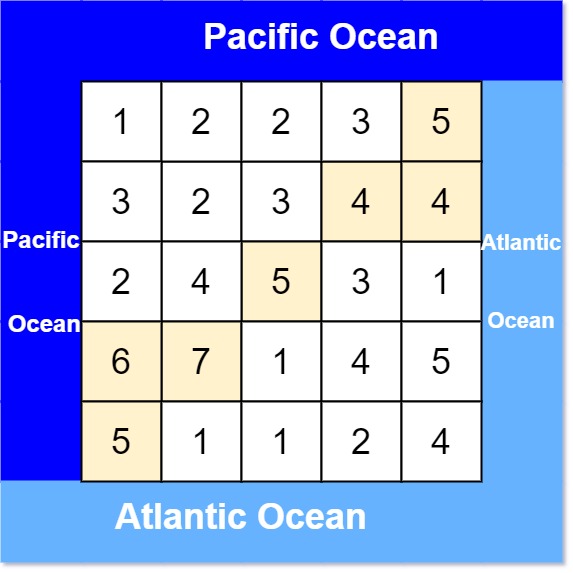
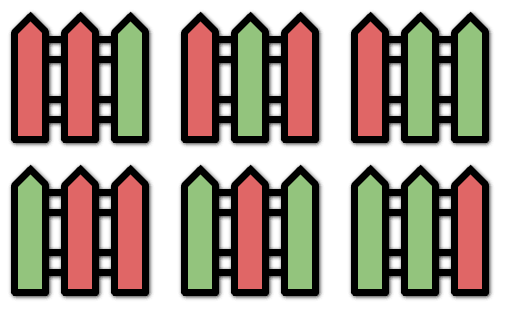


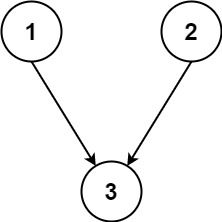
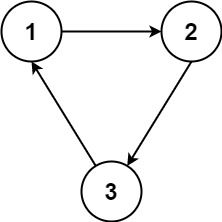
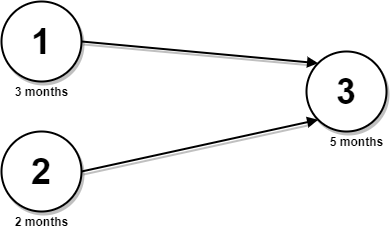
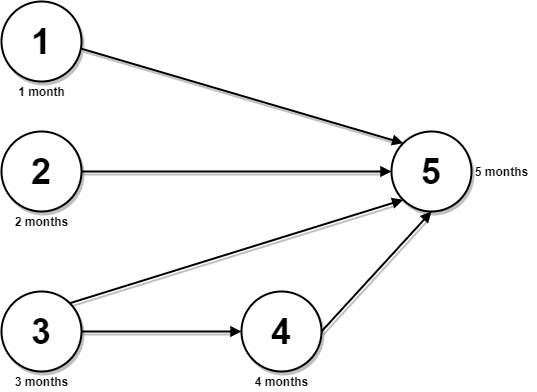
Given an integer array \nums\, partition it into two (contiguous) subarrays \left\ and \right\ so that:\

\
    \
  • Every element in \left\ is less than or equal to every element in \right\.\
  • \
  • \left\ and \right\ are non-empty.\
  • \
  • \left\ has the smallest possible size.\
  • \
\

Return \the length of \\left\\ after such a partitioning\.\

\

Test cases are generated such that partitioning exists.\

### Examples ``` Input: nums = [5,0,3,8,6] Output: 3 Explanation: left = [5,0,3], right = [8,6] ``` ``` Input: nums = [1,1,1,0,6,12] Output: 4 Explanation: left = [1,1,1,0], right = [6,12] ``` ### Constraints * 2 \<= nums.length \<= 10^5 * 0 \<= nums\[i] \<= 10^6 * There is at least one valid answer for the given input. ## Solution Reference implementation from [solution.py on GitHub](https://github.com/wislertt/leetcode-py/blob/main/leetcode/partition_array_into_disjoint_intervals/solution.py), full suite in [test\_solution.py](https://github.com/wislertt/leetcode-py/blob/main/leetcode/partition_array_into_disjoint_intervals/test_solution.py): ```python theme={"theme":{"light":"github-light","dark":"github-dark"}} class Solution: # Time: O(n) # Space: O(1) def partition_disjoint(self, nums: list[int]) -> int: length = 1 left_max = nums[0] cur_max = nums[0] for i in range(1, len(nums)): cur_max = max(cur_max, nums[i]) if nums[i] < left_max: left_max = cur_max length = i + 1 return length ``` ## Complexity | Time | Space | | ---- | ----- | | O(n) | O(1) | ## Tags # Partition Equal Subset Sum Python Solution Source: https://leetcode-py.wisl.dev/problems/partition-equal-subset-sum Tested Python solution for LeetCode 416 with 15 pytest cases. Generate a practice environment with lcpy. LeetCode 416, [Medium](/catalog/medium). Topics: [Array](/catalog/topics/array), [Dynamic Programming](/catalog/topics/dynamic-programming). [View on LeetCode](https://leetcode.com/problems/partition-equal-subset-sum/description/). Generate this problem as a practice environment: tested reference solution, 15 [parametrized pytest cases](/practice/testing), and a playground notebook: ```bash theme={"theme":{"light":"github-light","dark":"github-dark"}} lcpy gen -n 416 # by problem number lcpy gen -s partition_equal_subset_sum # by problem name ``` ## Problem Given an integer array `nums`, return `true` if you can partition the array into two subsets such that the sum of the elements in both subsets is equal or `false` otherwise. ### Examples ``` Input: nums = [1,5,11,5] Output: true ``` **Explanation:** The array can be partitioned as \[1, 5, 5] and \[11]. ``` Input: nums = [1,2,3,5] Output: false ``` **Explanation:** The array cannot be partitioned into equal sum subsets. ### Constraints * 1 \<= nums.length \<= 200 * 1 \<= nums\[i] \<= 100 ## Solution Reference implementation from [solution.py on GitHub](https://github.com/wislertt/leetcode-py/blob/main/leetcode/partition_equal_subset_sum/solution.py), full suite in [test\_solution.py](https://github.com/wislertt/leetcode-py/blob/main/leetcode/partition_equal_subset_sum/test_solution.py): ```python theme={"theme":{"light":"github-light","dark":"github-dark"}} class Solution: # Time: O(n * sum) # Space: O(sum) def can_partition(self, nums: list[int]) -> bool: """ Example: nums = [1, 5, 11, 5], target = 11 Initial: dp = [T, F, F, F, F, F, F, F, F, F, F, F] 0 1 2 3 4 5 6 7 8 9 10 11 After num=1: [T, T, F, F, F, F, F, F, F, F, F, F] └─┘ (can make sum 1) After num=5: [T, T, F, F, F, T, T, F, F, F, F, F] └─┘ └─┘ └─┘ (can make sums 5,6) After num=11:[T, T, F, F, F, T, T, F, F, F, F, T] └─┘ (target!) Backward iteration prevents using same number twice """ total = sum(nums) if total % 2: return False target = total // 2 dp = [False] * (target + 1) dp[0] = True for num in nums: for j in range(target, num - 1, -1): dp[j] = dp[j] or dp[j - num] # Early termination: found target sum! if dp[target]: return True return False class SolutionBitset: # Time: O(n * sum) # Space: O(1) def can_partition(self, nums: list[int]) -> bool: """ Example: nums = [1, 5, 11, 5], target = 11 Bitset representation (bit position = achievable sum): Initial: dp = 1 (binary: 1) Bits: ...0001 Sums: {0} After num=1: dp |= dp << 1 a = dp = 1 (bin: 0001) b = dp << 1 = 2 (bin: 0010) c = a | b = 3 (bin: 0011) Sums: {0, 1} After num=5: dp |= dp << 5 a = dp = 3 (bin: 0000011) b = dp << 5 = 96 (bin: 1100000) c = a | b = 99 (bin: 1100011) Sums: {0, 1, 5, 6} After num=11: dp |= dp << 11 a = dp = 99 (bin: 00000001100011) b = dp << 11 = 202752 (bin: 110001100000000) c = a | b = 202851 (bin: 110001101100011) Sums: {0, 1, 5, 6, 11, 12, 16, 17} Check: (dp & (1 << 11)) != 0 a = dp = 202851 (bin: 110001101100011) b = 1 << 11 = 2048 (bin: 100000000000) c = a & b = 2048 (bin: 100000000000) c != 0 → bit 11 is set → True! """ total = sum(nums) if total % 2 != 0: return False target = total // 2 dp = 1 for num in nums: dp |= dp << num # Early termination: found target sum! if (dp & (1 << target)) != 0: return True return False ``` ## Complexity | Time | Space | | ----------- | ------ | | O(n \* sum) | O(sum) | ## Tags [Grind 75](/catalog/grind-75), [Grind](/catalog/grind), [NeetCode 150](/catalog/neetcode-150), [NeetCode 250](/catalog/neetcode-250), [NeetCode All](/catalog/neetcode), [AlgoMaster 75](/catalog/algo-master-75). # Partition Labels Python Solution with Tests Source: https://leetcode-py.wisl.dev/problems/partition-labels Tested Python solution for LeetCode 763 with 13 pytest cases. Generate a practice environment with lcpy. LeetCode 763, [Medium](/catalog/medium). Topics: [Hash Table](/catalog/topics/hash-table), [Two Pointers](/catalog/topics/two-pointers), [String](/catalog/topics/string), [Greedy](/catalog/topics/greedy). [View on LeetCode](https://leetcode.com/problems/partition-labels/description/). Generate this problem as a practice environment: tested reference solution, 13 [parametrized pytest cases](/practice/testing), and a playground notebook: ```bash theme={"theme":{"light":"github-light","dark":"github-dark"}} lcpy gen -n 763 # by problem number lcpy gen -s partition_labels # by problem name ``` ## Problem You are given a string `s`. We want to partition the string into as many parts as possible so that each letter appears in at most one part. For example, the string `"ababcc"` can be partitioned into `["abab", "cc"]`, but partitions such as `["aba", "bcc"]` or `["ab", "ab", "cc"]` are invalid. Note that the partition is done so that after concatenating all the parts in order, the resultant string should be `s`. Return *a list of integers representing the size of these parts*. ### Examples ``` Input: s = "ababcbacadefegdehijhklij" Output: [9,7,8] Explanation: The partition is "ababcbaca", "defegde", "hijhklij". This is a partition so that each letter appears in at most one part. A partition like "ababcbacadefegde", "hijhklij" is incorrect, because it splits s into less parts. ``` ``` Input: s = "eccbbbbdec" Output: [10] ``` ### Constraints * 1 \<= s.length \<= 500 * s consists of lowercase English letters. ## Solution Reference implementation from [solution.py on GitHub](https://github.com/wislertt/leetcode-py/blob/main/leetcode/partition_labels/solution.py), full suite in [test\_solution.py](https://github.com/wislertt/leetcode-py/blob/main/leetcode/partition_labels/test_solution.py): ```python theme={"theme":{"light":"github-light","dark":"github-dark"}} class Solution: # Time: O(n) # Space: O(1) — alphabet bounded to 26 def partition_labels(self, s: str) -> list[int]: last_occurrence: dict[str, int] = {char: idx for idx, char in enumerate(s)} partitions: list[int] = [] start, end = 0, 0 for idx, char in enumerate(s): end = max(end, last_occurrence[char]) if idx == end: partitions.append(idx - start + 1) start = idx + 1 return partitions ``` ## Complexity | Time | Space | | ---- | ----------------------------- | | O(n) | O(1) — alphabet bounded to 26 | ## Tags [NeetCode 150](/catalog/neetcode-150), [NeetCode 250](/catalog/neetcode-250), [NeetCode All](/catalog/neetcode). # Partition List Python Solution with Tests Source: https://leetcode-py.wisl.dev/problems/partition-list Tested Python solution for LeetCode 86 with 16 pytest cases. Generate a practice environment with lcpy. LeetCode 86, [Medium](/catalog/medium). Topics: [Linked List](/catalog/topics/linked-list), [Two Pointers](/catalog/topics/two-pointers). [View on LeetCode](https://leetcode.com/problems/partition-list/description/). Generate this problem as a practice environment: tested reference solution, 16 [parametrized pytest cases](/practice/testing), and a playground notebook: ```bash theme={"theme":{"light":"github-light","dark":"github-dark"}} lcpy gen -n 86 # by problem number lcpy gen -s partition_list # by problem name ``` ## Problem Given the `head` of a linked list and a value `x`, partition it such that all nodes **less than** `x` come before nodes **greater than or equal** to `x`. You should **preserve** the original relative order of the nodes in each of the two partitions. ### Examples ![Example 1](https://assets.leetcode.com/uploads/2021/01/04/partition.jpg) ``` Input: head = [1,4,3,2,5,2], x = 3 Output: [1,2,2,4,3,5] ``` ``` Input: head = [2,1], x = 2 Output: [1,2] ``` ### Constraints * The number of nodes in the list is in the range `[0, 200]`. * `-100 <= Node.val <= 100` * `-200 <= x <= 200` ## Solution Reference implementation from [solution.py on GitHub](https://github.com/wislertt/leetcode-py/blob/main/leetcode/partition_list/solution.py), full suite in [test\_solution.py](https://github.com/wislertt/leetcode-py/blob/main/leetcode/partition_list/test_solution.py): ```python theme={"theme":{"light":"github-light","dark":"github-dark"}} from leetcode_py import ListNode class Solution: # Time: O(n) # Space: O(1) def partition(self, head: ListNode[int] | None, x: int) -> ListNode[int] | None: before_head = before = ListNode[int](0) after_head = after = ListNode[int](0) current = head while current: if current.val < x: before.next = current before = before.next else: after.next = current after = after.next current = current.next after.next = None before.next = after_head.next return before_head.next ``` ## Complexity | Time | Space | | ---- | ----- | | O(n) | O(1) | ## Tags [NeetCode All](/catalog/neetcode). # Partition to K Equal Sum Subsets Source: https://leetcode-py.wisl.dev/problems/partition-to-k-equal-sum-subsets Tested Python solution for LeetCode 698 with 14 pytest cases. Generate a practice environment with lcpy. LeetCode 698, [Medium](/catalog/medium). Topics: [Array](/catalog/topics/array), [Dynamic Programming](/catalog/topics/dynamic-programming), [Backtracking](/catalog/topics/backtracking), [Bit Manipulation](/catalog/topics/bit-manipulation), [Memoization](/catalog/topics/memoization), [Bitmask](/catalog/topics/bitmask). [View on LeetCode](https://leetcode.com/problems/partition-to-k-equal-sum-subsets/description/). Generate this problem as a practice environment: tested reference solution, 14 [parametrized pytest cases](/practice/testing), and a playground notebook: ```bash theme={"theme":{"light":"github-light","dark":"github-dark"}} lcpy gen -n 698 # by problem number lcpy gen -s partition_to_k_equal_sum_subsets # by problem name ``` ## Problem Given an integer array `nums` and an integer `k`, return `true` if it is possible to divide this array into `k` non-empty subsets whose sums are all equal. ### Examples ``` Input: nums = [4,3,2,3,5,2,1], k = 4 Output: true Explanation: It is possible to divide it into 4 subsets (5), (1, 4), (2,3), (2,3) with equal sums. ``` ``` Input: nums = [1,2,3,4], k = 3 Output: false ``` ### Constraints * 1 \<= k \<= nums.length \<= 16 * 1 \<= nums\[i] \<= 10^4 * The frequency of each element is in the range \[1, 4]. ## Solution Reference implementation from [solution.py on GitHub](https://github.com/wislertt/leetcode-py/blob/main/leetcode/partition_to_k_equal_sum_subsets/solution.py), full suite in [test\_solution.py](https://github.com/wislertt/leetcode-py/blob/main/leetcode/partition_to_k_equal_sum_subsets/test_solution.py): ```python theme={"theme":{"light":"github-light","dark":"github-dark"}} class Solution: # Time: O(k * 2^n) # Space: O(n) def can_partition_k_subsets(self, nums: list[int], k: int) -> bool: total = sum(nums) if total % k != 0: return False target = total // k nums.sort(reverse=True) if nums[0] > target: return False buckets = [0] * k def backtrack(index: int) -> bool: if index == len(nums): return True for bucket_index in range(k): if buckets[bucket_index] + nums[index] <= target: buckets[bucket_index] += nums[index] if backtrack(index + 1): return True buckets[bucket_index] -= nums[index] # Prune: empty bucket means placement here is symmetric to any # other empty bucket; also a just-filled bucket that failed. if buckets[bucket_index] == 0: break return False return backtrack(0) ``` ## Complexity | Time | Space | | ----------- | ----- | | O(k \* 2^n) | O(n) | ## Tags [NeetCode 250](/catalog/neetcode-250), [NeetCode All](/catalog/neetcode). # Pascal's Triangle Python Solution with Tests Source: https://leetcode-py.wisl.dev/problems/pascals-triangle Tested Python solution for LeetCode 118 with 12 pytest cases. Generate a practice environment with lcpy. LeetCode 118, [Easy](/catalog/easy). Topics: [Array](/catalog/topics/array), [Dynamic Programming](/catalog/topics/dynamic-programming). [View on LeetCode](https://leetcode.com/problems/pascals-triangle/description/). Generate this problem as a practice environment: tested reference solution, 12 [parametrized pytest cases](/practice/testing), and a playground notebook: ```bash theme={"theme":{"light":"github-light","dark":"github-dark"}} lcpy gen -n 118 # by problem number lcpy gen -s pascals_triangle # by problem name ``` ## Problem Given an integer `numRows`, return the first numRows of **Pascal's triangle**. In **Pascal's triangle**, each number is the sum of the two numbers directly above it as shown: ![Pascal's Triangle](https://upload.wikimedia.org/wikipedia/commons/0/0d/PascalTriangleAnimated2.gif) ### Examples ``` Input: numRows = 5 Output: [[1],[1,1],[1,2,1],[1,3,3,1],[1,4,6,4,1]] ``` ``` Input: numRows = 1 Output: [[1]] ``` ### Constraints * 1 \<= numRows \<= 30 ## Solution Reference implementation from [solution.py on GitHub](https://github.com/wislertt/leetcode-py/blob/main/leetcode/pascals_triangle/solution.py), full suite in [test\_solution.py](https://github.com/wislertt/leetcode-py/blob/main/leetcode/pascals_triangle/test_solution.py): ```python theme={"theme":{"light":"github-light","dark":"github-dark"}} class Solution: # Time: O(n^2) # Space: O(1) excluding output def generate(self, num_rows: int) -> list[list[int]]: triangle: list[list[int]] = [[1]] for _ in range(1, num_rows): previous = triangle[-1] row = [1] + [previous[i] + previous[i + 1] for i in range(len(previous) - 1)] + [1] triangle.append(row) return triangle ``` ## Complexity | Time | Space | | ------ | --------------------- | | O(n^2) | O(1) excluding output | ## Tags [NeetCode All](/catalog/neetcode). # Pascal's Triangle II Python Solution Source: https://leetcode-py.wisl.dev/problems/pascals-triangle-ii Tested Python solution for LeetCode 119 with 16 pytest cases. Generate a practice environment with lcpy. LeetCode 119, [Easy](/catalog/easy). Topics: [Array](/catalog/topics/array), [Dynamic Programming](/catalog/topics/dynamic-programming). [View on LeetCode](https://leetcode.com/problems/pascals-triangle-ii/description/). Generate this problem as a practice environment: tested reference solution, 16 [parametrized pytest cases](/practice/testing), and a playground notebook: ```bash theme={"theme":{"light":"github-light","dark":"github-dark"}} lcpy gen -n 119 # by problem number lcpy gen -s pascals_triangle_ii # by problem name ``` ## Problem Given an integer `rowIndex`, return the `rowIndexth` (**0-indexed**) row of the **Pascal's triangle**. In **Pascal's triangle**, each number is the sum of the two numbers directly above it as shown: ![Pascal's Triangle](https://upload.wikimedia.org/wikipedia/commons/0/0d/PascalTriangleAnimated2.gif) ### Examples ``` Input: rowIndex = 3 Output: [1,3,3,1] ``` ``` Input: rowIndex = 0 Output: [1] ``` ``` Input: rowIndex = 1 Output: [1,1] ``` ### Constraints * 0 \<= rowIndex \<= 33 **Follow up:** Could you optimize your algorithm to use only `O(rowIndex)` extra space? ## Solution Reference implementation from [solution.py on GitHub](https://github.com/wislertt/leetcode-py/blob/main/leetcode/pascals_triangle_ii/solution.py), full suite in [test\_solution.py](https://github.com/wislertt/leetcode-py/blob/main/leetcode/pascals_triangle_ii/test_solution.py): ```python theme={"theme":{"light":"github-light","dark":"github-dark"}} class Solution: # Time: O(n^2) # Space: O(n) def get_row(self, row_index: int) -> list[int]: row = [1] for _ in range(row_index): row.append(1) for i in range(len(row) - 2, 0, -1): row[i] += row[i - 1] return row ``` ## Complexity | Time | Space | | ------ | ----- | | O(n^2) | O(n) | ## Tags [NeetCode All](/catalog/neetcode). # Patching Array Python Solution with Tests Source: https://leetcode-py.wisl.dev/problems/patching-array Tested Python solution for LeetCode 330 with 26 pytest cases. Generate a practice environment with lcpy. LeetCode 330, [Hard](/catalog/hard). Topics: [Array](/catalog/topics/array), [Greedy](/catalog/topics/greedy). [View on LeetCode](https://leetcode.com/problems/patching-array/description/). Generate this problem as a practice environment: tested reference solution, 26 [parametrized pytest cases](/practice/testing), and a playground notebook: ```bash theme={"theme":{"light":"github-light","dark":"github-dark"}} lcpy gen -n 330 # by problem number lcpy gen -s patching_array # by problem name ``` ## Problem Given a sorted integer array \nums\ and an integer \n\, add/patch elements to the array such that any number in the range \\[1, n]\ inclusive can be formed by the sum of some elements in the array. Return \the minimum number of patches required\. ### Examples ``` Input: nums = [1,3], n = 6 Output: 1 Explanation: Combinations of nums are [1], [3], [1,3], which form possible sums of: 1, 3, 4. Now if we add/patch 2 to nums, the combinations are: [1], [2], [3], [1,3], [2,3], [1,2,3]. Possible sums are 1, 2, 3, 4, 5, 6, which now covers the range [1, 6]. So we only need 1 patch. ``` ``` Input: nums = [1,5,10], n = 20 Output: 2 Explanation: The two patches can be [2, 4]. ``` ``` Input: nums = [1,2,2], n = 5 Output: 0 ``` ### Constraints * 1 \<= nums.length \<= 1000 * 1 \<= nums\[i] \<= 10^4 * nums is sorted in ascending order. * 1 \<= n \<= 2^31 - 1 ## Solution Reference implementation from [solution.py on GitHub](https://github.com/wislertt/leetcode-py/blob/main/leetcode/patching_array/solution.py), full suite in [test\_solution.py](https://github.com/wislertt/leetcode-py/blob/main/leetcode/patching_array/test_solution.py): ```python theme={"theme":{"light":"github-light","dark":"github-dark"}} class Solution: # Time: O(len(nums) + log n) # Space: O(1) def min_patches(self, nums: list[int], n: int) -> int: patches = 0 miss = 1 # smallest sum in [1, miss) that cannot be formed yet i = 0 while miss <= n: if i < len(nums) and nums[i] <= miss: miss += nums[i] i += 1 else: patches += 1 miss += miss return patches ``` ## Complexity | Time | Space | | -------------------- | ----- | | O(len(nums) + log n) | O(1) | ## Tags # Path Crossing Python Solution with Tests Source: https://leetcode-py.wisl.dev/problems/path-crossing Tested Python solution for LeetCode 1496 with 18 pytest cases. Generate a practice environment with lcpy. LeetCode 1496, [Easy](/catalog/easy). Topics: [Hash Table](/catalog/topics/hash-table), [String](/catalog/topics/string). [View on LeetCode](https://leetcode.com/problems/path-crossing/description/). Generate this problem as a practice environment: tested reference solution, 18 [parametrized pytest cases](/practice/testing), and a playground notebook: ```bash theme={"theme":{"light":"github-light","dark":"github-dark"}} lcpy gen -n 1496 # by problem number lcpy gen -s path_crossing # by problem name ``` ## Problem Given a string `path`, where `path[i] = 'N'`, `'S'`, `'E'` or `'W'`, each representing moving one unit north, south, east, or west, respectively. You start at the origin `(0, 0)` on a 2D plane and walk on the path specified by `path`. Return `true` if the path crosses itself at any point, that is, if at any time you are on a location you have previously visited. Return `false` otherwise. ### Examples ![Example 1](https://assets.leetcode.com/uploads/2020/06/10/screen-shot-2020-06-10-at-123929-pm.png) ``` Input: path = "NES" Output: false Explanation: Notice that the path doesn't cross any point more than once. ``` ![Example 2](https://assets.leetcode.com/uploads/2020/06/10/screen-shot-2020-06-10-at-123843-pm.png) ``` Input: path = "NESWW" Output: true Explanation: Notice that the path visits the origin twice. ``` ### Constraints * 1 \<= path.length \<= 10^4 * path\[i] is either 'N', 'S', 'E', or 'W'. ## Solution Reference implementation from [solution.py on GitHub](https://github.com/wislertt/leetcode-py/blob/main/leetcode/path_crossing/solution.py), full suite in [test\_solution.py](https://github.com/wislertt/leetcode-py/blob/main/leetcode/path_crossing/test_solution.py): ```python theme={"theme":{"light":"github-light","dark":"github-dark"}} class Solution: # Time: O(n) # Space: O(n) def is_path_crossing(self, path: str) -> bool: x = y = 0 seen = {(0, 0)} moves = {"N": (0, 1), "S": (0, -1), "E": (1, 0), "W": (-1, 0)} for step in path: dx, dy = moves[step] x, y = x + dx, y + dy if (x, y) in seen: return True seen.add((x, y)) return False ``` ## Complexity | Time | Space | | ---- | ----- | | O(n) | O(n) | ## Tags [NeetCode All](/catalog/neetcode). # Path Sum Python Solution with Tests Source: https://leetcode-py.wisl.dev/problems/path-sum Tested Python solution for LeetCode 112 with 20 pytest cases. Generate a practice environment with lcpy. LeetCode 112, [Easy](/catalog/easy). Topics: [Tree](/catalog/topics/tree), [Depth-First Search](/catalog/topics/depth-first-search), [Breadth-First Search](/catalog/topics/breadth-first-search), [Binary Tree](/catalog/topics/binary-tree). [View on LeetCode](https://leetcode.com/problems/path-sum/description/). Generate this problem as a practice environment: tested reference solution, 20 [parametrized pytest cases](/practice/testing), and a playground notebook: ```bash theme={"theme":{"light":"github-light","dark":"github-dark"}} lcpy gen -n 112 # by problem number lcpy gen -s path_sum # by problem name ``` ## Problem Given the `root` of a binary tree and an integer `targetSum`, return `true` if the tree has a **root-to-leaf** path such that adding up all the values along the path equals `targetSum`. A **leaf** is a node with no children. ### Examples ![Example 1](https://assets.leetcode.com/uploads/2021/01/18/pathsum1.jpg) ``` Input: root = [5,4,8,11,null,13,4,7,2,null,null,null,1], targetSum = 22 Output: true Explanation: The root-to-leaf path with the target sum is shown. ``` ![Example 2](https://assets.leetcode.com/uploads/2021/01/18/pathsum2.jpg) ``` Input: root = [1,2,3], targetSum = 5 Output: false Explanation: There are two root-to-leaf paths in the tree: (1 --> 2): The sum is 3. (1 --> 3): The sum is 4. There is no root-to-leaf path with sum = 5. ``` ``` Input: root = [], targetSum = 0 Output: false Explanation: Since the tree is empty, there are no root-to-leaf paths. ``` ### Constraints * The number of nodes in the tree is in the range \[0, 5000] * -1000 \<= Node.val \<= 1000 * -1000 \<= targetSum \<= 1000 ## Solution Reference implementation from [solution.py on GitHub](https://github.com/wislertt/leetcode-py/blob/main/leetcode/path_sum/solution.py), full suite in [test\_solution.py](https://github.com/wislertt/leetcode-py/blob/main/leetcode/path_sum/test_solution.py): ```python theme={"theme":{"light":"github-light","dark":"github-dark"}} from leetcode_py import TreeNode class Solution: # Time: O(n) # Space: O(h) def has_path_sum(self, root: TreeNode[int] | None, target_sum: int) -> bool: if root is None: return False remaining = target_sum - root.val if root.left is None and root.right is None: return remaining == 0 return self.has_path_sum(root.left, remaining) or self.has_path_sum(root.right, remaining) ``` ## Complexity | Time | Space | | ---- | ----- | | O(n) | O(h) | ## Tags [NeetCode All](/catalog/neetcode). # Path Sum II Python Solution with Tests Source: https://leetcode-py.wisl.dev/problems/path-sum-ii Tested Python solution for LeetCode 113 with 12 pytest cases. Generate a practice environment with lcpy. LeetCode 113, [Medium](/catalog/medium). Topics: [Backtracking](/catalog/topics/backtracking), [Tree](/catalog/topics/tree), [Depth-First Search](/catalog/topics/depth-first-search), [Binary Tree](/catalog/topics/binary-tree). [View on LeetCode](https://leetcode.com/problems/path-sum-ii/description/). Generate this problem as a practice environment: tested reference solution, 12 [parametrized pytest cases](/practice/testing), and a playground notebook: ```bash theme={"theme":{"light":"github-light","dark":"github-dark"}} lcpy gen -n 113 # by problem number lcpy gen -s path_sum_ii # by problem name ``` ## Problem Given the `root` of a binary tree and an integer `targetSum`, return all **root-to-leaf** paths where the sum of the node values in the path equals `targetSum`. Each path should be returned as a list of the node **values**, not node references. A **root-to-leaf** path is a path starting from the root and ending at any leaf node. A **leaf** is a node with no children. ### Examples ![Example 1](https://assets.leetcode.com/uploads/2021/01/18/pathsumii1.jpg) ``` Input: root = [5,4,8,11,null,13,4,7,2,null,null,5,1], targetSum = 22 Output: [[5,4,11,2],[5,8,4,5]] Explanation: There are two paths whose sum equals targetSum: 5 + 4 + 11 + 2 = 22 5 + 8 + 4 + 5 = 22 ``` ![Example 2](https://assets.leetcode.com/uploads/2021/01/18/pathsum2.jpg) ``` Input: root = [1,2,3], targetSum = 5 Output: [] ``` ``` Input: root = [1,2], targetSum = 0 Output: [] ``` ### Constraints * The number of nodes in the tree is in the range `[0, 5000]`. * `-1000 <= Node.val <= 1000` * `-1000 <= targetSum <= 1000` ## Solution Reference implementation from [solution.py on GitHub](https://github.com/wislertt/leetcode-py/blob/main/leetcode/path_sum_ii/solution.py), full suite in [test\_solution.py](https://github.com/wislertt/leetcode-py/blob/main/leetcode/path_sum_ii/test_solution.py): ```python theme={"theme":{"light":"github-light","dark":"github-dark"}} from leetcode_py import TreeNode class Solution: # Time: O(n) - visit each node once # Space: O(h) - recursion depth + path storage, where h is tree height def path_sum(self, root: TreeNode[int] | None, target_sum: int) -> list[list[int]]: result: list[list[int]] = [] def dfs(node: TreeNode[int] | None, remaining: int, path: list[int]) -> None: if not node: return # Add current node to path path.append(node.val) # Check if leaf node with target sum if not node.left and not node.right and remaining == node.val: result.append(path[:]) # Recurse on children with updated remaining sum dfs(node.left, remaining - node.val, path) dfs(node.right, remaining - node.val, path) # Backtrack: remove current node from path path.pop() dfs(root, target_sum, []) return result ``` ## Complexity | Time | Space | | --------------------------- | ------------------------------------------------------------- | | O(n) - visit each node once | O(h) - recursion depth + path storage, where h is tree height | ## Tags [Grind](/catalog/grind). # Path Sum III Python Solution with Tests Source: https://leetcode-py.wisl.dev/problems/path-sum-iii Tested Python solution for LeetCode 437 with 15 pytest cases. Generate a practice environment with lcpy. LeetCode 437, [Medium](/catalog/medium). Topics: [Tree](/catalog/topics/tree), [Depth-First Search](/catalog/topics/depth-first-search), [Binary Tree](/catalog/topics/binary-tree). [View on LeetCode](https://leetcode.com/problems/path-sum-iii/description/). Generate this problem as a practice environment: tested reference solution, 15 [parametrized pytest cases](/practice/testing), and a playground notebook: ```bash theme={"theme":{"light":"github-light","dark":"github-dark"}} lcpy gen -n 437 # by problem number lcpy gen -s path_sum_iii # by problem name ``` ## Problem Given the `root` of a binary tree and an integer `targetSum`, return *the number of paths where the sum of the values along the path equals* `targetSum`. The path does not need to start or end at the root or a leaf, but it must go downwards (i.e., traveling only from parent nodes to child nodes). ### Examples ![Example 1](https://assets.leetcode.com/uploads/2021/04/09/pathsum3-1-tree.jpg) ``` Input: root = [10,5,-3,3,2,None,11,3,-2,None,1], targetSum = 8 Output: 3 Explanation: The paths that sum to 8 are shown. ``` ``` Input: root = [5,4,8,11,None,13,4,7,2,None,None,5,1], targetSum = 22 Output: 3 ``` ### Constraints * The number of nodes in the tree is in the range \[0, 1000]. * -10^9 \<= Node.val \<= 10^9 * -1000 \<= targetSum \<= 1000 ## Solution Reference implementation from [solution.py on GitHub](https://github.com/wislertt/leetcode-py/blob/main/leetcode/path_sum_iii/solution.py), full suite in [test\_solution.py](https://github.com/wislertt/leetcode-py/blob/main/leetcode/path_sum_iii/test_solution.py): ```python theme={"theme":{"light":"github-light","dark":"github-dark"}} from collections import defaultdict from leetcode_py import TreeNode class Solution: # Time: O(n) # Space: O(n) def path_sum(self, root: TreeNode[int] | None, target_sum: int) -> int: """Count paths where sum equals target_sum using prefix sum technique.""" self.count = 0 prefix_counts: defaultdict[int, int] = defaultdict(int) prefix_counts[0] = 1 # Empty path prefix def dfs(node: TreeNode[int] | None, current_sum: int) -> None: if not node: return current_sum += node.val # Check if (current_sum - target_sum) exists in prefix_counts self.count += prefix_counts[current_sum - target_sum] # Add current sum to prefix_counts prefix_counts[current_sum] += 1 # Recurse on children dfs(node.left, current_sum) dfs(node.right, current_sum) # Backtrack: remove current sum from prefix_counts prefix_counts[current_sum] -= 1 dfs(root, 0) return self.count ``` ## Complexity | Time | Space | | ---- | ----- | | O(n) | O(n) | ## Tags [Grind](/catalog/grind), [AlgoMaster 75](/catalog/algo-master-75). # Path Sum IV Python Solution with Tests Source: https://leetcode-py.wisl.dev/problems/path-sum-iv Tested Python solution for LeetCode 666 with 17 pytest cases. Generate a practice environment with lcpy. LeetCode 666, [Medium](/catalog/medium). Topics: [Array](/catalog/topics/array), [Hash Table](/catalog/topics/hash-table), [Tree](/catalog/topics/tree), [Depth-First Search](/catalog/topics/depth-first-search), [Binary Tree](/catalog/topics/binary-tree). [View on LeetCode](https://leetcode.com/problems/path-sum-iv/description/). Generate this problem as a practice environment: tested reference solution, 17 [parametrized pytest cases](/practice/testing), and a playground notebook: ```bash theme={"theme":{"light":"github-light","dark":"github-dark"}} lcpy gen -n 666 # by problem number lcpy gen -s path_sum_iv # by problem name ``` ## Problem If the depth of a tree is smaller than `5`, then this tree can be represented by an array of three-digit integers. You are given an **ascending** array `nums` consisting of three-digit integers representing a binary tree with a depth smaller than `5`, where for each integer: * The hundreds digit represents the depth `d` of this node, where `1 <= d <= 4`. * The tens digit represents the position `p` of this node within its level, where `1 <= p <= 8`, corresponding to its position in a **full binary tree**. * The units digit represents the value `v` of this node, where `0 <= v <= 9`. Return the **sum** of all **paths** from the **root** towards the **leaves**. It is **guaranteed** that the given array represents a valid connected binary tree. ### Examples ![Example 1](https://fastly.jsdelivr.net/gh/doocs/leetcode@main/solution/0600-0699/0666.Path%20Sum%20IV/images/pathsum4-1-tree.jpg) ``` Input: nums = [113,215,221] Output: 12 Explanation: The tree that the list represents is shown. The path sum is (3 + 5) + (3 + 1) = 12. ``` ![Example 2](https://fastly.jsdelivr.net/gh/doocs/leetcode@main/solution/0600-0699/0666.Path%20Sum%20IV/images/pathsum4-2-tree.jpg) ``` Input: nums = [113,221] Output: 4 Explanation: The tree that the list represents is shown. The path sum is (3 + 1) = 4. ``` ### Constraints * 1 \<= nums.length \<= 15 * 110 \<= nums\[i] \<= 489 * nums represents a valid binary tree with depth less than 5. * nums is sorted in ascending order. ## Solution Reference implementation from [solution.py on GitHub](https://github.com/wislertt/leetcode-py/blob/main/leetcode/path_sum_iv/solution.py), full suite in [test\_solution.py](https://github.com/wislertt/leetcode-py/blob/main/leetcode/path_sum_iv/test_solution.py): ```python theme={"theme":{"light":"github-light","dark":"github-dark"}} class Solution: # Time: O(n) where n = len(nums); each node is visited once # Space: O(n) for the node lookup map plus O(depth) recursion def path_sum(self, nums: list[int]) -> int: # Node key is depth * 10 + position; value is the units digit nodes = {num // 10: num % 10 for num in nums} total = 0 stack: list[tuple[int, int]] = [(11, 0)] while stack: node, running = stack.pop() if node not in nodes: continue running += nodes[node] depth, pos = divmod(node, 10) left = (depth + 1) * 10 + pos * 2 - 1 right = left + 1 if left in nodes or right in nodes: stack.append((left, running)) stack.append((right, running)) else: total += running return total ``` ## Complexity | Time | Space | | --------------------------------------------------- | ---------------------------------------------------- | | O(n) where n = len(nums); each node is visited once | O(n) for the node lookup map plus O(depth) recursion | ## Tags # Path with Maximum Gold Python Solution Source: https://leetcode-py.wisl.dev/problems/path-with-maximum-gold Tested Python solution for LeetCode 1219 with 16 pytest cases. Generate a practice environment with lcpy. LeetCode 1219, [Medium](/catalog/medium). Topics: [Array](/catalog/topics/array), [Backtracking](/catalog/topics/backtracking), [Matrix](/catalog/topics/matrix). [View on LeetCode](https://leetcode.com/problems/path-with-maximum-gold/description/). Generate this problem as a practice environment: tested reference solution, 16 [parametrized pytest cases](/practice/testing), and a playground notebook: ```bash theme={"theme":{"light":"github-light","dark":"github-dark"}} lcpy gen -n 1219 # by problem number lcpy gen -s path_with_maximum_gold # by problem name ``` ## Problem In a gold mine `grid` of size `m x n`, each cell in this mine has an integer representing the amount of gold in that cell, `0` if it is empty. Return the maximum amount of gold you can collect under the conditions: * Every time you are located in a cell you will collect all the gold in that cell. * From your position, you can walk one step to the left, right, up, or down. * You can't visit the same cell more than once. * Never visit a cell with `0` gold. * You can start and stop collecting gold from **any** position in the grid that has some gold. ### Examples ``` Input: grid = [[0,6,0],[5,8,7],[0,9,0]] Output: 24 Explanation: Path to get the maximum gold, 9 -> 8 -> 7. ``` ``` Input: grid = [[1,0,7],[2,0,6],[3,4,5],[0,3,0],[9,0,20]] Output: 28 Explanation: Path to get the maximum gold, 1 -> 2 -> 3 -> 4 -> 5 -> 6 -> 7. ``` ### Constraints * `m == grid.length` * `n == grid[i].length` * `1 <= m, n <= 15` * `0 <= grid[i][j] <= 100` * There are at most **25** cells containing gold. ## Solution Reference implementation from [solution.py on GitHub](https://github.com/wislertt/leetcode-py/blob/main/leetcode/path_with_maximum_gold/solution.py), full suite in [test\_solution.py](https://github.com/wislertt/leetcode-py/blob/main/leetcode/path_with_maximum_gold/test_solution.py): ```python theme={"theme":{"light":"github-light","dark":"github-dark"}} class Solution: # Time: O(25 * 4^25) worst case, bounded by gold cells # Space: O(rows * cols) def get_maximum_gold(self, grid: list[list[int]]) -> int: rows, cols = len(grid), len(grid[0]) def dfs(row: int, col: int) -> int: if row < 0 or row >= rows or col < 0 or col >= cols or grid[row][col] == 0: return 0 gold = grid[row][col] grid[row][col] = 0 best = gold + max( dfs(row + 1, col), dfs(row - 1, col), dfs(row, col + 1), dfs(row, col - 1), ) grid[row][col] = gold return best return max((dfs(row, col) for row in range(rows) for col in range(cols)), default=0) ``` ## Complexity | Time | Space | | ----------------------------------------------- | --------------- | | O(25 \* 4^25) worst case, bounded by gold cells | O(rows \* cols) | ## Tags [NeetCode All](/catalog/neetcode). # Path With Maximum Minimum Value Source: https://leetcode-py.wisl.dev/problems/path-with-maximum-minimum-value Tested Python solution for LeetCode 1102 with 12 pytest cases. Generate a practice environment with lcpy. LeetCode 1102, [Medium](/catalog/medium). Topics: [Array](/catalog/topics/array), [Binary Search](/catalog/topics/binary-search), [Depth-First Search](/catalog/topics/depth-first-search), [Breadth-First Search](/catalog/topics/breadth-first-search), [Union Find](/catalog/topics/union-find), [Heap (Priority Queue)](/catalog/topics/heap-priority-queue), [Matrix](/catalog/topics/matrix). [View on LeetCode](https://leetcode.com/problems/path-with-maximum-minimum-value/description/). Generate this problem as a practice environment: tested reference solution, 12 [parametrized pytest cases](/practice/testing), and a playground notebook: ```bash theme={"theme":{"light":"github-light","dark":"github-dark"}} lcpy gen -n 1102 # by problem number lcpy gen -s path_with_maximum_minimum_value # by problem name ``` ## Problem Given an `m x n` integer matrix `grid`, return *the maximum **score** of a path starting at* `(0, 0)` *and ending at* `(m - 1, n - 1)` moving in the **4** cardinal directions. The **score** of a path is the minimum value in that path. * For example, the score of the path `8 → 4 → 5 → 9` is `4`. ### Examples ``` Input: grid = [[5,4,5],[1,2,6],[7,4,6]] Output: 4 Explanation: The path with the maximum score is highlighted in yellow. ``` ``` Input: grid = [[2,2,1,2,2,2],[1,2,2,2,1,2]] Output: 2 ``` ``` Input: grid = [[3,4,6,3,4],[0,2,1,1,7],[8,8,3,2,7],[3,2,4,9,8],[4,1,2,0,0],[4,6,5,4,3]] Output: 3 ``` ### Constraints * m == grid.length * n == grid\[i].length * 1 \<= m, n \<= 100 * 0 \<= grid\[i]\[j] \<= 10^9 ## Solution Reference implementation from [solution.py on GitHub](https://github.com/wislertt/leetcode-py/blob/main/leetcode/path_with_maximum_minimum_value/solution.py), full suite in [test\_solution.py](https://github.com/wislertt/leetcode-py/blob/main/leetcode/path_with_maximum_minimum_value/test_solution.py): ```python theme={"theme":{"light":"github-light","dark":"github-dark"}} import heapq class Solution: # Time: O(m * n * log(m * n)) # Space: O(m * n) def maximum_minimum_path(self, grid: list[list[int]]) -> int: m, n = len(grid), len(grid[0]) heap = [(-grid[0][0], 0, 0)] seen = [[False] * n for _ in range(m)] while heap: neg_v, i, j = heapq.heappop(heap) if seen[i][j]: continue seen[i][j] = True if (i, j) == (m - 1, n - 1): return -neg_v for a, b in ((1, 0), (-1, 0), (0, 1), (0, -1)): x, y = i + a, j + b if 0 <= x < m and 0 <= y < n and not seen[x][y]: heapq.heappush(heap, (-min(-neg_v, grid[x][y]), x, y)) raise AssertionError ``` ## Complexity | Time | Space | | ------------------------ | --------- | | O(m \* n \* log(m \* n)) | O(m \* n) | ## Tags [NeetCode All](/catalog/neetcode). # Path with Maximum Probability Python Solution Source: https://leetcode-py.wisl.dev/problems/path-with-maximum-probability Tested Python solution for LeetCode 1514 with 16 pytest cases. Generate a practice environment with lcpy. LeetCode 1514, [Medium](/catalog/medium). Topics: [Array](/catalog/topics/array), [Graph Theory](/catalog/topics/graph-theory), [Heap (Priority Queue)](/catalog/topics/heap-priority-queue), [Shortest Path](/catalog/topics/shortest-path), Dijkstra's Algorithm. [View on LeetCode](https://leetcode.com/problems/path-with-maximum-probability/description/). Generate this problem as a practice environment: tested reference solution, 16 [parametrized pytest cases](/practice/testing), and a playground notebook: ```bash theme={"theme":{"light":"github-light","dark":"github-dark"}} lcpy gen -n 1514 # by problem number lcpy gen -s path_with_maximum_probability # by problem name ``` ## Problem You are given an undirected weighted graph of `n` nodes (0-indexed), represented by an edge list where `edges[i] = [ai, bi]` is an undirected edge connecting the nodes `ai` and `bi` with a probability of success of traversing that edge `succProb[i]`. Given two nodes `start` and `end`, find the path with the maximum probability of success to go from `start` to `end` and return its success probability. If there is no path from `start` to `end`, return `0`. Your answer will be accepted if it differs from the correct answer by at most **10\-5\**. ### Examples ![Example 1](https://assets.leetcode.com/uploads/2019/09/20/1558_ex1.png) ``` Input: n = 3, edges = [[0,1],[1,2],[0,2]], succProb = [0.5,0.5,0.2], start = 0, end = 2 Output: 0.25000 Explanation: There are two paths from start to end, one having a probability of success = 0.2 and the other has 0.5 * 0.5 = 0.25. ``` ![Example 2](https://assets.leetcode.com/uploads/2019/09/20/1558_ex2.png) ``` Input: n = 3, edges = [[0,1],[1,2],[0,2]], succProb = [0.5,0.5,0.3], start = 0, end = 2 Output: 0.30000 ``` ![Example 3](https://assets.leetcode.com/uploads/2019/09/20/1558_ex3.png) ``` Input: n = 3, edges = [[0,1]], succProb = [0.5], start = 0, end = 2 Output: 0.00000 Explanation: There is no path between 0 and 2. ``` ### Constraints * 2 \<= n \<= 10^4 * 0 \<= start, end \< n * start != end * 0 \<= a\i\, b\i\ \< n * a\i\ != b\i\ * 0 \<= succProb.length == edges.length \<= 2 \* 10^4 * 0 \<= succProb\[i] \<= 1 * There is at most one edge between every two nodes. ## Solution Reference implementation from [solution.py on GitHub](https://github.com/wislertt/leetcode-py/blob/main/leetcode/path_with_maximum_probability/solution.py), full suite in [test\_solution.py](https://github.com/wislertt/leetcode-py/blob/main/leetcode/path_with_maximum_probability/test_solution.py): ```python theme={"theme":{"light":"github-light","dark":"github-dark"}} import heapq class Solution: # Time: O((V + E) * log V) # Space: O(V + E) def max_probability( self, n: int, edges: list[list[int]], succ_prob: list[float], start_node: int, end_node: int ) -> float: adj: list[list[tuple[int, float]]] = [[] for _ in range(n)] for (a, b), p in zip(edges, succ_prob, strict=True): adj[a].append((b, p)) adj[b].append((a, p)) best = [0.0] * n best[start_node] = 1.0 heap: list[tuple[float, int]] = [(-1.0, start_node)] while heap: neg, node = heapq.heappop(heap) cur = -neg if cur < best[node]: continue if node == end_node: return cur for nxt, p in adj[node]: cand = cur * p if cand > best[nxt]: best[nxt] = cand heapq.heappush(heap, (-cand, nxt)) return best[end_node] ``` ## Complexity | Time | Space | | ------------------- | -------- | | O((V + E) \* log V) | O(V + E) | ## Tags [NeetCode All](/catalog/neetcode). # Path With Minimum Effort Python Solution Source: https://leetcode-py.wisl.dev/problems/path-with-minimum-effort Tested Python solution for LeetCode 1631 with 15 pytest cases. Generate a practice environment with lcpy. LeetCode 1631, [Medium](/catalog/medium). Topics: [Array](/catalog/topics/array), [Binary Search](/catalog/topics/binary-search), [Depth-First Search](/catalog/topics/depth-first-search), [Breadth-First Search](/catalog/topics/breadth-first-search), [Union Find](/catalog/topics/union-find), [Heap (Priority Queue)](/catalog/topics/heap-priority-queue), [Matrix](/catalog/topics/matrix). [View on LeetCode](https://leetcode.com/problems/path-with-minimum-effort/description/). Generate this problem as a practice environment: tested reference solution, 15 [parametrized pytest cases](/practice/testing), and a playground notebook: ```bash theme={"theme":{"light":"github-light","dark":"github-dark"}} lcpy gen -n 1631 # by problem number lcpy gen -s path_with_minimum_effort # by problem name ``` ## Problem You are a hiker preparing for an upcoming hike. You are given `heights`, a 2D array of size `rows x columns`, where `heights[row][col]` represents the height of cell `(row, col)`. You are situated in the top-left cell, `(0, 0)`, and you hope to travel to the bottom-right cell, `(rows-1, columns-1)` (i.e., **0-indexed**). You can move **up**, **down**, **left**, or **right**, and you wish to find a route that requires the minimum **effort**. A route's **effort** is the **maximum absolute difference** in heights between two consecutive cells of the route. Return *the minimum **effort** required to travel from the top-left cell to the bottom-right cell.* ### Examples ![Example 1](https://assets.leetcode.com/uploads/2020/10/04/ex1.png) ``` Input: heights = [[1,2,2],[3,8,2],[5,3,5]] Output: 2 Explanation: The route of [1,3,5,3,5] has a maximum absolute difference of 2 in consecutive cells. This is better than the route of [1,2,2,2,5], where the maximum absolute difference is 3. ``` ![Example 2](https://assets.leetcode.com/uploads/2020/10/04/ex2.png) ``` Input: heights = [[1,2,3],[3,8,4],[5,3,5]] Output: 1 Explanation: The route of [1,2,3,4,5] has a maximum absolute difference of 1 in consecutive cells, which is better than route [1,3,5,3,5]. ``` ![Example 3](https://assets.leetcode.com/uploads/2020/10/04/ex3.png) ``` Input: heights = [[1,2,1,1,1],[1,2,1,2,1],[1,2,1,2,1],[1,2,1,2,1],[1,1,1,2,1]] Output: 0 Explanation: This route does not require any effort. ``` ### Constraints * rows == heights.length * columns == heights\[i].length * 1 \<= rows, columns \<= 100 * 1 \<= heights\[i]\[j] \<= 10^6 ## Solution Reference implementation from [solution.py on GitHub](https://github.com/wislertt/leetcode-py/blob/main/leetcode/path_with_minimum_effort/solution.py), full suite in [test\_solution.py](https://github.com/wislertt/leetcode-py/blob/main/leetcode/path_with_minimum_effort/test_solution.py): ```python theme={"theme":{"light":"github-light","dark":"github-dark"}} import heapq class Solution: # Time: O(rows * cols * log(rows * cols)) # Space: O(rows * cols) def minimum_effort_path(self, heights: list[list[int]]) -> int: rows = len(heights) cols = len(heights[0]) efforts = [[float("inf")] * cols for _ in range(rows)] efforts[0][0] = 0 heap: list[tuple[int, int, int]] = [(0, 0, 0)] while heap: effort, row, col = heapq.heappop(heap) if row == rows - 1 and col == cols - 1: return effort if effort > efforts[row][col]: continue for drow, dcol in ((-1, 0), (1, 0), (0, -1), (0, 1)): new_row, new_col = row + drow, col + dcol if 0 <= new_row < rows and 0 <= new_col < cols: new_effort = max(effort, abs(heights[row][col] - heights[new_row][new_col])) if new_effort < efforts[new_row][new_col]: efforts[new_row][new_col] = new_effort heapq.heappush(heap, (new_effort, new_row, new_col)) return 0 ``` ## Complexity | Time | Space | | ------------------------------------ | --------------- | | O(rows \* cols \* log(rows \* cols)) | O(rows \* cols) | ## Tags [NeetCode 250](/catalog/neetcode-250), [NeetCode All](/catalog/neetcode). # 132 Pattern Python Solution with Tests Source: https://leetcode-py.wisl.dev/problems/pattern-132 Tested Python solution for LeetCode 456 with 18 pytest cases. Generate a practice environment with lcpy. LeetCode 456, [Medium](/catalog/medium). Topics: [Array](/catalog/topics/array), [Binary Search](/catalog/topics/binary-search), [Stack](/catalog/topics/stack), [Monotonic Stack](/catalog/topics/monotonic-stack), [Ordered Set](/catalog/topics/ordered-set). [View on LeetCode](https://leetcode.com/problems/pattern-132/description/). Generate this problem as a practice environment: tested reference solution, 18 [parametrized pytest cases](/practice/testing), and a playground notebook: ```bash theme={"theme":{"light":"github-light","dark":"github-dark"}} lcpy gen -n 456 # by problem number lcpy gen -s pattern_132 # by problem name ``` ## Problem Given an array of `n` integers `nums`, a **132 pattern** is a subsequence of three integers `nums[i]`, `nums[j]` and `nums[k]` such that `i < j < k` and `nums[i] < nums[k] < nums[j]`. Return `true` *if there is a **132 pattern** in* `nums`, otherwise, return `false`. ### Examples ``` Input: nums = [1,2,3,4] Output: false Explanation: There is no 132 pattern in the sequence. ``` ``` Input: nums = [3,1,4,2] Output: true Explanation: There is a 132 pattern in the sequence: [1, 4, 2]. ``` ``` Input: nums = [-1,3,2,0] Output: true Explanation: There are three 132 patterns in the sequence: [-1, 3, 2], [-1, 3, 0] and [-1, 2, 0]. ``` ### Constraints * `n == nums.length` * `1 <= n <= 2 * 10^5` * `-10^9 <= nums[i] <= 10^9` ## Solution Reference implementation from [solution.py on GitHub](https://github.com/wislertt/leetcode-py/blob/main/leetcode/pattern_132/solution.py), full suite in [test\_solution.py](https://github.com/wislertt/leetcode-py/blob/main/leetcode/pattern_132/test_solution.py): ```python theme={"theme":{"light":"github-light","dark":"github-dark"}} class Solution: # Time: O(n) # Space: O(n) def find_132pattern(self, nums: list[int]) -> bool: if len(nums) < 3: return False stack: list[int] = [] third = float("-inf") for i in range(len(nums) - 1, -1, -1): if nums[i] < third: return True while stack and stack[-1] < nums[i]: third = stack.pop() stack.append(nums[i]) return False ``` ## Complexity | Time | Space | | ---- | ----- | | O(n) | O(n) | ## Tags [NeetCode All](/catalog/neetcode). # Peak Index in a Mountain Array Python Solution Source: https://leetcode-py.wisl.dev/problems/peak-index-in-a-mountain-array Tested Python solution for LeetCode 852 with 18 pytest cases. Generate a practice environment with lcpy. LeetCode 852, [Medium](/catalog/medium). Topics: [Array](/catalog/topics/array), [Binary Search](/catalog/topics/binary-search), Ternary Search. [View on LeetCode](https://leetcode.com/problems/peak-index-in-a-mountain-array/description/). Generate this problem as a practice environment: tested reference solution, 18 [parametrized pytest cases](/practice/testing), and a playground notebook: ```bash theme={"theme":{"light":"github-light","dark":"github-dark"}} lcpy gen -n 852 # by problem number lcpy gen -s peak_index_in_a_mountain_array # by problem name ``` ## Problem You are given an integer **mountain** array `arr` of length `n` where the values increase to a **peak element** and then decrease. Return the index of the peak element. Your task is to solve it in `O(log(n))` time complexity. ### Examples ``` Input: arr = [0,1,0] Output: 1 ``` ``` Input: arr = [0,2,1,0] Output: 1 ``` ``` Input: arr = [0,10,5,2] Output: 1 ``` ### Constraints * 3 \<= arr.length \<= 10^5 * 0 \<= arr\[i] \<= 10^6 * arr is guaranteed to be a mountain array. ## Solution Reference implementation from [solution.py on GitHub](https://github.com/wislertt/leetcode-py/blob/main/leetcode/peak_index_in_a_mountain_array/solution.py), full suite in [test\_solution.py](https://github.com/wislertt/leetcode-py/blob/main/leetcode/peak_index_in_a_mountain_array/test_solution.py): ```python theme={"theme":{"light":"github-light","dark":"github-dark"}} class Solution: # Time: O(log n) # Space: O(1) def peak_index_in_mountain_array(self, arr: list[int]) -> int: left, right = 0, len(arr) - 1 while left < right: mid = (left + right) // 2 if arr[mid] < arr[mid + 1]: left = mid + 1 else: right = mid return left ``` ## Complexity | Time | Space | | -------- | ----- | | O(log n) | O(1) | ## Tags # Peeking Iterator Python Solution with Tests Source: https://leetcode-py.wisl.dev/problems/peeking-iterator Tested Python solution for LeetCode 284 with 16 pytest cases. Generate a practice environment with lcpy. LeetCode 284, [Medium](/catalog/medium). Topics: [Array](/catalog/topics/array), [Design](/catalog/topics/design), Iterator. [View on LeetCode](https://leetcode.com/problems/peeking-iterator/description/). Generate this problem as a practice environment: tested reference solution, 16 [parametrized pytest cases](/practice/testing), and a playground notebook: ```bash theme={"theme":{"light":"github-light","dark":"github-dark"}} lcpy gen -n 284 # by problem number lcpy gen -s peeking_iterator # by problem name ``` ## Problem Design an iterator that supports the peek operation on an existing iterator in addition to the hasNext and the next operations. Implement the PeekingIterator class: * `PeekingIterator(Iterator nums)` Initializes the object with the given integer iterator `iterator`. * `int next()` Returns the next element in the array and moves the pointer to the next element. * `boolean hasNext()` Returns `true` if there are still elements in the array. * `int peek()` Returns the next element in the array **without** moving the pointer. **Note:** Each language may have a different implementation of the constructor and Iterator, but they all support the `int next()` and `boolean hasNext()` functions. ### Examples ``` Input ["PeekingIterator", "next", "peek", "next", "next", "hasNext"] [[[1, 2, 3]], [], [], [], [], []] Output [null, 1, 2, 2, 3, false] Explanation PeekingIterator peekingIterator = new PeekingIterator([1, 2, 3]); // [1,2,3] peekingIterator.next(); // return 1, the pointer moves to the next element [1,2,3]. peekingIterator.peek(); // return 2, the pointer does not move [1,2,3]. peekingIterator.next(); // return 2, the pointer moves to the next element [1,2,3] peekingIterator.next(); // return 3, the pointer moves to the next element [1,2,3] peekingIterator.hasNext(); // return False ``` ### Constraints * `1 <= nums.length <= 1000` * `1 <= nums[i] <= 1000` * All the calls to `next` and `peek` are valid. * At most `1000` calls will be made to `next`, `hasNext`, and `peek`. **Follow up:** How would you extend your design to be generic and work with all types, not just integer? ## Solution Reference implementation from [solution.py on GitHub](https://github.com/wislertt/leetcode-py/blob/main/leetcode/peeking_iterator/solution.py), full suite in [test\_solution.py](https://github.com/wislertt/leetcode-py/blob/main/leetcode/peeking_iterator/test_solution.py): ```python theme={"theme":{"light":"github-light","dark":"github-dark"}} class Iterator: def __init__(self, nums: list[int]) -> None: self._nums: list[int] = list(nums) self._index: int = 0 def next(self) -> int: value = self._nums[self._index] self._index += 1 return value def has_next(self) -> bool: return self._index < len(self._nums) class PeekingIterator(Iterator): # Time: O(1) per call # Space: O(1) def __init__(self, iterator: Iterator) -> None: self._iterator = iterator self._peeked = 0 self._has_peeked = False def peek(self) -> int: if not self._has_peeked: self._peeked = self._iterator.next() self._has_peeked = True return self._peeked def next(self) -> int: if self._has_peeked: self._has_peeked = False return self._peeked return self._iterator.next() def has_next(self) -> bool: return self._has_peeked or self._iterator.has_next() ``` ## Complexity | Time | Space | | ------------- | ----- | | O(1) per call | O(1) | ## Tags # Perfect Number Python Solution with Tests Source: https://leetcode-py.wisl.dev/problems/perfect-number Tested Python solution for LeetCode 507 with 23 pytest cases. Generate a practice environment with lcpy. LeetCode 507, [Easy](/catalog/easy). Topics: [Math](/catalog/topics/math). [View on LeetCode](https://leetcode.com/problems/perfect-number/description/). Generate this problem as a practice environment: tested reference solution, 23 [parametrized pytest cases](/practice/testing), and a playground notebook: ```bash theme={"theme":{"light":"github-light","dark":"github-dark"}} lcpy gen -n 507 # by problem number lcpy gen -s perfect_number # by problem name ``` ## Problem A \\perfect number\\ is a \positive integer\ that is equal to the sum of its \positive divisors\, excluding the number itself. A \divisor\ of an integer \x\ is an integer that can divide \x\ evenly. Given an integer \n\, return \true\\ if \\n\\ is a perfect number, otherwise return \\false\. ### Examples ``` Input: num = 28 Output: true Explanation: 28 = 1 + 2 + 4 + 7 + 14 1, 2, 4, 7, and 14 are all divisors of 28. ``` ``` Input: num = 7 Output: false ``` ### Constraints * `1 <= num <= 10^8` ## Solution Reference implementation from [solution.py on GitHub](https://github.com/wislertt/leetcode-py/blob/main/leetcode/perfect_number/solution.py), full suite in [test\_solution.py](https://github.com/wislertt/leetcode-py/blob/main/leetcode/perfect_number/test_solution.py): ```python theme={"theme":{"light":"github-light","dark":"github-dark"}} class Solution: # Time: O(sqrt(n)) # Space: O(1) def check_perfect_number(self, num: int) -> bool: if num <= 1: return False total = 1 i = 2 while i * i <= num: if num % i == 0: total += i paired = num // i if paired != i: total += paired i += 1 return total == num ``` ## Complexity | Time | Space | | ---------- | ----- | | O(sqrt(n)) | O(1) | ## Tags # Perfect Rectangle Python Solution with Tests Source: https://leetcode-py.wisl.dev/problems/perfect-rectangle Tested Python solution for LeetCode 391 with 43 pytest cases. Generate a practice environment with lcpy. LeetCode 391, [Hard](/catalog/hard). Topics: [Array](/catalog/topics/array), [Hash Table](/catalog/topics/hash-table), [Math](/catalog/topics/math), [Geometry](/catalog/topics/geometry), Sweep Line. [View on LeetCode](https://leetcode.com/problems/perfect-rectangle/description/). Generate this problem as a practice environment: tested reference solution, 43 [parametrized pytest cases](/practice/testing), and a playground notebook: ```bash theme={"theme":{"light":"github-light","dark":"github-dark"}} lcpy gen -n 391 # by problem number lcpy gen -s perfect_rectangle # by problem name ``` ## Problem Given an array `rectangles` where `rectangles[i] = [xi, yi, ai, bi]` represents an axis-aligned rectangle. The bottom-left point of the rectangle is `(xi, yi)` and the top-right point of it is `(ai, bi)`. Return `true` *if all the rectangles together form an exact cover of a rectangular region*. ### Examples ![Example 1](https://assets.leetcode.com/uploads/2021/03/27/perectrec1-plane.jpg) ``` Input: rectangles = [[1,1,3,3],[3,1,4,2],[3,2,4,4],[1,3,2,4],[2,3,3,4]] Output: true Explanation: All 5 rectangles together form an exact cover of a rectangular region. ``` ![Example 2](https://assets.leetcode.com/uploads/2021/03/27/perfectrec2-plane.jpg) ``` Input: rectangles = [[1,1,2,3],[1,3,2,4],[3,1,4,2],[3,2,4,4]] Output: false Explanation: Because there is a gap between the two rectangular regions. ``` ![Example 3](https://assets.leetcode.com/uploads/2021/03/27/perfecrrec4-plane.jpg) ``` Input: rectangles = [[1,1,3,3],[3,1,4,2],[1,3,2,4],[2,2,4,4]] Output: false Explanation: Because two of the rectangles overlap with each other. ``` ### Constraints * 1 \<= rectangles.length \<= 2 \* 10^4 * rectangles\[i].length == 4 * -10^5 \<= xi \< ai \<= 10^5 * -10^5 \<= yi \< bi \<= 10^5 ## Solution Reference implementation from [solution.py on GitHub](https://github.com/wislertt/leetcode-py/blob/main/leetcode/perfect_rectangle/solution.py), full suite in [test\_solution.py](https://github.com/wislertt/leetcode-py/blob/main/leetcode/perfect_rectangle/test_solution.py): ```python theme={"theme":{"light":"github-light","dark":"github-dark"}} class Solution: # Time: O(n) # Space: O(n) def is_rectangle_cover(self, rectangles: list[list[int]]) -> bool: area = 0 corners: set[tuple[int, int]] = set() min_x = min_y = 10**9 max_x = max_y = -(10**9) for x, y, a, b in rectangles: min_x = min(min_x, x) min_y = min(min_y, y) max_x = max(max_x, a) max_y = max(max_y, b) area += (a - x) * (b - y) for corner in ((x, y), (a, y), (x, b), (a, b)): if corner in corners: corners.remove(corner) else: corners.add(corner) if area != (max_x - min_x) * (max_y - min_y): return False return corners == {(min_x, min_y), (max_x, min_y), (min_x, max_y), (max_x, max_y)} ``` ## Complexity | Time | Space | | ---- | ----- | | O(n) | O(n) | ## Tags # Perfect Squares Python Solution with Tests Source: https://leetcode-py.wisl.dev/problems/perfect-squares Tested Python solution for LeetCode 279 with 17 pytest cases. Generate a practice environment with lcpy. LeetCode 279, [Medium](/catalog/medium). Topics: [Math](/catalog/topics/math), [Dynamic Programming](/catalog/topics/dynamic-programming), [Breadth-First Search](/catalog/topics/breadth-first-search). [View on LeetCode](https://leetcode.com/problems/perfect-squares/description/). Generate this problem as a practice environment: tested reference solution, 17 [parametrized pytest cases](/practice/testing), and a playground notebook: ```bash theme={"theme":{"light":"github-light","dark":"github-dark"}} lcpy gen -n 279 # by problem number lcpy gen -s perfect_squares # by problem name ``` ## Problem Given an integer `n`, return *the least number of perfect square numbers that sum to* `n`. A **perfect square** is an integer that is the square of an integer; in other words, it is the product of some integer with itself. For example, `1`, `4`, `9`, and `16` are perfect squares while `3` and `11` are not. ### Examples ``` Input: n = 12 Output: 3 Explanation: 12 = 4 + 4 + 4. ``` ``` Input: n = 13 Output: 2 Explanation: 13 = 4 + 9. ``` ### Constraints * 1 \<= n \<= 10^4 ## Solution Reference implementation from [solution.py on GitHub](https://github.com/wislertt/leetcode-py/blob/main/leetcode/perfect_squares/solution.py), full suite in [test\_solution.py](https://github.com/wislertt/leetcode-py/blob/main/leetcode/perfect_squares/test_solution.py): ```python theme={"theme":{"light":"github-light","dark":"github-dark"}} class Solution: # Time: O(n * sqrt(n)) # Space: O(n) def num_squares(self, n: int) -> int: dp = [0] + [n + 1] * n for i in range(1, n + 1): j = 1 while j * j <= i: dp[i] = min(dp[i], dp[i - j * j] + 1) j += 1 return dp[n] ``` ## Complexity | Time | Space | | --------------- | ----- | | O(n \* sqrt(n)) | O(n) | ## Tags [NeetCode 250](/catalog/neetcode-250), [NeetCode All](/catalog/neetcode). # Perform String Shifts Python Solution Source: https://leetcode-py.wisl.dev/problems/perform-string-shifts Tested Python solution for LeetCode 1427 with 20 pytest cases. Generate a practice environment with lcpy. LeetCode 1427, [Easy](/catalog/easy). Topics: [Array](/catalog/topics/array), [Math](/catalog/topics/math), [String](/catalog/topics/string). [View on LeetCode](https://leetcode.com/problems/perform-string-shifts/description/). Generate this problem as a practice environment: tested reference solution, 20 [parametrized pytest cases](/practice/testing), and a playground notebook: ```bash theme={"theme":{"light":"github-light","dark":"github-dark"}} lcpy gen -n 1427 # by problem number lcpy gen -s perform_string_shifts # by problem name ``` ## Problem You are given a string `s` containing lowercase English letters, and a matrix `shift`, where `shift[i] = [directioni, amounti]`: * `directioni` can be `0` (for left shift) or `1` (for right shift). * `amounti` is the amount by which string `s` is to be shifted. * A left shift by 1 means remove the first character of `s` and append it to the end. * Similarly, a right shift by 1 means remove the last character of `s` and add it to the beginning. Return the final string after all operations. ### Examples ``` Input: s = "abc", shift = [[0,1],[1,2]] Output: "cab" Explanation: [0,1] means shift to left by 1. "abc" -> "bca" [1,2] means shift to right by 2. "bca" -> "cab" ``` ``` Input: s = "abcdefg", shift = [[1,1],[1,1],[0,2],[1,3]] Output: "efgabcd" Explanation: [1,1] means shift to right by 1. "abcdefg" -> "gabcdef" [1,1] means shift to right by 1. "gabcdef" -> "fgabcde" [0,2] means shift to left by 2. "fgabcde" -> "abcdefg" [1,3] means shift to right by 3. "abcdefg" -> "efgabcd" ``` ### Constraints * `1 <= s.length <= 100` * `s` only contains lower case English letters. * `1 <= shift.length <= 100` * `shift[i].length == 2` * `directioni` is either `0` or `1`. * `0 <= amounti <= 100` ## Solution Reference implementation from [solution.py on GitHub](https://github.com/wislertt/leetcode-py/blob/main/leetcode/perform_string_shifts/solution.py), full suite in [test\_solution.py](https://github.com/wislertt/leetcode-py/blob/main/leetcode/perform_string_shifts/test_solution.py): ```python theme={"theme":{"light":"github-light","dark":"github-dark"}} class Solution: # Time: O(n + m) where n = len(s), m = len(shift) # Space: O(n) for the result string def string_shift(self, s: str, shift: list[list[int]]) -> str: offset = sum(amount if direction == 1 else -amount for direction, amount in shift) offset %= len(s) split = len(s) - offset return s[split:] + s[:split] ``` ## Complexity | Time | Space | | ----------------------------------------- | -------------------------- | | O(n + m) where n = len(s), m = len(shift) | O(n) for the result string | ## Tags [NeetCode All](/catalog/neetcode). # Permutation in String Python Solution Source: https://leetcode-py.wisl.dev/problems/permutation-in-string Tested Python solution for LeetCode 567 with 15 pytest cases. Generate a practice environment with lcpy. LeetCode 567, [Medium](/catalog/medium). Topics: [Hash Table](/catalog/topics/hash-table), [Two Pointers](/catalog/topics/two-pointers), [String](/catalog/topics/string), [Sliding Window](/catalog/topics/sliding-window). [View on LeetCode](https://leetcode.com/problems/permutation-in-string/description/). Generate this problem as a practice environment: tested reference solution, 15 [parametrized pytest cases](/practice/testing), and a playground notebook: ```bash theme={"theme":{"light":"github-light","dark":"github-dark"}} lcpy gen -n 567 # by problem number lcpy gen -s permutation_in_string # by problem name ``` ## Problem Given two strings `s1` and `s2`, return `true` if `s2` contains a permutation of `s1`, or `false` otherwise. In other words, return `true` if one of `s1`'s permutations is the substring of `s2`. ### Examples ``` Input: s1 = "ab", s2 = "eidbaooo" Output: true Explanation: s2 contains one permutation of s1 ("ba"). ``` ``` Input: s1 = "ab", s2 = "eidboaoo" Output: false ``` ### Constraints * 1 \<= s1.length, s2.length \<= 10^4 * s1 and s2 consist of lowercase English letters. ## Solution Reference implementation from [solution.py on GitHub](https://github.com/wislertt/leetcode-py/blob/main/leetcode/permutation_in_string/solution.py), full suite in [test\_solution.py](https://github.com/wislertt/leetcode-py/blob/main/leetcode/permutation_in_string/test_solution.py): ```python theme={"theme":{"light":"github-light","dark":"github-dark"}} class Solution: # Time: O(len(s2)) # Space: O(1) - only 26 letters def check_inclusion(self, s1: str, s2: str) -> bool: len1, len2 = len(s1), len(s2) if len1 > len2: return False s1_count = [0] * 26 window_count = [0] * 26 for c in s1: s1_count[ord(c) - ord("a")] += 1 for i in range(len2): window_count[ord(s2[i]) - ord("a")] += 1 if i >= len1: window_count[ord(s2[i - len1]) - ord("a")] -= 1 if i >= len1 - 1 and window_count == s1_count: return True return False ``` ## Complexity | Time | Space | | ---------- | ---------------------- | | O(len(s2)) | O(1) - only 26 letters | ## Tags [NeetCode 150](/catalog/neetcode-150), [NeetCode 250](/catalog/neetcode-250), [NeetCode All](/catalog/neetcode), [AlgoMaster 75](/catalog/algo-master-75). # Permutation Sequence Python Solution Source: https://leetcode-py.wisl.dev/problems/permutation-sequence Tested Python solution for LeetCode 60 with 16 pytest cases. Generate a practice environment with lcpy. LeetCode 60, [Hard](/catalog/hard). Topics: [Math](/catalog/topics/math), [Recursion](/catalog/topics/recursion). [View on LeetCode](https://leetcode.com/problems/permutation-sequence/description/). Generate this problem as a practice environment: tested reference solution, 16 [parametrized pytest cases](/practice/testing), and a playground notebook: ```bash theme={"theme":{"light":"github-light","dark":"github-dark"}} lcpy gen -n 60 # by problem number lcpy gen -s permutation_sequence # by problem name ``` ## Problem The set `[1, 2, 3, ..., n]` contains a total of `n!` unique permutations. By listing and labeling all of the permutations in order, we get the following sequence for `n = 3`: * `"123"` * `"132"` * `"213"` * `"231"` * `"312"` * `"321"` Given `n` and `k`, return the `kth` permutation sequence. ### Examples ``` Input: Input: n = 3, k = 3 Output: "213" ``` ``` Input: Input: n = 4, k = 9 Output: "2314" ``` ``` Input: Input: n = 3, k = 1 Output: "123" ``` ### Constraints * `1 <= n <= 9` * `1 <= k <= n!` ## Solution Reference implementation from [solution.py on GitHub](https://github.com/wislertt/leetcode-py/blob/main/leetcode/permutation_sequence/solution.py), full suite in [test\_solution.py](https://github.com/wislertt/leetcode-py/blob/main/leetcode/permutation_sequence/test_solution.py): ```python theme={"theme":{"light":"github-light","dark":"github-dark"}} import math class Solution: # Time: O(n^2) # Space: O(n) def get_permutation(self, n: int, k: int) -> str: digits = [str(i) for i in range(1, n + 1)] remaining = k - 1 parts: list[str] = [] for i in range(n, 0, -1): block_size = math.factorial(i - 1) idx, remaining = divmod(remaining, block_size) parts.append(digits.pop(idx)) return "".join(parts) ``` ## Complexity | Time | Space | | ------ | ----- | | O(n^2) | O(n) | ## Tags # Permutations Python Solution with Tests Source: https://leetcode-py.wisl.dev/problems/permutations Tested Python solution for LeetCode 46 with 12 pytest cases. Generate a practice environment with lcpy. LeetCode 46, [Medium](/catalog/medium). Topics: [Array](/catalog/topics/array), [Backtracking](/catalog/topics/backtracking). [View on LeetCode](https://leetcode.com/problems/permutations/description/). Generate this problem as a practice environment: tested reference solution, 12 [parametrized pytest cases](/practice/testing), and a playground notebook: ```bash theme={"theme":{"light":"github-light","dark":"github-dark"}} lcpy gen -n 46 # by problem number lcpy gen -s permutations # by problem name ``` ## Problem Given an array `nums` of distinct integers, return all the possible permutations. You can return the answer in any order. ### Examples ``` Input: nums = [1,2,3] Output: [[1,2,3],[1,3,2],[2,1,3],[2,3,1],[3,1,2],[3,2,1]] ``` ``` Input: nums = [0,1] Output: [[0,1],[1,0]] ``` ``` Input: nums = [1] Output: [[1]] ``` ### Constraints * 1 \<= nums.length \<= 6 * -10 \<= nums\[i] \<= 10 * All the integers of nums are unique. ## Solution Reference implementation from [solution.py on GitHub](https://github.com/wislertt/leetcode-py/blob/main/leetcode/permutations/solution.py), full suite in [test\_solution.py](https://github.com/wislertt/leetcode-py/blob/main/leetcode/permutations/test_solution.py): ```python theme={"theme":{"light":"github-light","dark":"github-dark"}} class Solution: # Time: O(n! * n) # Space: O(n! * n) output + O(n) recursion def permute(self, nums: list[int]) -> list[list[int]]: result = [] def backtrack(start: int) -> None: if start == len(nums): result.append(nums[:]) return for i in range(start, len(nums)): nums[start], nums[i] = nums[i], nums[start] backtrack(start + 1) nums[start], nums[i] = nums[i], nums[start] backtrack(0) return result ``` ## Complexity | Time | Space | | ---------- | ---------------------------------- | | O(n! \* n) | O(n! \* n) output + O(n) recursion | ## Tags [Grind 75](/catalog/grind-75), [Grind](/catalog/grind), [NeetCode 150](/catalog/neetcode-150), [NeetCode 250](/catalog/neetcode-250), [NeetCode All](/catalog/neetcode), [AlgoMaster 75](/catalog/algo-master-75). # Permutations II Python Solution with Tests Source: https://leetcode-py.wisl.dev/problems/permutations-ii Tested Python solution for LeetCode 47 with 12 pytest cases. Generate a practice environment with lcpy. LeetCode 47, [Medium](/catalog/medium). Topics: [Array](/catalog/topics/array), [Backtracking](/catalog/topics/backtracking), [Sorting](/catalog/topics/sorting). [View on LeetCode](https://leetcode.com/problems/permutations-ii/description/). Generate this problem as a practice environment: tested reference solution, 12 [parametrized pytest cases](/practice/testing), and a playground notebook: ```bash theme={"theme":{"light":"github-light","dark":"github-dark"}} lcpy gen -n 47 # by problem number lcpy gen -s permutations_ii # by problem name ``` ## Problem Given a collection of numbers, `nums`, that might contain duplicates, return *all possible unique permutations* in **any order**. ### Examples ``` Input: nums = [1,1,2] Output: [[1,1,2], [1,2,1], [2,1,1]] ``` ``` Input: nums = [1,2,3] Output: [[1,2,3],[1,3,2],[2,1,3],[2,3,1],[3,1,2],[3,2,1]] ``` ### Constraints * `1 <= nums.length <= 8` * `-10 <= nums[i] <= 10` ## Solution Reference implementation from [solution.py on GitHub](https://github.com/wislertt/leetcode-py/blob/main/leetcode/permutations_ii/solution.py), full suite in [test\_solution.py](https://github.com/wislertt/leetcode-py/blob/main/leetcode/permutations_ii/test_solution.py): ```python theme={"theme":{"light":"github-light","dark":"github-dark"}} class Solution: # Time: O(n * n!) # Space: O(n) def permute_unique(self, nums: list[int]) -> list[list[int]]: nums.sort() result: list[list[int]] = [] used = [False] * len(nums) def backtrack(current: list[int]) -> None: if len(current) == len(nums): result.append(list(current)) return for i in range(len(nums)): if used[i]: continue if i > 0 and nums[i] == nums[i - 1] and not used[i - 1]: continue used[i] = True current.append(nums[i]) backtrack(current) current.pop() used[i] = False backtrack([]) return result ``` ## Complexity | Time | Space | | ---------- | ----- | | O(n \* n!) | O(n) | ## Tags [NeetCode 250](/catalog/neetcode-250), [NeetCode All](/catalog/neetcode). # Plus One Python Solution with Tests Source: https://leetcode-py.wisl.dev/problems/plus-one Tested Python solution for LeetCode 66 with 14 pytest cases. Generate a practice environment with lcpy. LeetCode 66, [Easy](/catalog/easy). Topics: [Array](/catalog/topics/array), [Math](/catalog/topics/math). [View on LeetCode](https://leetcode.com/problems/plus-one/description/). Generate this problem as a practice environment: tested reference solution, 14 [parametrized pytest cases](/practice/testing), and a playground notebook: ```bash theme={"theme":{"light":"github-light","dark":"github-dark"}} lcpy gen -n 66 # by problem number lcpy gen -s plus_one # by problem name ``` ## Problem You are given a **large integer** represented as an integer array `digits`, where each `digits[i]` is the `ith` digit of the integer. The digits are ordered from most significant to least significant in left-to-right order. The large integer does not contain any leading `0`'s. Increment the large integer by one and return *the resulting array of digits*. ### Examples ``` Input: digits = [1,2,3] Output: [1,2,4] Explanation: The array represents the integer 123. Incrementing by one gives 123 + 1 = 124. Thus, the result should be [1,2,4]. ``` ``` Input: digits = [4,3,2,1] Output: [4,3,2,2] Explanation: The array represents the integer 4321. Incrementing by one gives 4321 + 1 = 4322. Thus, the result should be [4,3,2,2]. ``` ``` Input: digits = [9] Output: [1,0] Explanation: The array represents the integer 9. Incrementing by one gives 9 + 1 = 10. Thus, the result should be [1,0]. ``` ### Constraints * 1 \<= digits.length \<= 100 * 0 \<= digits\[i] \<= 9 * digits does not contain any leading 0's. ## Solution Reference implementation from [solution.py on GitHub](https://github.com/wislertt/leetcode-py/blob/main/leetcode/plus_one/solution.py), full suite in [test\_solution.py](https://github.com/wislertt/leetcode-py/blob/main/leetcode/plus_one/test_solution.py): ```python theme={"theme":{"light":"github-light","dark":"github-dark"}} class Solution: # Time: O(n) # Space: O(n) for the carry-overflow list, O(1) extra otherwise def plus_one(self, digits: list[int]) -> list[int]: for i in range(len(digits) - 1, -1, -1): if digits[i] < 9: digits[i] += 1 return digits digits[i] = 0 return [1, *digits] ``` ## Complexity | Time | Space | | ---- | ------------------------------------------------------ | | O(n) | O(n) for the carry-overflow list, O(1) extra otherwise | ## Tags [NeetCode 150](/catalog/neetcode-150), [NeetCode 250](/catalog/neetcode-250), [NeetCode All](/catalog/neetcode). # Plus One Linked List Python Solution Source: https://leetcode-py.wisl.dev/problems/plus-one-linked-list Tested Python solution for LeetCode 369 with 16 pytest cases. Generate a practice environment with lcpy. LeetCode 369, [Medium](/catalog/medium). Topics: [Linked List](/catalog/topics/linked-list), [Math](/catalog/topics/math). [View on LeetCode](https://leetcode.com/problems/plus-one-linked-list/description/). Generate this problem as a practice environment: tested reference solution, 16 [parametrized pytest cases](/practice/testing), and a playground notebook: ```bash theme={"theme":{"light":"github-light","dark":"github-dark"}} lcpy gen -n 369 # by problem number lcpy gen -s plus_one_linked_list # by problem name ``` ## Problem Given a non-negative integer represented as a linked list of digits, *plus one to the integer*. The digits are stored such that the most significant digit is at the `head` of the list. ### Examples ``` Input: head = [1,2,3] Output: [1,2,4] ``` ``` Input: head = [0] Output: [1] ``` ### Constraints * The number of nodes in the linked list is in the range `[1, 100]`. * `0 <= Node.val <= 9` * The number represented by the linked list does not contain leading zeros except for the zero itself. ## Solution Reference implementation from [solution.py on GitHub](https://github.com/wislertt/leetcode-py/blob/main/leetcode/plus_one_linked_list/solution.py), full suite in [test\_solution.py](https://github.com/wislertt/leetcode-py/blob/main/leetcode/plus_one_linked_list/test_solution.py): ```python theme={"theme":{"light":"github-light","dark":"github-dark"}} from leetcode_py import ListNode class Solution: # Time: O(n) # Space: O(1) def plus_one(self, head: ListNode[int] | None) -> ListNode[int] | None: dummy = ListNode(0) dummy.next = head # rightmost node not equal to 9 last_not_nine = dummy node = head while node is not None: if node.val != 9: last_not_nine = node node = node.next last_not_nine.val += 1 node = last_not_nine.next while node is not None: node.val = 0 node = node.next return dummy if last_not_nine is dummy else head ``` ## Complexity | Time | Space | | ---- | ----- | | O(n) | O(1) | ## Tags [NeetCode All](/catalog/neetcode). # Poor Pigs Python Solution with Tests Source: https://leetcode-py.wisl.dev/problems/poor-pigs Tested Python solution for LeetCode 458 with 26 pytest cases. Generate a practice environment with lcpy. LeetCode 458, [Hard](/catalog/hard). Topics: [Math](/catalog/topics/math), [Dynamic Programming](/catalog/topics/dynamic-programming), Combinatorics. [View on LeetCode](https://leetcode.com/problems/poor-pigs/description/). Generate this problem as a practice environment: tested reference solution, 26 [parametrized pytest cases](/practice/testing), and a playground notebook: ```bash theme={"theme":{"light":"github-light","dark":"github-dark"}} lcpy gen -n 458 # by problem number lcpy gen -s poor_pigs # by problem name ``` ## Problem There are `buckets` buckets of liquid, where **exactly one** of the buckets is poisonous. To figure out which one is poisonous, you feed some number of (poor) pigs the liquid to see whether they will die or not. Unfortunately, you only have `minutesToTest` minutes to determine which bucket is poisonous. You can feed the pigs according to these steps: 1. Choose some live pigs to feed. 2. For each pig, choose which buckets to feed it. The pig will consume all the chosen buckets simultaneously and will take no time. Each pig can feed from any number of buckets, and each bucket can be fed from by any number of pigs. 3. Wait for `minutesToDie` minutes. You may **not** feed any other pigs during this time. 4. After `minutesToDie` minutes have passed, any pigs that have been fed the poisonous bucket will die, and all others will survive. 5. Repeat this process until you run out of time. Given `buckets`, `minutesToDie`, and `minutesToTest`, return the **minimum** number of pigs needed to figure out which bucket is poisonous within the allotted time. ### Examples ``` Input: buckets = 4, minutesToDie = 15, minutesToTest = 15 Output: 2 Explanation: We can determine the poisonous bucket as follows: At time 0, feed the first pig buckets 1 and 2, and feed the second pig buckets 2 and 3. At time 15, there are 4 possible outcomes: - If only the first pig dies, then bucket 1 must be poisonous. - If only the second pig dies, then bucket 3 must be poisonous. - If both pigs die, then bucket 2 must be poisonous. - If neither pig dies, then bucket 4 must be poisonous. ``` ``` Input: buckets = 4, minutesToDie = 15, minutesToTest = 30 Output: 2 Explanation: We can determine the poisonous bucket as follows: At time 0, feed the first pig bucket 1, and feed the second pig bucket 2. At time 15, there are 2 possible outcomes: - If either pig dies, then the poisonous bucket is the one it was fed. - If neither pig dies, then feed the first pig bucket 3, and feed the second pig bucket 4. At time 30, one of the two pigs must die, and the poisonous bucket is the one it was fed. ``` ### Constraints * 1 \<= buckets \<= 1000 * 1 \<= minutesToDie \<= minutesToTest \<= 100 ## Solution Reference implementation from [solution.py on GitHub](https://github.com/wislertt/leetcode-py/blob/main/leetcode/poor_pigs/solution.py), full suite in [test\_solution.py](https://github.com/wislertt/leetcode-py/blob/main/leetcode/poor_pigs/test_solution.py): ```python theme={"theme":{"light":"github-light","dark":"github-dark"}} class Solution: # Time: O(log(buckets)) # Space: O(1) def poor_pigs(self, buckets: int, minutes_to_die: int, minutes_to_test: int) -> int: states = minutes_to_test // minutes_to_die + 1 pigs = 0 covered = 1 while covered < buckets: covered *= states pigs += 1 return pigs ``` ## Complexity | Time | Space | | --------------- | ----- | | O(log(buckets)) | O(1) | ## Tags # Populating Next Right Pointers In Each Node Source: https://leetcode-py.wisl.dev/problems/populating-next-right-pointers-in-each-node Tested Python solution for LeetCode 116 with 16 pytest cases. Generate a practice environment with lcpy. LeetCode 116, [Medium](/catalog/medium). Topics: [Linked List](/catalog/topics/linked-list), [Tree](/catalog/topics/tree), [Depth-First Search](/catalog/topics/depth-first-search), [Breadth-First Search](/catalog/topics/breadth-first-search), [Binary Tree](/catalog/topics/binary-tree). [View on LeetCode](https://leetcode.com/problems/populating-next-right-pointers-in-each-node/description/). Generate this problem as a practice environment: tested reference solution, 16 [parametrized pytest cases](/practice/testing), and a playground notebook: ```bash theme={"theme":{"light":"github-light","dark":"github-dark"}} lcpy gen -n 116 # by problem number lcpy gen -s populating_next_right_pointers_in_each_node # by problem name ``` ## Problem You are given a **perfect binary tree** where all leaves are on the same level, and every parent has two children. The binary tree has the following definition: ``` struct Node { int val; Node *left; Node *right; Node *next; } ``` Populate each next pointer to point to its next right node. If there is no next right node, the next pointer should be set to `NULL`. Initially, all next pointers are set to `NULL`. ### Examples ![Example 1](https://assets.leetcode.com/uploads/2019/02/14/116_sample.png) ``` Input: root = [1,2,3,4,5,6,7] Output: [1,#,2,3,#,4,5,6,7,#] Explanation: Given the above perfect binary tree (Figure A), your function should populate each next pointer to point to its next right node, just like in Figure B. The serialized output is in level order as connected by the next pointers, with '#' signifying the end of each level. ``` ``` Input: root = [] Output: [] ``` ### Constraints * The number of nodes in the tree is in the range \[0, 2^12 - 1] * -1000 \<= Node.val \<= 1000 **Follow-up:** * You may only use constant extra space. * The recursive approach is fine. You may assume implicit stack space does not count as extra space for this problem. ## Solution Reference implementation from [solution.py on GitHub](https://github.com/wislertt/leetcode-py/blob/main/leetcode/populating_next_right_pointers_in_each_node/solution.py), full suite in [test\_solution.py](https://github.com/wislertt/leetcode-py/blob/main/leetcode/populating_next_right_pointers_in_each_node/test_solution.py): ```python theme={"theme":{"light":"github-light","dark":"github-dark"}} from __future__ import annotations class Node: def __init__( self, val: int = 0, left: Node | None = None, right: Node | None = None, next: Node | None = None, ): self.val = val self.left = left self.right = right self.next = next class Solution: # Time: O(n) # Space: O(1) def connect(self, root: Node | None) -> Node | None: leftmost = root while leftmost is not None and leftmost.left is not None: head = leftmost while head is not None: left = head.left right = head.right assert left is not None and right is not None left.next = right if head.next is not None: right.next = head.next.left head = head.next leftmost = leftmost.left return root ``` ## Complexity | Time | Space | | ---- | ----- | | O(n) | O(1) | ## Tags [NeetCode All](/catalog/neetcode). # Populating Next Right Pointers in Each Node II Source: https://leetcode-py.wisl.dev/problems/populating-next-right-pointers-in-each-node-ii Tested Python solution for LeetCode 117 with 19 pytest cases. Generate a practice environment with lcpy. LeetCode 117, [Medium](/catalog/medium). Topics: [Linked List](/catalog/topics/linked-list), [Tree](/catalog/topics/tree), [Depth-First Search](/catalog/topics/depth-first-search), [Breadth-First Search](/catalog/topics/breadth-first-search), [Binary Tree](/catalog/topics/binary-tree). [View on LeetCode](https://leetcode.com/problems/populating-next-right-pointers-in-each-node-ii/description/). Generate this problem as a practice environment: tested reference solution, 19 [parametrized pytest cases](/practice/testing), and a playground notebook: ```bash theme={"theme":{"light":"github-light","dark":"github-dark"}} lcpy gen -n 117 # by problem number lcpy gen -s populating_next_right_pointers_in_each_node_ii # by problem name ``` ## Problem Given a binary tree ``` struct Node { int val; Node *left; Node *right; Node *next; } ``` Populate each next pointer to point to its next right node. If there is no next right node, the next pointer should be set to `NULL`. Initially, all next pointers are set to `NULL`. ### Examples ![Example 1](https://assets.leetcode.com/uploads/2019/02/15/117_sample.png) ``` Input: root = [1,2,3,4,5,null,7] Output: [1,#,2,3,#,4,5,7,#] Explanation: Given the above binary tree (Figure A), your function should populate each next pointer to point to its next right node, just like in Figure B. The serialized output is in level order as connected by the next pointers, with '#' signifying the end of each level. ``` ``` Input: root = [] Output: [] ``` ### Constraints * The number of nodes in the tree is in the range \[0, 6000] * -100 \<= Node.val \<= 100 **Follow-up:** * You may only use constant extra space. * The recursive approach is fine. You may assume implicit stack space does not count as extra space for this problem. ## Solution Reference implementation from [solution.py on GitHub](https://github.com/wislertt/leetcode-py/blob/main/leetcode/populating_next_right_pointers_in_each_node_ii/solution.py), full suite in [test\_solution.py](https://github.com/wislertt/leetcode-py/blob/main/leetcode/populating_next_right_pointers_in_each_node_ii/test_solution.py): ```python theme={"theme":{"light":"github-light","dark":"github-dark"}} from __future__ import annotations class Node: def __init__( self, val: int = 0, left: Node | None = None, right: Node | None = None, next: Node | None = None, ): self.val = val self.left = left self.right = right self.next = next class Solution: # Time: O(n) # Space: O(1) def connect(self, root: Node | None) -> Node | None: current = root while current is not None: # Build the next level using the already-linked current level. level_head: Node | None = None level_tail: Node | None = None while current is not None: for child in (current.left, current.right): if child is None: continue if level_tail is None: level_head = child else: level_tail.next = child level_tail = child current = current.next current = level_head return root ``` ## Complexity | Time | Space | | ---- | ----- | | O(n) | O(1) | ## Tags # Positions of Large Groups Python Solution Source: https://leetcode-py.wisl.dev/problems/positions-of-large-groups Tested Python solution for LeetCode 830 with 20 pytest cases. Generate a practice environment with lcpy. LeetCode 830, [Easy](/catalog/easy). Topics: [String](/catalog/topics/string). [View on LeetCode](https://leetcode.com/problems/positions-of-large-groups/description/). Generate this problem as a practice environment: tested reference solution, 20 [parametrized pytest cases](/practice/testing), and a playground notebook: ```bash theme={"theme":{"light":"github-light","dark":"github-dark"}} lcpy gen -n 830 # by problem number lcpy gen -s positions_of_large_groups # by problem name ``` ## Problem In a string `s` of lowercase letters, these letters form consecutive groups of the same character. For example, a string like `s = "abbxxxxzyy"` has the groups `"a"`, `"bb"`, `"xxxx"`, `"z"`, and `"yy"`. A group is identified by an interval `[start, end]`, where `start` and `end` denote the start and end indices (inclusive) of the group. In the above example, `"xxxx"` has the interval `[3,6]`. A group is considered **large** if it has 3 or more characters. Return the intervals of every large group sorted in increasing order by start index. ### Examples ``` Input: s = "abbxxxxzzy" Output: [[3,6]] Explanation: "xxxx" is the only large group with start index 3 and end index 6. ``` ``` Input: s = "abc" Output: [] Explanation: We have groups "a", "b", and "c", none of which are large groups. ``` ``` Input: s = "abcdddeeeeaabbbcd" Output: [[3,5],[6,9],[12,14]] Explanation: The large groups are "ddd", "eeee", and "bbb". ``` ### Constraints * 1 \<= s.length \<= 1000 * s contains lowercase English letters only. ## Solution Reference implementation from [solution.py on GitHub](https://github.com/wislertt/leetcode-py/blob/main/leetcode/positions_of_large_groups/solution.py), full suite in [test\_solution.py](https://github.com/wislertt/leetcode-py/blob/main/leetcode/positions_of_large_groups/test_solution.py): ```python theme={"theme":{"light":"github-light","dark":"github-dark"}} class Solution: # Time: O(n) # Space: O(1) excluding output def large_group_positions(self, s: str) -> list[list[int]]: result: list[list[int]] = [] start = 0 for i in range(1, len(s) + 1): if i == len(s) or s[i] != s[start]: if i - start >= 3: result.append([start, i - 1]) start = i return result ``` ## Complexity | Time | Space | | ---- | --------------------- | | O(n) | O(1) excluding output | ## Tags # Possible Bipartition Python Solution Source: https://leetcode-py.wisl.dev/problems/possible-bipartition Tested Python solution for LeetCode 886 with 20 pytest cases. Generate a practice environment with lcpy. LeetCode 886, [Medium](/catalog/medium). Topics: [Depth-First Search](/catalog/topics/depth-first-search), [Breadth-First Search](/catalog/topics/breadth-first-search), [Union-Find](/catalog/topics/union-find), [Graph Theory](/catalog/topics/graph-theory), Graph Coloring, Bipartite Graph. [View on LeetCode](https://leetcode.com/problems/possible-bipartition/description/). Generate this problem as a practice environment: tested reference solution, 20 [parametrized pytest cases](/practice/testing), and a playground notebook: ```bash theme={"theme":{"light":"github-light","dark":"github-dark"}} lcpy gen -n 886 # by problem number lcpy gen -s possible_bipartition # by problem name ``` ## Problem We want to split a group of `n` people (labeled from `1` to `n`) into two groups of **any size**. Each person may dislike some other people, and they should not go into the same group. Given the integer `n` and the array `dislikes` where `dislikes[i] = [ai, bi]` indicates that the person labeled `ai` does not like the person labeled `bi`, return `true` if it is possible to split everyone into two groups in this way. ### Examples ``` Input: n = 4, dislikes = [[1,2],[1,3],[2,4]] Output: true ``` **Explanation:** The first group has \[1,4], and the second group has \[2,3]. ``` Input: n = 3, dislikes = [[1,2],[1,3],[2,3]] Output: false ``` **Explanation:** We need at least 3 groups to divide them. We cannot put them in two groups. ### Constraints * `1 <= n <= 2000` * `0 <= dislikes.length <= 10^4` * `dislikes[i].length == 2` * `1 <= ai < bi <= n` * All the pairs of dislikes are **unique**. ## Solution Reference implementation from [solution.py on GitHub](https://github.com/wislertt/leetcode-py/blob/main/leetcode/possible_bipartition/solution.py), full suite in [test\_solution.py](https://github.com/wislertt/leetcode-py/blob/main/leetcode/possible_bipartition/test_solution.py): ```python theme={"theme":{"light":"github-light","dark":"github-dark"}} from collections import deque class Solution: # Time: O(n + E) # Space: O(n + E) def possible_bipartition(self, n: int, dislikes: list[list[int]]) -> bool: adj: list[list[int]] = [[] for _ in range(n + 1)] for a, b in dislikes: adj[a].append(b) adj[b].append(a) color = [0] * (n + 1) for start in range(1, n + 1): if color[start] != 0: continue color[start] = 1 queue = deque([start]) while queue: person = queue.popleft() for other in adj[person]: if color[other] == 0: color[other] = -color[person] queue.append(other) elif color[other] == color[person]: return False return True ``` ## Complexity | Time | Space | | -------- | -------- | | O(n + E) | O(n + E) | ## Tags # Pour Water Python Solution with Tests Source: https://leetcode-py.wisl.dev/problems/pour-water Tested Python solution for LeetCode 755 with 18 pytest cases. Generate a practice environment with lcpy. LeetCode 755, [Medium](/catalog/medium). Topics: [Array](/catalog/topics/array), [Simulation](/catalog/topics/simulation). [View on LeetCode](https://leetcode.com/problems/pour-water/description/). Generate this problem as a practice environment: tested reference solution, 18 [parametrized pytest cases](/practice/testing), and a playground notebook: ```bash theme={"theme":{"light":"github-light","dark":"github-dark"}} lcpy gen -n 755 # by problem number lcpy gen -s pour_water # by problem name ``` ## Problem You are given an elevation map represented as an integer array `heights` where `heights[i]` representing the height of the terrain at index `i`. The width at each index is `1`. You are also given two integers `volume` and `k`. `volume` units of water will fall at index `k`. Water first drops at the index `k` and rests on top of the highest terrain or water at that index. Then, it flows according to the following rules: * If the droplet would eventually fall by moving left, then move left. * Otherwise, if the droplet would eventually fall by moving right, then move right. * Otherwise, rise to its current position. Here, **"eventually fall"** means that the droplet will eventually be at a lower level if it moves in that direction. Also, level means the height of the terrain plus any water in that column. We can assume there is infinitely high terrain on the two sides out of bounds of the array. Also, there could not be partial water being spread out evenly on more than one grid block, and each unit of water has to be in exactly one block. ### Examples ![Example 1](https://fastly.jsdelivr.net/gh/doocs/leetcode@main/solution/0700-0799/0755.Pour%20Water/images/pour11-grid.jpg) ``` Input: heights = [2,1,1,2,1,2,2], volume = 4, k = 3 Output: [2,2,2,3,2,2,2] ``` **Explanation:** The first drop of water lands at index k = 3. When moving left or right, the water can only move to the same level or a lower level. (By level, we mean the total height of the terrain plus any water in that column.) Since moving left will eventually make it fall, it moves left. Since moving left will not make it fall, it stays in place. The next droplet falls at index k = 3. Since the new droplet moving left will eventually make it fall, it moves left. Notice that the droplet still preferred to move left, even though it could move right (and moving right makes it fall quicker.) The third droplet falls at index k = 3. Since moving left would not eventually make it fall, it tries to move right. Since moving right would eventually make it fall, it moves right. Finally, the fourth droplet falls at index k = 3. Since moving left would not eventually make it fall, it tries to move right. Since moving right would not eventually make it fall, it stays in place. ``` Input: heights = [1,2,3,4], volume = 2, k = 2 Output: [2,3,3,4] ``` **Explanation:** The last droplet settles at index 1, since moving further left would not cause it to eventually fall to a lower height. ``` Input: heights = [3,1,3], volume = 5, k = 1 Output: [4,4,4] ``` ### Constraints * `1 <= heights.length <= 100` * `0 <= heights[i] <= 99` * `0 <= volume <= 2000` * `0 <= k < heights.length` ## Solution Reference implementation from [solution.py on GitHub](https://github.com/wislertt/leetcode-py/blob/main/leetcode/pour_water/solution.py), full suite in [test\_solution.py](https://github.com/wislertt/leetcode-py/blob/main/leetcode/pour_water/test_solution.py): ```python theme={"theme":{"light":"github-light","dark":"github-dark"}} class Solution: # Time: O(volume * n) # Space: O(1) extra def pour_water(self, heights: list[int], volume: int, k: int) -> list[int]: n = len(heights) for _ in range(volume): best = k for d in (-1, 1): i = best = k while 0 <= i + d < n and heights[i + d] <= heights[i]: if heights[i + d] < heights[best]: best = i + d i += d if best != k: break heights[best] += 1 return heights ``` ## Complexity | Time | Space | | -------------- | ---------- | | O(volume \* n) | O(1) extra | ## Tags # Power of Four Python Solution with Tests Source: https://leetcode-py.wisl.dev/problems/power-of-four Tested Python solution for LeetCode 342 with 21 pytest cases. Generate a practice environment with lcpy. LeetCode 342, [Easy](/catalog/easy). Topics: [Math](/catalog/topics/math), [Bit Manipulation](/catalog/topics/bit-manipulation), [Recursion](/catalog/topics/recursion). [View on LeetCode](https://leetcode.com/problems/power-of-four/description/). Generate this problem as a practice environment: tested reference solution, 21 [parametrized pytest cases](/practice/testing), and a playground notebook: ```bash theme={"theme":{"light":"github-light","dark":"github-dark"}} lcpy gen -n 342 # by problem number lcpy gen -s power_of_four # by problem name ``` ## Problem Given an integer `n`, return `true` if it is a power of four. Otherwise, return `false`. An integer `n` is a power of four, if there exists an integer `x` such that `n == 4^x`. ### Examples ``` Input: n = 16 Output: true ``` ``` Input: n = 5 Output: false ``` ``` Input: n = 1 Output: true ``` ### Constraints * -2^31 \<= n \<= 2^31 - 1 **Follow up:** Could you solve it without loops/recursion? ## Solution Reference implementation from [solution.py on GitHub](https://github.com/wislertt/leetcode-py/blob/main/leetcode/power_of_four/solution.py), full suite in [test\_solution.py](https://github.com/wislertt/leetcode-py/blob/main/leetcode/power_of_four/test_solution.py): ```python theme={"theme":{"light":"github-light","dark":"github-dark"}} class Solution: # Time: O(1) # Space: O(1) def is_power_of_four(self, n: int) -> bool: # Power of two with the single set bit in an even (0-indexed) position: # 4^x mod 3 == 1, while 2 * 4^x mod 3 == 2. return n > 0 and n & (n - 1) == 0 and n % 3 == 1 ``` ## Complexity | Time | Space | | ---- | ----- | | O(1) | O(1) | ## Tags [NeetCode All](/catalog/neetcode). # Power of Three Python Solution with Tests Source: https://leetcode-py.wisl.dev/problems/power-of-three Tested Python solution for LeetCode 326 with 20 pytest cases. Generate a practice environment with lcpy. LeetCode 326, [Easy](/catalog/easy). Topics: [Math](/catalog/topics/math), [Recursion](/catalog/topics/recursion). [View on LeetCode](https://leetcode.com/problems/power-of-three/description/). Generate this problem as a practice environment: tested reference solution, 20 [parametrized pytest cases](/practice/testing), and a playground notebook: ```bash theme={"theme":{"light":"github-light","dark":"github-dark"}} lcpy gen -n 326 # by problem number lcpy gen -s power_of_three # by problem name ``` ## Problem Given an integer `n`, return `true` if it is a power of three. Otherwise, return `false`. An integer `n` is a power of three, if there exists an integer `x` such that `n == 3^x`. ### Examples ``` Input: n = 27 Output: true Explanation: 27 = 3^3 ``` ``` Input: n = 0 Output: false Explanation: There is no x where 3^x = 0. ``` ``` Input: n = -1 Output: false Explanation: There is no x where 3^x = (-1). ``` ### Constraints * -2^31 \<= n \<= 2^31 - 1 **Follow up:** Could you solve it without loops/recursion? ## Solution Reference implementation from [solution.py on GitHub](https://github.com/wislertt/leetcode-py/blob/main/leetcode/power_of_three/solution.py), full suite in [test\_solution.py](https://github.com/wislertt/leetcode-py/blob/main/leetcode/power_of_three/test_solution.py): ```python theme={"theme":{"light":"github-light","dark":"github-dark"}} class Solution: # Time: O(1) # Space: O(1) def is_power_of_three(self, n: int) -> bool: # 3^19 = 1162261467 is the largest power of three fitting in a signed # 32-bit int; it is divisible by every smaller power of three and by # no other positive integer in range. Constant time, no loops. return n > 0 and 1162261467 % n == 0 ``` ## Complexity | Time | Space | | ---- | ----- | | O(1) | O(1) | ## Tags # Power of Two Python Solution with Tests Source: https://leetcode-py.wisl.dev/problems/power-of-two Tested Python solution for LeetCode 231 with 18 pytest cases. Generate a practice environment with lcpy. LeetCode 231, [Easy](/catalog/easy). Topics: [Math](/catalog/topics/math), [Bit Manipulation](/catalog/topics/bit-manipulation), [Recursion](/catalog/topics/recursion). [View on LeetCode](https://leetcode.com/problems/power-of-two/description/). Generate this problem as a practice environment: tested reference solution, 18 [parametrized pytest cases](/practice/testing), and a playground notebook: ```bash theme={"theme":{"light":"github-light","dark":"github-dark"}} lcpy gen -n 231 # by problem number lcpy gen -s power_of_two # by problem name ``` ## Problem Given an integer `n`, return `true` if it is a power of two. Otherwise, return `false`. An integer `n` is a power of two, if there exists an integer `x` such that `n == 2^x`. ### Examples ``` Input: n = 1 Output: true Explanation: 2^0 = 1 ``` ``` Input: n = 16 Output: true Explanation: 2^4 = 16 ``` ``` Input: n = 3 Output: false ``` ### Constraints * -2^31 \<= n \<= 2^31 - 1 **Follow up:** Could you solve it without loops/recursion? ## Solution Reference implementation from [solution.py on GitHub](https://github.com/wislertt/leetcode-py/blob/main/leetcode/power_of_two/solution.py), full suite in [test\_solution.py](https://github.com/wislertt/leetcode-py/blob/main/leetcode/power_of_two/test_solution.py): ```python theme={"theme":{"light":"github-light","dark":"github-dark"}} class Solution: # Time: O(1) # Space: O(1) def is_power_of_two(self, n: int) -> bool: return n > 0 and n & (n - 1) == 0 ``` ## Complexity | Time | Space | | ---- | ----- | | O(1) | O(1) | ## Tags [NeetCode All](/catalog/neetcode). # Powerful Integers Python Solution with Tests Source: https://leetcode-py.wisl.dev/problems/powerful-integers Tested Python solution for LeetCode 970 with 18 pytest cases. Generate a practice environment with lcpy. LeetCode 970, [Medium](/catalog/medium). Topics: [Hash Table](/catalog/topics/hash-table), [Math](/catalog/topics/math), [Enumeration](/catalog/topics/enumeration). [View on LeetCode](https://leetcode.com/problems/powerful-integers/description/). Generate this problem as a practice environment: tested reference solution, 18 [parametrized pytest cases](/practice/testing), and a playground notebook: ```bash theme={"theme":{"light":"github-light","dark":"github-dark"}} lcpy gen -n 970 # by problem number lcpy gen -s powerful_integers # by problem name ``` ## Problem Given three integers `x`, `y`, and `bound`, return a list of all the **powerful integers** that have a value less than or equal to `bound`. An integer is **powerful** if it can be represented as `x^i + y^j` for some integers `i >= 0` and `j >= 0`. You may return the answer in **any order**. In your answer, each value should occur **at most once**. ### Examples ``` Input: x = 2, y = 3, bound = 10 Output: [2,3,4,5,7,9,10] Explanation: 2 = 2^0 + 3^0 3 = 2^1 + 3^0 4 = 2^0 + 3^1 5 = 2^1 + 3^1 7 = 2^2 + 3^1 9 = 2^3 + 3^0 10 = 2^0 + 3^2 ``` ``` Input: x = 3, y = 5, bound = 15 Output: [2,4,6,8,10,14] ``` ### Constraints * 1 \<= x, y \<= 100 * 0 \<= bound \<= 10^6 ## Solution Reference implementation from [solution.py on GitHub](https://github.com/wislertt/leetcode-py/blob/main/leetcode/powerful_integers/solution.py), full suite in [test\_solution.py](https://github.com/wislertt/leetcode-py/blob/main/leetcode/powerful_integers/test_solution.py): ```python theme={"theme":{"light":"github-light","dark":"github-dark"}} class Solution: # Time: O(log(x, bound) * log(y, bound)) # Space: O(log(x, bound) * log(y, bound)) def powerful_integers(self, x: int, y: int, bound: int) -> list[int]: def powers(base: int) -> list[int]: if base == 1: return [1] if bound >= 1 else [] vals: list[int] = [] val = 1 while val <= bound: vals.append(val) val *= base return vals found: set[int] = set() for xi in powers(x): for yj in powers(y): total = xi + yj if total <= bound: found.add(total) return list(found) ``` ## Complexity | Time | Space | | --------------------------------- | --------------------------------- | | O(log(x, bound) \* log(y, bound)) | O(log(x, bound) \* log(y, bound)) | ## Tags # Pow(x, n) Python Solution with Tests Source: https://leetcode-py.wisl.dev/problems/powx-n Tested Python solution for LeetCode 50 with 16 pytest cases. Generate a practice environment with lcpy. LeetCode 50, [Medium](/catalog/medium). Topics: [Math](/catalog/topics/math), [Recursion](/catalog/topics/recursion). [View on LeetCode](https://leetcode.com/problems/powx-n/description/). Generate this problem as a practice environment: tested reference solution, 16 [parametrized pytest cases](/practice/testing), and a playground notebook: ```bash theme={"theme":{"light":"github-light","dark":"github-dark"}} lcpy gen -n 50 # by problem number lcpy gen -s powx_n # by problem name ``` ## Problem Implement [pow(x, n)](http://www.cplusplus.com/reference/valarray/pow/), which calculates `x` raised to the power `n` (i.e., x\n\). ### Examples ``` Input: x = 2.00000, n = 10 Output: 1024.00000 ``` ``` Input: x = 2.10000, n = 3 Output: 9.26100 ``` ``` Input: x = 2.00000, n = -2 Output: 0.25000 Explanation: 2^-2 = 1/2^2 = 1/4 = 0.25 ``` ### Constraints * -100.0 \< x \< 100.0 * -2^31 \<= n \<= 2^31 - 1 * `n` is an integer. * Either `x` is not zero or `n > 0`. * -10^4 \<= x^n \<= 10^4 ## Solution Reference implementation from [solution.py on GitHub](https://github.com/wislertt/leetcode-py/blob/main/leetcode/powx_n/solution.py), full suite in [test\_solution.py](https://github.com/wislertt/leetcode-py/blob/main/leetcode/powx_n/test_solution.py): ```python theme={"theme":{"light":"github-light","dark":"github-dark"}} class Solution: # Time: O(log n) # Space: O(log n) def my_pow(self, x: float, n: int) -> float: if n == 0: return 1.0 if n < 0: return 1.0 / self.my_pow(x, -n) if n % 2 == 0: half = self.my_pow(x, n // 2) return half * half return x * self.my_pow(x, n - 1) ``` ## Complexity | Time | Space | | -------- | -------- | | O(log n) | O(log n) | ## Tags [Grind](/catalog/grind), [NeetCode 150](/catalog/neetcode-150), [NeetCode 250](/catalog/neetcode-250), [NeetCode All](/catalog/neetcode). # Predict the Winner Python Solution with Tests Source: https://leetcode-py.wisl.dev/problems/predict-the-winner Tested Python solution for LeetCode 486 with 24 pytest cases. Generate a practice environment with lcpy. LeetCode 486, [Medium](/catalog/medium). Topics: [Array](/catalog/topics/array), [Math](/catalog/topics/math), [Dynamic Programming](/catalog/topics/dynamic-programming), [Recursion](/catalog/topics/recursion), [Game Theory](/catalog/topics/game-theory). [View on LeetCode](https://leetcode.com/problems/predict-the-winner/description/). Generate this problem as a practice environment: tested reference solution, 24 [parametrized pytest cases](/practice/testing), and a playground notebook: ```bash theme={"theme":{"light":"github-light","dark":"github-dark"}} lcpy gen -n 486 # by problem number lcpy gen -s predict_the_winner # by problem name ``` ## Problem You are given an integer array `nums`. Two players are playing a game with this array: player 1 and player 2. Player 1 and player 2 take turns, with player 1 starting first. Both players start the game with a score of `0`. At each turn, the player takes one of the numbers from either end of the array (i.e., `nums[0]` or `nums[nums.length - 1]`) which reduces the size of the array by `1`. The player adds the chosen number to their score. The game ends when there are no more elements in the array. Return `true` if Player 1 can win the game. If the scores of both players are equal, then player 1 is still the winner, and you should also return `true`. You may assume that both players are playing optimally. ### Examples ``` Input: nums = [1,5,2] Output: false Explanation: Initially, player 1 can choose between 1 and 2. If he chooses 2 (or 1), then player 2 can choose from 1 (or 2) and 5. If player 2 chooses 5, then player 1 will be left with 1 (or 2). So, final score of player 1 is 1 + 2 = 3, and player 2 is 5. Hence, player 1 will never be the winner and you need to return false. ``` ``` Input: nums = [1,5,233,7] Output: true Explanation: Player 1 first chooses 1. Then player 2 has to choose between 5 and 7. No matter which number player 2 choose, player 1 can choose 233. Finally, player 1 has more score (234) than player 2 (12), so you need to return True representing player1 can win. ``` ### Constraints * 1 \<= nums.length \<= 20 * 0 \<= nums\[i] \<= 10^7 ## Solution Reference implementation from [solution.py on GitHub](https://github.com/wislertt/leetcode-py/blob/main/leetcode/predict_the_winner/solution.py), full suite in [test\_solution.py](https://github.com/wislertt/leetcode-py/blob/main/leetcode/predict_the_winner/test_solution.py): ```python theme={"theme":{"light":"github-light","dark":"github-dark"}} class Solution: # Time: O(n^2) # Space: O(n^2) def predict_the_winner(self, nums: list[int]) -> bool: n = len(nums) # dp[l][r] is the best score difference (current player minus opponent) # achievable on the subarray nums[l:r + 1]. dp = [[0] * n for _ in range(n)] for i in range(n): dp[i][i] = nums[i] for length in range(2, n + 1): for left in range(n - length + 1): right = left + length - 1 take_left = nums[left] - dp[left + 1][right] take_right = nums[right] - dp[left][right - 1] dp[left][right] = max(take_left, take_right) return dp[0][n - 1] >= 0 ``` ## Complexity | Time | Space | | ------ | ------ | | O(n^2) | O(n^2) | ## Tags # Prefix and Suffix Search Python Solution Source: https://leetcode-py.wisl.dev/problems/prefix-and-suffix-search Tested Python solution for LeetCode 745 with 16 pytest cases. Generate a practice environment with lcpy. LeetCode 745, [Hard](/catalog/hard). Topics: [Array](/catalog/topics/array), [Hash Table](/catalog/topics/hash-table), [String](/catalog/topics/string), [Design](/catalog/topics/design), [Trie](/catalog/topics/trie). [View on LeetCode](https://leetcode.com/problems/prefix-and-suffix-search/description/). Generate this problem as a practice environment: tested reference solution, 16 [parametrized pytest cases](/practice/testing), and a playground notebook: ```bash theme={"theme":{"light":"github-light","dark":"github-dark"}} lcpy gen -n 745 # by problem number lcpy gen -s prefix_and_suffix_search # by problem name ``` ## Problem Design a special dictionary that searches the words in it by a prefix and a suffix. Implement the `WordFilter` class: * `WordFilter(string[] words)` Initializes the object with the `words` in the dictionary. * `f(string pref, string suff)` Returns *the index of the word in the dictionary,* which has the prefix `pref` and the suffix `suff`. If there is more than one valid index, return **the largest** of them. If there is no such word in the dictionary, return `-1`. ### Examples ``` Input ["WordFilter", "f"] [[["apple"]], ["a", "e"]] Output [null, 0] Explanation WordFilter wordFilter = new WordFilter(["apple"]); wordFilter.f("a", "e"); // return 0, because the word at index 0 has prefix = "a" and suffix = "e". ``` ### Constraints * `1 <= words.length <= 10^4` * `1 <= words[i].length <= 7` * `1 <= pref.length, suff.length <= 7` * `words[i]`, `pref` and `suff` consist of lowercase English letters only. * At most `10^4` calls will be made to the function `f`. ## Solution Reference implementation from [solution.py on GitHub](https://github.com/wislertt/leetcode-py/blob/main/leetcode/prefix_and_suffix_search/solution.py), full suite in [test\_solution.py](https://github.com/wislertt/leetcode-py/blob/main/leetcode/prefix_and_suffix_search/test_solution.py): ```python theme={"theme":{"light":"github-light","dark":"github-dark"}} class WordFilter: # Time: __init__ O(n * L^2), f O(P + S) # Space: O(n * L^2) keys, each at most 2L + 1 characters def __init__(self, words: list[str]) -> None: # Encode every (prefix, suffix) pair of every word as "pref#suff". Because # words are visited in increasing index order, the last write for a key is the # largest matching index, which is exactly what f must return. self.best: dict[str, int] = {} for index, word in enumerate(words): for i in range(len(word) + 1): prefix = word[:i] for j in range(len(word) + 1): self.best[f"{prefix}#{word[j:]}"] = index # Time: O(P + S) # Space: O(P + S) def f(self, pref: str, suff: str) -> int: return self.best.get(f"{pref}#{suff}", -1) ``` ## Complexity | Time | Space | | -------------------------------- | ------------------------------------------------ | | **init** O(n \* L^2), f O(P + S) | O(n \* L^2) keys, each at most 2L + 1 characters | ## Tags # Preimage Size of Factorial Zeroes Function Source: https://leetcode-py.wisl.dev/problems/preimage-size-of-factorial-zeroes-function Tested Python solution for LeetCode 793 with 28 pytest cases. Generate a practice environment with lcpy. LeetCode 793, [Hard](/catalog/hard). Topics: [Math](/catalog/topics/math), [Binary Search](/catalog/topics/binary-search). [View on LeetCode](https://leetcode.com/problems/preimage-size-of-factorial-zeroes-function/description/). Generate this problem as a practice environment: tested reference solution, 28 [parametrized pytest cases](/practice/testing), and a playground notebook: ```bash theme={"theme":{"light":"github-light","dark":"github-dark"}} lcpy gen -n 793 # by problem number lcpy gen -s preimage_size_of_factorial_zeroes_function # by problem name ``` ## Problem Let \f(x)\ be the number of zeroes at the end of \x!\. Recall that \x! = 1 \* 2 \* 3 \* ... \* x\ and by convention, \0! = 1\. \
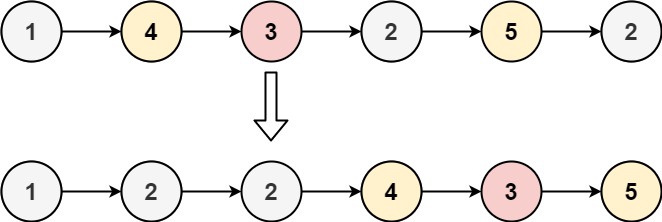
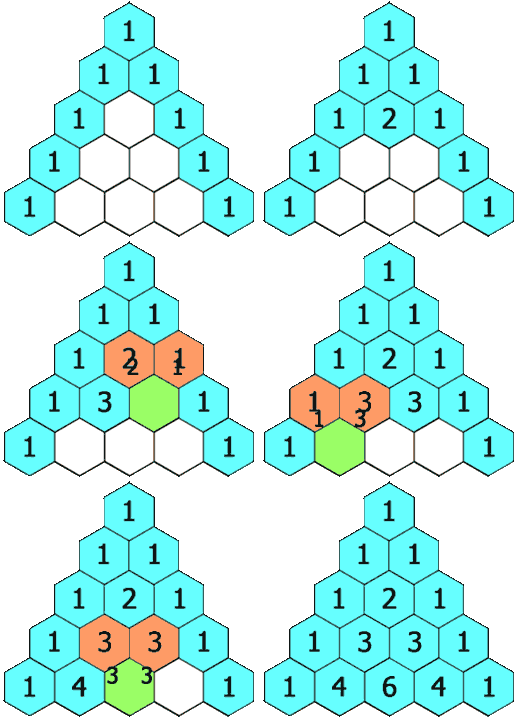

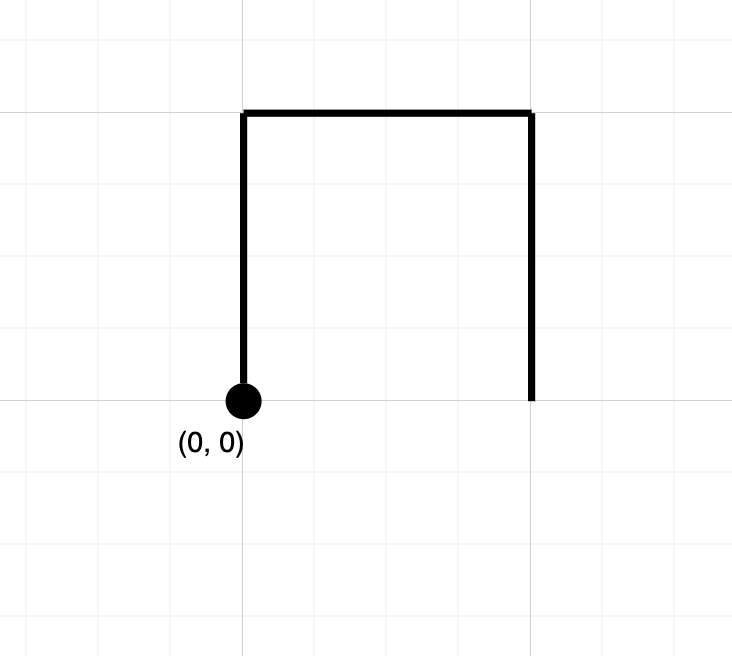
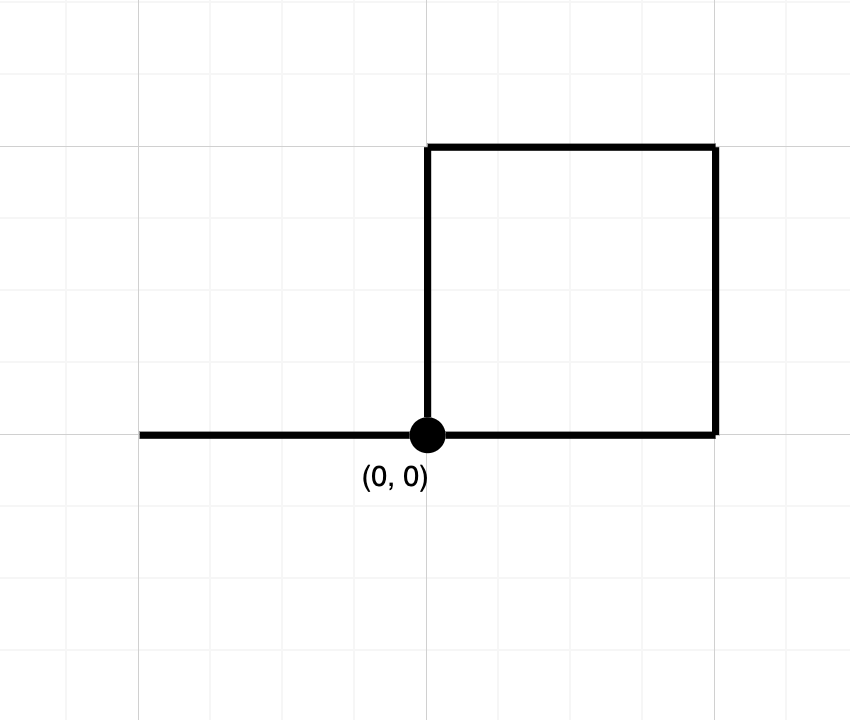
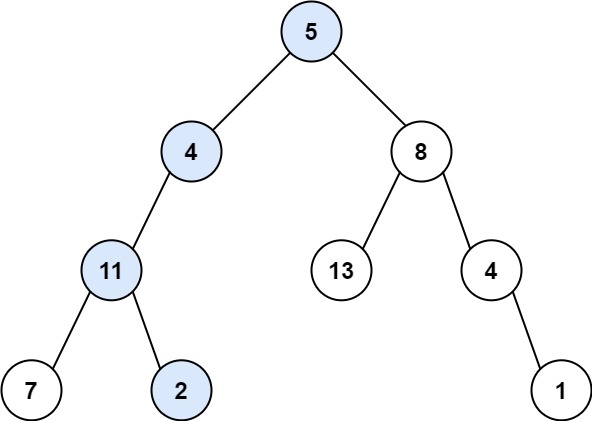
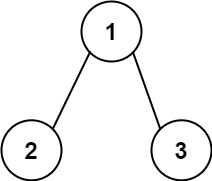
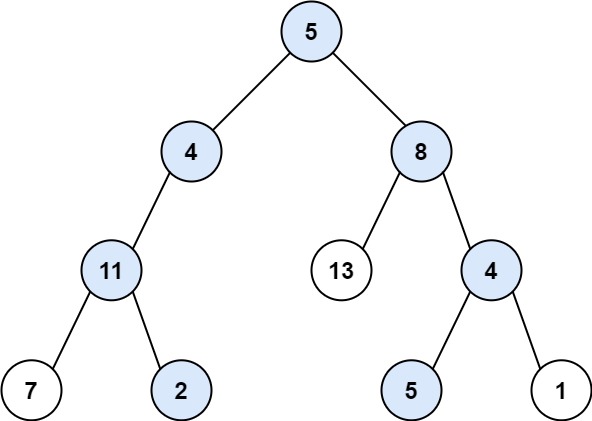

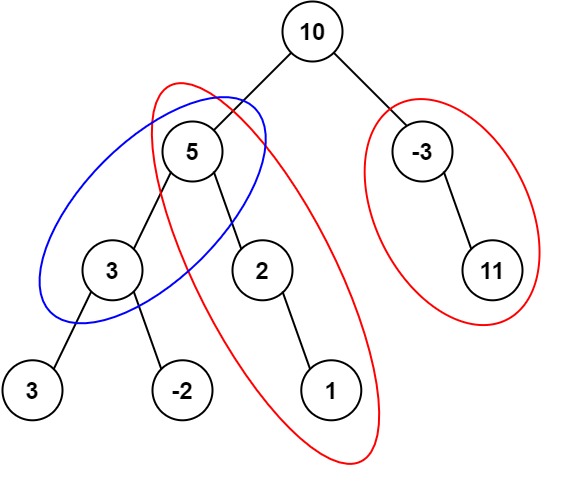
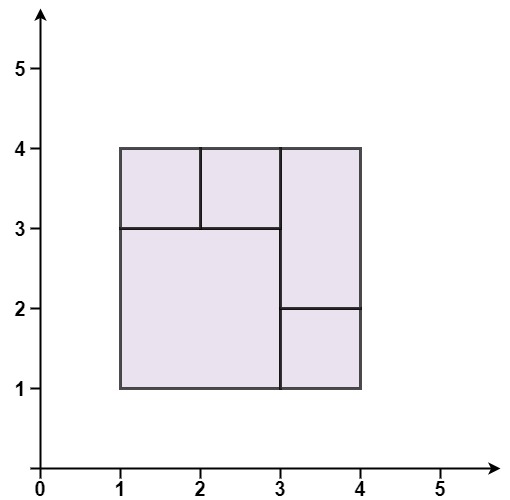
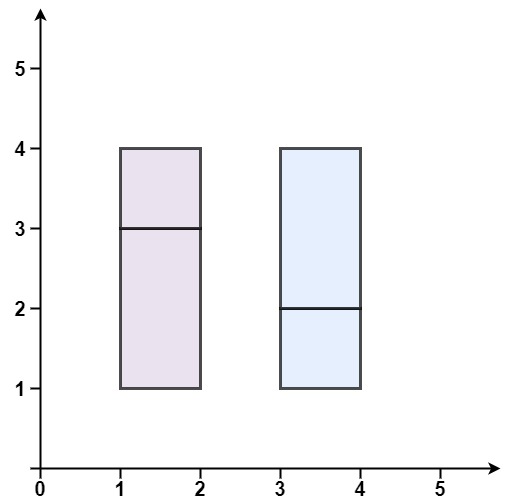
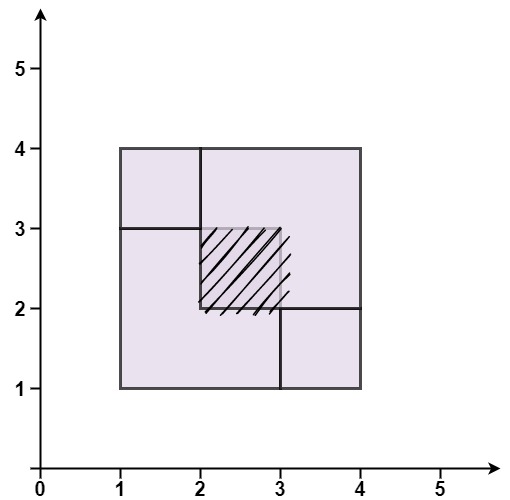
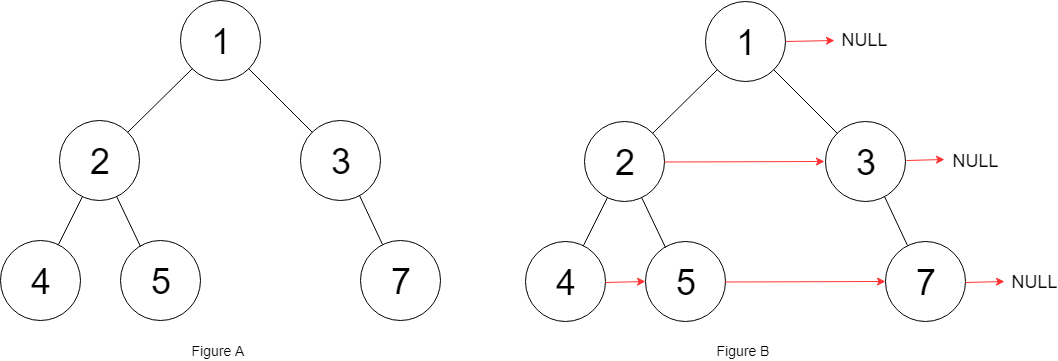
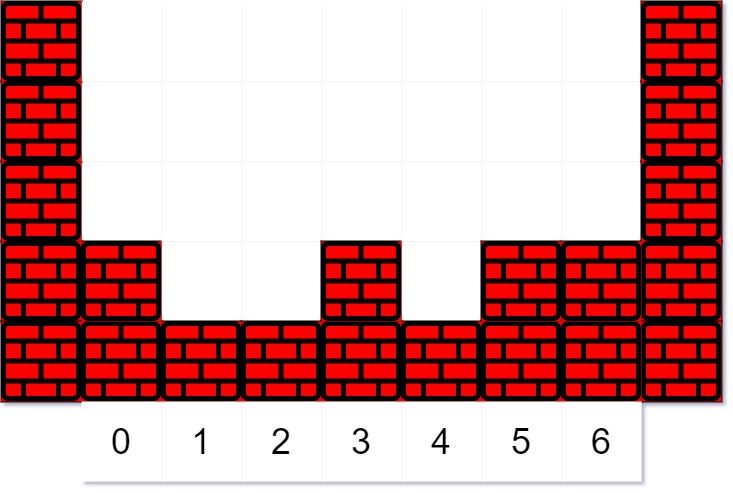
    \
  • For example, \f(3) = 0\ because \3! = 6\ has no zeroes at the end, while \f(11) = 2\ because \11! = 39916800\ has two zeroes at the end.\
  • \
\

Given an integer \k\, return \the number of non-negative integers\ \x\ \have the property that\ \f(x) = k\.\

### Examples ``` Input: k = 0 Output: 5 Explanation: 0!, 1!, 2!, 3!, and 4! end with k = 0 zeroes. ``` ``` Input: k = 5 Output: 0 Explanation: There is no x such that x! ends in k = 5 zeroes. ``` ``` Input: k = 3 Output: 5 ``` ### Constraints * 0 \<= k \<= 10^9 ## Solution Reference implementation from [solution.py on GitHub](https://github.com/wislertt/leetcode-py/blob/main/leetcode/preimage_size_of_factorial_zeroes_function/solution.py), full suite in [test\_solution.py](https://github.com/wislertt/leetcode-py/blob/main/leetcode/preimage_size_of_factorial_zeroes_function/test_solution.py): ```python theme={"theme":{"light":"github-light","dark":"github-dark"}} class Solution: # Time: O(log^2 k) # Space: O(1) def preimage_size_fzf(self, k: int) -> int: def zeroes(x: int) -> int: count = 0 power = 5 while power <= x: count += x // power power *= 5 return count def first_with_at_least(target: int) -> int: low, high = 0, 5 * (target + 1) while low < high: mid = (low + high) // 2 if zeroes(mid) >= target: high = mid else: low = mid + 1 return low left = first_with_at_least(k) if zeroes(left) != k: return 0 return first_with_at_least(k + 1) - left ``` ## Complexity | Time | Space | | ---------- | ----- | | O(log^2 k) | O(1) | ## Tags # Prime Number of Set Bits in Binary Source: https://leetcode-py.wisl.dev/problems/prime-number-of-set-bits-in-binary-representation Tested Python solution for LeetCode 762 with 20 pytest cases. Generate a practice environment with lcpy. LeetCode 762, [Easy](/catalog/easy). Topics: [Math](/catalog/topics/math), [Bit Manipulation](/catalog/topics/bit-manipulation), Primality Test. [View on LeetCode](https://leetcode.com/problems/prime-number-of-set-bits-in-binary-representation/description/). Generate this problem as a practice environment: tested reference solution, 20 [parametrized pytest cases](/practice/testing), and a playground notebook: ```bash theme={"theme":{"light":"github-light","dark":"github-dark"}} lcpy gen -n 762 # by problem number lcpy gen -s prime_number_of_set_bits_in_binary_representation # by problem name ``` ## Problem Given two integers `left` and `right`, return *the **count** of numbers in the **inclusive** range* `[left, right]` *having a **prime number of set bits** in their binary representation*. Recall that the **number of set bits** an integer has is the number of `1`'s present when written in binary. * For example, `21` written in binary is `10101`, which has `3` set bits. ### Examples ``` Input: left = 6, right = 10 Output: 4 Explanation: 6 -> 110 (2 set bits, 2 is prime) 7 -> 111 (3 set bits, 3 is prime) 8 -> 1000 (1 set bit, 1 is not prime) 9 -> 1001 (2 set bits, 2 is prime) 10 -> 1010 (2 set bits, 2 is prime) 4 numbers have a prime number of set bits. ``` ``` Input: left = 10, right = 15 Output: 5 Explanation: 10 -> 1010 (2 set bits, 2 is prime) 11 -> 1011 (3 set bits, 3 is prime) 12 -> 1100 (2 set bits, 2 is prime) 13 -> 1101 (3 set bits, 3 is prime) 14 -> 1110 (3 set bits, 3 is prime) 15 -> 1111 (4 set bits, 4 is not prime) 5 numbers have a prime number of set bits. ``` ### Constraints * 1 \<= left \<= right \<= 10\6\ * 0 \<= right - left \<= 10\4\ ## Solution Reference implementation from [solution.py on GitHub](https://github.com/wislertt/leetcode-py/blob/main/leetcode/prime_number_of_set_bits_in_binary_representation/solution.py), full suite in [test\_solution.py](https://github.com/wislertt/leetcode-py/blob/main/leetcode/prime_number_of_set_bits_in_binary_representation/test_solution.py): ```python theme={"theme":{"light":"github-light","dark":"github-dark"}} class Solution: # Time: O((right - left) * log(right)) ~ O(w * 20) for w = right - left # Space: O(1) def count_prime_set_bits(self, left: int, right: int) -> int: primes = {2, 3, 5, 7, 11, 13, 17, 19} return sum(1 for n in range(left, right + 1) if n.bit_count() in primes) ``` ## Complexity | Time | Space | | ------------------------------------------------------------------ | ----- | | O((right - left) \* log(right)) \~ O(w \* 20) for w = right - left | O(1) | ## Tags # Prime Palindrome Python Solution with Tests Source: https://leetcode-py.wisl.dev/problems/prime-palindrome Tested Python solution for LeetCode 866 with 30 pytest cases. Generate a practice environment with lcpy. LeetCode 866, [Medium](/catalog/medium). Topics: [Math](/catalog/topics/math), [Number Theory](/catalog/topics/number-theory), Primality Test. [View on LeetCode](https://leetcode.com/problems/prime-palindrome/description/). Generate this problem as a practice environment: tested reference solution, 30 [parametrized pytest cases](/practice/testing), and a playground notebook: ```bash theme={"theme":{"light":"github-light","dark":"github-dark"}} lcpy gen -n 866 # by problem number lcpy gen -s prime_palindrome # by problem name ``` ## Problem Given an integer `n`, return *the smallest prime palindrome* greater than or equal to `n`. An integer is **prime** if it has exactly two divisors: `1` and itself. Note that `1` is not a prime number. * For example, `2`, `3`, `5`, `7`, `11`, and `13` are all primes. An integer is a **palindrome** if it reads the same from left to right as it does from right to left. * For example, `101` and `12321` are palindromes. The test cases are generated so that the answer always exists and is in the range `[2, 2 * 10^8]`. ### Examples ``` Input: n = 6 Output: 7 ``` ``` Input: n = 8 Output: 11 ``` ``` Input: n = 13 Output: 101 ``` ### Constraints * 1 \<= n \<= 10\8\ ## Solution Reference implementation from [solution.py on GitHub](https://github.com/wislertt/leetcode-py/blob/main/leetcode/prime_palindrome/solution.py), full suite in [test\_solution.py](https://github.com/wislertt/leetcode-py/blob/main/leetcode/prime_palindrome/test_solution.py): ```python theme={"theme":{"light":"github-light","dark":"github-dark"}} class Solution: # Time: O(sqrt(m) * log(m)) over the palindrome candidates up to the answer m # Space: O(1) def prime_palindrome(self, n: int) -> int: def is_prime(x: int) -> bool: if x < 2: return False if x % 2 == 0: return x == 2 i = 3 while i * i <= x: if x % i == 0: return False i += 2 return True for x in (2, 3, 5, 7, 11): if x >= n: return x # Every palindrome with an even number of digits is divisible by 11, # so 11 above is the only even-length prime palindrome. Walk the # odd-length ones by mirroring their first half. for length in (3, 5, 7, 9): half = 10 ** (length // 2) for root in range(half, half * 10): s = str(root) candidate = int(s + s[-2::-1]) if candidate >= n and is_prime(candidate): return candidate raise ValueError(f"no prime palindrome at or above {n}") ``` ## Complexity | Time | Space | | ---------------------------------------------------------------------- | ----- | | O(sqrt(m) \* log(m)) over the palindrome candidates up to the answer m | O(1) | ## Tags # Prime Subtraction Operation Python Solution Source: https://leetcode-py.wisl.dev/problems/prime-subtraction-operation Tested Python solution for LeetCode 2601 with 26 pytest cases. Generate a practice environment with lcpy. LeetCode 2601, [Medium](/catalog/medium). Topics: [Array](/catalog/topics/array), [Math](/catalog/topics/math), [Binary Search](/catalog/topics/binary-search), [Greedy](/catalog/topics/greedy), [Number Theory](/catalog/topics/number-theory). [View on LeetCode](https://leetcode.com/problems/prime-subtraction-operation/description/). Generate this problem as a practice environment: tested reference solution, 26 [parametrized pytest cases](/practice/testing), and a playground notebook: ```bash theme={"theme":{"light":"github-light","dark":"github-dark"}} lcpy gen -n 2601 # by problem number lcpy gen -s prime_subtraction_operation # by problem name ``` ## Problem You are given a **0-indexed** integer array `nums` of length `n`. You can perform the following operation as many times as you want: * Pick an index `i` that you haven't picked before, and pick a prime `p` **strictly less than** `nums[i]`, then subtract `p` from `nums[i]`. Return *true if you can make `nums` a strictly increasing array using the above operation and false otherwise.* A **strictly increasing array** is an array whose each element is strictly greater than its preceding element. ### Examples ``` Input: nums = [4,9,6,10] Output: true Explanation: In the first operation: Pick i = 0 and p = 3, and then subtract 3 from nums[0], so that nums becomes [1,9,6,10]. In the second operation: i = 1, p = 7, subtract 7 from nums[1], so nums becomes equal to [1,2,6,10]. After the second operation, nums is sorted in strictly increasing order, so the answer is true. ``` ``` Input: nums = [6,8,11,12] Output: true Explanation: Initially nums is sorted in strictly increasing order, so we don't need to make any operations. ``` ``` Input: nums = [5,8,3] Output: false Explanation: It can be proven that there is no way to perform operations to make nums sorted in strictly increasing order, so the answer is false. ``` ### Constraints * `1 <= nums.length <= 1000` * `1 <= nums[i] <= 1000` * `nums.length == n` ## Solution Reference implementation from [solution.py on GitHub](https://github.com/wislertt/leetcode-py/blob/main/leetcode/prime_subtraction_operation/solution.py), full suite in [test\_solution.py](https://github.com/wislertt/leetcode-py/blob/main/leetcode/prime_subtraction_operation/test_solution.py): ```python theme={"theme":{"light":"github-light","dark":"github-dark"}} from bisect import bisect_left class Solution: # Time: O(n log P + P log log P) where P = max(nums) # Space: O(P) def prime_sub_operation(self, nums: list[int]) -> bool: limit = max(nums) sieve = [True] * (limit + 1) if limit >= 0: sieve[0] = False if limit >= 1: sieve[1] = False for i in range(2, int(limit**0.5) + 1): if sieve[i]: for multiple in range(i * i, limit + 1, i): sieve[multiple] = False primes = [i for i in range(2, limit + 1) if sieve[i]] prev = 0 for num in nums: # Largest prime p < num - prev keeps the resulting value as small as # possible while still exceeding prev; a smaller value is never worse. idx = bisect_left(primes, num - prev) - 1 value = num - primes[idx] if idx >= 0 else num if value <= prev: return False prev = value return True ``` ## Complexity | Time | Space | | -------------------------------------------- | ----- | | O(n log P + P log log P) where P = max(nums) | O(P) | ## Tags [NeetCode All](/catalog/neetcode). # Print Binary Tree Python Solution with Tests Source: https://leetcode-py.wisl.dev/problems/print-binary-tree Tested Python solution for LeetCode 655 with 20 pytest cases. Generate a practice environment with lcpy. LeetCode 655, [Medium](/catalog/medium). Topics: [Tree](/catalog/topics/tree), [Depth-First Search](/catalog/topics/depth-first-search), [Breadth-First Search](/catalog/topics/breadth-first-search), [Binary Tree](/catalog/topics/binary-tree). [View on LeetCode](https://leetcode.com/problems/print-binary-tree/description/). Generate this problem as a practice environment: tested reference solution, 20 [parametrized pytest cases](/practice/testing), and a playground notebook: ```bash theme={"theme":{"light":"github-light","dark":"github-dark"}} lcpy gen -n 655 # by problem number lcpy gen -s print_binary_tree # by problem name ``` ## Problem Given the `root` of a binary tree, construct a **0-indexed** `m x n` string matrix `res` that represents a **formatted layout** of the tree. The formatted layout matrix should be constructed using the following rules: * The **height** of the tree is `height` and the number of rows `m` should be equal to `height + 1`. * The number of columns `n` should be equal to `2^height+1^ - 1`. * Place the **root node** in the **middle** of the **top row** (more formally, at location `res[0][(n-1)/2]`). * For each node that has been placed in the matrix at position `res[r][c]`, place its **left child** at `res[r+1][c-2^height-r-1^]` and its **right child** at `res[r+1][c+2^height-r-1^]`. * Continue this process until all the nodes in the tree have been placed. * Any empty cells should contain the empty string `""`. Return the constructed matrix `res`. ### Examples ![Example 1](https://assets.leetcode.com/uploads/2021/05/03/print1-tree.jpg) ``` Input: root = [1,2] Output: [['','1',''],['2','','']] ``` ![Example 2](https://assets.leetcode.com/uploads/2021/05/03/print2-tree.jpg) ``` Input: root = [1,2,3,null,4] Output: [['','','','1','','',''],['','2','','','','3',''],['','','4','','','','']] ``` ### Constraints * The number of nodes in the tree is in the range `[1, 2^10]`. * `-99 <= Node.val <= 99` * The depth of the tree will be in the range `[1, 10]`. ## Solution Reference implementation from [solution.py on GitHub](https://github.com/wislertt/leetcode-py/blob/main/leetcode/print_binary_tree/solution.py), full suite in [test\_solution.py](https://github.com/wislertt/leetcode-py/blob/main/leetcode/print_binary_tree/test_solution.py): ```python theme={"theme":{"light":"github-light","dark":"github-dark"}} from leetcode_py import TreeNode class Solution: # Time: O(n + m * n) where n is the number of nodes and m is the tree height # Space: O(m * n) for the result matrix def print_tree(self, root: TreeNode[int] | None) -> list[list[str]]: def height(node: TreeNode[int] | None) -> int: if node is None: return -1 return 1 + max(height(node.left), height(node.right)) h = height(root) rows, cols = h + 1, 2 ** (h + 1) - 1 res: list[list[str]] = [[""] * cols for _ in range(rows)] if root is None: return res def place(node: TreeNode[int] | None, r: int, c: int) -> None: if node is None: return res[r][c] = str(node.val) place(node.left, r + 1, c - 2 ** (h - r - 1)) place(node.right, r + 1, c + 2 ** (h - r - 1)) place(root, 0, (cols - 1) // 2) return res ``` ## Complexity | Time | Space | | --------------------------------------------------------------------- | ------------------------------- | | O(n + m \* n) where n is the number of nodes and m is the tree height | O(m \* n) for the result matrix | ## Tags # Print Immutable Linked List in Reverse Source: https://leetcode-py.wisl.dev/problems/print-immutable-linked-list-in-reverse Tested Python solution for LeetCode 1265 with 14 pytest cases. Generate a practice environment with lcpy. LeetCode 1265, [Medium](/catalog/medium). Topics: [Stack](/catalog/topics/stack), [Recursion](/catalog/topics/recursion), [Linked List](/catalog/topics/linked-list), [Two Pointers](/catalog/topics/two-pointers). [View on LeetCode](https://leetcode.com/problems/print-immutable-linked-list-in-reverse/description/). Generate this problem as a practice environment: tested reference solution, 14 [parametrized pytest cases](/practice/testing), and a playground notebook: ```bash theme={"theme":{"light":"github-light","dark":"github-dark"}} lcpy gen -n 1265 # by problem number lcpy gen -s print_immutable_linked_list_in_reverse # by problem name ``` ## Problem You are given an immutable linked list, print out all values of each node in reverse with the help of the following interface: * `ImmutableListNode`: An interface of immutable linked list, you are given the head of the list. You need to use the following functions to access the linked list (you **can't** access the `ImmutableListNode` directly): * `ImmutableListNode.printValue()`: Print value of the current node. * `ImmutableListNode.getNext()`: Return the next node. The input is only given to initialize the linked list internally. You must solve this problem without modifying the linked list. In other words, you must operate the linked list using only the mentioned APIs. The Python harness models the judge: each `print_value()` call records the node value, and the recorded values are compared with the expected reversed sequence. ### Examples ``` Input: head = [1,2,3,4] Output: [4,3,2,1] ``` ``` Input: head = [0,-4,-1,3,-5] Output: [-5,3,-1,-4,0] ``` ``` Input: head = [-2,0,6,4,4,-6] Output: [-6,4,4,6,0,-2] ``` ### Constraints * The length of the linked list is between `[1, 1000]`. * The value of each node in the linked list is between `[-1000, 1000]`. **Follow up:** * Could you solve this problem in constant space complexity? * Could you solve this problem in linear time complexity and less than linear space complexity? ## Solution Reference implementation from [solution.py on GitHub](https://github.com/wislertt/leetcode-py/blob/main/leetcode/print_immutable_linked_list_in_reverse/solution.py), full suite in [test\_solution.py](https://github.com/wislertt/leetcode-py/blob/main/leetcode/print_immutable_linked_list_in_reverse/test_solution.py): ```python theme={"theme":{"light":"github-light","dark":"github-dark"}} from __future__ import annotations import math from typing import ClassVar class ImmutableListNode: # Test-harness API: immutable list node; print_value records the value printed: ClassVar[list[int]] = [] def __init__(self, value: int, next_node: ImmutableListNode | None = None) -> None: self.value = value self.next_node = next_node def get_next(self) -> ImmutableListNode | None: return self.next_node def print_value(self) -> None: ImmutableListNode.printed.append(self.value) class Solution: # Time: O(n) - one pass to slice blocks, one pass to print # Space: O(sqrt(n)) - one stored head per block plus per-block recursion depth def print_linked_list_in_reverse(self, head: ImmutableListNode) -> None: size = self._count(head) block_size = max(1, math.isqrt(size)) heads = self._block_heads(head, block_size) for start in reversed(heads): self._print_block(start, block_size) def _count(self, node: ImmutableListNode | None) -> int: total = 0 while node is not None: total += 1 node = node.get_next() return total def _block_heads(self, head: ImmutableListNode, block_size: int) -> list[ImmutableListNode]: heads: list[ImmutableListNode] = [] node: ImmutableListNode | None = head while node is not None: heads.append(node) for _ in range(block_size): nxt = node.get_next() if nxt is None: return heads node = nxt return heads def _print_block(self, node: ImmutableListNode | None, remaining: int) -> None: if node is None or remaining == 0: return self._print_block(node.get_next(), remaining - 1) node.print_value() ``` ## Complexity | Time | Space | | -------------------------------------------------- | --------------------------------------------------------------------- | | O(n) - one pass to slice blocks, one pass to print | O(sqrt(n)) - one stored head per block plus per-block recursion depth | ## Tags [NeetCode All](/catalog/neetcode). # Prison Cells After N Days Python Solution Source: https://leetcode-py.wisl.dev/problems/prison-cells-after-n-days Tested Python solution for LeetCode 957 with 15 pytest cases. Generate a practice environment with lcpy. LeetCode 957, [Medium](/catalog/medium). Topics: [Array](/catalog/topics/array), [Hash Table](/catalog/topics/hash-table), [Math](/catalog/topics/math), [Bit Manipulation](/catalog/topics/bit-manipulation). [View on LeetCode](https://leetcode.com/problems/prison-cells-after-n-days/description/). Generate this problem as a practice environment: tested reference solution, 15 [parametrized pytest cases](/practice/testing), and a playground notebook: ```bash theme={"theme":{"light":"github-light","dark":"github-dark"}} lcpy gen -n 957 # by problem number lcpy gen -s prison_cells_after_n_days # by problem name ``` ## Problem There are `8` prison cells in a row and each cell is either occupied or vacant. Each day, whether the cell is occupied or vacant changes according to the following rules: * If a cell has two adjacent neighbors that are both occupied or both vacant, then the cell becomes occupied. * Otherwise, it becomes vacant. Note that because the prison is a row, the first and the last cells in the row can't have two adjacent neighbors. You are given an integer array `cells` where `cells[i] == 1` if the `ith` cell is occupied and `cells[i] == 0` if the `ith` cell is vacant, and you are given an integer `n`. Return the state of the prison after `n` days (i.e., `n` such changes described above). ### Examples ``` Input: cells = [0,1,0,1,1,0,0,1], n = 7 Output: [0,0,1,1,0,0,0,0] Explanation: The following table summarizes the state of the prison on each day: Day 0: [0, 1, 0, 1, 1, 0, 0, 1] Day 1: [0, 1, 1, 0, 0, 0, 0, 0] Day 2: [0, 0, 0, 0, 1, 1, 1, 0] Day 3: [0, 1, 1, 0, 0, 1, 0, 0] Day 4: [0, 0, 0, 0, 0, 1, 0, 0] Day 5: [0, 1, 1, 1, 0, 1, 0, 0] Day 6: [0, 0, 1, 0, 1, 1, 0, 0] Day 7: [0, 0, 1, 1, 0, 0, 0, 0] ``` ``` Input: cells = [1,0,0,1,0,0,1,0], n = 1000000000 Output: [0,0,1,1,1,1,1,0] ``` ### Constraints * cells.length == 8 * cells\[i] is either 0 or 1. * 1 \<= n \<= 10^9 **Follow up:** Could you solve it with `O(1)` extra space with respect to the number of days? ## Solution Reference implementation from [solution.py on GitHub](https://github.com/wislertt/leetcode-py/blob/main/leetcode/prison_cells_after_n_days/solution.py), full suite in [test\_solution.py](https://github.com/wislertt/leetcode-py/blob/main/leetcode/prison_cells_after_n_days/test_solution.py): ```python theme={"theme":{"light":"github-light","dark":"github-dark"}} class Solution: # Time: O(1), at most 256 distinct states so the seen-map cycle search is bounded # Space: O(1), the seen map holds at most 256 states def prison_after_n_days(self, cells: list[int], n: int) -> list[int]: def advance(state: tuple[int, ...]) -> tuple[int, ...]: return tuple(int(0 < i < 7 and state[i - 1] == state[i + 1]) for i in range(8)) state = tuple(cells) seen: dict[tuple[int, ...], int] = {} for day in range(1, n + 1): state = advance(state) if state in seen: cycle = day - seen[state] for _ in range((n - day) % cycle): state = advance(state) return list(state) seen[state] = day return list(state) ``` ## Complexity | Time | Space | | ------------------------------------------------------------------------- | ------------------------------------------- | | O(1), at most 256 distinct states so the seen-map cycle search is bounded | O(1), the seen map holds at most 256 states | ## Tags # Process Tasks Using Servers Python Solution Source: https://leetcode-py.wisl.dev/problems/process-tasks-using-servers Tested Python solution for LeetCode 1882 with 17 pytest cases. Generate a practice environment with lcpy. LeetCode 1882, [Medium](/catalog/medium). Topics: [Array](/catalog/topics/array), [Heap (Priority Queue)](/catalog/topics/heap-priority-queue). [View on LeetCode](https://leetcode.com/problems/process-tasks-using-servers/description/). Generate this problem as a practice environment: tested reference solution, 17 [parametrized pytest cases](/practice/testing), and a playground notebook: ```bash theme={"theme":{"light":"github-light","dark":"github-dark"}} lcpy gen -n 1882 # by problem number lcpy gen -s process_tasks_using_servers # by problem name ``` ## Problem You are given two **0-indexed** integer arrays `servers` and `tasks` of lengths `n` and `m` respectively. `servers[i]` is the **weight** of the `ith` server, and `tasks[j]` is the **time needed** to process the `jth` task **in seconds**. Tasks are assigned to the servers using a **task queue**. Initially, all servers are free, and the queue is **empty**. At second `j`, the `jth` task is **inserted** into the queue (starting with the `0th` task being inserted at second `0`). As long as there are free servers and the queue is not empty, the task in the front of the queue will be assigned to a free server with the **smallest weight**, and in case of a tie, it is assigned to a free server with the **smallest index**. If there are no free servers and the queue is not empty, we wait until a server becomes free and immediately assign the next task. If multiple servers become free at the same time, then multiple tasks from the queue will be assigned **in order of insertion** following the weight and index priorities above. A server that is assigned task `j` at second `t` will be free again at second `t + tasks[j]`. Build an array `ans` of length `m`, where `ans[j]` is the **index** of the server the `jth` task will be assigned to. Return *the array* `ans`. ### Examples ``` Input: servers = [3,3,2], tasks = [1,2,3,2,1,2] Output: [2,2,0,2,1,2] Explanation: Events in chronological order go as follows: - At second 0, task 0 is added and processed using server 2 until second 1. - At second 1, server 2 becomes free. Task 1 is added and processed using server 2 until second 3. - At second 2, task 2 is added and processed using server 0 until second 5. - At second 3, server 2 becomes free. Task 3 is added and processed using server 2 until second 5. - At second 4, task 4 is added and processed using server 1 until second 5. - At second 5, all servers become free. Task 5 is added and processed using server 2 until second 7. ``` ``` Input: servers = [5,1,4,3,2], tasks = [2,1,2,4,5,2,1] Output: [1,4,1,4,1,3,2] Explanation: Events in chronological order go as follows: - At second 0, task 0 is added and processed using server 1 until second 2. - At second 1, task 1 is added and processed using server 4 until second 2. - At second 2, servers 1 and 4 become free. Task 2 is added and processed using server 1 until second 4. - At second 3, task 3 is added and processed using server 4 until second 7. - At second 4, server 1 becomes free. Task 4 is added and processed using server 1 until second 9. - At second 5, task 5 is added and processed using server 3 until second 7. - At second 6, task 6 is added and processed using server 2 until second 7. ``` ### Constraints * `servers.length == n` * `tasks.length == m` * `1 <= n, m <= 2 * 10^5` * `1 <= servers[i], tasks[j] <= 2 * 10^5` ## Solution Reference implementation from [solution.py on GitHub](https://github.com/wislertt/leetcode-py/blob/main/leetcode/process_tasks_using_servers/solution.py), full suite in [test\_solution.py](https://github.com/wislertt/leetcode-py/blob/main/leetcode/process_tasks_using_servers/test_solution.py): ```python theme={"theme":{"light":"github-light","dark":"github-dark"}} import heapq class Solution: # Time: O((n + m) log n) # Space: O(n) def assign_tasks(self, servers: list[int], tasks: list[int]) -> list[int]: free = [(w, i) for i, w in enumerate(servers)] heapq.heapify(free) busy: list[tuple[int, int, int]] = [] # (free_at, weight, index) ans: list[int] = [] time = 0 for j, dur in enumerate(tasks): time = max(time, j) while busy and busy[0][0] <= time: _, w, i = heapq.heappop(busy) heapq.heappush(free, (w, i)) if not free: time = busy[0][0] while busy and busy[0][0] <= time: _, w, i = heapq.heappop(busy) heapq.heappush(free, (w, i)) w, i = heapq.heappop(free) ans.append(i) heapq.heappush(busy, (time + dur, w, i)) return ans ``` ## Complexity | Time | Space | | ---------------- | ----- | | O((n + m) log n) | O(n) | ## Tags [NeetCode All](/catalog/neetcode). # Product of Array Except Self Python Solution Source: https://leetcode-py.wisl.dev/problems/product-of-array-except-self Tested Python solution for LeetCode 238 with 15 pytest cases. Generate a practice environment with lcpy. LeetCode 238, [Medium](/catalog/medium). Topics: [Array](/catalog/topics/array), [Prefix Sum](/catalog/topics/prefix-sum). [View on LeetCode](https://leetcode.com/problems/product-of-array-except-self/description/). Generate this problem as a practice environment: tested reference solution, 15 [parametrized pytest cases](/practice/testing), and a playground notebook: ```bash theme={"theme":{"light":"github-light","dark":"github-dark"}} lcpy gen -n 238 # by problem number lcpy gen -s product_of_array_except_self # by problem name ``` ## Problem Given an integer array `nums`, return an array `answer` such that `answer[i]` is equal to the product of all the elements of `nums` except `nums[i]`. The product of any prefix or suffix of `nums` is guaranteed to fit in a 32-bit integer. You must write an algorithm that runs in O(n) time and without using the division operation. ### Examples ``` Input: nums = [1,2,3,4] Output: [24,12,8,6] ``` ``` Input: nums = [-1,1,0,-3,3] Output: [0,0,9,0,0] ``` ### Constraints * 2 \<= nums.length \<= 10^5 * -30 \<= nums\[i] \<= 30 * The input is generated such that answer\[i] is guaranteed to fit in a 32-bit integer. **Follow up:** Can you solve the problem in O(1) extra space complexity? (The output array does not count as extra space for space complexity analysis.) ## Solution Reference implementation from [solution.py on GitHub](https://github.com/wislertt/leetcode-py/blob/main/leetcode/product_of_array_except_self/solution.py), full suite in [test\_solution.py](https://github.com/wislertt/leetcode-py/blob/main/leetcode/product_of_array_except_self/test_solution.py): ```python theme={"theme":{"light":"github-light","dark":"github-dark"}} class Solution: # Time: O(n) # Space: O(1) def product_except_self(self, nums: list[int]) -> list[int]: # Example: nums = [1, 2, 3, 4] # Expected output: [24, 12, 8, 6] n = len(nums) result = [1] * n # [1, 1, 1, 1] # Left pass: result[i] = product of all elements to the left of i # nums: [1, 2, 3, 4] # result: [1, 1, 2, 6] (left products) for i in range(1, n): result[i] = result[i - 1] * nums[i - 1] # Right pass: multiply by product of all elements to the right of i # right products: [24, 12, 4, 1] # result: [1*24, 1*12, 2*4, 6*1] = [24, 12, 8, 6] right = 1 for i in range(n - 1, -1, -1): result[i] *= right right *= nums[i] return result ``` ## Complexity | Time | Space | | ---- | ----- | | O(n) | O(1) | ## Tags [Grind 75](/catalog/grind-75), [Grind](/catalog/grind), [Blind 75](/catalog/blind-75), [NeetCode 150](/catalog/neetcode-150), [NeetCode 250](/catalog/neetcode-250), [NeetCode All](/catalog/neetcode), [AlgoMaster 75](/catalog/algo-master-75). # Product of Two Run-Length Encoded Arrays Source: https://leetcode-py.wisl.dev/problems/product-of-two-run-length-encoded-arrays Tested Python solution for LeetCode 1868 with 24 pytest cases. Generate a practice environment with lcpy. LeetCode 1868, [Medium](/catalog/medium). Topics: [Array](/catalog/topics/array), [Two Pointers](/catalog/topics/two-pointers). [View on LeetCode](https://leetcode.com/problems/product-of-two-run-length-encoded-arrays/description/). Generate this problem as a practice environment: tested reference solution, 24 [parametrized pytest cases](/practice/testing), and a playground notebook: ```bash theme={"theme":{"light":"github-light","dark":"github-dark"}} lcpy gen -n 1868 # by problem number lcpy gen -s product_of_two_run_length_encoded_arrays # by problem name ``` ## Problem **Run-length encoding** is a compression algorithm that allows for an integer array `nums` with many segments of **consecutive repeated** numbers to be represented by a (generally smaller) 2D array `encoded`. Each `encoded[i] = [val_i, freq_i]` describes the `i`-th segment of repeated numbers in `nums` where `val_i` is the value that is repeated `freq_i` times. * For example, `nums = [1,1,1,2,2,2,2,2]` is represented by the **run-length encoded** array `encoded = [[1,3],[2,5]]`. Another way to read this is "three `1`'s followed by five `2`'s". The **product** of two run-length encoded arrays `encoded1` and `encoded2` can be calculated using the following steps: 1. **Expand** both `encoded1` and `encoded2` into the full arrays `nums1` and `nums2` respectively. 2. Create a new array `prodNums` of length `nums1.length` and set `prodNums[i] = nums1[i] * nums2[i]`. 3. **Compress** `prodNums` into a run-length encoded array and return it. You are given two **run-length encoded** arrays `encoded1` and `encoded2` representing full arrays `nums1` and `nums2` respectively. Both `nums1` and `nums2` have the **same length**. Each `encoded1[i] = [val_i, freq_i]` describes the `i`-th segment of `nums1`, and each `encoded2[j] = [val_j, freq_j]` describes the `j`-th segment of `nums2`. Return *the **product** of* `encoded1` *and* `encoded2`. **Note:** Compression should be done such that the run-length encoded array has the **minimum** possible length. ### Examples ``` Input: encoded1 = [[1,3],[2,3]], encoded2 = [[6,3],[3,3]] Output: [[6,6]] Explanation: encoded1 expands to [1,1,1,2,2,2] and encoded2 expands to [6,6,6,3,3,3]. prodNums = [6,6,6,6,6,6], which is compressed into the run-length encoded array [[6,6]]. ``` ``` Input: encoded1 = [[1,3],[2,1],[3,2]], encoded2 = [[2,3],[3,3]] Output: [[2,3],[6,1],[9,2]] Explanation: encoded1 expands to [1,1,1,2,3,3] and encoded2 expands to [2,2,2,3,3,3]. prodNums = [2,2,2,6,9,9], which is compressed into the run-length encoded array [[2,3],[6,1],[9,2]]. ``` ### Constraints * 1 \<= encoded1.length, encoded2.length \<= 10^5 * encoded1\[i].length == 2 * encoded2\[j].length == 2 * 1 \<= val\_i, freq\_i \<= 10^4 for each encoded1\[i] * 1 \<= val\_j, freq\_j \<= 10^4 for each encoded2\[j] * The full arrays that encoded1 and encoded2 represent are the same length. ## Solution Reference implementation from [solution.py on GitHub](https://github.com/wislertt/leetcode-py/blob/main/leetcode/product_of_two_run_length_encoded_arrays/solution.py), full suite in [test\_solution.py](https://github.com/wislertt/leetcode-py/blob/main/leetcode/product_of_two_run_length_encoded_arrays/test_solution.py): ```python theme={"theme":{"light":"github-light","dark":"github-dark"}} class Solution: # Time: O(m + n) # Space: O(1) extra (excluding the output) def find_rle_array( self, encoded1: list[list[int]], encoded2: list[list[int]] ) -> list[list[int]]: result: list[list[int]] = [] i = j = 0 left1 = encoded1[0][1] left2 = encoded2[0][1] while i < len(encoded1) and j < len(encoded2): take = min(left1, left2) product = encoded1[i][0] * encoded2[j][0] if result and result[-1][0] == product: result[-1][1] += take else: result.append([product, take]) left1 -= take left2 -= take if left1 == 0: i += 1 if i < len(encoded1): left1 = encoded1[i][1] if left2 == 0: j += 1 if j < len(encoded2): left2 = encoded2[j][1] return result ``` ## Complexity | Time | Space | | -------- | --------------------------------- | | O(m + n) | O(1) extra (excluding the output) | ## Tags [NeetCode All](/catalog/neetcode). # Profitable Schemes Python Solution with Tests Source: https://leetcode-py.wisl.dev/problems/profitable-schemes Tested Python solution for LeetCode 879 with 13 pytest cases. Generate a practice environment with lcpy. LeetCode 879, [Hard](/catalog/hard). Topics: [Array](/catalog/topics/array), [Dynamic Programming](/catalog/topics/dynamic-programming), Knapsack Problem, 0-1 Knapsack. [View on LeetCode](https://leetcode.com/problems/profitable-schemes/description/). Generate this problem as a practice environment: tested reference solution, 13 [parametrized pytest cases](/practice/testing), and a playground notebook: ```bash theme={"theme":{"light":"github-light","dark":"github-dark"}} lcpy gen -n 879 # by problem number lcpy gen -s profitable_schemes # by problem name ``` ## Problem There is a group of \n\ members, and a list of various crimes they could commit. The \ith\ crime generates a \profit\[i]\ and requires \group\[i]\ members to participate in it. If a member participates in one crime, that member can't participate in another crime.\

\

Let's call a \profitable scheme\ any subset of these crimes that generates at least \minProfit\ profit, and the total number of members participating in that subset of crimes is at most \n\.\

\

Return the number of schemes that can be chosen. Since the answer may be very large, return it \modulo\ \10\9\ + 7\. ### Examples ``` Input: n = 5, minProfit = 3, group = [2,2], profit = [2,3] Output: 2 Explanation: To make a profit of at least 3, the group could either commit crimes 0 and 1, or just crime 1. In total, there are 2 schemes. ``` ``` Input: n = 10, minProfit = 5, group = [2,3,5], profit = [6,7,8] Output: 7 Explanation: Every subset of the crimes has total members at most 10 and profit at least 5, and 7 subsets exist, so all of them are profitable schemes. ``` ### Constraints * 1 \<= n \<= 100 * 0 \<= minProfit \<= 100 * 1 \<= group.length \<= 100 * 1 \<= group\[i] \<= 100 * profit.length == group.length * 0 \<= profit\[i] \<= 100 ## Solution Reference implementation from [solution.py on GitHub](https://github.com/wislertt/leetcode-py/blob/main/leetcode/profitable_schemes/solution.py), full suite in [test\_solution.py](https://github.com/wislertt/leetcode-py/blob/main/leetcode/profitable_schemes/test_solution.py): ```python theme={"theme":{"light":"github-light","dark":"github-dark"}} class Solution: # Time: O(len(group) * n * min_profit) # Space: O(n * min_profit) def profitable_schemes( self, n: int, min_profit: int, group: list[int], profit: list[int] ) -> int: mod = 1_000_000_007 dp = [[0] * (min_profit + 1) for _ in range(n + 1)] dp[0][0] = 1 for members, gain in zip(group, profit, strict=True): for used in range(n, members - 1, -1): for earned in range(min_profit, -1, -1): new_earned = min(min_profit, earned + gain) dp[used][new_earned] = (dp[used][new_earned] + dp[used - members][earned]) % mod return sum(dp[used][min_profit] for used in range(n + 1)) % mod ``` ## Complexity | Time | Space | | --------------------------------- | ------------------- | | O(len(group) \* n \* min\_profit) | O(n \* min\_profit) | ## Tags [NeetCode All](/catalog/neetcode). # Projection Area of 3D Shapes Python Solution Source: https://leetcode-py.wisl.dev/problems/projection-area-of-3d-shapes Tested Python solution for LeetCode 883 with 16 pytest cases. Generate a practice environment with lcpy. LeetCode 883, [Easy](/catalog/easy). Topics: [Array](/catalog/topics/array), [Math](/catalog/topics/math), [Geometry](/catalog/topics/geometry), [Matrix](/catalog/topics/matrix). [View on LeetCode](https://leetcode.com/problems/projection-area-of-3d-shapes/description/). Generate this problem as a practice environment: tested reference solution, 16 [parametrized pytest cases](/practice/testing), and a playground notebook: ```bash theme={"theme":{"light":"github-light","dark":"github-dark"}} lcpy gen -n 883 # by problem number lcpy gen -s projection_area_of_3d_shapes # by problem name ``` ## Problem You are given an n x n grid where we place some 1 x 1 x 1 cubes that are axis-aligned with the x, y, and z axes. Each value v = grid\[i]\[j] represents a tower of v cubes placed on top of the cell (i, j). We view the projection of these cubes onto the xy, yz, and zx planes. A projection is like a shadow, that maps our 3-dimensional figure to a 2-dimensional plane. We are viewing the "shadow" when looking at the cubes from the top, the front, and the side. Return the total area of all three projections. ### Examples ![Example 1](https://s3-lc-upload.s3.amazonaws.com/uploads/2018/08/02/shadow.png) ``` Input: grid = [[1,2],[3,4]] Output: 17 Explanation: Here are the three projections ("shadows") of the shape made with each axis-aligned plane. ``` ``` Input: grid = [[2]] Output: 5 ``` ``` Input: grid = [[1,0],[0,2]] Output: 8 ``` ### Constraints * n == grid.length == grid\[i].length * 1 \<= n \<= 50 * 0 \<= grid\[i]\[j] \<= 50 ## Solution Reference implementation from [solution.py on GitHub](https://github.com/wislertt/leetcode-py/blob/main/leetcode/projection_area_of_3d_shapes/solution.py), full suite in [test\_solution.py](https://github.com/wislertt/leetcode-py/blob/main/leetcode/projection_area_of_3d_shapes/test_solution.py): ```python theme={"theme":{"light":"github-light","dark":"github-dark"}} class Solution: # Time: O(n^2) over the grid cells # Space: O(1) extra beyond the input def projection_area(self, grid: list[list[int]]) -> int: top = sum(1 for row in grid for cube in row if cube > 0) front = sum(max(row) for row in grid) side = sum(max(col) for col in zip(*grid, strict=True)) return top + front + side ``` ## Complexity | Time | Space | | -------------------------- | --------------------------- | | O(n^2) over the grid cells | O(1) extra beyond the input | ## Tags # Pseudo-Palindromic Paths in a Binary Tree Source: https://leetcode-py.wisl.dev/problems/pseudo-palindromic-paths-in-a-binary-tree Tested Python solution for LeetCode 1457 with 28 pytest cases. Generate a practice environment with lcpy. LeetCode 1457, [Medium](/catalog/medium). Topics: [Bit Manipulation](/catalog/topics/bit-manipulation), [Tree](/catalog/topics/tree), [Depth-First Search](/catalog/topics/depth-first-search), [Breadth-First Search](/catalog/topics/breadth-first-search), [Binary Tree](/catalog/topics/binary-tree). [View on LeetCode](https://leetcode.com/problems/pseudo-palindromic-paths-in-a-binary-tree/description/). Generate this problem as a practice environment: tested reference solution, 28 [parametrized pytest cases](/practice/testing), and a playground notebook: ```bash theme={"theme":{"light":"github-light","dark":"github-dark"}} lcpy gen -n 1457 # by problem number lcpy gen -s pseudo_palindromic_paths_in_a_binary_tree # by problem name ``` ## Problem Given a binary tree where node values are digits from 1 to 9 only. A path in the binary tree is said to be **pseudo-palindromic** if at least one permutation of the node values in the path is a palindrome. Return the number of **pseudo-palindromic** paths going from the root node to leaf nodes. ### Examples ![Example 1](https://assets.leetcode.com/uploads/2020/05/06/palindromic_paths_1.png) ``` Input: root = [2,3,1,3,1,null,1] Output: 2 Explanation: The figure above represents the given binary tree. There are three paths going from the root node to leaf nodes: the red path [2,3,3], the green path [2,1,1], and the path [2,3,1]. Among these paths only the red path and the green path are pseudo-palindromic paths since the red path [2,3,3] can be rearranged in [3,2,3] (palindrome) and the green path [2,1,1] can be rearranged in [1,2,1] (palindrome). ``` ![Example 2](https://assets.leetcode.com/uploads/2020/05/07/palindromic_paths_2.png) ``` Input: root = [2,1,1,1,3,null,null,null,null,null,1] Output: 1 Explanation: The figure above represents the given binary tree. There are three paths going from the root node to leaf nodes: the green path [2,1,1], the path [2,1,3,1], and the path [2,1]. Among these paths only the green path is pseudo-palindromic since [2,1,1] can be rearranged in [1,2,1] (palindrome). ``` ``` Input: root = [9] Output: 1 ``` ### Constraints * The number of nodes in the tree is in the range \[1, 10^5] * 1 \<= Node.val \<= 9 ## Solution Reference implementation from [solution.py on GitHub](https://github.com/wislertt/leetcode-py/blob/main/leetcode/pseudo_palindromic_paths_in_a_binary_tree/solution.py), full suite in [test\_solution.py](https://github.com/wislertt/leetcode-py/blob/main/leetcode/pseudo_palindromic_paths_in_a_binary_tree/test_solution.py): ```python theme={"theme":{"light":"github-light","dark":"github-dark"}} from leetcode_py import TreeNode class Solution: # Time: O(n) # Space: O(h) def pseudo_palindromic_paths(self, root: TreeNode[int] | None) -> int: if root is None: return 0 total = 0 stack: list[tuple[TreeNode[int], int]] = [(root, 1 << root.val)] while stack: node, mask = stack.pop() if node.left is None and node.right is None: if mask & (mask - 1) == 0: total += 1 continue if node.left is not None: stack.append((node.left, mask ^ (1 << node.left.val))) if node.right is not None: stack.append((node.right, mask ^ (1 << node.right.val))) return total ``` ## Complexity | Time | Space | | ---- | ----- | | O(n) | O(h) | ## Tags [NeetCode All](/catalog/neetcode). # Push Dominoes Python Solution with Tests Source: https://leetcode-py.wisl.dev/problems/push-dominoes Tested Python solution for LeetCode 838 with 16 pytest cases. Generate a practice environment with lcpy. LeetCode 838, [Medium](/catalog/medium). Topics: [Two Pointers](/catalog/topics/two-pointers), [String](/catalog/topics/string), [Dynamic Programming](/catalog/topics/dynamic-programming). [View on LeetCode](https://leetcode.com/problems/push-dominoes/description/). Generate this problem as a practice environment: tested reference solution, 16 [parametrized pytest cases](/practice/testing), and a playground notebook: ```bash theme={"theme":{"light":"github-light","dark":"github-dark"}} lcpy gen -n 838 # by problem number lcpy gen -s push_dominoes # by problem name ``` ## Problem There are `n` dominoes in a line, and we place each domino vertically upright. In the beginning, we simultaneously push some of the dominoes either to the left or to the right. After each second, each domino that is falling to the left pushes the adjacent domino on the left. Similarly, the dominoes falling to the right push their adjacent dominoes standing on the right. When a vertical domino has dominoes falling on it from both sides, it stays still due to the balance of the forces. For the purposes of this question, we will consider that a falling domino expends no additional force to a falling or already fallen domino. You are given a string `dominoes` representing the initial state where: * `dominoes[i] = 'L'`, if the `ith` domino has been pushed to the left, * `dominoes[i] = 'R'`, if the `ith` domino has been pushed to the right, and * `dominoes[i] = '.'`, if the `ith` domino has not been pushed. Return *a string representing the final state*. ### Examples ``` Input: dominoes = "RR.L" Output: "RR.L" Explanation: The first domino expends no additional force on the second domino. ``` ``` Input: dominoes = ".L.R...LR..L.." Output: "LL.RR.LLRRLL.." ``` ### Constraints * n == dominoes.length * 1 \<= n \<= 10^5 * dominoes\[i] is either 'L', 'R', or '.'. ## Solution Reference implementation from [solution.py on GitHub](https://github.com/wislertt/leetcode-py/blob/main/leetcode/push_dominoes/solution.py), full suite in [test\_solution.py](https://github.com/wislertt/leetcode-py/blob/main/leetcode/push_dominoes/test_solution.py): ```python theme={"theme":{"light":"github-light","dark":"github-dark"}} class Solution: # Time: O(n) # Space: O(n) def push_dominoes(self, dominoes: str) -> str: n = len(dominoes) force = [0] * n f = 0 for i in range(n): if dominoes[i] == "R": f = n elif dominoes[i] == "L": f = 0 elif f: f -= 1 force[i] += f f = 0 for i in range(n - 1, -1, -1): if dominoes[i] == "L": f = n elif dominoes[i] == "R": f = 0 elif f: f -= 1 force[i] -= f return "".join("." if x == 0 else "R" if x > 0 else "L" for x in force) ``` ## Complexity | Time | Space | | ---- | ----- | | O(n) | O(n) | ## Tags [NeetCode All](/catalog/neetcode). # Put Boxes Into the Warehouse I Python Solution Source: https://leetcode-py.wisl.dev/problems/put-boxes-into-the-warehouse-i Tested Python solution for LeetCode 1564 with 22 pytest cases. Generate a practice environment with lcpy. LeetCode 1564, [Medium](/catalog/medium). Topics: [Greedy](/catalog/topics/greedy), [Array](/catalog/topics/array), [Sorting](/catalog/topics/sorting). [View on LeetCode](https://leetcode.com/problems/put-boxes-into-the-warehouse-i/description/). Generate this problem as a practice environment: tested reference solution, 22 [parametrized pytest cases](/practice/testing), and a playground notebook: ```bash theme={"theme":{"light":"github-light","dark":"github-dark"}} lcpy gen -n 1564 # by problem number lcpy gen -s put_boxes_into_the_warehouse_i # by problem name ``` ## Problem You are given two arrays of positive integers, `boxes` and `warehouse`, representing the heights of some boxes of unit width and the heights of `n` rooms in a warehouse respectively. The warehouse's rooms are labelled from `0` to `n - 1` from left to right where `warehouse[i]` (0-indexed) is the height of the i\th\ room. Boxes are put into the warehouse by the following rules: * Boxes cannot be stacked. * You can rearrange the insertion order of the boxes. * Boxes can only be pushed into the warehouse from left to right only. * If the height of some room in the warehouse is less than the height of a box, then that box and all other boxes behind it will be stopped before that room. Return \the maximum number of boxes you can put into the warehouse.\ ### Examples ![Example 1](https://fastly.jsdelivr.net/gh/doocs/leetcode@main/solution/1500-1599/1564.Put%20Boxes%20Into%20the%20Warehouse%20I/images/11.png) ``` Input: boxes = [4,3,4,1], warehouse = [5,3,3,4,1] Output: 3 Explanation: ![Explanation 1](https://fastly.jsdelivr.net/gh/doocs/leetcode@main/solution/1500-1599/1564.Put%20Boxes%20Into%20the%20Warehouse%20I/images/12.png) We can first put the box of height 1 in room 4. Then we can put the box of height 3 in either of the 3 rooms 1, 2, or 3. Lastly, we can put one box of height 4 in room 0. There is no way we can fit all 4 boxes in the warehouse. ``` ![Example 2](https://fastly.jsdelivr.net/gh/doocs/leetcode@main/solution/1500-1599/1564.Put%20Boxes%20Into%20the%20Warehouse%20I/images/21.png) ``` Input: boxes = [1,2,2,3,4], warehouse = [3,4,1,2] Output: 3 Explanation: ![Explanation 2](https://fastly.jsdelivr.net/gh/doocs/leetcode@main/solution/1500-1599/1564.Put%20Boxes%20Into%20the%20Warehouse%20I/images/22.png) Notice that it's not possible to put the box of height 4 into the warehouse since it cannot pass the first room of height 3. Also, for the last two rooms, 2 and 3, only boxes of height 1 can fit. We can fit 3 boxes maximum as shown above. The yellow box can also be put in room 2 instead. Swapping the orange and green boxes is also valid, or swapping one of them with the red box. ``` ``` Input: boxes = [1,2,3], warehouse = [1,2,3,4] Output: 1 Explanation: Since the first room in the warehouse is of height 1, we can only put boxes of height 1. ``` ### Constraints * `n == warehouse.length` * `1 <= boxes.length, warehouse.length <= 10^5` * `1 <= boxes[i], warehouse[i] <= 10^9` ## Solution Reference implementation from [solution.py on GitHub](https://github.com/wislertt/leetcode-py/blob/main/leetcode/put_boxes_into_the_warehouse_i/solution.py), full suite in [test\_solution.py](https://github.com/wislertt/leetcode-py/blob/main/leetcode/put_boxes_into_the_warehouse_i/test_solution.py): ```python theme={"theme":{"light":"github-light","dark":"github-dark"}} class Solution: # Time: O(m + n log n), Space: O(n) for effective heights def max_boxes_in_warehouse(self, boxes: list[int], warehouse: list[int]) -> int: # A box of height b can occupy room i iff b <= min(warehouse[0..i]): # it must survive every room on the way and fit in room i itself. lowest: list[int] = [] reachable = warehouse[0] for height in warehouse: reachable = min(reachable, height) lowest.append(reachable) # Smallest box pairs with the smallest usable (rightmost) room. placed = 0 room = len(lowest) - 1 for box in sorted(boxes): while room >= 0 and lowest[room] < box: room -= 1 if room < 0: break placed += 1 room -= 1 return placed ``` ## Complexity | Time | Space | | ------------------------------------------------- | ----- | | O(m + n log n), Space: O(n) for effective heights | - | ## Tags [NeetCode All](/catalog/neetcode). # Put Marbles in Bags Python Solution with Tests Source: https://leetcode-py.wisl.dev/problems/put-marbles-in-bags Tested Python solution for LeetCode 2551 with 18 pytest cases. Generate a practice environment with lcpy. LeetCode 2551, [Hard](/catalog/hard). Topics: [Array](/catalog/topics/array), [Greedy](/catalog/topics/greedy), [Sorting](/catalog/topics/sorting), [Heap (Priority Queue)](/catalog/topics/heap-priority-queue). [View on LeetCode](https://leetcode.com/problems/put-marbles-in-bags/description/). Generate this problem as a practice environment: tested reference solution, 18 [parametrized pytest cases](/practice/testing), and a playground notebook: ```bash theme={"theme":{"light":"github-light","dark":"github-dark"}} lcpy gen -n 2551 # by problem number lcpy gen -s put_marbles_in_bags # by problem name ``` ## Problem You have `k` bags. You are given a **0-indexed** integer array `weights` where `weights[i]` is the weight of the `i`th marble. You are also given the integer `k`. Divide the marbles into the `k` bags according to the following rules: * No bag is empty. * If the `i`th marble and `j`th marble are in a bag, then all marbles with an index between the `i`th and `j`th indices should also be in that same bag. * If a bag consists of all the marbles with an index from `i` to `j` inclusively, then the cost of the bag is `weights[i] + weights[j]`. The **score** after distributing the marbles is the sum of the costs of all the `k` bags. Return the difference between the maximum and minimum scores among marble distributions. ### Examples ``` Input: weights = [1,3,5,1], k = 2 Output: 4 Explanation: The distribution [1],[3,5,1] results in the minimal score of (1+1) + (3+1) = 6. The distribution [1,3],[5,1], results in the maximal score of (1+3) + (5+1) = 10. Thus, we return their difference 10 - 6 = 4. ``` ``` Input: weights = [1, 3], k = 2 Output: 0 Explanation: The only distribution possible is [1],[3]. Since both the maximal and minimal score are the same, we return 0. ``` ### Constraints * `1 <= k <= weights.length <= 10^5` * `1 <= weights[i] <= 10^9` ## Solution Reference implementation from [solution.py on GitHub](https://github.com/wislertt/leetcode-py/blob/main/leetcode/put_marbles_in_bags/solution.py), full suite in [test\_solution.py](https://github.com/wislertt/leetcode-py/blob/main/leetcode/put_marbles_in_bags/test_solution.py): ```python theme={"theme":{"light":"github-light","dark":"github-dark"}} class Solution: # Time: O(n log n) # Space: O(n) def put_marbles(self, weights: list[int], k: int) -> int: if k == 1: return 0 pair_sums = sorted(weights[i] + weights[i + 1] for i in range(len(weights) - 1)) splits = k - 1 return sum(pair_sums[-splits:]) - sum(pair_sums[:splits]) ``` ## Complexity | Time | Space | | ---------- | ----- | | O(n log n) | O(n) | ## Tags [NeetCode All](/catalog/neetcode). # Pyramid Transition Matrix Python Solution Source: https://leetcode-py.wisl.dev/problems/pyramid-transition Tested Python solution for LeetCode 756 with 21 pytest cases. Generate a practice environment with lcpy. LeetCode 756, [Medium](/catalog/medium). Topics: [Hash Table](/catalog/topics/hash-table), [String](/catalog/topics/string), [Backtracking](/catalog/topics/backtracking), [Bit Manipulation](/catalog/topics/bit-manipulation). [View on LeetCode](https://leetcode.com/problems/pyramid-transition/description/). Generate this problem as a practice environment: tested reference solution, 21 [parametrized pytest cases](/practice/testing), and a playground notebook: ```bash theme={"theme":{"light":"github-light","dark":"github-dark"}} lcpy gen -n 756 # by problem number lcpy gen -s pyramid_transition # by problem name ``` ## Problem You are stacking blocks to form a pyramid. Each block has a color, which is represented by a single letter. Each row of blocks contains **one less block** than the row beneath it and is centered on top. To make the pyramid aesthetically pleasing, there are only specific **triangular patterns** that are allowed. A triangular pattern consists of a **single block** stacked on top of **two blocks**. The patterns are given as a list of three-letter strings `allowed`, where the first two characters of a pattern represent the left and right bottom blocks respectively, and the third character is the top block. * For example, `"ABC"` represents a triangular pattern with a `'C'` block stacked on top of an `'A'` (left) and `'B'` (right) block. Note that this is different from `"BAC"` where `'B'` is on the left bottom and `'A'` is on the right bottom. You start with a bottom row of blocks `bottom`, given as a single string, that you **must** use as the base of the pyramid. Given `bottom` and `allowed`, return `true` if you can build the pyramid all the way to the top such that **every triangular pattern** in the pyramid is in `allowed`, or `false` otherwise. ### Examples ![Example 1](https://assets.leetcode.com/uploads/2021/08/26/pyramid1-grid.jpg) ``` Input: bottom = "BCD", allowed = ["BCC","CDE","CEA","FFF"] Output: true ``` **Explanation:** The allowed triangular patterns are shown on the right. Starting from the bottom (level 3), we can build "CE" on level 2 and then build "A" on level 1. There are three triangular patterns in the pyramid, which are "BCC", "CDE", and "CEA". All are allowed. ![Example 2](https://assets.leetcode.com/uploads/2021/08/26/pyramid2-grid.jpg) ``` Input: bottom = "AAAA", allowed = ["AAB","AAC","BCD","BBE","DEF"] Output: false ``` **Explanation:** The allowed triangular patterns are shown on the right. Starting from the bottom (level 4), there are multiple ways to build level 3, but trying all the possibilites, you will get always stuck before building level 1. ### Constraints * `2 <= bottom.length <= 6` * `0 <= allowed.length <= 216` * `allowed[i].length == 3` * The letters in all input strings are from the set `{'A', 'B', 'C', 'D', 'E', 'F'}`. * All the values of `allowed` are **unique**. ## Solution Reference implementation from [solution.py on GitHub](https://github.com/wislertt/leetcode-py/blob/main/leetcode/pyramid_transition/solution.py), full suite in [test\_solution.py](https://github.com/wislertt/leetcode-py/blob/main/leetcode/pyramid_transition/test_solution.py): ```python theme={"theme":{"light":"github-light","dark":"github-dark"}} from itertools import product class Solution: # Time: O(k^(n-1)) states memoized by row; n <= 6 so bounded by 6^5 rows # Space: O(k^(n-1)) for the memo set of dead rows def pyramid_transition(self, bottom: str, allowed: list[str]) -> bool: tops: dict[str, list[str]] = {} for pattern in allowed: tops.setdefault(pattern[:2], []).append(pattern[2]) dead: set[str] = set() def dfs(row: str) -> bool: if len(row) == 1: return True if row in dead: return False dead.add(row) options = [tops.get(row[i : i + 2], ()) for i in range(len(row) - 1)] return any(dfs("".join(level)) for level in product(*options)) return dfs(bottom) ``` ## Complexity | Time | Space | | ----------------------------------------------------------------- | ---------------------------------------- | | O(k^(n-1)) states memoized by row; n \<= 6 so bounded by 6^5 rows | O(k^(n-1)) for the memo set of dead rows | ## Tags # Queue Reconstruction by Height Python Solution Source: https://leetcode-py.wisl.dev/problems/queue-reconstruction-by-height Tested Python solution for LeetCode 406 with 19 pytest cases. Generate a practice environment with lcpy. LeetCode 406, [Medium](/catalog/medium). Topics: [Array](/catalog/topics/array), [Binary Indexed Tree](/catalog/topics/binary-indexed-tree), [Segment Tree](/catalog/topics/segment-tree), [Sorting](/catalog/topics/sorting). [View on LeetCode](https://leetcode.com/problems/queue-reconstruction-by-height/description/). Generate this problem as a practice environment: tested reference solution, 19 [parametrized pytest cases](/practice/testing), and a playground notebook: ```bash theme={"theme":{"light":"github-light","dark":"github-dark"}} lcpy gen -n 406 # by problem number lcpy gen -s queue_reconstruction_by_height # by problem name ``` ## Problem You are given an array of people, `people`, which are the attributes of some people in a queue (not necessarily in order). Each `people[i] = [hi, ki]` represents the i\th\ person of height `hi` with exactly `ki` other people in front who have a height greater than or equal to `hi`. Reconstruct and return the queue that is represented by the input array `people`. The returned queue should be formatted as an array `queue`, where `queue[j] = [hj, kj]` is the attributes of the j\th\ person in the queue (`queue[0]` is the person at the front of the queue). ### Examples ``` Input: people = [[7,0],[4,4],[7,1],[5,0],[6,1],[5,2]] Output: [[5,0],[7,0],[5,2],[6,1],[4,4],[7,1]] ``` **Explanation:** * Person 0 has height 5 with no other people taller or the same height in front. * Person 1 has height 7 with no other people taller or the same height in front. * Person 2 has height 5 with two persons taller or the same height in front, which is person 0 and 1. * Person 3 has height 6 with one person taller or the same height in front, which is person 1. * Person 4 has height 4 with four people taller or the same height in front, which are people 0, 1, 2, and 3. * Person 5 has height 7 with one person taller or the same height in front, which is person 1. Hence `[[5,0],[7,0],[5,2],[6,1],[4,4],[7,1]]` is the reconstructed queue. ``` Input: people = [[6,0],[5,0],[4,0],[3,2],[2,2],[1,4]] Output: [[4,0],[5,0],[2,2],[3,2],[1,4],[6,0]] ``` ### Constraints * `1 <= people.length <= 2000` * `0 <= hi <= 10^6` * `0 <= ki < people.length` * It is guaranteed that the queue can be reconstructed. ## Solution Reference implementation from [solution.py on GitHub](https://github.com/wislertt/leetcode-py/blob/main/leetcode/queue_reconstruction_by_height/solution.py), full suite in [test\_solution.py](https://github.com/wislertt/leetcode-py/blob/main/leetcode/queue_reconstruction_by_height/test_solution.py): ```python theme={"theme":{"light":"github-light","dark":"github-dark"}} class Solution: # Time: O(n^2) (n <= 2000, insertion into a list is linear) # Space: O(n) def reconstruct_queue(self, people: list[list[int]]) -> list[list[int]]: # Tall first (so later, shorter insertions cannot invalidate earlier # placements), then fewest taller-in-front first; insert at index k. ordered = sorted(people, key=lambda p: (-p[0], p[1])) queue: list[list[int]] = [] for height, k in ordered: queue.insert(k, [height, k]) return queue ``` ## Complexity | Time | Space | | ---------------------------------------------------- | ----- | | O(n^2) (n \<= 2000, insertion into a list is linear) | O(n) | ## Tags # Rabbits in Forest Python Solution with Tests Source: https://leetcode-py.wisl.dev/problems/rabbits-in-forest Tested Python solution for LeetCode 781 with 47 pytest cases. Generate a practice environment with lcpy. LeetCode 781, [Medium](/catalog/medium). Topics: [Array](/catalog/topics/array), [Hash Table](/catalog/topics/hash-table), [Math](/catalog/topics/math), [Greedy](/catalog/topics/greedy). [View on LeetCode](https://leetcode.com/problems/rabbits-in-forest/description/). Generate this problem as a practice environment: tested reference solution, 47 [parametrized pytest cases](/practice/testing), and a playground notebook: ```bash theme={"theme":{"light":"github-light","dark":"github-dark"}} lcpy gen -n 781 # by problem number lcpy gen -s rabbits_in_forest # by problem name ``` ## Problem There is a forest with an unknown number of rabbits. We asked n rabbits **"How many other rabbits have the same color as you?"** and collected the answers in an integer array `answers` where `answers[i]` is the answer of the `ith` rabbit. Given the array `answers`, return *the minimum number of rabbits that could be in the forest*. ### Examples ``` Input: answers = [1,1,2] Output: 5 Explanation: The two rabbits that answered "1" could both be the same color, say red. The rabbit that answered "2" can't be red or the answers would be inconsistent. Say the rabbit that answered "2" was blue. Then there should be 2 other blue rabbits in the forest that didn't answer into the array. The smallest possible number of rabbits in the forest is therefore 5: 3 that answered plus 2 that didn't. ``` ``` Input: answers = [10,10,10] Output: 11 ``` ### Constraints * `1 <= answers.length <= 1000` * `0 <= answers[i] < 1000` ## Solution Reference implementation from [solution.py on GitHub](https://github.com/wislertt/leetcode-py/blob/main/leetcode/rabbits_in_forest/solution.py), full suite in [test\_solution.py](https://github.com/wislertt/leetcode-py/blob/main/leetcode/rabbits_in_forest/test_solution.py): ```python theme={"theme":{"light":"github-light","dark":"github-dark"}} from collections import Counter class Solution: # Time: O(n) # Space: O(k) def num_rabbits(self, answers: list[int]) -> int: total = 0 for answer, count in Counter(answers).items(): group_size = answer + 1 total += -(-count // group_size) * group_size return total ``` ## Complexity | Time | Space | | ---- | ----- | | O(n) | O(k) | ## Tags # Race Car Python Solution with Tests Source: https://leetcode-py.wisl.dev/problems/race-car Tested Python solution for LeetCode 818 with 26 pytest cases. Generate a practice environment with lcpy. LeetCode 818, [Hard](/catalog/hard). Topics: [Dynamic Programming](/catalog/topics/dynamic-programming), Heuristic Search, A\* Search. [View on LeetCode](https://leetcode.com/problems/race-car/description/). Generate this problem as a practice environment: tested reference solution, 26 [parametrized pytest cases](/practice/testing), and a playground notebook: ```bash theme={"theme":{"light":"github-light","dark":"github-dark"}} lcpy gen -n 818 # by problem number lcpy gen -s race_car # by problem name ``` ## Problem Your car starts at position `0` and speed `+1` on an infinite number line. Your car can go into negative positions. Your car drives automatically according to a sequence of instructions `'A'` (accelerate) and `'R'` (reverse): * When you get an instruction `'A'`, your car does the following: * `position += speed` * `speed *= 2` * When you get an instruction `'R'`, your car does the following: * If your speed is positive then `speed = -1` * otherwise `speed = 1` Your position stays the same. For example, after commands `'AAR'`, your car goes to positions `0 --> 1 --> 3 --> 3`, and your speed goes to `1 --> 2 --> 4 --> -1`. Given a target position `target`, return *the length of the shortest sequence of instructions to get there*. ### Examples ``` Input: target = 3 Output: 2 ``` **Explanation:** The shortest instruction sequence is `'AA'`. Your position goes from `0 --> 1 --> 3`. ``` Input: target = 6 Output: 5 ``` **Explanation:** The shortest instruction sequence is `'AAARA'`. Your position goes from `0 --> 1 --> 3 --> 7 --> 7 --> 6`. ### Constraints * 1 \<= target \<= 10^4 ## Solution Reference implementation from [solution.py on GitHub](https://github.com/wislertt/leetcode-py/blob/main/leetcode/race_car/solution.py), full suite in [test\_solution.py](https://github.com/wislertt/leetcode-py/blob/main/leetcode/race_car/test_solution.py): ```python theme={"theme":{"light":"github-light","dark":"github-dark"}} class Solution: # Time: O(target * log(target)) # Space: O(target) def racecar(self, target: int) -> int: dp = [0] * (target + 1) for t in range(1, target + 1): k = t.bit_length() if t == 2**k - 1: dp[t] = k continue best = k + 1 + dp[2**k - 1 - t] for j in range(k - 1): nxt = t - 2 ** (k - 1) + 2**j best = min(best, k + j + 1 + dp[nxt]) dp[t] = best return dp[target] ``` ## Complexity | Time | Space | | ------------------------ | --------- | | O(target \* log(target)) | O(target) | ## Tags # Random Flip Matrix Python Solution with Tests Source: https://leetcode-py.wisl.dev/problems/random-flip-matrix Tested Python solution for LeetCode 519 with 18 pytest cases. Generate a practice environment with lcpy. LeetCode 519, [Medium](/catalog/medium). Topics: [Hash Table](/catalog/topics/hash-table), [Math](/catalog/topics/math), Reservoir Sampling, Randomized. [View on LeetCode](https://leetcode.com/problems/random-flip-matrix/description/). Generate this problem as a practice environment: tested reference solution, 18 [parametrized pytest cases](/practice/testing), and a playground notebook: ```bash theme={"theme":{"light":"github-light","dark":"github-dark"}} lcpy gen -n 519 # by problem number lcpy gen -s random_flip_matrix # by problem name ``` ## Problem There is an `m x n` binary grid `matrix` with all the values set `0` initially. Design an algorithm to randomly pick an index `(i, j)` where `matrix[i][j] == 0` and flips it to `1`. All the indices `(i, j)` where `matrix[i][j] == 0` should be equally likely to be returned. Optimize your algorithm to minimize the number of calls made to the **built-in** random function of your language and optimize the time and space complexity. Implement the `Solution` class: * `Solution(int m, int n)` Initializes the object with the size of the binary matrix `m` and `n`. * `int[] flip()` Returns a random index `[i, j]` of the matrix where `matrix[i][j] == 0` and flips it to `1`. * `void reset()` Resets all the values of the matrix to be `0`. ### Examples ``` Input ["Solution", "flip", "flip", "flip", "reset", "flip"] [[3, 1], [], [], [], [], []] Output [null, [1, 0], [2, 0], [0, 0], null, [2, 0]] Explanation Solution solution = new Solution(3, 1); solution.flip(); // return [1, 0], [0,0], [1,0], and [2,0] should be equally likely to be returned. solution.flip(); // return [2, 0], Since [1,0] was returned, [2,0] and [0,0] solution.flip(); // return [0, 0], Based on the previously returned indices, only [0,0] can be returned. solution.reset(); // All the values are reset to 0 and can be returned. solution.flip(); // return [2, 0], [0,0], [1,0], and [2,0] should be equally likely to be returned. ``` ### Constraints * `1 <= m, n <= 10^4` * There will be at least one free cell for each call to `flip`. * At most `1000` calls will be made to `flip` and `reset`. ## Solution Reference implementation from [solution.py on GitHub](https://github.com/wislertt/leetcode-py/blob/main/leetcode/random_flip_matrix/solution.py), full suite in [test\_solution.py](https://github.com/wislertt/leetcode-py/blob/main/leetcode/random_flip_matrix/test_solution.py): ```python theme={"theme":{"light":"github-light","dark":"github-dark"}} import random class Solution: # Time: __init__ O(1), flip O(1), reset O(1) # Space: O(k) where k is the number of flips since the last reset def __init__(self, m: int, n: int) -> None: self.m = m self.n = n self.total = m * n self.available = self.total self.swapped: dict[int, int] = {} def flip(self) -> list[int]: idx = random.randrange(self.available) self.available -= 1 picked = self.swapped.get(idx, idx) self.swapped[idx] = self.swapped.get(self.available, self.available) return [picked // self.n, picked % self.n] def reset(self) -> None: self.available = self.total self.swapped = {} ``` ## Complexity | Time | Space | | ------------------------------------ | -------------------------------------------------------- | | **init** O(1), flip O(1), reset O(1) | O(k) where k is the number of flips since the last reset | ## Tags # Random Pick Index Python Solution with Tests Source: https://leetcode-py.wisl.dev/problems/random-pick-index Tested Python solution for LeetCode 398 with 15 pytest cases. Generate a practice environment with lcpy. LeetCode 398, [Medium](/catalog/medium). Topics: [Hash Table](/catalog/topics/hash-table), [Math](/catalog/topics/math), Reservoir Sampling, Randomized. [View on LeetCode](https://leetcode.com/problems/random-pick-index/description/). Generate this problem as a practice environment: tested reference solution, 15 [parametrized pytest cases](/practice/testing), and a playground notebook: ```bash theme={"theme":{"light":"github-light","dark":"github-dark"}} lcpy gen -n 398 # by problem number lcpy gen -s random_pick_index # by problem name ``` ## Problem Given an integer array `nums` with possible **duplicates**, randomly output the index of a given `target` number. You can assume that the given target number must exist in the array. Implement the `Solution` class: * `Solution(int[] nums)` Initializes the object with the array `nums`. * `int pick(int target)` Picks a random index `i` from `nums` where `nums[i] == target`. If there are multiple valid `i`'s, then each index should have an equal probability of returning. ### Examples ``` Input ["Solution", "pick", "pick", "pick"] [[[1, 2, 3, 3, 3]], [3], [1], [3]] Output [null, 4, 0, 2] Explanation Solution solution = new Solution([1, 2, 3, 3, 3]); solution.pick(3); // It should return either index 2, 3, or 4 randomly. Each index should have equal probability of returning. solution.pick(1); // It should return 0. Since in the array only nums[0] is equal to 1. solution.pick(3); // It should return either index 2, 3, or 4 randomly. Each index should have equal probability of returning. ``` ### Constraints * `1 <= nums.length <= 2 * 10^4` * `-2^31 <= nums[i] <= 2^31 - 1` * `target` is an integer from `nums`. * At most `10^4` calls will be made to `pick`. **Follow up:** What is the time and space complexity of your solution? Could you do it with `O(1)` extra space? ## Solution Reference implementation from [solution.py on GitHub](https://github.com/wislertt/leetcode-py/blob/main/leetcode/random_pick_index/solution.py), full suite in [test\_solution.py](https://github.com/wislertt/leetcode-py/blob/main/leetcode/random_pick_index/test_solution.py): ```python theme={"theme":{"light":"github-light","dark":"github-dark"}} import random from collections import defaultdict class Solution: # Time: O(n) init, O(1) pick # Space: O(n) def __init__(self, nums: list[int]) -> None: self.indices: dict[int, list[int]] = defaultdict(list) for i, num in enumerate(nums): self.indices[num].append(i) def pick(self, target: int) -> int: return random.choice(self.indices[target]) ``` ## Complexity | Time | Space | | -------------------- | ----- | | O(n) init, O(1) pick | O(n) | ## Tags # Random Pick with Blacklist Python Solution Source: https://leetcode-py.wisl.dev/problems/random-pick-with-blacklist Tested Python solution for LeetCode 710 with 16 pytest cases. Generate a practice environment with lcpy. LeetCode 710, [Hard](/catalog/hard). Topics: [Array](/catalog/topics/array), [Hash Table](/catalog/topics/hash-table), [Math](/catalog/topics/math), [Binary Search](/catalog/topics/binary-search), [Sorting](/catalog/topics/sorting), Randomized. [View on LeetCode](https://leetcode.com/problems/random-pick-with-blacklist/description/). Generate this problem as a practice environment: tested reference solution, 16 [parametrized pytest cases](/practice/testing), and a playground notebook: ```bash theme={"theme":{"light":"github-light","dark":"github-dark"}} lcpy gen -n 710 # by problem number lcpy gen -s random_pick_with_blacklist # by problem name ``` ## Problem You are given an integer `n` and an array of **unique** integers `blacklist`. Design an algorithm to pick a random integer in the range `[0, n - 1]` that is **not** in `blacklist`. Any integer that is in the mentioned range and not in `blacklist` should be **equally likely** to be returned. Optimize your algorithm such that it minimizes the number of calls to the **built-in** random function of your language. Implement the `Solution` class: * `Solution(int n, int[] blacklist)` Initializes the object with the integer `n` and the blacklisted integers `blacklist`. * `int pick()` Returns a random integer in the range `[0, n - 1]` and not in `blacklist`. ### Examples ``` Input ["Solution", "pick", "pick", "pick", "pick", "pick", "pick", "pick"] [[7, [2, 3, 5]], [], [], [], [], [], [], []] Output [null, 0, 4, 1, 6, 1, 0, 4] Explanation Solution solution = new Solution(7, [2, 3, 5]); solution.pick(); // return 0, any integer from [0,1,4,6] should be ok. Note that for every call of pick, // 0, 1, 4, and 6 must be equally likely to be returned (i.e., with probability 1/4). solution.pick(); // return 4 solution.pick(); // return 1 solution.pick(); // return 6 solution.pick(); // return 1 solution.pick(); // return 0 solution.pick(); // return 4 ``` ### Constraints * `1 <= n <= 10^9` * `0 <= blacklist.length <= min(10^5, n - 1)` * `0 <= blacklist[i] < n` * All the values of `blacklist` are **unique**. * At most `2 * 10^4` calls will be made to `pick`. ## Solution Reference implementation from [solution.py on GitHub](https://github.com/wislertt/leetcode-py/blob/main/leetcode/random_pick_with_blacklist/solution.py), full suite in [test\_solution.py](https://github.com/wislertt/leetcode-py/blob/main/leetcode/random_pick_with_blacklist/test_solution.py): ```python theme={"theme":{"light":"github-light","dark":"github-dark"}} import random class Solution: # Time: O(b) init, O(1) pick # Space: O(b) def __init__(self, n: int, blacklist: list[int]) -> None: self.size = n - len(blacklist) black = set(blacklist) tail = [x for x in range(self.size, n) if x not in black] self.remap: dict[int, int] = {} for i, b in enumerate(sorted(b for b in black if b < self.size)): self.remap[b] = tail[i] def pick(self) -> int: idx = random.randint(0, self.size - 1) return self.remap.get(idx, idx) ``` ## Complexity | Time | Space | | -------------------- | ----- | | O(b) init, O(1) pick | O(b) | ## Tags # Random Pick with Weight Python Solution Source: https://leetcode-py.wisl.dev/problems/random-pick-with-weight Tested Python solution for LeetCode 528 with 15 pytest cases. Generate a practice environment with lcpy. LeetCode 528, [Medium](/catalog/medium). Topics: [Array](/catalog/topics/array), [Math](/catalog/topics/math), [Binary Search](/catalog/topics/binary-search), [Prefix Sum](/catalog/topics/prefix-sum). [View on LeetCode](https://leetcode.com/problems/random-pick-with-weight/description/). Generate this problem as a practice environment: tested reference solution, 15 [parametrized pytest cases](/practice/testing), and a playground notebook: ```bash theme={"theme":{"light":"github-light","dark":"github-dark"}} lcpy gen -n 528 # by problem number lcpy gen -s random_pick_with_weight # by problem name ``` ## Problem You are given a **0-indexed** array of positive integers `w` where `w[i]` describes the weight of the `i^th` index. You need to implement the function `pick_index()`, which **randomly** picks an index in the range `[0, w.length - 1]` (**inclusive**) and returns it. The **probability** of picking an index `i` is `w[i] / sum(w)`. * For example, if `w = [1, 3]`, the probability of picking index `0` is `1 / (1 + 3) = 0.25` (i.e., `25%`), and the probability of picking index `1` is `3 / (1 + 3) = 0.75` (i.e., `75%`). ### Examples ``` Input ["Solution","pickIndex"] [[[1]],[]] Output [null,0] Explanation Solution solution = new Solution([1]); solution.pickIndex(); // return 0. The only option is to return 0 since there is only one element in w. ``` ``` Input ["Solution","pickIndex","pickIndex","pickIndex","pickIndex","pickIndex"] [[[1,3]],[],[],[],[],[]] Output [null,1,1,1,1,0] Explanation Solution solution = new Solution([1, 3]); solution.pickIndex(); // return 1. It is returning the second element (index = 1) that has a probability of 3/4. solution.pickIndex(); // return 1 solution.pickIndex(); // return 1 solution.pickIndex(); // return 1 solution.pickIndex(); // return 0. It is returning the first element (index = 0) that has a probability of 1/4. Since this is a randomization problem, multiple answers are allowed. ``` ### Constraints * 1 \<= w\.length \<= 10^4 * 1 \<= w\[i] \<= 10^5 * `pickIndex` will be called at most 10^4 times. ## Solution Reference implementation from [solution.py on GitHub](https://github.com/wislertt/leetcode-py/blob/main/leetcode/random_pick_with_weight/solution.py), full suite in [test\_solution.py](https://github.com/wislertt/leetcode-py/blob/main/leetcode/random_pick_with_weight/test_solution.py): ```python theme={"theme":{"light":"github-light","dark":"github-dark"}} import bisect import random class Solution: # Build prefix sums of weights. pick_index draws r in [1, total], # binary search for first prefix >= r. Each index i chosen with prob w[i]/sum. # Time: O(n) init, O(log n) pick_index # Space: O(n) def __init__(self, w: list[int]) -> None: self.prefix: list[int] = [] running = 0 for weight in w: running += weight self.prefix.append(running) self.total = running def pick_index(self) -> int: r = random.randint(1, self.total) return bisect.bisect_left(self.prefix, r) ``` ## Complexity | Time | Space | | ------------------------------- | ----- | | O(n) init, O(log n) pick\_index | O(n) | ## Tags [Grind](/catalog/grind), [NeetCode All](/catalog/neetcode). # Random Point in Non-overlapping Rectangles Source: https://leetcode-py.wisl.dev/problems/random-point-in-non-overlapping-rectangles Tested Python solution for LeetCode 497 with 15 pytest cases. Generate a practice environment with lcpy. LeetCode 497, [Medium](/catalog/medium). Topics: [Array](/catalog/topics/array), [Math](/catalog/topics/math), [Binary Search](/catalog/topics/binary-search), Reservoir Sampling, [Prefix Sum](/catalog/topics/prefix-sum), Randomized. [View on LeetCode](https://leetcode.com/problems/random-point-in-non-overlapping-rectangles/description/). Generate this problem as a practice environment: tested reference solution, 15 [parametrized pytest cases](/practice/testing), and a playground notebook: ```bash theme={"theme":{"light":"github-light","dark":"github-dark"}} lcpy gen -n 497 # by problem number lcpy gen -s random_point_in_non_overlapping_rectangles # by problem name ``` ## Problem You are given an array of non-overlapping axis-aligned rectangles `rects` where `rects[i] = [ai, bi, xi, yi]` indicates that `(ai, bi)` is the bottom-left corner point of the `ith` rectangle and `(xi, yi)` is the top-right corner point of the `ith` rectangle. Design an algorithm to pick a random integer point inside the space covered by one of the given rectangles. A point on the perimeter of a rectangle is included in the space covered by the rectangle. Any integer point inside the space covered by one of the given rectangles should be equally likely to be returned. Note that an integer point is a point that has integer coordinates. Implement the `Solution` class: * `Solution(int[][] rects)` Initializes the object with the given rectangles `rects`. * `int[] pick()` Returns a random integer point `[u, v]` inside the space covered by one of the given rectangles. ### Examples ![Example 1](https://assets.leetcode.com/uploads/2021/07/24/lc-pickrandomrec.jpg) ``` Input ["Solution", "pick", "pick", "pick", "pick", "pick"] [[[[-2, -2, 1, 1], [2, 2, 4, 6]]], [], [], [], [], []] Output [null, [1, -2], [1, -1], [-1, -2], [-2, -2], [0, 0]] Explanation Solution solution = new Solution([[-2, -2, 1, 1], [2, 2, 4, 6]]); solution.pick(); // return [1, -2] solution.pick(); // return [1, -1] solution.pick(); // return [-1, -2] solution.pick(); // return [-2, -2] solution.pick(); // return [0, 0] ``` ### Constraints * `1 <= rects.length <= 100` * `rects[i].length == 4` * `-10^9 <= ai < xi <= 10^9` * `-10^9 <= bi < yi <= 10^9` * `xi - ai <= 2000` * `yi - bi <= 2000` * All the rectangles do not overlap. * At most `10^4` calls will be made to `pick`. **Follow up:** What is the time and space complexity of your solution? Could you do it with `O(log n)` pick time using binary search? ## Solution Reference implementation from [solution.py on GitHub](https://github.com/wislertt/leetcode-py/blob/main/leetcode/random_point_in_non_overlapping_rectangles/solution.py), full suite in [test\_solution.py](https://github.com/wislertt/leetcode-py/blob/main/leetcode/random_point_in_non_overlapping_rectangles/test_solution.py): ```python theme={"theme":{"light":"github-light","dark":"github-dark"}} import random from bisect import bisect_right class Solution: # Weight the rectangles by their integer-point counts with a prefix sum, # draw a uniform offset into the total, bisect to the owning rectangle and # map the leftover offset onto a (col, row) inside it. Every integer point # (perimeter included) gets exactly one offset, so points are uniform. # Time: __init__ O(n), pick O(log n) # Space: O(n) def __init__(self, rects: list[list[int]]) -> None: self._rects = rects self._prefix: list[int] = [] total = 0 for a, b, x, y in rects: total += (x - a + 1) * (y - b + 1) self._prefix.append(total) self._total = total def pick(self) -> list[int]: target = random.randrange(self._total) idx = bisect_right(self._prefix, target) base = self._prefix[idx - 1] if idx else 0 a, b, x, _ = self._rects[idx] width = x - a + 1 offset = target - base return [a + offset % width, b + offset // width] ``` ## Complexity | Time | Space | | ---------------------------- | ----- | | **init** O(n), pick O(log n) | O(n) | ## Tags # Range Addition Python Solution with Tests Source: https://leetcode-py.wisl.dev/problems/range-addition Tested Python solution for LeetCode 370 with 16 pytest cases. Generate a practice environment with lcpy. LeetCode 370, [Medium](/catalog/medium). Topics: [Array](/catalog/topics/array), [Prefix Sum](/catalog/topics/prefix-sum). [View on LeetCode](https://leetcode.com/problems/range-addition/description/). Generate this problem as a practice environment: tested reference solution, 16 [parametrized pytest cases](/practice/testing), and a playground notebook: ```bash theme={"theme":{"light":"github-light","dark":"github-dark"}} lcpy gen -n 370 # by problem number lcpy gen -s range_addition # by problem name ``` ## Problem You are given an integer `length` and an array `updates` where `updates[i] = [startIdx_i, endIdx_i, inc_i]`. You have an array `arr` of length `length` with all zeros, and you have some operation to apply on `arr`. In the `i^th` operation, you should increment all the elements `arr[startIdx_i], arr[startIdx_i + 1], ..., arr[endIdx_i]` by `inc_i`. Return `arr` *after applying all the* `updates`. ### Examples ![Example 1](https://fastly.jsdelivr.net/gh/doocs/leetcode@main/solution/0300-0399/0370.Range%20Addition/images/rangeadd-grid.jpg) ``` Input: length = 5, updates = [[1,3,2],[2,4,3],[0,2,-2]] Output: [-2,0,3,5,3] ``` ``` Input: length = 10, updates = [[2,4,6],[5,6,8],[1,9,-4]] Output: [0,-4,2,2,2,4,4,-4,-4,-4] ``` ### Constraints * `1 <= length <= 10^5` * `0 <= updates.length <= 10^4` * `0 <= startIdx_i <= endIdx_i < length` * `-1000 <= inc_i <= 1000` ## Solution Reference implementation from [solution.py on GitHub](https://github.com/wislertt/leetcode-py/blob/main/leetcode/range_addition/solution.py), full suite in [test\_solution.py](https://github.com/wislertt/leetcode-py/blob/main/leetcode/range_addition/test_solution.py): ```python theme={"theme":{"light":"github-light","dark":"github-dark"}} class Solution: # Time: O(n + k) for k updates # Space: O(1) extra (excluding output) def get_modified_array(self, length: int, updates: list[list[int]]) -> list[int]: diff = [0] * (length + 1) for start, end, inc in updates: diff[start] += inc diff[end + 1] -= inc result = [0] * length running = 0 for i in range(length): running += diff[i] result[i] = running return result ``` ## Complexity | Time | Space | | ---------------------- | ----------------------------- | | O(n + k) for k updates | O(1) extra (excluding output) | ## Tags # Range Addition II Python Solution with Tests Source: https://leetcode-py.wisl.dev/problems/range-addition-ii Tested Python solution for LeetCode 598 with 18 pytest cases. Generate a practice environment with lcpy. LeetCode 598, [Easy](/catalog/easy). Topics: [Array](/catalog/topics/array), [Math](/catalog/topics/math). [View on LeetCode](https://leetcode.com/problems/range-addition-ii/description/). Generate this problem as a practice environment: tested reference solution, 18 [parametrized pytest cases](/practice/testing), and a playground notebook: ```bash theme={"theme":{"light":"github-light","dark":"github-dark"}} lcpy gen -n 598 # by problem number lcpy gen -s range_addition_ii # by problem name ``` ## Problem You are given an `m x n` matrix `M` initialized with all `0`'s and an array of operations `ops`, where `ops[i] = [ai, bi]` means `M[x][y]` should be incremented by one for all `0 <= x < ai` and `0 <= y < bi`. Count and return *the number of maximum integers in the matrix after performing all the operations*. ### Examples ![Example 1](https://assets.leetcode.com/uploads/2020/10/02/ex1.jpg) ``` Input: m = 3, n = 3, ops = [[2,2],[3,3]] Output: 4 Explanation: The maximum integer in M is 2, and there are four of it in M. So return 4. ``` ``` Input: m = 3, n = 3, ops = [[2,2],[3,3],[3,3],[3,3],[2,2],[3,3],[3,3],[3,3],[2,2],[3,3],[3,3],[3,3]] Output: 4 ``` ``` Input: m = 3, n = 3, ops = [] Output: 9 ``` ### Constraints * 1 \<= m, n \<= 4 \* 10^4 * 0 \<= ops.length \<= 10^4 * ops\[i].length == 2 * 1 \<= ai \<= m * 1 \<= bi \<= n ## Solution Reference implementation from [solution.py on GitHub](https://github.com/wislertt/leetcode-py/blob/main/leetcode/range_addition_ii/solution.py), full suite in [test\_solution.py](https://github.com/wislertt/leetcode-py/blob/main/leetcode/range_addition_ii/test_solution.py): ```python theme={"theme":{"light":"github-light","dark":"github-dark"}} class Solution: # Time: O(len(ops)) # Space: O(1) def max_count(self, m: int, n: int, ops: list[list[int]]) -> int: if not ops: return m * n min_a = min(op[0] for op in ops) min_b = min(op[1] for op in ops) return min_a * min_b ``` ## Complexity | Time | Space | | ----------- | ----- | | O(len(ops)) | O(1) | ## Tags # Range Module Python Solution with Tests Source: https://leetcode-py.wisl.dev/problems/range-module Tested Python solution for LeetCode 715 with 21 pytest cases. Generate a practice environment with lcpy. LeetCode 715, [Hard](/catalog/hard). Topics: [Design](/catalog/topics/design), [Segment Tree](/catalog/topics/segment-tree), [Ordered Set](/catalog/topics/ordered-set). [View on LeetCode](https://leetcode.com/problems/range-module/description/). Generate this problem as a practice environment: tested reference solution, 21 [parametrized pytest cases](/practice/testing), and a playground notebook: ```bash theme={"theme":{"light":"github-light","dark":"github-dark"}} lcpy gen -n 715 # by problem number lcpy gen -s range_module # by problem name ``` ## Problem A Range Module is a module that tracks ranges of numbers. Design a data structure to track the ranges represented as half-open intervals and query about them. A half-open interval `[left, right)` denotes all the real numbers `x` where `left <= x < right`. Implement the `RangeModule` class: * `RangeModule()` Initializes the object of the data structure. * `void addRange(int left, int right)` Adds the half-open interval `[left, right)`, tracking every real number in that interval. Adding an interval that partially overlaps with currently tracked numbers should add any numbers in the interval `[left, right)` that are not already tracked. * `boolean queryRange(int left, int right)` Returns `true` if every real number in the interval `[left, right)` is currently being tracked, and `false` otherwise. * `void removeRange(int left, int right)` Stops tracking every real number currently being tracked in the half-open interval `[left, right)`. ### Examples ``` Input ["RangeModule", "addRange", "removeRange", "queryRange", "queryRange", "queryRange"] [[], [10, 20], [14, 16], [10, 14], [13, 15], [16, 17]] Output [null, null, null, true, false, true] Explanation RangeModule rangeModule = new RangeModule(); rangeModule.addRange(10, 20); rangeModule.removeRange(14, 16); rangeModule.queryRange(10, 14); // return True, (Every number in [10, 14) is being tracked) rangeModule.queryRange(13, 15); // return False, (Numbers like 14, 14.03, 14.17 in [13, 15) are not being tracked) rangeModule.queryRange(16, 17); // return True, (The number 16 in [16, 17) is still being tracked, despite the remove operation) ``` ### Constraints * `1 <= left < right <= 10^9` * At most `10^4` calls will be made to `addRange`, `queryRange`, and `removeRange`. ## Solution Reference implementation from [solution.py on GitHub](https://github.com/wislertt/leetcode-py/blob/main/leetcode/range_module/solution.py), full suite in [test\_solution.py](https://github.com/wislertt/leetcode-py/blob/main/leetcode/range_module/test_solution.py): ```python theme={"theme":{"light":"github-light","dark":"github-dark"}} from bisect import bisect_left, bisect_right class RangeModule: # Time: add/remove O(n) per call, query O(log n) # Space: O(n) for the tracked disjoint intervals def __init__(self) -> None: # Parallel sorted arrays describing disjoint, non-adjacent half-open # intervals: the i-th tracked range is [starts[i], ends[i]). self.starts: list[int] = [] self.ends: list[int] = [] # Time: O(n) # Space: O(n) def add_range(self, left: int, right: int) -> None: # First interval whose end reaches left, and first interval that # starts at or after right: every interval in between overlaps and # must be absorbed into the merged range. i = bisect_left(self.ends, left) j = bisect_left(self.starts, right) if i < j: left = min(left, self.starts[i]) right = max(right, self.ends[j - 1]) self.starts[i:j] = [left] self.ends[i:j] = [right] # Time: O(log n) # Space: O(1) def query_range(self, left: int, right: int) -> bool: i = bisect_right(self.starts, left) - 1 return i >= 0 and self.ends[i] >= right # Time: O(n) # Space: O(n) def remove_range(self, left: int, right: int) -> None: i = bisect_left(self.ends, left) j = bisect_left(self.starts, right) if i >= j: return kept: list[tuple[int, int]] = [] if self.starts[i] < left: kept.append((self.starts[i], left)) if self.ends[j - 1] > right: kept.append((right, self.ends[j - 1])) self.starts[i:j] = [start for start, _ in kept] self.ends[i:j] = [end for _, end in kept] ``` ## Complexity | Time | Space | | ---------------------------------------- | --------------------------------------- | | add/remove O(n) per call, query O(log n) | O(n) for the tracked disjoint intervals | ## Tags # Range Sum of BST Python Solution with Tests Source: https://leetcode-py.wisl.dev/problems/range-sum-of-bst Tested Python solution for LeetCode 938 with 12 pytest cases. Generate a practice environment with lcpy. LeetCode 938, [Easy](/catalog/easy). Topics: [Tree](/catalog/topics/tree), [Depth-First Search](/catalog/topics/depth-first-search), [Binary Search Tree](/catalog/topics/binary-search-tree), [Binary Tree](/catalog/topics/binary-tree). [View on LeetCode](https://leetcode.com/problems/range-sum-of-bst/description/). Generate this problem as a practice environment: tested reference solution, 12 [parametrized pytest cases](/practice/testing), and a playground notebook: ```bash theme={"theme":{"light":"github-light","dark":"github-dark"}} lcpy gen -n 938 # by problem number lcpy gen -s range_sum_of_bst # by problem name ``` ## Problem \
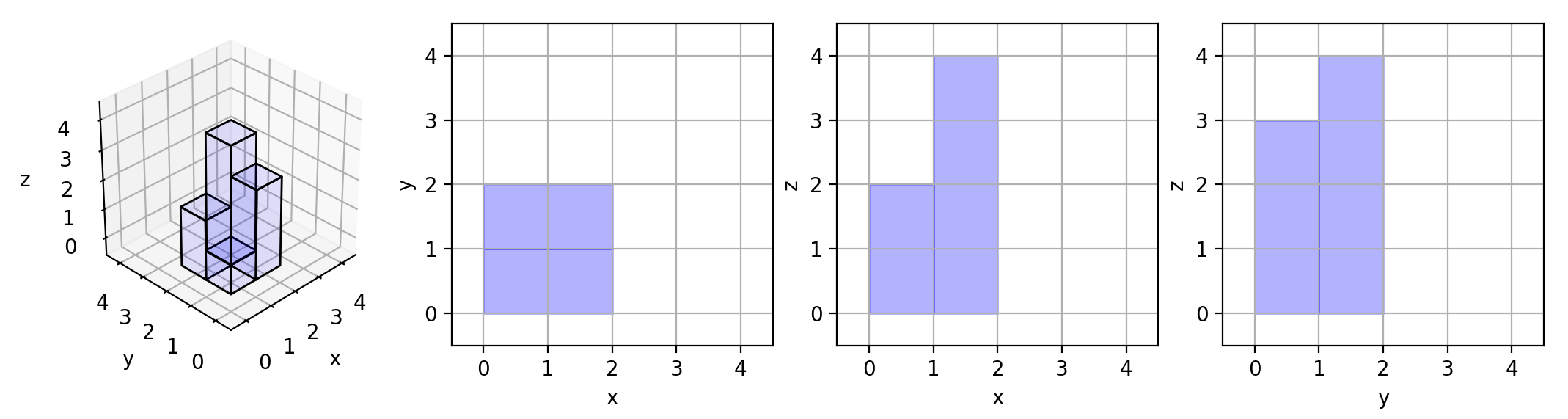
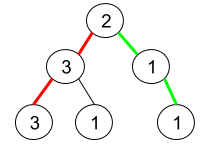
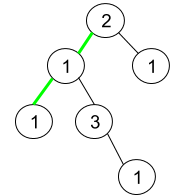
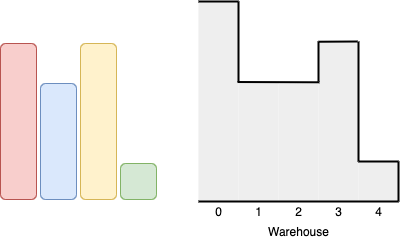
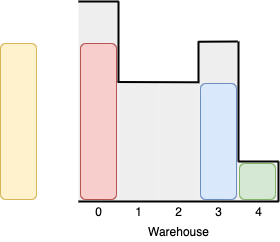
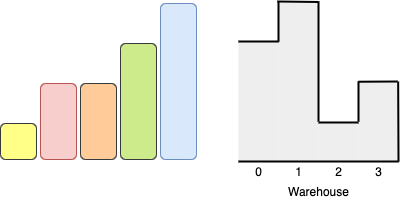
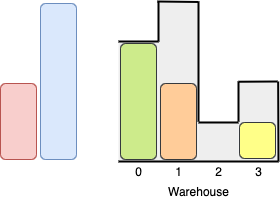
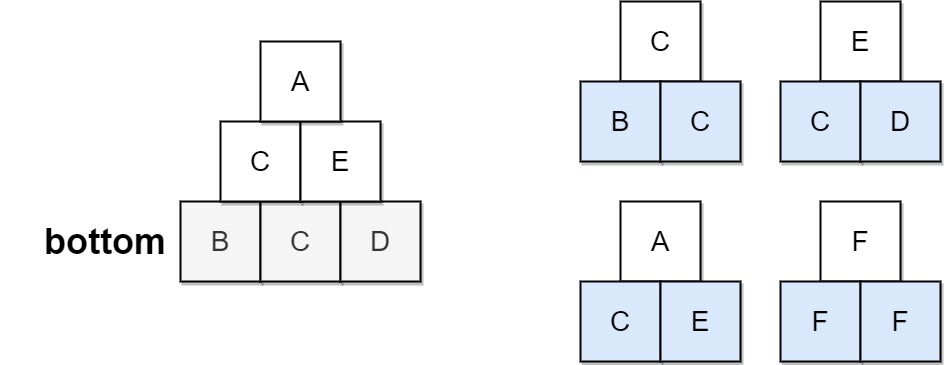
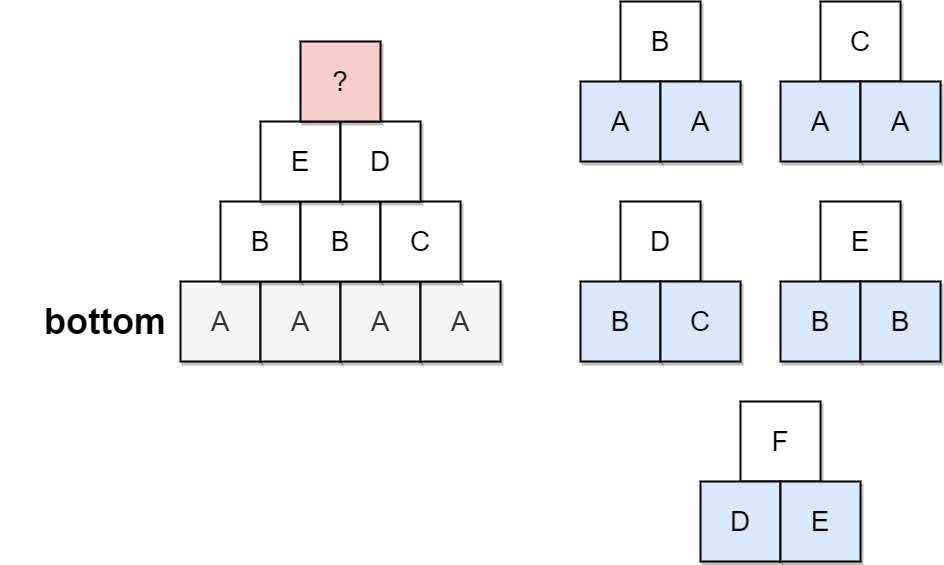
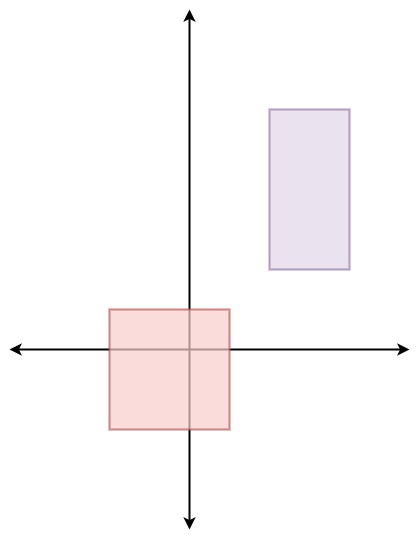
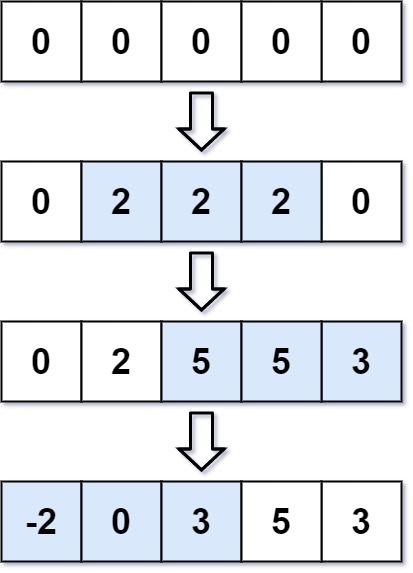
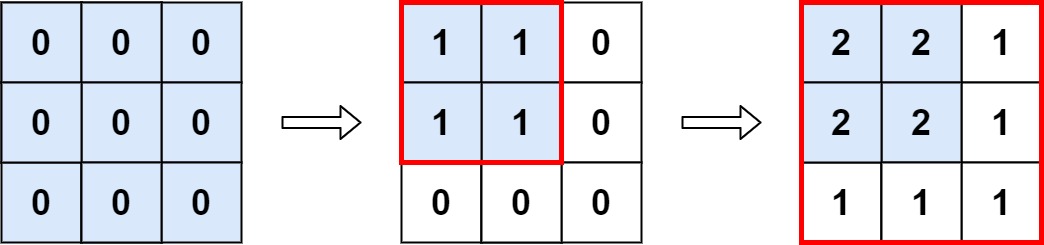
Given the \root\ node of a binary search tree and two integers \low\ and \high\, return \the sum of values of all nodes with a value in the \inclusive\ range \\\[low, high]\.\

### Examples ![Example 1](https://assets.leetcode.com/uploads/2020/11/05/bst1.jpg) ``` Input: root = [10,5,15,3,7,null,18], low = 7, high = 15 Output: 32 Explanation: Nodes 7, 10, and 15 are in the range [7, 15]. 7 + 10 + 15 = 32. ``` ![Example 2](https://assets.leetcode.com/uploads/2020/11/05/bst2.jpg) ``` Input: root = [10,5,15,3,7,13,18,1,null,6], low = 6, high = 10 Output: 23 Explanation: Nodes 6, 7, and 10 are in the range [6, 10]. 6 + 7 + 10 = 23. ``` ### Constraints \
    \
  • The number of nodes in the tree is in the range \\[1, 2 \* 10^4]\.\
  • \
  • \1 \<= Node.val \<= 10^5\\
  • \
  • \1 \<= low \<= high \<= 10^5\\
  • \
  • All \Node.val\ are \unique\.\
  • \
## Solution Reference implementation from [solution.py on GitHub](https://github.com/wislertt/leetcode-py/blob/main/leetcode/range_sum_of_bst/solution.py), full suite in [test\_solution.py](https://github.com/wislertt/leetcode-py/blob/main/leetcode/range_sum_of_bst/test_solution.py): ```python theme={"theme":{"light":"github-light","dark":"github-dark"}} from leetcode_py import TreeNode class Solution: # Time: O(n) # Space: O(h) where h is the tree height def range_sum_bst(self, root: TreeNode[int] | None, low: int, high: int) -> int: if root is None: return 0 if root.val < low: # Entire left subtree is below the range return self.range_sum_bst(root.right, low, high) if root.val > high: # Entire right subtree is above the range return self.range_sum_bst(root.left, low, high) return ( root.val + self.range_sum_bst(root.left, low, high) + self.range_sum_bst(root.right, low, high) ) ``` ## Complexity | Time | Space | | ---- | ------------------------------- | | O(n) | O(h) where h is the tree height | ## Tags [NeetCode All](/catalog/neetcode). # Range Sum of Sorted Subarray Sums Source: https://leetcode-py.wisl.dev/problems/range-sum-of-sorted-subarray-sums Tested Python solution for LeetCode 1508 with 22 pytest cases. Generate a practice environment with lcpy. LeetCode 1508, [Medium](/catalog/medium). Topics: [Array](/catalog/topics/array), [Two Pointers](/catalog/topics/two-pointers), [Binary Search](/catalog/topics/binary-search), [Sorting](/catalog/topics/sorting), [Prefix Sum](/catalog/topics/prefix-sum). [View on LeetCode](https://leetcode.com/problems/range-sum-of-sorted-subarray-sums/description/). Generate this problem as a practice environment: tested reference solution, 22 [parametrized pytest cases](/practice/testing), and a playground notebook: ```bash theme={"theme":{"light":"github-light","dark":"github-dark"}} lcpy gen -n 1508 # by problem number lcpy gen -s range_sum_of_sorted_subarray_sums # by problem name ``` ## Problem \

You are given the array \nums\ consisting of \n\ positive integers. You computed the sum of all non-empty continuous subarrays from the array and then sorted them in non-decreasing order, creating a new array of \n \* (n + 1) / 2\ numbers.\

\

\Return the sum of the numbers from index \\left\\ to index \\right\ (\indexed from 1\)\, inclusive, in the new array. \Since the answer can be a huge number return it modulo \10\9\ + 7\.\

### Examples ``` Input: nums = [1,2,3,4], n = 4, left = 1, right = 5 Output: 13 Explanation: All subarray sums are 1, 3, 6, 10, 2, 5, 9, 3, 7, 4. After sorting them in non-decreasing order we have the new array [1, 2, 3, 3, 4, 5, 6, 7, 9, 10]. The sum of the numbers from index le = 1 to ri = 5 is 1 + 2 + 3 + 3 + 4 = 13. ``` ``` Input: nums = [1,2,3,4], n = 4, left = 3, right = 4 Output: 6 Explanation: The given array is the same as example 1. We have the new array [1, 2, 3, 3, 4, 5, 6, 7, 9, 10]. The sum of the numbers from index le = 3 to ri = 4 is 3 + 3 = 6. ``` ``` Input: nums = [1,2,3,4], n = 4, left = 1, right = 10 Output: 50 ``` ### Constraints \
    \
  • \n == nums.length\\
  • \
  • \1 \<= nums.length \<= 1000\\
  • \
  • \1 \<= nums\[i] \<= 100\\
  • \
  • \1 \<= left \<= right \<= n \* (n + 1) / 2\\
  • \
## Solution Reference implementation from [solution.py on GitHub](https://github.com/wislertt/leetcode-py/blob/main/leetcode/range_sum_of_sorted_subarray_sums/solution.py), full suite in [test\_solution.py](https://github.com/wislertt/leetcode-py/blob/main/leetcode/range_sum_of_sorted_subarray_sums/test_solution.py): ```python theme={"theme":{"light":"github-light","dark":"github-dark"}} class Solution: # Time: O(n * log(sum(nums))) ~ O(n log n) # Space: O(1) def range_sum(self, nums: list[int], n: int, left: int, right: int) -> int: mod = 1_000_000_007 def count_and_sum(target: int) -> tuple[int, int]: # Number of subarrays with sum <= target, plus the sum of those sums. count = 0 total = 0 window_sum = 0 window_total = 0 start = 0 for end, value in enumerate(nums): window_sum += value window_total += value * (end - start + 1) while window_sum > target: window_total -= window_sum window_sum -= nums[start] start += 1 count += end - start + 1 total += window_total return count, total def prefix_sum_of_sums(k: int) -> int: # Sum of the k smallest subarray sums. lo, hi = min(nums), sum(nums) while lo < hi: mid = (lo + hi) // 2 count, _ = count_and_sum(mid) if count < k: lo = mid + 1 else: hi = mid count, total = count_and_sum(lo) return total - lo * (count - k) return (prefix_sum_of_sums(right) - prefix_sum_of_sums(left - 1)) % mod ``` ## Complexity | Time | Space | | ------------------------------------ | ----- | | O(n \* log(sum(nums))) \~ O(n log n) | O(1) | ## Tags [NeetCode All](/catalog/neetcode). # Range Sum Query 2D - Immutable Python Solution Source: https://leetcode-py.wisl.dev/problems/range-sum-query-2d-immutable Tested Python solution for LeetCode 304 with 15 pytest cases. Generate a practice environment with lcpy. LeetCode 304, [Medium](/catalog/medium). Topics: [Array](/catalog/topics/array), [Design](/catalog/topics/design), [Matrix](/catalog/topics/matrix), [Prefix Sum](/catalog/topics/prefix-sum). [View on LeetCode](https://leetcode.com/problems/range-sum-query-2d-immutable/description/). Generate this problem as a practice environment: tested reference solution, 15 [parametrized pytest cases](/practice/testing), and a playground notebook: ```bash theme={"theme":{"light":"github-light","dark":"github-dark"}} lcpy gen -n 304 # by problem number lcpy gen -s range_sum_query_2d_immutable # by problem name ``` ## Problem Given a 2D `matrix`, handle multiple queries of the following type: * Calculate the **sum** of the elements of `matrix` inside the rectangle defined by its **upper left corner** `(row1, col1)` and **lower right corner** `(row2, col2)`. Implement the `NumMatrix` class: * `NumMatrix(int[][] matrix)` Initializes the object with the integer matrix `matrix`. * `int sumRegion(int row1, int col1, int row2, int col2)` Returns the **sum** of the elements of `matrix` inside the rectangle defined by its **upper left corner** `(row1, col1)` and **lower right corner** `(row2, col2)`. You must design an algorithm where `sumRegion` works on `O(1)` time complexity. ### Examples ![Example 1](https://assets.leetcode.com/uploads/2021/03/14/sum-grid.jpg) ``` Input ["NumMatrix", "sumRegion", "sumRegion", "sumRegion"] [[[[3,0,1,4,2],[5,6,3,2,1],[1,2,0,1,5],[4,1,0,1,7],[1,0,3,0,5]]], [2,1,4,3], [1,1,2,2], [1,2,2,4]] Output [null, 8, 11, 12] Explanation NumMatrix numMatrix = new NumMatrix([[3,0,1,4,2],[5,6,3,2,1],[1,2,0,1,5],[4,1,0,1,7],[1,0,3,0,5]]); numMatrix.sumRegion(2, 1, 4, 3); // return 8 numMatrix.sumRegion(1, 1, 2, 2); // return 11 numMatrix.sumRegion(1, 2, 2, 4); // return 12 ``` ### Constraints * m == matrix.length * n == matrix\[i].length * 1 \<= m, n \<= 200 * -10^4 \<= matrix\[i]\[j] \<= 10^4 * 0 \<= row1 \<= row2 \< m * 0 \<= col1 \<= col2 \< n * At most 10^4 calls will be made to sumRegion. ## Solution Reference implementation from [solution.py on GitHub](https://github.com/wislertt/leetcode-py/blob/main/leetcode/range_sum_query_2d_immutable/solution.py), full suite in [test\_solution.py](https://github.com/wislertt/leetcode-py/blob/main/leetcode/range_sum_query_2d_immutable/test_solution.py): ```python theme={"theme":{"light":"github-light","dark":"github-dark"}} class NumMatrix: # Time: O(m * n) precompute, O(1) per query # Space: O(m * n) def __init__(self, matrix: list[list[int]]) -> None: rows = len(matrix) cols = len(matrix[0]) if rows else 0 # prefix[r][c] = sum of matrix[0..r-1][0..c-1] (1-indexed). self.prefix = [[0] * (cols + 1) for _ in range(rows + 1)] for r in range(rows): for c in range(cols): self.prefix[r + 1][c + 1] = ( matrix[r][c] + self.prefix[r][c + 1] + self.prefix[r + 1][c] - self.prefix[r][c] ) def sum_region(self, row1: int, col1: int, row2: int, col2: int) -> int: return ( self.prefix[row2 + 1][col2 + 1] - self.prefix[row1][col2 + 1] - self.prefix[row2 + 1][col1] + self.prefix[row1][col1] ) ``` ## Complexity | Time | Space | | ------------------------------------ | --------- | | O(m \* n) precompute, O(1) per query | O(m \* n) | ## Tags [NeetCode 250](/catalog/neetcode-250), [NeetCode All](/catalog/neetcode). # Range Sum Query 2D - Mutable Python Solution Source: https://leetcode-py.wisl.dev/problems/range-sum-query-2d-mutable Tested Python solution for LeetCode 308 with 15 pytest cases. Generate a practice environment with lcpy. LeetCode 308, [Medium](/catalog/medium). Topics: [Design](/catalog/topics/design), [Binary Indexed Tree](/catalog/topics/binary-indexed-tree), [Segment Tree](/catalog/topics/segment-tree), [Array](/catalog/topics/array), [Matrix](/catalog/topics/matrix). [View on LeetCode](https://leetcode.com/problems/range-sum-query-2d-mutable/description/). Generate this problem as a practice environment: tested reference solution, 15 [parametrized pytest cases](/practice/testing), and a playground notebook: ```bash theme={"theme":{"light":"github-light","dark":"github-dark"}} lcpy gen -n 308 # by problem number lcpy gen -s range_sum_query_2d_mutable # by problem name ``` ## Problem Given a 2D matrix `matrix`, handle multiple queries of the following types: 1. **Update** the value of a cell in `matrix`. 2. Calculate the **sum** of the elements of `matrix` inside the rectangle defined by its **upper left corner** `(row1, col1)` and **lower right corner** `(row2, col2)`. Implement the `NumMatrix` class: * `NumMatrix(int[][] matrix)` Initializes the object with the integer matrix `matrix`. * `void update(int row, int col, int val)` **Updates** the value of `matrix[row][col]` to be `val`. * `int sumRegion(int row1, int col1, int row2, int col2)` Returns the **sum** of the elements of `matrix` inside the rectangle defined by its **upper left corner** `(row1, col1)` and **lower right corner** `(row2, col2)`. ### Examples ![Example 1](https://fastly.jsdelivr.net/gh/doocs/leetcode@main/solution/0300-0399/0308.Range%20Sum%20Query%202D%20-%20Mutable/images/summut-grid.jpg) ``` Input ["NumMatrix", "sumRegion", "update", "sumRegion"] [[[[3, 0, 1, 4, 2], [5, 6, 3, 2, 1], [1, 2, 0, 1, 5], [4, 1, 0, 1, 7], [1, 0, 3, 0, 5]]], [2, 1, 4, 3], [3, 2, 2], [2, 1, 4, 3]] Output [null, 8, null, 10] Explanation NumMatrix numMatrix = new NumMatrix([[3, 0, 1, 4, 2], [5, 6, 3, 2, 1], [1, 2, 0, 1, 5], [4, 1, 0, 1, 7], [1, 0, 3, 0, 5]]); numMatrix.sumRegion(2, 1, 4, 3); // return 8 numMatrix.update(3, 2, 2); // matrix changes from left image to right image numMatrix.sumRegion(2, 1, 4, 3); // return 10 ``` ### Constraints * `m == matrix.length` * `n == matrix[i].length` * `1 <= m, n <= 200` * `-1000 <= matrix[i][j] <= 1000` * `0 <= row < m` * `0 <= col < n` * `-1000 <= val <= 1000` * `0 <= row1 <= row2 < m` * `0 <= col1 <= col2 < n` * At most `5000` calls will be made to `sumRegion` and `update`. ## Solution Reference implementation from [solution.py on GitHub](https://github.com/wislertt/leetcode-py/blob/main/leetcode/range_sum_query_2d_mutable/solution.py), full suite in [test\_solution.py](https://github.com/wislertt/leetcode-py/blob/main/leetcode/range_sum_query_2d_mutable/test_solution.py): ```python theme={"theme":{"light":"github-light","dark":"github-dark"}} class BinaryIndexedTree: def __init__(self, n: int) -> None: self.n = n self.c = [0] * (n + 1) @staticmethod def lowbit(x: int) -> int: return x & -x def update(self, x: int, delta: int) -> None: while x <= self.n: self.c[x] += delta x += BinaryIndexedTree.lowbit(x) def query(self, x: int) -> int: s = 0 while x > 0: s += self.c[x] x -= BinaryIndexedTree.lowbit(x) return s class NumMatrix: # Time: O(m * n log n) build — one BIT per row # Space: O(m * n) def __init__(self, matrix: list[list[int]]) -> None: self.matrix = matrix self.trees = [BinaryIndexedTree(len(row)) for row in matrix] for i, row in enumerate(matrix): for j, val in enumerate(row): self.trees[i].update(j + 1, val) # Time: O(log n) # Space: O(1) def update(self, row: int, col: int, val: int) -> None: delta = val - self.matrix[row][col] self.matrix[row][col] = val self.trees[row].update(col + 1, delta) # Time: O(m log n) # Space: O(1) def sum_region(self, row1: int, col1: int, row2: int, col2: int) -> int: return sum( self.trees[i].query(col2 + 1) - self.trees[i].query(col1) for i in range(row1, row2 + 1) ) ``` ## Complexity | Time | Space | | --------------------------------------- | --------- | | O(m \* n log n) build — one BIT per row | O(m \* n) | ## Tags [NeetCode All](/catalog/neetcode). # Range Sum Query - Immutable Python Solution Source: https://leetcode-py.wisl.dev/problems/range-sum-query-immutable Tested Python solution for LeetCode 303 with 12 pytest cases. Generate a practice environment with lcpy. LeetCode 303, [Easy](/catalog/easy). Topics: [Array](/catalog/topics/array), [Design](/catalog/topics/design), [Prefix Sum](/catalog/topics/prefix-sum). [View on LeetCode](https://leetcode.com/problems/range-sum-query-immutable/description/). Generate this problem as a practice environment: tested reference solution, 12 [parametrized pytest cases](/practice/testing), and a playground notebook: ```bash theme={"theme":{"light":"github-light","dark":"github-dark"}} lcpy gen -n 303 # by problem number lcpy gen -s range_sum_query_immutable # by problem name ``` ## Problem Given an integer array `nums`, handle multiple queries of the following type: 1. Calculate the **sum** of the elements of `nums` between indices `left` and `right` **inclusive** where `left <= right`. Implement the `NumArray` class: * `NumArray(int[] nums)` Initializes the object with the integer array `nums`. * `int sumRange(int left, int right)` Returns the **sum** of the elements of `nums` between indices `left` and `right` **inclusive** (i.e. `nums[left] + nums[left + 1] + ... + nums[right]`). ### Examples ``` Input ['NumArray', 'sumRange', 'sumRange', 'sumRange'] [[[-2, 0, 3, -5, 2, -1]], [0, 2], [2, 5], [0, 5]] Output [None, 1, -1, -3] Explanation NumArray numArray = new NumArray([-2, 0, 3, -5, 2, -1]); numArray.sumRange(0, 2); // return (-2) + 0 + 3 = 1 numArray.sumRange(2, 5); // return 3 + (-5) + 2 + (-1) = -1 numArray.sumRange(0, 5); // return (-2) + 0 + 3 + (-5) + 2 + (-1) = -3 ``` ### Constraints * 1 \<= nums.length \<= 10\4\ * -10\5\ \<= nums\[i] \<= 10\5\ * 0 \<= left \<= right \< nums.length * At most 10\4\ calls will be made to `sumRange`. ## Solution Reference implementation from [solution.py on GitHub](https://github.com/wislertt/leetcode-py/blob/main/leetcode/range_sum_query_immutable/solution.py), full suite in [test\_solution.py](https://github.com/wislertt/leetcode-py/blob/main/leetcode/range_sum_query_immutable/test_solution.py): ```python theme={"theme":{"light":"github-light","dark":"github-dark"}} from itertools import accumulate class NumArray: # Time: O(n) init, O(1) per query # Space: O(n) def __init__(self, nums: list[int]) -> None: self.prefix = [0, *accumulate(nums)] def sum_range(self, left: int, right: int) -> int: return self.prefix[right + 1] - self.prefix[left] ``` ## Complexity | Time | Space | | ------------------------- | ----- | | O(n) init, O(1) per query | O(n) | ## Tags [NeetCode All](/catalog/neetcode). # Range Sum Query - Mutable Python Solution Source: https://leetcode-py.wisl.dev/problems/range-sum-query-mutable Tested Python solution for LeetCode 307 with 16 pytest cases. Generate a practice environment with lcpy. LeetCode 307, [Medium](/catalog/medium). Topics: [Array](/catalog/topics/array), [Divide and Conquer](/catalog/topics/divide-and-conquer), [Design](/catalog/topics/design), [Binary Indexed Tree](/catalog/topics/binary-indexed-tree), [Segment Tree](/catalog/topics/segment-tree), Sqrt Decomposition. [View on LeetCode](https://leetcode.com/problems/range-sum-query-mutable/description/). Generate this problem as a practice environment: tested reference solution, 16 [parametrized pytest cases](/practice/testing), and a playground notebook: ```bash theme={"theme":{"light":"github-light","dark":"github-dark"}} lcpy gen -n 307 # by problem number lcpy gen -s range_sum_query_mutable # by problem name ``` ## Problem Given an integer array `nums`, handle multiple queries of the following types: * **Update** the value of an element in `nums`. * Calculate the **sum** of the elements of `nums` between indices `left` and `right` **inclusive** where `left <= right`. Implement the `NumArray` class: * `NumArray(int[] nums)` Initializes the object with the integer array `nums`. * `void update(int index, int val)` **Updates** the value of `nums[index]` to be `val`. * `int sumRange(int left, int right)` Returns the **sum** of the elements of `nums` between indices `left` and `right` **inclusive** (i.e. `nums[left] + nums[left + 1] + ... + nums[right]`). ### Examples ``` Input ["NumArray", "sumRange", "update", "sumRange"] [[[1, 3, 5]], [0, 2], [1, 2], [0, 2]] Output [null, 9, null, 8] Explanation NumArray numArray = new NumArray([1, 3, 5]); numArray.sumRange(0, 2); // return 1 + 3 + 5 = 9 numArray.update(1, 2); // nums = [1, 2, 5] numArray.sumRange(0, 2); // return 1 + 2 + 5 = 8 ``` ### Constraints * `1 <= nums.length <= 3 * 10^4` * `-100 <= nums[i] <= 100` * `0 <= index < nums.length` * `-100 <= val <= 100` * `0 <= left <= right < nums.length` * At most `3 * 10^4` calls will be made to `update` and `sumRange`. ## Solution Reference implementation from [solution.py on GitHub](https://github.com/wislertt/leetcode-py/blob/main/leetcode/range_sum_query_mutable/solution.py), full suite in [test\_solution.py](https://github.com/wislertt/leetcode-py/blob/main/leetcode/range_sum_query_mutable/test_solution.py): ```python theme={"theme":{"light":"github-light","dark":"github-dark"}} class NumArray: # Time: __init__ O(n), update O(log n), sum_range O(log n) # Space: O(n) def __init__(self, nums: list[int]) -> None: self.n = len(nums) self.nums = nums self.tree = [0] * (self.n + 1) for i, value in enumerate(nums, start=1): self.tree[i] += value parent = i + (i & -i) if parent <= self.n: self.tree[parent] += self.tree[i] def update(self, index: int, val: int) -> None: self._add(index + 1, val - self.nums[index]) self.nums[index] = val def sum_range(self, left: int, right: int) -> int: return self._prefix(right + 1) - self._prefix(left) def _add(self, i: int, delta: int) -> None: while i <= self.n: self.tree[i] += delta i += i & -i def _prefix(self, i: int) -> int: total = 0 while i > 0: total += self.tree[i] i -= i & -i return total ``` ## Complexity | Time | Space | | --------------------------------------------------- | ----- | | **init** O(n), update O(log n), sum\_range O(log n) | O(n) | ## Tags # Ransom Note Python Solution with Tests Source: https://leetcode-py.wisl.dev/problems/ransom-note Tested Python solution for LeetCode 383 with 11 pytest cases. Generate a practice environment with lcpy. LeetCode 383, [Easy](/catalog/easy). Topics: [Hash Table](/catalog/topics/hash-table), [String](/catalog/topics/string), [Counting](/catalog/topics/counting). [View on LeetCode](https://leetcode.com/problems/ransom-note/description/). Generate this problem as a practice environment: tested reference solution, 11 [parametrized pytest cases](/practice/testing), and a playground notebook: ```bash theme={"theme":{"light":"github-light","dark":"github-dark"}} lcpy gen -n 383 # by problem number lcpy gen -s ransom_note # by problem name ``` ## Problem Given two strings `ransomNote` and `magazine`, return `true` if `ransomNote` can be constructed by using the letters from `magazine` and `false` otherwise. Each letter in `magazine` can only be used once in `ransomNote`. ### Examples ``` Input: ransomNote = "a", magazine = "b" Output: false ``` ``` Input: ransomNote = "aa", magazine = "ab" Output: false ``` ``` Input: ransomNote = "aa", magazine = "aab" Output: true ``` ### Constraints * 1 \<= ransomNote.length, magazine.length \<= 10^5 * ransomNote and magazine consist of lowercase English letters. ## Solution Reference implementation from [solution.py on GitHub](https://github.com/wislertt/leetcode-py/blob/main/leetcode/ransom_note/solution.py), full suite in [test\_solution.py](https://github.com/wislertt/leetcode-py/blob/main/leetcode/ransom_note/test_solution.py): ```python theme={"theme":{"light":"github-light","dark":"github-dark"}} from collections import Counter class Solution: # Time: O(m + n) where m = magazine length, n = ransom_note length # Space: O(1) - at most 26 lowercase letters def can_construct(self, ransom_note: str, magazine: str) -> bool: if len(ransom_note) > len(magazine): return False magazine_count = Counter(magazine) for char in ransom_note: if magazine_count[char] == 0: return False magazine_count[char] -= 1 return True ``` ## Complexity | Time | Space | | ----------------------------------------------------------- | ----------------------------------- | | O(m + n) where m = magazine length, n = ransom\_note length | O(1) - at most 26 lowercase letters | ## Tags [Grind 75](/catalog/grind-75), [Grind](/catalog/grind), [NeetCode All](/catalog/neetcode). # Reach a Number Python Solution with Tests Source: https://leetcode-py.wisl.dev/problems/reach-a-number Tested Python solution for LeetCode 754 with 46 pytest cases. Generate a practice environment with lcpy. LeetCode 754, [Medium](/catalog/medium). Topics: [Math](/catalog/topics/math), [Binary Search](/catalog/topics/binary-search). [View on LeetCode](https://leetcode.com/problems/reach-a-number/description/). Generate this problem as a practice environment: tested reference solution, 46 [parametrized pytest cases](/practice/testing), and a playground notebook: ```bash theme={"theme":{"light":"github-light","dark":"github-dark"}} lcpy gen -n 754 # by problem number lcpy gen -s reach_a_number # by problem name ``` ## Problem You are standing at position `0` on an infinite number line. There is a destination at position `target`. You can make some number of moves `numMoves` so that: * On each move, you can either go left or right. * During the `i^th` move (starting from `i == 1` to `i == numMoves`), you take `i` steps in the chosen direction. Given the integer `target`, return *the **minimum** number of moves required (i.e., the minimum `numMoves`)* to reach the destination. ### Examples ``` Input: target = 2 Output: 3 Explanation: On the 1st move, we step from 0 to 1 (1 step). On the 2nd move, we step from 1 to -1 (2 steps). On the 3rd move, we step from -1 to 2 (3 steps). ``` ``` Input: target = 3 Output: 2 Explanation: On the 1st move, we step from 0 to 1 (1 step). On the 2nd move, we step from 1 to 3 (2 steps). ``` ### Constraints * `-10^9 <= target <= 10^9` * `target != 0` ## Solution Reference implementation from [solution.py on GitHub](https://github.com/wislertt/leetcode-py/blob/main/leetcode/reach_a_number/solution.py), full suite in [test\_solution.py](https://github.com/wislertt/leetcode-py/blob/main/leetcode/reach_a_number/test_solution.py): ```python theme={"theme":{"light":"github-light","dark":"github-dark"}} class Solution: # Time: O(sqrt(target)) - the loop runs about sqrt(2 * |target|) times # Space: O(1) def reach_number(self, target: int) -> int: target = abs(target) moves = 0 total = 0 while total < target or (total - target) % 2: moves += 1 total += moves return moves ``` ## Complexity | Time | Space | | | | ----------------------------------------------- | ------ | ------- | ---- | | O(sqrt(target)) - the loop runs about sqrt(2 \* | target | ) times | O(1) | ## Tags # Reachable Nodes In Subdivided Graph Source: https://leetcode-py.wisl.dev/problems/reachable-nodes-in-subdivided-graph Tested Python solution for LeetCode 882 with 22 pytest cases. Generate a practice environment with lcpy. LeetCode 882, [Hard](/catalog/hard). Topics: [Graph Theory](/catalog/topics/graph-theory), [Heap (Priority Queue)](/catalog/topics/heap-priority-queue), [Shortest Path](/catalog/topics/shortest-path), Dijkstra's Algorithm. [View on LeetCode](https://leetcode.com/problems/reachable-nodes-in-subdivided-graph/description/). Generate this problem as a practice environment: tested reference solution, 22 [parametrized pytest cases](/practice/testing), and a playground notebook: ```bash theme={"theme":{"light":"github-light","dark":"github-dark"}} lcpy gen -n 882 # by problem number lcpy gen -s reachable_nodes_in_subdivided_graph # by problem name ``` ## Problem You are given an undirected graph (the **"original graph"**) with `n` nodes labeled from `0` to `n - 1`. You decide to **subdivide** each edge in the graph into a chain of nodes, with the number of new nodes varying between each edge. The graph is given as a 2D array of `edges` where `edges[i] = [ui, vi, cnti]` indicates that there is an edge between nodes `ui` and `vi` in the original graph, and `cnti` is the total number of new nodes that you will **subdivide** the edge into. Note that `cnti == 0` means you will not subdivide the edge. To **subdivide** the edge `[ui, vi]`, replace it with `(cnti + 1)` new edges and `cnti` new nodes. The new nodes are `x1`, `x2`, ..., `xcnti`, and the new edges are `[ui, x1]`, `[x1, x2]`, `[x2, x3]`, ..., `[xcnti-1, xcnti]`, `[xcnti, vi]`. In this **new graph**, you want to know how many nodes are **reachable** from the node `0`, where a node is **reachable** if the distance is `maxMoves` or less. Given the original graph and `maxMoves`, return *the number of nodes that are **reachable** from node *`0`* in the new graph*. ### Examples ![Example 1](https://s3-lc-upload.s3.amazonaws.com/uploads/2018/08/01/origfinal.png) ``` Input: edges = [[0,1,10],[0,2,1],[1,2,2]], maxMoves = 6, n = 3 Output: 13 Explanation: The edge subdivisions are shown in the image above. The nodes that are reachable are highlighted in yellow. ``` ``` Input: edges = [[0,1,4],[1,2,6],[0,2,8],[1,3,1]], maxMoves = 10, n = 4 Output: 23 ``` ``` Input: edges = [[1,2,4],[1,4,5],[1,3,1],[2,3,4],[3,4,5]], maxMoves = 17, n = 5 Output: 1 Explanation: Node 0 is disconnected from the rest of the graph, so only node 0 is reachable. ``` ### Constraints * 0 \<= edges.length \<= min(n \* (n - 1) / 2, 10\4\) * edges\[i].length == 3 * 0 \<= u\i\ \< v\i\ \< n * There are no multiple edges in the graph. * 0 \<= cnt\i\ \<= 10\4\ * 0 \<= maxMoves \<= 10\9\ * 1 \<= n \<= 3000 ## Solution Reference implementation from [solution.py on GitHub](https://github.com/wislertt/leetcode-py/blob/main/leetcode/reachable_nodes_in_subdivided_graph/solution.py), full suite in [test\_solution.py](https://github.com/wislertt/leetcode-py/blob/main/leetcode/reachable_nodes_in_subdivided_graph/test_solution.py): ```python theme={"theme":{"light":"github-light","dark":"github-dark"}} import heapq class Solution: # Time: O(E log V) # Space: O(V + E) def reachable_nodes(self, edges: list[list[int]], max_moves: int, n: int) -> int: adj: list[list[tuple[int, int]]] = [[] for _ in range(n)] for u, v, cnt in edges: adj[u].append((v, cnt)) adj[v].append((u, cnt)) unreachable = max_moves + 1 dist = [unreachable] * n dist[0] = 0 heap: list[tuple[int, int]] = [(0, 0)] while heap: d, node = heapq.heappop(heap) if d > dist[node]: continue for nxt, cnt in adj[node]: nd = d + cnt + 1 if nd < dist[nxt]: dist[nxt] = nd heapq.heappush(heap, (nd, nxt)) reachable = sum(1 for d in dist if d <= max_moves) for u, v, cnt in edges: head = max(0, max_moves - dist[u]) tail = max(0, max_moves - dist[v]) reachable += min(cnt, head + tail) return reachable ``` ## Complexity | Time | Space | | ---------- | -------- | | O(E log V) | O(V + E) | ## Tags # Reaching Points Python Solution with Tests Source: https://leetcode-py.wisl.dev/problems/reaching-points Tested Python solution for LeetCode 780 with 22 pytest cases. Generate a practice environment with lcpy. LeetCode 780, [Hard](/catalog/hard). Topics: [Math](/catalog/topics/math), Euclidean Algorithm, Greatest Common Divisor. [View on LeetCode](https://leetcode.com/problems/reaching-points/description/). Generate this problem as a practice environment: tested reference solution, 22 [parametrized pytest cases](/practice/testing), and a playground notebook: ```bash theme={"theme":{"light":"github-light","dark":"github-dark"}} lcpy gen -n 780 # by problem number lcpy gen -s reaching_points # by problem name ``` ## Problem Given four integers `sx`, `sy`, `tx`, and `ty`, return `true` if it is possible to convert the point `(sx, sy)` to the point `(tx, ty)` through some operations, or `false` otherwise. The allowed operation on some point `(x, y)` is to convert it to either `(x, x + y)` or `(x + y, y)`. ### Examples ``` Input: sx = 1, sy = 1, tx = 3, ty = 5 Output: true Explanation: One series of moves that transforms the starting point to the target is: (1, 1) -> (1, 2) (1, 2) -> (3, 2) (3, 2) -> (3, 5) ``` ``` Input: sx = 1, sy = 1, tx = 2, ty = 2 Output: false ``` ``` Input: sx = 1, sy = 1, tx = 1, ty = 1 Output: true ``` ### Constraints * 1 \<= sx, sy, tx, ty \<= 10^9 ## Solution Reference implementation from [solution.py on GitHub](https://github.com/wislertt/leetcode-py/blob/main/leetcode/reaching_points/solution.py), full suite in [test\_solution.py](https://github.com/wislertt/leetcode-py/blob/main/leetcode/reaching_points/test_solution.py): ```python theme={"theme":{"light":"github-light","dark":"github-dark"}} class Solution: # Time: O(log(max(tx, ty))) # Space: O(1) def reaching_points(self, sx: int, sy: int, tx: int, ty: int) -> bool: # Walk backwards from the target: the parent of (x, y) is unique, so # collapse runs of same-axis moves with a modulo instead of subtracting. while tx > sx and ty > sy: if tx > ty: tx %= ty else: ty %= tx if tx == sx and ty == sy: return True if tx == sx and ty > sy: return (ty - sy) % tx == 0 if ty == sy and tx > sx: return (tx - sx) % ty == 0 return False ``` ## Complexity | Time | Space | | ------------------- | ----- | | O(log(max(tx, ty))) | O(1) | ## Tags # Read N Characters Given Read4 Python Solution Source: https://leetcode-py.wisl.dev/problems/read-n-characters-given-read4 Tested Python solution for LeetCode 157 with 17 pytest cases. Generate a practice environment with lcpy. LeetCode 157, [Easy](/catalog/easy). Topics: [Array](/catalog/topics/array), [Interactive](/catalog/topics/interactive), [Simulation](/catalog/topics/simulation). [View on LeetCode](https://leetcode.com/problems/read-n-characters-given-read4/description/). Generate this problem as a practice environment: tested reference solution, 17 [parametrized pytest cases](/practice/testing), and a playground notebook: ```bash theme={"theme":{"light":"github-light","dark":"github-dark"}} lcpy gen -n 157 # by problem number lcpy gen -s read_n_characters_given_read4 # by problem name ``` ## Problem Given a `file` and assume that you can only read the file using a given method `read4`, implement a method to read `n` characters. **Method read4:** The API `read4` reads **four consecutive characters** from `file`, then writes those characters into the buffer array `buf4`. The return value is the number of actual characters read. Note that `read4()` has its own file pointer, much like `FILE *fp` in C. **Definition of read4:** ``` Parameter: char[] buf4 Returns: int buf4[] is a destination, not a source. The results from read4 will be copied to buf4[]. ``` Below is a high-level example of how `read4` works: ![read4 example](https://fastly.jsdelivr.net/gh/doocs/leetcode@main/solution/0100-0199/0157.Read%20N%20Characters%20Given%20Read4/images/157_example.png) ``` File file("abcde"); // File is "abcde", initially file pointer (fp) points to 'a' char[] buf4 = new char[4]; // Create buffer with enough space to store characters read4(buf4); // read4 returns 4. Now buf4 = "abcd", fp points to 'e' read4(buf4); // read4 returns 1. Now buf4 = "e", fp points to end of file read4(buf4); // read4 returns 0. Now buf4 = "", fp points to end of file ``` **Method read:** By using the `read4` method, implement the method `read` that reads `n` characters from `file` and stores them in the buffer array `buf`. Consider that you cannot manipulate `file` directly. The return value is the number of actual characters read. **Definition of read:** ``` Parameters: char[] buf, int n Returns: int buf[] is a destination, not a source. You will need to write the results to buf[]. ``` **Note:** * Consider that you cannot manipulate the file directly. The file is only accessible for `read4` but not for `read`. * The `read` function will only be called once for each test case. * You may assume the destination buffer array, `buf`, is guaranteed to have enough space for storing `n` characters. ### Examples ``` Input: file = "abc", n = 4 Output: 3 Explanation: After calling your read method, buf should contain "abc". We read a total of 3 characters from the file, so return 3. Note that "abc" is the file's content, not buf. buf is the destination buffer that you will have to write the results to. ``` ``` Input: file = "abcde", n = 5 Output: 5 Explanation: After calling your read method, buf should contain "abcde". We read a total of 5 characters from the file, so return 5. ``` ``` Input: file = "abcdABCD1234", n = 12 Output: 12 Explanation: After calling your read method, buf should contain "abcdABCD1234". We read a total of 12 characters from the file, so return 12. ``` ### Constraints * `1 <= file.length <= 500` * `file` consists of English letters and digits. * `1 <= n <= 1000` **Note:** In this repository the `read4` API is provided as the `read4(buf4)` method of the `File` class in `solution.py`, and `read` receives that `File` instance as its third argument. ## Solution Reference implementation from [solution.py on GitHub](https://github.com/wislertt/leetcode-py/blob/main/leetcode/read_n_characters_given_read4/solution.py), full suite in [test\_solution.py](https://github.com/wislertt/leetcode-py/blob/main/leetcode/read_n_characters_given_read4/test_solution.py): ```python theme={"theme":{"light":"github-light","dark":"github-dark"}} class File: # Test-harness API: backs the read4 interface with the file content def __init__(self, content: str) -> None: self.content = content self.pos = 0 def read4(self, buf4: list[str]) -> int: # Reads up to 4 consecutive characters into buf4 and returns the # number of characters actually read chunk = self.content[self.pos : self.pos + 4] self.pos += len(chunk) for i, char in enumerate(chunk): buf4[i] = char return len(chunk) class Solution: # Time: O(n) # Space: O(1) def read(self, buf: list[str], n: int, file: File) -> int: i = 0 buf4 = [""] * 4 while i < n: count = file.read4(buf4) if count == 0: break for j in range(min(count, n - i)): buf[i] = buf4[j] i += 1 return i ``` ## Complexity | Time | Space | | ---- | ----- | | O(n) | O(1) | ## Tags # Read N Characters Given read4 II - Call Source: https://leetcode-py.wisl.dev/problems/read-n-characters-given-read4-ii Tested Python solution for LeetCode 158 with 19 pytest cases. Generate a practice environment with lcpy. LeetCode 158, [Hard](/catalog/hard). Topics: [Array](/catalog/topics/array), [Interactive](/catalog/topics/interactive), [Simulation](/catalog/topics/simulation). [View on LeetCode](https://leetcode.com/problems/read-n-characters-given-read4-ii/description/). Generate this problem as a practice environment: tested reference solution, 19 [parametrized pytest cases](/practice/testing), and a playground notebook: ```bash theme={"theme":{"light":"github-light","dark":"github-dark"}} lcpy gen -n 158 # by problem number lcpy gen -s read_n_characters_given_read4_ii # by problem name ``` ## Problem Given a `file` and assume that you can only read the file using a given method `read4`, implement a method `read` to read `n` characters. Your method `read` may be **called multiple times**. **Method read4:** The API `read4` reads **four consecutive characters** from `file`, then writes those characters into the buffer array `buf4`. The return value is the number of actual characters read. Note that `read4()` has its own file pointer, much like `FILE *fp` in C. **Definition of read4:** ``` Parameter: char[] buf4 Returns: int buf4[] is a destination, not a source. The results from read4 will be copied to buf4[]. ``` Below is a high-level example of how `read4` works: ![read4 example](https://fastly.jsdelivr.net/gh/doocs/leetcode@main/solution/0100-0199/0158.Read%20N%20Characters%20Given%20read4%20II%20-%20Call%20Multiple%20Times/images/157_example.png) ``` File file("abcde"); // File is "abcde", initially file pointer (fp) points to 'a' char[] buf4 = new char[4]; // Create buffer with enough space read4(buf4); // read4 returns 4. Now buf4 = "abcd", fp points to 'e' read4(buf4); // read4 returns 1. Now buf4 = "e", fp points to end of file read4(buf4); // read4 returns 0. Now buf4 = "", fp points to end of file ``` **Method read:** By using the `read4` method, implement the method `read` that reads `n` characters from `file` and stores them in the buffer array `buf`. Consider that you cannot manipulate `file` directly. The return value is the number of actual characters read. **Definition of read:** ``` Parameters: char[] buf, int n Returns: int buf[] is a destination, not a source. You will need to write the results to buf[]. ``` ### Examples ``` Input: file = "abc", queries = [1,2,1] Output: [1,2,0] Explanation: sol.read(buf, 1); // buf should contain "a". We read a total of 1 character from the file, so return 1. sol.read(buf, 2); // Now buf should contain "bc". We read a total of 2 characters, so return 2. sol.read(buf, 1); // We have reached the end of file, no more characters can be read. So return 0. ``` ``` Input: file = "abc", queries = [4,1] Output: [3,0] Explanation: sol.read(buf, 4); // buf should contain "abc". We read a total of 3 characters, so return 3. sol.read(buf, 1); // We have reached the end of file, no more characters can be read. So return 0. ``` ### Constraints * `1 <= file.length <= 500` * `file` consists of English letters and digits. * `1 <= queries.length <= 10` * `1 <= queries[i] <= 500` **Note:** * The `read` function may be **called multiple times**; remember to reset your class variables, as they are persisted across multiple test cases. * The destination buffer `buf` is guaranteed to have enough space for storing `n` characters. In this repository the `read4` API is provided as the `read4(buf4)` method of the `File` class in `solution.py`, and `read` receives that `File` instance as its third argument. ## Solution Reference implementation from [solution.py on GitHub](https://github.com/wislertt/leetcode-py/blob/main/leetcode/read_n_characters_given_read4_ii/solution.py), full suite in [test\_solution.py](https://github.com/wislertt/leetcode-py/blob/main/leetcode/read_n_characters_given_read4_ii/test_solution.py): ```python theme={"theme":{"light":"github-light","dark":"github-dark"}} class File: # Test-harness API: backs the read4 interface with the file content def __init__(self, content: str) -> None: self.content = content self.pos = 0 def read4(self, buf4: list[str]) -> int: # Reads up to 4 consecutive characters into buf4 and returns the # number of characters actually read; read4 keeps its own file # pointer across calls chunk = self.content[self.pos : self.pos + 4] self.pos += len(chunk) for i, char in enumerate(chunk): buf4[i] = char return len(chunk) class Solution: # Time: O(n) per read call # Space: O(1), the internal 4-character buffer is reused across calls def __init__(self) -> None: self.buf4: list[str] = [""] * 4 self.i = 0 # next unread position inside buf4 self.size = 0 # number of valid characters currently in buf4 def read(self, buf: list[str], n: int, file: File) -> int: count = 0 while count < n: if self.i == self.size: self.size = file.read4(self.buf4) self.i = 0 if self.size == 0: break while count < n and self.i < self.size: buf[count] = self.buf4[self.i] self.i += 1 count += 1 return count ``` ## Complexity | Time | Space | | ------------------ | ------------------------------------------------------------ | | O(n) per read call | O(1), the internal 4-character buffer is reused across calls | ## Tags # Rearrange Array Elements by Sign Source: https://leetcode-py.wisl.dev/problems/rearrange-array-elements-by-sign Tested Python solution for LeetCode 2149 with 20 pytest cases. Generate a practice environment with lcpy. LeetCode 2149, [Medium](/catalog/medium). Topics: [Array](/catalog/topics/array), [Two Pointers](/catalog/topics/two-pointers), [Simulation](/catalog/topics/simulation). [View on LeetCode](https://leetcode.com/problems/rearrange-array-elements-by-sign/description/). Generate this problem as a practice environment: tested reference solution, 20 [parametrized pytest cases](/practice/testing), and a playground notebook: ```bash theme={"theme":{"light":"github-light","dark":"github-dark"}} lcpy gen -n 2149 # by problem number lcpy gen -s rearrange_array_elements_by_sign # by problem name ``` ## Problem You are given a 0-indexed integer array `nums` of even length consisting of an equal number of positive and negative integers. You should return the array of nums such that the array follows the given conditions: 1. Every consecutive pair of integers have opposite signs. 2. For all integers with the same sign, the order in which they were present in nums is preserved. 3. The rearranged array begins with a positive integer. Return the modified array after rearranging the elements to satisfy the aforementioned conditions. ### Examples ``` Input: nums = [3,1,-2,-5,2,-4] Output: [3,-2,1,-5,2,-4] ``` **Explanation:** The positive integers in nums are \[3,1,2]. The negative integers are \[-2,-5,-4]. The only possible way to rearrange them such that they satisfy all conditions is \[3,-2,1,-5,2,-4]. ``` Input: nums = [-1,1] Output: [1,-1] ``` **Explanation:** 1 is the only positive integer and -1 the only negative integer in nums. So nums is rearranged to \[1,-1]. ### Constraints * 2 \<= nums.length \<= 2 \* 10^5 * nums.length is even * 1 \<= |nums\[i]| \<= 10^5 * nums consists of equal number of positive and negative integers. It is not required to do the modifications in-place. ## Solution Reference implementation from [solution.py on GitHub](https://github.com/wislertt/leetcode-py/blob/main/leetcode/rearrange_array_elements_by_sign/solution.py), full suite in [test\_solution.py](https://github.com/wislertt/leetcode-py/blob/main/leetcode/rearrange_array_elements_by_sign/test_solution.py): ```python theme={"theme":{"light":"github-light","dark":"github-dark"}} class Solution: # Time: O(n) # Space: O(n) def rearrange_array(self, nums: list[int]) -> list[int]: result = [0] * len(nums) pos_idx = 0 neg_idx = 1 for num in nums: if num > 0: result[pos_idx] = num pos_idx += 2 else: result[neg_idx] = num neg_idx += 2 return result ``` ## Complexity | Time | Space | | ---- | ----- | | O(n) | O(n) | ## Tags [NeetCode All](/catalog/neetcode). # Number of Ways to Rearrange Sticks With K Source: https://leetcode-py.wisl.dev/problems/rearrange-sticks Tested Python solution for LeetCode 1866 with 20 pytest cases. Generate a practice environment with lcpy. LeetCode 1866, [Hard](/catalog/hard). Topics: [Math](/catalog/topics/math), [Dynamic Programming](/catalog/topics/dynamic-programming), Combinatorics. [View on LeetCode](https://leetcode.com/problems/rearrange-sticks/description/). Generate this problem as a practice environment: tested reference solution, 20 [parametrized pytest cases](/practice/testing), and a playground notebook: ```bash theme={"theme":{"light":"github-light","dark":"github-dark"}} lcpy gen -n 1866 # by problem number lcpy gen -s rearrange_sticks # by problem name ``` ## Problem There are `n` uniquely-sized sticks whose lengths are integers from `1` to `n`. You want to arrange the sticks such that **exactly** `k` sticks are **visible** from the left. A stick is **visible** from the left if there are no **longer** sticks to the **left** of it. For example, if the sticks are arranged `[1,3,2,5,4]`, then the sticks with lengths `1`, `3`, and `5` are visible from the left. Given `n` and `k`, return the **number** of such arrangements. Since the answer may be large, return it **modulo** `10^9 + 7`. ### Examples ``` Input: n = 3, k = 2 Output: 3 Explanation: [1,3,2], [2,3,1], and [2,1,3] are the only arrangements such that exactly 2 sticks are visible. The visible sticks are underlined. ``` ``` Input: n = 5, k = 5 Output: 1 Explanation: [1,2,3,4,5] is the only arrangement such that all 5 sticks are visible. The visible sticks are underlined. ``` ``` Input: n = 20, k = 11 Output: 647427950 Explanation: There are 647427950 (mod 10^9 + 7) ways to rearrange the sticks such that exactly 11 sticks are visible. ``` ### Constraints * 1 \<= n \<= 1000 * 1 \<= k \<= n ## Solution Reference implementation from [solution.py on GitHub](https://github.com/wislertt/leetcode-py/blob/main/leetcode/rearrange_sticks/solution.py), full suite in [test\_solution.py](https://github.com/wislertt/leetcode-py/blob/main/leetcode/rearrange_sticks/test_solution.py): ```python theme={"theme":{"light":"github-light","dark":"github-dark"}} class Solution: # Time: O(n * k) # Space: O(k) def rearrange_sticks(self, n: int, k: int) -> int: mod = 1_000_000_007 prev = [0] * (k + 1) prev[0] = 1 for i in range(1, n + 1): curr = [0] * (k + 1) hi = min(i, k) for j in range(1, hi + 1): curr[j] = ((i - 1) * prev[j] + prev[j - 1]) % mod prev = curr return prev[k] ``` ## Complexity | Time | Space | | --------- | ----- | | O(n \* k) | O(k) | ## Tags [NeetCode All](/catalog/neetcode). # Rearrange String k Distance Apart Source: https://leetcode-py.wisl.dev/problems/rearrange-string-k-distance-apart Tested Python solution for LeetCode 358 with 20 pytest cases. Generate a practice environment with lcpy. LeetCode 358, [Hard](/catalog/hard). Topics: [Greedy](/catalog/topics/greedy), [Hash Table](/catalog/topics/hash-table), [String](/catalog/topics/string), [Counting](/catalog/topics/counting), [Sorting](/catalog/topics/sorting), [Heap (Priority Queue)](/catalog/topics/heap-priority-queue). [View on LeetCode](https://leetcode.com/problems/rearrange-string-k-distance-apart/description/). Generate this problem as a practice environment: tested reference solution, 20 [parametrized pytest cases](/practice/testing), and a playground notebook: ```bash theme={"theme":{"light":"github-light","dark":"github-dark"}} lcpy gen -n 358 # by problem number lcpy gen -s rearrange_string_k_distance_apart # by problem name ``` ## Problem Given a string `s` and an integer `k`, rearrange `s` such that the same characters are **at least** distance `k` from each other. If it is not possible to rearrange the string, return an empty string `""`. ### Examples ``` Input: s = "aabbcc", k = 3 Output: "abcabc" Explanation: The same letters are at least a distance of 3 from each other. ``` ``` Input: s = "aaabc", k = 3 Output: "" Explanation: It is not possible to rearrange the string. ``` ``` Input: s = "aaadbbcc", k = 2 Output: "abacabcd" Explanation: The same letters are at least a distance of 2 from each other. ``` ### Constraints * `1 <= s.length <= 3 * 10^5` * `s` consists of only lowercase English letters. * `0 <= k <= s.length` ## Solution Reference implementation from [solution.py on GitHub](https://github.com/wislertt/leetcode-py/blob/main/leetcode/rearrange_string_k_distance_apart/solution.py), full suite in [test\_solution.py](https://github.com/wislertt/leetcode-py/blob/main/leetcode/rearrange_string_k_distance_apart/test_solution.py): ```python theme={"theme":{"light":"github-light","dark":"github-dark"}} from collections import Counter, deque from heapq import heapify, heappop, heappush class Solution: # Time: O(n log n) # Space: O(n) def rearrange_string(self, s: str, k: int) -> str: cnt = Counter(s) pq = [(-v, c) for c, v in cnt.items()] heapify(pq) q = deque() ans: list[str] = [] while pq: v, c = heappop(pq) ans.append(c) q.append((v + 1, c)) if len(q) >= k: e = q.popleft() if e[0]: heappush(pq, e) return "" if len(ans) < len(s) else "".join(ans) ``` ## Complexity | Time | Space | | ---------- | ----- | | O(n log n) | O(n) | ## Tags [NeetCode All](/catalog/neetcode). # Reconstruct Itinerary Python Solution Source: https://leetcode-py.wisl.dev/problems/reconstruct-itinerary Tested Python solution for LeetCode 332 with 14 pytest cases. Generate a practice environment with lcpy. LeetCode 332, [Hard](/catalog/hard). Topics: [Array](/catalog/topics/array), [String](/catalog/topics/string), [Depth-First Search](/catalog/topics/depth-first-search), [Graph Theory](/catalog/topics/graph-theory), [Sorting](/catalog/topics/sorting), [Heap (Priority Queue)](/catalog/topics/heap-priority-queue), Eulerian Circuit. [View on LeetCode](https://leetcode.com/problems/reconstruct-itinerary/description/). Generate this problem as a practice environment: tested reference solution, 14 [parametrized pytest cases](/practice/testing), and a playground notebook: ```bash theme={"theme":{"light":"github-light","dark":"github-dark"}} lcpy gen -n 332 # by problem number lcpy gen -s reconstruct_itinerary # by problem name ``` ## Problem You are given a list of airline `tickets` where `tickets[i] = [fromi, toi]` represent the departure and the arrival airports of one flight. Reconstruct the itinerary in order and return it. All of the tickets belong to a man who departs from `"JFK"`, thus, the itinerary must begin with `"JFK"`. If there are multiple valid itineraries, you should return the itinerary that has the smallest lexical order when read as a single string. * For example, the itinerary `["JFK", "LGA"]` has a smaller lexical order than `["JFK", "LGB"]`. You may assume all tickets form at least one valid itinerary. You must use all the tickets once and only once. ### Examples ![Example 1](https://assets.leetcode.com/uploads/2021/03/14/itinerary1-graph.jpg) ``` Input: tickets = [["MUC","LHR"],["JFK","MUC"],["SFO","SJC"],["LHR","SFO"]] Output: ["JFK","MUC","LHR","SFO","SJC"] ``` ![Example 2](https://assets.leetcode.com/uploads/2021/03/14/itinerary2-graph.jpg) ``` Input: tickets = [["JFK","SFO"],["JFK","ATL"],["SFO","ATL"],["ATL","JFK"],["ATL","SFO"]] Output: ["JFK","ATL","JFK","SFO","ATL","SFO"] ``` **Explanation:** Another possible reconstruction is \["JFK","SFO","ATL","JFK","ATL","SFO"] but it is larger in lexical order. ### Constraints * 1 \<= tickets.length \<= 300 * tickets\[i].length == 2 * fromi.length == 3 * toi.length == 3 * fromi and toi consist of uppercase English letters. * fromi != toi ## Solution Reference implementation from [solution.py on GitHub](https://github.com/wislertt/leetcode-py/blob/main/leetcode/reconstruct_itinerary/solution.py), full suite in [test\_solution.py](https://github.com/wislertt/leetcode-py/blob/main/leetcode/reconstruct_itinerary/test_solution.py): ```python theme={"theme":{"light":"github-light","dark":"github-dark"}} class Solution: # Time: O(E log E) # Space: O(E) def find_itinerary(self, tickets: list[list[str]]) -> list[str]: graph: dict[str, list[str]] = {} for src, dst in tickets: graph.setdefault(src, []).append(dst) for src in graph: graph[src].sort(reverse=True) itinerary: list[str] = [] def dfs(airport: str) -> None: destinations = graph.get(airport) while destinations: dfs(destinations.pop()) itinerary.append(airport) dfs("JFK") itinerary.reverse() return itinerary ``` ## Complexity | Time | Space | | ---------- | ----- | | O(E log E) | O(E) | ## Tags [NeetCode 150](/catalog/neetcode-150), [NeetCode 250](/catalog/neetcode-250), [NeetCode All](/catalog/neetcode). # Reconstruct Original Digits from English Source: https://leetcode-py.wisl.dev/problems/reconstruct-original-digits-from-english Tested Python solution for LeetCode 423 with 22 pytest cases. Generate a practice environment with lcpy. LeetCode 423, [Medium](/catalog/medium). Topics: [Hash Table](/catalog/topics/hash-table), [Math](/catalog/topics/math), [String](/catalog/topics/string). [View on LeetCode](https://leetcode.com/problems/reconstruct-original-digits-from-english/description/). Generate this problem as a practice environment: tested reference solution, 22 [parametrized pytest cases](/practice/testing), and a playground notebook: ```bash theme={"theme":{"light":"github-light","dark":"github-dark"}} lcpy gen -n 423 # by problem number lcpy gen -s reconstruct_original_digits_from_english # by problem name ``` ## Problem Given a string `s` containing an out-of-order English representation of digits `0-9`, return the digits in ascending order. ### Examples ``` Input: s = "owoztneoer" Output: "012" ``` ``` Input: s = "fviefuro" Output: "45" ``` ### Constraints * 1 \<= s.length \<= 10^5 * s\[i] is one of the characters \["e","g","f","i","h","o","n","s","r","u","t","w","v","x","z"]. * s is guaranteed to be valid. ## Solution Reference implementation from [solution.py on GitHub](https://github.com/wislertt/leetcode-py/blob/main/leetcode/reconstruct_original_digits_from_english/solution.py), full suite in [test\_solution.py](https://github.com/wislertt/leetcode-py/blob/main/leetcode/reconstruct_original_digits_from_english/test_solution.py): ```python theme={"theme":{"light":"github-light","dark":"github-dark"}} from collections import Counter class Solution: # Time: O(n) # Space: O(1) def original_digits(self, s: str) -> str: counts: list[int] = [0] * 10 c = Counter(s) # digits identified by a letter unique to their English word counts[0] = c["z"] counts[2] = c["w"] counts[4] = c["u"] counts[6] = c["x"] counts[8] = c["g"] # remaining digits by subtraction counts[1] = c["o"] - counts[0] - counts[2] - counts[4] counts[3] = c["h"] - counts[8] counts[5] = c["f"] - counts[4] counts[7] = c["s"] - counts[6] counts[9] = c["i"] - counts[5] - counts[6] - counts[8] return "".join(str(digit) * counts[digit] for digit in range(10)) ``` ## Complexity | Time | Space | | ---- | ----- | | O(n) | O(1) | ## Tags # Recover a Tree From Preorder Traversal Source: https://leetcode-py.wisl.dev/problems/recover-a-tree-from-preorder-traversal Tested Python solution for LeetCode 1028 with 12 pytest cases. Generate a practice environment with lcpy. LeetCode 1028, [Hard](/catalog/hard). Topics: [String](/catalog/topics/string), [Tree](/catalog/topics/tree), [Depth-First Search](/catalog/topics/depth-first-search), [Binary Tree](/catalog/topics/binary-tree). [View on LeetCode](https://leetcode.com/problems/recover-a-tree-from-preorder-traversal/description/). Generate this problem as a practice environment: tested reference solution, 12 [parametrized pytest cases](/practice/testing), and a playground notebook: ```bash theme={"theme":{"light":"github-light","dark":"github-dark"}} lcpy gen -n 1028 # by problem number lcpy gen -s recover_a_tree_from_preorder_traversal # by problem name ``` ## Problem We run a preorder depth-first search (DFS) on the `root` of a binary tree. At each node in this traversal, we output `D` dashes (where `D` is the depth of this node), then we output the value of this node. If the depth of a node is `D`, the depth of its immediate child is `D + 1`. The depth of the `root` node is `0`. If a node has only one child, that child is guaranteed to be **the left child**. Given the output traversal of this traversal, recover the tree and return its `root`. ### Examples ![Example 1](https://assets.leetcode.com/uploads/2024/09/10/recover_tree_ex1.png) ``` Input: traversal = "1-2--3--4-5--6--7" Output: [1,2,5,3,4,6,7] ``` ![Example 2](https://assets.leetcode.com/uploads/2024/09/10/recover_tree_ex2.png) ``` Input: traversal = "1-2--3---4-5--6---7" Output: [1,2,5,3,null,6,null,4,null,7] ``` ![Example 3](https://assets.leetcode.com/uploads/2024/09/10/recover_tree_ex3.png) ``` Input: traversal = "1-401--349---90--88" Output: [1,401,null,349,88,90] ``` ### Constraints * The number of nodes in the original tree is in the range `[1, 1000]`. * `1 <= Node.val <= 10^9` ## Solution Reference implementation from [solution.py on GitHub](https://github.com/wislertt/leetcode-py/blob/main/leetcode/recover_a_tree_from_preorder_traversal/solution.py), full suite in [test\_solution.py](https://github.com/wislertt/leetcode-py/blob/main/leetcode/recover_a_tree_from_preorder_traversal/test_solution.py): ```python theme={"theme":{"light":"github-light","dark":"github-dark"}} from leetcode_py import TreeNode class Solution: # Time: O(n) over the traversal length # Space: O(depth) for the node stack def recover_from_preorder(self, traversal: str) -> TreeNode[int] | None: i = 0 n = len(traversal) stack: list[TreeNode[int]] = [] while i < n: depth = 0 while i < n and traversal[i] == "-": depth += 1 i += 1 value = 0 while i < n and traversal[i].isdigit(): value = value * 10 + int(traversal[i]) i += 1 node: TreeNode[int] = TreeNode(value) while len(stack) > depth: stack.pop() if stack: if stack[-1].left is None: stack[-1].left = node else: stack[-1].right = node stack.append(node) return stack[0] ``` ## Complexity | Time | Space | | ------------------------------ | --------------------------- | | O(n) over the traversal length | O(depth) for the node stack | ## Tags [NeetCode All](/catalog/neetcode). # Recover Binary Search Tree Python Solution Source: https://leetcode-py.wisl.dev/problems/recover-binary-search-tree Tested Python solution for LeetCode 99 with 14 pytest cases. Generate a practice environment with lcpy. LeetCode 99, [Medium](/catalog/medium). Topics: [Tree](/catalog/topics/tree), [Depth-First Search](/catalog/topics/depth-first-search), [Binary Search Tree](/catalog/topics/binary-search-tree), [Binary Tree](/catalog/topics/binary-tree). [View on LeetCode](https://leetcode.com/problems/recover-binary-search-tree/description/). Generate this problem as a practice environment: tested reference solution, 14 [parametrized pytest cases](/practice/testing), and a playground notebook: ```bash theme={"theme":{"light":"github-light","dark":"github-dark"}} lcpy gen -n 99 # by problem number lcpy gen -s recover_binary_search_tree # by problem name ``` ## Problem You are given the `root` of a binary search tree (BST), where the values of **exactly** two nodes of the tree were swapped by mistake. *Recover the tree without changing its structure*. ### Examples ![Example 1](https://assets.leetcode.com/uploads/2020/10/28/recover1.jpg) ``` Input: root = [1,3,null,null,2] Output: [3,1,null,null,2] Explanation: 3 cannot be a left child of 1 because 3 > 1. Swapping 1 and 3 makes the BST valid. ``` ![Example 2](https://assets.leetcode.com/uploads/2020/10/28/recover2.jpg) ``` Input: root = [3,1,4,null,null,2] Output: [2,1,4,null,null,3] Explanation: 2 cannot be in the right subtree of 3 because 2 < 3. Swapping 2 and 3 makes the BST valid. ``` ### Constraints * The number of nodes in the tree is in the range \[2, 1000] * -2^31 \<= Node.val \<= 2^31 - 1 **Follow up:** A solution using `O(n)` space is pretty straight-forward. Could you devise a constant `O(1)` space solution? ## Solution Reference implementation from [solution.py on GitHub](https://github.com/wislertt/leetcode-py/blob/main/leetcode/recover_binary_search_tree/solution.py), full suite in [test\_solution.py](https://github.com/wislertt/leetcode-py/blob/main/leetcode/recover_binary_search_tree/test_solution.py): ```python theme={"theme":{"light":"github-light","dark":"github-dark"}} from leetcode_py import TreeNode class Solution: # Time: O(n) # Space: O(1) def recover_tree(self, root: TreeNode[int] | None) -> None: first: TreeNode[int] | None = None second: TreeNode[int] | None = None prev: TreeNode[int] | None = None current = root while current is not None: if current.left is None: if prev is not None and prev.val > current.val: if first is None: first = prev second = current prev = current current = current.right else: predecessor = current.left while predecessor.right is not None and predecessor.right is not current: predecessor = predecessor.right if predecessor.right is None: predecessor.right = current current = current.left else: predecessor.right = None if prev is not None and prev.val > current.val: if first is None: first = prev second = current prev = current current = current.right if first is not None and second is not None: first.val, second.val = second.val, first.val ``` ## Complexity | Time | Space | | ---- | ----- | | O(n) | O(1) | ## Tags [NeetCode All](/catalog/neetcode). # Rectangle Area Python Solution with Tests Source: https://leetcode-py.wisl.dev/problems/rectangle-area Tested Python solution for LeetCode 223 with 18 pytest cases. Generate a practice environment with lcpy. LeetCode 223, [Medium](/catalog/medium). Topics: [Math](/catalog/topics/math), [Geometry](/catalog/topics/geometry). [View on LeetCode](https://leetcode.com/problems/rectangle-area/description/). Generate this problem as a practice environment: tested reference solution, 18 [parametrized pytest cases](/practice/testing), and a playground notebook: ```bash theme={"theme":{"light":"github-light","dark":"github-dark"}} lcpy gen -n 223 # by problem number lcpy gen -s rectangle_area # by problem name ``` ## Problem Given the coordinates of two rectilinear rectangles in a 2D plane, return the total area covered by the two rectangles. The first rectangle is defined by its bottom-left corner `(ax1, ay1)` and its top-right corner `(ax2, ay2)`. The second rectangle is defined by its bottom-left corner `(bx1, by1)` and its top-right corner `(bx2, by2)`. ### Examples ![Example 1](https://assets.leetcode.com/uploads/2021/05/08/rectangle-plane.png) ``` Input: ax1 = -3, ay1 = 0, ax2 = 3, ay2 = 4, bx1 = 0, by1 = -1, bx2 = 9, by2 = 2 Output: 45 ``` ``` Input: ax1 = -2, ay1 = -2, ax2 = 2, ay2 = 2, bx1 = -2, by1 = -2, bx2 = 2, by2 = 2 Output: 16 ``` ### Constraints * -10^4 \<= ax1 \<= ax2 \<= 10^4 * -10^4 \<= ay1 \<= ay2 \<= 10^4 * -10^4 \<= bx1 \<= bx2 \<= 10^4 * -10^4 \<= by1 \<= by2 \<= 10^4 ## Solution Reference implementation from [solution.py on GitHub](https://github.com/wislertt/leetcode-py/blob/main/leetcode/rectangle_area/solution.py), full suite in [test\_solution.py](https://github.com/wislertt/leetcode-py/blob/main/leetcode/rectangle_area/test_solution.py): ```python theme={"theme":{"light":"github-light","dark":"github-dark"}} class Solution: # Time: O(1) # Space: O(1) def compute_area( self, ax1: int, ay1: int, ax2: int, ay2: int, bx1: int, by1: int, bx2: int, by2: int ) -> int: area_a = (ax2 - ax1) * (ay2 - ay1) area_b = (bx2 - bx1) * (by2 - by1) overlap_w = max(0, min(ax2, bx2) - max(ax1, bx1)) overlap_h = max(0, min(ay2, by2) - max(ay1, by1)) return area_a + area_b - overlap_w * overlap_h ``` ## Complexity | Time | Space | | ---- | ----- | | O(1) | O(1) | ## Tags # Rectangle Area II Python Solution with Tests Source: https://leetcode-py.wisl.dev/problems/rectangle-area-ii Tested Python solution for LeetCode 850 with 19 pytest cases. Generate a practice environment with lcpy. LeetCode 850, [Hard](/catalog/hard). Topics: [Array](/catalog/topics/array), [Segment Tree](/catalog/topics/segment-tree), Sweep Line, [Ordered Set](/catalog/topics/ordered-set). [View on LeetCode](https://leetcode.com/problems/rectangle-area-ii/description/). Generate this problem as a practice environment: tested reference solution, 19 [parametrized pytest cases](/practice/testing), and a playground notebook: ```bash theme={"theme":{"light":"github-light","dark":"github-dark"}} lcpy gen -n 850 # by problem number lcpy gen -s rectangle_area_ii # by problem name ``` ## Problem You are given a 2D array of axis-aligned rectangles. Each `rectangle[i] = [xi1, yi1, xi2, yi2]` denotes the ith rectangle where `(xi1, yi1)` are the coordinates of the bottom-left corner, and `(xi2, yi2)` are the coordinates of the top-right corner. Calculate the total area covered by all rectangles in the plane. Any area covered by two or more rectangles should only be counted once. Return the total area. Since the answer may be too large, return it modulo `10^9 + 7`. ### Examples ![Example 1](https://s3-lc-upload.s3.amazonaws.com/uploads/2018/06/06/rectangle_area_ii_pic.png) ``` Input: rectangles = [[0,0,2,2],[1,0,2,3],[1,0,3,1]] Output: 6 Explanation: A total area of 6 is covered by all three rectangles, as illustrated in the picture. From (1,1) to (2,2), the green and red rectangles overlap. From (1,0) to (2,3), all three rectangles overlap. ``` ``` Input: rectangles = [[0,0,1000000000,1000000000]] Output: 49 Explanation: The answer is 10^18 modulo (10^9 + 7), which is 49. ``` ### Constraints * 1 \<= rectangles.length \<= 200 * rectangles\[i].length == 4 * 0 \<= xi1, yi1, xi2, yi2 \<= 10^9 * xi1 \<= xi2 * yi1 \<= yi2 * All rectangles have non zero area. ## Solution Reference implementation from [solution.py on GitHub](https://github.com/wislertt/leetcode-py/blob/main/leetcode/rectangle_area_ii/solution.py), full suite in [test\_solution.py](https://github.com/wislertt/leetcode-py/blob/main/leetcode/rectangle_area_ii/test_solution.py): ```python theme={"theme":{"light":"github-light","dark":"github-dark"}} class Solution: # Time: O(n^2) cells per sweep with n <= 200 rectangles, so ~10^5 cell updates # Space: O(n^2) for the compressed coverage grid def rectangle_area(self, rectangles: list[list[int]]) -> int: mod = 1_000_000_007 xs = sorted({r[0] for r in rectangles} | {r[2] for r in rectangles}) ys = sorted({r[1] for r in rectangles} | {r[3] for r in rectangles}) x_index = {x: i for i, x in enumerate(xs)} y_index = {y: i for i, y in enumerate(ys)} covered = [[False] * (len(ys) - 1) for _ in range(len(xs) - 1)] for x1, y1, x2, y2 in rectangles: for i in range(x_index[x1], x_index[x2]): row = covered[i] for j in range(y_index[y1], y_index[y2]): row[j] = True total = 0 for i in range(len(xs) - 1): width = xs[i + 1] - xs[i] row = covered[i] for j in range(len(ys) - 1): if row[j]: total += width * (ys[j + 1] - ys[j]) return total % mod ``` ## Complexity | Time | Space | | ------------------------------------------------------------------------ | --------------------------------------- | | O(n^2) cells per sweep with n \<= 200 rectangles, so \~10^5 cell updates | O(n^2) for the compressed coverage grid | ## Tags # Rectangle Overlap Python Solution with Tests Source: https://leetcode-py.wisl.dev/problems/rectangle-overlap Tested Python solution for LeetCode 836 with 18 pytest cases. Generate a practice environment with lcpy. LeetCode 836, [Easy](/catalog/easy). Topics: [Math](/catalog/topics/math), [Geometry](/catalog/topics/geometry). [View on LeetCode](https://leetcode.com/problems/rectangle-overlap/description/). Generate this problem as a practice environment: tested reference solution, 18 [parametrized pytest cases](/practice/testing), and a playground notebook: ```bash theme={"theme":{"light":"github-light","dark":"github-dark"}} lcpy gen -n 836 # by problem number lcpy gen -s rectangle_overlap # by problem name ``` ## Problem An axis-aligned rectangle is represented as a list `[x1, y1, x2, y2]`, where `(x1, y1)` is the coordinate of its bottom-left corner, and `(x2, y2)` is the coordinate of its top-right corner. Its top and bottom edges are parallel to the X-axis, and its left and right edges are parallel to the Y-axis. Two rectangles overlap if the area of their intersection is **positive**. To be clear, two rectangles that only touch at the corner or edges do not overlap. Given two axis-aligned rectangles `rec1` and `rec2`, return `true` if they overlap, otherwise return `false`. ### Examples ``` Input: rec1 = [0,0,2,2], rec2 = [1,1,3,3] Output: true ``` ``` Input: rec1 = [0,0,1,1], rec2 = [1,0,2,1] Output: false ``` ``` Input: rec1 = [0,0,1,1], rec2 = [2,2,3,3] Output: false ``` ### Constraints * `rec1.length == 4` * `rec2.length == 4` * `-10^9 <= rec1[i], rec2[i] <= 10^9` * `rec1` and `rec2` represent a valid rectangle with a non-zero area. ## Solution Reference implementation from [solution.py on GitHub](https://github.com/wislertt/leetcode-py/blob/main/leetcode/rectangle_overlap/solution.py), full suite in [test\_solution.py](https://github.com/wislertt/leetcode-py/blob/main/leetcode/rectangle_overlap/test_solution.py): ```python theme={"theme":{"light":"github-light","dark":"github-dark"}} class Solution: # Time: O(1) # Space: O(1) def is_rectangle_overlap(self, rec1: list[int], rec2: list[int]) -> bool: overlap_x = max(rec1[0], rec2[0]) < min(rec1[2], rec2[2]) overlap_y = max(rec1[1], rec2[1]) < min(rec1[3], rec2[3]) return overlap_x and overlap_y ``` ## Complexity | Time | Space | | ---- | ----- | | O(1) | O(1) | ## Tags # Redistribute Characters to Make All Strings Source: https://leetcode-py.wisl.dev/problems/redistribute-characters-to-make-all-strings-equal Tested Python solution for LeetCode 1897 with 18 pytest cases. Generate a practice environment with lcpy. LeetCode 1897, [Easy](/catalog/easy). Topics: [Hash Table](/catalog/topics/hash-table), [String](/catalog/topics/string), [Counting](/catalog/topics/counting). [View on LeetCode](https://leetcode.com/problems/redistribute-characters-to-make-all-strings-equal/description/). Generate this problem as a practice environment: tested reference solution, 18 [parametrized pytest cases](/practice/testing), and a playground notebook: ```bash theme={"theme":{"light":"github-light","dark":"github-dark"}} lcpy gen -n 1897 # by problem number lcpy gen -s redistribute_characters_to_make_all_strings_equal # by problem name ``` ## Problem You are given an array of strings `words` (0-indexed). In one operation, pick two **distinct** indices `i` and `j`, where `words[i]` is a non-empty string, and move **any** character from `words[i]` to **any** position in `words[j]`. Return `true` if you can make every string in `words` equal using any number of operations, and `false` otherwise. ### Examples ``` Input: words = ["abc","aabc","bc"] Output: true Explanation: Move the first 'a' in words[1] to the front of words[2], to make words[1] = "abc" and words[2] = "abc". All the strings are now equal to "abc", so return true. ``` ``` Input: words = ["ab","a"] Output: false Explanation: It is impossible to make all the strings equal using the operation. ``` ### Constraints * 1 \<= words.length \<= 100 * 1 \<= words\[i].length \<= 100 * words\[i] consists of lowercase English letters. ## Solution Reference implementation from [solution.py on GitHub](https://github.com/wislertt/leetcode-py/blob/main/leetcode/redistribute_characters_to_make_all_strings_equal/solution.py), full suite in [test\_solution.py](https://github.com/wislertt/leetcode-py/blob/main/leetcode/redistribute_characters_to_make_all_strings_equal/test_solution.py): ```python theme={"theme":{"light":"github-light","dark":"github-dark"}} from collections import Counter class Solution: # Time: O(total characters) # Space: O(1) (at most 26 keys) def make_equal(self, words: list[str]) -> bool: n = len(words) counts: Counter[str] = Counter() for word in words: counts.update(word) return all(count % n == 0 for count in counts.values()) ``` ## Complexity | Time | Space | | ------------------- | ---------------------- | | O(total characters) | O(1) (at most 26 keys) | ## Tags [NeetCode All](/catalog/neetcode). # Redundant Connection Python Solution Source: https://leetcode-py.wisl.dev/problems/redundant-connection Tested Python solution for LeetCode 684 with 12 pytest cases. Generate a practice environment with lcpy. LeetCode 684, [Medium](/catalog/medium). Topics: [Depth-First Search](/catalog/topics/depth-first-search), [Breadth-First Search](/catalog/topics/breadth-first-search), [Union-Find](/catalog/topics/union-find), [Graph Theory](/catalog/topics/graph-theory). [View on LeetCode](https://leetcode.com/problems/redundant-connection/description/). Generate this problem as a practice environment: tested reference solution, 12 [parametrized pytest cases](/practice/testing), and a playground notebook: ```bash theme={"theme":{"light":"github-light","dark":"github-dark"}} lcpy gen -n 684 # by problem number lcpy gen -s redundant_connection # by problem name ``` ## Problem In this problem, a tree is an **undirected graph** that is connected and has no cycles. You are given a graph that started as a tree with `n` nodes labeled from `1` to `n`, with one additional edge added. The added edge has two **different** vertices chosen from `1` to `n`, and was not an edge that already existed. The graph is represented as an array `edges` of length `n` where `edges[i] = [ai, bi]` indicates that there is an edge between nodes `ai` and `bi` in the graph. Return *an edge that can be removed so that the resulting graph is a tree of* `n` *nodes*. If there are multiple answers, return the answer that occurs last in the input. ### Examples ![Example 1](https://assets.leetcode.com/uploads/2021/05/02/reduntant1-1-graph.jpg) ``` Input: edges = [[1,2],[1,3],[2,3]] Output: [2,3] ``` ![Example 2](https://assets.leetcode.com/uploads/2021/05/02/reduntant1-2-graph.jpg) ``` Input: edges = [[1,2],[2,3],[3,4],[1,4],[1,5]] Output: [1,4] ``` ### Constraints * n == edges.length * 3 \<= n \<= 1000 * edges\[i].length == 2 * 1 \<= a\i\ \< b\i\ \<= edges.length * a\i\ != b\i\ * There are no repeated edges. * The given graph is connected. ## Solution Reference implementation from [solution.py on GitHub](https://github.com/wislertt/leetcode-py/blob/main/leetcode/redundant_connection/solution.py), full suite in [test\_solution.py](https://github.com/wislertt/leetcode-py/blob/main/leetcode/redundant_connection/test_solution.py): ```python theme={"theme":{"light":"github-light","dark":"github-dark"}} class Solution: # Time: O(n * alpha(n)) ≈ O(n) where alpha is inverse Ackermann # Space: O(n) def find_redundant_connection(self, edges: list[list[int]]) -> list[int]: parent: list[int] = list(range(len(edges) + 1)) rank: list[int] = [0] * (len(edges) + 1) def find(node: int) -> int: # Path compression if parent[node] != node: parent[node] = find(parent[node]) return parent[node] def union(node_a: int, node_b: int) -> bool: root_a, root_b = find(node_a), find(node_b) if root_a == root_b: return False # Already connected → cycle # Union by rank if rank[root_a] < rank[root_b]: parent[root_a] = root_b elif rank[root_a] > rank[root_b]: parent[root_b] = root_a else: parent[root_b] = root_a rank[root_a] += 1 return True for node_a, node_b in edges: if not union(node_a, node_b): return [node_a, node_b] return [] ``` ## Complexity | Time | Space | | -------------------------------------------------------- | ----- | | O(n \* alpha(n)) ≈ O(n) where alpha is inverse Ackermann | O(n) | ## Tags [NeetCode 150](/catalog/neetcode-150), [NeetCode 250](/catalog/neetcode-250), [NeetCode All](/catalog/neetcode). # Redundant Connection II Python Solution Source: https://leetcode-py.wisl.dev/problems/redundant-connection-ii Tested Python solution for LeetCode 685 with 20 pytest cases. Generate a practice environment with lcpy. LeetCode 685, [Hard](/catalog/hard). Topics: [Depth-First Search](/catalog/topics/depth-first-search), [Breadth-First Search](/catalog/topics/breadth-first-search), [Union-Find](/catalog/topics/union-find), [Graph Theory](/catalog/topics/graph-theory). [View on LeetCode](https://leetcode.com/problems/redundant-connection-ii/description/). Generate this problem as a practice environment: tested reference solution, 20 [parametrized pytest cases](/practice/testing), and a playground notebook: ```bash theme={"theme":{"light":"github-light","dark":"github-dark"}} lcpy gen -n 685 # by problem number lcpy gen -s redundant_connection_ii # by problem name ``` ## Problem In this problem, a rooted tree is a **directed** graph such that, there is exactly one node (the root) for which all other nodes are descendants of this node, plus every node has exactly one parent, except for the root node which has no parents. The given input is a directed graph that started as a rooted tree with `n` nodes (with distinct values from `1` to `n`), with one additional directed edge added. The added edge has two different vertices chosen from `1` to `n`, and was not an edge that already existed. The resulting graph is given as a 2D-array of `edges`. Each element of `edges` is a pair \[u\i\, v\i\] that represents a **directed** edge connecting nodes u\i\ and v\i\, where u\i\ is a parent of child v\i\. Return *an edge that can be removed so that the resulting graph is a rooted tree of* `n` *nodes*. If there are multiple answers, return the answer that occurs last in the given 2D-array. ### Examples ![Example 1](https://assets.leetcode.com/uploads/2020/12/20/graph1.jpg) ``` Input: edges = [[1,2],[1,3],[2,3]] Output: [2,3] ``` ![Example 2](https://assets.leetcode.com/uploads/2020/12/20/graph2.jpg) ``` Input: edges = [[1,2],[2,3],[3,4],[4,1],[1,5]] Output: [4,1] ``` ### Constraints * n == edges.length * 3 \<= n \<= 1000 * edges\[i].length == 2 * 1 \<= u\i\, v\i\ \<= n * u\i\ != v\i\ ## Solution Reference implementation from [solution.py on GitHub](https://github.com/wislertt/leetcode-py/blob/main/leetcode/redundant_connection_ii/solution.py), full suite in [test\_solution.py](https://github.com/wislertt/leetcode-py/blob/main/leetcode/redundant_connection_ii/test_solution.py): ```python theme={"theme":{"light":"github-light","dark":"github-dark"}} class Solution: # Time: O(n * alpha(n)) # Space: O(n) def find_redundant_directed_connection(self, edges: list[list[int]]) -> list[int]: n = len(edges) parent = list(range(n + 1)) dsu = list(range(n + 1)) candidate_first: list[int] | None = None candidate_last: list[int] | None = None cycle_edge: list[int] | None = None def find(node: int) -> int: while dsu[node] != node: dsu[node] = dsu[dsu[node]] node = dsu[node] return node for u, v in edges: if parent[v] != v: candidate_first = [parent[v], v] candidate_last = [u, v] continue parent[v] = u root_u, root_v = find(u), find(v) if root_u == root_v: cycle_edge = [u, v] else: dsu[root_u] = root_v if candidate_first is None: assert cycle_edge is not None return cycle_edge if cycle_edge is not None: return candidate_first assert candidate_last is not None return candidate_last ``` ## Complexity | Time | Space | | ---------------- | ----- | | O(n \* alpha(n)) | O(n) | ## Tags # Regions Cut By Slashes Python Solution Source: https://leetcode-py.wisl.dev/problems/regions-cut-by-slashes Tested Python solution for LeetCode 959 with 16 pytest cases. Generate a practice environment with lcpy. LeetCode 959, [Medium](/catalog/medium). Topics: [Array](/catalog/topics/array), [Hash Table](/catalog/topics/hash-table), [Depth-First Search](/catalog/topics/depth-first-search), [Breadth-First Search](/catalog/topics/breadth-first-search), [Union Find](/catalog/topics/union-find), [Matrix](/catalog/topics/matrix). [View on LeetCode](https://leetcode.com/problems/regions-cut-by-slashes/description/). Generate this problem as a practice environment: tested reference solution, 16 [parametrized pytest cases](/practice/testing), and a playground notebook: ```bash theme={"theme":{"light":"github-light","dark":"github-dark"}} lcpy gen -n 959 # by problem number lcpy gen -s regions_cut_by_slashes # by problem name ``` ## Problem An `n x n` grid is composed of `1 x 1` squares where each `1 x 1` square consists of a `'/`', `'\`', or blank space `' `'. These characters divide the square into contiguous regions. Given the grid `grid` represented as a string array, return *the number of regions*. Note that backslash characters are escaped, so a `'\`' is represented as `'\\`'. ### Examples ![Example 1](https://assets.leetcode.com/uploads/2018/12/15/1.png) ``` Input: grid = [" /","/ "] Output: 2 ``` ![Example 2](https://assets.leetcode.com/uploads/2018/12/15/2.png) ``` Input: grid = [" /"," "] Output: 1 ``` ![Example 3](https://assets.leetcode.com/uploads/2018/12/15/4.png) ``` Input: grid = ["/\\","\\/"] Output: 5 Explanation: Recall that because \ characters are escaped, "\\/" refers to \/, and "/\\" refers to /\. ``` ### Constraints * `n == grid.length == grid[i].length` * `1 <= n <= 30` * `grid[i][j]` is either `'/`', `'\`', or `' `'. ## Solution Reference implementation from [solution.py on GitHub](https://github.com/wislertt/leetcode-py/blob/main/leetcode/regions_cut_by_slashes/solution.py), full suite in [test\_solution.py](https://github.com/wislertt/leetcode-py/blob/main/leetcode/regions_cut_by_slashes/test_solution.py): ```python theme={"theme":{"light":"github-light","dark":"github-dark"}} class Solution: # Time: O(n^2 * alpha(n^2)) # Space: O(n^2) def regions_by_slashes(self, grid: list[str]) -> int: n = len(grid) parent = list(range(4 * n * n)) def find(x: int) -> int: while parent[x] != x: parent[x] = parent[parent[x]] x = parent[x] return x def union(a: int, b: int) -> bool: ra, rb = find(a), find(b) if ra == rb: return False parent[ra] = rb return True def node(i: int, j: int, part: int) -> int: return 4 * (i * n + j) + part regions = 4 * n * n for i, row in enumerate(grid): for j, char in enumerate(row): if char == "/": regions -= int(union(node(i, j, 0), node(i, j, 3))) regions -= int(union(node(i, j, 1), node(i, j, 2))) elif char == "\\": regions -= int(union(node(i, j, 0), node(i, j, 1))) regions -= int(union(node(i, j, 2), node(i, j, 3))) else: regions -= int(union(node(i, j, 0), node(i, j, 1))) regions -= int(union(node(i, j, 1), node(i, j, 2))) regions -= int(union(node(i, j, 2), node(i, j, 3))) if j + 1 < n: regions -= int(union(node(i, j, 1), node(i, j + 1, 3))) if i + 1 < n: regions -= int(union(node(i, j, 2), node(i + 1, j, 0))) return regions ``` ## Complexity | Time | Space | | -------------------- | ------ | | O(n^2 \* alpha(n^2)) | O(n^2) | ## Tags [NeetCode All](/catalog/neetcode). # Regular Expression Matching Python Solution Source: https://leetcode-py.wisl.dev/problems/regular-expression-matching Tested Python solution for LeetCode 10 with 17 pytest cases. Generate a practice environment with lcpy. LeetCode 10, [Hard](/catalog/hard). Topics: [String](/catalog/topics/string), [Dynamic Programming](/catalog/topics/dynamic-programming), [Recursion](/catalog/topics/recursion). [View on LeetCode](https://leetcode.com/problems/regular-expression-matching/description/). Generate this problem as a practice environment: tested reference solution, 17 [parametrized pytest cases](/practice/testing), and a playground notebook: ```bash theme={"theme":{"light":"github-light","dark":"github-dark"}} lcpy gen -n 10 # by problem number lcpy gen -s regular_expression_matching # by problem name ``` ## Problem Given an input string `s` and a pattern `p`, implement regular expression matching with support for `'.'` and `'*'` where: * `'.'` Matches any single character. * `'*'` Matches zero or more of the preceding element. Return a boolean indicating whether the matching covers the entire input string (not partial). ### Examples ``` Input: s = "aa", p = "a" Output: false Explanation: "a" does not match the entire string "aa". ``` ``` Input: s = "aa", p = "a*" Output: true Explanation: '*' means zero or more of the preceding element, 'a'. Therefore, by repeating 'a' once, it becomes "aa". ``` ``` Input: s = "ab", p = ".*" Output: true Explanation: ".*" means "zero or more (*) of any character (.)". ``` ### Constraints * 1 \<= s.length \<= 20 * 1 \<= p.length \<= 20 * `s` contains only lowercase English letters. * `p` contains only lowercase English letters, `'.'`, and `'*'`. * It is guaranteed for each appearance of the character `'*'`, there will be a previous valid character to match. ## Solution Reference implementation from [solution.py on GitHub](https://github.com/wislertt/leetcode-py/blob/main/leetcode/regular_expression_matching/solution.py), full suite in [test\_solution.py](https://github.com/wislertt/leetcode-py/blob/main/leetcode/regular_expression_matching/test_solution.py): ```python theme={"theme":{"light":"github-light","dark":"github-dark"}} class Solution: # Time: O(m * n) # Space: O(m * n) def is_match(self, s: str, p: str) -> bool: m, n = len(s), len(p) dp = [[False] * (n + 1) for _ in range(m + 1)] dp[0][0] = True for j in range(2, n + 1): if p[j - 1] == "*": dp[0][j] = dp[0][j - 2] for i in range(1, m + 1): for j in range(1, n + 1): if p[j - 1] == s[i - 1] or p[j - 1] == ".": dp[i][j] = dp[i - 1][j - 1] elif p[j - 1] == "*": dp[i][j] = dp[i][j - 2] if p[j - 2] == s[i - 1] or p[j - 2] == ".": dp[i][j] = dp[i][j] or dp[i - 1][j] return dp[m][n] ``` ## Complexity | Time | Space | | --------- | --------- | | O(m \* n) | O(m \* n) | ## Tags [NeetCode 150](/catalog/neetcode-150), [NeetCode 250](/catalog/neetcode-250), [NeetCode All](/catalog/neetcode). # Relative Ranks Python Solution with Tests Source: https://leetcode-py.wisl.dev/problems/relative-ranks Tested Python solution for LeetCode 506 with 16 pytest cases. Generate a practice environment with lcpy. LeetCode 506, [Easy](/catalog/easy). Topics: [Array](/catalog/topics/array), [Sorting](/catalog/topics/sorting), [Heap (Priority Queue)](/catalog/topics/heap-priority-queue). [View on LeetCode](https://leetcode.com/problems/relative-ranks/description/). Generate this problem as a practice environment: tested reference solution, 16 [parametrized pytest cases](/practice/testing), and a playground notebook: ```bash theme={"theme":{"light":"github-light","dark":"github-dark"}} lcpy gen -n 506 # by problem number lcpy gen -s relative_ranks # by problem name ``` ## Problem You are given an integer array `score` of size `n`, where `score[i]` is the score of the `i^th` athlete in a competition. All the scores are guaranteed to be **unique**. The athletes are **placed** based on their scores, where the `1^st` place athlete has the highest score, the `2^nd` place athlete has the `2^nd` highest score, and so on. The placement of each athlete determines their rank: * The `1^st` place athlete's rank is `"Gold Medal"`. * The `2^nd` place athlete's rank is `"Silver Medal"`. * The `3^rd` place athlete's rank is `"Bronze Medal"`. * For the `4^th` place to the `n^th` place athlete, their rank is their placement number (i.e., the `x^th` place athlete's rank is `"x"`). Return an array `answer` of size `n` where `answer[i]` is the **rank** of the `i^th` athlete. ### Examples ``` Input: score = [5,4,3,2,1] Output: ["Gold Medal","Silver Medal","Bronze Medal","4","5"] Explanation: The placements are [1st, 2nd, 3rd, 4th, 5th]. ``` ``` Input: score = [10,3,8,9,4] Output: ["Gold Medal","5","Bronze Medal","Silver Medal","4"] Explanation: The placements are [1st, 5th, 3rd, 2nd, 4th]. ``` ### Constraints * `n == score.length` * `1 <= n <= 10^4` * `0 <= score[i] <= 10^6` * All the values in `score` are **unique**. ## Solution Reference implementation from [solution.py on GitHub](https://github.com/wislertt/leetcode-py/blob/main/leetcode/relative_ranks/solution.py), full suite in [test\_solution.py](https://github.com/wislertt/leetcode-py/blob/main/leetcode/relative_ranks/test_solution.py): ```python theme={"theme":{"light":"github-light","dark":"github-dark"}} class Solution: # Time: O(n log n) for the descending sort over n scores # Space: O(n) for the placement order and the rank output def find_relative_ranks(self, score: list[int]) -> list[str]: medals = ("Gold Medal", "Silver Medal", "Bronze Medal") order = sorted(range(len(score)), key=score.__getitem__, reverse=True) ranks = [""] * len(score) for place, idx in enumerate(order): ranks[idx] = medals[place] if place < 3 else str(place + 1) return ranks ``` ## Complexity | Time | Space | | ------------------------------------------------ | ------------------------------------------------ | | O(n log n) for the descending sort over n scores | O(n) for the placement order and the rank output | ## Tags # Relative Sort Array Python Solution with Tests Source: https://leetcode-py.wisl.dev/problems/relative-sort-array Tested Python solution for LeetCode 1122 with 14 pytest cases. Generate a practice environment with lcpy. LeetCode 1122, [Easy](/catalog/easy). Topics: [Array](/catalog/topics/array), [Hash Table](/catalog/topics/hash-table), Counting Sort, [Sorting](/catalog/topics/sorting). [View on LeetCode](https://leetcode.com/problems/relative-sort-array/description/). Generate this problem as a practice environment: tested reference solution, 14 [parametrized pytest cases](/practice/testing), and a playground notebook: ```bash theme={"theme":{"light":"github-light","dark":"github-dark"}} lcpy gen -n 1122 # by problem number lcpy gen -s relative_sort_array # by problem name ``` ## Problem Given two arrays \arr1\ and \arr2\, the elements of \arr2\ are distinct, and all elements in \arr2\ are also in \arr1\. Sort the elements of \arr1\ such that the relative ordering of items in \arr1\ are the same as in \arr2\. Elements that do not appear in \arr2\ should be placed at the end of \arr1\ in \ascending\ order. ### Examples ``` Input: arr1 = [2,3,1,3,2,4,6,7,9,2,19], arr2 = [2,1,4,3,9,6] Output: [2,2,2,1,4,3,3,9,6,7,19] ``` ``` Input: arr1 = [28,6,22,8,44,17], arr2 = [22,28,8,6] Output: [22,28,8,6,17,44] ``` ### Constraints * \1 \<= arr1.length, arr2.length \<= 1000\ * \0 \<= arr1\[i], arr2\[i] \<= 1000\ * All the elements of \arr2\ are \distinct\. * Each \arr2\[i]\ is in \arr1\. ## Solution Reference implementation from [solution.py on GitHub](https://github.com/wislertt/leetcode-py/blob/main/leetcode/relative_sort_array/solution.py), full suite in [test\_solution.py](https://github.com/wislertt/leetcode-py/blob/main/leetcode/relative_sort_array/test_solution.py): ```python theme={"theme":{"light":"github-light","dark":"github-dark"}} class Solution: # Time: O(n log n) # Space: O(n) def relative_sort_array(self, arr1: list[int], arr2: list[int]) -> list[int]: rank = {v: i for i, v in enumerate(arr2)} present = sorted((x for x in arr1 if x in rank), key=lambda x: rank[x]) rest = sorted(x for x in arr1 if x not in rank) return present + rest ``` ## Complexity | Time | Space | | ---------- | ----- | | O(n log n) | O(n) | ## Tags [NeetCode All](/catalog/neetcode). # Remove 9 Python Solution with Tests Source: https://leetcode-py.wisl.dev/problems/remove-9 Tested Python solution for LeetCode 660 with 20 pytest cases. Generate a practice environment with lcpy. LeetCode 660, [Hard](/catalog/hard). Topics: [Math](/catalog/topics/math). [View on LeetCode](https://leetcode.com/problems/remove-9/description/). Generate this problem as a practice environment: tested reference solution, 20 [parametrized pytest cases](/practice/testing), and a playground notebook: ```bash theme={"theme":{"light":"github-light","dark":"github-dark"}} lcpy gen -n 660 # by problem number lcpy gen -s remove_9 # by problem name ``` ## Problem Start from integer `1`, remove any integer that contains `9` such as `9`, `19`, `29`... Now, you will have a new integer sequence `[1, 2, 3, 4, 5, 6, 7, 8, 10, 11, ...]`. Given an integer `n`, return *the* `n^th` (**1-indexed**) integer in the new sequence. ### Examples ``` Input: n = 9 Output: 10 ``` ``` Input: n = 10 Output: 11 ``` ### Constraints * 1 \<= n \<= 8 \* 10^8 ## Solution Reference implementation from [solution.py on GitHub](https://github.com/wislertt/leetcode-py/blob/main/leetcode/remove_9/solution.py), full suite in [test\_solution.py](https://github.com/wislertt/leetcode-py/blob/main/leetcode/remove_9/test_solution.py): ```python theme={"theme":{"light":"github-light","dark":"github-dark"}} class Solution: # Time: O(log n) # Space: O(log n) def new_integer(self, n: int) -> int: result = 0 place = 1 while n > 0: result += (n % 9) * place place *= 10 n //= 9 return result ``` ## Complexity | Time | Space | | -------- | -------- | | O(log n) | O(log n) | ## Tags # Remove All Adjacent Duplicates in String II Source: https://leetcode-py.wisl.dev/problems/remove-all-adjacent-duplicates-in-string-ii Tested Python solution for LeetCode 1209 with 16 pytest cases. Generate a practice environment with lcpy. LeetCode 1209, [Medium](/catalog/medium). Topics: [String](/catalog/topics/string), [Stack](/catalog/topics/stack). [View on LeetCode](https://leetcode.com/problems/remove-all-adjacent-duplicates-in-string-ii/description/). Generate this problem as a practice environment: tested reference solution, 16 [parametrized pytest cases](/practice/testing), and a playground notebook: ```bash theme={"theme":{"light":"github-light","dark":"github-dark"}} lcpy gen -n 1209 # by problem number lcpy gen -s remove_all_adjacent_duplicates_in_string_ii # by problem name ``` ## Problem You are given a string `s` and an integer `k`, a `k` **duplicate removal** consists of choosing `k` adjacent and equal letters from `s` and removing them, causing the left and the right side of the deleted substring to concatenate together. We repeatedly make `k` **duplicate removals** on `s` until we no longer can. Return *the final string after all such duplicate removals have been made*. It is guaranteed that the answer is **unique**. ### Examples ``` Input: s = "abcd", k = 2 Output: "abcd" Explanation: There's nothing to delete. ``` ``` Input: s = "deeedbbcccbdaa", k = 3 Output: "aa" Explanation: First delete "eee" and "ccc", get "ddbbbdaa" Then delete "bbb", get "dddaa" Finally delete "ddd", get "aa" ``` ``` Input: s = "pbbcggttciiippooaais", k = 2 Output: "ps" ``` ### Constraints * `1 <= s.length <= 10^5` * `2 <= k <= 10^4` * `s` only contains lowercase English letters. ## Solution Reference implementation from [solution.py on GitHub](https://github.com/wislertt/leetcode-py/blob/main/leetcode/remove_all_adjacent_duplicates_in_string_ii/solution.py), full suite in [test\_solution.py](https://github.com/wislertt/leetcode-py/blob/main/leetcode/remove_all_adjacent_duplicates_in_string_ii/test_solution.py): ```python theme={"theme":{"light":"github-light","dark":"github-dark"}} class Solution: # Time: O(len(s)) # Space: O(len(s)) def remove_duplicates(self, s: str, k: int) -> str: stack: list[tuple[str, int]] = [] for char in s: if stack and stack[-1][0] == char: char, count = stack[-1] if count + 1 == k: stack.pop() else: stack[-1] = (char, count + 1) else: stack.append((char, 1)) return "".join(char * count for char, count in stack) ``` ## Complexity | Time | Space | | --------- | --------- | | O(len(s)) | O(len(s)) | ## Tags [NeetCode All](/catalog/neetcode). # Remove Boxes Python Solution with Tests Source: https://leetcode-py.wisl.dev/problems/remove-boxes Tested Python solution for LeetCode 546 with 26 pytest cases. Generate a practice environment with lcpy. LeetCode 546, [Hard](/catalog/hard). Topics: [Array](/catalog/topics/array), [Dynamic Programming](/catalog/topics/dynamic-programming), [Memoization](/catalog/topics/memoization). [View on LeetCode](https://leetcode.com/problems/remove-boxes/description/). Generate this problem as a practice environment: tested reference solution, 26 [parametrized pytest cases](/practice/testing), and a playground notebook: ```bash theme={"theme":{"light":"github-light","dark":"github-dark"}} lcpy gen -n 546 # by problem number lcpy gen -s remove_boxes # by problem name ``` ## Problem You are given several boxes with different colors represented by different positive numbers. You may experience several rounds to remove boxes until there is no box left. Each time you can choose some continuous boxes with the same color (i.e., composed of `k` boxes, `k >= 1`), remove them and get `k * k` points. Return *the maximum points you can get*. ### Examples ``` Input: boxes = [1,3,2,2,2,3,4,3,1] Output: 23 Explanation: [1, 3, 2, 2, 2, 3, 4, 3, 1] ----> [1, 3, 3, 4, 3, 1] (3*3=9 points) ----> [1, 3, 3, 3, 1] (1*1=1 points) ----> [1, 1] (3*3=9 points) ----> [] (2*2=4 points) ``` ``` Input: boxes = [1,1,1] Output: 9 ``` ``` Input: boxes = [1] Output: 1 ``` ### Constraints * `1 <= boxes.length <= 100` * `1 <= boxes[i] <= 100` ## Solution Reference implementation from [solution.py on GitHub](https://github.com/wislertt/leetcode-py/blob/main/leetcode/remove_boxes/solution.py), full suite in [test\_solution.py](https://github.com/wislertt/leetcode-py/blob/main/leetcode/remove_boxes/test_solution.py): ```python theme={"theme":{"light":"github-light","dark":"github-dark"}} from functools import cache class Solution: # Time: O(n^4) worst case, Space: O(n^3) def remove_boxes(self, boxes: list[int]) -> int: @cache def dp(left: int, right: int, k: int) -> int: if left > right: return 0 # Grow the leftmost run so boxes[left..end] share one color. end = left while end + 1 <= right and boxes[end + 1] == boxes[end]: end += 1 attached = k + (end - left + 1) best = attached * attached + dp(end + 1, right, 0) for mid in range(end + 1, right + 1): if boxes[mid] == boxes[left] and boxes[mid - 1] != boxes[mid]: best = max( best, dp(end + 1, mid - 1, 0) + dp(mid, right, attached), ) return best return dp(0, len(boxes) - 1, 0) ``` ## Complexity | Time | Space | | -------------------------------- | ----- | | O(n^4) worst case, Space: O(n^3) | - | ## Tags # Remove Colored Pieces if Both Neighbors are Source: https://leetcode-py.wisl.dev/problems/remove-colored-pieces-if-both-neighbors-are-the-same-color Tested Python solution for LeetCode 2038 with 28 pytest cases. Generate a practice environment with lcpy. LeetCode 2038, [Medium](/catalog/medium). Topics: [Math](/catalog/topics/math), [String](/catalog/topics/string), [Greedy](/catalog/topics/greedy), [Game Theory](/catalog/topics/game-theory). [View on LeetCode](https://leetcode.com/problems/remove-colored-pieces-if-both-neighbors-are-the-same-color/description/). Generate this problem as a practice environment: tested reference solution, 28 [parametrized pytest cases](/practice/testing), and a playground notebook: ```bash theme={"theme":{"light":"github-light","dark":"github-dark"}} lcpy gen -n 2038 # by problem number lcpy gen -s remove_colored_pieces_if_both_neighbors_are_the_same_color # by problem name ``` ## Problem There are n pieces arranged in a line, and each piece is colored either by 'A' or by 'B'. You are given a string colors of length n where colors\[i] is the color of the ith piece. Alice and Bob are playing a game where they take alternating turns removing pieces from the line. In this game, Alice moves first. Alice is only allowed to remove a piece colored 'A' if both its neighbors are also colored 'A'. She is not allowed to remove pieces that are colored 'B'. Bob is only allowed to remove a piece colored 'B' if both its neighbors are also colored 'B'. He is not allowed to remove pieces that are colored 'A'. Alice and Bob cannot remove pieces from the edge of the line. If a player cannot make a move on their turn, that player loses and the other player wins. Assuming Alice and Bob play optimally, return true if Alice wins, or return false if Bob wins. ### Examples ``` Input: colors = "AAABABB" Output: true Explanation: AAABABB -> AABABB Alice moves first. She removes the second 'A' from the left since that is the only 'A' whose neighbors are both 'A'. Now it's Bob's turn. Bob cannot make a move on his turn since there are no 'B's whose neighbors are both 'B'. Thus, Alice wins, so return true. ``` ``` Input: colors = "AA" Output: false Explanation: Alice has her turn first. There are only two 'A's and both are on the edge of the line, so she cannot move on her turn. Thus, Bob wins, so return false. ``` ``` Input: colors = "ABBBBBBBAAA" Output: false Explanation: ABBBBBBBAAA -> ABBBBBBBAA Alice moves first. Her only option is to remove the second to last 'A' from the right. ABBBBBBBAA -> ABBBBBBAA Next is Bob's turn. He has many options for which 'B' piece to remove. He can pick any. On Alice's second turn, she has no more pieces that she can remove. Thus, Bob wins, so return false. ``` ### Constraints * 1 \<= colors.length \<= 10^5 * colors consists of only the letters 'A' and 'B'. ## Solution Reference implementation from [solution.py on GitHub](https://github.com/wislertt/leetcode-py/blob/main/leetcode/remove_colored_pieces_if_both_neighbors_are_the_same_color/solution.py), full suite in [test\_solution.py](https://github.com/wislertt/leetcode-py/blob/main/leetcode/remove_colored_pieces_if_both_neighbors_are_the_same_color/test_solution.py): ```python theme={"theme":{"light":"github-light","dark":"github-dark"}} class Solution: # Time: O(n) # Space: O(1) def winner_of_game(self, colors: str) -> bool: alice = 0 bob = 0 for i in range(1, len(colors) - 1): if colors[i - 1] == colors[i] == colors[i + 1]: if colors[i] == "A": alice += 1 else: bob += 1 return alice > bob ``` ## Complexity | Time | Space | | ---- | ----- | | O(n) | O(1) | ## Tags [NeetCode All](/catalog/neetcode). # Remove Comments Python Solution with Tests Source: https://leetcode-py.wisl.dev/problems/remove-comments Tested Python solution for LeetCode 722 with 20 pytest cases. Generate a practice environment with lcpy. LeetCode 722, [Medium](/catalog/medium). Topics: [Array](/catalog/topics/array), [String](/catalog/topics/string). [View on LeetCode](https://leetcode.com/problems/remove-comments/description/). Generate this problem as a practice environment: tested reference solution, 20 [parametrized pytest cases](/practice/testing), and a playground notebook: ```bash theme={"theme":{"light":"github-light","dark":"github-dark"}} lcpy gen -n 722 # by problem number lcpy gen -s remove_comments # by problem name ``` ## Problem Given a C++ program, remove comments from it. The program source is an array of strings `source` where `source[i]` is the `ith` line of the source code. This represents the result of splitting the original source code string by the newline character `'\n'`. In C++, there are two types of comments, line comments, and block comments. * The string `"//"` denotes a line comment, which represents that it and the rest of the characters to the right of it in the same line should be ignored. * The string `"/*"` denotes a block comment, which represents that all characters until the next (non-overlapping) occurrence of `"*/"` should be ignored. (Here, occurrences happen in reading order: line by line from left to right.) To be clear, the string `"/*/"` does not yet end the block comment, as the ending would be overlapping the beginning. The first effective comment takes precedence over others. * For example, if the string `"//"` occurs in a block comment, it is ignored. * Similarly, if the string `"/*"` occurs in a line or block comment, it is also ignored. If a certain line of code is empty after removing comments, you must not output that line: each string in the answer list will be non-empty. There will be no control characters, single quote, or double quote characters. * For example, `source = "string s = "/* Not a comment. */";"` will not be a test case. Also, nothing else such as defines or macros will interfere with the comments. It is guaranteed that every open block comment will eventually be closed, so `"/*"` outside of a line or block comment always starts a new comment. Finally, implicit newline characters can be deleted by block comments. Please see the examples below for details. After removing the comments from the source code, return \the source code in the same format\. ### Examples ``` Input: source = ["/*Test program */", "int main()", "{ ", " // variable declaration ", "int a, b, c;", "/* This is a test", " multiline ", " comment for ", " testing */", "a = b + c;", "}"] Output: ["int main()","{ "," ","int a, b, c;","a = b + c;","}"] Explanation: The string /* denotes a block comment, including line 1 and lines 6-9. The string // denotes line 4 as comments. The line by line output code is visualized as below: int main() { int a, b, c; a = b + c; } ``` ``` Input: source = ["a/*comment", "line", "more_comment*/b"] Output: ["ab"] Explanation: The original source string is "a/*comment\nline\nmore_comment*/b". After deletion, the implicit newline characters are deleted, leaving the string "ab", which when delimited by newline characters becomes ["ab"]. ``` ### Constraints * 1 \<= source.length \<= 100 * 0 \<= source\[i].length \<= 80 * source\[i] consists of printable ASCII characters. * Every open block comment is eventually closed. * There are no single-quote or double-quote in the input. ## Solution Reference implementation from [solution.py on GitHub](https://github.com/wislertt/leetcode-py/blob/main/leetcode/remove_comments/solution.py), full suite in [test\_solution.py](https://github.com/wislertt/leetcode-py/blob/main/leetcode/remove_comments/test_solution.py): ```python theme={"theme":{"light":"github-light","dark":"github-dark"}} class Solution: # Time: O(n) over the total number of characters # Space: O(n) for the output lines def remove_comments(self, source: list[str]) -> list[str]: result: list[str] = [] in_block = False buf: list[str] = [] for line in source: if not in_block: buf = [] i = 0 while i < len(line): if in_block: end = line.find("*/", i) if end == -1: break in_block = False i = end + 2 else: line_c = line.find("//", i) block_c = line.find("/*", i) if line_c == -1 and block_c == -1: buf.append(line[i:]) break if line_c != -1 and (block_c == -1 or line_c < block_c): buf.append(line[i:line_c]) break buf.append(line[i:block_c]) in_block = True i = block_c + 2 if not in_block: code = "".join(buf) if code: result.append(code) return result ``` ## Complexity | Time | Space | | ---------------------------------------- | ------------------------- | | O(n) over the total number of characters | O(n) for the output lines | ## Tags # Remove Covered Intervals Python Solution Source: https://leetcode-py.wisl.dev/problems/remove-covered-intervals Tested Python solution for LeetCode 1288 with 16 pytest cases. Generate a practice environment with lcpy. LeetCode 1288, [Medium](/catalog/medium). Topics: [Array](/catalog/topics/array), [Sorting](/catalog/topics/sorting). [View on LeetCode](https://leetcode.com/problems/remove-covered-intervals/description/). Generate this problem as a practice environment: tested reference solution, 16 [parametrized pytest cases](/practice/testing), and a playground notebook: ```bash theme={"theme":{"light":"github-light","dark":"github-dark"}} lcpy gen -n 1288 # by problem number lcpy gen -s remove_covered_intervals # by problem name ``` ## Problem Given an array intervals where intervals\[i] = \[li, ri] represent the interval \[li, ri), remove all intervals that are covered by another interval in the list. * The interval \[a, b) is covered by the interval \[c, d) if and only if c \<= a and b \<= d. Return the number of remaining intervals. ### Examples ``` Input: intervals = [[1,4],[3,6],[2,8]] Output: 2 Explanation: Interval [3,6] is covered by [2,8], therefore it is removed. ``` ``` Input: intervals = [[1,4],[2,3]] Output: 1 ``` ### Constraints * 1 \<= intervals.length \<= 1000 * intervals\[i].length == 2 * 0 \<= li \< ri \<= 10^5 * All the given intervals are unique. ## Solution Reference implementation from [solution.py on GitHub](https://github.com/wislertt/leetcode-py/blob/main/leetcode/remove_covered_intervals/solution.py), full suite in [test\_solution.py](https://github.com/wislertt/leetcode-py/blob/main/leetcode/remove_covered_intervals/test_solution.py): ```python theme={"theme":{"light":"github-light","dark":"github-dark"}} class Solution: def remove_covered_intervals(self, intervals: list[list[int]]) -> int: intervals.sort(key=lambda interval: (interval[0], -interval[1])) count = 0 best_end = -1 for _, right in intervals: if right > best_end: count += 1 best_end = right return count ``` ## Complexity | Time | Space | | ---- | ----- | | - | - | ## Tags [NeetCode All](/catalog/neetcode). # Remove Duplicate Letters Python Solution Source: https://leetcode-py.wisl.dev/problems/remove-duplicate-letters Tested Python solution for LeetCode 316 with 18 pytest cases. Generate a practice environment with lcpy. LeetCode 316, [Medium](/catalog/medium). Topics: [String](/catalog/topics/string), [Stack](/catalog/topics/stack), [Greedy](/catalog/topics/greedy), [Monotonic Stack](/catalog/topics/monotonic-stack). [View on LeetCode](https://leetcode.com/problems/remove-duplicate-letters/description/). Generate this problem as a practice environment: tested reference solution, 18 [parametrized pytest cases](/practice/testing), and a playground notebook: ```bash theme={"theme":{"light":"github-light","dark":"github-dark"}} lcpy gen -n 316 # by problem number lcpy gen -s remove_duplicate_letters # by problem name ``` ## Problem Given a string `s`, remove duplicate letters so that every letter appears once and only once. You must make sure your result is the smallest in lexicographical order among all possible results. ### Examples ``` Input: s = "bcabc" Output: "abc" Explanation: The possible results are "abc", "bac", "bca", "cab", and "cba". The smallest is "abc". ``` ``` Input: s = "cbacdcbc" Output: "acdb" Explanation: Removing duplicates while keeping the result smallest gives "acdb". ``` ### Constraints * `1 <= s.length <= 10^4` * `s` consists of lowercase English letters. **Note:** This question is the same as 1081: [Smallest Subsequence of Distinct Characters](https://leetcode.com/problems/smallest-subsequence-of-distinct-characters/). ## Solution Reference implementation from [solution.py on GitHub](https://github.com/wislertt/leetcode-py/blob/main/leetcode/remove_duplicate_letters/solution.py), full suite in [test\_solution.py](https://github.com/wislertt/leetcode-py/blob/main/leetcode/remove_duplicate_letters/test_solution.py): ```python theme={"theme":{"light":"github-light","dark":"github-dark"}} class Solution: # Time: O(n) - each character is pushed and popped at most once # Space: O(k) - stack and membership set hold at most k distinct letters (k <= 26) def remove_duplicate_letters(self, s: str) -> str: last_index = {char: i for i, char in enumerate(s)} stack: list[str] = [] in_stack: set[str] = set() for i, char in enumerate(s): if char in in_stack: continue while stack and stack[-1] > char and last_index[stack[-1]] > i: in_stack.remove(stack.pop()) stack.append(char) in_stack.add(char) return "".join(stack) ``` ## Complexity | Time | Space | | ------------------------------------------------------- | -------------------------------------------------------------------------- | | O(n) - each character is pushed and popped at most once | O(k) - stack and membership set hold at most k distinct letters (k \<= 26) | ## Tags # Remove Duplicates From an Unsorted Linked List Source: https://leetcode-py.wisl.dev/problems/remove-duplicates-from-an-unsorted-linked-list Tested Python solution for LeetCode 1836 with 24 pytest cases. Generate a practice environment with lcpy. LeetCode 1836, [Medium](/catalog/medium). Topics: [Hash Table](/catalog/topics/hash-table), [Linked List](/catalog/topics/linked-list). [View on LeetCode](https://leetcode.com/problems/remove-duplicates-from-an-unsorted-linked-list/description/). Generate this problem as a practice environment: tested reference solution, 24 [parametrized pytest cases](/practice/testing), and a playground notebook: ```bash theme={"theme":{"light":"github-light","dark":"github-dark"}} lcpy gen -n 1836 # by problem number lcpy gen -s remove_duplicates_from_an_unsorted_linked_list # by problem name ``` ## Problem Given the `head` of a linked list, find all the values that appear **more than once** in the list and delete the nodes that have any of those values. Return *the linked list after the deletions*. ### Examples ![Example 1](https://fastly.jsdelivr.net/gh/doocs/leetcode@main/solution/1800-1899/1836.Remove%20Duplicates%20From%20an%20Unsorted%20Linked%20List/images/tmp-linked-list.jpg) ``` Input: head = [1,2,3,2] Output: [1,3] Explanation: 2 appears twice in the linked list, so all 2's should be deleted. After deleting all 2's, we are left with [1,3]. ``` ![Example 2](https://fastly.jsdelivr.net/gh/doocs/leetcode@main/solution/1800-1899/1836.Remove%20Duplicates%20From%20an%20Unsorted%20Linked%20List/images/tmp-linked-list-1.jpg) ``` Input: head = [2,1,1,2] Output: [] Explanation: 2 and 1 both appear twice. All the elements should be deleted. ``` ![Example 3](https://fastly.jsdelivr.net/gh/doocs/leetcode@main/solution/1800-1899/1836.Remove%20Duplicates%20From%20an%20Unsorted%20Linked%20List/images/tmp-linked-list-2.jpg) ``` Input: head = [3,2,2,1,3,2,4] Output: [1,4] Explanation: 3 appears twice and 2 appears three times. After deleting all 3's and 2's, we are left with [1,4]. ``` ### Constraints * The number of nodes in the list is in the range `[1, 10^5]`. * `1 <= Node.val <= 10^5` ## Solution Reference implementation from [solution.py on GitHub](https://github.com/wislertt/leetcode-py/blob/main/leetcode/remove_duplicates_from_an_unsorted_linked_list/solution.py), full suite in [test\_solution.py](https://github.com/wislertt/leetcode-py/blob/main/leetcode/remove_duplicates_from_an_unsorted_linked_list/test_solution.py): ```python theme={"theme":{"light":"github-light","dark":"github-dark"}} from leetcode_py import ListNode class Solution: # Time: O(n) # Space: O(n) def delete_duplicates_unsorted(self, head: ListNode[int] | None) -> ListNode[int] | None: seen: set[int] = set() dupes: set[int] = set() cur = head while cur is not None: if cur.val in seen: dupes.add(cur.val) seen.add(cur.val) cur = cur.next dummy = ListNode(0) dummy.next = head prev = dummy cur = head while cur is not None: nxt = cur.next if cur.val in dupes: prev.next = nxt else: prev = cur cur = nxt return dummy.next ``` ## Complexity | Time | Space | | ---- | ----- | | O(n) | O(n) | ## Tags [NeetCode All](/catalog/neetcode). # Remove Duplicates From Sorted Array Source: https://leetcode-py.wisl.dev/problems/remove-duplicates-from-sorted-array Tested Python solution for LeetCode 26 with 12 pytest cases. Generate a practice environment with lcpy. LeetCode 26, [Easy](/catalog/easy). Topics: [Array](/catalog/topics/array), [Two Pointers](/catalog/topics/two-pointers). [View on LeetCode](https://leetcode.com/problems/remove-duplicates-from-sorted-array/description/). Generate this problem as a practice environment: tested reference solution, 12 [parametrized pytest cases](/practice/testing), and a playground notebook: ```bash theme={"theme":{"light":"github-light","dark":"github-dark"}} lcpy gen -n 26 # by problem number lcpy gen -s remove_duplicates_from_sorted_array # by problem name ``` ## Problem Given an integer array `nums` sorted in non-decreasing order, remove the duplicates **in-place** such that each unique element appears only once. The relative order of the elements should be kept the same. Then return *the number of unique elements in* `nums`. Consider the number of unique elements of `nums` to be `k`. To get accepted, you need to do the following things: * Change the array `nums` such that the first `k` elements of `nums` contain the unique elements in the order they were present in `nums` initially. The remaining elements of `nums` are not important as well as the size of `nums`. * Return `k`. ### Examples ``` Input: nums = [1,1,2] Output: 2, nums = [1,2,_] Explanation: Your function should return k = 2, with the first two elements of nums being 1 and 2 respectively. It does not matter what you leave beyond the returned k (hence the underscores). ``` ``` Input: nums = [0,0,1,1,1,2,2,3,3,4] Output: 5, nums = [0,1,2,3,4,_,_,_,_,_] Explanation: Your function should return k = 5, with the first five elements of nums being 0, 1, 2, 3, and 4 respectively. ``` ### Constraints * `1 <= nums.length <= 3 * 10^4` * `-100 <= nums[i] <= 100` * `nums` is sorted in non-decreasing order. ## Solution Reference implementation from [solution.py on GitHub](https://github.com/wislertt/leetcode-py/blob/main/leetcode/remove_duplicates_from_sorted_array/solution.py), full suite in [test\_solution.py](https://github.com/wislertt/leetcode-py/blob/main/leetcode/remove_duplicates_from_sorted_array/test_solution.py): ```python theme={"theme":{"light":"github-light","dark":"github-dark"}} class Solution: # Time: O(n) # Space: O(1) def remove_duplicates(self, nums: list[int]) -> int: if not nums: return 0 write = 1 for read in range(1, len(nums)): if nums[read] != nums[write - 1]: nums[write] = nums[read] write += 1 return write ``` ## Complexity | Time | Space | | ---- | ----- | | O(n) | O(1) | ## Tags [NeetCode 250](/catalog/neetcode-250), [NeetCode All](/catalog/neetcode). # Remove Duplicates from Sorted Array II Source: https://leetcode-py.wisl.dev/problems/remove-duplicates-from-sorted-array-ii Tested Python solution for LeetCode 80 with 18 pytest cases. Generate a practice environment with lcpy. LeetCode 80, [Medium](/catalog/medium). Topics: [Array](/catalog/topics/array), [Two Pointers](/catalog/topics/two-pointers). [View on LeetCode](https://leetcode.com/problems/remove-duplicates-from-sorted-array-ii/description/). Generate this problem as a practice environment: tested reference solution, 18 [parametrized pytest cases](/practice/testing), and a playground notebook: ```bash theme={"theme":{"light":"github-light","dark":"github-dark"}} lcpy gen -n 80 # by problem number lcpy gen -s remove_duplicates_from_sorted_array_ii # by problem name ``` ## Problem Given an integer array `nums` sorted in **non-decreasing order**, remove some duplicates **in-place** such that each unique element appears **at most twice**. The **relative order** of the elements should be kept the **same**. Since it is impossible to change the length of the array in some languages, you must instead have the result be placed in the **first part** of the array `nums`. More formally, if there are `k` elements after removing the duplicates, then the first `k` elements of `nums` should hold the final result. It does not matter what you leave beyond the first `k` elements. Return `k` *after placing the final result in the first* `k` *slots of* `nums`. Do **not** allocate extra space for another array. You must do this by **modifying the input array in-place** with O(1) extra memory. **Custom Judge:** The judge will test your solution with the following code: ``` int[] nums = [...]; // Input array int[] expectedNums = [...]; // The expected answer with correct length int k = removeDuplicates(nums); // Calls your implementation assert k == expectedNums.length; for (int i = 0; i < k; i++) { assert nums[i] == expectedNums[i]; } ``` If all assertions pass, then your solution is accepted. ### Examples ``` Input: nums = [1,1,1,2,2,3] Output: 5, nums = [1,1,2,2,3,_] Explanation: Your function should return k = 5, with the first five elements of nums being 1, 1, 2, 2 and 3 respectively. It does not matter what you leave beyond the returned k (hence they are underscores). ``` ``` Input: nums = [0,0,1,1,1,1,2,3,3] Output: 7, nums = [0,0,1,1,2,3,3,_,_] Explanation: Your function should return k = 7, with the first seven elements of nums being 0, 0, 1, 1, 2, 3 and 3 respectively. It does not matter what you leave beyond the returned k (hence they are underscores). ``` ### Constraints * 1 \<= nums.length \<= 3 \* 10^4 * -10^4 \<= nums\[i] \<= 10^4 * nums is sorted in non-decreasing order. ## Solution Reference implementation from [solution.py on GitHub](https://github.com/wislertt/leetcode-py/blob/main/leetcode/remove_duplicates_from_sorted_array_ii/solution.py), full suite in [test\_solution.py](https://github.com/wislertt/leetcode-py/blob/main/leetcode/remove_duplicates_from_sorted_array_ii/test_solution.py): ```python theme={"theme":{"light":"github-light","dark":"github-dark"}} class Solution: # Time: O(n) # Space: O(1) def remove_duplicates(self, nums: list[int]) -> int: # Write index: next position for a kept value k = 0 for num in nums: # Keep num if fewer than 2 kept copies exist so far. # nums[k - 2] != num means num appears at most once in the # kept prefix (nums[k - 2] is the earliest possible duplicate) if k < 2 or nums[k - 2] != num: nums[k] = num k += 1 return k ``` ## Complexity | Time | Space | | ---- | ----- | | O(n) | O(1) | ## Tags [NeetCode All](/catalog/neetcode). # Remove Duplicates from Sorted List Source: https://leetcode-py.wisl.dev/problems/remove-duplicates-from-sorted-list Tested Python solution for LeetCode 83 with 15 pytest cases. Generate a practice environment with lcpy. LeetCode 83, [Easy](/catalog/easy). Topics: [Linked List](/catalog/topics/linked-list). [View on LeetCode](https://leetcode.com/problems/remove-duplicates-from-sorted-list/description/). Generate this problem as a practice environment: tested reference solution, 15 [parametrized pytest cases](/practice/testing), and a playground notebook: ```bash theme={"theme":{"light":"github-light","dark":"github-dark"}} lcpy gen -n 83 # by problem number lcpy gen -s remove_duplicates_from_sorted_list # by problem name ``` ## Problem Given the `head` of a sorted linked list, *delete all duplicates such that each element appears only once*. Return the linked list **sorted** as well. ### Examples ![Example 1](https://assets.leetcode.com/uploads/2021/01/04/list1.jpg) ``` Input: head = [1,1,2] Output: [1,2] ``` ![Example 2](https://assets.leetcode.com/uploads/2021/01/04/list2.jpg) ``` Input: head = [1,1,2,3,3] Output: [1,2,3] ``` ### Constraints * The number of nodes in the list is in the range `[0, 300]`. * `-100 <= Node.val <= 100` * The list is guaranteed to be sorted in ascending order. ## Solution Reference implementation from [solution.py on GitHub](https://github.com/wislertt/leetcode-py/blob/main/leetcode/remove_duplicates_from_sorted_list/solution.py), full suite in [test\_solution.py](https://github.com/wislertt/leetcode-py/blob/main/leetcode/remove_duplicates_from_sorted_list/test_solution.py): ```python theme={"theme":{"light":"github-light","dark":"github-dark"}} from leetcode_py import ListNode class Solution: # Time: O(n) # Space: O(1) def delete_duplicates(self, head: ListNode[int] | None) -> ListNode[int] | None: current = head while current and current.next: if current.val == current.next.val: current.next = current.next.next else: current = current.next return head ``` ## Complexity | Time | Space | | ---- | ----- | | O(n) | O(1) | ## Tags [NeetCode All](/catalog/neetcode). # Remove Duplicates from Sorted List II Source: https://leetcode-py.wisl.dev/problems/remove-duplicates-from-sorted-list-ii Tested Python solution for LeetCode 82 with 23 pytest cases. Generate a practice environment with lcpy. LeetCode 82, [Medium](/catalog/medium). Topics: [Linked List](/catalog/topics/linked-list), [Two Pointers](/catalog/topics/two-pointers). [View on LeetCode](https://leetcode.com/problems/remove-duplicates-from-sorted-list-ii/description/). Generate this problem as a practice environment: tested reference solution, 23 [parametrized pytest cases](/practice/testing), and a playground notebook: ```bash theme={"theme":{"light":"github-light","dark":"github-dark"}} lcpy gen -n 82 # by problem number lcpy gen -s remove_duplicates_from_sorted_list_ii # by problem name ``` ## Problem Given the `head` of a sorted linked list, *delete all nodes that have duplicate numbers, leaving only distinct numbers from the original list*. Return the linked list **sorted** as well. ### Examples ![Example 1](https://assets.leetcode.com/uploads/2021/01/04/linkedlist1.jpg) ``` Input: head = [1,2,3,3,4,4,5] Output: [1,2,5] ``` ![Example 2](https://assets.leetcode.com/uploads/2021/01/04/linkedlist2.jpg) ``` Input: head = [1,1,1,2,3] Output: [2,3] ``` ### Constraints * The number of nodes in the list is in the range `[0, 300]`. * `-100 <= Node.val <= 100` * The list is guaranteed to be sorted in ascending order. ## Solution Reference implementation from [solution.py on GitHub](https://github.com/wislertt/leetcode-py/blob/main/leetcode/remove_duplicates_from_sorted_list_ii/solution.py), full suite in [test\_solution.py](https://github.com/wislertt/leetcode-py/blob/main/leetcode/remove_duplicates_from_sorted_list_ii/test_solution.py): ```python theme={"theme":{"light":"github-light","dark":"github-dark"}} from leetcode_py import ListNode class Solution: # Time: O(n) # Space: O(1) def delete_duplicates(self, head: ListNode[int] | None) -> ListNode[int] | None: dummy: ListNode[int] = ListNode(0) dummy.next = head prev = dummy while head is not None: if head.next is not None and head.val == head.next.val: dup = head.val while head is not None and head.val == dup: head = head.next prev.next = head else: prev = head head = head.next return dummy.next ``` ## Complexity | Time | Space | | ---- | ----- | | O(n) | O(1) | ## Tags # Remove Element Python Solution with Tests Source: https://leetcode-py.wisl.dev/problems/remove-element Tested Python solution for LeetCode 27 with 12 pytest cases. Generate a practice environment with lcpy. LeetCode 27, [Easy](/catalog/easy). Topics: [Array](/catalog/topics/array), [Two Pointers](/catalog/topics/two-pointers). [View on LeetCode](https://leetcode.com/problems/remove-element/description/). Generate this problem as a practice environment: tested reference solution, 12 [parametrized pytest cases](/practice/testing), and a playground notebook: ```bash theme={"theme":{"light":"github-light","dark":"github-dark"}} lcpy gen -n 27 # by problem number lcpy gen -s remove_element # by problem name ``` ## Problem Given an integer array `nums` and an integer `val`, remove all occurrences of `val` in `nums` **in-place**. The order of the elements may be changed. Then return *the number of elements in* `nums` *which are not equal to* `val`. Consider the number of elements in `nums` which are not equal to `val` be `k`. To get accepted, you need to do the following things: * Change the array `nums` such that the first `k` elements of `nums` contain the elements which are not equal to `val`. The remaining elements of `nums` are not important as well as the size of `nums`. * Return `k`. ### Examples ``` Input: nums = [3,2,2,3], val = 3 Output: 2, nums = [2,2,_,_] Explanation: Your function should return k = 2, with the first two elements of nums being 2. It does not matter what you leave beyond the returned k (hence the underscores). ``` ``` Input: nums = [0,1,2,2,3,0,4,2], val = 2 Output: 5, nums = [0,1,4,0,3,_,_,_] Explanation: Your function should return k = 5, with the first five elements of nums containing 0, 0, 1, 3, and 4. Note that the five elements can be returned in any order. ``` ### Constraints * `0 <= nums.length <= 100` * `0 <= nums[i] <= 50` * `0 <= val <= 100` ## Solution Reference implementation from [solution.py on GitHub](https://github.com/wislertt/leetcode-py/blob/main/leetcode/remove_element/solution.py), full suite in [test\_solution.py](https://github.com/wislertt/leetcode-py/blob/main/leetcode/remove_element/test_solution.py): ```python theme={"theme":{"light":"github-light","dark":"github-dark"}} class Solution: # Time: O(n) # Space: O(1) def remove_element(self, nums: list[int], val: int) -> int: write = 0 for read in range(len(nums)): if nums[read] != val: nums[write] = nums[read] write += 1 return write ``` ## Complexity | Time | Space | | ---- | ----- | | O(n) | O(1) | ## Tags [NeetCode 250](/catalog/neetcode-250), [NeetCode All](/catalog/neetcode). # Remove Interval Python Solution with Tests Source: https://leetcode-py.wisl.dev/problems/remove-interval Tested Python solution for LeetCode 1272 with 35 pytest cases. Generate a practice environment with lcpy. LeetCode 1272, [Medium](/catalog/medium). Topics: [Array](/catalog/topics/array). [View on LeetCode](https://leetcode.com/problems/remove-interval/description/). Generate this problem as a practice environment: tested reference solution, 35 [parametrized pytest cases](/practice/testing), and a playground notebook: ```bash theme={"theme":{"light":"github-light","dark":"github-dark"}} lcpy gen -n 1272 # by problem number lcpy gen -s remove_interval # by problem name ``` ## Problem A set of real numbers can be represented as the union of several disjoint intervals, where each interval is in the form `[a, b)`. A real number `x` is in the set if one of its intervals `[a, b)` contains `x` (i.e. `a <= x < b`). You are given a **sorted** list of disjoint intervals `intervals` representing a set of real numbers as described above, where `intervals[i] = [ai, bi]` represents the interval `[ai, bi)`. You are also given another interval `toBeRemoved`. Return *the set of real numbers with the interval* `toBeRemoved` *removed* from\* `intervals`\*. In other words, return the set of real numbers such that every `x` in the set is in `intervals` but **not** in `toBeRemoved`. Your answer should be a **sorted** list of disjoint intervals as described above. ### Examples ![Example 1](https://fastly.jsdelivr.net/gh/doocs/leetcode@main/solution/1200-1299/1272.Remove%20Interval/images/removeintervalex1.png) ``` Input: intervals = [[0,2],[3,4],[5,7]], toBeRemoved = [1,6] Output: [[0,1],[6,7]] ``` ![Example 2](https://fastly.jsdelivr.net/gh/doocs/leetcode@main/solution/1200-1299/1272.Remove%20Interval/images/removeintervalex2.png) ``` Input: intervals = [[0,5]], toBeRemoved = [2,3] Output: [[0,2],[3,5]] ``` ``` Input: intervals = [[-5,-4],[-3,-2],[1,2],[3,5],[8,9]], toBeRemoved = [-1,4] Output: [[-5,-4],[-3,-2],[4,5],[8,9]] ``` ### Constraints * 1 \<= intervals.length \<= 10^4 * -10^9 \<= ai \< bi \<= 10^9 ## Solution Reference implementation from [solution.py on GitHub](https://github.com/wislertt/leetcode-py/blob/main/leetcode/remove_interval/solution.py), full suite in [test\_solution.py](https://github.com/wislertt/leetcode-py/blob/main/leetcode/remove_interval/test_solution.py): ```python theme={"theme":{"light":"github-light","dark":"github-dark"}} class Solution: # Time: O(n) # Space: O(1) extra (output excluded) def remove_interval( self, intervals: list[list[int]], to_be_removed: list[int] ) -> list[list[int]]: start, end = to_be_removed result: list[list[int]] = [] for a, b in intervals: if a >= end or b <= start: result.append([a, b]) continue if a < start: result.append([a, start]) if b > end: result.append([end, b]) return result ``` ## Complexity | Time | Space | | ---- | ---------------------------- | | O(n) | O(1) extra (output excluded) | ## Tags [NeetCode All](/catalog/neetcode). # Remove Invalid Parentheses Python Solution Source: https://leetcode-py.wisl.dev/problems/remove-invalid-parentheses Tested Python solution for LeetCode 301 with 24 pytest cases. Generate a practice environment with lcpy. LeetCode 301, [Hard](/catalog/hard). Topics: [String](/catalog/topics/string), [Backtracking](/catalog/topics/backtracking), [Breadth-First Search](/catalog/topics/breadth-first-search). [View on LeetCode](https://leetcode.com/problems/remove-invalid-parentheses/description/). Generate this problem as a practice environment: tested reference solution, 24 [parametrized pytest cases](/practice/testing), and a playground notebook: ```bash theme={"theme":{"light":"github-light","dark":"github-dark"}} lcpy gen -n 301 # by problem number lcpy gen -s remove_invalid_parentheses # by problem name ``` ## Problem Given a string `s` that contains parentheses and letters, remove the minimum number of invalid parentheses to make the input string valid. Return *a list of **unique strings*** that are valid with the minimum number of removals. You may return the answer in **any order**. ### Examples ``` Input: s = "()())()" Output: ["(())()","()()()"] ``` ``` Input: s = "(a)())()" Output: ["(a())()","(a)()()"] ``` ``` Input: s = ")(" Output: [""] ``` ### Constraints * `1 <= s.length <= 25` * `s` consists of lowercase English letters and parentheses `'('` and `')'`. * There will be at most `20` parentheses in `s`. ## Solution Reference implementation from [solution.py on GitHub](https://github.com/wislertt/leetcode-py/blob/main/leetcode/remove_invalid_parentheses/solution.py), full suite in [test\_solution.py](https://github.com/wislertt/leetcode-py/blob/main/leetcode/remove_invalid_parentheses/test_solution.py): ```python theme={"theme":{"light":"github-light","dark":"github-dark"}} class Solution: # Time: O(2^p) over the p <= 20 parenthesis positions, each kept or removed # Space: O(n) recursion depth plus the result set def remove_invalid_parentheses(self, s: str) -> list[str]: rem_left = rem_right = 0 for ch in s: if ch == "(": rem_left += 1 elif ch == ")": if rem_left: rem_left -= 1 else: rem_right += 1 results: set[str] = set() path: list[str] = [] n = len(s) def dfs(i: int, open_count: int, left_rem: int, right_rem: int) -> None: if left_rem + right_rem > n - i: return if i == n: if left_rem == 0 and right_rem == 0 and open_count == 0: results.add("".join(path)) return ch = s[i] if ch == "(" and left_rem > 0: dfs(i + 1, open_count, left_rem - 1, right_rem) elif ch == ")" and right_rem > 0: dfs(i + 1, open_count, left_rem, right_rem - 1) path.append(ch) if ch == "(": dfs(i + 1, open_count + 1, left_rem, right_rem) elif ch == ")" and open_count > 0: dfs(i + 1, open_count - 1, left_rem, right_rem) elif ch not in "()": dfs(i + 1, open_count, left_rem, right_rem) path.pop() dfs(0, 0, rem_left, rem_right) return list(results) ``` ## Complexity | Time | Space | | -------------------------------------------------------------------- | ---------------------------------------- | | O(2^p) over the p \<= 20 parenthesis positions, each kept or removed | O(n) recursion depth plus the result set | ## Tags # Remove K Digits Python Solution with Tests Source: https://leetcode-py.wisl.dev/problems/remove-k-digits Tested Python solution for LeetCode 402 with 22 pytest cases. Generate a practice environment with lcpy. LeetCode 402, [Medium](/catalog/medium). Topics: [String](/catalog/topics/string), [Stack](/catalog/topics/stack), [Greedy](/catalog/topics/greedy), [Monotonic Stack](/catalog/topics/monotonic-stack). [View on LeetCode](https://leetcode.com/problems/remove-k-digits/description/). Generate this problem as a practice environment: tested reference solution, 22 [parametrized pytest cases](/practice/testing), and a playground notebook: ```bash theme={"theme":{"light":"github-light","dark":"github-dark"}} lcpy gen -n 402 # by problem number lcpy gen -s remove_k_digits # by problem name ``` ## Problem Given string num representing a non-negative integer `num`, and an integer `k`, return *the smallest possible integer after removing* `k` *digits from* `num`*.* ### Examples ``` Input: num = "1432219", k = 3 Output: "1219" Explanation: Remove the three digits 4, 3, and 2 to form the new number 1219 which is the smallest. ``` ``` Input: num = "10200", k = 1 Output: "200" Explanation: Remove the leading 1 and the number is 200. Note that the output must not contain leading zeroes. ``` ``` Input: num = "10", k = 2 Output: "0" Explanation: Remove all the digits from the number and it is left with nothing which is 0. ``` ### Constraints * `1 <= k <= num.length <= 10^5` * `num` consists of only digits. * `num` does not have any leading zeros except for the zero itself. ## Solution Reference implementation from [solution.py on GitHub](https://github.com/wislertt/leetcode-py/blob/main/leetcode/remove_k_digits/solution.py), full suite in [test\_solution.py](https://github.com/wislertt/leetcode-py/blob/main/leetcode/remove_k_digits/test_solution.py): ```python theme={"theme":{"light":"github-light","dark":"github-dark"}} class Solution: # Time: O(n) # Space: O(n) def remove_k_digits(self, num: str, k: int) -> str: stack: list[str] = [] for digit in num: while k and stack and stack[-1] > digit: stack.pop() k -= 1 stack.append(digit) if k: stack = stack[:-k] return "".join(stack).lstrip("0") or "0" ``` ## Complexity | Time | Space | | ---- | ----- | | O(n) | O(n) | ## Tags [NeetCode All](/catalog/neetcode). # Remove Linked List Elements Python Solution Source: https://leetcode-py.wisl.dev/problems/remove-linked-list-elements Tested Python solution for LeetCode 203 with 16 pytest cases. Generate a practice environment with lcpy. LeetCode 203, [Easy](/catalog/easy). Topics: [Linked List](/catalog/topics/linked-list), [Recursion](/catalog/topics/recursion). [View on LeetCode](https://leetcode.com/problems/remove-linked-list-elements/description/). Generate this problem as a practice environment: tested reference solution, 16 [parametrized pytest cases](/practice/testing), and a playground notebook: ```bash theme={"theme":{"light":"github-light","dark":"github-dark"}} lcpy gen -n 203 # by problem number lcpy gen -s remove_linked_list_elements # by problem name ``` ## Problem Given the `head` of a linked list and an integer `val`, remove all the nodes of the linked list that has `Node.val == val`, and return *the new head*. ### Examples ![Example 1](https://assets.leetcode.com/uploads/2021/03/06/removelinked-list.jpg) ``` Input: head = [1,2,6,3,4,5,6], val = 6 Output: [1,2,3,4,5] ``` ``` Input: head = [], val = 1 Output: [] ``` ``` Input: head = [7,7,7,7], val = 7 Output: [] ``` ### Constraints * The number of nodes in the list is in the range \[0, 10\4\] * 1 \<= Node.val \<= 50 * 0 \<= val \<= 50 ## Solution Reference implementation from [solution.py on GitHub](https://github.com/wislertt/leetcode-py/blob/main/leetcode/remove_linked_list_elements/solution.py), full suite in [test\_solution.py](https://github.com/wislertt/leetcode-py/blob/main/leetcode/remove_linked_list_elements/test_solution.py): ```python theme={"theme":{"light":"github-light","dark":"github-dark"}} from leetcode_py import ListNode class Solution: # Time: O(n) # Space: O(1) def remove_linked_list_elements( self, head: ListNode[int] | None, val: int ) -> ListNode[int] | None: dummy = ListNode[int](0) dummy.next = head current = dummy while current.next is not None: if current.next.val == val: current.next = current.next.next else: current = current.next return dummy.next ``` ## Complexity | Time | Space | | ---- | ----- | | O(n) | O(1) | ## Tags [NeetCode All](/catalog/neetcode). # Remove Max Number of Edges to Keep Graph Source: https://leetcode-py.wisl.dev/problems/remove-max-number-of-edges-to-keep-graph-fully-traversable Tested Python solution for LeetCode 1579 with 16 pytest cases. Generate a practice environment with lcpy. LeetCode 1579, [Hard](/catalog/hard). Topics: [Union-Find](/catalog/topics/union-find), [Graph Theory](/catalog/topics/graph-theory). [View on LeetCode](https://leetcode.com/problems/remove-max-number-of-edges-to-keep-graph-fully-traversable/description/). Generate this problem as a practice environment: tested reference solution, 16 [parametrized pytest cases](/practice/testing), and a playground notebook: ```bash theme={"theme":{"light":"github-light","dark":"github-dark"}} lcpy gen -n 1579 # by problem number lcpy gen -s remove_max_number_of_edges_to_keep_graph_fully_traversable # by problem name ``` ## Problem Alice and Bob have an undirected graph of `n` nodes and three types of edges: * Type 1: Can be traversed by Alice only. * Type 2: Can be traversed by Bob only. * Type 3: Can be traversed by both Alice and Bob. Given an array `edges` where `edges[i] = [typei, ui, vi]` represents a bidirectional edge of type `typei` between nodes `ui` and `vi`, find the maximum number of edges you can remove so that after removing the edges, the graph can still be fully traversed by both Alice and Bob. The graph is fully traversed by Alice and Bob if starting from any node, they can reach all other nodes. Return *the maximum number of edges you can remove, or return* `-1` *if Alice and Bob cannot fully traverse the graph.* ### Examples ![Example 1](https://assets.leetcode.com/uploads/2020/08/19/ex1.png) ``` Input: n = 4, edges = [[3,1,2],[3,2,3],[1,1,3],[1,2,4],[1,1,2],[2,3,4]] Output: 2 Explanation: If we remove the 2 edges [1,1,2] and [1,1,3]. The graph will still be fully traversable by Alice and Bob. Removing any additional edge will not make it so. So the maximum number of edges we can remove is 2. ``` ![Example 2](https://assets.leetcode.com/uploads/2020/08/19/ex2.png) ``` Input: n = 4, edges = [[3,1,2],[3,2,3],[1,1,4],[2,1,4]] Output: 0 Explanation: Notice that removing any edge will not make the graph fully traversable by Alice and Bob. ``` ![Example 3](https://assets.leetcode.com/uploads/2020/08/19/ex3.png) ``` Input: n = 4, edges = [[3,2,3],[1,1,2],[2,3,4]] Output: -1 Explanation: In the current graph, Alice cannot reach node 4 from the other nodes. Likewise, Bob cannot reach 1. Therefore it's impossible to make the graph fully traversable. ``` ### Constraints * 1 \<= n \<= 10^5 * 1 \<= edges.length \<= min(10^5, 3 \* n \* (n - 1) / 2) * edges\[i].length == 3 * 1 \<= typei \<= 3 * 1 \<= ui \< vi \<= n * All tuples (typei, ui, vi) are distinct. ## Solution Reference implementation from [solution.py on GitHub](https://github.com/wislertt/leetcode-py/blob/main/leetcode/remove_max_number_of_edges_to_keep_graph_fully_traversable/solution.py), full suite in [test\_solution.py](https://github.com/wislertt/leetcode-py/blob/main/leetcode/remove_max_number_of_edges_to_keep_graph_fully_traversable/test_solution.py): ```python theme={"theme":{"light":"github-light","dark":"github-dark"}} class DSU: def __init__(self, size: int) -> None: self.parent = list(range(size)) def find(self, x: int) -> int: while self.parent[x] != x: self.parent[x] = self.parent[self.parent[x]] x = self.parent[x] return x def union(self, a: int, b: int) -> bool: root_a, root_b = self.find(a), self.find(b) if root_a == root_b: return False self.parent[root_a] = root_b return True class Solution: # Time: O(e * alpha(n)) # Space: O(n) def max_num_edges_to_remove(self, n: int, edges: list[list[int]]) -> int: alice = DSU(n + 1) bob = DSU(n + 1) kept = 0 for edge_type, u, v in edges: if edge_type == 3: merged_alice = alice.union(u, v) merged_bob = bob.union(u, v) if merged_alice or merged_bob: kept += 1 for edge_type, u, v in edges: merged = (edge_type == 1 and alice.union(u, v)) or (edge_type == 2 and bob.union(u, v)) if merged: kept += 1 if len({alice.find(node) for node in range(1, n + 1)}) > 1: return -1 if len({bob.find(node) for node in range(1, n + 1)}) > 1: return -1 return len(edges) - kept ``` ## Complexity | Time | Space | | ---------------- | ----- | | O(e \* alpha(n)) | O(n) | ## Tags [NeetCode All](/catalog/neetcode). # Remove Nodes From Linked List Python Solution Source: https://leetcode-py.wisl.dev/problems/remove-nodes-from-linked-list Tested Python solution for LeetCode 2487 with 20 pytest cases. Generate a practice environment with lcpy. LeetCode 2487, [Medium](/catalog/medium). Topics: [Linked List](/catalog/topics/linked-list), [Stack](/catalog/topics/stack), [Recursion](/catalog/topics/recursion), [Monotonic Stack](/catalog/topics/monotonic-stack). [View on LeetCode](https://leetcode.com/problems/remove-nodes-from-linked-list/description/). Generate this problem as a practice environment: tested reference solution, 20 [parametrized pytest cases](/practice/testing), and a playground notebook: ```bash theme={"theme":{"light":"github-light","dark":"github-dark"}} lcpy gen -n 2487 # by problem number lcpy gen -s remove_nodes_from_linked_list # by problem name ``` ## Problem You are given the \head\ of a linked list. Remove every node which has a node with a \greater\ value anywhere to the \right\ side of it. Return \the head of the modified linked list\. ### Examples ![Example 1](https://assets.leetcode.com/uploads/2022/10/02/drawio.png) ``` Input: head = [5,2,13,3,8] Output: [13,8] Explanation: The nodes that should be removed are 5, 2 and 3. - Node 13 is to the right of node 5. - Node 13 is to the right of node 2. - Node 8 is to the right of node 3. ``` ``` Input: head = [1,1,1,1] Output: [1,1,1,1] Explanation: Every node has value 1, so no nodes are removed. ``` ### Constraints * The number of the nodes in the given list is in the range `[1, 10^5]`. * `1 <= Node.val <= 10^5` ## Solution Reference implementation from [solution.py on GitHub](https://github.com/wislertt/leetcode-py/blob/main/leetcode/remove_nodes_from_linked_list/solution.py), full suite in [test\_solution.py](https://github.com/wislertt/leetcode-py/blob/main/leetcode/remove_nodes_from_linked_list/test_solution.py): ```python theme={"theme":{"light":"github-light","dark":"github-dark"}} from leetcode_py import ListNode class Solution: # Time: O(n) # Space: O(1) def remove_nodes(self, head: ListNode[int] | None) -> ListNode[int] | None: # Reverse the list so that "greater to the right" becomes "greater already kept". prev: ListNode[int] | None = None node = head while node is not None: nxt = node.next node.next = prev prev = node node = nxt cur = prev while cur is not None: nxt = cur.next if nxt is None: break if nxt.val < cur.val: cur.next = nxt.next else: cur = nxt # Reverse back to restore left-to-right order. result: ListNode[int] | None = None node = prev while node is not None: nxt = node.next node.next = result result = node node = nxt return result ``` ## Complexity | Time | Space | | ---- | ----- | | O(n) | O(1) | ## Tags [NeetCode All](/catalog/neetcode). # Remove Nth Node From End of List Source: https://leetcode-py.wisl.dev/problems/remove-nth-node-from-end-of-list Tested Python solution for LeetCode 19 with 18 pytest cases. Generate a practice environment with lcpy. LeetCode 19, [Medium](/catalog/medium). Topics: [Linked List](/catalog/topics/linked-list), [Two Pointers](/catalog/topics/two-pointers). [View on LeetCode](https://leetcode.com/problems/remove-nth-node-from-end-of-list/description/). Generate this problem as a practice environment: tested reference solution, 18 [parametrized pytest cases](/practice/testing), and a playground notebook: ```bash theme={"theme":{"light":"github-light","dark":"github-dark"}} lcpy gen -n 19 # by problem number lcpy gen -s remove_nth_node_from_end_of_list # by problem name ``` ## Problem Given the `head` of a linked list, remove the `nth` node from the end of the list and return its head. ### Examples ![Example 1](https://assets.leetcode.com/uploads/2020/10/03/remove_ex1.jpg) ``` Input: head = [1,2,3,4,5], n = 2 Output: [1,2,3,5] ``` ``` Input: head = [1], n = 1 Output: [] ``` ``` Input: head = [1,2], n = 1 Output: [1] ``` ### Constraints * The number of nodes in the list is `sz`. * `1 <= sz <= 30` * `0 <= Node.val <= 100` * `1 <= n <= sz` **Follow up:** Could you do this in one pass? ## Solution Reference implementation from [solution.py on GitHub](https://github.com/wislertt/leetcode-py/blob/main/leetcode/remove_nth_node_from_end_of_list/solution.py), full suite in [test\_solution.py](https://github.com/wislertt/leetcode-py/blob/main/leetcode/remove_nth_node_from_end_of_list/test_solution.py): ```python theme={"theme":{"light":"github-light","dark":"github-dark"}} from leetcode_py import ListNode class Solution: # Time: O(L) where L is the length of the list # Space: O(1) def remove_nth_from_end(self, head: ListNode[int] | None, n: int) -> ListNode[int] | None: dummy = ListNode(0) dummy.next = head fast: ListNode[int] | None = dummy slow: ListNode[int] | None = dummy # Move fast pointer n+1 steps ahead for _ in range(n + 1): assert fast fast = fast.next # Move both pointers until fast reaches end while fast: fast = fast.next assert slow slow = slow.next # Remove the nth node assert slow and slow.next slow.next = slow.next.next return dummy.next ``` ## Complexity | Time | Space | | -------------------------------------- | ----- | | O(L) where L is the length of the list | O(1) | ## Tags [Grind](/catalog/grind), [Blind 75](/catalog/blind-75), [NeetCode 150](/catalog/neetcode-150), [NeetCode 250](/catalog/neetcode-250), [NeetCode All](/catalog/neetcode), [AlgoMaster 75](/catalog/algo-master-75). # Remove Sub-Folders from the Filesystem Source: https://leetcode-py.wisl.dev/problems/remove-sub-folders-from-the-filesystem Tested Python solution for LeetCode 1233 with 16 pytest cases. Generate a practice environment with lcpy. LeetCode 1233, [Medium](/catalog/medium). Topics: [Array](/catalog/topics/array), [String](/catalog/topics/string), [Depth-First Search](/catalog/topics/depth-first-search), [Trie](/catalog/topics/trie). [View on LeetCode](https://leetcode.com/problems/remove-sub-folders-from-the-filesystem/description/). Generate this problem as a practice environment: tested reference solution, 16 [parametrized pytest cases](/practice/testing), and a playground notebook: ```bash theme={"theme":{"light":"github-light","dark":"github-dark"}} lcpy gen -n 1233 # by problem number lcpy gen -s remove_sub_folders_from_the_filesystem # by problem name ``` ## Problem Given a list of folders `folder`, return *the folders after removing all **sub-folders** in those folders*. You may return the answer in **any order**. If a `folder[i]` is located within another `folder[j]`, it is called a **sub-folder** of it. A sub-folder of `folder[j]` must start with `folder[j]`, followed by a `"/"`. For example, `"/a/b"` is a sub-folder of `"/a"`, but `"/b"` is not a sub-folder of `"/a/b/c"`. The format of a path is one or more concatenated strings of the form: `'/'` followed by one or more lowercase English letters. * For example, `"/leetcode"` and `"/leetcode/problems"` are valid paths while an empty string and `"/"` are not. ### Examples ``` Input: folder = ["/a","/a/b","/c/d","/c/d/e","/c/f"] Output: ["/a","/c/d","/c/f"] Explanation: Folders "/a/b" is a subfolder of "/a" and "/c/d/e" is inside of folder "/c/d" in our filesystem. ``` ``` Input: folder = ["/a","/a/b/c","/a/b/d"] Output: ["/a"] Explanation: Folders "/a/b/c" and "/a/b/d" will be removed because they are subfolders of "/a". ``` ``` Input: folder = ["/a/b/c","/a/b/ca","/a/b/d"] Output: ["/a/b/c","/a/b/ca","/a/b/d"] ``` ### Constraints * `1 <= folder.length <= 4 * 10^4` * `2 <= folder[i].length <= 100` * `folder[i]` contains only lowercase letters and `'/'`. * `folder[i]` always starts with the character `'/'`. * Each folder name is unique. ## Solution Reference implementation from [solution.py on GitHub](https://github.com/wislertt/leetcode-py/blob/main/leetcode/remove_sub_folders_from_the_filesystem/solution.py), full suite in [test\_solution.py](https://github.com/wislertt/leetcode-py/blob/main/leetcode/remove_sub_folders_from_the_filesystem/test_solution.py): ```python theme={"theme":{"light":"github-light","dark":"github-dark"}} class Solution: # Time: O(n * log(n) * len(path)) # Space: O(n * len(path)) def remove_subfolders(self, folder: list[str]) -> list[str]: folder.sort() result: list[str] = [] for path in folder: if not result or not path.startswith(result[-1] + "/"): result.append(path) return result ``` ## Complexity | Time | Space | | --------------------------- | ----------------- | | O(n \* log(n) \* len(path)) | O(n \* len(path)) | ## Tags [NeetCode All](/catalog/neetcode). # Removing Stars From a String Python Solution Source: https://leetcode-py.wisl.dev/problems/removing-stars-from-a-string Tested Python solution for LeetCode 2390 with 14 pytest cases. Generate a practice environment with lcpy. LeetCode 2390, [Medium](/catalog/medium). Topics: [String](/catalog/topics/string), [Stack](/catalog/topics/stack), [Simulation](/catalog/topics/simulation). [View on LeetCode](https://leetcode.com/problems/removing-stars-from-a-string/description/). Generate this problem as a practice environment: tested reference solution, 14 [parametrized pytest cases](/practice/testing), and a playground notebook: ```bash theme={"theme":{"light":"github-light","dark":"github-dark"}} lcpy gen -n 2390 # by problem number lcpy gen -s removing_stars_from_a_string # by problem name ``` ## Problem You are given a string `s`, which contains stars `*`. In one operation, you can: * Choose a star in `s`. * Remove the closest **non-star** character to its **left**, as well as remove the star itself. Return *the string after **all** stars have been removed*. **Note:** * The input will be generated such that the operation is always possible. * It can be shown that the resulting string will always be unique. ### Examples ``` Input: s = "leet**cod*e" Output: "lecoe" Explanation: Performing the removals from left to right: - The closest character to the 1st star is 't' in "leet**cod*e". s becomes "lee*cod*e". - The closest character to the 2nd star is 'e' in "lee*cod*e". s becomes "lecod*e". - The closest character to the 3rd star is 'd' in "lecod*e". s becomes "lecoe". There are no more stars, so we return "lecoe". ``` ``` Input: s = "erase*****" Output: "" Explanation: The entire string is removed, so we return an empty string. ``` ### Constraints * `1 <= s.length <= 10^5` * `s` consists of lowercase English letters and stars `*`. * The operation above can be performed on `s`. ## Solution Reference implementation from [solution.py on GitHub](https://github.com/wislertt/leetcode-py/blob/main/leetcode/removing_stars_from_a_string/solution.py), full suite in [test\_solution.py](https://github.com/wislertt/leetcode-py/blob/main/leetcode/removing_stars_from_a_string/test_solution.py): ```python theme={"theme":{"light":"github-light","dark":"github-dark"}} class Solution: # Time: O(n) # Space: O(n) def remove_stars(self, s: str) -> str: chars: list[str] = [] for ch in s: if ch == "*": chars.pop() else: chars.append(ch) return "".join(chars) ``` ## Complexity | Time | Space | | ---- | ----- | | O(n) | O(n) | ## Tags [NeetCode All](/catalog/neetcode). # Reorder List Python Solution with Tests Source: https://leetcode-py.wisl.dev/problems/reorder-list Tested Python solution for LeetCode 143 with 15 pytest cases. Generate a practice environment with lcpy. LeetCode 143, [Medium](/catalog/medium). Topics: [Linked List](/catalog/topics/linked-list), [Two Pointers](/catalog/topics/two-pointers), [Stack](/catalog/topics/stack), [Recursion](/catalog/topics/recursion). [View on LeetCode](https://leetcode.com/problems/reorder-list/description/). Generate this problem as a practice environment: tested reference solution, 15 [parametrized pytest cases](/practice/testing), and a playground notebook: ```bash theme={"theme":{"light":"github-light","dark":"github-dark"}} lcpy gen -n 143 # by problem number lcpy gen -s reorder_list # by problem name ``` ## Problem You are given the head of a singly linked-list. The list can be represented as: L0 → L1 → … → Ln - 1 → Ln *Reorder the list to be on the following form:* L0 → Ln → L1 → Ln - 1 → L2 → Ln - 2 → … You may not modify the values in the list's nodes. Only nodes themselves may be changed. ### Examples ![Example 1](https://assets.leetcode.com/uploads/2021/03/04/reorder1linked-list.jpg) ``` Input: head = [1,2,3,4] Output: [1,4,2,3] ``` ![Example 2](https://assets.leetcode.com/uploads/2021/03/09/reorder2-linked-list.jpg) ``` Input: head = [1,2,3,4,5] Output: [1,5,2,4,3] ``` ### Constraints * The number of nodes in the list is in the range \[1, 5 \* 10^4]. * 1 \<= Node.val \<= 1000 ## Solution Reference implementation from [solution.py on GitHub](https://github.com/wislertt/leetcode-py/blob/main/leetcode/reorder_list/solution.py), full suite in [test\_solution.py](https://github.com/wislertt/leetcode-py/blob/main/leetcode/reorder_list/test_solution.py): ```python theme={"theme":{"light":"github-light","dark":"github-dark"}} from leetcode_py import ListNode class Solution: # Time: O(n) where n is the number of nodes # Space: O(1) - only using constant extra space def reorder_list(self, head: ListNode[int] | None) -> None: """ Reorder a linked list in-place: L0→L1→...→Ln-1→Ln becomes L0→Ln→L1→Ln-1→L2→Ln-2→... Algorithm: 1. Find the middle of the list using slow/fast pointers 2. Reverse the second half of the list 3. Merge the first half and reversed second half alternately This approach uses O(1) space and O(n) time. """ if not head or not head.next: return # Step 1: Find the middle of the list slow = fast = head while fast.next and fast.next.next: assert slow.next slow = slow.next fast = fast.next.next # Split the list into two halves second_half = slow.next slow.next = None # Break the connection # Step 2: Reverse the second half prev = None current = second_half while current: next_temp = current.next current.next = prev prev = current current = next_temp second_half = prev # Step 3: Merge the two halves alternately first_half = head while second_half: assert first_half is not None # Store next nodes first_next = first_half.next second_next = second_half.next # Reorder: first -> second -> first_next first_half.next = second_half second_half.next = first_next # Move to next nodes first_half = first_next second_half = second_next ``` ## Complexity | Time | Space | | ----------------------------------- | -------------------------------------- | | O(n) where n is the number of nodes | O(1) - only using constant extra space | ## Tags [Grind](/catalog/grind), [Blind 75](/catalog/blind-75), [NeetCode 150](/catalog/neetcode-150), [NeetCode 250](/catalog/neetcode-250), [NeetCode All](/catalog/neetcode). # Reorder Data in Log Files Python Solution Source: https://leetcode-py.wisl.dev/problems/reorder-log-files Tested Python solution for LeetCode 937 with 16 pytest cases. Generate a practice environment with lcpy. LeetCode 937, [Medium](/catalog/medium). Topics: [Array](/catalog/topics/array), [String](/catalog/topics/string), [Sorting](/catalog/topics/sorting). [View on LeetCode](https://leetcode.com/problems/reorder-log-files/description/). Generate this problem as a practice environment: tested reference solution, 16 [parametrized pytest cases](/practice/testing), and a playground notebook: ```bash theme={"theme":{"light":"github-light","dark":"github-dark"}} lcpy gen -n 937 # by problem number lcpy gen -s reorder_log_files # by problem name ``` ## Problem You are given an array of logs. Each log is a space-delimited string of words, where the first word is the **identifier**. There are two types of logs: * **Letter-logs**: All words (except the identifier) consist of lowercase English letters. * **Digit-logs**: All words (except the identifier) consist of digits. Reorder these logs so that: 1. The **letter-logs** come before all **digit-logs**. 2. The **letter-logs** are sorted lexicographically by their contents. If their contents are the same, then sort them lexicographically by their identifiers. 3. The **digit-logs** maintain their relative ordering. Return *the final order of the logs*. ### Examples ``` Input: logs = ["dig1 8 1 5 1","let1 art can","dig2 3 6","let2 own kit dig","let3 art zero"] Output: ["let1 art can","let3 art zero","let2 own kit dig","dig1 8 1 5 1","dig2 3 6"] Explanation: The letter-log contents are all different, so their ordering is "art can", "art zero", "own kit dig". The digit-logs have a relative order of "dig1 8 1 5 1", "dig2 3 6". ``` ``` Input: logs = ["a1 9 2 3 1","g1 act car","zo4 4 7","ab1 off key dog","a8 act zoo"] Output: ["g1 act car","a8 act zoo","ab1 off key dog","a1 9 2 3 1","zo4 4 7"] ``` ### Constraints * 1 \<= logs.length \<= 100 * 3 \<= logs\[i].length \<= 100 * All the tokens of logs\[i] are separated by a single space. * logs\[i] is guaranteed to have an identifier and at least one word after the identifier. ## Solution Reference implementation from [solution.py on GitHub](https://github.com/wislertt/leetcode-py/blob/main/leetcode/reorder_log_files/solution.py), full suite in [test\_solution.py](https://github.com/wislertt/leetcode-py/blob/main/leetcode/reorder_log_files/test_solution.py): ```python theme={"theme":{"light":"github-light","dark":"github-dark"}} class Solution: # Time: O(n * m log n) where n = len(logs), m = max log length # Space: O(n * m) def reorder_log_files(self, logs: list[str]) -> list[str]: letters: list[str] = [] digits: list[str] = [] for log in logs: rest = log.split(" ", 1)[1] if rest[0].isdigit(): digits.append(log) else: letters.append(log) letters.sort(key=lambda log: (log.split(" ", 1)[1], log.split(" ", 1)[0])) return letters + digits ``` ## Complexity | Time | Space | | ------------------------------------------------------- | --------- | | O(n \* m log n) where n = len(logs), m = max log length | O(n \* m) | ## Tags # Reorder Routes to Make All Paths Lead to the Source: https://leetcode-py.wisl.dev/problems/reorder-routes-to-make-all-paths-lead-to-the-city-zero Tested Python solution for LeetCode 1466 with 29 pytest cases. Generate a practice environment with lcpy. LeetCode 1466, [Medium](/catalog/medium). Topics: [Depth-First Search](/catalog/topics/depth-first-search), [Breadth-First Search](/catalog/topics/breadth-first-search), [Graph Theory](/catalog/topics/graph-theory). [View on LeetCode](https://leetcode.com/problems/reorder-routes-to-make-all-paths-lead-to-the-city-zero/description/). Generate this problem as a practice environment: tested reference solution, 29 [parametrized pytest cases](/practice/testing), and a playground notebook: ```bash theme={"theme":{"light":"github-light","dark":"github-dark"}} lcpy gen -n 1466 # by problem number lcpy gen -s reorder_routes_to_make_all_paths_lead_to_the_city_zero # by problem name ``` ## Problem There are `n` cities numbered from `0` to `n - 1` and `n - 1` roads such that there is only one way to travel between two different cities (this network form a tree). Last year, The ministry of transport decided to orient the roads in one direction because they are too narrow. Roads are represented by `connections` where `connections[i] = [ai, bi]` represents a road from city `ai` to city `bi`. This year, there will be a big event in the capital (city `0`), and many people want to travel to this city. Your task consists of reorienting some roads such that each city can visit the city `0`. Return the **minimum** number of edges changed. It's **guaranteed** that each city can reach city `0` after reorder. ### Examples ![Example 1](https://assets.leetcode.com/uploads/2020/05/13/sample_1_1819.png) ``` Input: n = 6, connections = [[0,1],[1,3],[2,3],[4,0],[4,5]] Output: 3 ``` **Explanation:** Change the direction of edges show in red such that each node can reach the node 0 (capital). ![Example 2](https://assets.leetcode.com/uploads/2020/05/13/sample_2_1819.png) ``` Input: n = 5, connections = [[1,0],[1,2],[3,2],[3,4]] Output: 2 ``` **Explanation:** Change the direction of edges show in red such that each node can reach the node 0 (capital). ``` Input: n = 3, connections = [[1,0],[2,0]] Output: 0 ``` ### Constraints * `2 <= n <= 5 * 10^4` * `connections.length == n - 1` * `connections[i].length == 2` * `0 <= ai, bi <= n - 1` * `ai != bi` ## Solution Reference implementation from [solution.py on GitHub](https://github.com/wislertt/leetcode-py/blob/main/leetcode/reorder_routes_to_make_all_paths_lead_to_the_city_zero/solution.py), full suite in [test\_solution.py](https://github.com/wislertt/leetcode-py/blob/main/leetcode/reorder_routes_to_make_all_paths_lead_to_the_city_zero/test_solution.py): ```python theme={"theme":{"light":"github-light","dark":"github-dark"}} from collections import defaultdict, deque class Solution: # Time: O(n) # Space: O(n) def min_reorder(self, n: int, connections: list[list[int]]) -> int: adjacency: dict[int, list[tuple[int, int]]] = defaultdict(list) for src, dst in connections: adjacency[src].append((dst, 1)) adjacency[dst].append((src, 0)) flips = 0 visited = [False] * n visited[0] = True queue: deque[int] = deque([0]) while queue: city = queue.popleft() for neighbor, directed_out in adjacency[city]: if visited[neighbor]: continue flips += directed_out visited[neighbor] = True queue.append(neighbor) return flips ``` ## Complexity | Time | Space | | ---- | ----- | | O(n) | O(n) | ## Tags [NeetCode All](/catalog/neetcode). # Reordered Power of 2 Python Solution Source: https://leetcode-py.wisl.dev/problems/reordered-power-of-2 Tested Python solution for LeetCode 869 with 36 pytest cases. Generate a practice environment with lcpy. LeetCode 869, [Medium](/catalog/medium). Topics: [Hash Table](/catalog/topics/hash-table), [Math](/catalog/topics/math), [Sorting](/catalog/topics/sorting), [Counting](/catalog/topics/counting), [Enumeration](/catalog/topics/enumeration). [View on LeetCode](https://leetcode.com/problems/reordered-power-of-2/description/). Generate this problem as a practice environment: tested reference solution, 36 [parametrized pytest cases](/practice/testing), and a playground notebook: ```bash theme={"theme":{"light":"github-light","dark":"github-dark"}} lcpy gen -n 869 # by problem number lcpy gen -s reordered_power_of_2 # by problem name ``` ## Problem You are given an integer `n`. We reorder the digits in any order (including the original order) such that the leading digit is not zero. Return `true` if and only if we can do this so that the resulting number is a power of two. ### Examples ``` Input: n = 1 Output: true ``` ``` Input: n = 10 Output: false ``` ### Constraints * 1 \<= n \<= 10^9 ## Solution Reference implementation from [solution.py on GitHub](https://github.com/wislertt/leetcode-py/blob/main/leetcode/reordered_power_of_2/solution.py), full suite in [test\_solution.py](https://github.com/wislertt/leetcode-py/blob/main/leetcode/reordered_power_of_2/test_solution.py): ```python theme={"theme":{"light":"github-light","dark":"github-dark"}} class Solution: # Time: O(d log d) where d is the number of digits in n # Space: O(d) def reordered_power_of_2(self, n: int) -> bool: digits = sorted(str(n)) return any(sorted(str(1 << k)) == digits for k in range(31)) ``` ## Complexity | Time | Space | | ----------------------------------------------- | ----- | | O(d log d) where d is the number of digits in n | O(d) | ## Tags # Reorganize String Python Solution with Tests Source: https://leetcode-py.wisl.dev/problems/reorganize-string Tested Python solution for LeetCode 767 with 14 pytest cases. Generate a practice environment with lcpy. LeetCode 767, [Medium](/catalog/medium). Topics: [Hash Table](/catalog/topics/hash-table), [String](/catalog/topics/string), [Greedy](/catalog/topics/greedy), [Sorting](/catalog/topics/sorting), [Heap (Priority Queue)](/catalog/topics/heap-priority-queue), [Counting](/catalog/topics/counting). [View on LeetCode](https://leetcode.com/problems/reorganize-string/description/). Generate this problem as a practice environment: tested reference solution, 14 [parametrized pytest cases](/practice/testing), and a playground notebook: ```bash theme={"theme":{"light":"github-light","dark":"github-dark"}} lcpy gen -n 767 # by problem number lcpy gen -s reorganize_string # by problem name ``` ## Problem Given a string `s`, rearrange the characters of `s` so that any two adjacent characters are not the same. Return *any possible rearrangement of* `s` *or return* `""` *if not possible*. ### Examples ``` Input: s = "aab" Output: "aba" ``` ``` Input: s = "aaab" Output: "" ``` ### Constraints * 1 \<= s.length \<= 500 * `s` consists of lowercase English letters. ## Solution Reference implementation from [solution.py on GitHub](https://github.com/wislertt/leetcode-py/blob/main/leetcode/reorganize_string/solution.py), full suite in [test\_solution.py](https://github.com/wislertt/leetcode-py/blob/main/leetcode/reorganize_string/test_solution.py): ```python theme={"theme":{"light":"github-light","dark":"github-dark"}} import heapq from collections import Counter class Solution: # Time: O(n log k) # Space: O(k) def reorganize_string(self, s: str) -> str: counts = Counter(s) # Impossible when the most frequent char cannot be placed apart. if max(counts.values()) > (len(s) + 1) // 2: return "" # Max-heap by remaining count (negate for Python's min-heap). heap: list[tuple[int, str]] = [(-count, char) for char, count in counts.items()] heapq.heapify(heap) result: list[str] = [] while len(heap) >= 2: neg_count_a, char_a = heapq.heappop(heap) neg_count_b, char_b = heapq.heappop(heap) result.append(char_a) result.append(char_b) if neg_count_a + 1 < 0: heapq.heappush(heap, (neg_count_a + 1, char_a)) if neg_count_b + 1 < 0: heapq.heappush(heap, (neg_count_b + 1, char_b)) if heap: result.append(heap[0][1]) return "".join(result) ``` ## Complexity | Time | Space | | ---------- | ----- | | O(n log k) | O(k) | ## Tags [NeetCode 250](/catalog/neetcode-250), [NeetCode All](/catalog/neetcode). # Repeated DNA Sequences Python Solution Source: https://leetcode-py.wisl.dev/problems/repeated-dna-sequences Tested Python solution for LeetCode 187 with 17 pytest cases. Generate a practice environment with lcpy. LeetCode 187, [Medium](/catalog/medium). Topics: [Hash Table](/catalog/topics/hash-table), [String](/catalog/topics/string), [Bit Manipulation](/catalog/topics/bit-manipulation), [Sliding Window](/catalog/topics/sliding-window), Rolling Hash, [Hash Function](/catalog/topics/hash-function). [View on LeetCode](https://leetcode.com/problems/repeated-dna-sequences/description/). Generate this problem as a practice environment: tested reference solution, 17 [parametrized pytest cases](/practice/testing), and a playground notebook: ```bash theme={"theme":{"light":"github-light","dark":"github-dark"}} lcpy gen -n 187 # by problem number lcpy gen -s repeated_dna_sequences # by problem name ``` ## Problem The **DNA sequence** is composed of a series of nucleotides abbreviated as `'A'`, `'C'`, `'G'`, and `'T'`. * For example, `"ACGAATTCCG"` is a **DNA sequence**. When studying **DNA**, it is useful to identify repeated sequences within the DNA. Given a string `s` that represents a DNA sequence, return all the **10-letter-long sequences** (substrings) that occur more than once in a DNA molecule. You may return the answer in **any order**. ### Examples ``` Input: s = "AAAAACCCCCAAAAACCCCCCAAAAAGGGTTT" Output: ["AAAAACCCCC","CCCCCAAAAA"] ``` ``` Input: s = "AAAAAAAAAAAAA" Output: ["AAAAAAAAAA"] ``` ### Constraints * 1 \<= s.length \<= 10\5\ * `s[i]` is either `'A'`, `'C'`, `'G'`, or `'T'`. ## Solution Reference implementation from [solution.py on GitHub](https://github.com/wislertt/leetcode-py/blob/main/leetcode/repeated_dna_sequences/solution.py), full suite in [test\_solution.py](https://github.com/wislertt/leetcode-py/blob/main/leetcode/repeated_dna_sequences/test_solution.py): ```python theme={"theme":{"light":"github-light","dark":"github-dark"}} class Solution: # Time: O(n * L) where L is the sequence length (10) # Space: O(n * L) def repeated_dna_sequences(self, s: str) -> list[str]: seen: set[str] = set() repeated: set[str] = set() for i in range(len(s) - 9): sequence = s[i : i + 10] if sequence in seen: repeated.add(sequence) seen.add(sequence) return list(repeated) ``` ## Complexity | Time | Space | | --------------------------------------------- | --------- | | O(n \* L) where L is the sequence length (10) | O(n \* L) | ## Tags [NeetCode All](/catalog/neetcode). # Repeated String Match Python Solution Source: https://leetcode-py.wisl.dev/problems/repeated-string-match Tested Python solution for LeetCode 686 with 24 pytest cases. Generate a practice environment with lcpy. LeetCode 686, [Medium](/catalog/medium). Topics: [String](/catalog/topics/string), [String Matching](/catalog/topics/string-matching), Z Algorithm, Knuth-Morris-Pratt Algorithm, Boyer-Moore String-Search Algorithm. [View on LeetCode](https://leetcode.com/problems/repeated-string-match/description/). Generate this problem as a practice environment: tested reference solution, 24 [parametrized pytest cases](/practice/testing), and a playground notebook: ```bash theme={"theme":{"light":"github-light","dark":"github-dark"}} lcpy gen -n 686 # by problem number lcpy gen -s repeated_string_match # by problem name ``` ## Problem Given two strings `a` and `b`, return the minimum number of times you should repeat string `a` so that string `b` is a substring of it. If it is impossible for `b` to be a substring of `a` after repeating it, return `-1`. **Notice:** string `"abc"` repeated 0 times is `""`, repeated 1 time is `"abc"` and repeated 2 times is `"abcabc"`. ### Examples ``` Input: a = "abcd", b = "cdabcdab" Output: 3 Explanation: We return 3 because by repeating a three times "abcdabcdabcd", b is a substring of it. ``` ``` Input: a = "a", b = "aa" Output: 2 ``` ### Constraints * 1 \<= a.length, b.length \<= 10^4 * a and b consist of lowercase English letters. ## Solution Reference implementation from [solution.py on GitHub](https://github.com/wislertt/leetcode-py/blob/main/leetcode/repeated_string_match/solution.py), full suite in [test\_solution.py](https://github.com/wislertt/leetcode-py/blob/main/leetcode/repeated_string_match/test_solution.py): ```python theme={"theme":{"light":"github-light","dark":"github-dark"}} class Solution: # Time: O(len(a) + len(b)) # Space: O(len(a) + len(b)) def repeated_string_match(self, a: str, b: str) -> int: min_repeats = -(-len(b) // len(a)) if b else 1 for k in (min_repeats, min_repeats + 1): if b in a * k: return k return -1 ``` ## Complexity | Time | Space | | ------------------ | ------------------ | | O(len(a) + len(b)) | O(len(a) + len(b)) | ## Tags # Repeated Substring Pattern Python Solution Source: https://leetcode-py.wisl.dev/problems/repeated-substring-pattern Tested Python solution for LeetCode 459 with 28 pytest cases. Generate a practice environment with lcpy. LeetCode 459, [Easy](/catalog/easy). Topics: [String](/catalog/topics/string), [String Matching](/catalog/topics/string-matching). [View on LeetCode](https://leetcode.com/problems/repeated-substring-pattern/description/). Generate this problem as a practice environment: tested reference solution, 28 [parametrized pytest cases](/practice/testing), and a playground notebook: ```bash theme={"theme":{"light":"github-light","dark":"github-dark"}} lcpy gen -n 459 # by problem number lcpy gen -s repeated_substring_pattern # by problem name ``` ## Problem Given a string s, check if it can be constructed by taking a substring of it and appending multiple copies of the substring together. ### Examples ``` Input: s = "abab" Output: true Explanation: It is the substring "ab" twice. ``` ``` Input: s = "aba" Output: false ``` ``` Input: s = "abcabcabcabc" Output: true Explanation: It is the substring "abc" four times or the substring "abcabc" twice. ``` ### Constraints * 1 \<= s.length \<= 10^4 * s consists of lowercase English letters. ## Solution Reference implementation from [solution.py on GitHub](https://github.com/wislertt/leetcode-py/blob/main/leetcode/repeated_substring_pattern/solution.py), full suite in [test\_solution.py](https://github.com/wislertt/leetcode-py/blob/main/leetcode/repeated_substring_pattern/test_solution.py): ```python theme={"theme":{"light":"github-light","dark":"github-dark"}} class Solution: # Time: O(n) # Space: O(n) def repeated_substring_pattern(self, s: str) -> bool: n = len(s) lps = [0] * n length = 0 for i in range(1, n): while length > 0 and s[i] != s[length]: length = lps[length - 1] if s[i] == s[length]: length += 1 lps[i] = length longest_proper_suffix = lps[n - 1] if n > 0 else 0 return longest_proper_suffix > 0 and n % (n - longest_proper_suffix) == 0 ``` ## Complexity | Time | Space | | ---- | ----- | | O(n) | O(n) | ## Tags # Replace Elements with Greatest Element on Source: https://leetcode-py.wisl.dev/problems/replace-elements-with-greatest-element-on-right-side Tested Python solution for LeetCode 1299 with 15 pytest cases. Generate a practice environment with lcpy. LeetCode 1299, [Easy](/catalog/easy). Topics: [Array](/catalog/topics/array). [View on LeetCode](https://leetcode.com/problems/replace-elements-with-greatest-element-on-right-side/description/). Generate this problem as a practice environment: tested reference solution, 15 [parametrized pytest cases](/practice/testing), and a playground notebook: ```bash theme={"theme":{"light":"github-light","dark":"github-dark"}} lcpy gen -n 1299 # by problem number lcpy gen -s replace_elements_with_greatest_element_on_right_side # by problem name ``` ## Problem Given an array arr, replace every element in that array with the greatest element among the elements to its right, and replace the last element with -1. After doing so, return the array. ### Examples ``` Input: arr = [17,18,5,4,6,1] Output: [18,6,6,6,1,-1] Explanation: - index 0 --> the greatest element to the right of index 0 is index 1 (18). - index 1 --> the greatest element to the right of index 1 is index 4 (6). - index 2 --> the greatest element to the right of index 2 is index 4 (6). - index 3 --> the greatest element to the right of index 3 is index 4 (6). - index 4 --> the greatest element to the right of index 4 is index 5 (1). - index 5 --> there are no elements to the right of index 5, so we put -1. ``` ``` Input: arr = [400] Output: [-1] Explanation: There are no elements to the right of index 0. ``` ### Constraints * 1 \<= arr.length \<= 10^4 * 1 \<= arr\[i] \<= 10^5 ## Solution Reference implementation from [solution.py on GitHub](https://github.com/wislertt/leetcode-py/blob/main/leetcode/replace_elements_with_greatest_element_on_right_side/solution.py), full suite in [test\_solution.py](https://github.com/wislertt/leetcode-py/blob/main/leetcode/replace_elements_with_greatest_element_on_right_side/test_solution.py): ```python theme={"theme":{"light":"github-light","dark":"github-dark"}} class Solution: def replace_elements(self, arr: list[int]) -> list[int]: result = [-1] * len(arr) best = -1 for i in range(len(arr) - 1, -1, -1): result[i] = best best = max(best, arr[i]) return result ``` ## Complexity | Time | Space | | ---- | ----- | | - | - | ## Tags [NeetCode All](/catalog/neetcode). # Replace Words Python Solution with Tests Source: https://leetcode-py.wisl.dev/problems/replace-words Tested Python solution for LeetCode 648 with 20 pytest cases. Generate a practice environment with lcpy. LeetCode 648, [Medium](/catalog/medium). Topics: [Array](/catalog/topics/array), [Hash Table](/catalog/topics/hash-table), [String](/catalog/topics/string), [Trie](/catalog/topics/trie). [View on LeetCode](https://leetcode.com/problems/replace-words/description/). Generate this problem as a practice environment: tested reference solution, 20 [parametrized pytest cases](/practice/testing), and a playground notebook: ```bash theme={"theme":{"light":"github-light","dark":"github-dark"}} lcpy gen -n 648 # by problem number lcpy gen -s replace_words # by problem name ``` ## Problem In English, we have a concept called root, which can be followed by some other word to form another longer word - let's call this word derivative. For example, when the root "help" is followed by the word "ful", we can form a derivative "helpful". Given a dictionary consisting of many roots and a sentence consisting of words separated by spaces, replace all the derivatives in the sentence with the root forming it. If a derivative can be replaced by more than one root, replace it with the root that has the shortest length. Return the sentence after the replacement. ### Examples ``` Input: dictionary = ["cat","bat","rat"], sentence = "the cattle was rattled by the battery" Output: "the cat was rat by the bat" ``` ``` Input: dictionary = ["a","b","c"], sentence = "aadsfasf absbs bbab cadsfafs" Output: "a a b c" ``` ### Constraints * 1 \<= dictionary.length \<= 1000 * 1 \<= dictionary\[i].length \<= 100 * dictionary\[i] consists of only lower-case letters. * 1 \<= sentence.length \<= 10^6 * sentence consists of only lower-case letters and spaces. * The number of words in sentence is in the range \[1, 1000] * The length of each word in sentence is in the range \[1, 1000] * Every two consecutive words in sentence will be separated by exactly one space. * sentence does not have leading or trailing spaces. ## Solution Reference implementation from [solution.py on GitHub](https://github.com/wislertt/leetcode-py/blob/main/leetcode/replace_words/solution.py), full suite in [test\_solution.py](https://github.com/wislertt/leetcode-py/blob/main/leetcode/replace_words/test_solution.py): ```python theme={"theme":{"light":"github-light","dark":"github-dark"}} class _TrieNode: __slots__ = ("children", "word") def __init__(self) -> None: self.children: dict[str, _TrieNode] = {} self.word: str | None = None class Solution: # Time: O(total chars in dictionary + total chars in sentence) # Space: O(total chars in dictionary) def replace_words(self, dictionary: list[str], sentence: str) -> str: root = _TrieNode() for entry in dictionary: node = root for char in entry: node = node.children.setdefault(char, _TrieNode()) node.word = entry def shortest_root(word: str) -> str: node = root for char in word: if node.word is not None: return node.word if char not in node.children: return word node = node.children[char] return node.word if node.word is not None else word return " ".join(shortest_root(word) for word in sentence.split()) ``` ## Complexity | Time | Space | | ------------------------------------------------------ | ---------------------------- | | O(total chars in dictionary + total chars in sentence) | O(total chars in dictionary) | ## Tags # Reshape the Matrix Python Solution with Tests Source: https://leetcode-py.wisl.dev/problems/reshape-the-matrix Tested Python solution for LeetCode 566 with 20 pytest cases. Generate a practice environment with lcpy. LeetCode 566, [Easy](/catalog/easy). Topics: [Array](/catalog/topics/array), [Matrix](/catalog/topics/matrix), [Simulation](/catalog/topics/simulation). [View on LeetCode](https://leetcode.com/problems/reshape-the-matrix/description/). Generate this problem as a practice environment: tested reference solution, 20 [parametrized pytest cases](/practice/testing), and a playground notebook: ```bash theme={"theme":{"light":"github-light","dark":"github-dark"}} lcpy gen -n 566 # by problem number lcpy gen -s reshape_the_matrix # by problem name ``` ## Problem In MATLAB, there is a handy function called `reshape` which can reshape an `m x n` matrix into a new one with a different size `r x c` keeping its original data. You are given an `m x n` matrix `mat` and two integers `r` and `c` representing the number of rows and the number of columns of the wanted reshaped matrix. The reshaped matrix should be filled with all the elements of the original matrix in the same row-traversing order as they were. If the `reshape` operation with given parameters is possible and legal, output the new reshaped matrix; Otherwise, output the original matrix. ### Examples ![Example 1](https://assets.leetcode.com/uploads/2021/04/24/reshape1-grid.jpg) ``` Input: mat = [[1,2],[3,4]], r = 1, c = 4 Output: [[1,2,3,4]] ``` ![Example 2](https://assets.leetcode.com/uploads/2021/04/24/reshape2-grid.jpg) ``` Input: mat = [[1,2],[3,4]], r = 2, c = 4 Output: [[1,2],[3,4]] ``` ### Constraints * m == mat.length * n == mat\[i].length * 1 \<= m, n \<= 100 * -1000 \<= mat\[i]\[j] \<= 1000 * 1 \<= r, c \<= 300 ## Solution Reference implementation from [solution.py on GitHub](https://github.com/wislertt/leetcode-py/blob/main/leetcode/reshape_the_matrix/solution.py), full suite in [test\_solution.py](https://github.com/wislertt/leetcode-py/blob/main/leetcode/reshape_the_matrix/test_solution.py): ```python theme={"theme":{"light":"github-light","dark":"github-dark"}} class Solution: # Time: O(m * n) # Space: O(r * c) for the output matrix def matrix_reshape(self, mat: list[list[int]], r: int, c: int) -> list[list[int]]: m, n = len(mat), len(mat[0]) if m * n != r * c: return mat result: list[list[int]] = [] row: list[int] = [] for values in mat: for value in values: row.append(value) if len(row) == c: result.append(row) row = [] return result ``` ## Complexity | Time | Space | | --------- | ------------------------------- | | O(m \* n) | O(r \* c) for the output matrix | ## Tags # Restore IP Addresses Python Solution Source: https://leetcode-py.wisl.dev/problems/restore-ip-addresses Tested Python solution for LeetCode 93 with 16 pytest cases. Generate a practice environment with lcpy. LeetCode 93, [Medium](/catalog/medium). Topics: [String](/catalog/topics/string), [Backtracking](/catalog/topics/backtracking). [View on LeetCode](https://leetcode.com/problems/restore-ip-addresses/description/). Generate this problem as a practice environment: tested reference solution, 16 [parametrized pytest cases](/practice/testing), and a playground notebook: ```bash theme={"theme":{"light":"github-light","dark":"github-dark"}} lcpy gen -n 93 # by problem number lcpy gen -s restore_ip_addresses # by problem name ``` ## Problem A **valid IP address** consists of exactly four integers separated by single dots. Each integer is between `0` and `255` (**inclusive**) and cannot have leading zeros. * For example, `"0.1.2.201"` and `"192.168.1.1"` are **valid** IP addresses, but `"0.011.255.245"`, `"192.168.1.312"` and `"192.168@1.1"` are **invalid** IP addresses. Given a string `s` containing only digits, return *all possible valid IP addresses that can be formed by inserting dots into* `s`. You are **not** allowed to reorder or remove any digits in `s`. You may return the valid IP addresses in **any** order. ### Examples ``` Input: s = "25525511135" Output: ["255.255.11.135","255.255.111.35"] ``` ``` Input: s = "0000" Output: ["0.0.0.0"] ``` ``` Input: s = "101023" Output: ["1.0.10.23","1.0.102.3","10.1.0.23","10.10.2.3","101.0.2.3"] ``` ### Constraints * `1 <= s.length <= 20` * `s` consists of digits only. ## Solution Reference implementation from [solution.py on GitHub](https://github.com/wislertt/leetcode-py/blob/main/leetcode/restore_ip_addresses/solution.py), full suite in [test\_solution.py](https://github.com/wislertt/leetcode-py/blob/main/leetcode/restore_ip_addresses/test_solution.py): ```python theme={"theme":{"light":"github-light","dark":"github-dark"}} class Solution: # Time: O(1) # Space: O(1) def restore_ip_addresses(self, s: str) -> list[str]: results: list[str] = [] def is_valid_part(part: str) -> bool: if len(part) > 1 and part[0] == "0": return False return int(part) <= 255 def backtrack(start: int, parts: list[str]) -> None: if len(parts) == 4: if start == len(s): results.append(".".join(parts)) return remaining_digits = len(s) - start remaining_parts = 4 - len(parts) if remaining_digits < remaining_parts or remaining_digits > remaining_parts * 3: return for length in range(1, 4): if start + length > len(s): break part = s[start : start + length] if is_valid_part(part): parts.append(part) backtrack(start + length, parts) parts.pop() backtrack(0, []) return results ``` ## Complexity | Time | Space | | ---- | ----- | | O(1) | O(1) | ## Tags [NeetCode All](/catalog/neetcode). # Reveal Cards In Increasing Order Source: https://leetcode-py.wisl.dev/problems/reveal-cards-in-increasing-order Tested Python solution for LeetCode 950 with 12 pytest cases. Generate a practice environment with lcpy. LeetCode 950, [Medium](/catalog/medium). Topics: [Array](/catalog/topics/array), [Queue](/catalog/topics/queue), [Sorting](/catalog/topics/sorting), [Simulation](/catalog/topics/simulation). [View on LeetCode](https://leetcode.com/problems/reveal-cards-in-increasing-order/description/). Generate this problem as a practice environment: tested reference solution, 12 [parametrized pytest cases](/practice/testing), and a playground notebook: ```bash theme={"theme":{"light":"github-light","dark":"github-dark"}} lcpy gen -n 950 # by problem number lcpy gen -s reveal_cards_in_increasing_order # by problem name ``` ## Problem \
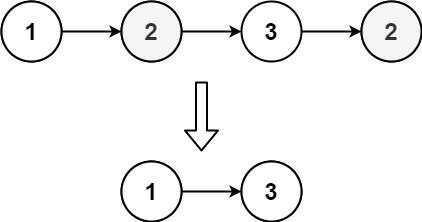
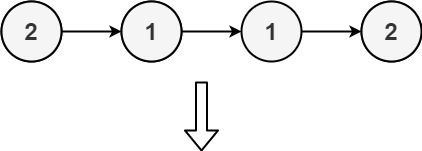
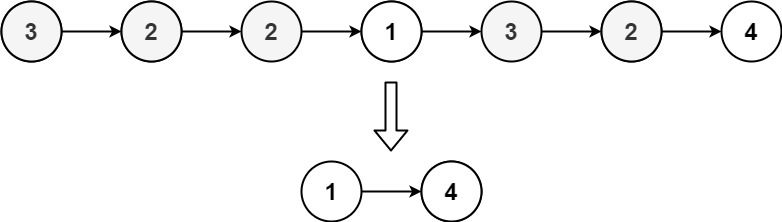
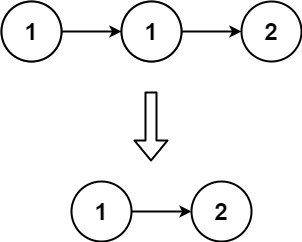
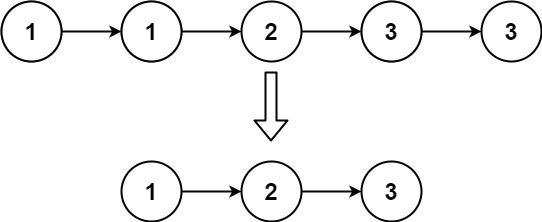
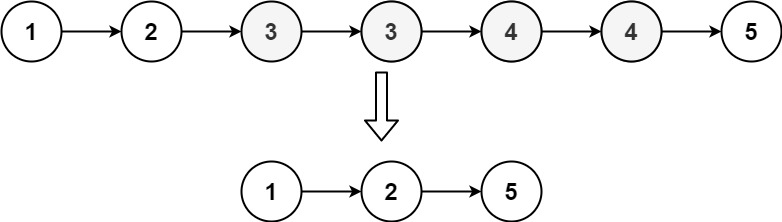
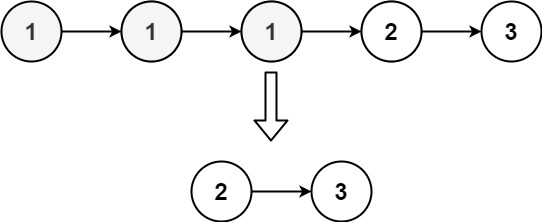
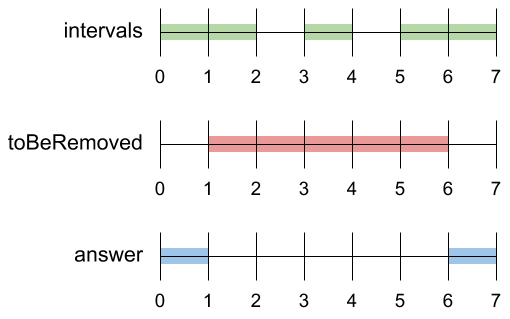
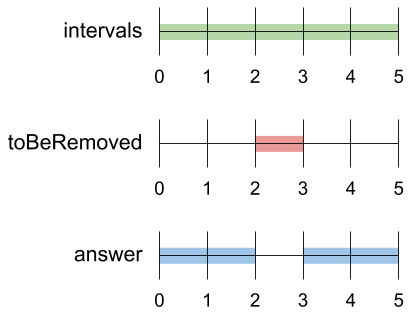
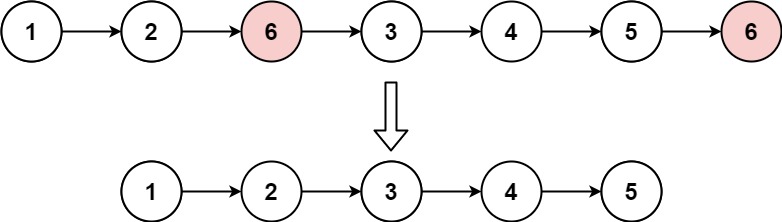
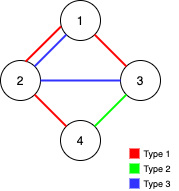
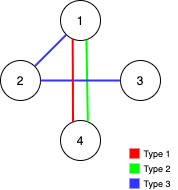
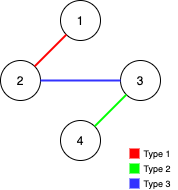

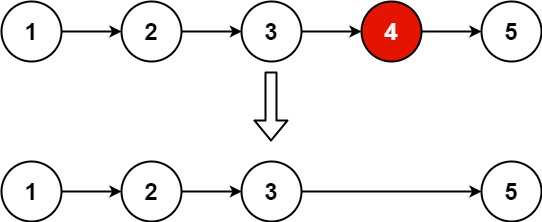
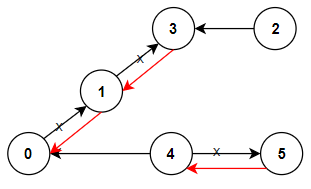

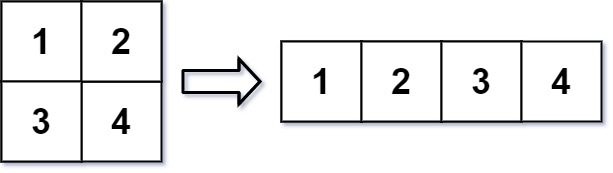
You are given an integer array \deck\. There is a deck of cards where every card has a unique integer. The integer on the \i\th\\ card is \deck\[i]\.\

\

You can order the deck in any order you want. Initially, all the cards start face down (unrevealed) in one deck.\

\

You will do the following steps repeatedly until all cards are revealed:\

\
    \
  1. Take the top card of the deck, reveal it, and take it out of the deck.\
  2. \
  3. If there are still cards in the deck then put the next top card of the deck at the bottom of the deck.\
  4. \
  5. If there are still unrevealed cards, go back to step 1. Otherwise, stop.\
  6. \
\

Return \an ordering of the deck that would reveal the cards in \increasing\ order\.\

\

\Note\ that the first entry in the answer is considered to be the top of the deck.\

### Examples ``` Input: deck = [17,13,11,2,3,5,7] Output: [2,13,3,11,5,17,7] Explanation: We get the deck in the order [17,13,11,2,3,5,7] (this order does not matter), and reorder it. ``` ``` Input: deck = [1,1000] Output: [1,1000] ``` ### Constraints * 1 \<= deck.length \<= 1000 * 1 \<= deck\[i] \<= 10^6 * All the values of deck are unique. ## Solution Reference implementation from [solution.py on GitHub](https://github.com/wislertt/leetcode-py/blob/main/leetcode/reveal_cards_in_increasing_order/solution.py), full suite in [test\_solution.py](https://github.com/wislertt/leetcode-py/blob/main/leetcode/reveal_cards_in_increasing_order/test_solution.py): ```python theme={"theme":{"light":"github-light","dark":"github-dark"}} from collections import deque class Solution: # Time: O(n log n) # Space: O(n) def deck_revealed_increasing(self, deck: list[int]) -> list[int]: queue: deque[int] = deque(range(len(deck))) result: list[int] = [0] * len(deck) for card in sorted(deck): # Reveal the card at the front position result[queue.popleft()] = card # Move the next position to the bottom if queue: queue.append(queue.popleft()) return result ``` ## Complexity | Time | Space | | ---------- | ----- | | O(n log n) | O(n) | ## Tags [NeetCode All](/catalog/neetcode). # Reverse Bits Python Solution with Tests Source: https://leetcode-py.wisl.dev/problems/reverse-bits Tested Python solution for LeetCode 190 with 16 pytest cases. Generate a practice environment with lcpy. LeetCode 190, [Easy](/catalog/easy). Topics: [Divide and Conquer](/catalog/topics/divide-and-conquer), [Bit Manipulation](/catalog/topics/bit-manipulation). [View on LeetCode](https://leetcode.com/problems/reverse-bits/description/). Generate this problem as a practice environment: tested reference solution, 16 [parametrized pytest cases](/practice/testing), and a playground notebook: ```bash theme={"theme":{"light":"github-light","dark":"github-dark"}} lcpy gen -n 190 # by problem number lcpy gen -s reverse_bits # by problem name ``` ## Problem Reverse bits of a given 32 bits signed integer. ### Examples ``` Input: n = 43261596 Output: 964176192 Explanation: | Integer | Binary | |------------|-------------------------------------| | 43261596 | 00000010100101000001111010011100 | | 964176192 | 00111001011110000010100101000000 | ``` ``` Input: n = 2147483644 Output: 1073741822 Explanation: | Integer | Binary | |-------------|-------------------------------------| | 2147483644 | 01111111111111111111111111111100 | | 1073741822 | 00111111111111111111111111111110 | ``` ### Constraints * 0 \<= n \<= 2^31 - 2 * n is even. **Follow up:** If this function is called many times, how would you optimize it? ## Solution Reference implementation from [solution.py on GitHub](https://github.com/wislertt/leetcode-py/blob/main/leetcode/reverse_bits/solution.py), full suite in [test\_solution.py](https://github.com/wislertt/leetcode-py/blob/main/leetcode/reverse_bits/test_solution.py): ```python theme={"theme":{"light":"github-light","dark":"github-dark"}} class Solution: # Time: O(1) - always 32 iterations # Space: O(1) - only using constant extra space def reverse_bits(self, n: int) -> int: """ Reverse the bits of a 32-bit unsigned integer. Algorithm: 1. Initialize result to 0 2. For each of the 32 bits: - Extract the rightmost bit of n using (n & 1) - Add it to the result at the appropriate position - Right shift n to get the next bit - Left shift result to make room for the next bit 3. Return the result This approach is optimal for single calls. For multiple calls, we could use a lookup table for optimization. """ result = 0 for _ in range(32): result = (result << 1) | (n & 1) n >>= 1 return result ``` ## Complexity | Time | Space | | --------------------------- | -------------------------------------- | | O(1) - always 32 iterations | O(1) - only using constant extra space | ## Tags [Grind](/catalog/grind), [Blind 75](/catalog/blind-75), [NeetCode 150](/catalog/neetcode-150), [NeetCode 250](/catalog/neetcode-250), [NeetCode All](/catalog/neetcode). # Reverse Integer Python Solution with Tests Source: https://leetcode-py.wisl.dev/problems/reverse-integer Tested Python solution for LeetCode 7 with 20 pytest cases. Generate a practice environment with lcpy. LeetCode 7, [Medium](/catalog/medium). Topics: [Math](/catalog/topics/math). [View on LeetCode](https://leetcode.com/problems/reverse-integer/description/). Generate this problem as a practice environment: tested reference solution, 20 [parametrized pytest cases](/practice/testing), and a playground notebook: ```bash theme={"theme":{"light":"github-light","dark":"github-dark"}} lcpy gen -n 7 # by problem number lcpy gen -s reverse_integer # by problem name ``` ## Problem Given a signed 32-bit integer `x`, return `x` *with its digits reversed*. If reversing `x` causes the value to go outside the signed 32-bit integer range `[-2^31, 2^31 - 1]`, then return `0`. **Assume the environment does not allow you to store 64-bit integers (signed or unsigned).** ### Examples ``` Input: x = 123 Output: 321 ``` ``` Input: x = -123 Output: -321 ``` ``` Input: x = 120 Output: 21 ``` ### Constraints * -2^31 \<= x \<= 2^31 - 1 ## Solution Reference implementation from [solution.py on GitHub](https://github.com/wislertt/leetcode-py/blob/main/leetcode/reverse_integer/solution.py), full suite in [test\_solution.py](https://github.com/wislertt/leetcode-py/blob/main/leetcode/reverse_integer/test_solution.py): ```python theme={"theme":{"light":"github-light","dark":"github-dark"}} class Solution: # Time: O(log(x)) # Space: O(1) def reverse(self, x: int) -> int: int_max = 2**31 - 1 result = 0 sign = 1 if x >= 0 else -1 x = abs(x) while x != 0: digit = x % 10 x //= 10 # Check for overflow before adding the digit if result > (int_max - digit) // 10: return 0 result = result * 10 + digit return sign * result ``` ## Complexity | Time | Space | | --------- | ----- | | O(log(x)) | O(1) | ## Tags [Grind](/catalog/grind), [NeetCode 150](/catalog/neetcode-150), [NeetCode 250](/catalog/neetcode-250), [NeetCode All](/catalog/neetcode), [AlgoMaster 75](/catalog/algo-master-75). # Reverse Linked List Python Solution with Tests Source: https://leetcode-py.wisl.dev/problems/reverse-linked-list Tested Python solution for LeetCode 206 with 15 pytest cases. Generate a practice environment with lcpy. LeetCode 206, [Easy](/catalog/easy). Topics: [Linked List](/catalog/topics/linked-list), [Recursion](/catalog/topics/recursion). [View on LeetCode](https://leetcode.com/problems/reverse-linked-list/description/). Generate this problem as a practice environment: tested reference solution, 15 [parametrized pytest cases](/practice/testing), and a playground notebook: ```bash theme={"theme":{"light":"github-light","dark":"github-dark"}} lcpy gen -n 206 # by problem number lcpy gen -s reverse_linked_list # by problem name ``` ## Problem Given the `head` of a singly linked list, reverse the list, and return the reversed list. ### Examples ![Example 1](https://assets.leetcode.com/uploads/2021/02/19/rev1ex1.jpg) ``` Input: head = [1,2,3,4,5] Output: [5,4,3,2,1] ``` ![Example 2](https://assets.leetcode.com/uploads/2021/02/19/rev1ex2.jpg) ``` Input: head = [1,2] Output: [2,1] ``` ``` Input: head = [] Output: [] ``` ### Constraints * The number of nodes in the list is the range `[0, 5000]`. * `-5000 <= Node.val <= 5000` **Follow up:** A linked list can be reversed either iteratively or recursively. Could you implement both? ## Solution Reference implementation from [solution.py on GitHub](https://github.com/wislertt/leetcode-py/blob/main/leetcode/reverse_linked_list/solution.py), full suite in [test\_solution.py](https://github.com/wislertt/leetcode-py/blob/main/leetcode/reverse_linked_list/test_solution.py): ```python theme={"theme":{"light":"github-light","dark":"github-dark"}} from leetcode_py import ListNode class Solution: # Time: O(n) # Space: O(1) def reverse_list(self, head: ListNode[int] | None) -> ListNode[int] | None: if not head: return None # Iterative approach using three pointers # Example: [1,2,3] -> [3,2,1] # # Initial: prev curr # None ↓ # 1 -> 2 -> 3 -> None # prev: ListNode[int] | None = None curr: ListNode[int] | None = head while curr: # Store next node before breaking the link next_node = curr.next # # prev curr next_node # None ↓ ↓ # 1 -> 2 -> 3 -> None # # Reverse the current link curr.next = prev # None <- 1 2 -> 3 -> None # prev curr next_node # # Move pointers forward prev = curr curr = next_node # 1 <- 2 3 -> None # prev curr # # 1 <- 2 <- 3 None # prev curr # prev now points to new head of reversed list return prev ``` ## Complexity | Time | Space | | ---- | ----- | | O(n) | O(1) | ## Tags [Grind 75](/catalog/grind-75), [Grind](/catalog/grind), [Blind 75](/catalog/blind-75), [NeetCode 150](/catalog/neetcode-150), [NeetCode 250](/catalog/neetcode-250), [NeetCode All](/catalog/neetcode). # Reverse Linked List II Python Solution Source: https://leetcode-py.wisl.dev/problems/reverse-linked-list-ii Tested Python solution for LeetCode 92 with 12 pytest cases. Generate a practice environment with lcpy. LeetCode 92, [Medium](/catalog/medium). Topics: [Linked List](/catalog/topics/linked-list). [View on LeetCode](https://leetcode.com/problems/reverse-linked-list-ii/description/). Generate this problem as a practice environment: tested reference solution, 12 [parametrized pytest cases](/practice/testing), and a playground notebook: ```bash theme={"theme":{"light":"github-light","dark":"github-dark"}} lcpy gen -n 92 # by problem number lcpy gen -s reverse_linked_list_ii # by problem name ``` ## Problem Given the `head` of a singly linked list and two integers `left` and `right` where `left <= right`, reverse the nodes of the list from position `left` to position `right`, and return the reversed list. ### Examples ``` Input: head = [1,2,3,4,5], left = 2, right = 4 Output: [1,4,3,2,5] ``` ``` Input: head = [5], left = 1, right = 1 Output: [5] ``` ### Constraints * The number of nodes in the list is n * 1 \<= n \<= 500 * -500 \<= Node.val \<= 500 * 1 \<= left \<= right \<= n **Follow up:** Could you do it in one pass? ## Solution Reference implementation from [solution.py on GitHub](https://github.com/wislertt/leetcode-py/blob/main/leetcode/reverse_linked_list_ii/solution.py), full suite in [test\_solution.py](https://github.com/wislertt/leetcode-py/blob/main/leetcode/reverse_linked_list_ii/test_solution.py): ```python theme={"theme":{"light":"github-light","dark":"github-dark"}} from leetcode_py import ListNode class Solution: # Time: O(n) # Space: O(1) def reverse_between( self, head: ListNode[int] | None, left: int, right: int ) -> ListNode[int] | None: if not head or left == right: return head dummy = ListNode[int](0) dummy.next = head prev = dummy # Move to position before left for _ in range(left - 1): assert prev.next prev = prev.next # Reverse from left to right using iterative approach # Example: [1,2,3,4,5] left=2, right=4 -> [1,4,3,2,5] # # Initial: prev curr # ↓ ↓ # 1 -> 2 -> 3 -> 4 -> 5 # assert prev.next curr = prev.next # First node to be reversed (will become last after reversal) # Reverse by moving nodes one by one to the front of the section for _ in range(right - left): assert curr.next next_node = curr.next # Node to move to front # # prev curr next_node # ↓ ↓ ↓ # 1 -> 2 -> 3 -> 4 -> 5 # curr.next = next_node.next # 1 -> 2 -----> 4 -> 5 # 3 ↗ # next_node.next = prev.next # 1 -> 2 -----> 4 -> 5 # 3 ↗ # prev.next = next_node # 1 -> 3 -> 2 -> 4 -> 5 # prev ↑ curr # next_node return dummy.next ``` ## Complexity | Time | Space | | ---- | ----- | | O(n) | O(1) | ## Tags [NeetCode 250](/catalog/neetcode-250), [NeetCode All](/catalog/neetcode). # Reverse Nodes in k-Group Python Solution Source: https://leetcode-py.wisl.dev/problems/reverse-nodes-in-k-group Tested Python solution for LeetCode 25 with 20 pytest cases. Generate a practice environment with lcpy. LeetCode 25, [Hard](/catalog/hard). Topics: [Linked List](/catalog/topics/linked-list), [Recursion](/catalog/topics/recursion). [View on LeetCode](https://leetcode.com/problems/reverse-nodes-in-k-group/description/). Generate this problem as a practice environment: tested reference solution, 20 [parametrized pytest cases](/practice/testing), and a playground notebook: ```bash theme={"theme":{"light":"github-light","dark":"github-dark"}} lcpy gen -n 25 # by problem number lcpy gen -s reverse_nodes_in_k_group # by problem name ``` ## Problem Given the `head` of a linked list, reverse the nodes of the list `k` at a time, and return *the modified list*. `k` is a positive integer and is less than or equal to the length of the linked list. If the number of nodes is not a multiple of `k` then left-out nodes, in the end, should remain as it is. You may not alter the values in the list's nodes, only nodes themselves may be changed. ### Examples ![Example 1](https://assets.leetcode.com/uploads/2020/10/03/reverse_ex1.jpg) ``` Input: head = [1,2,3,4,5], k = 2 Output: [2,1,4,3,5] ``` ![Example 2](https://assets.leetcode.com/uploads/2020/10/03/reverse_ex2.jpg) ``` Input: head = [1,2,3,4,5], k = 3 Output: [3,2,1,4,5] ``` ### Constraints * The number of nodes in the list is n. * 1 \<= k \<= n \<= 5000 * 0 \<= Node.val \<= 1000 **Follow-up:** Can you solve the problem in `O(1)` extra memory space? ## Solution Reference implementation from [solution.py on GitHub](https://github.com/wislertt/leetcode-py/blob/main/leetcode/reverse_nodes_in_k_group/solution.py), full suite in [test\_solution.py](https://github.com/wislertt/leetcode-py/blob/main/leetcode/reverse_nodes_in_k_group/test_solution.py): ```python theme={"theme":{"light":"github-light","dark":"github-dark"}} from leetcode_py import ListNode class Solution: # Time: O(n) # Space: O(1) def reverse_k_group(self, head: ListNode[int] | None, k: int) -> ListNode[int] | None: if not head or k == 1: return head # Check if we have at least k nodes curr: ListNode[int] | None = head count = 0 while curr and count < k: curr = curr.next count += 1 if count == k: # Reverse the first k nodes prev = self.reverse_k_group(curr, k) # Recursively reverse remaining groups curr = head while count > 0 and curr is not None: next_temp = curr.next curr.next = prev prev = curr curr = next_temp count -= 1 head = prev return head ``` ## Complexity | Time | Space | | ---- | ----- | | O(n) | O(1) | ## Tags [Grind](/catalog/grind), [NeetCode 150](/catalog/neetcode-150), [NeetCode 250](/catalog/neetcode-250), [NeetCode All](/catalog/neetcode), [AlgoMaster 75](/catalog/algo-master-75). # Reverse Odd Levels of Binary Tree Source: https://leetcode-py.wisl.dev/problems/reverse-odd-levels-of-binary-tree Tested Python solution for LeetCode 2415 with 17 pytest cases. Generate a practice environment with lcpy. LeetCode 2415, [Medium](/catalog/medium). Topics: [Tree](/catalog/topics/tree), [Depth-First Search](/catalog/topics/depth-first-search), [Breadth-First Search](/catalog/topics/breadth-first-search), [Binary Tree](/catalog/topics/binary-tree). [View on LeetCode](https://leetcode.com/problems/reverse-odd-levels-of-binary-tree/description/). Generate this problem as a practice environment: tested reference solution, 17 [parametrized pytest cases](/practice/testing), and a playground notebook: ```bash theme={"theme":{"light":"github-light","dark":"github-dark"}} lcpy gen -n 2415 # by problem number lcpy gen -s reverse_odd_levels_of_binary_tree # by problem name ``` ## Problem Given the `root` of a \perfect\ binary tree, reverse the node values at each \odd\ level of the tree. For example, suppose the node values at level 3 are `[2,1,3,4,7,11,29,18]`, then it should become `[18,29,11,7,4,3,1,2]`. Return \the root of the reversed tree\. A binary tree is \perfect\ if all parent nodes have two children and all leaves are on the same level. The \level\ of a node is the number of edges along the path between it and the root node. ### Examples ![Example 1](https://assets.leetcode.com/uploads/2022/07/28/first_case1.png) ``` Input: root = [2,3,5,8,13,21,34] Output: [2,5,3,8,13,21,34] Explanation: The tree has only one odd level. The nodes at level 1 are 3, 5 respectively, which are reversed and become 5, 3. ``` ![Example 2](https://assets.leetcode.com/uploads/2022/07/28/second_case3.png) ``` Input: root = [7,13,11] Output: [7,11,13] Explanation: The nodes at level 1 are 13, 11, which are reversed and become 11, 13. ``` ``` Input: root = [0,1,2,0,0,0,0,1,1,1,1,2,2,2,2] Output: [0,2,1,0,0,0,0,2,2,2,2,1,1,1,1] Explanation: The odd levels have non-zero values. The nodes at level 1 were 1, 2, and are 2, 1 after the reversal. The nodes at level 3 were 1, 1, 1, 1, 2, 2, 2, 2, and are 2, 2, 2, 2, 1, 1, 1, 1 after the reversal. ``` ### Constraints * The number of nodes in the tree is in the range \[1, 2^14] * 0 \<= Node.val \<= 10^5 * root is a perfect binary tree ## Solution Reference implementation from [solution.py on GitHub](https://github.com/wislertt/leetcode-py/blob/main/leetcode/reverse_odd_levels_of_binary_tree/solution.py), full suite in [test\_solution.py](https://github.com/wislertt/leetcode-py/blob/main/leetcode/reverse_odd_levels_of_binary_tree/test_solution.py): ```python theme={"theme":{"light":"github-light","dark":"github-dark"}} from collections import deque from leetcode_py import TreeNode class Solution: # Time: O(n) # Space: O(w) for the level queue, w = 2^depth at the deepest level def reverse_odd_levels(self, root: TreeNode[int] | None) -> TreeNode[int] | None: if root is None: return None queue: deque[TreeNode[int]] = deque([root]) depth = 0 while queue: level = list(queue) if depth % 2 == 1: left = 0 right = len(level) - 1 while left < right: level[left].val, level[right].val = level[right].val, level[left].val left += 1 right -= 1 queue = deque( child for node in level for child in (node.left, node.right) if child is not None ) depth += 1 return root ``` ## Complexity | Time | Space | | ---- | ---------------------------------------------------------- | | O(n) | O(w) for the level queue, w = 2^depth at the deepest level | ## Tags [NeetCode All](/catalog/neetcode). # Reverse Only Letters Python Solution Source: https://leetcode-py.wisl.dev/problems/reverse-only-letters Tested Python solution for LeetCode 917 with 22 pytest cases. Generate a practice environment with lcpy. LeetCode 917, [Easy](/catalog/easy). Topics: [Two Pointers](/catalog/topics/two-pointers), [String](/catalog/topics/string). [View on LeetCode](https://leetcode.com/problems/reverse-only-letters/description/). Generate this problem as a practice environment: tested reference solution, 22 [parametrized pytest cases](/practice/testing), and a playground notebook: ```bash theme={"theme":{"light":"github-light","dark":"github-dark"}} lcpy gen -n 917 # by problem number lcpy gen -s reverse_only_letters # by problem name ``` ## Problem Given a string `s`, reverse the string according to the following rules: * All the characters that are not English letters remain in the same position. * All the English letters (lowercase or uppercase) should be reversed. Return `s` *after reversing it*. ### Examples ``` Input: s = "ab-cd" Output: "dc-ba" ``` ``` Input: s = "a-bC-dEf-ghIj" Output: "j-Ih-gfE-dCba" ``` ``` Input: s = "Test1ng-Leet=code-Q!" Output: "Qedo1ct-eeLg=ntse-T!" ``` ### Constraints * 1 \<= s.length \<= 100 * s consists of characters with ASCII values in the range \[33, 122]. * s does not contain '"' or '\\'. ## Solution Reference implementation from [solution.py on GitHub](https://github.com/wislertt/leetcode-py/blob/main/leetcode/reverse_only_letters/solution.py), full suite in [test\_solution.py](https://github.com/wislertt/leetcode-py/blob/main/leetcode/reverse_only_letters/test_solution.py): ```python theme={"theme":{"light":"github-light","dark":"github-dark"}} class Solution: # Time: O(n) # Space: O(n) def reverse_only_letters(self, s: str) -> str: chars = list(s) left, right = 0, len(chars) - 1 while left < right: if not chars[left].isalpha(): left += 1 elif not chars[right].isalpha(): right -= 1 else: chars[left], chars[right] = chars[right], chars[left] left += 1 right -= 1 return "".join(chars) ``` ## Complexity | Time | Space | | ---- | ----- | | O(n) | O(n) | ## Tags # Reverse Pairs Python Solution with Tests Source: https://leetcode-py.wisl.dev/problems/reverse-pairs Tested Python solution for LeetCode 493 with 22 pytest cases. Generate a practice environment with lcpy. LeetCode 493, [Hard](/catalog/hard). Topics: [Array](/catalog/topics/array), [Binary Search](/catalog/topics/binary-search), [Divide and Conquer](/catalog/topics/divide-and-conquer), [Binary Indexed Tree](/catalog/topics/binary-indexed-tree), [Segment Tree](/catalog/topics/segment-tree), Merge Sort, [Ordered Set](/catalog/topics/ordered-set), Treap. [View on LeetCode](https://leetcode.com/problems/reverse-pairs/description/). Generate this problem as a practice environment: tested reference solution, 22 [parametrized pytest cases](/practice/testing), and a playground notebook: ```bash theme={"theme":{"light":"github-light","dark":"github-dark"}} lcpy gen -n 493 # by problem number lcpy gen -s reverse_pairs # by problem name ``` ## Problem Given an integer array `nums`, return the number of **reverse pairs** in the array. A reverse pair is a pair `(i, j)` where: * `0 <= i < j < nums.length` and * `nums[i] > 2 * nums[j]`. ### Examples ``` Input: nums = [1,3,2,3,1] Output: 2 ``` **Explanation:** The reverse pairs are: (1, 4) --> nums\[1] = 3, nums\[4] = 1, 3 > 2 \* 1 (3, 4) --> nums\[3] = 3, nums\[4] = 1, 3 > 2 \* 1 ``` Input: nums = [2,4,3,5,1] Output: 3 ``` **Explanation:** The reverse pairs are: (1, 4) --> nums\[1] = 4, nums\[4] = 1, 4 > 2 \* 1 (2, 4) --> nums\[2] = 3, nums\[4] = 1, 3 > 2 \* 1 (3, 4) --> nums\[3] = 5, nums\[4] = 1, 5 > 2 \* 1 ### Constraints * 1 \<= nums.length \<= 5 \* 10^4 * -2^31 \<= nums\[i] \<= 2^31 - 1 ## Solution Reference implementation from [solution.py on GitHub](https://github.com/wislertt/leetcode-py/blob/main/leetcode/reverse_pairs/solution.py), full suite in [test\_solution.py](https://github.com/wislertt/leetcode-py/blob/main/leetcode/reverse_pairs/test_solution.py): ```python theme={"theme":{"light":"github-light","dark":"github-dark"}} class Solution: # Time: O(n log n) # Space: O(n) def reverse_pairs(self, nums: list[int]) -> int: def merge_sort(values: list[int]) -> tuple[list[int], int]: if len(values) <= 1: return values, 0 mid = len(values) // 2 left, left_pairs = merge_sort(values[:mid]) right, right_pairs = merge_sort(values[mid:]) pairs = left_pairs + right_pairs j = 0 for x in left: while j < len(right) and x > 2 * right[j]: j += 1 pairs += j merged: list[int] = [] i = 0 j = 0 while i < len(left) and j < len(right): if left[i] <= right[j]: merged.append(left[i]) i += 1 else: merged.append(right[j]) j += 1 merged.extend(left[i:]) merged.extend(right[j:]) return merged, pairs _, total = merge_sort(nums) return total ``` ## Complexity | Time | Space | | ---------- | ----- | | O(n log n) | O(n) | ## Tags # Reverse String Python Solution with Tests Source: https://leetcode-py.wisl.dev/problems/reverse-string Tested Python solution for LeetCode 344 with 15 pytest cases. Generate a practice environment with lcpy. LeetCode 344, [Easy](/catalog/easy). Topics: [Two Pointers](/catalog/topics/two-pointers), [String](/catalog/topics/string). [View on LeetCode](https://leetcode.com/problems/reverse-string/description/). Generate this problem as a practice environment: tested reference solution, 15 [parametrized pytest cases](/practice/testing), and a playground notebook: ```bash theme={"theme":{"light":"github-light","dark":"github-dark"}} lcpy gen -n 344 # by problem number lcpy gen -s reverse_string # by problem name ``` ## Problem Write a function that reverses a string. The input string is given as an array of characters `s`. You must do this by modifying the input array [in-place](https://en.wikipedia.org/wiki/In-place_algorithm) with `O(1)` extra memory. ### Examples ``` Input: s = ["h","e","l","l","o"] Output: ["o","l","l","e","h"] ``` ``` Input: s = ["H","a","n","n","a","h"] Output: ["h","a","n","n","a","H"] ``` ### Constraints * 1 \<= s.length \<= 10^5 * s\[i] is a [printable ascii character](https://en.wikipedia.org/wiki/ASCII#Printable_characters). ## Solution Reference implementation from [solution.py on GitHub](https://github.com/wislertt/leetcode-py/blob/main/leetcode/reverse_string/solution.py), full suite in [test\_solution.py](https://github.com/wislertt/leetcode-py/blob/main/leetcode/reverse_string/test_solution.py): ```python theme={"theme":{"light":"github-light","dark":"github-dark"}} class Solution: # Time: O(n) # Space: O(1) def reverse_string(self, s: list[str]) -> None: left = 0 right = len(s) - 1 while left < right: s[left], s[right] = s[right], s[left] left += 1 right -= 1 ``` ## Complexity | Time | Space | | ---- | ----- | | O(n) | O(1) | ## Tags [NeetCode 250](/catalog/neetcode-250), [NeetCode All](/catalog/neetcode). # Reverse String II Python Solution with Tests Source: https://leetcode-py.wisl.dev/problems/reverse-string-ii Tested Python solution for LeetCode 541 with 18 pytest cases. Generate a practice environment with lcpy. LeetCode 541, [Easy](/catalog/easy). Topics: [Two Pointers](/catalog/topics/two-pointers), [String](/catalog/topics/string). [View on LeetCode](https://leetcode.com/problems/reverse-string-ii/description/). Generate this problem as a practice environment: tested reference solution, 18 [parametrized pytest cases](/practice/testing), and a playground notebook: ```bash theme={"theme":{"light":"github-light","dark":"github-dark"}} lcpy gen -n 541 # by problem number lcpy gen -s reverse_string_ii # by problem name ``` ## Problem Given a string `s` and an integer `k`, reverse the first `k` characters for every `2k` characters counting from the start of the string. If there are fewer than `k` characters left, reverse all of them. If there are less than `2k` but greater than or equal to `k` characters, then reverse the first `k` characters and leave the other as original. ### Examples ``` Input: s = "abcdefg", k = 2 Output: "bacdfeg" ``` ``` Input: s = "abcd", k = 2 Output: "bacd" ``` ### Constraints * 1 \<= s.length \<= 10^4 * s consists of only lowercase English letters. * 1 \<= k \<= 10^4 ## Solution Reference implementation from [solution.py on GitHub](https://github.com/wislertt/leetcode-py/blob/main/leetcode/reverse_string_ii/solution.py), full suite in [test\_solution.py](https://github.com/wislertt/leetcode-py/blob/main/leetcode/reverse_string_ii/test_solution.py): ```python theme={"theme":{"light":"github-light","dark":"github-dark"}} class Solution: # Time: O(n) # Space: O(n) def reverse_str(self, s: str, k: int) -> str: chars = list(s) for i in range(0, len(chars), 2 * k): chars[i : i + k] = reversed(chars[i : i + k]) return "".join(chars) ``` ## Complexity | Time | Space | | ---- | ----- | | O(n) | O(n) | ## Tags # Reverse Substrings Between Each Pair of Source: https://leetcode-py.wisl.dev/problems/reverse-substrings-between-each-pair-of-parentheses Tested Python solution for LeetCode 1190 with 16 pytest cases. Generate a practice environment with lcpy. LeetCode 1190, [Medium](/catalog/medium). Topics: [String](/catalog/topics/string), [Stack](/catalog/topics/stack), Bracket Sequences. [View on LeetCode](https://leetcode.com/problems/reverse-substrings-between-each-pair-of-parentheses/description/). Generate this problem as a practice environment: tested reference solution, 16 [parametrized pytest cases](/practice/testing), and a playground notebook: ```bash theme={"theme":{"light":"github-light","dark":"github-dark"}} lcpy gen -n 1190 # by problem number lcpy gen -s reverse_substrings_between_each_pair_of_parentheses # by problem name ``` ## Problem You are given a string `s` that consists of lower case English letters and brackets. Reverse the strings in each pair of matching parentheses, starting from the innermost one. Your result should **not** contain any brackets. ### Examples ``` Input: s = "(abcd)" Output: "dcba" ``` ``` Input: s = "(u(love)i)" Output: "iloveu" Explanation: The substring "love" is reversed first, then the whole string is reversed. ``` ``` Input: s = "(ed(et(oc))el)" Output: "leetcode" Explanation: First, we reverse the substring "oc", then "etco", and finally, the whole string. ``` ### Constraints * `1 <= s.length <= 2000` * `s` only contains lower case English characters and parentheses. * It is guaranteed that all parentheses are balanced. ## Solution Reference implementation from [solution.py on GitHub](https://github.com/wislertt/leetcode-py/blob/main/leetcode/reverse_substrings_between_each_pair_of_parentheses/solution.py), full suite in [test\_solution.py](https://github.com/wislertt/leetcode-py/blob/main/leetcode/reverse_substrings_between_each_pair_of_parentheses/test_solution.py): ```python theme={"theme":{"light":"github-light","dark":"github-dark"}} class Solution: # Time: O(n^2) worst case, O(n) average # Space: O(n) def reverse_parentheses(self, s: str) -> str: stack: list[str] = [] for char in s: if char == ")": segment: list[str] = [] while stack and stack[-1] != "(": segment.append(stack.pop()) stack.pop() stack.extend(segment) else: stack.append(char) return "".join(stack) ``` ## Complexity | Time | Space | | ------------------------------- | ----- | | O(n^2) worst case, O(n) average | O(n) | ## Tags [NeetCode All](/catalog/neetcode). # Reverse Vowels of a String Python Solution Source: https://leetcode-py.wisl.dev/problems/reverse-vowels-of-a-string Tested Python solution for LeetCode 345 with 18 pytest cases. Generate a practice environment with lcpy. LeetCode 345, [Easy](/catalog/easy). Topics: [Two Pointers](/catalog/topics/two-pointers), [String](/catalog/topics/string). [View on LeetCode](https://leetcode.com/problems/reverse-vowels-of-a-string/description/). Generate this problem as a practice environment: tested reference solution, 18 [parametrized pytest cases](/practice/testing), and a playground notebook: ```bash theme={"theme":{"light":"github-light","dark":"github-dark"}} lcpy gen -n 345 # by problem number lcpy gen -s reverse_vowels_of_a_string # by problem name ``` ## Problem Given a string `s`, reverse only all the vowels in the string and return it. The vowels are `'a'`, `'e'`, `'i'`, `'o'`, and `'u'`, and they can appear in both lower and upper cases, more than once. ### Examples ``` Input: s = \"IceCreAm\" Output: \"AceCreIm\" ``` **Explanation:** The vowels in `s` are `['I', 'e', 'e', 'A']`. On reversing the vowels, `s` becomes "AceCreIm". ``` Input: s = \"leetcode\" Output: \"leotcede\" ``` ### Constraints * 1 \<= s.length \<= 3 \* 10^5 * s consists of printable ASCII characters. ## Solution Reference implementation from [solution.py on GitHub](https://github.com/wislertt/leetcode-py/blob/main/leetcode/reverse_vowels_of_a_string/solution.py), full suite in [test\_solution.py](https://github.com/wislertt/leetcode-py/blob/main/leetcode/reverse_vowels_of_a_string/test_solution.py): ```python theme={"theme":{"light":"github-light","dark":"github-dark"}} class Solution: # Time: O(n) # Space: O(n) def reverse_vowels(self, s: str) -> str: vowels = set("aeiouAEIOU") chars = list(s) left, right = 0, len(chars) - 1 while left < right: while left < right and chars[left] not in vowels: left += 1 while left < right and chars[right] not in vowels: right -= 1 chars[left], chars[right] = chars[right], chars[left] left += 1 right -= 1 return "".join(chars) ``` ## Complexity | Time | Space | | ---- | ----- | | O(n) | O(n) | ## Tags # Reverse Words in a String Python Solution Source: https://leetcode-py.wisl.dev/problems/reverse-words-in-a-string Tested Python solution for LeetCode 151 with 15 pytest cases. Generate a practice environment with lcpy. LeetCode 151, [Medium](/catalog/medium). Topics: [Two Pointers](/catalog/topics/two-pointers), [String](/catalog/topics/string). [View on LeetCode](https://leetcode.com/problems/reverse-words-in-a-string/description/). Generate this problem as a practice environment: tested reference solution, 15 [parametrized pytest cases](/practice/testing), and a playground notebook: ```bash theme={"theme":{"light":"github-light","dark":"github-dark"}} lcpy gen -n 151 # by problem number lcpy gen -s reverse_words_in_a_string # by problem name ``` ## Problem Given an input string `s`, reverse the order of the words. A word is defined as a sequence of non-space characters. The words in `s` will be separated by at least one space. Return a string of the words in reverse order concatenated by a single space. ### Examples ``` Input: s = "the sky is blue" Output: "blue is sky the" ``` ``` Input: s = " hello world " Output: "world hello" Explanation: Your reversed string should not contain leading or trailing spaces. ``` ``` Input: s = "a good example" Output: "example good a" Explanation: You need to reduce multiple spaces between two words to a single space in the reversed string. ``` ### Constraints * 1 \<= s.length \<= 10^4 * s contains English letters (upper-case and lower-case), digits, and spaces ' '. * There is at least one word in s. **Follow up:** If the string data type is mutable in your language, can you solve it in-place with O(1) extra space? ## Solution Reference implementation from [solution.py on GitHub](https://github.com/wislertt/leetcode-py/blob/main/leetcode/reverse_words_in_a_string/solution.py), full suite in [test\_solution.py](https://github.com/wislertt/leetcode-py/blob/main/leetcode/reverse_words_in_a_string/test_solution.py): ```python theme={"theme":{"light":"github-light","dark":"github-dark"}} class Solution: # Time: O(n) where n is the length of the string # Space: O(n) for the split list def reverse_words(self, s: str) -> str: # Split by whitespace (handles multiple spaces) words = s.split() # Reverse the list and join with single space return " ".join(reversed(words)) ``` ## Complexity | Time | Space | | ---------------------------------------- | ----------------------- | | O(n) where n is the length of the string | O(n) for the split list | ## Tags [AlgoMaster 75](/catalog/algo-master-75). # Reverse Words in a String II Python Solution Source: https://leetcode-py.wisl.dev/problems/reverse-words-in-a-string-ii Tested Python solution for LeetCode 186 with 14 pytest cases. Generate a practice environment with lcpy. LeetCode 186, [Medium](/catalog/medium). Topics: [Two Pointers](/catalog/topics/two-pointers), [String](/catalog/topics/string). [View on LeetCode](https://leetcode.com/problems/reverse-words-in-a-string-ii/description/). Generate this problem as a practice environment: tested reference solution, 14 [parametrized pytest cases](/practice/testing), and a playground notebook: ```bash theme={"theme":{"light":"github-light","dark":"github-dark"}} lcpy gen -n 186 # by problem number lcpy gen -s reverse_words_in_a_string_ii # by problem name ``` ## Problem Given a character array `s`, reverse the order of the **words**. A **word** is defined as a sequence of non-space characters. The **words** in `s` will be separated by a single space. Your code must solve the problem **in-place**, i.e. without allocating extra space. ### Examples ``` Input: s = ["t","h","e"," ","s","k","y"," ","i","s"," ","b","l","u","e"] Output: ["b","l","u","e"," ","i","s"," ","s","k","y"," ","t","h","e"] ``` ``` Input: s = ["a"] Output: ["a"] ``` ### Constraints * 1 \<= s.length \<= 10^5 * s\[i] is an English letter (uppercase or lowercase), digit, or space ' ' * There is at least one word in s * s does not contain leading or trailing spaces * All the words in s are guaranteed to be separated by a single space ## Solution Reference implementation from [solution.py on GitHub](https://github.com/wislertt/leetcode-py/blob/main/leetcode/reverse_words_in_a_string_ii/solution.py), full suite in [test\_solution.py](https://github.com/wislertt/leetcode-py/blob/main/leetcode/reverse_words_in_a_string_ii/test_solution.py): ```python theme={"theme":{"light":"github-light","dark":"github-dark"}} class Solution: # Time: O(n) # Space: O(1) def reverse_words(self, s: list[str]) -> None: def reverse(left: int, right: int) -> None: while left < right: s[left], s[right] = s[right], s[left] left += 1 right -= 1 reverse(0, len(s) - 1) start = 0 for i, ch in enumerate(s): if ch == " ": reverse(start, i - 1) start = i + 1 reverse(start, len(s) - 1) ``` ## Complexity | Time | Space | | ---- | ----- | | O(n) | O(1) | ## Tags [NeetCode All](/catalog/neetcode). # Reverse Words in a String III Python Solution Source: https://leetcode-py.wisl.dev/problems/reverse-words-in-a-string-iii Tested Python solution for LeetCode 557 with 14 pytest cases. Generate a practice environment with lcpy. LeetCode 557, [Easy](/catalog/easy). Topics: [Two Pointers](/catalog/topics/two-pointers), [String](/catalog/topics/string). [View on LeetCode](https://leetcode.com/problems/reverse-words-in-a-string-iii/description/). Generate this problem as a practice environment: tested reference solution, 14 [parametrized pytest cases](/practice/testing), and a playground notebook: ```bash theme={"theme":{"light":"github-light","dark":"github-dark"}} lcpy gen -n 557 # by problem number lcpy gen -s reverse_words_in_a_string_iii # by problem name ``` ## Problem Given a string `s`, reverse the order of characters in each word within a sentence while still preserving whitespace and initial word order. ### Examples ``` Input: s = "Let's take LeetCode contest" Output: "s'teL ekat edoCteeL tsetnoc" ``` ``` Input: s = "Mr Ding" Output: "rM gniD" ``` ### Constraints * 1 \<= s.length \<= 5 \* 10^4 * `s` contains printable ASCII characters. * `s` does not contain any leading or trailing spaces. * There is **at least one** word in `s`. * All the words in `s` are separated by a single space. ## Solution Reference implementation from [solution.py on GitHub](https://github.com/wislertt/leetcode-py/blob/main/leetcode/reverse_words_in_a_string_iii/solution.py), full suite in [test\_solution.py](https://github.com/wislertt/leetcode-py/blob/main/leetcode/reverse_words_in_a_string_iii/test_solution.py): ```python theme={"theme":{"light":"github-light","dark":"github-dark"}} class Solution: # Time: O(n) # Space: O(n) def reverse_words(self, s: str) -> str: return " ".join(word[::-1] for word in s.split(" ")) ``` ## Complexity | Time | Space | | ---- | ----- | | O(n) | O(n) | ## Tags [NeetCode All](/catalog/neetcode). # RLE Iterator Python Solution with Tests Source: https://leetcode-py.wisl.dev/problems/rle-iterator Tested Python solution for LeetCode 900 with 15 pytest cases. Generate a practice environment with lcpy. LeetCode 900, [Medium](/catalog/medium). Topics: [Array](/catalog/topics/array), [Design](/catalog/topics/design), [Counting](/catalog/topics/counting), Iterator. [View on LeetCode](https://leetcode.com/problems/rle-iterator/description/). Generate this problem as a practice environment: tested reference solution, 15 [parametrized pytest cases](/practice/testing), and a playground notebook: ```bash theme={"theme":{"light":"github-light","dark":"github-dark"}} lcpy gen -n 900 # by problem number lcpy gen -s rle_iterator # by problem name ``` ## Problem We can use run-length encoding (i.e., RLE) to encode a sequence of integers. In a run-length encoded array of even length `encoding` (0-indexed), for all even `i`, `encoding[i]` tells us the number of times that the non-negative integer value `encoding[i + 1]` is repeated in the sequence. * For example, the sequence `arr = [8,8,8,5,5]` can be encoded to be `encoding = [3,8,2,5]`. `encoding = [3,8,0,9,2,5]` and `encoding = [2,8,1,8,2,5]` are also valid RLE of `arr`. Given a run-length encoded array, design an iterator that iterates through it. Implement the `RLEIterator` class: * `RLEIterator(int[] encoded)` Initializes the object with the encoded array `encoded`. * `int next(int n)` Exhausts the next `n` elements and returns the last element exhausted in this way. If there is no element left to exhaust, return `-1` instead. ### Examples ``` Input ["RLEIterator", "next", "next", "next", "next"] [[[3, 8, 0, 9, 2, 5]], [2], [1], [1], [2]] Output [null, 8, 8, 5, -1] Explanation RLEIterator rLEIterator = new RLEIterator([3, 8, 0, 9, 2, 5]); // This maps to the sequence [8,8,8,5,5]. rLEIterator.next(2); // exhausts 2 terms of the sequence, returning 8. The remaining sequence is now [8, 5, 5]. rLEIterator.next(1); // exhausts 1 term of the sequence, returning 8. The remaining sequence is now [5, 5]. rLEIterator.next(1); // exhausts 1 term of the sequence, returning 5. The remaining sequence is now [5]. rLEIterator.next(2); // exhausts 2 terms, returning -1. This is because the first term exhausted was 5, but the second term did not exist. Since the last term exhausted does not exist, we return -1. ``` ### Constraints * `2 <= encoding.length <= 1000` * `encoding.length` is even. * `0 <= encoding[i] <= 10^9` * `1 <= n <= 10^9` * At most `1000` calls will be made to `next`. ## Solution Reference implementation from [solution.py on GitHub](https://github.com/wislertt/leetcode-py/blob/main/leetcode/rle_iterator/solution.py), full suite in [test\_solution.py](https://github.com/wislertt/leetcode-py/blob/main/leetcode/rle_iterator/test_solution.py): ```python theme={"theme":{"light":"github-light","dark":"github-dark"}} from bisect import bisect_left class RLEIterator: # Time: O(1) init, O(log k) next where k is the number of runs # Space: O(k) for the prefix counts def __init__(self, encoding: list[int]) -> None: self.prefix: list[int] = [] self.values = encoding[1::2] self.pos: int = 0 total = 0 for count in encoding[::2]: total += count self.prefix.append(total) def next(self, n: int) -> int: self.pos += n idx = bisect_left(self.prefix, self.pos) if idx == len(self.prefix): return -1 return self.values[idx] ``` ## Complexity | Time | Space | | ------------------------------------------------------ | -------------------------- | | O(1) init, O(log k) next where k is the number of runs | O(k) for the prefix counts | ## Tags # Robot Bounded In Circle Python Solution Source: https://leetcode-py.wisl.dev/problems/robot-bounded-in-circle Tested Python solution for LeetCode 1041 with 16 pytest cases. Generate a practice environment with lcpy. LeetCode 1041, [Medium](/catalog/medium). Topics: [Math](/catalog/topics/math), [String](/catalog/topics/string), [Simulation](/catalog/topics/simulation). [View on LeetCode](https://leetcode.com/problems/robot-bounded-in-circle/description/). Generate this problem as a practice environment: tested reference solution, 16 [parametrized pytest cases](/practice/testing), and a playground notebook: ```bash theme={"theme":{"light":"github-light","dark":"github-dark"}} lcpy gen -n 1041 # by problem number lcpy gen -s robot_bounded_in_circle # by problem name ``` ## Problem On an infinite plane, a robot initially stands at `(0, 0)` and faces north. Note that: * The north direction is the positive direction of the y-axis. * The south direction is the negative direction of the y-axis. * The east direction is the positive direction of the x-axis. * The west direction is the negative direction of the x-axis. The robot can receive one of three instructions: * `"G"`: go straight 1 unit. * `"L"`: turn 90 degrees to the left (i.e., anti-clockwise direction). * `"R"`: turn 90 degrees to the right (i.e., clockwise direction). The robot performs the `instructions` given in order, and repeats them forever. Return `true` if and only if there exists a circle in the plane such that the robot never leaves the circle. ### Examples ``` Input: instructions = "GGLLGG" Output: true Explanation: The robot is initially at (0, 0) facing the north direction. "G": move one step. Position: (0, 1). Direction: North. "G": move one step. Position: (0, 2). Direction: North. "L": turn 90 degrees anti-clockwise. Position: (0, 2). Direction: West. "L": turn 90 degrees anti-clockwise. Position: (0, 2). Direction: South. "G": move one step. Position: (0, 1). Direction: South. "G": move one step. Position: (0, 0). Direction: South. Repeating the instructions, the robot goes into the cycle: (0, 0) --> (0, 1) --> (0, 2) --> (0, 1) --> (0, 0). Based on that, we return true. ``` ``` Input: instructions = "GG" Output: false Explanation: The robot is initially at (0, 0) facing the north direction. "G": move one step. Position: (0, 1). Direction: North. "G": move one step. Position: (0, 2). Direction: North. Repeating the instructions, keeps advancing in the north direction and does not go into cycles. Based on that, we return false. ``` ``` Input: instructions = "GL" Output: true Explanation: The robot is initially at (0, 0) facing the north direction. "G": move one step. Position: (0, 1). Direction: North. "L": turn 90 degrees anti-clockwise. Position: (0, 1). Direction: West. "G": move one step. Position: (-1, 1). Direction: West. "L": turn 90 degrees anti-clockwise. Position: (-1, 1). Direction: South. "G": move one step. Position: (-1, 0). Direction: South. "L": turn 90 degrees anti-clockwise. Position: (-1, 0). Direction: East. "G": move one step. Position: (0, 0). Direction: East. "L": turn 90 degrees anti-clockwise. Position: (0, 0). Direction: North. Repeating the instructions, the robot goes into the cycle: (0, 0) --> (0, 1) --> (-1, 1) --> (-1, 0) --> (0, 0). Based on that, we return true. ``` ### Constraints * `1 <= instructions.length <= 100` * `instructions[i]` is `'G'`, `'L'` or, `'R'`. ## Solution Reference implementation from [solution.py on GitHub](https://github.com/wislertt/leetcode-py/blob/main/leetcode/robot_bounded_in_circle/solution.py), full suite in [test\_solution.py](https://github.com/wislertt/leetcode-py/blob/main/leetcode/robot_bounded_in_circle/test_solution.py): ```python theme={"theme":{"light":"github-light","dark":"github-dark"}} class Solution: # Time: O(n) # Space: O(1) def is_robot_bounded(self, instructions: str) -> bool: x = y = 0 dx, dy = 0, 1 for instruction in instructions: if instruction == "G": x, y = x + dx, y + dy elif instruction == "L": dx, dy = -dy, dx else: dx, dy = dy, -dx return (x == 0 and y == 0) or (dx, dy) != (0, 1) ``` ## Complexity | Time | Space | | ---- | ----- | | O(n) | O(1) | ## Tags [NeetCode All](/catalog/neetcode). # Robot Collisions Python Solution with Tests Source: https://leetcode-py.wisl.dev/problems/robot-collisions Tested Python solution for LeetCode 2751 with 30 pytest cases. Generate a practice environment with lcpy. LeetCode 2751, [Hard](/catalog/hard). Topics: [Array](/catalog/topics/array), [Stack](/catalog/topics/stack), [Sorting](/catalog/topics/sorting), [Simulation](/catalog/topics/simulation). [View on LeetCode](https://leetcode.com/problems/robot-collisions/description/). Generate this problem as a practice environment: tested reference solution, 30 [parametrized pytest cases](/practice/testing), and a playground notebook: ```bash theme={"theme":{"light":"github-light","dark":"github-dark"}} lcpy gen -n 2751 # by problem number lcpy gen -s robot_collisions # by problem name ``` ## Problem There are n 1-indexed robots, each having a position on a line, health, and movement direction. You are given 0-indexed integer arrays positions, healths, and a string directions (directions\[i] is either 'L' for left or 'R' for right). All integers in positions are unique. All robots start moving on the line simultaneously at the same speed in their given directions. If two robots ever share the same position while moving, they will collide. If two robots collide, the robot with lower health is removed from the line, and the health of the other robot decreases by one. The surviving robot continues in the same direction it was going. If both robots have the same health, they are both removed from the line. Your task is to determine the health of the robots that survive the collisions, in the same order that the robots were given, i.e. final health of robot 1 (if survived), final health of robot 2 (if survived), and so on. If there are no survivors, return an empty array. Return an array containing the health of the remaining robots (in the order they were given in the input), after no further collisions can occur. Note: The positions may be unsorted. ### Examples ![Example 1](https://assets.leetcode.com/uploads/2023/05/15/image-20230516011718-12.png) ``` Input: positions = [5,4,3,2,1], healths = [2,17,9,15,10], directions = "RRRRR" Output: [2,17,9,15,10] Explanation: No collision occurs in this example, since all robots are moving in the same direction. So, the health of the robots in order from the first robot is returned, [2, 17, 9, 15, 10]. ``` ![Example 2](https://assets.leetcode.com/uploads/2023/05/15/image-20230516004433-7.png) ``` Input: positions = [3,5,2,6], healths = [10,10,15,12], directions = "RLRL" Output: [14] Explanation: There are 2 collisions in this example. Firstly, robot 1 and robot 2 will collide, and since both have the same health, they will be removed from the line. Next, robot 3 and robot 4 will collide and since robot 4's health is smaller, it gets removed, and robot 3's health becomes 15 - 1 = 14. Only robot 3 remains, so we return [14]. ``` ![Example 3](https://assets.leetcode.com/uploads/2023/05/15/image-20230516005114-9.png) ``` Input: positions = [1,2,5,6], healths = [10,10,11,11], directions = "RLRL" Output: [] Explanation: Robot 1 and robot 2 will collide and since both have the same health, they are both removed. Robot 3 and 4 will collide and since both have the same health, they are both removed. So, we return an empty array, []. ``` ### Constraints * 1 \<= positions.length == healths.length == directions.length == n \<= 10^5 * 1 \<= positions\[i], healths\[i] \<= 10^9 * `directions[i]` is `'L'` or `'R'` * All values in `positions` are distinct ## Solution Reference implementation from [solution.py on GitHub](https://github.com/wislertt/leetcode-py/blob/main/leetcode/robot_collisions/solution.py), full suite in [test\_solution.py](https://github.com/wislertt/leetcode-py/blob/main/leetcode/robot_collisions/test_solution.py): ```python theme={"theme":{"light":"github-light","dark":"github-dark"}} class Solution: # Time: O(n log n) # Space: O(n) def survived_robots_healths( self, positions: list[int], healths: list[int], directions: str ) -> list[int]: remaining = list(healths) stack: list[int] = [] for i in sorted(range(len(positions)), key=positions.__getitem__): if directions[i] == "R": stack.append(i) continue while stack and remaining[i] > 0: j = stack[-1] if remaining[j] > remaining[i]: remaining[j] -= 1 remaining[i] = 0 elif remaining[j] < remaining[i]: stack.pop() remaining[j] = 0 remaining[i] -= 1 else: stack.pop() remaining[j] = 0 remaining[i] = 0 return [remaining[i] for i in range(len(positions)) if remaining[i] > 0] ``` ## Complexity | Time | Space | | ---------- | ----- | | O(n log n) | O(n) | ## Tags [NeetCode All](/catalog/neetcode). # Robot Return to Origin Python Solution Source: https://leetcode-py.wisl.dev/problems/robot-return-to-origin Tested Python solution for LeetCode 657 with 32 pytest cases. Generate a practice environment with lcpy. LeetCode 657, [Easy](/catalog/easy). Topics: [String](/catalog/topics/string), [Simulation](/catalog/topics/simulation). [View on LeetCode](https://leetcode.com/problems/robot-return-to-origin/description/). Generate this problem as a practice environment: tested reference solution, 32 [parametrized pytest cases](/practice/testing), and a playground notebook: ```bash theme={"theme":{"light":"github-light","dark":"github-dark"}} lcpy gen -n 657 # by problem number lcpy gen -s robot_return_to_origin # by problem name ``` ## Problem There is a robot starting at the position `(0, 0)`, the origin, on a 2D plane. Given a sequence of its moves, judge if this robot **ends up at** `(0, 0)` after it completes its moves. You are given a string `moves` that represents the move sequence of the robot where `moves[i]` represents its `ith` move. Valid moves are `'R'` (right), `'L'` (left), `'U'` (up), and `'D'` (down). Return `true` *if the robot returns to the origin after it finishes all of its moves, or* `false` *otherwise*. **Note**: The way that the robot is "facing" is irrelevant. `'R'` will always make the robot move to the right once, `'L'` will always make it move left, etc. Also, assume that the magnitude of the robot's movement is the same for each move. ### Examples ``` Input: moves = "UD" Output: true Explanation: The robot moves up once, and then down once. All moves have the same magnitude, so it ended up at the origin where it started. Therefore, we return true. ``` ``` Input: moves = "LL" Output: false Explanation: The robot moves left twice. It ends up two "moves" to the left of the origin. We return false because it is not at the origin at the end of its moves. ``` ### Constraints * 1 \<= moves.length \<= 2 \* 10^4 * moves only contains the characters 'U', 'D', 'L' and 'R'. ## Solution Reference implementation from [solution.py on GitHub](https://github.com/wislertt/leetcode-py/blob/main/leetcode/robot_return_to_origin/solution.py), full suite in [test\_solution.py](https://github.com/wislertt/leetcode-py/blob/main/leetcode/robot_return_to_origin/test_solution.py): ```python theme={"theme":{"light":"github-light","dark":"github-dark"}} class Solution: # Time: O(n) # Space: O(1) def judge_circle(self, moves: str) -> bool: x = 0 y = 0 for move in moves: if move == "U": y += 1 elif move == "D": y -= 1 elif move == "L": x -= 1 else: x += 1 return x == 0 and y == 0 ``` ## Complexity | Time | Space | | ---- | ----- | | O(n) | O(1) | ## Tags # Robot Room Cleaner Python Solution with Tests Source: https://leetcode-py.wisl.dev/problems/robot-room-cleaner Tested Python solution for LeetCode 489 with 14 pytest cases. Generate a practice environment with lcpy. LeetCode 489, [Hard](/catalog/hard). Topics: [Backtracking](/catalog/topics/backtracking), [Interactive](/catalog/topics/interactive). [View on LeetCode](https://leetcode.com/problems/robot-room-cleaner/description/). Generate this problem as a practice environment: tested reference solution, 14 [parametrized pytest cases](/practice/testing), and a playground notebook: ```bash theme={"theme":{"light":"github-light","dark":"github-dark"}} lcpy gen -n 489 # by problem number lcpy gen -s robot_room_cleaner # by problem name ``` ## Problem You are controlling a robot that is located somewhere in a room. The room is modeled as an `m x n` binary grid where `0` represents a wall and `1` represents an empty slot. The robot starts at an unknown location in the room that is guaranteed to be empty, and you do not have access to the grid, but you can move the robot using the given API `Robot`. You are tasked to use the robot to clean the entire room (i.e. clean every empty cell in the room). The robot with the four given APIs can move forward, turn left, or turn right. Each turn is `90` degrees. When the robot tries to move into a wall cell, its bumper sensor detects the obstacle, and it stays on the current cell. Design an algorithm to clean the entire room using the following APIs: ``` interface Robot { // returns true if next cell is open and robot moves into the cell. // returns false if next cell is obstacle and robot stays on the current cell. boolean move(); // Robot will stay on the same cell after calling turnLeft/turnRight. // Each turn will be 90 degrees. void turnLeft(); void turn_right(); // Clean the current cell. void clean(); } ``` **Note** that the initial direction of the robot will be facing up. You can assume all four edges of the grid are all surrounded by a wall. ### Examples ![Example 1](https://fastly.jsdelivr.net/gh/doocs/leetcode@main/solution/0400-0499/0489.Robot%20Room%20Cleaner/images/lc-grid.jpg) ``` Input: room = [[1,1,1,1,1,0,1,1],[1,1,1,1,1,0,1,1],[1,0,1,1,1,1,1,1],[0,0,0,1,0,0,0,0],[1,1,1,1,1,1,1,1]], row = 1, col = 3 Output: Robot cleaned all rooms. Explanation: All grids in the room are marked by either 0 or 1. 0 means the cell is blocked, while 1 means the cell is accessible. The robot initially starts at the position of row=1, col=3. ``` ``` Input: room = [[1]], row = 0, col = 0 Output: Robot cleaned all rooms. ``` ### Constraints * `m == room.length` * `n == room[i].length` * `1 <= m <= 100` * `1 <= n <= 200` * `room[i][j]` is either `0` or `1`. * `0 <= row < m` * `0 <= col < n` * `room[row][col] == 1` * All the empty cells can be visited from the starting position. ## Solution Reference implementation from [solution.py on GitHub](https://github.com/wislertt/leetcode-py/blob/main/leetcode/robot_room_cleaner/solution.py), full suite in [test\_solution.py](https://github.com/wislertt/leetcode-py/blob/main/leetcode/robot_room_cleaner/test_solution.py): ```python theme={"theme":{"light":"github-light","dark":"github-dark"}} class Robot: # Test-harness API: backs the interactive move/turn/clean interface with the grid def __init__(self, room: list[list[int]], row: int, col: int) -> None: self.room = room self.row = row self.col = col self.direction = 0 # 0 up, 1 right, 2 down, 3 left self.cleaned: set[tuple[int, int]] = set() def move(self) -> bool: dr = (-1, 0, 1, 0)[self.direction] dc = (0, 1, 0, -1)[self.direction] nr, nc = self.row + dr, self.col + dc if ( nr < 0 or nr >= len(self.room) or nc < 0 or nc >= len(self.room[0]) or self.room[nr][nc] == 0 ): return False self.row, self.col = nr, nc return True def turn_left(self) -> None: self.direction = (self.direction + 3) % 4 def turn_right(self) -> None: self.direction = (self.direction + 1) % 4 def clean(self) -> None: self.cleaned.add((self.row, self.col)) class Solution: # Time: O(m * n) # Space: O(m * n) visited set def clean_room(self, robot: Robot) -> None: deltas = ((-1, 0), (0, 1), (1, 0), (0, -1)) visited: set[tuple[int, int]] = set() def go_back() -> None: robot.turn_right() robot.turn_right() robot.move() robot.turn_right() robot.turn_right() def backtrack(cell: tuple[int, int], direction: int) -> None: visited.add(cell) robot.clean() for k in range(4): nd = (direction + k) % 4 ncell = (cell[0] + deltas[nd][0], cell[1] + deltas[nd][1]) if ncell not in visited and robot.move(): backtrack(ncell, nd) go_back() robot.turn_right() backtrack((0, 0), 0) ``` ## Complexity | Time | Space | | --------- | --------------------- | | O(m \* n) | O(m \* n) visited set | ## Tags [NeetCode All](/catalog/neetcode). # Roman to Integer Python Solution with Tests Source: https://leetcode-py.wisl.dev/problems/roman-to-integer Tested Python solution for LeetCode 13 with 16 pytest cases. Generate a practice environment with lcpy. LeetCode 13, [Easy](/catalog/easy). Topics: [Hash Table](/catalog/topics/hash-table), [Math](/catalog/topics/math), [String](/catalog/topics/string). [View on LeetCode](https://leetcode.com/problems/roman-to-integer/description/). Generate this problem as a practice environment: tested reference solution, 16 [parametrized pytest cases](/practice/testing), and a playground notebook: ```bash theme={"theme":{"light":"github-light","dark":"github-dark"}} lcpy gen -n 13 # by problem number lcpy gen -s roman_to_integer # by problem name ``` ## Problem Roman numerals are represented by seven different symbols: `I`, `V`, `X`, `L`, `C`, `D` and `M`. **Symbol** **Value** I 1 V 5 X 10 L 50 C 100 D 500 M 1000 For example, `2` is written as `II` in Roman numeral, just two ones added together. `12` is written as `XII`, which is simply `X + II`. The number `27` is written as `XXVII`, which is `XX + V + II`. Roman numerals are usually written largest to smallest from left to right. However, the numeral for four is not `IIII`. Instead, the number four is written as `IV`. Because the one is before the five we subtract it making four. The same principle applies to the number nine, which is written as `IX`. There are six instances where subtraction is used: * `I` can be placed before `V` (5) and `X` (10) to make 4 and 9. * `X` can be placed before `L` (50) and `C` (100) to make 40 and 90. * `C` can be placed before `D` (500) and `M` (1000) to make 400 and 900. Given a roman numeral, convert it to an integer. ### Examples ``` Input: s = "III" Output: 3 Explanation: III = 3. ``` ``` Input: s = "LVIII" Output: 58 Explanation: L = 50, V= 5, III = 3. ``` ``` Input: s = "MCMXCIV" Output: 1994 Explanation: M = 1000, CM = 900, XC = 90 and IV = 4. ``` ### Constraints * 1 \<= s.length \<= 15 * `s` contains only the characters (`'I'`, `'V'`, `'X'`, `'L'`, `'C'`, `'D'`, `'M'`). * It is guaranteed that `s` is a valid roman numeral in the range `[1, 3999]`. ## Solution Reference implementation from [solution.py on GitHub](https://github.com/wislertt/leetcode-py/blob/main/leetcode/roman_to_integer/solution.py), full suite in [test\_solution.py](https://github.com/wislertt/leetcode-py/blob/main/leetcode/roman_to_integer/test_solution.py): ```python theme={"theme":{"light":"github-light","dark":"github-dark"}} class Solution: # Time: O(n) # Space: O(1) def roman_to_int(self, s: str) -> int: values: dict[str, int] = { "I": 1, "V": 5, "X": 10, "L": 50, "C": 100, "D": 500, "M": 1000, } total = 0 prev = 0 # Walk right-to-left; subtract when a symbol is smaller than the previous one for char in reversed(s): current = values[char] if current < prev: total -= current else: total += current prev = current return total ``` ## Complexity | Time | Space | | ---- | ----- | | O(n) | O(1) | ## Tags [Grind](/catalog/grind), [NeetCode 250](/catalog/neetcode-250), [NeetCode All](/catalog/neetcode). # Rotate Array Python Solution with Tests Source: https://leetcode-py.wisl.dev/problems/rotate-array Tested Python solution for LeetCode 189 with 15 pytest cases. Generate a practice environment with lcpy. LeetCode 189, [Medium](/catalog/medium). Topics: [Array](/catalog/topics/array), [Math](/catalog/topics/math), [Two Pointers](/catalog/topics/two-pointers). [View on LeetCode](https://leetcode.com/problems/rotate-array/description/). Generate this problem as a practice environment: tested reference solution, 15 [parametrized pytest cases](/practice/testing), and a playground notebook: ```bash theme={"theme":{"light":"github-light","dark":"github-dark"}} lcpy gen -n 189 # by problem number lcpy gen -s rotate_array # by problem name ``` ## Problem Given an integer array `nums`, rotate the array to the right by `k` steps, where `k` is non-negative. ### Examples ``` Input: nums = [1,2,3,4,5,6,7], k = 3 Output: [5,6,7,1,2,3,4] Explanation: rotate 1 steps to the right: [7,1,2,3,4,5,6] rotate 2 steps to the right: [6,7,1,2,3,4,5] rotate 3 steps to the right: [5,6,7,1,2,3,4] ``` ``` Input: nums = [-1,-100,3,99], k = 2 Output: [3,99,-1,-100] Explanation: rotate 1 steps to the right: [99,-1,-100,3] rotate 2 steps to the right: [3,99,-1,-100] ``` ### Constraints * 1 \<= nums.length \<= 10^5 * -2^31 \<= nums\[i] \<= 2^31 - 1 * 0 \<= k \<= 10^5 **Follow up:** * Try to come up with as many solutions as you can. There are at least **three** different ways to solve this problem. * Could you do it in-place with `O(1)` extra space? ## Solution Reference implementation from [solution.py on GitHub](https://github.com/wislertt/leetcode-py/blob/main/leetcode/rotate_array/solution.py), full suite in [test\_solution.py](https://github.com/wislertt/leetcode-py/blob/main/leetcode/rotate_array/test_solution.py): ```python theme={"theme":{"light":"github-light","dark":"github-dark"}} class Solution: # Time: O(n) - three passes through array # Space: O(1) - in-place rotation using reversal def rotate(self, nums: list[int], k: int) -> None: """ Rotate array right by k steps using triple reversal. Example: nums = [1,2,3,4,5,6,7], k = 3 Step 1: Reverse entire array [1,2,3,4,5,6,7] → [7,6,5,4,3,2,1] Step 2: Reverse first k elements [7,6,5,4,3,2,1] → [5,6,7,4,3,2,1] ↑k=3↑ Step 3: Reverse remaining elements [5,6,7,4,3,2,1] → [5,6,7,1,2,3,4] ✓ ↑remaining↑ """ n = len(nums) k = k % n # Handle k > n def reverse(start: int, end: int) -> None: while start < end: nums[start], nums[end] = nums[end], nums[start] start += 1 end -= 1 # Step 1: Reverse entire array reverse(0, n - 1) # Step 2: Reverse first k elements reverse(0, k - 1) # Step 3: Reverse remaining elements reverse(k, n - 1) ``` ## Complexity | Time | Space | | --------------------------------- | --------------------------------------- | | O(n) - three passes through array | O(1) - in-place rotation using reversal | ## Tags [Grind](/catalog/grind), [NeetCode 250](/catalog/neetcode-250), [NeetCode All](/catalog/neetcode). # Rotate Function Python Solution with Tests Source: https://leetcode-py.wisl.dev/problems/rotate-function Tested Python solution for LeetCode 396 with 22 pytest cases. Generate a practice environment with lcpy. LeetCode 396, [Medium](/catalog/medium). Topics: [Array](/catalog/topics/array), [Math](/catalog/topics/math), [Dynamic Programming](/catalog/topics/dynamic-programming). [View on LeetCode](https://leetcode.com/problems/rotate-function/description/). Generate this problem as a practice environment: tested reference solution, 22 [parametrized pytest cases](/practice/testing), and a playground notebook: ```bash theme={"theme":{"light":"github-light","dark":"github-dark"}} lcpy gen -n 396 # by problem number lcpy gen -s rotate_function # by problem name ``` ## Problem You are given an integer array `nums` of length `n`. Assume `arrk` to be an array obtained by rotating `nums` by `k` positions clock-wise. We define the **rotation function** `F` on `nums` as follow: * `F(k) = 0 * arrk[0] + 1 * arrk[1] + ... + (n - 1) * arrk[n - 1].` Return *the maximum value of* `F(0), F(1), ..., F(n-1)`. The test cases are generated so that the answer fits in a **32-bit** integer. ### Examples ``` Input: nums = [4,3,2,6] Output: 26 ``` **Explanation:** F(0) = (0 \* 4) + (1 \* 3) + (2 \* 2) + (3 \* 6) = 0 + 3 + 4 + 18 = 25 F(1) = (0 \* 6) + (1 \* 4) + (2 \* 3) + (3 \* 2) = 0 + 4 + 6 + 6 = 16 F(2) = (0 \* 2) + (1 \* 6) + (2 \* 4) + (3 \* 3) = 0 + 6 + 8 + 9 = 23 F(3) = (0 \* 3) + (1 \* 2) + (2 \* 6) + (3 \* 4) = 0 + 2 + 12 + 12 = 26 So the maximum value of F(0), F(1), F(2), F(3) is F(3) = 26. ``` Input: nums = [100] Output: 0 ``` ### Constraints * n == nums.length * 1 \<= n \<= 10^5 * -100 \<= nums\[i] \<= 100 ## Solution Reference implementation from [solution.py on GitHub](https://github.com/wislertt/leetcode-py/blob/main/leetcode/rotate_function/solution.py), full suite in [test\_solution.py](https://github.com/wislertt/leetcode-py/blob/main/leetcode/rotate_function/test_solution.py): ```python theme={"theme":{"light":"github-light","dark":"github-dark"}} class Solution: # Time: O(n) # Space: O(1) def max_rotate_function(self, nums: list[int]) -> int: total = sum(nums) cur = sum(i * v for i, v in enumerate(nums)) best = cur for k in range(1, len(nums)): # rotating clockwise by k moves the last element of arr_(k-1) to index 0 # and adds total to every other index: F(k) = F(k-1) + total - n * nums[n - k] cur += total - len(nums) * nums[-k] best = max(best, cur) return best ``` ## Complexity | Time | Space | | ---- | ----- | | O(n) | O(1) | ## Tags # Rotate Image Python Solution with Tests Source: https://leetcode-py.wisl.dev/problems/rotate-image Tested Python solution for LeetCode 48 with 12 pytest cases. Generate a practice environment with lcpy. LeetCode 48, [Medium](/catalog/medium). Topics: [Array](/catalog/topics/array), [Math](/catalog/topics/math), [Matrix](/catalog/topics/matrix). [View on LeetCode](https://leetcode.com/problems/rotate-image/description/). Generate this problem as a practice environment: tested reference solution, 12 [parametrized pytest cases](/practice/testing), and a playground notebook: ```bash theme={"theme":{"light":"github-light","dark":"github-dark"}} lcpy gen -n 48 # by problem number lcpy gen -s rotate_image # by problem name ``` ## Problem You are given an `n x n` 2D `matrix` representing an image, rotate the image by **90** degrees (clockwise). You have to rotate the image **in-place**, which means you have to modify the input 2D matrix directly. **DO NOT** allocate another 2D matrix and do the rotation. ### Examples ![Example 1](https://assets.leetcode.com/uploads/2020/08/28/mat1.jpg) ``` Input: matrix = [[1,2,3],[4,5,6],[7,8,9]] Output: [[7,4,1],[8,5,2],[9,6,3]] ``` ![Example 2](https://assets.leetcode.com/uploads/2020/08/28/mat2.jpg) ``` Input: matrix = [[5,1,9,11],[2,4,8,10],[13,3,6,7],[15,14,12,16]] Output: [[15,13,2,5],[14,3,4,1],[12,6,8,9],[16,7,10,11]] ``` ### Constraints * `n == matrix.length == matrix[i].length` * `1 <= n <= 20` * `-1000 <= matrix[i][j] <= 1000` ## Solution Reference implementation from [solution.py on GitHub](https://github.com/wislertt/leetcode-py/blob/main/leetcode/rotate_image/solution.py), full suite in [test\_solution.py](https://github.com/wislertt/leetcode-py/blob/main/leetcode/rotate_image/test_solution.py): ```python theme={"theme":{"light":"github-light","dark":"github-dark"}} class Solution: # Time: O(n²) # Space: O(1) def rotate(self, matrix: list[list[int]]) -> None: n = len(matrix) # Transpose matrix for i in range(n): for j in range(i, n): matrix[i][j], matrix[j][i] = matrix[j][i], matrix[i][j] # Reverse each row for i in range(n): matrix[i].reverse() ``` ## Complexity | Time | Space | | ----- | ----- | | O(n²) | O(1) | ## Tags [Grind](/catalog/grind), [Blind 75](/catalog/blind-75), [NeetCode 150](/catalog/neetcode-150), [NeetCode 250](/catalog/neetcode-250), [NeetCode All](/catalog/neetcode), [AlgoMaster 75](/catalog/algo-master-75). # Rotate List Python Solution with Tests Source: https://leetcode-py.wisl.dev/problems/rotate-list Tested Python solution for LeetCode 61 with 17 pytest cases. Generate a practice environment with lcpy. LeetCode 61, [Medium](/catalog/medium). Topics: [Linked List](/catalog/topics/linked-list), [Two Pointers](/catalog/topics/two-pointers). [View on LeetCode](https://leetcode.com/problems/rotate-list/description/). Generate this problem as a practice environment: tested reference solution, 17 [parametrized pytest cases](/practice/testing), and a playground notebook: ```bash theme={"theme":{"light":"github-light","dark":"github-dark"}} lcpy gen -n 61 # by problem number lcpy gen -s rotate_list # by problem name ``` ## Problem Given the `head` of a linked list, rotate the list to the right by `k` places. ### Examples ![Example 1](https://assets.leetcode.com/uploads/2020/11/13/rotate1.jpg) ``` Input: head = [1,2,3,4,5], k = 2 Output: [4,5,1,2,3] ``` ![Example 2](https://assets.leetcode.com/uploads/2020/11/13/roate2.jpg) ``` Input: head = [0,1,2], k = 4 Output: [2,0,1] ``` ### Constraints * The number of nodes in the list is in the range \[0, 500]. * -100 \<= Node.val \<= 100 * 0 \<= k \<= 2 \* 10^9 ## Solution Reference implementation from [solution.py on GitHub](https://github.com/wislertt/leetcode-py/blob/main/leetcode/rotate_list/solution.py), full suite in [test\_solution.py](https://github.com/wislertt/leetcode-py/blob/main/leetcode/rotate_list/test_solution.py): ```python theme={"theme":{"light":"github-light","dark":"github-dark"}} from leetcode_py import ListNode class Solution: # Time: O(n) — single pass to close ring then cut # Space: O(1) def rotate_right(self, head: ListNode[int] | None, k: int) -> ListNode[int] | None: if not head or not head.next or k == 0: return head # Count length and close the list into a ring tail = head length = 1 while tail.next: tail = tail.next length += 1 tail.next = head # Effective rotations; new tail is at (length - k % length) steps from head k %= length steps_to_new_tail = length - k new_tail = head for _ in range(steps_to_new_tail - 1): assert new_tail.next is not None new_tail = new_tail.next assert new_tail.next is not None new_head = new_tail.next new_tail.next = None return new_head ``` ## Complexity | Time | Space | | ----------------------------------------- | ----- | | O(n) — single pass to close ring then cut | O(1) | ## Tags [Grind](/catalog/grind), [NeetCode All](/catalog/neetcode). # Rotate String Python Solution with Tests Source: https://leetcode-py.wisl.dev/problems/rotate-string Tested Python solution for LeetCode 796 with 30 pytest cases. Generate a practice environment with lcpy. LeetCode 796, [Easy](/catalog/easy). Topics: [String](/catalog/topics/string), [String Matching](/catalog/topics/string-matching). [View on LeetCode](https://leetcode.com/problems/rotate-string/description/). Generate this problem as a practice environment: tested reference solution, 30 [parametrized pytest cases](/practice/testing), and a playground notebook: ```bash theme={"theme":{"light":"github-light","dark":"github-dark"}} lcpy gen -n 796 # by problem number lcpy gen -s rotate_string # by problem name ``` ## Problem Given two strings `s` and `goal`, return `true` *if and only if* `s` *can become* `goal` after some number of **shifts** on `s`. A **shift** on `s` consists of moving the leftmost character of `s` to the rightmost position. * For example, if `s = "abcde"`, then it will be `"bcdea"` after one shift. ### Examples ``` Input: s = "abcde", goal = "cdeab" Output: true ``` ``` Input: s = "abcde", goal = "abced" Output: false ``` ### Constraints * 1 \<= s.length, goal.length \<= 100 * s and goal consist of lowercase English letters. ## Solution Reference implementation from [solution.py on GitHub](https://github.com/wislertt/leetcode-py/blob/main/leetcode/rotate_string/solution.py), full suite in [test\_solution.py](https://github.com/wislertt/leetcode-py/blob/main/leetcode/rotate_string/test_solution.py): ```python theme={"theme":{"light":"github-light","dark":"github-dark"}} class Solution: # Time: O(n) # Space: O(n) def rotate_string(self, s: str, goal: str) -> bool: return len(s) == len(goal) and goal in s + s ``` ## Complexity | Time | Space | | ---- | ----- | | O(n) | O(n) | ## Tags # Rotated Digits Python Solution with Tests Source: https://leetcode-py.wisl.dev/problems/rotated-digits Tested Python solution for LeetCode 788 with 26 pytest cases. Generate a practice environment with lcpy. LeetCode 788, [Medium](/catalog/medium). Topics: [Math](/catalog/topics/math), [Dynamic Programming](/catalog/topics/dynamic-programming). [View on LeetCode](https://leetcode.com/problems/rotated-digits/description/). Generate this problem as a practice environment: tested reference solution, 26 [parametrized pytest cases](/practice/testing), and a playground notebook: ```bash theme={"theme":{"light":"github-light","dark":"github-dark"}} lcpy gen -n 788 # by problem number lcpy gen -s rotated_digits # by problem name ``` ## Problem An integer x is a good if after rotating each digit individually by 180 degrees, we get a valid number that is different from x. Each digit must be rotated - we cannot choose to leave it alone. A number is valid if each digit remains a digit after rotation. For example: * 0, 1, and 8 rotate to themselves, * 2 and 5 rotate to each other (in this case they are rotated in a different direction, in other words, 2 or 5 gets mirrored), * 6 and 9 rotate to each other, and * the rest of the numbers do not rotate to any other number and become invalid. Given an integer n, return the number of good integers in the range \[1, n]. ### Examples ``` Input: n = 10 Output: 4 Explanation: There are four good numbers in the range [1, 10] : 2, 5, 6, 9. Note that 1 and 10 are not good numbers, since they remain unchanged after rotating. ``` ``` Input: n = 1 Output: 0 ``` ``` Input: n = 2 Output: 1 ``` ### Constraints * 1 \<= n \<= 10^4 ## Solution Reference implementation from [solution.py on GitHub](https://github.com/wislertt/leetcode-py/blob/main/leetcode/rotated_digits/solution.py), full suite in [test\_solution.py](https://github.com/wislertt/leetcode-py/blob/main/leetcode/rotated_digits/test_solution.py): ```python theme={"theme":{"light":"github-light","dark":"github-dark"}} class Solution: # Time: O(log n) # Space: O(log n) def rotated_digits(self, n: int) -> int: valid = frozenset("0125689") flipping = frozenset("2569") digits = str(n) total = 0 has_flip = False for i, ch in enumerate(digits): rest = len(digits) - i - 1 for c in "0123456789"[: int(ch)]: if c not in valid: continue if has_flip or c in flipping: total += 7**rest else: total += 7**rest - 3**rest if ch not in valid: return total has_flip = has_flip or ch in flipping return total + (1 if has_flip else 0) ``` ## Complexity | Time | Space | | -------- | -------- | | O(log n) | O(log n) | ## Tags # Rotating the Box Python Solution with Tests Source: https://leetcode-py.wisl.dev/problems/rotating-the-box Tested Python solution for LeetCode 1861 with 22 pytest cases. Generate a practice environment with lcpy. LeetCode 1861, [Medium](/catalog/medium). Topics: [Array](/catalog/topics/array), [Two Pointers](/catalog/topics/two-pointers), [Matrix](/catalog/topics/matrix). [View on LeetCode](https://leetcode.com/problems/rotating-the-box/description/). Generate this problem as a practice environment: tested reference solution, 22 [parametrized pytest cases](/practice/testing), and a playground notebook: ```bash theme={"theme":{"light":"github-light","dark":"github-dark"}} lcpy gen -n 1861 # by problem number lcpy gen -s rotating_the_box # by problem name ``` ## Problem You are given an `m x n` matrix of characters `boxGrid` representing a side-view of a box. Each cell of the box is one of the following: * A stone `'#'` * A stationary obstacle `'*'` * Empty `'.'` The box is rotated **90 degrees clockwise**, causing some of the stones to fall due to gravity. Each stone falls down until it lands on an obstacle, another stone, or the bottom of the box. Gravity **does not** affect the obstacles' positions, and the inertia from the box's rotation **does not** affect the stones' horizontal positions. It is **guaranteed** that each stone in `boxGrid` rests on an obstacle, another stone, or the bottom of the box. Return *an* `n x m` *matrix representing the box after the rotation described above*. ### Examples ![Example 1](https://assets.leetcode.com/uploads/2021/04/08/rotatingtheboxleetcodewithstones.png) ``` Input: boxGrid = [['#','.','#']] Output: [['.'],['#'],['#']] ``` ![Example 2](https://assets.leetcode.com/uploads/2021/04/08/rotatingtheboxleetcode2withstones.png) ``` Input: boxGrid = [['#','.','*','.'],['#','#','*','.']] Output: [['#','.'],['#','#'],['*','*'],['.','.']] ``` ![Example 3](https://assets.leetcode.com/uploads/2021/04/08/rotatingtheboxleetcode3withstone.png) ``` Input: boxGrid = [['#','#','*','.','*','.'],['#','#','#','*','.','.'],['#','#','#','.','#','.']] Output: [['.','#','#'],['.','#','#'],['#','#','*'],['#','*','.'],['#','.','*'],['#','.','.']] ``` ### Constraints * `m == boxGrid.length` * `n == boxGrid[i].length` * `1 <= m, n <= 500` * `boxGrid[i][j]` is either `'#'`, `'*'`, or `'.'`. ## Solution Reference implementation from [solution.py on GitHub](https://github.com/wislertt/leetcode-py/blob/main/leetcode/rotating_the_box/solution.py), full suite in [test\_solution.py](https://github.com/wislertt/leetcode-py/blob/main/leetcode/rotating_the_box/test_solution.py): ```python theme={"theme":{"light":"github-light","dark":"github-dark"}} class Solution: # Time: O(m * n) # Space: O(m * n) for the result (O(n) auxiliary) def rotate_the_box(self, box_grid: list[list[str]]) -> list[list[str]]: m, n = len(box_grid), len(box_grid[0]) def settle(row: list[str]) -> list[str]: out = ["."] * n write = n - 1 for i in range(n - 1, -1, -1): cell = row[i] if cell == "*": out[i] = "*" write = i - 1 elif cell == "#": out[write] = "#" write -= 1 return out settled = [settle(row) for row in box_grid] return [[settled[m - 1 - j][i] for j in range(m)] for i in range(n)] ``` ## Complexity | Time | Space | | --------- | ----------------------------------------- | | O(m \* n) | O(m \* n) for the result (O(n) auxiliary) | ## Tags [NeetCode All](/catalog/neetcode). # Rotting Oranges Python Solution with Tests Source: https://leetcode-py.wisl.dev/problems/rotting-oranges Tested Python solution for LeetCode 994 with 11 pytest cases. Generate a practice environment with lcpy. LeetCode 994, [Medium](/catalog/medium). Topics: [Array](/catalog/topics/array), [Breadth-First Search](/catalog/topics/breadth-first-search), [Matrix](/catalog/topics/matrix). [View on LeetCode](https://leetcode.com/problems/rotting-oranges/description/). Generate this problem as a practice environment: tested reference solution, 11 [parametrized pytest cases](/practice/testing), and a playground notebook: ```bash theme={"theme":{"light":"github-light","dark":"github-dark"}} lcpy gen -n 994 # by problem number lcpy gen -s rotting_oranges # by problem name ``` ## Problem You are given an `m x n` `grid` where each cell can have one of three values: * `0` representing an empty cell, * `1` representing a fresh orange, or * `2` representing a rotten orange. Every minute, any fresh orange that is **4-directionally adjacent** to a rotten orange becomes rotten. Return *the minimum number of minutes that must elapse until no cell has a fresh orange*. If *this is impossible, return* `-1`. ### Examples ![Example 1](https://assets.leetcode.com/uploads/2019/02/16/oranges.png) ``` Input: grid = [[2,1,1],[1,1,0],[0,1,1]] Output: 4 ``` ``` Input: grid = [[2,1,1],[0,1,1],[1,0,1]] Output: -1 ``` **Explanation:** The orange in the bottom left corner (row 2, column 0) is never rotten, because rotting only happens 4-directionally. ``` Input: grid = [[0,2]] Output: 0 ``` **Explanation:** Since there are already no fresh oranges at minute 0, the answer is just 0. ### Constraints * `m == grid.length` * `n == grid[i].length` * `1 <= m, n <= 10` * `grid[i][j]` is `0`, `1`, or `2`. ## Solution Reference implementation from [solution.py on GitHub](https://github.com/wislertt/leetcode-py/blob/main/leetcode/rotting_oranges/solution.py), full suite in [test\_solution.py](https://github.com/wislertt/leetcode-py/blob/main/leetcode/rotting_oranges/test_solution.py): ```python theme={"theme":{"light":"github-light","dark":"github-dark"}} from collections import deque class Solution: # Time: O(m*n) # Space: O(m*n) def oranges_rotting(self, grid: list[list[int]]) -> int: EMPTY, FRESH, ROTTEN = 0, 1, 2 # noqa: N806 _ = EMPTY m, n = len(grid), len(grid[0]) queue: deque[tuple[int, int]] = deque() fresh = 0 # Find all rotten oranges and count fresh ones for i in range(m): for j in range(n): if grid[i][j] == ROTTEN: queue.append((i, j)) elif grid[i][j] == FRESH: fresh += 1 if fresh == 0: return 0 minutes = 0 directions = [(0, 1), (1, 0), (0, -1), (-1, 0)] while queue: size = len(queue) for _ in range(size): x, y = queue.popleft() for dx, dy in directions: nx, ny = x + dx, y + dy if 0 <= nx < m and 0 <= ny < n and grid[nx][ny] == FRESH: grid[nx][ny] = ROTTEN fresh -= 1 queue.append((nx, ny)) if queue: minutes += 1 return minutes if fresh == 0 else -1 ``` ## Complexity | Time | Space | | ------- | ------- | | O(m\*n) | O(m\*n) | ## Tags [Grind 75](/catalog/grind-75), [Grind](/catalog/grind), [NeetCode 150](/catalog/neetcode-150), [NeetCode 250](/catalog/neetcode-250), [NeetCode All](/catalog/neetcode), [AlgoMaster 75](/catalog/algo-master-75). # Russian Doll Envelopes Python Solution Source: https://leetcode-py.wisl.dev/problems/russian-doll-envelopes Tested Python solution for LeetCode 354 with 15 pytest cases. Generate a practice environment with lcpy. LeetCode 354, [Hard](/catalog/hard). Topics: [Array](/catalog/topics/array), [Binary Search](/catalog/topics/binary-search), [Dynamic Programming](/catalog/topics/dynamic-programming), [Sorting](/catalog/topics/sorting), Longest Increasing Subsequence. [View on LeetCode](https://leetcode.com/problems/russian-doll-envelopes/description/). Generate this problem as a practice environment: tested reference solution, 15 [parametrized pytest cases](/practice/testing), and a playground notebook: ```bash theme={"theme":{"light":"github-light","dark":"github-dark"}} lcpy gen -n 354 # by problem number lcpy gen -s russian_doll_envelopes # by problem name ``` ## Problem You are given a 2D array of integers `envelopes` where `envelopes[i] = [wi, hi]` represents the width and the height of an envelope. One envelope can fit into another if and only if both the width and height of one envelope are greater than the other envelope's width and height. Return *the maximum number of envelopes you can Russian doll (i.e., put one inside the other)*. **Note:** You cannot rotate an envelope. ### Examples ``` Input: envelopes = [[5,4],[6,4],[6,7],[2,3]] Output: 3 Explanation: The maximum number of envelopes you can Russian doll is 3 ([2,3] => [5,4] => [6,7]). ``` ``` Input: envelopes = [[1,1],[1,1],[1,1]] Output: 1 ``` ### Constraints * 1 \<= envelopes.length \<= 10\5\ * `envelopes[i].length == 2` * 1 \<= w\i\, h\i\ \<= 10\5\ ## Solution Reference implementation from [solution.py on GitHub](https://github.com/wislertt/leetcode-py/blob/main/leetcode/russian_doll_envelopes/solution.py), full suite in [test\_solution.py](https://github.com/wislertt/leetcode-py/blob/main/leetcode/russian_doll_envelopes/test_solution.py): ```python theme={"theme":{"light":"github-light","dark":"github-dark"}} from bisect import bisect_left class Solution: # Sort widths ascending (heights descending within equal widths), then the # answer is the longest strictly increasing subsequence of heights: patience # sorting with bisect_left keeps equal heights from chaining. # Time: O(n log n) # Space: O(n) def max_envelopes(self, envelopes: list[list[int]]) -> int: tails: list[int] = [] for _, height in sorted(envelopes, key=lambda e: (e[0], -e[1])): index = bisect_left(tails, height) if index == len(tails): tails.append(height) else: tails[index] = height return len(tails) ``` ## Complexity | Time | Space | | ---------- | ----- | | O(n log n) | O(n) | ## Tags [NeetCode All](/catalog/neetcode). # Same Tree Python Solution with Tests Source: https://leetcode-py.wisl.dev/problems/same-tree Tested Python solution for LeetCode 100 with 11 pytest cases. Generate a practice environment with lcpy. LeetCode 100, [Easy](/catalog/easy). Topics: [Tree](/catalog/topics/tree), [Depth-First Search](/catalog/topics/depth-first-search), [Breadth-First Search](/catalog/topics/breadth-first-search), [Binary Tree](/catalog/topics/binary-tree). [View on LeetCode](https://leetcode.com/problems/same-tree/description/). Generate this problem as a practice environment: tested reference solution, 11 [parametrized pytest cases](/practice/testing), and a playground notebook: ```bash theme={"theme":{"light":"github-light","dark":"github-dark"}} lcpy gen -n 100 # by problem number lcpy gen -s same_tree # by problem name ``` ## Problem Given the roots of two binary trees `p` and `q`, write a function to check if they are the same or not. Two binary trees are considered the same if they are structurally identical, and the nodes have the same value. ### Examples ![Example 1](https://assets.leetcode.com/uploads/2020/12/20/ex1.jpg) ``` Input: p = [1,2,3], q = [1,2,3] Output: true ``` ![Example 2](https://assets.leetcode.com/uploads/2020/12/20/ex2.jpg) ``` Input: p = [1,2], q = [1,null,2] Output: false ``` ![Example 3](https://assets.leetcode.com/uploads/2020/12/20/ex3.jpg) ``` Input: p = [1,2,1], q = [1,1,2] Output: false ``` ### Constraints * The number of nodes in both trees is in the range \[0, 100]. * -10^4 \<= Node.val \<= 10^4 ## Solution Reference implementation from [solution.py on GitHub](https://github.com/wislertt/leetcode-py/blob/main/leetcode/same_tree/solution.py), full suite in [test\_solution.py](https://github.com/wislertt/leetcode-py/blob/main/leetcode/same_tree/test_solution.py): ```python theme={"theme":{"light":"github-light","dark":"github-dark"}} from leetcode_py import TreeNode class Solution: # Time: O(min(m, n)) where m and n are the number of nodes in the two trees # Space: O(min(m, n)) for the recursion stack def is_same_tree(self, p: TreeNode[int] | None, q: TreeNode[int] | None) -> bool: # Base case: both nodes are None if p is None and q is None: return True # Base case: one node is None, the other is not if p is None or q is None: return False # Check if current nodes have the same value if p.val != q.val: return False # Recursively check left and right subtrees return self.is_same_tree(p.left, q.left) and self.is_same_tree(p.right, q.right) ``` ## Complexity | Time | Space | | ------------------------------------------------------------------- | ------------------------------------ | | O(min(m, n)) where m and n are the number of nodes in the two trees | O(min(m, n)) for the recursion stack | ## Tags [Grind](/catalog/grind), [Blind 75](/catalog/blind-75), [NeetCode 150](/catalog/neetcode-150), [NeetCode 250](/catalog/neetcode-250), [NeetCode All](/catalog/neetcode). # Satisfiability of Equality Equations Source: https://leetcode-py.wisl.dev/problems/satisfiability-of-equality-equations Tested Python solution for LeetCode 990 with 18 pytest cases. Generate a practice environment with lcpy. LeetCode 990, [Medium](/catalog/medium). Topics: [Array](/catalog/topics/array), [String](/catalog/topics/string), [Union-Find](/catalog/topics/union-find), [Graph Theory](/catalog/topics/graph-theory). [View on LeetCode](https://leetcode.com/problems/satisfiability-of-equality-equations/description/). Generate this problem as a practice environment: tested reference solution, 18 [parametrized pytest cases](/practice/testing), and a playground notebook: ```bash theme={"theme":{"light":"github-light","dark":"github-dark"}} lcpy gen -n 990 # by problem number lcpy gen -s satisfiability_of_equality_equations # by problem name ``` ## Problem You are given an array of strings `equations` that represent relationships between variables where each string `equations[i]` is of length `4` and takes one of two different forms: `xi==yi` or `xi!=yi`. Here, `xi` and `yi` are lowercase letters (not necessarily different) that represent one-letter variable names. Return `true` if it is possible to assign integers to variable names so as to satisfy all the given equations, or `false` otherwise. ### Examples ``` Input: equations = ["a==b","b!=a"] Output: false Explanation: If we assign say, a = 1 and b = 1, then the first equation is satisfied, but not the second. There is no way to assign the variables to satisfy both equations. ``` ``` Input: equations = ["b==a","a==b"] Output: true Explanation: We could assign a = 1 and b = 1 to satisfy both equations. ``` ### Constraints * 1 \<= equations.length \<= 500 * equations\[i].length == 4 * equations\[i]\[0] is a lowercase letter. * equations\[i]\[1] is either '=' or '!'. * equations\[i]\[2] is '='. * equations\[i]\[3] is a lowercase letter. ## Solution Reference implementation from [solution.py on GitHub](https://github.com/wislertt/leetcode-py/blob/main/leetcode/satisfiability_of_equality_equations/solution.py), full suite in [test\_solution.py](https://github.com/wislertt/leetcode-py/blob/main/leetcode/satisfiability_of_equality_equations/test_solution.py): ```python theme={"theme":{"light":"github-light","dark":"github-dark"}} class Solution: # Time: O(n * alpha(26)) # Space: O(26) def equations_possible(self, equations: list[str]) -> bool: parent: list[int] = list(range(26)) def find(x: int) -> int: while parent[x] != x: parent[x] = parent[parent[x]] x = parent[x] return x def union(a: int, b: int) -> None: root_a, root_b = find(a), find(b) if root_a != root_b: parent[root_a] = root_b for equation in equations: if equation[1] == "=": union(ord(equation[0]) - ord("a"), ord(equation[3]) - ord("a")) for equation in equations: if equation[1] == "!" and find(ord(equation[0]) - ord("a")) == find( ord(equation[3]) - ord("a") ): return False return True ``` ## Complexity | Time | Space | | ----------------- | ----- | | O(n \* alpha(26)) | O(26) | ## Tags # Score After Flipping Matrix Python Solution Source: https://leetcode-py.wisl.dev/problems/score-after-flipping-matrix Tested Python solution for LeetCode 861 with 14 pytest cases. Generate a practice environment with lcpy. LeetCode 861, [Medium](/catalog/medium). Topics: [Array](/catalog/topics/array), [Greedy](/catalog/topics/greedy), [Bit Manipulation](/catalog/topics/bit-manipulation), [Matrix](/catalog/topics/matrix). [View on LeetCode](https://leetcode.com/problems/score-after-flipping-matrix/description/). Generate this problem as a practice environment: tested reference solution, 14 [parametrized pytest cases](/practice/testing), and a playground notebook: ```bash theme={"theme":{"light":"github-light","dark":"github-dark"}} lcpy gen -n 861 # by problem number lcpy gen -s score_after_flipping_matrix # by problem name ``` ## Problem You are given an `m x n` binary matrix `grid`. A move consists of choosing any row or column and toggling each value in that row or column (i.e., changing all `0`'s to `1`'s, and all `1`'s to `0`'s). Every row of the matrix is interpreted as a binary number, and the score of the matrix is the sum of these numbers. Return *the highest possible score after making any number of moves (including zero moves)*. ### Examples ``` Input: grid = [[0,0,1,1],[1,0,1,0],[1,1,0,0]] Output: 39 Explanation: 0b1111 + 0b1001 + 0b1111 = 15 + 9 + 15 = 39 ``` ``` Input: grid = [[0]] Output: 1 ``` ### Constraints * m == grid.length * n == grid\[i].length * 1 \<= m, n \<= 20 * grid\[i]\[j] is either 0 or 1. ## Solution Reference implementation from [solution.py on GitHub](https://github.com/wislertt/leetcode-py/blob/main/leetcode/score_after_flipping_matrix/solution.py), full suite in [test\_solution.py](https://github.com/wislertt/leetcode-py/blob/main/leetcode/score_after_flipping_matrix/test_solution.py): ```python theme={"theme":{"light":"github-light","dark":"github-dark"}} class Solution: # Time: O(m * n) # Space: O(1) def matrix_score(self, grid: list[list[int]]) -> int: m, n = len(grid), len(grid[0]) score = 0 for j in range(n): # After the optimal row flip, a row's bit at j is 1 exactly when # grid[i][j] == grid[i][0] (the leading bit is always set to 1) ones = sum(1 for row in grid if row[j] == row[0]) score += max(ones, m - ones) * (1 << (n - 1 - j)) return score ``` ## Complexity | Time | Space | | --------- | ----- | | O(m \* n) | O(1) | ## Tags [NeetCode All](/catalog/neetcode). # Score of a String Python Solution with Tests Source: https://leetcode-py.wisl.dev/problems/score-of-a-string Tested Python solution for LeetCode 3110 with 26 pytest cases. Generate a practice environment with lcpy. LeetCode 3110, [Easy](/catalog/easy). Topics: [String](/catalog/topics/string). [View on LeetCode](https://leetcode.com/problems/score-of-a-string/description/). Generate this problem as a practice environment: tested reference solution, 26 [parametrized pytest cases](/practice/testing), and a playground notebook: ```bash theme={"theme":{"light":"github-light","dark":"github-dark"}} lcpy gen -n 3110 # by problem number lcpy gen -s score_of_a_string # by problem name ``` ## Problem You are given a string `s`. The **score** of a string is defined as the sum of the absolute difference between the **ASCII** values of adjacent characters. Return the **score** of `s`. ### Examples ``` Input: s = "hello" Output: 13 Explanation: The ASCII values of the characters in `s` are: `'h' = 104`, `'e' = 101`, `'l' = 108`, `'o' = 111`. So, the score of `s` would be `|104 - 101| + |101 - 108| + |108 - 108| + |108 - 111| = 3 + 7 + 0 + 3 = 13`. ``` ``` Input: s = "zaz" Output: 50 Explanation: The ASCII values of the characters in `s` are: `'z' = 122`, `'a' = 97`. So, the score of `s` would be `|122 - 97| + |97 - 122| = 25 + 25 = 50`. ``` ### Constraints * 2 \<= s.length \<= 100 * `s` consists only of lowercase English letters. ## Solution Reference implementation from [solution.py on GitHub](https://github.com/wislertt/leetcode-py/blob/main/leetcode/score_of_a_string/solution.py), full suite in [test\_solution.py](https://github.com/wislertt/leetcode-py/blob/main/leetcode/score_of_a_string/test_solution.py): ```python theme={"theme":{"light":"github-light","dark":"github-dark"}} class Solution: # Time: O(n) # Space: O(1) def score_of_string(self, s: str) -> int: return sum(abs(ord(s[i]) - ord(s[i + 1])) for i in range(len(s) - 1)) ``` ## Complexity | Time | Space | | ---- | ----- | | O(n) | O(1) | ## Tags [NeetCode All](/catalog/neetcode). # Score of Parentheses Python Solution Source: https://leetcode-py.wisl.dev/problems/score-of-parentheses Tested Python solution for LeetCode 856 with 23 pytest cases. Generate a practice environment with lcpy. LeetCode 856, [Medium](/catalog/medium). Topics: [String](/catalog/topics/string), [Stack](/catalog/topics/stack), Bracket Sequences. [View on LeetCode](https://leetcode.com/problems/score-of-parentheses/description/). Generate this problem as a practice environment: tested reference solution, 23 [parametrized pytest cases](/practice/testing), and a playground notebook: ```bash theme={"theme":{"light":"github-light","dark":"github-dark"}} lcpy gen -n 856 # by problem number lcpy gen -s score_of_parentheses # by problem name ``` ## Problem Given a balanced parentheses string `s`, return *the **score** of the string*. The **score** of a balanced parentheses string is based on the following rule: * `"()"` has score `1`. * `AB` has score `A + B`, where `A` and `B` are balanced parentheses strings. * `(A)` has score `2 * A`, where `A` is a balanced parentheses string. ### Examples ``` Input: s = "()" Output: 1 ``` ``` Input: s = "(())" Output: 2 ``` ``` Input: s = "()()" Output: 2 ``` ### Constraints * 2 \<= s.length \<= 50 * s consists of only `'('` and `')'`. * s is a balanced parentheses string. ## Solution Reference implementation from [solution.py on GitHub](https://github.com/wislertt/leetcode-py/blob/main/leetcode/score_of_parentheses/solution.py), full suite in [test\_solution.py](https://github.com/wislertt/leetcode-py/blob/main/leetcode/score_of_parentheses/test_solution.py): ```python theme={"theme":{"light":"github-light","dark":"github-dark"}} class Solution: # Time: O(n) # Space: O(n) def score_of_parentheses(self, s: str) -> int: stack = [0] for char in s: if char == "(": stack.append(0) else: inner = stack.pop() stack[-1] += max(2 * inner, 1) return stack[0] ``` ## Complexity | Time | Space | | ---- | ----- | | O(n) | O(n) | ## Tags # Scramble String Python Solution with Tests Source: https://leetcode-py.wisl.dev/problems/scramble-string Tested Python solution for LeetCode 87 with 26 pytest cases. Generate a practice environment with lcpy. LeetCode 87, [Hard](/catalog/hard). Topics: [String](/catalog/topics/string), [Dynamic Programming](/catalog/topics/dynamic-programming). [View on LeetCode](https://leetcode.com/problems/scramble-string/description/). Generate this problem as a practice environment: tested reference solution, 26 [parametrized pytest cases](/practice/testing), and a playground notebook: ```bash theme={"theme":{"light":"github-light","dark":"github-dark"}} lcpy gen -n 87 # by problem number lcpy gen -s scramble_string # by problem name ``` ## Problem We can scramble a string s to get a string t using the following algorithm: 1. If the length of the string is 1, stop. 2. If the length of the string is > 1, do the following: 1. Split the string into two non-empty substrings at a random index, i.e., if the string is `s`, divide it to `x` and `y` where `s = x + y`. 2. Randomly decide to swap the two substrings or to keep them in the same order. i.e., after this step, `s` may become `s = x + y` or `s = y + x`. 3. Apply step 1 recursively on each of the two substrings `x` and `y`. Given two strings `s1` and `s2` of **the same length**, return `true` if `s2` is a scrambled string of `s1`, otherwise, return `false`. ### Examples ``` Input: s1 = "great", s2 = "rgeat" Output: true ``` **Explanation:** One possible scenario applied on `s1` is: `"great" --> "gr/eat"` // divide at random index. `"gr/eat" --> "gr/eat"` // random decision is not to swap the two substrings and keep them in order. `"gr/eat" --> "g/r / e/at"` // apply the same algorithm recursively on both substrings. divide at random index each of them. `"g/r / e/at" --> "r/g / e/at"` // random decision was to swap the first substring and to keep the second substring in the same order. `"r/g / e/at" --> "r/g / e/ a/t"` // again apply the algorithm recursively, divide "at" to "a/t". `"r/g / e/ a/t" --> "r/g / e/ a/t"` // random decision is to keep both substrings in the same order. The algorithm stops now, and the result string is `"rgeat"` which is `s2`. As one possible scenario led `s1` to be scrambled to `s2`, we return `true`. ``` Input: s1 = "abcde", s2 = "caebd" Output: false ``` ``` Input: s1 = "a", s2 = "a" Output: true ``` ### Constraints * s1.length == s2.length * 1 \<= s1.length \<= 30 * s1 and s2 consist of lowercase English letters. ## Solution Reference implementation from [solution.py on GitHub](https://github.com/wislertt/leetcode-py/blob/main/leetcode/scramble_string/solution.py), full suite in [test\_solution.py](https://github.com/wislertt/leetcode-py/blob/main/leetcode/scramble_string/test_solution.py): ```python theme={"theme":{"light":"github-light","dark":"github-dark"}} class Solution: # Time: O(n^4) substring pairs times O(n) split points, memoized # Space: O(n^2) memo entries over substring pairs def is_scramble(self, s1: str, s2: str) -> bool: if len(s1) != len(s2): return False memo: dict[tuple[str, str], bool] = {} return self.solve(s1, s2, memo) def solve(self, s1: str, s2: str, memo: dict[tuple[str, str], bool]) -> bool: if s1 == s2: return True if sorted(s1) != sorted(s2): return False key = (s1, s2) cached = memo.get(key) if cached is not None: return cached n = len(s1) result = False for i in range(1, n): if self.solve(s1[:i], s2[:i], memo) and self.solve(s1[i:], s2[i:], memo): result = True break if self.solve(s1[:i], s2[n - i :], memo) and self.solve(s1[i:], s2[: n - i], memo): result = True break memo[key] = result return result ``` ## Complexity | Time | Space | | -------------------------------------------------------- | ---------------------------------------- | | O(n^4) substring pairs times O(n) split points, memoized | O(n^2) memo entries over substring pairs | ## Tags # Search a 2D Matrix Python Solution with Tests Source: https://leetcode-py.wisl.dev/problems/search-a-2d-matrix Tested Python solution for LeetCode 74 with 16 pytest cases. Generate a practice environment with lcpy. LeetCode 74, [Medium](/catalog/medium). Topics: [Array](/catalog/topics/array), [Binary Search](/catalog/topics/binary-search), [Matrix](/catalog/topics/matrix). [View on LeetCode](https://leetcode.com/problems/search-a-2d-matrix/description/). Generate this problem as a practice environment: tested reference solution, 16 [parametrized pytest cases](/practice/testing), and a playground notebook: ```bash theme={"theme":{"light":"github-light","dark":"github-dark"}} lcpy gen -n 74 # by problem number lcpy gen -s search_a_2d_matrix # by problem name ``` ## Problem You are given an `m x n` integer matrix `matrix` with the following two properties: * Each row is sorted in non-decreasing order. * The first integer of each row is greater than the last integer of the previous row. Given an integer `target`, return `true` *if* `target` *is in* `matrix` *or* `false` *otherwise*. You must write a solution in `O(log(m * n))` time complexity. ### Examples ![Example 1](https://assets.leetcode.com/uploads/2020/10/05/mat.jpg) ``` Input: matrix = [[1,3,5,7],[10,11,16,20],[23,30,34,60]], target = 3 Output: true ``` ![Example 2](https://assets.leetcode.com/uploads/2020/10/05/mat2.jpg) ``` Input: matrix = [[1,3,5,7],[10,11,16,20],[23,30,34,60]], target = 13 Output: false ``` ### Constraints * m == matrix.length * n == matrix\[i].length * 1 \<= m, n \<= 100 * -10^4 \<= matrix\[i]\[j], target \<= 10^4 ## Solution Reference implementation from [solution.py on GitHub](https://github.com/wislertt/leetcode-py/blob/main/leetcode/search_a_2d_matrix/solution.py), full suite in [test\_solution.py](https://github.com/wislertt/leetcode-py/blob/main/leetcode/search_a_2d_matrix/test_solution.py): ```python theme={"theme":{"light":"github-light","dark":"github-dark"}} class Solution: # Time: O(log(m * n)) # Space: O(1) def search_matrix(self, matrix: list[list[int]], target: int) -> bool: rows, cols = len(matrix), len(matrix[0]) lo, hi = 0, rows * cols - 1 while lo <= hi: mid = (lo + hi) // 2 value = matrix[mid // cols][mid % cols] if value == target: return True if value < target: lo = mid + 1 else: hi = mid - 1 return False ``` ## Complexity | Time | Space | | -------------- | ----- | | O(log(m \* n)) | O(1) | ## Tags [Grind](/catalog/grind), [NeetCode 150](/catalog/neetcode-150), [NeetCode 250](/catalog/neetcode-250), [NeetCode All](/catalog/neetcode). # Search a 2D Matrix II Python Solution Source: https://leetcode-py.wisl.dev/problems/search-a-2d-matrix-ii Tested Python solution for LeetCode 240 with 25 pytest cases. Generate a practice environment with lcpy. LeetCode 240, [Medium](/catalog/medium). Topics: [Array](/catalog/topics/array), [Binary Search](/catalog/topics/binary-search), [Divide and Conquer](/catalog/topics/divide-and-conquer), [Matrix](/catalog/topics/matrix). [View on LeetCode](https://leetcode.com/problems/search-a-2d-matrix-ii/description/). Generate this problem as a practice environment: tested reference solution, 25 [parametrized pytest cases](/practice/testing), and a playground notebook: ```bash theme={"theme":{"light":"github-light","dark":"github-dark"}} lcpy gen -n 240 # by problem number lcpy gen -s search_a_2d_matrix_ii # by problem name ``` ## Problem Write an efficient algorithm that searches for a value `target` in an `m x n` integer matrix `matrix`. This matrix has the following properties: * Integers in each row are sorted in ascending from left to right. * Integers in each column are sorted in ascending from top to bottom. ### Examples ![Example 1](https://assets.leetcode.com/uploads/2020/11/24/searchgrid2.jpg) ``` Input: matrix = [[1,4,7,11,15],[2,5,8,12,19],[3,6,9,16,22],[10,13,14,17,24],[18,21,23,26,30]], target = 5 Output: true ``` ![Example 2](https://assets.leetcode.com/uploads/2020/11/24/searchgrid.jpg) ``` Input: matrix = [[1,4,7,11,15],[2,5,8,12,19],[3,6,9,16,22],[10,13,14,17,24],[18,21,23,26,30]], target = 20 Output: false ``` ### Constraints * m == matrix.length * n == matrix\[i].length * 1 \<= n, m \<= 300 * -10^9 \<= matrix\[i]\[j] \<= 10^9 * All the integers in each row are sorted in ascending order. * All the integers in each column are sorted in ascending order. * -10^9 \<= target \<= 10^9 ## Solution Reference implementation from [solution.py on GitHub](https://github.com/wislertt/leetcode-py/blob/main/leetcode/search_a_2d_matrix_ii/solution.py), full suite in [test\_solution.py](https://github.com/wislertt/leetcode-py/blob/main/leetcode/search_a_2d_matrix_ii/test_solution.py): ```python theme={"theme":{"light":"github-light","dark":"github-dark"}} class Solution: # Time: O(m + n) # Space: O(1) def search_matrix(self, matrix: list[list[int]], target: int) -> bool: row, col = 0, len(matrix[0]) - 1 while row < len(matrix) and col >= 0: val = matrix[row][col] if val == target: return True if val > target: col -= 1 else: row += 1 return False ``` ## Complexity | Time | Space | | -------- | ----- | | O(m + n) | O(1) | ## Tags # Search in a Binary Search Tree Python Solution Source: https://leetcode-py.wisl.dev/problems/search-in-a-binary-search-tree Tested Python solution for LeetCode 700 with 24 pytest cases. Generate a practice environment with lcpy. LeetCode 700, [Easy](/catalog/easy). Topics: [Tree](/catalog/topics/tree), [Binary Search Tree](/catalog/topics/binary-search-tree), [Binary Tree](/catalog/topics/binary-tree). [View on LeetCode](https://leetcode.com/problems/search-in-a-binary-search-tree/description/). Generate this problem as a practice environment: tested reference solution, 24 [parametrized pytest cases](/practice/testing), and a playground notebook: ```bash theme={"theme":{"light":"github-light","dark":"github-dark"}} lcpy gen -n 700 # by problem number lcpy gen -s search_in_a_binary_search_tree # by problem name ``` ## Problem You are given the `root` of a binary search tree (BST) and an integer `val`. Find the node in the BST that the node's value equals `val` and return the subtree rooted with that node. If such a node does not exist, return `null`. ### Examples ![Example 1](https://assets.leetcode.com/uploads/2021/01/12/tree1.jpg) ``` Input: root = [4,2,7,1,3], val = 2 Output: [2,1,3] ``` ![Example 2](https://assets.leetcode.com/uploads/2021/01/12/tree2.jpg) ``` Input: root = [4,2,7,1,3], val = 5 Output: [] ``` ### Constraints * The number of nodes in the tree is in the range \[1, 5000]. * 1 \<= Node.val \<= 10^7 * root is a binary search tree. * 1 \<= val \<= 10^7 ## Solution Reference implementation from [solution.py on GitHub](https://github.com/wislertt/leetcode-py/blob/main/leetcode/search_in_a_binary_search_tree/solution.py), full suite in [test\_solution.py](https://github.com/wislertt/leetcode-py/blob/main/leetcode/search_in_a_binary_search_tree/test_solution.py): ```python theme={"theme":{"light":"github-light","dark":"github-dark"}} from leetcode_py import TreeNode class Solution: # Time: O(h) where h is the tree height # Space: O(1) def search_bst(self, root: TreeNode[int] | None, val: int) -> TreeNode[int] | None: node = root while node is not None: if val == node.val: return node node = node.left if val < node.val else node.right return None ``` ## Complexity | Time | Space | | ------------------------------- | ----- | | O(h) where h is the tree height | O(1) | ## Tags # Search in a Sorted Array of Unknown Size Source: https://leetcode-py.wisl.dev/problems/search-in-a-sorted-array-of-unknown-size Tested Python solution for LeetCode 702 with 18 pytest cases. Generate a practice environment with lcpy. LeetCode 702, [Medium](/catalog/medium). Topics: [Array](/catalog/topics/array), [Binary Search](/catalog/topics/binary-search), [Interactive](/catalog/topics/interactive). [View on LeetCode](https://leetcode.com/problems/search-in-a-sorted-array-of-unknown-size/description/). Generate this problem as a practice environment: tested reference solution, 18 [parametrized pytest cases](/practice/testing), and a playground notebook: ```bash theme={"theme":{"light":"github-light","dark":"github-dark"}} lcpy gen -n 702 # by problem number lcpy gen -s search_in_a_sorted_array_of_unknown_size # by problem name ``` ## Problem This is an \\interactive problem\\. You have a sorted array of \unique\ elements and an \unknown size\. You do not have an access to the array but you can use the \ArrayReader\ interface to access it. You can call \ArrayReader.get(i)\ that: \
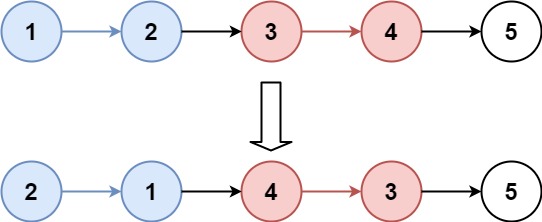
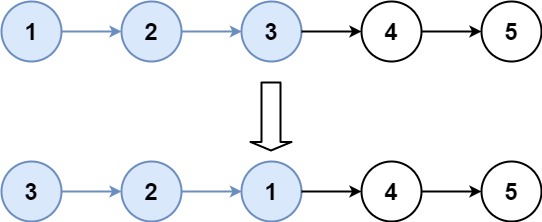
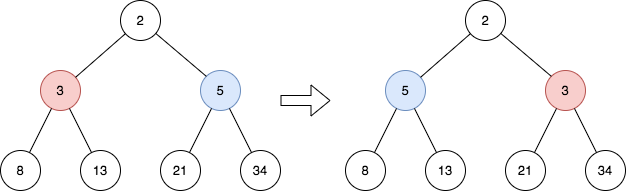

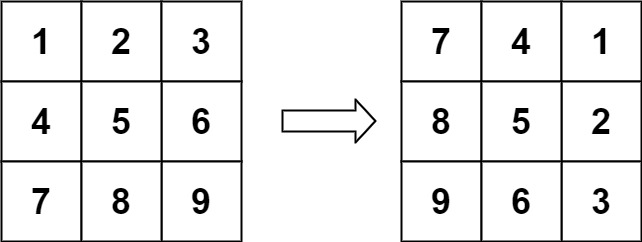
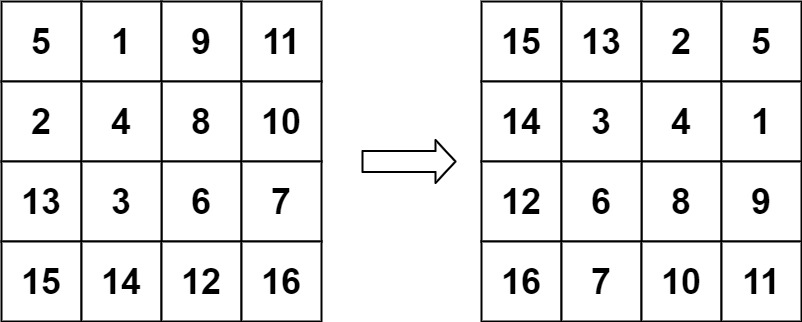
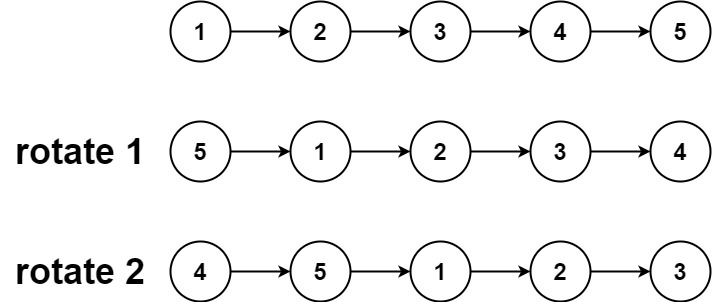
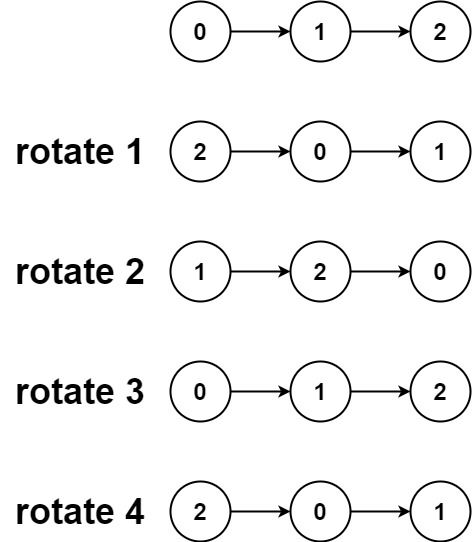
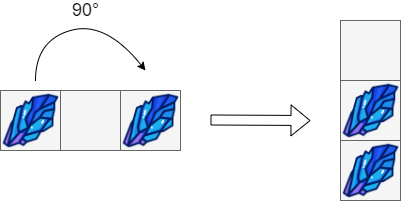
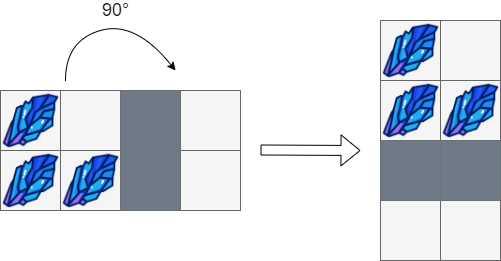
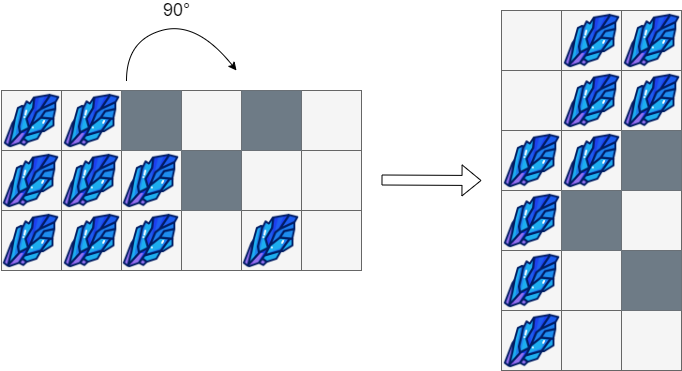
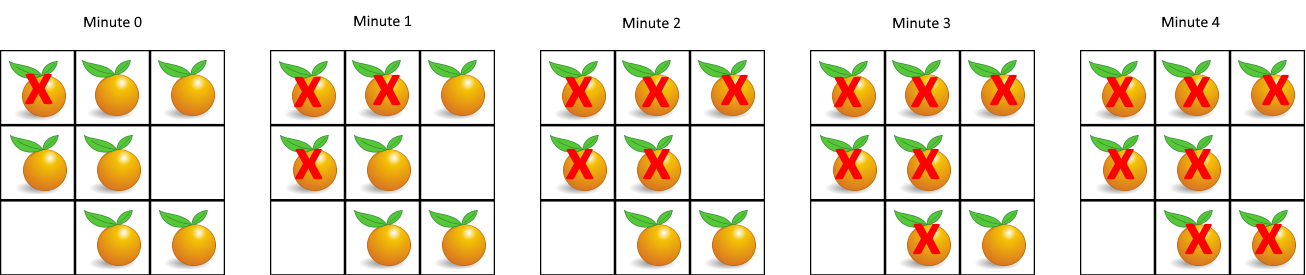
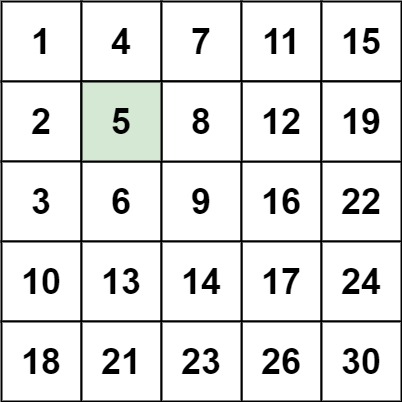
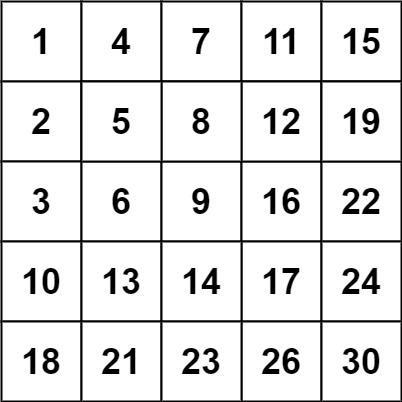
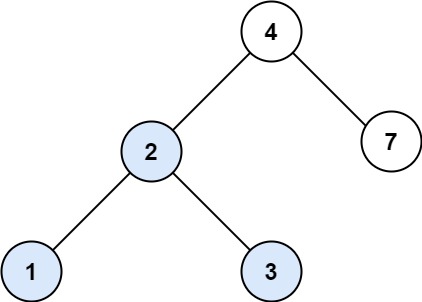
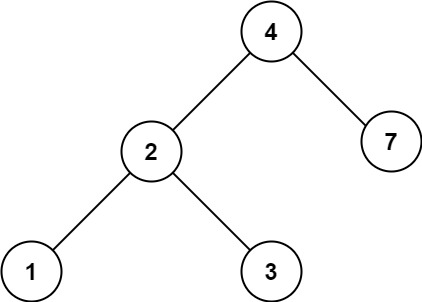
    \
  • returns the value at the \i\th\\ index (\0-indexed\) of the secret array (i.e., \secret\[i]\), or\
  • \
  • returns \2\31\ - 1\ if the \i\ is out of the boundary of the array.\
  • \
You are also given an integer \target\. Return the index \k\ of the hidden array where \secret\[k] == target\ or return \-1\ otherwise. You must write an algorithm with \O(log n)\ runtime complexity. ### Examples ``` Input: secret = [-1,0,3,5,9,12], target = 9 Output: 4 Explanation: 9 exists in secret and its index is 4. ``` ``` Input: secret = [-1,0,3,5,9,12], target = 2 Output: -1 Explanation: 2 does not exist in secret so return -1. ``` ### Constraints * `1 <= secret.length <= 10^4` * `-10^4 <= secret[i], target <= 10^4` * All the integers of `secret` are \unique\. * `secret` is sorted in a strictly increasing order. ## Solution Reference implementation from [solution.py on GitHub](https://github.com/wislertt/leetcode-py/blob/main/leetcode/search_in_a_sorted_array_of_unknown_size/solution.py), full suite in [test\_solution.py](https://github.com/wislertt/leetcode-py/blob/main/leetcode/search_in_a_sorted_array_of_unknown_size/test_solution.py): ```python theme={"theme":{"light":"github-light","dark":"github-dark"}} class ArrayReader: # Test-harness API: backs get() with the hidden sorted array def __init__(self, secret: list[int]) -> None: self.secret = secret def get(self, index: int) -> int: if 0 <= index < len(self.secret): return self.secret[index] return 2147483647 class Solution: # Time: O(log M), M = index of the target (bounds doubling then binary search) # Space: O(1) def search(self, reader: ArrayReader, target: int) -> int: # Grow the upper bound exponentially until get(right) >= target; # the out-of-bounds sentinel 2^31 - 1 is >= any valid target, so this # always terminates. The target, if present, lies in [right // 2, right]. right = 1 while reader.get(right) < target: right <<= 1 left = right >> 1 while left < right: mid = (left + right) >> 1 if reader.get(mid) >= target: right = mid else: left = mid + 1 return left if reader.get(left) == target else -1 ``` ## Complexity | Time | Space | | ---------------------------------------------------------------------- | ----- | | O(log M), M = index of the target (bounds doubling then binary search) | O(1) | ## Tags # Search in Rotated Sorted Array Python Solution Source: https://leetcode-py.wisl.dev/problems/search-in-rotated-sorted-array Tested Python solution for LeetCode 33 with 15 pytest cases. Generate a practice environment with lcpy. LeetCode 33, [Medium](/catalog/medium). Topics: [Array](/catalog/topics/array), [Binary Search](/catalog/topics/binary-search). [View on LeetCode](https://leetcode.com/problems/search-in-rotated-sorted-array/description/). Generate this problem as a practice environment: tested reference solution, 15 [parametrized pytest cases](/practice/testing), and a playground notebook: ```bash theme={"theme":{"light":"github-light","dark":"github-dark"}} lcpy gen -n 33 # by problem number lcpy gen -s search_in_rotated_sorted_array # by problem name ``` ## Problem There is an integer array `nums` sorted in ascending order (with **distinct** values). Prior to being passed to your function, `nums` is **possibly left rotated** at an unknown index `k` (`1 <= k < nums.length`) such that the resulting array is `[nums[k], nums[k+1], ..., nums[n-1], nums[0], nums[1], ..., nums[k-1]]` (**0-indexed**). For example, `[0,1,2,4,5,6,7]` might be left rotated by 3 indices and become `[4,5,6,7,0,1,2]`. Given the array `nums` **after** the possible rotation and an integer `target`, return *the index of* `target` *if it is in* `nums`*, or* `-1` *if it is not in* `nums`. You must write an algorithm with `O(log n)` runtime complexity. ### Examples ``` Input: nums = [4,5,6,7,0,1,2], target = 0 Output: 4 ``` ``` Input: nums = [4,5,6,7,0,1,2], target = 3 Output: -1 ``` ``` Input: nums = [1], target = 0 Output: -1 ``` ### Constraints * `1 <= nums.length <= 5000` * `-10^4 <= nums[i] <= 10^4` * All values of `nums` are **unique**. * `nums` is an ascending array that is possibly rotated. * `-10^4 <= target <= 10^4` ## Solution Reference implementation from [solution.py on GitHub](https://github.com/wislertt/leetcode-py/blob/main/leetcode/search_in_rotated_sorted_array/solution.py), full suite in [test\_solution.py](https://github.com/wislertt/leetcode-py/blob/main/leetcode/search_in_rotated_sorted_array/test_solution.py): ```python theme={"theme":{"light":"github-light","dark":"github-dark"}} class Solution: # Time: O(log n) # Space: O(1) def search(self, nums: list[int], target: int) -> int: left, right = 0, len(nums) - 1 while left <= right: mid = (left + right) // 2 if nums[mid] == target: return mid # Left half is sorted if nums[left] <= nums[mid]: if nums[left] <= target < nums[mid]: right = mid - 1 else: left = mid + 1 # Right half is sorted else: if nums[mid] < target <= nums[right]: left = mid + 1 else: right = mid - 1 return -1 ``` ## Complexity | Time | Space | | -------- | ----- | | O(log n) | O(1) | ## Tags [Grind 75](/catalog/grind-75), [Grind](/catalog/grind), [Blind 75](/catalog/blind-75), [NeetCode 150](/catalog/neetcode-150), [NeetCode 250](/catalog/neetcode-250), [NeetCode All](/catalog/neetcode), [AlgoMaster 75](/catalog/algo-master-75). # Search in Rotated Sorted Array II Source: https://leetcode-py.wisl.dev/problems/search-in-rotated-sorted-array-ii Tested Python solution for LeetCode 81 with 18 pytest cases. Generate a practice environment with lcpy. LeetCode 81, [Medium](/catalog/medium). Topics: [Array](/catalog/topics/array), [Binary Search](/catalog/topics/binary-search). [View on LeetCode](https://leetcode.com/problems/search-in-rotated-sorted-array-ii/description/). Generate this problem as a practice environment: tested reference solution, 18 [parametrized pytest cases](/practice/testing), and a playground notebook: ```bash theme={"theme":{"light":"github-light","dark":"github-dark"}} lcpy gen -n 81 # by problem number lcpy gen -s search_in_rotated_sorted_array_ii # by problem name ``` ## Problem There is an integer array `nums` sorted in non-decreasing order (not necessarily with **distinct** values). Before being passed to your function, `nums` is **rotated** at an unknown pivot index `k` (`0 <= k < nums.length`) such that the resulting array is `[nums[k], nums[k+1], ..., nums[n-1], nums[0], nums[1], ..., nums[k-1]]` (**0-indexed**). For example, `[0,1,2,4,4,4,5,6,6,7]` might be rotated at pivot index `5` and become `[4,5,6,6,7,0,1,2,4,4]`. Given the array `nums` **after** the rotation and an integer `target`, return `true` *if* `target` *is in* `nums`*, or* `false` *if it is not in* `nums`*.* You must decrease the overall operation steps as much as possible. ### Examples ``` Input: nums = [2,5,6,0,0,1,2], target = 0 Output: true ``` ``` Input: nums = [2,5,6,0,0,1,2], target = 3 Output: false ``` ### Constraints * 1 \<= nums.length \<= 5000 * -10^4 \<= nums\[i] \<= 10^4 * `nums` is guaranteed to be rotated at some pivot. * -10^4 \<= target \<= 10^4 **Follow up:** This problem is similar to [Search in Rotated Sorted Array](https://leetcode.com/problems/search-in-rotated-sorted-array/description/), but `nums` may contain **duplicates**. Would this affect the runtime complexity? How and why? ## Solution Reference implementation from [solution.py on GitHub](https://github.com/wislertt/leetcode-py/blob/main/leetcode/search_in_rotated_sorted_array_ii/solution.py), full suite in [test\_solution.py](https://github.com/wislertt/leetcode-py/blob/main/leetcode/search_in_rotated_sorted_array_ii/test_solution.py): ```python theme={"theme":{"light":"github-light","dark":"github-dark"}} class Solution: # Time: O(n) worst case (duplicates collapse bounds), O(log n) average # Space: O(1) def search(self, nums: list[int], target: int) -> bool: left = 0 right = len(nums) - 1 while left <= right: mid = (left + right) // 2 if nums[mid] == target: return True # Ambiguous boundary: shrink from both ends when all three equal if nums[left] == nums[mid] == nums[right]: left += 1 right -= 1 elif nums[left] <= nums[mid]: # left half sorted if nums[left] <= target < nums[mid]: right = mid - 1 else: left = mid + 1 else: # right half sorted if nums[mid] < target <= nums[right]: left = mid + 1 else: right = mid - 1 return False ``` ## Complexity | Time | Space | | -------------------------------------------------------------- | ----- | | O(n) worst case (duplicates collapse bounds), O(log n) average | O(1) | ## Tags [NeetCode 250](/catalog/neetcode-250), [NeetCode All](/catalog/neetcode). # Search Insert Position Python Solution Source: https://leetcode-py.wisl.dev/problems/search-insert-position Tested Python solution for LeetCode 35 with 13 pytest cases. Generate a practice environment with lcpy. LeetCode 35, [Easy](/catalog/easy). Topics: [Array](/catalog/topics/array), [Binary Search](/catalog/topics/binary-search). [View on LeetCode](https://leetcode.com/problems/search-insert-position/description/). Generate this problem as a practice environment: tested reference solution, 13 [parametrized pytest cases](/practice/testing), and a playground notebook: ```bash theme={"theme":{"light":"github-light","dark":"github-dark"}} lcpy gen -n 35 # by problem number lcpy gen -s search_insert_position # by problem name ``` ## Problem Given a sorted array of distinct integers and a target value, return the index if the target is found. If not, return the index where it would be if it were inserted in order. You must write an algorithm with `O(log n)` runtime complexity. ### Examples ``` Input: nums = [1,3,5,6], target = 5 Output: 2 ``` ``` Input: nums = [1,3,5,6], target = 2 Output: 1 ``` ``` Input: nums = [1,3,5,6], target = 7 Output: 4 ``` ### Constraints * `1 <= nums.length <= 10^4` * `-10^4 <= nums[i] <= 10^4` * `nums` contains **distinct** values sorted in **ascending** order. * `-10^4 <= target <= 10^4` ## Solution Reference implementation from [solution.py on GitHub](https://github.com/wislertt/leetcode-py/blob/main/leetcode/search_insert_position/solution.py), full suite in [test\_solution.py](https://github.com/wislertt/leetcode-py/blob/main/leetcode/search_insert_position/test_solution.py): ```python theme={"theme":{"light":"github-light","dark":"github-dark"}} class Solution: # Time: O(log n) # Space: O(1) def search_insert(self, nums: list[int], target: int) -> int: left, right = 0, len(nums) - 1 while left <= right: mid = (left + right) // 2 if nums[mid] == target: return mid elif nums[mid] < target: left = mid + 1 else: right = mid - 1 return left ``` ## Complexity | Time | Space | | -------- | ----- | | O(log n) | O(1) | ## Tags [NeetCode 250](/catalog/neetcode-250), [NeetCode All](/catalog/neetcode). # Search Suggestions System Python Solution Source: https://leetcode-py.wisl.dev/problems/search-suggestions-system Tested Python solution for LeetCode 1268 with 16 pytest cases. Generate a practice environment with lcpy. LeetCode 1268, [Medium](/catalog/medium). Topics: [Array](/catalog/topics/array), [String](/catalog/topics/string), [Binary Search](/catalog/topics/binary-search), [Trie](/catalog/topics/trie), [Sorting](/catalog/topics/sorting), [Heap (Priority Queue)](/catalog/topics/heap-priority-queue). [View on LeetCode](https://leetcode.com/problems/search-suggestions-system/description/). Generate this problem as a practice environment: tested reference solution, 16 [parametrized pytest cases](/practice/testing), and a playground notebook: ```bash theme={"theme":{"light":"github-light","dark":"github-dark"}} lcpy gen -n 1268 # by problem number lcpy gen -s search_suggestions_system # by problem name ``` ## Problem You are given an array of strings products and a string searchWord. Design a system that suggests at most three product names from products after each character of searchWord is typed. Suggested products should have common prefix with searchWord. If there are more than three products with a common prefix return the three lexicographically minimums products. Return a list of lists of the suggested products after each character of searchWord is typed. ### Examples ``` Input: products = ["mobile","mouse","moneypot","monitor","mousepad"], searchWord = "mouse" Output: [["mobile","moneypot","monitor"],["mobile","moneypot","monitor"],["mouse","mousepad"],["mouse","mousepad"],["mouse","mousepad"]] Explanation: products sorted lexicographically = ["mobile","moneypot","monitor","mouse","mousepad"]. After typing m and mo all products match and we show user ["mobile","moneypot","monitor"]. After typing mou, mous and mouse the system suggests ["mouse","mousepad"]. ``` ``` Input: products = ["havana"], searchWord = "havana" Output: [["havana"],["havana"],["havana"],["havana"],["havana"],["havana"]] Explanation: The only word "havana" will be always suggested while typing the search word. ``` ### Constraints * 1 \<= products.length \<= 1000 * 1 \<= products\[i].length \<= 3000 * 1 \<= sum(products\[i].length) \<= 2 \* 10^4 * All the strings of products are unique. * products\[i] consists of lowercase English letters. * 1 \<= searchWord.length \<= 1000 * searchWord consists of lowercase English letters. ## Solution Reference implementation from [solution.py on GitHub](https://github.com/wislertt/leetcode-py/blob/main/leetcode/search_suggestions_system/solution.py), full suite in [test\_solution.py](https://github.com/wislertt/leetcode-py/blob/main/leetcode/search_suggestions_system/test_solution.py): ```python theme={"theme":{"light":"github-light","dark":"github-dark"}} from bisect import bisect_left class Solution: def suggested_products(self, products: list[str], search_word: str) -> list[list[str]]: products = sorted(products) result: list[list[str]] = [] prefix = "" for ch in search_word: prefix += ch start = bisect_left(products, prefix) matches = [] for product in products[start : start + 3]: if not product.startswith(prefix): break matches.append(product) result.append(matches) return result ``` ## Complexity | Time | Space | | ---- | ----- | | - | - | ## Tags [NeetCode All](/catalog/neetcode). # Seat Reservation Manager Python Solution Source: https://leetcode-py.wisl.dev/problems/seat-reservation-manager Tested Python solution for LeetCode 1845 with 15 pytest cases. Generate a practice environment with lcpy. LeetCode 1845, [Medium](/catalog/medium). Topics: [Design](/catalog/topics/design), [Heap (Priority Queue)](/catalog/topics/heap-priority-queue). [View on LeetCode](https://leetcode.com/problems/seat-reservation-manager/description/). Generate this problem as a practice environment: tested reference solution, 15 [parametrized pytest cases](/practice/testing), and a playground notebook: ```bash theme={"theme":{"light":"github-light","dark":"github-dark"}} lcpy gen -n 1845 # by problem number lcpy gen -s seat_reservation_manager # by problem name ``` ## Problem Design a system that manages the reservation state of `n` seats that are numbered from `1` to `n`. Implement the `SeatManager` class: * `SeatManager(int n)` Initializes a `SeatManager` object that will manage `n` seats numbered from `1` to `n`. All seats are initially available. * `int reserve()` Fetches the **smallest-numbered** unreserved seat, reserves it, and returns its number. * `void unreserve(int seatNumber)` Unreserves the seat with the given `seatNumber`. ### Examples ``` Input ["SeatManager", "reserve", "reserve", "unreserve", "reserve", "reserve", "reserve", "reserve", "unreserve"] [[5], [], [], [2], [], [], [], [], [5]] Output [null, 1, 2, null, 2, 3, 4, 5, null] Explanation SeatManager seatManager = new SeatManager(5); // Initializes a SeatManager with 5 seats. seatManager.reserve(); // All seats are available, so return the lowest numbered seat, which is 1. seatManager.reserve(); // The available seats are [2,3,4,5], so return the lowest of them, which is 2. seatManager.unreserve(2); // Unreserve seat 2, so now the available seats are [2,3,4,5]. seatManager.reserve(); // The available seats are [2,3,4,5], so return the lowest of them, which is 2. seatManager.reserve(); // The available seats are [3,4,5], so return the lowest of them, which is 3. seatManager.reserve(); // The available seats are [4,5], so return the lowest of them, which is 4. seatManager.reserve(); // The only available seat is seat 5, so return 5. seatManager.unreserve(5); // Unreserve seat 5, so now the available seats are [5]. ``` ### Constraints * `1 <= n <= 10^5` * `1 <= seatNumber <= n` * For each call to `reserve`, it is guaranteed that there will be at least one unreserved seat. * For each call to `unreserve`, it is guaranteed that `seatNumber` will be reserved. * At most `10^5` calls in total will be made to `reserve` and `unreserve`. ## Solution Reference implementation from [solution.py on GitHub](https://github.com/wislertt/leetcode-py/blob/main/leetcode/seat_reservation_manager/solution.py), full suite in [test\_solution.py](https://github.com/wislertt/leetcode-py/blob/main/leetcode/seat_reservation_manager/test_solution.py): ```python theme={"theme":{"light":"github-light","dark":"github-dark"}} import heapq class SeatManager: # Time: O(1) init, O(log n) reserve, O(log n) unreserve # Space: O(n) def __init__(self, n: int) -> None: self.next_seat = 1 self.returned: list[int] = [] def reserve(self) -> int: if self.returned and self.returned[0] < self.next_seat: return heapq.heappop(self.returned) seat = self.next_seat self.next_seat += 1 return seat def unreserve(self, seat_number: int) -> None: heapq.heappush(self.returned, seat_number) ``` ## Complexity | Time | Space | | ----------------------------------------------- | ----- | | O(1) init, O(log n) reserve, O(log n) unreserve | O(n) | ## Tags [NeetCode All](/catalog/neetcode). # Second Minimum Node In a Binary Tree Source: https://leetcode-py.wisl.dev/problems/second-minimum-node-in-a-binary-tree Tested Python solution for LeetCode 671 with 18 pytest cases. Generate a practice environment with lcpy. LeetCode 671, [Easy](/catalog/easy). Topics: [Tree](/catalog/topics/tree), [Depth-First Search](/catalog/topics/depth-first-search), [Binary Tree](/catalog/topics/binary-tree). [View on LeetCode](https://leetcode.com/problems/second-minimum-node-in-a-binary-tree/description/). Generate this problem as a practice environment: tested reference solution, 18 [parametrized pytest cases](/practice/testing), and a playground notebook: ```bash theme={"theme":{"light":"github-light","dark":"github-dark"}} lcpy gen -n 671 # by problem number lcpy gen -s second_minimum_node_in_a_binary_tree # by problem name ``` ## Problem Given a non-empty special binary tree consisting of nodes with the non-negative value, where each node in this tree has exactly `two` or `zero` sub-node. If the node has two sub-nodes, then this node's value is the smaller value among its two sub-nodes. More formally, the property `root.val = min(root.left.val, root.right.val)` always holds. Given such a binary tree, you need to output the **second minimum** value in the set made of all the nodes' value in the whole tree. If no such second minimum value exists, output -1 instead. ### Examples ![Example 1](https://assets.leetcode.com/uploads/2020/10/15/smbt1.jpg) ``` Input: root = [2,2,5,null,null,5,7] Output: 5 Explanation: The smallest value is 2, the second smallest value is 5. ``` ![Example 2](https://assets.leetcode.com/uploads/2020/10/15/smbt2.jpg) ``` Input: root = [2,2,2] Output: -1 Explanation: The smallest value is 2, but there isn't any second smallest value. ``` ### Constraints * The number of nodes in the tree is in the range \[1, 25] * 1 \<= Node.val \<= 2^31 - 1 * root.val == min(root.left.val, root.right.val) for each internal node of the tree ## Solution Reference implementation from [solution.py on GitHub](https://github.com/wislertt/leetcode-py/blob/main/leetcode/second_minimum_node_in_a_binary_tree/solution.py), full suite in [test\_solution.py](https://github.com/wislertt/leetcode-py/blob/main/leetcode/second_minimum_node_in_a_binary_tree/test_solution.py): ```python theme={"theme":{"light":"github-light","dark":"github-dark"}} from leetcode_py import TreeNode class Solution: # Time: O(n) # Space: O(h) def find_second_minimum_value(self, root: TreeNode[int] | None) -> int: if root is None: return -1 return self._dfs(root, root.val) def _dfs(self, node: TreeNode[int] | None, smallest: int) -> int: if node is None: return -1 if node.val > smallest: return node.val left = self._dfs(node.left, smallest) right = self._dfs(node.right, smallest) if left == -1: return right if right == -1: return left return min(left, right) ``` ## Complexity | Time | Space | | ---- | ----- | | O(n) | O(h) | ## Tags # Second Minimum Time to Reach Destination Source: https://leetcode-py.wisl.dev/problems/second-minimum-time-to-reach-destination Tested Python solution for LeetCode 2045 with 18 pytest cases. Generate a practice environment with lcpy. LeetCode 2045, [Hard](/catalog/hard). Topics: [Breadth-First Search](/catalog/topics/breadth-first-search), [Graph Theory](/catalog/topics/graph-theory), [Shortest Path](/catalog/topics/shortest-path). [View on LeetCode](https://leetcode.com/problems/second-minimum-time-to-reach-destination/description/). Generate this problem as a practice environment: tested reference solution, 18 [parametrized pytest cases](/practice/testing), and a playground notebook: ```bash theme={"theme":{"light":"github-light","dark":"github-dark"}} lcpy gen -n 2045 # by problem number lcpy gen -s second_minimum_time_to_reach_destination # by problem name ``` ## Problem A city is represented as a **bi-directional connected** graph with `n` vertices where each vertex is labeled from `1` to `n` (**inclusive**). The edges in the graph are represented as a 2D integer array `edges`, where each `edges[i] = [ui, vi]` denotes a bi-directional edge between vertex `ui` and vertex `vi`. Every vertex pair is connected by **at most one** edge, and no vertex has an edge to itself. The time taken to traverse any edge is `time` minutes. Each vertex has a traffic signal which changes its color from **green** to **red** and vice versa every `change` minutes. All signals change **at the same time**. You can enter a vertex at **any time**, but can leave a vertex **only when the signal is green**. You **cannot wait** at a vertex if the signal is **green**. The **second minimum value** is defined as the smallest value **strictly larger** than the minimum value. * For example the second minimum value of `[2, 3, 4]` is `3`, and the second minimum value of `[2, 2, 4]` is `4`. Given `n`, `edges`, `time`, and `change`, return *the **second minimum time** it will take to go from vertex* `1` *to vertex* `n`. **Notes:** * You can go through any vertex **any** number of times, **including** `1` and `n`. * You can assume that when the journey **starts**, all signals have just turned **green**. ### Examples ![Example 1](https://assets.leetcode.com/uploads/2021/09/29/e1.png)        ![Example 1](https://assets.leetcode.com/uploads/2021/09/29/e2.png) ``` Input: n = 5, edges = [[1,2],[1,3],[1,4],[3,4],[4,5]], time = 3, change = 5 Output: 13 ``` ![Example 2](https://assets.leetcode.com/uploads/2021/09/29/eg2.png) ``` Input: n = 2, edges = [[1,2]], time = 3, change = 2 Output: 11 ``` **Explanation:** The minimum time path is `1 -> 2` with time = 3 minutes. The second minimum time path is `1 -> 2 -> 1 -> 2` with time = 11 minutes. ### Constraints * `2 <= n <= 104` * `n - 1 <= edges.length <= min(2 * 104, n * (n - 1) / 2)` * `edges[i].length == 2` * `1 <= ui, vi <= n` * `ui != vi` * There are no duplicate edges. * Each vertex can be reached directly or indirectly from every other vertex. * `1 <= time, change <= 103` ## Solution Reference implementation from [solution.py on GitHub](https://github.com/wislertt/leetcode-py/blob/main/leetcode/second_minimum_time_to_reach_destination/solution.py), full suite in [test\_solution.py](https://github.com/wislertt/leetcode-py/blob/main/leetcode/second_minimum_time_to_reach_destination/test_solution.py): ```python theme={"theme":{"light":"github-light","dark":"github-dark"}} from collections import deque class Solution: # Time: O(n + m) BFS plus O(second_path_length) for the signal simulation # Space: O(n + m) def second_minimum(self, n: int, edges: list[list[int]], time: int, change: int) -> int: adj: list[list[int]] = [[] for _ in range(n + 1)] for u, v in edges: adj[u].append(v) adj[v].append(u) # two smallest distinct arrival edge-counts per vertex (BFS order) dists: list[list[int]] = [[] for _ in range(n + 1)] dists[1].append(0) queue: deque[tuple[int, int]] = deque([(1, 0)]) while queue: node, steps = queue.popleft() for nb in adj[node]: nxt = steps + 1 if len(dists[nb]) < 2 and nxt not in dists[nb]: dists[nb].append(nxt) queue.append((nb, nxt)) elapsed = 0 for _ in range(dists[n][1]): if (elapsed // change) % 2 == 1: elapsed = (elapsed // change + 1) * change elapsed += time return elapsed ``` ## Complexity | Time | Space | | ------------------------------------------------------------------- | -------- | | O(n + m) BFS plus O(second\_path\_length) for the signal simulation | O(n + m) | ## Tags [NeetCode All](/catalog/neetcode). # Self Crossing Python Solution with Tests Source: https://leetcode-py.wisl.dev/problems/self-crossing Tested Python solution for LeetCode 335 with 24 pytest cases. Generate a practice environment with lcpy. LeetCode 335, [Hard](/catalog/hard). Topics: [Array](/catalog/topics/array), [Math](/catalog/topics/math), [Geometry](/catalog/topics/geometry). [View on LeetCode](https://leetcode.com/problems/self-crossing/description/). Generate this problem as a practice environment: tested reference solution, 24 [parametrized pytest cases](/practice/testing), and a playground notebook: ```bash theme={"theme":{"light":"github-light","dark":"github-dark"}} lcpy gen -n 335 # by problem number lcpy gen -s self_crossing # by problem name ``` ## Problem You are given an array of integers `distance`. You start at the point `(0, 0)` on an **X-Y plane,** and you move `distance[0]` meters to the north, then `distance[1]` meters to the west, `distance[2]` meters to the south, `distance[3]` meters to the east, and so on. In other words, after each move, your direction changes counter-clockwise. Return `true` if your path crosses itself or `false` if it does not. ### Examples ![Example 1](https://assets.leetcode.com/uploads/2022/12/21/11.jpg) ``` Input: distance = [2,1,1,2] Output: true Explanation: The path crosses itself at the point (0, 1). ``` ![Example 2](https://assets.leetcode.com/uploads/2022/12/21/22.jpg) ``` Input: distance = [1,2,3,4] Output: false Explanation: The path does not cross itself at any point. ``` ![Example 3](https://assets.leetcode.com/uploads/2022/12/21/33.jpg) ``` Input: distance = [1,1,1,2,1] Output: true Explanation: The path crosses itself at the point (0, 0). ``` ### Constraints * 1 \<= distance.length \<= 10^5 * 1 \<= distance\[i] \<= 10^5 ## Solution Reference implementation from [solution.py on GitHub](https://github.com/wislertt/leetcode-py/blob/main/leetcode/self_crossing/solution.py), full suite in [test\_solution.py](https://github.com/wislertt/leetcode-py/blob/main/leetcode/self_crossing/test_solution.py): ```python theme={"theme":{"light":"github-light","dark":"github-dark"}} class Solution: # Time: O(n) # Space: O(1) def is_self_crossing(self, distance: list[int]) -> bool: d = distance for i in range(3, len(d)): # Fourth segment crosses the first. if d[i] >= d[i - 2] and d[i - 3] >= d[i - 1]: return True # Fifth segment touches the first. if i >= 4 and d[i - 1] == d[i - 3] and d[i] + d[i - 4] >= d[i - 2]: return True # Sixth segment crosses the first after an expanding spiral contracts. if ( i >= 5 and d[i - 2] > d[i - 4] and d[i - 3] > d[i - 1] and d[i - 1] + d[i - 5] >= d[i - 3] and d[i] + d[i - 4] >= d[i - 2] ): return True return False ``` ## Complexity | Time | Space | | ---- | ----- | | O(n) | O(1) | ## Tags # Self Dividing Numbers Python Solution Source: https://leetcode-py.wisl.dev/problems/self-dividing-numbers Tested Python solution for LeetCode 728 with 24 pytest cases. Generate a practice environment with lcpy. LeetCode 728, [Easy](/catalog/easy). Topics: [Math](/catalog/topics/math). [View on LeetCode](https://leetcode.com/problems/self-dividing-numbers/description/). Generate this problem as a practice environment: tested reference solution, 24 [parametrized pytest cases](/practice/testing), and a playground notebook: ```bash theme={"theme":{"light":"github-light","dark":"github-dark"}} lcpy gen -n 728 # by problem number lcpy gen -s self_dividing_numbers # by problem name ``` ## Problem A **self-dividing number** is a number that is divisible by every digit it contains. * For example, `128` is **a self-dividing number** because `128 % 1 == 0`, `128 % 2 == 0`, and `128 % 8 == 0`. A **self-dividing number** is not allowed to contain the digit zero. Given two integers `left` and `right`, return *a list of all the **self-dividing numbers** in the range* `[left, right]` *(both **inclusive**)*. ### Examples ``` Input: left = 1, right = 22 Output: [1,2,3,4,5,6,7,8,9,11,12,15,22] ``` ``` Input: left = 47, right = 85 Output: [48,55,66,77] ``` ### Constraints * `1 <= left <= right <= 10^4` ## Solution Reference implementation from [solution.py on GitHub](https://github.com/wislertt/leetcode-py/blob/main/leetcode/self_dividing_numbers/solution.py), full suite in [test\_solution.py](https://github.com/wislertt/leetcode-py/blob/main/leetcode/self_dividing_numbers/test_solution.py): ```python theme={"theme":{"light":"github-light","dark":"github-dark"}} class Solution: # Time: O((right - left + 1) * log10(right)) # Space: O(1) extra (output excluded) def self_dividing_numbers(self, left: int, right: int) -> list[int]: def is_self_dividing(num: int) -> bool: remaining = num while remaining > 0: digit = remaining % 10 if digit == 0 or num % digit != 0: return False remaining //= 10 return True return [num for num in range(left, right + 1) if is_self_dividing(num)] ``` ## Complexity | Time | Space | | ------------------------------------- | ---------------------------- | | O((right - left + 1) \* log10(right)) | O(1) extra (output excluded) | ## Tags # Sentence Screen Fitting Python Solution Source: https://leetcode-py.wisl.dev/problems/sentence-screen-fitting Tested Python solution for LeetCode 418 with 16 pytest cases. Generate a practice environment with lcpy. LeetCode 418, [Medium](/catalog/medium). Topics: [Array](/catalog/topics/array), [String](/catalog/topics/string), [Dynamic Programming](/catalog/topics/dynamic-programming). [View on LeetCode](https://leetcode.com/problems/sentence-screen-fitting/description/). Generate this problem as a practice environment: tested reference solution, 16 [parametrized pytest cases](/practice/testing), and a playground notebook: ```bash theme={"theme":{"light":"github-light","dark":"github-dark"}} lcpy gen -n 418 # by problem number lcpy gen -s sentence_screen_fitting # by problem name ``` ## Problem Given a `rows x cols` screen and a `sentence` represented as a list of strings, return *the number of times the given sentence can be fitted on the screen*. The order of words in the sentence must remain unchanged, and a word cannot be split into two lines. A single space must separate two consecutive words in a line. ### Examples ``` Input: sentence = ["hello","world"], rows = 2, cols = 8 Output: 1 Explanation: hello--- world--- The character '-' signifies an empty space on the screen. ``` ``` Input: sentence = ["a", "bcd", "e"], rows = 3, cols = 6 Output: 2 Explanation: a-bcd- e-a--- bcd-e- The character '-' signifies an empty space on the screen. ``` ``` Input: sentence = ["i","had","apple","pie"], rows = 4, cols = 5 Output: 1 Explanation: i-had apple pie-i had-- The character '-' signifies an empty space on the screen. ``` ### Constraints * `1 <= sentence.length` * `1 <= rows, cols <= 4 * 10^4` * `1 <= sentence[i].length <= 10` * `sentence[i]` consists of only lower-case English letters. ## Solution Reference implementation from [solution.py on GitHub](https://github.com/wislertt/leetcode-py/blob/main/leetcode/sentence_screen_fitting/solution.py), full suite in [test\_solution.py](https://github.com/wislertt/leetcode-py/blob/main/leetcode/sentence_screen_fitting/test_solution.py): ```python theme={"theme":{"light":"github-light","dark":"github-dark"}} class Solution: # Time: O(rows + total_sentence_length) # Space: O(total_sentence_length) for the joined sentence string def words_typing(self, sentence: list[str], rows: int, cols: int) -> int: s = " ".join(sentence) + " " n = len(s) total = 0 for _ in range(rows): total += cols if s[total % n] == " ": total += 1 else: while total > 0 and s[(total - 1) % n] != " ": total -= 1 return total // n ``` ## Complexity | Time | Space | | --------------------------------- | --------------------------------------------------------- | | O(rows + total\_sentence\_length) | O(total\_sentence\_length) for the joined sentence string | ## Tags [NeetCode All](/catalog/neetcode). # Sentence Similarity Python Solution with Tests Source: https://leetcode-py.wisl.dev/problems/sentence-similarity Tested Python solution for LeetCode 734 with 14 pytest cases. Generate a practice environment with lcpy. LeetCode 734, [Easy](/catalog/easy). Topics: [Array](/catalog/topics/array), [Hash Table](/catalog/topics/hash-table), [String](/catalog/topics/string). [View on LeetCode](https://leetcode.com/problems/sentence-similarity/description/). Generate this problem as a practice environment: tested reference solution, 14 [parametrized pytest cases](/practice/testing), and a playground notebook: ```bash theme={"theme":{"light":"github-light","dark":"github-dark"}} lcpy gen -n 734 # by problem number lcpy gen -s sentence_similarity # by problem name ``` ## Problem We can represent a sentence as an array of words, for example, the sentence `"I am happy with leetcode"` can be represented as `arr = ["I","am","happy","with","leetcode"]`. Given two sentences `sentence1` and `sentence2` each represented as a string array, and given an array of string pairs `similarPairs` where `similarPairs[i] = [xi, yi]` indicates that the two words `xi` and `yi` are similar. Return `true` if `sentence1` and `sentence2` are similar, or `false` if they are not similar. Two sentences are similar if: * They have the **same** length (i.e., the same number of words) * `sentence1[i]` and `sentence2[i]` are similar. Notice that a word is always similar to itself, also notice that the similarity relation is not transitive. For example, if the words `a` and `b` are similar, and the words `b` and `c` are similar, `a` and `c` are **not necessarily** similar. ### Examples ``` Input: sentence1 = ["great","acting","skills"], sentence2 = ["fine","drama","talent"], similarPairs = [["great","fine"],["drama","acting"],["skills","talent"]] Output: true Explanation: The two sentences have the same length and each word i of sentence1 is also similar to the corresponding word in sentence2. ``` ``` Input: sentence1 = ["great"], sentence2 = ["great"], similarPairs = [] Output: true Explanation: A word is similar to itself. ``` ``` Input: sentence1 = ["great"], sentence2 = ["doubleplus","good"], similarPairs = [["great","doubleplus"]] Output: false Explanation: As they don't have the same length, we return false. ``` ### Constraints * 1 \<= sentence1.length, sentence2.length \<= 1000 * 1 \<= sentence1\[i].length, sentence2\[i].length \<= 20 * sentence1\[i] and sentence2\[i] consist of English letters. * 0 \<= similarPairs.length \<= 1000 * similarPairs\[i].length == 2 * 1 \<= xi.length, yi.length \<= 20 * xi and yi consist of lower-case and upper-case English letters. * All the pairs (xi, yi) are distinct. ## Solution Reference implementation from [solution.py on GitHub](https://github.com/wislertt/leetcode-py/blob/main/leetcode/sentence_similarity/solution.py), full suite in [test\_solution.py](https://github.com/wislertt/leetcode-py/blob/main/leetcode/sentence_similarity/test_solution.py): ```python theme={"theme":{"light":"github-light","dark":"github-dark"}} class Solution: # Time: O(n + p) # Space: O(p) def are_sentences_similar( self, sentence1: list[str], sentence2: list[str], similar_pairs: list[list[str]] ) -> bool: if len(sentence1) != len(sentence2): return False s = {tuple(p) for p in similar_pairs} return all( x == y or (x, y) in s or (y, x) in s for x, y in zip(sentence1, sentence2, strict=True) ) ``` ## Complexity | Time | Space | | -------- | ----- | | O(n + p) | O(p) | ## Tags [NeetCode All](/catalog/neetcode). # Sentence Similarity II Python Solution Source: https://leetcode-py.wisl.dev/problems/sentence-similarity-ii Tested Python solution for LeetCode 737 with 13 pytest cases. Generate a practice environment with lcpy. LeetCode 737, [Medium](/catalog/medium). Topics: [Array](/catalog/topics/array), [Hash Table](/catalog/topics/hash-table), [String](/catalog/topics/string), [Depth-First Search](/catalog/topics/depth-first-search), [Breadth-First Search](/catalog/topics/breadth-first-search), [Union Find](/catalog/topics/union-find). [View on LeetCode](https://leetcode.com/problems/sentence-similarity-ii/description/). Generate this problem as a practice environment: tested reference solution, 13 [parametrized pytest cases](/practice/testing), and a playground notebook: ```bash theme={"theme":{"light":"github-light","dark":"github-dark"}} lcpy gen -n 737 # by problem number lcpy gen -s sentence_similarity_ii # by problem name ``` ## Problem We can represent a sentence as an array of words, for example, the sentence `"I am happy with leetcode"` can be represented as `arr = ["I","am","happy","with","leetcode"]`. Given two sentences `sentence1` and `sentence2` each represented as a string array, and given an array of string pairs `similarPairs` where `similarPairs[i] = [xi, yi]` indicates that the two words `xi` and `yi` are similar. Return `true` if `sentence1` and `sentence2` are similar, or `false` if they are not similar. Two sentences are similar if: * They have the **same** length (i.e., the same number of words) * `sentence1[i]` and `sentence2[i]` are similar. Notice that a word is always similar to itself, also notice that the similarity relation **is transitive**. For example, if the words `a` and `b` are similar, and the words `b` and `c` are similar, then `a` and `c` are similar. ### Examples ``` Input: sentence1 = ["great","acting","skills"], sentence2 = ["fine","drama","talent"], similarPairs = [["great","good"],["fine","good"],["drama","acting"],["skills","talent"]] Output: true Explanation: The two sentences have the same length and each word i of sentence1 is also similar to the corresponding word in sentence2. ``` ``` Input: sentence1 = ["I","love","leetcode"], sentence2 = ["I","love","onepiece"], similarPairs = [["manga","onepiece"],["platform","anime"],["leetcode","platform"],["anime","manga"]] Output: true Explanation: "leetcode" -> "platform" -> "anime" -> "manga" -> "onepiece". ``` ``` Input: sentence1 = ["I","love","leetcode"], sentence2 = ["I","love","onepiece"], similarPairs = [["manga","hunterXhunter"],["platform","anime"],["leetcode","platform"],["anime","manga"]] Output: false Explanation: "leetcode" is not similar to "onepiece". ``` ### Constraints * 1 \<= sentence1.length, sentence2.length \<= 1000 * 1 \<= sentence1\[i].length, sentence2\[i].length \<= 20 * sentence1\[i] and sentence2\[i] consist of lower-case and upper-case English letters. * 0 \<= similarPairs.length \<= 2000 * similarPairs\[i].length == 2 * 1 \<= xi.length, yi.length \<= 20 * xi and yi consist of English letters. ## Solution Reference implementation from [solution.py on GitHub](https://github.com/wislertt/leetcode-py/blob/main/leetcode/sentence_similarity_ii/solution.py), full suite in [test\_solution.py](https://github.com/wislertt/leetcode-py/blob/main/leetcode/sentence_similarity_ii/test_solution.py): ```python theme={"theme":{"light":"github-light","dark":"github-dark"}} class Solution: # Time: O((n + m) * alpha(n)) for n pairs and m words # Space: O(n) def are_sentences_similar_two( self, sentence1: list[str], sentence2: list[str], similar_pairs: list[list[str]] ) -> bool: if len(sentence1) != len(sentence2): return False parent: dict[str, str] = {} def find(x: str) -> str: parent.setdefault(x, x) while parent[x] != x: parent[x] = parent[parent[x]] x = parent[x] return x for a, b in similar_pairs: parent.setdefault(a, a) parent.setdefault(b, b) ra, rb = find(a), find(b) if ra != rb: parent[ra] = rb return all(x == y or find(x) == find(y) for x, y in zip(sentence1, sentence2, strict=True)) ``` ## Complexity | Time | Space | | ---------------------------------------------- | ----- | | O((n + m) \* alpha(n)) for n pairs and m words | O(n) | ## Tags [NeetCode All](/catalog/neetcode). # Sentence Similarity III Python Solution Source: https://leetcode-py.wisl.dev/problems/sentence-similarity-iii Tested Python solution for LeetCode 1813 with 28 pytest cases. Generate a practice environment with lcpy. LeetCode 1813, [Medium](/catalog/medium). Topics: [Array](/catalog/topics/array), [Two Pointers](/catalog/topics/two-pointers), [String](/catalog/topics/string). [View on LeetCode](https://leetcode.com/problems/sentence-similarity-iii/description/). Generate this problem as a practice environment: tested reference solution, 28 [parametrized pytest cases](/practice/testing), and a playground notebook: ```bash theme={"theme":{"light":"github-light","dark":"github-dark"}} lcpy gen -n 1813 # by problem number lcpy gen -s sentence_similarity_iii # by problem name ``` ## Problem You are given two strings `sentence1` and `sentence2`, each representing a **sentence** composed of words. A sentence is a list of **words** that are separated by a **single** space with no leading or trailing spaces. Each word consists of only uppercase and lowercase English characters. Two sentences `s1` and `s2` are considered **similar** if it is possible to insert an arbitrary sentence (*possibly empty*) inside one of these sentences such that the two sentences become equal. **Note** that the inserted sentence must be separated from existing words by spaces. For example, * `s1 = "Hello Jane"` and `s2 = "Hello my name is Jane"` can be made equal by inserting `"my name is"` between `"Hello"` and `"Jane"` in `s1`. * `s1 = "Frog cool"` and `s2 = "Frogs are cool"` are **not** similar, since although there is a sentence `"s are"` inserted into `s1`, it is not separated from `"Frog"` by a space. Given two sentences `sentence1` and `sentence2`, return `true` if `sentence1` and `sentence2` are similar. Otherwise, return `false`. ### Examples ``` Input: sentence1 = "My name is Haley", sentence2 = "My Haley" Output: true ``` sentence2 can be turned to sentence1 by inserting "name is" between "My" and "Haley". ``` Input: sentence1 = "of", sentence2 = "A lot of words" Output: false ``` No single sentence can be inserted inside one of the sentences to make it equal to the other. ``` Input: sentence1 = "Eating right now", sentence2 = "Eating" Output: true ``` sentence2 can be turned to sentence1 by inserting "right now" at the end of the sentence. ### Constraints * 1 \<= sentence1.length, sentence2.length \<= 100 * sentence1 and sentence2 consist of lowercase and uppercase English letters and spaces. * The words in sentence1 and sentence2 are separated by a single space. ## Solution Reference implementation from [solution.py on GitHub](https://github.com/wislertt/leetcode-py/blob/main/leetcode/sentence_similarity_iii/solution.py), full suite in [test\_solution.py](https://github.com/wislertt/leetcode-py/blob/main/leetcode/sentence_similarity_iii/test_solution.py): ```python theme={"theme":{"light":"github-light","dark":"github-dark"}} class Solution: # Time: O(n + m) where n, m are the sentence lengths # Space: O(n + m) for the split word lists def are_sentences_similar(self, sentence1: str, sentence2: str) -> bool: words1 = sentence1.split() words2 = sentence2.split() if len(words1) < len(words2): words1, words2 = words2, words1 prefix = 0 while prefix < len(words2) and words1[prefix] == words2[prefix]: prefix += 1 suffix = 0 while ( suffix < len(words2) - prefix and words1[len(words1) - 1 - suffix] == words2[len(words2) - 1 - suffix] ): suffix += 1 return prefix + suffix == len(words2) ``` ## Complexity | Time | Space | | -------------------------------------------- | --------------------------------- | | O(n + m) where n, m are the sentence lengths | O(n + m) for the split word lists | ## Tags [NeetCode All](/catalog/neetcode). # Separate Black and White Balls Python Solution Source: https://leetcode-py.wisl.dev/problems/separate-black-and-white-balls Tested Python solution for LeetCode 2938 with 21 pytest cases. Generate a practice environment with lcpy. LeetCode 2938, [Medium](/catalog/medium). Topics: [Two Pointers](/catalog/topics/two-pointers), [String](/catalog/topics/string), [Greedy](/catalog/topics/greedy). [View on LeetCode](https://leetcode.com/problems/separate-black-and-white-balls/description/). Generate this problem as a practice environment: tested reference solution, 21 [parametrized pytest cases](/practice/testing), and a playground notebook: ```bash theme={"theme":{"light":"github-light","dark":"github-dark"}} lcpy gen -n 2938 # by problem number lcpy gen -s separate_black_and_white_balls # by problem name ``` ## Problem There are `n` balls on a table, each ball has a color black or white. You are given a 0-indexed binary string `s` of length `n`, where `1` and `0` represent black and white balls, respectively. In each step, you can choose two adjacent balls and swap them. Return *the minimum number of steps to group all the black balls to the right and all the white balls to the left*. ### Examples ``` Input: s = "101" Output: 1 Explanation: We can group all the black balls to the right in the following way: - Swap s[0] and s[1], s = "011". Initially, 1s are not grouped together, requiring at least 1 step to group them to the right. ``` ``` Input: s = "100" Output: 2 Explanation: We can group all the black balls to the right in the following way: - Swap s[0] and s[1], s = "010". - Swap s[1] and s[2], s = "001". It can be proven that the minimum number of steps needed is 2. ``` ``` Input: s = "0111" Output: 0 Explanation: All the black balls are already grouped to the right. ``` ### Constraints * 1 \<= n == s.length \<= 10^5 * s\[i] is either '0' or '1'. ## Solution Reference implementation from [solution.py on GitHub](https://github.com/wislertt/leetcode-py/blob/main/leetcode/separate_black_and_white_balls/solution.py), full suite in [test\_solution.py](https://github.com/wislertt/leetcode-py/blob/main/leetcode/separate_black_and_white_balls/test_solution.py): ```python theme={"theme":{"light":"github-light","dark":"github-dark"}} class Solution: # Time: O(n) # Space: O(1) def minimum_steps(self, s: str) -> int: steps = 0 ones = 0 for ball in s: if ball == "1": ones += 1 else: steps += ones return steps ``` ## Complexity | Time | Space | | ---- | ----- | | O(n) | O(1) | ## Tags [NeetCode All](/catalog/neetcode). # Sequence Reconstruction Python Solution Source: https://leetcode-py.wisl.dev/problems/sequence-reconstruction Tested Python solution for LeetCode 444 with 12 pytest cases. Generate a practice environment with lcpy. LeetCode 444, [Medium](/catalog/medium). Topics: [Graph](/catalog/topics/graph), [Topological Sort](/catalog/topics/topological-sort), [Array](/catalog/topics/array), Directed Acyclic Graph. [View on LeetCode](https://leetcode.com/problems/sequence-reconstruction/description/). Generate this problem as a practice environment: tested reference solution, 12 [parametrized pytest cases](/practice/testing), and a playground notebook: ```bash theme={"theme":{"light":"github-light","dark":"github-dark"}} lcpy gen -n 444 # by problem number lcpy gen -s sequence_reconstruction # by problem name ``` ## Problem You are given an integer array `nums` of length `n` where `nums` is a permutation of the integers in the range `[1, n]`. You are also given a 2D integer array `sequences` where `sequences[i]` is a subsequence of `nums`. Check if `nums` is the shortest possible and the only **supersequence**. The shortest **supersequence** is a sequence **with the shortest length** and has all `sequences[i]` as subsequences. There could be multiple valid **supersequences** for the given array `sequences`. * For example, for `sequences = [[1,2],[1,3]]`, there are two shortest **supersequences**, `[1,2,3]` and `[1,3,2]`. * While for `sequences = [[1,2],[1,3],[1,2,3]]`, the only shortest **supersequence** possible is `[1,2,3]`. `[1,2,3,4]` is a possible supersequence but not the shortest. Return `true` if `nums` is the only shortest **supersequence** for `sequences`, or `false` otherwise. A **subsequence** is a sequence that can be derived from another sequence by deleting some or no elements without changing the order of the remaining elements. ### Examples ``` Input: nums = [1,2,3], sequences = [[1,2],[1,3]] Output: false Explanation: There are two possible supersequences: [1,2,3] and [1,3,2]. Since nums is not the only shortest supersequence, we return false. ``` ``` Input: nums = [1,2,3], sequences = [[1,2]] Output: false Explanation: The shortest possible supersequence is [1,2]. Since nums is not the shortest supersequence, we return false. ``` ``` Input: nums = [1,2,3], sequences = [[1,2],[1,3],[2,3]] Output: true Explanation: The shortest possible supersequence is [1,2,3]. Since nums is the only shortest supersequence, we return true. ``` ### Constraints * `n == nums.length` * `1 <= n <= 10^4` * `nums` is a permutation of all the integers in the range `[1, n]`. * `1 <= sequences.length <= 10^4` * `1 <= sequences[i].length <= 10^4` * `1 <= sum(sequences[i].length) <= 10^5` * `1 <= sequences[i][j] <= n` * All the arrays of `sequences` are **unique**. * `sequences[i]` is a subsequence of `nums`. ## Solution Reference implementation from [solution.py on GitHub](https://github.com/wislertt/leetcode-py/blob/main/leetcode/sequence_reconstruction/solution.py), full suite in [test\_solution.py](https://github.com/wislertt/leetcode-py/blob/main/leetcode/sequence_reconstruction/test_solution.py): ```python theme={"theme":{"light":"github-light","dark":"github-dark"}} class Solution: # Time: O(total sequence length) # Space: O(n) def sequence_reconstruction(self, nums: list[int], sequences: list[list[int]]) -> bool: pos = {v: i for i, v in enumerate(nums)} following: set[tuple[int, int]] = set() for seq in sequences: for i in range(len(seq) - 1): a, b = seq[i], seq[i + 1] if a not in pos or b not in pos or pos[a] >= pos[b]: return False following.add((a, b)) return all((nums[i], nums[i + 1]) in following for i in range(len(nums) - 1)) ``` ## Complexity | Time | Space | | ------------------------ | ----- | | O(total sequence length) | O(n) | ## Tags [NeetCode All](/catalog/neetcode). # Sequential Digits Python Solution with Tests Source: https://leetcode-py.wisl.dev/problems/sequential-digits Tested Python solution for LeetCode 1291 with 12 pytest cases. Generate a practice environment with lcpy. LeetCode 1291, [Medium](/catalog/medium). Topics: [Enumeration](/catalog/topics/enumeration). [View on LeetCode](https://leetcode.com/problems/sequential-digits/description/). Generate this problem as a practice environment: tested reference solution, 12 [parametrized pytest cases](/practice/testing), and a playground notebook: ```bash theme={"theme":{"light":"github-light","dark":"github-dark"}} lcpy gen -n 1291 # by problem number lcpy gen -s sequential_digits # by problem name ``` ## Problem An integer has sequential digits if and only if each digit in the number is one more than the previous digit. Return a sorted list of all the integers in the range \[low, high] inclusive that have sequential digits. ### Examples ``` Input: low = 100, high = 300 Output: [123,234] ``` ``` Input: low = 1000, high = 13000 Output: [1234,2345,3456,4567,5678,6789,12345] ``` ### Constraints * 10 \<= low \<= high \<= 10^9 ## Solution Reference implementation from [solution.py on GitHub](https://github.com/wislertt/leetcode-py/blob/main/leetcode/sequential_digits/solution.py), full suite in [test\_solution.py](https://github.com/wislertt/leetcode-py/blob/main/leetcode/sequential_digits/test_solution.py): ```python theme={"theme":{"light":"github-light","dark":"github-dark"}} class Solution: def sequential_digits(self, low: int, high: int) -> list[int]: result: list[int] = [] for length in range(2, 10): for start in range(1, 11 - length): num = int("".join(str(start + i) for i in range(length))) if low <= num <= high: result.append(num) return result ``` ## Complexity | Time | Space | | ---- | ----- | | - | - | ## Tags [NeetCode All](/catalog/neetcode). # Serialize and Deserialize Binary Tree Source: https://leetcode-py.wisl.dev/problems/serialize-and-deserialize-binary-tree Tested Python solution for LeetCode 297 with 15 pytest cases. Generate a practice environment with lcpy. LeetCode 297, [Hard](/catalog/hard). Topics: [String](/catalog/topics/string), [Tree](/catalog/topics/tree), [Depth-First Search](/catalog/topics/depth-first-search), [Breadth-First Search](/catalog/topics/breadth-first-search), [Design](/catalog/topics/design), [Binary Tree](/catalog/topics/binary-tree). [View on LeetCode](https://leetcode.com/problems/serialize-and-deserialize-binary-tree/description/). Generate this problem as a practice environment: tested reference solution, 15 [parametrized pytest cases](/practice/testing), and a playground notebook: ```bash theme={"theme":{"light":"github-light","dark":"github-dark"}} lcpy gen -n 297 # by problem number lcpy gen -s serialize_and_deserialize_binary_tree # by problem name ``` ## Problem Serialization is the process of converting a data structure or object into a sequence of bits so that it can be stored in a file or memory buffer, or transmitted across a network connection link to be reconstructed later in the same or another computer environment. Design an algorithm to serialize and deserialize a binary tree. There is no restriction on how your serialization/deserialization algorithm should work. You just need to ensure that a binary tree can be serialized to a string and this string can be deserialized to the original tree structure. **Clarification:** The input/output format is the same as how LeetCode serializes a binary tree. You do not necessarily need to follow this format, so please be creative and come up with different approaches yourself. ### Examples ![Example 1](https://assets.leetcode.com/uploads/2020/09/15/serdeser.jpg) ``` Input: root = [1,2,3,null,null,4,5] Output: [1,2,3,null,null,4,5] ``` ``` Input: root = [] Output: [] ``` ### Constraints * The number of nodes in the tree is in the range \[0, 10^4]. * -1000 \<= Node.val \<= 1000 ## Solution Reference implementation from [solution.py on GitHub](https://github.com/wislertt/leetcode-py/blob/main/leetcode/serialize_and_deserialize_binary_tree/solution.py), full suite in [test\_solution.py](https://github.com/wislertt/leetcode-py/blob/main/leetcode/serialize_and_deserialize_binary_tree/test_solution.py): ```python theme={"theme":{"light":"github-light","dark":"github-dark"}} from leetcode_py import TreeNode class Codec: # Preorder with Null Markers # Time: O(n) # Space: O(n) def __init__(self) -> None: pass # Time: O(n) # Space: O(n) def serialize(self, root: TreeNode[int] | None) -> str: vals = [] def dfs(node: TreeNode[int] | None): if not node: vals.append("#") return vals.append(str(node.val)) dfs(node.left) dfs(node.right) dfs(root) return ",".join(vals) # Time: O(n) # Space: O(n) def deserialize(self, data: str) -> TreeNode[int] | None: vals = iter(data.split(",")) def dfs(): val = next(vals) if val == "#": return None node = TreeNode[int](int(val)) node.left = dfs() node.right = dfs() return node return dfs() # Binary Tree Serialization Techniques # Example Tree: # 1 # / \ # 2 3 # / \ # 4 5 # 1. Preorder with Null Markers (This Implementation) # Visit: root → left → right, mark nulls with '#' # Result: "1,2,#,#,3,4,#,#,5,#,#" # Pros: Self-contained, unambiguous, O(n) reconstruction # Cons: Longer string due to null markers # 2. Level-order (BFS) with Null Markers # Visit level by level, mark nulls with '#' # Result: "1,2,3,#,#,4,5" # Pros: Simple format like preorder, level-by-level intuitive # Cons: Still requires queue processing # 3. Postorder with Null Markers # Visit: left → right → root # Result: "#,#,2,#,#,4,#,#,5,3,1" # Pros: Bottom-up reconstruction # Cons: Less intuitive than preorder # 4. Inorder + Preorder (Two Arrays) # Inorder: [2,1,4,3,5], Preorder: [1,2,3,4,5] # Pros: Works for any binary tree structure # Cons: Requires two arrays, only works with unique values # 5. Parenthetical Preorder # Same traversal as #1 but with parentheses format: value(left)(right) # Result: "1(2()())(3(4()())(5()()))" # Pros: Human readable structure, shows nesting clearly # Cons: Complex parsing, verbose # 6. Parenthetical Postorder # Same traversal as #3 but with parentheses format: (left)(right)value # Result: "(()()2)((()()4)(()()5)3)1" # Pros: Bottom-up readable structure # Cons: Even more complex parsing ``` ## Complexity | Time | Space | | ---- | ----- | | O(n) | O(n) | ## Tags [Grind 75](/catalog/grind-75), [Grind](/catalog/grind), [Blind 75](/catalog/blind-75), [NeetCode 150](/catalog/neetcode-150), [NeetCode 250](/catalog/neetcode-250), [NeetCode All](/catalog/neetcode), [AlgoMaster 75](/catalog/algo-master-75). # Serialize and Deserialize BST Python Solution Source: https://leetcode-py.wisl.dev/problems/serialize-and-deserialize-bst Tested Python solution for LeetCode 449 with 27 pytest cases. Generate a practice environment with lcpy. LeetCode 449, [Medium](/catalog/medium). Topics: [String](/catalog/topics/string), [Tree](/catalog/topics/tree), [Depth-First Search](/catalog/topics/depth-first-search), [Breadth-First Search](/catalog/topics/breadth-first-search), [Design](/catalog/topics/design), [Binary Search Tree](/catalog/topics/binary-search-tree), [Binary Tree](/catalog/topics/binary-tree). [View on LeetCode](https://leetcode.com/problems/serialize-and-deserialize-bst/description/). Generate this problem as a practice environment: tested reference solution, 27 [parametrized pytest cases](/practice/testing), and a playground notebook: ```bash theme={"theme":{"light":"github-light","dark":"github-dark"}} lcpy gen -n 449 # by problem number lcpy gen -s serialize_and_deserialize_bst # by problem name ``` ## Problem Serialization is converting a data structure or object into a sequence of bits so that it can be stored in a file or memory buffer, or transmitted across a network connection link to be reconstructed later in the same or another computer environment. Design an algorithm to serialize and deserialize a **binary search tree**. There is no restriction on how your serialization/deserialization algorithm should work. You need to ensure that a binary search tree can be serialized to a string, and this string can be deserialized to the original tree structure. The encoded string should be as compact as possible. ### Examples ``` Input: root = [2,1,3] Output: [2,1,3] ``` ``` Input: root = [] Output: [] ``` ### Constraints * The number of nodes in the tree is in the range \[0, 10^4]. * 0 \<= Node.val \<= 10^4 * The input tree is guaranteed to be a binary search tree. ## Solution Reference implementation from [solution.py on GitHub](https://github.com/wislertt/leetcode-py/blob/main/leetcode/serialize_and_deserialize_bst/solution.py), full suite in [test\_solution.py](https://github.com/wislertt/leetcode-py/blob/main/leetcode/serialize_and_deserialize_bst/test_solution.py): ```python theme={"theme":{"light":"github-light","dark":"github-dark"}} from leetcode_py import TreeNode class Codec: # Time: O(n) serialize, O(h) amortized per node for deserialize # Space: O(n) def __init__(self) -> None: pass def serialize(self, root: TreeNode[int] | None) -> str: values: list[str] = [] stack: list[TreeNode[int]] = [root] if root is not None else [] while stack: node = stack.pop() values.append(str(node.val)) if node.right is not None: stack.append(node.right) if node.left is not None: stack.append(node.left) return ",".join(values) def deserialize(self, data: str) -> TreeNode[int] | None: values = [int(token) for token in data.split(",") if token] if not values: return None root = TreeNode(values[0]) stack: list[TreeNode[int]] = [root] for value in values[1:]: node = TreeNode(value) if value < stack[-1].val: stack[-1].left = node else: parent = stack[-1] while stack and stack[-1].val < value: parent = stack.pop() parent.right = node stack.append(node) return root ``` ## Complexity | Time | Space | | ------------------------------------------------------- | ----- | | O(n) serialize, O(h) amortized per node for deserialize | O(n) | ## Tags # Serialize and Deserialize N-ary Tree Source: https://leetcode-py.wisl.dev/problems/serialize-and-deserialize-n-ary-tree Tested Python solution for LeetCode 428 with 12 pytest cases. Generate a practice environment with lcpy. LeetCode 428, [Hard](/catalog/hard). Topics: [Tree](/catalog/topics/tree), [Depth-First Search](/catalog/topics/depth-first-search), [Breadth-First Search](/catalog/topics/breadth-first-search), [String](/catalog/topics/string). [View on LeetCode](https://leetcode.com/problems/serialize-and-deserialize-n-ary-tree/description/). Generate this problem as a practice environment: tested reference solution, 12 [parametrized pytest cases](/practice/testing), and a playground notebook: ```bash theme={"theme":{"light":"github-light","dark":"github-dark"}} lcpy gen -n 428 # by problem number lcpy gen -s serialize_and_deserialize_n_ary_tree # by problem name ``` ## Problem Serialization is the process of converting a data structure or object into a sequence of bits so that it can be stored in a file or memory buffer, or transmitted across a network connection link to be reconstructed later in the same or another computer environment. Design an algorithm to serialize and deserialize an N-ary tree. An N-ary tree is a rooted tree in which each node has no more than N children. There is no restriction on how your serialization/deserialization algorithm should work. You just need to ensure that an N-ary tree can be serialized to a string and this string can be deserialized to the original tree structure. For example, you may serialize the following `3-ary` tree as `[1 [3[5 6] 2 4]]`. Note that this is just an example, you do not necessarily need to follow this format. Or you can follow LeetCode's level order traversal serialization format, where each group of children is separated by the null value. For example, the above tree may be serialized as `[1,null,2,3,4,5,null,null,6,7,null,8,null,9,10,null,null,11,null,12,null,13,null,null,14]`. You do not necessarily need to follow the above-suggested formats, there are many more different formats that work so please be creative and come up with different approaches yourself. ### Examples ![Example 1](https://fastly.jsdelivr.net/gh/doocs/leetcode@main/solution/0400-0499/0428.Serialize%20and%20Deserialize%20N-ary%20Tree/images/narytreeexample.png) ``` Input: root = [1,null,2,3,4,5,null,null,6,7,null,8,null,9,10,null,null,11,null,12,null,13,null,null,14] Output: [1,null,2,3,4,5,null,null,6,7,null,8,null,9,10,null,null,11,null,12,null,13,null,null,14] ``` ![Example 2](https://fastly.jsdelivr.net/gh/doocs/leetcode@main/solution/0400-0499/0428.Serialize%20and%20Deserialize%20N-ary%20Tree/images/sample_4_964.png) ``` Input: root = [1,null,3,2,4,null,5,6] Output: [1,null,3,2,4,null,5,6] ``` ``` Input: root = [] Output: [] ``` ### Constraints * The number of nodes in the tree is in the range `[0, 10^4]`. * `0 <= Node.val <= 10^4`. * The height of the n-ary tree is less than or equal to `1000`. * Do not use class member/global/static variables to store states. Your encode and decode algorithms should be stateless. ## Solution Reference implementation from [solution.py on GitHub](https://github.com/wislertt/leetcode-py/blob/main/leetcode/serialize_and_deserialize_n_ary_tree/solution.py), full suite in [test\_solution.py](https://github.com/wislertt/leetcode-py/blob/main/leetcode/serialize_and_deserialize_n_ary_tree/test_solution.py): ```python theme={"theme":{"light":"github-light","dark":"github-dark"}} from __future__ import annotations class Node: def __init__(self, val: int = 0, children: list[Node] | None = None) -> None: self.val = val self.children = children if children is not None else [] class Codec: # Time: O(n) for encode and decode # Space: O(n) def __init__(self) -> None: pass def encode(self, root: Node | None) -> str: vals: list[str] = [] def dfs(node: Node | None) -> None: if node is None: return vals.append(str(node.val)) vals.append(str(len(node.children))) for child in node.children: dfs(child) dfs(root) return ",".join(vals) def decode(self, data: str) -> Node | None: vals = [int(v) for v in data.split(",") if v != ""] pos = 0 def dfs() -> Node | None: nonlocal pos if pos >= len(vals): return None node = Node(vals[pos]) count = vals[pos + 1] pos += 2 for _ in range(count): child = dfs() assert child is not None node.children.append(child) return node return dfs() ``` ## Complexity | Time | Space | | -------------------------- | ----- | | O(n) for encode and decode | O(n) | ## Tags [NeetCode All](/catalog/neetcode). # Set Intersection Size At Least Two Source: https://leetcode-py.wisl.dev/problems/set-intersection-size-at-least-two Tested Python solution for LeetCode 757 with 18 pytest cases. Generate a practice environment with lcpy. LeetCode 757, [Hard](/catalog/hard). Topics: [Array](/catalog/topics/array), [Greedy](/catalog/topics/greedy), [Sorting](/catalog/topics/sorting). [View on LeetCode](https://leetcode.com/problems/set-intersection-size-at-least-two/description/). Generate this problem as a practice environment: tested reference solution, 18 [parametrized pytest cases](/practice/testing), and a playground notebook: ```bash theme={"theme":{"light":"github-light","dark":"github-dark"}} lcpy gen -n 757 # by problem number lcpy gen -s set_intersection_size_at_least_two # by problem name ``` ## Problem You are given a 2D integer array `intervals` where `intervals[i] = [starti, endi]` represents all the integers from `starti` to `endi` inclusively. A **containing set** is an array `nums` where each interval from `intervals` has **at least two** integers in `nums`. For example, if `intervals = [[1,3], [3,7], [8,9]]`, then `[1,2,4,7,8,9]` and `[2,3,4,8,9]` are containing sets. Return the minimum possible size of a containing set. ### Examples ``` Input: intervals = [[1,3],[3,7],[8,9]] Output: 5 ``` **Explanation:** let nums = \[2, 3, 4, 8, 9]. It can be shown that there cannot be any containing array of size 4. ``` Input: intervals = [[1,3],[1,4],[2,5],[3,5]] Output: 3 ``` **Explanation:** let nums = \[2, 3, 4]. It can be shown that there cannot be any containing array of size 2. ``` Input: intervals = [[1,2],[2,3],[2,4],[4,5]] Output: 5 ``` **Explanation:** let nums = \[1, 2, 3, 4, 5]. It can be shown that there cannot be any containing array of size 4. ### Constraints * `1 <= intervals.length <= 3000` * `intervals[i].length == 2` * `0 <= starti < endi <= 10^8` ## Solution Reference implementation from [solution.py on GitHub](https://github.com/wislertt/leetcode-py/blob/main/leetcode/set_intersection_size_at_least_two/solution.py), full suite in [test\_solution.py](https://github.com/wislertt/leetcode-py/blob/main/leetcode/set_intersection_size_at_least_two/test_solution.py): ```python theme={"theme":{"light":"github-light","dark":"github-dark"}} class Solution: # Time: O(n log n) # Space: O(n) def intersection_size_two(self, intervals: list[list[int]]) -> int: # Sort by end ascending, start descending: later intervals shrink leftward, # so tracking the two largest chosen numbers suffices to test coverage. srt = sorted(intervals, key=lambda iv: (iv[1], -iv[0])) second_last = -1 last = -1 count = 0 for start, end in srt: if start <= second_last: continue if start > last: count += 2 second_last, last = end - 1, end else: count += 1 second_last, last = last, end return count ``` ## Complexity | Time | Space | | ---------- | ----- | | O(n log n) | O(n) | ## Tags # Set Matrix Zeroes Python Solution with Tests Source: https://leetcode-py.wisl.dev/problems/set-matrix-zeroes Tested Python solution for LeetCode 73 with 15 pytest cases. Generate a practice environment with lcpy. LeetCode 73, [Medium](/catalog/medium). Topics: [Array](/catalog/topics/array), [Hash Table](/catalog/topics/hash-table), [Matrix](/catalog/topics/matrix). [View on LeetCode](https://leetcode.com/problems/set-matrix-zeroes/description/). Generate this problem as a practice environment: tested reference solution, 15 [parametrized pytest cases](/practice/testing), and a playground notebook: ```bash theme={"theme":{"light":"github-light","dark":"github-dark"}} lcpy gen -n 73 # by problem number lcpy gen -s set_matrix_zeroes # by problem name ``` ## Problem Given an `m x n` integer matrix `matrix`, if an element is `0`, set its entire row and column to `0`'s. You must do it in place. ### Examples ![Example 1](https://assets.leetcode.com/uploads/2020/08/17/mat1.jpg) ``` Input: matrix = [[1,1,1],[1,0,1],[1,1,1]] Output: [[1,0,1],[0,0,0],[1,0,1]] ``` ![Example 2](https://assets.leetcode.com/uploads/2020/08/17/mat2.jpg) ``` Input: matrix = [[0,1,2,0],[3,4,5,2],[1,3,1,5]] Output: [[0,0,0,0],[0,4,5,0],[0,3,1,0]] ``` ### Constraints * m == matrix.length * n == matrix\[i].length * 1 \<= m, n \<= 200 * -2^31 \<= matrix\[i]\[j] \<= 2^31 - 1 * Follow up: Could you devise a constant space solution? ## Solution Reference implementation from [solution.py on GitHub](https://github.com/wislertt/leetcode-py/blob/main/leetcode/set_matrix_zeroes/solution.py), full suite in [test\_solution.py](https://github.com/wislertt/leetcode-py/blob/main/leetcode/set_matrix_zeroes/test_solution.py): ```python theme={"theme":{"light":"github-light","dark":"github-dark"}} class Solution: # Time: O(m * n) # Space: O(1) def set_zeroes(self, matrix: list[list[int]]) -> None: row_count: int = len(matrix) col_count: int = len(matrix[0]) if row_count > 0 else 0 first_row_has_zero: bool = any(matrix[0][col_index] == 0 for col_index in range(col_count)) first_col_has_zero: bool = any(matrix[row_index][0] == 0 for row_index in range(row_count)) for row_index in range(1, row_count): for col_index in range(1, col_count): if matrix[row_index][col_index] == 0: matrix[row_index][0] = 0 matrix[0][col_index] = 0 for row_index in range(1, row_count): for col_index in range(1, col_count): if matrix[row_index][0] == 0 or matrix[0][col_index] == 0: matrix[row_index][col_index] = 0 if first_row_has_zero: for col_index in range(col_count): matrix[0][col_index] = 0 if first_col_has_zero: for row_index in range(row_count): matrix[row_index][0] = 0 ``` ## Complexity | Time | Space | | --------- | ----- | | O(m \* n) | O(1) | ## Tags [Grind](/catalog/grind), [Blind 75](/catalog/blind-75), [NeetCode 150](/catalog/neetcode-150), [NeetCode 250](/catalog/neetcode-250), [NeetCode All](/catalog/neetcode). # Set Mismatch Python Solution with Tests Source: https://leetcode-py.wisl.dev/problems/set-mismatch Tested Python solution for LeetCode 645 with 12 pytest cases. Generate a practice environment with lcpy. LeetCode 645, [Easy](/catalog/easy). Topics: [Array](/catalog/topics/array), [Hash Table](/catalog/topics/hash-table), [Bit Manipulation](/catalog/topics/bit-manipulation), [Sorting](/catalog/topics/sorting). [View on LeetCode](https://leetcode.com/problems/set-mismatch/description/). Generate this problem as a practice environment: tested reference solution, 12 [parametrized pytest cases](/practice/testing), and a playground notebook: ```bash theme={"theme":{"light":"github-light","dark":"github-dark"}} lcpy gen -n 645 # by problem number lcpy gen -s set_mismatch # by problem name ``` ## Problem You have a set of integers `s`, which originally contains all the numbers from `1` to `n`. Unfortunately, due to some error, one of the numbers in `s` got duplicated to another number in the set, which results in **repetition of one** number and **loss of another** number. You are given an integer array `nums` representing the data status of this set after the error. Find the number that occurs twice and the number that is missing and return *them in the form of an array*. ### Examples ``` Input: nums = [1,2,2,4] Output: [2,3] ``` ``` Input: nums = [1,1] Output: [1,2] ``` ### Constraints * 2 \<= nums.length \<= 10^4 * 1 \<= nums\[i] \<= 10^4 ## Solution Reference implementation from [solution.py on GitHub](https://github.com/wislertt/leetcode-py/blob/main/leetcode/set_mismatch/solution.py), full suite in [test\_solution.py](https://github.com/wislertt/leetcode-py/blob/main/leetcode/set_mismatch/test_solution.py): ```python theme={"theme":{"light":"github-light","dark":"github-dark"}} from collections import Counter class Solution: # Time: O(n) # Space: O(n) def find_error_nums(self, nums: list[int]) -> list[int]: n = len(nums) counts = Counter(nums) duplicate = missing = -1 for value in range(1, n + 1): if counts[value] == 2: duplicate = value elif counts[value] == 0: missing = value return [duplicate, missing] ``` ## Complexity | Time | Space | | ---- | ----- | | O(n) | O(n) | ## Tags [NeetCode All](/catalog/neetcode). # Shift 2D Grid Python Solution with Tests Source: https://leetcode-py.wisl.dev/problems/shift-2d-grid Tested Python solution for LeetCode 1260 with 18 pytest cases. Generate a practice environment with lcpy. LeetCode 1260, [Easy](/catalog/easy). Topics: [Array](/catalog/topics/array), [Matrix](/catalog/topics/matrix), [Simulation](/catalog/topics/simulation). [View on LeetCode](https://leetcode.com/problems/shift-2d-grid/description/). Generate this problem as a practice environment: tested reference solution, 18 [parametrized pytest cases](/practice/testing), and a playground notebook: ```bash theme={"theme":{"light":"github-light","dark":"github-dark"}} lcpy gen -n 1260 # by problem number lcpy gen -s shift_2d_grid # by problem name ``` ## Problem Given a 2D grid of size m x n and an integer k. You need to shift the grid k times. In one shift operation: * Element at grid\[i]\[j] moves to grid\[i]\[j + 1]. * Element at grid\[i]\[n - 1] moves to grid\[i + 1]\[0]. * Element at grid\[m - 1]\[n - 1] moves to grid\[0]\[0]. Return the 2D grid after applying shift operation k times. ### Examples ![Example 1](https://assets.leetcode.com/uploads/2019/11/05/e1.png) ``` Input: grid = [[1,2,3],[4,5,6],[7,8,9]], k = 1 Output: [[9,1,2],[3,4,5],[6,7,8]] ``` ![Example 2](https://assets.leetcode.com/uploads/2019/11/05/e2.png) ``` Input: grid = [[3,8,1,9],[19,7,2,5],[4,6,11,10],[12,0,21,13]], k = 4 Output: [[12,0,21,13],[3,8,1,9],[19,7,2,5],[4,6,11,10]] ``` ``` Input: grid = [[1,2,3],[4,5,6],[7,8,9]], k = 9 Output: [[1,2,3],[4,5,6],[7,8,9]] ``` ### Constraints * m == grid.length * n == grid\[i].length * 1 \<= m \<= 50 * 1 \<= n \<= 50 * -1000 \<= grid\[i]\[j] \<= 1000 * 0 \<= k \<= 100 **Follow up:** * Can you find a O(n \* m) solution? * Can you find an in-place solution? ## Solution Reference implementation from [solution.py on GitHub](https://github.com/wislertt/leetcode-py/blob/main/leetcode/shift_2d_grid/solution.py), full suite in [test\_solution.py](https://github.com/wislertt/leetcode-py/blob/main/leetcode/shift_2d_grid/test_solution.py): ```python theme={"theme":{"light":"github-light","dark":"github-dark"}} class Solution: def shift_grid(self, grid: list[list[int]], k: int) -> list[list[int]]: m, n = len(grid), len(grid[0]) total = m * n k %= total flat = [grid[i][j] for i in range(m) for j in range(n)] flat = flat[-k:] + flat[:-k] if k else flat return [flat[i * n : (i + 1) * n] for i in range(m)] ``` ## Complexity | Time | Space | | ---- | ----- | | - | - | ## Tags [NeetCode All](/catalog/neetcode). # Shifting Letters Python Solution with Tests Source: https://leetcode-py.wisl.dev/problems/shifting-letters Tested Python solution for LeetCode 848 with 18 pytest cases. Generate a practice environment with lcpy. LeetCode 848, [Medium](/catalog/medium). Topics: [Array](/catalog/topics/array), [String](/catalog/topics/string), [Prefix Sum](/catalog/topics/prefix-sum). [View on LeetCode](https://leetcode.com/problems/shifting-letters/description/). Generate this problem as a practice environment: tested reference solution, 18 [parametrized pytest cases](/practice/testing), and a playground notebook: ```bash theme={"theme":{"light":"github-light","dark":"github-dark"}} lcpy gen -n 848 # by problem number lcpy gen -s shifting_letters # by problem name ``` ## Problem You are given a string `s` of lowercase English letters and an integer array `shifts` of the same length. Call the `shift()` of a letter, the next letter in the alphabet, (wrapping around so that `'z'` becomes `'a'`). * For example, `shift('a') = 'b'`, `shift('t') = 'u'`, and `shift('z') = 'a'`. Now for each `shifts[i] = x`, we want to shift the first `i + 1` letters of `s`, `x` times. Return *the final string after all such shifts to s are applied*. ### Examples ``` Input: s = "abc", shifts = [3,5,9] Output: "rpl" Explanation: We start with "abc". After shifting the first 1 letters of s by 3, we have "dbc". After shifting the first 2 letters of s by 5, we have "igc". After shifting the first 3 letters of s by 9, we have "rpl", the answer. ``` ``` Input: s = "aaa", shifts = [1,2,3] Output: "gfd" ``` ### Constraints * 1 \<= s.length \<= 10^5 * s consists of lowercase English letters. * shifts.length == s.length * 0 \<= shifts\[i] \<= 10^9 ## Solution Reference implementation from [solution.py on GitHub](https://github.com/wislertt/leetcode-py/blob/main/leetcode/shifting_letters/solution.py), full suite in [test\_solution.py](https://github.com/wislertt/leetcode-py/blob/main/leetcode/shifting_letters/test_solution.py): ```python theme={"theme":{"light":"github-light","dark":"github-dark"}} class Solution: # Time: O(n) # Space: O(n) def shifting_letters(self, s: str, shifts: list[int]) -> str: total = 0 result = list(s) for i in range(len(s) - 1, -1, -1): total = (total + shifts[i]) % 26 result[i] = chr((ord(result[i]) - 97 + total) % 26 + 97) return "".join(result) ``` ## Complexity | Time | Space | | ---- | ----- | | O(n) | O(n) | ## Tags # Shifting Letters II Python Solution with Tests Source: https://leetcode-py.wisl.dev/problems/shifting-letters-ii Tested Python solution for LeetCode 2381 with 20 pytest cases. Generate a practice environment with lcpy. LeetCode 2381, [Medium](/catalog/medium). Topics: [Array](/catalog/topics/array), [String](/catalog/topics/string), [Prefix Sum](/catalog/topics/prefix-sum). [View on LeetCode](https://leetcode.com/problems/shifting-letters-ii/description/). Generate this problem as a practice environment: tested reference solution, 20 [parametrized pytest cases](/practice/testing), and a playground notebook: ```bash theme={"theme":{"light":"github-light","dark":"github-dark"}} lcpy gen -n 2381 # by problem number lcpy gen -s shifting_letters_ii # by problem name ``` ## Problem You are given a string `s` of lowercase English letters and a 2D integer array `shifts` where `shifts[i] = [starti, endi, directioni]`. For every `i`, **shift** the characters in `s` from the index `starti` to the index `endi` (**inclusive**) forward if `directioni = 1`, or shift the characters backward if `directioni = 0`. Shifting a character **forward** means replacing it with the **next** letter in the alphabet (wrapping around so that `'z'` becomes `'a'`). Similarly, shifting a character **backward** means replacing it with the **previous** letter in the alphabet (wrapping around so that `'a'` becomes `'z'`). Return *the final string after all such shifts to* `s` *are applied*. ### Examples ``` Input: s = "abc", shifts = [[0,1,0],[1,2,1],[0,2,1]] Output: "ace" Explanation: Firstly, shift the characters from index 0 to index 1 backward. Now s = "zac". Secondly, shift the characters from index 1 to index 2 forward. Now s = "zbd". Finally, shift the characters from index 0 to index 2 forward. Now s = "ace". ``` ``` Input: s = "dztz", shifts = [[0,0,0],[1,1,1]] Output: "catz" Explanation: Firstly, shift the characters from index 0 to index 0 backward. Now s = "cztz". Finally, shift the characters from index 1 to index 1 forward. Now s = "catz". ``` ### Constraints * `1 <= s.length, shifts.length <= 5 * 10^4` * `shifts[i].length == 3` * `0 <= start_i <= end_i < s.length` * `0 <= direction_i <= 1` * `s` consists of lowercase English letters. ## Solution Reference implementation from [solution.py on GitHub](https://github.com/wislertt/leetcode-py/blob/main/leetcode/shifting_letters_ii/solution.py), full suite in [test\_solution.py](https://github.com/wislertt/leetcode-py/blob/main/leetcode/shifting_letters_ii/test_solution.py): ```python theme={"theme":{"light":"github-light","dark":"github-dark"}} class Solution: # Time: O(n + m) # Space: O(n) def shifting_letters(self, s: str, shifts: list[list[int]]) -> str: diff = [0] * (len(s) + 1) for start, end, direction in shifts: offset = 1 if direction == 1 else -1 diff[start] += offset diff[end + 1] -= offset result: list[str] = [] running = 0 for i, char in enumerate(s): running += diff[i] result.append(chr((ord(char) - ord("a") + running) % 26 + ord("a"))) return "".join(result) ``` ## Complexity | Time | Space | | -------- | ----- | | O(n + m) | O(n) | ## Tags [NeetCode All](/catalog/neetcode). # Shopping Offers Python Solution with Tests Source: https://leetcode-py.wisl.dev/problems/shopping-offers Tested Python solution for LeetCode 638 with 22 pytest cases. Generate a practice environment with lcpy. LeetCode 638, [Medium](/catalog/medium). Topics: [Array](/catalog/topics/array), [Dynamic Programming](/catalog/topics/dynamic-programming), [Backtracking](/catalog/topics/backtracking), [Bit Manipulation](/catalog/topics/bit-manipulation), [Memoization](/catalog/topics/memoization), [Bitmask](/catalog/topics/bitmask), Knapsack Problem, Complete Knapsack. [View on LeetCode](https://leetcode.com/problems/shopping-offers/description/). Generate this problem as a practice environment: tested reference solution, 22 [parametrized pytest cases](/practice/testing), and a playground notebook: ```bash theme={"theme":{"light":"github-light","dark":"github-dark"}} lcpy gen -n 638 # by problem number lcpy gen -s shopping_offers # by problem name ``` ## Problem In LeetCode Store, there are `n` items to sell. Each item has a price. However, there are some special offers, and a special offer consists of one or more different kinds of items with a sale price. You are given an integer array `price` where `price[i]` is the price of the `i_th` item, and an integer array `needs` where `needs[i]` is the number of pieces of the `i_th` item you want to buy. You are also given an array `special` where `special[i]` is of size `n + 1` where `special[i][j]` is the number of pieces of the `j_th` item in the `i_th` offer and `special[i][n]` (i.e., the last integer in the array) is the price of the `i_th` offer. Return *the lowest price you have to pay for exactly certain items as given, where you could make optimal use of the special offers*. You are not allowed to buy more items than you want, even if that would lower the overall price. You could use any of the special offers as many times as you want. ### Examples ``` Input: price = [2,5], special = [[3,0,5],[1,2,10]], needs = [3,2] Output: 14 ``` **Explanation:** There are two kinds of items, A and B. Their prices are $2 and $5 respectively. In special offer 1, you can pay $5 for 3A and 0B. In special offer 2, you can pay $10 for 1A and 2B. You need to buy 3A and 2B, so you may pay $10 for 1A and 2B (special offer #2), and $4 for 2A. ``` Input: price = [2,3,4], special = [[1,1,0,4],[2,2,1,9]], needs = [1,2,1] Output: 11 ``` **Explanation:** The price of A is $2, and $3 for B, $4 for C. You may pay $4 for 1A and 1B, and $9 for 2A, 2B and 1C. You need to buy 1A, 2B and 1C, so you may pay $4 for 1A and 1B (special offer #1), and $3 for 1B, $4 for 1C. You cannot add more items, though only \$9 for 2A, 2B and 1C. ### Constraints * `n == price.length == needs.length` * `1 <= n <= 6` * `0 <= price[i], needs[i] <= 10` * `1 <= special.length <= 100` * `special[i].length == n + 1` * `0 <= special[i][j] <= 50` * The input is generated that at least one of `special[i][j]` is non-zero for `0 <= j <= n - 1`. ## Solution Reference implementation from [solution.py on GitHub](https://github.com/wislertt/leetcode-py/blob/main/leetcode/shopping_offers/solution.py), full suite in [test\_solution.py](https://github.com/wislertt/leetcode-py/blob/main/leetcode/shopping_offers/test_solution.py): ```python theme={"theme":{"light":"github-light","dark":"github-dark"}} from functools import cache class Solution: # Time: O(len(special) * product(needs[i] + 1)) # Space: O(product(needs[i] + 1)) for the memo def shopping_offers(self, price: list[int], special: list[list[int]], needs: list[int]) -> int: offers = [ (tuple(offer[:-1]), offer[-1]) for offer in special if sum(a * b for a, b in zip(offer[:-1], price, strict=True)) > offer[-1] ] @cache def dfs(need: tuple[int, ...]) -> int: best = sum(p * c for p, c in zip(price, need, strict=True)) for items, cost in offers: if all(have >= take for have, take in zip(need, items, strict=True)): rest = tuple(have - take for have, take in zip(need, items, strict=True)) best = min(best, cost + dfs(rest)) return best return dfs(tuple(needs)) ``` ## Complexity | Time | Space | | ----------------------------------------- | -------------------------------------- | | O(len(special) \* product(needs\[i] + 1)) | O(product(needs\[i] + 1)) for the memo | ## Tags # Short Encoding of Words Python Solution Source: https://leetcode-py.wisl.dev/problems/short-encoding-of-words Tested Python solution for LeetCode 820 with 18 pytest cases. Generate a practice environment with lcpy. LeetCode 820, [Medium](/catalog/medium). Topics: [Array](/catalog/topics/array), [Hash Table](/catalog/topics/hash-table), [String](/catalog/topics/string), [Trie](/catalog/topics/trie). [View on LeetCode](https://leetcode.com/problems/short-encoding-of-words/description/). Generate this problem as a practice environment: tested reference solution, 18 [parametrized pytest cases](/practice/testing), and a playground notebook: ```bash theme={"theme":{"light":"github-light","dark":"github-dark"}} lcpy gen -n 820 # by problem number lcpy gen -s short_encoding_of_words # by problem name ``` ## Problem A **valid encoding** of an array of `words` is any reference string `s` and array of indices `indices` such that: * `words.length == indices.length` * The reference string `s` ends with the `'#'` character. * For each index `indices[i]`, the **substring** of `s` starting from `indices[i]` and up to (but not including) the next `'#'` character is equal to `words[i]`. Given an array of `words`, return *the **length of the shortest reference string** \* `s` \* possible of any **valid encoding** of \* `words`*. ### Examples ``` Input: words = ["time", "me", "bell"] Output: 10 Explanation: A valid encoding would be s = "time#bell#" and indices = [0, 2, 5]. words[0] = "time", the substring of s starting from indices[0] = 0 to the next '#' is underlined in "time#bell#" words[1] = "me", the substring of s starting from indices[1] = 2 to the next '#' is underlined in "ti*me*#bell#" words[2] = "bell", the substring of s starting from indices[2] = 5 to the next '#' is underlined in "time#*bell*#" ``` ``` Input: words = ["t"] Output: 2 Explanation: A valid encoding would be s = "t#" and indices = [0]. ``` ### Constraints * 1 \<= words.length \<= 2000 * 1 \<= words\[i].length \<= 7 * words\[i] consists of only lowercase letters. **Follow up:** Can you solve it in O(n \* max(words\[i].length)) time using a Trie? ## Solution Reference implementation from [solution.py on GitHub](https://github.com/wislertt/leetcode-py/blob/main/leetcode/short_encoding_of_words/solution.py), full suite in [test\_solution.py](https://github.com/wislertt/leetcode-py/blob/main/leetcode/short_encoding_of_words/test_solution.py): ```python theme={"theme":{"light":"github-light","dark":"github-dark"}} class Solution: # Time: O(n * L^2) where n = len(words), L = max word length (suffix slices) # Space: O(n * L) def minimum_length_encoding(self, words: list[str]) -> int: unique = set(words) return sum( len(word) + 1 for word in unique if not any(other.endswith(word) for other in unique if other != word) ) ``` ## Complexity | Time | Space | | --------------------------------------------------------------------- | --------- | | O(n \* L^2) where n = len(words), L = max word length (suffix slices) | O(n \* L) | ## Tags # Shortest Bridge Python Solution with Tests Source: https://leetcode-py.wisl.dev/problems/shortest-bridge Tested Python solution for LeetCode 934 with 13 pytest cases. Generate a practice environment with lcpy. LeetCode 934, [Medium](/catalog/medium). Topics: [Array](/catalog/topics/array), [Depth-First Search](/catalog/topics/depth-first-search), [Breadth-First Search](/catalog/topics/breadth-first-search), [Matrix](/catalog/topics/matrix). [View on LeetCode](https://leetcode.com/problems/shortest-bridge/description/). Generate this problem as a practice environment: tested reference solution, 13 [parametrized pytest cases](/practice/testing), and a playground notebook: ```bash theme={"theme":{"light":"github-light","dark":"github-dark"}} lcpy gen -n 934 # by problem number lcpy gen -s shortest_bridge # by problem name ``` ## Problem \

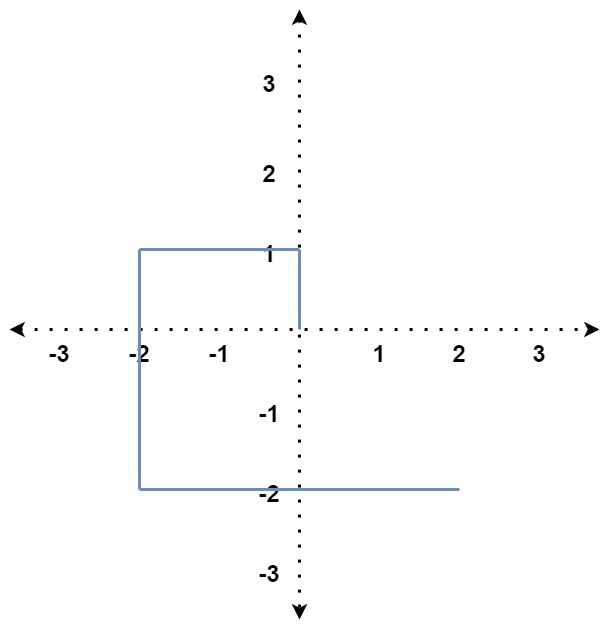
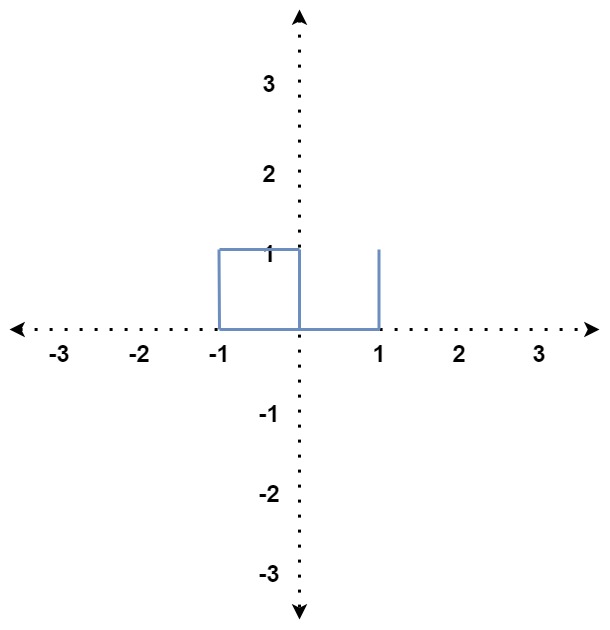
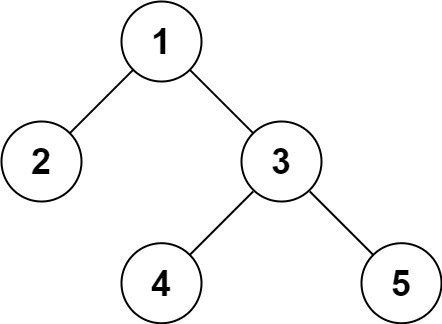
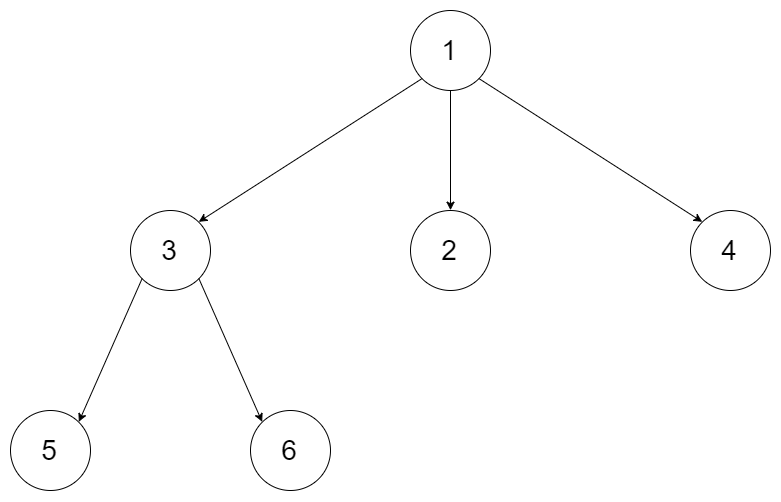
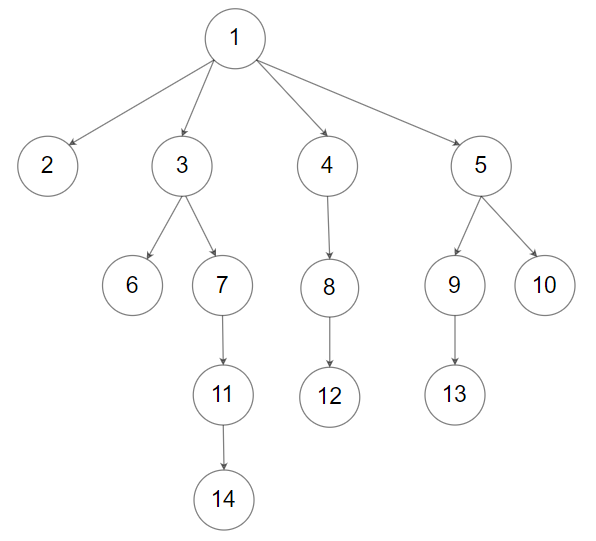
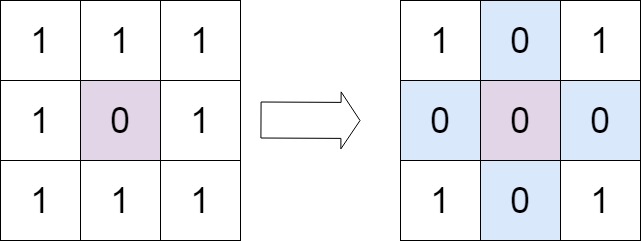
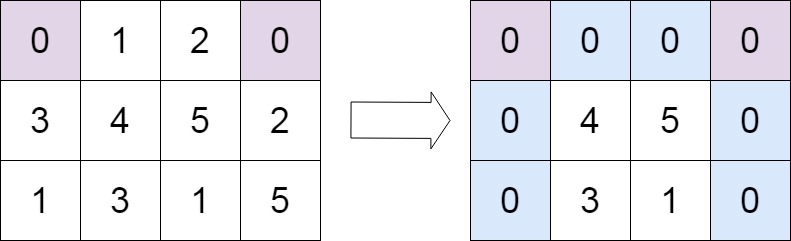
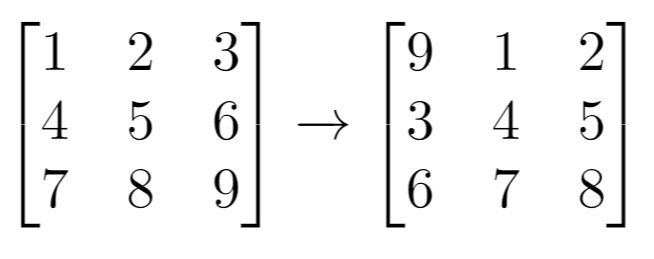
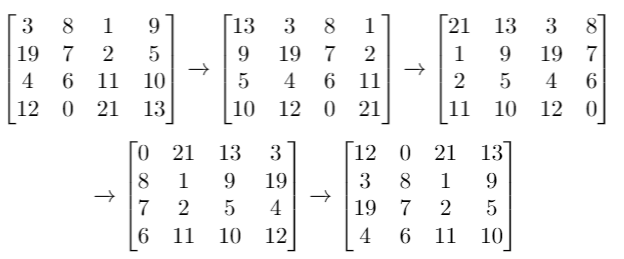
You are given an \n x n\ binary matrix \grid\ where \1\ represents land and \0\ represents water.\

\

An island is a 4-directionally connected group of \1\'s not connected to any other \1\'s. There are \exactly two islands\ in \grid\.\

\

You may change \0\'s to \1\'s to connect the two islands to form \one island\.\

\

Return \the smallest number of \\0\\'s you must flip to connect the two islands\.\

### Examples ``` Input: grid = [[0,1],[1,0]] Output: 1 ``` ``` Input: grid = [[0,1,0],[0,0,0],[0,0,1]] Output: 2 ``` ``` Input: grid = [[1,1,1,1,1],[1,0,0,0,1],[1,0,1,0,1],[1,0,0,0,1],[1,1,1,1,1]] Output: 1 ``` ### Constraints * n == grid.length == grid\[i].length * 2 \<= n \<= 100 * grid\[i]\[j] is either 0 or 1. * There are exactly two islands in grid. ## Solution Reference implementation from [solution.py on GitHub](https://github.com/wislertt/leetcode-py/blob/main/leetcode/shortest_bridge/solution.py), full suite in [test\_solution.py](https://github.com/wislertt/leetcode-py/blob/main/leetcode/shortest_bridge/test_solution.py): ```python theme={"theme":{"light":"github-light","dark":"github-dark"}} from collections import deque class Solution: # Time: O(n^2) # Space: O(n^2) def shortest_bridge(self, grid: list[list[int]]) -> int: n = len(grid) def neighbors(row: int, col: int) -> list[tuple[int, int]]: result = [] for dr, dc in ((1, 0), (-1, 0), (0, 1), (0, -1)): nr, nc = row + dr, col + dc if 0 <= nr < n and 0 <= nc < n: result.append((nr, nc)) return result # Find and mark the first island (DFS) start = next((r, c) for r in range(n) for c in range(n) if grid[r][c] == 1) first_island: deque[tuple[int, int]] = deque() stack = [start] grid[start[0]][start[1]] = -1 while stack: row, col = stack.pop() first_island.append((row, col)) for nr, nc in neighbors(row, col): if grid[nr][nc] == 1: grid[nr][nc] = -1 stack.append((nr, nc)) # Multi-source BFS from the first island until the second is reached distance = 0 while first_island: for _ in range(len(first_island)): row, col = first_island.popleft() for nr, nc in neighbors(row, col): if grid[nr][nc] == 1: return distance if grid[nr][nc] == 0: grid[nr][nc] = -1 first_island.append((nr, nc)) distance += 1 return -1 ``` ## Complexity | Time | Space | | ------ | ------ | | O(n^2) | O(n^2) | ## Tags [NeetCode All](/catalog/neetcode). # Shortest Common Supersequence Python Solution Source: https://leetcode-py.wisl.dev/problems/shortest-common-supersequence Tested Python solution for LeetCode 1092 with 14 pytest cases. Generate a practice environment with lcpy. LeetCode 1092, [Hard](/catalog/hard). Topics: [String](/catalog/topics/string), [Dynamic Programming](/catalog/topics/dynamic-programming). [View on LeetCode](https://leetcode.com/problems/shortest-common-supersequence/description/). Generate this problem as a practice environment: tested reference solution, 14 [parametrized pytest cases](/practice/testing), and a playground notebook: ```bash theme={"theme":{"light":"github-light","dark":"github-dark"}} lcpy gen -n 1092 # by problem number lcpy gen -s shortest_common_supersequence # by problem name ``` ## Problem Given two strings \str1\ and \str2\, return \the shortest string that has both \\str1\\ and \\str2\\ as \subsequences\\. If there are multiple valid strings, return \any\ of them. A string \s\ is a \subsequence\ of string \t\ if deleting some number of characters from \t\ (possibly \0\) results in the string \s\. ### Examples ``` Input: str1 = "abac", str2 = "cab" Output: "cabac" Explanation: str1 = "abac" is a subsequence of "cabac" because we can delete the first "c". str2 = "cab" is a subsequence of "cabac" because we can delete the last "ac". The answer provided is the shortest such string that satisfies these properties. ``` ``` Input: str1 = "aaaaaaaa", str2 = "aaaaaaaa" Output: "aaaaaaaa" ``` ### Constraints * \1 \<= str1.length, str2.length \<= 1000\ * \str1\ and \str2\ consist of lowercase English letters. ## Solution Reference implementation from [solution.py on GitHub](https://github.com/wislertt/leetcode-py/blob/main/leetcode/shortest_common_supersequence/solution.py), full suite in [test\_solution.py](https://github.com/wislertt/leetcode-py/blob/main/leetcode/shortest_common_supersequence/test_solution.py): ```python theme={"theme":{"light":"github-light","dark":"github-dark"}} class Solution: # Time: O(m * n) # Space: O(m * n) def shortest_common_supersequence(self, str1: str, str2: str) -> str: m, n = len(str1), len(str2) dp = [[0] * (n + 1) for _ in range(m + 1)] for i in range(1, m + 1): for j in range(1, n + 1): if str1[i - 1] == str2[j - 1]: dp[i][j] = dp[i - 1][j - 1] + 1 else: dp[i][j] = max(dp[i - 1][j], dp[i][j - 1]) out: list[str] = [] i, j = m, n while i > 0 and j > 0: if str1[i - 1] == str2[j - 1]: out.append(str1[i - 1]) i -= 1 j -= 1 elif dp[i - 1][j] >= dp[i][j - 1]: out.append(str1[i - 1]) i -= 1 else: out.append(str2[j - 1]) j -= 1 out.extend(str1[:i][::-1]) out.extend(str2[:j][::-1]) return "".join(reversed(out)) ``` ## Complexity | Time | Space | | --------- | --------- | | O(m \* n) | O(m \* n) | ## Tags [NeetCode All](/catalog/neetcode). # Shortest Completing Word Python Solution Source: https://leetcode-py.wisl.dev/problems/shortest-completing-word Tested Python solution for LeetCode 748 with 17 pytest cases. Generate a practice environment with lcpy. LeetCode 748, [Easy](/catalog/easy). Topics: [Array](/catalog/topics/array), [Hash Table](/catalog/topics/hash-table), [String](/catalog/topics/string). [View on LeetCode](https://leetcode.com/problems/shortest-completing-word/description/). Generate this problem as a practice environment: tested reference solution, 17 [parametrized pytest cases](/practice/testing), and a playground notebook: ```bash theme={"theme":{"light":"github-light","dark":"github-dark"}} lcpy gen -n 748 # by problem number lcpy gen -s shortest_completing_word # by problem name ``` ## Problem Given a string `licensePlate` and an array of strings `words`, find the **shortest completing** word in `words`. A **completing** word is a word that **contains all the letters** in `licensePlate`. **Ignore numbers and spaces** in `licensePlate`, and treat letters as **case insensitive**. If a letter appears more than once in `licensePlate`, then it must appear in the word the same number of times or more. For example, if `licensePlate = "aBc 12c"`, then it contains letters `'a'`, `'b'` (ignoring case), and `'c'` twice. Possible **completing** words are `"abccdef"`, `"caaacab"`, and `"cbca"`. Return *the shortest **completing** word in* `words`\*. It is guaranteed an answer exists. If there are multiple shortest **completing** words, return the **first** one that occurs in `words`. ### Examples ``` Input: licensePlate = "1s3 PSt", words = ["step","steps","stripe","stepple"] Output: "steps" Explanation: licensePlate contains letters 's', 'p', 's' (ignoring case), and 't'. "step" contains 't' and 'p', but only contains 1 's'. "steps" contains 't', 'p', and both 's' characters. "stripe" is missing an 's'. "stepple" is missing an 's'. Since "steps" is the only word containing all the letters, that is the answer. ``` ``` Input: licensePlate = "1s3 456", words = ["looks","pest","stew","show"] Output: "pest" Explanation: licensePlate only contains the letter 's'. All the words contain 's', but among these "pest", "stew", and "show" are shortest. The answer is "pest" because it is the word that appears earliest of the 3. ``` ### Constraints * 1 \<= licensePlate.length \<= 7 * licensePlate contains digits, letters (uppercase or lowercase), or space ' '. * 1 \<= words.length \<= 1000 * 1 \<= words\[i].length \<= 15 * words\[i] consists of lower case English letters. ## Solution Reference implementation from [solution.py on GitHub](https://github.com/wislertt/leetcode-py/blob/main/leetcode/shortest_completing_word/solution.py), full suite in [test\_solution.py](https://github.com/wislertt/leetcode-py/blob/main/leetcode/shortest_completing_word/test_solution.py): ```python theme={"theme":{"light":"github-light","dark":"github-dark"}} from collections import Counter class Solution: # Time: O(n * (m + k)) - n words, m word length, k <= 7 plate letters # Space: O(1) - at most 26 letters per counter def shortest_completing_word(self, license_plate: str, words: list[str]) -> str: need = Counter(c for c in license_plate.lower() if c.isalpha()) best: str | None = None for word in words: count = Counter(word) if all(count[ch] >= k for ch, k in need.items()) and ( best is None or len(word) < len(best) ): best = word return best or "" ``` ## Complexity | Time | Space | | --------------------------------------------------------------- | ------------------------------------- | | O(n \* (m + k)) - n words, m word length, k \<= 7 plate letters | O(1) - at most 26 letters per counter | ## Tags # Shortest Distance After Road Addition Queries Source: https://leetcode-py.wisl.dev/problems/shortest-distance-after-queries-i Tested Python solution for LeetCode 3243 with 22 pytest cases. Generate a practice environment with lcpy. LeetCode 3243, [Medium](/catalog/medium). Topics: [Array](/catalog/topics/array), [Breadth-First Search](/catalog/topics/breadth-first-search), [Graph Theory](/catalog/topics/graph-theory). [View on LeetCode](https://leetcode.com/problems/shortest-distance-after-queries-i/description/). Generate this problem as a practice environment: tested reference solution, 22 [parametrized pytest cases](/practice/testing), and a playground notebook: ```bash theme={"theme":{"light":"github-light","dark":"github-dark"}} lcpy gen -n 3243 # by problem number lcpy gen -s shortest_distance_after_queries_i # by problem name ``` ## Problem You are given an integer \n\ and a 2D integer array \queries\. There are \n\ cities numbered from \0\ to \n - 1\. Initially, there is a \unidirectional\ road from city \i\ to city \i + 1\ for all \0 \<= i \< n - 1\. \queries\[i] = \[u\i\, v\i\]\ represents the addition of a new \unidirectional\ road from city \u\i\\ to city \v\i\\. After each query, you need to find the \length\ of the \shortest path\ from city \0\ to city \n - 1\. Return an array \answer\ where for each \i\ in the range \\[0, queries.length - 1]\, \answer\[i]\ is the length of the shortest path from city \0\ to city \n - 1\ after processing the \first\ \i + 1\ queries. ### Examples ![Example 1](https://assets.leetcode.com/uploads/2024/06/28/image8.jpg) ``` Input: n = 5, queries = [[2,4],[0,2],[0,4]] Output: [3,2,1] Explanation: After the addition of the road from 2 to 4, the length of the shortest path from 0 to 4 is 3. ``` ![Example 1](https://assets.leetcode.com/uploads/2024/06/28/image9.jpg) After the addition of the road from 0 to 2, the length of the shortest path from 0 to 4 is 2. ![Example 1](https://assets.leetcode.com/uploads/2024/06/28/image10.jpg) After the addition of the road from 0 to 4, the length of the shortest path from 0 to 4 is 1. ![Example 2](https://assets.leetcode.com/uploads/2024/06/28/image11.jpg) ``` Input: n = 4, queries = [[0,3],[0,2]] Output: [1,1] Explanation: After the addition of the road from 0 to 3, the length of the shortest path from 0 to 3 is 1. ``` ![Example 2](https://assets.leetcode.com/uploads/2024/06/28/image12.jpg) After the addition of the road from 0 to 2, the length of the shortest path remains 1. ### Constraints * \3 \<= n \<= 500\ * \1 \<= queries.length \<= 500\ * \queries\[i].length == 2\ * \0 \<= queries\[i]\[0] \< queries\[i]\[1] \< n\ * \1 \< queries\[i]\[1] - queries\[i]\[0]\ * There are no repeated roads among the queries. ## Solution Reference implementation from [solution.py on GitHub](https://github.com/wislertt/leetcode-py/blob/main/leetcode/shortest_distance_after_queries_i/solution.py), full suite in [test\_solution.py](https://github.com/wislertt/leetcode-py/blob/main/leetcode/shortest_distance_after_queries_i/test_solution.py): ```python theme={"theme":{"light":"github-light","dark":"github-dark"}} from collections import deque class Solution: # Time: O(n + q * k) where k is the number of distance decreases, q = len(queries) # Space: O(n + q) def shortest_distance_after_queries(self, n: int, queries: list[list[int]]) -> list[int]: adj: list[list[int]] = [[i + 1] for i in range(n - 1)] adj.append([]) dist = list(range(n)) result: list[int] = [] for u, v in queries: adj[u].append(v) if dist[u] + 1 >= dist[v]: result.append(dist[n - 1]) continue dist[v] = dist[u] + 1 queue: deque[int] = deque([v]) while queue: cur = queue.popleft() for nxt in adj[cur]: if dist[cur] + 1 < dist[nxt]: dist[nxt] = dist[cur] + 1 queue.append(nxt) result.append(dist[n - 1]) return result ``` ## Complexity | Time | Space | | --------------------------------------------------------------------------- | -------- | | O(n + q \* k) where k is the number of distance decreases, q = len(queries) | O(n + q) | ## Tags [NeetCode All](/catalog/neetcode). # Shortest Distance from All Buildings Source: https://leetcode-py.wisl.dev/problems/shortest-distance-from-all-buildings Tested Python solution for LeetCode 317 with 15 pytest cases. Generate a practice environment with lcpy. LeetCode 317, [Hard](/catalog/hard). Topics: [Breadth-First Search](/catalog/topics/breadth-first-search), [Array](/catalog/topics/array), [Matrix](/catalog/topics/matrix). [View on LeetCode](https://leetcode.com/problems/shortest-distance-from-all-buildings/description/). Generate this problem as a practice environment: tested reference solution, 15 [parametrized pytest cases](/practice/testing), and a playground notebook: ```bash theme={"theme":{"light":"github-light","dark":"github-dark"}} lcpy gen -n 317 # by problem number lcpy gen -s shortest_distance_from_all_buildings # by problem name ``` ## Problem You are given an `m x n` grid `grid` of values `0`, `1`, or `2`, where: * each `0` marks **an empty land** that you can pass by freely, * each `1` marks **a building** that you cannot pass through, and * each `2` marks **an obstacle** that you cannot pass through. You want to build a house on an empty land that reaches all buildings in the **shortest total travel** distance. You can only move up, down, left, and right. Return *the **shortest travel distance** for such a house*. If it is not possible to build such a house according to the above rules, return `-1`. The **total travel distance** is the sum of the distances between the houses of the friends and the meeting point. ### Examples ![Example 1](https://fastly.jsdelivr.net/gh/doocs/leetcode@main/solution/0300-0399/0317.Shortest%20Distance%20from%20All%20Buildings/images/buildings-grid.jpg) ``` Input: grid = [[1,0,2,0,1],[0,0,0,0,0],[0,0,1,0,0]] Output: 7 Explanation: Given three buildings at (0,0), (0,4), (2,2), and an obstacle at (0,2). The point (1,2) is an ideal empty land to build a house, as the total travel distance of 3+3+1=7 is minimal. So return 7. ``` ``` Input: grid = [[1,0]] Output: 1 ``` ``` Input: grid = [[1]] Output: -1 ``` ### Constraints * `m == grid.length` * `n == grid[i].length` * `1 <= m, n <= 50` * `grid[i][j]` is either `0`, `1`, or `2`. * There will be **at least one** building in the `grid`. ## Solution Reference implementation from [solution.py on GitHub](https://github.com/wislertt/leetcode-py/blob/main/leetcode/shortest_distance_from_all_buildings/solution.py), full suite in [test\_solution.py](https://github.com/wislertt/leetcode-py/blob/main/leetcode/shortest_distance_from_all_buildings/test_solution.py): ```python theme={"theme":{"light":"github-light","dark":"github-dark"}} from collections import deque class Solution: # Time: O(b * m * n) — one BFS per building (b = building count) # Space: O(m * n) def shortest_distance(self, grid: list[list[int]]) -> int: m, n = len(grid), len(grid[0]) total = [[0] * n for _ in range(m)] reach = [[0] * n for _ in range(m)] building_count = sum(row.count(1) for row in grid) for i in range(m): for j in range(n): if grid[i][j] != 1: continue distance = [[-1] * n for _ in range(m)] distance[i][j] = 0 queue: deque[tuple[int, int]] = deque([(i, j)]) while queue: r, c = queue.popleft() for x, y in ((r - 1, c), (r + 1, c), (r, c - 1), (r, c + 1)): if 0 <= x < m and 0 <= y < n and grid[x][y] == 0 and distance[x][y] < 0: distance[x][y] = distance[r][c] + 1 queue.append((x, y)) for r in range(m): for c in range(n): if distance[r][c] >= 0: total[r][c] += distance[r][c] reach[r][c] += 1 best = -1 for i in range(m): for j in range(n): if ( grid[i][j] == 0 and reach[i][j] == building_count and (best < 0 or total[i][j] < best) ): best = total[i][j] return best ``` ## Complexity | Time | Space | | ---------------------------------------------------------- | --------- | | O(b \* m \* n) — one BFS per building (b = building count) | O(m \* n) | ## Tags [NeetCode All](/catalog/neetcode). # Shortest Distance to a Character Source: https://leetcode-py.wisl.dev/problems/shortest-distance-to-a-character Tested Python solution for LeetCode 821 with 20 pytest cases. Generate a practice environment with lcpy. LeetCode 821, [Easy](/catalog/easy). Topics: [Array](/catalog/topics/array), [Two Pointers](/catalog/topics/two-pointers), [String](/catalog/topics/string). [View on LeetCode](https://leetcode.com/problems/shortest-distance-to-a-character/description/). Generate this problem as a practice environment: tested reference solution, 20 [parametrized pytest cases](/practice/testing), and a playground notebook: ```bash theme={"theme":{"light":"github-light","dark":"github-dark"}} lcpy gen -n 821 # by problem number lcpy gen -s shortest_distance_to_a_character # by problem name ``` ## Problem Given a string `s` and a character `c` that occurs in `s`, return an array of integers `answer` where `answer.length == s.length` and `answer[i]` is the distance from index `i` to the closest occurrence of character `c` in `s`. The distance between two indices `i` and `j` is `abs(i - j)`, where `abs` is the absolute value function. ### Examples ``` Input: s = "loveleetcode", c = "e" Output: [3,2,1,0,1,0,0,1,2,2,1,0] ``` **Explanation:** The character 'e' appears at indices 3, 5, 6, and 11 (0-indexed). The closest occurrence of 'e' for index 0 is at index 3, so the distance is abs(0 - 3) = 3. For index 4, there is a tie between the 'e' at index 3 and the 'e' at index 5, but the distance is still the same: abs(4 - 3) == abs(4 - 5) = 1. ``` Input: s = "aaab", c = "b" Output: [3,2,1,0] ``` ### Constraints * 1 \<= s.length \<= 10^4 * s\[i] and c are lowercase English letters. * It is guaranteed that c occurs at least once in s. ## Solution Reference implementation from [solution.py on GitHub](https://github.com/wislertt/leetcode-py/blob/main/leetcode/shortest_distance_to_a_character/solution.py), full suite in [test\_solution.py](https://github.com/wislertt/leetcode-py/blob/main/leetcode/shortest_distance_to_a_character/test_solution.py): ```python theme={"theme":{"light":"github-light","dark":"github-dark"}} class Solution: # Time: O(n) # Space: O(n) for the output array def shortest_to_char(self, s: str, c: str) -> list[int]: n = len(s) answer = [n] * n prev = -n for i, char in enumerate(s): if char == c: prev = i answer[i] = i - prev prev = 2 * n for i in range(n - 1, -1, -1): if s[i] == c: prev = i answer[i] = min(answer[i], prev - i) return answer ``` ## Complexity | Time | Space | | ---- | ------------------------- | | O(n) | O(n) for the output array | ## Tags # Shortest Palindrome Python Solution with Tests Source: https://leetcode-py.wisl.dev/problems/shortest-palindrome Tested Python solution for LeetCode 214 with 16 pytest cases. Generate a practice environment with lcpy. LeetCode 214, [Hard](/catalog/hard). Topics: [String](/catalog/topics/string), Rolling Hash, [String Matching](/catalog/topics/string-matching), [Hash Function](/catalog/topics/hash-function), Manacher, Z Algorithm, Knuth-Morris-Pratt Algorithm. [View on LeetCode](https://leetcode.com/problems/shortest-palindrome/description/). Generate this problem as a practice environment: tested reference solution, 16 [parametrized pytest cases](/practice/testing), and a playground notebook: ```bash theme={"theme":{"light":"github-light","dark":"github-dark"}} lcpy gen -n 214 # by problem number lcpy gen -s shortest_palindrome # by problem name ``` ## Problem You are given a string `s`. You can convert `s` to a palindrome by adding characters in front of it. Return the shortest palindrome you can find by performing this transformation. ### Examples ``` Input: s = "aacecaaa" Output: "aaacecaaa" ``` ``` Input: s = "abcd" Output: "dcbabcd" ``` ### Constraints * 0 \<= s.length \<= 5 \* 10^4 * s consists of lowercase English letters only. ## Solution Reference implementation from [solution.py on GitHub](https://github.com/wislertt/leetcode-py/blob/main/leetcode/shortest_palindrome/solution.py), full suite in [test\_solution.py](https://github.com/wislertt/leetcode-py/blob/main/leetcode/shortest_palindrome/test_solution.py): ```python theme={"theme":{"light":"github-light","dark":"github-dark"}} class Solution: # Time: O(n) # Space: O(n) def shortest_palindrome(self, s: str) -> str: if not s: return s rev = s[::-1] combined = s + "#" + rev n = len(combined) pi = [0] * n for i in range(1, n): j = pi[i - 1] while j > 0 and combined[i] != combined[j]: j = pi[j - 1] if combined[i] == combined[j]: j += 1 pi[i] = j longest = pi[-1] return rev[: len(s) - longest] + s ``` ## Complexity | Time | Space | | ---- | ----- | | O(n) | O(n) | ## Tags [NeetCode All](/catalog/neetcode). # Shortest Path in Binary Matrix Python Solution Source: https://leetcode-py.wisl.dev/problems/shortest-path-in-binary-matrix Tested Python solution for LeetCode 1091 with 13 pytest cases. Generate a practice environment with lcpy. LeetCode 1091, [Medium](/catalog/medium). Topics: [Array](/catalog/topics/array), [Breadth-First Search](/catalog/topics/breadth-first-search), [Matrix](/catalog/topics/matrix). [View on LeetCode](https://leetcode.com/problems/shortest-path-in-binary-matrix/description/). Generate this problem as a practice environment: tested reference solution, 13 [parametrized pytest cases](/practice/testing), and a playground notebook: ```bash theme={"theme":{"light":"github-light","dark":"github-dark"}} lcpy gen -n 1091 # by problem number lcpy gen -s shortest_path_in_binary_matrix # by problem name ``` ## Problem Given an `n x n` binary matrix `grid`, return *the length of the shortest **clear path*** in the matrix. If there is no clear path, return `-1`. A **clear path** in a binary matrix is a path from the top-left cell (i.e., `(0, 0)`) to the bottom-right cell (i.e., `(n - 1, n - 1)`) such that: * All the visited cells of the path are `0`. * All the adjacent cells of the path are **8-directionally** connected (i.e., they are different and they share an edge or a corner). The length of a clear path is the number of visited cells of this path. ### Examples ``` Input: grid = [[0,1],[1,0]] Output: 2 ``` ``` Input: grid = [[0,0,0],[1,1,0],[1,1,0]] Output: 4 ``` ``` Input: grid = [[1,0,0],[1,1,0],[1,1,0]] Output: -1 ``` ### Constraints * `n == grid.length` * `n == grid[i].length` * `1 <= n <= 100` * `grid[i][j] is 0 or 1` ## Solution Reference implementation from [solution.py on GitHub](https://github.com/wislertt/leetcode-py/blob/main/leetcode/shortest_path_in_binary_matrix/solution.py), full suite in [test\_solution.py](https://github.com/wislertt/leetcode-py/blob/main/leetcode/shortest_path_in_binary_matrix/test_solution.py): ```python theme={"theme":{"light":"github-light","dark":"github-dark"}} from collections import deque class Solution: # Time: O(n^2) # Space: O(n^2) def shortest_path_binary_matrix(self, grid: list[list[int]]) -> int: if grid[0][0] == 1 or grid[-1][-1] == 1: return -1 n = len(grid) if n == 1: return 1 directions = [ (-1, -1), (-1, 0), (-1, 1), (0, -1), (0, 1), (1, -1), (1, 0), (1, 1), ] queue: deque[tuple[int, int]] = deque([(0, 0)]) grid[0][0] = 1 while queue: row, col = queue.popleft() distance = grid[row][col] for dr, dc in directions: nr, nc = row + dr, col + dc if nr == n - 1 and nc == n - 1: return distance + 1 if 0 <= nr < n and 0 <= nc < n and grid[nr][nc] == 0: grid[nr][nc] = distance + 1 queue.append((nr, nc)) return -1 ``` ## Complexity | Time | Space | | ------ | ------ | | O(n^2) | O(n^2) | ## Tags [NeetCode All](/catalog/neetcode). # Shortest Path to Get All Keys Python Solution Source: https://leetcode-py.wisl.dev/problems/shortest-path-to-get-all-keys Tested Python solution for LeetCode 864 with 22 pytest cases. Generate a practice environment with lcpy. LeetCode 864, [Hard](/catalog/hard). Topics: [Array](/catalog/topics/array), [Bit Manipulation](/catalog/topics/bit-manipulation), [Breadth-First Search](/catalog/topics/breadth-first-search), [Matrix](/catalog/topics/matrix). [View on LeetCode](https://leetcode.com/problems/shortest-path-to-get-all-keys/description/). Generate this problem as a practice environment: tested reference solution, 22 [parametrized pytest cases](/practice/testing), and a playground notebook: ```bash theme={"theme":{"light":"github-light","dark":"github-dark"}} lcpy gen -n 864 # by problem number lcpy gen -s shortest_path_to_get_all_keys # by problem name ``` ## Problem You are given an `m x n` grid `grid` where: * `'.'` is an empty cell. * `'#'` is a wall. * `'@'` is the starting point. * Lowercase letters represent keys. * Uppercase letters represent locks. You start at the starting point and one move consists of walking one space in one of the four cardinal directions. You cannot walk outside the grid, or walk into a wall. If you walk over a key, you can pick it up and you cannot walk over a lock unless you have its corresponding key. For some `1 <= k <= 6`, there is exactly one lowercase and one uppercase letter of the first `k` letters of the English alphabet in the grid. This means that there is exactly one key for each lock, and one lock for each key; and also that the letters used to represent the keys and locks were chosen in the same order as the English alphabet. Return the lowest number of moves to acquire all keys. If it is impossible, return `-1`. ### Examples ``` Input: grid = ["@.a..","###.#","b.A.B"] Output: 8 Explanation: Note that the goal is to obtain all the keys not to open all the locks. ``` ``` Input: grid = ["@..aA","..B#.","....b"] Output: 6 ``` ``` Input: grid = ["@Aa"] Output: -1 ``` ### Constraints * `m == grid.length` * `n == grid[i].length` * `1 <= m, n <= 30` * `grid[i][j]` is a letter, `'.'`, `'#'`, or `'@'`. * There is exactly one `'@'` in the grid. * The number of keys in the grid is in the range `[1, 6]`. * Each key in the grid is unique. * Each key in the grid has a matching lock. ## Solution Reference implementation from [solution.py on GitHub](https://github.com/wislertt/leetcode-py/blob/main/leetcode/shortest_path_to_get_all_keys/solution.py), full suite in [test\_solution.py](https://github.com/wislertt/leetcode-py/blob/main/leetcode/shortest_path_to_get_all_keys/test_solution.py): ```python theme={"theme":{"light":"github-light","dark":"github-dark"}} from collections import deque class Solution: # Time: O(m * n * 2^k) # Space: O(m * n * 2^k) def shortest_path_all_keys(self, grid: list[str]) -> int: m, n = len(grid), len(grid[0]) keys = 0 start_r = start_c = 0 for r in range(m): for c in range(n): ch = grid[r][c] if ch == "@": start_r, start_c = r, c elif ch.islower(): keys |= 1 << (ord(ch) - ord("a")) queue: deque[tuple[int, int, int]] = deque([(start_r, start_c, 0)]) seen = {(start_r, start_c, 0)} moves = 0 while queue: for _ in range(len(queue)): r, c, held = queue.popleft() if held == keys: return moves for dr, dc in ((1, 0), (-1, 0), (0, 1), (0, -1)): nr, nc = r + dr, c + dc if not (0 <= nr < m and 0 <= nc < n): continue ch = grid[nr][nc] if ch == "#": continue if ch.isupper() and not held & (1 << (ord(ch.lower()) - ord("a"))): continue nxt = held | (1 << (ord(ch) - ord("a"))) if ch.islower() else held state = (nr, nc, nxt) if state not in seen: seen.add(state) queue.append(state) moves += 1 return -1 ``` ## Complexity | Time | Space | | ---------------- | ---------------- | | O(m \* n \* 2^k) | O(m \* n \* 2^k) | ## Tags # Shortest Path to Get Food Python Solution Source: https://leetcode-py.wisl.dev/problems/shortest-path-to-get-food Tested Python solution for LeetCode 1730 with 19 pytest cases. Generate a practice environment with lcpy. LeetCode 1730, [Medium](/catalog/medium). Topics: [Array](/catalog/topics/array), [Breadth-First Search](/catalog/topics/breadth-first-search), [Matrix](/catalog/topics/matrix). [View on LeetCode](https://leetcode.com/problems/shortest-path-to-get-food/description/). Generate this problem as a practice environment: tested reference solution, 19 [parametrized pytest cases](/practice/testing), and a playground notebook: ```bash theme={"theme":{"light":"github-light","dark":"github-dark"}} lcpy gen -n 1730 # by problem number lcpy gen -s shortest_path_to_get_food # by problem name ``` ## Problem You are starving and you want to eat food as quickly as possible. You want to find the shortest path to arrive at any food cell. You are given an `m x n` character matrix, `grid`, of these different types of cells: * `'*'` is your location. There is exactly one `'*'` cell. * `'#'` is a food cell. There may be multiple food cells. * `'O'` is free space, and you can travel through these cells. * `'X'` is an obstacle, and you cannot travel through these cells. You can travel to any adjacent cell north, east, south, or west of your current location if there is not an obstacle. Return the length of the shortest path for you to reach any food cell. If there is no path for you to reach food, return `-1`. ### Examples ``` Input: grid = [["X","X","X","X","X","X"],["X","*","O","O","O","X"],["X","O","O","#","O","X"],["X","X","X","X","X","X"]] Output: 3 Explanation: It takes 3 steps to reach the food. ``` ``` Input: grid = [["X","X","X","X","X"],["X","*","X","O","X"],["X","O","X","#","X"],["X","X","X","X","X"]] Output: -1 Explanation: It is not possible to reach the food. ``` ``` Input: grid = [["X","X","X","X","X","X","X","X"],["X","*","O","X","O","#","O","X"],["X","O","O","X","O","O","X","X"],["X","O","O","O","O","#","O","X"],["X","X","X","X","X","X","X","X"]] Output: 6 Explanation: There can be multiple food cells. It only takes 6 steps to reach the bottom food. ``` ``` Input: grid = [["O","*"],["#","O"]] Output: 2 ``` ### Constraints * `m == grid.length` * `n == grid[i].length` * `1 <= m, n <= 200` * `grid[row][col]` is `'*'`, `'X'`, `'O'`, or `'#'`. * The `grid` contains exactly one `'*'`. ## Solution Reference implementation from [solution.py on GitHub](https://github.com/wislertt/leetcode-py/blob/main/leetcode/shortest_path_to_get_food/solution.py), full suite in [test\_solution.py](https://github.com/wislertt/leetcode-py/blob/main/leetcode/shortest_path_to_get_food/test_solution.py): ```python theme={"theme":{"light":"github-light","dark":"github-dark"}} from collections import deque class Solution: # Time: O(m * n) # Space: O(m * n) def get_food(self, grid: list[list[str]]) -> int: rows, cols = len(grid), len(grid[0]) start = next((r, c) for r in range(rows) for c in range(cols) if grid[r][c] == "*") queue: deque[tuple[tuple[int, int], int]] = deque([(start, 0)]) visited = {start} directions = [(1, 0), (-1, 0), (0, 1), (0, -1)] while queue: (r, c), steps = queue.popleft() for dr, dc in directions: nr, nc = r + dr, c + dc if 0 <= nr < rows and 0 <= nc < cols and (nr, nc) not in visited: if grid[nr][nc] == "#": return steps + 1 if grid[nr][nc] == "O": visited.add((nr, nc)) queue.append(((nr, nc), steps + 1)) return -1 ``` ## Complexity | Time | Space | | --------- | --------- | | O(m \* n) | O(m \* n) | ## Tags [Grind](/catalog/grind). # Shortest Path Visiting All Nodes Source: https://leetcode-py.wisl.dev/problems/shortest-path-visiting-all-nodes Tested Python solution for LeetCode 847 with 17 pytest cases. Generate a practice environment with lcpy. LeetCode 847, [Hard](/catalog/hard). Topics: [Dynamic Programming](/catalog/topics/dynamic-programming), [Bit Manipulation](/catalog/topics/bit-manipulation), [Breadth-First Search](/catalog/topics/breadth-first-search), [Graph Theory](/catalog/topics/graph-theory), [Bitmask](/catalog/topics/bitmask). [View on LeetCode](https://leetcode.com/problems/shortest-path-visiting-all-nodes/description/). Generate this problem as a practice environment: tested reference solution, 17 [parametrized pytest cases](/practice/testing), and a playground notebook: ```bash theme={"theme":{"light":"github-light","dark":"github-dark"}} lcpy gen -n 847 # by problem number lcpy gen -s shortest_path_visiting_all_nodes # by problem name ``` ## Problem You have an undirected, connected graph of `n` nodes labeled from `0` to `n - 1`. You are given an array `graph` where `graph[i]` is a list of all the nodes connected with node `i` by an edge. Return *the length of the shortest path that visits every node*. You may start and stop at any node, you may revisit nodes multiple times, and you may reuse edges. ### Examples ![Example 1](https://assets.leetcode.com/uploads/2021/05/12/shortest1-graph.jpg) ``` Input: graph = [[1,2,3],[0],[0],[0]] Output: 4 Explanation: One possible path is [1,0,2,0,3] ``` ![Example 2](https://assets.leetcode.com/uploads/2021/05/12/shortest2-graph.jpg) ``` Input: graph = [[1],[0,2,4],[1,3,4],[2],[1,2]] Output: 4 Explanation: One possible path is [0,1,4,2,3] ``` ### Constraints * n == graph.length * 1 \<= n \<= 12 * 0 \<= graph\[i].length \< n * graph\[i] does not contain i. * If graph\[a] contains b, then graph\[b] contains a. * The input graph is always connected. ## Solution Reference implementation from [solution.py on GitHub](https://github.com/wislertt/leetcode-py/blob/main/leetcode/shortest_path_visiting_all_nodes/solution.py), full suite in [test\_solution.py](https://github.com/wislertt/leetcode-py/blob/main/leetcode/shortest_path_visiting_all_nodes/test_solution.py): ```python theme={"theme":{"light":"github-light","dark":"github-dark"}} from collections import deque class Solution: # Time: O(n * 2^n * n) = O(n^2 * 2^n) - each state dequeued once, n edges per state # Space: O(n * 2^n) for the visited-state set def shortest_path_length(self, graph: list[list[int]]) -> int: n = len(graph) full = (1 << n) - 1 queue: deque[tuple[int, int]] = deque((node, 1 << node) for node in range(n)) seen = {(node, 1 << node) for node in range(n)} steps = 0 while queue: for _ in range(len(queue)): node, mask = queue.popleft() if mask == full: return steps for neighbor in graph[node]: state = (neighbor, mask | (1 << neighbor)) if state not in seen: seen.add(state) queue.append(state) steps += 1 return steps ``` ## Complexity | Time | Space | | ------------------------------------------------------------------------------ | ------------------------------------- | | O(n \* 2^n \* n) = O(n^2 \* 2^n) - each state dequeued once, n edges per state | O(n \* 2^n) for the visited-state set | ## Tags # Shortest Path with Alternating Colors Source: https://leetcode-py.wisl.dev/problems/shortest-path-with-alternating-colors Tested Python solution for LeetCode 1129 with 14 pytest cases. Generate a practice environment with lcpy. LeetCode 1129, [Medium](/catalog/medium). Topics: [Breadth-First Search](/catalog/topics/breadth-first-search), [Graph](/catalog/topics/graph). [View on LeetCode](https://leetcode.com/problems/shortest-path-with-alternating-colors/description/). Generate this problem as a practice environment: tested reference solution, 14 [parametrized pytest cases](/practice/testing), and a playground notebook: ```bash theme={"theme":{"light":"github-light","dark":"github-dark"}} lcpy gen -n 1129 # by problem number lcpy gen -s shortest_path_with_alternating_colors # by problem name ``` ## Problem You are given an integer \n\, the number of nodes in a directed graph where the nodes are labeled from \0\ to \n - 1\. Each edge is red or blue in this graph, and there could be self-edges and parallel edges. You are given two arrays \redEdges\ and \blueEdges\ where: * \redEdges\[i] = \[a\i\, b\i\]\ indicates that there is a directed red edge from node \a\i\\ to node \b\i\\ in the graph, and * \blueEdges\[j] = \[u\j\, v\j\]\ indicates that there is a directed blue edge from node \u\j\\ to node \v\j\\ in the graph. Return an array \answer\ of length \n\, where each \answer\[x]\ is the length of the shortest path from node \0\ to node \x\ such that the edge colors alternate along the path, or \-1\ if such a path does not exist. ### Examples ``` Input: n = 3, redEdges = [[0,1],[1,2]], blueEdges = [] Output: [0,1,-1] ``` ``` Input: n = 3, redEdges = [[0,1]], blueEdges = [[2,1]] Output: [0,1,-1] ``` ### Constraints * \1 \<= n \<= 100\ * \0 \<= redEdges.length, blueEdges.length \<= 400\ * \redEdges\[i].length == blueEdges\[j].length == 2\ * \0 \<= a\i\, b\i\, u\j\, v\j\ \< n\ ## Solution Reference implementation from [solution.py on GitHub](https://github.com/wislertt/leetcode-py/blob/main/leetcode/shortest_path_with_alternating_colors/solution.py), full suite in [test\_solution.py](https://github.com/wislertt/leetcode-py/blob/main/leetcode/shortest_path_with_alternating_colors/test_solution.py): ```python theme={"theme":{"light":"github-light","dark":"github-dark"}} from collections import deque class Solution: # Time: O(n + e) # Space: O(n + e) def shortest_alternating_paths( self, n: int, red_edges: list[list[int]], blue_edges: list[list[int]] ) -> list[int]: adj: list[dict[str, list[int]]] = [{"r": [], "b": []} for _ in range(n)] for a, b in red_edges: adj[a]["r"].append(b) for a, b in blue_edges: adj[a]["b"].append(b) ans = [-1] * n dist: dict[tuple[int, str], int] = {(0, "r"): 0, (0, "b"): 0} queue: deque[tuple[int, str]] = deque([(0, "r"), (0, "b")]) while queue: node, color = queue.popleft() if ans[node] == -1: ans[node] = dist[(node, color)] nxt = "b" if color == "r" else "r" for nb in adj[node][nxt]: if (nb, nxt) not in dist: dist[(nb, nxt)] = dist[(node, color)] + 1 queue.append((nb, nxt)) return ans ``` ## Complexity | Time | Space | | -------- | -------- | | O(n + e) | O(n + e) | ## Tags [NeetCode All](/catalog/neetcode). # Shortest Subarray to be Removed to Make Array Source: https://leetcode-py.wisl.dev/problems/shortest-subarray-to-be-removed-to-make-array-sorted Tested Python solution for LeetCode 1574 with 22 pytest cases. Generate a practice environment with lcpy. LeetCode 1574, [Medium](/catalog/medium). Topics: [Array](/catalog/topics/array), [Two Pointers](/catalog/topics/two-pointers), [Binary Search](/catalog/topics/binary-search), [Stack](/catalog/topics/stack), [Monotonic Stack](/catalog/topics/monotonic-stack). [View on LeetCode](https://leetcode.com/problems/shortest-subarray-to-be-removed-to-make-array-sorted/description/). Generate this problem as a practice environment: tested reference solution, 22 [parametrized pytest cases](/practice/testing), and a playground notebook: ```bash theme={"theme":{"light":"github-light","dark":"github-dark"}} lcpy gen -n 1574 # by problem number lcpy gen -s shortest_subarray_to_be_removed_to_make_array_sorted # by problem name ``` ## Problem Given an integer array `arr`, remove a subarray (can be empty) from `arr` such that the remaining elements in `arr` are **non-decreasing**. Return the length of the shortest subarray to remove. A **subarray** is a contiguous subsequence of the array. ### Examples ``` Input: arr = [1,2,3,10,4,2,3,5] Output: 3 ``` **Explanation:** The shortest subarray we can remove is \[10,4,2] of length 3. The remaining elements after that will be \[1,2,3,3,5] which are sorted. Another correct solution is to remove the subarray \[3,10,4]. ``` Input: arr = [5,4,3,2,1] Output: 4 ``` **Explanation:** Since the array is strictly decreasing, we can only keep a single element. Therefore we need to remove a subarray of length 4, either \[5,4,3,2] or \[4,3,2,1]. ``` Input: arr = [1,2,3] Output: 0 ``` **Explanation:** The array is already non-decreasing. We do not need to remove any elements. ### Constraints * 1 \<= arr.length \<= 10^5 * 0 \<= arr\[i] \<= 10^9 ## Solution Reference implementation from [solution.py on GitHub](https://github.com/wislertt/leetcode-py/blob/main/leetcode/shortest_subarray_to_be_removed_to_make_array_sorted/solution.py), full suite in [test\_solution.py](https://github.com/wislertt/leetcode-py/blob/main/leetcode/shortest_subarray_to_be_removed_to_make_array_sorted/test_solution.py): ```python theme={"theme":{"light":"github-light","dark":"github-dark"}} class Solution: # Time: O(n) # Space: O(1) def find_length_of_shortest_subarray(self, arr: list[int]) -> int: n = len(arr) end = n - 1 while end > 0 and arr[end - 1] <= arr[end]: end -= 1 result = end start = 0 while start < end and (start == 0 or arr[start - 1] <= arr[start]): while end < n and arr[end] < arr[start]: end += 1 result = min(result, end - start - 1) start += 1 return result ``` ## Complexity | Time | Space | | ---- | ----- | | O(n) | O(1) | ## Tags [NeetCode All](/catalog/neetcode). # Shortest Subarray With OR at Least K II Source: https://leetcode-py.wisl.dev/problems/shortest-subarray-with-or-at-least-k-ii Tested Python solution for LeetCode 3097 with 16 pytest cases. Generate a practice environment with lcpy. LeetCode 3097, [Medium](/catalog/medium). Topics: [Array](/catalog/topics/array), [Bit Manipulation](/catalog/topics/bit-manipulation), [Sliding Window](/catalog/topics/sliding-window). [View on LeetCode](https://leetcode.com/problems/shortest-subarray-with-or-at-least-k-ii/description/). Generate this problem as a practice environment: tested reference solution, 16 [parametrized pytest cases](/practice/testing), and a playground notebook: ```bash theme={"theme":{"light":"github-light","dark":"github-dark"}} lcpy gen -n 3097 # by problem number lcpy gen -s shortest_subarray_with_or_at_least_k_ii # by problem name ``` ## Problem You are given an array \nums\ of \non-negative\ integers and an integer \k\.\
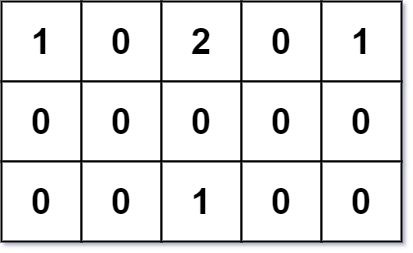
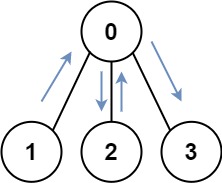
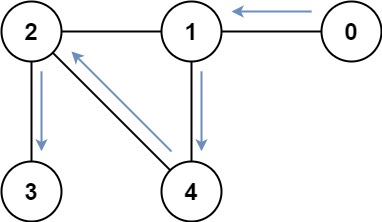
\

An array is called \special\ if the bitwise \OR\ of all of its elements is \at least\ \k\.\

\

Return \the length of the \shortest\ \special\ \non-empty\ \subarray\ of\ \nums\, \or return\ \-1\ \if no special subarray exists\.\

### Examples ``` Input: nums = [1,2,3], k = 2 Output: 1 Explanation: The subarray [3] has OR value of 3. Hence, we return 1. ``` ``` Input: nums = [2,1,8], k = 10 Output: 3 Explanation: The subarray [2,1,8] has OR value of 11. Hence, we return 3. ``` ``` Input: nums = [1,2], k = 0 Output: 1 Explanation: The subarray [1] has OR value of 1. Hence, we return 1. ``` ### Constraints * 1 \<= nums.length \<= 2 \* 10^5 * 0 \<= nums\[i] \<= 10^9 * 0 \<= k \<= 10^9 ## Solution Reference implementation from [solution.py on GitHub](https://github.com/wislertt/leetcode-py/blob/main/leetcode/shortest_subarray_with_or_at_least_k_ii/solution.py), full suite in [test\_solution.py](https://github.com/wislertt/leetcode-py/blob/main/leetcode/shortest_subarray_with_or_at_least_k_ii/test_solution.py): ```python theme={"theme":{"light":"github-light","dark":"github-dark"}} class Solution: # Time: O(n * 30) # Space: O(30) def minimum_subarray_length(self, nums: list[int], k: int) -> int: best = len(nums) + 1 counts = [0] * 30 left = 0 for right, value in enumerate(nums): for bit in range(30): if (value >> bit) & 1: counts[bit] += 1 while left <= right and self._or_value(counts) >= k: best = min(best, right - left + 1) for bit in range(30): if (nums[left] >> bit) & 1: counts[bit] -= 1 left += 1 return -1 if best == len(nums) + 1 else best def _or_value(self, counts: list[int]) -> int: value = 0 for bit, count in enumerate(counts): if count: value |= 1 << bit return value ``` ## Complexity | Time | Space | | ---------- | ----- | | O(n \* 30) | O(30) | ## Tags [NeetCode All](/catalog/neetcode). # Shortest Subarray with Sum at Least K Source: https://leetcode-py.wisl.dev/problems/shortest-subarray-with-sum-at-least-k Tested Python solution for LeetCode 862 with 16 pytest cases. Generate a practice environment with lcpy. LeetCode 862, [Hard](/catalog/hard). Topics: [Array](/catalog/topics/array), [Binary Search](/catalog/topics/binary-search), [Queue](/catalog/topics/queue), [Sliding Window](/catalog/topics/sliding-window), [Heap (Priority Queue)](/catalog/topics/heap-priority-queue), [Prefix Sum](/catalog/topics/prefix-sum), Monotonic Queue. [View on LeetCode](https://leetcode.com/problems/shortest-subarray-with-sum-at-least-k/description/). Generate this problem as a practice environment: tested reference solution, 16 [parametrized pytest cases](/practice/testing), and a playground notebook: ```bash theme={"theme":{"light":"github-light","dark":"github-dark"}} lcpy gen -n 862 # by problem number lcpy gen -s shortest_subarray_with_sum_at_least_k # by problem name ``` ## Problem Given an integer array \nums\ and an integer \k\, return \the length of the shortest non-empty \subarray\ of \\nums\\ with a sum of at least \\k\. If there is no such \subarray\, return \-1\.\

\

A \subarray\ is a \contiguous\ part of an array. ### Examples ``` Input: nums = [1], k = 1 Output: 1 ``` ``` Input: nums = [1,2], k = 4 Output: -1 ``` ``` Input: nums = [2,-1,2], k = 3 Output: 3 ``` ### Constraints * 1 \<= nums.length \<= 10^5 * -10^5 \<= nums\[i] \<= 10^5 * 1 \<= k \<= 10^9 ## Solution Reference implementation from [solution.py on GitHub](https://github.com/wislertt/leetcode-py/blob/main/leetcode/shortest_subarray_with_sum_at_least_k/solution.py), full suite in [test\_solution.py](https://github.com/wislertt/leetcode-py/blob/main/leetcode/shortest_subarray_with_sum_at_least_k/test_solution.py): ```python theme={"theme":{"light":"github-light","dark":"github-dark"}} from collections import deque class Solution: # Time: O(n) # Space: O(n) def shortest_subarray(self, nums: list[int], k: int) -> int: n = len(nums) prefix = [0] * (n + 1) for i, num in enumerate(nums): prefix[i + 1] = prefix[i] + num result = n + 1 queue: deque[int] = deque() for j in range(n + 1): while queue and prefix[j] - prefix[queue[0]] >= k: result = min(result, j - queue.popleft()) while queue and prefix[queue[-1]] >= prefix[j]: queue.pop() queue.append(j) return result if result <= n else -1 ``` ## Complexity | Time | Space | | ---- | ----- | | O(n) | O(n) | ## Tags [NeetCode All](/catalog/neetcode). # Shortest Unsorted Continuous Subarray Source: https://leetcode-py.wisl.dev/problems/shortest-unsorted-continuous-subarray Tested Python solution for LeetCode 581 with 22 pytest cases. Generate a practice environment with lcpy. LeetCode 581, [Medium](/catalog/medium). Topics: [Array](/catalog/topics/array), [Two Pointers](/catalog/topics/two-pointers), [Stack](/catalog/topics/stack), [Greedy](/catalog/topics/greedy), [Sorting](/catalog/topics/sorting), [Monotonic Stack](/catalog/topics/monotonic-stack). [View on LeetCode](https://leetcode.com/problems/shortest-unsorted-continuous-subarray/description/). Generate this problem as a practice environment: tested reference solution, 22 [parametrized pytest cases](/practice/testing), and a playground notebook: ```bash theme={"theme":{"light":"github-light","dark":"github-dark"}} lcpy gen -n 581 # by problem number lcpy gen -s shortest_unsorted_continuous_subarray # by problem name ``` ## Problem Given an integer array `nums`, you need to find one **continuous subarray** such that if you only sort this subarray in non-decreasing order, then the whole array will be sorted in non-decreasing order. Return *the shortest such subarray and output its length*. ### Examples ``` Input: nums = [2,6,4,8,10,9,15] Output: 5 ``` **Explanation:** You need to sort \[6, 4, 8, 10, 9] in ascending order to make the whole array sorted in ascending order. ``` Input: nums = [1,2,3,4] Output: 0 ``` ``` Input: nums = [1] Output: 0 ``` ### Constraints * 1 \<= nums.length \<= 10^4 * -10^5 \<= nums\[i] \<= 10^5 **Follow up:** Can you solve it in `O(n)` time complexity? ## Solution Reference implementation from [solution.py on GitHub](https://github.com/wislertt/leetcode-py/blob/main/leetcode/shortest_unsorted_continuous_subarray/solution.py), full suite in [test\_solution.py](https://github.com/wislertt/leetcode-py/blob/main/leetcode/shortest_unsorted_continuous_subarray/test_solution.py): ```python theme={"theme":{"light":"github-light","dark":"github-dark"}} class Solution: # Time: O(n) # Space: O(1) def find_unsorted_subarray(self, nums: list[int]) -> int: n = len(nums) end = -2 max_seen = nums[0] for i in range(1, n): if nums[i] < max_seen: end = i else: max_seen = nums[i] if end == -2: return 0 start = 0 min_seen = nums[n - 1] for i in range(n - 2, -1, -1): if nums[i] > min_seen: start = i else: min_seen = nums[i] return end - start + 1 ``` ## Complexity | Time | Space | | ---- | ----- | | O(n) | O(1) | ## Tags # Shortest Way to Form String Python Solution Source: https://leetcode-py.wisl.dev/problems/shortest-way-to-form-string Tested Python solution for LeetCode 1055 with 14 pytest cases. Generate a practice environment with lcpy. LeetCode 1055, [Medium](/catalog/medium). Topics: [String](/catalog/topics/string), [Dynamic Programming](/catalog/topics/dynamic-programming), [Greedy](/catalog/topics/greedy). [View on LeetCode](https://leetcode.com/problems/shortest-way-to-form-string/description/). Generate this problem as a practice environment: tested reference solution, 14 [parametrized pytest cases](/practice/testing), and a playground notebook: ```bash theme={"theme":{"light":"github-light","dark":"github-dark"}} lcpy gen -n 1055 # by problem number lcpy gen -s shortest_way_to_form_string # by problem name ``` ## Problem A **subsequence** of a string is a new string that is formed from the original string by deleting some (can be none) of the characters without disturbing the relative positions of the remaining characters. (i.e., `"ace"` is a subsequence of `"abcde"` while `"aec"` is not). Given two strings `source` and `target`, return *the minimum number of subsequences of* `source` *such that their concatenation equals* `target`. If the task is impossible, return `-1`. ### Examples ``` Input: source = "abc", target = "abcbc" Output: 2 Explanation: The target "abcbc" can be formed by "abc" and "bc", which are subsequences of source "abc". ``` ``` Input: source = "abc", target = "acdbc" Output: -1 Explanation: The target string cannot be constructed from the subsequences of source string due to the character "d" in target string. ``` ``` Input: source = "xyz", target = "xzyxz" Output: 3 Explanation: The target string can be constructed as follows "xz" + "y" + "xz". ``` ### Constraints * 1 \<= source.length, target.length \<= 1000 * source and target consist of lowercase English letters. ## Solution Reference implementation from [solution.py on GitHub](https://github.com/wislertt/leetcode-py/blob/main/leetcode/shortest_way_to_form_string/solution.py), full suite in [test\_solution.py](https://github.com/wislertt/leetcode-py/blob/main/leetcode/shortest_way_to_form_string/test_solution.py): ```python theme={"theme":{"light":"github-light","dark":"github-dark"}} class Solution: # Time: O(m * n) # Space: O(1) def shortest_way(self, source: str, target: str) -> int: m, n = len(source), len(target) ans = j = 0 while j < n: i, k = 0, j while i < m and k < n: if source[i] == target[k]: k += 1 i += 1 if k == j: return -1 j = k ans += 1 return ans ``` ## Complexity | Time | Space | | --------- | ----- | | O(m \* n) | O(1) | ## Tags [NeetCode All](/catalog/neetcode). # Shortest Word Distance Python Solution Source: https://leetcode-py.wisl.dev/problems/shortest-word-distance Tested Python solution for LeetCode 243 with 15 pytest cases. Generate a practice environment with lcpy. LeetCode 243, [Easy](/catalog/easy). Topics: [Array](/catalog/topics/array), [String](/catalog/topics/string). [View on LeetCode](https://leetcode.com/problems/shortest-word-distance/description/). Generate this problem as a practice environment: tested reference solution, 15 [parametrized pytest cases](/practice/testing), and a playground notebook: ```bash theme={"theme":{"light":"github-light","dark":"github-dark"}} lcpy gen -n 243 # by problem number lcpy gen -s shortest_word_distance # by problem name ``` ## Problem Given an array of strings `wordsDict` and two different strings that already exist in the array `word1` and `word2`, return *the shortest distance between these two words in the list*. ### Examples ``` Input: wordsDict = ["practice", "makes", "perfect", "coding", "makes"], word1 = "coding", word2 = "practice" Output: 3 ``` ``` Input: wordsDict = ["practice", "makes", "perfect", "coding", "makes"], word1 = "makes", word2 = "coding" Output: 1 ``` ### Constraints * `2 <= wordsDict.length <= 3 * 10^4` * `1 <= wordsDict[i].length <= 10` * `wordsDict[i]` consists of lowercase English letters. * `word1` and `word2` are in `wordsDict`. * `word1 != word2` ## Solution Reference implementation from [solution.py on GitHub](https://github.com/wislertt/leetcode-py/blob/main/leetcode/shortest_word_distance/solution.py), full suite in [test\_solution.py](https://github.com/wislertt/leetcode-py/blob/main/leetcode/shortest_word_distance/test_solution.py): ```python theme={"theme":{"light":"github-light","dark":"github-dark"}} class Solution: # Time: O(n) # Space: O(1) def shortest_distance(self, words_dict: list[str], word1: str, word2: str) -> int: index1 = -1 index2 = -1 shortest = len(words_dict) for i, word in enumerate(words_dict): if word == word1: index1 = i if word == word2: index2 = i if index1 != -1 and index2 != -1: shortest = min(shortest, abs(index1 - index2)) return shortest ``` ## Complexity | Time | Space | | ---- | ----- | | O(n) | O(1) | ## Tags [NeetCode All](/catalog/neetcode). # Shortest Word Distance II Python Solution Source: https://leetcode-py.wisl.dev/problems/shortest-word-distance-ii Tested Python solution for LeetCode 244 with 13 pytest cases. Generate a practice environment with lcpy. LeetCode 244, [Medium](/catalog/medium). Topics: [Design](/catalog/topics/design), [Array](/catalog/topics/array), [Hash Table](/catalog/topics/hash-table), [Two Pointers](/catalog/topics/two-pointers), [String](/catalog/topics/string). [View on LeetCode](https://leetcode.com/problems/shortest-word-distance-ii/description/). Generate this problem as a practice environment: tested reference solution, 13 [parametrized pytest cases](/practice/testing), and a playground notebook: ```bash theme={"theme":{"light":"github-light","dark":"github-dark"}} lcpy gen -n 244 # by problem number lcpy gen -s shortest_word_distance_ii # by problem name ``` ## Problem Design a data structure that will be initialized with a string array, and then it should answer queries of the shortest distance between two different strings from the array. Implement the `WordDistance` class: * `WordDistance(String[] wordsDict)` initializes the object with the strings array `wordsDict`. * `int shortest(String word1, String word2)` returns the shortest distance between `word1` and `word2` in the array `wordsDict`. ### Examples ``` Input ["WordDistance", "shortest", "shortest"] [[["practice", "makes", "perfect", "coding", "makes"]], ["coding", "practice"], ["makes", "coding"]] Output [null, 3, 1] Explanation WordDistance wordDistance = new WordDistance(["practice", "makes", "perfect", "coding", "makes"]); wordDistance.shortest("coding", "practice"); // return 3 wordDistance.shortest("makes", "coding"); // return 1 ``` ### Constraints * `1 <= wordsDict.length <= 3 * 10^4` * `1 <= wordsDict[i].length <= 10` * `wordsDict[i]` consists of lowercase English letters. * `word1` and `word2` are in `wordsDict`. * `word1 != word2` * At most `5000` calls will be made to `shortest`. ## Solution Reference implementation from [solution.py on GitHub](https://github.com/wislertt/leetcode-py/blob/main/leetcode/shortest_word_distance_ii/solution.py), full suite in [test\_solution.py](https://github.com/wislertt/leetcode-py/blob/main/leetcode/shortest_word_distance_ii/test_solution.py): ```python theme={"theme":{"light":"github-light","dark":"github-dark"}} from collections import defaultdict class WordDistance: # Time: O(n) for __init__, O(k + m) per shortest call # Space: O(n) def __init__(self, words_dict: list[str]) -> None: self.indices: defaultdict[str, list[int]] = defaultdict(list) for i, word in enumerate(words_dict): self.indices[word].append(i) def shortest(self, word1: str, word2: str) -> int: positions1 = self.indices[word1] positions2 = self.indices[word2] shortest = 10**9 i = 0 j = 0 while i < len(positions1) and j < len(positions2): shortest = min(shortest, abs(positions1[i] - positions2[j])) if positions1[i] <= positions2[j]: i += 1 else: j += 1 return shortest ``` ## Complexity | Time | Space | | --------------------------------------------- | ----- | | O(n) for **init**, O(k + m) per shortest call | O(n) | ## Tags [NeetCode All](/catalog/neetcode). # Shortest Word Distance III Python Solution Source: https://leetcode-py.wisl.dev/problems/shortest-word-distance-iii Tested Python solution for LeetCode 245 with 18 pytest cases. Generate a practice environment with lcpy. LeetCode 245, [Medium](/catalog/medium). Topics: [Array](/catalog/topics/array), [String](/catalog/topics/string). [View on LeetCode](https://leetcode.com/problems/shortest-word-distance-iii/description/). Generate this problem as a practice environment: tested reference solution, 18 [parametrized pytest cases](/practice/testing), and a playground notebook: ```bash theme={"theme":{"light":"github-light","dark":"github-dark"}} lcpy gen -n 245 # by problem number lcpy gen -s shortest_word_distance_iii # by problem name ``` ## Problem Given an array of strings `wordsDict` and two strings that already exist in the array `word1` and `word2`, return *the shortest distance between the occurrence of these two words in the list*. **Note** that `word1` and `word2` may be the same. It is guaranteed that they represent **two individual words** in the list. ### Examples ``` Input: wordsDict = ["practice", "makes", "perfect", "coding", "makes"], word1 = "makes", word2 = "coding" Output: 1 ``` ``` Input: wordsDict = ["practice", "makes", "perfect", "coding", "makes"], word1 = "makes", word2 = "makes" Output: 3 ``` ### Constraints * `1 <= wordsDict.length <= 10^5` * `1 <= wordsDict[i].length <= 10` * `wordsDict[i]` consists of lowercase English letters. * `word1` and `word2` are in `wordsDict`. ## Solution Reference implementation from [solution.py on GitHub](https://github.com/wislertt/leetcode-py/blob/main/leetcode/shortest_word_distance_iii/solution.py), full suite in [test\_solution.py](https://github.com/wislertt/leetcode-py/blob/main/leetcode/shortest_word_distance_iii/test_solution.py): ```python theme={"theme":{"light":"github-light","dark":"github-dark"}} class Solution: # Time: O(n) # Space: O(1) def shortest_word_distance(self, words_dict: list[str], word1: str, word2: str) -> int: n = len(words_dict) ans = n if word1 == word2: prev = -1 for i, w in enumerate(words_dict): if w == word1: if prev != -1: ans = min(ans, i - prev) prev = i else: i = j = -1 for k, w in enumerate(words_dict): if w == word1: i = k if w == word2: j = k if i != -1 and j != -1: ans = min(ans, abs(i - j)) return ans ``` ## Complexity | Time | Space | | ---- | ----- | | O(n) | O(1) | ## Tags # Shuffle an Array Python Solution with Tests Source: https://leetcode-py.wisl.dev/problems/shuffle-an-array Tested Python solution for LeetCode 384 with 16 pytest cases. Generate a practice environment with lcpy. LeetCode 384, [Medium](/catalog/medium). Topics: [Array](/catalog/topics/array), [Math](/catalog/topics/math), [Design](/catalog/topics/design), Randomized. [View on LeetCode](https://leetcode.com/problems/shuffle-an-array/description/). Generate this problem as a practice environment: tested reference solution, 16 [parametrized pytest cases](/practice/testing), and a playground notebook: ```bash theme={"theme":{"light":"github-light","dark":"github-dark"}} lcpy gen -n 384 # by problem number lcpy gen -s shuffle_an_array # by problem name ``` ## Problem Given an integer array `nums`, design an algorithm to randomly shuffle the array. All permutations of the array should be **equally likely** as a result of the shuffling. Implement the `Solution` class: * `Solution(int[] nums)` Initializes the object with the integer array `nums`. * `int[] reset()` Resets the array to its original configuration and returns it. * `int[] shuffle()` Returns a random shuffling of the array. ### Examples ``` Input ["Solution", "shuffle", "reset", "shuffle"] [[[1, 2, 3]], [], [], []] Output [null, [3, 1, 2], [1, 2, 3], [1, 3, 2]] Explanation Solution solution = new Solution([1, 2, 3]); solution.shuffle(); // Shuffle the array [1,2,3] and return its result. // Any permutation of [1,2,3] must be equally likely to be returned. Example: return [3, 1, 2] solution.reset(); // Resets the array back to its original configuration [1,2,3]. Return [1, 2, 3] solution.shuffle(); // Returns the random shuffling of array [1,2,3]. Example: return [1, 3, 2] ``` ### Constraints * `1 <= nums.length <= 50` * `-10^6 <= nums[i] <= 10^6` * All the elements of `nums` are **unique**. * At most `10^4` calls in total will be made to `reset` and `shuffle`. ## Solution Reference implementation from [solution.py on GitHub](https://github.com/wislertt/leetcode-py/blob/main/leetcode/shuffle_an_array/solution.py), full suite in [test\_solution.py](https://github.com/wislertt/leetcode-py/blob/main/leetcode/shuffle_an_array/test_solution.py): ```python theme={"theme":{"light":"github-light","dark":"github-dark"}} import random class Solution: # Time: O(n) for __init__, reset and shuffle # Space: O(n) def __init__(self, nums: list[int]) -> None: self.original = list(nums) self.array = list(nums) def reset(self) -> list[int]: self.array = list(self.original) return list(self.array) def shuffle(self) -> list[int]: shuffled = list(self.array) for i in range(len(shuffled) - 1, 0, -1): j = random.randrange(i + 1) shuffled[i], shuffled[j] = shuffled[j], shuffled[i] return shuffled # Your Solution object will be instantiated and called as such: # obj = Solution(nums) # param_1 = obj.reset() # param_2 = obj.shuffle() ``` ## Complexity | Time | Space | | ------------------------------------ | ----- | | O(n) for **init**, reset and shuffle | O(n) | ## Tags # Shuffle the Array Python Solution with Tests Source: https://leetcode-py.wisl.dev/problems/shuffle-the-array Tested Python solution for LeetCode 1470 with 18 pytest cases. Generate a practice environment with lcpy. LeetCode 1470, [Easy](/catalog/easy). Topics: [Array](/catalog/topics/array). [View on LeetCode](https://leetcode.com/problems/shuffle-the-array/description/). Generate this problem as a practice environment: tested reference solution, 18 [parametrized pytest cases](/practice/testing), and a playground notebook: ```bash theme={"theme":{"light":"github-light","dark":"github-dark"}} lcpy gen -n 1470 # by problem number lcpy gen -s shuffle_the_array # by problem name ``` ## Problem Given the array `nums` consisting of `2n` elements in the form `[x1,x2,...,xn,y1,y2,...,yn]`. \

Return the array in the form \\[x\1\,y\1\,x\2\,y\2\,...,x\n\,y\n\]\.\

### Examples ``` Input: nums = [2,5,1,3,4,7], n = 3 Output: [2,3,5,4,1,7] ``` **Explanation:** Since x\1\=2, x\2\=5, x\3\=1, y\1\=3, y\2\=4, y\3\=7 then the answer is \[2,3,5,4,1,7]. ``` Input: nums = [1,2,3,4,4,3,2,1], n = 4 Output: [1,4,2,3,3,2,4,1] ``` ``` Input: nums = [1,1,2,2], n = 2 Output: [1,2,1,2] ``` ### Constraints * 1 \<= n \<= 500 * nums.length == 2n * 1 \<= nums\[i] \<= 10^3 ## Solution Reference implementation from [solution.py on GitHub](https://github.com/wislertt/leetcode-py/blob/main/leetcode/shuffle_the_array/solution.py), full suite in [test\_solution.py](https://github.com/wislertt/leetcode-py/blob/main/leetcode/shuffle_the_array/test_solution.py): ```python theme={"theme":{"light":"github-light","dark":"github-dark"}} class Solution: # Time: O(n) # Space: O(n) def shuffle(self, nums: list[int], n: int) -> list[int]: result: list[int] = [0] * (2 * n) for i in range(n): result[2 * i] = nums[i] result[2 * i + 1] = nums[i + n] return result ``` ## Complexity | Time | Space | | ---- | ----- | | O(n) | O(n) | ## Tags [NeetCode All](/catalog/neetcode). # Sign of the Product of an Array Source: https://leetcode-py.wisl.dev/problems/sign-of-the-product-of-an-array Tested Python solution for LeetCode 1822 with 20 pytest cases. Generate a practice environment with lcpy. LeetCode 1822, [Easy](/catalog/easy). Topics: [Array](/catalog/topics/array), [Math](/catalog/topics/math). [View on LeetCode](https://leetcode.com/problems/sign-of-the-product-of-an-array/description/). Generate this problem as a practice environment: tested reference solution, 20 [parametrized pytest cases](/practice/testing), and a playground notebook: ```bash theme={"theme":{"light":"github-light","dark":"github-dark"}} lcpy gen -n 1822 # by problem number lcpy gen -s sign_of_the_product_of_an_array # by problem name ``` ## Problem Implement a function `signFunc(x)` that returns: * `1` if `x` is positive. * `-1` if `x` is negative. * `0` if `x` is equal to `0`. You are given an integer array `nums`. Let `product` be the product of all values in the array `nums`. Return `signFunc(product)`. ### Examples ``` Input: nums = [-1,-2,-3,-4,3,2,1] Output: 1 ``` **Explanation:** The product of all values in the array is 144, and signFunc(144) = 1. ``` Input: nums = [1,5,0,2,-3] Output: 0 ``` **Explanation:** The product of all values in the array is 0, and signFunc(0) = 0. ``` Input: nums = [-1,1,-1,1,-1] Output: -1 ``` **Explanation:** The product of all values in the array is -1, and signFunc(-1) = -1. ### Constraints * 1 \<= nums.length \<= 1000 * -100 \<= nums\[i] \<= 100 ## Solution Reference implementation from [solution.py on GitHub](https://github.com/wislertt/leetcode-py/blob/main/leetcode/sign_of_the_product_of_an_array/solution.py), full suite in [test\_solution.py](https://github.com/wislertt/leetcode-py/blob/main/leetcode/sign_of_the_product_of_an_array/test_solution.py): ```python theme={"theme":{"light":"github-light","dark":"github-dark"}} class Solution: # Time: O(n) # Space: O(1) def array_sign(self, nums: list[int]) -> int: sign = 1 for num in nums: if num == 0: return 0 if num < 0: sign = -sign return sign ``` ## Complexity | Time | Space | | ---- | ----- | | O(n) | O(1) | ## Tags [NeetCode All](/catalog/neetcode). # Similar RGB Color Python Solution with Tests Source: https://leetcode-py.wisl.dev/problems/similar-rgb-color Tested Python solution for LeetCode 800 with 16 pytest cases. Generate a practice environment with lcpy. LeetCode 800, [Easy](/catalog/easy). Topics: [Math](/catalog/topics/math), [String](/catalog/topics/string), [Enumeration](/catalog/topics/enumeration). [View on LeetCode](https://leetcode.com/problems/similar-rgb-color/description/). Generate this problem as a practice environment: tested reference solution, 16 [parametrized pytest cases](/practice/testing), and a playground notebook: ```bash theme={"theme":{"light":"github-light","dark":"github-dark"}} lcpy gen -n 800 # by problem number lcpy gen -s similar_rgb_color # by problem name ``` ## Problem The red-green-blue color `"#AABBCC"` can be written as `"#ABC"` in shorthand. * For example, `"#15c"` is shorthand for the color `"#1155cc"`. The similarity between the two colors `"#ABCDEF"` and `"#UVWXYZ"` is `-(AB - UV)^2 - (CD - WX)^2 - (EF - YZ)^2`. Given a string `color` that follows the format `"#ABCDEF"`, return a string represents the color that is most similar to the given color and has a shorthand (i.e., it can be represented as some `"#XYZ"`). **Any answer** which has the same highest similarity as the best answer will be accepted. ### Examples ``` Input: color = "#09f166" Output: "#11ee66" Explanation: The similarity is -(0x09 - 0x11)^2 -(0xf1 - 0xee)^2 - (0x66 - 0x66)^2 = -64 -9 -0 = -73. This is the highest among any shorthand color. ``` ``` Input: color = "#4e3fe1" Output: "#5544dd" ``` ### Constraints * `color.length == 7` * `color[0] == '#'` * `color[i]` is either digit or character in the range `['a', 'f']` for `i > 0`. ## Solution Reference implementation from [solution.py on GitHub](https://github.com/wislertt/leetcode-py/blob/main/leetcode/similar_rgb_color/solution.py), full suite in [test\_solution.py](https://github.com/wislertt/leetcode-py/blob/main/leetcode/similar_rgb_color/test_solution.py): ```python theme={"theme":{"light":"github-light","dark":"github-dark"}} class Solution: # Time: O(1) # Space: O(1) def similar_rgb(self, color: str) -> str: def nearest(channel: str) -> str: val = int(channel, 16) q = val // 17 + (1 if val % 17 > 8 else 0) return f"{17 * q:02x}" return "#" + "".join(nearest(color[i : i + 2]) for i in (1, 3, 5)) ``` ## Complexity | Time | Space | | ---- | ----- | | O(1) | O(1) | ## Tags # Similar String Groups Python Solution Source: https://leetcode-py.wisl.dev/problems/similar-string-groups Tested Python solution for LeetCode 839 with 19 pytest cases. Generate a practice environment with lcpy. LeetCode 839, [Hard](/catalog/hard). Topics: [Array](/catalog/topics/array), [Hash Table](/catalog/topics/hash-table), [String](/catalog/topics/string), [Depth-First Search](/catalog/topics/depth-first-search), [Breadth-First Search](/catalog/topics/breadth-first-search), [Union Find](/catalog/topics/union-find). [View on LeetCode](https://leetcode.com/problems/similar-string-groups/description/). Generate this problem as a practice environment: tested reference solution, 19 [parametrized pytest cases](/practice/testing), and a playground notebook: ```bash theme={"theme":{"light":"github-light","dark":"github-dark"}} lcpy gen -n 839 # by problem number lcpy gen -s similar_string_groups # by problem name ``` ## Problem Two strings, `X` and `Y`, are considered similar if either they are identical or we can make them equivalent by swapping at most two letters (in distinct positions) within the string `X`. For example, `"tars"` and `"rats"` are similar (swapping at positions `0` and `2`), and `"rats"` and `"arts"` are similar, but `"star"` is not similar to `"tars"`, `"rats"`, or `"arts"`. Together, these form two connected groups by similarity: `{"tars", "rats", "arts"}` and `{"star"}`. Notice that `"tars"` and `"arts"` are in the same group even though they are not similar. Formally, each group is such that a word is in the group if and only if it is similar to at least one other word in the group. We are given a list `strs` of strings where every string in `strs` is an anagram of every other string in `strs`. How many groups are there? ### Examples ``` Input: strs = ["tars","rats","arts","star"] Output: 2 ``` ``` Input: strs = ["omv","ovm"] Output: 1 ``` ### Constraints * 1 \<= strs.length \<= 300 * 1 \<= strs\[i].length \<= 300 * strs\[i] consists of lowercase letters only. * All the words in strs have the same length and are anagrams of each other. ## Solution Reference implementation from [solution.py on GitHub](https://github.com/wislertt/leetcode-py/blob/main/leetcode/similar_string_groups/solution.py), full suite in [test\_solution.py](https://github.com/wislertt/leetcode-py/blob/main/leetcode/similar_string_groups/test_solution.py): ```python theme={"theme":{"light":"github-light","dark":"github-dark"}} class Solution: # Time: O(n^2 * L + n * alpha(n)) for n words of length L # Space: O(n) def num_similar_groups(self, strs: list[str]) -> int: parent = list(range(len(strs))) rank = [0] * len(strs) def find(i: int) -> int: while parent[i] != i: parent[i] = parent[parent[i]] i = parent[i] return i def union(i: int, j: int) -> bool: root_i, root_j = find(i), find(j) if root_i == root_j: return False if rank[root_i] < rank[root_j]: root_i, root_j = root_j, root_i parent[root_j] = root_i if rank[root_i] == rank[root_j]: rank[root_i] += 1 return True def similar(a: str, b: str) -> bool: first = second = -1 for i, (x, y) in enumerate(zip(a, b, strict=True)): if x != y: if second >= 0: return False if first < 0: first = i else: second = i return first < 0 or (second >= 0 and a[first] == b[second]) groups = len(strs) for i in range(len(strs)): for j in range(i + 1, len(strs)): if similar(strs[i], strs[j]) and union(i, j): groups -= 1 return groups ``` ## Complexity | Time | Space | | --------------------------------------------------- | ----- | | O(n^2 \* L + n \* alpha(n)) for n words of length L | O(n) | ## Tags # Simplify Path Python Solution with Tests Source: https://leetcode-py.wisl.dev/problems/simplify-path Tested Python solution for LeetCode 71 with 18 pytest cases. Generate a practice environment with lcpy. LeetCode 71, [Medium](/catalog/medium). Topics: [String](/catalog/topics/string), [Stack](/catalog/topics/stack). [View on LeetCode](https://leetcode.com/problems/simplify-path/description/). Generate this problem as a practice environment: tested reference solution, 18 [parametrized pytest cases](/practice/testing), and a playground notebook: ```bash theme={"theme":{"light":"github-light","dark":"github-dark"}} lcpy gen -n 71 # by problem number lcpy gen -s simplify_path # by problem name ``` ## Problem You are given an *absolute* path for a Unix-style file system, which always begins with a slash `/`. Your task is to transform this absolute path into its **simplified canonical path**. The *rules* of a Unix-style file system are as follows: * A single period `'.'` represents the current directory. * A double period `'..'` represents the previous/parent directory. * Multiple consecutive slashes such as `'//'` and `'///'` are treated as a single slash `'/'`. * Any sequence of periods that does **not match** the rules above should be treated as a **valid directory or file name**. For example, `'...'` and `'....'` are valid directory or file names. The simplified canonical path should follow these *rules*: * The path must start with a single slash `'/'`. * Directories within the path must be separated by exactly one slash `'/'`. * The path must not end with a slash `'/'`, unless it is the root directory. * The path must not have any single or double periods (`'.'` and `'..'`) used to denote current or parent directories. Return the **simplified canonical path**. ### Examples ``` Input: path = "/home/" Output: "/home" ``` **Explanation:** The trailing slash should be removed. ``` Input: path = "/home//foo/" Output: "/home/foo" ``` **Explanation:** Multiple consecutive slashes are replaced by a single one. ``` Input: path = "/home/user/Documents/../Pictures" Output: "/home/user/Pictures" ``` **Explanation:** A double period `".."` refers to the directory up a level (the parent directory). ``` Input: path = "/../" Output: "/" ``` **Explanation:** Going one level up from the root directory is not possible. ``` Input: path = "/.../a/../b/c/../d/./" Output: "/.../b/d" ``` **Explanation:** `"..."` is a valid name for a directory in this problem. ### Constraints * 1 \<= path.length \<= 3000 * `path` consists of English letters, digits, period `'.'`, slash `'/'` or `'_'`. * `path` is a valid absolute Unix path. ## Solution Reference implementation from [solution.py on GitHub](https://github.com/wislertt/leetcode-py/blob/main/leetcode/simplify_path/solution.py), full suite in [test\_solution.py](https://github.com/wislertt/leetcode-py/blob/main/leetcode/simplify_path/test_solution.py): ```python theme={"theme":{"light":"github-light","dark":"github-dark"}} class Solution: # Time: O(n) # Space: O(n) def simplify_path(self, path: str) -> str: stack: list[str] = [] for part in path.split("/"): if part == "" or part == ".": continue if part == "..": if stack: stack.pop() else: stack.append(part) return "/" + "/".join(stack) ``` ## Complexity | Time | Space | | ---- | ----- | | O(n) | O(n) | ## Tags [NeetCode 250](/catalog/neetcode-250), [NeetCode All](/catalog/neetcode). # Single Element in a Sorted Array Source: https://leetcode-py.wisl.dev/problems/single-element-in-a-sorted-array Tested Python solution for LeetCode 540 with 15 pytest cases. Generate a practice environment with lcpy. LeetCode 540, [Medium](/catalog/medium). Topics: [Array](/catalog/topics/array), [Binary Search](/catalog/topics/binary-search). [View on LeetCode](https://leetcode.com/problems/single-element-in-a-sorted-array/description/). Generate this problem as a practice environment: tested reference solution, 15 [parametrized pytest cases](/practice/testing), and a playground notebook: ```bash theme={"theme":{"light":"github-light","dark":"github-dark"}} lcpy gen -n 540 # by problem number lcpy gen -s single_element_in_a_sorted_array # by problem name ``` ## Problem You are given a sorted array consisting of only integers where every element appears exactly twice, except for one element which appears exactly once. Return *the single element that appears only once*. Your solution must run in `O(log n)` time and `O(1)` space. ### Examples ``` Input: nums = [1,1,2,3,3,4,4,8,8] Output: 2 ``` ``` Input: nums = [3,3,7,7,10,11,11] Output: 10 ``` ### Constraints * `1 <= nums.length <= 10^5` * `0 <= nums[i] <= 10^5` ## Solution Reference implementation from [solution.py on GitHub](https://github.com/wislertt/leetcode-py/blob/main/leetcode/single_element_in_a_sorted_array/solution.py), full suite in [test\_solution.py](https://github.com/wislertt/leetcode-py/blob/main/leetcode/single_element_in_a_sorted_array/test_solution.py): ```python theme={"theme":{"light":"github-light","dark":"github-dark"}} class Solution: # Time: O(log n) # Space: O(1) def single_non_duplicate(self, nums: list[int]) -> int: lo, hi = 0, len(nums) - 1 while lo < hi: mid = (lo + hi) // 2 if mid % 2 == 1: mid -= 1 if nums[mid] == nums[mid + 1]: lo = mid + 2 else: hi = mid return nums[lo] ``` ## Complexity | Time | Space | | -------- | ----- | | O(log n) | O(1) | ## Tags [NeetCode All](/catalog/neetcode). # Single Number Python Solution with Tests Source: https://leetcode-py.wisl.dev/problems/single-number Tested Python solution for LeetCode 136 with 13 pytest cases. Generate a practice environment with lcpy. LeetCode 136, [Easy](/catalog/easy). Topics: [Array](/catalog/topics/array), [Bit Manipulation](/catalog/topics/bit-manipulation). [View on LeetCode](https://leetcode.com/problems/single-number/description/). Generate this problem as a practice environment: tested reference solution, 13 [parametrized pytest cases](/practice/testing), and a playground notebook: ```bash theme={"theme":{"light":"github-light","dark":"github-dark"}} lcpy gen -n 136 # by problem number lcpy gen -s single_number # by problem name ``` ## Problem Given a **non-empty** array of integers `nums`, every element appears *twice* except for one. Find that single one. You must implement a solution with a linear runtime complexity and use only constant extra space. ### Examples ``` Input: nums = [2,2,1] Output: 1 ``` ``` Input: nums = [4,1,2,1,2] Output: 4 ``` ``` Input: nums = [1] Output: 1 ``` ### Constraints * 1 \<= nums.length \<= 3 \* 10^4 * -3 \* 10^4 \<= nums\[i] \<= 3 \* 10^4 * Each element in the array appears twice except for one element which appears only once. ## Solution Reference implementation from [solution.py on GitHub](https://github.com/wislertt/leetcode-py/blob/main/leetcode/single_number/solution.py), full suite in [test\_solution.py](https://github.com/wislertt/leetcode-py/blob/main/leetcode/single_number/test_solution.py): ```python theme={"theme":{"light":"github-light","dark":"github-dark"}} from functools import reduce from operator import xor class Solution: # Time: O(n) # Space: O(1) def single_number(self, nums: list[int]) -> int: return reduce(xor, nums) ``` ## Complexity | Time | Space | | ---- | ----- | | O(n) | O(1) | ## Tags [Grind](/catalog/grind), [NeetCode 150](/catalog/neetcode-150), [NeetCode 250](/catalog/neetcode-250), [NeetCode All](/catalog/neetcode). # Single Number II Python Solution with Tests Source: https://leetcode-py.wisl.dev/problems/single-number-ii Tested Python solution for LeetCode 137 with 18 pytest cases. Generate a practice environment with lcpy. LeetCode 137, [Medium](/catalog/medium). Topics: [Array](/catalog/topics/array), [Bit Manipulation](/catalog/topics/bit-manipulation). [View on LeetCode](https://leetcode.com/problems/single-number-ii/description/). Generate this problem as a practice environment: tested reference solution, 18 [parametrized pytest cases](/practice/testing), and a playground notebook: ```bash theme={"theme":{"light":"github-light","dark":"github-dark"}} lcpy gen -n 137 # by problem number lcpy gen -s single_number_ii # by problem name ``` ## Problem Given an integer array `nums` where every element appears **three times** except for one, which appears **exactly once**. *Find the single element and return it*. You must implement a solution with a linear runtime complexity and use only constant extra space. ### Examples ``` Input: nums = [2,2,3,2] Output: 3 ``` ``` Input: nums = [0,1,0,1,0,1,99] Output: 99 ``` ### Constraints * 1 \<= nums.length \<= 3 \* 10^4 * -2^31 \<= nums\[i] \<= 2^31 - 1 * Each element in nums appears exactly three times except for one element which appears once. ## Solution Reference implementation from [solution.py on GitHub](https://github.com/wislertt/leetcode-py/blob/main/leetcode/single_number_ii/solution.py), full suite in [test\_solution.py](https://github.com/wislertt/leetcode-py/blob/main/leetcode/single_number_ii/test_solution.py): ```python theme={"theme":{"light":"github-light","dark":"github-dark"}} class Solution: # Time: O(n) # Space: O(1) def single_number(self, nums: list[int]) -> int: ones = 0 twos = 0 for num in nums: ones = (ones ^ num) & ~twos twos = (twos ^ num) & ~ones return ones ``` ## Complexity | Time | Space | | ---- | ----- | | O(n) | O(1) | ## Tags # Single Number III Python Solution with Tests Source: https://leetcode-py.wisl.dev/problems/single-number-iii Tested Python solution for LeetCode 260 with 15 pytest cases. Generate a practice environment with lcpy. LeetCode 260, [Medium](/catalog/medium). Topics: [Array](/catalog/topics/array), [Bit Manipulation](/catalog/topics/bit-manipulation). [View on LeetCode](https://leetcode.com/problems/single-number-iii/description/). Generate this problem as a practice environment: tested reference solution, 15 [parametrized pytest cases](/practice/testing), and a playground notebook: ```bash theme={"theme":{"light":"github-light","dark":"github-dark"}} lcpy gen -n 260 # by problem number lcpy gen -s single_number_iii # by problem name ``` ## Problem Given an integer array `nums`, in which exactly two elements appear only once and all the other elements appear exactly twice. Find the two elements that appear only once. You can return the answer in **any order**. You must write an algorithm that runs in linear runtime complexity and uses only constant extra space. ### Examples ``` Input: nums = [1,2,1,3,2,5] Output: [3,5] ``` **Explanation:** \[5, 3] is also a valid answer. ``` Input: nums = [-1,0] Output: [-1,0] ``` ``` Input: nums = [0,1] Output: [1,0] ``` ### Constraints * 2 \<= nums.length \<= 3 \* 10^4 * -2^31 \<= nums\[i] \<= 2^31 - 1 * Each integer in nums will appear twice, only two integers will appear once. ## Solution Reference implementation from [solution.py on GitHub](https://github.com/wislertt/leetcode-py/blob/main/leetcode/single_number_iii/solution.py), full suite in [test\_solution.py](https://github.com/wislertt/leetcode-py/blob/main/leetcode/single_number_iii/test_solution.py): ```python theme={"theme":{"light":"github-light","dark":"github-dark"}} class Solution: # Time: O(n) # Space: O(1) def single_number(self, nums: list[int]) -> list[int]: # XOR all numbers - the result is xor of the two unique numbers xor_all = 0 for num in nums: xor_all ^= num # Find rightmost set bit (differentiating bit between the two unique numbers) diff_bit = xor_all & -xor_all # Partition numbers based on the differentiating bit # and XOR each partition to find the unique numbers num1, num2 = 0, 0 for num in nums: if num & diff_bit: num1 ^= num else: num2 ^= num return [num1, num2] ``` ## Complexity | Time | Space | | ---- | ----- | | O(n) | O(1) | ## Tags [NeetCode All](/catalog/neetcode), [AlgoMaster 75](/catalog/algo-master-75). # Single-Row Keyboard Python Solution with Tests Source: https://leetcode-py.wisl.dev/problems/single-row-keyboard Tested Python solution for LeetCode 1165 with 15 pytest cases. Generate a practice environment with lcpy. LeetCode 1165, [Easy](/catalog/easy). Topics: [Hash Table](/catalog/topics/hash-table), [String](/catalog/topics/string). [View on LeetCode](https://leetcode.com/problems/single-row-keyboard/description/). Generate this problem as a practice environment: tested reference solution, 15 [parametrized pytest cases](/practice/testing), and a playground notebook: ```bash theme={"theme":{"light":"github-light","dark":"github-dark"}} lcpy gen -n 1165 # by problem number lcpy gen -s single_row_keyboard # by problem name ``` ## Problem There is a special keyboard with **all keys in a single row**. Given a string `keyboard` of length `26` indicating the layout of the keyboard (indexed from `0` to `25`). Initially, your finger is at index `0`. To type a character, you have to move your finger to the index of the desired character. The time taken to move your finger from index `i` to index `j` is `|i - j|`. You want to type a string `word`. Write a function to calculate how much time it takes to type it with one finger. ### Examples ``` Input: keyboard = "abcdefghijklmnopqrstuvwxyz", word = "cba" Output: 4 Explanation: The index moves from 0 to 2 to write 'c' then to 1 to write 'b' then to 0 again to write 'a'. Total time = 2 + 1 + 1 = 4. ``` ``` Input: keyboard = "pqrstuvwxyzabcdefghijklmno", word = "leetcode" Output: 73 ``` ### Constraints * keyboard.length == 26 * keyboard contains each English lowercase letter exactly once in some order. * 1 \<= word.length \<= 10^4 * word\[i] is an English lowercase letter. ## Solution Reference implementation from [solution.py on GitHub](https://github.com/wislertt/leetcode-py/blob/main/leetcode/single_row_keyboard/solution.py), full suite in [test\_solution.py](https://github.com/wislertt/leetcode-py/blob/main/leetcode/single_row_keyboard/test_solution.py): ```python theme={"theme":{"light":"github-light","dark":"github-dark"}} class Solution: # Time: O(n + 26) # Space: O(26) def calculate_time(self, keyboard: str, word: str) -> int: pos = {char: i for i, char in enumerate(keyboard)} total = current = 0 for char in word: target = pos[char] total += abs(target - current) current = target return total ``` ## Complexity | Time | Space | | --------- | ----- | | O(n + 26) | O(26) | ## Tags [NeetCode All](/catalog/neetcode). # Single-Threaded CPU Python Solution with Tests Source: https://leetcode-py.wisl.dev/problems/single-threaded-cpu Tested Python solution for LeetCode 1834 with 15 pytest cases. Generate a practice environment with lcpy. LeetCode 1834, [Medium](/catalog/medium). Topics: [Array](/catalog/topics/array), [Sorting](/catalog/topics/sorting), [Heap (Priority Queue)](/catalog/topics/heap-priority-queue). [View on LeetCode](https://leetcode.com/problems/single-threaded-cpu/description/). Generate this problem as a practice environment: tested reference solution, 15 [parametrized pytest cases](/practice/testing), and a playground notebook: ```bash theme={"theme":{"light":"github-light","dark":"github-dark"}} lcpy gen -n 1834 # by problem number lcpy gen -s single_threaded_cpu # by problem name ``` ## Problem You are given `n` tasks labeled from `0` to `n - 1` represented by a 2D integer array `tasks`, where `tasks[i] = [enqueueTime_i, processingTime_i]` means that the `i^th` task will be available to process at `enqueueTime_i` and will take `processingTime_i` to finish processing. You have a single-threaded CPU that can process **at most one** task at a time and will act in the following way: * If the CPU is idle and there are no available tasks to process, the CPU remains idle. * If the CPU is idle and there are available tasks, the CPU will choose the one with the **shortest processing time**. If multiple tasks have the same shortest processing time, it will choose the task with the smallest index. * Once a task is started, the CPU will **process the entire task** without stopping. * The CPU can finish a task then start a new one instantly. Return *the order in which the CPU will process the tasks.* ### Examples ``` Input: tasks = [[1,2],[2,4],[3,2],[4,1]] Output: [0,2,3,1] Explanation: The events go as follows: - At time = 1, task 0 is available to process. Available tasks = {0}. - Also at time = 1, the idle CPU starts processing task 0. Available tasks = {}. - At time = 2, task 1 is available to process. Available tasks = {1}. - At time = 3, task 2 is available to process. Available tasks = {1, 2}. - Also at time = 3, the CPU finishes task 0 and starts processing task 2 as it is the shortest. Available tasks = {1}. - At time = 4, task 3 is available to process. Available tasks = {1, 3}. - At time = 5, the CPU finishes task 2 and starts processing task 3 as it is the shortest. Available tasks = {1}. - At time = 6, the CPU finishes task 3 and starts processing task 1. Available tasks = {}. - At time = 10, the CPU finishes task 1 and becomes idle. ``` ``` Input: tasks = [[7,10],[7,12],[7,5],[7,4],[7,2]] Output: [4,3,2,0,1] Explanation: The events go as follows: - At time = 7, all the tasks become available. Available tasks = {0,1,2,3,4}. - Also at time = 7, the idle CPU starts processing task 4. Available tasks = {0,1,2,3}. - At time = 9, the CPU finishes task 4 and starts processing task 3. Available tasks = {0,1,2}. - At time = 13, the CPU finishes task 3 and starts processing task 2. Available tasks = {0,1}. - At time = 18, the CPU finishes task 2 and starts processing task 0. Available tasks = {1}. - At time = 28, the CPU finishes task 0 and starts processing task 1. Available tasks = {}. - At time = 40, the CPU finishes task 1 and becomes idle. ``` ### Constraints * tasks.length == n * 1 \<= n \<= 10^5 * 1 \<= enqueueTime\_i, processingTime\_i \<= 10^9 ## Solution Reference implementation from [solution.py on GitHub](https://github.com/wislertt/leetcode-py/blob/main/leetcode/single_threaded_cpu/solution.py), full suite in [test\_solution.py](https://github.com/wislertt/leetcode-py/blob/main/leetcode/single_threaded_cpu/test_solution.py): ```python theme={"theme":{"light":"github-light","dark":"github-dark"}} import heapq class Solution: # Time: O(n log n) # Space: O(n) def get_order(self, tasks: list[list[int]]) -> list[int]: indexed = sorted(range(len(tasks)), key=lambda i: tasks[i][0]) order: list[int] = [] heap: list[tuple[int, int]] = [] time = 0 pointer = 0 n = len(tasks) while len(order) < n: while pointer < n and tasks[indexed[pointer]][0] <= time: idx = indexed[pointer] heapq.heappush(heap, (tasks[idx][1], idx)) pointer += 1 if heap: proc_time, idx = heapq.heappop(heap) time += proc_time order.append(idx) else: time = tasks[indexed[pointer]][0] return order ``` ## Complexity | Time | Space | | ---------- | ----- | | O(n log n) | O(n) | ## Tags [NeetCode 250](/catalog/neetcode-250), [NeetCode All](/catalog/neetcode). # Sliding Puzzle Python Solution with Tests Source: https://leetcode-py.wisl.dev/problems/sliding-puzzle Tested Python solution for LeetCode 773 with 12 pytest cases. Generate a practice environment with lcpy. LeetCode 773, [Hard](/catalog/hard). Topics: [Array](/catalog/topics/array), [Breadth-First Search](/catalog/topics/breadth-first-search), [Matrix](/catalog/topics/matrix). [View on LeetCode](https://leetcode.com/problems/sliding-puzzle/description/). Generate this problem as a practice environment: tested reference solution, 12 [parametrized pytest cases](/practice/testing), and a playground notebook: ```bash theme={"theme":{"light":"github-light","dark":"github-dark"}} lcpy gen -n 773 # by problem number lcpy gen -s sliding_puzzle # by problem name ``` ## Problem On an `2 x 3` board, there are five tiles labeled from `1` to `5`, and an empty square represented by `0`. A move consists of choosing `0` and a 4-directionally adjacent number and swapping it. The state of the board is solved if and only if the board is `[[1,2,3],[4,5,0]]`. Given the puzzle board `board`, return *the least number of moves required so that the state of the board is solved*. If it is impossible for the state of the board to be solved, return `-1`. ### Examples ![Example 1](https://assets.leetcode.com/uploads/2021/06/29/slide1-grid.jpg) ``` Input: board = [[1,2,3],[4,0,5]] Output: 1 Explanation: Swap the 0 and the 5 in one move. ``` ![Example 2](https://assets.leetcode.com/uploads/2021/06/29/slide2-grid.jpg) ``` Input: board = [[1,2,3],[5,4,0]] Output: -1 Explanation: No number of moves will make the board solved. ``` ![Example 3](https://assets.leetcode.com/uploads/2021/06/29/slide3-grid.jpg) ``` Input: board = [[4,1,2],[5,0,3]] Output: 5 Explanation: 5 is the smallest number of moves that solves the board. An example path: After move 0: [[4,1,2],[5,0,3]] After move 1: [[4,1,2],[0,5,3]] After move 2: [[0,1,2],[4,5,3]] After move 3: [[1,0,2],[4,5,3]] After move 4: [[1,2,0],[4,5,3]] After move 5: [[1,2,3],[4,5,0]] ``` ### Constraints * board.length == 2 * board\[i].length == 3 * 0 \<= board\[i]\[j] \<= 5 * Each value board\[i]\[j] is unique. ## Solution Reference implementation from [solution.py on GitHub](https://github.com/wislertt/leetcode-py/blob/main/leetcode/sliding_puzzle/solution.py), full suite in [test\_solution.py](https://github.com/wislertt/leetcode-py/blob/main/leetcode/sliding_puzzle/test_solution.py): ```python theme={"theme":{"light":"github-light","dark":"github-dark"}} from collections import deque class Solution: # Time: O((n * m)!) states, each expanded once # Space: O((n * m)!) def sliding_puzzle(self, board: list[list[int]]) -> int: target = (1, 2, 3, 4, 5, 0) start = tuple(x for row in board for x in row) neighbors = ((1, 3), (0, 2, 4), (1, 5), (0, 4), (1, 3, 5), (2, 4)) queue = deque([(start, start.index(0), 0)]) seen = {start} while queue: state, zero, moves = queue.popleft() if state == target: return moves for nz in neighbors[zero]: nxt = list(state) nxt[zero], nxt[nz] = nxt[nz], nxt[zero] ns = tuple(nxt) if ns not in seen: seen.add(ns) queue.append((ns, nz, moves + 1)) return -1 ``` ## Complexity | Time | Space | | --------------------------------------- | ------------ | | O((n \* m)!) states, each expanded once | O((n \* m)!) | ## Tags [NeetCode All](/catalog/neetcode). # Sliding Window Maximum Python Solution Source: https://leetcode-py.wisl.dev/problems/sliding-window-maximum Tested Python solution for LeetCode 239 with 15 pytest cases. Generate a practice environment with lcpy. LeetCode 239, [Hard](/catalog/hard). Topics: [Array](/catalog/topics/array), [Queue](/catalog/topics/queue), [Sliding Window](/catalog/topics/sliding-window), [Heap (Priority Queue)](/catalog/topics/heap-priority-queue), Monotonic Queue. [View on LeetCode](https://leetcode.com/problems/sliding-window-maximum/description/). Generate this problem as a practice environment: tested reference solution, 15 [parametrized pytest cases](/practice/testing), and a playground notebook: ```bash theme={"theme":{"light":"github-light","dark":"github-dark"}} lcpy gen -n 239 # by problem number lcpy gen -s sliding_window_maximum # by problem name ``` ## Problem You are given an array of integers `nums`, there is a sliding window of size `k` which is moving from the very left of the array to the very right. You can only see the `k` numbers in the window. Each time the sliding window moves right by one position. Return *the max sliding window*. ### Examples ``` Input: nums = [1,3,-1,-3,5,3,6,7], k = 3 Output: [3,3,5,5,6,7] ``` **Explanation:** Window position Max *** \[1 3 -1] -3 5 3 6 7 **3** 1 \[3 -1 -3] 5 3 6 7 **3** 1 3 \[-1 -3 5] 3 6 7 \*\* 5\*\* 1 3 -1 \[-3 5 3] 6 7 **5** 1 3 -1 -3 \[5 3 6] 7 **6** 1 3 -1 -3 5 \[3 6 7] **7** ``` Input: nums = [1], k = 1 Output: [1] ``` ### Constraints * 1 \<= nums.length \<= 10^5 * -10^4 \<= nums\[i] \<= 10^4 * 1 \<= k \<= nums.length ## Solution Reference implementation from [solution.py on GitHub](https://github.com/wislertt/leetcode-py/blob/main/leetcode/sliding_window_maximum/solution.py), full suite in [test\_solution.py](https://github.com/wislertt/leetcode-py/blob/main/leetcode/sliding_window_maximum/test_solution.py): ```python theme={"theme":{"light":"github-light","dark":"github-dark"}} from collections import deque class Solution: # Time: O(n) # Space: O(k) def max_sliding_window(self, nums: list[int], k: int) -> list[int]: result: list[int] = [] # Store indices of elements in decreasing order of values dq: deque[int] = deque() for i, num in enumerate(nums): # Remove indices that are out of the current window while dq and dq[0] <= i - k: dq.popleft() # Remove indices whose corresponding values are less than the current value while dq and nums[dq[-1]] < num: dq.pop() # Add current index dq.append(i) # Add maximum to result when we have a complete window if i >= k - 1: result.append(nums[dq[0]]) return result ``` ## Complexity | Time | Space | | ---- | ----- | | O(n) | O(k) | ## Tags [Grind](/catalog/grind), [NeetCode 150](/catalog/neetcode-150), [NeetCode 250](/catalog/neetcode-250), [NeetCode All](/catalog/neetcode), [AlgoMaster 75](/catalog/algo-master-75). # Sliding Window Median Python Solution Source: https://leetcode-py.wisl.dev/problems/sliding-window-median Tested Python solution for LeetCode 480 with 16 pytest cases. Generate a practice environment with lcpy. LeetCode 480, [Hard](/catalog/hard). Topics: [Array](/catalog/topics/array), [Hash Table](/catalog/topics/hash-table), [Sliding Window](/catalog/topics/sliding-window), [Heap (Priority Queue)](/catalog/topics/heap-priority-queue), Treap. [View on LeetCode](https://leetcode.com/problems/sliding-window-median/description/). Generate this problem as a practice environment: tested reference solution, 16 [parametrized pytest cases](/practice/testing), and a playground notebook: ```bash theme={"theme":{"light":"github-light","dark":"github-dark"}} lcpy gen -n 480 # by problem number lcpy gen -s sliding_window_median # by problem name ``` ## Problem The **median** is the middle value in an ordered integer list. If the size of the list is even, there is no middle value. So the median is the mean of the two middle values. * For examples, if `arr = [2,**3**,4]`, the median is `3`. * For examples, if `arr = [1,**2,3**,4]`, the median is `(2 + 3) / 2 = 2.5`. You are given an integer array `nums` and an integer `k`. There is a sliding window of size `k` which is moving from the very left of the array to the very right. You can only see the `k` numbers in the window. Each time the sliding window moves right by one position. Return *the median array for each window in the original array*. Answers within `10^-5` of the actual value will be accepted. ### Examples ``` Input: nums = [1,3,-1,-3,5,3,6,7], k = 3 Output: [1.00000,-1.00000,-1.00000,3.00000,5.00000,6.00000] ``` **Explanation:** Window position Median *** \[1 3 -1] -3 5 3 6 7 1 1 \[3 -1 -3] 5 3 6 7 -1 1 3 \[-1 -3 5] 3 6 7 -1 1 3 -1 \[-3 5 3] 6 7 3 1 3 -1 -3 \[5 3 6] 7 5 1 3 -1 -3 5 \[3 6 7] 6 ``` Input: nums = [1,2,3,4,2,3,1,4,2], k = 3 Output: [2.00000,3.00000,3.00000,3.00000,2.00000,3.00000,2.00000] ``` ### Constraints * 1 \<= k \<= nums.length \<= 10^5 * -2^31 \<= nums\[i] \<= 2^31 - 1 ## Solution Reference implementation from [solution.py on GitHub](https://github.com/wislertt/leetcode-py/blob/main/leetcode/sliding_window_median/solution.py), full suite in [test\_solution.py](https://github.com/wislertt/leetcode-py/blob/main/leetcode/sliding_window_median/test_solution.py): ```python theme={"theme":{"light":"github-light","dark":"github-dark"}} import heapq class Solution: # Time: O(n log n) - each element is pushed and popped a constant number of times # Space: O(n) - two heaps plus the delayed-deletion counter def median_sliding_window(self, nums: list[int], k: int) -> list[float]: small: list[int] = [] # max-heap (negated values), holds the lower half large: list[int] = [] # min-heap, holds the upper half delayed: dict[int, int] = {} small_size = 0 large_size = 0 medians: list[float] = [] def prune(heap: list[int]) -> None: sign = -1 if heap is small else 1 while heap: top = sign * heap[0] if top not in delayed: break delayed[top] -= 1 if delayed[top] == 0: del delayed[top] heapq.heappop(heap) def rebalance() -> None: nonlocal small_size, large_size if small_size > large_size + 1: heapq.heappush(large, -small[0]) heapq.heappop(small) small_size -= 1 large_size += 1 prune(small) elif small_size < large_size: heapq.heappush(small, -large[0]) heapq.heappop(large) small_size += 1 large_size -= 1 prune(large) def insert(num: int) -> None: nonlocal small_size, large_size if not small or num <= -small[0]: heapq.heappush(small, -num) small_size += 1 else: heapq.heappush(large, num) large_size += 1 rebalance() def erase(num: int) -> None: nonlocal small_size, large_size delayed[num] = delayed.get(num, 0) + 1 if num <= -small[0]: small_size -= 1 if num == -small[0]: prune(small) else: large_size -= 1 if num == large[0]: prune(large) rebalance() def median() -> float: if k % 2 == 1: return float(-small[0]) return (-small[0] + large[0]) / 2 for num in nums[:k]: insert(num) medians.append(median()) for i in range(k, len(nums)): insert(nums[i]) erase(nums[i - k]) medians.append(median()) return medians ``` ## Complexity | Time | Space | | ------------------------------------------------------------------------- | -------------------------------------------------- | | O(n log n) - each element is pushed and popped a constant number of times | O(n) - two heaps plus the delayed-deletion counter | ## Tags # Smallest Good Base Python Solution with Tests Source: https://leetcode-py.wisl.dev/problems/smallest-good-base Tested Python solution for LeetCode 483 with 32 pytest cases. Generate a practice environment with lcpy. LeetCode 483, [Hard](/catalog/hard). Topics: [Math](/catalog/topics/math), [Binary Search](/catalog/topics/binary-search). [View on LeetCode](https://leetcode.com/problems/smallest-good-base/description/). Generate this problem as a practice environment: tested reference solution, 32 [parametrized pytest cases](/practice/testing), and a playground notebook: ```bash theme={"theme":{"light":"github-light","dark":"github-dark"}} lcpy gen -n 483 # by problem number lcpy gen -s smallest_good_base # by problem name ``` ## Problem Given an integer `n` represented as a string, return *the smallest **good base** of* `n`. We call `k >= 2` a **good base** of `n`, if all digits of `n` base `k` are `1`'s. ### Examples ``` Input: n = "13" Output: "3" Explanation: 13 base 3 is 111. ``` ``` Input: n = "4681" Output: "8" Explanation: 4681 base 8 is 11111. ``` ``` Input: n = "1000000000000000000" Output: "999999999999999999" Explanation: 1000000000000000000 base 999999999999999999 is 11. ``` ### Constraints * n is an integer in the range \[3, 10^18] * n does not contain any leading zeros. ## Solution Reference implementation from [solution.py on GitHub](https://github.com/wislertt/leetcode-py/blob/main/leetcode/smallest_good_base/solution.py), full suite in [test\_solution.py](https://github.com/wislertt/leetcode-py/blob/main/leetcode/smallest_good_base/test_solution.py): ```python theme={"theme":{"light":"github-light","dark":"github-dark"}} class Solution: # Time: O(log^2 n) -- ~60 digit counts, each a binary search over bases # Space: O(1) def smallest_good_base(self, n: str) -> str: num = int(n) for m in range(num.bit_length(), 1, -1): # candidates for base k with m+1 digits of 1: k ~ num^(1/m) lo, hi = 2, round(num ** (1.0 / m)) + 2 while lo < hi: mid = (lo + hi) // 2 total, power = 0, 1 overflow = False for _ in range(m + 1): total += power if total > num: overflow = True break power *= mid if overflow: hi = mid elif total == num: return str(mid) else: lo = mid + 1 return str(num - 1) ``` ## Complexity | Time | Space | | ---------------------------------------------------------------- | ----- | | O(log^2 n) -- \~60 digit counts, each a binary search over bases | O(1) | ## Tags # Smallest Range Covering Elements from K Lists Source: https://leetcode-py.wisl.dev/problems/smallest-range-covering-elements-from-k-lists Tested Python solution for LeetCode 632 with 15 pytest cases. Generate a practice environment with lcpy. LeetCode 632, [Hard](/catalog/hard). Topics: [Array](/catalog/topics/array), [Greedy](/catalog/topics/greedy), Heap, [Sliding Window](/catalog/topics/sliding-window). [View on LeetCode](https://leetcode.com/problems/smallest-range-covering-elements-from-k-lists/description/). Generate this problem as a practice environment: tested reference solution, 15 [parametrized pytest cases](/practice/testing), and a playground notebook: ```bash theme={"theme":{"light":"github-light","dark":"github-dark"}} lcpy gen -n 632 # by problem number lcpy gen -s smallest_range_covering_elements_from_k_lists # by problem name ``` ## Problem You have `k` lists of sorted integers in **non-decreasing order**. Find the **smallest** range that includes at least one number from each of the `k` lists. We define the range `[a, b]` is smaller than range `[c, d]` if `b - a < d - c` or `a < c` if `b - a == d - c`. ### Examples ``` Input: nums = [[4,10,15,24,26],[0,9,12,20],[5,18,22,30]] Output: [20,24] Explanation: List 1: [4, 10, 15, 24, 26], 24 is in range [20,24]. List 2: [0, 9, 12, 20], 20 is in range [20,24]. List 3: [5, 18, 22, 30], 22 is in range [20,24]. ``` ``` Input: nums = [[1,2,3],[1,2,3],[1,2,3]] Output: [1,1] ``` ### Constraints * `nums.length == k` * 1 \<= k \<= 3500 * 1 \<= nums\[i].length \<= 50 * -10^5 \<= nums\[i]\[j] \<= 10^5 * `nums[i]` is sorted in non-decreasing order. ## Solution Reference implementation from [solution.py on GitHub](https://github.com/wislertt/leetcode-py/blob/main/leetcode/smallest_range_covering_elements_from_k_lists/solution.py), full suite in [test\_solution.py](https://github.com/wislertt/leetcode-py/blob/main/leetcode/smallest_range_covering_elements_from_k_lists/test_solution.py): ```python theme={"theme":{"light":"github-light","dark":"github-dark"}} import heapq class Solution: # Min-heap holds current element from each list. Range = [heap_min, current_max]. # Repeatedly pop min and advance that list; track smallest range seen. # Time: O(n log k) where n = total elements, k = number of lists # Space: O(k) def smallest_range(self, nums: list[list[int]]) -> list[int]: heap: list[tuple[int, int, int]] = [] current_max = -(10**5) - 1 for list_idx, lst in enumerate(nums): val = lst[0] heapq.heappush(heap, (val, list_idx, 0)) current_max = max(current_max, val) best_start, best_end = -(10**5) - 1, 10**5 + 1 while heap: min_val, list_idx, elem_idx = heapq.heappop(heap) # Candidate range covers all lists: [min_val, current_max] if current_max - min_val < best_end - best_start: best_start, best_end = min_val, current_max # Advance the list that supplied the min; stop if exhausted if elem_idx + 1 == len(nums[list_idx]): break next_val = nums[list_idx][elem_idx + 1] current_max = max(current_max, next_val) heapq.heappush(heap, (next_val, list_idx, elem_idx + 1)) return [best_start, best_end] ``` ## Complexity | Time | Space | | -------------------------------------------------------- | ----- | | O(n log k) where n = total elements, k = number of lists | O(k) | ## Tags [Grind](/catalog/grind), [NeetCode All](/catalog/neetcode). # Smallest Range I Python Solution with Tests Source: https://leetcode-py.wisl.dev/problems/smallest-range-i Tested Python solution for LeetCode 908 with 16 pytest cases. Generate a practice environment with lcpy. LeetCode 908, [Easy](/catalog/easy). Topics: [Array](/catalog/topics/array), [Math](/catalog/topics/math). [View on LeetCode](https://leetcode.com/problems/smallest-range-i/description/). Generate this problem as a practice environment: tested reference solution, 16 [parametrized pytest cases](/practice/testing), and a playground notebook: ```bash theme={"theme":{"light":"github-light","dark":"github-dark"}} lcpy gen -n 908 # by problem number lcpy gen -s smallest_range_i # by problem name ``` ## Problem You are given an integer array `nums` and an integer `k`. In one operation, you can choose any index `i` where `0 <= i < nums.length` and change `nums[i]` to `nums[i] + x` where `x` is an integer from the range `[-k, k]`. You can apply this operation **at most once** for each index `i`. The **score** of `nums` is the difference between the maximum and minimum elements in `nums`. Return *the minimum **score** of* `nums` *after applying the mentioned operation at most once for each index in it*. ### Examples ``` Input: nums = [1], k = 0 Output: 0 Explanation: The score is max(nums) - min(nums) = 1 - 1 = 0. ``` ``` Input: nums = [0,10], k = 2 Output: 6 Explanation: Change nums to be [2, 8]. The score is max(nums) - min(nums) = 8 - 2 = 6. ``` ``` Input: nums = [1,3,6], k = 3 Output: 0 Explanation: Change nums to be [4, 4, 4]. The score is max(nums) - min(nums) = 4 - 4 = 0. ``` ### Constraints * 1 \<= nums.length \<= 10^4 * 0 \<= nums\[i] \<= 10^4 * 0 \<= k \<= 10^4 ## Solution Reference implementation from [solution.py on GitHub](https://github.com/wislertt/leetcode-py/blob/main/leetcode/smallest_range_i/solution.py), full suite in [test\_solution.py](https://github.com/wislertt/leetcode-py/blob/main/leetcode/smallest_range_i/test_solution.py): ```python theme={"theme":{"light":"github-light","dark":"github-dark"}} class Solution: # Time: O(n) # Space: O(1) def smallest_range_i(self, nums: list[int], k: int) -> int: return max(0, max(nums) - min(nums) - 2 * k) ``` ## Complexity | Time | Space | | ---- | ----- | | O(n) | O(1) | ## Tags # Smallest Range II Python Solution with Tests Source: https://leetcode-py.wisl.dev/problems/smallest-range-ii Tested Python solution for LeetCode 910 with 24 pytest cases. Generate a practice environment with lcpy. LeetCode 910, [Medium](/catalog/medium). Topics: [Array](/catalog/topics/array), [Math](/catalog/topics/math), [Greedy](/catalog/topics/greedy), [Sorting](/catalog/topics/sorting). [View on LeetCode](https://leetcode.com/problems/smallest-range-ii/description/). Generate this problem as a practice environment: tested reference solution, 24 [parametrized pytest cases](/practice/testing), and a playground notebook: ```bash theme={"theme":{"light":"github-light","dark":"github-dark"}} lcpy gen -n 910 # by problem number lcpy gen -s smallest_range_ii # by problem name ``` ## Problem You are given an integer array `nums` and an integer `k`. For each index `i` where `0 <= i < nums.length`, change `nums[i]` to be either `nums[i] + k` or `nums[i] - k`. The **score** of `nums` is the difference between the maximum and minimum elements in `nums`. Return *the minimum **score** of* `nums` *after changing the values at each index*. ### Examples ``` Input: nums = [1], k = 0 Output: 0 Explanation: The score is max(nums) - min(nums) = 1 - 1 = 0. ``` ``` Input: nums = [0,10], k = 2 Output: 6 Explanation: Change nums to be [2, 8]. The score is max(nums) - min(nums) = 8 - 2 = 6. ``` ``` Input: nums = [1,3,6], k = 3 Output: 3 Explanation: Change nums to be [4, 6, 3]. The score is max(nums) - min(nums) = 6 - 3 = 3. ``` ### Constraints * 1 \<= nums.length \<= 10^4 * 0 \<= nums\[i] \<= 10^4 * 0 \<= k \<= 10^4 ## Solution Reference implementation from [solution.py on GitHub](https://github.com/wislertt/leetcode-py/blob/main/leetcode/smallest_range_ii/solution.py), full suite in [test\_solution.py](https://github.com/wislertt/leetcode-py/blob/main/leetcode/smallest_range_ii/test_solution.py): ```python theme={"theme":{"light":"github-light","dark":"github-dark"}} class Solution: # Time: O(n log n) for the sort, then a single linear sweep # Space: O(1) beyond the sort def smallest_range_ii(self, nums: list[int], k: int) -> int: nums = sorted(nums) result = nums[-1] - nums[0] low = nums[0] + k high = nums[-1] - k for i in range(len(nums) - 1): big = max(nums[i] + k, high) small = min(nums[i + 1] - k, low) result = min(result, big - small) return result ``` ## Complexity | Time | Space | | --------------------------------------------------- | -------------------- | | O(n log n) for the sort, then a single linear sweep | O(1) beyond the sort | ## Tags # Smallest Rectangle Enclosing Black Pixels Source: https://leetcode-py.wisl.dev/problems/smallest-rectangle-enclosing-black-pixels Tested Python solution for LeetCode 302 with 15 pytest cases. Generate a practice environment with lcpy. LeetCode 302, [Hard](/catalog/hard). Topics: [Depth-First Search](/catalog/topics/depth-first-search), [Breadth-First Search](/catalog/topics/breadth-first-search), [Array](/catalog/topics/array), [Binary Search](/catalog/topics/binary-search), [Matrix](/catalog/topics/matrix). [View on LeetCode](https://leetcode.com/problems/smallest-rectangle-enclosing-black-pixels/description/). Generate this problem as a practice environment: tested reference solution, 15 [parametrized pytest cases](/practice/testing), and a playground notebook: ```bash theme={"theme":{"light":"github-light","dark":"github-dark"}} lcpy gen -n 302 # by problem number lcpy gen -s smallest_rectangle_enclosing_black_pixels # by problem name ``` ## Problem You are given an `m x n` binary matrix `image` where `0` represents a white pixel and `1` represents a black pixel. The black pixels are connected (i.e., there is only one black region). Pixels are connected horizontally and vertically. Given two integers `x` and `y` that represents the location of one of the black pixels, return *the area of the smallest (axis-aligned) rectangle that encloses all black pixels*. You must write an algorithm with less than `O(mn)` runtime complexity. ### Examples ![Example 1](https://fastly.jsdelivr.net/gh/doocs/leetcode@main/solution/0300-0399/0302.Smallest%20Rectangle%20Enclosing%20Black%20Pixels/images/pixel-grid.jpg) ``` Input: image = [["0010"],["0110"],["0100"]], x = 0, y = 2 Output: 6 ``` ``` Input: image = [["1"]], x = 0, y = 0 Output: 1 ``` ### Constraints * `m == image.length` * `n == image[i].length` * `1 <= m, n <= 100` * `image[i][j]` is either `'0'` or `'1'`. * `0 <= x < m` * `0 <= y < n` * `image[x][y] == '1'`. * The black pixels in the `image` only form **one component**. ## Solution Reference implementation from [solution.py on GitHub](https://github.com/wislertt/leetcode-py/blob/main/leetcode/smallest_rectangle_enclosing_black_pixels/solution.py), full suite in [test\_solution.py](https://github.com/wislertt/leetcode-py/blob/main/leetcode/smallest_rectangle_enclosing_black_pixels/test_solution.py): ```python theme={"theme":{"light":"github-light","dark":"github-dark"}} class Solution: # Time: O(m log m + n log n) — binary search for each bounding edge # Space: O(1) def min_area(self, image: list[list[str]], x: int, y: int) -> int: m, n = len(image), len(image[0]) def row_has_black(r: int) -> bool: return "1" in image[r] def col_has_black(c: int) -> bool: return any(row[c] == "1" for row in image) lo, hi = 0, x while lo < hi: mid = (lo + hi) // 2 if row_has_black(mid): hi = mid else: lo = mid + 1 top = lo lo, hi = x, m - 1 while lo < hi: mid = (lo + hi + 1) // 2 if row_has_black(mid): lo = mid else: hi = mid - 1 bottom = lo lo, hi = 0, y while lo < hi: mid = (lo + hi) // 2 if col_has_black(mid): hi = mid else: lo = mid + 1 left = lo lo, hi = y, n - 1 while lo < hi: mid = (lo + hi + 1) // 2 if col_has_black(mid): lo = mid else: hi = mid - 1 right = lo return (bottom - top + 1) * (right - left + 1) ``` ## Complexity | Time | Space | | ----------------------------------------------------------- | ----- | | O(m log m + n log n) — binary search for each bounding edge | O(1) | ## Tags # Smallest Rotation with Highest Score Source: https://leetcode-py.wisl.dev/problems/smallest-rotation-with-highest-score Tested Python solution for LeetCode 798 with 20 pytest cases. Generate a practice environment with lcpy. LeetCode 798, [Hard](/catalog/hard). Topics: [Array](/catalog/topics/array), [Prefix Sum](/catalog/topics/prefix-sum). [View on LeetCode](https://leetcode.com/problems/smallest-rotation-with-highest-score/description/). Generate this problem as a practice environment: tested reference solution, 20 [parametrized pytest cases](/practice/testing), and a playground notebook: ```bash theme={"theme":{"light":"github-light","dark":"github-dark"}} lcpy gen -n 798 # by problem number lcpy gen -s smallest_rotation_with_highest_score # by problem name ``` ## Problem You are given an array `nums`. You can rotate it by a non-negative integer `k` so that the array becomes `[nums[k], nums[k + 1], ... nums[nums.length - 1], nums[0], nums[1], ..., nums[k-1]]`. Afterward, any entries that are less than or equal to their index are worth one point. For example, if we have `nums = [2,4,1,3,0]`, and we rotate by `k = 2`, it becomes `[1,3,0,2,4]`. This is worth `3` points because `1 > 0` \[no points], `3 > 1` \[no points], `0 <= 2` \[one point], `2 <= 3` \[one point], `4 <= 4` \[one point]. Return *the rotation index* `k` *that corresponds to the highest score we can achieve if we rotated* `nums` *by it*. If there are multiple answers, return the smallest such index `k`. ### Examples ``` Input: nums = [2,3,1,4,0] Output: 3 ``` **Explanation:** Scores for each k are listed below: k = 0, nums = \[2,3,1,4,0], score 2 k = 1, nums = \[3,1,4,0,2], score 3 k = 2, nums = \[1,4,0,2,3], score 3 k = 3, nums = \[4,0,2,3,1], score 4 k = 4, nums = \[0,2,3,1,4], score 3 So we should choose k = 3, which has the highest score. ``` Input: nums = [1,3,0,2,4] Output: 0 ``` **Explanation:** nums will always have 3 points no matter how it shifts. So we will choose the smallest k, which is 0. ### Constraints * `1 <= nums.length <= 10^5` * `0 <= nums[i] < nums.length` ## Solution Reference implementation from [solution.py on GitHub](https://github.com/wislertt/leetcode-py/blob/main/leetcode/smallest_rotation_with_highest_score/solution.py), full suite in [test\_solution.py](https://github.com/wislertt/leetcode-py/blob/main/leetcode/smallest_rotation_with_highest_score/test_solution.py): ```python theme={"theme":{"light":"github-light","dark":"github-dark"}} class Solution: # Time: O(n) # Space: O(n) def best_rotation(self, nums: list[int]) -> int: n = len(nums) diff = [0] * (n + 1) for i, val in enumerate(nums): # nums[i] earns a point for rotation k exactly when val <= (i - k) % n, # which holds over the circular interval of k: [(i + 1) % n, (i - val + 1) % n) start = (i + 1) % n end = (i - val + 1) % n diff[start] += 1 diff[end] -= 1 best_k = 0 best_score = -1 score = 0 for k in range(n): score += diff[k] if score > best_score: best_score = score best_k = k return best_k ``` ## Complexity | Time | Space | | ---- | ----- | | O(n) | O(n) | ## Tags # Smallest String Starting From Leaf Source: https://leetcode-py.wisl.dev/problems/smallest-string-starting-from-leaf Tested Python solution for LeetCode 988 with 12 pytest cases. Generate a practice environment with lcpy. LeetCode 988, [Medium](/catalog/medium). Topics: [String](/catalog/topics/string), [Backtracking](/catalog/topics/backtracking), [Tree](/catalog/topics/tree), [Depth-First Search](/catalog/topics/depth-first-search), [Binary Tree](/catalog/topics/binary-tree). [View on LeetCode](https://leetcode.com/problems/smallest-string-starting-from-leaf/description/). Generate this problem as a practice environment: tested reference solution, 12 [parametrized pytest cases](/practice/testing), and a playground notebook: ```bash theme={"theme":{"light":"github-light","dark":"github-dark"}} lcpy gen -n 988 # by problem number lcpy gen -s smallest_string_starting_from_leaf # by problem name ``` ## Problem You are given the `root` of a binary tree where each node has a value in the range `[0, 25]` representing the letters `'a'` to `'z'`. Return *the lexicographically smallest string that starts at a leaf of this tree and ends at the root*. As a reminder, any shorter prefix of a string is lexicographically smaller. * For example, `"ab"` is lexicographically smaller than `"aba"`. A leaf of a node is a node that has no children. ### Examples ![Example 1](https://assets.leetcode.com/uploads/2019/01/30/tree1.png) ``` Input: root = [0,1,2,3,4,3,4] Output: "dba" ``` ![Example 2](https://assets.leetcode.com/uploads/2019/01/30/tree2.png) ``` Input: root = [25,1,3,1,3,0,2] Output: "adz" ``` ![Example 3](https://assets.leetcode.com/uploads/2019/02/01/tree3.png) ``` Input: root = [2,2,1,null,1,0,null,0] Output: "abc" ``` ### Constraints * The number of nodes in the tree is in the range `[1, 8500]`. * `0 <= Node.val <= 25` ## Solution Reference implementation from [solution.py on GitHub](https://github.com/wislertt/leetcode-py/blob/main/leetcode/smallest_string_starting_from_leaf/solution.py), full suite in [test\_solution.py](https://github.com/wislertt/leetcode-py/blob/main/leetcode/smallest_string_starting_from_leaf/test_solution.py): ```python theme={"theme":{"light":"github-light","dark":"github-dark"}} from leetcode_py import TreeNode class Solution: # Time: O(n^2) worst case for string building on a skewed tree # Space: O(n) def smallest_from_leaf(self, root: TreeNode[int] | None) -> str: best = "" def dfs(node: TreeNode[int] | None, path: str) -> None: nonlocal best if node is None: return path = chr(ord("a") + node.val) + path if node.left is None and node.right is None: if not best or path < best: best = path return dfs(node.left, path) dfs(node.right, path) dfs(root, "") return best ``` ## Complexity | Time | Space | | ------------------------------------------------------ | ----- | | O(n^2) worst case for string building on a skewed tree | O(n) | ## Tags [NeetCode All](/catalog/neetcode). # Smallest Subtree with all the Deepest Nodes Source: https://leetcode-py.wisl.dev/problems/smallest-subtree-with-all-the-deepest-nodes Tested Python solution for LeetCode 865 with 16 pytest cases. Generate a practice environment with lcpy. LeetCode 865, [Medium](/catalog/medium). Topics: [Hash Table](/catalog/topics/hash-table), [Tree](/catalog/topics/tree), [Depth-First Search](/catalog/topics/depth-first-search), [Breadth-First Search](/catalog/topics/breadth-first-search), [Binary Tree](/catalog/topics/binary-tree), Binary Lifting, Lowest Common Ancestor, DP on Trees. [View on LeetCode](https://leetcode.com/problems/smallest-subtree-with-all-the-deepest-nodes/description/). Generate this problem as a practice environment: tested reference solution, 16 [parametrized pytest cases](/practice/testing), and a playground notebook: ```bash theme={"theme":{"light":"github-light","dark":"github-dark"}} lcpy gen -n 865 # by problem number lcpy gen -s smallest_subtree_with_all_the_deepest_nodes # by problem name ``` ## Problem Given the `root` of a binary tree, the depth of each node is **the shortest distance to the root**. Return *the smallest subtree* such that it contains **all the deepest nodes** in the original tree. A node is called **the deepest** if it has the largest depth possible among any node in the entire tree. The **subtree** of a node is a tree consisting of that node, plus the set of all descendants of that node. ### Examples ![Example 1](https://s3-lc-upload.s3.amazonaws.com/uploads/2018/07/01/sketch1.png) ``` Input: root = [3,5,1,6,2,0,8,null,null,7,4] Output: [2,7,4] Explanation: We return the node with value 2, colored in yellow in the diagram. The nodes coloured in blue are the deepest nodes of the tree. Notice that nodes 5, 3 and 2 contain the deepest nodes in the tree but node 2 is the smallest subtree among them, so we return it. ``` ``` Input: root = [1] Output: [1] Explanation: The root is the deepest node in the tree. ``` ``` Input: root = [0,1,3,null,2] Output: [2] Explanation: The deepest node in the tree is 2, the valid subtrees are the subtrees of nodes 2, 1 and 0 but the subtree of node 2 is the smallest. ``` ### Constraints * The number of nodes in the tree will be in the range \[1, 500]. * 0 \<= Node.val \<= 500 * The values of the nodes in the tree are unique. **Note:** This question is the same as 1123: [https://leetcode.com/problems/lowest-common-ancestor-of-deepest-leaves/](https://leetcode.com/problems/lowest-common-ancestor-of-deepest-leaves/) ## Solution Reference implementation from [solution.py on GitHub](https://github.com/wislertt/leetcode-py/blob/main/leetcode/smallest_subtree_with_all_the_deepest_nodes/solution.py), full suite in [test\_solution.py](https://github.com/wislertt/leetcode-py/blob/main/leetcode/smallest_subtree_with_all_the_deepest_nodes/test_solution.py): ```python theme={"theme":{"light":"github-light","dark":"github-dark"}} from leetcode_py import TreeNode class Solution: # Time: O(n) single DFS over all nodes # Space: O(h) recursion stack, h = tree height def subtree_with_all_deepest(self, root: TreeNode[int] | None) -> TreeNode[int] | None: if root is None: return None def dfs(node: TreeNode[int]) -> tuple[int, TreeNode[int]]: left = dfs(node.left) if node.left else (0, node) right = dfs(node.right) if node.right else (0, node) if left[0] > right[0]: return left[0] + 1, left[1] if left[0] < right[0]: return right[0] + 1, right[1] return left[0] + 1, node return dfs(root)[1] ``` ## Complexity | Time | Space | | ------------------------------ | ------------------------------------- | | O(n) single DFS over all nodes | O(h) recursion stack, h = tree height | ## Tags # The Number of the Smallest Unoccupied Chair Source: https://leetcode-py.wisl.dev/problems/smallest-unoccupied-chair Tested Python solution for LeetCode 1942 with 20 pytest cases. Generate a practice environment with lcpy. LeetCode 1942, [Medium](/catalog/medium). Topics: [Array](/catalog/topics/array), [Hash Table](/catalog/topics/hash-table), [Heap (Priority Queue)](/catalog/topics/heap-priority-queue). [View on LeetCode](https://leetcode.com/problems/smallest-unoccupied-chair/description/). Generate this problem as a practice environment: tested reference solution, 20 [parametrized pytest cases](/practice/testing), and a playground notebook: ```bash theme={"theme":{"light":"github-light","dark":"github-dark"}} lcpy gen -n 1942 # by problem number lcpy gen -s smallest_unoccupied_chair # by problem name ``` ## Problem There is a party where `n` friends numbered from `0` to `n - 1` are attending. There is an infinite number of chairs in this party that are numbered from `0` to infinity. When a friend arrives at the party, they sit on the unoccupied chair with the smallest number. For example, if chairs `0`, `1`, and `5` are occupied when a friend comes, they will sit on chair number `2`. When a friend leaves the party, their chair becomes unoccupied at the moment they leave. If another friend arrives at that same moment, they can sit in that chair. You are given a 0-indexed 2D integer array `times` where `times[i] = [arrivali, leavingi]`, indicating the arrival and leaving times of the i\th\ friend respectively, and an integer `targetFriend`. All arrival times are distinct. Return the chair number that the friend numbered `targetFriend` will sit on. ### Examples ``` Input: times = [[1,4],[2,3],[4,6]], targetFriend = 1 Output: 1 Explanation: - Friend 0 arrives at time 1 and sits on chair 0. - Friend 1 arrives at time 2 and sits on chair 1. - Friend 1 leaves at time 3 and chair 1 becomes empty. - Friend 0 leaves at time 4 and chair 0 becomes empty. - Friend 2 arrives at time 4 and sits on chair 0. Since friend 1 sat on chair 1, we return 1. ``` ``` Input: times = [[3,10],[1,5],[2,6]], targetFriend = 0 Output: 2 Explanation: - Friend 1 arrives at time 1 and sits on chair 0. - Friend 2 arrives at time 2 and sits on chair 1. - Friend 0 arrives at time 3 and sits on chair 2. - Friend 1 leaves at time 5 and chair 0 becomes empty. - Friend 2 leaves at time 6 and chair 1 becomes empty. - Friend 0 leaves at time 10 and chair 2 becomes empty. Since friend 0 sat on chair 2, we return 2. ``` ### Constraints * n == times.length * 2 \<= n \<= 10^4 * times\[i].length == 2 * 1 \<= arrivali \< leavingi \<= 10^5 * 0 \<= targetFriend \<= n - 1 * Each arrivali time is distinct. ## Solution Reference implementation from [solution.py on GitHub](https://github.com/wislertt/leetcode-py/blob/main/leetcode/smallest_unoccupied_chair/solution.py), full suite in [test\_solution.py](https://github.com/wislertt/leetcode-py/blob/main/leetcode/smallest_unoccupied_chair/test_solution.py): ```python theme={"theme":{"light":"github-light","dark":"github-dark"}} import heapq class Solution: # Time: O(n log n) # Space: O(n) def smallest_chair(self, times: list[list[int]], target_friend: int) -> int: free: list[int] = [] leaving: list[tuple[int, int]] = [] next_chair = 0 for i in sorted(range(len(times)), key=lambda idx: times[idx][0]): arrive = times[i][0] while leaving and leaving[0][0] <= arrive: heapq.heappush(free, heapq.heappop(leaving)[1]) if free: chair = heapq.heappop(free) else: chair = next_chair next_chair += 1 if i == target_friend: return chair heapq.heappush(leaving, (times[i][1], chair)) return -1 ``` ## Complexity | Time | Space | | ---------- | ----- | | O(n log n) | O(n) | ## Tags [NeetCode All](/catalog/neetcode). # Snakes and Ladders Python Solution with Tests Source: https://leetcode-py.wisl.dev/problems/snakes-and-ladders Tested Python solution for LeetCode 909 with 12 pytest cases. Generate a practice environment with lcpy. LeetCode 909, [Medium](/catalog/medium). Topics: [Array](/catalog/topics/array), [Breadth-First Search](/catalog/topics/breadth-first-search), [Matrix](/catalog/topics/matrix). [View on LeetCode](https://leetcode.com/problems/snakes-and-ladders/description/). Generate this problem as a practice environment: tested reference solution, 12 [parametrized pytest cases](/practice/testing), and a playground notebook: ```bash theme={"theme":{"light":"github-light","dark":"github-dark"}} lcpy gen -n 909 # by problem number lcpy gen -s snakes_and_ladders # by problem name ``` ## Problem You are given an \n x n\ integer matrix \board\ where the cells are labeled from \1\ to \n\2\\ in a \\Boustrophedon style\\ starting from the bottom left of the board (i.e. \board\[n - 1]\[0]\) and alternating direction each row.\

\

You start on square \1\ of the board. In each move, starting from square \curr\, do the following:\

\
    \
  • Choose a destination square \next\ with a label in the range \\[curr + 1, min(curr + 6, n\2\)]\. \
      \
    • This choice simulates the result of a standard \6-sided die roll\: i.e., there are always at most 6 destinations, regardless of the size of the board.\
    • \
    \
  • \
  • If \next\ has a snake or ladder, you \must\ move to the destination of that snake or ladder. Otherwise, you move to \next\.\
  • \
  • The game ends when you reach the square \n\2\\.\
  • \
\

A board square on row \r\ and column \c\ has a snake or ladder if \board\[r]\[c] != -1\. The destination of that snake or ladder is \board\[r]\[c]\. Squares \1\ and \n\2\\ are not the starting points of a snake or ladder.\

\

Note that you only take a snake or ladder at most once per dice roll. If the destination to a snake or ladder is the start of another snake or ladder, you do \not\ follow the subsequent snake or ladder.\

\
    \
  • For example, suppose the board is \\[\[-1,4],\[-1,3]]\, and on the first move, your destination square is \2\. You follow the ladder at square \2\ to square \3\, but do \not\ follow the subsequent ladder at square \3\ to square \4\.\
  • \
\

Return \the least number of dice rolls required to reach the square\ \n\2\\\. If it is not possible to reach the square, return\ \-1\.\

### Examples ![Example 1](https://assets.leetcode.com/uploads/2018/09/23/snakes.png) ``` Input: board = [[-1,-1,-1,-1,-1,-1],[-1,-1,-1,-1,-1,-1],[-1,-1,-1,-1,-1,-1],[-1,35,-1,-1,13,-1],[-1,-1,-1,-1,-1,-1],[-1,15,-1,-1,-1,-1]] Output: 4 Explanation: In the beginning, you start at square 1 = [5,0]. You decide to move to square 2 = [5,1], and must take the ladder at square 2 to go to square 15 = [3,0]. You decide to move to square 17 = [3,4], and must take the snake at square 17 to go to square 13 = [3,1]. You decide to move to square 18 = [3,5], and must take the board at square 18 to go to square 36 = [0,5]. You have 4 dice rolls to reach square 36, so return 4. ``` ``` Input: board = [[-1,-1],[-1,3]] Output: 1 ``` ### Constraints * n == board.length == board\[i].length * 2 \<= n \<= 20 * board\[i]\[j] is either -1 or in the range \[1, n^2]. * The squares labeled 1 and n^2 are not the starting points of any snake or ladder. ## Solution Reference implementation from [solution.py on GitHub](https://github.com/wislertt/leetcode-py/blob/main/leetcode/snakes_and_ladders/solution.py), full suite in [test\_solution.py](https://github.com/wislertt/leetcode-py/blob/main/leetcode/snakes_and_ladders/test_solution.py): ```python theme={"theme":{"light":"github-light","dark":"github-dark"}} from collections import deque class Solution: # Time: O(n^2) # Space: O(n^2) def snakes_and_ladders(self, board: list[list[int]]) -> int: n = len(board) target = n * n def position(square: int) -> tuple[int, int]: row, col = divmod(square - 1, n) if row % 2 == 1: col = n - 1 - col return n - 1 - row, col moves = {1: 0} queue: deque[int] = deque([1]) while queue: curr = queue.popleft() for nxt in range(curr + 1, min(curr + 6, target) + 1): row, col = position(nxt) dest = board[row][col] if board[row][col] != -1 else nxt if dest == target: return moves[curr] + 1 if dest not in moves: moves[dest] = moves[curr] + 1 queue.append(dest) return -1 ``` ## Complexity | Time | Space | | ------ | ------ | | O(n^2) | O(n^2) | ## Tags [NeetCode All](/catalog/neetcode). # Solve the Equation Python Solution with Tests Source: https://leetcode-py.wisl.dev/problems/solve-the-equation Tested Python solution for LeetCode 640 with 18 pytest cases. Generate a practice environment with lcpy. LeetCode 640, [Medium](/catalog/medium). Topics: [Math](/catalog/topics/math), [String](/catalog/topics/string), [Simulation](/catalog/topics/simulation), Linear Algebra. [View on LeetCode](https://leetcode.com/problems/solve-the-equation/description/). Generate this problem as a practice environment: tested reference solution, 18 [parametrized pytest cases](/practice/testing), and a playground notebook: ```bash theme={"theme":{"light":"github-light","dark":"github-dark"}} lcpy gen -n 640 # by problem number lcpy gen -s solve_the_equation # by problem name ``` ## Problem Solve a given equation and return the value of `x` in the form of a string `"x=#value"`. The equation contains only `'+'`, `'-'` operation, the variable `x` and its coefficient. You should return `"No solution"` if there is no solution for the equation, or `"Infinite solutions"` if there are infinite solutions for the equation. If there is exactly one solution for the equation, we ensure that the value of `x` is an integer. ### Examples ``` Input: equation = "x+5-3+x=6+x-2" Output: "x=2" ``` ``` Input: equation = "x=x" Output: "Infinite solutions" ``` ``` Input: equation = "2x=x" Output: "x=0" ``` ### Constraints * 3 \<= equation.length \<= 1000 * equation has exactly one '='. * equation consists of integers with an absolute value in the range \[0, 100] without any leading zeros, and the variable 'x'. * The input is generated that if there is a single solution, it will be an integer. ## Solution Reference implementation from [solution.py on GitHub](https://github.com/wislertt/leetcode-py/blob/main/leetcode/solve_the_equation/solution.py), full suite in [test\_solution.py](https://github.com/wislertt/leetcode-py/blob/main/leetcode/solve_the_equation/test_solution.py): ```python theme={"theme":{"light":"github-light","dark":"github-dark"}} class Solution: # Time: O(n) # Space: O(1) def solve_equation(self, equation: str) -> str: left, right = equation.split("=") x_left, c_left = self._parse(left) x_right, c_right = self._parse(right) x_coeff = x_left - x_right const = c_right - c_left if x_coeff == 0: return "Infinite solutions" if const == 0 else "No solution" assert const % x_coeff == 0 return f"x={const // x_coeff}" def _parse(self, side: str) -> tuple[int, int]: coeff = 0 const = 0 sign = 1 num: int | None = None for ch in side: if ch.isdigit(): num = (num if num is not None else 0) * 10 + int(ch) elif ch == "x": coeff += sign * (num if num is not None else 1) num = None else: if num is not None: const += sign * num num = None sign = -1 if ch == "-" else 1 if num is not None: const += sign * num return coeff, const ``` ## Complexity | Time | Space | | ---- | ----- | | O(n) | O(1) | ## Tags # Solving Questions With Brainpower Source: https://leetcode-py.wisl.dev/problems/solving-questions-with-brainpower Tested Python solution for LeetCode 2140 with 16 pytest cases. Generate a practice environment with lcpy. LeetCode 2140, [Medium](/catalog/medium). Topics: [Array](/catalog/topics/array), [Dynamic Programming](/catalog/topics/dynamic-programming). [View on LeetCode](https://leetcode.com/problems/solving-questions-with-brainpower/description/). Generate this problem as a practice environment: tested reference solution, 16 [parametrized pytest cases](/practice/testing), and a playground notebook: ```bash theme={"theme":{"light":"github-light","dark":"github-dark"}} lcpy gen -n 2140 # by problem number lcpy gen -s solving_questions_with_brainpower # by problem name ``` ## Problem You are given a **0-indexed** 2D integer array `questions` where `questions[i] = [pointsi, brainpoweri]`. The array describes the questions of an exam, where you have to process the questions **in order** (i.e., starting from question `0`) and make a decision whether to **solve** or **skip** each question. Solving question `i` will **earn** you `pointsi` points but you will be **unable** to solve each of the next `brainpoweri` questions. If you skip question `i`, you get to make the decision on the next question. * For example, given `questions = [[3, 2], [4, 3], [4, 4], [2, 5]]`: * If question `0` is solved, you will earn `3` points but you will be unable to solve questions `1` and `2`. * If instead, question `0` is skipped and question `1` is solved, you will earn `4` points but you will be unable to solve questions `2` and `3`. Return *the **maximum** points you can earn for the exam*. ### Examples ``` Input: questions = [[3,2],[4,3],[4,4],[2,5]] Output: 5 Explanation: The maximum points can be earned by solving questions 0 and 3. - Solve question 0: Earn 3 points, will be unable to solve the next 2 questions - Unable to solve questions 1 and 2 - Solve question 3: Earn 2 points Total points earned: 3 + 2 = 5. There is no other way to earn 5 or more points. ``` ``` Input: questions = [[1,1],[2,2],[3,3],[4,4],[5,5]] Output: 7 Explanation: The maximum points can be earned by solving questions 1 and 4. - Skip question 0 - Solve question 1: Earn 2 points, will be unable to solve the next 2 questions - Unable to solve questions 2 and 3 - Solve question 4: Earn 5 points Total points earned: 2 + 5 = 7. There is no other way to earn 7 or more points. ``` ### Constraints * `1 <= questions.length <= 10^5` * `questions[i].length == 2` * `1 <= pointsi, brainpoweri <= 10^5` ## Solution Reference implementation from [solution.py on GitHub](https://github.com/wislertt/leetcode-py/blob/main/leetcode/solving_questions_with_brainpower/solution.py), full suite in [test\_solution.py](https://github.com/wislertt/leetcode-py/blob/main/leetcode/solving_questions_with_brainpower/test_solution.py): ```python theme={"theme":{"light":"github-light","dark":"github-dark"}} class Solution: # Time: O(n) # Space: O(n) def most_points(self, questions: list[list[int]]) -> int: n = len(questions) dp = [0] * (n + 1) for i in range(n - 1, -1, -1): points, power = questions[i] nxt = min(i + power + 1, n) dp[i] = max(dp[i + 1], points + dp[nxt]) return dp[0] ``` ## Complexity | Time | Space | | ---- | ----- | | O(n) | O(n) | ## Tags [NeetCode All](/catalog/neetcode). # Sort an Array Python Solution with Tests Source: https://leetcode-py.wisl.dev/problems/sort-an-array Tested Python solution for LeetCode 912 with 18 pytest cases. Generate a practice environment with lcpy. LeetCode 912, [Medium](/catalog/medium). Topics: [Array](/catalog/topics/array), [Divide and Conquer](/catalog/topics/divide-and-conquer), [Sorting](/catalog/topics/sorting), [Heap (Priority Queue)](/catalog/topics/heap-priority-queue), Merge Sort, Bucket Sort, Radix Sort, Counting Sort. [View on LeetCode](https://leetcode.com/problems/sort-an-array/description/). Generate this problem as a practice environment: tested reference solution, 18 [parametrized pytest cases](/practice/testing), and a playground notebook: ```bash theme={"theme":{"light":"github-light","dark":"github-dark"}} lcpy gen -n 912 # by problem number lcpy gen -s sort_an_array # by problem name ``` ## Problem Given an array of integers `nums`, sort the array in ascending order and return it. You must solve the problem **without using any built-in** functions in `O(nlog(n))` time complexity and with the smallest space complexity possible. ### Examples ``` Input: nums = [5,2,3,1] Output: [1,2,3,5] Explanation: After sorting the array, the positions of some numbers are not changed (for example, 2 and 3), while the positions of other numbers are changed (for example, 1 and 5). ``` ``` Input: nums = [5,1,1,2,0,0] Output: [0,0,1,1,2,5] Explanation: Note that the values of nums are not necessarily unique. ``` ### Constraints * 1 \<= nums.length \<= 5 \* 10^4 * -5 \* 10^4 \<= nums\[i] \<= 5 \* 10^4 ## Solution Reference implementation from [solution.py on GitHub](https://github.com/wislertt/leetcode-py/blob/main/leetcode/sort_an_array/solution.py), full suite in [test\_solution.py](https://github.com/wislertt/leetcode-py/blob/main/leetcode/sort_an_array/test_solution.py): ```python theme={"theme":{"light":"github-light","dark":"github-dark"}} class Solution: # Time: O(n log n) # Space: O(n) def sort_array(self, nums: list[int]) -> list[int]: if len(nums) <= 1: return nums mid = len(nums) // 2 left = self.sort_array(nums[:mid]) right = self.sort_array(nums[mid:]) merged: list[int] = [] i = j = 0 while i < len(left) and j < len(right): if left[i] <= right[j]: merged.append(left[i]) i += 1 else: merged.append(right[j]) j += 1 merged.extend(left[i:]) merged.extend(right[j:]) return merged ``` ## Complexity | Time | Space | | ---------- | ----- | | O(n log n) | O(n) | ## Tags [NeetCode 250](/catalog/neetcode-250), [NeetCode All](/catalog/neetcode). # Sort Array by Increasing Frequency Source: https://leetcode-py.wisl.dev/problems/sort-array-by-increasing-frequency Tested Python solution for LeetCode 1636 with 22 pytest cases. Generate a practice environment with lcpy. LeetCode 1636, [Easy](/catalog/easy). Topics: [Array](/catalog/topics/array), [Hash Table](/catalog/topics/hash-table), [Sorting](/catalog/topics/sorting). [View on LeetCode](https://leetcode.com/problems/sort-array-by-increasing-frequency/description/). Generate this problem as a practice environment: tested reference solution, 22 [parametrized pytest cases](/practice/testing), and a playground notebook: ```bash theme={"theme":{"light":"github-light","dark":"github-dark"}} lcpy gen -n 1636 # by problem number lcpy gen -s sort_array_by_increasing_frequency # by problem name ``` ## Problem Given an array of integers `nums`, sort the array in **increasing** order based on the **frequency** of the values. If multiple values have the same frequency, sort them in **decreasing** order. Return *the sorted array*. ### Examples ``` Input: nums = [1,1,2,2,2,3] Output: [3,1,1,2,2,2] Explanation: '3' has a frequency of 1, '1' has a frequency of 2, and '2' has a frequency of 3. ``` ``` Input: nums = [2,3,1,3,2] Output: [1,3,3,2,2] Explanation: '2' and '3' both have a frequency of 2, so they are sorted in decreasing order. ``` ``` Input: nums = [-1,1,-6,4,5,-6,1,4,1] Output: [5,-1,4,4,-6,-6,1,1,1] ``` ### Constraints * `1 <= nums.length <= 100` * `-100 <= nums[i] <= 100` ## Solution Reference implementation from [solution.py on GitHub](https://github.com/wislertt/leetcode-py/blob/main/leetcode/sort_array_by_increasing_frequency/solution.py), full suite in [test\_solution.py](https://github.com/wislertt/leetcode-py/blob/main/leetcode/sort_array_by_increasing_frequency/test_solution.py): ```python theme={"theme":{"light":"github-light","dark":"github-dark"}} from collections import Counter class Solution: # Time: O(n log n) # Space: O(n) def frequency_sort(self, nums: list[int]) -> list[int]: counts = Counter(nums) return sorted(nums, key=lambda num: (counts[num], -num)) ``` ## Complexity | Time | Space | | ---------- | ----- | | O(n log n) | O(n) | ## Tags [NeetCode All](/catalog/neetcode). # Sort Array By Parity Python Solution Source: https://leetcode-py.wisl.dev/problems/sort-array-by-parity Tested Python solution for LeetCode 905 with 14 pytest cases. Generate a practice environment with lcpy. LeetCode 905, [Easy](/catalog/easy). Topics: [Array](/catalog/topics/array), [Two Pointers](/catalog/topics/two-pointers), [Sorting](/catalog/topics/sorting). [View on LeetCode](https://leetcode.com/problems/sort-array-by-parity/description/). Generate this problem as a practice environment: tested reference solution, 14 [parametrized pytest cases](/practice/testing), and a playground notebook: ```bash theme={"theme":{"light":"github-light","dark":"github-dark"}} lcpy gen -n 905 # by problem number lcpy gen -s sort_array_by_parity # by problem name ``` ## Problem Given an integer array \nums\, move all the even integers at the beginning of the array followed by all the odd integers.\

\

Return \any array that satisfies this condition\.\

### Examples ``` Input: nums = [3,1,2,4] Output: [2,4,3,1] Explanation: The outputs [4,2,3,1], [2,4,1,3], and [4,2,1,3] would also be accepted. ``` ``` Input: nums = [0] Output: [0] ``` ### Constraints * 1 \<= nums.length \<= 5000 * 0 \<= nums\[i] \<= 5000 ## Solution Reference implementation from [solution.py on GitHub](https://github.com/wislertt/leetcode-py/blob/main/leetcode/sort_array_by_parity/solution.py), full suite in [test\_solution.py](https://github.com/wislertt/leetcode-py/blob/main/leetcode/sort_array_by_parity/test_solution.py): ```python theme={"theme":{"light":"github-light","dark":"github-dark"}} class Solution: # Time: O(n) # Space: O(n) def sort_array_by_parity(self, nums: list[int]) -> list[int]: result = [num for num in nums if num % 2 == 0] result.extend(num for num in nums if num % 2 == 1) return result ``` ## Complexity | Time | Space | | ---- | ----- | | O(n) | O(n) | ## Tags [NeetCode All](/catalog/neetcode). # Sort Array By Parity II Python Solution Source: https://leetcode-py.wisl.dev/problems/sort-array-by-parity-ii Tested Python solution for LeetCode 922 with 20 pytest cases. Generate a practice environment with lcpy. LeetCode 922, [Easy](/catalog/easy). Topics: [Array](/catalog/topics/array), [Two Pointers](/catalog/topics/two-pointers), [Sorting](/catalog/topics/sorting). [View on LeetCode](https://leetcode.com/problems/sort-array-by-parity-ii/description/). Generate this problem as a practice environment: tested reference solution, 20 [parametrized pytest cases](/practice/testing), and a playground notebook: ```bash theme={"theme":{"light":"github-light","dark":"github-dark"}} lcpy gen -n 922 # by problem number lcpy gen -s sort_array_by_parity_ii # by problem name ``` ## Problem \

Given an array of integers \nums\, half of the integers in \nums\ are \odd\, and the other half are \even\.\

\

Sort the array so that whenever \nums\[i]\ is odd, \i\ is \odd\, and whenever \nums\[i]\ is even, \i\ is \even\.\

\

Return \any answer array that satisfies this condition\.\

### Examples ``` Input: nums = [4,2,5,7] Output: [4,5,2,7] Explanation: [4,7,2,5], [2,5,4,7], [2,7,4,5] would also have been accepted. ``` ``` Input: nums = [2,3] Output: [2,3] ``` ### Constraints * 2 \<= nums.length \<= 2 \* 10^4 * nums.length is even. * Half of the integers in nums are even. * 0 \<= nums\[i] \<= 1000 **Follow up:** Could you solve it in-place? ## Solution Reference implementation from [solution.py on GitHub](https://github.com/wislertt/leetcode-py/blob/main/leetcode/sort_array_by_parity_ii/solution.py), full suite in [test\_solution.py](https://github.com/wislertt/leetcode-py/blob/main/leetcode/sort_array_by_parity_ii/test_solution.py): ```python theme={"theme":{"light":"github-light","dark":"github-dark"}} class Solution: # Time: O(n) # Space: O(1) def sort_array_by_parity_ii(self, nums: list[int]) -> list[int]: even = 0 odd = 1 while even < len(nums) and odd < len(nums): if nums[even] % 2 == 0: even += 2 elif nums[odd] % 2 == 1: odd += 2 else: nums[even], nums[odd] = nums[odd], nums[even] even += 2 odd += 2 return nums ``` ## Complexity | Time | Space | | ---- | ----- | | O(n) | O(1) | ## Tags # Sort Characters By Frequency Python Solution Source: https://leetcode-py.wisl.dev/problems/sort-characters-by-frequency Tested Python solution for LeetCode 451 with 14 pytest cases. Generate a practice environment with lcpy. LeetCode 451, [Medium](/catalog/medium). Topics: [Hash Table](/catalog/topics/hash-table), [String](/catalog/topics/string), [Sorting](/catalog/topics/sorting), [Heap (Priority Queue)](/catalog/topics/heap-priority-queue), Bucket Sort, [Counting](/catalog/topics/counting). [View on LeetCode](https://leetcode.com/problems/sort-characters-by-frequency/description/). Generate this problem as a practice environment: tested reference solution, 14 [parametrized pytest cases](/practice/testing), and a playground notebook: ```bash theme={"theme":{"light":"github-light","dark":"github-dark"}} lcpy gen -n 451 # by problem number lcpy gen -s sort_characters_by_frequency # by problem name ``` ## Problem Given a string `s`, sort it in **decreasing order** based on the **frequency** of the characters. The **frequency** of a character is the number of times it appears in the string. Return *the sorted string*. If there are multiple answers, return *any of them*. ### Examples ``` Input: s = "tree" Output: "eert" Explanation: 'e' appears twice while 'r' and 't' both appear once. So 'e' must appear before both 'r' and 't'. Therefore "eetr" is also a valid answer. ``` ``` Input: s = "cccaaa" Output: "aaaccc" Explanation: Both 'c' and 'a' appear three times, so both "cccaaa" and "aaaccc" are valid answers. Note that "cacaca" is incorrect, as the same characters must be together. ``` ``` Input: s = "Aabb" Output: "bbAa" Explanation: "bbaA" is also a valid answer, but "Aabb" is incorrect. Note that 'A' and 'a' are treated as two different characters. ``` ### Constraints * `1 <= s.length <= 5 * 10^5` * `s` consists of uppercase and lowercase English letters and digits. ## Solution Reference implementation from [solution.py on GitHub](https://github.com/wislertt/leetcode-py/blob/main/leetcode/sort_characters_by_frequency/solution.py), full suite in [test\_solution.py](https://github.com/wislertt/leetcode-py/blob/main/leetcode/sort_characters_by_frequency/test_solution.py): ```python theme={"theme":{"light":"github-light","dark":"github-dark"}} from collections import Counter class Solution: # Time: O(n) # Space: O(n) def frequency_sort(self, s: str) -> str: counts = Counter(s) buckets: list[list[str]] = [[] for _ in range(len(s) + 1)] for char, freq in counts.items(): buckets[freq].append(char) parts: list[str] = [] for freq in range(len(s), 0, -1): for char in buckets[freq]: parts.append(char * freq) return "".join(parts) ``` ## Complexity | Time | Space | | ---- | ----- | | O(n) | O(n) | ## Tags [NeetCode All](/catalog/neetcode). # Sort Colors Python Solution with Tests Source: https://leetcode-py.wisl.dev/problems/sort-colors Tested Python solution for LeetCode 75 with 15 pytest cases. Generate a practice environment with lcpy. LeetCode 75, [Medium](/catalog/medium). Topics: [Array](/catalog/topics/array), [Two Pointers](/catalog/topics/two-pointers), [Sorting](/catalog/topics/sorting). [View on LeetCode](https://leetcode.com/problems/sort-colors/description/). Generate this problem as a practice environment: tested reference solution, 15 [parametrized pytest cases](/practice/testing), and a playground notebook: ```bash theme={"theme":{"light":"github-light","dark":"github-dark"}} lcpy gen -n 75 # by problem number lcpy gen -s sort_colors # by problem name ``` ## Problem Given an array `nums` with `n` objects colored red, white, or blue, sort them **in-place** so that objects of the same color are adjacent, with the colors in the order red, white, and blue. We will use the integers `0`, `1`, and `2` to represent the color red, white, and blue, respectively. You must solve this problem without using the library's sort function. ### Examples ``` Input: nums = [2,0,2,1,1,0] Output: [0,0,1,1,2,2] ``` ``` Input: nums = [2,0,1] Output: [0,1,2] ``` ### Constraints * `n == nums.length` * `1 <= n <= 300` * `nums[i]` is either `0`, `1`, or `2`. **Follow up:** Could you come up with a one-pass algorithm using only constant extra space? ## Solution Reference implementation from [solution.py on GitHub](https://github.com/wislertt/leetcode-py/blob/main/leetcode/sort_colors/solution.py), full suite in [test\_solution.py](https://github.com/wislertt/leetcode-py/blob/main/leetcode/sort_colors/test_solution.py): ```python theme={"theme":{"light":"github-light","dark":"github-dark"}} class Solution: # Dutch National Flag Algorithm - partitions array into 3 regions using 2 pointers # Creates: [0s][1s][2s] with left/right boundaries, mid processes unvisited elements # Time: O(n) # Space: O(1) def sort_colors(self, nums: list[int]) -> None: left = mid = 0 right = len(nums) - 1 while mid <= right: if nums[mid] == 0: nums[left], nums[mid] = nums[mid], nums[left] left += 1 mid += 1 elif nums[mid] == 1: mid += 1 else: nums[mid], nums[right] = nums[right], nums[mid] right -= 1 ``` ## Complexity | Time | Space | | ---- | ----- | | O(n) | O(1) | ## Tags [Grind 75](/catalog/grind-75), [Grind](/catalog/grind), [NeetCode 250](/catalog/neetcode-250), [NeetCode All](/catalog/neetcode), [AlgoMaster 75](/catalog/algo-master-75). # Sort List Python Solution with Tests Source: https://leetcode-py.wisl.dev/problems/sort-list Tested Python solution for LeetCode 148 with 15 pytest cases. Generate a practice environment with lcpy. LeetCode 148, [Medium](/catalog/medium). Topics: [Linked List](/catalog/topics/linked-list), [Two Pointers](/catalog/topics/two-pointers), [Divide and Conquer](/catalog/topics/divide-and-conquer), [Sorting](/catalog/topics/sorting), Merge Sort. [View on LeetCode](https://leetcode.com/problems/sort-list/description/). Generate this problem as a practice environment: tested reference solution, 15 [parametrized pytest cases](/practice/testing), and a playground notebook: ```bash theme={"theme":{"light":"github-light","dark":"github-dark"}} lcpy gen -n 148 # by problem number lcpy gen -s sort_list # by problem name ``` ## Problem Given the `head` of a linked list, return *the list after sorting it in ascending order*. ### Examples ![Example 1](https://assets.leetcode.com/uploads/2020/09/14/sort_list_1.jpg) ``` Input: head = [4,2,1,3] Output: [1,2,3,4] ``` ![Example 2](https://assets.leetcode.com/uploads/2020/09/14/sort_list_2.jpg) ``` Input: head = [-1,5,3,4,0] Output: [-1,0,3,4,5] ``` ``` Input: head = [] Output: [] ``` ### Constraints * The number of nodes in the list is in the range \[0, 5 \* 10^4]. * -10^5 \<= Node.val \<= 10^5 **Follow up:** Can you sort the linked list in `O(n logn)` time and `O(1)` memory (i.e. constant space)? ## Solution Reference implementation from [solution.py on GitHub](https://github.com/wislertt/leetcode-py/blob/main/leetcode/sort_list/solution.py), full suite in [test\_solution.py](https://github.com/wislertt/leetcode-py/blob/main/leetcode/sort_list/test_solution.py): ```python theme={"theme":{"light":"github-light","dark":"github-dark"}} from leetcode_py import ListNode class Solution: # Time: O(n log n) — bottom-up merge sort, log n passes each O(n) # Space: O(1) — iterative, pointers only def sort_list(self, head: ListNode[int] | None) -> ListNode[int] | None: if not head or not head.next: return head # Find length length = 0 node = head while node: length += 1 node = node.next dummy: ListNode[int] = ListNode[int](0) dummy.next = head size = 1 while size < length: curr = dummy.next tail = dummy while curr: left = curr right = self._split(left, size) curr = self._split(right, size) if right else None tail = self._merge(left, right, tail) size *= 2 return dummy.next @staticmethod def _split(head: ListNode[int] | None, size: int) -> ListNode[int] | None: """Cut after `size` nodes; return the head of the second half.""" for _ in range(size - 1): if head is None or head.next is None: break head = head.next if head is None: return None nxt = head.next head.next = None return nxt @staticmethod def _merge( left: ListNode[int] | None, right: ListNode[int] | None, tail: ListNode[int] ) -> ListNode[int]: """Merge two sorted lists onto tail; return the new tail.""" while left and right: if left.val <= right.val: tail.next = left left = left.next else: tail.next = right right = right.next tail = tail.next tail.next = left if left else right while tail.next: assert tail.next is not None tail = tail.next return tail ``` ## Complexity | Time | Space | | --------------------------------------------------------- | ------------------------------- | | O(n log n) — bottom-up merge sort, log n passes each O(n) | O(1) — iterative, pointers only | ## Tags [Grind](/catalog/grind), [NeetCode All](/catalog/neetcode). # Sort the Jumbled Numbers Python Solution Source: https://leetcode-py.wisl.dev/problems/sort-the-jumbled-numbers Tested Python solution for LeetCode 2191 with 15 pytest cases. Generate a practice environment with lcpy. LeetCode 2191, [Medium](/catalog/medium). Topics: [Array](/catalog/topics/array), [Sorting](/catalog/topics/sorting). [View on LeetCode](https://leetcode.com/problems/sort-the-jumbled-numbers/description/). Generate this problem as a practice environment: tested reference solution, 15 [parametrized pytest cases](/practice/testing), and a playground notebook: ```bash theme={"theme":{"light":"github-light","dark":"github-dark"}} lcpy gen -n 2191 # by problem number lcpy gen -s sort_the_jumbled_numbers # by problem name ``` ## Problem You are given a \0-indexed\ integer array \mapping\ which represents the mapping rule of a shuffled decimal system. \mapping\[i] = j\ means digit \i\ should be mapped to digit \j\ in this system. The \mapped value\ of an integer is the new integer obtained by replacing each occurrence of digit \i\ in the integer with \mapping\[i]\ for all \0 \<= i \<= 9\. You are also given another integer array \nums\. Return \the array \\nums\\ sorted in \non-decreasing\ order based on the \mapped values\ of its elements.\ \
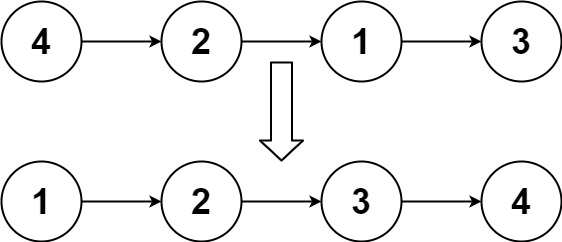
\Notes:\\

\
    \
  • Elements with the same mapped values should appear in the \same relative order\ as in the input.\
  • \
  • The elements of \nums\ should only be sorted based on their mapped values and \not be replaced\ by them.\
  • \
### Examples ``` Input: mapping = [8,9,4,0,2,1,3,5,7,6], nums = [991,338,38] Output: [338,38,991] Explanation: Map the number 991 as follows: 1. mapping[9] = 6, so all occurrences of the digit 9 will become 6. 2. mapping[1] = 9, so all occurrences of the digit 1 will become 9. Therefore, the mapped value of 991 is 669. 338 maps to 007, or 7 after removing the leading zeros. 38 maps to 07, which is also 7 after removing leading zeros. Since 338 and 38 share the same mapped value, they should remain in the same relative order, so 338 comes before 38. Thus, the sorted array is [338,38,991]. ``` ``` Input: mapping = [0,1,2,3,4,5,6,7,8,9], nums = [789,456,123] Output: [123,456,789] Explanation: 789 maps to 789, 456 maps to 456, and 123 maps to 123. Thus, the sorted array is [123,456,789]. ``` ### Constraints * mapping.length == 10 * 0 \<= mapping\[i] \<= 9 * All the values of mapping\[i] are unique. * 1 \<= nums.length \<= 3 \* 10^4 * 0 \<= nums\[i] \< 10^9 ## Solution Reference implementation from [solution.py on GitHub](https://github.com/wislertt/leetcode-py/blob/main/leetcode/sort_the_jumbled_numbers/solution.py), full suite in [test\_solution.py](https://github.com/wislertt/leetcode-py/blob/main/leetcode/sort_the_jumbled_numbers/test_solution.py): ```python theme={"theme":{"light":"github-light","dark":"github-dark"}} class Solution: # Time: O(n log n * d) where d is the digit count # Space: O(n) def sort_jumbled(self, mapping: list[int], nums: list[int]) -> list[int]: return sorted(nums, key=lambda num: int("".join(str(mapping[int(d)]) for d in str(num)))) ``` ## Complexity | Time | Space | | ------------------------------------------ | ----- | | O(n log n \* d) where d is the digit count | O(n) | ## Tags [NeetCode All](/catalog/neetcode). # Sort the People Python Solution with Tests Source: https://leetcode-py.wisl.dev/problems/sort-the-people Tested Python solution for LeetCode 2418 with 14 pytest cases. Generate a practice environment with lcpy. LeetCode 2418, [Easy](/catalog/easy). Topics: [Array](/catalog/topics/array), [Hash Table](/catalog/topics/hash-table), [String](/catalog/topics/string), [Sorting](/catalog/topics/sorting). [View on LeetCode](https://leetcode.com/problems/sort-the-people/description/). Generate this problem as a practice environment: tested reference solution, 14 [parametrized pytest cases](/practice/testing), and a playground notebook: ```bash theme={"theme":{"light":"github-light","dark":"github-dark"}} lcpy gen -n 2418 # by problem number lcpy gen -s sort_the_people # by problem name ``` ## Problem You are given an array of strings `names`, and an array `heights` that consists of **distinct** positive integers. Both arrays are of length `n`. For each index `i`, `names[i]` and `heights[i]` denote the name and height of the `ith` person. Return `names`\* sorted in **descending** order by the people's heights\*. ### Examples ``` Input: names = ["Mary","John","Emma"], heights = [180,165,170] Output: ["Mary","Emma","John"] Explanation: Mary is the tallest, followed by Emma and John. ``` ``` Input: names = ["Alice","Bob","Bob"], heights = [155,185,150] Output: ["Bob","Alice","Bob"] Explanation: The first Bob is the tallest, followed by Alice and the second Bob. ``` ### Constraints * `n == names.length == heights.length` * `1 <= n <= 10^3` * `1 <= names[i].length <= 20` * `1 <= heights[i] <= 10^5` * `names[i]` consists of lower and upper case English letters. * All the values of `heights` are distinct. ## Solution Reference implementation from [solution.py on GitHub](https://github.com/wislertt/leetcode-py/blob/main/leetcode/sort_the_people/solution.py), full suite in [test\_solution.py](https://github.com/wislertt/leetcode-py/blob/main/leetcode/sort_the_people/test_solution.py): ```python theme={"theme":{"light":"github-light","dark":"github-dark"}} class Solution: # Time: O(n log n) # Space: O(n) def sort_people(self, names: list[str], heights: list[int]) -> list[str]: order = sorted(range(len(heights)), key=heights.__getitem__, reverse=True) return [names[i] for i in order] ``` ## Complexity | Time | Space | | ---------- | ----- | | O(n log n) | O(n) | ## Tags [NeetCode All](/catalog/neetcode). # Sort Transformed Array Python Solution Source: https://leetcode-py.wisl.dev/problems/sort-transformed-array Tested Python solution for LeetCode 360 with 16 pytest cases. Generate a practice environment with lcpy. LeetCode 360, [Medium](/catalog/medium). Topics: [Array](/catalog/topics/array), [Math](/catalog/topics/math), [Two Pointers](/catalog/topics/two-pointers), [Sorting](/catalog/topics/sorting). [View on LeetCode](https://leetcode.com/problems/sort-transformed-array/description/). Generate this problem as a practice environment: tested reference solution, 16 [parametrized pytest cases](/practice/testing), and a playground notebook: ```bash theme={"theme":{"light":"github-light","dark":"github-dark"}} lcpy gen -n 360 # by problem number lcpy gen -s sort_transformed_array # by problem name ``` ## Problem Given a **sorted** integer array `nums` and three integers `a`, `b` and `c`, apply a quadratic function of the form `f(x) = ax^2 + bx + c` to each element `nums[i]` in the array, and return *the array in a sorted order*. ### Examples ``` Input: nums = [-4,-2,2,4], a = 1, b = 3, c = 5 Output: [3,9,15,33] ``` ``` Input: nums = [-4,-2,2,4], a = -1, b = 3, c = 5 Output: [-23,-5,1,7] ``` ### Constraints * `1 <= nums.length <= 200` * `-100 <= nums[i], a, b, c <= 100` * `nums` is sorted in **ascending** order. **Follow up:** Could you solve it in `O(n)` time? ## Solution Reference implementation from [solution.py on GitHub](https://github.com/wislertt/leetcode-py/blob/main/leetcode/sort_transformed_array/solution.py), full suite in [test\_solution.py](https://github.com/wislertt/leetcode-py/blob/main/leetcode/sort_transformed_array/test_solution.py): ```python theme={"theme":{"light":"github-light","dark":"github-dark"}} class Solution: # Time: O(n) # Space: O(n) def sort_transformed_array(self, nums: list[int], a: int, b: int, c: int) -> list[int]: n = len(nums) result: list[int] = [0] * n def f(x: int) -> int: return a * x * x + b * x + c i, j = 0, n - 1 idx = n - 1 if a >= 0 else 0 while i <= j: left, right = f(nums[i]), f(nums[j]) if a >= 0: if left >= right: result[idx] = left i += 1 else: result[idx] = right j -= 1 idx -= 1 else: if left <= right: result[idx] = left i += 1 else: result[idx] = right j -= 1 idx += 1 return result ``` ## Complexity | Time | Space | | ---- | ----- | | O(n) | O(n) | ## Tags [NeetCode All](/catalog/neetcode). # Soup Servings Python Solution with Tests Source: https://leetcode-py.wisl.dev/problems/soup-servings Tested Python solution for LeetCode 808 with 18 pytest cases. Generate a practice environment with lcpy. LeetCode 808, [Medium](/catalog/medium). Topics: [Math](/catalog/topics/math), [Dynamic Programming](/catalog/topics/dynamic-programming), Probability and Statistics. [View on LeetCode](https://leetcode.com/problems/soup-servings/description/). Generate this problem as a practice environment: tested reference solution, 18 [parametrized pytest cases](/practice/testing), and a playground notebook: ```bash theme={"theme":{"light":"github-light","dark":"github-dark"}} lcpy gen -n 808 # by problem number lcpy gen -s soup_servings # by problem name ``` ## Problem You have two soups, A and B, each starting with `n` mL. On every turn, one of the following four serving operations is chosen at random, each with probability `0.25` independent of all previous turns: * pour 100 mL from type A and 0 mL from type B * pour 75 mL from type A and 25 mL from type B * pour 50 mL from type A and 50 mL from type B * pour 25 mL from type A and 75 mL from type B Note: * There is no operation that pours 0 mL from A and 100 mL from B. * The amounts from A and B are poured simultaneously during the turn. * If an operation asks you to pour more than you have left of a soup, pour all that remains of that soup. The process stops immediately after any turn in which one of the soups is used up. Return the probability that A is used up before B, plus half the probability that both soups are used up in the same turn. Answers within 10^-5 of the actual answer will be accepted. ### Examples ``` Input: n = 50 Output: 0.62500 Explanation: If we perform either of the first two serving operations, soup A will become empty first. If we perform the third operation, A and B will become empty at the same time. If we perform the fourth operation, B will become empty first. So the total probability of A becoming empty first plus half the probability that A and B become empty at the same time, is 0.25 * (1 + 1 + 0.5 + 0) = 0.625. ``` ``` Input: n = 100 Output: 0.71875 Explanation: If we perform the first serving operation, soup A will become empty first. If we perform the second serving operations, A will become empty on performing operation [1, 2, 3], and both A and B become empty on performing operation 4. If we perform the third operation, A will become empty on performing operation [1, 2], and both A and B become empty on performing operation 3. If we perform the fourth operation, A will become empty on performing operation 1, and both A and B become empty on performing operation 2. So the total probability of A becoming empty first plus half the probability that A and B become empty at the same time, is 0.71875. ``` ### Constraints * 0 \<= n \<= 10^9 ## Solution Reference implementation from [solution.py on GitHub](https://github.com/wislertt/leetcode-py/blob/main/leetcode/soup_servings/solution.py), full suite in [test\_solution.py](https://github.com/wislertt/leetcode-py/blob/main/leetcode/soup_servings/test_solution.py): ```python theme={"theme":{"light":"github-light","dark":"github-dark"}} from functools import cache class Solution: # Time: O(n^2) after scaling n down to units of 25 mL, capped by the # shortcut that treats n >= 5000 as an immediate A loss # Space: O(n^2) for the memo table def soup_servings(self, n: int) -> float: units = (n + 24) // 25 if units >= 200: return 1.0 @cache def dp(soup_a: int, soup_b: int) -> float: if soup_a <= 0 and soup_b <= 0: return 0.5 if soup_a <= 0: return 1.0 if soup_b <= 0: return 0.0 return ( dp(soup_a - 4, soup_b) + dp(soup_a - 3, soup_b - 1) + dp(soup_a - 2, soup_b - 2) + dp(soup_a - 1, soup_b - 3) ) / 4 return dp(units, units) ``` ## Complexity | Time | Space | | ------------------------------------------------------------ | ------------------------- | | O(n^2) after scaling n down to units of 25 mL, capped by the | O(n^2) for the memo table | ## Tags # Sparse Matrix Multiplication Python Solution Source: https://leetcode-py.wisl.dev/problems/sparse-matrix-multiplication Tested Python solution for LeetCode 311 with 15 pytest cases. Generate a practice environment with lcpy. LeetCode 311, [Medium](/catalog/medium). Topics: [Array](/catalog/topics/array), [Hash Table](/catalog/topics/hash-table), [Matrix](/catalog/topics/matrix). [View on LeetCode](https://leetcode.com/problems/sparse-matrix-multiplication/description/). Generate this problem as a practice environment: tested reference solution, 15 [parametrized pytest cases](/practice/testing), and a playground notebook: ```bash theme={"theme":{"light":"github-light","dark":"github-dark"}} lcpy gen -n 311 # by problem number lcpy gen -s sparse_matrix_multiplication # by problem name ``` ## Problem Given two [sparse matrices](https://en.wikipedia.org/wiki/Sparse_matrix) `mat1` of size `m x k` and `mat2` of size `k x n`, return the result of `mat1 x mat2`. You may assume that multiplication is always possible. ### Examples ![Example 1](https://fastly.jsdelivr.net/gh/doocs/leetcode@main/solution/0300-0399/0311.Sparse%20Matrix%20Multiplication/images/mult-grid.jpg) ``` Input: mat1 = [[1,0,0],[-1,0,3]], mat2 = [[7,0,0],[0,0,0],[0,0,1]] Output: [[7,0,0],[-7,0,3]] ``` ``` Input: mat1 = [[0]], mat2 = [[0]] Output: [[0]] ``` ### Constraints * `m == mat1.length` * `k == mat1[i].length == mat2.length` * `n == mat2[i].length` * `1 <= m, n, k <= 100` * `-100 <= mat1[i][j], mat2[i][j] <= 100` ## Solution Reference implementation from [solution.py on GitHub](https://github.com/wislertt/leetcode-py/blob/main/leetcode/sparse_matrix_multiplication/solution.py), full suite in [test\_solution.py](https://github.com/wislertt/leetcode-py/blob/main/leetcode/sparse_matrix_multiplication/test_solution.py): ```python theme={"theme":{"light":"github-light","dark":"github-dark"}} class Solution: # Time: O(m * k * n) worst case, but skips zero entries of mat1 and mat2 # Space: O(m * n) def multiply(self, mat1: list[list[int]], mat2: list[list[int]]) -> list[list[int]]: m, n = len(mat1), len(mat2[0]) result = [[0] * n for _ in range(m)] # Pre-compute non-zero (column, value) pairs per row of mat2. mat2_nonzero = [[(j, val) for j, val in enumerate(row) if val != 0] for row in mat2] for i, row in enumerate(mat1): for t, mat1_val in enumerate(row): if mat1_val == 0: continue for j, mat2_val in mat2_nonzero[t]: result[i][j] += mat1_val * mat2_val return result ``` ## Complexity | Time | Space | | ------------------------------------------------------------------ | --------- | | O(m \* k \* n) worst case, but skips zero entries of mat1 and mat2 | O(m \* n) | ## Tags [NeetCode All](/catalog/neetcode). # Special Array I Python Solution with Tests Source: https://leetcode-py.wisl.dev/problems/special-array-i Tested Python solution for LeetCode 3151 with 22 pytest cases. Generate a practice environment with lcpy. LeetCode 3151, [Easy](/catalog/easy). Topics: [Array](/catalog/topics/array). [View on LeetCode](https://leetcode.com/problems/special-array-i/description/). Generate this problem as a practice environment: tested reference solution, 22 [parametrized pytest cases](/practice/testing), and a playground notebook: ```bash theme={"theme":{"light":"github-light","dark":"github-dark"}} lcpy gen -n 3151 # by problem number lcpy gen -s special_array_i # by problem name ``` ## Problem An array is considered **special** if the **parity** of every pair of adjacent elements is different. In other words, one element in each pair **must** be even, and the other **must** be odd. You are given an array of integers `nums`. Return `true` if `nums` is a **special** array, otherwise, return `false`. ### Examples ``` Input: nums = [1] Output: true Explanation: There is only one element. So the answer is true. ``` ``` Input: nums = [2,1,4] Output: true Explanation: There are two pairs: (2,1) and (1,4), and both contain numbers with different parity. ``` ``` Input: nums = [4,3,1,6] Output: false Explanation: nums[1] and nums[2] are both odd. So the answer is false. ``` ### Constraints * `1 <= nums.length <= 100` * `1 <= nums[i] <= 100` ## Solution Reference implementation from [solution.py on GitHub](https://github.com/wislertt/leetcode-py/blob/main/leetcode/special_array_i/solution.py), full suite in [test\_solution.py](https://github.com/wislertt/leetcode-py/blob/main/leetcode/special_array_i/test_solution.py): ```python theme={"theme":{"light":"github-light","dark":"github-dark"}} from itertools import pairwise class Solution: # Time: O(n) # Space: O(1) def is_array_special(self, nums: list[int]) -> bool: return all(x % 2 != y % 2 for x, y in pairwise(nums)) ``` ## Complexity | Time | Space | | ---- | ----- | | O(n) | O(1) | ## Tags [NeetCode All](/catalog/neetcode). # Special Array With X Elements Greater Than or Source: https://leetcode-py.wisl.dev/problems/special-array-with-x-elements-greater-than-or-equal-x Tested Python solution for LeetCode 1608 with 18 pytest cases. Generate a practice environment with lcpy. LeetCode 1608, [Easy](/catalog/easy). Topics: [Array](/catalog/topics/array), [Binary Search](/catalog/topics/binary-search), [Sorting](/catalog/topics/sorting). [View on LeetCode](https://leetcode.com/problems/special-array-with-x-elements-greater-than-or-equal-x/description/). Generate this problem as a practice environment: tested reference solution, 18 [parametrized pytest cases](/practice/testing), and a playground notebook: ```bash theme={"theme":{"light":"github-light","dark":"github-dark"}} lcpy gen -n 1608 # by problem number lcpy gen -s special_array_with_x_elements_greater_than_or_equal_x # by problem name ``` ## Problem You are given an array `nums` of non-negative integers. `nums` is considered **special** if there exists a number `x` such that there are **exactly** `x` numbers in `nums` that are **greater than or equal to** `x`. Notice that `x` **does not** have to be an element in `nums`. Return `x` *if the array is* ***special***, *otherwise, return* `-1`. It can be proven that if `nums` is special, the value for `x` is **unique**. ### Examples ``` Input: nums = [3,5] Output: 2 Explanation: There are 2 values (3 and 5) that are greater than or equal to 2. ``` ``` Input: nums = [0,0] Output: -1 Explanation: No numbers fit the criteria for x. If x = 0, there should be 0 numbers >= x, but there are 2. If x = 1, there should be 1 number >= x, but there are 0. If x = 2, there should be 2 numbers >= x, but there are 0. x cannot be greater since there are only 2 numbers in nums. ``` ``` Input: nums = [0,4,3,0,4] Output: 3 Explanation: There are 3 values that are greater than or equal to 3. ``` ### Constraints * `1 <= nums.length <= 100` * `0 <= nums[i] <= 1000` ## Solution Reference implementation from [solution.py on GitHub](https://github.com/wislertt/leetcode-py/blob/main/leetcode/special_array_with_x_elements_greater_than_or_equal_x/solution.py), full suite in [test\_solution.py](https://github.com/wislertt/leetcode-py/blob/main/leetcode/special_array_with_x_elements_greater_than_or_equal_x/test_solution.py): ```python theme={"theme":{"light":"github-light","dark":"github-dark"}} class Solution: # Time: O(n + m) where m = max(nums) # Space: O(m) def special_array(self, nums: list[int]) -> int: n = len(nums) counts = [0] * (n + 1) for num in nums: counts[min(num, n)] += 1 total = 0 for x in range(n, -1, -1): total += counts[x] if total == x: return x return -1 ``` ## Complexity | Time | Space | | ---------------------------- | ----- | | O(n + m) where m = max(nums) | O(m) | ## Tags [NeetCode All](/catalog/neetcode). # Special Binary String Python Solution Source: https://leetcode-py.wisl.dev/problems/special-binary-string Tested Python solution for LeetCode 761 with 19 pytest cases. Generate a practice environment with lcpy. LeetCode 761, [Hard](/catalog/hard). Topics: [String](/catalog/topics/string), [Divide and Conquer](/catalog/topics/divide-and-conquer), [Sorting](/catalog/topics/sorting). [View on LeetCode](https://leetcode.com/problems/special-binary-string/description/). Generate this problem as a practice environment: tested reference solution, 19 [parametrized pytest cases](/practice/testing), and a playground notebook: ```bash theme={"theme":{"light":"github-light","dark":"github-dark"}} lcpy gen -n 761 # by problem number lcpy gen -s special_binary_string # by problem name ``` ## Problem Special binary strings are binary strings with the following two properties: * The number of 0's is equal to the number of 1's. * Every prefix of the binary string has at least as many 1's as 0's. You are given a special binary string `s`. A move consists of choosing two consecutive, non-empty, special substrings of `s`, and swapping them. Two strings are consecutive if the last character of the first string is exactly one index before the first character of the second string. Return the lexicographically largest resulting string possible after applying the mentioned operations on the string. ### Examples ``` Input: s = "11011000" Output: "11100100" Explanation: The strings "10" [occuring at s[1]] and "1100" [at s[3]] are swapped. This is the lexicographically largest string possible after some number of swaps. ``` ``` Input: s = "10" Output: "10" ``` ### Constraints * 1 \<= s.length \<= 50 * s\[i] is either '0' or '1'. * s is a special binary string. ## Solution Reference implementation from [solution.py on GitHub](https://github.com/wislertt/leetcode-py/blob/main/leetcode/special_binary_string/solution.py), full suite in [test\_solution.py](https://github.com/wislertt/leetcode-py/blob/main/leetcode/special_binary_string/test_solution.py): ```python theme={"theme":{"light":"github-light","dark":"github-dark"}} class Solution: # Time: O(n^2) amortized over recursion (sorting dominates at each level) # Space: O(n^2) recursion depth O(n) plus per-level substring copies def make_largest_special(self, s: str) -> str: bal = 0 start = 0 parts: list[str] = [] for i, ch in enumerate(s): bal += 1 if ch == "1" else -1 if bal == 0: parts.append("1" + self.make_largest_special(s[start + 1 : i]) + "0") start = i + 1 parts.sort(reverse=True) return "".join(parts) ``` ## Complexity | Time | Space | | ----------------------------------------------------------------- | ----------------------------------------------------------- | | O(n^2) amortized over recursion (sorting dominates at each level) | O(n^2) recursion depth O(n) plus per-level substring copies | ## Tags # Spiral Matrix Python Solution with Tests Source: https://leetcode-py.wisl.dev/problems/spiral-matrix Tested Python solution for LeetCode 54 with 14 pytest cases. Generate a practice environment with lcpy. LeetCode 54, [Medium](/catalog/medium). Topics: [Array](/catalog/topics/array), [Matrix](/catalog/topics/matrix), [Simulation](/catalog/topics/simulation). [View on LeetCode](https://leetcode.com/problems/spiral-matrix/description/). Generate this problem as a practice environment: tested reference solution, 14 [parametrized pytest cases](/practice/testing), and a playground notebook: ```bash theme={"theme":{"light":"github-light","dark":"github-dark"}} lcpy gen -n 54 # by problem number lcpy gen -s spiral_matrix # by problem name ``` ## Problem Given an `m x n` matrix, return all elements of the matrix in spiral order. ### Examples \ ``` Input: matrix = [[1,2,3],[4,5,6],[7,8,9]] Output: [1,2,3,6,9,8,7,4,5] ``` \ ``` Input: matrix = [[1,2,3,4],[5,6,7,8],[9,10,11,12]] Output: [1,2,3,4,8,12,11,10,9,5,6,7] ``` ### Constraints * m == matrix.length * n == matrix\[i].length * 1 \<= m, n \<= 10 * -100 \<= matrix\[i]\[j] \<= 100 ## Solution Reference implementation from [solution.py on GitHub](https://github.com/wislertt/leetcode-py/blob/main/leetcode/spiral_matrix/solution.py), full suite in [test\_solution.py](https://github.com/wislertt/leetcode-py/blob/main/leetcode/spiral_matrix/test_solution.py): ```python theme={"theme":{"light":"github-light","dark":"github-dark"}} class Solution: # Time: O(m*n) # Space: O(1) def spiral_order(self, matrix: list[list[int]]) -> list[int]: if not matrix or not matrix[0]: return [] # Check if all rows have same length cols = len(matrix[0]) for row in matrix: if len(row) != cols: raise ValueError("Invalid matrix: all rows must have same length") result = [] top, bottom = 0, len(matrix) - 1 left, right = 0, cols - 1 while top <= bottom and left <= right: # Right for c in range(left, right + 1): result.append(matrix[top][c]) top += 1 # Down for r in range(top, bottom + 1): result.append(matrix[r][right]) right -= 1 # Left (if still valid row) if top <= bottom: for c in range(right, left - 1, -1): result.append(matrix[bottom][c]) bottom -= 1 # Up (if still valid column) if left <= right: for r in range(bottom, top - 1, -1): result.append(matrix[r][left]) left += 1 return result ``` ## Complexity | Time | Space | | ------- | ----- | | O(m\*n) | O(1) | ## Tags [Grind 75](/catalog/grind-75), [Grind](/catalog/grind), [Blind 75](/catalog/blind-75), [NeetCode 150](/catalog/neetcode-150), [NeetCode 250](/catalog/neetcode-250), [NeetCode All](/catalog/neetcode), [AlgoMaster 75](/catalog/algo-master-75). # Spiral Matrix II Python Solution with Tests Source: https://leetcode-py.wisl.dev/problems/spiral-matrix-ii Tested Python solution for LeetCode 59 with 12 pytest cases. Generate a practice environment with lcpy. LeetCode 59, [Medium](/catalog/medium). Topics: [Array](/catalog/topics/array), [Matrix](/catalog/topics/matrix), [Simulation](/catalog/topics/simulation). [View on LeetCode](https://leetcode.com/problems/spiral-matrix-ii/description/). Generate this problem as a practice environment: tested reference solution, 12 [parametrized pytest cases](/practice/testing), and a playground notebook: ```bash theme={"theme":{"light":"github-light","dark":"github-dark"}} lcpy gen -n 59 # by problem number lcpy gen -s spiral_matrix_ii # by problem name ``` ## Problem Given a positive integer `n`, generate an `n x n` `matrix` filled with elements from `1` to `n^2` in spiral order. ### Examples \ ``` Input: n = 3 Output: [[1,2,3],[8,9,4],[7,6,5]] ``` ``` Input: n = 1 Output: [[1]] ``` ### Constraints * 1 \<= n \<= 20 ## Solution Reference implementation from [solution.py on GitHub](https://github.com/wislertt/leetcode-py/blob/main/leetcode/spiral_matrix_ii/solution.py), full suite in [test\_solution.py](https://github.com/wislertt/leetcode-py/blob/main/leetcode/spiral_matrix_ii/test_solution.py): ```python theme={"theme":{"light":"github-light","dark":"github-dark"}} class Solution: # Time: O(n^2) # Space: O(1) excluding the output matrix def generate_matrix(self, n: int) -> list[list[int]]: matrix = [[0] * n for _ in range(n)] top, bottom = 0, n - 1 left, right = 0, n - 1 value = 1 while top <= bottom and left <= right: # Move right along the top row for col in range(left, right + 1): matrix[top][col] = value value += 1 top += 1 # Move down along the right column for row in range(top, bottom + 1): matrix[row][right] = value value += 1 right -= 1 # Move left along the bottom row if top <= bottom: for col in range(right, left - 1, -1): matrix[bottom][col] = value value += 1 bottom -= 1 # Move up along the left column if left <= right: for row in range(bottom, top - 1, -1): matrix[row][left] = value value += 1 left += 1 return matrix ``` ## Complexity | Time | Space | | ------ | -------------------------------- | | O(n^2) | O(1) excluding the output matrix | ## Tags [NeetCode All](/catalog/neetcode). # Spiral Matrix III Python Solution with Tests Source: https://leetcode-py.wisl.dev/problems/spiral-matrix-iii Tested Python solution for LeetCode 885 with 12 pytest cases. Generate a practice environment with lcpy. LeetCode 885, [Medium](/catalog/medium). Topics: [Array](/catalog/topics/array), [Matrix](/catalog/topics/matrix), [Simulation](/catalog/topics/simulation). [View on LeetCode](https://leetcode.com/problems/spiral-matrix-iii/description/). Generate this problem as a practice environment: tested reference solution, 12 [parametrized pytest cases](/practice/testing), and a playground notebook: ```bash theme={"theme":{"light":"github-light","dark":"github-dark"}} lcpy gen -n 885 # by problem number lcpy gen -s spiral_matrix_iii # by problem name ``` ## Problem You start at the cell \(rStart, cStart)\ of an \rows x cols\ grid facing east. The northwest corner is at the first row and column in the grid, and the southeast corner is at the last row and column.\

\

You will walk in a clockwise spiral shape to visit every position in this grid. Whenever you move outside the grid's boundary, we continue our walk outside the grid (but may return to the grid boundary later.). Eventually, we reach all \rows \* cols\ spaces of the grid.\

\

Return an array of coordinates representing the positions of the grid in the order you visited them.\

### Examples ![Example 1](https://assets.leetcode.com/uploads/2018/08/24/example_1.png) ``` Input: rows = 5, cols = 6, rStart = 1, cStart = 4 Output: [[1,4],[1,5],[2,5],[2,4],[2,3],[1,3],[0,3],[0,4],[0,5],[3,5],[3,4],[3,3],[3,2],[2,2],[1,2],[0,2],[4,5],[4,4],[4,3],[4,2],[4,1],[3,1],[2,1],[1,1],[0,1],[4,0],[3,0],[2,0],[1,0],[0,0]] ``` ![Example 2](https://assets.leetcode.com/uploads/2018/08/24/example_2.png) ``` Input: rows = 1, cols = 4, rStart = 0, cStart = 0 Output: [[0,0],[0,1],[0,2],[0,3]] ``` ### Constraints * 1 \<= rows, cols \<= 100 * 0 \<= rStart \< rows * 0 \<= cStart \< cols ## Solution Reference implementation from [solution.py on GitHub](https://github.com/wislertt/leetcode-py/blob/main/leetcode/spiral_matrix_iii/solution.py), full suite in [test\_solution.py](https://github.com/wislertt/leetcode-py/blob/main/leetcode/spiral_matrix_iii/test_solution.py): ```python theme={"theme":{"light":"github-light","dark":"github-dark"}} class Solution: # Time: O(max(rows, cols)^2) # Space: O(1) excluding output def spiral_matrix_iii( self, rows: int, cols: int, r_start: int, c_start: int ) -> list[list[int]]: result = [[r_start, c_start]] r, c, steps, direction = r_start, c_start, 1, 0 directions = [(0, 1), (1, 0), (0, -1), (-1, 0)] while len(result) < rows * cols: for _ in range(2): dr, dc = directions[direction] for _ in range(steps): r, c = r + dr, c + dc if 0 <= r < rows and 0 <= c < cols: result.append([r, c]) direction = (direction + 1) % 4 steps += 1 return result ``` ## Complexity | Time | Space | | -------------------- | --------------------- | | O(max(rows, cols)^2) | O(1) excluding output | ## Tags [NeetCode All](/catalog/neetcode). # Spiral Matrix IV Python Solution with Tests Source: https://leetcode-py.wisl.dev/problems/spiral-matrix-iv Tested Python solution for LeetCode 2326 with 21 pytest cases. Generate a practice environment with lcpy. LeetCode 2326, [Medium](/catalog/medium). Topics: [Array](/catalog/topics/array), [Linked List](/catalog/topics/linked-list), [Matrix](/catalog/topics/matrix), [Simulation](/catalog/topics/simulation). [View on LeetCode](https://leetcode.com/problems/spiral-matrix-iv/description/). Generate this problem as a practice environment: tested reference solution, 21 [parametrized pytest cases](/practice/testing), and a playground notebook: ```bash theme={"theme":{"light":"github-light","dark":"github-dark"}} lcpy gen -n 2326 # by problem number lcpy gen -s spiral_matrix_iv # by problem name ``` ## Problem You are given two integers \m\ and \n\, which represent the dimensions of a matrix. You are also given the \head\ of a linked list of integers. Generate an \m x n\ matrix that contains the integers in the linked list presented in \spiral\ order \(clockwise)\, starting from the \top-left\ of the matrix. If there are remaining empty spaces, fill them with \-1\. Return \the generated matrix\. ### Examples ![Example 1](https://assets.leetcode.com/uploads/2022/05/09/ex1new.jpg) ``` Input: m = 3, n = 5, head = [3,0,2,6,8,1,7,9,4,2,5,5,0] Output: [[3,0,2,6,8],[5,0,-1,-1,1],[5,2,4,9,7]] Explanation: The diagram above shows how the values are printed in the matrix. Note that the remaining spaces in the matrix are filled with -1. ``` ![Example 2](https://assets.leetcode.com/uploads/2022/05/11/ex2.jpg) ``` Input: m = 1, n = 4, head = [0,1,2] Output: [[0,1,2,-1]] Explanation: The diagram above shows how the values are printed from left to right in the matrix. The last space in the matrix is set to -1. ``` ### Constraints * 1 \<= m, n \<= 10^5 * 1 \<= m \* n \<= 10^5 * The number of nodes in the list is in the range \[1, m \* n]. * 0 \<= Node.val \<= 1000 ## Solution Reference implementation from [solution.py on GitHub](https://github.com/wislertt/leetcode-py/blob/main/leetcode/spiral_matrix_iv/solution.py), full suite in [test\_solution.py](https://github.com/wislertt/leetcode-py/blob/main/leetcode/spiral_matrix_iv/test_solution.py): ```python theme={"theme":{"light":"github-light","dark":"github-dark"}} from leetcode_py import ListNode class Solution: # Time: O(m * n) # Space: O(1) extra (output matrix excluded) def spiral_matrix(self, m: int, n: int, head: ListNode[int] | None) -> list[list[int]]: grid = [[-1] * n for _ in range(m)] directions = [(0, 1), (1, 0), (0, -1), (-1, 0)] row = col = d = 0 node = head while node is not None: grid[row][col] = node.val node = node.next if node is None: break next_row, next_col = row + directions[d][0], col + directions[d][1] if not (0 <= next_row < m and 0 <= next_col < n and grid[next_row][next_col] == -1): d = (d + 1) % 4 next_row, next_col = row + directions[d][0], col + directions[d][1] row, col = next_row, next_col return grid ``` ## Complexity | Time | Space | | --------- | ----------------------------------- | | O(m \* n) | O(1) extra (output matrix excluded) | ## Tags [NeetCode All](/catalog/neetcode). # Split a String Into the Max Number of Unique Source: https://leetcode-py.wisl.dev/problems/split-a-string-into-the-max-number-of-unique-substrings Tested Python solution for LeetCode 1593 with 18 pytest cases. Generate a practice environment with lcpy. LeetCode 1593, [Medium](/catalog/medium). Topics: [Hash Table](/catalog/topics/hash-table), [String](/catalog/topics/string), [Backtracking](/catalog/topics/backtracking). [View on LeetCode](https://leetcode.com/problems/split-a-string-into-the-max-number-of-unique-substrings/description/). Generate this problem as a practice environment: tested reference solution, 18 [parametrized pytest cases](/practice/testing), and a playground notebook: ```bash theme={"theme":{"light":"github-light","dark":"github-dark"}} lcpy gen -n 1593 # by problem number lcpy gen -s split_a_string_into_the_max_number_of_unique_substrings # by problem name ``` ## Problem Given a string `s`, return the maximum number of unique substrings that the given string can be split into. You can split string `s` into any list of **non-empty substrings**, where the concatenation of the substrings forms the original string. However, you must split the substrings such that all of them are **unique**. A **substring** is a contiguous sequence of characters within a string. ### Examples ``` Input: s = "ababccc" Output: 5 Explanation: One way to split maximally is ['a', 'b', 'ab', 'c', 'cc']. Splitting like ['a', 'b', 'a', 'b', 'c', 'cc'] is not valid as you have 'a' and 'b' multiple times. ``` ``` Input: s = "aba" Output: 2 Explanation: One way to split maximally is ['a', 'ba']. ``` ``` Input: s = "aa" Output: 1 Explanation: It is impossible to split the string any further. ``` ### Constraints * `1 <= s.length <= 16` * `s` contains only lower case English letters. ## Solution Reference implementation from [solution.py on GitHub](https://github.com/wislertt/leetcode-py/blob/main/leetcode/split_a_string_into_the_max_number_of_unique_substrings/solution.py), full suite in [test\_solution.py](https://github.com/wislertt/leetcode-py/blob/main/leetcode/split_a_string_into_the_max_number_of_unique_substrings/test_solution.py): ```python theme={"theme":{"light":"github-light","dark":"github-dark"}} class Solution: # Time: O(n * 2^n) worst case, pruned hard by the remaining-suffix bound # Space: O(n) recursion depth plus the seen-set of at most n pieces def max_unique_split(self, s: str) -> int: n = len(s) seen: set[str] = set() def dfs(start: int, count: int) -> int: best = count for end in range(start + 1, n + 1): piece = s[start:end] # Even taking every remaining character as its own split cannot # beat the best found so far. if piece in seen or count + 1 + (n - end) <= best: continue seen.add(piece) best = max(best, dfs(end, count + 1)) seen.remove(piece) return best return dfs(0, 0) ``` ## Complexity | Time | Space | | ----------------------------------------------------------------- | ---------------------------------------------------------- | | O(n \* 2^n) worst case, pruned hard by the remaining-suffix bound | O(n) recursion depth plus the seen-set of at most n pieces | ## Tags [NeetCode All](/catalog/neetcode). # Split Array into Consecutive Subsequences Source: https://leetcode-py.wisl.dev/problems/split-array-into-consecutive-subsequences Tested Python solution for LeetCode 659 with 32 pytest cases. Generate a practice environment with lcpy. LeetCode 659, [Medium](/catalog/medium). Topics: [Array](/catalog/topics/array), [Hash Table](/catalog/topics/hash-table), [Greedy](/catalog/topics/greedy), [Heap (Priority Queue)](/catalog/topics/heap-priority-queue). [View on LeetCode](https://leetcode.com/problems/split-array-into-consecutive-subsequences/description/). Generate this problem as a practice environment: tested reference solution, 32 [parametrized pytest cases](/practice/testing), and a playground notebook: ```bash theme={"theme":{"light":"github-light","dark":"github-dark"}} lcpy gen -n 659 # by problem number lcpy gen -s split_array_into_consecutive_subsequences # by problem name ``` ## Problem You are given an integer array `nums` that is sorted in non-decreasing order. Determine if it is possible to split `nums` into one or more subsequences such that both of the following conditions are true: * Each subsequence is a consecutive increasing sequence (i.e. each integer is exactly one more than the previous integer). * All subsequences have a length of `3` or more. Return `true` if you can split `nums` according to the above conditions, or `false` otherwise. A subsequence of an array is a new array that is formed from the original array by deleting some (can be none) of the elements without disturbing the relative positions of the remaining elements. (i.e., `[1,3,5]` is a subsequence of `[1,2,3,4,5]` while `[1,3,2]` is not). ### Examples ``` Input: nums = [1,2,3,3,4,5] Output: true Explanation: nums can be split into the following subsequences: [1,2,3,3,4,5] --> 1, 2, 3 [1,2,3,3,4,5] --> 3, 4, 5 ``` ``` Input: nums = [1,2,3,3,4,4,5,5] Output: true Explanation: nums can be split into the following subsequences: [1,2,3,3,4,4,5,5] --> 1, 2, 3, 4, 5 [1,2,3,3,4,4,5,5] --> 3, 4, 5 ``` ``` Input: nums = [1,2,3,4,4,5] Output: false Explanation: It is impossible to split nums into consecutive increasing subsequences of length 3 or more. ``` ### Constraints * `1 <= nums.length <= 10^4` * `-1000 <= nums[i] <= 1000` * `nums` is sorted in non-decreasing order. ## Solution Reference implementation from [solution.py on GitHub](https://github.com/wislertt/leetcode-py/blob/main/leetcode/split_array_into_consecutive_subsequences/solution.py), full suite in [test\_solution.py](https://github.com/wislertt/leetcode-py/blob/main/leetcode/split_array_into_consecutive_subsequences/test_solution.py): ```python theme={"theme":{"light":"github-light","dark":"github-dark"}} import heapq class Solution: # Time: O(n log n) # Space: O(n) def is_possible(self, nums: list[int]) -> bool: chains: list[tuple[int, int]] = [] for num in nums: while chains and chains[0][0] < num - 1: if heapq.heappop(chains)[1] < 3: return False if chains and chains[0][0] == num - 1: _, length = heapq.heappop(chains) heapq.heappush(chains, (num, length + 1)) else: heapq.heappush(chains, (num, 1)) return all(length >= 3 for _, length in chains) ``` ## Complexity | Time | Space | | ---------- | ----- | | O(n log n) | O(n) | ## Tags # Split Array Largest Sum Python Solution Source: https://leetcode-py.wisl.dev/problems/split-array-largest-sum Tested Python solution for LeetCode 410 with 15 pytest cases. Generate a practice environment with lcpy. LeetCode 410, [Hard](/catalog/hard). Topics: [Array](/catalog/topics/array), [Binary Search](/catalog/topics/binary-search), [Dynamic Programming](/catalog/topics/dynamic-programming), [Greedy](/catalog/topics/greedy), [Prefix Sum](/catalog/topics/prefix-sum). [View on LeetCode](https://leetcode.com/problems/split-array-largest-sum/description/). Generate this problem as a practice environment: tested reference solution, 15 [parametrized pytest cases](/practice/testing), and a playground notebook: ```bash theme={"theme":{"light":"github-light","dark":"github-dark"}} lcpy gen -n 410 # by problem number lcpy gen -s split_array_largest_sum # by problem name ``` ## Problem Given an integer array `nums` and an integer `k`, split `nums` into `k` non-empty subarrays such that the largest sum of any subarray is **minimized**. Return *the minimized largest sum of the split*. A **subarray** is a contiguous part of the array. ### Examples ``` Input: nums = [7,2,5,10,8], k = 2 Output: 18 Explanation: There are four ways to split nums into two subarrays. The best way is to split it into [7,2,5] and [10,8], where the largest sum among the two subarrays is only 18. ``` ``` Input: nums = [1,2,3,4,5], k = 2 Output: 9 Explanation: There are four ways to split nums into two subarrays. The best way is to split it into [1,2,3] and [4,5], where the largest sum among the two subarrays is only 9. ``` ### Constraints * 1 \<= nums.length \<= 1000 * 0 \<= nums\[i] \<= 10^6 * 1 \<= k \<= min(50, nums.length) ## Solution Reference implementation from [solution.py on GitHub](https://github.com/wislertt/leetcode-py/blob/main/leetcode/split_array_largest_sum/solution.py), full suite in [test\_solution.py](https://github.com/wislertt/leetcode-py/blob/main/leetcode/split_array_largest_sum/test_solution.py): ```python theme={"theme":{"light":"github-light","dark":"github-dark"}} class Solution: # Time: O(n * log(sum(nums))) binary search on the answer # Space: O(1) def split_array(self, nums: list[int], k: int) -> int: # Lower bound: a single element must fit. Upper bound: sum of all elements. low = max(nums) high = sum(nums) def count_subarrays(capacity: int) -> int: """Minimum subarrays needed so no subarray sum exceeds capacity.""" subarrays = 1 current = 0 for value in nums: if current + value > capacity: subarrays += 1 current = value else: current += value return subarrays # Binary search for smallest capacity that fits within k subarrays. while low < high: mid = (low + high) // 2 if count_subarrays(mid) <= k: high = mid else: low = mid + 1 return low ``` ## Complexity | Time | Space | | -------------------------------------------------- | ----- | | O(n \* log(sum(nums))) binary search on the answer | O(1) | ## Tags [NeetCode 250](/catalog/neetcode-250), [NeetCode All](/catalog/neetcode). # Split Array with Equal Sum Python Solution Source: https://leetcode-py.wisl.dev/problems/split-array-with-equal-sum Tested Python solution for LeetCode 548 with 16 pytest cases. Generate a practice environment with lcpy. LeetCode 548, [Hard](/catalog/hard). Topics: [Array](/catalog/topics/array), [Hash Table](/catalog/topics/hash-table), [Prefix Sum](/catalog/topics/prefix-sum). [View on LeetCode](https://leetcode.com/problems/split-array-with-equal-sum/description/). Generate this problem as a practice environment: tested reference solution, 16 [parametrized pytest cases](/practice/testing), and a playground notebook: ```bash theme={"theme":{"light":"github-light","dark":"github-dark"}} lcpy gen -n 548 # by problem number lcpy gen -s split_array_with_equal_sum # by problem name ``` ## Problem Given an integer array `nums` of length `n`, return `true` if there is a triplet `(i, j, k)` which satisfies the following conditions: * `0 < i, i + 1 < j, j + 1 < k < n - 1` * The sum of subarrays `(0, i - 1)`, `(i + 1, j - 1)`, `(j + 1, k - 1)` and `(k + 1, n - 1)` is equal. A subarray `(l, r)` represents a slice of the original array starting from the element indexed `l` to the element indexed `r`. ### Examples ``` Input: nums = [1,2,1,2,1,2,1] Output: true Explanation: i = 1, j = 3, k = 5. sum(0, i - 1) = sum(0, 0) = 1 sum(i + 1, j - 1) = sum(2, 2) = 1 sum(j + 1, k - 1) = sum(4, 4) = 1 sum(k + 1, n - 1) = sum(6, 6) = 1 ``` ``` Input: nums = [1,2,1,2,1,2,1,2] Output: false ``` ### Constraints * `n == nums.length` * `1 <= n <= 2000` * `-10^6 <= nums[i] <= 10^6` ## Solution Reference implementation from [solution.py on GitHub](https://github.com/wislertt/leetcode-py/blob/main/leetcode/split_array_with_equal_sum/solution.py), full suite in [test\_solution.py](https://github.com/wislertt/leetcode-py/blob/main/leetcode/split_array_with_equal_sum/test_solution.py): ```python theme={"theme":{"light":"github-light","dark":"github-dark"}} class Solution: # Time: O(n^2) # Space: O(n) def split_array(self, nums: list[int]) -> bool: n = len(nums) prefix = [0] * (n + 1) for i, value in enumerate(nums): prefix[i + 1] = prefix[i] + value for j in range(3, n - 3): left_sums: set[int] = set() for i in range(1, j - 1): if prefix[i] == prefix[j] - prefix[i + 1]: left_sums.add(prefix[i]) for k in range(j + 2, n - 1): s3 = prefix[k] - prefix[j + 1] s4 = prefix[n] - prefix[k + 1] if s3 == s4 and s3 in left_sums: return True return False ``` ## Complexity | Time | Space | | ------ | ----- | | O(n^2) | O(n) | ## Tags # Split Array With Same Average Python Solution Source: https://leetcode-py.wisl.dev/problems/split-array-with-same-average Tested Python solution for LeetCode 805 with 16 pytest cases. Generate a practice environment with lcpy. LeetCode 805, [Hard](/catalog/hard). Topics: [Array](/catalog/topics/array), [Dynamic Programming](/catalog/topics/dynamic-programming), [Bit Manipulation](/catalog/topics/bit-manipulation), [Bitmask](/catalog/topics/bitmask). [View on LeetCode](https://leetcode.com/problems/split-array-with-same-average/description/). Generate this problem as a practice environment: tested reference solution, 16 [parametrized pytest cases](/practice/testing), and a playground notebook: ```bash theme={"theme":{"light":"github-light","dark":"github-dark"}} lcpy gen -n 805 # by problem number lcpy gen -s split_array_with_same_average # by problem name ``` ## Problem You are given an integer array `nums`. You should move each element of `nums` into one of the two arrays `A` and `B` such that `A` and `B` are non-empty, and `average(A) == average(B)`. Return `true` if it is possible to achieve that and `false` otherwise. **Note** that for an array `arr`, `average(arr)` is the sum of all the elements of `arr` over the length of `arr`. ### Examples ``` Input: nums = [1,2,3,4,5,6,7,8] Output: true Explanation: We can split the array into [1,4,5,8] and [2,3,6,7], and both of them have an average of 4.5. ``` ``` Input: nums = [3,1] Output: false ``` ### Constraints * 1 \<= nums.length \<= 30 * 0 \<= nums\[i] \<= 10^4 ## Solution Reference implementation from [solution.py on GitHub](https://github.com/wislertt/leetcode-py/blob/main/leetcode/split_array_with_same_average/solution.py), full suite in [test\_solution.py](https://github.com/wislertt/leetcode-py/blob/main/leetcode/split_array_with_same_average/test_solution.py): ```python theme={"theme":{"light":"github-light","dark":"github-dark"}} class Solution: # Time: O(n^2 * total_sum) subset-sum over (size, sum) pairs # Space: O(n * total_sum) def split_array_same_average(self, nums: list[int]) -> bool: n = len(nums) total = sum(nums) if n == 1: return False # avg(A) == avg(B) implies avg(A) == avg(nums); check each size k # for a subset whose sum equals k * total / n sums_by_size: list[set[int]] = [set() for _ in range(n + 1)] sums_by_size[0].add(0) for num in nums: for k in range(n - 1, 0, -1): for s in sums_by_size[k - 1]: sums_by_size[k].add(s + num) for k in range(1, n // 2 + 1): if total * k % n == 0 and total * k // n in sums_by_size[k]: return True return False ``` ## Complexity | Time | Space | | ------------------------------------------------------ | ------------------ | | O(n^2 \* total\_sum) subset-sum over (size, sum) pairs | O(n \* total\_sum) | ## Tags [NeetCode All](/catalog/neetcode). # Split BST Python Solution with Tests Source: https://leetcode-py.wisl.dev/problems/split-bst Tested Python solution for LeetCode 776 with 24 pytest cases. Generate a practice environment with lcpy. LeetCode 776, [Medium](/catalog/medium). Topics: [Tree](/catalog/topics/tree), [Depth-First Search](/catalog/topics/depth-first-search), [Binary Search Tree](/catalog/topics/binary-search-tree), [Binary Tree](/catalog/topics/binary-tree). [View on LeetCode](https://leetcode.com/problems/split-bst/description/). Generate this problem as a practice environment: tested reference solution, 24 [parametrized pytest cases](/practice/testing), and a playground notebook: ```bash theme={"theme":{"light":"github-light","dark":"github-dark"}} lcpy gen -n 776 # by problem number lcpy gen -s split_bst # by problem name ``` ## Problem Given the root of a binary search tree (BST) and an integer target, split the tree into two subtrees where one subtree has nodes that are all smaller or equal to the target value, while the other subtree has all nodes that are greater than the target value. It is not necessarily the case that the tree contains a node with the value target. Additionally, most of the structure of the original tree should remain. Formally, for any child c with parent p in the original tree, if they are both in the same subtree after the split, then node c should still have the parent p. Return an array of the two roots \[smaller, larger] of the two subtrees. ### Examples ![Example 1](https://fastly.jsdelivr.net/gh/doocs/leetcode@main/solution/0700-0799/0776.Split%20BST/images/split-tree.jpg) ``` Input: root = [4,2,6,1,3,5,7], target = 2 Output: [[2,1],[4,3,6,null,null,5,7]] ``` ``` Input: root = [1], target = 1 Output: [[1],[]] ``` ### Constraints * The number of nodes in the tree is in the range \[1, 50]. * 0 \<= Node.val, target \<= 1000 ## Solution Reference implementation from [solution.py on GitHub](https://github.com/wislertt/leetcode-py/blob/main/leetcode/split_bst/solution.py), full suite in [test\_solution.py](https://github.com/wislertt/leetcode-py/blob/main/leetcode/split_bst/test_solution.py): ```python theme={"theme":{"light":"github-light","dark":"github-dark"}} from leetcode_py import TreeNode class Solution: # Time: O(log n) average, O(n) worst case (one node per tree level) # Space: O(log n) average, O(n) worst case (recursion stack) def split_bst(self, root: TreeNode[int] | None, target: int) -> list[TreeNode[int] | None]: if root is None: return [None, None] if root.val <= target: smaller, larger = self.split_bst(root.right, target) root.right = smaller return [root, larger] smaller, larger = self.split_bst(root.left, target) root.left = larger return [smaller, root] ``` ## Complexity | Time | Space | | ----------------------------------------------------------- | --------------------------------------------------- | | O(log n) average, O(n) worst case (one node per tree level) | O(log n) average, O(n) worst case (recursion stack) | ## Tags # Split Concatenated Strings Python Solution Source: https://leetcode-py.wisl.dev/problems/split-concatenated-strings Tested Python solution for LeetCode 555 with 13 pytest cases. Generate a practice environment with lcpy. LeetCode 555, [Medium](/catalog/medium). Topics: [Greedy](/catalog/topics/greedy), [Array](/catalog/topics/array), [String](/catalog/topics/string). [View on LeetCode](https://leetcode.com/problems/split-concatenated-strings/description/). Generate this problem as a practice environment: tested reference solution, 13 [parametrized pytest cases](/practice/testing), and a playground notebook: ```bash theme={"theme":{"light":"github-light","dark":"github-dark"}} lcpy gen -n 555 # by problem number lcpy gen -s split_concatenated_strings # by problem name ``` ## Problem You are given an array of strings `strs`. You could concatenate these strings together into a loop, where for each string, you could choose to reverse it or not. Among all the possible loops Return the lexicographically largest string after cutting the loop, which will make the looped string into a regular one. Specifically, to find the lexicographically largest string, you need to experience two phases: 1. Concatenate all the strings into a loop, where you can reverse some strings or not and connect them in the same order as given. 2. Cut and make one breakpoint in any place of the loop, which will make the looped string into a regular one starting from the character at the cutpoint. And your job is to find the lexicographically largest one among all the possible regular strings. ### Examples ``` Input: strs = ["abc","xyz"] Output: "zyxcba" Explanation: You can get the looped string "-abcxyz-", "-abczyx-", "-cbaxyz-", "-cbazyx-", where '-' represents the looped status. The answer string came from the fourth looped one, where you could cut from the middle character 'a' and get "zyxcba". ``` ``` Input: strs = ["abc"] Output: "cba" ``` ### Constraints * `1 <= strs.length <= 1000` * `1 <= strs[i].length <= 1000` * `1 <= sum(strs[i].length) <= 1000` * `strs[i]` consists of lowercase English letters. ## Solution Reference implementation from [solution.py on GitHub](https://github.com/wislertt/leetcode-py/blob/main/leetcode/split_concatenated_strings/solution.py), full suite in [test\_solution.py](https://github.com/wislertt/leetcode-py/blob/main/leetcode/split_concatenated_strings/test_solution.py): ```python theme={"theme":{"light":"github-light","dark":"github-dark"}} class Solution: # Time: O(total length^2) worst case from cut-point candidates # Space: O(total length) def split_looping_string(self, strs: list[str]) -> str: n = len(strs) best_parts = [max(s, s[::-1]) for s in strs] best = "" for i in range(n): left = "".join(best_parts[:i]) right = "".join(best_parts[i + 1 :]) for t in (strs[i], strs[i][::-1]): for k in range(len(t)): cand = t[k:] + right + left + t[:k] if cand > best: best = cand return best ``` ## Complexity | Time | Space | | ------------------------------------------------------ | --------------- | | O(total length^2) worst case from cut-point candidates | O(total length) | ## Tags [NeetCode All](/catalog/neetcode). # Split Array into Fibonacci Sequence Source: https://leetcode-py.wisl.dev/problems/split-into-fibonacci-sequence Tested Python solution for LeetCode 842 with 24 pytest cases. Generate a practice environment with lcpy. LeetCode 842, [Medium](/catalog/medium). Topics: [String](/catalog/topics/string), [Backtracking](/catalog/topics/backtracking). [View on LeetCode](https://leetcode.com/problems/split-into-fibonacci-sequence/description/). Generate this problem as a practice environment: tested reference solution, 24 [parametrized pytest cases](/practice/testing), and a playground notebook: ```bash theme={"theme":{"light":"github-light","dark":"github-dark"}} lcpy gen -n 842 # by problem number lcpy gen -s split_into_fibonacci_sequence # by problem name ``` ## Problem You are given a string of digits `num`, such as `"123456579"`. We can split it into a Fibonacci-like sequence `[123, 456, 579]`. Formally, a **Fibonacci-like** sequence is a list `f` of non-negative integers such that: * `0 <= f[i] < 2^31`, (that is, each integer fits in a **32-bit** signed integer type), * `f.length >= 3`, and * `f[i] + f[i + 1] == f[i + 2]` for all `0 <= i < f.length - 2`. Note that when splitting the string into pieces, each piece must not have extra leading zeroes, except if the piece is the number `0` itself. Return any Fibonacci-like sequence split from `num`, or return `[]` if it cannot be done. ### Examples ``` Input: num = "1101111" Output: [11,0,11,11] Explanation: The output [110, 1, 111] would also be accepted. ``` ``` Input: num = "112358130" Output: [] Explanation: The task is impossible. ``` ``` Input: num = "0123" Output: [] Explanation: Leading zeroes are not allowed, so "01", "2", "3" is not valid. ``` ### Constraints * `1 <= num.length <= 200` * `num` contains only digits. ## Solution Reference implementation from [solution.py on GitHub](https://github.com/wislertt/leetcode-py/blob/main/leetcode/split_into_fibonacci_sequence/solution.py), full suite in [test\_solution.py](https://github.com/wislertt/leetcode-py/blob/main/leetcode/split_into_fibonacci_sequence/test_solution.py): ```python theme={"theme":{"light":"github-light","dark":"github-dark"}} class Solution: # Time: O(10^2 * n) piece starts are bounded by 10 digits each # Space: O(n) for the sequence and recursion def split_into_fibonacci(self, num: str) -> list[int]: limit = 2**31 n = len(num) for i in range(1, min(n, 10) + 1): if num[0] == "0" and i > 1: break first = int(num[:i]) if first >= limit: break for j in range(1, min(n - i, 10) + 1): if num[i] == "0" and j > 1: break second = int(num[i : i + j]) if second >= limit: break seq = [first, second] k = i + j while k < n: nxt = seq[-1] + seq[-2] if nxt >= limit or not num.startswith(str(nxt), k): break seq.append(nxt) k += len(str(nxt)) if k == n and len(seq) >= 3: return seq return [] ``` ## Complexity | Time | Space | | ------------------------------------------------------- | ----------------------------------- | | O(10^2 \* n) piece starts are bounded by 10 digits each | O(n) for the sequence and recursion | ## Tags # Split Linked List in Parts Python Solution Source: https://leetcode-py.wisl.dev/problems/split-linked-list-in-parts Tested Python solution for LeetCode 725 with 15 pytest cases. Generate a practice environment with lcpy. LeetCode 725, [Medium](/catalog/medium). Topics: [Linked List](/catalog/topics/linked-list). [View on LeetCode](https://leetcode.com/problems/split-linked-list-in-parts/description/). Generate this problem as a practice environment: tested reference solution, 15 [parametrized pytest cases](/practice/testing), and a playground notebook: ```bash theme={"theme":{"light":"github-light","dark":"github-dark"}} lcpy gen -n 725 # by problem number lcpy gen -s split_linked_list_in_parts # by problem name ``` ## Problem Given the head of a singly linked list and an integer `k`, split the linked list into `k` consecutive linked list parts. The length of each part should be as equal as possible: no two parts should have a size differing by more than one. This may lead to some parts being null. The parts should be in the order of occurrence in the input list, and parts occurring earlier should always have a size greater than or equal to parts occurring later. Return an array of the `k` parts. ### Examples ``` Input: head = [1,2,3], k = 5 Output: [[1],[2],[3],[],[]] Explanation: The first element output[0] has output[0].val = 1, output[0].next = null. The last element output[4] is null, but its string representation as a ListNode is []. ``` ``` Input: head = [1,2,3,4,5,6,7,8,9,10], k = 3 Output: [[1,2,3,4],[5,6,7],[8,9,10]] Explanation: The input has been split into consecutive parts with size difference at most 1, and earlier parts are a larger size than the later parts. ``` ### Constraints * The number of nodes in the list is in the range \[0, 1000]. * 0 \<= Node.val \<= 1000 * 1 \<= k \<= 50 ## Solution Reference implementation from [solution.py on GitHub](https://github.com/wislertt/leetcode-py/blob/main/leetcode/split_linked_list_in_parts/solution.py), full suite in [test\_solution.py](https://github.com/wislertt/leetcode-py/blob/main/leetcode/split_linked_list_in_parts/test_solution.py): ```python theme={"theme":{"light":"github-light","dark":"github-dark"}} from leetcode_py import ListNode class Solution: # Time: O(n + k) # Space: O(k) def split_list_to_parts(self, head: ListNode[int] | None, k: int) -> list[ListNode[int] | None]: length = 0 node = head while node is not None: length += 1 node = node.next width, remainder = divmod(length, k) parts: list[ListNode[int] | None] = [] node = head for i in range(k): parts.append(node) if node is None: continue part_size = width + (1 if i < remainder else 0) for _ in range(part_size - 1): if node.next is not None: node = node.next next_head = node.next node.next = None node = next_head return parts ``` ## Complexity | Time | Space | | -------- | ----- | | O(n + k) | O(k) | ## Tags [NeetCode All](/catalog/neetcode). # Splitting a String Into Descending Source: https://leetcode-py.wisl.dev/problems/splitting-a-string-into-descending-consecutive-values Tested Python solution for LeetCode 1849 with 22 pytest cases. Generate a practice environment with lcpy. LeetCode 1849, [Medium](/catalog/medium). Topics: [String](/catalog/topics/string), [Backtracking](/catalog/topics/backtracking), [Enumeration](/catalog/topics/enumeration). [View on LeetCode](https://leetcode.com/problems/splitting-a-string-into-descending-consecutive-values/description/). Generate this problem as a practice environment: tested reference solution, 22 [parametrized pytest cases](/practice/testing), and a playground notebook: ```bash theme={"theme":{"light":"github-light","dark":"github-dark"}} lcpy gen -n 1849 # by problem number lcpy gen -s splitting_a_string_into_descending_consecutive_values # by problem name ``` ## Problem You are given a string `s` that consists of only digits. Check if we can split `s` into **two or more non-empty substrings** such that the **numerical values** of the substrings are in **descending order** and the **difference** between numerical values of every two **adjacent** **substrings** is equal to `1`. For example, the string `s = "0090089"` can be split into `["0090", "089"]` with numerical values `[90,89]`. The values are in descending order and adjacent values differ by `1`, so this way is valid. Another example, the string `s = "001"` can be split into `["0", "01"]`, `["00", "1"]`, or `["0", "0", "1"]`. However all the ways are invalid because they have numerical values `[0,1]`, `[0,1]`, and `[0,0,1]` respectively, all of which are not in descending order. Return `true` if it is possible to split `s` as described above, or `false` otherwise. A **substring** is a contiguous sequence of characters in a string. ### Examples ``` Input: s = "1234" Output: false Explanation: There is no valid way to split s. ``` ``` Input: s = "050043" Output: true Explanation: s can be split into ["05", "004", "3"] with numerical values [5,4,3]. The values are in descending order with adjacent values differing by 1. ``` ``` Input: s = "9080701" Output: false Explanation: There is no valid way to split s. ``` ### Constraints * 1 \<= s.length \<= 20 * s only consists of digits. ## Solution Reference implementation from [solution.py on GitHub](https://github.com/wislertt/leetcode-py/blob/main/leetcode/splitting_a_string_into_descending_consecutive_values/solution.py), full suite in [test\_solution.py](https://github.com/wislertt/leetcode-py/blob/main/leetcode/splitting_a_string_into_descending_consecutive_values/test_solution.py): ```python theme={"theme":{"light":"github-light","dark":"github-dark"}} from functools import cache class Solution: # Time: O(n^2) states explored via DFS over cut positions # Space: O(n) for recursion depth and memoization def split_string(self, s: str) -> bool: n = len(s) @cache def dfs(i: int, prev: int) -> bool: if i == n: return True for j in range(i + 1, n + 1): val = int(s[i:j]) if prev - val == 1 and dfs(j, val): return True return False # The first piece must leave at least one character for a second piece. return any(dfs(j, int(s[:j])) for j in range(1, n)) ``` ## Complexity | Time | Space | | ------------------------------------------------- | ---------------------------------------- | | O(n^2) states explored via DFS over cut positions | O(n) for recursion depth and memoization | ## Tags [NeetCode All](/catalog/neetcode). # Sqrt(x) Python Solution with Tests Source: https://leetcode-py.wisl.dev/problems/sqrtx Tested Python solution for LeetCode 69 with 18 pytest cases. Generate a practice environment with lcpy. LeetCode 69, [Easy](/catalog/easy). Topics: [Math](/catalog/topics/math), [Binary Search](/catalog/topics/binary-search). [View on LeetCode](https://leetcode.com/problems/sqrtx/description/). Generate this problem as a practice environment: tested reference solution, 18 [parametrized pytest cases](/practice/testing), and a playground notebook: ```bash theme={"theme":{"light":"github-light","dark":"github-dark"}} lcpy gen -n 69 # by problem number lcpy gen -s sqrtx # by problem name ``` ## Problem Given a non-negative integer `x`, return *the square root of* `x` *rounded down to the nearest integer*. The returned integer should be **non-negative** as well. You **must not use** any built-in exponent function or operator. * For example, do not use `pow(x, 0.5)` in c++ or `x ** 0.5` in python. ### Examples ``` Input: x = 4 Output: 2 ``` **Explanation:** The square root of 4 is 2, so we return 2. ``` Input: x = 8 Output: 2 ``` **Explanation:** The square root of 8 is 2.82842..., and since we round it down to the nearest integer, 2 is returned. ### Constraints * 0 \<= x \<= 2^31 - 1 ## Solution Reference implementation from [solution.py on GitHub](https://github.com/wislertt/leetcode-py/blob/main/leetcode/sqrtx/solution.py), full suite in [test\_solution.py](https://github.com/wislertt/leetcode-py/blob/main/leetcode/sqrtx/test_solution.py): ```python theme={"theme":{"light":"github-light","dark":"github-dark"}} class Solution: # Time: O(log x) # Space: O(1) def my_sqrt(self, x: int) -> int: if x < 2: return x left = 0 right = x while left < right: mid = (left + right) // 2 if mid * mid <= x < (mid + 1) * (mid + 1): return mid elif mid * mid > x: right = mid else: left = mid + 1 return left ``` ## Complexity | Time | Space | | -------- | ----- | | O(log x) | O(1) | ## Tags [NeetCode 250](/catalog/neetcode-250), [NeetCode All](/catalog/neetcode). # Squares of a Sorted Array Python Solution Source: https://leetcode-py.wisl.dev/problems/squares-of-a-sorted-array Tested Python solution for LeetCode 977 with 14 pytest cases. Generate a practice environment with lcpy. LeetCode 977, [Easy](/catalog/easy). Topics: [Array](/catalog/topics/array), [Two Pointers](/catalog/topics/two-pointers), [Sorting](/catalog/topics/sorting). [View on LeetCode](https://leetcode.com/problems/squares-of-a-sorted-array/description/). Generate this problem as a practice environment: tested reference solution, 14 [parametrized pytest cases](/practice/testing), and a playground notebook: ```bash theme={"theme":{"light":"github-light","dark":"github-dark"}} lcpy gen -n 977 # by problem number lcpy gen -s squares_of_a_sorted_array # by problem name ``` ## Problem Given an integer array `nums` sorted in non-decreasing order, return *an array of the squares of each number* sorted in non-decreasing order. ### Examples ``` Input: nums = [-4,-1,0,3,10] Output: [0,1,9,16,100] Explanation: After squaring, the array becomes [16,1,0,9,100]. After sorting, it becomes [0,1,9,16,100]. ``` ``` Input: nums = [-7,-3,2,3,11] Output: [4,9,9,49,121] ``` ### Constraints * `1 <= nums.length <= 10^4` * `-10^4 <= nums[i] <= 10^4` * `nums` is sorted in non-decreasing order. **Follow up:** Squaring each element and sorting the new array is very trivial, could you find an `O(n)` solution using a different approach? ## Solution Reference implementation from [solution.py on GitHub](https://github.com/wislertt/leetcode-py/blob/main/leetcode/squares_of_a_sorted_array/solution.py), full suite in [test\_solution.py](https://github.com/wislertt/leetcode-py/blob/main/leetcode/squares_of_a_sorted_array/test_solution.py): ```python theme={"theme":{"light":"github-light","dark":"github-dark"}} class Solution: # Time: O(n) # Space: O(n) def sorted_squares(self, nums: list[int]) -> list[int]: result: list[int] = [0] * len(nums) left, right = 0, len(nums) - 1 index = len(nums) - 1 while left <= right: if abs(nums[left]) > abs(nums[right]): result[index] = nums[left] * nums[left] left += 1 else: result[index] = nums[right] * nums[right] right -= 1 index -= 1 return result ``` ## Complexity | Time | Space | | ---- | ----- | | O(n) | O(n) | ## Tags [Grind](/catalog/grind), [NeetCode All](/catalog/neetcode). # Squirrel Simulation Python Solution with Tests Source: https://leetcode-py.wisl.dev/problems/squirrel-simulation Tested Python solution for LeetCode 573 with 18 pytest cases. Generate a practice environment with lcpy. LeetCode 573, [Medium](/catalog/medium). Topics: [Array](/catalog/topics/array), [Math](/catalog/topics/math). [View on LeetCode](https://leetcode.com/problems/squirrel-simulation/description/). Generate this problem as a practice environment: tested reference solution, 18 [parametrized pytest cases](/practice/testing), and a playground notebook: ```bash theme={"theme":{"light":"github-light","dark":"github-dark"}} lcpy gen -n 573 # by problem number lcpy gen -s squirrel_simulation # by problem name ``` ## Problem You are given two integers `height` and `width` representing a garden of size `height x width`. You are also given: * an array `tree` where `tree = [tree_r, tree_c]` is the position of the tree in the garden, * an array `squirrel` where `squirrel = [squirrel_r, squirrel_c]` is the position of the squirrel in the garden, * and an array `nuts` where `nuts[i] = [nut_i_r, nut_i_c]` is the position of the `i^th` nut in the garden. The squirrel can only take at most one nut at one time and can move in four directions: up, down, left, and right, to the adjacent cell. Return *the **minimal distance** for the squirrel to collect all the nuts and put them under the tree one by one*. The **distance** is the number of moves. ### Examples ![Example 1](https://fastly.jsdelivr.net/gh/doocs/leetcode@main/solution/0500-0599/0573.Squirrel%20Simulation/images/squirrel1-grid.jpg) ``` Input: height = 5, width = 7, tree = [2,2], squirrel = [4,4], nuts = [[3,0], [2,5]] Output: 12 ``` **Explanation:** The squirrel should go to the nut at \[2, 5] first to achieve a minimal distance. ![Example 2](https://fastly.jsdelivr.net/gh/doocs/leetcode@main/solution/0500-0599/0573.Squirrel%20Simulation/images/squirrel2-grid.jpg) ``` Input: height = 1, width = 3, tree = [0,1], squirrel = [0,0], nuts = [[0,2]] Output: 3 ``` ### Constraints * `1 <= height, width <= 100` * `tree.length == 2` * `squirrel.length == 2` * `1 <= nuts.length <= 5000` * `nuts[i].length == 2` * `0 <= tree_r, squirrel_r, nut_i_r <= height` * `0 <= tree_c, squirrel_c, nut_i_c <= width` ## Solution Reference implementation from [solution.py on GitHub](https://github.com/wislertt/leetcode-py/blob/main/leetcode/squirrel_simulation/solution.py), full suite in [test\_solution.py](https://github.com/wislertt/leetcode-py/blob/main/leetcode/squirrel_simulation/test_solution.py): ```python theme={"theme":{"light":"github-light","dark":"github-dark"}} class Solution: # Time: O(n) # Space: O(1) def min_distance( self, height: int, width: int, tree: list[int], squirrel: list[int], nuts: list[list[int]] ) -> int: tr, tc = tree sr, sc = squirrel to_tree = [abs(r - tr) + abs(c - tc) for r, c in nuts] total = 2 * sum(to_tree) return min( total - a + abs(r - sr) + abs(c - sc) for a, (r, c) in zip(to_tree, nuts, strict=True) ) ``` ## Complexity | Time | Space | | ---- | ----- | | O(n) | O(1) | ## Tags # Stamping The Sequence Python Solution Source: https://leetcode-py.wisl.dev/problems/stamping-the-sequence Tested Python solution for LeetCode 936 with 22 pytest cases. Generate a practice environment with lcpy. LeetCode 936, [Hard](/catalog/hard). Topics: [String](/catalog/topics/string), [Stack](/catalog/topics/stack), [Greedy](/catalog/topics/greedy), [Queue](/catalog/topics/queue). [View on LeetCode](https://leetcode.com/problems/stamping-the-sequence/description/). Generate this problem as a practice environment: tested reference solution, 22 [parametrized pytest cases](/practice/testing), and a playground notebook: ```bash theme={"theme":{"light":"github-light","dark":"github-dark"}} lcpy gen -n 936 # by problem number lcpy gen -s stamping_the_sequence # by problem name ``` ## Problem You are given two strings `stamp` and `target`. Initially, there is a string `s` of length `target.length` with all `s[i] == '?'`. In one turn, you can place `stamp` over `s` and replace every letter in the `s` with the corresponding letter from `stamp`. * For example, if `stamp = "abc"` and `target = "abcba"`, then `s` is `"?????"` initially. In one turn you can: * place `stamp` at index `0` of `s` to obtain `"abc??"`, * place `stamp` at index `1` of `s` to obtain `"?abc?"`, or * place `stamp` at index `2` of `s` to obtain `"??abc"`. Note that `stamp` must be fully contained in the boundaries of `s` in order to stamp (i.e., you cannot place `stamp` at index `3` of `s`). We want to convert `s` to `target` using **at most** `10 * target.length` turns. Return *an array of the index of the left-most letter being stamped at each turn*. If we cannot obtain `target` from `s` within `10 * target.length` turns, return an empty array. ### Examples ``` Input: stamp = "abc", target = "ababc" Output: [0,2] Explanation: Initially s = "?????". - Place stamp at index 0 to get "abc??". - Place stamp at index 2 to get "ababc". [1,0,2] would also be accepted as an answer, as well as some other answers. ``` ``` Input: stamp = "abca", target = "aabcaca" Output: [3,0,1] Explanation: Initially s = "???????". - Place stamp at index 3 to get "???abca". - Place stamp at index 0 to get "abcabca". - Place stamp at index 1 to get "aabcaca". ``` ### Constraints * `1 <= stamp.length <= target.length <= 1000` * `stamp` and `target` consist of lowercase English letters. ## Solution Reference implementation from [solution.py on GitHub](https://github.com/wislertt/leetcode-py/blob/main/leetcode/stamping_the_sequence/solution.py), full suite in [test\_solution.py](https://github.com/wislertt/leetcode-py/blob/main/leetcode/stamping_the_sequence/test_solution.py): ```python theme={"theme":{"light":"github-light","dark":"github-dark"}} class Solution: # Time: O(n^2 * m) worst case, where n = len(target) and m = len(stamp); each # stamp erases at least one letter, so there are at most n stamps per pass. # Space: O(n) for the working copy of target. def moves_to_stamp(self, stamp: str, target: str) -> list[int]: chars = list(target) stamp_len = len(stamp) target_len = len(chars) moves: list[int] = [] done = 0 # [left, right) is the region still holding letters from target; every # useful stamp window must intersect it, otherwise it only writes over '?'. left, right = 0, target_len while done < target_len: placed_at = -1 low = max(0, left - stamp_len + 1) high = min(right, target_len - stamp_len + 1) for start in range(low, high): covered = 0 for offset, char in enumerate(stamp): current = chars[start + offset] if current == "?": continue if current != char: break covered += 1 else: if covered: placed_at = start break if placed_at < 0: return [] for offset in range(stamp_len): if chars[placed_at + offset] != "?": chars[placed_at + offset] = "?" done += 1 moves.append(placed_at) while left < target_len and chars[left] == "?": left += 1 while right > left and chars[right - 1] == "?": right -= 1 moves.reverse() return moves ``` ## Complexity | Time | Space | | ---------------------------------------------------------------------- | ------------------------------------ | | O(n^2 \* m) worst case, where n = len(target) and m = len(stamp); each | O(n) for the working copy of target. | ## Tags # Step-By-Step Directions From a Binary Tree Source: https://leetcode-py.wisl.dev/problems/step-by-step-directions-from-a-binary-tree-node-to-another Tested Python solution for LeetCode 2096 with 16 pytest cases. Generate a practice environment with lcpy. LeetCode 2096, [Medium](/catalog/medium). Topics: [String](/catalog/topics/string), [Tree](/catalog/topics/tree), [Depth-First Search](/catalog/topics/depth-first-search), [Binary Tree](/catalog/topics/binary-tree), Binary Lifting, Lowest Common Ancestor. [View on LeetCode](https://leetcode.com/problems/step-by-step-directions-from-a-binary-tree-node-to-another/description/). Generate this problem as a practice environment: tested reference solution, 16 [parametrized pytest cases](/practice/testing), and a playground notebook: ```bash theme={"theme":{"light":"github-light","dark":"github-dark"}} lcpy gen -n 2096 # by problem number lcpy gen -s step_by_step_directions_from_a_binary_tree_node_to_another # by problem name ``` ## Problem You are given the `root` of a binary tree with `n` nodes. Each node is uniquely assigned a value from `1` to `n`. You are also given an integer `startValue` representing the value of the start node `s`, and a different integer `destValue` representing the value of the destination node `t`. Find the shortest path starting from node `s` and ending at node `t`. Generate step-by-step directions of such path as a string consisting of only the uppercase letters `'L'`, `'R'`, and `'U'`. Each letter indicates a specific direction: * `'L'` means to go from a node to its **left child** node. * `'R'` means to go from a node to its **right child** node. * `'U'` means to go from a node to its **parent** node. Return the step-by-step directions of the shortest path from node `s` to node `t`. ### Examples ![Example 1](https://assets.leetcode.com/uploads/2021/11/15/eg1.png) ``` Input: root = [5,1,2,3,null,6,4], startValue = 3, destValue = 6 Output: "UURL" Explanation: The shortest path is: 3 -> 1 -> 5 -> 2 -> 6. ``` ![Example 2](https://assets.leetcode.com/uploads/2021/11/15/eg2.png) ``` Input: root = [2,1], startValue = 2, destValue = 1 Output: "L" Explanation: The shortest path is: 2 -> 1. ``` ### Constraints * The number of nodes in the tree is n * 2 \<= n \<= 10^5 * 1 \<= Node.val \<= n * All the values in the tree are unique * 1 \<= startValue, destValue \<= n * startValue != destValue ## Solution Reference implementation from [solution.py on GitHub](https://github.com/wislertt/leetcode-py/blob/main/leetcode/step_by_step_directions_from_a_binary_tree_node_to_another/solution.py), full suite in [test\_solution.py](https://github.com/wislertt/leetcode-py/blob/main/leetcode/step_by_step_directions_from_a_binary_tree_node_to_another/test_solution.py): ```python theme={"theme":{"light":"github-light","dark":"github-dark"}} from leetcode_py import TreeNode class Solution: # Time: O(n) # Space: O(h) def get_directions(self, root: TreeNode[int] | None, start_value: int, dest_value: int) -> str: def find(node: TreeNode[int] | None, target: int, path: list[str]) -> list[str] | None: if node is None: return None if node.val == target: return list(path) path.append("L") found = find(node.left, target, path) if found is not None: return found path[-1] = "R" found = find(node.right, target, path) if found is not None: return found path.pop() return None if root is None: return "" start_path = find(root, start_value, []) dest_path = find(root, dest_value, []) if start_path is None or dest_path is None: return "" shared = 0 while ( shared < len(start_path) and shared < len(dest_path) and start_path[shared] == dest_path[shared] ): shared += 1 return "U" * (len(start_path) - shared) + "".join(dest_path[shared:]) ``` ## Complexity | Time | Space | | ---- | ----- | | O(n) | O(h) | ## Tags [NeetCode All](/catalog/neetcode). # Stepping Numbers Python Solution with Tests Source: https://leetcode-py.wisl.dev/problems/stepping-numbers Tested Python solution for LeetCode 1215 with 21 pytest cases. Generate a practice environment with lcpy. LeetCode 1215, [Medium](/catalog/medium). Topics: [Breadth-First Search](/catalog/topics/breadth-first-search), [Math](/catalog/topics/math), [Backtracking](/catalog/topics/backtracking). [View on LeetCode](https://leetcode.com/problems/stepping-numbers/description/). Generate this problem as a practice environment: tested reference solution, 21 [parametrized pytest cases](/practice/testing), and a playground notebook: ```bash theme={"theme":{"light":"github-light","dark":"github-dark"}} lcpy gen -n 1215 # by problem number lcpy gen -s stepping_numbers # by problem name ``` ## Problem A **stepping number** is an integer such that all of its adjacent digits have an absolute difference of exactly `1`. * For example, `321` is a **stepping number** while `421` is not. Given two integers `low` and `high`, return *a sorted list of all the **stepping numbers** in the inclusive range* `[low, high]`. ### Examples ``` Input: low = 0, high = 21 Output: [0,1,2,3,4,5,6,7,8,9,10,12,21] ``` ``` Input: low = 10, high = 15 Output: [10,12] ``` ### Constraints * `0 <= low <= high <= 2 * 10^9` ## Solution Reference implementation from [solution.py on GitHub](https://github.com/wislertt/leetcode-py/blob/main/leetcode/stepping_numbers/solution.py), full suite in [test\_solution.py](https://github.com/wislertt/leetcode-py/blob/main/leetcode/stepping_numbers/test_solution.py): ```python theme={"theme":{"light":"github-light","dark":"github-dark"}} from collections import deque class Solution: # Time: O(2^log(high)) - at most ~10k stepping numbers below 2 * 10^9 # Space: O(2^log(high)) for the queue def count_stepping_numbers(self, low: int, high: int) -> list[int]: ans: list[int] = [] if low == 0: ans.append(0) q: deque[int] = deque(range(1, 10)) while q: v = q.popleft() if v > high: break if v >= low: ans.append(v) last = v % 10 if last > 0: q.append(v * 10 + last - 1) if last < 9: q.append(v * 10 + last + 1) return ans ``` ## Complexity | Time | Space | | --------------------------------------------------------------- | ---------------------------- | | O(2^log(high)) - at most \~10k stepping numbers below 2 \* 10^9 | O(2^log(high)) for the queue | ## Tags # Stickers to Spell Word Python Solution Source: https://leetcode-py.wisl.dev/problems/stickers-to-spell-word Tested Python solution for LeetCode 691 with 13 pytest cases. Generate a practice environment with lcpy. LeetCode 691, [Hard](/catalog/hard). Topics: [Array](/catalog/topics/array), [String](/catalog/topics/string), [Dynamic Programming](/catalog/topics/dynamic-programming), [Backtracking](/catalog/topics/backtracking), [Bit Manipulation](/catalog/topics/bit-manipulation), [Bitmask](/catalog/topics/bitmask). [View on LeetCode](https://leetcode.com/problems/stickers-to-spell-word/description/). Generate this problem as a practice environment: tested reference solution, 13 [parametrized pytest cases](/practice/testing), and a playground notebook: ```bash theme={"theme":{"light":"github-light","dark":"github-dark"}} lcpy gen -n 691 # by problem number lcpy gen -s stickers_to_spell_word # by problem name ``` ## Problem We are given `n` different types of stickers. Each sticker has a lowercase English word on it. You would like to spell out the given string `target` by cutting individual letters from your collection of stickers and rearranging them. You can use each sticker more than once if you want, and you have infinite quantities of each sticker. Return the minimum number of stickers that you need to spell out `target`. If the task is impossible, return `-1`. Note: In all test cases, all words were chosen randomly from the 1000 most common US English words, and target was chosen as a concatenation of two random words. ### Examples ``` Input: stickers = ["with","example","science"], target = "thehat" Output: 3 Explanation: We can use 2 "with" stickers, and 1 "example" sticker. After cutting and rearrange the letters of those stickers, we can form the target "thehat". Also, this is the minimum number of stickers necessary to form the target string. ``` ``` Input: stickers = ["notice","possible"], target = "basicbasic" Output: -1 Explanation: We cannot form the target "basicbasic" from cutting letters from the given stickers. ``` ### Constraints * n == stickers.length * 1 \<= n \<= 50 * 1 \<= stickers\[i].length \<= 10 * 1 \<= target.length \<= 15 * stickers\[i] and target consist of lowercase English letters. ## Solution Reference implementation from [solution.py on GitHub](https://github.com/wislertt/leetcode-py/blob/main/leetcode/stickers_to_spell_word/solution.py), full suite in [test\_solution.py](https://github.com/wislertt/leetcode-py/blob/main/leetcode/stickers_to_spell_word/test_solution.py): ```python theme={"theme":{"light":"github-light","dark":"github-dark"}} from functools import cache class Solution: # Time: O(2^m * n * m) where m = len(target), n = len(stickers) # Space: O(2^m) def min_stickers(self, stickers: list[str], target: str) -> int: m = len(target) full = (1 << m) - 1 sticker_counts: list[list[int]] = [] for sticker in stickers: counts = [0] * 26 for ch in sticker: counts[ord(ch) - ord("a")] += 1 sticker_counts.append(counts) @cache def dp(mask: int) -> int: if mask == full: return 0 # A usable sticker covers at least one letter, so m is an upper bound best = m + 1 for counts in sticker_counts: remaining = counts[:] new_mask = mask for i in range(m): pos = ord(target[i]) - ord("a") if not mask >> i & 1 and remaining[pos]: remaining[pos] -= 1 new_mask |= 1 << i if new_mask != mask: best = min(best, 1 + dp(new_mask)) return best result = dp(0) return result if result <= m else -1 ``` ## Complexity | Time | Space | | --------------------------------------------------------- | ------ | | O(2^m \* n \* m) where m = len(target), n = len(stickers) | O(2^m) | ## Tags [NeetCode All](/catalog/neetcode). # Stone Game Python Solution with Tests Source: https://leetcode-py.wisl.dev/problems/stone-game Tested Python solution for LeetCode 877 with 18 pytest cases. Generate a practice environment with lcpy. LeetCode 877, [Medium](/catalog/medium). Topics: [Array](/catalog/topics/array), [Math](/catalog/topics/math), [Dynamic Programming](/catalog/topics/dynamic-programming), [Game Theory](/catalog/topics/game-theory). [View on LeetCode](https://leetcode.com/problems/stone-game/description/). Generate this problem as a practice environment: tested reference solution, 18 [parametrized pytest cases](/practice/testing), and a playground notebook: ```bash theme={"theme":{"light":"github-light","dark":"github-dark"}} lcpy gen -n 877 # by problem number lcpy gen -s stone_game # by problem name ``` ## Problem Alice and Bob play a game with piles of stones. There are an **even** number of piles arranged in a row, and each pile has a **positive** integer number of stones `piles[i]`. The objective of the game is to end with the most stones. The **total** number of stones across all the piles is **odd**, so there are no ties. Alice and Bob take turns, with **Alice starting first**. Each turn, a player takes the entire pile of stones either from the **beginning** or from the **end** of the row. This continues until there are no more piles left, at which point the person with the **most stones wins**. Assuming Alice and Bob play optimally, return `true` if Alice wins the game, or `false` if Bob wins. ### Examples ``` Input: piles = [5,3,4,5] Output: true Explanation: Alice starts first, and can only take the first 5 or the last 5. Say she takes the first 5, so that the row becomes [3, 4, 5]. If Bob takes 3, then the board is [4, 5], and Alice takes 5 to win with 10 points. If Bob takes the last 5, then the board is [3, 4], and Alice takes 4 to win with 9 points. This demonstrated that taking the first 5 was a winning move for Alice, so we return true. ``` ``` Input: piles = [3,7,2,3] Output: true ``` ### Constraints * 2 \<= piles.length \<= 500 * `piles.length` is even. * 1 \<= piles\[i] \<= 500 * `sum(piles[i])` is odd. ## Solution Reference implementation from [solution.py on GitHub](https://github.com/wislertt/leetcode-py/blob/main/leetcode/stone_game/solution.py), full suite in [test\_solution.py](https://github.com/wislertt/leetcode-py/blob/main/leetcode/stone_game/test_solution.py): ```python theme={"theme":{"light":"github-light","dark":"github-dark"}} class Solution: # Time: O(n^2) # Space: O(n^2) def stone_game(self, piles: list[int]) -> bool: n = len(piles) # dp[i][j] = max net advantage current player can secure from piles[i..j] dp = [[0] * n for _ in range(n)] for i in range(n): dp[i][i] = piles[i] for length in range(2, n + 1): for i in range(n - length + 1): j = i + length - 1 pick_left = piles[i] - dp[i + 1][j] pick_right = piles[j] - dp[i][j - 1] dp[i][j] = max(pick_left, pick_right) return dp[0][n - 1] > 0 ``` ## Complexity | Time | Space | | ------ | ------ | | O(n^2) | O(n^2) | ## Tags [NeetCode 250](/catalog/neetcode-250), [NeetCode All](/catalog/neetcode). # Stone Game II Python Solution with Tests Source: https://leetcode-py.wisl.dev/problems/stone-game-ii Tested Python solution for LeetCode 1140 with 16 pytest cases. Generate a practice environment with lcpy. LeetCode 1140, [Medium](/catalog/medium). Topics: [Array](/catalog/topics/array), [Math](/catalog/topics/math), [Dynamic Programming](/catalog/topics/dynamic-programming), [Prefix Sum](/catalog/topics/prefix-sum), [Game Theory](/catalog/topics/game-theory). [View on LeetCode](https://leetcode.com/problems/stone-game-ii/description/). Generate this problem as a practice environment: tested reference solution, 16 [parametrized pytest cases](/practice/testing), and a playground notebook: ```bash theme={"theme":{"light":"github-light","dark":"github-dark"}} lcpy gen -n 1140 # by problem number lcpy gen -s stone_game_ii # by problem name ``` ## Problem Alice and Bob continue their games with piles of stones. There are a number of piles **arranged in a row**, and each pile has a positive integer number of stones `piles[i]`. The objective of the game is to end with the most stones. Alice and Bob take turns, with Alice starting first. On each player's turn, that player can take **all the stones** in the **first** `X` remaining piles, where `1 <= X <= 2M`. Then, we set `M = max(M, X)`. Initially, M = 1. The game continues until all the stones have been taken. Assuming Alice and Bob play optimally, return the maximum number of stones Alice can get. ### Examples ``` Input: piles = [2,7,9,4,4] Output: 10 Explanation: If Alice takes one pile at the beginning, Bob takes two piles, then Alice takes 2 piles again. Alice can get 2 + 4 + 4 = 10 stones in total. If Alice takes two piles at the beginning, then Bob can take all three piles left. In this case, Alice get 2 + 7 = 9 stones in total. So we return 10 since it's larger. ``` ``` Input: piles = [1,2,3,4,5,100] Output: 104 ``` ### Constraints * `1 <= piles.length <= 100` * `1 <= piles[i] <= 10^4` ## Solution Reference implementation from [solution.py on GitHub](https://github.com/wislertt/leetcode-py/blob/main/leetcode/stone_game_ii/solution.py), full suite in [test\_solution.py](https://github.com/wislertt/leetcode-py/blob/main/leetcode/stone_game_ii/test_solution.py): ```python theme={"theme":{"light":"github-light","dark":"github-dark"}} class Solution: # Time: O(n^3) — n start indexes, n M values, up to 2M=2n X picks # Space: O(n^2) memo def stone_game_ii(self, piles: list[int]) -> int: n = len(piles) # suffix[i] = total stones in piles[i:]; lets the current player value # a move as suffix[i] - opponent_best_from_remaining. suffix = [0] * (n + 1) for i in range(n - 1, -1, -1): suffix[i] = suffix[i + 1] + piles[i] memo: dict[tuple[int, int], int] = {} def best_from(i: int, m: int) -> int: # Max stones the player to move can collect from piles[i:] with bound M=m. if i >= n: return 0 # Can take all remaining piles in one move. if i + 2 * m >= n: return suffix[i] if (i, m) in memo: return memo[(i, m)] best = 0 for x in range(1, 2 * m + 1): if i + x > n: break taken = suffix[i] - suffix[i + x] opponent = best_from(i + x, max(m, x)) best = max(best, taken + (suffix[i + x] - opponent)) memo[(i, m)] = best return best return best_from(0, 1) ``` ## Complexity | Time | Space | | --------------------------------------------------------- | ----------- | | O(n^3) — n start indexes, n M values, up to 2M=2n X picks | O(n^2) memo | ## Tags [NeetCode 250](/catalog/neetcode-250), [NeetCode All](/catalog/neetcode). # Stone Game III Python Solution with Tests Source: https://leetcode-py.wisl.dev/problems/stone-game-iii Tested Python solution for LeetCode 1406 with 18 pytest cases. Generate a practice environment with lcpy. LeetCode 1406, [Hard](/catalog/hard). Topics: [Array](/catalog/topics/array), [Math](/catalog/topics/math), [Dynamic Programming](/catalog/topics/dynamic-programming), [Game Theory](/catalog/topics/game-theory). [View on LeetCode](https://leetcode.com/problems/stone-game-iii/description/). Generate this problem as a practice environment: tested reference solution, 18 [parametrized pytest cases](/practice/testing), and a playground notebook: ```bash theme={"theme":{"light":"github-light","dark":"github-dark"}} lcpy gen -n 1406 # by problem number lcpy gen -s stone_game_iii # by problem name ``` ## Problem Alice and Bob continue their games with piles of stones. There are several stones **arranged in a row**, and each stone has an associated value which is an integer given in the array `stoneValue`. Alice and Bob take turns, with Alice starting first. On each player's turn, that player can take `1`, `2`, or `3` stones from the **first** remaining stones in the row. The score of each player is the sum of the values of the stones taken. The score of each player is `0` initially. The objective of the game is to end with the highest score, and the winner is the player with the highest score and there could be a tie. The game continues until all the stones have been taken. Assume Alice and Bob **play optimally**. Return `"Alice"` if Alice will win, `"Bob"` if Bob will win, or `"Tie"` if they will end the game with the same score. ### Examples ``` Input: stoneValue = [1,2,3,7] Output: "Bob" Explanation: Alice will always lose. Her best move will be to take three piles and the score become 6. Now the score of Bob is 7 and Bob wins. ``` ``` Input: stoneValue = [1,2,3,-9] Output: "Alice" Explanation: Alice must choose all the three piles at the first move to win and leave Bob with negative score. ``` ``` Input: stoneValue = [1,2,3,6] Output: "Tie" Explanation: Alice cannot win this game. She can end the game in a draw if she decided to choose all the first three piles, otherwise she will lose. ``` ### Constraints * `1 <= stoneValue.length <= 5 * 10^4` * `-1000 <= stoneValue[i] <= 1000` ## Solution Reference implementation from [solution.py on GitHub](https://github.com/wislertt/leetcode-py/blob/main/leetcode/stone_game_iii/solution.py), full suite in [test\_solution.py](https://github.com/wislertt/leetcode-py/blob/main/leetcode/stone_game_iii/test_solution.py): ```python theme={"theme":{"light":"github-light","dark":"github-dark"}} class Solution: # Time: O(n) # Space: O(n) def stone_game_iii(self, stone_value: list[int]) -> str: n = len(stone_value) # dp[i] = best score advantage the player to move can build over the # opponent from stone_value[i:] (positive => current player leads). dp = [0] * (n + 1) for i in range(n - 1, -1, -1): best = -(10**18) taken = 0 for x in range(i, min(i + 3, n)): taken += stone_value[x] # Current pockets `taken`, then opponent enjoys dp[x + 1]. best = max(best, taken - dp[x + 1]) dp[i] = best if dp[0] > 0: return "Alice" if dp[0] < 0: return "Bob" return "Tie" ``` ## Complexity | Time | Space | | ---- | ----- | | O(n) | O(n) | ## Tags [NeetCode 250](/catalog/neetcode-250), [NeetCode All](/catalog/neetcode). # Strange Printer Python Solution with Tests Source: https://leetcode-py.wisl.dev/problems/strange-printer Tested Python solution for LeetCode 664 with 26 pytest cases. Generate a practice environment with lcpy. LeetCode 664, [Hard](/catalog/hard). Topics: [String](/catalog/topics/string), [Dynamic Programming](/catalog/topics/dynamic-programming). [View on LeetCode](https://leetcode.com/problems/strange-printer/description/). Generate this problem as a practice environment: tested reference solution, 26 [parametrized pytest cases](/practice/testing), and a playground notebook: ```bash theme={"theme":{"light":"github-light","dark":"github-dark"}} lcpy gen -n 664 # by problem number lcpy gen -s strange_printer # by problem name ``` ## Problem There is a strange printer with the following two special properties: * The printer can only print a sequence of **the same character** each time. * At each turn, the printer can print new characters starting from and ending at any place and will cover the original existing characters. Given a string `s`, return *the minimum number of turns the printer needed to print it*. ### Examples ``` Input: s = "aaabbb" Output: 2 Explanation: Print "aaa" first and then print "bbb". ``` ``` Input: s = "aba" Output: 2 Explanation: Print "aaa" first and then print "b" from the second place of the string, which will cover the existing character 'a'. ``` ### Constraints * `1 <= s.length <= 100` * `s` consists of lowercase English letters. ## Solution Reference implementation from [solution.py on GitHub](https://github.com/wislertt/leetcode-py/blob/main/leetcode/strange_printer/solution.py), full suite in [test\_solution.py](https://github.com/wislertt/leetcode-py/blob/main/leetcode/strange_printer/test_solution.py): ```python theme={"theme":{"light":"github-light","dark":"github-dark"}} class Solution: # Time: O(n^3) # Space: O(n^2) def strange_printer(self, s: str) -> int: n = len(s) dp = [[0] * n for _ in range(n)] for i in range(n - 1, -1, -1): dp[i][i] = 1 for j in range(i + 1, n): best = dp[i][j - 1] + 1 for k in range(i, j): if s[k] == s[j]: mid = dp[k + 1][j - 1] if k + 1 <= j - 1 else 0 best = min(best, dp[i][k] + mid) dp[i][j] = best return dp[0][n - 1] ``` ## Complexity | Time | Space | | ------ | ------ | | O(n^3) | O(n^2) | ## Tags # String Compression Python Solution with Tests Source: https://leetcode-py.wisl.dev/problems/string-compression Tested Python solution for LeetCode 443 with 16 pytest cases. Generate a practice environment with lcpy. LeetCode 443, [Medium](/catalog/medium). Topics: [Two Pointers](/catalog/topics/two-pointers), [String](/catalog/topics/string). [View on LeetCode](https://leetcode.com/problems/string-compression/description/). Generate this problem as a practice environment: tested reference solution, 16 [parametrized pytest cases](/practice/testing), and a playground notebook: ```bash theme={"theme":{"light":"github-light","dark":"github-dark"}} lcpy gen -n 443 # by problem number lcpy gen -s string_compression # by problem name ``` ## Problem Given an array of characters `chars`, compress it using the following algorithm: Begin with an empty string `s`. For each group of **consecutive repeating characters** in `chars`: * If the group's length is `1`, append the character to `s`. * Otherwise, append the character followed by the group's length. The compressed string `s` **should not be returned separately**, but instead, be stored **in the input character array `chars`**. Note that group lengths that are `10` or longer will be split into multiple characters in `chars`. After you are done **modifying the input array,** return *the new length of the array*. You must write an algorithm that uses only constant extra space. **Note:** The characters in the array beyond the returned length do not matter and should be ignored. ### Examples ``` Input: chars = ["a","a","b","b","c","c","c"] Output: 6 Explanation: The groups are "aa", "bb", and "ccc". This compresses to "a2b2c3". After modifying the input array in-place, the first 6 characters of chars should be ["a","2","b","2","c","3"]. ``` ``` Input: chars = ["a"] Output: 1 Explanation: The only group is "a", which remains uncompressed since it is a single character. After modifying the input array in-place, the first character of chars should be ["a"]. ``` ``` Input: chars = ["a","b","b","b","b","b","b","b","b","b","b","b","b"] Output: 4 Explanation: The groups are "a" and "bbbbbbbbbbbb". This compresses to "ab12". After modifying the input array in-place, the first 4 characters of chars should be ["a","b","1","2"]. ``` ### Constraints * `1 <= chars.length <= 2000` * `chars[i]` is a lowercase English letter, uppercase English letter, digit, or symbol. ## Solution Reference implementation from [solution.py on GitHub](https://github.com/wislertt/leetcode-py/blob/main/leetcode/string_compression/solution.py), full suite in [test\_solution.py](https://github.com/wislertt/leetcode-py/blob/main/leetcode/string_compression/test_solution.py): ```python theme={"theme":{"light":"github-light","dark":"github-dark"}} class Solution: # Time: O(n) # Space: O(1) def compress(self, chars: list[str]) -> int: write = 0 read = 0 n = len(chars) while read < n: ch = chars[read] run_start = read while read < n and chars[read] == ch: read += 1 run_length = read - run_start chars[write] = ch write += 1 if run_length > 1: for digit in str(run_length): chars[write] = digit write += 1 return write ``` ## Complexity | Time | Space | | ---- | ----- | | O(n) | O(1) | ## Tags [NeetCode All](/catalog/neetcode). # String Compression II Python Solution Source: https://leetcode-py.wisl.dev/problems/string-compression-ii Tested Python solution for LeetCode 1531 with 22 pytest cases. Generate a practice environment with lcpy. LeetCode 1531, [Hard](/catalog/hard). Topics: [String](/catalog/topics/string), [Dynamic Programming](/catalog/topics/dynamic-programming). [View on LeetCode](https://leetcode.com/problems/string-compression-ii/description/). Generate this problem as a practice environment: tested reference solution, 22 [parametrized pytest cases](/practice/testing), and a playground notebook: ```bash theme={"theme":{"light":"github-light","dark":"github-dark"}} lcpy gen -n 1531 # by problem number lcpy gen -s string_compression_ii # by problem name ``` ## Problem \Run-length](http://en.wikipedia.org/wiki/Run-length_encoding">Run-length) encoding\ is a string compression method that works by replacing consecutive identical characters (repeated 2 or more times) with the concatenation of the character and the number marking the count of the characters (length of the run). For example, to compress the string \"aabccc"\ we replace \"aa"\ by \"a2"\ and replace \"ccc"\ by \"c3"\. Thus the compressed string becomes \"a2bc3"\. Notice that in this problem, we are not adding \'1'\ after single characters. Given a string \s\ and an integer \k\. You need to delete \at most\ \k\ characters from \s\ such that the run-length encoded version of \s\ has minimum length. Find the \minimum length of the run-length encoded version of \\s\\ after deleting at most \\k\\ characters\. ### Examples ``` Input: s = "aaabcccd", k = 2 Output: 4 Explanation: Compressing s without deleting anything will give us "a3bc3d" of length 6. Deleting any of the characters 'a' or 'c' would at most decrease the length of the compressed string to 5, for instance delete 2 'a' then we will have s = "abcccd" which compressed is abc3d. Therefore, the optimal way is to delete 'b' and 'd', then the compressed version of s will be "a3c3" of length 4. ``` ``` Input: s = "aabbaa", k = 2 Output: 2 Explanation: If we delete both 'b' characters, the resulting compressed string would be "a4" of length 2. ``` ``` Input: s = "aaaaaaaaaaa", k = 0 Output: 3 Explanation: Since k is zero, we cannot delete anything. The compressed string is "a11" of length 3. ``` ### Constraints * `1 <= s.length <= 100` * `0 <= k <= s.length` * `s` contains only lowercase English letters. ## Solution Reference implementation from [solution.py on GitHub](https://github.com/wislertt/leetcode-py/blob/main/leetcode/string_compression_ii/solution.py), full suite in [test\_solution.py](https://github.com/wislertt/leetcode-py/blob/main/leetcode/string_compression_ii/test_solution.py): ```python theme={"theme":{"light":"github-light","dark":"github-dark"}} from functools import cache class Solution: # Time: O(n^2 * k) # Space: O(n^2 * k) def get_length_of_optimal_compression(self, s: str, k: int) -> int: n = len(s) @cache def dp(i: int, remaining: int) -> int: if remaining < 0: return n + 1 if i >= n or n - i <= remaining: return 0 best = dp(i + 1, remaining - 1) count = 0 for j in range(i, n): if s[j] == s[i]: count += 1 cost = 1 if count == 1 else 1 + len(str(count)) deleted = j - i + 1 - count best = min(best, cost + dp(j + 1, remaining - deleted)) return best return dp(0, k) ``` ## Complexity | Time | Space | | ----------- | ----------- | | O(n^2 \* k) | O(n^2 \* k) | ## Tags [NeetCode All](/catalog/neetcode). # String Matching in an Array Python Solution Source: https://leetcode-py.wisl.dev/problems/string-matching-in-an-array Tested Python solution for LeetCode 1408 with 22 pytest cases. Generate a practice environment with lcpy. LeetCode 1408, [Easy](/catalog/easy). Topics: [Array](/catalog/topics/array), [String](/catalog/topics/string), [String Matching](/catalog/topics/string-matching). [View on LeetCode](https://leetcode.com/problems/string-matching-in-an-array/description/). Generate this problem as a practice environment: tested reference solution, 22 [parametrized pytest cases](/practice/testing), and a playground notebook: ```bash theme={"theme":{"light":"github-light","dark":"github-dark"}} lcpy gen -n 1408 # by problem number lcpy gen -s string_matching_in_an_array # by problem name ``` ## Problem Given an array of string `words`, return all strings in `words` that are a substring of another word. You can return the answer in **any order**. ### Examples ``` Input: words = ["mass","as","hero","superhero"] Output: ["as","hero"] Explanation: "as" is substring of "mass" and "hero" is substring of "superhero". ["hero","as"] is also a valid answer. ``` ``` Input: words = ["leetcode","et","code"] Output: ["et","code"] Explanation: "et", "code" are substring of "leetcode". ``` ``` Input: words = ["blue","green","bu"] Output: [] Explanation: No string of words is substring of another string. ``` ### Constraints * `1 <= words.length <= 100` * `1 <= words[i].length <= 30` * `words[i]` contains only lowercase English letters. * All the strings of `words` are unique. ## Solution Reference implementation from [solution.py on GitHub](https://github.com/wislertt/leetcode-py/blob/main/leetcode/string_matching_in_an_array/solution.py), full suite in [test\_solution.py](https://github.com/wislertt/leetcode-py/blob/main/leetcode/string_matching_in_an_array/test_solution.py): ```python theme={"theme":{"light":"github-light","dark":"github-dark"}} class Solution: # Time: O(n^2 * m) where n = len(words), m = max word length # Space: O(1) excluding the output list def string_matching(self, words: list[str]) -> list[str]: result: list[str] = [] for i, word in enumerate(words): for j, other in enumerate(words): if i != j and word in other: result.append(word) break return result ``` ## Complexity | Time | Space | | ----------------------------------------------------- | ------------------------------ | | O(n^2 \* m) where n = len(words), m = max word length | O(1) excluding the output list | ## Tags [NeetCode All](/catalog/neetcode). # String to Integer (atoi) Python Solution Source: https://leetcode-py.wisl.dev/problems/string-to-integer-atoi Tested Python solution for LeetCode 8 with 13 pytest cases. Generate a practice environment with lcpy. LeetCode 8, [Medium](/catalog/medium). Topics: [String](/catalog/topics/string). [View on LeetCode](https://leetcode.com/problems/string-to-integer-atoi/description/). Generate this problem as a practice environment: tested reference solution, 13 [parametrized pytest cases](/practice/testing), and a playground notebook: ```bash theme={"theme":{"light":"github-light","dark":"github-dark"}} lcpy gen -n 8 # by problem number lcpy gen -s string_to_integer_atoi # by problem name ``` ## Problem Implement the `my_atoi(string s)` function, which converts a string to a 32-bit signed integer. The algorithm for `my_atoi(string s)` is as follows: 1. **Whitespace**: Ignore any leading whitespace (` `). 2. **Signedness**: Determine the sign by checking if the next character is `-` or `+`, assuming positivity if neither present. 3. **Conversion**: Read the integer by skipping leading zeros until a non-digit character is encountered or the end of the string is reached. If no digits were read, then the result is 0. 4. **Rounding**: If the integer is out of the 32-bit signed integer range `[-2^31, 2^31 - 1]`, then round the integer to remain in the range. Specifically, integers less than `-2^31` should be rounded to `-2^31`, and integers greater than `2^31 - 1` should be rounded to `2^31 - 1`. Return the integer as the final result. ### Examples ``` Input: s = "42" Output: 42 ``` **Explanation:** ``` The underlined characters are what is read in and the caret is the current reader position. Step 1: "42" (no characters read because there is no leading whitespace) ^ Step 2: "42" (no characters read because there is neither a '-' nor '+') ^ Step 3: "42" ("42" is read in) ^ ``` ``` Input: s = " -042" Output: -42 ``` **Explanation:** ``` Step 1: " -042" (leading whitespace is read and ignored) ^ Step 2: " -042" ('-' is read, so the result should be negative) ^ Step 3: " -042" ("042" is read in, leading zeros ignored in the result) ^ ``` ``` Input: s = "1337c0d3" Output: 1337 ``` **Explanation:** ``` Step 1: "1337c0d3" (no characters read because there is no leading whitespace) ^ Step 2: "1337c0d3" (no characters read because there is neither a '-' nor '+') ^ Step 3: "1337c0d3" ("1337" is read in; reading stops because the next character is a non-digit) ^ ``` ``` Input: s = "0-1" Output: 0 ``` **Explanation:** ``` Step 1: "0-1" (no characters read because there is no leading whitespace) ^ Step 2: "0-1" (no characters read because there is neither a '-' nor '+') ^ Step 3: "0-1" ("0" is read in; reading stops because the next character is a non-digit) ^ ``` ``` Input: s = "words and 987" Output: 0 ``` **Explanation:** Reading stops at the first non-digit character 'w'. ### Constraints * `0 <= s.length <= 200` * `s` consists of English letters (lower-case and upper-case), digits (0-9), ` `, `+`, `-`, and `.`. ## Solution Reference implementation from [solution.py on GitHub](https://github.com/wislertt/leetcode-py/blob/main/leetcode/string_to_integer_atoi/solution.py), full suite in [test\_solution.py](https://github.com/wislertt/leetcode-py/blob/main/leetcode/string_to_integer_atoi/test_solution.py): ```python theme={"theme":{"light":"github-light","dark":"github-dark"}} class Solution: # Time: O(n) # Space: O(1) def my_atoi(self, s: str) -> int: i = 0 n = len(s) # Skip whitespace while i < n and s[i] == " ": i += 1 if i == n: return 0 # Check sign sign = 1 if s[i] in {"+", "-"}: sign = -1 if s[i] == "-" else 1 i += 1 # Convert digits result = 0 while i < n and s[i].isdigit(): result = result * 10 + int(s[i]) i += 1 result *= sign # Clamp to 32-bit range return max(-(2**31), min(2**31 - 1, result)) ``` ## Complexity | Time | Space | | ---- | ----- | | O(n) | O(1) | ## Tags [Grind 75](/catalog/grind-75), [Grind](/catalog/grind). # String Without AAA or BBB Python Solution Source: https://leetcode-py.wisl.dev/problems/string-without-aaa-or-bbb Tested Python solution for LeetCode 984 with 16 pytest cases. Generate a practice environment with lcpy. LeetCode 984, [Medium](/catalog/medium). Topics: [String](/catalog/topics/string), [Greedy](/catalog/topics/greedy). [View on LeetCode](https://leetcode.com/problems/string-without-aaa-or-bbb/description/). Generate this problem as a practice environment: tested reference solution, 16 [parametrized pytest cases](/practice/testing), and a playground notebook: ```bash theme={"theme":{"light":"github-light","dark":"github-dark"}} lcpy gen -n 984 # by problem number lcpy gen -s string_without_aaa_or_bbb # by problem name ``` ## Problem Given two integers `a` and `b`, return **any** string `s` such that: * `s` has length `a + b` and contains exactly `a` `'a'` letters, and exactly `b` `'b'` letters, * The substring `'aaa'` does not occur in `s`, and * The substring `'bbb'` does not occur in `s`. ### Examples ``` Input: a = 1, b = 2 Output: "abb" Explanation: "abb", "bab" and "bba" are all correct answers. ``` ``` Input: a = 4, b = 1 Output: "aabaa" ``` ### Constraints * `0 <= a, b <= 100` * It is guaranteed such an `s` exists for the given `a` and `b`. ## Solution Reference implementation from [solution.py on GitHub](https://github.com/wislertt/leetcode-py/blob/main/leetcode/string_without_aaa_or_bbb/solution.py), full suite in [test\_solution.py](https://github.com/wislertt/leetcode-py/blob/main/leetcode/string_without_aaa_or_bbb/test_solution.py): ```python theme={"theme":{"light":"github-light","dark":"github-dark"}} class Solution: # Time: O(a + b) # Space: O(a + b) def str_without3a3b(self, a: int, b: int) -> str: result: list[str] = [] while a > 0 or b > 0: # Two identical letters in a row: the other letter is forced. # Otherwise extend with the letter that is still more plentiful forced = len(result) >= 2 and result[-1] == result[-2] write_a = result[-1] == "b" if forced else a >= b if write_a: result.append("a") a -= 1 else: result.append("b") b -= 1 return "".join(result) ``` ## Complexity | Time | Space | | -------- | -------- | | O(a + b) | O(a + b) | ## Tags # Strobogrammatic Number Python Solution Source: https://leetcode-py.wisl.dev/problems/strobogrammatic-number Tested Python solution for LeetCode 246 with 18 pytest cases. Generate a practice environment with lcpy. LeetCode 246, [Easy](/catalog/easy). Topics: [Hash Table](/catalog/topics/hash-table), [Two Pointers](/catalog/topics/two-pointers), [String](/catalog/topics/string). [View on LeetCode](https://leetcode.com/problems/strobogrammatic-number/description/). Generate this problem as a practice environment: tested reference solution, 18 [parametrized pytest cases](/practice/testing), and a playground notebook: ```bash theme={"theme":{"light":"github-light","dark":"github-dark"}} lcpy gen -n 246 # by problem number lcpy gen -s strobogrammatic_number # by problem name ``` ## Problem Given a string `num` which represents an integer, return `true` *if* `num` *is a **strobogrammatic number***. A **strobogrammatic number** is a number that looks the same when rotated `180` degrees (looked at upside down). ### Examples ``` Input: num = "69" Output: true ``` ``` Input: num = "88" Output: true ``` ``` Input: num = "962" Output: false ``` ### Constraints * `1 <= num.length <= 50` * `num` consists of only digits. * `num` does not contain any leading zeros except for zero itself. ## Solution Reference implementation from [solution.py on GitHub](https://github.com/wislertt/leetcode-py/blob/main/leetcode/strobogrammatic_number/solution.py), full suite in [test\_solution.py](https://github.com/wislertt/leetcode-py/blob/main/leetcode/strobogrammatic_number/test_solution.py): ```python theme={"theme":{"light":"github-light","dark":"github-dark"}} class Solution: # Time: O(n) # Space: O(1) def is_strobogrammatic(self, num: str) -> bool: rotated = {"0": "0", "1": "1", "8": "8", "6": "9", "9": "6"} left = 0 right = len(num) - 1 while left <= right: if num[left] not in rotated or rotated[num[left]] != num[right]: return False left += 1 right -= 1 return True ``` ## Complexity | Time | Space | | ---- | ----- | | O(n) | O(1) | ## Tags [NeetCode All](/catalog/neetcode). # Strobogrammatic Number II Python Solution Source: https://leetcode-py.wisl.dev/problems/strobogrammatic-number-ii Tested Python solution for LeetCode 247 with 14 pytest cases. Generate a practice environment with lcpy. LeetCode 247, [Medium](/catalog/medium). Topics: [Recursion](/catalog/topics/recursion), [Array](/catalog/topics/array), [String](/catalog/topics/string). [View on LeetCode](https://leetcode.com/problems/strobogrammatic-number-ii/description/). Generate this problem as a practice environment: tested reference solution, 14 [parametrized pytest cases](/practice/testing), and a playground notebook: ```bash theme={"theme":{"light":"github-light","dark":"github-dark"}} lcpy gen -n 247 # by problem number lcpy gen -s strobogrammatic_number_ii # by problem name ``` ## Problem Given an integer `n`, return all the **strobogrammatic numbers** that are of length `n`. You may return the answer in **any order**. A **strobogrammatic number** is a number that looks the same when rotated `180` degrees (looked at upside down). ### Examples ``` Input: n = 2 Output: ["11","69","88","96"] ``` ``` Input: n = 1 Output: ["0","1","8"] ``` ### Constraints * `1 <= n <= 14` ## Solution Reference implementation from [solution.py on GitHub](https://github.com/wislertt/leetcode-py/blob/main/leetcode/strobogrammatic_number_ii/solution.py), full suite in [test\_solution.py](https://github.com/wislertt/leetcode-py/blob/main/leetcode/strobogrammatic_number_ii/test_solution.py): ```python theme={"theme":{"light":"github-light","dark":"github-dark"}} class Solution: # Time: O(2^n) # Space: O(2^n) def find_strobogrammatic(self, n: int) -> list[str]: def build(length: int) -> list[str]: if length == 0: return [""] if length == 1: return ["0", "1", "8"] results: list[str] = [] for middle in build(length - 2): for left, right in ("11", "88", "69", "96"): results.append(left + middle + right) if length != n: results.append("0" + middle + "0") return results return build(n) ``` ## Complexity | Time | Space | | ------ | ------ | | O(2^n) | O(2^n) | ## Tags [NeetCode All](/catalog/neetcode). # Strobogrammatic Number III Python Solution Source: https://leetcode-py.wisl.dev/problems/strobogrammatic-number-iii Tested Python solution for LeetCode 248 with 16 pytest cases. Generate a practice environment with lcpy. LeetCode 248, [Hard](/catalog/hard). Topics: [Recursion](/catalog/topics/recursion), [Array](/catalog/topics/array), [String](/catalog/topics/string). [View on LeetCode](https://leetcode.com/problems/strobogrammatic-number-iii/description/). Generate this problem as a practice environment: tested reference solution, 16 [parametrized pytest cases](/practice/testing), and a playground notebook: ```bash theme={"theme":{"light":"github-light","dark":"github-dark"}} lcpy gen -n 248 # by problem number lcpy gen -s strobogrammatic_number_iii # by problem name ``` ## Problem Given two strings low and high that represent two integers `low` and `high` where `low <= high`, return *the number of **strobogrammatic numbers** in the range* `[low, high]`. A **strobogrammatic number** is a number that looks the same when rotated `180` degrees (looked at upside down). ### Examples ``` Input: low = "50", high = "100" Output: 3 ``` ``` Input: low = "0", high = "0" Output: 1 ``` ### Constraints * `1 <= low.length, high.length <= 15` * `low` and `high` consist of only digits. * `low <= high` * `low` and `high` do not contain any leading zeros except for zero itself. ## Solution Reference implementation from [solution.py on GitHub](https://github.com/wislertt/leetcode-py/blob/main/leetcode/strobogrammatic_number_iii/solution.py), full suite in [test\_solution.py](https://github.com/wislertt/leetcode-py/blob/main/leetcode/strobogrammatic_number_iii/test_solution.py): ```python theme={"theme":{"light":"github-light","dark":"github-dark"}} class Solution: # Time: O(2^n * n) # Space: O(2^n) def strobogrammatic_in_range(self, low: str, high: str) -> int: def build(length: int, outermost: bool) -> list[str]: if length == 0: return [""] if length == 1: return ["0", "1", "8"] results: list[str] = [] for middle in build(length - 2, False): for left, right in ("11", "88", "69", "96"): results.append(left + middle + right) if not outermost: results.append("0" + middle + "0") return results count = 0 for length in range(len(low), len(high) + 1): for candidate in build(length, True): if int(low) <= int(candidate) <= int(high): count += 1 return count ``` ## Complexity | Time | Space | | ----------- | ------ | | O(2^n \* n) | O(2^n) | ## Tags # Strong Password Checker Python Solution Source: https://leetcode-py.wisl.dev/problems/strong-password-checker Tested Python solution for LeetCode 420 with 24 pytest cases. Generate a practice environment with lcpy. LeetCode 420, [Hard](/catalog/hard). Topics: [String](/catalog/topics/string), [Greedy](/catalog/topics/greedy), [Heap (Priority Queue)](/catalog/topics/heap-priority-queue). [View on LeetCode](https://leetcode.com/problems/strong-password-checker/description/). Generate this problem as a practice environment: tested reference solution, 24 [parametrized pytest cases](/practice/testing), and a playground notebook: ```bash theme={"theme":{"light":"github-light","dark":"github-dark"}} lcpy gen -n 420 # by problem number lcpy gen -s strong_password_checker # by problem name ``` ## Problem A password is considered strong if the below conditions are all met: * It has at least `6` characters and at most `20` characters. * It contains at least **one lowercase** letter, at least **one uppercase** letter, and at least **one digit**. * It does not contain three repeating characters in a row (i.e., `"B**aaa**bb0"` is weak, but `"B**aa**b**a**0"` is strong). Given a string `password`, return *the minimum number of steps required to make `password` strong. if `password` is already strong, return `0`.* In one step, you can: * Insert one character to `password`, * Delete one character from `password`, or * Replace one character of `password` with another character. ### Examples ``` Input: password = "a" Output: 5 ``` ``` Input: password = "aA1" Output: 3 ``` ``` Input: password = "1337C0d3" Output: 0 ``` ### Constraints * 1 \<= password.length \<= 50 * password consists of letters, digits, dot '.' or exclamation mark '!'. ## Solution Reference implementation from [solution.py on GitHub](https://github.com/wislertt/leetcode-py/blob/main/leetcode/strong_password_checker/solution.py), full suite in [test\_solution.py](https://github.com/wislertt/leetcode-py/blob/main/leetcode/strong_password_checker/test_solution.py): ```python theme={"theme":{"light":"github-light","dark":"github-dark"}} class Solution: # Time: O(n) # Space: O(n) def strong_password_checker(self, password: str) -> int: n = len(password) missing = 3 - ( any(c.islower() for c in password) + any(c.isupper() for c in password) + any(c.isdigit() for c in password) ) runs: list[int] = [] i = 0 while i < n: j = i while j < n and password[j] == password[i]: j += 1 runs.append(j - i) i = j if n < 6: # Insertions cover both the length gap and the missing types. return max(6 - n, missing) replace = sum(run // 3 for run in runs) if n <= 20: # A replacement fixes a missing type and breaks a repeat at once. return max(missing, replace) # Length must shrink to 20; spend deletions where they save a replacement. delete = n - 20 lengths = runs[:] remaining = delete for mod in (0, 1): for idx, run in enumerate(lengths): if remaining <= 0: break if run >= 3 and run % 3 == mod: spent = min(remaining, mod + 1) lengths[idx] -= spent remaining -= spent if remaining <= 0: break replace_left = sum(run // 3 for run in lengths) # Leftover deletions still help: every 3 of them shorten a run past one repeat. return delete + max(missing, replace_left - remaining // 3) ``` ## Complexity | Time | Space | | ---- | ----- | | O(n) | O(n) | ## Tags # Student Attendance Record I Python Solution Source: https://leetcode-py.wisl.dev/problems/student-attendance-record-i Tested Python solution for LeetCode 551 with 20 pytest cases. Generate a practice environment with lcpy. LeetCode 551, [Easy](/catalog/easy). Topics: [String](/catalog/topics/string). [View on LeetCode](https://leetcode.com/problems/student-attendance-record-i/description/). Generate this problem as a practice environment: tested reference solution, 20 [parametrized pytest cases](/practice/testing), and a playground notebook: ```bash theme={"theme":{"light":"github-light","dark":"github-dark"}} lcpy gen -n 551 # by problem number lcpy gen -s student_attendance_record_i # by problem name ``` ## Problem You are given a string `s` representing an attendance record for a student where each character signifies whether the student was absent, late, or present on that day. The record only contains the following three characters: * `'A'`: Absent. * `'L'`: Late. * `'P'`: Present. The student is eligible for an attendance award if they meet **both** of the following criteria: * The student was absent (`'A'`) for **strictly** fewer than 2 days **total**. * The student was **never** late (`'L'`) for 3 or more **consecutive** days. Return `true` if the student is eligible for an attendance award, or `false` otherwise. ### Examples ``` Input: s = "PPALLP" Output: true Explanation: The student has fewer than 2 absences and was never late 3 or more consecutive days. ``` ``` Input: s = "PPALLL" Output: false Explanation: The student was late 3 consecutive days in the last 3 days, so is not eligible for the award. ``` ### Constraints * 1 \<= s.length \<= 1000 * s\[i] is either 'A', 'L', or 'P'. ## Solution Reference implementation from [solution.py on GitHub](https://github.com/wislertt/leetcode-py/blob/main/leetcode/student_attendance_record_i/solution.py), full suite in [test\_solution.py](https://github.com/wislertt/leetcode-py/blob/main/leetcode/student_attendance_record_i/test_solution.py): ```python theme={"theme":{"light":"github-light","dark":"github-dark"}} class Solution: # Time: O(n) # Space: O(1) def check_record(self, s: str) -> bool: absent = 0 late_run = 0 for c in s: if c == "A": absent += 1 if absent >= 2: return False late_run = 0 elif c == "L": late_run += 1 if late_run >= 3: return False else: late_run = 0 return True ``` ## Complexity | Time | Space | | ---- | ----- | | O(n) | O(1) | ## Tags # Student Attendance Record II Python Solution Source: https://leetcode-py.wisl.dev/problems/student-attendance-record-ii Tested Python solution for LeetCode 552 with 16 pytest cases. Generate a practice environment with lcpy. LeetCode 552, [Hard](/catalog/hard). Topics: [Dynamic Programming](/catalog/topics/dynamic-programming). [View on LeetCode](https://leetcode.com/problems/student-attendance-record-ii/description/). Generate this problem as a practice environment: tested reference solution, 16 [parametrized pytest cases](/practice/testing), and a playground notebook: ```bash theme={"theme":{"light":"github-light","dark":"github-dark"}} lcpy gen -n 552 # by problem number lcpy gen -s student_attendance_record_ii # by problem name ``` ## Problem An attendance record for a student can be represented as a string where each character signifies whether the student was absent, late, or present on that day. The record only contains the following three characters: * `'A'`: Absent. * `'L'`: Late. * `'P'`: Present. Any student is eligible for an attendance award if they meet **both** of the following criteria: * The student was absent (`'A'`) for **strictly** fewer than 2 days **total**. * The student was **never** late (`'L'`) for 3 or more **consecutive** days. Given an integer `n`, return *the **number** of possible attendance records of length* `n` *that make a student eligible for an attendance award*. The answer may be very large, so return it **modulo** `10^9 + 7`. ### Examples ``` Input: n = 2 Output: 8 Explanation: There are 8 records with length 2 that are eligible for an award: "PP", "AP", "PA", "LP", "PL", "AL", "LA", "LL" Only "AA" is not eligible because there are 2 absences (there need to be fewer than 2). ``` ``` Input: n = 1 Output: 3 ``` ``` Input: n = 10101 Output: 183236316 ``` ### Constraints * 1 \<= n \<= 10^5 ## Solution Reference implementation from [solution.py on GitHub](https://github.com/wislertt/leetcode-py/blob/main/leetcode/student_attendance_record_ii/solution.py), full suite in [test\_solution.py](https://github.com/wislertt/leetcode-py/blob/main/leetcode/student_attendance_record_ii/test_solution.py): ```python theme={"theme":{"light":"github-light","dark":"github-dark"}} class Solution: # Time: O(n) # Space: O(1) def check_record(self, n: int) -> int: mod = 1_000_000_007 # dp[a][l]: records ending with `a` total absences and `l` trailing # consecutive lates. dp = [[0] * 3 for _ in range(2)] dp[0][0] = 1 for _ in range(n): no_absent = sum(dp[0]) % mod with_absent = sum(dp[1]) % mod nxt = [ # append 'P' (late streak resets); 'A' starts the streak anew [no_absent, dp[0][0], dp[0][1]], [(no_absent + with_absent) % mod, dp[1][0], dp[1][1]], ] dp = nxt return (sum(dp[0]) + sum(dp[1])) % mod ``` ## Complexity | Time | Space | | ---- | ----- | | O(n) | O(1) | ## Tags [NeetCode All](/catalog/neetcode). # Subarray Product Less Than K Python Solution Source: https://leetcode-py.wisl.dev/problems/subarray-product-less-than-k Tested Python solution for LeetCode 713 with 16 pytest cases. Generate a practice environment with lcpy. LeetCode 713, [Medium](/catalog/medium). Topics: [Array](/catalog/topics/array), [Sliding Window](/catalog/topics/sliding-window). [View on LeetCode](https://leetcode.com/problems/subarray-product-less-than-k/description/). Generate this problem as a practice environment: tested reference solution, 16 [parametrized pytest cases](/practice/testing), and a playground notebook: ```bash theme={"theme":{"light":"github-light","dark":"github-dark"}} lcpy gen -n 713 # by problem number lcpy gen -s subarray_product_less_than_k # by problem name ``` ## Problem Given an array of integers `nums` and an integer `k`, return the number of contiguous subarrays where the product of all the elements in the subarray is strictly less than `k`. ### Examples ``` Input: nums = [10,5,2,6], k = 100 Output: 8 Explanation: The 8 subarrays that have product less than 100 are: [10], [5], [2], [6], [10, 5], [5, 2], [2, 6], [5, 2, 6] Note that [10, 5, 2] is not included as the product of 100 is not strictly less than k. ``` ``` Input: nums = [1,2,3], k = 0 Output: 0 ``` ### Constraints * 1 \<= nums.length \<= 3 \* 10^4 * 1 \<= nums\[i] \<= 1000 * 0 \<= k \<= 10^6 ## Solution Reference implementation from [solution.py on GitHub](https://github.com/wislertt/leetcode-py/blob/main/leetcode/subarray_product_less_than_k/solution.py), full suite in [test\_solution.py](https://github.com/wislertt/leetcode-py/blob/main/leetcode/subarray_product_less_than_k/test_solution.py): ```python theme={"theme":{"light":"github-light","dark":"github-dark"}} class Solution: # Time: O(n) # Space: O(1) def num_subarray_product_less_than_k(self, nums: list[int], k: int) -> int: if k <= 1: return 0 product = 1 left = 0 count = 0 for right, val in enumerate(nums): product *= val while product >= k: product //= nums[left] left += 1 count += right - left + 1 return count ``` ## Complexity | Time | Space | | ---- | ----- | | O(n) | O(1) | ## Tags [NeetCode All](/catalog/neetcode). # Subarray Sum Equals K Python Solution Source: https://leetcode-py.wisl.dev/problems/subarray-sum-equals-k Tested Python solution for LeetCode 560 with 15 pytest cases. Generate a practice environment with lcpy. LeetCode 560, [Medium](/catalog/medium). Topics: [Array](/catalog/topics/array), [Hash Table](/catalog/topics/hash-table), [Prefix Sum](/catalog/topics/prefix-sum). [View on LeetCode](https://leetcode.com/problems/subarray-sum-equals-k/description/). Generate this problem as a practice environment: tested reference solution, 15 [parametrized pytest cases](/practice/testing), and a playground notebook: ```bash theme={"theme":{"light":"github-light","dark":"github-dark"}} lcpy gen -n 560 # by problem number lcpy gen -s subarray_sum_equals_k # by problem name ``` ## Problem Given an array of integers `nums` and an integer `k`, return *the total number of subarrays whose sum equals to* `k`. A **subarray** is a contiguous **non-empty** sequence of elements within an array. ### Examples ``` Input: nums = [1,1,1], k = 2 Output: 2 ``` ``` Input: nums = [1,2,3], k = 3 Output: 2 ``` ### Constraints * 1 \<= nums.length \<= 2 \* 10^4 * -1000 \<= nums\[i] \<= 1000 * -10^7 \<= k \<= 10^7 ## Solution Reference implementation from [solution.py on GitHub](https://github.com/wislertt/leetcode-py/blob/main/leetcode/subarray_sum_equals_k/solution.py), full suite in [test\_solution.py](https://github.com/wislertt/leetcode-py/blob/main/leetcode/subarray_sum_equals_k/test_solution.py): ```python theme={"theme":{"light":"github-light","dark":"github-dark"}} from collections import defaultdict class Solution: # Time: O(n) # Space: O(n) def subarray_sum(self, nums: list[int], k: int) -> int: prefix_sum_counts = defaultdict(int) prefix_sum_counts[0] = 1 current_sum = 0 count = 0 for num in nums: current_sum += num if current_sum - k in prefix_sum_counts: count += prefix_sum_counts[current_sum - k] prefix_sum_counts[current_sum] += 1 return count ``` ## Complexity | Time | Space | | ---- | ----- | | O(n) | O(n) | ## Tags [Grind](/catalog/grind), [NeetCode 250](/catalog/neetcode-250), [NeetCode All](/catalog/neetcode), [AlgoMaster 75](/catalog/algo-master-75). # Subarray Sums Divisible by K Python Solution Source: https://leetcode-py.wisl.dev/problems/subarray-sums-divisible-by-k Tested Python solution for LeetCode 974 with 12 pytest cases. Generate a practice environment with lcpy. LeetCode 974, [Medium](/catalog/medium). Topics: [Array](/catalog/topics/array), [Hash Table](/catalog/topics/hash-table), [Prefix Sum](/catalog/topics/prefix-sum). [View on LeetCode](https://leetcode.com/problems/subarray-sums-divisible-by-k/description/). Generate this problem as a practice environment: tested reference solution, 12 [parametrized pytest cases](/practice/testing), and a playground notebook: ```bash theme={"theme":{"light":"github-light","dark":"github-dark"}} lcpy gen -n 974 # by problem number lcpy gen -s subarray_sums_divisible_by_k # by problem name ``` ## Problem Given an integer array `nums` and an integer `k`, return *the number of non-empty subarrays that have a sum divisible by* `k`. A subarray is a contiguous part of an array. ### Examples ``` Input: nums = [4,5,0,-2,-3,1], k = 5 Output: 7 Explanation: There are 7 subarrays with a sum divisible by k = 5: [4, 5, 0, -2, -3, 1], [5], [5, 0], [5, 0, -2, -3], [0], [0, -2, -3], [-2, -3] ``` ``` Input: nums = [5], k = 9 Output: 0 ``` ### Constraints * `1 <= nums.length <= 3 * 10^4` * `-10^4 <= nums[i] <= 10^4` * `2 <= k <= 10^4` ## Solution Reference implementation from [solution.py on GitHub](https://github.com/wislertt/leetcode-py/blob/main/leetcode/subarray_sums_divisible_by_k/solution.py), full suite in [test\_solution.py](https://github.com/wislertt/leetcode-py/blob/main/leetcode/subarray_sums_divisible_by_k/test_solution.py): ```python theme={"theme":{"light":"github-light","dark":"github-dark"}} class Solution: # Time: O(n) # Space: O(k) def subarrays_div_by_k(self, nums: list[int], k: int) -> int: mod_count: dict[int, int] = {0: 1} prefix_mod = 0 count = 0 for num in nums: prefix_mod = (prefix_mod + num) % k count += mod_count.get(prefix_mod, 0) mod_count[prefix_mod] = mod_count.get(prefix_mod, 0) + 1 return count ``` ## Complexity | Time | Space | | ---- | ----- | | O(n) | O(k) | ## Tags [NeetCode All](/catalog/neetcode). # Subarrays with K Different Integers Source: https://leetcode-py.wisl.dev/problems/subarrays-with-k-different-integers Tested Python solution for LeetCode 992 with 12 pytest cases. Generate a practice environment with lcpy. LeetCode 992, [Hard](/catalog/hard). Topics: [Array](/catalog/topics/array), [Hash Table](/catalog/topics/hash-table), [Sliding Window](/catalog/topics/sliding-window), [Counting](/catalog/topics/counting). [View on LeetCode](https://leetcode.com/problems/subarrays-with-k-different-integers/description/). Generate this problem as a practice environment: tested reference solution, 12 [parametrized pytest cases](/practice/testing), and a playground notebook: ```bash theme={"theme":{"light":"github-light","dark":"github-dark"}} lcpy gen -n 992 # by problem number lcpy gen -s subarrays_with_k_different_integers # by problem name ``` ## Problem Given an integer array `nums` and an integer `k`, return *the number of good subarrays of* `nums`. A good array is an array where the number of different integers in that array is exactly `k`. * For example, `[1,2,3,1,2]` has `3` different integers: `1`, `2`, and `3`. A subarray is a contiguous part of an array. ### Examples ``` Input: nums = [1,2,1,2,3], k = 2 Output: 7 Explanation: Subarrays formed with exactly 2 different integers: [1,2], [2,1], [1,2], [2,3], [1,2,1], [2,1,2], [1,2,1,2] ``` ``` Input: nums = [1,2,1,3,4], k = 3 Output: 3 Explanation: Subarrays formed with exactly 3 different integers: [1,2,1,3], [2,1,3], [1,3,4]. ``` ### Constraints * `1 <= nums.length <= 2 * 10^4` * `1 <= nums[i], k <= nums.length` ## Solution Reference implementation from [solution.py on GitHub](https://github.com/wislertt/leetcode-py/blob/main/leetcode/subarrays_with_k_different_integers/solution.py), full suite in [test\_solution.py](https://github.com/wislertt/leetcode-py/blob/main/leetcode/subarrays_with_k_different_integers/test_solution.py): ```python theme={"theme":{"light":"github-light","dark":"github-dark"}} class Solution: # Time: O(n) # Space: O(n) def subarrays_with_k_distinct(self, nums: list[int], k: int) -> int: def at_most(target: int) -> int: if target < 0: return 0 count: dict[int, int] = {} left = 0 total = 0 for right, num in enumerate(nums): count[num] = count.get(num, 0) + 1 while len(count) > target: count[nums[left]] -= 1 if count[nums[left]] == 0: del count[nums[left]] left += 1 total += right - left + 1 return total return at_most(k) - at_most(k - 1) ``` ## Complexity | Time | Space | | ---- | ----- | | O(n) | O(n) | ## Tags [NeetCode All](/catalog/neetcode). # Subdomain Visit Count Python Solution Source: https://leetcode-py.wisl.dev/problems/subdomain-visit-count Tested Python solution for LeetCode 811 with 17 pytest cases. Generate a practice environment with lcpy. LeetCode 811, [Medium](/catalog/medium). Topics: [Array](/catalog/topics/array), [Hash Table](/catalog/topics/hash-table), [String](/catalog/topics/string), [Counting](/catalog/topics/counting). [View on LeetCode](https://leetcode.com/problems/subdomain-visit-count/description/). Generate this problem as a practice environment: tested reference solution, 17 [parametrized pytest cases](/practice/testing), and a playground notebook: ```bash theme={"theme":{"light":"github-light","dark":"github-dark"}} lcpy gen -n 811 # by problem number lcpy gen -s subdomain_visit_count # by problem name ``` ## Problem A website domain `"discuss.leetcode.com"` consists of various subdomains. At the top level, we have `"com"`, at the next level, we have `"leetcode.com"` and at the lowest level, `"discuss.leetcode.com"`. When we visit a domain like `"discuss.leetcode.com"`, we will also visit the parent domains `"leetcode.com"` and `"com"` implicitly. A \count-paired domain\ is a domain that has one of the two formats `"rep d1.d2.d3"` or `"rep d1.d2"` where `rep` is the number of visits to the domain and `d1.d2.d3` is the domain itself. * For example, `"9001 discuss.leetcode.com"` is a \count-paired domain\ that indicates that \discuss.leetcode.com\ was visited `9001` times. Given an array of \count-paired domains\ \cpdomains\, return \an array of the \count-paired domains\ of each subdomain in the input\. You may return the answer in \any order\. ### Examples ``` Input: cpdomains = ["9001 discuss.leetcode.com"] Output: ["9001 leetcode.com","9001 discuss.leetcode.com","9001 com"] ``` Explanation: We only have one website domain: `"discuss.leetcode.com"`. As discussed above, the subdomains `"leetcode.com"` and `"com"` will also be visited. So they will all be visited 9001 times. ``` Input: cpdomains = ["900 google.mail.com", "50 yahoo.com", "1 intel.mail.com", "5 wiki.org"] Output: ["901 mail.com","50 yahoo.com","900 google.mail.com","5 wiki.org","5 org","1 intel.mail.com","951 com"] ``` Explanation: We will visit `"google.mail.com"` 900 times, `"yahoo.com"` 50 times, `"intel.mail.com"` once and `"wiki.org"` 5 times. For the subdomains, we will visit `"mail.com"` 900 + 1 = 901 times, `"com"` 900 + 50 + 1 = 951 times, and `"org"` 5 times. ### Constraints * 1 \<= cpdomains.length \<= 100 * 1 \<= cpdomains\[i].length \<= 100 * cpdomains\[i] follows either the "rep\i\ d1\i\.d2\i\.d3\i\" format or the "rep\i\ d1\i\.d2\i\" format. * rep\i\ is an integer in the range \[1, 10\4\]. * d1\i\, d2\i\, and d3\i\ consist of lowercase English letters. ## Solution Reference implementation from [solution.py on GitHub](https://github.com/wislertt/leetcode-py/blob/main/leetcode/subdomain_visit_count/solution.py), full suite in [test\_solution.py](https://github.com/wislertt/leetcode-py/blob/main/leetcode/subdomain_visit_count/test_solution.py): ```python theme={"theme":{"light":"github-light","dark":"github-dark"}} from collections import Counter class Solution: # Time: O(n * m) where n is the number of domains and m is the label count # Space: O(n * m) for the counter of subdomains def subdomain_visits(self, cpdomains: list[str]) -> list[str]: counts: Counter[str] = Counter() for entry in cpdomains: rep_str, domain = entry.split(" ") labels = domain.split(".") for i in range(len(labels)): counts[".".join(labels[i:])] += int(rep_str) return [f"{rep} {domain}" for domain, rep in counts.items()] ``` ## Complexity | Time | Space | | ------------------------------------------------------------------- | --------------------------------------- | | O(n \* m) where n is the number of domains and m is the label count | O(n \* m) for the counter of subdomains | ## Tags # Subsets Python Solution with Tests Source: https://leetcode-py.wisl.dev/problems/subsets Tested Python solution for LeetCode 78 with 12 pytest cases. Generate a practice environment with lcpy. LeetCode 78, [Medium](/catalog/medium). Topics: [Array](/catalog/topics/array), [Backtracking](/catalog/topics/backtracking), [Bit Manipulation](/catalog/topics/bit-manipulation). [View on LeetCode](https://leetcode.com/problems/subsets/description/). Generate this problem as a practice environment: tested reference solution, 12 [parametrized pytest cases](/practice/testing), and a playground notebook: ```bash theme={"theme":{"light":"github-light","dark":"github-dark"}} lcpy gen -n 78 # by problem number lcpy gen -s subsets # by problem name ``` ## Problem Given an integer array `nums` of **unique** elements, return *all possible* subsets (the power set). The solution set **must not** contain duplicate subsets. Return the solution in **any order**. ### Examples ``` Input: nums = [1,2,3] Output: [[],[1],[2],[1,2],[3],[1,3],[2,3],[1,2,3]] ``` ``` Input: nums = [0] Output: [[],[0]] ``` ### Constraints * 1 \<= nums.length \<= 10 * -10 \<= nums\[i] \<= 10 * All the numbers of nums are unique. ## Solution Reference implementation from [solution.py on GitHub](https://github.com/wislertt/leetcode-py/blob/main/leetcode/subsets/solution.py), full suite in [test\_solution.py](https://github.com/wislertt/leetcode-py/blob/main/leetcode/subsets/test_solution.py): ```python theme={"theme":{"light":"github-light","dark":"github-dark"}} class Solution: # Time: O(2^n) # Space: O(2^n) def subsets(self, nums: list[int]) -> list[list[int]]: result = [] def backtrack(start: int, path: list[int]) -> None: result.append(path[:]) for i in range(start, len(nums)): path.append(nums[i]) backtrack(i + 1, path) path.pop() backtrack(0, []) return result ``` ## Complexity | Time | Space | | ------ | ------ | | O(2^n) | O(2^n) | ## Tags [Grind 75](/catalog/grind-75), [Grind](/catalog/grind), [NeetCode 150](/catalog/neetcode-150), [NeetCode 250](/catalog/neetcode-250), [NeetCode All](/catalog/neetcode), [AlgoMaster 75](/catalog/algo-master-75). # Subsets II Python Solution with Tests Source: https://leetcode-py.wisl.dev/problems/subsets-ii Tested Python solution for LeetCode 90 with 13 pytest cases. Generate a practice environment with lcpy. LeetCode 90, [Medium](/catalog/medium). Topics: [Array](/catalog/topics/array), [Backtracking](/catalog/topics/backtracking), [Bit Manipulation](/catalog/topics/bit-manipulation). [View on LeetCode](https://leetcode.com/problems/subsets-ii/description/). Generate this problem as a practice environment: tested reference solution, 13 [parametrized pytest cases](/practice/testing), and a playground notebook: ```bash theme={"theme":{"light":"github-light","dark":"github-dark"}} lcpy gen -n 90 # by problem number lcpy gen -s subsets_ii # by problem name ``` ## Problem Given an integer array `nums` that may contain duplicates, return *all possible subsets (the power set)*. The solution set **must not** contain duplicate subsets. Return the solution in **any order**. ### Examples ``` Input: nums = [1,2,2] Output: [[],[1],[1,2],[1,2,2],[2],[2,2]] ``` ``` Input: nums = [0] Output: [[],[0]] ``` ### Constraints * 1 \<= nums.length \<= 10 * -10 \<= nums\[i] \<= 10 ## Solution Reference implementation from [solution.py on GitHub](https://github.com/wislertt/leetcode-py/blob/main/leetcode/subsets_ii/solution.py), full suite in [test\_solution.py](https://github.com/wislertt/leetcode-py/blob/main/leetcode/subsets_ii/test_solution.py): ```python theme={"theme":{"light":"github-light","dark":"github-dark"}} class Solution: # Time: O(n * 2^n) # Space: O(n) recursion stack def subsets_with_dup(self, nums: list[int]) -> list[list[int]]: nums.sort() result: list[list[int]] = [] subset: list[int] = [] def backtrack(start: int) -> None: result.append(list(subset)) for i in range(start, len(nums)): # Skip duplicates at the same depth to avoid duplicate subsets if i > start and nums[i] == nums[i - 1]: continue subset.append(nums[i]) backtrack(i + 1) subset.pop() backtrack(0) return result ``` ## Complexity | Time | Space | | ----------- | -------------------- | | O(n \* 2^n) | O(n) recursion stack | ## Tags [NeetCode 150](/catalog/neetcode-150), [NeetCode 250](/catalog/neetcode-250), [NeetCode All](/catalog/neetcode). # Substring with Concatenation of All Words Source: https://leetcode-py.wisl.dev/problems/substring-with-concatenation-of-all-words Tested Python solution for LeetCode 30 with 18 pytest cases. Generate a practice environment with lcpy. LeetCode 30, [Hard](/catalog/hard). Topics: [Hash Table](/catalog/topics/hash-table), [String](/catalog/topics/string), [Sliding Window](/catalog/topics/sliding-window). [View on LeetCode](https://leetcode.com/problems/substring-with-concatenation-of-all-words/description/). Generate this problem as a practice environment: tested reference solution, 18 [parametrized pytest cases](/practice/testing), and a playground notebook: ```bash theme={"theme":{"light":"github-light","dark":"github-dark"}} lcpy gen -n 30 # by problem number lcpy gen -s substring_with_concatenation_of_all_words # by problem name ``` ## Problem You are given a string `s` and an array of strings `words`. All the strings of `words` are of **the same length**. A **concatenated string** is a string that exactly contains all the strings of any permutation of `words` concatenated. * For example, if `words = ["ab","cd","ef"]`, then `"abcdef"`, `"abefcd"`, `"cdabef"`, `"cdefab"`, `"efabcd"`, and `"efcdab"` are all concatenated strings. `"acdbef"` is not a concatenated string because it is not the concatenation of any permutation of `words`. ### Examples ``` Input: s = "barfoothefoobarman", words = ["foo","bar"] Output: [0,9] ``` **Explanation:** The substring starting at 0 is "barfoo". It is the concatenation of \["bar","foo"] which is a permutation of `words`. The substring starting at 9 is "foobar". It is the concatenation of \["foo","bar"] which is a permutation of `words`. ``` Input: s = "wordgoodgoodgoodbestword", words = ["word","good","best","word"] Output: [] ``` **Explanation:** There is no concatenated substring. ``` Input: s = "barfoofoobarthefoobarman", words = ["bar","foo","the"] Output: [6,9,12] ``` **Explanation:** The substring starting at 6 is "foobarthe". It is the concatenation of \["foo","bar","the"]. The substring starting at 9 is "barthefoo". It is the concatenation of \["bar","the","foo"]. The substring starting at 12 is "thefoobar". It is the concatenation of \["the","foo","bar"]. ### Constraints * 1 \<= s.length \<= 10^4 * 1 \<= words.length \<= 5000 * 1 \<= words\[i].length \<= 30 * s and words\[i] consist of lowercase English letters. ## Solution Reference implementation from [solution.py on GitHub](https://github.com/wislertt/leetcode-py/blob/main/leetcode/substring_with_concatenation_of_all_words/solution.py), full suite in [test\_solution.py](https://github.com/wislertt/leetcode-py/blob/main/leetcode/substring_with_concatenation_of_all_words/test_solution.py): ```python theme={"theme":{"light":"github-light","dark":"github-dark"}} from collections import Counter class Solution: # Time: O(word_len * len(s)) - each index enters the window at most once per offset # Space: O(len(words)) for the two counters def find_substring(self, s: str, words: list[str]) -> list[int]: if not s or not words: return [] word_len = len(words[0]) word_total = len(words) concat_len = word_len * word_total target = Counter(words) result: list[int] = [] for offset in range(word_len): left = offset window: Counter[str] = Counter() for right in range(offset, len(s) - word_len + 1, word_len): word = s[right : right + word_len] window[word] += 1 while window[word] > target[word]: window[s[left : left + word_len]] -= 1 left += word_len if right + word_len - left == concat_len: result.append(left) return result ``` ## Complexity | Time | Space | | ----------------------------------------------------------------------------- | ---------------------------------- | | O(word\_len \* len(s)) - each index enters the window at most once per offset | O(len(words)) for the two counters | ## Tags # Subtree of Another Tree Python Solution Source: https://leetcode-py.wisl.dev/problems/subtree-of-another-tree Tested Python solution for LeetCode 572 with 14 pytest cases. Generate a practice environment with lcpy. LeetCode 572, [Easy](/catalog/easy). Topics: [Tree](/catalog/topics/tree), [Depth-First Search](/catalog/topics/depth-first-search), [String Matching](/catalog/topics/string-matching), [Binary Tree](/catalog/topics/binary-tree), [Hash Function](/catalog/topics/hash-function). [View on LeetCode](https://leetcode.com/problems/subtree-of-another-tree/description/). Generate this problem as a practice environment: tested reference solution, 14 [parametrized pytest cases](/practice/testing), and a playground notebook: ```bash theme={"theme":{"light":"github-light","dark":"github-dark"}} lcpy gen -n 572 # by problem number lcpy gen -s subtree_of_another_tree # by problem name ``` ## Problem Given the roots of two binary trees root and subRoot, return true if there is a subtree of root with the same structure and node values of subRoot and false otherwise. A subtree of a binary tree tree is a tree that consists of a node in tree and all of this node's descendants. The tree tree could also be considered as a subtree of itself. ### Examples ![Example 1](https://assets.leetcode.com/uploads/2021/04/28/subtree1-tree.jpg) ``` Input: root = [3,4,5,1,2], subRoot = [4,1,2] Output: true ``` ![Example 2](https://assets.leetcode.com/uploads/2021/04/28/subtree2-tree.jpg) ``` Input: root = [3,4,5,1,2,null,null,null,null,0], subRoot = [4,1,2] Output: false ``` ### Constraints The number of nodes in the root tree is in the range \[1, 2000]. The number of nodes in the subRoot tree is in the range \[1, 1000]. -10^4 \<= root.val \<= 10^4 -10^4 \<= subRoot.val \<= 10^4 ## Solution Reference implementation from [solution.py on GitHub](https://github.com/wislertt/leetcode-py/blob/main/leetcode/subtree_of_another_tree/solution.py), full suite in [test\_solution.py](https://github.com/wislertt/leetcode-py/blob/main/leetcode/subtree_of_another_tree/test_solution.py): ```python theme={"theme":{"light":"github-light","dark":"github-dark"}} from leetcode_py import TreeNode class Solution: # Time: O(m * n) - where m is nodes in root, n is nodes in sub_root # Space: O(h) - where h is height of root tree (recursion stack) def is_subtree(self, root: TreeNode[int] | None, sub_root: TreeNode[int] | None) -> bool: """ Check if sub_root is a subtree of root. Uses DFS to check every node in root as potential subtree root. """ if not sub_root: return True if not root: return False # Check if current root matches sub_root if self._is_same_tree(root, sub_root): return True # Recursively check left and right subtrees return self.is_subtree(root.left, sub_root) or self.is_subtree(root.right, sub_root) def _is_same_tree(self, p: TreeNode[int] | None, q: TreeNode[int] | None) -> bool: """Helper method to check if two trees are identical.""" if not p and not q: return True if not p or not q: return False if p.val != q.val: return False return self._is_same_tree(p.left, q.left) and self._is_same_tree(p.right, q.right) ``` ## Complexity | Time | Space | | ------------------------------------------------------------- | ------------------------------------------------------- | | O(m \* n) - where m is nodes in root, n is nodes in sub\_root | O(h) - where h is height of root tree (recursion stack) | ## Tags [Grind](/catalog/grind), [Blind 75](/catalog/blind-75), [NeetCode 150](/catalog/neetcode-150), [NeetCode 250](/catalog/neetcode-250), [NeetCode All](/catalog/neetcode). # Successful Pairs of Spells and Potions Source: https://leetcode-py.wisl.dev/problems/successful-pairs-of-spells-and-potions Tested Python solution for LeetCode 2300 with 16 pytest cases. Generate a practice environment with lcpy. LeetCode 2300, [Medium](/catalog/medium). Topics: [Array](/catalog/topics/array), [Two Pointers](/catalog/topics/two-pointers), [Binary Search](/catalog/topics/binary-search), [Sorting](/catalog/topics/sorting). [View on LeetCode](https://leetcode.com/problems/successful-pairs-of-spells-and-potions/description/). Generate this problem as a practice environment: tested reference solution, 16 [parametrized pytest cases](/practice/testing), and a playground notebook: ```bash theme={"theme":{"light":"github-light","dark":"github-dark"}} lcpy gen -n 2300 # by problem number lcpy gen -s successful_pairs_of_spells_and_potions # by problem name ``` ## Problem You are given two positive integer arrays `spells` and `potions`, of length `n` and `m` respectively, where `spells[i]` represents the strength of the `i`th spell and `potions[j]` represents the strength of the `j`th potion. You are also given an integer `success`. A spell and potion pair is considered **successful** if the **product** of their strengths is **at least** `success`. Return *an integer array* `pairs` *of length* `n` *where* `pairs[i]` *is the number of **potions** that will form a successful pair with the* `i`th *spell.* ### Examples ``` Input: spells = [5,1,3], potions = [1,2,3,4,5], success = 7 Output: [4,0,3] Explanation: - 0th spell: 5 * [1,2,3,4,5] = [5,10,15,20,25]. 4 pairs are successful. - 1st spell: 1 * [1,2,3,4,5] = [1,2,3,4,5]. 0 pairs are successful. - 2nd spell: 3 * [1,2,3,4,5] = [3,6,9,12,15]. 3 pairs are successful. Thus, [4,0,3] is returned. ``` ``` Input: spells = [3,1,2], potions = [8,5,8], success = 16 Output: [2,0,2] Explanation: - 0th spell: 3 * [8,5,8] = [24,15,24]. 2 pairs are successful. - 1st spell: 1 * [8,5,8] = [8,5,8]. 0 pairs are successful. - 2nd spell: 2 * [8,5,8] = [16,10,16]. 2 pairs are successful. Thus, [2,0,2] is returned. ``` ### Constraints * n == spells.length * m == potions.length * 1 \<= n, m \<= 10^5 * 1 \<= spells\[i], potions\[i] \<= 10^5 * 1 \<= success \<= 10^10 ## Solution Reference implementation from [solution.py on GitHub](https://github.com/wislertt/leetcode-py/blob/main/leetcode/successful_pairs_of_spells_and_potions/solution.py), full suite in [test\_solution.py](https://github.com/wislertt/leetcode-py/blob/main/leetcode/successful_pairs_of_spells_and_potions/test_solution.py): ```python theme={"theme":{"light":"github-light","dark":"github-dark"}} class Solution: # Time: O((n + m) log m) - sorting potions plus a binary search per spell # Space: O(m) - sorted copy of the potions def successful_pairs(self, spells: list[int], potions: list[int], success: int) -> list[int]: potions.sort() n = len(potions) pairs: list[int] = [] for spell in spells: lo, hi = 0, n while lo < hi: mid = (lo + hi) // 2 if spell * potions[mid] >= success: hi = mid else: lo = mid + 1 pairs.append(n - lo) return pairs ``` ## Complexity | Time | Space | | ----------------------------------------------------------------- | --------------------------------- | | O((n + m) log m) - sorting potions plus a binary search per spell | O(m) - sorted copy of the potions | ## Tags [NeetCode All](/catalog/neetcode). # Sudoku Solver Python Solution with Tests Source: https://leetcode-py.wisl.dev/problems/sudoku-solver Tested Python solution for LeetCode 37 with 13 pytest cases. Generate a practice environment with lcpy. LeetCode 37, [Hard](/catalog/hard). Topics: [Array](/catalog/topics/array), [Hash Table](/catalog/topics/hash-table), [Backtracking](/catalog/topics/backtracking), [Matrix](/catalog/topics/matrix). [View on LeetCode](https://leetcode.com/problems/sudoku-solver/description/). Generate this problem as a practice environment: tested reference solution, 13 [parametrized pytest cases](/practice/testing), and a playground notebook: ```bash theme={"theme":{"light":"github-light","dark":"github-dark"}} lcpy gen -n 37 # by problem number lcpy gen -s sudoku_solver # by problem name ``` ## Problem Write a program to solve a Sudoku puzzle by filling the empty cells. A sudoku solution must satisfy **all of the following rules**: 1. Each of the digits `1-9` must occur exactly once in each row. 2. Each of the digits `1-9` must occur exactly once in each column. 3. Each of the digits `1-9` must occur exactly once in each of the 9 `3x3` sub-boxes of the grid. The `'.'` character indicates empty cells. ### Examples ![Example 1](https://upload.wikimedia.org/wikipedia/commons/thumb/f/ff/Sudoku-by-L2G-20050714.svg/250px-Sudoku-by-L2G-20050714.svg.png) ``` Input: board = [["5","3",".",".","7",".",".",".","."],["6",".",".","1","9","5",".",".","."],[".","9","8",".",".",".",".","6","."],["8",".",".",".","6",".",".",".","3"],["4",".",".","8",".","3",".",".","1"],["7",".",".",".","2",".",".",".","6"],[".","6",".",".",".",".","2","8","."],[".",".",".","4","1","9",".",".","5"],[".",".",".",".","8",".",".","7","9"]] Output: [["5","3","4","6","7","8","9","1","2"],["6","7","2","1","9","5","3","4","8"],["1","9","8","3","4","2","5","6","7"],["8","5","9","7","6","1","4","2","3"],["4","2","6","8","5","3","7","9","1"],["7","1","3","9","2","4","8","5","6"],["9","6","1","5","3","7","2","8","4"],["2","8","7","4","1","9","6","3","5"],["3","4","5","2","8","6","1","7","9"]] Explanation: The input board is shown above and the only valid solution is shown below: ![Solution](https://upload.wikimedia.org/wikipedia/commons/thumb/3/31/Sudoku-by-L2G-20050714_solution.svg/250px-Sudoku-by-L2G-20050714_solution.svg.png) ``` ### Constraints * board.length == 9 * board\[i].length == 9 * board\[i]\[j] is a digit or '.'. * It is guaranteed that the input board has only one solution. ## Solution Reference implementation from [solution.py on GitHub](https://github.com/wislertt/leetcode-py/blob/main/leetcode/sudoku_solver/solution.py), full suite in [test\_solution.py](https://github.com/wislertt/leetcode-py/blob/main/leetcode/sudoku_solver/test_solution.py): ```python theme={"theme":{"light":"github-light","dark":"github-dark"}} class Solution: # Time: O(9^(n)) where n = number of empty cells, pruned heavily by validity checks # Space: O(n) recursion stack + O(1) bookkeeping sets def solve_sudoku(self, board: list[list[str]]) -> None: rows = [set[str]() for _ in range(9)] cols = [set[str]() for _ in range(9)] boxes = [set[str]() for _ in range(9)] empties: list[tuple[int, int]] = [] for r in range(9): for c in range(9): ch = board[r][c] if ch == ".": empties.append((r, c)) else: rows[r].add(ch) cols[c].add(ch) boxes[(r // 3) * 3 + c // 3].add(ch) def backtrack(idx: int) -> bool: if idx == len(empties): return True r, c = empties[idx] b = (r // 3) * 3 + c // 3 for d in map(str, range(1, 10)): if d in rows[r] or d in cols[c] or d in boxes[b]: continue board[r][c] = d rows[r].add(d) cols[c].add(d) boxes[b].add(d) if backtrack(idx + 1): return True board[r][c] = "." rows[r].discard(d) cols[c].discard(d) boxes[b].discard(d) return False backtrack(0) ``` ## Complexity | Time | Space | | --------------------------------------------------------------------------- | -------------------------------------------- | | O(9^(n)) where n = number of empty cells, pruned heavily by validity checks | O(n) recursion stack + O(1) bookkeeping sets | ## Tags [Grind](/catalog/grind). # Sum of Even Numbers After Queries Source: https://leetcode-py.wisl.dev/problems/sum-even-after-queries Tested Python solution for LeetCode 985 with 18 pytest cases. Generate a practice environment with lcpy. LeetCode 985, [Medium](/catalog/medium). Topics: [Array](/catalog/topics/array), [Simulation](/catalog/topics/simulation). [View on LeetCode](https://leetcode.com/problems/sum-even-after-queries/description/). Generate this problem as a practice environment: tested reference solution, 18 [parametrized pytest cases](/practice/testing), and a playground notebook: ```bash theme={"theme":{"light":"github-light","dark":"github-dark"}} lcpy gen -n 985 # by problem number lcpy gen -s sum_even_after_queries # by problem name ``` ## Problem You are given an integer array `nums` and an array `queries` where `queries[i] = [val_i, index_i]`. For each query `i`, first, apply `nums[index_i] = nums[index_i] + val_i`, then print the sum of the even values of `nums`. Return an integer array `answer` where `answer[i]` is the answer to the `i-th` query. ### Examples ``` Input: nums = [1,2,3,4], queries = [[1,0],[-3,1],[-4,0],[2,3]] Output: [8,6,2,4] Explanation: At the beginning, the array is [1,2,3,4]. After adding 1 to nums[0], the array is [2,2,3,4], and the sum of even values is 2 + 2 + 4 = 8. After adding -3 to nums[1], the array is [2,-1,3,4], and the sum of even values is 2 + 4 = 6. After adding -4 to nums[0], the array is [-2,-1,3,4], and the sum of even values is -2 + 4 = 2. After adding 2 to nums[3], the array is [-2,-1,3,6], and the sum of even values is -2 + 6 = 4. ``` ``` Input: nums = [1], queries = [[4,0]] Output: [0] ``` ### Constraints * 1 \<= nums.length \<= 10^4 * -10^4 \<= nums\[i] \<= 10^4 * 1 \<= queries.length \<= 10^4 * -10^4 \<= val\_i \<= 10^4 * 0 \<= index\_i \< nums.length ## Solution Reference implementation from [solution.py on GitHub](https://github.com/wislertt/leetcode-py/blob/main/leetcode/sum_even_after_queries/solution.py), full suite in [test\_solution.py](https://github.com/wislertt/leetcode-py/blob/main/leetcode/sum_even_after_queries/test_solution.py): ```python theme={"theme":{"light":"github-light","dark":"github-dark"}} class Solution: # Time: O(n + q) # Space: O(q) def sum_even_after_queries(self, nums: list[int], queries: list[list[int]]) -> list[int]: even_sum = sum(num for num in nums if num % 2 == 0) result: list[int] = [] for val, index in queries: if nums[index] % 2 == 0: even_sum -= nums[index] nums[index] += val if nums[index] % 2 == 0: even_sum += nums[index] result.append(even_sum) return result ``` ## Complexity | Time | Space | | -------- | ----- | | O(n + q) | O(q) | ## Tags # Sum of Absolute Differences in a Sorted Array Source: https://leetcode-py.wisl.dev/problems/sum-of-absolute-differences-in-a-sorted-array Tested Python solution for LeetCode 1685 with 18 pytest cases. Generate a practice environment with lcpy. LeetCode 1685, [Medium](/catalog/medium). Topics: [Array](/catalog/topics/array), [Math](/catalog/topics/math), [Prefix Sum](/catalog/topics/prefix-sum). [View on LeetCode](https://leetcode.com/problems/sum-of-absolute-differences-in-a-sorted-array/description/). Generate this problem as a practice environment: tested reference solution, 18 [parametrized pytest cases](/practice/testing), and a playground notebook: ```bash theme={"theme":{"light":"github-light","dark":"github-dark"}} lcpy gen -n 1685 # by problem number lcpy gen -s sum_of_absolute_differences_in_a_sorted_array # by problem name ``` ## Problem You are given an integer array `nums` sorted in **non-decreasing** order. Build and return *an integer array* `result` *with the same length as* `nums` *such that* `result[i]` *is equal to the* ***summation of absolute differences*** *between* `nums[i]` *and all the other elements in the array.* In other words, `result[i]` is equal to `sum(|nums[i]-nums[j]|)` where `0 <= j < nums.length` and `j != i` (**0-indexed**). ### Examples ``` Input: nums = [2,3,5] Output: [4,3,5] Explanation: Assuming the arrays are 0-indexed, then result[0] = |2-2| + |2-3| + |2-5| = 0 + 1 + 3 = 4, result[1] = |3-2| + |3-3| + |3-5| = 1 + 0 + 2 = 3, result[2] = |5-2| + |5-3| + |5-5| = 3 + 2 + 0 = 5. ``` ``` Input: nums = [1,4,6,8,10] Output: [24,15,13,15,21] ``` ### Constraints * 2 \<= nums.length \<= 10^5 * 1 \<= nums\[i] \<= nums\[i + 1] \<= 10^4 ## Solution Reference implementation from [solution.py on GitHub](https://github.com/wislertt/leetcode-py/blob/main/leetcode/sum_of_absolute_differences_in_a_sorted_array/solution.py), full suite in [test\_solution.py](https://github.com/wislertt/leetcode-py/blob/main/leetcode/sum_of_absolute_differences_in_a_sorted_array/test_solution.py): ```python theme={"theme":{"light":"github-light","dark":"github-dark"}} class Solution: # Time: O(n) # Space: O(n) def get_sum_absolute_differences(self, nums: list[int]) -> list[int]: n = len(nums) prefix = [0] * (n + 1) for i, value in enumerate(nums): prefix[i + 1] = prefix[i] + value total = prefix[n] result = [] for i, value in enumerate(nums): left_sum = i * value - prefix[i] right_sum = (total - prefix[i + 1]) - (n - i - 1) * value result.append(left_sum + right_sum) return result ``` ## Complexity | Time | Space | | ---- | ----- | | O(n) | O(n) | ## Tags [NeetCode All](/catalog/neetcode). # Sum of All Subset XOR Totals Python Solution Source: https://leetcode-py.wisl.dev/problems/sum-of-all-subset-xor-totals Tested Python solution for LeetCode 1863 with 15 pytest cases. Generate a practice environment with lcpy. LeetCode 1863, [Easy](/catalog/easy). Topics: [Array](/catalog/topics/array), [Math](/catalog/topics/math), [Backtracking](/catalog/topics/backtracking), [Bit Manipulation](/catalog/topics/bit-manipulation), Combinatorics, [Enumeration](/catalog/topics/enumeration). [View on LeetCode](https://leetcode.com/problems/sum-of-all-subset-xor-totals/description/). Generate this problem as a practice environment: tested reference solution, 15 [parametrized pytest cases](/practice/testing), and a playground notebook: ```bash theme={"theme":{"light":"github-light","dark":"github-dark"}} lcpy gen -n 1863 # by problem number lcpy gen -s sum_of_all_subset_xor_totals # by problem name ``` ## Problem The **XOR total** of an array is defined as the bitwise `XOR` of **all its elements**, or `0` if the array is **empty**. * For example, the **XOR total** of the array `[2,5,6]` is `2 XOR 5 XOR 6 = 1`. Given an array `nums`, return *the **sum** of all **XOR totals** for every **subset** of* `nums`. **Note:** Subsets with the **same** elements should be counted **multiple** times. An array `a` is a **subset** of an array `b` if `a` can be obtained from `b` by deleting some (possibly zero) elements of `b`. ### Examples ``` Input: nums = [1,3] Output: 6 Explanation: The 4 subsets of [1,3] are: - The empty subset has an XOR total of 0. - [1] has an XOR total of 1. - [3] has an XOR total of 3. - [1,3] has an XOR total of 1 XOR 3 = 2. 0 + 1 + 3 + 2 = 6 ``` ``` Input: nums = [5,1,6] Output: 28 Explanation: The 8 subsets of [5,1,6] are: - The empty subset has an XOR total of 0. - [5] has an XOR total of 5. - [1] has an XOR total of 1. - [6] has an XOR total of 6. - [5,1] has an XOR total of 5 XOR 1 = 4. - [5,6] has an XOR total of 5 XOR 6 = 3. - [1,6] has an XOR total of 1 XOR 6 = 7. - [5,1,6] has an XOR total of 5 XOR 1 XOR 6 = 2. 0 + 5 + 1 + 6 + 4 + 3 + 7 + 2 = 28 ``` ``` Input: nums = [3,4,5,6,7,8] Output: 480 Explanation: The sum of all XOR totals for every subset is 480. ``` ### Constraints * 1 \<= nums.length \<= 12 * 1 \<= nums\[i] \<= 20 ## Solution Reference implementation from [solution.py on GitHub](https://github.com/wislertt/leetcode-py/blob/main/leetcode/sum_of_all_subset_xor_totals/solution.py), full suite in [test\_solution.py](https://github.com/wislertt/leetcode-py/blob/main/leetcode/sum_of_all_subset_xor_totals/test_solution.py): ```python theme={"theme":{"light":"github-light","dark":"github-dark"}} class Solution: # Time: O(n * 2^n) # Space: O(n) def subset_xor_sum(self, nums: list[int]) -> int: def backtrack(index: int, current_xor: int) -> int: if index == len(nums): return current_xor include = backtrack(index + 1, current_xor ^ nums[index]) exclude = backtrack(index + 1, current_xor) return include + exclude return backtrack(0, 0) ``` ## Complexity | Time | Space | | ----------- | ----- | | O(n \* 2^n) | O(n) | ## Tags [NeetCode 250](/catalog/neetcode-250), [NeetCode All](/catalog/neetcode). # Sum of Distances in Tree Python Solution Source: https://leetcode-py.wisl.dev/problems/sum-of-distances-in-tree Tested Python solution for LeetCode 834 with 20 pytest cases. Generate a practice environment with lcpy. LeetCode 834, [Hard](/catalog/hard). Topics: [Dynamic Programming](/catalog/topics/dynamic-programming), [Tree](/catalog/topics/tree), [Depth-First Search](/catalog/topics/depth-first-search), [Graph Theory](/catalog/topics/graph-theory), DP on Trees. [View on LeetCode](https://leetcode.com/problems/sum-of-distances-in-tree/description/). Generate this problem as a practice environment: tested reference solution, 20 [parametrized pytest cases](/practice/testing), and a playground notebook: ```bash theme={"theme":{"light":"github-light","dark":"github-dark"}} lcpy gen -n 834 # by problem number lcpy gen -s sum_of_distances_in_tree # by problem name ``` ## Problem There is an undirected connected tree with `n` nodes labeled from `0` to `n - 1` and `n - 1` edges. You are given the integer `n` and the array `edges` where `edges[i] = [ai, bi]` indicates that there is an edge between nodes `ai` and `bi` in the tree. Return an array `answer` of length `n` where `answer[i]` is the sum of the distances between the `ith` node in the tree and all other nodes. ### Examples ![Example 1](https://assets.leetcode.com/uploads/2021/07/23/lc-sumdist1.jpg) ``` Input: n = 6, edges = [[0,1],[0,2],[2,3],[2,4],[2,5]] Output: [8,12,6,10,10,10] Explanation: The tree is shown above. We can see that dist(0,1) + dist(0,2) + dist(0,3) + dist(0,4) + dist(0,5) equals 1 + 1 + 2 + 2 + 2 = 8. Hence, answer[0] = 8, and so on. ``` ![Example 2](https://assets.leetcode.com/uploads/2021/07/23/lc-sumdist2.jpg) ``` Input: n = 1, edges = [] Output: [0] ``` ![Example 3](https://assets.leetcode.com/uploads/2021/07/23/lc-sumdist3.jpg) ``` Input: n = 2, edges = [[1,0]] Output: [1,1] ``` ### Constraints * 1 \<= n \<= 3 \* 10^4 * edges.length == n - 1 * edges\[i].length == 2 * 0 \<= a\i\, b\i\ \< n * a\i\ != b\i\ * The given input represents a valid tree. ## Solution Reference implementation from [solution.py on GitHub](https://github.com/wislertt/leetcode-py/blob/main/leetcode/sum_of_distances_in_tree/solution.py), full suite in [test\_solution.py](https://github.com/wislertt/leetcode-py/blob/main/leetcode/sum_of_distances_in_tree/test_solution.py): ```python theme={"theme":{"light":"github-light","dark":"github-dark"}} class Solution: # Time: O(n) build + two O(n) traversals # Space: O(n) adjacency, subtree counts and output def sum_of_distances_in_tree(self, n: int, edges: list[list[int]]) -> list[int]: graph: list[list[int]] = [[] for _ in range(n)] for a, b in edges: graph[a].append(b) graph[b].append(a) subtree_size = [1] * n answer = [0] * n # Post-order from root 0: count descendants and sum depths below each node. stack: list[tuple[int, int, bool]] = [(0, -1, False)] while stack: node, parent, processed = stack.pop() if not processed: stack.append((node, parent, True)) for child in graph[node]: if child != parent: stack.append((child, node, False)) else: for child in graph[node]: if child != parent: subtree_size[node] += subtree_size[child] answer[node] += answer[child] + subtree_size[child] # Pre-order reroot: moving the root from parent to child shifts the sum by # size(child) closer minus (n - size(child)) farther. reroot_stack: list[tuple[int, int]] = [(0, -1)] while reroot_stack: node, parent = reroot_stack.pop() for child in graph[node]: if child != parent: answer[child] = answer[node] + n - 2 * subtree_size[child] reroot_stack.append((child, node)) return answer ``` ## Complexity | Time | Space | | -------------------------------- | ----------------------------------------- | | O(n) build + two O(n) traversals | O(n) adjacency, subtree counts and output | ## Tags # Sum of Left Leaves Python Solution with Tests Source: https://leetcode-py.wisl.dev/problems/sum-of-left-leaves Tested Python solution for LeetCode 404 with 18 pytest cases. Generate a practice environment with lcpy. LeetCode 404, [Easy](/catalog/easy). Topics: [Tree](/catalog/topics/tree), [Depth-First Search](/catalog/topics/depth-first-search), [Breadth-First Search](/catalog/topics/breadth-first-search), [Binary Tree](/catalog/topics/binary-tree). [View on LeetCode](https://leetcode.com/problems/sum-of-left-leaves/description/). Generate this problem as a practice environment: tested reference solution, 18 [parametrized pytest cases](/practice/testing), and a playground notebook: ```bash theme={"theme":{"light":"github-light","dark":"github-dark"}} lcpy gen -n 404 # by problem number lcpy gen -s sum_of_left_leaves # by problem name ``` ## Problem Given the `root` of a binary tree, return *the sum of all left leaves*. A **leaf** is a node with no children. A **left leaf** is a leaf that is the left child of another node. ### Examples ![Example 1](https://assets.leetcode.com/uploads/2021/04/08/leftsum-tree.jpg) ``` Input: root = [3,9,20,null,null,15,7] Output: 24 Explanation: There are two left leaves in the binary tree, with values 9 and 15 respectively. ``` ``` Input: root = [1] Output: 0 ``` ### Constraints * The number of nodes in the tree is in the range \[1, 1000] * -1000 \<= Node.val \<= 1000 ## Solution Reference implementation from [solution.py on GitHub](https://github.com/wislertt/leetcode-py/blob/main/leetcode/sum_of_left_leaves/solution.py), full suite in [test\_solution.py](https://github.com/wislertt/leetcode-py/blob/main/leetcode/sum_of_left_leaves/test_solution.py): ```python theme={"theme":{"light":"github-light","dark":"github-dark"}} from leetcode_py import TreeNode class Solution: # Time: O(n) # Space: O(h) def sum_of_left_leaves(self, root: TreeNode[int] | None) -> int: if root is None: return 0 if root.left is not None and root.left.left is None and root.left.right is None: return root.left.val + self.sum_of_left_leaves(root.right) return self.sum_of_left_leaves(root.left) + self.sum_of_left_leaves(root.right) ``` ## Complexity | Time | Space | | ---- | ----- | | O(n) | O(h) | ## Tags # Sum of Prefix Scores of Strings Source: https://leetcode-py.wisl.dev/problems/sum-of-prefix-scores-of-strings Tested Python solution for LeetCode 2416 with 16 pytest cases. Generate a practice environment with lcpy. LeetCode 2416, [Hard](/catalog/hard). Topics: [Array](/catalog/topics/array), [String](/catalog/topics/string), [Trie](/catalog/topics/trie), [Counting](/catalog/topics/counting). [View on LeetCode](https://leetcode.com/problems/sum-of-prefix-scores-of-strings/description/). Generate this problem as a practice environment: tested reference solution, 16 [parametrized pytest cases](/practice/testing), and a playground notebook: ```bash theme={"theme":{"light":"github-light","dark":"github-dark"}} lcpy gen -n 2416 # by problem number lcpy gen -s sum_of_prefix_scores_of_strings # by problem name ``` ## Problem You are given an array `words` of size `n` consisting of non-empty strings. We define the **score** of a string `term` as the **number** of strings `words[i]` such that `term` is a **prefix** of `words[i]`. * For example, if `words = ["a", "ab", "abc", "cab"]`, then the score of `"ab"` is `2`, since `"ab"` is a prefix of both `"ab"` and `"abc"`. Return *an array* `answer` *of size* `n` *where* `answer[i]` *is the **sum** of scores of every **non-empty** prefix of* `words[i]`. **Note** that a string is considered as a prefix of itself. ### Examples ``` Input: words = ["abc","ab","bc","b"] Output: [5,4,3,2] Explanation: The answer for each string is the following: - "abc" has 3 prefixes: "a", "ab", and "abc". - There are 2 strings with the prefix "a", 2 strings with the prefix "ab", and 1 string with the prefix "abc". The total is answer[0] = 2 + 2 + 1 = 5. - "ab" has 2 prefixes: "a" and "ab". - There are 2 strings with the prefix "a", and 2 strings with the prefix "ab". The total is answer[1] = 2 + 2 = 4. - "bc" has 2 prefixes: "b" and "bc". - There are 2 strings with the prefix "b", and 1 string with the prefix "bc". The total is answer[2] = 2 + 1 = 3. - "b" has 1 prefix: "b". - There are 2 strings with the prefix "b". The total is answer[3] = 2. ``` ``` Input: words = ["abcd"] Output: [4] Explanation: "abcd" has 4 prefixes: "a", "ab", "abc", and "abcd". Each prefix has a score of one, so the total is answer[0] = 1 + 1 + 1 + 1 = 4. ``` ### Constraints * 1 \<= words.length \<= 1000 * 1 \<= words\[i].length \<= 1000 * words\[i] consists of lowercase English letters. ## Solution Reference implementation from [solution.py on GitHub](https://github.com/wislertt/leetcode-py/blob/main/leetcode/sum_of_prefix_scores_of_strings/solution.py), full suite in [test\_solution.py](https://github.com/wislertt/leetcode-py/blob/main/leetcode/sum_of_prefix_scores_of_strings/test_solution.py): ```python theme={"theme":{"light":"github-light","dark":"github-dark"}} class Solution: # Time: O(total characters across all words) # Space: O(total characters) for the trie def sum_prefix_scores(self, words: list[str]) -> list[int]: children: list[dict[str, int]] = [{}] counts: list[int] = [0] for word in words: node = 0 for ch in word: nxt = children[node].get(ch) if nxt is None: nxt = len(children) children[node][ch] = nxt children.append({}) counts.append(0) node = nxt counts[node] += 1 answer: list[int] = [] for word in words: node = 0 total = 0 for ch in word: node = children[node][ch] total += counts[node] answer.append(total) return answer ``` ## Complexity | Time | Space | | ------------------------------------ | -------------------------------- | | O(total characters across all words) | O(total characters) for the trie | ## Tags [NeetCode All](/catalog/neetcode). # Sum of Square Numbers Python Solution Source: https://leetcode-py.wisl.dev/problems/sum-of-square-numbers Tested Python solution for LeetCode 633 with 21 pytest cases. Generate a practice environment with lcpy. LeetCode 633, [Medium](/catalog/medium). Topics: [Math](/catalog/topics/math), [Two Pointers](/catalog/topics/two-pointers), [Binary Search](/catalog/topics/binary-search). [View on LeetCode](https://leetcode.com/problems/sum-of-square-numbers/description/). Generate this problem as a practice environment: tested reference solution, 21 [parametrized pytest cases](/practice/testing), and a playground notebook: ```bash theme={"theme":{"light":"github-light","dark":"github-dark"}} lcpy gen -n 633 # by problem number lcpy gen -s sum_of_square_numbers # by problem name ``` ## Problem Given a non-negative integer `c`, decide whether there're two integers `a` and `b` such that `a^2 + b^2 = c`. ### Examples ``` Input: c = 5 Output: true Explanation: 1 * 1 + 2 * 2 = 5 ``` ``` Input: c = 3 Output: false ``` ### Constraints * 0 \<= c \<= 2^31 - 1 ## Solution Reference implementation from [solution.py on GitHub](https://github.com/wislertt/leetcode-py/blob/main/leetcode/sum_of_square_numbers/solution.py), full suite in [test\_solution.py](https://github.com/wislertt/leetcode-py/blob/main/leetcode/sum_of_square_numbers/test_solution.py): ```python theme={"theme":{"light":"github-light","dark":"github-dark"}} from math import isqrt class Solution: # Time: O(sqrt(c)) # Space: O(1) def judge_square_sum(self, c: int) -> bool: left, right = 0, isqrt(c) while left <= right: total = left * left + right * right if total == c: return True if total < c: left += 1 else: right -= 1 return False ``` ## Complexity | Time | Space | | ---------- | ----- | | O(sqrt(c)) | O(1) | ## Tags [NeetCode All](/catalog/neetcode). # Sum of Subarray Minimums Python Solution Source: https://leetcode-py.wisl.dev/problems/sum-of-subarray-minimums Tested Python solution for LeetCode 907 with 18 pytest cases. Generate a practice environment with lcpy. LeetCode 907, [Medium](/catalog/medium). Topics: [Array](/catalog/topics/array), [Dynamic Programming](/catalog/topics/dynamic-programming), [Stack](/catalog/topics/stack), [Monotonic Stack](/catalog/topics/monotonic-stack). [View on LeetCode](https://leetcode.com/problems/sum-of-subarray-minimums/description/). Generate this problem as a practice environment: tested reference solution, 18 [parametrized pytest cases](/practice/testing), and a playground notebook: ```bash theme={"theme":{"light":"github-light","dark":"github-dark"}} lcpy gen -n 907 # by problem number lcpy gen -s sum_of_subarray_minimums # by problem name ``` ## Problem Given an array of integers \arr\, find the sum of \min(b)\, where \b\ ranges over every (contiguous) subarray of \arr\. Since the answer may be large, return the answer \modulo\ \10\9\ + 7\. ### Examples ``` Input: arr = [3,1,2,4] Output: 17 Explanation: Subarrays are [3], [1], [2], [4], [3,1], [1,2], [2,4], [3,1,2], [1,2,4], [3,1,2,4]. Minimums are 3, 1, 2, 4, 1, 1, 2, 1, 1, 1. Sum is 17. ``` ``` Input: arr = [50] Output: 50 ``` ### Constraints * 1 \<= arr.length \<= 3 \* 10^4 * 1 \<= arr\[i] \<= 3 \* 10^4 ## Solution Reference implementation from [solution.py on GitHub](https://github.com/wislertt/leetcode-py/blob/main/leetcode/sum_of_subarray_minimums/solution.py), full suite in [test\_solution.py](https://github.com/wislertt/leetcode-py/blob/main/leetcode/sum_of_subarray_minimums/test_solution.py): ```python theme={"theme":{"light":"github-light","dark":"github-dark"}} class Solution: # Time: O(n) # Space: O(n) def sum_subarray_mins(self, arr: list[int]) -> int: mod = 1_000_000_007 n = len(arr) stack: list[int] = [] prev = [0] * n for i, value in enumerate(arr): while stack and arr[stack[-1]] >= value: stack.pop() prev[i] = stack[-1] if stack else -1 stack.append(i) stack.clear() next_ = [0] * n for i in range(n - 1, -1, -1): while stack and arr[stack[-1]] > arr[i]: stack.pop() next_[i] = stack[-1] if stack else n stack.append(i) return sum(value * (i - prev[i]) * (next_[i] - i) for i, value in enumerate(arr)) % mod ``` ## Complexity | Time | Space | | ---- | ----- | | O(n) | O(n) | ## Tags [NeetCode All](/catalog/neetcode). # Sum of Subsequence Widths Python Solution Source: https://leetcode-py.wisl.dev/problems/sum-of-subseq-widths Tested Python solution for LeetCode 891 with 20 pytest cases. Generate a practice environment with lcpy. LeetCode 891, [Hard](/catalog/hard). Topics: [Array](/catalog/topics/array), [Math](/catalog/topics/math), [Sorting](/catalog/topics/sorting). [View on LeetCode](https://leetcode.com/problems/sum-of-subseq-widths/description/). Generate this problem as a practice environment: tested reference solution, 20 [parametrized pytest cases](/practice/testing), and a playground notebook: ```bash theme={"theme":{"light":"github-light","dark":"github-dark"}} lcpy gen -n 891 # by problem number lcpy gen -s sum_of_subseq_widths # by problem name ``` ## Problem The **width** of a sequence is the difference between the maximum and minimum elements in the sequence. Given an array of integers `nums`, return *the sum of the* ***widths*** *of all the non-empty* ***subsequences*** *of* `nums`. Since the answer may be very large, return it **modulo** `10^9 + 7`. A **subsequence** is a sequence that can be derived from an array by deleting some or no elements without changing the order of the remaining elements. For example, `[3,6,2,7]` is a subsequence of the array `[0,3,1,6,2,2,7]`. ### Examples ``` Input: nums = [2,1,3] Output: 6 Explanation: The subsequences are [1], [2], [3], [2,1], [2,3], [1,3], [2,1,3]. The corresponding widths are 0, 0, 0, 1, 1, 2, 2. The sum of these widths is 6. ``` ``` Input: nums = [2] Output: 0 ``` ### Constraints * `1 <= nums.length <= 10^5` * `1 <= nums[i] <= 10^5` ## Solution Reference implementation from [solution.py on GitHub](https://github.com/wislertt/leetcode-py/blob/main/leetcode/sum_of_subseq_widths/solution.py), full suite in [test\_solution.py](https://github.com/wislertt/leetcode-py/blob/main/leetcode/sum_of_subseq_widths/test_solution.py): ```python theme={"theme":{"light":"github-light","dark":"github-dark"}} class Solution: # Time: O(n log n) # Space: O(1) def sum_subseq_widths(self, nums: list[int]) -> int: mod = 10**9 + 7 ordered = sorted(nums) total = 0 n = len(ordered) pow2 = 1 for i, value in enumerate(ordered): total += value * (pow2 - 1) - value * (pow(2, n - 1 - i, mod) - 1) total %= mod pow2 = pow2 * 2 % mod return total ``` ## Complexity | Time | Space | | ---------- | ----- | | O(n log n) | O(1) | ## Tags # Sum of Two Integers Python Solution with Tests Source: https://leetcode-py.wisl.dev/problems/sum-of-two-integers Tested Python solution for LeetCode 371 with 15 pytest cases. Generate a practice environment with lcpy. LeetCode 371, [Medium](/catalog/medium). Topics: [Math](/catalog/topics/math), [Bit Manipulation](/catalog/topics/bit-manipulation). [View on LeetCode](https://leetcode.com/problems/sum-of-two-integers/description/). Generate this problem as a practice environment: tested reference solution, 15 [parametrized pytest cases](/practice/testing), and a playground notebook: ```bash theme={"theme":{"light":"github-light","dark":"github-dark"}} lcpy gen -n 371 # by problem number lcpy gen -s sum_of_two_integers # by problem name ``` ## Problem Given two integers a and b, return the sum of the two integers without using the operators + and -. ### Examples ``` Input: a = 1, b = 2 Output: 3 ``` ``` Input: a = 2, b = 3 Output: 5 ``` ### Constraints -1000 \<= a, b \<= 1000 ## Solution Reference implementation from [solution.py on GitHub](https://github.com/wislertt/leetcode-py/blob/main/leetcode/sum_of_two_integers/solution.py), full suite in [test\_solution.py](https://github.com/wislertt/leetcode-py/blob/main/leetcode/sum_of_two_integers/test_solution.py): ```python theme={"theme":{"light":"github-light","dark":"github-dark"}} class Solution: # Time: O(1) - constant time bit operations # Space: O(1) - no extra space used def get_sum(self, a: int, b: int) -> int: """ Add two integers without using + or - operators. Uses bit manipulation approach: 1. XOR gives us the sum without carry 2. AND + left shift gives us the carry 3. Repeat until no carry remains """ # Handle 32-bit signed integer overflow mask = 0xFFFFFFFF while b != 0: # Calculate sum without carry sum_without_carry = (a ^ b) & mask # Calculate carry carry = ((a & b) << 1) & mask a = sum_without_carry b = carry # Handle negative result for 32-bit signed integer if a > 0x7FFFFFFF: a = ~(a ^ mask) return a ``` ## Complexity | Time | Space | | ----------------------------------- | -------------------------- | | O(1) - constant time bit operations | O(1) - no extra space used | ## Tags [Blind 75](/catalog/blind-75), [NeetCode 150](/catalog/neetcode-150), [NeetCode 250](/catalog/neetcode-250), [NeetCode All](/catalog/neetcode). # Sum Root to Leaf Numbers Python Solution Source: https://leetcode-py.wisl.dev/problems/sum-root-to-leaf-numbers Tested Python solution for LeetCode 129 with 17 pytest cases. Generate a practice environment with lcpy. LeetCode 129, [Medium](/catalog/medium). Topics: [Tree](/catalog/topics/tree), [Depth-First Search](/catalog/topics/depth-first-search), [Binary Tree](/catalog/topics/binary-tree). [View on LeetCode](https://leetcode.com/problems/sum-root-to-leaf-numbers/description/). Generate this problem as a practice environment: tested reference solution, 17 [parametrized pytest cases](/practice/testing), and a playground notebook: ```bash theme={"theme":{"light":"github-light","dark":"github-dark"}} lcpy gen -n 129 # by problem number lcpy gen -s sum_root_to_leaf_numbers # by problem name ``` ## Problem You are given the `root` of a binary tree containing digits from `0` to `9` only. Each root-to-leaf path in the tree represents a number. * For example, the root-to-leaf path `1 -> 2 -> 3` represents the number `123`. Return *the total sum of all root-to-leaf numbers*. Test cases are generated so that the answer will fit in a **32-bit** integer. A **leaf** node is a node with no children. ### Examples ![Example 1](https://assets.leetcode.com/uploads/2021/02/19/num1tree.jpg) ``` Input: root = [1,2,3] Output: 25 Explanation: The root-to-leaf path 1->2 represents the number 12. The root-to-leaf path 1->3 represents the number 13. Therefore, sum = 12 + 13 = 25. ``` ![Example 2](https://assets.leetcode.com/uploads/2021/02/19/num2tree.jpg) ``` Input: root = [4,9,0,5,1] Output: 1026 Explanation: The root-to-leaf path 4->9->5 represents the number 495. The root-to-leaf path 4->9->1 represents the number 491. The root-to-leaf path 4->0 represents the number 40. Therefore, sum = 495 + 491 + 40 = 1026. ``` ### Constraints * The number of nodes in the tree is in the range \[1, 1000] * 0 \<= Node.val \<= 9 * The depth of the tree will not exceed 10 ## Solution Reference implementation from [solution.py on GitHub](https://github.com/wislertt/leetcode-py/blob/main/leetcode/sum_root_to_leaf_numbers/solution.py), full suite in [test\_solution.py](https://github.com/wislertt/leetcode-py/blob/main/leetcode/sum_root_to_leaf_numbers/test_solution.py): ```python theme={"theme":{"light":"github-light","dark":"github-dark"}} from leetcode_py import TreeNode class Solution: # Time: O(n) # Space: O(h) def sum_numbers(self, root: TreeNode[int] | None) -> int: def dfs(node: TreeNode[int] | None, path_value: int) -> int: if node is None: return 0 path_value = path_value * 10 + node.val if node.left is None and node.right is None: return path_value return dfs(node.left, path_value) + dfs(node.right, path_value) return dfs(root, 0) ``` ## Complexity | Time | Space | | ---- | ----- | | O(n) | O(h) | ## Tags [NeetCode All](/catalog/neetcode). # Summary Ranges Python Solution with Tests Source: https://leetcode-py.wisl.dev/problems/summary-ranges Tested Python solution for LeetCode 228 with 21 pytest cases. Generate a practice environment with lcpy. LeetCode 228, [Easy](/catalog/easy). Topics: [Array](/catalog/topics/array). [View on LeetCode](https://leetcode.com/problems/summary-ranges/description/). Generate this problem as a practice environment: tested reference solution, 21 [parametrized pytest cases](/practice/testing), and a playground notebook: ```bash theme={"theme":{"light":"github-light","dark":"github-dark"}} lcpy gen -n 228 # by problem number lcpy gen -s summary_ranges # by problem name ``` ## Problem You are given a **sorted unique** integer array `nums`. A **range** `[a,b]` is the set of all integers from `a` to `b` (inclusive). Return *the **smallest sorted** list of ranges that **cover all the numbers in the array exactly***. That is, each element of `nums` is covered by exactly one of the ranges, and there is no integer `x` such that `x` is in one of the ranges but not in `nums`. Each range `[a,b]` in the list should be output as: * `"a->b"` if `a != b` * `"a"` if `a == b` ### Examples ``` Input: nums = [0,1,2,4,5,7] Output: ["0->2","4->5","7"] ``` **Explanation:** The ranges are: \[0,2] --> "0->2" \[4,5] --> "4->5" \[7,7] --> "7" ``` Input: nums = [0,2,3,4,6,8,9] Output: ["0","2->4","6","8->9"] ``` **Explanation:** The ranges are: \[0,0] --> "0" \[2,4] --> "2->4" \[6,6] --> "6" \[8,9] --> "8->9" ### Constraints * `0 <= nums.length <= 20` * `-2^31 <= nums[i] <= 2^31 - 1` * All the values of `nums` are **unique**. * `nums` is sorted in ascending order. ## Solution Reference implementation from [solution.py on GitHub](https://github.com/wislertt/leetcode-py/blob/main/leetcode/summary_ranges/solution.py), full suite in [test\_solution.py](https://github.com/wislertt/leetcode-py/blob/main/leetcode/summary_ranges/test_solution.py): ```python theme={"theme":{"light":"github-light","dark":"github-dark"}} class Solution: # Time: O(n) # Space: O(1) excluding output def summary_ranges(self, nums: list[int]) -> list[str]: result: list[str] = [] i = 0 while i < len(nums): start = nums[i] while i + 1 < len(nums) and nums[i + 1] == nums[i] + 1: i += 1 if start == nums[i]: result.append(str(start)) else: result.append(f"{start}->{nums[i]}") i += 1 return result ``` ## Complexity | Time | Space | | ---- | --------------------- | | O(n) | O(1) excluding output | ## Tags # Super Egg Drop Python Solution with Tests Source: https://leetcode-py.wisl.dev/problems/super-egg-drop Tested Python solution for LeetCode 887 with 20 pytest cases. Generate a practice environment with lcpy. LeetCode 887, [Hard](/catalog/hard). Topics: [Math](/catalog/topics/math), [Binary Search](/catalog/topics/binary-search), [Dynamic Programming](/catalog/topics/dynamic-programming). [View on LeetCode](https://leetcode.com/problems/super-egg-drop/description/). Generate this problem as a practice environment: tested reference solution, 20 [parametrized pytest cases](/practice/testing), and a playground notebook: ```bash theme={"theme":{"light":"github-light","dark":"github-dark"}} lcpy gen -n 887 # by problem number lcpy gen -s super_egg_drop # by problem name ``` ## Problem You are given `k` identical eggs and you have access to a building with `n` floors labeled from `1` to `n`. You know that there exists a floor `f` where `0 <= f <= n` such that any egg dropped at a floor **higher** than `f` will **break**, and any egg dropped **at or below** floor `f` will **not break**. Each move, you may take an unbroken egg and drop it from any floor `x` (where `1 <= x <= n`). If the egg breaks, you can no longer use it. However, if the egg does not break, you may **reuse** it in future moves. Return *the **minimum number of moves** that you need to determine **with certainty** what the value of* `f` *is*. ### Examples ``` Input: k = 1, n = 2 Output: 2 Explanation: Drop the egg from floor 1. If it breaks, we know that f = 0. Otherwise, drop the egg from floor 2. If it breaks, we know that f = 1. If it does not break, then we know f = 2. Hence, we need at minimum 2 moves to determine with certainty what the value of f is. ``` ``` Input: k = 2, n = 6 Output: 3 ``` ``` Input: k = 3, n = 14 Output: 4 ``` ### Constraints * 1 \<= k \<= 100 * 1 \<= n \<= 10^4 ## Solution Reference implementation from [solution.py on GitHub](https://github.com/wislertt/leetcode-py/blob/main/leetcode/super_egg_drop/solution.py), full suite in [test\_solution.py](https://github.com/wislertt/leetcode-py/blob/main/leetcode/super_egg_drop/test_solution.py): ```python theme={"theme":{"light":"github-light","dark":"github-dark"}} class Solution: # Time: O(k * moves) where moves is the answer (moves <= n) # Space: O(k) def super_egg_drop(self, k: int, n: int) -> int: # coverage[i] = number of floors distinguishable with i eggs in the # current number of moves: coverage[i] = coverage[i] + coverage[i-1] + 1 coverage = [0] * (k + 1) moves = 0 while coverage[k] < n: moves += 1 for eggs in range(k, 0, -1): coverage[eggs] += coverage[eggs - 1] + 1 return moves ``` ## Complexity | Time | Space | | ----------------------------------------------------- | ----- | | O(k \* moves) where moves is the answer (moves \<= n) | O(k) | ## Tags # Super Palindromes Python Solution with Tests Source: https://leetcode-py.wisl.dev/problems/super-palindromes Tested Python solution for LeetCode 906 with 33 pytest cases. Generate a practice environment with lcpy. LeetCode 906, [Hard](/catalog/hard). Topics: [Math](/catalog/topics/math), [String](/catalog/topics/string), [Enumeration](/catalog/topics/enumeration). [View on LeetCode](https://leetcode.com/problems/super-palindromes/description/). Generate this problem as a practice environment: tested reference solution, 33 [parametrized pytest cases](/practice/testing), and a playground notebook: ```bash theme={"theme":{"light":"github-light","dark":"github-dark"}} lcpy gen -n 906 # by problem number lcpy gen -s super_palindromes # by problem name ``` ## Problem Let's say a positive integer is a **super-palindrome** if it is a palindrome, and it is also the square of a palindrome. Given two positive integers \left\ and \right\ represented as strings, return \the number of \super-palindromes\ integers in the inclusive range\ \\[left, right]\. ### Examples ``` Input: left = "4", right = "1000" Output: 4 Explanation: 4, 9, 121, and 484 are superpalindromes. Note that 676 is not a superpalindrome: 26 * 26 = 676, but 26 is not a palindrome. ``` ``` Input: left = "1", right = "2" Output: 1 ``` ### Constraints * 1 \<= left.length, right.length \<= 18 * left and right consist of only digits. * left and right cannot have leading zeros. * left and right represent integers in the range \[1, 10\18\ - 1]. * left is less than or equal to right. ## Solution Reference implementation from [solution.py on GitHub](https://github.com/wislertt/leetcode-py/blob/main/leetcode/super_palindromes/solution.py), full suite in [test\_solution.py](https://github.com/wislertt/leetcode-py/blob/main/leetcode/super_palindromes/test_solution.py): ```python theme={"theme":{"light":"github-light","dark":"github-dark"}} class Solution: # Time: O(R^0.5 * log R) where R = int(right), over ~2 * 10^(d/2) palindrome roots # Space: O(1) def super_palindromes_in_range(self, left: str, right: str) -> int: lo, hi = int(left), int(right) count = 0 # Palindromic roots with up to 9 digits: their squares cover up to 10^18 - 1. # Roots are visited in increasing order, so we can stop once we pass hi. for length in range(1, 10): half_len = (length + 1) // 2 for half in range(10 ** (half_len - 1), 10**half_len): digits = str(half) if length % 2 == 0: root = int(digits + digits[::-1]) else: root = int(digits + digits[-2::-1]) square = root * root if square > hi: return count if square >= lo and str(square) == str(square)[::-1]: count += 1 return count ``` ## Complexity | Time | Space | | ----------------------------------------------------------------------------- | ----- | | O(R^0.5 \* log R) where R = int(right), over \~2 \* 10^(d/2) palindrome roots | O(1) | ## Tags # Super Pow Python Solution with Tests Source: https://leetcode-py.wisl.dev/problems/super-pow Tested Python solution for LeetCode 372 with 16 pytest cases. Generate a practice environment with lcpy. LeetCode 372, [Medium](/catalog/medium). Topics: [Math](/catalog/topics/math), [Divide and Conquer](/catalog/topics/divide-and-conquer). [View on LeetCode](https://leetcode.com/problems/super-pow/description/). Generate this problem as a practice environment: tested reference solution, 16 [parametrized pytest cases](/practice/testing), and a playground notebook: ```bash theme={"theme":{"light":"github-light","dark":"github-dark"}} lcpy gen -n 372 # by problem number lcpy gen -s super_pow # by problem name ``` ## Problem Your task is to calculate a\b\ mod 1337 where `a` is a positive integer and `b` is an extremely large positive integer given in the form of an array. ### Examples ``` Input: a = 2, b = [3] Output: 8 ``` ``` Input: a = 2, b = [1,0] Output: 1024 ``` ``` Input: a = 1, b = [4,3,3,8,5,2] Output: 1 ``` ### Constraints * 1 \<= a \<= 2^31 - 1 * 1 \<= b.length \<= 2000 * 0 \<= b\[i] \<= 9 * `b` does not contain leading zeros. ## Solution Reference implementation from [solution.py on GitHub](https://github.com/wislertt/leetcode-py/blob/main/leetcode/super_pow/solution.py), full suite in [test\_solution.py](https://github.com/wislertt/leetcode-py/blob/main/leetcode/super_pow/test_solution.py): ```python theme={"theme":{"light":"github-light","dark":"github-dark"}} class Solution: # Time: O(n) where n = len(b) # Space: O(1) def super_pow(self, a: int, b: list[int]) -> int: mod = 1337 result = 1 a %= mod for digit in b: result = (pow(result, 10, mod) * pow(a, digit, mod)) % mod return result ``` ## Complexity | Time | Space | | --------------------- | ----- | | O(n) where n = len(b) | O(1) | ## Tags # Super Ugly Number Python Solution with Tests Source: https://leetcode-py.wisl.dev/problems/super-ugly-number Tested Python solution for LeetCode 313 with 20 pytest cases. Generate a practice environment with lcpy. LeetCode 313, [Medium](/catalog/medium). Topics: [Array](/catalog/topics/array), [Math](/catalog/topics/math), [Dynamic Programming](/catalog/topics/dynamic-programming). [View on LeetCode](https://leetcode.com/problems/super-ugly-number/description/). Generate this problem as a practice environment: tested reference solution, 20 [parametrized pytest cases](/practice/testing), and a playground notebook: ```bash theme={"theme":{"light":"github-light","dark":"github-dark"}} lcpy gen -n 313 # by problem number lcpy gen -s super_ugly_number # by problem name ``` ## Problem A **super ugly number** is a positive integer whose prime factors are in the array `primes`. Given an integer `n` and an array of integers `primes`, return *the* `nth` ***super ugly number***. The `nth` **super ugly number** is guaranteed to fit in a 32-bit signed integer. ### Examples ``` Input: n = 12, primes = [2,7,13,19] Output: 32 Explanation: [1,2,4,7,8,13,14,16,19,26,28,32] is the sequence of the first 12 super ugly numbers given primes = [2,7,13,19]. ``` ``` Input: n = 1, primes = [2,3,5] Output: 1 Explanation: 1 has no prime factors, therefore all of its prime factors are in the array primes = [2,3,5]. ``` ### Constraints * 1 \<= n \<= 10^5 * 1 \<= primes.length \<= 100 * 2 \<= primes\[i] \<= 1000 * primes\[i] is guaranteed to be a prime number. * All the values of primes are unique and sorted in ascending order. ## Solution Reference implementation from [solution.py on GitHub](https://github.com/wislertt/leetcode-py/blob/main/leetcode/super_ugly_number/solution.py), full suite in [test\_solution.py](https://github.com/wislertt/leetcode-py/blob/main/leetcode/super_ugly_number/test_solution.py): ```python theme={"theme":{"light":"github-light","dark":"github-dark"}} class Solution: # Time: O(n * k) where k = len(primes) # Space: O(n + k) def nth_super_ugly_number(self, n: int, primes: list[int]) -> int: ugly = [0] * n ugly[0] = 1 idx = [0] * len(primes) candidates = list(primes) for i in range(1, n): nxt = min(candidates) ugly[i] = nxt for j, prime in enumerate(primes): if candidates[j] == nxt: idx[j] += 1 candidates[j] = ugly[idx[j]] * prime return ugly[n - 1] ``` ## Complexity | Time | Space | | ------------------------------- | -------- | | O(n \* k) where k = len(primes) | O(n + k) | ## Tags # Super Washing Machines Python Solution Source: https://leetcode-py.wisl.dev/problems/super-washing-machines Tested Python solution for LeetCode 517 with 17 pytest cases. Generate a practice environment with lcpy. LeetCode 517, [Hard](/catalog/hard). Topics: [Array](/catalog/topics/array), [Greedy](/catalog/topics/greedy). [View on LeetCode](https://leetcode.com/problems/super-washing-machines/description/). Generate this problem as a practice environment: tested reference solution, 17 [parametrized pytest cases](/practice/testing), and a playground notebook: ```bash theme={"theme":{"light":"github-light","dark":"github-dark"}} lcpy gen -n 517 # by problem number lcpy gen -s super_washing_machines # by problem name ``` ## Problem You have `n` super washing machines on a line. Initially, each washing machine has some dresses or is empty. For each move, you could choose any `m` (`1 <= m <= n`) washing machines, and pass one dress of each washing machine to one of its adjacent washing machines at the same time. Given an integer array `machines` representing the number of dresses in each washing machine from left to right on the line, return the minimum number of moves to make all the washing machines have the same number of dresses. If it is not possible to do it, return `-1`. ### Examples ``` Input: machines = [1,0,5] Output: 3 Explanation: 1st move: 1 0 <-- 5 => 1 1 4 2nd move: 1 <-- 1 <-- 4 => 2 1 3 3rd move: 2 1 <-- 3 => 2 2 2 ``` ``` Input: machines = [0,3,0] Output: 2 Explanation: 1st move: 0 <-- 3 0 => 1 2 0 2nd move: 1 2 --> 0 => 1 1 1 ``` ``` Input: machines = [0,2,0] Output: -1 Explanation: It's impossible to make all three washing machines have the same number of dresses. ``` ### Constraints * n == machines.length * 1 \<= n \<= 10^4 * 0 \<= machines\[i] \<= 10^5 ## Solution Reference implementation from [solution.py on GitHub](https://github.com/wislertt/leetcode-py/blob/main/leetcode/super_washing_machines/solution.py), full suite in [test\_solution.py](https://github.com/wislertt/leetcode-py/blob/main/leetcode/super_washing_machines/test_solution.py): ```python theme={"theme":{"light":"github-light","dark":"github-dark"}} class Solution: # Time: O(n) # Space: O(1) def find_min_moves(self, machines: list[int]) -> int: n = len(machines) total = sum(machines) if total % n != 0: return -1 target = total // n moves = 0 balance = 0 for count in machines: diff = count - target balance += diff moves = max(moves, abs(balance), diff) return moves ``` ## Complexity | Time | Space | | ---- | ----- | | O(n) | O(1) | ## Tags # Surface Area of 3D Shapes Python Solution Source: https://leetcode-py.wisl.dev/problems/surface-area-of-3d-shapes Tested Python solution for LeetCode 892 with 23 pytest cases. Generate a practice environment with lcpy. LeetCode 892, [Easy](/catalog/easy). Topics: [Array](/catalog/topics/array), [Math](/catalog/topics/math), [Geometry](/catalog/topics/geometry), [Matrix](/catalog/topics/matrix). [View on LeetCode](https://leetcode.com/problems/surface-area-of-3d-shapes/description/). Generate this problem as a practice environment: tested reference solution, 23 [parametrized pytest cases](/practice/testing), and a playground notebook: ```bash theme={"theme":{"light":"github-light","dark":"github-dark"}} lcpy gen -n 892 # by problem number lcpy gen -s surface_area_of_3d_shapes # by problem name ``` ## Problem You are given an `n x n` `grid` where you have placed some `1 x 1 x 1` cubes. Each value `v = grid[i][j]` represents a tower of `v` cubes placed on top of cell `(i, j)`. After placing these cubes, you have decided to glue any directly adjacent cubes to each other, forming several irregular 3D shapes. Return the total surface area of the resulting shapes. Note: The bottom face of each shape counts toward its surface area. ### Examples ![Example 1](https://assets.leetcode.com/uploads/2021/01/08/tmp-grid2.jpg) ``` Input: grid = [[1,2],[3,4]] Output: 34 ``` ![Example 2](https://assets.leetcode.com/uploads/2021/01/08/tmp-grid4.jpg) ``` Input: grid = [[1,1,1],[1,0,1],[1,1,1]] Output: 32 ``` ![Example 3](https://assets.leetcode.com/uploads/2021/01/08/tmp-grid5.jpg) ``` Input: grid = [[2,2,2],[2,1,2],[2,2,2]] Output: 46 ``` ### Constraints * n == grid.length == grid\[i].length * 1 \<= n \<= 50 * 0 \<= grid\[i]\[j] \<= 50 ## Solution Reference implementation from [solution.py on GitHub](https://github.com/wislertt/leetcode-py/blob/main/leetcode/surface_area_of_3d_shapes/solution.py), full suite in [test\_solution.py](https://github.com/wislertt/leetcode-py/blob/main/leetcode/surface_area_of_3d_shapes/test_solution.py): ```python theme={"theme":{"light":"github-light","dark":"github-dark"}} class Solution: # Time: O(n^2) every cell inspected once with its four neighbours # Space: O(1) def surface_area(self, grid: list[list[int]]) -> int: size = len(grid) area = 0 for row in range(size): for col in range(size): height = grid[row][col] if height == 0: continue # Top and bottom faces are always exposed for a non-empty tower. area += 2 # Four side faces per cube, minus what a neighbour hides. area += 4 * height for d_row, d_col in ((-1, 0), (1, 0), (0, -1), (0, 1)): n_row, n_col = row + d_row, col + d_col if 0 <= n_row < size and 0 <= n_col < size: area -= min(height, grid[n_row][n_col]) return area ``` ## Complexity | Time | Space | | --------------------------------------------------------- | ----- | | O(n^2) every cell inspected once with its four neighbours | O(1) | ## Tags # Surrounded Regions Python Solution with Tests Source: https://leetcode-py.wisl.dev/problems/surrounded-regions Tested Python solution for LeetCode 130 with 14 pytest cases. Generate a practice environment with lcpy. LeetCode 130, [Medium](/catalog/medium). Topics: [Array](/catalog/topics/array), [Depth-First Search](/catalog/topics/depth-first-search), [Breadth-First Search](/catalog/topics/breadth-first-search), [Union Find](/catalog/topics/union-find), [Matrix](/catalog/topics/matrix). [View on LeetCode](https://leetcode.com/problems/surrounded-regions/description/). Generate this problem as a practice environment: tested reference solution, 14 [parametrized pytest cases](/practice/testing), and a playground notebook: ```bash theme={"theme":{"light":"github-light","dark":"github-dark"}} lcpy gen -n 130 # by problem number lcpy gen -s surrounded_regions # by problem name ``` ## Problem You are given an `m x n` matrix `board` containing letters `'X'` and `'O'`, capture regions that are surrounded: * **Connect**: A cell is connected to adjacent cells horizontally or vertically. * **Region**: To form a region connect every `'O'` cell. * **Surround**: A region is surrounded if none of the `'O'` cells in the region are on the edge of the `board`. Such regions are completely enclosed by `'X'` cells. To capture a surrounded region, replace all `'O'`s with `'X'`s **in-place** within the original `board`. You do not need to return anything. ### Examples ![Example 1](https://assets.leetcode.com/uploads/2021/02/19/xogrid.jpg) ``` Input: board = [["X","X","X","X"],["X","O","O","X"],["X","X","O","X"],["X","O","X","X"]] Output: [["X","X","X","X"],["X","X","X","X"],["X","X","X","X"],["X","O","X","X"]] Explanation: Notice that an 'O' should not be flipped if it is on the border of the board. ``` ``` Input: board = [["X"]] Output: [["X"]] ``` ### Constraints * m == board.length * n == board\[i].length * 1 \<= m, n \<= 200 * board\[i]\[j] is 'X' or 'O'. ## Solution Reference implementation from [solution.py on GitHub](https://github.com/wislertt/leetcode-py/blob/main/leetcode/surrounded_regions/solution.py), full suite in [test\_solution.py](https://github.com/wislertt/leetcode-py/blob/main/leetcode/surrounded_regions/test_solution.py): ```python theme={"theme":{"light":"github-light","dark":"github-dark"}} from collections import deque class Solution: # Time: O(m * n) # Space: O(m * n) for the border-connected queue in the worst case def solve(self, board: list[list[str]]) -> None: if not board or not board[0]: return m, n = len(board), len(board[0]) queue: deque[tuple[int, int]] = deque() def enqueue(i: int, j: int) -> None: if board[i][j] == "O": board[i][j] = "#" queue.append((i, j)) # Seed from all border cells for i in range(m): enqueue(i, 0) enqueue(i, n - 1) for j in range(n): enqueue(0, j) enqueue(m - 1, j) # BFS: mark every 'O' reachable from a border (cannot be captured) while queue: i, j = queue.popleft() for di, dj in ((1, 0), (-1, 0), (0, 1), (0, -1)): ni, nj = i + di, j + dj if 0 <= ni < m and 0 <= nj < n and board[ni][nj] == "O": board[ni][nj] = "#" queue.append((ni, nj)) # '#' = safe border-connected 'O'; everything else enclosed gets captured for i in range(m): for j in range(n): board[i][j] = "O" if board[i][j] == "#" else "X" ``` ## Complexity | Time | Space | | --------- | ---------------------------------------------------------- | | O(m \* n) | O(m \* n) for the border-connected queue in the worst case | ## Tags [NeetCode 150](/catalog/neetcode-150), [NeetCode 250](/catalog/neetcode-250), [NeetCode All](/catalog/neetcode). # Swap Adjacent in LR String Python Solution Source: https://leetcode-py.wisl.dev/problems/swap-adjacent-in-lr-string Tested Python solution for LeetCode 777 with 31 pytest cases. Generate a practice environment with lcpy. LeetCode 777, [Medium](/catalog/medium). Topics: [Two Pointers](/catalog/topics/two-pointers), [String](/catalog/topics/string). [View on LeetCode](https://leetcode.com/problems/swap-adjacent-in-lr-string/description/). Generate this problem as a practice environment: tested reference solution, 31 [parametrized pytest cases](/practice/testing), and a playground notebook: ```bash theme={"theme":{"light":"github-light","dark":"github-dark"}} lcpy gen -n 777 # by problem number lcpy gen -s swap_adjacent_in_lr_string # by problem name ``` ## Problem In a string composed of `'L'`, `'R'`, and `'X'` characters, like `"RXXLRXRXL"`, a move consists of either replacing one occurrence of `"XL"` with `"LX"`, or replacing one occurrence of `"RX"` with `"XR"`. Given the starting string `start` and the ending string `result`, return `True` if and only if there exists a sequence of moves to transform `start` to `result`. ### Examples ``` Input: start = "RXXLRXRXL", result = "XRLXXRRLX" Output: true Explanation: We can transform start to result following these steps: RXXLRXRXL -> XRXLRXRXL -> XRLXRXRXL -> XRLXXRRXL -> XRLXXRRLX ``` ``` Input: start = "X", result = "L" Output: false ``` ### Constraints * `1 <= start.length <= 10^4` * `start.length == result.length` * Both `start` and `result` will only consist of characters in `'L'`, `'R'`, and `'X'`. ## Solution Reference implementation from [solution.py on GitHub](https://github.com/wislertt/leetcode-py/blob/main/leetcode/swap_adjacent_in_lr_string/solution.py), full suite in [test\_solution.py](https://github.com/wislertt/leetcode-py/blob/main/leetcode/swap_adjacent_in_lr_string/test_solution.py): ```python theme={"theme":{"light":"github-light","dark":"github-dark"}} class Solution: # Time: O(n) # Space: O(1) def can_transform(self, start: str, result: str) -> bool: if len(start) != len(result): return False if start.replace("X", "") != result.replace("X", ""): return False i = 0 j = 0 n = len(start) while i < n and j < n: while i < n and start[i] == "X": i += 1 while j < n and result[j] == "X": j += 1 if i == n or j == n: break if start[i] != result[j]: return False # 'L' can only move left, 'R' can only move right if (start[i] == "L" and i < j) or (start[i] == "R" and i > j): return False i += 1 j += 1 return True ``` ## Complexity | Time | Space | | ---- | ----- | | O(n) | O(1) | ## Tags # Swap Nodes in Pairs Python Solution with Tests Source: https://leetcode-py.wisl.dev/problems/swap-nodes-in-pairs Tested Python solution for LeetCode 24 with 12 pytest cases. Generate a practice environment with lcpy. LeetCode 24, [Medium](/catalog/medium). Topics: [Linked List](/catalog/topics/linked-list), [Recursion](/catalog/topics/recursion). [View on LeetCode](https://leetcode.com/problems/swap-nodes-in-pairs/description/). Generate this problem as a practice environment: tested reference solution, 12 [parametrized pytest cases](/practice/testing), and a playground notebook: ```bash theme={"theme":{"light":"github-light","dark":"github-dark"}} lcpy gen -n 24 # by problem number lcpy gen -s swap_nodes_in_pairs # by problem name ``` ## Problem Given a linked list, swap every two adjacent nodes and return its head. You must solve the problem without modifying the values in the list's nodes (i.e., only nodes themselves may be changed.) ### Examples ![Example 1](https://assets.leetcode.com/uploads/2020/10/03/swap_ex1.jpg) ``` Input: head = [1,2,3,4] Output: [2,1,4,3] ``` ``` Input: head = [] Output: [] ``` ``` Input: head = [1] Output: [1] ``` ``` Input: head = [1,2,3] Output: [2,1,3] ``` ### Constraints * The number of nodes in the list is in the range `[0, 100]`. * `0 <= Node.val <= 100` ## Solution Reference implementation from [solution.py on GitHub](https://github.com/wislertt/leetcode-py/blob/main/leetcode/swap_nodes_in_pairs/solution.py), full suite in [test\_solution.py](https://github.com/wislertt/leetcode-py/blob/main/leetcode/swap_nodes_in_pairs/test_solution.py): ```python theme={"theme":{"light":"github-light","dark":"github-dark"}} from leetcode_py import ListNode class Solution: # Time: O(n) - traverse each node once # Space: O(1) - constant extra space def swap_pairs(self, head: ListNode[int] | None) -> ListNode[int] | None: # Create dummy node to simplify edge cases dummy = ListNode(0) dummy.next = head prev = dummy # Process pairs while they exist while prev.next and prev.next.next: # Identify nodes to swap first = prev.next second = prev.next.next # Perform swap: prev -> second -> first -> ... prev.next = second first.next = second.next second.next = first # Move prev to end of swapped pair prev = first return dummy.next ``` ## Complexity | Time | Space | | ------------------------------ | --------------------------- | | O(n) - traverse each node once | O(1) - constant extra space | ## Tags [Grind](/catalog/grind), [NeetCode All](/catalog/neetcode), [AlgoMaster 75](/catalog/algo-master-75). # Swapping Nodes in a Linked List Source: https://leetcode-py.wisl.dev/problems/swapping-nodes-in-a-linked-list Tested Python solution for LeetCode 1721 with 24 pytest cases. Generate a practice environment with lcpy. LeetCode 1721, [Medium](/catalog/medium). Topics: [Linked List](/catalog/topics/linked-list), [Two Pointers](/catalog/topics/two-pointers). [View on LeetCode](https://leetcode.com/problems/swapping-nodes-in-a-linked-list/description/). Generate this problem as a practice environment: tested reference solution, 24 [parametrized pytest cases](/practice/testing), and a playground notebook: ```bash theme={"theme":{"light":"github-light","dark":"github-dark"}} lcpy gen -n 1721 # by problem number lcpy gen -s swapping_nodes_in_a_linked_list # by problem name ``` ## Problem You are given the `head` of a linked list, and an integer `k`. Return *the head of the linked list after **swapping** the values of the `kth` node from the beginning and the `kth` node from the end (the list is **1-indexed**)*. ### Examples ![Example 1](https://assets.leetcode.com/uploads/2020/09/21/linked1.jpg) ``` Input: head = [1,2,3,4,5], k = 2 Output: [1,4,3,2,5] ``` ``` Input: head = [7,9,6,6,7,8,3,0,9,5], k = 5 Output: [7,9,6,6,8,7,3,0,9,5] ``` ### Constraints * The number of nodes in the list is `n`. * `1 <= k <= n <= 10^5` * `0 <= Node.val <= 100` **Follow up:** Could you do this in one pass? ## Solution Reference implementation from [solution.py on GitHub](https://github.com/wislertt/leetcode-py/blob/main/leetcode/swapping_nodes_in_a_linked_list/solution.py), full suite in [test\_solution.py](https://github.com/wislertt/leetcode-py/blob/main/leetcode/swapping_nodes_in_a_linked_list/test_solution.py): ```python theme={"theme":{"light":"github-light","dark":"github-dark"}} from leetcode_py import ListNode class Solution: # Time: O(n) # Space: O(1) def swap_nodes(self, head: ListNode[int] | None, k: int) -> ListNode[int] | None: if head is None: return head n = 1 node = head while node.next is not None: node = node.next n += 1 first = head for _ in range(k - 1): if first.next is None: break first = first.next second = head for _ in range(n - k): if second.next is None: break second = second.next first.val, second.val = second.val, first.val return head ``` ## Complexity | Time | Space | | ---- | ----- | | O(n) | O(1) | ## Tags [NeetCode All](/catalog/neetcode). # Swim in Rising Water Python Solution Source: https://leetcode-py.wisl.dev/problems/swim-in-rising-water Tested Python solution for LeetCode 778 with 13 pytest cases. Generate a practice environment with lcpy. LeetCode 778, [Hard](/catalog/hard). Topics: [Array](/catalog/topics/array), [Binary Search](/catalog/topics/binary-search), [Depth-First Search](/catalog/topics/depth-first-search), [Breadth-First Search](/catalog/topics/breadth-first-search), [Union-Find](/catalog/topics/union-find), [Heap (Priority Queue)](/catalog/topics/heap-priority-queue), [Matrix](/catalog/topics/matrix). [View on LeetCode](https://leetcode.com/problems/swim-in-rising-water/description/). Generate this problem as a practice environment: tested reference solution, 13 [parametrized pytest cases](/practice/testing), and a playground notebook: ```bash theme={"theme":{"light":"github-light","dark":"github-dark"}} lcpy gen -n 778 # by problem number lcpy gen -s swim_in_rising_water # by problem name ``` ## Problem You are given an `n x n` integer matrix `grid` where each value `grid[i][j]` represents the elevation at that point `(i, j)`. It starts raining, and water gradually rises over time. At time `t`, the water level is `t`, meaning **any** cell with elevation less than equal to `t` is submerged or reachable. You can swim from a square to another 4-directionally adjacent square if and only if the elevation of both squares individually are at most `t`. You can swim infinite distances in zero time. Of course, you must stay within the boundaries of the grid during your swim. Return *the minimum time until you can reach the bottom right square* `(n - 1, n - 1)` *if you start at the top left square* `(0, 0)`. ### Examples ![Example 1](https://assets.leetcode.com/uploads/2021/06/29/swim1-grid.jpg) ``` Input: grid = [[0,2],[1,3]] Output: 3 Explanation: At time 0, you are in grid location (0, 0). You cannot go anywhere else because 4-directionally adjacent neighbors have a higher elevation than t = 0. You cannot reach point (1, 1) until time 3. When the depth of water is 3, we can swim anywhere inside the grid. ``` ![Example 2](https://assets.leetcode.com/uploads/2021/06/29/swim2-grid-1.jpg) ``` Input: grid = [[0,1,2,3,4],[24,23,22,21,5],[12,13,14,15,16],[11,17,18,19,20],[10,9,8,7,6]] Output: 16 Explanation: The final route is shown. We need to wait until time 16 so that (0, 0) and (4, 4) are connected. ``` ### Constraints * n == grid.length * n == grid\[i].length * 1 \<= n \<= 50 * 0 \<= grid\[i]\[j] \< n\2\ * Each value grid\[i]\[j] is **unique**. ## Solution Reference implementation from [solution.py on GitHub](https://github.com/wislertt/leetcode-py/blob/main/leetcode/swim_in_rising_water/solution.py), full suite in [test\_solution.py](https://github.com/wislertt/leetcode-py/blob/main/leetcode/swim_in_rising_water/test_solution.py): ```python theme={"theme":{"light":"github-light","dark":"github-dark"}} import heapq class Solution: # Time: O(n^2 log n) # Space: O(n^2) def swim_in_water(self, grid: list[list[int]]) -> int: n = len(grid) # Minimize the maximum elevation encountered along the path. min_time: list[list[int | float]] = [[float("inf")] * n for _ in range(n)] min_time[0][0] = grid[0][0] # (cost, row, col) where cost = max elevation on path so far min_heap: list[tuple[int, int, int]] = [(grid[0][0], 0, 0)] while min_heap: time, row, col = heapq.heappop(min_heap) if row == n - 1 and col == n - 1: return time if time > min_time[row][col]: continue for delta_row, delta_col in ((0, 1), (0, -1), (1, 0), (-1, 0)): next_row, next_col = row + delta_row, col + delta_col if 0 <= next_row < n and 0 <= next_col < n: arrival = max(time, grid[next_row][next_col]) if arrival < min_time[next_row][next_col]: min_time[next_row][next_col] = arrival heapq.heappush(min_heap, (arrival, next_row, next_col)) return -1 ``` ## Complexity | Time | Space | | ------------ | ------ | | O(n^2 log n) | O(n^2) | ## Tags [NeetCode 150](/catalog/neetcode-150), [NeetCode 250](/catalog/neetcode-250), [NeetCode All](/catalog/neetcode). # Symmetric Tree Python Solution with Tests Source: https://leetcode-py.wisl.dev/problems/symmetric-tree Tested Python solution for LeetCode 101 with 16 pytest cases. Generate a practice environment with lcpy. LeetCode 101, [Easy](/catalog/easy). Topics: [Tree](/catalog/topics/tree), [Depth-First Search](/catalog/topics/depth-first-search), [Breadth-First Search](/catalog/topics/breadth-first-search), [Binary Tree](/catalog/topics/binary-tree). [View on LeetCode](https://leetcode.com/problems/symmetric-tree/description/). Generate this problem as a practice environment: tested reference solution, 16 [parametrized pytest cases](/practice/testing), and a playground notebook: ```bash theme={"theme":{"light":"github-light","dark":"github-dark"}} lcpy gen -n 101 # by problem number lcpy gen -s symmetric_tree # by problem name ``` ## Problem Given the `root` of a binary tree, check whether it is a mirror of itself (i.e., symmetric around its center). ### Examples ![Example 1](https://assets.leetcode.com/uploads/2021/02/19/symtree1.jpg) ``` Input: root = [1,2,2,3,4,4,3] Output: true ``` ![Example 2](https://assets.leetcode.com/uploads/2021/02/19/symtree2.jpg) ``` Input: root = [1,2,2,null,3,null,3] Output: false ``` ### Constraints * The number of nodes in the tree is in the range \[1, 1000]. * -100 \<= Node.val \<= 100 **Follow up:** Could you solve it both recursively and iteratively? ## Solution Reference implementation from [solution.py on GitHub](https://github.com/wislertt/leetcode-py/blob/main/leetcode/symmetric_tree/solution.py), full suite in [test\_solution.py](https://github.com/wislertt/leetcode-py/blob/main/leetcode/symmetric_tree/test_solution.py): ```python theme={"theme":{"light":"github-light","dark":"github-dark"}} from leetcode_py import TreeNode class Solution: # Time: O(n) — each node visited once # Space: O(h) recursion stack, h = tree height def is_symmetric(self, root: TreeNode[int] | None) -> bool: def mirror(a: TreeNode[int] | None, b: TreeNode[int] | None) -> bool: if a is None or b is None: return a is b return a.val == b.val and mirror(a.left, b.right) and mirror(a.right, b.left) return mirror(root.left, root.right) if root else True ``` ## Complexity | Time | Space | | ----------------------------- | ------------------------------------- | | O(n) — each node visited once | O(h) recursion stack, h = tree height | ## Tags [Grind](/catalog/grind), [NeetCode All](/catalog/neetcode). # Synonymous Sentences Python Solution Source: https://leetcode-py.wisl.dev/problems/synonymous-sentences Tested Python solution for LeetCode 1258 with 20 pytest cases. Generate a practice environment with lcpy. LeetCode 1258, [Medium](/catalog/medium). Topics: Sort, [Union Find](/catalog/topics/union-find), [Array](/catalog/topics/array), [Hash Table](/catalog/topics/hash-table), [String](/catalog/topics/string), [Backtracking](/catalog/topics/backtracking). [View on LeetCode](https://leetcode.com/problems/synonymous-sentences/description/). Generate this problem as a practice environment: tested reference solution, 20 [parametrized pytest cases](/practice/testing), and a playground notebook: ```bash theme={"theme":{"light":"github-light","dark":"github-dark"}} lcpy gen -n 1258 # by problem number lcpy gen -s synonymous_sentences # by problem name ``` ## Problem You are given a list of equivalent string pairs `synonyms` where `synonyms[i] = [si, ti]` indicates that `si` and `ti` are equivalent strings. You are also given a sentence `text`. Return all possible synonymous sentences **sorted lexicographically**. ### Examples ``` Input: synonyms = [["happy","joy"],["sad","sorrow"],["joy","cheerful"]], text = "I am happy today but was sad yesterday" Output: ["I am cheerful today but was sad yesterday","I am cheerful today but was sorrow yesterday","I am happy today but was sad yesterday","I am happy today but was sorrow yesterday","I am joy today but was sad yesterday","I am joy today but was sorrow yesterday"] Explanation: From the synonyms, happy, joy and cheerful are equivalent, and sad and sorrow are equivalent. Replacing each synonymous word independently gives 2 * 3 = 6 sentences. ``` ``` Input: synonyms = [["happy","joy"],["cheerful","glad"]], text = "I am happy today but was sad yesterday" Output: ["I am happy today but was sad yesterday","I am joy today but was sad yesterday"] ``` ### Constraints * `0 <= synonyms.length <= 10` * `synonyms[i].length == 2` * `1 <= si.length, ti.length <= 10` * `si != ti` * `text` consists of at most `10` words. * All the pairs of `synonyms` are **unique**. * The words of `text` are separated by single spaces. ## Solution Reference implementation from [solution.py on GitHub](https://github.com/wislertt/leetcode-py/blob/main/leetcode/synonymous_sentences/solution.py), full suite in [test\_solution.py](https://github.com/wislertt/leetcode-py/blob/main/leetcode/synonymous_sentences/test_solution.py): ```python theme={"theme":{"light":"github-light","dark":"github-dark"}} class UnionFind: def __init__(self, n: int): self.parent: list[int] = list(range(n)) self.size: list[int] = [1] * n def find(self, x: int) -> int: if self.parent[x] != x: self.parent[x] = self.find(self.parent[x]) return self.parent[x] def union(self, a: int, b: int) -> None: root_a, root_b = self.find(a), self.find(b) if root_a == root_b: return if self.size[root_a] < self.size[root_b]: root_a, root_b = root_b, root_a self.parent[root_b] = root_a self.size[root_a] += self.size[root_b] class Solution: # Time: O((s + w) * n) # Space: O(s + w) def generate_sentences(self, synonyms: list[list[str]], text: str) -> list[str]: words = sorted({word for pair in synonyms for word in pair}) index = {word: i for i, word in enumerate(words)} uf = UnionFind(len(words)) for first, second in synonyms: uf.union(index[first], index[second]) groups: dict[int, list[str]] = {} for word in words: groups.setdefault(uf.find(index[word]), []).append(word) sentence = text.split() result: list[str] = [] current: list[str] = [] def dfs(i: int) -> None: if i == len(sentence): result.append(" ".join(current)) return word = sentence[i] if word in index: for alt in groups[uf.find(index[word])]: current.append(alt) dfs(i + 1) current.pop() else: current.append(word) dfs(i + 1) current.pop() dfs(0) return sorted(result) ``` ## Complexity | Time | Space | | --------------- | -------- | | O((s + w) \* n) | O(s + w) | ## Tags [NeetCode All](/catalog/neetcode). # Tag Validator Python Solution with Tests Source: https://leetcode-py.wisl.dev/problems/tag-validator Tested Python solution for LeetCode 591 with 30 pytest cases. Generate a practice environment with lcpy. LeetCode 591, [Hard](/catalog/hard). Topics: [String](/catalog/topics/string), [Stack](/catalog/topics/stack). [View on LeetCode](https://leetcode.com/problems/tag-validator/description/). Generate this problem as a practice environment: tested reference solution, 30 [parametrized pytest cases](/practice/testing), and a playground notebook: ```bash theme={"theme":{"light":"github-light","dark":"github-dark"}} lcpy gen -n 591 # by problem number lcpy gen -s tag_validator # by problem name ``` ## Problem Given a string representing a code snippet, implement a tag validator to parse the code and return whether it is valid. A code snippet is valid if all the following rules hold: 1. The code must be wrapped in a **valid closed tag**. Otherwise, the code is invalid. 2. A **closed tag** (not necessarily valid) has exactly the following format : `TAG_CONTENT`. Among them, `` is the start tag, and `` is the end tag. The TAG\_NAME in start and end tags should be the same. A closed tag is **valid** if and only if the TAG\_NAME and TAG\_CONTENT are valid. 3. A **valid** `TAG_NAME` only contain **upper-case letters**, and has length in range \[1,9]. Otherwise, the `TAG_NAME` is **invalid**. 4. A **valid** `TAG_CONTENT` may contain other **valid closed tags**, **cdata** and any characters (see note1) **EXCEPT** unmatched `<`, unmatched start and end tag, and unmatched or closed tags with invalid TAG\_NAME. Otherwise, the `TAG_CONTENT` is invalid. 5. A start tag is unmatched if no end tag exists with the same TAG\_NAME, and vice versa. However, you also need to consider the issue of unbalanced when tags are nested. 6. A `<` is unmatched if you cannot find a subsequent `>`. And when you find a `<` or `` should be parsed as TAG\_NAME (not necessarily valid). 7. The cdata has the following format : ``. The range of `CDATA_CONTENT` is defined as the characters between ``. 8. `CDATA_CONTENT` may contain **any characters**. The function of cdata is to forbid the validator to parse `CDATA_CONTENT`, so even it has some characters that can be parsed as tag (no matter valid or invalid), you should treat it as **regular characters**. ### Examples ``` Input: code = "
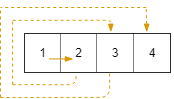
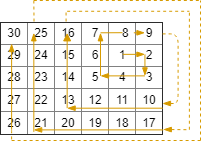
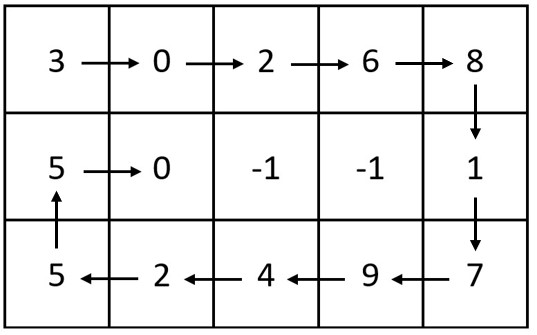
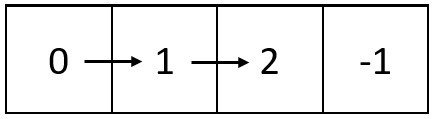
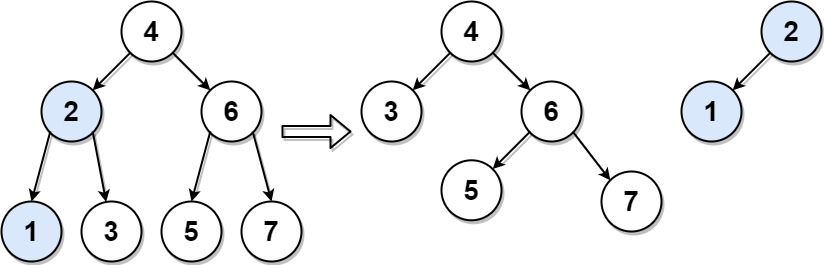
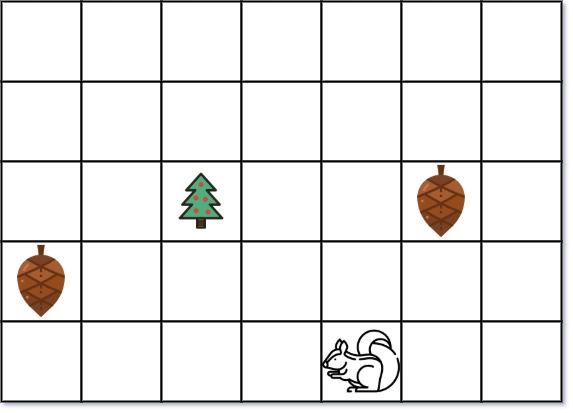

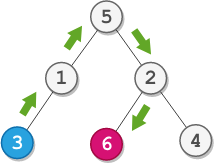

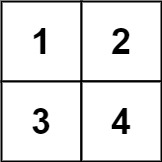
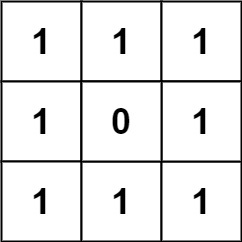
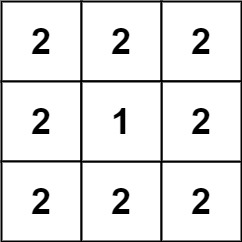
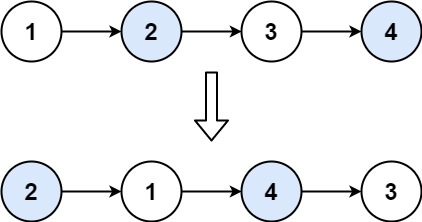
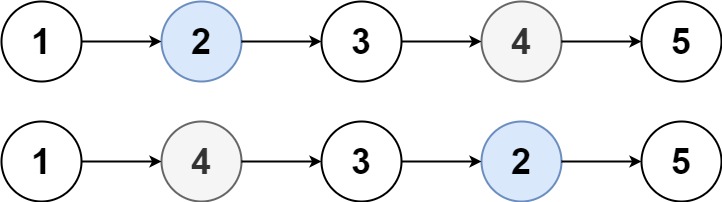
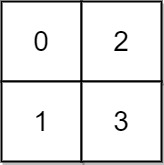
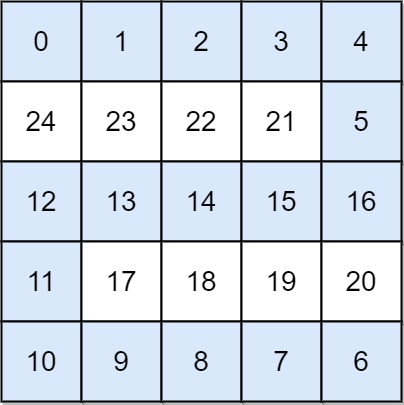
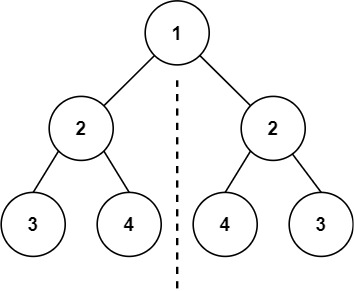
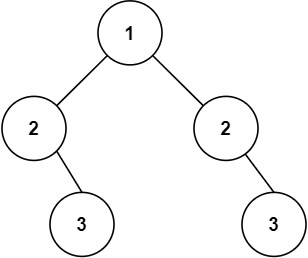
This is the first line ]]>
" Output: true Explanation: The code is wrapped in a closed tag :
and
. The TAG_NAME is valid, the TAG_CONTENT consists of some characters and cdata. Although CDATA_CONTENT has an unmatched start tag with invalid TAG_NAME, it should be considered as plain text, not parsed as a tag. So TAG_CONTENT is valid, and then the code is valid. Thus return true. ``` ``` Input: code = "
>> ![cdata[]] ]>]]>]]>>]
" Output: true Explanation: We first separate the code into : start_tag|tag_content|end_tag. start_tag -> "
" end_tag -> "
" tag_content could also be separated into : text1|cdata|text2. text1 -> ">> ![cdata[]] " cdata -> "]>]]>", where the CDATA_CONTENT is "
]>" text2 -> "]]>>]" The reason why start_tag is NOT "
>>" is because of the rule 6. The reason why cdata is NOT "]>]]>]]>" is because of the rule 7. ``` ``` Input: code = " " Output: false Explanation: Unbalanced. If "" is closed, then "" must be unmatched, and vice versa. ``` ### Constraints * 1 \<= code.length \<= 500 * code consists of English letters, digits, '\<', '>', '/', '!', '\[', ']', '.', and ' '. ## Solution Reference implementation from [solution.py on GitHub](https://github.com/wislertt/leetcode-py/blob/main/leetcode/tag_validator/solution.py), full suite in [test\_solution.py](https://github.com/wislertt/leetcode-py/blob/main/leetcode/tag_validator/test_solution.py): ```python theme={"theme":{"light":"github-light","dark":"github-dark"}} class Solution: # Time: O(n) # Space: O(n) def is_valid(self, code: str) -> bool: if not code.startswith("<"): return False stack: list[str] = [] i = 0 n = len(code) while i < n: if stack and code.startswith("", i) if end == -1: return False i = end + 3 elif code.startswith("", i) if end == -1: return False name = code[i + 2 : end] if not stack or stack[-1] != name: return False stack.pop() i = end + 1 if not stack and i != n: return False elif code.startswith("<", i): end = code.find(">", i) if end == -1: return False name = code[i + 1 : end] if not (1 <= len(name) <= 9 and name.isalpha() and name.isupper()): return False stack.append(name) i = end + 1 else: i += 1 return not stack ``` ## Complexity | Time | Space | | ---- | ----- | | O(n) | O(n) | ## Tags # Take Gifts From the Richest Pile Source: https://leetcode-py.wisl.dev/problems/take-gifts-from-the-richest-pile Tested Python solution for LeetCode 2558 with 18 pytest cases. Generate a practice environment with lcpy. LeetCode 2558, [Easy](/catalog/easy). Topics: [Array](/catalog/topics/array), [Heap (Priority Queue)](/catalog/topics/heap-priority-queue), [Simulation](/catalog/topics/simulation). [View on LeetCode](https://leetcode.com/problems/take-gifts-from-the-richest-pile/description/). Generate this problem as a practice environment: tested reference solution, 18 [parametrized pytest cases](/practice/testing), and a playground notebook: ```bash theme={"theme":{"light":"github-light","dark":"github-dark"}} lcpy gen -n 2558 # by problem number lcpy gen -s take_gifts_from_the_richest_pile # by problem name ``` ## Problem You are given an integer array `gifts` denoting the number of gifts in various piles. Every second, you do the following: * Choose the pile with the maximum number of gifts. * If there is more than one pile with the maximum number of gifts, choose any. * Reduce the number of gifts in the pile to the floor of the square root of the original number of gifts in the pile. Return *the number of gifts remaining after* `k` *seconds.* ### Examples ``` Input: gifts = [25,64,9,4,100], k = 4 Output: 29 Explanation: The gifts are taken in the following way: - In the first second, the last pile is chosen and 10 gifts are left behind. - Then the second pile is chosen and 8 gifts are left behind. - After that the first pile is chosen and 5 gifts are left behind. - Finally, the last pile is chosen again and 3 gifts are left behind. The final remaining gifts are [5,8,9,4,3], so the total number of gifts remaining is 29. ``` ``` Input: gifts = [1,1,1,1], k = 4 Output: 4 Explanation: In this case, regardless which pile you choose, you have to leave behind 1 gift in each pile. That is, you can't take any pile with you. So, the total gifts remaining are 4. ``` ### Constraints * 1 \<= gifts.length \<= 10\3\ * 1 \<= gifts\[i] \<= 10\9\ * 1 \<= k \<= 10\3\ ## Solution Reference implementation from [solution.py on GitHub](https://github.com/wislertt/leetcode-py/blob/main/leetcode/take_gifts_from_the_richest_pile/solution.py), full suite in [test\_solution.py](https://github.com/wislertt/leetcode-py/blob/main/leetcode/take_gifts_from_the_richest_pile/test_solution.py): ```python theme={"theme":{"light":"github-light","dark":"github-dark"}} import heapq from math import isqrt class Solution: # Time: O(k log n + n) # Space: O(n) def pick_gifts(self, gifts: list[int], k: int) -> int: heap = [-gift for gift in gifts] heapq.heapify(heap) for _ in range(k): top = -heapq.heappop(heap) if top <= 1: heapq.heappush(heap, -top) break heapq.heappush(heap, -isqrt(top)) return -sum(heap) ``` ## Complexity | Time | Space | | -------------- | ----- | | O(k log n + n) | O(n) | ## Tags [NeetCode All](/catalog/neetcode). # Take K of Each Character From Left and Right Source: https://leetcode-py.wisl.dev/problems/take-k-of-each-character-from-left-and-right Tested Python solution for LeetCode 2516 with 20 pytest cases. Generate a practice environment with lcpy. LeetCode 2516, [Medium](/catalog/medium). Topics: [Hash Table](/catalog/topics/hash-table), [String](/catalog/topics/string), [Sliding Window](/catalog/topics/sliding-window). [View on LeetCode](https://leetcode.com/problems/take-k-of-each-character-from-left-and-right/description/). Generate this problem as a practice environment: tested reference solution, 20 [parametrized pytest cases](/practice/testing), and a playground notebook: ```bash theme={"theme":{"light":"github-light","dark":"github-dark"}} lcpy gen -n 2516 # by problem number lcpy gen -s take_k_of_each_character_from_left_and_right # by problem name ``` ## Problem You are given a string `s` consisting of the characters `'a'`, `'b'`, and `'c'` and a non-negative integer `k`. Each minute, you may take either the **leftmost** character of `s`, or the **rightmost** character of `s`. Return the **minimum** number of minutes needed for you to take **at least** `k` of each character, or return `-1` if it is not possible to take `k` of each character. ### Examples ``` Input: s = "aabaaaacaabc", k = 2 Output: 8 Explanation: Take three characters from the left of s. You now have two 'a' characters, and one 'b' character. Take five characters from the right of s. You now have four 'a' characters, two 'b' characters, and two 'c' characters. A total of 3 + 5 = 8 minutes is needed. It can be proven that 8 is the minimum number of minutes needed. ``` ``` Input: s = "a", k = 1 Output: -1 Explanation: It is not possible to take one 'b' or 'c' so return -1. ``` ### Constraints * `1 <= s.length <= 10^5` * `s` consists of only the letters `'a'`, `'b'`, and `'c'`. * `0 <= k <= s.length` ## Solution Reference implementation from [solution.py on GitHub](https://github.com/wislertt/leetcode-py/blob/main/leetcode/take_k_of_each_character_from_left_and_right/solution.py), full suite in [test\_solution.py](https://github.com/wislertt/leetcode-py/blob/main/leetcode/take_k_of_each_character_from_left_and_right/test_solution.py): ```python theme={"theme":{"light":"github-light","dark":"github-dark"}} class Solution: # Time: O(n) # Space: O(1) def take_characters(self, s: str, k: int) -> int: n = len(s) count = [0, 0, 0] for ch in s: count[ord(ch) - ord("a")] += 1 if any(c < k for c in count): return -1 # Keep the longest middle window whose removal leaves >= k of each char. best = 0 left = 0 for right, ch in enumerate(s): count[ord(ch) - ord("a")] -= 1 while count[ord(ch) - ord("a")] < k: count[ord(s[left]) - ord("a")] += 1 left += 1 best = max(best, right - left + 1) return n - best ``` ## Complexity | Time | Space | | ---- | ----- | | O(n) | O(1) | ## Tags [NeetCode All](/catalog/neetcode). # Tallest Billboard Python Solution with Tests Source: https://leetcode-py.wisl.dev/problems/tallest-billboard Tested Python solution for LeetCode 956 with 22 pytest cases. Generate a practice environment with lcpy. LeetCode 956, [Hard](/catalog/hard). Topics: [Array](/catalog/topics/array), [Dynamic Programming](/catalog/topics/dynamic-programming), Meet in the Middle, Knapsack Problem, 0-1 Knapsack. [View on LeetCode](https://leetcode.com/problems/tallest-billboard/description/). Generate this problem as a practice environment: tested reference solution, 22 [parametrized pytest cases](/practice/testing), and a playground notebook: ```bash theme={"theme":{"light":"github-light","dark":"github-dark"}} lcpy gen -n 956 # by problem number lcpy gen -s tallest_billboard # by problem name ``` ## Problem You are installing a billboard and want it to have the largest height. The billboard will have two steel supports, one on each side. Each steel support must be an equal height. You are given a collection of `rods` that can be welded together. For example, if you have rods of lengths `1`, `2`, and `3`, you can weld them together to make a support of length `6`. Return the largest possible height of your billboard installation. If you cannot support the billboard, return `0`. ### Examples ``` Input: rods = [1,2,3,6] Output: 6 ``` **Explanation:** We have two disjoint subsets \{1,2,3} and \{6}, which have the same sum = 6. ``` Input: rods = [1,2,3,4,5,6] Output: 10 ``` **Explanation:** We have two disjoint subsets \{2,3,5} and \{4,6}, which have the same sum = 10. ``` Input: rods = [1,2] Output: 0 ``` **Explanation:** The billboard cannot be supported, so we return 0. ### Constraints * 1 \<= rods.length \<= 20 * 1 \<= rods\[i] \<= 1000 * sum(rods\[i]) \<= 5000 ## Solution Reference implementation from [solution.py on GitHub](https://github.com/wislertt/leetcode-py/blob/main/leetcode/tallest_billboard/solution.py), full suite in [test\_solution.py](https://github.com/wislertt/leetcode-py/blob/main/leetcode/tallest_billboard/test_solution.py): ```python theme={"theme":{"light":"github-light","dark":"github-dark"}} class Solution: # Time: O(n * diff) where diff <= sum(rods) # Space: O(diff) def tallest_billboard(self, rods: list[int]) -> int: # dp[d] = largest total height of the taller support when the # two supports differ by exactly d (d >= 0). dp: dict[int, int] = {0: 0} for rod in rods: nxt = dict(dp) for diff, taller in dp.items(): # put the rod on the taller support nxt[diff + rod] = max(nxt.get(diff + rod, 0), taller + rod) # put the rod on the shorter support if rod >= diff: nxt[rod - diff] = max(nxt.get(rod - diff, 0), taller - diff + rod) else: nxt[diff - rod] = max(nxt.get(diff - rod, 0), taller) dp = nxt return dp.get(0, 0) ``` ## Complexity | Time | Space | | ------------------------------------- | ------- | | O(n \* diff) where diff \<= sum(rods) | O(diff) | ## Tags # Target Sum Python Solution with Tests Source: https://leetcode-py.wisl.dev/problems/target-sum Tested Python solution for LeetCode 494 with 14 pytest cases. Generate a practice environment with lcpy. LeetCode 494, [Medium](/catalog/medium). Topics: [Array](/catalog/topics/array), [Dynamic Programming](/catalog/topics/dynamic-programming), [Backtracking](/catalog/topics/backtracking). [View on LeetCode](https://leetcode.com/problems/target-sum/description/). Generate this problem as a practice environment: tested reference solution, 14 [parametrized pytest cases](/practice/testing), and a playground notebook: ```bash theme={"theme":{"light":"github-light","dark":"github-dark"}} lcpy gen -n 494 # by problem number lcpy gen -s target_sum # by problem name ``` ## Problem You are given an integer array `nums` and an integer `target`. You want to build an expression out of nums by adding one of the symbols `+` and `-` before each integer in nums and then concatenate all the integers. * For example, if `nums = [2, 1]`, you can add a `+` before `2` and a `-` before `1` and concatenate them to build the expression `+2-1`. Return *the number of different expressions that you can build, which evaluates to* `target`. ### Examples ``` Input: nums = [1,1,1,1,1], target = 3 Output: 5 ``` **Explanation:** There are 5 ways to assign symbols to make the sum of nums be target 3. -1 + 1 + 1 + 1 + 1 = 3 +1 - 1 + 1 + 1 + 1 = 3 +1 + 1 - 1 + 1 + 1 = 3 +1 + 1 + 1 - 1 + 1 = 3 +1 + 1 + 1 + 1 - 1 = 3 ``` Input: nums = [1], target = 1 Output: 1 ``` ### Constraints * 1 \<= nums.length \<= 20 * 0 \<= nums\[i] \<= 1000 * 0 \<= sum(nums\[i]) \<= 1000 * -1000 \<= target \<= 1000 ## Solution Reference implementation from [solution.py on GitHub](https://github.com/wislertt/leetcode-py/blob/main/leetcode/target_sum/solution.py), full suite in [test\_solution.py](https://github.com/wislertt/leetcode-py/blob/main/leetcode/target_sum/test_solution.py): ```python theme={"theme":{"light":"github-light","dark":"github-dark"}} class Solution: # Time: O(n * total) # Space: O(total) def find_target_sum_ways(self, nums: list[int], target: int) -> int: total = sum(nums) # P = sum of '+'. P - (total - P) = target -> P = (target + total) / 2. if (target + total) % 2 != 0 or total < abs(target): return 0 subset_sum = (target + total) // 2 # dp[s] = number of subsets summing to s dp = [0] * (subset_sum + 1) dp[0] = 1 for num in nums: for s in range(subset_sum, num - 1, -1): dp[s] += dp[s - num] return dp[subset_sum] ``` ## Complexity | Time | Space | | ------------- | -------- | | O(n \* total) | O(total) | ## Tags [NeetCode 150](/catalog/neetcode-150), [NeetCode 250](/catalog/neetcode-250), [NeetCode All](/catalog/neetcode). # Task Scheduler Python Solution with Tests Source: https://leetcode-py.wisl.dev/problems/task-scheduler Tested Python solution for LeetCode 621 with 12 pytest cases. Generate a practice environment with lcpy. LeetCode 621, [Medium](/catalog/medium). Topics: [Array](/catalog/topics/array), [Hash Table](/catalog/topics/hash-table), [Greedy](/catalog/topics/greedy), [Sorting](/catalog/topics/sorting), [Heap (Priority Queue)](/catalog/topics/heap-priority-queue), [Counting](/catalog/topics/counting). [View on LeetCode](https://leetcode.com/problems/task-scheduler/description/). Generate this problem as a practice environment: tested reference solution, 12 [parametrized pytest cases](/practice/testing), and a playground notebook: ```bash theme={"theme":{"light":"github-light","dark":"github-dark"}} lcpy gen -n 621 # by problem number lcpy gen -s task_scheduler # by problem name ``` ## Problem You are given an array of CPU `tasks`, each labeled with a letter from A to Z, and a number `n`. Each CPU interval can be idle or allow the completion of one task. Tasks can be completed in any order, but there's a constraint: there has to be a gap of **at least** `n` intervals between two tasks with the same label. Return the **minimum** number of CPU intervals required to complete all tasks. ### Examples ``` Input: tasks = ["A","A","A","B","B","B"], n = 2 Output: 8 ``` **Explanation:** A possible sequence is: A -> B -> idle -> A -> B -> idle -> A -> B. After completing task A, you must wait two intervals before doing A again. The same applies to task B. In the 3rd interval, neither A nor B can be done, so you idle. By the 4th interval, you can do A again as 2 intervals have passed. ``` Input: tasks = ["A","C","A","B","D","B"], n = 1 Output: 6 ``` **Explanation:** A possible sequence is: A -> B -> C -> D -> A -> B. With a cooling interval of 1, you can repeat a task after just one other task. ``` Input: tasks = ["A","A","A", "B","B","B"], n = 3 Output: 10 ``` **Explanation:** A possible sequence is: A -> B -> idle -> idle -> A -> B -> idle -> idle -> A -> B. There are only two types of tasks, A and B, which need to be separated by 3 intervals. This leads to idling twice between repetitions of these tasks. ### Constraints * `1 <= tasks.length <= 10^4` * `tasks[i]` is an uppercase English letter. * `0 <= n <= 100` ## Solution Reference implementation from [solution.py on GitHub](https://github.com/wislertt/leetcode-py/blob/main/leetcode/task_scheduler/solution.py), full suite in [test\_solution.py](https://github.com/wislertt/leetcode-py/blob/main/leetcode/task_scheduler/test_solution.py): ```python theme={"theme":{"light":"github-light","dark":"github-dark"}} import heapq from collections import Counter, deque class Solution: # Time: O(T * n + m log m) where T = len(tasks), worst case with many idle periods # Space: O(m) where m ≤ 26, so O(1) def least_interval(self, tasks: list[str], n: int) -> int: counts = Counter(tasks) max_heap = [-count for count in counts.values()] heapq.heapify(max_heap) step_num = 0 queue: deque[tuple[int, int]] = deque() # (count, available_time) while max_heap or queue: step_num += 1 while queue and queue[0][1] <= step_num: count, _ = queue.popleft() heapq.heappush(max_heap, count) if max_heap: count = heapq.heappop(max_heap) count += 1 # Decrease count (was negative) if count < 0: # Still has tasks left queue.append((count, step_num + n + 1)) return step_num class SolutionGreedy: # Time: O(T + m) where T = len(tasks), m = unique tasks ≤ 26, so O(T) # Space: O(m) where m ≤ 26, so O(1) def least_interval(self, tasks: list[str], n: int) -> int: """ Mathematical approach: Key insight: The most frequent task determines the minimum time. Example: tasks=["A","A","A","B","B","B"], n=2 1. Find max frequency: max_freq = 3 (A and B both appear 3 times) 2. Count tasks with max frequency: max_count = 2 (A and B) 3. Create frame structure: Frame: A B _ | A B _ | A B - (max_freq - 1) complete frames of size (n + 1) - Last frame contains only max frequency tasks 4. Calculate minimum intervals: - Frame intervals: (max_freq - 1) * (n + 1) = 2 * 3 = 6 - Plus max frequency tasks: 6 + 2 = 8 5. Return max(total_tasks, calculated_min) to handle cases where we have enough variety to fill all gaps without idle time. """ counts = Counter(tasks) max_freq = max(counts.values()) max_count = sum(1 for freq in counts.values() if freq == max_freq) # Minimum intervals needed based on most frequent tasks min_intervals = (max_freq - 1) * (n + 1) + max_count # Return max to handle cases with sufficient task variety return max(len(tasks), min_intervals) ``` ## Complexity | Time | Space | | --------------------------------------------------------------------------- | -------------------------- | | O(T \* n + m log m) where T = len(tasks), worst case with many idle periods | O(m) where m ≤ 26, so O(1) | ## Tags [Grind 75](/catalog/grind-75), [Grind](/catalog/grind), [NeetCode 150](/catalog/neetcode-150), [NeetCode 250](/catalog/neetcode-250), [NeetCode All](/catalog/neetcode). # Teemo Attacking Python Solution with Tests Source: https://leetcode-py.wisl.dev/problems/teemo-attacking Tested Python solution for LeetCode 495 with 16 pytest cases. Generate a practice environment with lcpy. LeetCode 495, [Easy](/catalog/easy). Topics: [Array](/catalog/topics/array), [Simulation](/catalog/topics/simulation). [View on LeetCode](https://leetcode.com/problems/teemo-attacking/description/). Generate this problem as a practice environment: tested reference solution, 16 [parametrized pytest cases](/practice/testing), and a playground notebook: ```bash theme={"theme":{"light":"github-light","dark":"github-dark"}} lcpy gen -n 495 # by problem number lcpy gen -s teemo_attacking # by problem name ``` ## Problem Our hero Teemo is attacking an enemy Ashe with poison attacks! When Teemo attacks Ashe, Ashe gets poisoned for exactly `duration` seconds. More formally, an attack at second `t` will mean Ashe is poisoned during the **inclusive** time interval `[t, t + duration - 1]`. If Teemo attacks again **before** the poison effect ends, the timer for it is **reset**, and the poison effect will end `duration` seconds after the new attack. You are given a **non-decreasing** integer array `timeSeries`, where `timeSeries[i]` denotes that Teemo attacks Ashe at second `timeSeries[i]`, and an integer `duration`. Return *the **total** number of seconds that Ashe is poisoned*. ### Examples ``` Input: timeSeries = [1,4], duration = 2 Output: 4 Explanation: Teemo's attacks on Ashe go as follows: - At second 1, Teemo attacks, and Ashe is poisoned for seconds 1 and 2. - At second 4, Teemo attacks, and Ashe is poisoned for seconds 4 and 5. Ashe is poisoned for seconds 1, 2, 4, and 5, which is 4 seconds in total. ``` ``` Input: timeSeries = [1,2], duration = 2 Output: 3 Explanation: Teemo's attacks on Ashe go as follows: - At second 1, Teemo attacks, and Ashe is poisoned for seconds 1 and 2. - At second 2 however, Teemo attacks again and resets the poison timer. Ashe is poisoned for seconds 2 and 3. Ashe is poisoned for seconds 1, 2, and 3, which is 3 seconds in total. ``` ### Constraints * 1 \<= timeSeries.length \<= 10^4 * 0 \<= timeSeries\[i], duration \<= 10^7 * timeSeries is sorted in non-decreasing order. ## Solution Reference implementation from [solution.py on GitHub](https://github.com/wislertt/leetcode-py/blob/main/leetcode/teemo_attacking/solution.py), full suite in [test\_solution.py](https://github.com/wislertt/leetcode-py/blob/main/leetcode/teemo_attacking/test_solution.py): ```python theme={"theme":{"light":"github-light","dark":"github-dark"}} class Solution: # Time: O(n) # Space: O(1) def find_poisoned_duration(self, time_series: list[int], duration: int) -> int: total = 0 for i, t in enumerate(time_series): if i + 1 < len(time_series): total += min(duration, time_series[i + 1] - t) else: total += duration return total ``` ## Complexity | Time | Space | | ---- | ----- | | O(n) | O(1) | ## Tags # Ternary Expression Parser Python Solution Source: https://leetcode-py.wisl.dev/problems/ternary-expression-parser Tested Python solution for LeetCode 439 with 13 pytest cases. Generate a practice environment with lcpy. LeetCode 439, [Medium](/catalog/medium). Topics: [Stack](/catalog/topics/stack), [Recursion](/catalog/topics/recursion), [String](/catalog/topics/string). [View on LeetCode](https://leetcode.com/problems/ternary-expression-parser/description/). Generate this problem as a practice environment: tested reference solution, 13 [parametrized pytest cases](/practice/testing), and a playground notebook: ```bash theme={"theme":{"light":"github-light","dark":"github-dark"}} lcpy gen -n 439 # by problem number lcpy gen -s ternary_expression_parser # by problem name ``` ## Problem Given a string `expression` representing arbitrarily nested ternary expressions, evaluate the expression, and return the result of it. You can always assume that the given expression is valid and only contains digits, `'?'`, `':'`, `'T',` and `'F'` where `'T'` is true and `'F'` is false. All the numbers in the expression are **one-digit** numbers (i.e., in the range `[0, 9]`). The conditional expressions group right-to-left (as usual in most languages), and the result of the expression will always evaluate to either a digit, `'T'` or `'F'`. ### Examples ``` Input: expression = "T?2:3" Output: "2" Explanation: If true, then result is 2; otherwise result is 3. ``` ``` Input: expression = "F?1:T?4:5" Output: "4" Explanation: The conditional expressions group right-to-left. Using parenthesis, it is read/evaluated as: "(F ? 1 : (T ? 4 : 5))" --> "(F ? 1 : 4)" --> "4". ``` ``` Input: expression = "T?T?F:5:3" Output: "F" Explanation: The conditional expressions group right-to-left. Using parenthesis, it is read/evaluated as: "(T ? (T ? F : 5) : 3)" --> "(T ? F : 5)" --> "F". ``` ### Constraints * `5 <= expression.length <= 10^4`. * `expression` consists of digits, `'?'`, `':'`, `'T'`, and `'F'`. * It is **guaranteed** that `expression` is a valid ternary expression and that each number is a **one-digit number**. ## Solution Reference implementation from [solution.py on GitHub](https://github.com/wislertt/leetcode-py/blob/main/leetcode/ternary_expression_parser/solution.py), full suite in [test\_solution.py](https://github.com/wislertt/leetcode-py/blob/main/leetcode/ternary_expression_parser/test_solution.py): ```python theme={"theme":{"light":"github-light","dark":"github-dark"}} class Solution: # Time: O(n) # Space: O(n) def parse_ternary(self, expression: str) -> str: stack: list[str] = [] for ch in reversed(expression): if stack and stack[-1] == "?": stack.pop() true_val = stack.pop() stack.pop() # ':' false_val = stack.pop() stack.append(true_val if ch == "T" else false_val) else: stack.append(ch) return stack[0] ``` ## Complexity | Time | Space | | ---- | ----- | | O(n) | O(n) | ## Tags [NeetCode All](/catalog/neetcode). # Text Justification Python Solution with Tests Source: https://leetcode-py.wisl.dev/problems/text-justification Tested Python solution for LeetCode 68 with 18 pytest cases. Generate a practice environment with lcpy. LeetCode 68, [Hard](/catalog/hard). Topics: [Array](/catalog/topics/array), [String](/catalog/topics/string), [Simulation](/catalog/topics/simulation). [View on LeetCode](https://leetcode.com/problems/text-justification/description/). Generate this problem as a practice environment: tested reference solution, 18 [parametrized pytest cases](/practice/testing), and a playground notebook: ```bash theme={"theme":{"light":"github-light","dark":"github-dark"}} lcpy gen -n 68 # by problem number lcpy gen -s text_justification # by problem name ``` ## Problem Given an array of strings `words` and a width `max_width`, format the text such that each line has exactly `max_width` characters and is fully (left and right) justified. You should pack your words in a greedy approach; that is, pack as many words as you can in each line. Pad extra spaces `' '` when necessary so that each line has exactly `max_width` characters. Extra spaces between words should be distributed as evenly as possible. If the number of spaces on a line does not divide evenly between words, the empty slots on the left will be assigned more spaces than the slots on the right. For the last line of text, it should be left-justified, and no extra space is inserted between words. **Note:** * A word is defined as a character sequence consisting of non-space characters only. * Each word's length is guaranteed to be greater than 0 and not exceed `max_width`. * The input array `words` contains at least one word. ### Examples ``` Input: words = ["This", "is", "an", "example", "of", "text", "justification."], max_width = 16 Output: [ "This is an", "example of text", "justification. " ] ``` ``` Input: words = ["What","must","be","acknowledgment","shall","be"], max_width = 16 Output: [ "What must be", "acknowledgment ", "shall be " ] Explanation: Note that the last line is "shall be " instead of "shall be", because the last line must be left-justified instead of fully-justified. Note that the second line is also left-justified because it contains only one word. ``` ``` Input: words = ["Science","is","what","we","understand","well","enough","to","explain","to","a","computer.","Art","is","everything","else","we","do"], max_width = 20 Output: [ "Science is what we", "understand well", "enough to explain to", "a computer. Art is", "everything else we", "do " ] ``` ### Constraints * 1 \<= words.length \<= 300 * 1 \<= words\[i].length \<= 20 * words\[i] consists of only English letters and symbols. * 1 \<= max\_width \<= 100 * words\[i].length \<= max\_width ## Solution Reference implementation from [solution.py on GitHub](https://github.com/wislertt/leetcode-py/blob/main/leetcode/text_justification/solution.py), full suite in [test\_solution.py](https://github.com/wislertt/leetcode-py/blob/main/leetcode/text_justification/test_solution.py): ```python theme={"theme":{"light":"github-light","dark":"github-dark"}} class Solution: # Time: O(total characters) # Space: O(max_width) excluding the output list def full_justify(self, words: list[str], max_width: int) -> list[str]: result: list[str] = [] line: list[str] = [] line_length = 0 for word in words: # +len(line) accounts for one joining space per existing word if line_length + len(line) + len(word) > max_width: # Justify the current line: distribute spaces across gaps, # assigning extra spaces to the leftmost gaps total_spaces = max_width - line_length gaps = len(line) - 1 if gaps == 0: result.append(line[0] + " " * total_spaces) else: base, extra = divmod(total_spaces, gaps) row_parts: list[str] = [] for i, w in enumerate(line[:-1]): row_parts.append(w) row_parts.append(" " * (base + (1 if i < extra else 0))) row_parts.append(line[-1]) result.append("".join(row_parts)) line = [] line_length = 0 line.append(word) line_length += len(word) # Last line: left-justified with single spaces, padded on the right result.append(" ".join(line).ljust(max_width)) return result ``` ## Complexity | Time | Space | | ------------------- | --------------------------------------- | | O(total characters) | O(max\_width) excluding the output list | ## Tags [NeetCode All](/catalog/neetcode). # The Earliest Moment When Everyone Become Source: https://leetcode-py.wisl.dev/problems/the-earliest-moment-when-everyone-become-friends Tested Python solution for LeetCode 1101 with 12 pytest cases. Generate a practice environment with lcpy. LeetCode 1101, [Medium](/catalog/medium). Topics: [Array](/catalog/topics/array), [Union Find](/catalog/topics/union-find), [Sorting](/catalog/topics/sorting). [View on LeetCode](https://leetcode.com/problems/the-earliest-moment-when-everyone-become-friends/description/). Generate this problem as a practice environment: tested reference solution, 12 [parametrized pytest cases](/practice/testing), and a playground notebook: ```bash theme={"theme":{"light":"github-light","dark":"github-dark"}} lcpy gen -n 1101 # by problem number lcpy gen -s the_earliest_moment_when_everyone_become_friends # by problem name ``` ## Problem There are `n` people in a social group labeled from `0` to `n - 1`. You are given an array `logs` where `logs[i] = [timestampi, xi, yi]` indicates that `xi` and `yi` will be friends at the time `timestampi`. Friendship is **symmetric**. That means if `a` is friends with `b`, then `b` is friends with `a`. Also, person `a` is **acquainted** with a person `b` if `a` is friends with `b`, or `a` is a friend of someone acquainted with `b`. Return *the earliest time for which every person became acquainted with every other person*. If there is no such earliest time, return `-1`. ### Examples ``` Input: logs = [[20190101,0,1],[20190104,3,4],[20190107,2,3],[20190211,1,5],[20190224,2,4],[20190301,0,3],[20190312,1,2],[20190322,4,5]], n = 6 Output: 20190301 Explanation: After the event at timestamp 20190301, every person becomes acquainted with every other person. ``` ``` Input: logs = [[0,2,0],[1,0,1],[3,0,3],[4,1,2],[7,3,1]], n = 4 Output: 3 ``` ### Constraints * 2 \<= n \<= 100 * 1 \<= logs.length \<= 10^4 * logs\[i].length == 3 * 0 \<= timestampi \<= 10^9 * 0 \<= xi, yi \<= n - 1 * xi != yi * All the values timestampi are unique. * All the pairs (xi, yi) occur at most one time in the input. ## Solution Reference implementation from [solution.py on GitHub](https://github.com/wislertt/leetcode-py/blob/main/leetcode/the_earliest_moment_when_everyone_become_friends/solution.py), full suite in [test\_solution.py](https://github.com/wislertt/leetcode-py/blob/main/leetcode/the_earliest_moment_when_everyone_become_friends/test_solution.py): ```python theme={"theme":{"light":"github-light","dark":"github-dark"}} class Solution: # Time: O(m log m) for sorting the logs # Space: O(n) def earliest_acq(self, logs: list[list[int]], n: int) -> int: parent = list(range(n)) def find(x: int) -> int: while parent[x] != x: parent[x] = parent[parent[x]] x = parent[x] return x components = n for timestamp, x, y in sorted(logs): rx, ry = find(x), find(y) if rx == ry: continue parent[rx] = ry components -= 1 if components == 1: return timestamp return -1 ``` ## Complexity | Time | Space | | ------------------------------- | ----- | | O(m log m) for sorting the logs | O(n) | ## Tags [NeetCode All](/catalog/neetcode). # The Maze Python Solution with Tests Source: https://leetcode-py.wisl.dev/problems/the-maze Tested Python solution for LeetCode 490 with 12 pytest cases. Generate a practice environment with lcpy. LeetCode 490, [Medium](/catalog/medium). Topics: [Depth-First Search](/catalog/topics/depth-first-search), [Breadth-First Search](/catalog/topics/breadth-first-search), [Array](/catalog/topics/array), [Matrix](/catalog/topics/matrix). [View on LeetCode](https://leetcode.com/problems/the-maze/description/). Generate this problem as a practice environment: tested reference solution, 12 [parametrized pytest cases](/practice/testing), and a playground notebook: ```bash theme={"theme":{"light":"github-light","dark":"github-dark"}} lcpy gen -n 490 # by problem number lcpy gen -s the_maze # by problem name ``` ## Problem There is a ball in a `maze` with empty spaces (represented as `0`) and walls (represented as `1`). The ball can go through the empty spaces by rolling **up, down, left or right**, but it won't stop rolling until hitting a wall. When the ball stops, it could choose the next direction. Given the `m x n` `maze`, the ball's `start` position and the `destination`, where `start = [start_row, start_col]` and `destination = [destination_row, destination_col]`, return `true` if the ball can stop at the destination, otherwise return `false`. You may assume that **the borders of the maze are all walls** (see examples). ### Examples ![Example 1](https://fastly.jsdelivr.net/gh/doocs/leetcode@main/solution/0400-0499/0490.The%20Maze/images/maze1-1-grid.jpg) ``` Input: maze = [[0,0,1,0,0],[0,0,0,0,0],[0,0,0,1,0],[1,1,0,1,1],[0,0,0,0,0]], start = [0,4], destination = [4,4] Output: true Explanation: One possible way is : left -> down -> left -> down -> right -> down -> right. ``` ![Example 2](https://fastly.jsdelivr.net/gh/doocs/leetcode@main/solution/0400-0499/0490.The%20Maze/images/maze1-2-grid.jpg) ``` Input: maze = [[0,0,1,0,0],[0,0,0,0,0],[0,0,0,1,0],[1,1,0,1,1],[0,0,0,0,0]], start = [0,4], destination = [3,2] Output: false Explanation: There is no way for the ball to stop at the destination. Notice that you can pass through the destination but you cannot stop there. ``` ``` Input: maze = [[0,0,0,0,0],[1,1,0,0,1],[0,0,0,0,0],[0,1,0,0,1],[0,1,0,0,0]], start = [4,3], destination = [0,1] Output: false ``` ### Constraints * `m == maze.length` * `n == maze[i].length` * `1 <= m, n <= 100` * `maze[i][j]` is `0` or `1`. * `start.length == 2` * `destination.length == 2` * `0 <= start_row, destination_row < m` * `0 <= start_col, destination_col < n` * Both the ball and the destination exist in an empty space, and they will not be in the same position initially. * The maze contains **at least 2 empty spaces**. ## Solution Reference implementation from [solution.py on GitHub](https://github.com/wislertt/leetcode-py/blob/main/leetcode/the_maze/solution.py), full suite in [test\_solution.py](https://github.com/wislertt/leetcode-py/blob/main/leetcode/the_maze/test_solution.py): ```python theme={"theme":{"light":"github-light","dark":"github-dark"}} class Solution: # Time: O(m * n * max(m, n)) # Space: O(m * n) def has_path(self, maze: list[list[int]], start: list[int], destination: list[int]) -> bool: m, n = len(maze), len(maze[0]) dirs = ((-1, 0), (1, 0), (0, -1), (0, 1)) queue = [tuple(start)] seen = {tuple(start)} while queue: r, c = queue.pop(0) if [r, c] == destination: return True for dr, dc in dirs: nr, nc = r, c while 0 <= nr + dr < m and 0 <= nc + dc < n and maze[nr + dr][nc + dc] == 0: nr += dr nc += dc if (nr, nc) not in seen: seen.add((nr, nc)) queue.append((nr, nc)) return False ``` ## Complexity | Time | Space | | ---------------------- | --------- | | O(m \* n \* max(m, n)) | O(m \* n) | ## Tags [NeetCode All](/catalog/neetcode). # The Maze II Python Solution with Tests Source: https://leetcode-py.wisl.dev/problems/the-maze-ii Tested Python solution for LeetCode 505 with 12 pytest cases. Generate a practice environment with lcpy. LeetCode 505, [Medium](/catalog/medium). Topics: [Depth-First Search](/catalog/topics/depth-first-search), [Breadth-First Search](/catalog/topics/breadth-first-search), [Graph](/catalog/topics/graph), [Array](/catalog/topics/array), [Matrix](/catalog/topics/matrix), [Shortest Path](/catalog/topics/shortest-path), Dijkstra, [Heap (Priority Queue)](/catalog/topics/heap-priority-queue). [View on LeetCode](https://leetcode.com/problems/the-maze-ii/description/). Generate this problem as a practice environment: tested reference solution, 12 [parametrized pytest cases](/practice/testing), and a playground notebook: ```bash theme={"theme":{"light":"github-light","dark":"github-dark"}} lcpy gen -n 505 # by problem number lcpy gen -s the_maze_ii # by problem name ``` ## Problem There is a ball in a `maze` with empty spaces (represented as `0`) and walls (represented as `1`). The ball can go through the empty spaces by rolling **up, down, left or right**, but it won't stop rolling until hitting a wall. When the ball stops, it could choose the next direction. Given the `m x n` `maze`, the ball's `start` position and the `destination`, where `start = [start_row, start_col]` and `destination = [destination_row, destination_col]`, return the shortest **distance** for the ball to stop at the destination. If the ball cannot stop at `destination`, return `-1`. The **distance** is the number of **empty spaces** traveled by the ball from the start position (excluded) to the destination (included). You may assume that **the borders of the maze are all walls** (see examples). ### Examples ![Example 1](https://fastly.jsdelivr.net/gh/doocs/leetcode@main/solution/0500-0599/0505.The%20Maze%20II/images/maze1-1-grid.jpg) ``` Input: maze = [[0,0,1,0,0],[0,0,0,0,0],[0,0,0,1,0],[1,1,0,1,1],[0,0,0,0,0]], start = [0,4], destination = [4,4] Output: 12 Explanation: One possible way is : left -> down -> left -> down -> right -> down -> right. The length of the path is 1 + 1 + 3 + 1 + 2 + 2 + 2 = 12. ``` ![Example 2](https://fastly.jsdelivr.net/gh/doocs/leetcode@main/solution/0500-0599/0505.The%20Maze%20II/images/maze1-2-grid.jpg) ``` Input: maze = [[0,0,1,0,0],[0,0,0,0,0],[0,0,0,1,0],[1,1,0,1,1],[0,0,0,0,0]], start = [0,4], destination = [3,2] Output: -1 Explanation: There is no way for the ball to stop at the destination. Notice that you can pass through the destination but you cannot stop there. ``` ``` Input: maze = [[0,0,0,0,0],[1,1,0,0,1],[0,0,0,0,0],[0,1,0,0,1],[0,1,0,0,0]], start = [4,3], destination = [0,1] Output: -1 ``` ### Constraints * `m == maze.length` * `n == maze[i].length` * `1 <= m, n <= 100` * `maze[i][j]` is `0` or `1`. * `start.length == 2` * `destination.length == 2` * `0 <= start_row, destination_row < m` * `0 <= start_col, destination_col < n` * Both the ball and the destination exist in an empty space, and they will not be in the same position initially. * The maze contains **at least 2 empty spaces**. ## Solution Reference implementation from [solution.py on GitHub](https://github.com/wislertt/leetcode-py/blob/main/leetcode/the_maze_ii/solution.py), full suite in [test\_solution.py](https://github.com/wislertt/leetcode-py/blob/main/leetcode/the_maze_ii/test_solution.py): ```python theme={"theme":{"light":"github-light","dark":"github-dark"}} import heapq class Solution: # Time: O(m * n * max(m, n) * log(m * n)) # Space: O(m * n) def shortest_distance( self, maze: list[list[int]], start: list[int], destination: list[int] ) -> int: m, n = len(maze), len(maze[0]) dirs = ((1, 0), (-1, 0), (0, 1), (0, -1)) goal = (destination[0], destination[1]) dist = {(start[0], start[1]): 0} heap = [(0, start[0], start[1])] while heap: d, r, c = heapq.heappop(heap) if (r, c) == goal: return d if d > dist.get((r, c), 10**9): continue for dr, dc in dirs: nr, nc, steps = r, c, 0 while 0 <= nr + dr < m and 0 <= nc + dc < n and maze[nr + dr][nc + dc] == 0: nr += dr nc += dc steps += 1 if d + steps < dist.get((nr, nc), 10**9): dist[(nr, nc)] = d + steps heapq.heappush(heap, (d + steps, nr, nc)) return -1 ``` ## Complexity | Time | Space | | ------------------------------------- | --------- | | O(m \* n \* max(m, n) \* log(m \* n)) | O(m \* n) | ## Tags [NeetCode All](/catalog/neetcode). # The Maze III Python Solution with Tests Source: https://leetcode-py.wisl.dev/problems/the-maze-iii Tested Python solution for LeetCode 499 with 11 pytest cases. Generate a practice environment with lcpy. LeetCode 499, [Hard](/catalog/hard). Topics: [Depth-First Search](/catalog/topics/depth-first-search), [Breadth-First Search](/catalog/topics/breadth-first-search), [Graph](/catalog/topics/graph), [Array](/catalog/topics/array), [String](/catalog/topics/string), [Matrix](/catalog/topics/matrix), [Shortest Path](/catalog/topics/shortest-path), Dijkstra, [Heap (Priority Queue)](/catalog/topics/heap-priority-queue). [View on LeetCode](https://leetcode.com/problems/the-maze-iii/description/). Generate this problem as a practice environment: tested reference solution, 11 [parametrized pytest cases](/practice/testing), and a playground notebook: ```bash theme={"theme":{"light":"github-light","dark":"github-dark"}} lcpy gen -n 499 # by problem number lcpy gen -s the_maze_iii # by problem name ``` ## Problem There is a ball in a `maze` with empty spaces (represented as `0`) and walls (represented as `1`). The ball can go through the empty spaces by rolling **up, down, left or right**, but it won't stop rolling until hitting a wall. When the ball stops, it could choose the next direction (must be different from last chosen direction). There is also a hole in this maze. The ball will drop into the hole if it rolls onto the hole. Given the `m x n` `maze`, the ball's position `ball` and the hole's position `hole`, where `ball = [ball_row, ball_col]` and `hole = [hole_row, hole_col]`, return a string `instructions` of all the instructions that the ball should follow to drop in the hole with the **shortest distance** possible. If there are multiple valid instructions, return the **lexicographically minimum** one. If the ball can't drop in the hole, return `"impossible"`. If there is a way for the ball to drop in the hole, the answer `instructions` should contain the characters `'u'` (i.e. up), `'d'` (i.e. down), `'l'` (i.e. left), and `'r'` (i.e. right). The **distance** is the number of **empty spaces** traveled by the ball from the start position (excluded) to the destination (included). You may assume that **the borders of the maze are all walls** (see examples). ### Examples ![Example 1](https://fastly.jsdelivr.net/gh/doocs/leetcode@main/solution/0400-0499/0499.The%20Maze%20III/images/maze3-1-grid.jpg) ``` Input: maze = [[0,0,0,0,0],[1,1,0,0,1],[0,0,0,0,0],[0,1,0,0,1],[0,1,0,0,0]], ball = [4,3], hole = [0,1] Output: "lul" Explanation: There are two shortest ways for the ball to drop into the hole. The first way is left -> up -> left, represented by "lul". The second way is up -> left, represented by 'ul'. Both ways have shortest distance 6, but the first way is lexicographically smaller because 'l' < 'u'. So the output is "lul". ``` ![Example 2](https://fastly.jsdelivr.net/gh/doocs/leetcode@main/solution/0400-0499/0499.The%20Maze%20III/images/maze3-2-grid.jpg) ``` Input: maze = [[0,0,0,0,0],[1,1,0,0,1],[0,0,0,0,0],[0,1,0,0,1],[0,1,0,0,0]], ball = [4,3], hole = [3,0] Output: "impossible" Explanation: The ball cannot reach the hole. ``` ``` Input: maze = [[0,0,0,0,0,0,0],[0,0,1,0,0,1,0],[0,0,0,0,1,0,0],[0,0,0,0,0,0,1]], ball = [0,4], hole = [3,5] Output: "dldr" ``` ### Constraints * `m == maze.length` * `n == maze[i].length` * `1 <= m, n <= 100` * `maze[i][j]` is `0` or `1`. * `ball.length == 2` * `hole.length == 2` * `0 <= ball_row, hole_row <= m` * `0 <= ball_col, hole_col <= n` * Both the ball and the hole exist in an empty space, and they will not be in the same position initially. * The maze contains **at least 2 empty spaces**. ## Solution Reference implementation from [solution.py on GitHub](https://github.com/wislertt/leetcode-py/blob/main/leetcode/the_maze_iii/solution.py), full suite in [test\_solution.py](https://github.com/wislertt/leetcode-py/blob/main/leetcode/the_maze_iii/test_solution.py): ```python theme={"theme":{"light":"github-light","dark":"github-dark"}} import heapq class Solution: # Time: O(m * n * max(m, n) * log(m * n)) # Space: O(m * n) def find_shortest_way(self, maze: list[list[int]], ball: list[int], hole: list[int]) -> str: m, n = len(maze), len(maze[0]) dirs = (("d", (1, 0)), ("l", (0, -1)), ("r", (0, 1)), ("u", (-1, 0))) goal = (hole[0], hole[1]) best: dict[tuple[int, int], tuple[int, str]] = {(ball[0], ball[1]): (0, "")} heap = [(0, "", ball[0], ball[1])] while heap: dist, path, r, c = heapq.heappop(heap) if (r, c) == goal: return path if best.get((r, c)) != (dist, path): continue for ch, (dr, dc) in dirs: nr, nc, steps = r, c, 0 while 0 <= nr + dr < m and 0 <= nc + dc < n and maze[nr + dr][nc + dc] == 0: nr += dr nc += dc steps += 1 if (nr, nc) == goal: break cand = (dist + steps, path + ch) if (nr, nc) not in best or cand < best[(nr, nc)]: best[(nr, nc)] = cand heapq.heappush(heap, (cand[0], cand[1], nr, nc)) return "impossible" ``` ## Complexity | Time | Space | | ------------------------------------- | --------- | | O(m \* n \* max(m, n) \* log(m \* n)) | O(m \* n) | ## Tags [NeetCode All](/catalog/neetcode). # The Number of Beautiful Subsets Source: https://leetcode-py.wisl.dev/problems/the-number-of-beautiful-subsets Tested Python solution for LeetCode 2597 with 18 pytest cases. Generate a practice environment with lcpy. LeetCode 2597, [Medium](/catalog/medium). Topics: [Array](/catalog/topics/array), [Hash Table](/catalog/topics/hash-table), [Math](/catalog/topics/math), [Dynamic Programming](/catalog/topics/dynamic-programming), [Backtracking](/catalog/topics/backtracking), [Sorting](/catalog/topics/sorting), Combinatorics. [View on LeetCode](https://leetcode.com/problems/the-number-of-beautiful-subsets/description/). Generate this problem as a practice environment: tested reference solution, 18 [parametrized pytest cases](/practice/testing), and a playground notebook: ```bash theme={"theme":{"light":"github-light","dark":"github-dark"}} lcpy gen -n 2597 # by problem number lcpy gen -s the_number_of_beautiful_subsets # by problem name ``` ## Problem You are given an array `nums` of positive integers and a **positive** integer `k`. A subset of `nums` is **beautiful** if it does not contain two integers with an absolute difference equal to `k`. Return *the number of **non-empty beautiful** subsets of the array* `nums`. A **subset** of `nums` is an array that can be obtained by deleting some (possibly none) elements from `nums`. Two subsets are different if and only if the chosen indices to delete are different. ### Examples ``` Input: nums = [2,4,6], k = 2 Output: 4 ``` **Explanation:** The beautiful subsets of the array nums are: `[2]`, `[4]`, `[6]`, `[2, 6]`. It can be proved that there are only 4 beautiful subsets in the array `[2,4,6]`. ``` Input: nums = [1], k = 1 Output: 1 ``` **Explanation:** The beautiful subset of the array nums is `[1]`. It can be proved that there is only 1 beautiful subset in the array `[1]`. ### Constraints * `1 <= nums.length <= 18` * `1 <= nums[i], k <= 1000` ## Solution Reference implementation from [solution.py on GitHub](https://github.com/wislertt/leetcode-py/blob/main/leetcode/the_number_of_beautiful_subsets/solution.py), full suite in [test\_solution.py](https://github.com/wislertt/leetcode-py/blob/main/leetcode/the_number_of_beautiful_subsets/test_solution.py): ```python theme={"theme":{"light":"github-light","dark":"github-dark"}} class Solution: # Time: O(n log n + n) # Space: O(n) def beautiful_subsets(self, nums: list[int], k: int) -> int: freq: dict[int, int] = {} for num in nums: freq[num] = freq.get(num, 0) + 1 total = 1 for residue in {num % k for num in nums}: vals = sorted(v for v in freq if v % k == residue) # f = valid subsets over values seen so far (empty included); # f_prev2 = same, excluding the most recent value. f, f_prev2, prev = 1, 0, None for val in vals: if prev is not None and val - prev == k: # Cannot pick both val and prev. f, f_prev2 = ((1 << freq[val]) - 1) * f_prev2 + f, f else: f, f_prev2 = (1 << freq[val]) * f, f prev = val total *= f return total - 1 ``` ## Complexity | Time | Space | | -------------- | ----- | | O(n log n + n) | O(n) | ## Tags [NeetCode All](/catalog/neetcode). # The Skyline Problem Python Solution with Tests Source: https://leetcode-py.wisl.dev/problems/the-skyline-problem Tested Python solution for LeetCode 218 with 19 pytest cases. Generate a practice environment with lcpy. LeetCode 218, [Hard](/catalog/hard). Topics: [Array](/catalog/topics/array), [Divide and Conquer](/catalog/topics/divide-and-conquer), [Binary Indexed Tree](/catalog/topics/binary-indexed-tree), [Segment Tree](/catalog/topics/segment-tree), Sweep Line, [Sorting](/catalog/topics/sorting), [Heap (Priority Queue)](/catalog/topics/heap-priority-queue), [Ordered Set](/catalog/topics/ordered-set). [View on LeetCode](https://leetcode.com/problems/the-skyline-problem/description/). Generate this problem as a practice environment: tested reference solution, 19 [parametrized pytest cases](/practice/testing), and a playground notebook: ```bash theme={"theme":{"light":"github-light","dark":"github-dark"}} lcpy gen -n 218 # by problem number lcpy gen -s the_skyline_problem # by problem name ``` ## Problem A city's **skyline** is the outer contour of the silhouette formed by all the buildings in that city when viewed from a distance. Given the locations and heights of all the buildings, return the skyline formed by these buildings collectively. The geometric information of each building is given in the array `buildings` where `buildings[i] = [lefti, righti, heighti]`: * `lefti` is the x coordinate of the left edge of the `ith` building. * `righti` is the x coordinate of the right edge of the `ith` building. * `heighti` is the height of the `ith` building. You may assume all buildings are perfect rectangles grounded on an absolutely flat surface at height `0`. The skyline should be represented as a list of "key points" sorted by their x-coordinate in the form `[[x1,y1],[x2,y2],...]`. Each key point is the left endpoint of some horizontal segment in the skyline except the last point in the list, which always has a y-coordinate `0` and is used to mark the skyline's termination where the rightmost building ends. Any ground between the leftmost and rightmost buildings should be part of the skyline's contour. **Note:** There must be no consecutive horizontal lines of equal height in the output skyline. For instance, `[...,[2 3],[4 5],[7 5],[11 5],[12 7],...]` is not acceptable; the three lines of height 5 should be merged into one in the final output as such: `[...,[2 3],[4 5],[12 7],...]` ### Examples ![Example 1](https://assets.leetcode.com/uploads/2020/12/01/merged.jpg) ``` Input: buildings = [[2,9,10],[3,7,15],[5,12,12],[15,20,10],[19,24,8]] Output: [[2,10],[3,15],[7,12],[12,0],[15,10],[20,8],[24,0]] ``` **Explanation:** Figure A shows the buildings of the input. Figure B shows the skyline formed by those buildings. The red points in figure B represent the key points in the output list. ``` Input: buildings = [[0,2,3],[2,5,3]] Output: [[0,3],[5,0]] ``` ### Constraints * `1 <= buildings.length <= 10^4` * `0 <= lefti < righti <= 2^31 - 1` * `1 <= heighti <= 2^31 - 1` * `buildings` is sorted by `lefti` in non-decreasing order. ## Solution Reference implementation from [solution.py on GitHub](https://github.com/wislertt/leetcode-py/blob/main/leetcode/the_skyline_problem/solution.py), full suite in [test\_solution.py](https://github.com/wislertt/leetcode-py/blob/main/leetcode/the_skyline_problem/test_solution.py): ```python theme={"theme":{"light":"github-light","dark":"github-dark"}} import heapq class Solution: # Time: O(n log n) # Space: O(n) def get_skyline(self, buildings: list[list[int]]) -> list[list[int]]: events: list[tuple[int, int, int]] = [] for left, right, height in buildings: events.append((left, -height, right)) events.append((right, 0, 0)) events.sort() heap: list[tuple[int, int]] = [(0, 2**31)] result: list[list[int]] = [] for x, neg_height, right in events: while heap[0][1] <= x: heapq.heappop(heap) if neg_height < 0: heapq.heappush(heap, (neg_height, right)) height = -heap[0][0] if not result or result[-1][1] != height: result.append([x, height]) return result ``` ## Complexity | Time | Space | | ---------- | ----- | | O(n log n) | O(n) | ## Tags # Third Maximum Number Python Solution Source: https://leetcode-py.wisl.dev/problems/third-maximum-number Tested Python solution for LeetCode 414 with 20 pytest cases. Generate a practice environment with lcpy. LeetCode 414, [Easy](/catalog/easy). Topics: [Array](/catalog/topics/array), [Sorting](/catalog/topics/sorting). [View on LeetCode](https://leetcode.com/problems/third-maximum-number/description/). Generate this problem as a practice environment: tested reference solution, 20 [parametrized pytest cases](/practice/testing), and a playground notebook: ```bash theme={"theme":{"light":"github-light","dark":"github-dark"}} lcpy gen -n 414 # by problem number lcpy gen -s third_maximum_number # by problem name ``` ## Problem You are given an integer array `nums`. Return the third **distinct maximum** number in this array. If the third **maximum** does not exist, return the **maximum** number. ### Examples ``` Input: nums = [3,2,1] Output: 1 ``` **Explanation:** The first distinct maximum is 3. The second distinct maximum is 2. The third distinct maximum is 1. ``` Input: nums = [1,2] Output: 2 ``` **Explanation:** The first distinct maximum is 2. The second distinct maximum is 1. The third maximum does not exist, so the maximum (2) is returned instead. ``` Input: nums = [2,2,3,1] Output: 1 ``` **Explanation:** The first distinct maximum is 3. The second distinct maximum is 2 (both 2's are counted together since they have the same value). The third distinct maximum is 1. ### Constraints * 1 \<= nums.length \<= 10^4 * -2^31 \<= nums\[i] \<= 2^31 - 1 **Follow up:** Can you find an `O(n)` solution? ## Solution Reference implementation from [solution.py on GitHub](https://github.com/wislertt/leetcode-py/blob/main/leetcode/third_maximum_number/solution.py), full suite in [test\_solution.py](https://github.com/wislertt/leetcode-py/blob/main/leetcode/third_maximum_number/test_solution.py): ```python theme={"theme":{"light":"github-light","dark":"github-dark"}} class Solution: # Time: O(n) # Space: O(1) def third_max(self, nums: list[int]) -> int: top: list[int] = [] for num in nums: if num in top: continue top.append(num) top.sort(reverse=True) if len(top) > 3: top.pop() return top[2] if len(top) > 2 else top[0] ``` ## Complexity | Time | Space | | ---- | ----- | | O(n) | O(1) | ## Tags # Three Equal Parts Python Solution with Tests Source: https://leetcode-py.wisl.dev/problems/three-equal-parts Tested Python solution for LeetCode 927 with 26 pytest cases. Generate a practice environment with lcpy. LeetCode 927, [Hard](/catalog/hard). Topics: [Array](/catalog/topics/array), [Math](/catalog/topics/math). [View on LeetCode](https://leetcode.com/problems/three-equal-parts/description/). Generate this problem as a practice environment: tested reference solution, 26 [parametrized pytest cases](/practice/testing), and a playground notebook: ```bash theme={"theme":{"light":"github-light","dark":"github-dark"}} lcpy gen -n 927 # by problem number lcpy gen -s three_equal_parts # by problem name ``` ## Problem You are given an array `arr` which consists of only zeros and ones, divide the array into **three non-empty parts** such that all of these parts represent the same binary value. If it is possible, return any `[i, j]` with `i + 1 < j`, such that: * `arr[0], arr[1], ..., arr[i]` is the first part, * `arr[i + 1], arr[i + 2], ..., arr[j - 1]` is the second part, and * `arr[j], arr[j + 1], ..., arr[arr.length - 1]` is the third part. * All three parts have equal binary values. If it is not possible, return `[-1, -1]`. Note that the entire part is used when considering what binary value it represents. For example, `[1,1,0]` represents `6` in decimal, not `3`. Also, leading zeros **are allowed**, so `[0,1,1]` and `[1,1]` represent the same value. ### Examples ``` Input: arr = [1,0,1,0,1] Output: [0,3] Explanation: The following figure shows a possible split of the array into three parts. ``` ``` Input: arr = [1,1,0,1,1] Output: [-1,-1] ``` ``` Input: arr = [1,1,0,0,1] Output: [0,2] ``` ### Constraints * `3 <= arr.length <= 3 * 10^4` * `arr[i]` is `0` or `1` ## Solution Reference implementation from [solution.py on GitHub](https://github.com/wislertt/leetcode-py/blob/main/leetcode/three_equal_parts/solution.py), full suite in [test\_solution.py](https://github.com/wislertt/leetcode-py/blob/main/leetcode/three_equal_parts/test_solution.py): ```python theme={"theme":{"light":"github-light","dark":"github-dark"}} class Solution: # Time: O(n) # Space: O(1) auxiliary (slices are short, each of length part_len) def three_equal_parts(self, arr: list[int]) -> list[int]: total_ones = arr.count(1) if total_ones % 3 != 0: return [-1, -1] if total_ones == 0: return [0, len(arr) - 1] target = total_ones // 3 marks: list[int] = [] seen = 0 for idx, bit in enumerate(arr): if bit == 1: seen += 1 if seen in (1, target + 1, 2 * target + 1): marks.append(idx) first, second, third = marks part_len = len(arr) - third if arr[first : first + part_len] != arr[third:]: return [-1, -1] if arr[second : second + part_len] != arr[third:]: return [-1, -1] return [first + part_len - 1, second + part_len] ``` ## Complexity | Time | Space | | ---- | ----------------------------------------------------------- | | O(n) | O(1) auxiliary (slices are short, each of length part\_len) | ## Tags # 3Sum Python Solution with Tests Source: https://leetcode-py.wisl.dev/problems/three-sum Tested Python solution for LeetCode 15 with 12 pytest cases. Generate a practice environment with lcpy. LeetCode 15, [Medium](/catalog/medium). Topics: [Array](/catalog/topics/array), [Two Pointers](/catalog/topics/two-pointers), [Sorting](/catalog/topics/sorting). [View on LeetCode](https://leetcode.com/problems/three-sum/description/). Generate this problem as a practice environment: tested reference solution, 12 [parametrized pytest cases](/practice/testing), and a playground notebook: ```bash theme={"theme":{"light":"github-light","dark":"github-dark"}} lcpy gen -n 15 # by problem number lcpy gen -s three_sum # by problem name ``` ## Problem Given an integer array `nums`, return all the triplets `[nums[i], nums[j], nums[k]]` such that `i != j`, `i != k`, and `j != k`, and `nums[i] + nums[j] + nums[k] == 0`. Notice that the solution set must not contain duplicate triplets. ### Examples ``` Input: nums = [-1,0,1,2,-1,-4] Output: [[-1,-1,2],[-1,0,1]] ``` **Explanation:** nums\[0] + nums\[1] + nums\[2] = (-1) + 0 + 1 = 0. nums\[1] + nums\[2] + nums\[4] = 0 + 1 + (-1) = 0. nums\[0] + nums\[3] + nums\[4] = (-1) + 2 + (-1) = 0. The distinct triplets are \[-1,0,1] and \[-1,-1,2]. Notice that the order of the output and the order of the triplets does not matter. ``` Input: nums = [0,1,1] Output: [] ``` **Explanation:** The only possible triplet does not sum up to 0. ``` Input: nums = [0,0,0] Output: [[0,0,0]] ``` **Explanation:** The only possible triplet sums up to 0. ### Constraints * 3 \<= nums.length \<= 3000 * -10^5 \<= nums\[i] \<= 10^5 ## Solution Reference implementation from [solution.py on GitHub](https://github.com/wislertt/leetcode-py/blob/main/leetcode/three_sum/solution.py), full suite in [test\_solution.py](https://github.com/wislertt/leetcode-py/blob/main/leetcode/three_sum/test_solution.py): ```python theme={"theme":{"light":"github-light","dark":"github-dark"}} class Solution: # Time: O(n^2) # Space: O(k) where k is number of unique triplets def three_sum(self, nums: list[int]) -> list[list[int]]: nums.sort() result = set() for i in range(len(nums) - 2): left, right = i + 1, len(nums) - 1 while left < right: total = nums[i] + nums[left] + nums[right] if total < 0: left += 1 elif total > 0: right -= 1 else: result.add((nums[i], nums[left], nums[right])) left += 1 right -= 1 return [list(triplet) for triplet in result] ``` ## Complexity | Time | Space | | ------ | ----------------------------------------- | | O(n^2) | O(k) where k is number of unique triplets | ## Tags [Grind 75](/catalog/grind-75), [Grind](/catalog/grind), [Blind 75](/catalog/blind-75), [NeetCode 150](/catalog/neetcode-150), [NeetCode 250](/catalog/neetcode-250), [NeetCode All](/catalog/neetcode), [AlgoMaster 75](/catalog/algo-master-75). # 3Sum Closest Python Solution with Tests Source: https://leetcode-py.wisl.dev/problems/three-sum-closest Tested Python solution for LeetCode 16 with 16 pytest cases. Generate a practice environment with lcpy. LeetCode 16, [Medium](/catalog/medium). Topics: [Array](/catalog/topics/array), [Two Pointers](/catalog/topics/two-pointers), [Sorting](/catalog/topics/sorting). [View on LeetCode](https://leetcode.com/problems/three-sum-closest/description/). Generate this problem as a practice environment: tested reference solution, 16 [parametrized pytest cases](/practice/testing), and a playground notebook: ```bash theme={"theme":{"light":"github-light","dark":"github-dark"}} lcpy gen -n 16 # by problem number lcpy gen -s three_sum_closest # by problem name ``` ## Problem Given an integer array `nums` of length `n` and an integer `target`, find three integers at **distinct indices** in `nums` such that the sum is closest to `target`. Return *the sum of the three integers*. You may assume that each input would have exactly one solution. ### Examples ``` Input: nums = [-1,2,1,-4], target = 1 Output: 2 Explanation: The sum that is closest to the target is 2. (-1 + 2 + 1 = 2). ``` ``` Input: nums = [0,0,0], target = 1 Output: 0 Explanation: The sum that is closest to the target is 0. (0 + 0 + 0 = 0). ``` ### Constraints * 3 \<= nums.length \<= 500 * -1000 \<= nums\[i] \<= 1000 * -10^4 \<= target \<= 10^4 ## Solution Reference implementation from [solution.py on GitHub](https://github.com/wislertt/leetcode-py/blob/main/leetcode/three_sum_closest/solution.py), full suite in [test\_solution.py](https://github.com/wislertt/leetcode-py/blob/main/leetcode/three_sum_closest/test_solution.py): ```python theme={"theme":{"light":"github-light","dark":"github-dark"}} class Solution: # Time: O(n^2) # Space: O(1) (ignoring sort space) def three_sum_closest(self, nums: list[int], target: int) -> int: nums.sort() n = len(nums) closest = nums[0] + nums[1] + nums[2] for i in range(n - 2): left = i + 1 right = n - 1 while left < right: current_sum = nums[i] + nums[left] + nums[right] # Update closest if this sum is nearer to target if abs(current_sum - target) < abs(closest - target): closest = current_sum if current_sum == target: return current_sum elif current_sum < target: left += 1 else: right -= 1 return closest ``` ## Complexity | Time | Space | | ------ | -------------------------- | | O(n^2) | O(1) (ignoring sort space) | ## Tags [Grind](/catalog/grind). # 3Sum With Multiplicity Python Solution Source: https://leetcode-py.wisl.dev/problems/three-sum-multiplicity Tested Python solution for LeetCode 923 with 22 pytest cases. Generate a practice environment with lcpy. LeetCode 923, [Medium](/catalog/medium). Topics: [Array](/catalog/topics/array), [Hash Table](/catalog/topics/hash-table), [Two Pointers](/catalog/topics/two-pointers), [Sorting](/catalog/topics/sorting), [Counting](/catalog/topics/counting). [View on LeetCode](https://leetcode.com/problems/three-sum-multiplicity/description/). Generate this problem as a practice environment: tested reference solution, 22 [parametrized pytest cases](/practice/testing), and a playground notebook: ```bash theme={"theme":{"light":"github-light","dark":"github-dark"}} lcpy gen -n 923 # by problem number lcpy gen -s three_sum_multiplicity # by problem name ``` ## Problem Given an integer array `arr`, and an integer `target`, return the number of tuples `i, j, k` such that `i < j < k` and `arr[i] + arr[j] + arr[k] == target`. As the answer can be very large, return it **modulo** `10^9 + 7`. ### Examples ``` Input: arr = [1,1,2,2,3,3,4,4,5,5], target = 8 Output: 20 Explanation: Enumerating by the values (arr[i], arr[j], arr[k]): (1, 2, 5) occurs 8 times; (1, 3, 4) occurs 8 times; (2, 2, 4) occurs 2 times; (2, 3, 3) occurs 2 times. ``` ``` Input: arr = [1,1,2,2,2,2], target = 5 Output: 12 Explanation: arr[i] = 1, arr[j] = arr[k] = 2 occurs 12 times: We choose one 1 from [1,1] in 2 ways, and two 2s from [2,2,2,2] in 6 ways. ``` ``` Input: arr = [2,1,3], target = 6 Output: 1 Explanation: (1, 2, 3) occured one time in the array so we return 1. ``` ### Constraints * `3 <= arr.length <= 3000` * `0 <= arr[i] <= 100` * `0 <= target <= 300` ## Solution Reference implementation from [solution.py on GitHub](https://github.com/wislertt/leetcode-py/blob/main/leetcode/three_sum_multiplicity/solution.py), full suite in [test\_solution.py](https://github.com/wislertt/leetcode-py/blob/main/leetcode/three_sum_multiplicity/test_solution.py): ```python theme={"theme":{"light":"github-light","dark":"github-dark"}} from collections import Counter from math import comb class Solution: # Time: O(n + V^2) where V = 101 distinct values # Space: O(V) def three_sum_multiplicity(self, arr: list[int], target: int) -> int: mod = 10**9 + 7 count = Counter(arr) values = sorted(count) total = 0 for i, x in enumerate(values): for y in values[i:]: z = target - x - y if z < y or z not in count: continue if x == y == z: total += comb(count[x], 3) elif x == y: total += comb(count[x], 2) * count[z] elif y == z: total += comb(count[y], 2) * count[x] else: total += count[x] * count[y] * count[z] return total % mod ``` ## Complexity | Time | Space | | ---------------------------------------- | ----- | | O(n + V^2) where V = 101 distinct values | O(V) | ## Tags # 3Sum Smaller Python Solution with Tests Source: https://leetcode-py.wisl.dev/problems/three-sum-smaller Tested Python solution for LeetCode 259 with 14 pytest cases. Generate a practice environment with lcpy. LeetCode 259, [Medium](/catalog/medium). Topics: [Array](/catalog/topics/array), [Two Pointers](/catalog/topics/two-pointers), [Binary Search](/catalog/topics/binary-search), [Sorting](/catalog/topics/sorting). [View on LeetCode](https://leetcode.com/problems/three-sum-smaller/description/). Generate this problem as a practice environment: tested reference solution, 14 [parametrized pytest cases](/practice/testing), and a playground notebook: ```bash theme={"theme":{"light":"github-light","dark":"github-dark"}} lcpy gen -n 259 # by problem number lcpy gen -s three_sum_smaller # by problem name ``` ## Problem Given an array of `n` integers `nums` and an integer `target`, find the number of index triplets `i`, `j`, `k` with `0 <= i < j < k < n` that satisfy the condition `nums[i] + nums[j] + nums[k] < target`. ### Examples ``` Input: nums = [-2,0,1,3], target = 2 Output: 2 Explanation: Because there are two triplets which sums are less than 2: [-2,0,1] [-2,0,3] ``` ``` Input: nums = [], target = 0 Output: 0 ``` ``` Input: nums = [0], target = 0 Output: 0 ``` ### Constraints * `n == nums.length` * `0 <= n <= 3500` * `-100 <= nums[i] <= 100` * `-100 <= target <= 100` * The input is generated such that the answer is less than or equal to `10^9`. ## Solution Reference implementation from [solution.py on GitHub](https://github.com/wislertt/leetcode-py/blob/main/leetcode/three_sum_smaller/solution.py), full suite in [test\_solution.py](https://github.com/wislertt/leetcode-py/blob/main/leetcode/three_sum_smaller/test_solution.py): ```python theme={"theme":{"light":"github-light","dark":"github-dark"}} class Solution: # Time: O(n^2) # Space: O(1) excluding sort def three_sum_smaller(self, nums: list[int], target: int) -> int: nums = sorted(nums) count = 0 n = len(nums) for i in range(n - 2): j, k = i + 1, n - 1 while j < k: if nums[i] + nums[j] + nums[k] < target: count += k - j j += 1 else: k -= 1 return count ``` ## Complexity | Time | Space | | ------ | ------------------- | | O(n^2) | O(1) excluding sort | ## Tags [NeetCode All](/catalog/neetcode). # Time Based Key-Value Store Python Solution Source: https://leetcode-py.wisl.dev/problems/time-based-key-value-store Tested Python solution for LeetCode 981 with 12 pytest cases. Generate a practice environment with lcpy. LeetCode 981, [Medium](/catalog/medium). Topics: [Hash Table](/catalog/topics/hash-table), [String](/catalog/topics/string), [Binary Search](/catalog/topics/binary-search), [Design](/catalog/topics/design). [View on LeetCode](https://leetcode.com/problems/time-based-key-value-store/description/). Generate this problem as a practice environment: tested reference solution, 12 [parametrized pytest cases](/practice/testing), and a playground notebook: ```bash theme={"theme":{"light":"github-light","dark":"github-dark"}} lcpy gen -n 981 # by problem number lcpy gen -s time_based_key_value_store # by problem name ``` ## Problem Design a time-based key-value data structure that can store multiple values for the same key at different time stamps and retrieve the key's value at a certain timestamp. Implement the `TimeMap` class: * `TimeMap()` Initializes the object of the data structure. * `void set(String key, String value, int timestamp)` Stores the key `key` with the value `value` at the given time `timestamp`. * `String get(String key, int timestamp)` Returns a value such that `set` was called previously, with `timestamp_prev <= timestamp`. If there are multiple such values, it returns the value associated with the largest `timestamp_prev`. If there are no values, it returns `""`. ### Examples ``` Input ["TimeMap", "set", "get", "get", "set", "get", "get"] [[], ["foo", "bar", 1], ["foo", 1], ["foo", 3], ["foo", "bar2", 4], ["foo", 4], ["foo", 5]] Output [null, null, "bar", "bar", null, "bar2", "bar2"] ``` **Explanation:** ``` TimeMap timeMap = new TimeMap(); timeMap.set("foo", "bar", 1); // store the key "foo" and value "bar" along with timestamp = 1. timeMap.get("foo", 1); // return "bar" timeMap.get("foo", 3); // return "bar", since there is no value corresponding to foo at timestamp 3 and timestamp 2, then the only value is at timestamp 1 is "bar". timeMap.set("foo", "bar2", 4); // store the key "foo" and value "bar2" along with timestamp = 4. timeMap.get("foo", 4); // return "bar2" timeMap.get("foo", 5); // return "bar2" ``` ### Constraints * `1 <= key.length, value.length <= 100` * `key` and `value` consist of lowercase English letters and digits. * `1 <= timestamp <= 10^7` * All the timestamps `timestamp` of `set` are strictly increasing. * At most `2 * 10^5` calls will be made to `set` and `get`. ## Solution Reference implementation from [solution.py on GitHub](https://github.com/wislertt/leetcode-py/blob/main/leetcode/time_based_key_value_store/solution.py), full suite in [test\_solution.py](https://github.com/wislertt/leetcode-py/blob/main/leetcode/time_based_key_value_store/test_solution.py): ```python theme={"theme":{"light":"github-light","dark":"github-dark"}} class TimeMap: # Time: O(1) # Space: O(n) def __init__(self) -> None: self.store: dict[str, list[tuple[int, str]]] = {} # Time: O(1) # Space: O(1) def set(self, key: str, value: str, timestamp: int) -> None: if key not in self.store: self.store[key] = [] self.store[key].append((timestamp, value)) # Time: O(log n) # Space: O(1) def get(self, key: str, timestamp: int) -> str: if key not in self.store: return "" values = self.store[key] left, right = 0, len(values) - 1 result = "" while left <= right: mid = (left + right) // 2 if values[mid][0] <= timestamp: result = values[mid][1] left = mid + 1 else: right = mid - 1 return result ``` ## Complexity | Time | Space | | ---- | ----- | | O(1) | O(n) | ## Tags [Grind 75](/catalog/grind-75), [Grind](/catalog/grind), [NeetCode 150](/catalog/neetcode-150), [NeetCode 250](/catalog/neetcode-250), [NeetCode All](/catalog/neetcode). # Time Needed to Buy Tickets Python Solution Source: https://leetcode-py.wisl.dev/problems/time-needed-to-buy-tickets Tested Python solution for LeetCode 2073 with 18 pytest cases. Generate a practice environment with lcpy. LeetCode 2073, [Easy](/catalog/easy). Topics: [Array](/catalog/topics/array), [Queue](/catalog/topics/queue), [Simulation](/catalog/topics/simulation). [View on LeetCode](https://leetcode.com/problems/time-needed-to-buy-tickets/description/). Generate this problem as a practice environment: tested reference solution, 18 [parametrized pytest cases](/practice/testing), and a playground notebook: ```bash theme={"theme":{"light":"github-light","dark":"github-dark"}} lcpy gen -n 2073 # by problem number lcpy gen -s time_needed_to_buy_tickets # by problem name ``` ## Problem There are n people in a line queuing to buy tickets, where the 0th person is at the front of the line and the (n - 1)th person is at the back of the line. You are given a 0-indexed integer array `tickets` of length n where the number of tickets that the ith person would like to buy is `tickets[i]`. Each person takes exactly 1 second to buy a ticket. A person can only buy 1 ticket at a time and has to go back to the end of the line (which happens instantaneously) in order to buy more tickets. If a person does not have any tickets left to buy, the person will leave the line. Return the time taken for the person initially at position k (0-indexed) to finish buying tickets. ### Examples ``` Input: tickets = [2,3,2], k = 2 Output: 6 ``` **Explanation:** * The queue starts as \[2,3,2], where the kth person is underlined. * After the person at the front has bought a ticket, the queue becomes \[3,2,1] at 1 second. * Continuing this process, the queue becomes \[2,1,2] at 2 seconds. * Continuing this process, the queue becomes \[1,2,1] at 3 seconds. * Continuing this process, the queue becomes \[2,1] at 4 seconds. Note: the person at the front left the queue. * Continuing this process, the queue becomes \[1,1] at 5 seconds. * Continuing this process, the queue becomes \[1] at 6 seconds. The kth person has bought all their tickets, so return 6. ``` Input: tickets = [5,1,1,1], k = 0 Output: 8 ``` **Explanation:** * The queue starts as \[5,1,1,1], where the kth person is underlined. * After the person at the front has bought a ticket, the queue becomes \[1,1,1,4] at 1 second. * Continuing this process for 3 seconds, the queue becomes \[4] at 4 seconds. * Continuing this process for 4 seconds, the queue becomes \[] at 8 seconds. The kth person has bought all their tickets, so return 8. ### Constraints * n == tickets.length * 1 \<= n \<= 100 * 1 \<= tickets\[i] \<= 100 * 0 \<= k \< n ## Solution Reference implementation from [solution.py on GitHub](https://github.com/wislertt/leetcode-py/blob/main/leetcode/time_needed_to_buy_tickets/solution.py), full suite in [test\_solution.py](https://github.com/wislertt/leetcode-py/blob/main/leetcode/time_needed_to_buy_tickets/test_solution.py): ```python theme={"theme":{"light":"github-light","dark":"github-dark"}} class Solution: # Time: O(n) # Space: O(1) def time_required_to_buy(self, tickets: list[int], k: int) -> int: target = tickets[k] total = 0 for i, need in enumerate(tickets): if i <= k: total += min(need, target) else: total += min(need, target - 1) return total ``` ## Complexity | Time | Space | | ---- | ----- | | O(n) | O(1) | ## Tags [NeetCode All](/catalog/neetcode). # Time Needed to Inform All Employees Source: https://leetcode-py.wisl.dev/problems/time-needed-to-inform-all-employees Tested Python solution for LeetCode 1376 with 23 pytest cases. Generate a practice environment with lcpy. LeetCode 1376, [Medium](/catalog/medium). Topics: [Tree](/catalog/topics/tree), [Depth-First Search](/catalog/topics/depth-first-search), [Breadth-First Search](/catalog/topics/breadth-first-search). [View on LeetCode](https://leetcode.com/problems/time-needed-to-inform-all-employees/description/). Generate this problem as a practice environment: tested reference solution, 23 [parametrized pytest cases](/practice/testing), and a playground notebook: ```bash theme={"theme":{"light":"github-light","dark":"github-dark"}} lcpy gen -n 1376 # by problem number lcpy gen -s time_needed_to_inform_all_employees # by problem name ``` ## Problem A company has `n` employees with a unique ID for each employee from `0` to `n - 1`. The head of the company is the one with `headID`. Each employee has one direct manager given in the `manager` array where `manager[i]` is the direct manager of the `i-th` employee, `manager[headID] = -1`. Also, it is guaranteed that the subordination relationships have a tree structure. The head of the company wants to inform all the company employees of an urgent piece of news. He will inform his direct subordinates, and they will inform their subordinates, and so on until all employees know about the urgent news. The `i-th` employee needs `informTime[i]` minutes to inform all of his direct subordinates (i.e., After informTime\[i] minutes, all his direct subordinates can start spreading the news). Return *the number of minutes* needed to inform all the employees about the urgent news. ### Examples ``` Input: n = 1, headID = 0, manager = [-1], informTime = [0] Output: 0 ``` **Explanation:** The head of the company is the only employee in the company. ![Example 2](https://assets.leetcode.com/uploads/2020/02/27/graph.png) ``` Input: n = 6, headID = 2, manager = [2,2,-1,2,2,2], informTime = [0,0,1,0,0,0] Output: 1 ``` **Explanation:** The head of the company with id = 2 is the direct manager of all the employees in the company and needs 1 minute to inform them all. The tree structure of the employees in the company is shown. ### Constraints * `1 <= n <= 10^5` * `0 <= headID < n` * `manager.length == n` * `0 <= manager[i] < n` * `manager[headID] == -1` * `informTime.length == n` * `0 <= informTime[i] <= 1000` * `informTime[i] == 0` if employee `i` has no subordinates. * It is **guaranteed** that all the employees can be informed. ## Solution Reference implementation from [solution.py on GitHub](https://github.com/wislertt/leetcode-py/blob/main/leetcode/time_needed_to_inform_all_employees/solution.py), full suite in [test\_solution.py](https://github.com/wislertt/leetcode-py/blob/main/leetcode/time_needed_to_inform_all_employees/test_solution.py): ```python theme={"theme":{"light":"github-light","dark":"github-dark"}} class Solution: # Time: O(n) # Space: O(n) def num_of_minutes( self, n: int, head_id: int, manager: list[int], inform_time: list[int] ) -> int: children: list[list[int]] = [[] for _ in range(n)] for employee, boss in enumerate(manager): if boss != -1: children[boss].append(employee) total = 0 stack = [(head_id, inform_time[head_id])] while stack: employee, elapsed = stack.pop() total = max(total, elapsed) for child in children[employee]: stack.append((child, elapsed + inform_time[child])) return total ``` ## Complexity | Time | Space | | ---- | ----- | | O(n) | O(n) | ## Tags [NeetCode All](/catalog/neetcode). # Time Taken to Cross the Door Python Solution Source: https://leetcode-py.wisl.dev/problems/time-taken-to-cross-the-door Tested Python solution for LeetCode 2534 with 24 pytest cases. Generate a practice environment with lcpy. LeetCode 2534, [Hard](/catalog/hard). Topics: [Queue](/catalog/topics/queue), [Array](/catalog/topics/array), [Simulation](/catalog/topics/simulation). [View on LeetCode](https://leetcode.com/problems/time-taken-to-cross-the-door/description/). Generate this problem as a practice environment: tested reference solution, 24 [parametrized pytest cases](/practice/testing), and a playground notebook: ```bash theme={"theme":{"light":"github-light","dark":"github-dark"}} lcpy gen -n 2534 # by problem number lcpy gen -s time_taken_to_cross_the_door # by problem name ``` ## Problem There are \n\ persons numbered from \0\ to \n - 1\ and a door. Each person can enter or exit through the door once, taking one second.\

\

You are given a \non-decreasing\ integer array \arrival\ of size \n\, where \arrival\[i]\ is the arrival time of the \i\th\\ person at the door. You are also given an array \state\ of size \n\, where \state\[i]\ is \0\ if person \i\ wants to enter through the door or \1\ if they want to exit through the door.\

\

If two or more persons want to use the door at the \same\ time, they follow the following rules:\

\
    \
  • If the door was \not\ used in the previous second, then the person who wants to \exit\ goes first.\
  • \
  • If the door was used in the previous second for \entering\, the person who wants to enter goes first.\
  • \
  • If the door was used in the previous second for \exiting\, the person who wants to \exit\ goes first.\
  • \
  • If multiple persons want to go in the same direction, the person with the \smallest\ index goes first.\
  • \
\

Return \an array \\answer\\ of size \\n\\ where \\answer\[i]\\ is the second at which the \i\th\\ person crosses the door\.\

\

\Note\ that:\

\
    \
  • Only one person can cross the door at each second.\
  • \
  • A person may arrive at the door and wait without entering or exiting to follow the mentioned rules.\
  • \
### Examples ``` Input: arrival = [0,1,1,2,4], state = [0,1,0,0,1] Output: [0,3,1,2,4] Explanation: At each second we have the following: - At t = 0: Person 0 is the only one who wants to enter, so they just enter through the door. - At t = 1: Person 1 wants to exit, and person 2 wants to enter. Since the door was used the previous second for entering, person 2 enters. - At t = 2: Person 1 still wants to exit, and person 3 wants to enter. Since the door was used the previous second for entering, person 3 enters. - At t = 3: Person 1 is the only one who wants to exit, so they just exit through the door. - At t = 4: Person 4 is the only one who wants to exit, so they just exit through the door. ``` ``` Input: arrival = [0,0,0], state = [1,0,1] Output: [0,2,1] Explanation: At each second we have the following: - At t = 0: Person 1 wants to enter while persons 0 and 2 want to exit. Since the door was not used in the previous second, the persons who want to exit get to go first. Since person 0 has a smaller index, they exit first. - At t = 1: Person 1 wants to enter, and person 2 wants to exit. Since the door was used in the previous second for exiting, person 2 exits. - At t = 2: Person 1 is the only one who wants to enter, so they just enter through the door. ``` ### Constraints * n == arrival.length == state.length * 1 \<= n \<= 10^5 * 0 \<= arrival\[i] \<= n * arrival is sorted in non-decreasing order. * state\[i] is either 0 or 1. ## Solution Reference implementation from [solution.py on GitHub](https://github.com/wislertt/leetcode-py/blob/main/leetcode/time_taken_to_cross_the_door/solution.py), full suite in [test\_solution.py](https://github.com/wislertt/leetcode-py/blob/main/leetcode/time_taken_to_cross_the_door/test_solution.py): ```python theme={"theme":{"light":"github-light","dark":"github-dark"}} from collections import deque class Solution: # Time: O(n) # Space: O(n) def time_taken(self, arrival: list[int], state: list[int]) -> list[int]: q: list[deque[int]] = [deque(), deque()] n = len(arrival) t = i = 0 st = 1 ans = [0] * n while i < n or q[0] or q[1]: while i < n and arrival[i] <= t: q[state[i]].append(i) i += 1 if q[0] and q[1]: ans[q[st].popleft()] = t elif q[0] or q[1]: st = 0 if q[0] else 1 ans[q[st].popleft()] = t else: st = 1 t += 1 return ans ``` ## Complexity | Time | Space | | ---- | ----- | | O(n) | O(n) | ## Tags [NeetCode All](/catalog/neetcode). # To Lower Case Python Solution with Tests Source: https://leetcode-py.wisl.dev/problems/to-lower-case Tested Python solution for LeetCode 709 with 16 pytest cases. Generate a practice environment with lcpy. LeetCode 709, [Easy](/catalog/easy). Topics: [String](/catalog/topics/string). [View on LeetCode](https://leetcode.com/problems/to-lower-case/description/). Generate this problem as a practice environment: tested reference solution, 16 [parametrized pytest cases](/practice/testing), and a playground notebook: ```bash theme={"theme":{"light":"github-light","dark":"github-dark"}} lcpy gen -n 709 # by problem number lcpy gen -s to_lower_case # by problem name ``` ## Problem Given a string `s`, return *the string after replacing every uppercase letter with the same lowercase letter*. ### Examples ``` Input: s = "Hello" Output: "hello" ``` ``` Input: s = "here" Output: "here" ``` ``` Input: s = "LOVELY" Output: "lovely" ``` ### Constraints * 1 \<= s.length \<= 100 * s consists of printable ASCII characters. ## Solution Reference implementation from [solution.py on GitHub](https://github.com/wislertt/leetcode-py/blob/main/leetcode/to_lower_case/solution.py), full suite in [test\_solution.py](https://github.com/wislertt/leetcode-py/blob/main/leetcode/to_lower_case/test_solution.py): ```python theme={"theme":{"light":"github-light","dark":"github-dark"}} class Solution: # Time: O(n) # Space: O(n) def to_lower_case(self, s: str) -> str: out: list[str] = [] for ch in s: code = ord(ch) out.append(chr(code + 32) if 65 <= code <= 90 else ch) return "".join(out) ``` ## Complexity | Time | Space | | ---- | ----- | | O(n) | O(n) | ## Tags # Toeplitz Matrix Python Solution with Tests Source: https://leetcode-py.wisl.dev/problems/toeplitz-matrix Tested Python solution for LeetCode 766 with 20 pytest cases. Generate a practice environment with lcpy. LeetCode 766, [Easy](/catalog/easy). Topics: [Array](/catalog/topics/array), [Matrix](/catalog/topics/matrix). [View on LeetCode](https://leetcode.com/problems/toeplitz-matrix/description/). Generate this problem as a practice environment: tested reference solution, 20 [parametrized pytest cases](/practice/testing), and a playground notebook: ```bash theme={"theme":{"light":"github-light","dark":"github-dark"}} lcpy gen -n 766 # by problem number lcpy gen -s toeplitz_matrix # by problem name ``` ## Problem Given an `m x n` `matrix`, return `true` if the matrix is Toeplitz. Otherwise, return `false`. A matrix is **Toeplitz** if every diagonal from top-left to bottom-right has the same elements. ### Examples ![Example 1](https://assets.leetcode.com/uploads/2020/11/04/ex1.jpg) ``` Input: matrix = [[1,2,3,4],[5,1,2,3],[9,5,1,2]] Output: true Explanation: In the above grid, the diagonals are: "[9]", "[5, 5]", "[1, 1, 1]", "[2, 2, 2]", "[3, 3]", "[4]". In each diagonal all elements are the same, so the answer is True. ``` ![Example 2](https://assets.leetcode.com/uploads/2020/11/04/ex2.jpg) ``` Input: matrix = [[1,2],[2,2]] Output: false Explanation: The diagonal "[1, 2]" has different elements. ``` ### Constraints * m == matrix.length * n == matrix\[i].length * 1 \<= m, n \<= 20 * 0 \<= matrix\[i]\[j] \<= 99 **Follow up:** * What if the `matrix` is stored on disk, and the memory is limited such that you can only load at most one row of the matrix into the memory at once? * What if the `matrix` is so large that you can only load up a partial row into the memory at once? ## Solution Reference implementation from [solution.py on GitHub](https://github.com/wislertt/leetcode-py/blob/main/leetcode/toeplitz_matrix/solution.py), full suite in [test\_solution.py](https://github.com/wislertt/leetcode-py/blob/main/leetcode/toeplitz_matrix/test_solution.py): ```python theme={"theme":{"light":"github-light","dark":"github-dark"}} from itertools import pairwise class Solution: # Time: O(m * n) # Space: O(1) def is_toeplitz_matrix(self, matrix: list[list[int]]) -> bool: return all(row[:-1] == below[1:] for row, below in pairwise(matrix)) ``` ## Complexity | Time | Space | | --------- | ----- | | O(m \* n) | O(1) | ## Tags # Top K Frequent Elements Python Solution Source: https://leetcode-py.wisl.dev/problems/top-k-frequent-elements Tested Python solution for LeetCode 347 with 13 pytest cases. Generate a practice environment with lcpy. LeetCode 347, [Medium](/catalog/medium). Topics: [Array](/catalog/topics/array), [Hash Table](/catalog/topics/hash-table), [Divide and Conquer](/catalog/topics/divide-and-conquer), [Sorting](/catalog/topics/sorting), [Heap (Priority Queue)](/catalog/topics/heap-priority-queue), Bucket Sort, [Counting](/catalog/topics/counting), Quickselect. [View on LeetCode](https://leetcode.com/problems/top-k-frequent-elements/description/). Generate this problem as a practice environment: tested reference solution, 13 [parametrized pytest cases](/practice/testing), and a playground notebook: ```bash theme={"theme":{"light":"github-light","dark":"github-dark"}} lcpy gen -n 347 # by problem number lcpy gen -s top_k_frequent_elements # by problem name ``` ## Problem Given an integer array `nums` and an integer `k`, return *the* `k` *most frequent elements*. You may return the answer in **any order**. ### Examples ``` Input: nums = [1,1,1,2,2,3], k = 2 Output: [1,2] ``` ``` Input: nums = [1], k = 1 Output: [1] ``` ``` Input: nums = [1,2,1,2,1,2,3,1,3,2], k = 2 Output: [1,2] ``` ### Constraints * 1 \<= nums.length \<= 10^5 * -10^4 \<= nums\[i] \<= 10^4 * k is in the range \[1, the number of unique elements in the array]. * It is **guaranteed** that the answer is **unique**. **Follow up:** Your algorithm's time complexity must be better than `O(n log n)`, where n is the array's size. ## Solution Reference implementation from [solution.py on GitHub](https://github.com/wislertt/leetcode-py/blob/main/leetcode/top_k_frequent_elements/solution.py), full suite in [test\_solution.py](https://github.com/wislertt/leetcode-py/blob/main/leetcode/top_k_frequent_elements/test_solution.py): ```python theme={"theme":{"light":"github-light","dark":"github-dark"}} import heapq from collections import Counter class Solution: def top_k_frequent(self, nums: list[int], k: int) -> list[int]: """ Optimized version using heap for O(n log k) time complexity. Time: O(n log k) - heap operations Space: O(n) - for counter and heap """ counter = Counter(nums) # Use min heap of size k - keep the k most frequent elements heap: list[tuple[int, int]] = [] for num, count in counter.items(): if len(heap) < k: heapq.heappush(heap, (count, num)) elif count > heap[0][0]: heapq.heapreplace(heap, (count, num)) # Extract numbers from heap (order doesn't matter for this problem) return [num for _, num in heap] ``` ## Complexity | Time | Space | | ---- | ----- | | - | - | ## Tags [Blind 75](/catalog/blind-75), [NeetCode 150](/catalog/neetcode-150), [NeetCode 250](/catalog/neetcode-250), [NeetCode All](/catalog/neetcode), [AlgoMaster 75](/catalog/algo-master-75). # Top K Frequent Words Python Solution Source: https://leetcode-py.wisl.dev/problems/top-k-frequent-words Tested Python solution for LeetCode 692 with 18 pytest cases. Generate a practice environment with lcpy. LeetCode 692, [Medium](/catalog/medium). Topics: [Array](/catalog/topics/array), [Hash Table](/catalog/topics/hash-table), [String](/catalog/topics/string), [Trie](/catalog/topics/trie), [Sorting](/catalog/topics/sorting), [Heap (Priority Queue)](/catalog/topics/heap-priority-queue), Bucket Sort, [Counting](/catalog/topics/counting). [View on LeetCode](https://leetcode.com/problems/top-k-frequent-words/description/). Generate this problem as a practice environment: tested reference solution, 18 [parametrized pytest cases](/practice/testing), and a playground notebook: ```bash theme={"theme":{"light":"github-light","dark":"github-dark"}} lcpy gen -n 692 # by problem number lcpy gen -s top_k_frequent_words # by problem name ``` ## Problem Given an array of strings `words` and an integer `k`, return *the* `k` *most frequent strings*. Return the answer **sorted** by **the frequency** from highest to lowest. Sort the words with the same frequency by their **lexicographical order**. ### Examples ``` Input: words = ["i","love","leetcode","i","love","coding"], k = 2 Output: ["i","love"] Explanation: "i" and "love" are the two most frequent words. Note that "i" comes before "love" due to a lower alphabetical order. ``` ``` Input: words = ["the","day","is","sunny","the","the","the","sunny","is","is"], k = 4 Output: ["the","is","sunny","day"] Explanation: "the", "is", "sunny" and "day" are the four most frequent words, with the number of occurrence being 4, 3, 2 and 1 respectively. ``` ### Constraints * `1 <= words.length <= 500` * `1 <= words[i].length <= 10` * `words[i]` consists of lowercase English letters. * `k` is in the range `[1, The number of unique words[i]]` **Follow-up:** Could you solve it in `O(n log(k))` time and `O(n)` extra space? ## Solution Reference implementation from [solution.py on GitHub](https://github.com/wislertt/leetcode-py/blob/main/leetcode/top_k_frequent_words/solution.py), full suite in [test\_solution.py](https://github.com/wislertt/leetcode-py/blob/main/leetcode/top_k_frequent_words/test_solution.py): ```python theme={"theme":{"light":"github-light","dark":"github-dark"}} class Solution: # Time: O(n log k) - each word processed with O(log k) heap operations # Space: O(n + k) - Counter takes O(n), heap takes O(k) def top_k_frequent(self, words: list[str], k: int) -> list[str]: import heapq from collections import Counter count = Counter(words) # Min-heap of size k: (freq, word) # Keep least frequent at top, reverse lexicographic for ties heap: list[tuple[int, str]] = [] for word, freq in count.items(): if len(heap) < k: # Min-heap: (freq, -word) for reverse lexicographic order heapq.heappush(heap, (freq, word)) else: min_freq, min_word = heap[0] # Replace if current word has higher priority if freq > min_freq or (freq == min_freq and word < min_word): heapq.heapreplace(heap, (freq, word)) # Extract and sort results result = list(heap) result.sort(key=lambda x: (-x[0], x[1])) return [word for _, word in result] ``` ## Complexity | Time | Space | | -------------------------------------------------------------- | ---------------------------------------------- | | O(n log k) - each word processed with O(log k) heap operations | O(n + k) - Counter takes O(n), heap takes O(k) | ## Tags [Grind](/catalog/grind). # Toss Strange Coins Python Solution with Tests Source: https://leetcode-py.wisl.dev/problems/toss-strange-coins Tested Python solution for LeetCode 1230 with 18 pytest cases. Generate a practice environment with lcpy. LeetCode 1230, [Medium](/catalog/medium). Topics: [Array](/catalog/topics/array), [Math](/catalog/topics/math), [Dynamic Programming](/catalog/topics/dynamic-programming), Probability and Statistics. [View on LeetCode](https://leetcode.com/problems/toss-strange-coins/description/). Generate this problem as a practice environment: tested reference solution, 18 [parametrized pytest cases](/practice/testing), and a playground notebook: ```bash theme={"theme":{"light":"github-light","dark":"github-dark"}} lcpy gen -n 1230 # by problem number lcpy gen -s toss_strange_coins # by problem name ``` ## Problem You have some coins. The `i`-th coin has a probability `prob[i]` of facing heads when tossed. Return the probability that the number of coins facing heads equals `target` if you toss every coin exactly once. ### Examples ``` Input: prob = [0.4], target = 1 Output: 0.40000 ``` ``` Input: prob = [0.5,0.5,0.5,0.5,0.5], target = 0 Output: 0.03125 ``` ### Constraints * 1 \<= prob.length \<= 1000 * 0 \<= prob\[i] \<= 1 * 0 \<= target \<= prob.length * Answers will be accepted as correct if they are within `10^-5` of the correct answer. ## Solution Reference implementation from [solution.py on GitHub](https://github.com/wislertt/leetcode-py/blob/main/leetcode/toss_strange_coins/solution.py), full suite in [test\_solution.py](https://github.com/wislertt/leetcode-py/blob/main/leetcode/toss_strange_coins/test_solution.py): ```python theme={"theme":{"light":"github-light","dark":"github-dark"}} class Solution: # Time: O(n * target) # Space: O(target) def probability_of_heads(self, prob: list[float], target: int) -> float: f = [0.0] * (target + 1) f[0] = 1.0 for p in prob: for j in range(target, -1, -1): f[j] *= 1 - p if j: f[j] += p * f[j - 1] return f[target] ``` ## Complexity | Time | Space | | -------------- | --------- | | O(n \* target) | O(target) | ## Tags # Total Hamming Distance Python Solution Source: https://leetcode-py.wisl.dev/problems/total-hamming-distance Tested Python solution for LeetCode 477 with 18 pytest cases. Generate a practice environment with lcpy. LeetCode 477, [Medium](/catalog/medium). Topics: [Array](/catalog/topics/array), [Math](/catalog/topics/math), [Bit Manipulation](/catalog/topics/bit-manipulation). [View on LeetCode](https://leetcode.com/problems/total-hamming-distance/description/). Generate this problem as a practice environment: tested reference solution, 18 [parametrized pytest cases](/practice/testing), and a playground notebook: ```bash theme={"theme":{"light":"github-light","dark":"github-dark"}} lcpy gen -n 477 # by problem number lcpy gen -s total_hamming_distance # by problem name ``` ## Problem The \
Hamming distance\ between two integers is the number of positions at which the corresponding bits are different. Given an integer array \nums\, return \the sum of \Hamming distances\ between all the pairs of the integers in\ \nums\. ### Examples ``` Input: nums = [4,14,2] Output: 6 Explanation: In binary representation, the 4 is 0100, 14 is 1110, and 2 is 0010 (just showing the four bits relevant in this case). The answer will be: HammingDistance(4, 14) + HammingDistance(4, 2) + HammingDistance(14, 2) = 2 + 2 + 2 = 6. ``` ``` Input: nums = [4,14,4] Output: 4 ``` ### Constraints * `1 <= nums.length <= 10^4` * `0 <= nums[i] <= 10^9` * The answer for the given input will fit in a **32-bit** integer. **Follow up:** Could you solve this problem with a linear runtime? ## Solution Reference implementation from [solution.py on GitHub](https://github.com/wislertt/leetcode-py/blob/main/leetcode/total_hamming_distance/solution.py), full suite in [test\_solution.py](https://github.com/wislertt/leetcode-py/blob/main/leetcode/total_hamming_distance/test_solution.py): ```python theme={"theme":{"light":"github-light","dark":"github-dark"}} class Solution: # Time: O(n * b) where b is the number of bits (32) # Space: O(1) def total_hamming_distance(self, nums: list[int]) -> int: total = 0 for bit in range(32): ones = sum((num >> bit) & 1 for num in nums) total += ones * (len(nums) - ones) return total ``` ## Complexity | Time | Space | | -------------------------------------------- | ----- | | O(n \* b) where b is the number of bits (32) | O(1) | ## Tags # Traffic Light Controlled Intersection Source: https://leetcode-py.wisl.dev/problems/traffic-light-controlled-intersection Tested Python solution for LeetCode 1279 with 14 pytest cases. Generate a practice environment with lcpy. LeetCode 1279, [Easy](/catalog/easy). Topics: Concurrency, [Design](/catalog/topics/design). [View on LeetCode](https://leetcode.com/problems/traffic-light-controlled-intersection/description/). Generate this problem as a practice environment: tested reference solution, 14 [parametrized pytest cases](/practice/testing), and a playground notebook: ```bash theme={"theme":{"light":"github-light","dark":"github-dark"}} lcpy gen -n 1279 # by problem number lcpy gen -s traffic_light_controlled_intersection # by problem name ``` ## Problem There is an intersection of two roads. First road is road A where cars travel from North to South in direction 1 and from South to North in direction 2. Second road is road B where cars travel from West to East in direction 3 and from East to West in direction 4. ![Example](https://fastly.jsdelivr.net/gh/doocs/leetcode@main/solution/1200-1299/1279.Traffic%20Light%20Controlled%20Intersection/images/exp.png) There is a traffic light located on each road before the intersection. A traffic light can either be green or red. * **Green** means cars can cross the intersection in both directions of the road. * **Red** means cars in both directions cannot cross the intersection and must wait until the light turns green. The traffic lights cannot be green on both roads at the same time. That means when the light is green on road A, it is red on road B and when the light is green on road B, it is red on road A. Initially, the traffic light is **green** on road A and **red** on road B. When the light is green on one road, all cars can cross the intersection in both directions until the light becomes green on the other road. No two cars traveling on different roads should cross at the same time. Design a deadlock-free traffic light controlled system at this intersection. Implement the function `car_arrived(car_id, road_id, direction, turn_green, cross_car)` where: * `car_id` is the id of the car that arrived. * `road_id` is the id of the road that the car travels on. Can be 1 (road A) or 2 (road B). * `direction` is the direction of the car. * `turn_green` is a function you can call to turn the traffic light to green on the current road. * `cross_car` is a function you can call to let the current car cross the intersection. ### Examples ``` Input: cars = [1,3,5,2,4], directions = [2,1,2,4,3], arrivalTimes = [10,20,30,40,50] Output: [ "Car 1 Has Passed Road A In Direction 2", // Traffic light on road A is green, car 1 can cross the intersection. "Car 3 Has Passed Road A In Direction 1", // Car 3 crosses the intersection as the light is still green. "Car 5 Has Passed Road A In Direction 2", // Car 5 crosses the intersection as the light is still green. "Traffic Light On Road B Is Green", // Car 2 requests green light for road B. "Car 2 Has Passed Road B In Direction 4", // Car 2 crosses as the light is green on road B now. "Car 4 Has Passed Road B In Direction 3" // Car 4 crosses the intersection as the light is still green. ] ``` ``` Input: cars = [1,2,3,4,5], directions = [2,4,3,3,1], arrivalTimes = [10,20,30,40,40] Output: [ "Car 1 Has Passed Road A In Direction 2", "Traffic Light On Road B Is Green", "Car 2 Has Passed Road B In Direction 4", "Car 3 Has Passed Road B In Direction 3", "Traffic Light On Road A Is Green", "Car 5 Has Passed Road A In Direction 1", "Traffic Light On Road B Is Green", "Car 4 Has Passed Road B In Direction 3" ] ``` ### Constraints * `1 <= cars.length <= 20` * `cars.length = directions.length` * `cars.length = arrivalTimes.length` * All values of `cars` are unique * `1 <= directions[i] <= 4` * `arrivalTimes` is non-decreasing **Your answer is considered correct if it avoids cars deadlock in the intersection. Turning the light green on a road when it was already green is considered a wrong answer.** ## Solution Reference implementation from [solution.py on GitHub](https://github.com/wislertt/leetcode-py/blob/main/leetcode/traffic_light_controlled_intersection/solution.py), full suite in [test\_solution.py](https://github.com/wislertt/leetcode-py/blob/main/leetcode/traffic_light_controlled_intersection/test_solution.py): ```python theme={"theme":{"light":"github-light","dark":"github-dark"}} from collections.abc import Callable from threading import Lock class TrafficLight: # Time: O(1) per car # Space: O(1) def __init__(self) -> None: self.lock = Lock() self.road = 1 def car_arrived( self, car_id: int, road_id: int, direction: int, turn_green: Callable[[], None], cross_car: Callable[[], None], ) -> None: with self.lock: if self.road != road_id: turn_green() self.road = road_id cross_car() ``` ## Complexity | Time | Space | | ------------ | ----- | | O(1) per car | O(1) | ## Tags # Transform to Chessboard Python Solution Source: https://leetcode-py.wisl.dev/problems/transform-to-chessboard Tested Python solution for LeetCode 782 with 27 pytest cases. Generate a practice environment with lcpy. LeetCode 782, [Hard](/catalog/hard). Topics: [Array](/catalog/topics/array), [Math](/catalog/topics/math), [Bit Manipulation](/catalog/topics/bit-manipulation), [Matrix](/catalog/topics/matrix). [View on LeetCode](https://leetcode.com/problems/transform-to-chessboard/description/). Generate this problem as a practice environment: tested reference solution, 27 [parametrized pytest cases](/practice/testing), and a playground notebook: ```bash theme={"theme":{"light":"github-light","dark":"github-dark"}} lcpy gen -n 782 # by problem number lcpy gen -s transform_to_chessboard # by problem name ``` ## Problem You are given an `n x n` binary grid `board`. In each move, you can swap any two rows with each other, or any two columns with each other. Return the minimum number of moves to transform the board into a chessboard board. If the task is impossible, return `-1`. A chessboard board is a board where no `0`'s and no `1`'s are 4-directionally adjacent. ### Examples ![Example 1](https://assets.leetcode.com/uploads/2021/06/29/chessboard1-grid.jpg) ``` Input: board = [[0,1,1,0],[0,1,1,0],[1,0,0,1],[1,0,0,1]] Output: 2 Explanation: One potential sequence of moves is shown. The first move swaps the first and second column. The second move swaps the second and third row. ``` ![Example 2](https://assets.leetcode.com/uploads/2021/06/29/chessboard2-grid.jpg) ``` Input: board = [[0,1],[1,0]] Output: 0 Explanation: Also note that the board with 0 in the top left corner, is also a valid chessboard. ``` ![Example 3](https://assets.leetcode.com/uploads/2021/06/29/chessboard3-grid.jpg) ``` Input: board = [[1,0],[1,0]] Output: -1 Explanation: No matter what sequence of moves you make, you cannot end with a valid chessboard. ``` ### Constraints * n == board.length * n == board\[i].length * 2 \<= n \<= 30 * board\[i]\[j] is either 0 or 1. ## Solution Reference implementation from [solution.py on GitHub](https://github.com/wislertt/leetcode-py/blob/main/leetcode/transform_to_chessboard/solution.py), full suite in [test\_solution.py](https://github.com/wislertt/leetcode-py/blob/main/leetcode/transform_to_chessboard/test_solution.py): ```python theme={"theme":{"light":"github-light","dark":"github-dark"}} def _line_swaps(masks: list[int], n: int) -> int: """Min swaps to make one axis alternate, or -1 if that axis cannot.""" full = (1 << n) - 1 first = masks[0] if set(masks) != {first, full ^ first}: return -1 ones = bin(first).count("1") if ones * 2 not in (n - 1, n, n + 1): return -1 count_first = masks.count(first) if abs(count_first - (n - count_first)) > 1: return -1 need_even = (n + 1) // 2 best = -1 for even_mask in (first, full ^ first): if masks.count(even_mask) != need_even: continue target = [even_mask if i % 2 == 0 else full ^ even_mask for i in range(n)] misplaced = sum(1 for i in range(n) if masks[i] != target[i]) swaps = misplaced // 2 best = swaps if best < 0 else min(best, swaps) return best class Solution: # Time: O(n^2) # Space: O(n) def moves_to_chessboard(self, board: list[list[int]]) -> int: n = len(board) rows = [sum(cell << j for j, cell in enumerate(row)) for row in board] cols = [sum(board[i][j] << i for i in range(n)) for j in range(n)] total = 0 for masks in (rows, cols): swaps = _line_swaps(masks, n) if swaps < 0: return -1 total += swaps return total ``` ## Complexity | Time | Space | | ------ | ----- | | O(n^2) | O(n) | ## Tags # Transpose Matrix Python Solution with Tests Source: https://leetcode-py.wisl.dev/problems/transpose-matrix Tested Python solution for LeetCode 867 with 14 pytest cases. Generate a practice environment with lcpy. LeetCode 867, [Easy](/catalog/easy). Topics: [Array](/catalog/topics/array), [Matrix](/catalog/topics/matrix), [Simulation](/catalog/topics/simulation). [View on LeetCode](https://leetcode.com/problems/transpose-matrix/description/). Generate this problem as a practice environment: tested reference solution, 14 [parametrized pytest cases](/practice/testing), and a playground notebook: ```bash theme={"theme":{"light":"github-light","dark":"github-dark"}} lcpy gen -n 867 # by problem number lcpy gen -s transpose_matrix # by problem name ``` ## Problem Given a 2D integer array `matrix`, return *the **transpose** of* `matrix`. The **transpose** of a matrix is the matrix flipped over its main diagonal, switching the matrix's row and column indices. ### Examples ![Transpose hint](https://assets.leetcode.com/uploads/2021/02/10/hint_transpose.png) ``` Input: matrix = [[1,2,3],[4,5,6],[7,8,9]] Output: [[1,4,7],[2,5,8],[3,6,9]] ``` ``` Input: matrix = [[1,2,3],[4,5,6]] Output: [[1,4],[2,5],[3,6]] ``` ### Constraints * m == matrix.length * n == matrix\[i].length * 1 \<= m, n \<= 1000 * 1 \<= m \* n \<= 10^5 * -10^9 \<= matrix\[i]\[j] \<= 10^9 ## Solution Reference implementation from [solution.py on GitHub](https://github.com/wislertt/leetcode-py/blob/main/leetcode/transpose_matrix/solution.py), full suite in [test\_solution.py](https://github.com/wislertt/leetcode-py/blob/main/leetcode/transpose_matrix/test_solution.py): ```python theme={"theme":{"light":"github-light","dark":"github-dark"}} class Solution: # Time: O(m * n) # Space: O(m * n) def transpose(self, matrix: list[list[int]]) -> list[list[int]]: rows = len(matrix) cols = len(matrix[0]) return [[matrix[row][col] for row in range(rows)] for col in range(cols)] ``` ## Complexity | Time | Space | | --------- | --------- | | O(m \* n) | O(m \* n) | ## Tags [NeetCode 250](/catalog/neetcode-250), [NeetCode All](/catalog/neetcode). # Trapping Rain Water Python Solution with Tests Source: https://leetcode-py.wisl.dev/problems/trapping-rain-water Tested Python solution for LeetCode 42 with 15 pytest cases. Generate a practice environment with lcpy. LeetCode 42, [Hard](/catalog/hard). Topics: [Array](/catalog/topics/array), [Two Pointers](/catalog/topics/two-pointers), [Dynamic Programming](/catalog/topics/dynamic-programming), [Stack](/catalog/topics/stack), [Monotonic Stack](/catalog/topics/monotonic-stack). [View on LeetCode](https://leetcode.com/problems/trapping-rain-water/description/). Generate this problem as a practice environment: tested reference solution, 15 [parametrized pytest cases](/practice/testing), and a playground notebook: ```bash theme={"theme":{"light":"github-light","dark":"github-dark"}} lcpy gen -n 42 # by problem number lcpy gen -s trapping_rain_water # by problem name ``` ## Problem Given `n` non-negative integers representing an elevation map where the width of each bar is `1`, compute how much water it can trap after raining. ### Examples ![Example 1](https://assets.leetcode.com/uploads/2018/10/22/rainwatertrap.png) ``` Input: height = [0,1,0,2,1,0,1,3,2,1,2,1] Output: 6 ``` **Explanation:** The above elevation map (black section) is represented by array \[0,1,0,2,1,0,1,3,2,1,2,1]. In this case, 6 units of rain water (blue section) are being trapped. ``` Input: height = [4,2,0,3,2,5] Output: 9 ``` ### Constraints * `n == height.length` * `1 <= n <= 2 * 10^4` * `0 <= height[i] <= 10^5` ## Solution Reference implementation from [solution.py on GitHub](https://github.com/wislertt/leetcode-py/blob/main/leetcode/trapping_rain_water/solution.py), full suite in [test\_solution.py](https://github.com/wislertt/leetcode-py/blob/main/leetcode/trapping_rain_water/test_solution.py): ```python theme={"theme":{"light":"github-light","dark":"github-dark"}} class Solution: # Time: O(n) # Space: O(1) def trap(self, height: list[int]) -> int: if not height: return 0 left, right = 0, len(height) - 1 left_max = right_max = water = 0 while left < right: if height[left] < height[right]: if height[left] >= left_max: left_max = height[left] else: water += left_max - height[left] left += 1 else: if height[right] >= right_max: right_max = height[right] else: water += right_max - height[right] right -= 1 return water ``` ## Complexity | Time | Space | | ---- | ----- | | O(n) | O(1) | ## Tags [Grind 75](/catalog/grind-75), [Grind](/catalog/grind), [NeetCode 150](/catalog/neetcode-150), [NeetCode 250](/catalog/neetcode-250), [NeetCode All](/catalog/neetcode), [AlgoMaster 75](/catalog/algo-master-75). # Trapping Rain Water II Python Solution Source: https://leetcode-py.wisl.dev/problems/trapping-rain-water-ii Tested Python solution for LeetCode 407 with 15 pytest cases. Generate a practice environment with lcpy. LeetCode 407, [Hard](/catalog/hard). Topics: [Array](/catalog/topics/array), [Breadth-First Search](/catalog/topics/breadth-first-search), [Heap (Priority Queue)](/catalog/topics/heap-priority-queue), [Matrix](/catalog/topics/matrix). [View on LeetCode](https://leetcode.com/problems/trapping-rain-water-ii/description/). Generate this problem as a practice environment: tested reference solution, 15 [parametrized pytest cases](/practice/testing), and a playground notebook: ```bash theme={"theme":{"light":"github-light","dark":"github-dark"}} lcpy gen -n 407 # by problem number lcpy gen -s trapping_rain_water_ii # by problem name ``` ## Problem Given an `m x n` integer matrix `heightMap` representing the height of each unit cell in a 2D elevation map, return *the volume of water it can trap after raining*. ### Examples ![Example 1](https://assets.leetcode.com/uploads/2021/04/08/trap1-3d.jpg) ``` Input: heightMap = [[1,4,3,1,3,2],[3,2,1,3,2,4],[2,3,3,2,3,1]] Output: 4 Explanation: After the rain, water is trapped between the blocks. We have two small ponds 1 and 3 units trapped. The total volume of water trapped is 4. ``` ![Example 2](https://assets.leetcode.com/uploads/2021/04/08/trap2-3d.jpg) ``` Input: heightMap = [[3,3,3,3,3],[3,2,2,2,3],[3,2,1,2,3],[3,2,2,2,3],[3,3,3,3,3]] Output: 10 ``` ### Constraints * `m == heightMap.length` * `n == heightMap[i].length` * `1 <= m, n <= 200` * `0 <= heightMap[i][j] <= 2 * 10^4` ## Solution Reference implementation from [solution.py on GitHub](https://github.com/wislertt/leetcode-py/blob/main/leetcode/trapping_rain_water_ii/solution.py), full suite in [test\_solution.py](https://github.com/wislertt/leetcode-py/blob/main/leetcode/trapping_rain_water_ii/test_solution.py): ```python theme={"theme":{"light":"github-light","dark":"github-dark"}} import heapq class Solution: # Time: O(m*n*log(m*n)) # Space: O(m*n) def trap_rain_water(self, height_map: list[list[int]]) -> int: m, n = len(height_map), len(height_map[0]) if m < 3 or n < 3: return 0 visited = [[False] * n for _ in range(m)] heap: list[tuple[int, int, int]] = [] for i in range(m): for j in (0, n - 1): heapq.heappush(heap, (height_map[i][j], i, j)) visited[i][j] = True for j in range(n): for i in (0, m - 1): if not visited[i][j]: heapq.heappush(heap, (height_map[i][j], i, j)) visited[i][j] = True total = 0 while heap: wall, i, j = heapq.heappop(heap) for di, dj in ((1, 0), (-1, 0), (0, 1), (0, -1)): ni, nj = i + di, j + dj if 0 <= ni < m and 0 <= nj < n and not visited[ni][nj]: visited[ni][nj] = True total += max(0, wall - height_map[ni][nj]) heapq.heappush(heap, (max(wall, height_map[ni][nj]), ni, nj)) return total ``` ## Complexity | Time | Space | | ---------------- | ------- | | O(m*n*log(m\*n)) | O(m\*n) | ## Tags [NeetCode All](/catalog/neetcode). # Tree Diameter Python Solution with Tests Source: https://leetcode-py.wisl.dev/problems/tree-diameter Tested Python solution for LeetCode 1245 with 25 pytest cases. Generate a practice environment with lcpy. LeetCode 1245, [Medium](/catalog/medium). Topics: [Tree](/catalog/topics/tree), [Depth-First Search](/catalog/topics/depth-first-search), [Breadth-First Search](/catalog/topics/breadth-first-search), [Graph](/catalog/topics/graph), [Topological Sort](/catalog/topics/topological-sort). [View on LeetCode](https://leetcode.com/problems/tree-diameter/description/). Generate this problem as a practice environment: tested reference solution, 25 [parametrized pytest cases](/practice/testing), and a playground notebook: ```bash theme={"theme":{"light":"github-light","dark":"github-dark"}} lcpy gen -n 1245 # by problem number lcpy gen -s tree_diameter # by problem name ``` ## Problem The **diameter** of a tree is **the number of edges** in the longest path in that tree. There is an undirected tree of `n` nodes labeled from `0` to `n - 1`. You are given a 2D array `edges` where `edges.length == n - 1` and `edges[i] = [ai, bi]` indicates that there is an undirected edge between nodes `ai` and `bi` in the tree. Return **the diameter** of the tree. ### Examples ![Example 1](https://fastly.jsdelivr.net/gh/doocs/leetcode@main/solution/1200-1299/1245.Tree%20Diameter/images/tree1.jpg) ``` Input: edges = [[0,1],[0,2]] Output: 2 ``` **Explanation:** The longest path of the tree is the path 1 - 0 - 2. ![Example 2](https://fastly.jsdelivr.net/gh/doocs/leetcode@main/solution/1200-1299/1245.Tree%20Diameter/images/tree2.jpg) ``` Input: edges = [[0,1],[1,2],[2,3],[1,4],[4,5]] Output: 4 ``` **Explanation:** The longest path of the tree is the path 3 - 2 - 1 - 4 - 5. ### Constraints * `n == edges.length + 1` * `1 <= n <= 10^4` * `0 <= ai, bi < n` * `ai != bi` ## Solution Reference implementation from [solution.py on GitHub](https://github.com/wislertt/leetcode-py/blob/main/leetcode/tree_diameter/solution.py), full suite in [test\_solution.py](https://github.com/wislertt/leetcode-py/blob/main/leetcode/tree_diameter/test_solution.py): ```python theme={"theme":{"light":"github-light","dark":"github-dark"}} from collections import defaultdict, deque class Solution: # Time: O(n) # Space: O(n) def tree_diameter(self, edges: list[list[int]]) -> int: if not edges: return 0 graph: dict[int, list[int]] = defaultdict(list) for a, b in edges: graph[a].append(b) graph[b].append(a) def bfs_farthest(src: int) -> tuple[int, int]: dist = {src: 0} queue: deque[int] = deque([src]) far_node, far_dist = src, 0 while queue: node = queue.popleft() for nxt in graph[node]: if nxt not in dist: dist[nxt] = dist[node] + 1 if dist[nxt] > far_dist: far_dist = dist[nxt] far_node = nxt queue.append(nxt) return far_node, far_dist end, _ = bfs_farthest(edges[0][0]) _, diameter = bfs_farthest(end) return diameter ``` ## Complexity | Time | Space | | ---- | ----- | | O(n) | O(n) | ## Tags [NeetCode All](/catalog/neetcode). # Triangle Python Solution with Tests Source: https://leetcode-py.wisl.dev/problems/triangle Tested Python solution for LeetCode 120 with 16 pytest cases. Generate a practice environment with lcpy. LeetCode 120, [Medium](/catalog/medium). Topics: [Array](/catalog/topics/array), [Dynamic Programming](/catalog/topics/dynamic-programming). [View on LeetCode](https://leetcode.com/problems/triangle/description/). Generate this problem as a practice environment: tested reference solution, 16 [parametrized pytest cases](/practice/testing), and a playground notebook: ```bash theme={"theme":{"light":"github-light","dark":"github-dark"}} lcpy gen -n 120 # by problem number lcpy gen -s triangle # by problem name ``` ## Problem Given a `triangle` array, return *the minimum path sum from top to bottom*. For each step, you may move to an adjacent number of the row below. More formally, if you are on index `i` on the current row, you may move to either index `i` or index `i + 1` on the next row. ### Examples ``` Input: triangle = [[2],[3,4],[6,5,7],[4,1,8,3]] Output: 11 Explanation: The triangle looks like: 2 3 4 6 5 7 4 1 8 3 The minimum path sum from top to bottom is 2 + 3 + 5 + 1 = 11 (underlined above). ``` ``` Input: triangle = [[-10]] Output: -10 ``` ### Constraints * 1 \<= triangle.length \<= 200 * triangle\[0].length == 1 * triangle\[i].length == triangle\[i - 1].length + 1 * -10^4 \<= triangle\[i]\[j] \<= 10^4 **Follow up:** Could you do this using only `O(n)` extra space, where `n` is the total number of rows in the triangle? ## Solution Reference implementation from [solution.py on GitHub](https://github.com/wislertt/leetcode-py/blob/main/leetcode/triangle/solution.py), full suite in [test\_solution.py](https://github.com/wislertt/leetcode-py/blob/main/leetcode/triangle/test_solution.py): ```python theme={"theme":{"light":"github-light","dark":"github-dark"}} class Solution: # Time: O(n^2) # Space: O(n) def minimum_total(self, triangle: list[list[int]]) -> int: dp = triangle[-1][:] for row in range(len(triangle) - 2, -1, -1): for col in range(row + 1): dp[col] = triangle[row][col] + min(dp[col], dp[col + 1]) return dp[0] ``` ## Complexity | Time | Space | | ------ | ----- | | O(n^2) | O(n) | ## Tags [NeetCode All](/catalog/neetcode). # Trim a Binary Search Tree Python Solution Source: https://leetcode-py.wisl.dev/problems/trim-a-binary-search-tree Tested Python solution for LeetCode 669 with 15 pytest cases. Generate a practice environment with lcpy. LeetCode 669, [Medium](/catalog/medium). Topics: [Tree](/catalog/topics/tree), [Depth-First Search](/catalog/topics/depth-first-search), [Binary Search Tree](/catalog/topics/binary-search-tree), [Binary Tree](/catalog/topics/binary-tree). [View on LeetCode](https://leetcode.com/problems/trim-a-binary-search-tree/description/). Generate this problem as a practice environment: tested reference solution, 15 [parametrized pytest cases](/practice/testing), and a playground notebook: ```bash theme={"theme":{"light":"github-light","dark":"github-dark"}} lcpy gen -n 669 # by problem number lcpy gen -s trim_a_binary_search_tree # by problem name ``` ## Problem Given the root of a binary search tree and the lowest and highest boundaries as `low` and `high`, trim the tree so that all its elements lies in `[low, high]`. Trimming the tree should not change the relative structure of the elements that will remain in the tree (i.e., any node's descendant should remain a descendant). It can be proven that there is a unique answer. Return the root of the trimmed binary search tree. Note that the root may change depending on the given bounds. ### Examples ![Example 1](https://assets.leetcode.com/uploads/2020/09/09/trim1.jpg) ``` Input: root = [1,0,2], low = 1, high = 2 Output: [1,null,2] ``` ![Example 2](https://assets.leetcode.com/uploads/2020/09/09/trim2.jpg) ``` Input: root = [3,0,4,null,2,null,null,1], low = 1, high = 3 Output: [3,2,null,1] ``` ### Constraints * The number of nodes in the tree is in the range \[1, 10^4]. * 0 \<= Node.val \<= 10^4 * The value of each node in the tree is unique. * root is guaranteed to be a valid binary search tree. * 0 \<= low \<= high \<= 10^4 ## Solution Reference implementation from [solution.py on GitHub](https://github.com/wislertt/leetcode-py/blob/main/leetcode/trim_a_binary_search_tree/solution.py), full suite in [test\_solution.py](https://github.com/wislertt/leetcode-py/blob/main/leetcode/trim_a_binary_search_tree/test_solution.py): ```python theme={"theme":{"light":"github-light","dark":"github-dark"}} from leetcode_py import TreeNode class Solution: # Time: O(n) # Space: O(h) def trim_bst(self, root: TreeNode[int] | None, low: int, high: int) -> TreeNode[int] | None: if root is None: return None if root.val < low: return self.trim_bst(root.right, low, high) if root.val > high: return self.trim_bst(root.left, low, high) root.left = self.trim_bst(root.left, low, high) root.right = self.trim_bst(root.right, low, high) return root ``` ## Complexity | Time | Space | | ---- | ----- | | O(n) | O(h) | ## Tags [NeetCode All](/catalog/neetcode). # Triples with Bitwise AND Equal To Zero Source: https://leetcode-py.wisl.dev/problems/triples-with-bitwise-and-equal-to-zero Tested Python solution for LeetCode 982 with 22 pytest cases. Generate a practice environment with lcpy. LeetCode 982, [Hard](/catalog/hard). Topics: [Array](/catalog/topics/array), [Hash Table](/catalog/topics/hash-table), [Bit Manipulation](/catalog/topics/bit-manipulation). [View on LeetCode](https://leetcode.com/problems/triples-with-bitwise-and-equal-to-zero/description/). Generate this problem as a practice environment: tested reference solution, 22 [parametrized pytest cases](/practice/testing), and a playground notebook: ```bash theme={"theme":{"light":"github-light","dark":"github-dark"}} lcpy gen -n 982 # by problem number lcpy gen -s triples_with_bitwise_and_equal_to_zero # by problem name ``` ## Problem Given an integer array `nums`, return *the number of **AND triples***. An **AND triple** is a triple of indices `(i, j, k)` such that: * `0 <= i < nums.length` * `0 <= j < nums.length` * `0 <= k < nums.length` * `nums[i] & nums[j] & nums[k] == 0`, where `&` represents the bitwise-AND operator. ### Examples ``` Input: nums = [2,1,3] Output: 12 Explanation: We could choose the following i, j, k triples: (i=0, j=0, k=1) : 2 & 2 & 1 (i=0, j=1, k=0) : 2 & 1 & 2 (i=0, j=1, k=1) : 2 & 1 & 1 (i=0, j=1, k=2) : 2 & 1 & 3 (i=0, j=2, k=1) : 2 & 3 & 1 (i=1, j=0, k=0) : 1 & 2 & 2 (i=1, j=0, k=1) : 1 & 2 & 1 (i=1, j=0, k=2) : 1 & 2 & 3 (i=1, j=1, k=0) : 1 & 1 & 2 (i=1, j=2, k=0) : 1 & 3 & 2 (i=2, j=0, k=1) : 3 & 2 & 1 (i=2, j=1, k=0) : 3 & 1 & 2 ``` ``` Input: nums = [0,0,0] Output: 27 ``` ### Constraints * `1 <= nums.length <= 1000` * `0 <= nums[i] < 2^16` ## Solution Reference implementation from [solution.py on GitHub](https://github.com/wislertt/leetcode-py/blob/main/leetcode/triples_with_bitwise_and_equal_to_zero/solution.py), full suite in [test\_solution.py](https://github.com/wislertt/leetcode-py/blob/main/leetcode/triples_with_bitwise_and_equal_to_zero/test_solution.py): ```python theme={"theme":{"light":"github-light","dark":"github-dark"}} from collections import Counter class Solution: # Time: O(n^2 + n * d) where d is the number of distinct pair AND values # Space: O(d) def count_triplets(self, nums: list[int]) -> int: pair_counts: Counter[int] = Counter() for a in nums: for b in nums: pair_counts[a & b] += 1 total = 0 for x in nums: for pair_and, count in pair_counts.items(): if pair_and & x == 0: total += count return total ``` ## Complexity | Time | Space | | ----------------------------------------------------------------- | ----- | | O(n^2 + n \* d) where d is the number of distinct pair AND values | O(d) | ## Tags # Tuple with Same Product Python Solution Source: https://leetcode-py.wisl.dev/problems/tuple-with-same-product Tested Python solution for LeetCode 1726 with 36 pytest cases. Generate a practice environment with lcpy. LeetCode 1726, [Medium](/catalog/medium). Topics: [Array](/catalog/topics/array), [Hash Table](/catalog/topics/hash-table), [Counting](/catalog/topics/counting). [View on LeetCode](https://leetcode.com/problems/tuple-with-same-product/description/). Generate this problem as a practice environment: tested reference solution, 36 [parametrized pytest cases](/practice/testing), and a playground notebook: ```bash theme={"theme":{"light":"github-light","dark":"github-dark"}} lcpy gen -n 1726 # by problem number lcpy gen -s tuple_with_same_product # by problem name ``` ## Problem Given an array `nums` of **distinct** positive integers, return *the number of tuples* `(a, b, c, d)` *such that* `a * b = c * d` *where* `a`, `b`, `c`, and `d` *are elements of* `nums`*, and* `a != b != c != d`. ### Examples ``` Input: nums = [2,3,4,6] Output: 8 Explanation: There are 8 valid tuples: (2,6,3,4) , (2,6,4,3) , (6,2,3,4) , (6,2,4,3) (3,4,2,6) , (4,3,2,6) , (3,4,6,2) , (4,3,6,2) ``` ``` Input: nums = [1,2,4,5,10] Output: 16 Explanation: There are 16 valid tuples: (1,10,2,5) , (1,10,5,2) , (10,1,2,5) , (10,1,5,2) (2,5,1,10) , (2,5,10,1) , (5,2,1,10) , (5,2,10,1) (2,10,4,5) , (2,10,5,4) , (10,2,4,5) , (10,2,5,4) (4,5,2,10) , (4,5,10,2) , (5,4,2,10) , (5,4,10,2) ``` ### Constraints * 1 \<= nums.length \<= 1000 * 1 \<= nums\[i] \<= 10^4 * All elements in nums are distinct. ## Solution Reference implementation from [solution.py on GitHub](https://github.com/wislertt/leetcode-py/blob/main/leetcode/tuple_with_same_product/solution.py), full suite in [test\_solution.py](https://github.com/wislertt/leetcode-py/blob/main/leetcode/tuple_with_same_product/test_solution.py): ```python theme={"theme":{"light":"github-light","dark":"github-dark"}} from collections import defaultdict class Solution: # Time: O(n^2) # Space: O(n^2) def tuple_same_product(self, nums: list[int]) -> int: product_counts: dict[int, int] = defaultdict(int) n = len(nums) for i in range(n): for j in range(i + 1, n): product_counts[nums[i] * nums[j]] += 1 return sum(8 * c * (c - 1) // 2 for c in product_counts.values()) ``` ## Complexity | Time | Space | | ------ | ------ | | O(n^2) | O(n^2) | ## Tags [NeetCode All](/catalog/neetcode). # Two City Scheduling Python Solution with Tests Source: https://leetcode-py.wisl.dev/problems/two-city-scheduling Tested Python solution for LeetCode 1029 with 12 pytest cases. Generate a practice environment with lcpy. LeetCode 1029, [Medium](/catalog/medium). Topics: [Array](/catalog/topics/array), [Greedy](/catalog/topics/greedy), [Sorting](/catalog/topics/sorting). [View on LeetCode](https://leetcode.com/problems/two-city-scheduling/description/). Generate this problem as a practice environment: tested reference solution, 12 [parametrized pytest cases](/practice/testing), and a playground notebook: ```bash theme={"theme":{"light":"github-light","dark":"github-dark"}} lcpy gen -n 1029 # by problem number lcpy gen -s two_city_scheduling # by problem name ``` ## Problem A company is planning to interview `2n` people. Given the array `costs` where `costs[i] = [aCosti, bCosti]`, the cost of flying the `ith` person to city `a` is `aCosti`, and the cost of flying the `ith` person to city `b` is `bCosti`. Return *the minimum cost to fly every person to a city* such that exactly `n` people arrive in each city. ### Examples ``` Input: costs = [[10,20],[30,200],[400,50],[30,20]] Output: 110 Explanation: The first person goes to city A for a cost of 10. The second person goes to city A for a cost of 30. The third person goes to city B for a cost of 50. The fourth person goes to city B for a cost of 20. The total minimum cost is 10 + 30 + 50 + 20 = 110 to have half the people interviewing in each city. ``` ``` Input: costs = [[259,770],[448,54],[926,667],[184,139],[840,118],[577,469]] Output: 1859 Explanation: For example, the way to achieve the minimum of 1859 is: - Fly the 1st person (259, 770) to city A for 259. - Fly the 2nd person (448, 54) to city B for 54. - Fly the 3rd person (926, 667) to city B for 667. - Fly the 4th person (184, 139) to city B for 139. - Fly the 5th person (840, 118) to city B for 118. - Fly the 6th person (577, 469) to city A for 577. The total minimum cost is 1859. ``` ``` Input: costs = [[515,563],[451,713],[537,709],[343,819],[855,779],[457,60],[650,359],[631,42]] Output: 3086 Explanation: The total minimum cost is 3086. ``` ### Constraints * `2 * n == costs.length` * `2 <= costs.length <= 100` * `costs.length` is even. * `1 <= aCosti, bCosti <= 1000` ## Solution Reference implementation from [solution.py on GitHub](https://github.com/wislertt/leetcode-py/blob/main/leetcode/two_city_scheduling/solution.py), full suite in [test\_solution.py](https://github.com/wislertt/leetcode-py/blob/main/leetcode/two_city_scheduling/test_solution.py): ```python theme={"theme":{"light":"github-light","dark":"github-dark"}} class Solution: # Time: O(n log n) # Space: O(n) for the sorted copy def two_city_sched_cost(self, costs: list[list[int]]) -> int: ordered = sorted(costs, key=lambda cost: cost[0] - cost[1]) n = len(ordered) // 2 return sum(cost[0] for cost in ordered[:n]) + sum(cost[1] for cost in ordered[n:]) ``` ## Complexity | Time | Space | | ---------- | ------------------------ | | O(n log n) | O(n) for the sorted copy | ## Tags [NeetCode All](/catalog/neetcode). # 2 Keys Keyboard Python Solution with Tests Source: https://leetcode-py.wisl.dev/problems/two-keys-keyboard Tested Python solution for LeetCode 650 with 14 pytest cases. Generate a practice environment with lcpy. LeetCode 650, [Medium](/catalog/medium). Topics: [Math](/catalog/topics/math), [Dynamic Programming](/catalog/topics/dynamic-programming). [View on LeetCode](https://leetcode.com/problems/two-keys-keyboard/description/). Generate this problem as a practice environment: tested reference solution, 14 [parametrized pytest cases](/practice/testing), and a playground notebook: ```bash theme={"theme":{"light":"github-light","dark":"github-dark"}} lcpy gen -n 650 # by problem number lcpy gen -s two_keys_keyboard # by problem name ``` ## Problem There is only one character `'A'` on the screen of a notepad. You can perform one of two operations on this notepad for each step: * **Copy All:** You can copy all the characters present on the screen (a partial copy is not allowed). * **Paste:** You can paste the characters which are copied last time. Given an integer `n`, return *the minimum number of operations to get the character* `'A'` *exactly* `n` *times on the screen*. ### Examples ``` Input: n = 3 Output: 3 Explanation: Initially, we have one character 'A'. In step 1, we use Copy All operation. In step 2, we use Paste operation to get 'AA'. In step 3, we use Paste operation to get 'AAA'. ``` ``` Input: n = 1 Output: 0 ``` ### Constraints * 1 \<= n \<= 1000 ## Solution Reference implementation from [solution.py on GitHub](https://github.com/wislertt/leetcode-py/blob/main/leetcode/two_keys_keyboard/solution.py), full suite in [test\_solution.py](https://github.com/wislertt/leetcode-py/blob/main/leetcode/two_keys_keyboard/test_solution.py): ```python theme={"theme":{"light":"github-light","dark":"github-dark"}} class Solution: # Time: O(sqrt(n)) # Space: O(1) def min_steps(self, n: int) -> int: # Each run of pastes multiplies the screen by a factor; copying a # block of size d costs d operations total, so the answer is the sum # of the prime factors of n. operations = 0 factor = 2 while factor * factor <= n: while n % factor == 0: operations += factor n //= factor factor += 1 if n > 1: operations += n return operations ``` ## Complexity | Time | Space | | ---------- | ----- | | O(sqrt(n)) | O(1) | ## Tags [NeetCode All](/catalog/neetcode). # Two Sum Python Solution with Tests Source: https://leetcode-py.wisl.dev/problems/two-sum Tested Python solution for LeetCode 1 with 15 pytest cases. Generate a practice environment with lcpy. LeetCode 1, [Easy](/catalog/easy). Topics: [Array](/catalog/topics/array), [Hash Table](/catalog/topics/hash-table). [View on LeetCode](https://leetcode.com/problems/two-sum/description/). Generate this problem as a practice environment: tested reference solution, 15 [parametrized pytest cases](/practice/testing), and a playground notebook: ```bash theme={"theme":{"light":"github-light","dark":"github-dark"}} lcpy gen -n 1 # by problem number lcpy gen -s two_sum # by problem name ``` ## Problem Given an array of integers `nums` and an integer `target`, return indices of the two numbers such that they add up to `target`. You may assume that each input would have exactly one solution, and you may not use the same element twice. You can return the answer in any order. ### Examples ``` Input: nums = [2,7,11,15], target = 9 Output: [0,1] ``` **Explanation:** Because nums\[0] + nums\[1] == 9, we return \[0, 1]. ``` Input: nums = [3,2,4], target = 6 Output: [1,2] ``` ``` Input: nums = [3,3], target = 6 Output: [0,1] ``` ### Constraints * 2 \<= nums.length \<= 10^4 * -10^9 \<= nums\[i] \<= 10^9 * -10^9 \<= target \<= 10^9 * Only one valid answer exists. **Follow-up:** Can you come up with an algorithm that is less than O(n^2) time complexity? ## Solution Reference implementation from [solution.py on GitHub](https://github.com/wislertt/leetcode-py/blob/main/leetcode/two_sum/solution.py), full suite in [test\_solution.py](https://github.com/wislertt/leetcode-py/blob/main/leetcode/two_sum/test_solution.py): ```python theme={"theme":{"light":"github-light","dark":"github-dark"}} class Solution: # Time: O(n) # Space: O(n) def two_sum(self, nums: list[int], target: int) -> list[int]: seen: dict[int, int] = {} answers: list[list[int]] = [] for i, num in enumerate(nums): complement = target - num if complement in seen: answer = [seen[complement], i] answers.append(answer) seen[num] = i if len(answers) > 1: raise ValueError(f"Found {len(answers)} answers in the solution: {answers}") return answers[0] if answers else [] ``` ## Complexity | Time | Space | | ---- | ----- | | O(n) | O(n) | ## Tags [Grind 75](/catalog/grind-75), [Grind](/catalog/grind), [Blind 75](/catalog/blind-75), [NeetCode 150](/catalog/neetcode-150), [NeetCode 250](/catalog/neetcode-250), [NeetCode All](/catalog/neetcode). # Two Sum BSTs Python Solution with Tests Source: https://leetcode-py.wisl.dev/problems/two-sum-bsts Tested Python solution for LeetCode 1214 with 18 pytest cases. Generate a practice environment with lcpy. LeetCode 1214, [Medium](/catalog/medium). Topics: [Stack](/catalog/topics/stack), [Tree](/catalog/topics/tree), [Depth-First Search](/catalog/topics/depth-first-search), [Binary Search Tree](/catalog/topics/binary-search-tree), [Two Pointers](/catalog/topics/two-pointers), [Binary Search](/catalog/topics/binary-search), [Binary Tree](/catalog/topics/binary-tree). [View on LeetCode](https://leetcode.com/problems/two-sum-bsts/description/). Generate this problem as a practice environment: tested reference solution, 18 [parametrized pytest cases](/practice/testing), and a playground notebook: ```bash theme={"theme":{"light":"github-light","dark":"github-dark"}} lcpy gen -n 1214 # by problem number lcpy gen -s two_sum_bsts # by problem name ``` ## Problem \
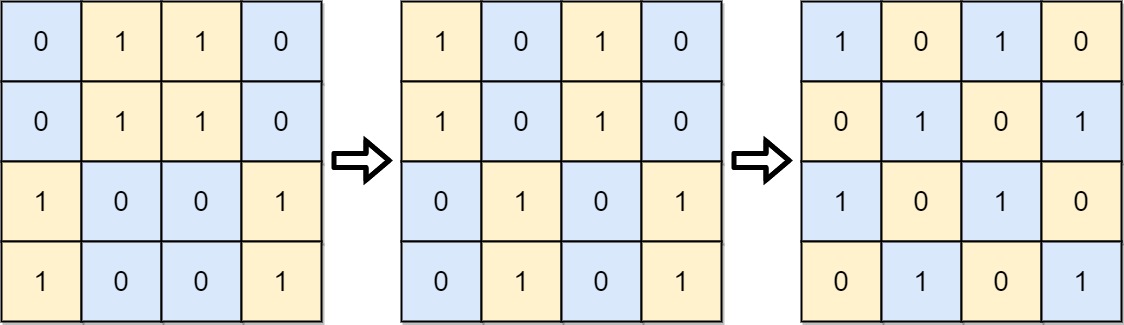

Given the roots of two binary search trees, \root1\ and \root2\, return \true\ if and only if there is a node in the first tree and a node in the second tree whose values sum up to a given integer \target\.\

### Examples ![Example 1](https://fastly.jsdelivr.net/gh/doocs/leetcode@main/solution/1200-1299/1214.Two%20Sum%20BSTs/images/ex1.png) ``` Input: root1 = [2,1,4], root2 = [1,0,3], target = 5 Output: true Explanation: 2 and 3 sum up to 5. ``` ![Example 2](https://fastly.jsdelivr.net/gh/doocs/leetcode@main/solution/1200-1299/1214.Two%20Sum%20BSTs/images/ex2.png) ``` Input: root1 = [0,-10,10], root2 = [5,1,7,0,2], target = 18 Output: false ``` ### Constraints * The number of nodes in each tree is in the range \[1, 5000]. * -10^9 \<= Node.val, target \<= 10^9. ## Solution Reference implementation from [solution.py on GitHub](https://github.com/wislertt/leetcode-py/blob/main/leetcode/two_sum_bsts/solution.py), full suite in [test\_solution.py](https://github.com/wislertt/leetcode-py/blob/main/leetcode/two_sum_bsts/test_solution.py): ```python theme={"theme":{"light":"github-light","dark":"github-dark"}} from leetcode_py import TreeNode class Solution: # Time: O(m + n) # Space: O(m + n) def two_sum_bsts( self, root1: TreeNode[int] | None, root2: TreeNode[int] | None, target: int ) -> bool: def inorder(root: TreeNode[int] | None, out: list[int]) -> None: if root is None: return inorder(root.left, out) out.append(root.val) inorder(root.right, out) nums1: list[int] = [] nums2: list[int] = [] inorder(root1, nums1) inorder(root2, nums2) i, j = 0, len(nums2) - 1 while i < len(nums1) and j >= 0: total = nums1[i] + nums2[j] if total == target: return True if total < target: i += 1 else: j -= 1 return False ``` ## Complexity | Time | Space | | -------- | -------- | | O(m + n) | O(m + n) | ## Tags [NeetCode All](/catalog/neetcode). # Two Sum II - Input Array Is Sorted Source: https://leetcode-py.wisl.dev/problems/two-sum-ii-input-array-is-sorted Tested Python solution for LeetCode 167 with 14 pytest cases. Generate a practice environment with lcpy. LeetCode 167, [Medium](/catalog/medium). Topics: [Array](/catalog/topics/array), [Two Pointers](/catalog/topics/two-pointers), [Binary Search](/catalog/topics/binary-search). [View on LeetCode](https://leetcode.com/problems/two-sum-ii-input-array-is-sorted/description/). Generate this problem as a practice environment: tested reference solution, 14 [parametrized pytest cases](/practice/testing), and a playground notebook: ```bash theme={"theme":{"light":"github-light","dark":"github-dark"}} lcpy gen -n 167 # by problem number lcpy gen -s two_sum_ii_input_array_is_sorted # by problem name ``` ## Problem Given a **1-indexed** array of integers `numbers` that is already ***sorted in non-decreasing order***, find two numbers such that they add up to a specific `target` number. Let these two numbers be `numbers[index1]` and `numbers[index2]` where `1 <= index1 < index2 <= numbers.length`. Return *the indices of the two numbers* `index1` *and* `index2`*, **each incremented by one,** as an integer array* `[index1, index2]` *of length 2.* The tests are generated such that there is **exactly one solution**. You **may not** use the same element twice. Your solution must use only constant extra space. ### Examples ``` Input: numbers = [2,7,11,15], target = 9 Output: [1,2] ``` **Explanation:** The sum of 2 and 7 is 9. Therefore index1 = 1, index2 = 2. We return \[1, 2]. ``` Input: numbers = [2,3,4], target = 6 Output: [1,3] ``` **Explanation:** The sum of 2 and 4 is 6. Therefore index1 = 1, index2 = 3. We return \[1, 3]. ``` Input: numbers = [-1,0], target = -1 Output: [1,2] ``` **Explanation:** The sum of -1 and 0 is -1. Therefore index1 = 1, index2 = 2. We return \[1, 2]. ### Constraints * 2 \<= numbers.length \<= 3 \* 10^4 * -1000 \<= numbers\[i] \<= 1000 * `numbers` is sorted in **non-decreasing order**. * -1000 \<= target \<= 1000 * The tests are generated such that there is **exactly one solution**. ## Solution Reference implementation from [solution.py on GitHub](https://github.com/wislertt/leetcode-py/blob/main/leetcode/two_sum_ii_input_array_is_sorted/solution.py), full suite in [test\_solution.py](https://github.com/wislertt/leetcode-py/blob/main/leetcode/two_sum_ii_input_array_is_sorted/test_solution.py): ```python theme={"theme":{"light":"github-light","dark":"github-dark"}} class Solution: # Time: O(n) # Space: O(1) def two_sum(self, numbers: list[int], target: int) -> list[int]: left, right = 0, len(numbers) - 1 while left < right: current = numbers[left] + numbers[right] if current == target: return [left + 1, right + 1] if current < target: left += 1 else: right -= 1 return [] ``` ## Complexity | Time | Space | | ---- | ----- | | O(n) | O(1) | ## Tags [NeetCode 150](/catalog/neetcode-150), [NeetCode 250](/catalog/neetcode-250), [NeetCode All](/catalog/neetcode). # Two Sum III - Data structure design Source: https://leetcode-py.wisl.dev/problems/two-sum-iii-data-structure-design Tested Python solution for LeetCode 170 with 17 pytest cases. Generate a practice environment with lcpy. LeetCode 170, [Easy](/catalog/easy). Topics: [Design](/catalog/topics/design), [Array](/catalog/topics/array), [Hash Table](/catalog/topics/hash-table), [Two Pointers](/catalog/topics/two-pointers), [Data Stream](/catalog/topics/data-stream). [View on LeetCode](https://leetcode.com/problems/two-sum-iii-data-structure-design/description/). Generate this problem as a practice environment: tested reference solution, 17 [parametrized pytest cases](/practice/testing), and a playground notebook: ```bash theme={"theme":{"light":"github-light","dark":"github-dark"}} lcpy gen -n 170 # by problem number lcpy gen -s two_sum_iii_data_structure_design # by problem name ``` ## Problem Design a data structure that accepts a stream of integers and checks if it has a pair of integers that sum up to a particular value. Implement the `TwoSum` class: * `TwoSum()` Initializes the `TwoSum` object, with an empty array initially. * `void add(int number)` Adds `number` to the data structure. * `boolean find(int value)` Returns `true` if there exists any pair of numbers whose sum is equal to `value`, otherwise, it returns `false`. ### Examples ``` Input ["TwoSum", "add", "add", "add", "find", "find"] [[], [1], [3], [5], [4], [7]] Output [null, null, null, null, true, false] Explanation TwoSum twoSum = new TwoSum(); twoSum.add(1); twoSum.add(3); twoSum.add(5); twoSum.find(4); // 1 + 3 = 4, return true twoSum.find(7); // No two integers sum up to 7, return false ``` ### Constraints * `-10^5 <= number <= 10^5` * `-2^31 <= value <= 2^31 - 1` * At most `10^4` calls will be made to `add` and `find`. ## Solution Reference implementation from [solution.py on GitHub](https://github.com/wislertt/leetcode-py/blob/main/leetcode/two_sum_iii_data_structure_design/solution.py), full suite in [test\_solution.py](https://github.com/wislertt/leetcode-py/blob/main/leetcode/two_sum_iii_data_structure_design/test_solution.py): ```python theme={"theme":{"light":"github-light","dark":"github-dark"}} from collections import defaultdict class TwoSum: def __init__(self) -> None: self.cnt: defaultdict[int, int] = defaultdict(int) def add(self, number: int) -> None: self.cnt[number] += 1 def find(self, value: int) -> bool: for x, v in self.cnt.items(): y = value - x if y in self.cnt and (x != y or v > 1): return True return False ``` ## Complexity | Time | Space | | ---- | ----- | | - | - | ## Tags # Two Sum IV - Input is a BST Python Solution Source: https://leetcode-py.wisl.dev/problems/two-sum-iv-input-is-a-bst Tested Python solution for LeetCode 653 with 28 pytest cases. Generate a practice environment with lcpy. LeetCode 653, [Easy](/catalog/easy). Topics: [Hash Table](/catalog/topics/hash-table), [Two Pointers](/catalog/topics/two-pointers), [Tree](/catalog/topics/tree), [Depth-First Search](/catalog/topics/depth-first-search), [Breadth-First Search](/catalog/topics/breadth-first-search), [Binary Search Tree](/catalog/topics/binary-search-tree), [Binary Tree](/catalog/topics/binary-tree). [View on LeetCode](https://leetcode.com/problems/two-sum-iv-input-is-a-bst/description/). Generate this problem as a practice environment: tested reference solution, 28 [parametrized pytest cases](/practice/testing), and a playground notebook: ```bash theme={"theme":{"light":"github-light","dark":"github-dark"}} lcpy gen -n 653 # by problem number lcpy gen -s two_sum_iv_input_is_a_bst # by problem name ``` ## Problem \

Given the \root\ of a binary search tree and an integer \k\, return \true\ \if there exist two elements in the BST such that their sum is equal to\ \k\, \or\ \false\ \otherwise\.\

### Examples ![Example 1](https://assets.leetcode.com/uploads/2020/09/21/sum_tree_1.jpg) ``` Input: root = [5,3,6,2,4,null,7], k = 9 Output: true ``` ![Example 2](https://assets.leetcode.com/uploads/2020/09/21/sum_tree_2.jpg) ``` Input: root = [5,3,6,2,4,null,7], k = 28 Output: false ``` ### Constraints \
    \
  • The number of nodes in the tree is in the range \\[1, 10^4]\.\
  • \
  • \-10^4 \<= Node.val \<= 10^4\\
  • \
  • \root\ is guaranteed to be a \valid\ binary search tree.\
  • \
  • \-10^5 \<= k \<= 10^5\\
  • \
## Solution Reference implementation from [solution.py on GitHub](https://github.com/wislertt/leetcode-py/blob/main/leetcode/two_sum_iv_input_is_a_bst/solution.py), full suite in [test\_solution.py](https://github.com/wislertt/leetcode-py/blob/main/leetcode/two_sum_iv_input_is_a_bst/test_solution.py): ```python theme={"theme":{"light":"github-light","dark":"github-dark"}} from leetcode_py import TreeNode class Solution: # Time: O(n) # Space: O(n) def find_target(self, root: TreeNode[int] | None, k: int) -> bool: seen: set[int] = set() def dfs(node: TreeNode[int] | None) -> bool: if node is None: return False if k - node.val in seen: return True seen.add(node.val) return dfs(node.left) or dfs(node.right) return dfs(root) ``` ## Complexity | Time | Space | | ---- | ----- | | O(n) | O(n) | ## Tags # Two Sum Less Than K Python Solution with Tests Source: https://leetcode-py.wisl.dev/problems/two-sum-less-than-k Tested Python solution for LeetCode 1099 with 12 pytest cases. Generate a practice environment with lcpy. LeetCode 1099, [Easy](/catalog/easy). Topics: [Array](/catalog/topics/array), [Two Pointers](/catalog/topics/two-pointers), [Binary Search](/catalog/topics/binary-search), [Sorting](/catalog/topics/sorting). [View on LeetCode](https://leetcode.com/problems/two-sum-less-than-k/description/). Generate this problem as a practice environment: tested reference solution, 12 [parametrized pytest cases](/practice/testing), and a playground notebook: ```bash theme={"theme":{"light":"github-light","dark":"github-dark"}} lcpy gen -n 1099 # by problem number lcpy gen -s two_sum_less_than_k # by problem name ``` ## Problem Given an array `nums` of integers and integer `k`, return the maximum sum such that there exists `i < j` with `nums[i] + nums[j] = sum` and `sum < k`. If no `i`, `j` exist satisfying this equation, return `-1`. ### Examples ``` Input: nums = [34,23,1,24,75,33,54,8], k = 60 Output: 58 Explanation: We can use 34 and 24 to sum 58 which is less than 60. ``` ``` Input: nums = [10,20,30], k = 15 Output: -1 Explanation: In this case it is not possible to get a pair sum less that 15. ``` ### Constraints * 1 \<= nums.length \<= 100 * 1 \<= nums\[i] \<= 1000 * 1 \<= k \<= 2000 ## Solution Reference implementation from [solution.py on GitHub](https://github.com/wislertt/leetcode-py/blob/main/leetcode/two_sum_less_than_k/solution.py), full suite in [test\_solution.py](https://github.com/wislertt/leetcode-py/blob/main/leetcode/two_sum_less_than_k/test_solution.py): ```python theme={"theme":{"light":"github-light","dark":"github-dark"}} from bisect import bisect_left class Solution: # Time: O(n log n) # Space: O(1) def two_sum_less_than_k(self, nums: list[int], k: int) -> int: nums.sort() ans = -1 for i, x in enumerate(nums): j = bisect_left(nums, k - x, lo=i + 1) - 1 if i < j: ans = max(ans, x + nums[j]) return ans ``` ## Complexity | Time | Space | | ---------- | ----- | | O(n log n) | O(1) | ## Tags [NeetCode All](/catalog/neetcode). # Ugly Number Python Solution with Tests Source: https://leetcode-py.wisl.dev/problems/ugly-number Tested Python solution for LeetCode 263 with 20 pytest cases. Generate a practice environment with lcpy. LeetCode 263, [Easy](/catalog/easy). Topics: [Math](/catalog/topics/math). [View on LeetCode](https://leetcode.com/problems/ugly-number/description/). Generate this problem as a practice environment: tested reference solution, 20 [parametrized pytest cases](/practice/testing), and a playground notebook: ```bash theme={"theme":{"light":"github-light","dark":"github-dark"}} lcpy gen -n 263 # by problem number lcpy gen -s ugly_number # by problem name ``` ## Problem An ugly number is a positive integer which does not have a prime factor other than 2, 3, and 5. Given an integer `n`, return `true` if `n` is an ugly number. ### Examples ``` Input: n = 6 Output: true Explanation: 6 = 2 × 3 ``` ``` Input: n = 1 Output: true Explanation: 1 has no prime factors. ``` ``` Input: n = 14 Output: false Explanation: 14 is not ugly since it includes the prime factor 7. ``` ### Constraints * -2^31 \<= n \<= 2^31 - 1 ## Solution Reference implementation from [solution.py on GitHub](https://github.com/wislertt/leetcode-py/blob/main/leetcode/ugly_number/solution.py), full suite in [test\_solution.py](https://github.com/wislertt/leetcode-py/blob/main/leetcode/ugly_number/test_solution.py): ```python theme={"theme":{"light":"github-light","dark":"github-dark"}} class Solution: # Time: O(log n) # Space: O(1) def is_ugly(self, n: int) -> bool: if n <= 0: return False for p in (2, 3, 5): while n % p == 0: n //= p return n == 1 ``` ## Complexity | Time | Space | | -------- | ----- | | O(log n) | O(1) | ## Tags [NeetCode All](/catalog/neetcode). # Ugly Number II Python Solution with Tests Source: https://leetcode-py.wisl.dev/problems/ugly-number-ii Tested Python solution for LeetCode 264 with 20 pytest cases. Generate a practice environment with lcpy. LeetCode 264, [Medium](/catalog/medium). Topics: [Hash Table](/catalog/topics/hash-table), [Math](/catalog/topics/math), [Dynamic Programming](/catalog/topics/dynamic-programming), [Heap (Priority Queue)](/catalog/topics/heap-priority-queue). [View on LeetCode](https://leetcode.com/problems/ugly-number-ii/description/). Generate this problem as a practice environment: tested reference solution, 20 [parametrized pytest cases](/practice/testing), and a playground notebook: ```bash theme={"theme":{"light":"github-light","dark":"github-dark"}} lcpy gen -n 264 # by problem number lcpy gen -s ugly_number_ii # by problem name ``` ## Problem An **ugly number** is a positive integer whose prime factors are limited to `2`, `3`, and `5`. Given an integer `n`, return *the* `nth` \* **ugly number**\*. ### Examples ``` Input: n = 10 Output: 12 Explanation: [1, 2, 3, 4, 5, 6, 8, 9, 10, 12] is the sequence of the first 10 ugly numbers. ``` ``` Input: n = 1 Output: 1 Explanation: 1 has no prime factors, therefore all of its prime factors are limited to 2, 3, and 5. ``` ### Constraints * 1 \<= n \<= 1690 ## Solution Reference implementation from [solution.py on GitHub](https://github.com/wislertt/leetcode-py/blob/main/leetcode/ugly_number_ii/solution.py), full suite in [test\_solution.py](https://github.com/wislertt/leetcode-py/blob/main/leetcode/ugly_number_ii/test_solution.py): ```python theme={"theme":{"light":"github-light","dark":"github-dark"}} class Solution: # Time: O(n) # Space: O(n) def nth_ugly_number(self, n: int) -> int: ugly = [0] * n ugly[0] = 1 i2 = i3 = i5 = 0 for i in range(1, n): next2, next3, next5 = ugly[i2] * 2, ugly[i3] * 3, ugly[i5] * 5 nxt = min(next2, next3, next5) ugly[i] = nxt if nxt == next2: i2 += 1 if nxt == next3: i3 += 1 if nxt == next5: i5 += 1 return ugly[n - 1] ``` ## Complexity | Time | Space | | ---- | ----- | | O(n) | O(n) | ## Tags [NeetCode All](/catalog/neetcode). # Uncommon Words from Two Sentences Source: https://leetcode-py.wisl.dev/problems/uncommon-words-from-two-sentences Tested Python solution for LeetCode 884 with 14 pytest cases. Generate a practice environment with lcpy. LeetCode 884, [Easy](/catalog/easy). Topics: [Hash Table](/catalog/topics/hash-table), [String](/catalog/topics/string), [Counting](/catalog/topics/counting). [View on LeetCode](https://leetcode.com/problems/uncommon-words-from-two-sentences/description/). Generate this problem as a practice environment: tested reference solution, 14 [parametrized pytest cases](/practice/testing), and a playground notebook: ```bash theme={"theme":{"light":"github-light","dark":"github-dark"}} lcpy gen -n 884 # by problem number lcpy gen -s uncommon_words_from_two_sentences # by problem name ``` ## Problem A \sentence\ is a string of single-space separated words where each word consists only of lowercase English letters.\

\

A word is \uncommon\ if it appears exactly once in one of the sentences, and \does not appear\ in the other sentence.\

\

Given two sentences \s1\ and \s2\, return \a list of all the \uncommon words\\. You may return the answer in any order. ### Examples ``` Input: s1 = "this apple is sweet", s2 = "this apple is sour" Output: ["sweet","sour"] ``` ``` Input: s1 = "apple apple", s2 = "banana" Output: ["banana"] ``` ### Constraints * 1 \<= s1.length, s2.length \<= 200 * s1 and s2 consist of lowercase English letters and spaces. * s1 and s2 do not have leading or trailing spaces. * All the words in s1 and s2 are separated by a single space. ## Solution Reference implementation from [solution.py on GitHub](https://github.com/wislertt/leetcode-py/blob/main/leetcode/uncommon_words_from_two_sentences/solution.py), full suite in [test\_solution.py](https://github.com/wislertt/leetcode-py/blob/main/leetcode/uncommon_words_from_two_sentences/test_solution.py): ```python theme={"theme":{"light":"github-light","dark":"github-dark"}} from collections import Counter class Solution: # Time: O(m + n) # Space: O(m + n) def uncommon_from_sentences(self, s1: str, s2: str) -> list[str]: counts = Counter((s1 + " " + s2).split()) return [word for word, count in counts.items() if count == 1] ``` ## Complexity | Time | Space | | -------- | -------- | | O(m + n) | O(m + n) | ## Tags [NeetCode All](/catalog/neetcode). # Uncrossed Lines Python Solution with Tests Source: https://leetcode-py.wisl.dev/problems/uncrossed-lines Tested Python solution for LeetCode 1035 with 12 pytest cases. Generate a practice environment with lcpy. LeetCode 1035, [Medium](/catalog/medium). Topics: [Array](/catalog/topics/array), [Dynamic Programming](/catalog/topics/dynamic-programming). [View on LeetCode](https://leetcode.com/problems/uncrossed-lines/description/). Generate this problem as a practice environment: tested reference solution, 12 [parametrized pytest cases](/practice/testing), and a playground notebook: ```bash theme={"theme":{"light":"github-light","dark":"github-dark"}} lcpy gen -n 1035 # by problem number lcpy gen -s uncrossed_lines # by problem name ``` ## Problem You are given two integer arrays `nums1` and `nums2`. We write the integers of `nums1` and `nums2` (in the order they are given) on two separate horizontal lines. We may draw connecting lines: a straight line connecting two numbers `nums1[i]` and `nums2[j]` such that: * `nums1[i] == nums2[j]`, and * the line we draw does not intersect any other connecting (non-horizontal) line. Note that a connecting line cannot intersect even at the endpoints (i.e., each number can only belong to one connecting line). Return *the maximum number of connecting lines we can draw in this way*. ### Examples ![Example 1](https://assets.leetcode.com/uploads/2019/04/26/142.png) ``` Input: nums1 = [1,4,2], nums2 = [1,2,4] Output: 2 Explanation: We can draw 2 uncrossed lines as in the diagram. We cannot draw 3 uncrossed lines, because the line from nums1[1] = 4 to nums2[2] = 4 will intersect the line from nums1[2]=2 to nums2[1]=2. ``` ``` Input: nums1 = [2,5,1,2,5], nums2 = [10,5,2,1,5,2] Output: 3 ``` ``` Input: nums1 = [1,3,7,1,7,5], nums2 = [1,9,2,5,1] Output: 2 ``` ### Constraints * `1 <= nums1.length, nums2.length <= 500` * `1 <= nums1[i], nums2[j] <= 2000` ## Solution Reference implementation from [solution.py on GitHub](https://github.com/wislertt/leetcode-py/blob/main/leetcode/uncrossed_lines/solution.py), full suite in [test\_solution.py](https://github.com/wislertt/leetcode-py/blob/main/leetcode/uncrossed_lines/test_solution.py): ```python theme={"theme":{"light":"github-light","dark":"github-dark"}} class Solution: # Time: O(m * n) # Space: O(min(m, n)) def max_uncrossed_lines(self, nums1: list[int], nums2: list[int]) -> int: if len(nums2) < len(nums1): nums1, nums2 = nums2, nums1 prev = [0] * (len(nums2) + 1) for a in nums1: curr = [0] * (len(nums2) + 1) for j, b in enumerate(nums2): if a == b: curr[j + 1] = prev[j] + 1 else: curr[j + 1] = max(prev[j + 1], curr[j]) prev = curr return prev[-1] ``` ## Complexity | Time | Space | | --------- | ------------ | | O(m \* n) | O(min(m, n)) | ## Tags [NeetCode All](/catalog/neetcode). # Unique Binary Search Trees Python Solution Source: https://leetcode-py.wisl.dev/problems/unique-binary-search-trees Tested Python solution for LeetCode 96 with 19 pytest cases. Generate a practice environment with lcpy. LeetCode 96, [Medium](/catalog/medium). Topics: [Math](/catalog/topics/math), [Dynamic Programming](/catalog/topics/dynamic-programming), [Tree](/catalog/topics/tree), [Binary Search Tree](/catalog/topics/binary-search-tree), [Binary Tree](/catalog/topics/binary-tree). [View on LeetCode](https://leetcode.com/problems/unique-binary-search-trees/description/). Generate this problem as a practice environment: tested reference solution, 19 [parametrized pytest cases](/practice/testing), and a playground notebook: ```bash theme={"theme":{"light":"github-light","dark":"github-dark"}} lcpy gen -n 96 # by problem number lcpy gen -s unique_binary_search_trees # by problem name ``` ## Problem Given an integer `n`, return *the number of structurally unique **BST's** (binary search trees) which has exactly `n` nodes of unique values from `1` to `n`*. ### Examples ![Example 1](https://assets.leetcode.com/uploads/2021/01/18/uniquebstn3.jpg) ``` Input: n = 3 Output: 5 ``` ``` Input: n = 1 Output: 1 ``` ### Constraints * `1 <= n <= 19` ## Solution Reference implementation from [solution.py on GitHub](https://github.com/wislertt/leetcode-py/blob/main/leetcode/unique_binary_search_trees/solution.py), full suite in [test\_solution.py](https://github.com/wislertt/leetcode-py/blob/main/leetcode/unique_binary_search_trees/test_solution.py): ```python theme={"theme":{"light":"github-light","dark":"github-dark"}} class Solution: # Time: O(n^2) # Space: O(n) def num_trees(self, n: int) -> int: dp = [0] * (n + 1) dp[0] = 1 for nodes in range(1, n + 1): for left in range(nodes): dp[nodes] += dp[left] * dp[nodes - 1 - left] return dp[n] ``` ## Complexity | Time | Space | | ------ | ----- | | O(n^2) | O(n) | ## Tags [NeetCode All](/catalog/neetcode). # Unique Binary Search Trees II Python Solution Source: https://leetcode-py.wisl.dev/problems/unique-binary-search-trees-ii Tested Python solution for LeetCode 95 with 24 pytest cases. Generate a practice environment with lcpy. LeetCode 95, [Medium](/catalog/medium). Topics: [Dynamic Programming](/catalog/topics/dynamic-programming), [Backtracking](/catalog/topics/backtracking), [Tree](/catalog/topics/tree), [Binary Search Tree](/catalog/topics/binary-search-tree), [Binary Tree](/catalog/topics/binary-tree). [View on LeetCode](https://leetcode.com/problems/unique-binary-search-trees-ii/description/). Generate this problem as a practice environment: tested reference solution, 24 [parametrized pytest cases](/practice/testing), and a playground notebook: ```bash theme={"theme":{"light":"github-light","dark":"github-dark"}} lcpy gen -n 95 # by problem number lcpy gen -s unique_binary_search_trees_ii # by problem name ``` ## Problem Given an integer `n`, return *all the structurally unique **BST's** (binary search trees), which has exactly `n` nodes of unique values from `1` to `n`*. Return the answer in **any order**. ### Examples ![Example 1](https://assets.leetcode.com/uploads/2021/01/18/uniquebstn3.jpg) ``` Input: n = 3 Output: [[1,null,2,null,3],[1,null,3,2],[2,1,3],[3,1,null,null,2],[3,2,null,1]] ``` ``` Input: n = 1 Output: [[1]] ``` ### Constraints * `1 <= n <= 8` ## Solution Reference implementation from [solution.py on GitHub](https://github.com/wislertt/leetcode-py/blob/main/leetcode/unique_binary_search_trees_ii/solution.py), full suite in [test\_solution.py](https://github.com/wislertt/leetcode-py/blob/main/leetcode/unique_binary_search_trees_ii/test_solution.py): ```python theme={"theme":{"light":"github-light","dark":"github-dark"}} from leetcode_py import TreeNode class Solution: # Time: O(4^n / sqrt(n) * n) # Space: O(4^n / sqrt(n) * n) def generate_trees(self, n: int) -> list[TreeNode[int] | None]: def build(start: int, end: int) -> list[TreeNode[int] | None]: if start > end: return [None] trees: list[TreeNode[int] | None] = [] for root_val in range(start, end + 1): for left in build(start, root_val - 1): for right in build(root_val + 1, end): root = TreeNode[int](root_val) root.left = left root.right = right trees.append(root) return trees return build(1, n) ``` ## Complexity | Time | Space | | --------------------- | --------------------- | | O(4^n / sqrt(n) \* n) | O(4^n / sqrt(n) \* n) | ## Tags [NeetCode All](/catalog/neetcode). # Unique Email Addresses Python Solution Source: https://leetcode-py.wisl.dev/problems/unique-email-addresses Tested Python solution for LeetCode 929 with 14 pytest cases. Generate a practice environment with lcpy. LeetCode 929, [Easy](/catalog/easy). Topics: [Array](/catalog/topics/array), [Hash Table](/catalog/topics/hash-table), [String](/catalog/topics/string). [View on LeetCode](https://leetcode.com/problems/unique-email-addresses/description/). Generate this problem as a practice environment: tested reference solution, 14 [parametrized pytest cases](/practice/testing), and a playground notebook: ```bash theme={"theme":{"light":"github-light","dark":"github-dark"}} lcpy gen -n 929 # by problem number lcpy gen -s unique_email_addresses # by problem name ``` ## Problem \
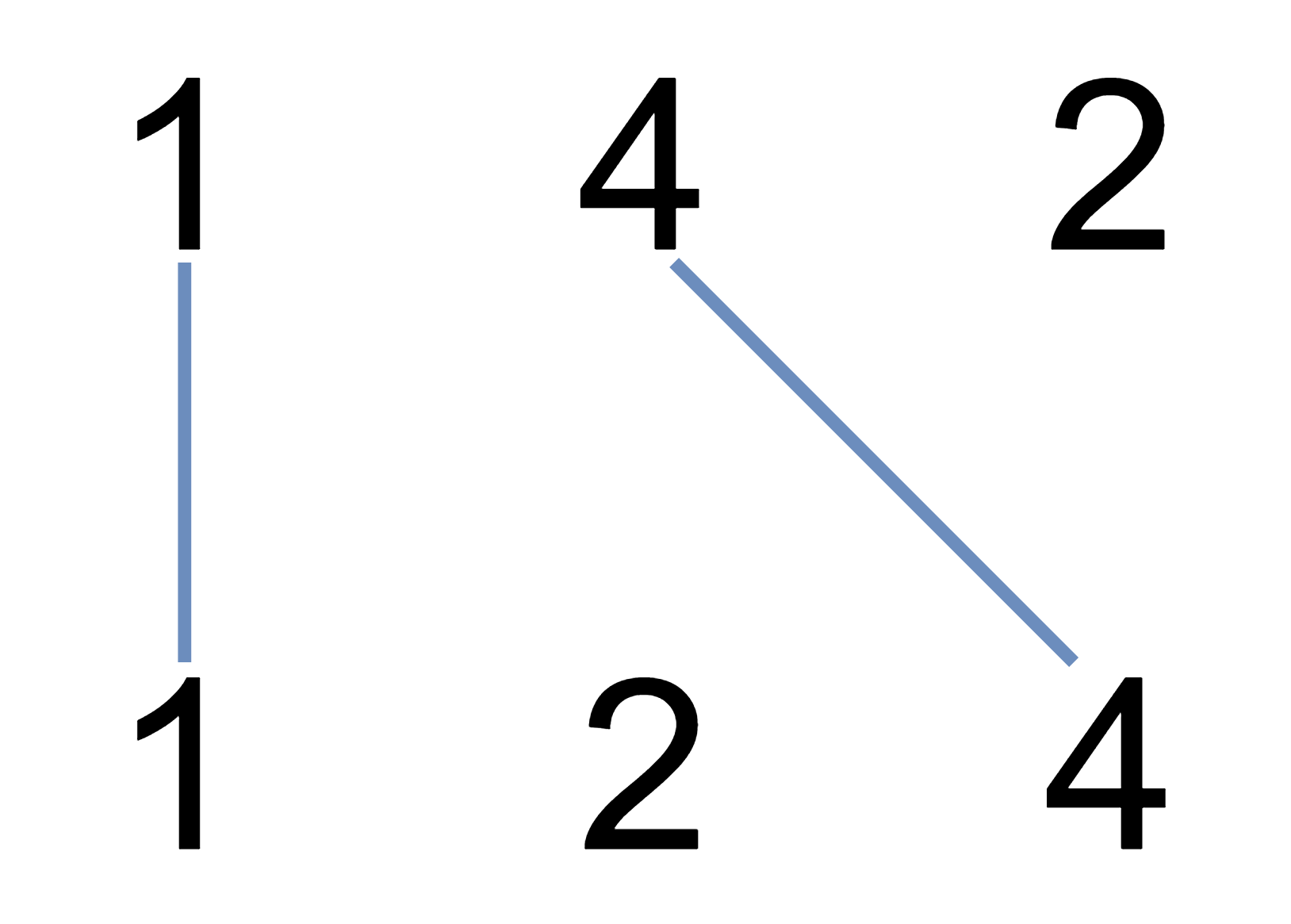
Every valid email consists of a local name and a domain name, separated by the \'@'\ sign. Besides lowercase letters, the email may contain one or more \'.'\ or \'+'\.\

\
    \
  • For example, in \"[alice@leetcode.com](mailto:alice@leetcode.com)"\, \"alice"\ is the \local name\, and \"leetcode.com"\ is the \domain name\.\
  • \
\

If you add periods \'.'\ between some characters in the \local name\ part of an email address, mail sent there will be forwarded to the same address without dots in the local name. Note that this rule \does not apply\ to domain names.\

\
    \
  • For example, \"[alice.z@leetcode.com](mailto:alice.z@leetcode.com)"\ and \"[alicez@leetcode.com](mailto:alicez@leetcode.com)"\ forward to the same email address.\
  • \
\

If you add a plus \'+'\ in the \local name\, everything after the first plus sign will be \ignored\. This allows certain emails to be filtered. Note that this rule \does not apply\ to domain names.\

\
    \
  • For example, \"[m.y+name@email.com](mailto:m.y+name@email.com)"\ will be forwarded to \"[my@email.com](mailto:my@email.com)"\.\
  • \
\

It is possible to use both of these rules at the same time.\

\

Given an array of strings \emails\ where we send one email to each \emails\[i]\, return \the number of different addresses that actually receive mails\.\

### Examples ``` Input: emails = ["test.email+alex@leetcode.com","test.e.mail+bob.cathy@leetcode.com","testemail+david@lee.tcode.com"] Output: 2 Explanation: "testemail@leetcode.com" and "testemail@lee.tcode.com" actually receive mails. ``` ``` Input: emails = ["a@leetcode.com","b@leetcode.com","c@leetcode.com"] Output: 3 Explanation: All three addresses actually receive mails. ``` ### Constraints * 1 \<= emails.length \<= 100 * 1 \<= emails\[i].length \<= 100 * emails\[i] consist of lowercase English letters, '+', '.' and '@'. * Each emails\[i] contains exactly one '@' character. * All local and domain names are non-empty. * Local names do not start with a '+' character. * Domain names end with the ".com" suffix. * Domain names must contain at least one character before ".com" suffix. ## Solution Reference implementation from [solution.py on GitHub](https://github.com/wislertt/leetcode-py/blob/main/leetcode/unique_email_addresses/solution.py), full suite in [test\_solution.py](https://github.com/wislertt/leetcode-py/blob/main/leetcode/unique_email_addresses/test_solution.py): ```python theme={"theme":{"light":"github-light","dark":"github-dark"}} class Solution: # Time: O(n * m) where n = len(emails), m = avg email length # Space: O(n * m) def num_unique_emails(self, emails: list[str]) -> int: seen: set[str] = set() for email in emails: local, domain = email.split("@") local = local.split("+")[0].replace(".", "") seen.add(f"{local}@{domain}") return len(seen) ``` ## Complexity | Time | Space | | ----------------------------------------------------- | --------- | | O(n \* m) where n = len(emails), m = avg email length | O(n \* m) | ## Tags [NeetCode All](/catalog/neetcode). # Unique Length-3 Palindromic Subsequences Source: https://leetcode-py.wisl.dev/problems/unique-length-3-palindromic-subsequences Tested Python solution for LeetCode 1930 with 40 pytest cases. Generate a practice environment with lcpy. LeetCode 1930, [Medium](/catalog/medium). Topics: [Hash Table](/catalog/topics/hash-table), [String](/catalog/topics/string), [Bit Manipulation](/catalog/topics/bit-manipulation), [Prefix Sum](/catalog/topics/prefix-sum). [View on LeetCode](https://leetcode.com/problems/unique-length-3-palindromic-subsequences/description/). Generate this problem as a practice environment: tested reference solution, 40 [parametrized pytest cases](/practice/testing), and a playground notebook: ```bash theme={"theme":{"light":"github-light","dark":"github-dark"}} lcpy gen -n 1930 # by problem number lcpy gen -s unique_length_3_palindromic_subsequences # by problem name ``` ## Problem Given a string s, return the number of unique palindromes of length three that are a subsequence of s. Note that even if there are multiple ways to obtain the same subsequence, it is still only counted once. A palindrome is a string that reads the same forwards and backwards. A subsequence of a string is a new string generated from the original string with some characters (can be none) deleted without changing the relative order of the remaining characters. * For example, `"ace"` is a subsequence of `"abcde"`. ### Examples ``` Input: s = "aabca" Output: 3 Explanation: The 3 palindromic subsequences of length 3 are: - "aba" (subsequence of "aabca") - "aaa" (subsequence of "aabca") - "aca" (subsequence of "aabca") ``` ``` Input: s = "adc" Output: 0 Explanation: There are no palindromic subsequences of length 3 in "adc". ``` ``` Input: s = "bbcbaba" Output: 4 Explanation: The 4 palindromic subsequences of length 3 are: - "bbb" (subsequence of "bbcbaba") - "bcb" (subsequence of "bbcbaba") - "bab" (subsequence of "bbcbaba") - "aba" (subsequence of "bbcbaba") ``` ### Constraints * 3 \<= s.length \<= 10^5 * s consists of only lowercase English letters. ## Solution Reference implementation from [solution.py on GitHub](https://github.com/wislertt/leetcode-py/blob/main/leetcode/unique_length_3_palindromic_subsequences/solution.py), full suite in [test\_solution.py](https://github.com/wislertt/leetcode-py/blob/main/leetcode/unique_length_3_palindromic_subsequences/test_solution.py): ```python theme={"theme":{"light":"github-light","dark":"github-dark"}} class Solution: # Time: O(26 * n) # Space: O(1) def count_palindromic_subsequence(self, s: str) -> int: total = 0 for outer in set(s): left = s.index(outer) right = s.rindex(outer) if left == right: continue total += len(set(s[left + 1 : right])) return total ``` ## Complexity | Time | Space | | ---------- | ----- | | O(26 \* n) | O(1) | ## Tags [NeetCode All](/catalog/neetcode). # Unique Morse Code Words Python Solution Source: https://leetcode-py.wisl.dev/problems/unique-morse-code-words Tested Python solution for LeetCode 804 with 24 pytest cases. Generate a practice environment with lcpy. LeetCode 804, [Easy](/catalog/easy). Topics: [Array](/catalog/topics/array), [Hash Table](/catalog/topics/hash-table), [String](/catalog/topics/string). [View on LeetCode](https://leetcode.com/problems/unique-morse-code-words/description/). Generate this problem as a practice environment: tested reference solution, 24 [parametrized pytest cases](/practice/testing), and a playground notebook: ```bash theme={"theme":{"light":"github-light","dark":"github-dark"}} lcpy gen -n 804 # by problem number lcpy gen -s unique_morse_code_words # by problem name ``` ## Problem International Morse Code defines a standard encoding where each letter is mapped to a series of dots and dashes, as follows: * `'a'` maps to `".-"`, * `'b'` maps to `"-..."`, * `'c'` maps to `"-.-."`, and so on. For convenience, the full table for the 26 letters of the English alphabet is given below: ``` [".-","-...","-.-.","-..",".","..-.","--.","....","..",".---","-.-",".-..","--","-.","---",".--.","--.-",".-.","...","-","..-","...-",".--","-..-","-.--","--.."] ``` Given an array of strings `words` where each word can be written as a concatenation of the Morse code of each letter. * For example, `"cab"` can be written as `"-.-..--..."`, which is the concatenation of `"-.-."`, `".-"`, and `"-..."`. We will call such a concatenation the **transformation** of a word. Return *the number of different transformations among all words we have*. ### Examples ``` Input: words = ["gin","zen","gig","msg"] Output: 2 Explanation: The transformation of each word is: "gin" -> "--...-." "zen" -> "--...-." "gig" -> "--...--." "msg" -> "--...--." There are 2 different transformations: "--...-." and "--...--.". ``` ``` Input: words = ["a"] Output: 1 ``` ### Constraints * 1 \<= words.length \<= 100 * 1 \<= words\[i].length \<= 12 * words\[i] consists of lowercase English letters. ## Solution Reference implementation from [solution.py on GitHub](https://github.com/wislertt/leetcode-py/blob/main/leetcode/unique_morse_code_words/solution.py), full suite in [test\_solution.py](https://github.com/wislertt/leetcode-py/blob/main/leetcode/unique_morse_code_words/test_solution.py): ```python theme={"theme":{"light":"github-light","dark":"github-dark"}} from typing import ClassVar class Solution: morse: ClassVar[list[str]] = [ ".-", "-...", "-.-.", "-..", ".", "..-.", "--.", "....", "..", ".---", "-.-", ".-..", "--", "-.", "---", ".--.", "--.-", ".-.", "...", "-", "..-", "...-", ".--", "-..-", "-.--", "--..", ] # Time: O(S) where S is the total number of characters in all words # Space: O(S) for the set of transformations def unique_morse_representations(self, words: list[str]) -> int: def transform(word: str) -> str: return "".join(self.morse[ord(c) - ord("a")] for c in word) return len({transform(w) for w in words}) ``` ## Complexity | Time | Space | | ----------------------------------------------------------- | ----------------------------------- | | O(S) where S is the total number of characters in all words | O(S) for the set of transformations | ## Tags # Unique Paths Python Solution with Tests Source: https://leetcode-py.wisl.dev/problems/unique-paths Tested Python solution for LeetCode 62 with 15 pytest cases. Generate a practice environment with lcpy. LeetCode 62, [Medium](/catalog/medium). Topics: [Math](/catalog/topics/math), [Dynamic Programming](/catalog/topics/dynamic-programming), Combinatorics. [View on LeetCode](https://leetcode.com/problems/unique-paths/description/). Generate this problem as a practice environment: tested reference solution, 15 [parametrized pytest cases](/practice/testing), and a playground notebook: ```bash theme={"theme":{"light":"github-light","dark":"github-dark"}} lcpy gen -n 62 # by problem number lcpy gen -s unique_paths # by problem name ``` ## Problem There is a robot on an `m x n` grid. The robot is initially located at the **top-left corner** (i.e., `grid[0][0]`). The robot tries to move to the **bottom-right corner** (i.e., `grid[m - 1][n - 1]`). The robot can only move either down or right at any point in time. Given the two integers `m` and `n`, return *the number of possible unique paths that the robot can take to reach the bottom-right corner*. The test cases are generated so that the answer will be less than or equal to `2 * 10^9`. ### Examples ![Example 1](https://assets.leetcode.com/uploads/2018/10/22/robot_maze.png) ``` Input: m = 3, n = 7 Output: 28 ``` ``` Input: m = 3, n = 2 Output: 3 ``` **Explanation:** From the top-left corner, there are a total of 3 ways to reach the bottom-right corner: 1. Right -> Down -> Down 2. Down -> Down -> Right 3. Down -> Right -> Down ### Constraints * 1 \<= m, n \<= 100 ## Solution Reference implementation from [solution.py on GitHub](https://github.com/wislertt/leetcode-py/blob/main/leetcode/unique_paths/solution.py), full suite in [test\_solution.py](https://github.com/wislertt/leetcode-py/blob/main/leetcode/unique_paths/test_solution.py): ```python theme={"theme":{"light":"github-light","dark":"github-dark"}} class Solution: # Dynamic Programming # Time: O(m * n) # Space: O(min(m, n)) def unique_paths(self, m: int, n: int) -> int: if m > n: m, n = n, m dp = [1] * m for _ in range(1, n): for j in range(1, m): dp[j] += dp[j - 1] return dp[m - 1] class SolutionMath: # Math solution: C(m+n-2, m-1) = (m+n-2)! / ((m-1)! * (n-1)!) # Time: O(min(m, n)) # Space: O(1) def unique_paths(self, m: int, n: int) -> int: # Total moves: (m-1) right + (n-1) down = m+n-2 # Choose (m-1) positions for right moves out of (m+n-2) total if m > n: m, n = n, m # Optimize for smaller factorial result = 1 for i in range(m - 1): result = result * (n + i) // (i + 1) return result ``` ## Complexity | Time | Space | | --------- | ------------ | | O(m \* n) | O(min(m, n)) | ## Tags [Grind 75](/catalog/grind-75), [Grind](/catalog/grind), [Blind 75](/catalog/blind-75), [NeetCode 150](/catalog/neetcode-150), [NeetCode 250](/catalog/neetcode-250), [NeetCode All](/catalog/neetcode). # Unique Paths II Python Solution with Tests Source: https://leetcode-py.wisl.dev/problems/unique-paths-ii Tested Python solution for LeetCode 63 with 12 pytest cases. Generate a practice environment with lcpy. LeetCode 63, [Medium](/catalog/medium). Topics: [Array](/catalog/topics/array), [Dynamic Programming](/catalog/topics/dynamic-programming), [Matrix](/catalog/topics/matrix). [View on LeetCode](https://leetcode.com/problems/unique-paths-ii/description/). Generate this problem as a practice environment: tested reference solution, 12 [parametrized pytest cases](/practice/testing), and a playground notebook: ```bash theme={"theme":{"light":"github-light","dark":"github-dark"}} lcpy gen -n 63 # by problem number lcpy gen -s unique_paths_ii # by problem name ``` ## Problem You are given an `m x n` integer array `grid`. There is a robot initially located at the **top-left corner** (i.e., `grid[0][0]`). The robot tries to move to the **bottom-right corner** (i.e., `grid[m - 1][n - 1]`). The robot can only move either down or right at any point in time. An obstacle and space are marked as `1` or `0` respectively in `grid`. A path that the robot takes cannot include any square that is an obstacle. Return *the number of possible unique paths that the robot can take to reach the bottom-right corner*. ### Examples ``` Input: obstacleGrid = [[0,0,0],[0,1,0],[0,0,0]] Output: 2 Explanation: There is one obstacle in the middle of the 3x3 grid above. There are two ways to reach the bottom-right corner: 1. Right -> Right -> Down -> Down 2. Down -> Down -> Right -> Right ``` ``` Input: obstacleGrid = [[0,1],[0,0]] Output: 1 ``` ### Constraints * `m == obstacleGrid.length` * `n == obstacleGrid[i].length` * `1 <= m, n <= 100` * `obstacleGrid[i][j] is 0 or 1` ## Solution Reference implementation from [solution.py on GitHub](https://github.com/wislertt/leetcode-py/blob/main/leetcode/unique_paths_ii/solution.py), full suite in [test\_solution.py](https://github.com/wislertt/leetcode-py/blob/main/leetcode/unique_paths_ii/test_solution.py): ```python theme={"theme":{"light":"github-light","dark":"github-dark"}} class Solution: # Time: O(m * n) # Space: O(n) def unique_paths_with_obstacles(self, grid: list[list[int]]) -> int: m, n = len(grid), len(grid[0]) if grid[0][0] == 1 or grid[m - 1][n - 1] == 1: return 0 dp = [0] * n dp[0] = 1 for i in range(m): for j in range(n): if grid[i][j] == 1: dp[j] = 0 elif j > 0: dp[j] += dp[j - 1] return dp[n - 1] ``` ## Complexity | Time | Space | | --------- | ----- | | O(m \* n) | O(n) | ## Tags [NeetCode 250](/catalog/neetcode-250), [NeetCode All](/catalog/neetcode). # Unique Paths III Python Solution with Tests Source: https://leetcode-py.wisl.dev/problems/unique-paths-iii Tested Python solution for LeetCode 980 with 22 pytest cases. Generate a practice environment with lcpy. LeetCode 980, [Hard](/catalog/hard). Topics: [Array](/catalog/topics/array), [Backtracking](/catalog/topics/backtracking), [Bit Manipulation](/catalog/topics/bit-manipulation), [Matrix](/catalog/topics/matrix). [View on LeetCode](https://leetcode.com/problems/unique-paths-iii/description/). Generate this problem as a practice environment: tested reference solution, 22 [parametrized pytest cases](/practice/testing), and a playground notebook: ```bash theme={"theme":{"light":"github-light","dark":"github-dark"}} lcpy gen -n 980 # by problem number lcpy gen -s unique_paths_iii # by problem name ``` ## Problem You are given an `m x n` integer array `grid` where `grid[i][j]` could be: * `1` representing the starting square. There is exactly one starting square. * `2` representing the ending square. There is exactly one ending square. * `0` representing empty squares we can walk over. * `-1` representing obstacles that we cannot walk over. Return *the number of 4-directional walks from the starting square to the ending square, that walk over every non-obstacle square exactly once*. ### Examples ![Example 1](https://assets.leetcode.com/uploads/2021/08/02/lc-unique1.jpg) ``` Input: grid = [[1,0,0,0],[0,0,0,0],[0,0,2,-1]] Output: 2 Explanation: We have the following two paths: 1. (0,0),(0,1),(0,2),(0,3),(1,3),(1,2),(1,1),(1,0),(2,0),(2,1),(2,2) 2. (0,0),(1,0),(2,0),(2,1),(1,1),(0,1),(0,2),(0,3),(1,3),(1,2),(2,2) ``` ![Example 2](https://assets.leetcode.com/uploads/2021/08/02/lc-unique2.jpg) ``` Input: grid = [[1,0,0,0],[0,0,0,0],[0,0,0,2]] Output: 4 Explanation: We have the following four paths: 1. (0,0),(0,1),(0,2),(0,3),(1,3),(1,2),(1,1),(1,0),(2,0),(2,1),(2,2),(2,3) 2. (0,0),(0,1),(1,1),(1,0),(2,0),(2,1),(2,2),(1,2),(0,2),(0,3),(1,3),(2,3) 3. (0,0),(1,0),(2,0),(2,1),(2,2),(1,2),(1,1),(0,1),(0,2),(0,3),(1,3),(2,3) 4. (0,0),(1,0),(2,0),(2,1),(1,1),(0,1),(0,2),(0,3),(1,3),(1,2),(2,2),(2,3) ``` ![Example 3](https://assets.leetcode.com/uploads/2021/08/02/lc-unique3-.jpg) ``` Input: grid = [[0,1],[2,0]] Output: 0 Explanation: There is no path that walks over every empty square exactly once. Note that the starting and ending square can be anywhere in the grid. ``` ### Constraints * `m == grid.length` * `n == grid[i].length` * `1 <= m, n <= 20` * `1 <= m * n <= 20` * `-1 <= grid[i][j] <= 2` * There is exactly one starting cell and one ending cell. ## Solution Reference implementation from [solution.py on GitHub](https://github.com/wislertt/leetcode-py/blob/main/leetcode/unique_paths_iii/solution.py), full suite in [test\_solution.py](https://github.com/wislertt/leetcode-py/blob/main/leetcode/unique_paths_iii/test_solution.py): ```python theme={"theme":{"light":"github-light","dark":"github-dark"}} class Solution: # Time: O(3^(m*n)) backtracking over non-obstacle cells # Space: O(m*n) for the visited set and recursion stack def unique_paths_iii(self, grid: list[list[int]]) -> int: rows, cols = len(grid), len(grid[0]) empty = 0 start = (0, 0) for r in range(rows): for c in range(cols): if grid[r][c] == 0: empty += 1 elif grid[r][c] == 1: start = (r, c) seen = {start} count = 0 def dfs(r: int, c: int) -> None: nonlocal count if grid[r][c] == 2: if len(seen) == empty + 2: count += 1 return for nr, nc in ((r + 1, c), (r - 1, c), (r, c + 1), (r, c - 1)): in_bounds = 0 <= nr < rows and 0 <= nc < cols if in_bounds and grid[nr][nc] != -1 and (nr, nc) not in seen: seen.add((nr, nc)) dfs(nr, nc) seen.discard((nr, nc)) dfs(*start) return count ``` ## Complexity | Time | Space | | ------------------------------------------------ | ----------------------------------------------- | | O(3^(m\*n)) backtracking over non-obstacle cells | O(m\*n) for the visited set and recursion stack | ## Tags # Unique Substrings in Wraparound String Source: https://leetcode-py.wisl.dev/problems/unique-substrings-in-wraparound-string Tested Python solution for LeetCode 467 with 20 pytest cases. Generate a practice environment with lcpy. LeetCode 467, [Medium](/catalog/medium). Topics: [String](/catalog/topics/string), [Dynamic Programming](/catalog/topics/dynamic-programming). [View on LeetCode](https://leetcode.com/problems/unique-substrings-in-wraparound-string/description/). Generate this problem as a practice environment: tested reference solution, 20 [parametrized pytest cases](/practice/testing), and a playground notebook: ```bash theme={"theme":{"light":"github-light","dark":"github-dark"}} lcpy gen -n 467 # by problem number lcpy gen -s unique_substrings_in_wraparound_string # by problem name ``` ## Problem We define the string `base` to be the infinite wraparound string of `"abcdefghijklmnopqrstuvwxyz"`, so `base` will look like this: "...zabcdefghijklmnopqrstuvwxyzabcdefghijklmnopqrstuvwxyzabcd....". Given a string `s`, return the number of **unique non-empty substrings** of `s` are present in `base`. ### Examples ``` Input: s = "a" Output: 1 ``` **Explanation:** Only the substring "a" of s is in base. ``` Input: s = "cac" Output: 2 ``` **Explanation:** There are two substrings ("a", "c") of s in base. ``` Input: s = "zab" Output: 6 ``` **Explanation:** There are six substrings ("z", "a", "b", "za", "ab", and "zab") of s in base. ### Constraints * 1 \<= s.length \<= 10^5 * s consists of lowercase English letters. ## Solution Reference implementation from [solution.py on GitHub](https://github.com/wislertt/leetcode-py/blob/main/leetcode/unique_substrings_in_wraparound_string/solution.py), full suite in [test\_solution.py](https://github.com/wislertt/leetcode-py/blob/main/leetcode/unique_substrings_in_wraparound_string/test_solution.py): ```python theme={"theme":{"light":"github-light","dark":"github-dark"}} class Solution: # Time: O(n) # Space: O(1) def find_substring_in_wrapround_string(self, s: str) -> int: best: dict[str, int] = {} run = 0 for i, ch in enumerate(s): if i > 0 and (ord(ch) - ord(s[i - 1])) % 26 == 1: run += 1 else: run = 1 best[ch] = max(best.get(ch, 0), run) return sum(best.values()) ``` ## Complexity | Time | Space | | ---- | ----- | | O(n) | O(1) | ## Tags # Unique Word Abbreviation Python Solution Source: https://leetcode-py.wisl.dev/problems/unique-word-abbreviation Tested Python solution for LeetCode 288 with 18 pytest cases. Generate a practice environment with lcpy. LeetCode 288, [Medium](/catalog/medium). Topics: [Design](/catalog/topics/design), [Array](/catalog/topics/array), [Hash Table](/catalog/topics/hash-table), [String](/catalog/topics/string). [View on LeetCode](https://leetcode.com/problems/unique-word-abbreviation/description/). Generate this problem as a practice environment: tested reference solution, 18 [parametrized pytest cases](/practice/testing), and a playground notebook: ```bash theme={"theme":{"light":"github-light","dark":"github-dark"}} lcpy gen -n 288 # by problem number lcpy gen -s unique_word_abbreviation # by problem name ``` ## Problem The **abbreviation** of a word is a concatenation of its first letter, the number of characters between the first and last letter, and its last letter. If a word has only two characters, then it is an **abbreviation** of itself. For example: * `dog -> d1g` because there is one letter between the first letter `d` and the last letter `g`. * `internationalization -> i18n` because there are 18 letters between the first letter `i` and the last letter `n`. * `it -> it` because any word with only two characters is an **abbreviation** of itself. Implement the `ValidWordAbbr` class: * `ValidWordAbbr(String[] dictionary)` Initializes the object with a `dictionary` of words. * `boolean isUnique(string word)` Returns `true` if **either** of the following conditions are met (otherwise returns `false`): * There is no word in `dictionary` whose **abbreviation** is equal to `word`'s **abbreviation**. * For any word in `dictionary` whose **abbreviation** is equal to `word`'s **abbreviation**, that word and `word` are **the same**. ### Examples ``` Input ["ValidWordAbbr", "isUnique", "isUnique", "isUnique", "isUnique", "isUnique"] [[["deer", "door", "cake", "card"]], ["dear"], ["cart"], ["cane"], ["make"], ["cake"]] Output [null, false, true, false, true, true] Explanation ValidWordAbbr validWordAbbr = new ValidWordAbbr(["deer", "door", "cake", "card"]); validWordAbbr.isUnique("dear"); // return false, "deer" and "dear" share "d2r" but differ. validWordAbbr.isUnique("cart"); // return true, no dictionary word abbreviates to "c2t". validWordAbbr.isUnique("cane"); // return false, "cake" and "cane" share "c2e" but differ. validWordAbbr.isUnique("make"); // return true, no dictionary word abbreviates to "m2e". validWordAbbr.isUnique("cake"); // return true, "cake" is the only word with "c2e". ``` ### Constraints * `1 <= dictionary.length <= 3 * 10^4` * `1 <= dictionary[i].length <= 20` * `dictionary[i]` consists of lowercase English letters. * `1 <= word.length <= 20` * `word` consists of lowercase English letters. * At most `5000` calls will be made to `isUnique`. ## Solution Reference implementation from [solution.py on GitHub](https://github.com/wislertt/leetcode-py/blob/main/leetcode/unique_word_abbreviation/solution.py), full suite in [test\_solution.py](https://github.com/wislertt/leetcode-py/blob/main/leetcode/unique_word_abbreviation/test_solution.py): ```python theme={"theme":{"light":"github-light","dark":"github-dark"}} from collections import defaultdict class ValidWordAbbr: # Time: __init__ O(n), is_unique O(1) where n is the dictionary size # Space: O(n) for the abbreviation-to-words map def __init__(self, dictionary: list[str]) -> None: self.groups: dict[str, set[str]] = defaultdict(set) for word in dictionary: self.groups[self.abbr(word)].add(word) # Time: O(1) # Space: O(1) def is_unique(self, word: str) -> bool: group = self.groups.get(self.abbr(word)) return group is None or group == {word} # Time: O(1) # Space: O(1) def abbr(self, word: str) -> str: return word if len(word) < 3 else word[0] + str(len(word) - 2) + word[-1] ``` ## Complexity | Time | Space | | ------------------------------------------------------------- | -------------------------------------- | | **init** O(n), is\_unique O(1) where n is the dictionary size | O(n) for the abbreviation-to-words map | ## Tags # Univalued Binary Tree Python Solution Source: https://leetcode-py.wisl.dev/problems/univalued-binary-tree Tested Python solution for LeetCode 965 with 20 pytest cases. Generate a practice environment with lcpy. LeetCode 965, [Easy](/catalog/easy). Topics: [Tree](/catalog/topics/tree), [Depth-First Search](/catalog/topics/depth-first-search), [Breadth-First Search](/catalog/topics/breadth-first-search), [Binary Tree](/catalog/topics/binary-tree). [View on LeetCode](https://leetcode.com/problems/univalued-binary-tree/description/). Generate this problem as a practice environment: tested reference solution, 20 [parametrized pytest cases](/practice/testing), and a playground notebook: ```bash theme={"theme":{"light":"github-light","dark":"github-dark"}} lcpy gen -n 965 # by problem number lcpy gen -s univalued_binary_tree # by problem name ``` ## Problem A binary tree is \uni-valued\ if every node in the tree has the same value. Given the \root\ of a binary tree, return \true\ if the given tree is \uni-valued\, or \false\ otherwise. ### Examples ![Example 1](https://assets.leetcode.com/uploads/2018/12/28/unival_bst_1.png) ``` Input: root = [1,1,1,1,1,null,1] Output: true ``` ![Example 2](https://assets.leetcode.com/uploads/2018/12/28/unival_bst_2.png) ``` Input: root = [2,2,2,5,2] Output: false ``` ### Constraints * The number of nodes in the tree is in the range \[1, 100] * 0 \<= Node.val \< 100 ## Solution Reference implementation from [solution.py on GitHub](https://github.com/wislertt/leetcode-py/blob/main/leetcode/univalued_binary_tree/solution.py), full suite in [test\_solution.py](https://github.com/wislertt/leetcode-py/blob/main/leetcode/univalued_binary_tree/test_solution.py): ```python theme={"theme":{"light":"github-light","dark":"github-dark"}} from leetcode_py import TreeNode class Solution: # Time: O(n) # Space: O(h) def is_unival_tree(self, root: TreeNode[int] | None) -> bool: if root is None: return True stack = [root] target = root.val while stack: node = stack.pop() if node.val != target: return False if node.left is not None: stack.append(node.left) if node.right is not None: stack.append(node.right) return True ``` ## Complexity | Time | Space | | ---- | ----- | | O(n) | O(h) | ## Tags # UTF-8 Validation Python Solution with Tests Source: https://leetcode-py.wisl.dev/problems/utf-8-validation Tested Python solution for LeetCode 393 with 20 pytest cases. Generate a practice environment with lcpy. LeetCode 393, [Medium](/catalog/medium). Topics: [Array](/catalog/topics/array), [Bit Manipulation](/catalog/topics/bit-manipulation). [View on LeetCode](https://leetcode.com/problems/utf-8-validation/description/). Generate this problem as a practice environment: tested reference solution, 20 [parametrized pytest cases](/practice/testing), and a playground notebook: ```bash theme={"theme":{"light":"github-light","dark":"github-dark"}} lcpy gen -n 393 # by problem number lcpy gen -s utf_8_validation # by problem name ``` ## Problem Given an integer array `data` representing the data, return whether it is a valid UTF-8 encoding (i.e. it translates to a sequence of valid UTF-8 encoded characters). A character in UTF8 can be from 1 to 4 bytes long, subjected to the following rules: 1. For a 1-byte character, the first bit is a `0`, followed by its Unicode code. 2. For an n-bytes character, the first `n` bits are all one's, the `n + 1` bit is `0`, followed by `n - 1` bytes with the most significant 2 bits being `10`. This is how the UTF-8 encoding would work: ``` Number of Bytes | UTF-8 Octet Sequence | (binary) --------------------+----------------------------------------- 1 | 0xxxxxxx 2 | 110xxxxx 10xxxxxx 3 | 1110xxxx 10xxxxxx 10xxxxxx 4 | 11110xxx 10xxxxxx 10xxxxxx 10xxxxxx ``` `x` denotes a bit in the binary form of a byte that may be either `0` or `1`. **Note:** The input is an array of integers. Only the **least significant 8 bits** of each integer is used to store the data. This means each integer represents only 1 byte of data. ### Examples ``` Input: data = [197,130,1] Output: true Explanation: data represents the octet sequence: 11000101 10000010 00000001. It is a valid utf-8 encoding for a 2-bytes character followed by a 1-byte character. ``` ``` Input: data = [235,140,4] Output: false Explanation: data represented the octet sequence: 11101011 10001100 00000100. The first 3 bits are all one's and the 4th bit is 0 means it is a 3-bytes character. The next byte is a continuation byte which starts with 10 and that's correct. But the second continuation byte does not start with 10, so it is invalid. ``` ### Constraints * 1 \<= data.length \<= 2 \* 10^4 * 0 \<= data\[i] \<= 255 ## Solution Reference implementation from [solution.py on GitHub](https://github.com/wislertt/leetcode-py/blob/main/leetcode/utf_8_validation/solution.py), full suite in [test\_solution.py](https://github.com/wislertt/leetcode-py/blob/main/leetcode/utf_8_validation/test_solution.py): ```python theme={"theme":{"light":"github-light","dark":"github-dark"}} class Solution: # Time: O(n) # Space: O(1) def valid_utf8(self, data: list[int]) -> bool: remaining = 0 for byte in data: if remaining == 0: if byte >> 7 == 0b0: remaining = 0 elif byte >> 5 == 0b110: remaining = 1 elif byte >> 4 == 0b1110: remaining = 2 elif byte >> 3 == 0b11110: remaining = 3 else: return False else: if byte >> 6 != 0b10: return False remaining -= 1 return remaining == 0 ``` ## Complexity | Time | Space | | ---- | ----- | | O(n) | O(1) | ## Tags # Valid Anagram Python Solution with Tests Source: https://leetcode-py.wisl.dev/problems/valid-anagram Tested Python solution for LeetCode 242 with 18 pytest cases. Generate a practice environment with lcpy. LeetCode 242, [Easy](/catalog/easy). Topics: [Hash Table](/catalog/topics/hash-table), [String](/catalog/topics/string), [Sorting](/catalog/topics/sorting). [View on LeetCode](https://leetcode.com/problems/valid-anagram/description/). Generate this problem as a practice environment: tested reference solution, 18 [parametrized pytest cases](/practice/testing), and a playground notebook: ```bash theme={"theme":{"light":"github-light","dark":"github-dark"}} lcpy gen -n 242 # by problem number lcpy gen -s valid_anagram # by problem name ``` ## Problem Given two strings `s` and `t`, return `true` if `t` is an anagram of `s`, and `false` otherwise. ### Examples ``` Input: s = "anagram", t = "nagaram" Output: true ``` ``` Input: s = "rat", t = "car" Output: false ``` ### Constraints * 1 \<= s.length, t.length \<= 5 \* 10^4 * s and t consist of lowercase English letters. **Follow up:** What if the inputs contain Unicode characters? How would you adapt your solution to such a case? ## Solution Reference implementation from [solution.py on GitHub](https://github.com/wislertt/leetcode-py/blob/main/leetcode/valid_anagram/solution.py), full suite in [test\_solution.py](https://github.com/wislertt/leetcode-py/blob/main/leetcode/valid_anagram/test_solution.py): ```python theme={"theme":{"light":"github-light","dark":"github-dark"}} from collections import Counter class Solution: # Time: O(n) # Space: O(1) - at most 26 unique characters def is_anagram(self, s: str, t: str) -> bool: return Counter(s) == Counter(t) ``` ## Complexity | Time | Space | | ---- | ----------------------------------- | | O(n) | O(1) - at most 26 unique characters | ## Tags [Grind 75](/catalog/grind-75), [Grind](/catalog/grind), [Blind 75](/catalog/blind-75), [NeetCode 150](/catalog/neetcode-150), [NeetCode 250](/catalog/neetcode-250), [NeetCode All](/catalog/neetcode). # Valid Mountain Array Python Solution Source: https://leetcode-py.wisl.dev/problems/valid-mountain-array Tested Python solution for LeetCode 941 with 24 pytest cases. Generate a practice environment with lcpy. LeetCode 941, [Easy](/catalog/easy). Topics: [Array](/catalog/topics/array). [View on LeetCode](https://leetcode.com/problems/valid-mountain-array/description/). Generate this problem as a practice environment: tested reference solution, 24 [parametrized pytest cases](/practice/testing), and a playground notebook: ```bash theme={"theme":{"light":"github-light","dark":"github-dark"}} lcpy gen -n 941 # by problem number lcpy gen -s valid_mountain_array # by problem name ``` ## Problem Given an array of integers `arr`, return `true` if and only if it is a valid mountain array. Recall that arr is a mountain array if and only if: * `arr.length >= 3` * There exists some `i` with `0 < i < arr.length - 1` such that: * `arr[0] < arr[1] < ... < arr[i - 1] < arr[i]` * `arr[i] > arr[i + 1] > ... > arr[arr.length - 1]` ![Example](https://assets.leetcode.com/uploads/2019/10/20/hint_valid_mountain_array.png) ### Examples ``` Input: arr = [2,1] Output: false ``` ``` Input: arr = [3,5,5] Output: false ``` ``` Input: arr = [0,3,2,1] Output: true ``` ### Constraints * 1 \<= arr.length \<= 10^4 * 0 \<= arr\[i] \<= 10^4 ## Solution Reference implementation from [solution.py on GitHub](https://github.com/wislertt/leetcode-py/blob/main/leetcode/valid_mountain_array/solution.py), full suite in [test\_solution.py](https://github.com/wislertt/leetcode-py/blob/main/leetcode/valid_mountain_array/test_solution.py): ```python theme={"theme":{"light":"github-light","dark":"github-dark"}} class Solution: # Time: O(n) # Space: O(1) def valid_mountain_array(self, arr: list[int]) -> bool: i = 0 n = len(arr) while i + 1 < n and arr[i] < arr[i + 1]: i += 1 if i == 0 or i == n - 1: return False while i + 1 < n and arr[i] > arr[i + 1]: i += 1 return i == n - 1 ``` ## Complexity | Time | Space | | ---- | ----- | | O(n) | O(1) | ## Tags # Valid Number Python Solution with Tests Source: https://leetcode-py.wisl.dev/problems/valid-number Tested Python solution for LeetCode 65 with 45 pytest cases. Generate a practice environment with lcpy. LeetCode 65, [Hard](/catalog/hard). Topics: [String](/catalog/topics/string). [View on LeetCode](https://leetcode.com/problems/valid-number/description/). Generate this problem as a practice environment: tested reference solution, 45 [parametrized pytest cases](/practice/testing), and a playground notebook: ```bash theme={"theme":{"light":"github-light","dark":"github-dark"}} lcpy gen -n 65 # by problem number lcpy gen -s valid_number # by problem name ``` ## Problem Given a string `s`, return whether `s` is a valid number. For example, all the following are valid numbers: `"2"`, `"0089"`, `"-0.1"`, `"+3.14"`, `"4."`, `"-.9"`, `"2e10"`, `"-90E3"`, `"3e+7"`, `"+6e-1"`, `"53.5e93"`, `"-123.456e789"`, while the following are not valid numbers: `"abc"`, `"1a"`, `"1e"`, `"e3"`, `"99e2.5"`, `"--6"`, `"-+3"`, `"95a54e53"`. Formally, a valid number is defined using one of the following definitions: * An integer number followed by an optional exponent. * A decimal number followed by an optional exponent. An integer number is defined with an optional sign `'-'` or `'+'` followed by digits. A decimal number is defined with an optional sign `'-'` or `'+'` followed by one of the following definitions: * Digits followed by a dot `'.'`. * Digits followed by a dot `'.'` followed by digits. * A dot `'.'` followed by digits. An exponent is defined with an exponent notation `'e'` or `'E'` followed by an integer number. The digits are defined as one or more digits. ### Examples ``` Input: s = "0" Output: true ``` ``` Input: s = "e" Output: false ``` ``` Input: s = "." Output: false ``` ### Constraints * 1 \<= s.length \<= 20 * s consists of only English letters (both uppercase and lowercase), digits (0-9), plus '+', minus '-', or dot '.'. ## Solution Reference implementation from [solution.py on GitHub](https://github.com/wislertt/leetcode-py/blob/main/leetcode/valid_number/solution.py), full suite in [test\_solution.py](https://github.com/wislertt/leetcode-py/blob/main/leetcode/valid_number/test_solution.py): ```python theme={"theme":{"light":"github-light","dark":"github-dark"}} class Solution: # Time: O(n) # Space: O(1) def is_number(self, s: str) -> bool: i, n = 0, len(s) def skip_digits() -> bool: nonlocal i start = i while i < n and s[i].isdigit(): i += 1 return i > start if s[i] in "+-": i += 1 if skip_digits(): if i < n and s[i] == ".": i += 1 skip_digits() else: if i >= n or s[i] != ".": return False i += 1 if not skip_digits(): return False if i < n and s[i] in "eE": i += 1 if i < n and s[i] in "+-": i += 1 if not skip_digits(): return False return i == n ``` ## Complexity | Time | Space | | ---- | ----- | | O(n) | O(1) | ## Tags # Valid Palindrome Python Solution with Tests Source: https://leetcode-py.wisl.dev/problems/valid-palindrome Tested Python solution for LeetCode 125 with 16 pytest cases. Generate a practice environment with lcpy. LeetCode 125, [Easy](/catalog/easy). Topics: [Two Pointers](/catalog/topics/two-pointers), [String](/catalog/topics/string). [View on LeetCode](https://leetcode.com/problems/valid-palindrome/description/). Generate this problem as a practice environment: tested reference solution, 16 [parametrized pytest cases](/practice/testing), and a playground notebook: ```bash theme={"theme":{"light":"github-light","dark":"github-dark"}} lcpy gen -n 125 # by problem number lcpy gen -s valid_palindrome # by problem name ``` ## Problem A phrase is a **palindrome** if, after converting all uppercase letters into lowercase letters and removing all non-alphanumeric characters, it reads the same forward and backward. Alphanumeric characters include letters and numbers. Given a string `s`, return `true` if it is a **palindrome**, or `false` otherwise. ### Examples ``` Input: s = "A man, a plan, a canal: Panama" Output: true ``` **Explanation:** "amanaplanacanalpanama" is a palindrome. ``` Input: s = "race a car" Output: false ``` **Explanation:** "raceacar" is not a palindrome. ``` Input: s = " " Output: true ``` **Explanation:** s is an empty string "" after removing non-alphanumeric characters. Since an empty string reads the same forward and backward, it is a palindrome. ### Constraints * `1 <= s.length <= 2 * 10^5` * `s` consists only of printable ASCII characters. ## Solution Reference implementation from [solution.py on GitHub](https://github.com/wislertt/leetcode-py/blob/main/leetcode/valid_palindrome/solution.py), full suite in [test\_solution.py](https://github.com/wislertt/leetcode-py/blob/main/leetcode/valid_palindrome/test_solution.py): ```python theme={"theme":{"light":"github-light","dark":"github-dark"}} class Solution: # Time: O(n) # Space: O(1) def is_palindrome(self, s: str) -> bool: left, right = 0, len(s) - 1 while left < right: while left < right and not s[left].isalnum(): left += 1 while left < right and not s[right].isalnum(): right -= 1 if s[left].lower() != s[right].lower(): return False left += 1 right -= 1 return True ``` ## Complexity | Time | Space | | ---- | ----- | | O(n) | O(1) | ## Tags [Grind 75](/catalog/grind-75), [Grind](/catalog/grind), [Blind 75](/catalog/blind-75), [NeetCode 150](/catalog/neetcode-150), [NeetCode 250](/catalog/neetcode-250), [NeetCode All](/catalog/neetcode). # Valid Palindrome II Python Solution with Tests Source: https://leetcode-py.wisl.dev/problems/valid-palindrome-ii Tested Python solution for LeetCode 680 with 18 pytest cases. Generate a practice environment with lcpy. LeetCode 680, [Easy](/catalog/easy). Topics: [Two Pointers](/catalog/topics/two-pointers), [String](/catalog/topics/string), [Greedy](/catalog/topics/greedy). [View on LeetCode](https://leetcode.com/problems/valid-palindrome-ii/description/). Generate this problem as a practice environment: tested reference solution, 18 [parametrized pytest cases](/practice/testing), and a playground notebook: ```bash theme={"theme":{"light":"github-light","dark":"github-dark"}} lcpy gen -n 680 # by problem number lcpy gen -s valid_palindrome_ii # by problem name ``` ## Problem Given a string `s`, return `true` if the `s` can be palindrome after deleting **at most one** character from it. ### Examples ``` Input: s = "aba" Output: true ``` ``` Input: s = "abca" Output: true Explanation: You could delete the character 'c'. ``` ``` Input: s = "abc" Output: false ``` ### Constraints * 1 \<= s.length \<= 10^5 * `s` consists of lowercase English letters. ## Solution Reference implementation from [solution.py on GitHub](https://github.com/wislertt/leetcode-py/blob/main/leetcode/valid_palindrome_ii/solution.py), full suite in [test\_solution.py](https://github.com/wislertt/leetcode-py/blob/main/leetcode/valid_palindrome_ii/test_solution.py): ```python theme={"theme":{"light":"github-light","dark":"github-dark"}} class Solution: # Time: O(n) # Space: O(1) def valid_palindrome(self, s: str) -> bool: def is_palindrome(left: int, right: int) -> bool: while left < right: if s[left] != s[right]: return False left += 1 right -= 1 return True left, right = 0, len(s) - 1 while left < right: if s[left] != s[right]: # Mismatch: try skipping either the left or the right character. return is_palindrome(left + 1, right) or is_palindrome(left, right - 1) left += 1 right -= 1 return True ``` ## Complexity | Time | Space | | ---- | ----- | | O(n) | O(1) | ## Tags [NeetCode 250](/catalog/neetcode-250), [NeetCode All](/catalog/neetcode). # Valid Palindrome III Python Solution Source: https://leetcode-py.wisl.dev/problems/valid-palindrome-iii Tested Python solution for LeetCode 1216 with 24 pytest cases. Generate a practice environment with lcpy. LeetCode 1216, [Hard](/catalog/hard). Topics: [String](/catalog/topics/string), [Dynamic Programming](/catalog/topics/dynamic-programming). [View on LeetCode](https://leetcode.com/problems/valid-palindrome-iii/description/). Generate this problem as a practice environment: tested reference solution, 24 [parametrized pytest cases](/practice/testing), and a playground notebook: ```bash theme={"theme":{"light":"github-light","dark":"github-dark"}} lcpy gen -n 1216 # by problem number lcpy gen -s valid_palindrome_iii # by problem name ``` ## Problem Given a string `s` and an integer `k`, return `true` if `s` is a `k`**-palindrome**. A string is `k`**-palindrome** if it can be transformed into a palindrome by removing at most `k` characters from it. ### Examples ``` Input: s = "abcdeca", k = 2 Output: true ``` **Explanation:** Remove 'b' and 'e' characters. ``` Input: s = "abbababa", k = 1 Output: true ``` ### Constraints * `1 <= s.length <= 1000` * `s` consists of only lowercase English letters. * `1 <= k <= s.length` ## Solution Reference implementation from [solution.py on GitHub](https://github.com/wislertt/leetcode-py/blob/main/leetcode/valid_palindrome_iii/solution.py), full suite in [test\_solution.py](https://github.com/wislertt/leetcode-py/blob/main/leetcode/valid_palindrome_iii/test_solution.py): ```python theme={"theme":{"light":"github-light","dark":"github-dark"}} class Solution: # Time: O(n^2) # Space: O(n) def is_valid_palindrome(self, s: str, k: int) -> bool: n = len(s) dp = [0] * n for i in range(n - 1, -1, -1): prev = 0 dp[i] = 1 for j in range(i + 1, n): temp = dp[j] if s[i] == s[j]: dp[j] = prev + 2 else: dp[j] = max(dp[j], dp[j - 1]) prev = temp return n - dp[n - 1] <= k ``` ## Complexity | Time | Space | | ------ | ----- | | O(n^2) | O(n) | ## Tags [NeetCode All](/catalog/neetcode). # Valid Parentheses Python Solution with Tests Source: https://leetcode-py.wisl.dev/problems/valid-parentheses Tested Python solution for LeetCode 20 with 20 pytest cases. Generate a practice environment with lcpy. LeetCode 20, [Easy](/catalog/easy). Topics: [String](/catalog/topics/string), [Stack](/catalog/topics/stack). [View on LeetCode](https://leetcode.com/problems/valid-parentheses/description/). Generate this problem as a practice environment: tested reference solution, 20 [parametrized pytest cases](/practice/testing), and a playground notebook: ```bash theme={"theme":{"light":"github-light","dark":"github-dark"}} lcpy gen -n 20 # by problem number lcpy gen -s valid_parentheses # by problem name ``` ## Problem Given a string `s` containing just the characters `'('`, `')'`, `'{'`, `'}'`, `'['` and `']'`, determine if the input string is valid. An input string is valid if: 1. Open brackets must be closed by the same type of brackets. 2. Open brackets must be closed in the correct order. 3. Every close bracket has a corresponding open bracket of the same type. ### Examples ``` Input: s = "()" Output: true ``` ``` Input: s = "()[]{}" Output: true ``` ``` Input: s = "(]" Output: false ``` ``` Input: s = "([])" Output: true ``` ``` Input: s = "([)]" Output: false ``` ### Constraints * `1 <= s.length <= 10^4` * `s` consists of parentheses only `'()[]{}'`. ## Solution Reference implementation from [solution.py on GitHub](https://github.com/wislertt/leetcode-py/blob/main/leetcode/valid_parentheses/solution.py), full suite in [test\_solution.py](https://github.com/wislertt/leetcode-py/blob/main/leetcode/valid_parentheses/test_solution.py): ```python theme={"theme":{"light":"github-light","dark":"github-dark"}} class Solution: # Time: O(n) # Space: O(n) def is_valid(self, s: str) -> bool: stack = [] pairs = {"(": ")", "[": "]", "{": "}"} for char in s: if char in pairs: stack.append(char) elif not stack or pairs[stack.pop()] != char: return False return not stack ``` ## Complexity | Time | Space | | ---- | ----- | | O(n) | O(n) | ## Tags [Grind 75](/catalog/grind-75), [Grind](/catalog/grind), [Blind 75](/catalog/blind-75), [NeetCode 150](/catalog/neetcode-150), [NeetCode 250](/catalog/neetcode-250), [NeetCode All](/catalog/neetcode), [AlgoMaster 75](/catalog/algo-master-75). # Valid Parenthesis String Python Solution Source: https://leetcode-py.wisl.dev/problems/valid-parenthesis-string Tested Python solution for LeetCode 678 with 14 pytest cases. Generate a practice environment with lcpy. LeetCode 678, [Medium](/catalog/medium). Topics: [String](/catalog/topics/string), [Dynamic Programming](/catalog/topics/dynamic-programming), [Stack](/catalog/topics/stack), [Greedy](/catalog/topics/greedy). [View on LeetCode](https://leetcode.com/problems/valid-parenthesis-string/description/). Generate this problem as a practice environment: tested reference solution, 14 [parametrized pytest cases](/practice/testing), and a playground notebook: ```bash theme={"theme":{"light":"github-light","dark":"github-dark"}} lcpy gen -n 678 # by problem number lcpy gen -s valid_parenthesis_string # by problem name ``` ## Problem Given a string `s` containing only three types of characters: `'('`, `')'` and `'*'`, return `true` *if* `s` *is **valid***. The following rules define a **valid** string: * Any left parenthesis `'('` must have a corresponding right parenthesis `')'`. * Any right parenthesis `')'` must have a corresponding left parenthesis `'('`. * Left parenthesis `'('` must go before the corresponding right parenthesis `')'`. * `'*'` could be treated as a single right parenthesis `')'` or a single left parenthesis `'('` or an empty string `""`. ### Examples ``` Input: s = "()" Output: true ``` ``` Input: s = "(*)" Output: true ``` ``` Input: s = "(*))" Output: true ``` ### Constraints * 1 \<= s.length \<= 100 * `s[i]` is `'('`, `')'` or `'*'`. ## Solution Reference implementation from [solution.py on GitHub](https://github.com/wislertt/leetcode-py/blob/main/leetcode/valid_parenthesis_string/solution.py), full suite in [test\_solution.py](https://github.com/wislertt/leetcode-py/blob/main/leetcode/valid_parenthesis_string/test_solution.py): ```python theme={"theme":{"light":"github-light","dark":"github-dark"}} class Solution: # Time: O(n) # Space: O(1) def check_valid_string(self, s: str) -> bool: # Range of possible open-parenthesis counts after processing each char. low = 0 high = 0 for char in s: if char == "(": low += 1 high += 1 elif char == ")": low = max(low - 1, 0) high -= 1 else: # '*' can act as '(', ')' or empty low = max(low - 1, 0) high += 1 if high < 0: return False return low == 0 ``` ## Complexity | Time | Space | | ---- | ----- | | O(n) | O(1) | ## Tags [NeetCode 150](/catalog/neetcode-150), [NeetCode 250](/catalog/neetcode-250), [NeetCode All](/catalog/neetcode). # Valid Perfect Square Python Solution Source: https://leetcode-py.wisl.dev/problems/valid-perfect-square Tested Python solution for LeetCode 367 with 21 pytest cases. Generate a practice environment with lcpy. LeetCode 367, [Easy](/catalog/easy). Topics: [Math](/catalog/topics/math), [Binary Search](/catalog/topics/binary-search). [View on LeetCode](https://leetcode.com/problems/valid-perfect-square/description/). Generate this problem as a practice environment: tested reference solution, 21 [parametrized pytest cases](/practice/testing), and a playground notebook: ```bash theme={"theme":{"light":"github-light","dark":"github-dark"}} lcpy gen -n 367 # by problem number lcpy gen -s valid_perfect_square # by problem name ``` ## Problem Given a positive integer `num`, return `true` if `num` is a perfect square or `false` otherwise. A **perfect square** is an integer that is the square of an integer. In other words, it is the product of some integer with itself. You must not use any built-in library function, such as `sqrt`. ### Examples ``` Input: num = 16 Output: true Explanation: We return true because 4 * 4 = 16 and 4 is an integer. ``` ``` Input: num = 14 Output: false Explanation: We return false because 3.742 * 3.742 = 14 and 3.742 is not an integer. ``` ### Constraints * 1 \<= num \<= 2^31 - 1 ## Solution Reference implementation from [solution.py on GitHub](https://github.com/wislertt/leetcode-py/blob/main/leetcode/valid_perfect_square/solution.py), full suite in [test\_solution.py](https://github.com/wislertt/leetcode-py/blob/main/leetcode/valid_perfect_square/test_solution.py): ```python theme={"theme":{"light":"github-light","dark":"github-dark"}} class Solution: # Time: O(log num) # Space: O(1) def is_perfect_square(self, num: int) -> bool: low, high = 1, num while low <= high: mid = (low + high) // 2 squared = mid * mid if squared == num: return True if squared < num: low = mid + 1 else: high = mid - 1 return False ``` ## Complexity | Time | Space | | ---------- | ----- | | O(log num) | O(1) | ## Tags [NeetCode All](/catalog/neetcode). # Valid Permutations for DI Sequence Source: https://leetcode-py.wisl.dev/problems/valid-permutations-for-di-sequence Tested Python solution for LeetCode 903 with 20 pytest cases. Generate a practice environment with lcpy. LeetCode 903, [Hard](/catalog/hard). Topics: [String](/catalog/topics/string), [Dynamic Programming](/catalog/topics/dynamic-programming), [Prefix Sum](/catalog/topics/prefix-sum). [View on LeetCode](https://leetcode.com/problems/valid-permutations-for-di-sequence/description/). Generate this problem as a practice environment: tested reference solution, 20 [parametrized pytest cases](/practice/testing), and a playground notebook: ```bash theme={"theme":{"light":"github-light","dark":"github-dark"}} lcpy gen -n 903 # by problem number lcpy gen -s valid_permutations_for_di_sequence # by problem name ``` ## Problem You are given a string `s` of length `n` where `s[i]` is either: * `'D'` means decreasing, or * `'I'` means increasing. A permutation `perm` of `n + 1` integers of all the integers in the range `[0, n]` is called a **valid permutation** if for all valid `i`: * If `s[i] == 'D'`, then `perm[i] > perm[i + 1]`, and * If `s[i] == 'I'`, then `perm[i] < perm[i + 1]`. Return *the number of **valid permutations*** `perm`. Since the answer may be large, return it **modulo** `10^9 + 7`. ### Examples ``` Input: s = "DID" Output: 5 ``` **Explanation:** The 5 valid permutations of (0, 1, 2, 3) are: (1, 0, 3, 2) (2, 0, 3, 1) (2, 1, 3, 0) (3, 0, 2, 1) (3, 1, 2, 0) ``` Input: s = "D" Output: 1 ``` ### Constraints * `n == s.length` * `1 <= n <= 200` * `s[i]` is either `'I'` or `'D'`. ## Solution Reference implementation from [solution.py on GitHub](https://github.com/wislertt/leetcode-py/blob/main/leetcode/valid_permutations_for_di_sequence/solution.py), full suite in [test\_solution.py](https://github.com/wislertt/leetcode-py/blob/main/leetcode/valid_permutations_for_di_sequence/test_solution.py): ```python theme={"theme":{"light":"github-light","dark":"github-dark"}} class Solution: # Time: O(n^2) # Space: O(n) def num_perms_di_sequence(self, s: str) -> int: mod = 1_000_000_007 n = len(s) # dp[j] = ways to place values so far where the last value is the # j-th smallest of the values still unused. dp = [1] * (n + 1) for i, ch in enumerate(s): m = n + 1 - i ndp = [0] * (m - 1) if ch == "I": # next value is larger: its rank is at least the last rank run = 0 for j in range(m - 1): run = (run + dp[j]) % mod ndp[j] = run else: # next value is smaller: its rank is strictly below the last rank suf = 0 for j in range(m - 2, -1, -1): suf = (suf + dp[j + 1]) % mod ndp[j] = suf dp = ndp return dp[0] ``` ## Complexity | Time | Space | | ------ | ----- | | O(n^2) | O(n) | ## Tags # Valid Square Python Solution with Tests Source: https://leetcode-py.wisl.dev/problems/valid-square Tested Python solution for LeetCode 593 with 15 pytest cases. Generate a practice environment with lcpy. LeetCode 593, [Medium](/catalog/medium). Topics: [Math](/catalog/topics/math), [Geometry](/catalog/topics/geometry). [View on LeetCode](https://leetcode.com/problems/valid-square/description/). Generate this problem as a practice environment: tested reference solution, 15 [parametrized pytest cases](/practice/testing), and a playground notebook: ```bash theme={"theme":{"light":"github-light","dark":"github-dark"}} lcpy gen -n 593 # by problem number lcpy gen -s valid_square # by problem name ``` ## Problem Given the coordinates of four points in 2D space \p1\, \p2\, \p3\ and \p4\, return \true\ \if the four points construct a square\. \
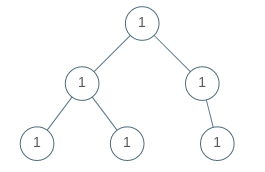
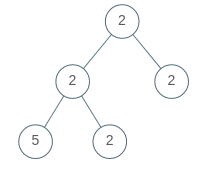
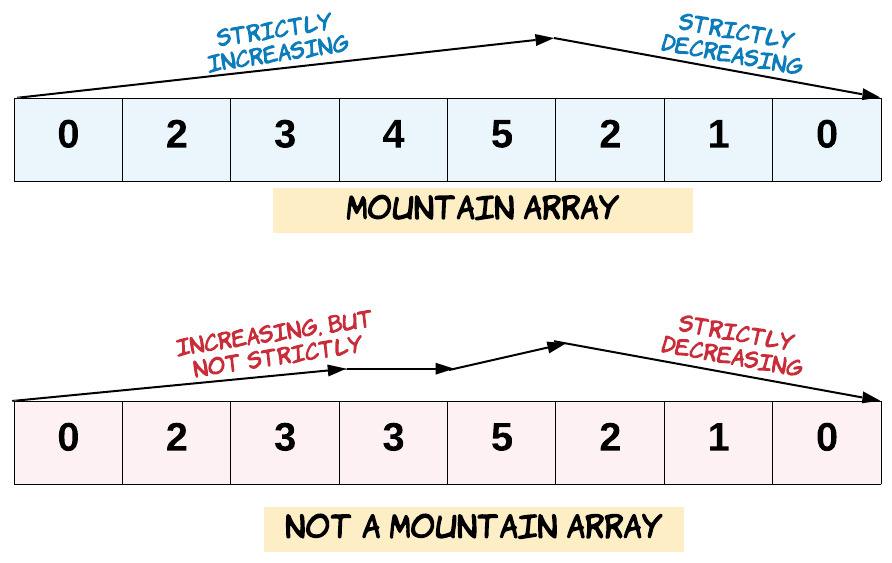
The coordinate of a point \p\i\\ is represented as \\[x\i\, y\i\]\. The input is \not\ given in any order.\

\

A \valid square\ has four equal sides with positive length and four equal angles (90-degree angles).\

### Examples ``` Input: p1 = [0,0], p2 = [1,1], p3 = [1,0], p4 = [0,1] Output: true ``` ``` Input: p1 = [0,0], p2 = [1,1], p3 = [1,0], p4 = [0,12] Output: false ``` ``` Input: p1 = [1,0], p2 = [-1,0], p3 = [0,1], p4 = [0,-1] Output: true ``` ### Constraints * p1.length == p2.length == p3.length == p4.length == 2 * -10^4 \<= xi, yi \<= 10^4 ## Solution Reference implementation from [solution.py on GitHub](https://github.com/wislertt/leetcode-py/blob/main/leetcode/valid_square/solution.py), full suite in [test\_solution.py](https://github.com/wislertt/leetcode-py/blob/main/leetcode/valid_square/test_solution.py): ```python theme={"theme":{"light":"github-light","dark":"github-dark"}} class Solution: # Time: O(1) - always 6 pairwise distances over 4 fixed points # Space: O(1) def valid_square(self, p1: list[int], p2: list[int], p3: list[int], p4: list[int]) -> bool: pts = (p1, p2, p3, p4) dists = sorted( (a[0] - b[0]) ** 2 + (a[1] - b[1]) ** 2 for i, a in enumerate(pts) for b in pts[i + 1 :] ) return 0 < dists[0] == dists[3] and dists[4] == dists[5] == 2 * dists[0] ``` ## Complexity | Time | Space | | ------------------------------------------------------ | ----- | | O(1) - always 6 pairwise distances over 4 fixed points | O(1) | ## Tags # Valid Sudoku Python Solution with Tests Source: https://leetcode-py.wisl.dev/problems/valid-sudoku Tested Python solution for LeetCode 36 with 16 pytest cases. Generate a practice environment with lcpy. LeetCode 36, [Medium](/catalog/medium). Topics: [Array](/catalog/topics/array), [Hash Table](/catalog/topics/hash-table), [Matrix](/catalog/topics/matrix). [View on LeetCode](https://leetcode.com/problems/valid-sudoku/description/). Generate this problem as a practice environment: tested reference solution, 16 [parametrized pytest cases](/practice/testing), and a playground notebook: ```bash theme={"theme":{"light":"github-light","dark":"github-dark"}} lcpy gen -n 36 # by problem number lcpy gen -s valid_sudoku # by problem name ``` ## Problem Determine if a `9 x 9` Sudoku board is valid. Only the filled cells need to be validated **according to the following rules**: 1. Each row must contain the digits `1-9` without repetition. 2. Each column must contain the digits `1-9` without repetition. 3. Each of the nine `3 x 3` sub-boxes of the grid must contain the digits `1-9` without repetition. **Note:** * A Sudoku board (partially filled) could be valid but is not necessarily solvable. * Only the filled cells need to be validated according to the mentioned rules. ### Examples ![Example 1](https://upload.wikimedia.org/wikipedia/commons/thumb/f/ff/Sudoku-by-L2G-20050714.svg/250px-Sudoku-by-L2G-20050714.svg.png) ``` Input: board = [["5","3",".",".","7",".",".",".","."] ,["6",".",".","1","9","5",".",".","."] ,[".","9","8",".",".",".",".","6","."] ,["8",".",".",".","6",".",".",".","3"] ,["4",".",".","8",".","3",".",".","1"] ,["7",".",".",".","2",".",".",".","6"] ,[".","6",".",".",".",".","2","8","."] ,[".",".",".","4","1","9",".",".","5"] ,[".",".",".",".","8",".",".","7","9"]] Output: true ``` ``` Input: board = [["8","3",".",".","7",".",".",".","."] ,["6",".",".","1","9","5",".",".","."] ,[".","9","8",".",".",".",".","6","."] ,["8",".",".",".","6",".",".",".","3"] ,["4",".",".","8",".","3",".",".","1"] ,["7",".",".",".","2",".",".",".","6"] ,[".","6",".",".",".",".","2","8","."] ,[".",".",".","4","1","9",".",".","5"] ,[".",".",".",".","8",".",".","7","9"]] Output: false Explanation: Same as Example 1, except with the 5 in the top left corner being modified to 8. Since there are two 8's in the top left 3x3 sub-box, it is invalid. ``` ### Constraints * `board.length == 9` * `board[i].length == 9` * `board[i][j]` is a digit `1-9` or `'.'`. ## Solution Reference implementation from [solution.py on GitHub](https://github.com/wislertt/leetcode-py/blob/main/leetcode/valid_sudoku/solution.py), full suite in [test\_solution.py](https://github.com/wislertt/leetcode-py/blob/main/leetcode/valid_sudoku/test_solution.py): ```python theme={"theme":{"light":"github-light","dark":"github-dark"}} class Solution: # Time: O(1) - fixed 9x9 board # Space: O(1) - fixed size sets def is_valid_sudoku(self, board: list[list[str]]) -> bool: rows: list[set[str]] = [set() for _ in range(9)] cols: list[set[str]] = [set() for _ in range(9)] boxes: list[list[set[str]]] = [[set() for _ in range(3)] for _ in range(3)] for i in range(9): for j in range(9): if board[i][j] != ".": num = board[i][j] if num in rows[i] or num in cols[j] or num in boxes[i // 3][j // 3]: return False rows[i].add(num) cols[j].add(num) boxes[i // 3][j // 3].add(num) return True ``` ## Complexity | Time | Space | | ---------------------- | ---------------------- | | O(1) - fixed 9x9 board | O(1) - fixed size sets | ## Tags [Grind](/catalog/grind), [NeetCode 150](/catalog/neetcode-150), [NeetCode 250](/catalog/neetcode-250), [NeetCode All](/catalog/neetcode). # Valid Tic-Tac-Toe State Python Solution Source: https://leetcode-py.wisl.dev/problems/valid-tic-tac-toe-state Tested Python solution for LeetCode 794 with 24 pytest cases. Generate a practice environment with lcpy. LeetCode 794, [Medium](/catalog/medium). Topics: [Array](/catalog/topics/array), [Matrix](/catalog/topics/matrix). [View on LeetCode](https://leetcode.com/problems/valid-tic-tac-toe-state/description/). Generate this problem as a practice environment: tested reference solution, 24 [parametrized pytest cases](/practice/testing), and a playground notebook: ```bash theme={"theme":{"light":"github-light","dark":"github-dark"}} lcpy gen -n 794 # by problem number lcpy gen -s valid_tic_tac_toe_state # by problem name ``` ## Problem Given a Tic-Tac-Toe board as a string array `board`, return `true` if and only if it is possible to reach this board position during the course of a valid tic-tac-toe game. The board is a `3 x 3` array that consists of characters `' '`, `'X'`, and `'O'`. The `' '` character represents an empty square. Here are the rules of Tic-Tac-Toe: * Players take turns placing characters into empty squares `' '`. * The first player always places `'X'` characters, while the second player always places `'O'` characters. * `'X'` and `'O'` characters are always placed into empty squares, never filled ones. * The game ends when there are three of the same (non-empty) character filling any row, column, or diagonal. * The game also ends if all squares are non-empty. * No more moves can be played if the game is over. ### Examples ![Example 1](https://assets.leetcode.com/uploads/2021/05/15/tictactoe1-grid.jpg) ``` Input: board = ["O "," "," "] Output: false Explanation: The first player always plays "X". ``` ![Example 2](https://assets.leetcode.com/uploads/2021/05/15/tictactoe2-grid.jpg) ``` Input: board = ["XOX"," X "," "] Output: false Explanation: Players take turns making moves. ``` ![Example 3](https://assets.leetcode.com/uploads/2021/05/15/tictactoe4-grid.jpg) ``` Input: board = ["XOX","O O","XOX"] Output: true ``` ### Constraints * board.length == 3 * board\[i].length == 3 * `board[i][j]` is either `'X'`, `'O'`, or `' '`. ## Solution Reference implementation from [solution.py on GitHub](https://github.com/wislertt/leetcode-py/blob/main/leetcode/valid_tic_tac_toe_state/solution.py), full suite in [test\_solution.py](https://github.com/wislertt/leetcode-py/blob/main/leetcode/valid_tic_tac_toe_state/test_solution.py): ```python theme={"theme":{"light":"github-light","dark":"github-dark"}} class Solution: # Time: O(1) - the board is always 3 x 3 # Space: O(1) def valid_tic_tac_toe(self, board: list[str]) -> bool: x_count = sum(row.count("X") for row in board) o_count = sum(row.count("O") for row in board) if o_count not in (x_count - 1, x_count): return False x_wins = self._wins(board, "X") o_wins = self._wins(board, "O") if x_wins and o_wins: return False if x_wins: return x_count == o_count + 1 if o_wins: return x_count == o_count return True def _wins(self, board: list[str], player: str) -> bool: lines = [board[i] for i in range(3)] lines += ["".join(row[j] for row in board) for j in range(3)] lines.append("".join(board[i][i] for i in range(3))) lines.append("".join(board[i][2 - i] for i in range(3))) return any(line == player * 3 for line in lines) ``` ## Complexity | Time | Space | | -------------------------------- | ----- | | O(1) - the board is always 3 x 3 | O(1) | ## Tags # Valid Triangle Number Python Solution Source: https://leetcode-py.wisl.dev/problems/valid-triangle-number Tested Python solution for LeetCode 611 with 20 pytest cases. Generate a practice environment with lcpy. LeetCode 611, [Medium](/catalog/medium). Topics: [Array](/catalog/topics/array), [Two Pointers](/catalog/topics/two-pointers), [Binary Search](/catalog/topics/binary-search), [Greedy](/catalog/topics/greedy), [Sorting](/catalog/topics/sorting). [View on LeetCode](https://leetcode.com/problems/valid-triangle-number/description/). Generate this problem as a practice environment: tested reference solution, 20 [parametrized pytest cases](/practice/testing), and a playground notebook: ```bash theme={"theme":{"light":"github-light","dark":"github-dark"}} lcpy gen -n 611 # by problem number lcpy gen -s valid_triangle_number # by problem name ``` ## Problem Given an integer array `nums`, return the number of triplets chosen from the array that can make triangles if we take them as side lengths of a triangle. ### Examples ``` Input: nums = [2,2,3,4] Output: 3 Explanation: Valid combinations are: 2,3,4 (using the first 2) 2,3,4 (using the second 2) 2,2,3 ``` ``` Input: nums = [4,2,3,4] Output: 4 ``` ### Constraints * 1 \<= nums.length \<= 1000 * 0 \<= nums\[i] \<= 1000 ## Solution Reference implementation from [solution.py on GitHub](https://github.com/wislertt/leetcode-py/blob/main/leetcode/valid_triangle_number/solution.py), full suite in [test\_solution.py](https://github.com/wislertt/leetcode-py/blob/main/leetcode/valid_triangle_number/test_solution.py): ```python theme={"theme":{"light":"github-light","dark":"github-dark"}} class Solution: # Time: O(n^2) # Space: O(1) extra (sorting not counted) def triangle_number(self, nums: list[int]) -> int: nums = sorted(nums) count = 0 for k in range(len(nums) - 1, 1, -1): left, right = 0, k - 1 while left < right: if nums[left] + nums[right] > nums[k]: count += right - left right -= 1 else: left += 1 return count ``` ## Complexity | Time | Space | | ------ | -------------------------------- | | O(n^2) | O(1) extra (sorting not counted) | ## Tags # Valid Word Abbreviation Python Solution Source: https://leetcode-py.wisl.dev/problems/valid-word-abbreviation Tested Python solution for LeetCode 408 with 32 pytest cases. Generate a practice environment with lcpy. LeetCode 408, [Easy](/catalog/easy). Topics: [Two Pointers](/catalog/topics/two-pointers), [String](/catalog/topics/string). [View on LeetCode](https://leetcode.com/problems/valid-word-abbreviation/description/). Generate this problem as a practice environment: tested reference solution, 32 [parametrized pytest cases](/practice/testing), and a playground notebook: ```bash theme={"theme":{"light":"github-light","dark":"github-dark"}} lcpy gen -n 408 # by problem number lcpy gen -s valid_word_abbreviation # by problem name ``` ## Problem A string can be **abbreviated** by replacing any number of **non-adjacent**, **non-empty** substrings with their lengths. The lengths **should not** have leading zeros. For example, a string such as `"substitution"` could be abbreviated as (but not limited to): * `"s10n"` (`"s ubstitutio n"`) * `"sub4u4"` (`"sub stit u tion"`) * `"12"` (`"substitution"`) * `"su3i1u2on"` (`"su bst i t u ti on"`) * `"substitution"` (no substrings replaced) The following are **not valid** abbreviations: * `"s55n"` (`"s ubsti tutio n"`, the replaced substrings are adjacent) * `"s010n"` (has leading zeros) * `"s0ubstitution"` (replaces an empty substring) Given a string `word` and an abbreviation `abbr`, return *whether the string **matches** the given abbreviation*. A **substring** is a contiguous **non-empty** sequence of characters within a string. ### Examples ``` Input: word = "internationalization", abbr = "i12iz4n" Output: true Explanation: The word "internationalization" can be abbreviated as "i12iz4n" ("i nternational iz atio n"). ``` ``` Input: word = "apple", abbr = "a2e" Output: false Explanation: The word "apple" cannot be abbreviated as "a2e". ``` ### Constraints * `1 <= word.length <= 20` * `1 <= abbr.length <= 20` * `word` consists of only lowercase English letters. * `abbr` consists of lowercase English letters and digits. ## Solution Reference implementation from [solution.py on GitHub](https://github.com/wislertt/leetcode-py/blob/main/leetcode/valid_word_abbreviation/solution.py), full suite in [test\_solution.py](https://github.com/wislertt/leetcode-py/blob/main/leetcode/valid_word_abbreviation/test_solution.py): ```python theme={"theme":{"light":"github-light","dark":"github-dark"}} class Solution: # Time: O(n) # Space: O(1) def valid_word_abbreviation(self, word: str, abbr: str) -> bool: i = j = 0 m, n = len(word), len(abbr) while i < m and j < n: if abbr[j].isdigit(): if abbr[j] == "0": return False count = 0 while j < n and abbr[j].isdigit(): count = count * 10 + int(abbr[j]) j += 1 i += count else: if word[i] != abbr[j]: return False i += 1 j += 1 return i == m and j == n ``` ## Complexity | Time | Space | | ---- | ----- | | O(n) | O(1) | ## Tags [NeetCode All](/catalog/neetcode). # Valid Word Square Python Solution with Tests Source: https://leetcode-py.wisl.dev/problems/valid-word-square Tested Python solution for LeetCode 422 with 16 pytest cases. Generate a practice environment with lcpy. LeetCode 422, [Easy](/catalog/easy). Topics: [Array](/catalog/topics/array), [Matrix](/catalog/topics/matrix). [View on LeetCode](https://leetcode.com/problems/valid-word-square/description/). Generate this problem as a practice environment: tested reference solution, 16 [parametrized pytest cases](/practice/testing), and a playground notebook: ```bash theme={"theme":{"light":"github-light","dark":"github-dark"}} lcpy gen -n 422 # by problem number lcpy gen -s valid_word_square # by problem name ``` ## Problem Given an array of strings `words`, return `true` *if it forms a valid **word square***. A sequence of strings forms a valid **word square** if the `k^th` row and column read the same string, where `0 <= k < max(numRows, numColumns)`. ### Examples ![Example 1](https://fastly.jsdelivr.net/gh/doocs/leetcode@main/solution/0400-0499/0422.Valid%20Word%20Square/images/validsq1-grid.jpg) ``` Input: words = ["abcd","bnrt","crmy","dtye"] Output: true Explanation: The 1st row and 1st column both read "abcd". The 2nd row and 2nd column both read "bnrt". The 3rd row and 3rd column both read "crmy". The 4th row and 4th column both read "dtye". Therefore, it is a valid word square. ``` ![Example 2](https://fastly.jsdelivr.net/gh/doocs/leetcode@main/solution/0400-0499/0422.Valid%20Word%20Square/images/validsq2-grid.jpg) ``` Input: words = ["abcd","bnrt","crm","dt"] Output: true Explanation: The 1st row and 1st column both read "abcd". The 2nd row and 2nd column both read "bnrt". The 3rd row and 3rd column both read "crm". The 4th row and 4th column both read "dt". Therefore, it is a valid word square. ``` ![Example 3](https://fastly.jsdelivr.net/gh/doocs/leetcode@main/solution/0400-0499/0422.Valid%20Word%20Square/images/validsq3-grid.jpg) ``` Input: words = ["ball","area","read","lady"] Output: false Explanation: The 3rd row reads "read" while the 3rd column reads "lead". Therefore, it is NOT a valid word square. ``` ### Constraints * `1 <= words.length <= 500` * `1 <= words[i].length <= 500` * `words[i]` consists of only lower-case English letters. ## Solution Reference implementation from [solution.py on GitHub](https://github.com/wislertt/leetcode-py/blob/main/leetcode/valid_word_square/solution.py), full suite in [test\_solution.py](https://github.com/wislertt/leetcode-py/blob/main/leetcode/valid_word_square/test_solution.py): ```python theme={"theme":{"light":"github-light","dark":"github-dark"}} class Solution: # Time: O(m * n) for m rows of length n # Space: O(1) def valid_word_square(self, words: list[str]) -> bool: for i, word in enumerate(words): for j, ch in enumerate(word): if j >= len(words) or i >= len(words[j]) or words[j][i] != ch: return False return True ``` ## Complexity | Time | Space | | -------------------------------- | ----- | | O(m \* n) for m rows of length n | O(1) | ## Tags [NeetCode All](/catalog/neetcode). # Validate Binary Search Tree Python Solution Source: https://leetcode-py.wisl.dev/problems/validate-binary-search-tree Tested Python solution for LeetCode 98 with 12 pytest cases. Generate a practice environment with lcpy. LeetCode 98, [Medium](/catalog/medium). Topics: [Tree](/catalog/topics/tree), [Depth-First Search](/catalog/topics/depth-first-search), [Binary Search Tree](/catalog/topics/binary-search-tree), [Binary Tree](/catalog/topics/binary-tree). [View on LeetCode](https://leetcode.com/problems/validate-binary-search-tree/description/). Generate this problem as a practice environment: tested reference solution, 12 [parametrized pytest cases](/practice/testing), and a playground notebook: ```bash theme={"theme":{"light":"github-light","dark":"github-dark"}} lcpy gen -n 98 # by problem number lcpy gen -s validate_binary_search_tree # by problem name ``` ## Problem Given the `root` of a binary tree, determine if it is a valid binary search tree (BST). A **valid BST** is defined as follows: * The left subtree of a node contains only nodes with keys **strictly less than** the node's key. * The right subtree of a node contains only nodes with keys **strictly greater than** the node's key. * Both the left and right subtrees must also be binary search trees. ### Examples ![Example 1](https://assets.leetcode.com/uploads/2020/12/01/tree1.jpg) ``` Input: root = [2,1,3] Output: true ``` ![Example 2](https://assets.leetcode.com/uploads/2020/12/01/tree2.jpg) ``` Input: root = [5,1,4,null,null,3,6] Output: false ``` **Explanation:** The root node's value is 5 but its right child's value is 4. ### Constraints * The number of nodes in the tree is in the range `[1, 10^4]`. * `-2^31 <= Node.val <= 2^31 - 1` ## Solution Reference implementation from [solution.py on GitHub](https://github.com/wislertt/leetcode-py/blob/main/leetcode/validate_binary_search_tree/solution.py), full suite in [test\_solution.py](https://github.com/wislertt/leetcode-py/blob/main/leetcode/validate_binary_search_tree/test_solution.py): ```python theme={"theme":{"light":"github-light","dark":"github-dark"}} from collections import deque from leetcode_py import TreeNode class Solution: @classmethod def validate(cls, node: TreeNode[int] | None, min_val: float, max_val: float) -> bool: if not node: return True if node.val <= min_val or node.val >= max_val: return False return cls.validate(node.left, min_val, node.val) and cls.validate( node.right, node.val, max_val ) # Time: O(n) # Space: O(h) def is_valid_bst(self, root: TreeNode[int] | None) -> bool: return self.validate(root, float("-inf"), float("inf")) class SolutionDFS: # Time: O(n) # Space: O(h) def is_valid_bst(self, root: TreeNode[int] | None) -> bool: if not root: return True stack = [(root, float("-inf"), float("inf"))] while stack: node, min_val, max_val = stack.pop() if node.val <= min_val or node.val >= max_val: return False if node.right: stack.append((node.right, node.val, max_val)) if node.left: stack.append((node.left, min_val, node.val)) return True class SolutionBFS: # Time: O(n) # Space: O(w) where w is max width def is_valid_bst(self, root: TreeNode[int] | None) -> bool: if not root: return True queue = deque([(root, float("-inf"), float("inf"))]) while queue: node, min_val, max_val = queue.popleft() if node.val <= min_val or node.val >= max_val: return False if node.right: queue.append((node.right, node.val, max_val)) if node.left: queue.append((node.left, min_val, node.val)) return True ``` ## Complexity | Time | Space | | ---- | ----- | | O(n) | O(h) | ## Tags [Grind 75](/catalog/grind-75), [Grind](/catalog/grind), [Blind 75](/catalog/blind-75), [NeetCode 150](/catalog/neetcode-150), [NeetCode 250](/catalog/neetcode-250), [NeetCode All](/catalog/neetcode), [AlgoMaster 75](/catalog/algo-master-75). # Validate Binary Tree Nodes Python Solution Source: https://leetcode-py.wisl.dev/problems/validate-binary-tree-nodes Tested Python solution for LeetCode 1361 with 20 pytest cases. Generate a practice environment with lcpy. LeetCode 1361, [Medium](/catalog/medium). Topics: [Tree](/catalog/topics/tree), [Depth-First Search](/catalog/topics/depth-first-search), [Breadth-First Search](/catalog/topics/breadth-first-search), [Union Find](/catalog/topics/union-find), [Graph](/catalog/topics/graph). [View on LeetCode](https://leetcode.com/problems/validate-binary-tree-nodes/description/). Generate this problem as a practice environment: tested reference solution, 20 [parametrized pytest cases](/practice/testing), and a playground notebook: ```bash theme={"theme":{"light":"github-light","dark":"github-dark"}} lcpy gen -n 1361 # by problem number lcpy gen -s validate_binary_tree_nodes # by problem name ``` ## Problem You have \n\ binary tree nodes numbered from \0\ to \n - 1\ where node \i\ has two children \leftChild\[i]\ and \rightChild\[i]\, return \true\ if and only if all the given nodes form \exactly one valid binary tree\. If node \i\ has no left child then \leftChild\[i]\ will equal \-1\, similarly for the right child. Note that the nodes have no values and that we only use the node numbers in this problem. ### Examples ``` Input: n = 4, leftChild = [1,-1,3,-1], rightChild = [2,-1,-1,-1] Output: true ``` ``` Input: n = 4, leftChild = [1,-1,3,-1], rightChild = [2,3,-1,-1] Output: false ``` ``` Input: n = 2, leftChild = [1,0], rightChild = [-1,-1] Output: false ``` ### Constraints * n == leftChild.length == rightChild.length * 1 \<= n \<= 10^4 * -1 \<= leftChild\[i], rightChild\[i] \<= n - 1 ## Solution Reference implementation from [solution.py on GitHub](https://github.com/wislertt/leetcode-py/blob/main/leetcode/validate_binary_tree_nodes/solution.py), full suite in [test\_solution.py](https://github.com/wislertt/leetcode-py/blob/main/leetcode/validate_binary_tree_nodes/test_solution.py): ```python theme={"theme":{"light":"github-light","dark":"github-dark"}} class Solution: # Time: O(n) # Space: O(n) def validate_binary_tree_nodes( self, n: int, left_child: list[int], right_child: list[int] ) -> bool: # A valid binary tree: exactly one root (in-degree 0), every other # node has in-degree 1, and all nodes are reachable from the root. indegree = [0] * n for child in left_child + right_child: if child == -1: continue indegree[child] += 1 if indegree[child] > 1: return False roots = [i for i in range(n) if indegree[i] == 0] if len(roots) != 1: return False seen = [False] * n stack = [roots[0]] count = 0 while stack: node = stack.pop() if seen[node]: return False seen[node] = True count += 1 for child in (left_child[node], right_child[node]): if child != -1: stack.append(child) return count == n ``` ## Complexity | Time | Space | | ---- | ----- | | O(n) | O(n) | ## Tags [NeetCode All](/catalog/neetcode). # Validate IP Address Python Solution with Tests Source: https://leetcode-py.wisl.dev/problems/validate-ip-address Tested Python solution for LeetCode 468 with 25 pytest cases. Generate a practice environment with lcpy. LeetCode 468, [Medium](/catalog/medium). Topics: [String](/catalog/topics/string). [View on LeetCode](https://leetcode.com/problems/validate-ip-address/description/). Generate this problem as a practice environment: tested reference solution, 25 [parametrized pytest cases](/practice/testing), and a playground notebook: ```bash theme={"theme":{"light":"github-light","dark":"github-dark"}} lcpy gen -n 468 # by problem number lcpy gen -s validate_ip_address # by problem name ``` ## Problem Given a string `queryIP`, return `"IPv4"` if IP is a valid IPv4 address, `"IPv6"` if IP is a valid IPv6 address or `"Neither"` if IP is not a correct IP of any type. A valid **IPv4** address is an IP in the form `"x1.x2.x3.x4"` where `0 <= xi <= 255` and `xi` **cannot contain** leading zeros. For example, `"192.168.1.1"` and `"192.168.1.0"` are valid IPv4 addresses while `"192.168.01.1"`, `"192.168.1.00"`, and `"192.168@1.1"` are invalid IPv4 addresses. A valid **IPv6** address is an IP in the form `"x1:x2:x3:x4:x5:x6:x7:x8"` where: * `1 <= xi.length <= 4` * `xi` is a **hexadecimal string** which may contain digits, lowercase English letters (`'a'` to `'f'`) and upper-case English letters (`'A'` to `'F'`). * Leading zeros are allowed in `xi`. For example, `"2001:0db8:85a3:0000:0000:8a2e:0370:7334"` and `"2001:db8:85a3:0:0:8A2E:0370:7334"` are valid IPv6 addresses, while `"2001:0db8:85a3::8A2E:037j:7334"` and `"02001:0db8:85a3:0000:0000:8a2e:0370:7334"` are invalid IPv6 addresses. ### Examples ``` Input: queryIP = "172.16.254.1" Output: "IPv4" ``` **Explanation:** This is a valid IPv4 address, return "IPv4". ``` Input: queryIP = "2001:0db8:85a3:0:0:8A2E:0370:7334" Output: "IPv6" ``` **Explanation:** This is a valid IPv6 address, return "IPv6". ``` Input: queryIP = "256.256.256.256" Output: "Neither" ``` **Explanation:** This is neither a IPv4 address nor a IPv6 address. ### Constraints * 1 \<= queryIP.length \<= 50 * queryIP consists only of English letters, digits and the characters '.' and ':'. ## Solution Reference implementation from [solution.py on GitHub](https://github.com/wislertt/leetcode-py/blob/main/leetcode/validate_ip_address/solution.py), full suite in [test\_solution.py](https://github.com/wislertt/leetcode-py/blob/main/leetcode/validate_ip_address/test_solution.py): ```python theme={"theme":{"light":"github-light","dark":"github-dark"}} class Solution: # Time: O(n) # Space: O(n) for the split parts def valid_ip_address(self, query_ip: str) -> str: if self._is_ipv4(query_ip): return "IPv4" if self._is_ipv6(query_ip): return "IPv6" return "Neither" def _is_ipv4(self, query_ip: str) -> bool: parts = query_ip.split(".") if len(parts) != 4: return False return all(self._is_ipv4_octet(part) for part in parts) def _is_ipv4_octet(self, part: str) -> bool: if not part or len(part) > 3 or not part.isdigit(): return False if part[0] == "0" and len(part) > 1: return False return int(part) <= 255 def _is_ipv6(self, query_ip: str) -> bool: parts = query_ip.split(":") if len(parts) != 8: return False return all(self._is_ipv6_group(part) for part in parts) def _is_ipv6_group(self, part: str) -> bool: if not 1 <= len(part) <= 4: return False return all(char in self.HEX_DIGITS for char in part) HEX_DIGITS: frozenset[str] = frozenset("0123456789abcdefABCDEF") ``` ## Complexity | Time | Space | | ---- | ------------------------ | | O(n) | O(n) for the split parts | ## Tags # Validate Stack Sequences Python Solution Source: https://leetcode-py.wisl.dev/problems/validate-stack-sequences Tested Python solution for LeetCode 946 with 15 pytest cases. Generate a practice environment with lcpy. LeetCode 946, [Medium](/catalog/medium). Topics: [Array](/catalog/topics/array), [Stack](/catalog/topics/stack), [Simulation](/catalog/topics/simulation). [View on LeetCode](https://leetcode.com/problems/validate-stack-sequences/description/). Generate this problem as a practice environment: tested reference solution, 15 [parametrized pytest cases](/practice/testing), and a playground notebook: ```bash theme={"theme":{"light":"github-light","dark":"github-dark"}} lcpy gen -n 946 # by problem number lcpy gen -s validate_stack_sequences # by problem name ``` ## Problem \

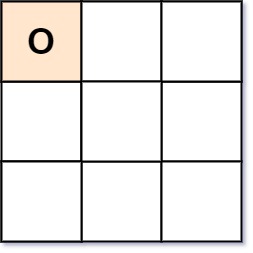
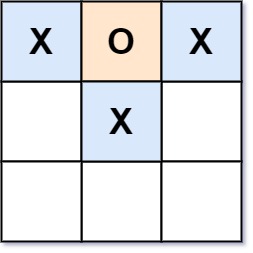
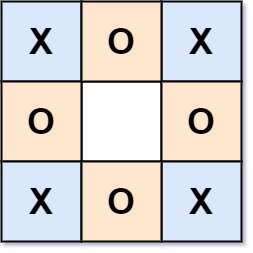
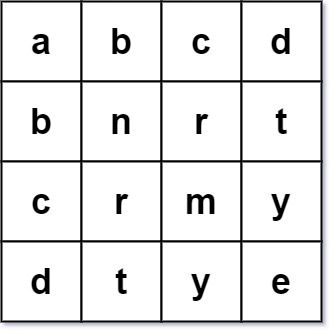
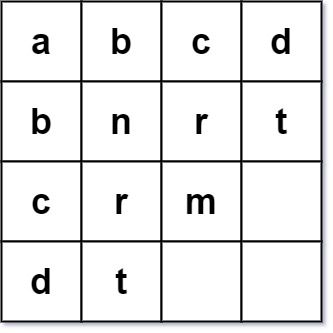
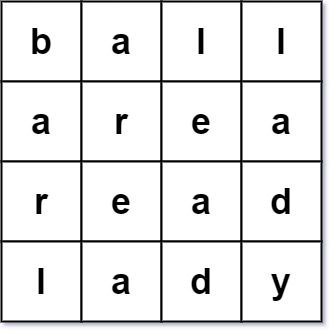
Given two integer arrays \pushed\ and \popped\ each with \distinct\ values, return \true\ if this could have been the result of a sequence of push and pop operations on an initially empty stack, or \false\ otherwise.\

### Examples ``` Input: pushed = [1,2,3,4,5], popped = [4,5,3,2,1] Output: true Explanation: We might do the following sequence: push(1), push(2), push(3), push(4), pop() -> 4, push(5), pop() -> 5, pop() -> 3, pop() -> 2, pop() -> 1 ``` ``` Input: pushed = [1,2,3,4,5], popped = [4,3,5,1,2] Output: false Explanation: 1 cannot be popped before 2. ``` ### Constraints * 1 \<= pushed.length \<= 1000 * 0 \<= pushed\[i] \<= 1000 * All the elements of pushed are unique. * popped.length == pushed.length * popped is a permutation of pushed. ## Solution Reference implementation from [solution.py on GitHub](https://github.com/wislertt/leetcode-py/blob/main/leetcode/validate_stack_sequences/solution.py), full suite in [test\_solution.py](https://github.com/wislertt/leetcode-py/blob/main/leetcode/validate_stack_sequences/test_solution.py): ```python theme={"theme":{"light":"github-light","dark":"github-dark"}} class Solution: # Time: O(n) # Space: O(n) def validate_stack_sequences(self, pushed: list[int], popped: list[int]) -> bool: stack: list[int] = [] pop_index = 0 for value in pushed: stack.append(value) while stack and stack[-1] == popped[pop_index]: stack.pop() pop_index += 1 return pop_index == len(popped) ``` ## Complexity | Time | Space | | ---- | ----- | | O(n) | O(n) | ## Tags [NeetCode All](/catalog/neetcode). # Verify Preorder Sequence in Binary Search Tree Source: https://leetcode-py.wisl.dev/problems/verify-preorder-sequence-in-binary-search-tree Tested Python solution for LeetCode 255 with 20 pytest cases. Generate a practice environment with lcpy. LeetCode 255, [Medium](/catalog/medium). Topics: [Stack](/catalog/topics/stack), [Tree](/catalog/topics/tree), [Binary Search Tree](/catalog/topics/binary-search-tree), [Recursion](/catalog/topics/recursion), [Array](/catalog/topics/array), [Binary Tree](/catalog/topics/binary-tree), [Monotonic Stack](/catalog/topics/monotonic-stack). [View on LeetCode](https://leetcode.com/problems/verify-preorder-sequence-in-binary-search-tree/description/). Generate this problem as a practice environment: tested reference solution, 20 [parametrized pytest cases](/practice/testing), and a playground notebook: ```bash theme={"theme":{"light":"github-light","dark":"github-dark"}} lcpy gen -n 255 # by problem number lcpy gen -s verify_preorder_sequence_in_binary_search_tree # by problem name ``` ## Problem Given an array of **unique** integers `preorder`, return `true` *if it is the correct preorder traversal sequence of a binary search tree*. ### Examples ![Example 1](https://fastly.jsdelivr.net/gh/doocs/leetcode@main/solution/0200-0299/0255.Verify%20Preorder%20Sequence%20in%20Binary%20Search%20Tree/images/preorder-tree.jpg) ``` Input: preorder = [5,2,1,3,6] Output: true ``` ``` Input: preorder = [5,2,6,1,3] Output: false ``` ### Constraints * `1 <= preorder.length <= 10^4` * `1 <= preorder[i] <= 10^4` * All the elements of `preorder` are **unique**. **Follow up:** Could you do it using only constant space complexity? ## Solution Reference implementation from [solution.py on GitHub](https://github.com/wislertt/leetcode-py/blob/main/leetcode/verify_preorder_sequence_in_binary_search_tree/solution.py), full suite in [test\_solution.py](https://github.com/wislertt/leetcode-py/blob/main/leetcode/verify_preorder_sequence_in_binary_search_tree/test_solution.py): ```python theme={"theme":{"light":"github-light","dark":"github-dark"}} class Solution: # Time: O(n) # Space: O(n) def verify_preorder(self, preorder: list[int]) -> bool: stack: list[int] = [] last_popped = float("-inf") for value in preorder: if value < last_popped: return False while stack and stack[-1] < value: last_popped = stack.pop() stack.append(value) return True ``` ## Complexity | Time | Space | | ---- | ----- | | O(n) | O(n) | ## Tags [NeetCode All](/catalog/neetcode). # Verify Preorder Serialization of a Binary Tree Source: https://leetcode-py.wisl.dev/problems/verify-preorder-serialization-of-a-binary-tree Tested Python solution for LeetCode 331 with 18 pytest cases. Generate a practice environment with lcpy. LeetCode 331, [Medium](/catalog/medium). Topics: [String](/catalog/topics/string), [Stack](/catalog/topics/stack), [Tree](/catalog/topics/tree), [Binary Tree](/catalog/topics/binary-tree). [View on LeetCode](https://leetcode.com/problems/verify-preorder-serialization-of-a-binary-tree/description/). Generate this problem as a practice environment: tested reference solution, 18 [parametrized pytest cases](/practice/testing), and a playground notebook: ```bash theme={"theme":{"light":"github-light","dark":"github-dark"}} lcpy gen -n 331 # by problem number lcpy gen -s verify_preorder_serialization_of_a_binary_tree # by problem name ``` ## Problem One way to serialize a binary tree is to use preorder traversal. When we encounter a non-null node, we record the node's value. If it is a null node, we record using a sentinel value such as `#`. For example, the above binary tree can be serialized to the string `"9,3,4,#,#,1,#,#,2,#,6,#,#"`, where `'#'` represents a null node. Given a string of comma-separated values `preorder`, return `true` if it is a correct preorder traversal serialization of a binary tree. It is **guaranteed** that each comma-separated value in the string must be either an integer or a character `'#'` representing null pointer. You may assume that the input format is always valid. * For example, it could never contain two consecutive commas, such as `"1,,3"`. **Note:** You are not allowed to reconstruct the tree. ### Examples ![Example 1](https://assets.leetcode.com/uploads/2021/03/12/pre-tree.jpg) ``` Input: preorder = "9,3,4,#,#,1,#,#,2,#,6,#,#" Output: true ``` ``` Input: preorder = "1,#" Output: false ``` ``` Input: preorder = "9,#,#,1" Output: false ``` ### Constraints * 1 \<= preorder.length \<= 10^4 * preorder consist of integers in the range \[0, 100] and '#' separated by commas ','. **Note:** You are not allowed to reconstruct the tree. ## Solution Reference implementation from [solution.py on GitHub](https://github.com/wislertt/leetcode-py/blob/main/leetcode/verify_preorder_serialization_of_a_binary_tree/solution.py), full suite in [test\_solution.py](https://github.com/wislertt/leetcode-py/blob/main/leetcode/verify_preorder_serialization_of_a_binary_tree/test_solution.py): ```python theme={"theme":{"light":"github-light","dark":"github-dark"}} class Solution: # Time: O(n) # Space: O(1) def is_valid_serialization(self, preorder: str) -> bool: slots = 1 for token in preorder.split(","): if slots <= 0: return False if token == "#": slots -= 1 else: slots += 1 return slots == 0 ``` ## Complexity | Time | Space | | ---- | ----- | | O(n) | O(1) | ## Tags # Verifying an Alien Dictionary Python Solution Source: https://leetcode-py.wisl.dev/problems/verifying-an-alien-dictionary Tested Python solution for LeetCode 953 with 18 pytest cases. Generate a practice environment with lcpy. LeetCode 953, [Easy](/catalog/easy). Topics: [Array](/catalog/topics/array), [Hash Table](/catalog/topics/hash-table), [String](/catalog/topics/string). [View on LeetCode](https://leetcode.com/problems/verifying-an-alien-dictionary/description/). Generate this problem as a practice environment: tested reference solution, 18 [parametrized pytest cases](/practice/testing), and a playground notebook: ```bash theme={"theme":{"light":"github-light","dark":"github-dark"}} lcpy gen -n 953 # by problem number lcpy gen -s verifying_an_alien_dictionary # by problem name ``` ## Problem In an alien language, surprisingly, they also use English lowercase letters, but possibly in a different `order`. The `order` of the alphabet is some permutation of lowercase letters. Given a sequence of `words` written in the alien language, and the `order` of the alphabet, return `true` if and only if the given `words` are sorted lexicographically in this alien language. ### Examples ``` Input: words = ["hello","leetcode"], order = "hlabcdefgijkmnopqrstuvwxyz" Output: true Explanation: As 'h' comes before 'l' in this language, then the sequence is sorted. ``` ``` Input: words = ["word","world","row"], order = "worldabcefghijkmnpqstuvxyz" Output: false Explanation: As 'd' comes after 'l' in this language, then words[0] > words[1], hence the sequence is unsorted. ``` ``` Input: words = ["apple","app"], order = "abcdefghijklmnopqrstuvwxyz" Output: false Explanation: The first three characters "app" match, and the second string is shorter (in size.) According to lexicographical rules "apple" > "app". ``` ### Constraints * 1 \<= words.length \<= 100 * 1 \<= words\[i].length \<= 20 * `order.length == 26` * All characters in `words[i]` and `order` are English lowercase letters. ## Solution Reference implementation from [solution.py on GitHub](https://github.com/wislertt/leetcode-py/blob/main/leetcode/verifying_an_alien_dictionary/solution.py), full suite in [test\_solution.py](https://github.com/wislertt/leetcode-py/blob/main/leetcode/verifying_an_alien_dictionary/test_solution.py): ```python theme={"theme":{"light":"github-light","dark":"github-dark"}} class Solution: # Time: O(m) where m is total characters across all words # Space: O(1) def is_alien_sorted(self, words: list[str], order: str) -> bool: rank = {ch: i for i, ch in enumerate(order)} def less_or_equal(word1: str, word2: str) -> bool: for ch1, ch2 in zip(word1, word2, strict=False): if rank[ch1] < rank[ch2]: return True if rank[ch1] > rank[ch2]: return False return len(word1) <= len(word2) return all(less_or_equal(words[i], words[i + 1]) for i in range(len(words) - 1)) ``` ## Complexity | Time | Space | | ------------------------------------------------- | ----- | | O(m) where m is total characters across all words | O(1) | ## Tags [NeetCode 250](/catalog/neetcode-250), [NeetCode All](/catalog/neetcode). # Vertical Order Traversal of a Binary Tree Source: https://leetcode-py.wisl.dev/problems/vertical-order-traversal-of-a-binary-tree Tested Python solution for LeetCode 987 with 19 pytest cases. Generate a practice environment with lcpy. LeetCode 987, [Hard](/catalog/hard). Topics: [Hash Table](/catalog/topics/hash-table), [Tree](/catalog/topics/tree), [Depth-First Search](/catalog/topics/depth-first-search), [Breadth-First Search](/catalog/topics/breadth-first-search), [Sorting](/catalog/topics/sorting), [Binary Tree](/catalog/topics/binary-tree). [View on LeetCode](https://leetcode.com/problems/vertical-order-traversal-of-a-binary-tree/description/). Generate this problem as a practice environment: tested reference solution, 19 [parametrized pytest cases](/practice/testing), and a playground notebook: ```bash theme={"theme":{"light":"github-light","dark":"github-dark"}} lcpy gen -n 987 # by problem number lcpy gen -s vertical_order_traversal_of_a_binary_tree # by problem name ``` ## Problem Given the `root` of a binary tree, calculate the vertical order traversal of the binary tree. For each node at position `(row, col)`, its left and right children will be at positions `(row + 1, col - 1)` and `(row + 1, col + 1)` respectively. The root of the tree is at `(0, 0)`. The vertical order traversal of a binary tree is a list of top-to-bottom orderings for each column index starting from the leftmost column and ending on the rightmost column. There may be multiple nodes in the same row and same column. In such a case, sort these nodes by their values. Return the vertical order traversal of the binary tree. ### Examples ![Example 1](https://assets.leetcode.com/uploads/2021/01/29/vtree1.jpg) ``` Input: root = [3,9,20,null,null,15,7] Output: [[9],[3,15],[20],[7]] ``` Column -1: Only node 9 is in this column. Column 0: Nodes 3 and 15 are in this column in that order from top to bottom. Column 1: Only node 20 is in this column. Column 2: Only node 7 is in this column. ![Example 2](https://assets.leetcode.com/uploads/2021/01/29/vtree2.jpg) ``` Input: root = [1,2,3,4,5,6,7] Output: [[4],[2],[1,5,6],[3],[7]] ``` Column -2: Only node 4 is in this column. Column -1: Only node 2 is in this column. Column 0: Nodes 1, 5, and 6 are in this column. 1 is at the top, so it comes first. 5 and 6 are at the same position (2, 0), so we order them by their value, 5 before 6. Column 1: Only node 3 is in this column. Column 2: Only node 7 is in this column. ![Example 3](https://assets.leetcode.com/uploads/2021/01/29/vtree3.jpg) ``` Input: root = [1,2,3,4,6,5,7] Output: [[4],[2],[1,5,6],[3],[7]] ``` This case is the exact same as example 2, but with nodes 5 and 6 swapped. Note that the solution remains the same since 5 and 6 are in the same location and should be ordered by their values. ### Constraints * The number of nodes in the tree is in the range \[1, 1000] * 0 \<= Node.val \<= 1000 ## Solution Reference implementation from [solution.py on GitHub](https://github.com/wislertt/leetcode-py/blob/main/leetcode/vertical_order_traversal_of_a_binary_tree/solution.py), full suite in [test\_solution.py](https://github.com/wislertt/leetcode-py/blob/main/leetcode/vertical_order_traversal_of_a_binary_tree/test_solution.py): ```python theme={"theme":{"light":"github-light","dark":"github-dark"}} from leetcode_py import TreeNode class Solution: # Time: O(n log n) # Space: O(n) def vertical_traversal(self, root: TreeNode[int] | None) -> list[list[int]]: nodes: list[tuple[int, int, int]] = [] def dfs(node: TreeNode[int] | None, row: int, col: int) -> None: if node is None: return nodes.append((col, row, node.val)) dfs(node.left, row + 1, col - 1) dfs(node.right, row + 1, col + 1) dfs(root, 0, 0) nodes.sort() columns: dict[int, list[int]] = {} for col, _row, val in nodes: columns.setdefault(col, []).append(val) return [columns[col] for col in sorted(columns)] ``` ## Complexity | Time | Space | | ---------- | ----- | | O(n log n) | O(n) | ## Tags # Vowel Spellchecker Python Solution with Tests Source: https://leetcode-py.wisl.dev/problems/vowel-spellchecker Tested Python solution for LeetCode 966 with 18 pytest cases. Generate a practice environment with lcpy. LeetCode 966, [Medium](/catalog/medium). Topics: [Array](/catalog/topics/array), [Hash Table](/catalog/topics/hash-table), [String](/catalog/topics/string). [View on LeetCode](https://leetcode.com/problems/vowel-spellchecker/description/). Generate this problem as a practice environment: tested reference solution, 18 [parametrized pytest cases](/practice/testing), and a playground notebook: ```bash theme={"theme":{"light":"github-light","dark":"github-dark"}} lcpy gen -n 966 # by problem number lcpy gen -s vowel_spellchecker # by problem name ``` ## Problem Given a `wordlist`, we want to implement a spellchecker that converts a query word into a correct word. For a given query word, the spell checker handles two categories of spelling mistakes: * Capitalization: If the query matches a word in the wordlist (case-insensitive), then the query word is returned with the same case as the case in the wordlist. * Vowel Errors: If after replacing the vowels (`'a'`, `'e'`, `'i'`, `'o'`, `'u'`) of the query word with any vowel individually, it matches a word in the wordlist (case-insensitive), then the query word is returned with the same case as the match in the wordlist. In addition, the spell checker operates under the following precedence rules: * When the query exactly matches a word in the wordlist (case-sensitive), you should return the same word back. * When the query matches a word up to capitalization, you should return the first such match in the wordlist. * When the query matches a word up to vowel errors, you should return the first such match in the wordlist. * If the query has no matches in the wordlist, you should return the empty string. Given some queries, return a list of words `answer`, where `answer[i]` is the correct word for `query = queries[i]`. ### Examples ``` Input: wordlist = ["KiTe","kite","hare","Hare"], queries = ["kite","Kite","KiTe","Hare","HARE","Hear","hear","keti","keet","keto"] Output: ["kite","KiTe","KiTe","Hare","hare","","","KiTe","","KiTe"] ``` ``` Input: wordlist = ["yellow"], queries = ["YellOw"] Output: ["yellow"] ``` ### Constraints * 1 \<= wordlist.length, queries.length \<= 5000 * 1 \<= wordlist\[i].length, queries\[i].length \<= 7 * wordlist\[i] and queries\[i] consist only of English letters. ## Solution Reference implementation from [solution.py on GitHub](https://github.com/wislertt/leetcode-py/blob/main/leetcode/vowel_spellchecker/solution.py), full suite in [test\_solution.py](https://github.com/wislertt/leetcode-py/blob/main/leetcode/vowel_spellchecker/test_solution.py): ```python theme={"theme":{"light":"github-light","dark":"github-dark"}} class Solution: # Time: O((W + Q) * L) where W = len(wordlist), Q = len(queries), L = max word length # Space: O(W * L) def spellchecker(self, wordlist: list[str], queries: list[str]) -> list[str]: vowels = set("aeiou") def mask(word: str) -> str: return "".join("*" if c in vowels else c for c in word.lower()) words = set(wordlist) case_insensitive: dict[str, str] = {} vowel_insensitive: dict[str, str] = {} for word in wordlist: case_insensitive.setdefault(word.lower(), word) vowel_insensitive.setdefault(mask(word), word) answer: list[str] = [] for query in queries: if query in words: answer.append(query) elif query.lower() in case_insensitive: answer.append(case_insensitive[query.lower()]) elif mask(query) in vowel_insensitive: answer.append(vowel_insensitive[mask(query)]) else: answer.append("") return answer ``` ## Complexity | Time | Space | | ------------------------------------------------------------------------------ | --------- | | O((W + Q) \* L) where W = len(wordlist), Q = len(queries), L = max word length | O(W \* L) | ## Tags # Walking Robot Simulation Python Solution Source: https://leetcode-py.wisl.dev/problems/walking-robot-simulation Tested Python solution for LeetCode 874 with 14 pytest cases. Generate a practice environment with lcpy. LeetCode 874, [Medium](/catalog/medium). Topics: [Array](/catalog/topics/array), [Hash Table](/catalog/topics/hash-table), [Simulation](/catalog/topics/simulation). [View on LeetCode](https://leetcode.com/problems/walking-robot-simulation/description/). Generate this problem as a practice environment: tested reference solution, 14 [parametrized pytest cases](/practice/testing), and a playground notebook: ```bash theme={"theme":{"light":"github-light","dark":"github-dark"}} lcpy gen -n 874 # by problem number lcpy gen -s walking_robot_simulation # by problem name ``` ## Problem A robot on an infinite XY-plane starts at point \(0, 0)\ facing north. The robot receives an array of integers \commands\, which represents a sequence of moves that it needs to execute. There are only three possible types of instructions the robot can receive:\

\
    \
  • \-2\: Turn left 90 degrees.\
  • \
  • \-1\: Turn right 90 degrees.\
  • \
  • \1 \<= k \<= 9\: Move forward \k\ units, one unit at a time.\
  • \
\

Some of the grid squares are obstacles. The \ith\ obstacle is at grid point \obstacles\[i] = (xi, yi)\. If the robot runs into an obstacle, it will stay in its current location (on the block adjacent to the obstacle) and move onto the next command.\

\

Return \the maximum squared Euclidean distance that the robot reaches at any point in its path\.\

### Examples ``` Input: commands = [4,-1,3], obstacles = [] Output: 25 Explanation: The robot starts at (0, 0): 1. Move north 4 units to (0, 4). 2. Turn right to face east. 3. Move east 3 units to (3, 4). The furthest point the robot ever gets from the origin is (3, 4), which squared is 3^2 + 4^2 = 25 units away. ``` ``` Input: commands = [4,-1,4,-2,4], obstacles = [[2,4]] Output: 65 Explanation: The robot is being tracked: 1. Move north 4 units to (0, 4). 2. Turn right to face east. 3. Move east 1 unit and get blocked by the obstacle at (2, 4), robot is at (1, 4). 4. Turn left to face north. 5. Move north 4 units to (1, 8). The furthest point the robot ever gets from the origin is (1, 8), which squared is 1^2 + 8^2 = 65 units away. ``` ``` Input: commands = [6,-1,-1,6], obstacles = [] Output: 36 Explanation: The robot starts at (0, 0): 1. Move north 6 units to (0, 6). 2. Turn right to face east. 3. Turn right to face south. 4. Move south 6 units to (0, 0). The furthest point the robot ever gets from the origin is (0, 6), which squared is 6^2 = 36 units away. ``` ### Constraints * 1 \<= commands.length \<= 10^4 * commands\[i] is either -2, -1, or an integer in the range \[1, 9]. * 0 \<= obstacles.length \<= 10^4 * -3 \* 10^4 \<= xi, yi \<= 3 \* 10^4 * The answer is guaranteed to be less than 2^31. ## Solution Reference implementation from [solution.py on GitHub](https://github.com/wislertt/leetcode-py/blob/main/leetcode/walking_robot_simulation/solution.py), full suite in [test\_solution.py](https://github.com/wislertt/leetcode-py/blob/main/leetcode/walking_robot_simulation/test_solution.py): ```python theme={"theme":{"light":"github-light","dark":"github-dark"}} class Solution: # Time: O(c + o) # Space: O(o) def robot_sim(self, commands: list[int], obstacles: list[list[int]]) -> int: blocked = {(x, y) for x, y in obstacles} x, y, dx, dy = 0, 0, 0, 1 best = 0 for command in commands: if command == -2: dx, dy = -dy, dx elif command == -1: dx, dy = dy, -dx else: for _ in range(command): next_x, next_y = x + dx, y + dy if (next_x, next_y) in blocked: break x, y = next_x, next_y best = max(best, x * x + y * y) return best ``` ## Complexity | Time | Space | | -------- | ----- | | O(c + o) | O(o) | ## Tags [NeetCode All](/catalog/neetcode). # Walls And Gates Python Solution with Tests Source: https://leetcode-py.wisl.dev/problems/walls-and-gates Tested Python solution for LeetCode 286 with 17 pytest cases. Generate a practice environment with lcpy. LeetCode 286, [Medium](/catalog/medium). Topics: [Array](/catalog/topics/array), [Breadth-First Search](/catalog/topics/breadth-first-search), [Matrix](/catalog/topics/matrix). [View on LeetCode](https://leetcode.com/problems/walls-and-gates/description/). Generate this problem as a practice environment: tested reference solution, 17 [parametrized pytest cases](/practice/testing), and a playground notebook: ```bash theme={"theme":{"light":"github-light","dark":"github-dark"}} lcpy gen -n 286 # by problem number lcpy gen -s walls_and_gates # by problem name ``` ## Problem You are given a `m × n` 2D grid initialized with these three possible values: * `-1` - A wall or obstacle that can not be traversed. * `0` - A gate. * `INF` - Infinity an empty room. We use the value `2^31 - 1 = 2147483647` to represent `INF`. Fill each empty room with the distance to its nearest gate. If it is impossible to reach a gate, it should be filled with `INF`. **Follow up:** Can you solve it in-place and in O(m × n) time complexity? ### Examples ``` Input: rooms = [[2147483647,-1,0,2147483647],[2147483647,2147483647,2147483647,-1],[2147483647,-1,2147483647,-1],[0,-1,2147483647,2147483647]] Output: [[3,-1,0,1],[2,2,1,-1],[1,-1,2,-1],[0,-1,3,4]] ``` **Explanation:** the 2D grid is: ``` INF -1 0 INF INF INF INF -1 INF -1 INF -1 0 -1 INF INF ``` the result is: ``` 3 -1 0 1 2 2 1 -1 1 -1 2 -1 0 -1 3 4 ``` explanation: the gate is located at (0,2), (3,0), (3,3). the room at (0,0) is distance 3 from the nearest gate at (3,0). ``` Input: rooms = [[0,-1],[2147483647,2147483647]] Output: [[0,-1],[1,2]] ``` ### Constraints * `m == rooms.length` * `n == rooms[i].length` * `1 <= m, n <= 100` * `rooms[i][j]` is one of `-1`, `0`, or `2147483647`. ## Solution Reference implementation from [solution.py on GitHub](https://github.com/wislertt/leetcode-py/blob/main/leetcode/walls_and_gates/solution.py), full suite in [test\_solution.py](https://github.com/wislertt/leetcode-py/blob/main/leetcode/walls_and_gates/test_solution.py): ```python theme={"theme":{"light":"github-light","dark":"github-dark"}} from collections import deque class Solution: # Time: O(m * n) # Space: O(m * n) def walls_and_gates(self, rooms: list[list[int]]) -> None: if not rooms or not rooms[0]: return rows, cols = len(rooms), len(rooms[0]) queue: deque[tuple[int, int]] = deque() for r in range(rows): for c in range(cols): if rooms[r][c] == 0: queue.append((r, c)) directions = [(1, 0), (-1, 0), (0, 1), (0, -1)] while queue: r, c = queue.popleft() for dr, dc in directions: nr, nc = r + dr, c + dc if 0 <= nr < rows and 0 <= nc < cols and rooms[nr][nc] == 2147483647: rooms[nr][nc] = rooms[r][c] + 1 queue.append((nr, nc)) ``` ## Complexity | Time | Space | | --------- | --------- | | O(m \* n) | O(m \* n) | ## Tags [NeetCode 150](/catalog/neetcode-150), [NeetCode 250](/catalog/neetcode-250), [NeetCode All](/catalog/neetcode). # Water and Jug Problem Python Solution Source: https://leetcode-py.wisl.dev/problems/water-and-jug-problem Tested Python solution for LeetCode 365 with 26 pytest cases. Generate a practice environment with lcpy. LeetCode 365, [Medium](/catalog/medium). Topics: [Math](/catalog/topics/math), [Depth-First Search](/catalog/topics/depth-first-search), [Breadth-First Search](/catalog/topics/breadth-first-search), Greatest Common Divisor. [View on LeetCode](https://leetcode.com/problems/water-and-jug-problem/description/). Generate this problem as a practice environment: tested reference solution, 26 [parametrized pytest cases](/practice/testing), and a playground notebook: ```bash theme={"theme":{"light":"github-light","dark":"github-dark"}} lcpy gen -n 365 # by problem number lcpy gen -s water_and_jug_problem # by problem name ``` ## Problem You are given two jugs with capacities `x` liters and `y` liters. You have an infinite water supply. Return *whether the total amount of water in both jugs may reach* `target` *using the following operations*: * Fill either jug completely with water. * Completely empty either jug. * Pour water from one jug into another until the receiving jug is full, or the transferring jug is empty. ### Examples ``` Input: x = 3, y = 5, target = 4 Output: true Explanation: Fill the 5-liter jug (0, 5). Pour from the 5-liter jug into the 3-liter jug, leaving 2 liters (3, 2). Empty the 3-liter jug (0, 2). Transfer the 2 liters from the 5-liter jug to the 3-liter jug (2, 0). Fill the 5-liter jug again (2, 5). Pour from the 5-liter jug into the 3-liter jug until the 3-liter jug is full. This leaves 4 liters in the 5-liter jug (3, 4). Empty the 3-liter jug. Now, you have exactly 4 liters in the 5-liter jug (0, 4). ``` ``` Input: x = 2, y = 6, target = 5 Output: false ``` ``` Input: x = 1, y = 2, target = 3 Output: true Explanation: Fill both jugs. The total amount of water in both jugs is equal to 3 now. ``` ### Constraints * `1 <= x, y, target <= 10^3` ## Solution Reference implementation from [solution.py on GitHub](https://github.com/wislertt/leetcode-py/blob/main/leetcode/water_and_jug_problem/solution.py), full suite in [test\_solution.py](https://github.com/wislertt/leetcode-py/blob/main/leetcode/water_and_jug_problem/test_solution.py): ```python theme={"theme":{"light":"github-light","dark":"github-dark"}} from math import gcd class Solution: # Time: O(log(min(x, y))) # Space: O(1) def can_measure_water(self, x: int, y: int, target: int) -> bool: if target > x + y: return False return target % gcd(x, y) == 0 ``` ## Complexity | Time | Space | | ----------------- | ----- | | O(log(min(x, y))) | O(1) | ## Tags # Water Bottles Python Solution with Tests Source: https://leetcode-py.wisl.dev/problems/water-bottles Tested Python solution for LeetCode 1518 with 22 pytest cases. Generate a practice environment with lcpy. LeetCode 1518, [Easy](/catalog/easy). Topics: [Math](/catalog/topics/math), [Simulation](/catalog/topics/simulation). [View on LeetCode](https://leetcode.com/problems/water-bottles/description/). Generate this problem as a practice environment: tested reference solution, 22 [parametrized pytest cases](/practice/testing), and a playground notebook: ```bash theme={"theme":{"light":"github-light","dark":"github-dark"}} lcpy gen -n 1518 # by problem number lcpy gen -s water_bottles # by problem name ``` ## Problem There are `numBottles` water bottles that are initially full of water. You can exchange `numExchange` empty water bottles from the market with one full water bottle. The operation of drinking a full water bottle turns it into an empty bottle. Given the two integers `numBottles` and `numExchange`, return *the **maximum** number of water bottles you can drink*. ### Examples ![Example 1](https://assets.leetcode.com/uploads/2020/07/01/sample_1_1875.png) ``` Input: numBottles = 9, numExchange = 3 Output: 13 Explanation: You can exchange 3 empty bottles to get 1 full water bottle. Number of water bottles you can drink: 9 + 3 + 1 = 13. ``` ![Example 2](https://assets.leetcode.com/uploads/2020/07/01/sample_2_1875.png) ``` Input: numBottles = 15, numExchange = 4 Output: 19 Explanation: You can exchange 4 empty bottles to get 1 full water bottle. Number of water bottles you can drink: 15 + 3 + 1 = 19. ``` ### Constraints * `1 <= numBottles <= 100` * `2 <= numExchange <= 100` ## Solution Reference implementation from [solution.py on GitHub](https://github.com/wislertt/leetcode-py/blob/main/leetcode/water_bottles/solution.py), full suite in [test\_solution.py](https://github.com/wislertt/leetcode-py/blob/main/leetcode/water_bottles/test_solution.py): ```python theme={"theme":{"light":"github-light","dark":"github-dark"}} class Solution: # Time: O(log numBottles) # Space: O(1) def num_water_bottles(self, num_bottles: int, num_exchange: int) -> int: drunk = num_bottles empty = num_bottles while empty >= num_exchange: full, empty = divmod(empty, num_exchange) drunk += full empty += full return drunk ``` ## Complexity | Time | Space | | ----------------- | ----- | | O(log numBottles) | O(1) | ## Tags [NeetCode All](/catalog/neetcode). # Web Crawler Python Solution with Tests Source: https://leetcode-py.wisl.dev/problems/web-crawler Tested Python solution for LeetCode 1236 with 18 pytest cases. Generate a practice environment with lcpy. LeetCode 1236, [Medium](/catalog/medium). Topics: [Depth-First Search](/catalog/topics/depth-first-search), [Breadth-First Search](/catalog/topics/breadth-first-search), [String](/catalog/topics/string), [Interactive](/catalog/topics/interactive). [View on LeetCode](https://leetcode.com/problems/web-crawler/description/). Generate this problem as a practice environment: tested reference solution, 18 [parametrized pytest cases](/practice/testing), and a playground notebook: ```bash theme={"theme":{"light":"github-light","dark":"github-dark"}} lcpy gen -n 1236 # by problem number lcpy gen -s web_crawler # by problem name ``` ## Problem Given a url `startUrl` and an interface `HtmlParser`, implement a web crawler to crawl all links that are under the same hostname as `startUrl`. Return all urls obtained by your web crawler in **any** order. Your crawler should: * Start from the page: `startUrl` * Call `HtmlParser.getUrls(url)` to get all urls from a webpage of given url. * Do not crawl the same link twice. * Explore only the links that are under the same hostname as `startUrl`. ![Hostname](https://fastly.jsdelivr.net/gh/doocs/leetcode@main/solution/1200-1299/1236.Web%20Crawler/images/urlhostname.png) As shown in the example url above, the hostname is `example.org`. For simplicity sake, you may assume all urls use http protocol without any port specified. For example, the urls `http://leetcode.com/problems` and `http://leetcode.com/contest` are under the same hostname, while urls `http://example.org/test` and `http://example.com/abc` are not under the same hostname. The `HtmlParser` interface is defined as such: ``` interface HtmlParser { // Return a list of all urls from a webpage of given url. public List getUrls(String url); } ``` Below are two examples explaining the functionality of the problem, for custom testing purposes you'll have three variables `urls`, `edges` and `startUrl`. Notice that you will only have access to `startUrl` in your code, while `urls` and `edges` are not directly accessible to you in code. Note: Consider the same URL with the trailing slash `/` as a different URL. For example, `http://news.yahoo.com`, and `http://news.yahoo.com/` are different urls. ### Examples ![Example 1](https://fastly.jsdelivr.net/gh/doocs/leetcode@main/solution/1200-1299/1236.Web%20Crawler/images/sample_2_1497.png) ``` Input: urls = [ "http://news.yahoo.com", "http://news.yahoo.com/news", "http://news.yahoo.com/news/topics/", "http://news.google.com", "http://news.yahoo.com/us" ] edges = [[2,0],[2,1],[3,2],[3,1],[0,4]] startUrl = "http://news.yahoo.com/news/topics/" Output: [ "http://news.yahoo.com", "http://news.yahoo.com/news", "http://news.yahoo.com/news/topics/", "http://news.yahoo.com/us" ] ``` ![Example 2](https://fastly.jsdelivr.net/gh/doocs/leetcode@main/solution/1200-1299/1236.Web%20Crawler/images/sample_3_1497.png) ``` Input: urls = [ "http://news.yahoo.com", "http://news.yahoo.com/news", "http://news.yahoo.com/news/topics/", "http://news.google.com" ] edges = [[0,2],[2,1],[3,2],[3,1],[3,0]] startUrl = "http://news.google.com" Output: ["http://news.google.com"] Explanation: The startUrl links to all other pages that do not share the same hostname. ``` ### Constraints * `1 <= urls.length <= 1000` * `1 <= urls[i].length <= 300` * `startUrl` is one of the `urls`. * Hostname label must be from 1 to 63 characters long, including the dots, may contain only the ASCII letters from 'a' to 'z', digits from '0' to '9' and the hyphen-minus character ('-'). * The hostname may not start or end with the hyphen-minus character ('-'). * You may assume there're no duplicates in url library. ## Solution Reference implementation from [solution.py on GitHub](https://github.com/wislertt/leetcode-py/blob/main/leetcode/web_crawler/solution.py), full suite in [test\_solution.py](https://github.com/wislertt/leetcode-py/blob/main/leetcode/web_crawler/test_solution.py): ```python theme={"theme":{"light":"github-light","dark":"github-dark"}} class HtmlParser: # Test-harness API: backs the getUrls interface with the url library def __init__(self, urls: list[str], edges: list[list[int]]) -> None: self.adj: dict[str, list[str]] = {u: [] for u in urls} for a, b in edges: self.adj[urls[a]].append(urls[b]) def get_urls(self, url: str) -> list[str]: return self.adj[url] class Solution: # Time: O(V + E) pages and links visited once # Space: O(V) visited set def crawl(self, start_url: str, html_parser: HtmlParser) -> list[str]: host = start_url[7:].split("/")[0] visited = {start_url} stack = [start_url] while stack: url = stack.pop() for link in html_parser.get_urls(url): if link in visited or link[7:].split("/")[0] != host: continue visited.add(link) stack.append(link) return list(visited) ``` ## Complexity | Time | Space | | ------------------------------------- | ---------------- | | O(V + E) pages and links visited once | O(V) visited set | ## Tags [NeetCode All](/catalog/neetcode). # Widest Vertical Area Between Two Points Source: https://leetcode-py.wisl.dev/problems/widest-vertical-area-between-two-points-containing-no-points Tested Python solution for LeetCode 1637 with 22 pytest cases. Generate a practice environment with lcpy. LeetCode 1637, [Easy](/catalog/easy). Topics: [Array](/catalog/topics/array), [Sorting](/catalog/topics/sorting). [View on LeetCode](https://leetcode.com/problems/widest-vertical-area-between-two-points-containing-no-points/description/). Generate this problem as a practice environment: tested reference solution, 22 [parametrized pytest cases](/practice/testing), and a playground notebook: ```bash theme={"theme":{"light":"github-light","dark":"github-dark"}} lcpy gen -n 1637 # by problem number lcpy gen -s widest_vertical_area_between_two_points_containing_no_points # by problem name ``` ## Problem Given `n` points on a 2D plane where `points[i] = [xi, yi]`, return the widest vertical area between two points such that no points are inside the area. A vertical area is an area of fixed-width extending infinitely along the y-axis (i.e., infinite height). The widest vertical area is the one with the maximum width. Note that points on the edge of a vertical area are not considered included in the area. ### Examples ![Example 1](https://assets.leetcode.com/uploads/2020/09/19/points3.png) ``` Input: points = [[8,7],[9,9],[7,4],[9,7]] Output: 1 Explanation: Both the red and the blue area are optimal. ``` ``` Input: points = [[3,1],[9,0],[1,0],[1,4],[5,3],[8,8]] Output: 3 ``` ### Constraints * n == points.length * 2 \<= n \<= 10^5 * points\[i].length == 2 * 0 \<= xi, yi \<= 10^9 ## Solution Reference implementation from [solution.py on GitHub](https://github.com/wislertt/leetcode-py/blob/main/leetcode/widest_vertical_area_between_two_points_containing_no_points/solution.py), full suite in [test\_solution.py](https://github.com/wislertt/leetcode-py/blob/main/leetcode/widest_vertical_area_between_two_points_containing_no_points/test_solution.py): ```python theme={"theme":{"light":"github-light","dark":"github-dark"}} from itertools import pairwise class Solution: # Time: O(n log n) # Space: O(n) for the sorted x-coordinates def max_width_of_vertical_area(self, points: list[list[int]]) -> int: return max(curr - prev for prev, curr in pairwise(sorted(x for x, _ in points))) ``` ## Complexity | Time | Space | | ---------- | --------------------------------- | | O(n log n) | O(n) for the sorted x-coordinates | ## Tags [NeetCode All](/catalog/neetcode). # Wiggle Sort Python Solution with Tests Source: https://leetcode-py.wisl.dev/problems/wiggle-sort Tested Python solution for LeetCode 280 with 15 pytest cases. Generate a practice environment with lcpy. LeetCode 280, [Medium](/catalog/medium). Topics: [Greedy](/catalog/topics/greedy), [Array](/catalog/topics/array), [Sorting](/catalog/topics/sorting). [View on LeetCode](https://leetcode.com/problems/wiggle-sort/description/). Generate this problem as a practice environment: tested reference solution, 15 [parametrized pytest cases](/practice/testing), and a playground notebook: ```bash theme={"theme":{"light":"github-light","dark":"github-dark"}} lcpy gen -n 280 # by problem number lcpy gen -s wiggle_sort # by problem name ``` ## Problem Given an integer array `nums`, reorder it such that `nums[0] <= nums[1] >= nums[2] <= nums[3]...`. You may assume the input array always has a valid answer. **Follow up:** Could you solve the problem in `O(n)` time complexity? ### Examples ``` Input: nums = [3,5,2,1,6,4] Output: [3,5,1,6,2,4] Explanation: [1,6,2,5,3,4] is also accepted. ``` ``` Input: nums = [6,6,5,6,3,8] Output: [6,6,5,6,3,8] ``` ### Constraints * `1 <= nums.length <= 5 * 10^4` * `0 <= nums[i] <= 10^4` * It is guaranteed that there will be an answer for the given input `nums`. ## Solution Reference implementation from [solution.py on GitHub](https://github.com/wislertt/leetcode-py/blob/main/leetcode/wiggle_sort/solution.py), full suite in [test\_solution.py](https://github.com/wislertt/leetcode-py/blob/main/leetcode/wiggle_sort/test_solution.py): ```python theme={"theme":{"light":"github-light","dark":"github-dark"}} class Solution: # Time: O(n) # Space: O(1) def wiggle_sort(self, nums: list[int]) -> None: for i in range(1, len(nums)): if (i % 2 == 1 and nums[i] < nums[i - 1]) or (i % 2 == 0 and nums[i] > nums[i - 1]): nums[i - 1], nums[i] = nums[i], nums[i - 1] ``` ## Complexity | Time | Space | | ---- | ----- | | O(n) | O(1) | ## Tags [NeetCode All](/catalog/neetcode). # Wiggle Sort II Python Solution with Tests Source: https://leetcode-py.wisl.dev/problems/wiggle-sort-ii Tested Python solution for LeetCode 324 with 20 pytest cases. Generate a practice environment with lcpy. LeetCode 324, [Medium](/catalog/medium). Topics: [Array](/catalog/topics/array), [Divide and Conquer](/catalog/topics/divide-and-conquer), [Greedy](/catalog/topics/greedy), [Sorting](/catalog/topics/sorting), Quickselect. [View on LeetCode](https://leetcode.com/problems/wiggle-sort-ii/description/). Generate this problem as a practice environment: tested reference solution, 20 [parametrized pytest cases](/practice/testing), and a playground notebook: ```bash theme={"theme":{"light":"github-light","dark":"github-dark"}} lcpy gen -n 324 # by problem number lcpy gen -s wiggle_sort_ii # by problem name ``` ## Problem Given an integer array `nums`, reorder it such that `nums[0] < nums[1] > nums[2] < nums[3]...`. You may assume the input array always has a valid answer. ### Examples ``` Input: nums = [1,5,1,1,6,4] Output: [1,6,1,5,1,4] Explanation: [1,4,1,5,1,6] is also accepted. ``` ``` Input: nums = [1,3,2,2,3,1] Output: [2,3,1,3,1,2] ``` ### Constraints * `1 <= nums.length <= 5 * 10^4` * `0 <= nums[i] <= 5000` * It is guaranteed that there will be an answer for the given input `nums`. **Follow up:** Can you do it in `O(n)` time and/or **in-place** with `O(1)` extra space? ## Solution Reference implementation from [solution.py on GitHub](https://github.com/wislertt/leetcode-py/blob/main/leetcode/wiggle_sort_ii/solution.py), full suite in [test\_solution.py](https://github.com/wislertt/leetcode-py/blob/main/leetcode/wiggle_sort_ii/test_solution.py): ```python theme={"theme":{"light":"github-light","dark":"github-dark"}} class Solution: # Time: O(n log n) # Space: O(n) def wiggle_sort(self, nums: list[int]) -> None: sorted_nums = sorted(nums) n = len(nums) nums[::2] = sorted_nums[: (n + 1) // 2][::-1] nums[1::2] = sorted_nums[(n + 1) // 2 :][::-1] ``` ## Complexity | Time | Space | | ---------- | ----- | | O(n log n) | O(n) | ## Tags # Wiggle Subsequence Python Solution with Tests Source: https://leetcode-py.wisl.dev/problems/wiggle-subsequence Tested Python solution for LeetCode 376 with 18 pytest cases. Generate a practice environment with lcpy. LeetCode 376, [Medium](/catalog/medium). Topics: [Array](/catalog/topics/array), [Dynamic Programming](/catalog/topics/dynamic-programming), [Greedy](/catalog/topics/greedy). [View on LeetCode](https://leetcode.com/problems/wiggle-subsequence/description/). Generate this problem as a practice environment: tested reference solution, 18 [parametrized pytest cases](/practice/testing), and a playground notebook: ```bash theme={"theme":{"light":"github-light","dark":"github-dark"}} lcpy gen -n 376 # by problem number lcpy gen -s wiggle_subsequence # by problem name ``` ## Problem A **wiggle sequence** is a sequence where the differences between successive numbers strictly alternate between positive and negative. The first difference (if one exists) may be either positive or negative. A sequence with one element and a sequence with two non-equal elements are trivially wiggle sequences. * For example, `[1, 7, 4, 9, 2, 5]` is a wiggle sequence because the differences `(6, -3, 5, -7, 3)` alternate between positive and negative. * In contrast, `[1, 4, 7, 2, 5]` and `[1, 7, 4, 5, 5]` are not wiggle sequences. The first is not because its first two differences are positive, and the second is not because its last difference is zero. A **subsequence** is obtained by deleting some elements (possibly zero) from the original sequence, leaving the remaining elements in their original order. Given an integer array `nums`, return *the length of the longest **wiggle subsequence** of* `nums`. ### Examples ``` Input: nums = [1,7,4,9,2,5] Output: 6 Explanation: The entire sequence is a wiggle sequence with differences (6, -3, 5, -7, 3). ``` ``` Input: nums = [1,17,5,10,13,15,10,5,16,8] Output: 7 Explanation: There are several subsequences that achieve this length. One is [1, 17, 10, 13, 10, 16, 8] with differences (16, -7, 3, -3, 6, -8). ``` ``` Input: nums = [1,2,3,4,5,6,7,8,9] Output: 2 ``` ### Constraints * 1 \<= nums.length \<= 1000 * 0 \<= nums\[i] \<= 1000 **Follow up:** Could you solve this in `O(n)` time? ## Solution Reference implementation from [solution.py on GitHub](https://github.com/wislertt/leetcode-py/blob/main/leetcode/wiggle_subsequence/solution.py), full suite in [test\_solution.py](https://github.com/wislertt/leetcode-py/blob/main/leetcode/wiggle_subsequence/test_solution.py): ```python theme={"theme":{"light":"github-light","dark":"github-dark"}} class Solution: # Time: O(n) # Space: O(1) def wiggle_max_length(self, nums: list[int]) -> int: up = down = 1 for i in range(1, len(nums)): if nums[i] > nums[i - 1]: up = down + 1 elif nums[i] < nums[i - 1]: down = up + 1 return max(up, down) ``` ## Complexity | Time | Space | | ---- | ----- | | O(n) | O(1) | ## Tags # Wildcard Matching Python Solution with Tests Source: https://leetcode-py.wisl.dev/problems/wildcard-matching Tested Python solution for LeetCode 44 with 24 pytest cases. Generate a practice environment with lcpy. LeetCode 44, [Hard](/catalog/hard). Topics: [String](/catalog/topics/string), [Dynamic Programming](/catalog/topics/dynamic-programming), [Greedy](/catalog/topics/greedy), [Recursion](/catalog/topics/recursion). [View on LeetCode](https://leetcode.com/problems/wildcard-matching/description/). Generate this problem as a practice environment: tested reference solution, 24 [parametrized pytest cases](/practice/testing), and a playground notebook: ```bash theme={"theme":{"light":"github-light","dark":"github-dark"}} lcpy gen -n 44 # by problem number lcpy gen -s wildcard_matching # by problem name ``` ## Problem Given an input string `s` and a pattern `p`, implement wildcard pattern matching with support for `'?'` and `'*'` where: * `'?'` Matches any single character. * `'*'` Matches any sequence of characters (including the empty sequence). The matching should cover the **entire** input string (not partial). ### Examples ``` Input: s = "aa", p = "a" Output: false Explanation: "a" does not match the entire string "aa". ``` ``` Input: s = "aa", p = "*" Output: true Explanation: '*' matches any sequence. ``` ``` Input: s = "cb", p = "?a" Output: false Explanation: '?' matches 'c', but the second letter is 'a', which does not match 'b'. ``` ### Constraints * 0 \<= s.length, p.length \<= 2000 * `s` contains only lowercase English letters. * `p` contains only lowercase English letters, `'?'` or `'*'`. ## Solution Reference implementation from [solution.py on GitHub](https://github.com/wislertt/leetcode-py/blob/main/leetcode/wildcard_matching/solution.py), full suite in [test\_solution.py](https://github.com/wislertt/leetcode-py/blob/main/leetcode/wildcard_matching/test_solution.py): ```python theme={"theme":{"light":"github-light","dark":"github-dark"}} class Solution: # Time: O(s_len * p_len) worst case (star backtracking), Space: O(1) def is_match(self, s: str, p: str) -> bool: s_len, p_len = len(s), len(p) i = j = 0 star_idx = -1 match_idx = 0 while i < s_len: if j < p_len and (p[j] == "?" or p[j] == s[i]): i += 1 j += 1 elif j < p_len and p[j] == "*": star_idx = j match_idx = i j += 1 elif star_idx >= 0: j = star_idx + 1 match_idx += 1 i = match_idx else: return False while j < p_len and p[j] == "*": j += 1 return j == p_len ``` ## Complexity | Time | Space | | --------------------------------------------------------------- | ----- | | O(s\_len \* p\_len) worst case (star backtracking), Space: O(1) | - | ## Tags # Word Abbreviation Python Solution with Tests Source: https://leetcode-py.wisl.dev/problems/word-abbreviation Tested Python solution for LeetCode 527 with 15 pytest cases. Generate a practice environment with lcpy. LeetCode 527, [Hard](/catalog/hard). Topics: [Greedy](/catalog/topics/greedy), [Trie](/catalog/topics/trie), [Array](/catalog/topics/array), [String](/catalog/topics/string), [Sorting](/catalog/topics/sorting). [View on LeetCode](https://leetcode.com/problems/word-abbreviation/description/). Generate this problem as a practice environment: tested reference solution, 15 [parametrized pytest cases](/practice/testing), and a playground notebook: ```bash theme={"theme":{"light":"github-light","dark":"github-dark"}} lcpy gen -n 527 # by problem number lcpy gen -s word_abbreviation # by problem name ``` ## Problem Given an array of **distinct** strings `words`, return the minimal possible **abbreviations** for every word. The following are the rules for a string abbreviation: 1. The **initial** abbreviation for each word is: the first character, then the number of characters in between, followed by the last character. 2. If more than one word shares the **same** abbreviation, then perform the following operation: * **Increase** the prefix (characters in the first part) of each of their abbreviations by `1`. * For example, say you start with the words `["abcdef","abndef"]` both initially abbreviated as `"a4f"`. Then, a sequence of operations would be `["a4f","a4f"]` -> `["ab3f","ab3f"]` -> `["abc2f","abn2f"]`. * This operation is repeated until every abbreviation is **unique**. 3. At the end, if an abbreviation did not make a word shorter, then keep it as the original word. ### Examples ``` Input: words = ["like","god","internal","me","internet","interval","intension","face","intrusion"] Output: ["l2e","god","internal","me","i6t","interval","inte4n","f2e","intr4n"] ``` ``` Input: words = ["aa","aaa"] Output: ["aa","aaa"] ``` ### Constraints * `1 <= words.length <= 400` * `2 <= words[i].length <= 400` * `words[i]` consists of lowercase English letters. * All the strings of `words` are **unique**. ## Solution Reference implementation from [solution.py on GitHub](https://github.com/wislertt/leetcode-py/blob/main/leetcode/word_abbreviation/solution.py), full suite in [test\_solution.py](https://github.com/wislertt/leetcode-py/blob/main/leetcode/word_abbreviation/test_solution.py): ```python theme={"theme":{"light":"github-light","dark":"github-dark"}} class Solution: # Time: O(n * L^2) worst case over group resolution rounds # Space: O(n * L) def words_abbreviation(self, words: list[str]) -> list[str]: n = len(words) prefix = [1] * n while True: groups: dict[str, list[int]] = {} for i, word in enumerate(words): if prefix[i] > len(word) - 2: continue abbrev = word[: prefix[i]] + str(len(word) - prefix[i] - 1) + word[-1] groups.setdefault(abbrev, []).append(i) conflicts = [group for group in groups.values() if len(group) > 1] if not conflicts: break for group in conflicts: for i in group: prefix[i] += 1 result = [] for i, word in enumerate(words): if prefix[i] > len(word) - 2: result.append(word) else: abbrev = word[: prefix[i]] + str(len(word) - prefix[i] - 1) + word[-1] result.append(abbrev if len(abbrev) < len(word) else word) return result ``` ## Complexity | Time | Space | | --------------------------------------------------- | --------- | | O(n \* L^2) worst case over group resolution rounds | O(n \* L) | ## Tags # Word Break Python Solution with Tests Source: https://leetcode-py.wisl.dev/problems/word-break Tested Python solution for LeetCode 139 with 15 pytest cases. Generate a practice environment with lcpy. LeetCode 139, [Medium](/catalog/medium). Topics: [Array](/catalog/topics/array), [Hash Table](/catalog/topics/hash-table), [String](/catalog/topics/string), [Dynamic Programming](/catalog/topics/dynamic-programming), [Trie](/catalog/topics/trie), [Memoization](/catalog/topics/memoization). [View on LeetCode](https://leetcode.com/problems/word-break/description/). Generate this problem as a practice environment: tested reference solution, 15 [parametrized pytest cases](/practice/testing), and a playground notebook: ```bash theme={"theme":{"light":"github-light","dark":"github-dark"}} lcpy gen -n 139 # by problem number lcpy gen -s word_break # by problem name ``` ## Problem Given a string `s` and a dictionary of strings `wordDict`, return `true` if `s` can be segmented into a space-separated sequence of one or more dictionary words. **Note** that the same word in the dictionary may be reused multiple times in the segmentation. ### Examples ``` Input: s = "leetcode", wordDict = ["leet","code"] Output: true ``` **Explanation:** Return true because "leetcode" can be segmented as "leet code". ``` Input: s = "applepenapple", wordDict = ["apple","pen"] Output: true ``` **Explanation:** Return true because "applepenapple" can be segmented as "apple pen apple". Note that you are allowed to reuse a dictionary word. ``` Input: s = "catsandog", wordDict = ["cats","dog","sand","and","cat"] Output: false ``` ### Constraints * `1 <= s.length <= 300` * `1 <= wordDict.length <= 1000` * `1 <= wordDict[i].length <= 20` * `s` and `wordDict[i]` consist of only lowercase English letters. * All the strings of `wordDict` are **unique**. ## Solution Reference implementation from [solution.py on GitHub](https://github.com/wislertt/leetcode-py/blob/main/leetcode/word_break/solution.py), full suite in [test\_solution.py](https://github.com/wislertt/leetcode-py/blob/main/leetcode/word_break/test_solution.py): ```python theme={"theme":{"light":"github-light","dark":"github-dark"}} class Solution: # Time: O(n^2) # Space: O(n) def word_break(self, s: str, word_dict: list[str]) -> bool: word_set = set(word_dict) dp = [False] * (len(s) + 1) dp[0] = True for i in range(1, len(s) + 1): for j in range(i): if dp[j] and s[j:i] in word_set: dp[i] = True break return dp[-1] ``` ## Complexity | Time | Space | | ------ | ----- | | O(n^2) | O(n) | ## Tags [Grind 75](/catalog/grind-75), [Grind](/catalog/grind), [Blind 75](/catalog/blind-75), [NeetCode 150](/catalog/neetcode-150), [NeetCode 250](/catalog/neetcode-250), [NeetCode All](/catalog/neetcode), [AlgoMaster 75](/catalog/algo-master-75). # Word Break II Python Solution with Tests Source: https://leetcode-py.wisl.dev/problems/word-break-ii Tested Python solution for LeetCode 140 with 18 pytest cases. Generate a practice environment with lcpy. LeetCode 140, [Hard](/catalog/hard). Topics: [Array](/catalog/topics/array), [Hash Table](/catalog/topics/hash-table), [String](/catalog/topics/string), [Dynamic Programming](/catalog/topics/dynamic-programming), [Backtracking](/catalog/topics/backtracking), [Trie](/catalog/topics/trie), [Memoization](/catalog/topics/memoization). [View on LeetCode](https://leetcode.com/problems/word-break-ii/description/). Generate this problem as a practice environment: tested reference solution, 18 [parametrized pytest cases](/practice/testing), and a playground notebook: ```bash theme={"theme":{"light":"github-light","dark":"github-dark"}} lcpy gen -n 140 # by problem number lcpy gen -s word_break_ii # by problem name ``` ## Problem Given a string `s` and a dictionary of strings `wordDict`, add spaces in `s` to construct a sentence where each word is a valid dictionary word. Return all such possible sentences in **any order**. Note that the same word in the dictionary may be reused multiple times in the segmentation. ### Examples ``` Input: s = "catsanddog", wordDict = ["cat","cats","and","sand","dog"] Output: ["cats and dog","cat sand dog"] ``` **Explanation:** The following are all of the possible valid segmentations: * "cats and dog" * "cat sand dog" ``` Input: s = "pineapplepenapple", wordDict = ["apple","pen","applepen","pine","pineapple"] Output: ["pine apple pen apple","pineapple pen apple","pine applepen apple"] ``` **Explanation:** Note that you are allowed to reuse a dictionary word. ``` Input: s = "catsandog", wordDict = ["cats","dog","sand","and","cat"] Output: [] ``` ### Constraints * 1 \<= s.length \<= 20 * 1 \<= wordDict.length \<= 1000 * 1 \<= wordDict\[i].length \<= 10 * `s` and `wordDict[i]` consist of only lowercase English letters. * All the strings of `wordDict` are unique. * Input is generated in a way that the length of the answer doesn't exceed 10^5. ## Solution Reference implementation from [solution.py on GitHub](https://github.com/wislertt/leetcode-py/blob/main/leetcode/word_break_ii/solution.py), full suite in [test\_solution.py](https://github.com/wislertt/leetcode-py/blob/main/leetcode/word_break_ii/test_solution.py): ```python theme={"theme":{"light":"github-light","dark":"github-dark"}} class Solution: # Time: O(2^n * n) worst case (all segmentations), bounded by answer size # Space: O(n * 2^n) for memo storage def word_break(self, s: str, word_dict: list[str]) -> list[str]: words = set(word_dict) # Memo: index -> list of sentences covering s[index:] memo: dict[int, list[str]] = {} def backtrack(start: int) -> list[str]: if start == len(s): return [""] if start in memo: return memo[start] sentences: list[str] = [] for end in range(start + 1, len(s) + 1): word = s[start:end] if word in words: for sub_sentence in backtrack(end): if sub_sentence: sentences.append(word + " " + sub_sentence) else: sentences.append(word) memo[start] = sentences return sentences return backtrack(0) ``` ## Complexity | Time | Space | | ------------------------------------------------------------------ | ---------------------------- | | O(2^n \* n) worst case (all segmentations), bounded by answer size | O(n \* 2^n) for memo storage | ## Tags [NeetCode 250](/catalog/neetcode-250), [NeetCode All](/catalog/neetcode). # Word Ladder Python Solution with Tests Source: https://leetcode-py.wisl.dev/problems/word-ladder Tested Python solution for LeetCode 127 with 15 pytest cases. Generate a practice environment with lcpy. LeetCode 127, [Hard](/catalog/hard). Topics: [Hash Table](/catalog/topics/hash-table), [String](/catalog/topics/string), [Breadth-First Search](/catalog/topics/breadth-first-search). [View on LeetCode](https://leetcode.com/problems/word-ladder/description/). Generate this problem as a practice environment: tested reference solution, 15 [parametrized pytest cases](/practice/testing), and a playground notebook: ```bash theme={"theme":{"light":"github-light","dark":"github-dark"}} lcpy gen -n 127 # by problem number lcpy gen -s word_ladder # by problem name ``` ## Problem A **transformation sequence** from word `beginWord` to word `endWord` using a dictionary `wordList` is a sequence of words `beginWord -> s1 -> s2 -> ... -> sk` such that: * Every adjacent pair of words differs by a single letter. * Every `si` for `1 <= i <= k` is in `wordList`. Note that `beginWord` does not need to be in `wordList`. * `sk == endWord` Given two words, `beginWord` and `endWord`, and a dictionary `wordList`, return the **number of words** in the **shortest transformation sequence** from `beginWord` to `endWord`, or `0` if no such sequence exists. ### Examples ``` Input: beginWord = "hit", endWord = "cog", wordList = ["hot","dot","dog","lot","log","cog"] Output: 5 ``` **Explanation:** One shortest transformation sequence is "hit" -> "hot" -> "dot" -> "dog" -> "cog", which is 5 words long. ``` Input: beginWord = "hit", endWord = "cog", wordList = ["hot","dot","dog","lot","log"] Output: 0 ``` **Explanation:** The endWord "cog" is not in wordList, therefore there is no valid transformation sequence. ### Constraints * 1 \<= beginWord.length \<= 10 * endWord.length == beginWord.length * 1 \<= wordList.length \<= 5000 * wordList\[i].length == beginWord.length * beginWord, endWord, and wordList\[i] consist of lowercase English letters. * beginWord != endWord * All the words in wordList are unique. ## Solution Reference implementation from [solution.py on GitHub](https://github.com/wislertt/leetcode-py/blob/main/leetcode/word_ladder/solution.py), full suite in [test\_solution.py](https://github.com/wislertt/leetcode-py/blob/main/leetcode/word_ladder/test_solution.py): ```python theme={"theme":{"light":"github-light","dark":"github-dark"}} class Solution: # Time: O(M^2 * N) where M is length of each word, N is total number of words # Space: O(M * N) for the visited sets def ladder_length(self, begin_word: str, end_word: str, word_list: list[str]) -> int: if end_word not in word_list: return 0 if begin_word == end_word: return 1 word_set = set(word_list) begin_set = {begin_word} end_set = {end_word} length = 1 while begin_set and end_set: if len(begin_set) > len(end_set): begin_set, end_set = end_set, begin_set next_set = set() for word in begin_set: for i in range(len(word)): for c in "abcdefghijklmnopqrstuvwxyz": new_word = word[:i] + c + word[i + 1 :] if new_word in end_set: return length + 1 if new_word in word_set: next_set.add(new_word) word_set.remove(new_word) begin_set = next_set length += 1 return 0 ``` ## Complexity | Time | Space | | ---------------------------------------------------------------------- | ------------------------------ | | O(M^2 \* N) where M is length of each word, N is total number of words | O(M \* N) for the visited sets | ## Tags [Grind 75](/catalog/grind-75), [Grind](/catalog/grind), [NeetCode 150](/catalog/neetcode-150), [NeetCode 250](/catalog/neetcode-250), [NeetCode All](/catalog/neetcode), [AlgoMaster 75](/catalog/algo-master-75). # Word Ladder II Python Solution with Tests Source: https://leetcode-py.wisl.dev/problems/word-ladder-ii Tested Python solution for LeetCode 126 with 23 pytest cases. Generate a practice environment with lcpy. LeetCode 126, [Hard](/catalog/hard). Topics: [Hash Table](/catalog/topics/hash-table), [String](/catalog/topics/string), [Backtracking](/catalog/topics/backtracking), [Breadth-First Search](/catalog/topics/breadth-first-search), Bidirectional Search. [View on LeetCode](https://leetcode.com/problems/word-ladder-ii/description/). Generate this problem as a practice environment: tested reference solution, 23 [parametrized pytest cases](/practice/testing), and a playground notebook: ```bash theme={"theme":{"light":"github-light","dark":"github-dark"}} lcpy gen -n 126 # by problem number lcpy gen -s word_ladder_ii # by problem name ``` ## Problem A **transformation sequence** from word `beginWord` to word `endWord` using a dictionary `wordList` is a sequence of words `beginWord -> s1 -> s2 -> ... -> sk` such that: * Every adjacent pair of words differs by a single letter. * Every `si` for `1 <= i <= k` is in `wordList`. Note that `beginWord` does not need to be in `wordList`. * `sk == endWord` Given two words, `beginWord` and `endWord`, and a dictionary `wordList`, return *all the **shortest transformation sequences** from* `beginWord` *to* `endWord`*, or an empty list if no such sequence exists. Each sequence should be returned as a list of the words* `[beginWord, s1, s2, ..., sk]`. ### Examples ``` Input: beginWord = "hit", endWord = "cog", wordList = ["hot","dot","dog","lot","log","cog"] Output: [["hit","hot","dot","dog","cog"],["hit","hot","lot","log","cog"]] ``` **Explanation:** There are 2 shortest transformation sequences: "hit" -> "hot" -> "dot" -> "dog" -> "cog" and "hit" -> "hot" -> "lot" -> "log" -> "cog". ``` Input: beginWord = "hit", endWord = "cog", wordList = ["hot","dot","dog","lot","log"] Output: [] ``` **Explanation:** The endWord "cog" is not in wordList, therefore there is no valid transformation sequence. ### Constraints * 1 \<= beginWord.length \<= 5 * endWord.length == beginWord.length * 1 \<= wordList.length \<= 500 * wordList\[i].length == beginWord.length * beginWord, endWord, and wordList\[i] consist of lowercase English letters. * beginWord != endWord * All the words in wordList are unique. * The sum of all shortest transformation sequences does not exceed 10^5. ## Solution Reference implementation from [solution.py on GitHub](https://github.com/wislertt/leetcode-py/blob/main/leetcode/word_ladder_ii/solution.py), full suite in [test\_solution.py](https://github.com/wislertt/leetcode-py/blob/main/leetcode/word_ladder_ii/test_solution.py): ```python theme={"theme":{"light":"github-light","dark":"github-dark"}} from string import ascii_lowercase class Solution: # Time: O(N * L^2) BFS over N words of length L, plus backtracking over the # shortest-path DAG bounded by the total output size. # Space: O(N * L) for the parent graph and recursion stack. def find_ladders(self, begin_word: str, end_word: str, word_list: list[str]) -> list[list[str]]: words = set(word_list) if end_word not in words: return [] words.discard(begin_word) parents: dict[str, list[str]] = {} level = [begin_word] reached = False while level and not reached: discovered: dict[str, list[str]] = {} for word in level: for i in range(len(word)): prefix, suffix = word[:i], word[i + 1 :] for ch in ascii_lowercase: candidate = prefix + ch + suffix if candidate in words and candidate not in parents: discovered.setdefault(candidate, []).append(word) reached = end_word in discovered for candidate, defs in discovered.items(): parents[candidate] = defs words.discard(candidate) level = list(discovered) paths: list[list[str]] = [] if not reached: return paths self._backtrack(end_word, begin_word, parents, [end_word], paths) return paths def _backtrack( self, word: str, begin_word: str, parents: dict[str, list[str]], path: list[str], paths: list[list[str]], ) -> None: if word == begin_word: paths.append(path[::-1]) return for parent in parents[word]: path.append(parent) self._backtrack(parent, begin_word, parents, path, paths) path.pop() ``` ## Complexity | Time | Space | | -------------------------------------------------------------------- | --------------------------------------------------- | | O(N \* L^2) BFS over N words of length L, plus backtracking over the | O(N \* L) for the parent graph and recursion stack. | ## Tags # Word Pattern Python Solution with Tests Source: https://leetcode-py.wisl.dev/problems/word-pattern Tested Python solution for LeetCode 290 with 20 pytest cases. Generate a practice environment with lcpy. LeetCode 290, [Easy](/catalog/easy). Topics: [Hash Table](/catalog/topics/hash-table), [String](/catalog/topics/string). [View on LeetCode](https://leetcode.com/problems/word-pattern/description/). Generate this problem as a practice environment: tested reference solution, 20 [parametrized pytest cases](/practice/testing), and a playground notebook: ```bash theme={"theme":{"light":"github-light","dark":"github-dark"}} lcpy gen -n 290 # by problem number lcpy gen -s word_pattern # by problem name ``` ## Problem Given a `pattern` and a string `s`, find if `s` follows the same pattern. Here **follow** means a full match, such that there is a bijection between a letter in `pattern` and a **non-empty** word in `s`. Specifically: * Each letter in `pattern` maps to **exactly** one unique word in `s`. * Each unique word in `s` maps to **exactly** one letter in `pattern`. * No two letters map to the same word, and no two words map to the same letter. ### Examples ``` Input: pattern = 'abba', s = 'dog cat cat dog' Output: true Explanation: The bijection can be established as: - 'a' maps to 'dog'. - 'b' maps to 'cat'. ``` ``` Input: pattern = 'abba', s = 'dog cat cat fish' Output: false ``` ``` Input: pattern = 'aaaa', s = 'dog cat cat dog' Output: false ``` ### Constraints * 1 \<= pattern.length \<= 300 * `pattern` contains only lower-case English letters. * 1 \<= s.length \<= 3000 * `s` contains only lowercase English letters and spaces `' '`. * `s` does not contain any leading or trailing spaces. * All the words in `s` are separated by a single space. ## Solution Reference implementation from [solution.py on GitHub](https://github.com/wislertt/leetcode-py/blob/main/leetcode/word_pattern/solution.py), full suite in [test\_solution.py](https://github.com/wislertt/leetcode-py/blob/main/leetcode/word_pattern/test_solution.py): ```python theme={"theme":{"light":"github-light","dark":"github-dark"}} class Solution: # Time: O(n) # n = number of words in s # Space: O(n) def word_pattern(self, pattern: str, s: str) -> bool: words = s.split() if len(pattern) != len(words): return False char_to_word: dict[str, str] = {} word_to_char: dict[str, str] = {} for char, word in zip(pattern, words, strict=True): if char in char_to_word: if char_to_word[char] != word: return False elif word in word_to_char: return False else: char_to_word[char] = word word_to_char[word] = char return True ``` ## Complexity | Time | Space | | -------------------------------- | ----- | | O(n) # n = number of words in s | O(n) | ## Tags [NeetCode All](/catalog/neetcode). # Word Pattern II Python Solution with Tests Source: https://leetcode-py.wisl.dev/problems/word-pattern-ii Tested Python solution for LeetCode 291 with 18 pytest cases. Generate a practice environment with lcpy. LeetCode 291, [Medium](/catalog/medium). Topics: [Hash Table](/catalog/topics/hash-table), [String](/catalog/topics/string), [Backtracking](/catalog/topics/backtracking). [View on LeetCode](https://leetcode.com/problems/word-pattern-ii/description/). Generate this problem as a practice environment: tested reference solution, 18 [parametrized pytest cases](/practice/testing), and a playground notebook: ```bash theme={"theme":{"light":"github-light","dark":"github-dark"}} lcpy gen -n 291 # by problem number lcpy gen -s word_pattern_ii # by problem name ``` ## Problem Given a `pattern` and a string `s`, return `true` *if* `s` *matches the* `pattern`. A string `s` **matches** a `pattern` if there is some **bijective mapping** of single characters to **non-empty** strings such that if each character in `pattern` is replaced by the string it maps to, then the resulting string is `s`. A **bijective mapping** means that no two characters map to the same string, and no character maps to two different strings. ### Examples ``` Input: pattern = "abab", s = "redblueredblue" Output: true Explanation: One possible mapping is as follows: 'a' -> "red" 'b' -> "blue" ``` ``` Input: pattern = "aaaa", s = "asdasdasdasd" Output: true Explanation: One possible mapping is as follows: 'a' -> "asd" ``` ``` Input: pattern = "aabb", s = "xyzabcxzyabc" Output: false ``` ### Constraints * `1 <= pattern.length, s.length <= 20` * `pattern` and `s` consist of only lowercase English letters. ## Solution Reference implementation from [solution.py on GitHub](https://github.com/wislertt/leetcode-py/blob/main/leetcode/word_pattern_ii/solution.py), full suite in [test\_solution.py](https://github.com/wislertt/leetcode-py/blob/main/leetcode/word_pattern_ii/test_solution.py): ```python theme={"theme":{"light":"github-light","dark":"github-dark"}} class Solution: # Time: O(n^m) where n = len(s), m = len(pattern) # Space: O(n + m) def word_pattern_match(self, pattern: str, s: str) -> bool: char_to_word: dict[str, str] = {} used: set[str] = set() def backtrack(p_idx: int, s_idx: int) -> bool: if p_idx == len(pattern) and s_idx == len(s): return True if p_idx == len(pattern) or s_idx == len(s): return False char = pattern[p_idx] if char in char_to_word: word = char_to_word[char] if not s.startswith(word, s_idx): return False return backtrack(p_idx + 1, s_idx + len(word)) for end in range(s_idx + 1, len(s) + 1): word = s[s_idx:end] if word in used: continue char_to_word[char] = word used.add(word) if backtrack(p_idx + 1, end): return True del char_to_word[char] used.remove(word) return False return backtrack(0, 0) ``` ## Complexity | Time | Space | | ----------------------------------------- | -------- | | O(n^m) where n = len(s), m = len(pattern) | O(n + m) | ## Tags [NeetCode All](/catalog/neetcode). # Word Search Python Solution with Tests Source: https://leetcode-py.wisl.dev/problems/word-search Tested Python solution for LeetCode 79 with 12 pytest cases. Generate a practice environment with lcpy. LeetCode 79, [Medium](/catalog/medium). Topics: [Array](/catalog/topics/array), [String](/catalog/topics/string), [Backtracking](/catalog/topics/backtracking), [Depth-First Search](/catalog/topics/depth-first-search), [Matrix](/catalog/topics/matrix). [View on LeetCode](https://leetcode.com/problems/word-search/description/). Generate this problem as a practice environment: tested reference solution, 12 [parametrized pytest cases](/practice/testing), and a playground notebook: ```bash theme={"theme":{"light":"github-light","dark":"github-dark"}} lcpy gen -n 79 # by problem number lcpy gen -s word_search # by problem name ``` ## Problem Given an `m x n` grid of characters `board` and a string `word`, return `true` *if* `word` *exists in the grid*. The word can be constructed from letters of sequentially adjacent cells, where adjacent cells are horizontally or vertically neighboring. The same letter cell may not be used more than once. ### Examples ![Word Search Example 1](https://assets.leetcode.com/uploads/2020/11/04/word2.jpg) ``` Input: board = [["A","B","C","E"],["S","F","C","S"],["A","D","E","E"]], word = "ABCCED" Output: true ``` ![Word Search Example 2](https://assets.leetcode.com/uploads/2020/11/04/word-1.jpg) ``` Input: board = [["A","B","C","E"],["S","F","C","S"],["A","D","E","E"]], word = "SEE" Output: true ``` ![Word Search Example 3](https://assets.leetcode.com/uploads/2020/10/15/word3.jpg) ``` Input: board = [["A","B","C","E"],["S","F","C","S"],["A","D","E","E"]], word = "ABCB" Output: false ``` ### Constraints * `m == board.length` * `n = board[i].length` * `1 <= m, n <= 6` * `1 <= word.length <= 15` * `board` and `word` consists of only lowercase and uppercase English letters. **Follow up:** Could you use search pruning to make your solution faster with a larger `board`? ## Solution Reference implementation from [solution.py on GitHub](https://github.com/wislertt/leetcode-py/blob/main/leetcode/word_search/solution.py), full suite in [test\_solution.py](https://github.com/wislertt/leetcode-py/blob/main/leetcode/word_search/test_solution.py): ```python theme={"theme":{"light":"github-light","dark":"github-dark"}} from collections import Counter class Solution: # Time: O(m*n*4^L) where L is word length # Space: O(L) def exist(self, board: list[list[str]], word: str) -> bool: m, n = len(board), len(board[0]) # Early pruning: check if board has enough characters board_counter = Counter(ch for row in board for ch in row) word_counter = Counter(word) for ch in word_counter: if board_counter[ch] < word_counter[ch]: return False # Optimization: start from less frequent end if board_counter[word[0]] > board_counter[word[-1]]: word = word[::-1] def dfs(i: int, j: int, k: int) -> bool: if k == len(word): return True if i < 0 or i >= m or j < 0 or j >= n or board[i][j] != word[k]: return False temp = board[i][j] board[i][j] = "#" for di, dj in [(1, 0), (-1, 0), (0, 1), (0, -1)]: if dfs(i + di, j + dj, k + 1): board[i][j] = temp return True board[i][j] = temp return False for i in range(m): for j in range(n): if dfs(i, j, 0): return True return False ``` ## Complexity | Time | Space | | --------------------------------- | ----- | | O(m*n*4^L) where L is word length | O(L) | ## Tags [Grind 75](/catalog/grind-75), [Grind](/catalog/grind), [Blind 75](/catalog/blind-75), [NeetCode 150](/catalog/neetcode-150), [NeetCode 250](/catalog/neetcode-250), [NeetCode All](/catalog/neetcode). # Word Search II Python Solution with Tests Source: https://leetcode-py.wisl.dev/problems/word-search-ii Tested Python solution for LeetCode 212 with 12 pytest cases. Generate a practice environment with lcpy. LeetCode 212, [Hard](/catalog/hard). Topics: [Array](/catalog/topics/array), [String](/catalog/topics/string), [Backtracking](/catalog/topics/backtracking), [Trie](/catalog/topics/trie), [Matrix](/catalog/topics/matrix). [View on LeetCode](https://leetcode.com/problems/word-search-ii/description/). Generate this problem as a practice environment: tested reference solution, 12 [parametrized pytest cases](/practice/testing), and a playground notebook: ```bash theme={"theme":{"light":"github-light","dark":"github-dark"}} lcpy gen -n 212 # by problem number lcpy gen -s word_search_ii # by problem name ``` ## Problem Given an m x n board of characters and a list of strings words, return all words on the board. Each word must be constructed from letters of sequentially adjacent cells, where adjacent cells are horizontally or vertically neighboring. The same letter cell may not be used more than once in a word. ### Examples ``` Input: board = [["o","a","a","n"],["e","t","a","e"],["i","h","k","r"],["i","f","l","v"]], words = ["oath","pea","eat","rain"] Output: ["eat","oath"] ``` **Explanation:** The words "eat" and "oath" can be found on the board. ``` Input: board = [["a","b"],["c","d"]], words = ["abcb"] Output: [] ``` **Explanation:** The word "abcb" cannot be found on the board. ### Constraints * m == board.length * n == board\[i].length * 1 \<= m, n \<= 12 * board\[i]\[j] is a lowercase English letter. * 1 \<= words.length \<= 3 \* 10^4 * 1 \<= words\[i].length \<= 10 * words\[i] consists of lowercase English letters. * All the strings of words are unique. ## Solution Reference implementation from [solution.py on GitHub](https://github.com/wislertt/leetcode-py/blob/main/leetcode/word_search_ii/solution.py), full suite in [test\_solution.py](https://github.com/wislertt/leetcode-py/blob/main/leetcode/word_search_ii/test_solution.py): ```python theme={"theme":{"light":"github-light","dark":"github-dark"}} class TrieNode: def __init__(self): self.children = {} self.word = None class Solution: def find_words(self, board: list[list[str]], words: list[str]) -> list[str]: """ Optimized version with early termination and word removal. Time: O(m*n*4^L) where m*n is board size, L is max word length Space: O(W*L) where W is number of words, L is max word length """ if not board or not board[0] or not words: return [] # Build trie root = TrieNode() for word in words: node = root for char in word: if char not in node.children: node.children[char] = TrieNode() node = node.children[char] node.word = word m, n = len(board), len(board[0]) result = set() def dfs(i: int, j: int, node: TrieNode) -> None: if i < 0 or i >= m or j < 0 or j >= n: return char = board[i][j] if char not in node.children: return node = node.children[char] if node.word: result.add(node.word) # Remove word from trie to avoid duplicates node.word = None # Mark as visited board[i][j] = "#" # Explore all 4 directions for di, dj in [(0, 1), (1, 0), (0, -1), (-1, 0)]: dfs(i + di, j + dj, node) # Restore board[i][j] = char # Try starting from each cell for i in range(m): for j in range(n): dfs(i, j, root) return list(result) ``` ## Complexity | Time | Space | | ---- | ----- | | - | - | ## Tags [Grind](/catalog/grind), [Blind 75](/catalog/blind-75), [NeetCode 150](/catalog/neetcode-150), [NeetCode 250](/catalog/neetcode-250), [NeetCode All](/catalog/neetcode), [AlgoMaster 75](/catalog/algo-master-75). # Word Squares Python Solution with Tests Source: https://leetcode-py.wisl.dev/problems/word-squares Tested Python solution for LeetCode 425 with 12 pytest cases. Generate a practice environment with lcpy. LeetCode 425, [Hard](/catalog/hard). Topics: [Trie](/catalog/topics/trie), [Array](/catalog/topics/array), [String](/catalog/topics/string), [Backtracking](/catalog/topics/backtracking). [View on LeetCode](https://leetcode.com/problems/word-squares/description/). Generate this problem as a practice environment: tested reference solution, 12 [parametrized pytest cases](/practice/testing), and a playground notebook: ```bash theme={"theme":{"light":"github-light","dark":"github-dark"}} lcpy gen -n 425 # by problem number lcpy gen -s word_squares # by problem name ``` ## Problem Given an array of **unique** strings `words`, return all the [word squares](https://en.wikipedia.org/wiki/Word_square) you can build from `words`. The same word from `words` can be used **multiple times**. You can return the answer in **any order**. A sequence of strings forms a valid **word square** if the `k^th` row and column read the same string, where `0 <= k < max(numRows, numColumns)`. For example, the word sequence `["ball","area","lead","lady"]` forms a word square because each word reads the same both horizontally and vertically. ### Examples ``` Input: words = ["area","lead","wall","lady","ball"] Output: [["ball","area","lead","lady"],["wall","area","lead","lady"]] Explanation: The output consists of two word squares. The order of output does not matter (just the order of words in each word square matters). ``` ``` Input: words = ["abat","baba","atan","atal"] Output: [["baba","abat","baba","atal"],["baba","abat","baba","atan"]] Explanation: The output consists of two word squares. The order of output does not matter (just the order of words in each word square matters). ``` ### Constraints * `1 <= words.length <= 1000` * `1 <= words[i].length <= 4` * All `words[i]` have the same length. * `words[i]` consists of only lowercase English letters. * All `words[i]` are **unique**. ## Solution Reference implementation from [solution.py on GitHub](https://github.com/wislertt/leetcode-py/blob/main/leetcode/word_squares/solution.py), full suite in [test\_solution.py](https://github.com/wislertt/leetcode-py/blob/main/leetcode/word_squares/test_solution.py): ```python theme={"theme":{"light":"github-light","dark":"github-dark"}} class Solution: # Time: O(N * 26^L) where N = len(words), L = word length # Space: O(N * L) for the prefix map def word_squares(self, words: list[str]) -> list[list[str]]: n = len(words[0]) prefixes: dict[str, list[str]] = {} for word in words: for i in range(n + 1): prefixes.setdefault(word[:i], []).append(word) results: list[list[str]] = [] square: list[str] = [] def backtrack() -> None: if len(square) == n: results.append(square[:]) return prefix = "".join(word[len(square)] for word in square) for word in prefixes.get(prefix, []): square.append(word) backtrack() square.pop() backtrack() return results ``` ## Complexity | Time | Space | | -------------------------------------------------- | ---------------------------- | | O(N \* 26^L) where N = len(words), L = word length | O(N \* L) for the prefix map | ## Tags # Word Subsets Python Solution with Tests Source: https://leetcode-py.wisl.dev/problems/word-subsets Tested Python solution for LeetCode 916 with 12 pytest cases. Generate a practice environment with lcpy. LeetCode 916, [Medium](/catalog/medium). Topics: [Array](/catalog/topics/array), [Hash Table](/catalog/topics/hash-table), [String](/catalog/topics/string). [View on LeetCode](https://leetcode.com/problems/word-subsets/description/). Generate this problem as a practice environment: tested reference solution, 12 [parametrized pytest cases](/practice/testing), and a playground notebook: ```bash theme={"theme":{"light":"github-light","dark":"github-dark"}} lcpy gen -n 916 # by problem number lcpy gen -s word_subsets # by problem name ``` ## Problem You are given two string arrays \words1\ and \words2\.\
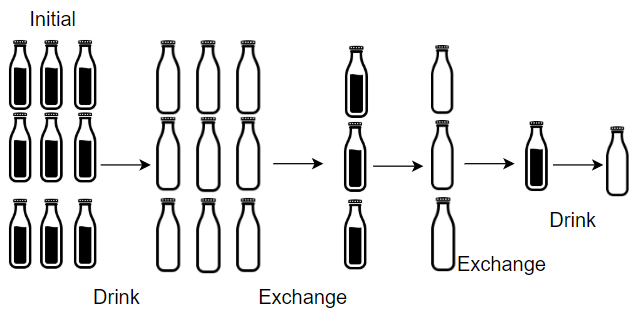
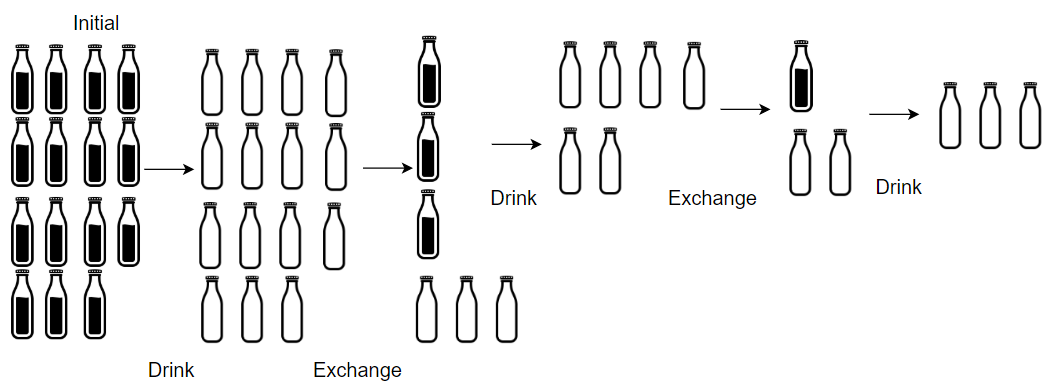
\

A string \b\ is a \subset\ of string \a\ if every letter in \b\ occurs in \a\ including multiplicity.\

\
    \
  • For example, \"wrr"\ is a subset of \"warrior"\ but is not a subset of \"world"\.\
  • \
\

A string \a\ from \words1\ is \universal\ if for every string \b\ in \words2\, \b\ is a subset of \a\.\

\

Return an array of all the \universal\ strings in \words1\. You may return the answer in \any order\.\

### Examples ``` Input: words1 = ["amazon","apple","facebook","google","leetcode"], words2 = ["e","o"] Output: ["facebook","google","leetcode"] ``` ``` Input: words1 = ["amazon","apple","facebook","google","leetcode"], words2 = ["l","o"] Output: ["google","leetcode"] ``` ### Constraints * 1 \<= words1.length, words2.length \<= 10^4 * 1 \<= words1\[i].length, words2\[i].length \<= 10 * words1\[i] and words2\[i] consist only of lowercase English letters. * All the strings of words1 are unique. ## Solution Reference implementation from [solution.py on GitHub](https://github.com/wislertt/leetcode-py/blob/main/leetcode/word_subsets/solution.py), full suite in [test\_solution.py](https://github.com/wislertt/leetcode-py/blob/main/leetcode/word_subsets/test_solution.py): ```python theme={"theme":{"light":"github-light","dark":"github-dark"}} from collections import Counter class Solution: # Time: O(w1 * avg_len + w2 * avg_len) # Space: O(1) def word_subsets(self, words1: list[str], words2: list[str]) -> list[str]: need = Counter() for word in words2: counts = Counter(word) for letter, count in counts.items(): need[letter] = max(need[letter], count) return [word for word in words1 if not (need - Counter(word))] ``` ## Complexity | Time | Space | | ---------------------------------- | ----- | | O(w1 \* avg\_len + w2 \* avg\_len) | O(1) | ## Tags [NeetCode All](/catalog/neetcode). # X of a Kind in a Deck of Cards Python Solution Source: https://leetcode-py.wisl.dev/problems/x-of-a-kind-in-a-deck-of-cards Tested Python solution for LeetCode 914 with 24 pytest cases. Generate a practice environment with lcpy. LeetCode 914, [Easy](/catalog/easy). Topics: [Array](/catalog/topics/array), [Hash Table](/catalog/topics/hash-table), [Math](/catalog/topics/math), [Counting](/catalog/topics/counting), [Number Theory](/catalog/topics/number-theory), Euclidean Algorithm, Greatest Common Divisor. [View on LeetCode](https://leetcode.com/problems/x-of-a-kind-in-a-deck-of-cards/description/). Generate this problem as a practice environment: tested reference solution, 24 [parametrized pytest cases](/practice/testing), and a playground notebook: ```bash theme={"theme":{"light":"github-light","dark":"github-dark"}} lcpy gen -n 914 # by problem number lcpy gen -s x_of_a_kind_in_a_deck_of_cards # by problem name ``` ## Problem You are given an integer array `deck` where `deck[i]` represents the number written on the `i^th` card. Partition the cards into one or more groups such that: * Each group has **exactly** `x` cards where `x > 1`, and * All the cards in one group have the same integer written on them. Return `true` if such partition is possible, or `false` otherwise. ### Examples ``` Input: deck = [1,2,3,4,4,3,2,1] Output: true ``` **Explanation:** Possible partition `[1,1],[2,2],[3,3],[4,4]`. ``` Input: deck = [1,1,1,2,2,2,3,3] Output: false ``` **Explanation:** No possible partition. ### Constraints * 1 \<= deck.length \<= 10^4 * 0 \<= deck\[i] \< 10^4 ## Solution Reference implementation from [solution.py on GitHub](https://github.com/wislertt/leetcode-py/blob/main/leetcode/x_of_a_kind_in_a_deck_of_cards/solution.py), full suite in [test\_solution.py](https://github.com/wislertt/leetcode-py/blob/main/leetcode/x_of_a_kind_in_a_deck_of_cards/test_solution.py): ```python theme={"theme":{"light":"github-light","dark":"github-dark"}} from collections import Counter from functools import reduce from math import gcd class Solution: # Time: O(n + k log m) where k is distinct values, m is max count # Space: O(k) def has_group_size_x(self, deck: list[int]) -> bool: counts = list(Counter(deck).values()) return reduce(gcd, counts) > 1 ``` ## Complexity | Time | Space | | --------------------------------------------------------- | ----- | | O(n + k log m) where k is distinct values, m is max count | O(k) | ## Tags # XOR Queries of a Subarray Python Solution Source: https://leetcode-py.wisl.dev/problems/xor-queries-of-a-subarray Tested Python solution for LeetCode 1310 with 15 pytest cases. Generate a practice environment with lcpy. LeetCode 1310, [Medium](/catalog/medium). Topics: [Array](/catalog/topics/array), [Bit Manipulation](/catalog/topics/bit-manipulation), [Prefix Sum](/catalog/topics/prefix-sum). [View on LeetCode](https://leetcode.com/problems/xor-queries-of-a-subarray/description/). Generate this problem as a practice environment: tested reference solution, 15 [parametrized pytest cases](/practice/testing), and a playground notebook: ```bash theme={"theme":{"light":"github-light","dark":"github-dark"}} lcpy gen -n 1310 # by problem number lcpy gen -s xor_queries_of_a_subarray # by problem name ``` ## Problem You are given an array arr of positive integers. You are also given the array queries where queries\[i] = \[lefti, righti]. For each query i, compute the XOR of elements from lefti to righti (that is, arr\[lefti] XOR arr\[lefti + 1] XOR ... XOR arr\[righti]). Return an array answer where answer\[i] is the answer to the ith query. ### Examples ``` Input: arr = [1,3,4,8], queries = [[0,1],[1,2],[0,3],[3,3]] Output: [2,7,14,8] Explanation: The binary representation of the elements in the array are: 1 = 0001 3 = 0011 4 = 0100 8 = 1000 The XOR values for queries are: [0,1] = 1 xor 3 = 2 [1,2] = 3 xor 4 = 7 [0,3] = 1 xor 3 xor 4 xor 8 = 14 [3,3] = 8 ``` ``` Input: arr = [4,8,2,10], queries = [[2,3],[1,3],[0,0],[0,3]] Output: [8,0,4,4] ``` ### Constraints * 1 \<= arr.length, queries.length \<= 3 \* 10^4 * 1 \<= arr\[i] \<= 10^9 * queries\[i].length == 2 * 0 \<= lefti \<= righti \< arr.length ## Solution Reference implementation from [solution.py on GitHub](https://github.com/wislertt/leetcode-py/blob/main/leetcode/xor_queries_of_a_subarray/solution.py), full suite in [test\_solution.py](https://github.com/wislertt/leetcode-py/blob/main/leetcode/xor_queries_of_a_subarray/test_solution.py): ```python theme={"theme":{"light":"github-light","dark":"github-dark"}} from itertools import accumulate class Solution: def xor_queries(self, arr: list[int], queries: list[list[int]]) -> list[int]: prefix = [0, *accumulate(arr, lambda acc, value: acc ^ value)] return [prefix[right + 1] ^ prefix[left] for left, right in queries] ``` ## Complexity | Time | Space | | ---- | ----- | | - | - | ## Tags [NeetCode All](/catalog/neetcode). # 01 Matrix Python Solution with Tests Source: https://leetcode-py.wisl.dev/problems/zero-one-matrix Tested Python solution for LeetCode 542 with 13 pytest cases. Generate a practice environment with lcpy. LeetCode 542, [Medium](/catalog/medium). Topics: [Array](/catalog/topics/array), [Dynamic Programming](/catalog/topics/dynamic-programming), [Breadth-First Search](/catalog/topics/breadth-first-search), [Matrix](/catalog/topics/matrix). [View on LeetCode](https://leetcode.com/problems/zero-one-matrix/description/). Generate this problem as a practice environment: tested reference solution, 13 [parametrized pytest cases](/practice/testing), and a playground notebook: ```bash theme={"theme":{"light":"github-light","dark":"github-dark"}} lcpy gen -n 542 # by problem number lcpy gen -s zero_one_matrix # by problem name ``` ## Problem Given an `m x n` binary matrix `mat`, return the distance of the nearest `0` for each cell. The distance between two cells sharing a common edge is `1`. ### Examples ![Example 1](https://assets.leetcode.com/uploads/2021/04/24/01-1-grid.jpg) ``` Input: mat = [[0,0,0],[0,1,0],[0,0,0]] Output: [[0,0,0],[0,1,0],[0,0,0]] ``` ![Example 2](https://assets.leetcode.com/uploads/2021/04/24/01-2-grid.jpg) ``` Input: mat = [[0,0,0],[0,1,0],[1,1,1]] Output: [[0,0,0],[0,1,0],[1,2,1]] ``` ### Constraints * `m == mat.length` * `n == mat[i].length` * `1 <= m, n <= 10^4` * `1 <= m * n <= 10^4` * `mat[i][j]` is either `0` or `1` * There is at least one `0` in `mat` **Note:** This question is the same as 1765: [Map of Highest Peak](https://leetcode.com/problems/map-of-highest-peak/) ## Solution Reference implementation from [solution.py on GitHub](https://github.com/wislertt/leetcode-py/blob/main/leetcode/zero_one_matrix/solution.py), full suite in [test\_solution.py](https://github.com/wislertt/leetcode-py/blob/main/leetcode/zero_one_matrix/test_solution.py): ```python theme={"theme":{"light":"github-light","dark":"github-dark"}} from collections import deque class Solution: # Time: O(m * n) # Space: O(m * n) def update_matrix(self, mat: list[list[int]]) -> list[list[int]]: UNSEEN = -1 # noqa: N806 m, n = len(mat), len(mat[0]) queue: deque[tuple[int, int]] = deque() # Mark 1s as UNSEEN and add all 0s to queue for i in range(m): for j in range(n): if mat[i][j] == 0: queue.append((i, j)) else: mat[i][j] = UNSEEN # BFS from all 0s simultaneously directions = [(0, 1), (1, 0), (0, -1), (-1, 0)] while queue: row, col = queue.popleft() for dr, dc in directions: r, c = row + dr, col + dc if 0 <= r < m and 0 <= c < n and mat[r][c] == UNSEEN: mat[r][c] = mat[row][col] + 1 queue.append((r, c)) return mat ``` ## Complexity | Time | Space | | --------- | --------- | | O(m \* n) | O(m \* n) | ## Tags [Grind 75](/catalog/grind-75), [Grind](/catalog/grind). # Zigzag Conversion Python Solution with Tests Source: https://leetcode-py.wisl.dev/problems/zigzag-conversion Tested Python solution for LeetCode 6 with 20 pytest cases. Generate a practice environment with lcpy. LeetCode 6, [Medium](/catalog/medium). Topics: [String](/catalog/topics/string). [View on LeetCode](https://leetcode.com/problems/zigzag-conversion/description/). Generate this problem as a practice environment: tested reference solution, 20 [parametrized pytest cases](/practice/testing), and a playground notebook: ```bash theme={"theme":{"light":"github-light","dark":"github-dark"}} lcpy gen -n 6 # by problem number lcpy gen -s zigzag_conversion # by problem name ``` ## Problem The string `"PAYPALISHIRING"` is written in a zigzag pattern on a given number of rows like this: (you may want to display this pattern in a fixed font for better legibility) ``` P A H N A P L S I I G Y I R ``` And then read line by line: `"PAHNAPLSIIGYIR"` Write the code that will take a string and make this conversion given a number of rows: ``` string convert(string s, int numRows); ``` ### Examples ``` Input: s = "PAYPALISHIRING", numRows = 3 Output: "PAHNAPLSIIGYIR" ``` ``` Input: s = "PAYPALISHIRING", numRows = 4 Output: "PINALSIGYAHRPI" Explanation: P I N A L S I G Y A H R P I ``` ``` Input: s = "A", numRows = 1 Output: "A" ``` ### Constraints * `1 <= s.length <= 1000` * `s` consists of English letters (lower-case and upper-case), `','` and `'.'`. * `1 <= numRows <= 1000` ## Solution Reference implementation from [solution.py on GitHub](https://github.com/wislertt/leetcode-py/blob/main/leetcode/zigzag_conversion/solution.py), full suite in [test\_solution.py](https://github.com/wislertt/leetcode-py/blob/main/leetcode/zigzag_conversion/test_solution.py): ```python theme={"theme":{"light":"github-light","dark":"github-dark"}} class Solution: # Time: O(n) # Space: O(n) def convert(self, s: str, num_rows: int) -> str: if num_rows == 1 or num_rows >= len(s): return s rows: list[list[str]] = [[] for _ in range(num_rows)] current_row = 0 step = 1 for char in s: rows[current_row].append(char) if current_row == 0: step = 1 elif current_row == num_rows - 1: step = -1 current_row += step return "".join("".join(row) for row in rows) ``` ## Complexity | Time | Space | | ---- | ----- | | O(n) | O(n) | ## Tags [NeetCode All](/catalog/neetcode). # Zigzag Iterator Python Solution with Tests Source: https://leetcode-py.wisl.dev/problems/zigzag-iterator Tested Python solution for LeetCode 281 with 13 pytest cases. Generate a practice environment with lcpy. LeetCode 281, [Medium](/catalog/medium). Topics: [Design](/catalog/topics/design), [Queue](/catalog/topics/queue), [Array](/catalog/topics/array), Iterator. [View on LeetCode](https://leetcode.com/problems/zigzag-iterator/description/). Generate this problem as a practice environment: tested reference solution, 13 [parametrized pytest cases](/practice/testing), and a playground notebook: ```bash theme={"theme":{"light":"github-light","dark":"github-dark"}} lcpy gen -n 281 # by problem number lcpy gen -s zigzag_iterator # by problem name ``` ## Problem Given two vectors of integers `v1` and `v2`, implement an iterator to return their elements alternately. Implement the `ZigzagIterator` class: * `ZigzagIterator(List v1, List v2)` initializes the object with the two vectors `v1` and `v2`. * `boolean hasNext()` returns `true` if the iterator still has elements, and `false` otherwise. * `int next()` returns the current element of the iterator and moves the iterator to the next element. **Follow up:** What if you are given `k` vectors? How well can your code be extended to such cases? ### Examples ``` Input: v1 = [1,2], v2 = [3,4,5,6] Output: [1,3,2,4,5,6] Explanation: By calling next repeatedly until hasNext returns false, the order of elements returned by next should be: [1,3,2,4,5,6]. ``` ``` Input: v1 = [1], v2 = [] Output: [1] ``` ``` Input: v1 = [], v2 = [1] Output: [1] ``` ### Constraints * `0 <= v1.length, v2.length <= 1000` * `1 <= v1.length + v2.length <= 2000` * `-10^9 <= v1[i], v2[i] <= 10^9` ## Solution Reference implementation from [solution.py on GitHub](https://github.com/wislertt/leetcode-py/blob/main/leetcode/zigzag_iterator/solution.py), full suite in [test\_solution.py](https://github.com/wislertt/leetcode-py/blob/main/leetcode/zigzag_iterator/test_solution.py): ```python theme={"theme":{"light":"github-light","dark":"github-dark"}} from collections import deque class ZigzagIterator: # Time: O(1) per call # Space: O(v1.length + v2.length) def __init__(self, v1: list[int], v2: list[int]) -> None: self._queues: list[deque[int]] = [deque(v) for v in (v1, v2) if v] self._turn = 0 def _prune_empty(self) -> None: self._queues = [queue for queue in self._queues if queue] if self._turn >= len(self._queues): self._turn = 0 # Time: O(1) amortized # Space: O(1) def next(self) -> int: self._prune_empty() queue = self._queues[self._turn] value = queue.popleft() if self._queues: self._turn = (self._turn + 1) % len(self._queues) return value # Time: O(1) # Space: O(1) def has_next(self) -> bool: self._prune_empty() return bool(self._queues) ``` ## Complexity | Time | Space | | ------------- | ------------------------ | | O(1) per call | O(v1.length + v2.length) | ## Tags [NeetCode All](/catalog/neetcode). # Zuma Game Python Solution with Tests Source: https://leetcode-py.wisl.dev/problems/zuma-game Tested Python solution for LeetCode 488 with 22 pytest cases. Generate a practice environment with lcpy. LeetCode 488, [Hard](/catalog/hard). Topics: [String](/catalog/topics/string), [Dynamic Programming](/catalog/topics/dynamic-programming), [Stack](/catalog/topics/stack), [Breadth-First Search](/catalog/topics/breadth-first-search), [Memoization](/catalog/topics/memoization). [View on LeetCode](https://leetcode.com/problems/zuma-game/description/). Generate this problem as a practice environment: tested reference solution, 22 [parametrized pytest cases](/practice/testing), and a playground notebook: ```bash theme={"theme":{"light":"github-light","dark":"github-dark"}} lcpy gen -n 488 # by problem number lcpy gen -s zuma_game # by problem name ``` ## Problem You are playing a variation of the game Zuma. In this variation of Zuma, there is a **single row** of colored balls on a board, where each ball can be colored red `'R'`, yellow `'Y'`, blue `'B'`, green `'G'`, or white `'W'`. You also have several colored balls in your hand. Your goal is to **clear all** of the balls from the board. On each turn: * Pick **any** ball from your hand and insert it in between two balls in the row or on either end of the row. * If there is a group of **three or more consecutive balls** of the **same color**, remove the group of balls from the board. * If this removal causes more groups of three or more of the same color to form, then continue removing each group until there are none left. * If there are no more balls on the board, then you win the game. * Repeat this process until you either win or do not have any more balls in your hand. Given a string `board`, representing the row of balls on the board, and a string `hand`, representing the balls in your hand, return *the **minimum** number of balls you have to insert to clear all the balls from the board. If you cannot clear all the balls from the board using the balls in your hand, return* `-1`. ### Examples ``` Input: board = "WRRBBW", hand = "RB" Output: -1 Explanation: It is impossible to clear all the balls. The best you can do is: - Insert 'R' so the board becomes WRRRBBW. WRRRBBW -> WBBW. - Insert 'B' so the board becomes WBBBW. WBBBW -> WW. There are still balls remaining on the board, and you are out of balls to insert. ``` ``` Input: board = "WWRRBBWW", hand = "WRBRW" Output: 2 Explanation: To make the board empty: - Insert 'R' so the board becomes WWRRRBBWW. WWRRRBBWW -> WWBBWW. - Insert 'B' so the board becomes WWBBBWW. WWBBBWW -> WWWW -> empty. 2 balls from your hand were needed to clear the board. ``` ``` Input: board = "G", hand = "GGGGG" Output: 2 Explanation: To make the board empty: - Insert 'G' so the board becomes GG. - Insert 'G' so the board becomes GGG. GGG -> empty. 2 balls from your hand were needed to clear the board. ``` ### Constraints * 1 \<= board.length \<= 16 * 1 \<= hand.length \<= 5 * board and hand consist of the characters 'R', 'Y', 'B', 'G', and 'W'. * The initial row of balls on the board will not have any groups of three or more consecutive balls of the same color. ## Solution Reference implementation from [solution.py on GitHub](https://github.com/wislertt/leetcode-py/blob/main/leetcode/zuma_game/solution.py), full suite in [test\_solution.py](https://github.com/wislertt/leetcode-py/blob/main/leetcode/zuma_game/test_solution.py): ```python theme={"theme":{"light":"github-light","dark":"github-dark"}} _UNREACHABLE = 10**9 def _clean(row: str) -> str: while True: kept: list[str] = [] i = 0 while i < len(row): j = i while j < len(row) and row[j] == row[i]: j += 1 if j - i < 3: kept.append(row[i:j]) i = j nxt = "".join(kept) if nxt == row: return row row = nxt def _adjacent(row: str, pos: int, ball: str) -> bool: return (pos > 0 and row[pos - 1] == ball) or (pos < len(row) and row[pos] == ball) class Solution: # Time: O((n + h)^h * n * h) states over memoized rows, n <= 21, h <= 5 # Space: O(states) memo plus recursion depth h def find_min_step(self, board: str, hand: str) -> int: memo: dict[tuple[str, str], int] = {} def search(row: str, balls: str) -> int: if not row: return 0 if (row, balls) in memo: return memo[(row, balls)] if not balls: return _UNREACHABLE best = _UNREACHABLE for i, ball in enumerate(balls): if i > 0 and balls[i - 1] == ball: continue rest = balls[:i] + balls[i + 1 :] for pos in range(len(row) + 1): if not _adjacent(row, pos, ball): continue nxt = _clean(row[:pos] + ball + row[pos:]) best = min(best, 1 + search(nxt, rest)) memo[(row, balls)] = best return best result = search(board, "".join(sorted(hand))) return -1 if result >= _UNREACHABLE else result ``` ## Complexity | Time | Space | | ------------------------------------------------------------------- | ------------------------------------- | | O((n + h)^h \* n \* h) states over memoized rows, n \<= 21, h \<= 5 | O(states) memo plus recursion depth h | ## Tags # lcpy gen Error: Problem Already Exists Source: https://leetcode-py.wisl.dev/troubleshooting/files-already-exist lcpy refuses to generate into a directory that already exists. Pick another output directory or pass --force to overwrite. ``` Error: Problem 'two_sum' already exists. Use --force to overwrite. ``` `lcpy gen` never overwrites silently. A directory named after the problem already exists under the output directory, so generation stops. ## Reproduce ```bash theme={"theme":{"light":"github-light","dark":"github-dark"}} lcpy gen -n 1 lcpy gen -n 1 # Error: Problem 'two_sum' already exists. Use --force to overwrite. ``` ## Fix * **Generate somewhere else**: pass a different output directory, `lcpy gen -n 1 -o practice/week-1`. * **Regenerate on purpose**: add `--force`. The generated files replace whatever is there, including your edits. If the directory holds a solution you want, copy `solution.py` out first, regenerate, then copy it back. Not this error? Every fix lives on [Troubleshooting](/troubleshooting). # Visualizations Show ASCII Instead of Diagrams Source: https://leetcode-py.wisl.dev/troubleshooting/graphviz-missing Data structure visualizations print as ASCII text instead of diagrams when the system Graphviz binary is missing. Install Graphviz and restart the terminal. No error is raised. Visualization objects print as ASCII fallback text instead of rendered diagrams, which means the system Graphviz binary is missing. The Python package alone is not enough: rendering shells out to the `dot` executable. ## Fix Install Graphviz for your platform ([download guide](https://graphviz.org/download/)): ```bash theme={"theme":{"light":"github-light","dark":"github-dark"}} brew install graphviz # macOS sudo apt install graphviz # Debian/Ubuntu ``` Restart the terminal afterwards so the new binary is on `PATH`, then re-run the notebook or script. What the rendered output looks like is shown in [Visualizations](/practice/visualizations). Not this problem? Every fix lives on [Troubleshooting](/troubleshooting). # lcpy Errors and Troubleshooting Source: https://leetcode-py.wisl.dev/troubleshooting/index Fixes for the lcpy errors users hit most, each on its own page, plus contributor fixes for bake tasks and generated-file drift. Every user-facing error gets its own page with the exact message, the cause, and the fix: * [lcpy gen Error: Problem Not Found](/troubleshooting/unknown-problem) * [lcpy gen Error: Problem Already Exists](/troubleshooting/files-already-exist) * [Visualizations Show ASCII Instead of Diagrams](/troubleshooting/graphviz-missing) * [Playground Notebook Cells Do Not Render](/troubleshooting/notebook-cells) The rest of this page covers contributor-side failures in the repository itself. ## check-consistency reports drift `leetcode/` is generated from JSON templates; editing a generated file by hand always resurfaces as drift. Fix it at the source: ```bash theme={"theme":{"light":"github-light","dark":"github-dark"}} # edit src/leetcode_py/cli/resources/leetcode/json/problems/.json bake p-gen -p --force bake check-consistency ``` If you already solved the problem, copy your `solution.py` out first, regenerate, then copy it back. The generated tree must match the templates exactly. ## bake brand fails on svg conversion Brand asset regeneration converts SVG to PNG through `rsvg-convert`, which comes from librsvg: `brew install librsvg`. Details live in `scripts/branding/BRAND.md`. ## bake docs issues * **`mintlify: command not found`**: the CLI comes from mise; run `mise install` in the repo, or use `mise exec npm:mintlify -- mintlify dev`. * **`must be run in a directory where a docs.json file exists`**: run from `docs/`, or use `bake docs` which does that for you. * **Port already in use**: the dev server listens on port 3000; stop the other process or pass `--port`. ## Still stuck Open an issue on [GitHub](https://github.com/wislertt/leetcode-py/issues) with the command you ran and its output. # Playground Notebook Cells Do Not Render Source: https://leetcode-py.wisl.dev/troubleshooting/notebook-cells Playground files use jupytext percent format, so cells need an editor that understands # %% markers: the VS Code interactive window or JupyterLab with jupytext enabled. No error is raised. `playground.py` opens as a plain Python file with `# %%` markers instead of notebook cells. Playgrounds use jupytext percent format: one `.py` file that behaves as a notebook in the right editor. ## Fix * **VS Code**: install the Python extension, then open `playground.py` and use *Run Cell* / the interactive window. VS Code understands `# %%` natively. * **JupyterLab**: enable the jupytext contents manager so percent-format files open as notebooks. * **Committed an `.ipynb` by accident**: the repo keeps playgrounds as percent-format Python. In a repository checkout, run `bake nb-to-py` to convert everything back and delete the `.ipynb` files. How the playground is meant to be used is covered in [Notebooks](/practice/notebooks). Not this problem? Every fix lives on [Troubleshooting](/troubleshooting). # lcpy gen Error: Problem Not Found Source: https://leetcode-py.wisl.dev/troubleshooting/unknown-problem lcpy reports a problem number, name, or tag it cannot find. Check the catalog with lcpy list, use snake_case names, or upgrade the package. ``` Error: Problem number 42 not found ``` `lcpy gen` resolves numbers and tags against the JSON catalog bundled with your installed version. The error means the number, name, or tag is not in that catalog. A close cousin, reported as a warning during bulk runs: ``` Warning: JSON file not found for problem 'two-sum', skipping ``` That one means the name does not match a catalog entry, most often because the name is spelled as a slug instead of snake\_case. ## Reproduce ```bash theme={"theme":{"light":"github-light","dark":"github-dark"}} lcpy gen -n 42 # Error: Problem number 42 not found lcpy gen -s two-sum # Warning: JSON file not found for problem 'two-sum', skipping # Completed: 0 successful, 1 failed ``` ## Fix * **Check what ships with your version**: run `lcpy list`, or `lcpy list -t ` for one collection. Only listed problems can be generated. * **With `-s`, spell the name exactly as the repo does, underscored**: `two_sum`, `valid_palindrome`. The hyphenated form (`two-sum`) is the LeetCode URL slug and matches nothing. Numbers via `-n` sidestep spelling entirely: ```bash theme={"theme":{"light":"github-light","dark":"github-dark"}} lcpy gen -s two_sum # ✅ Generated problem: two_sum # Completed: 1 successful, 0 failed ``` * **Problem added to the repo after you installed**: upgrade the package, `pip install --upgrade leetcode-py-sdk`, then generate again. * **Problem not in the catalog at all**: it has to be scraped and added first; see [Problem Creation](/contributing/problem-creation). Not this error? Every fix lives on [Troubleshooting](/troubleshooting).