LeetCode 1944, Hard. Topics: Array, Stack, Monotonic Stack. View on LeetCode. Generate this problem as a practice environment: tested reference solution, 20 parametrized pytest cases, and a playground notebook:

Problem

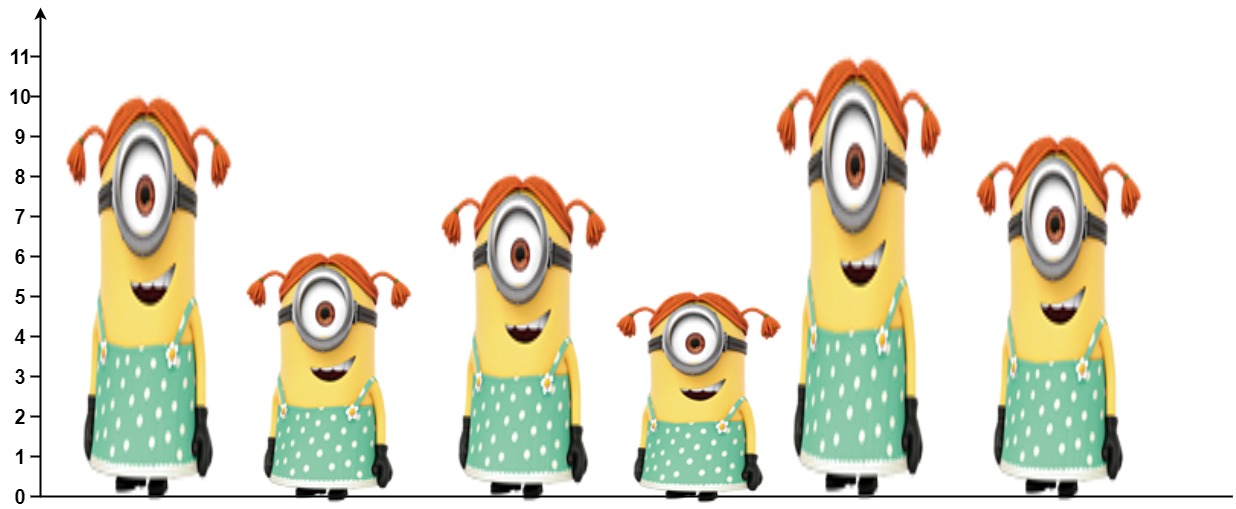
There are n people standing in a queue, and they numbered from 0 to n - 1 in left to right order. You are given an array heights of distinct integers where heights[i] represents the height of the ith person. A person can see another person to their right in the queue if everybody in between is shorter than both of them. More formally, the ith person can see the jth person if i < j and min(heights[i], heights[j]) > max(heights[i+1], heights[i+2], ..., heights[j-1]). Return an array answer of length n where answer[i] is the number of people the ith person can see to their right in the queue.

Examples

Example 1
Explanation:
  • Person 0 can see person 1, 2, and 4.
  • Person 1 can see person 2.
  • Person 2 can see person 3 and 4.
  • Person 3 can see person 4.
  • Person 4 can see person 5.
  • Person 5 can see no one since nobody is to the right of them.

Constraints

  • n == heights.length
  • 1 <= n <= 10^5
  • 1 <= heights[i] <= 10^5
  • All the values of heights are unique.

Solution

Reference implementation from solution.py on GitHub, full suite in test_solution.py:

Complexity

Tags

NeetCode All.
Last modified on September 7, 2026